





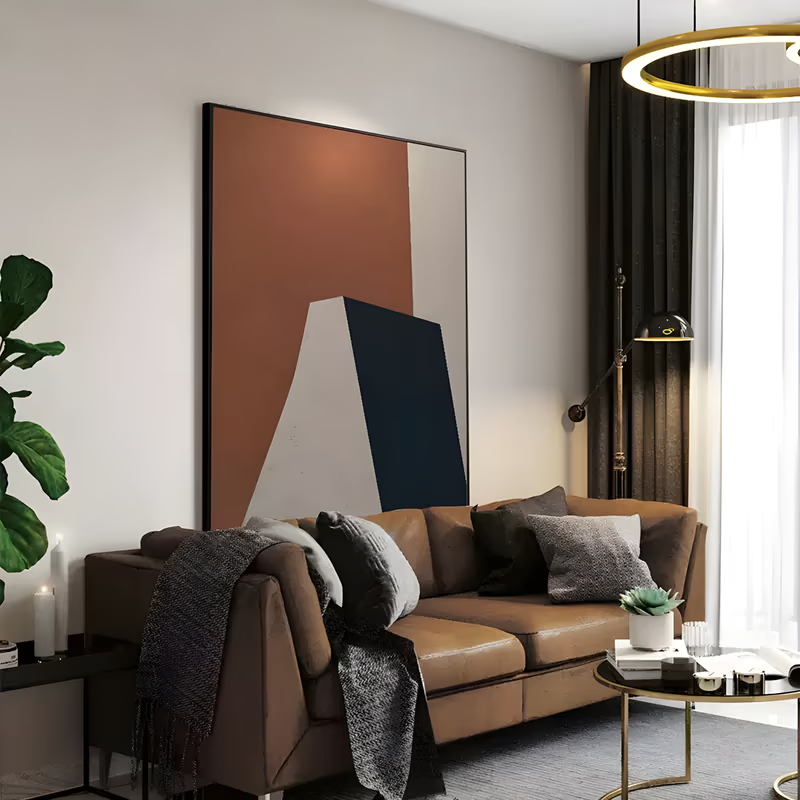
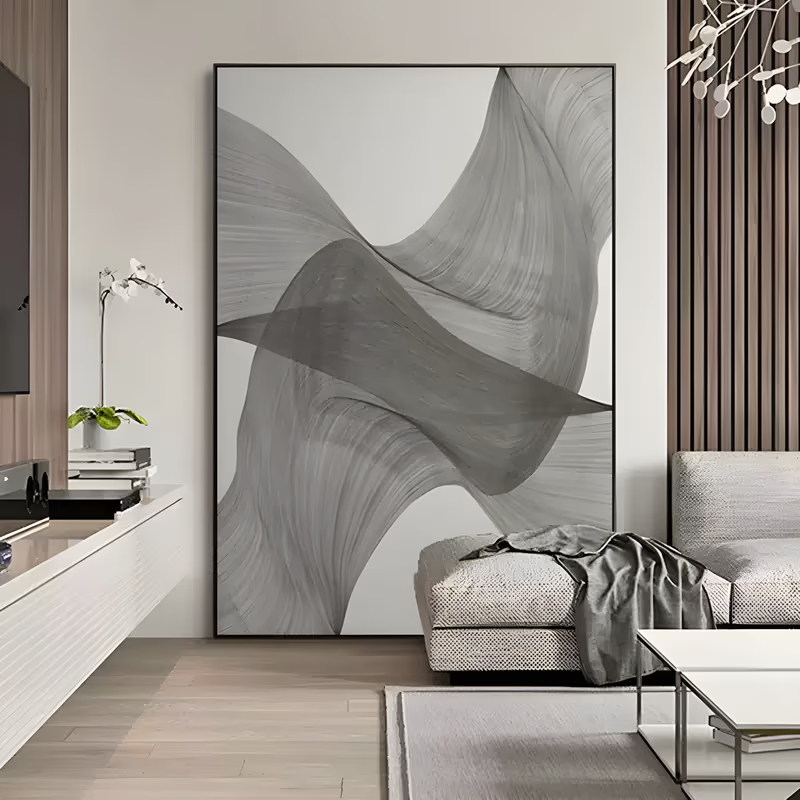
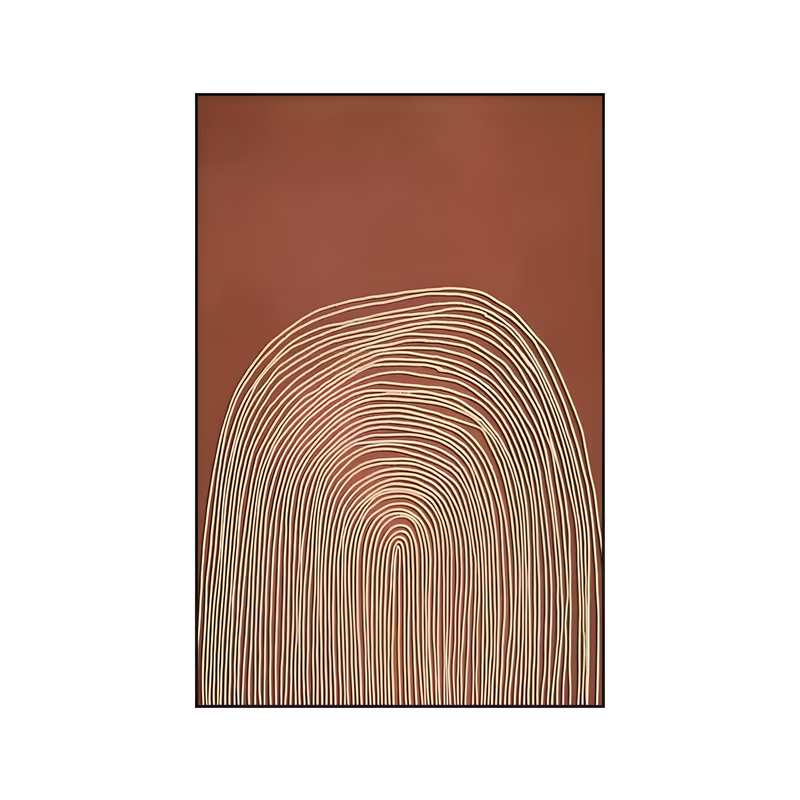
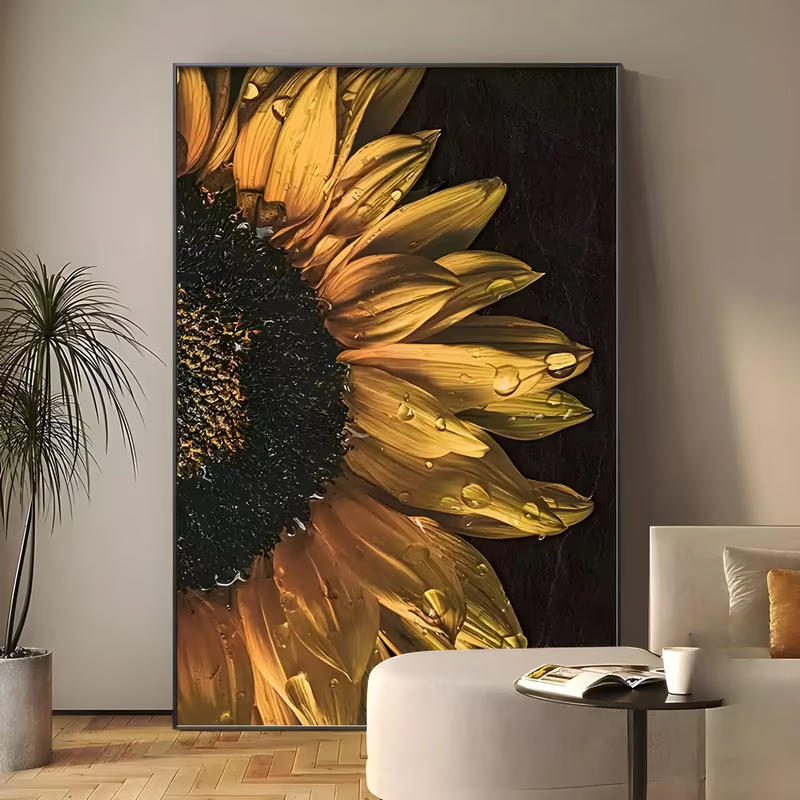
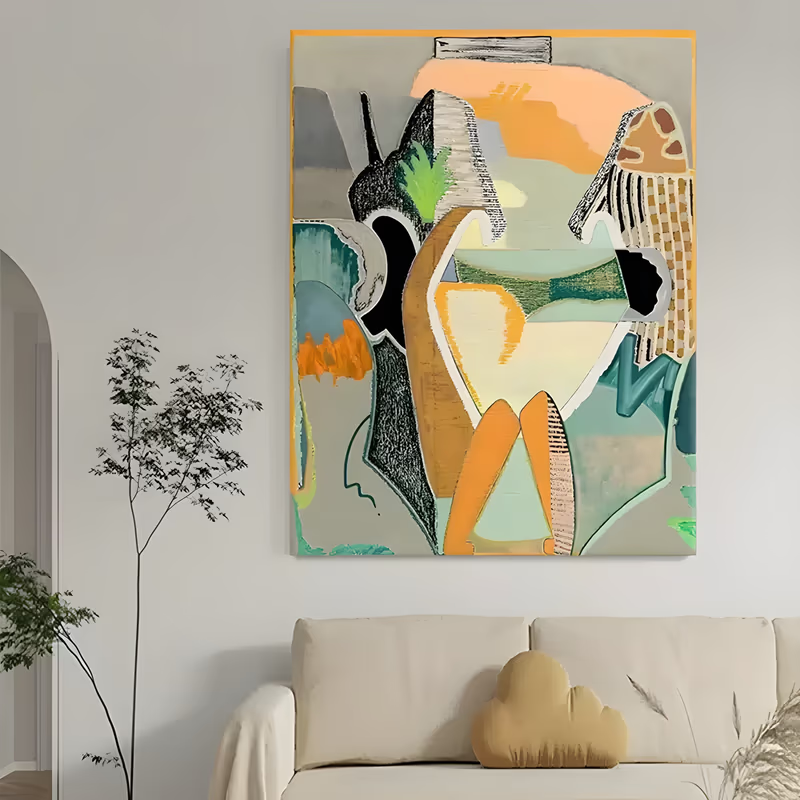
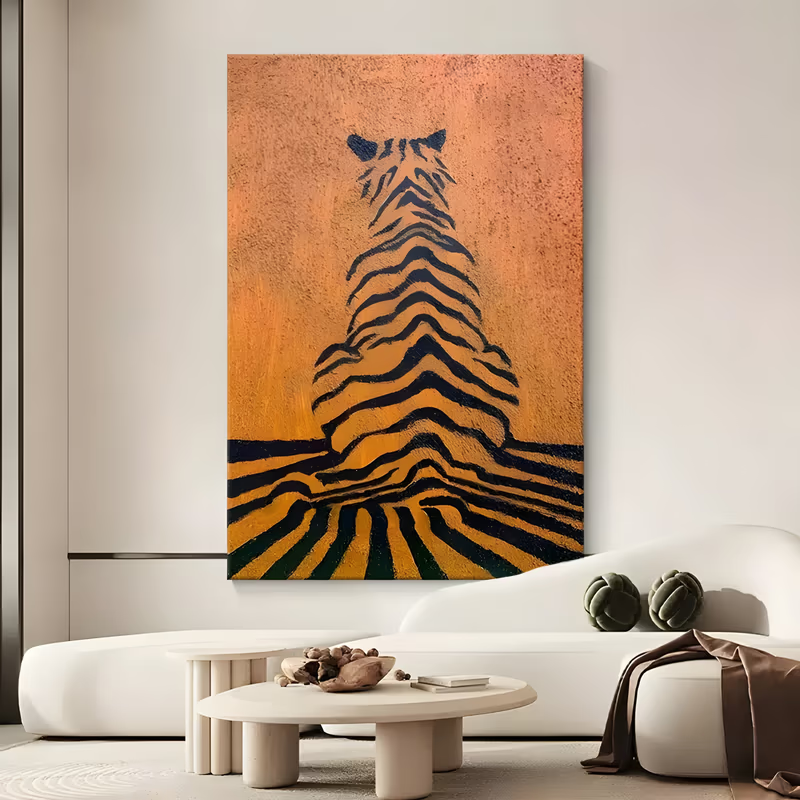
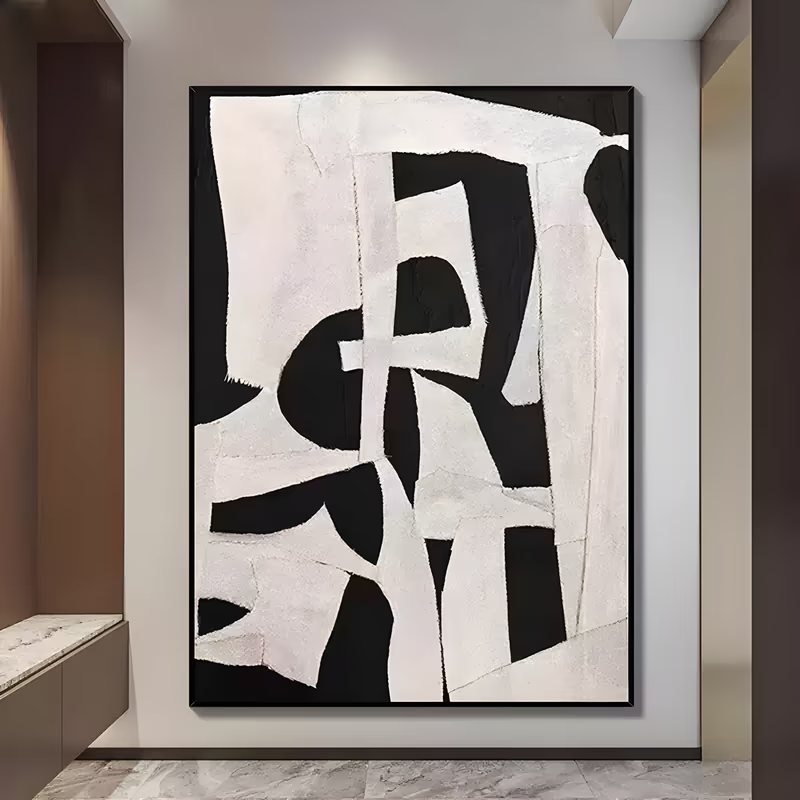
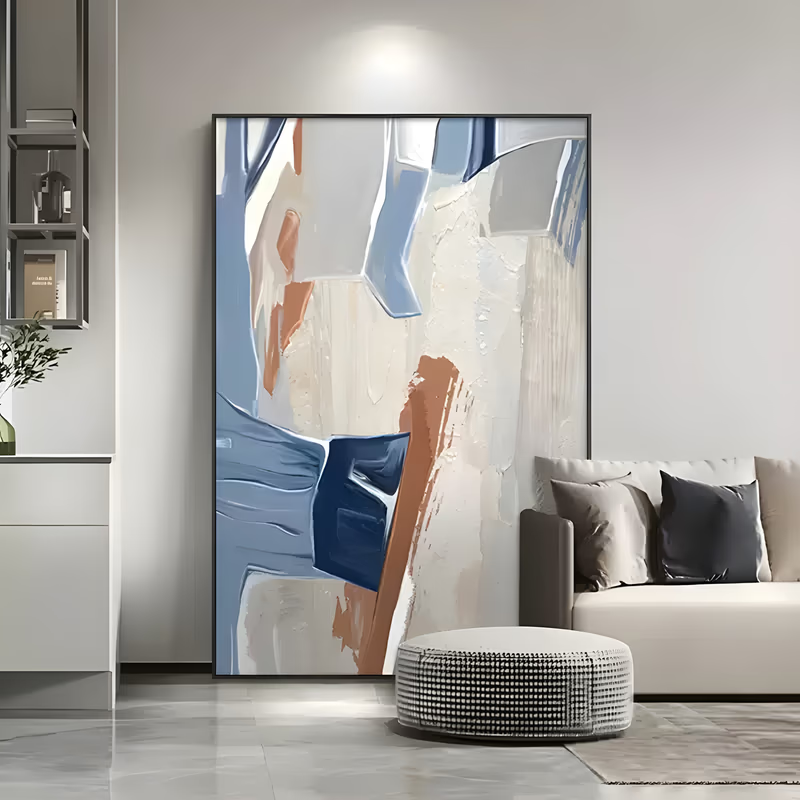

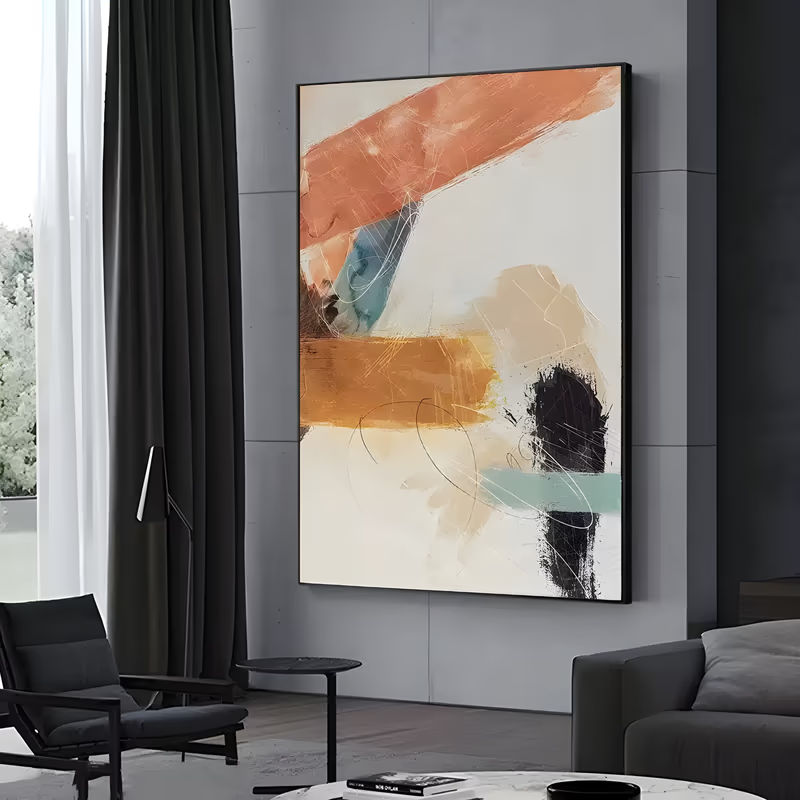
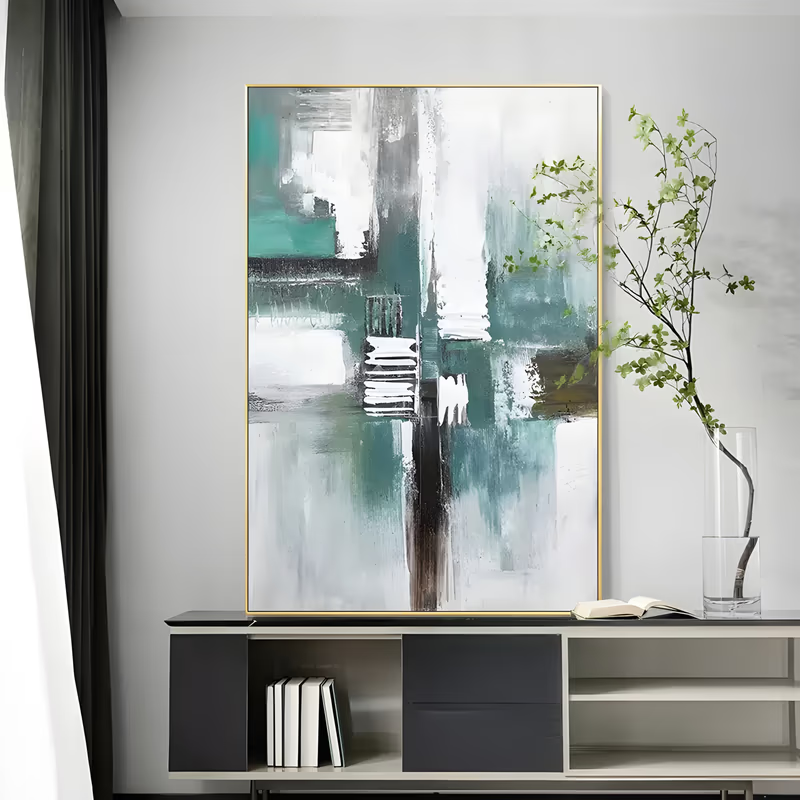
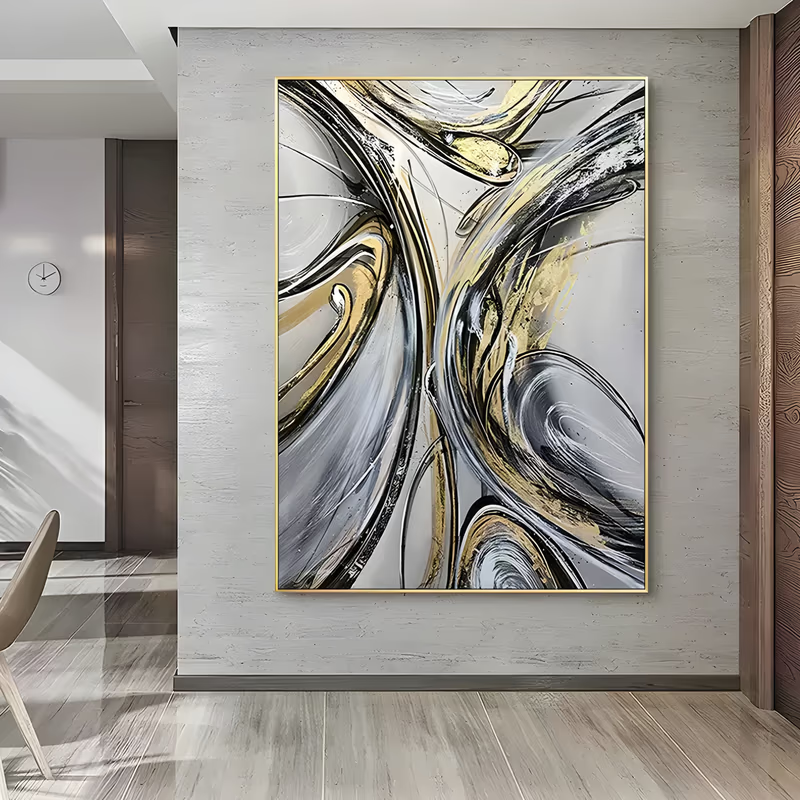
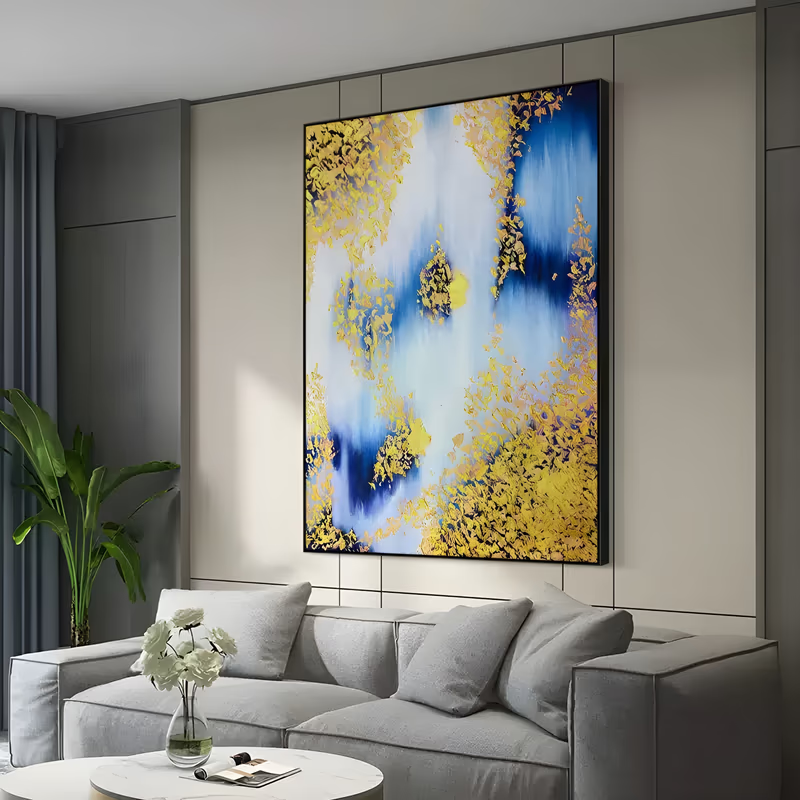
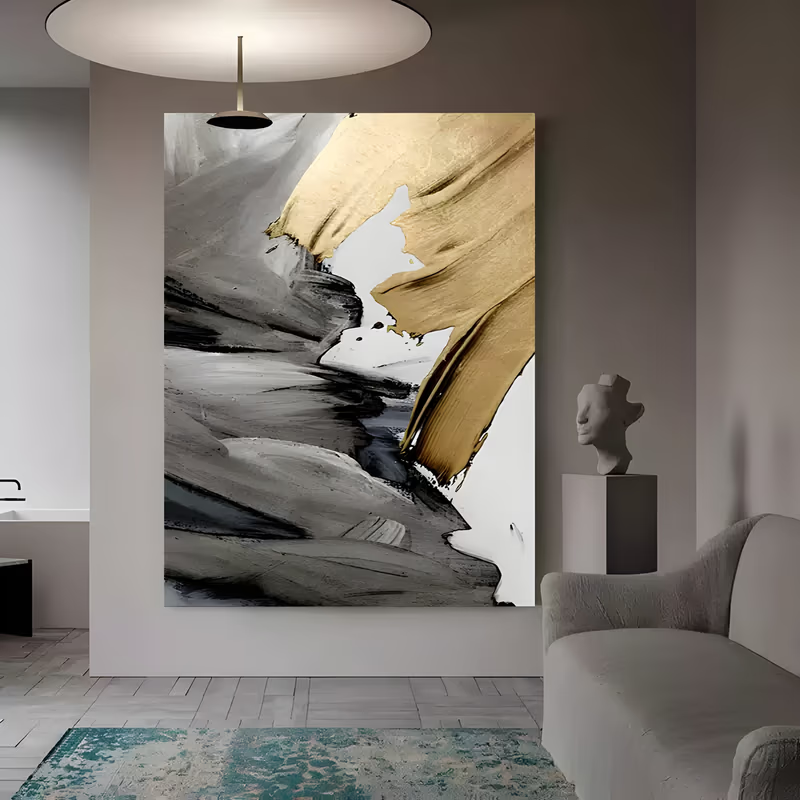
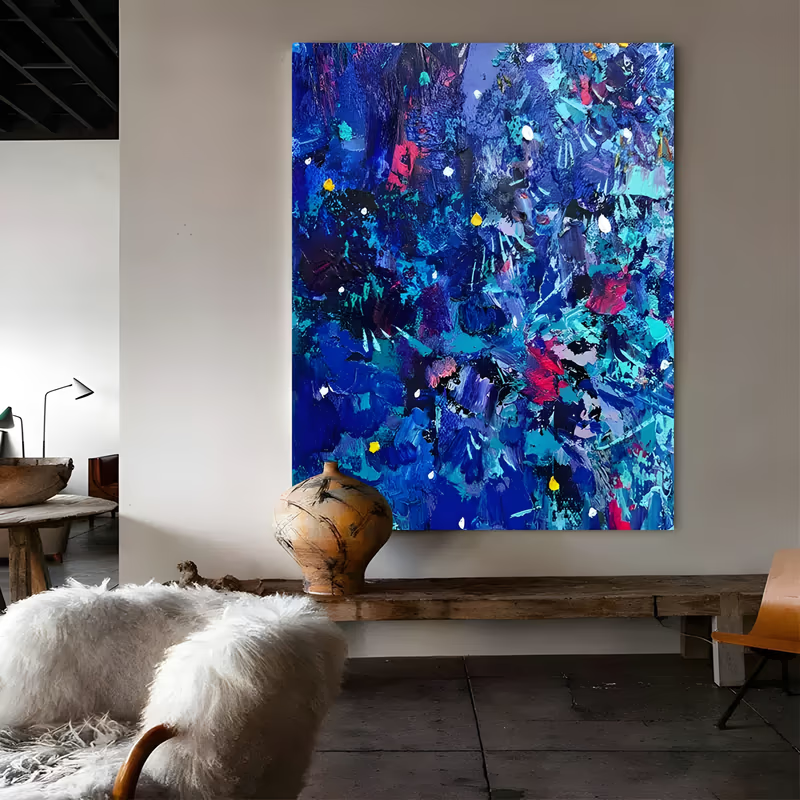
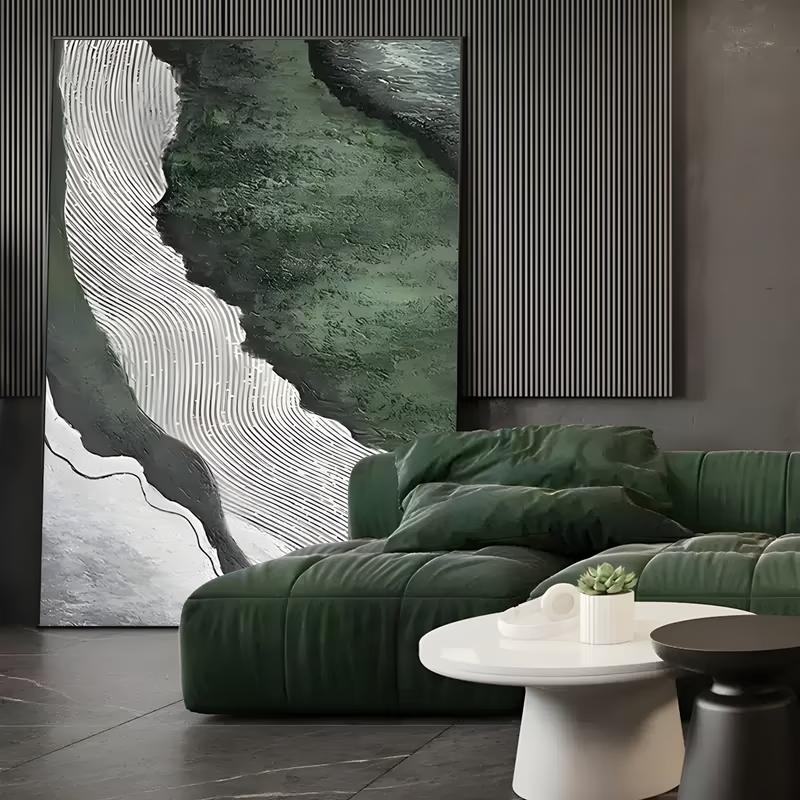
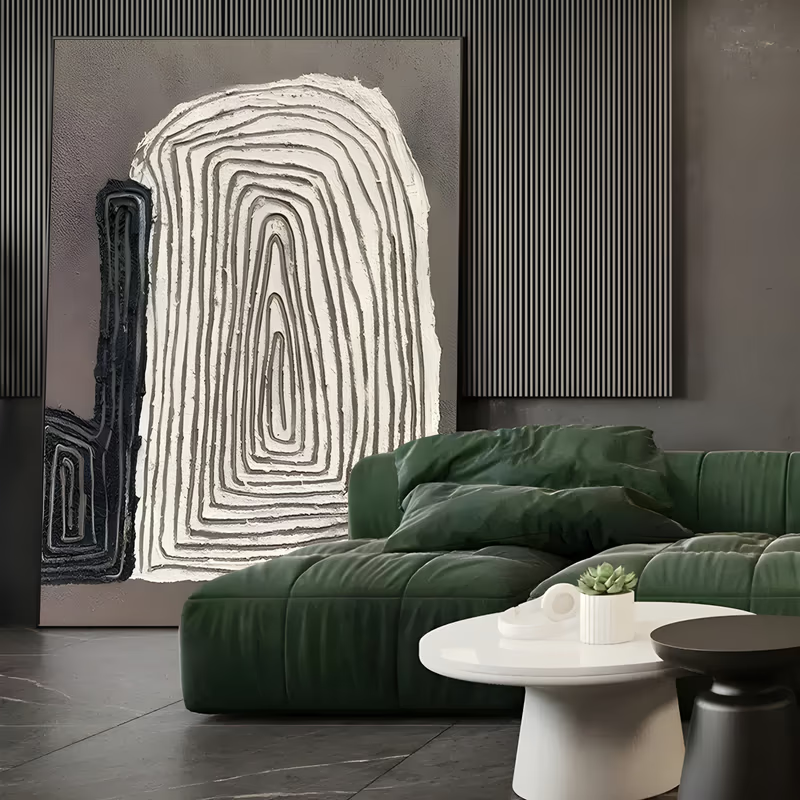
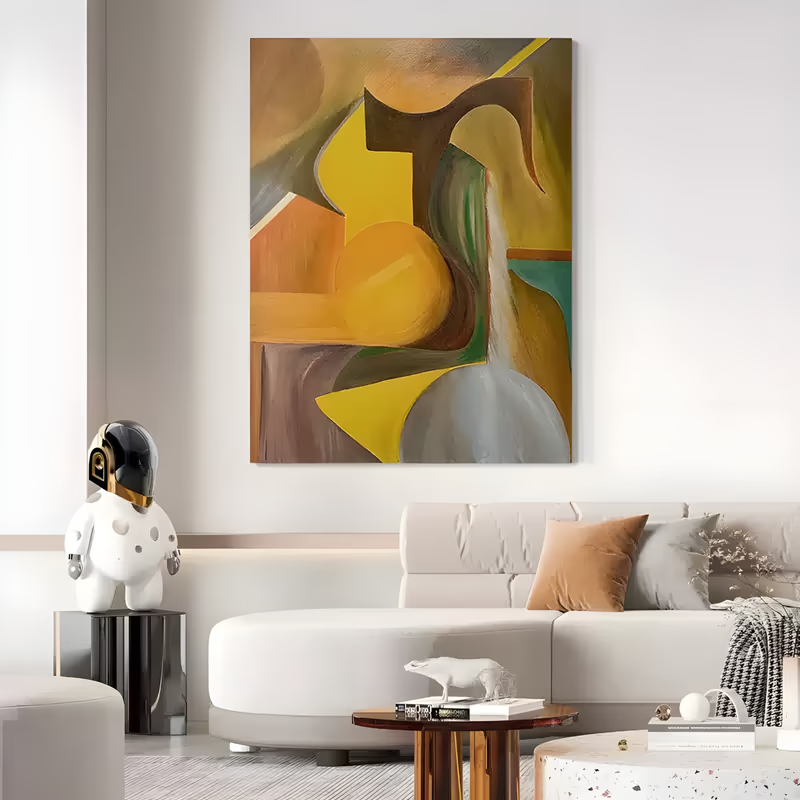
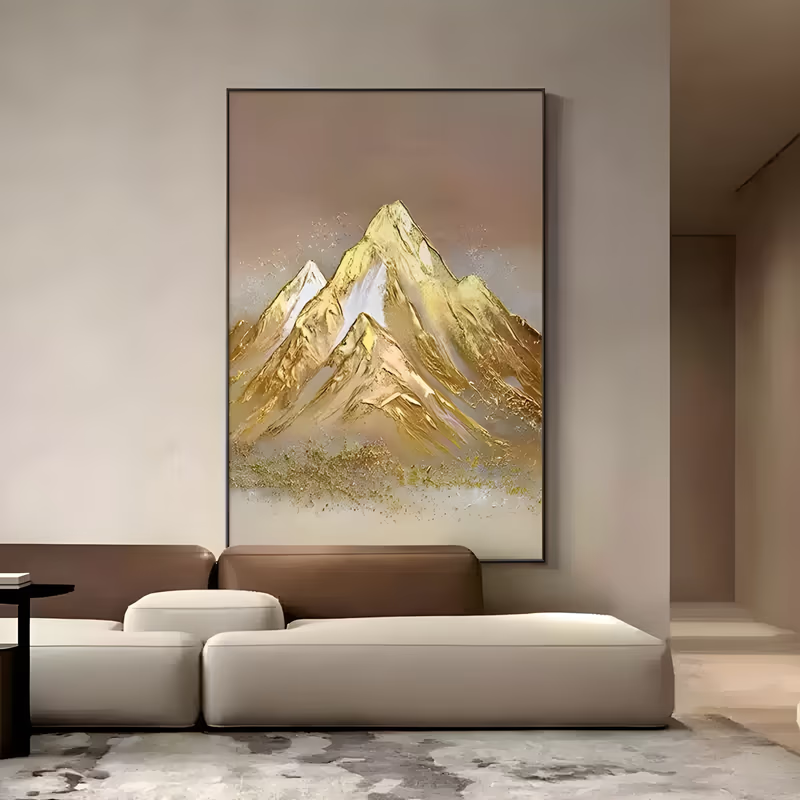
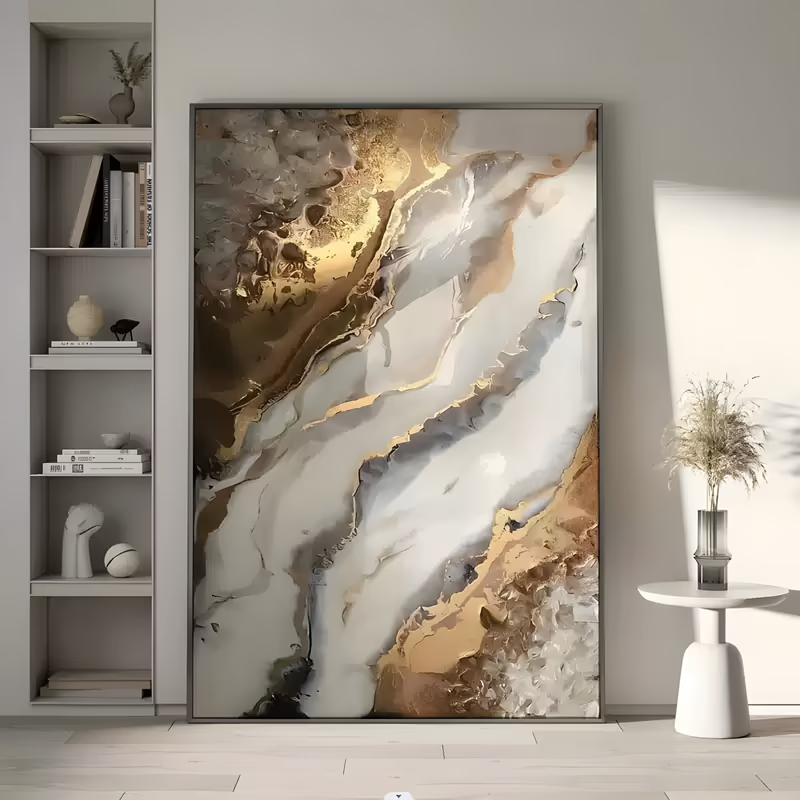
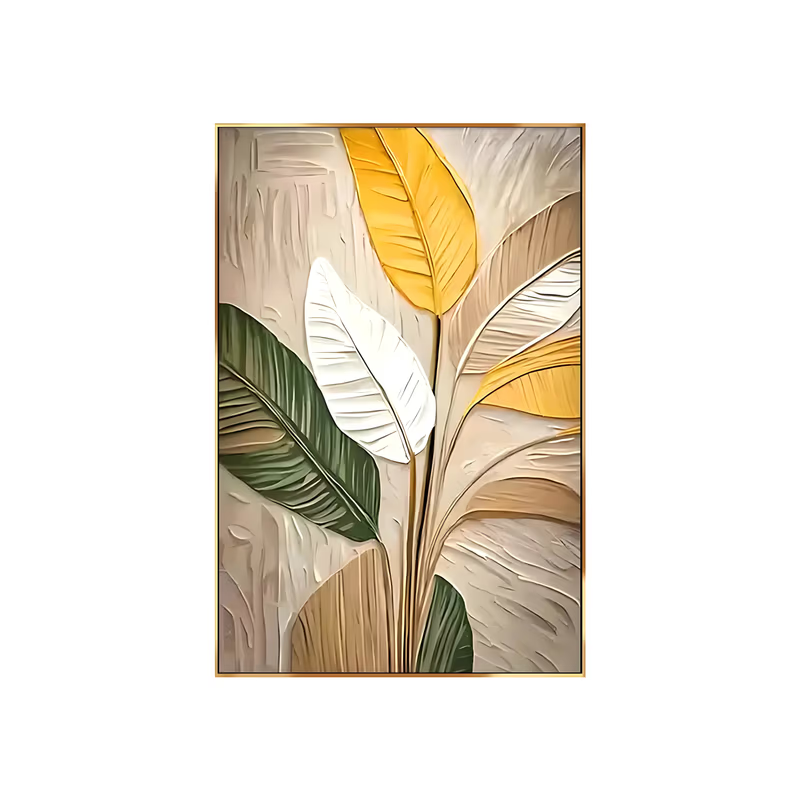
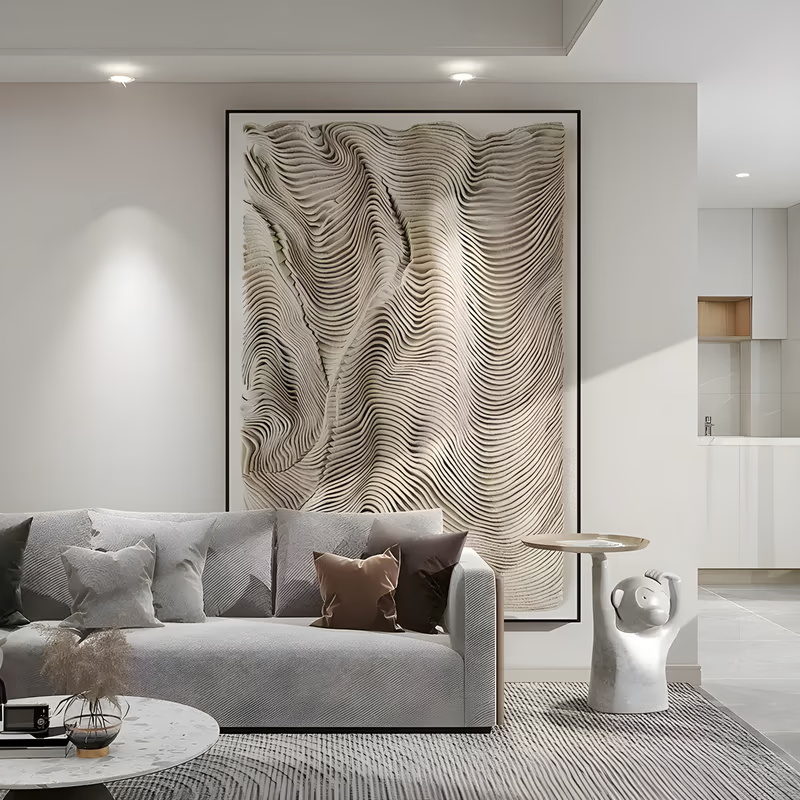

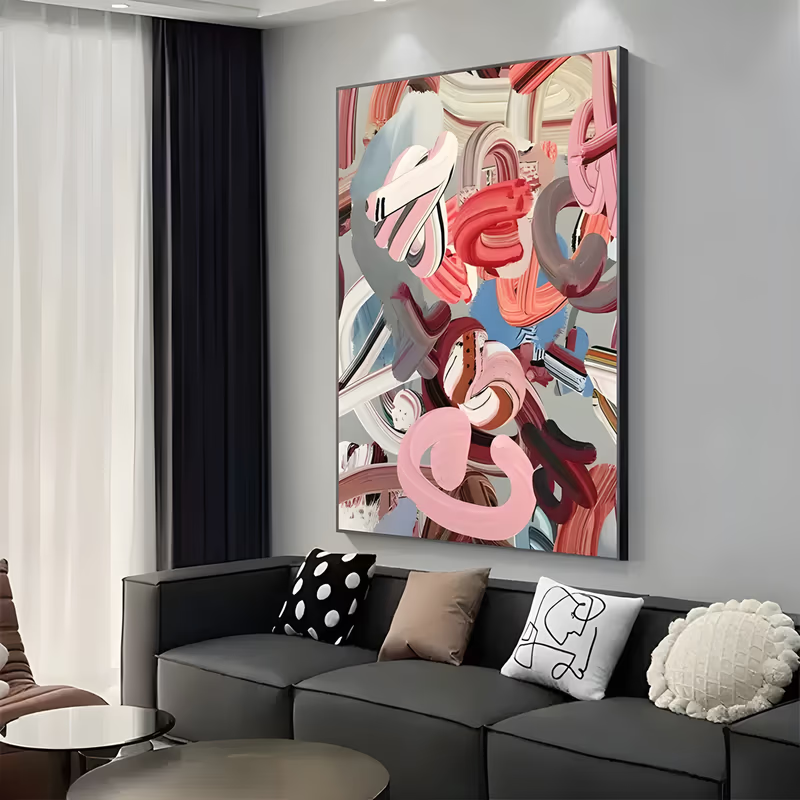
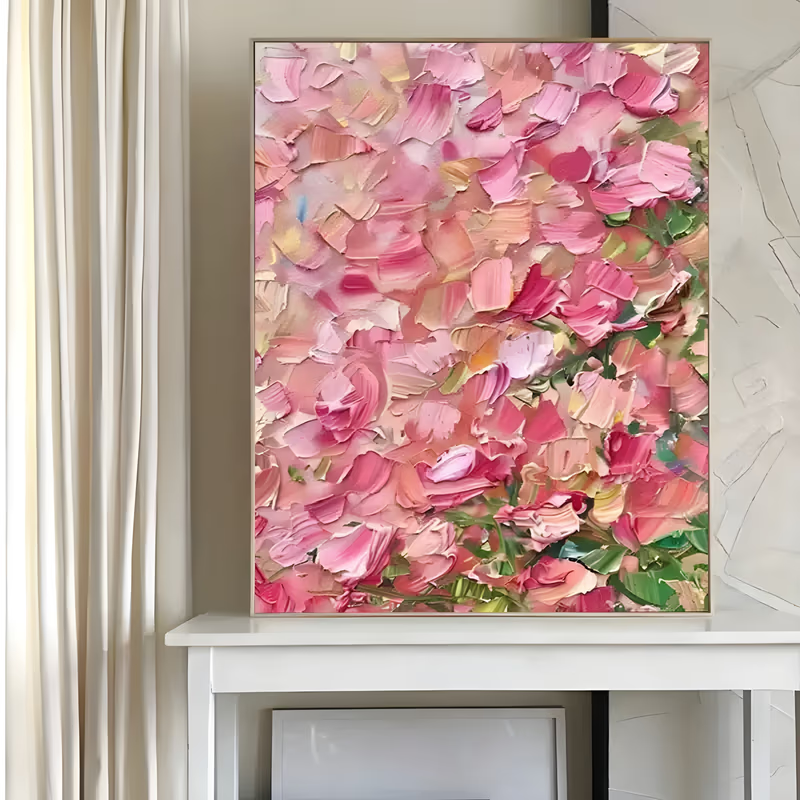
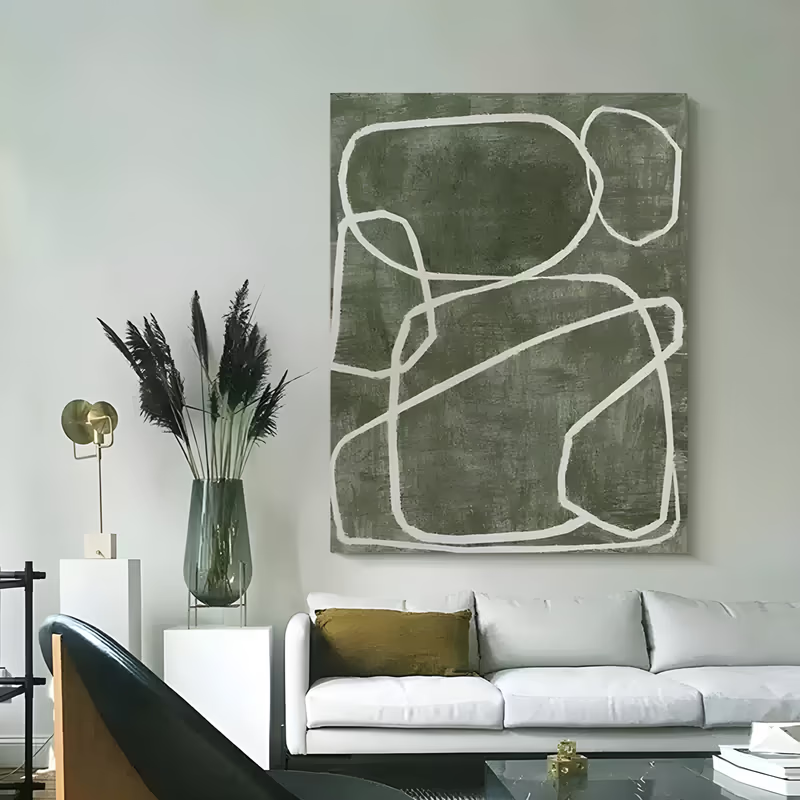
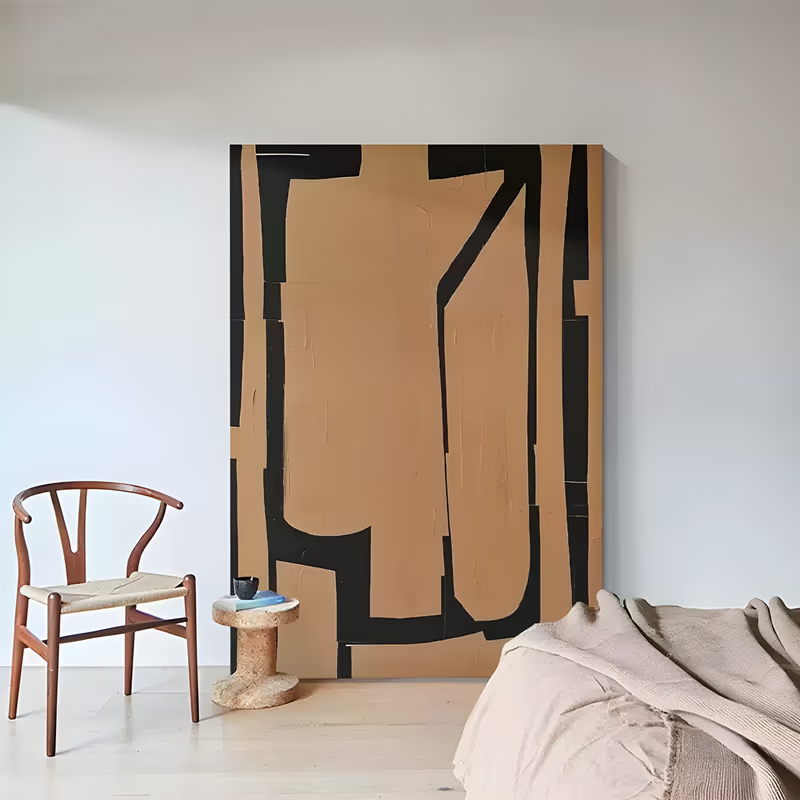

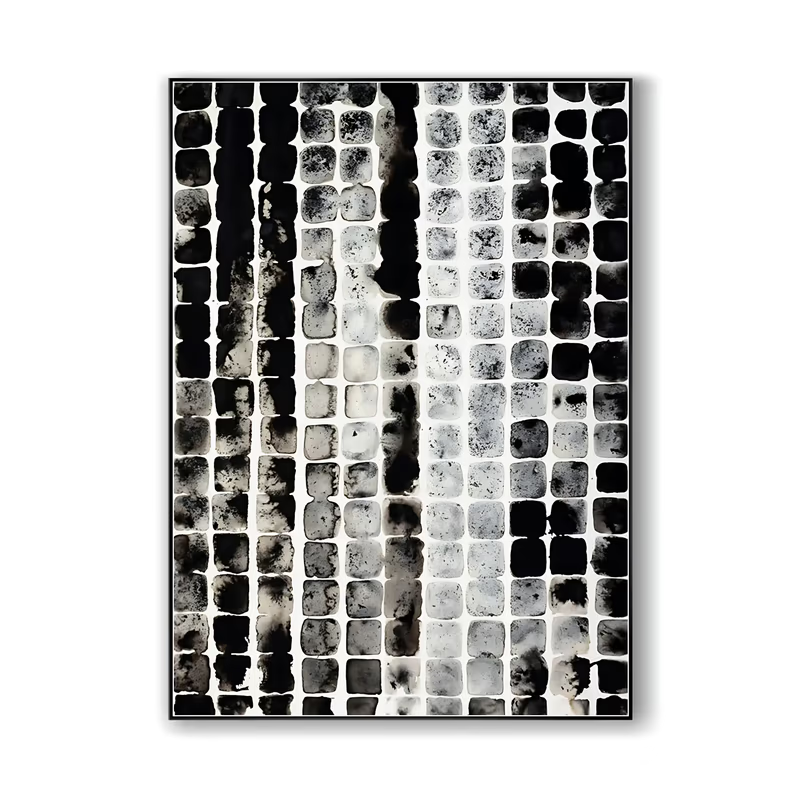
Vertical wall art guide · Updated
How to choose vertical wall art for a tall or narrow wall
Key takeaways
- Let the wall choose the shape: if the clear panel is taller than it is wide, a vertical canvas fills it naturally; forcing a wide piece into it leaves awkward gaps.
- Fill most of the panel, not all of it: a tall canvas looks right at roughly 60–75% of the panel width, with an even margin left on both sides.
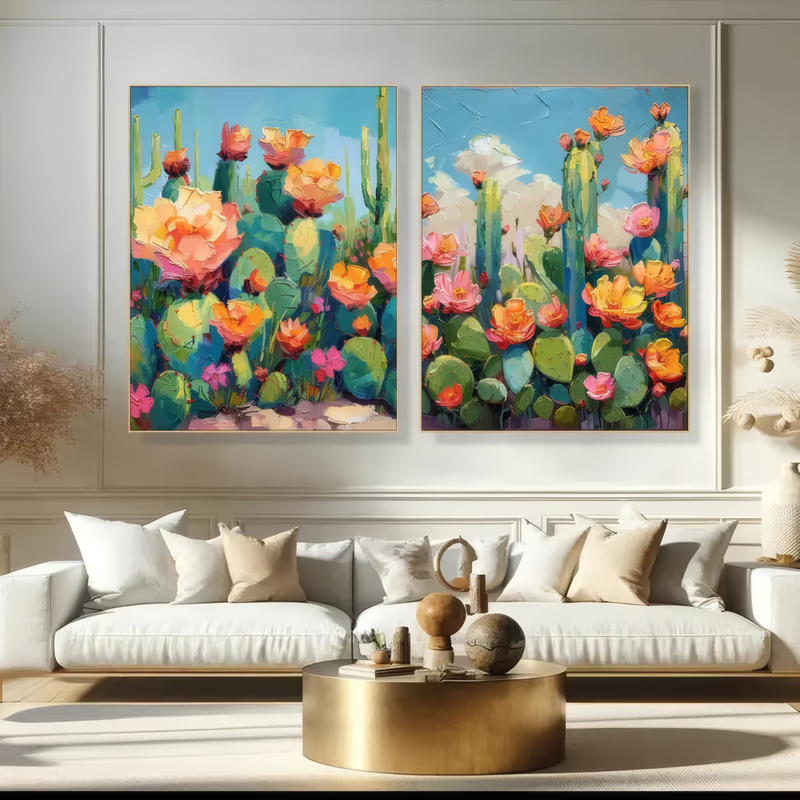
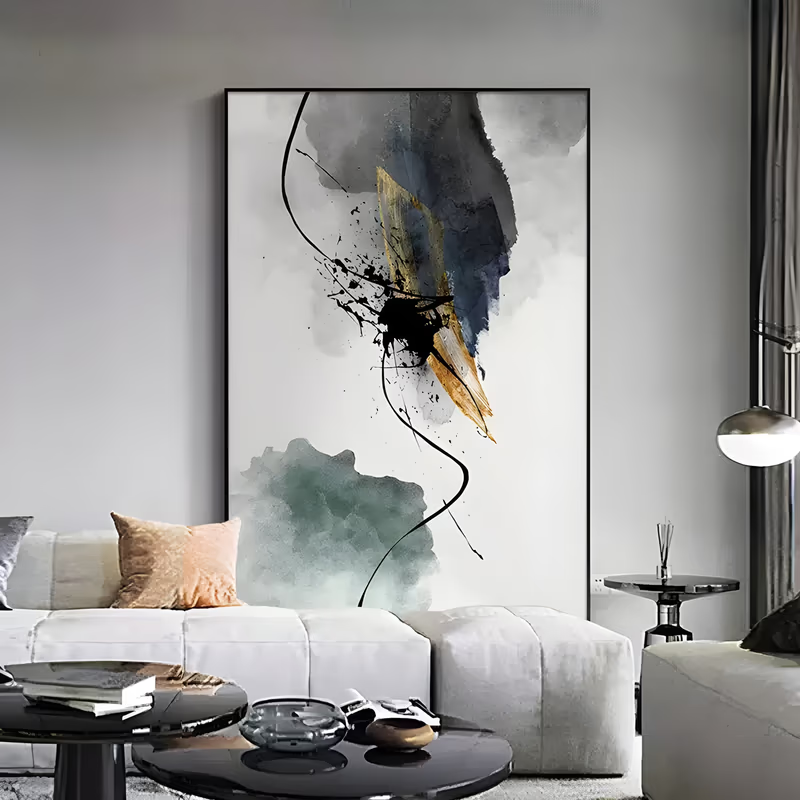
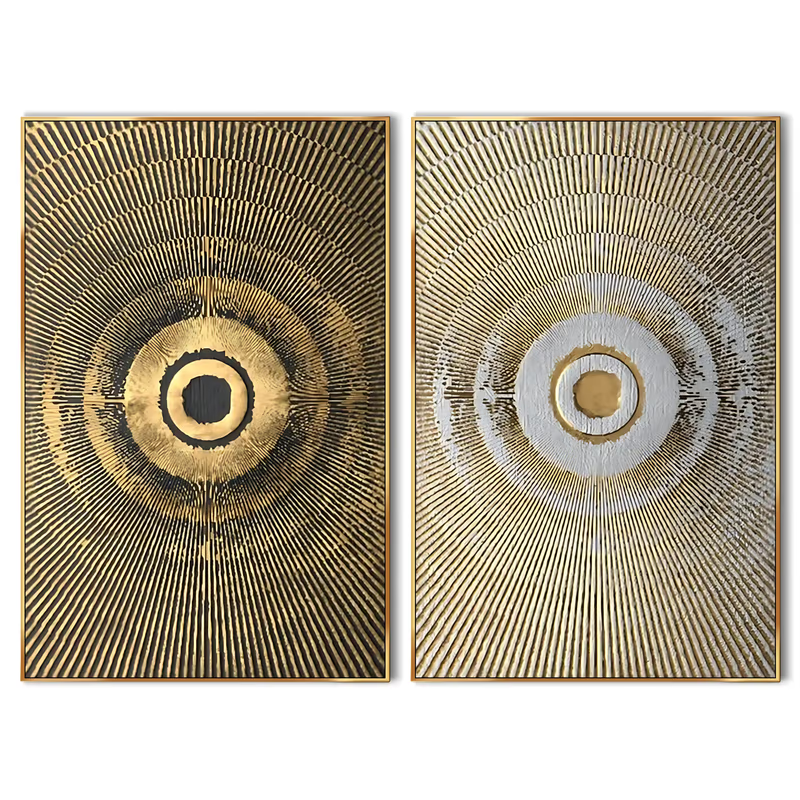
- Two tall pieces make one wide one: a matched pair or a row of three verticals covers a sofa or a bed wall and still keeps the rhythm of the room upright.
- Tall is redrawn, never cropped: any painting can be composed again for a taller canvas, so the subject fills the height instead of losing its edges.
What does vertical wall art do to a room?
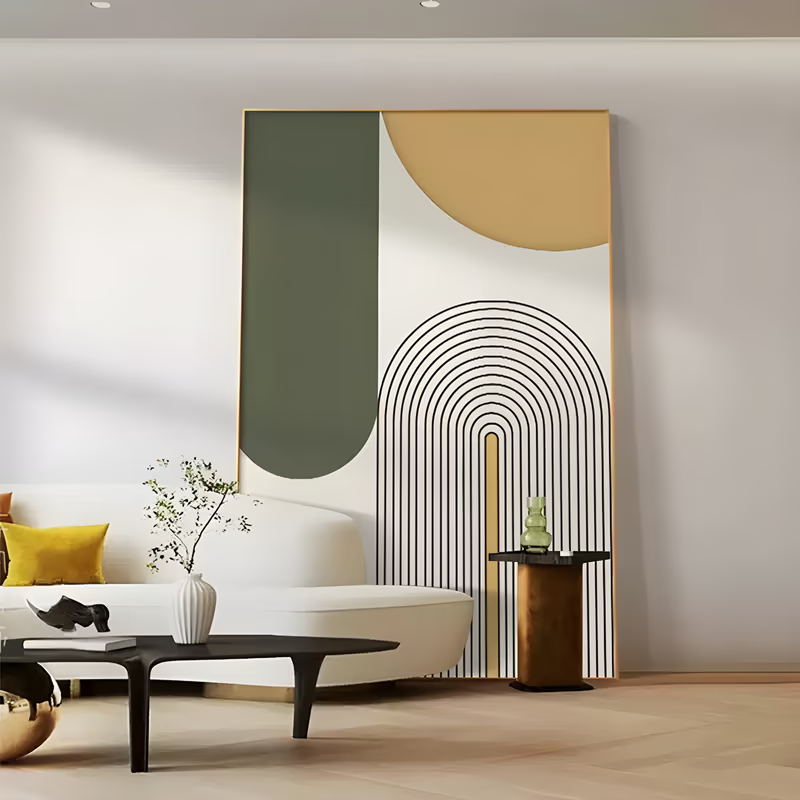
Vertical wall art pulls the eye upward, so it makes a ceiling feel higher and a narrow wall look intended rather than left over.
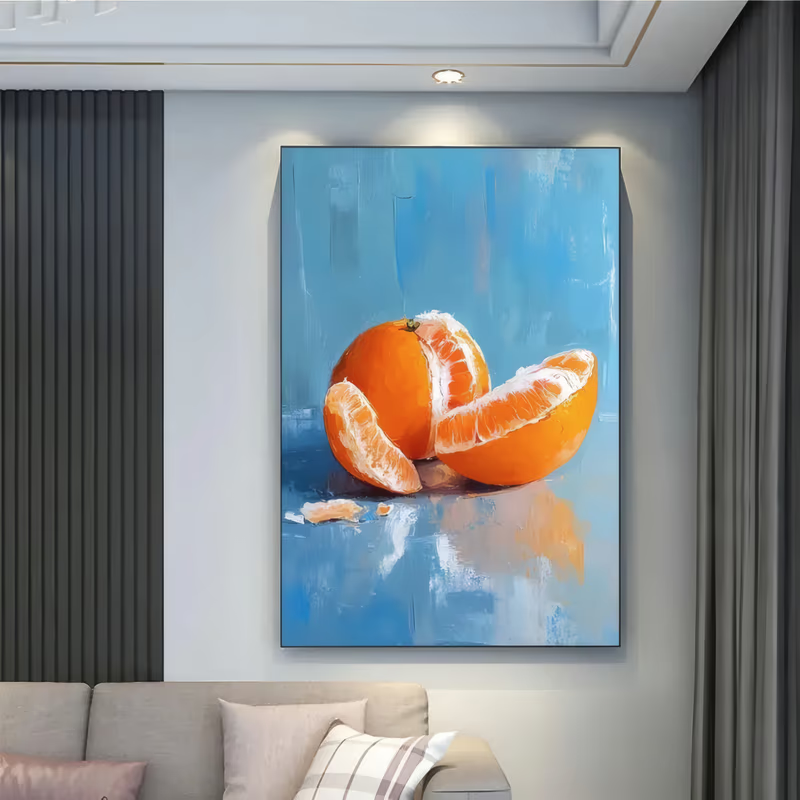
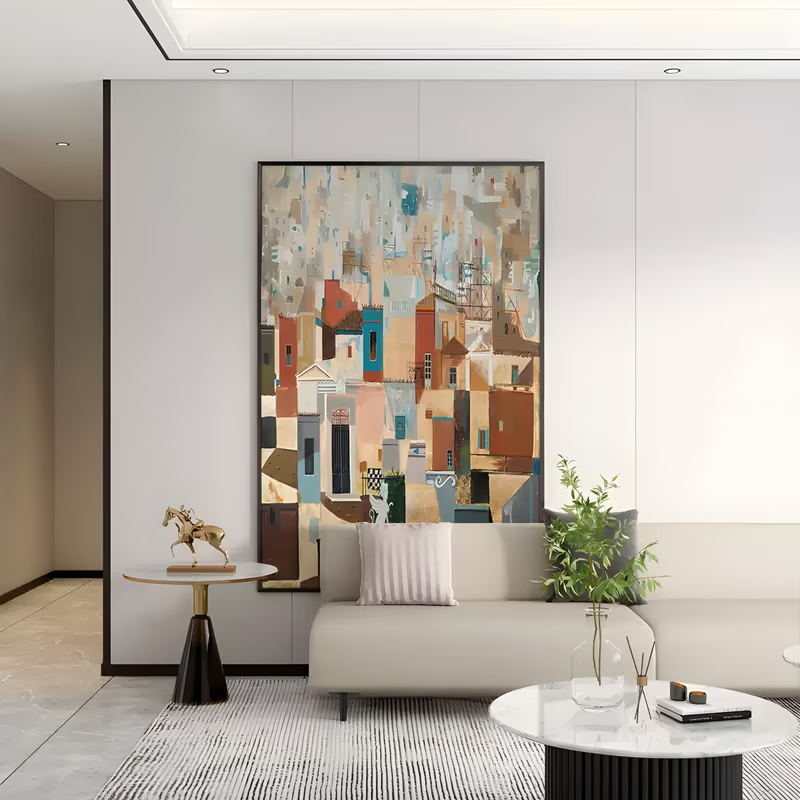
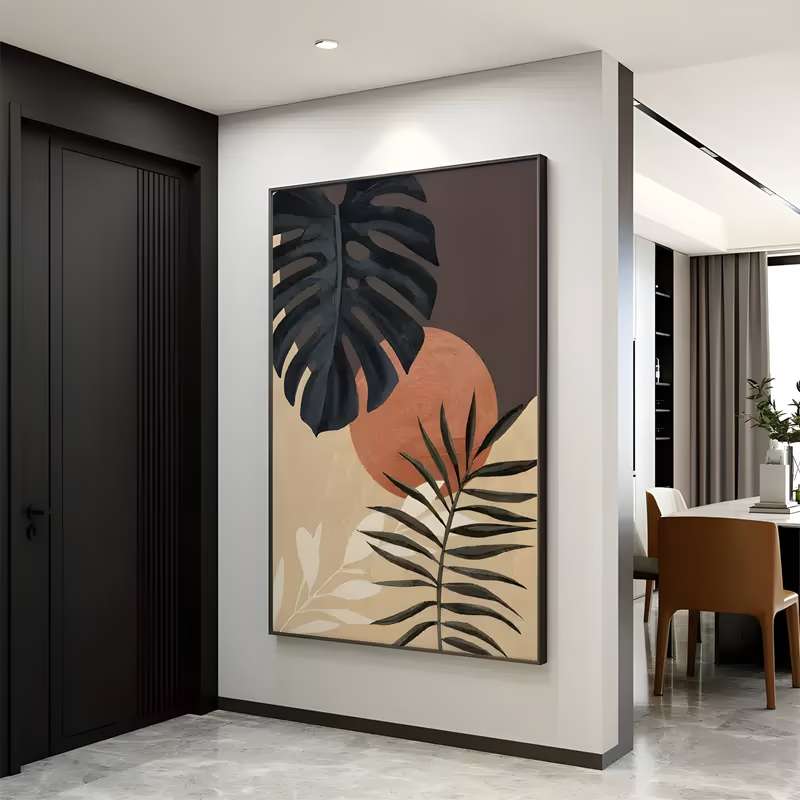
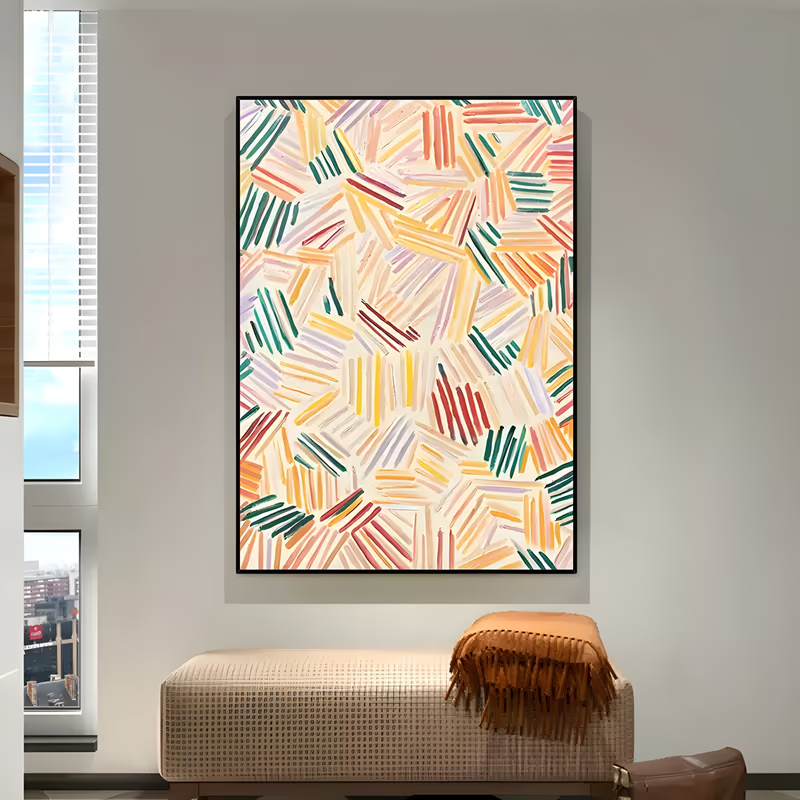
Most walls in a building are not broad, open expanses. They are strips: the pier between two windows, the panel beside a door frame, the face of a column, the slot between a wardrobe and a corner. A wide painting fights these spaces; a tall one agrees with them. Because the long edge runs from floor to ceiling, the format also echoes the other verticals in the room, such as curtains, door frames, floor lamps and tall plants, which is why a portrait canvas so often looks as if it was always meant to be there.
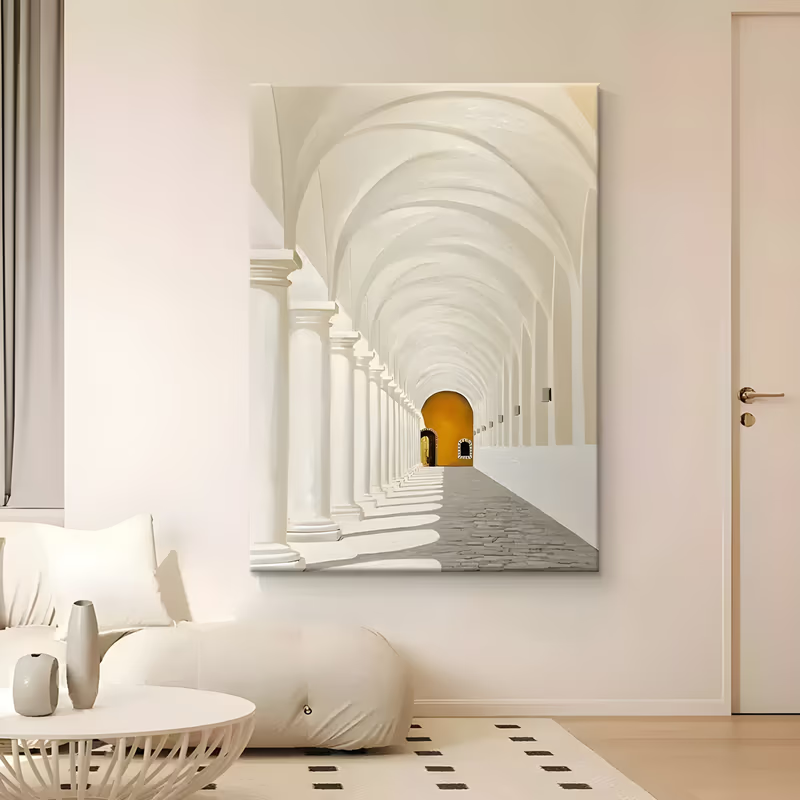
The format has a mood of its own too. A tall canvas reads as poised and formal, closer to a standing figure than to a view, and it suits rooms that want a little ceremony: an entrance, a lift lobby, the end of a corridor. If the wall is wider than it is tall, look at horizontal canvas art or, for a long run above furniture, panoramic wall art instead.
Which walls and spaces suit tall vertical wall art?
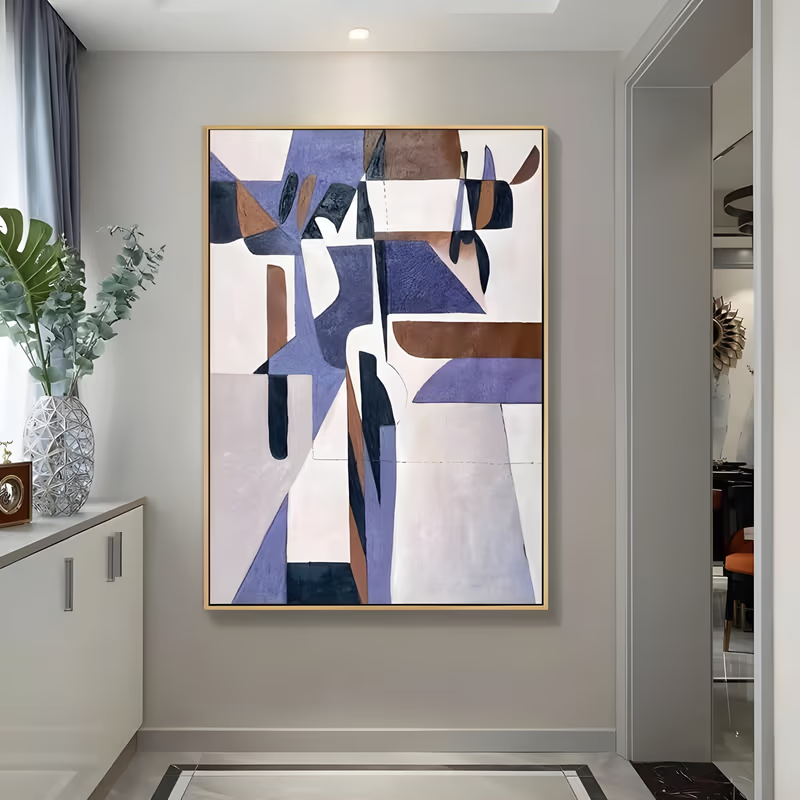
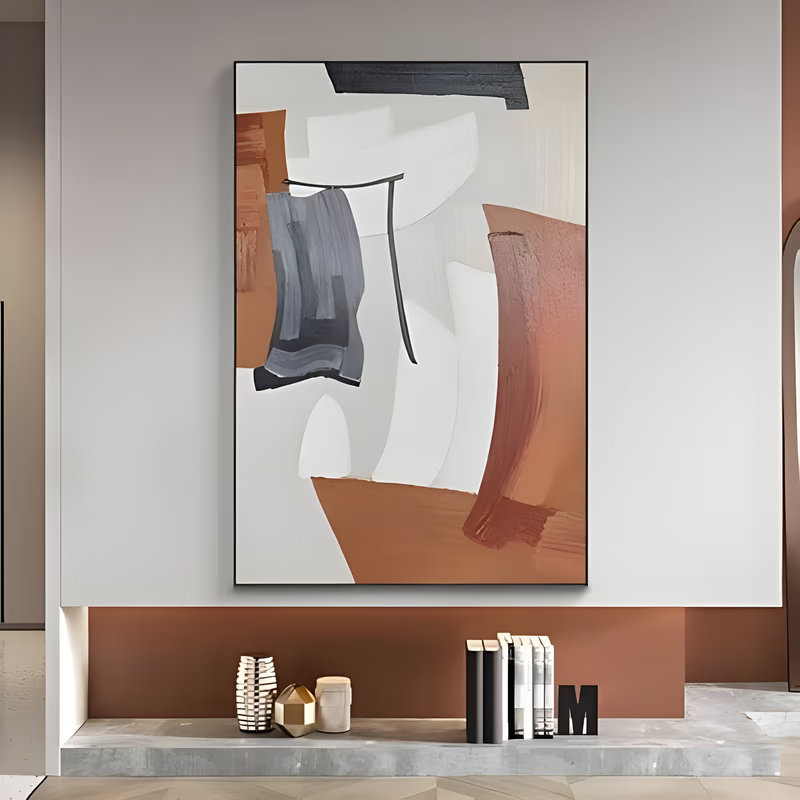
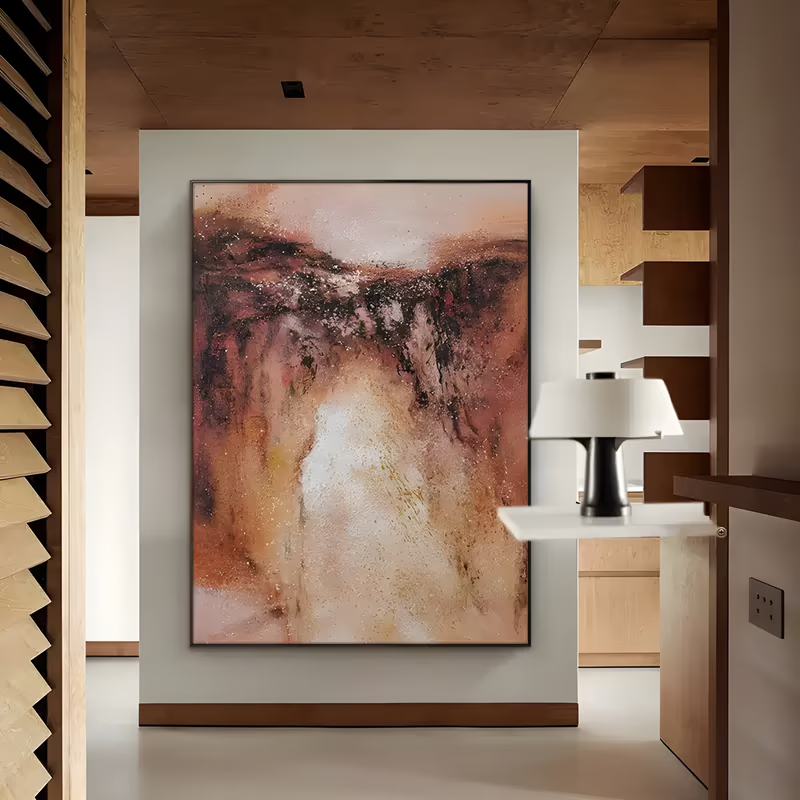
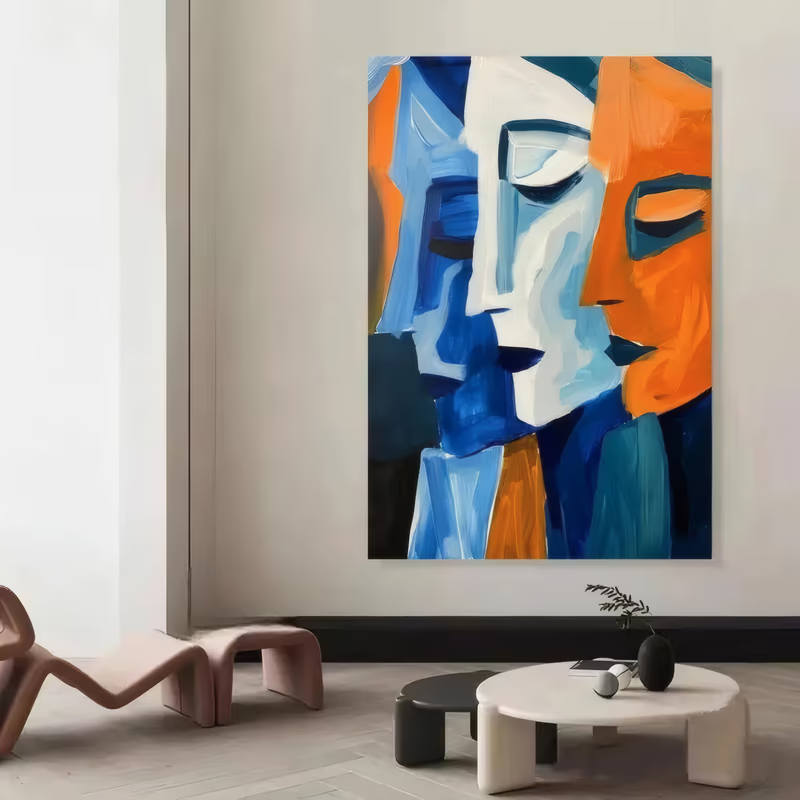
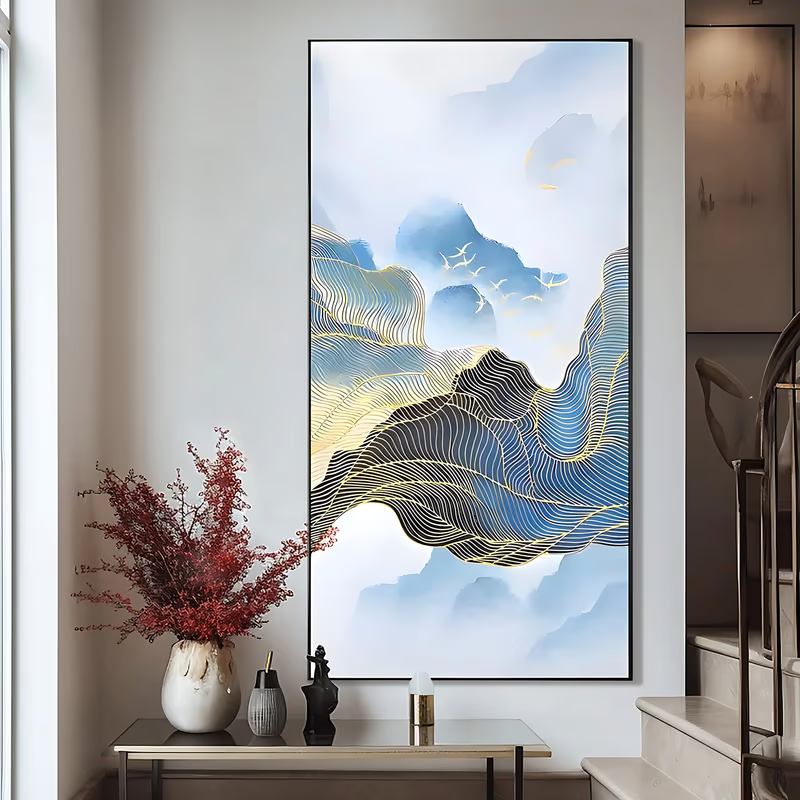
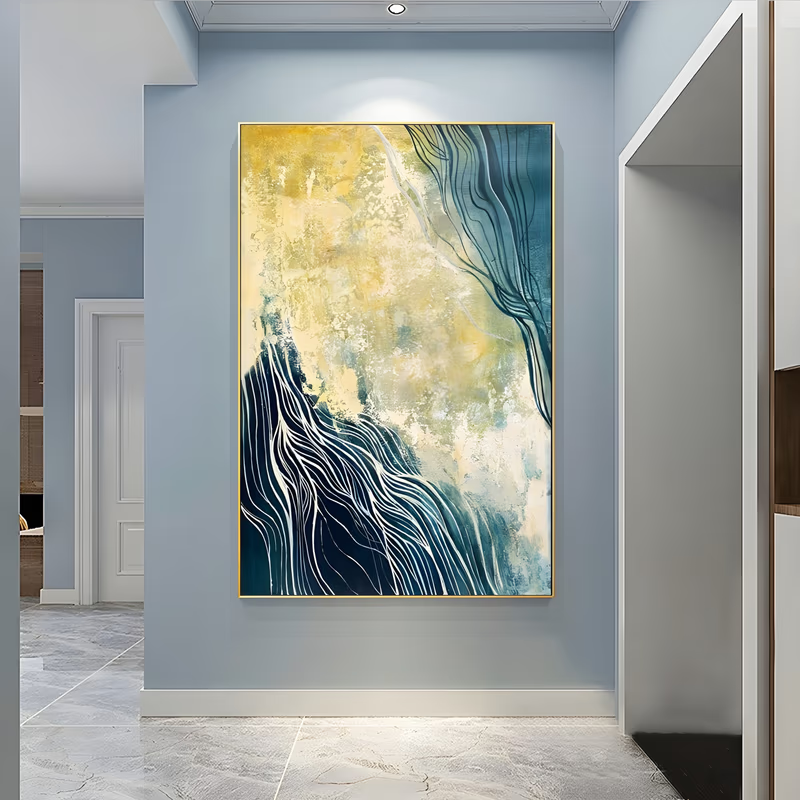
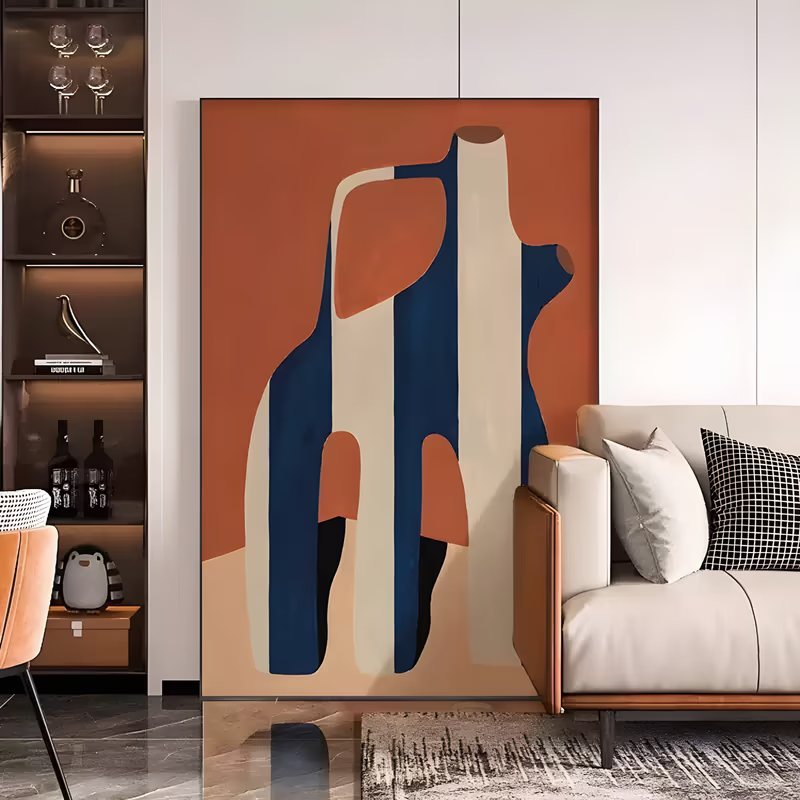
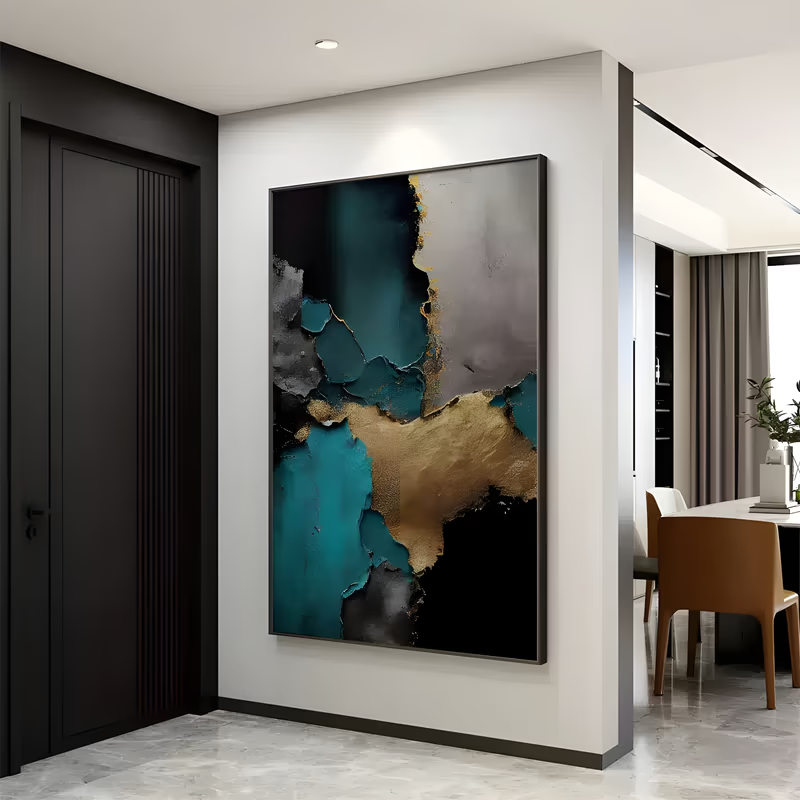
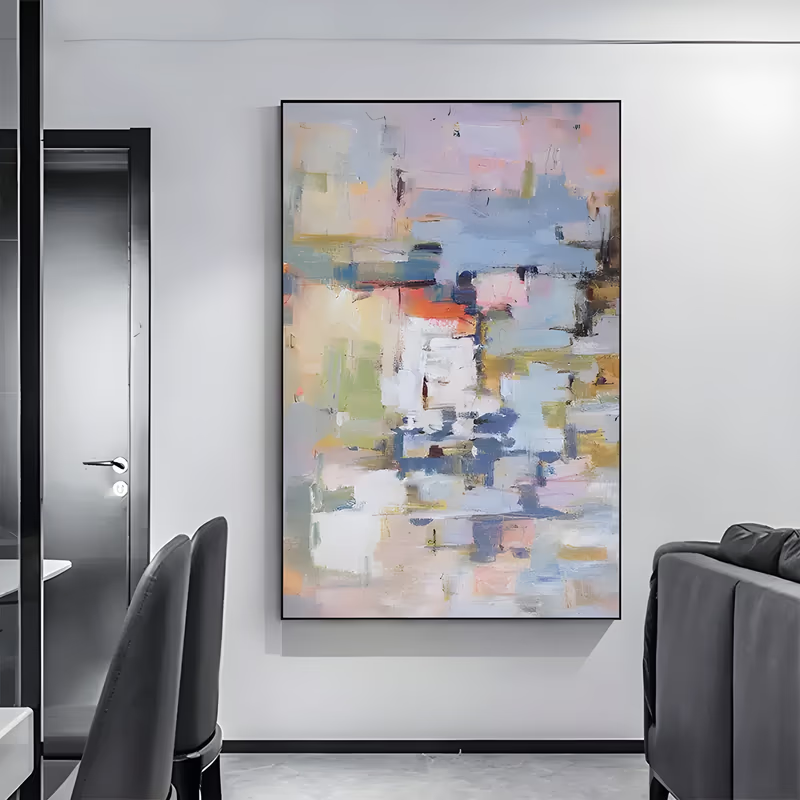
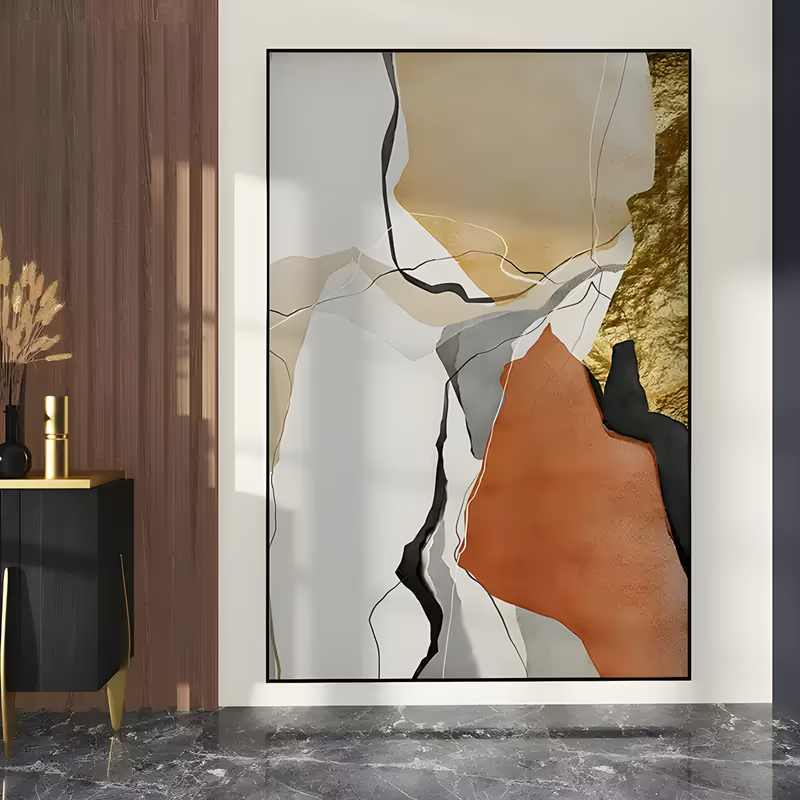
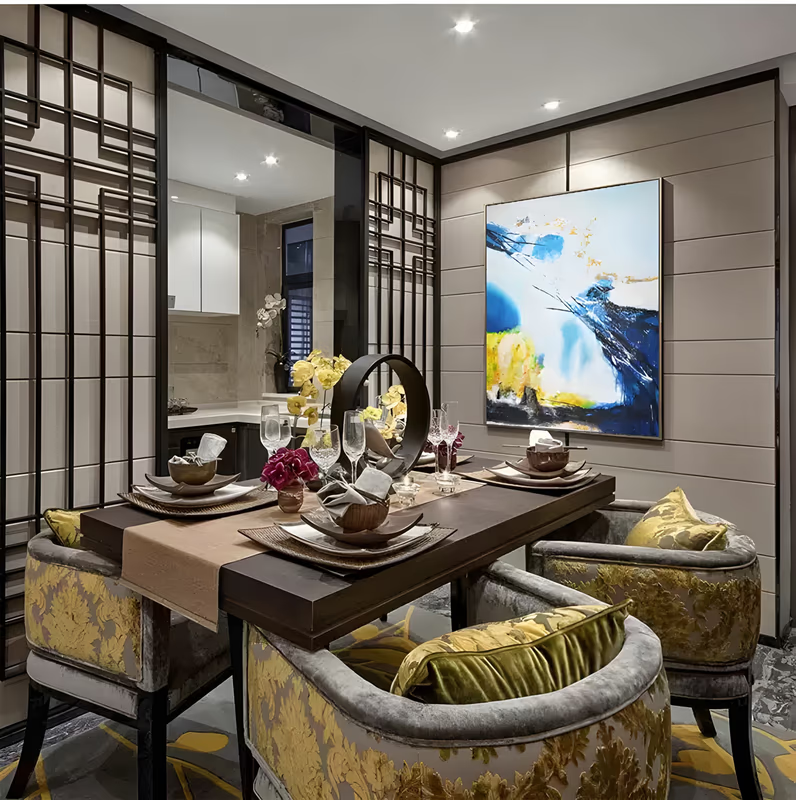
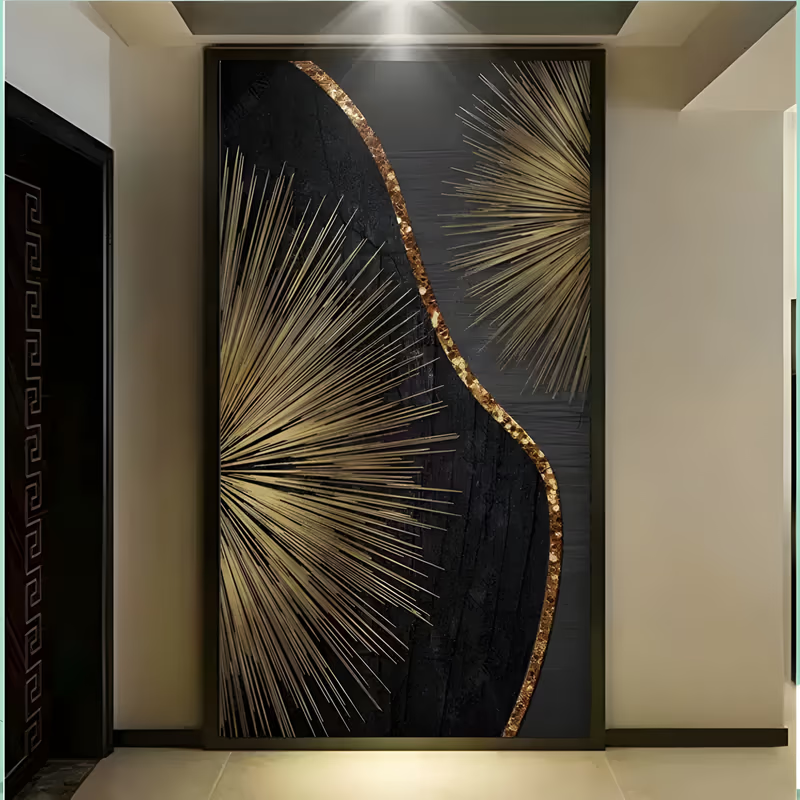
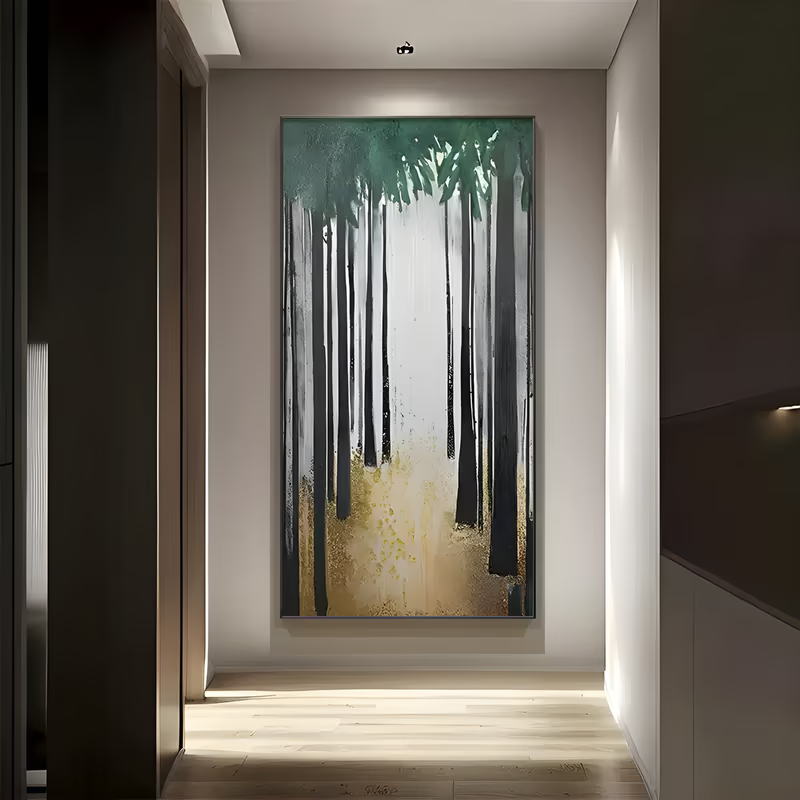
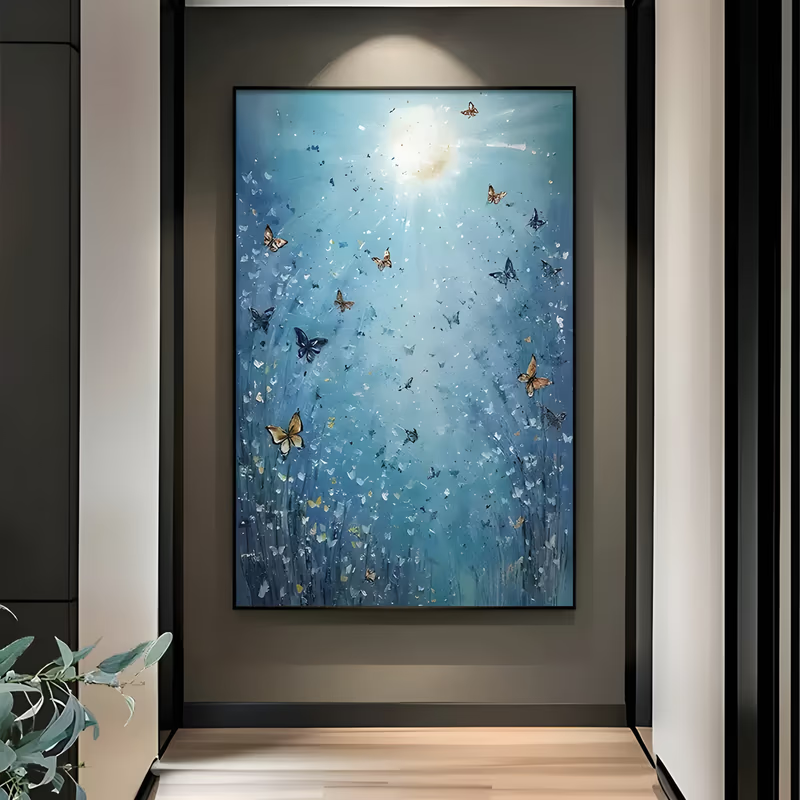
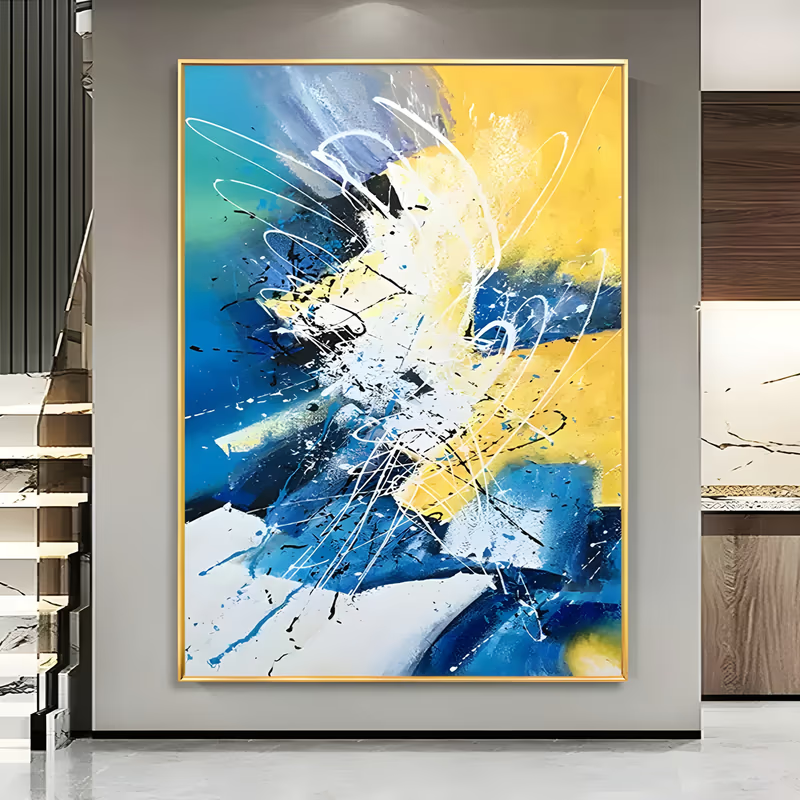
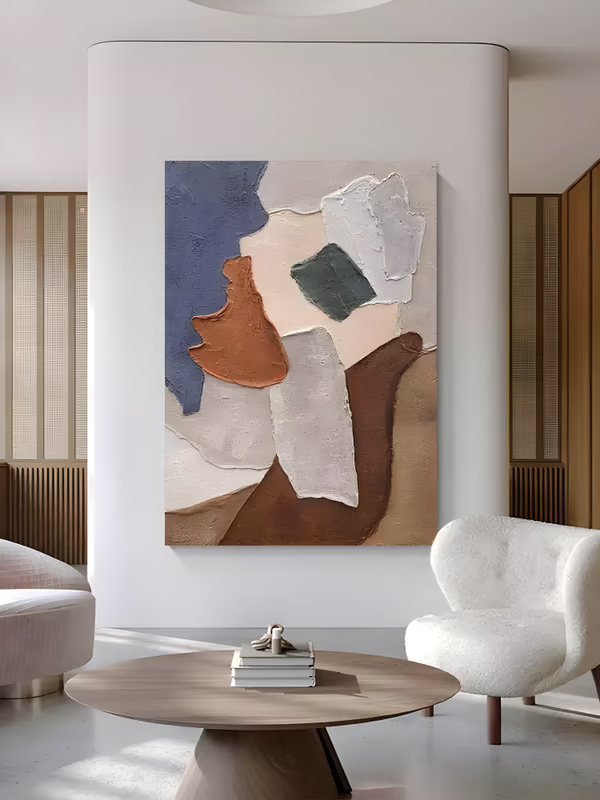
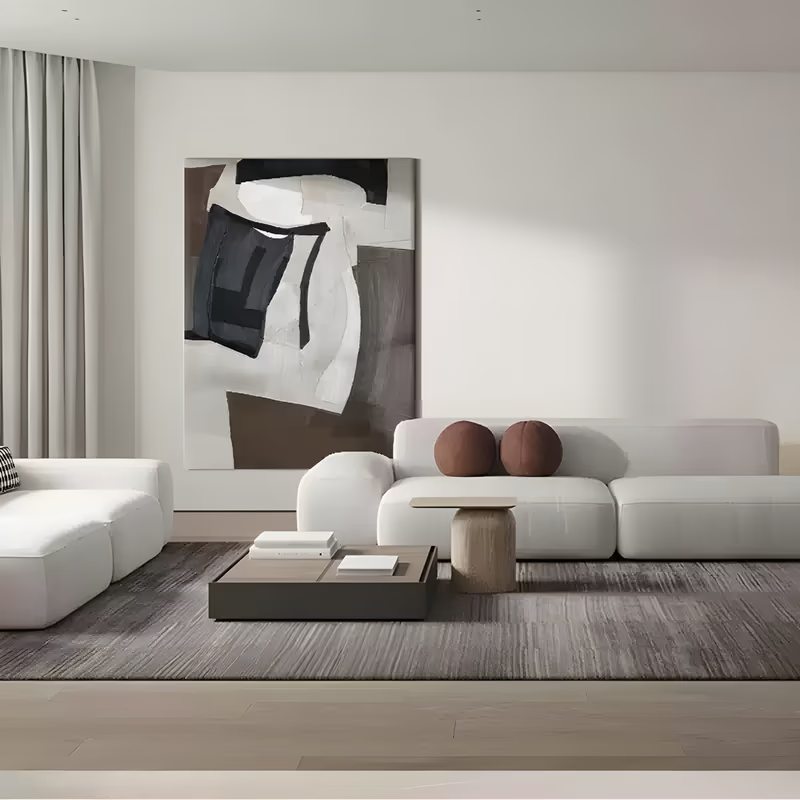
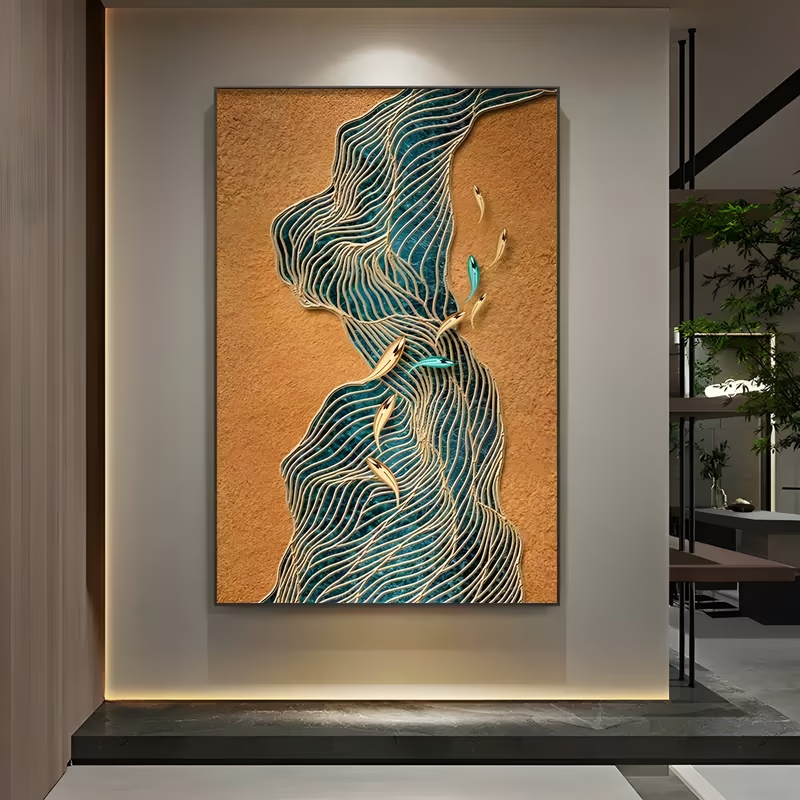
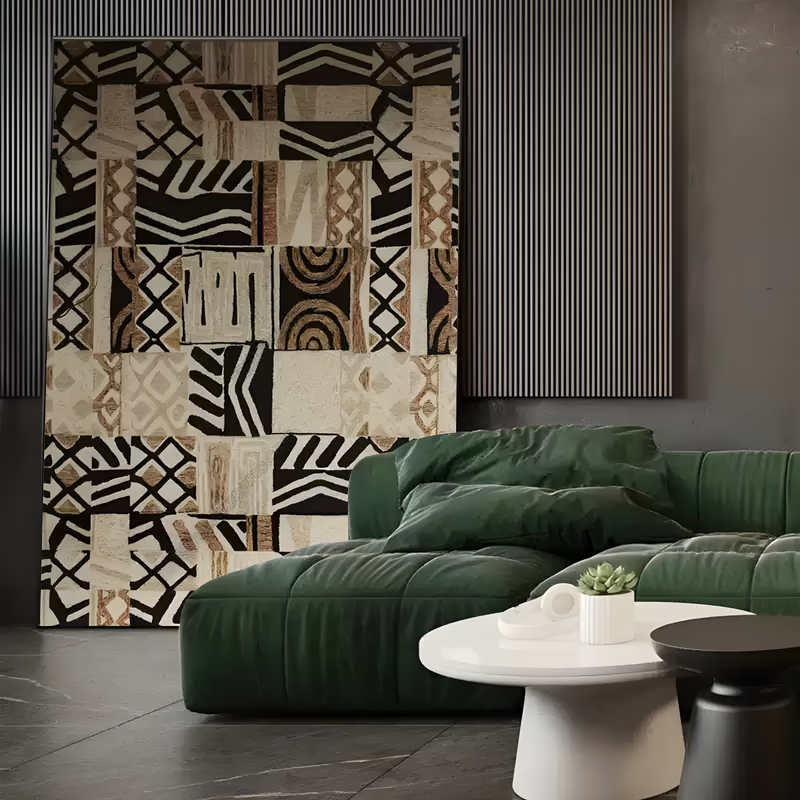
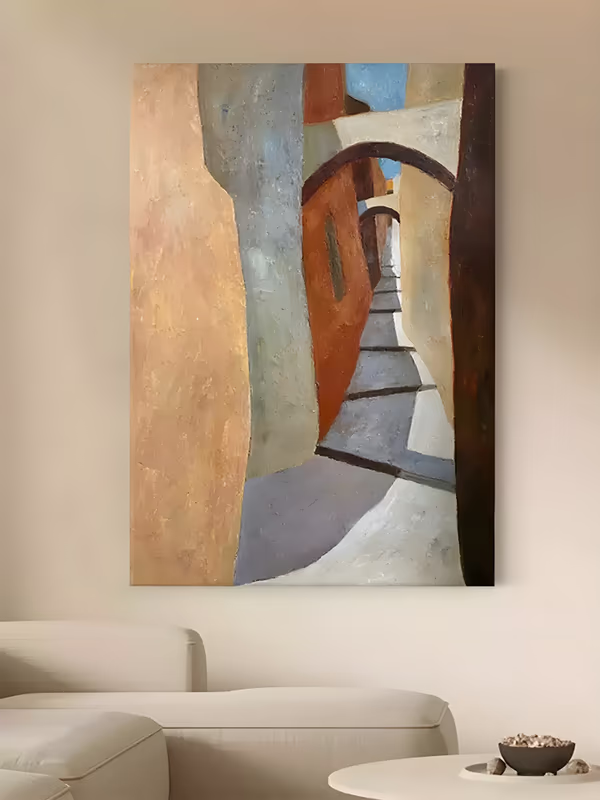
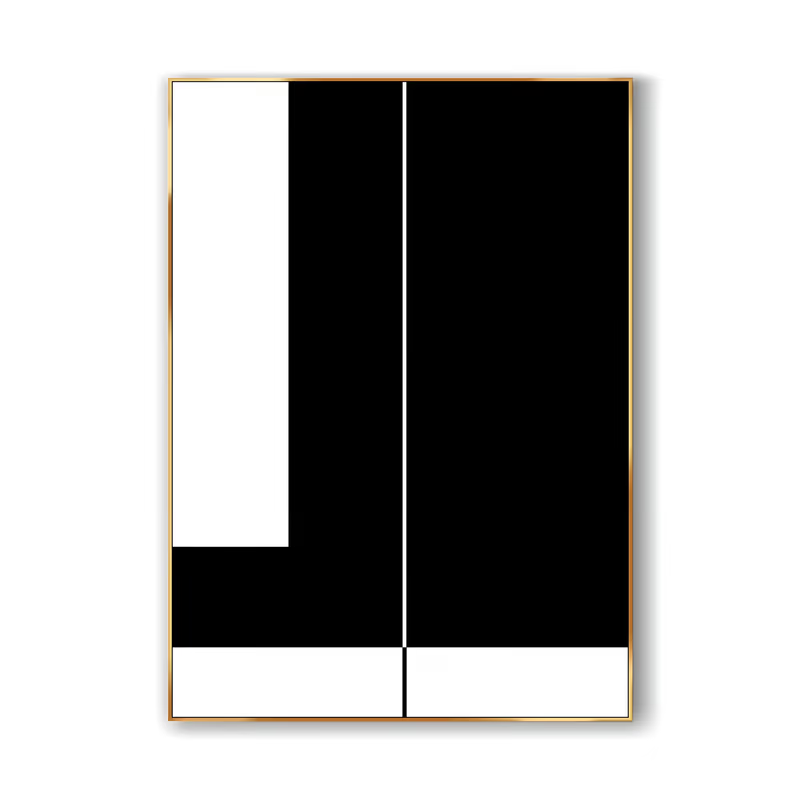
Tall vertical wall art suits any clear panel that is taller than it is wide: between windows or doors, on columns and piers, beside a bed or bookcase, on stair walls and at the end of a corridor.
| Where | Why a vertical canvas works | Sizing tip |
|---|---|---|
| Between two windows | The canvas repeats the shape of the windows and turns the pier into a feature | Keep at least 10–15 cm (4–6 in) of wall on each side; align the top with the window heads if they are close |
| Beside a door or archway | Fills the strip without crowding the opening | Match the bottom of the canvas to the eye-level line used elsewhere in the room |
| Columns, piers and pilasters | Dresses a structural element that is otherwise dead space | Width of about two-thirds of the column face; one per column in a run |
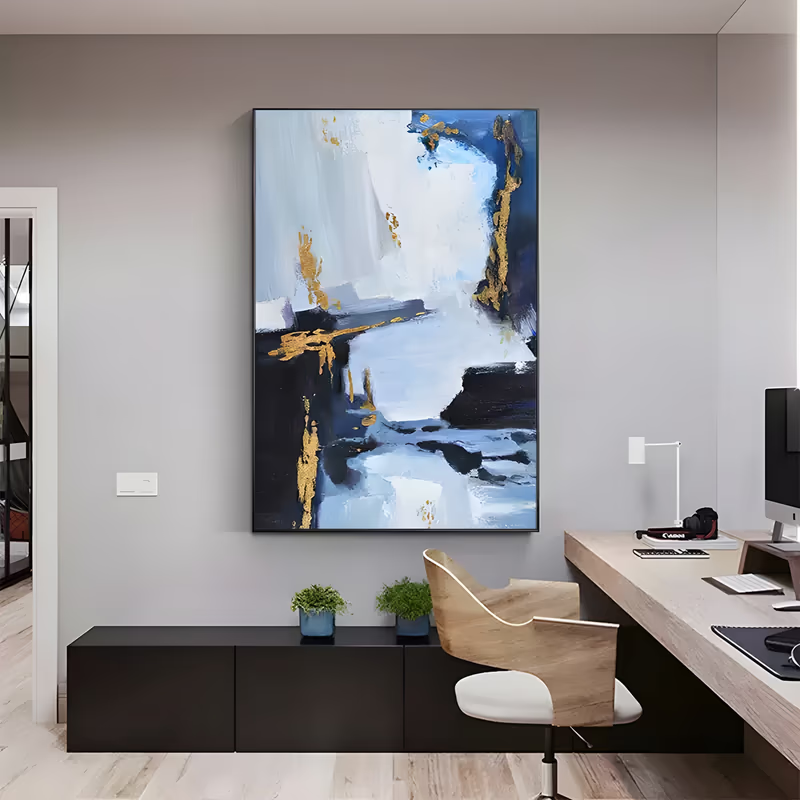
| Beside a bed, desk or bookcase | Balances a tall piece of furniture and leaves the main wall calm | Let the top line up with the top of the bookcase or headboard nearby |
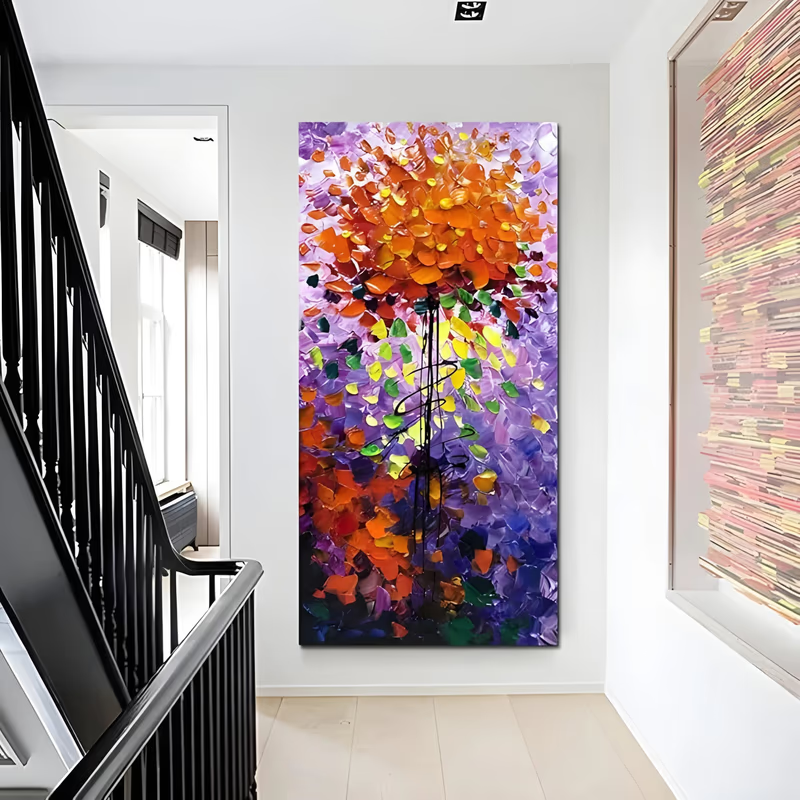
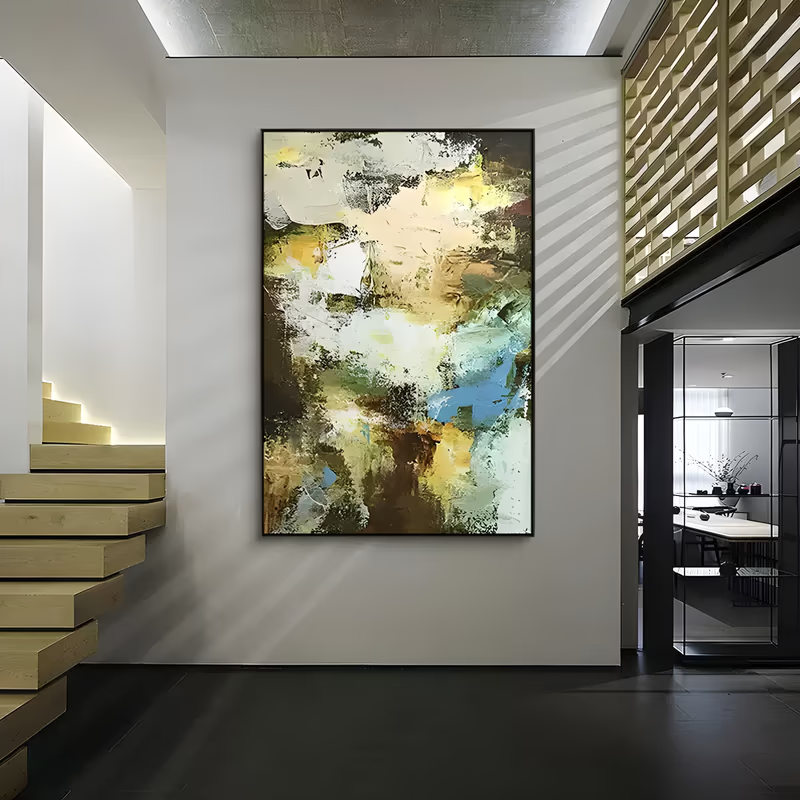
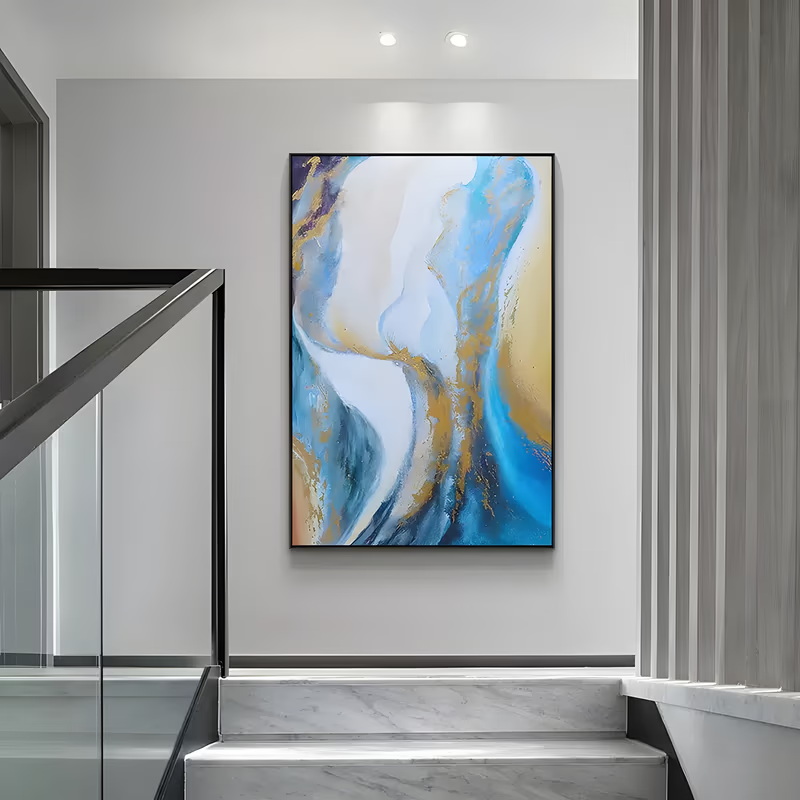
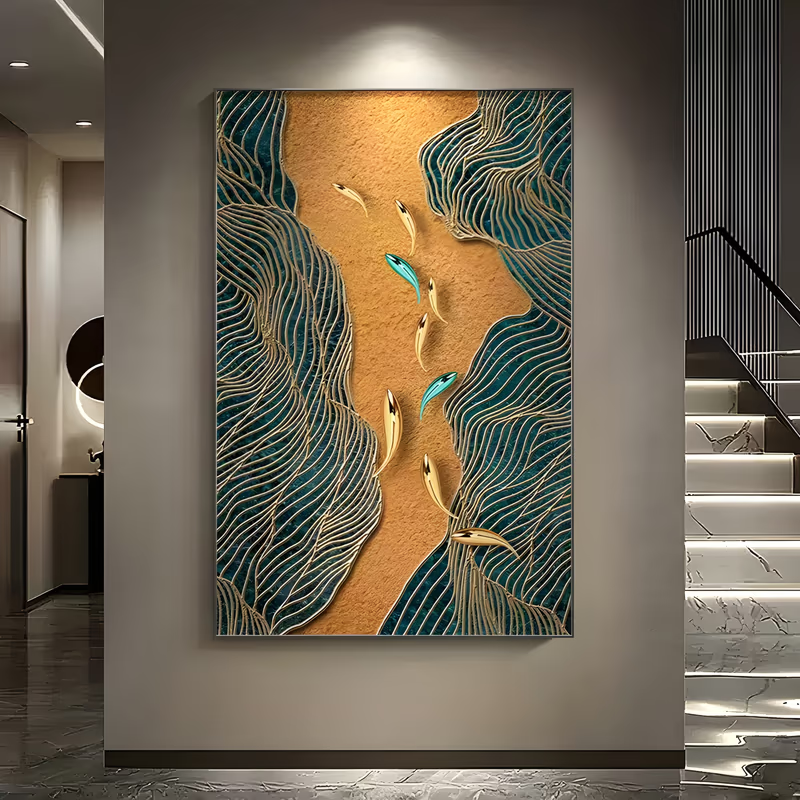
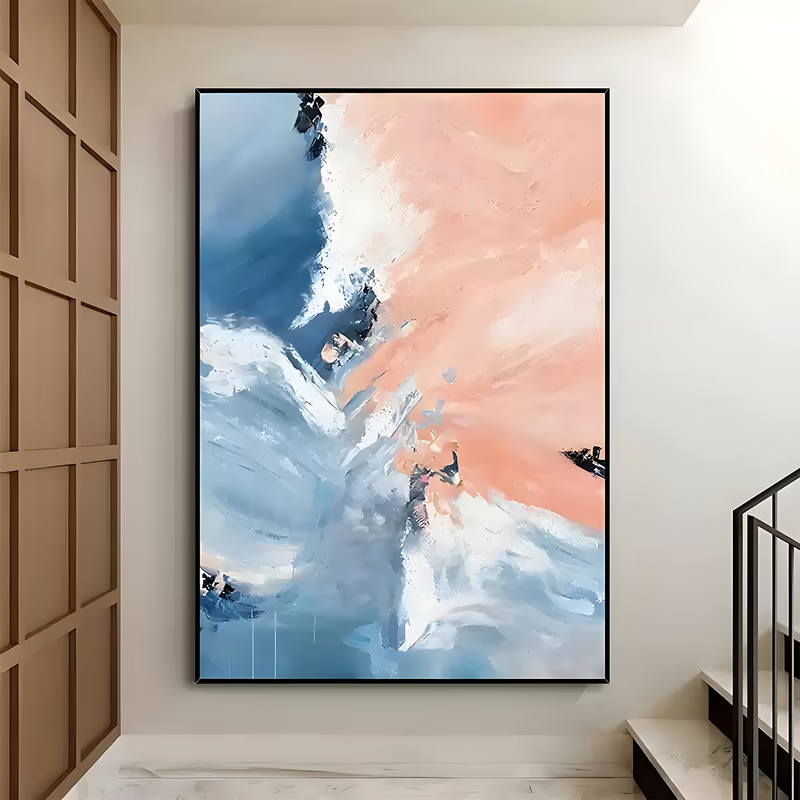
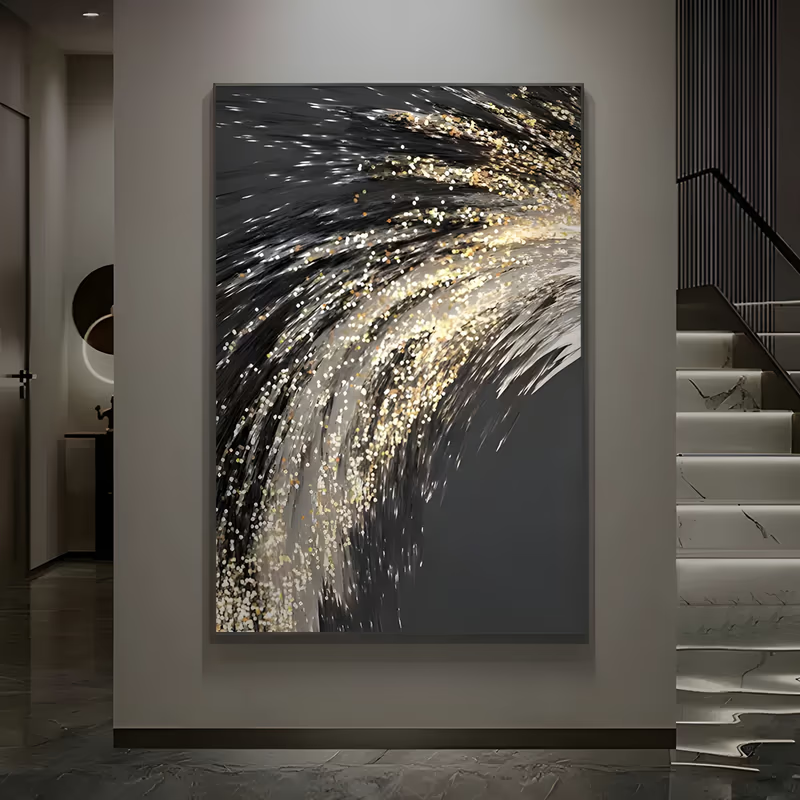
| Stair walls and landings | Follows the climb; one tall canvas on a double-height wall reads from both floors | See the entryway and stair guide for the stepped line |
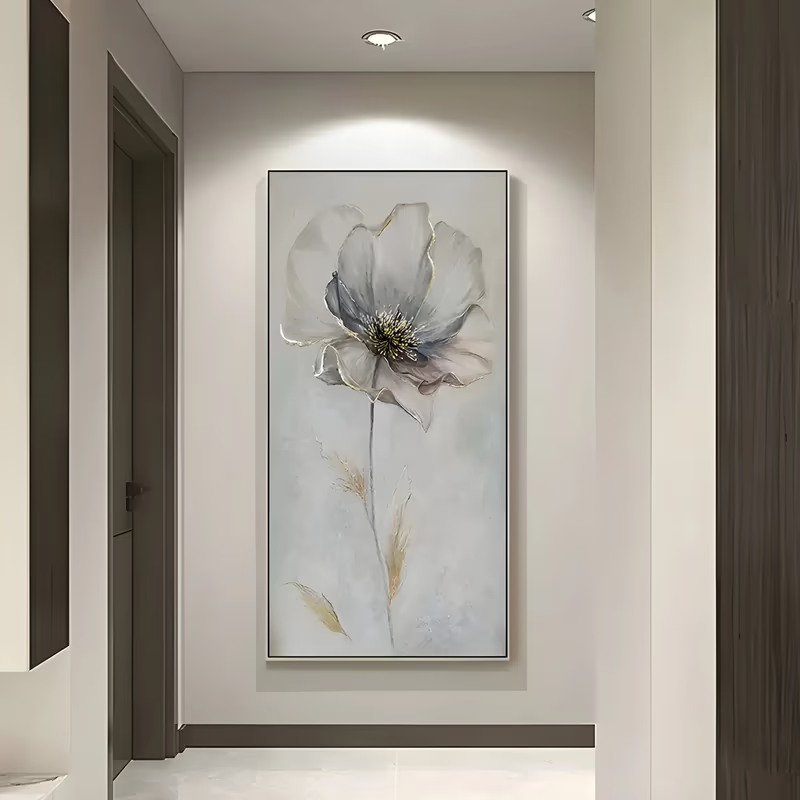
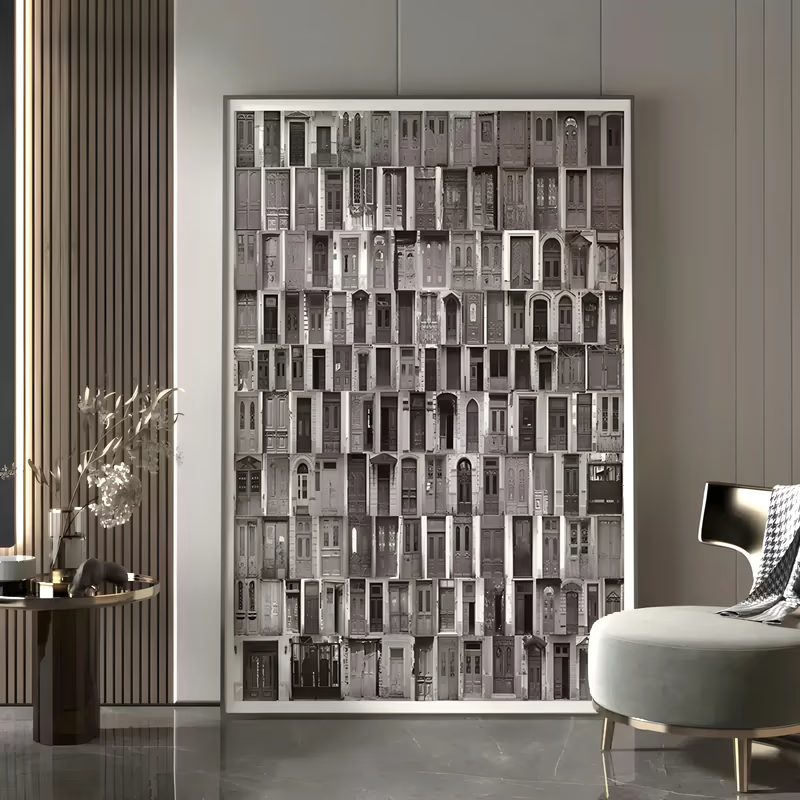
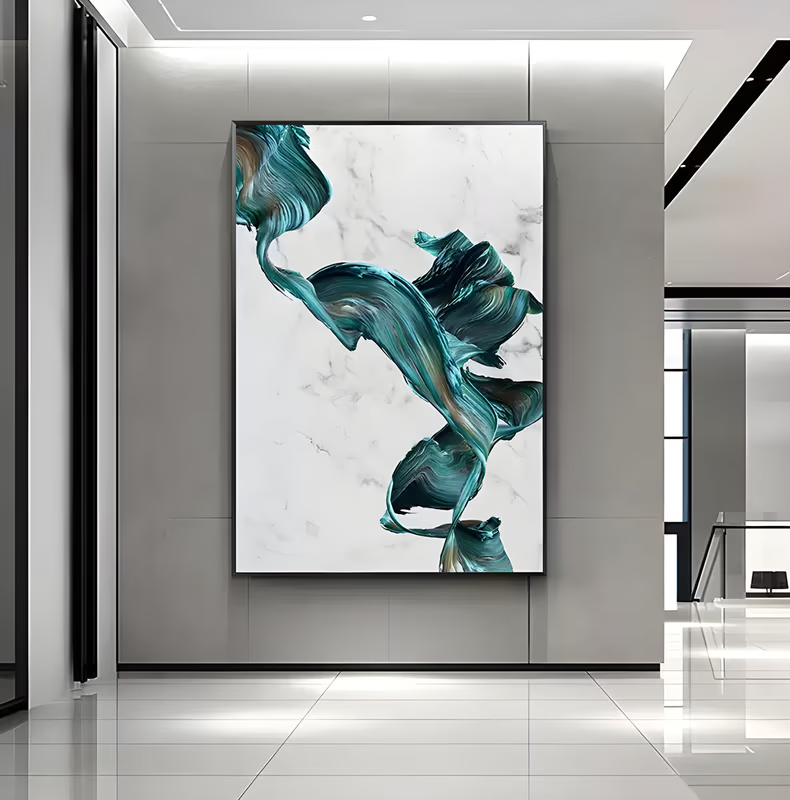
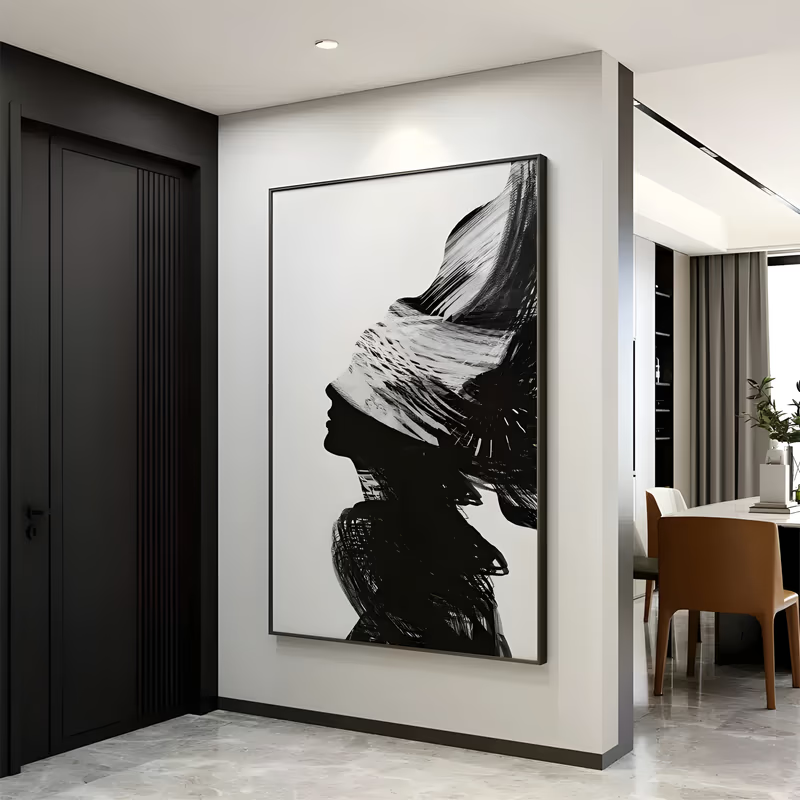
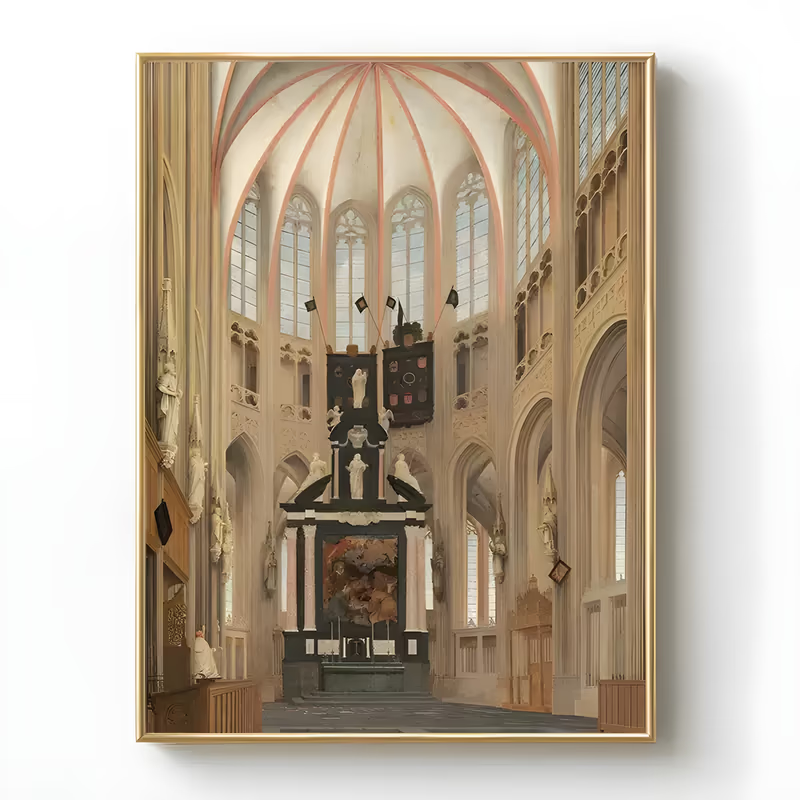
| End of a corridor or lift lobby | Gives the walk a destination and suits the proportion of a narrow end wall | Hang it on the corridor's centre line, so it is seen square-on from far away |
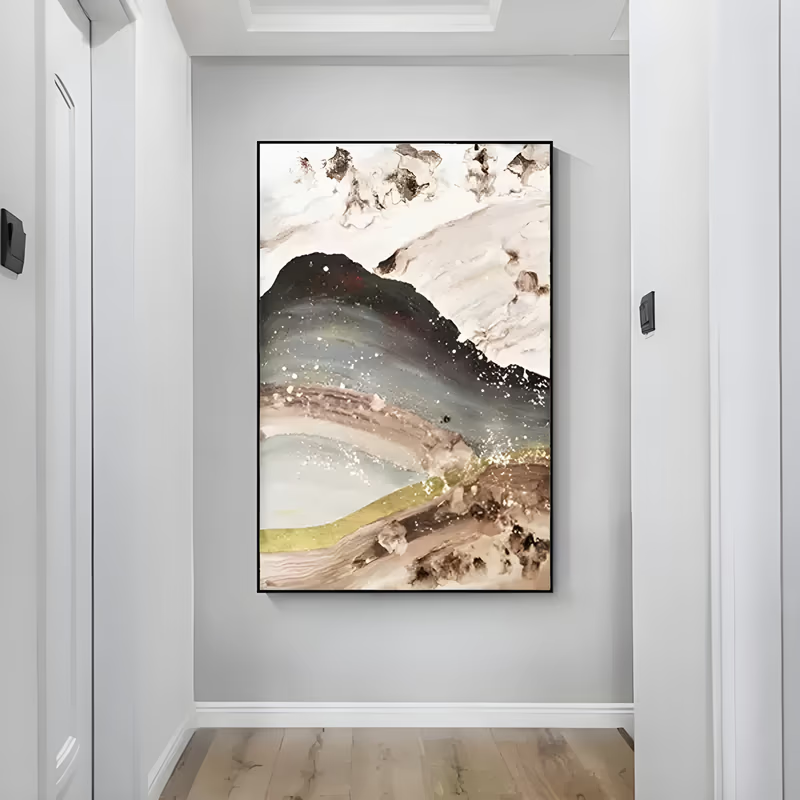
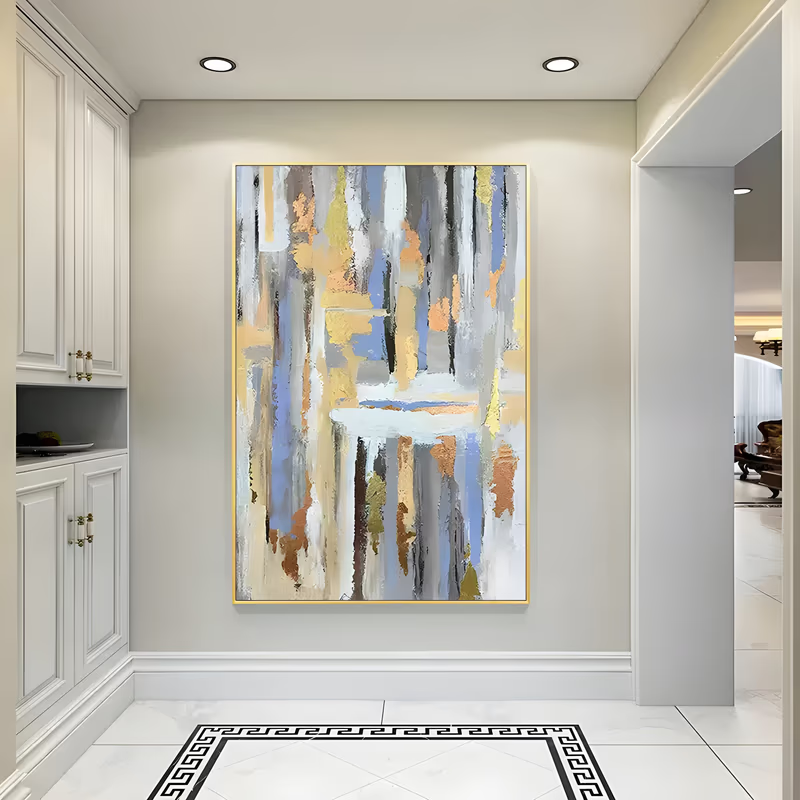
A useful check before choosing: stand back and look at the wall with the furniture in place. If what is left between the obstacles is a tall rectangle, the answer is vertical. You can browse vertical art for entrances and hallways or for corridors in the filters above.
What kinds of vertical paintings are there?
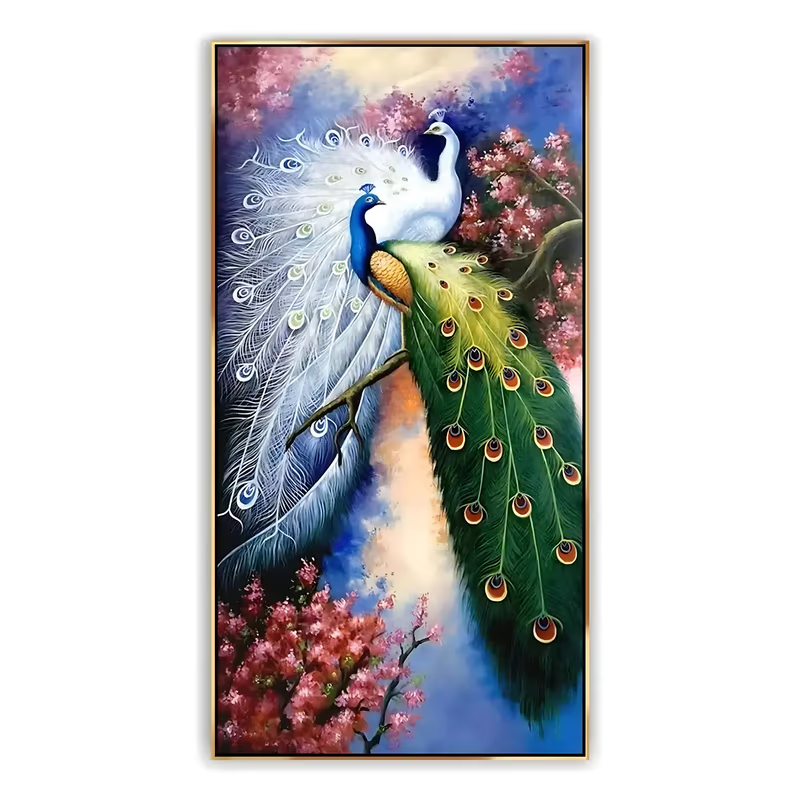
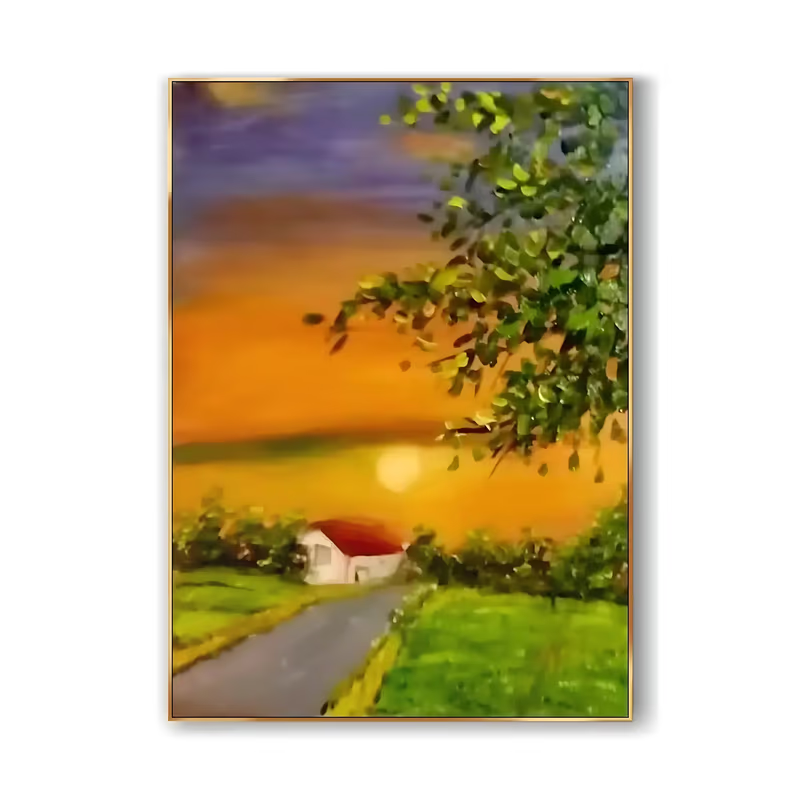
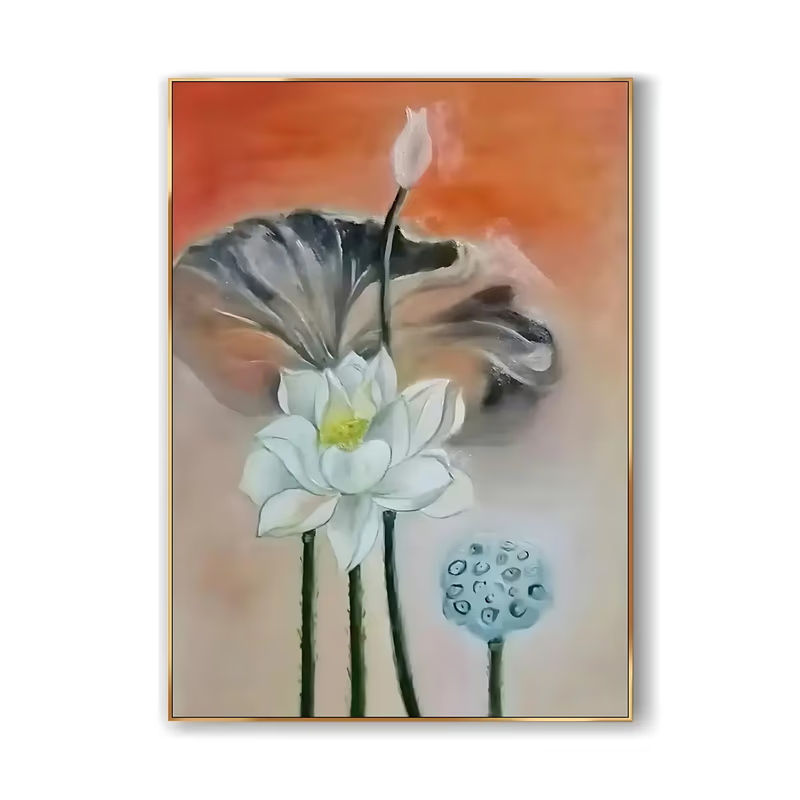
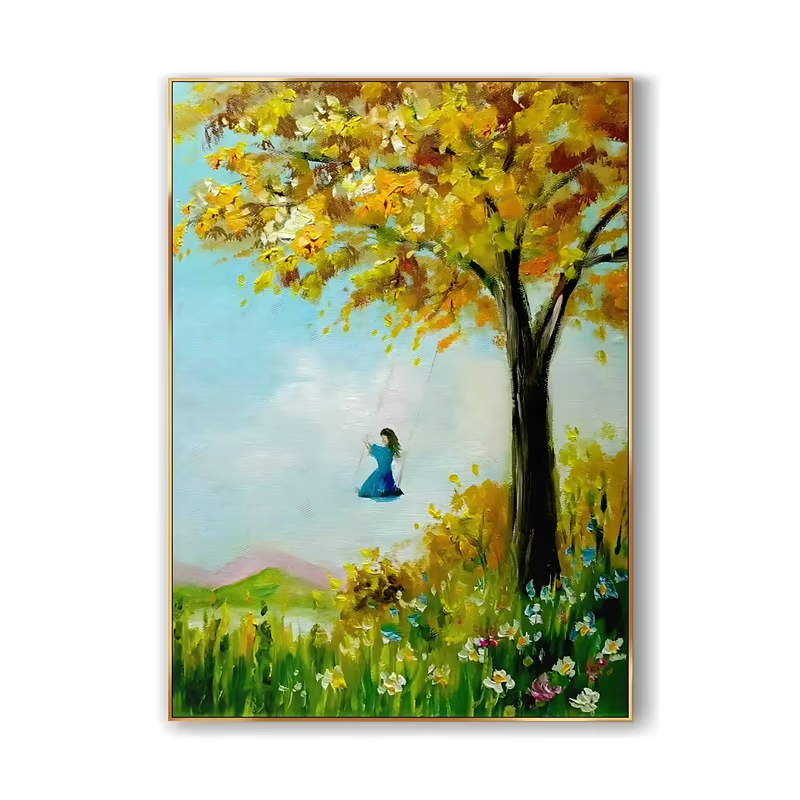
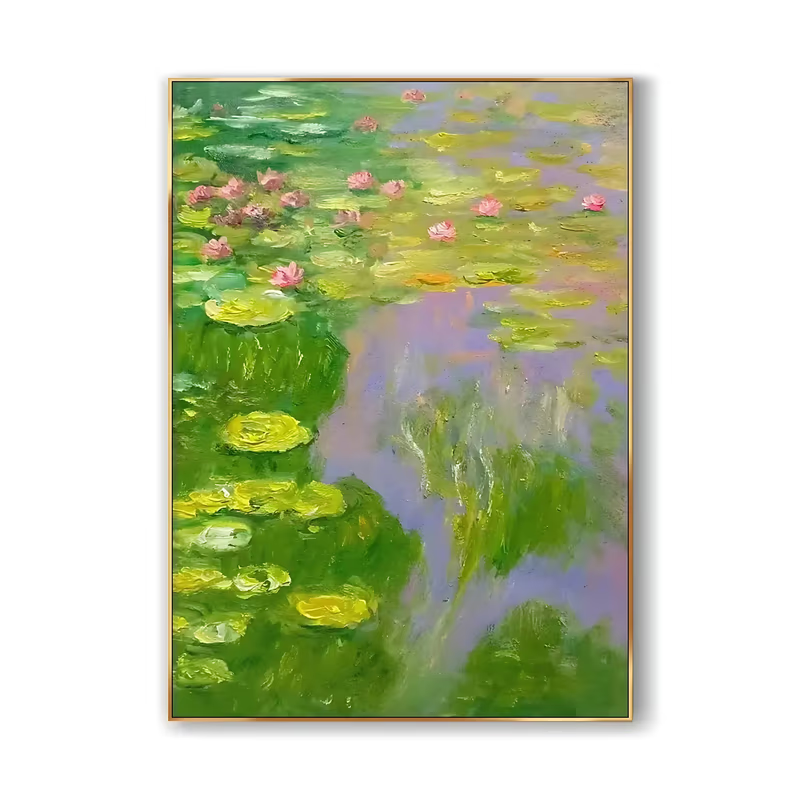
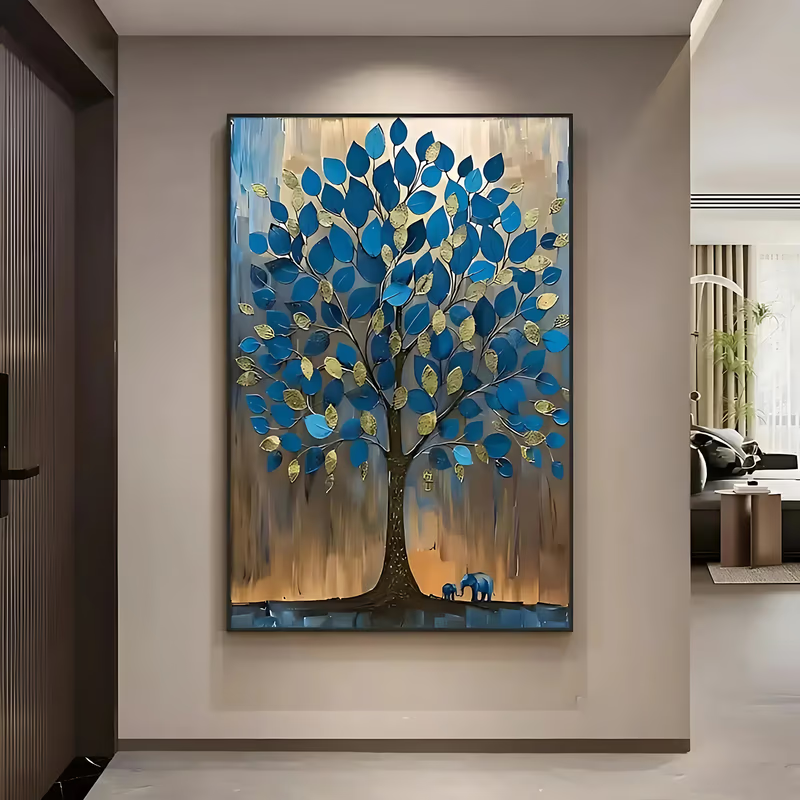
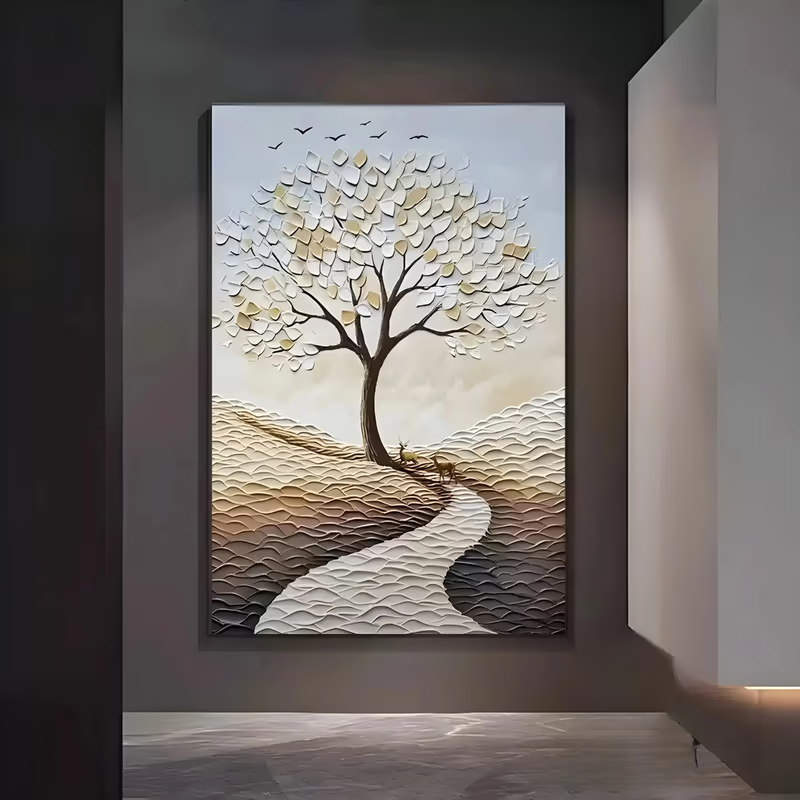
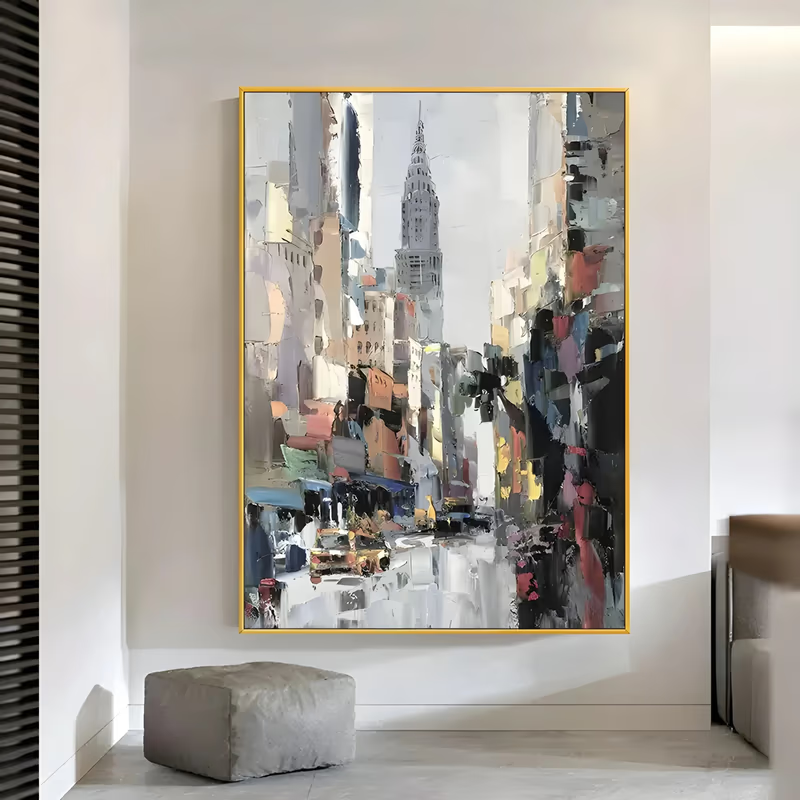
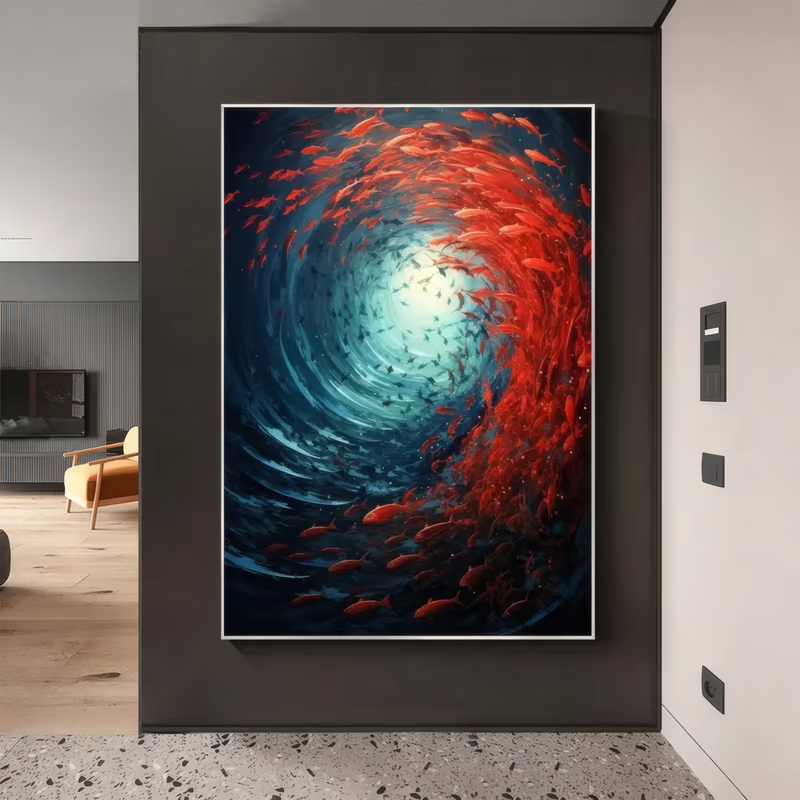
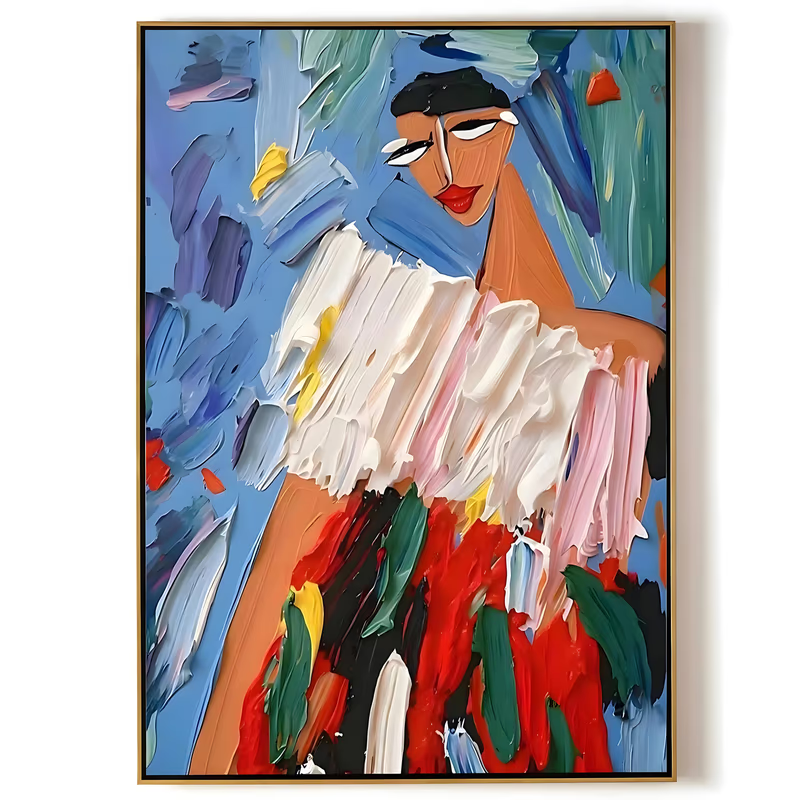
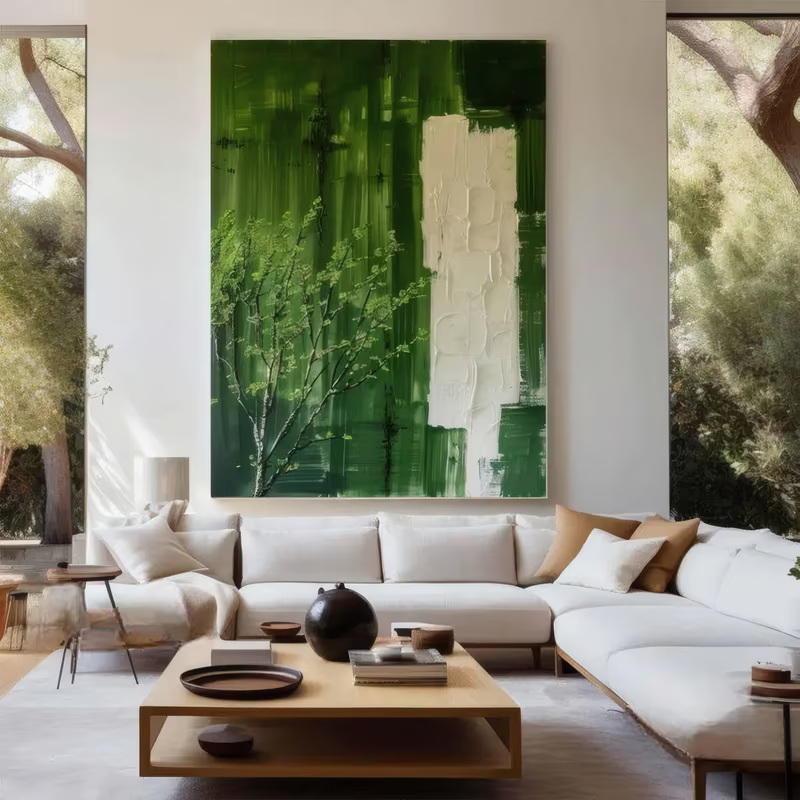
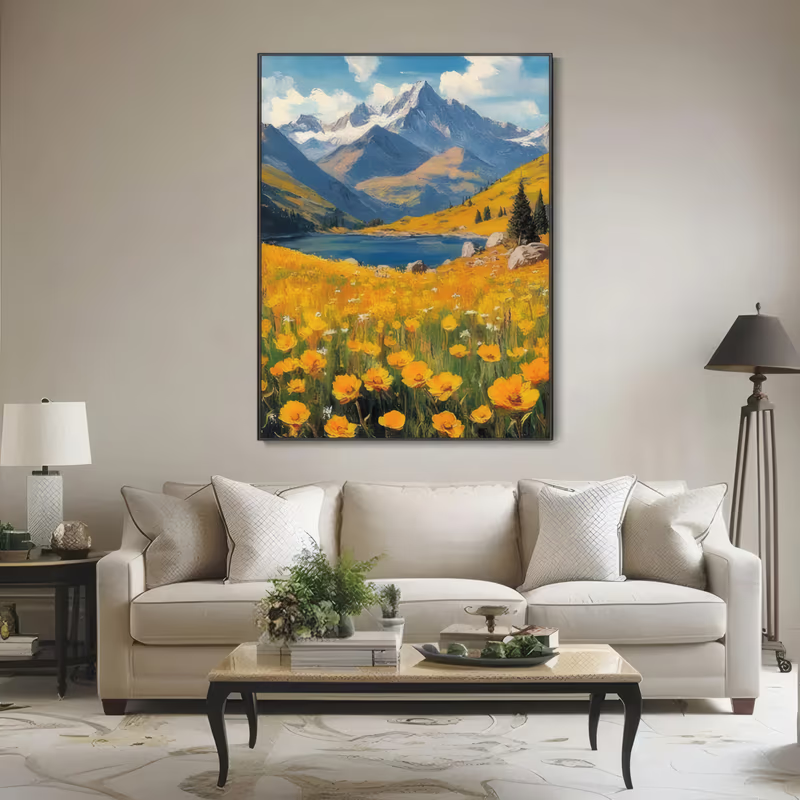
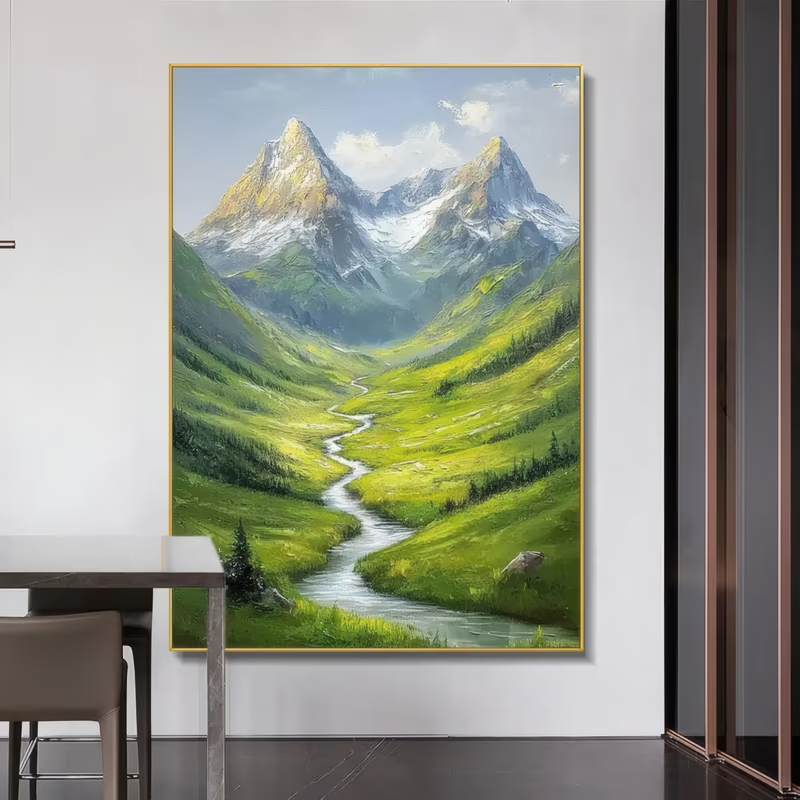
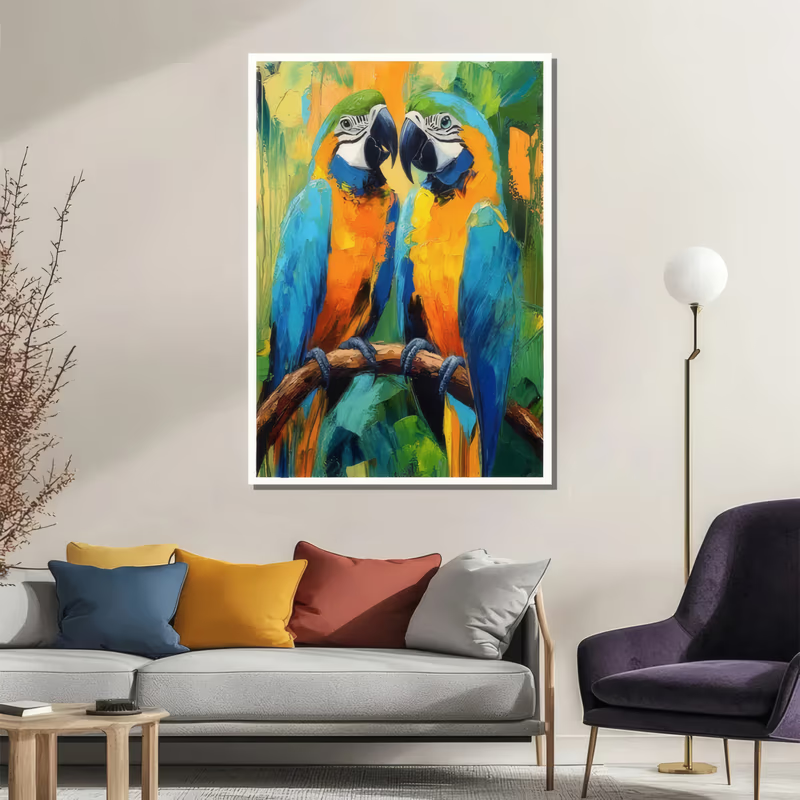
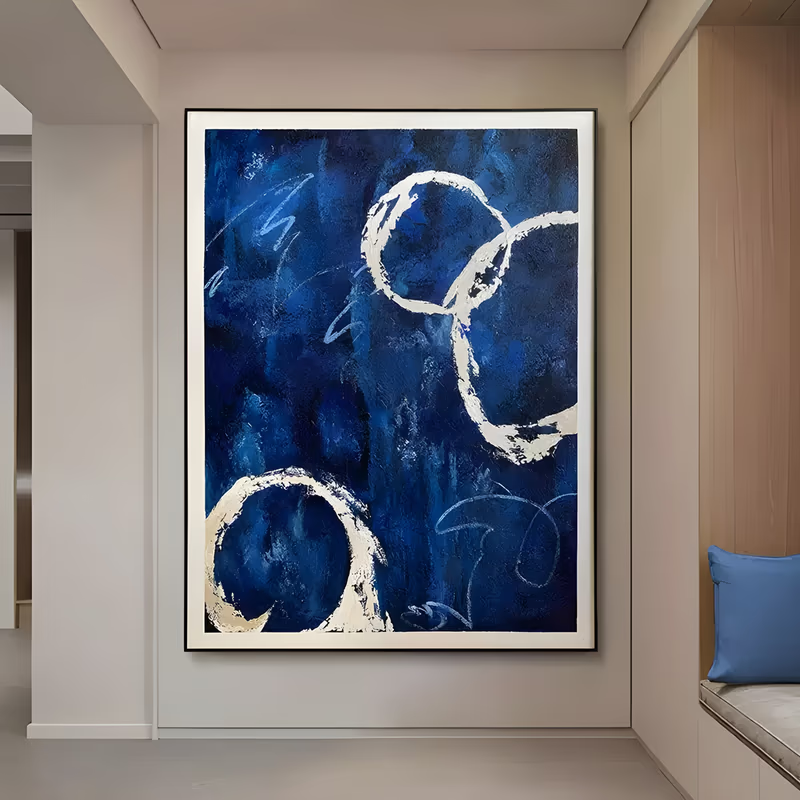
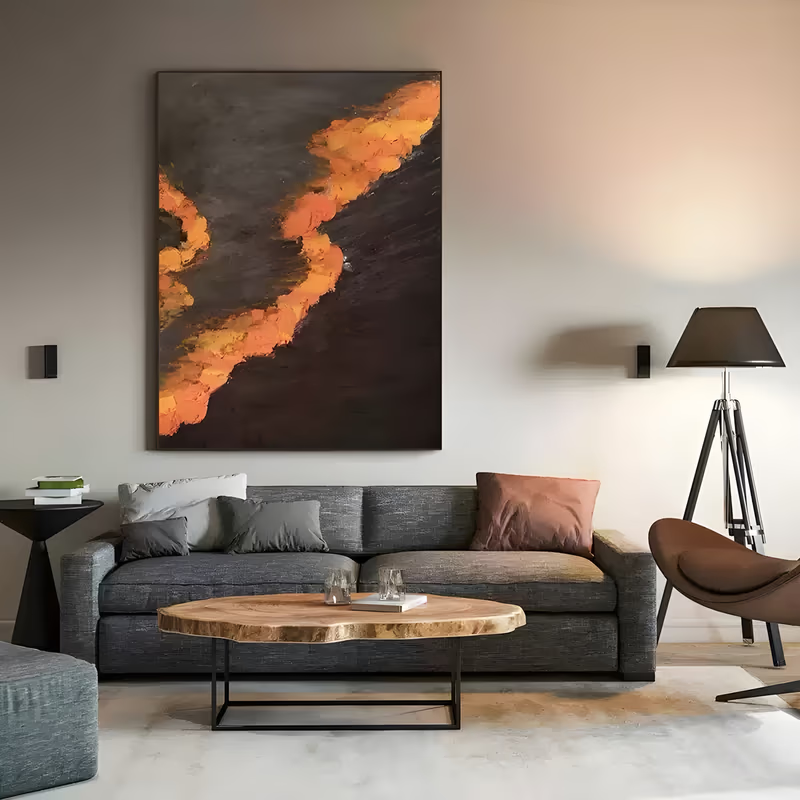
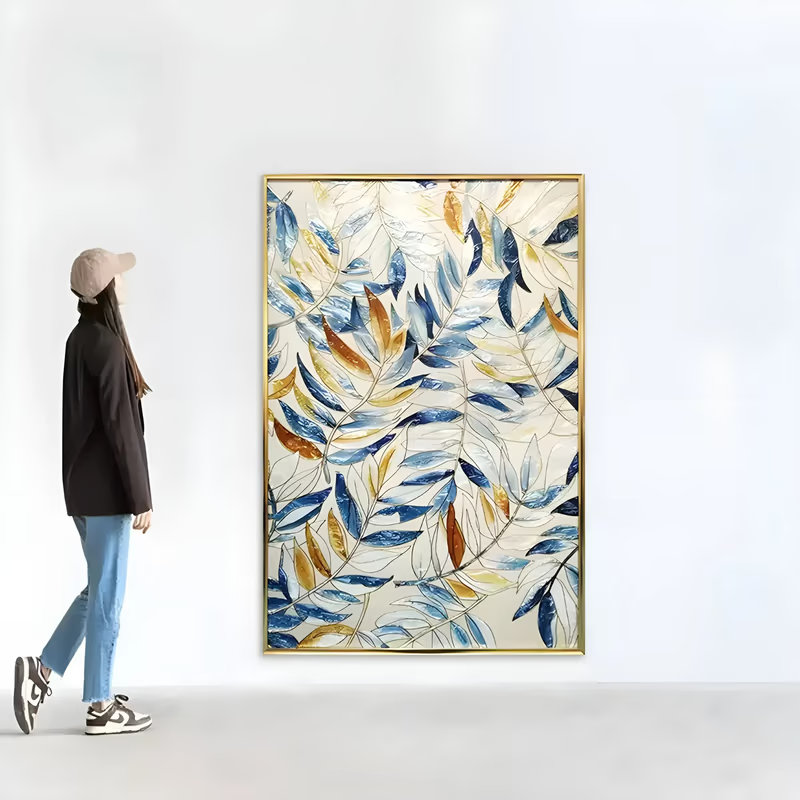
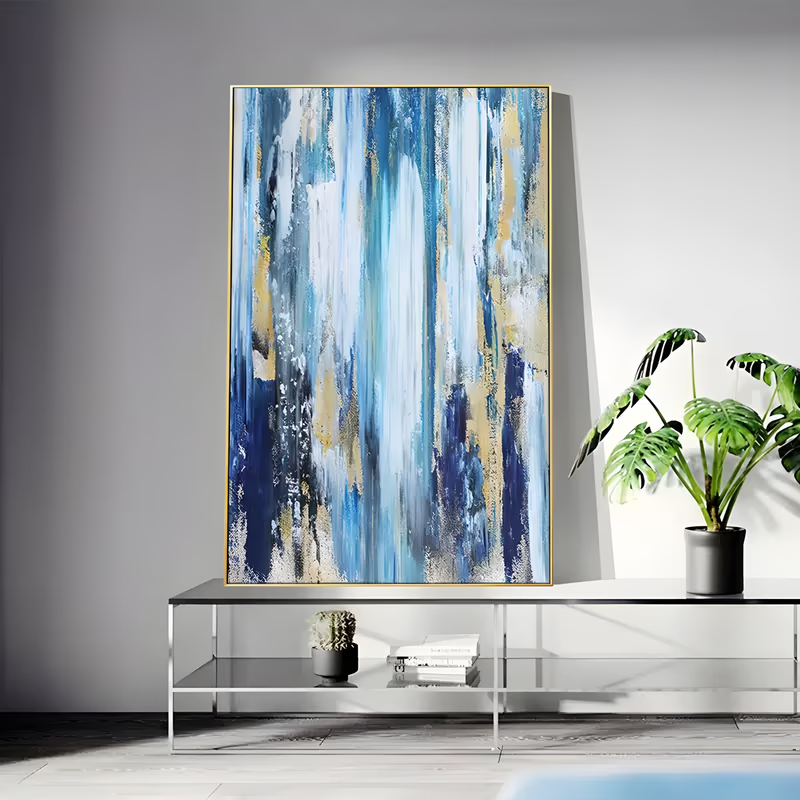
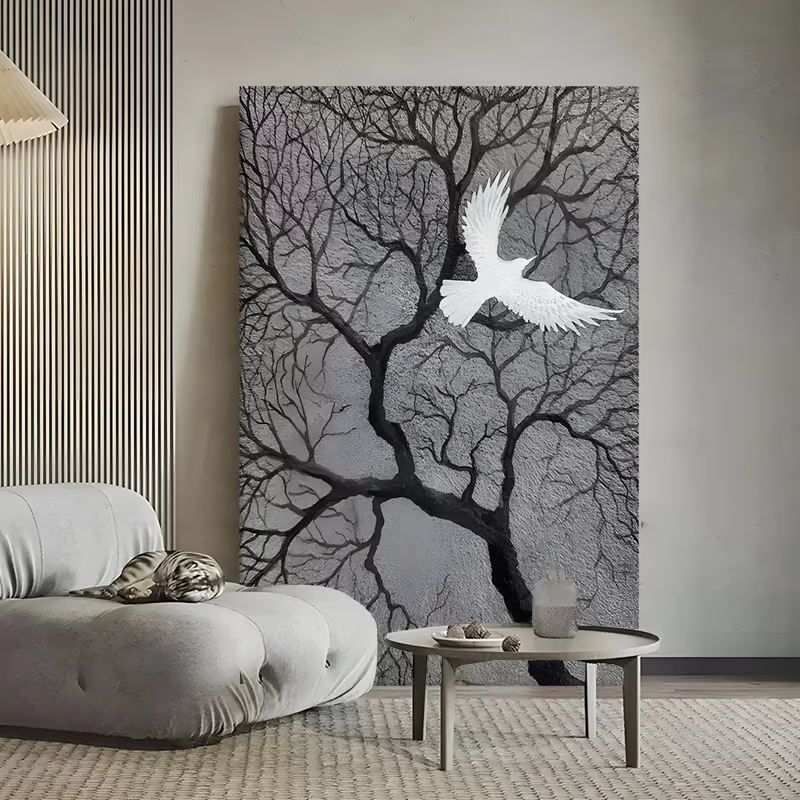
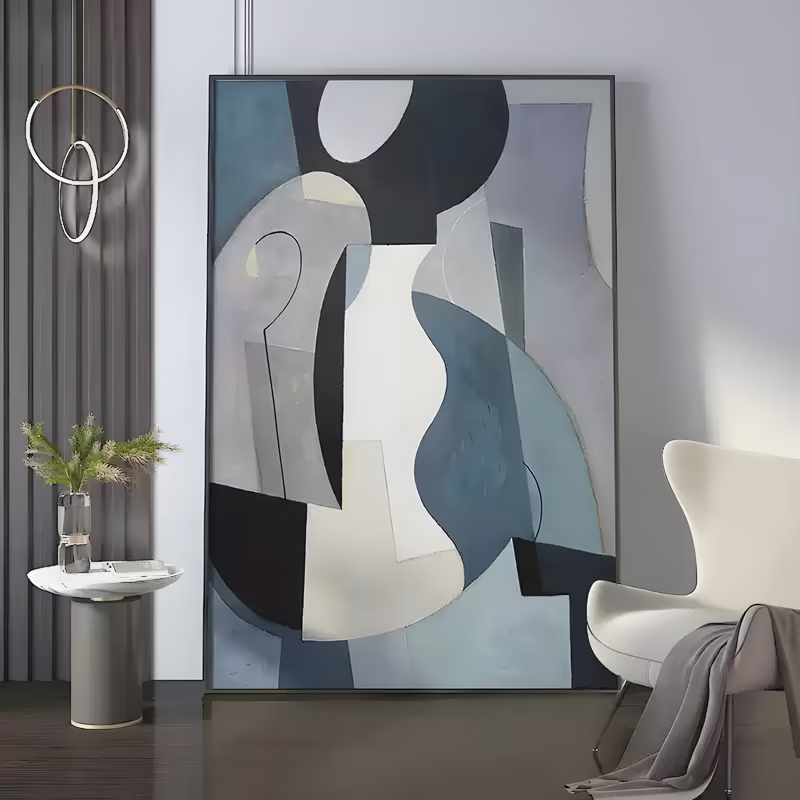
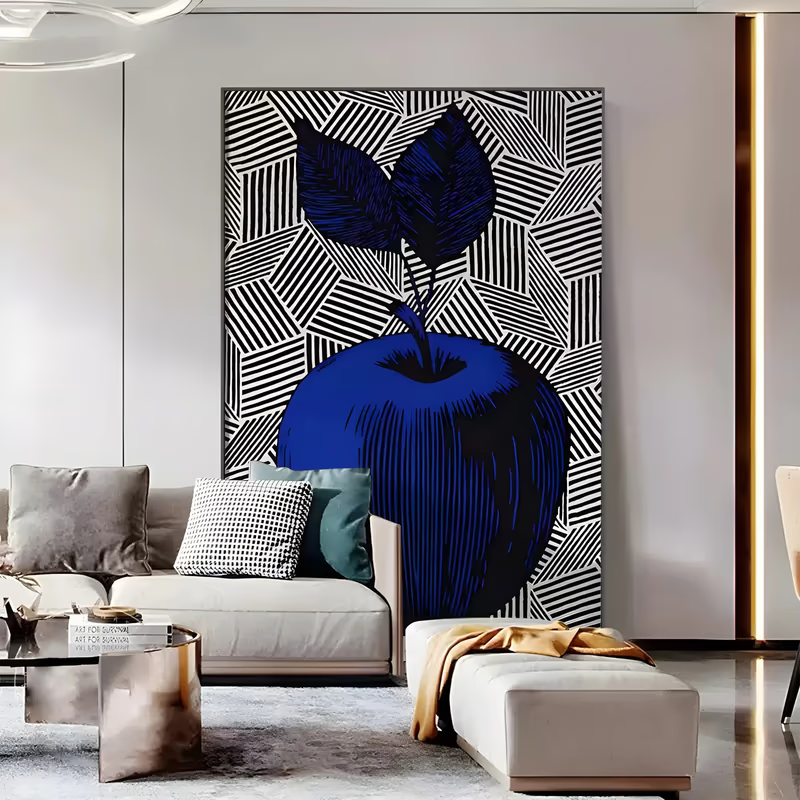
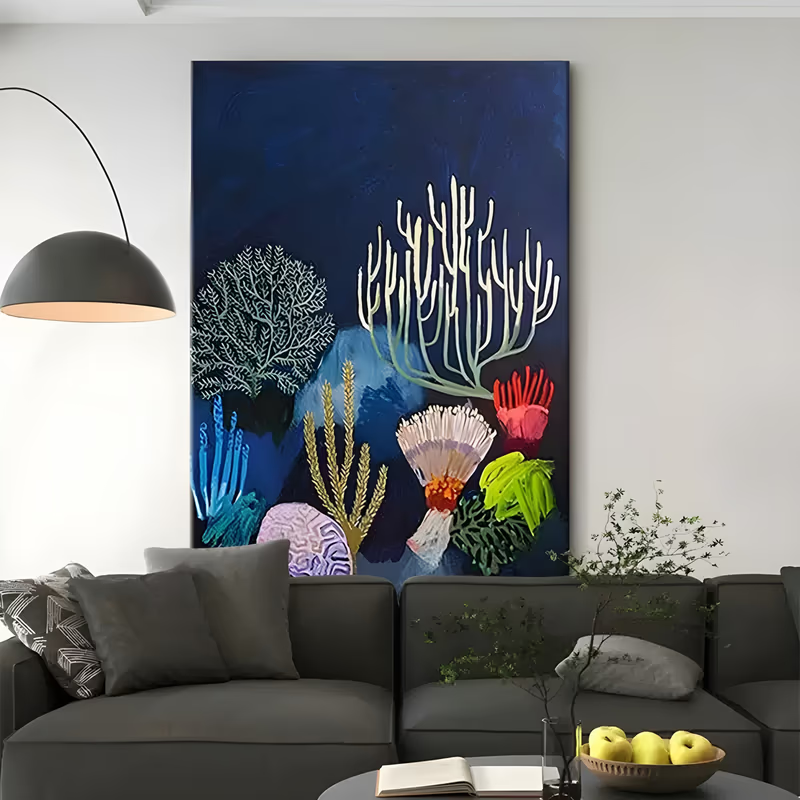
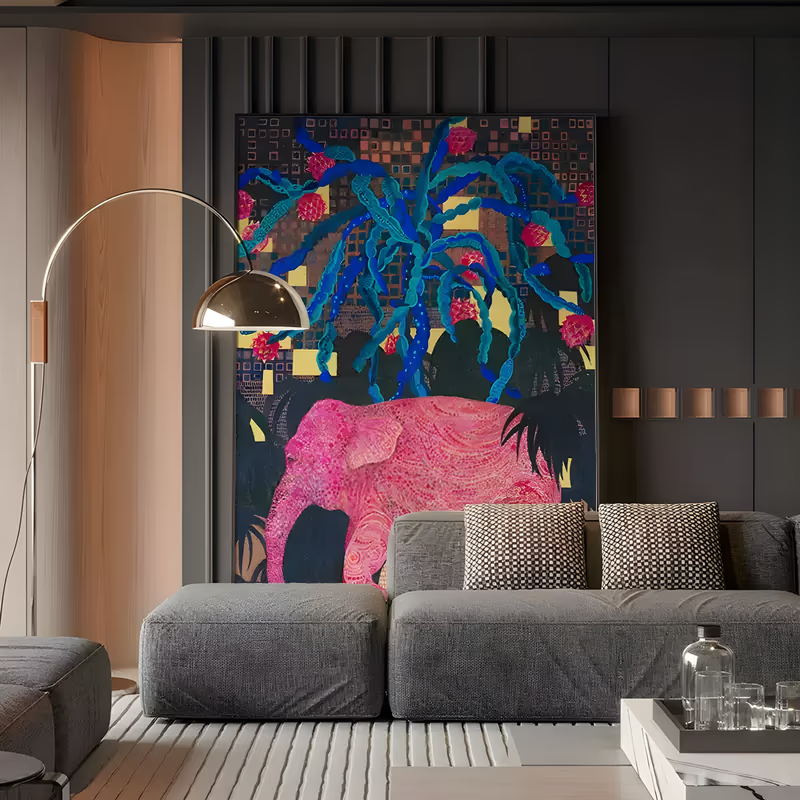
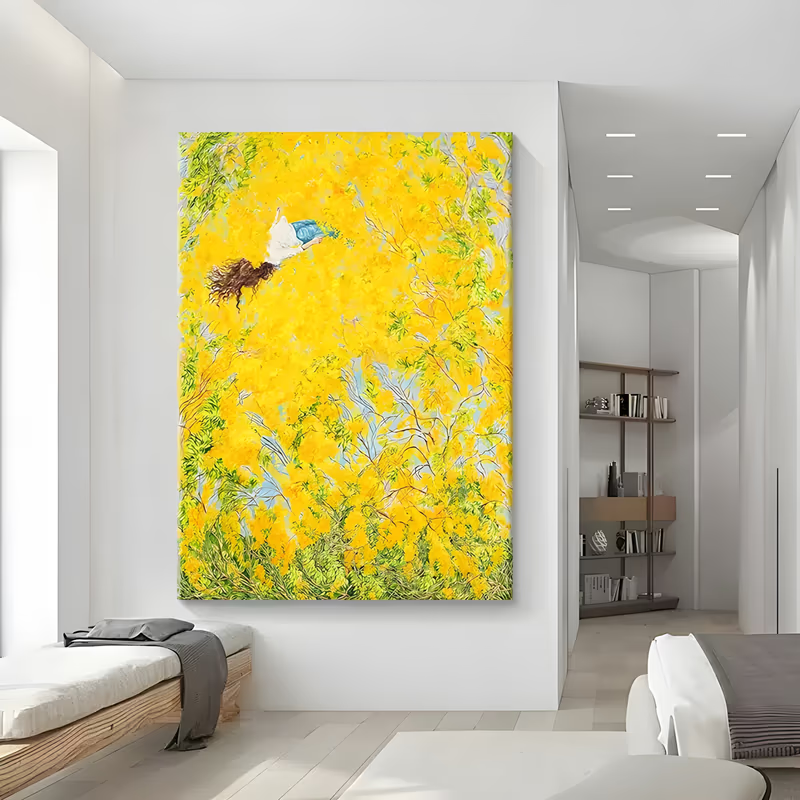
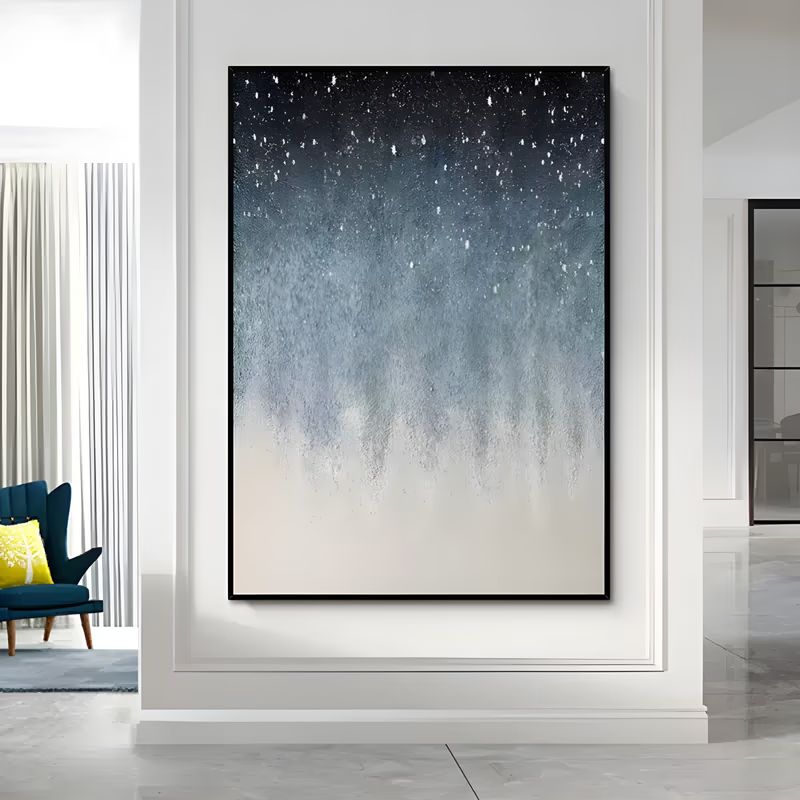
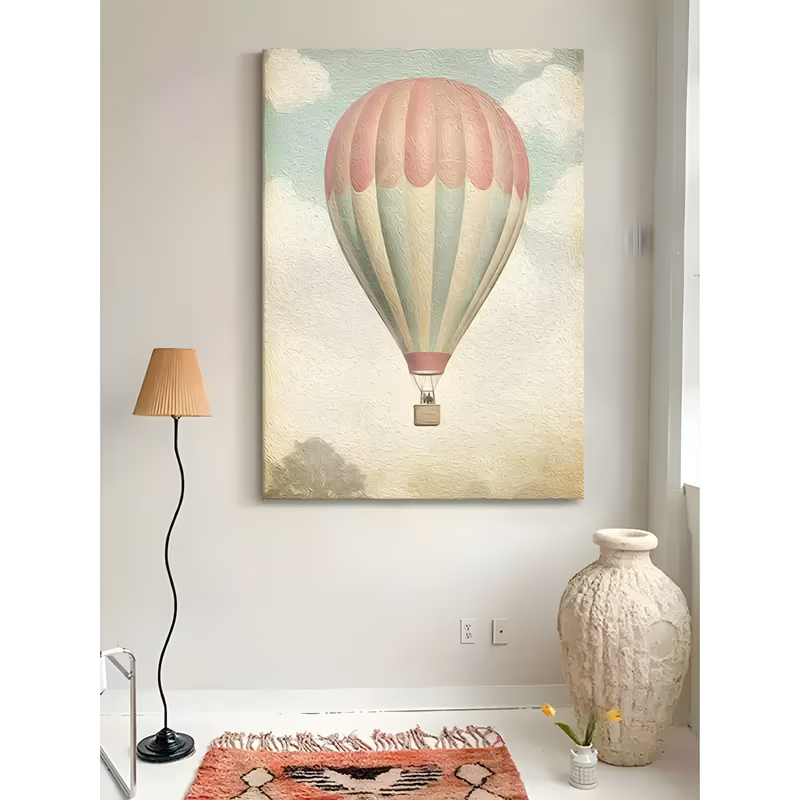
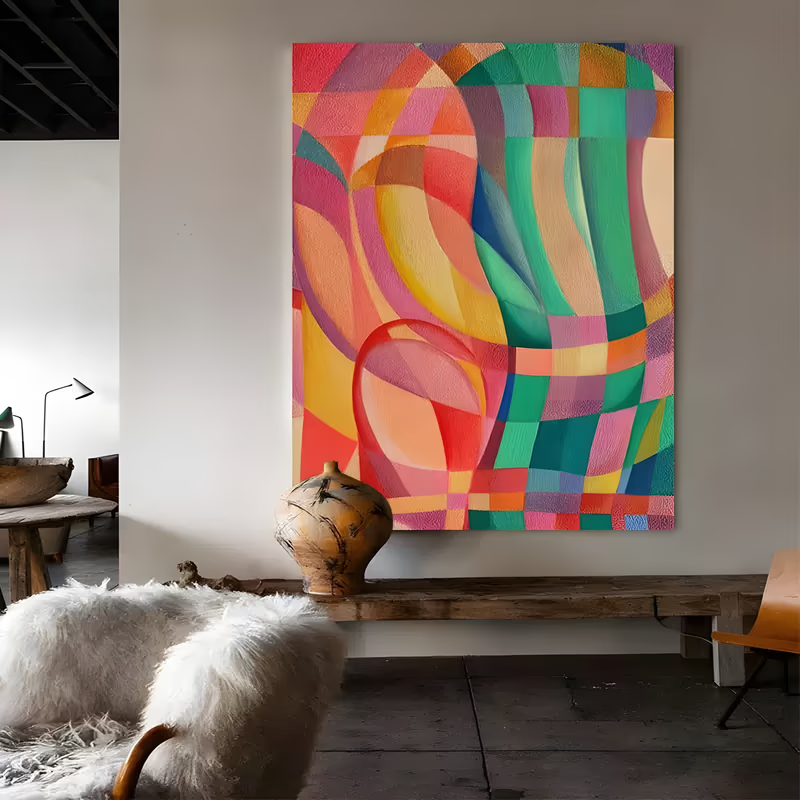
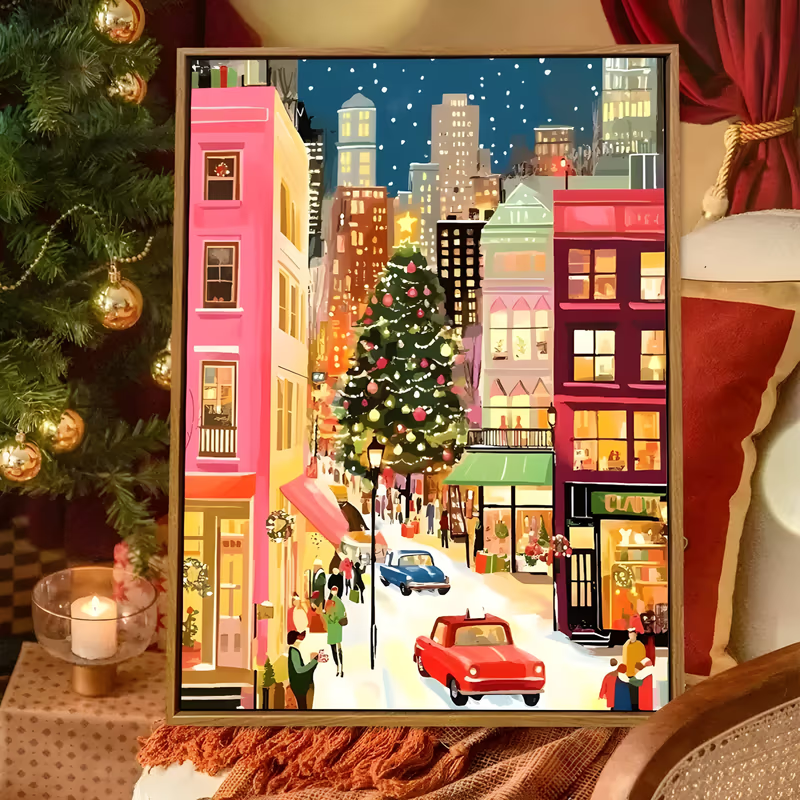
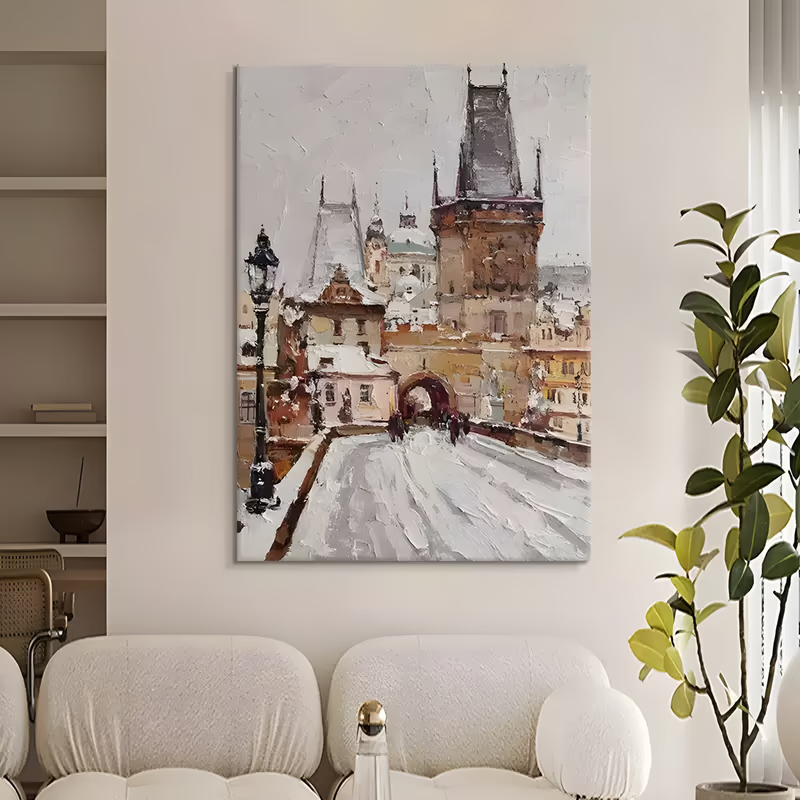
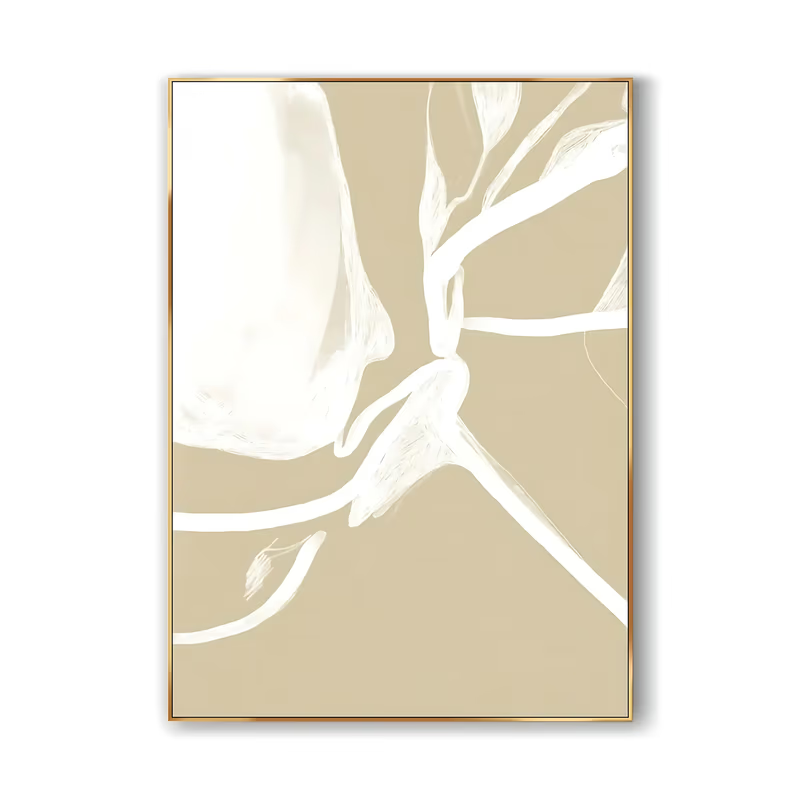
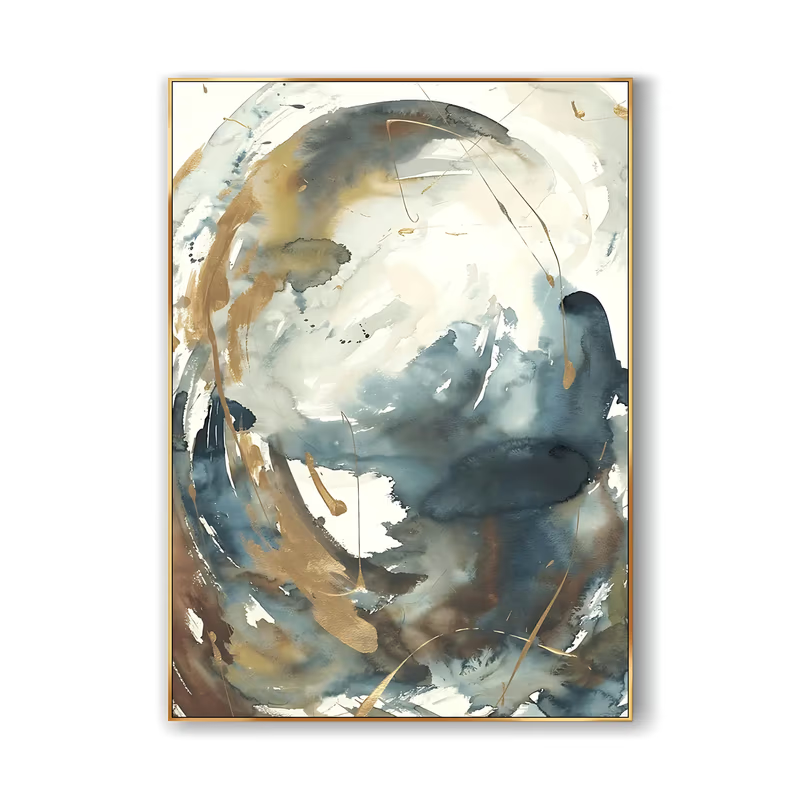
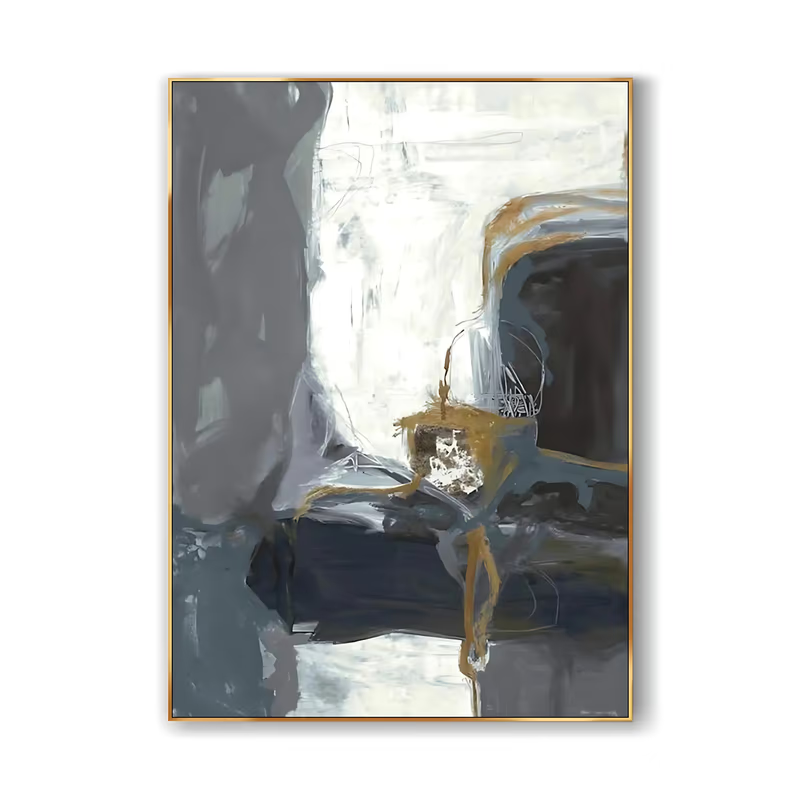
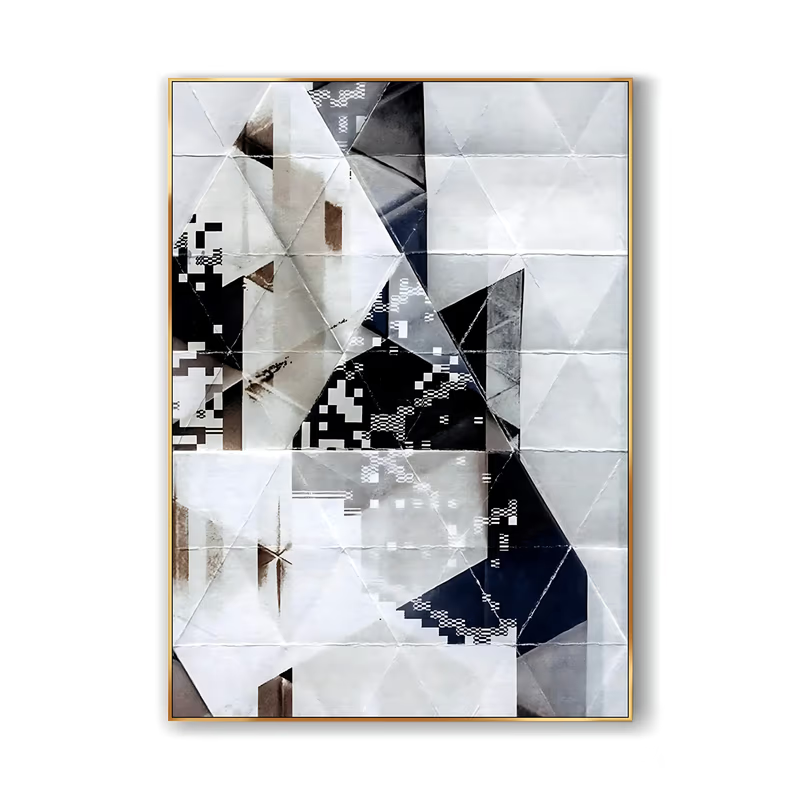
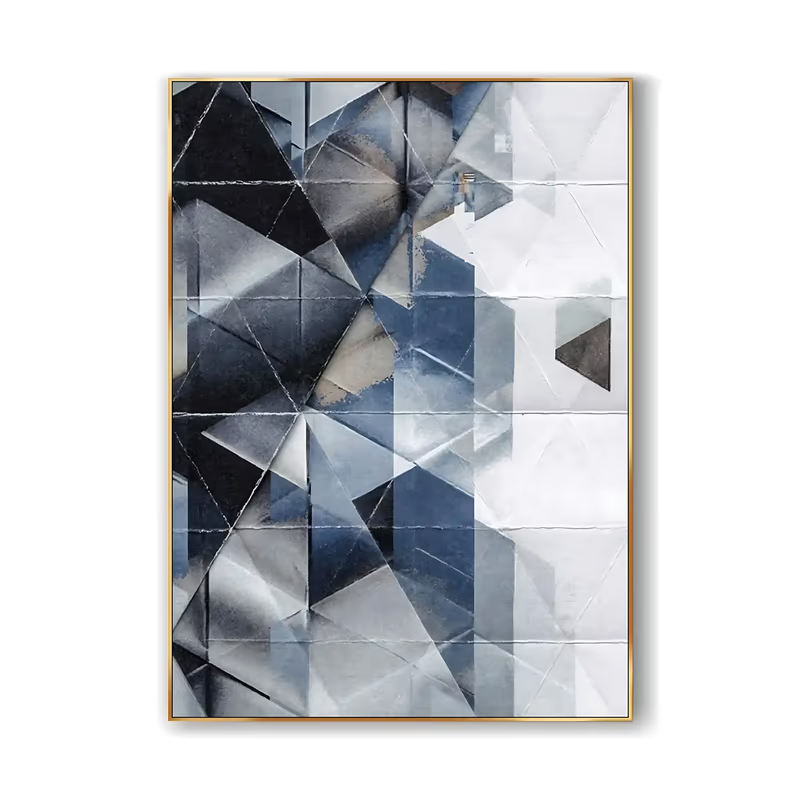
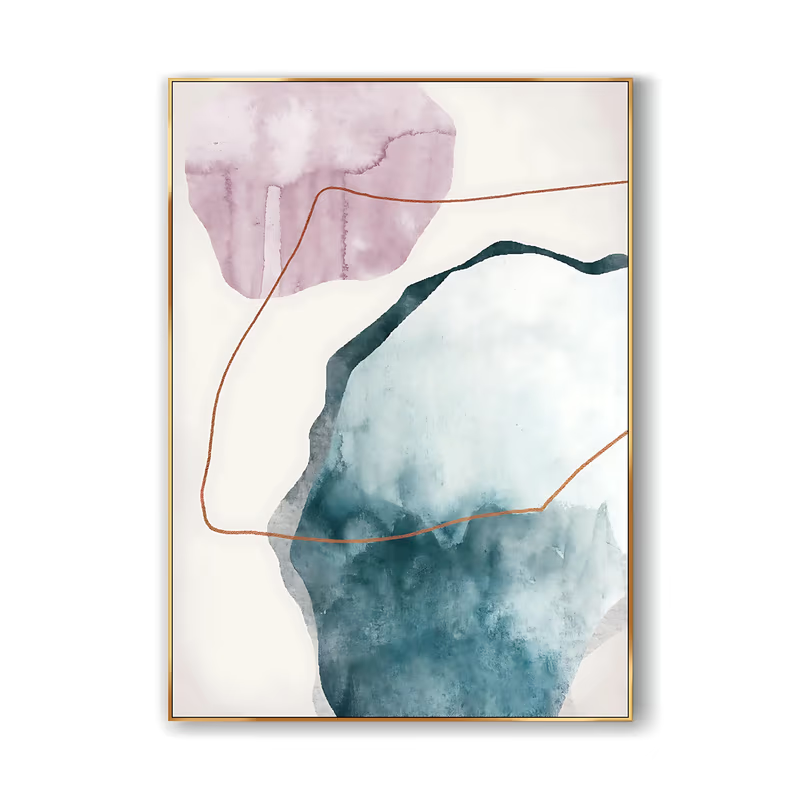
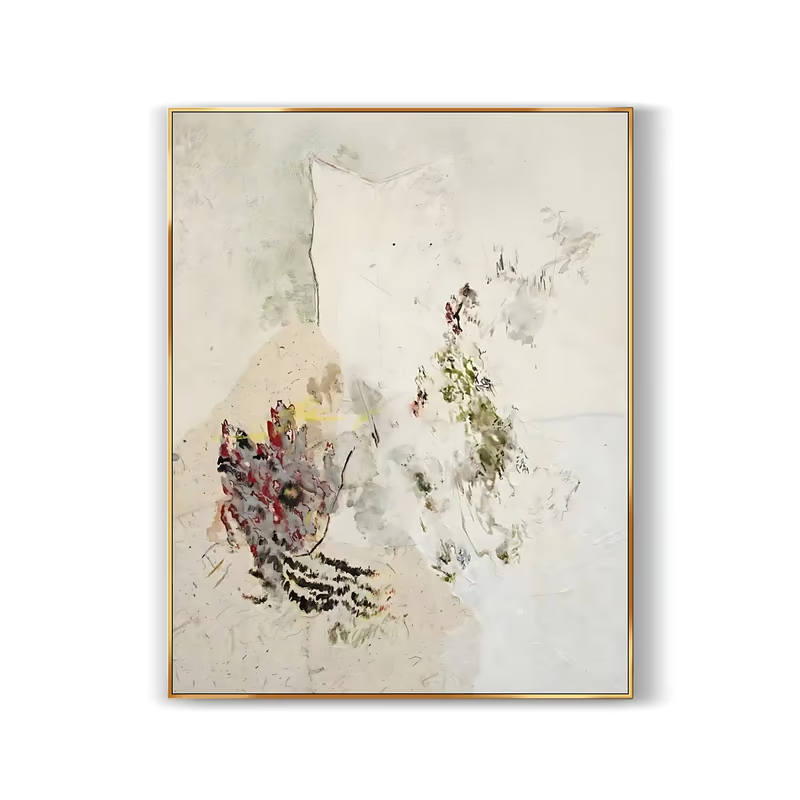
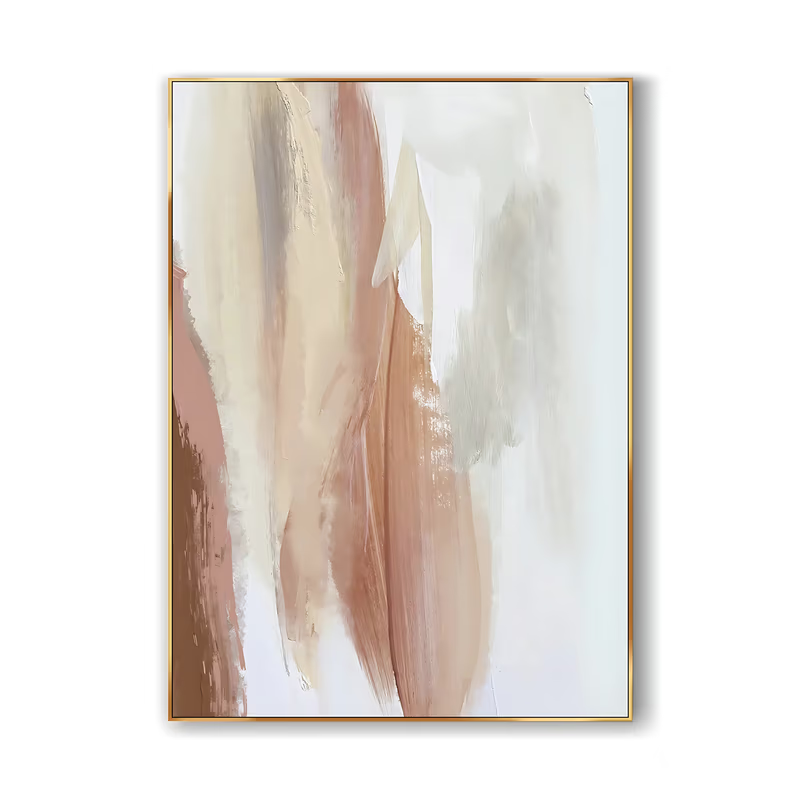
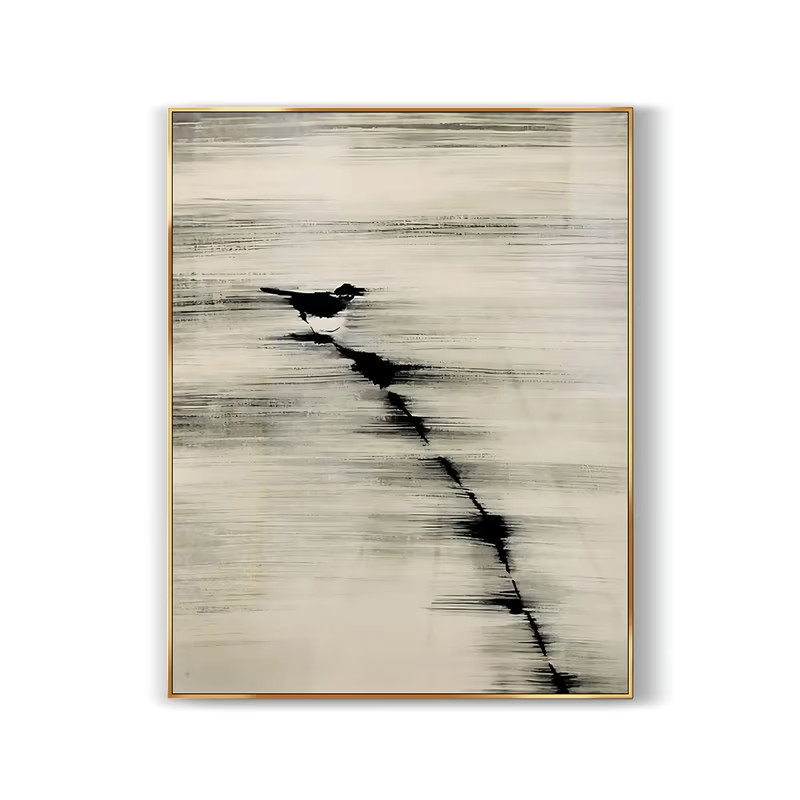
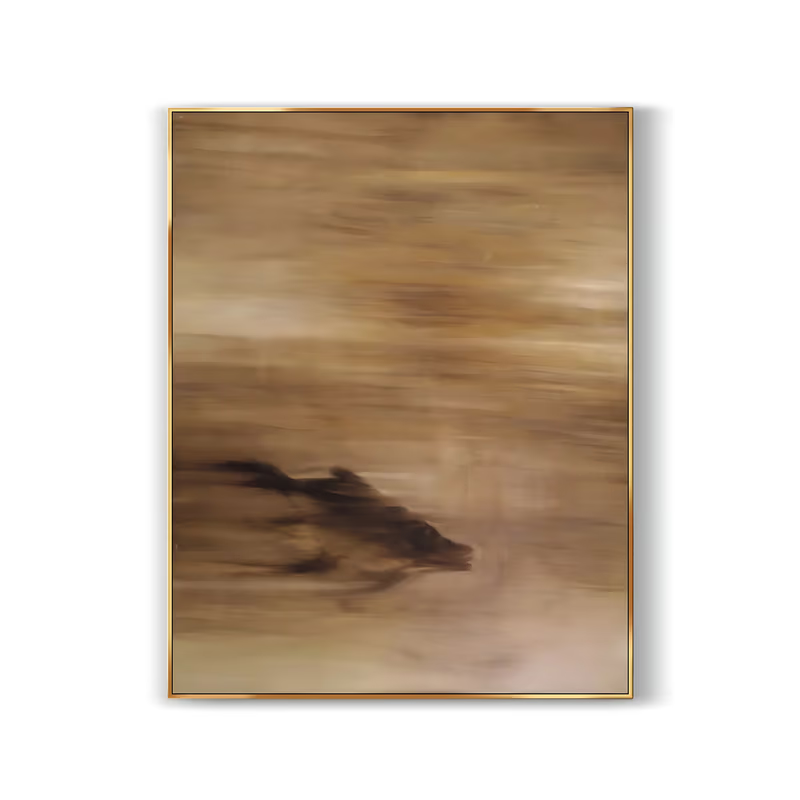
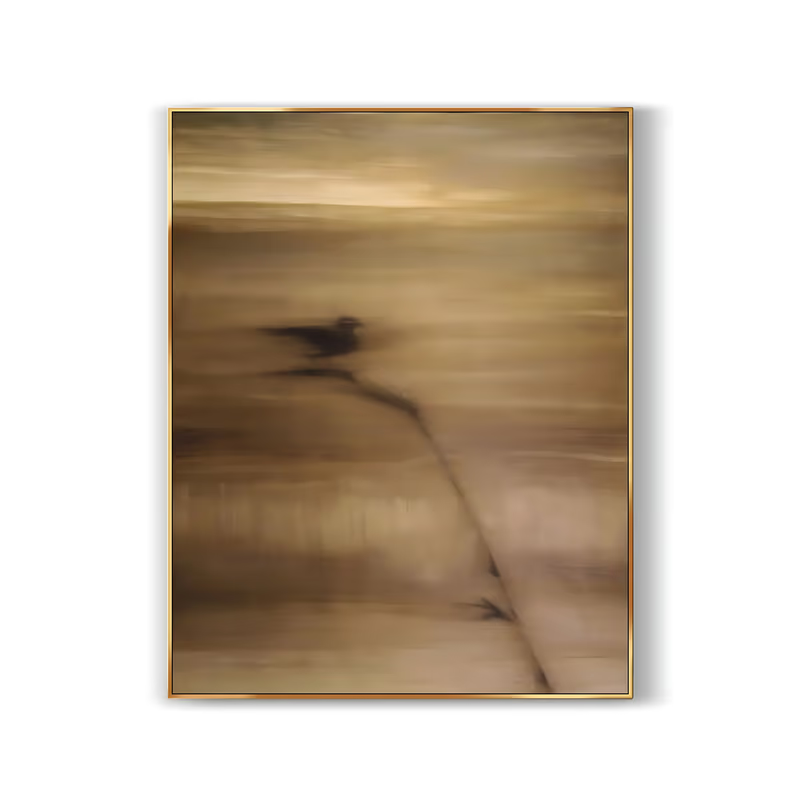
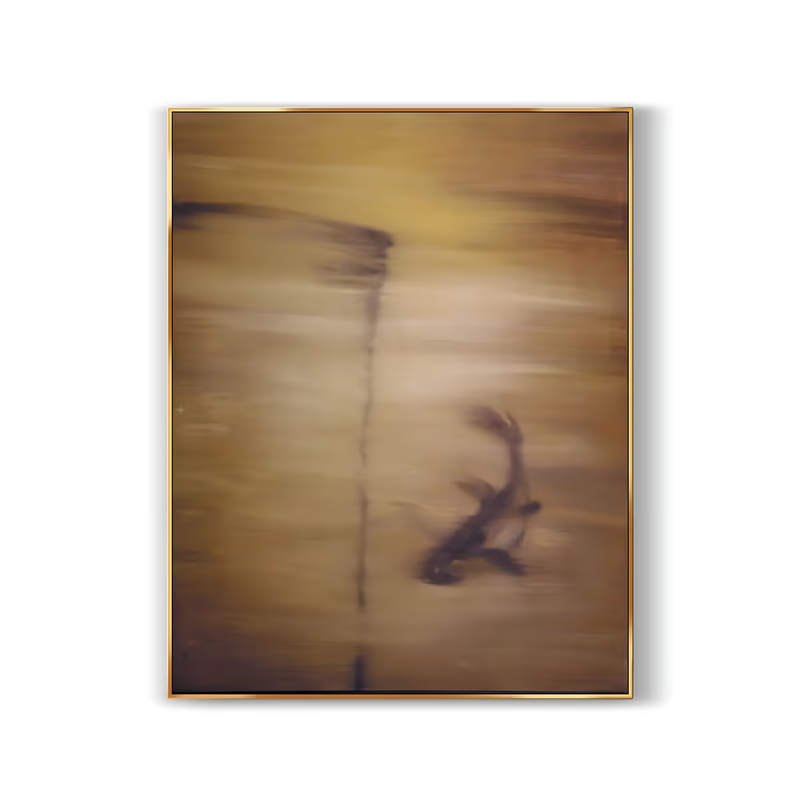
The subjects that work best in a tall format are the ones that grow, stand or fall: flowers on long stems, standing figures, trees and waterfalls, and abstract or textured columns of colour.
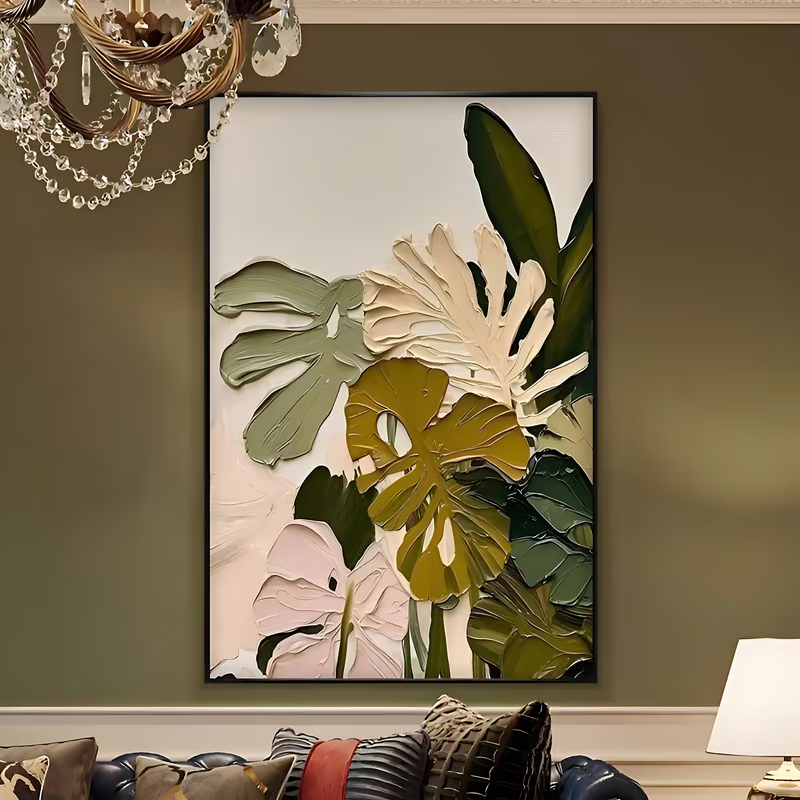
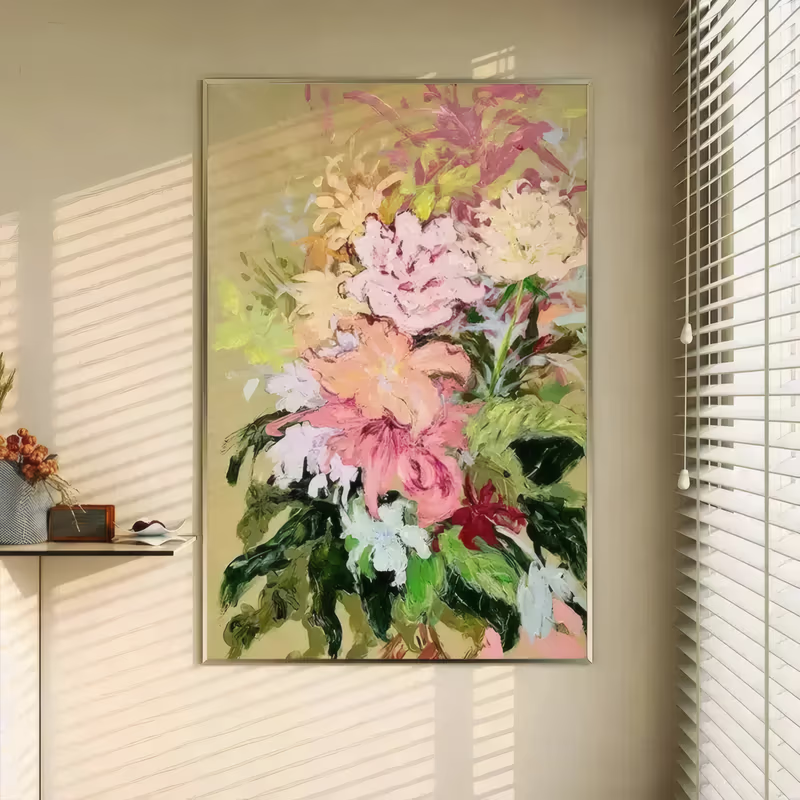
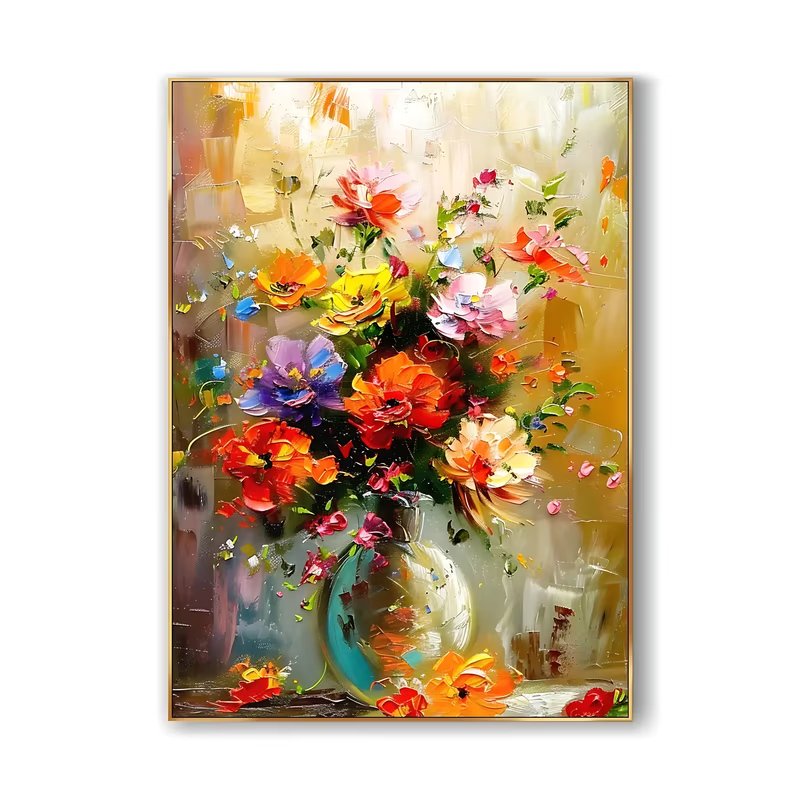
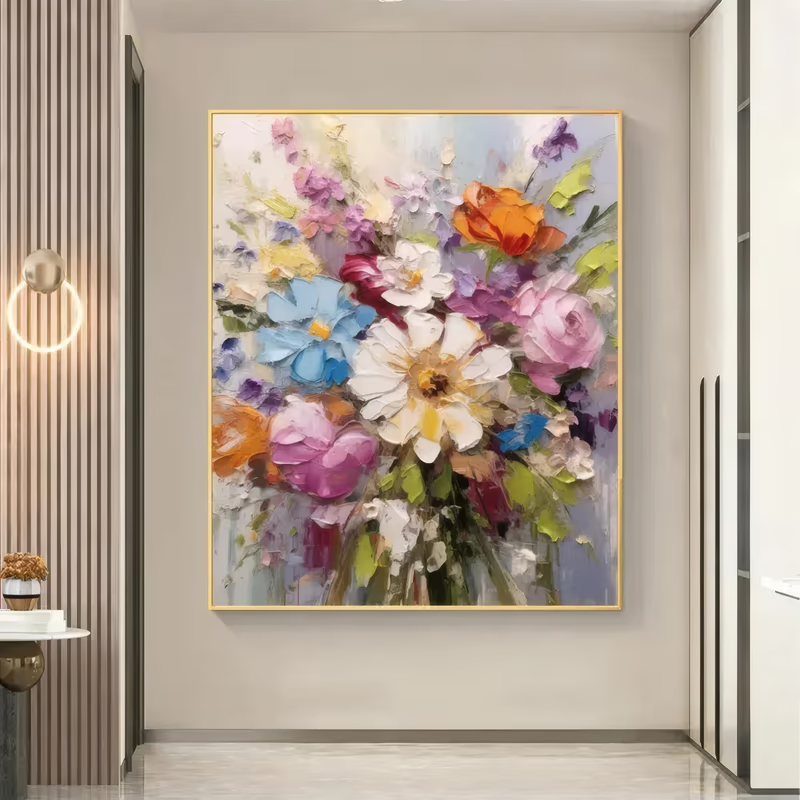
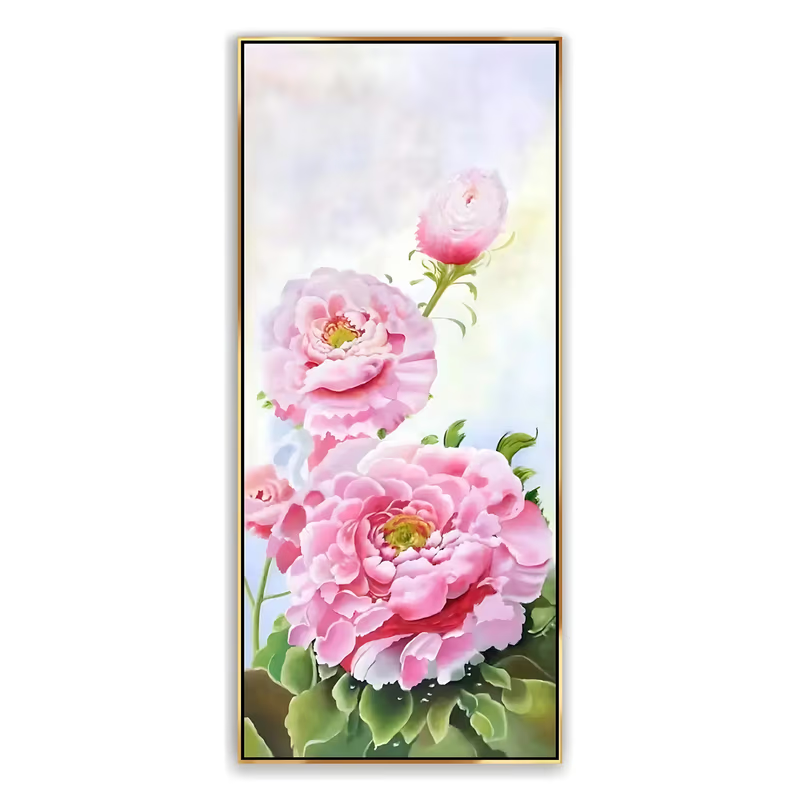
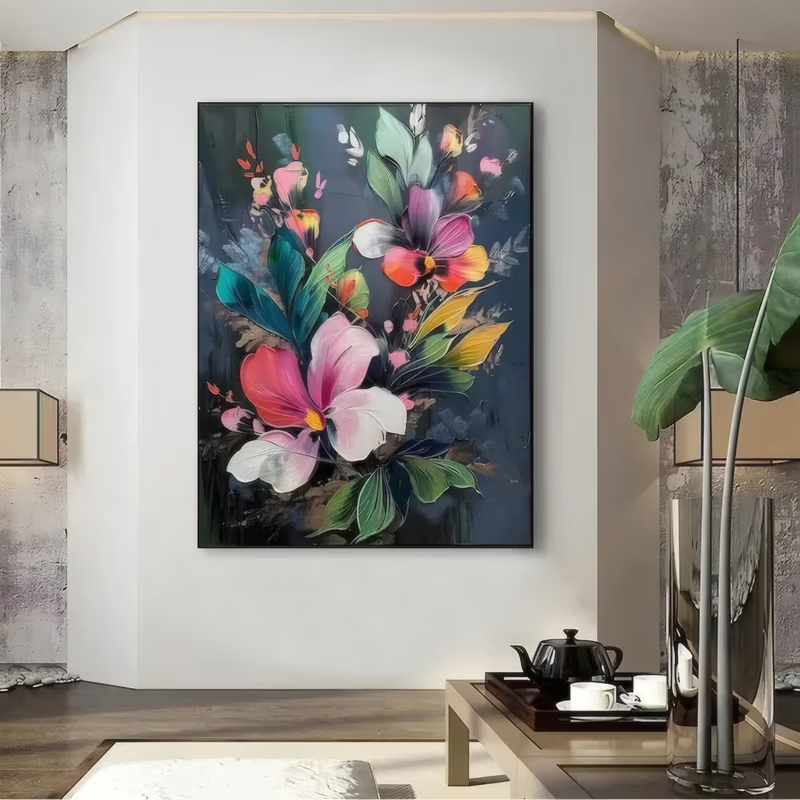
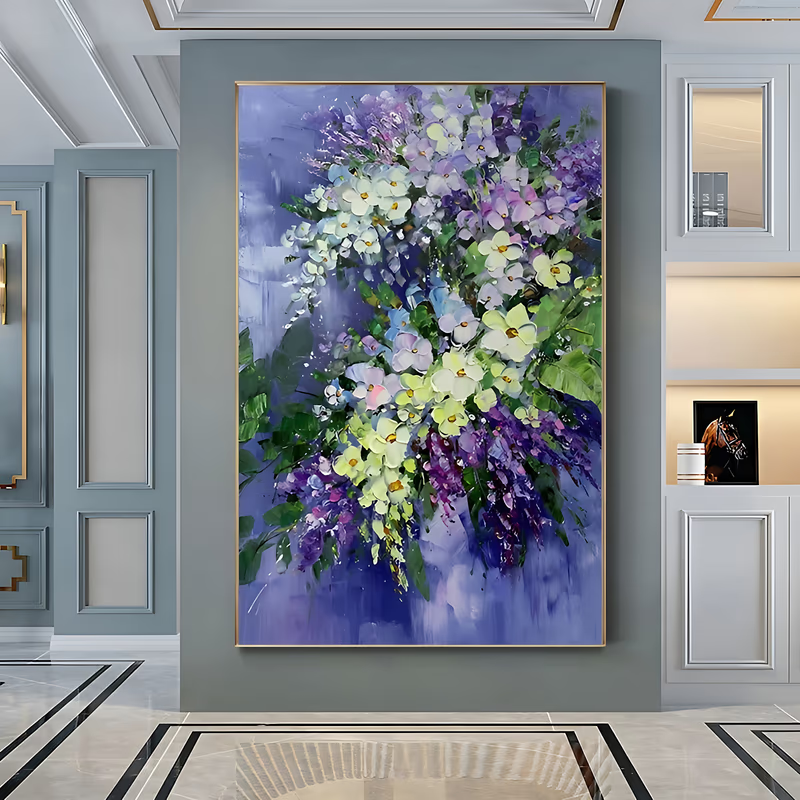
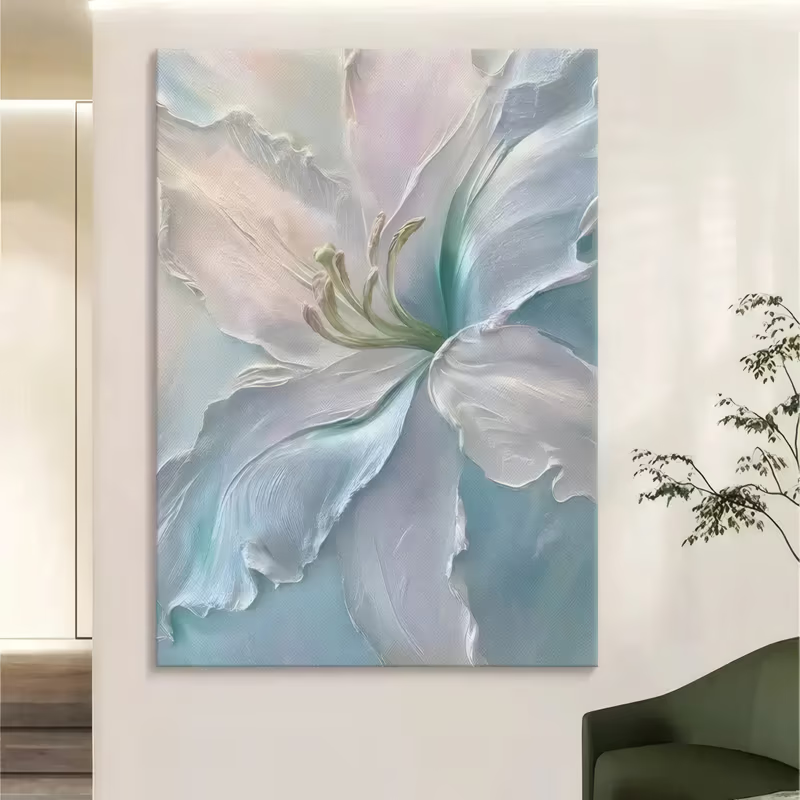
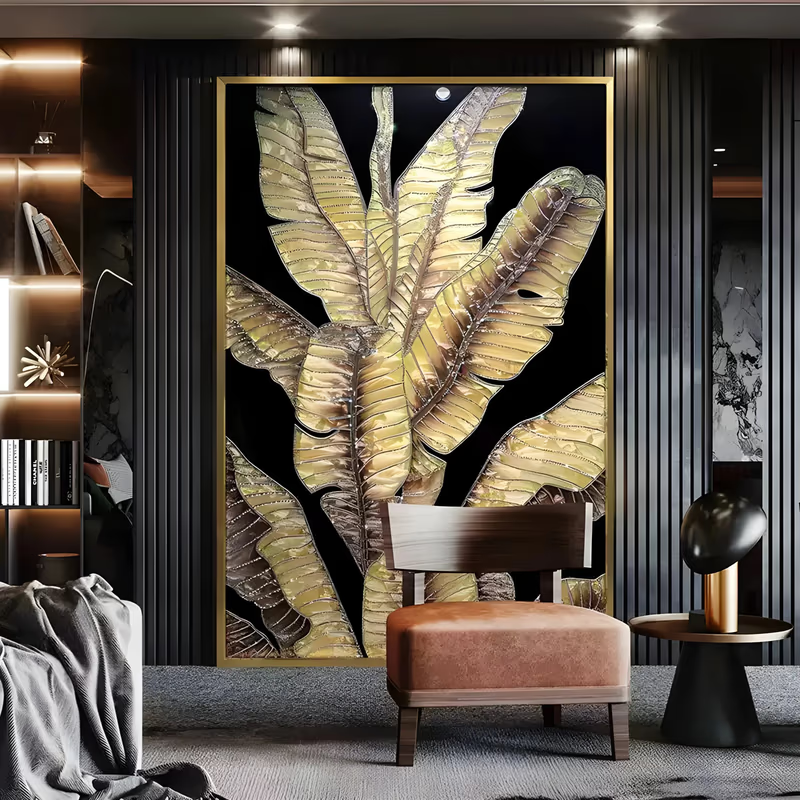
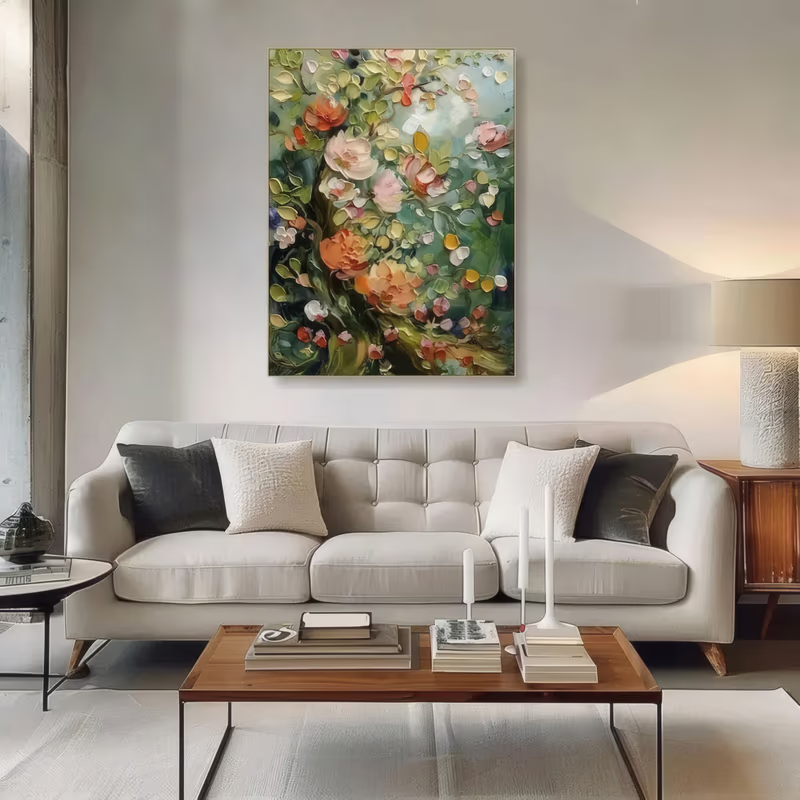
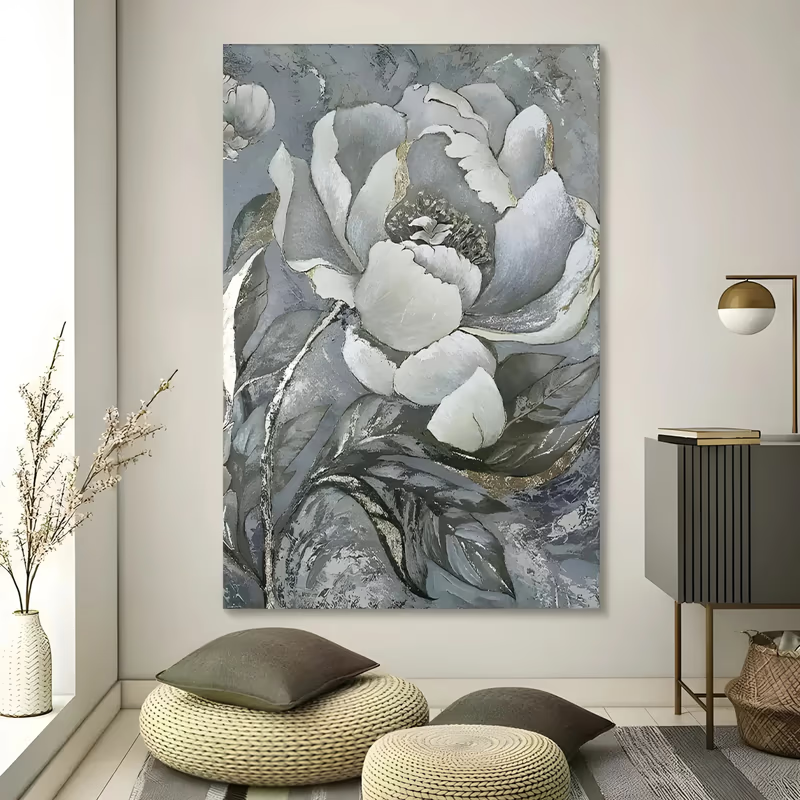
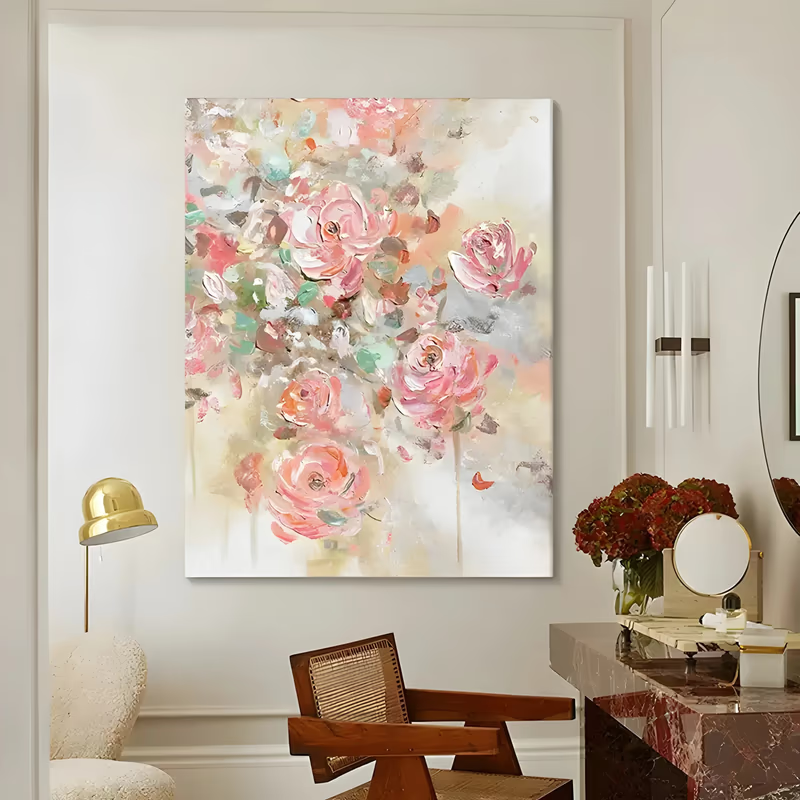
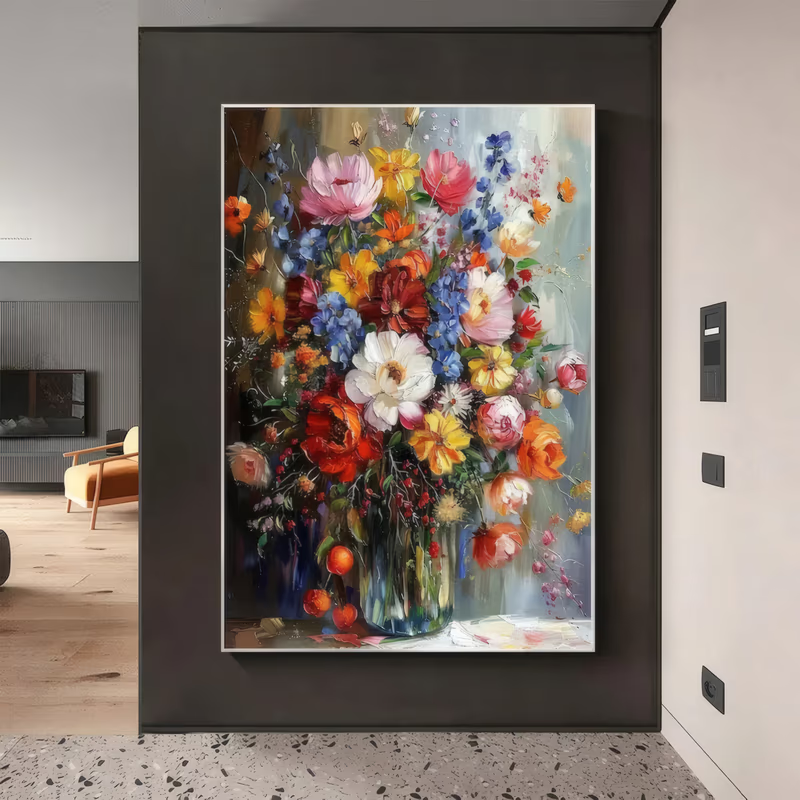
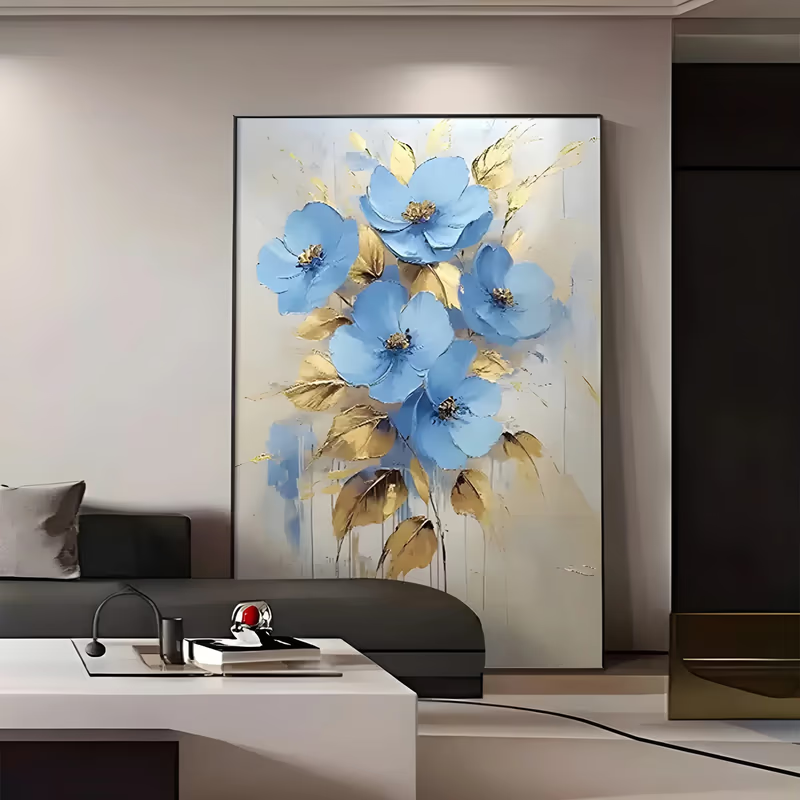
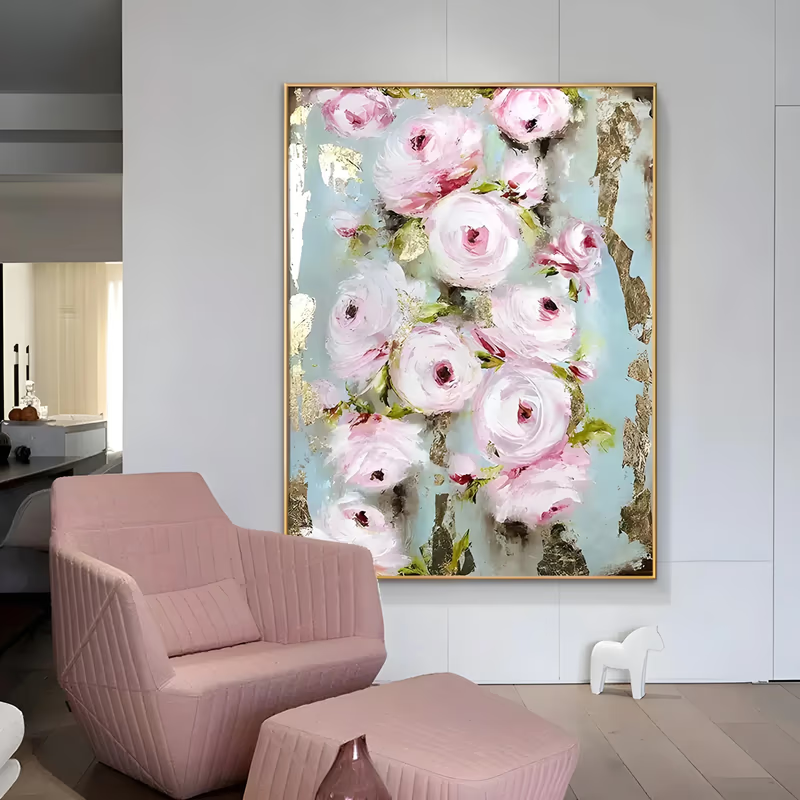
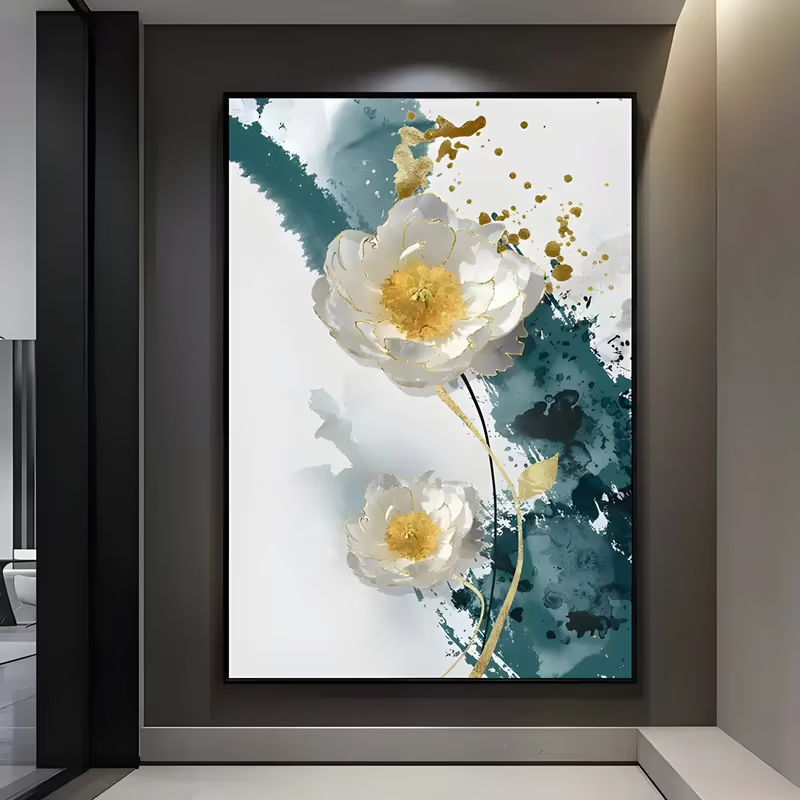
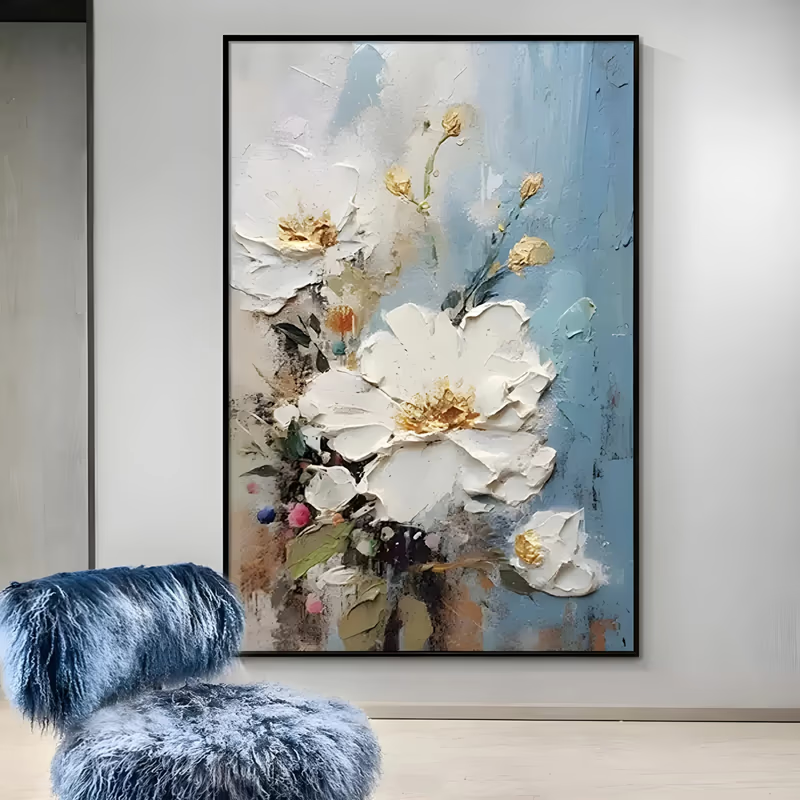
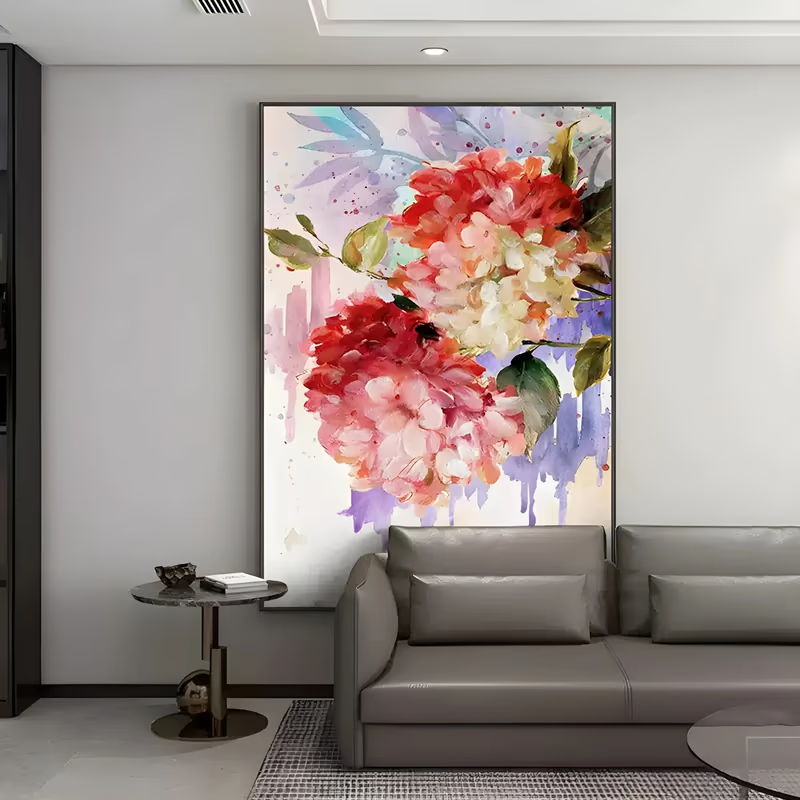
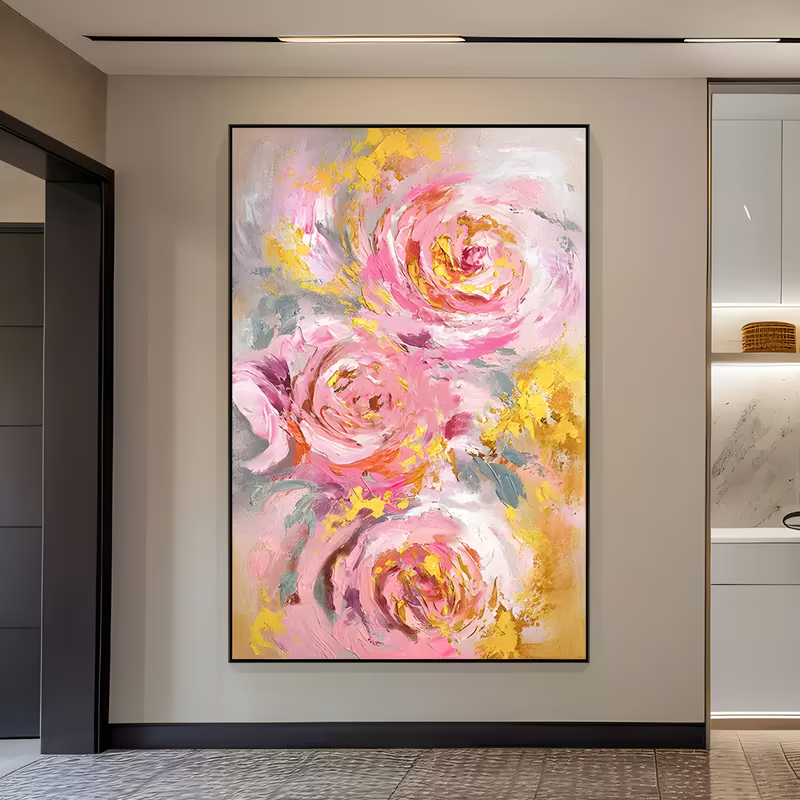
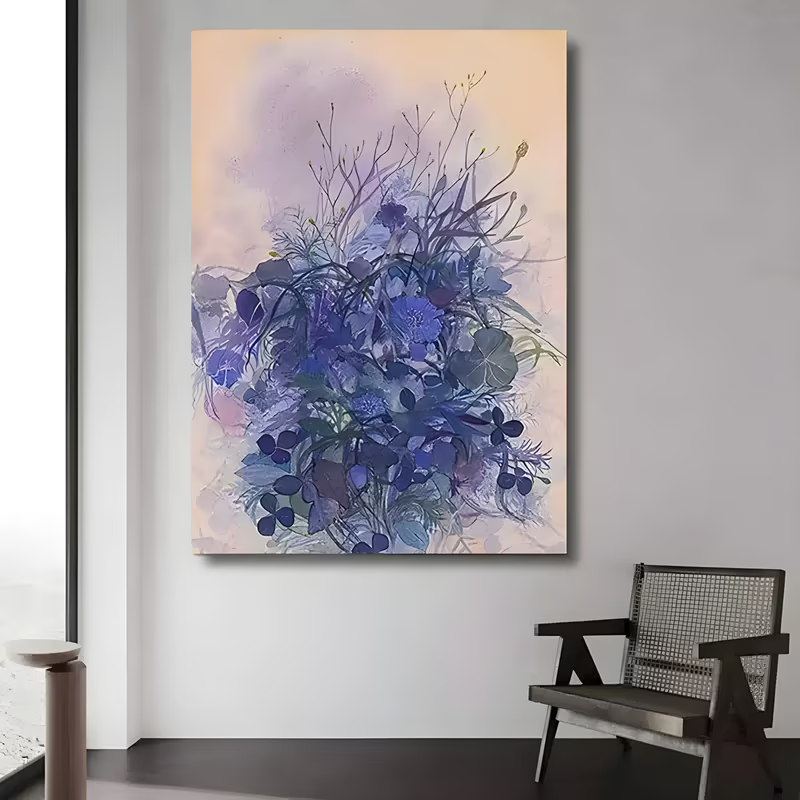
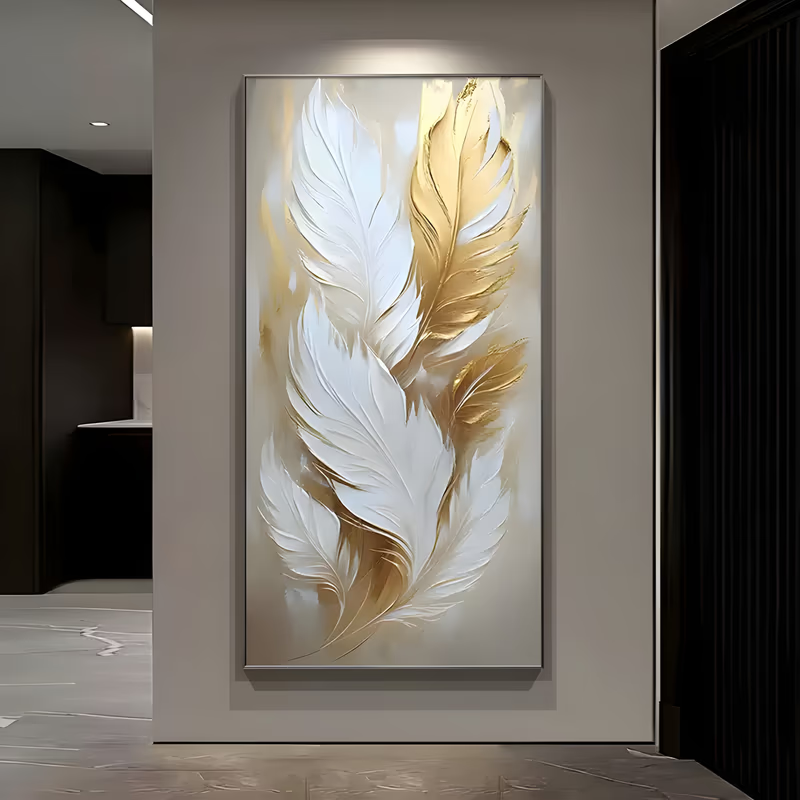
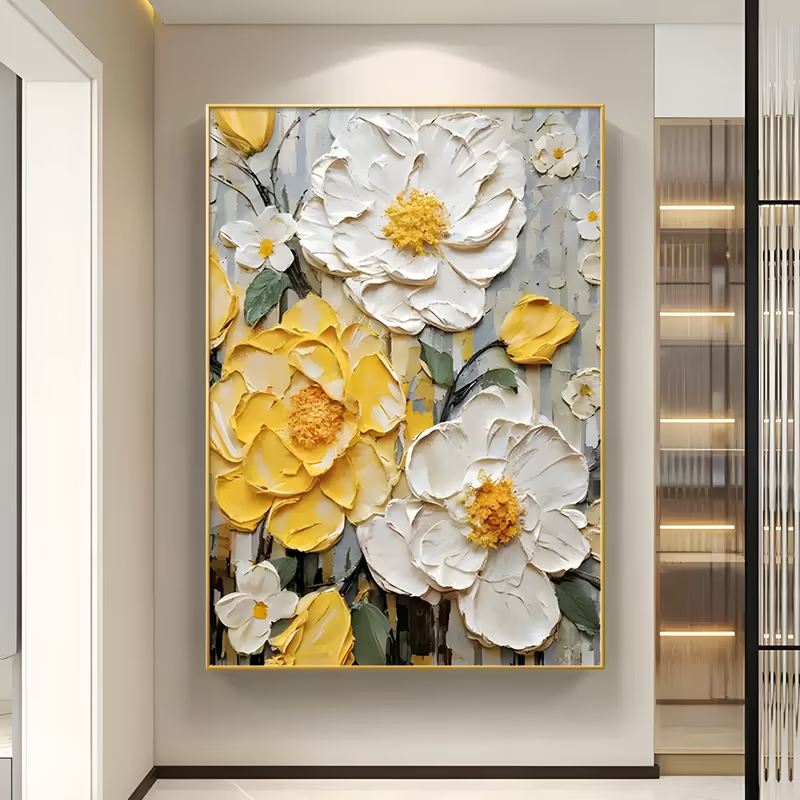
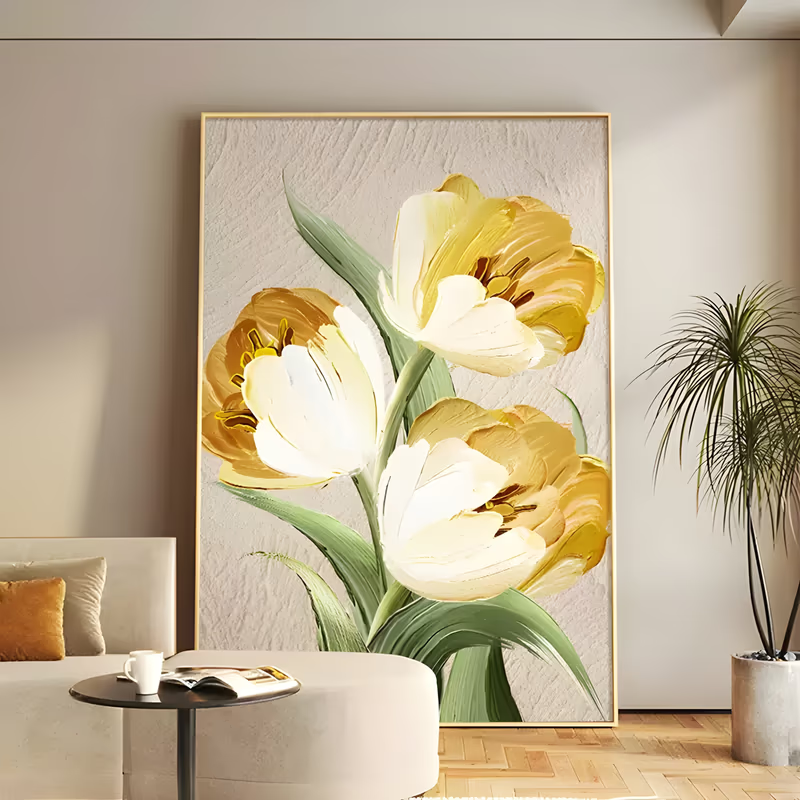
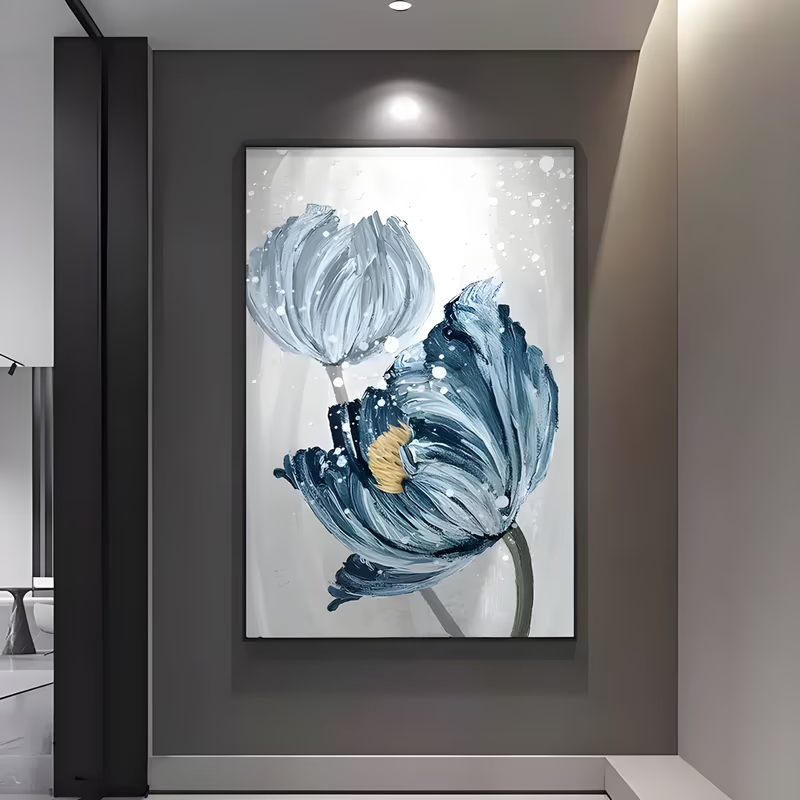
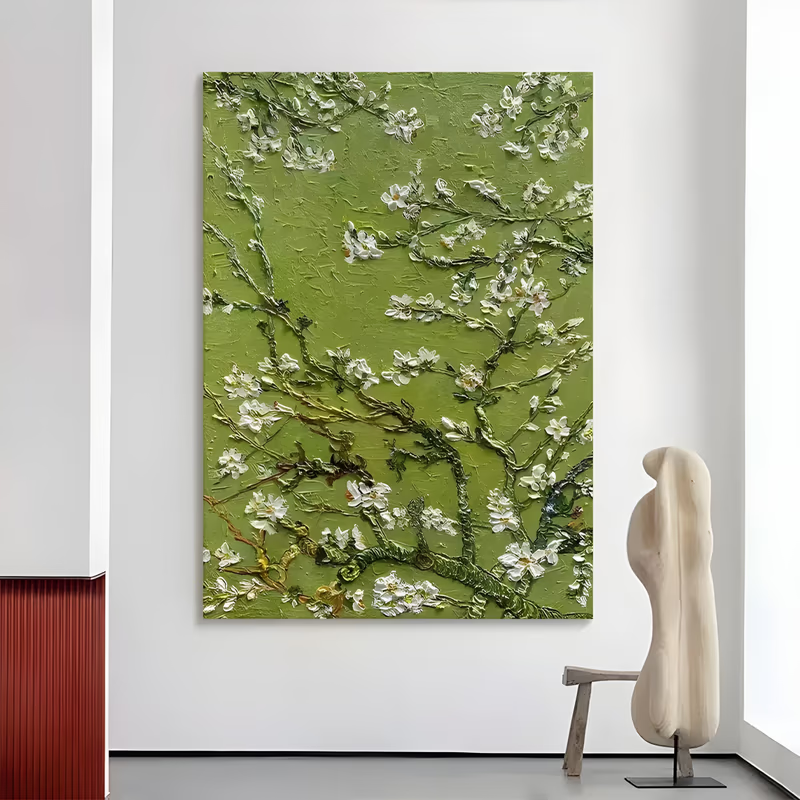
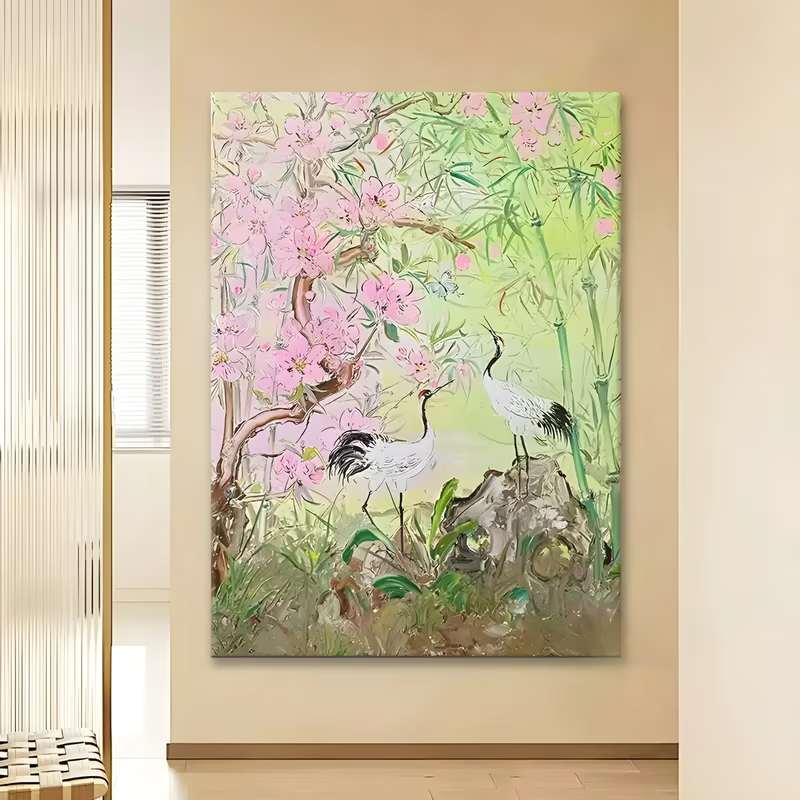
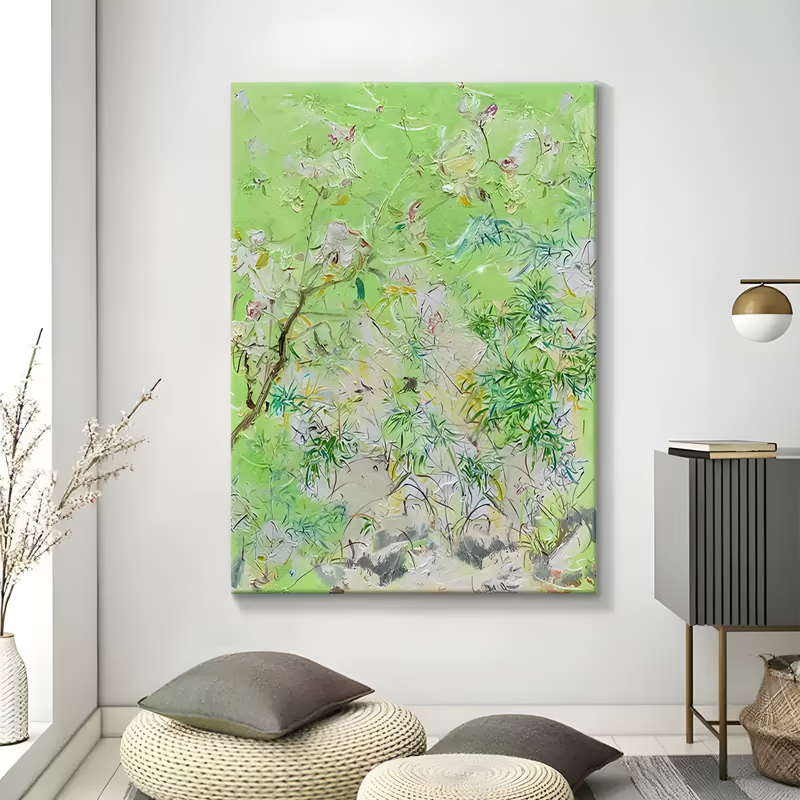
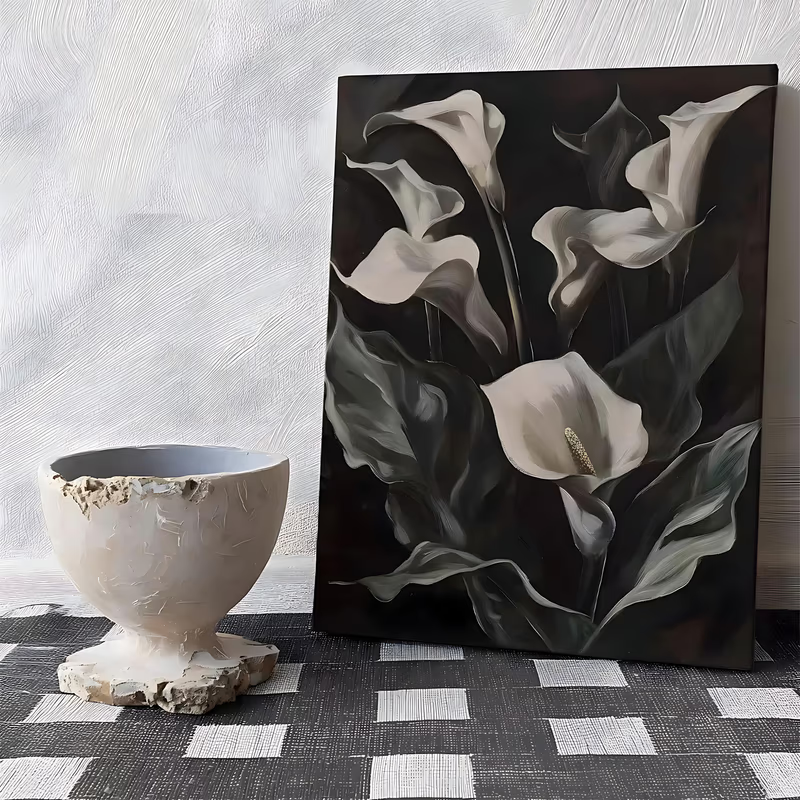
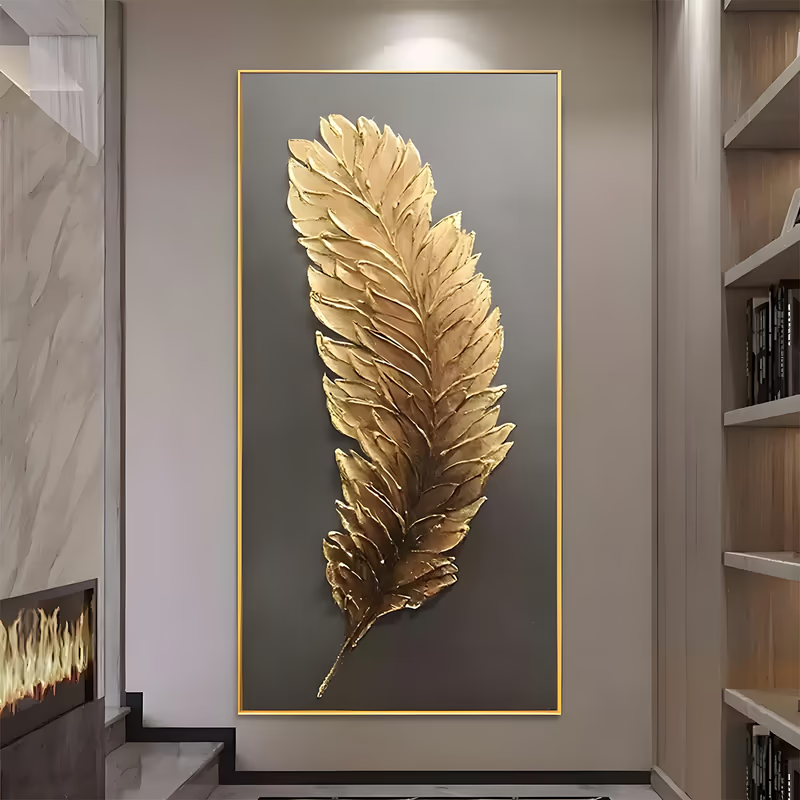
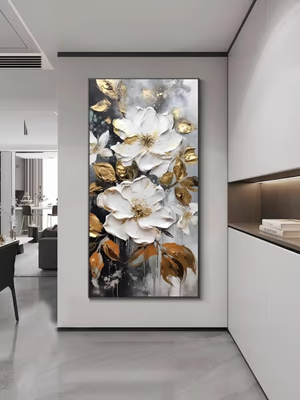
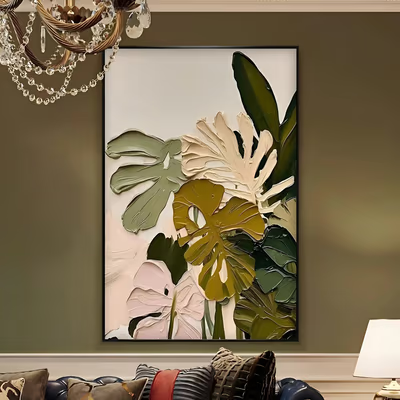
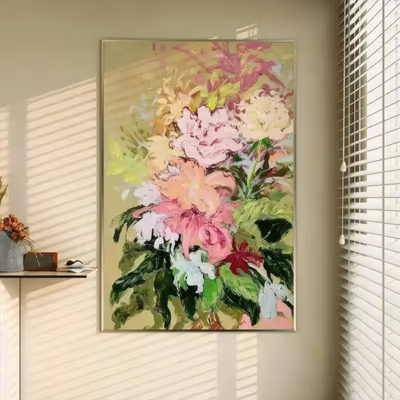
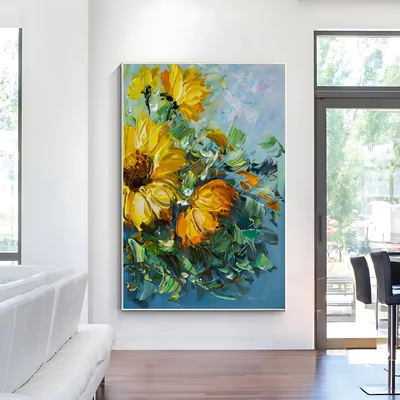
Tall florals and botanicals
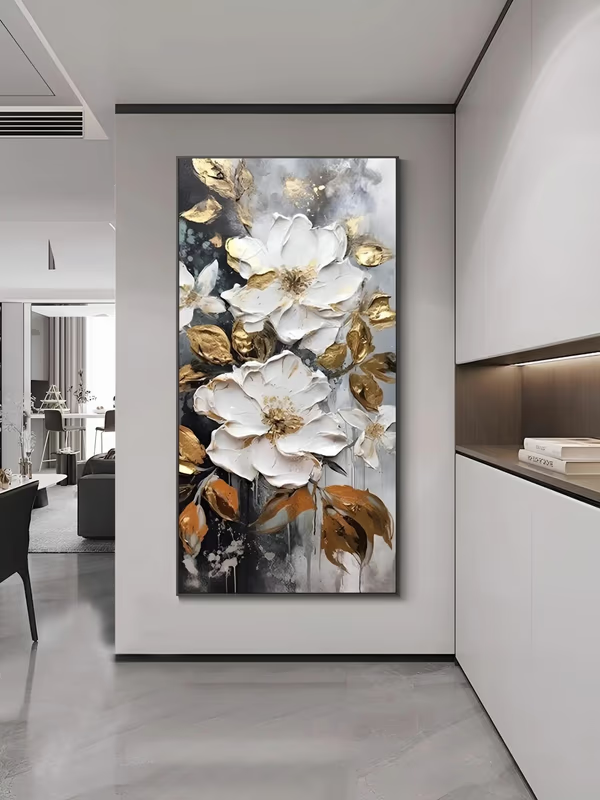
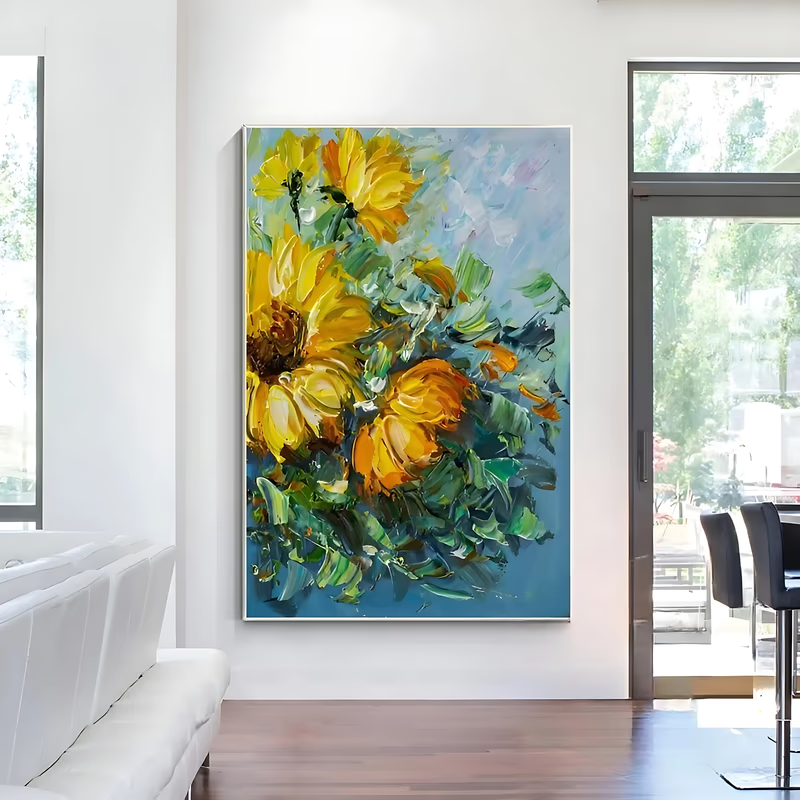
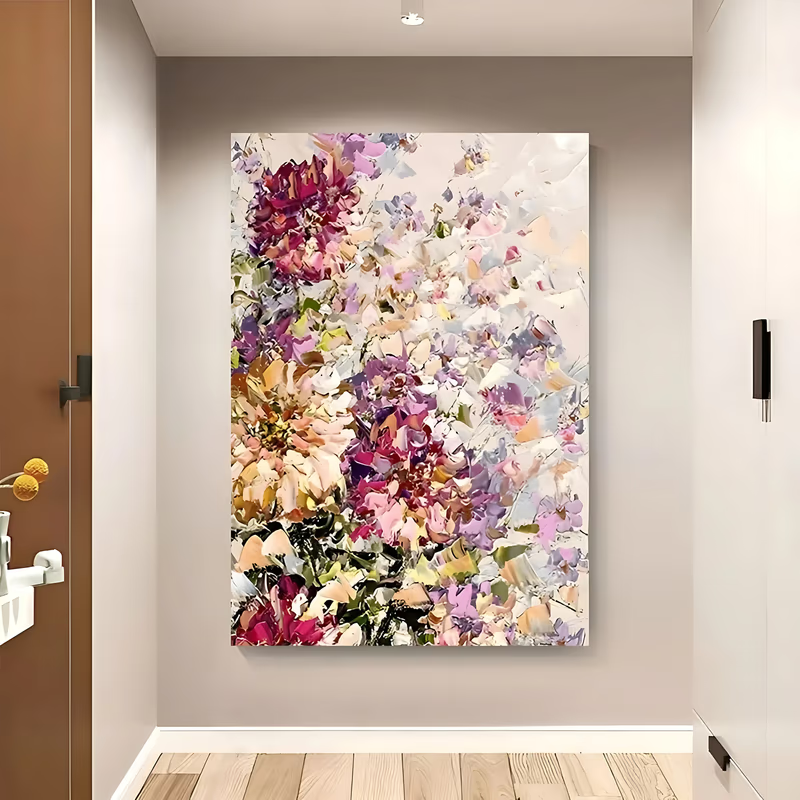
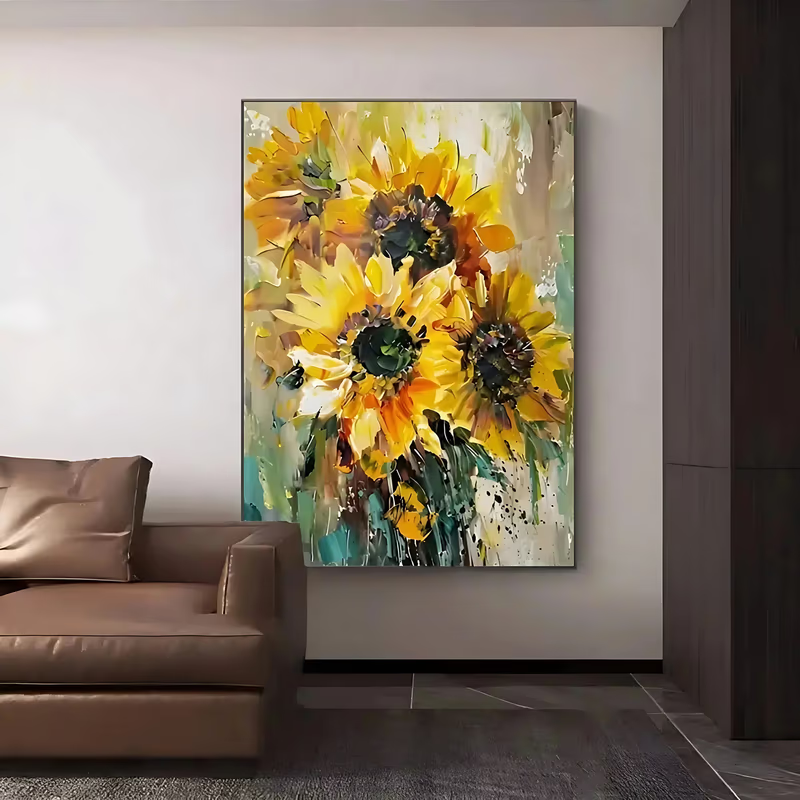
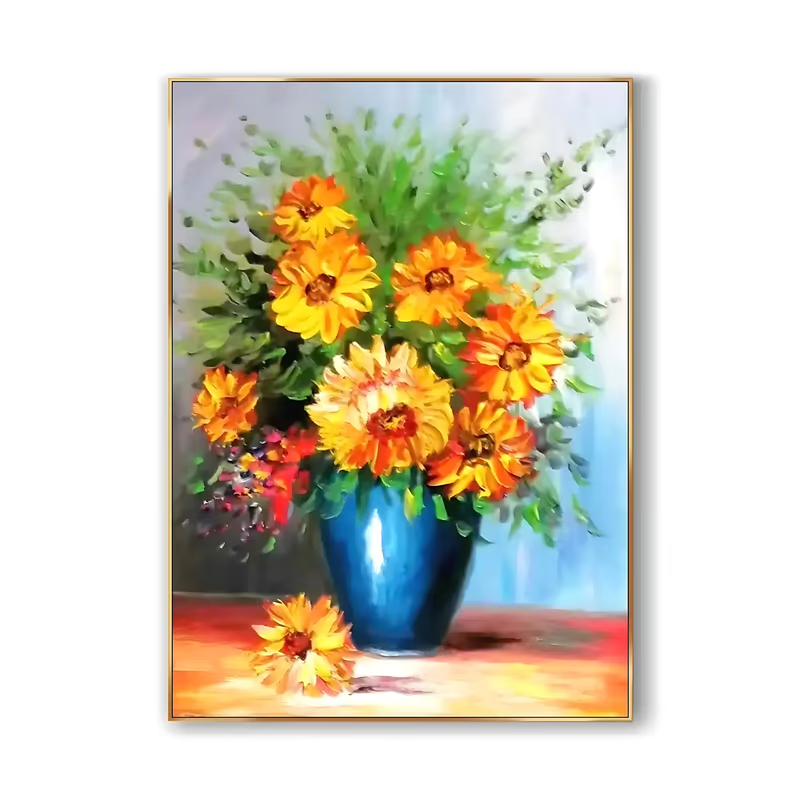
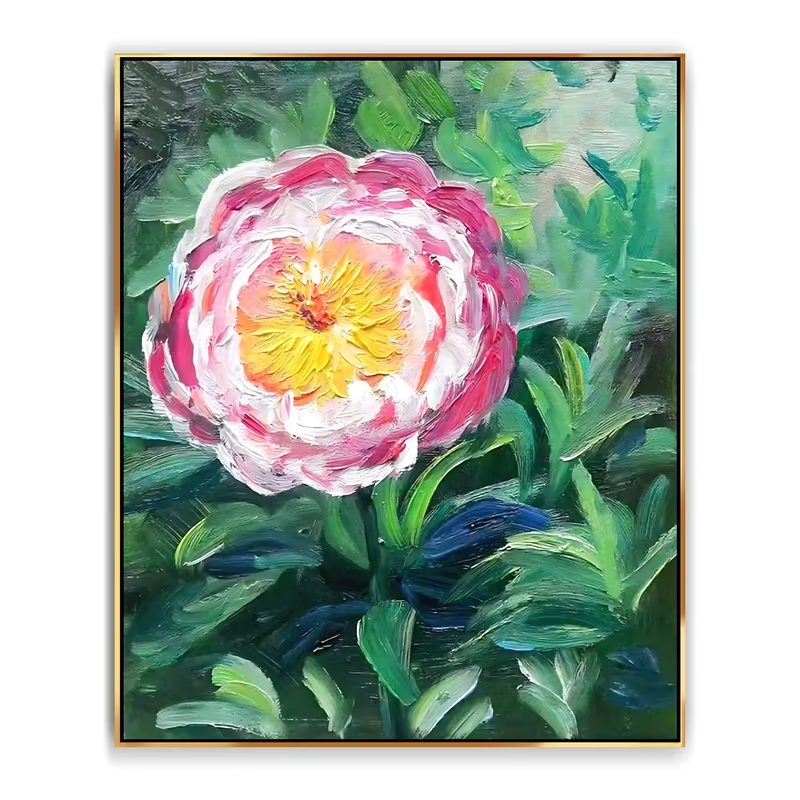
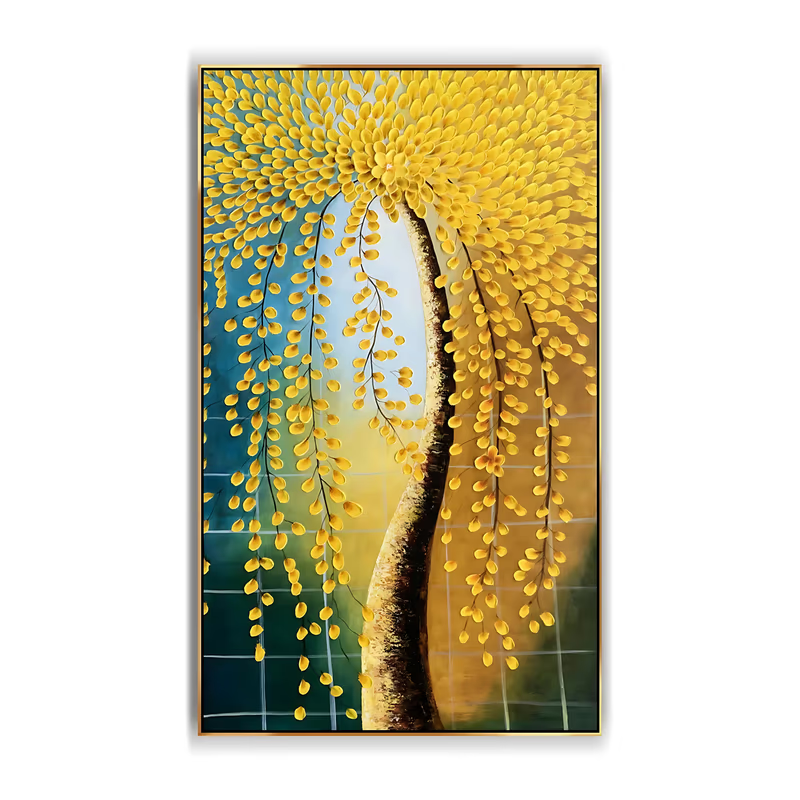
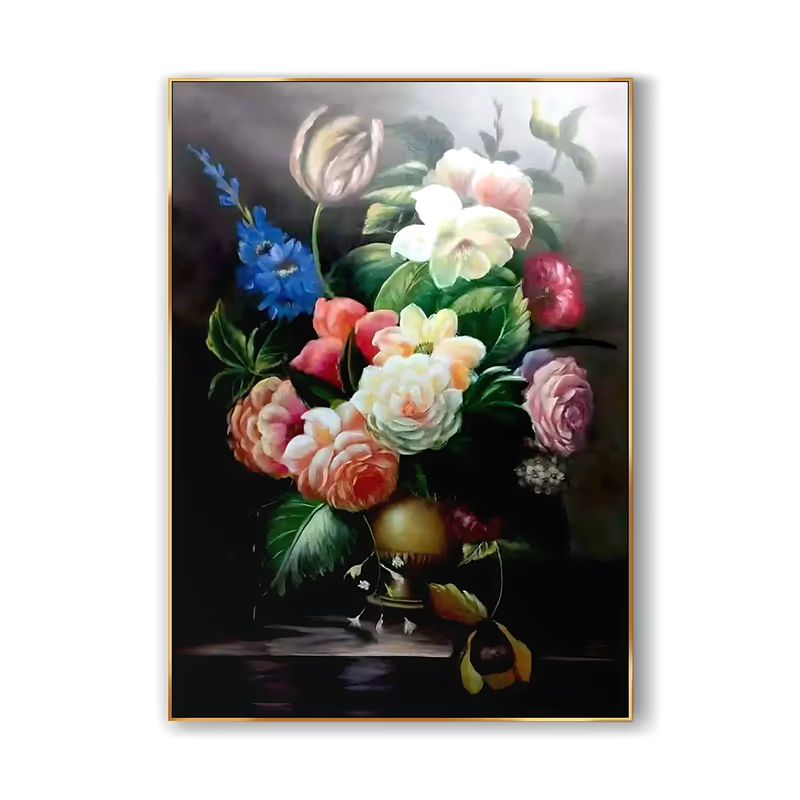
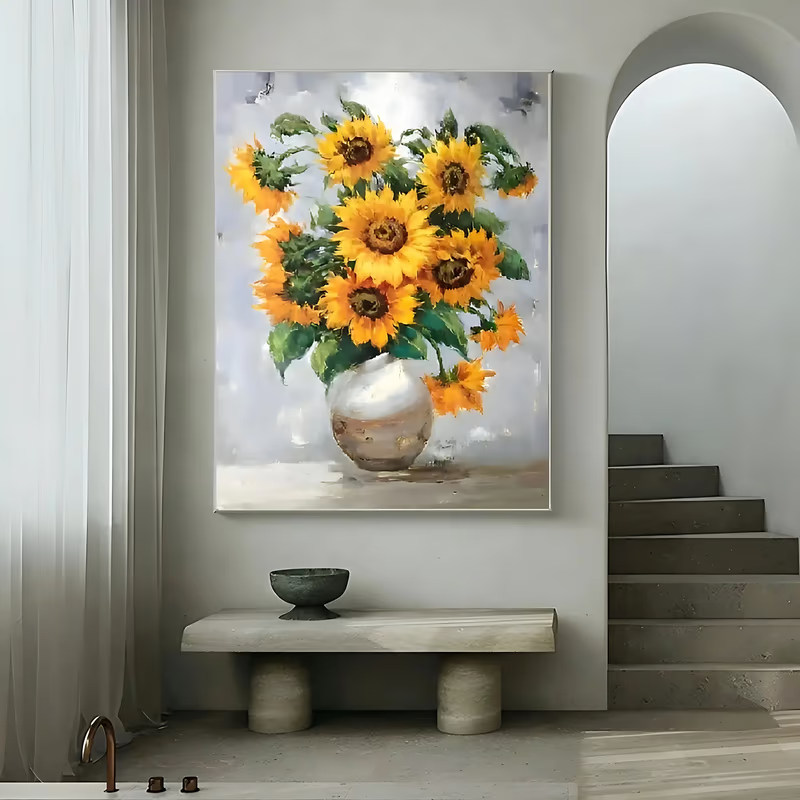
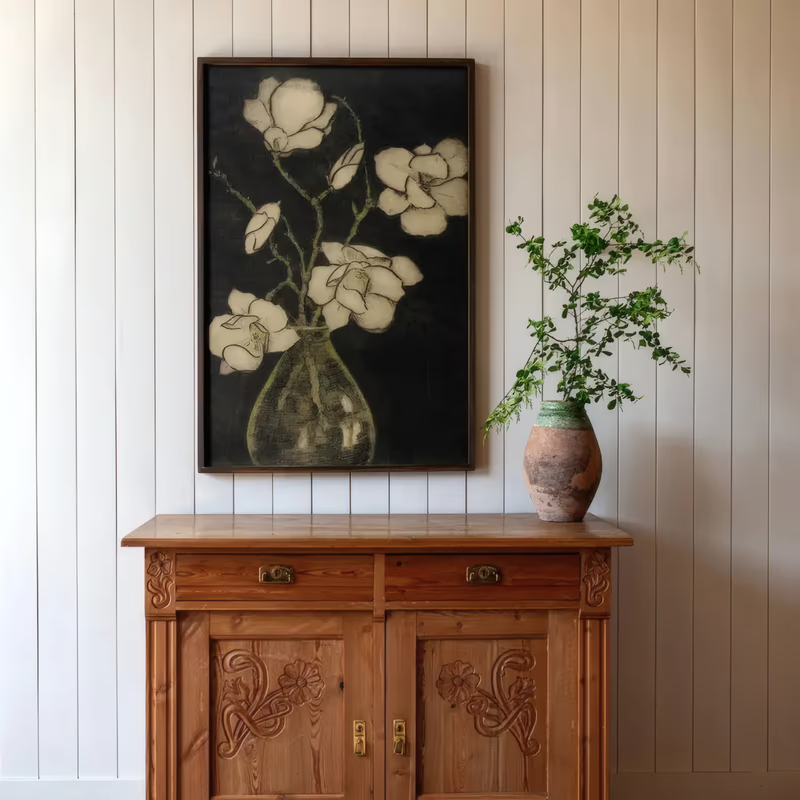
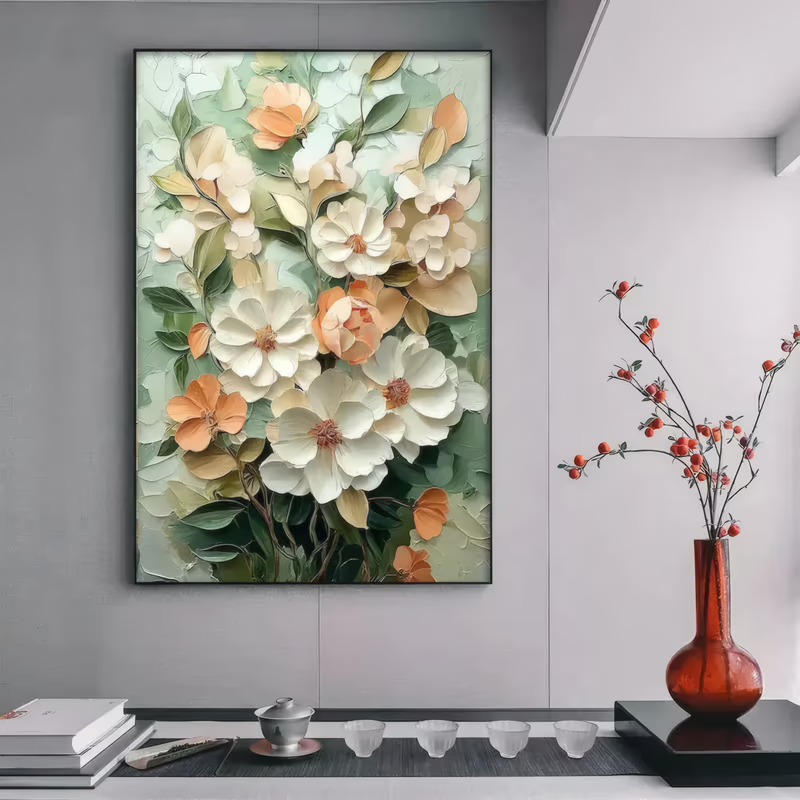
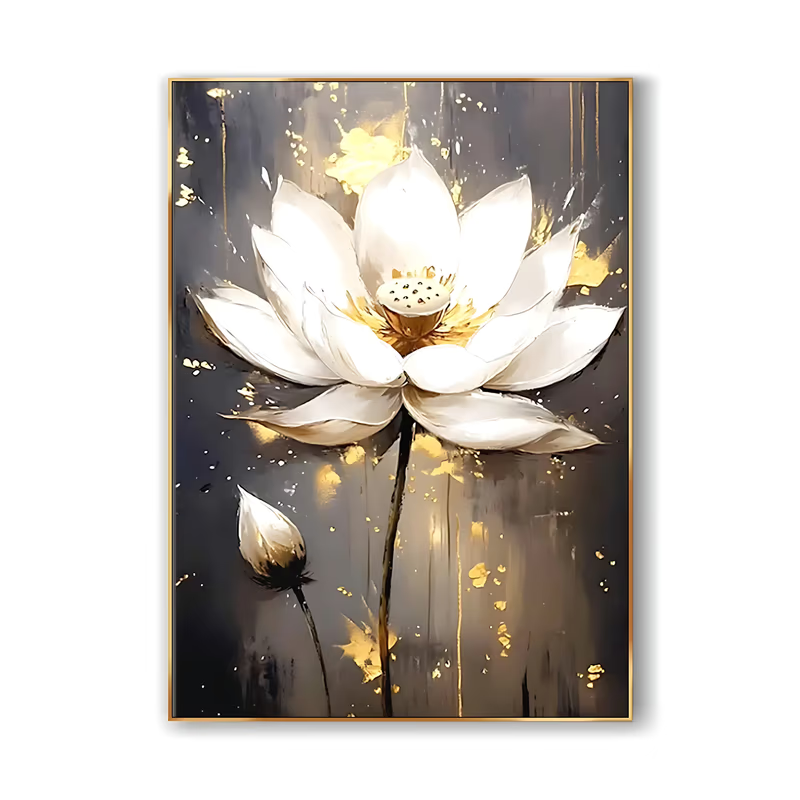
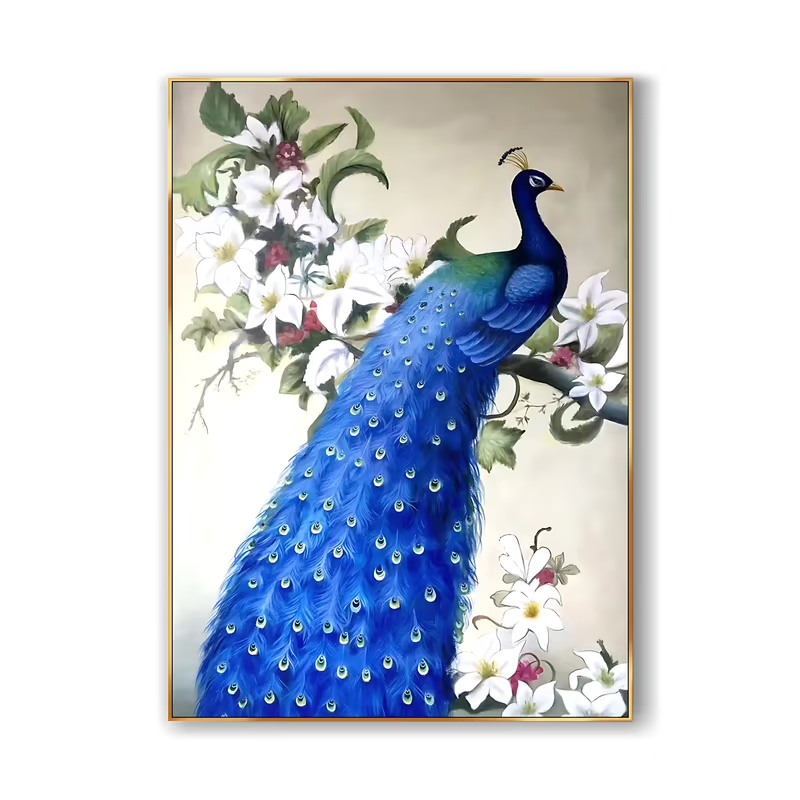
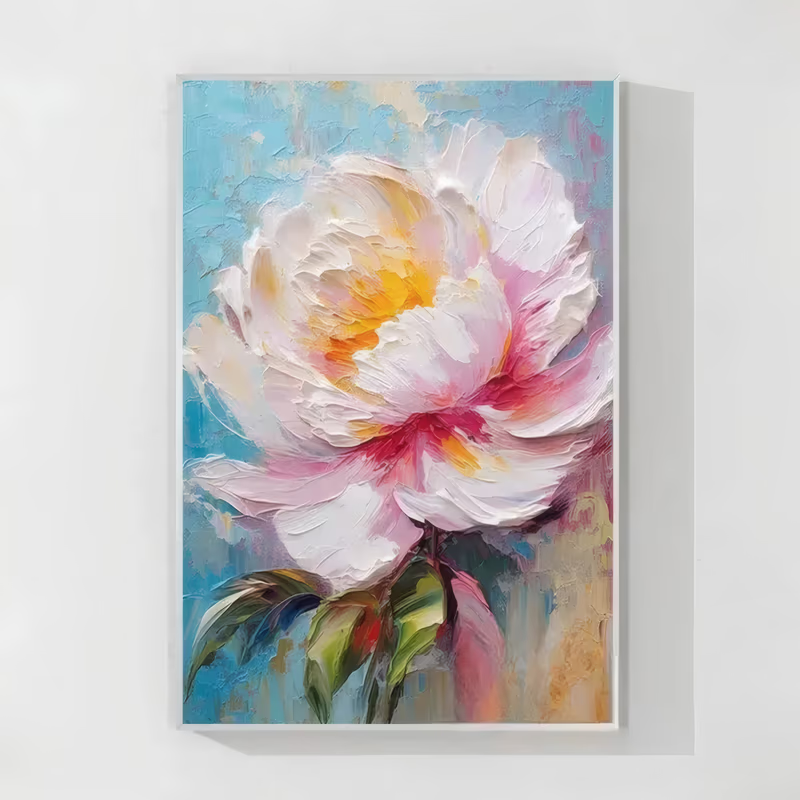
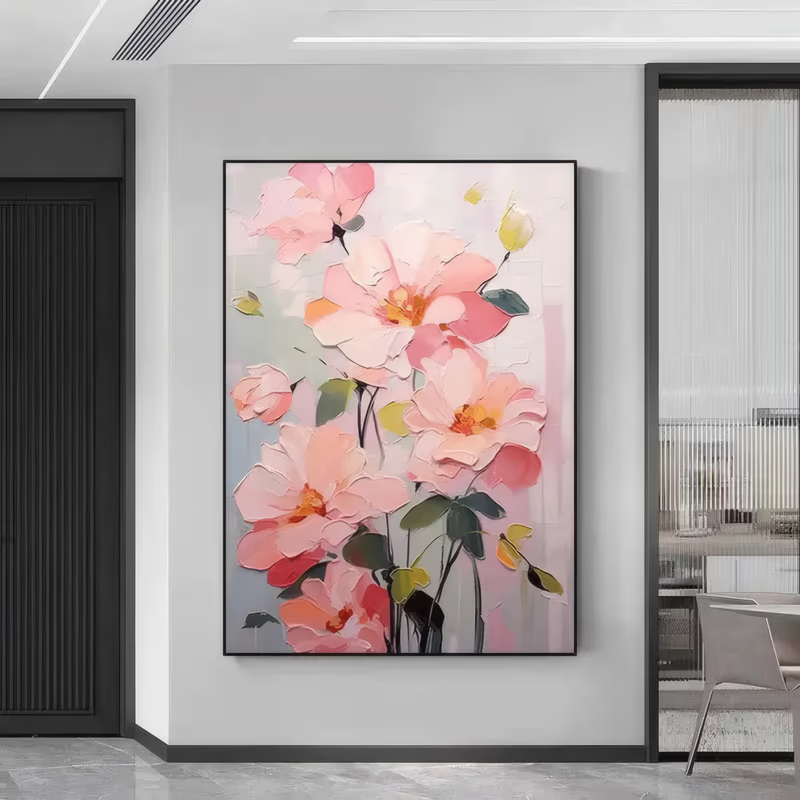
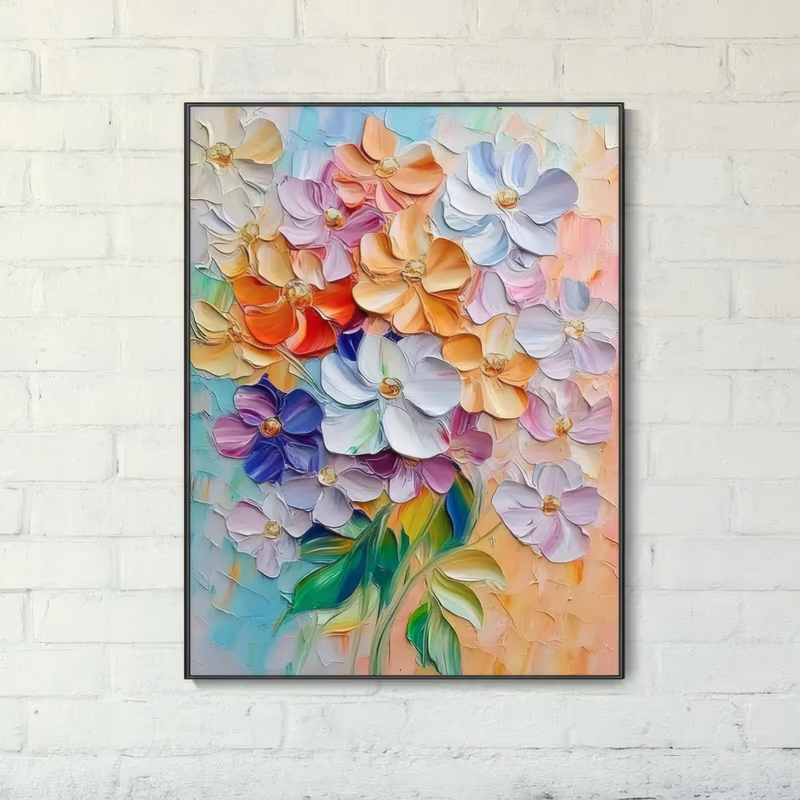
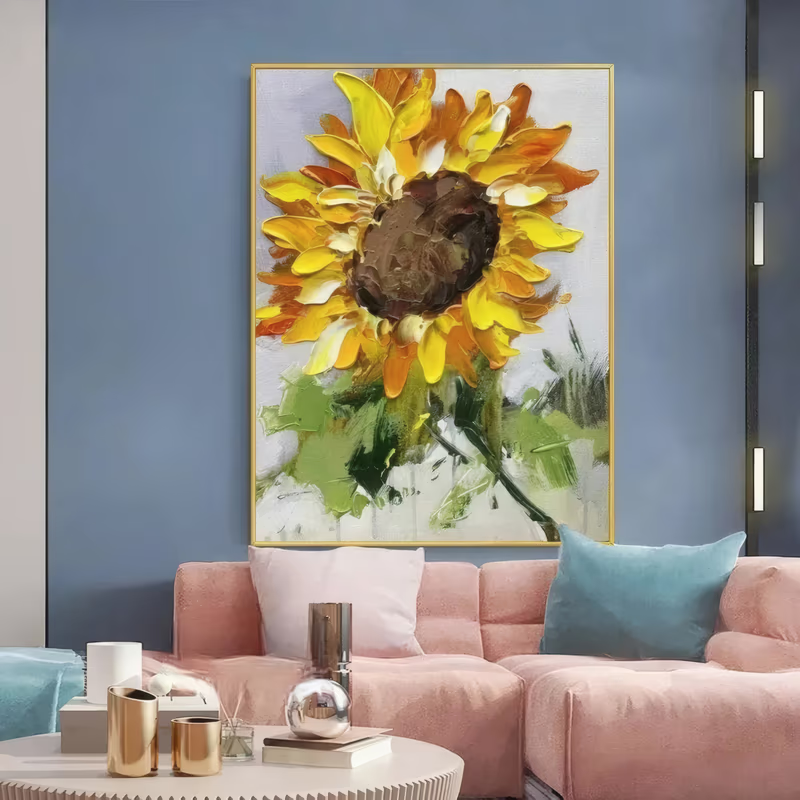
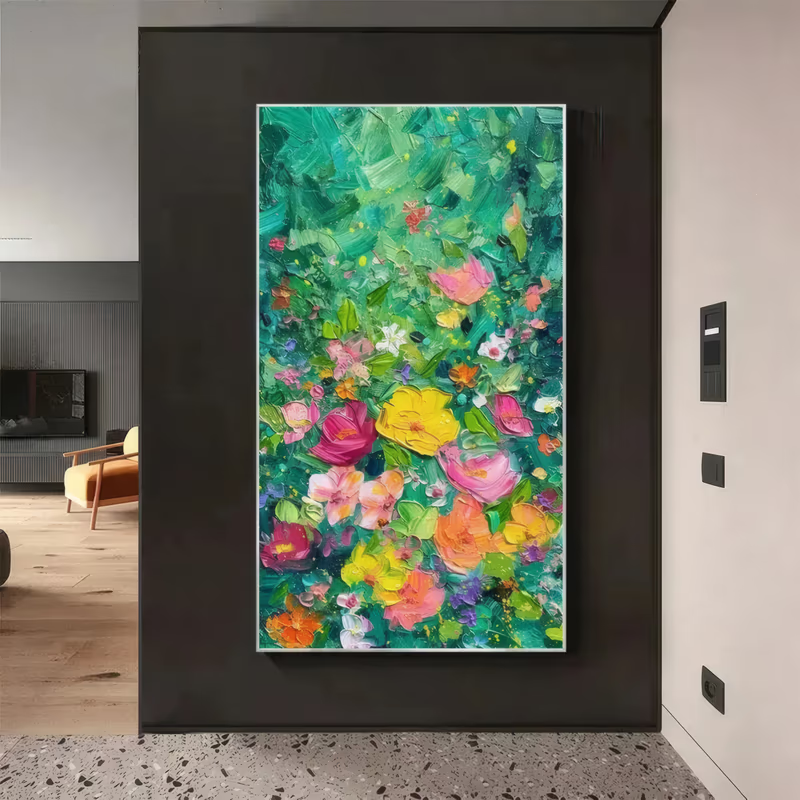
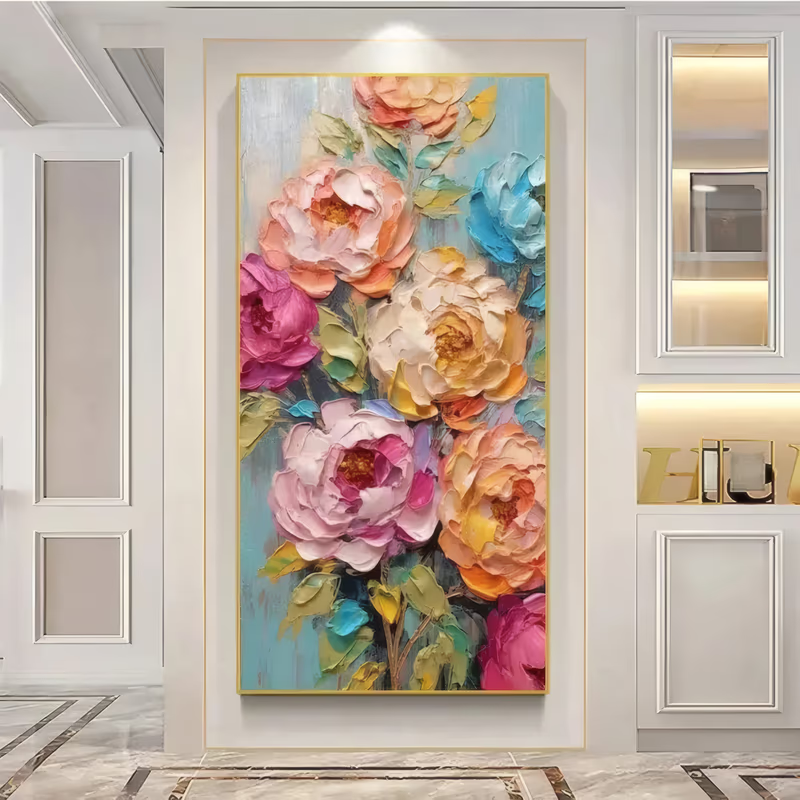
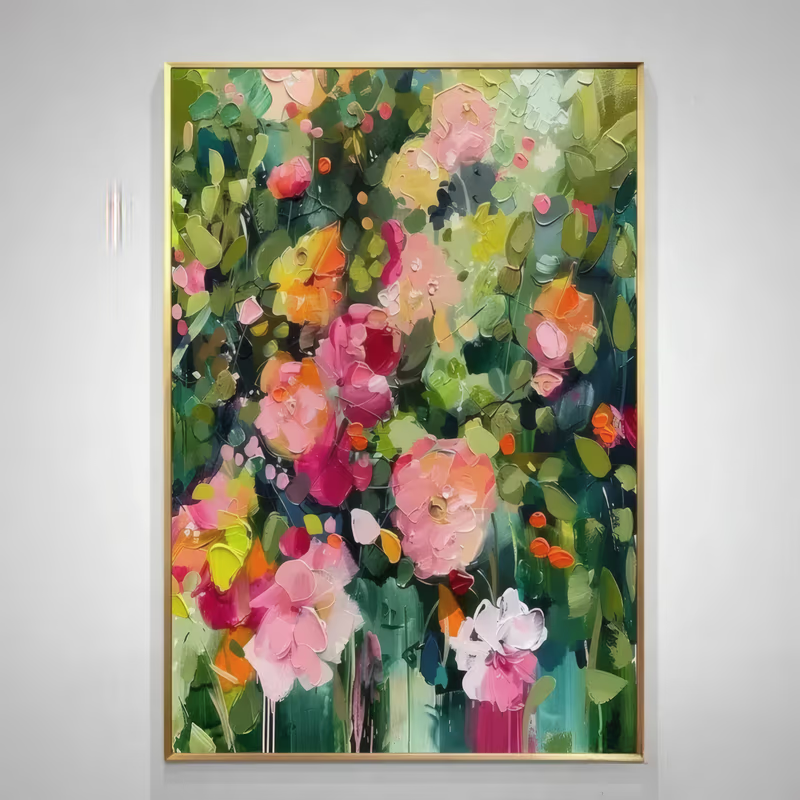
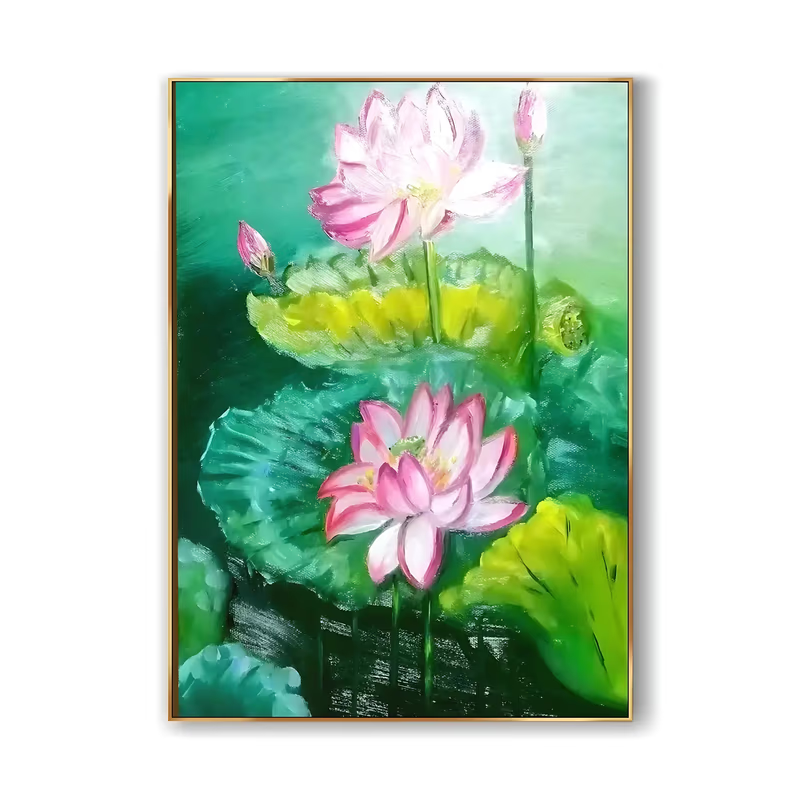
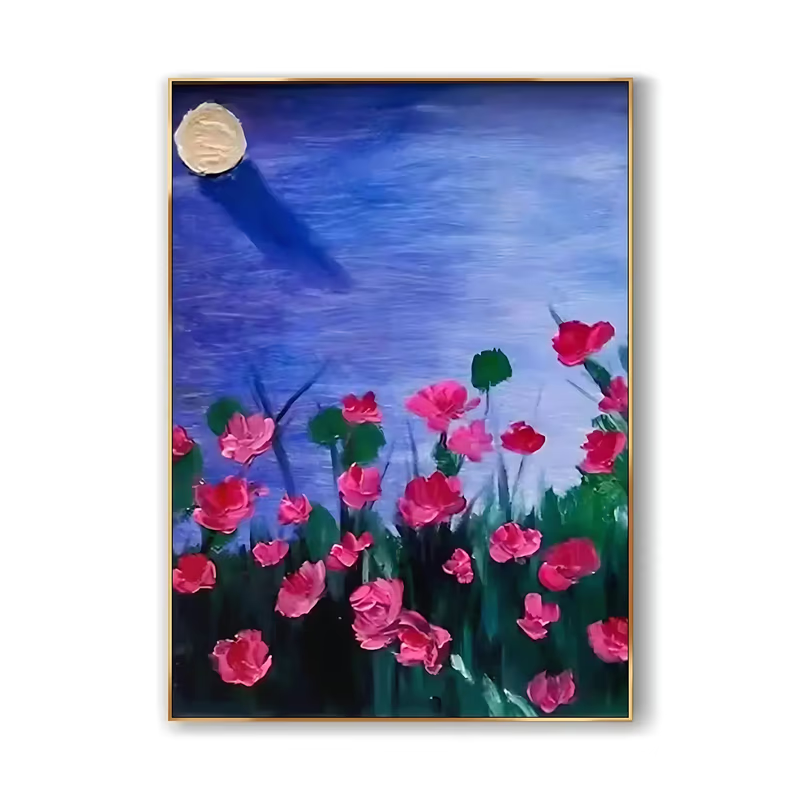
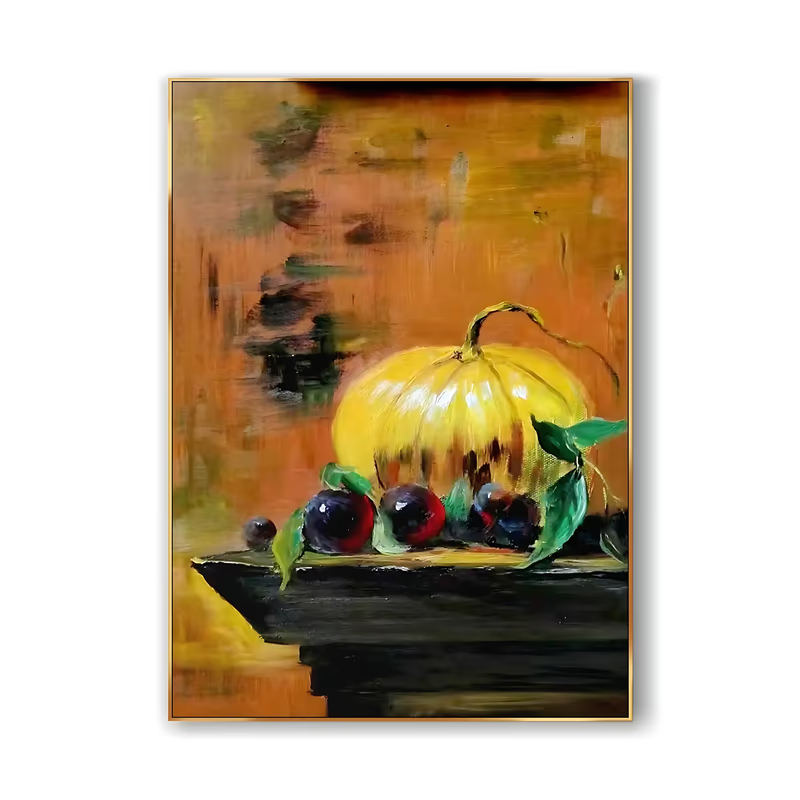
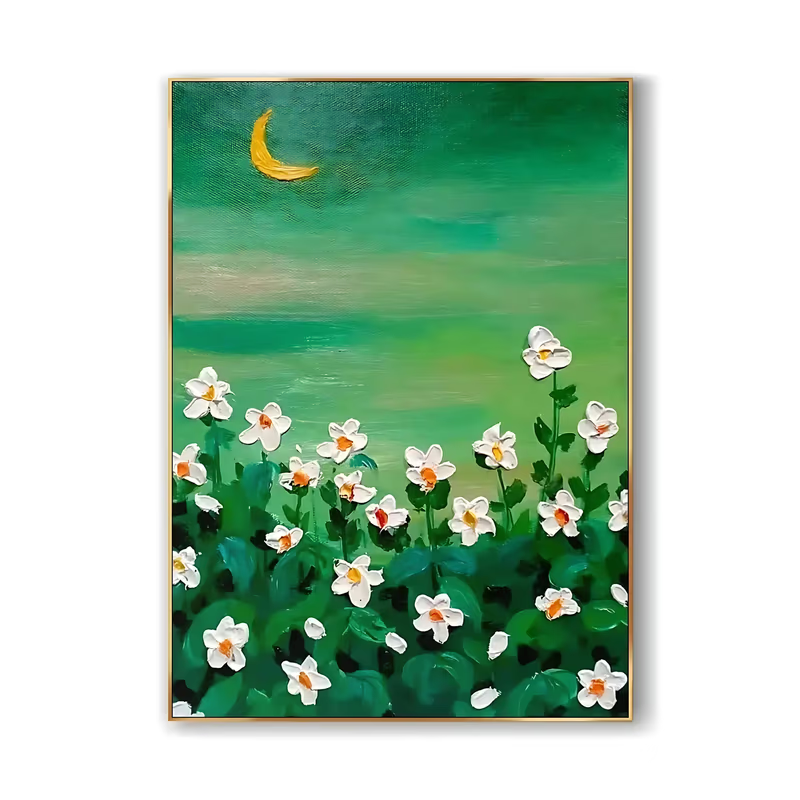
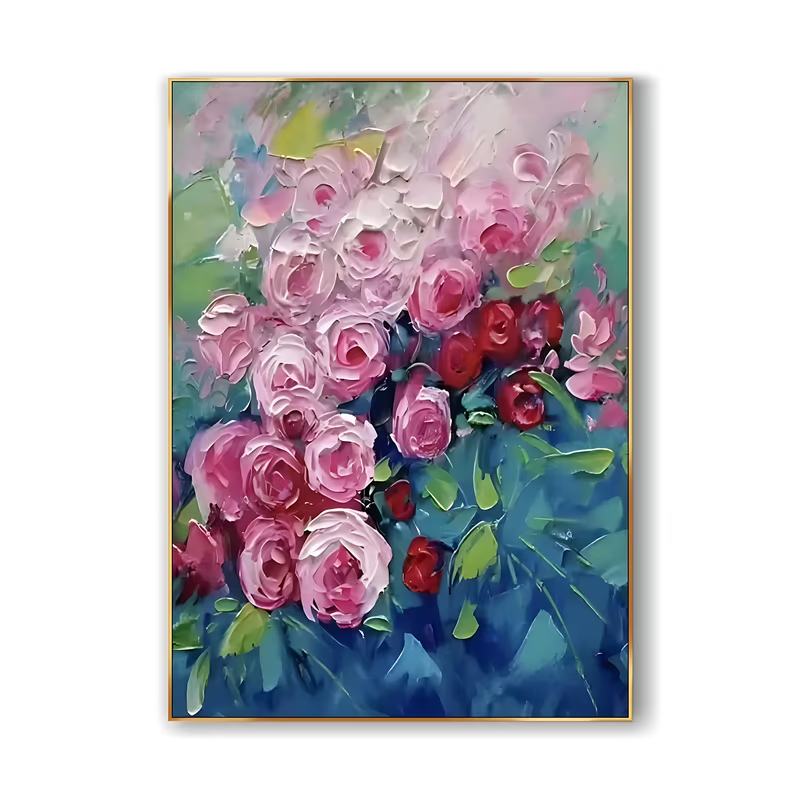
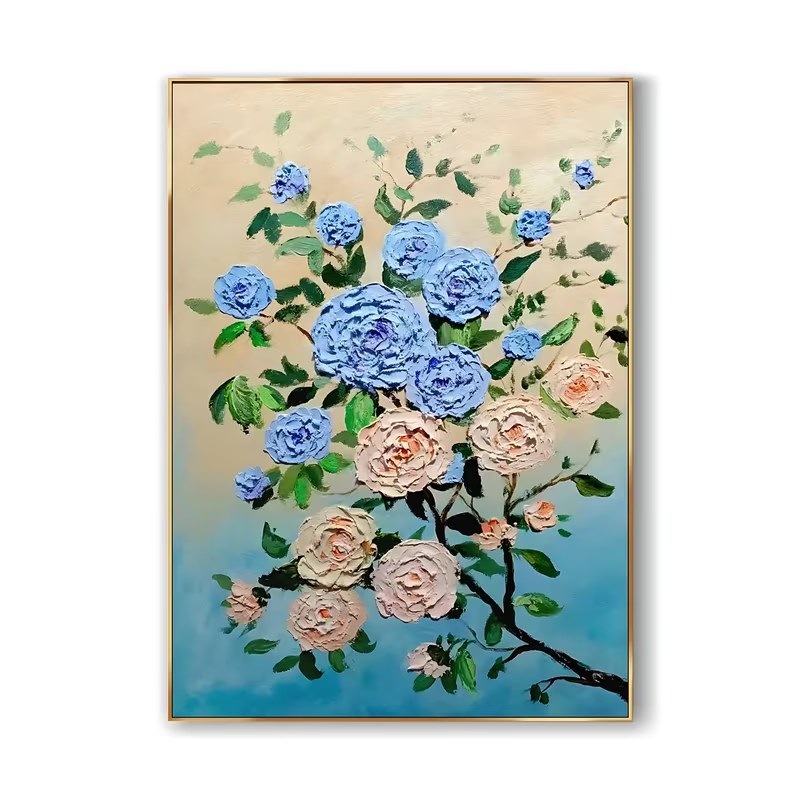
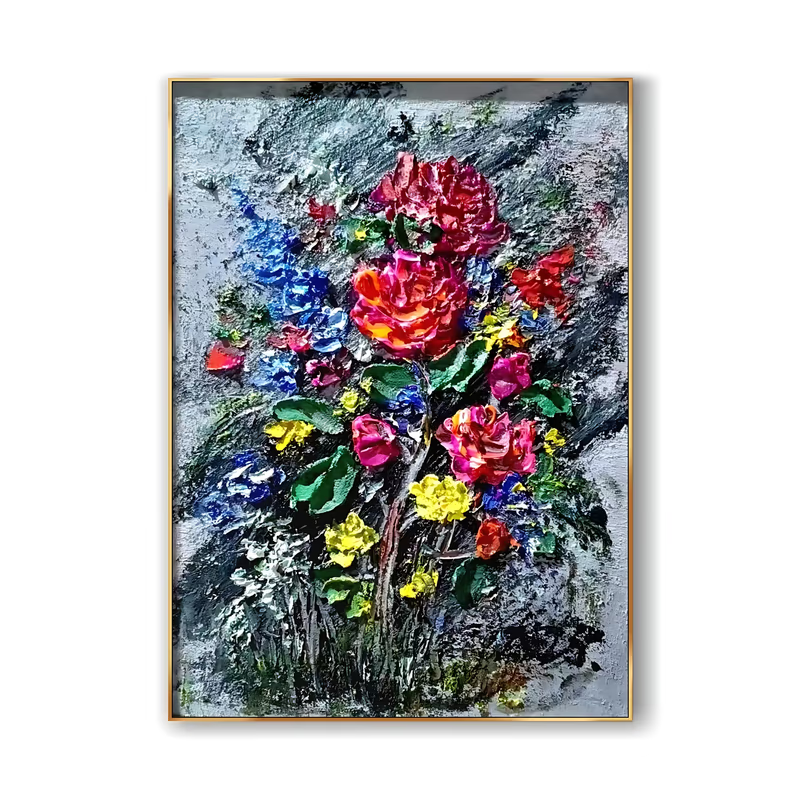
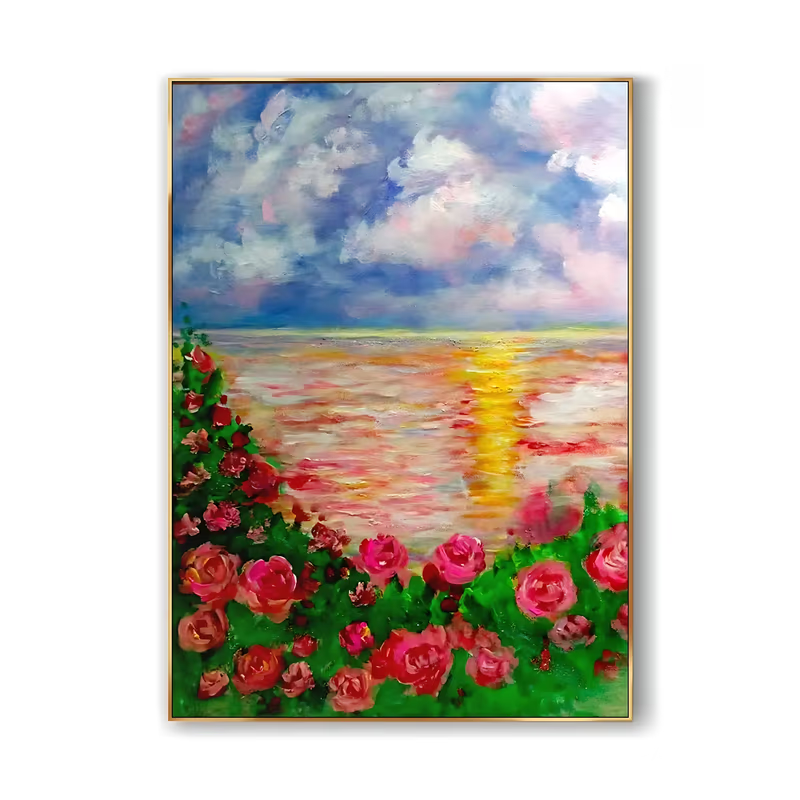
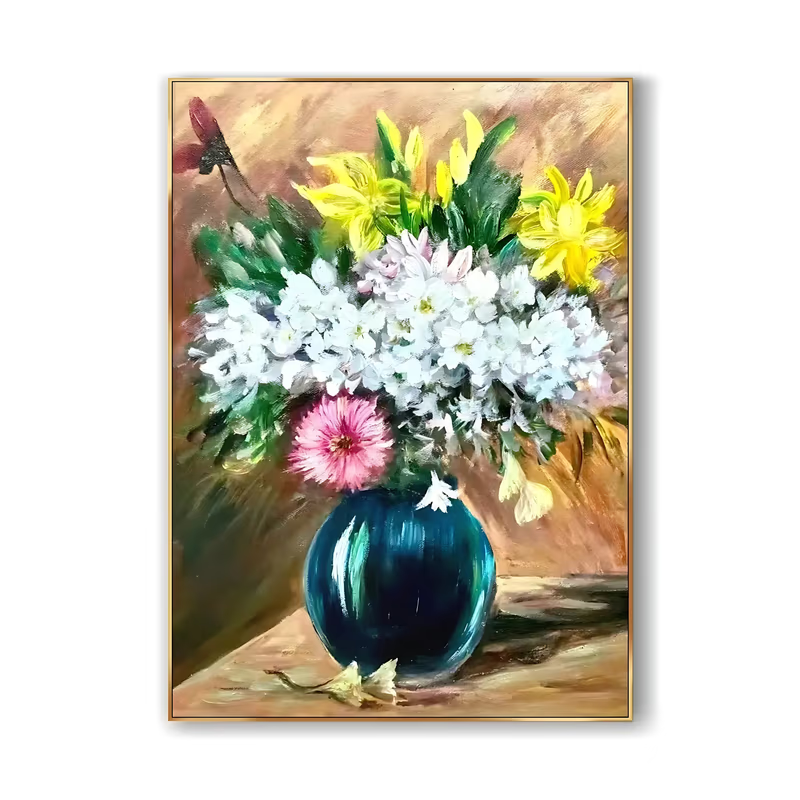
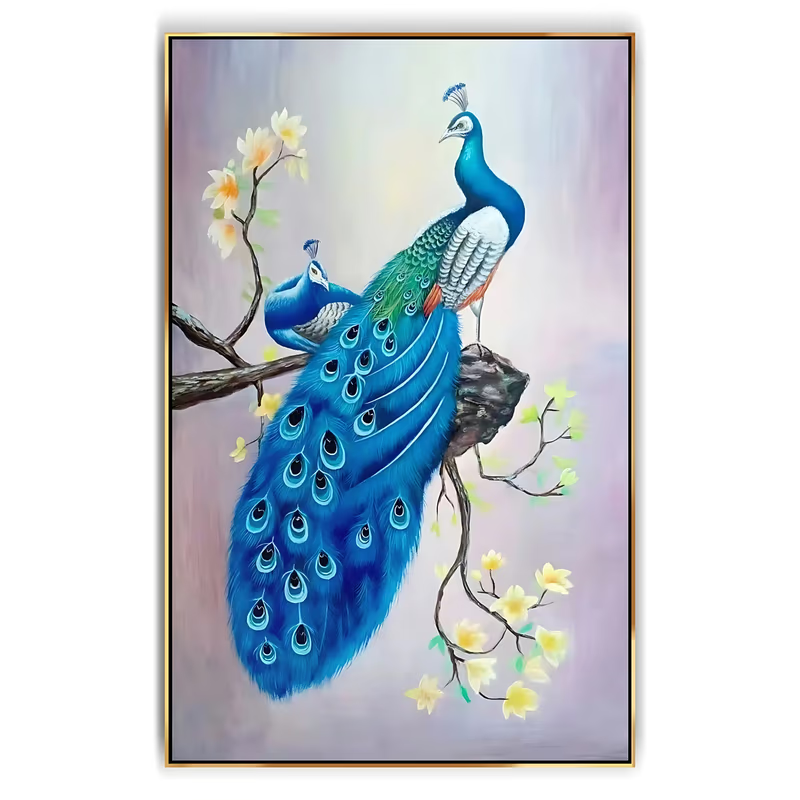
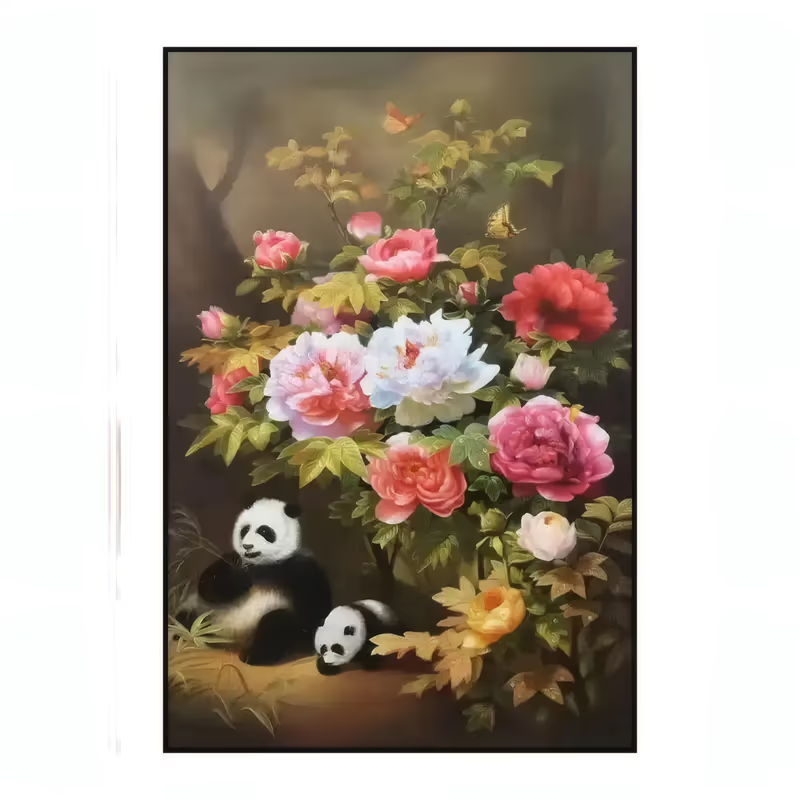
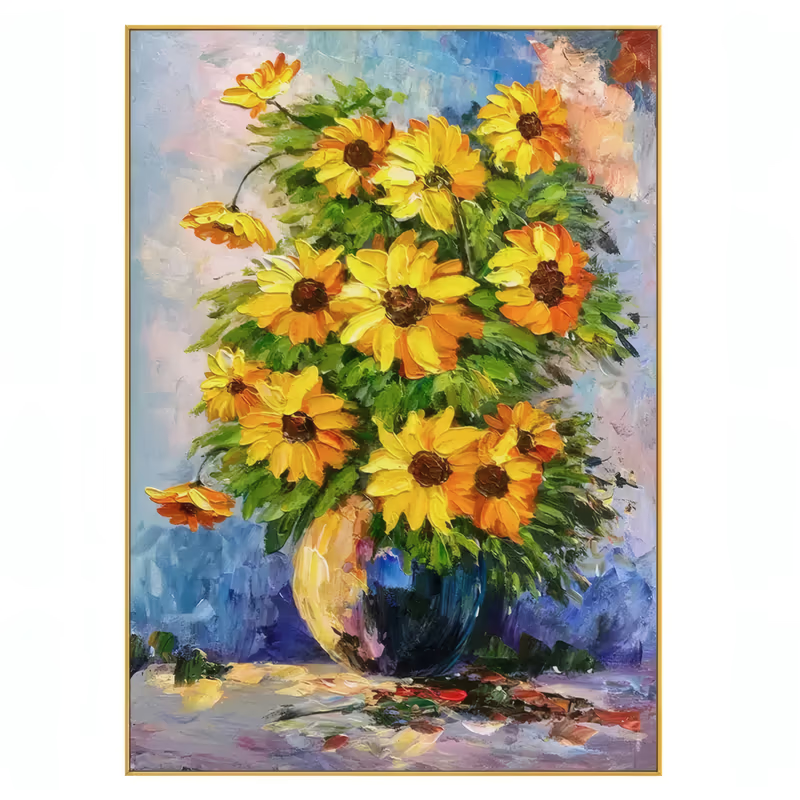
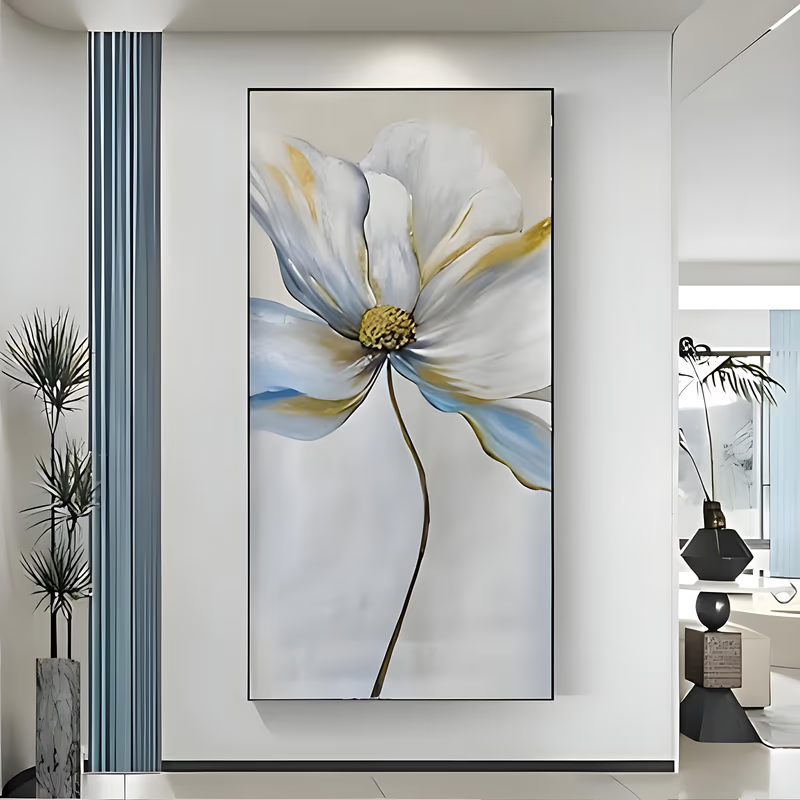
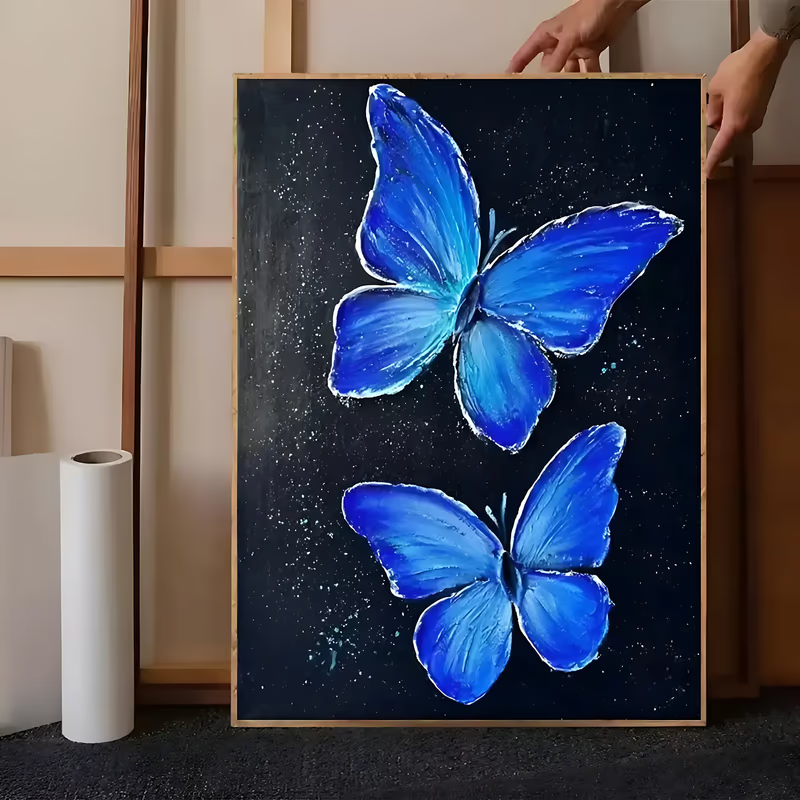
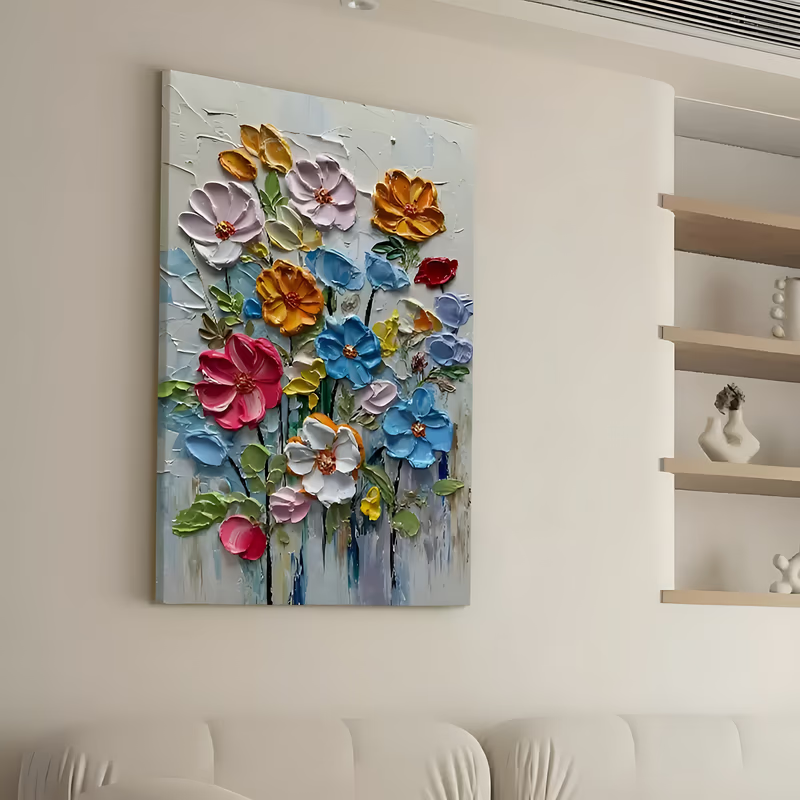
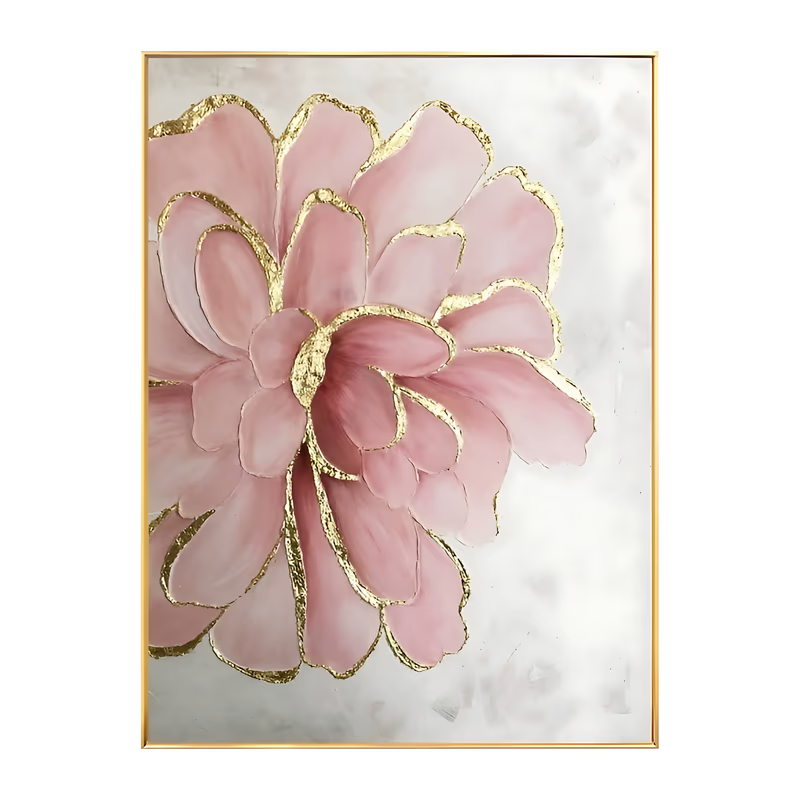
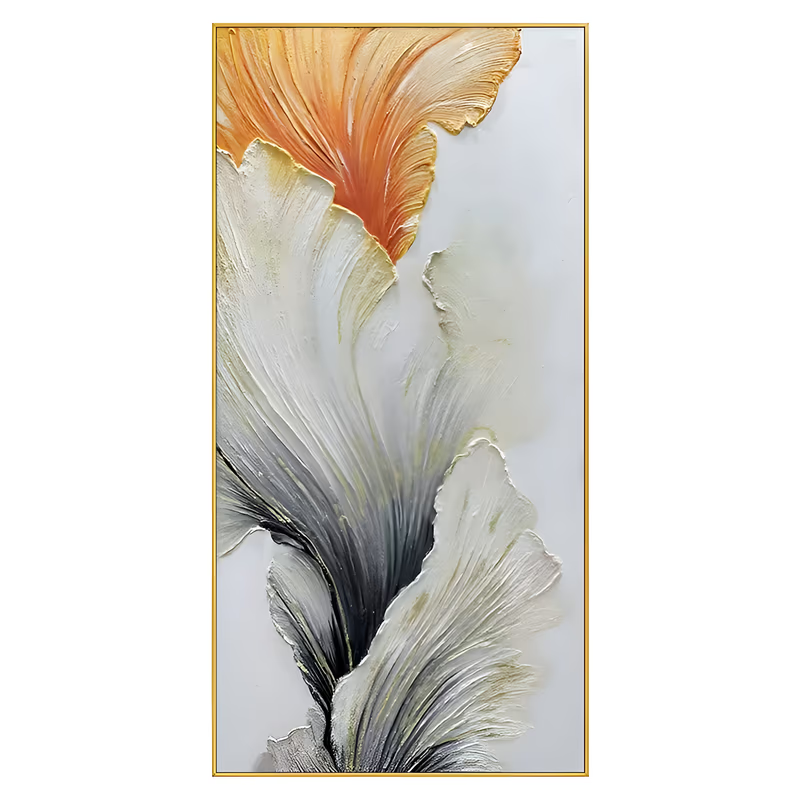
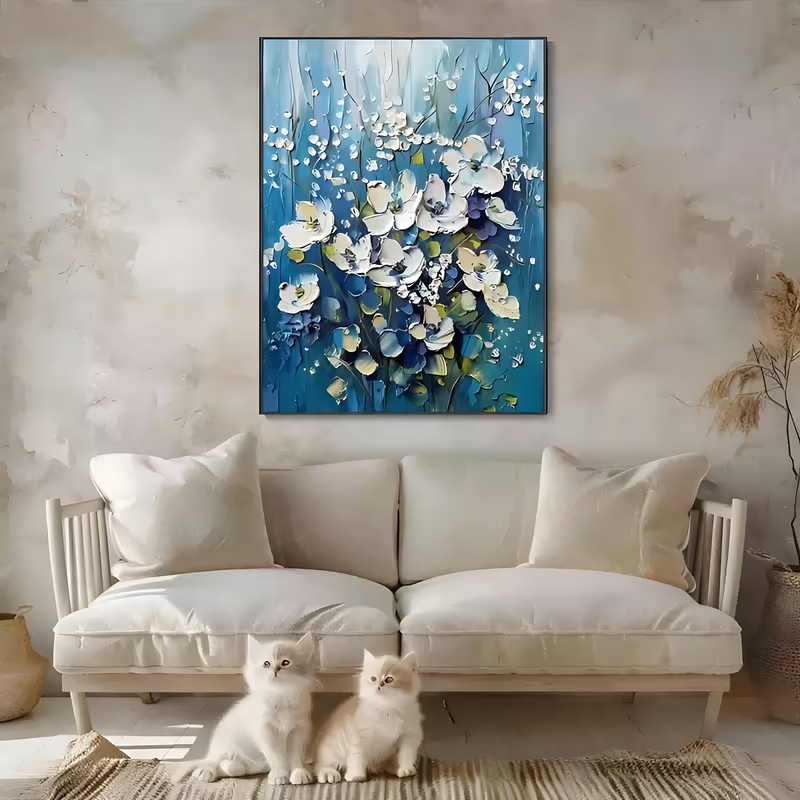
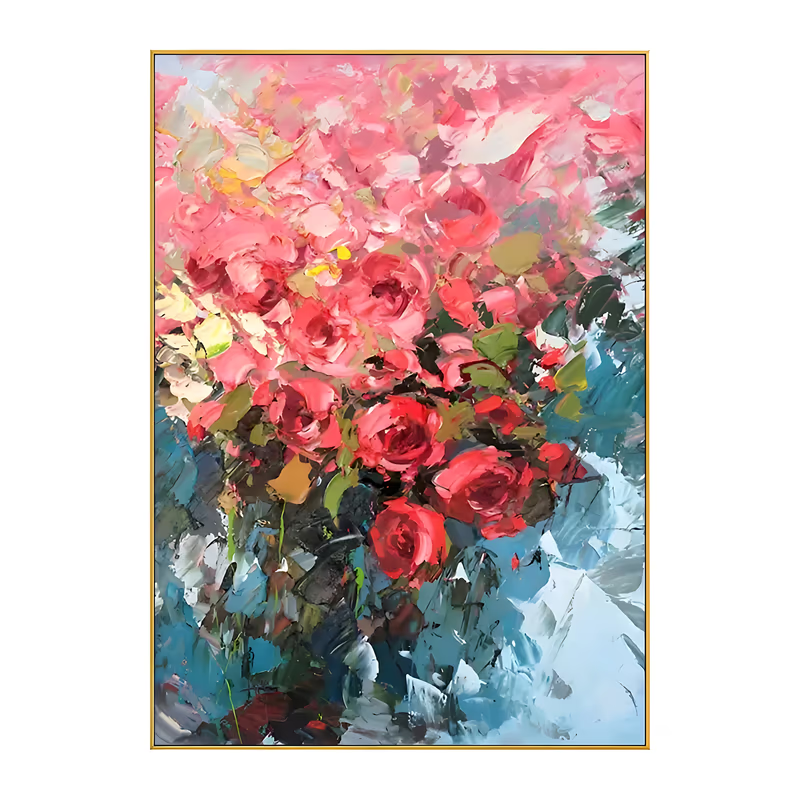
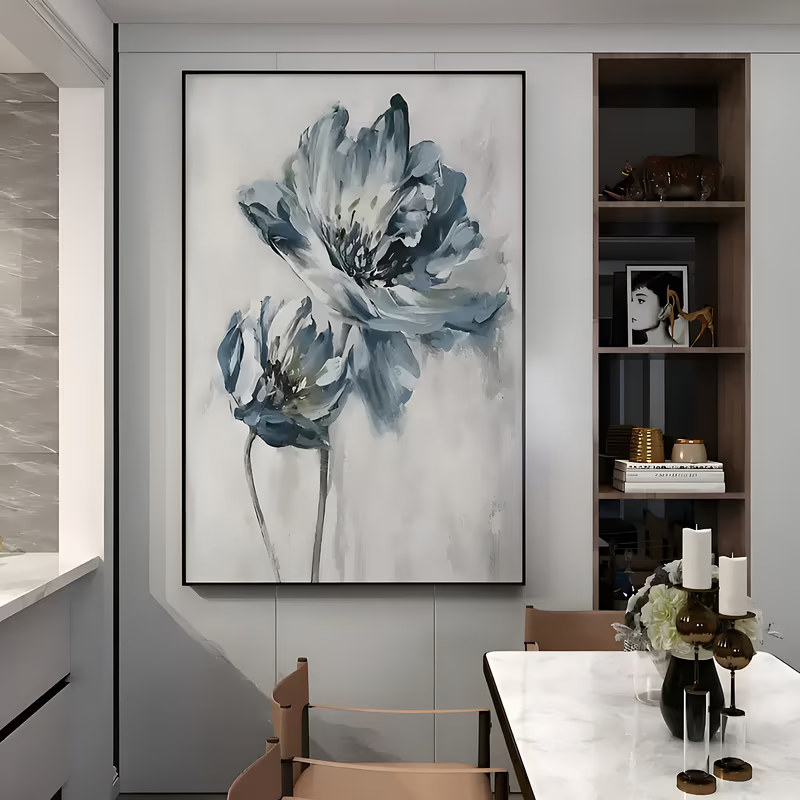
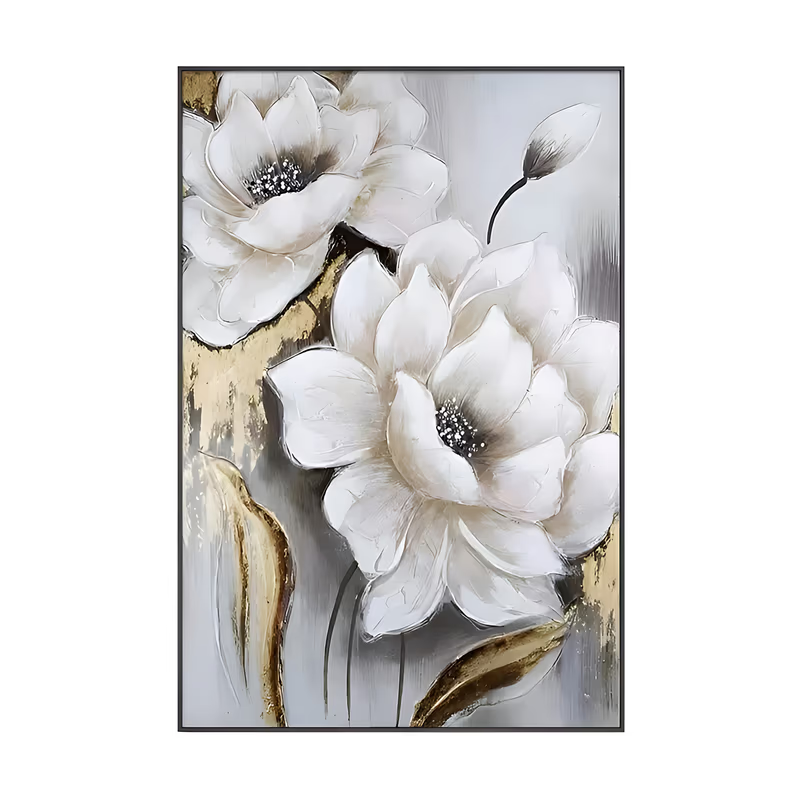
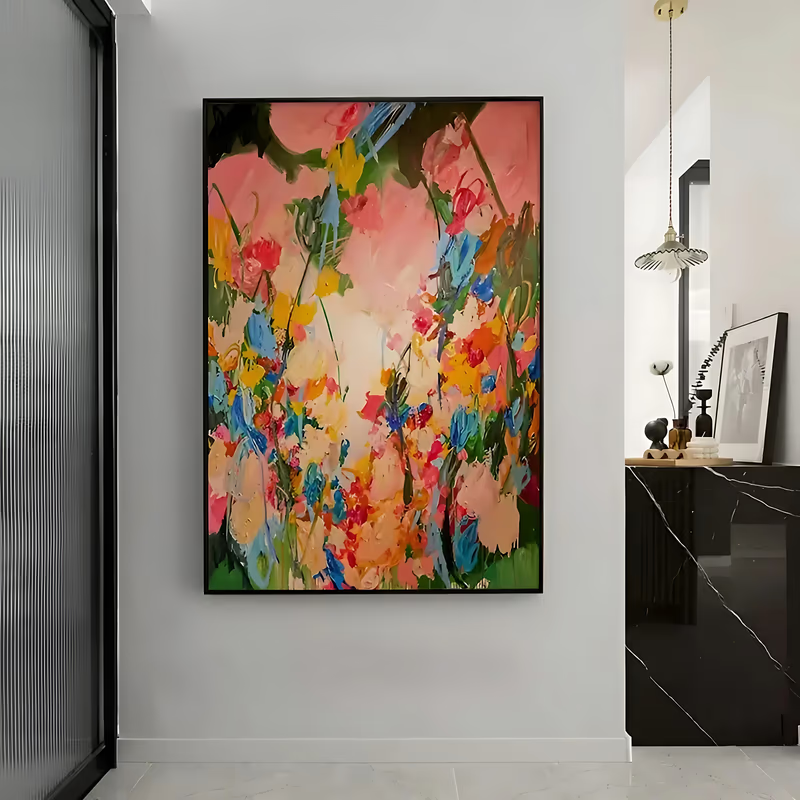
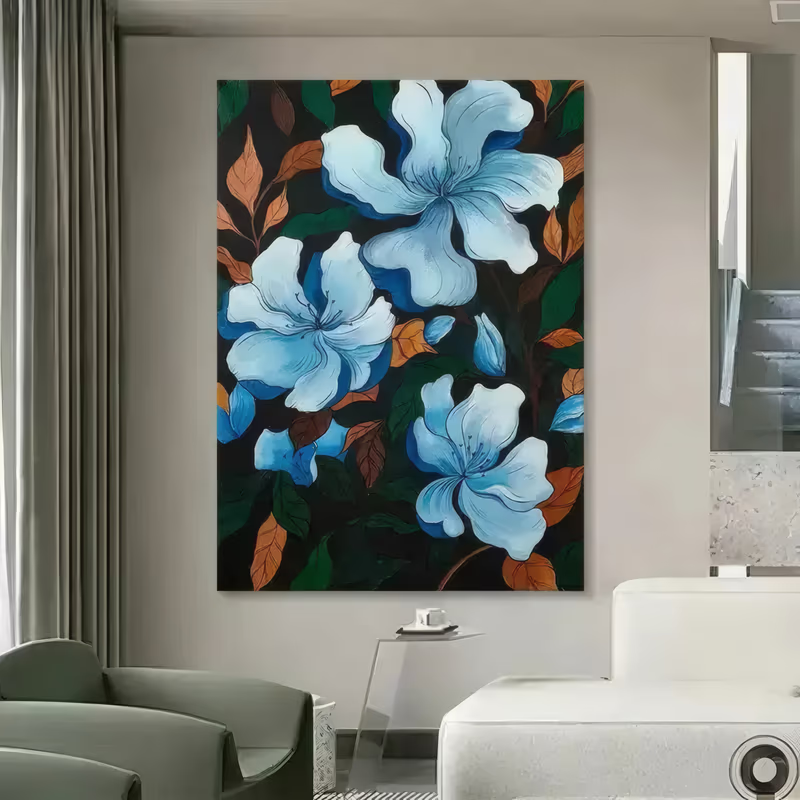
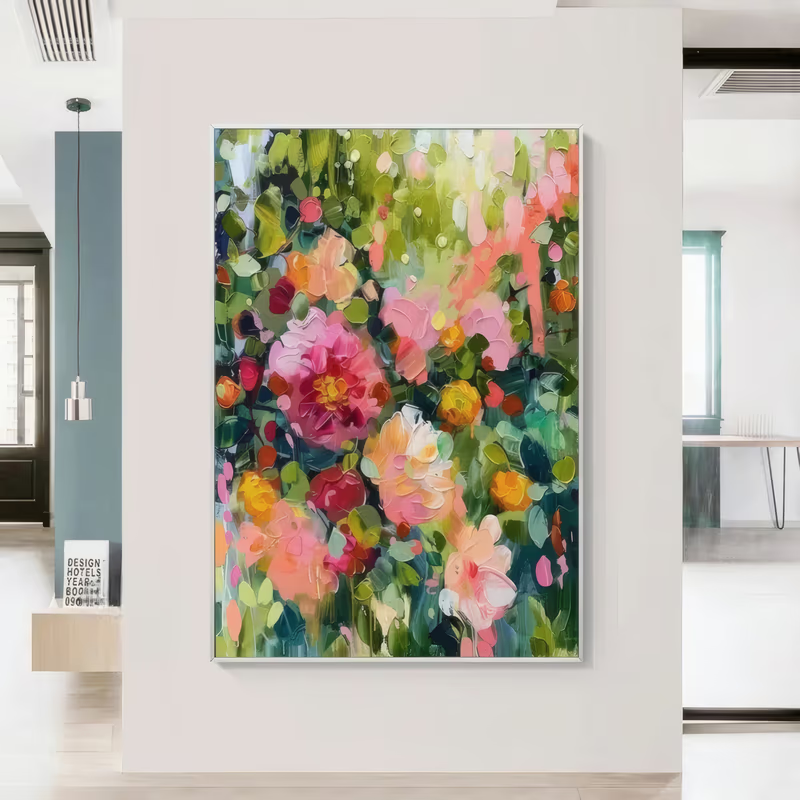
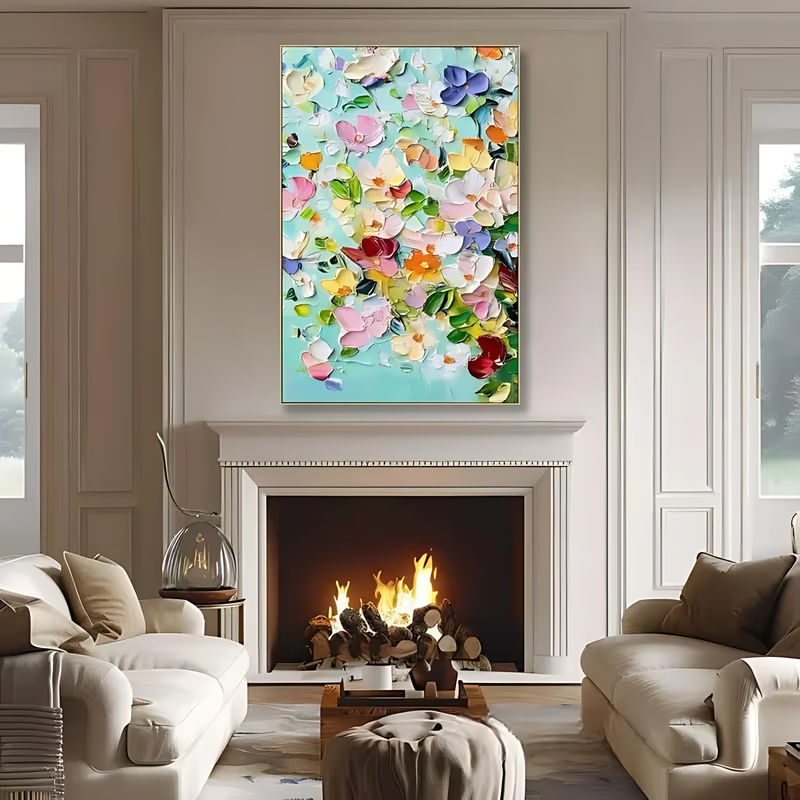
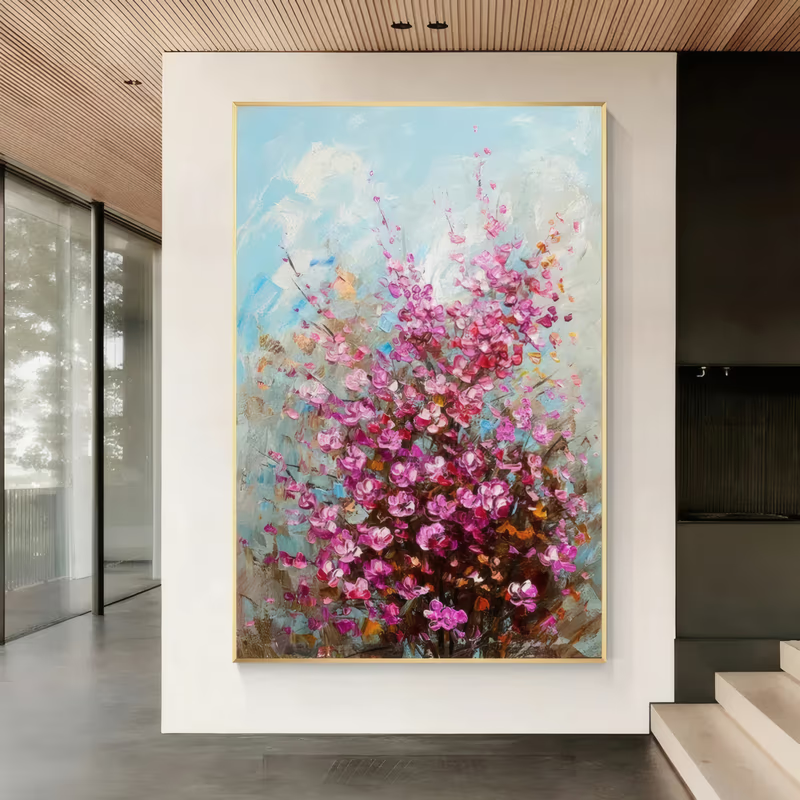
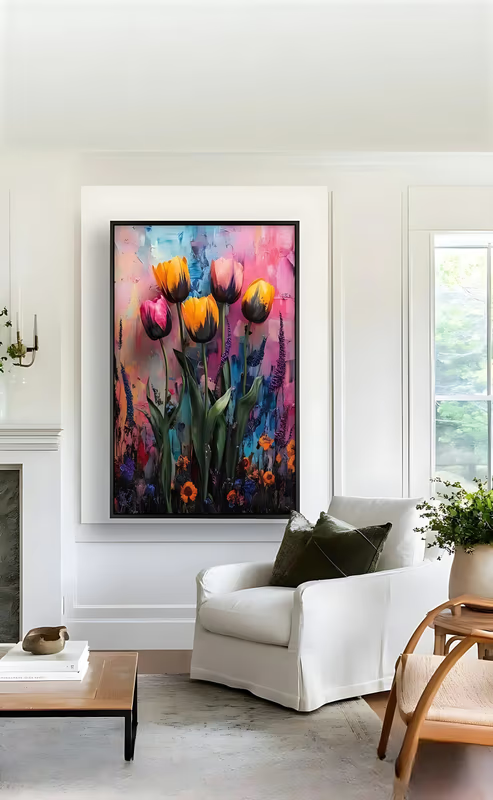
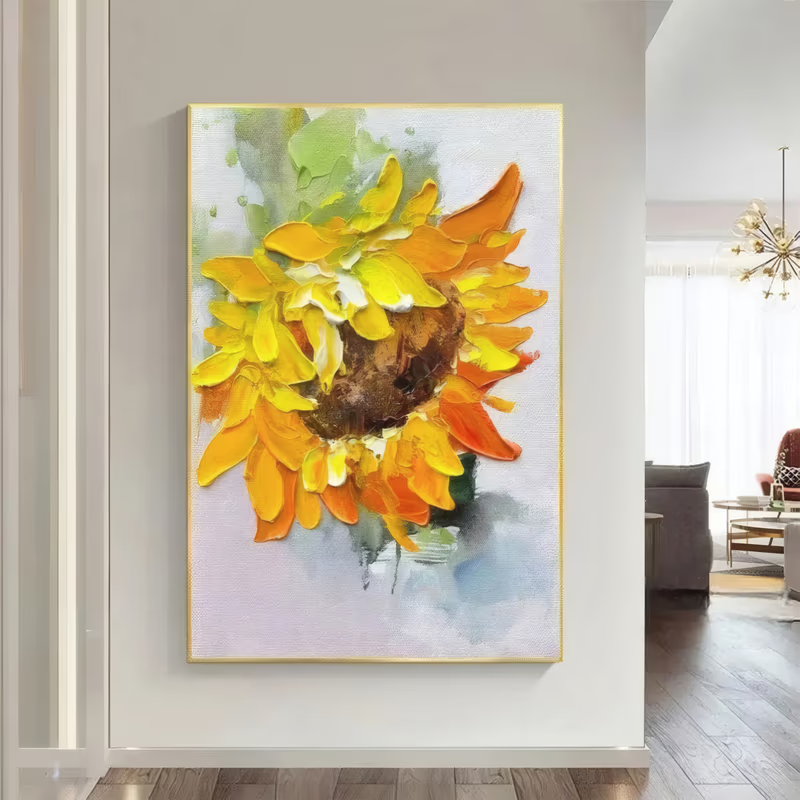
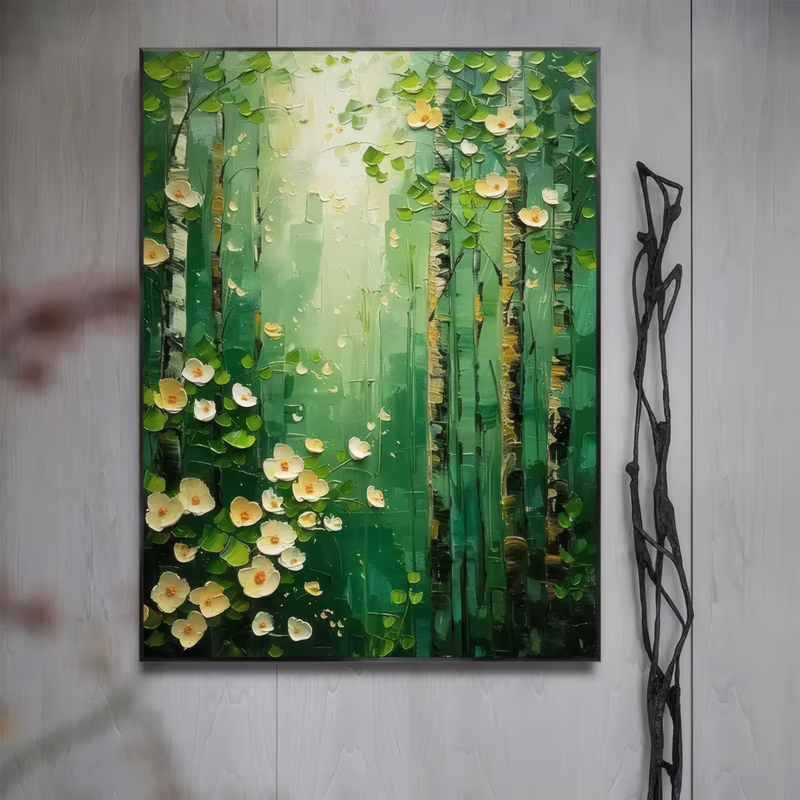
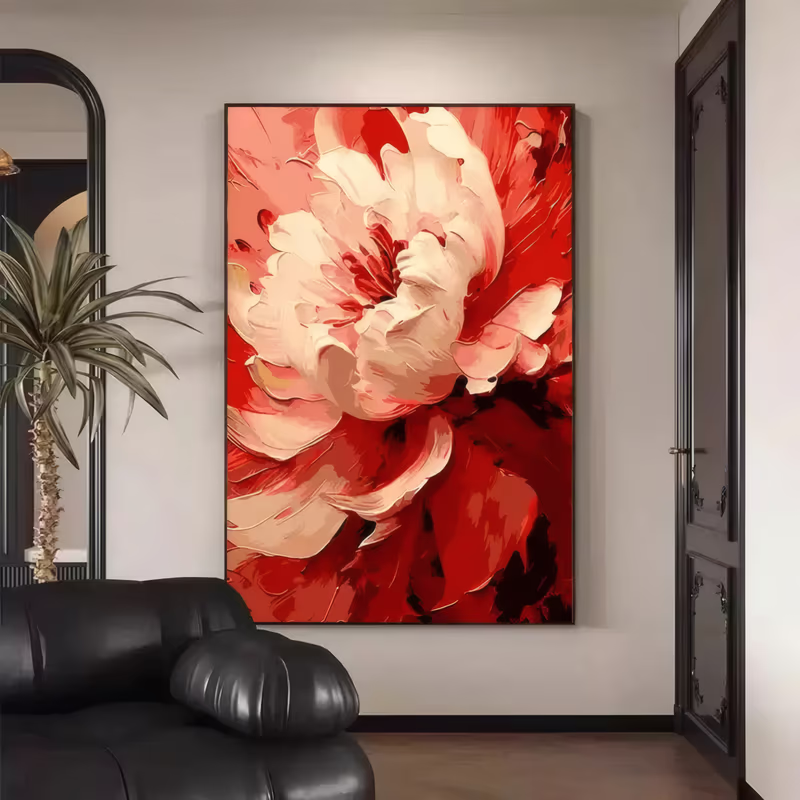
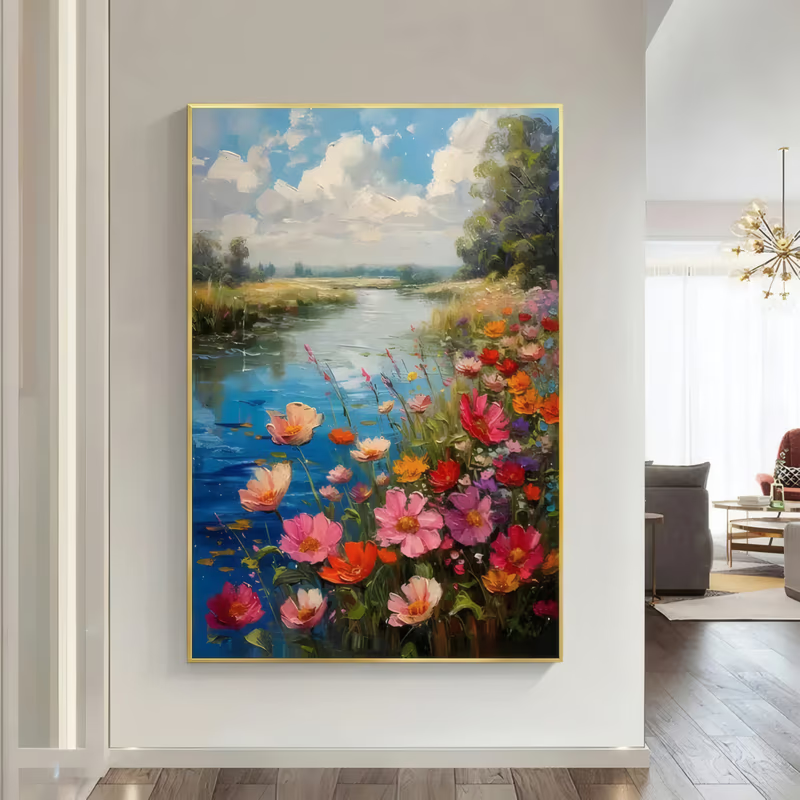
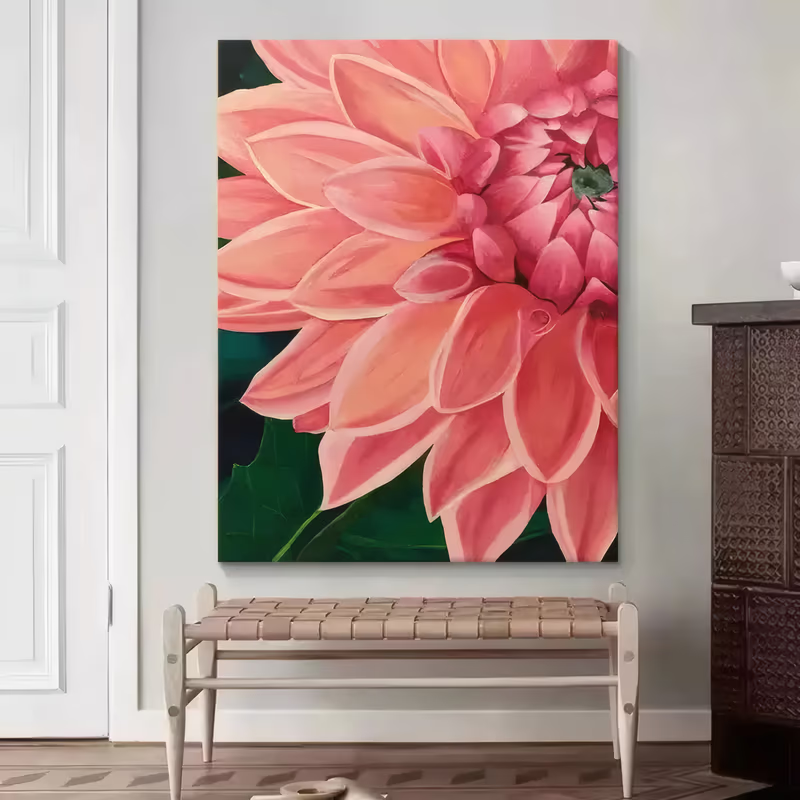
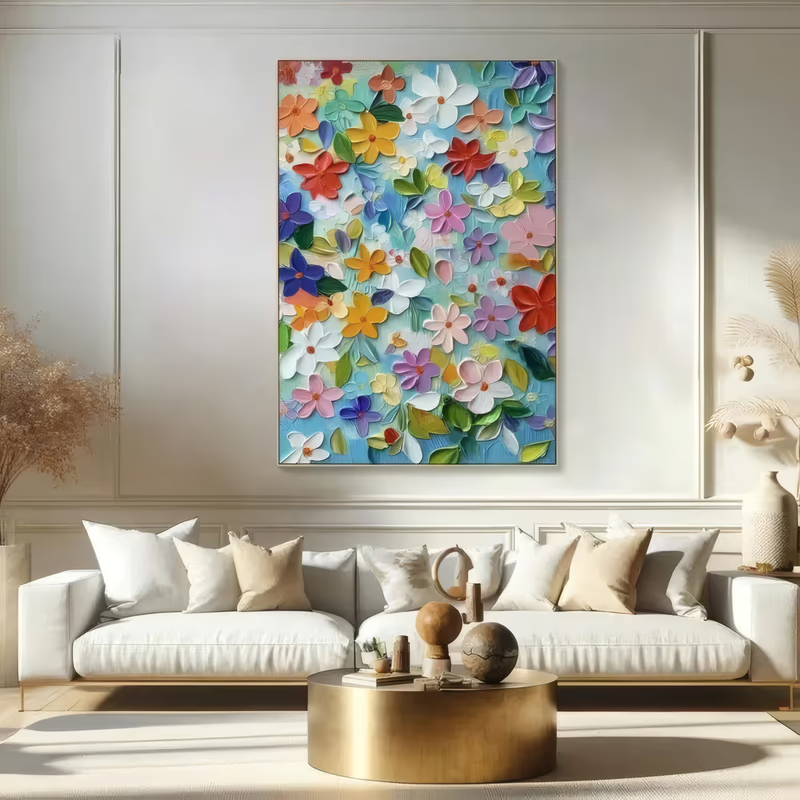
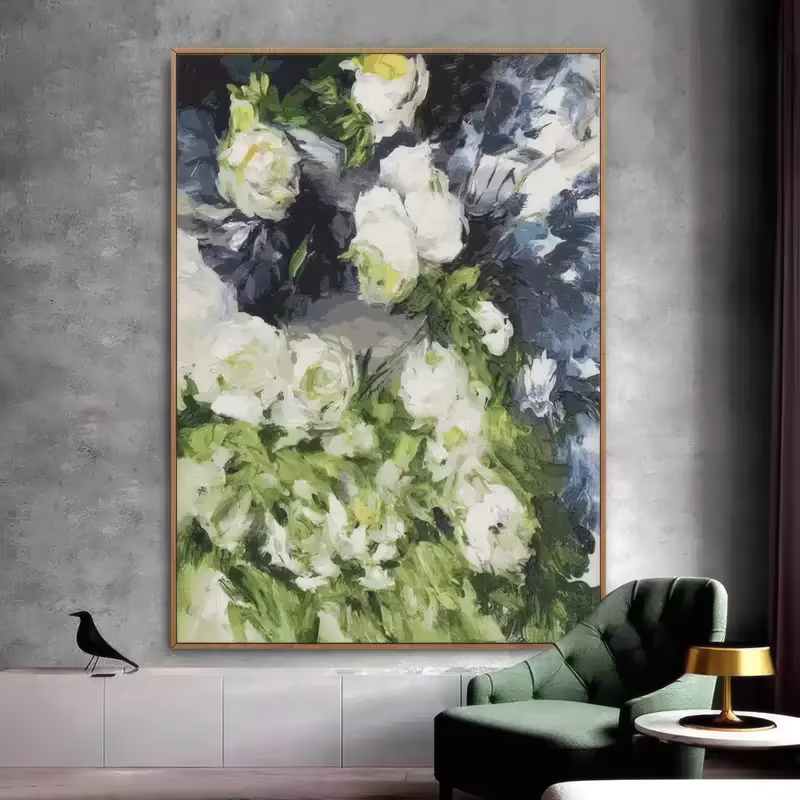
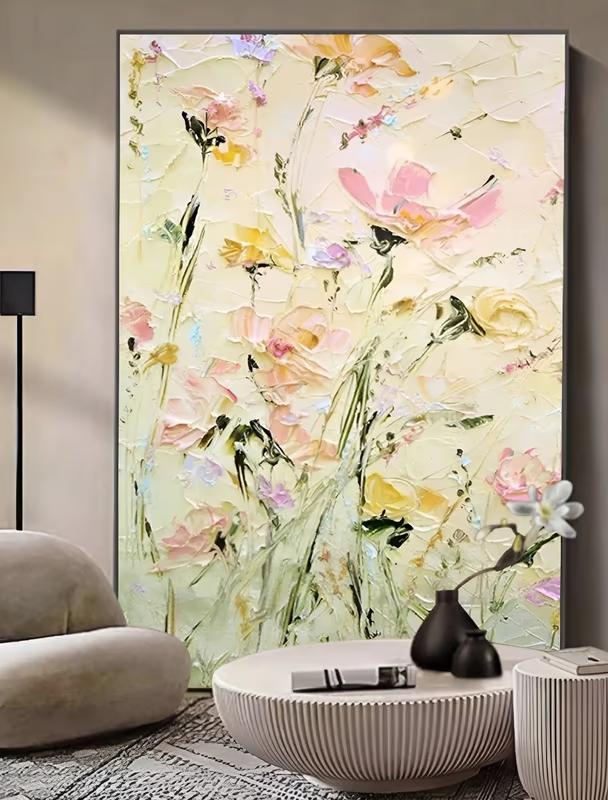
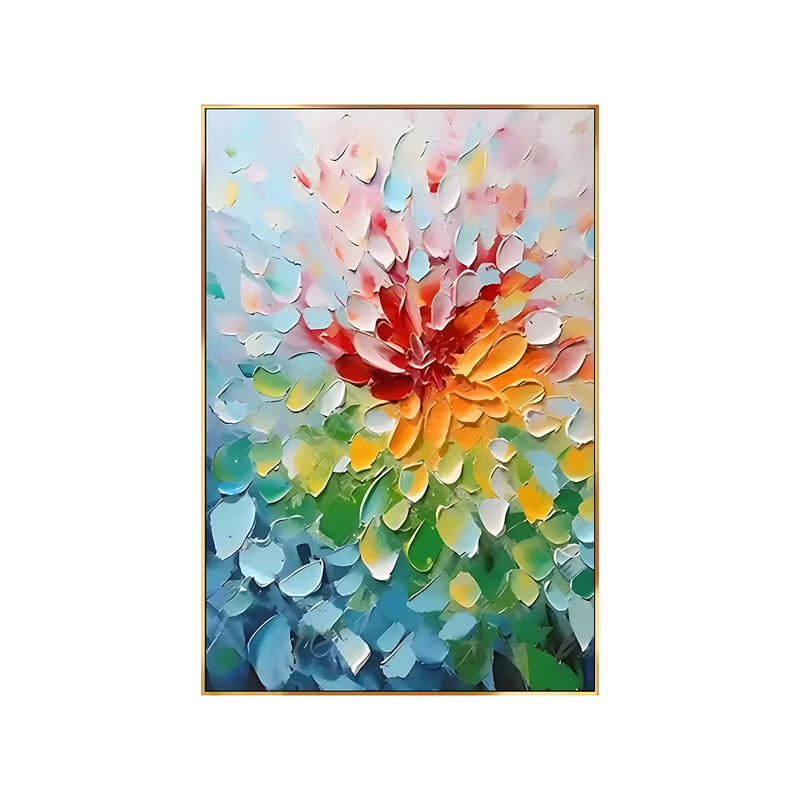
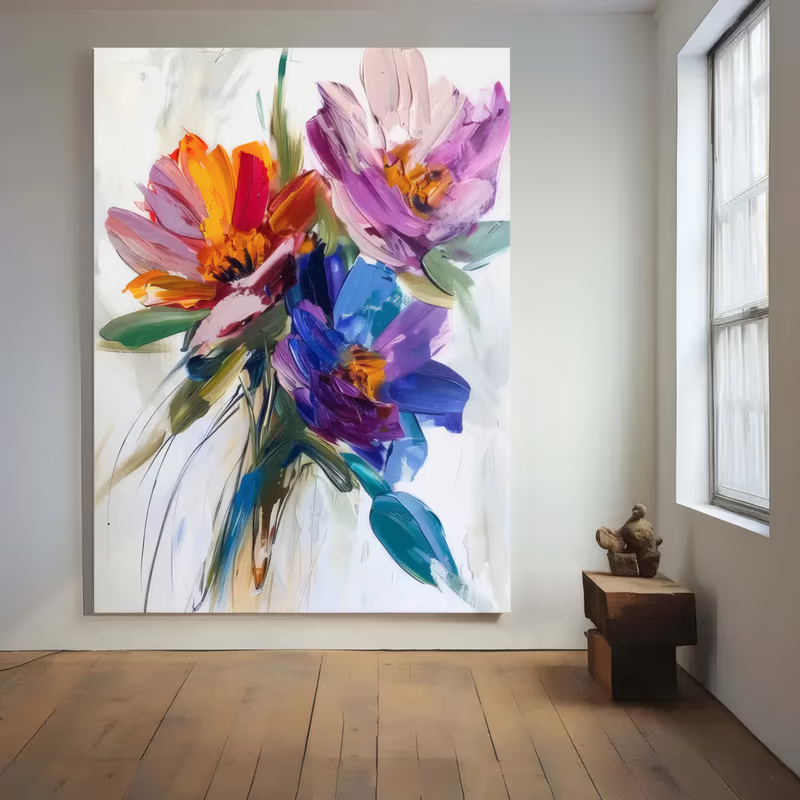
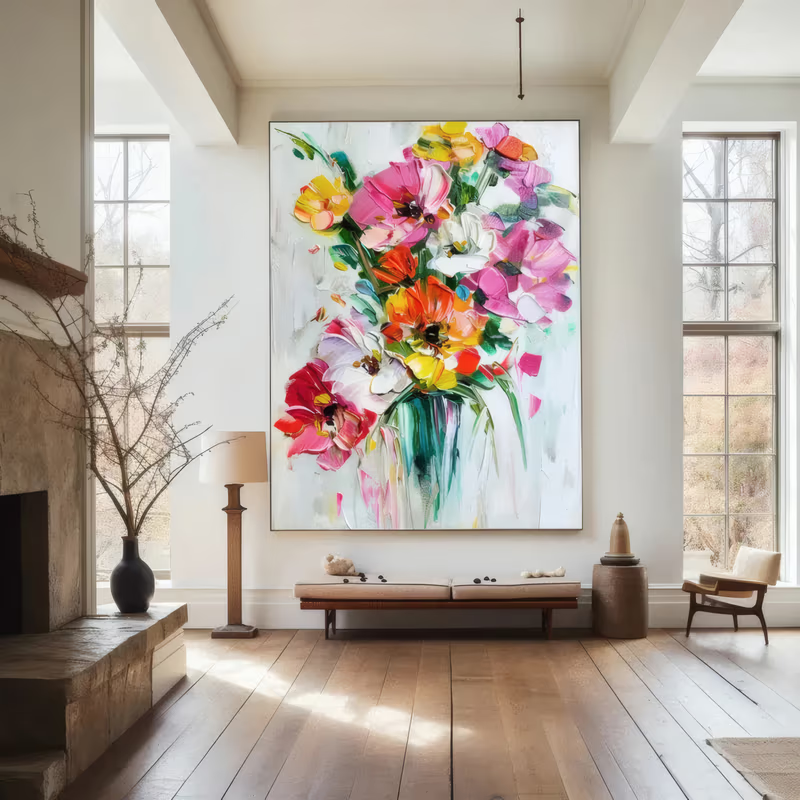
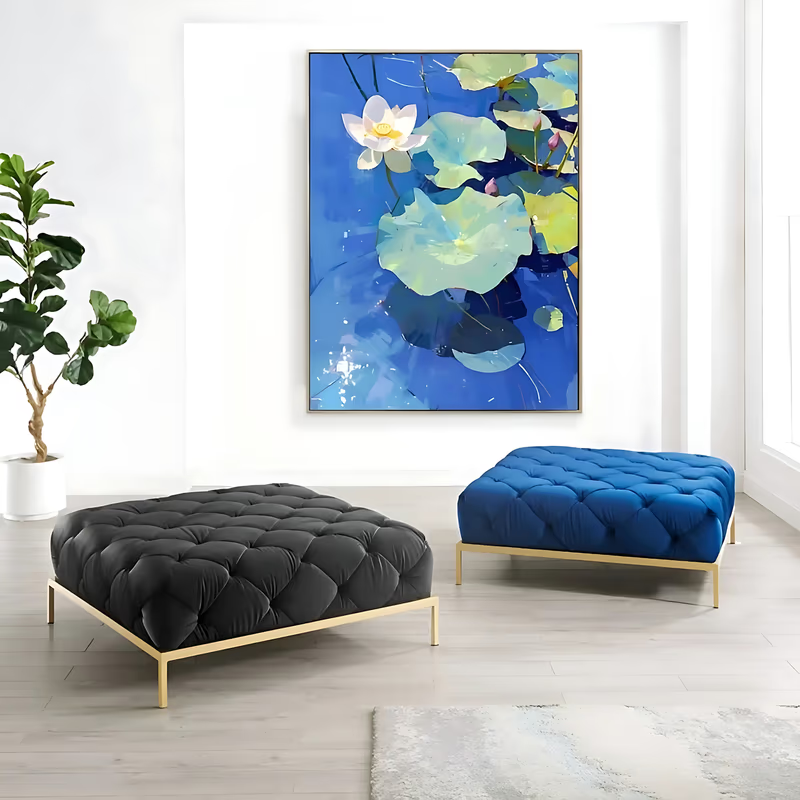
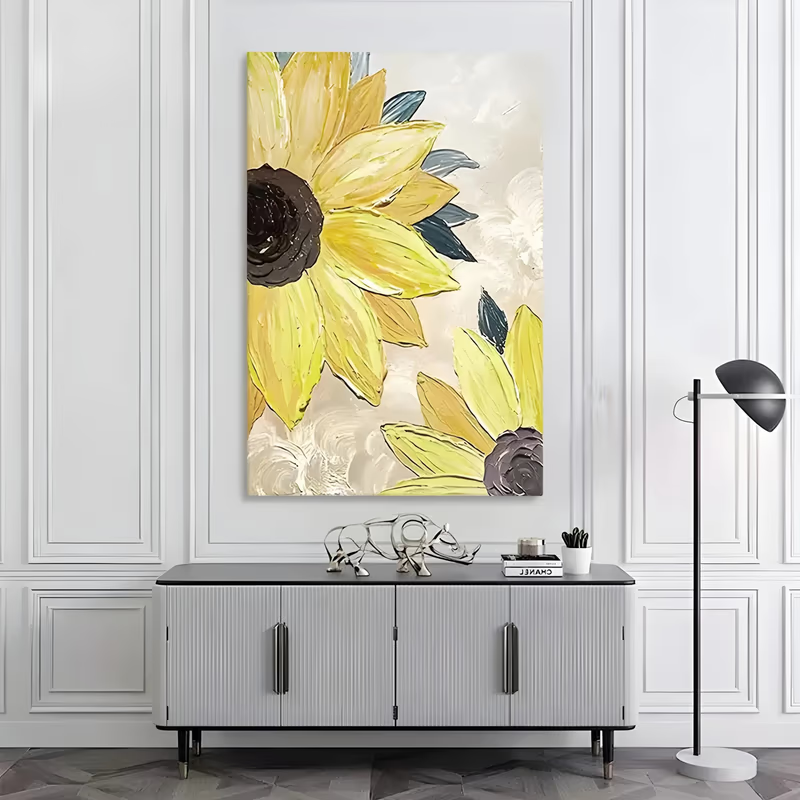
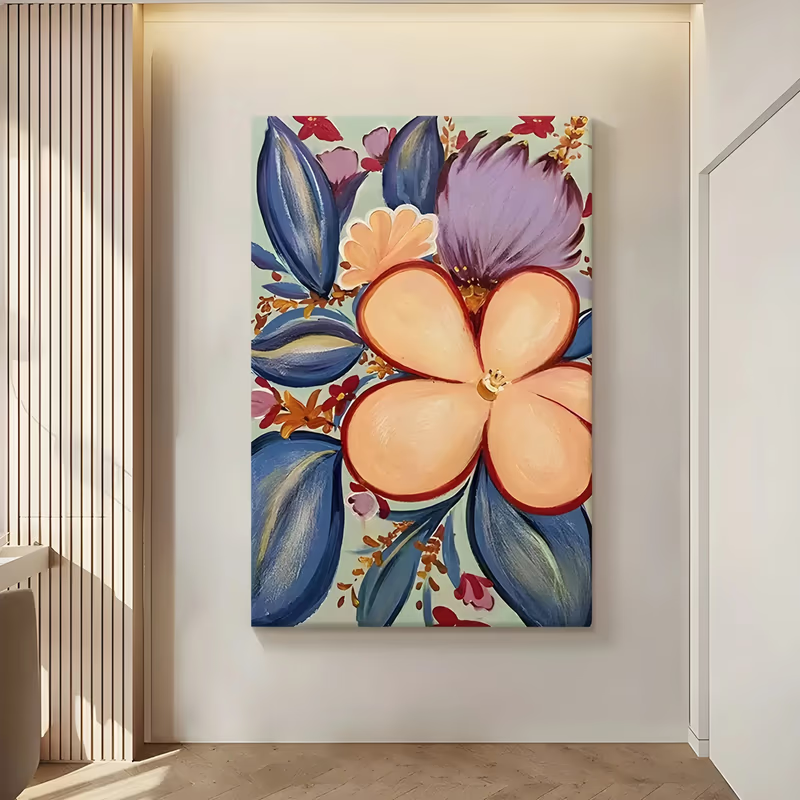
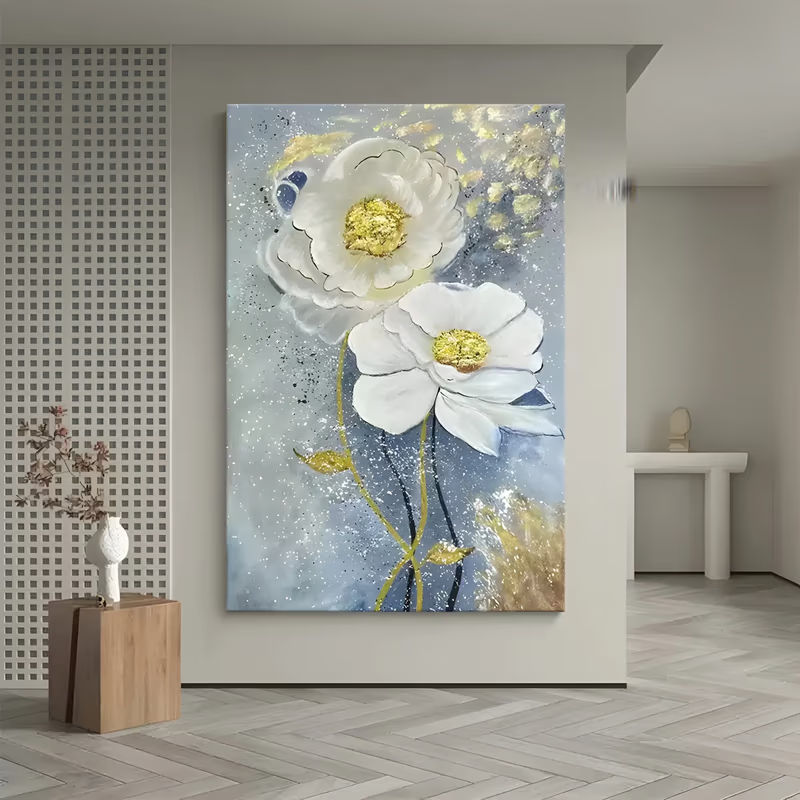
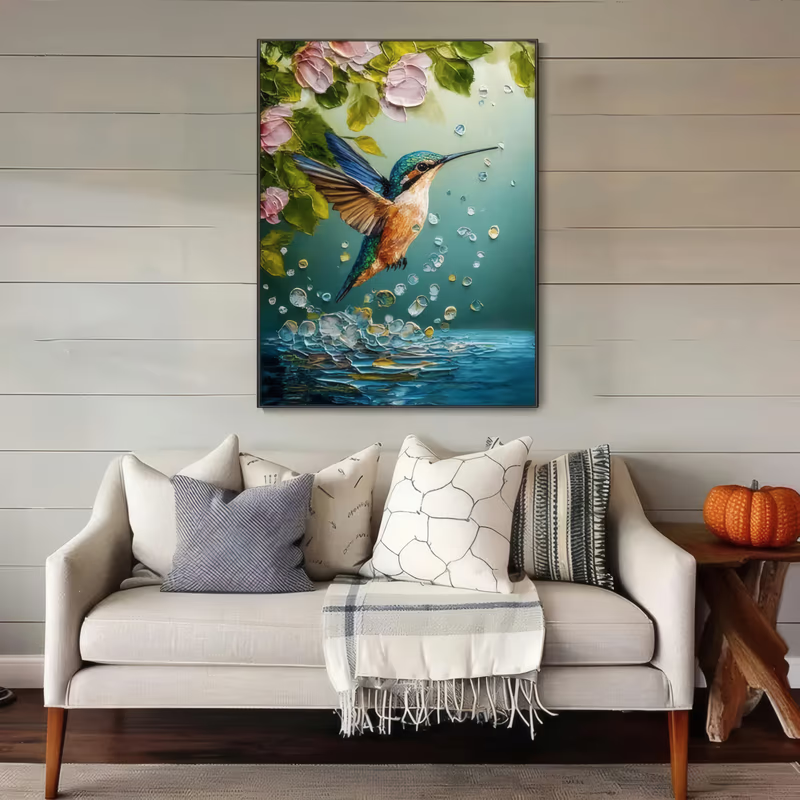
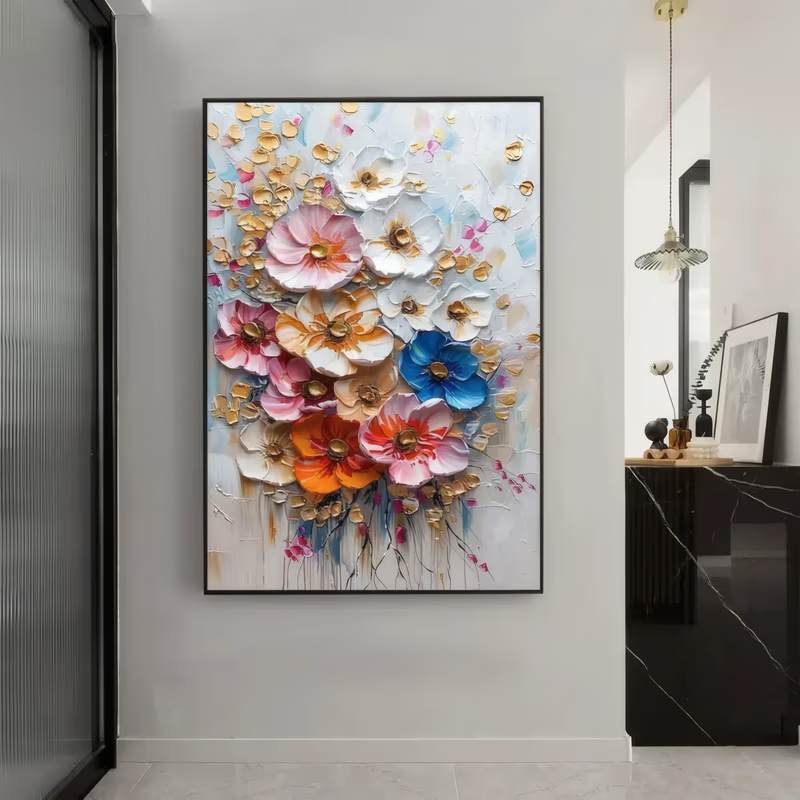
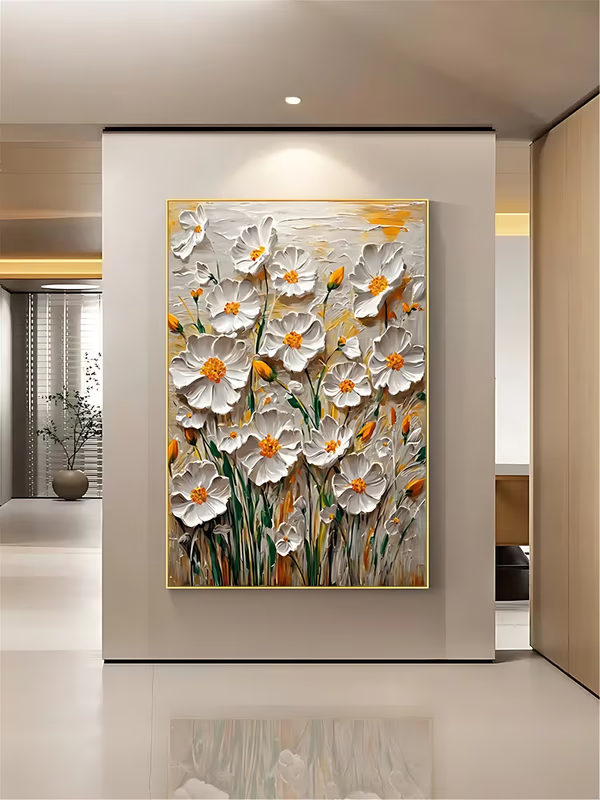
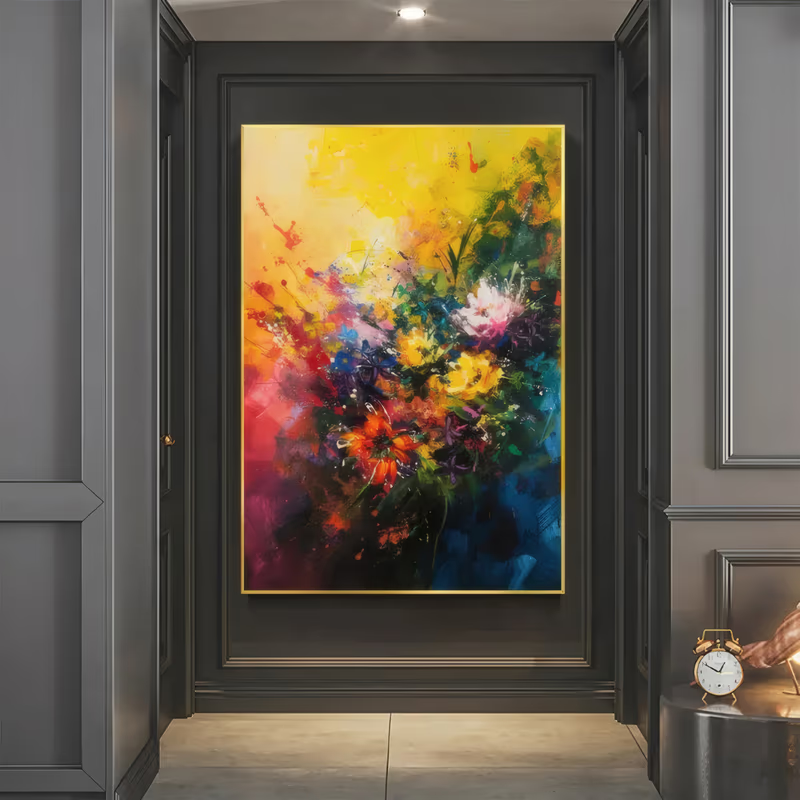
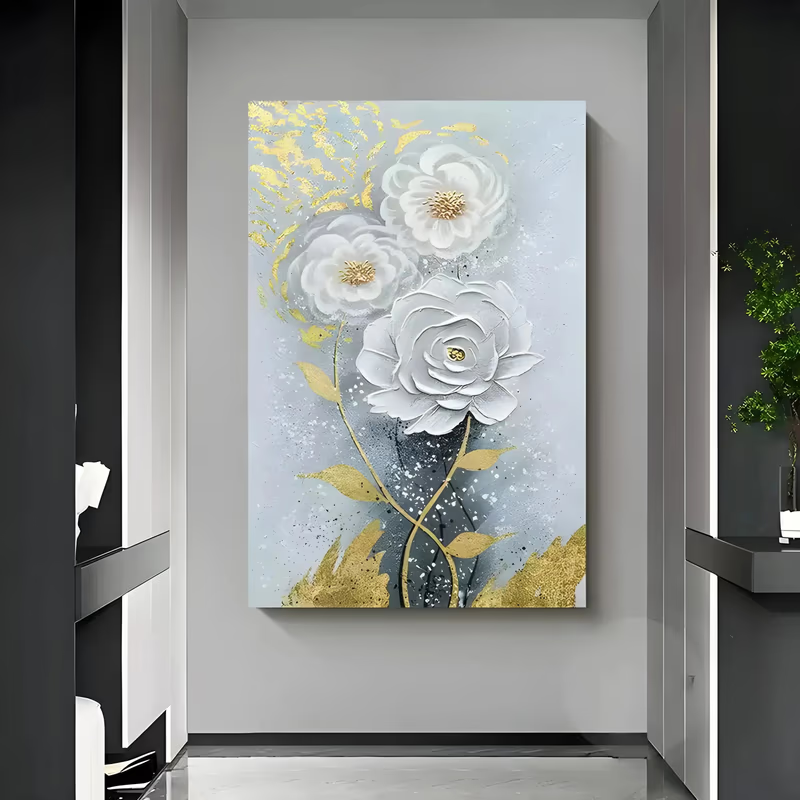
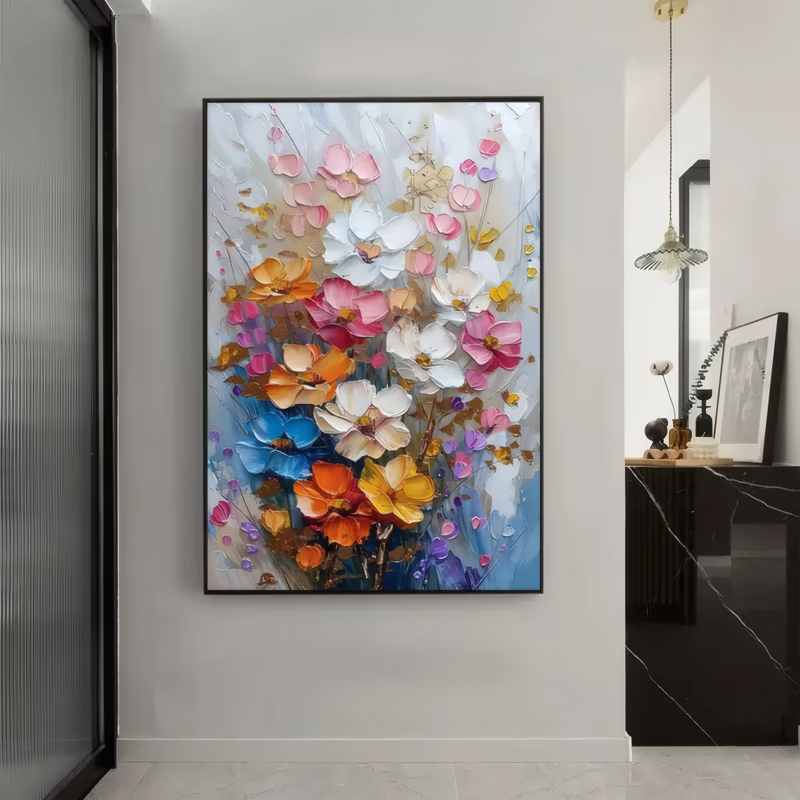
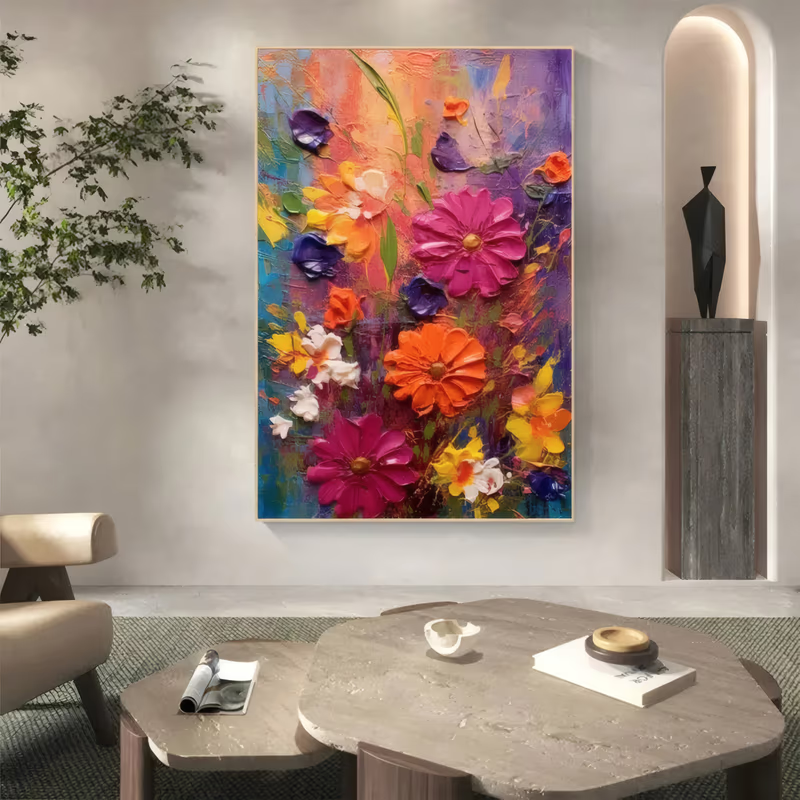
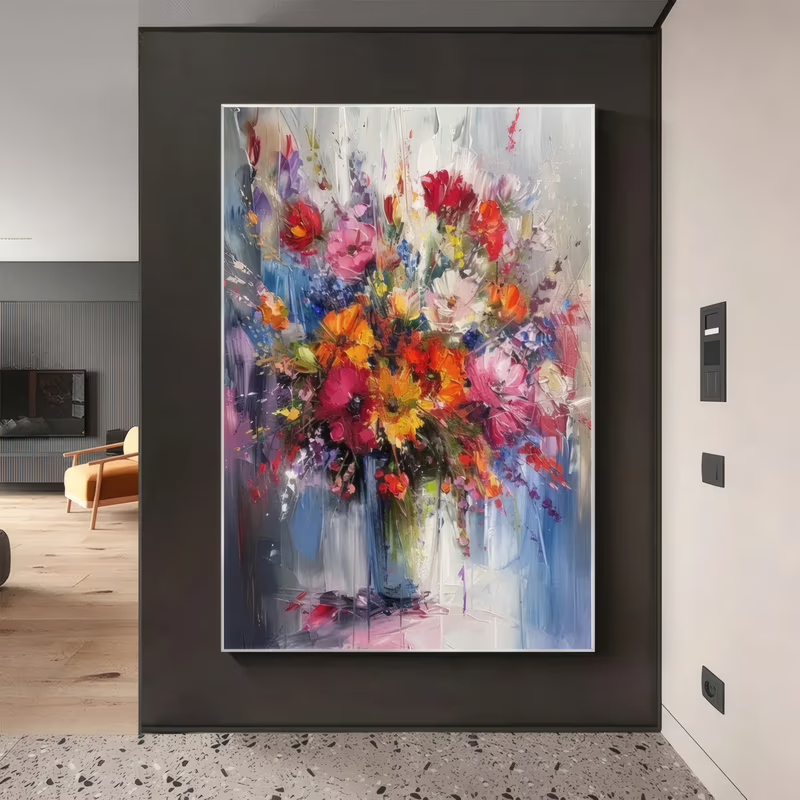
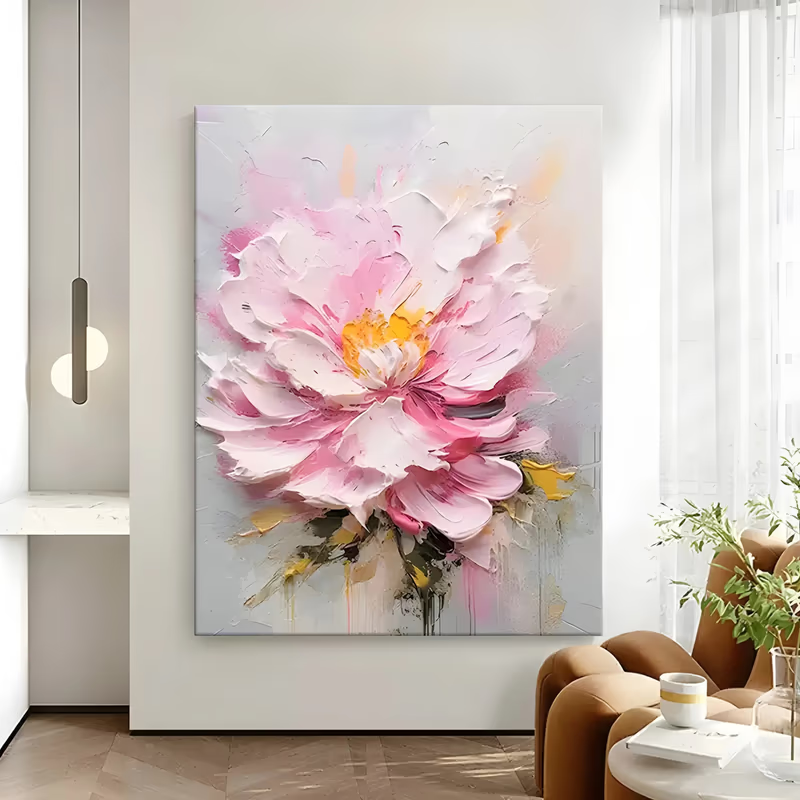
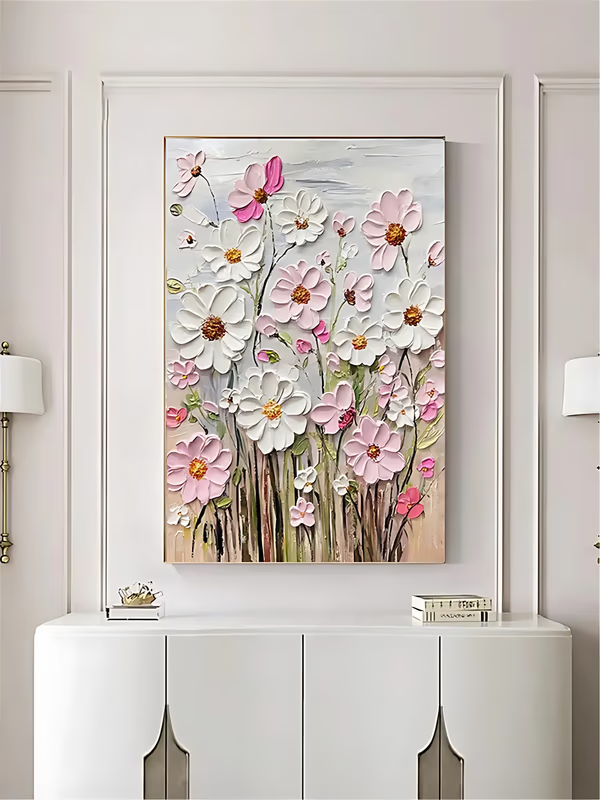
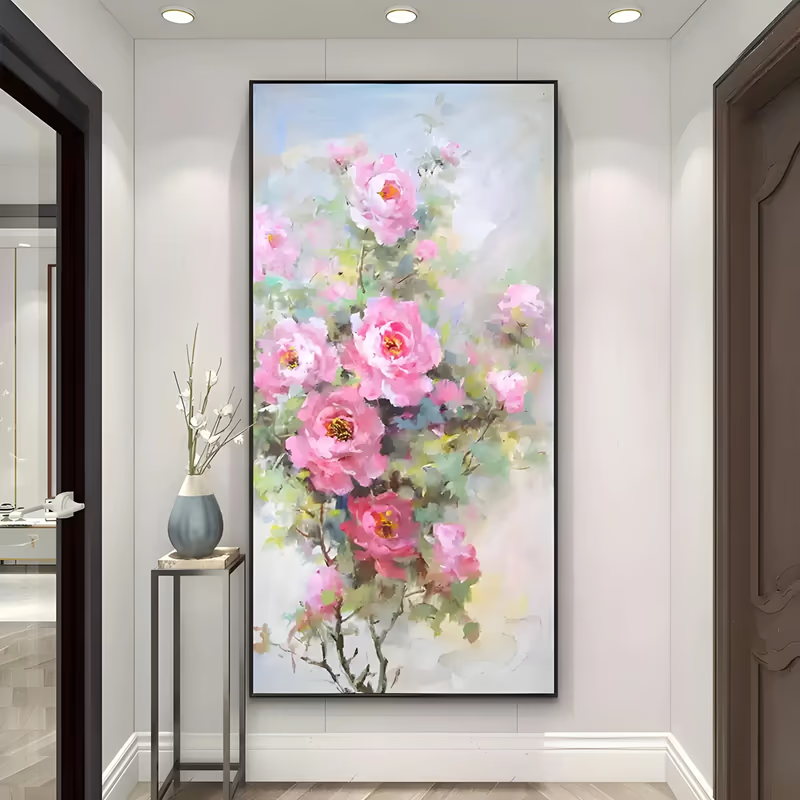
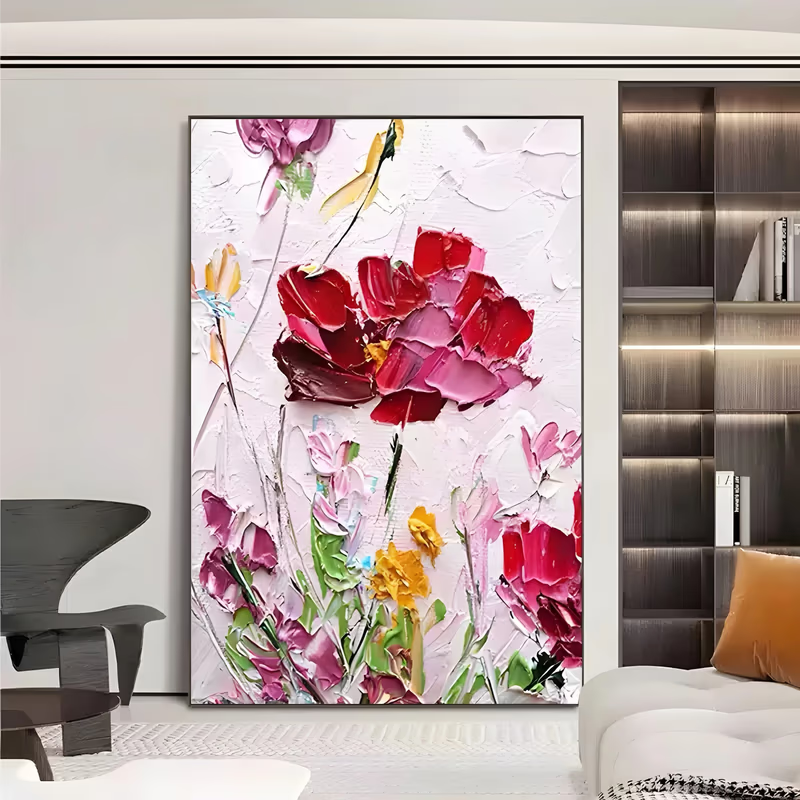
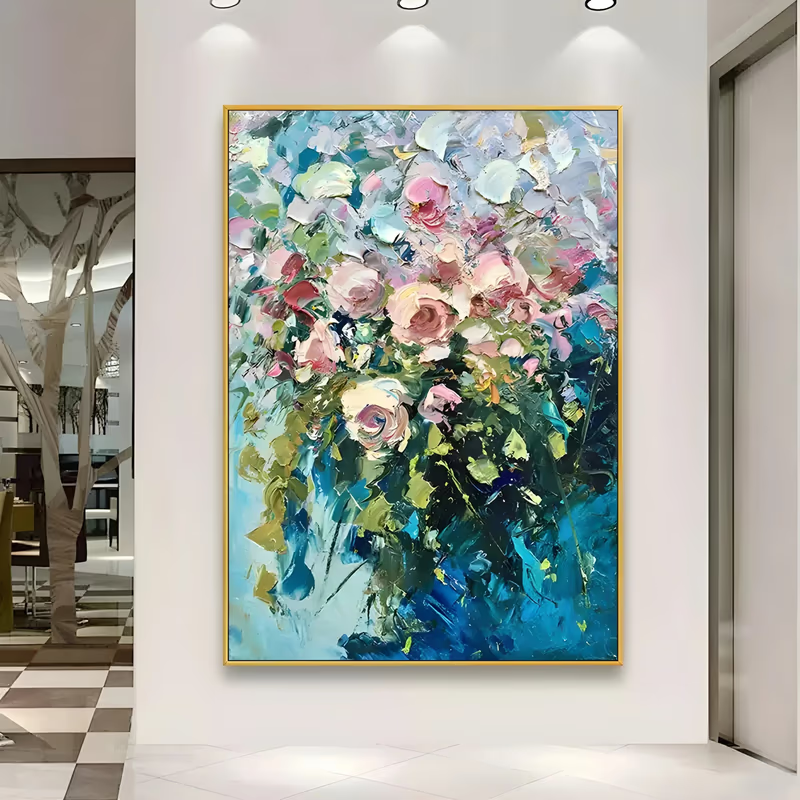
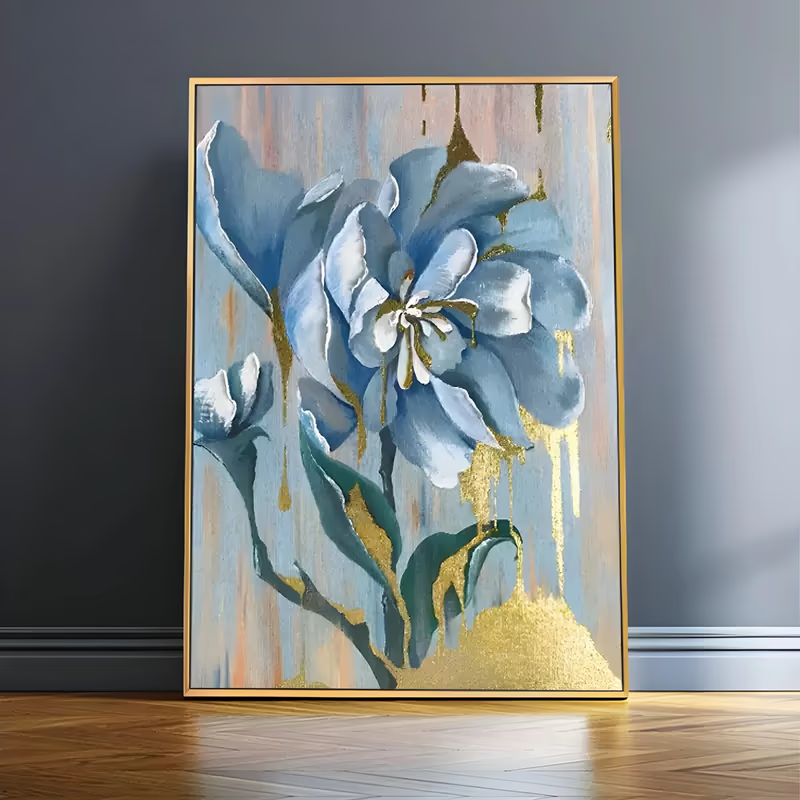
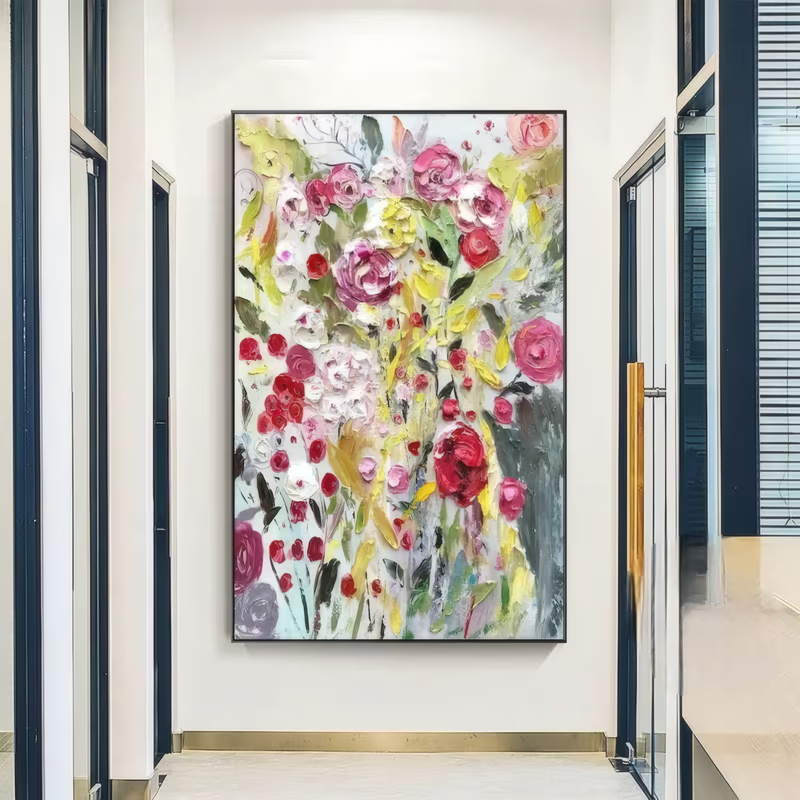
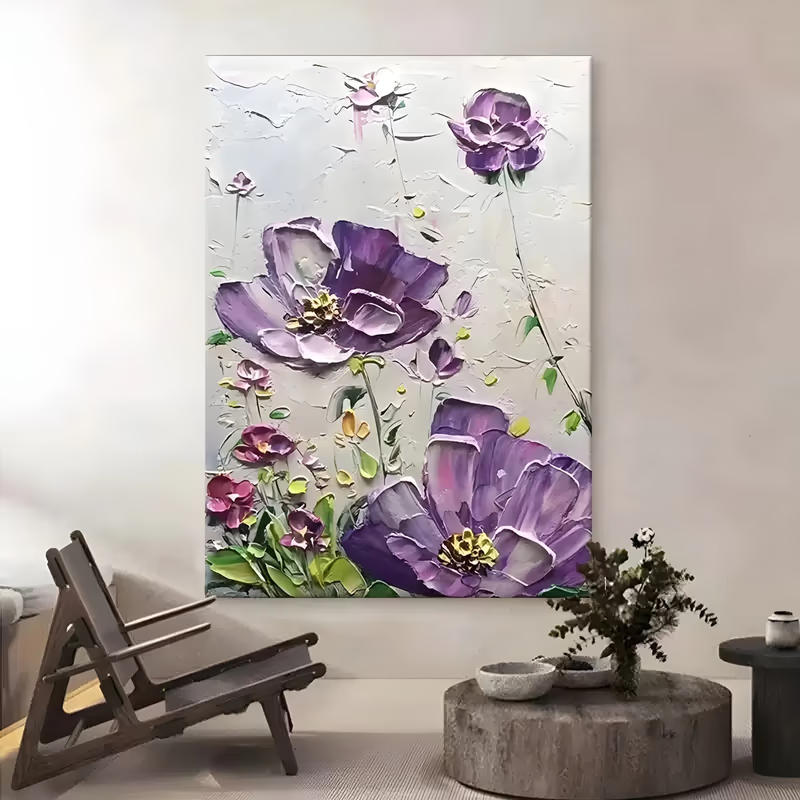
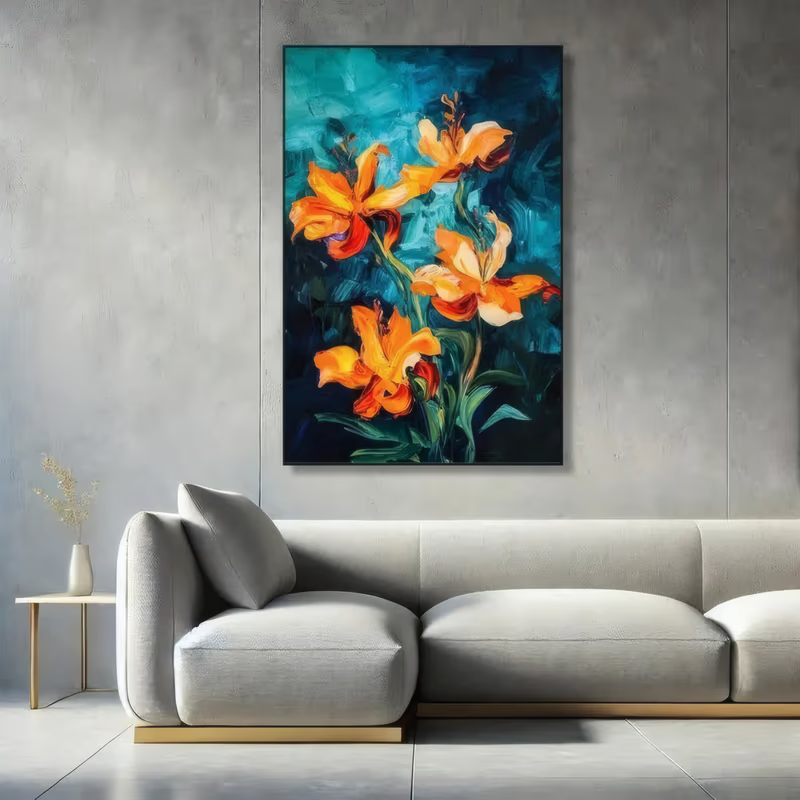
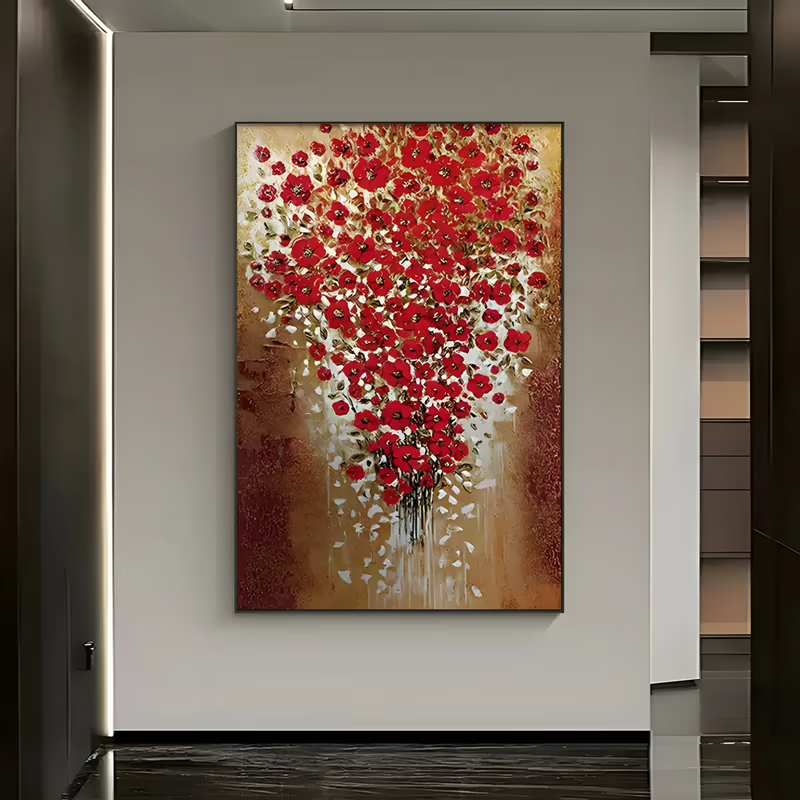
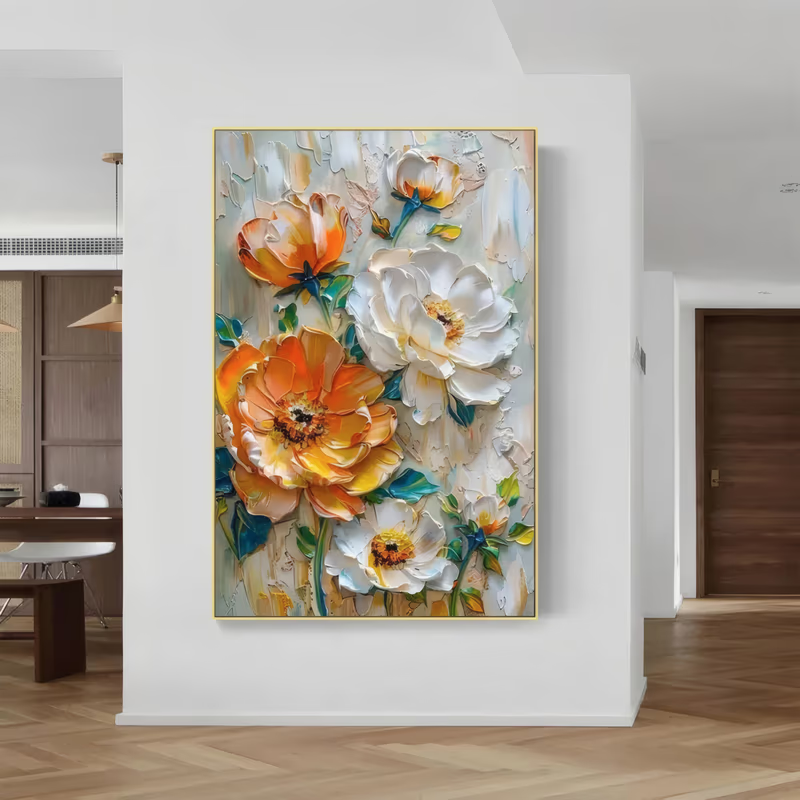
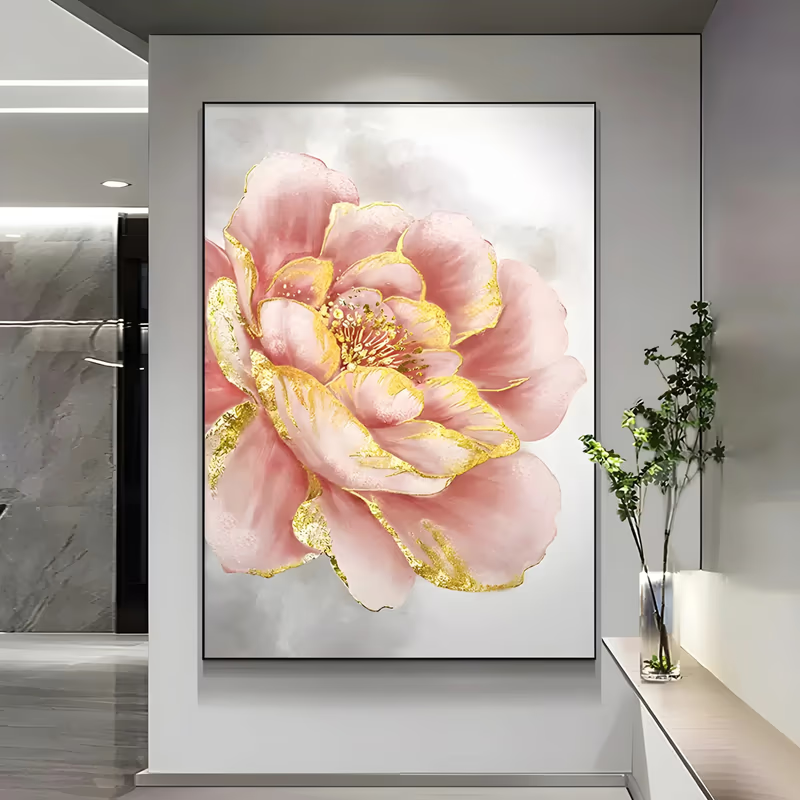
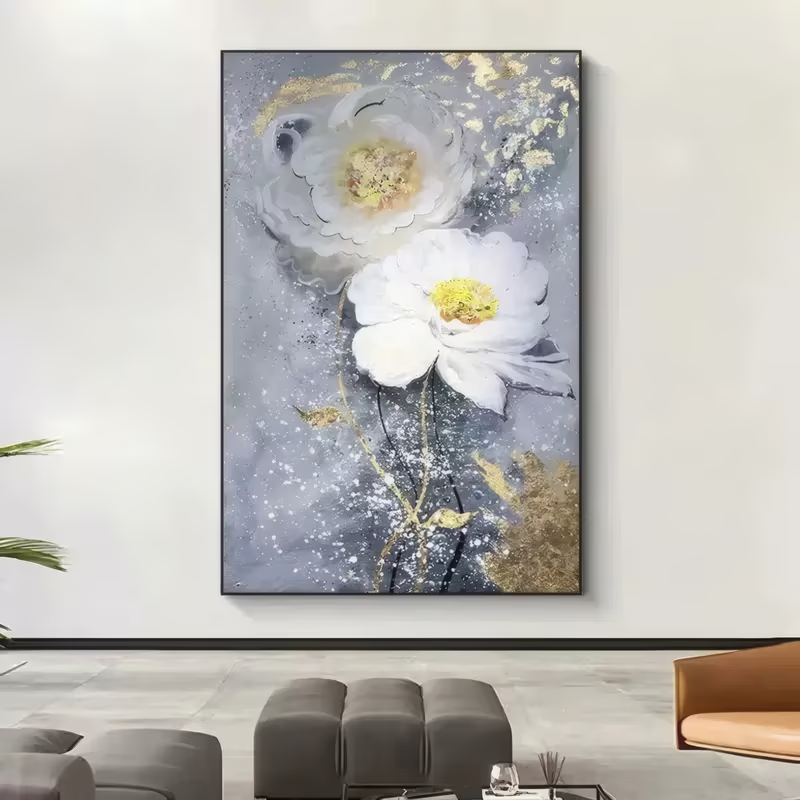
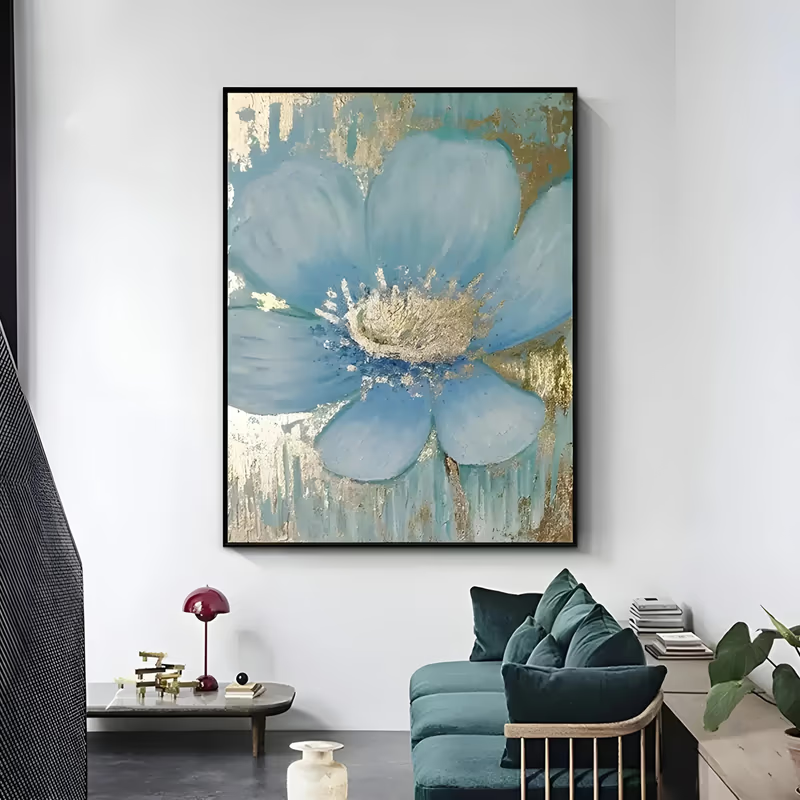
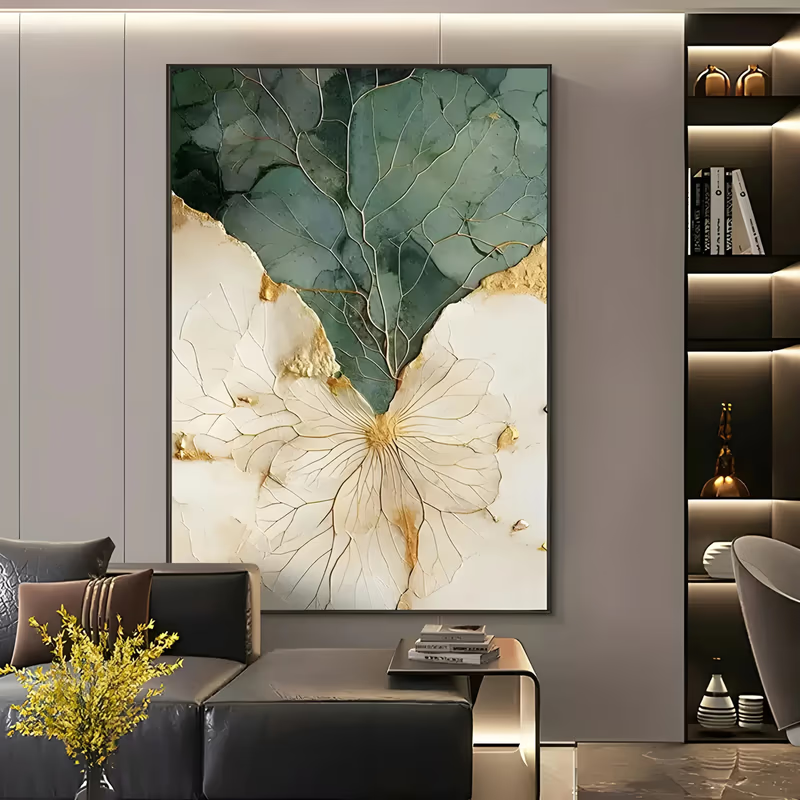
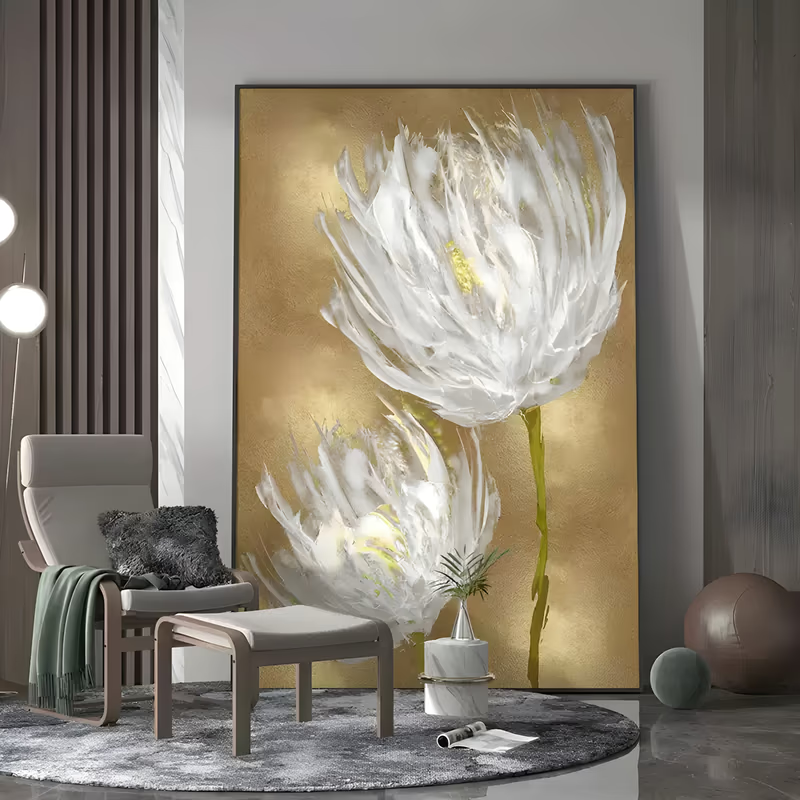
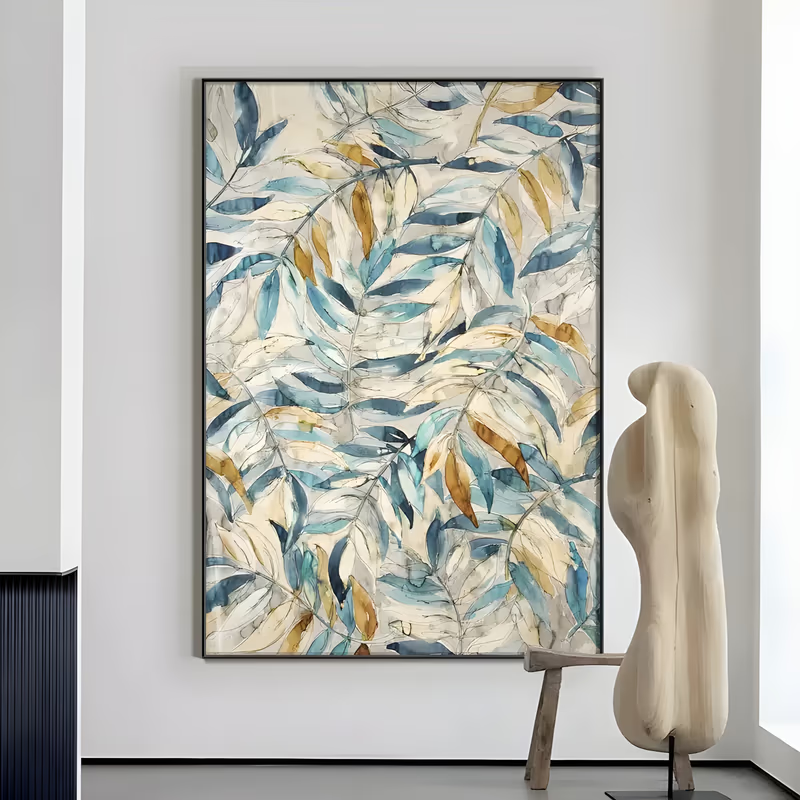
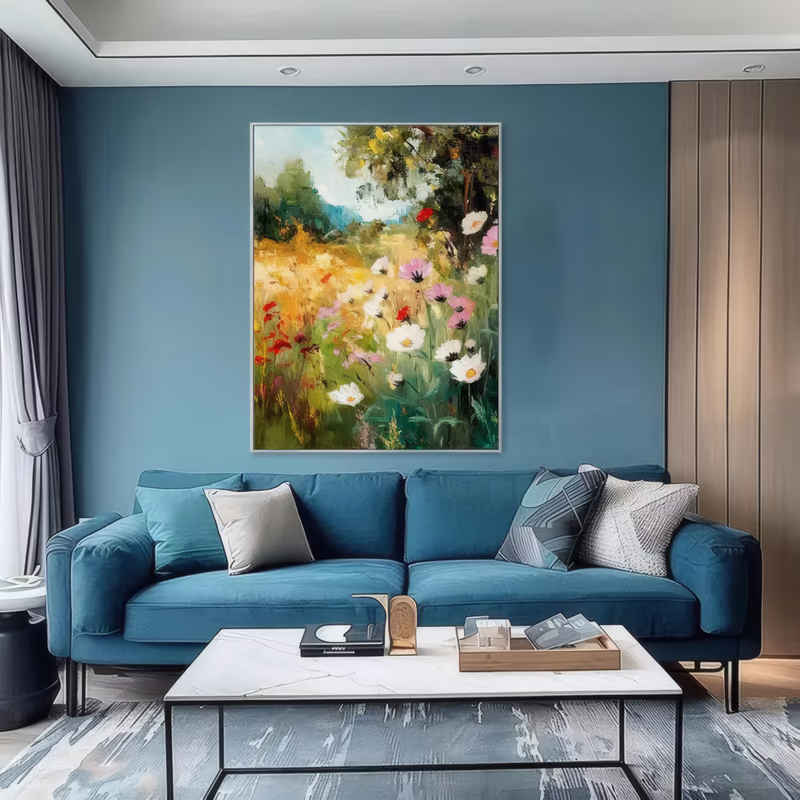
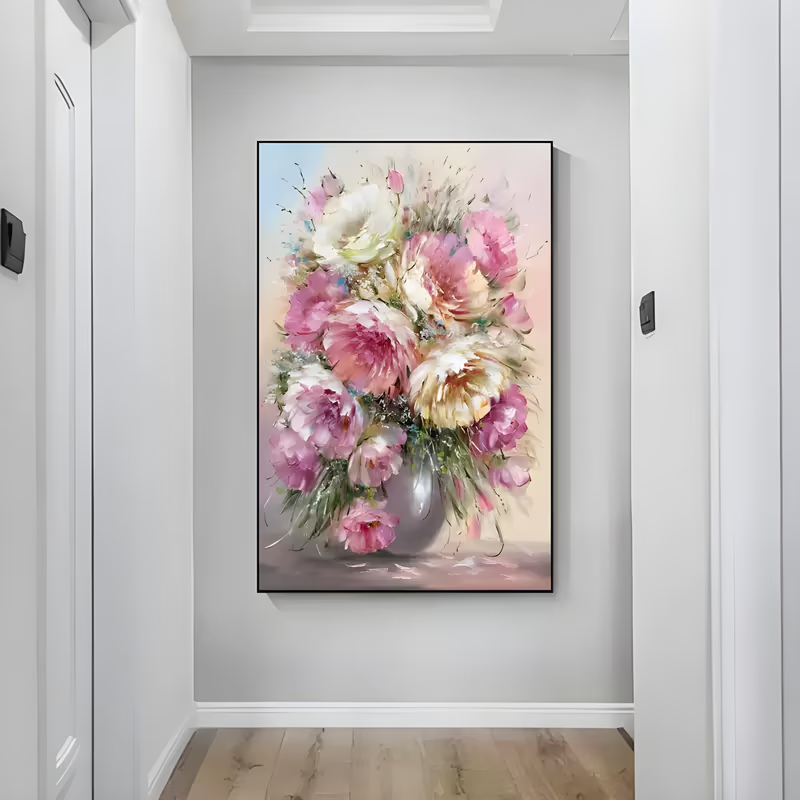
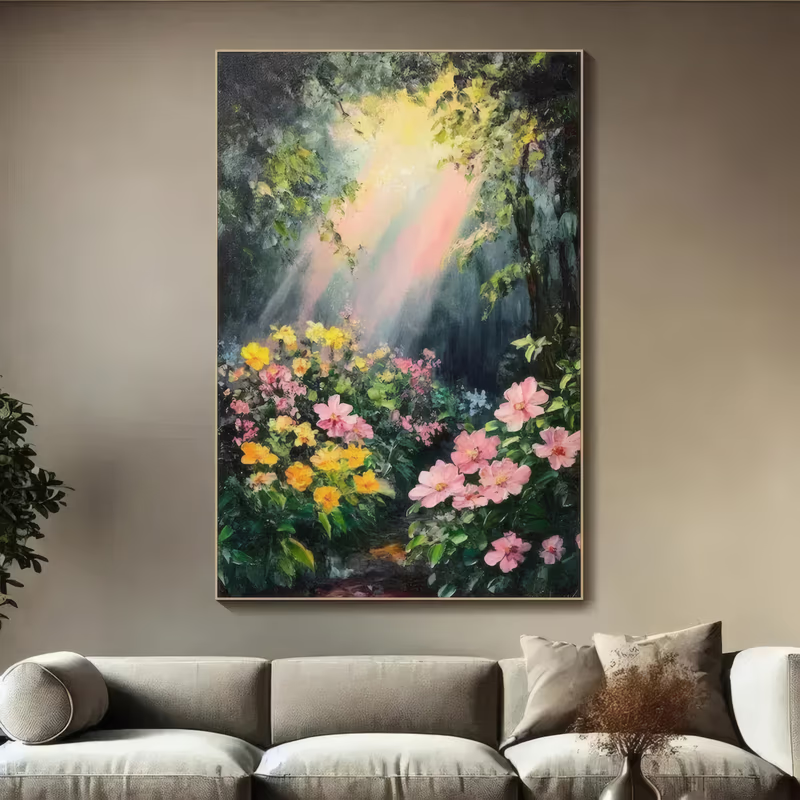
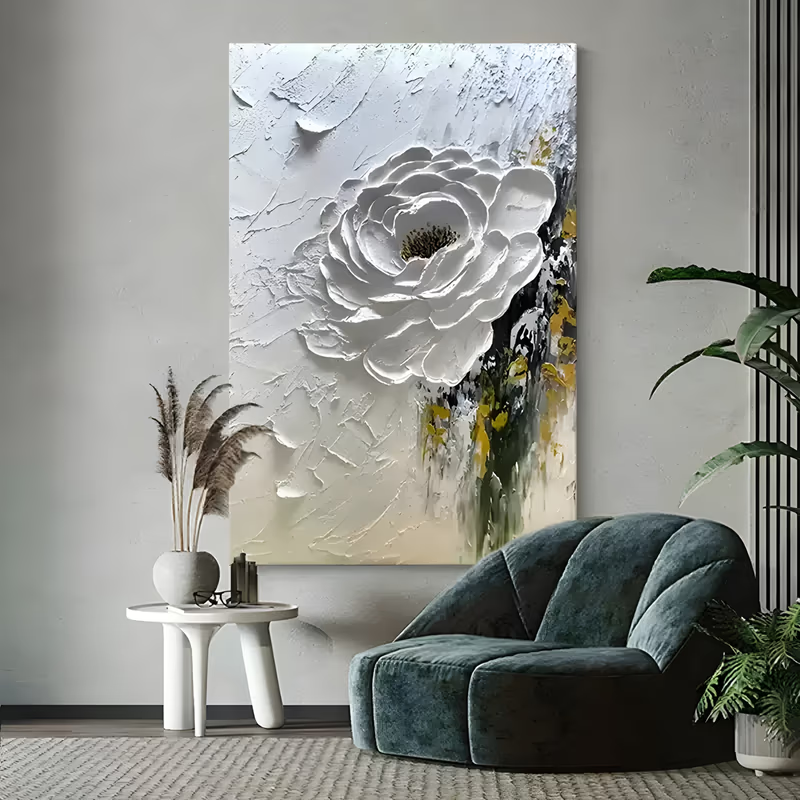
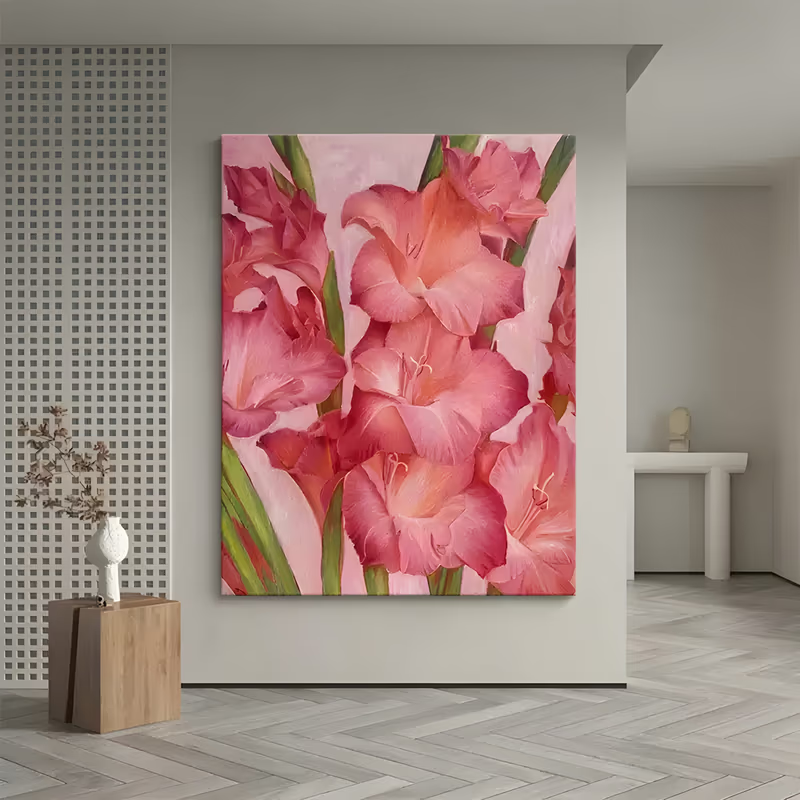
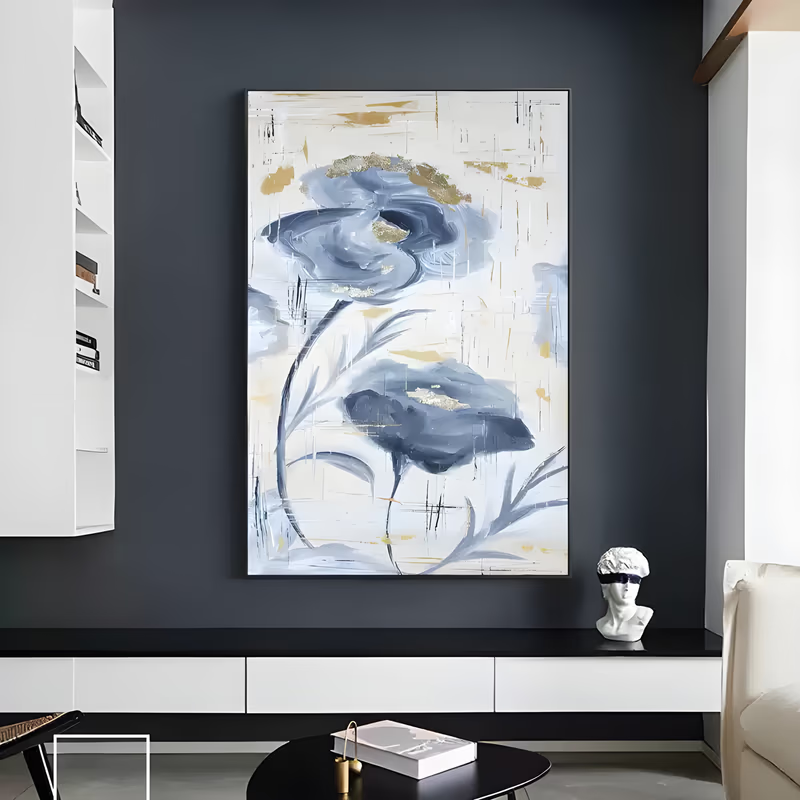
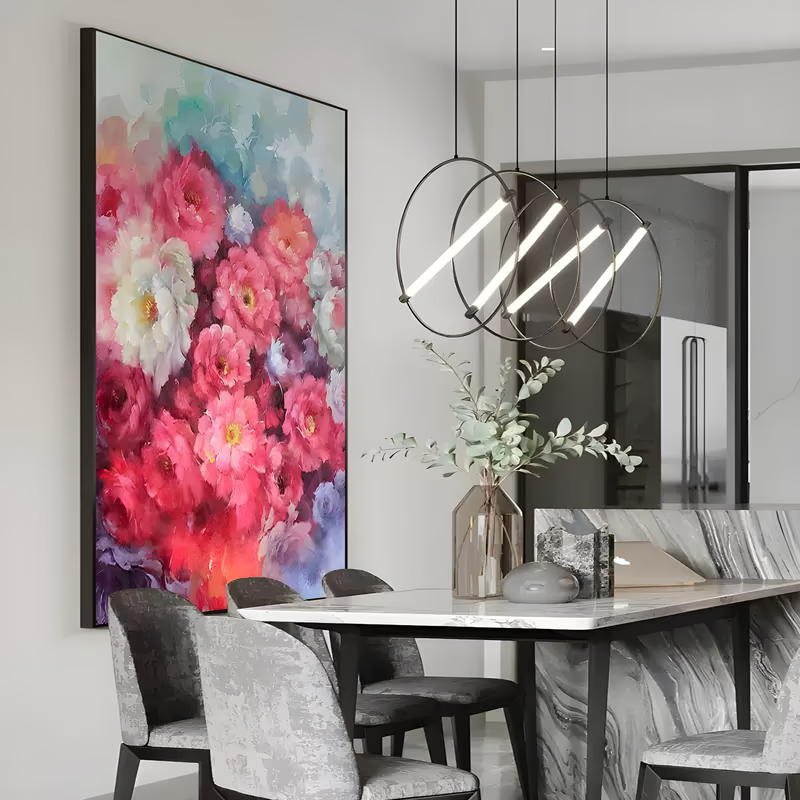
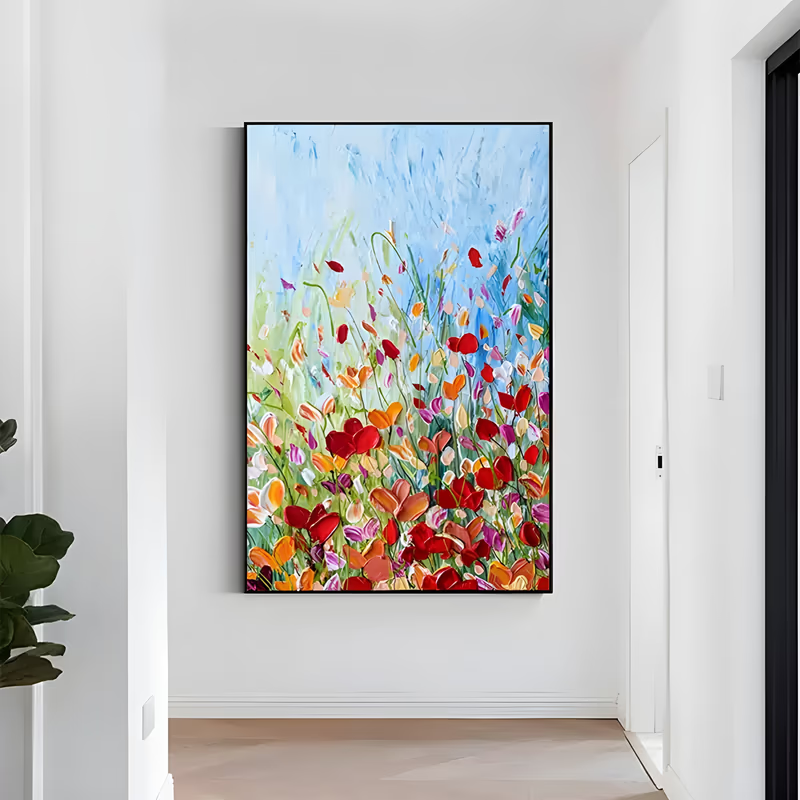
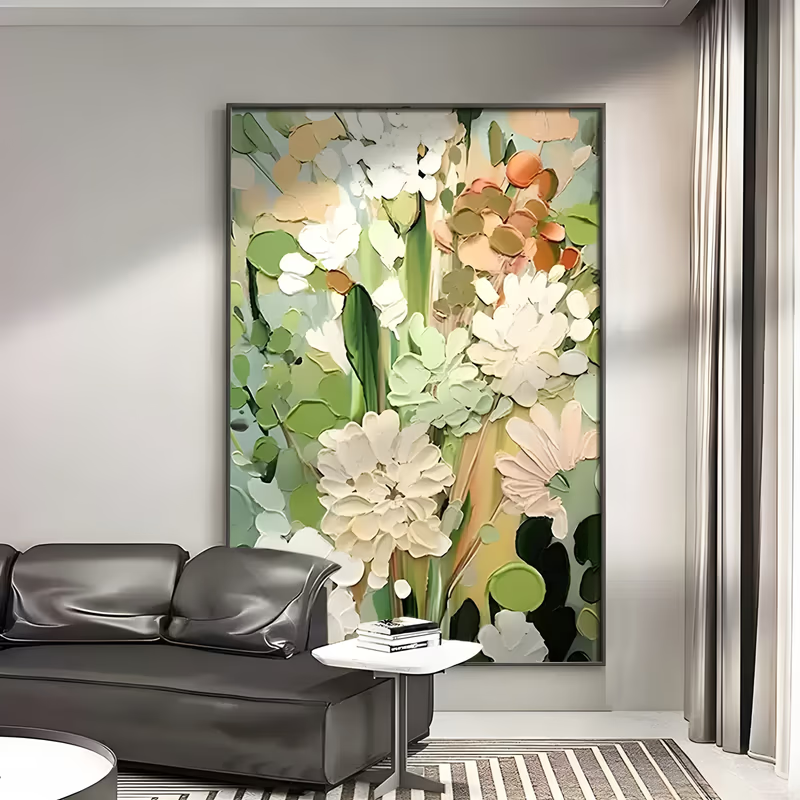
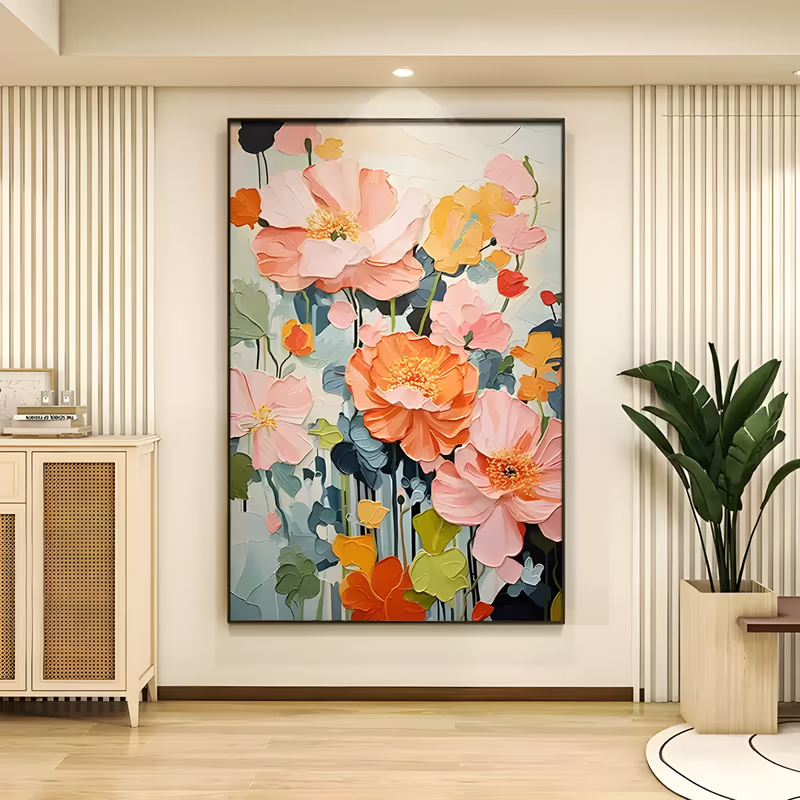
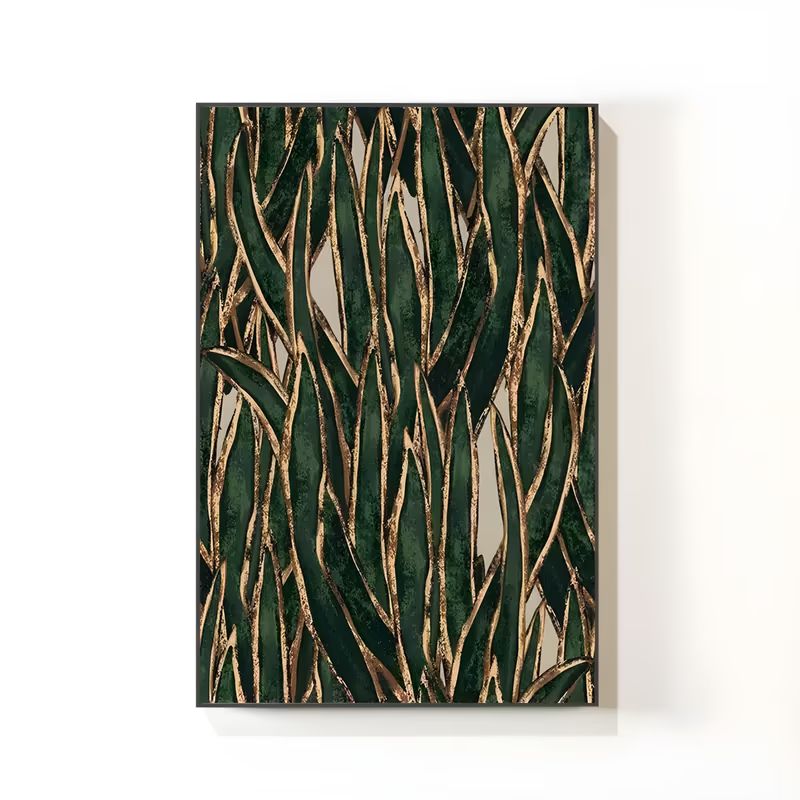
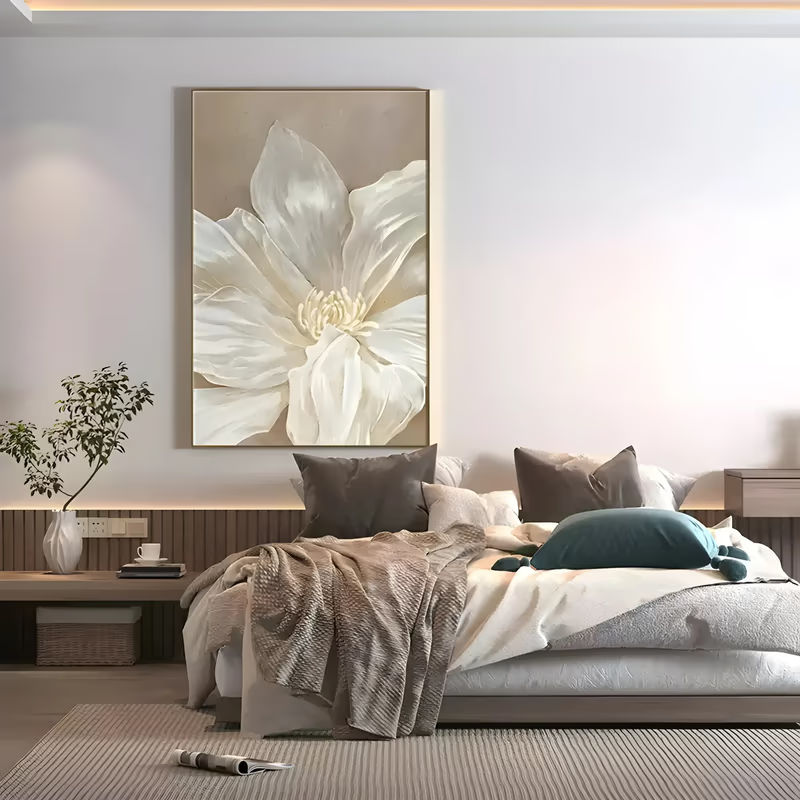
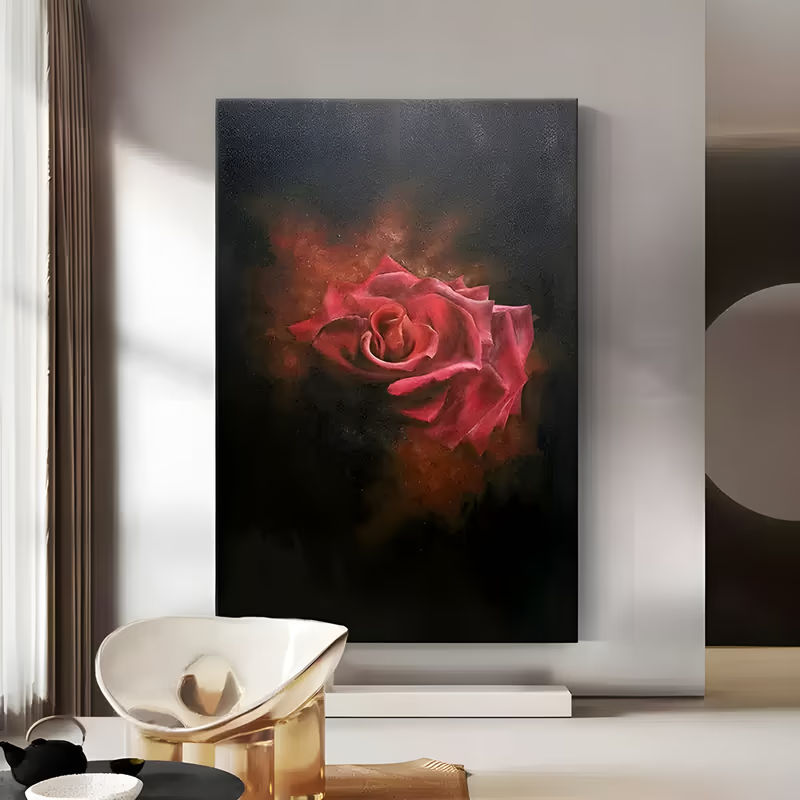
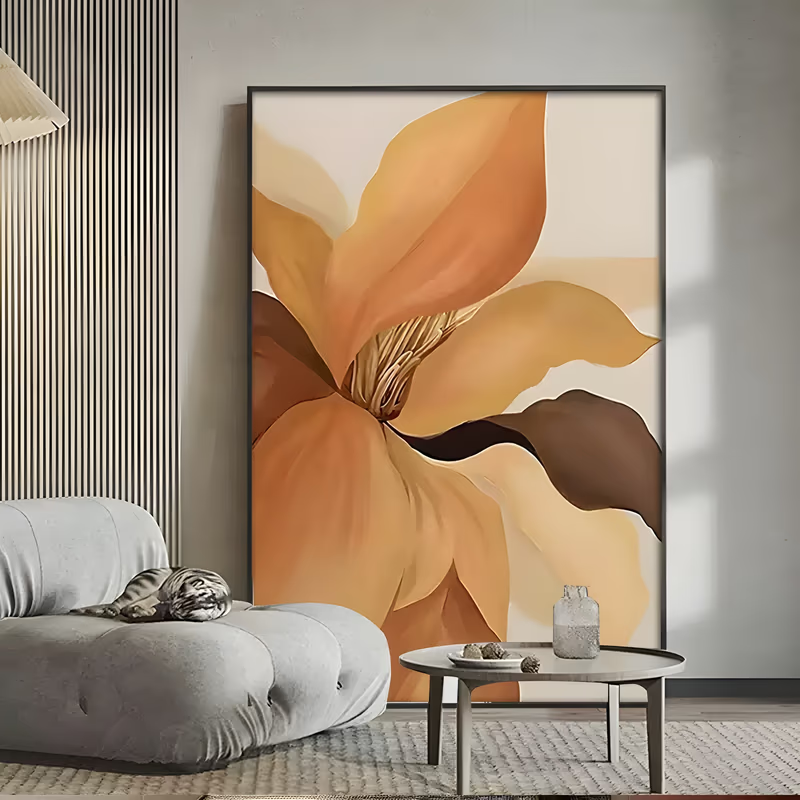
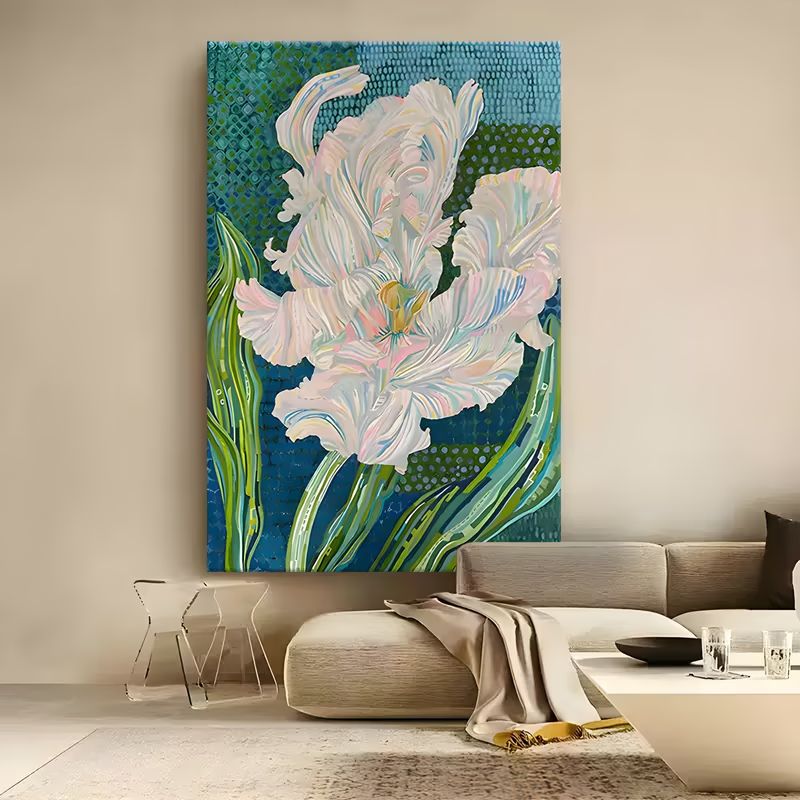
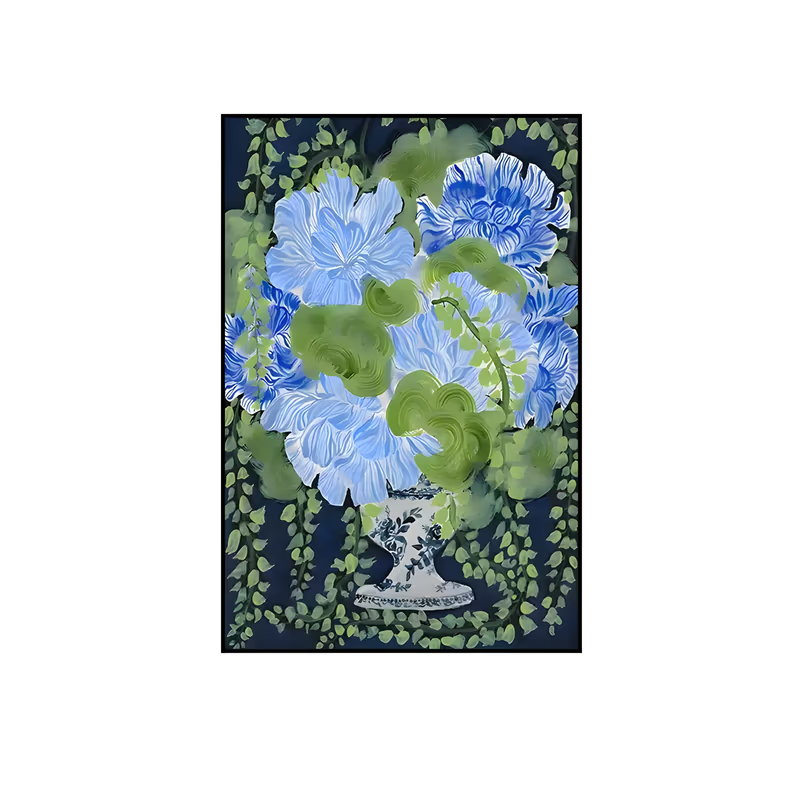
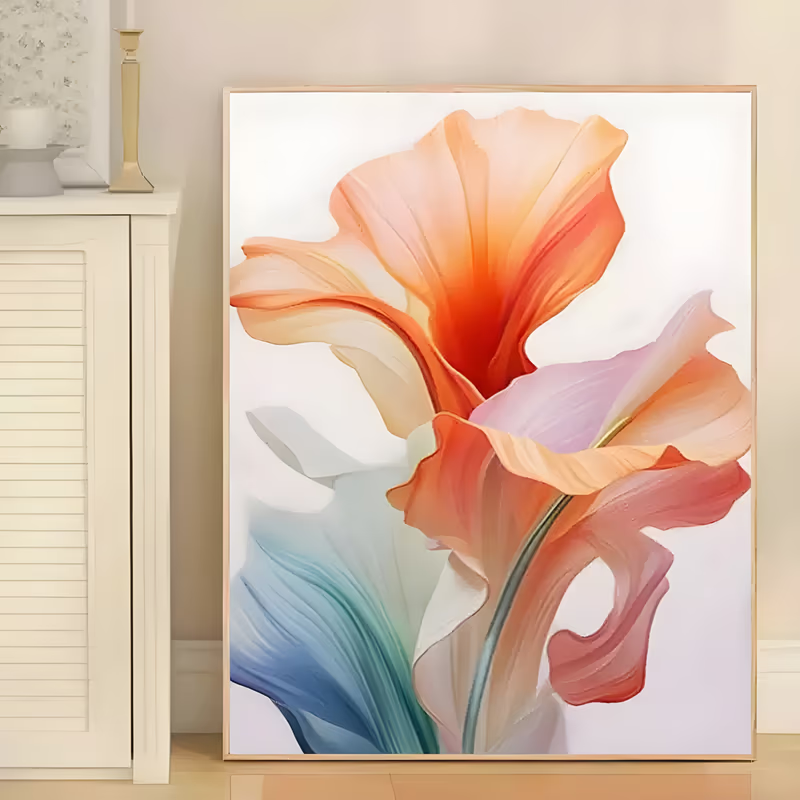
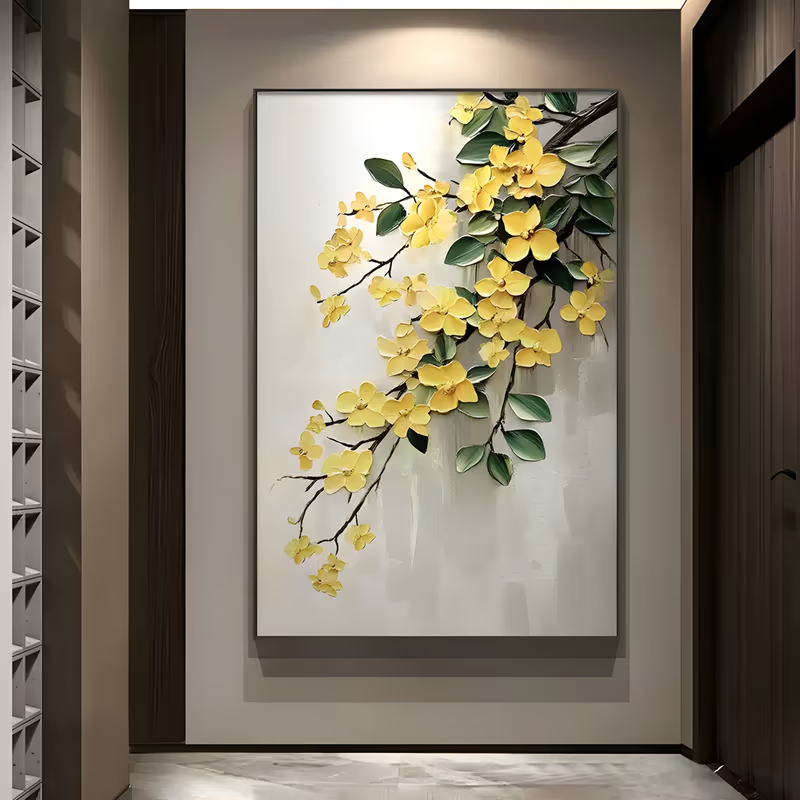
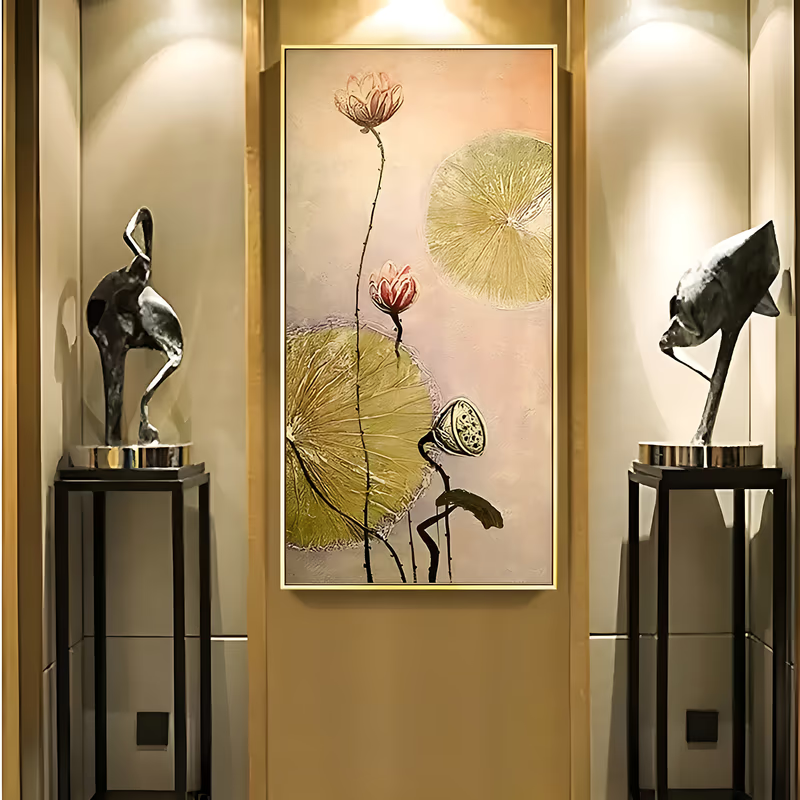
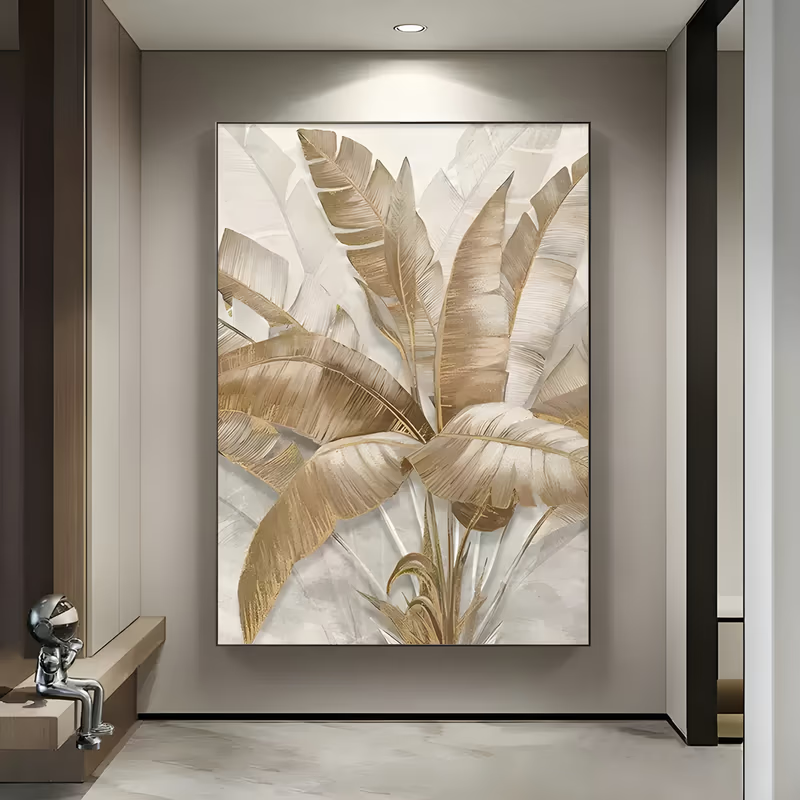
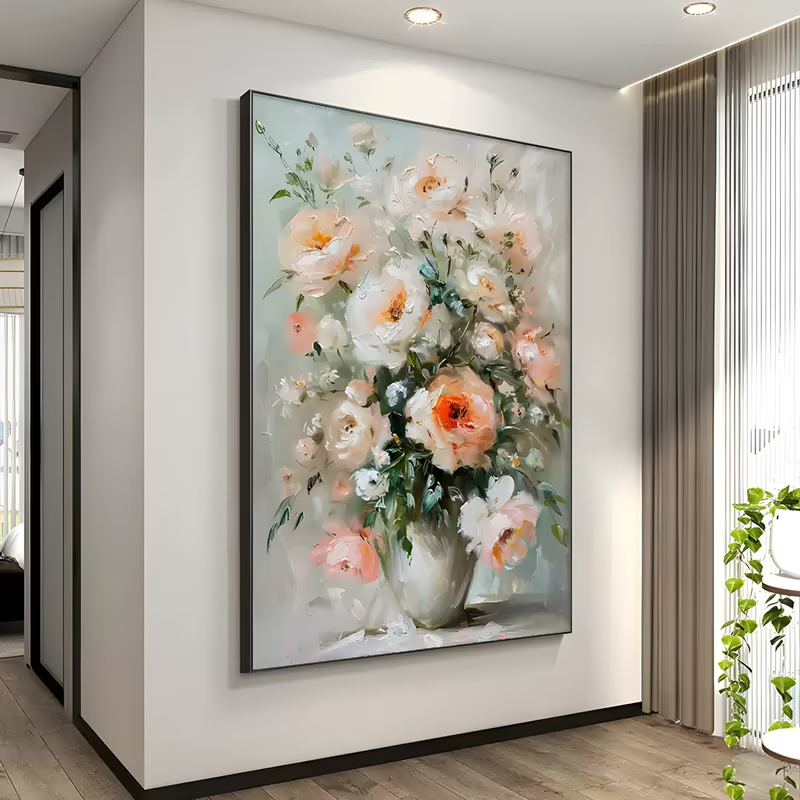
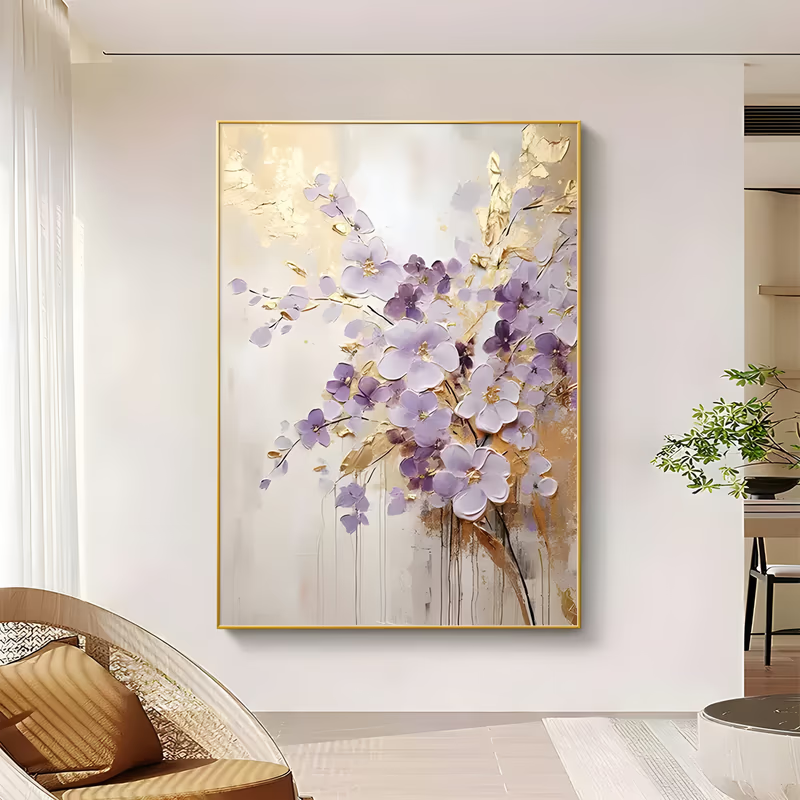
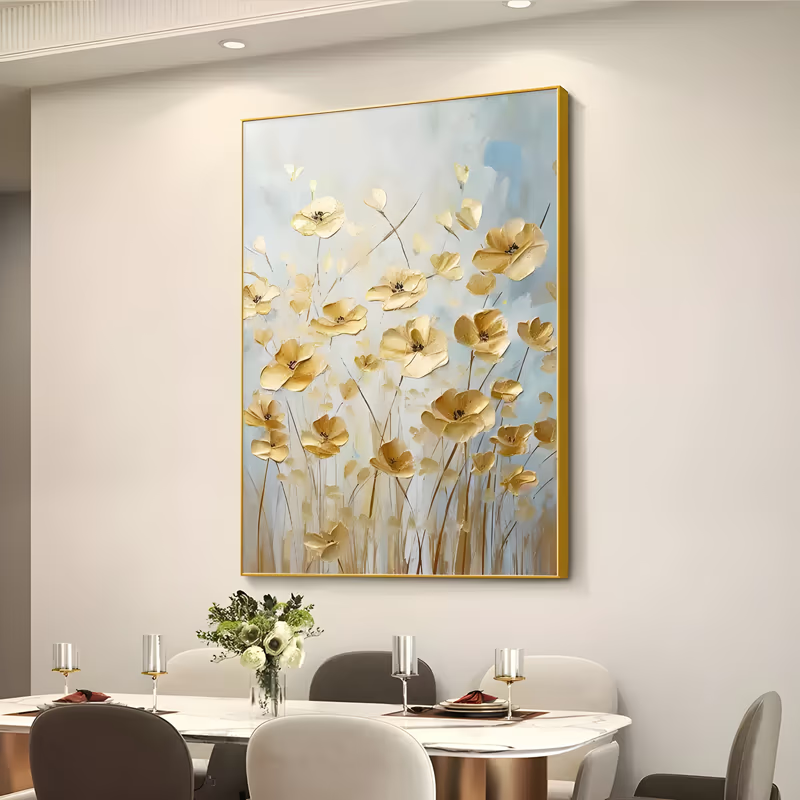
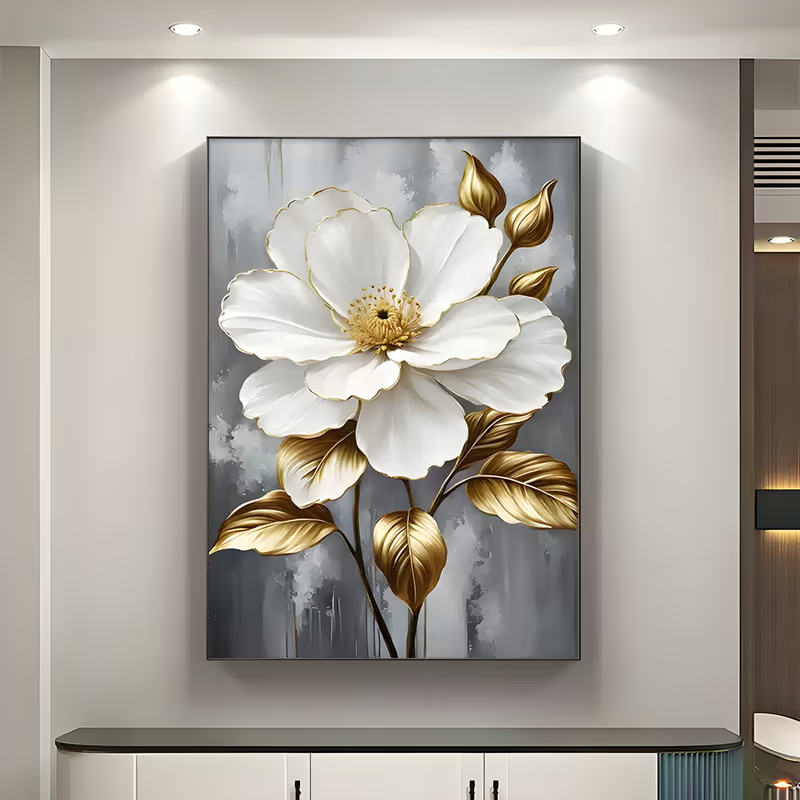
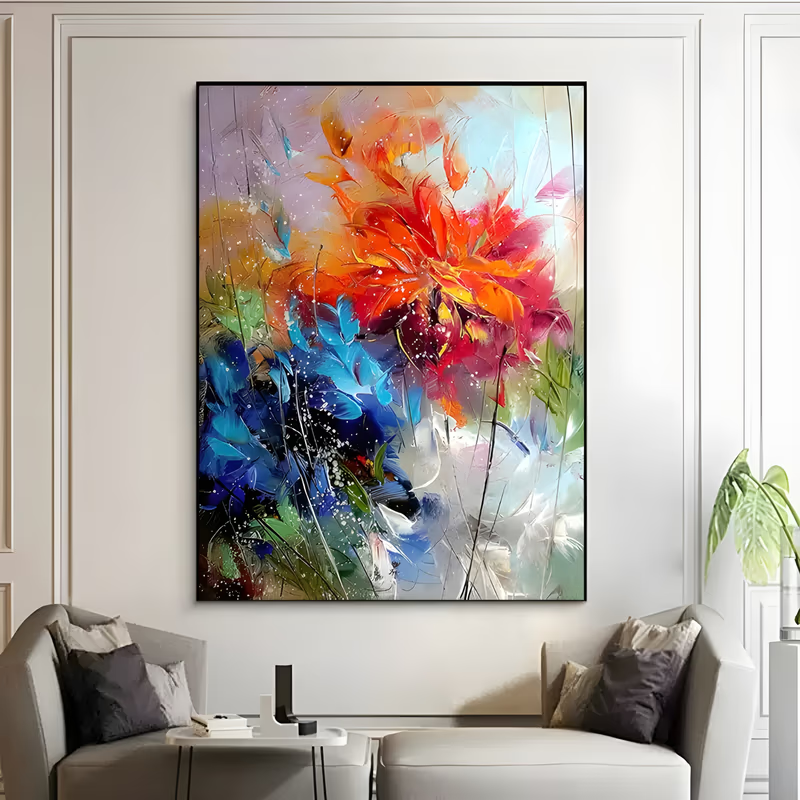
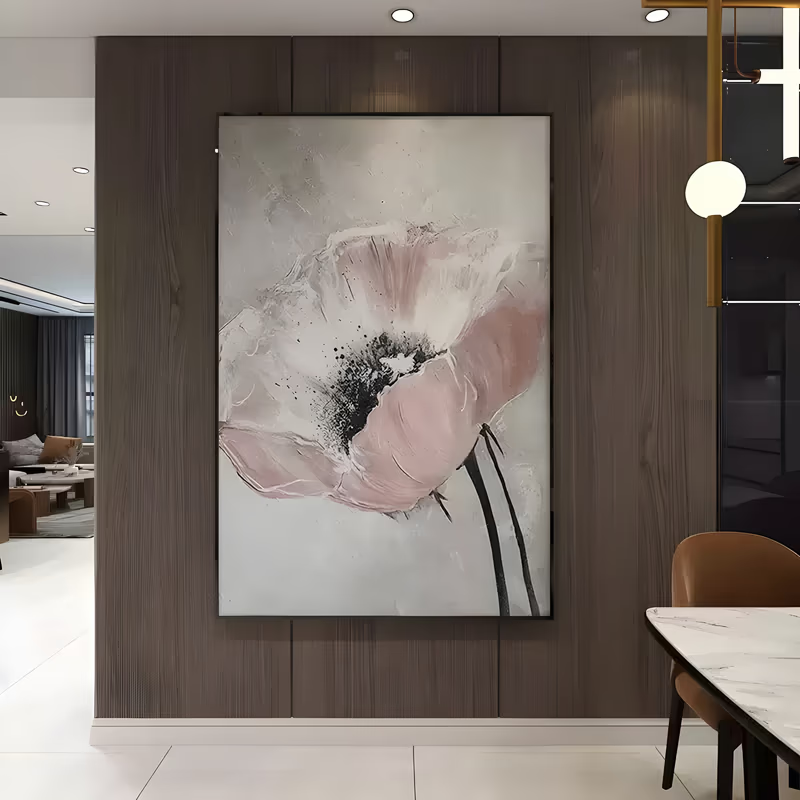
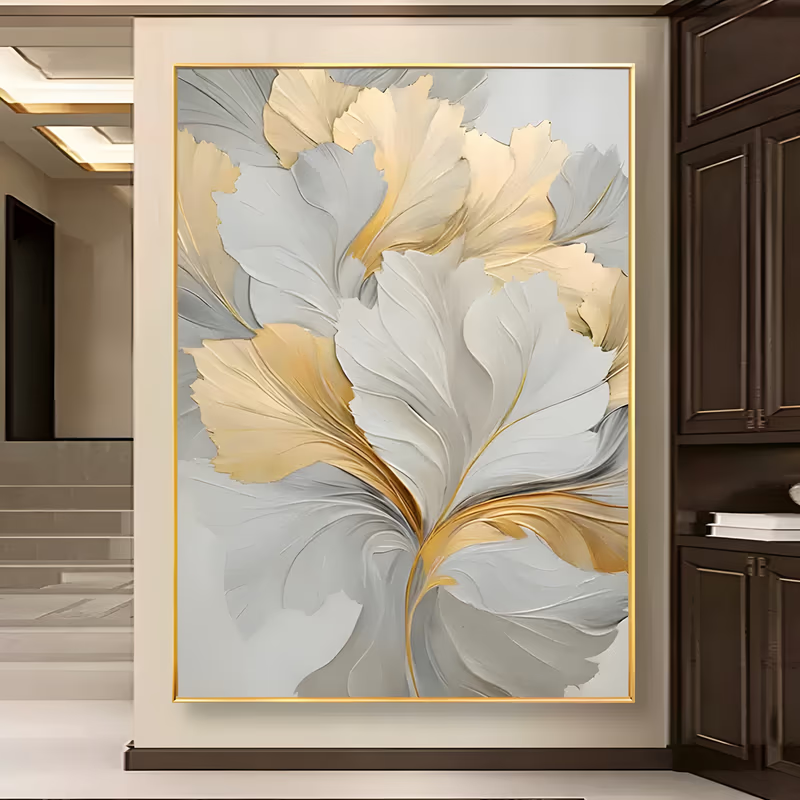
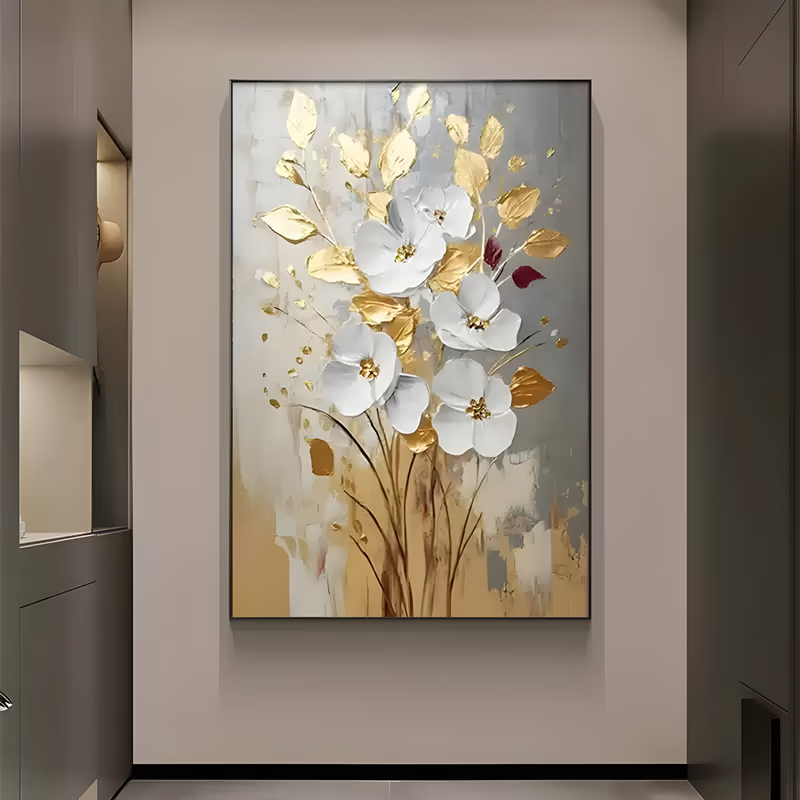
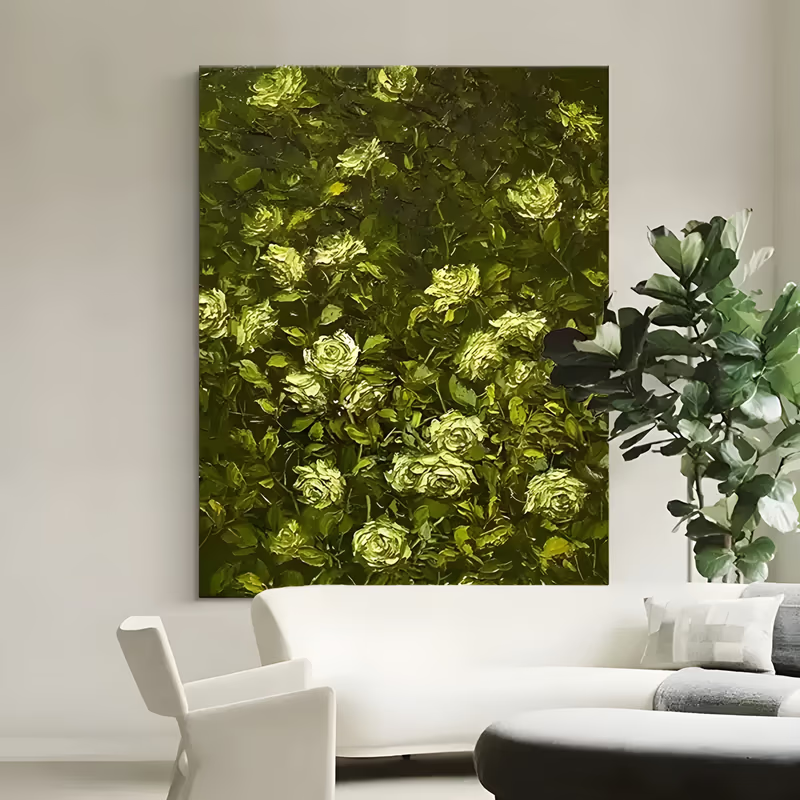
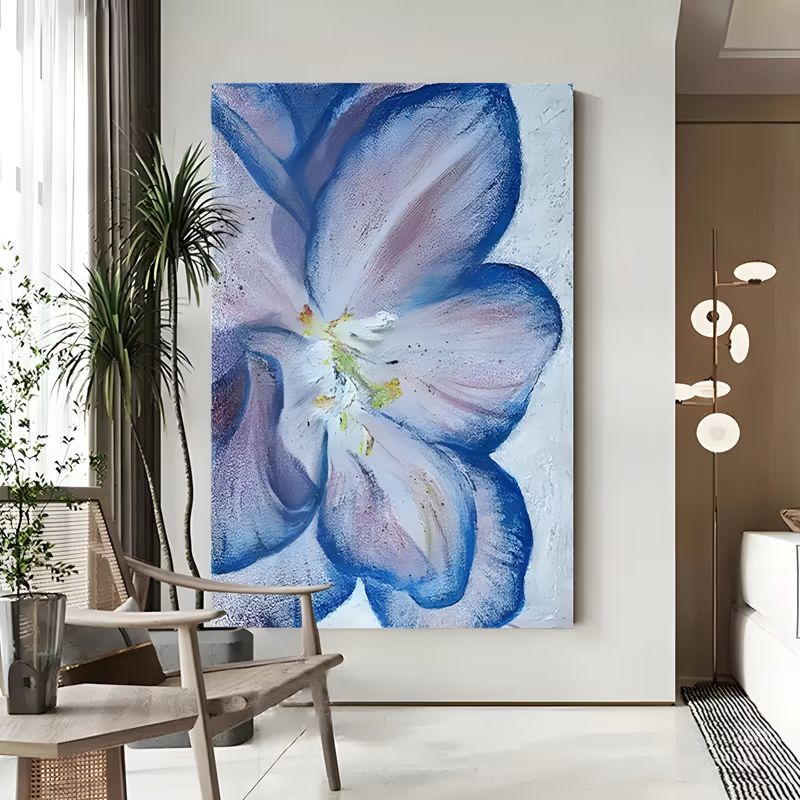
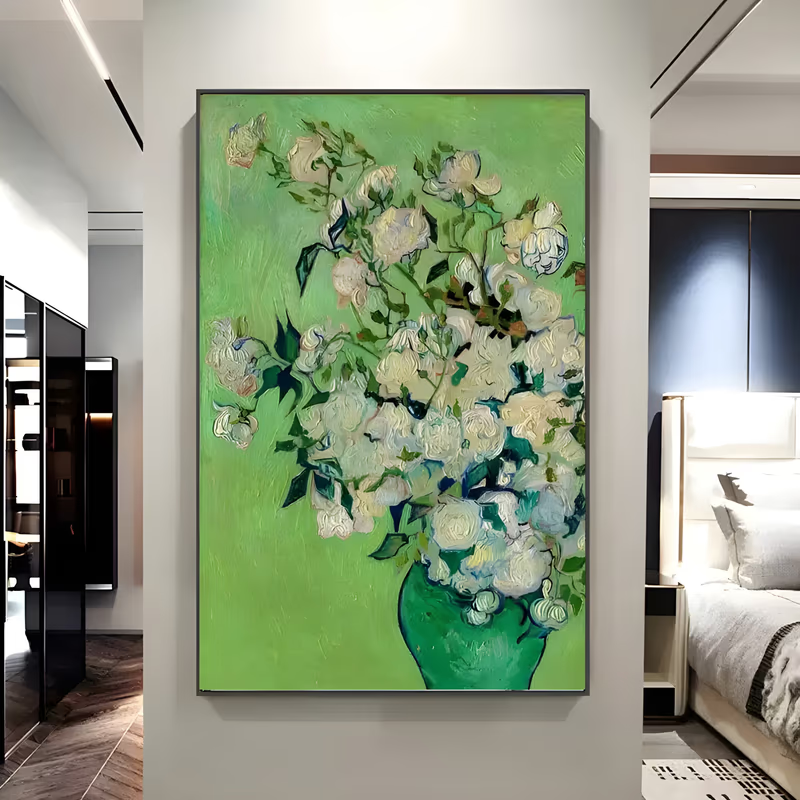
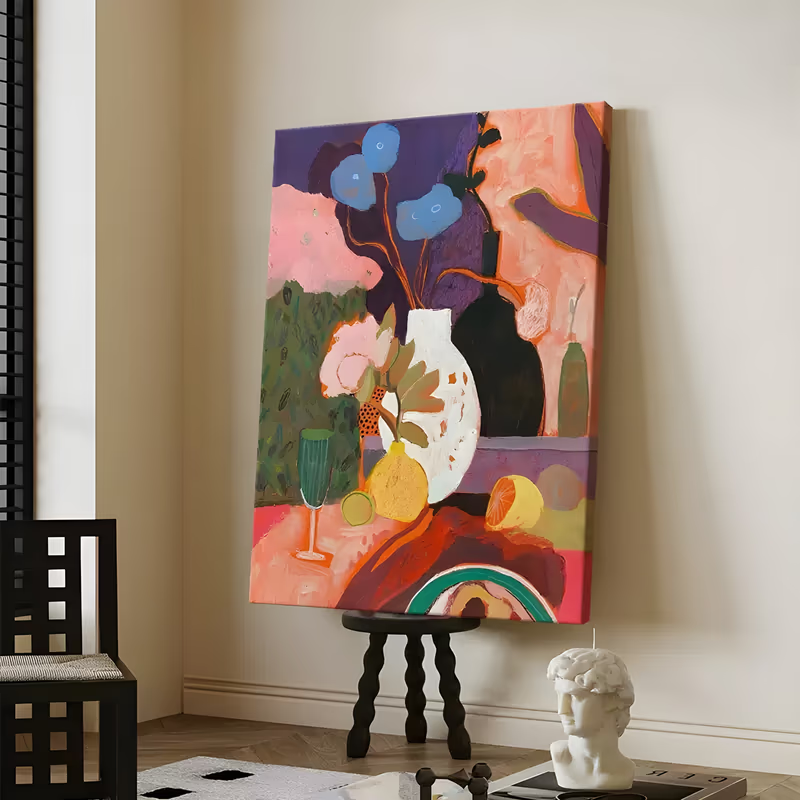
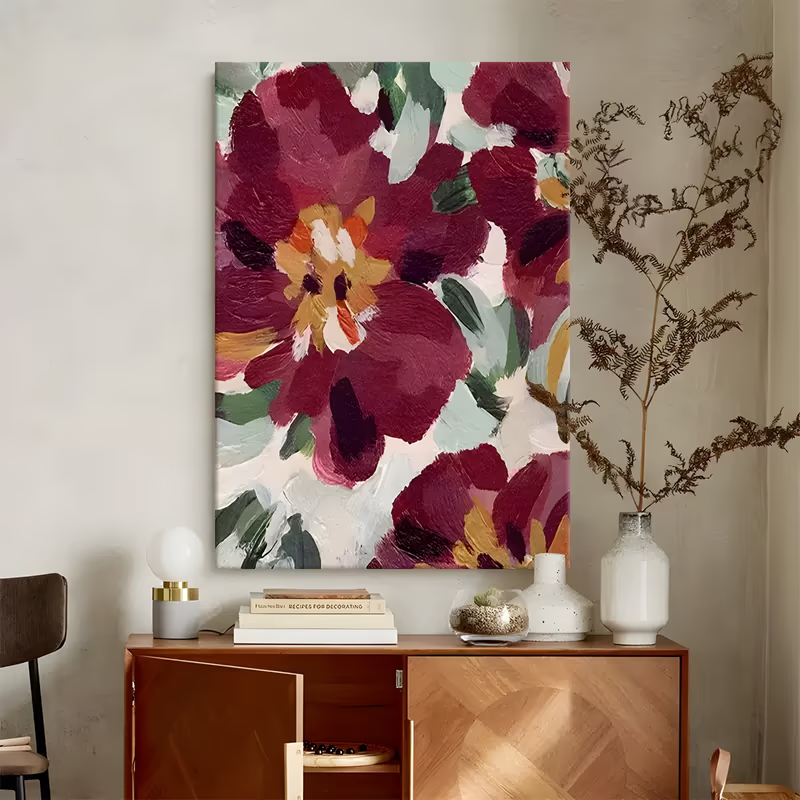
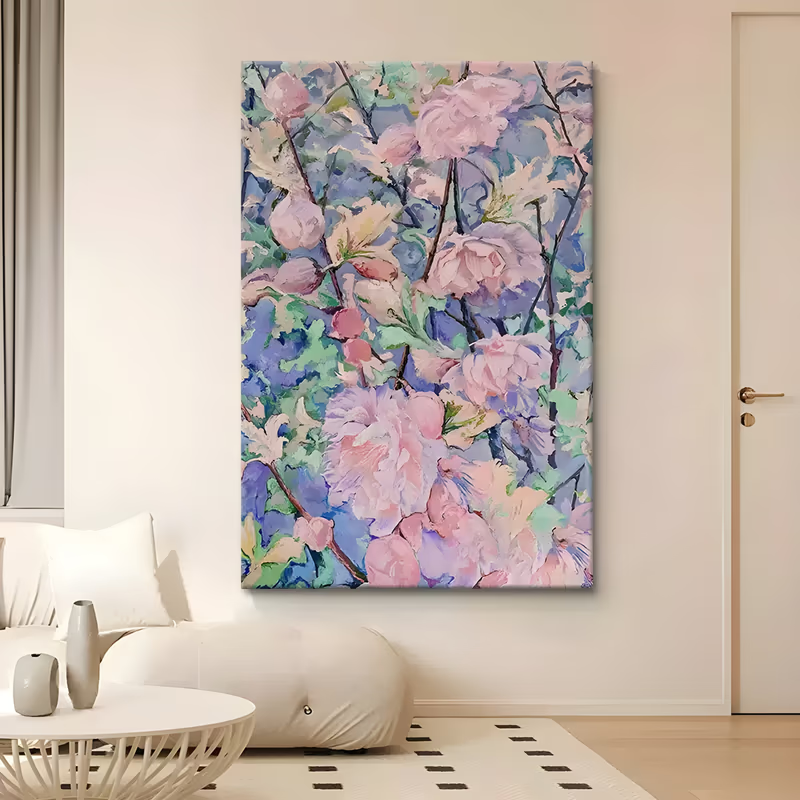
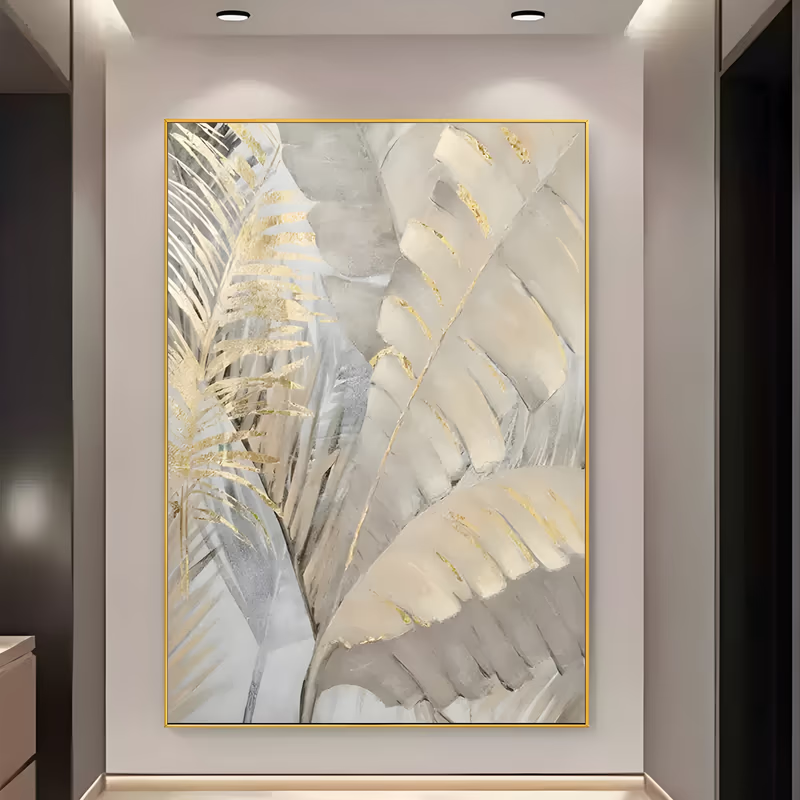
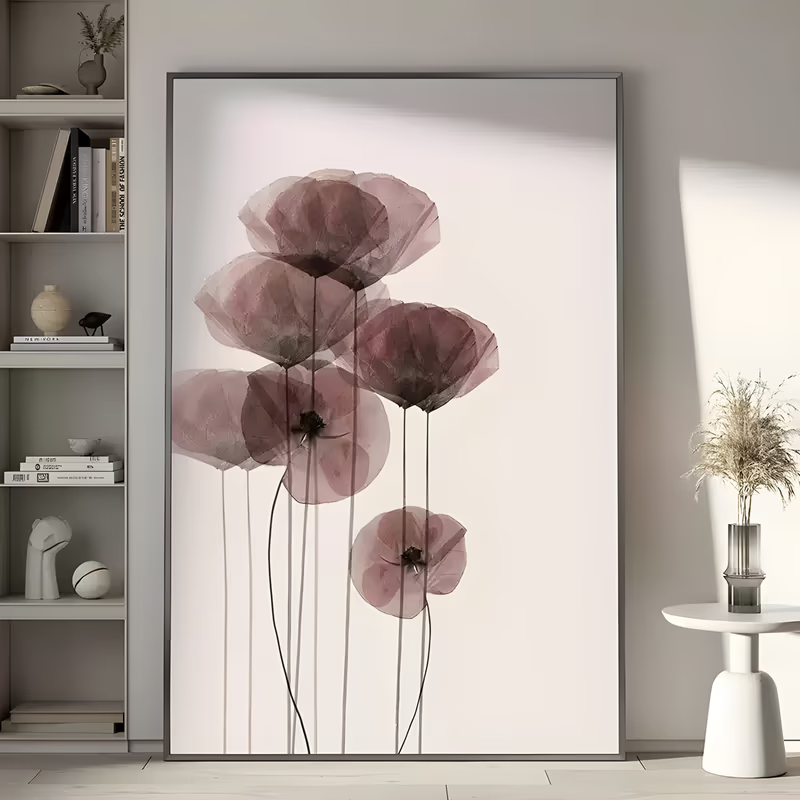
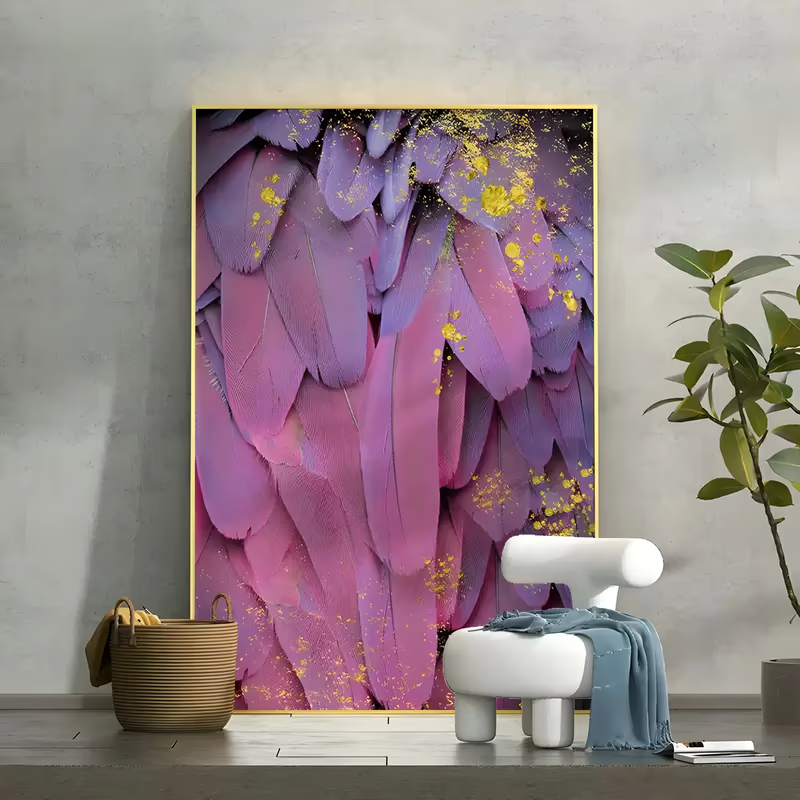
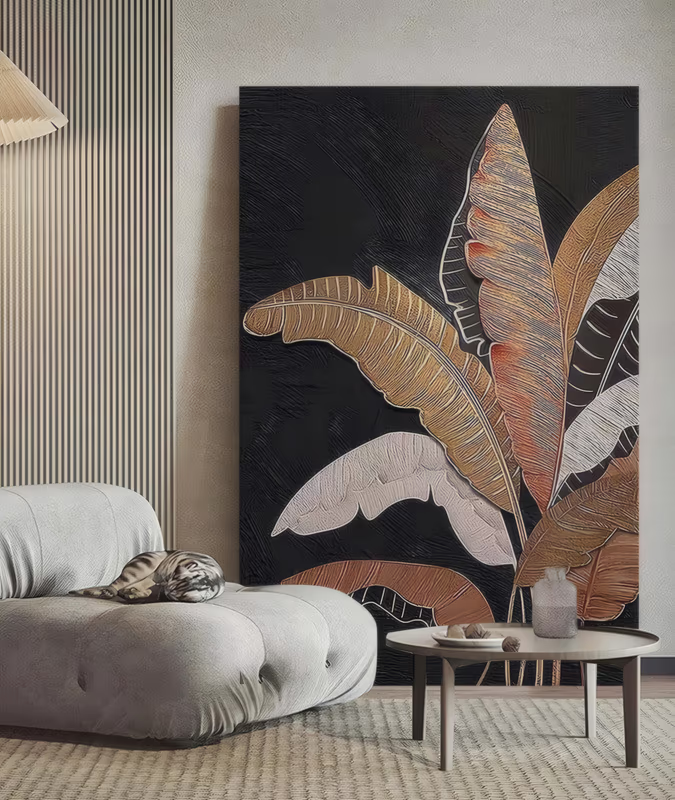
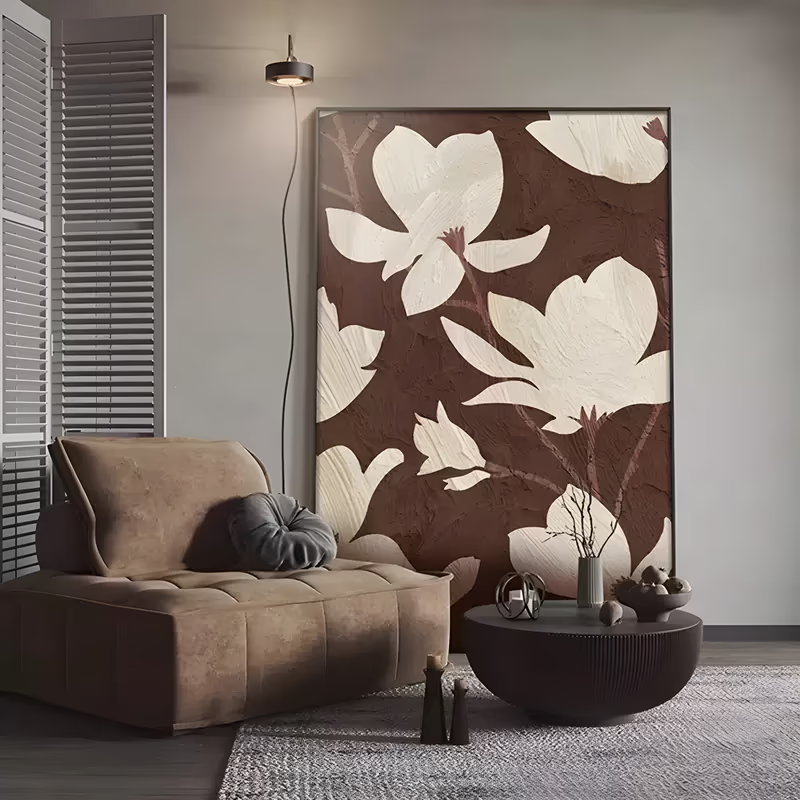
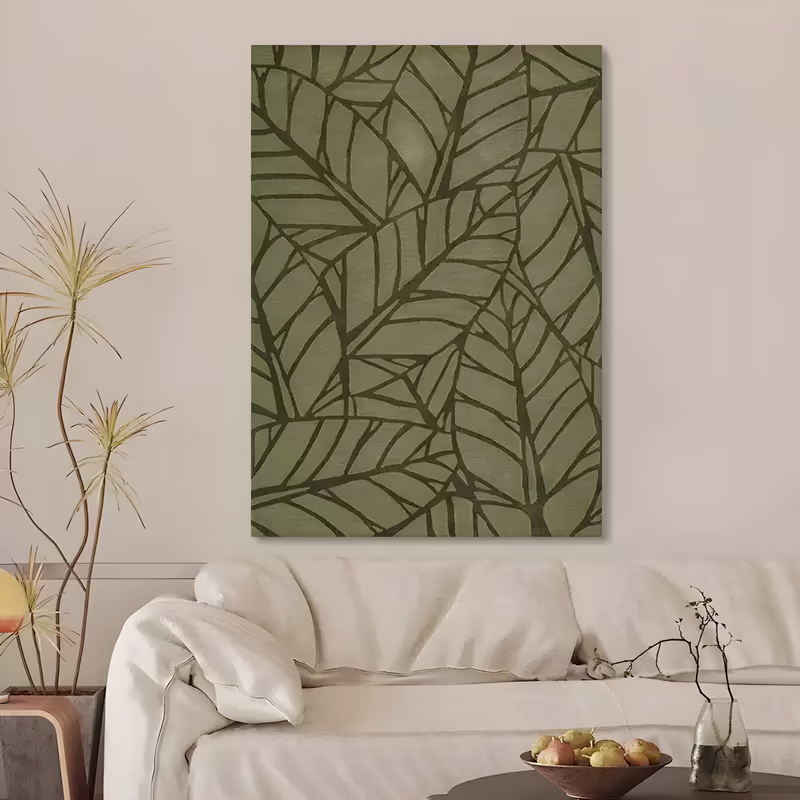
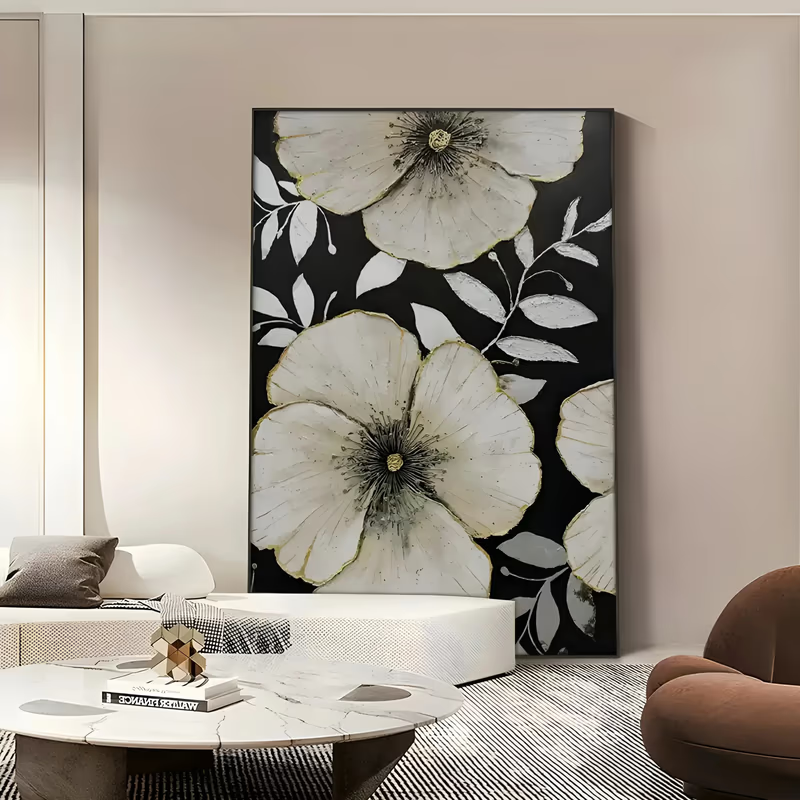
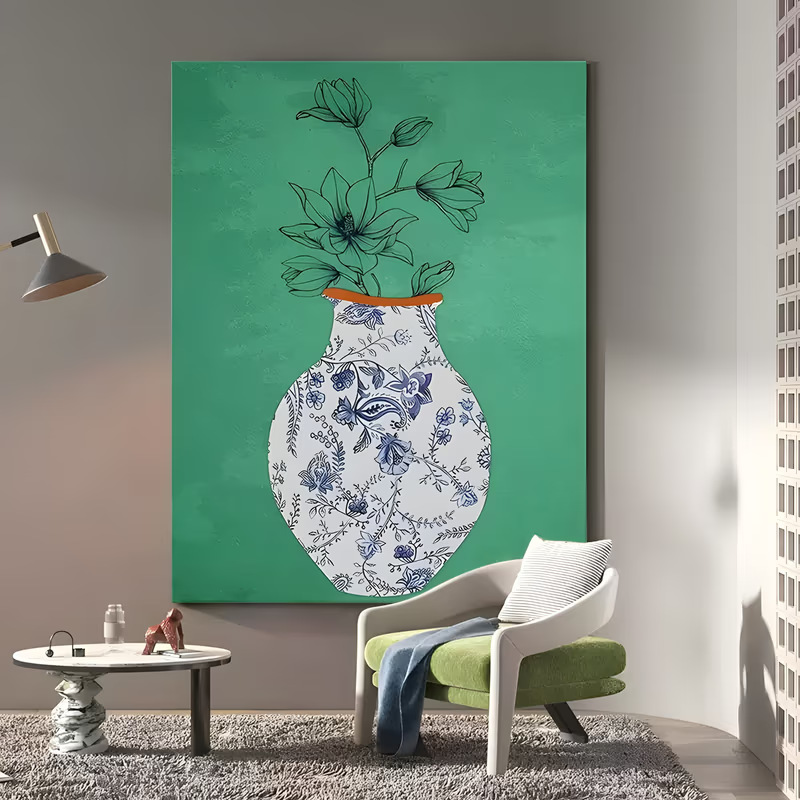
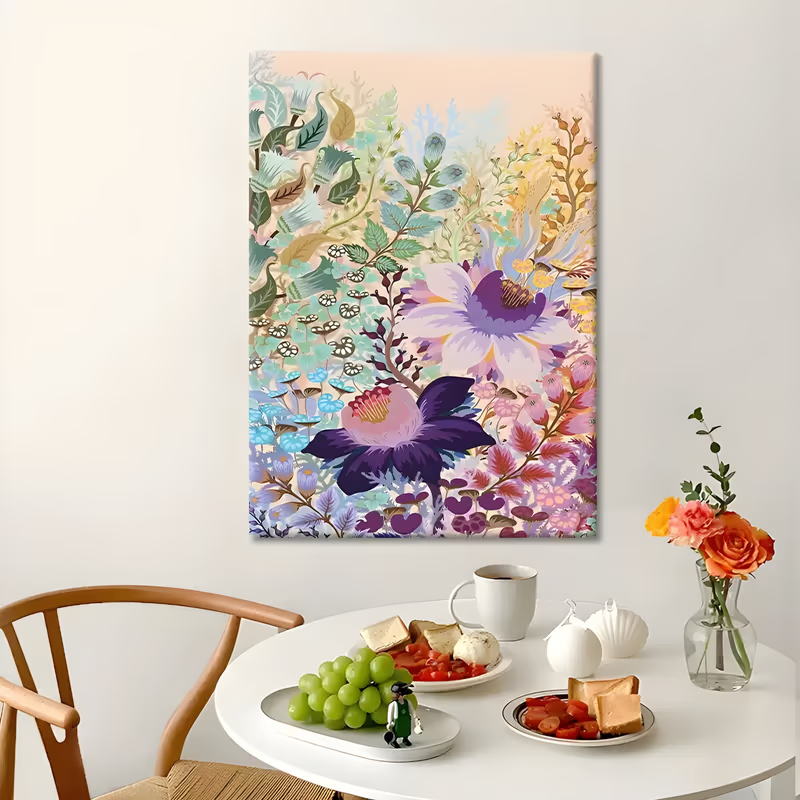
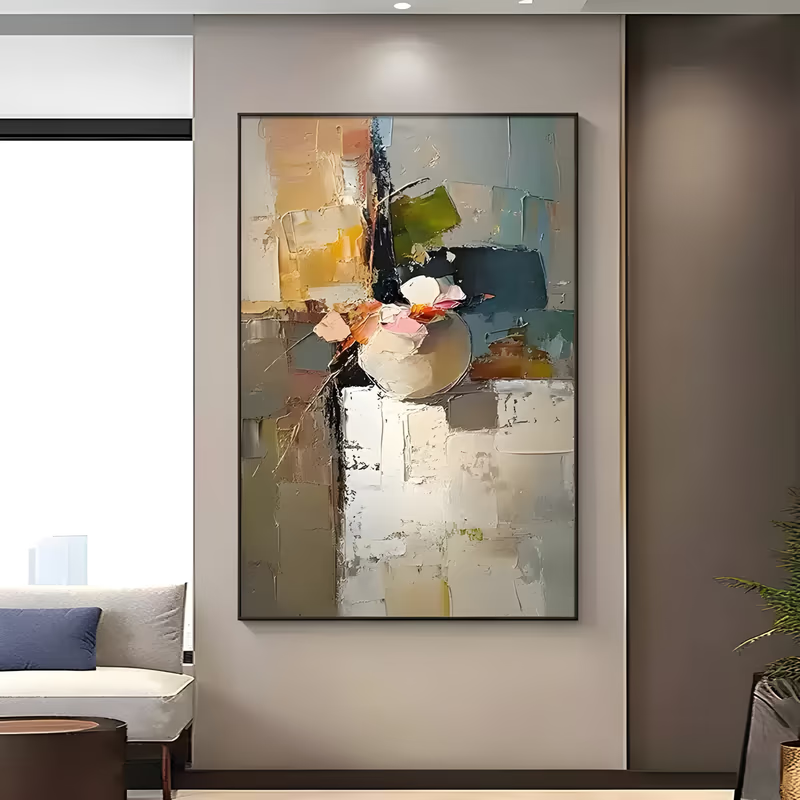
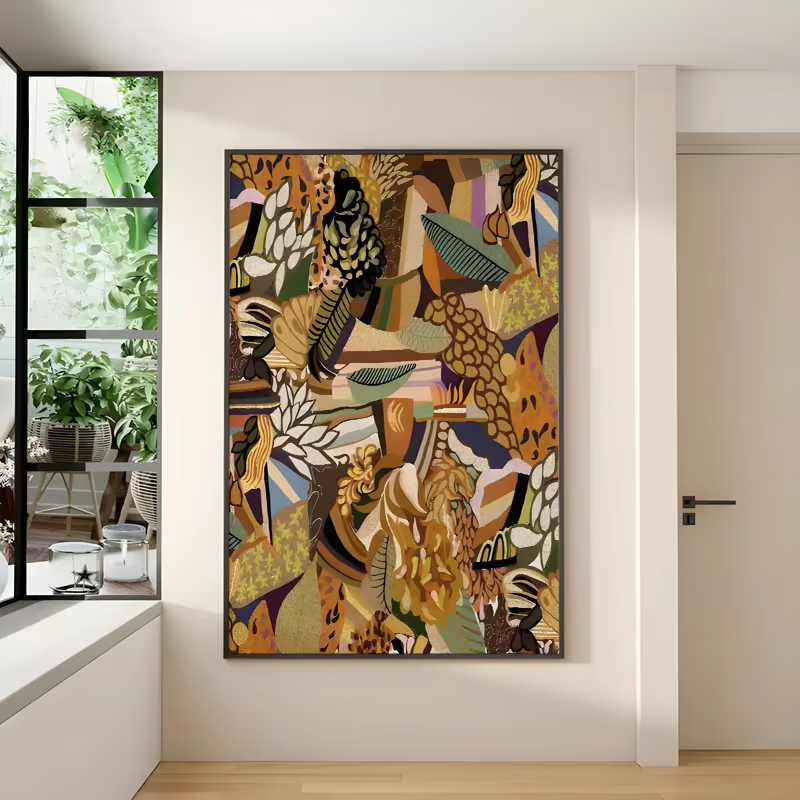
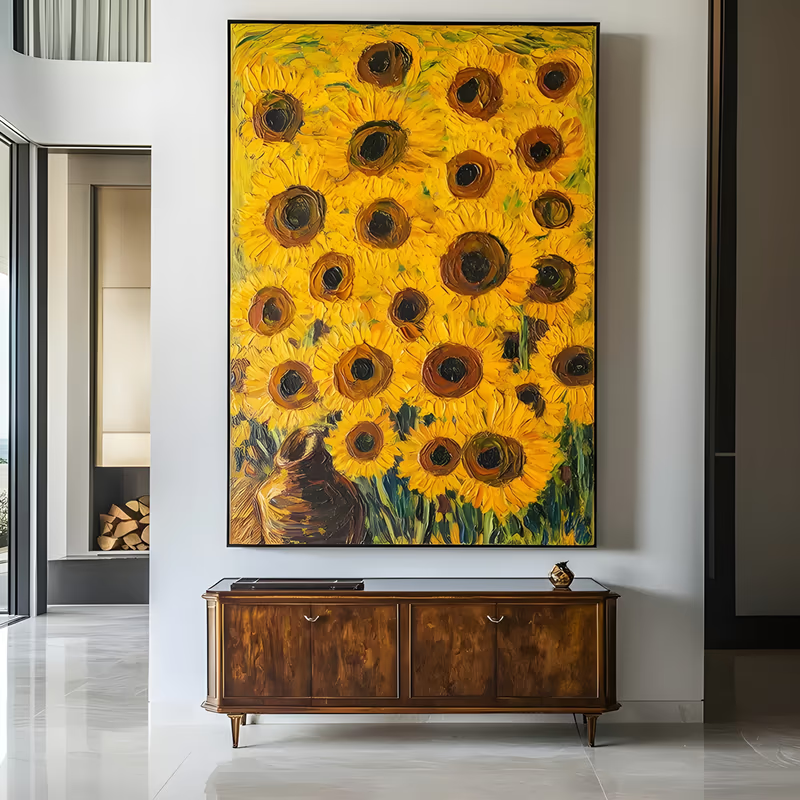
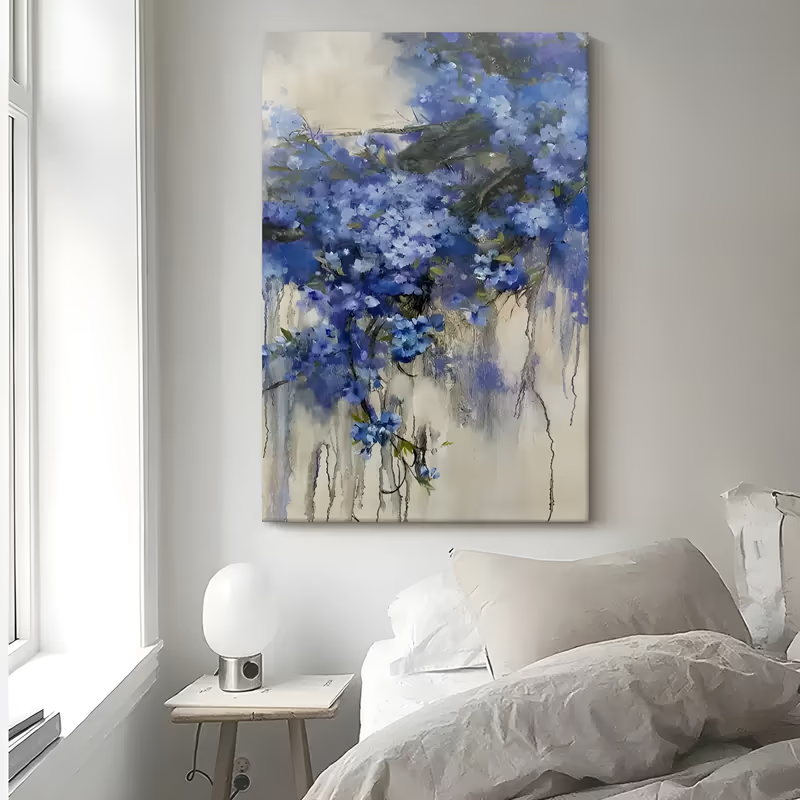
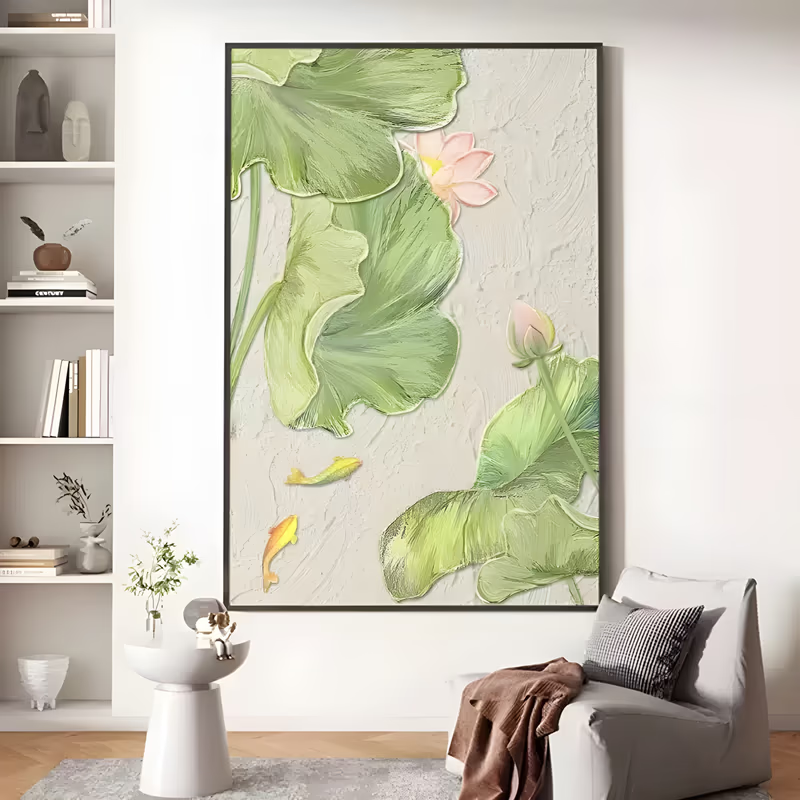
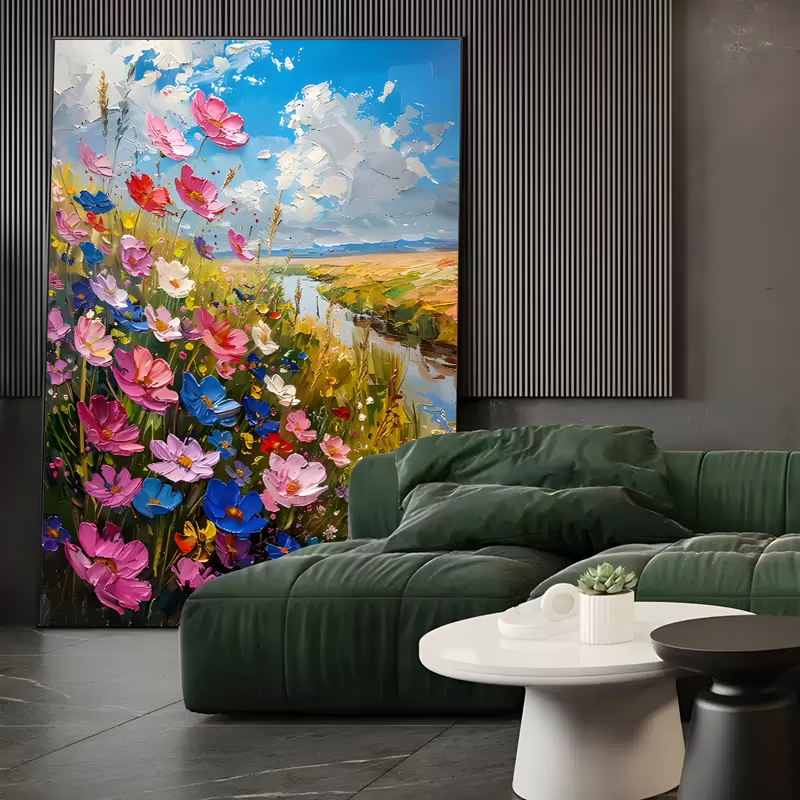
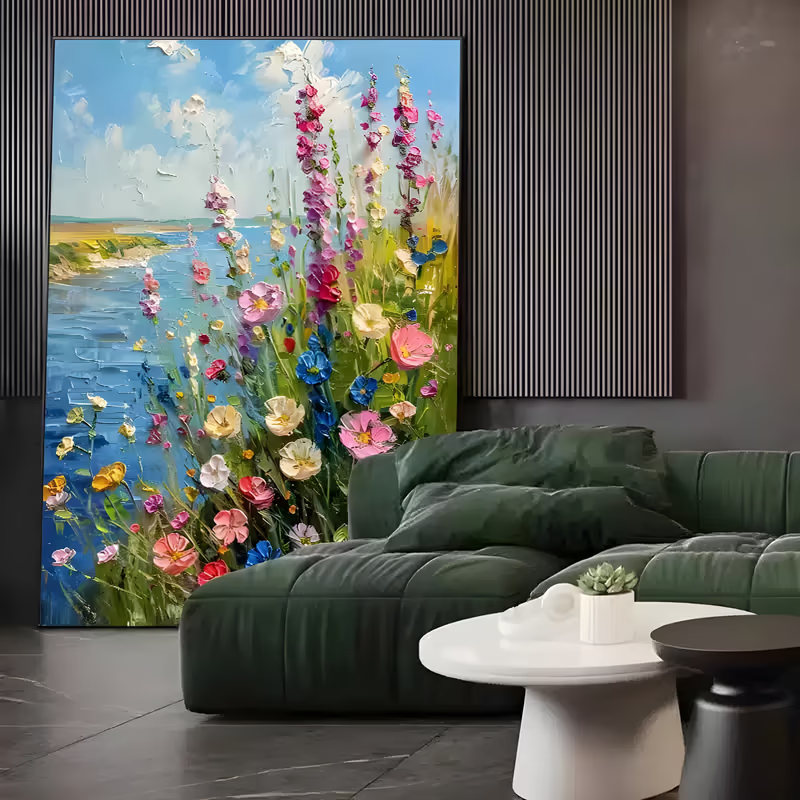
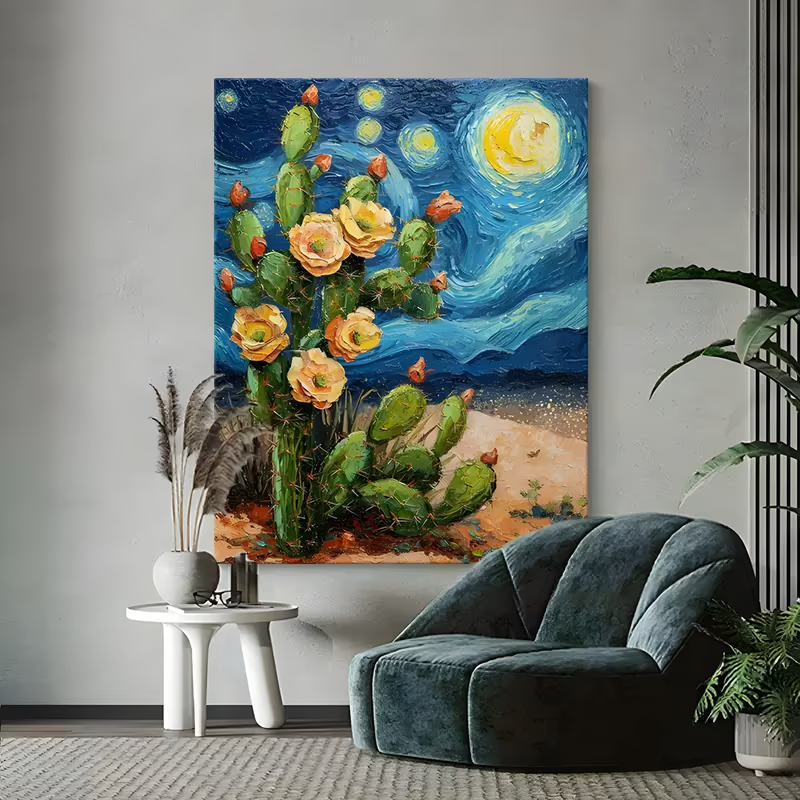
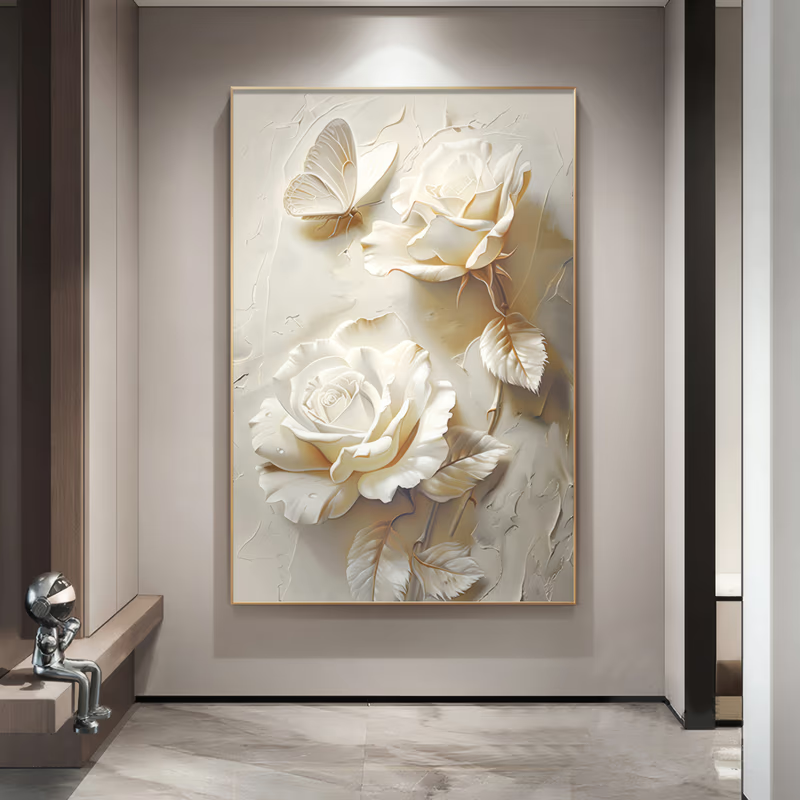
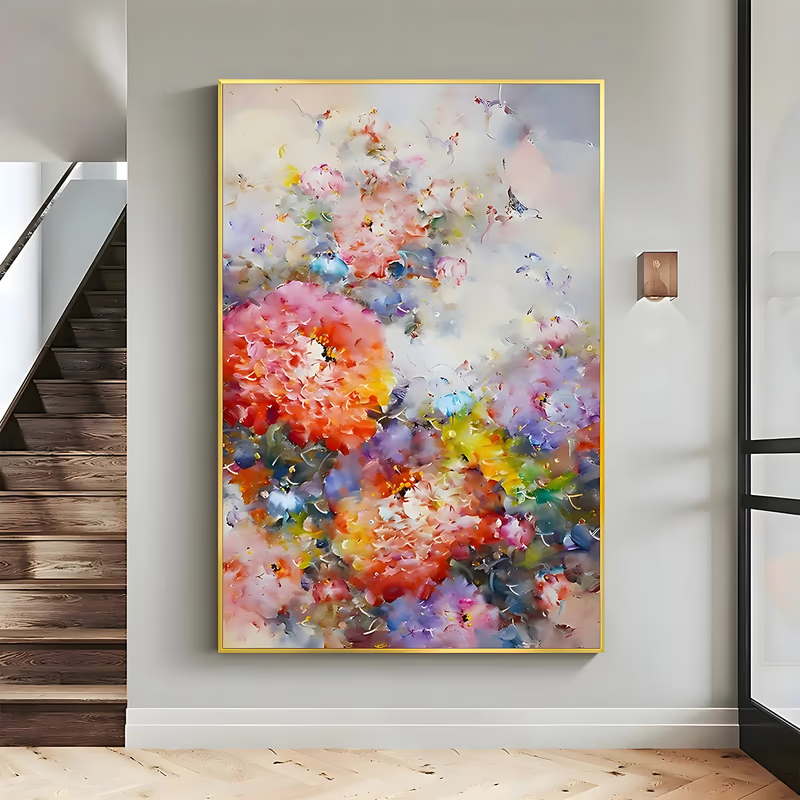
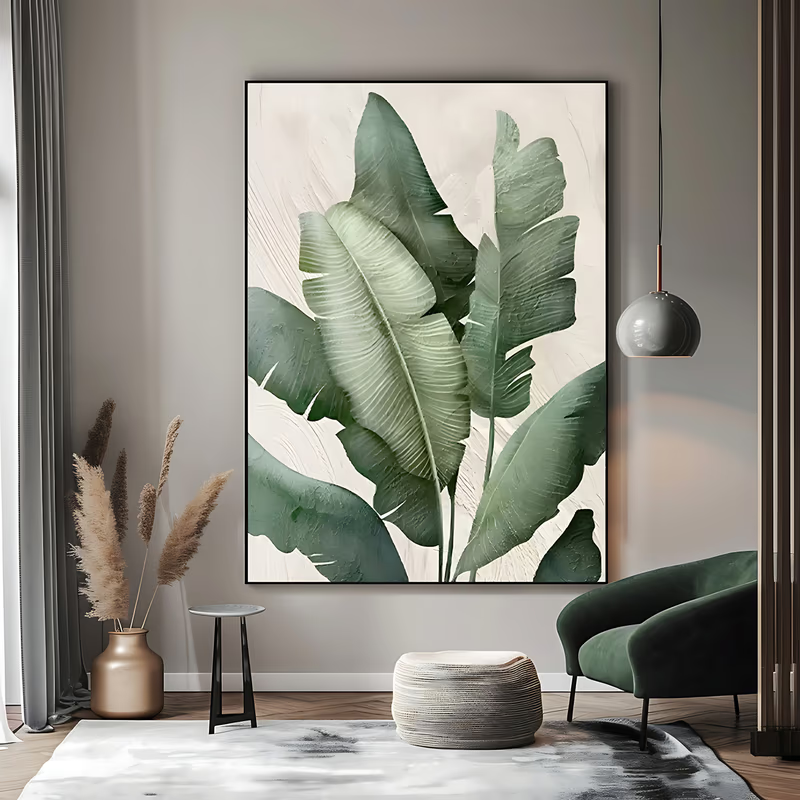
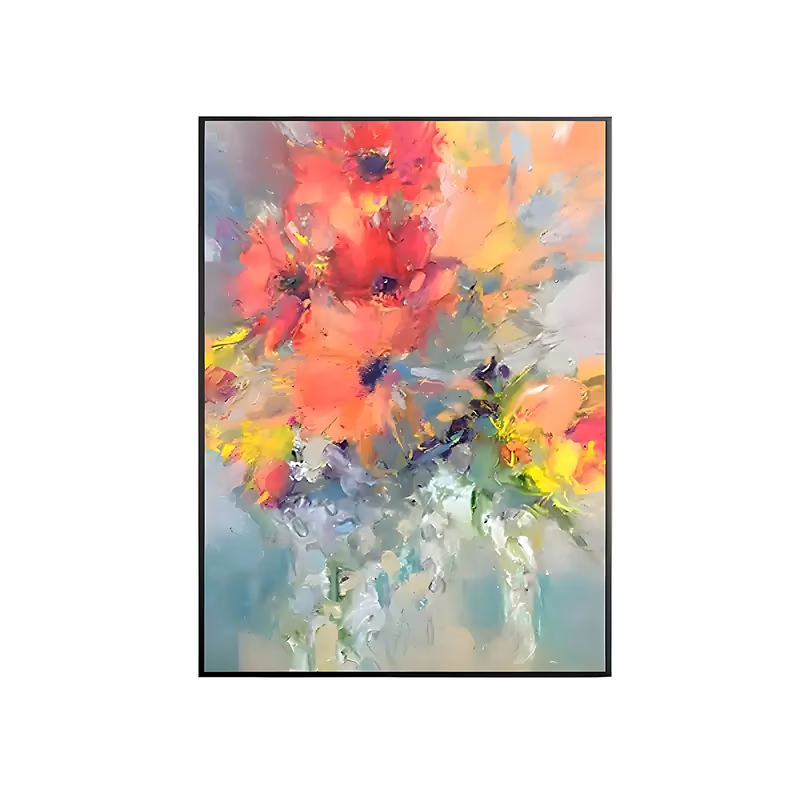
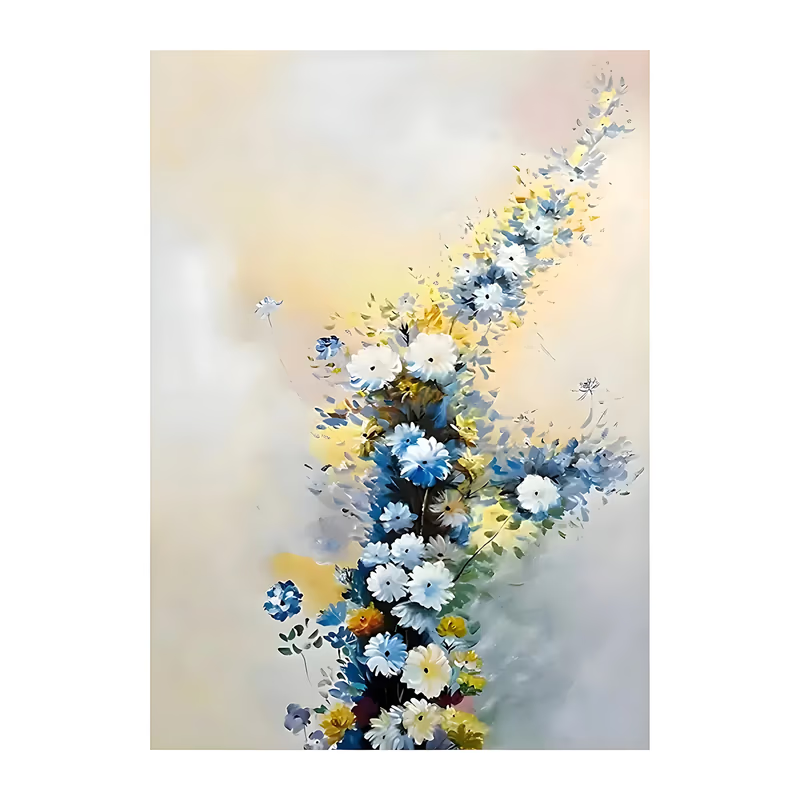
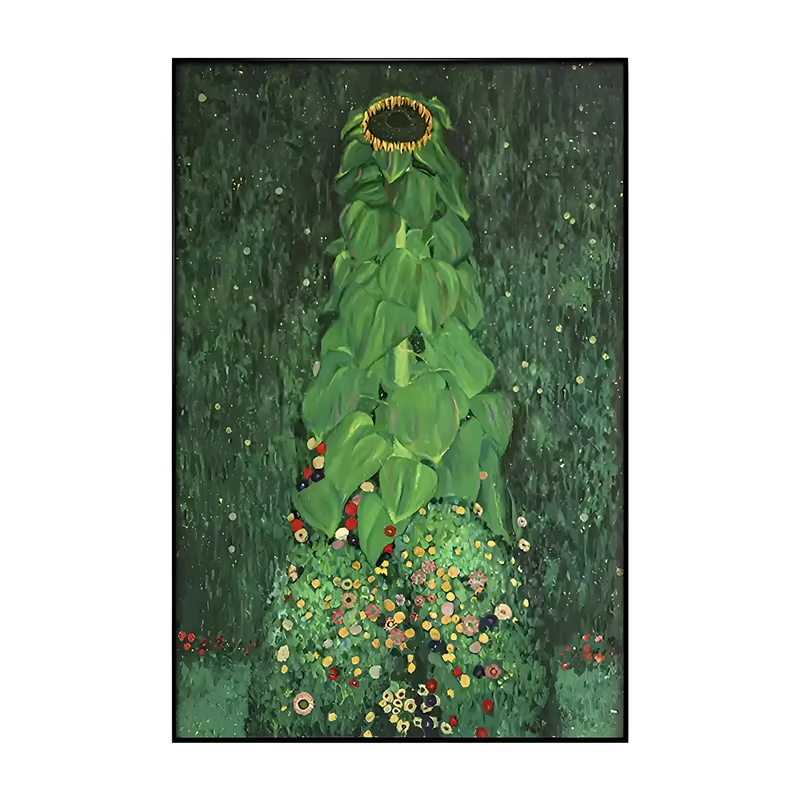
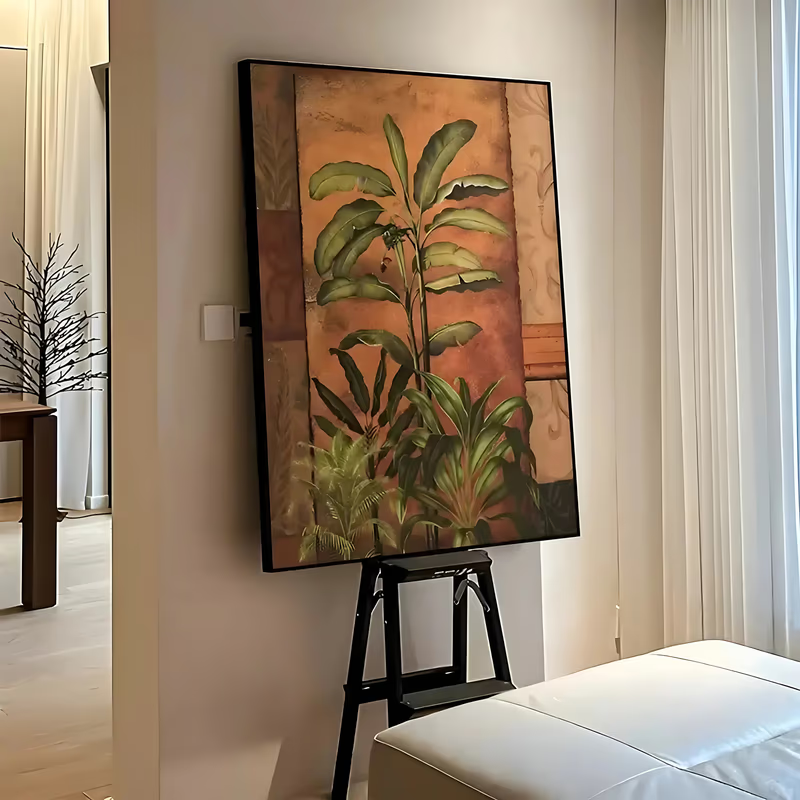
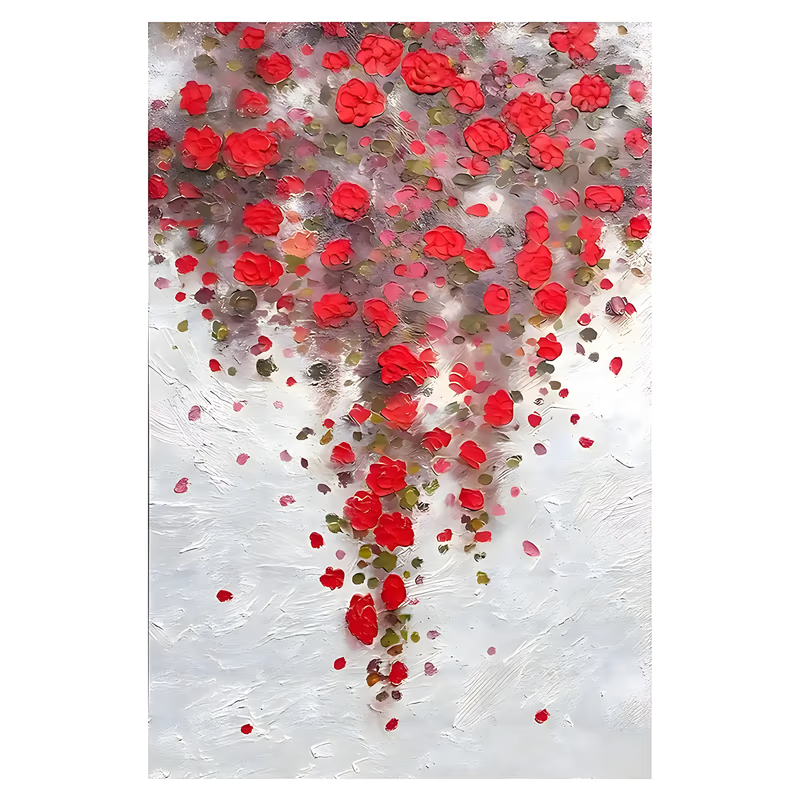
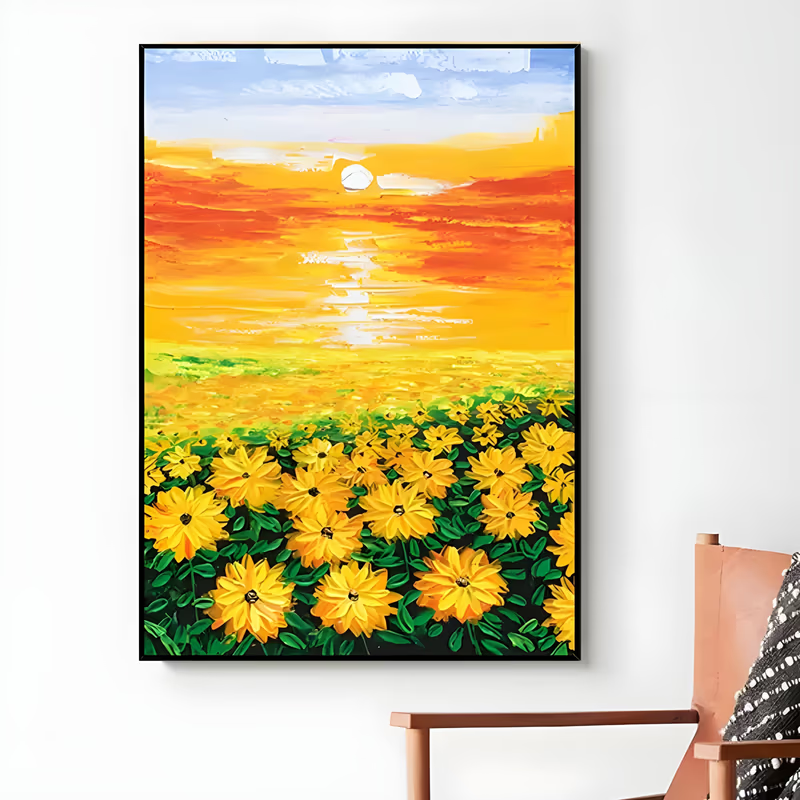
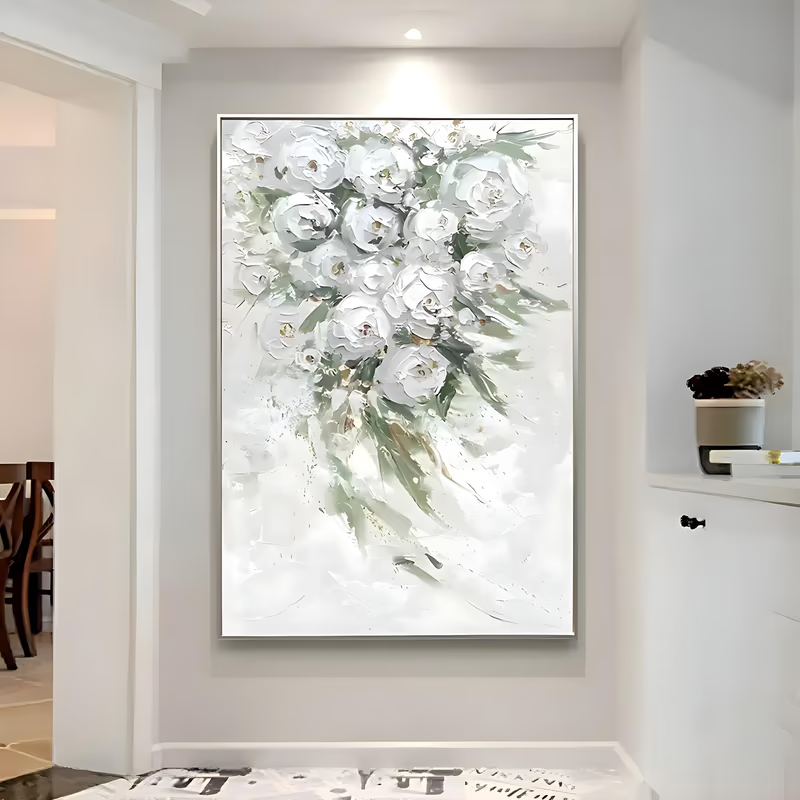
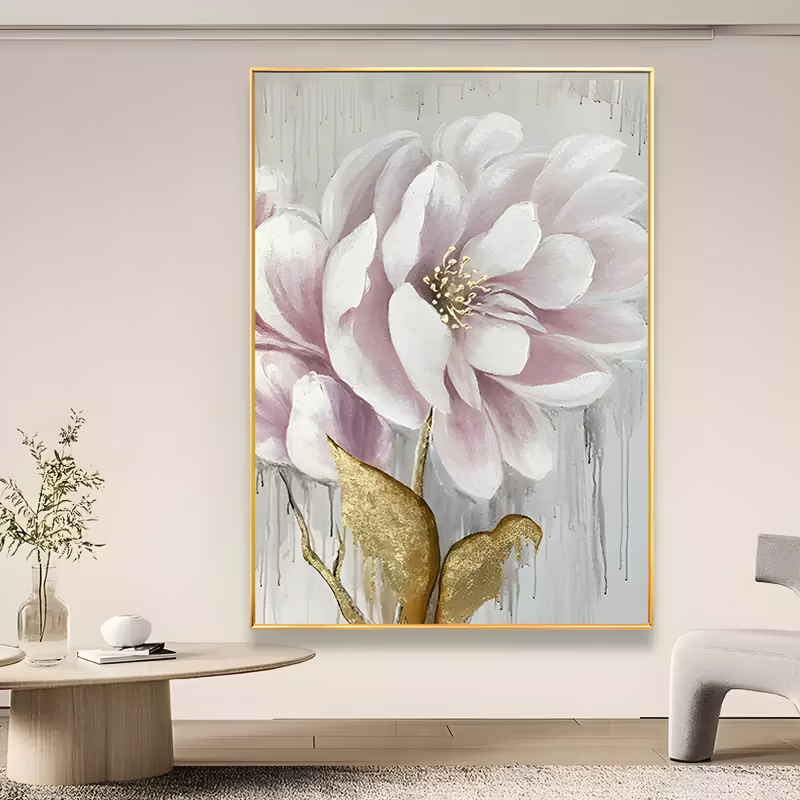
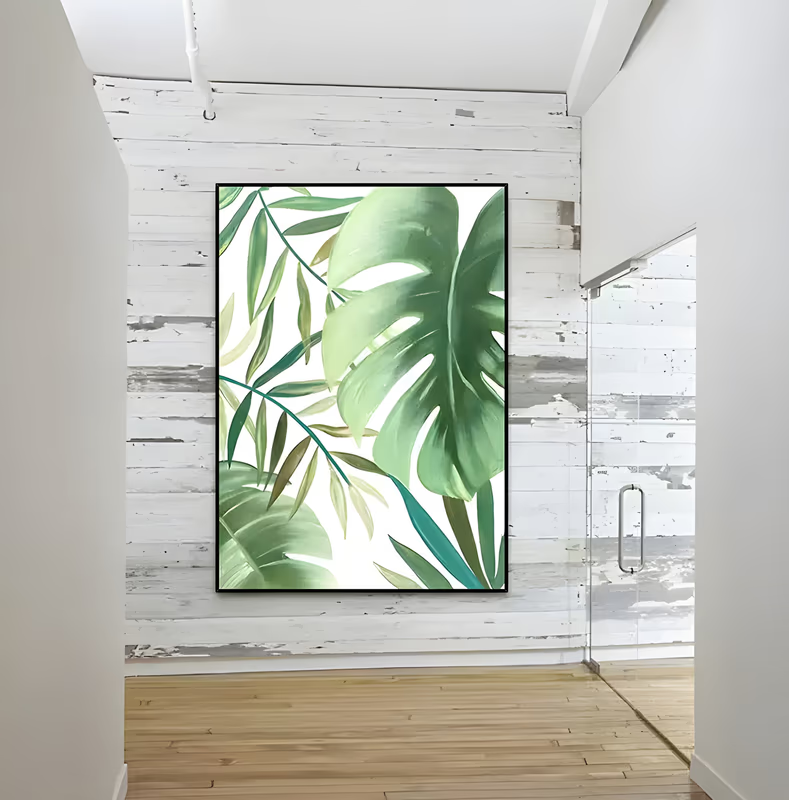
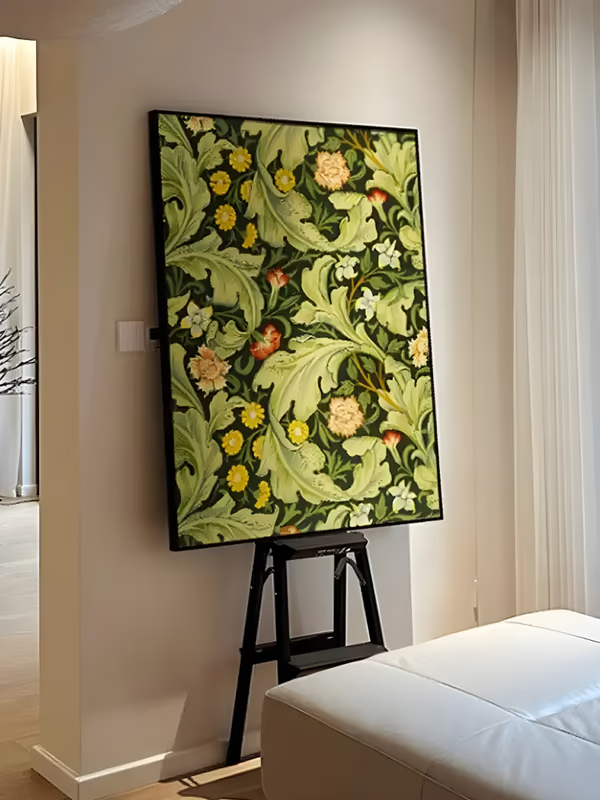
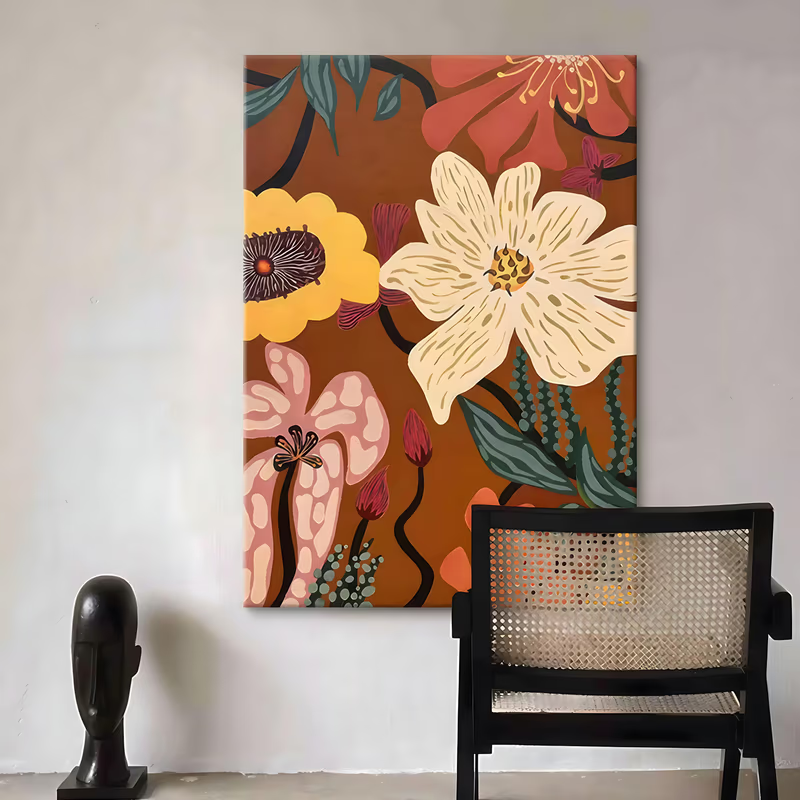
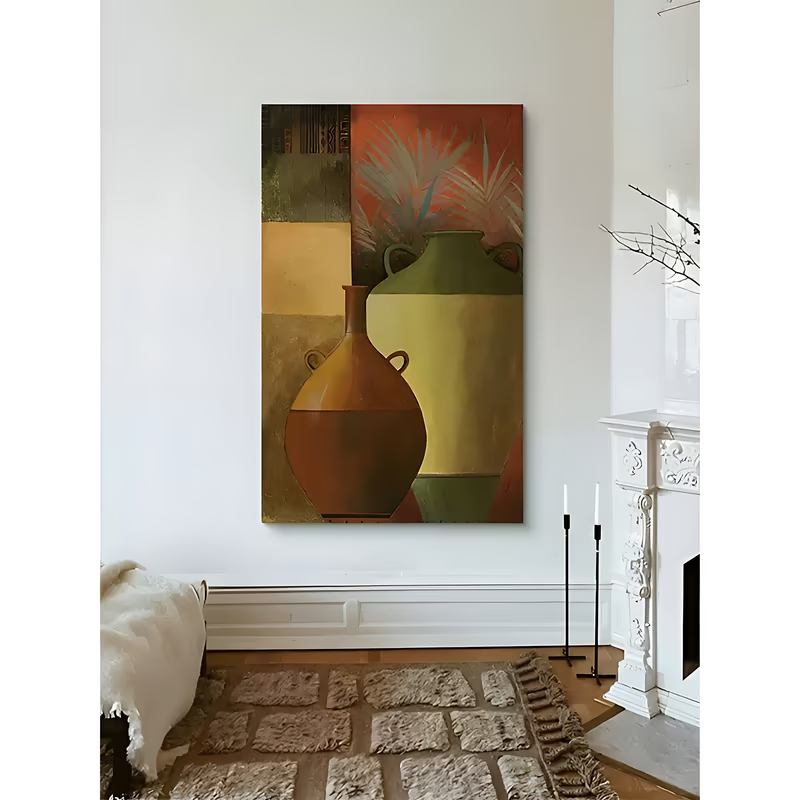
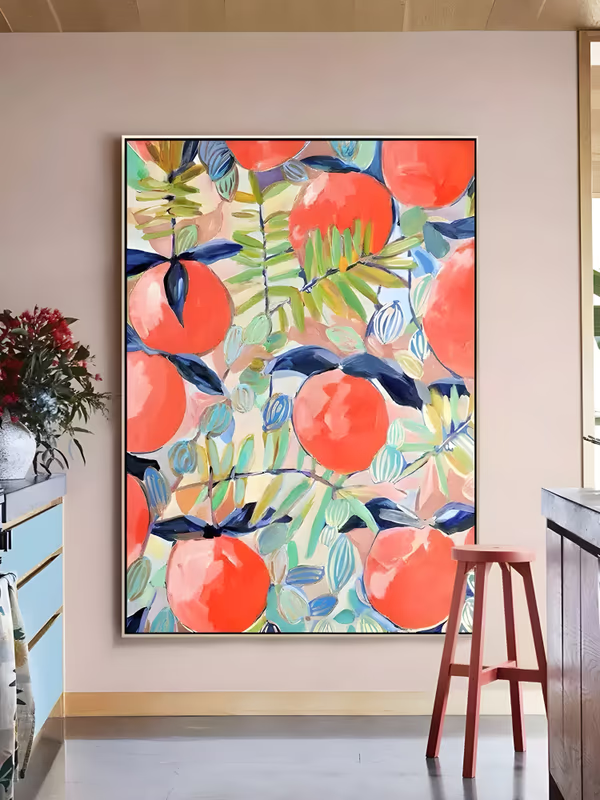
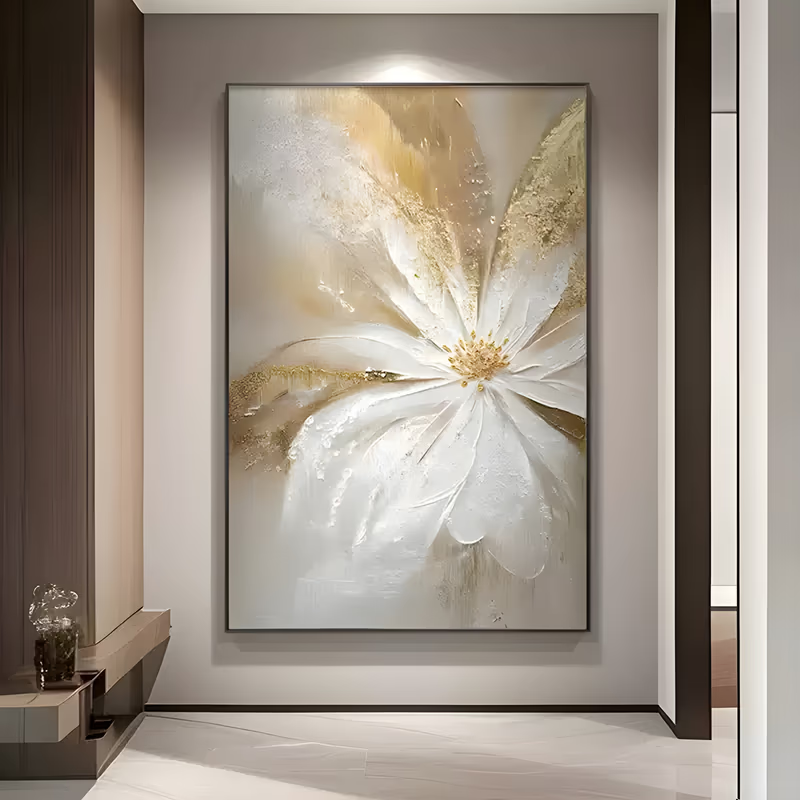
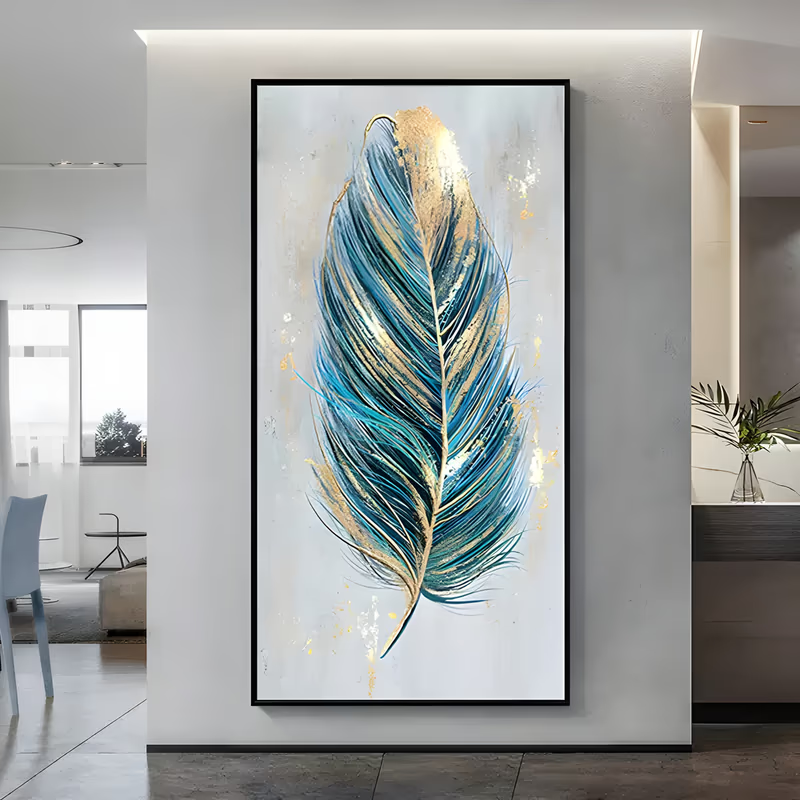
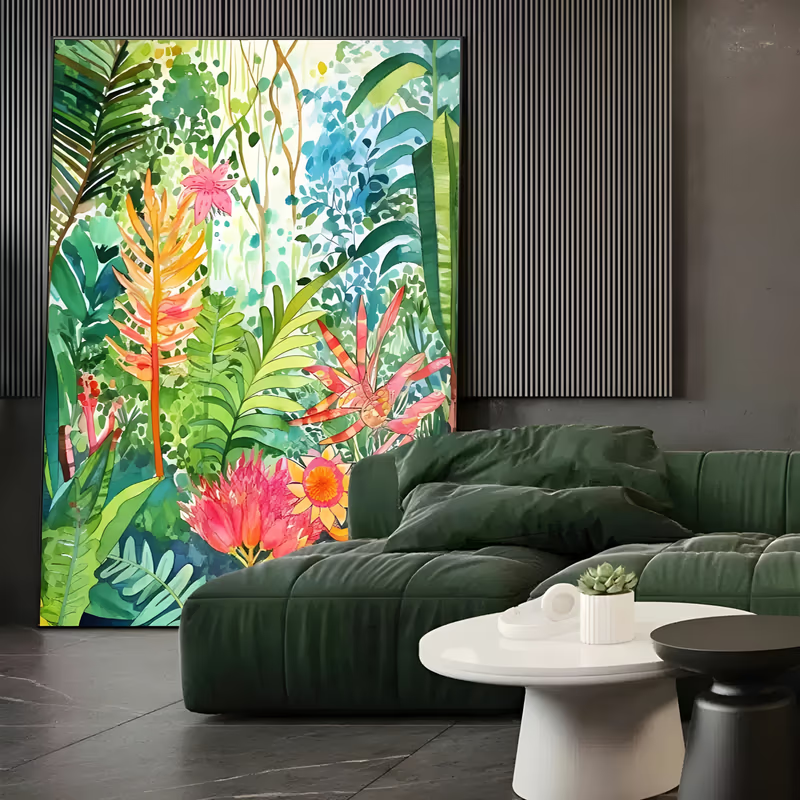
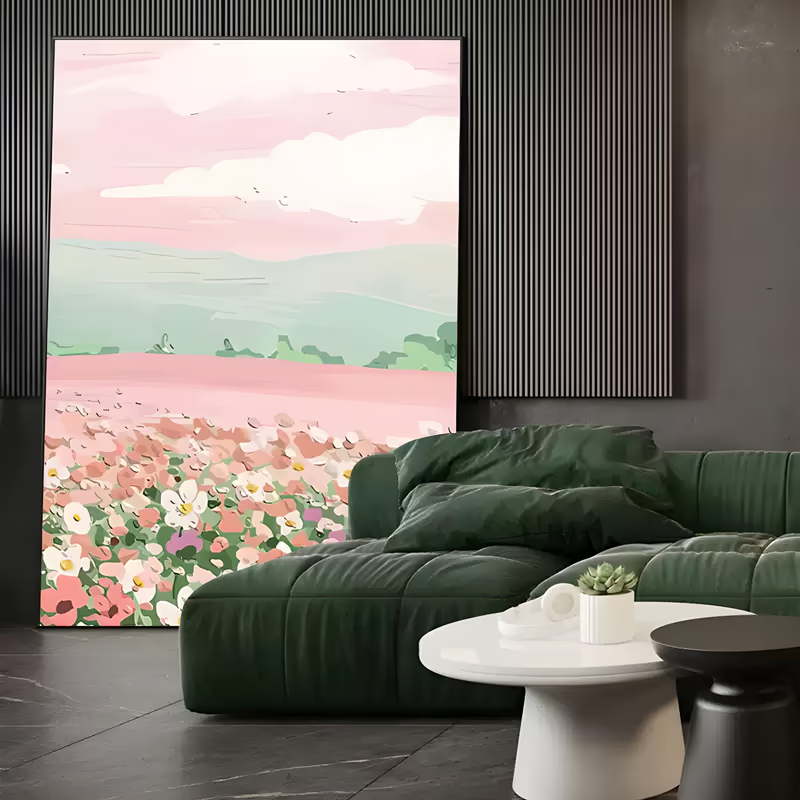
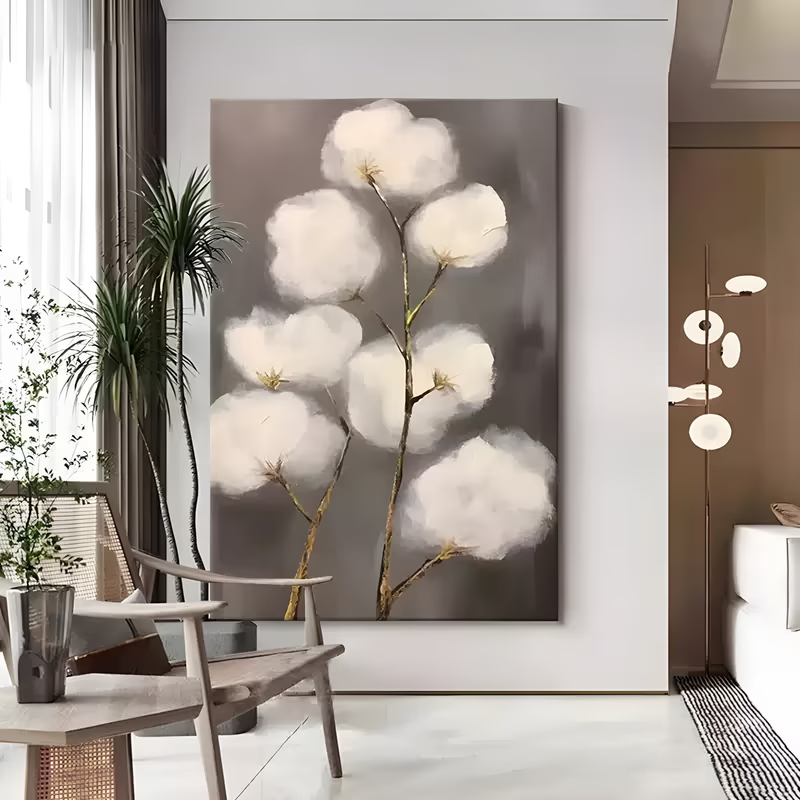
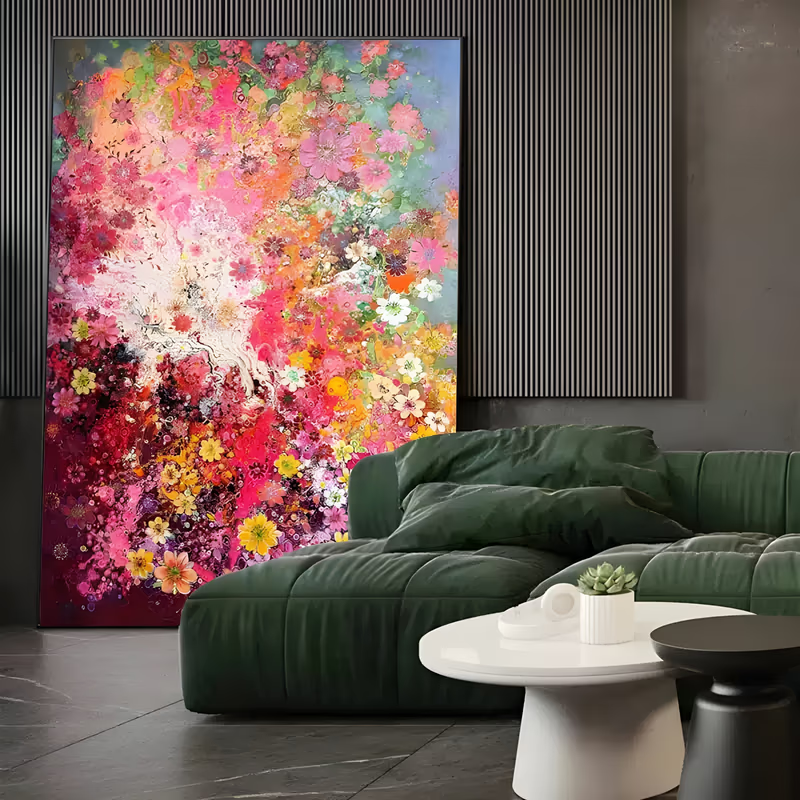
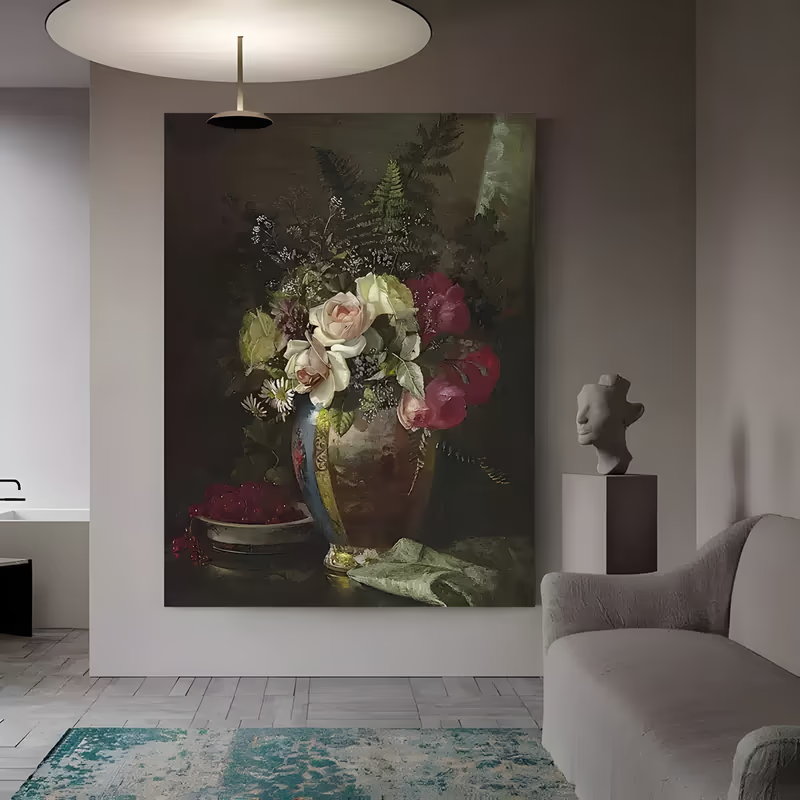
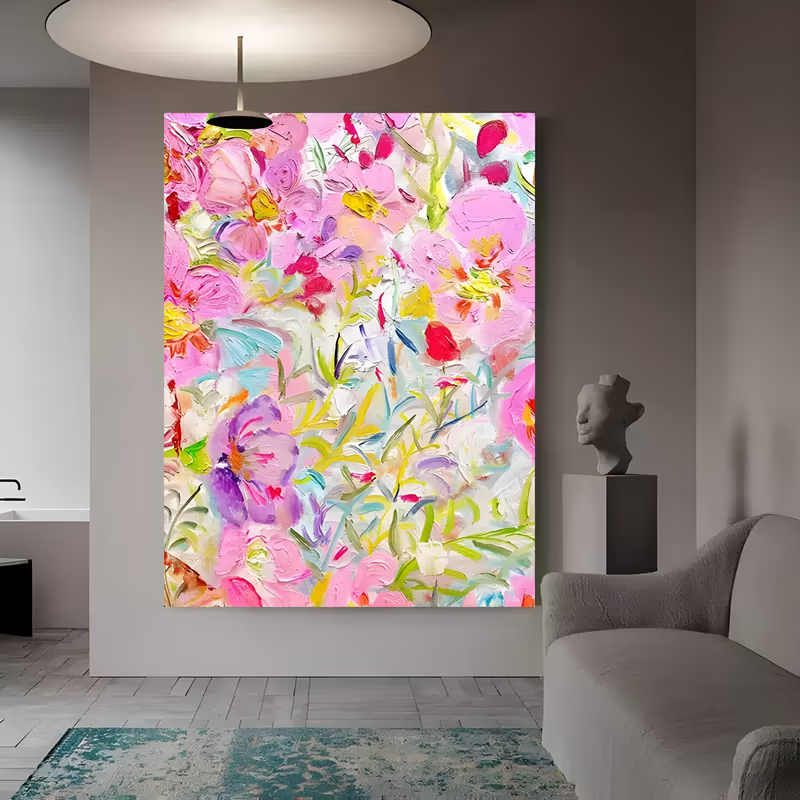
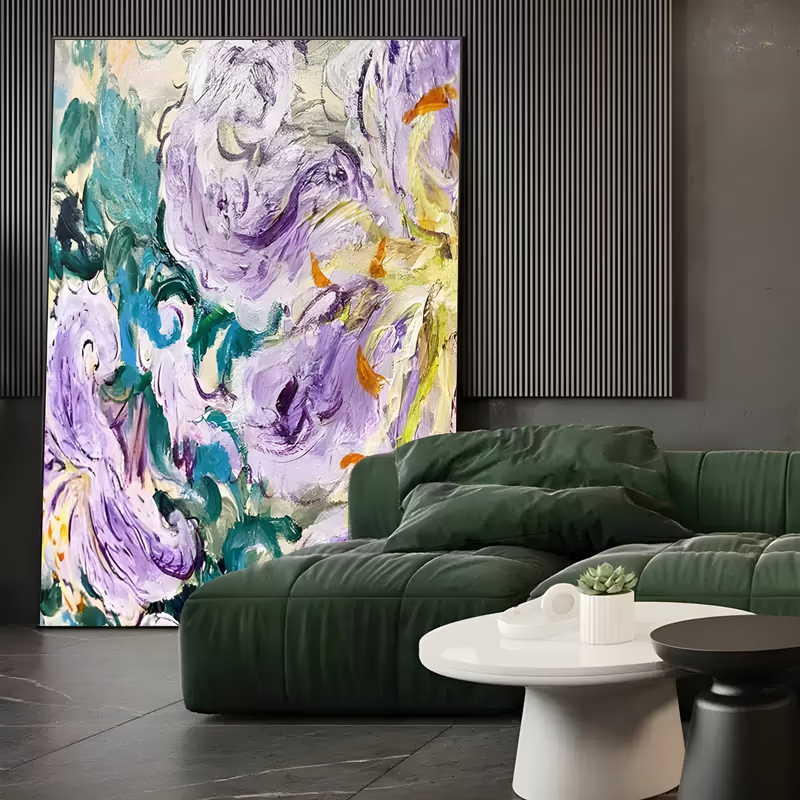
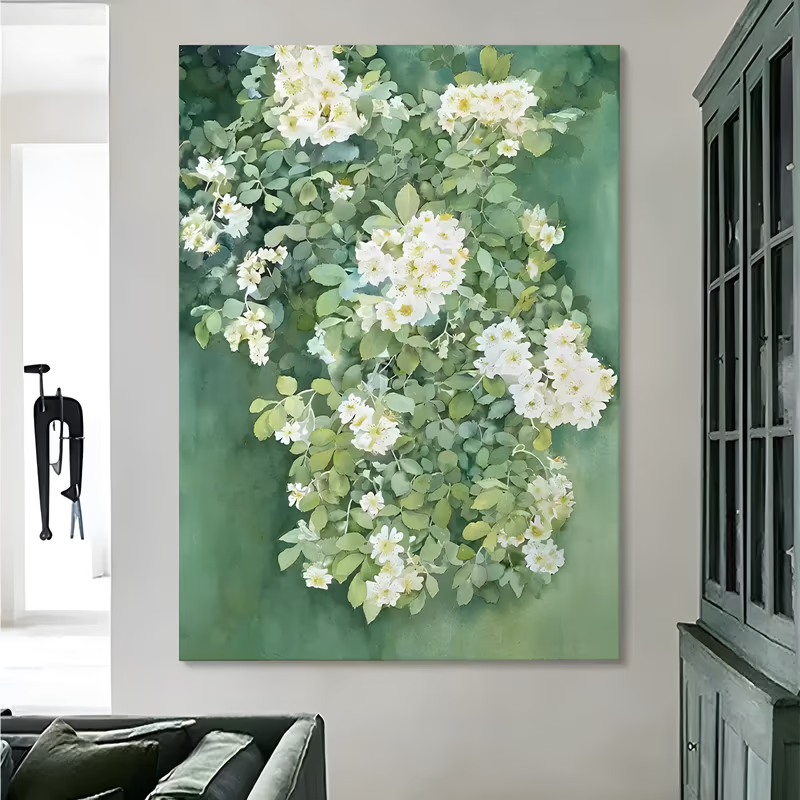
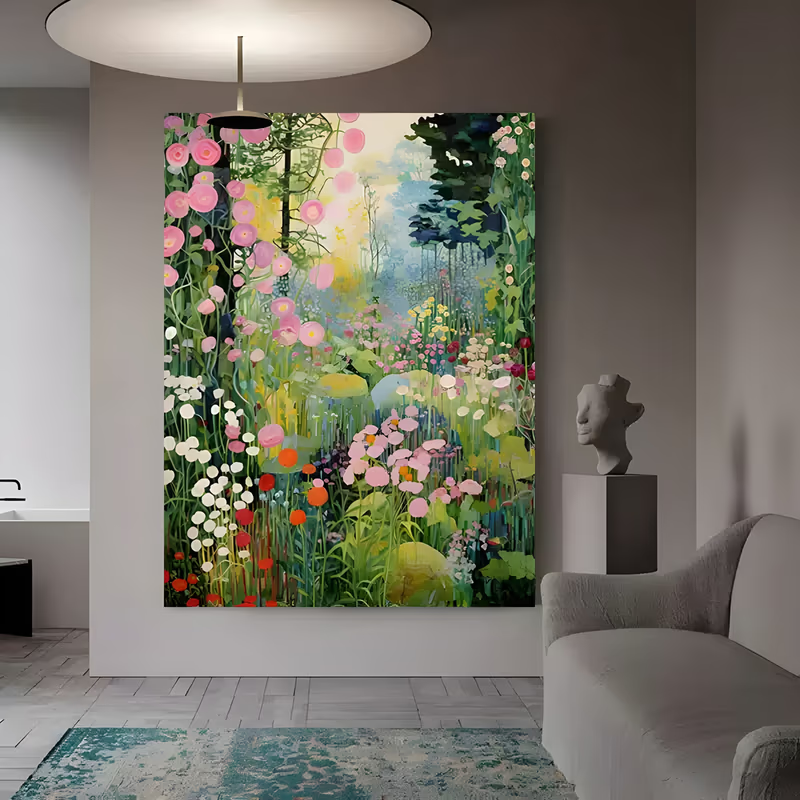
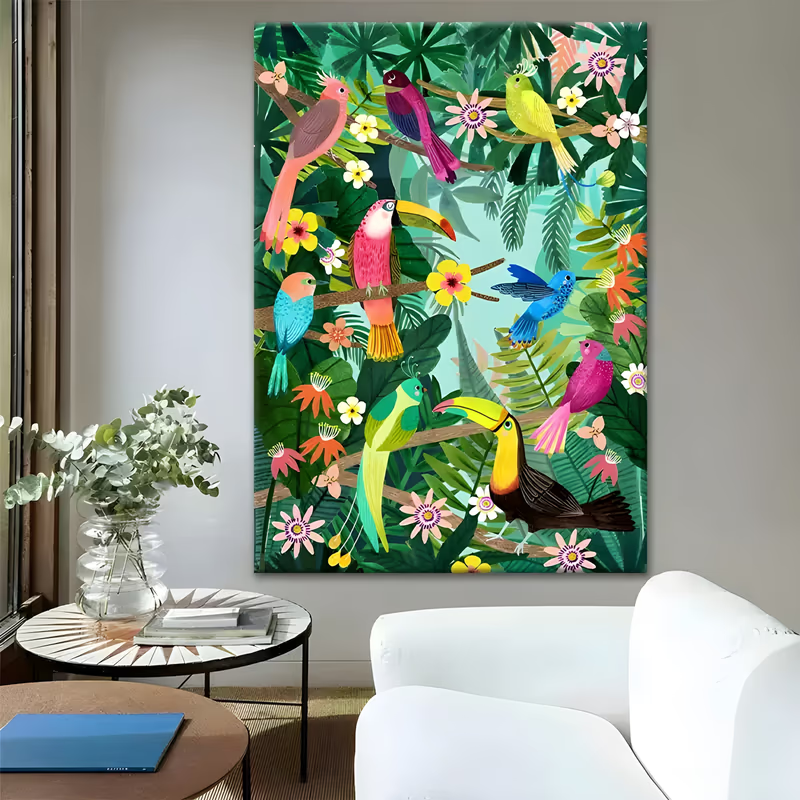
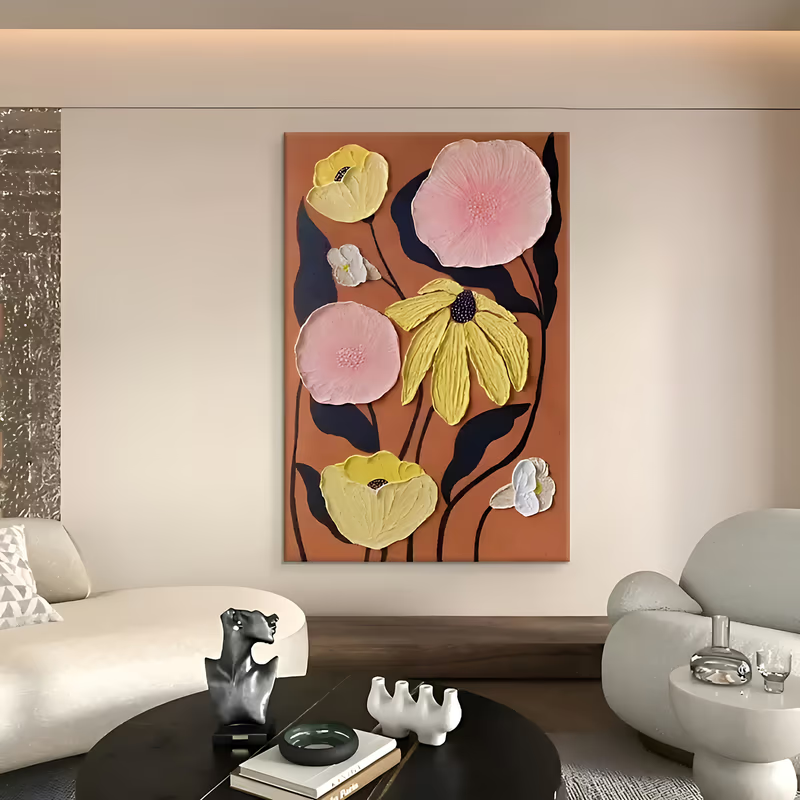
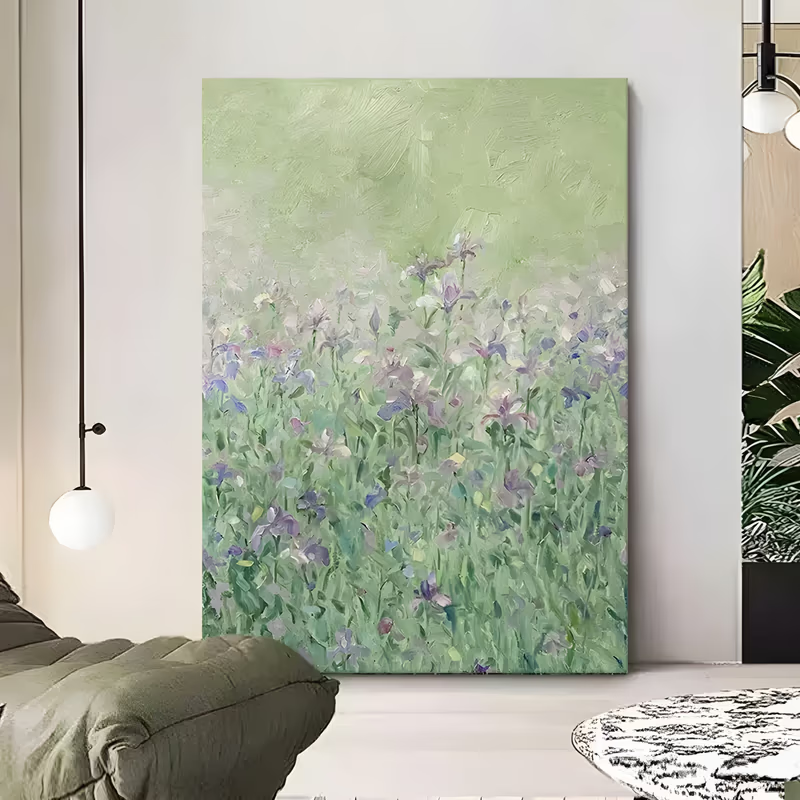
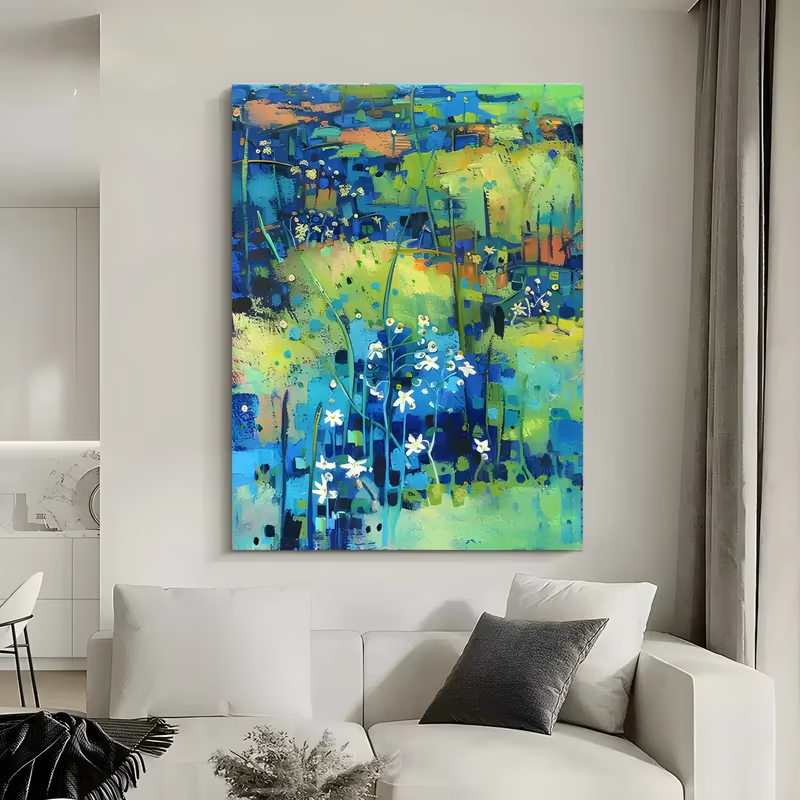
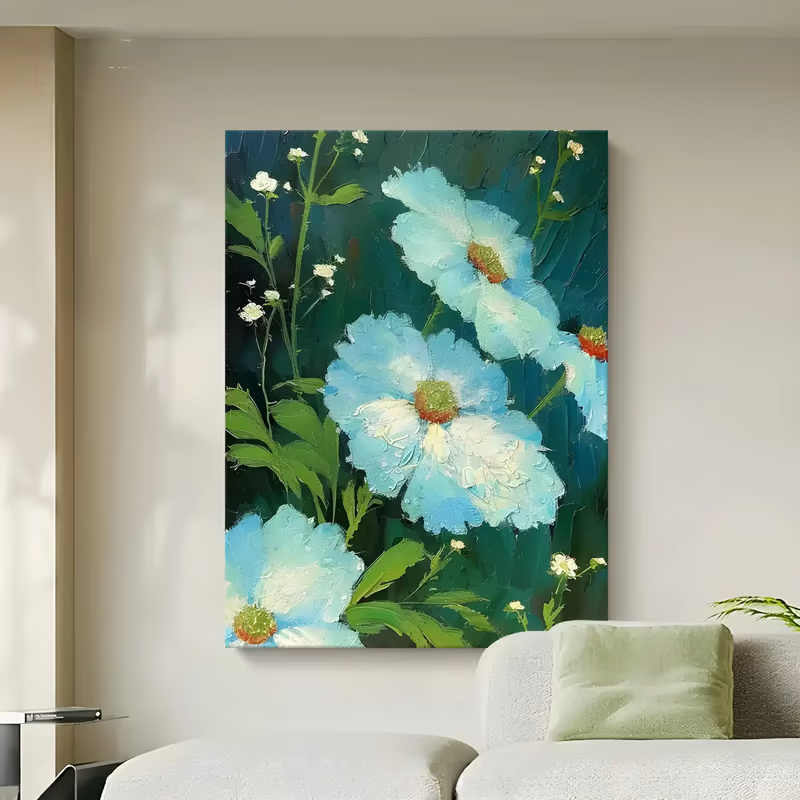
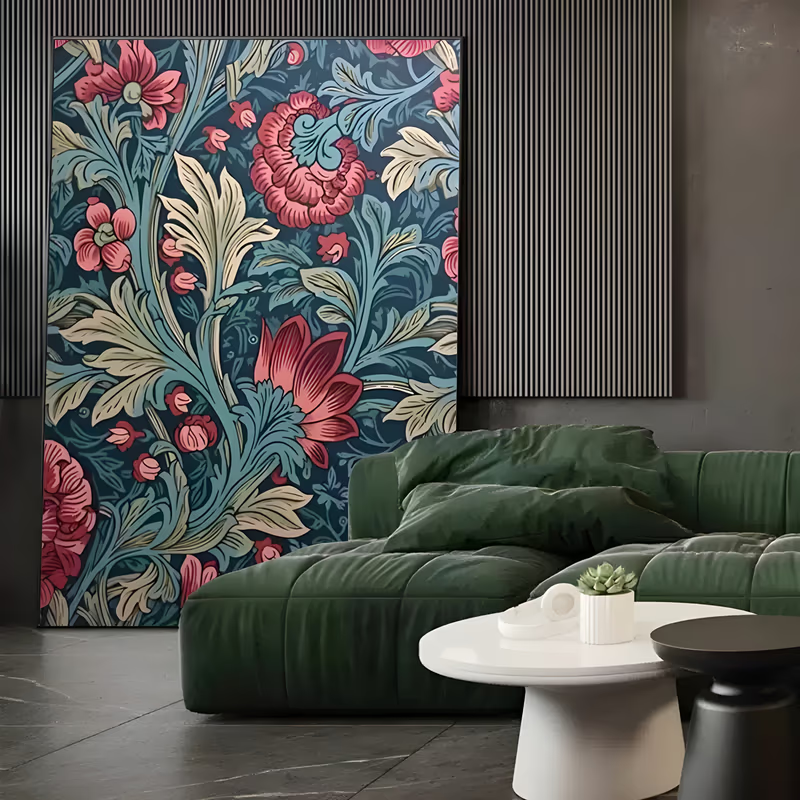
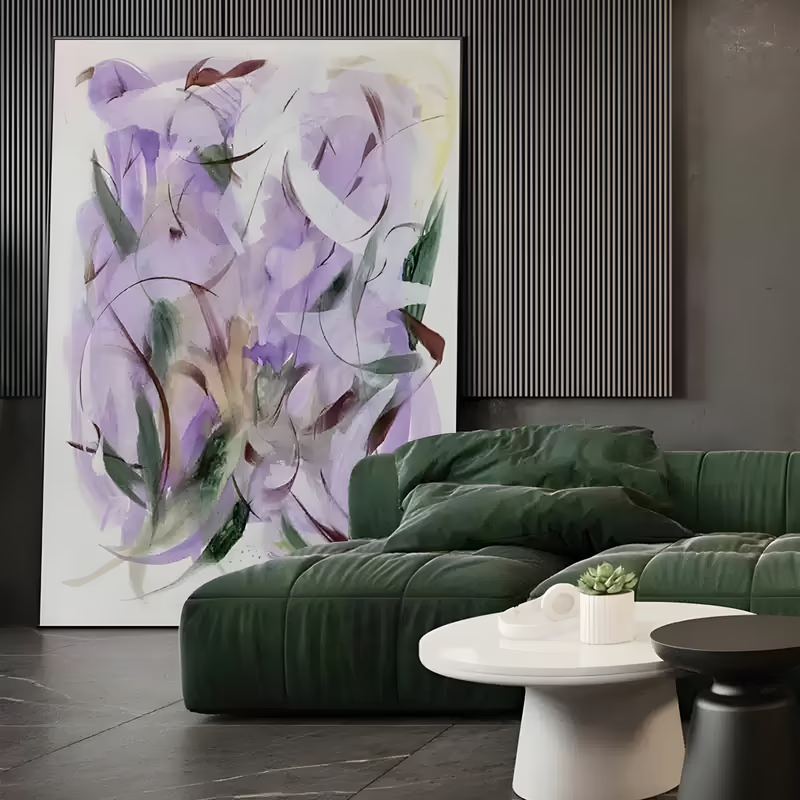
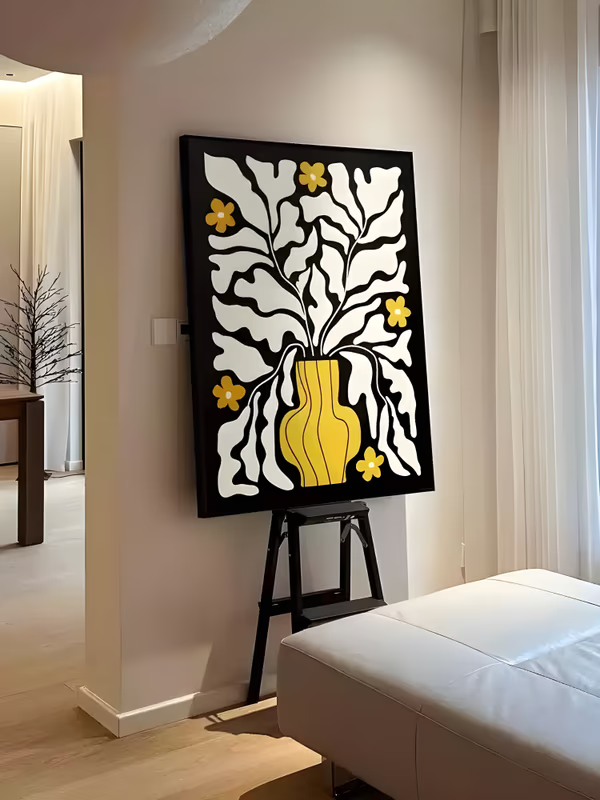
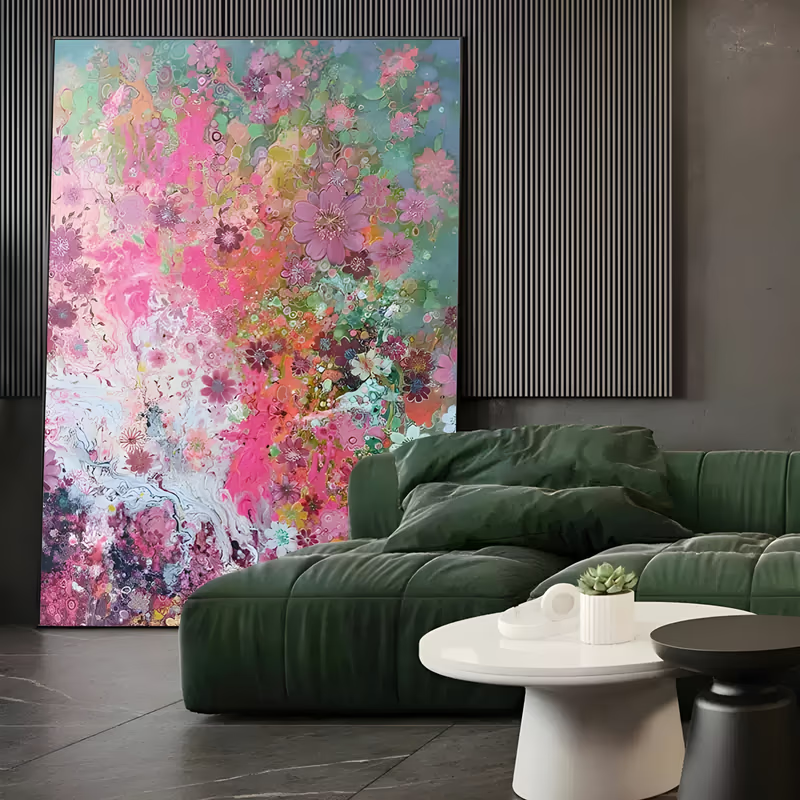
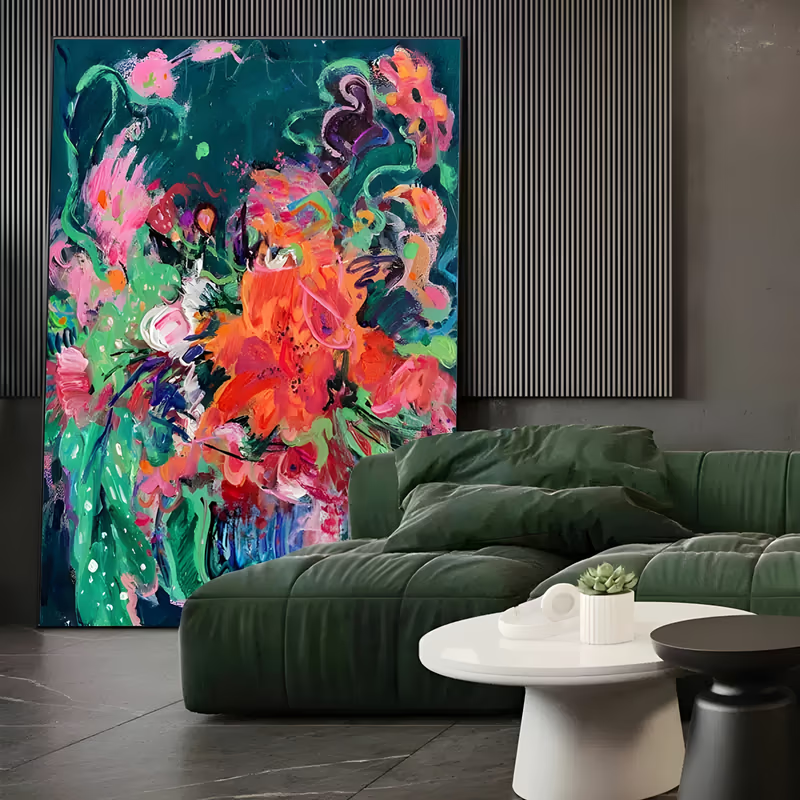
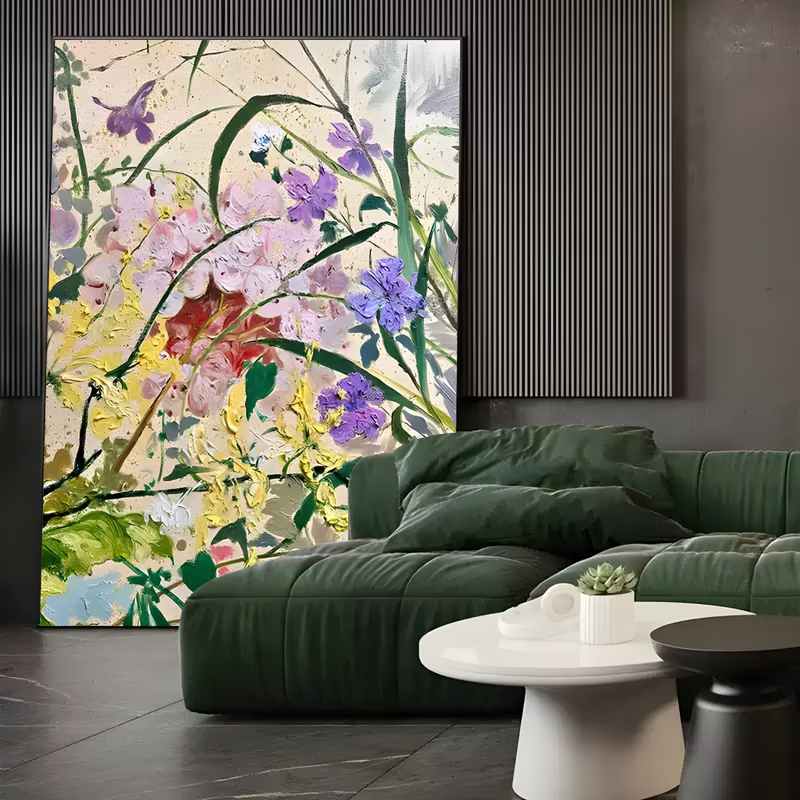
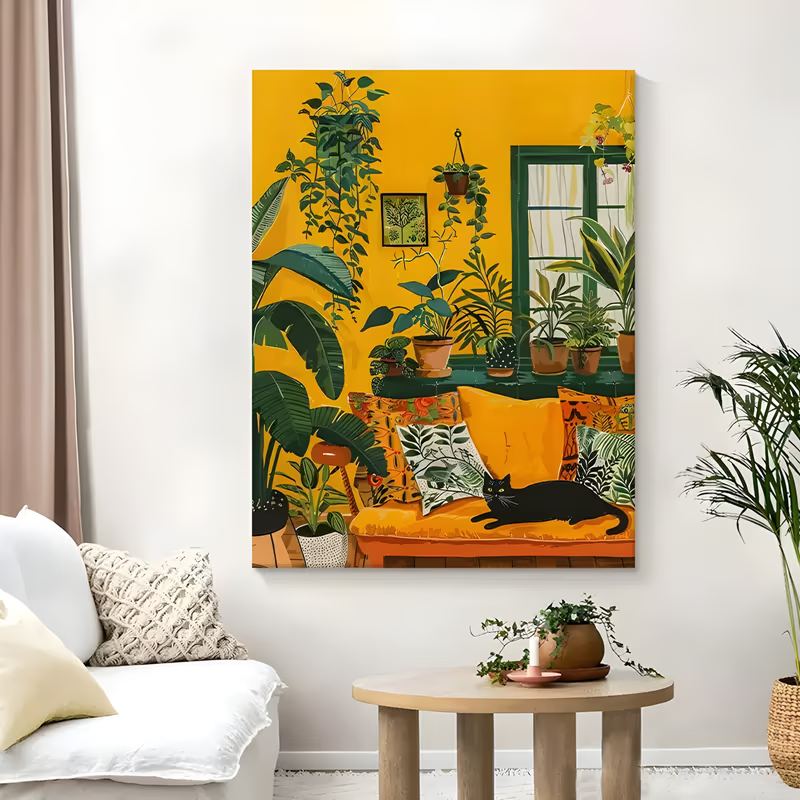
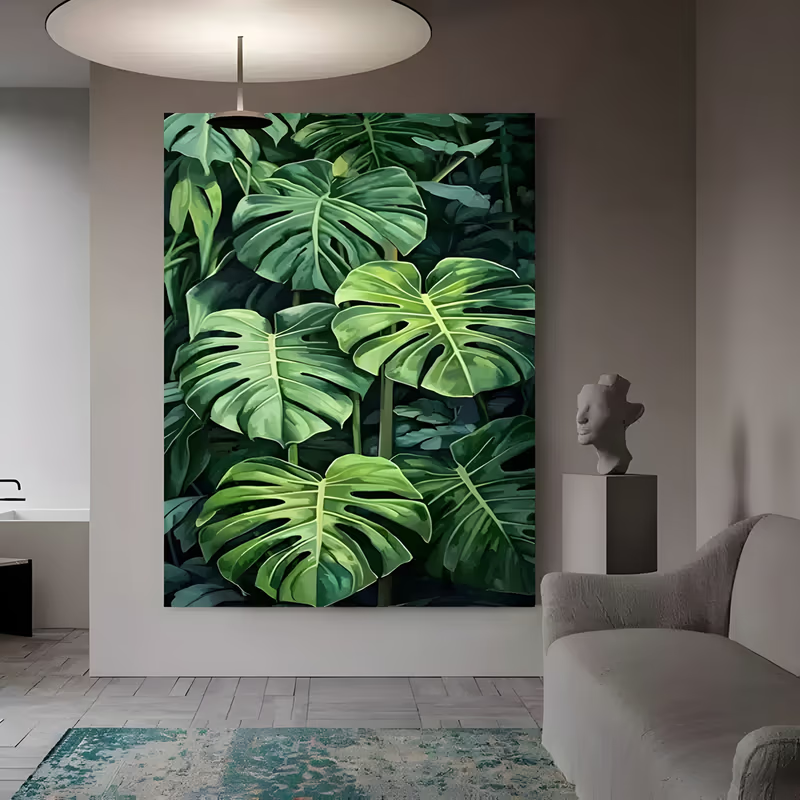
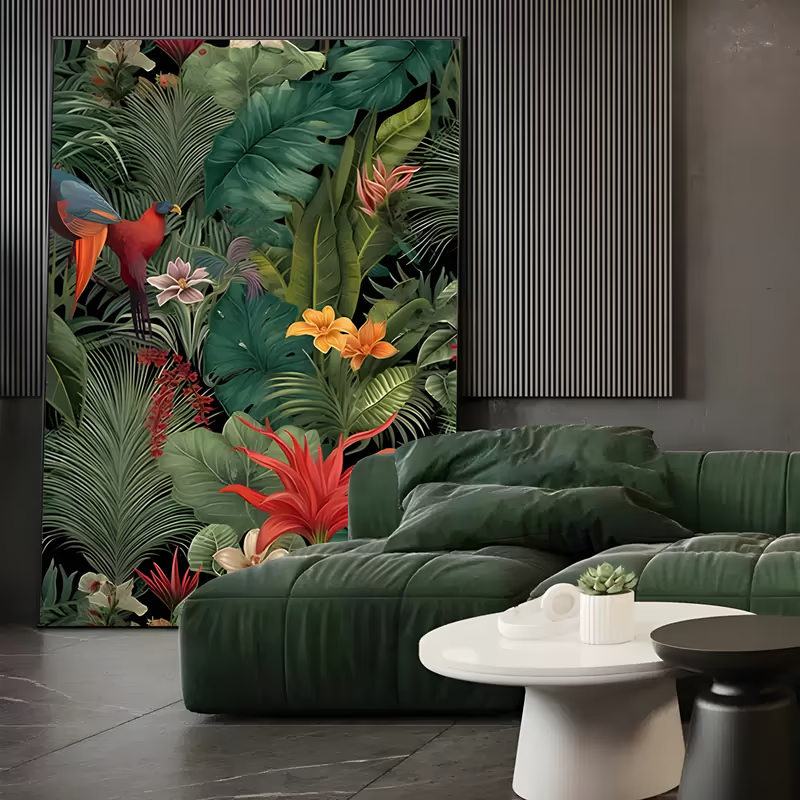
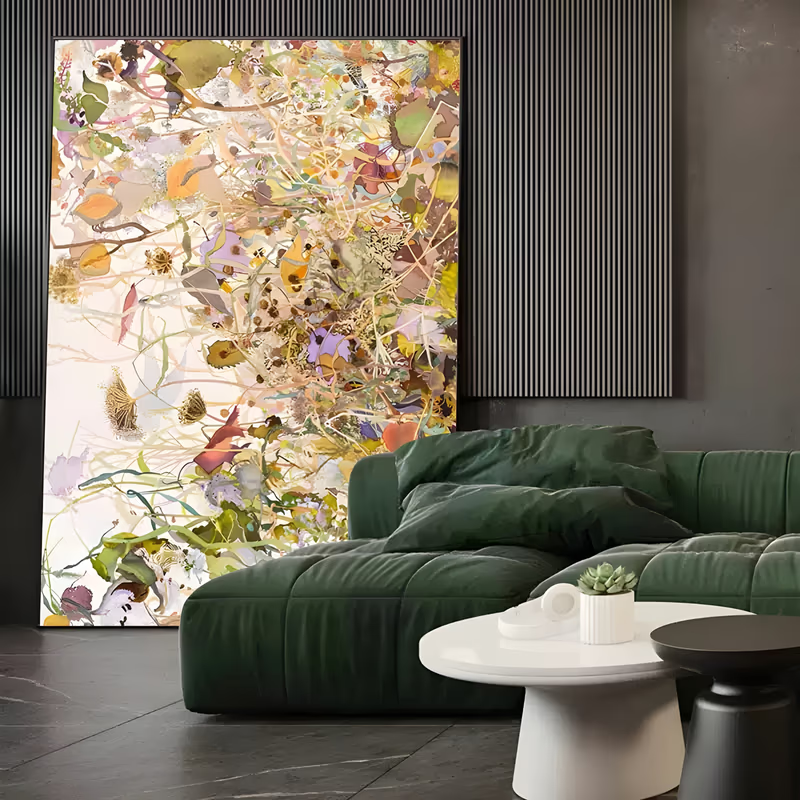
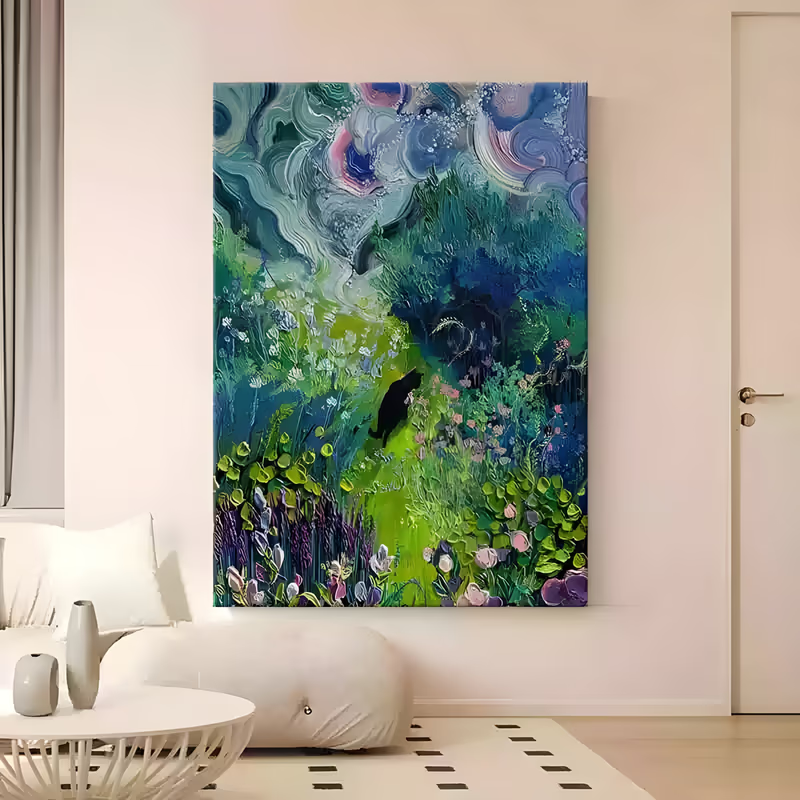
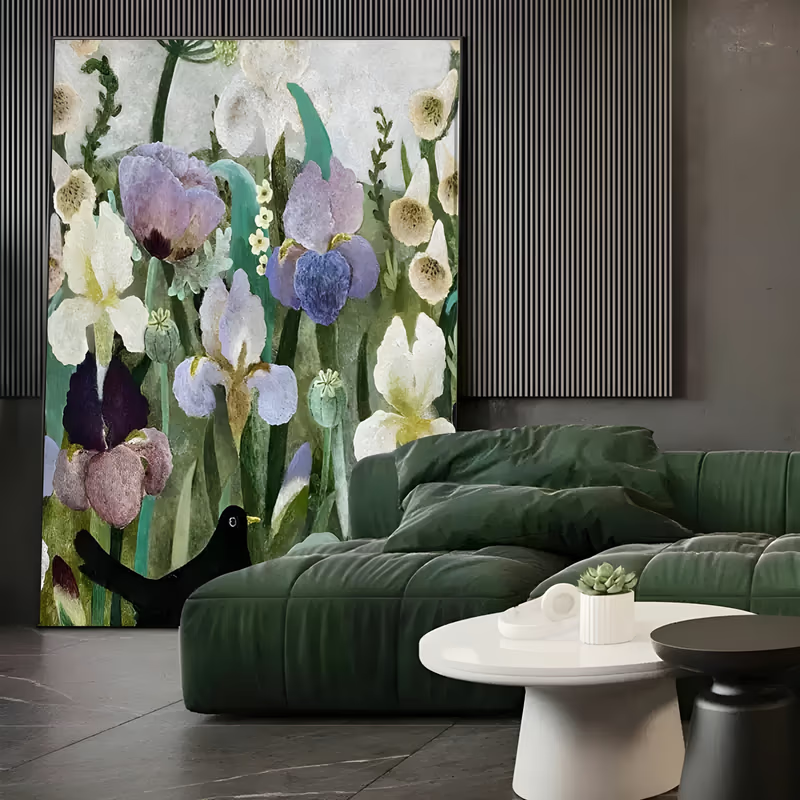
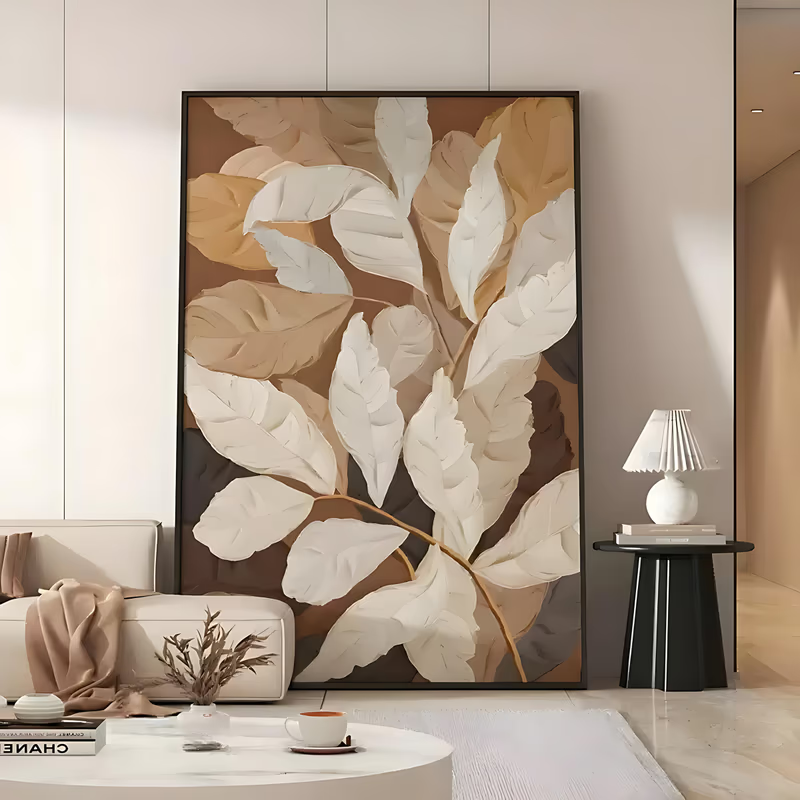
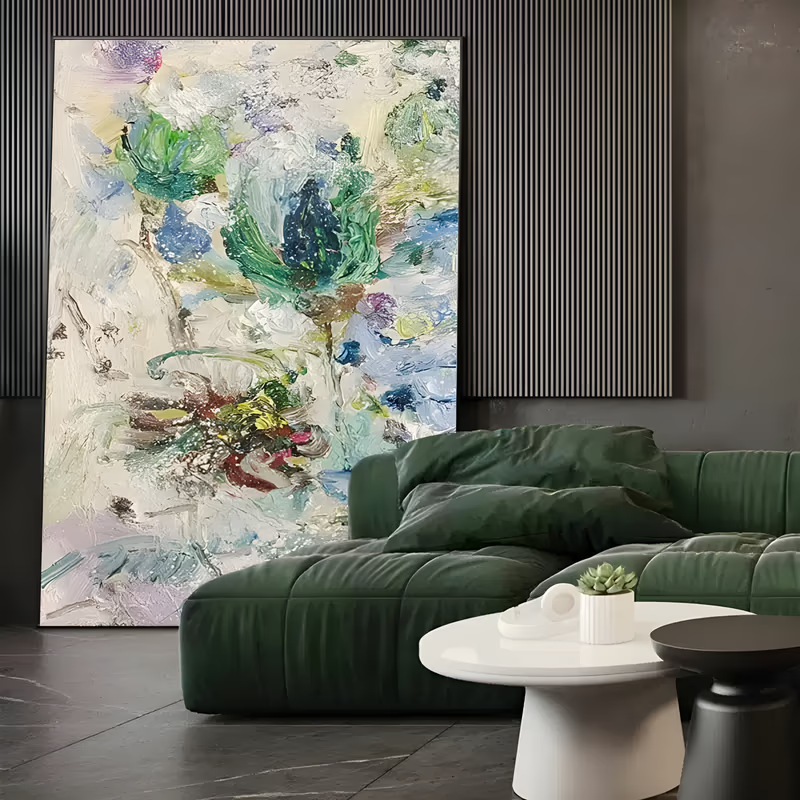
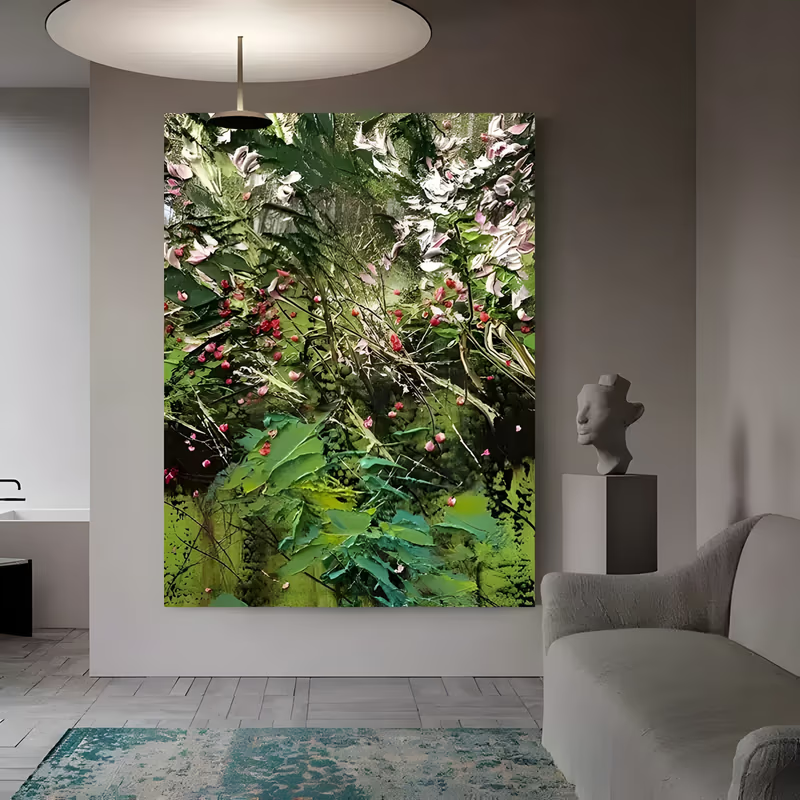
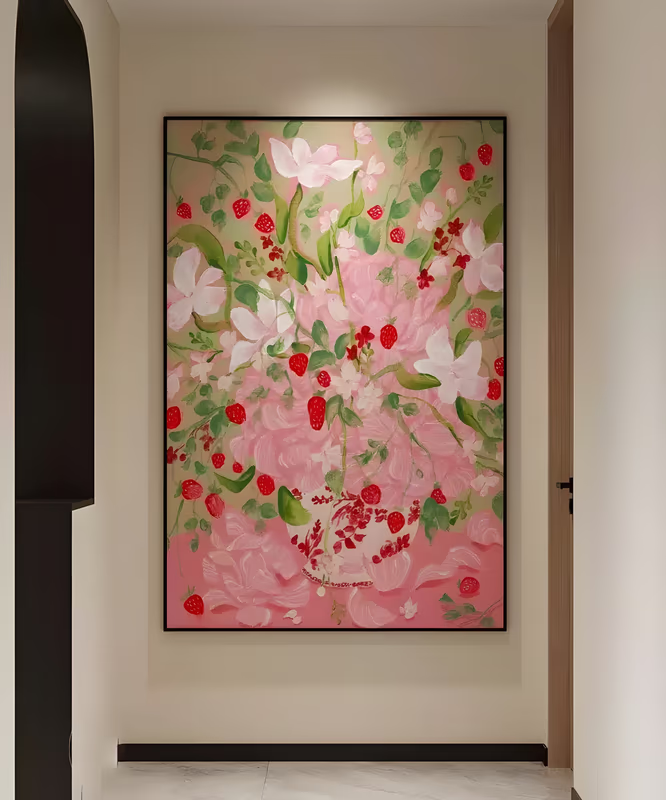
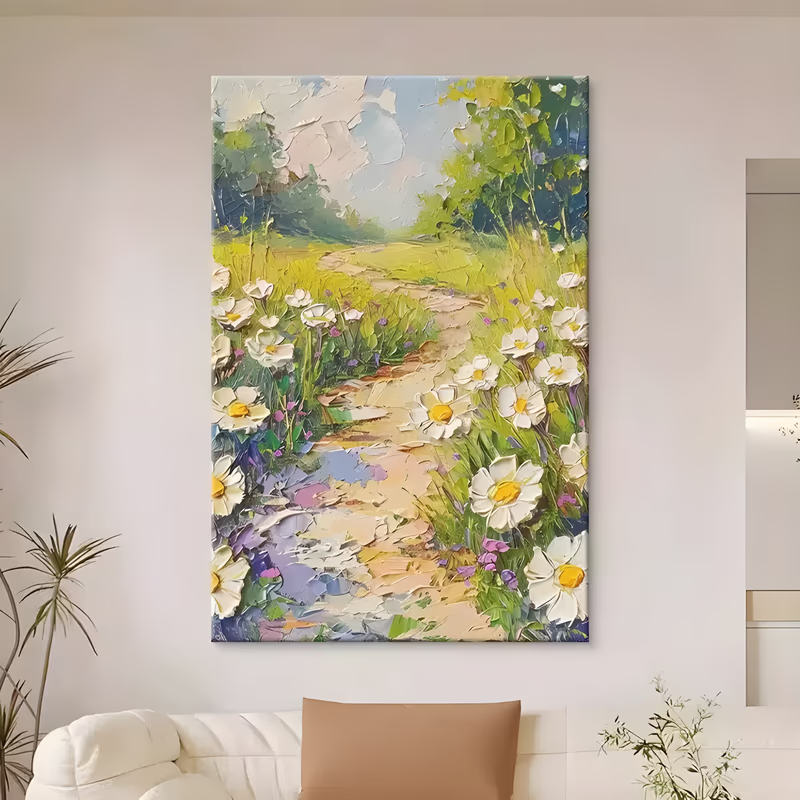
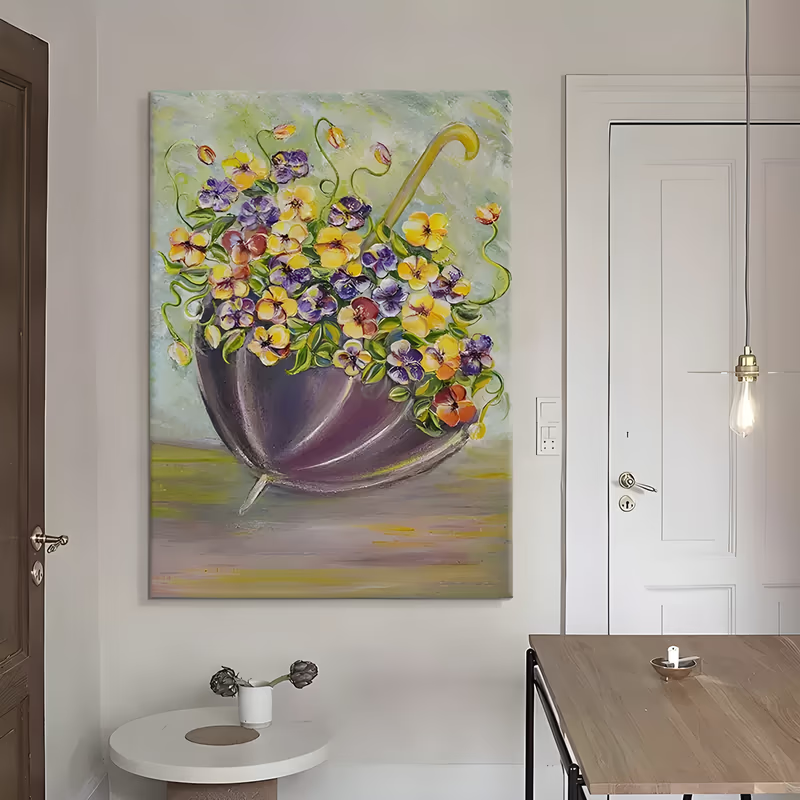
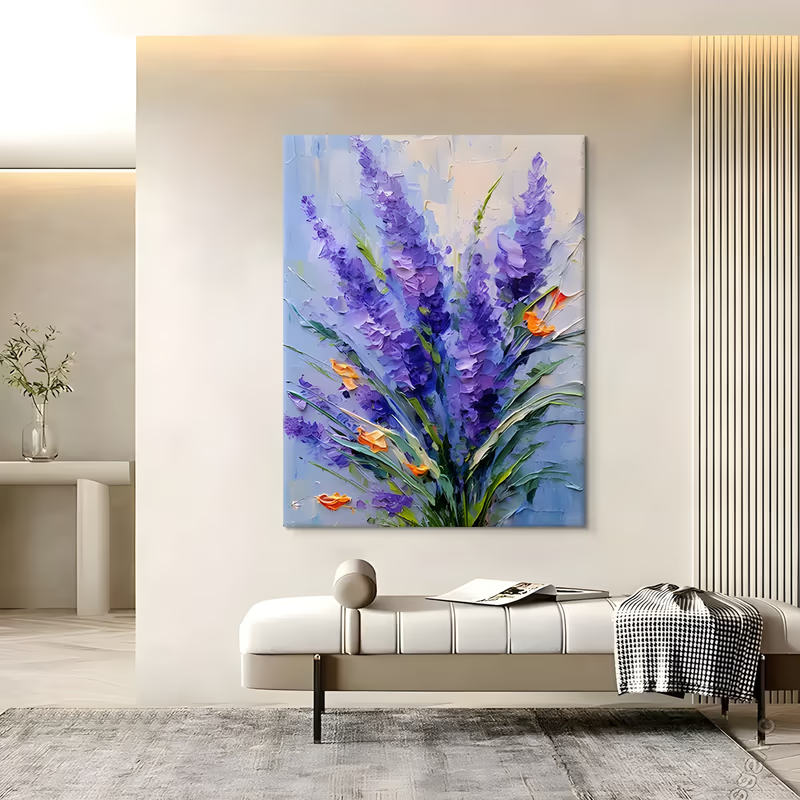
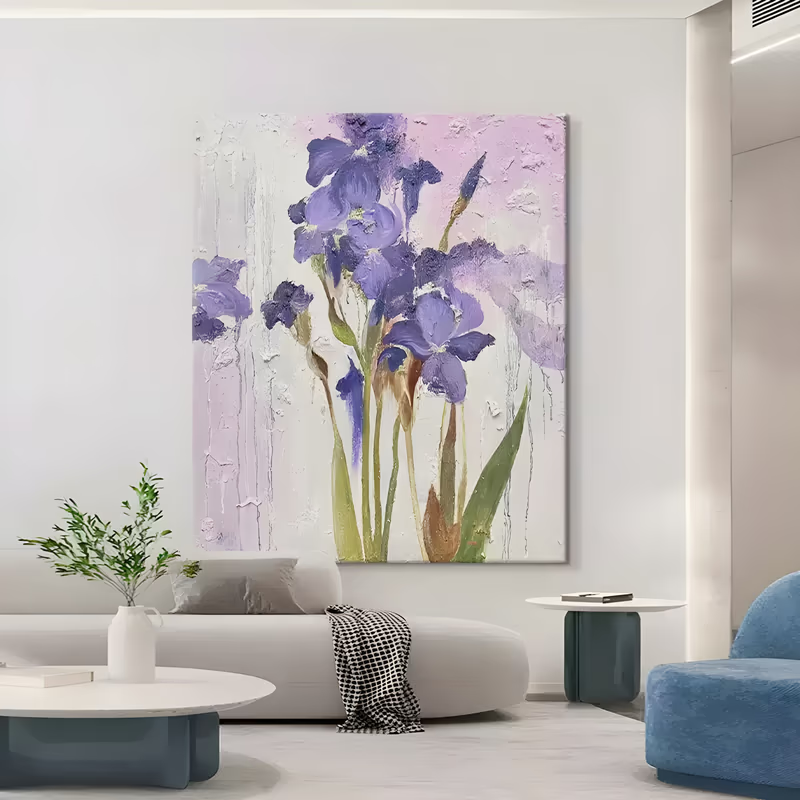
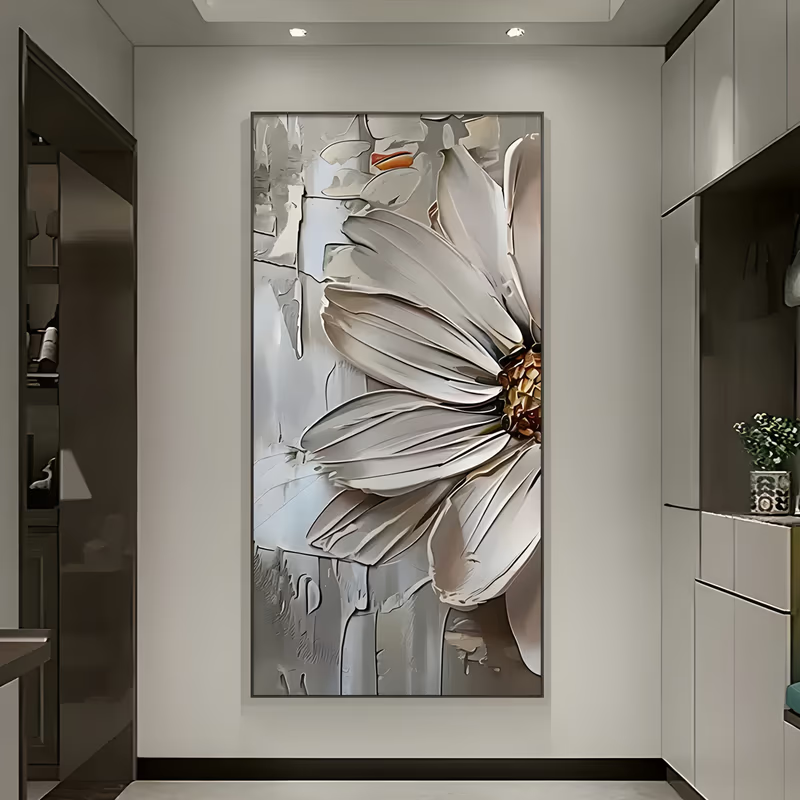
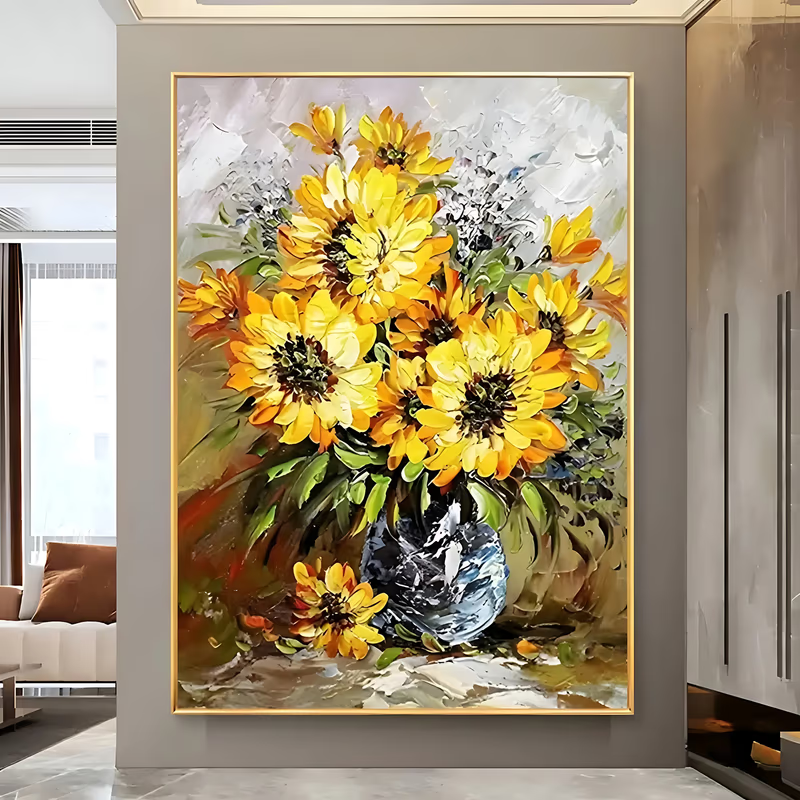
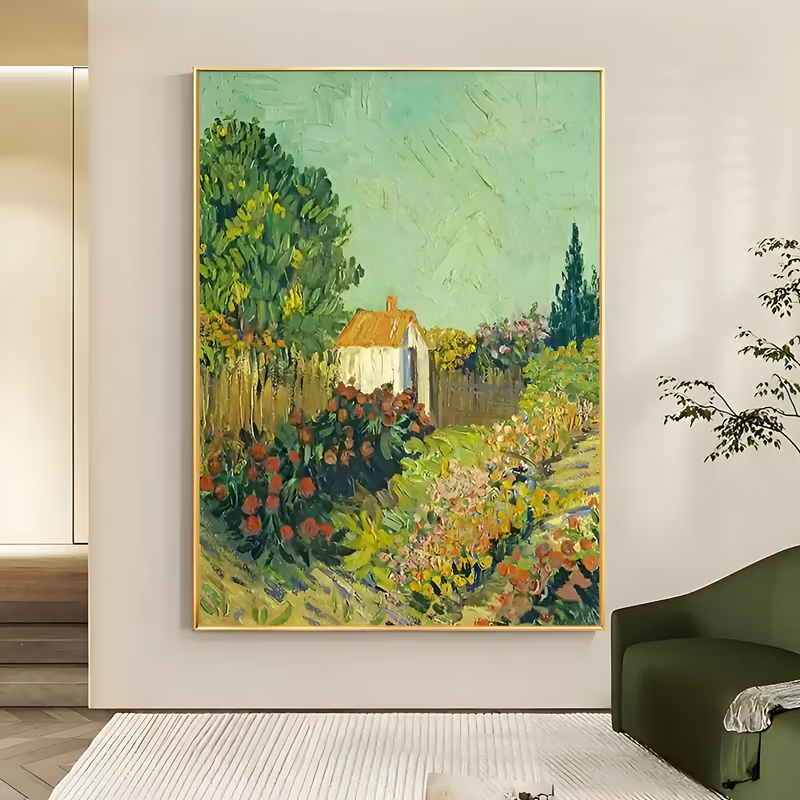
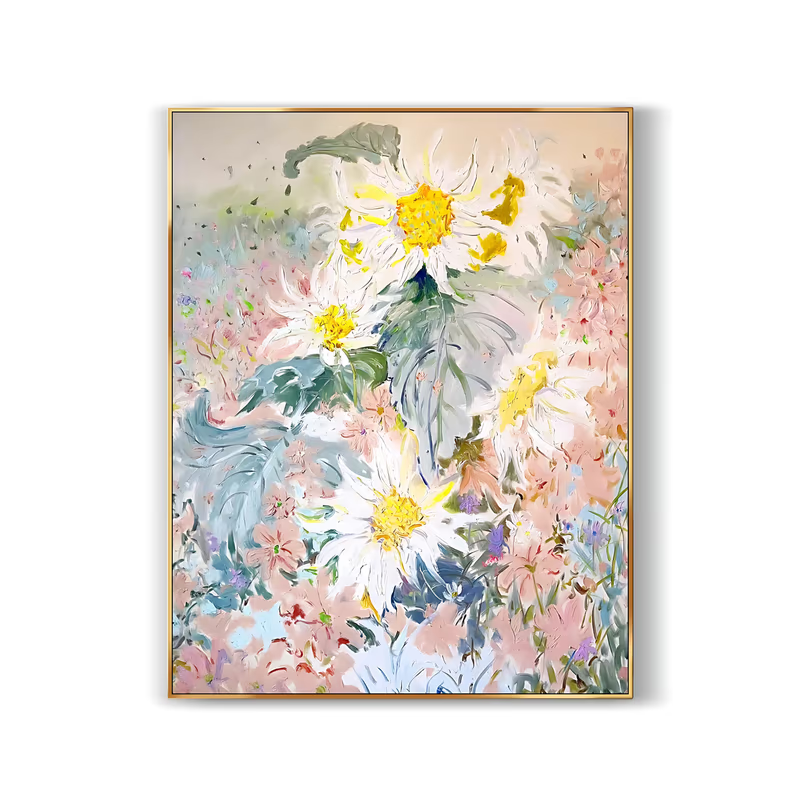
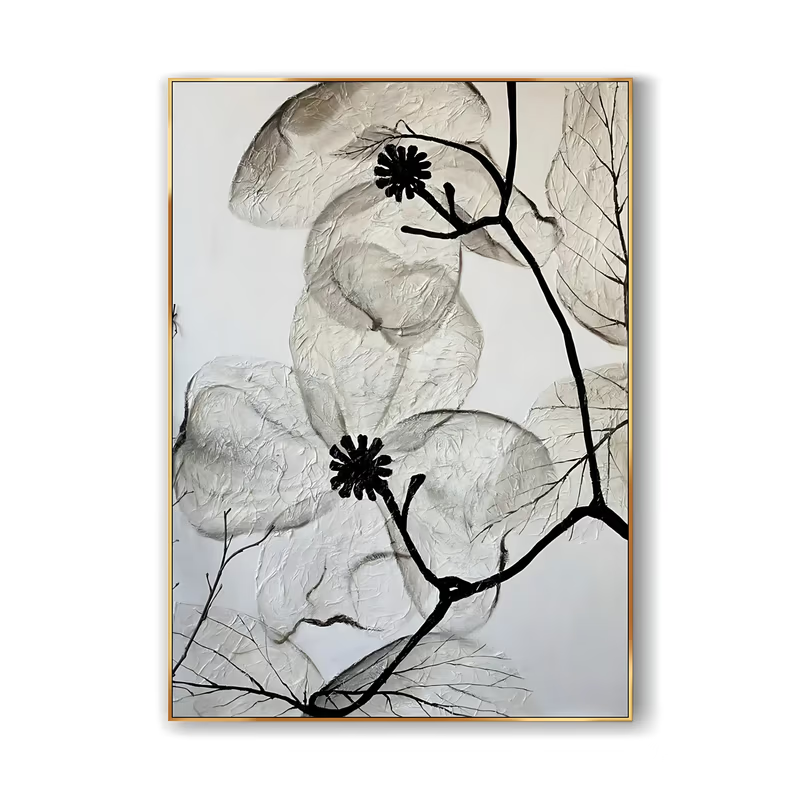
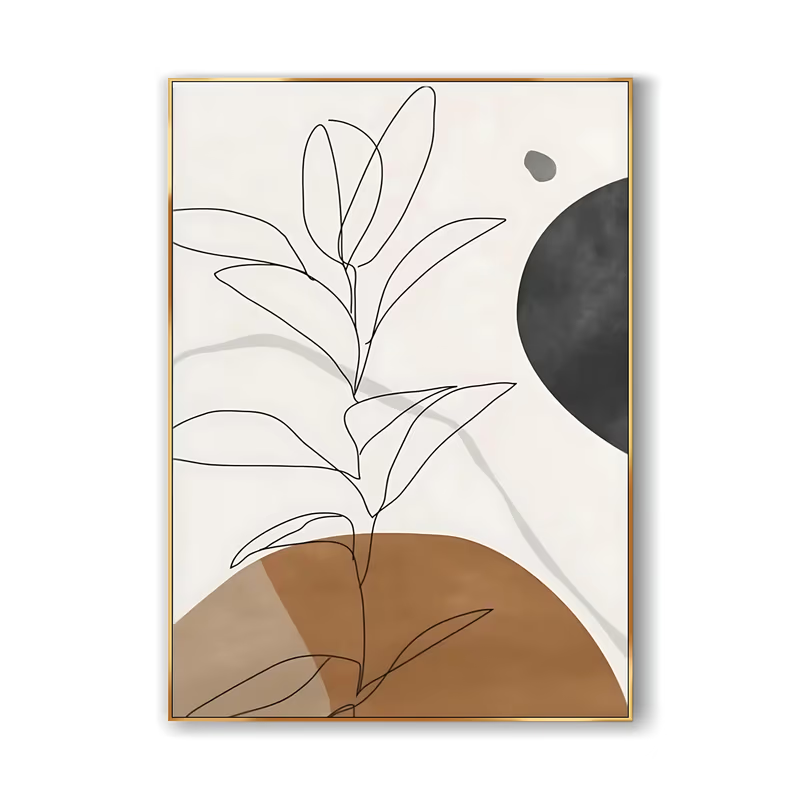
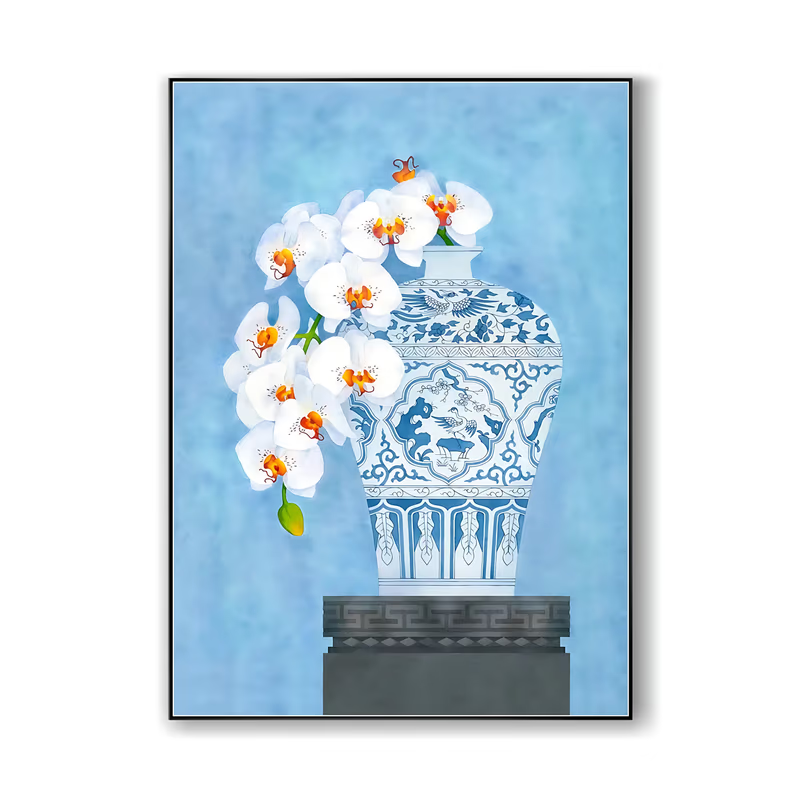
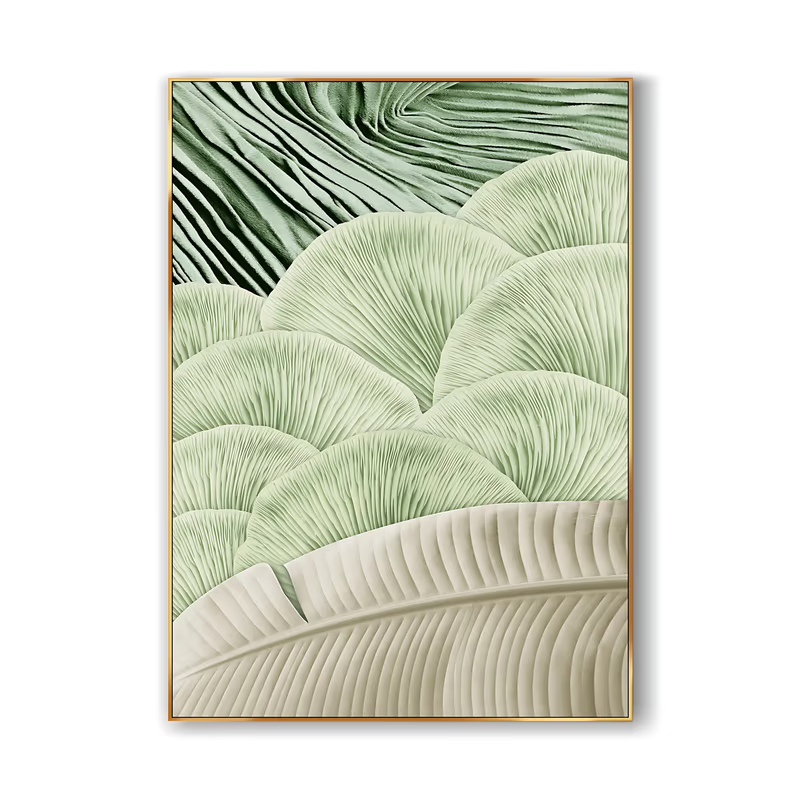
Stems, branches and climbing blossom rise naturally up a portrait canvas, and a vase or a single bloom can sit low with its foliage spreading towards the top. Botanical pieces are the most adaptable tall format: soft enough for a bedroom or a spa, and bright enough for a restaurant pier. All vertical florals.
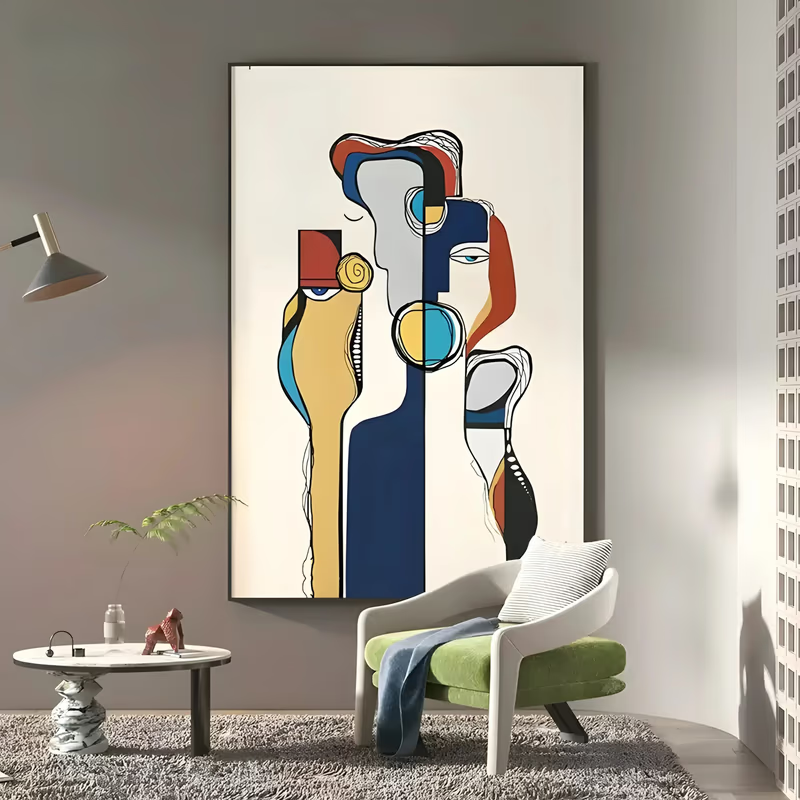
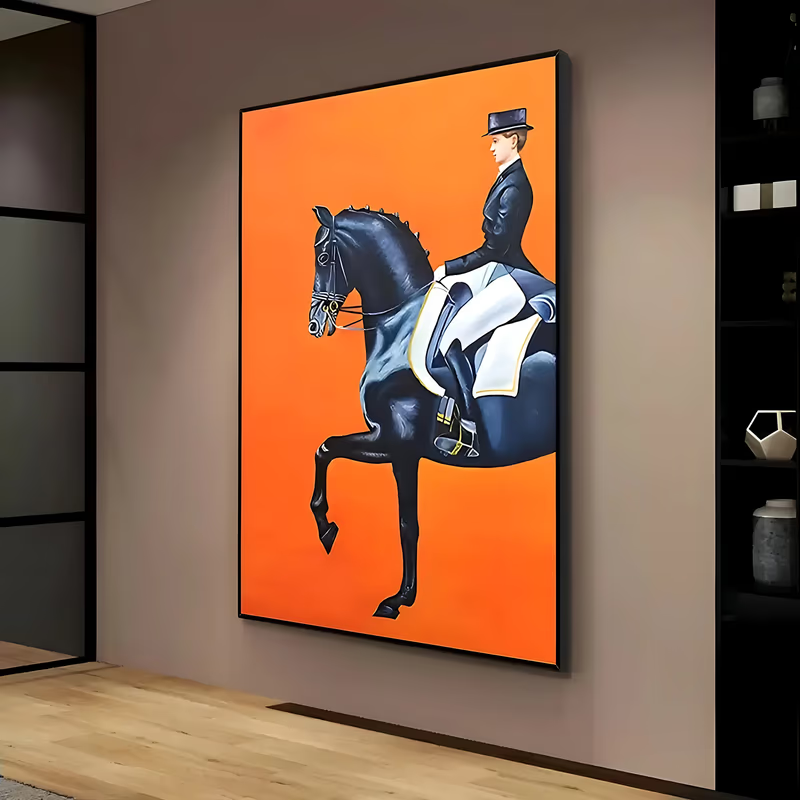
Figures and portraits
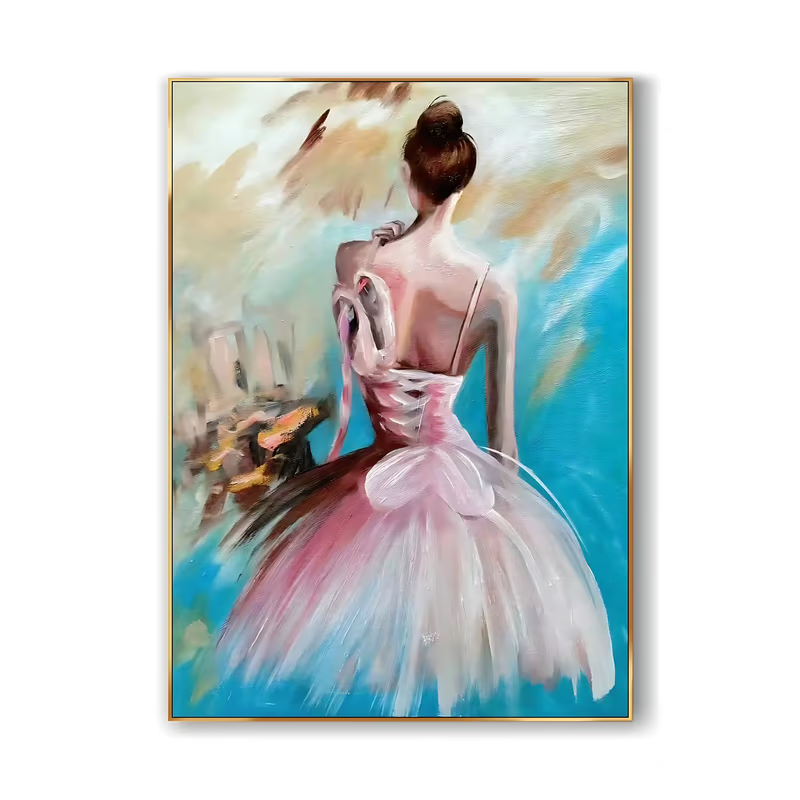
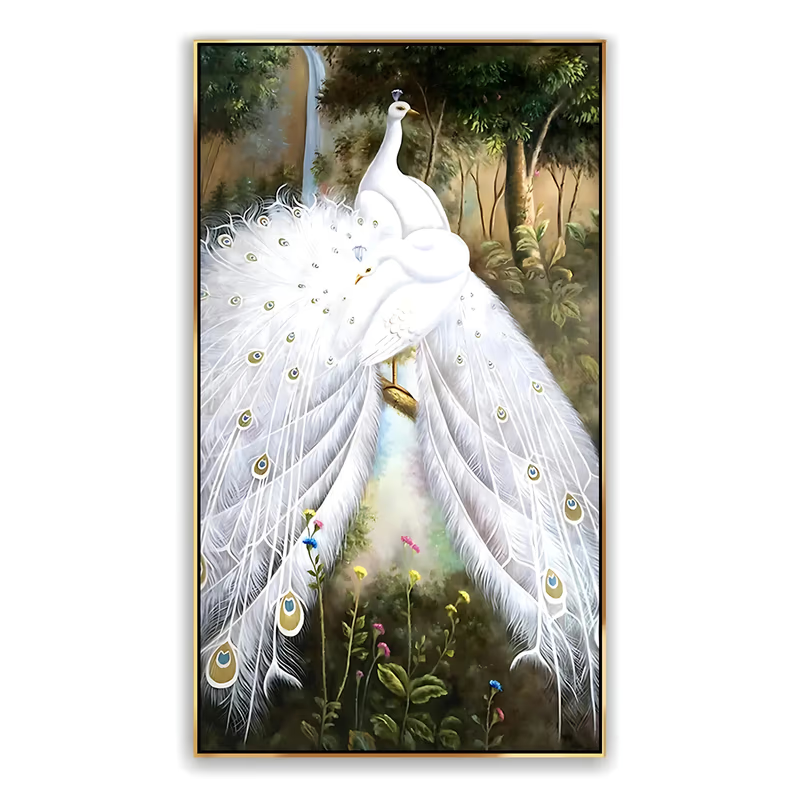
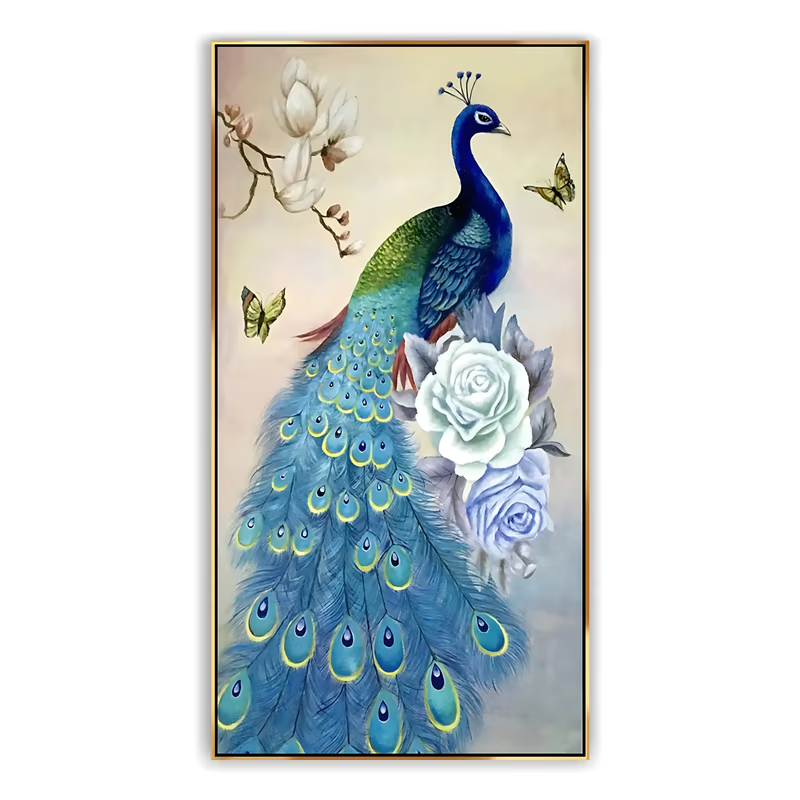
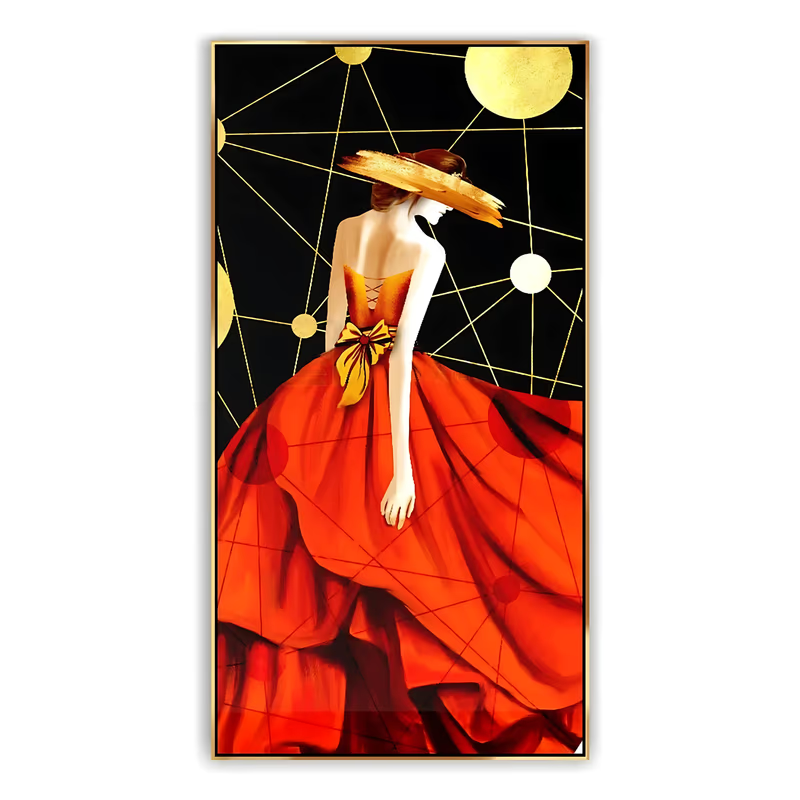
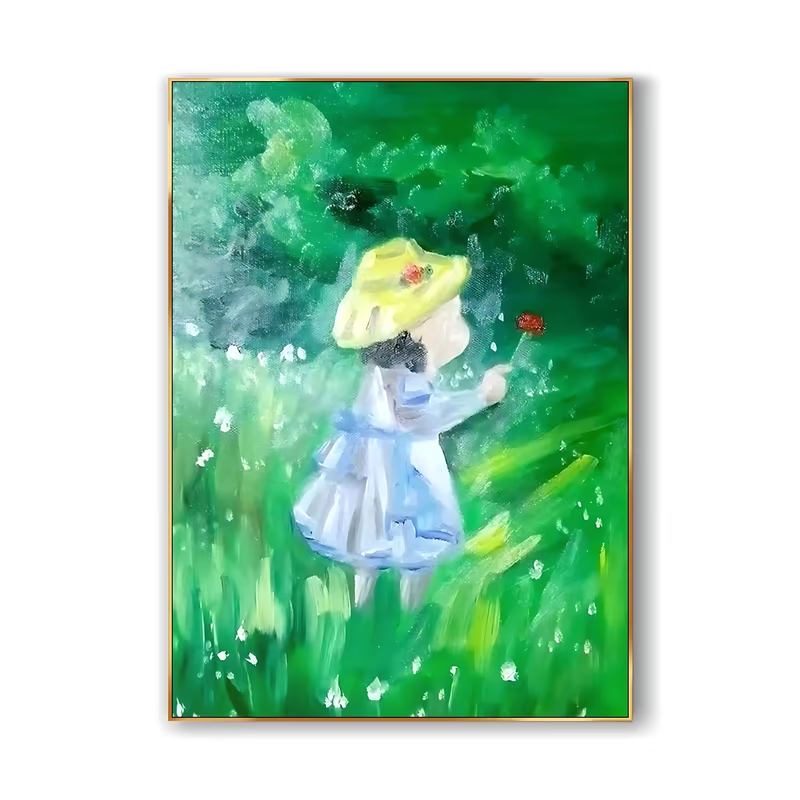
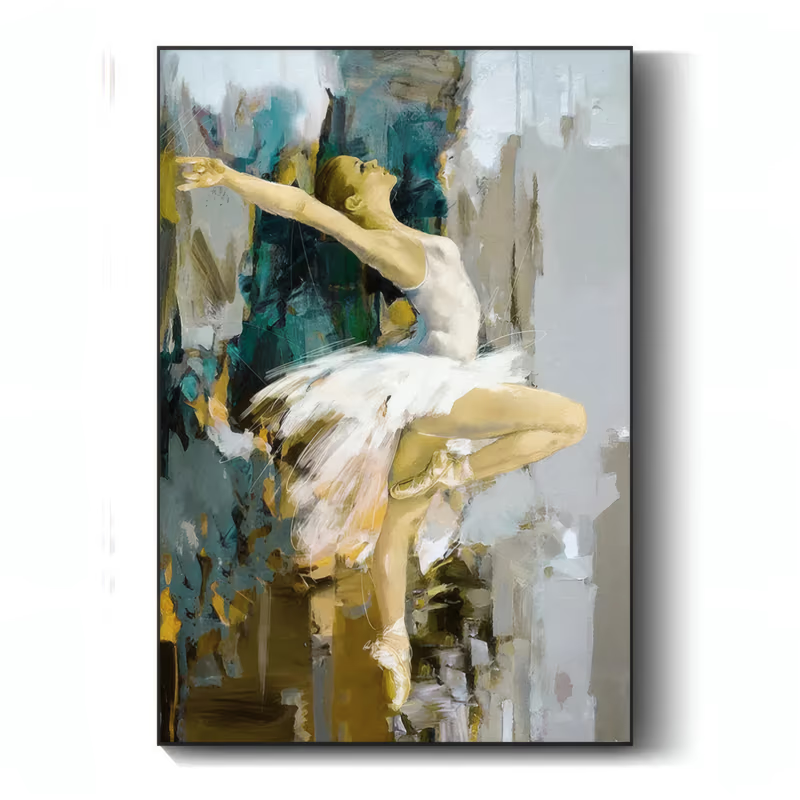
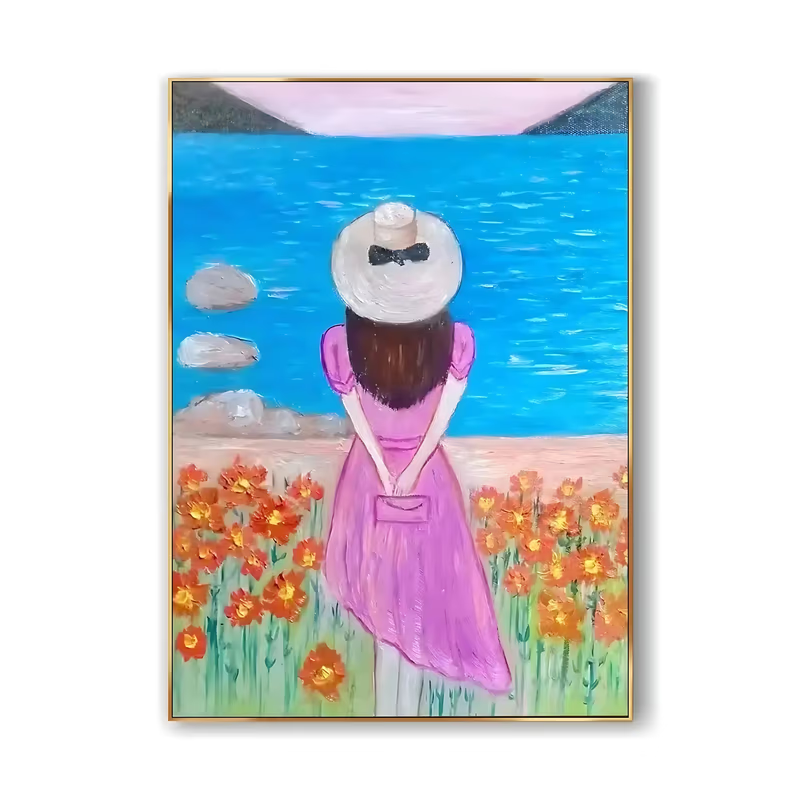
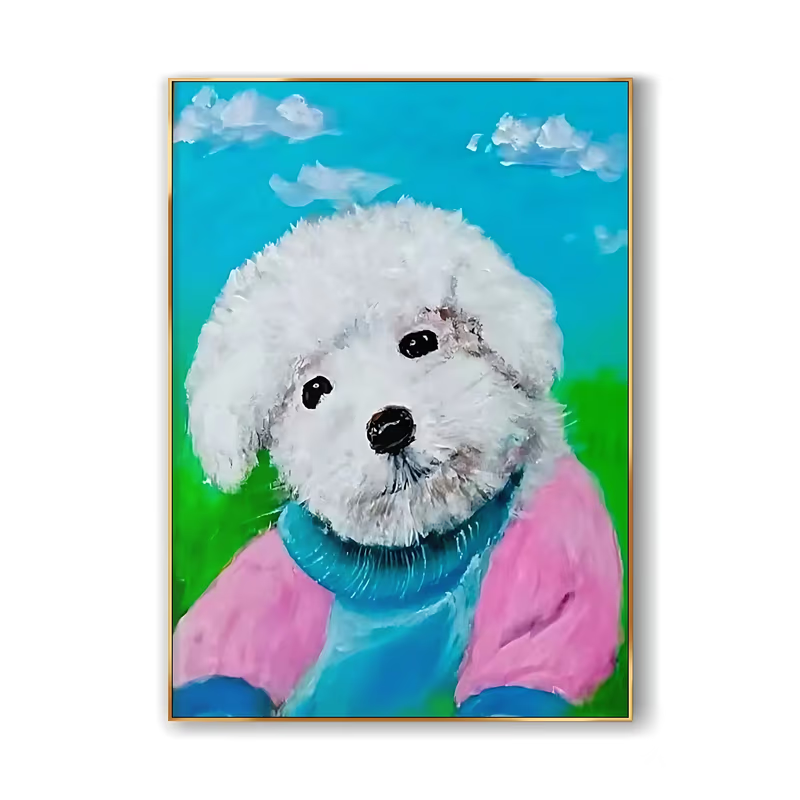
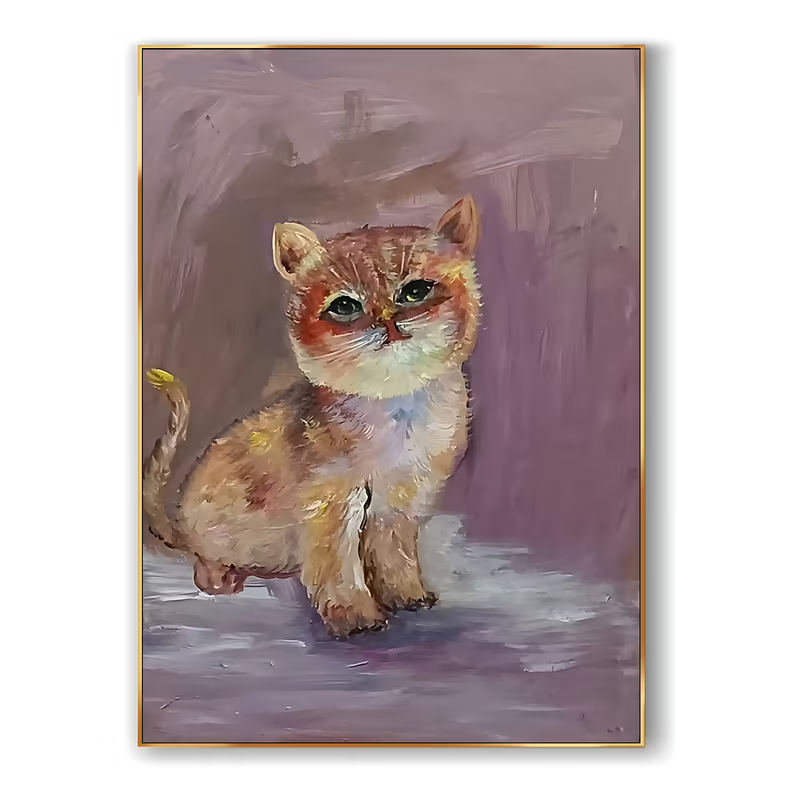
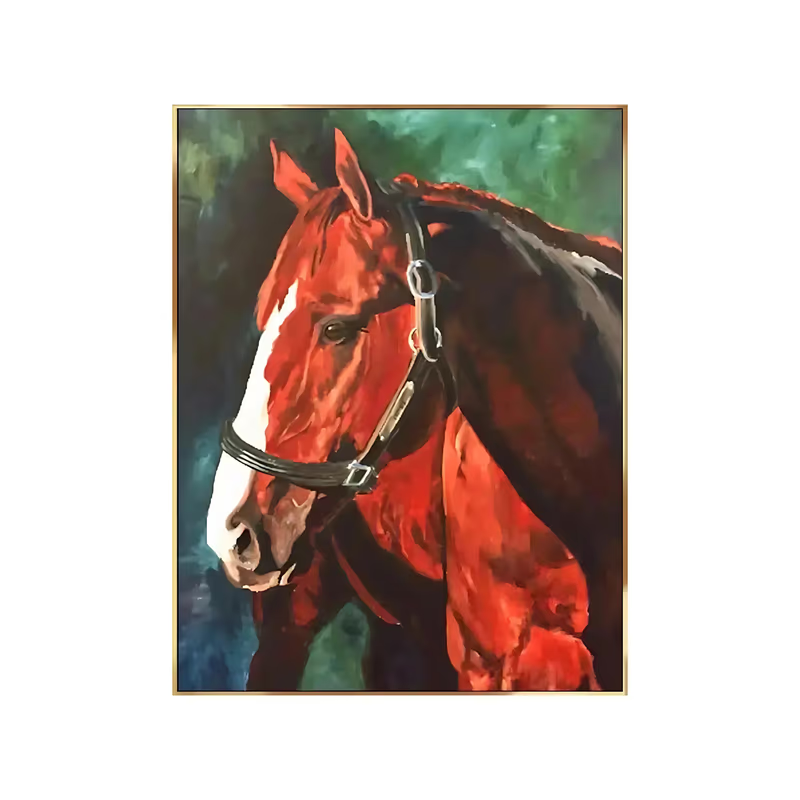
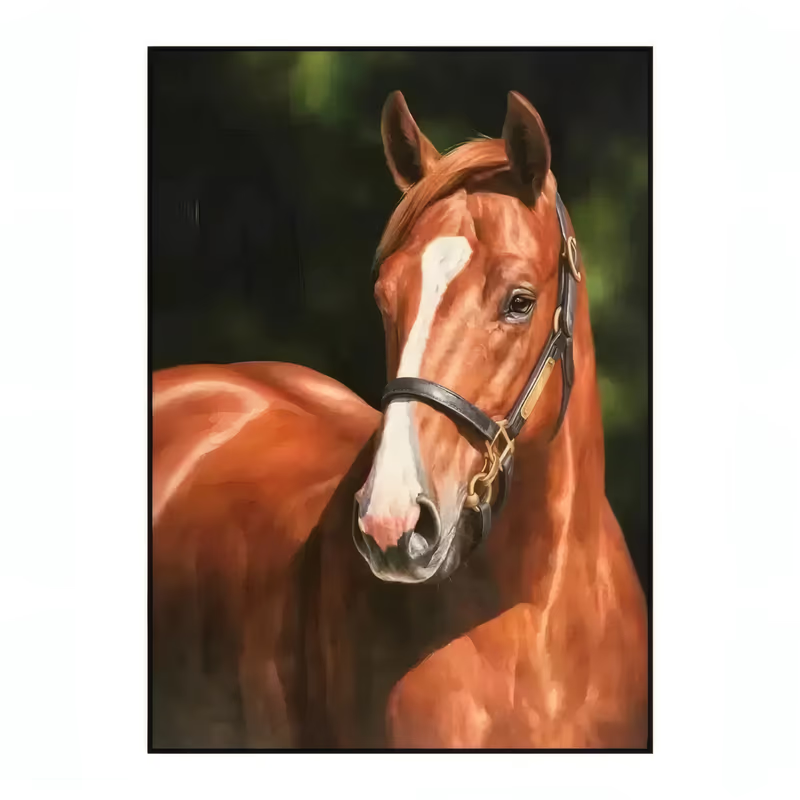
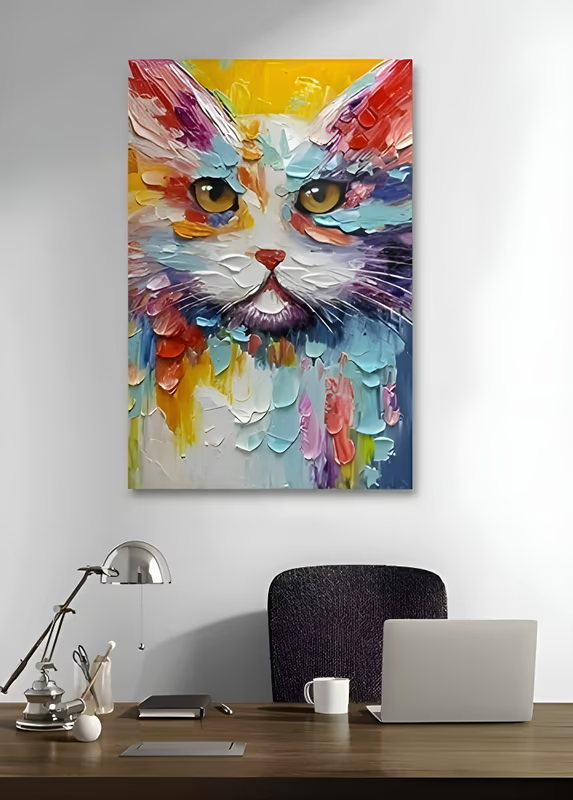
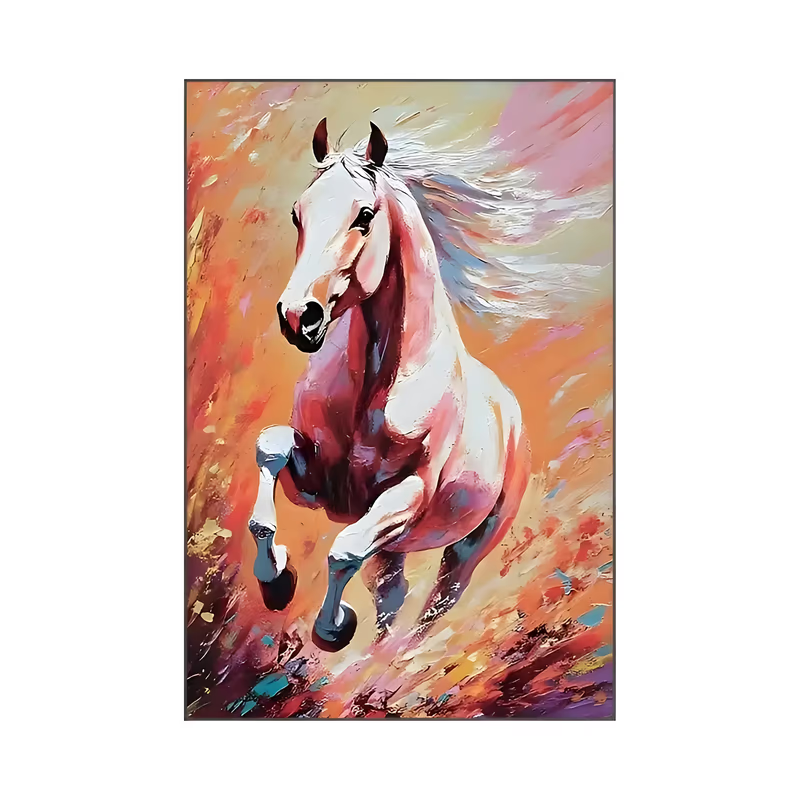
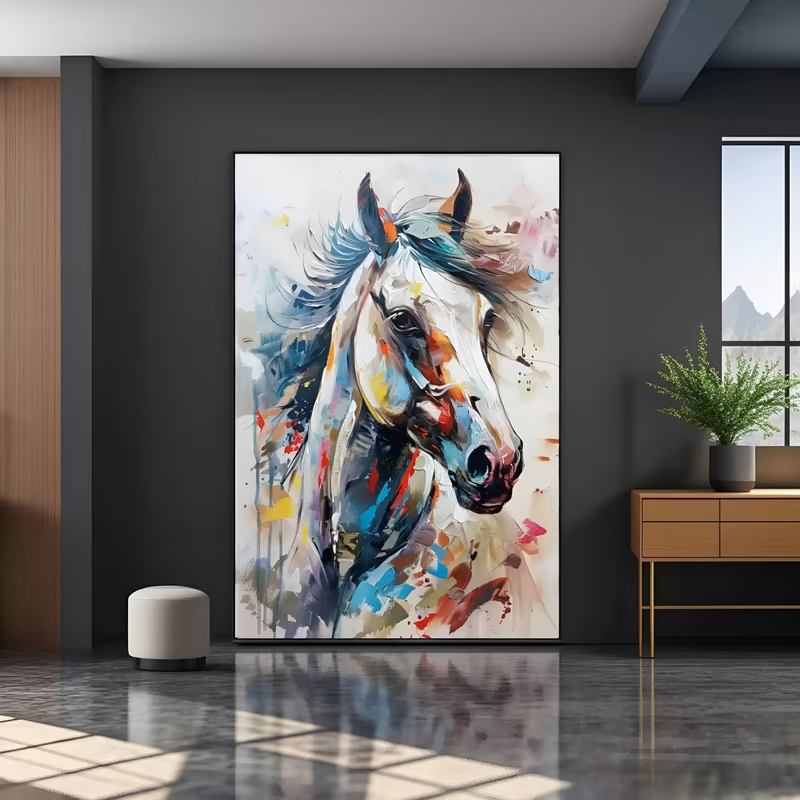
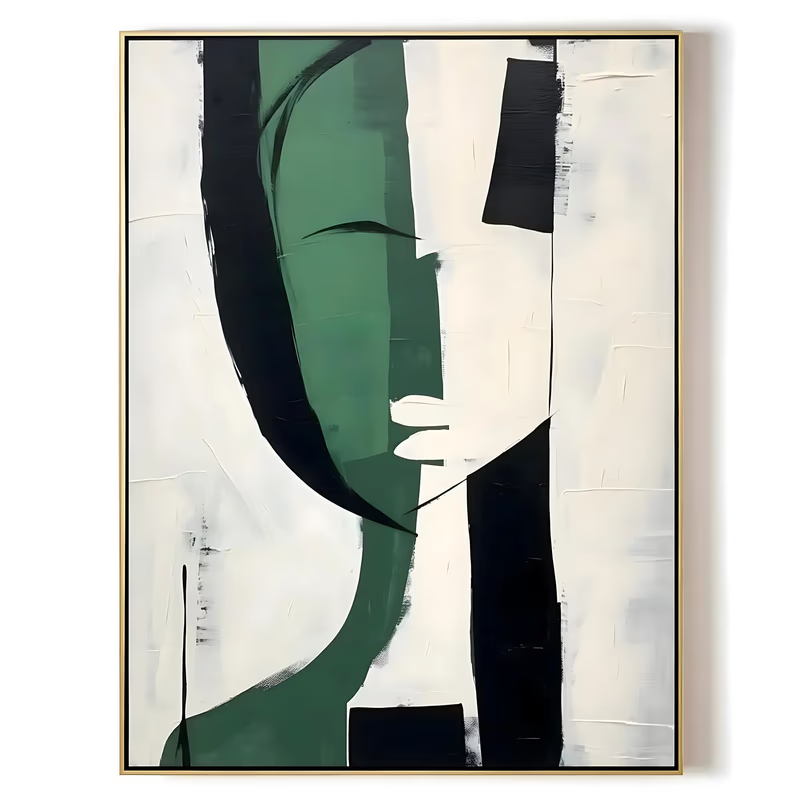
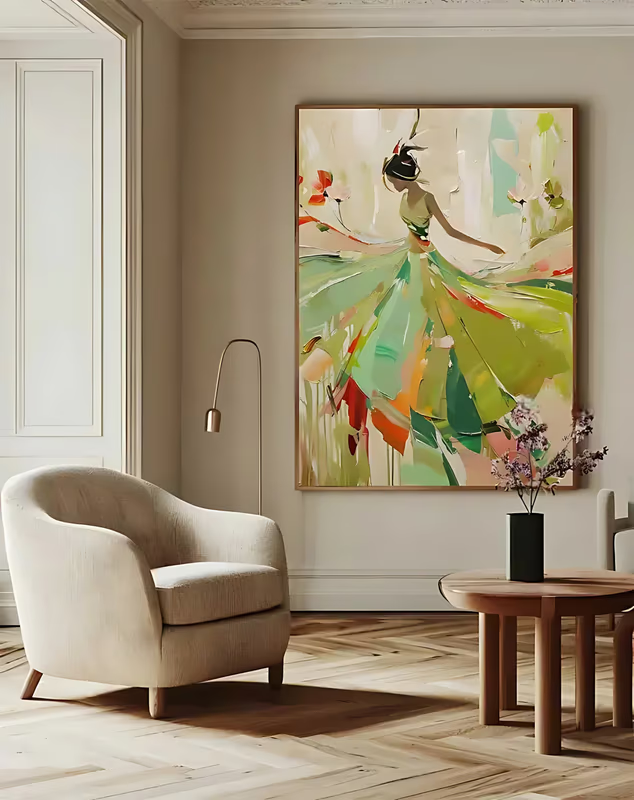
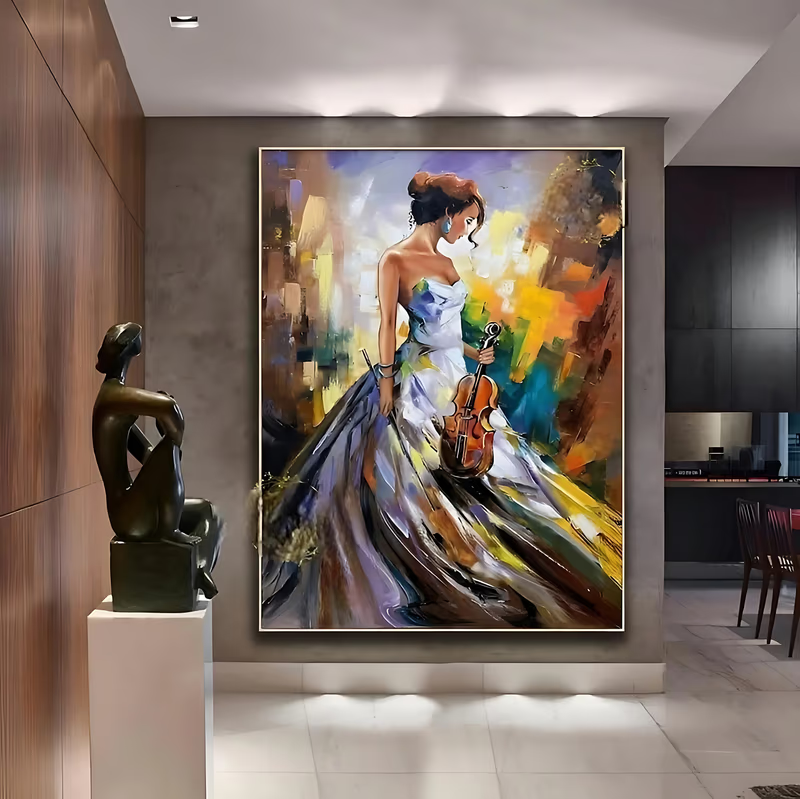
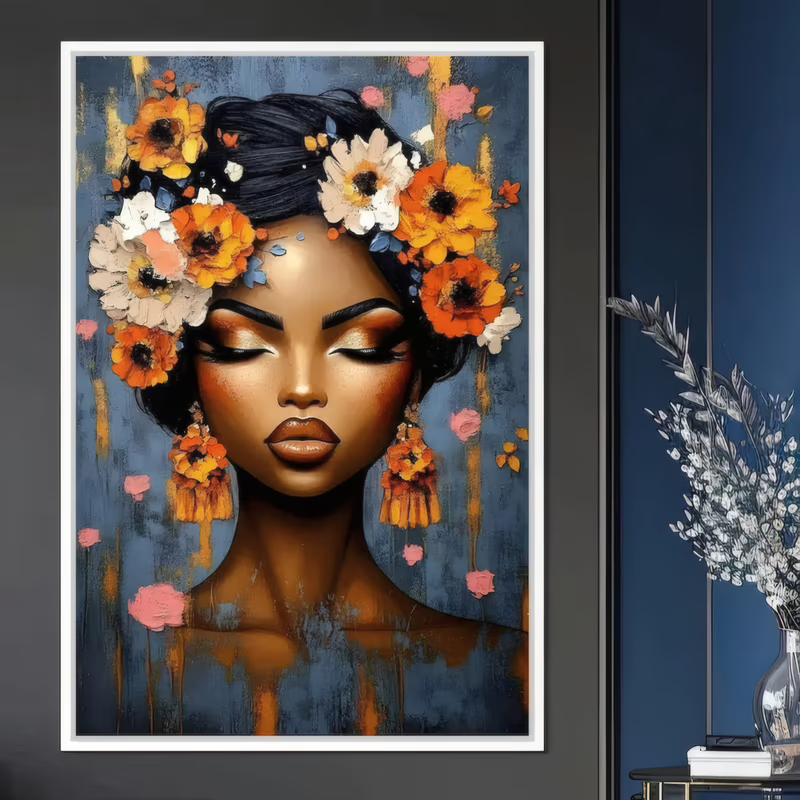
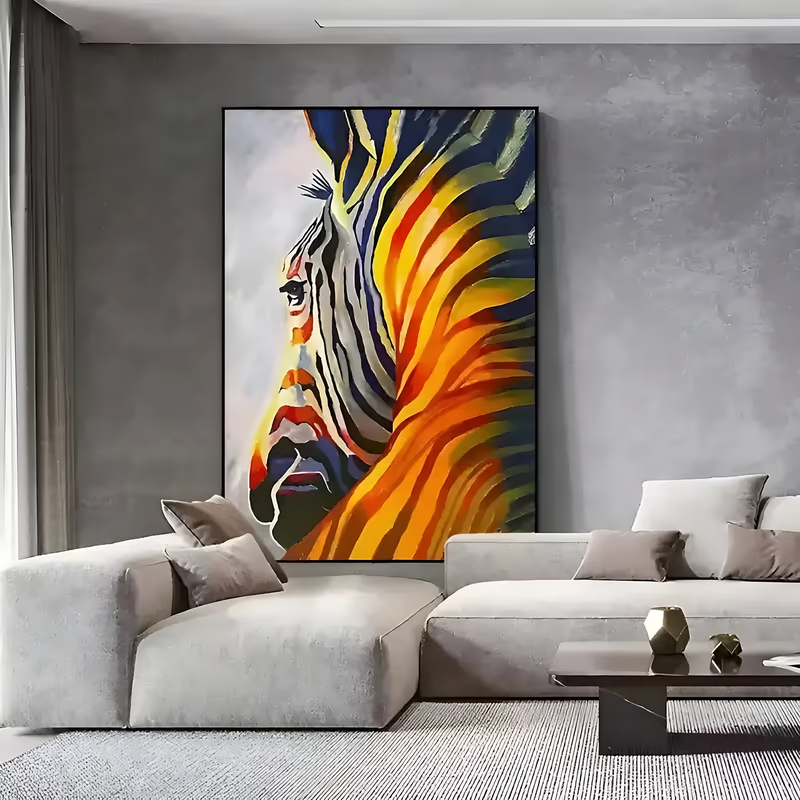
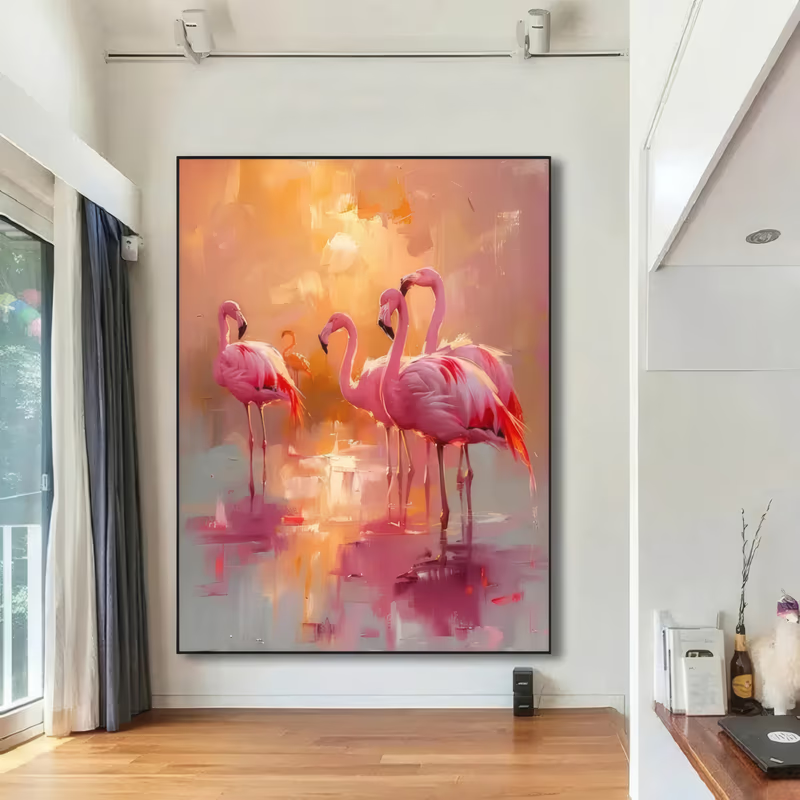
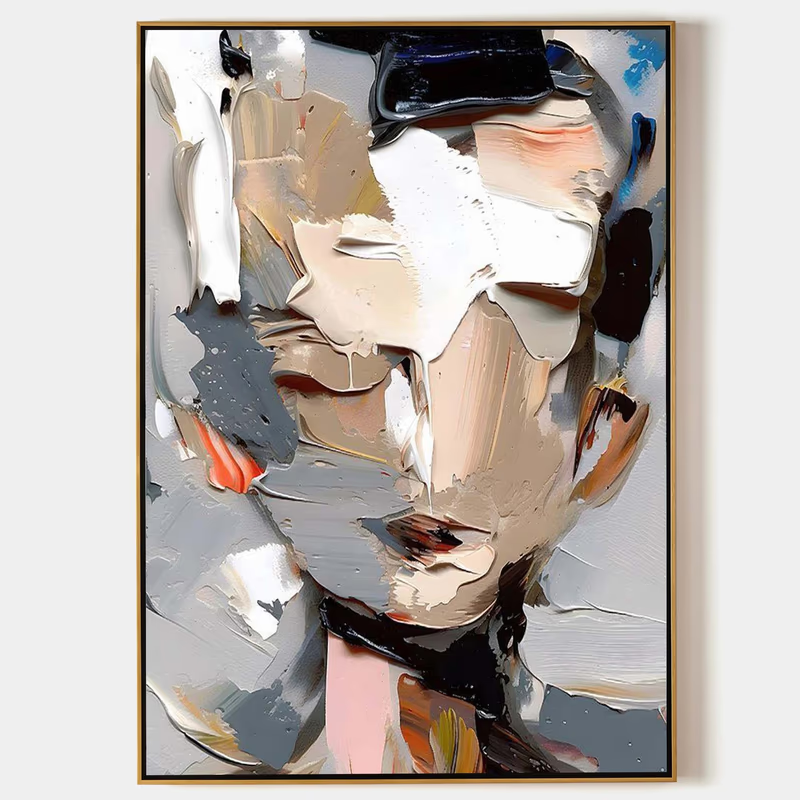
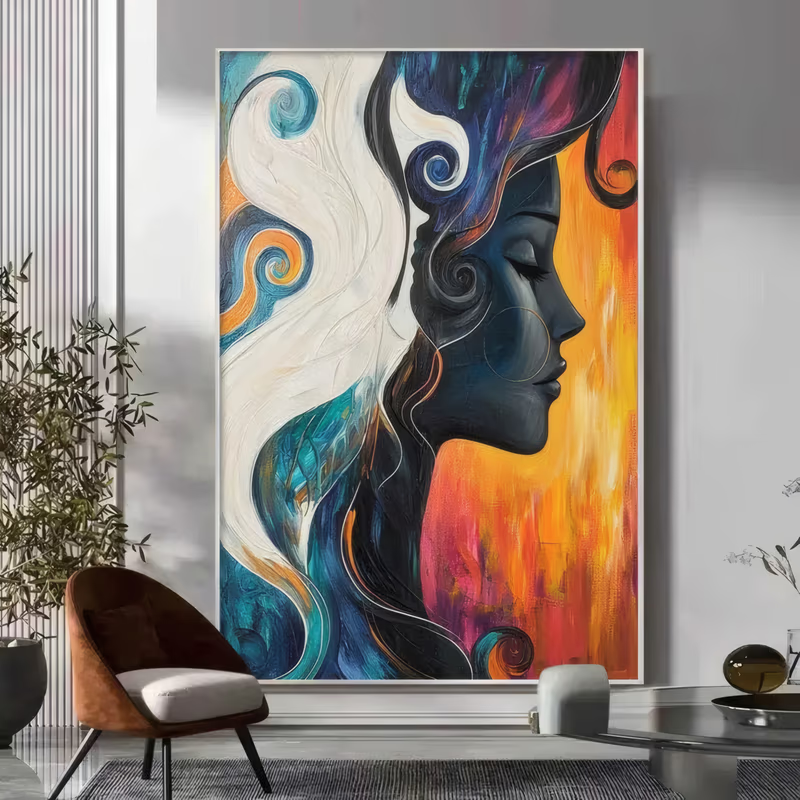
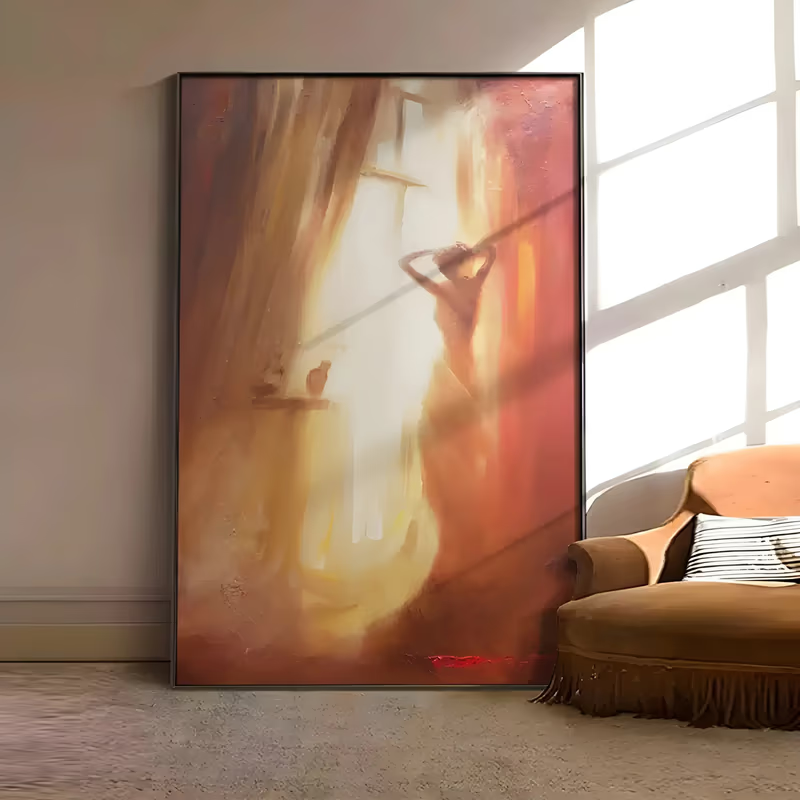
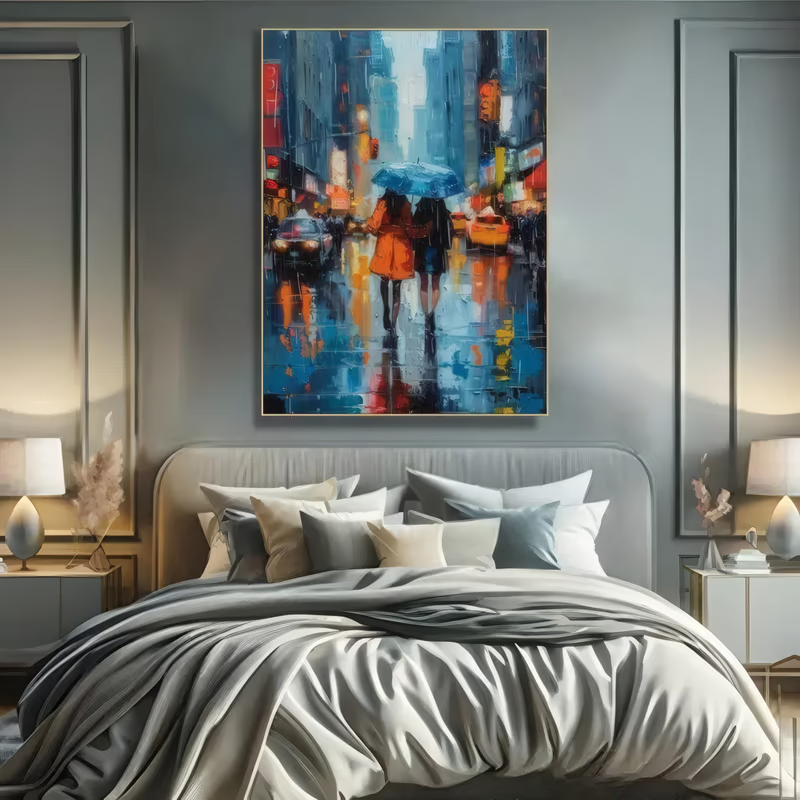
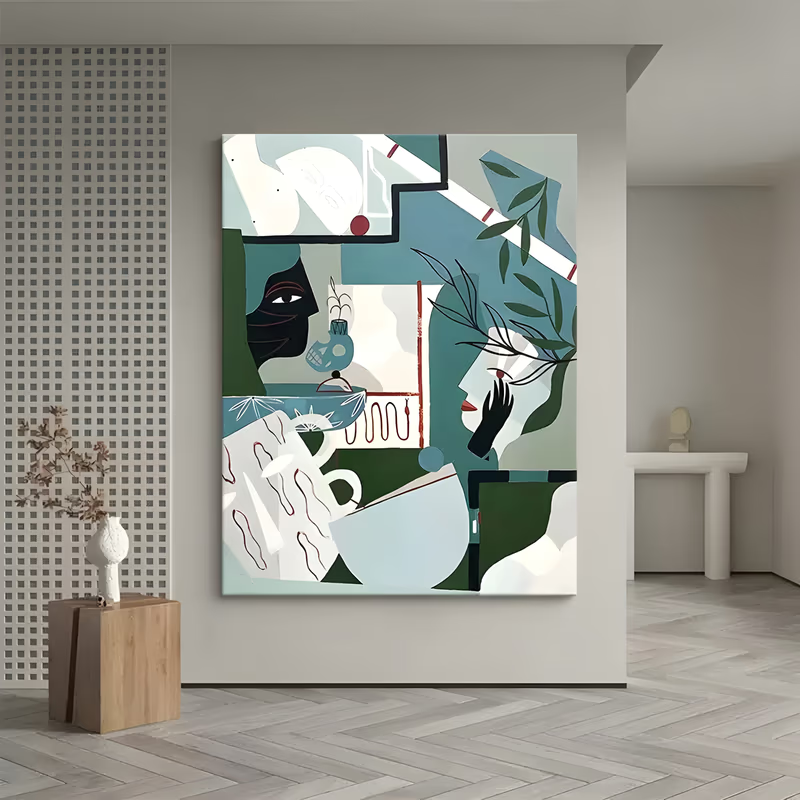
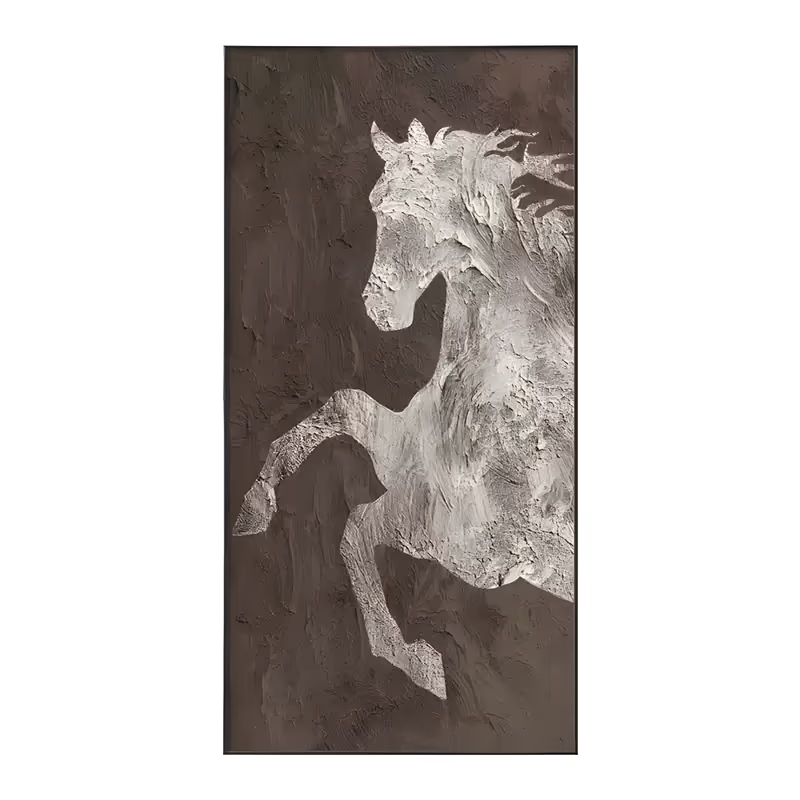
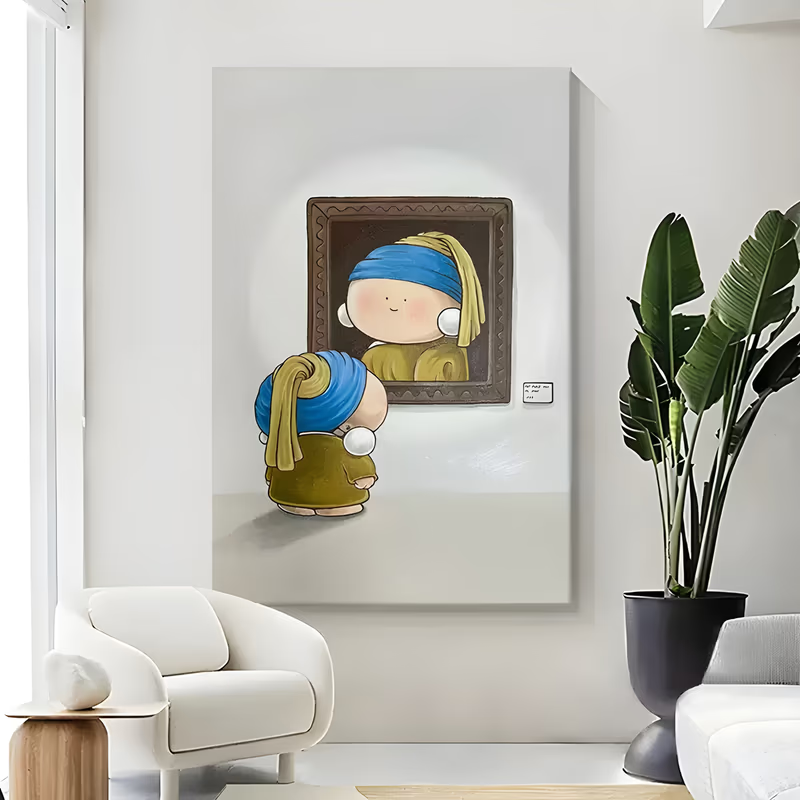
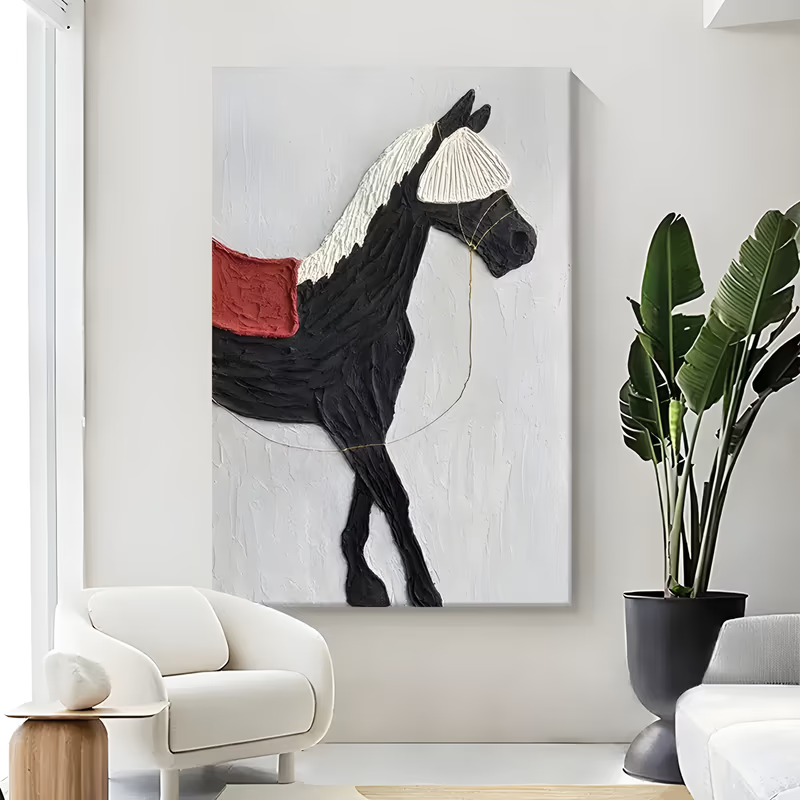
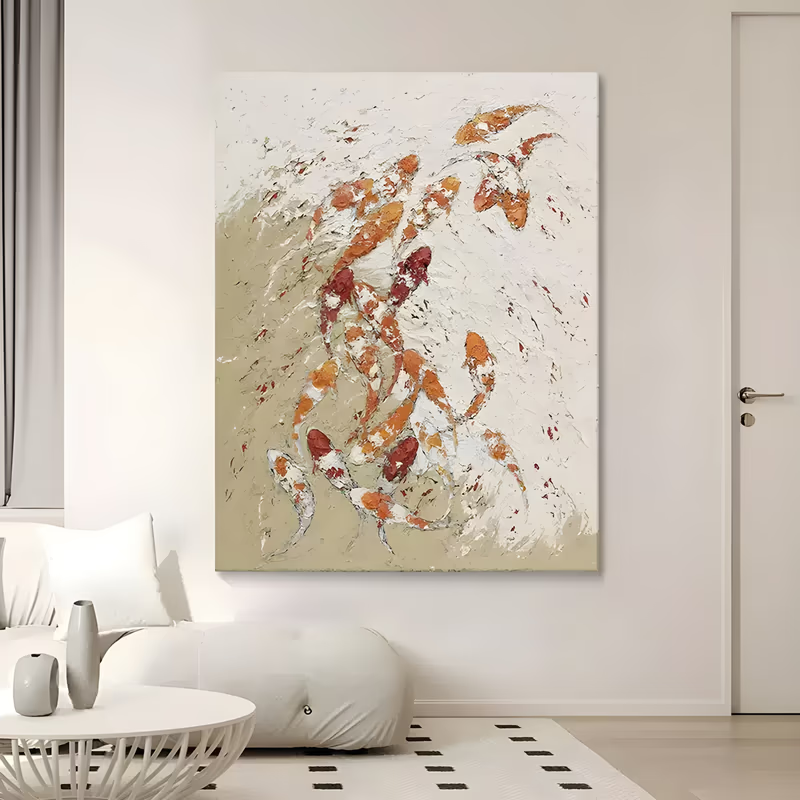
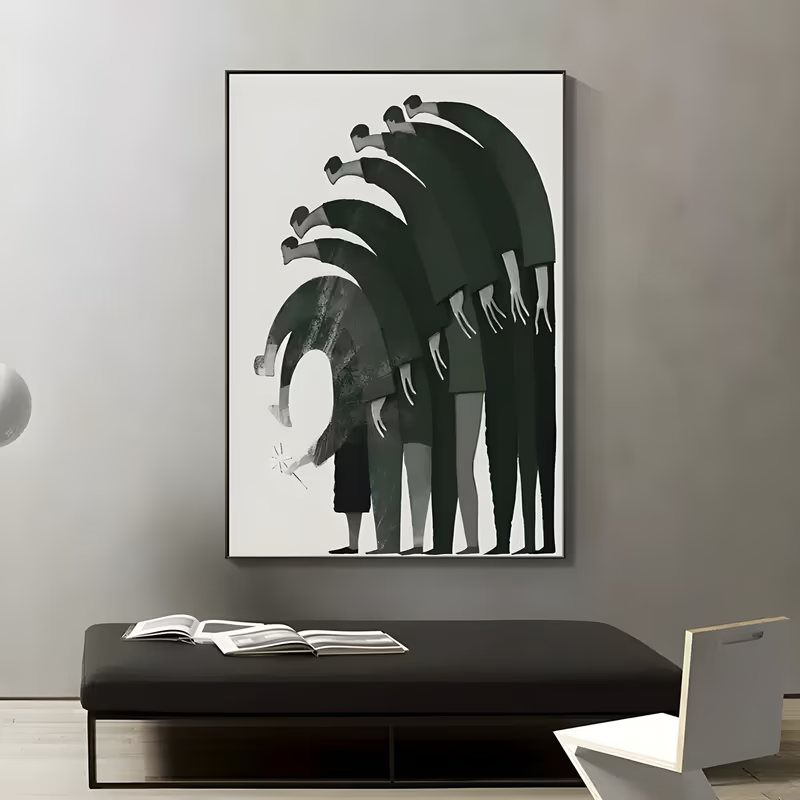
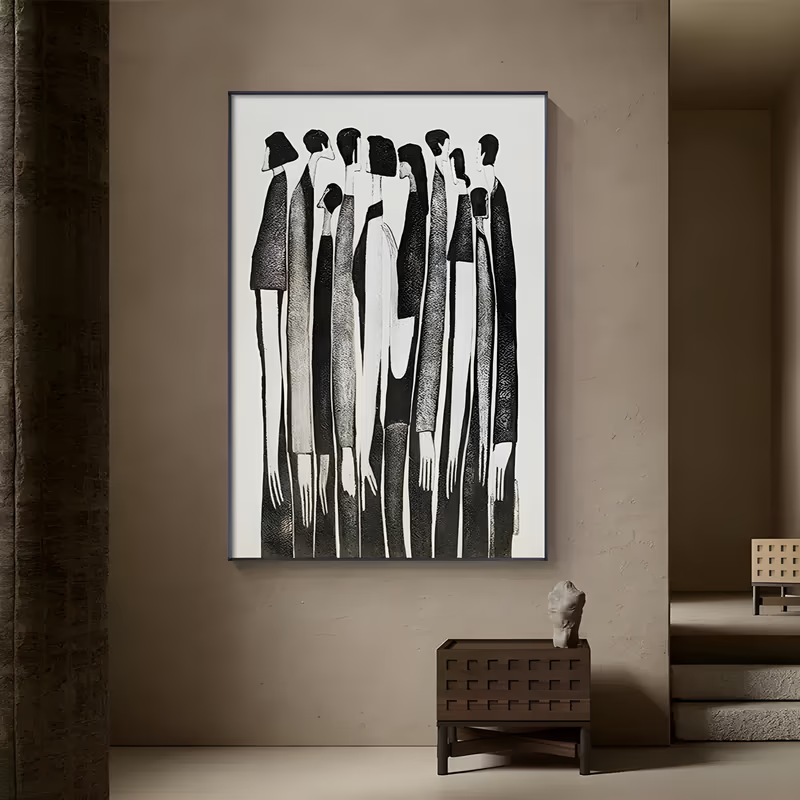
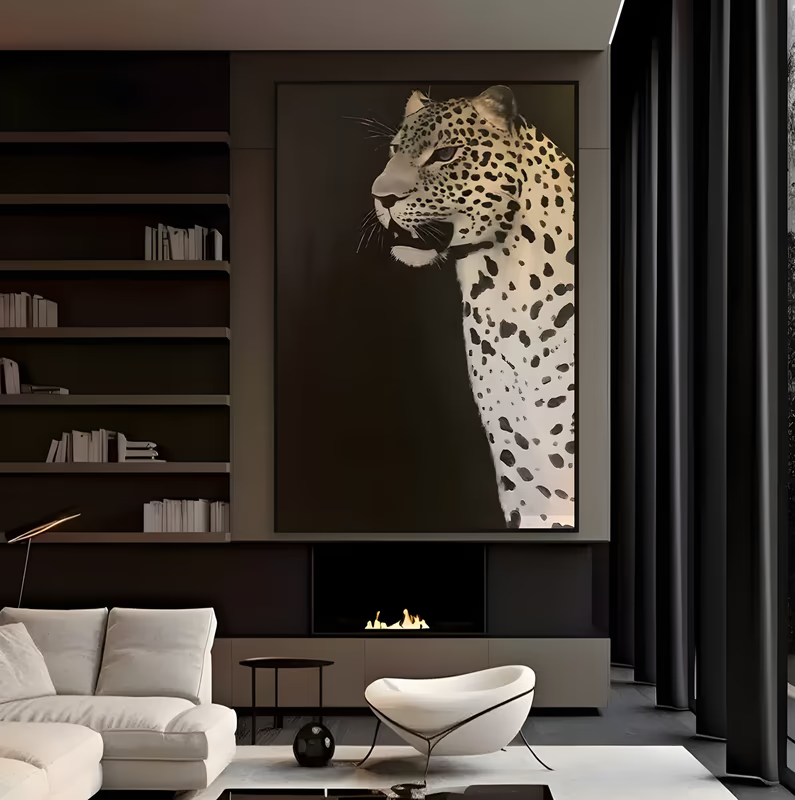
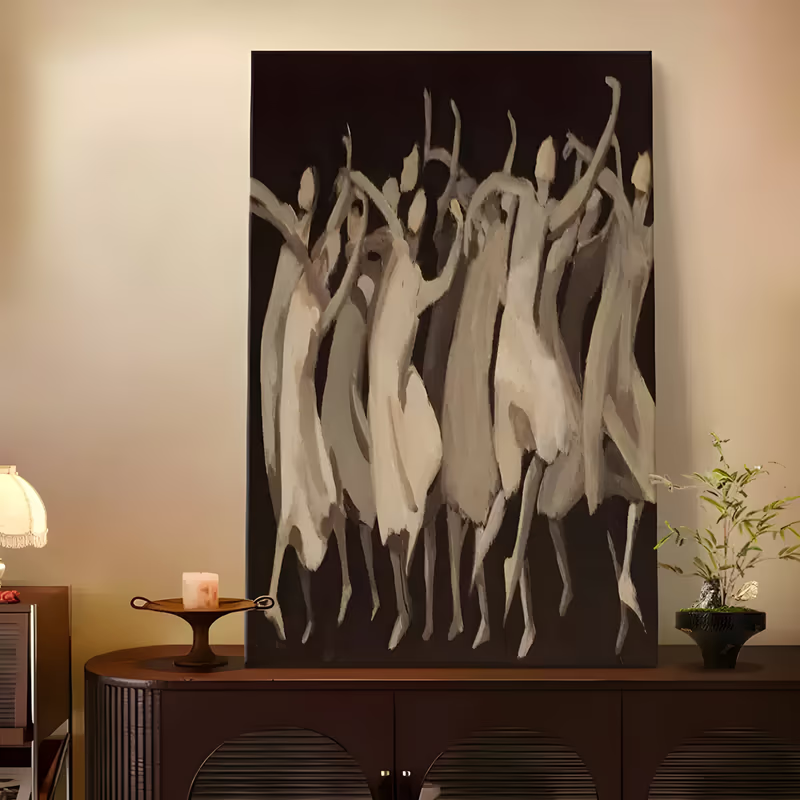
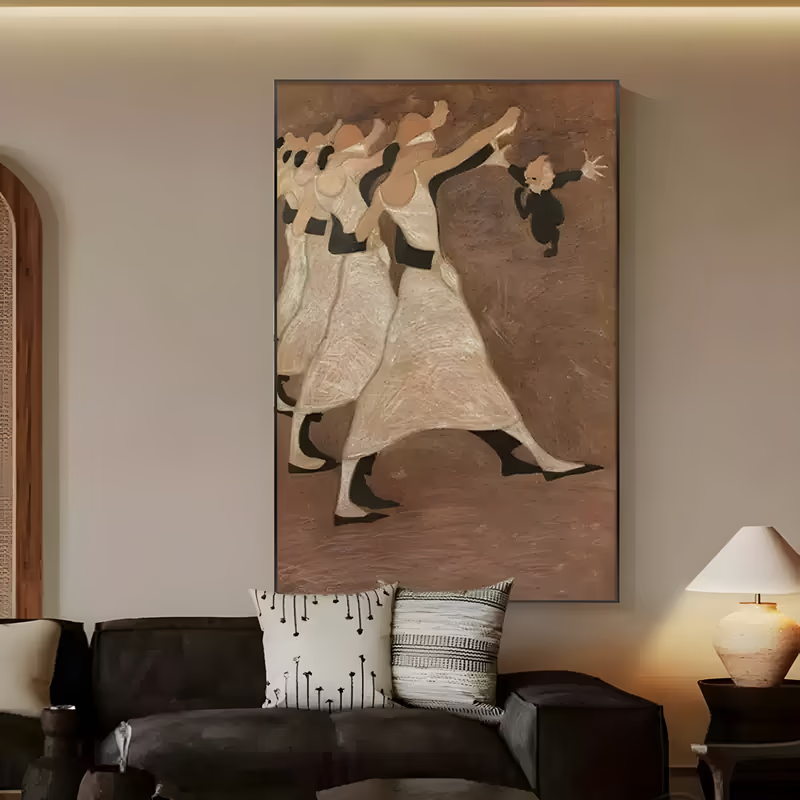
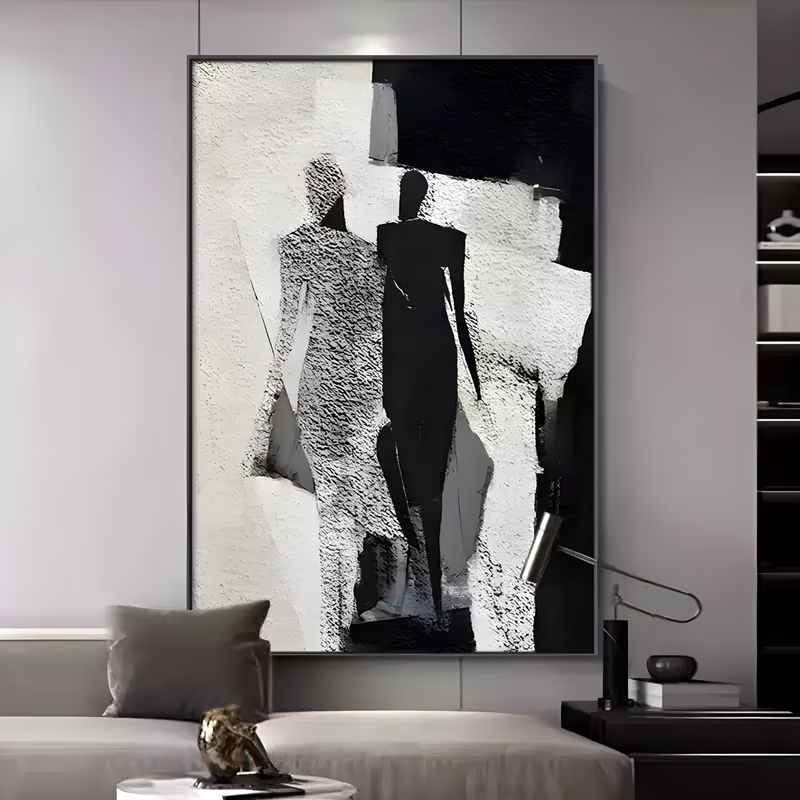
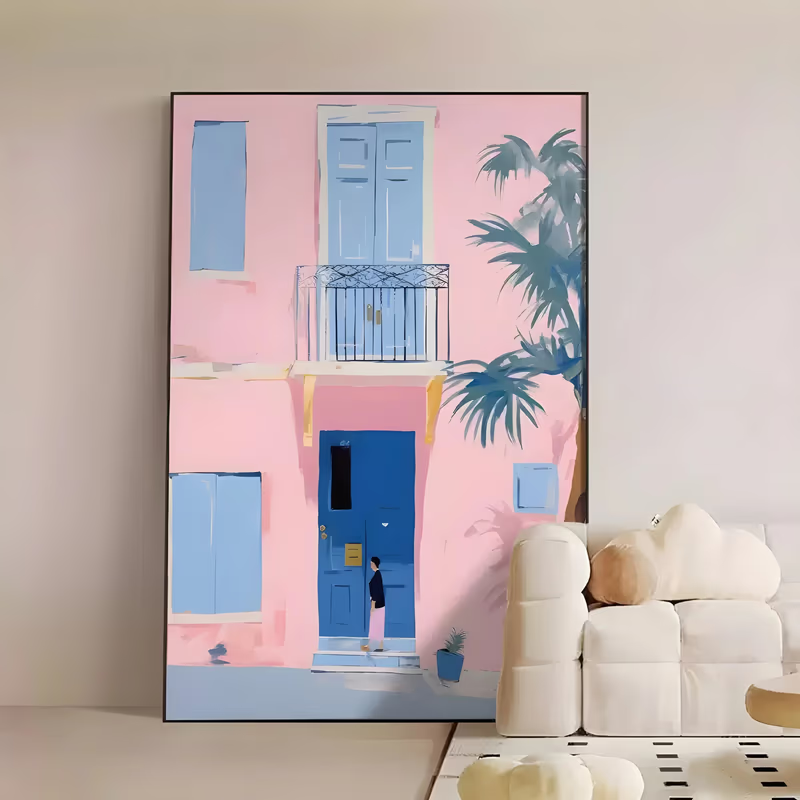
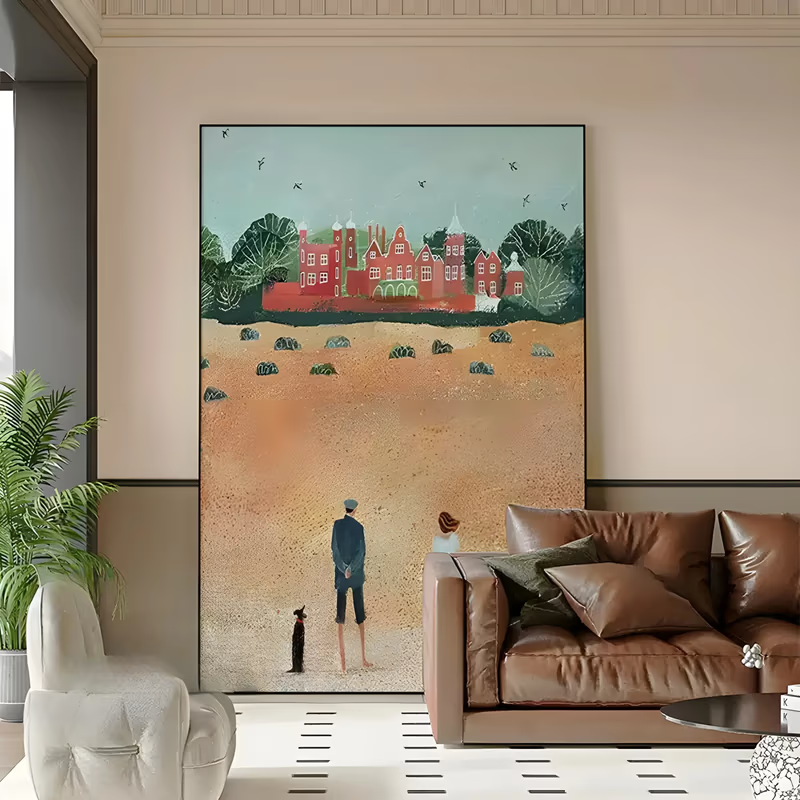
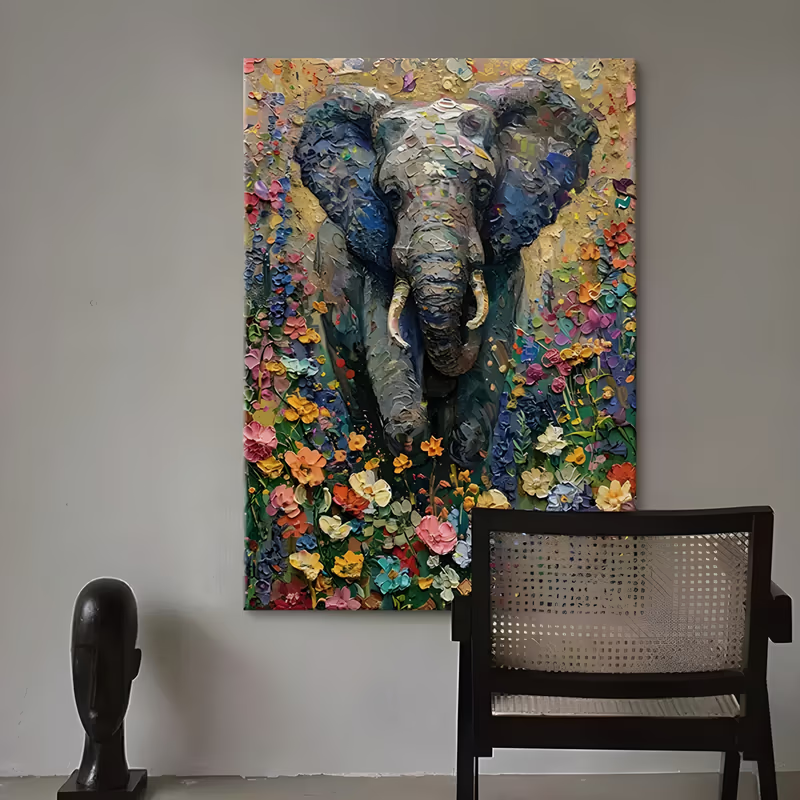
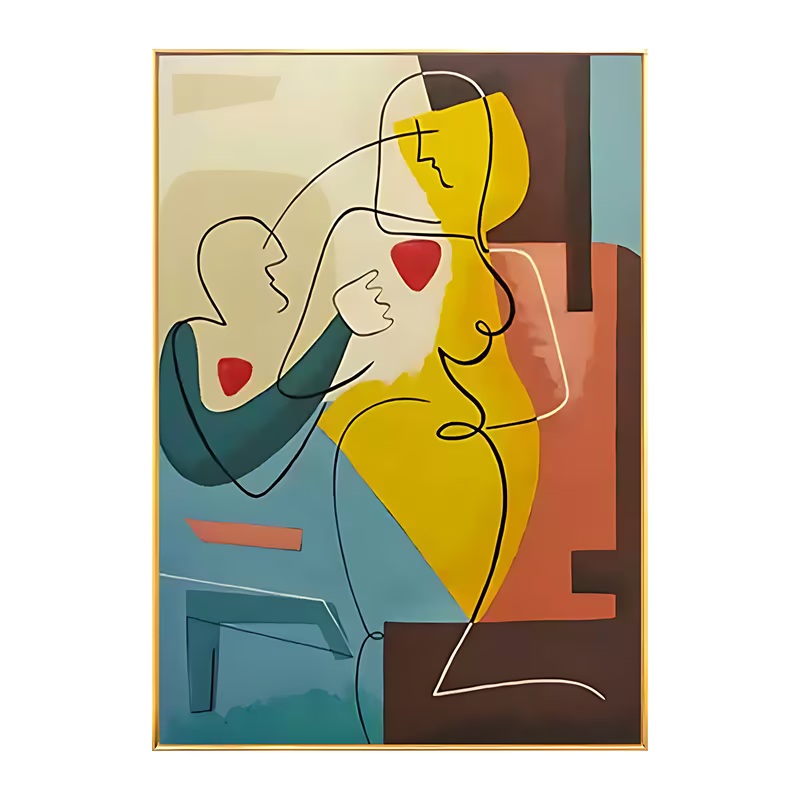
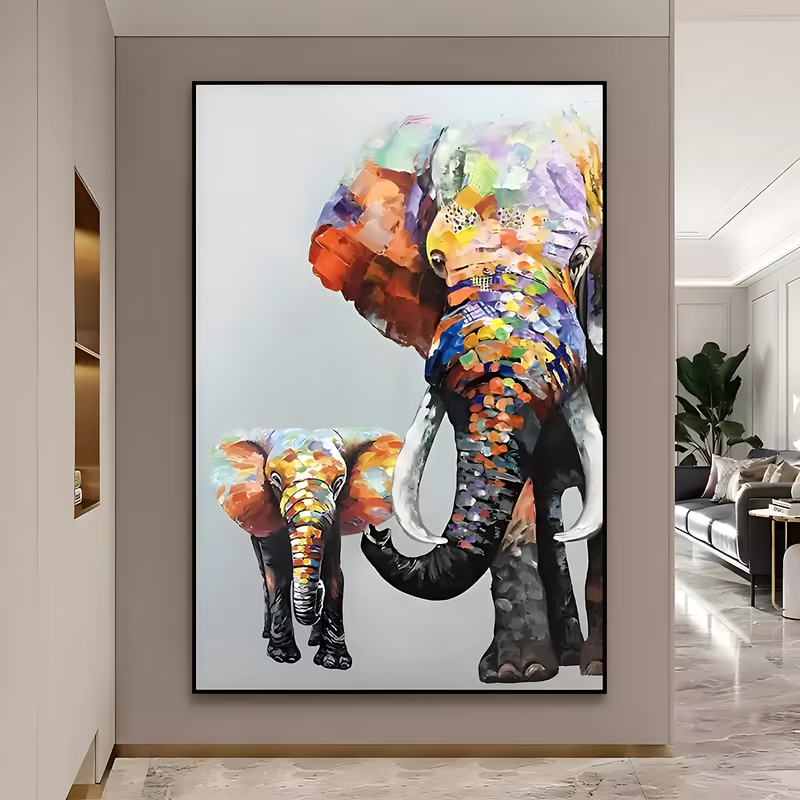
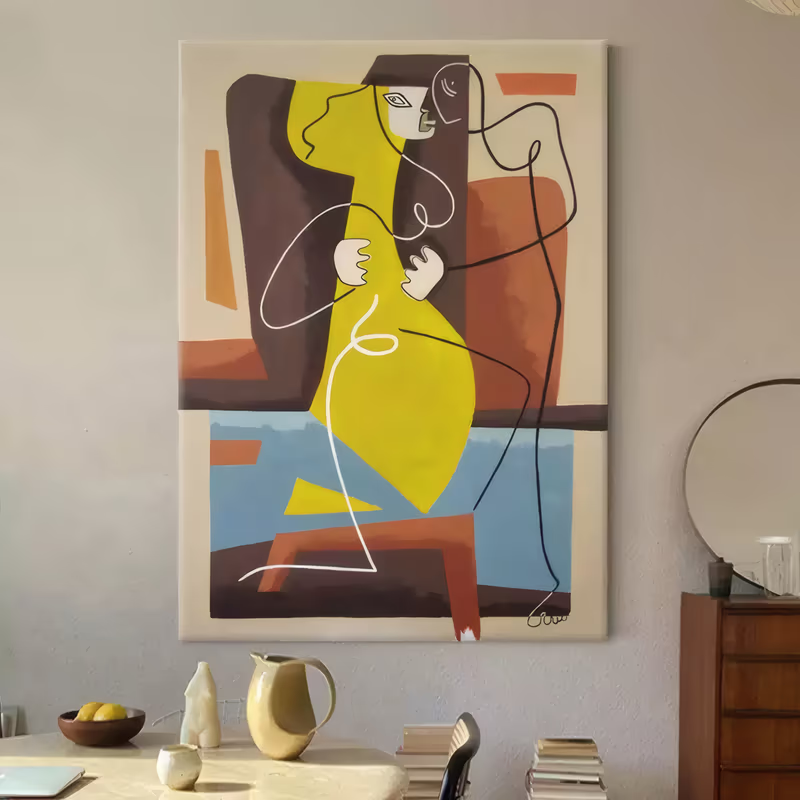
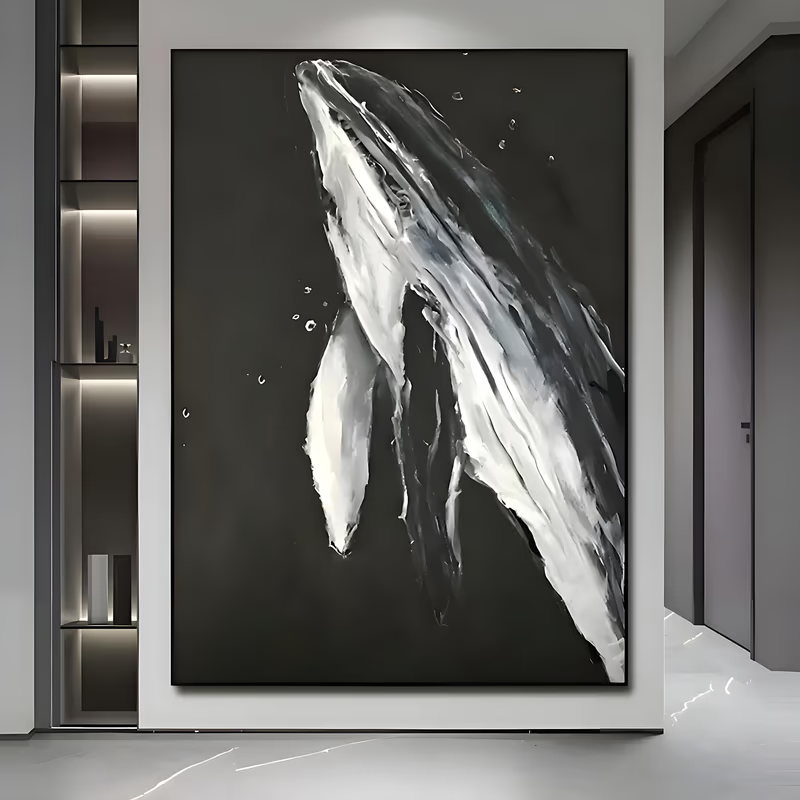
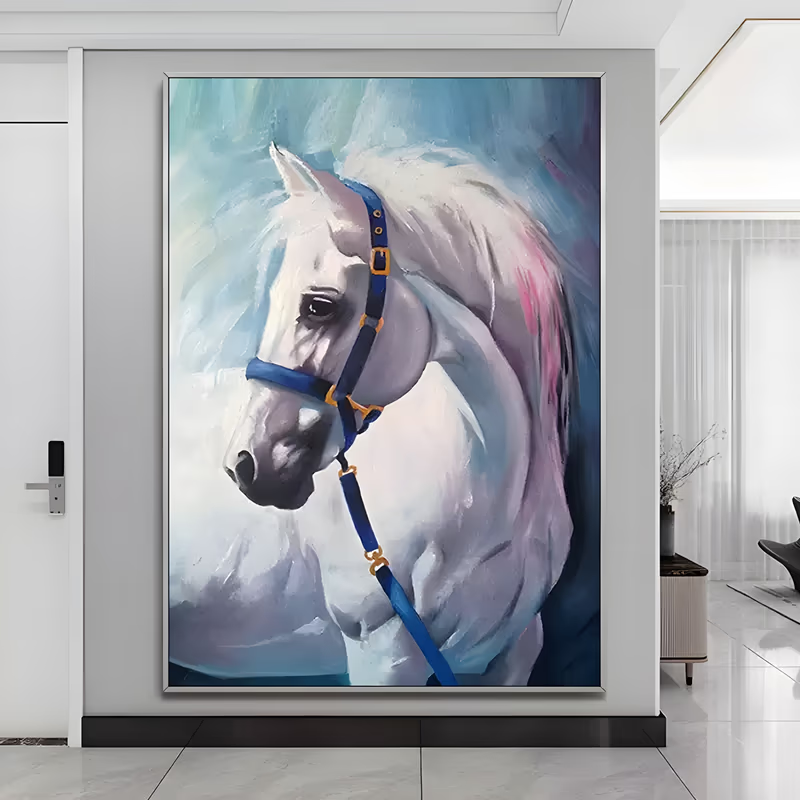
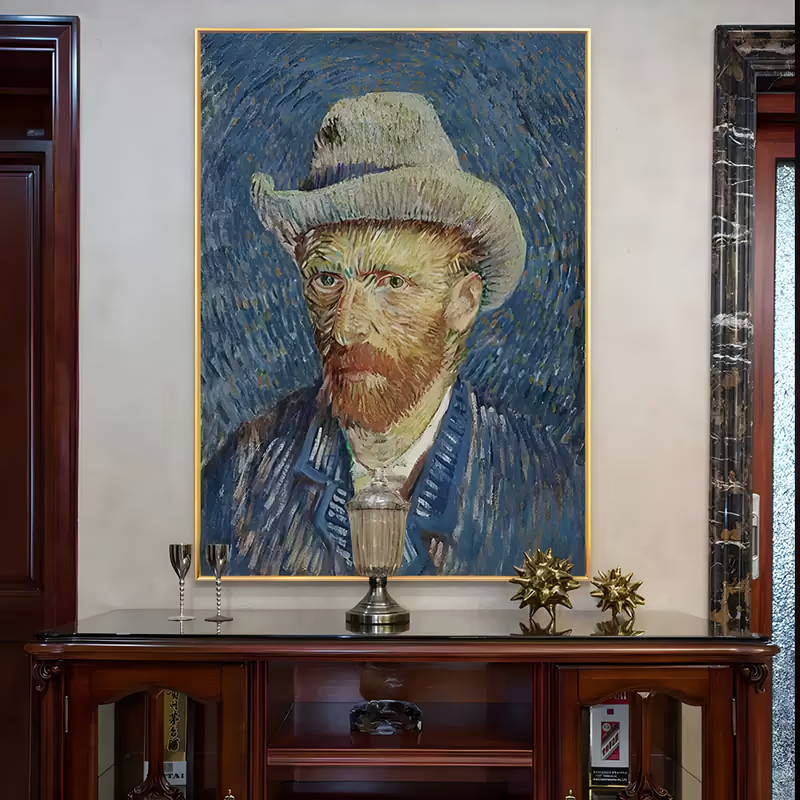
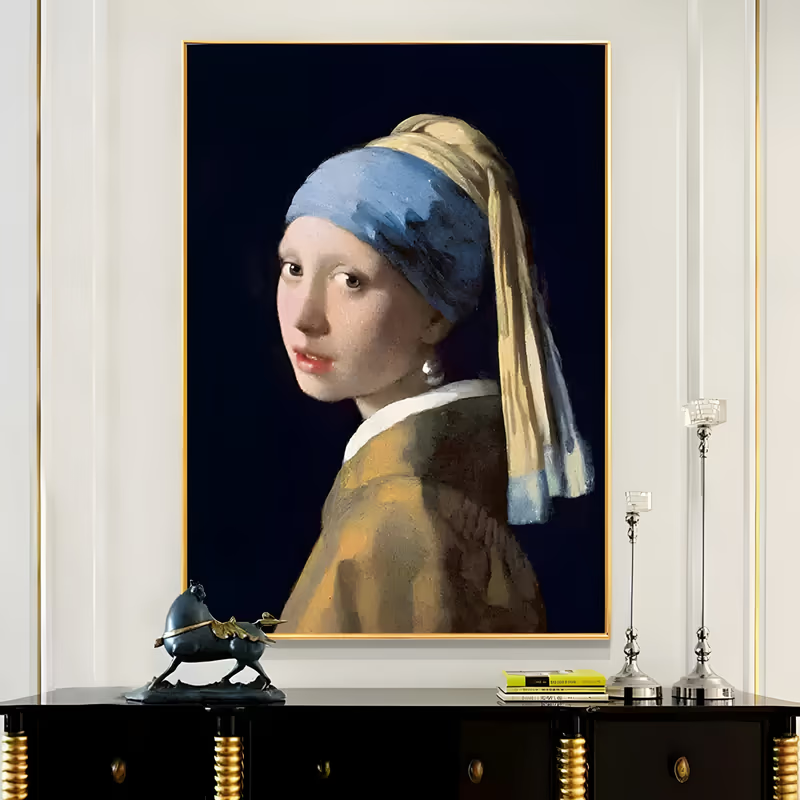
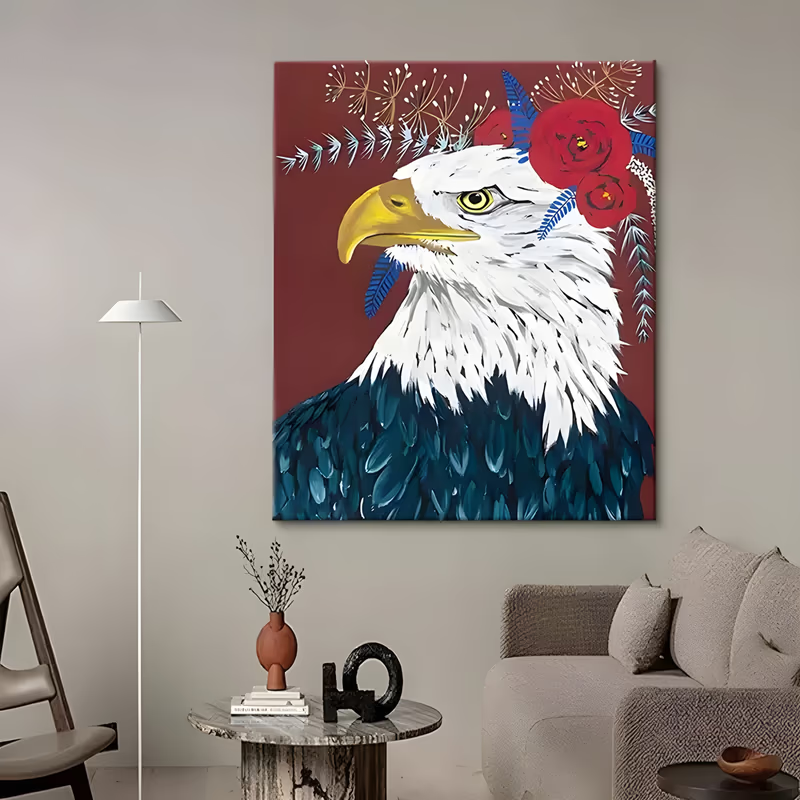
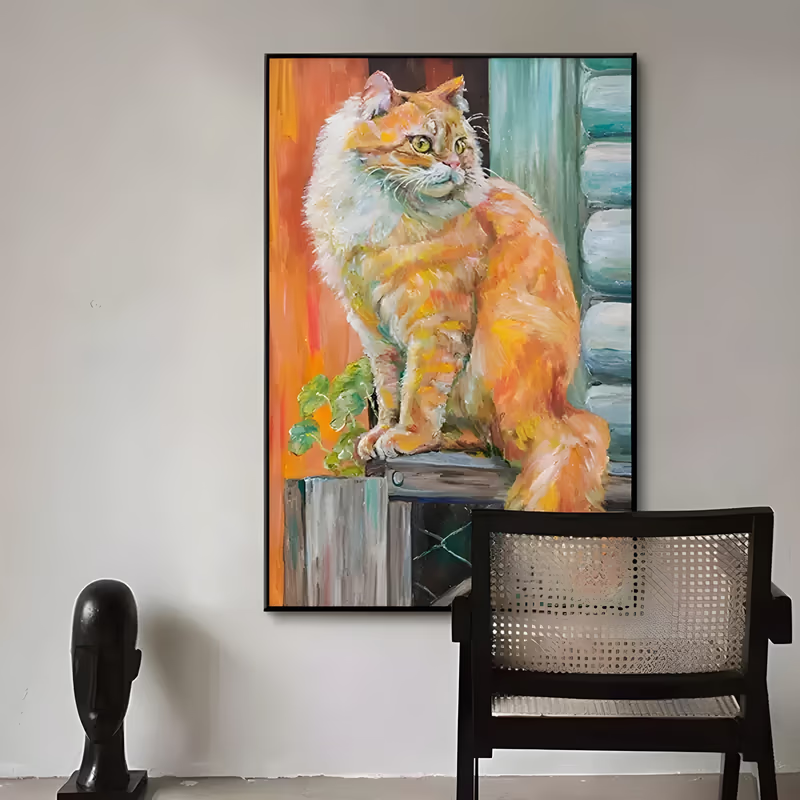
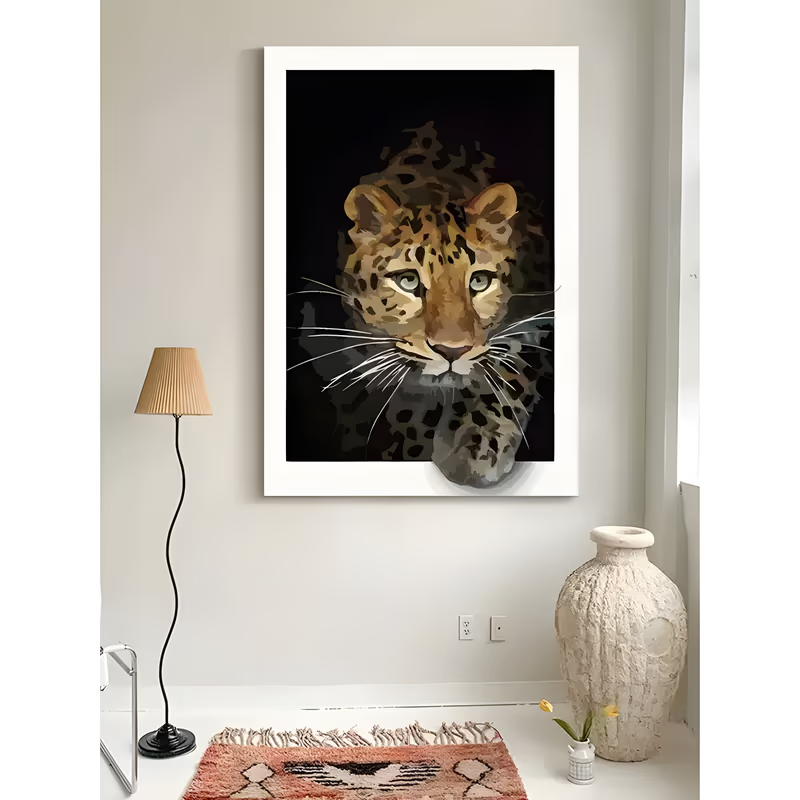
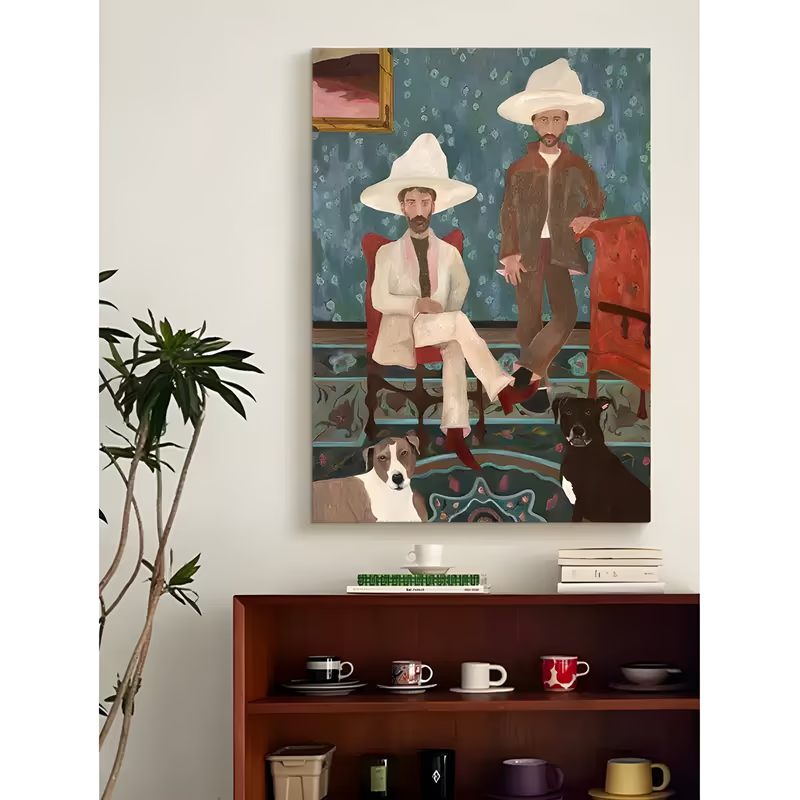
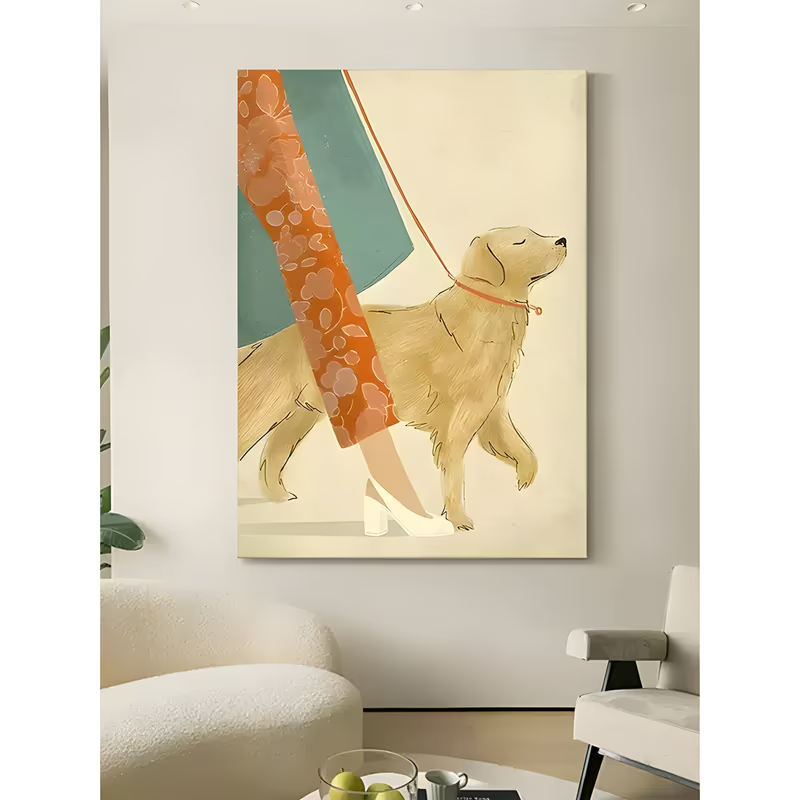
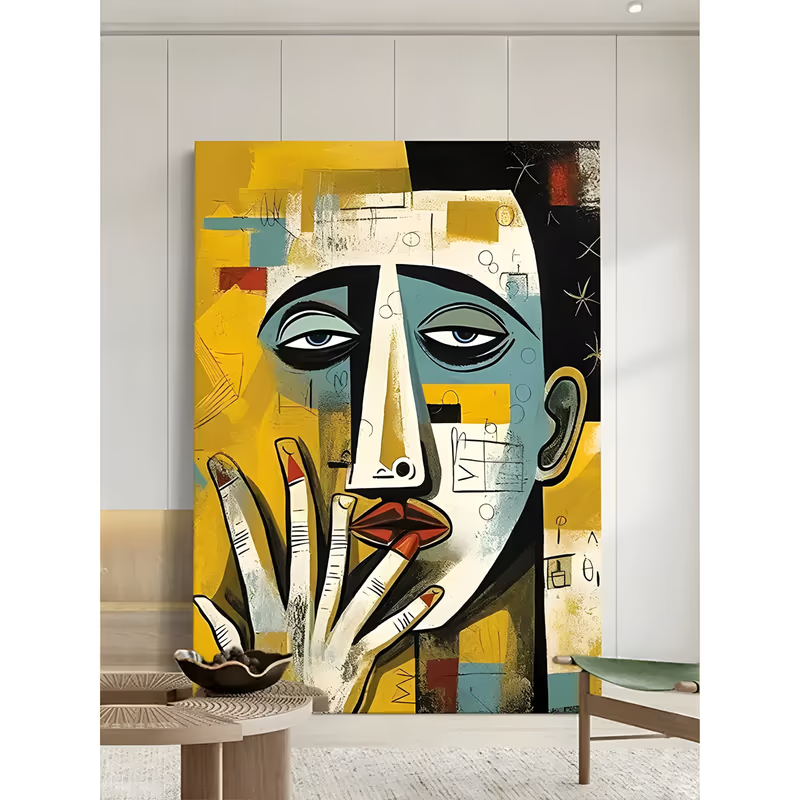
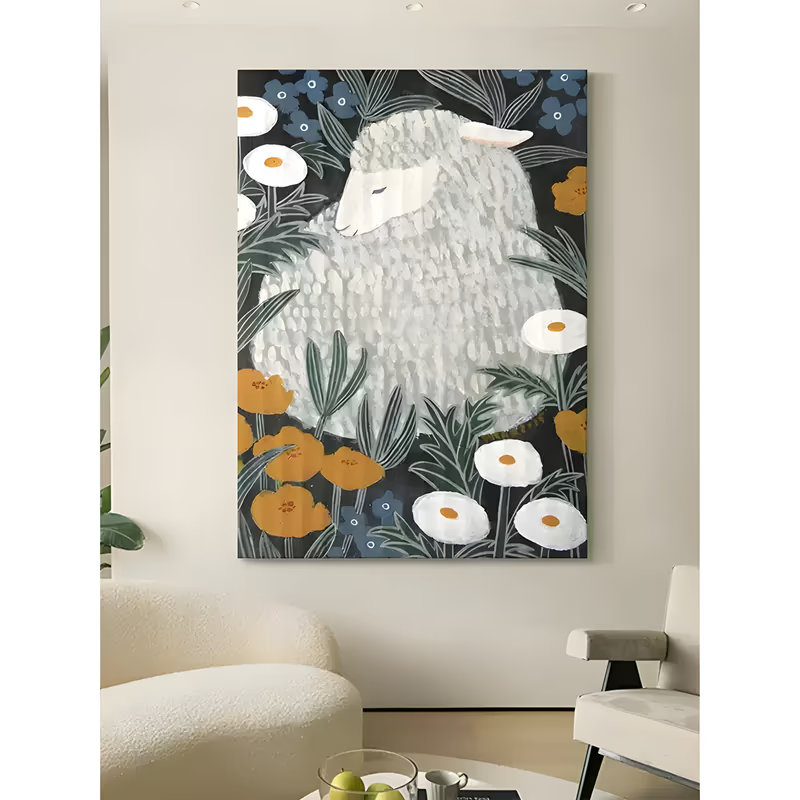
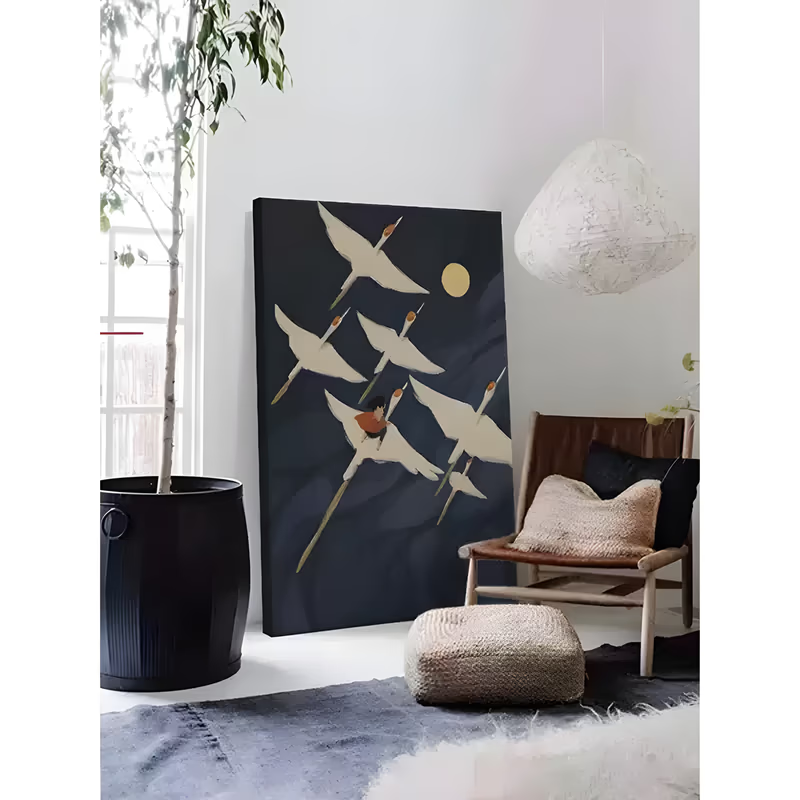
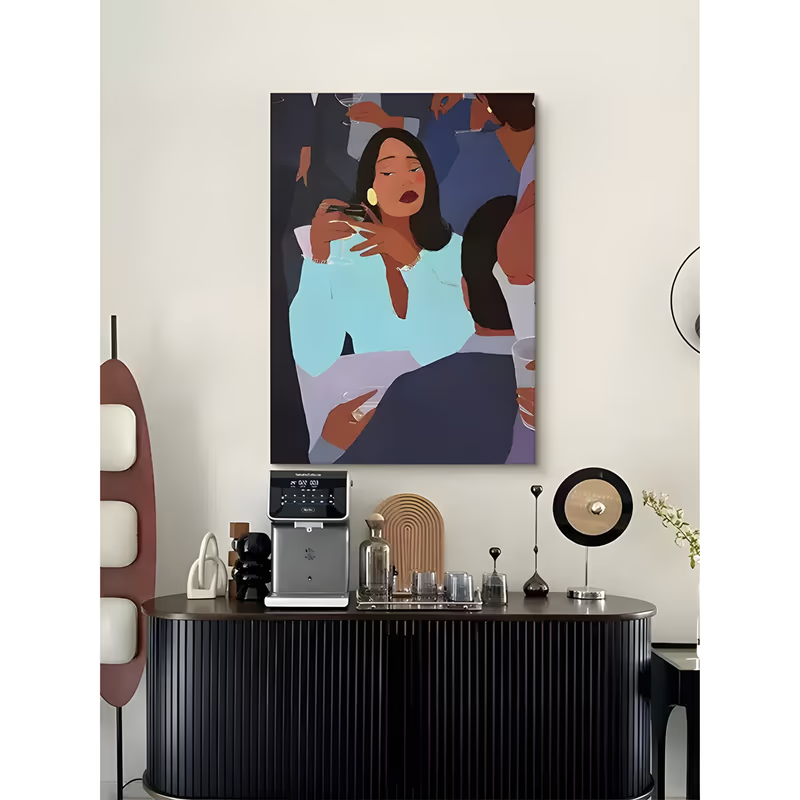
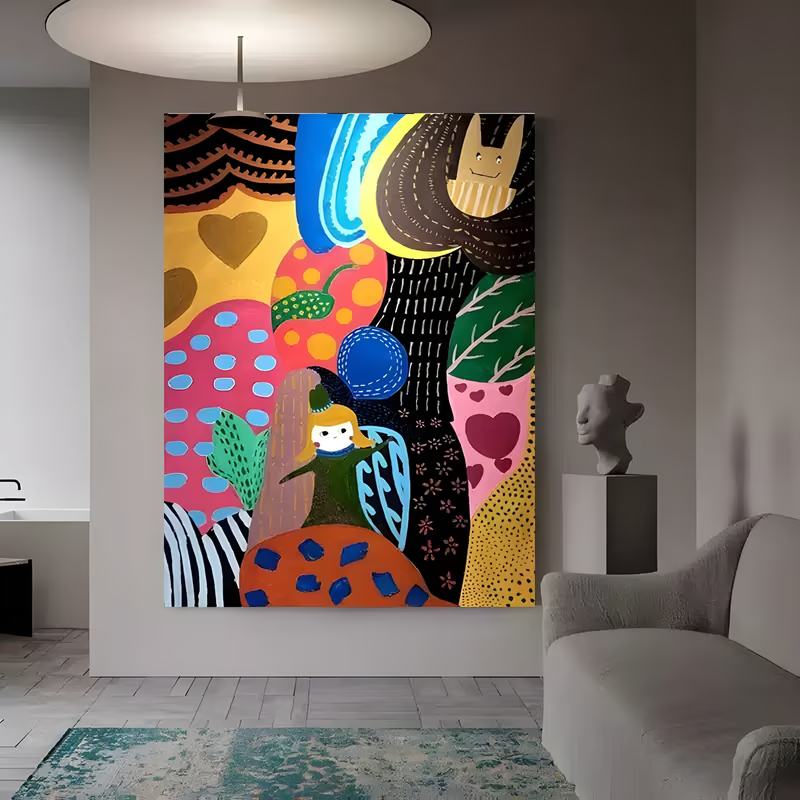
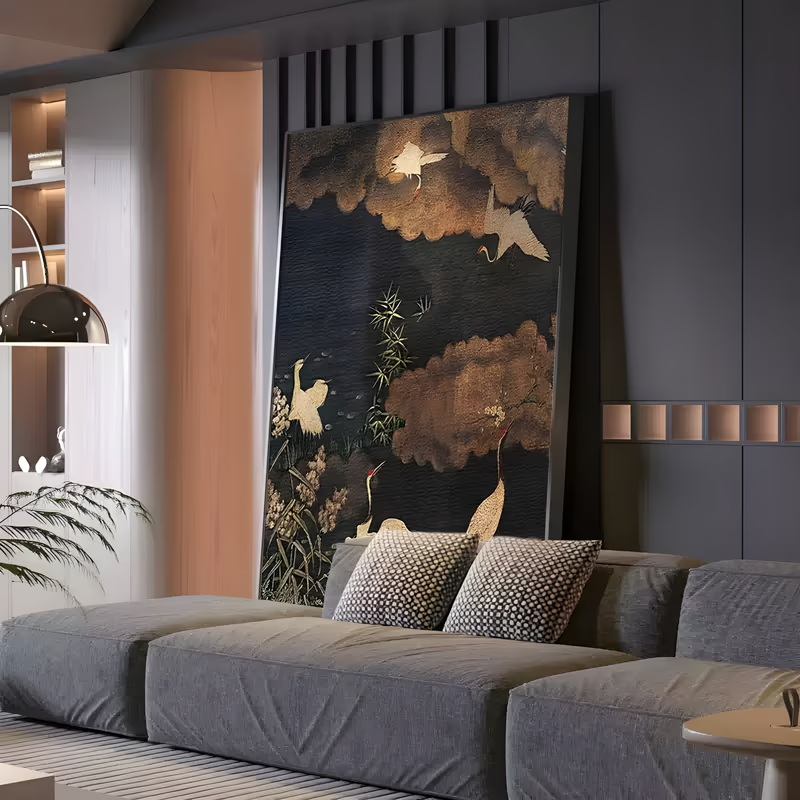
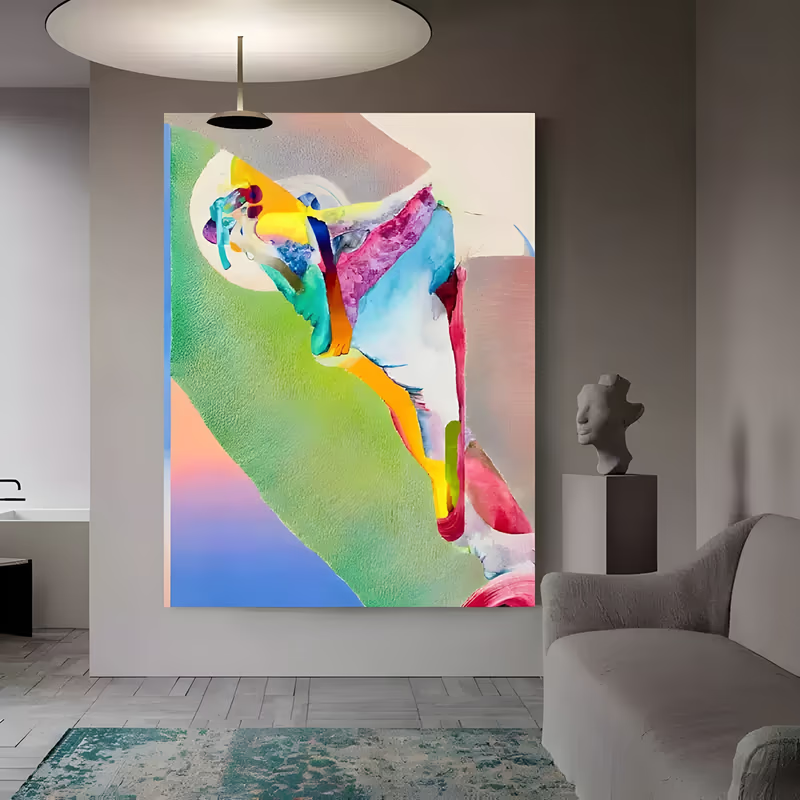
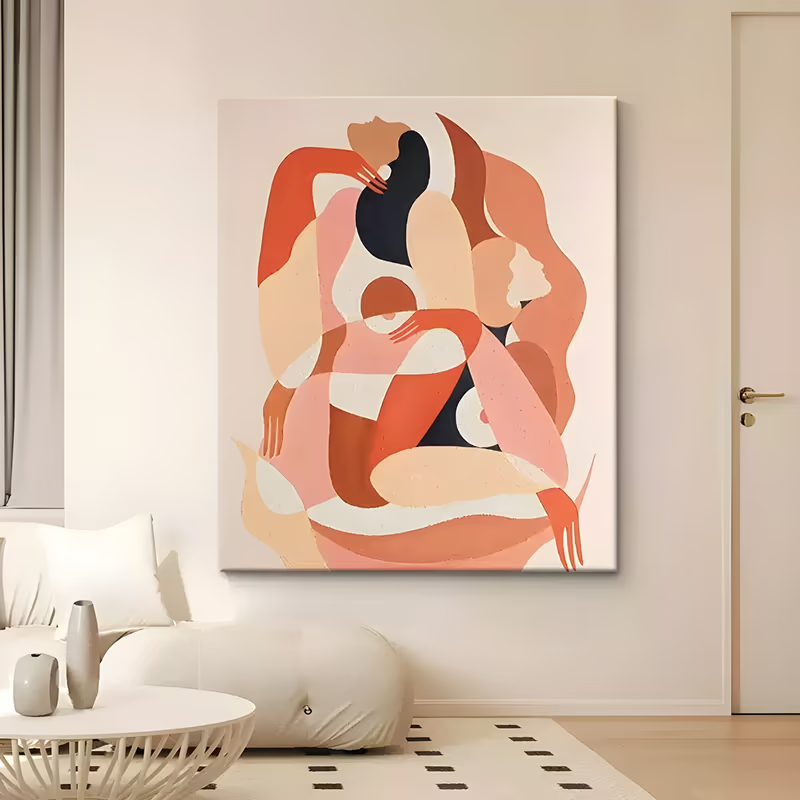
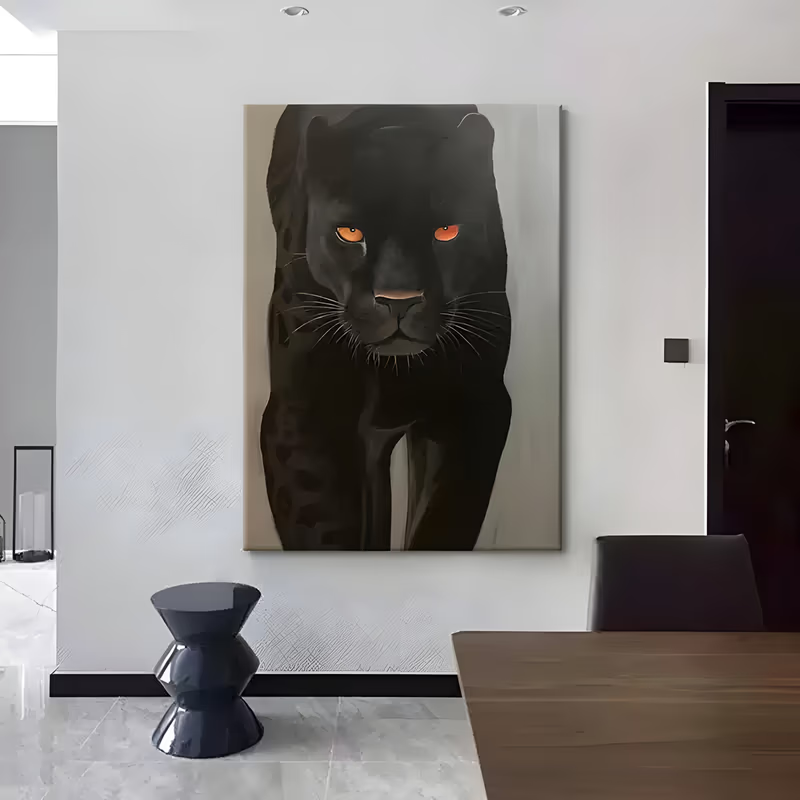
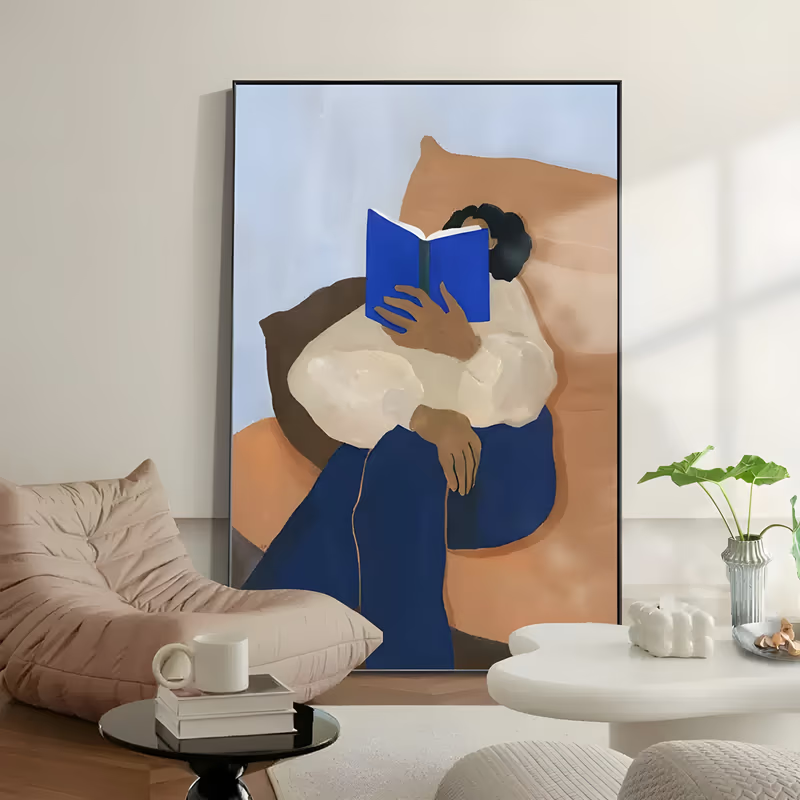
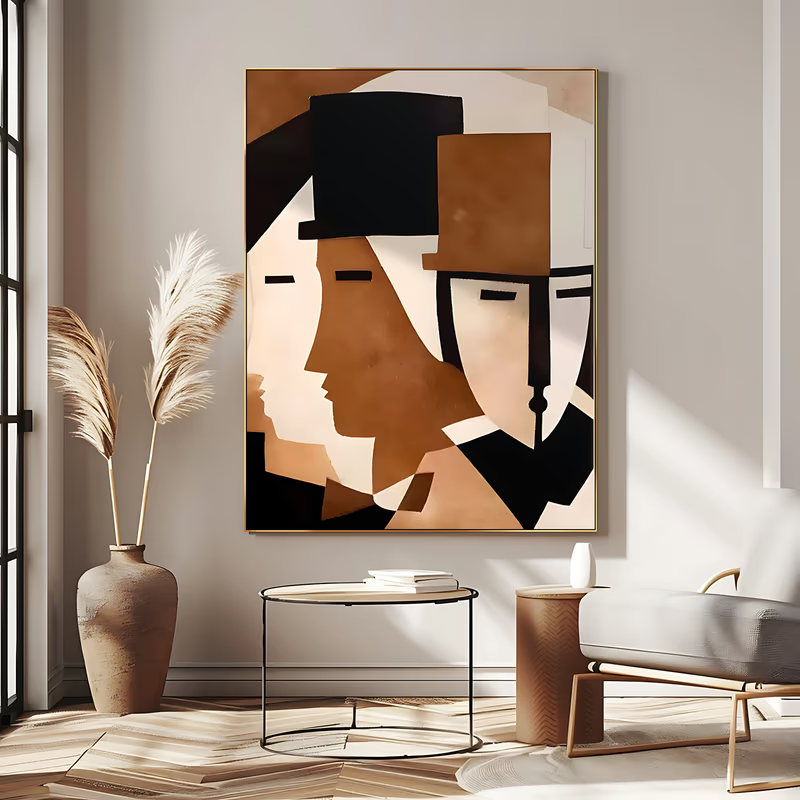
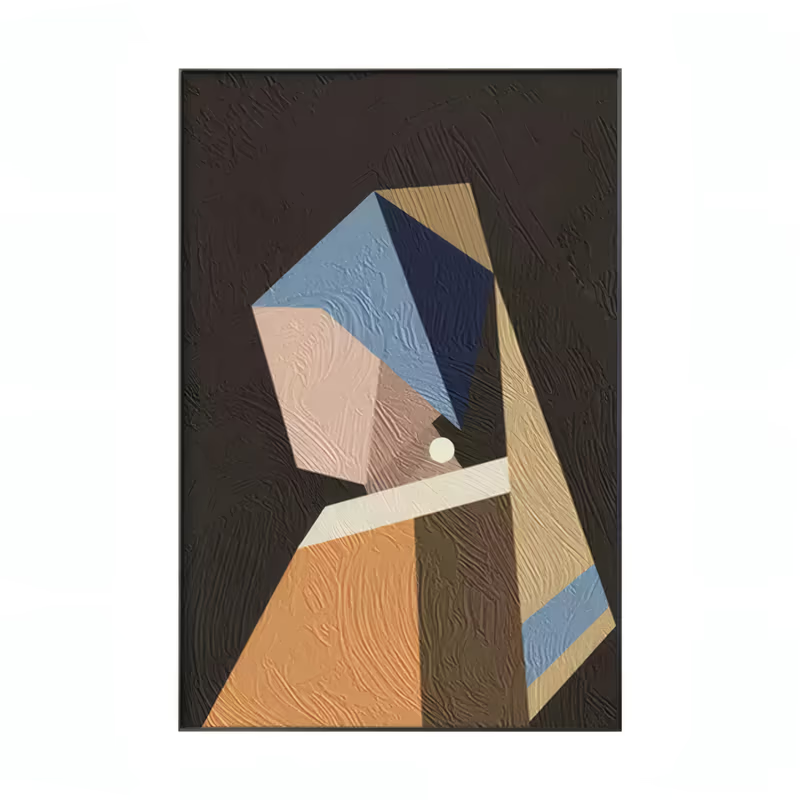
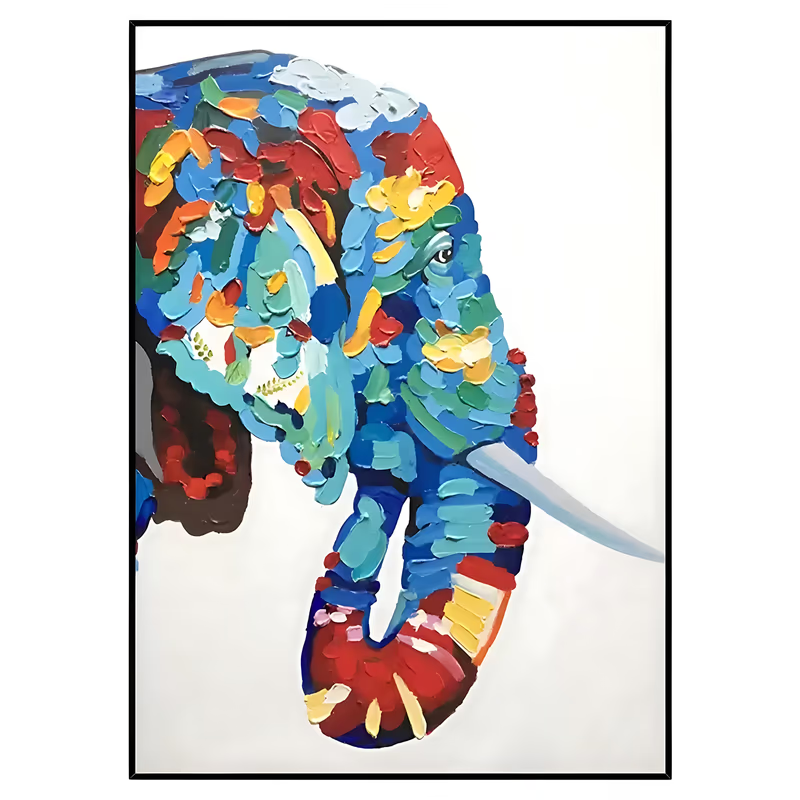
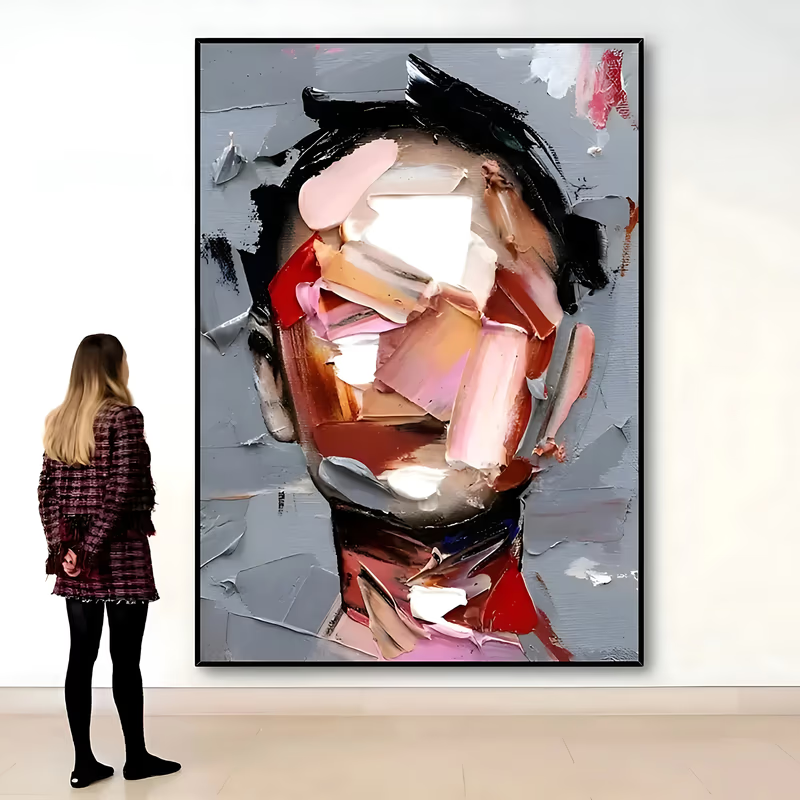
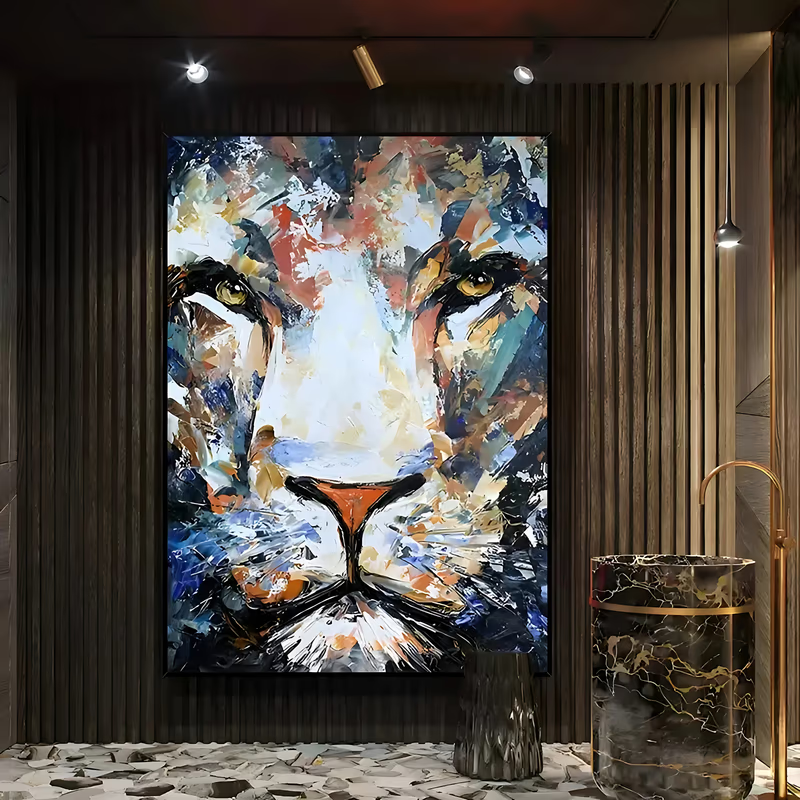
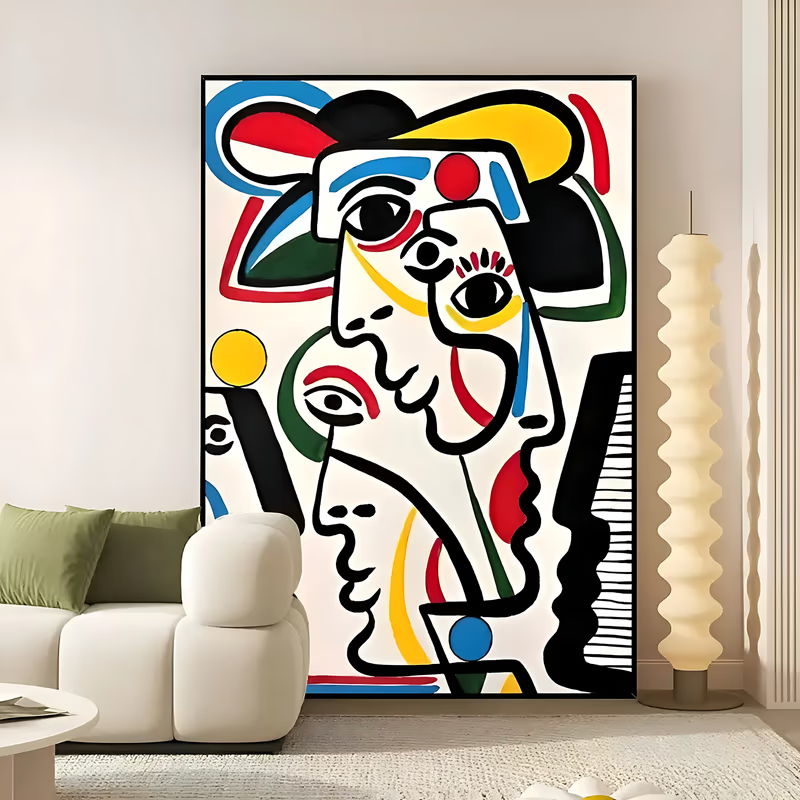
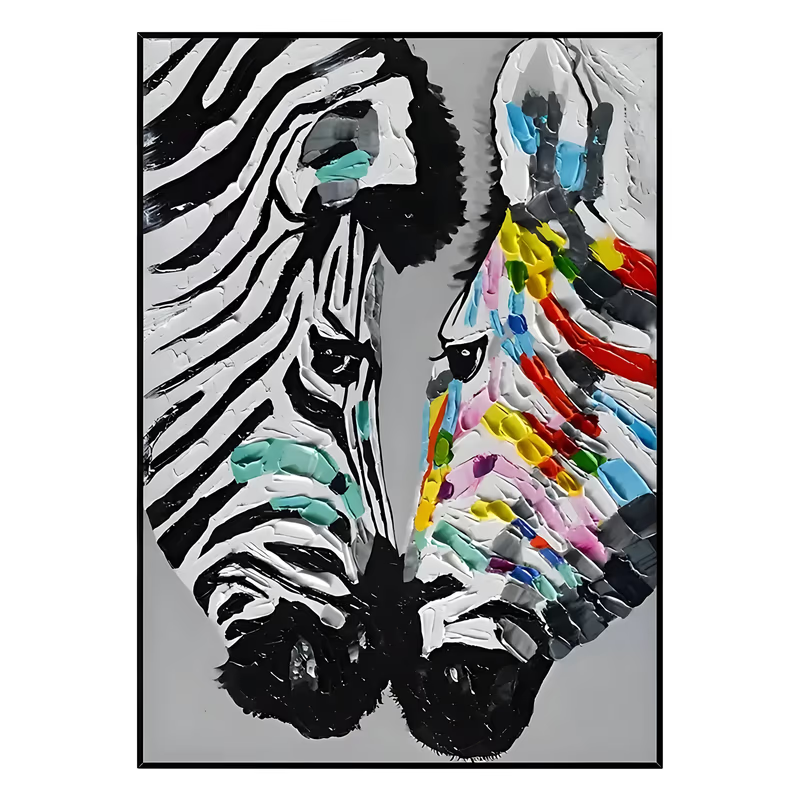
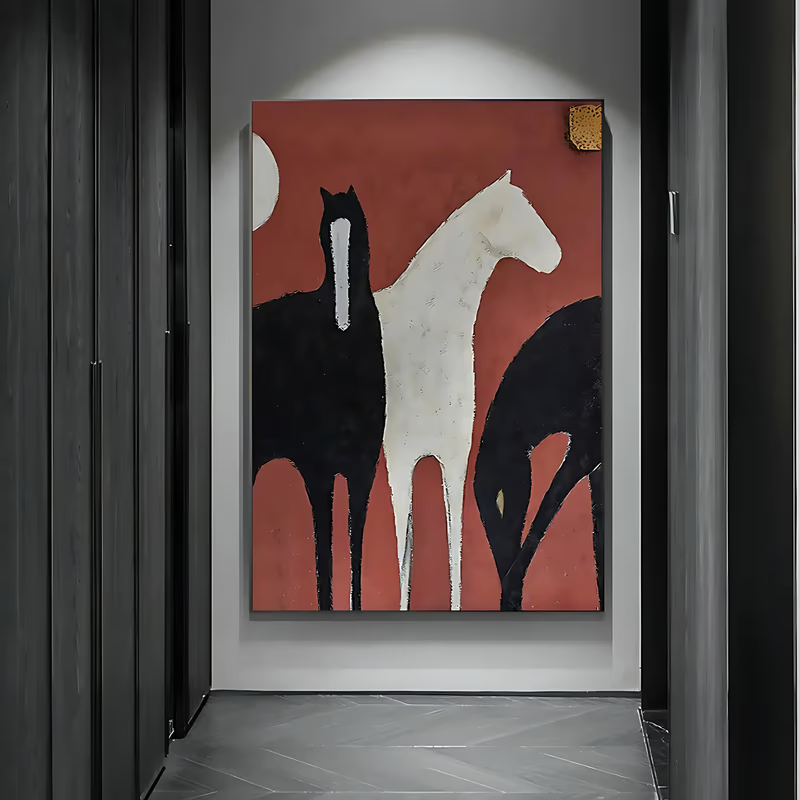
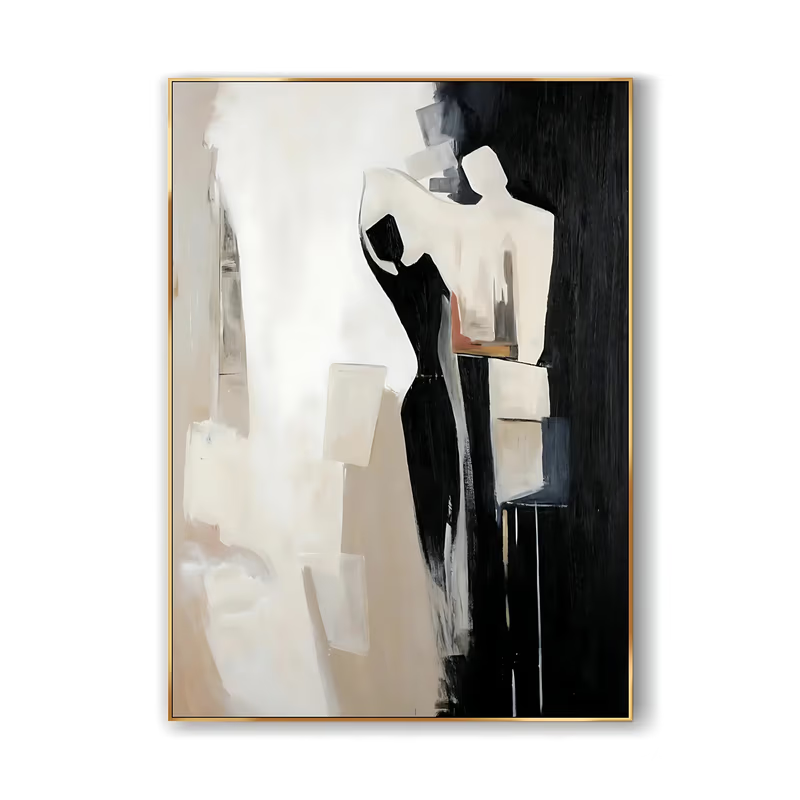
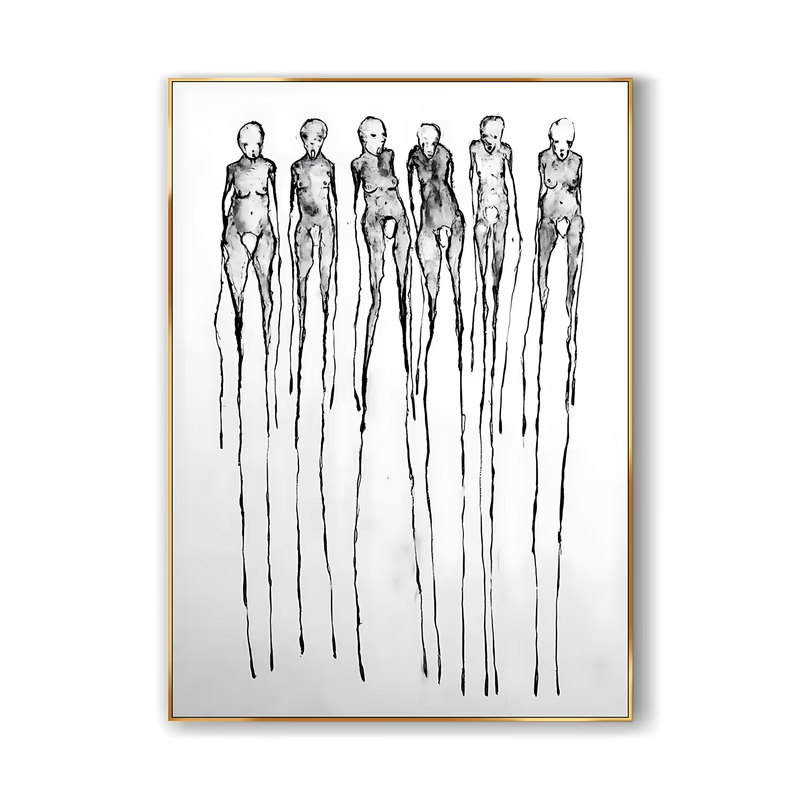
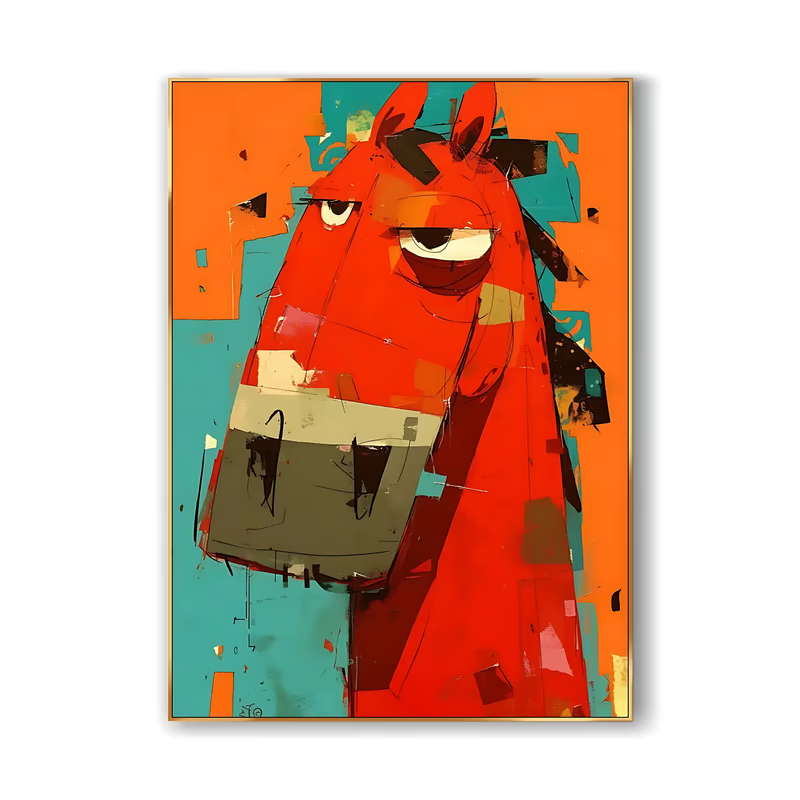
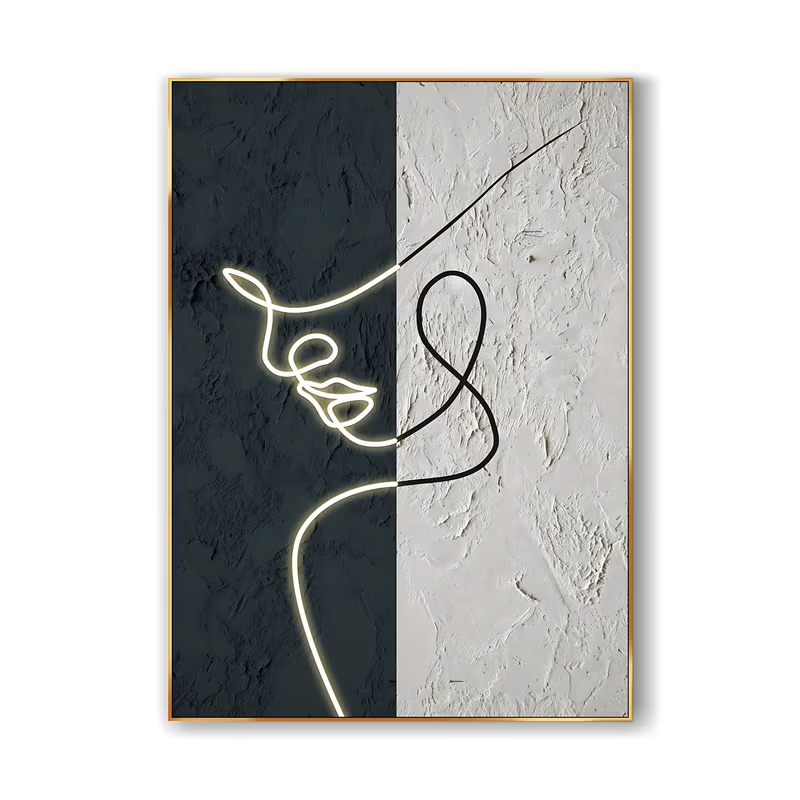
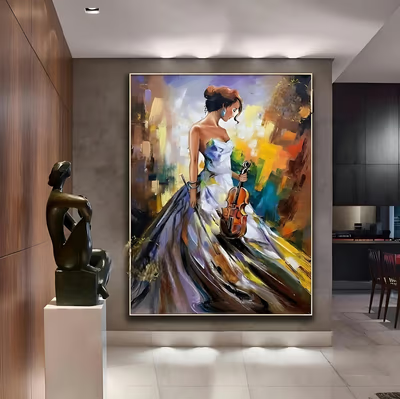
A standing figure, a dancer or an animal portrait is composed vertically almost by default, because the human eye reads a figure from head to foot. These pieces bring a presence to an entrance or a lounge, as if someone is in the room.
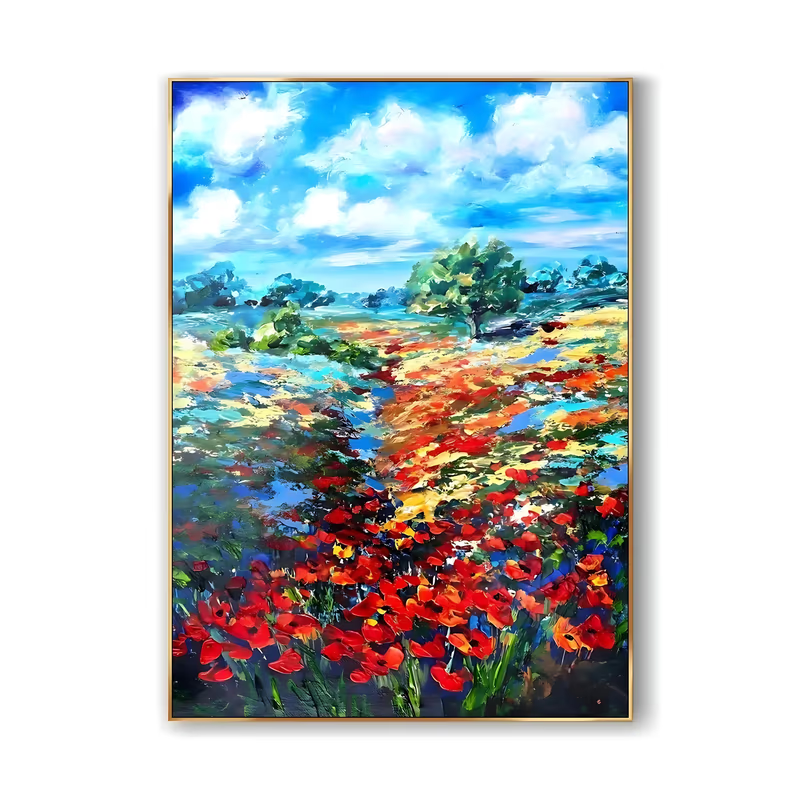
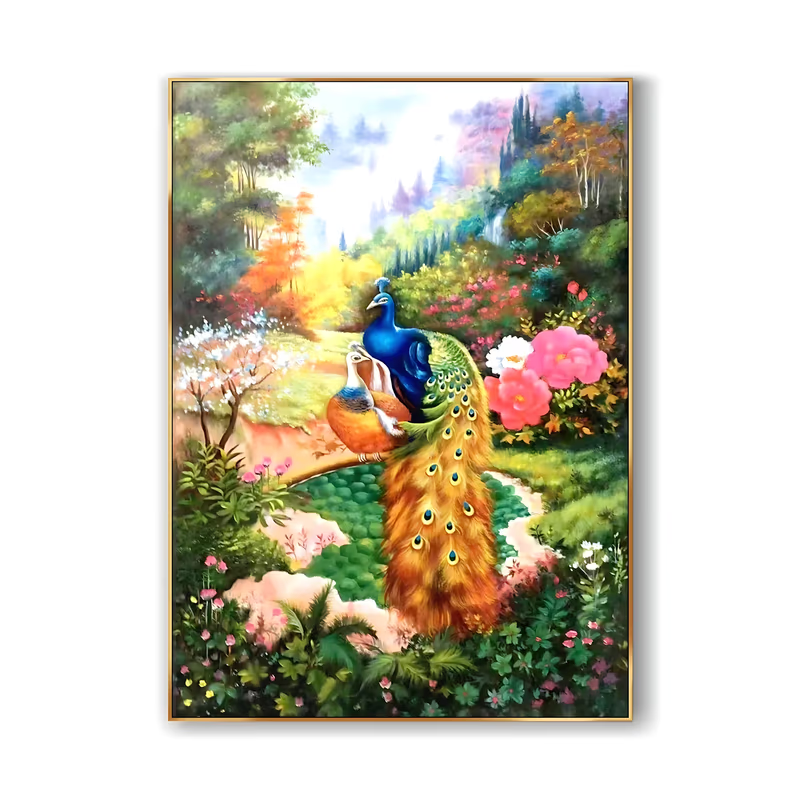
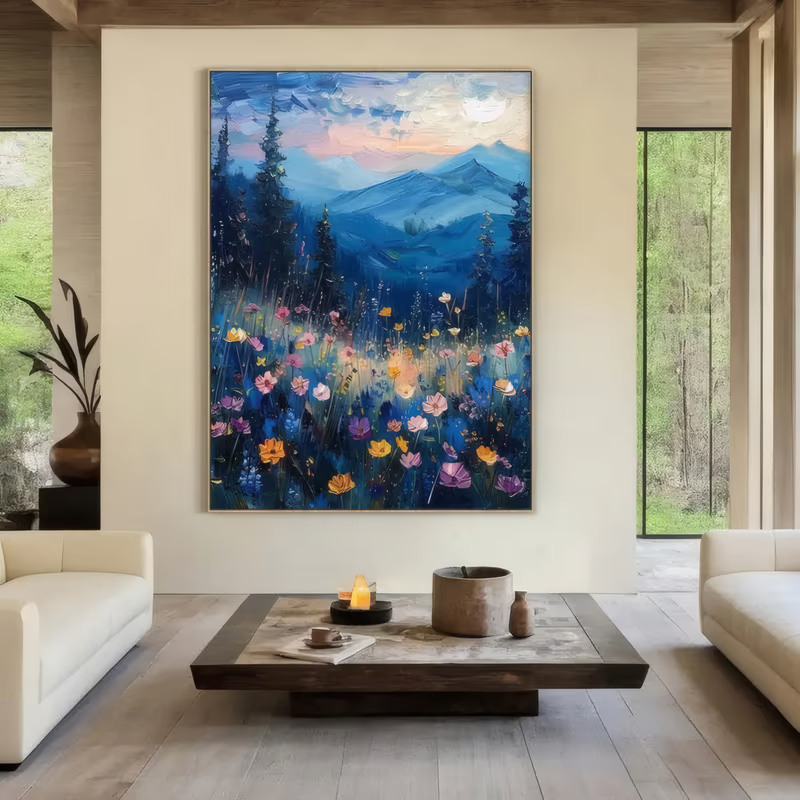
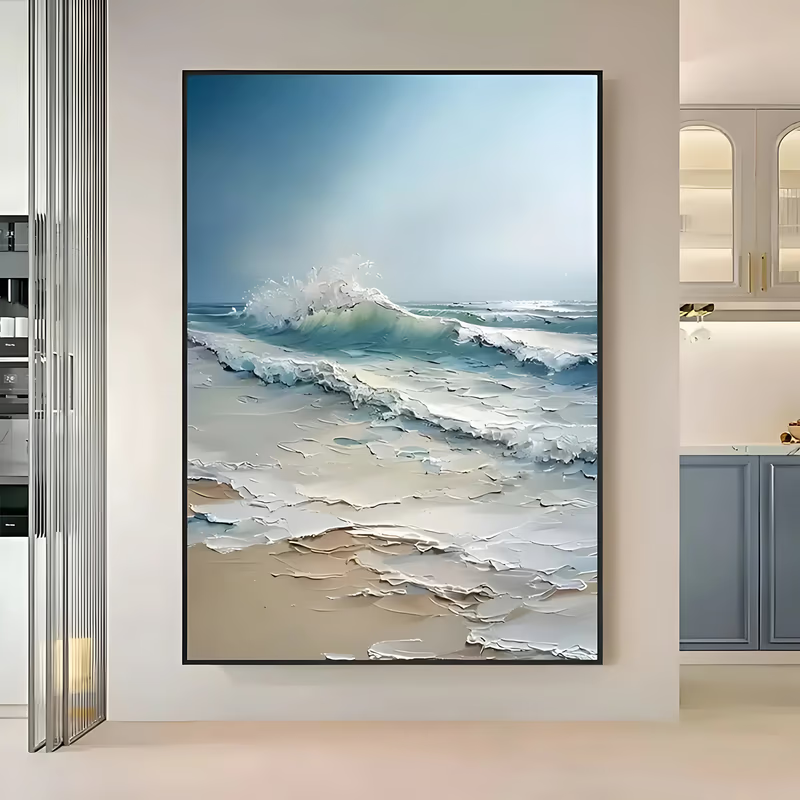
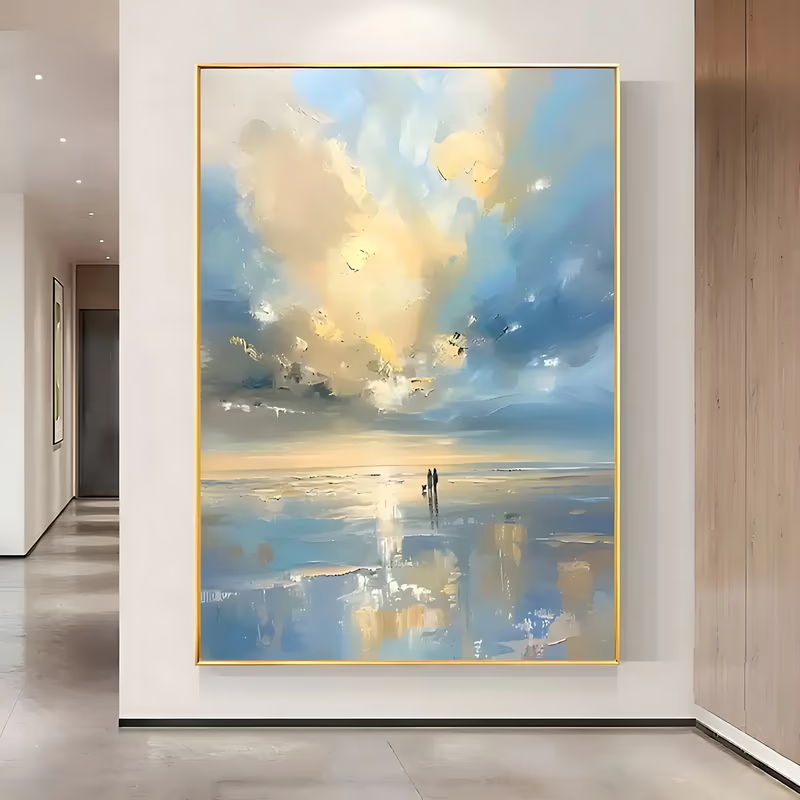
Trees, waterfalls and tall views
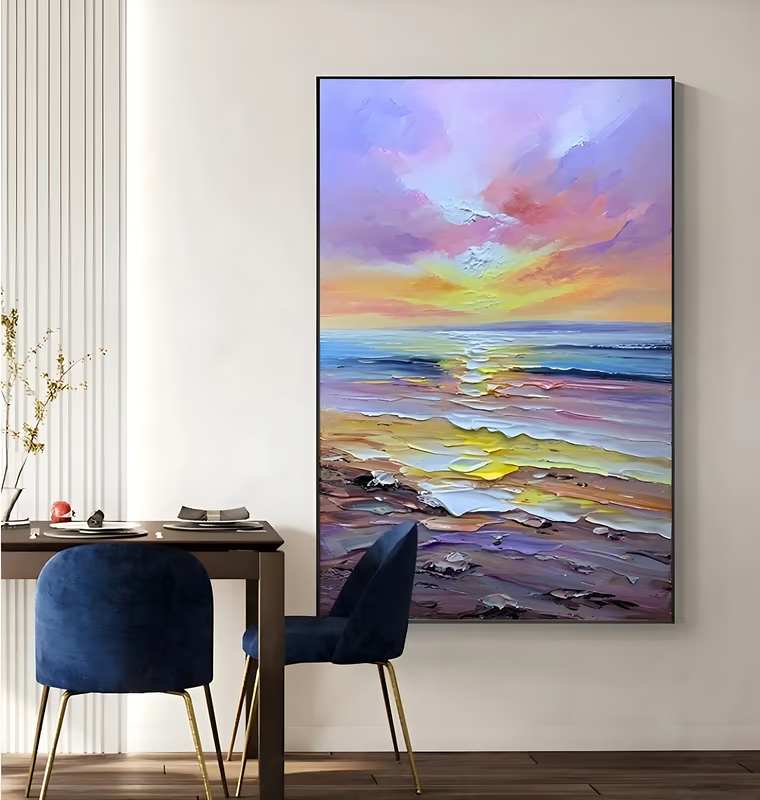
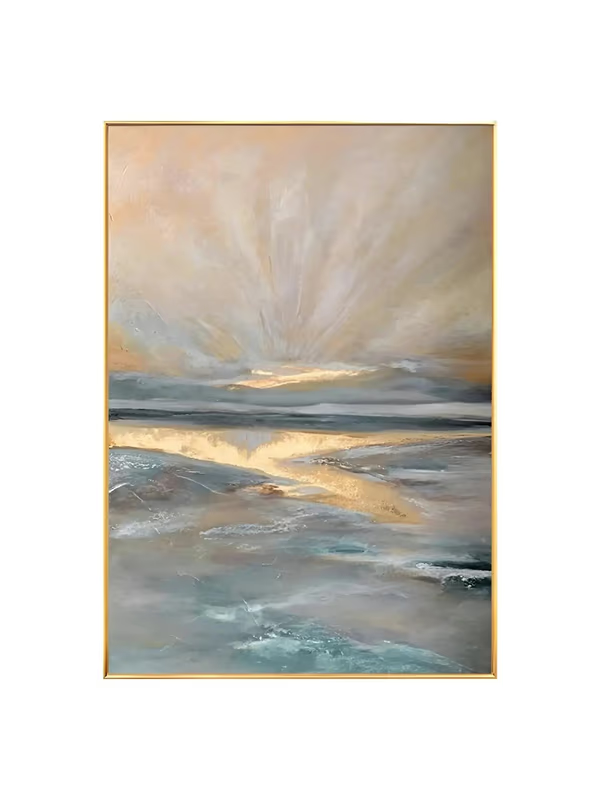
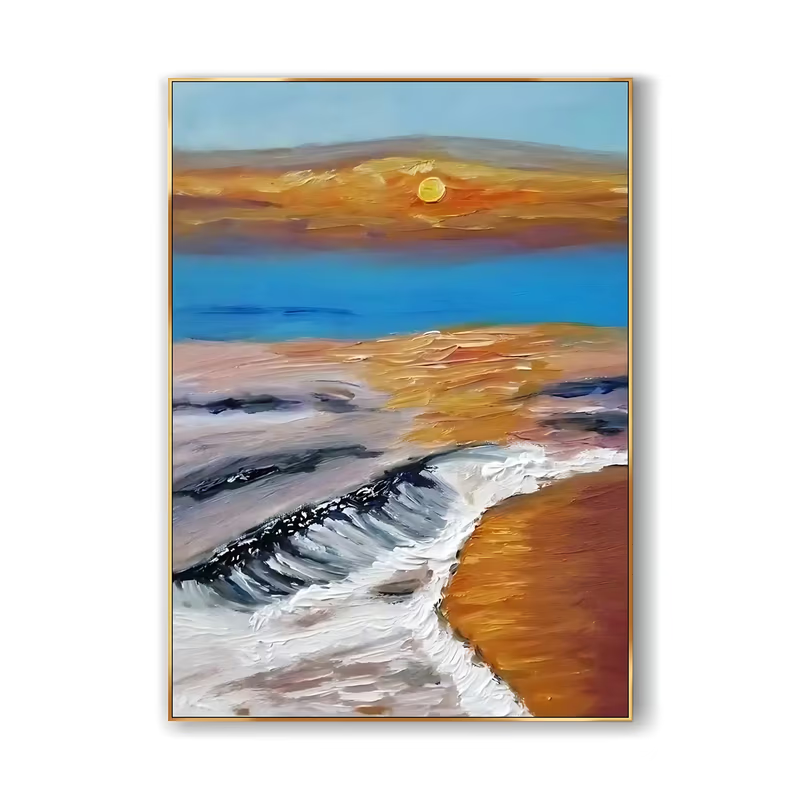
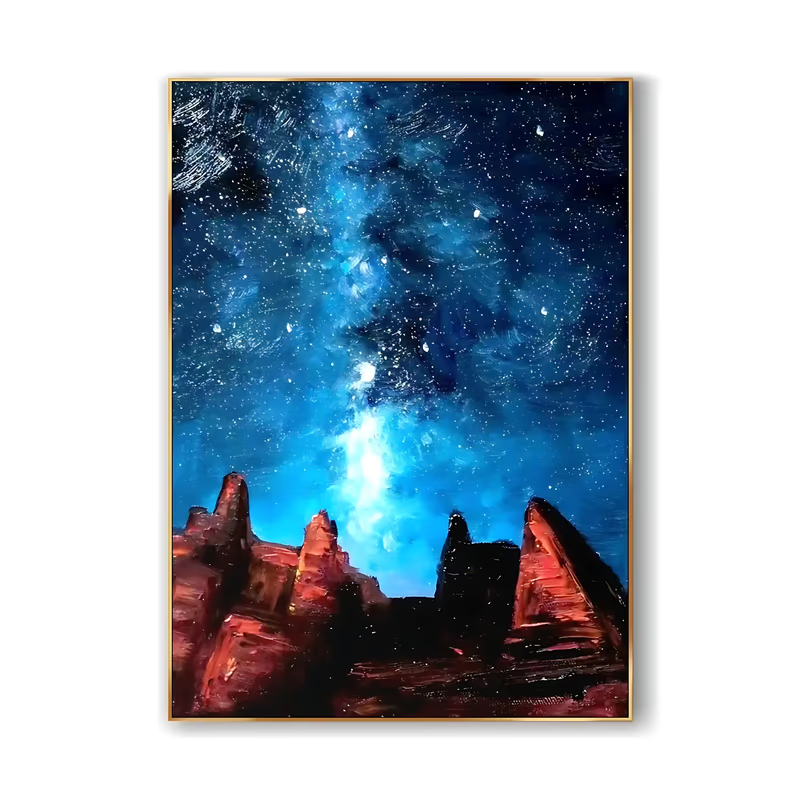
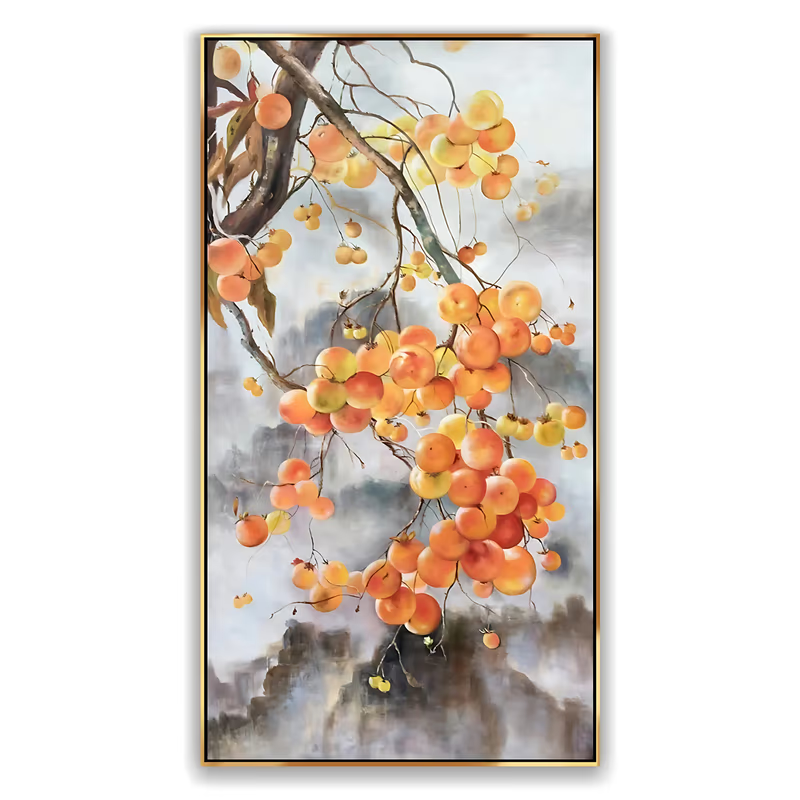
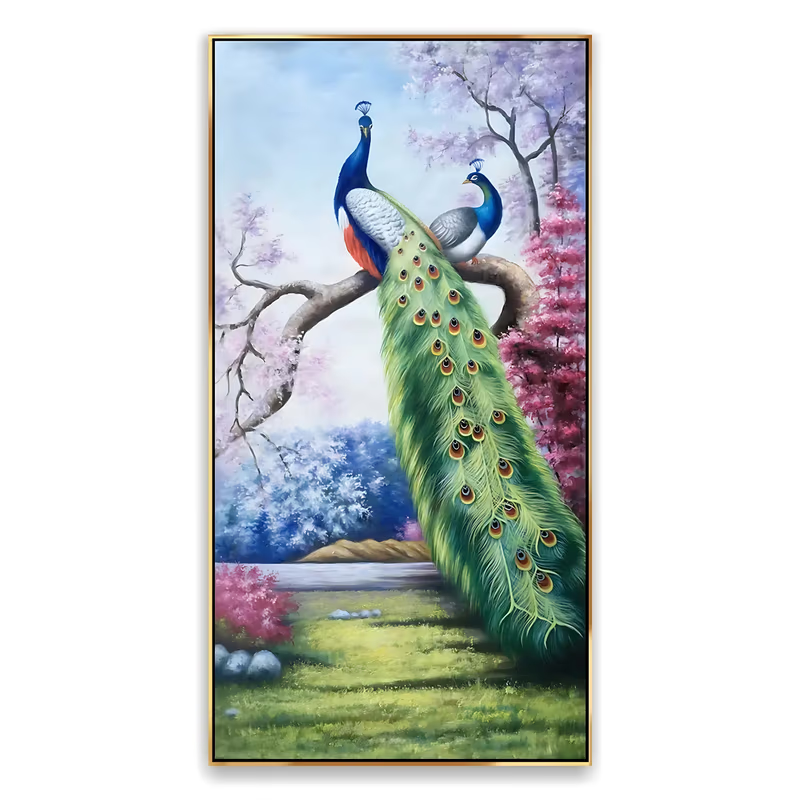
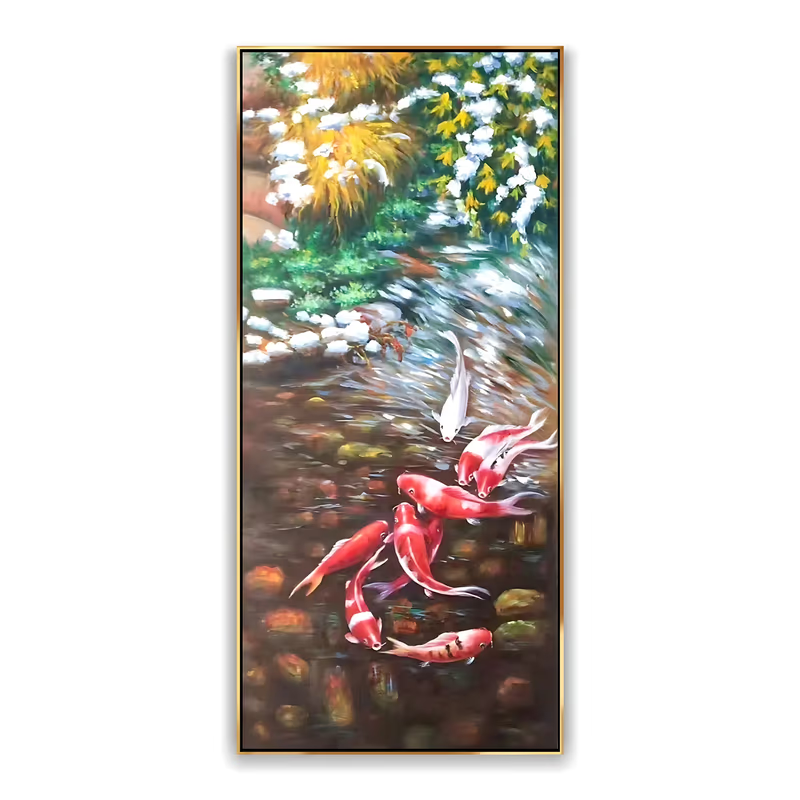
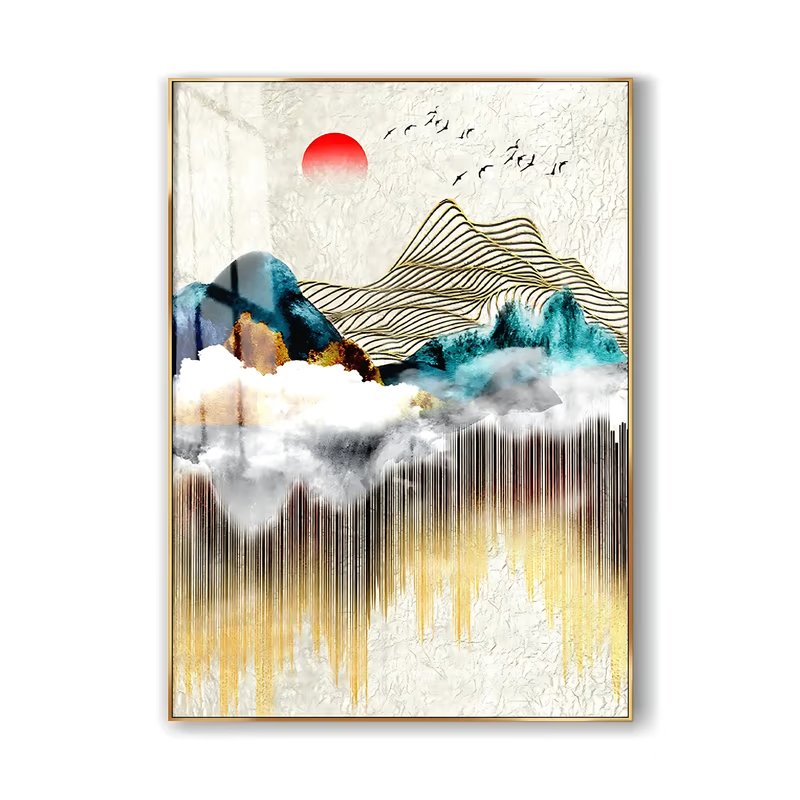
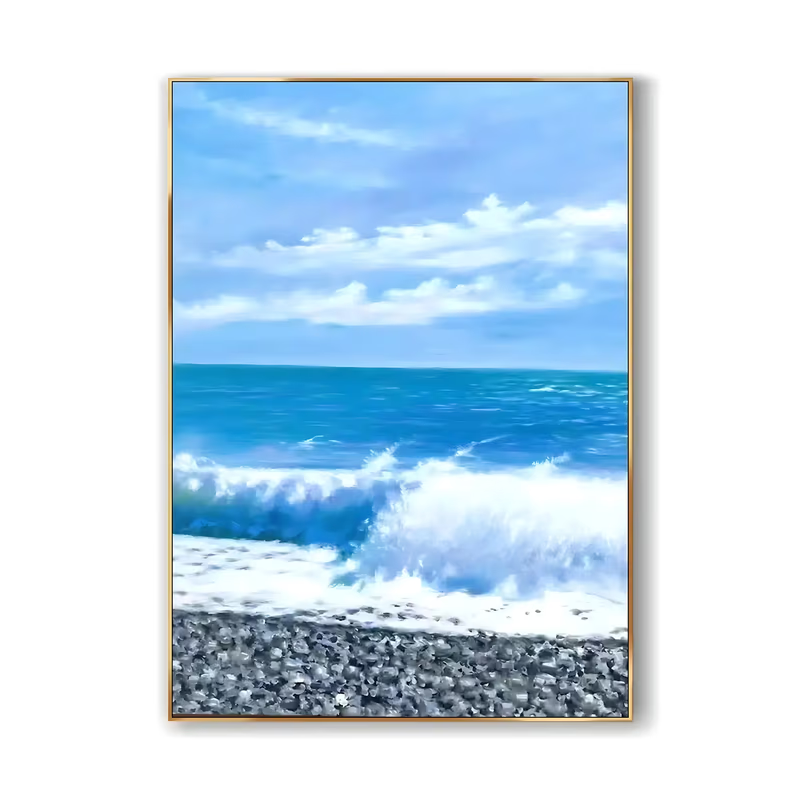
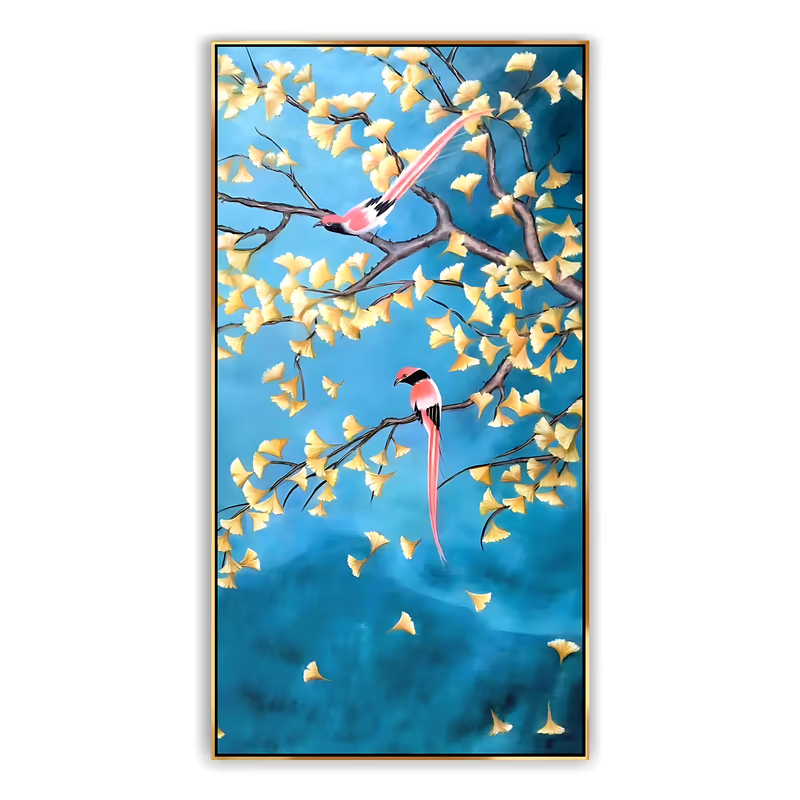
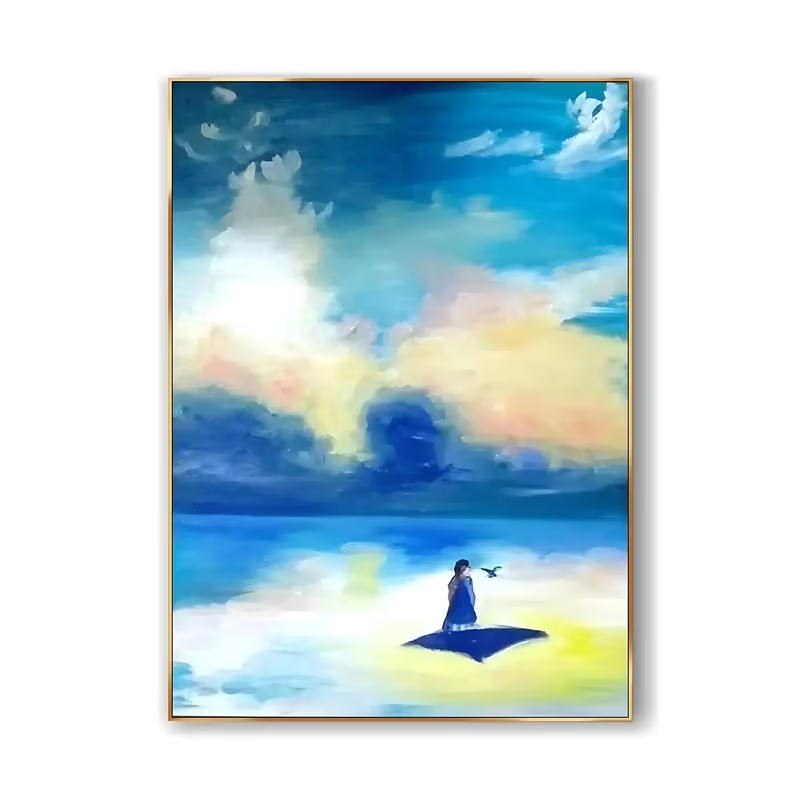
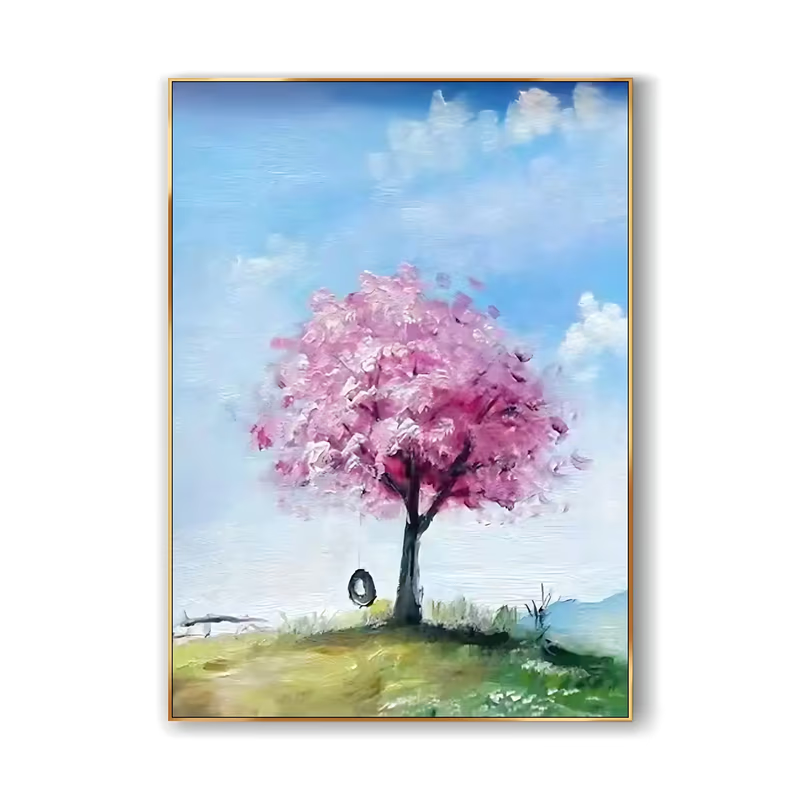
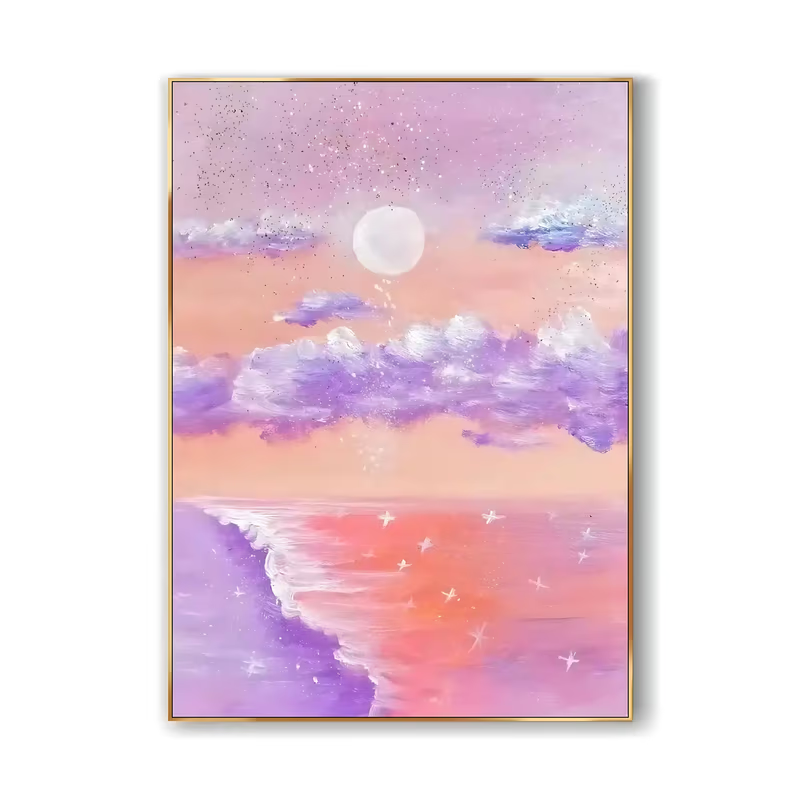
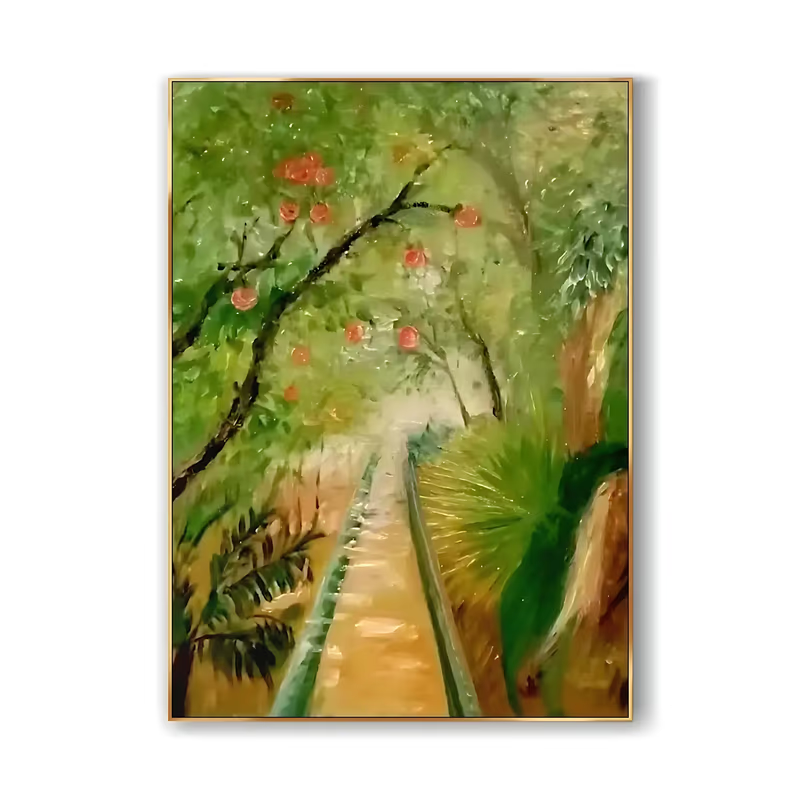
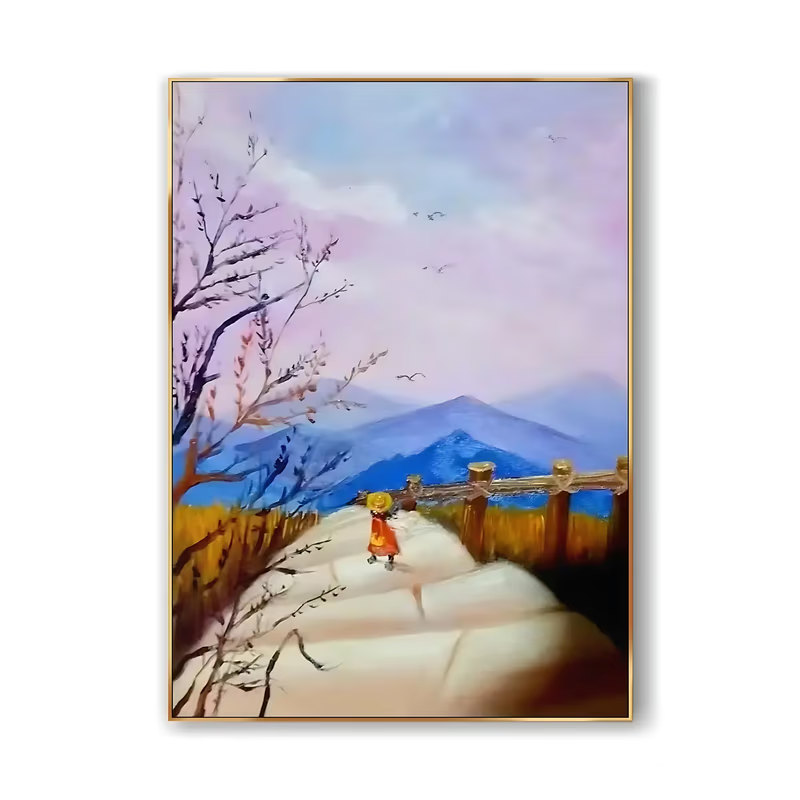
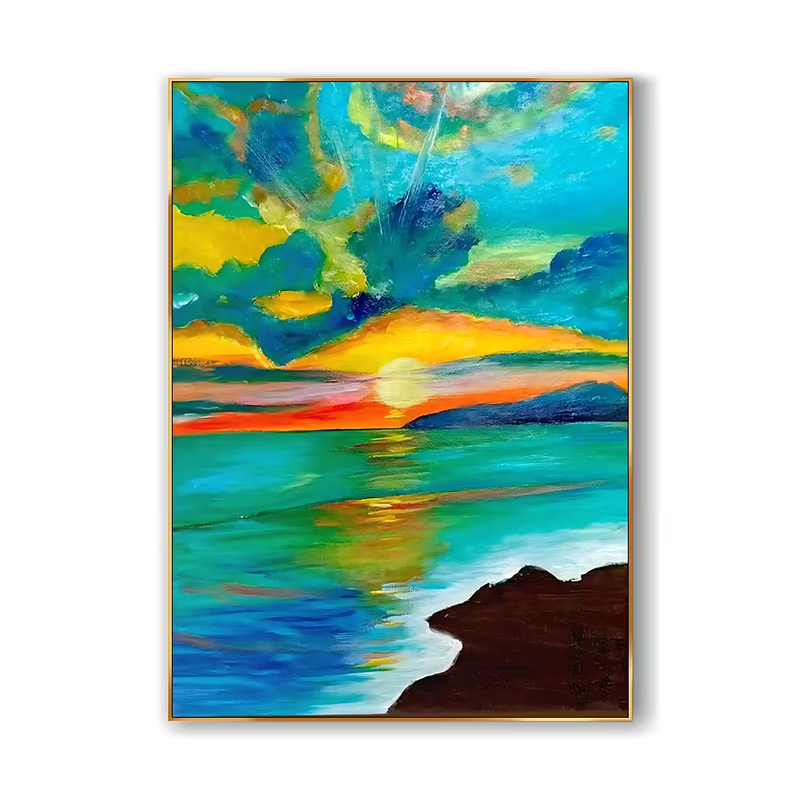
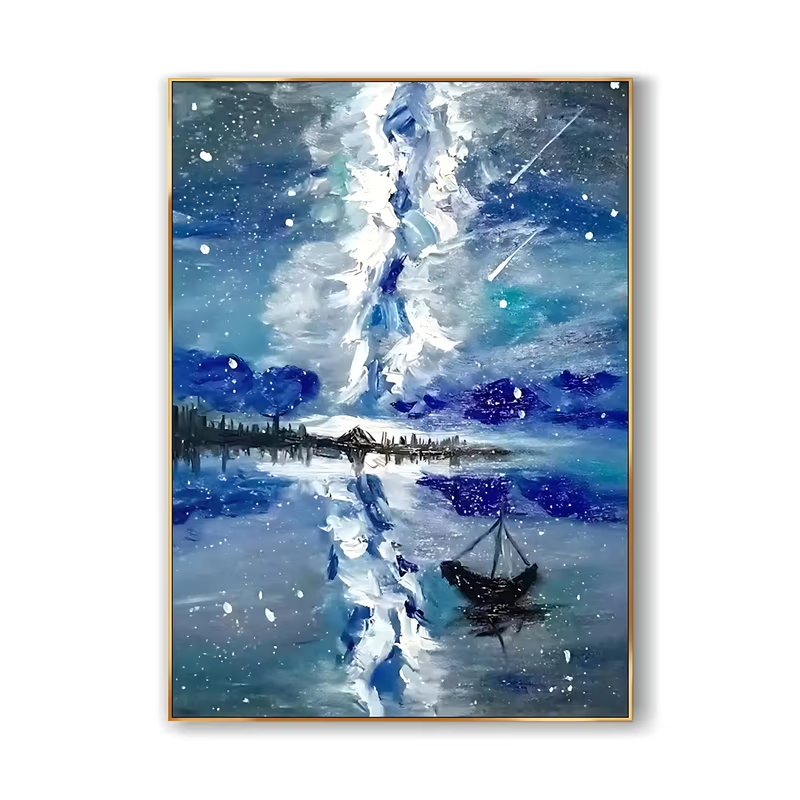
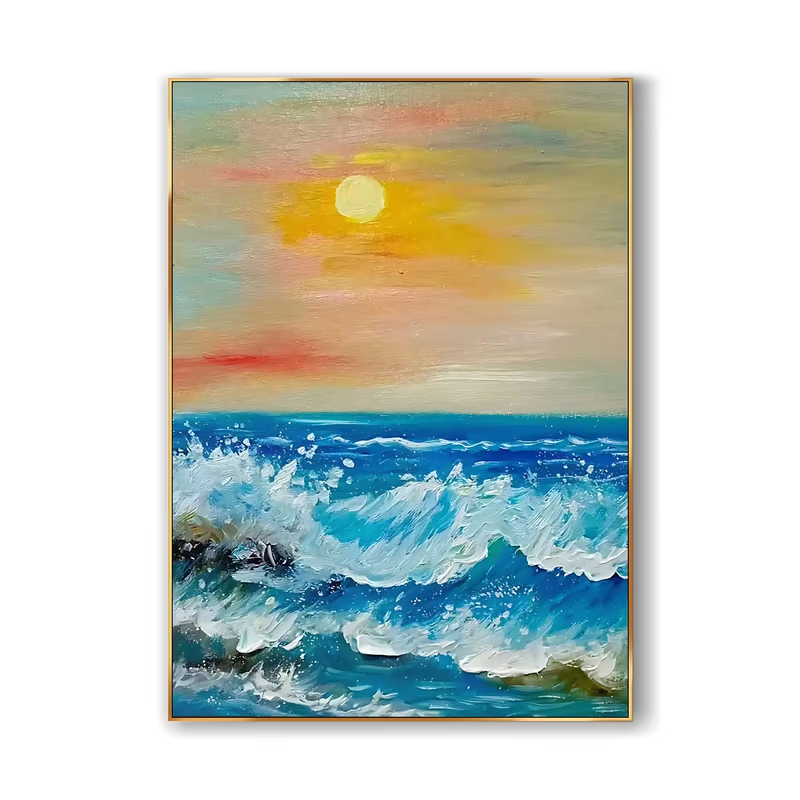
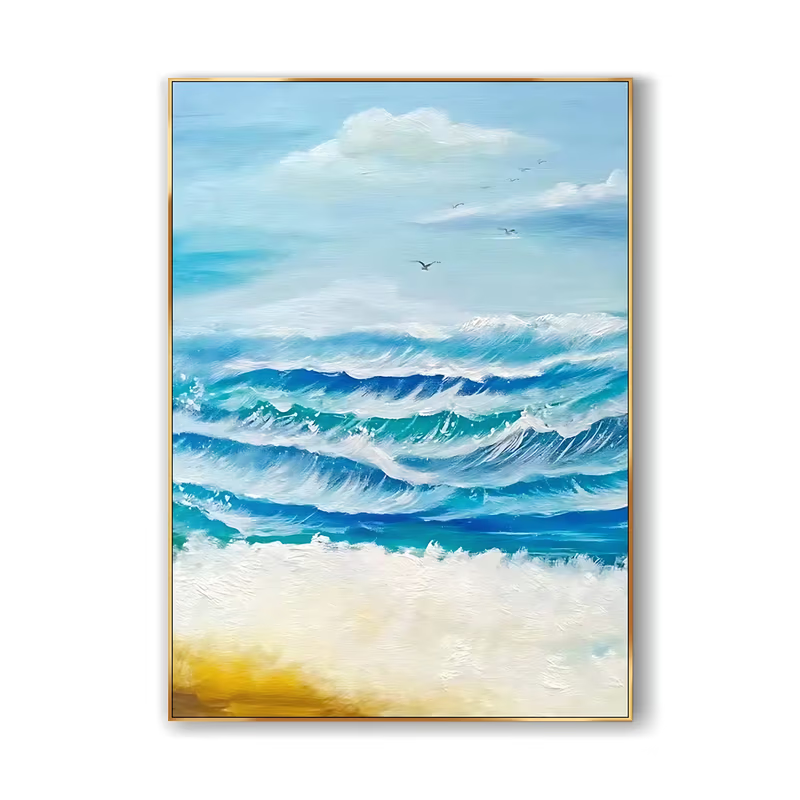
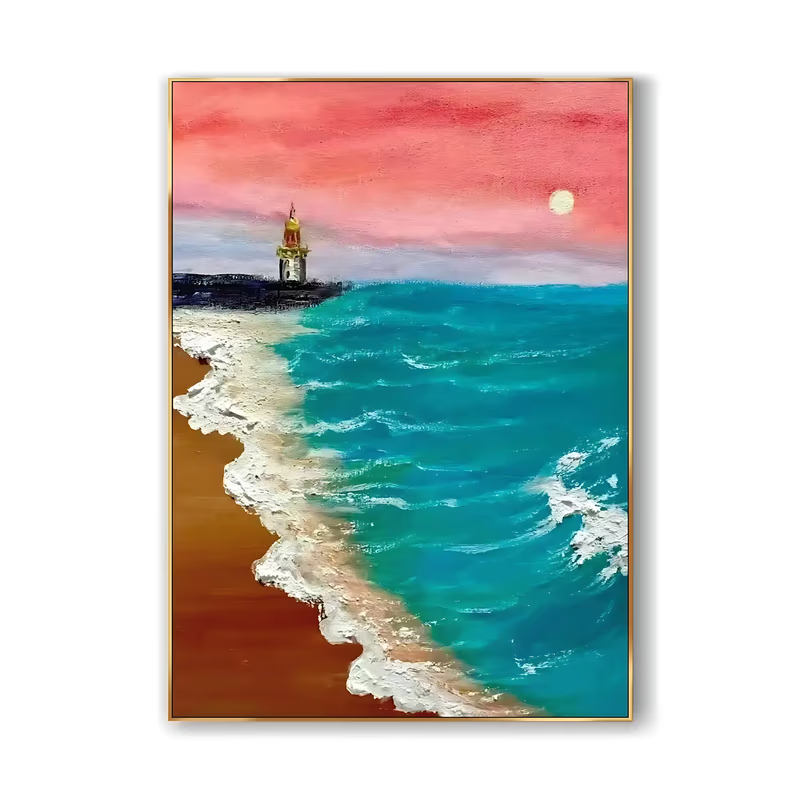
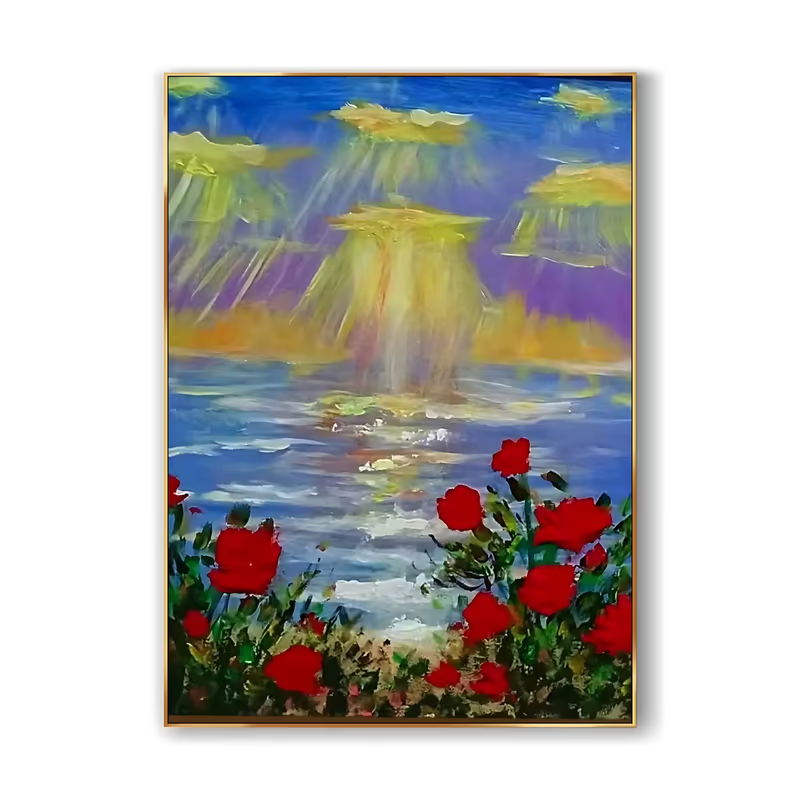
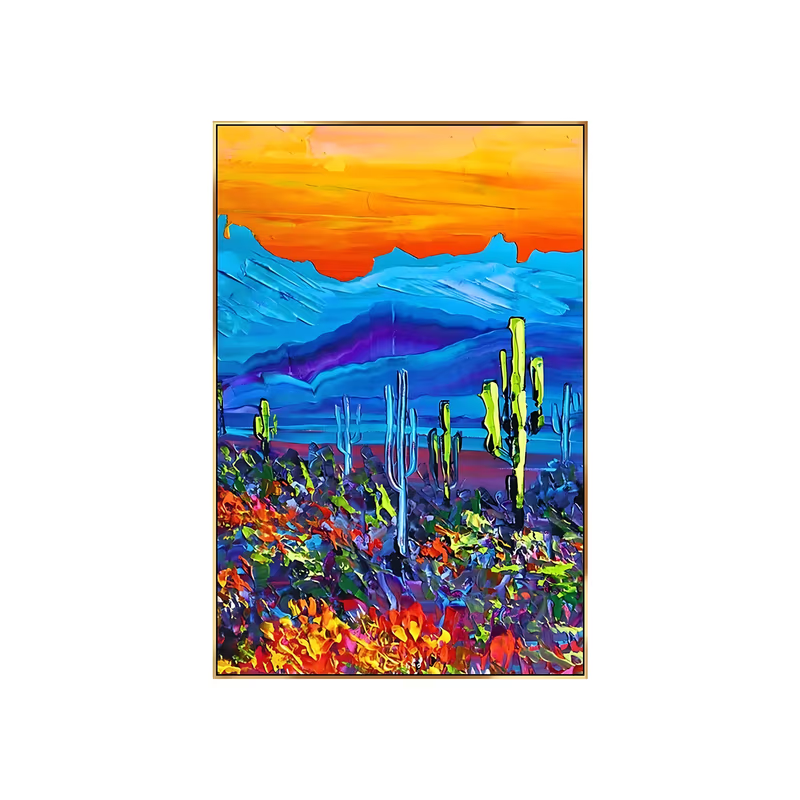
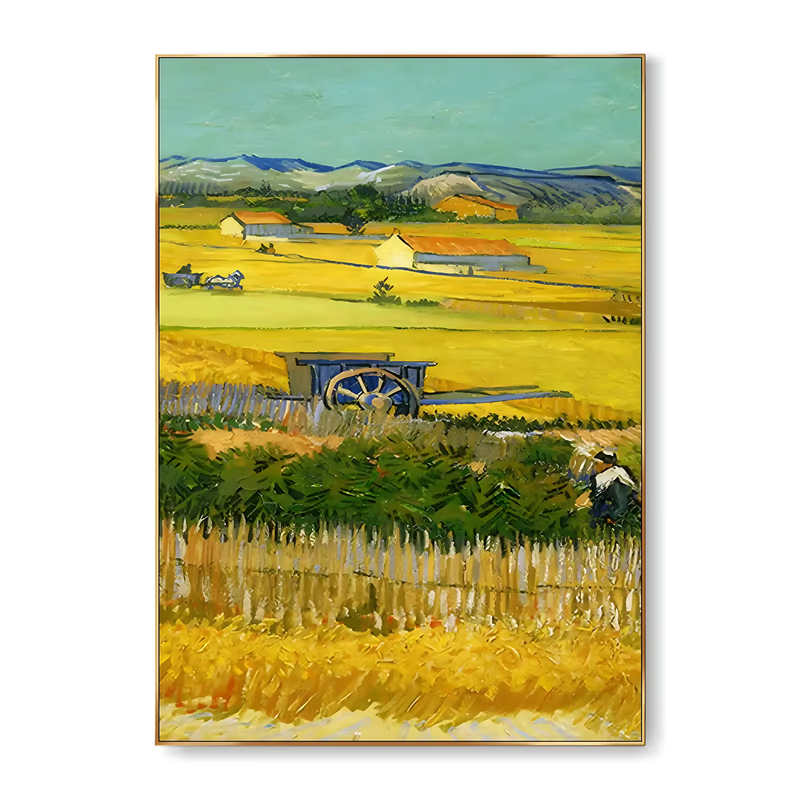
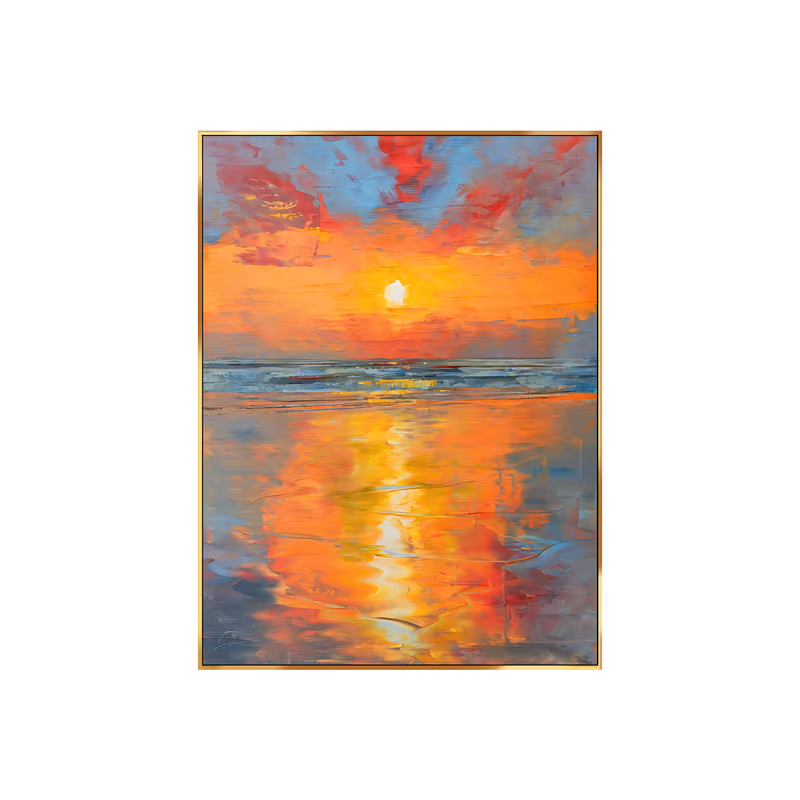
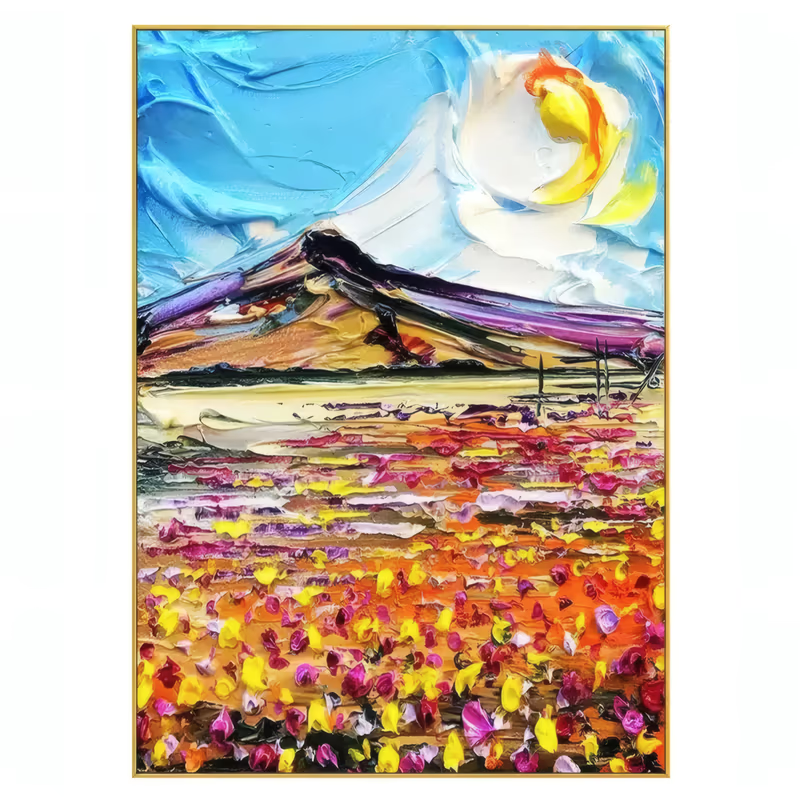
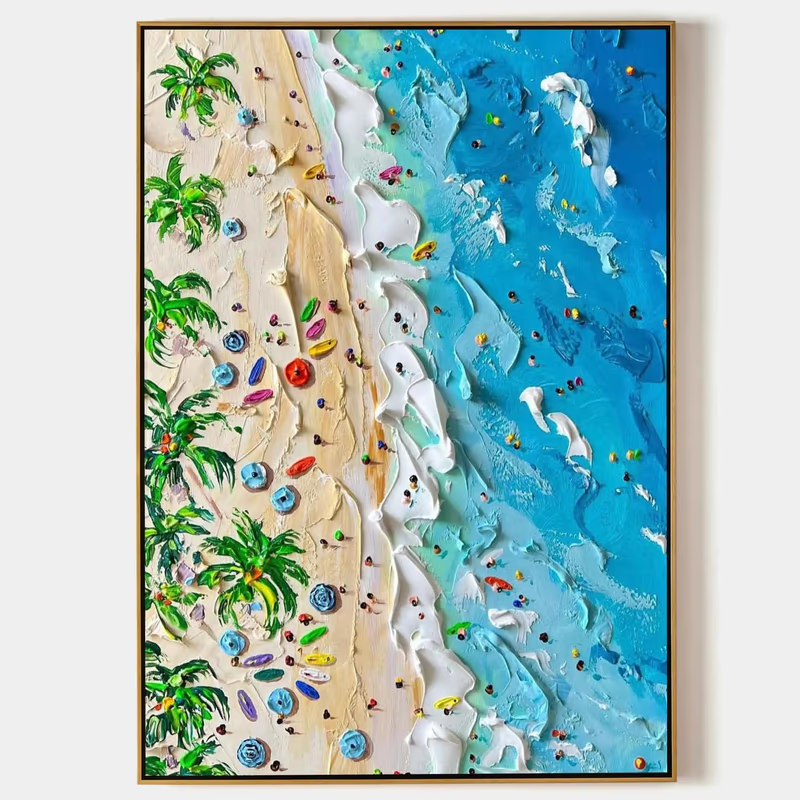
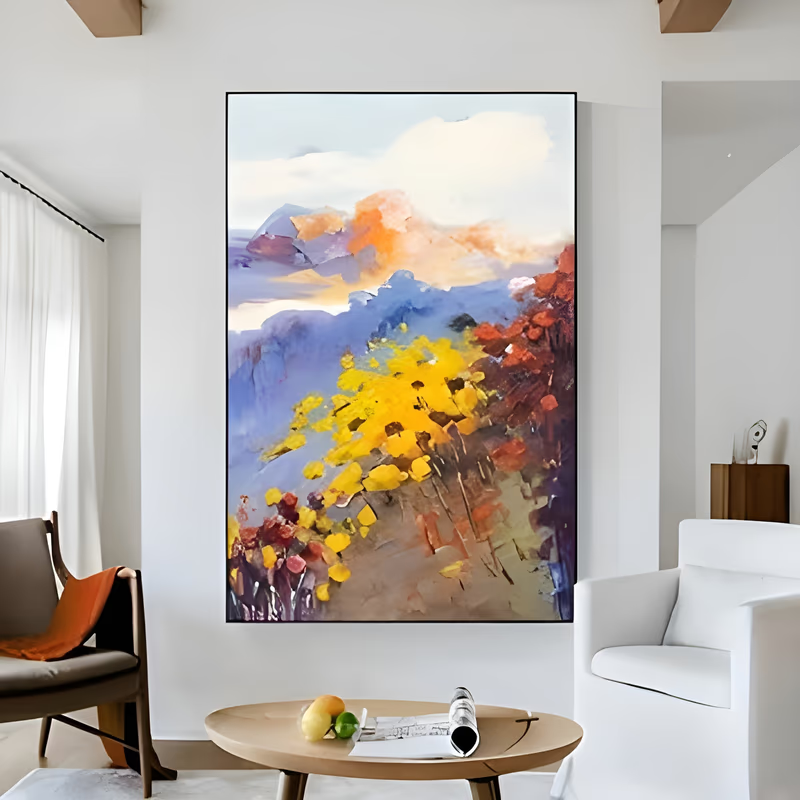
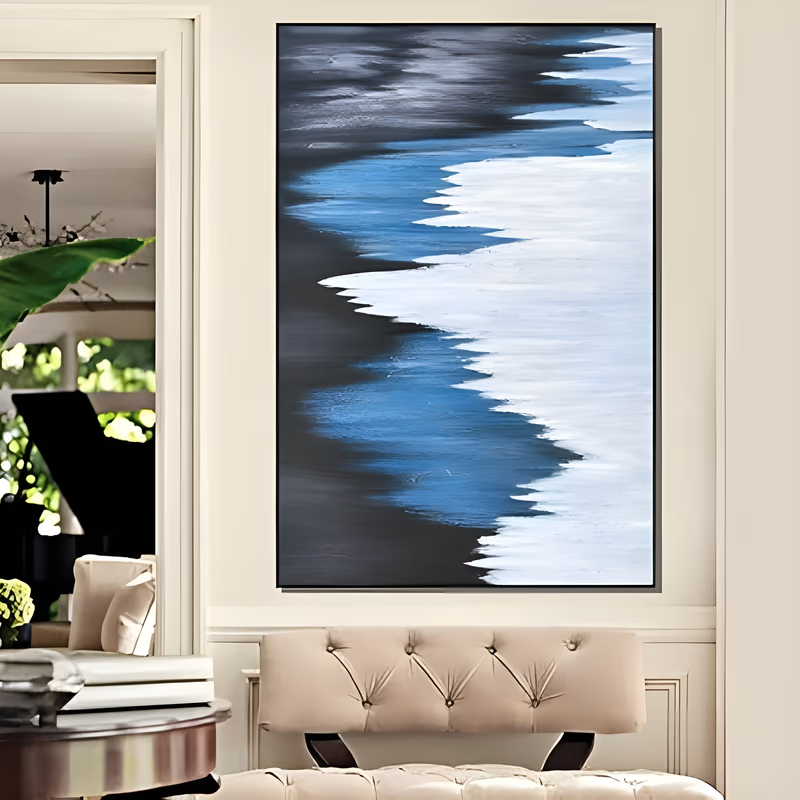
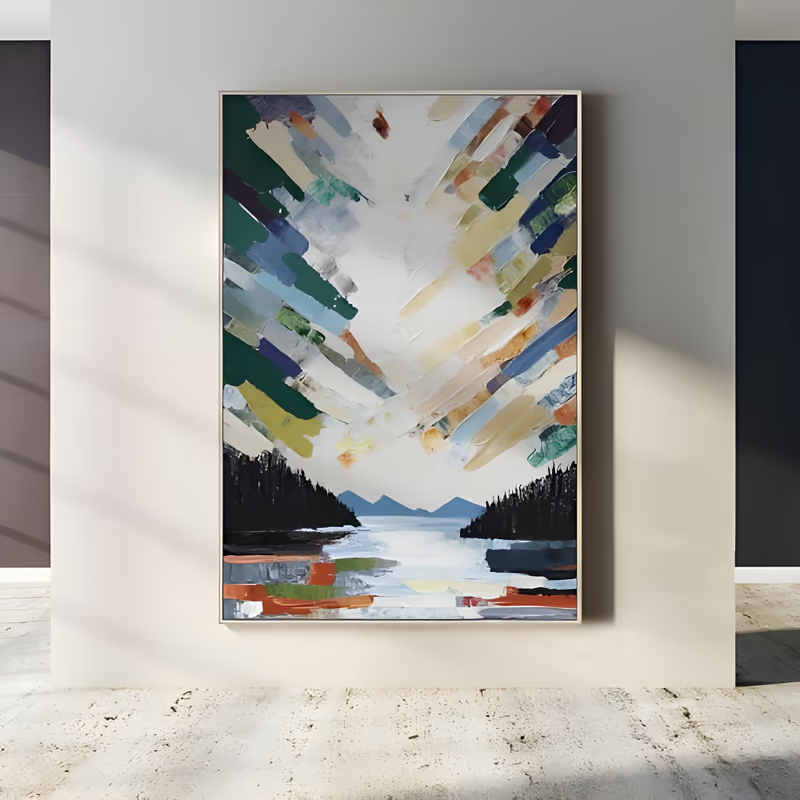
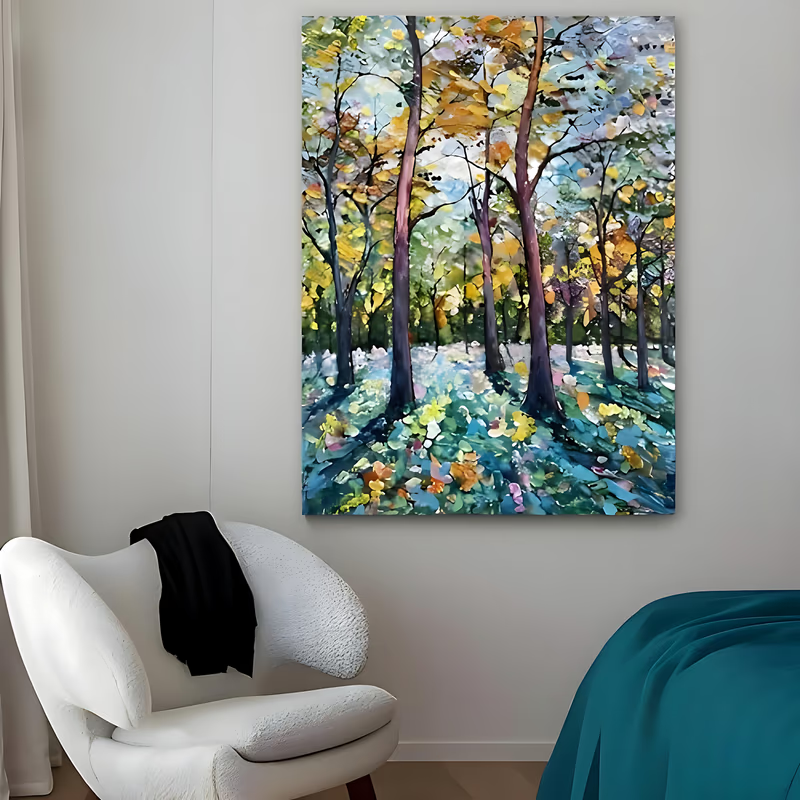
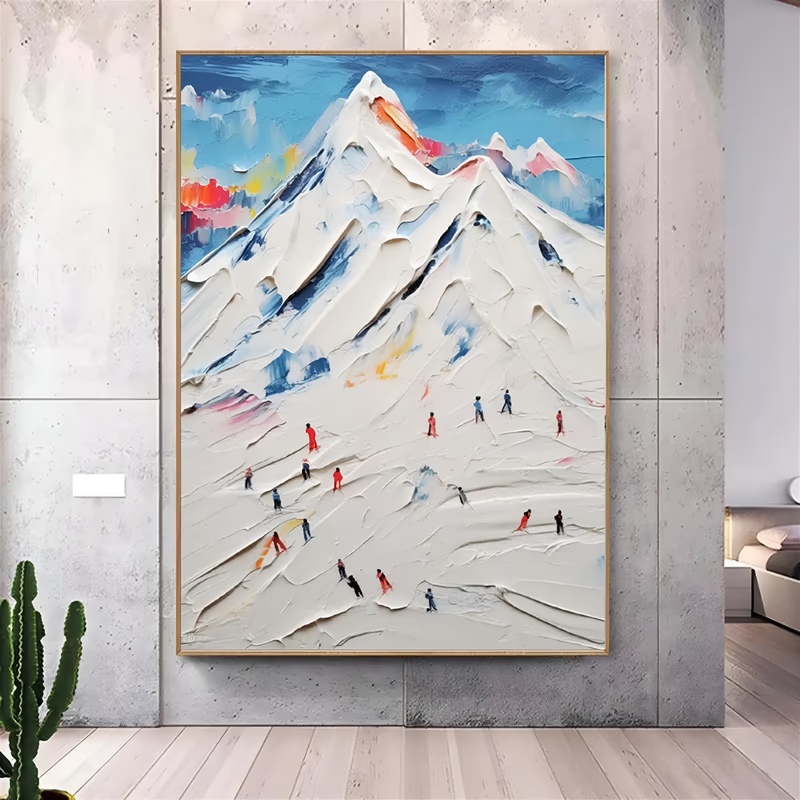
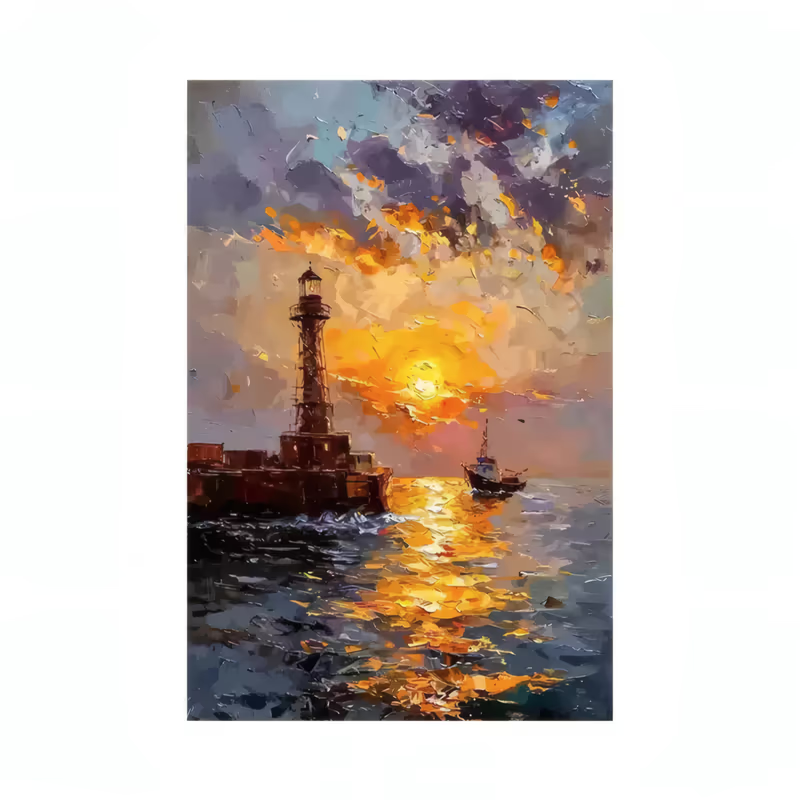
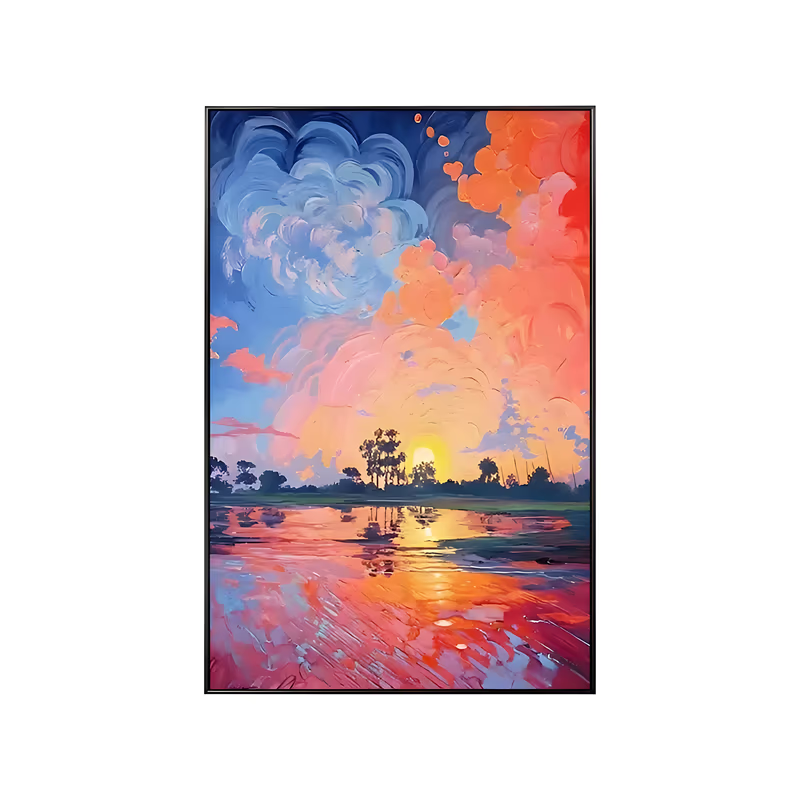
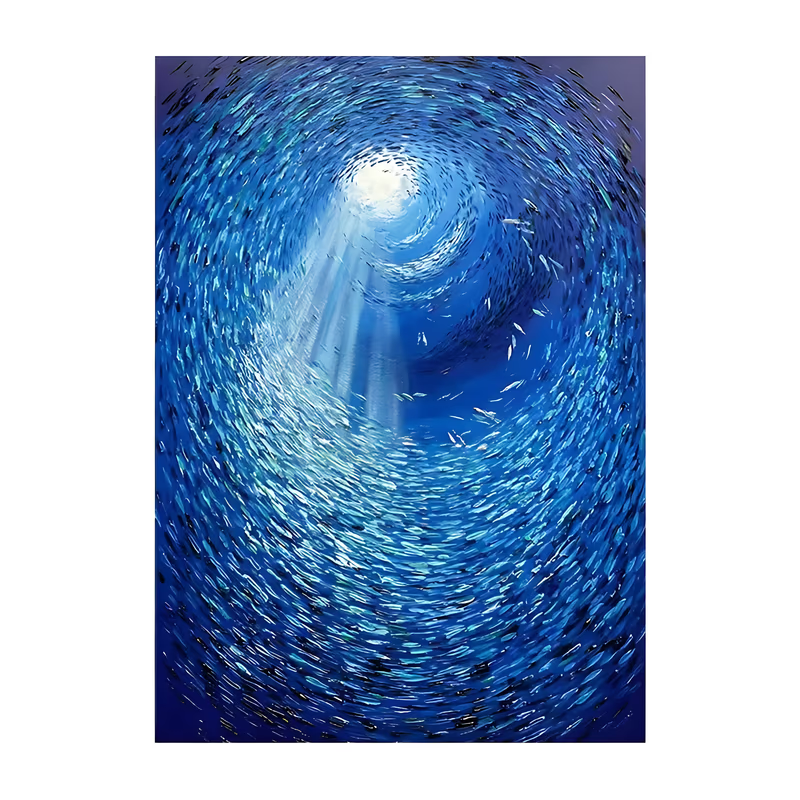
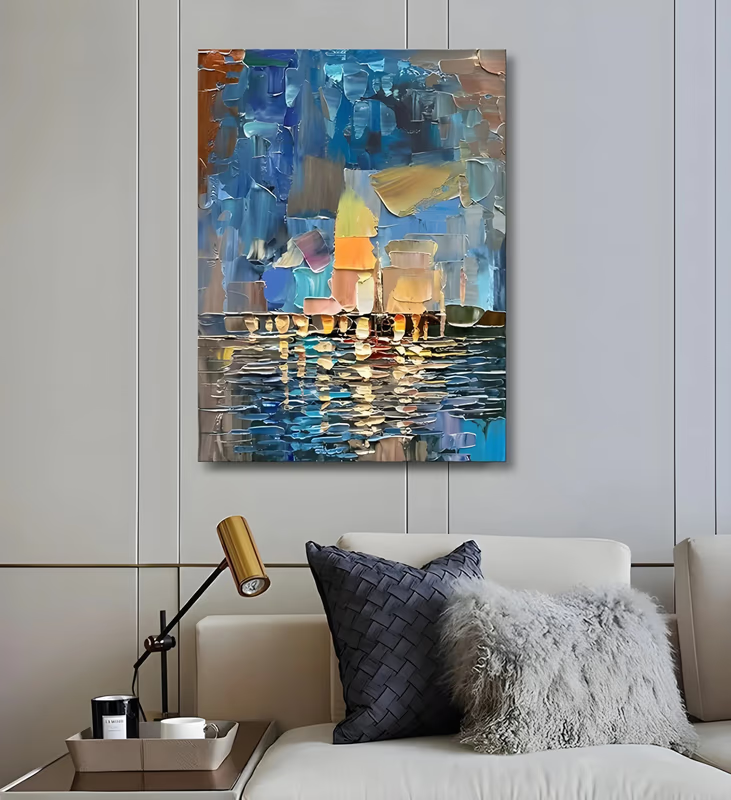
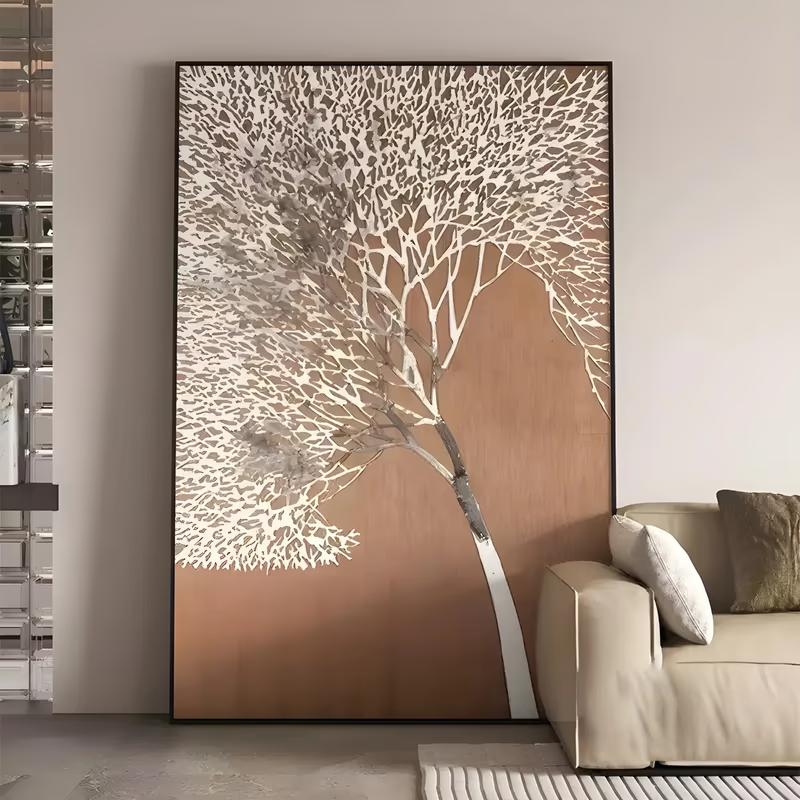
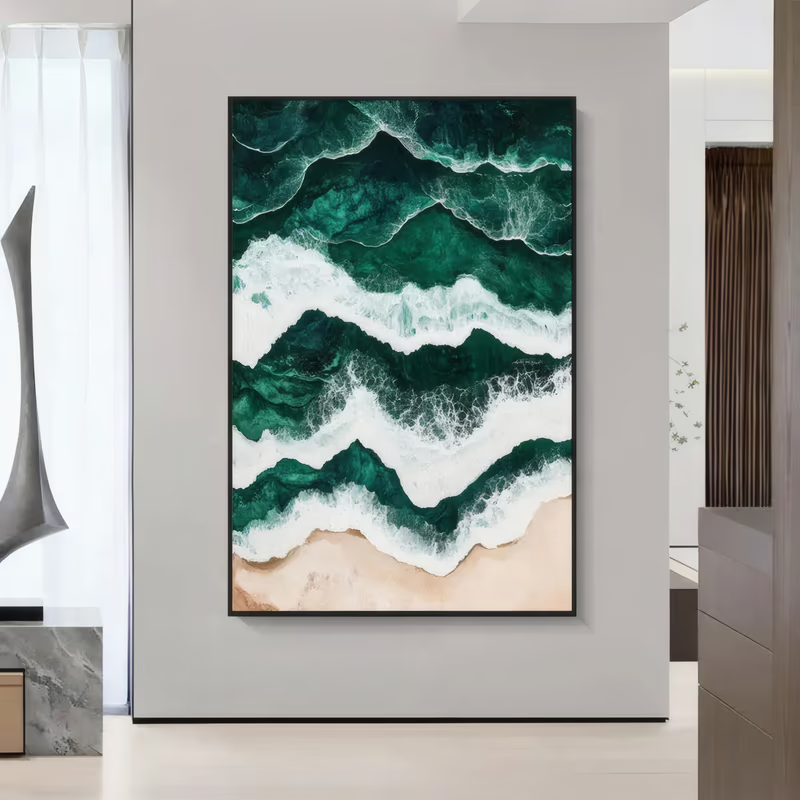
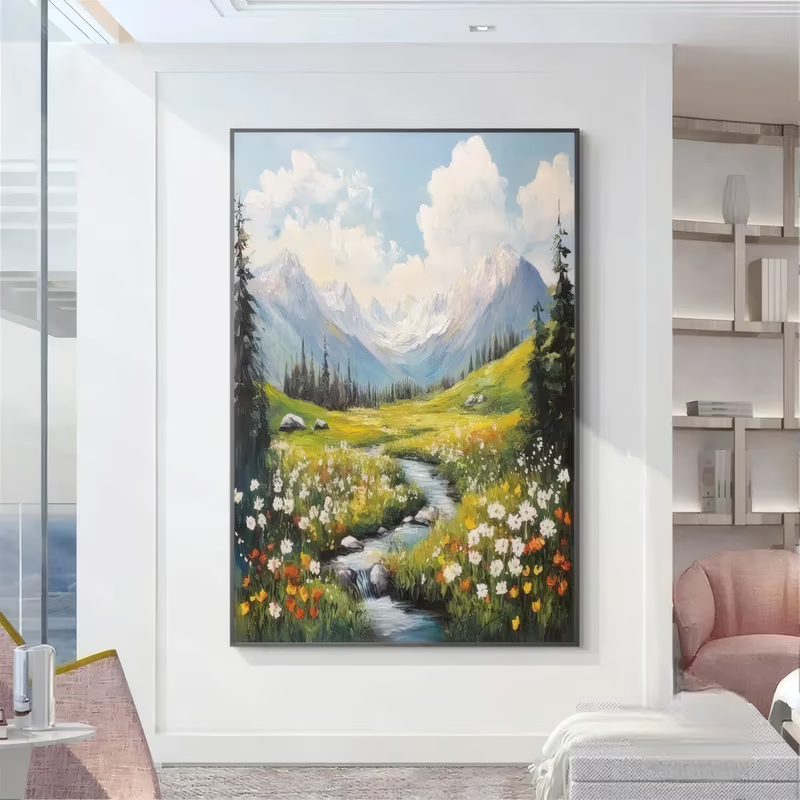
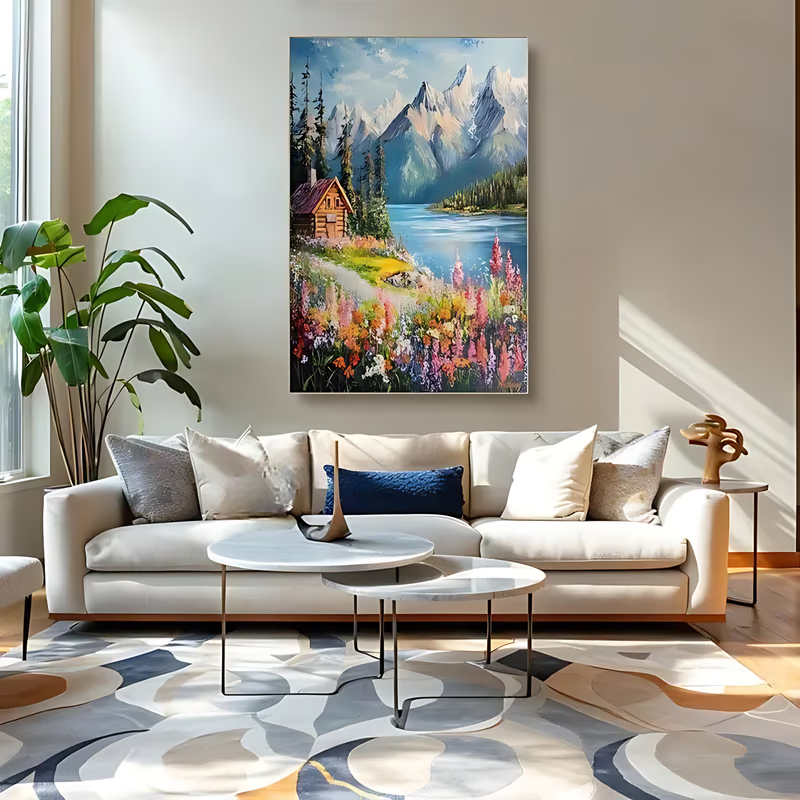
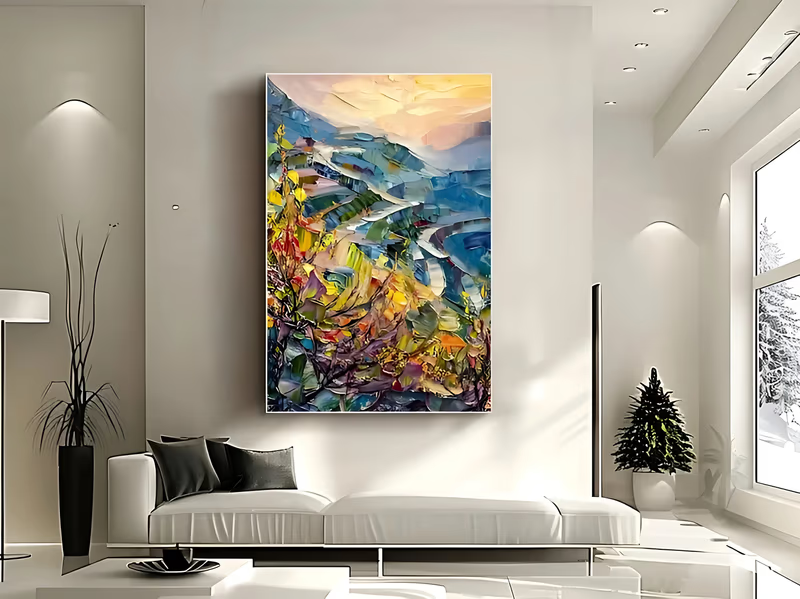
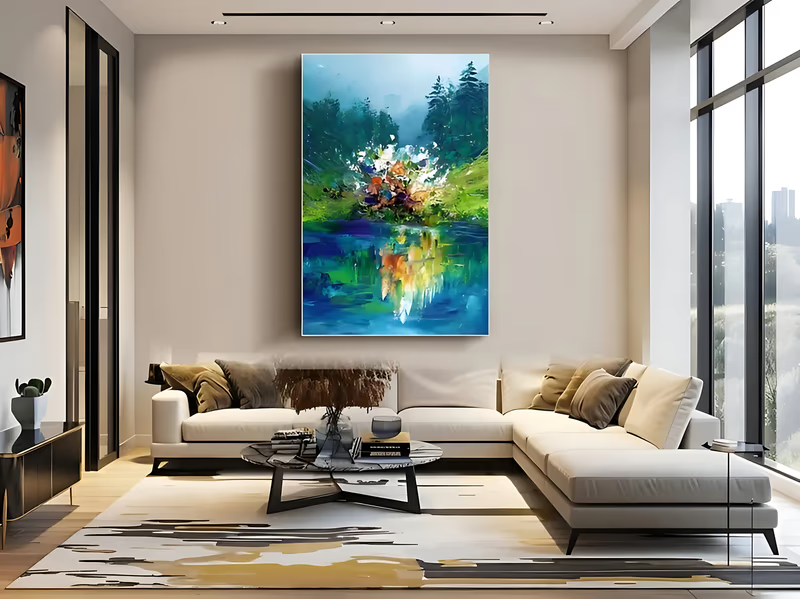
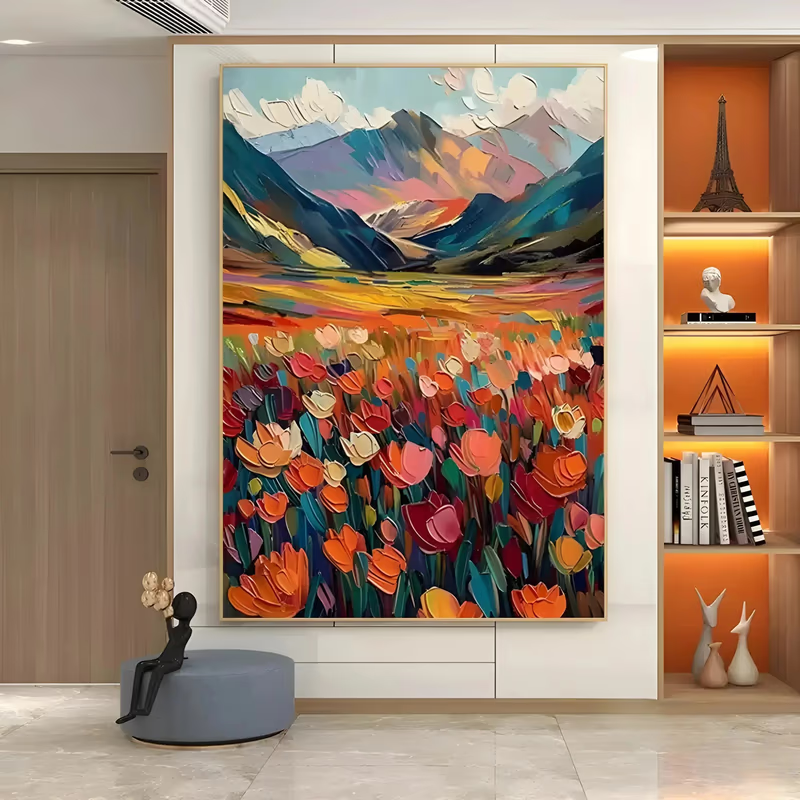
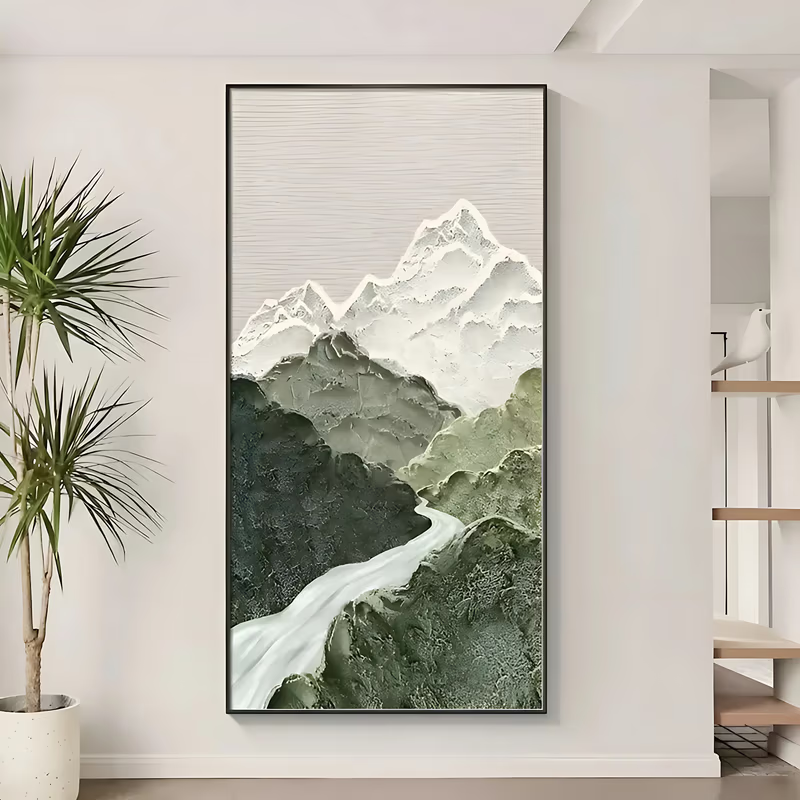
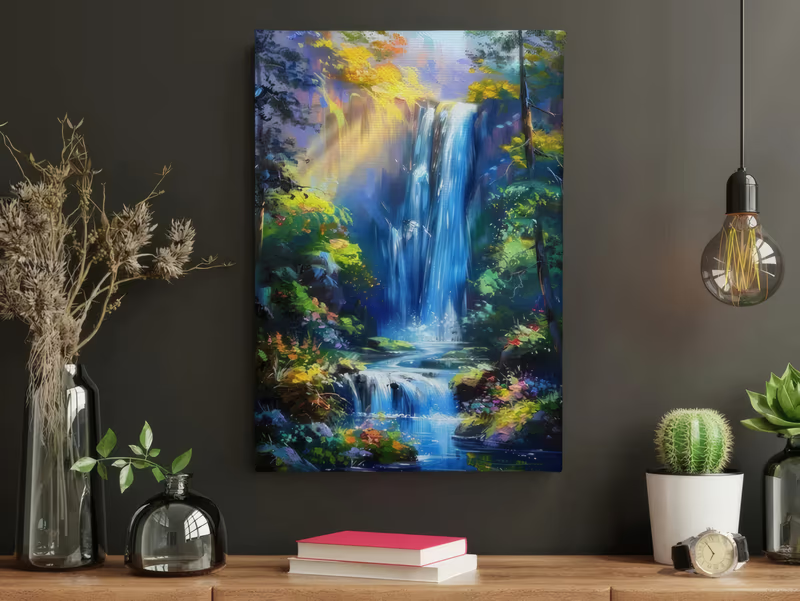
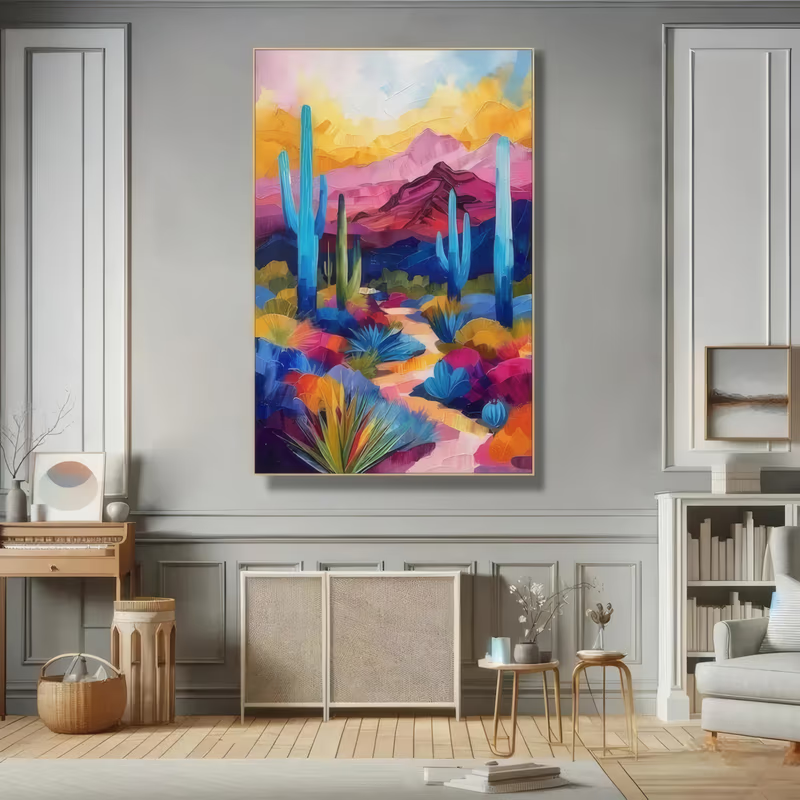
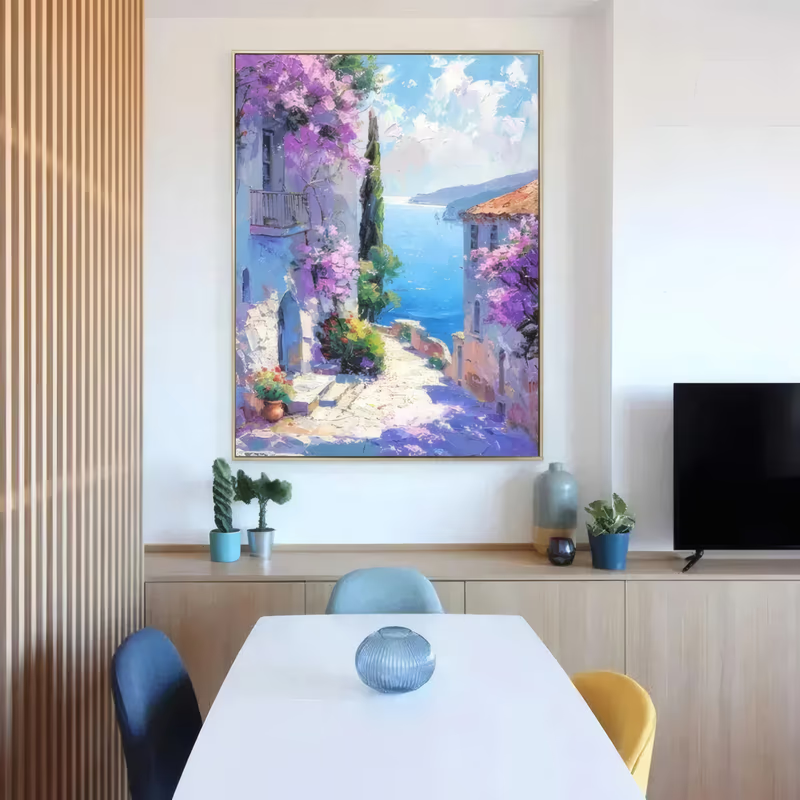
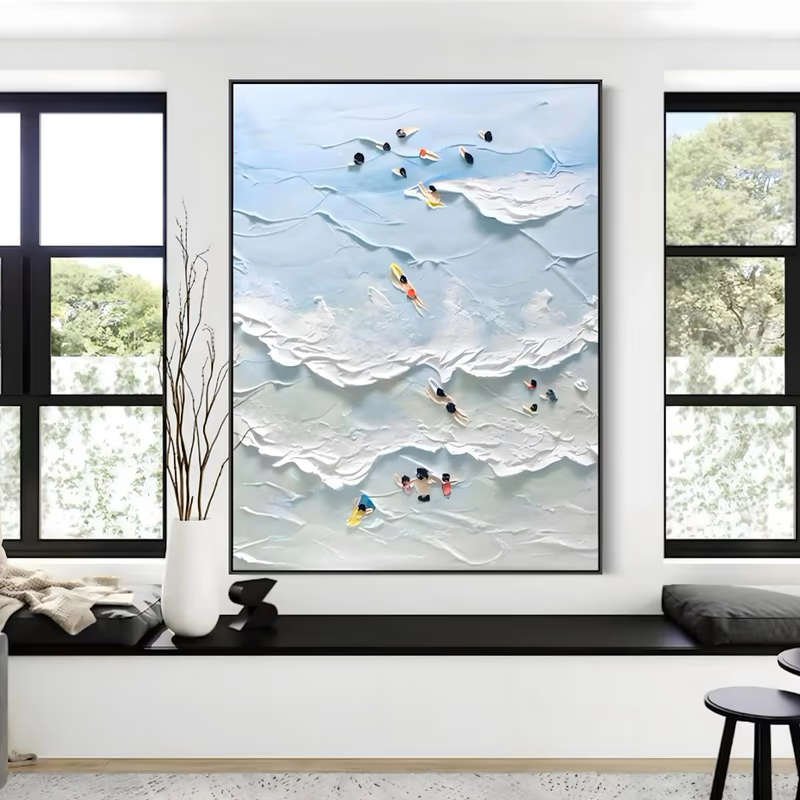
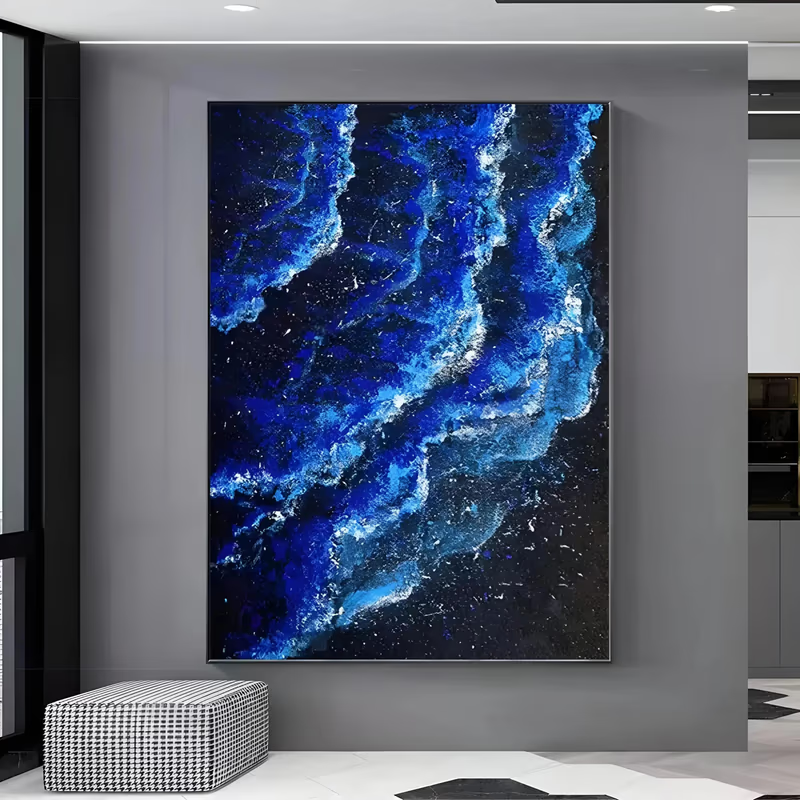
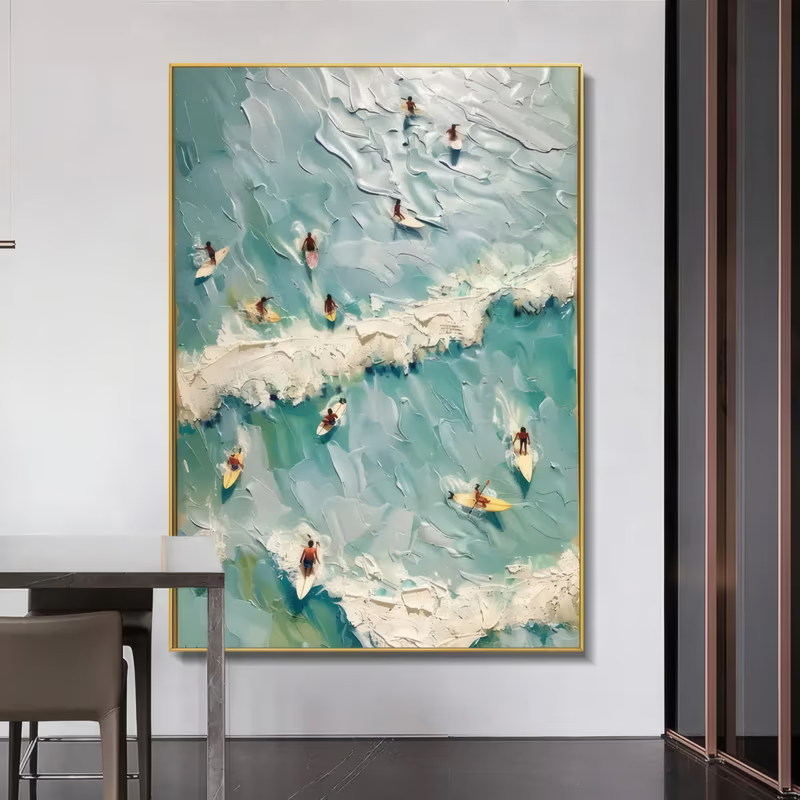
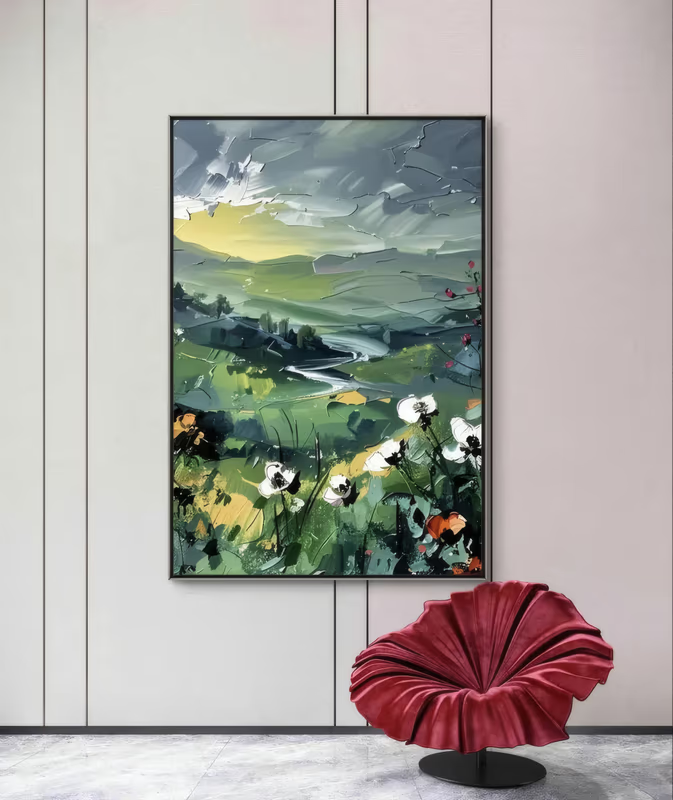
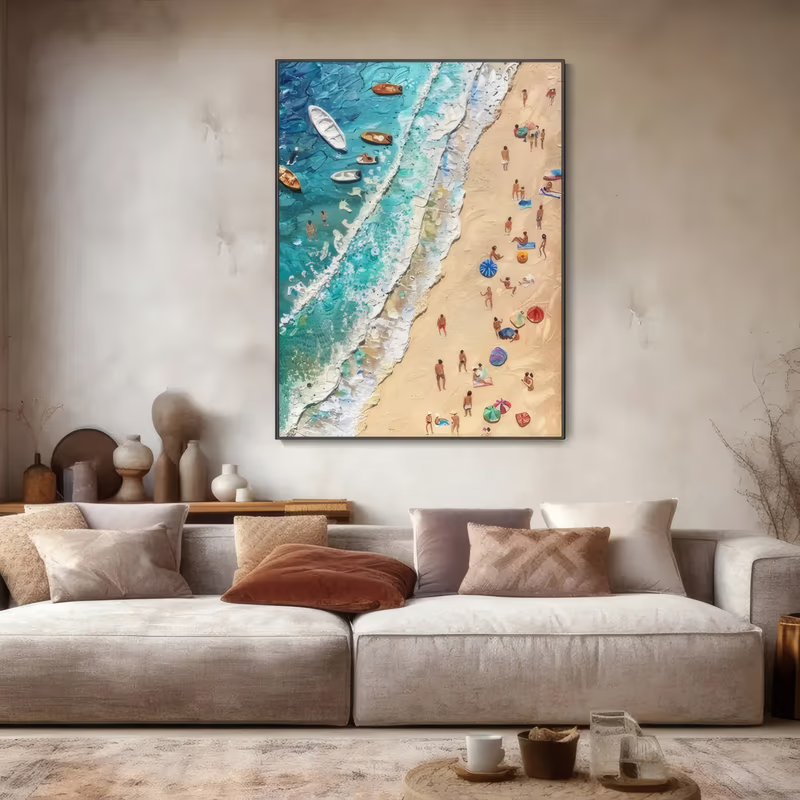
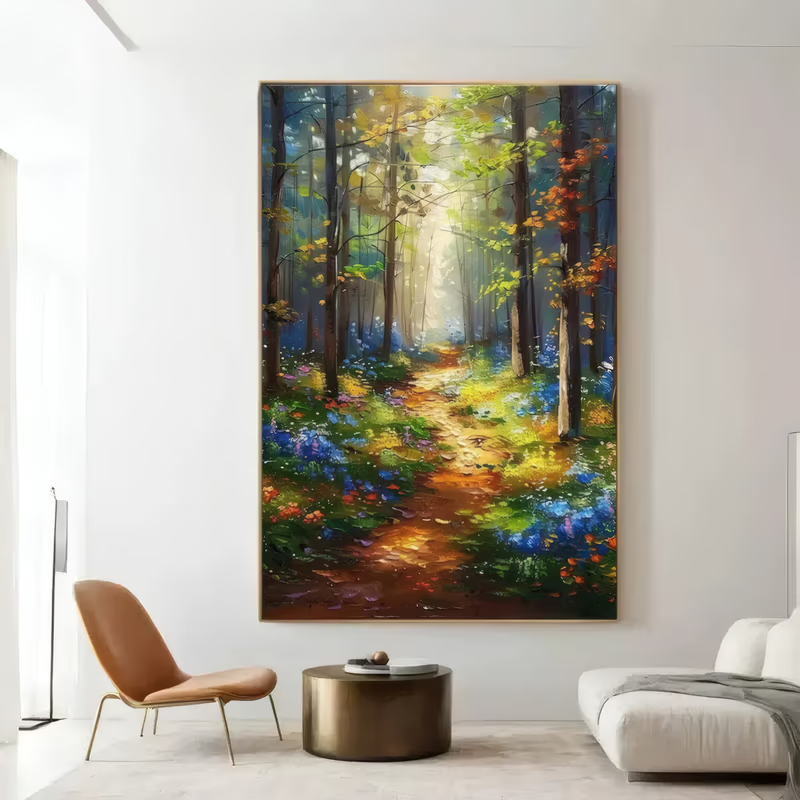
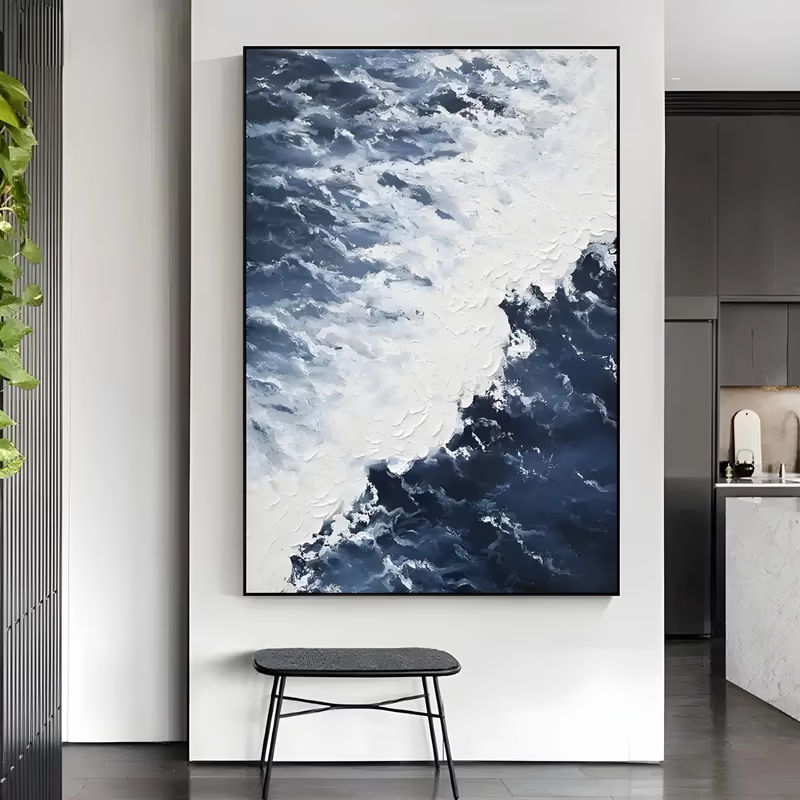
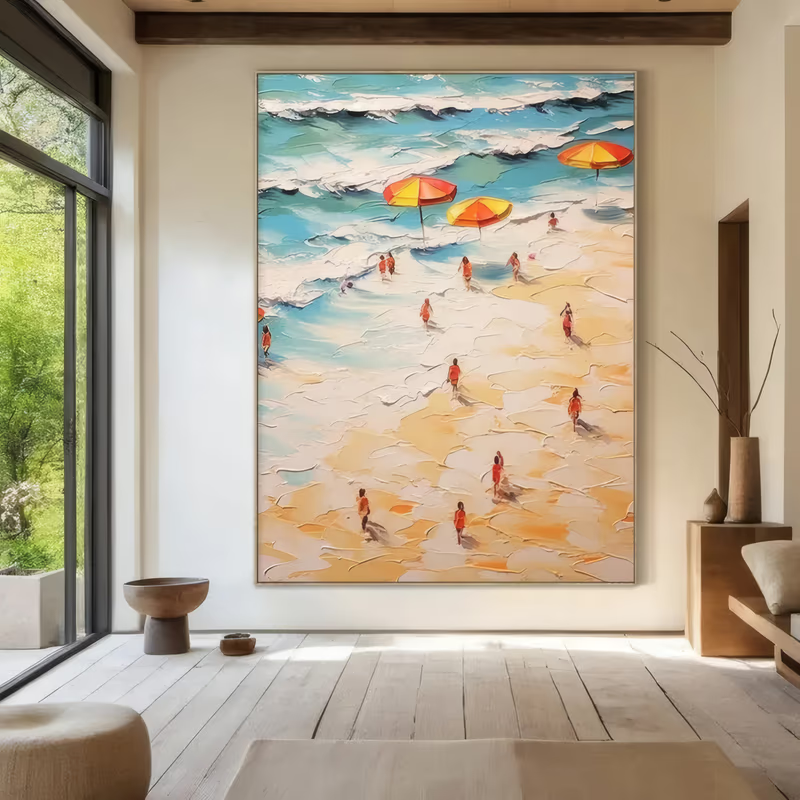
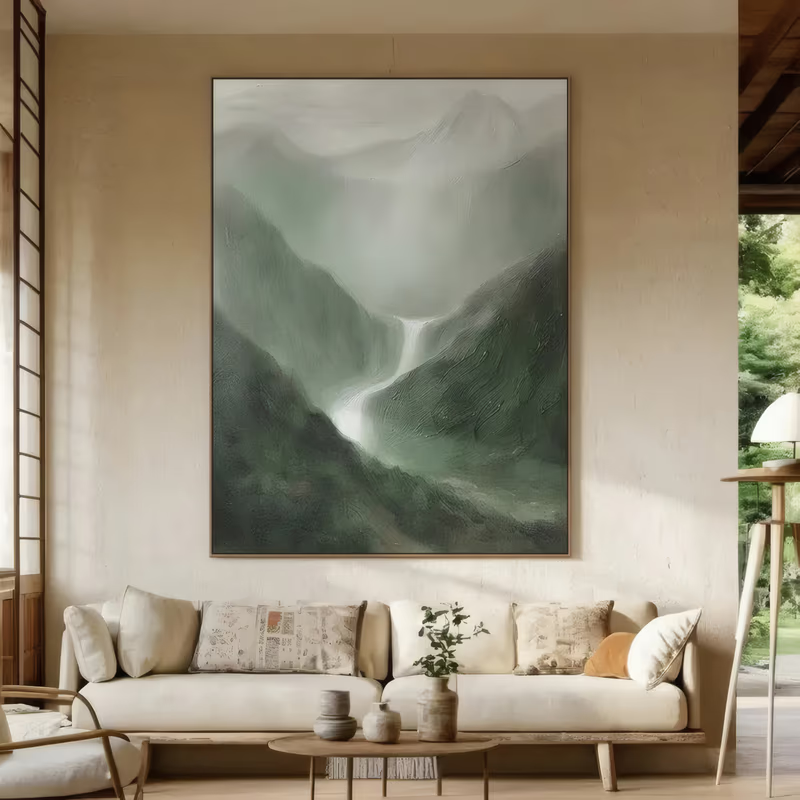
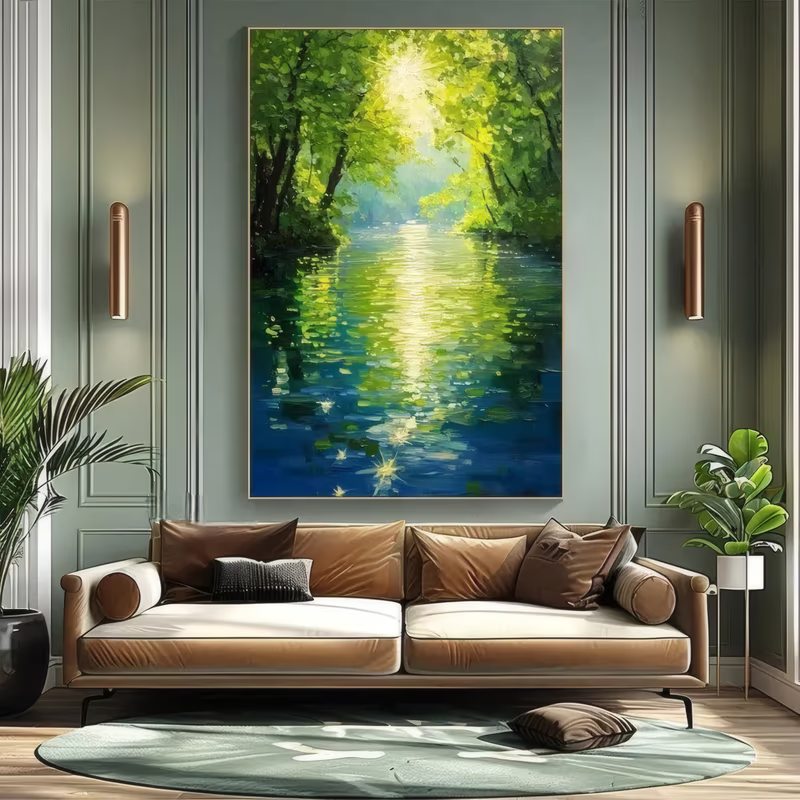
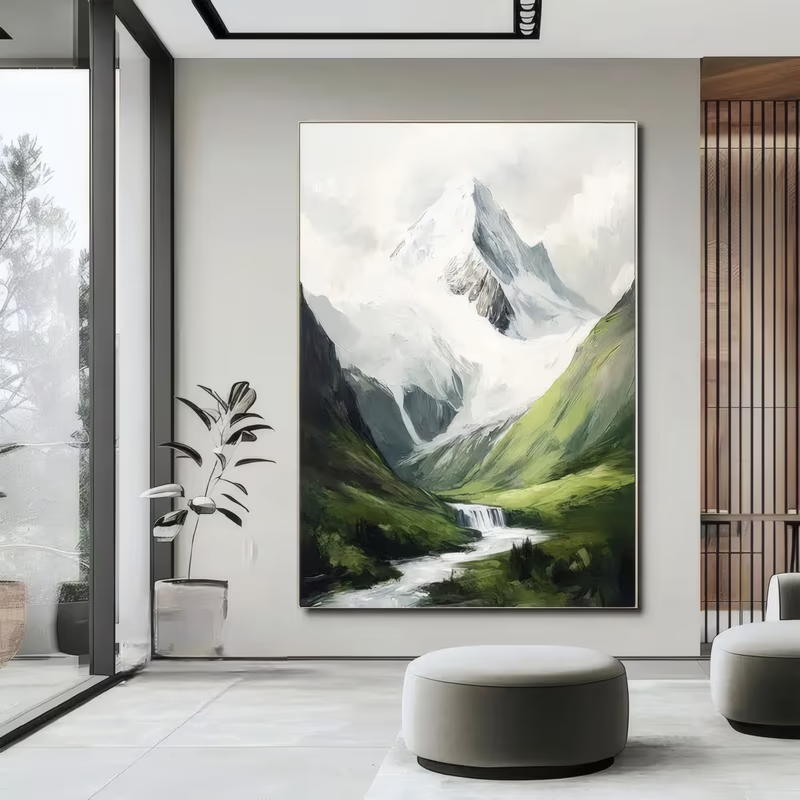
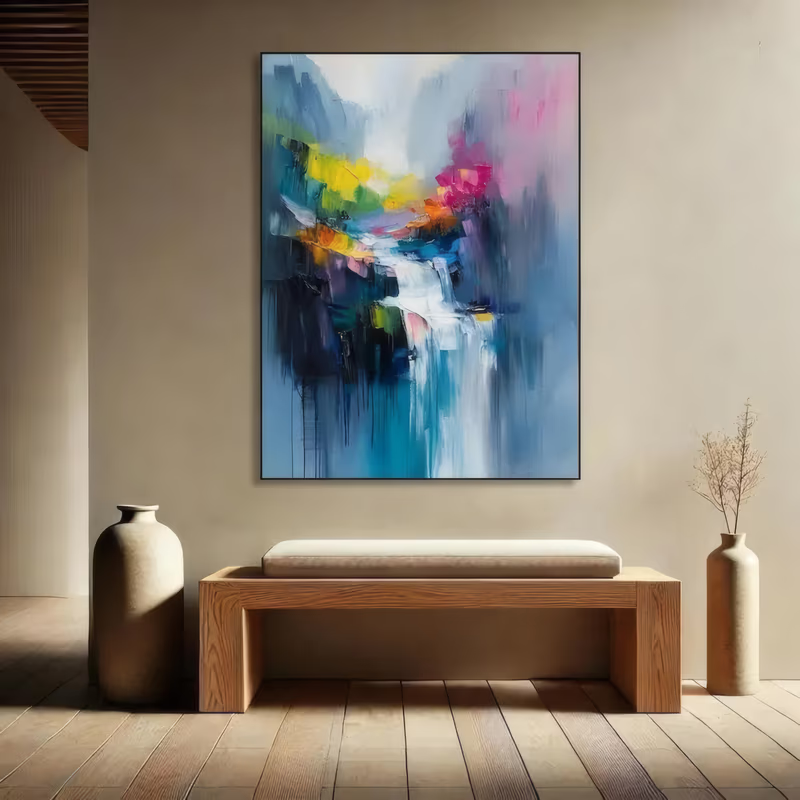
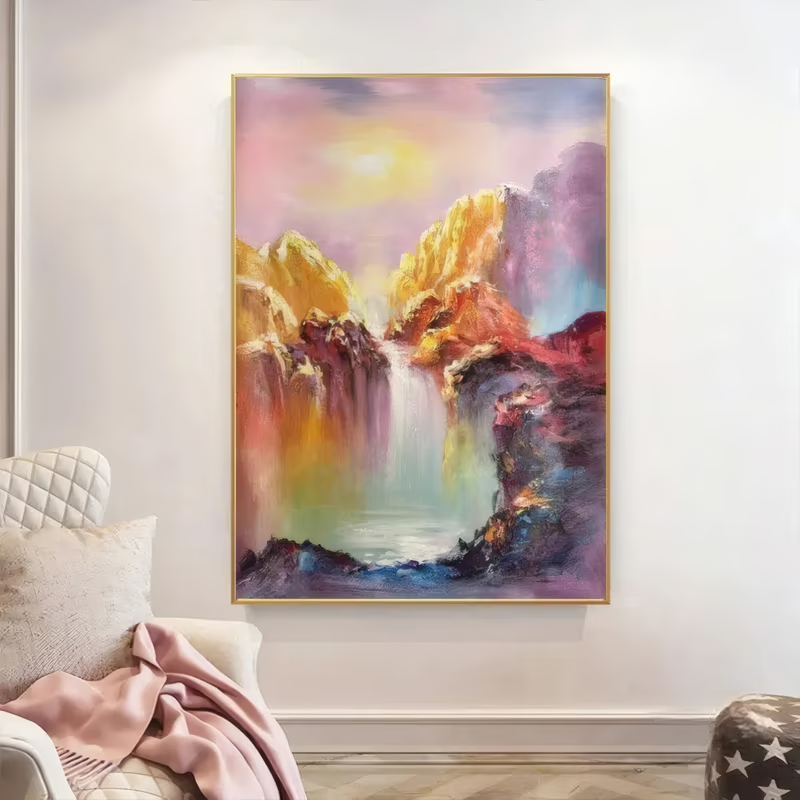
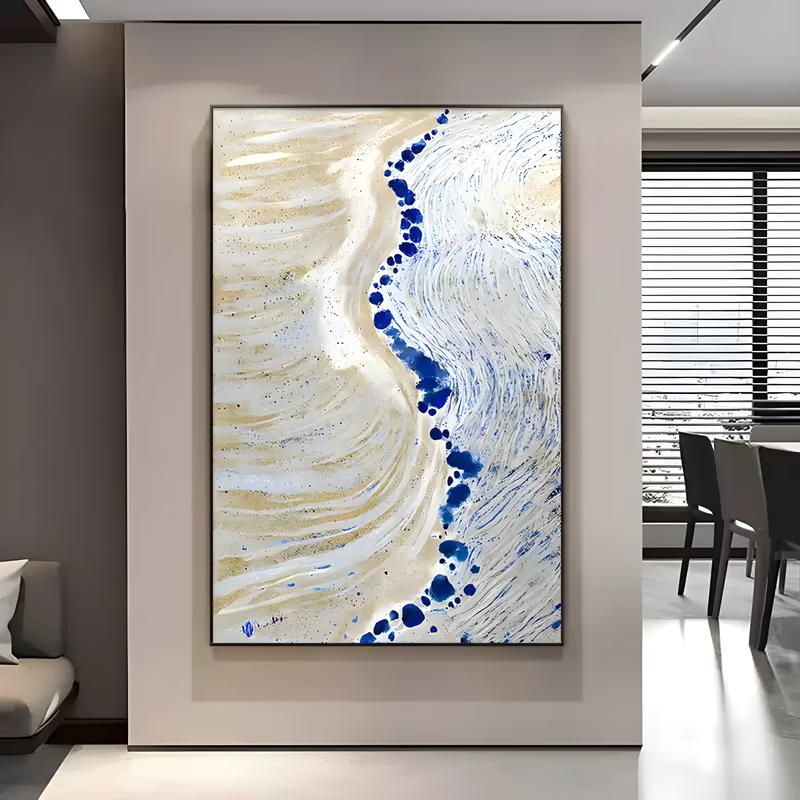
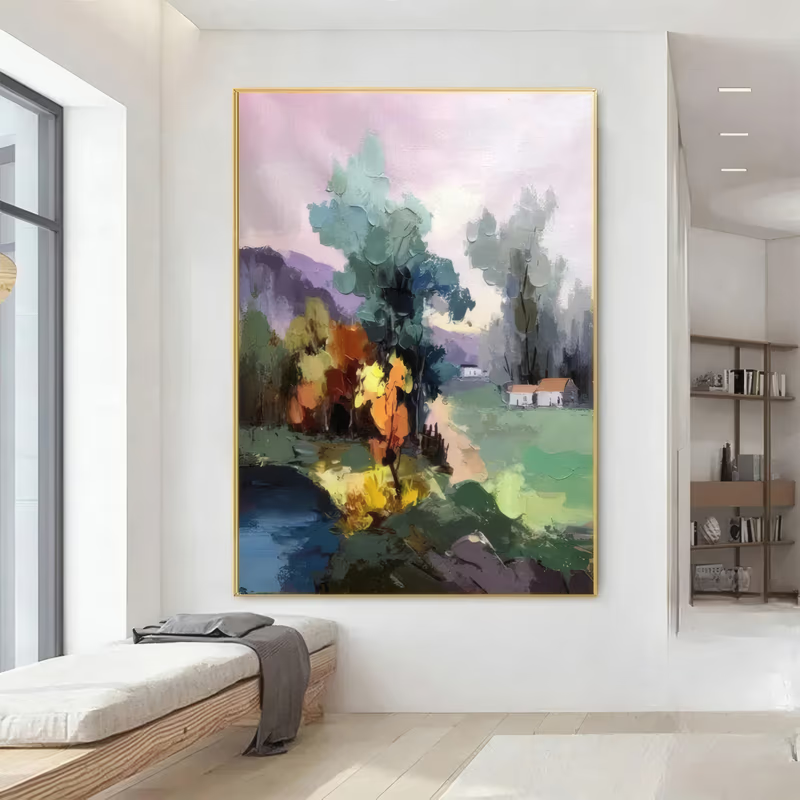
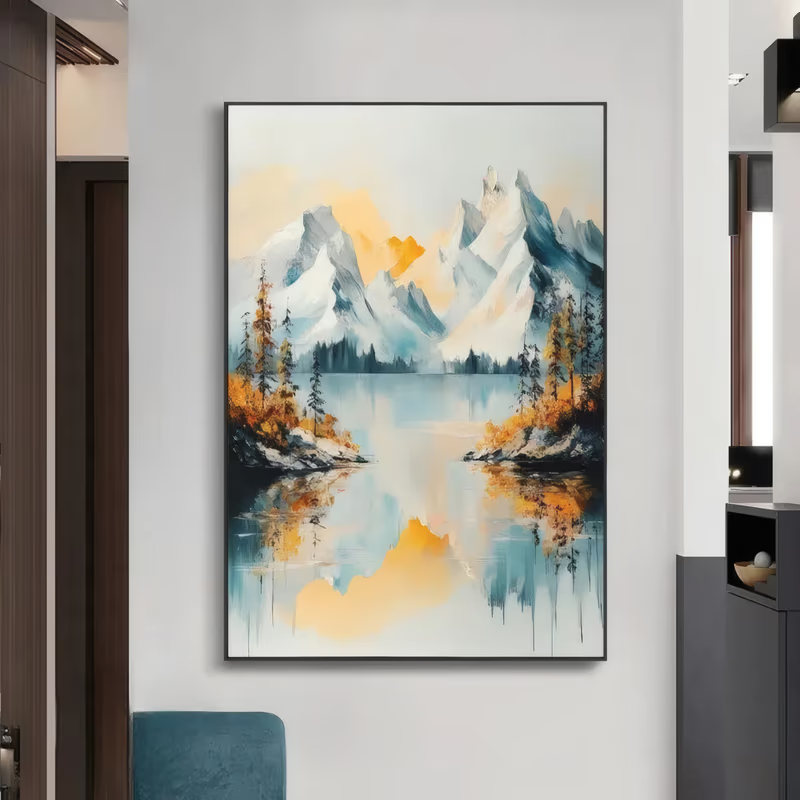
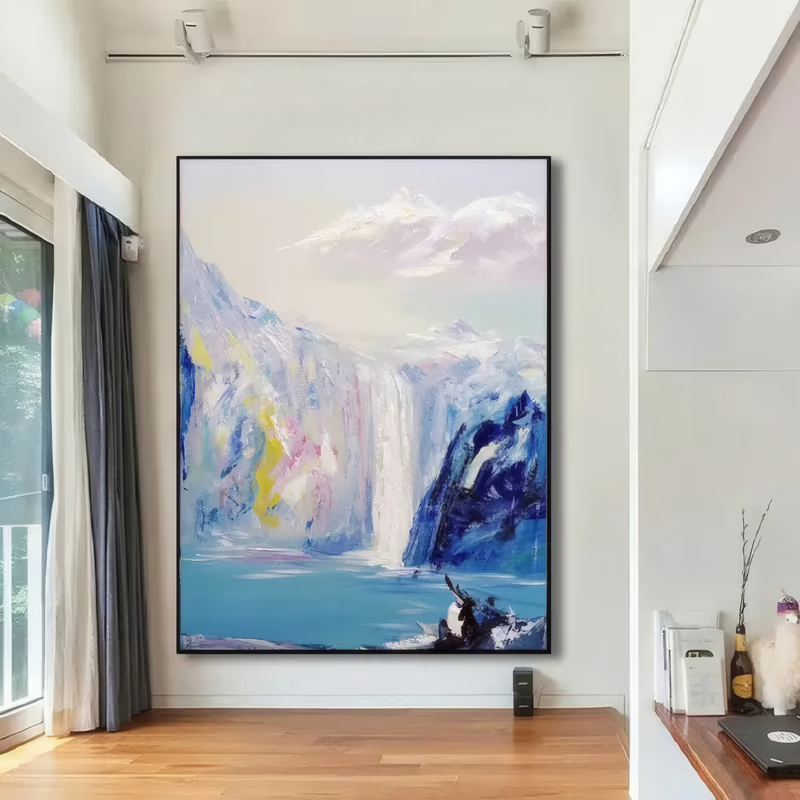
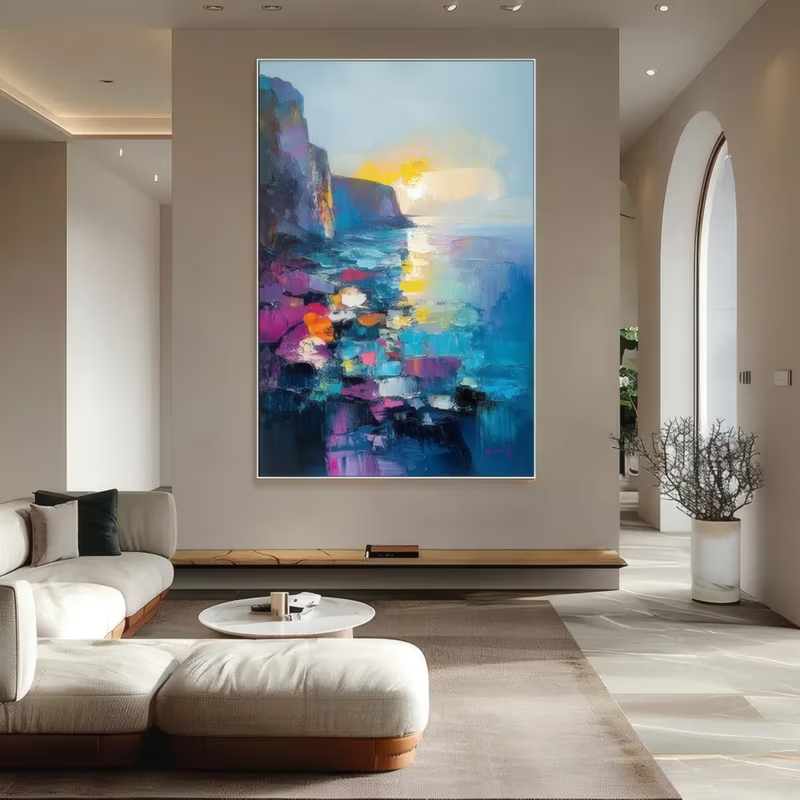
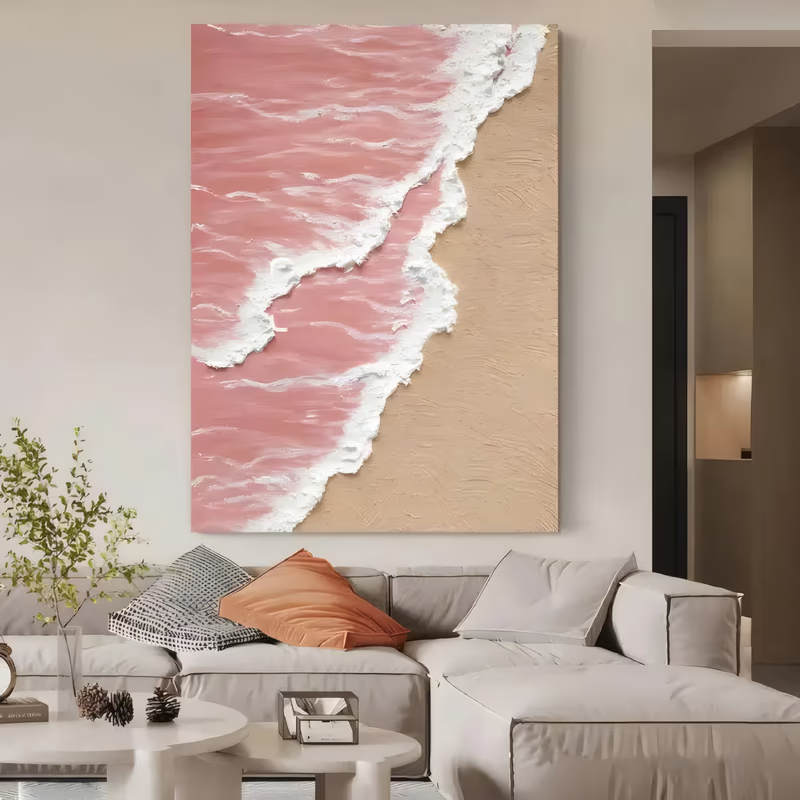
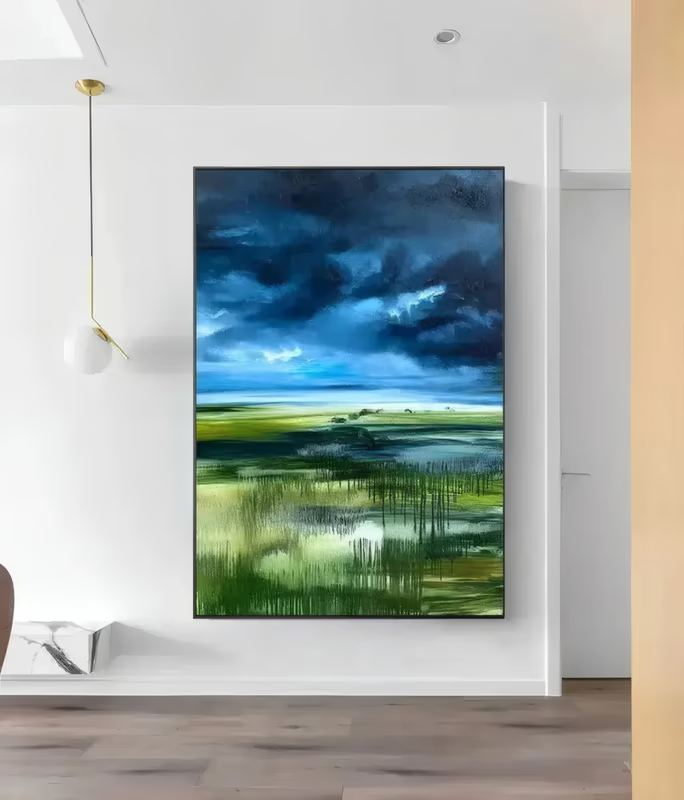
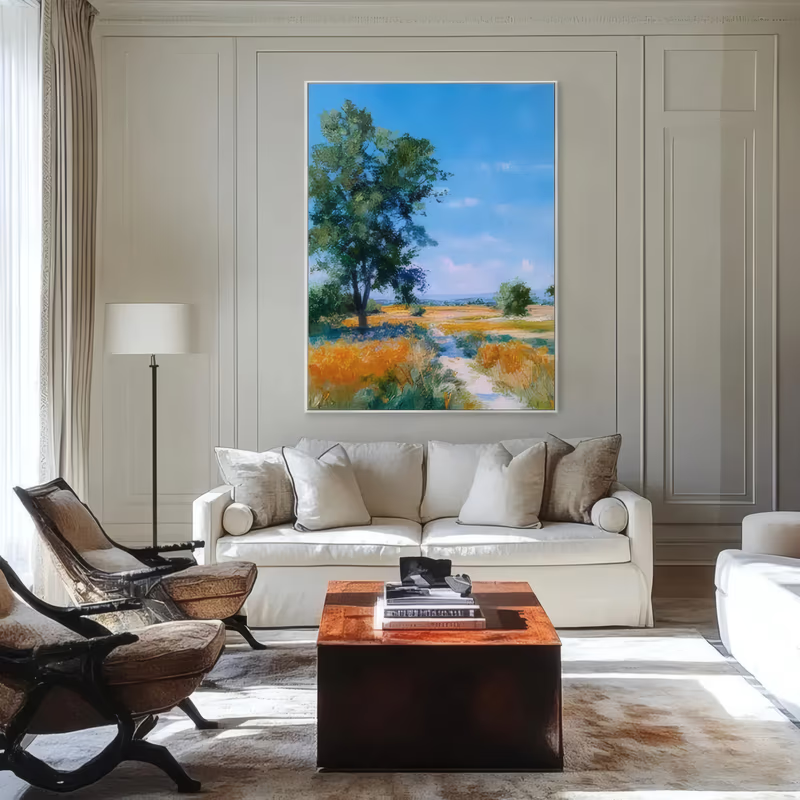
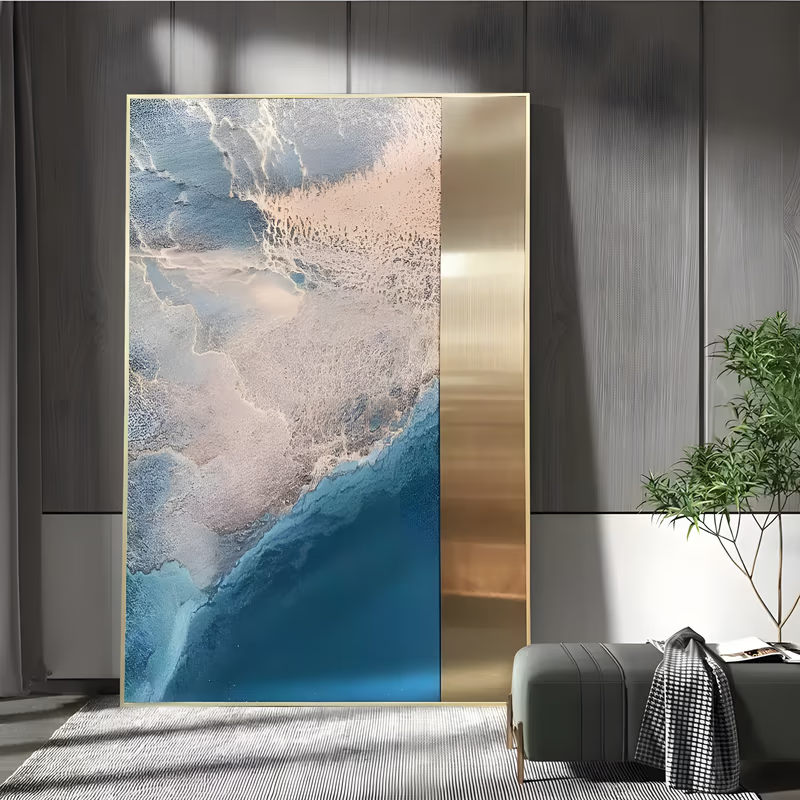
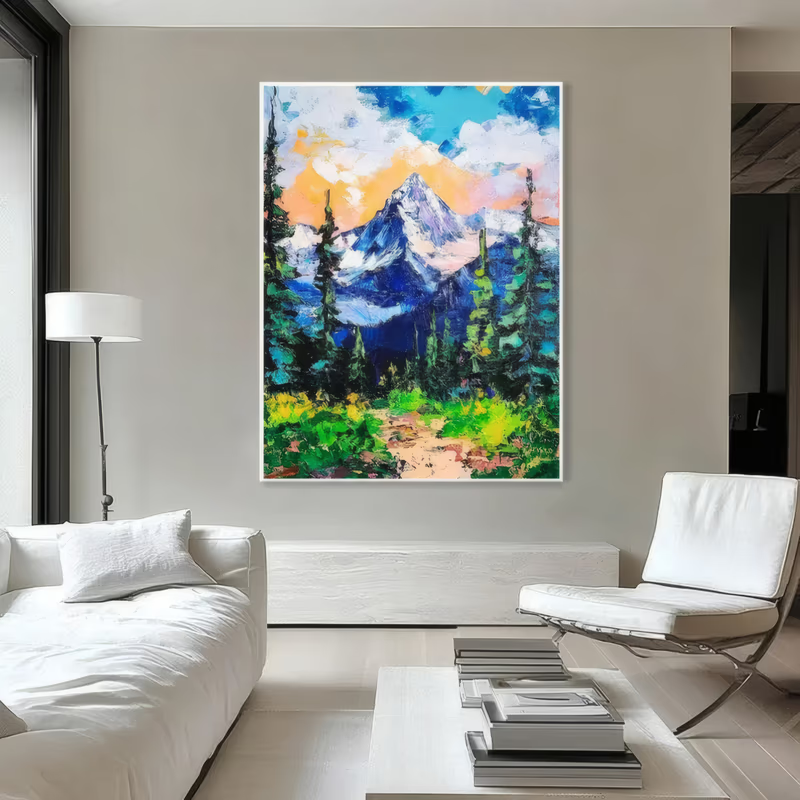
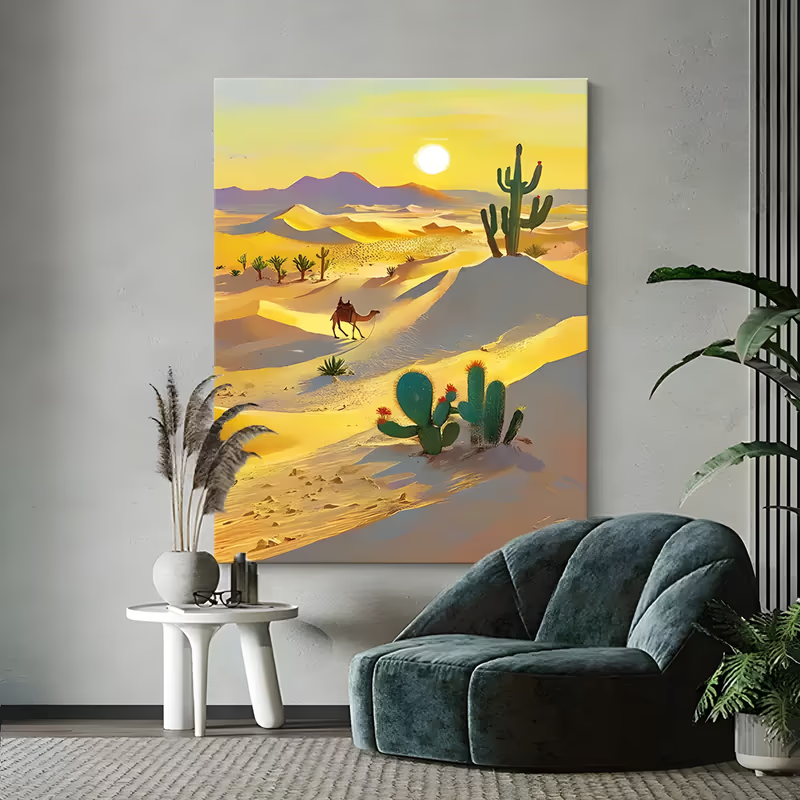
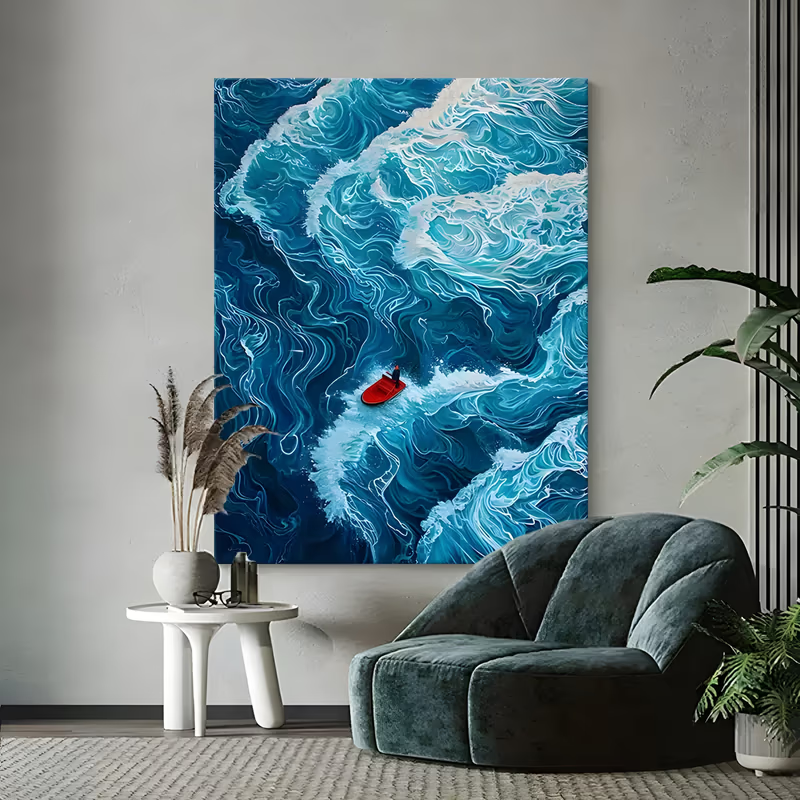
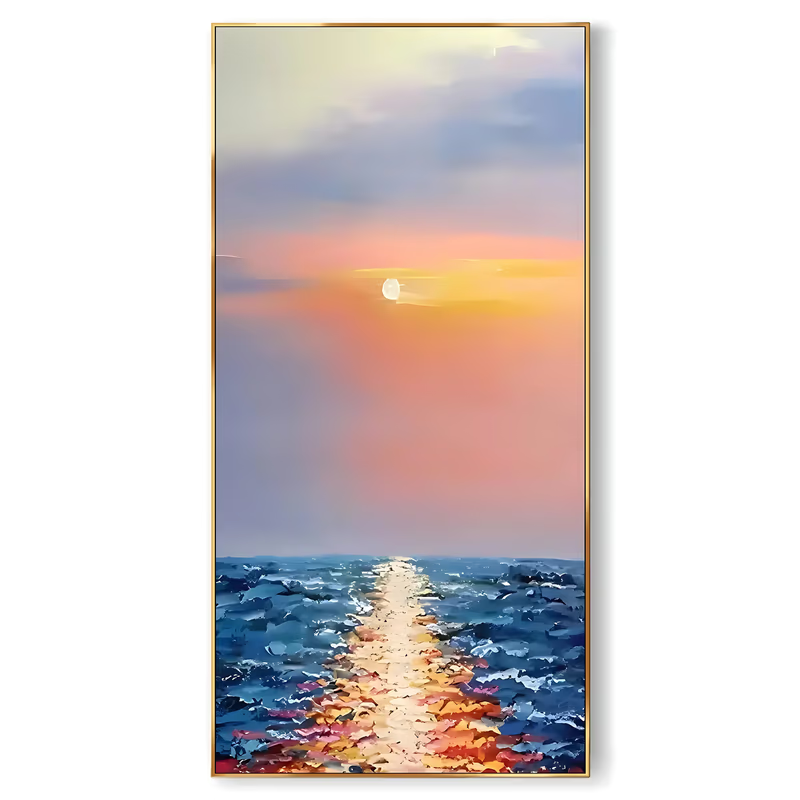
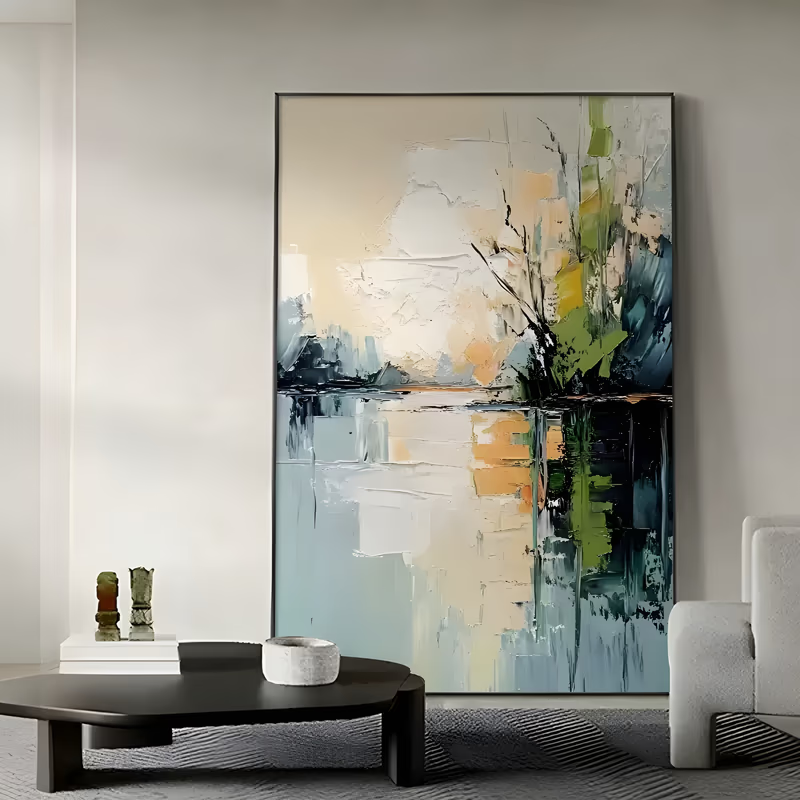
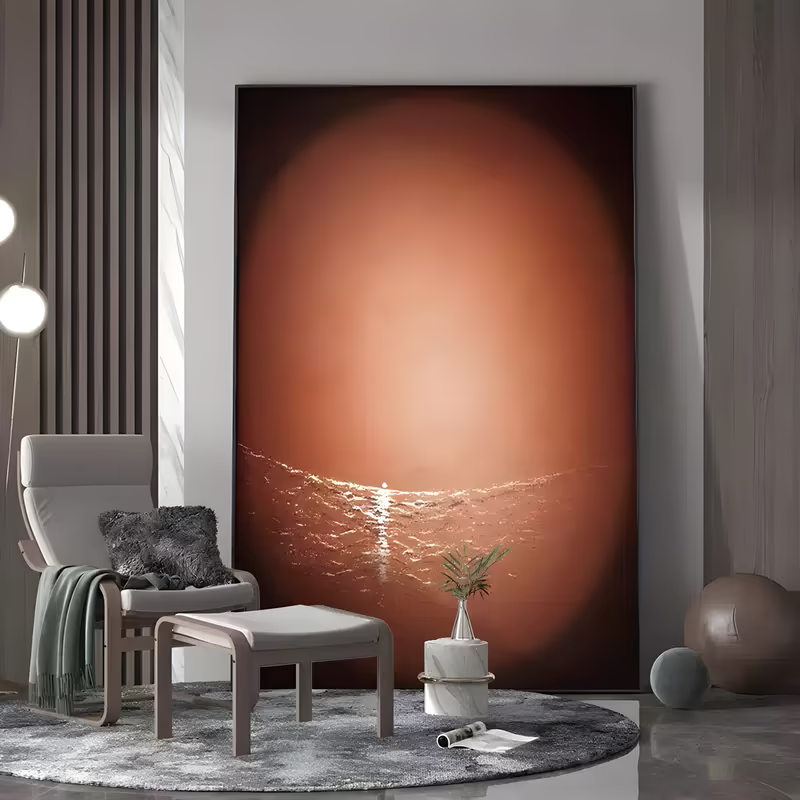
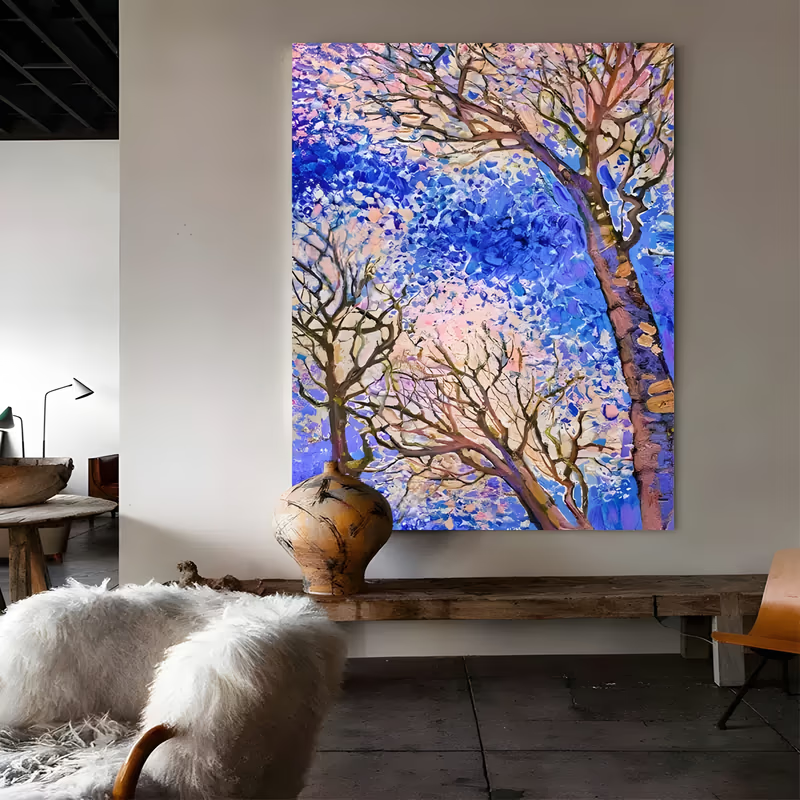
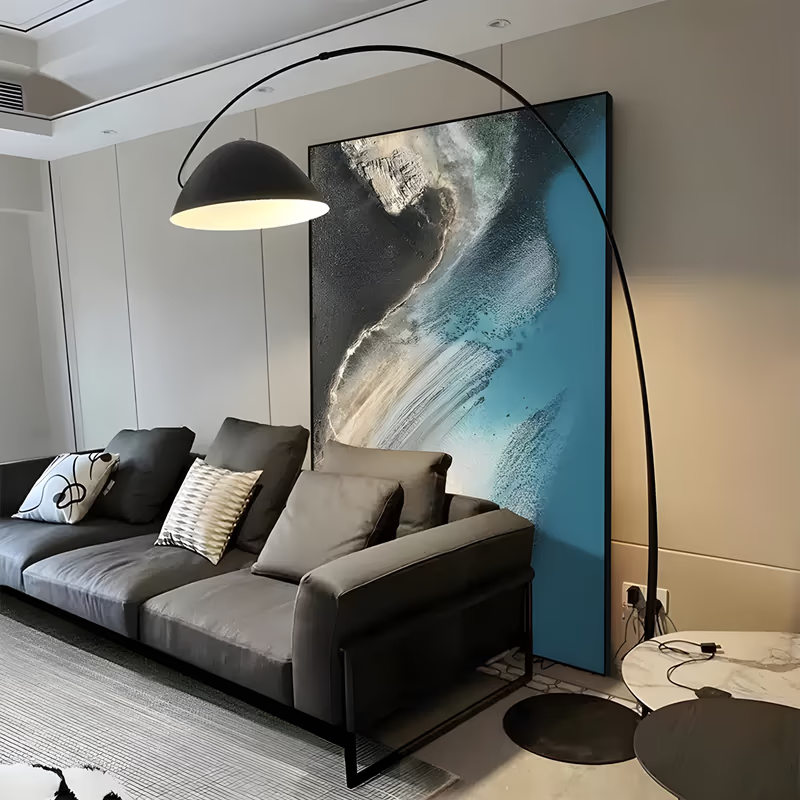
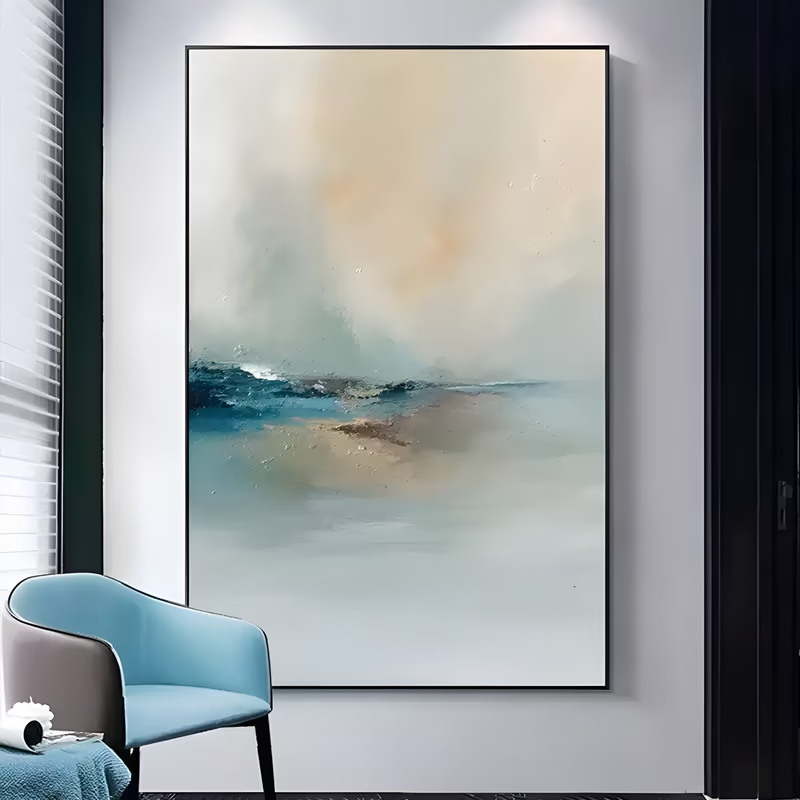
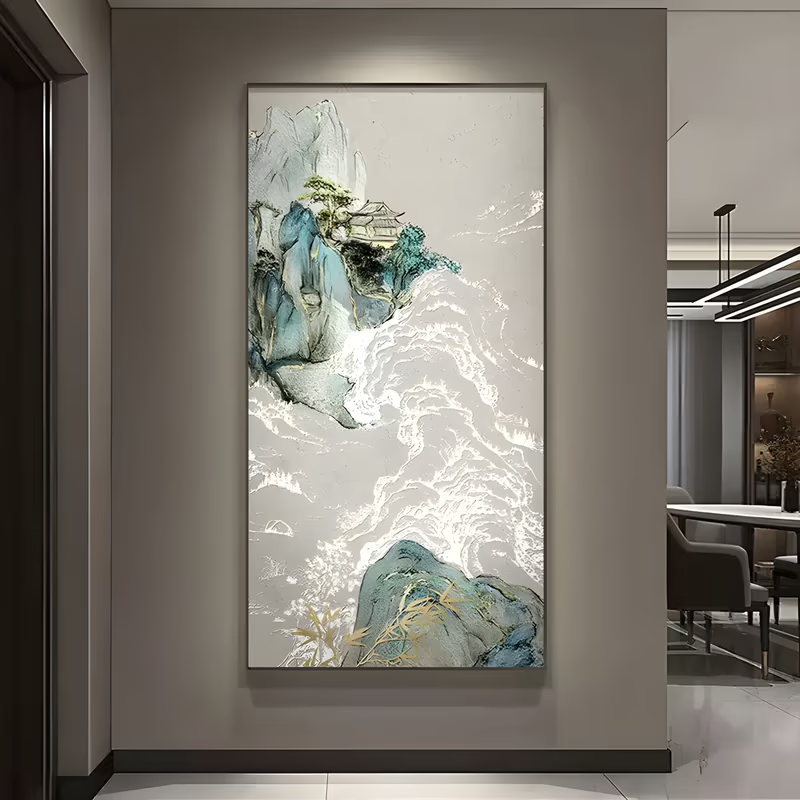
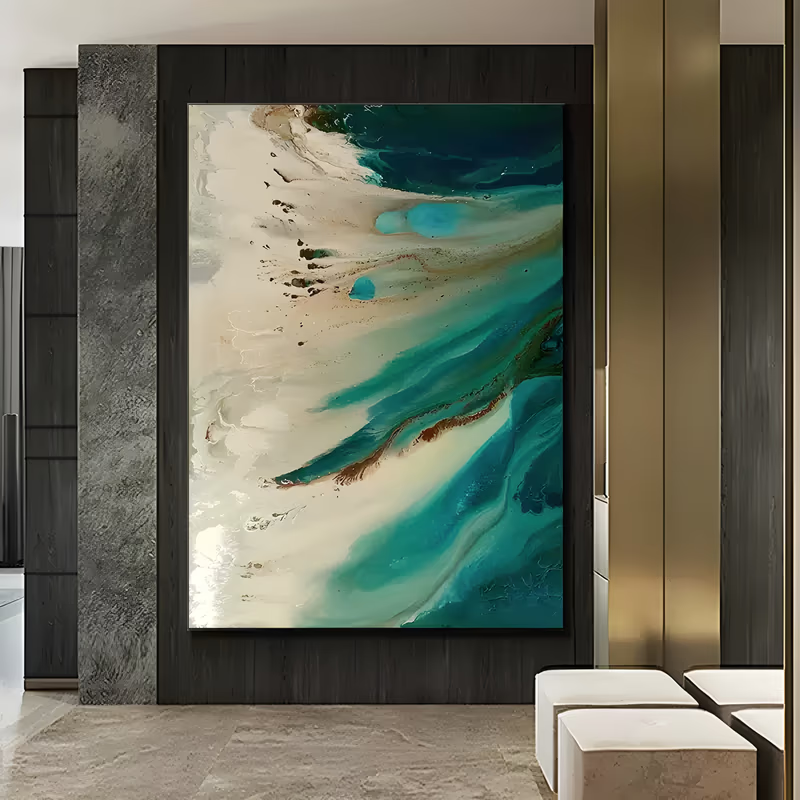
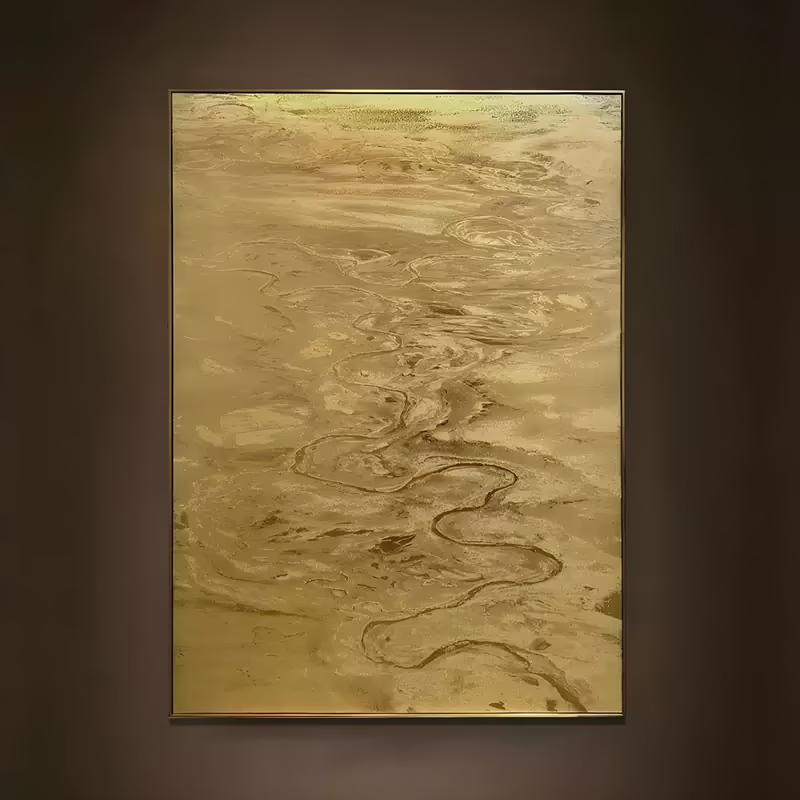
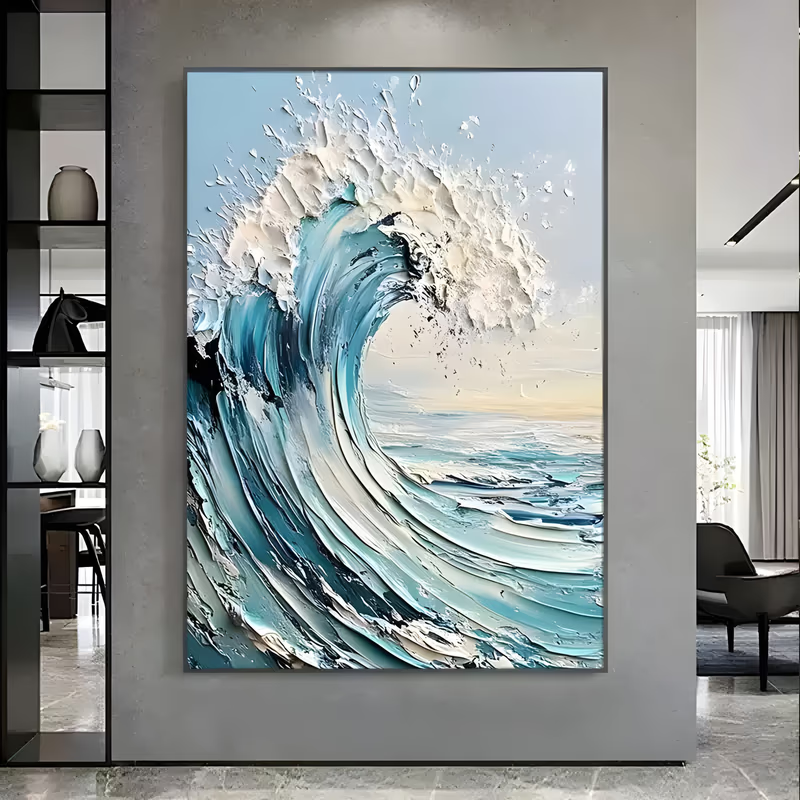
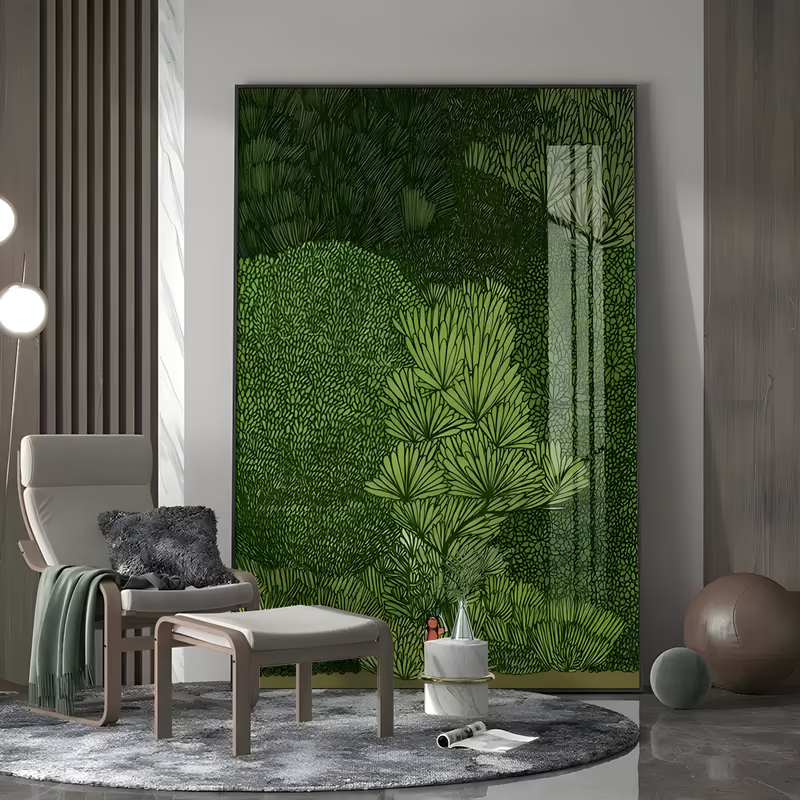
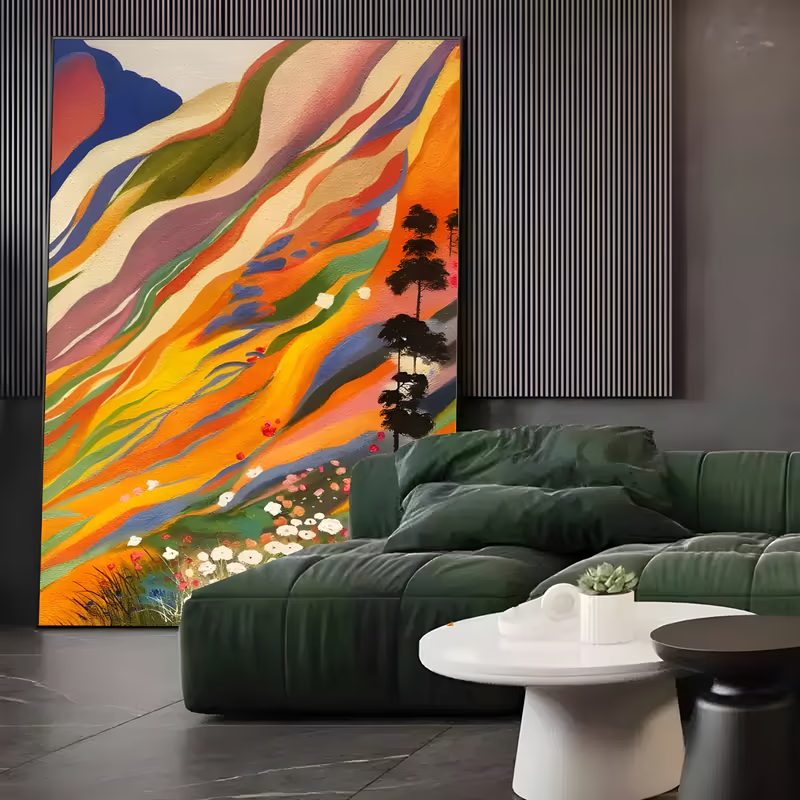
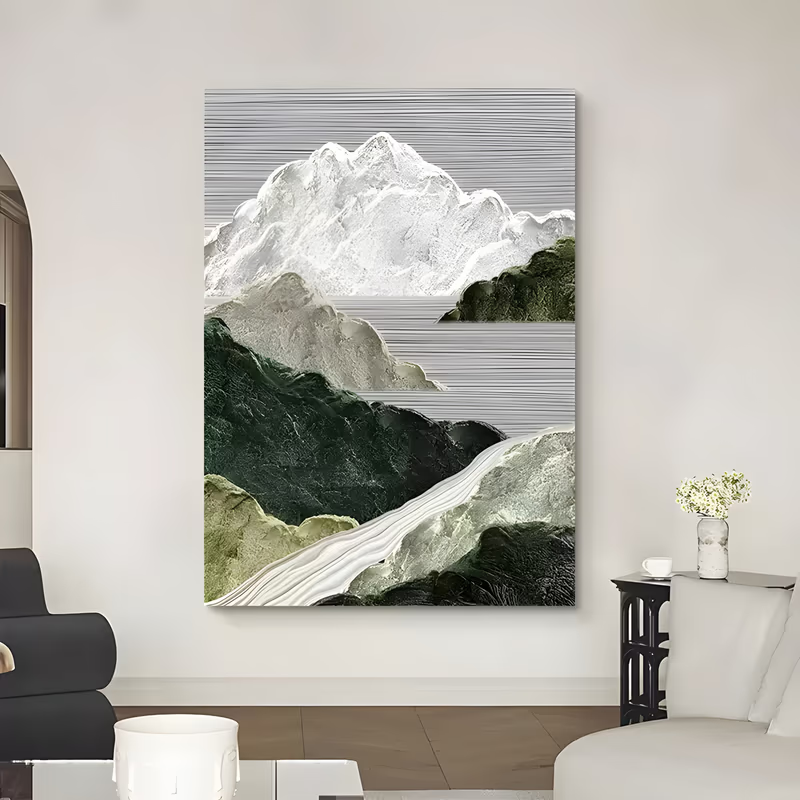
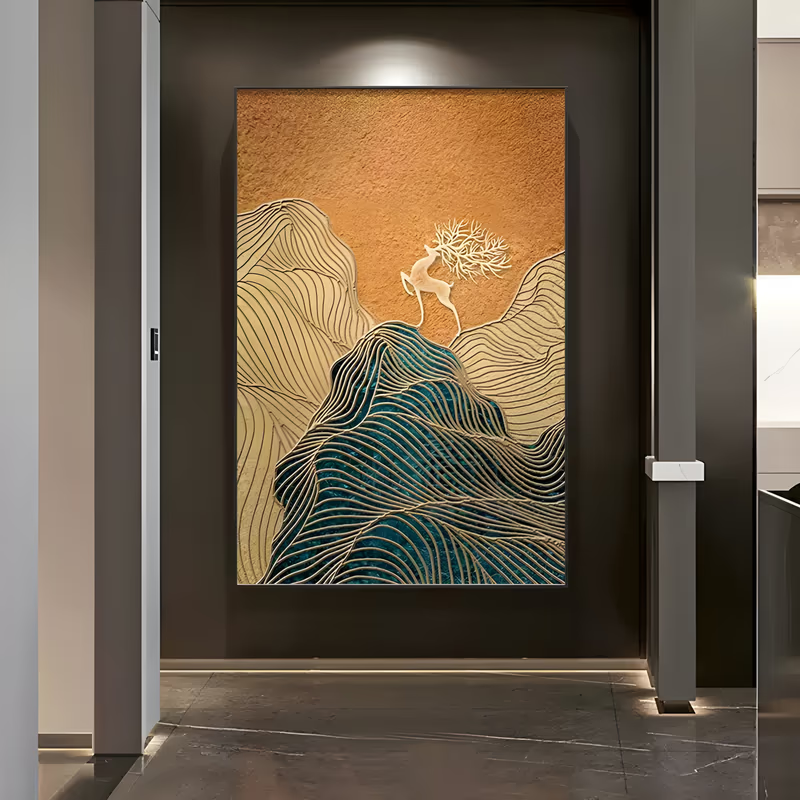
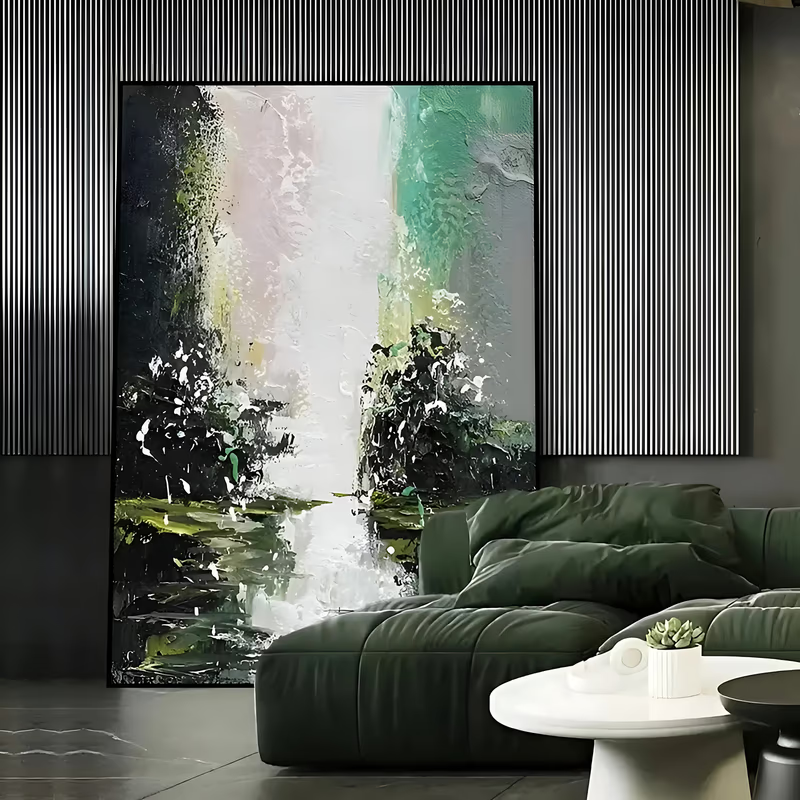
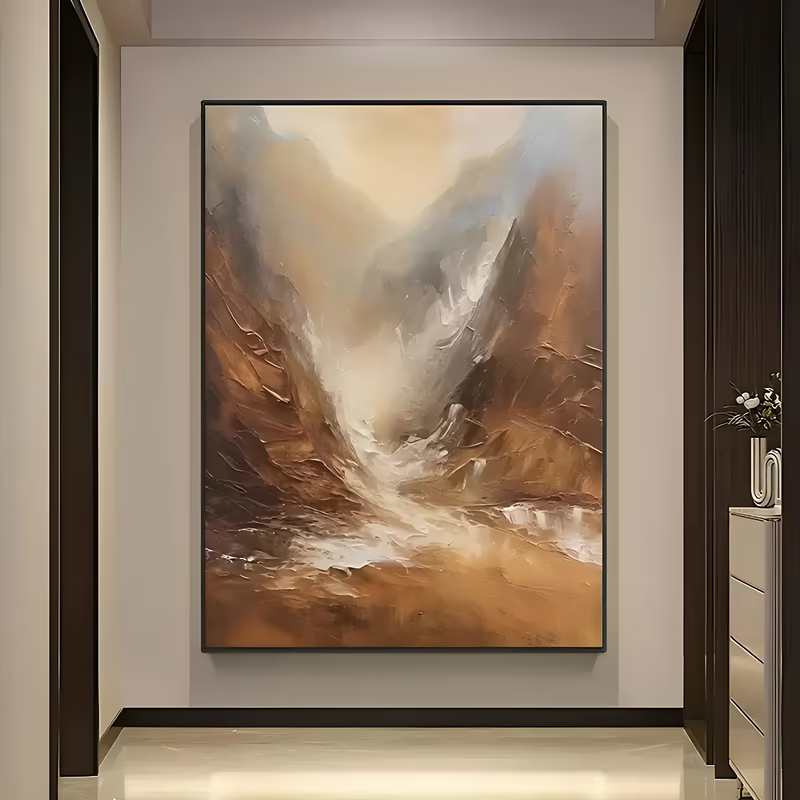
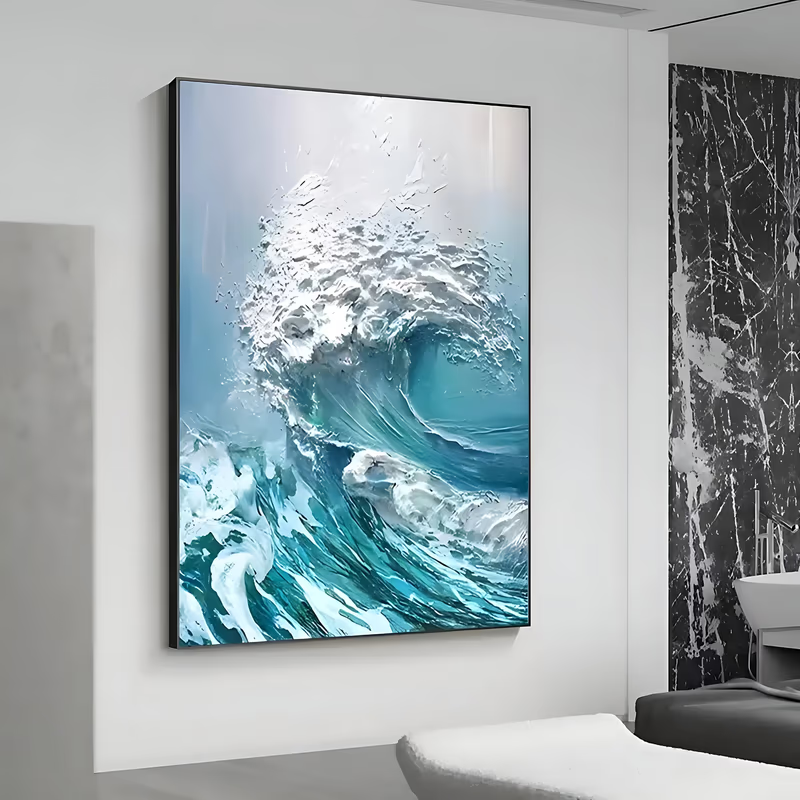
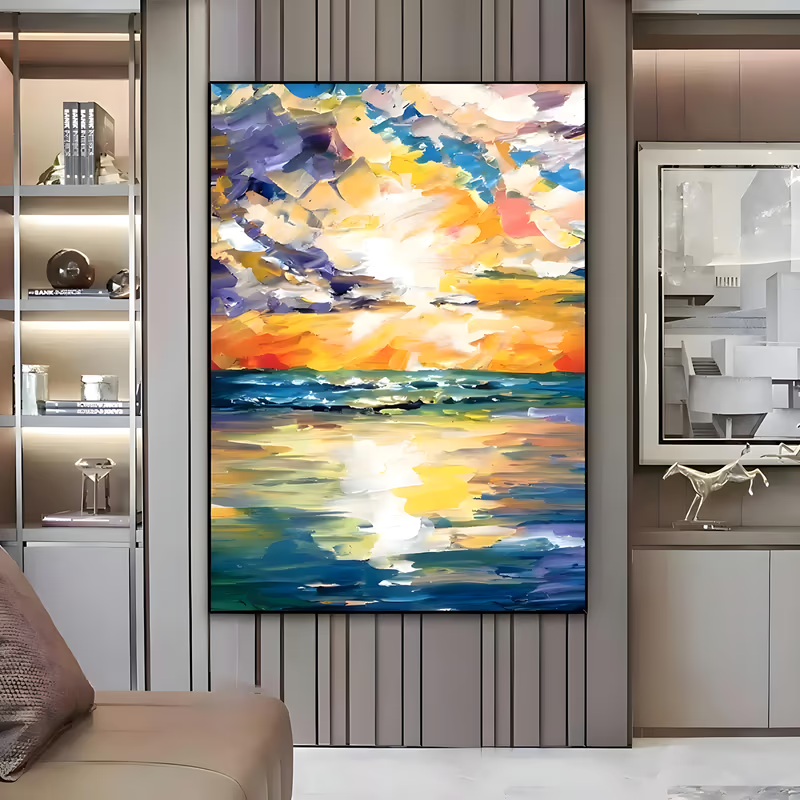
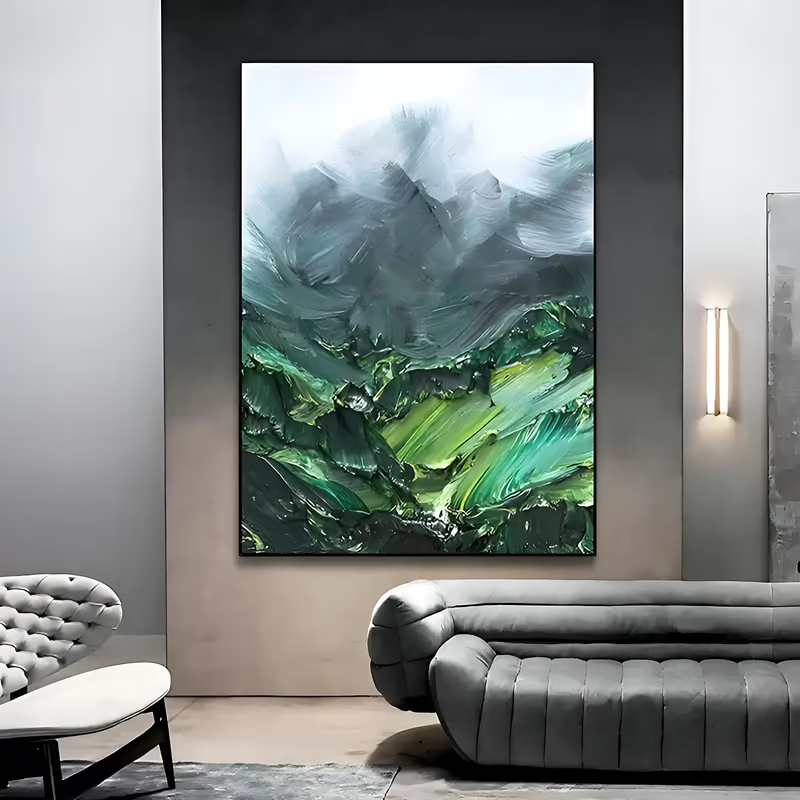
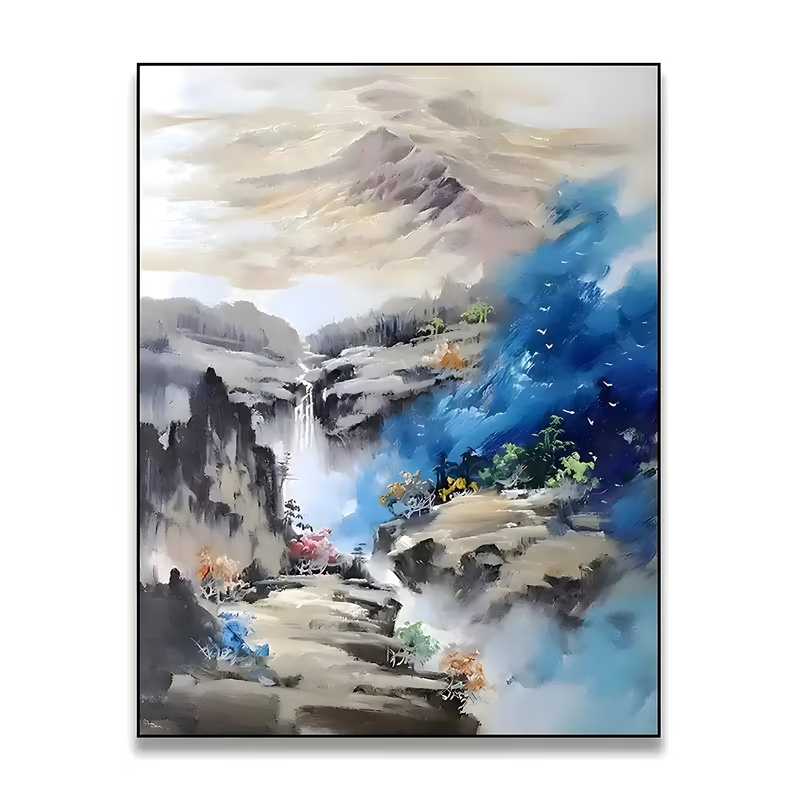
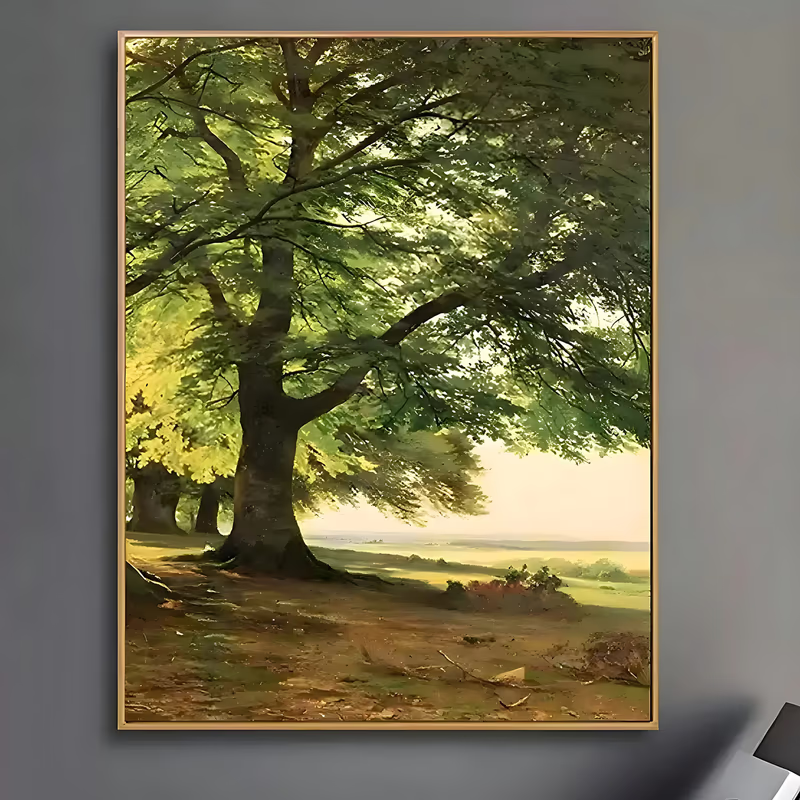
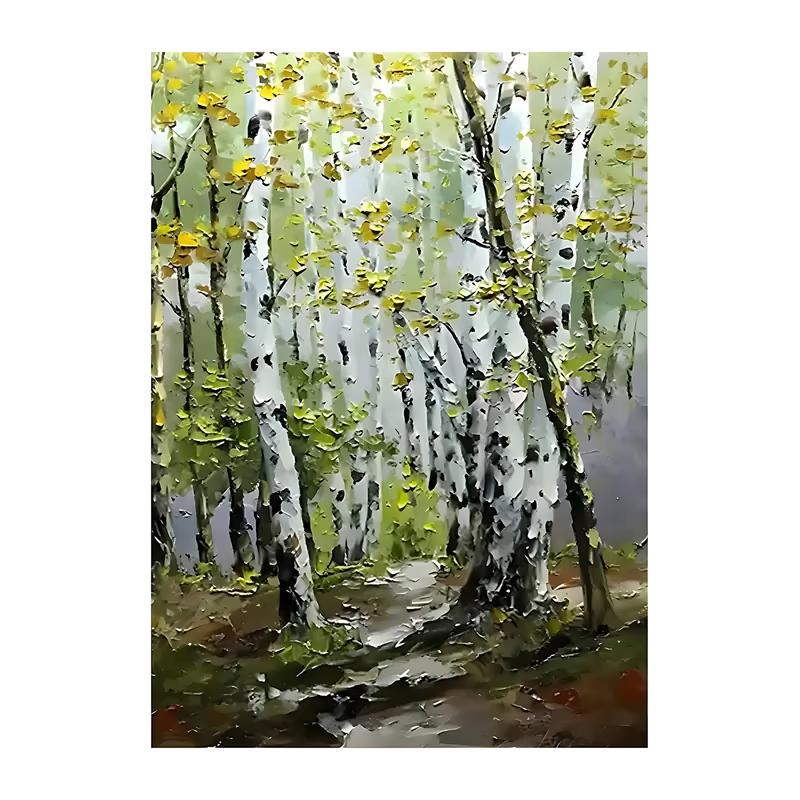
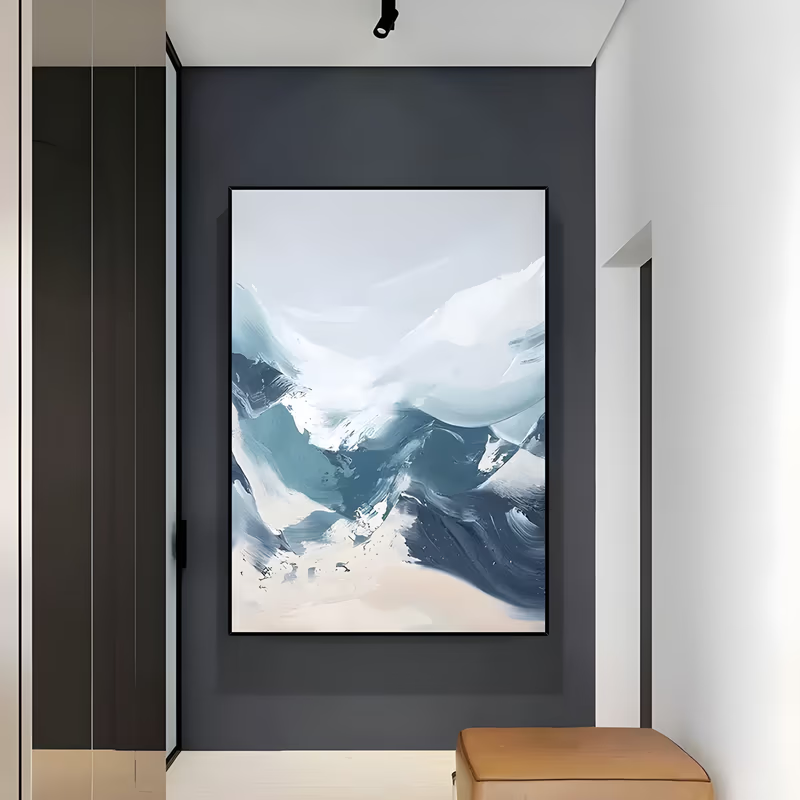
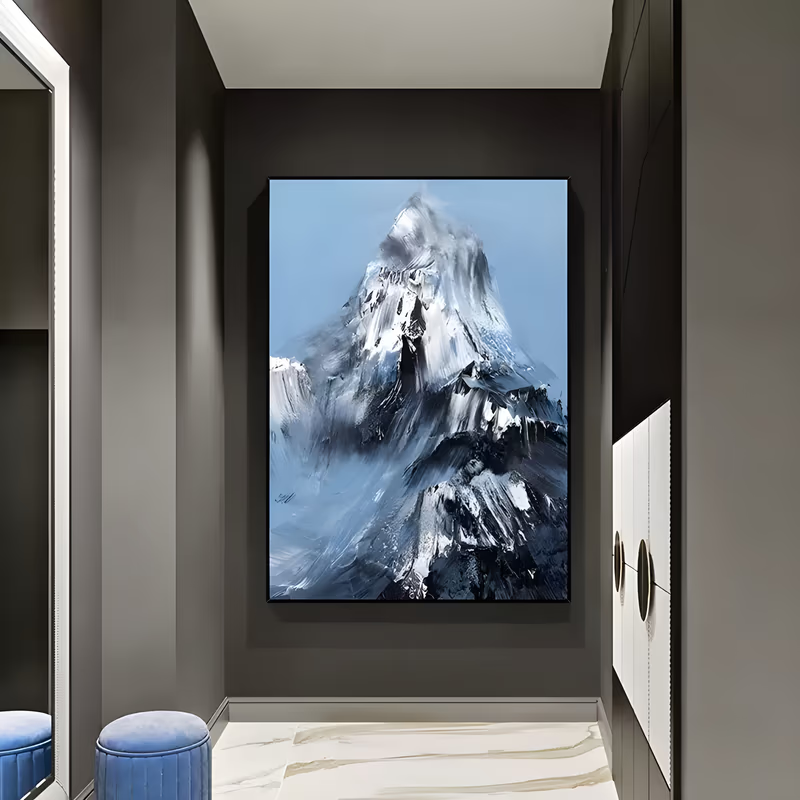
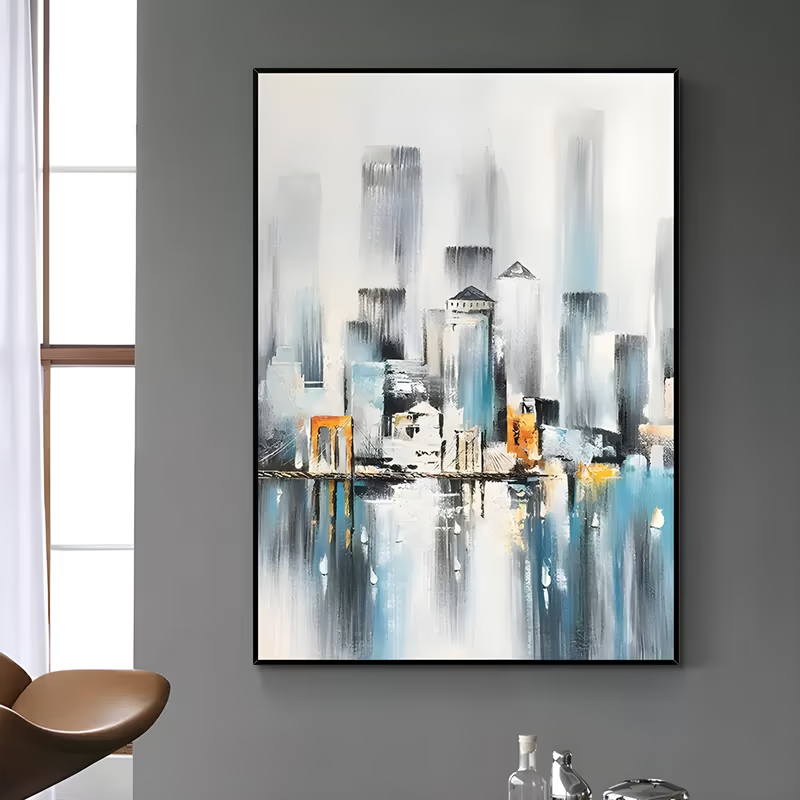
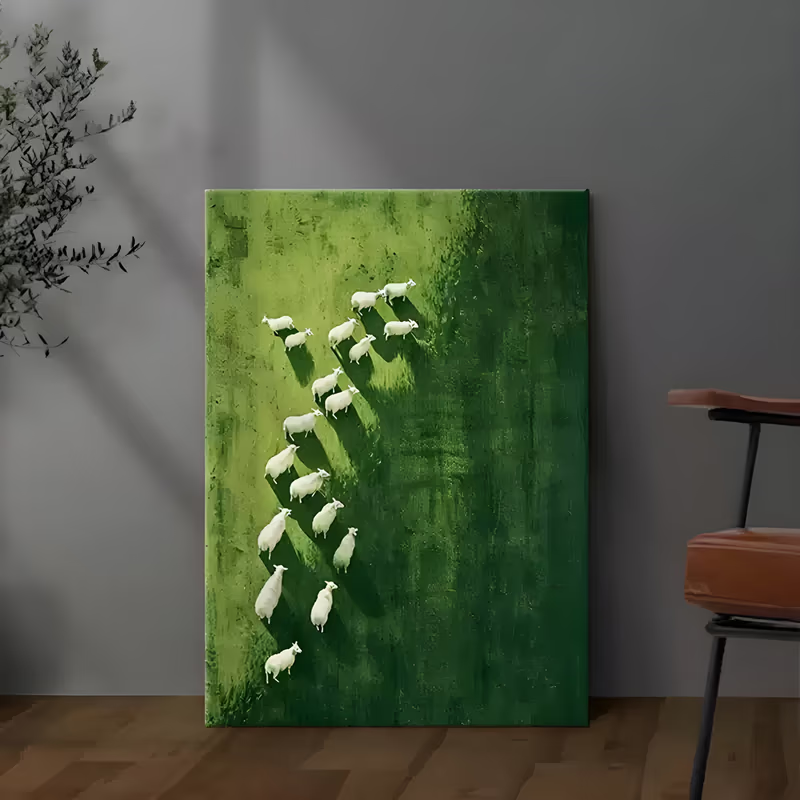
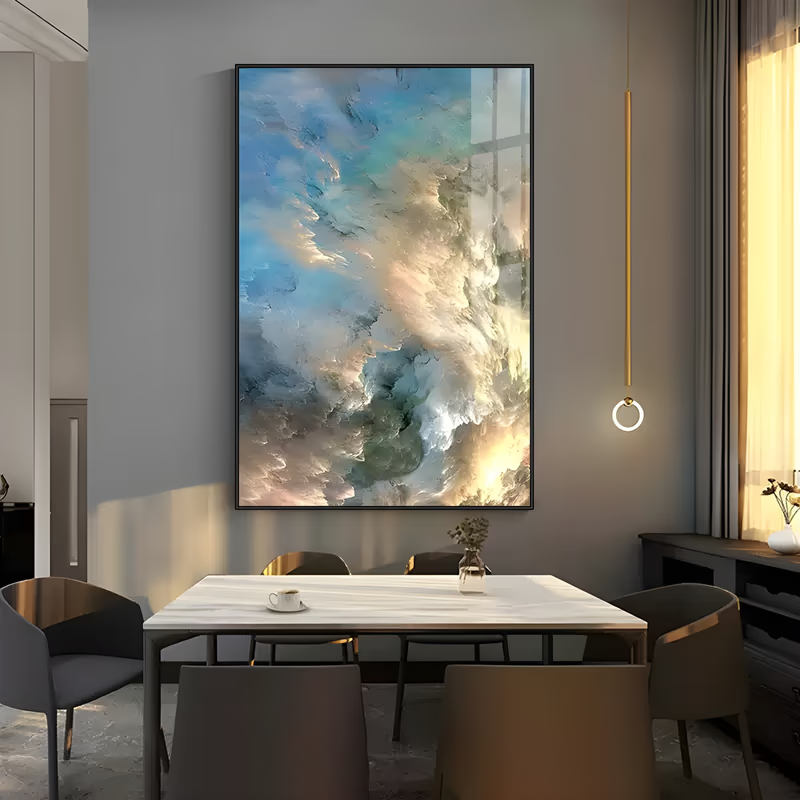
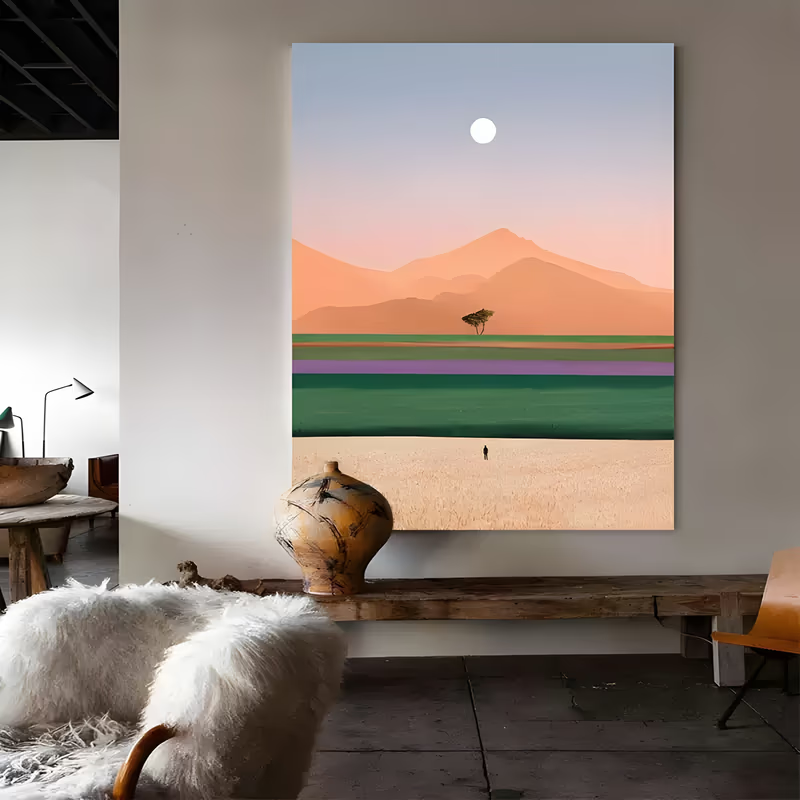
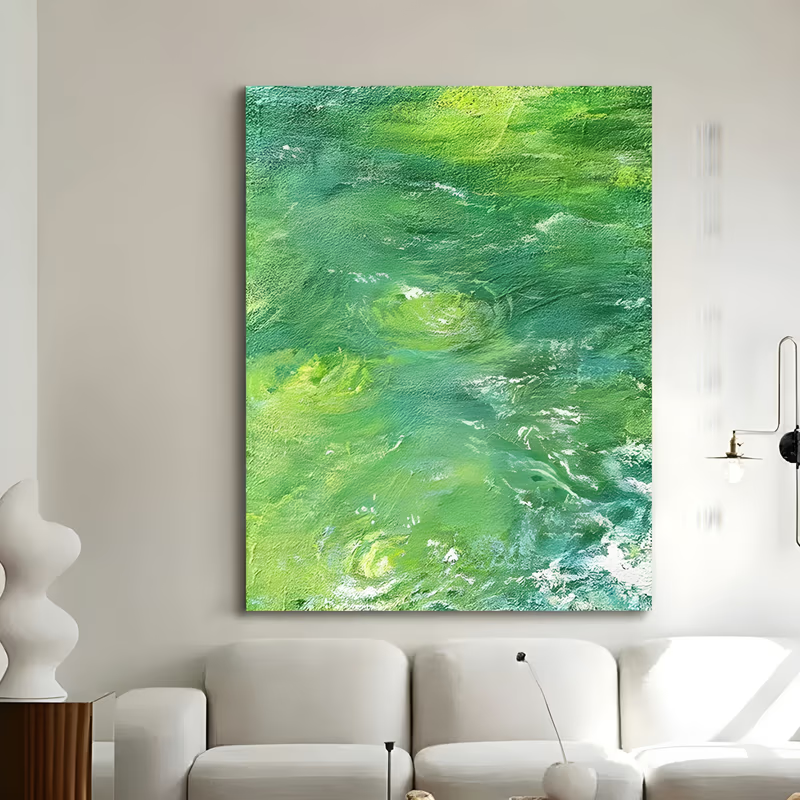
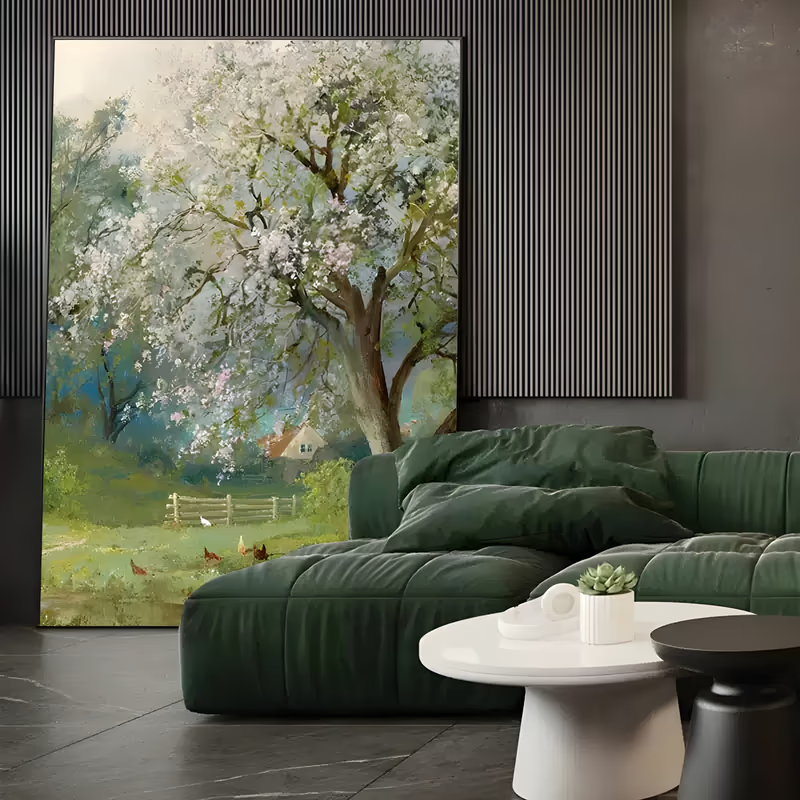
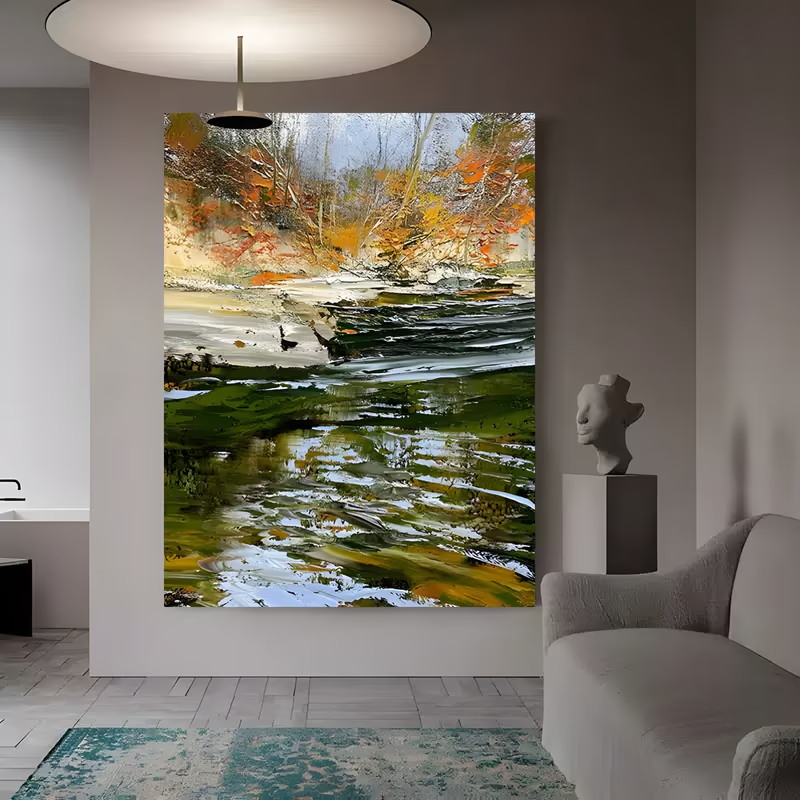
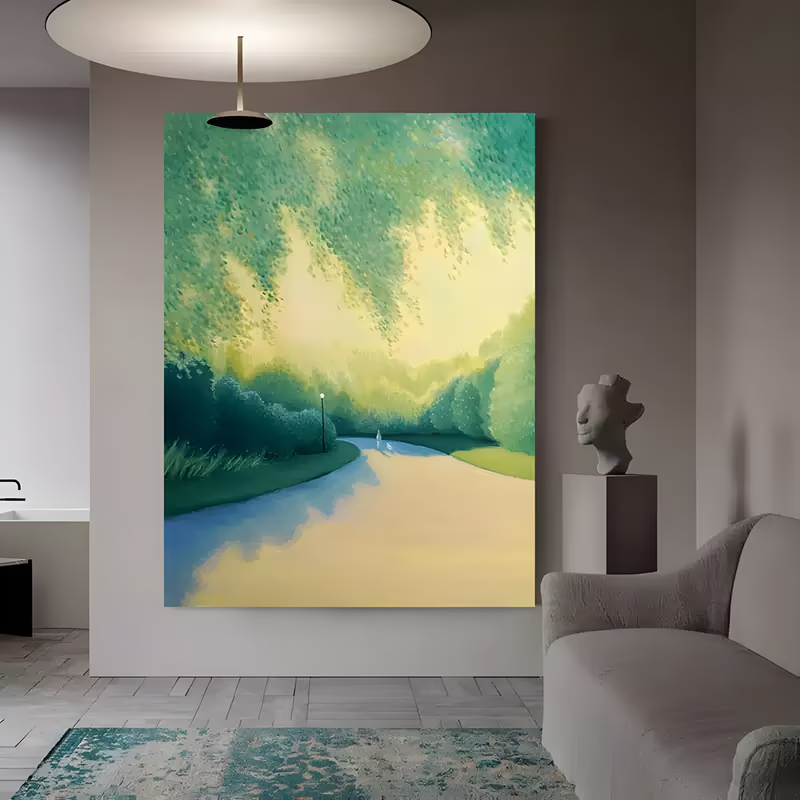
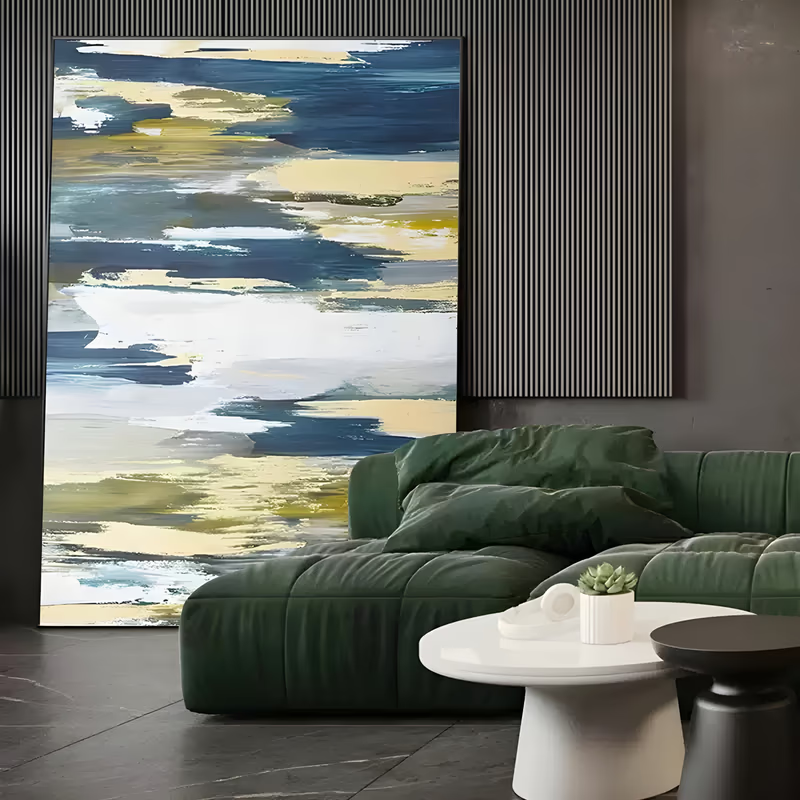
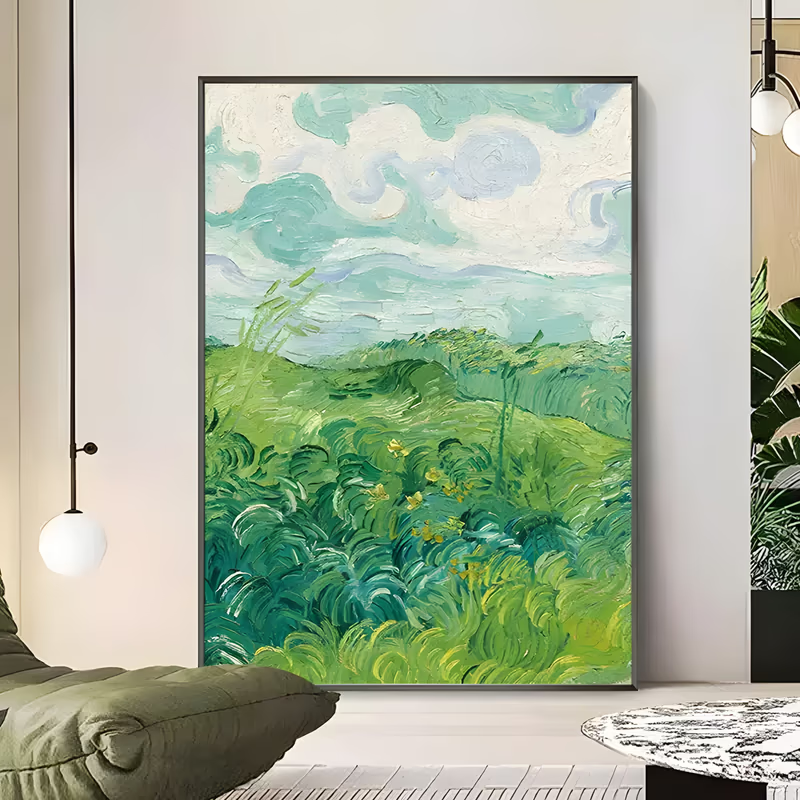
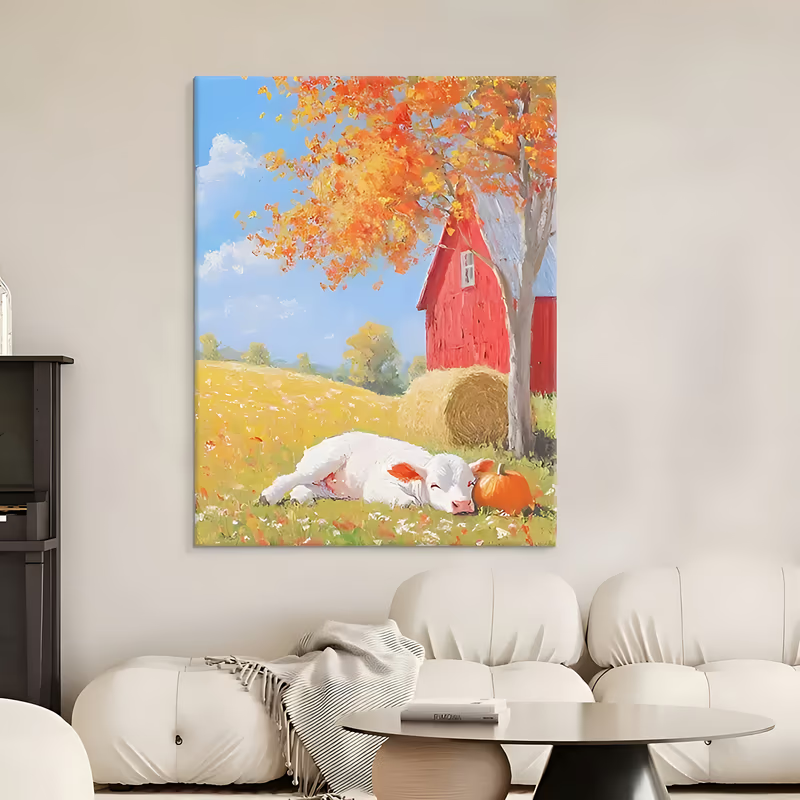
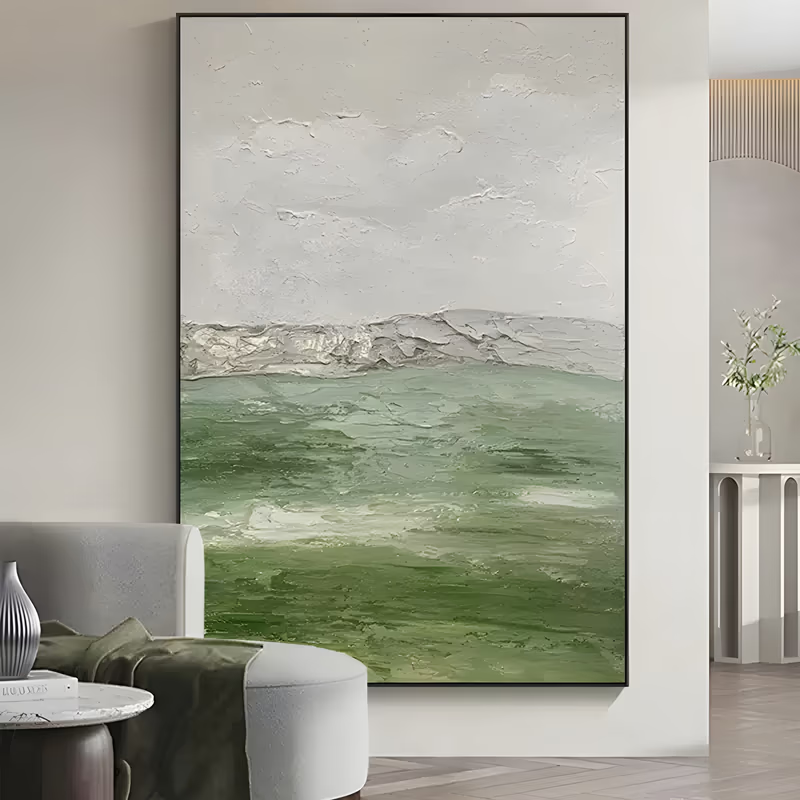
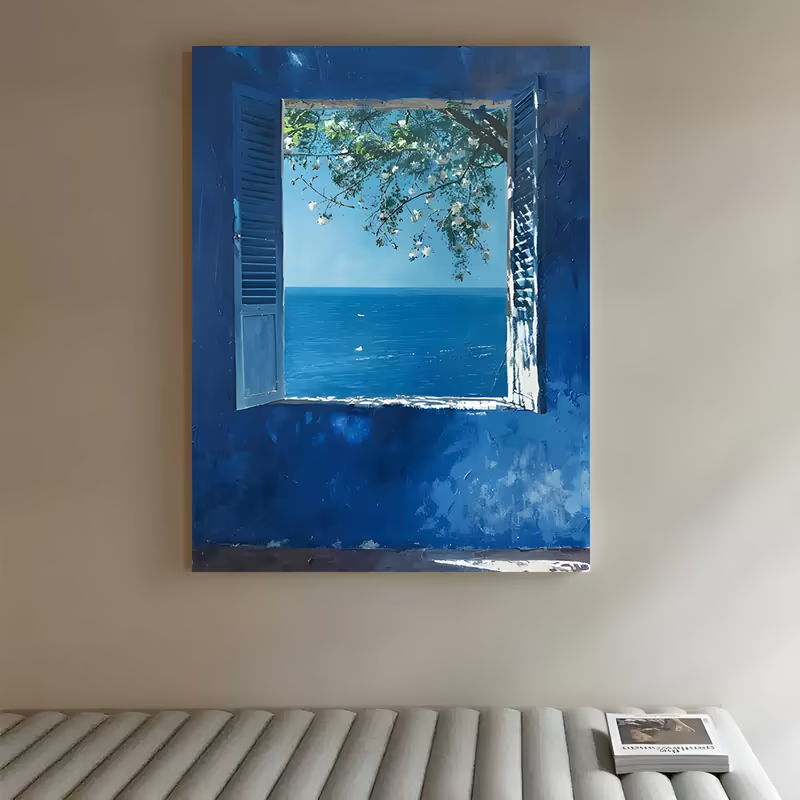
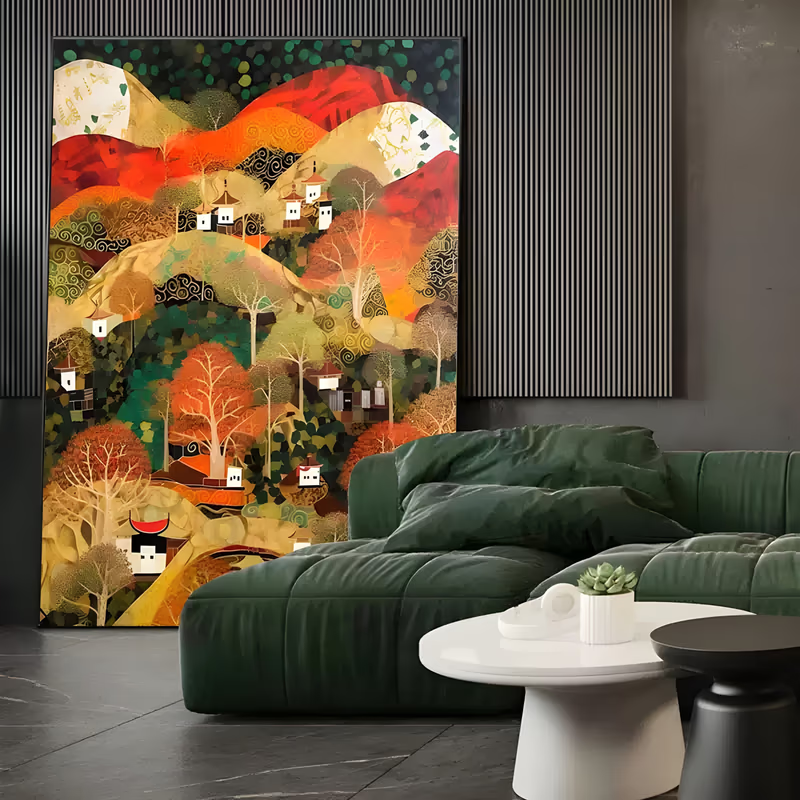
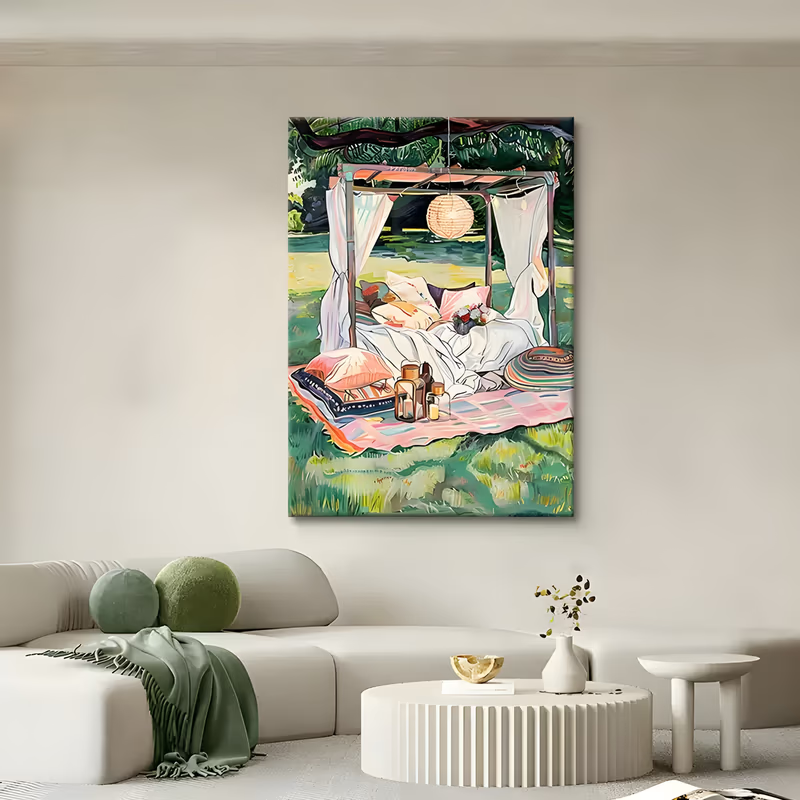
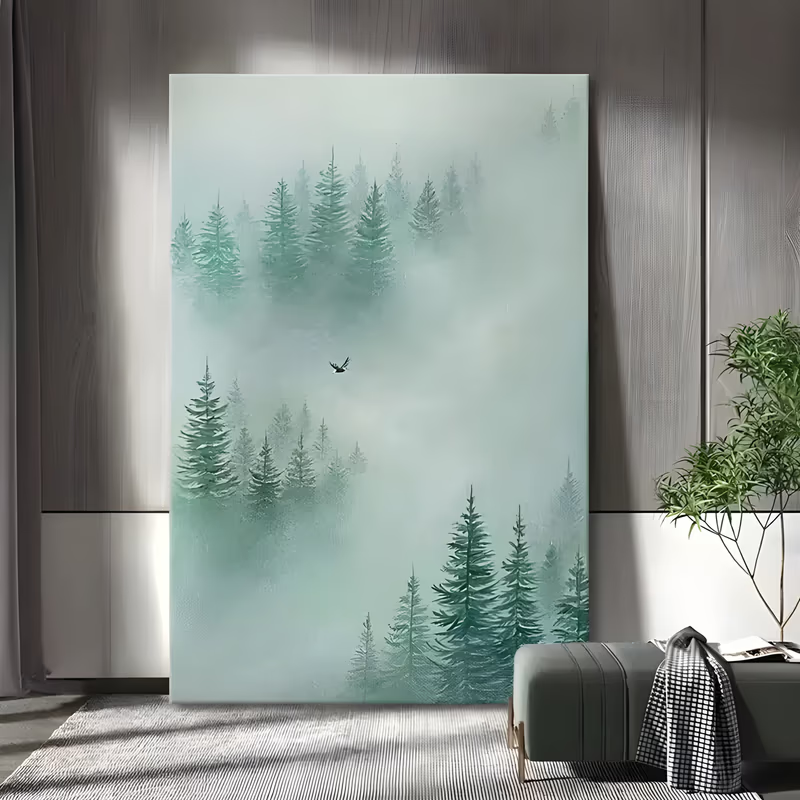
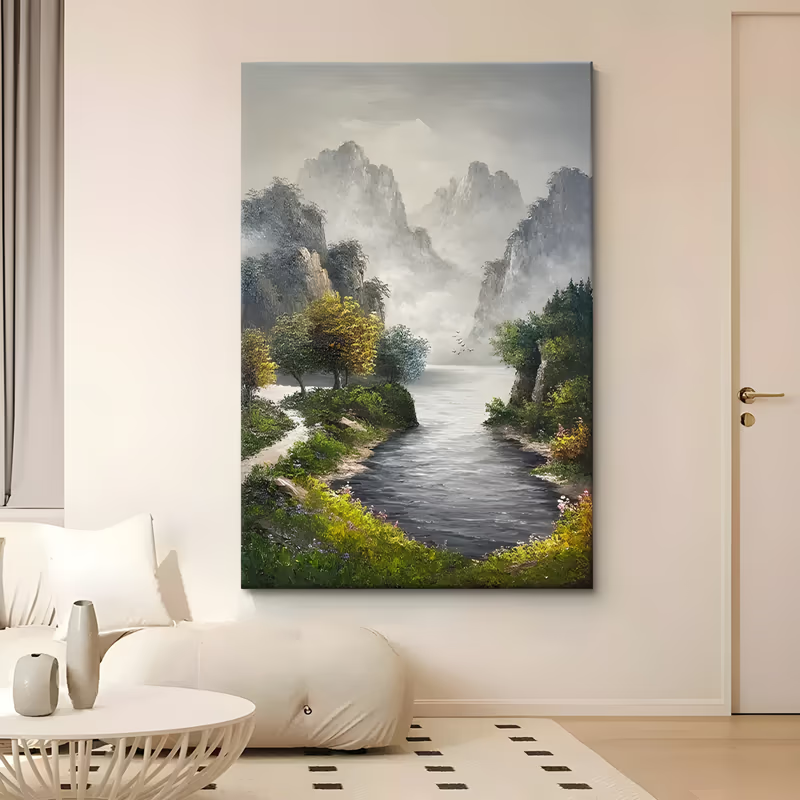
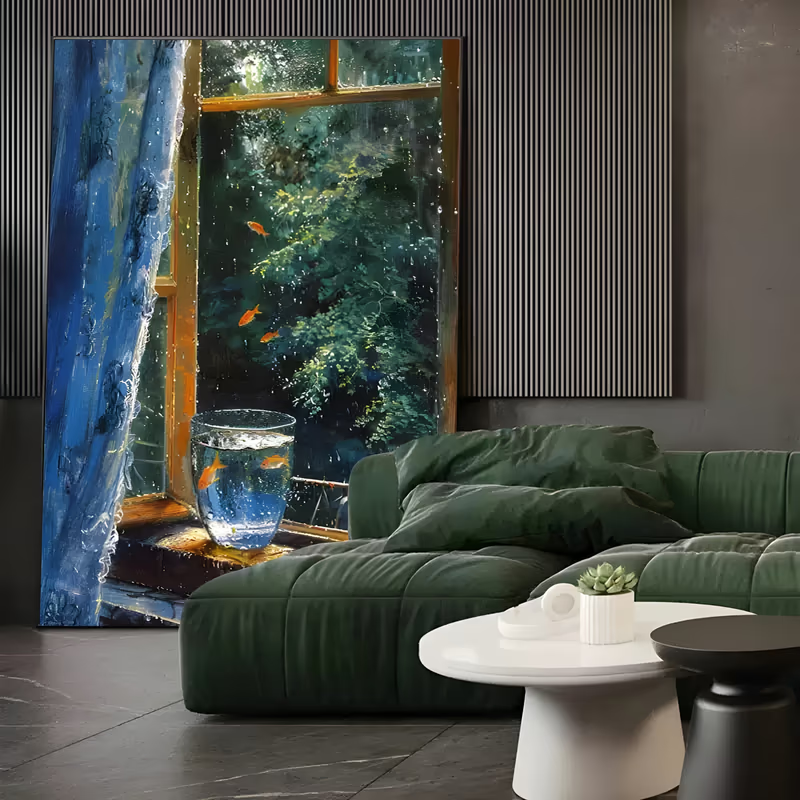
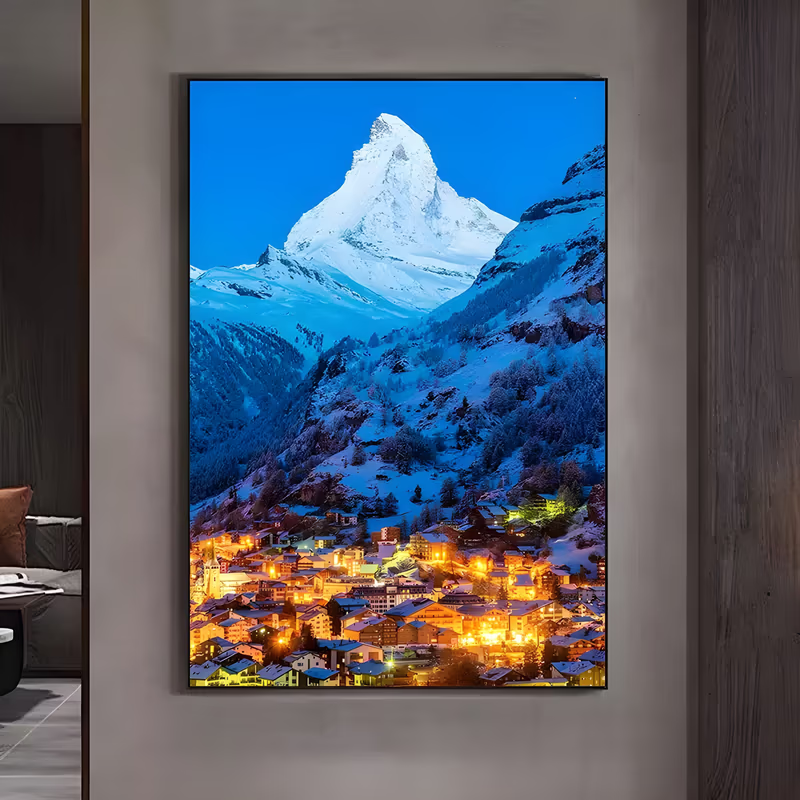
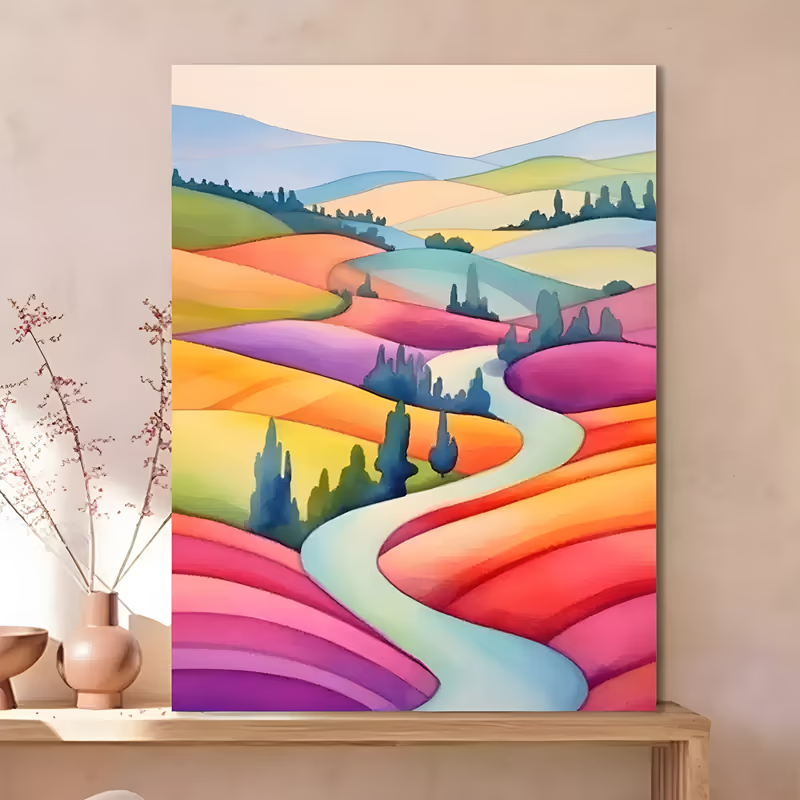
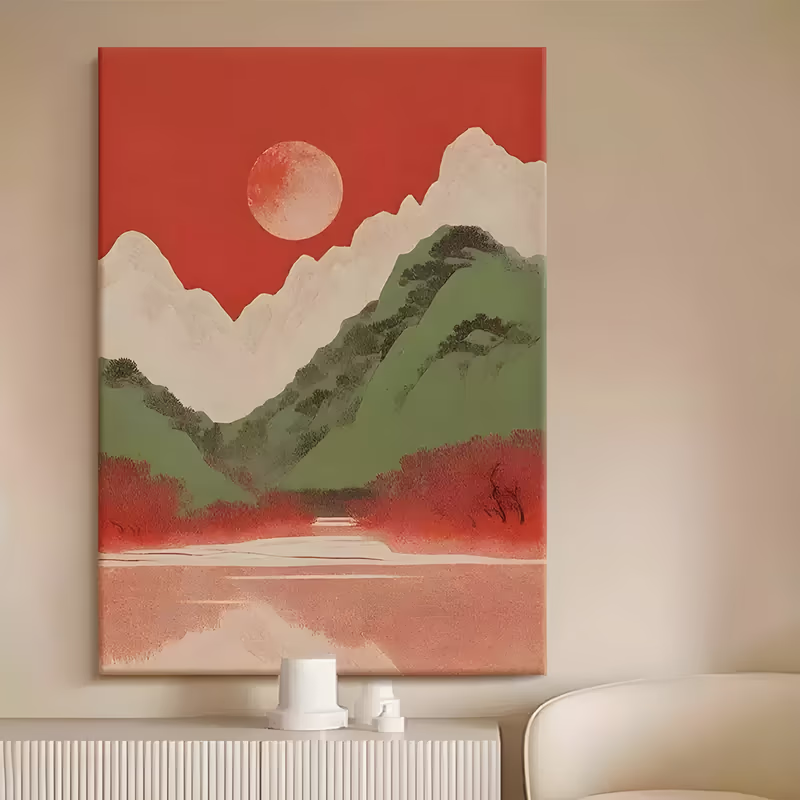
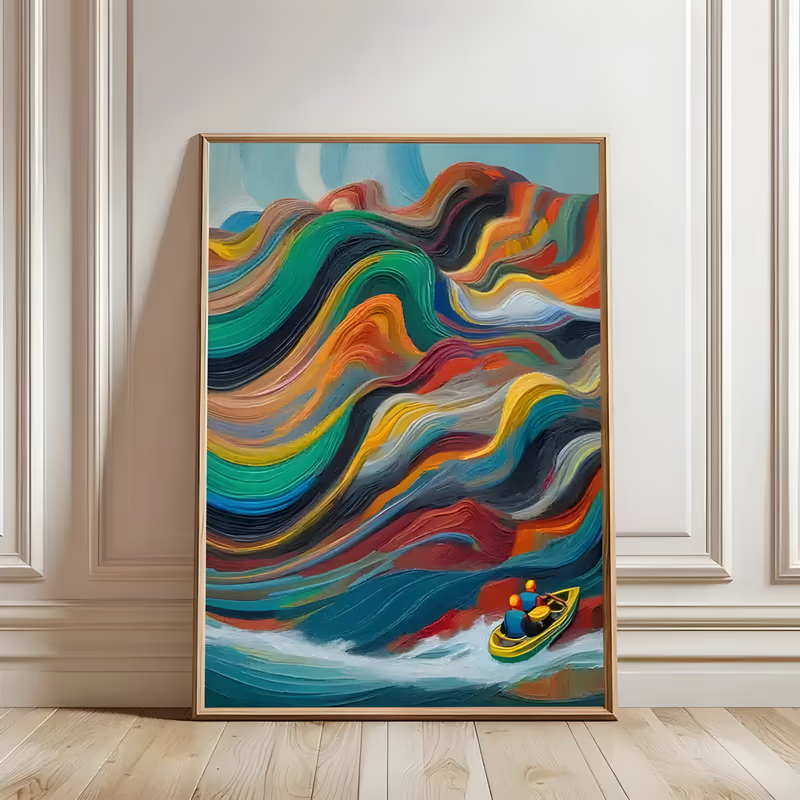
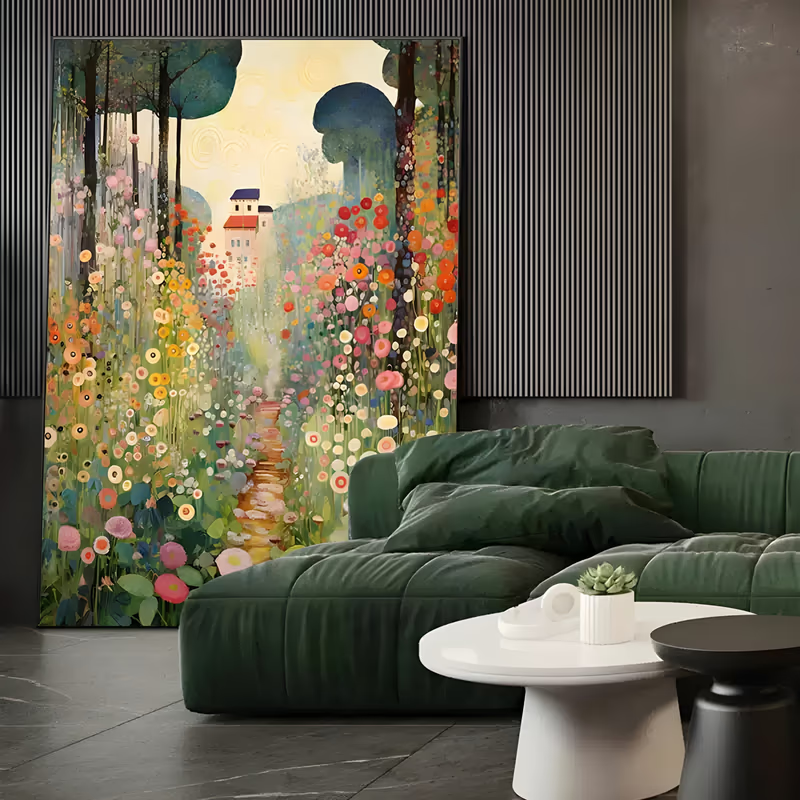
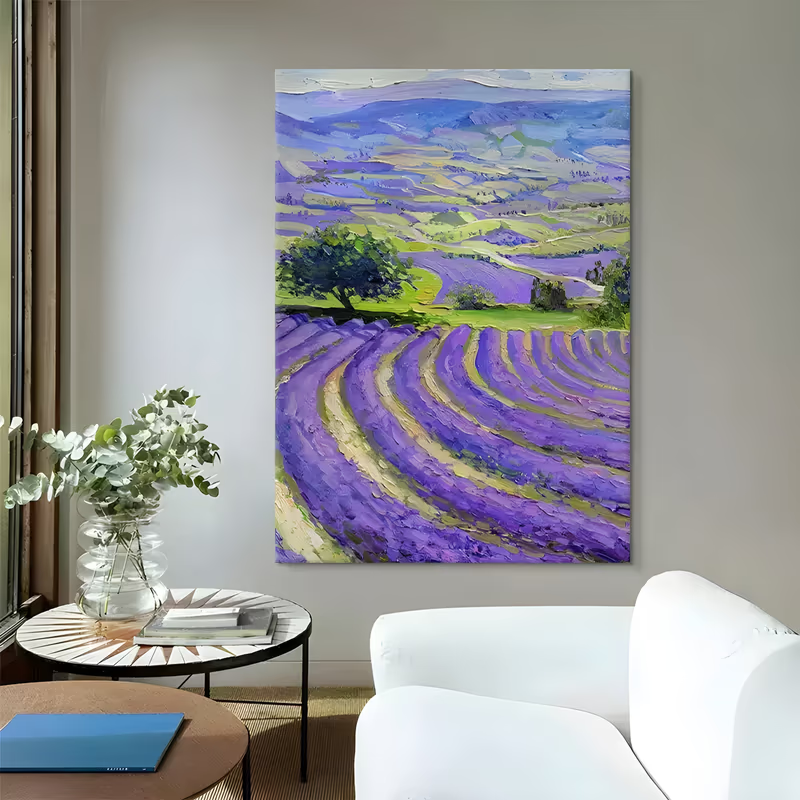
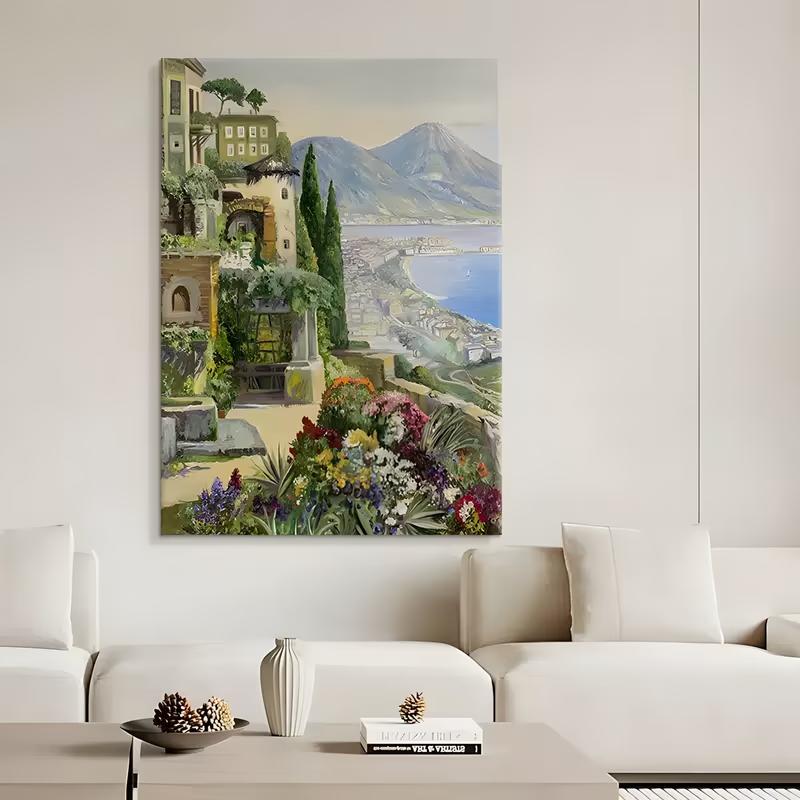
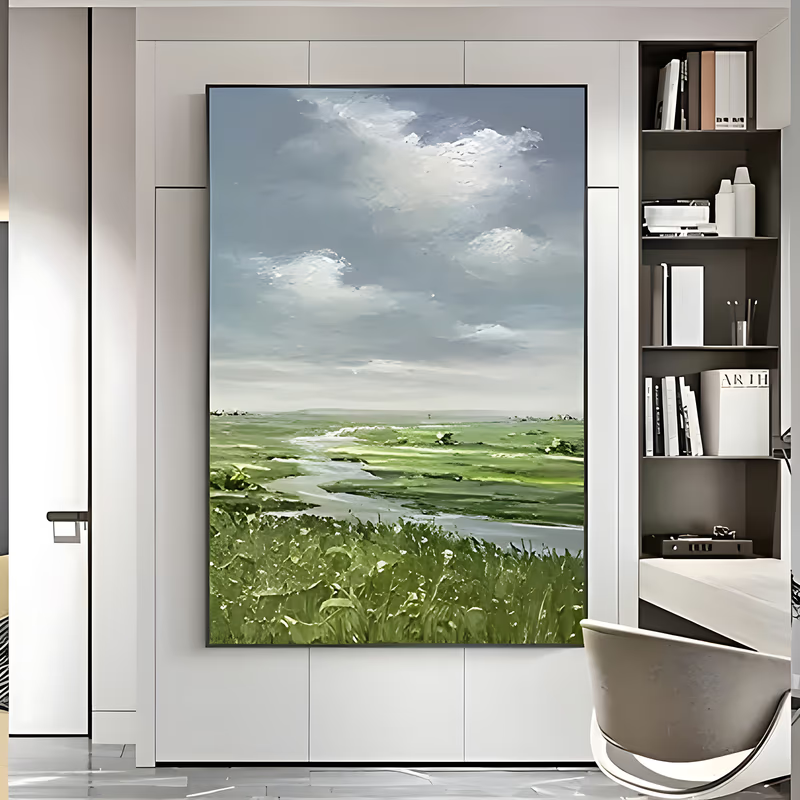
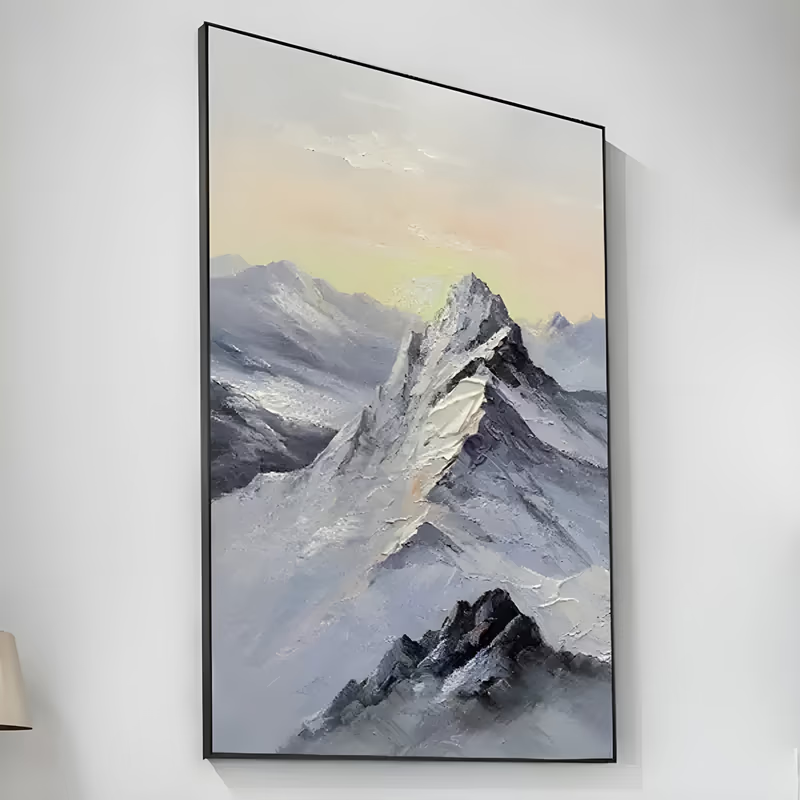
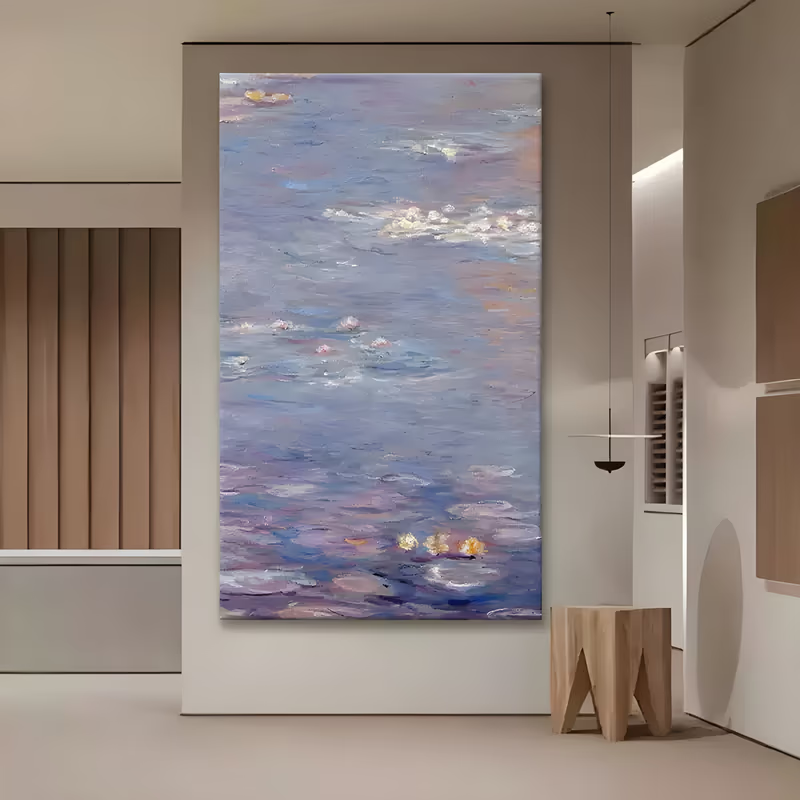
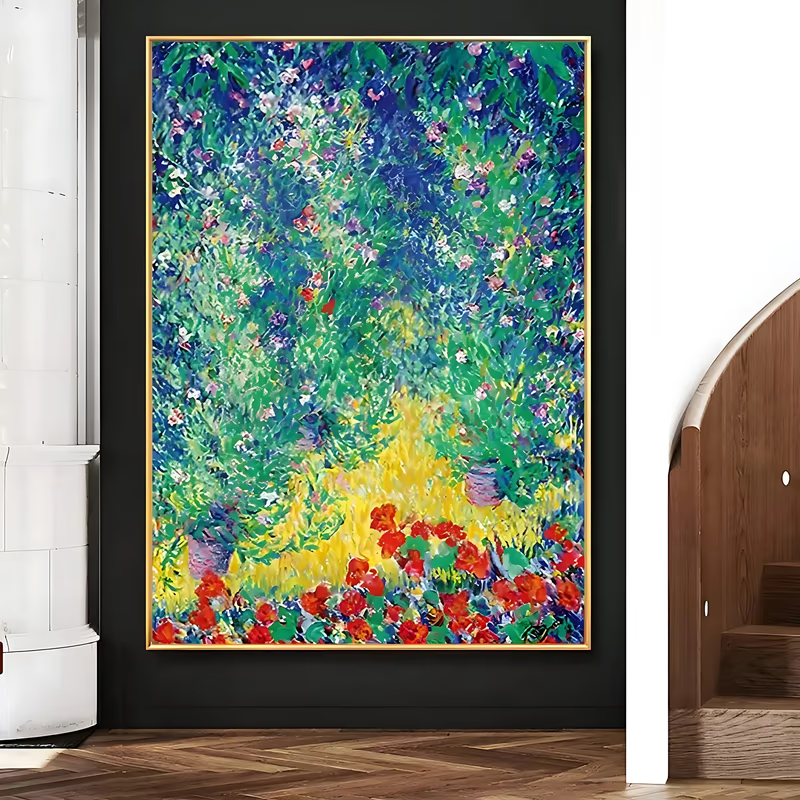
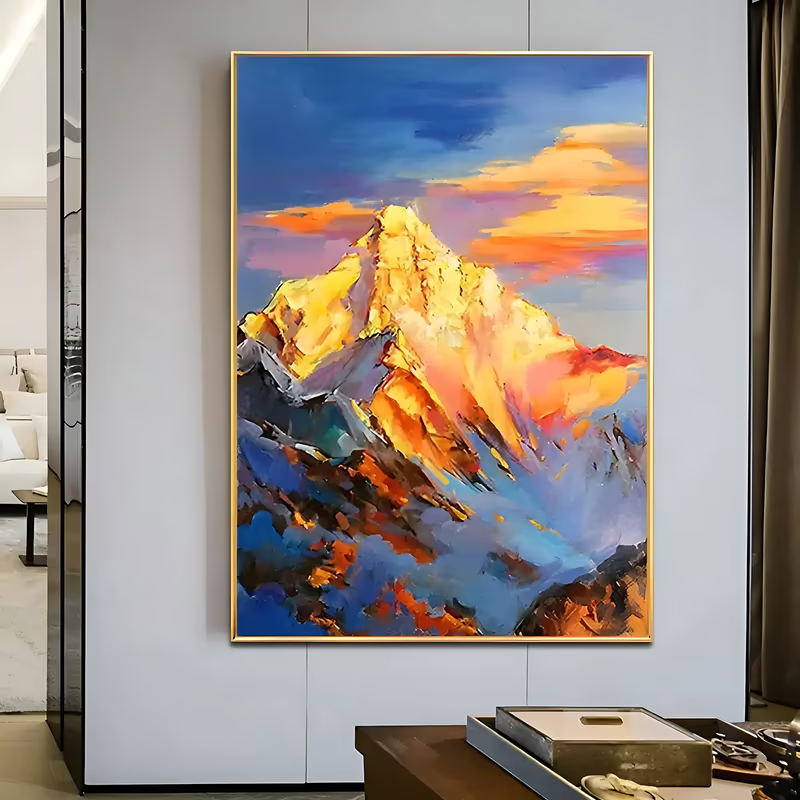
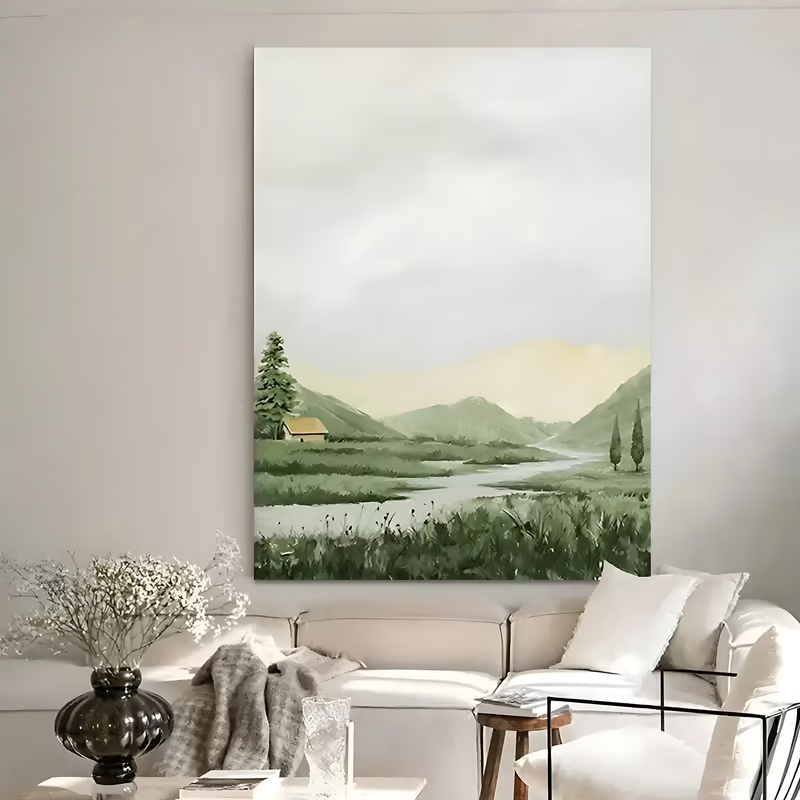
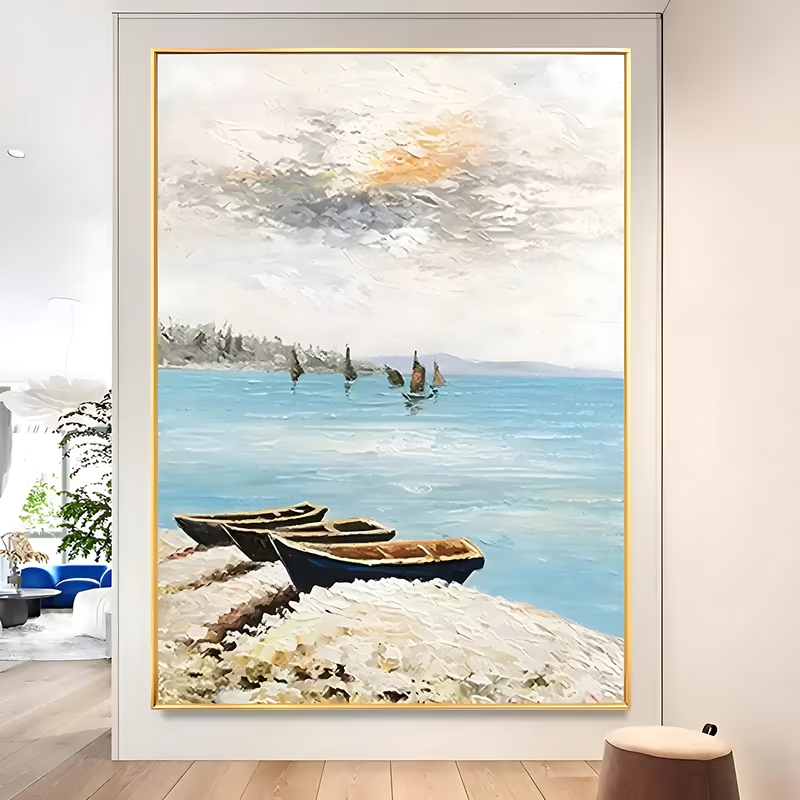
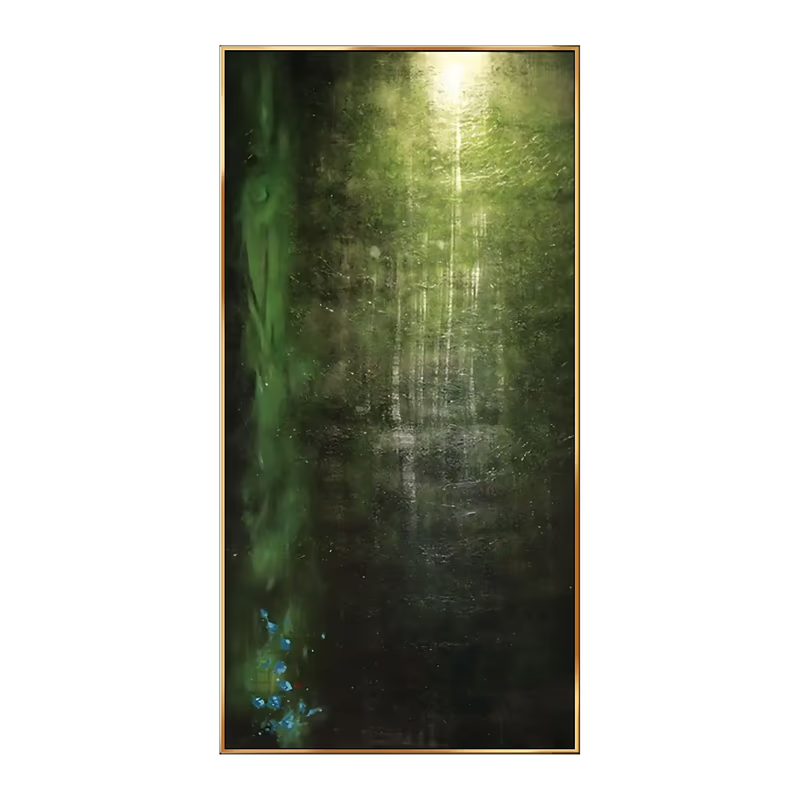
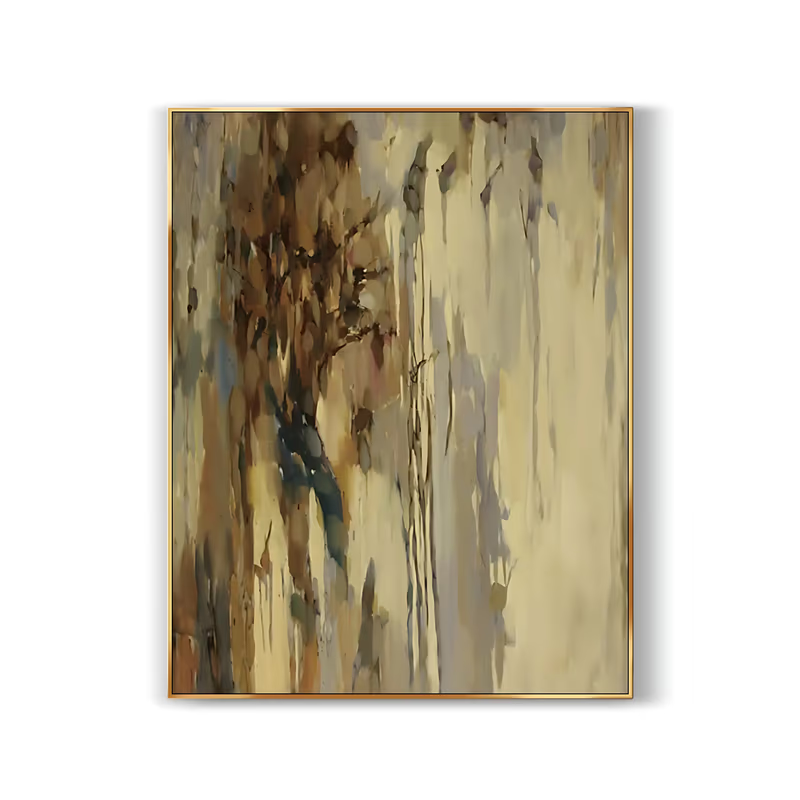
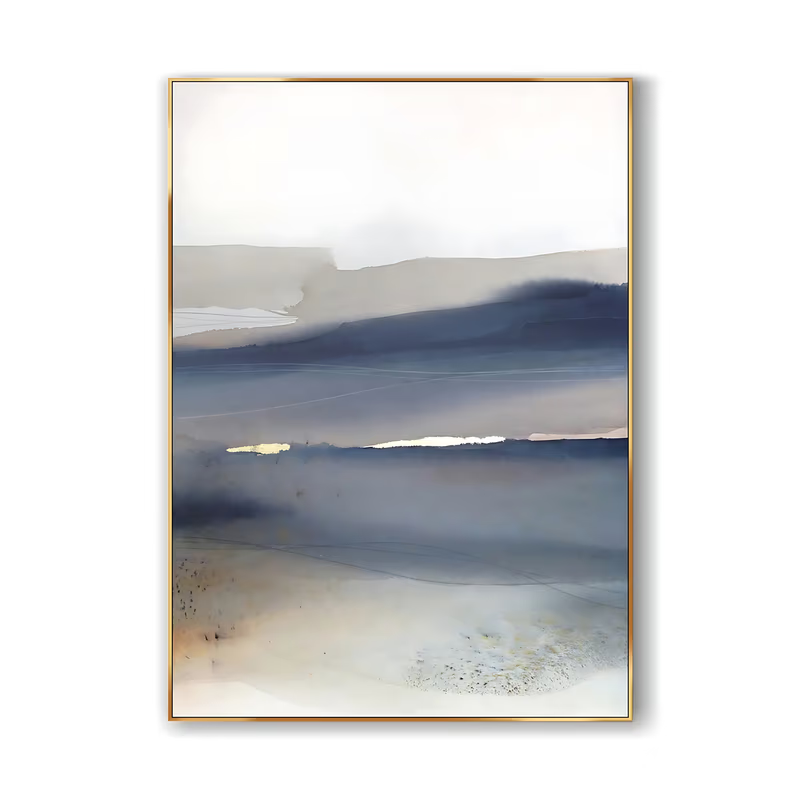
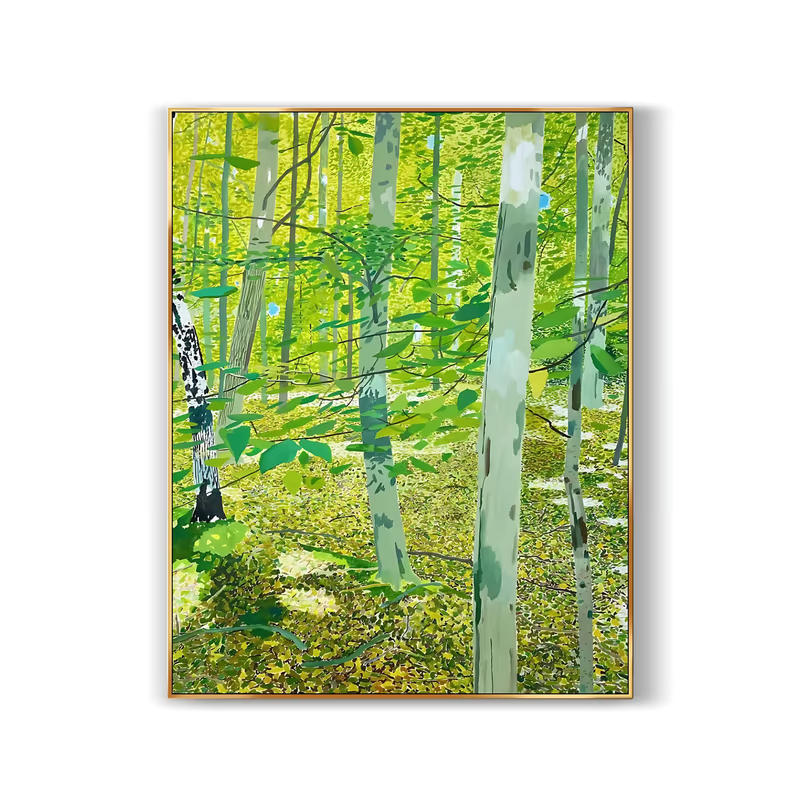
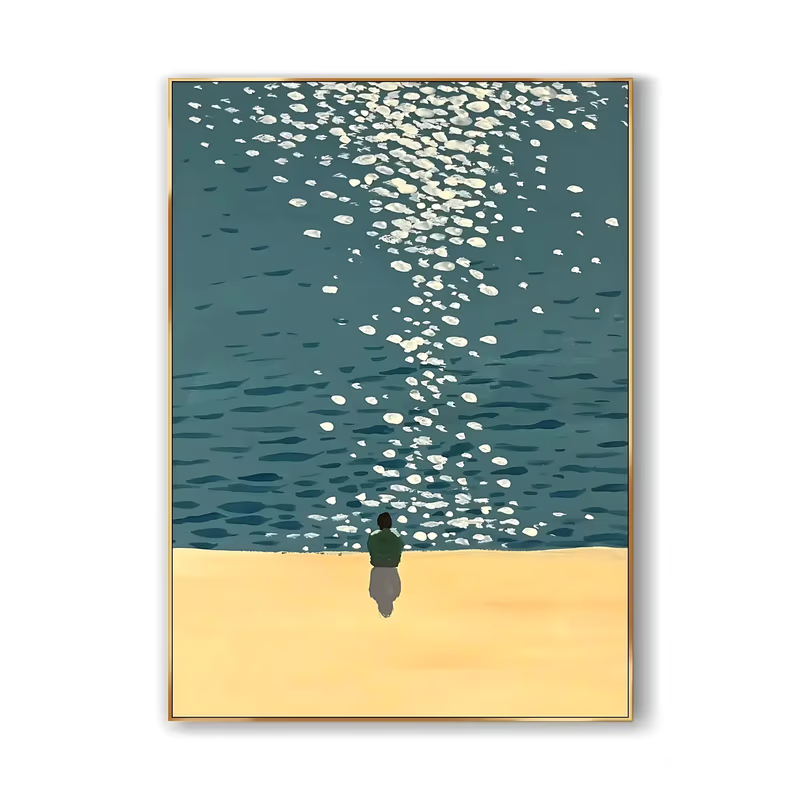
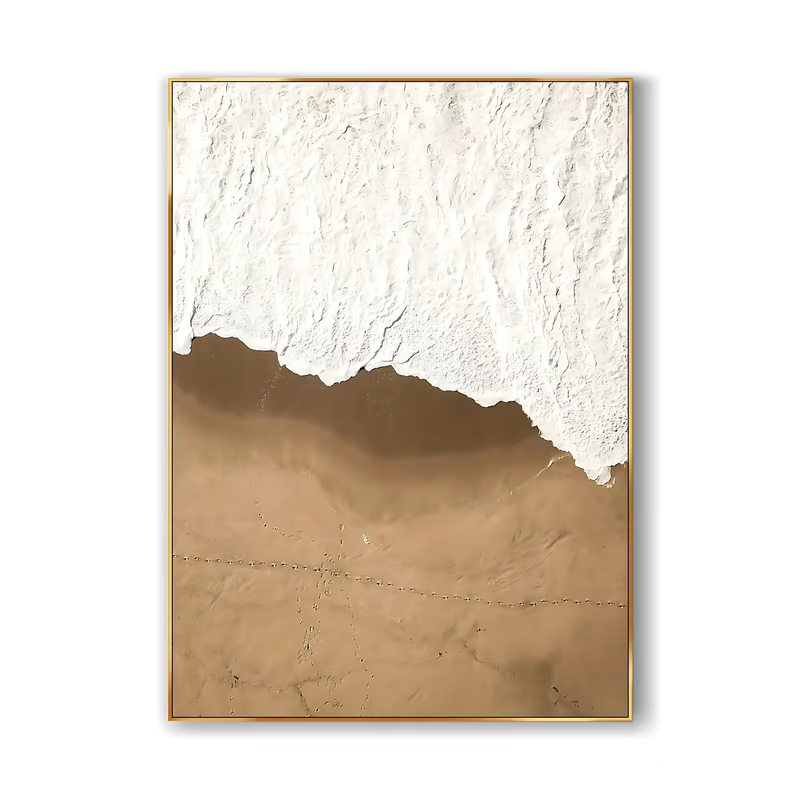
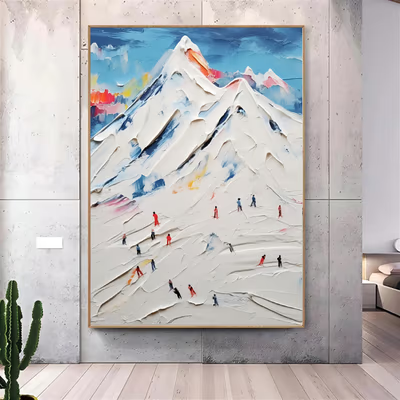
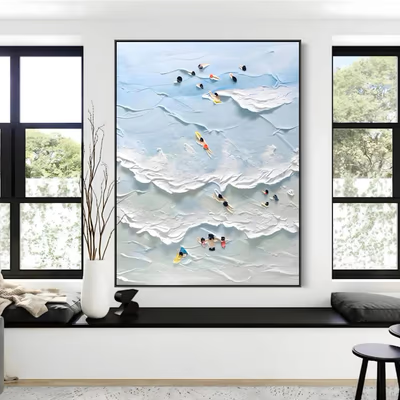
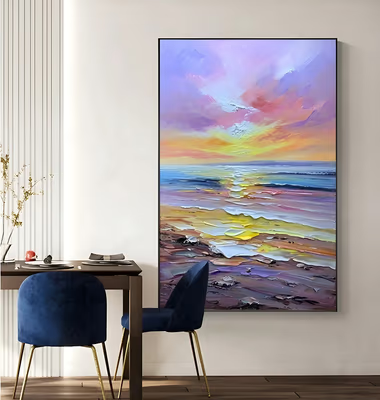
In a vertical landscape the sky gets more room and the foreground gets more depth: a tall tree, a waterfall, a cliff path, or the sea seen from above with the horizon set high. These open a narrow wall the way a tall window would.
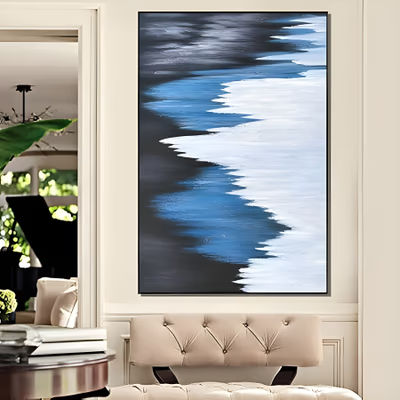
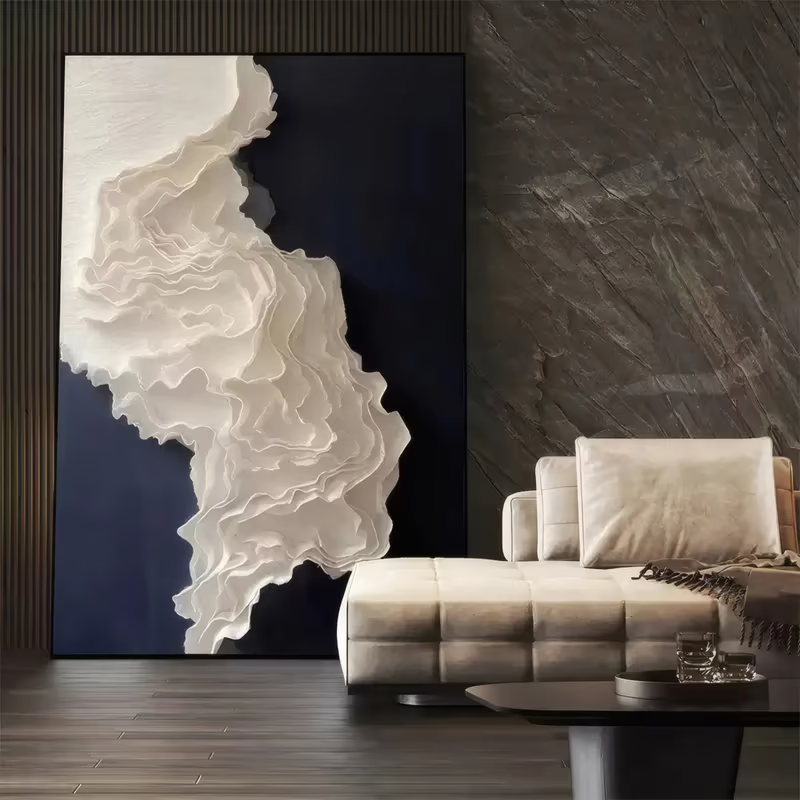
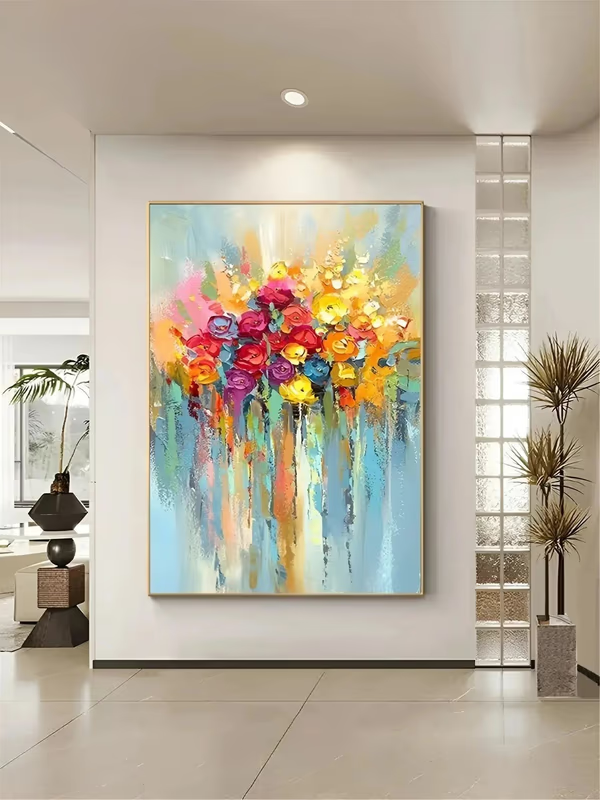
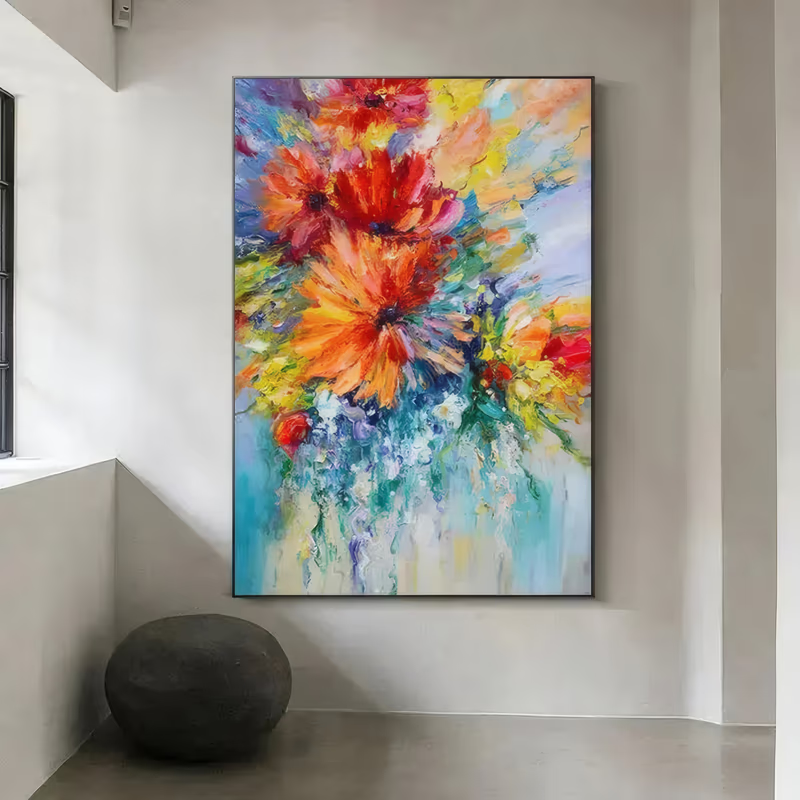
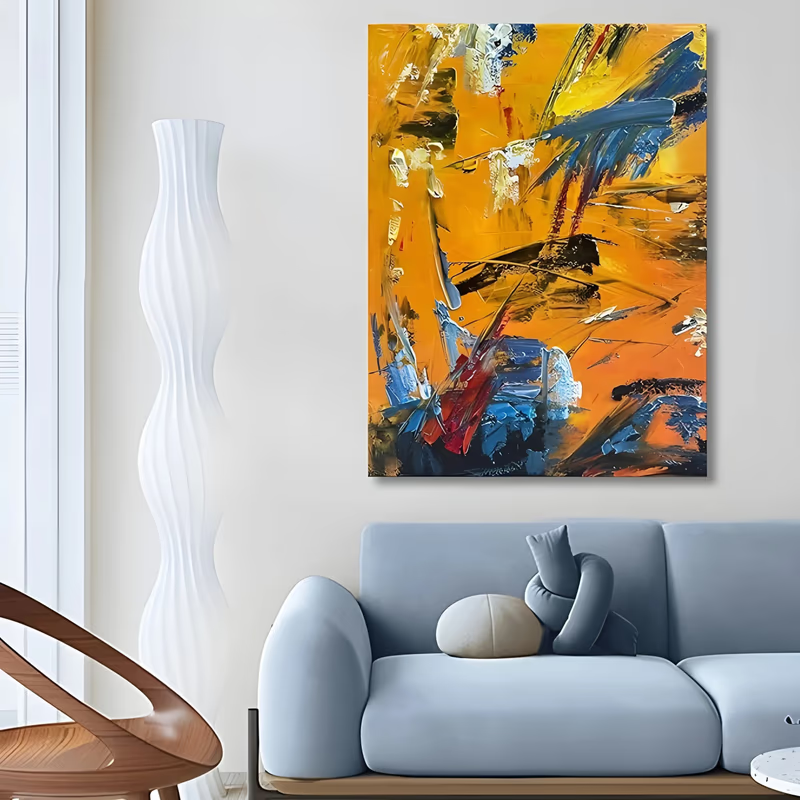
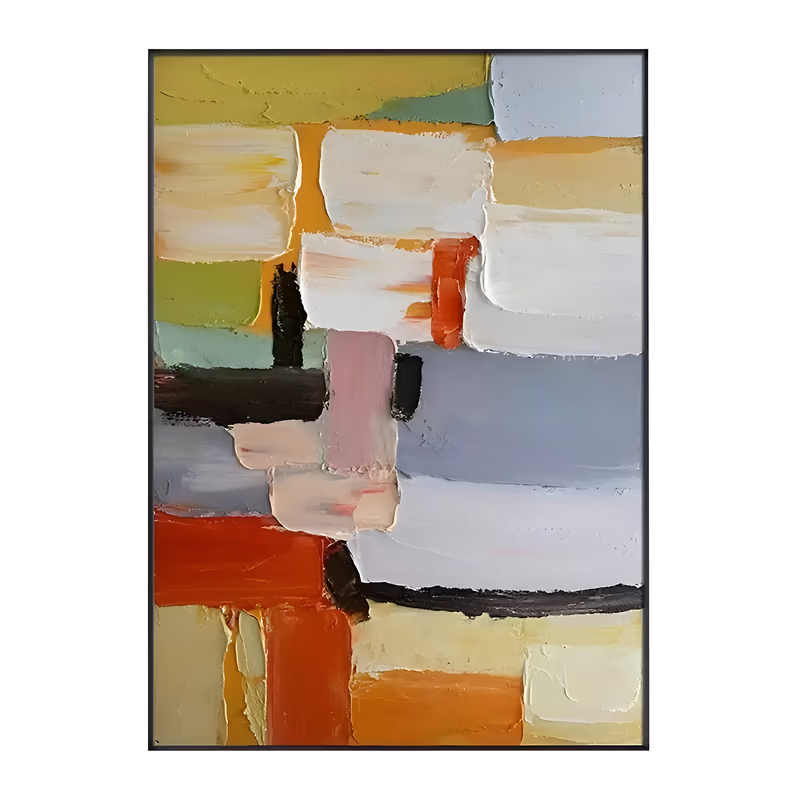
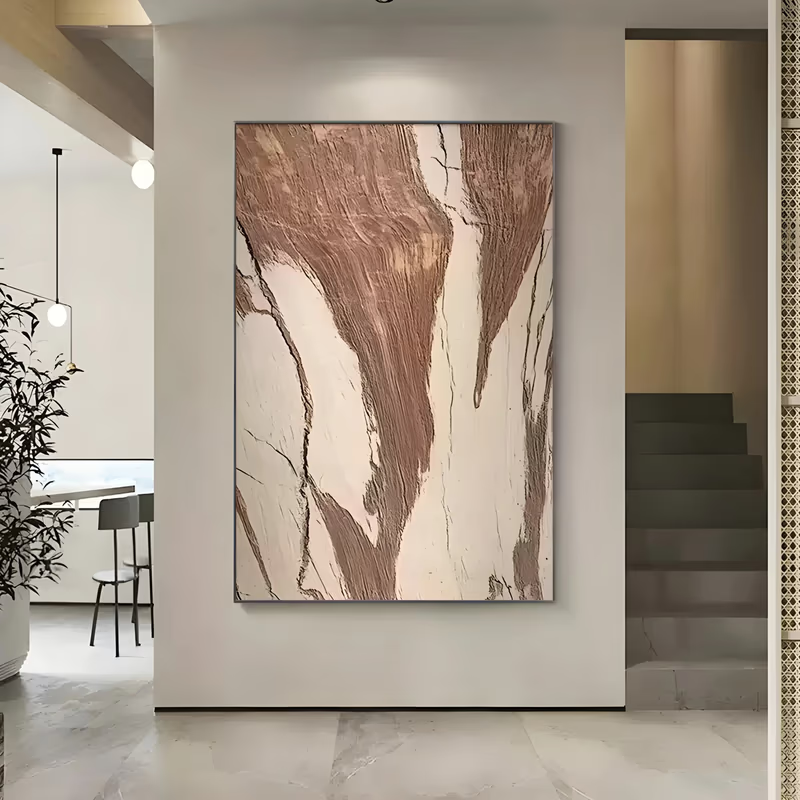
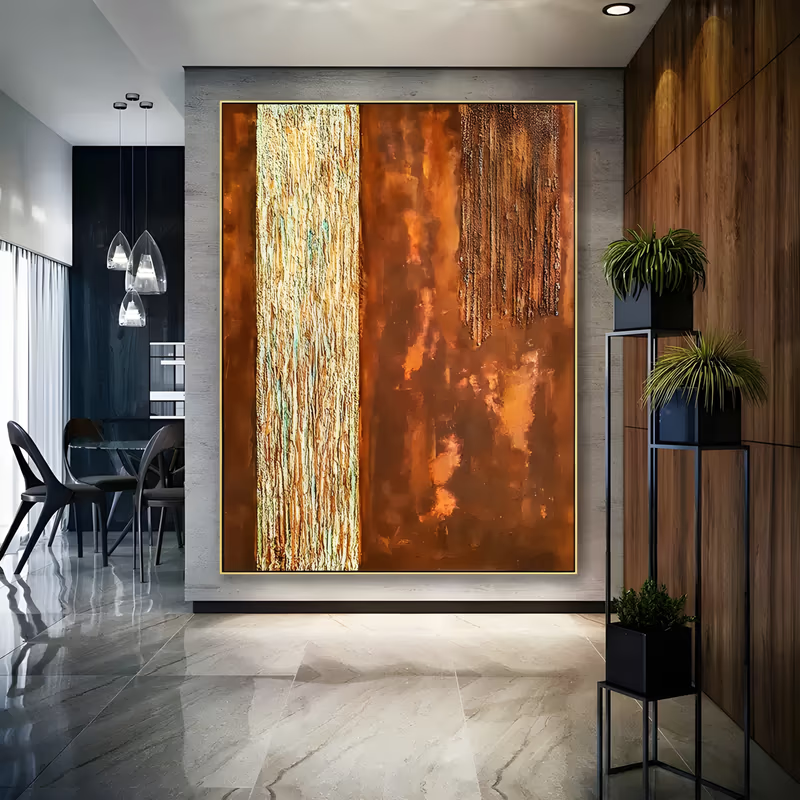
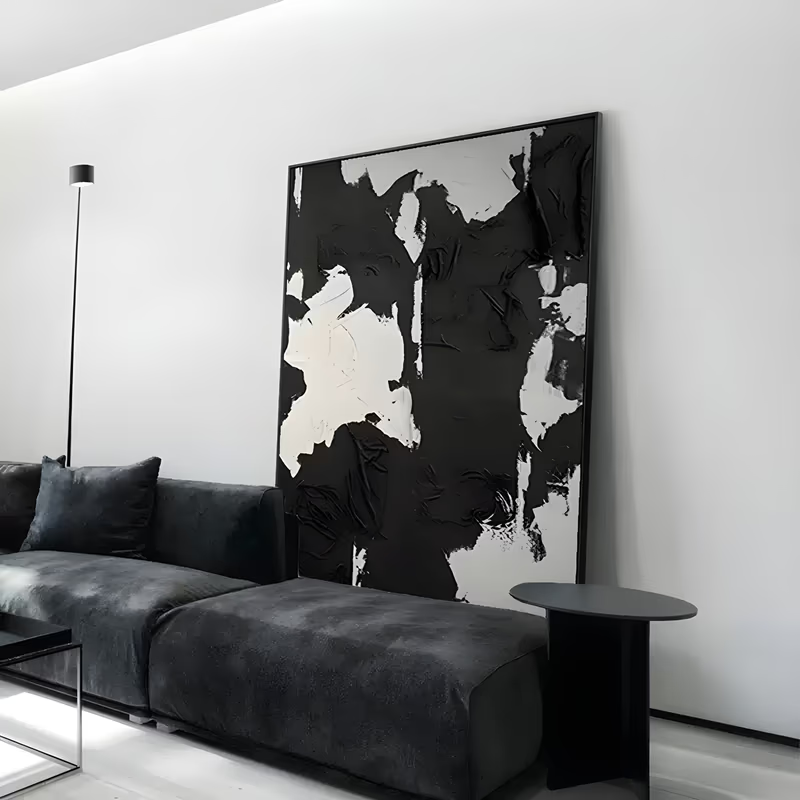
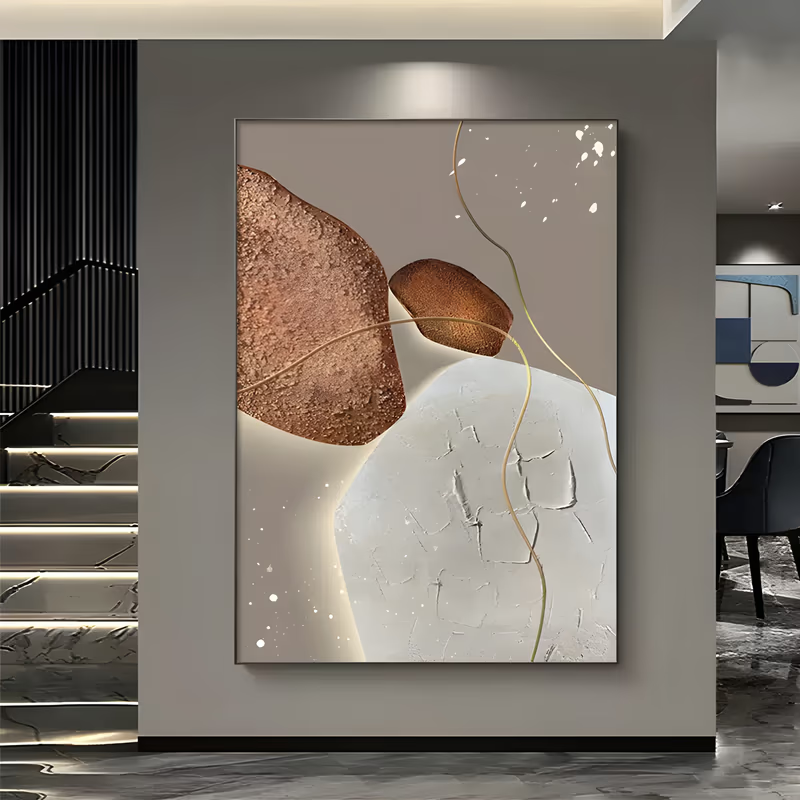
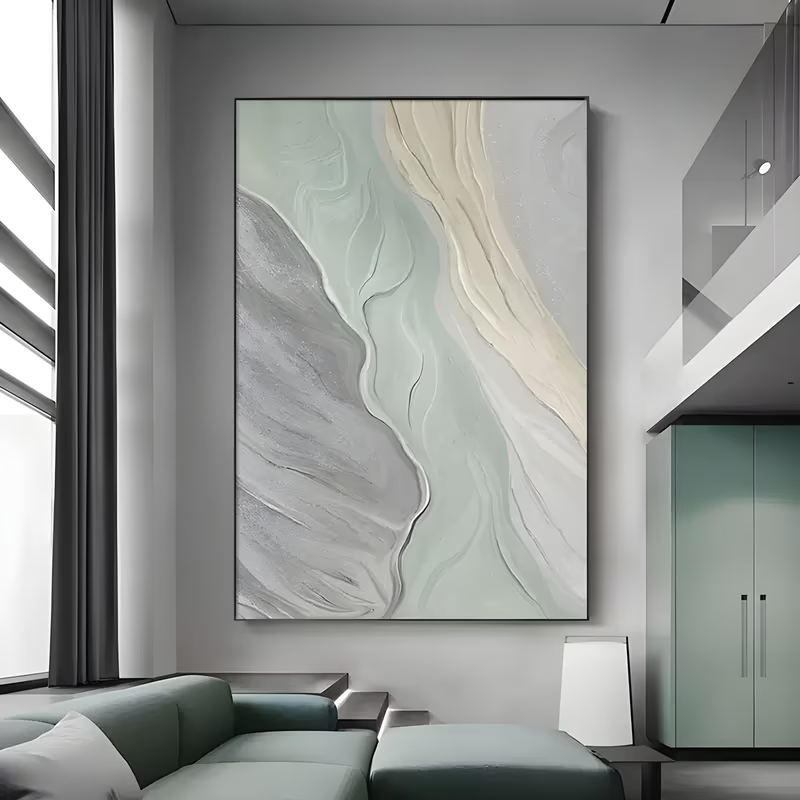
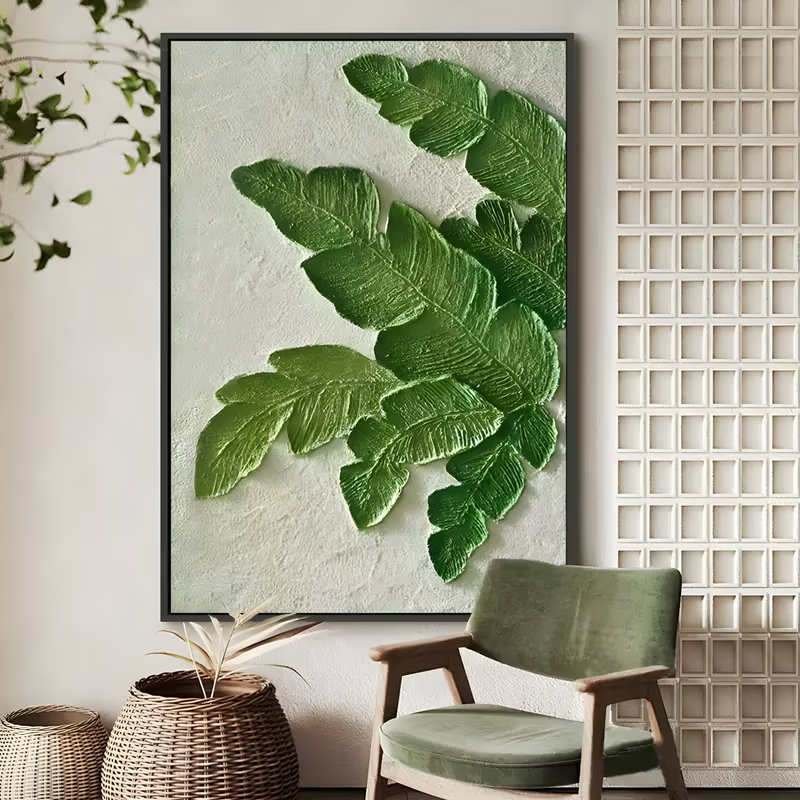
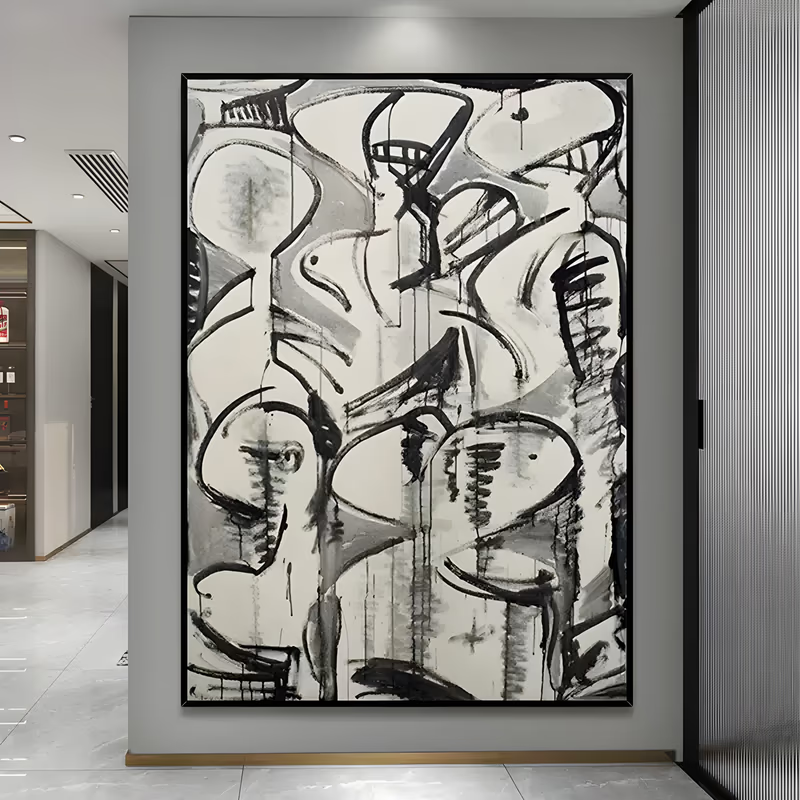
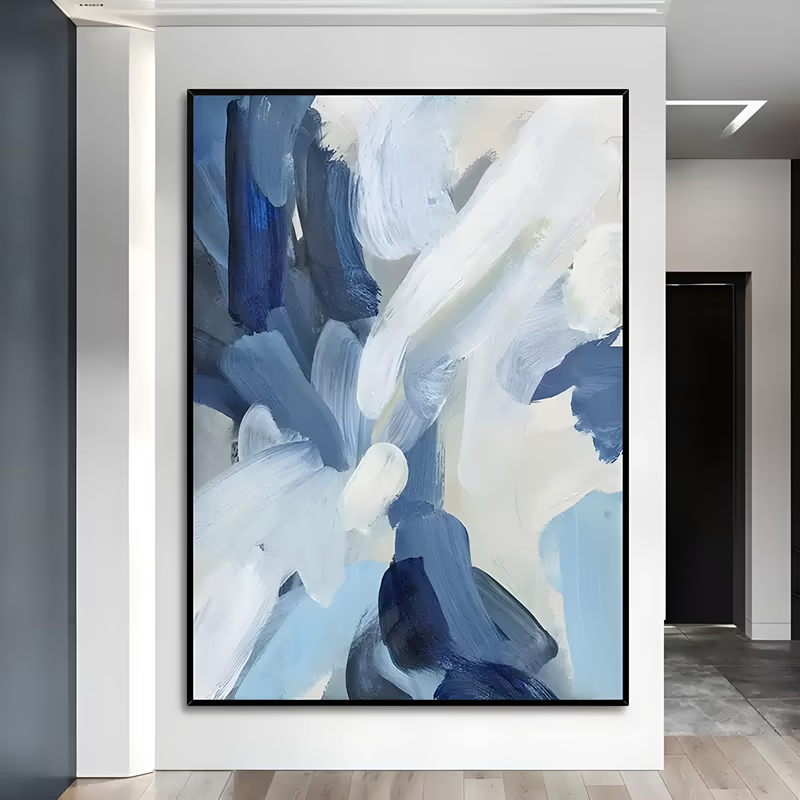
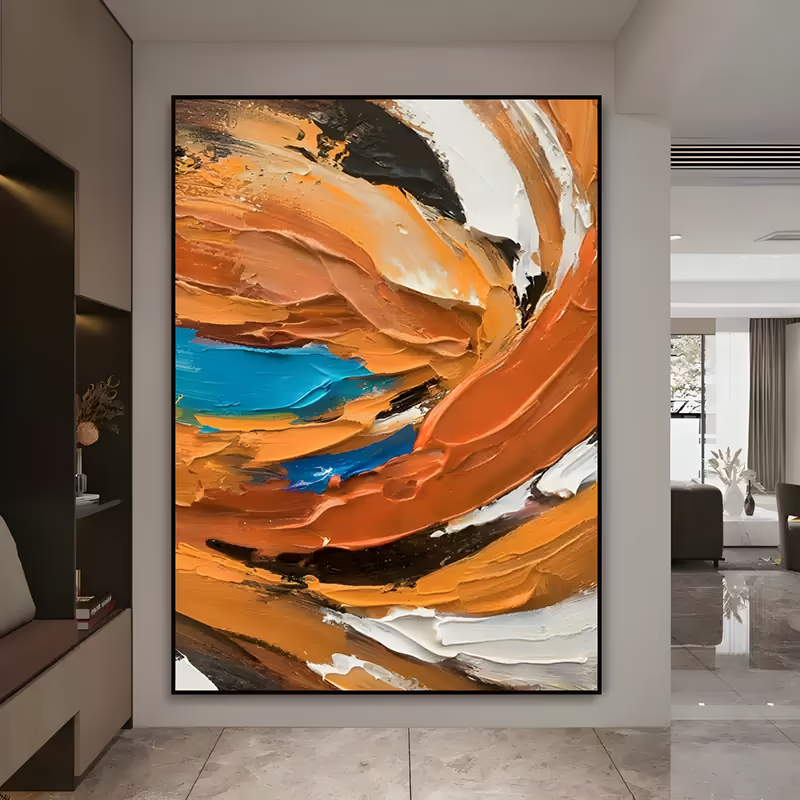
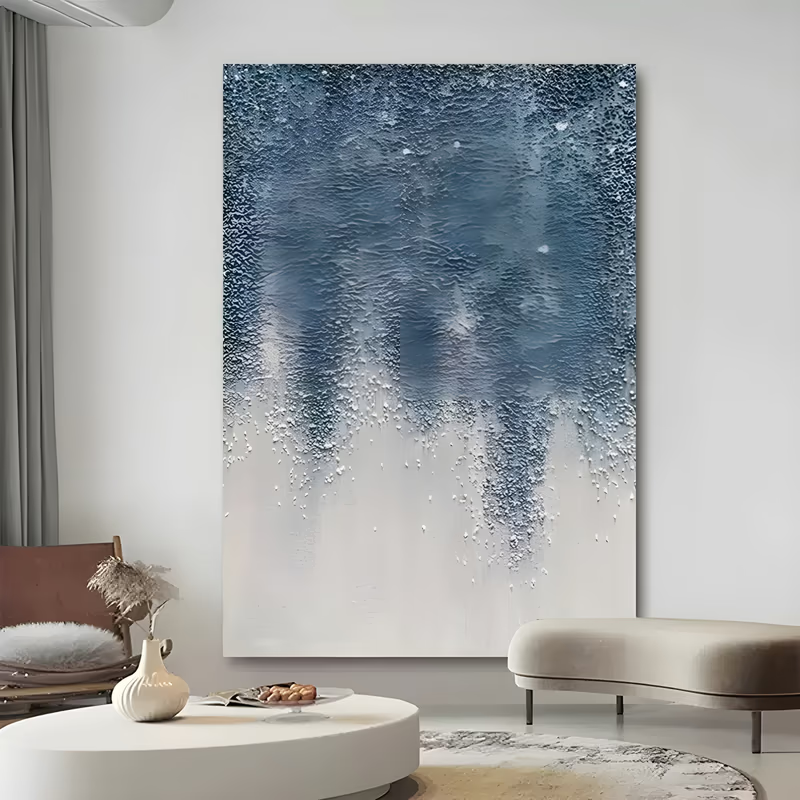
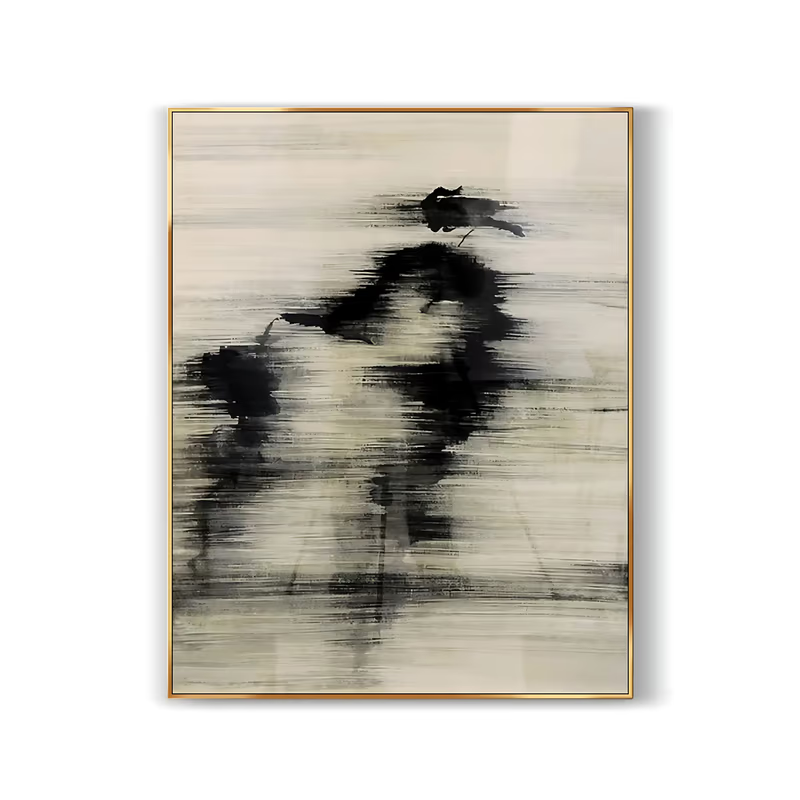
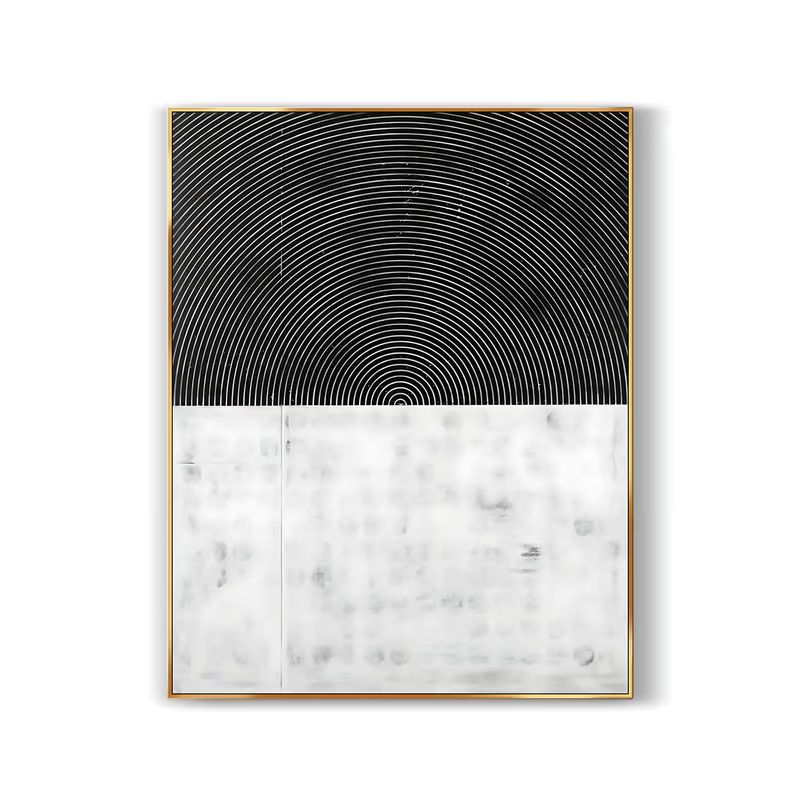
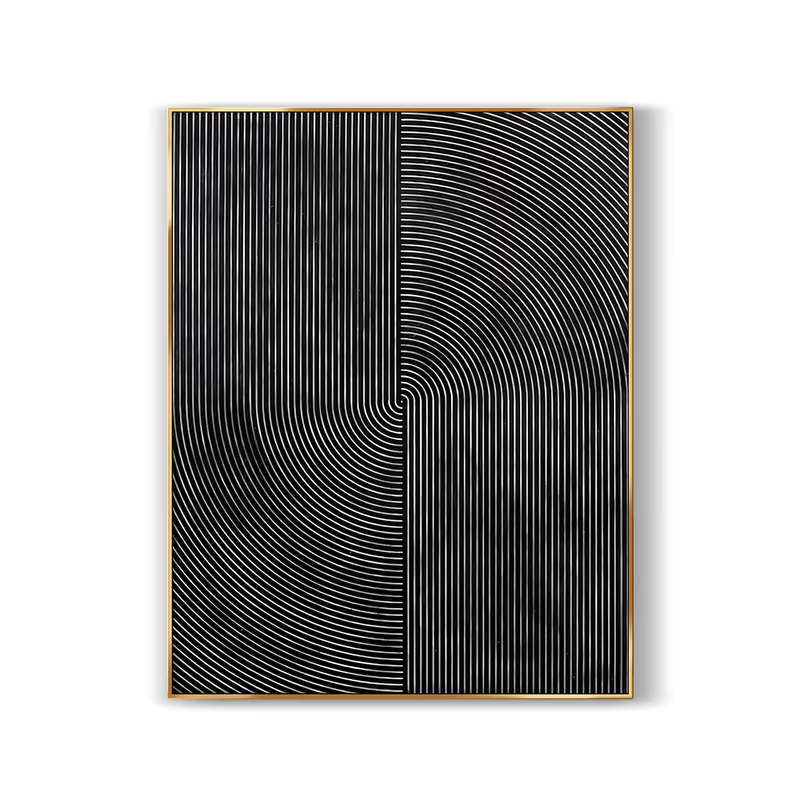
Textured and abstract columns
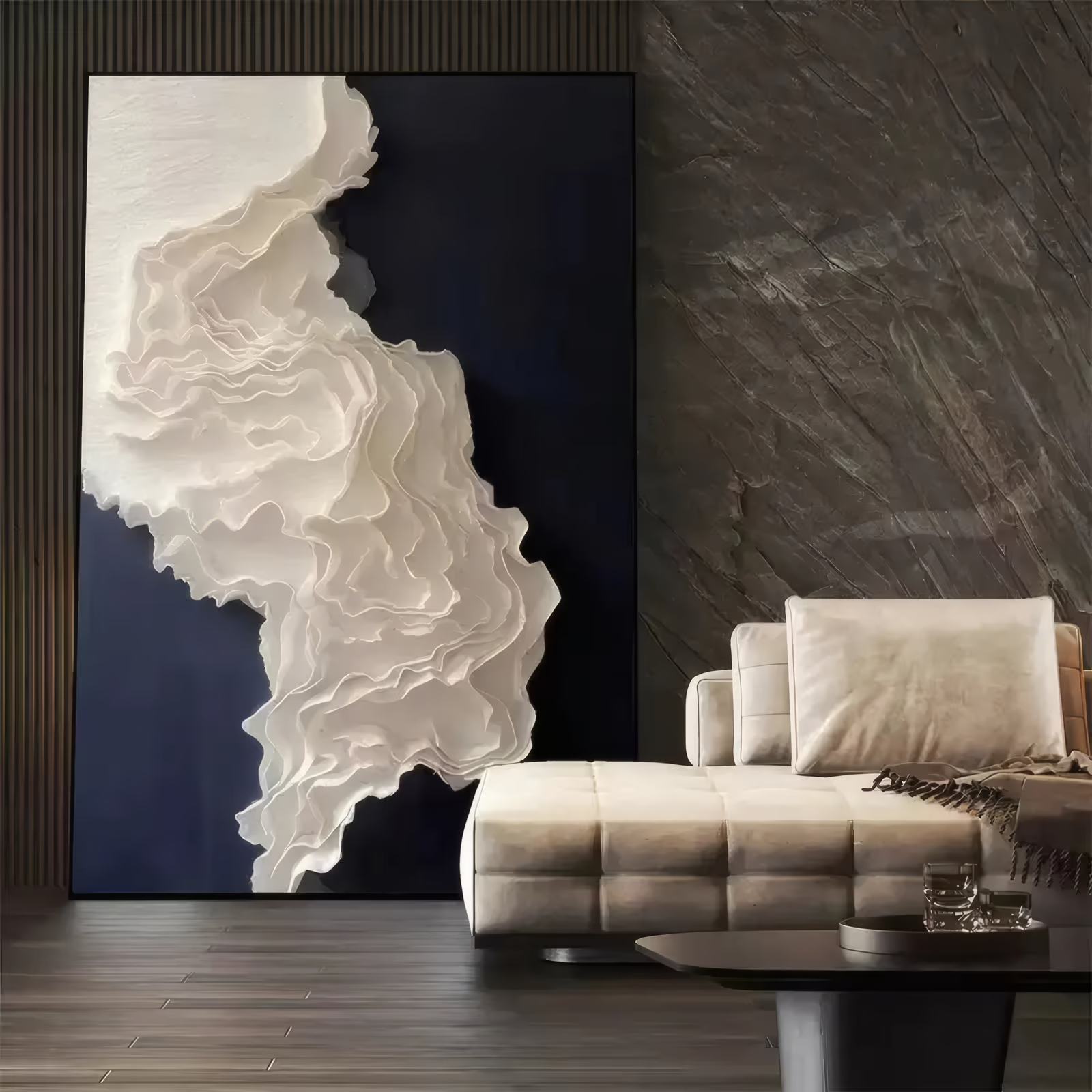
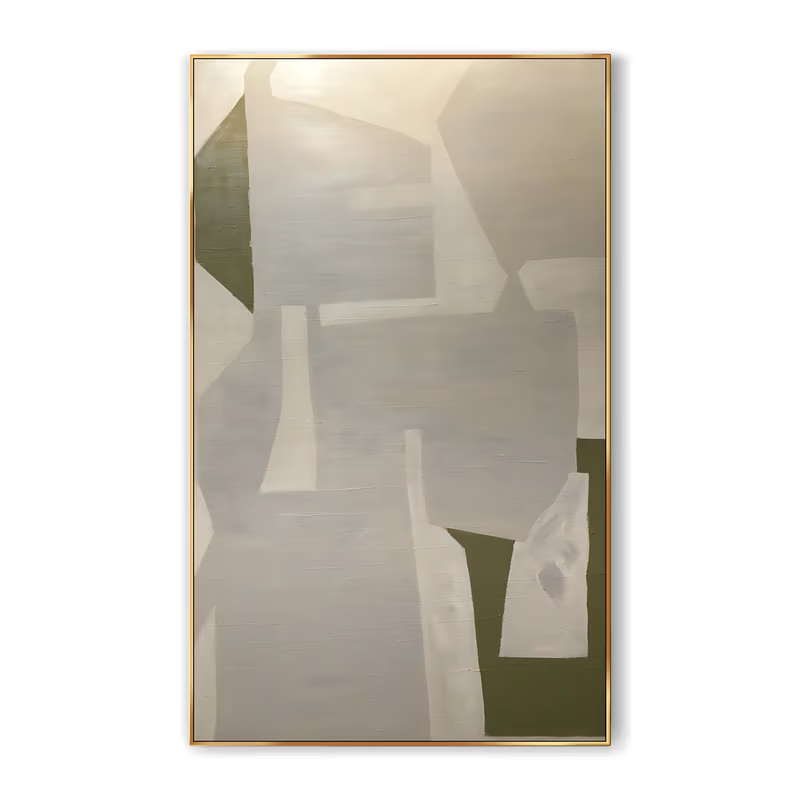
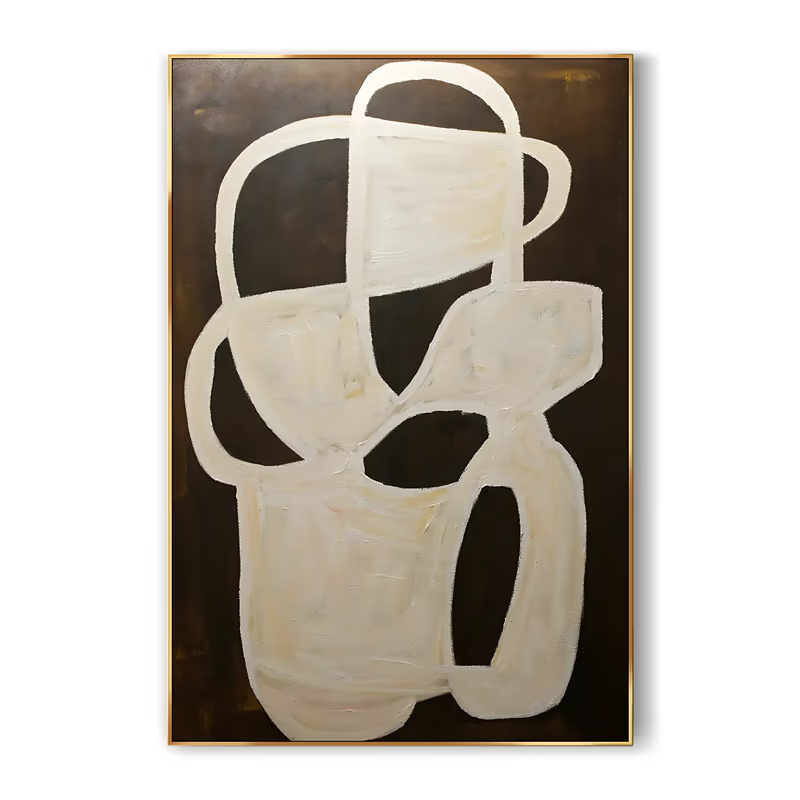
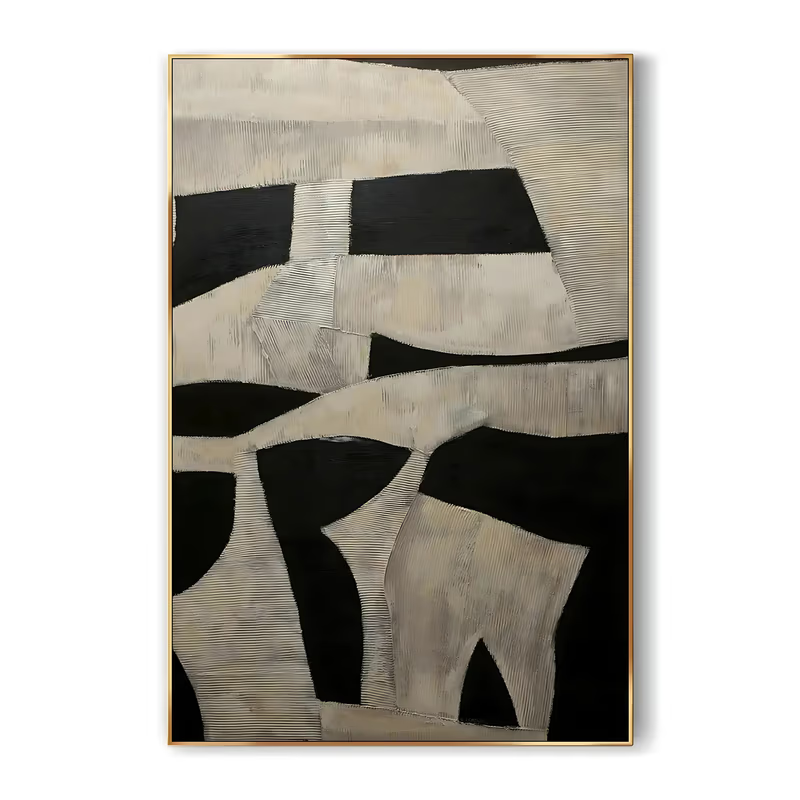
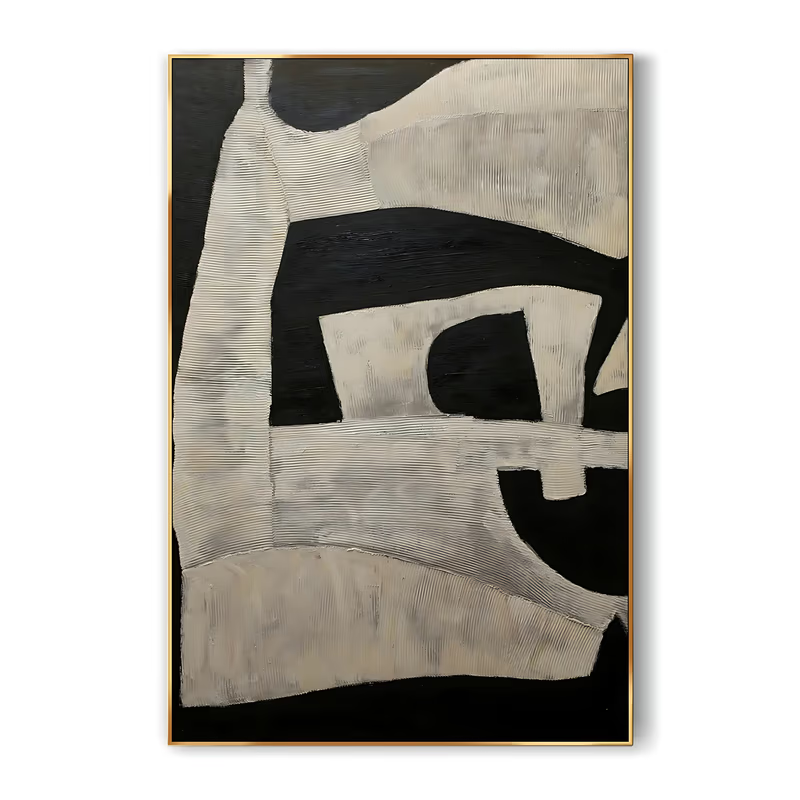
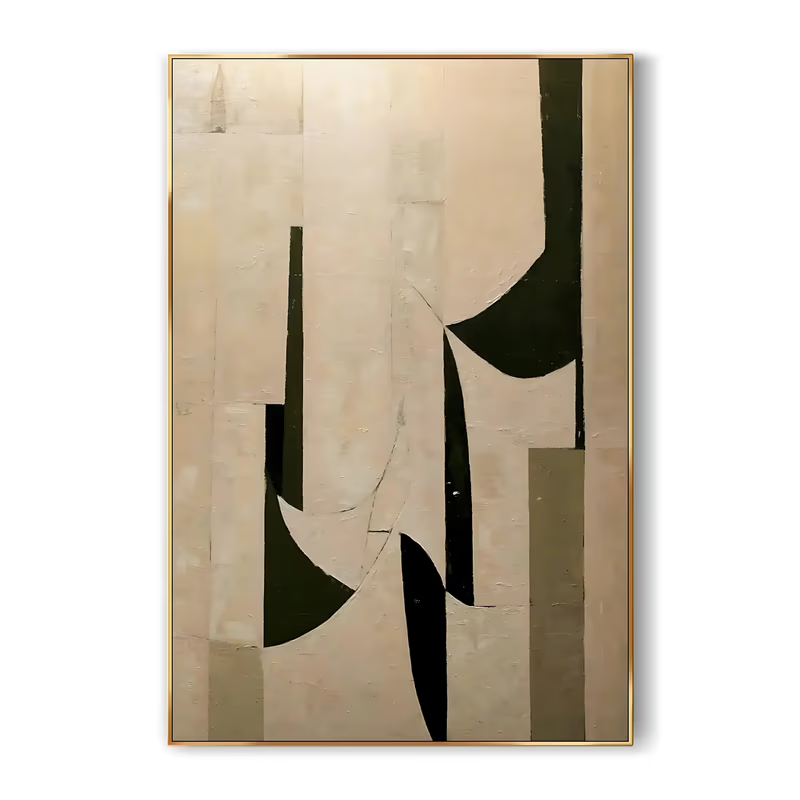
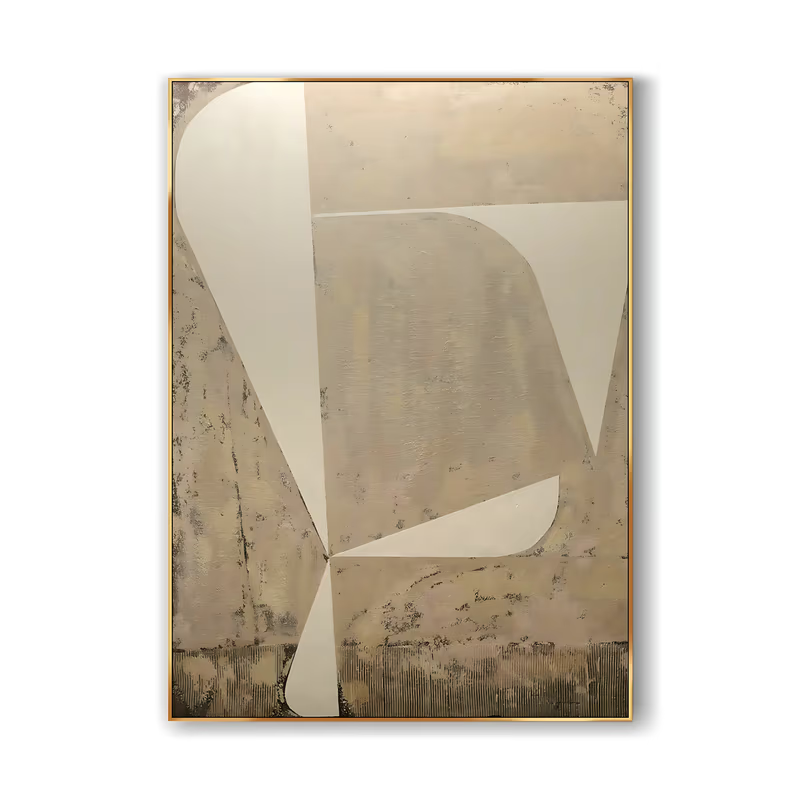
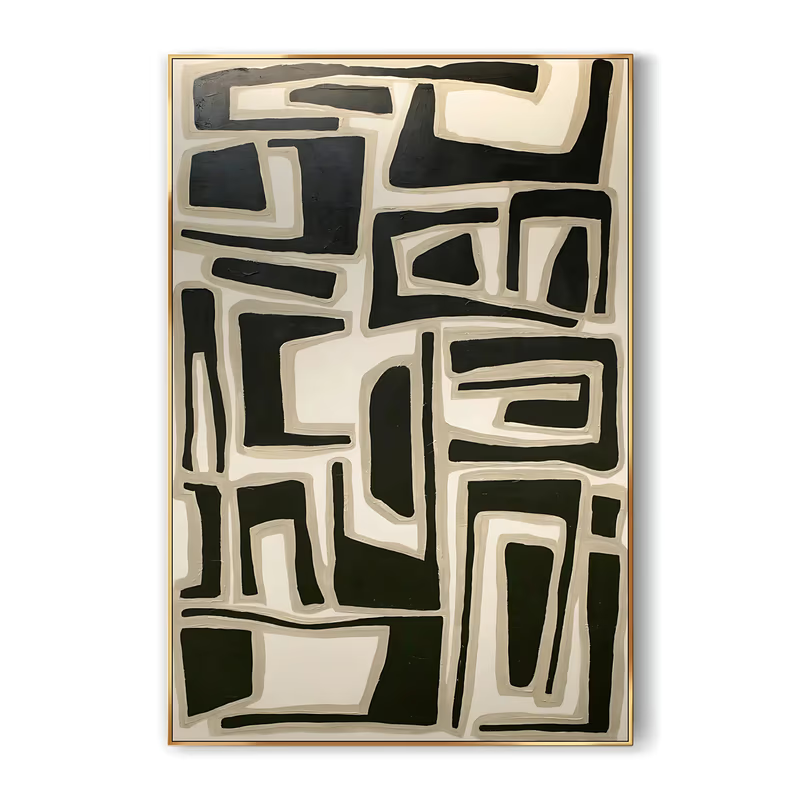
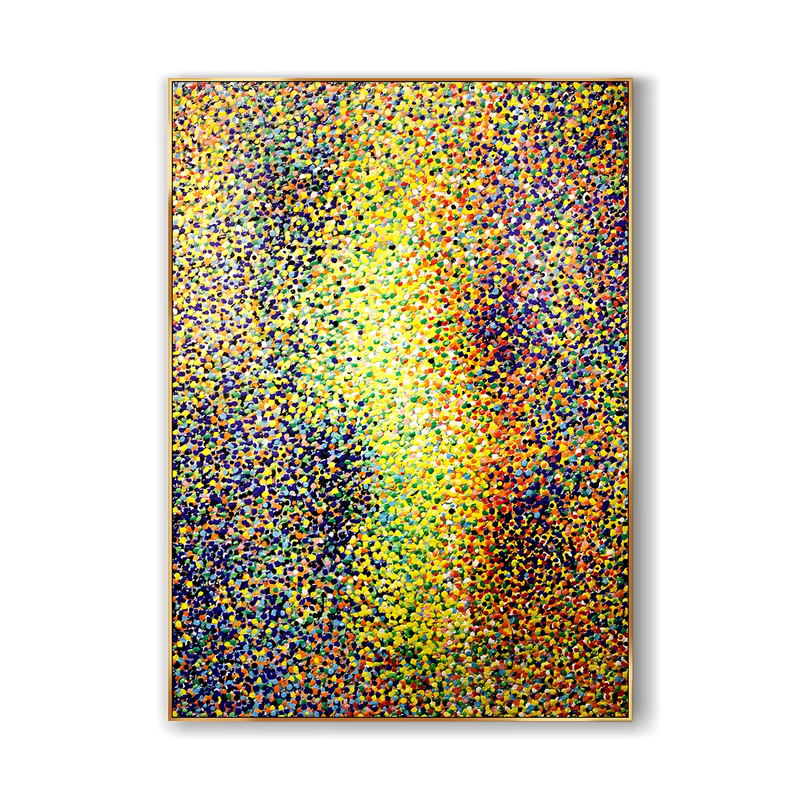
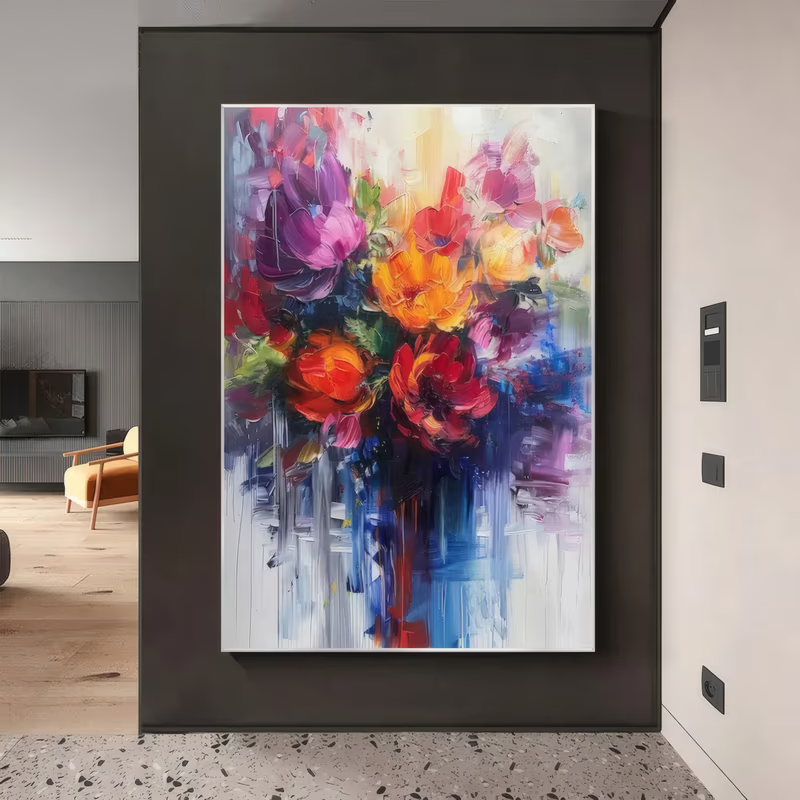
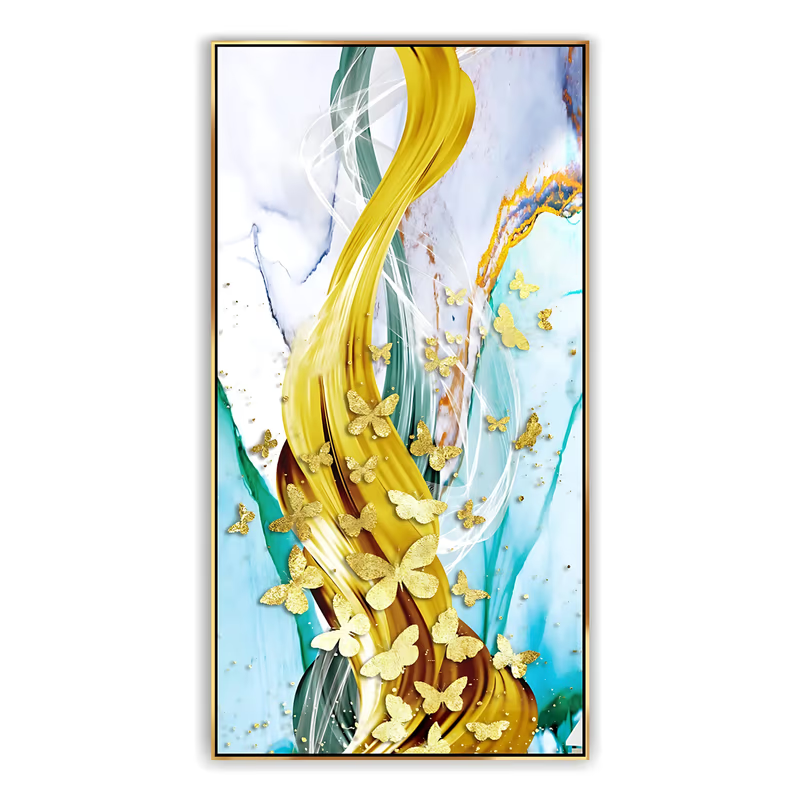
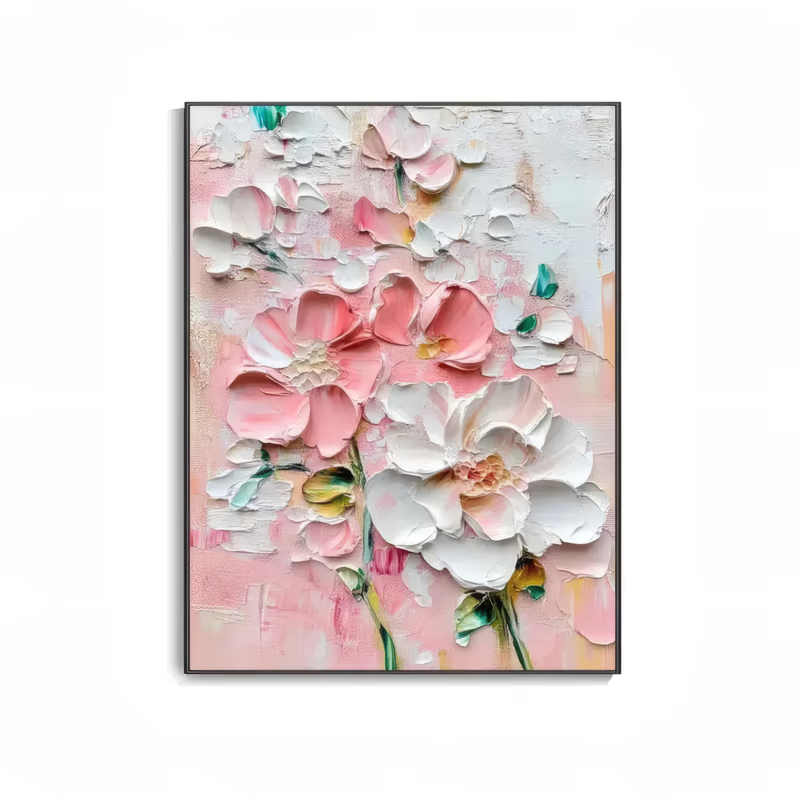
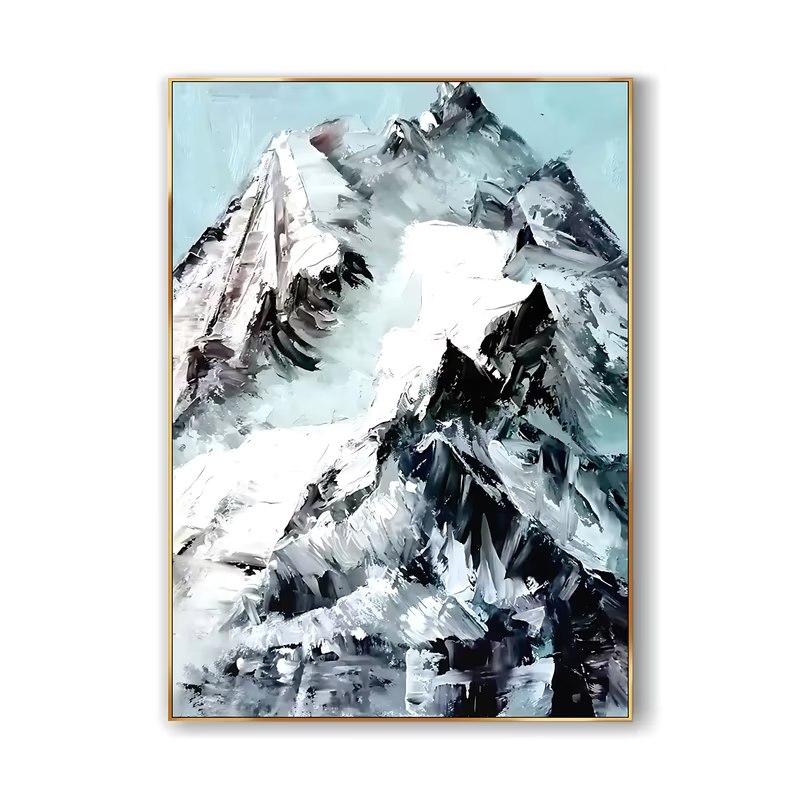
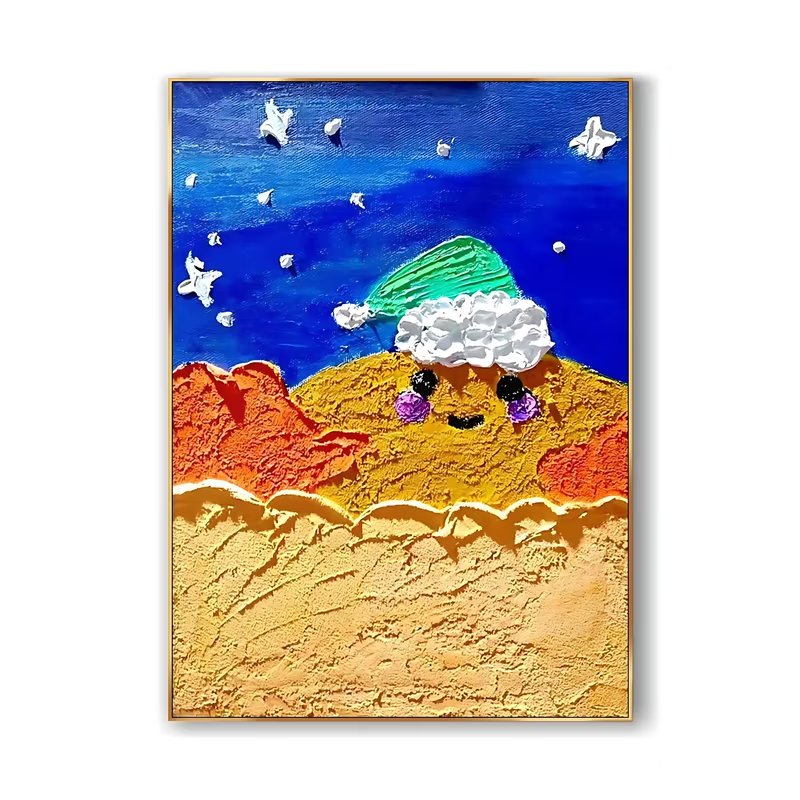
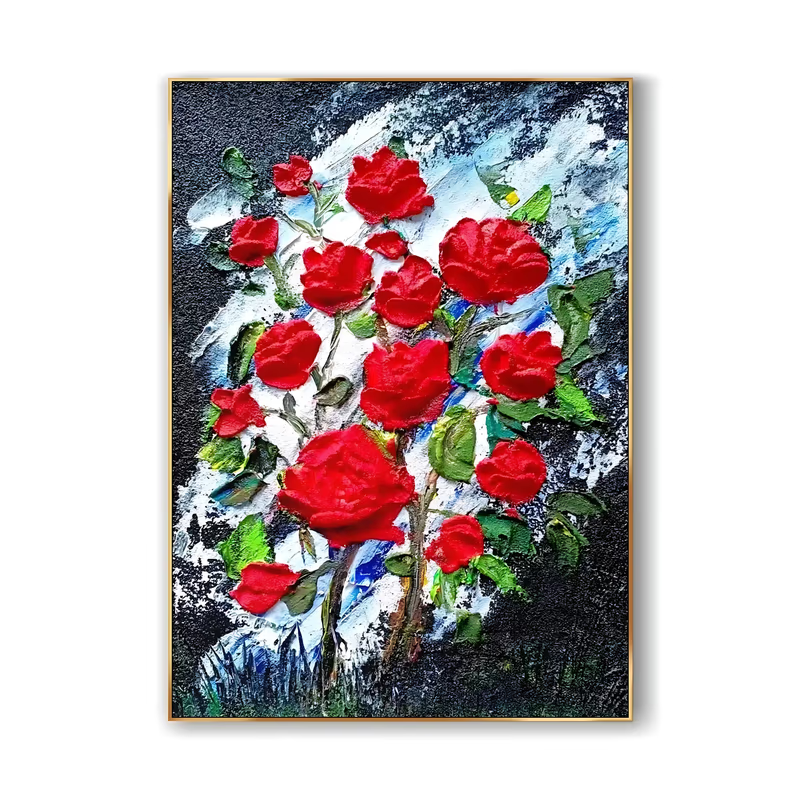
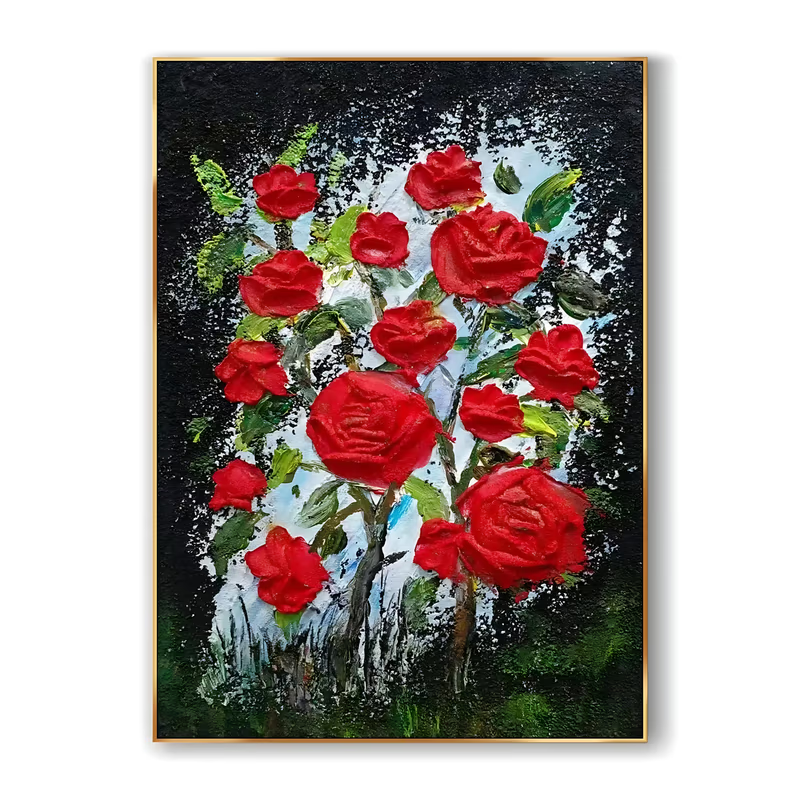
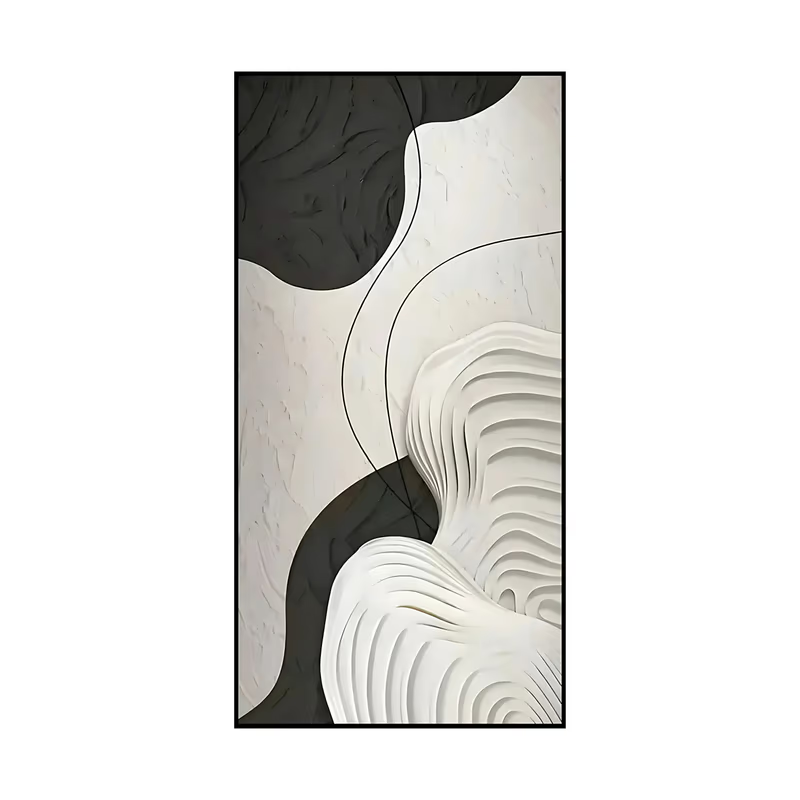
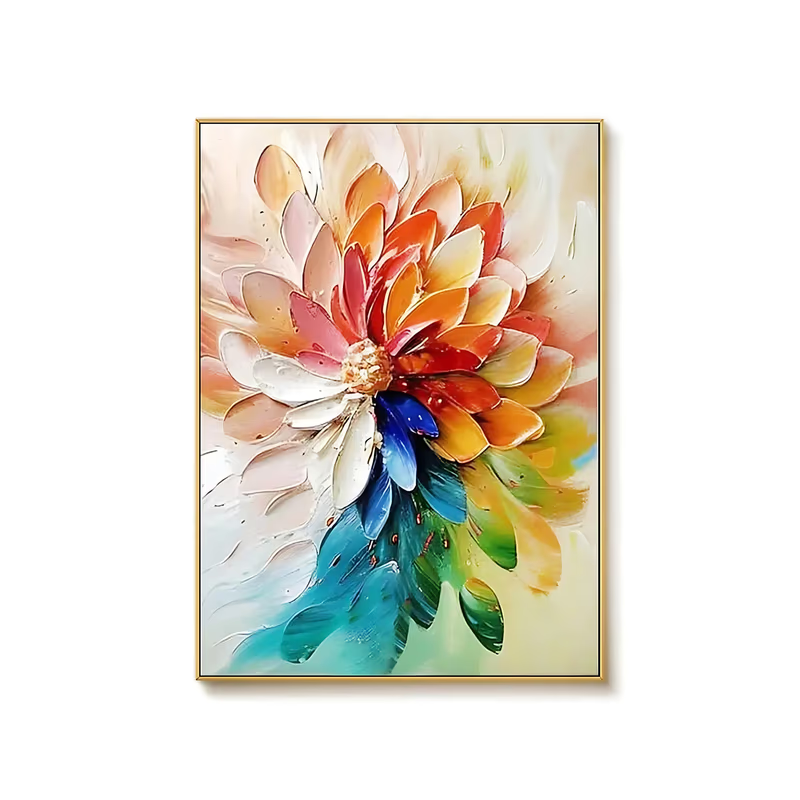
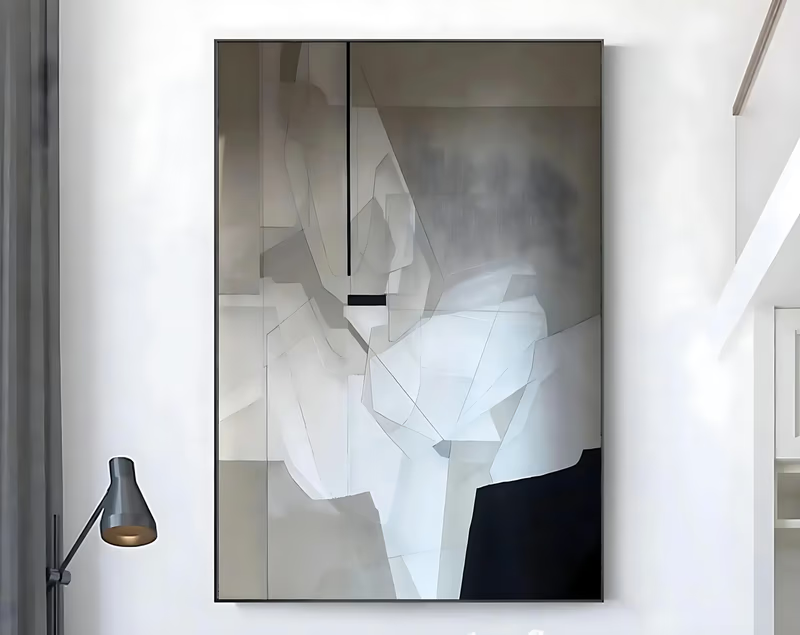
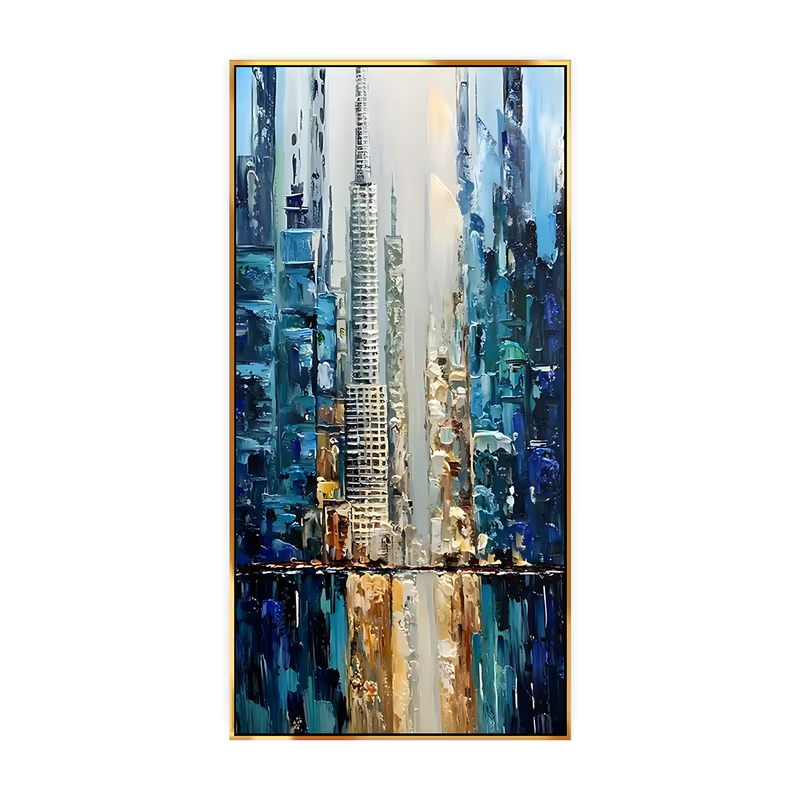
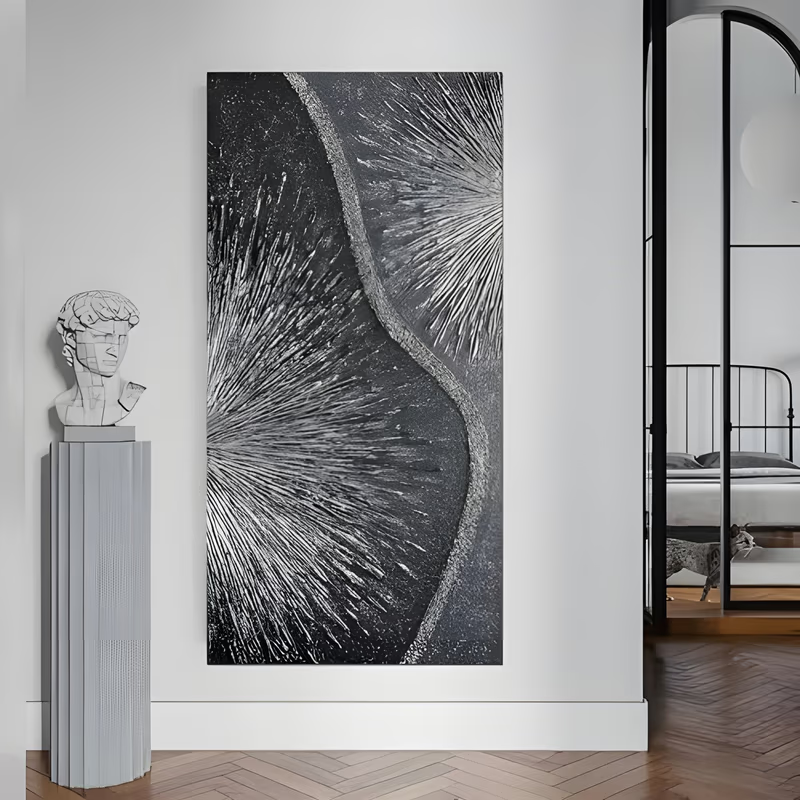
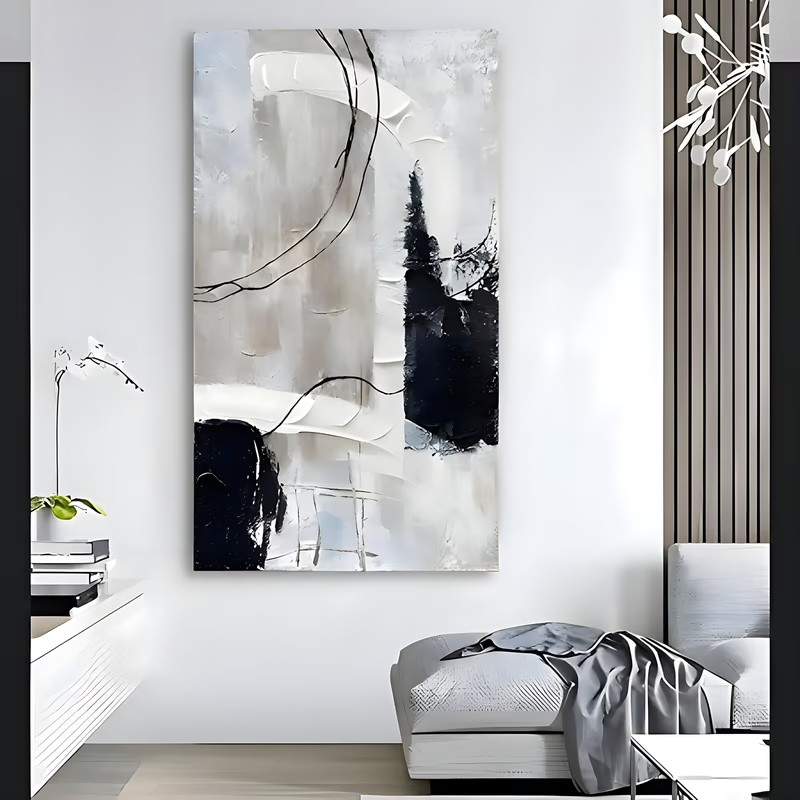
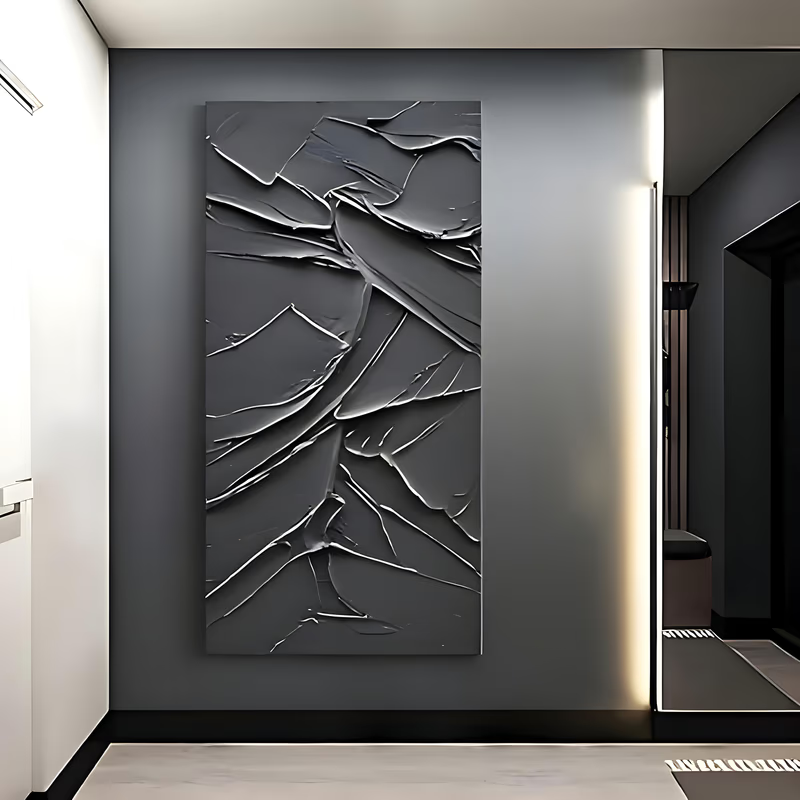
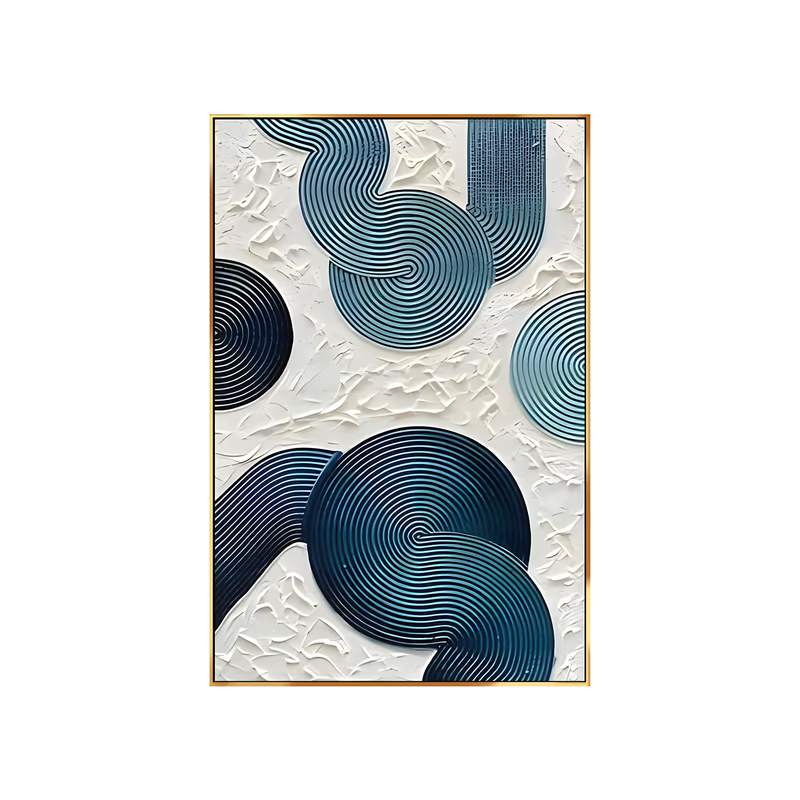
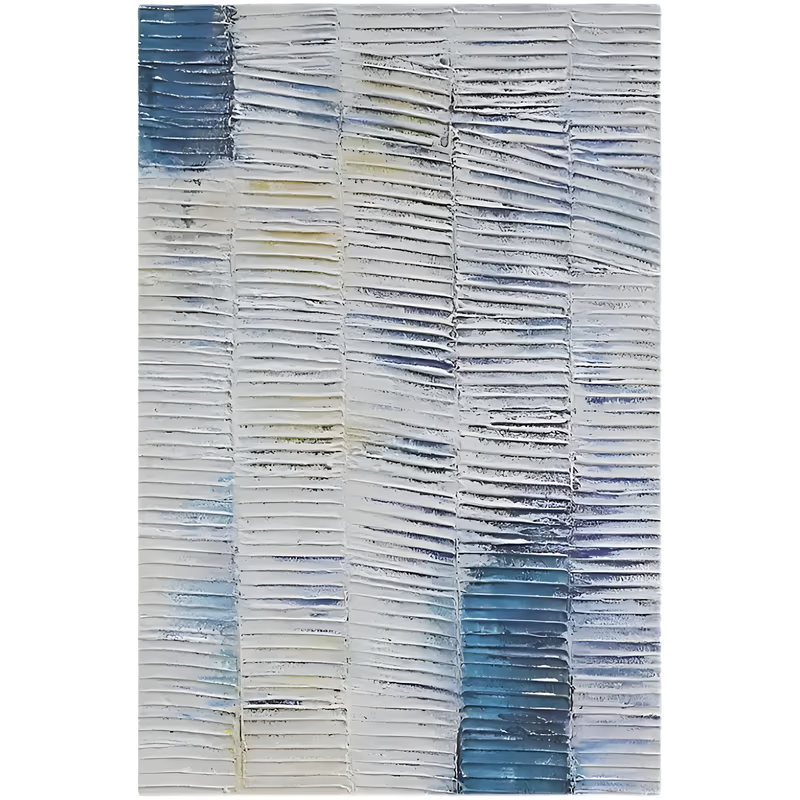
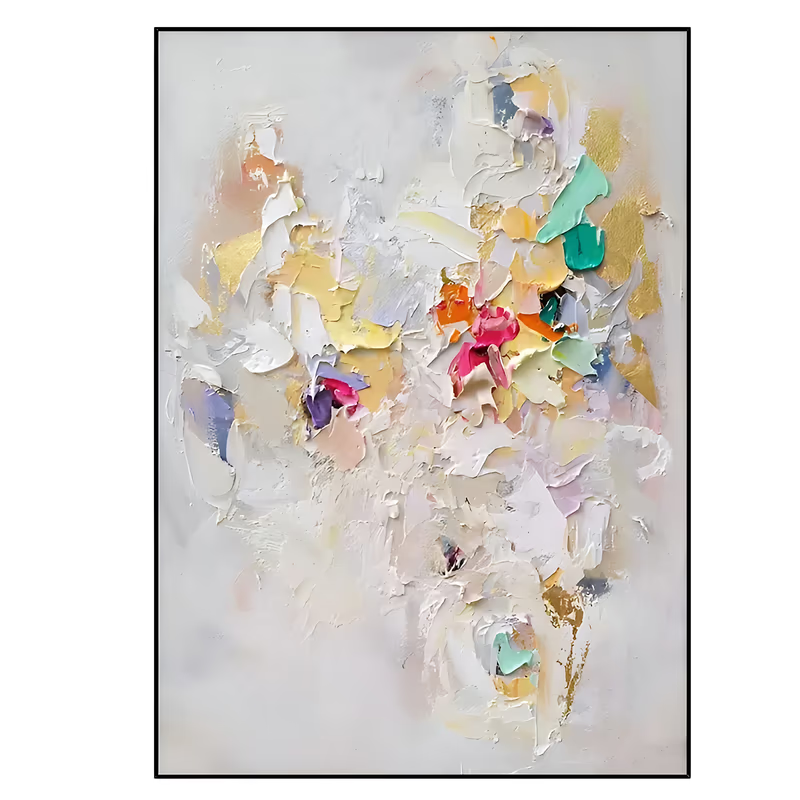
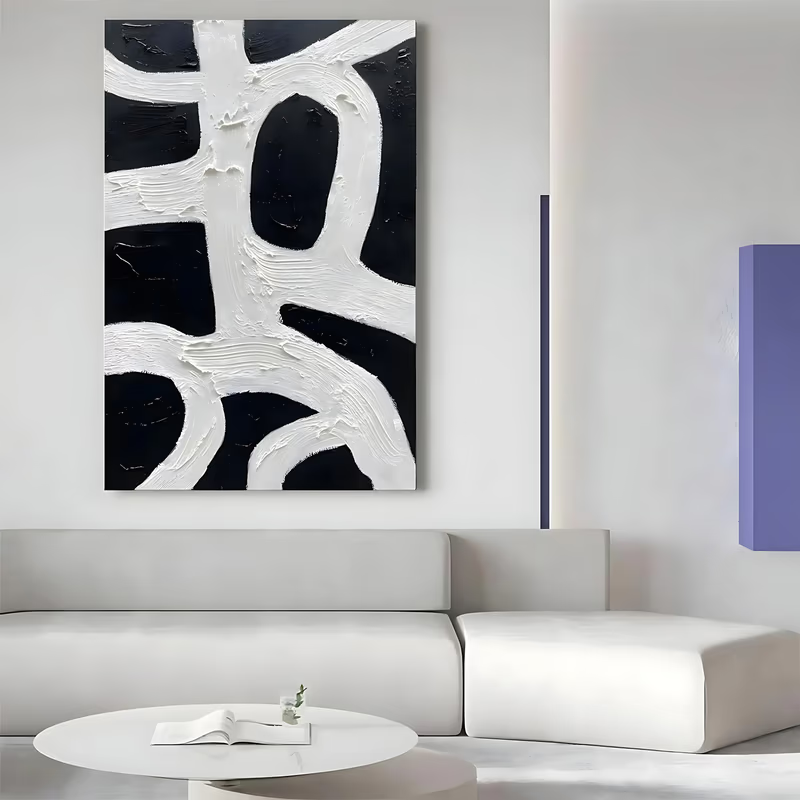
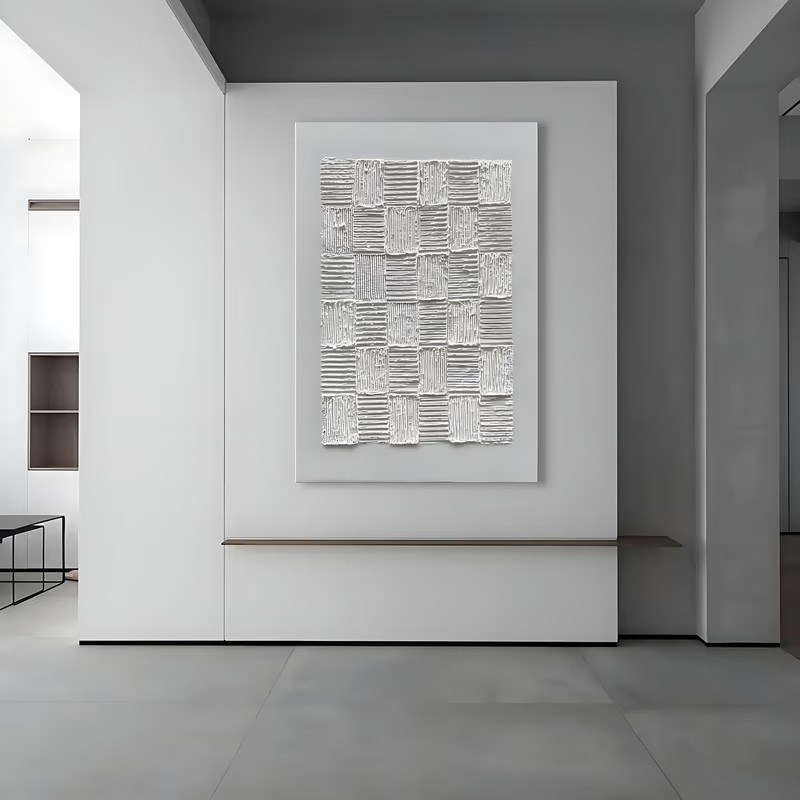
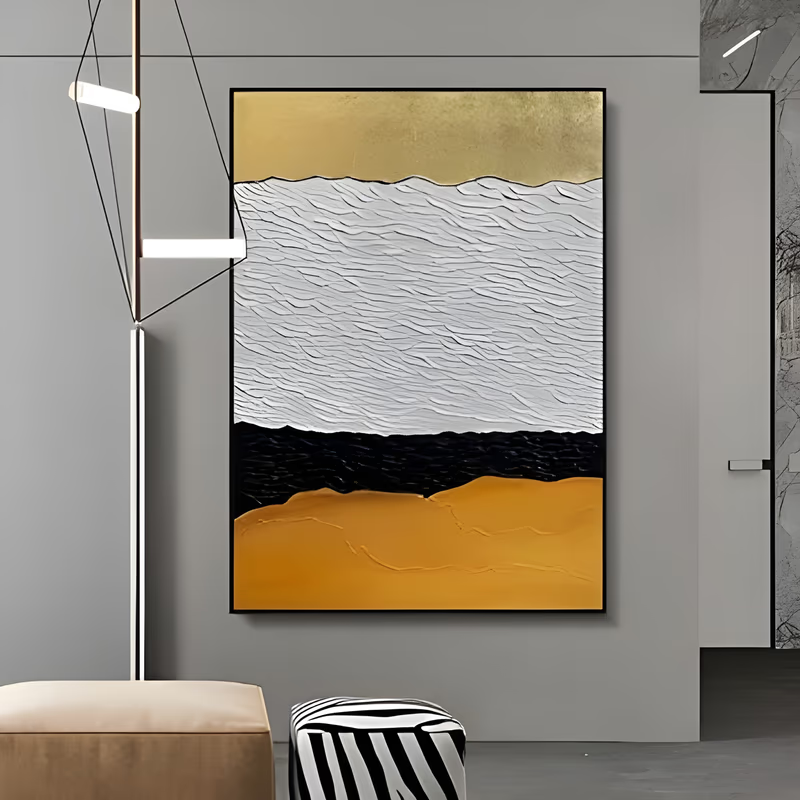
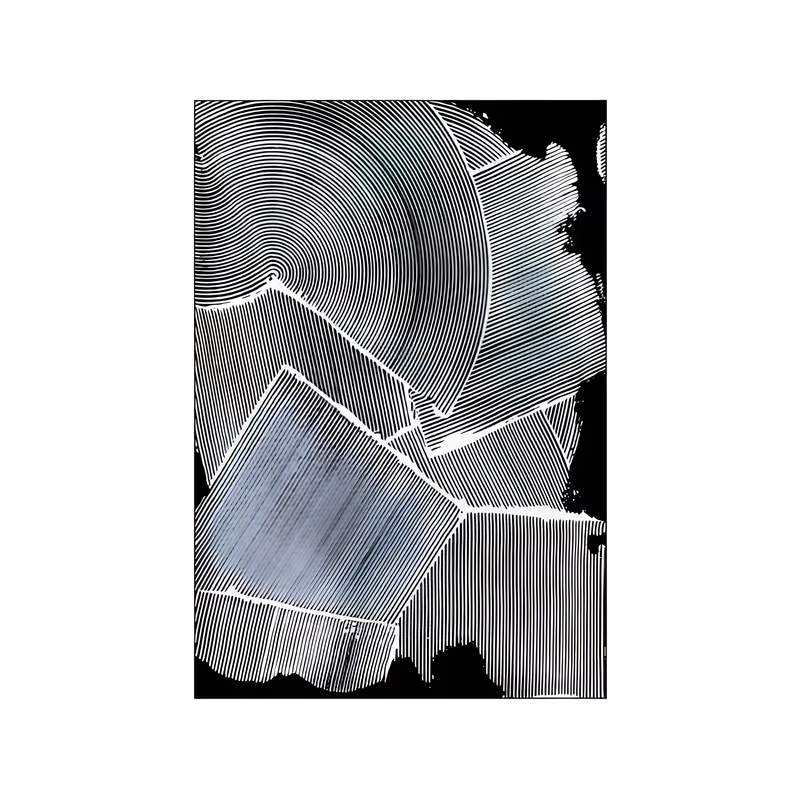
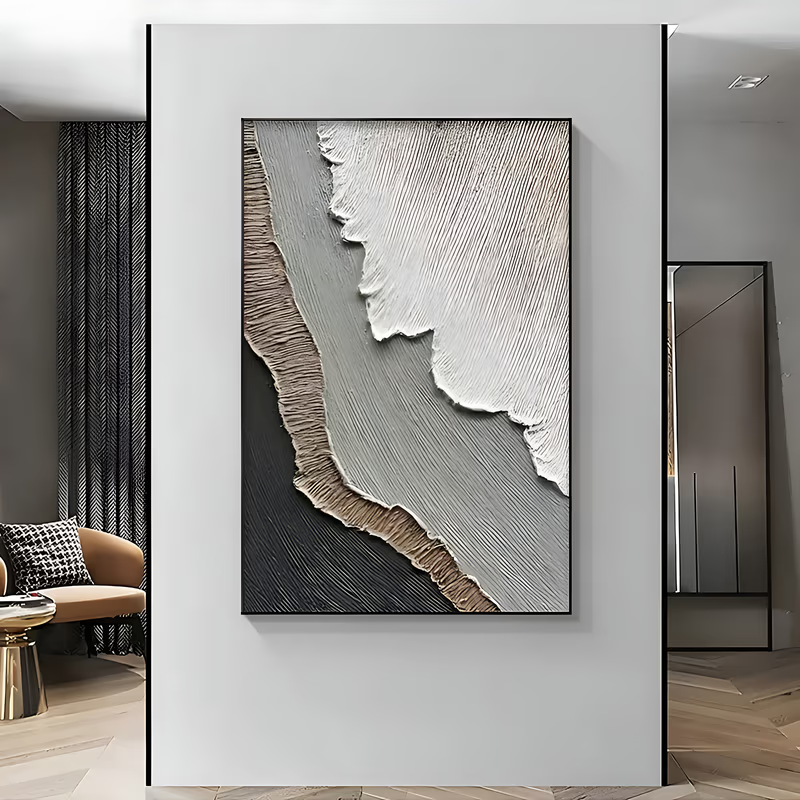
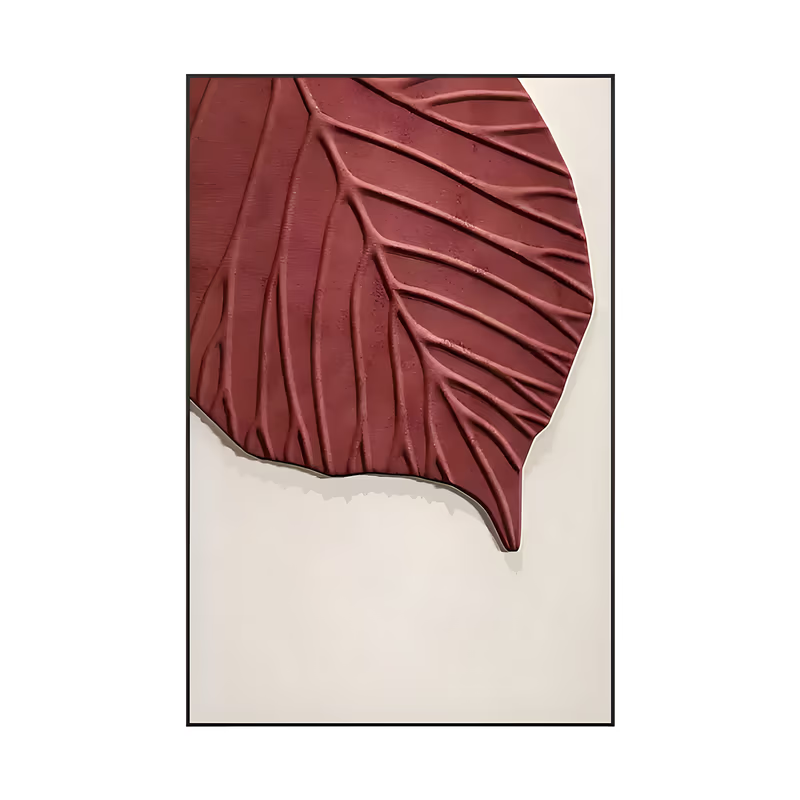
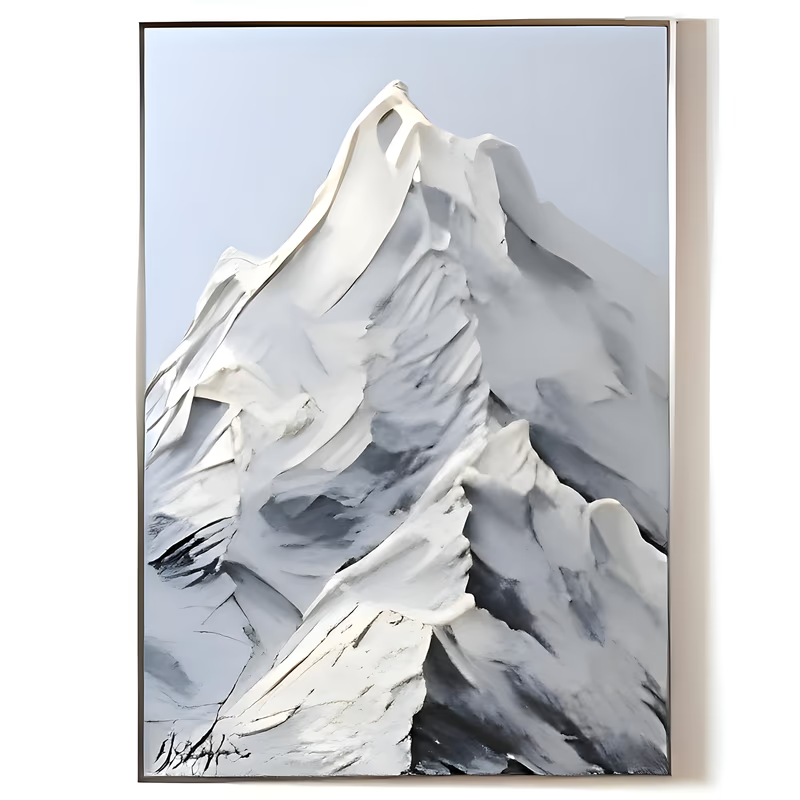
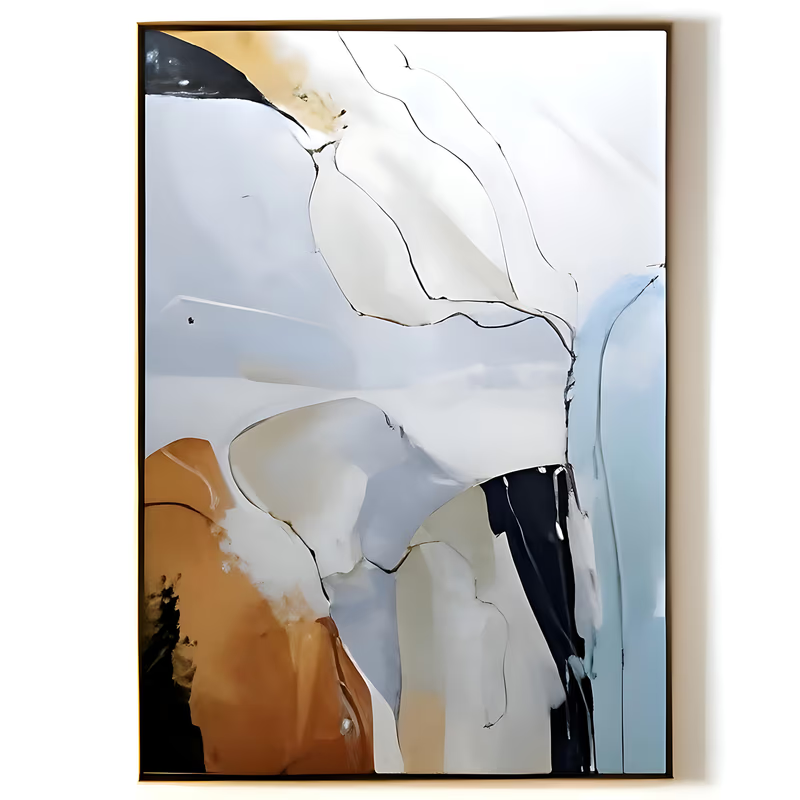
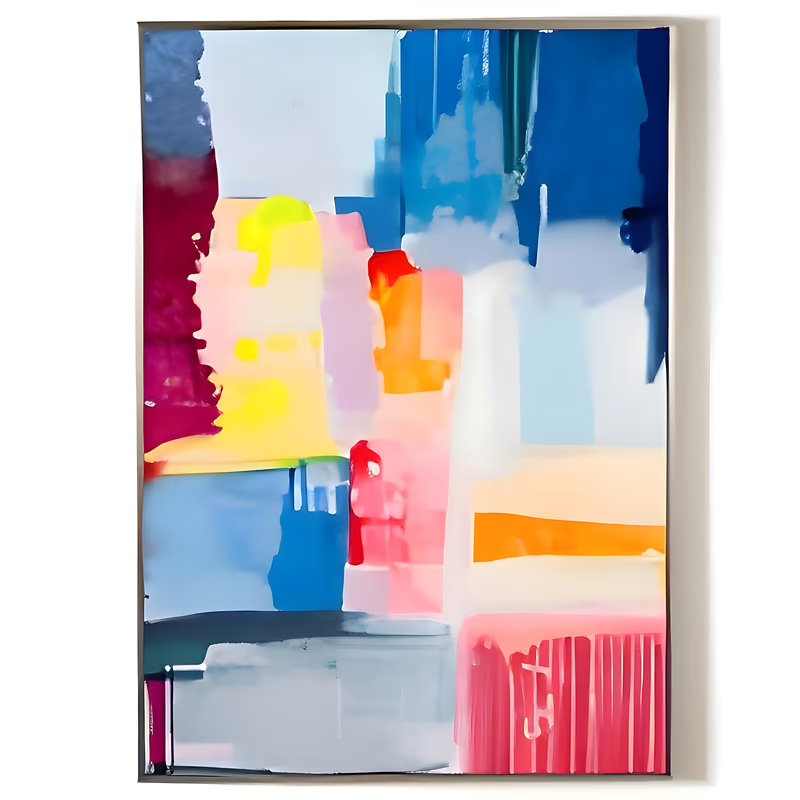
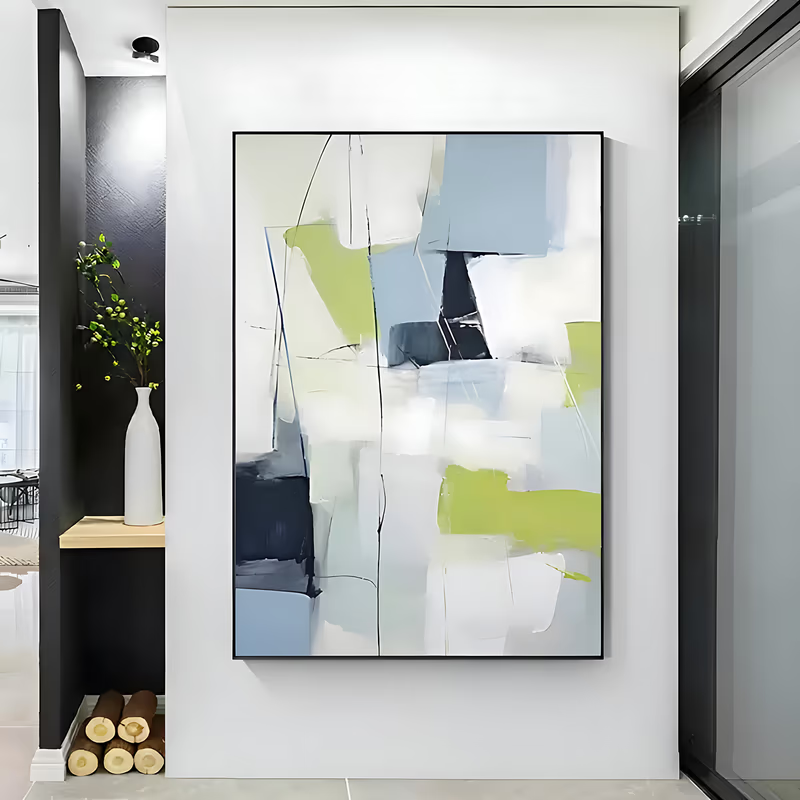
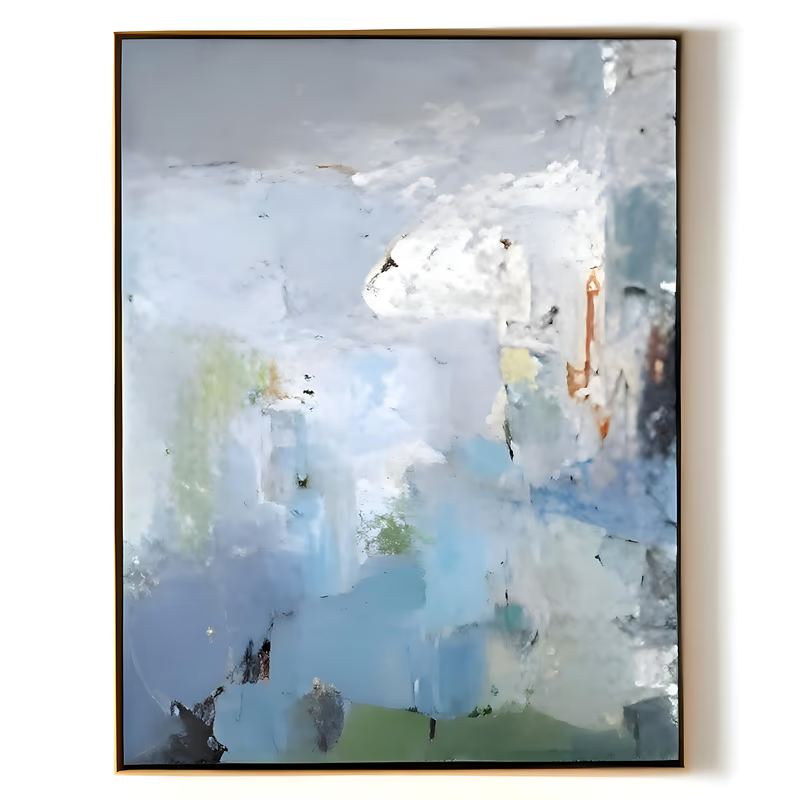
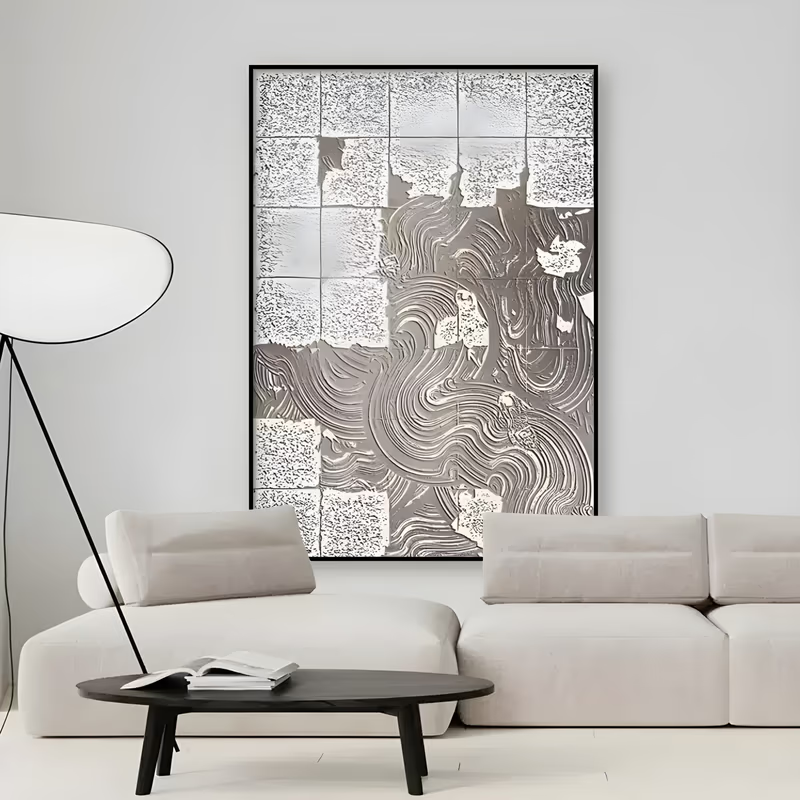
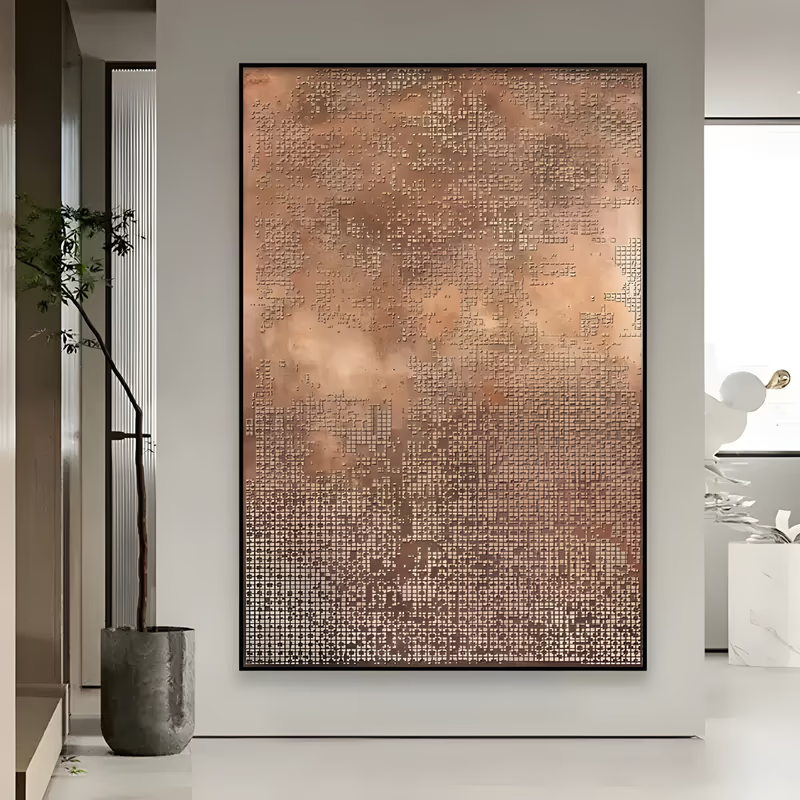
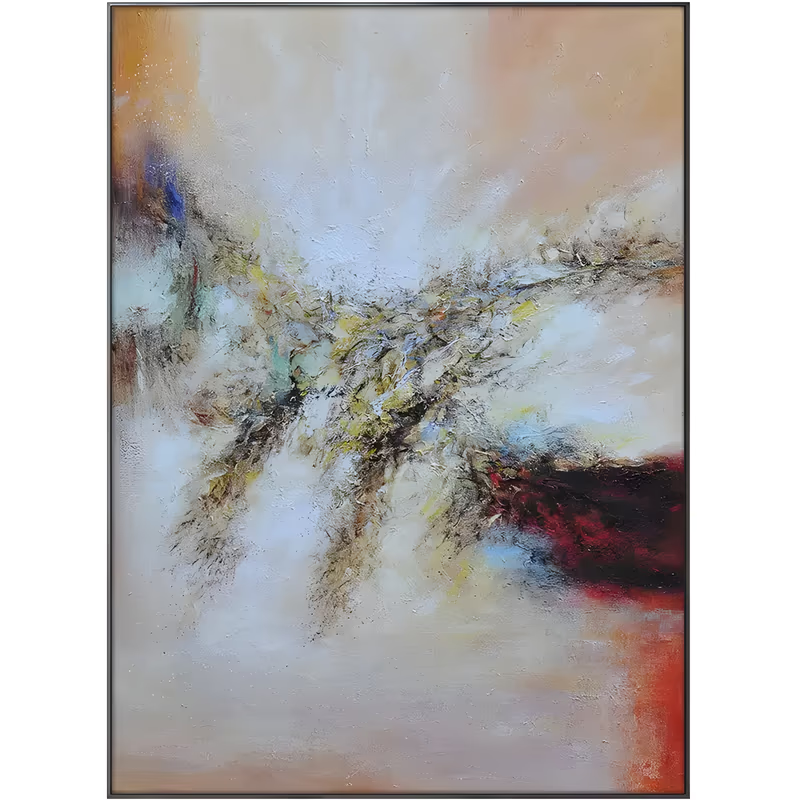
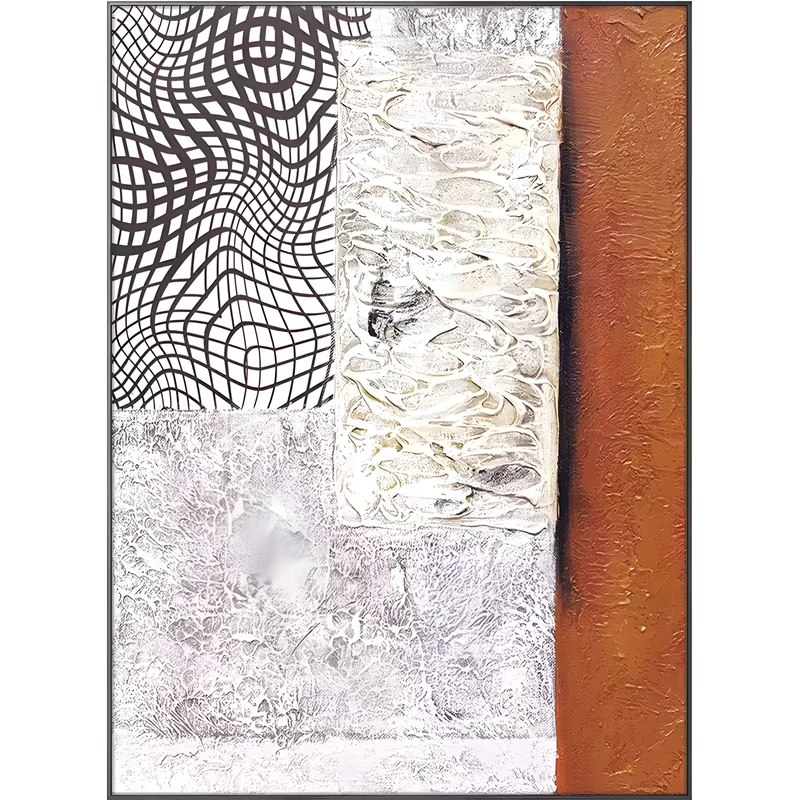
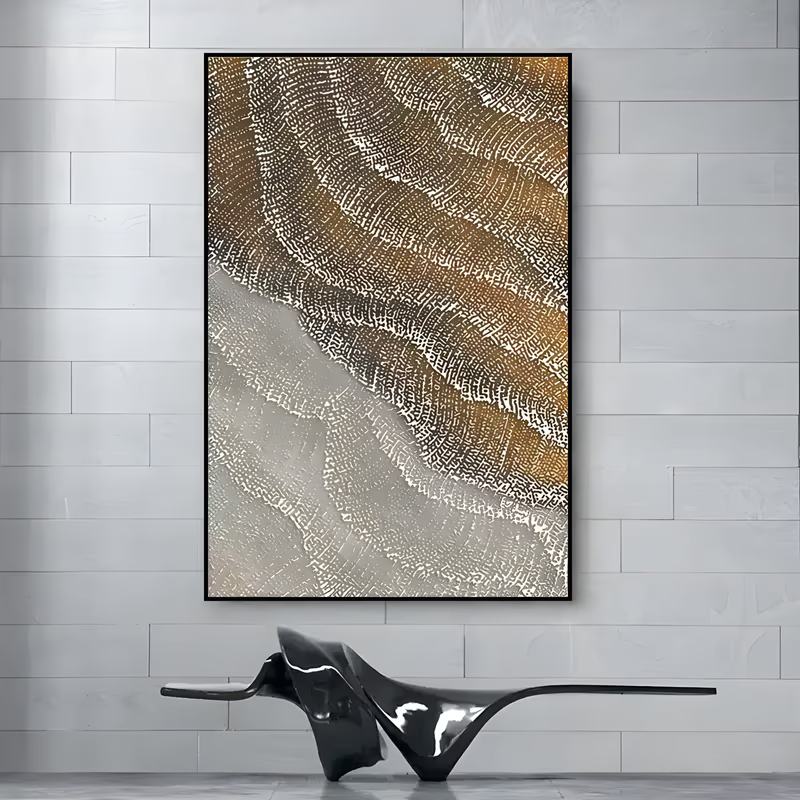
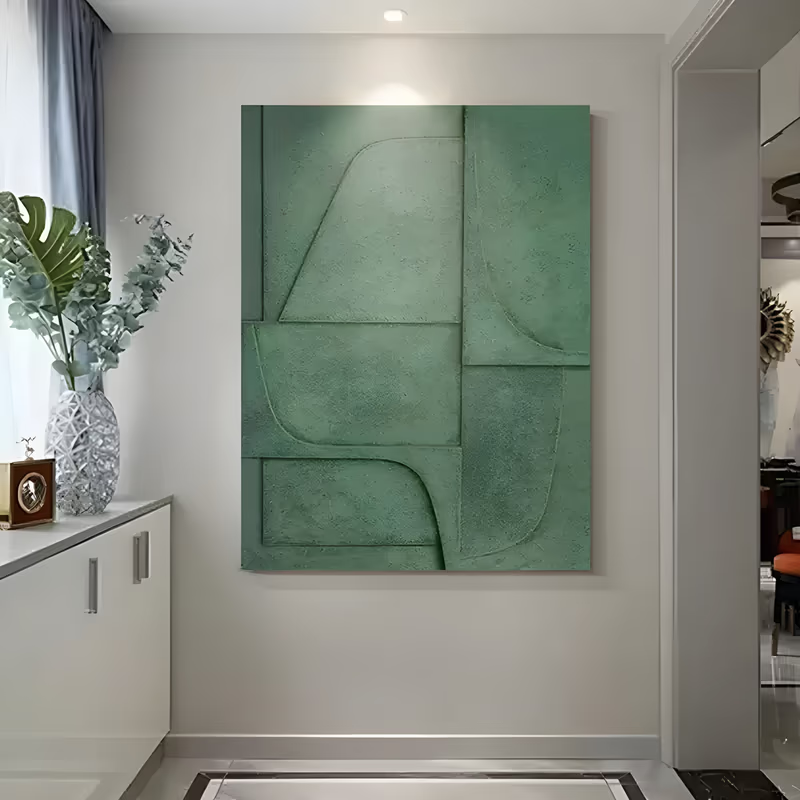
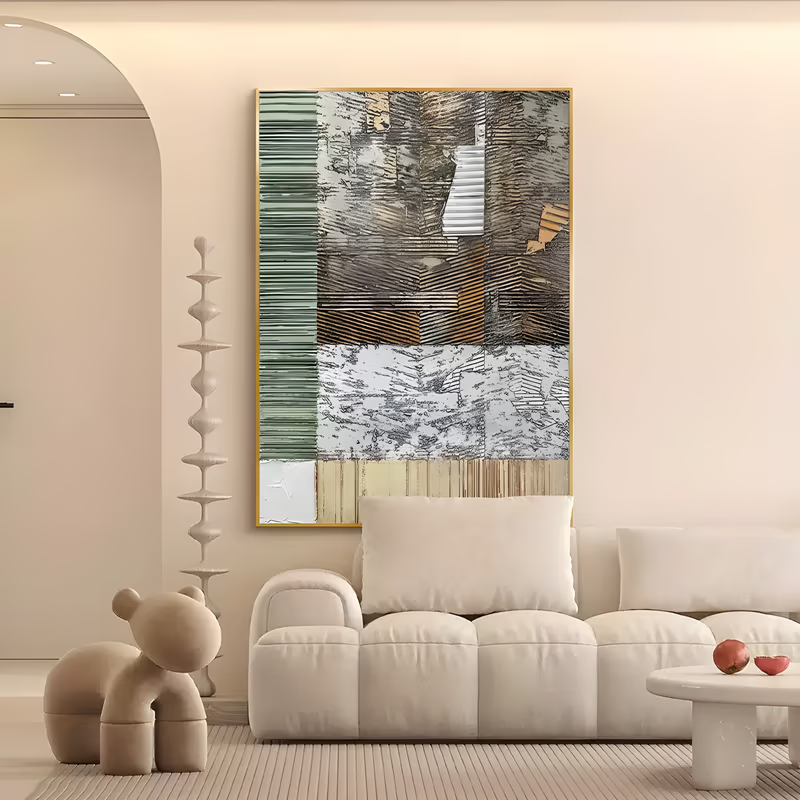
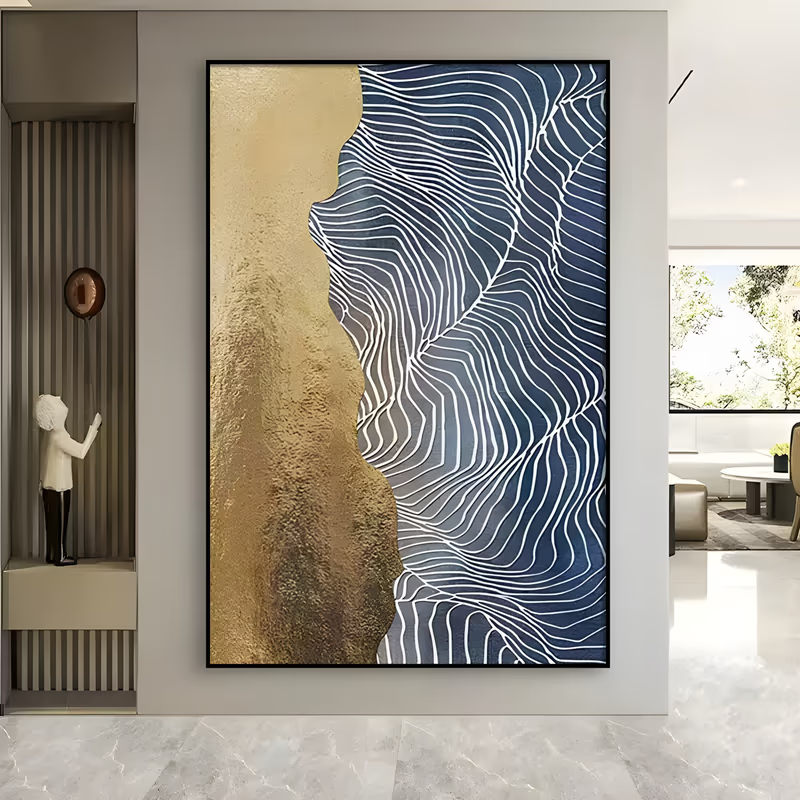
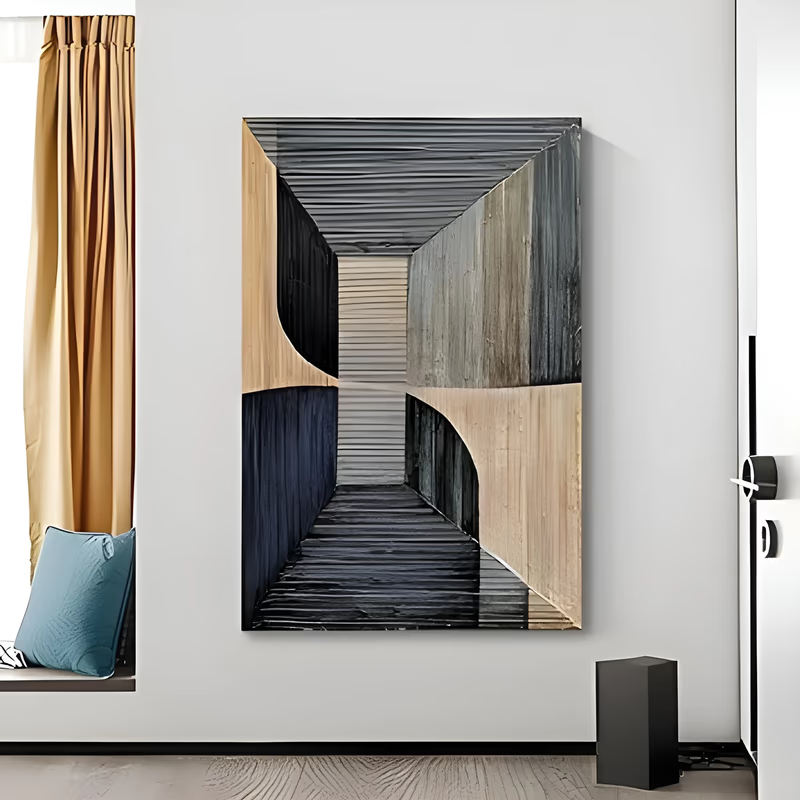
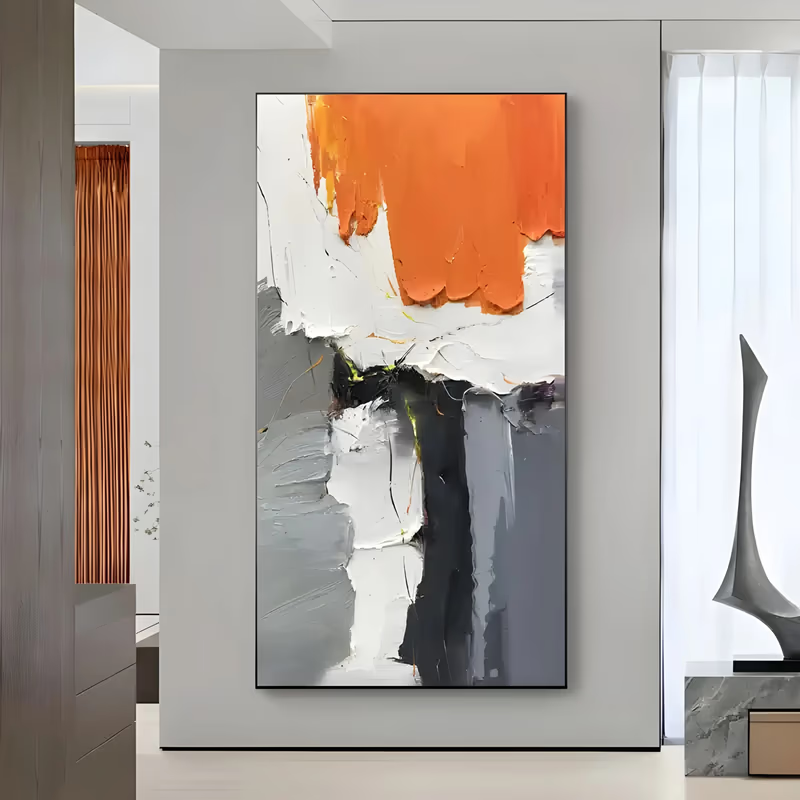
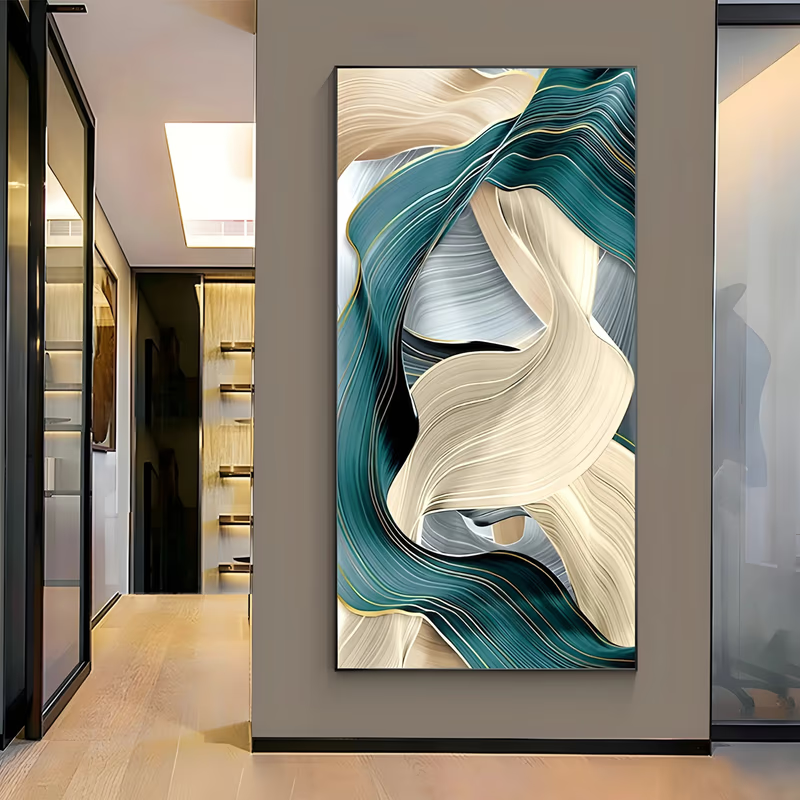
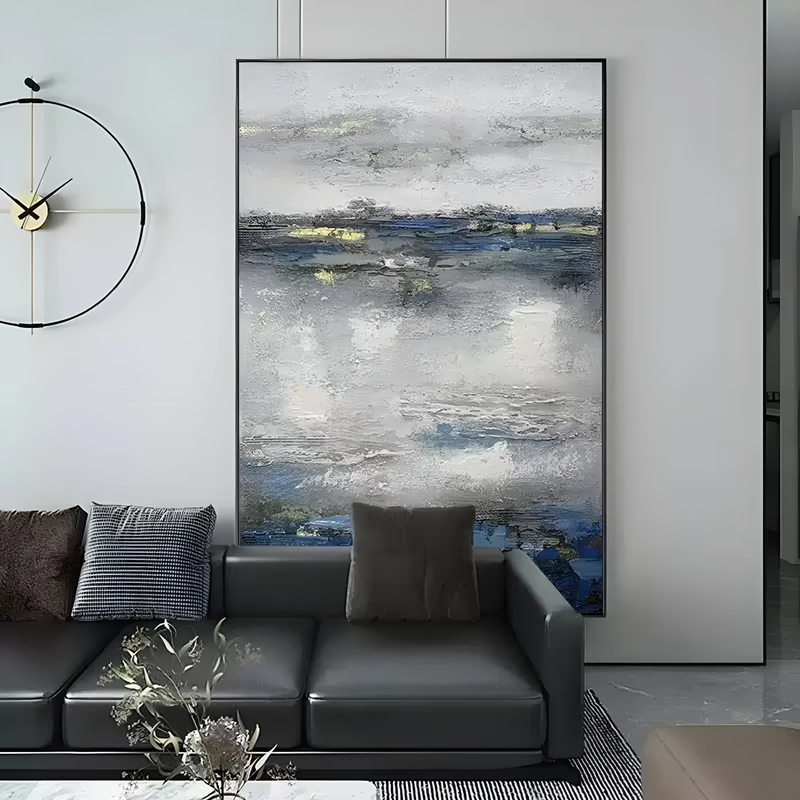
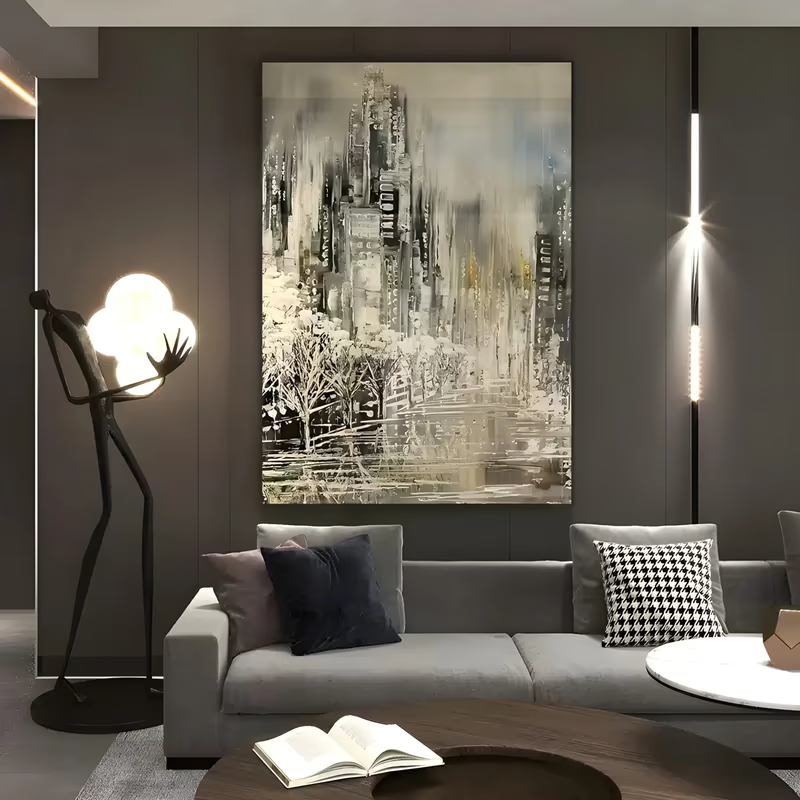
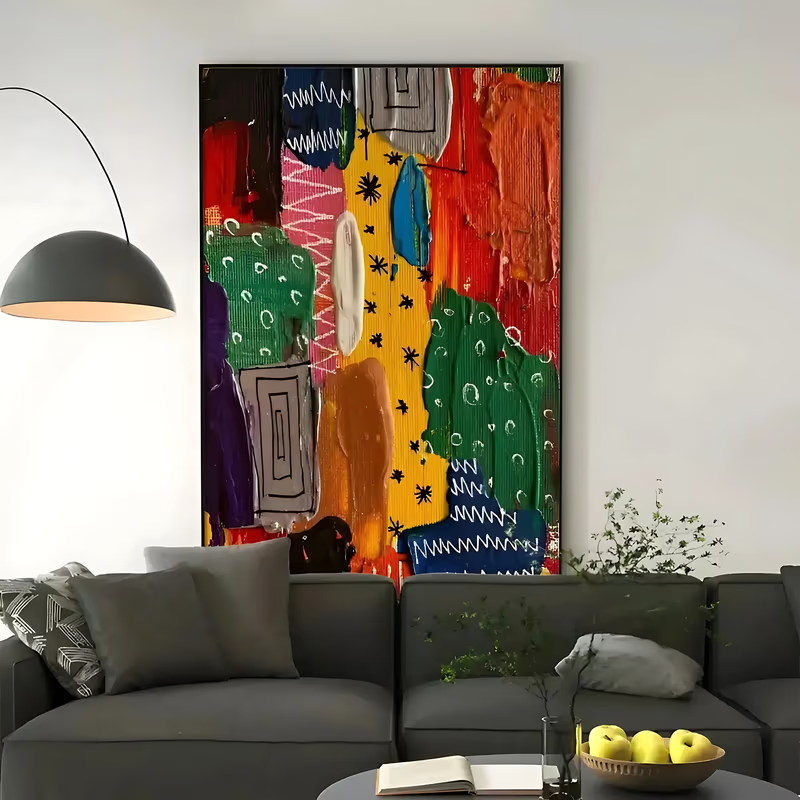
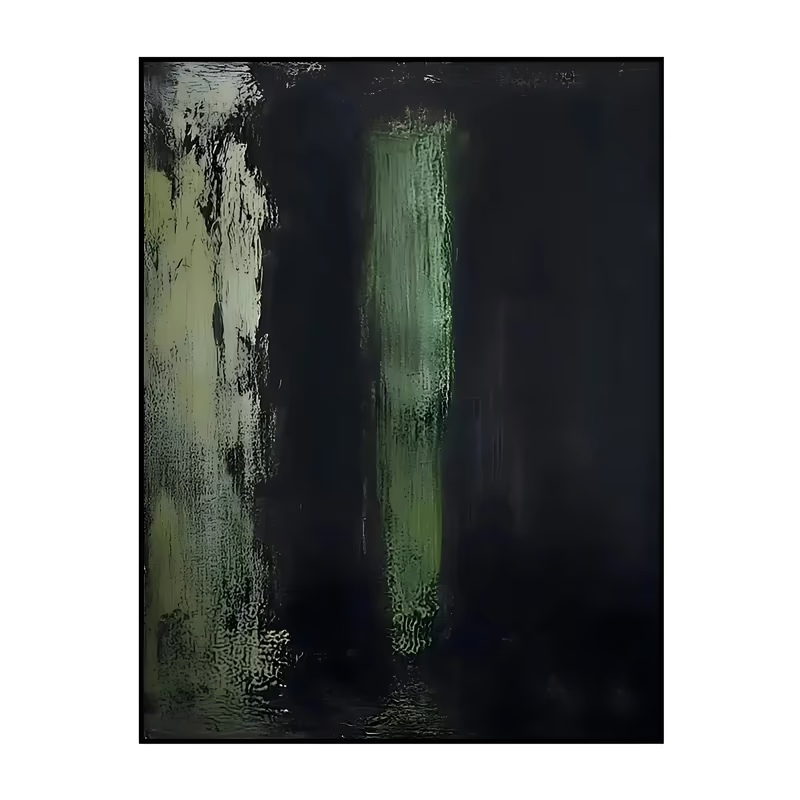
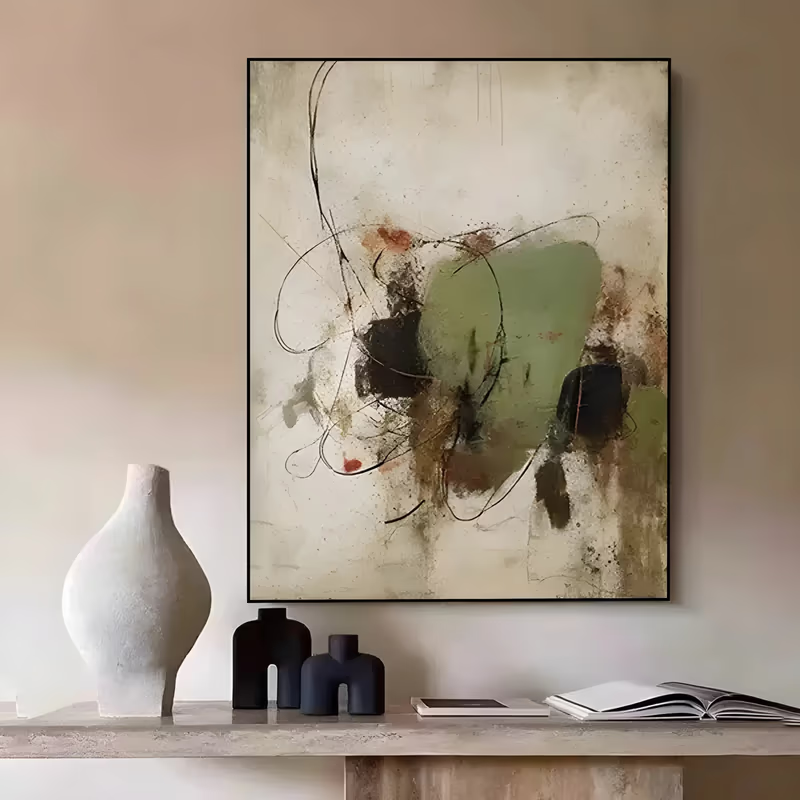
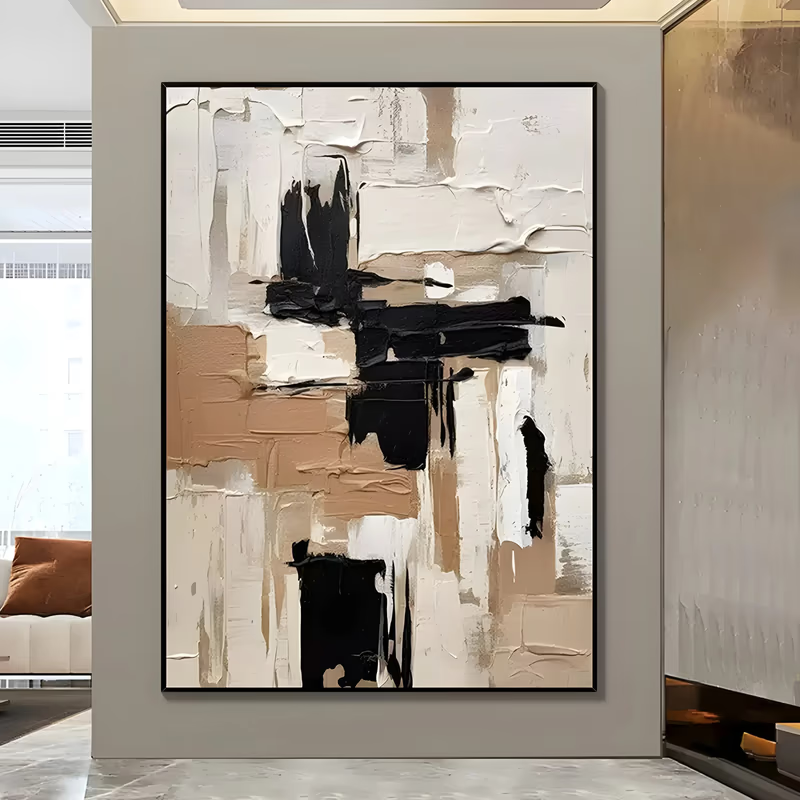
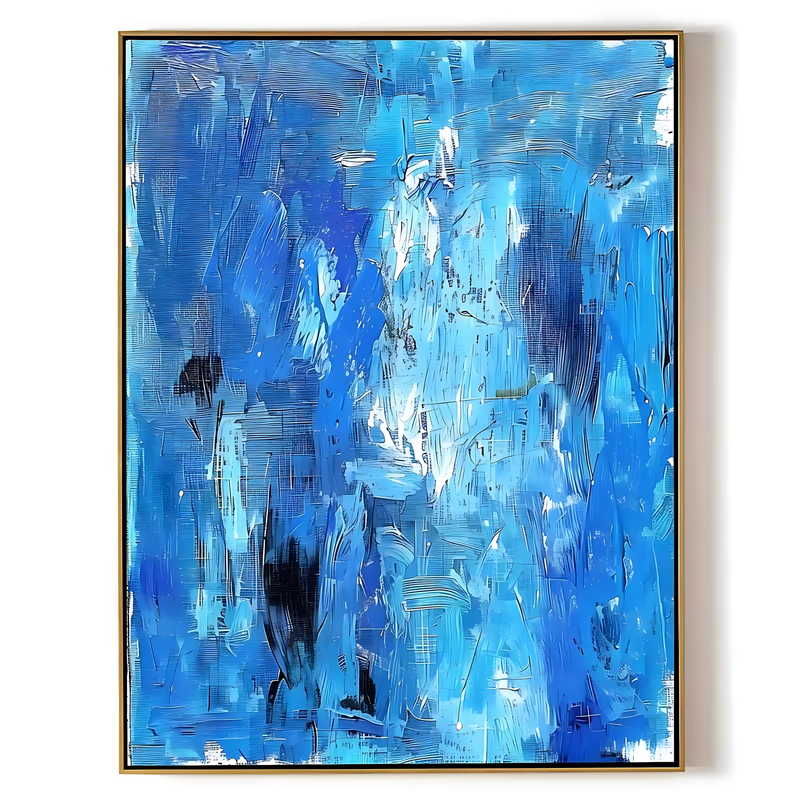
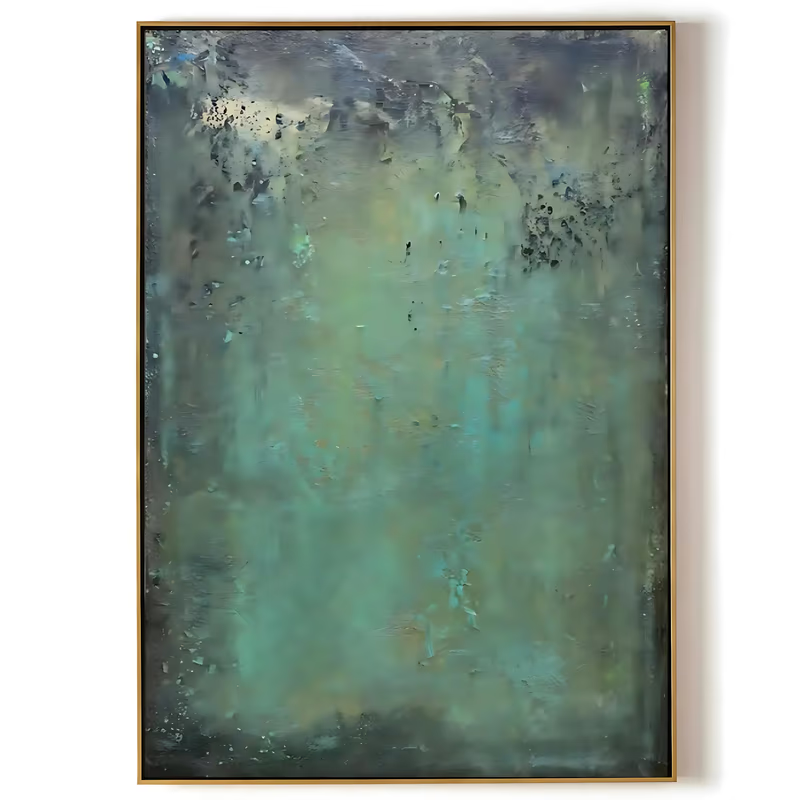
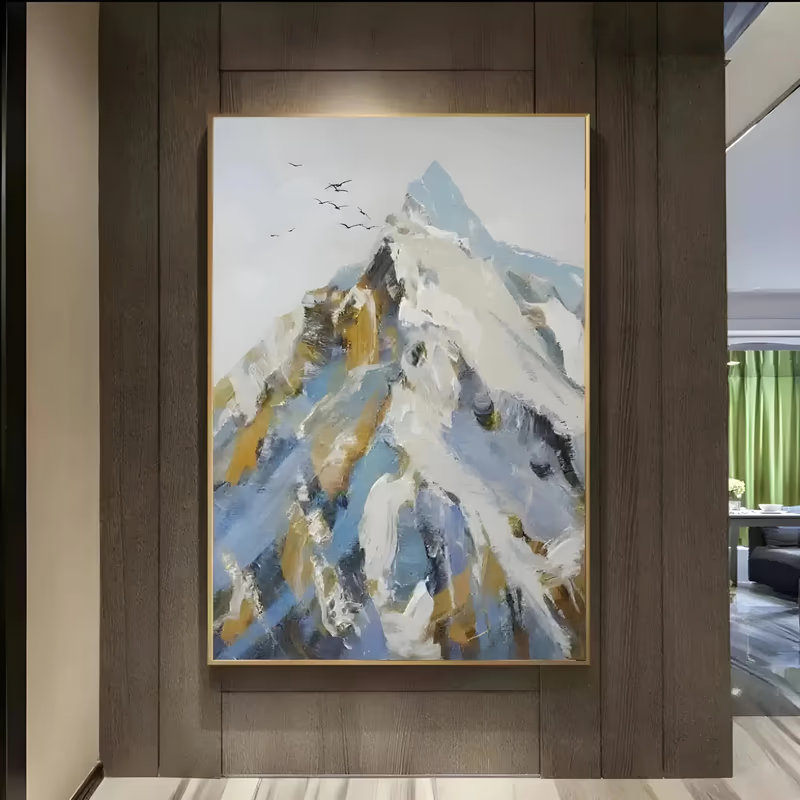
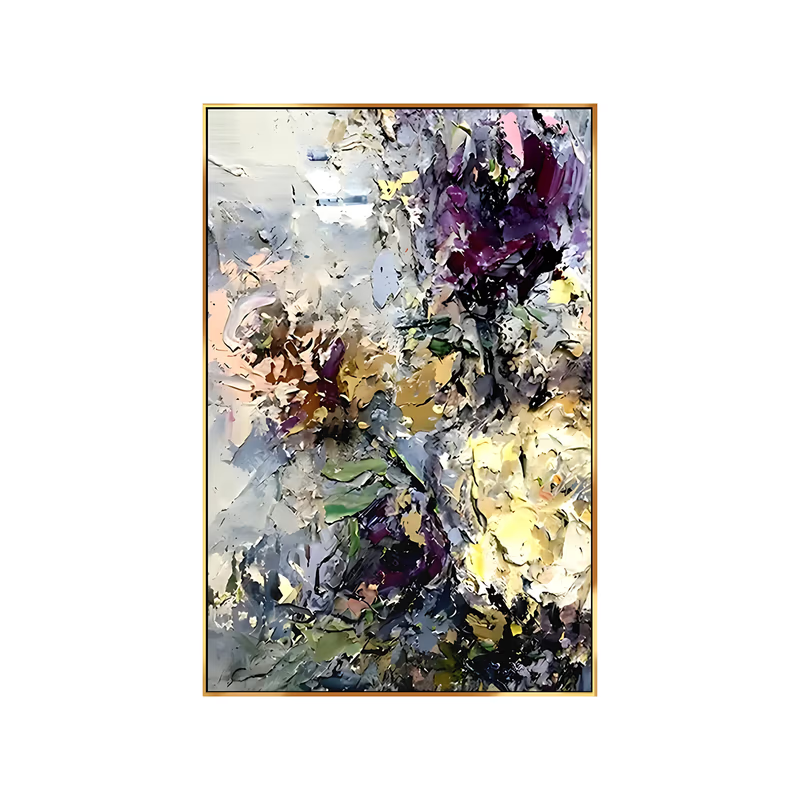
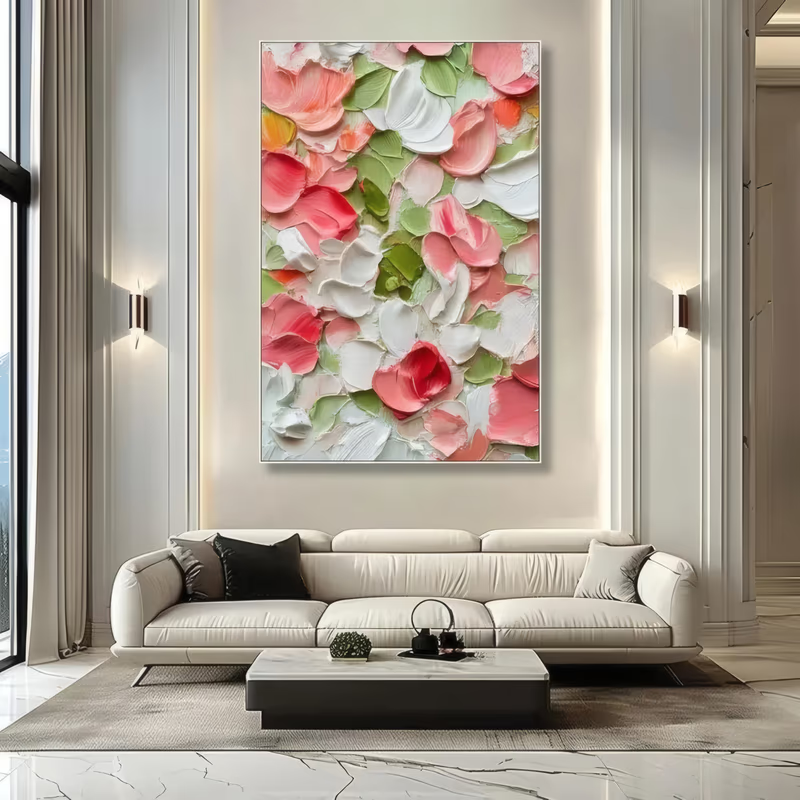
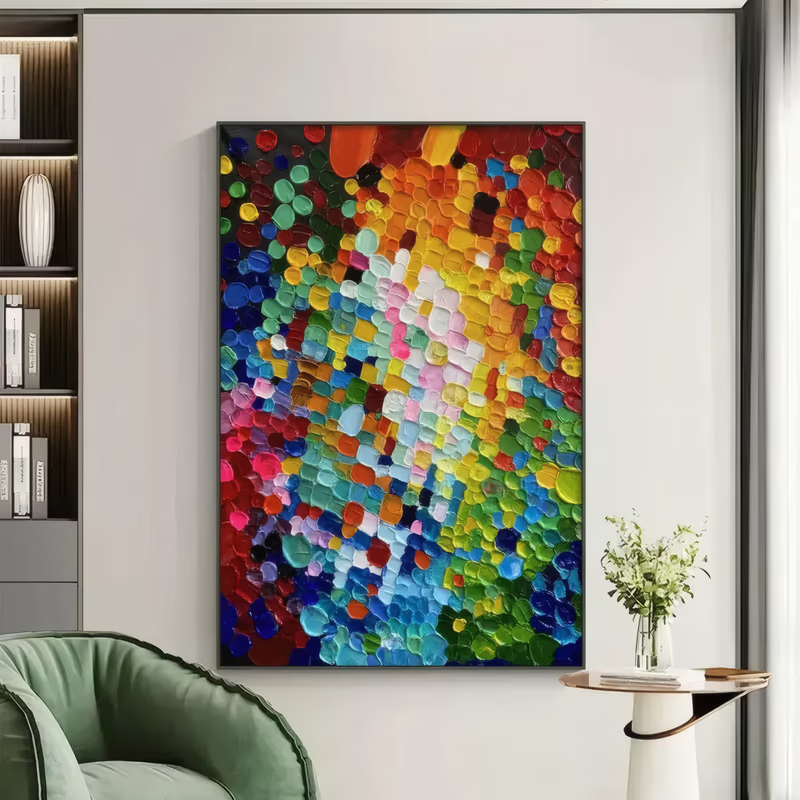
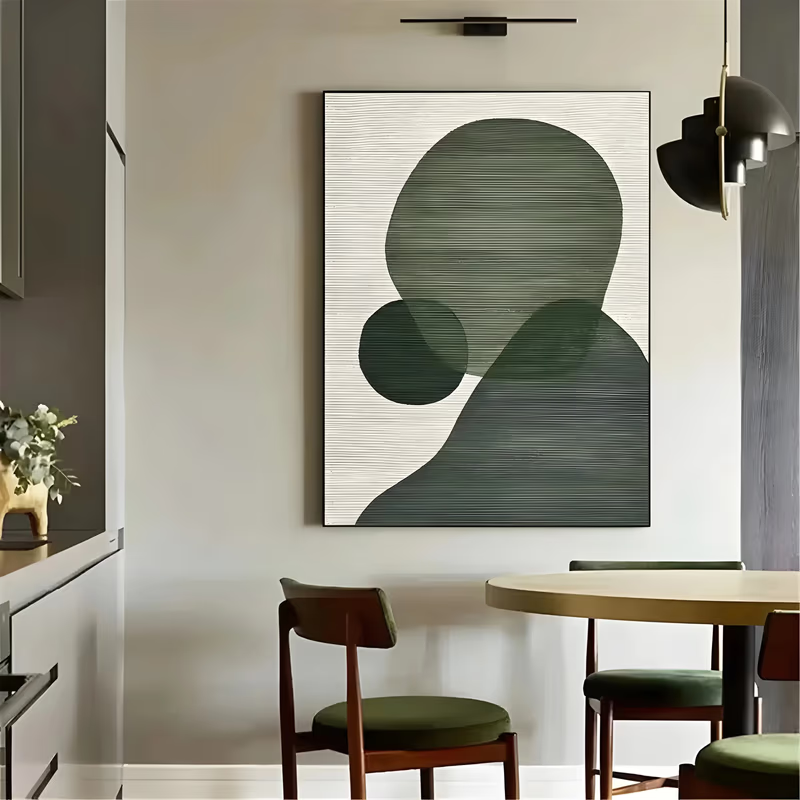
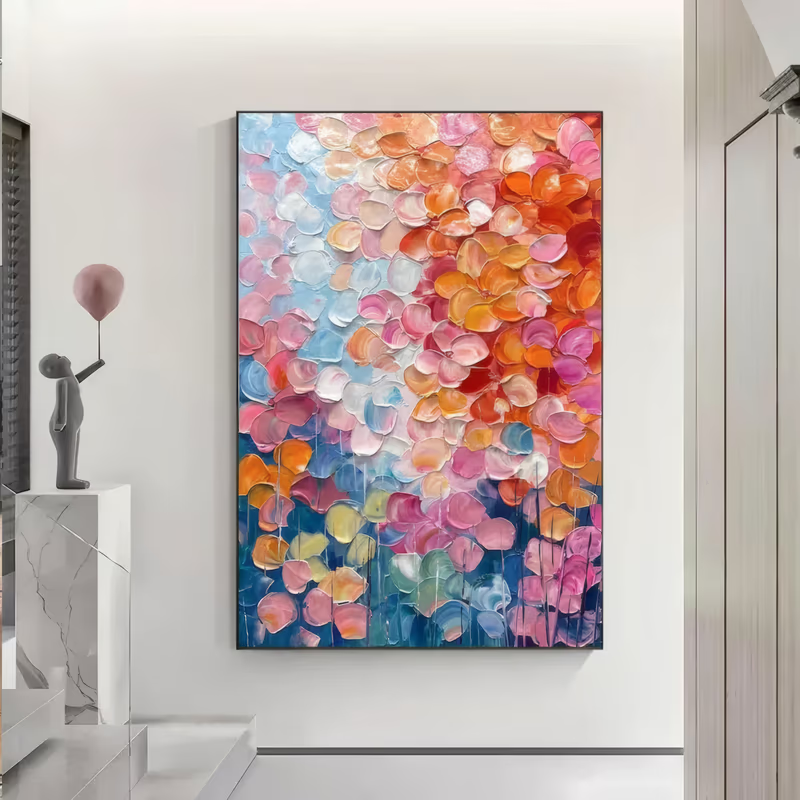
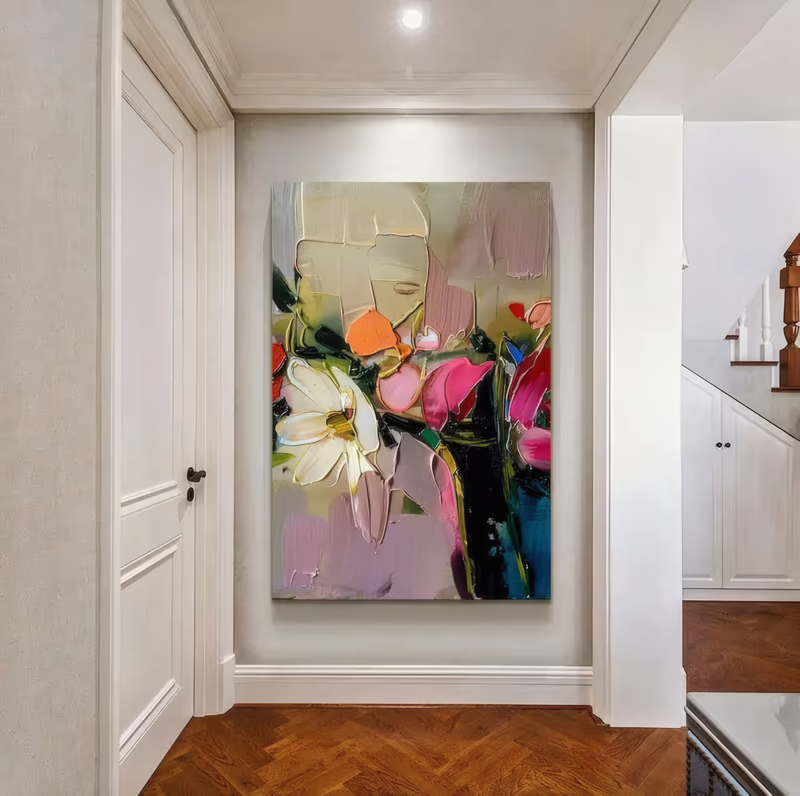
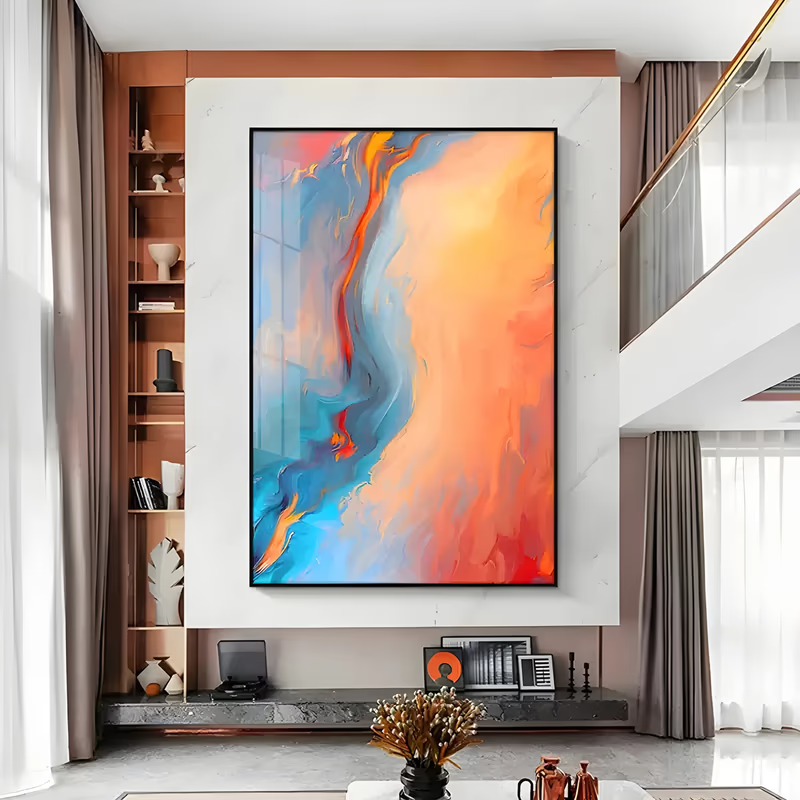
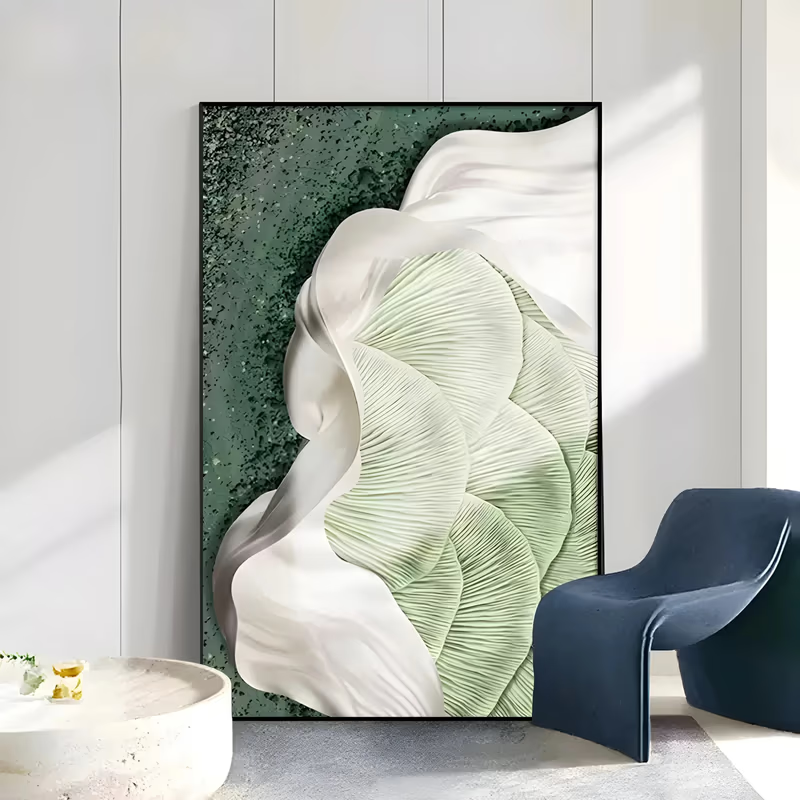
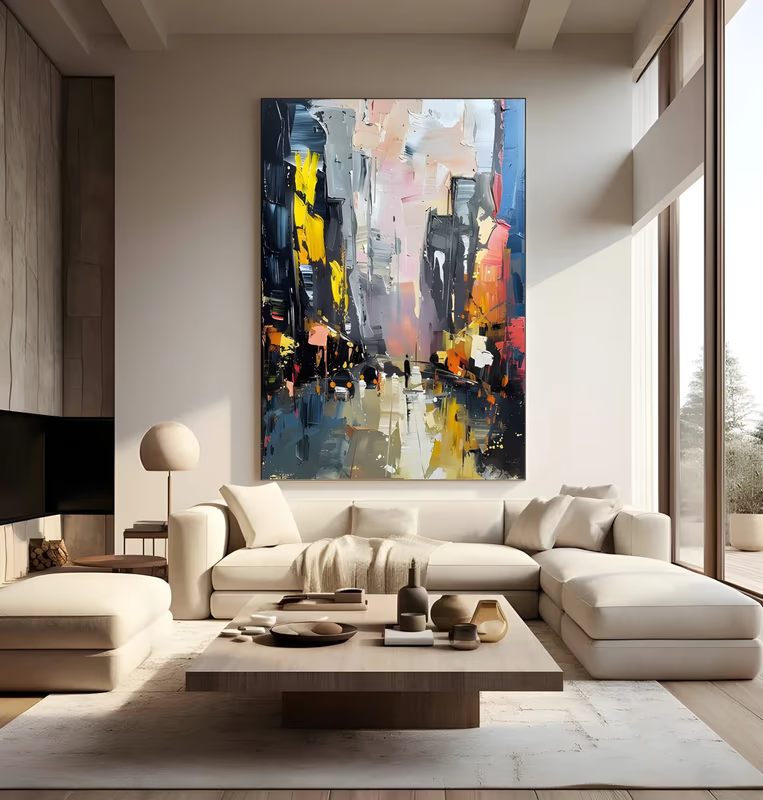
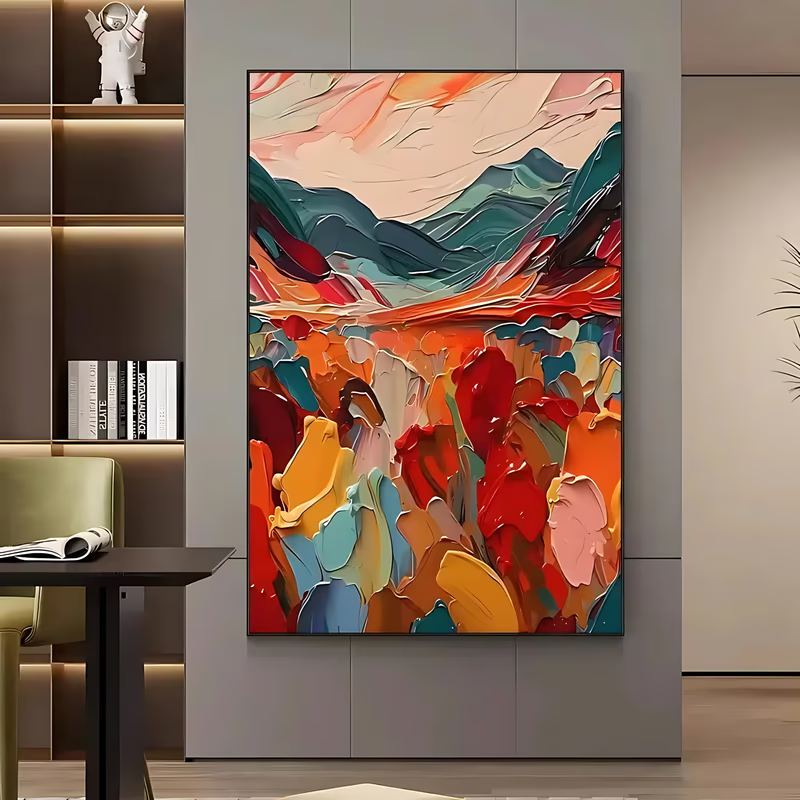
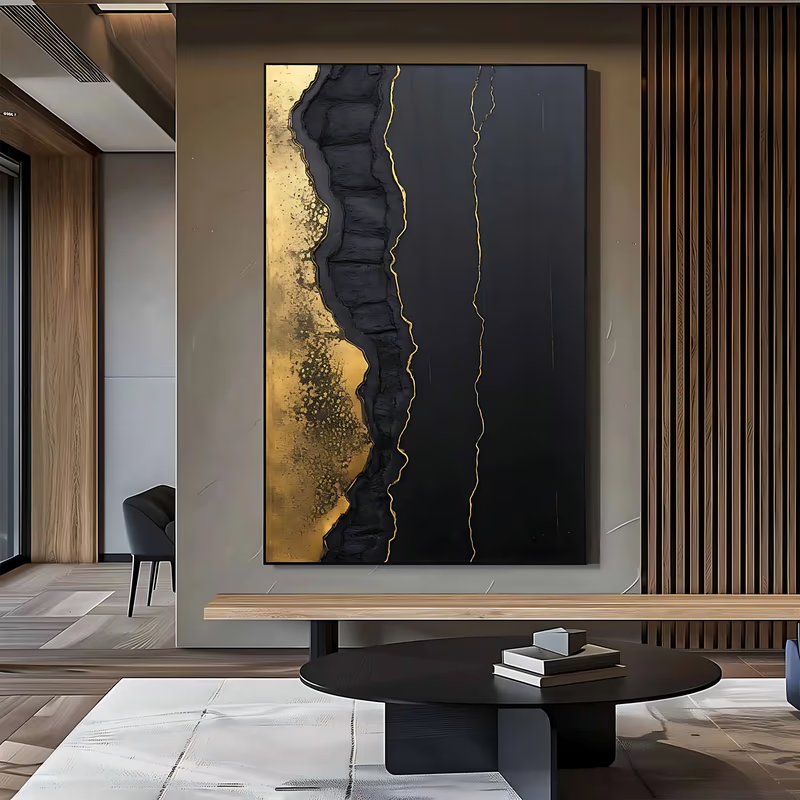
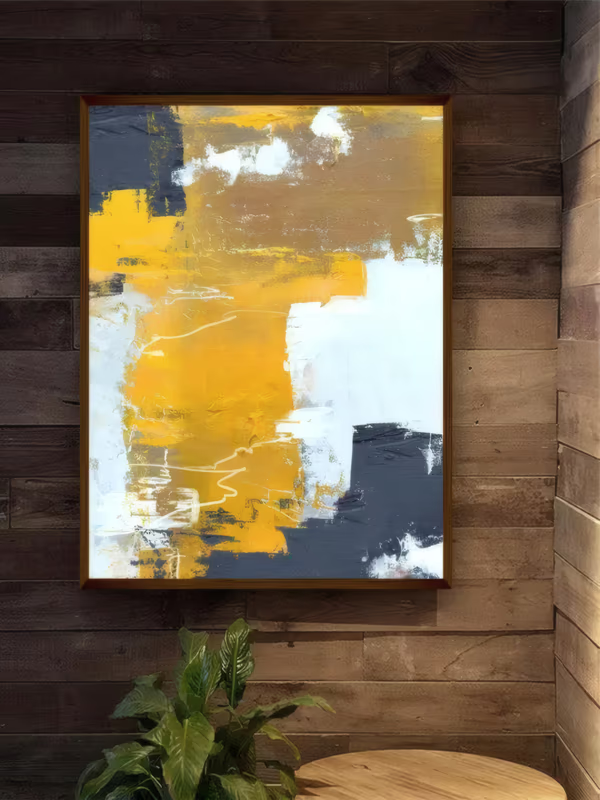
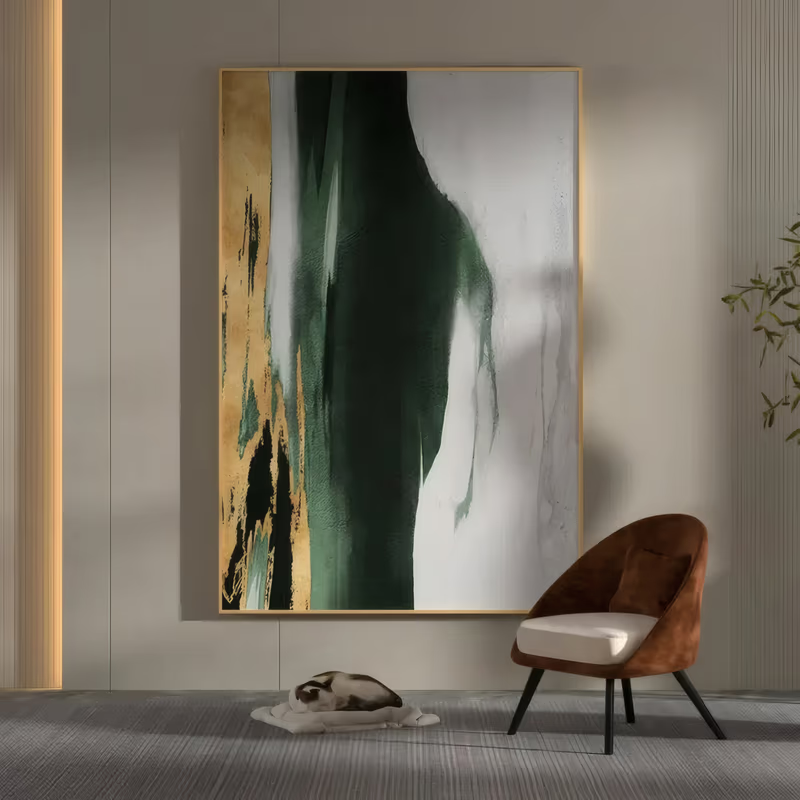
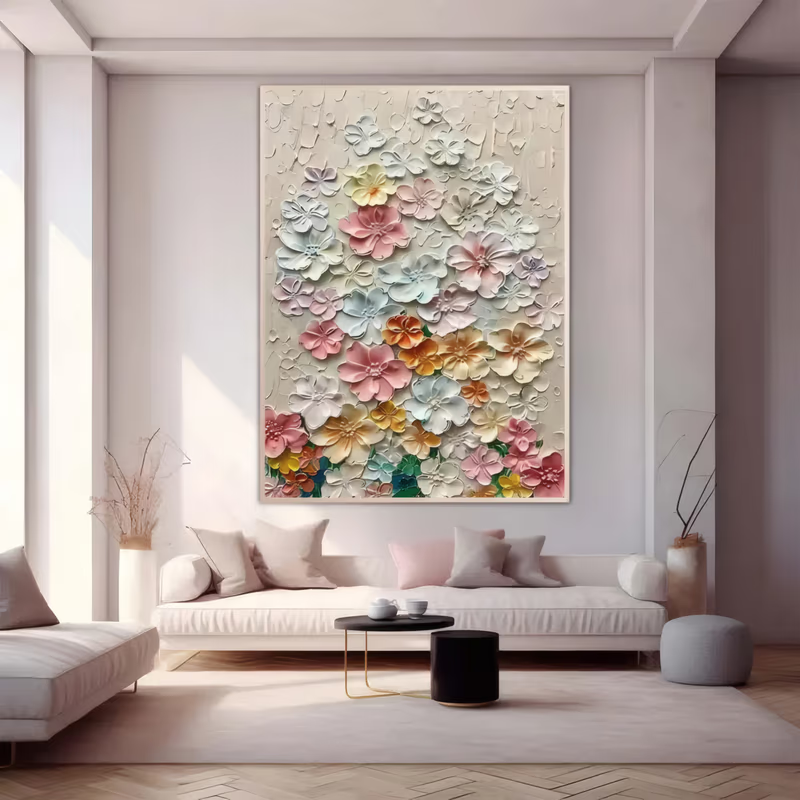
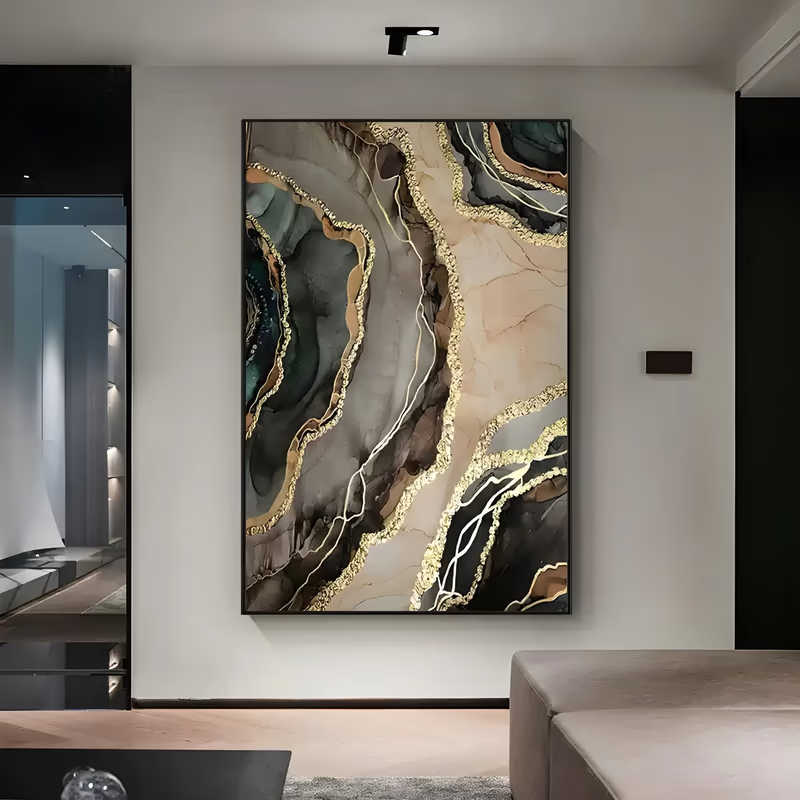
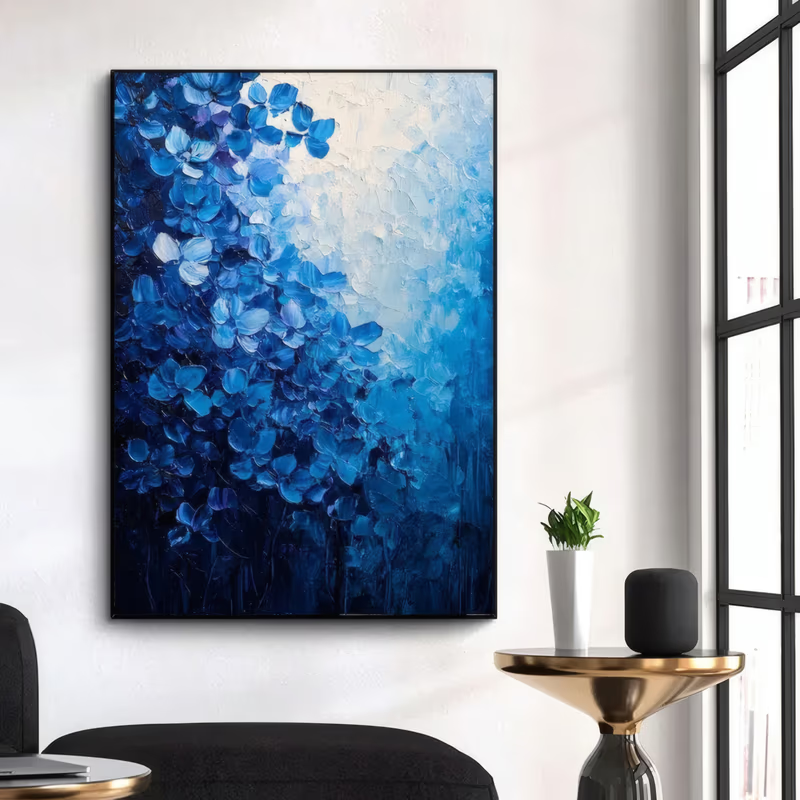
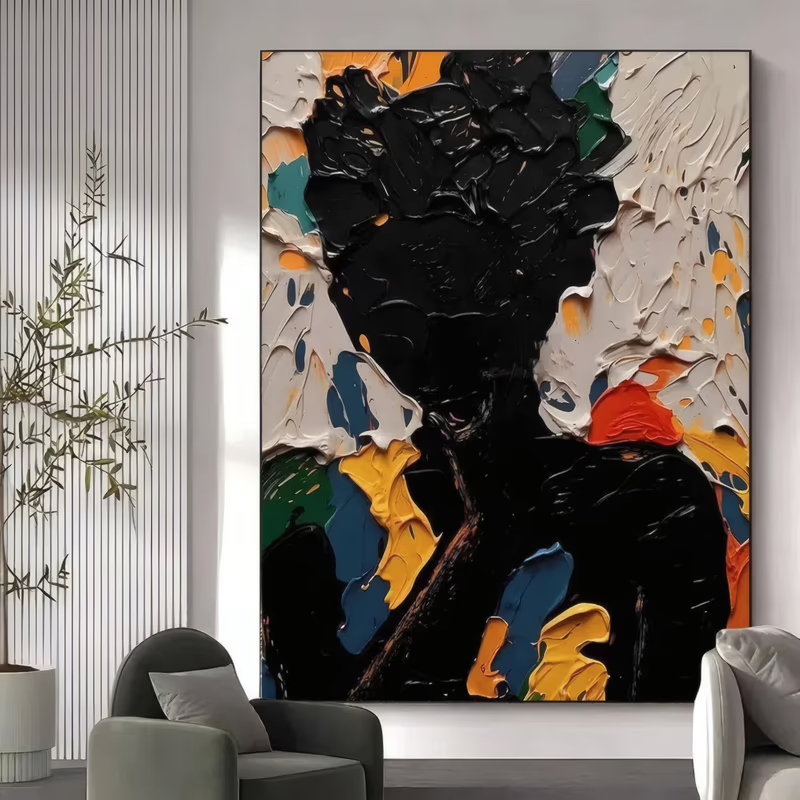
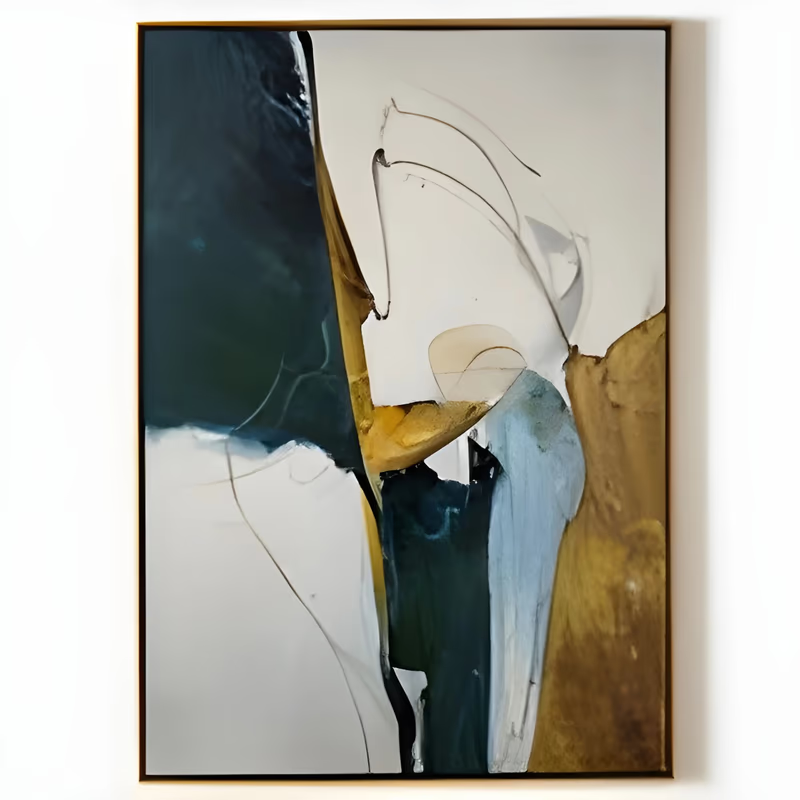
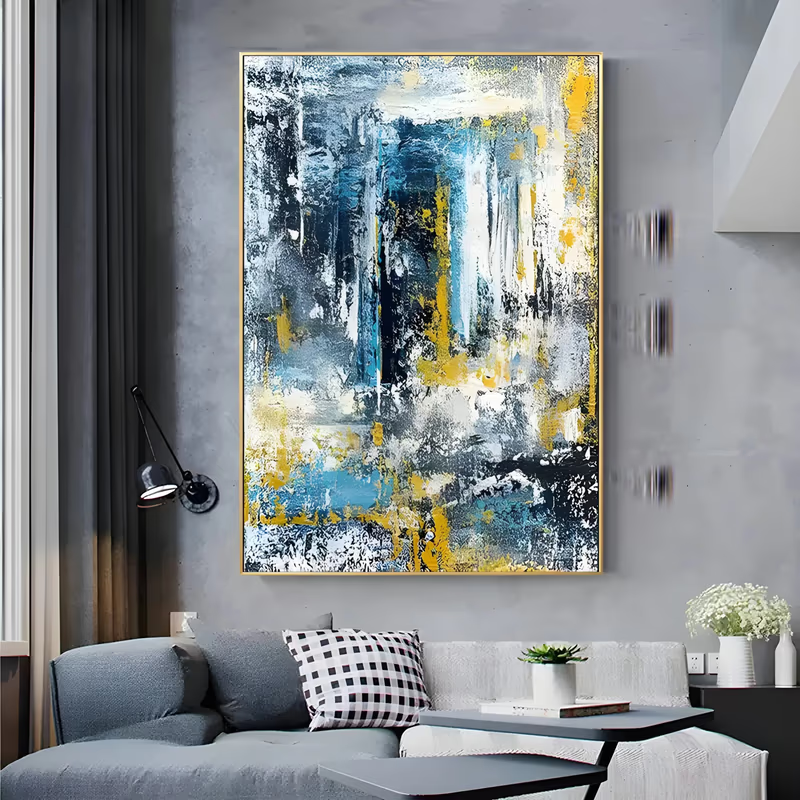
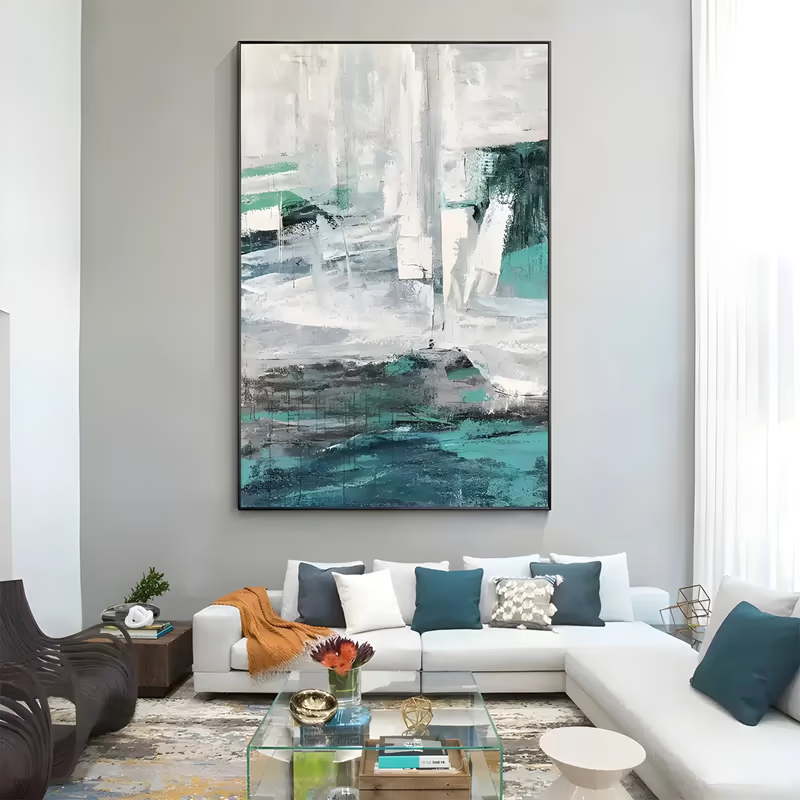
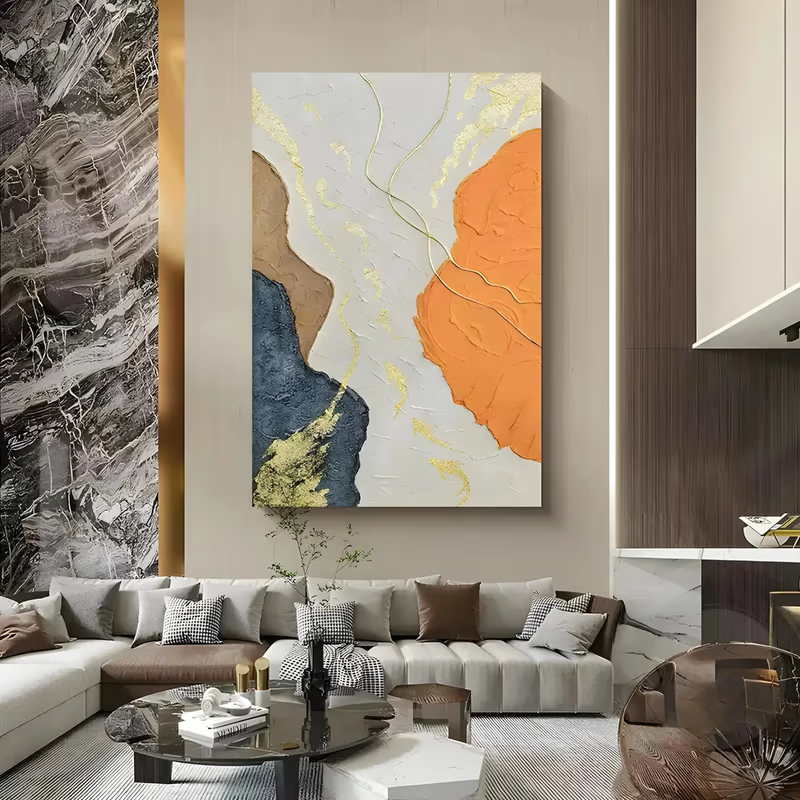
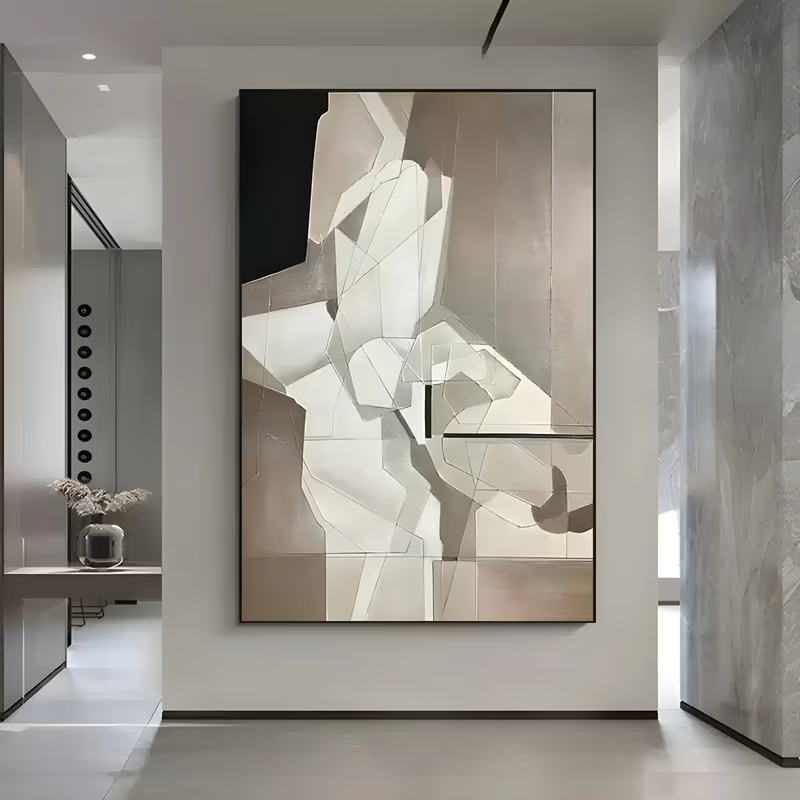
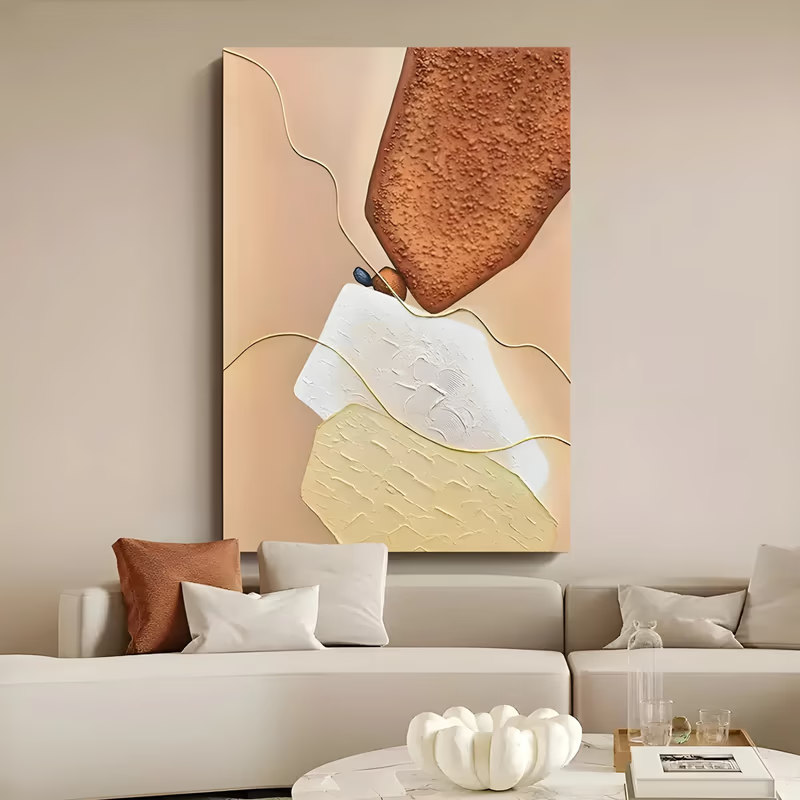
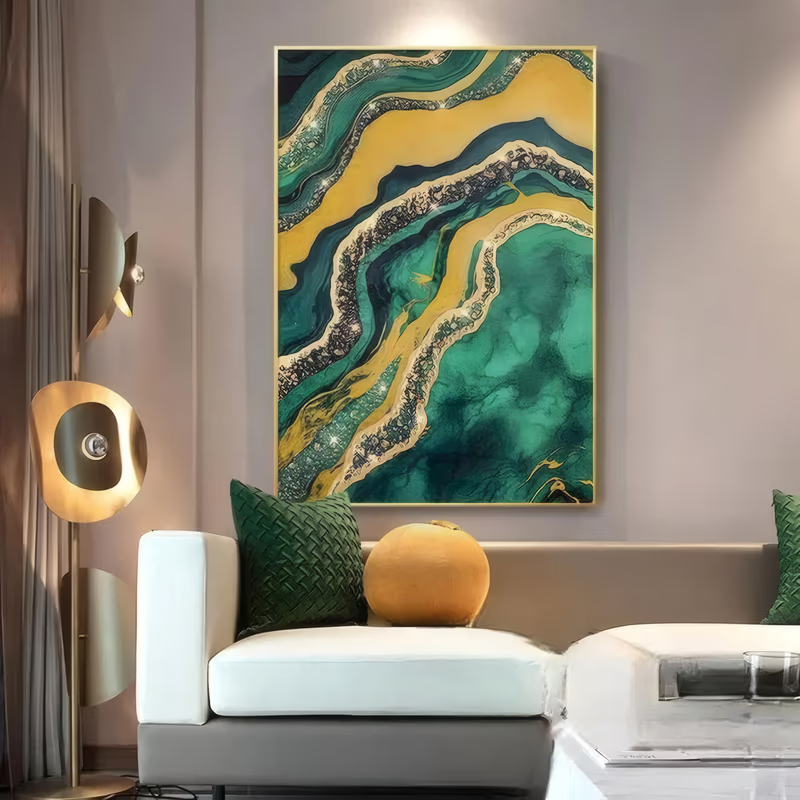
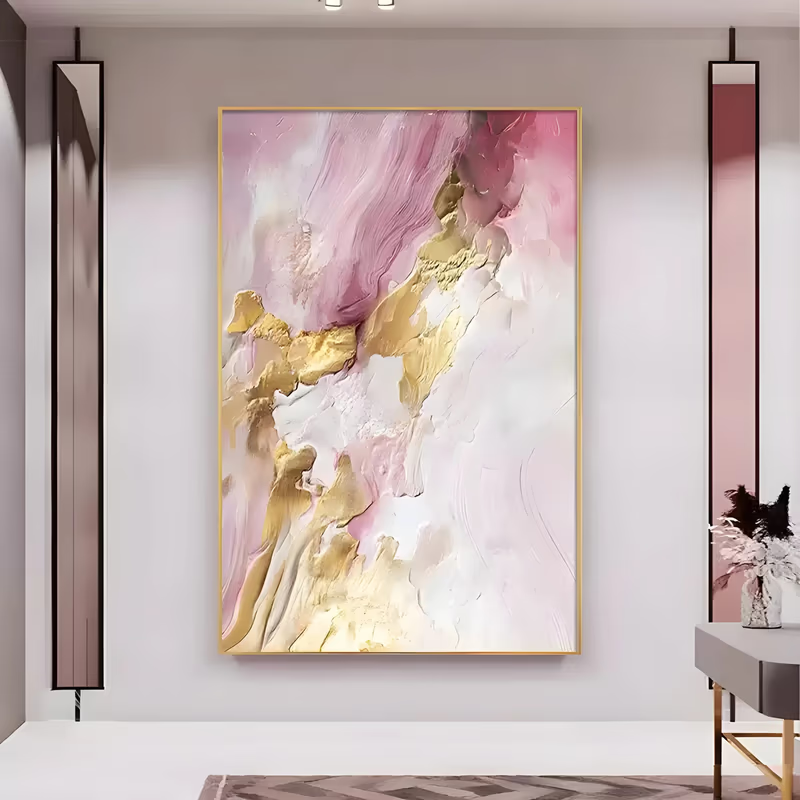
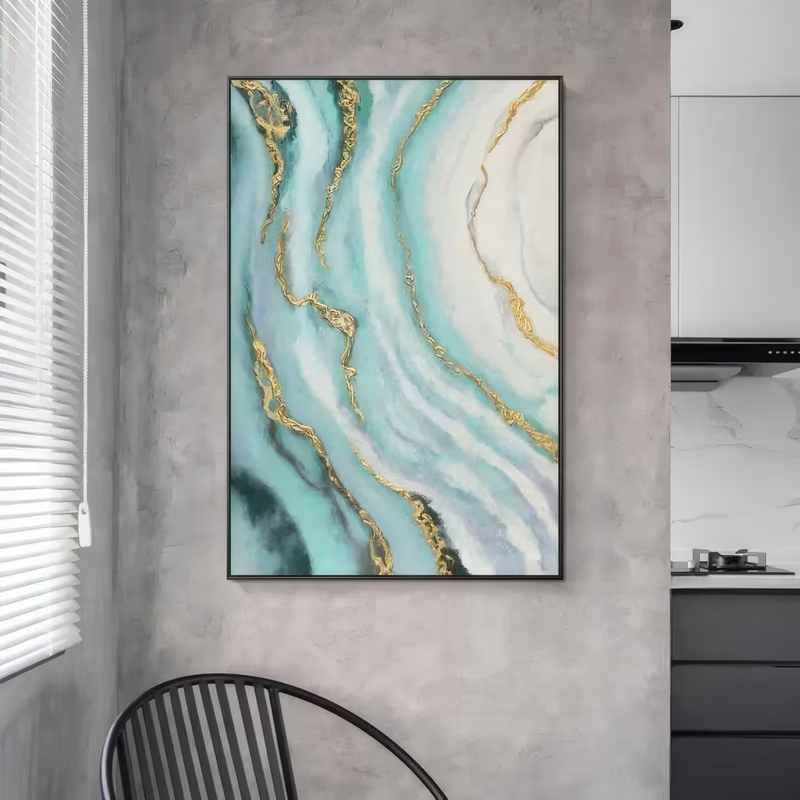
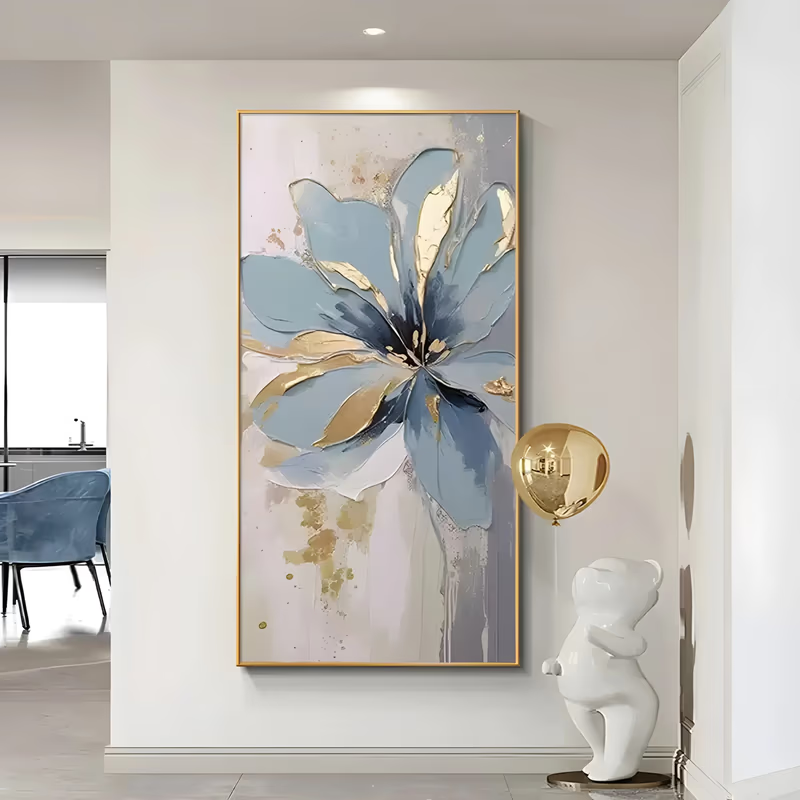
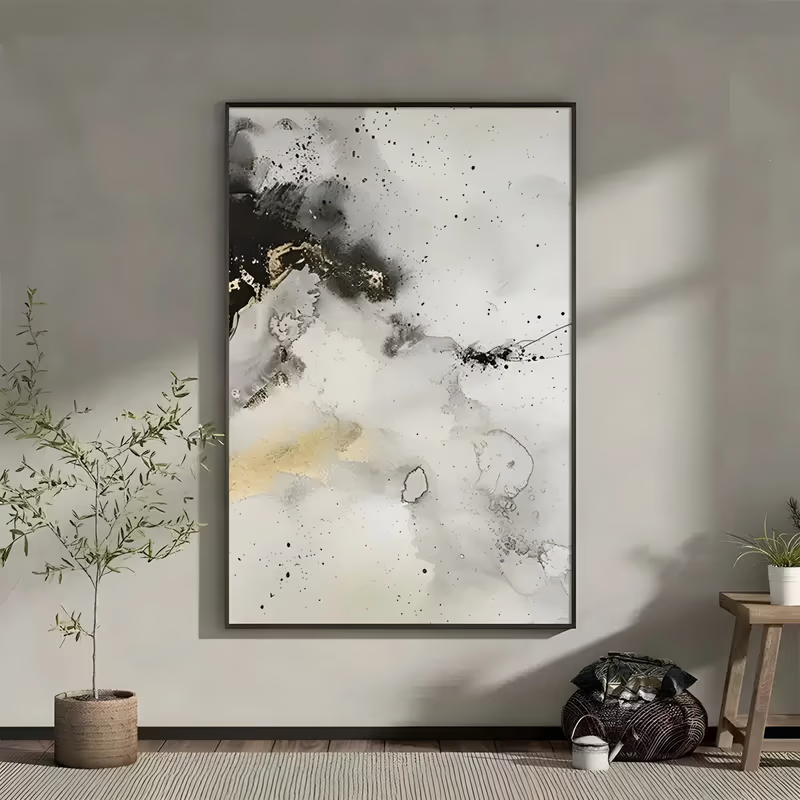
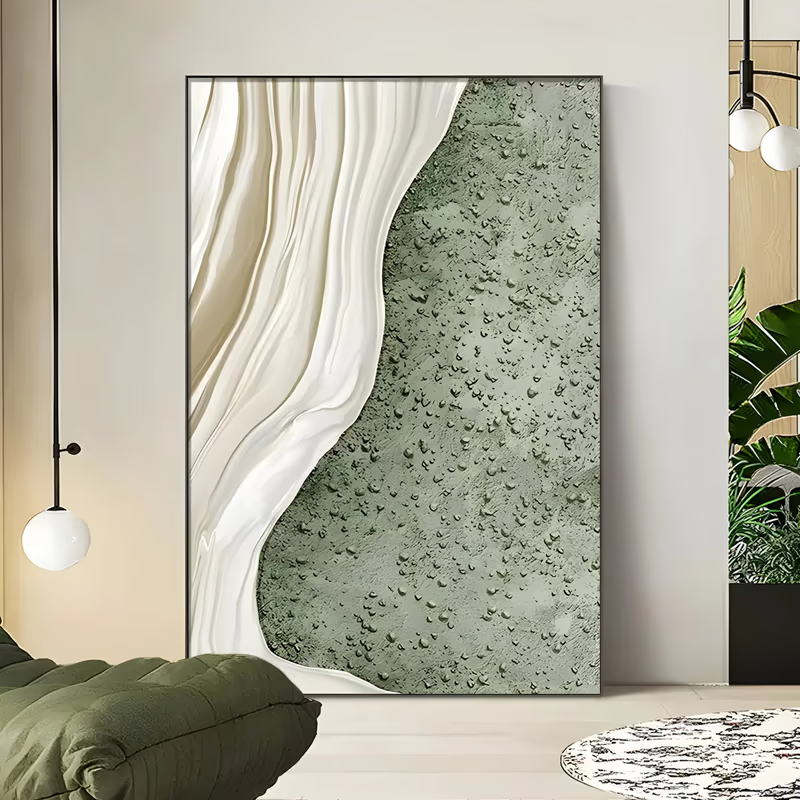
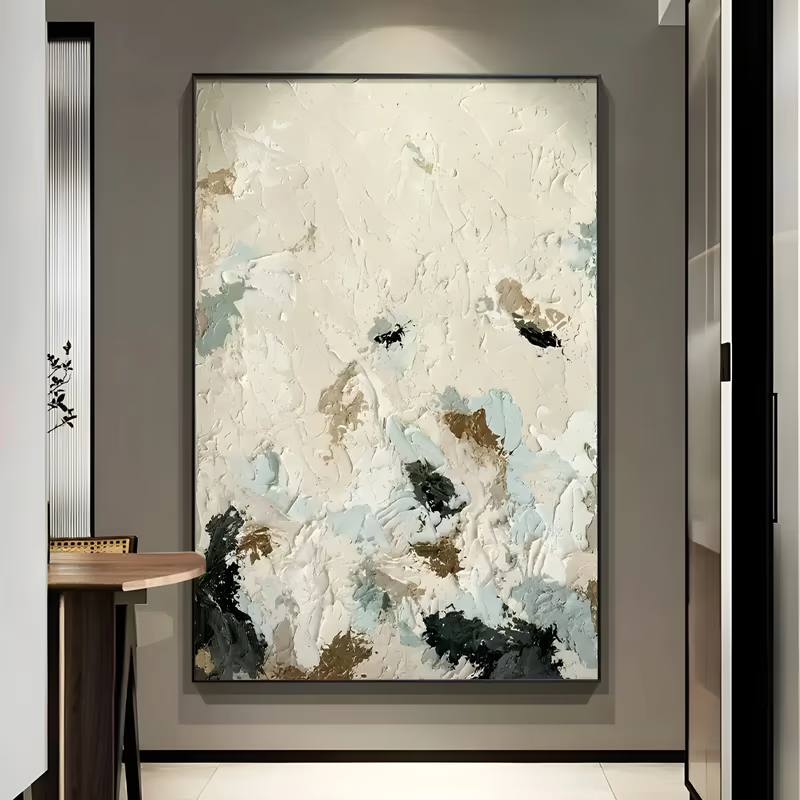
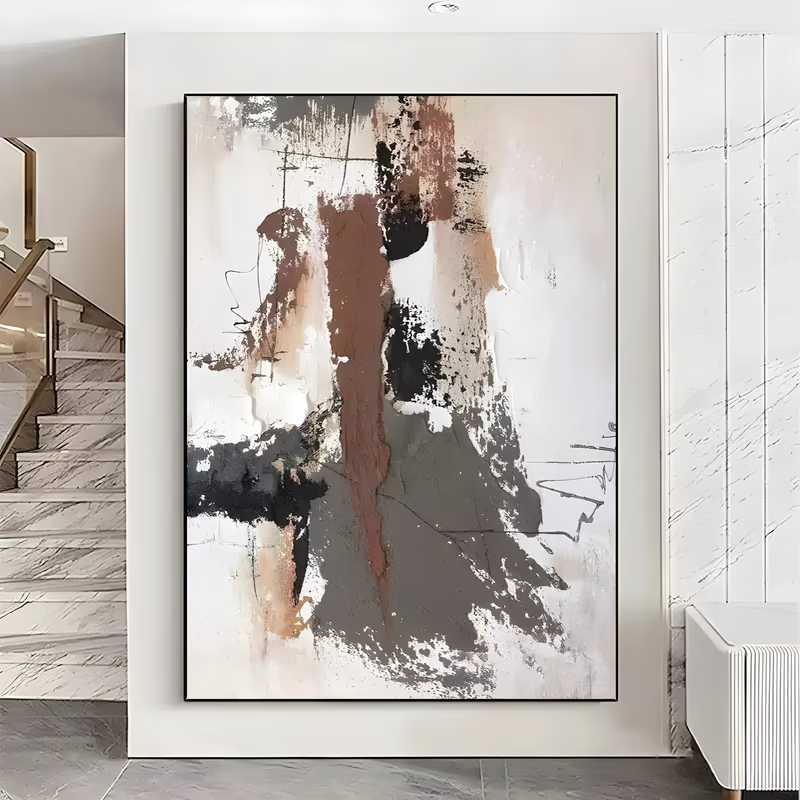
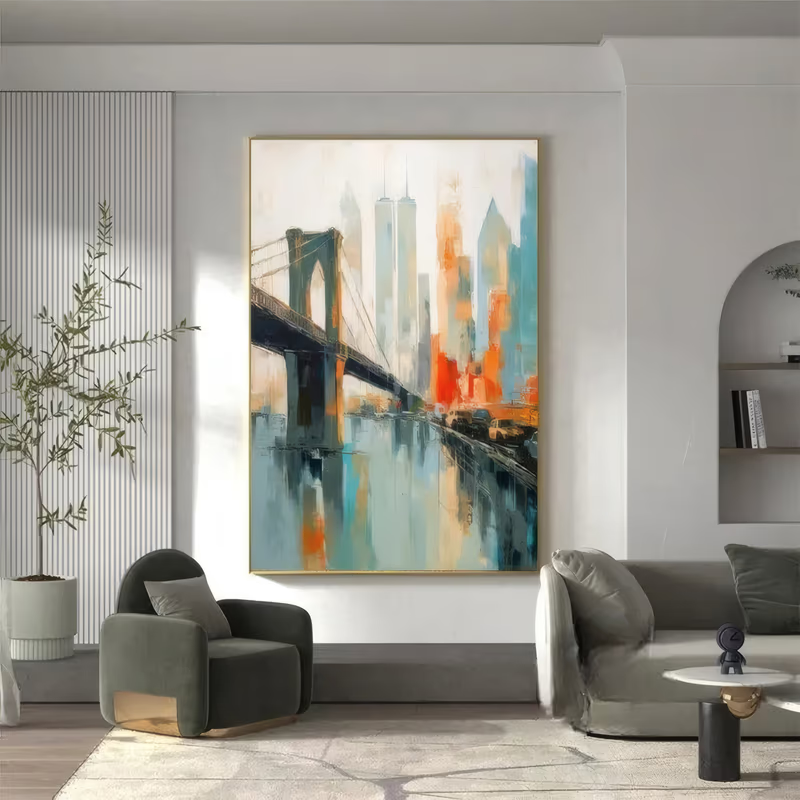
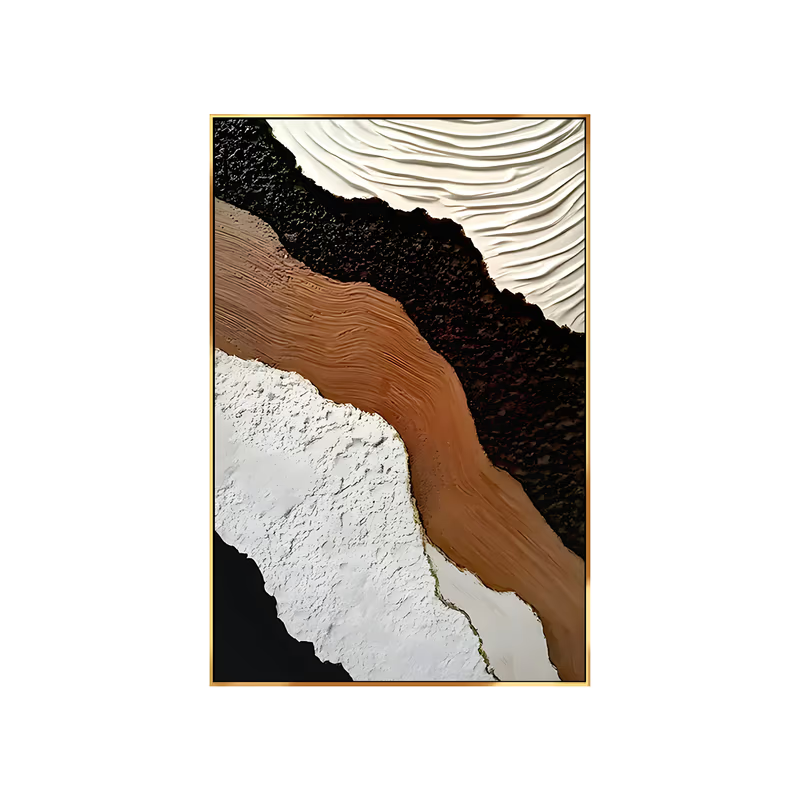
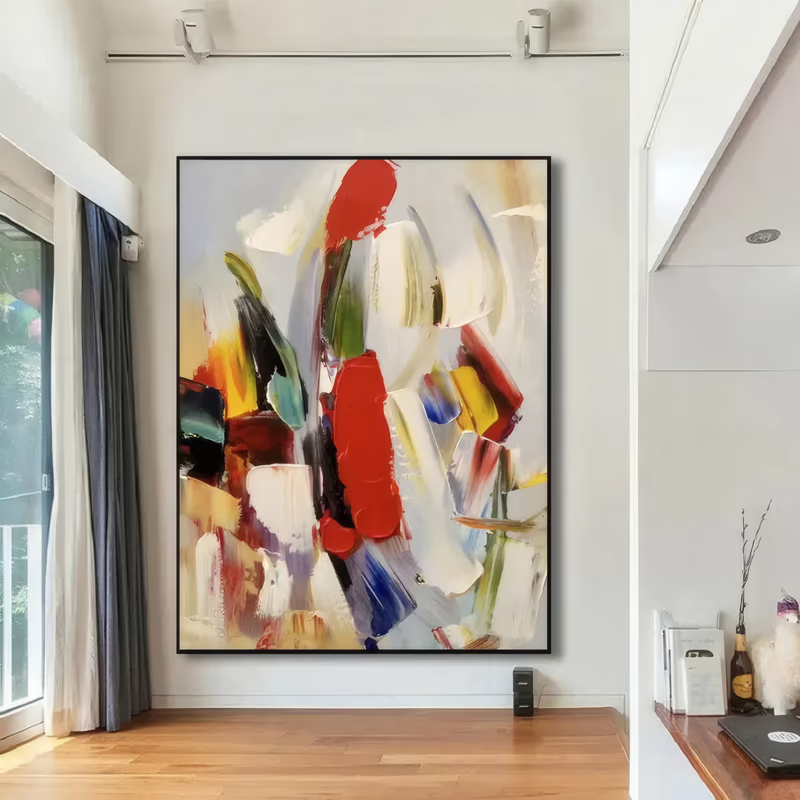
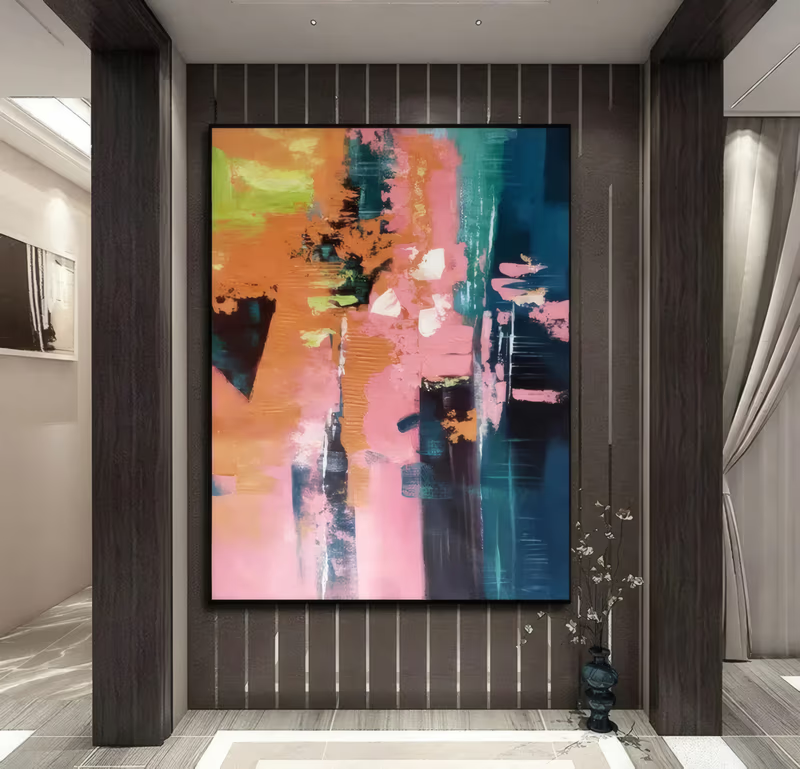
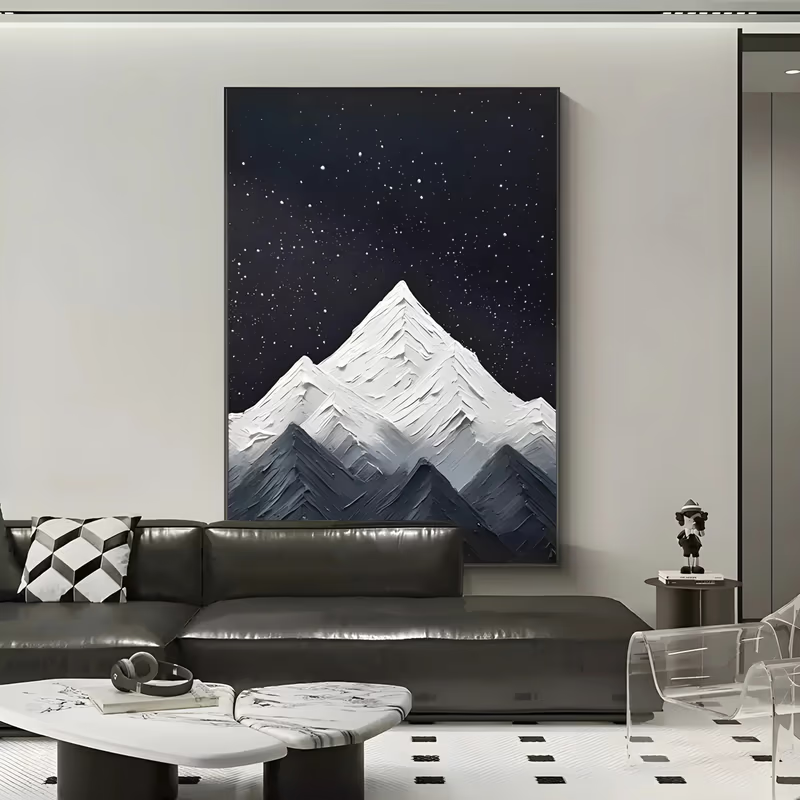
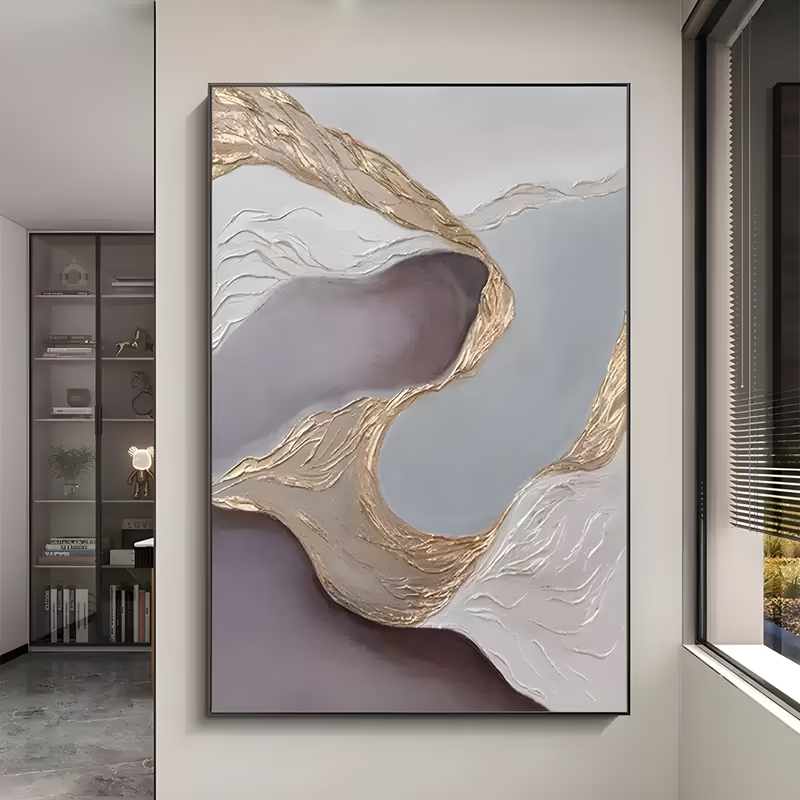
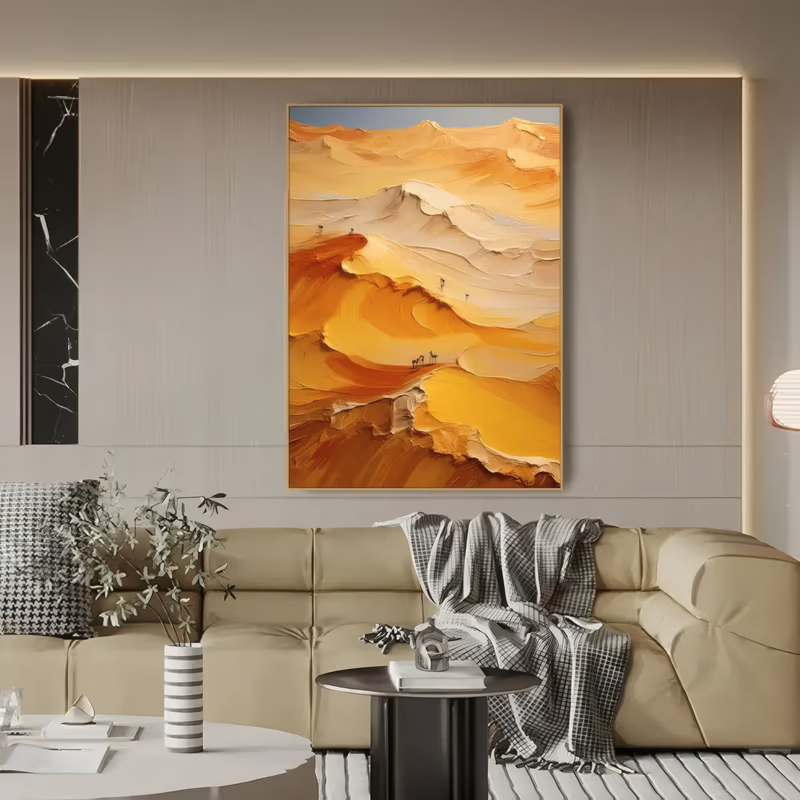
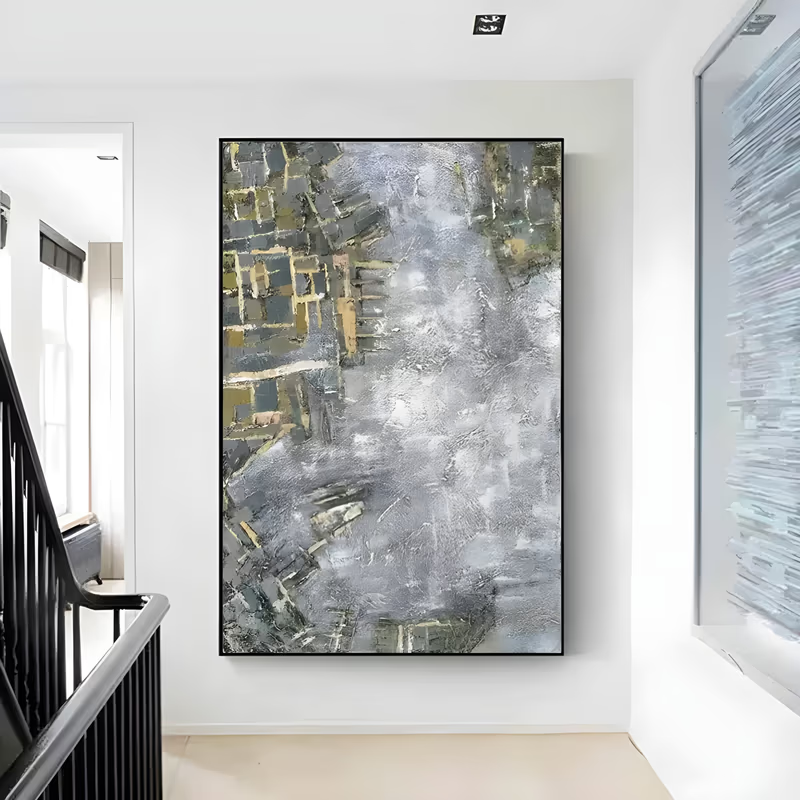
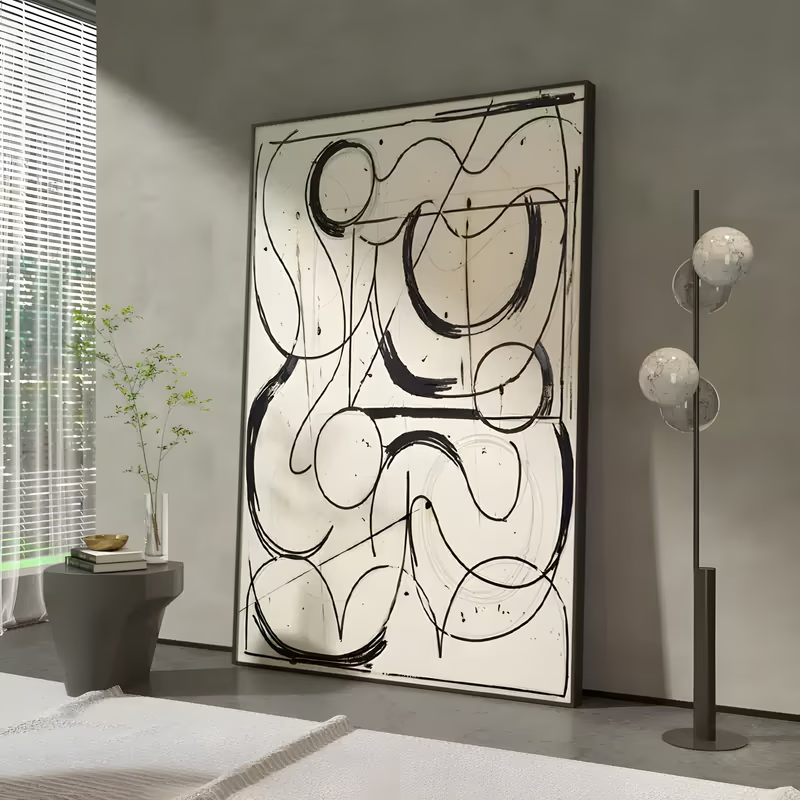
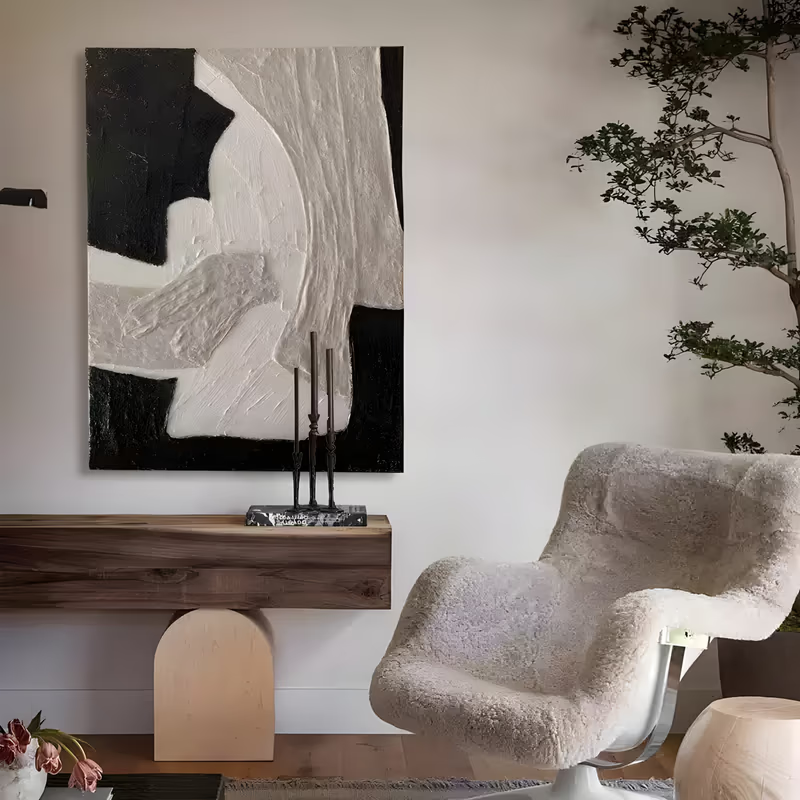
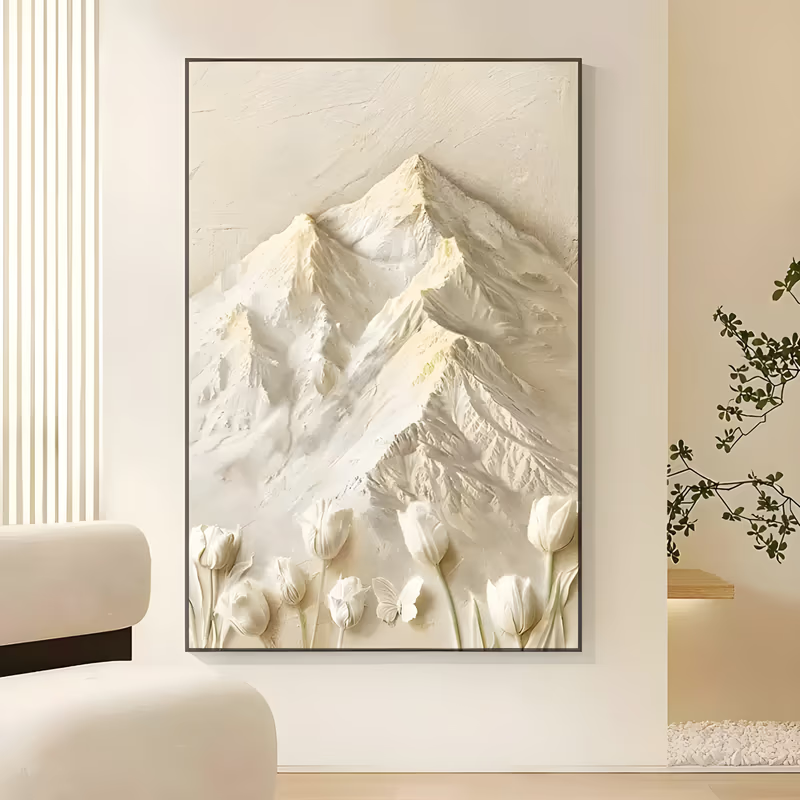
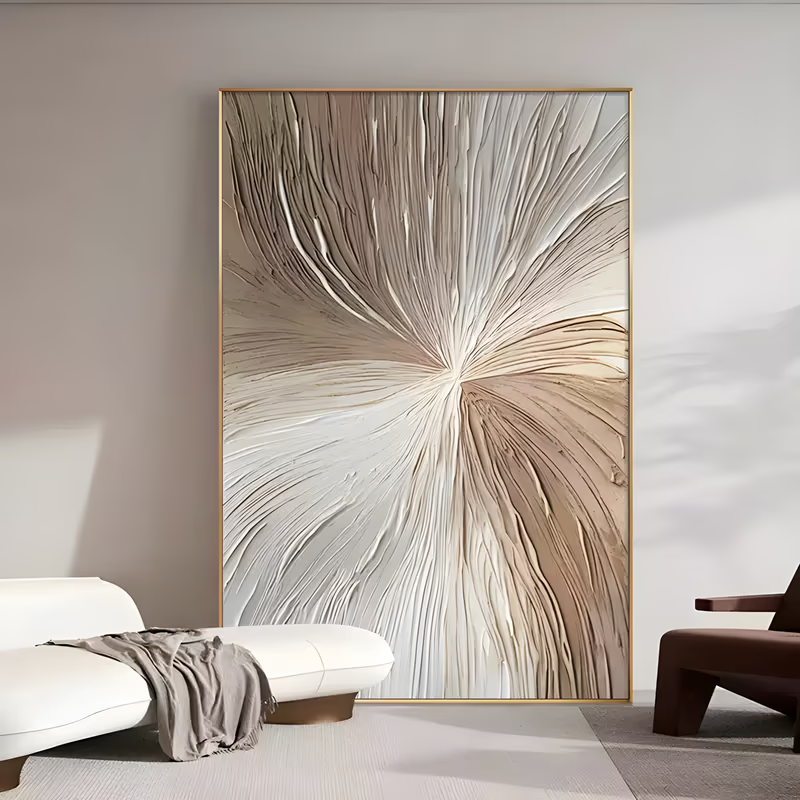
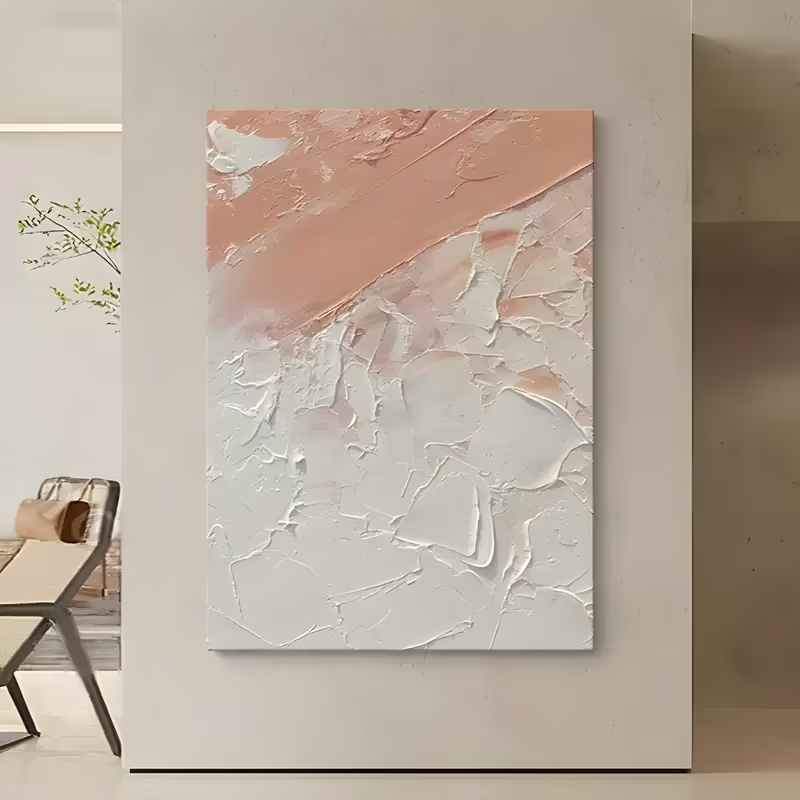
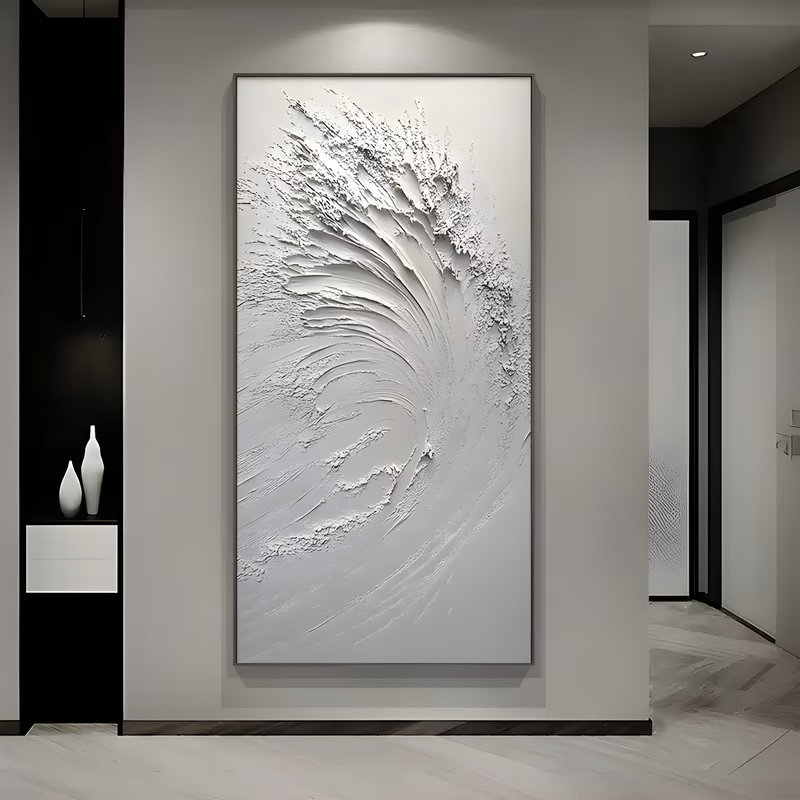
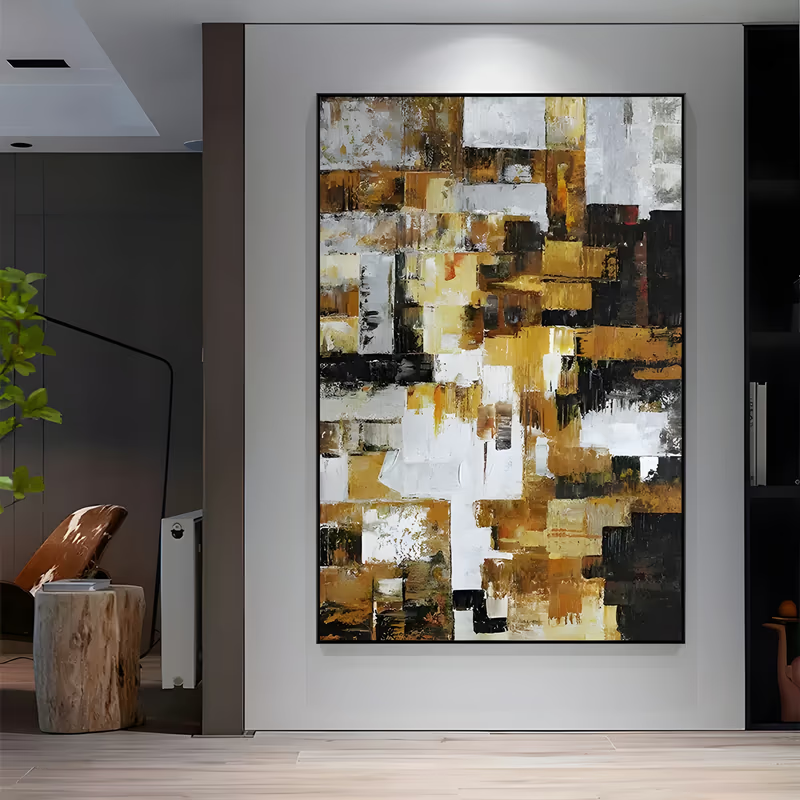
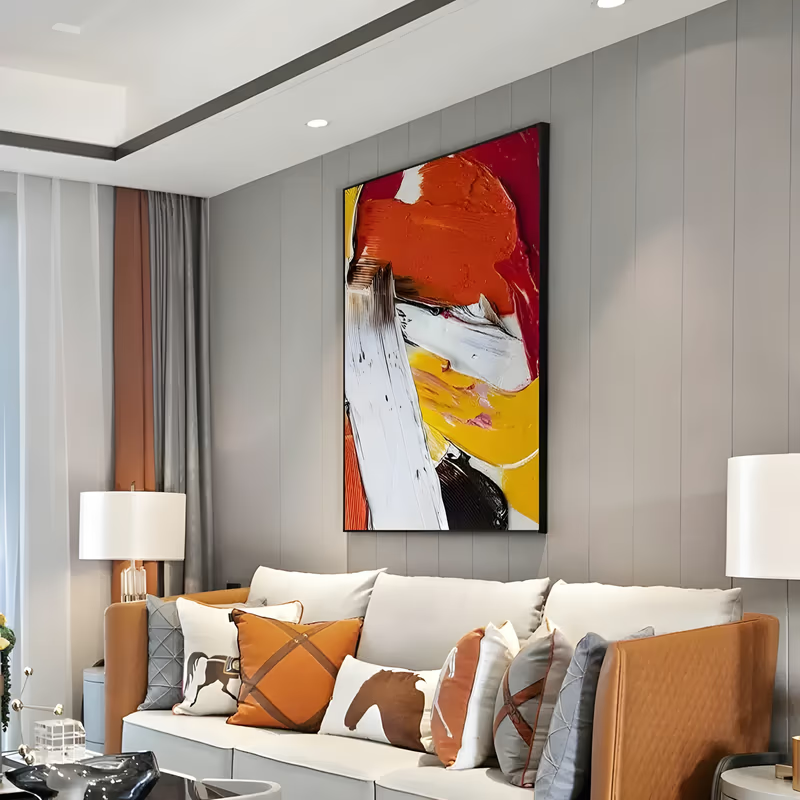
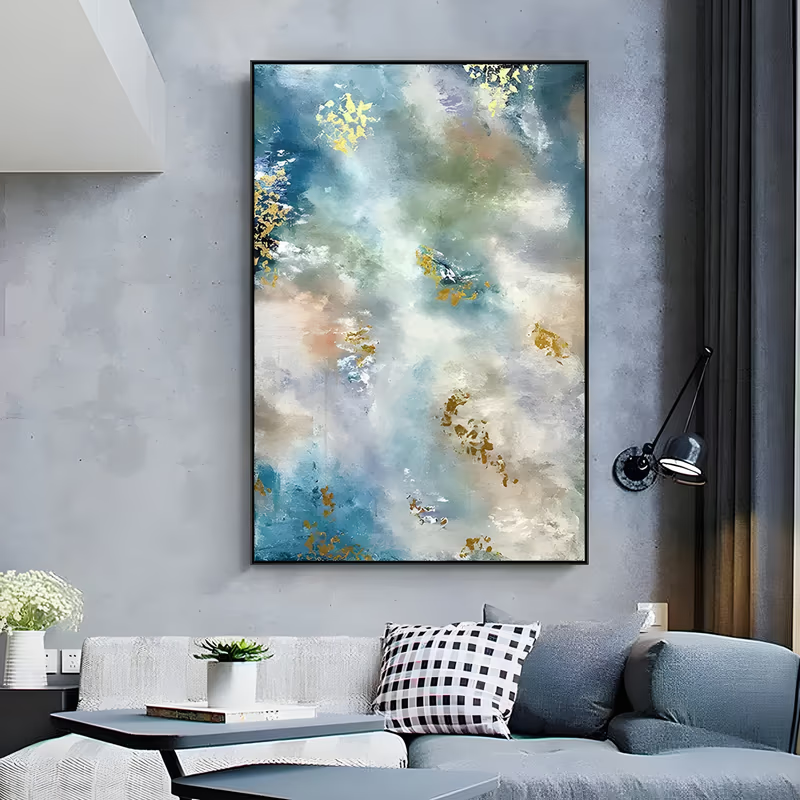
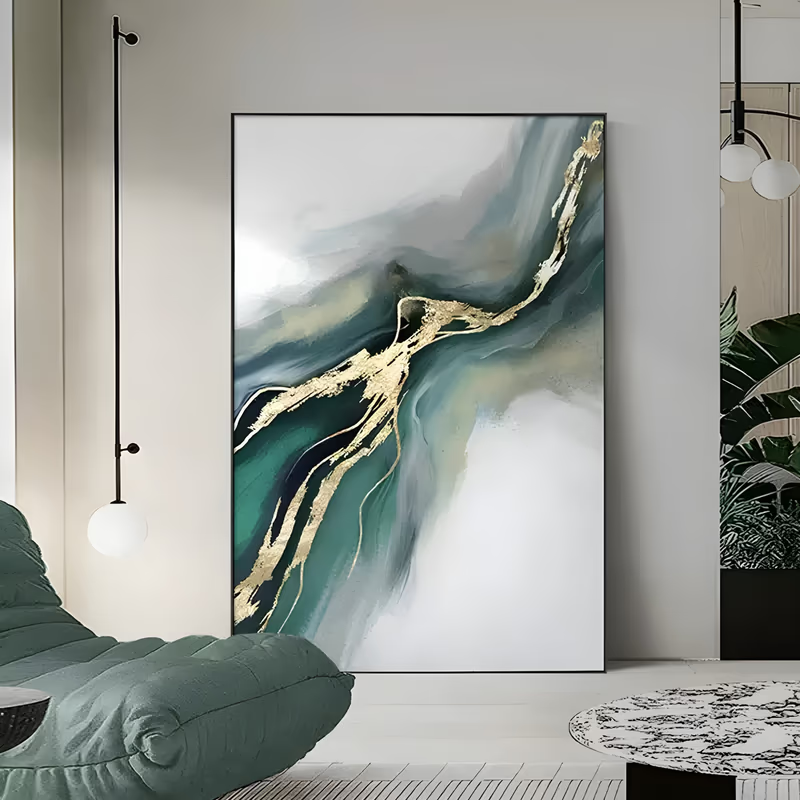
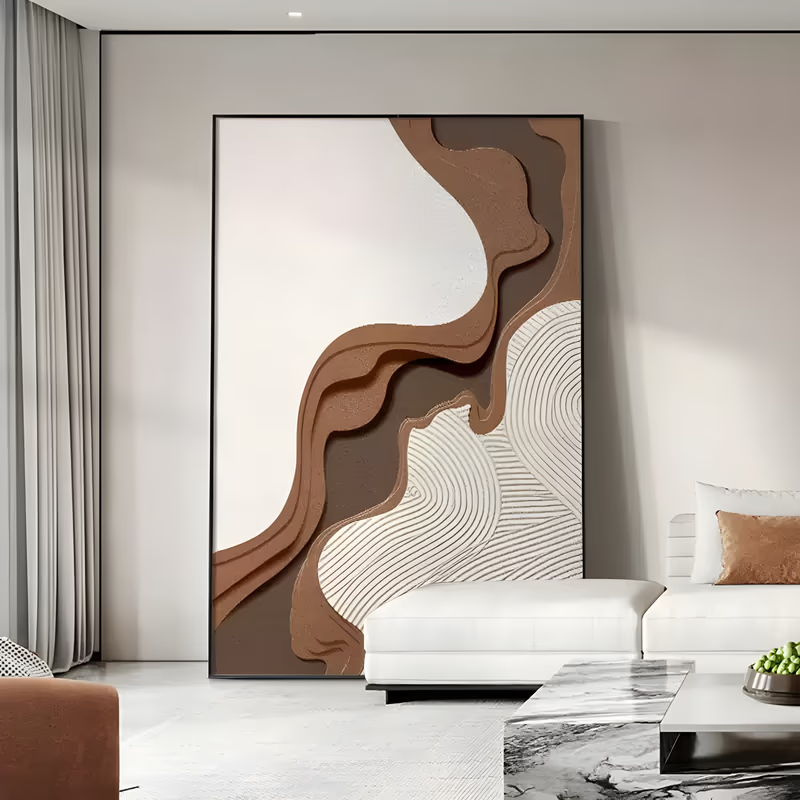
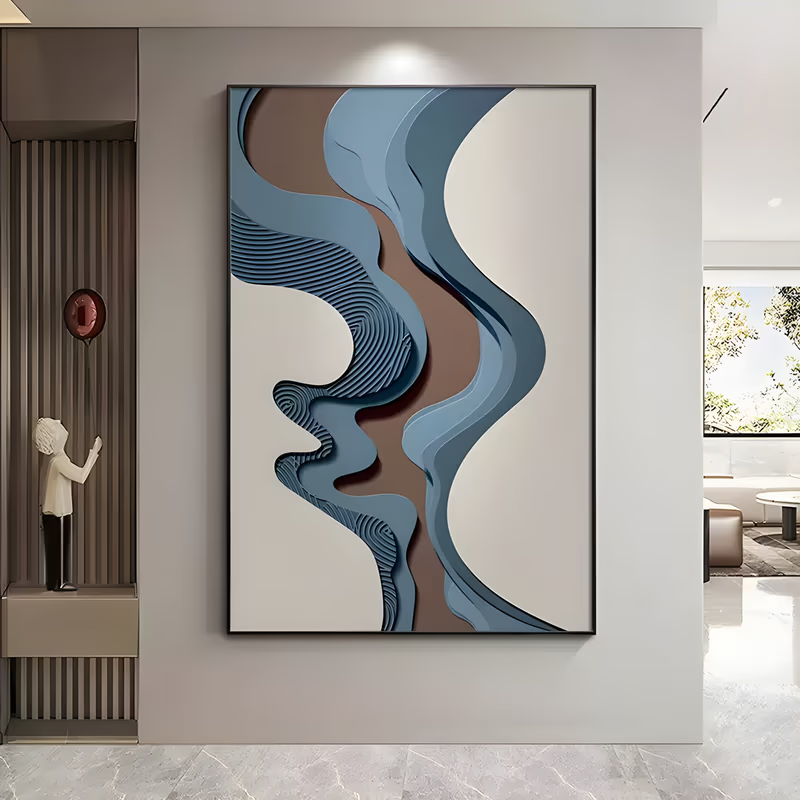
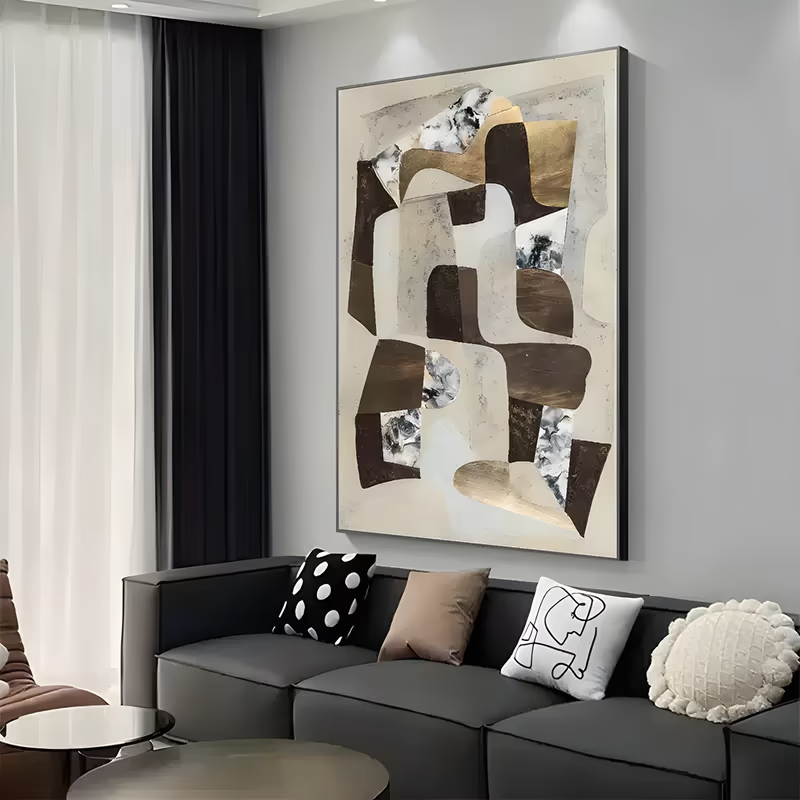
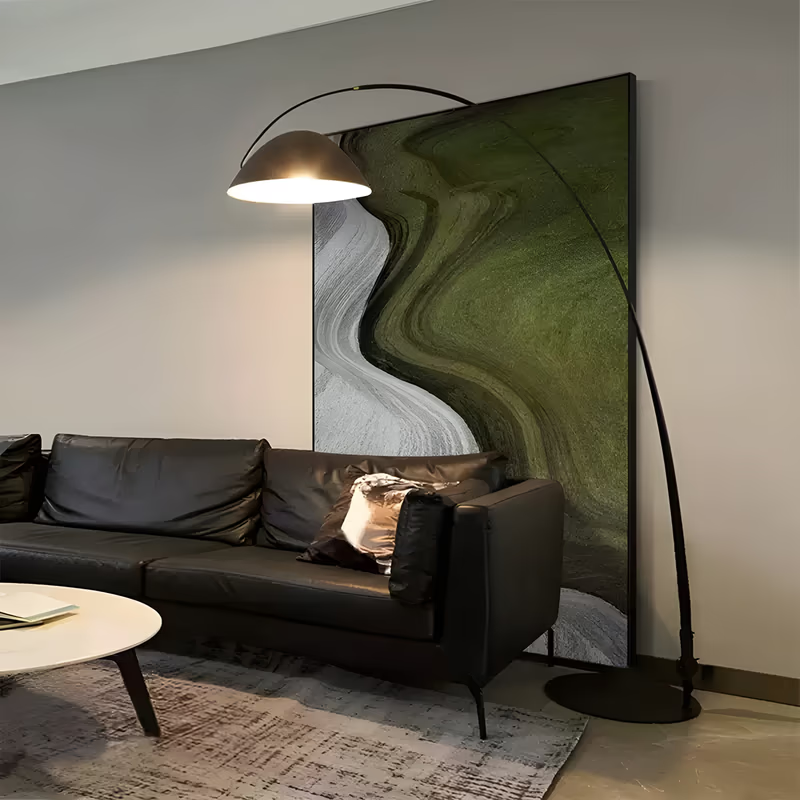
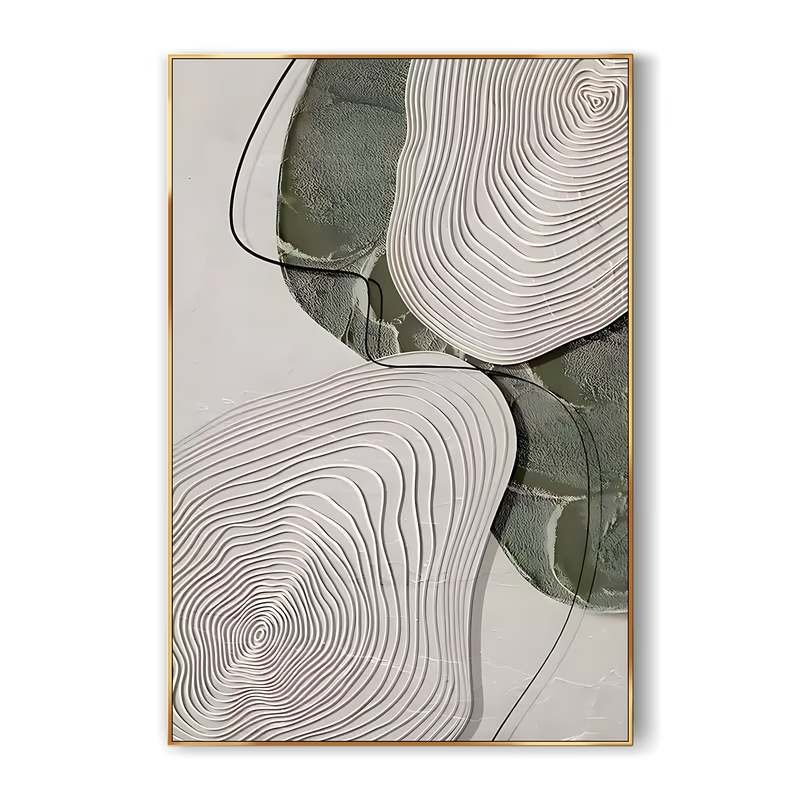
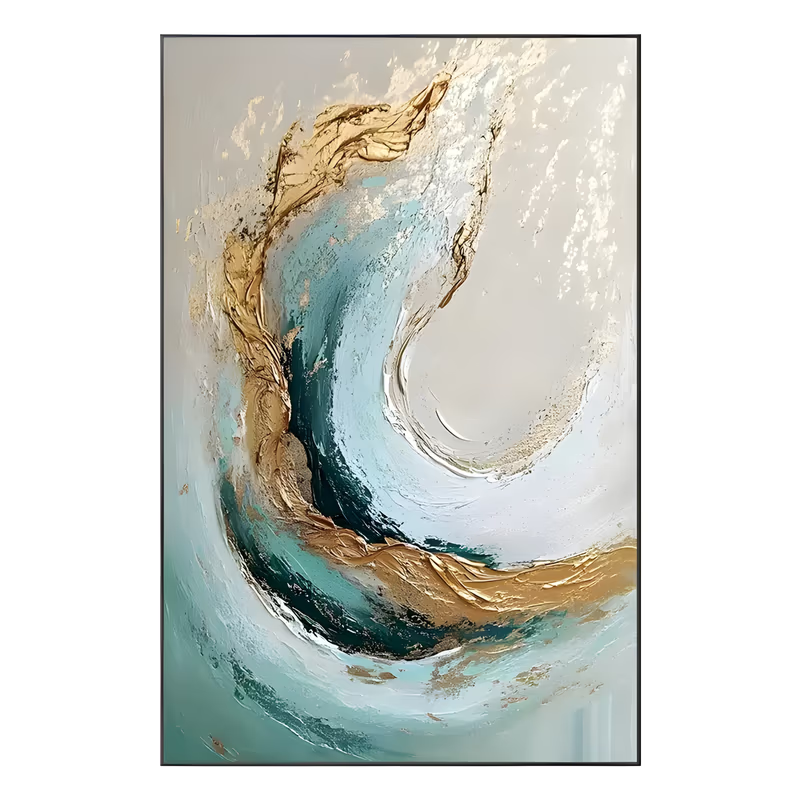
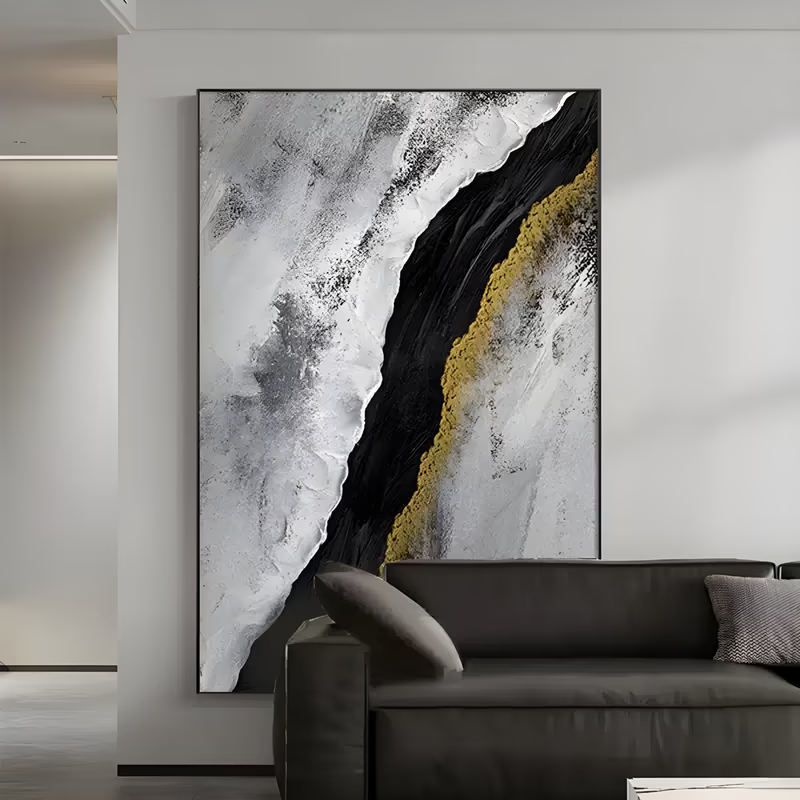
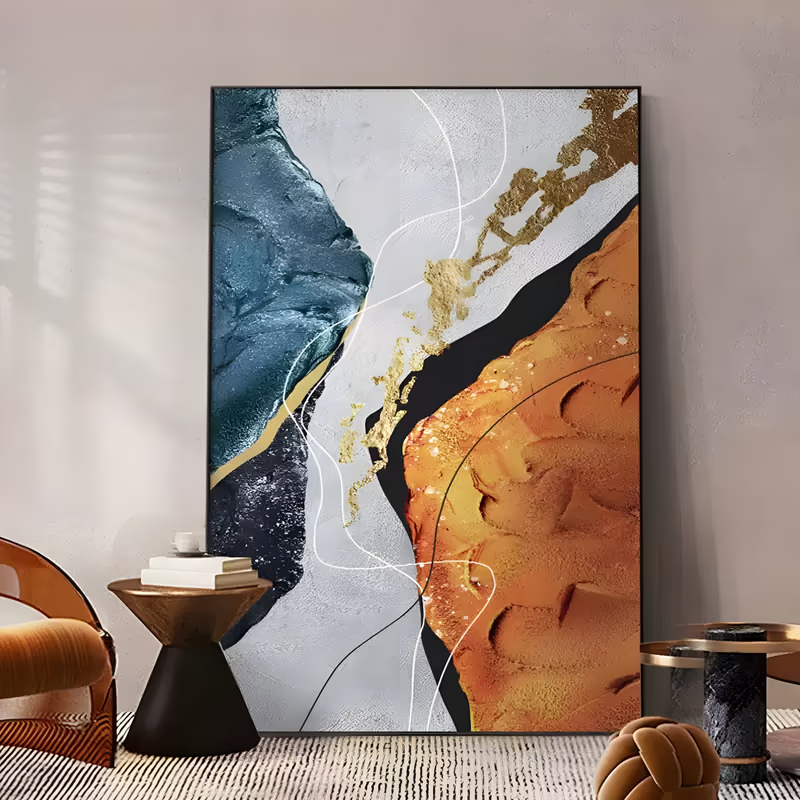
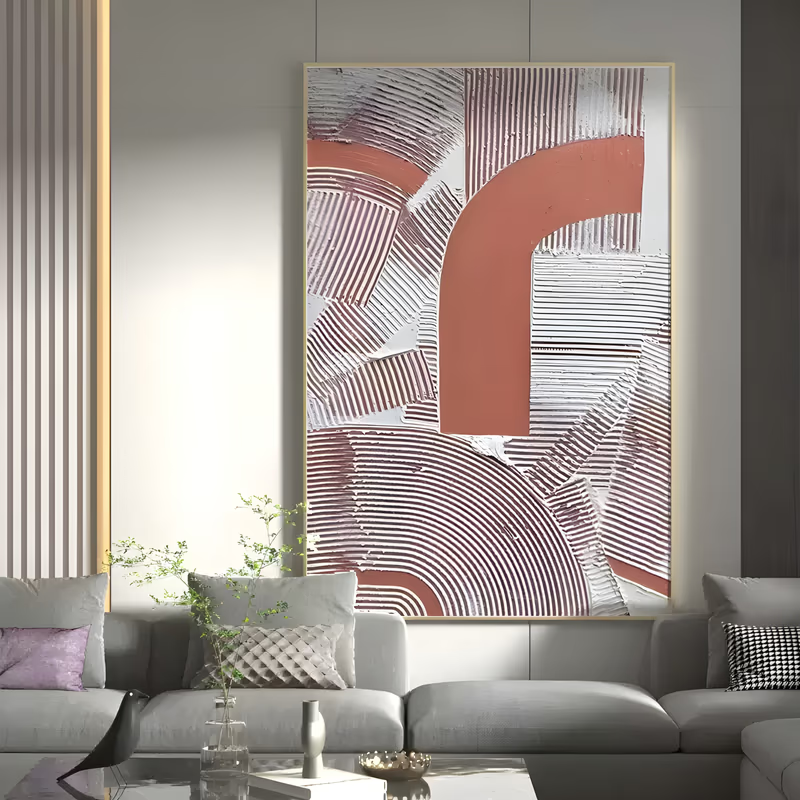
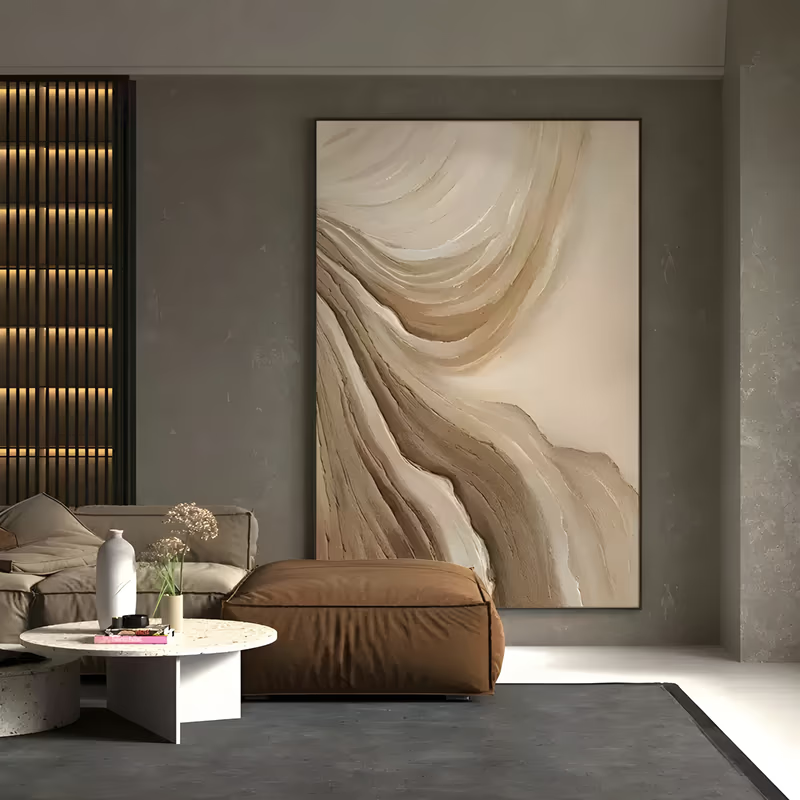
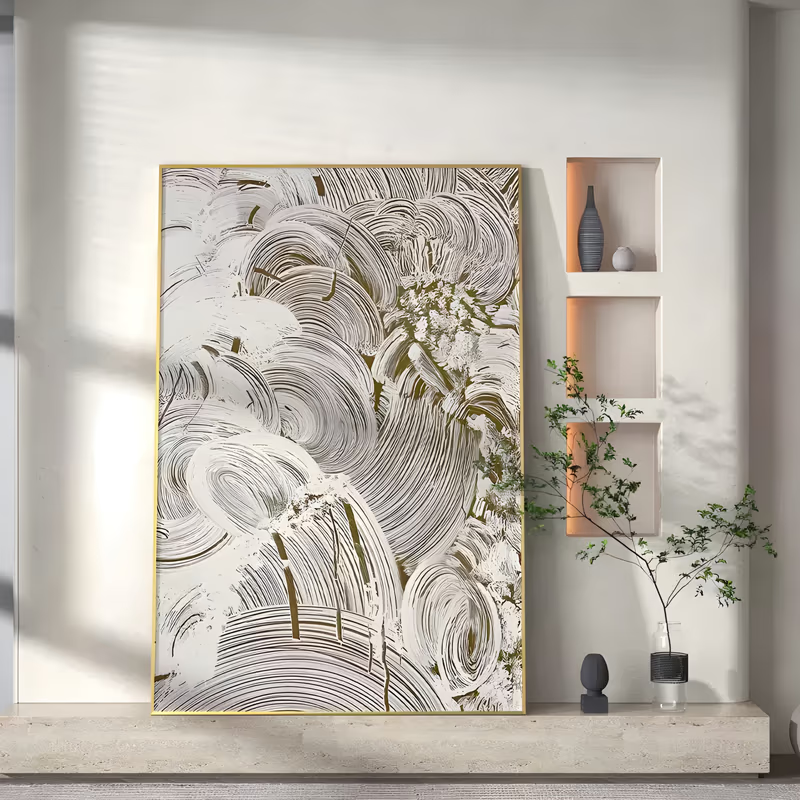
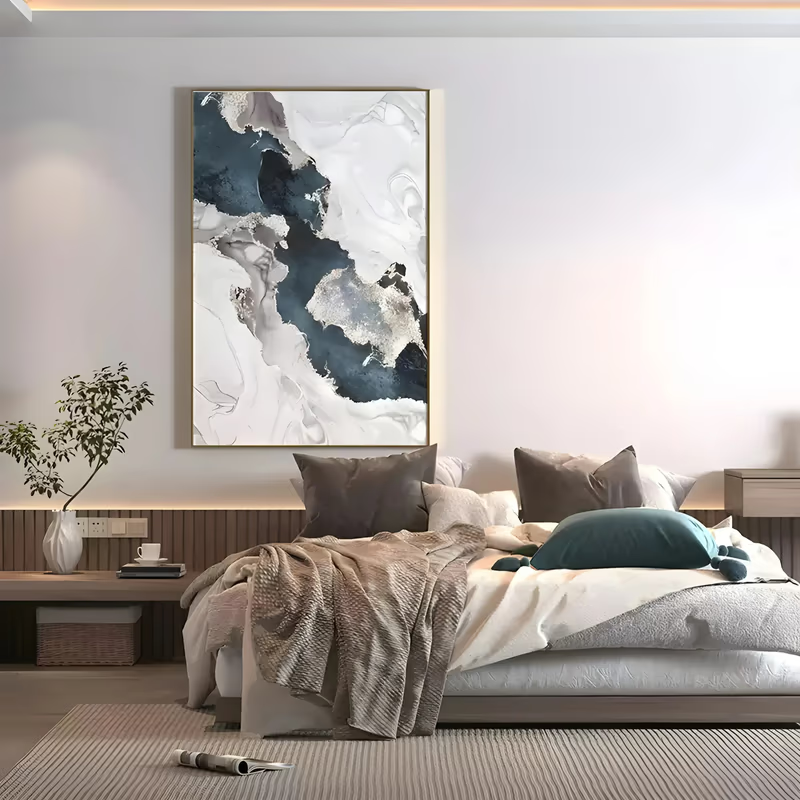
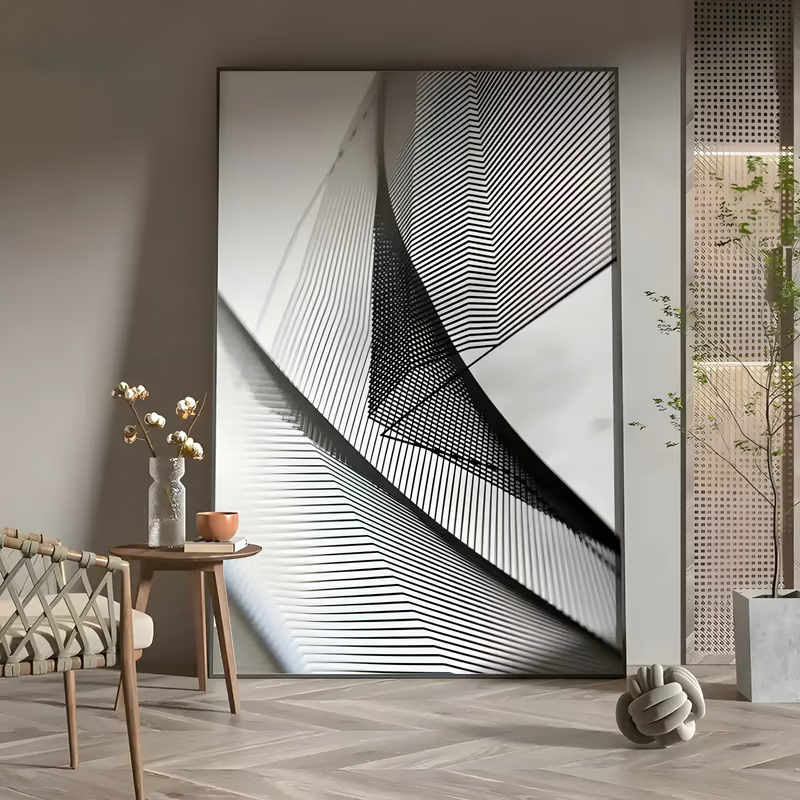
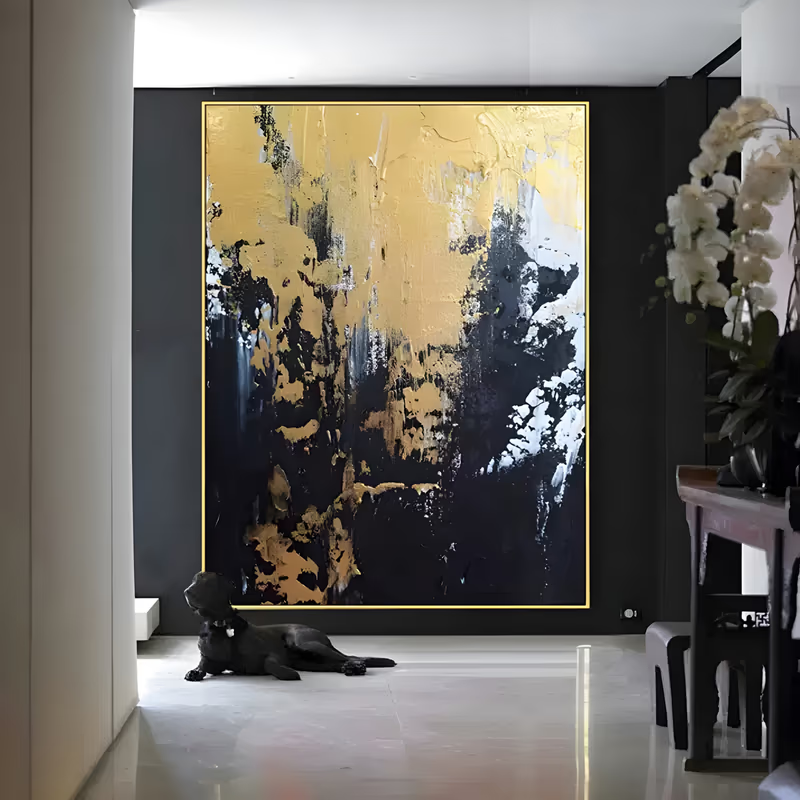
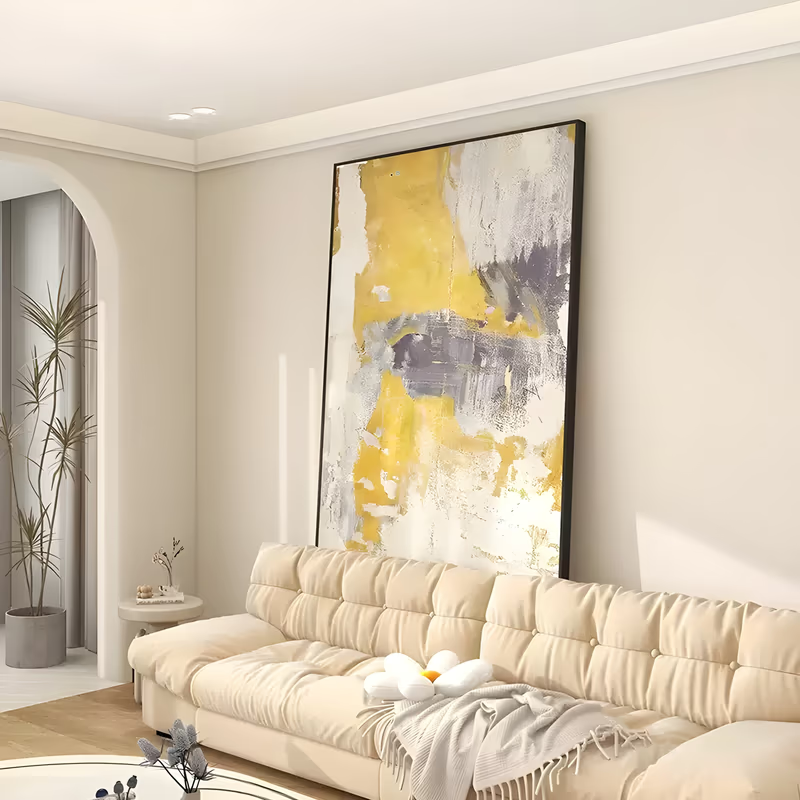
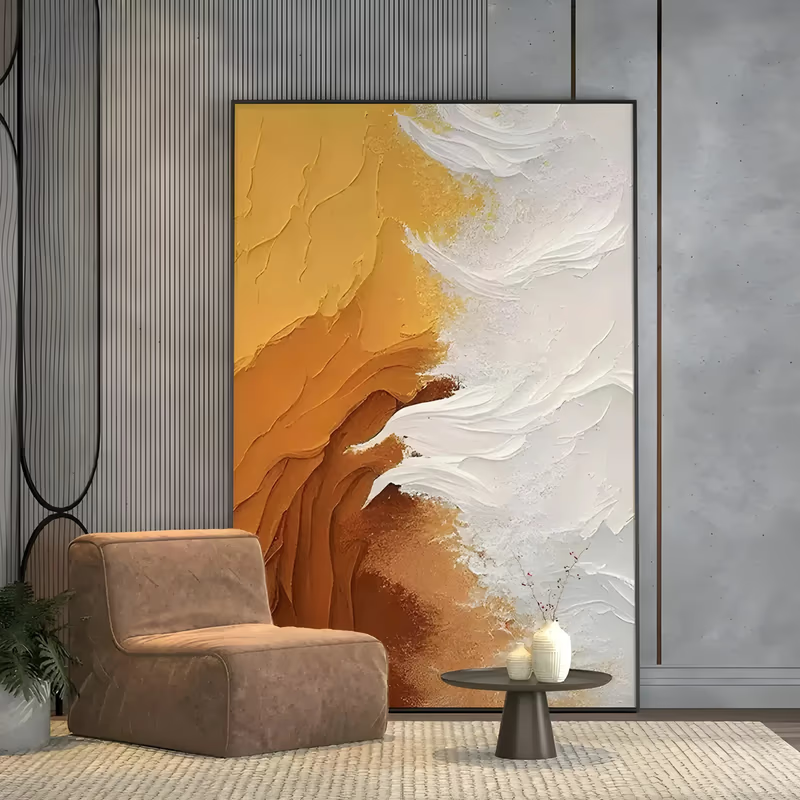
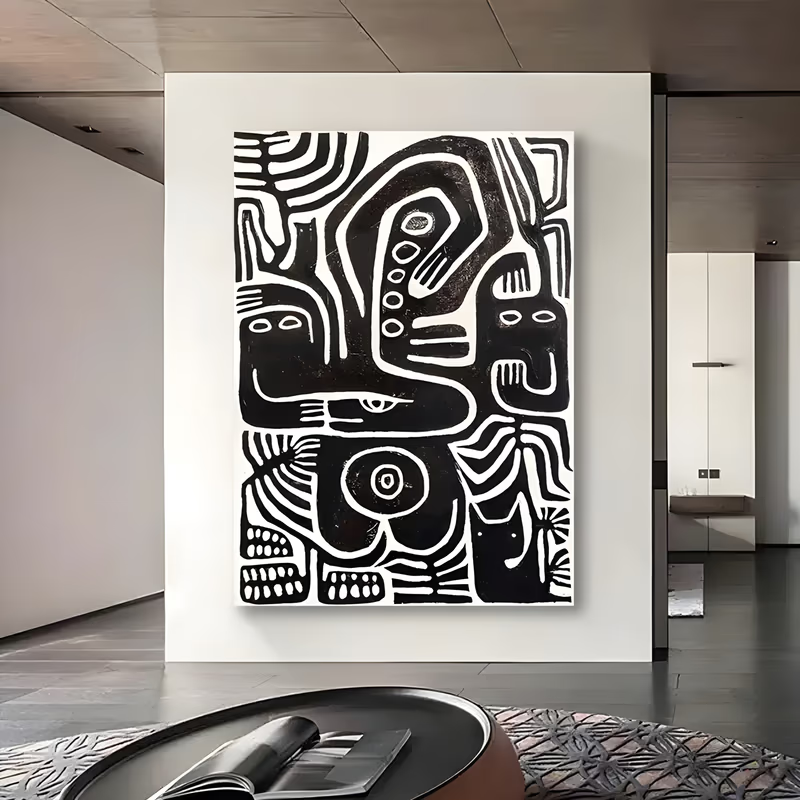
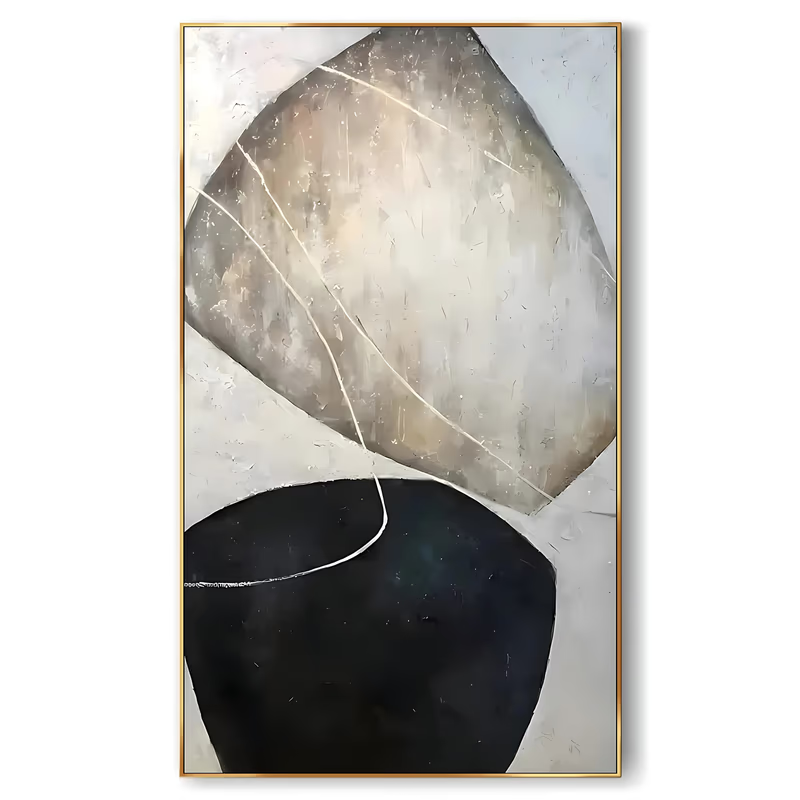
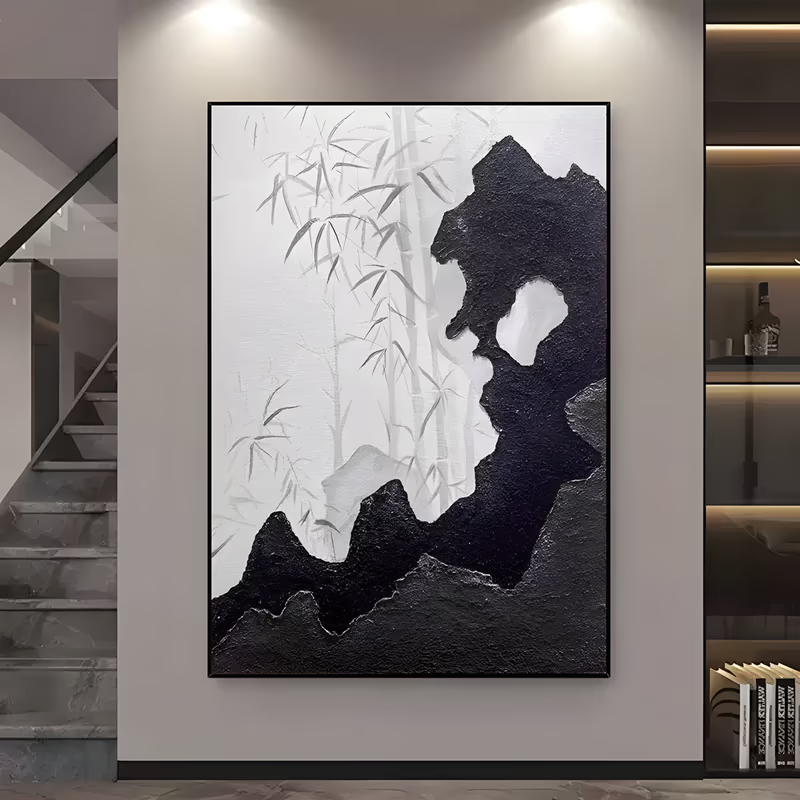
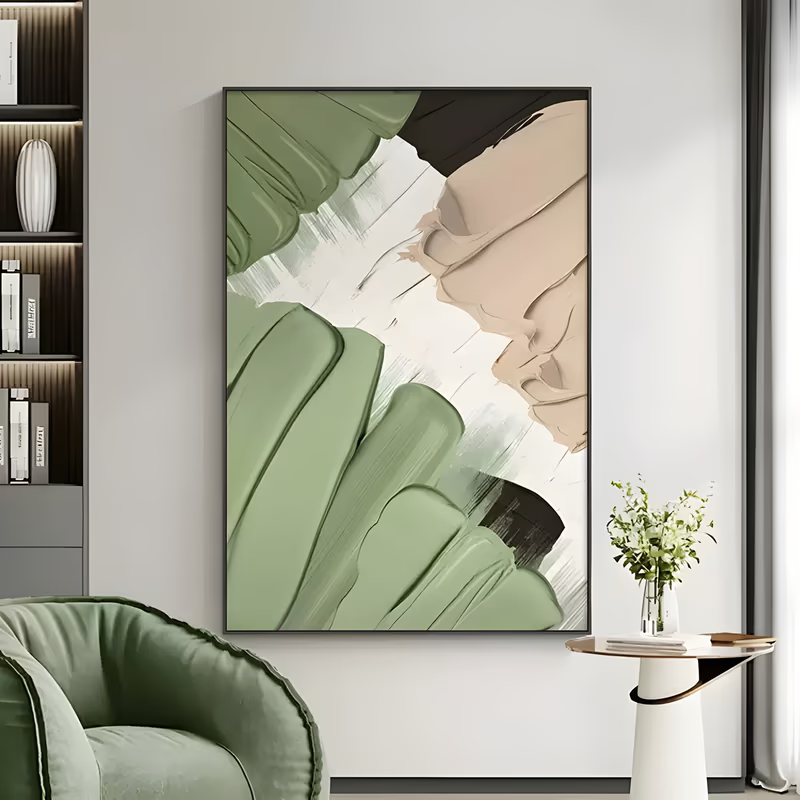
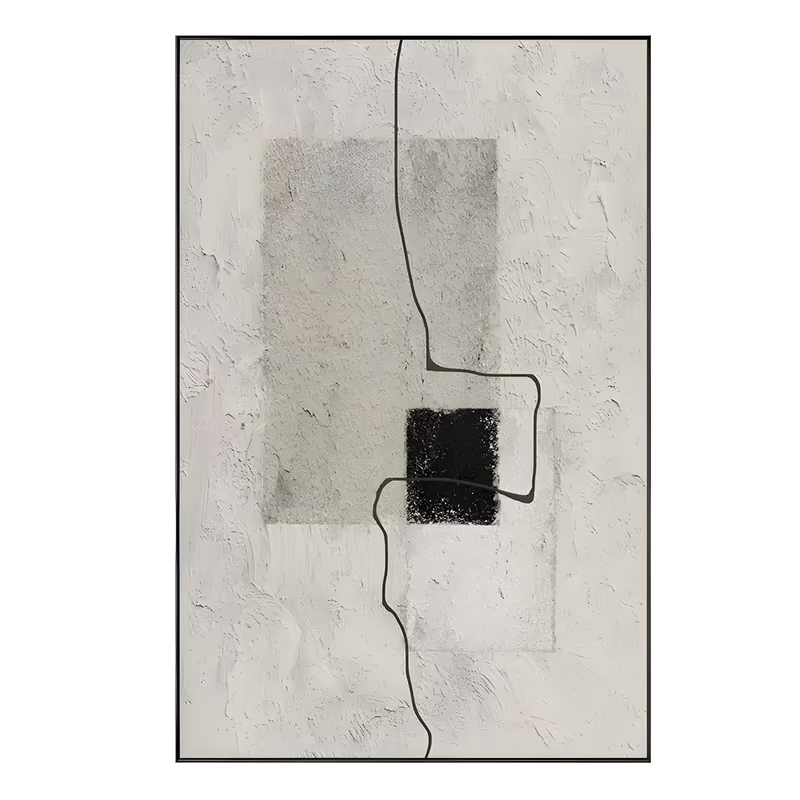
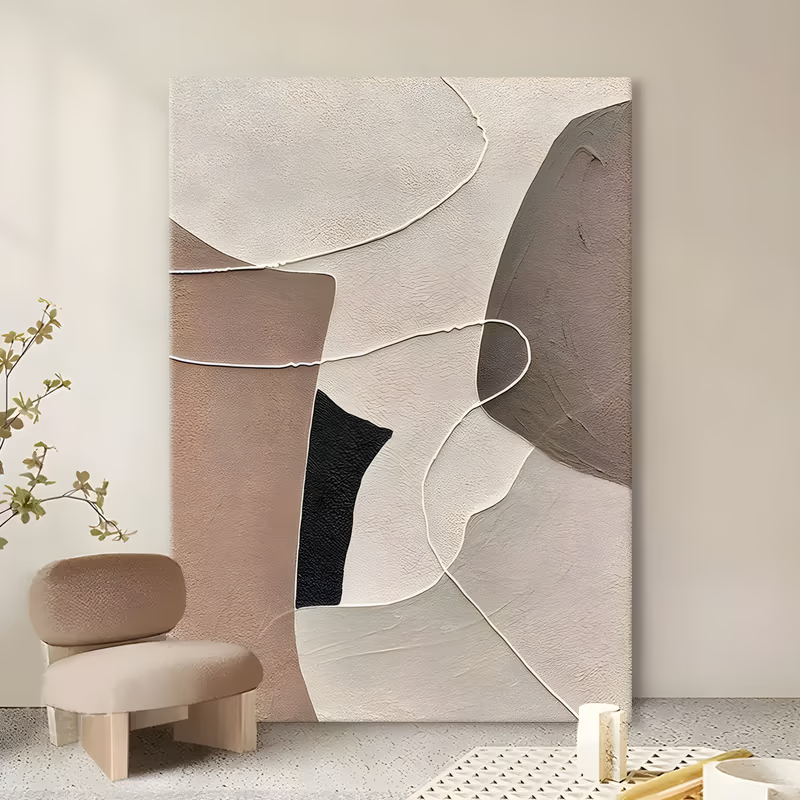
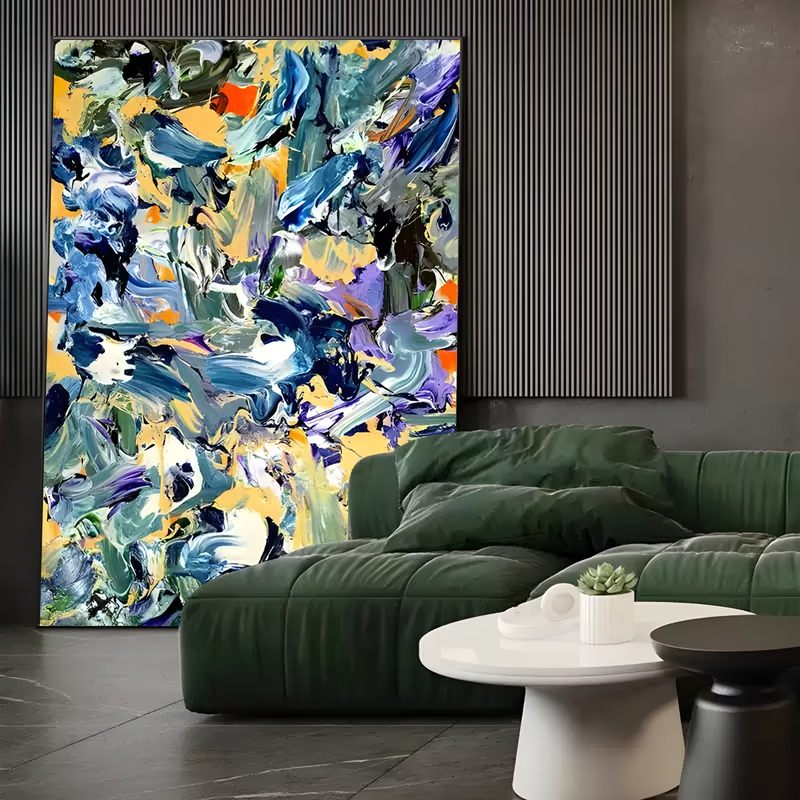
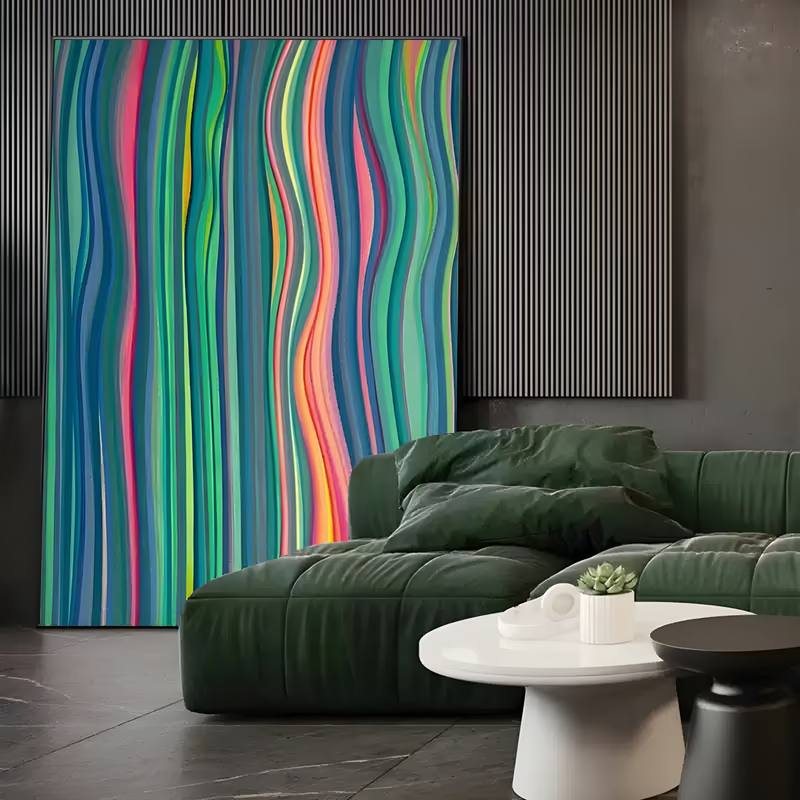
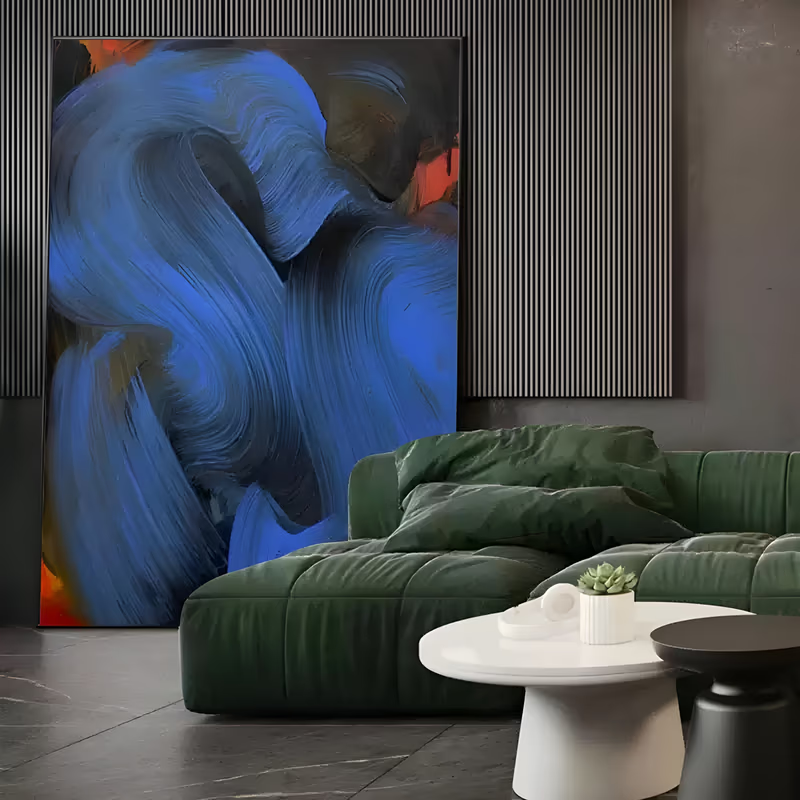
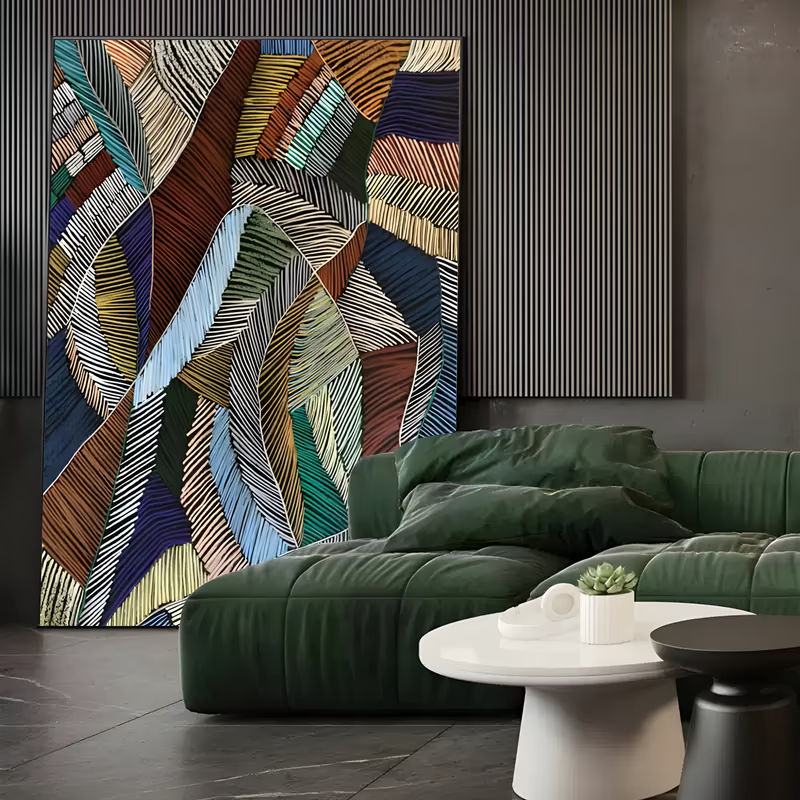
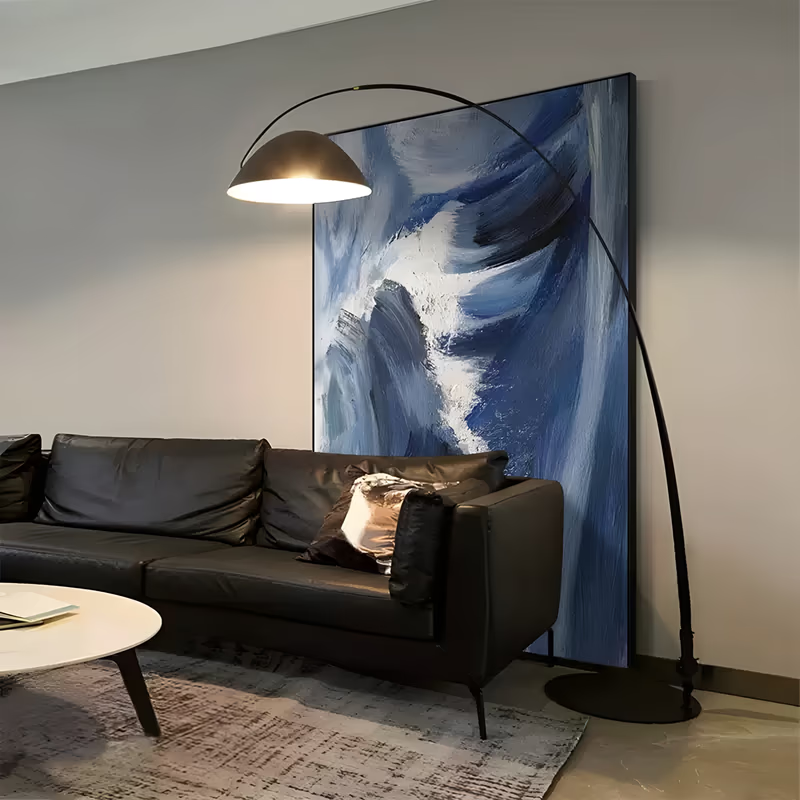
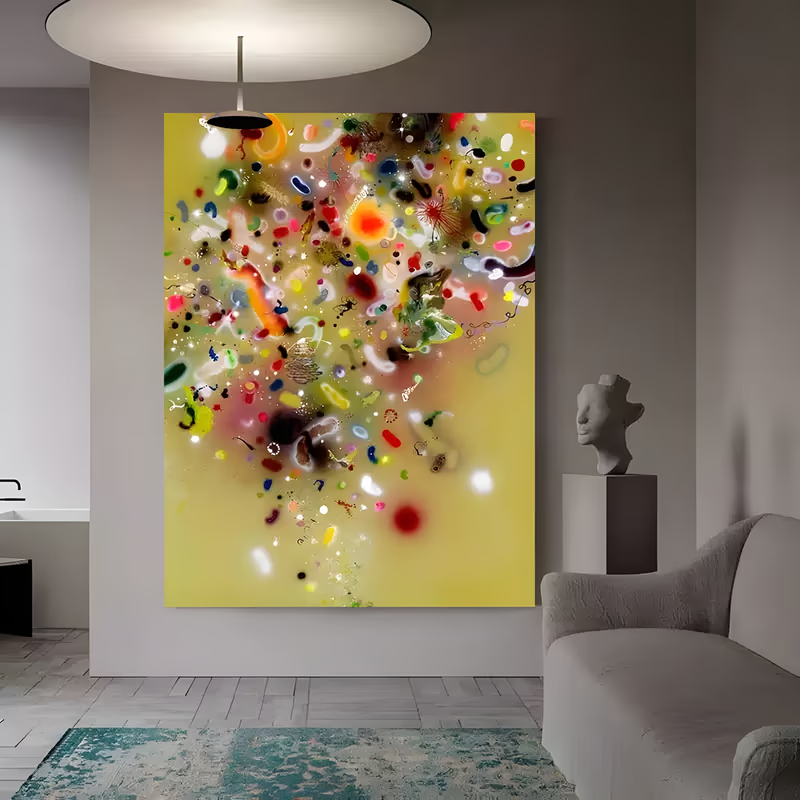
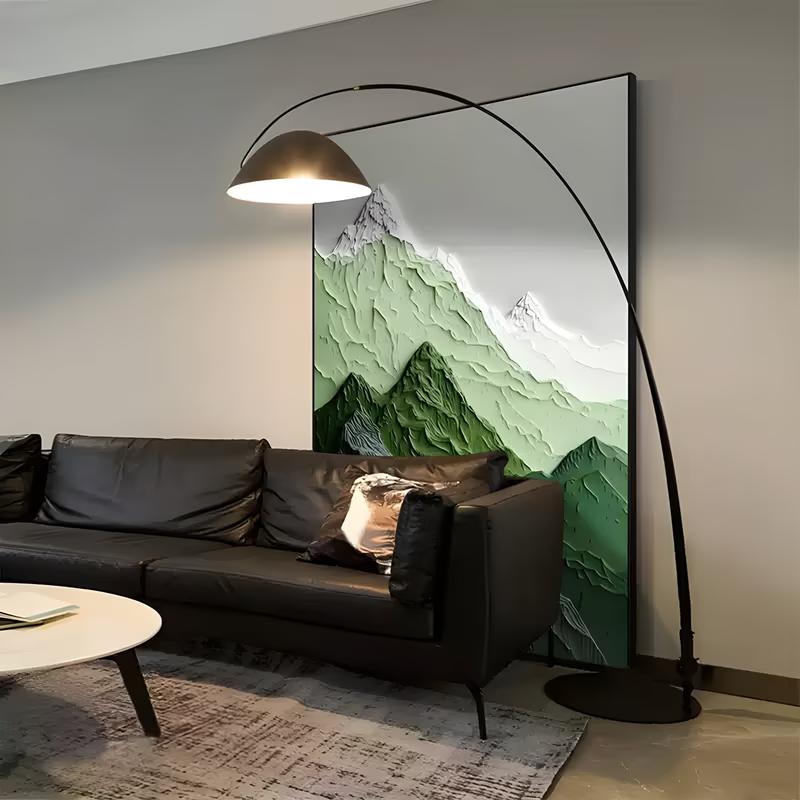
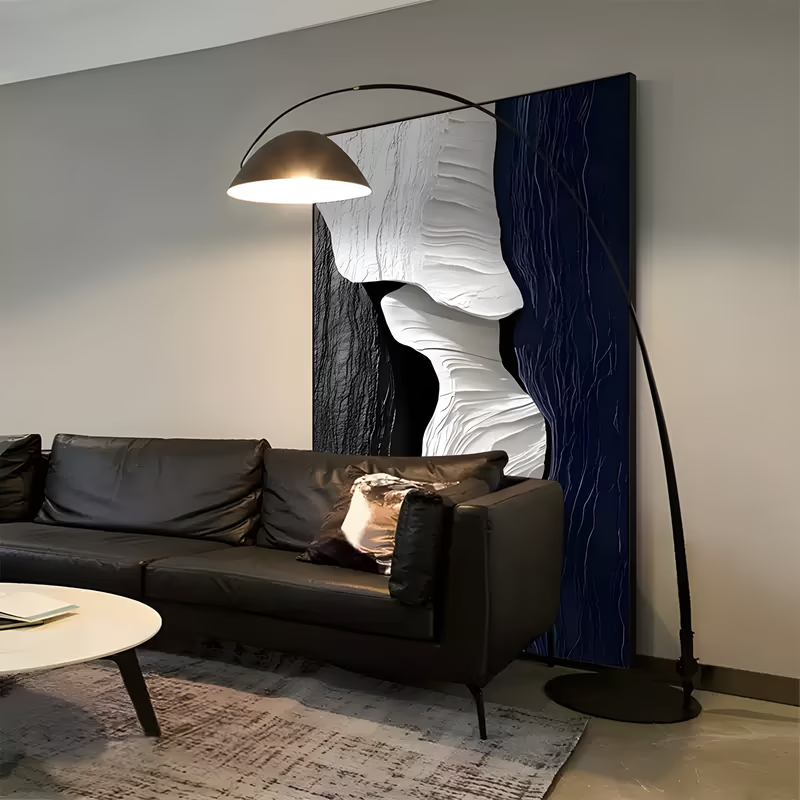
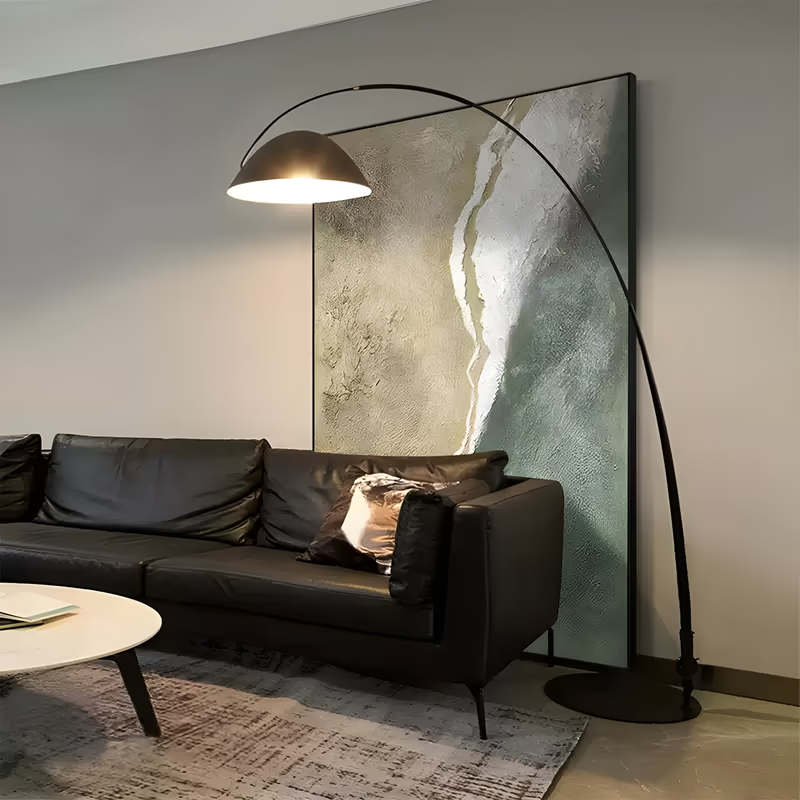
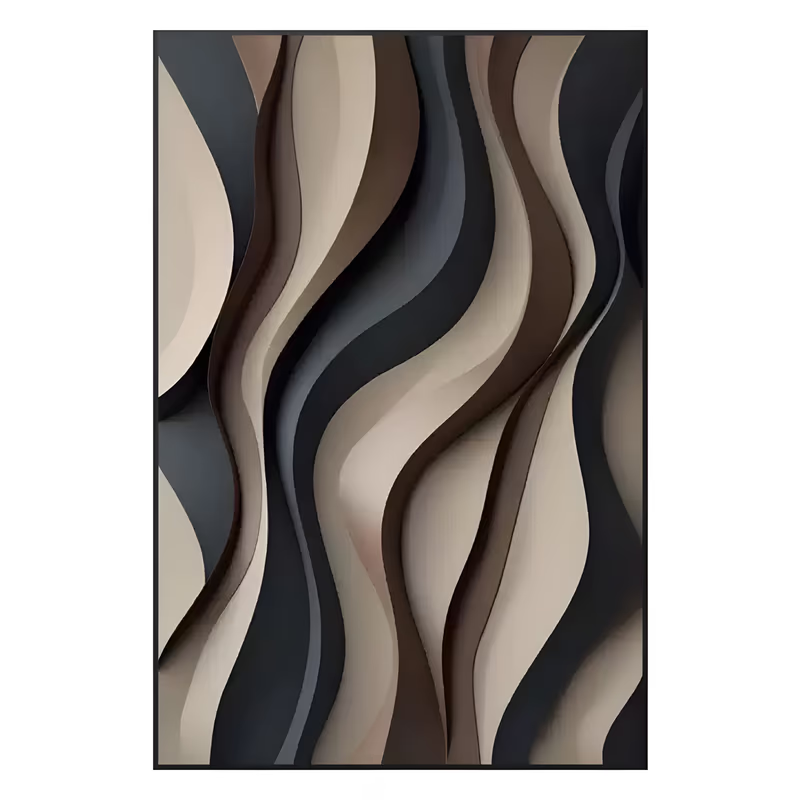
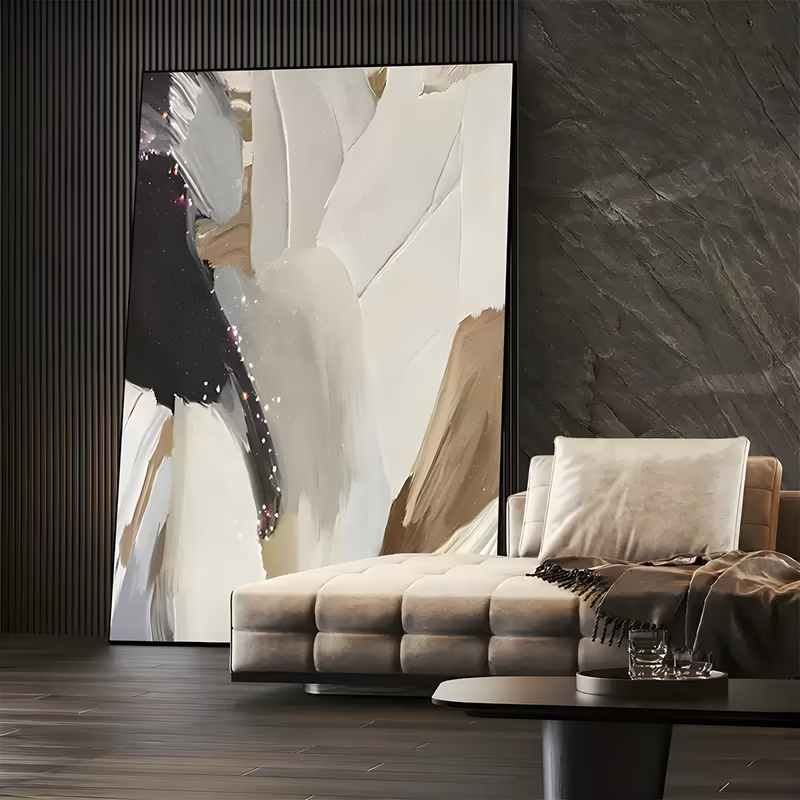
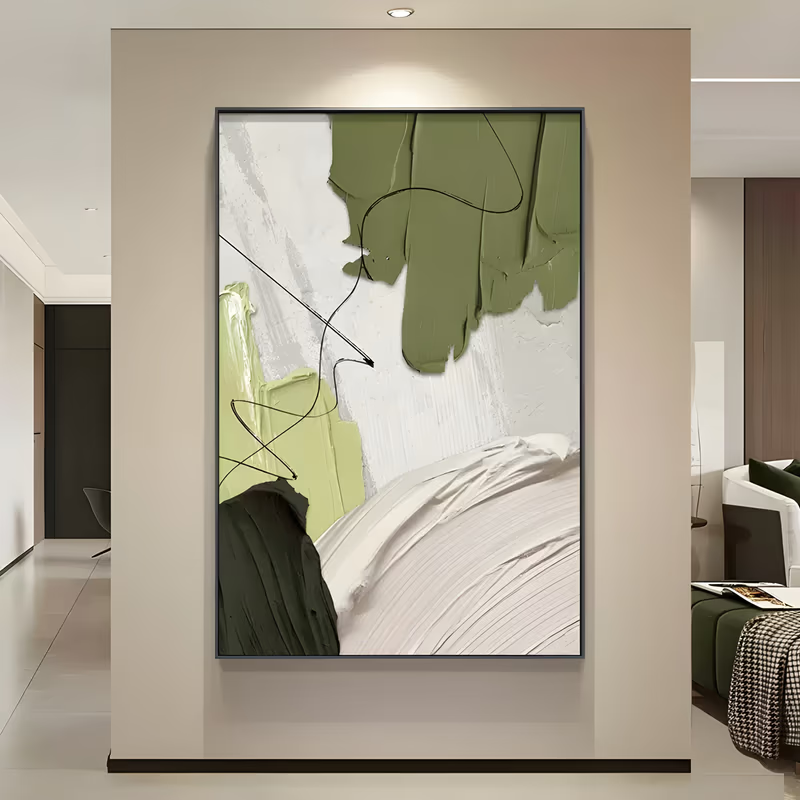
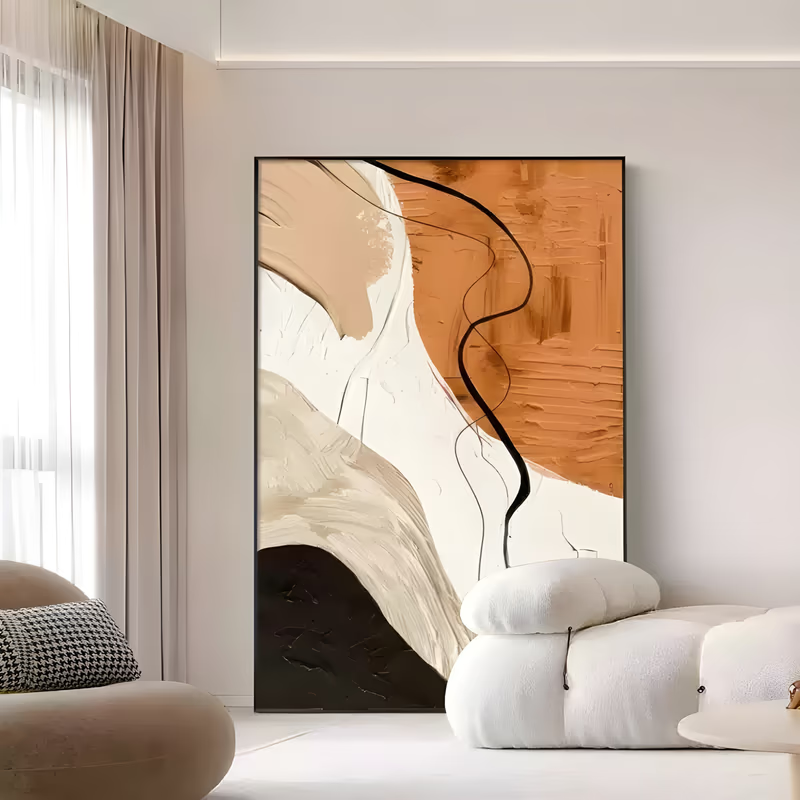
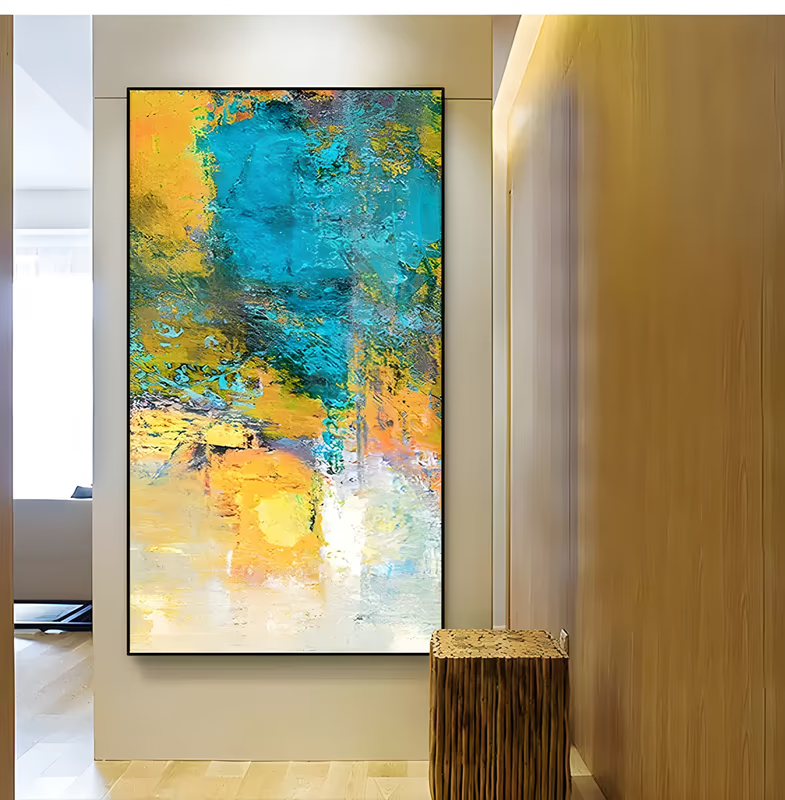
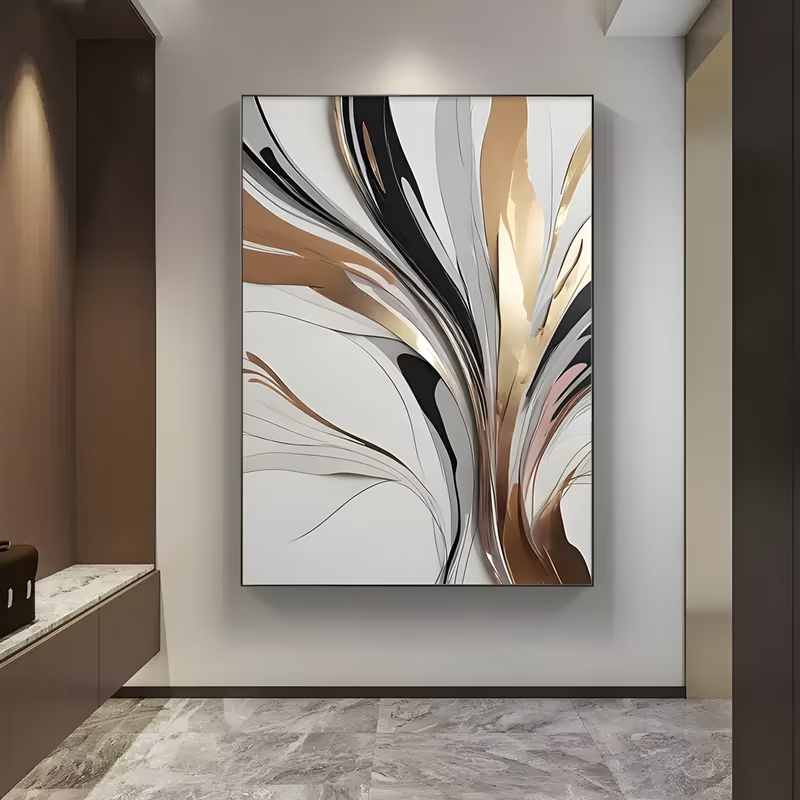
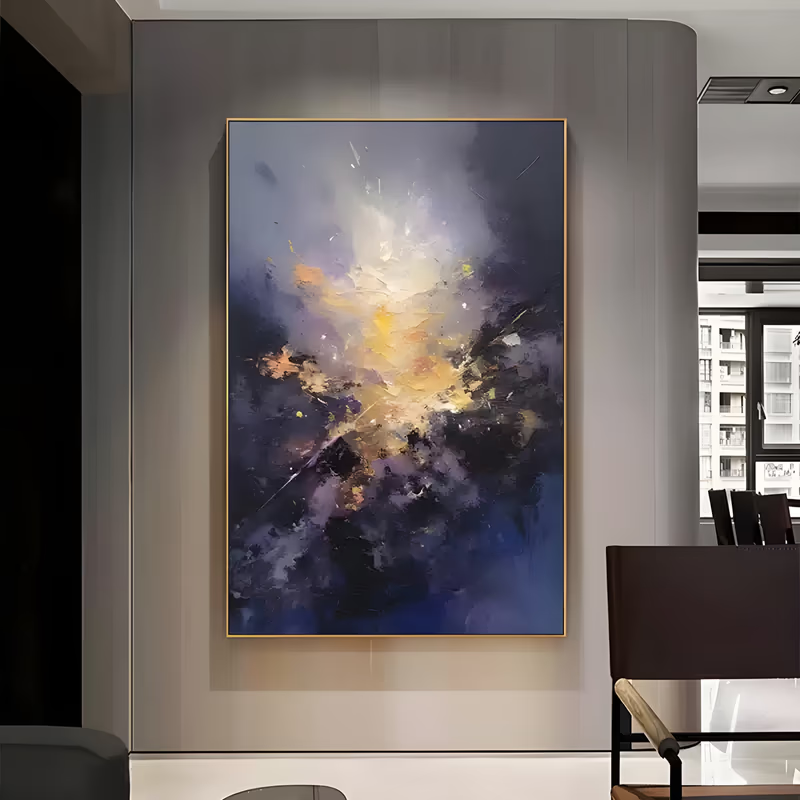
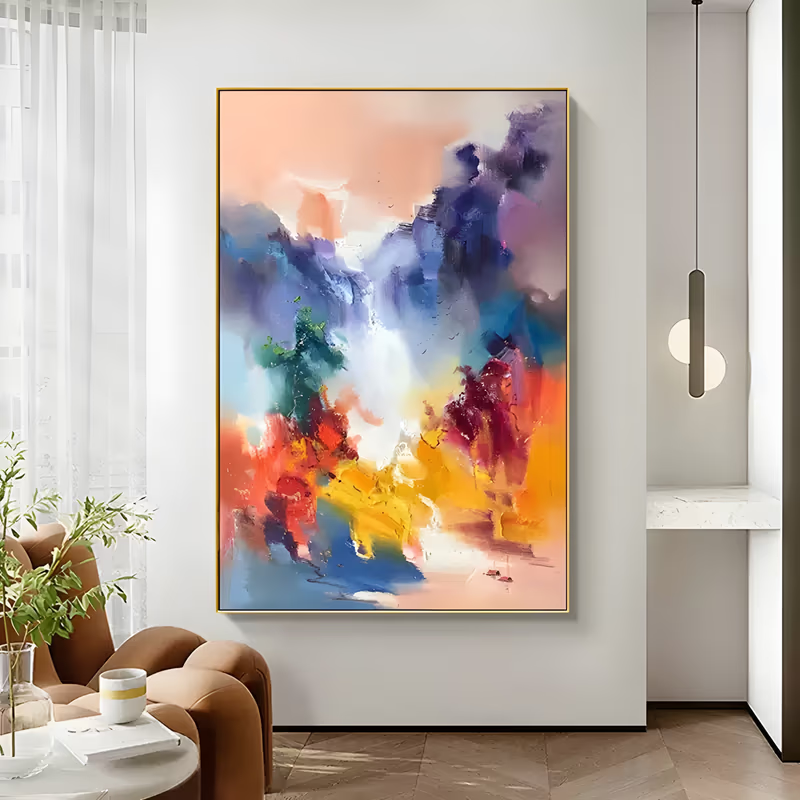
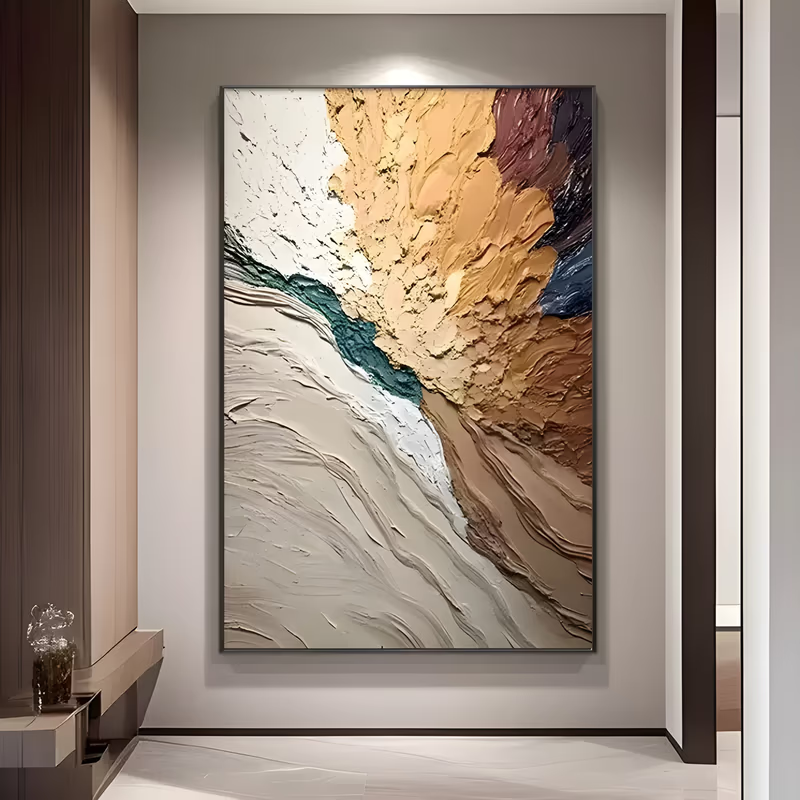
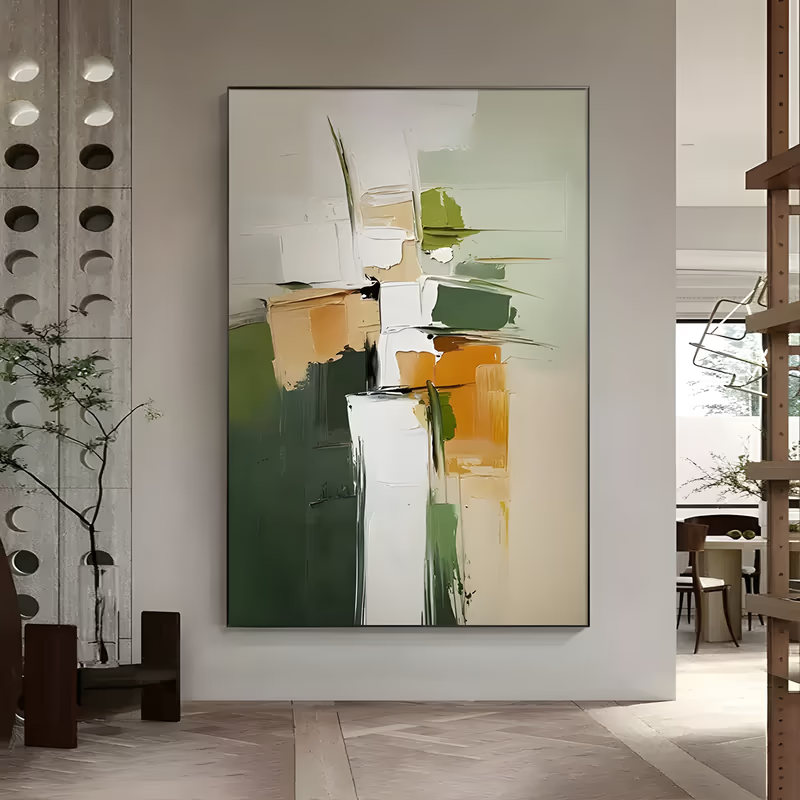
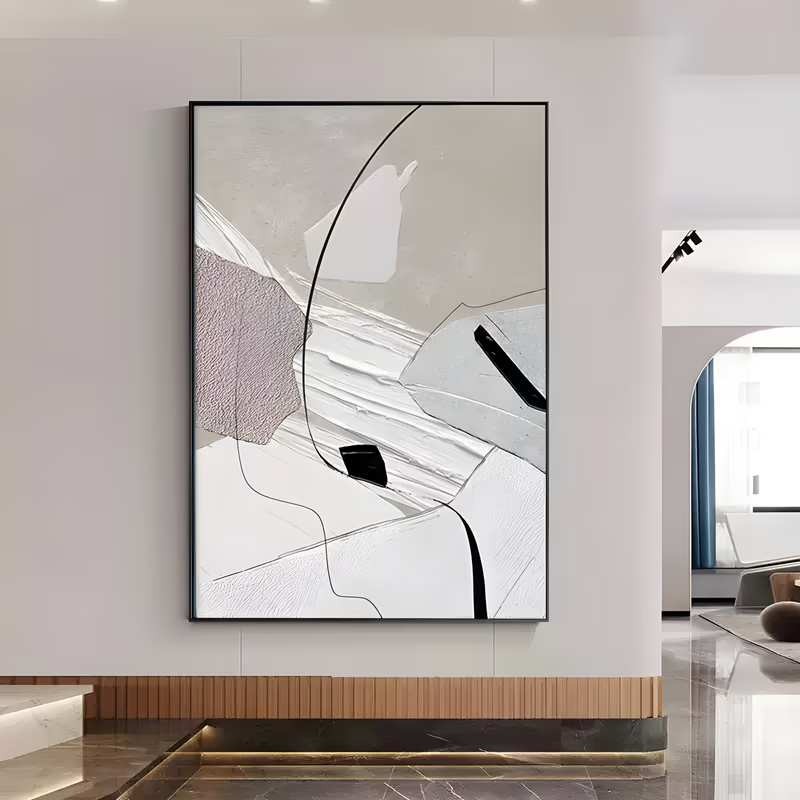
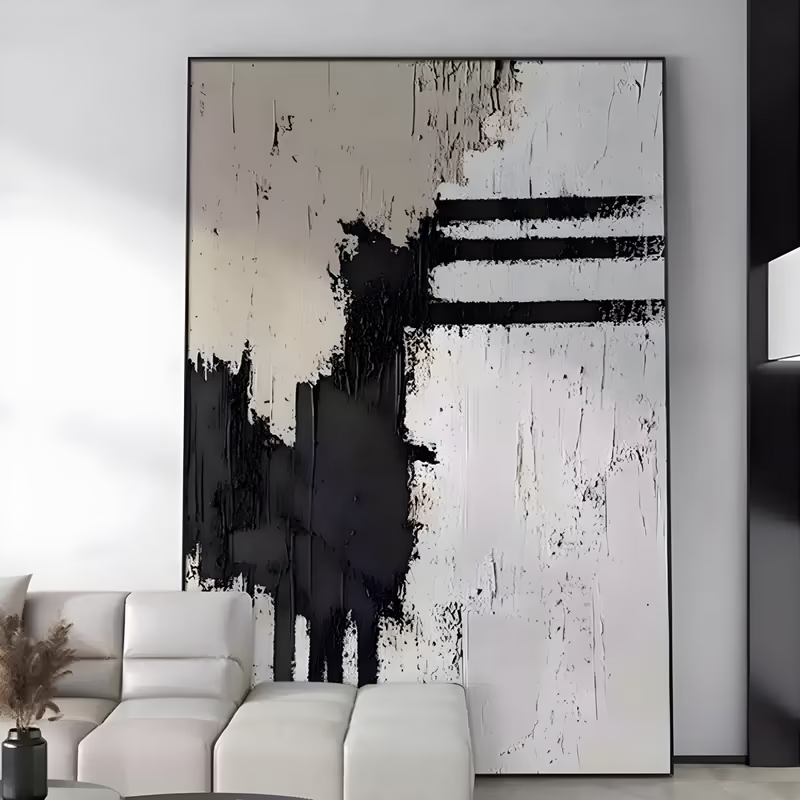
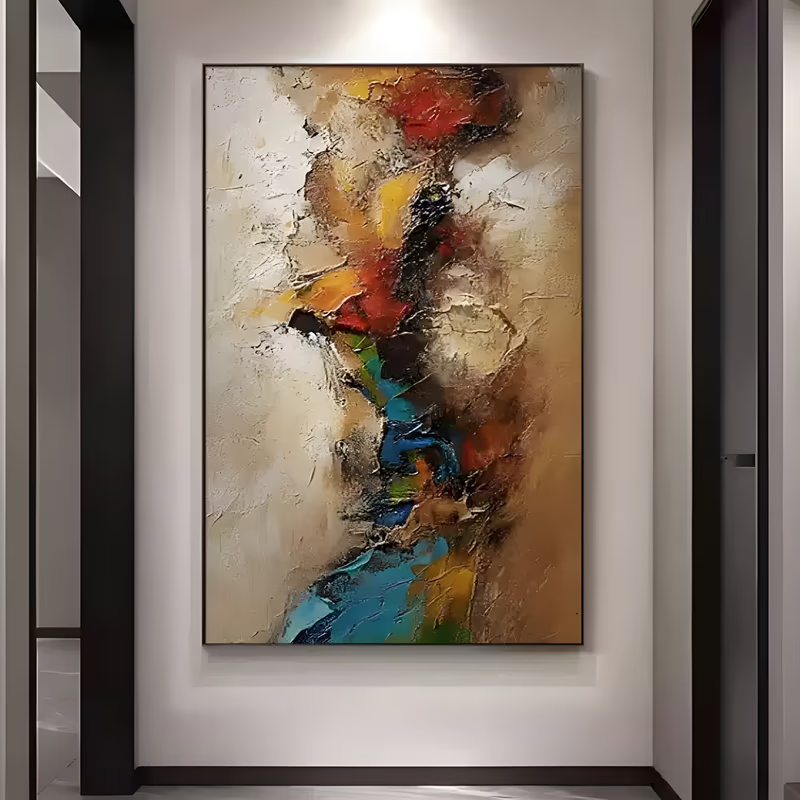
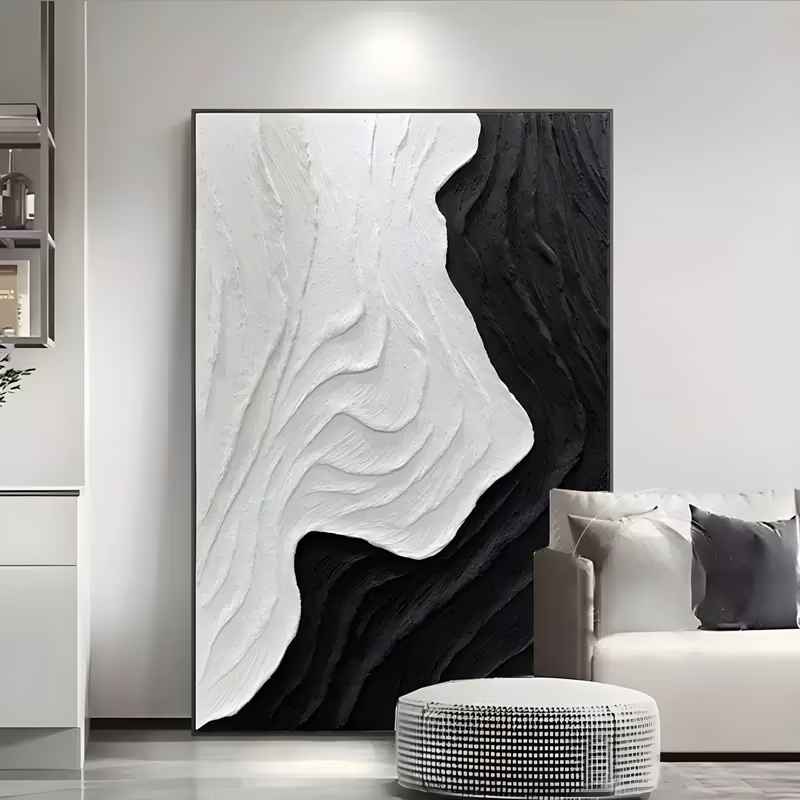
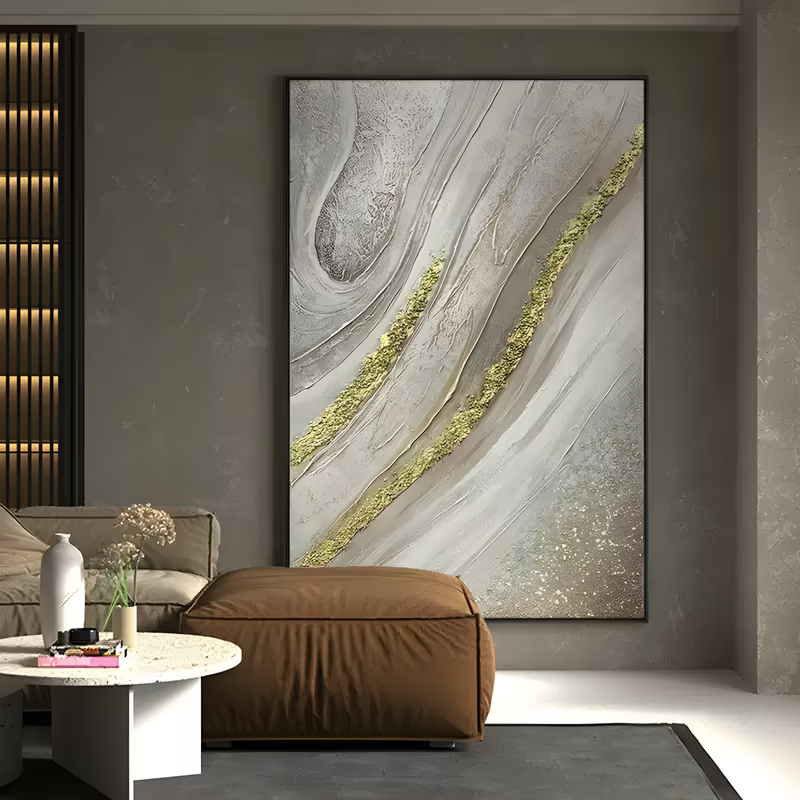
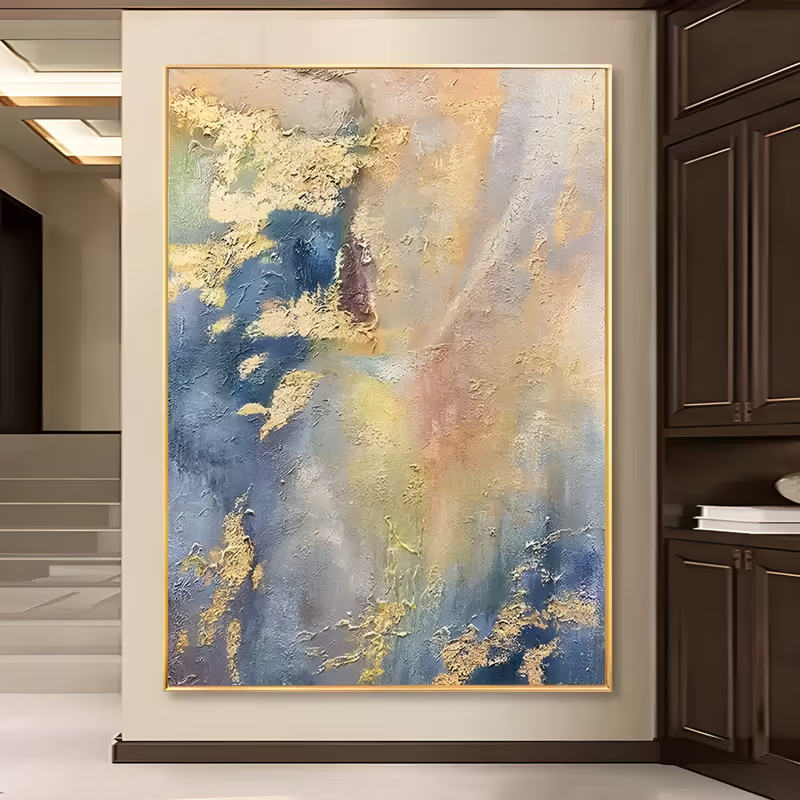
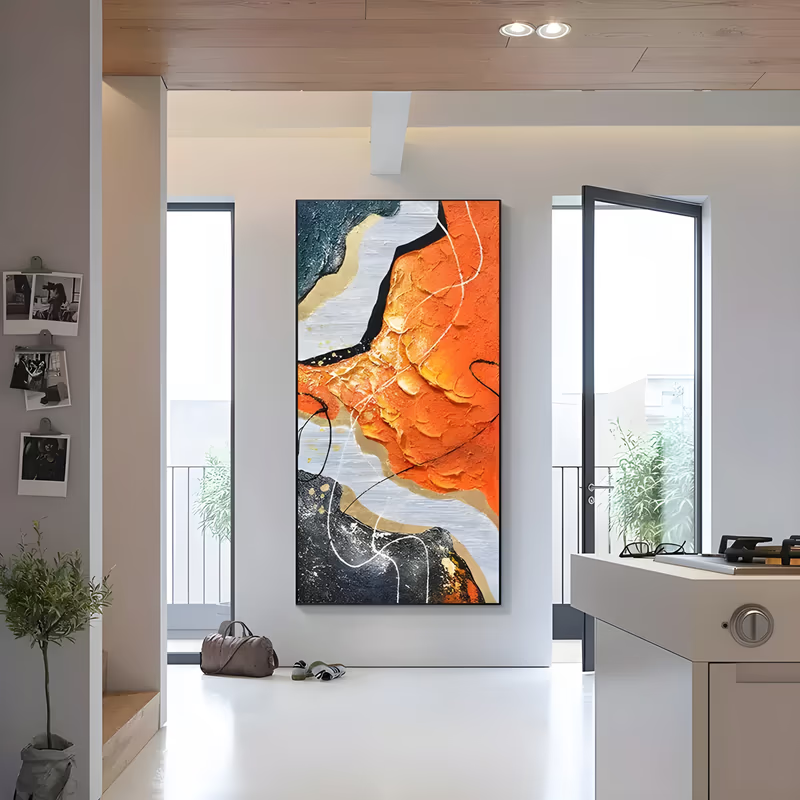
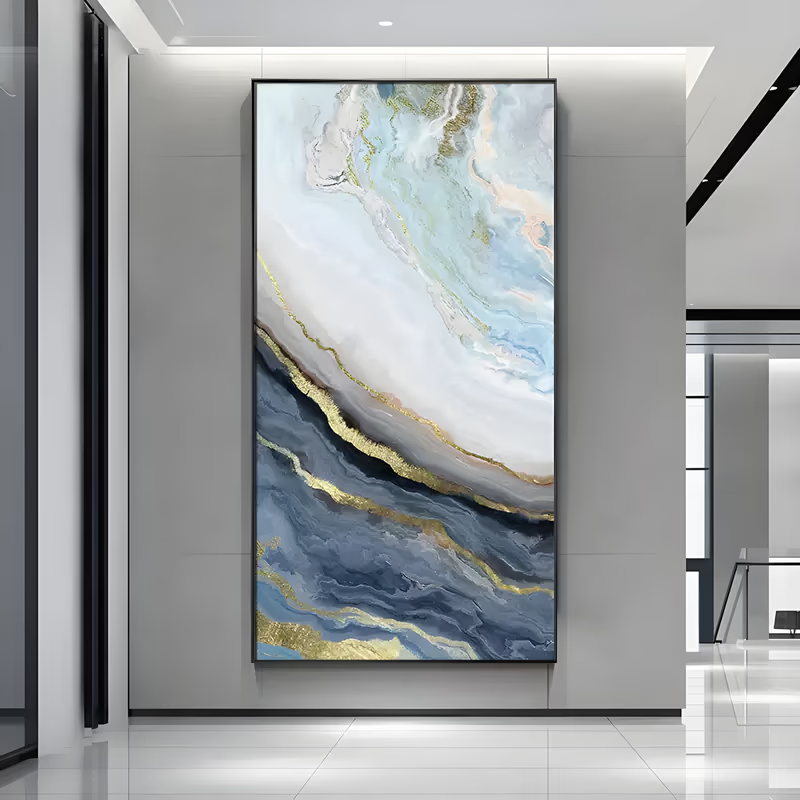
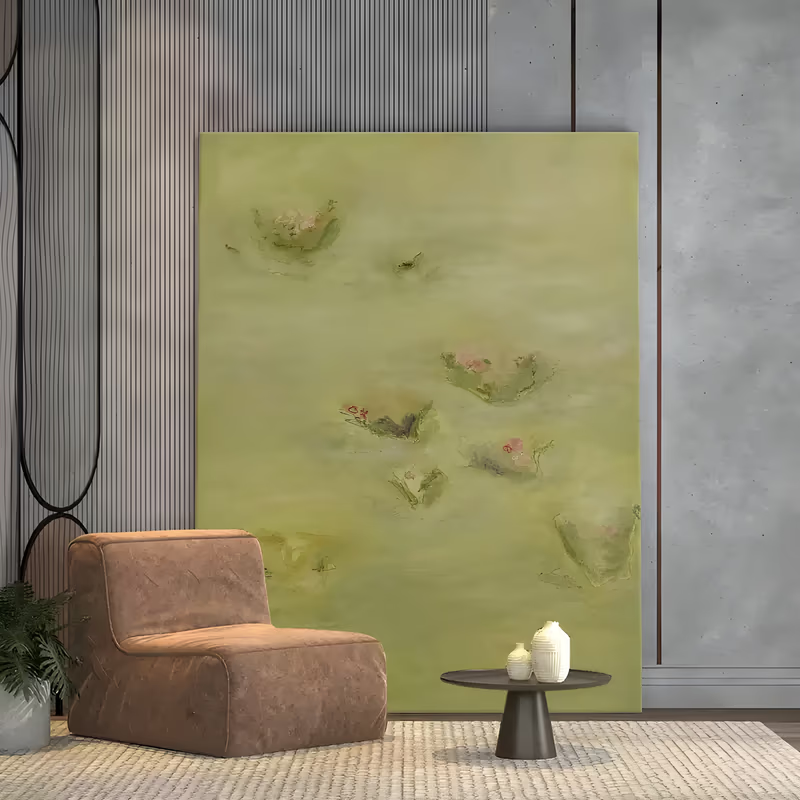
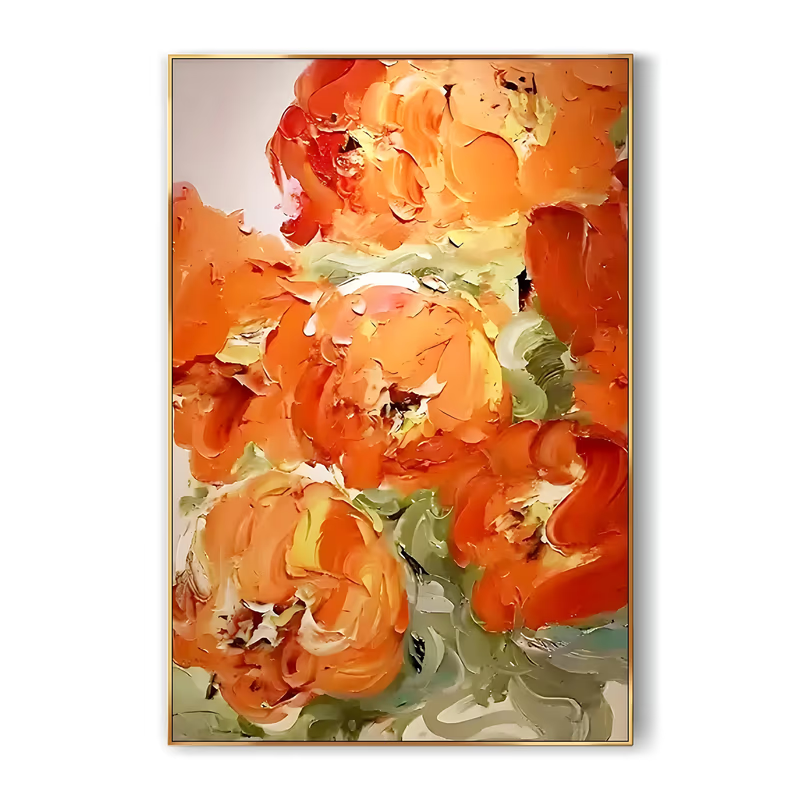
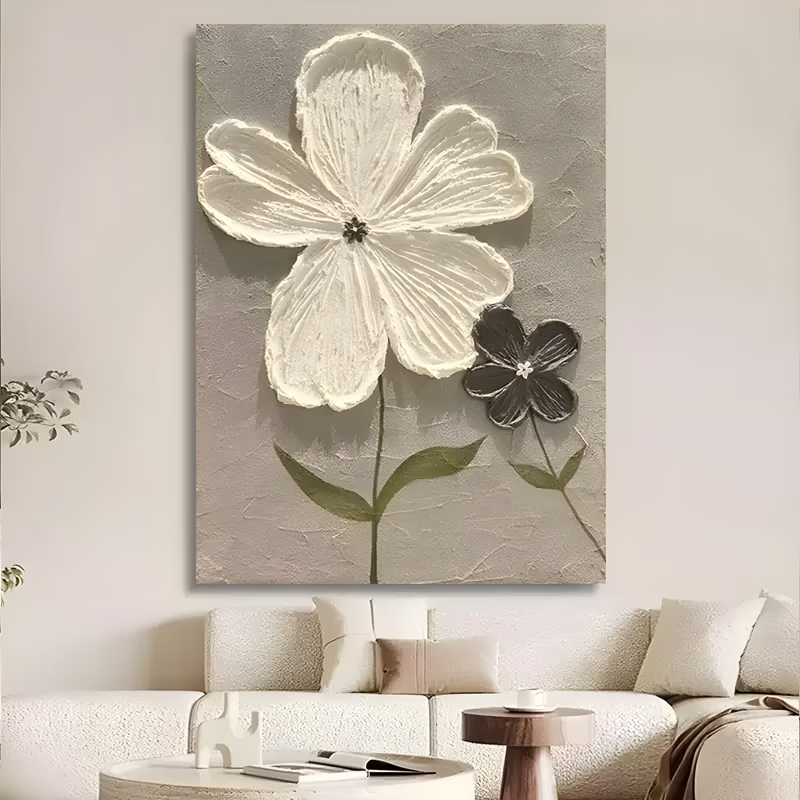
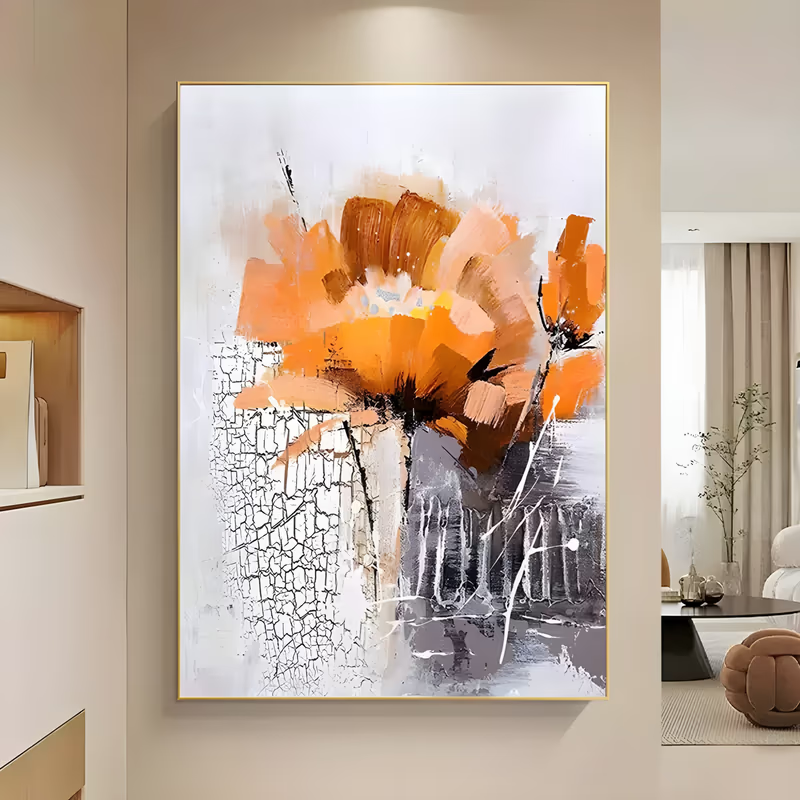
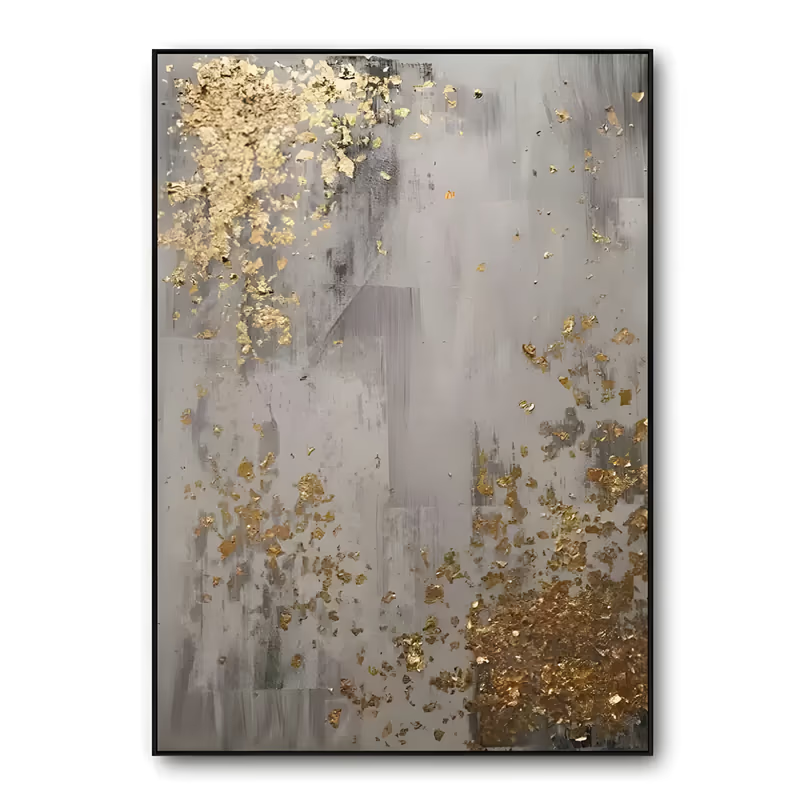
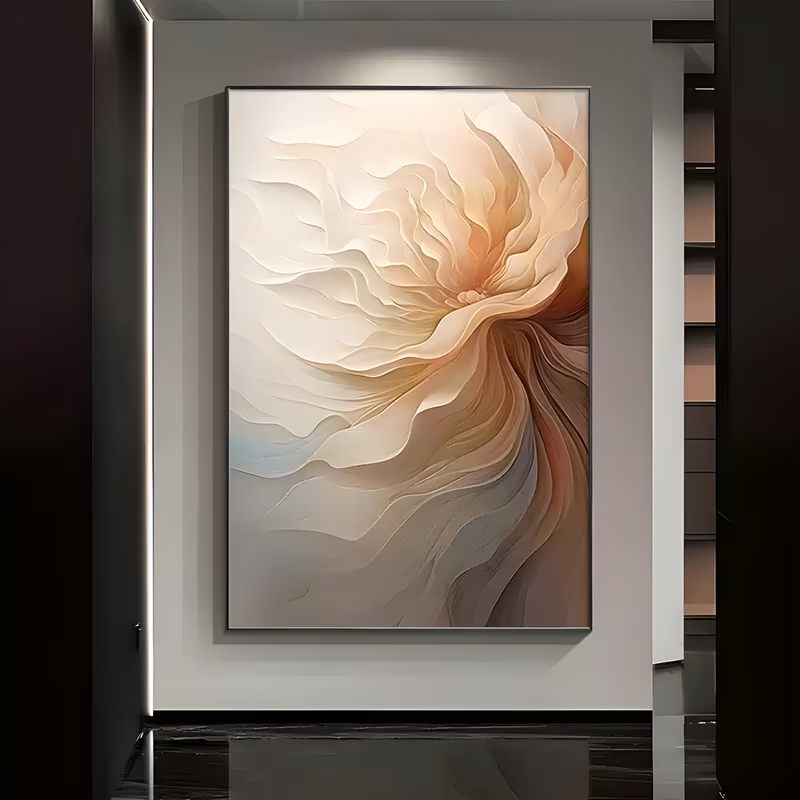
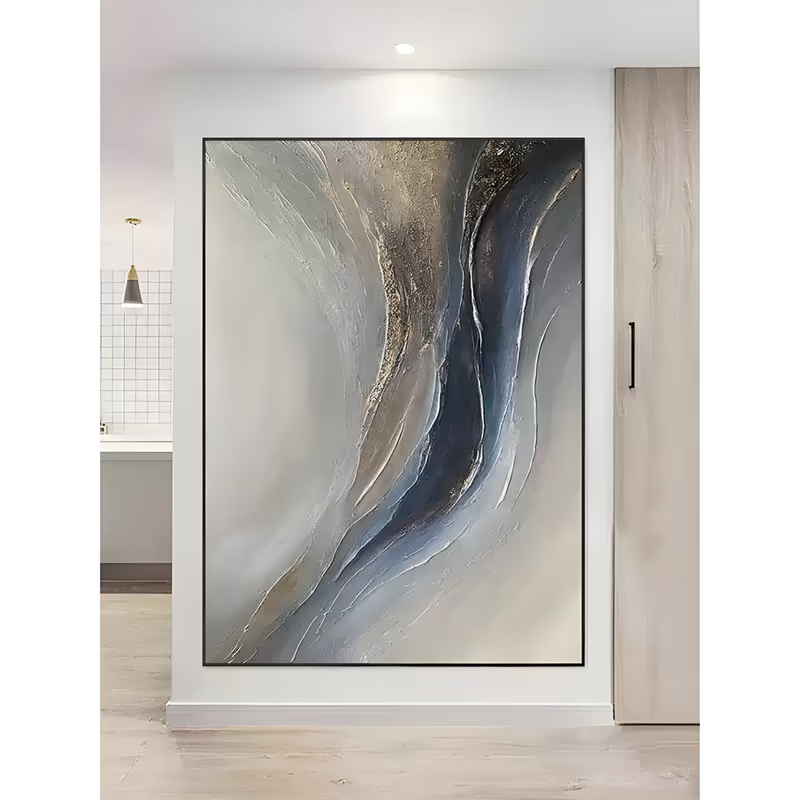
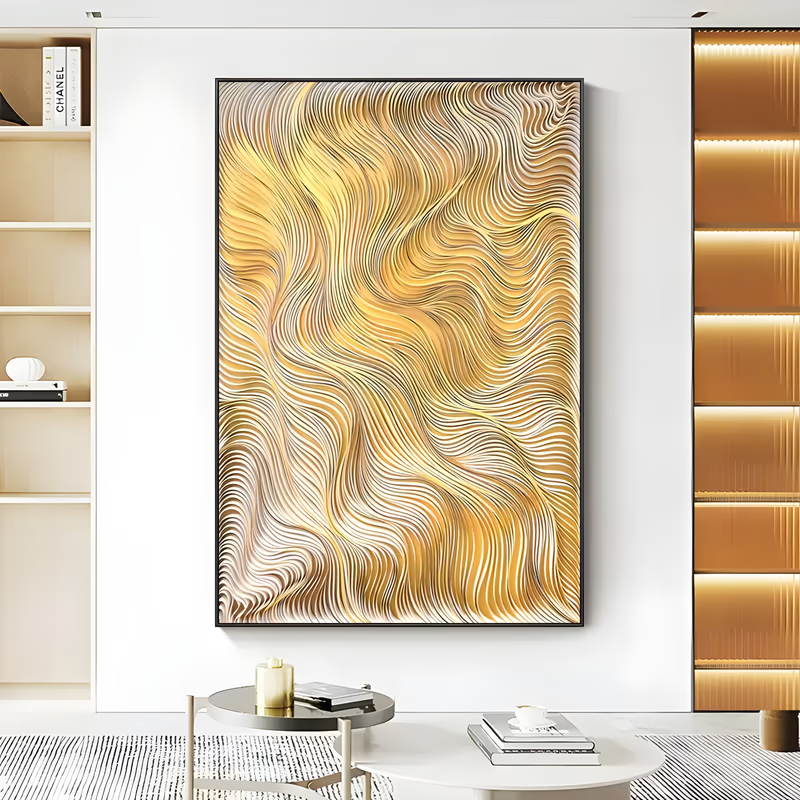
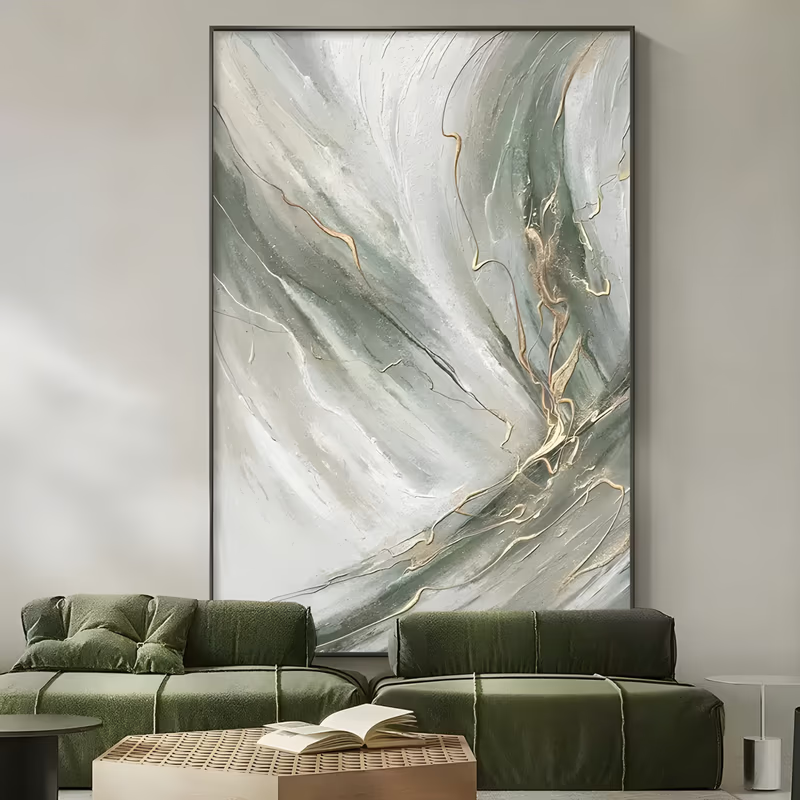
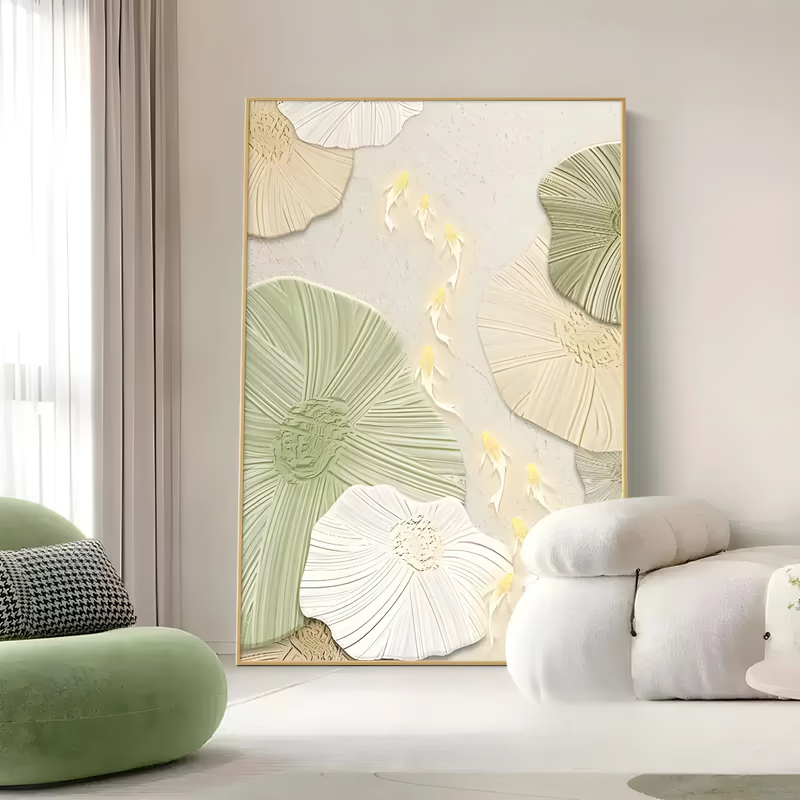
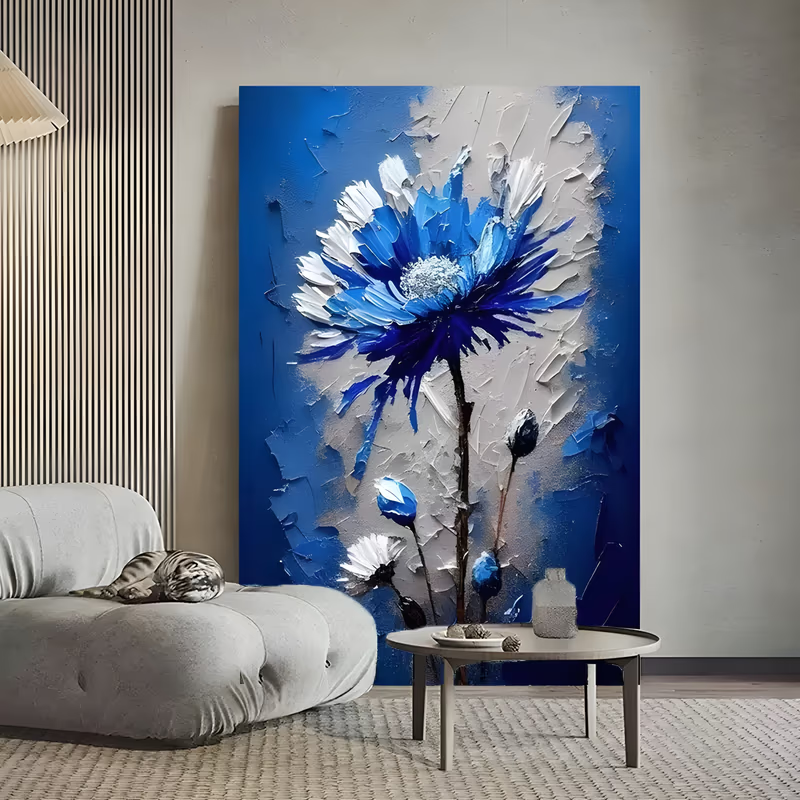
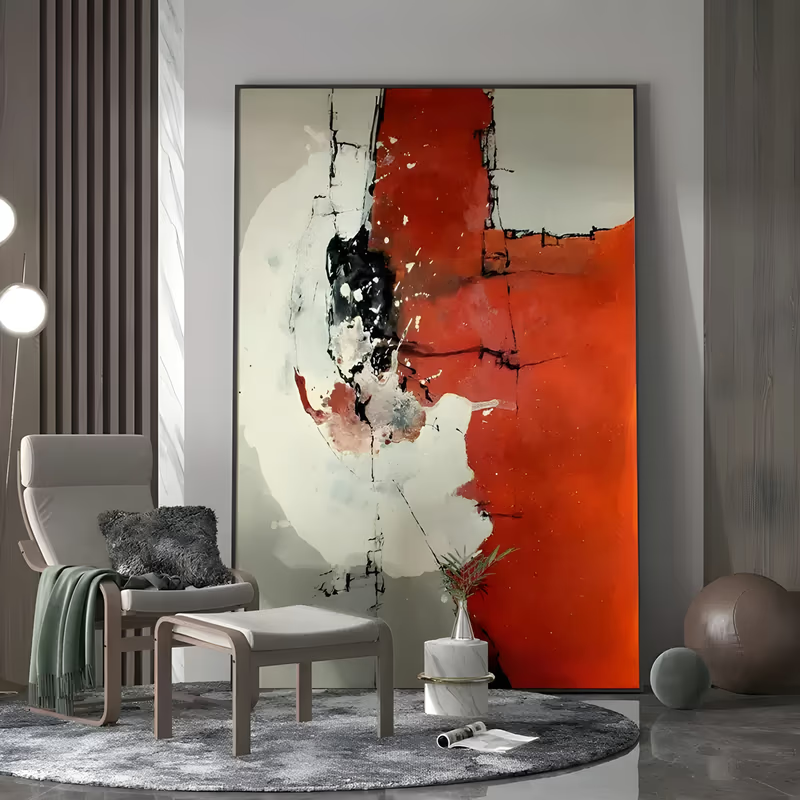
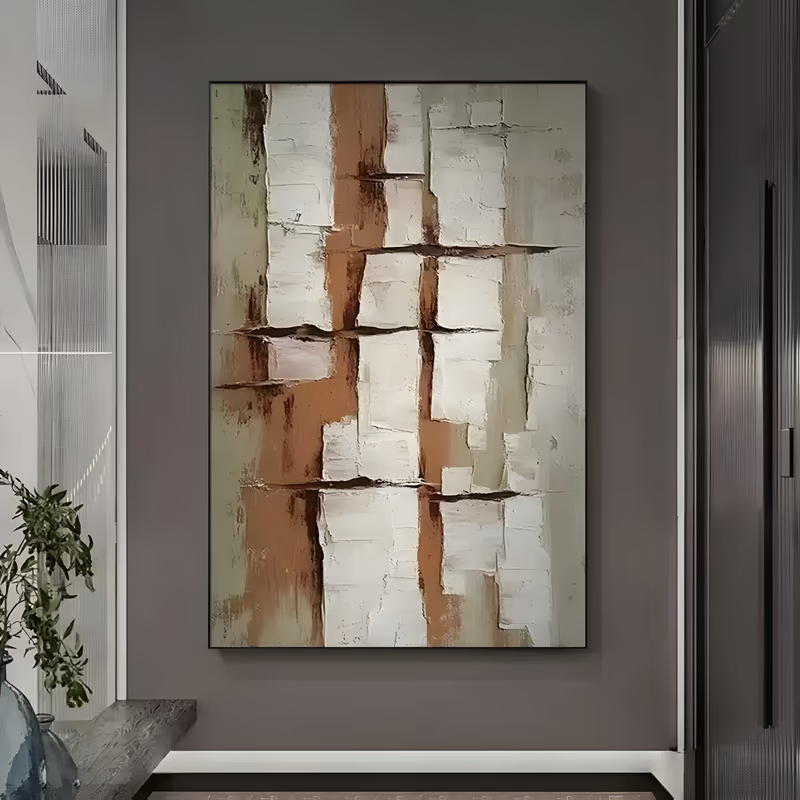
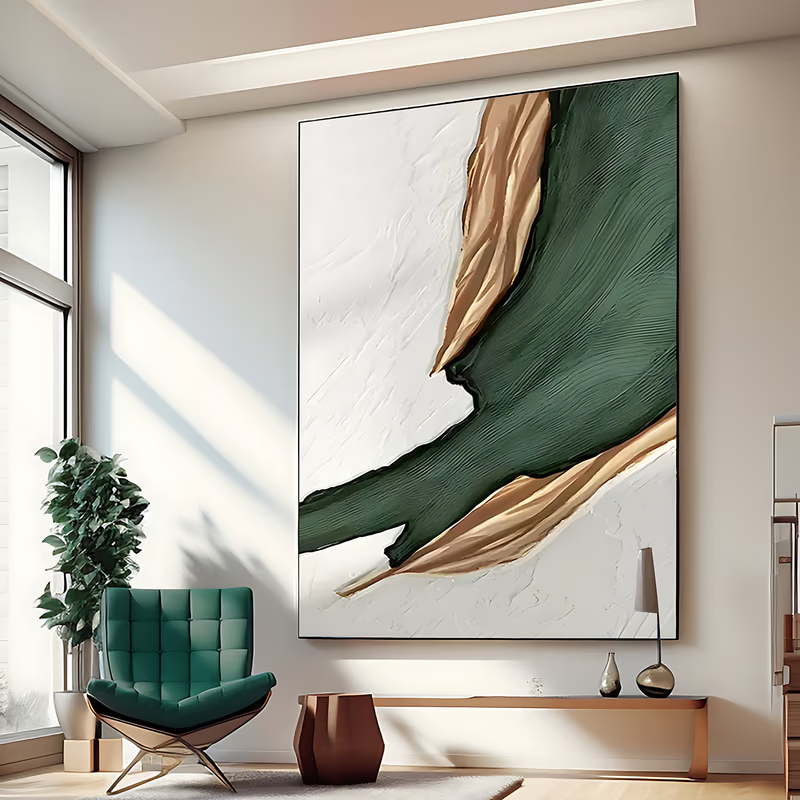
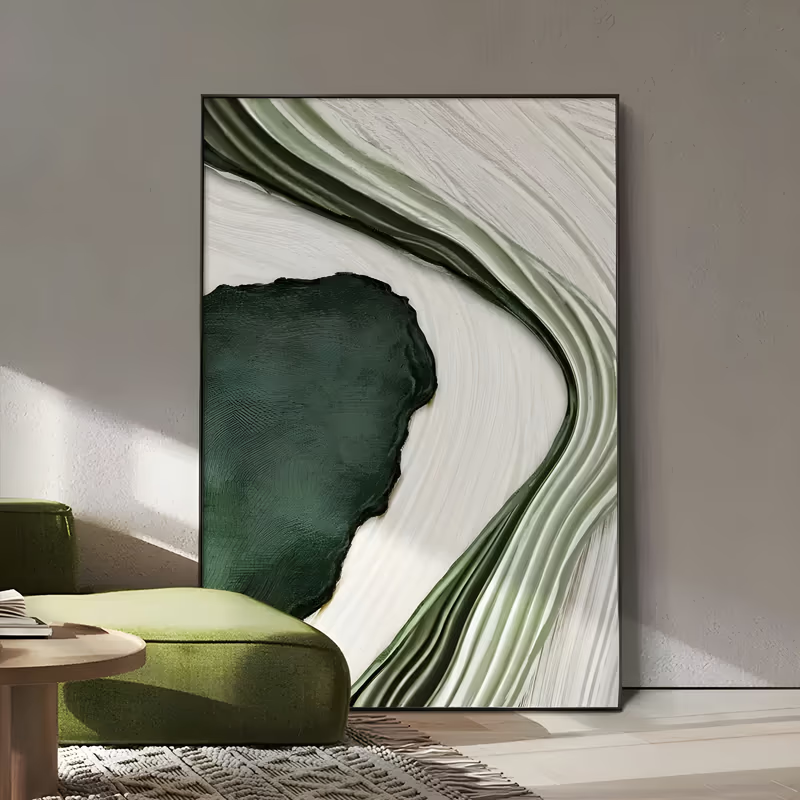
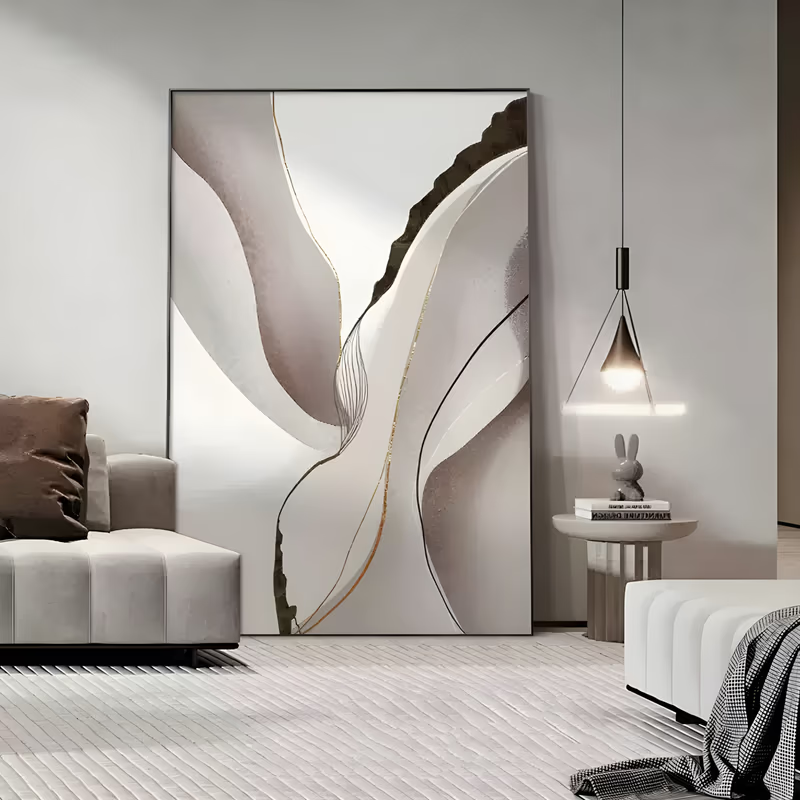
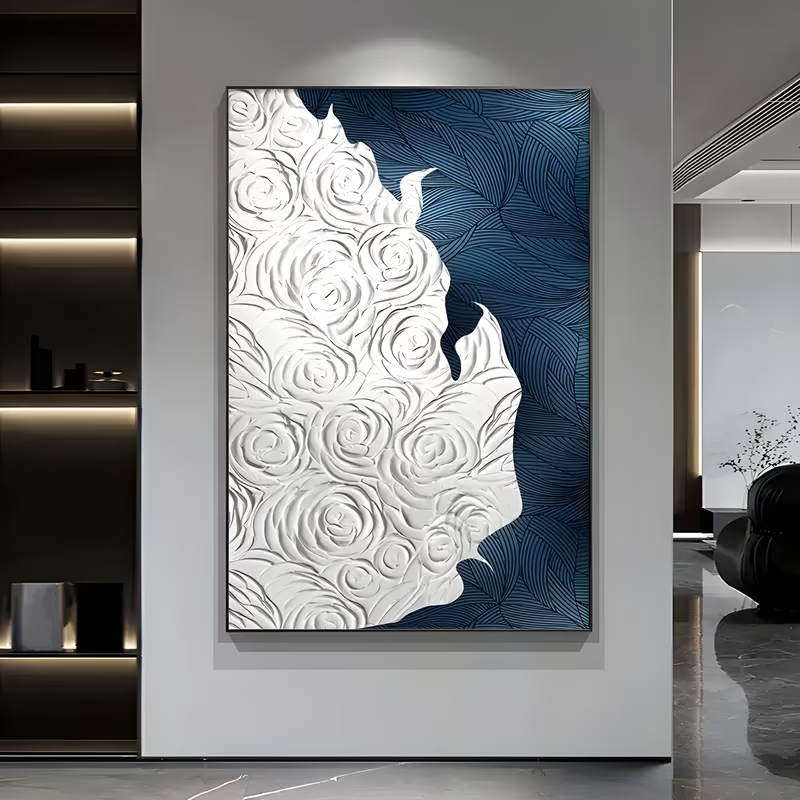
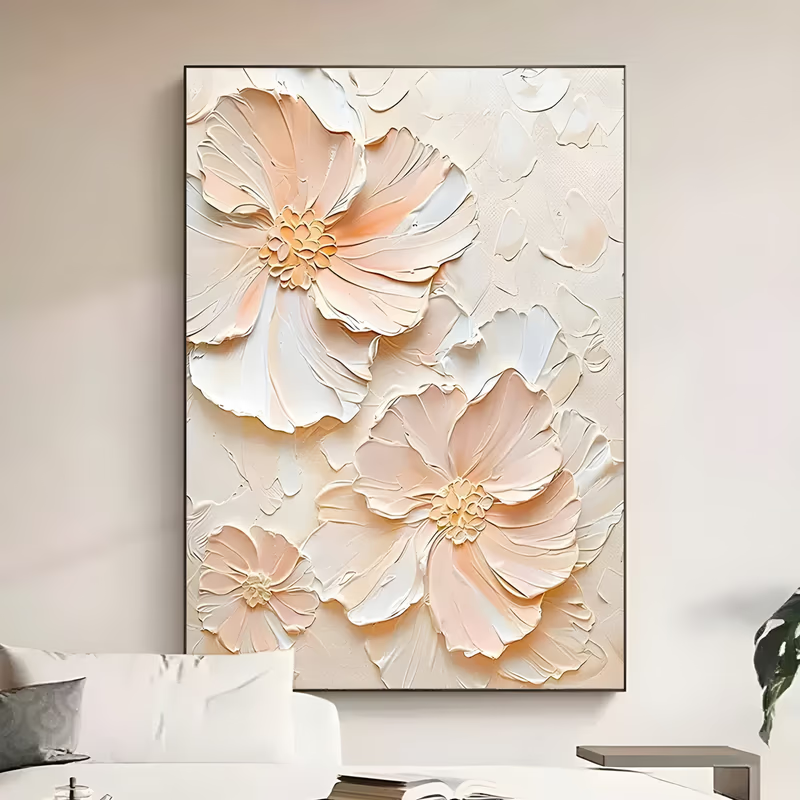
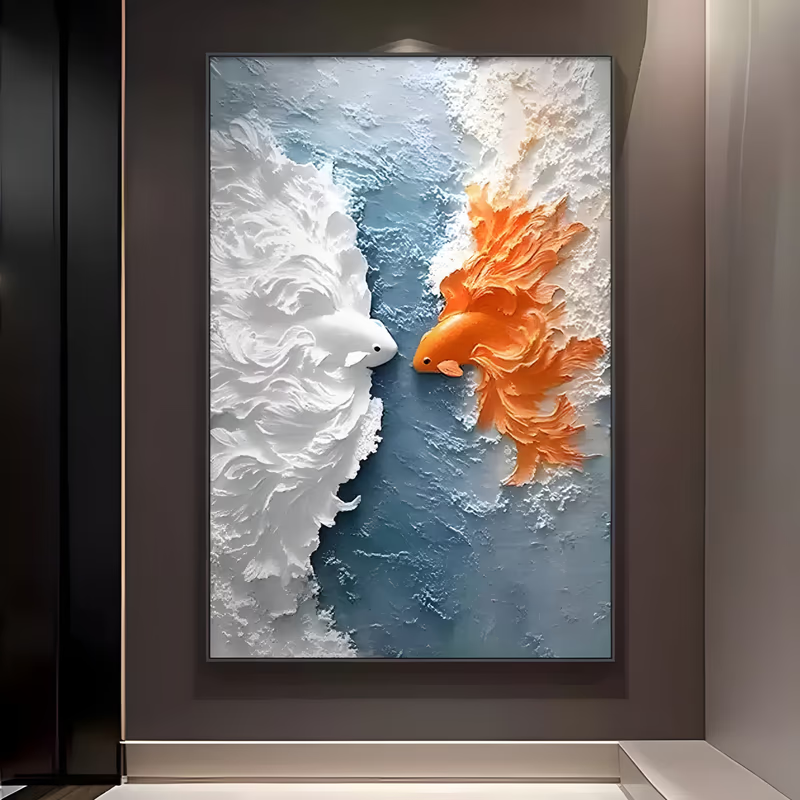
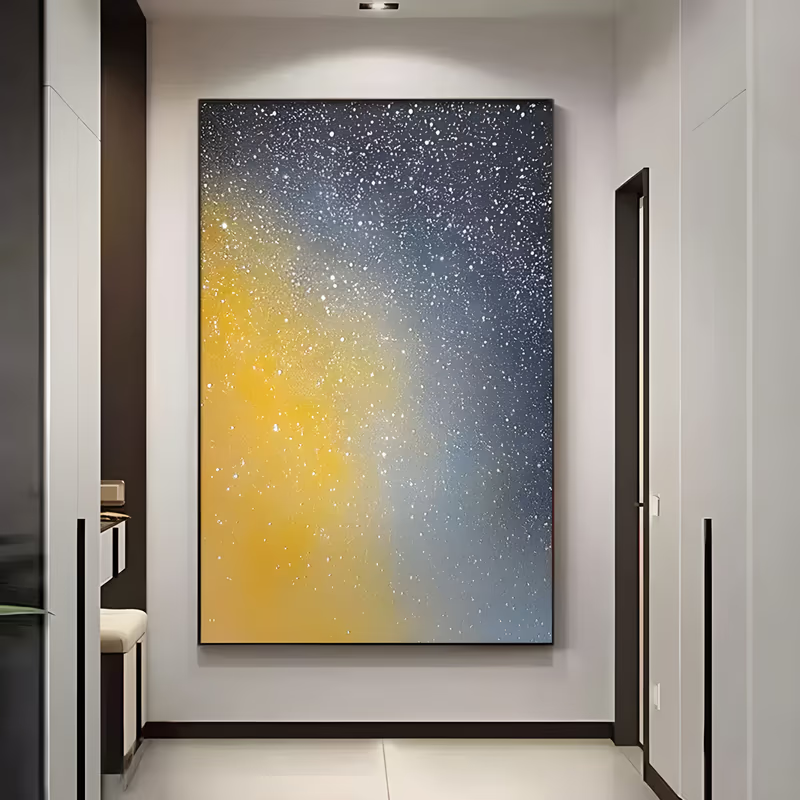
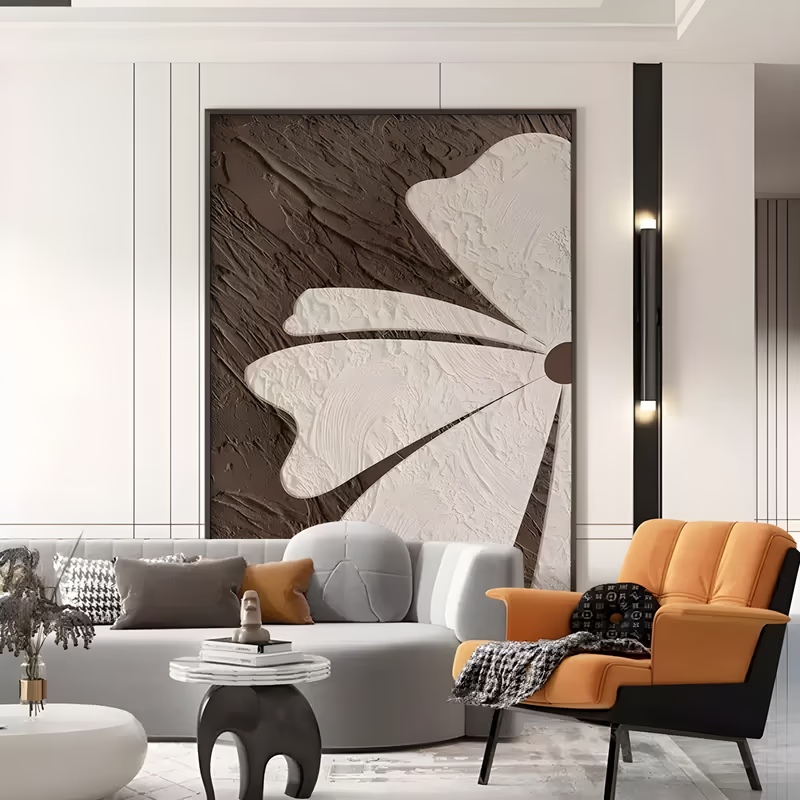
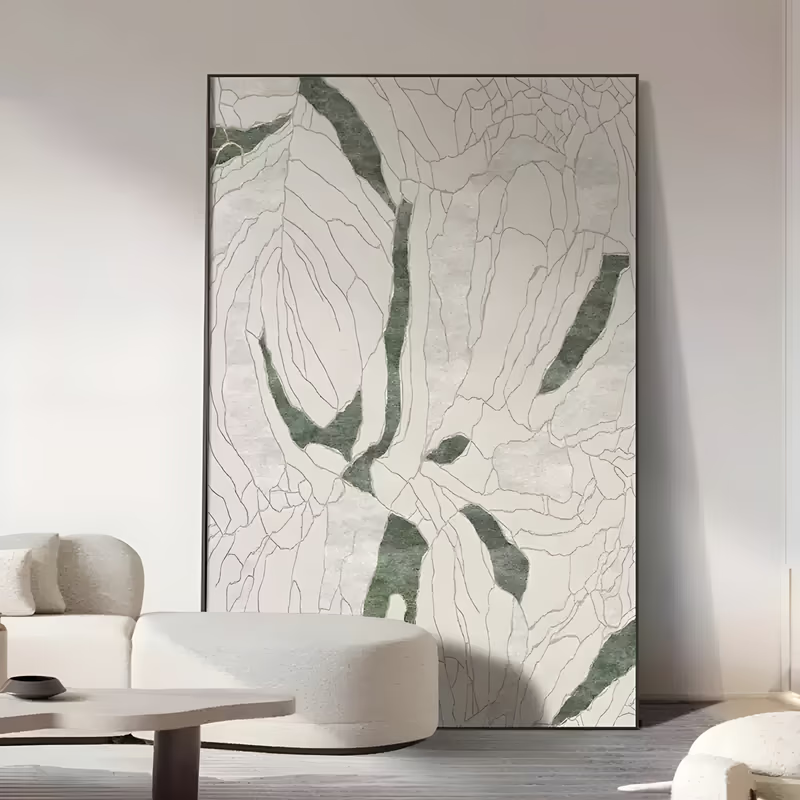
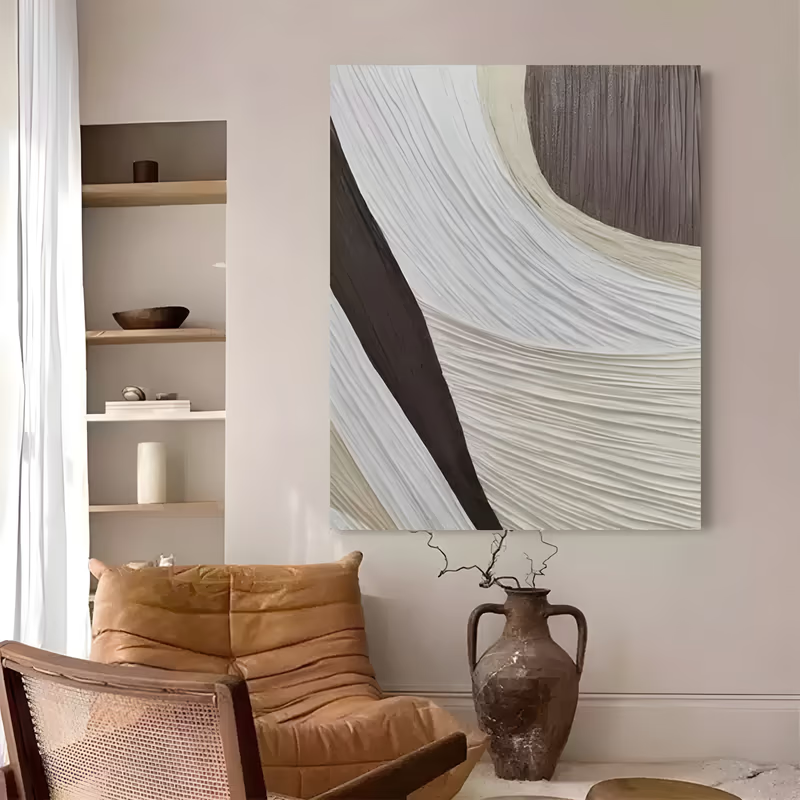
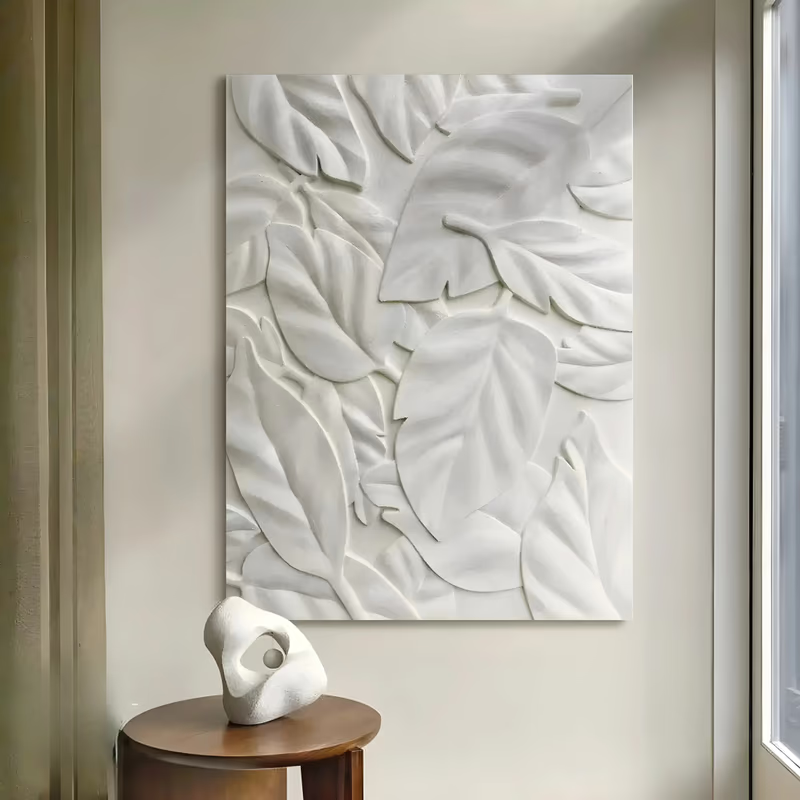
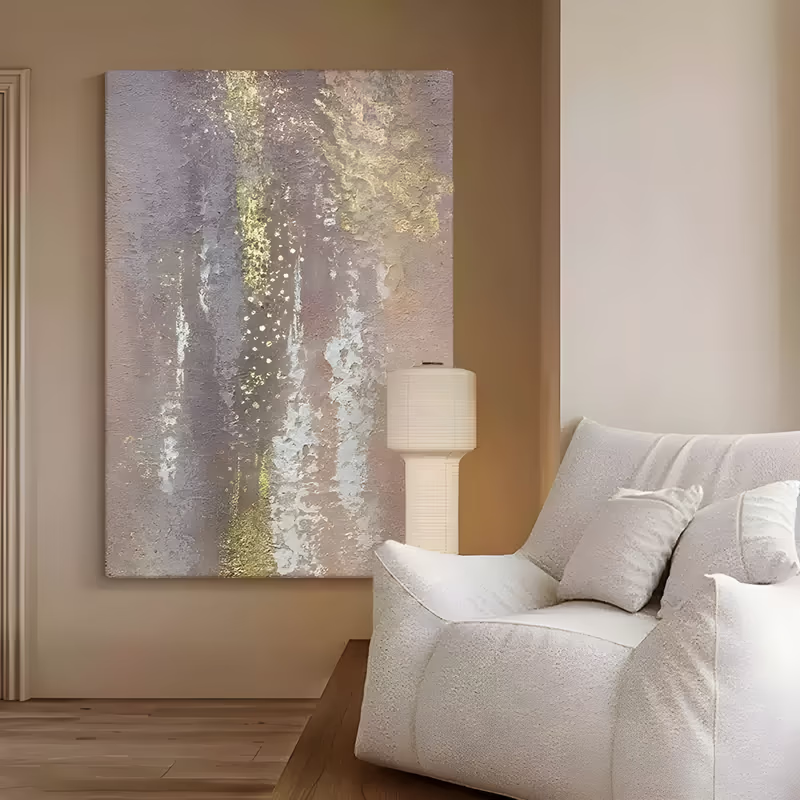
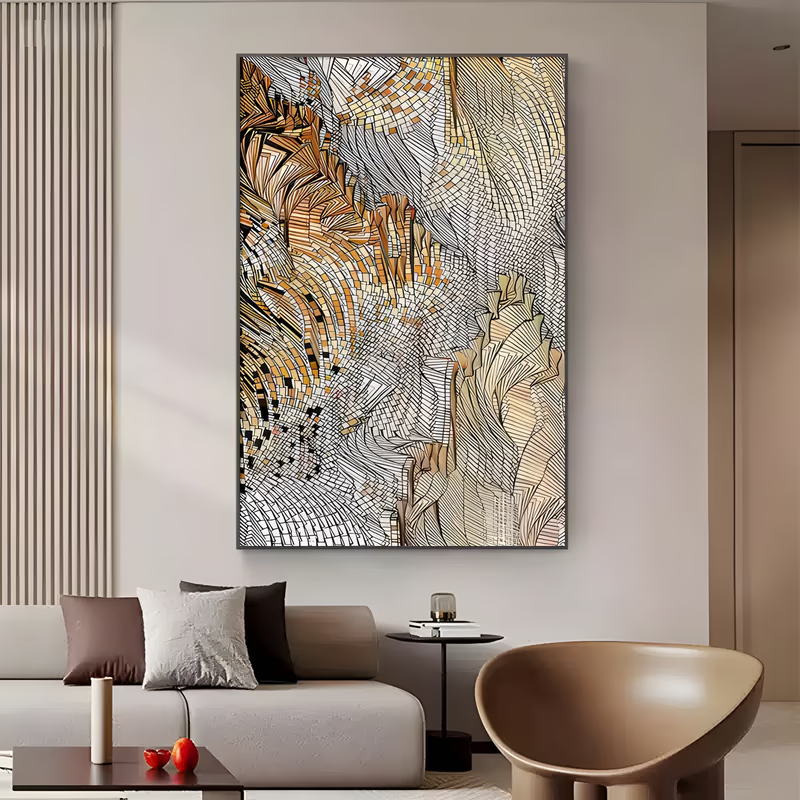
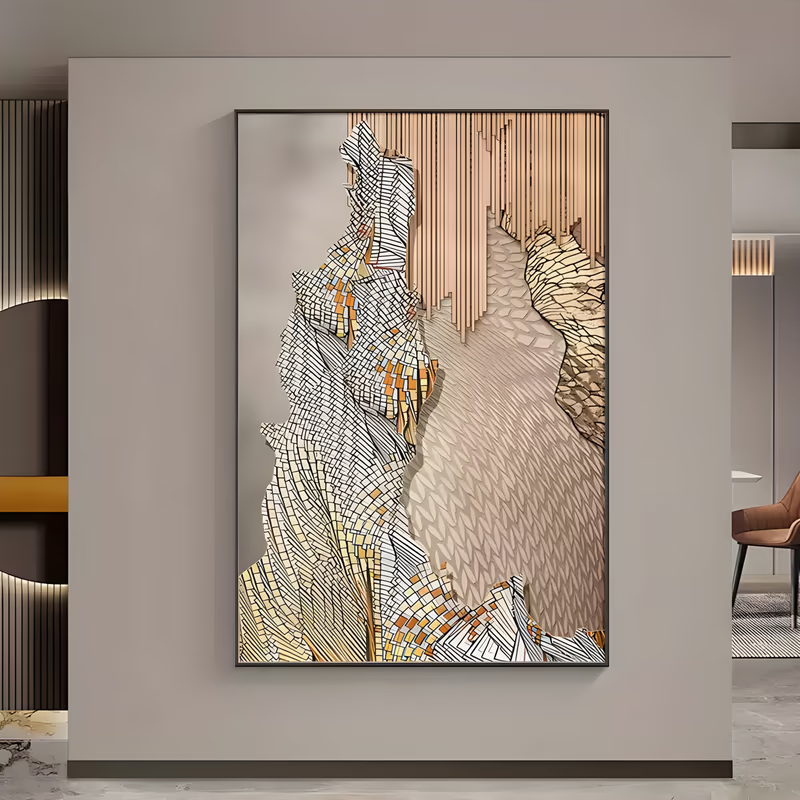
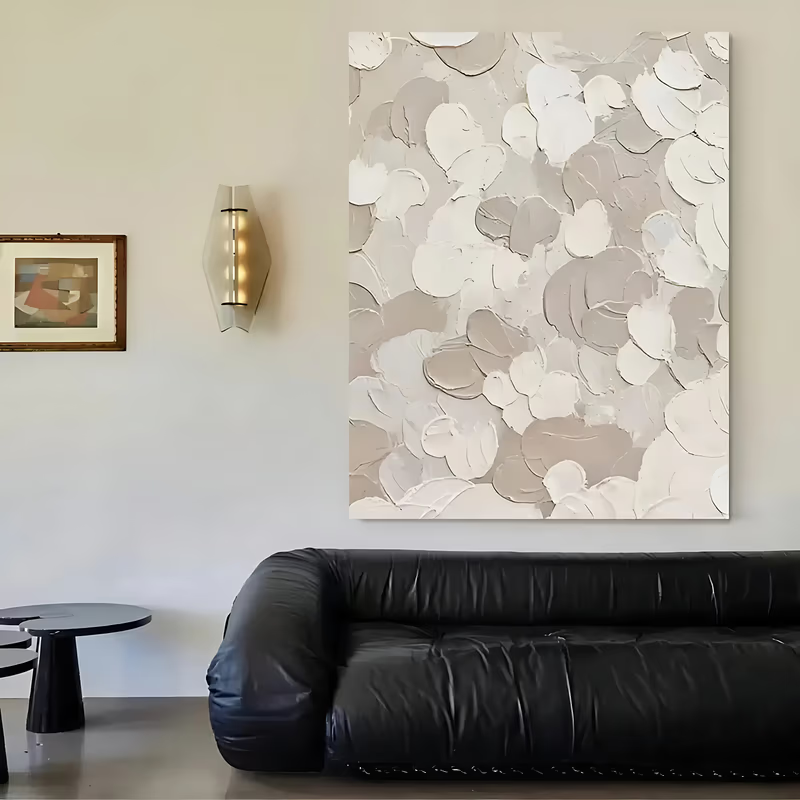
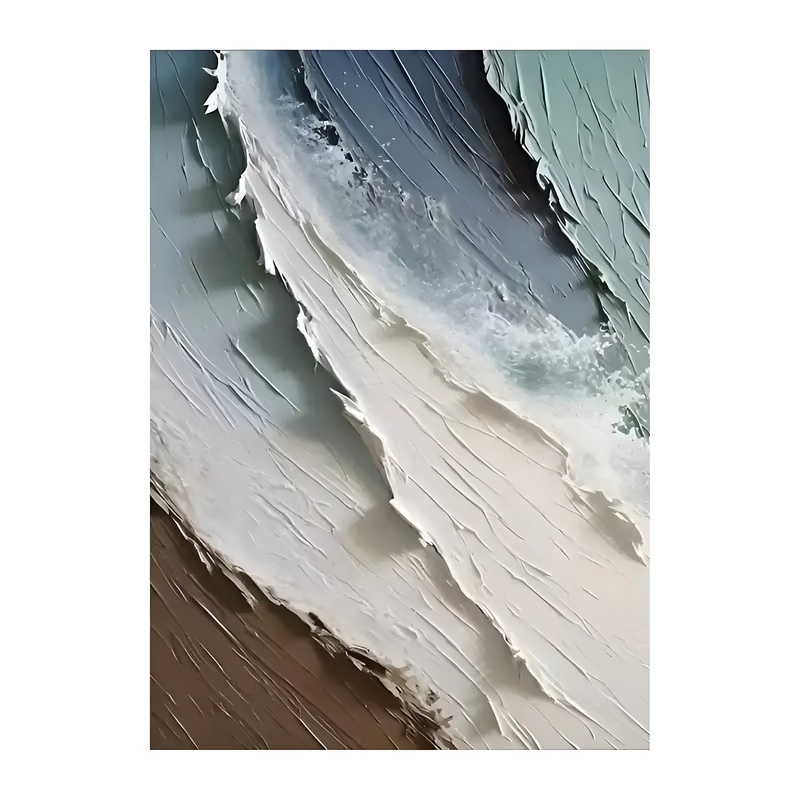
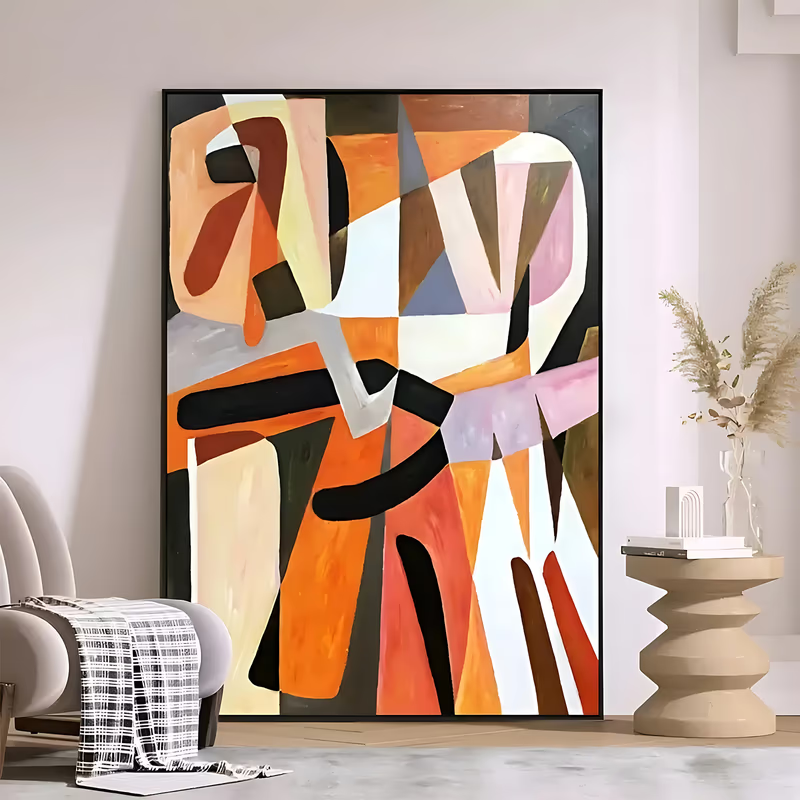
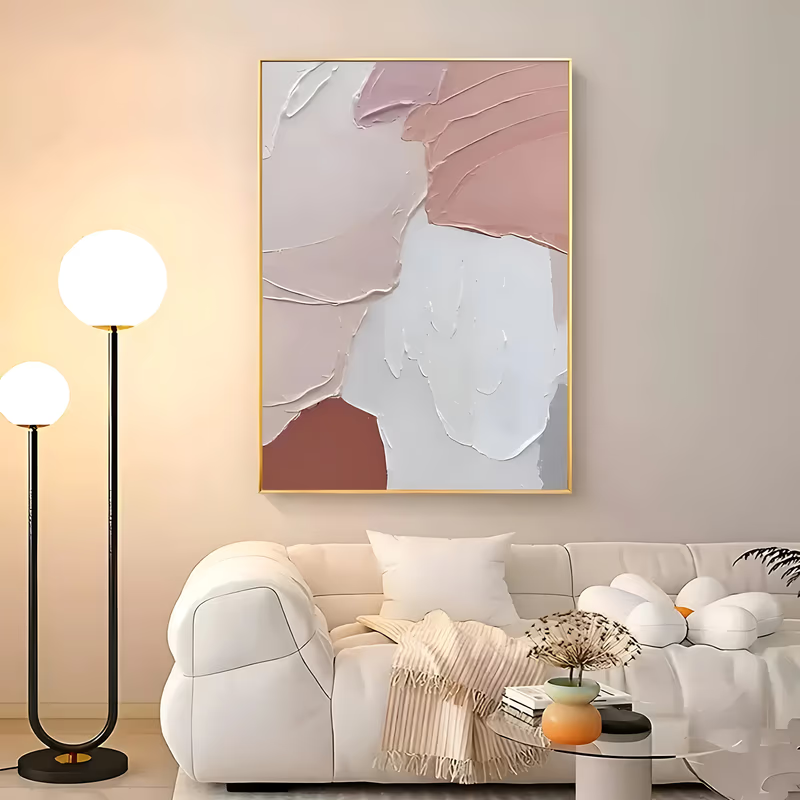
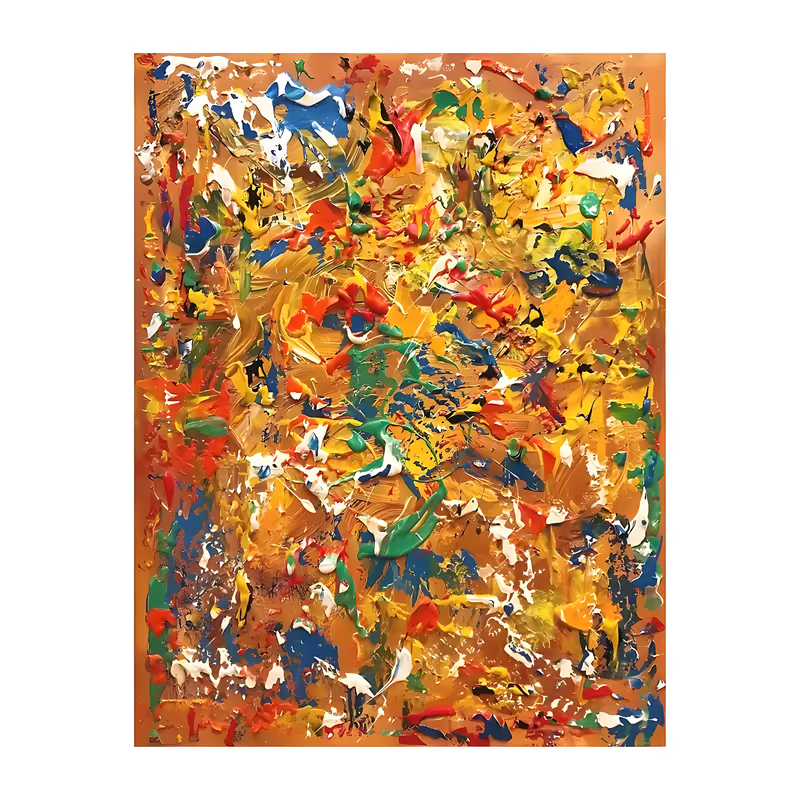
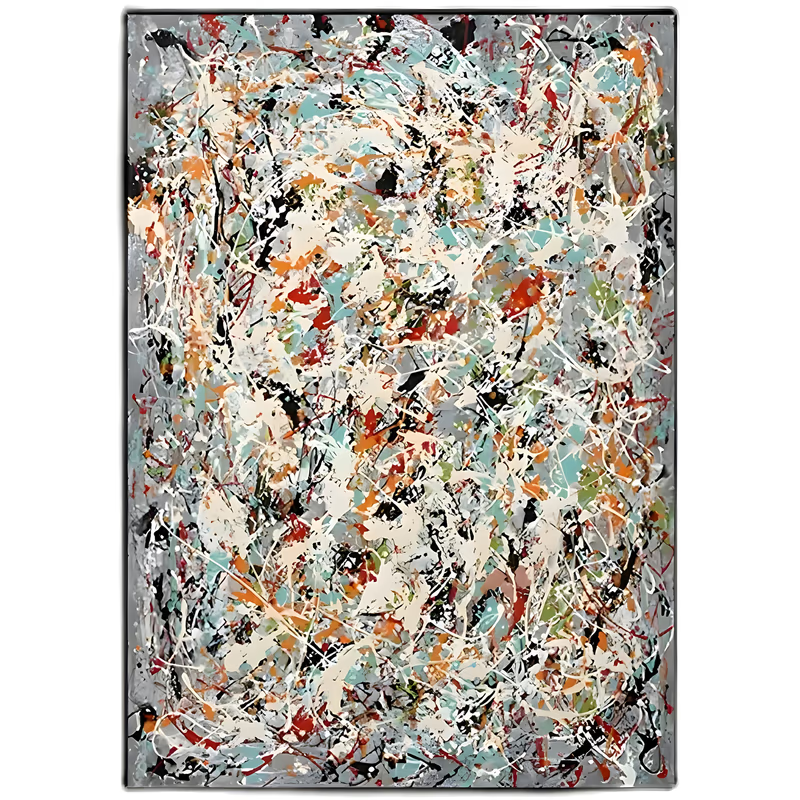
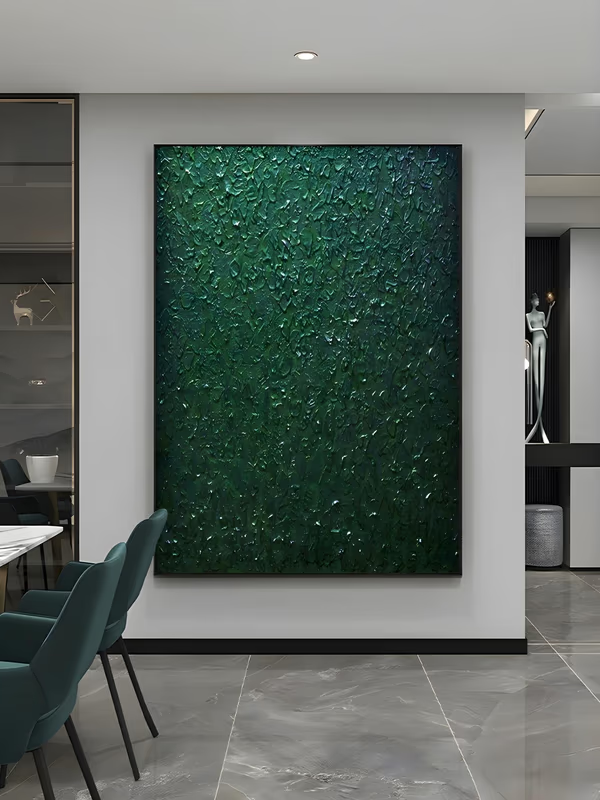
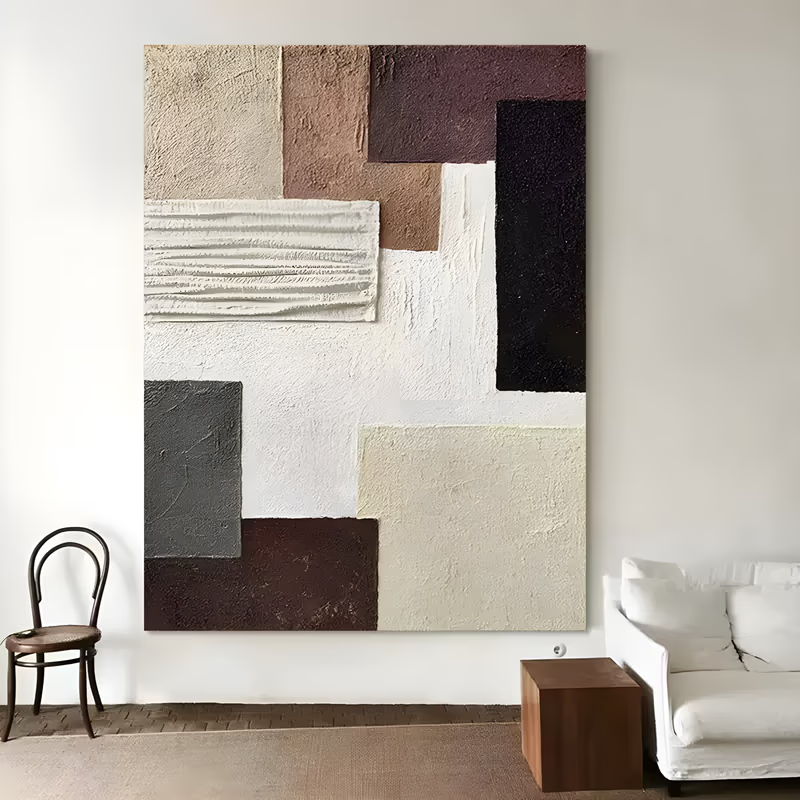
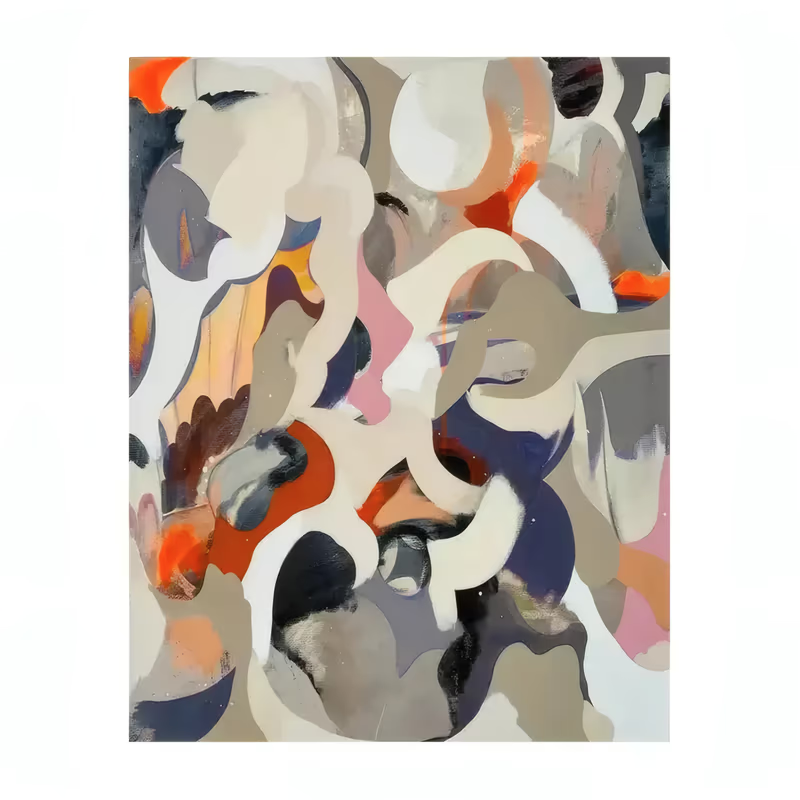
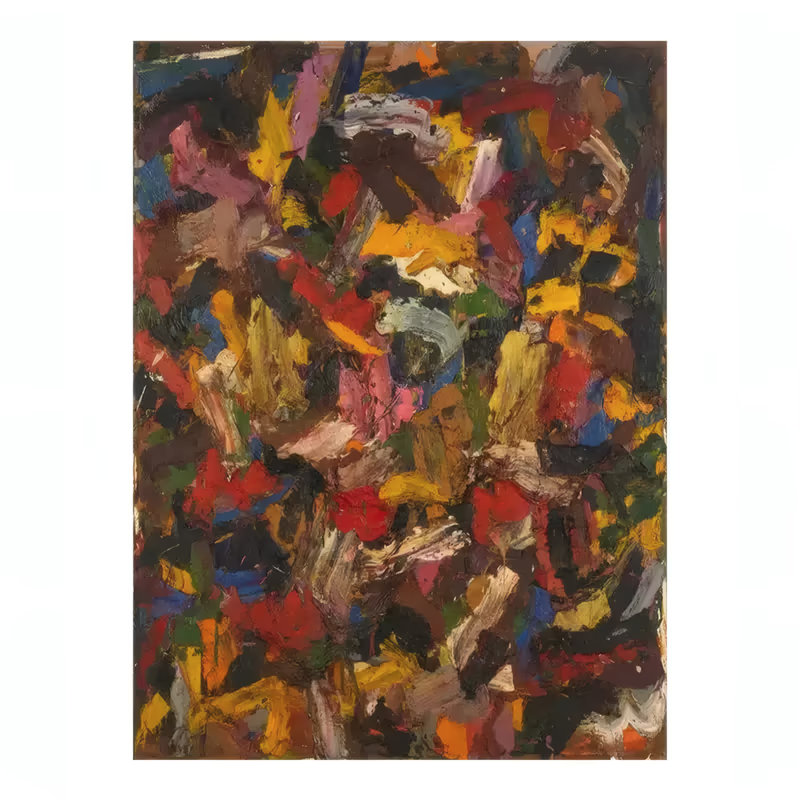
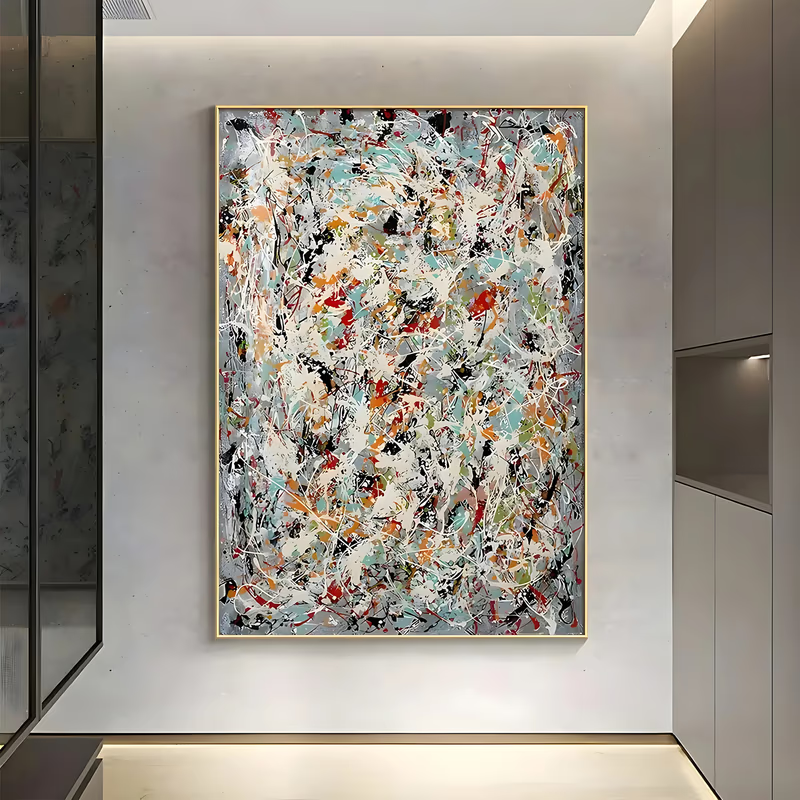
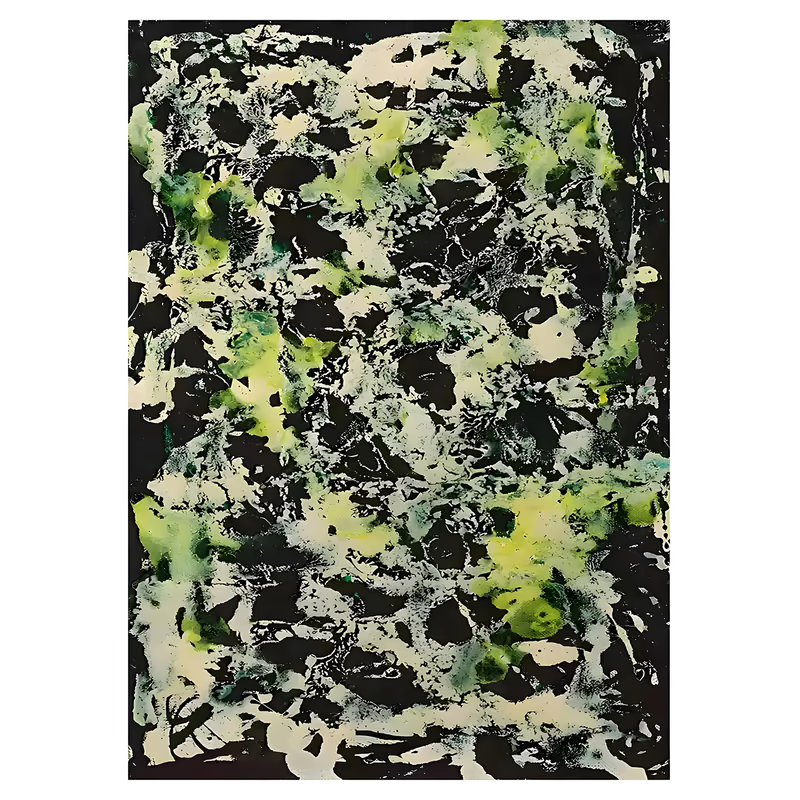
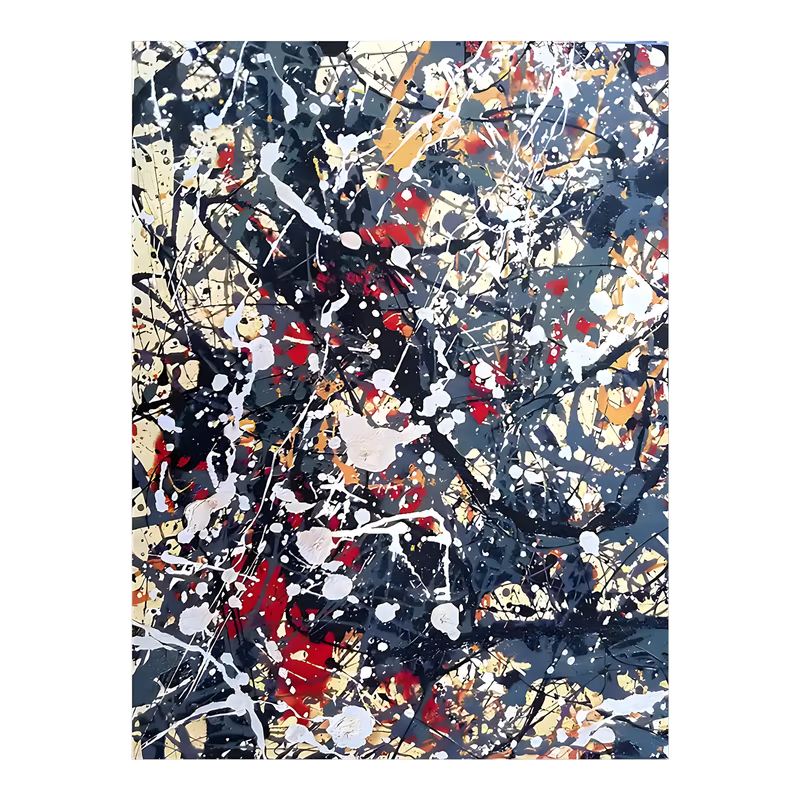
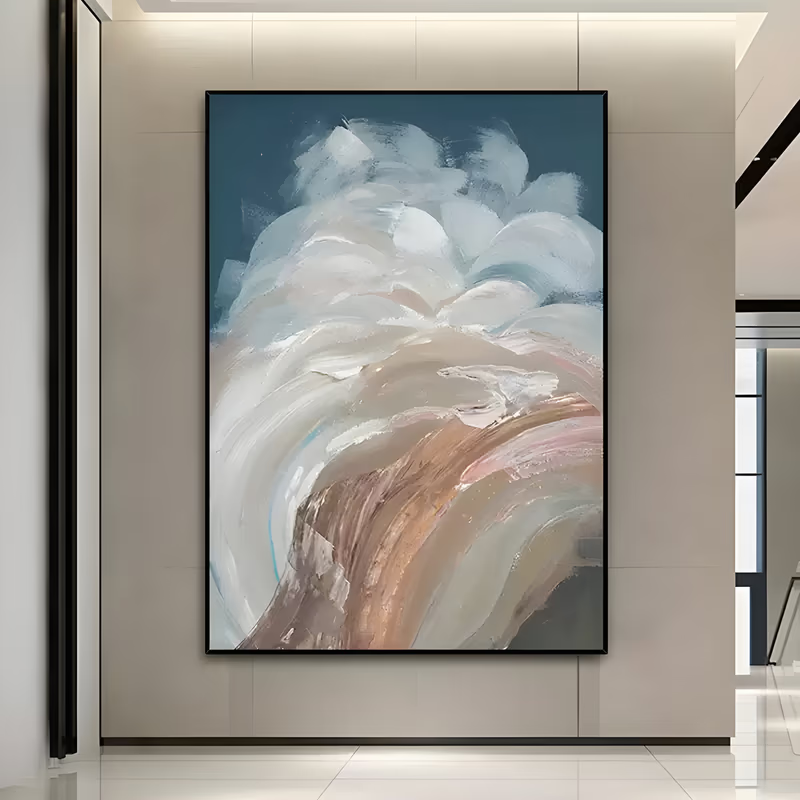
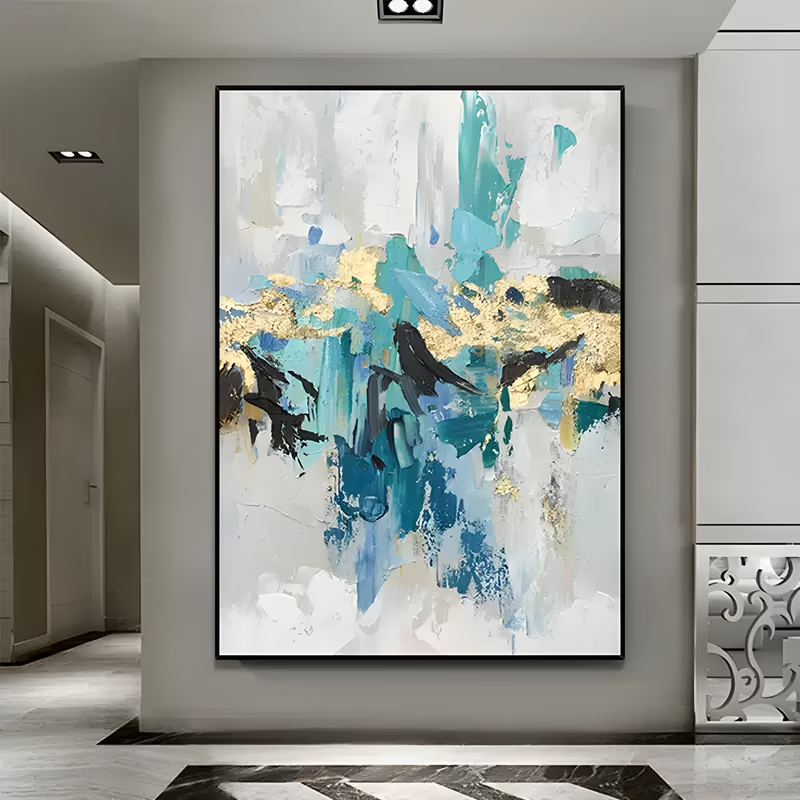
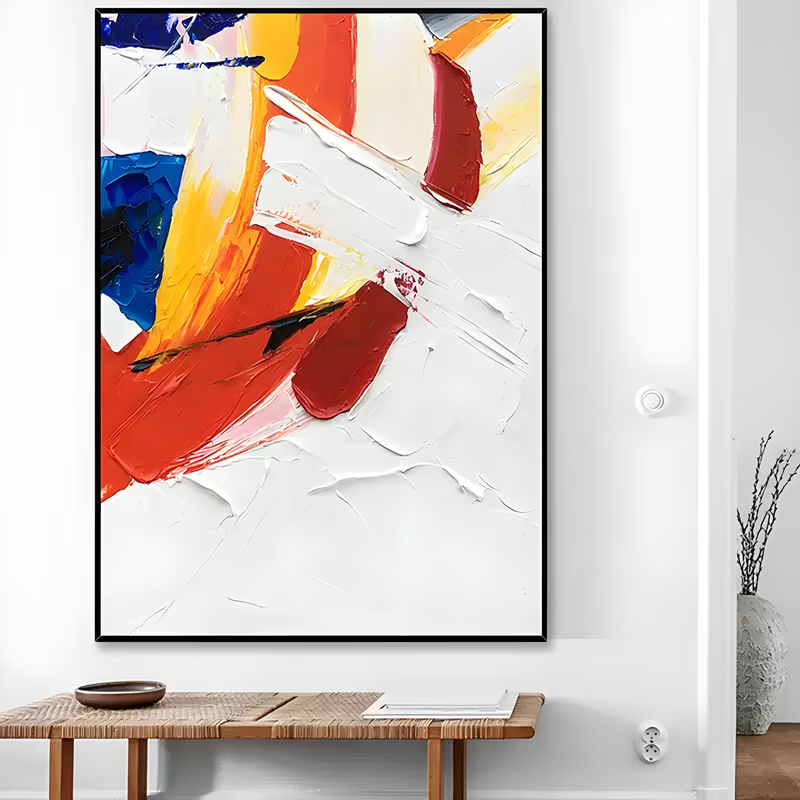
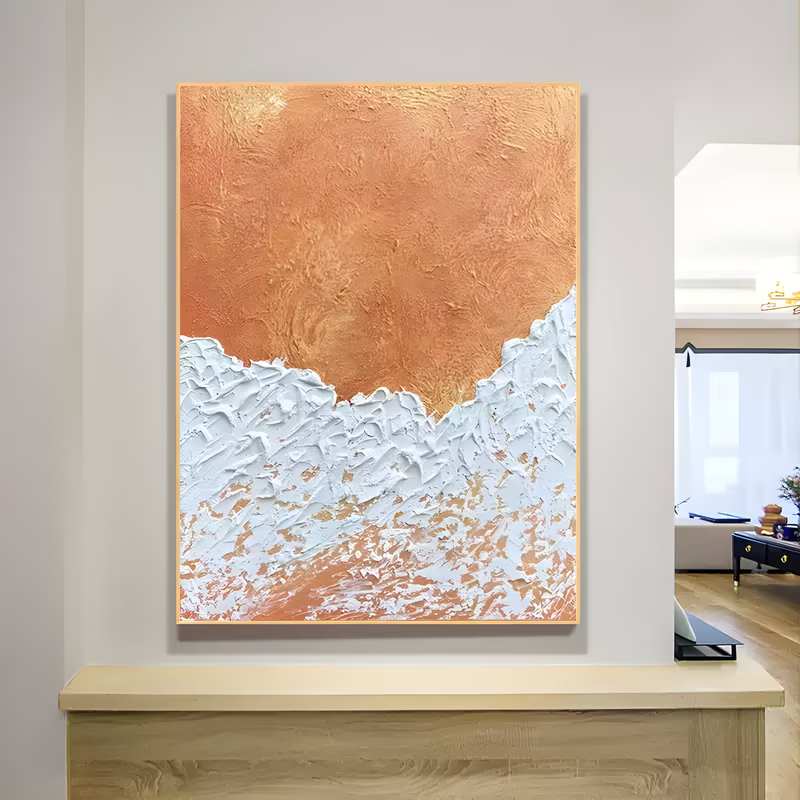
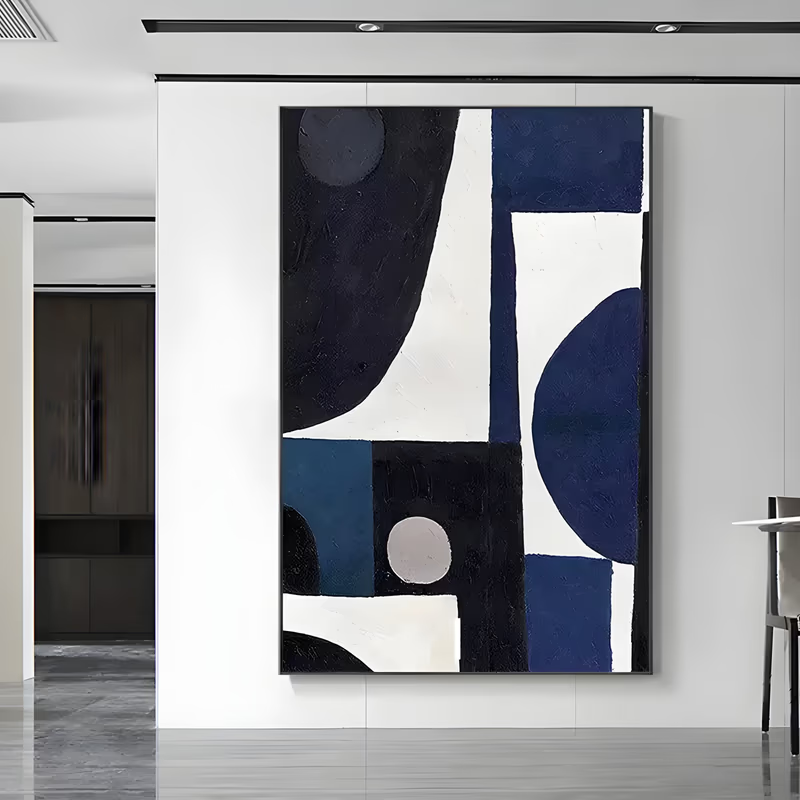
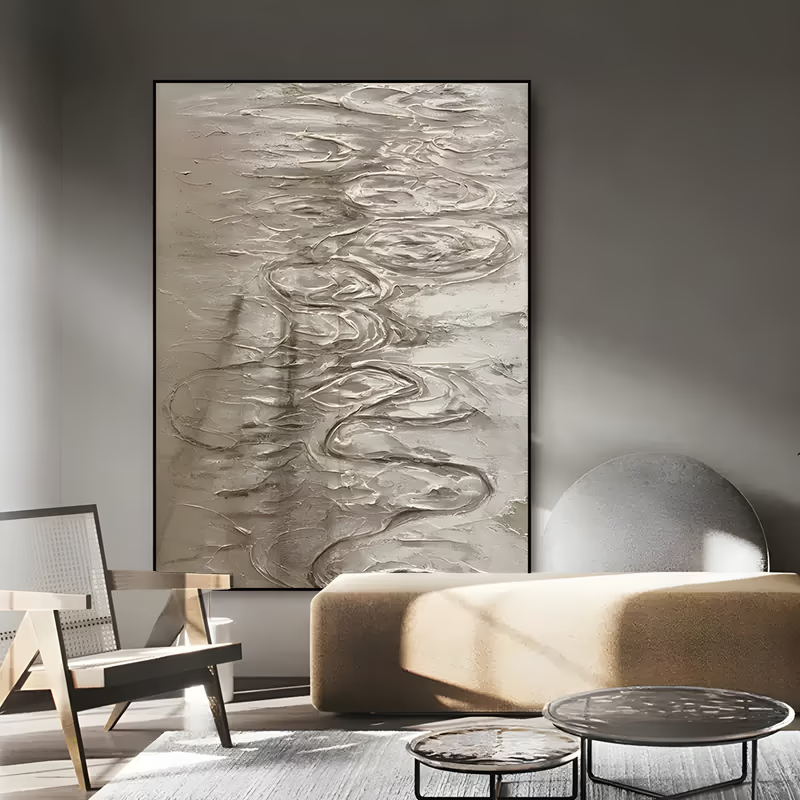
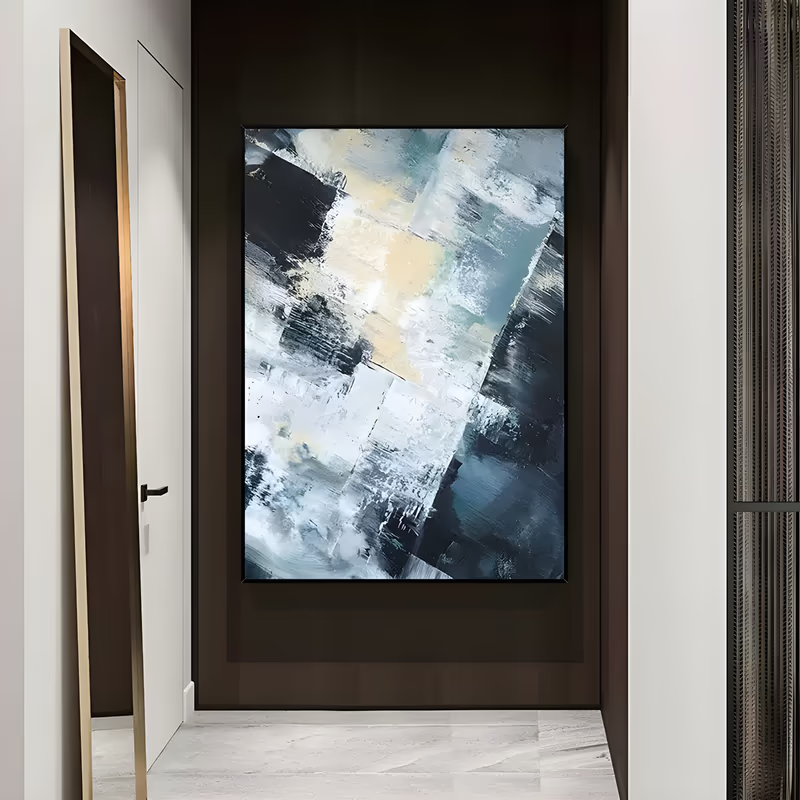
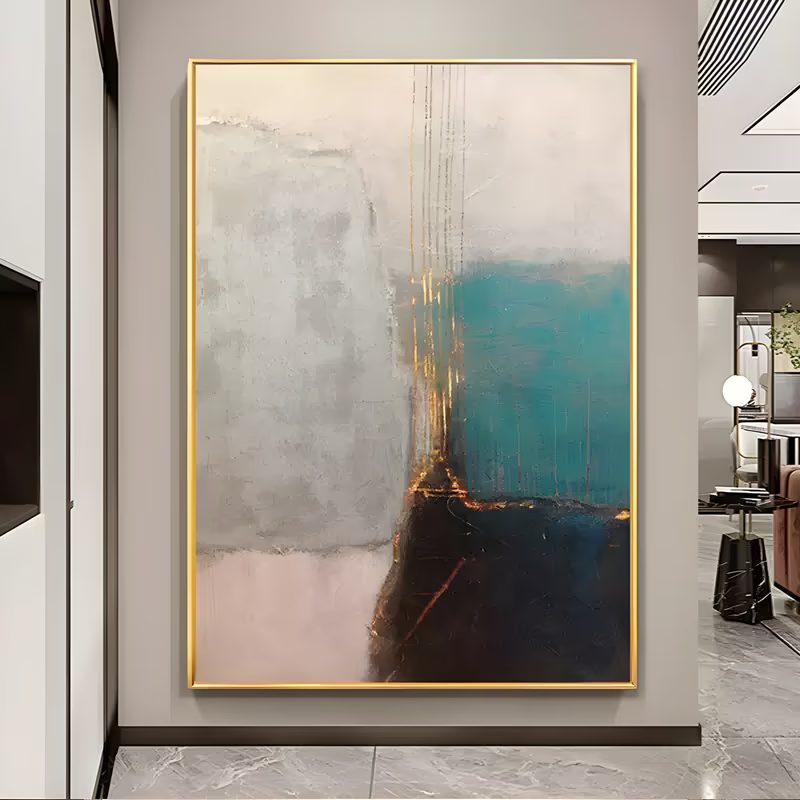
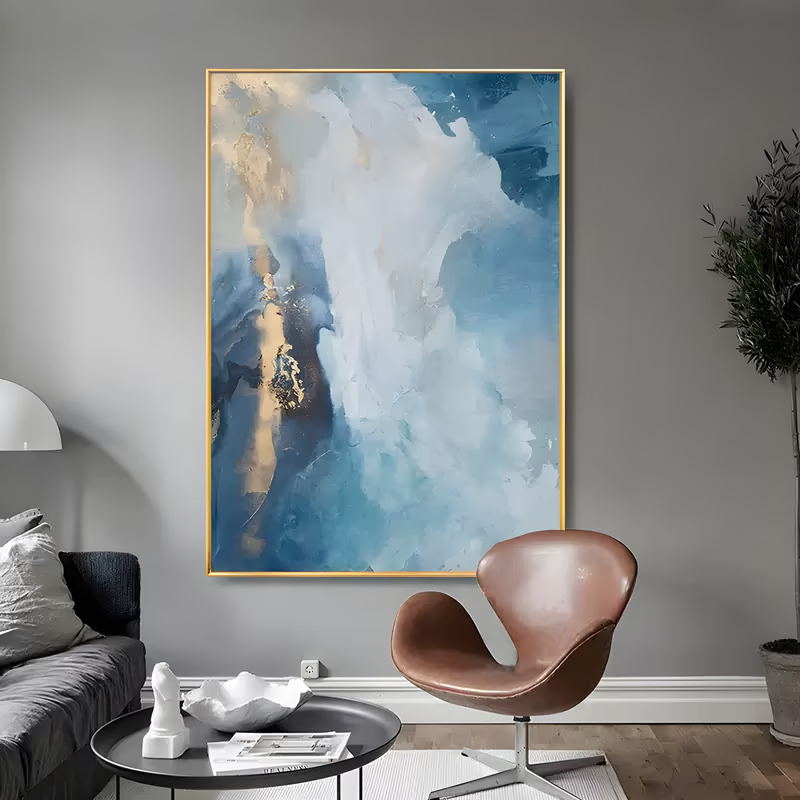
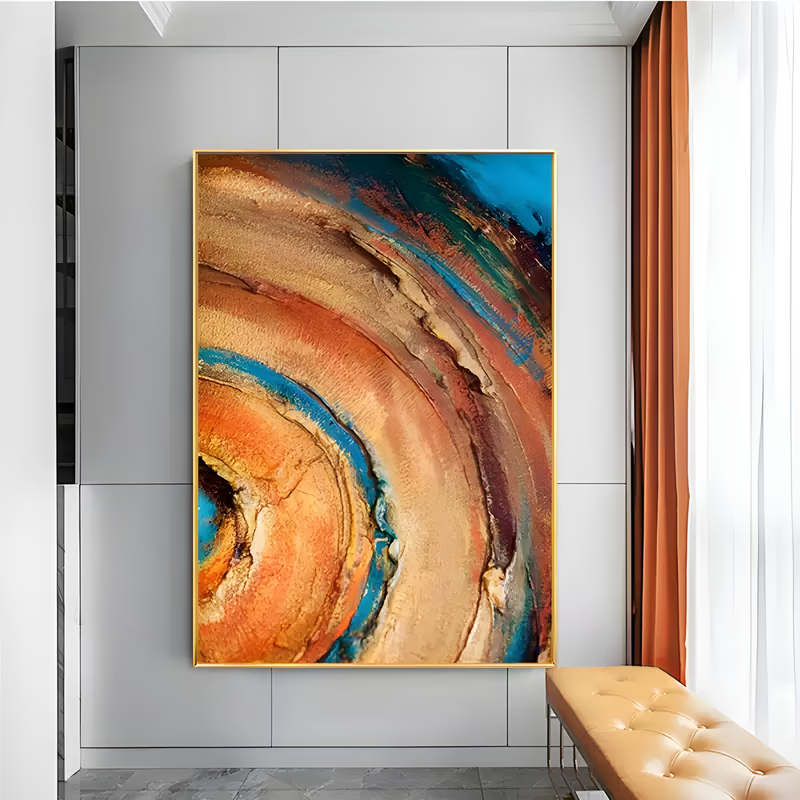
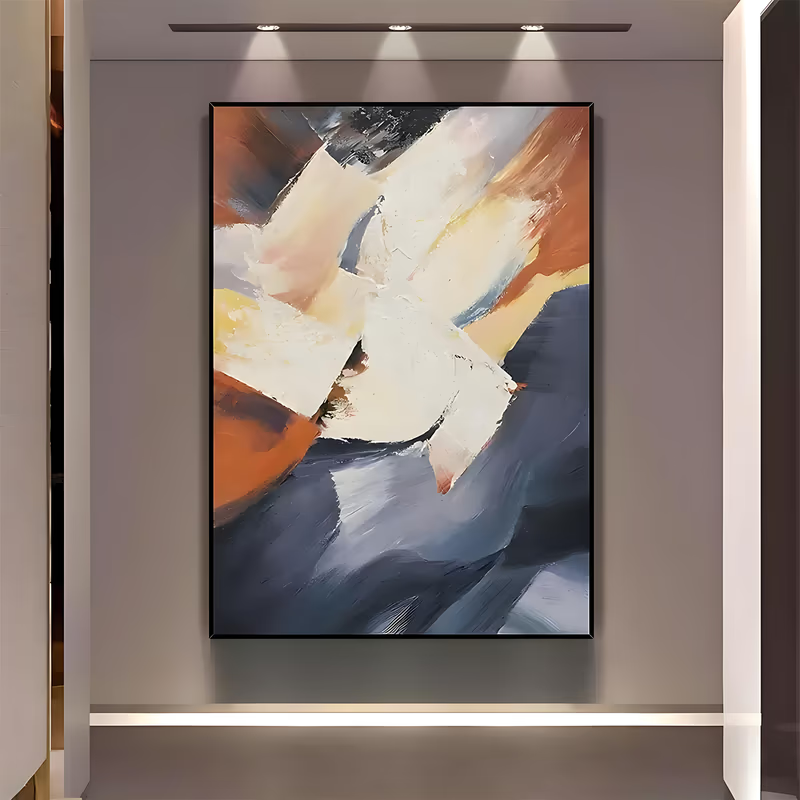
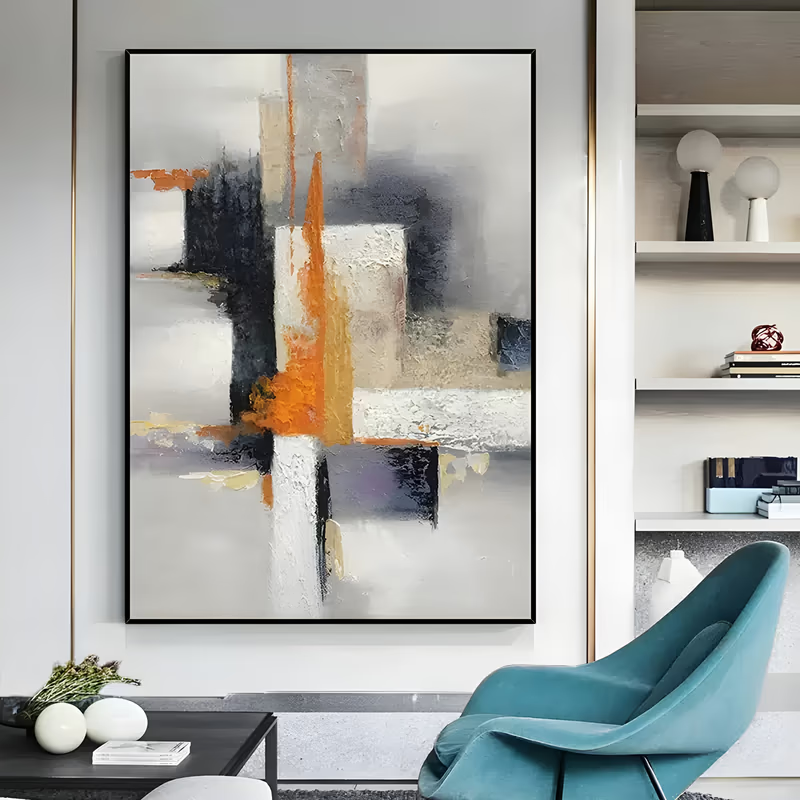
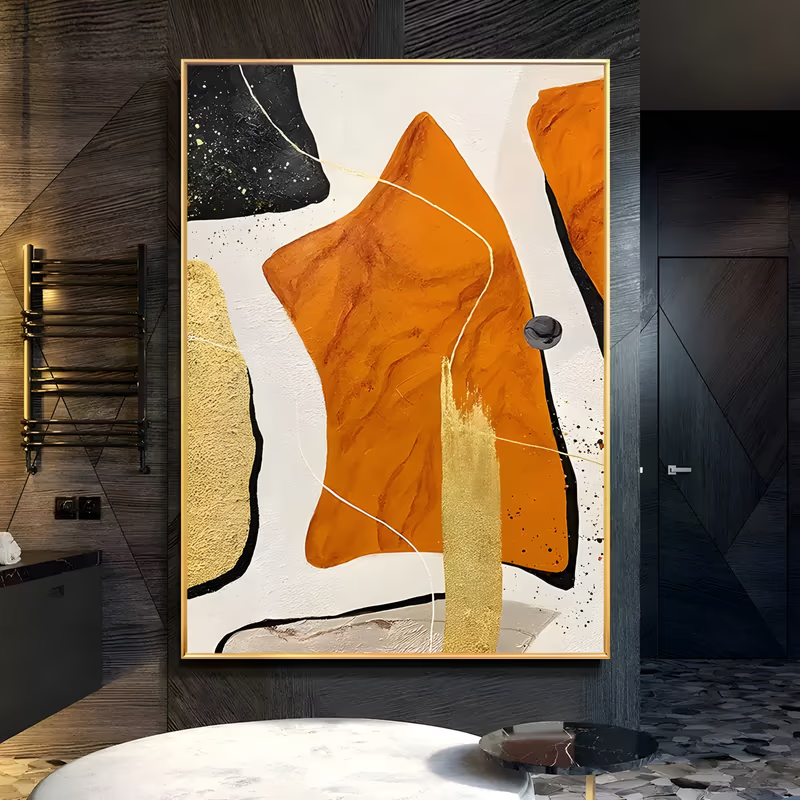
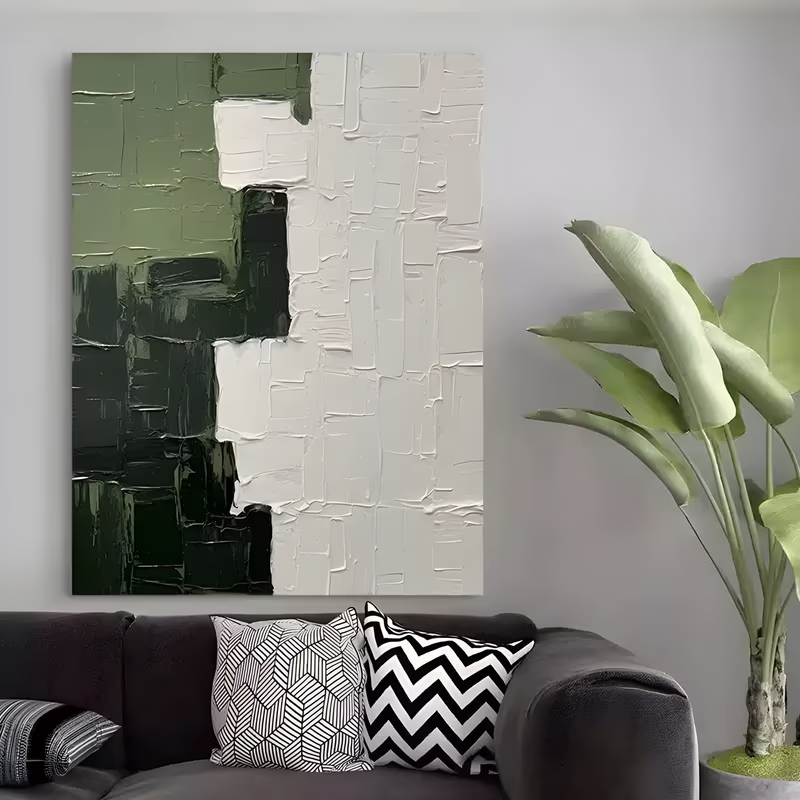
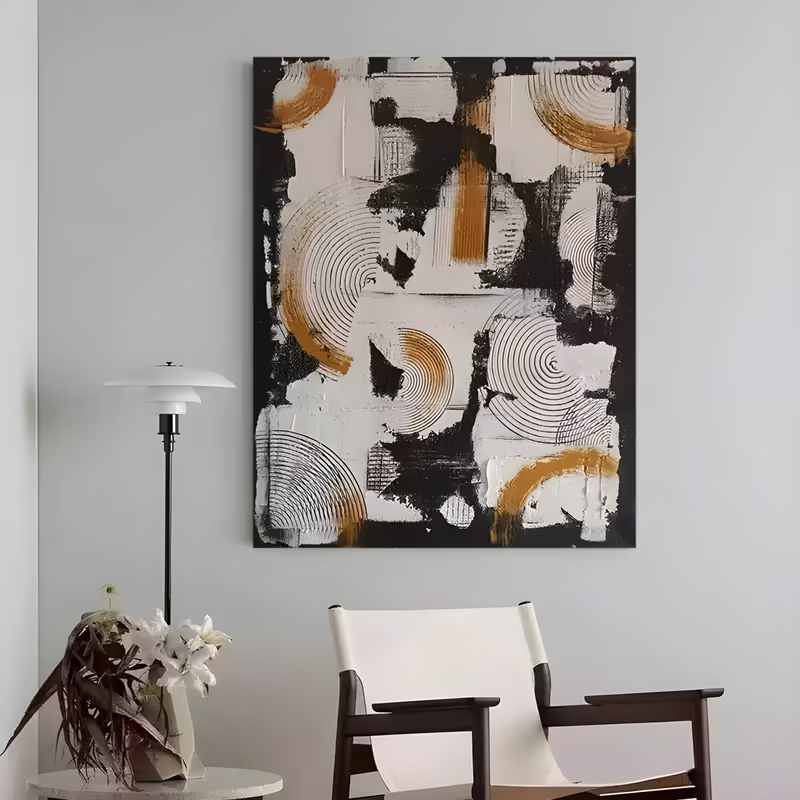
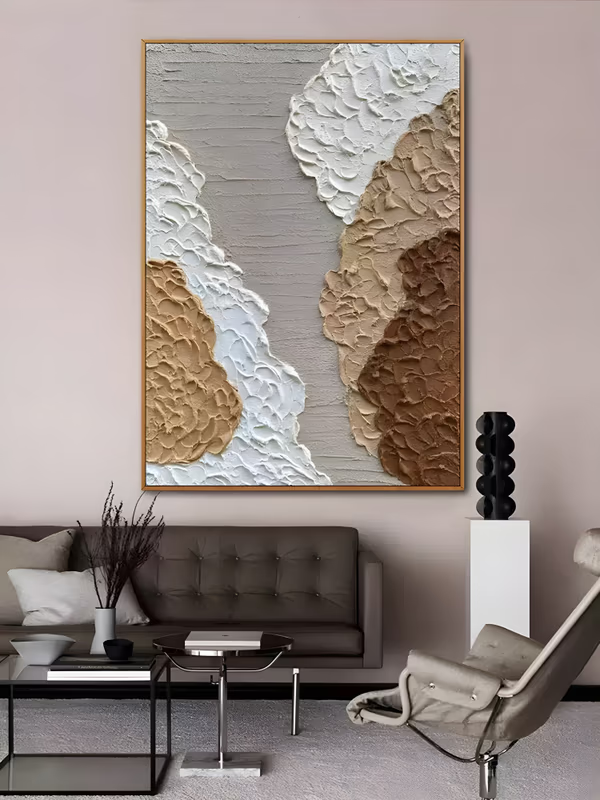
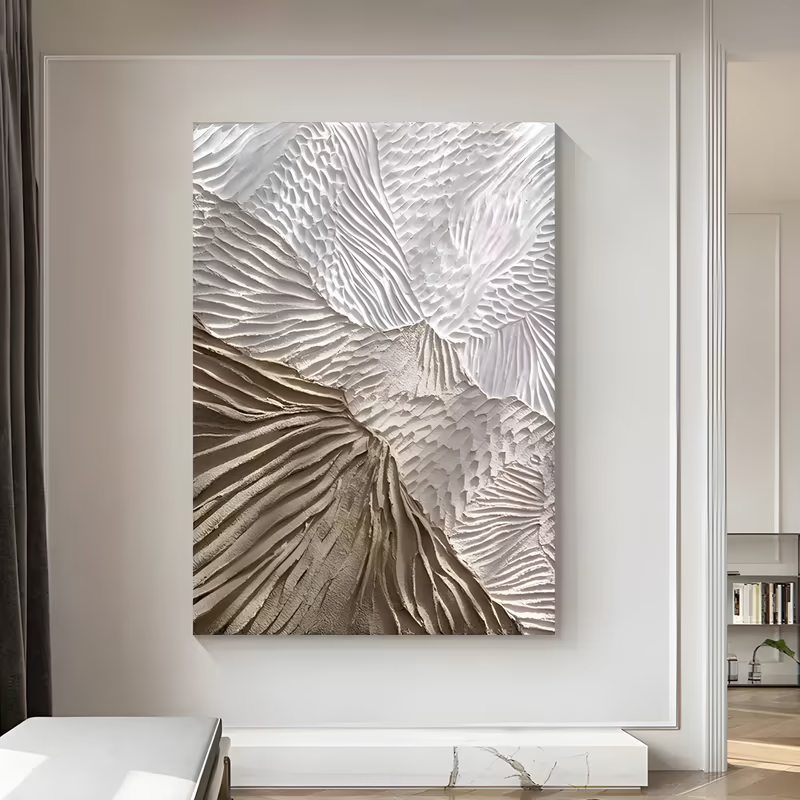
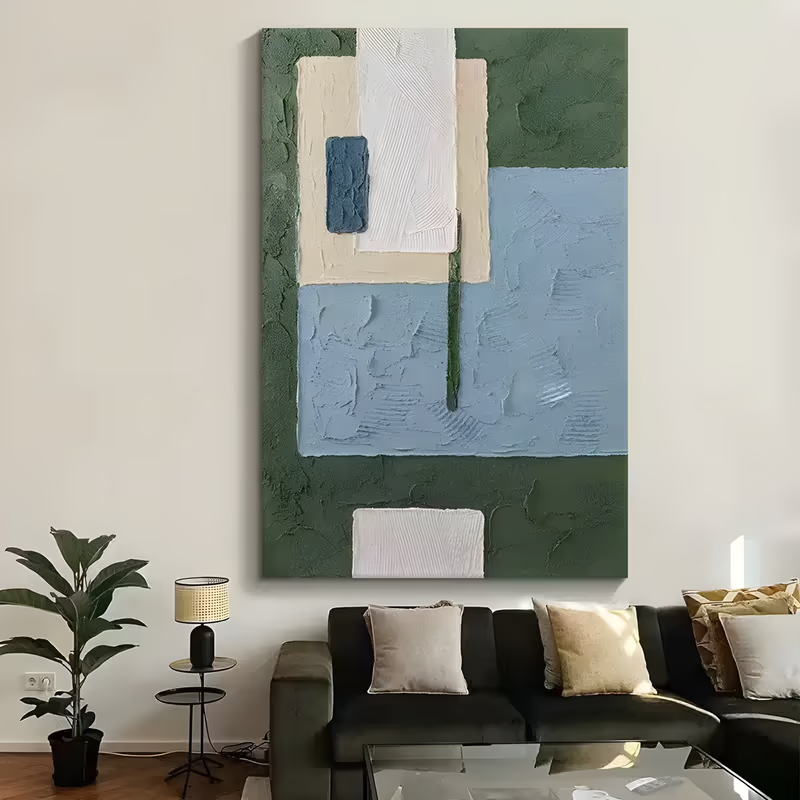
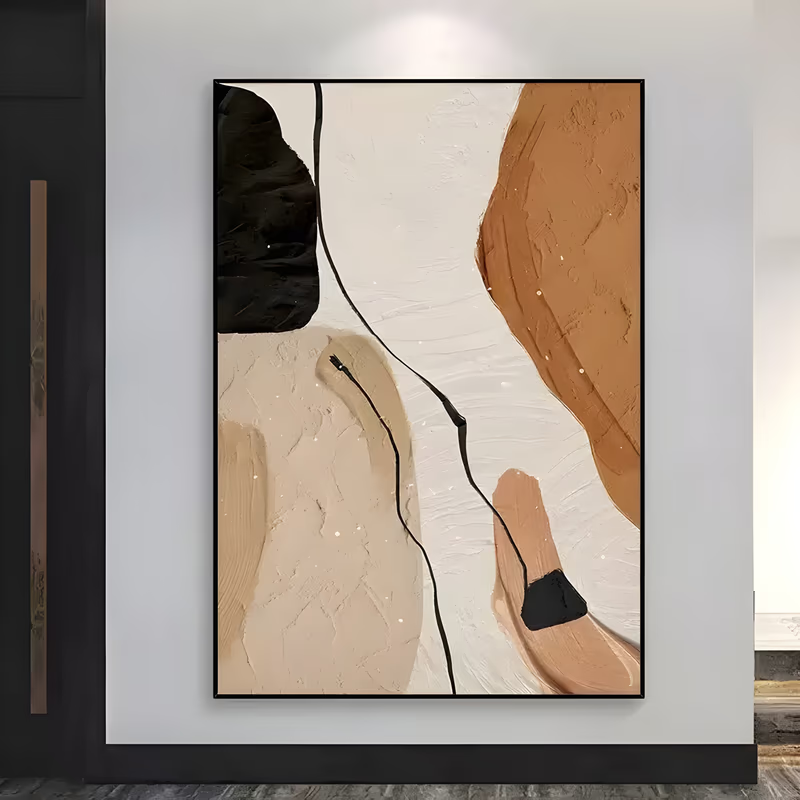
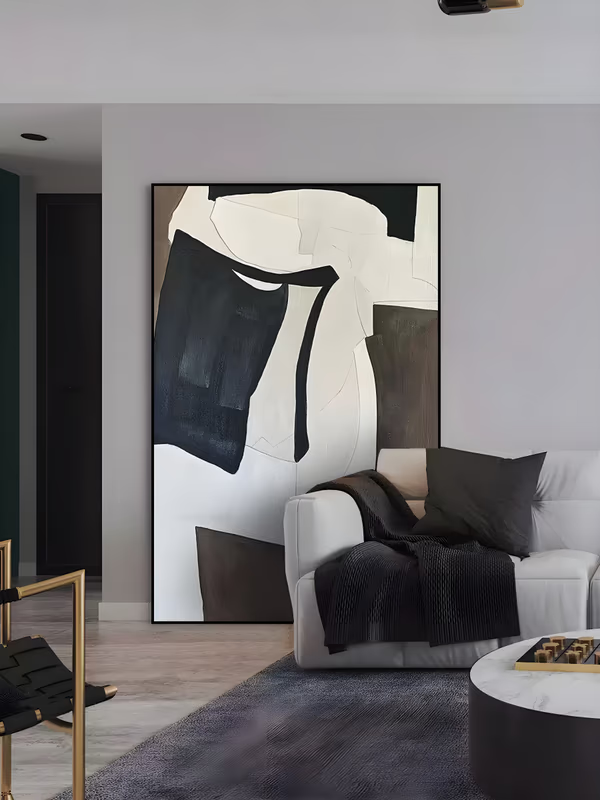
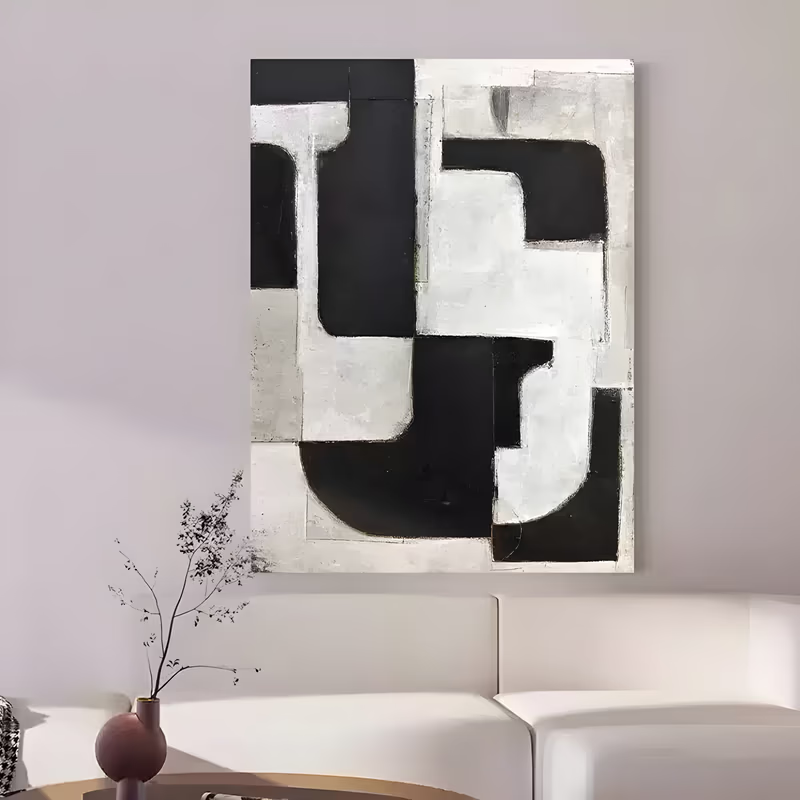
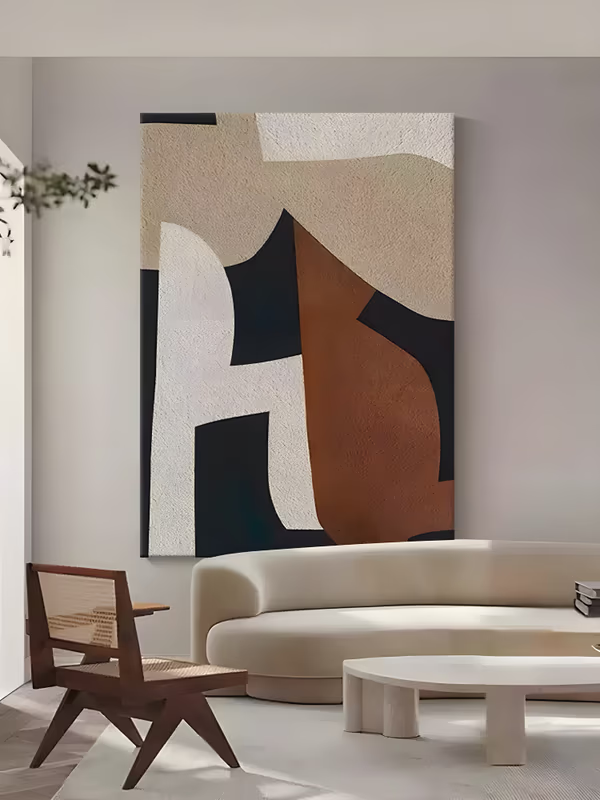
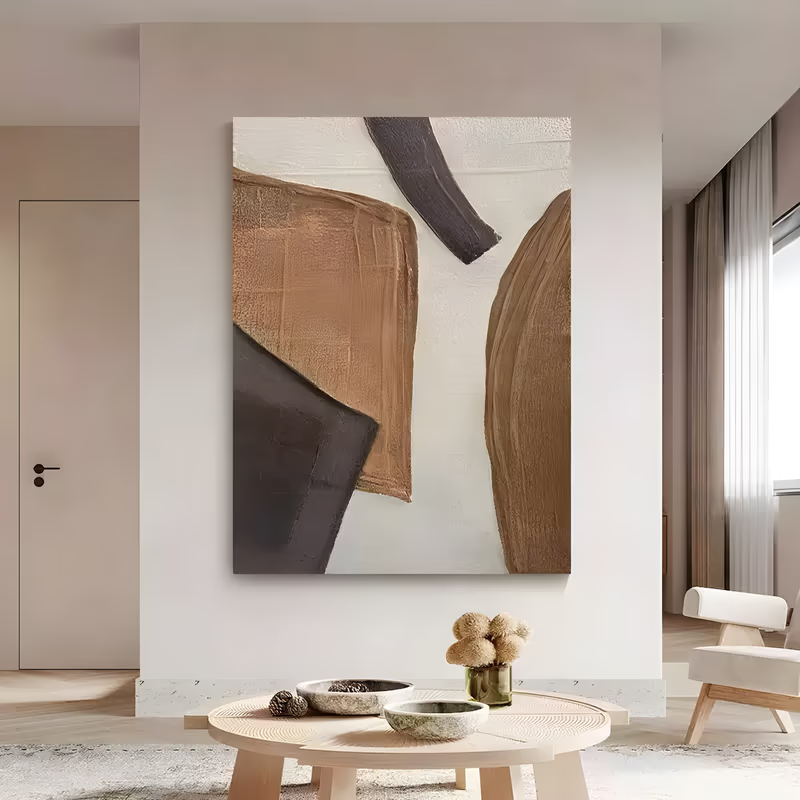
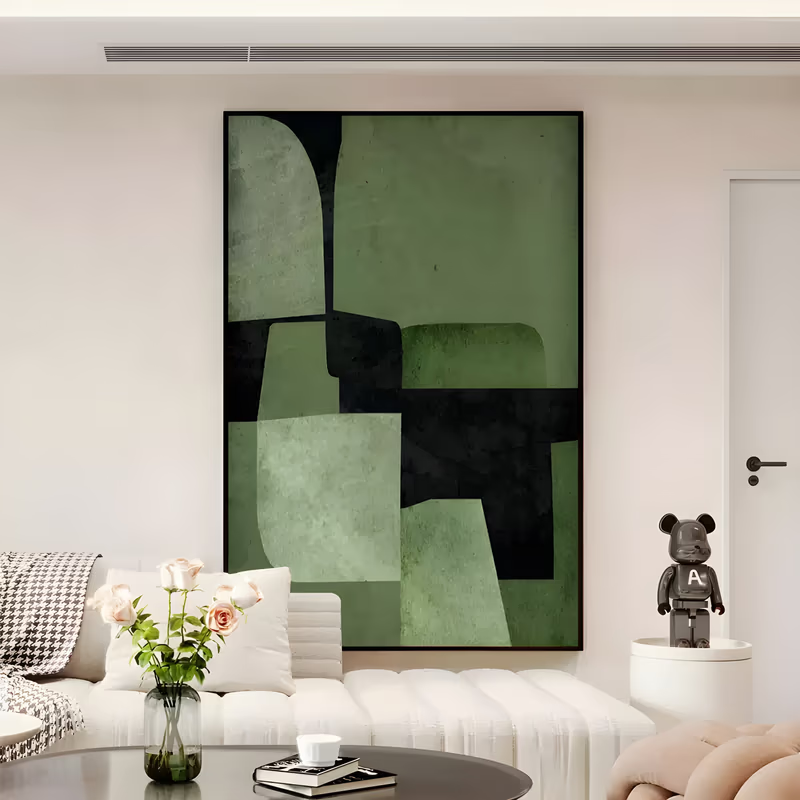
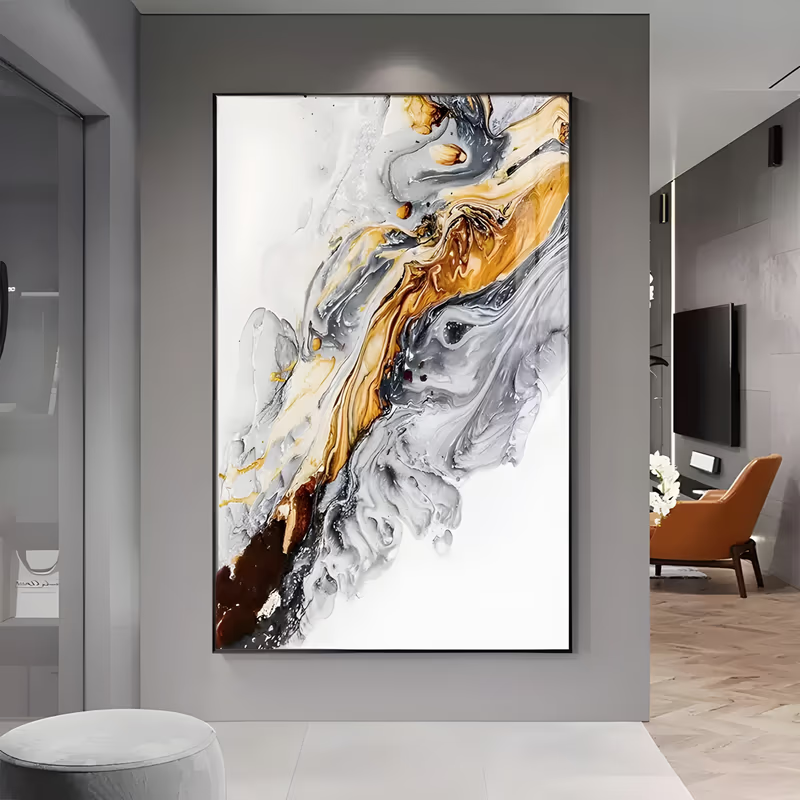
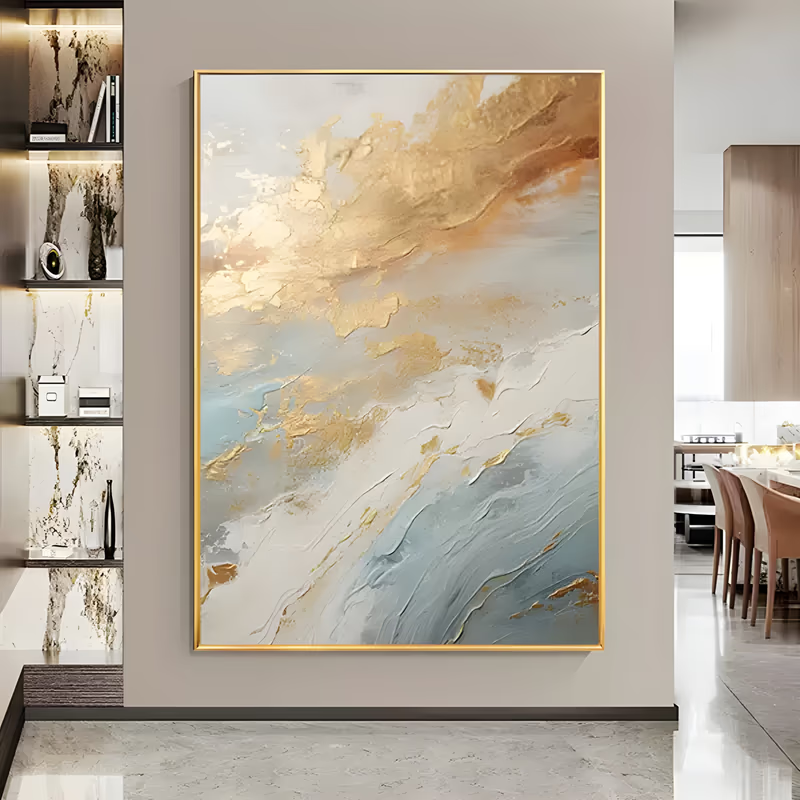
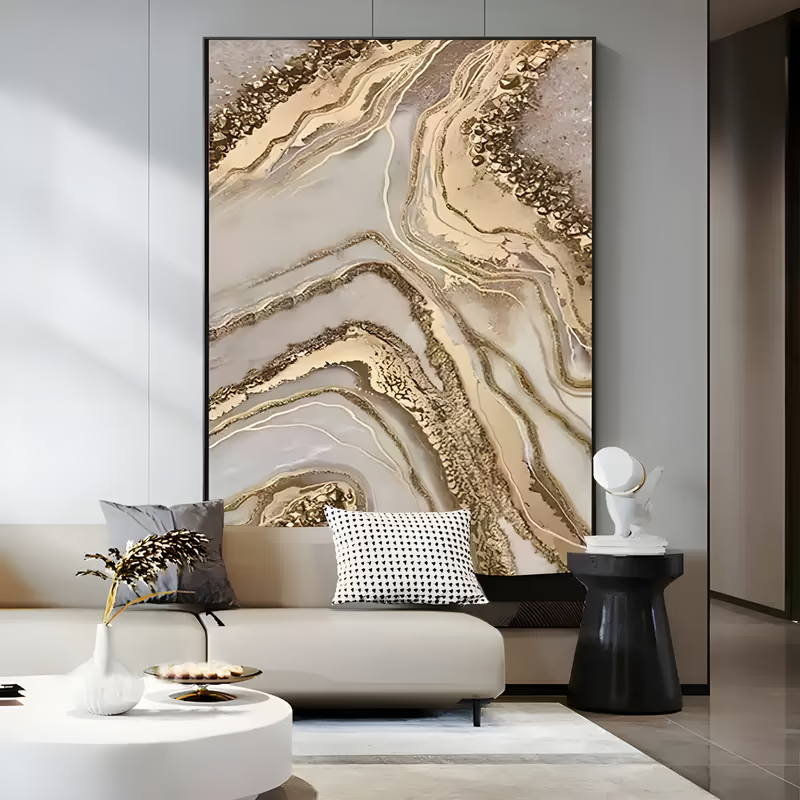
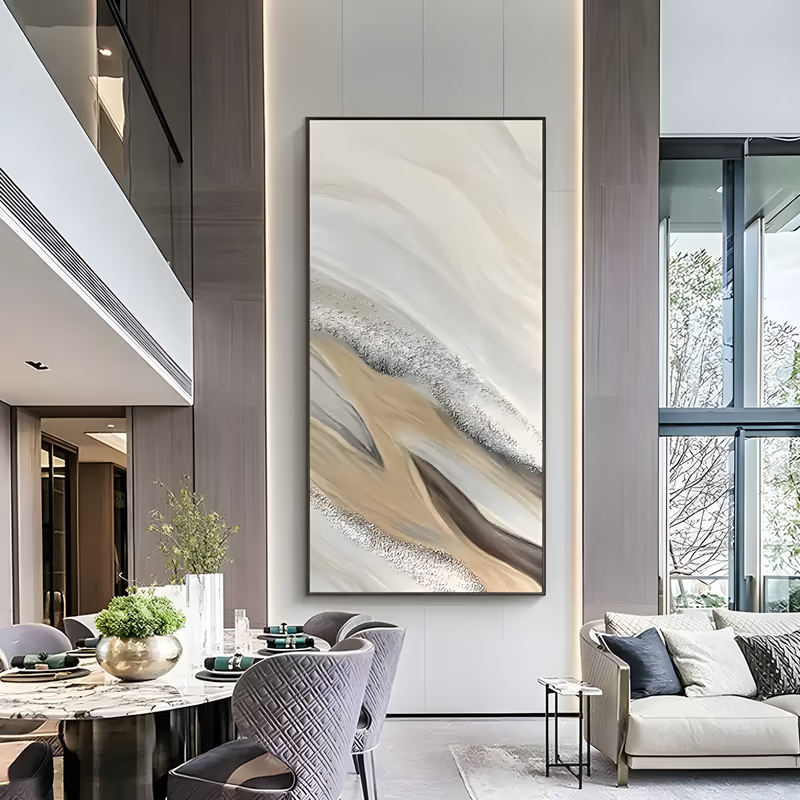
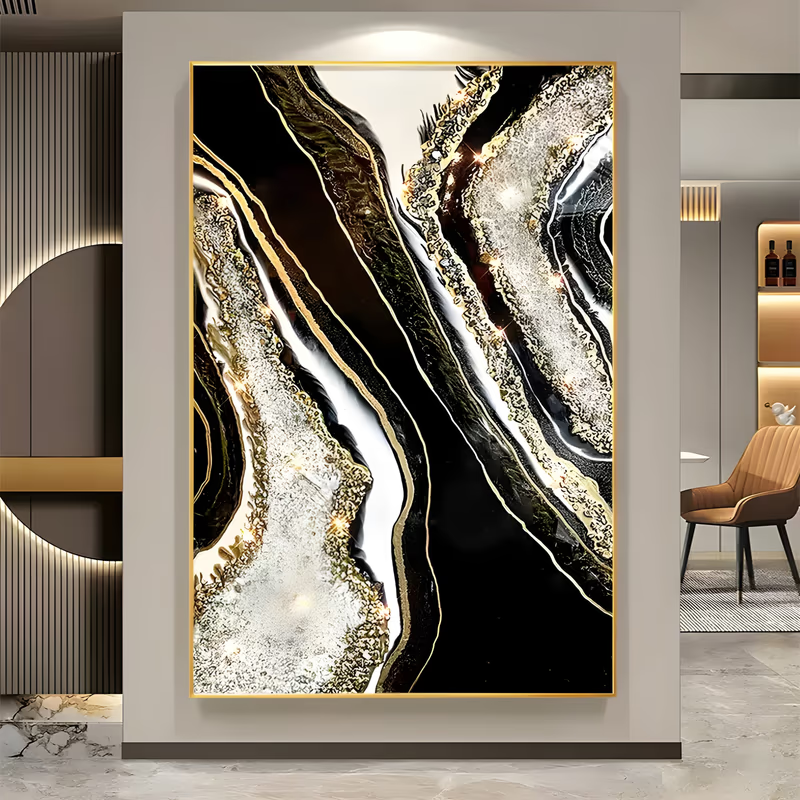
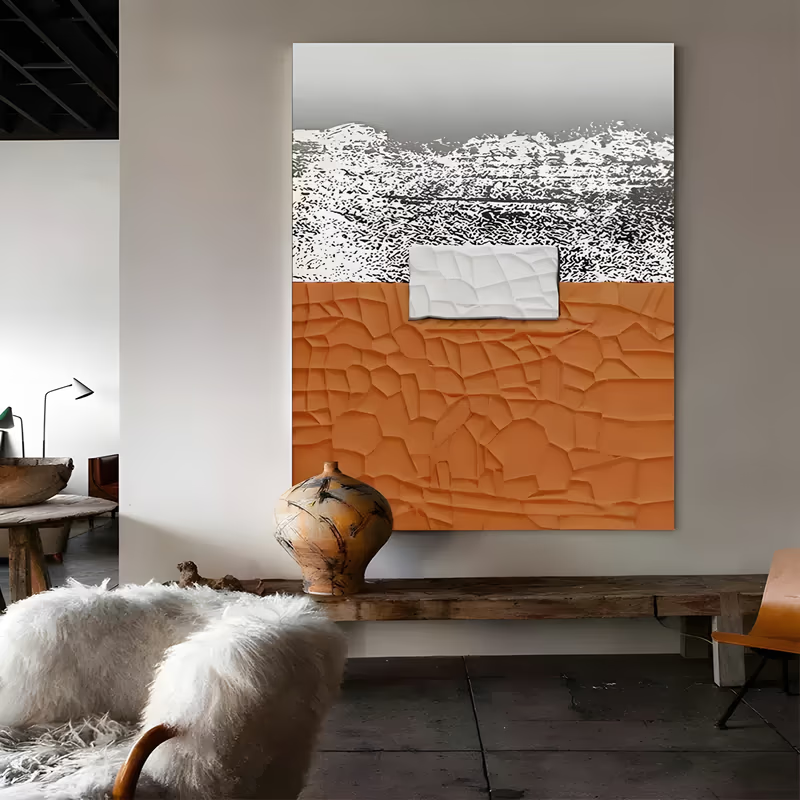
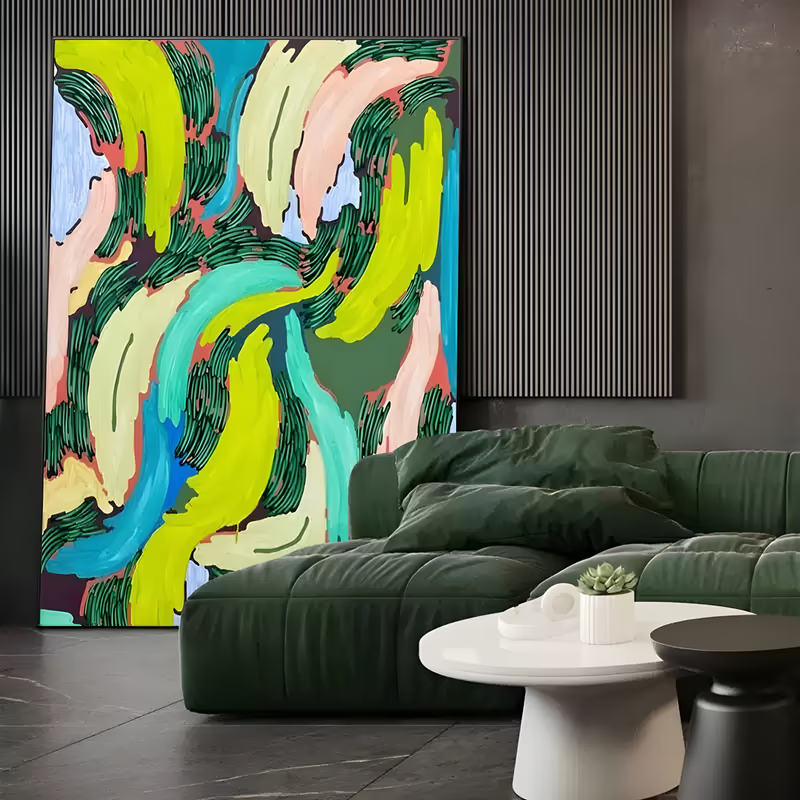
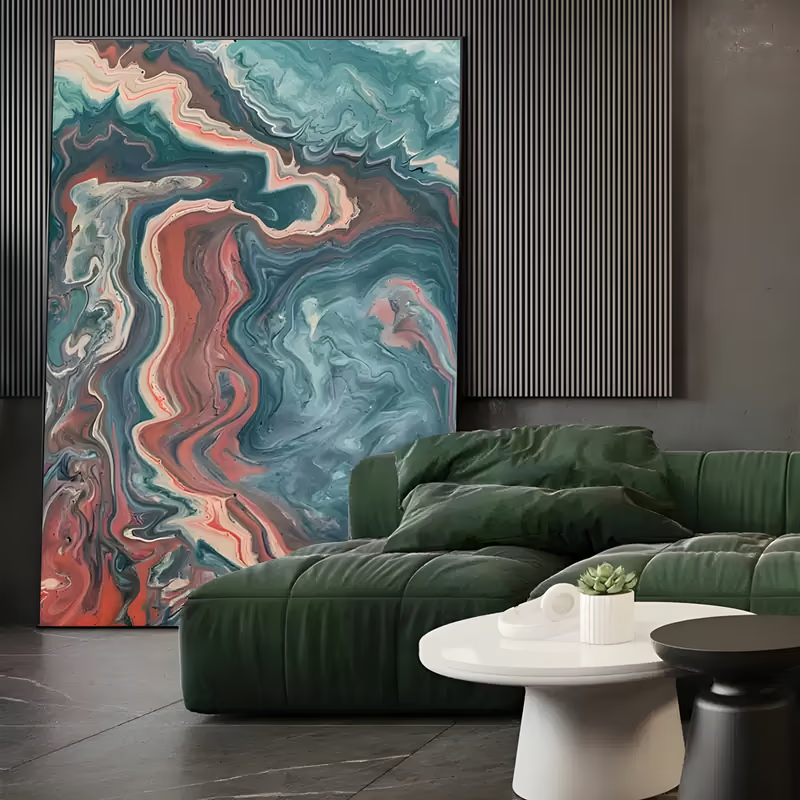
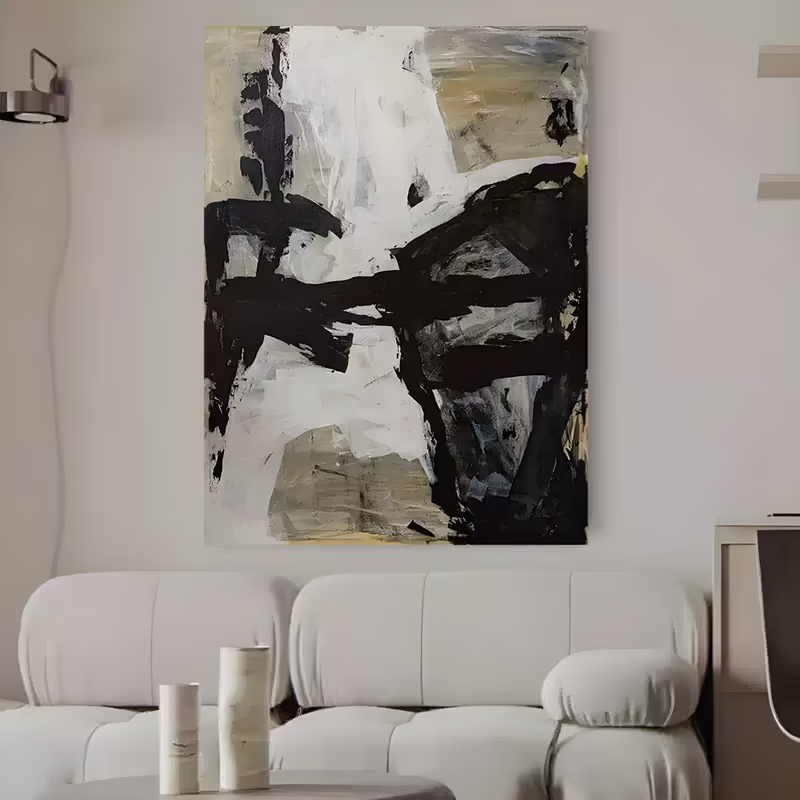
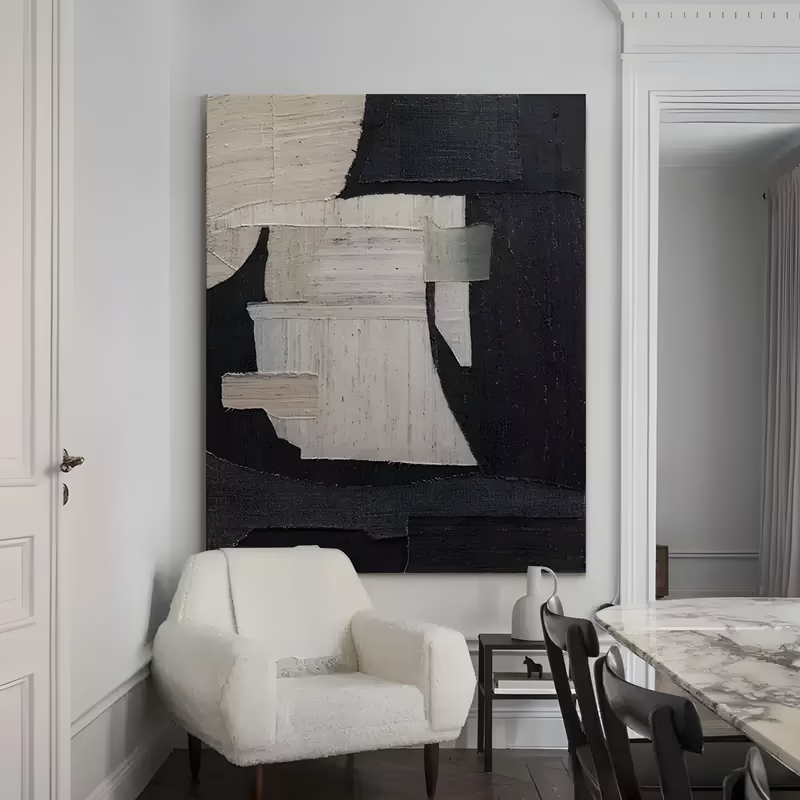
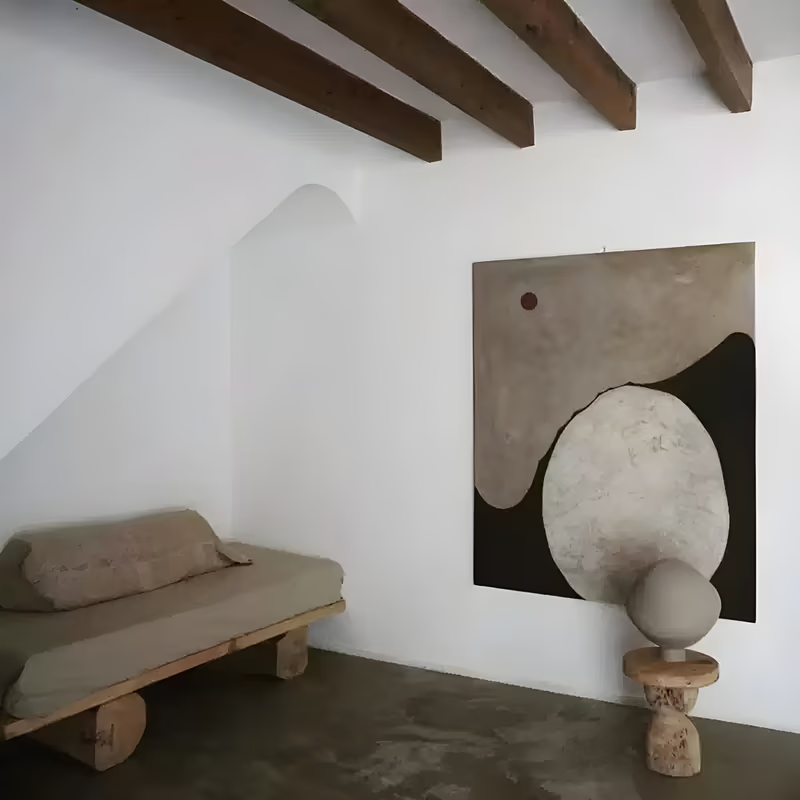
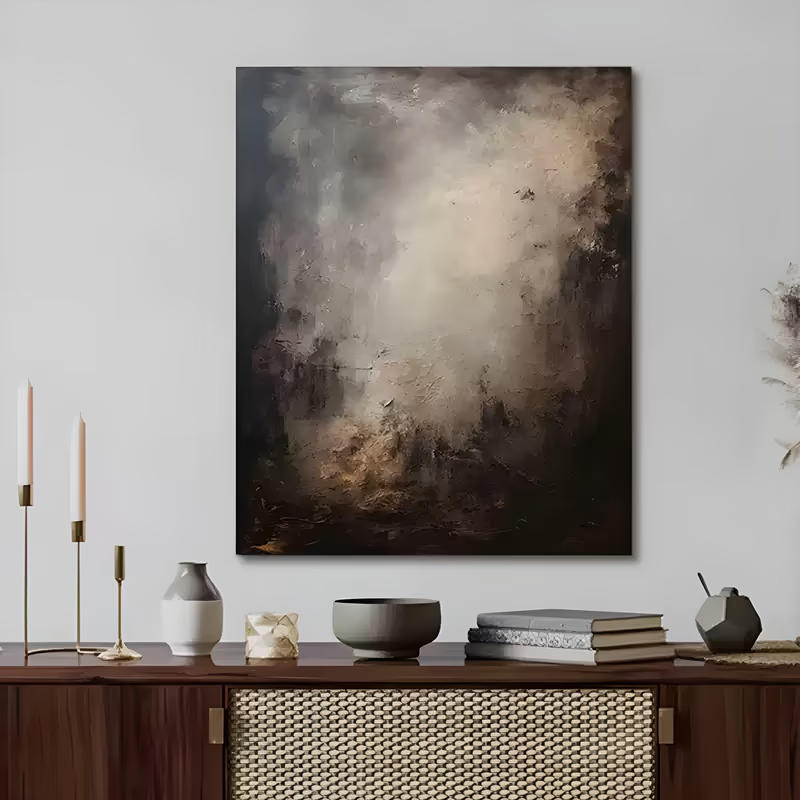
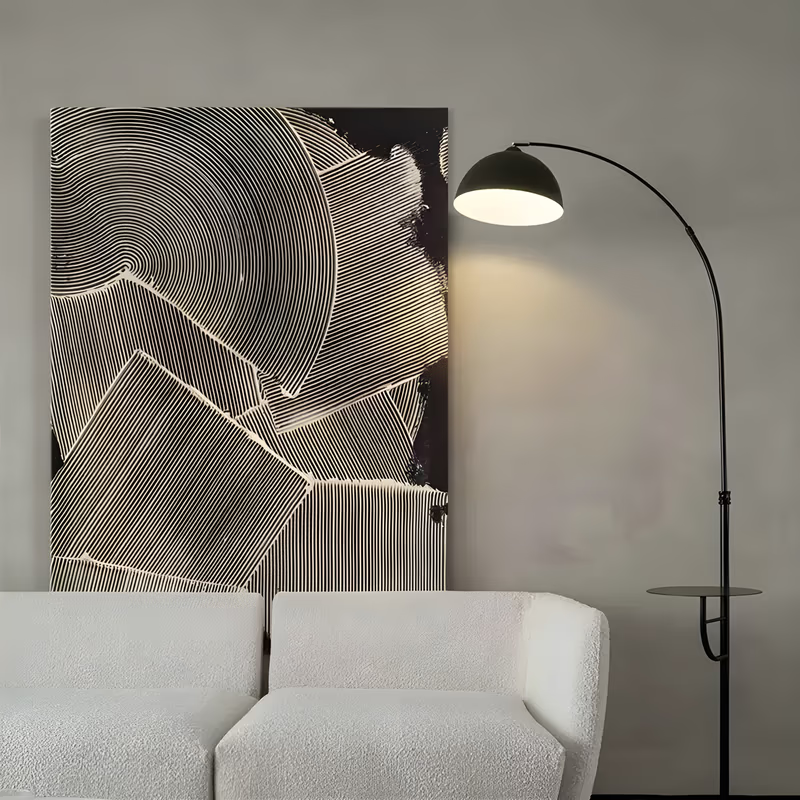
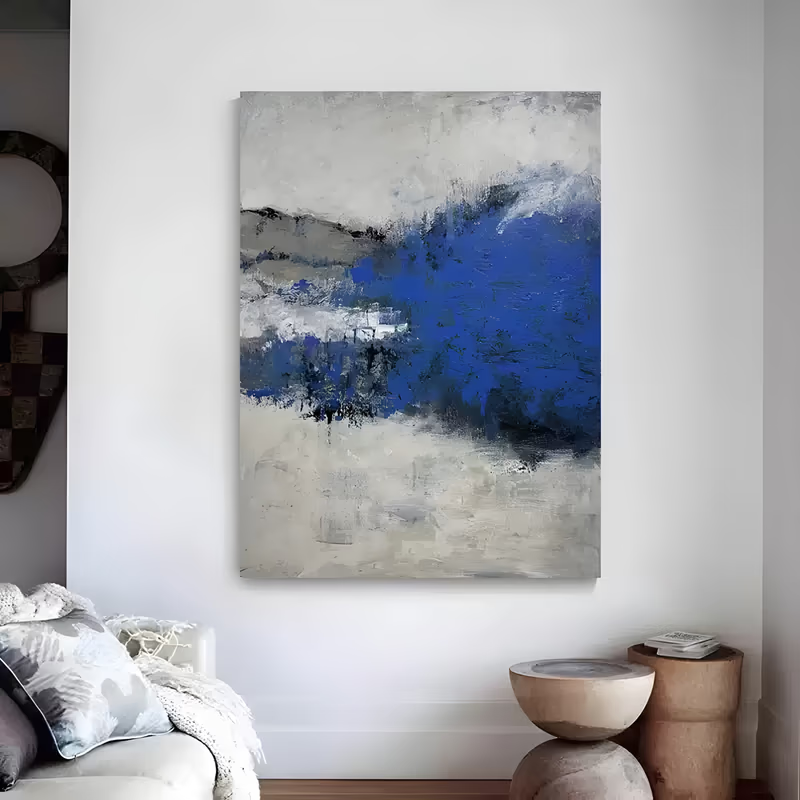
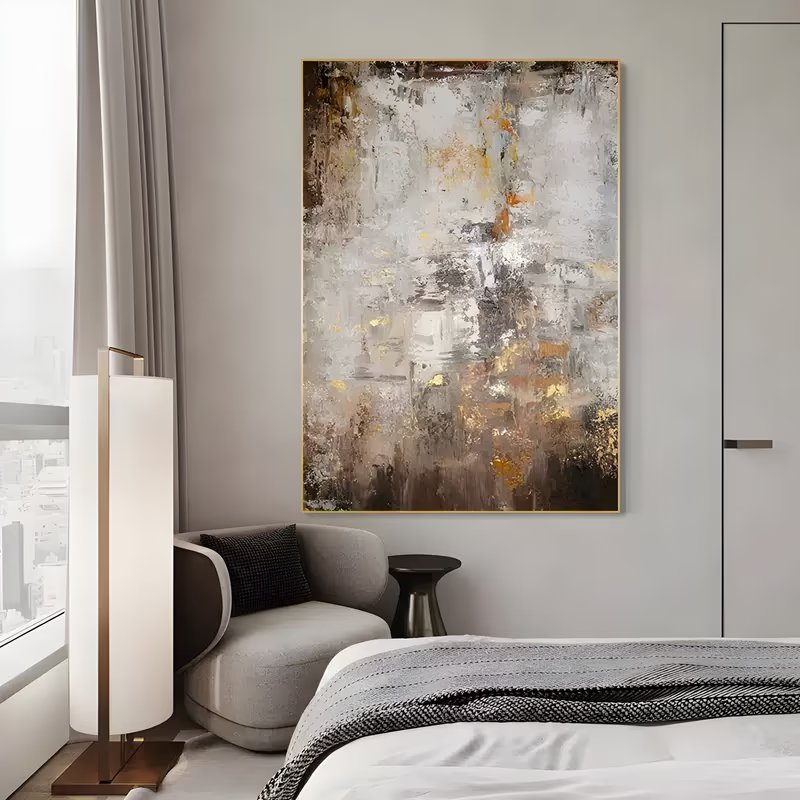
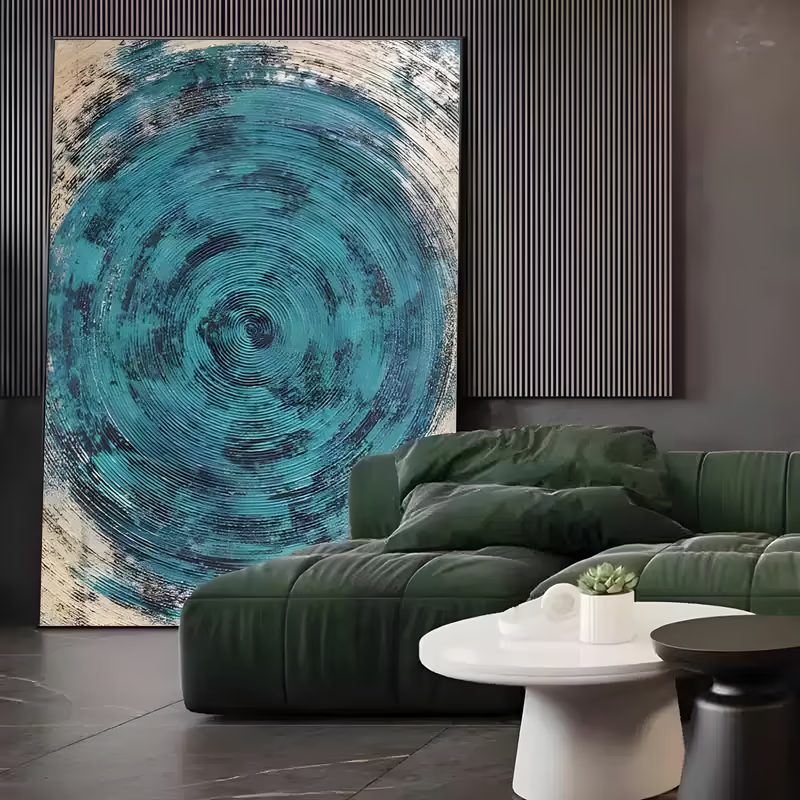
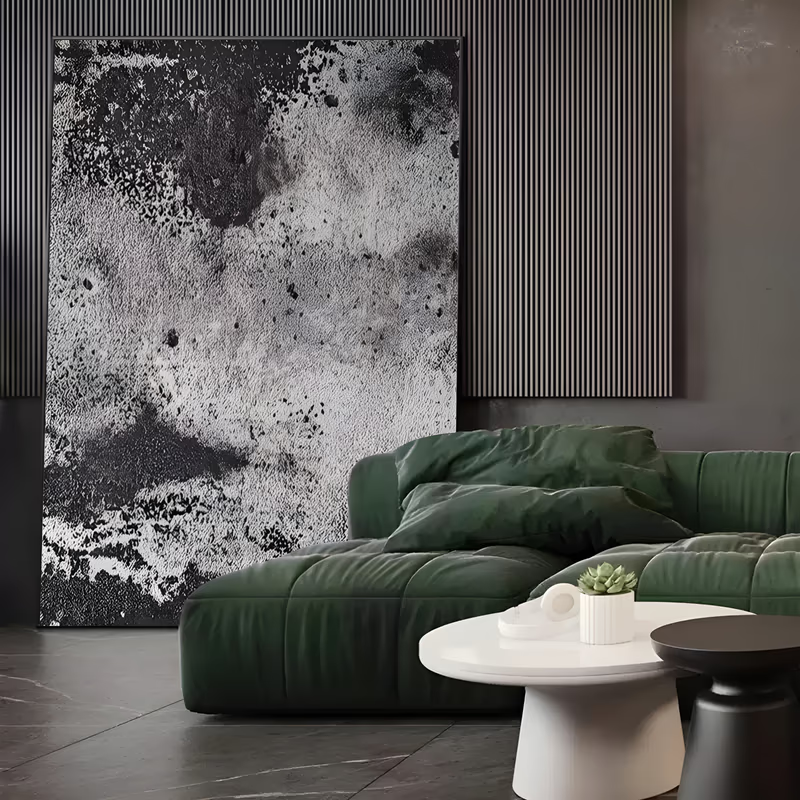
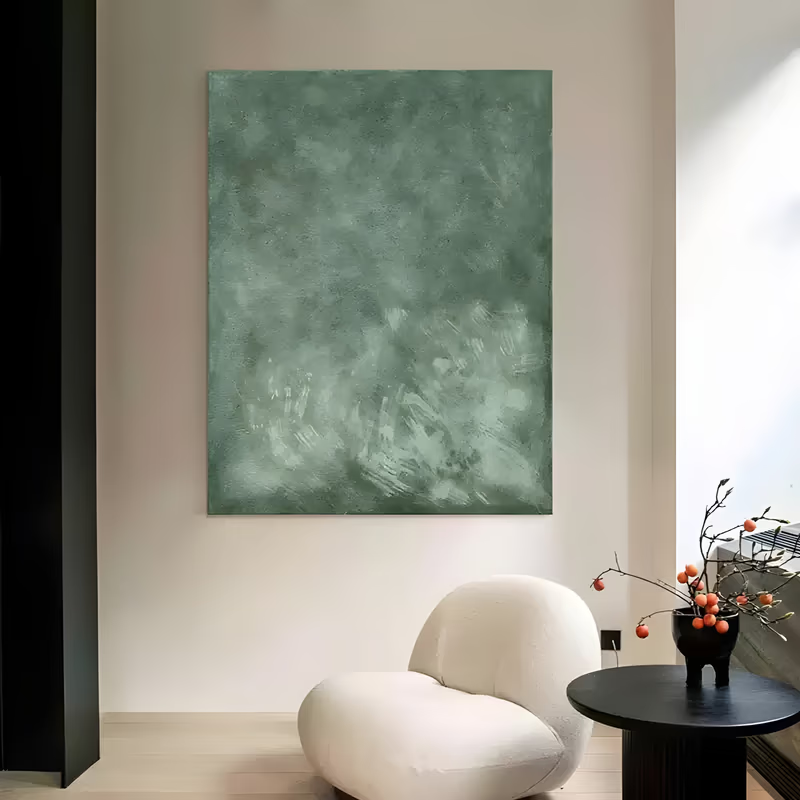
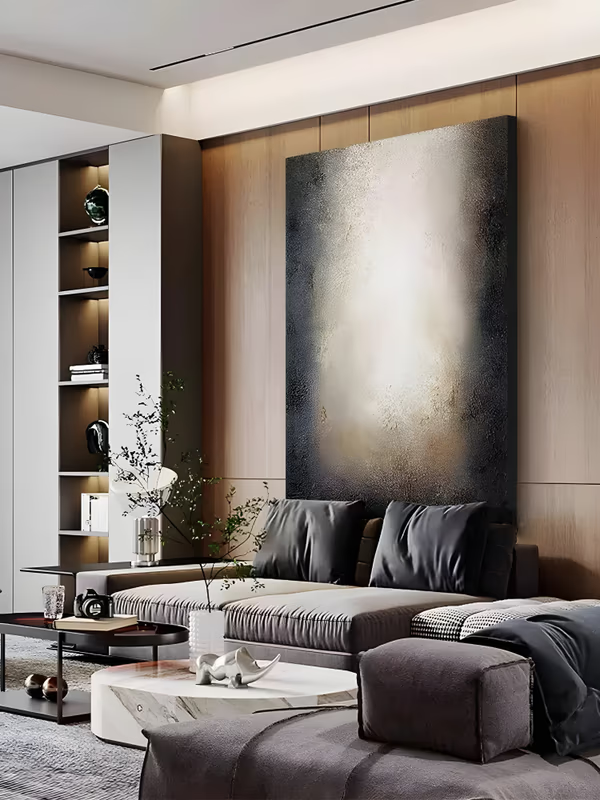
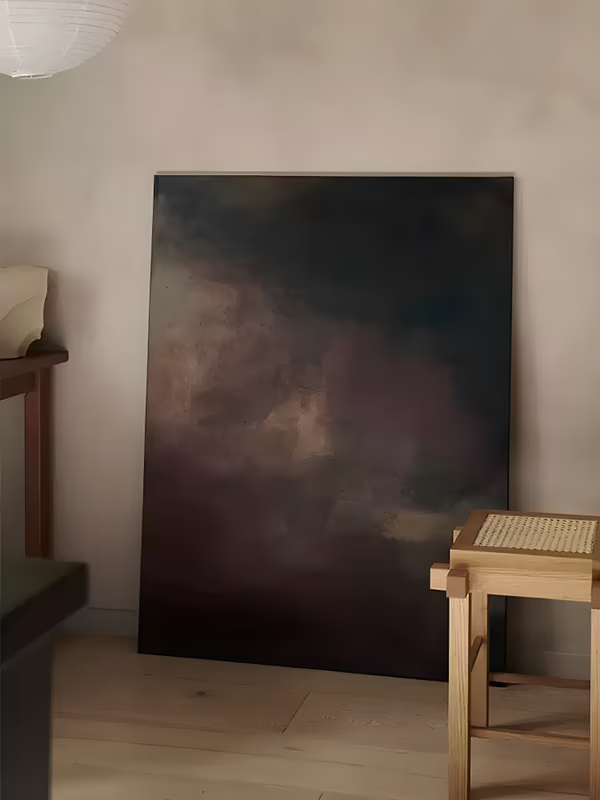
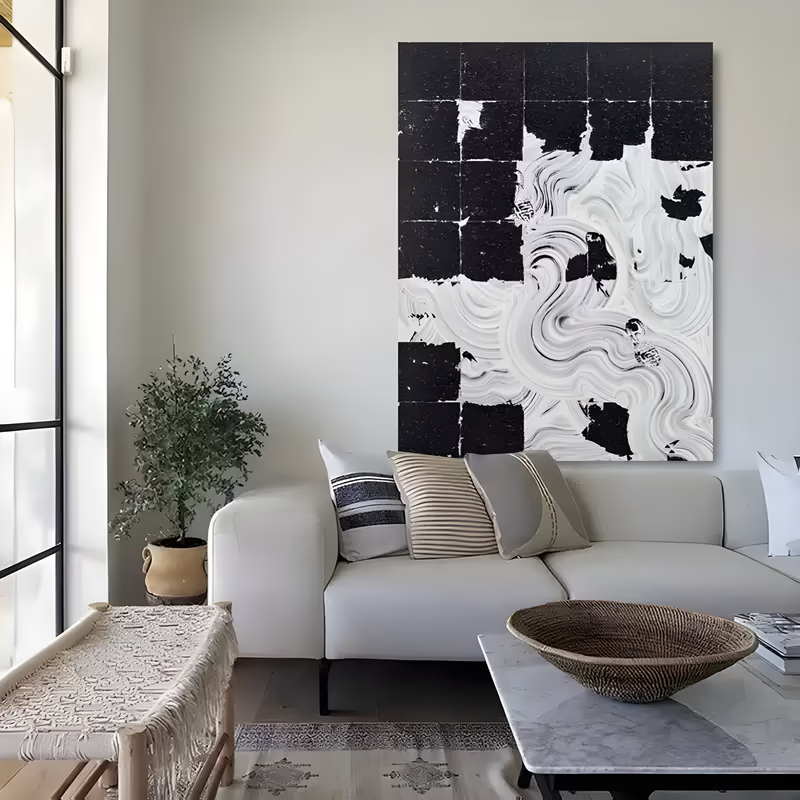
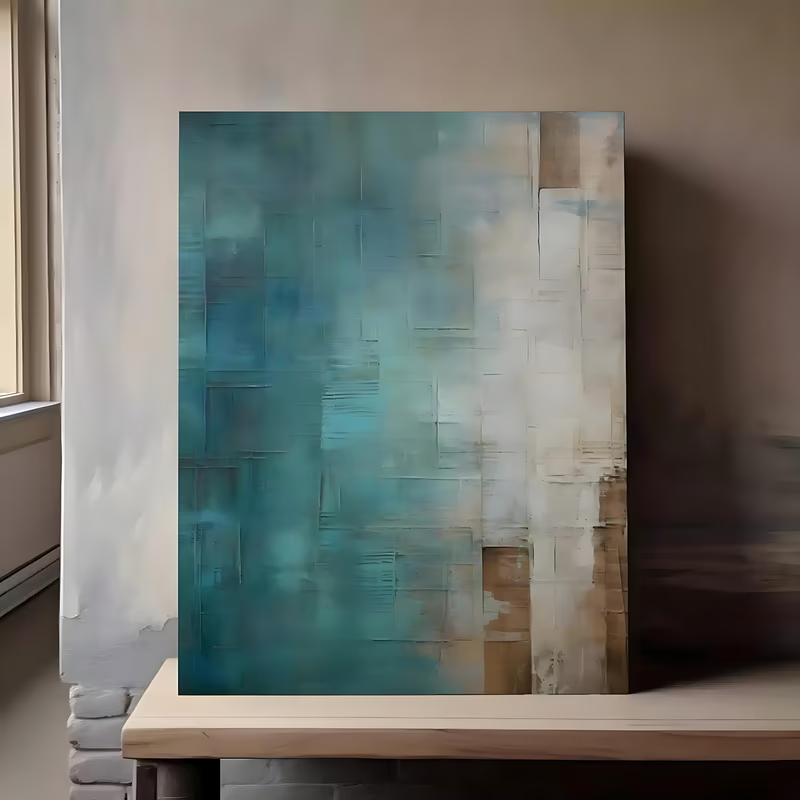
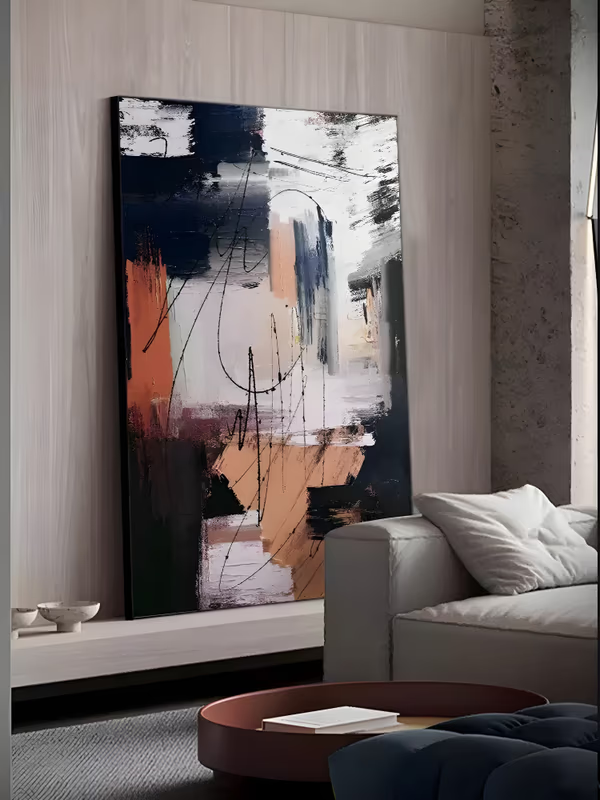
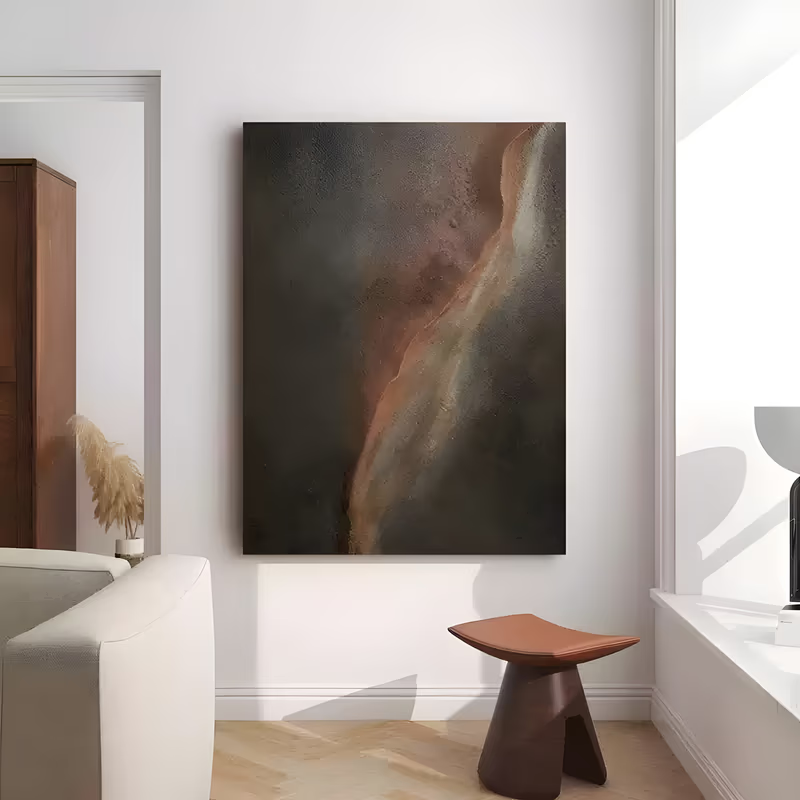
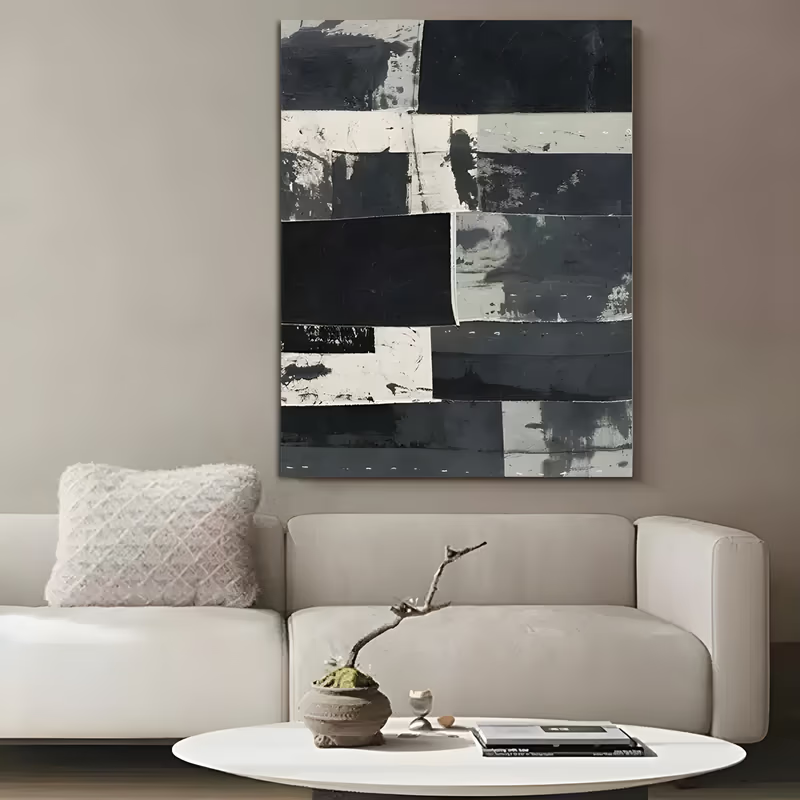
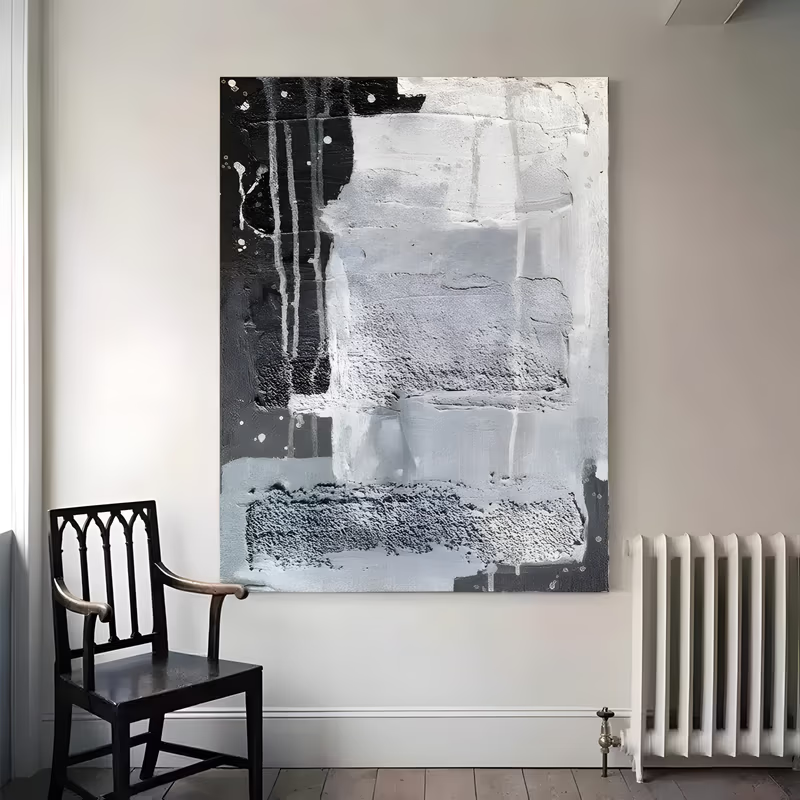
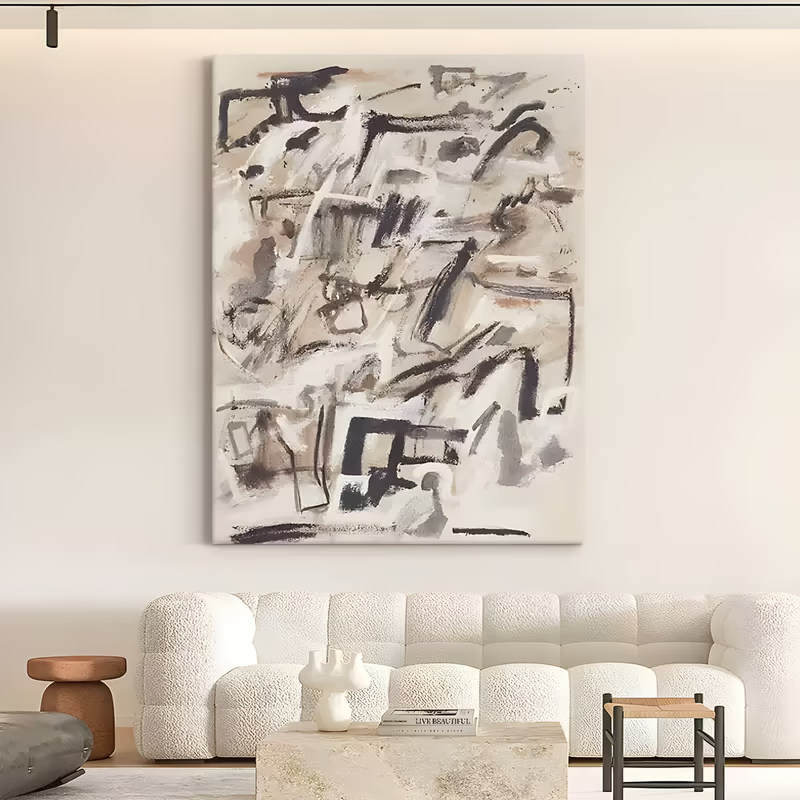
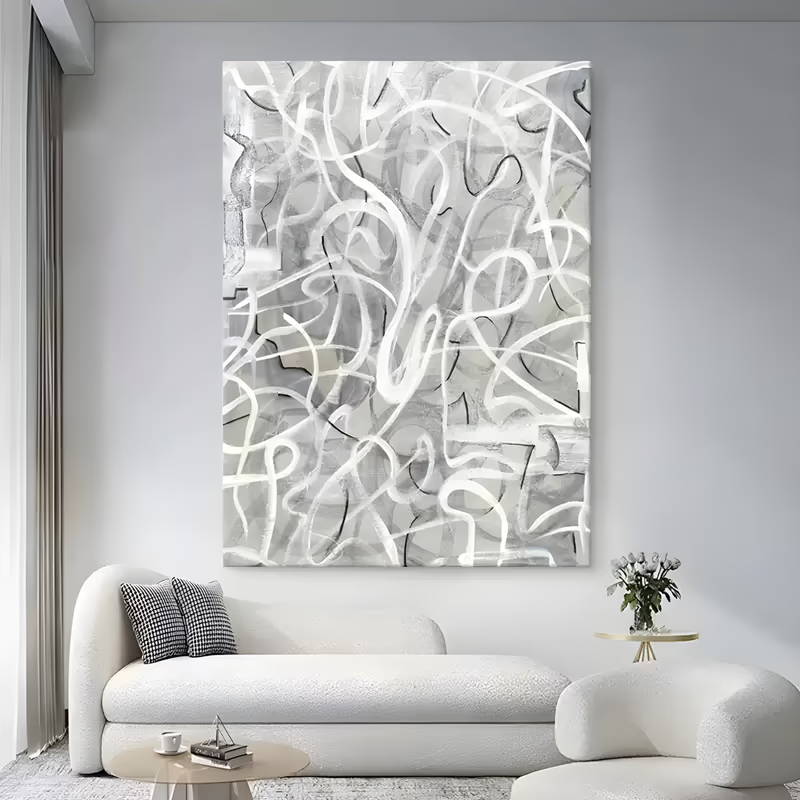
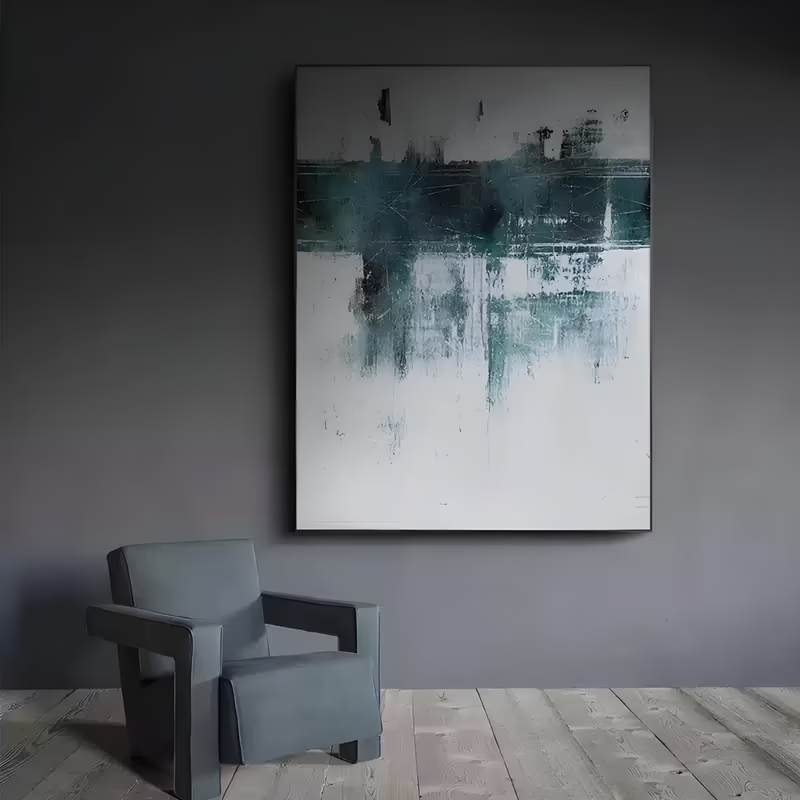
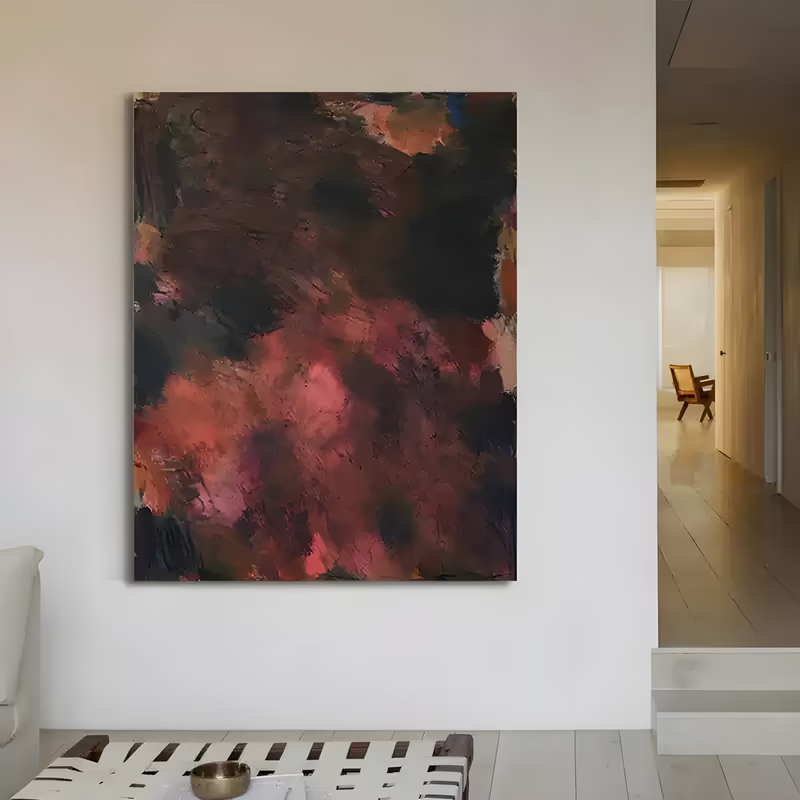
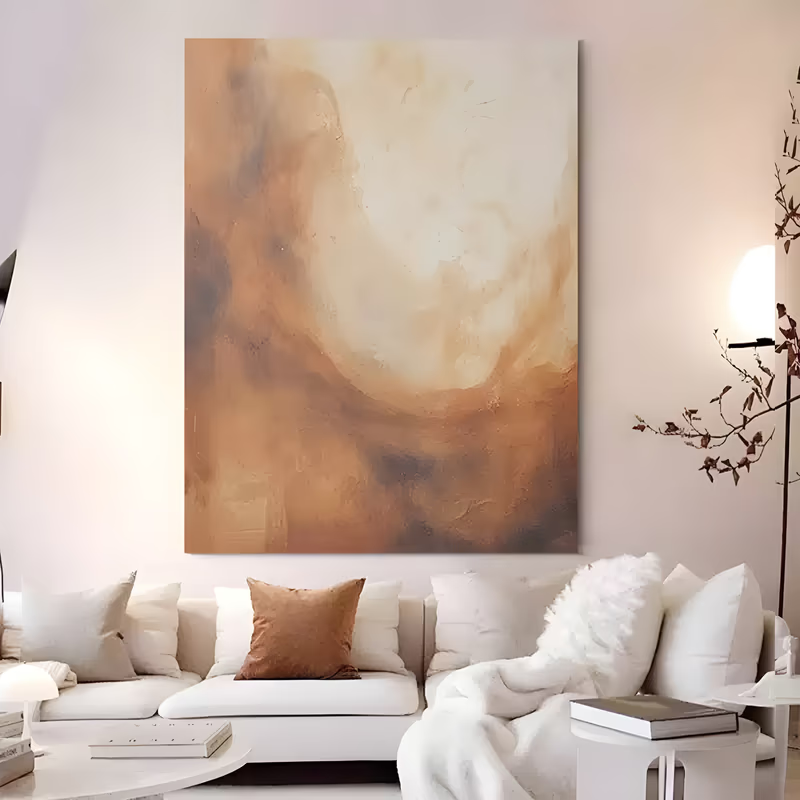
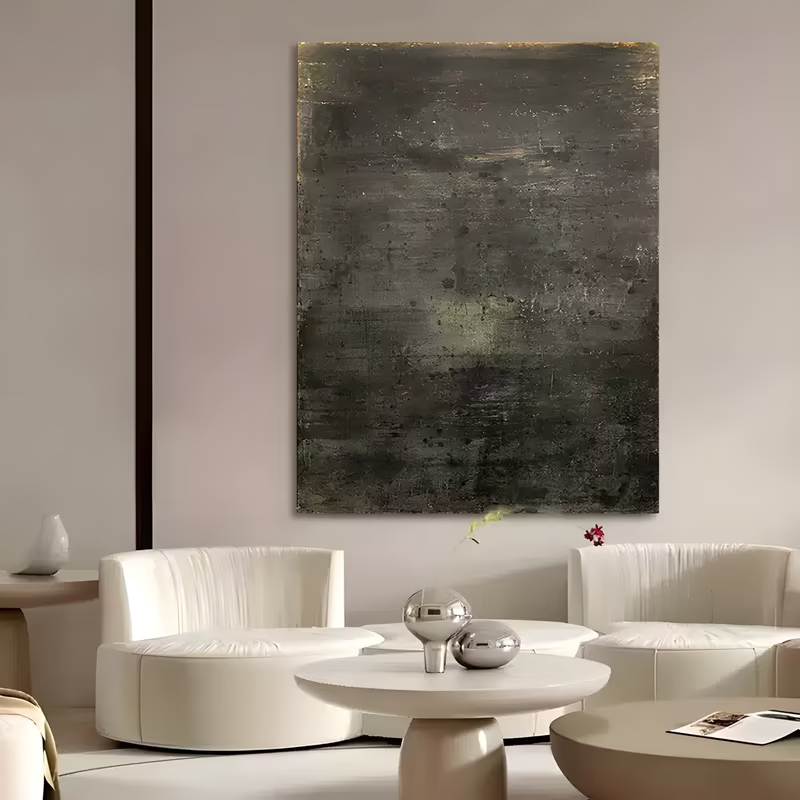
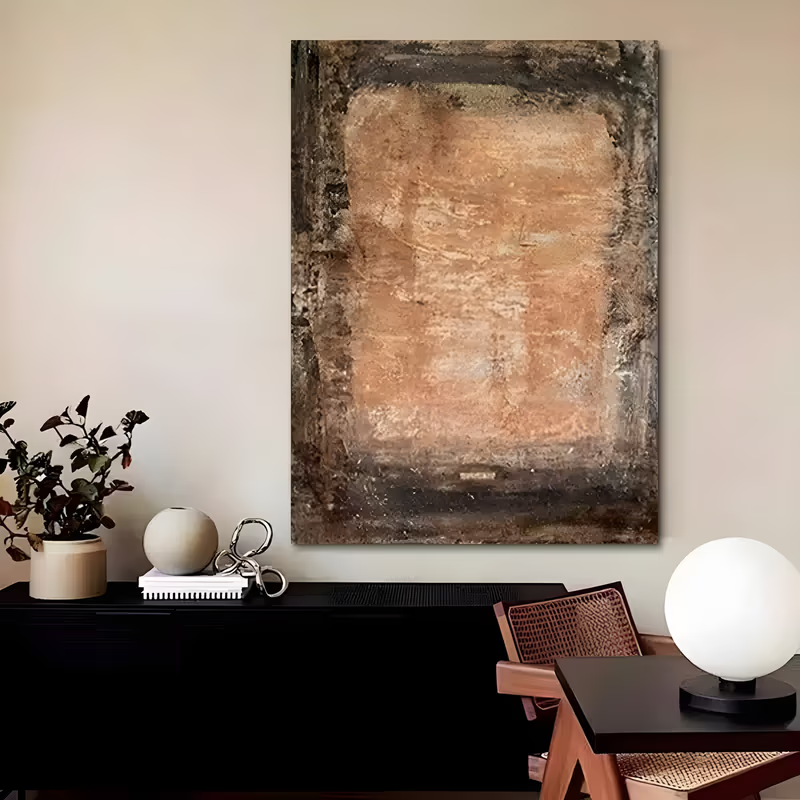
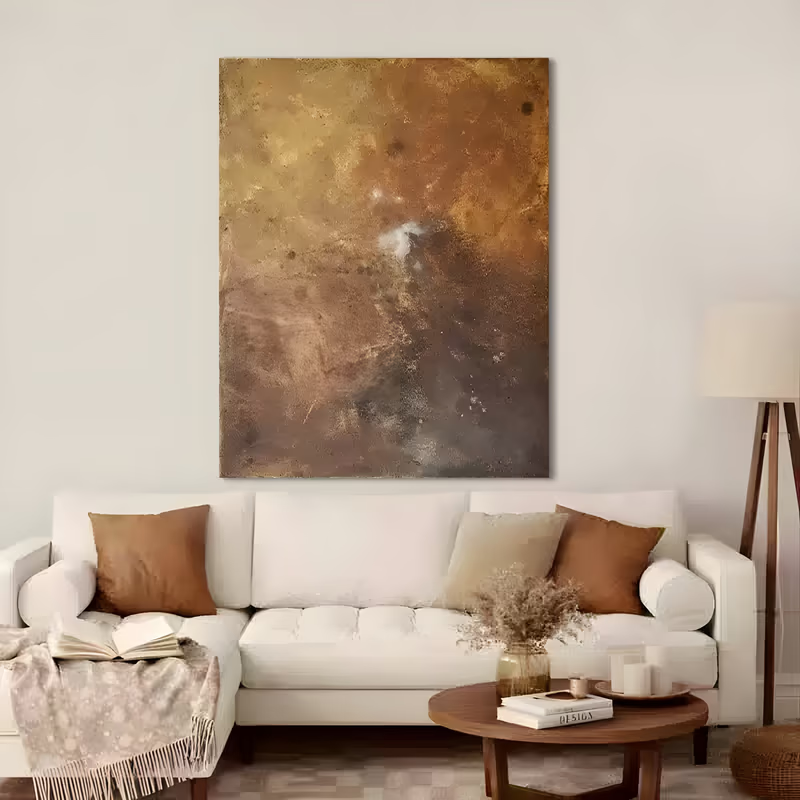
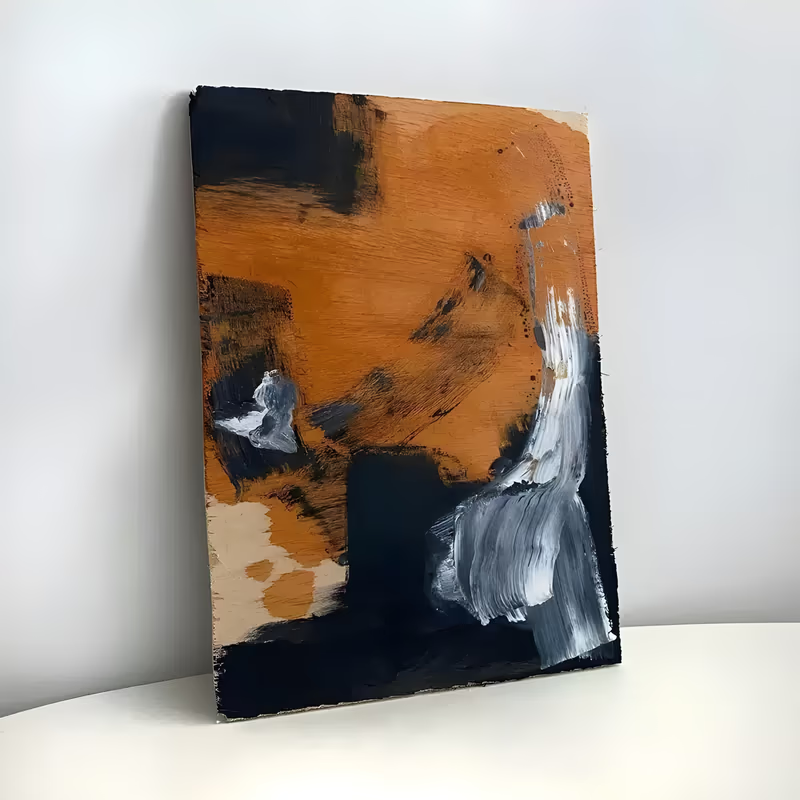
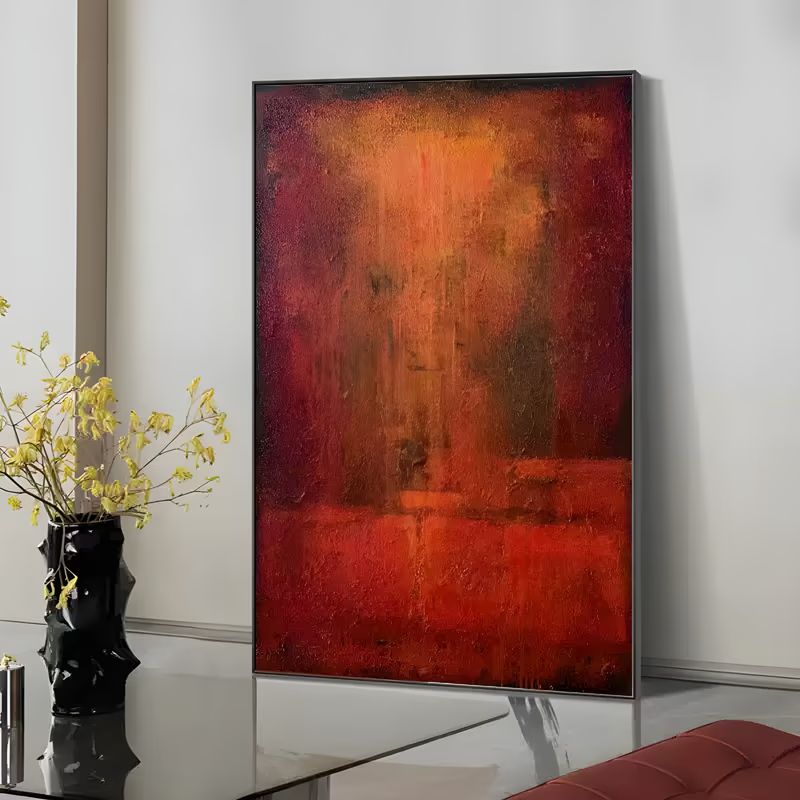
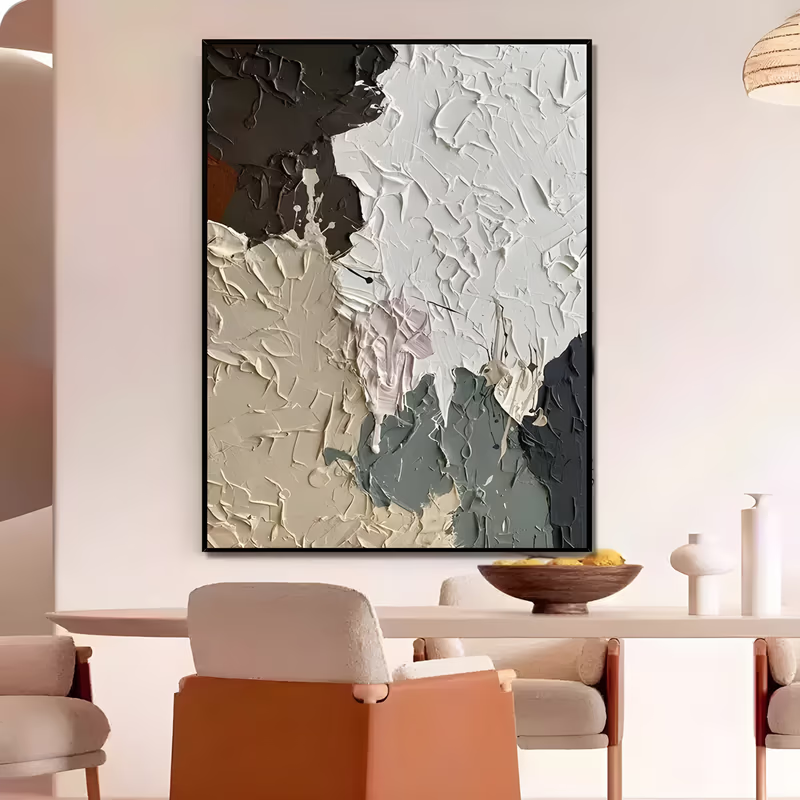
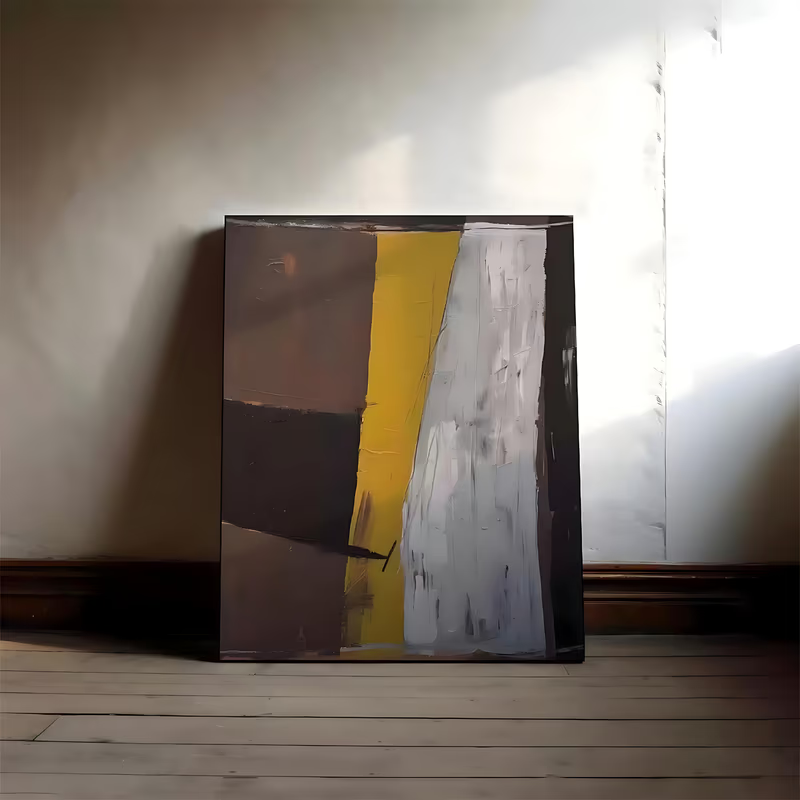
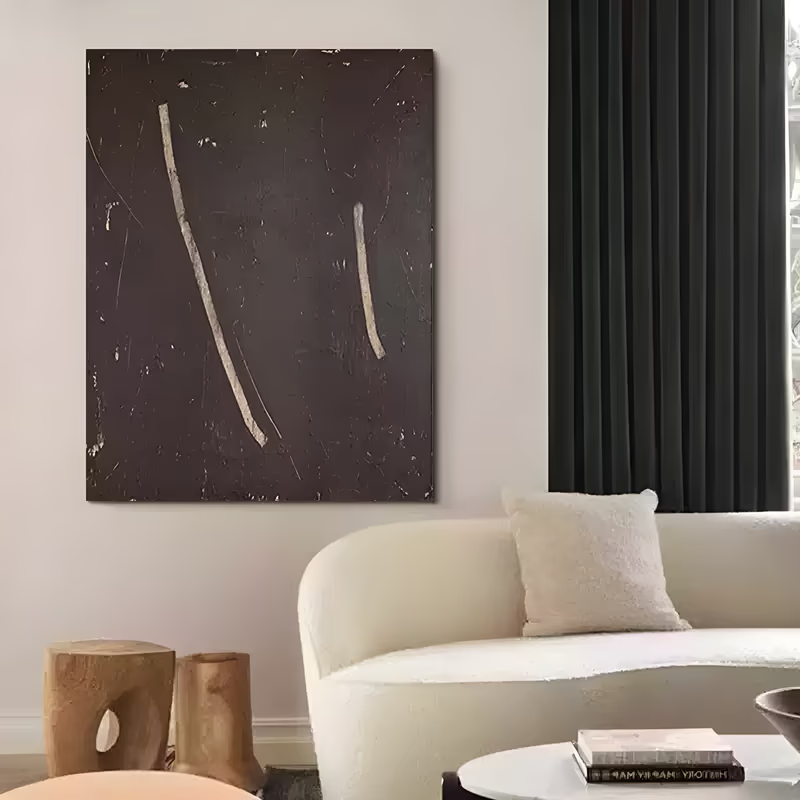
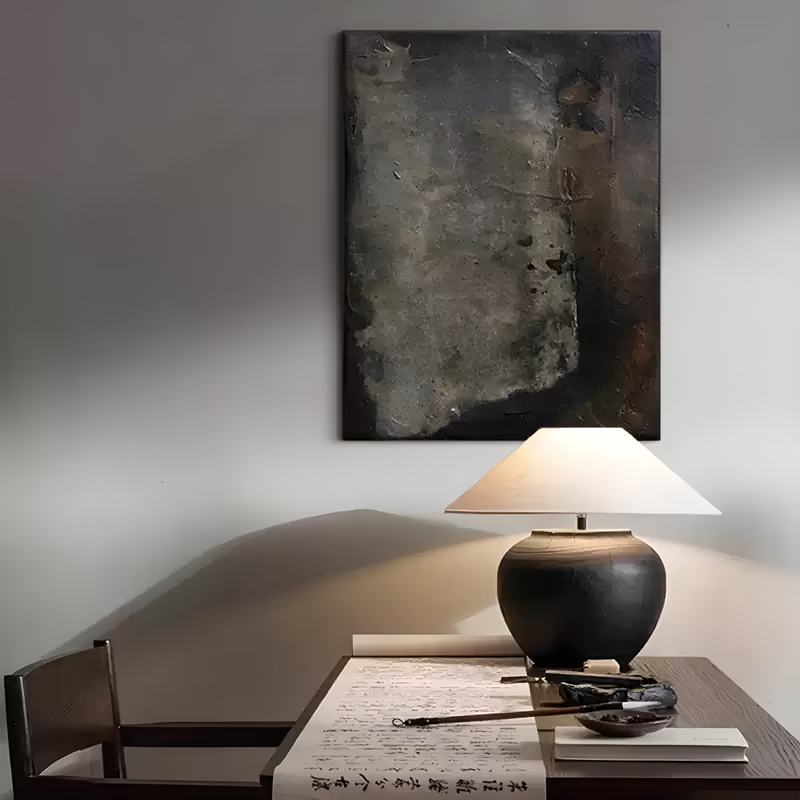
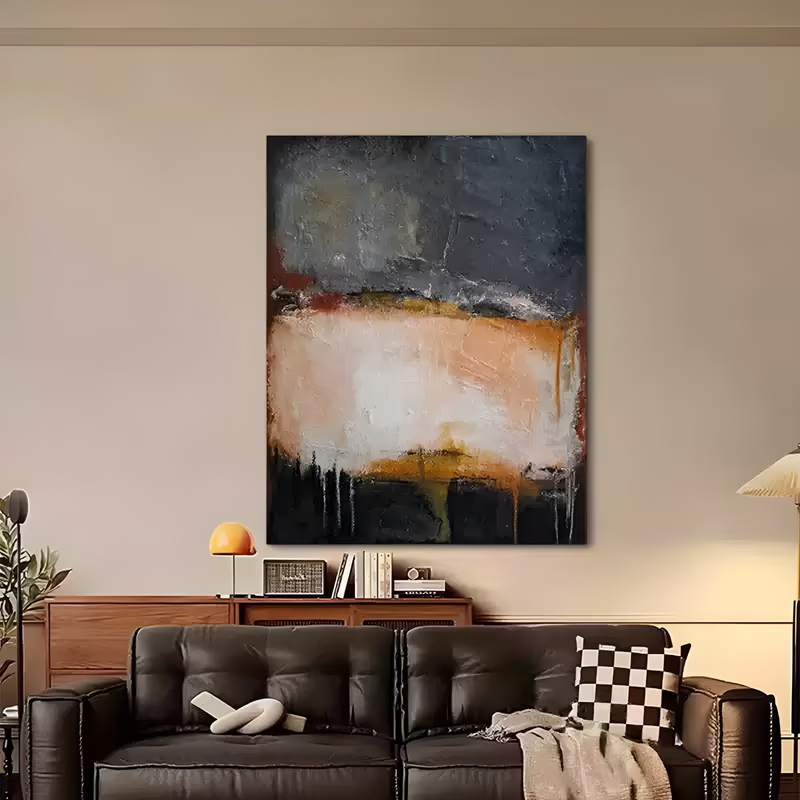
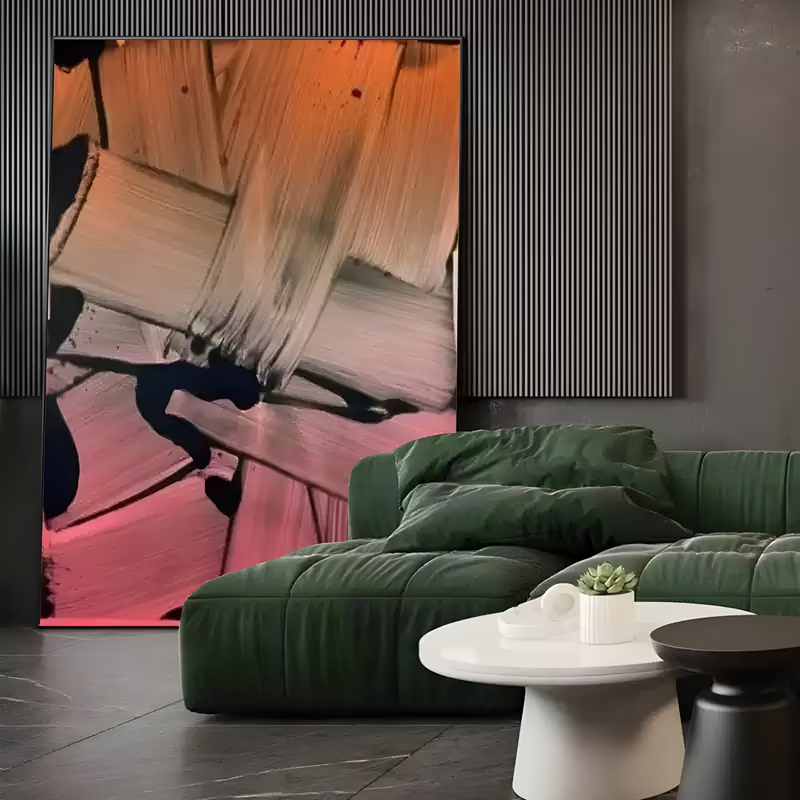
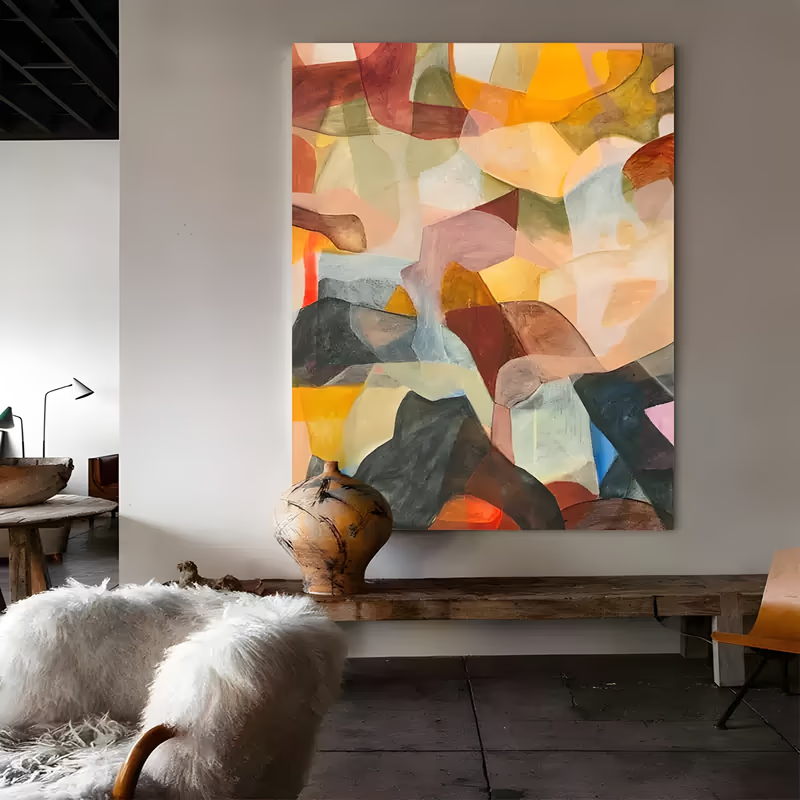
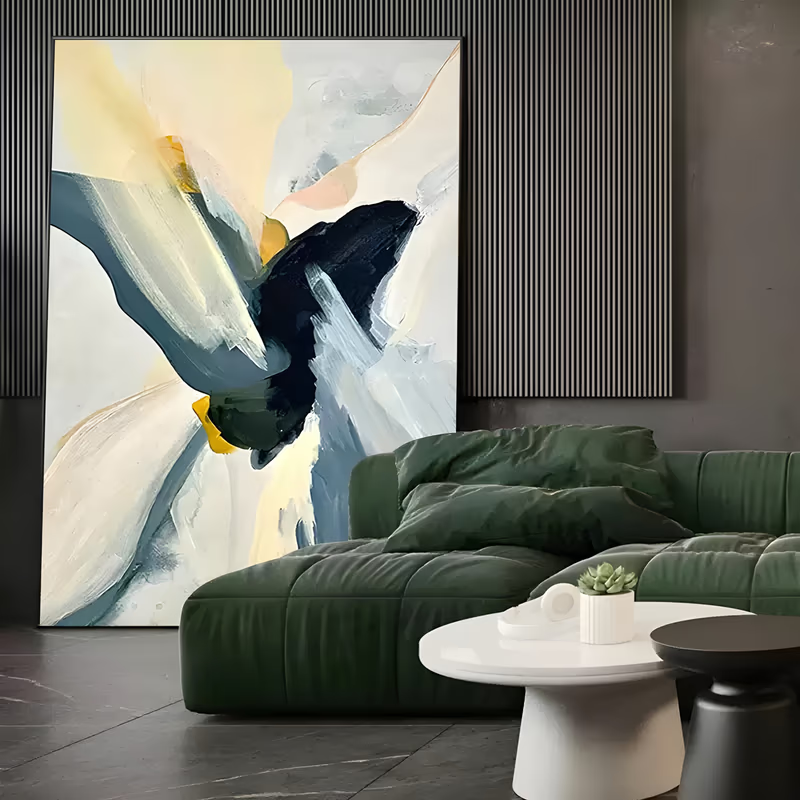
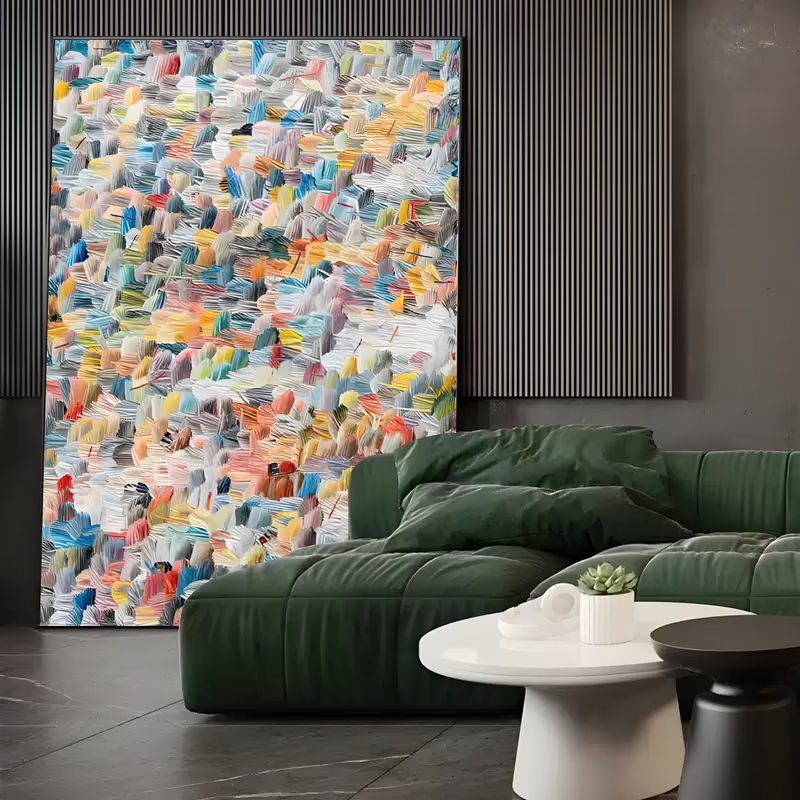
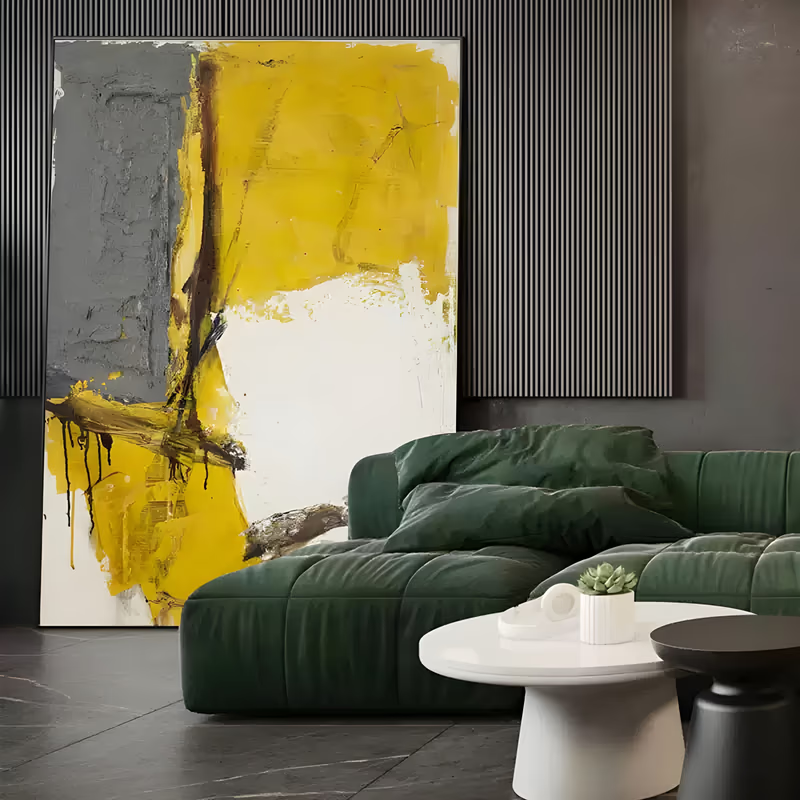
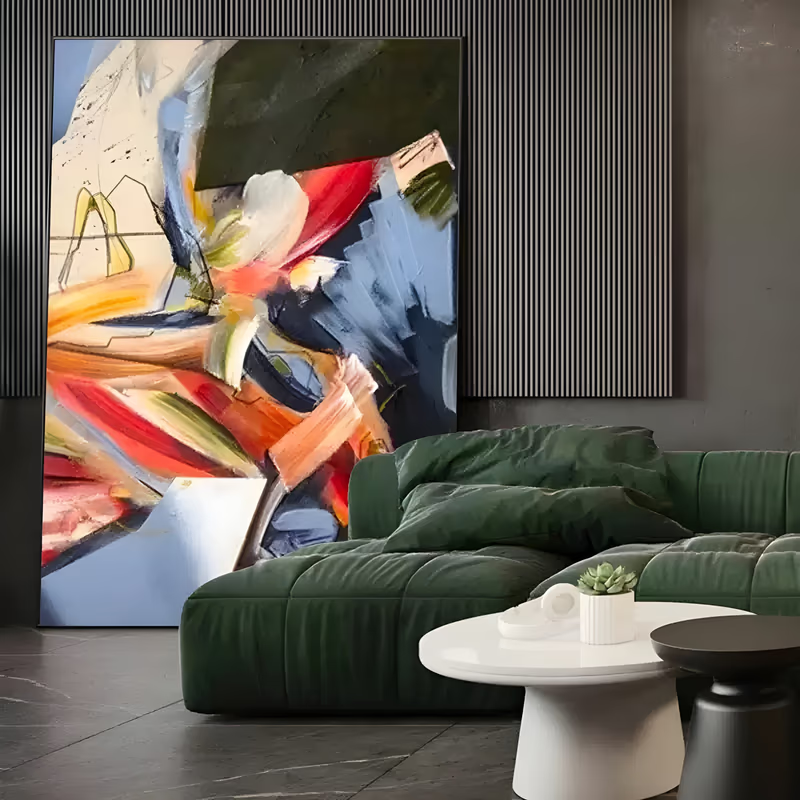
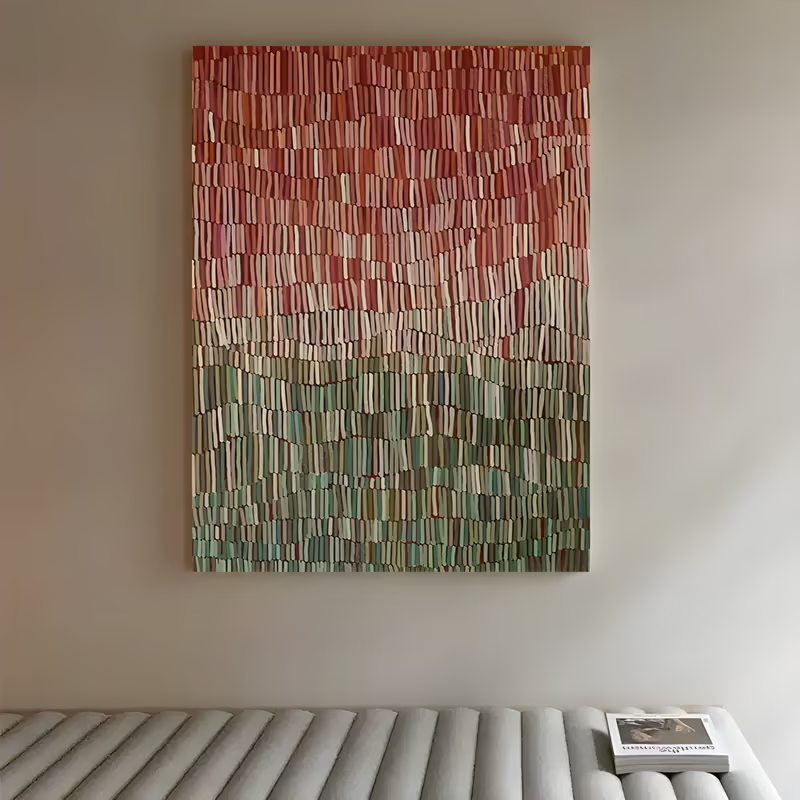
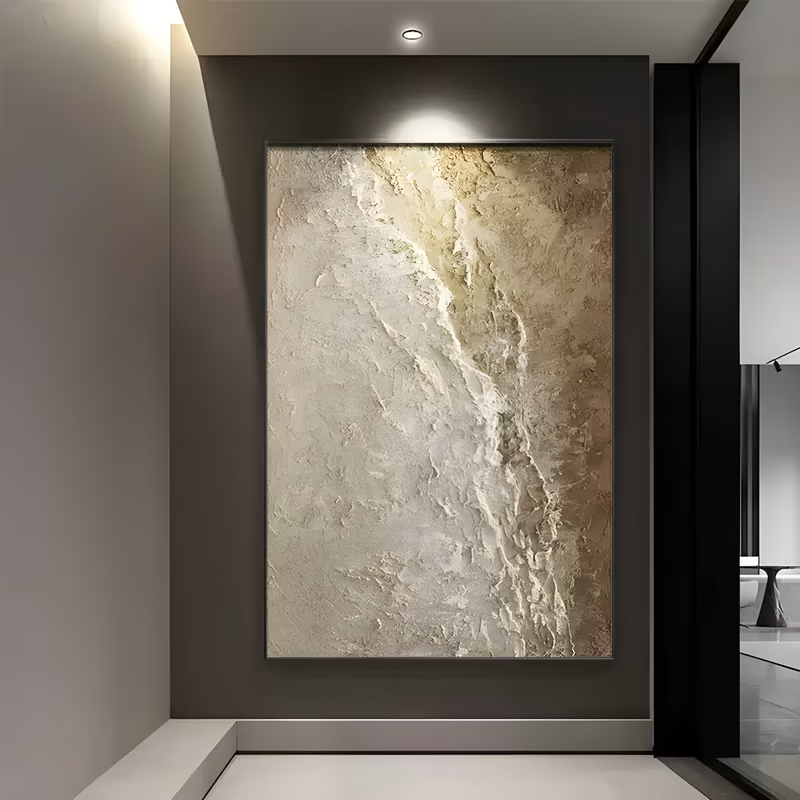
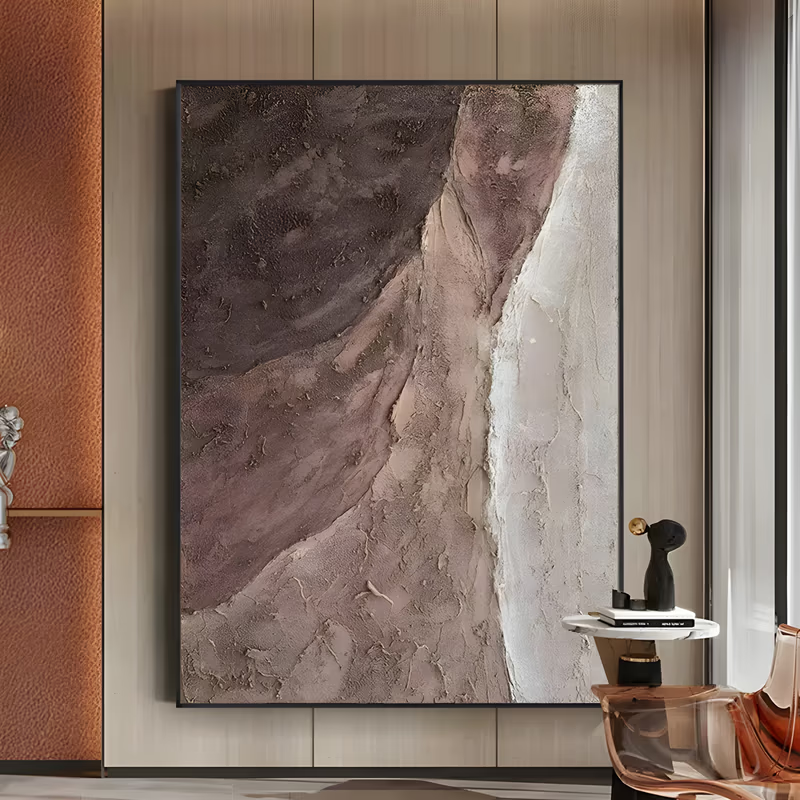
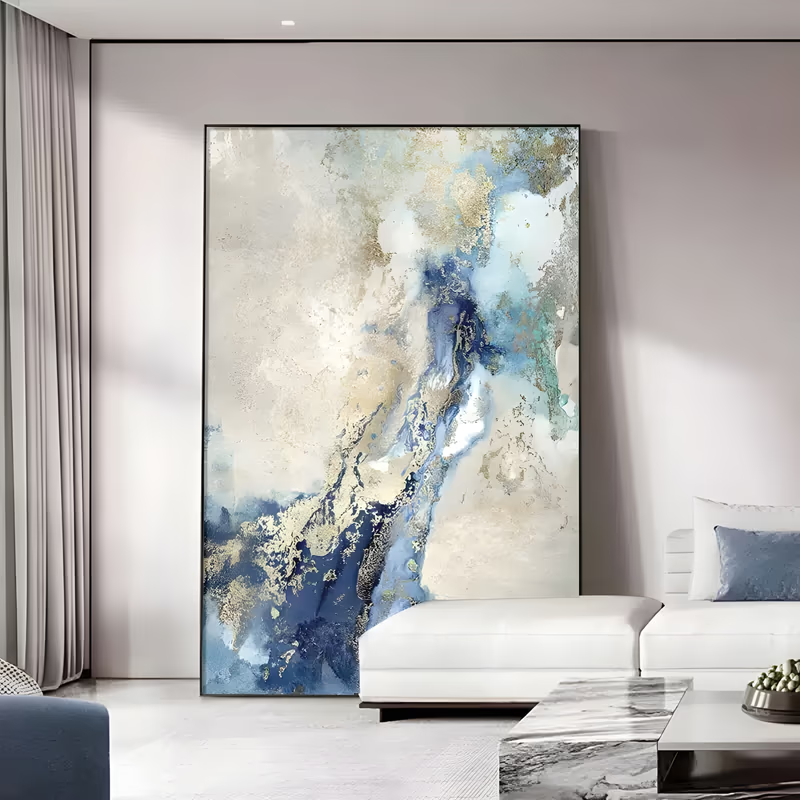
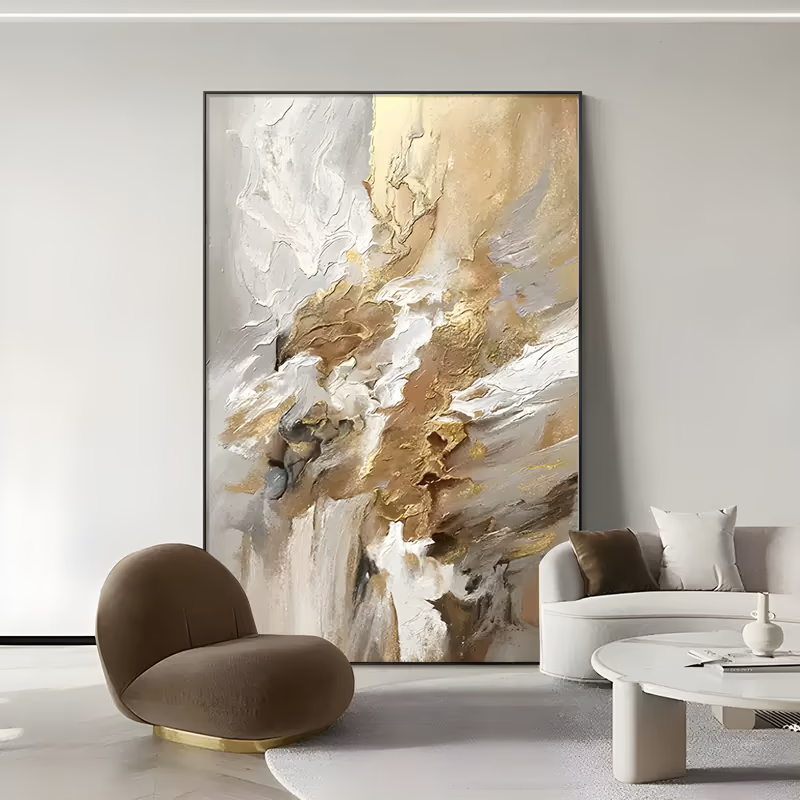
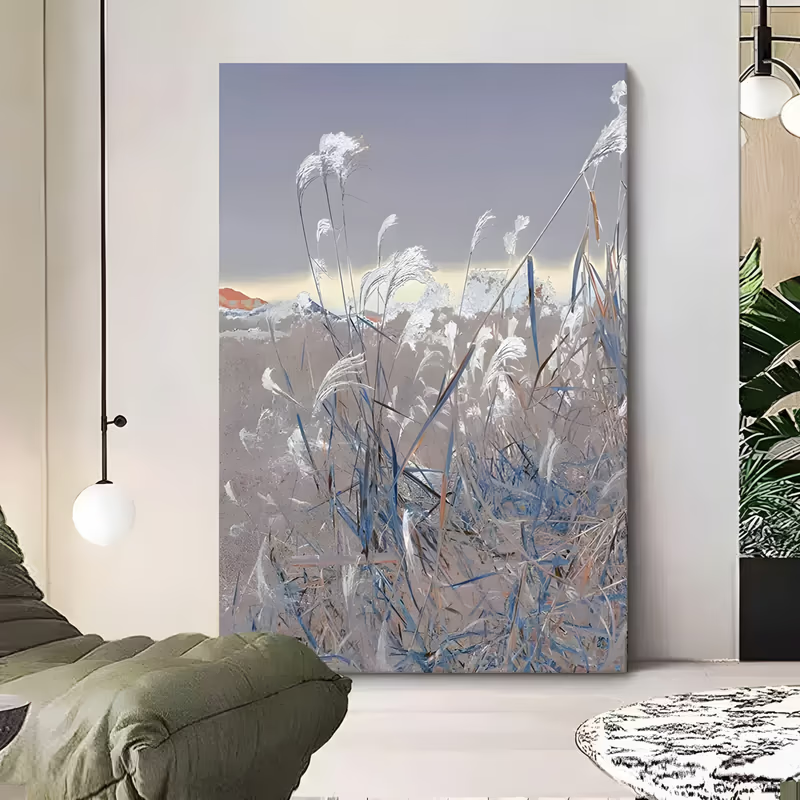
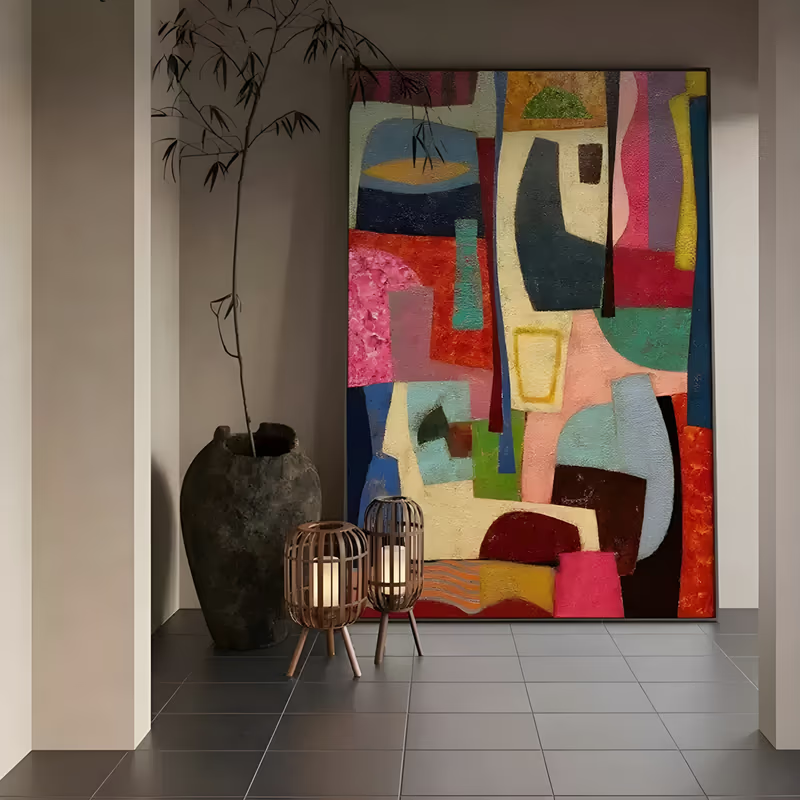
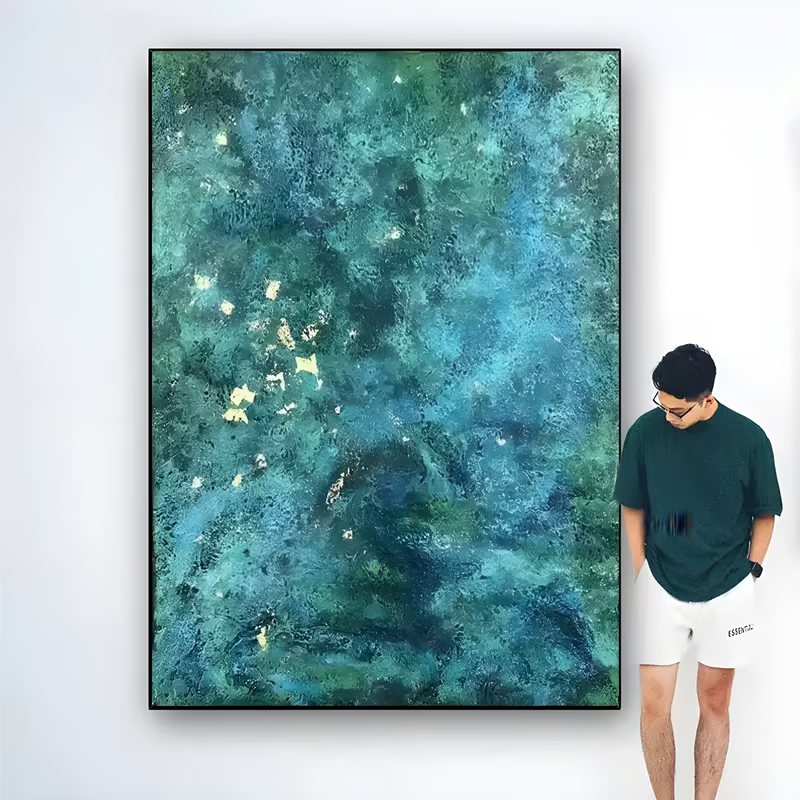
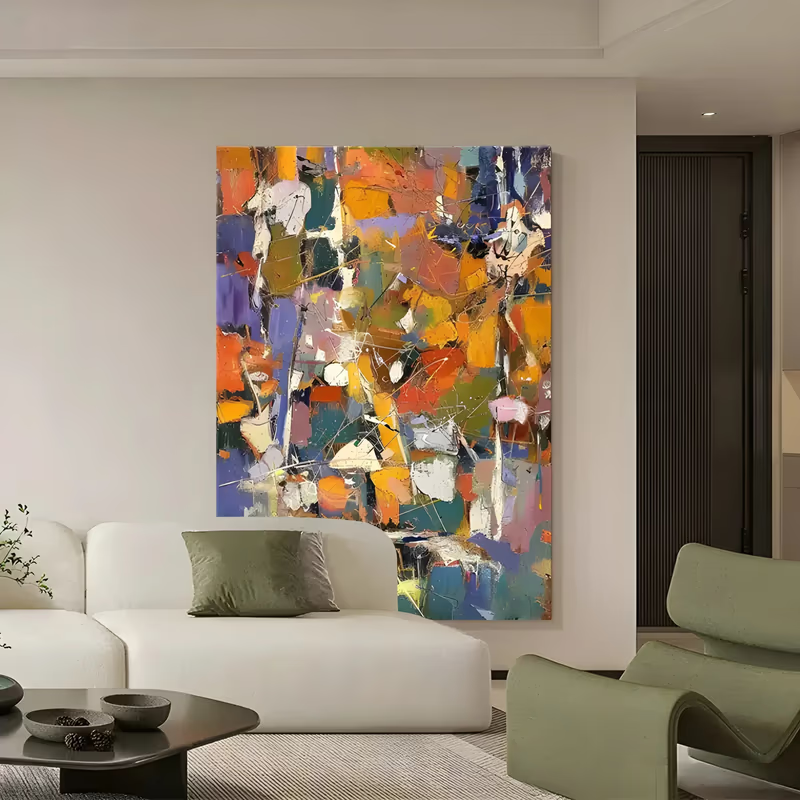
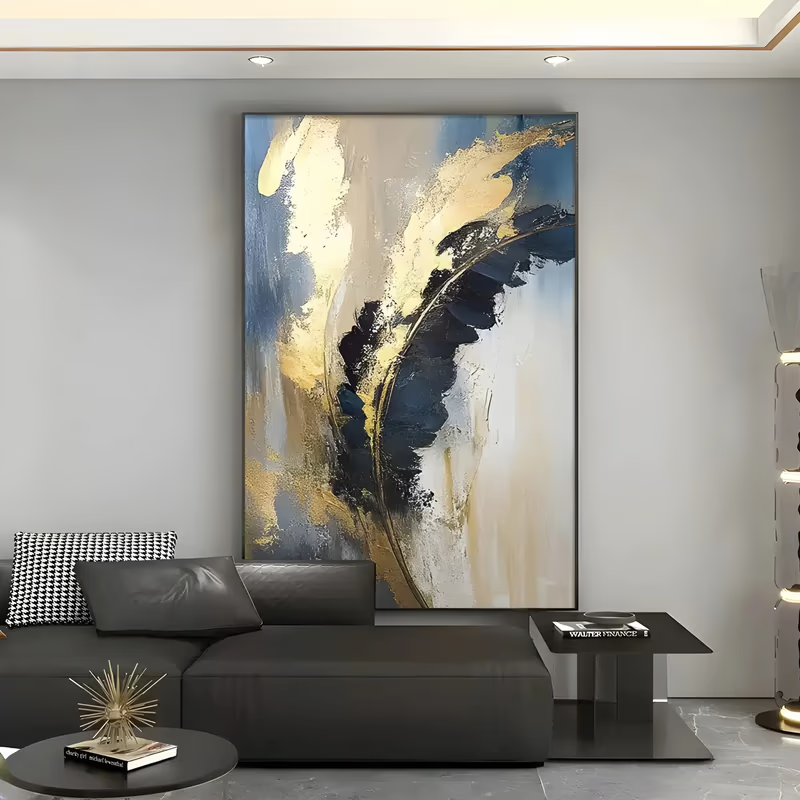
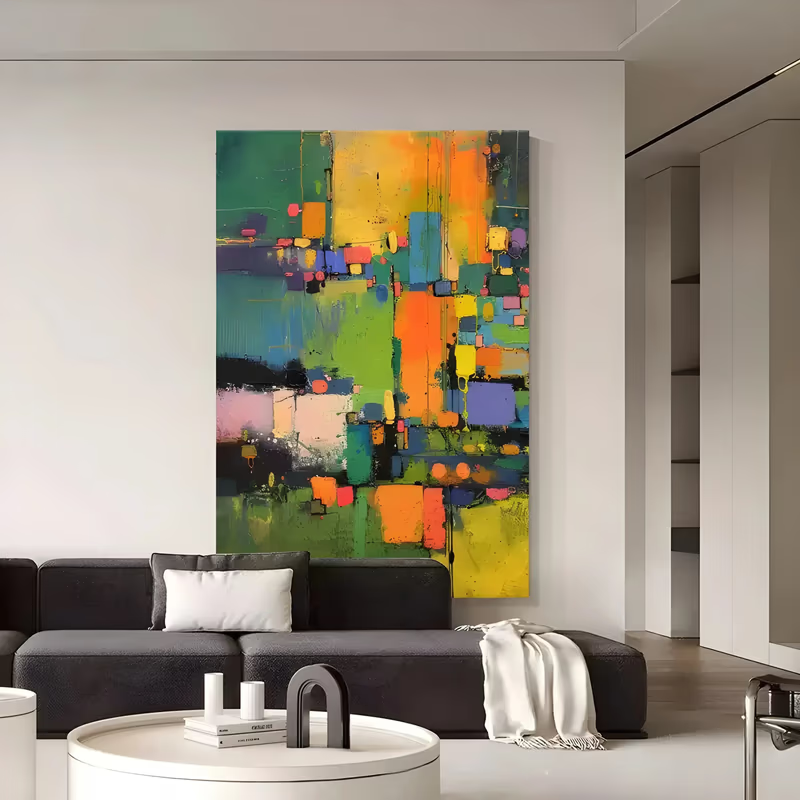
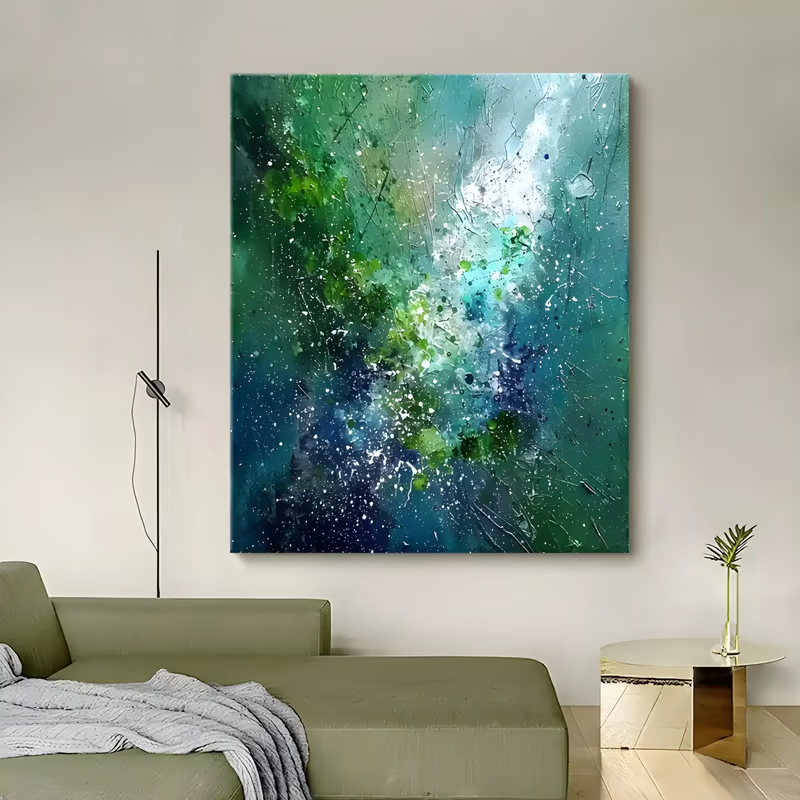
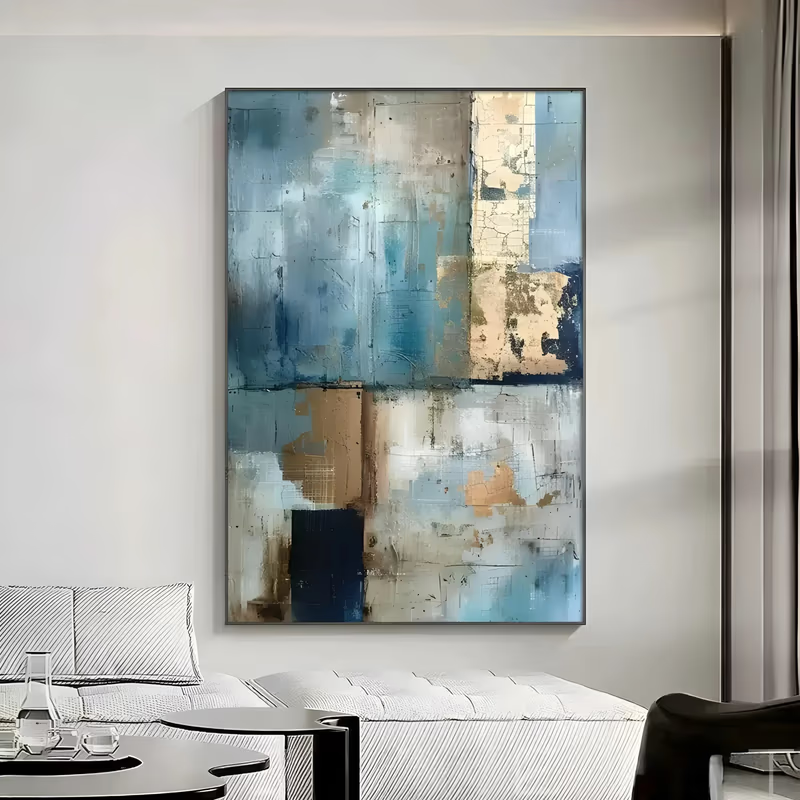
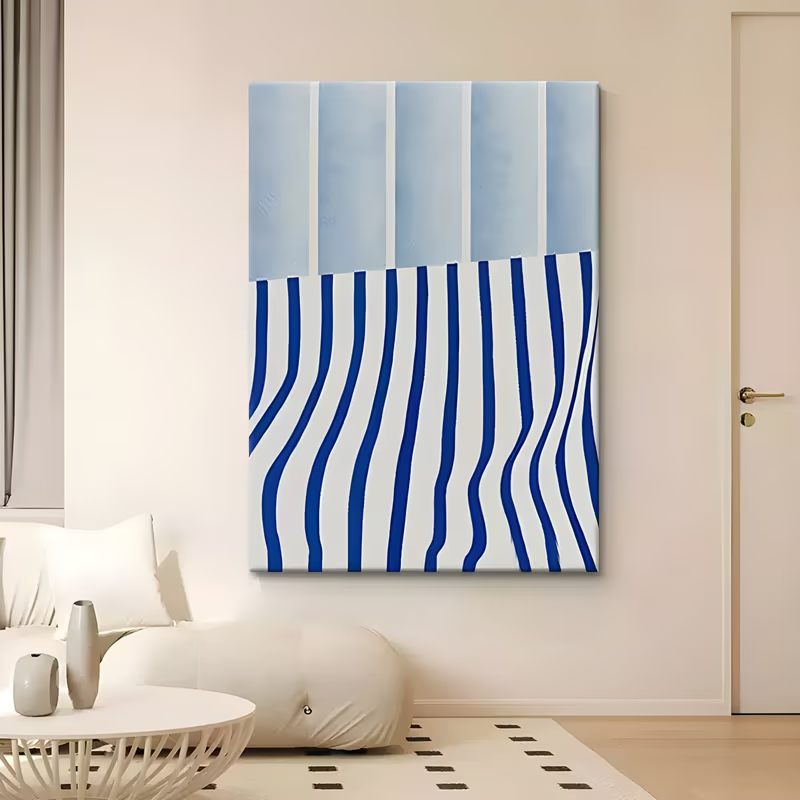
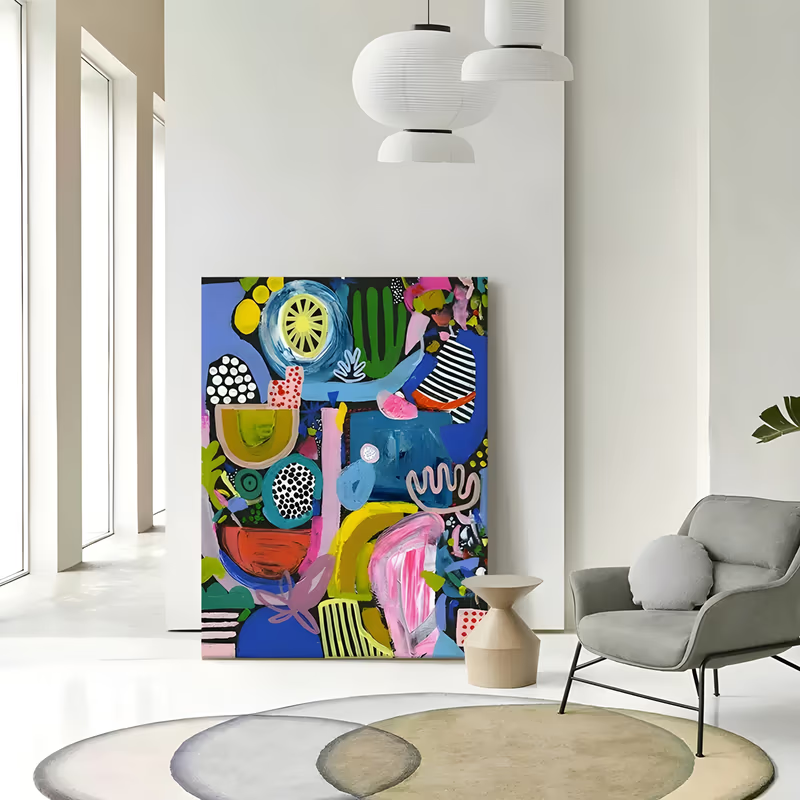
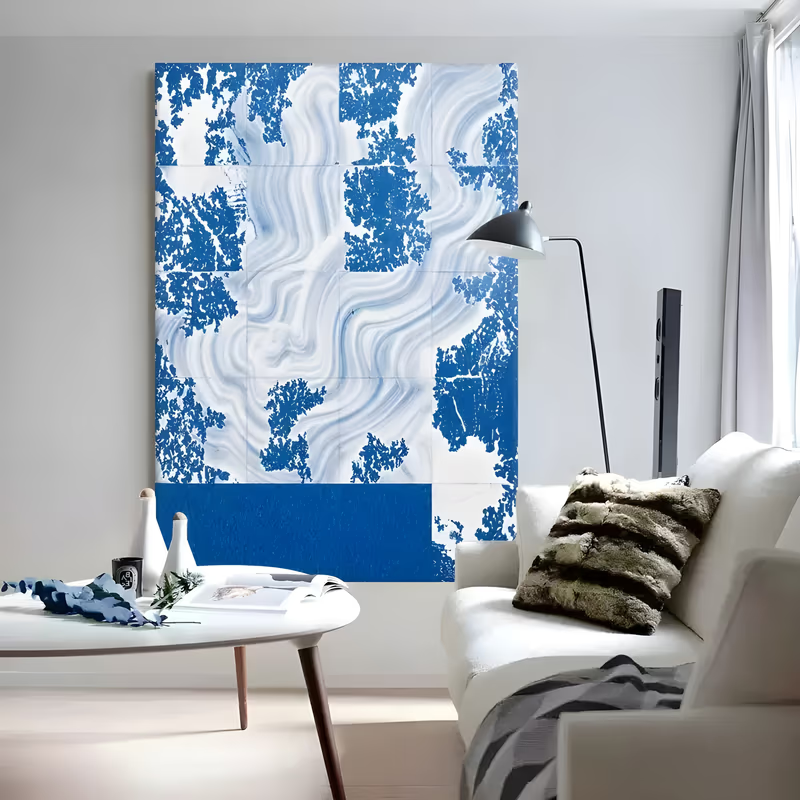
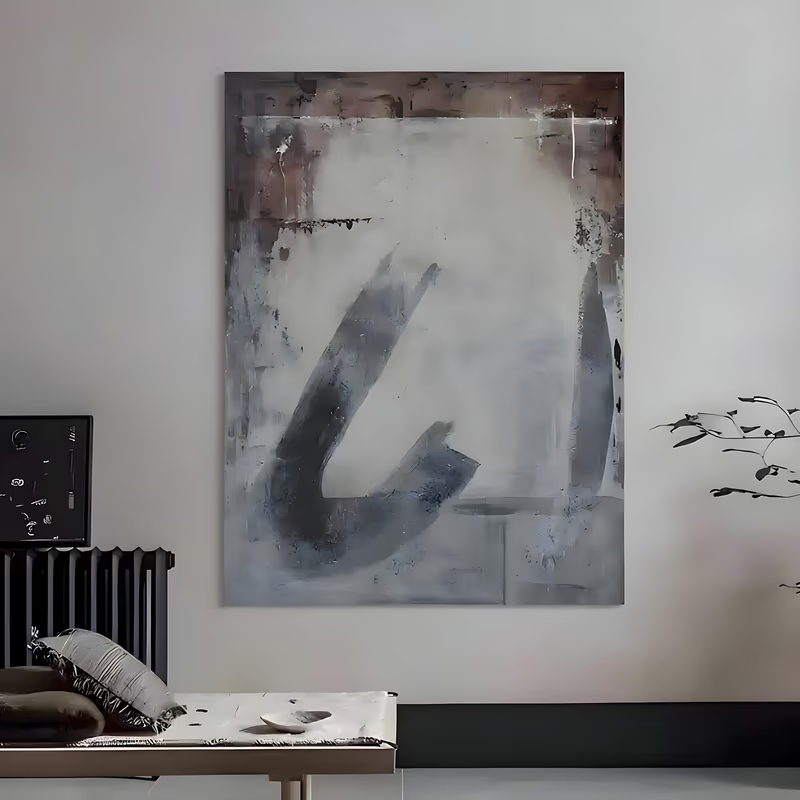
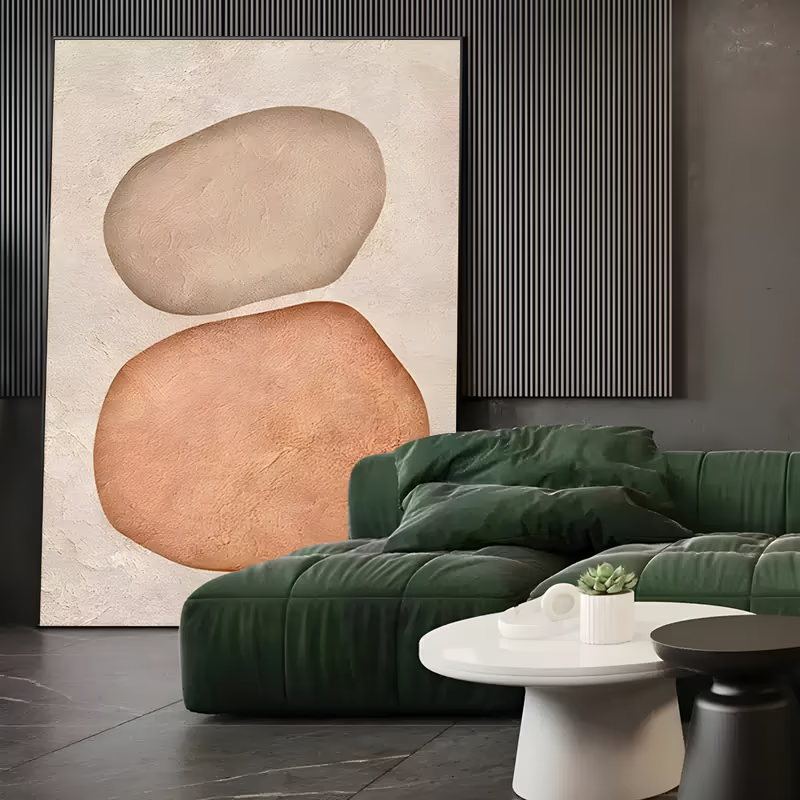
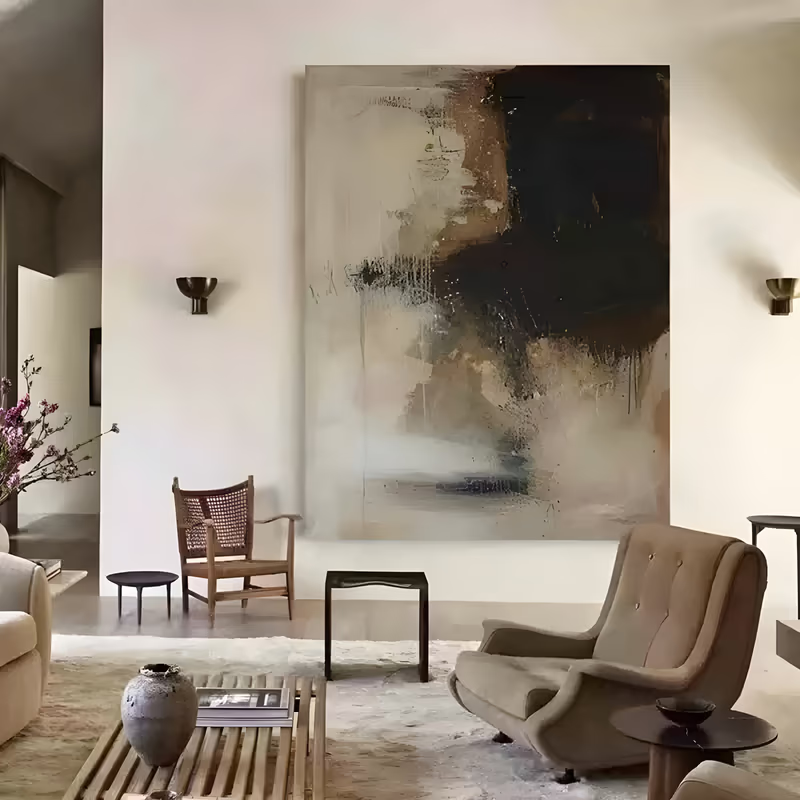
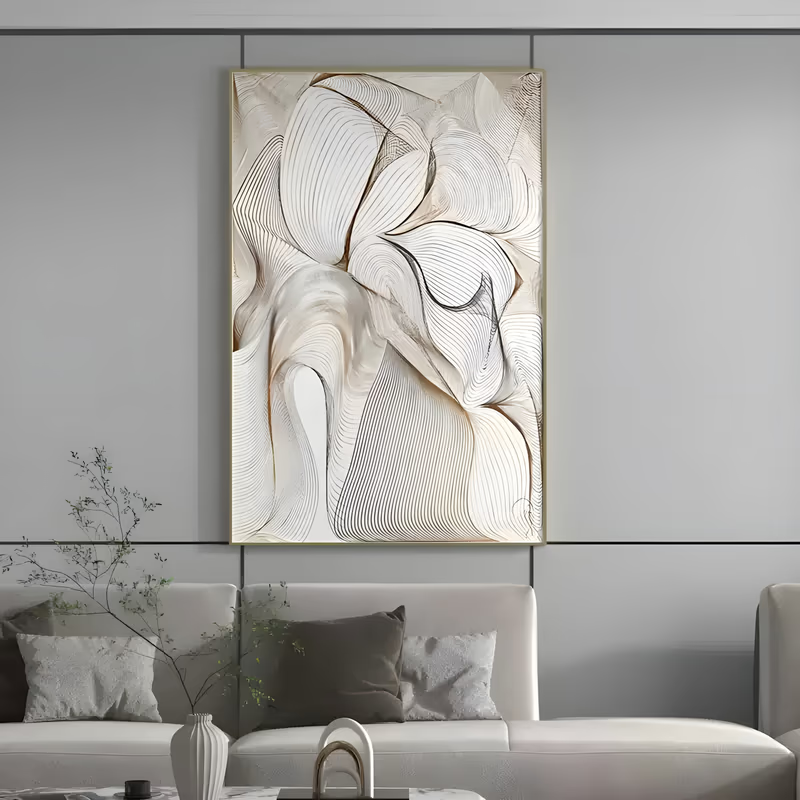
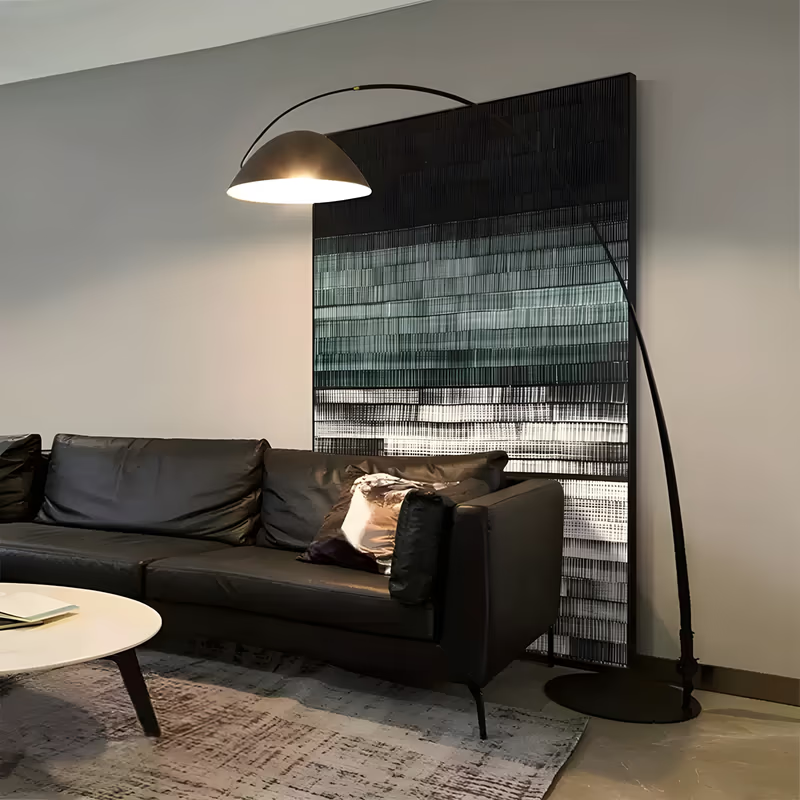
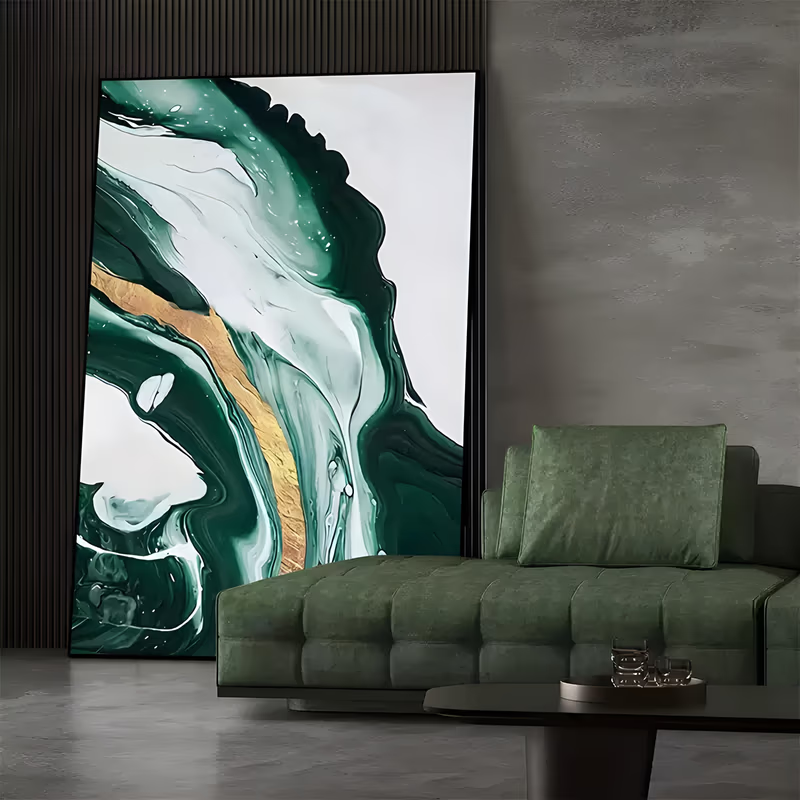
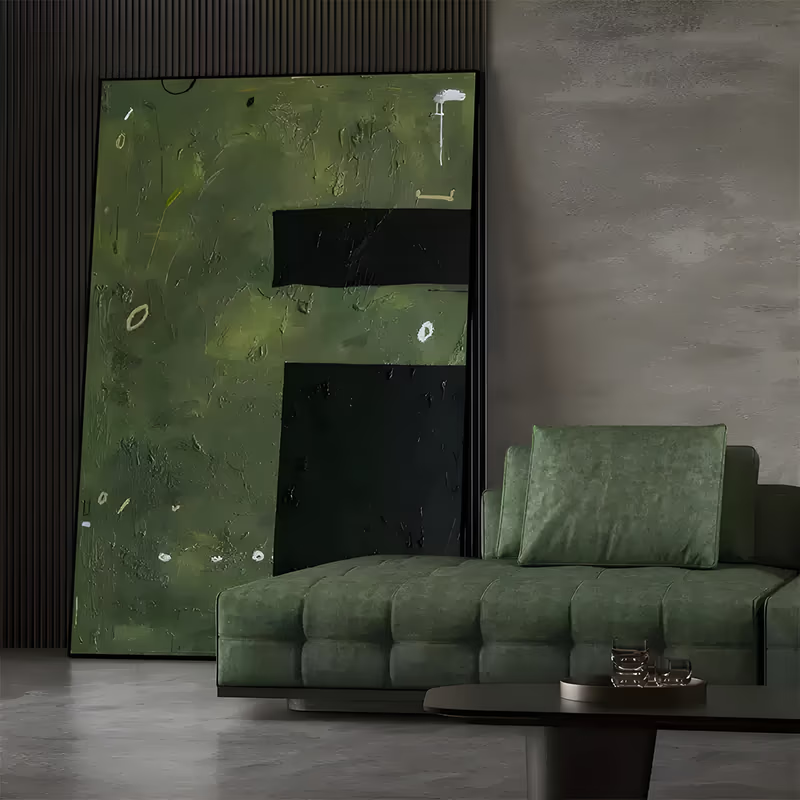
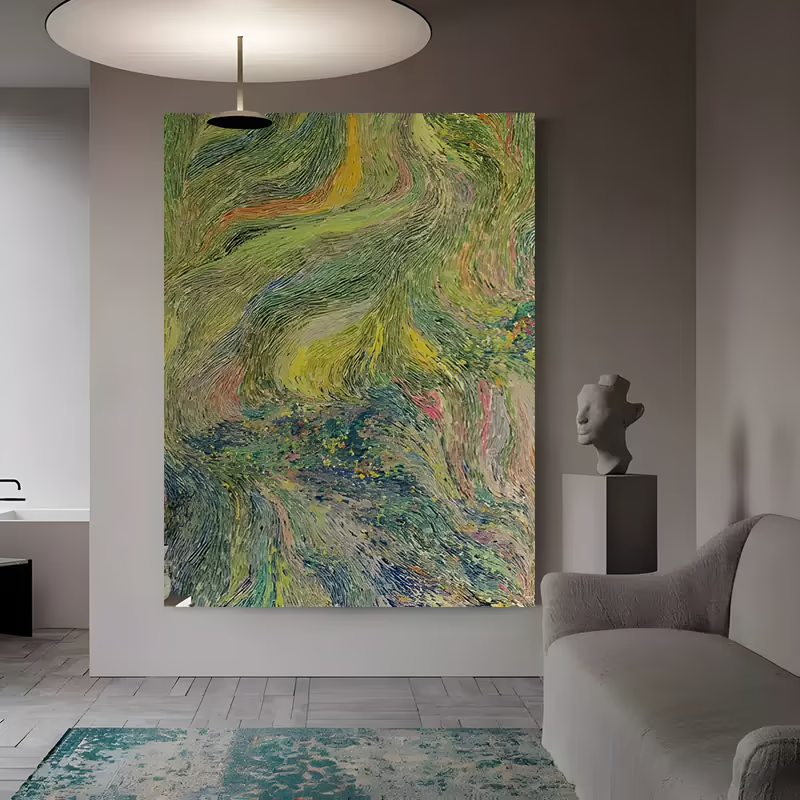
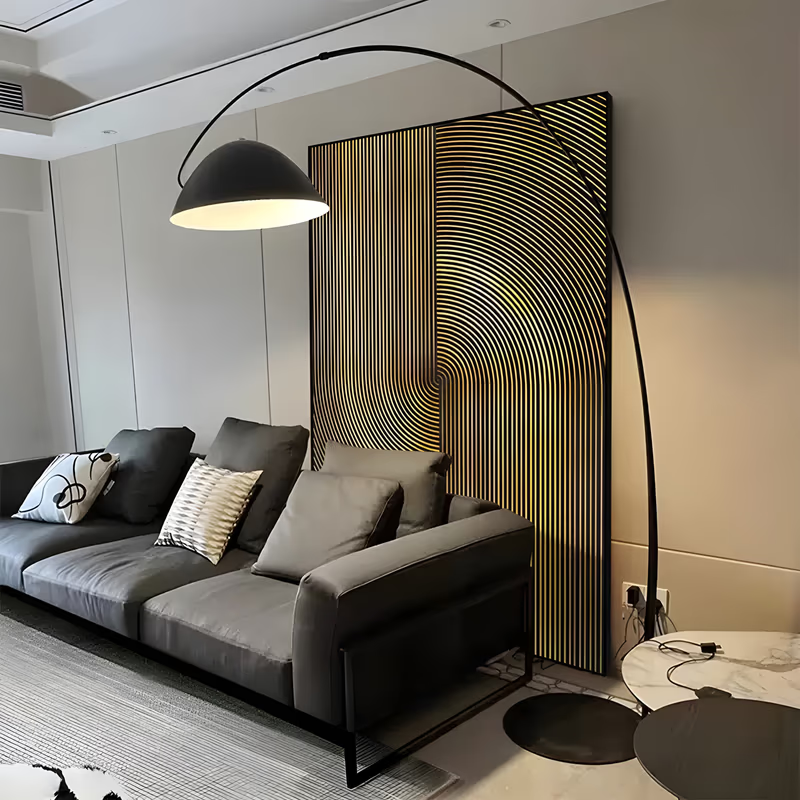
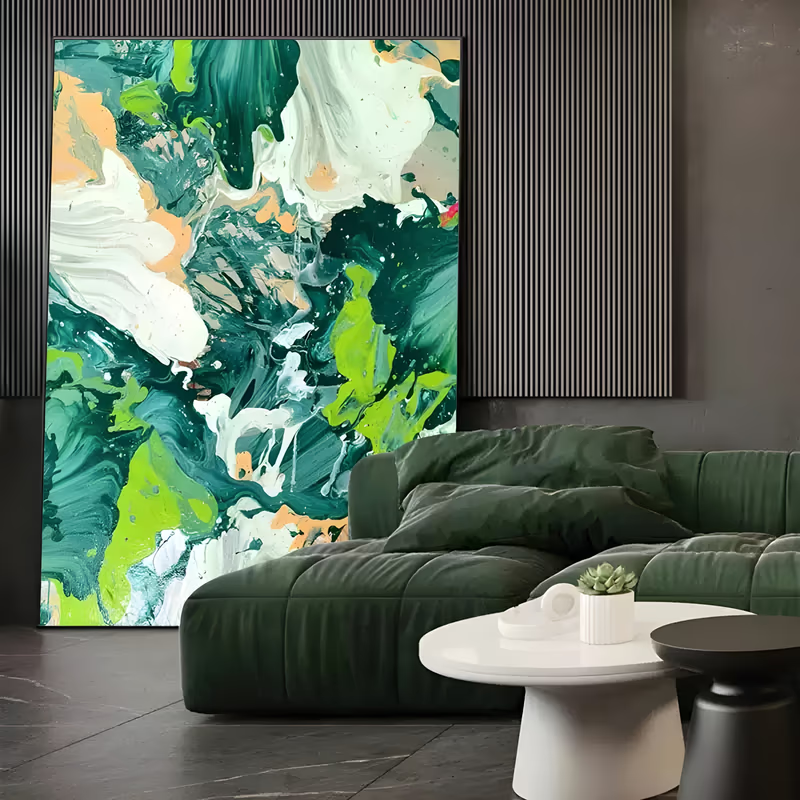
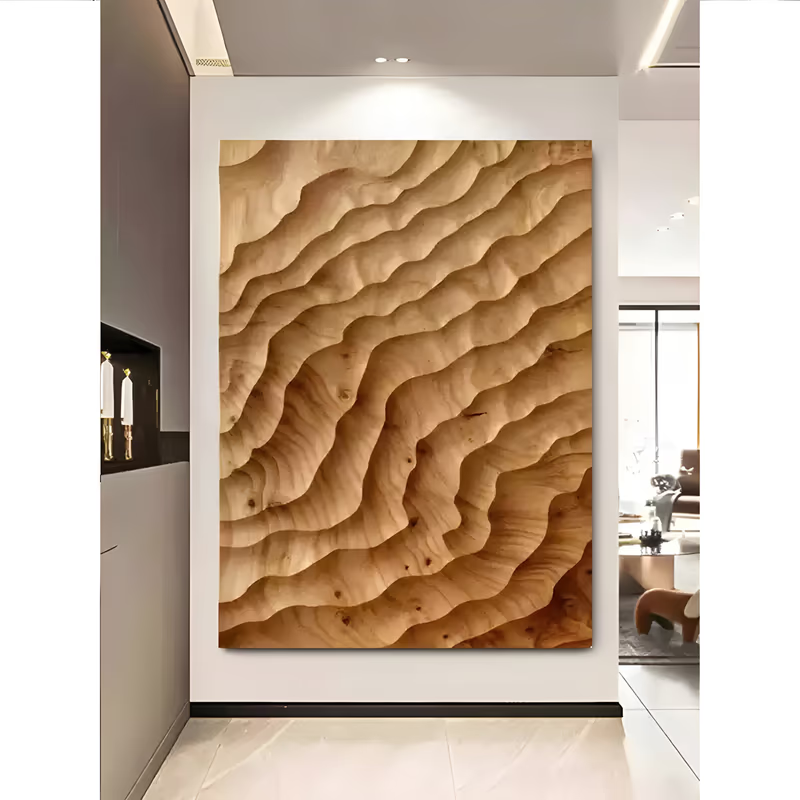
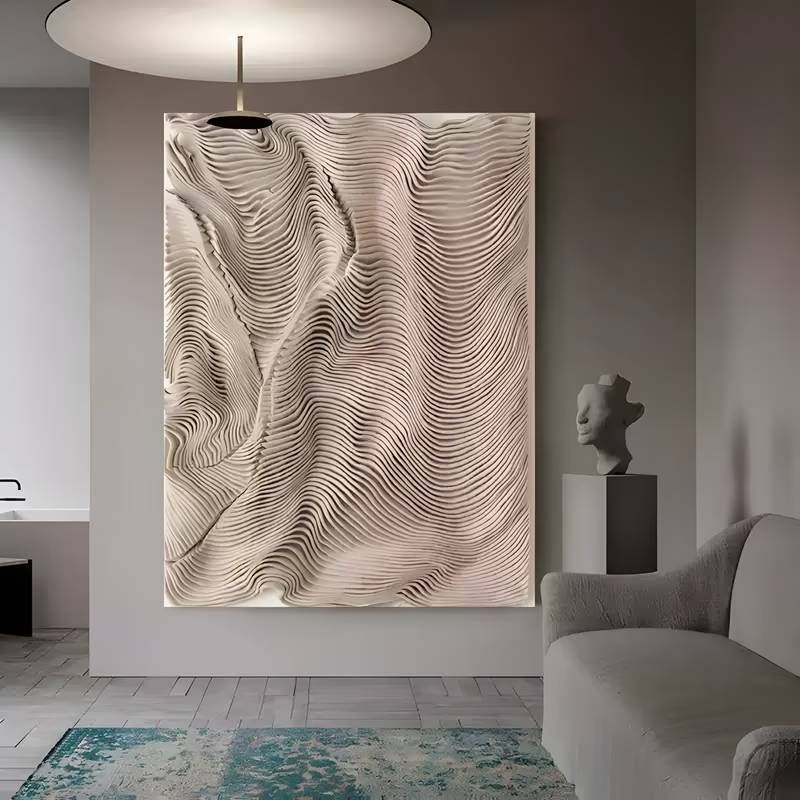
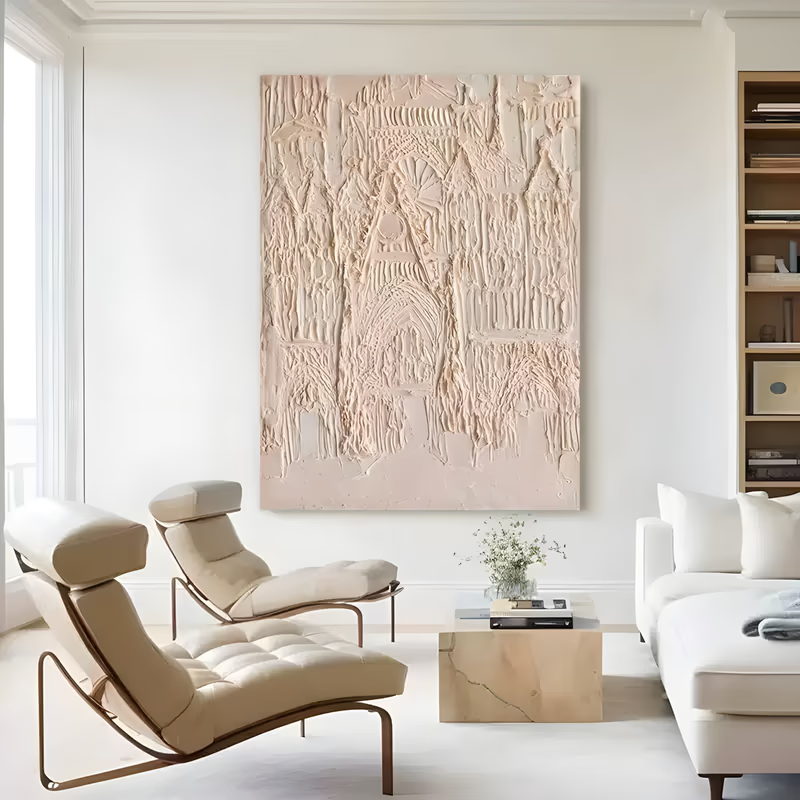
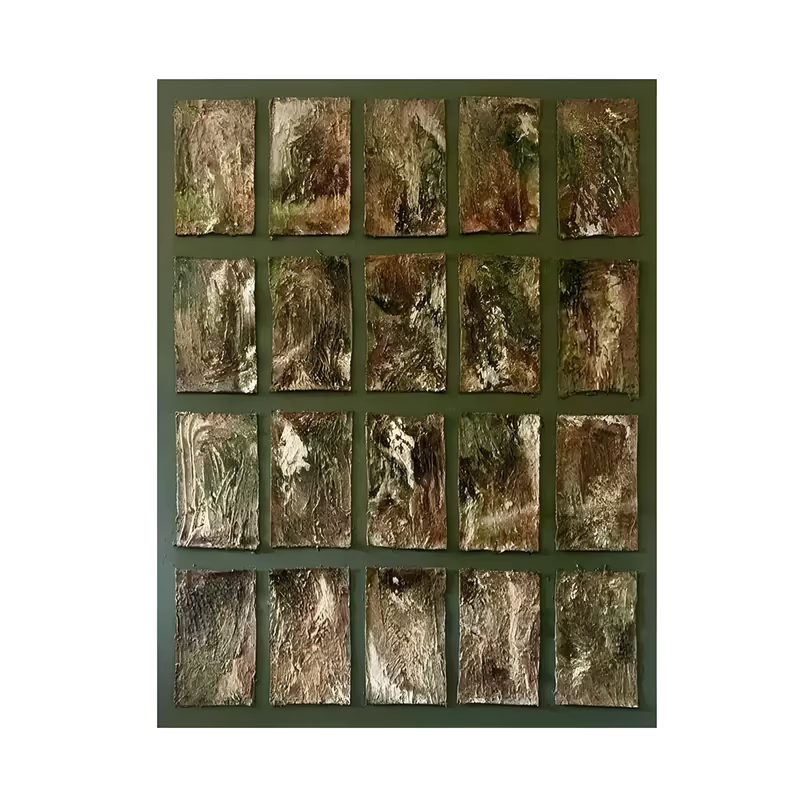
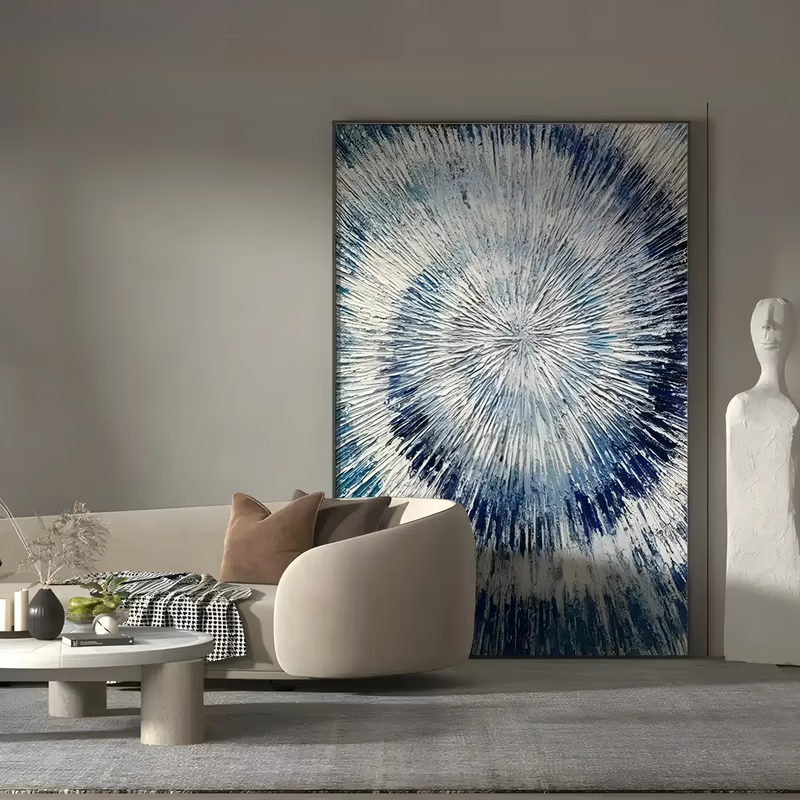
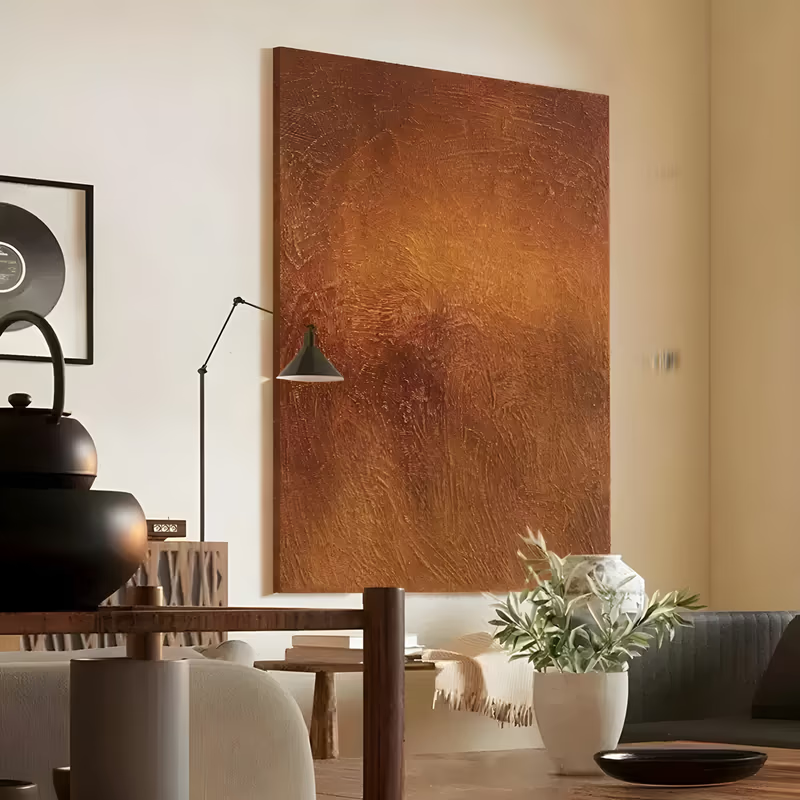
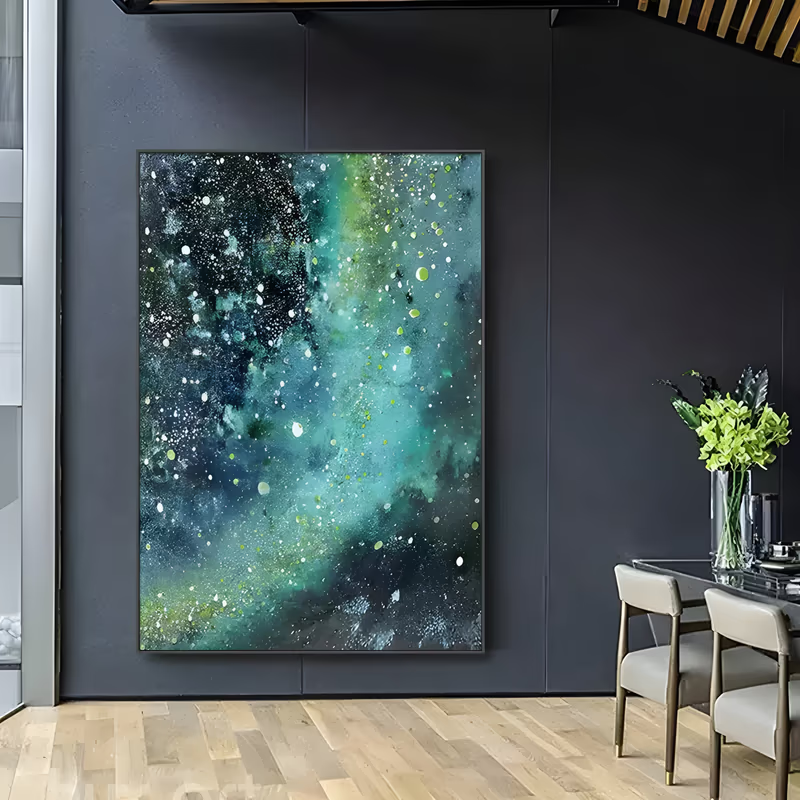
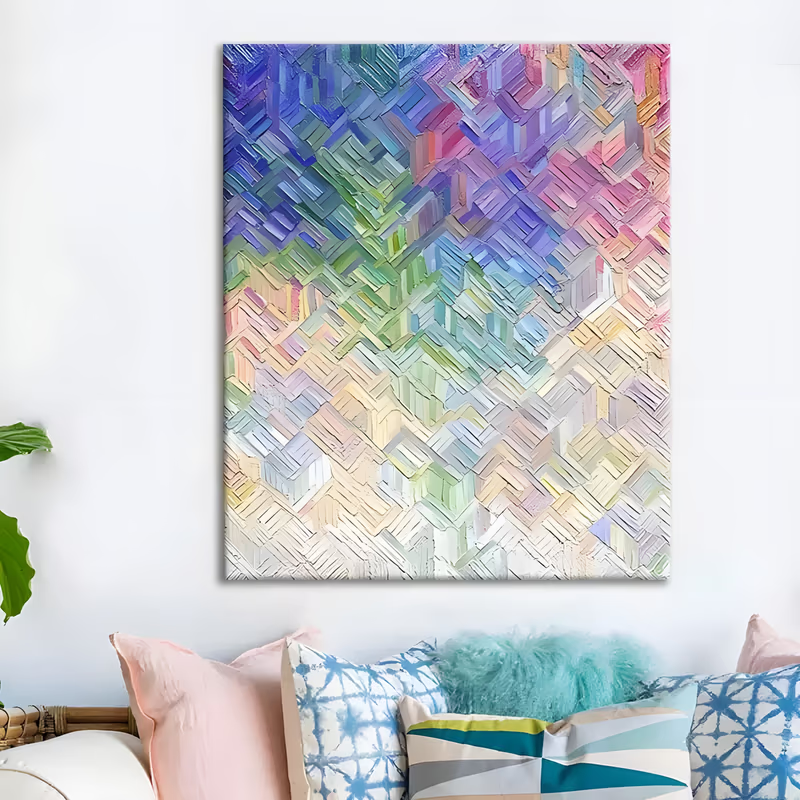
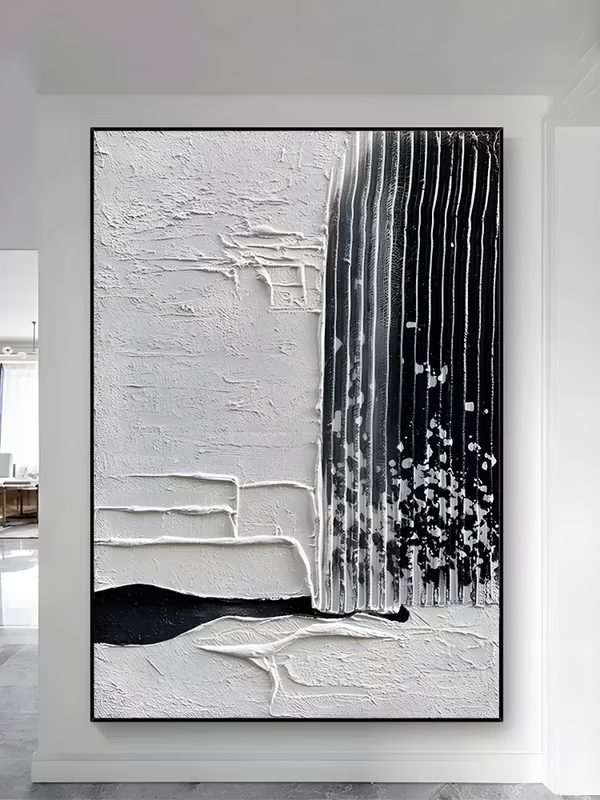
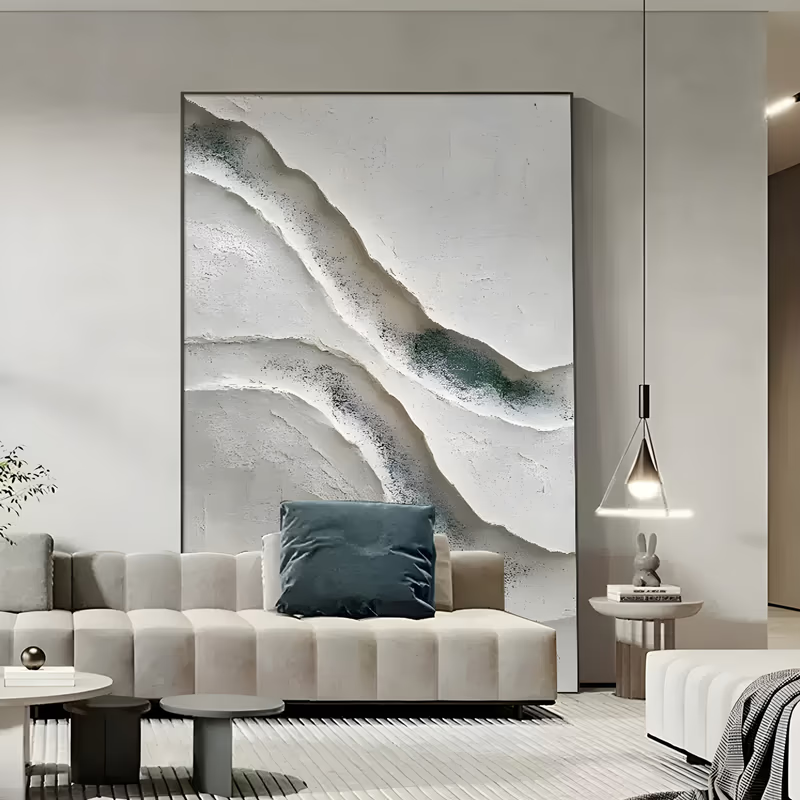
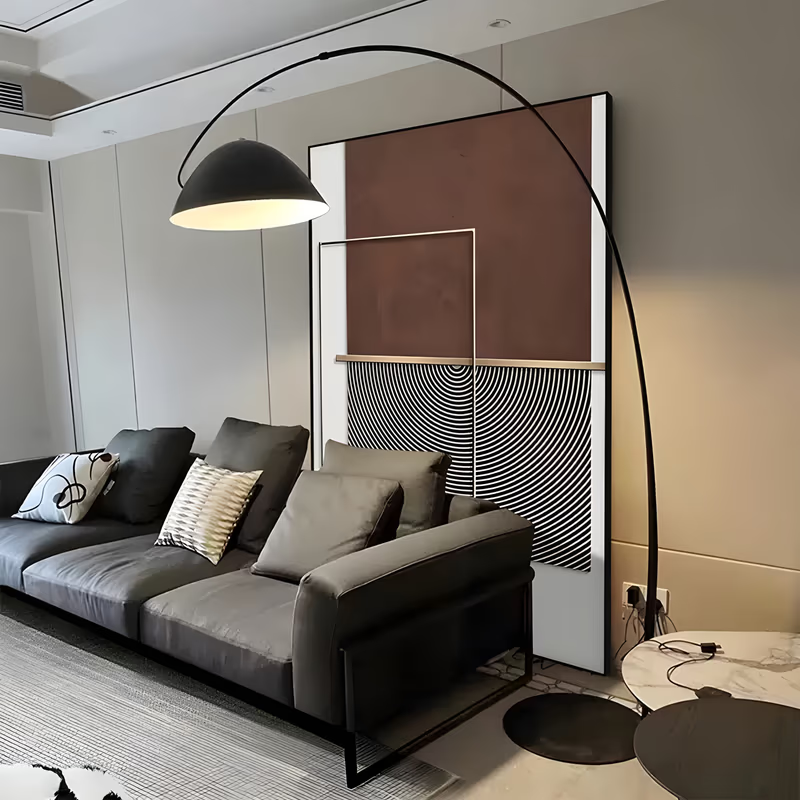
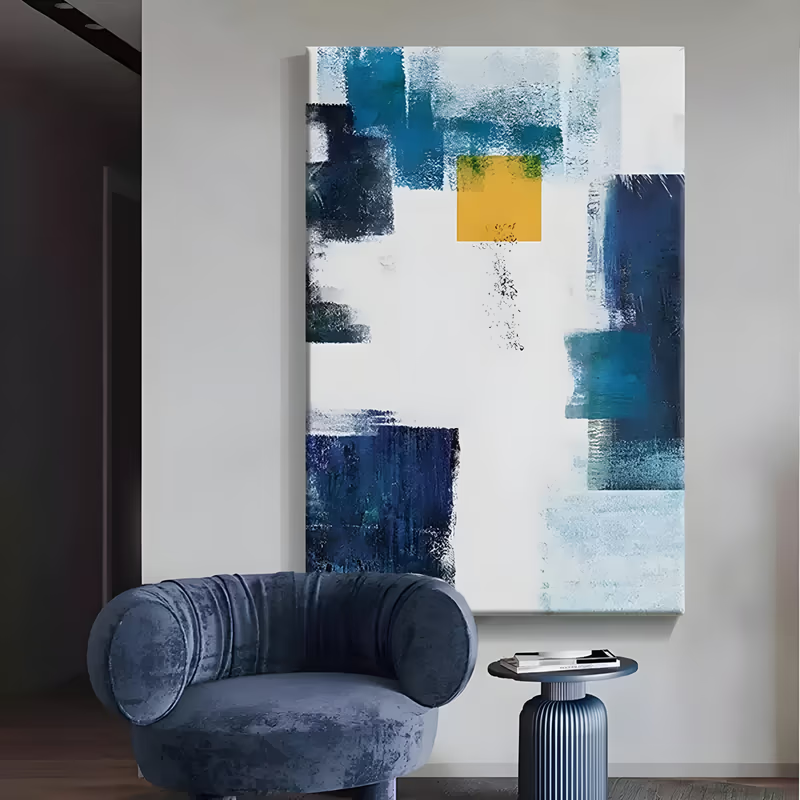
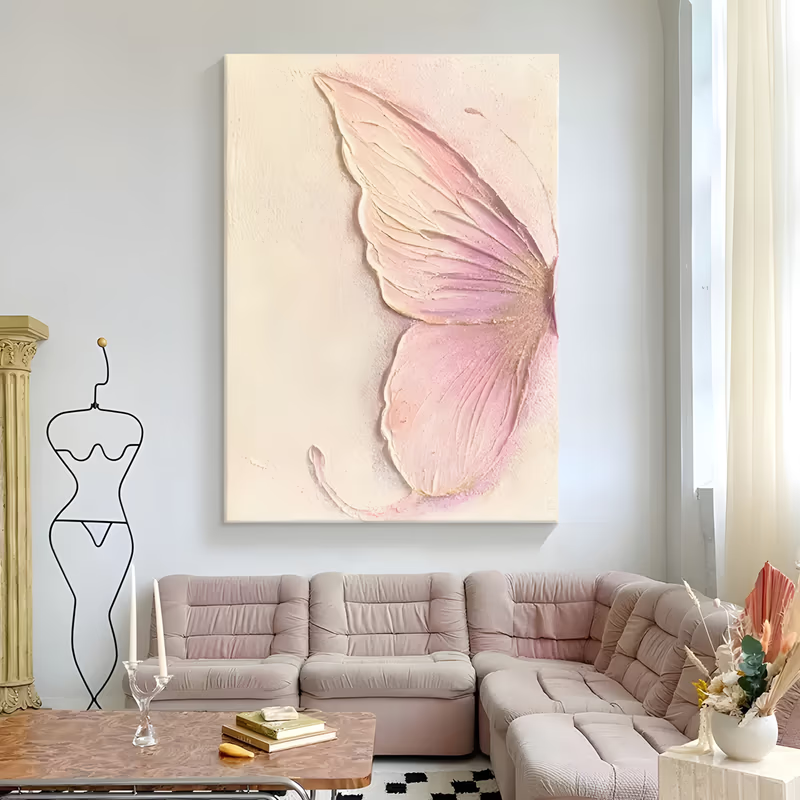
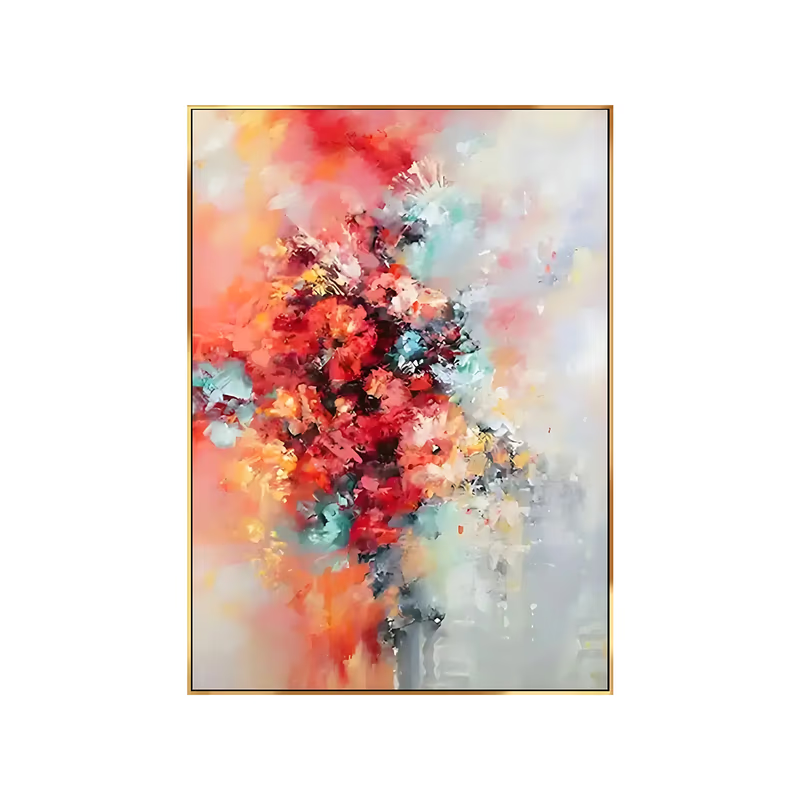
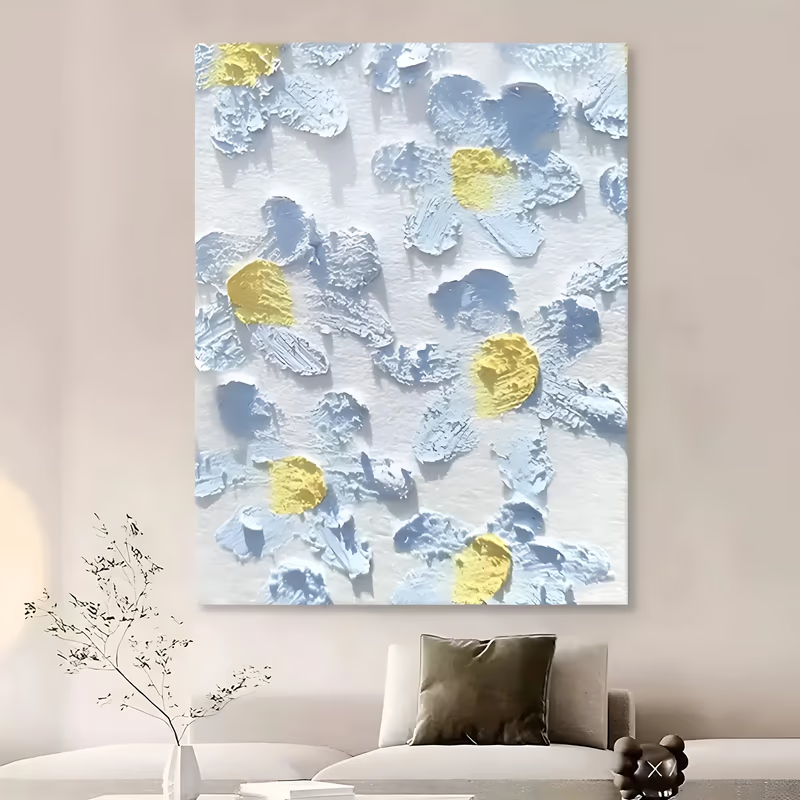
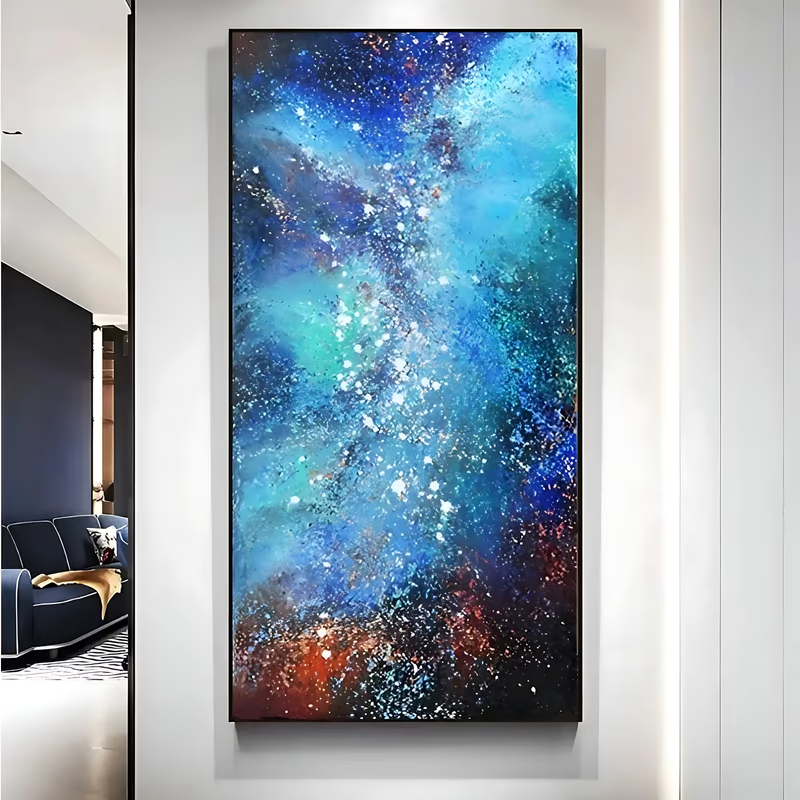
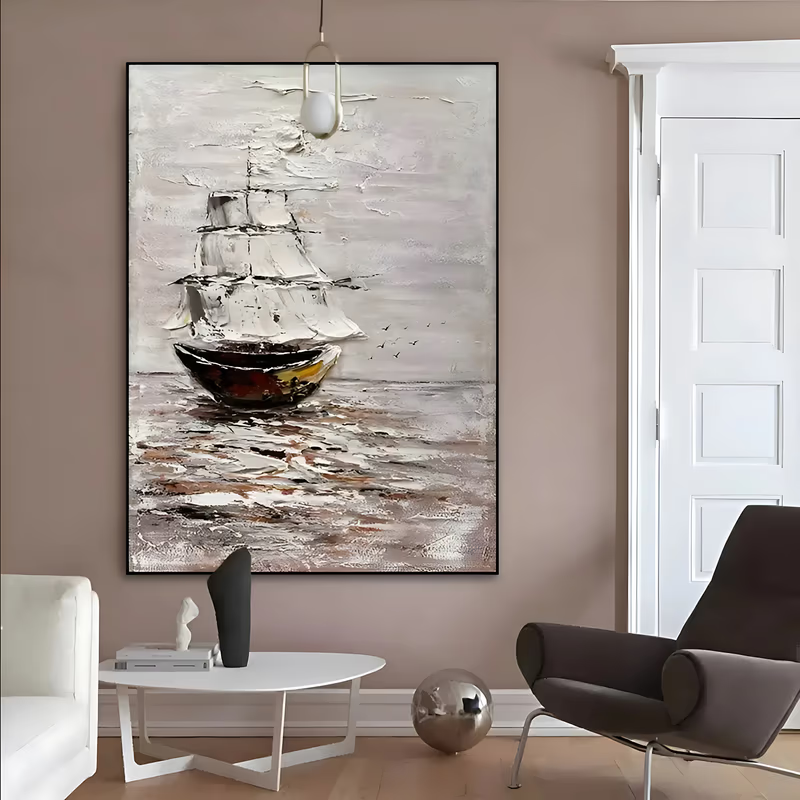
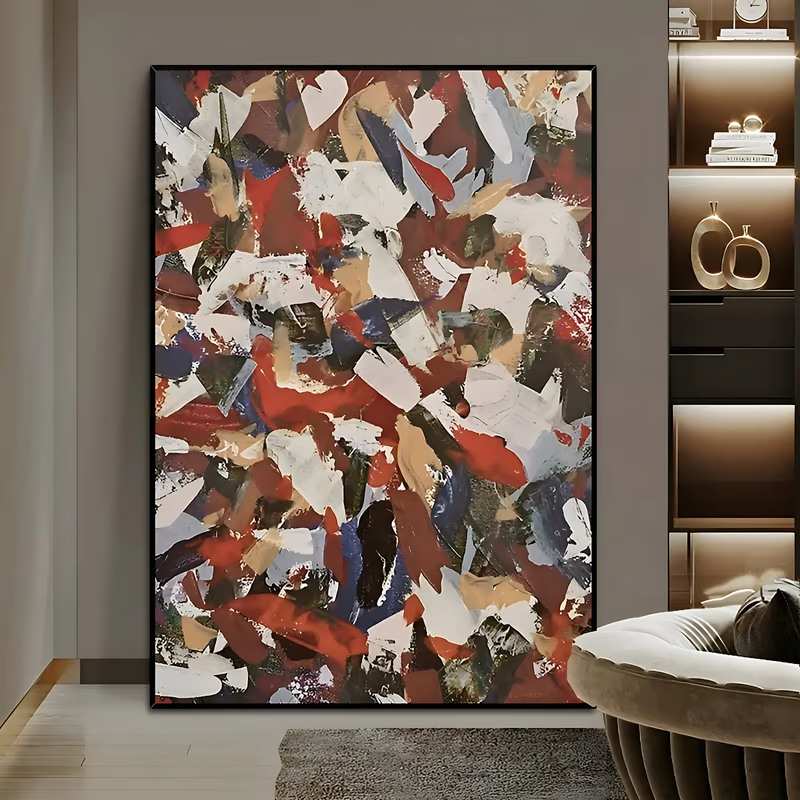
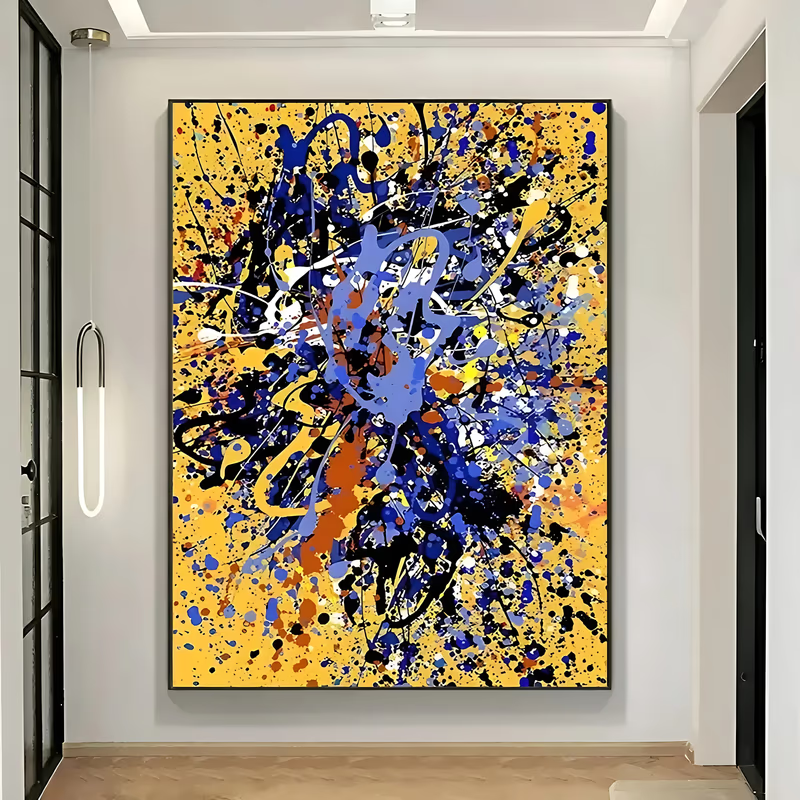
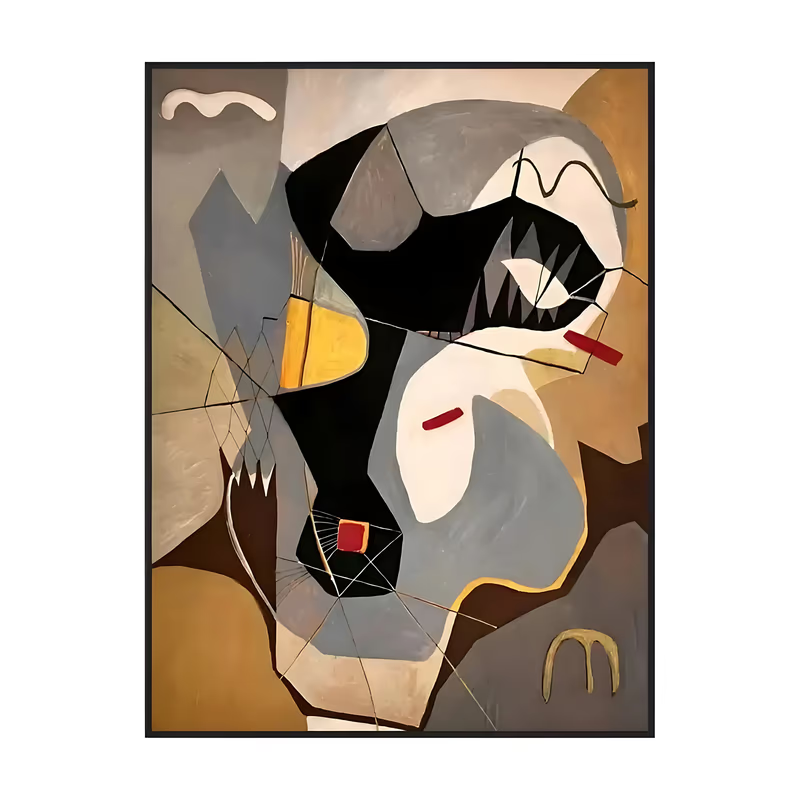
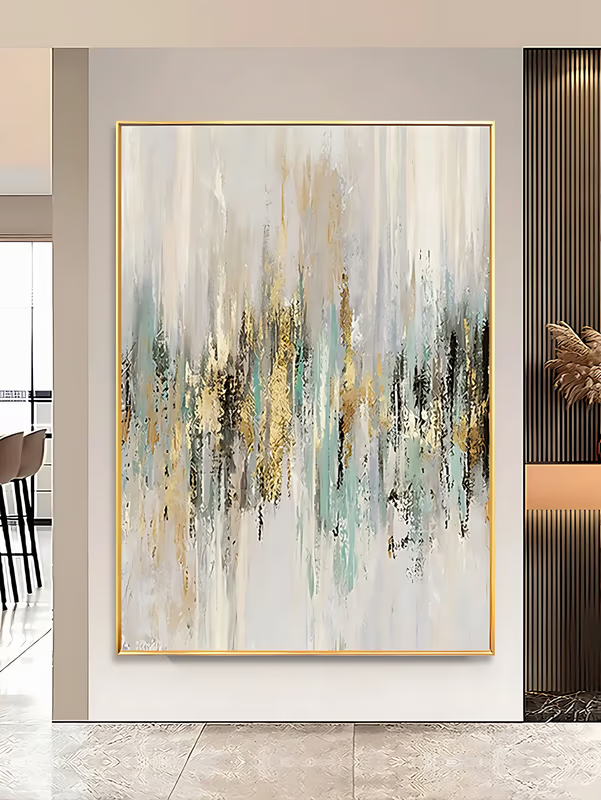
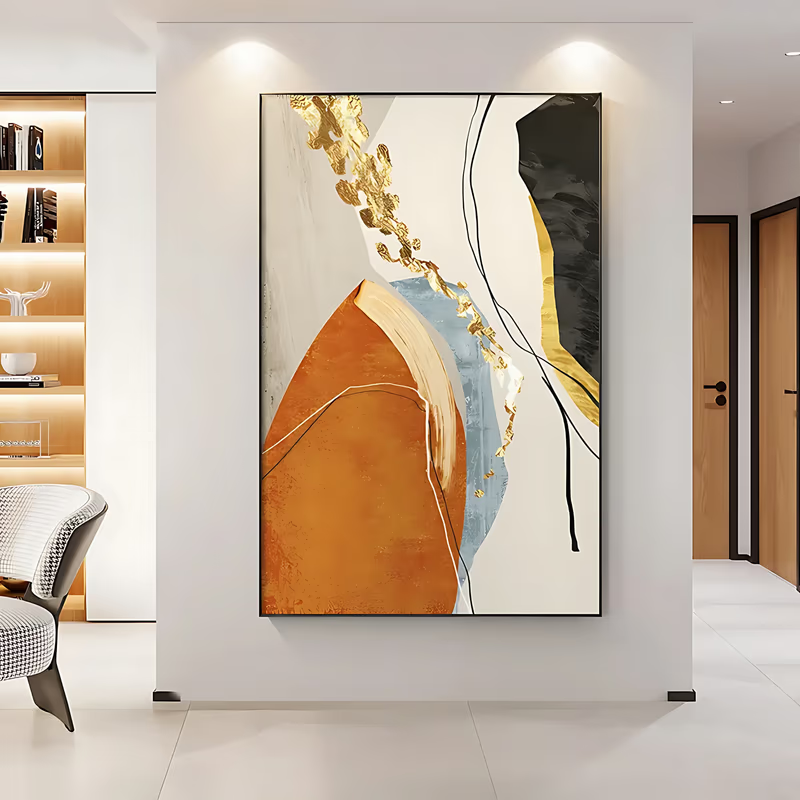
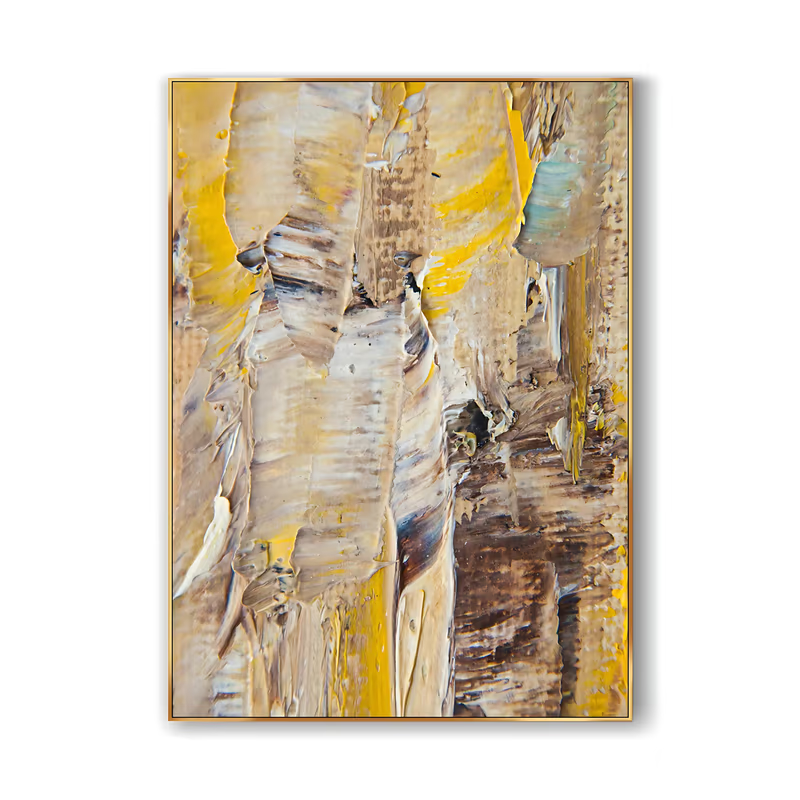
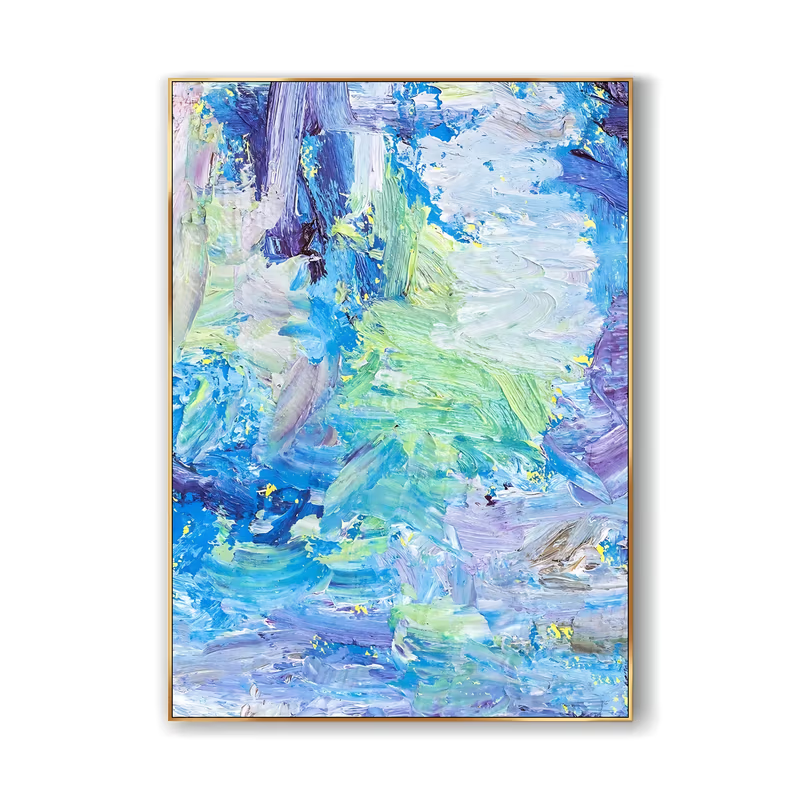
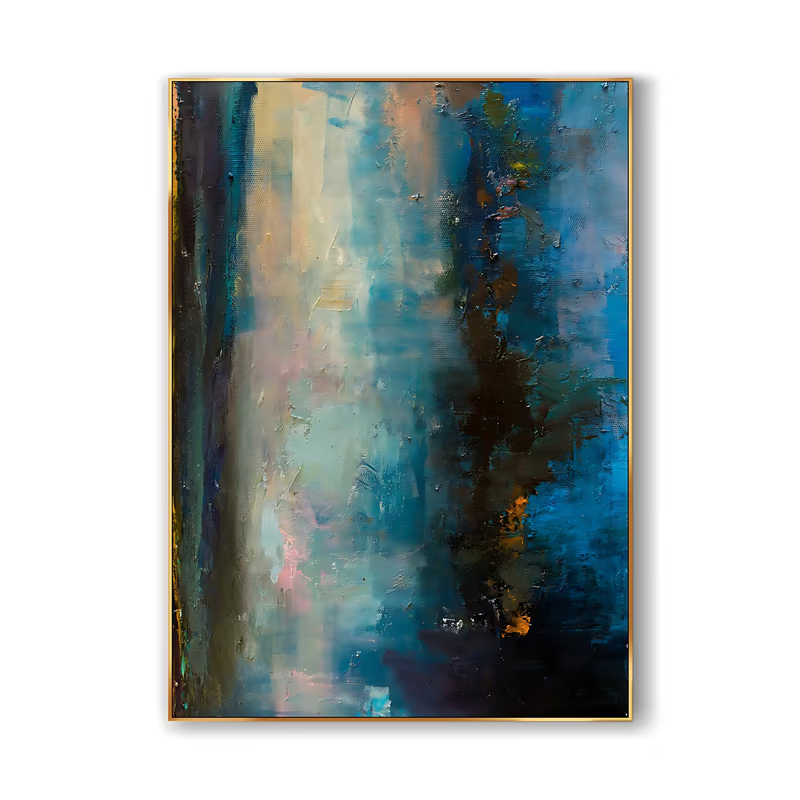
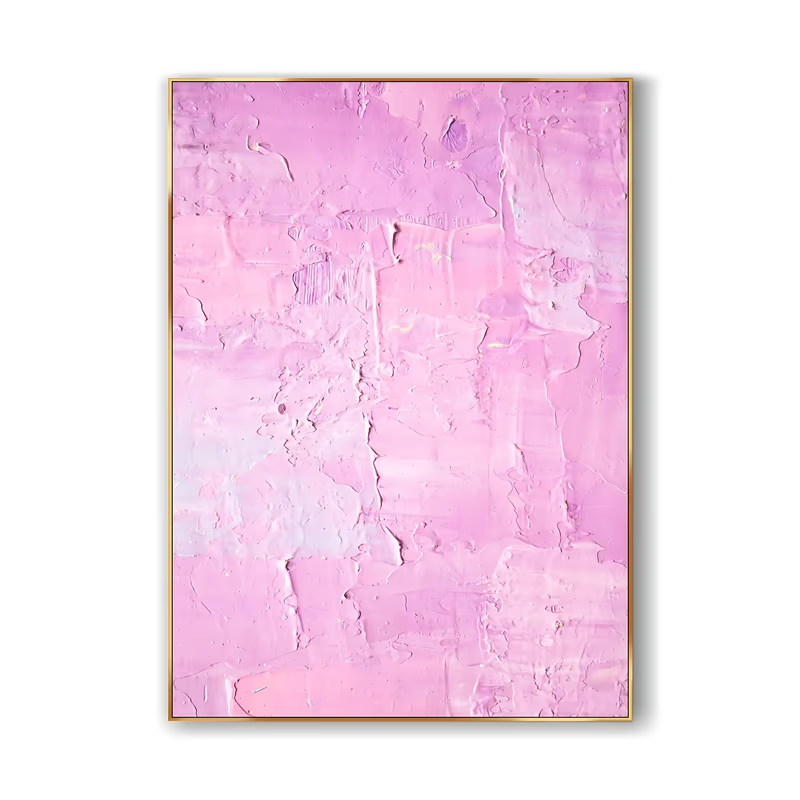
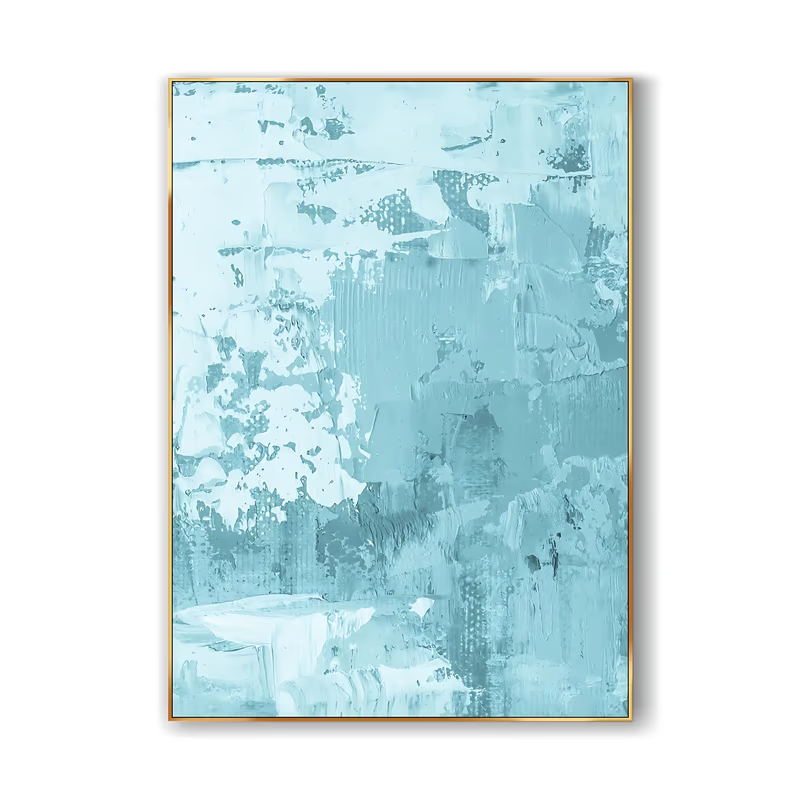
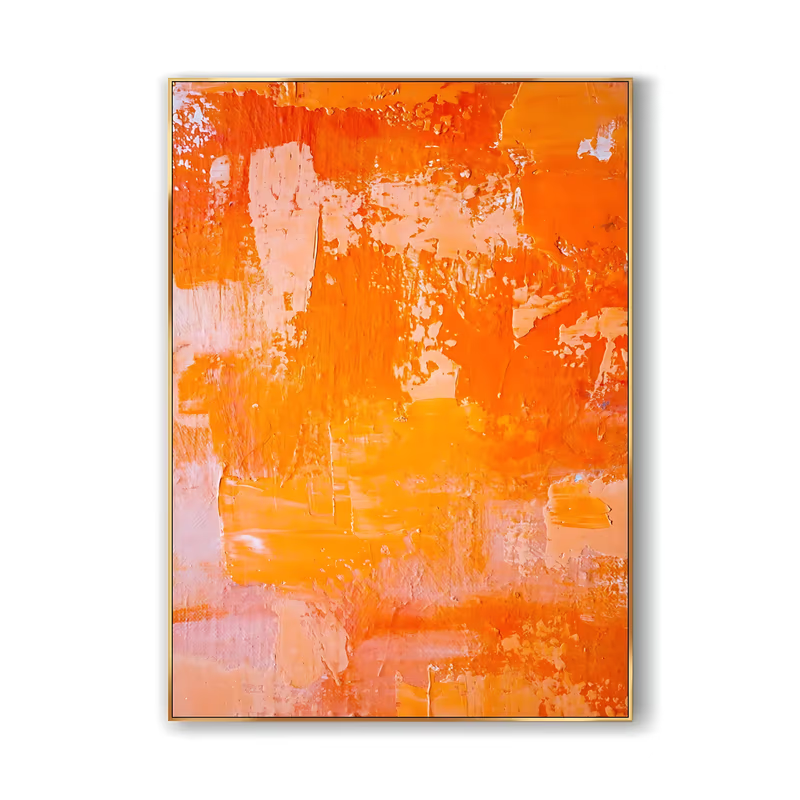
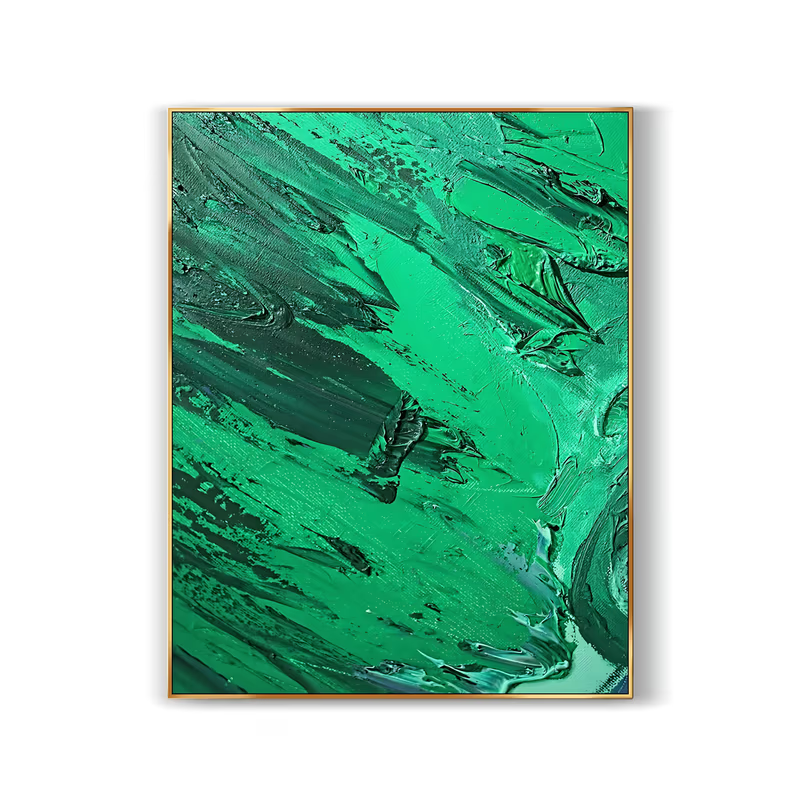
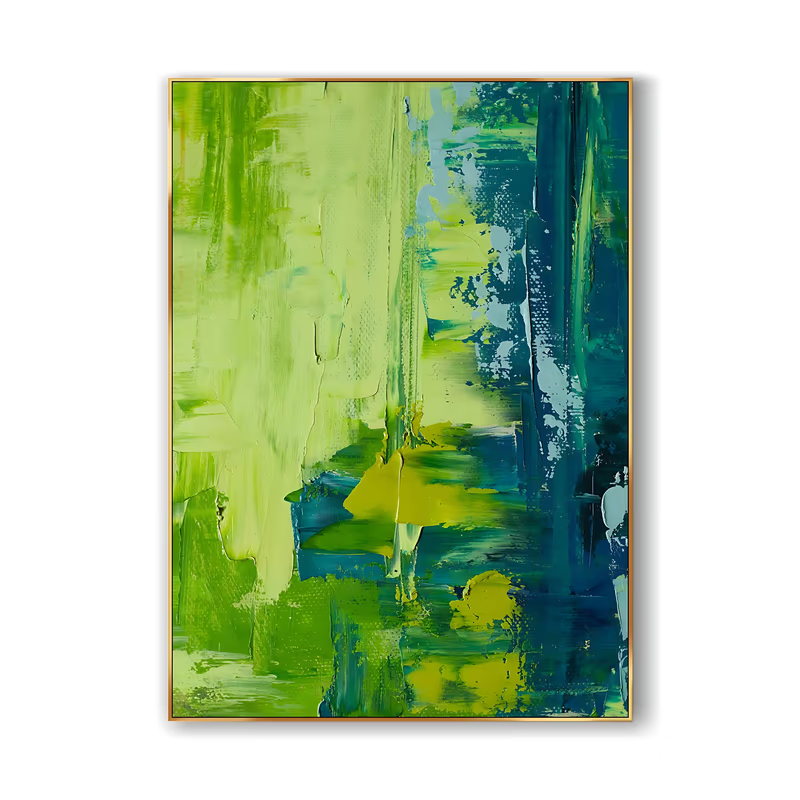
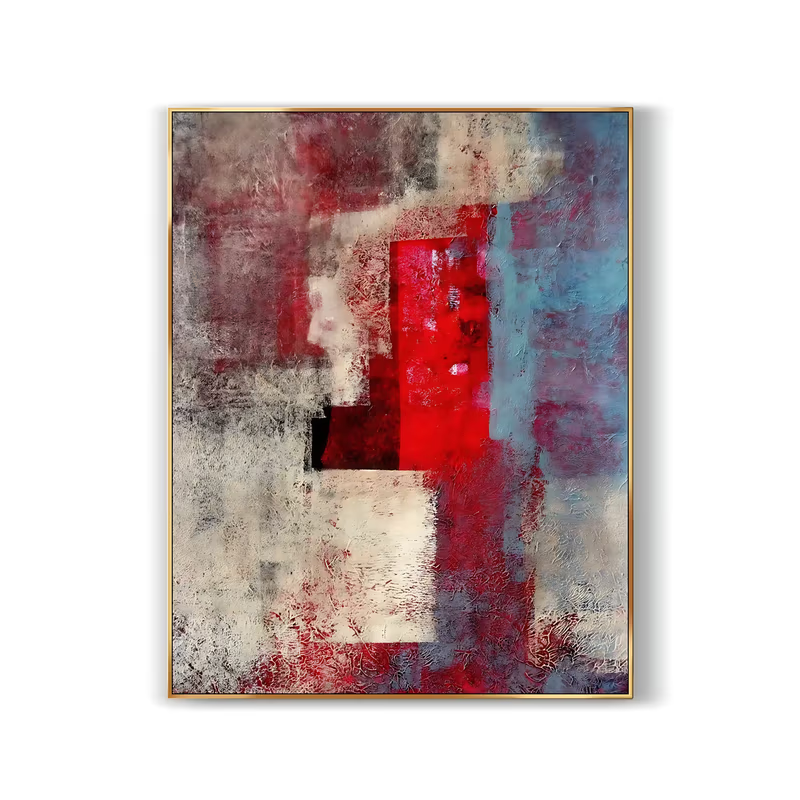
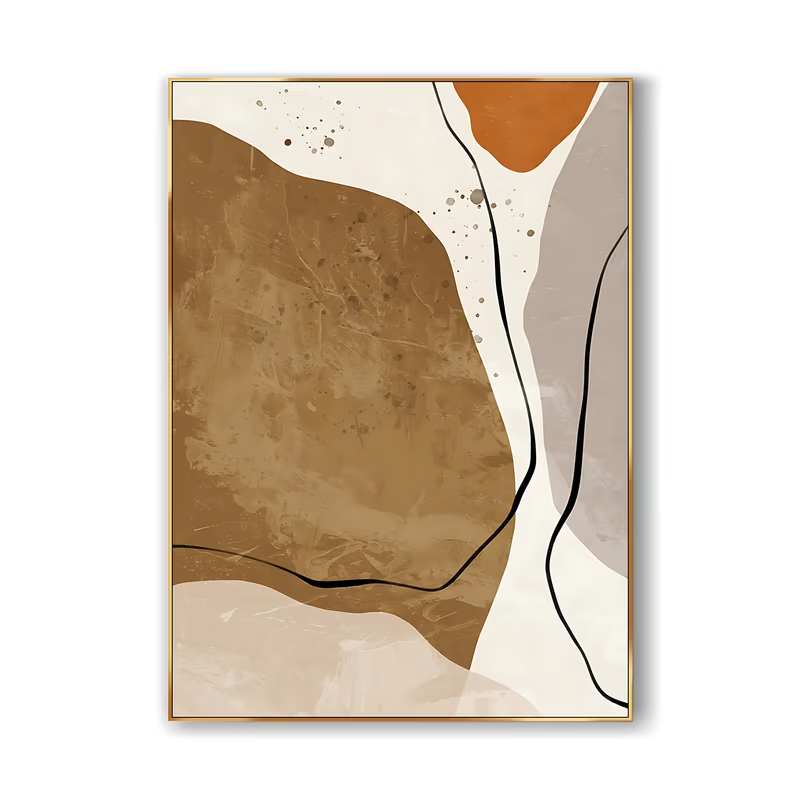
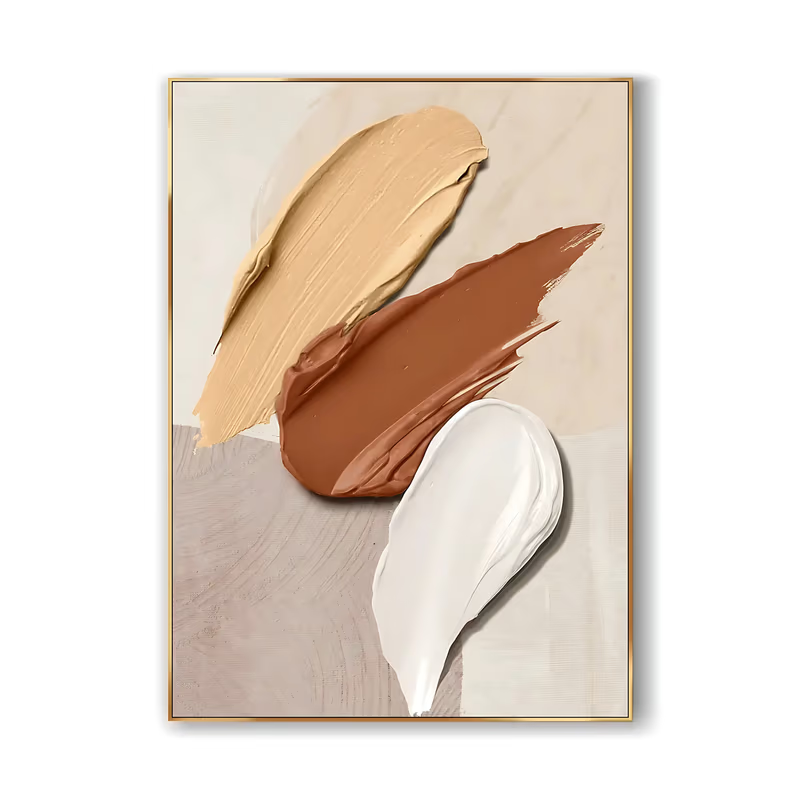
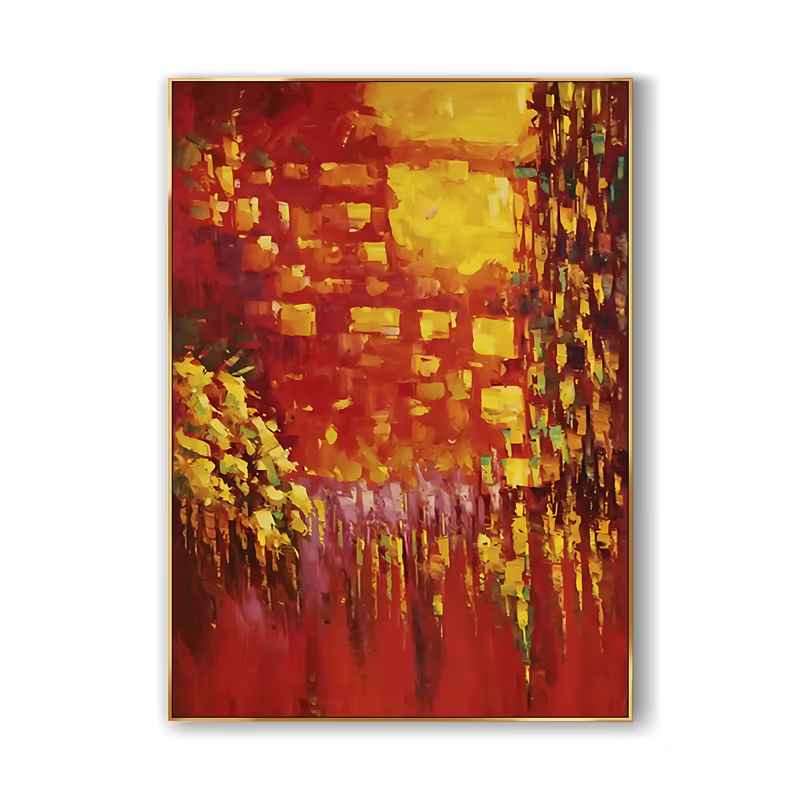
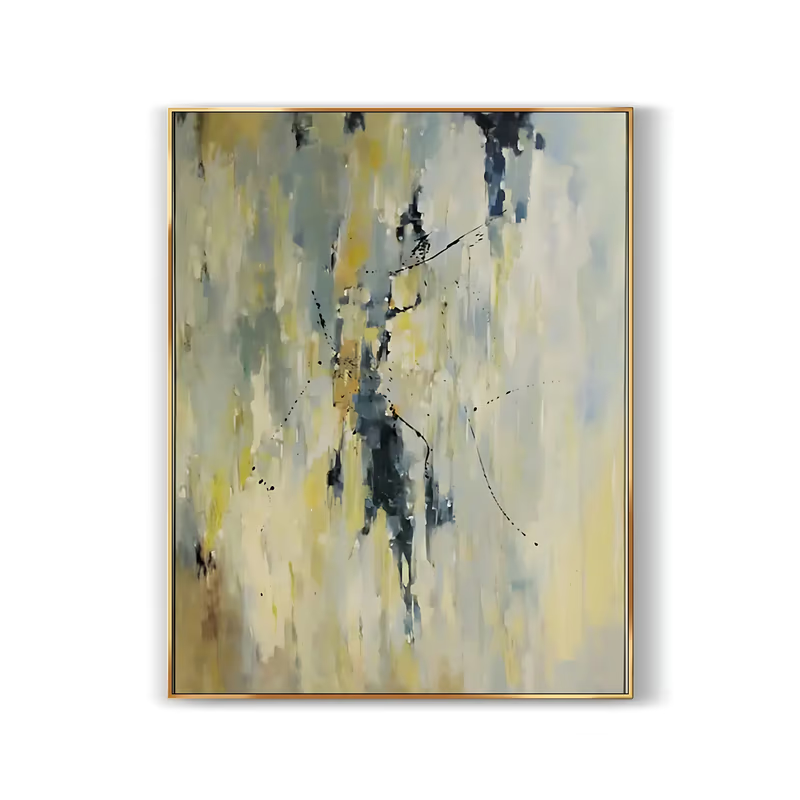
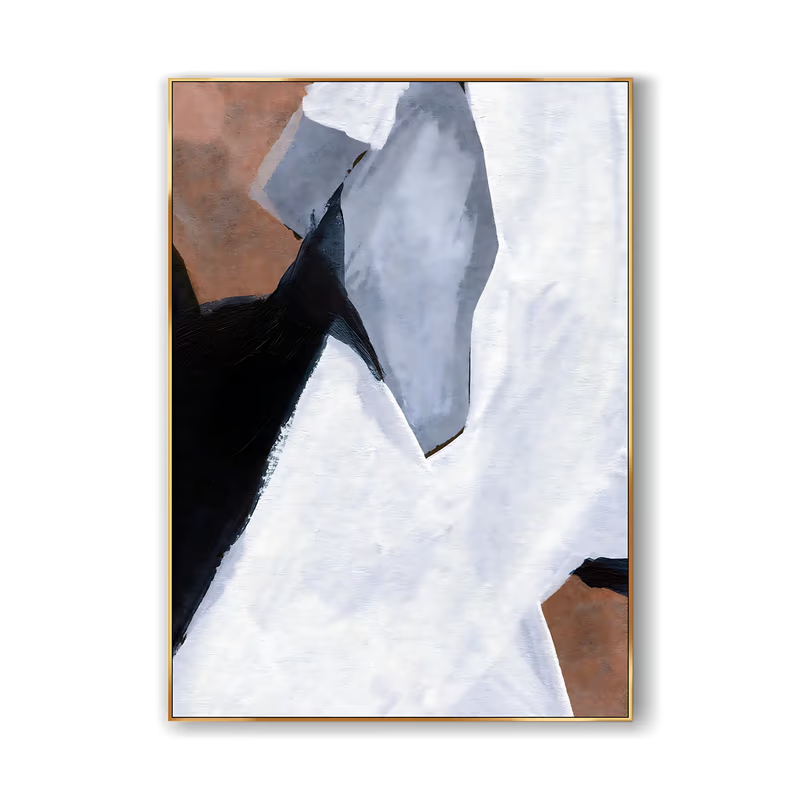
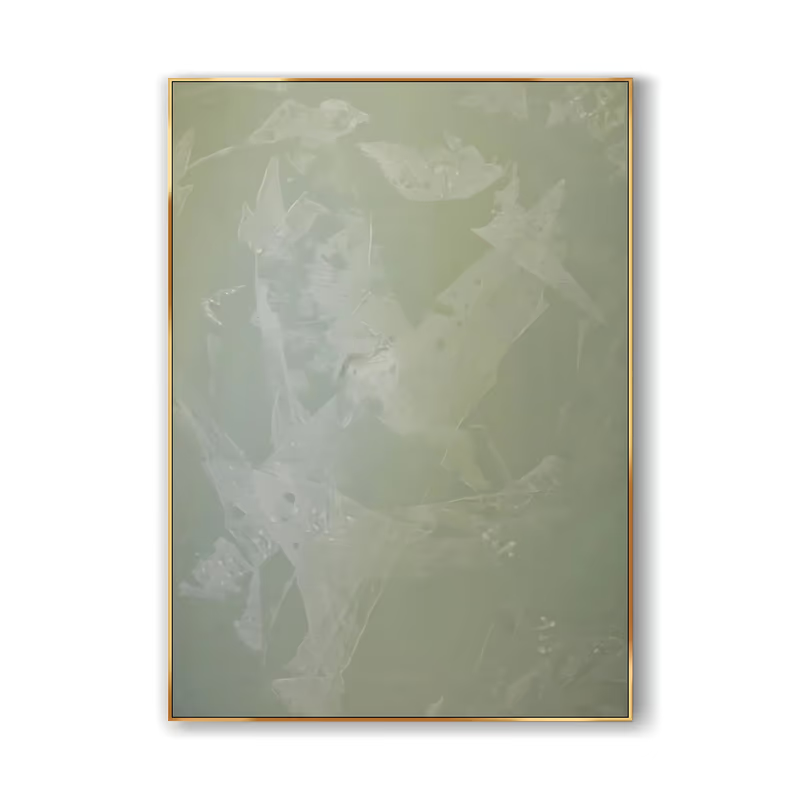
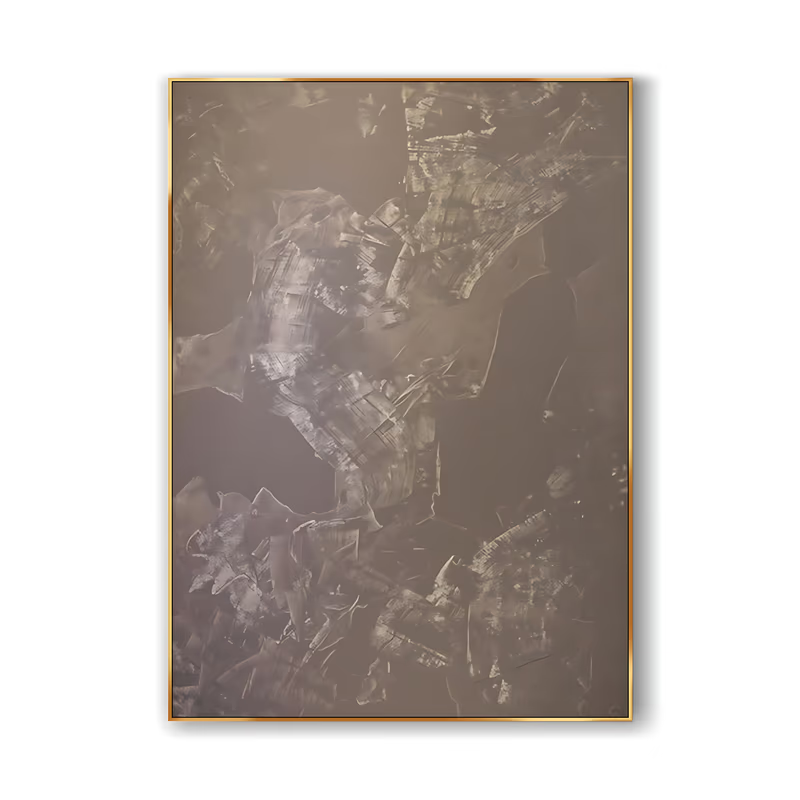
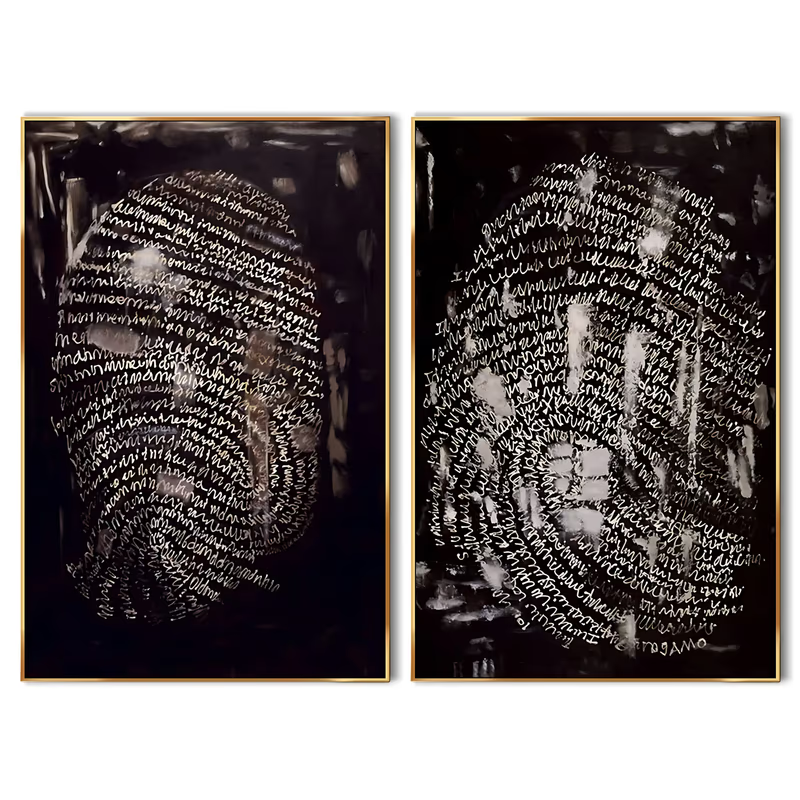
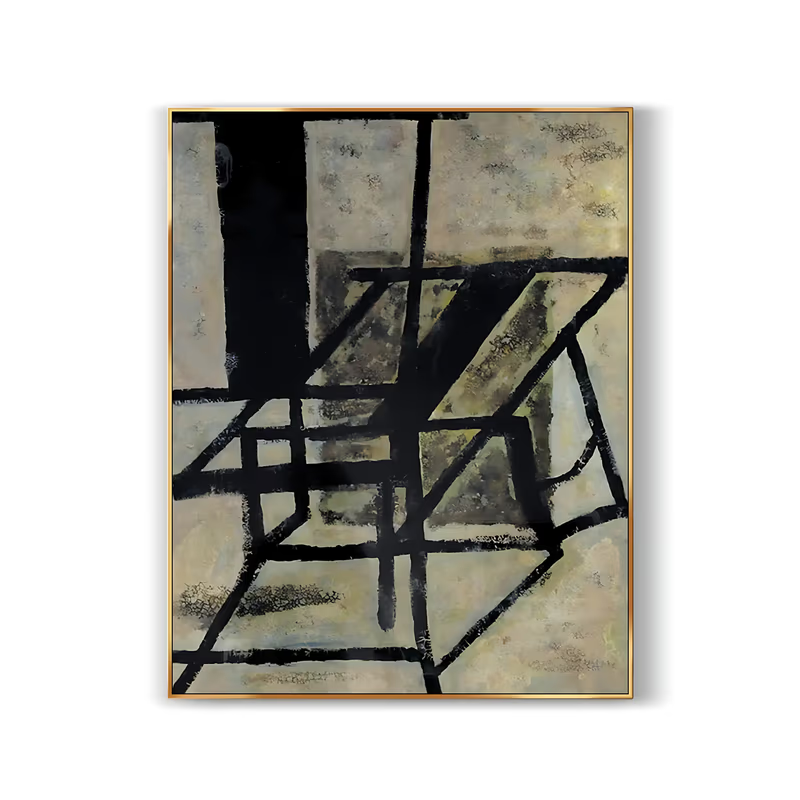
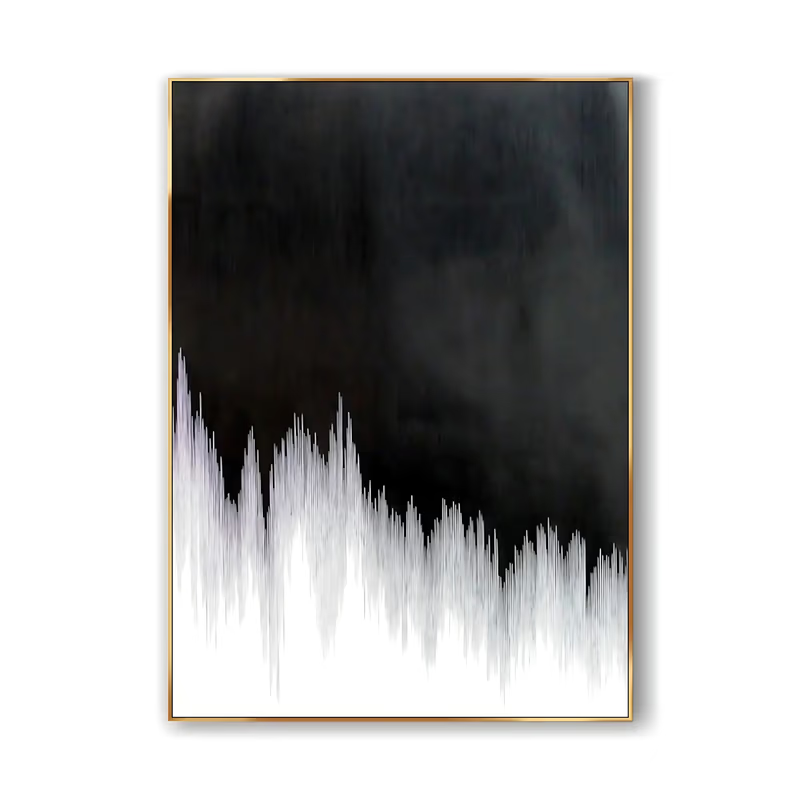
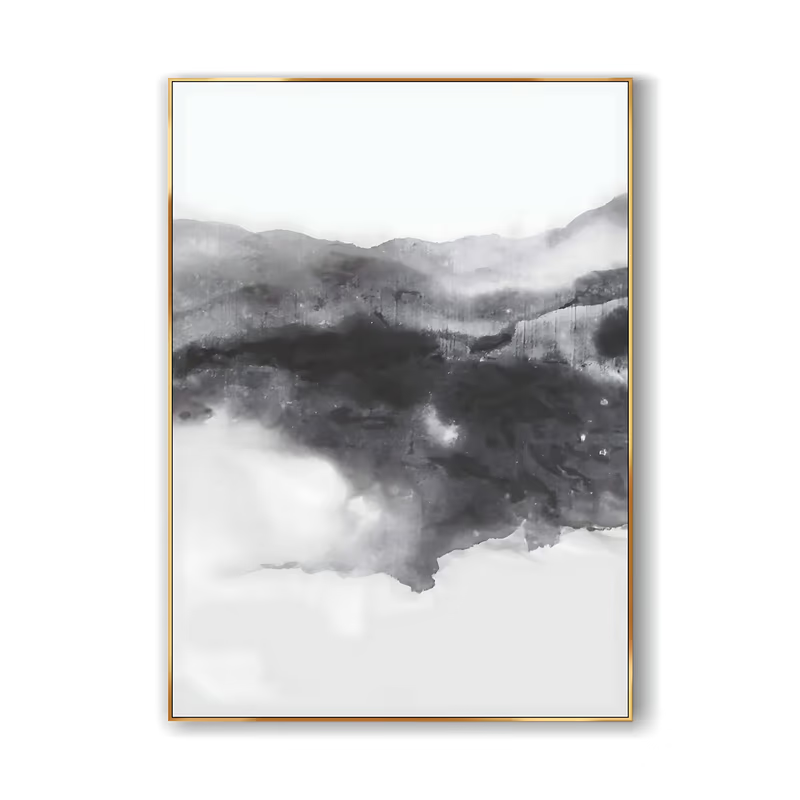
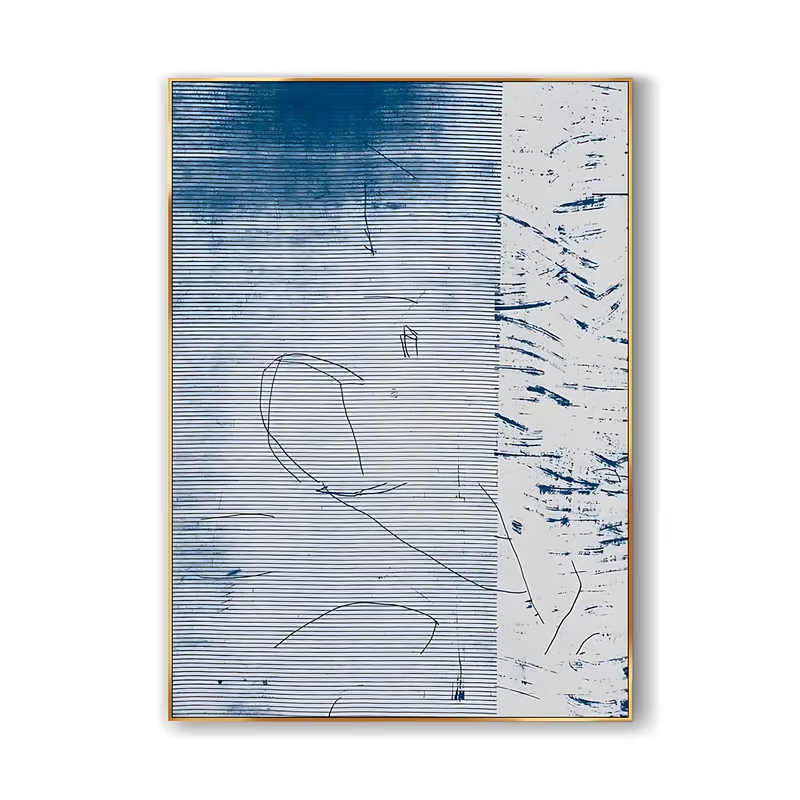
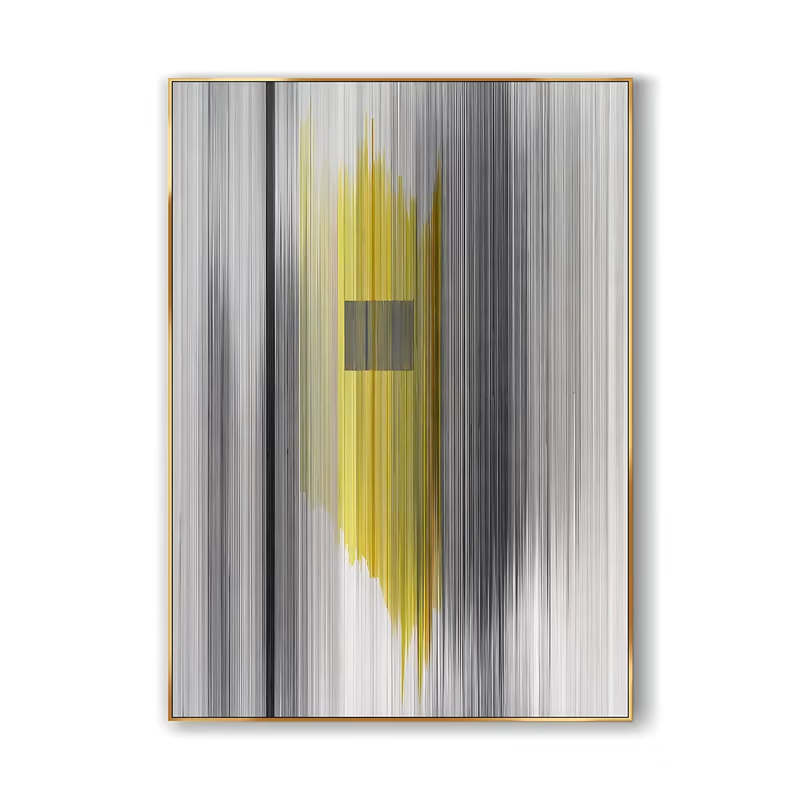
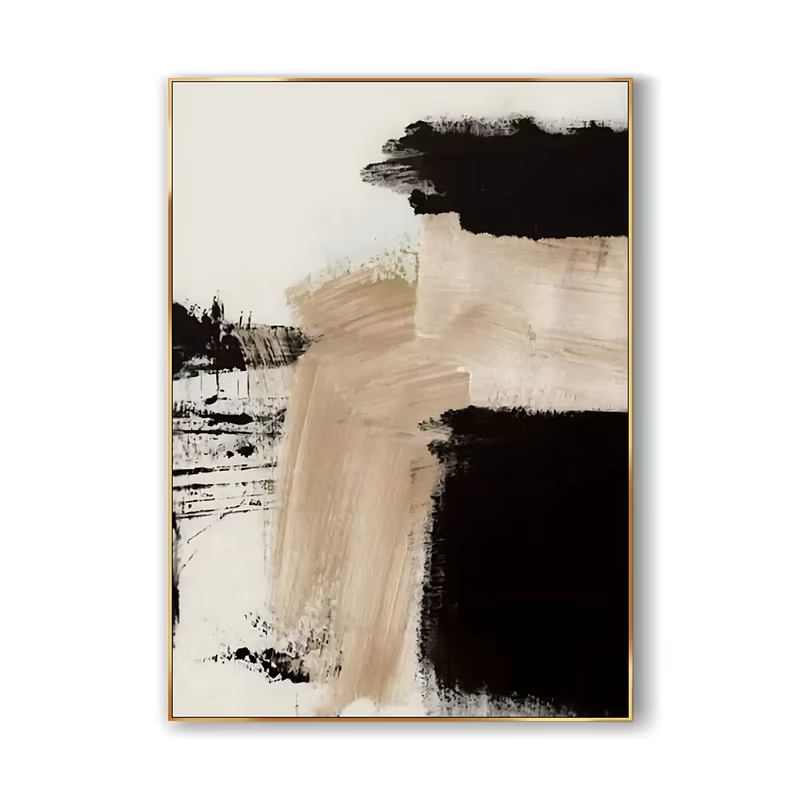
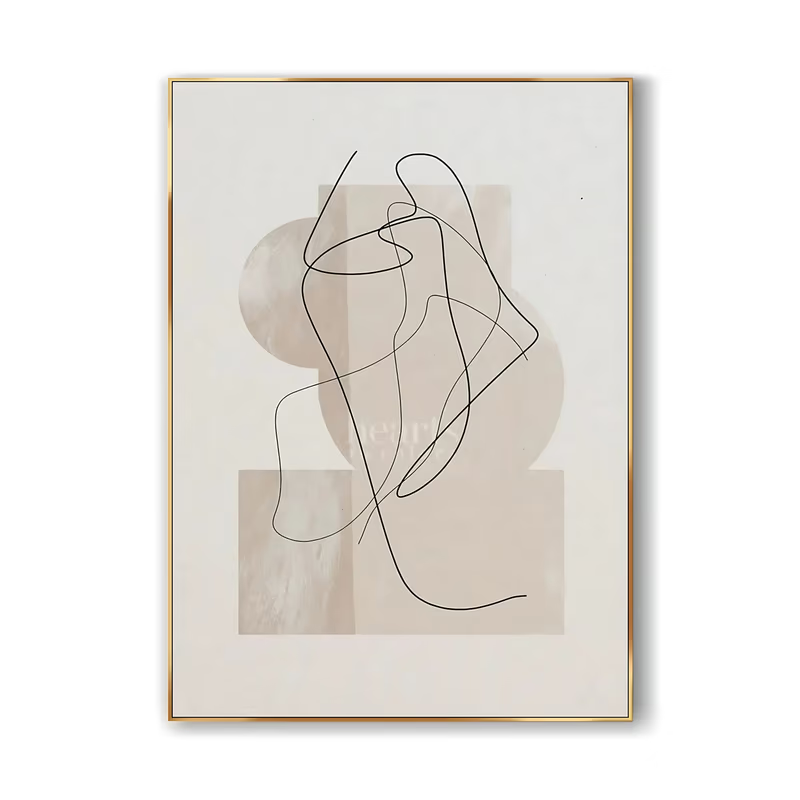
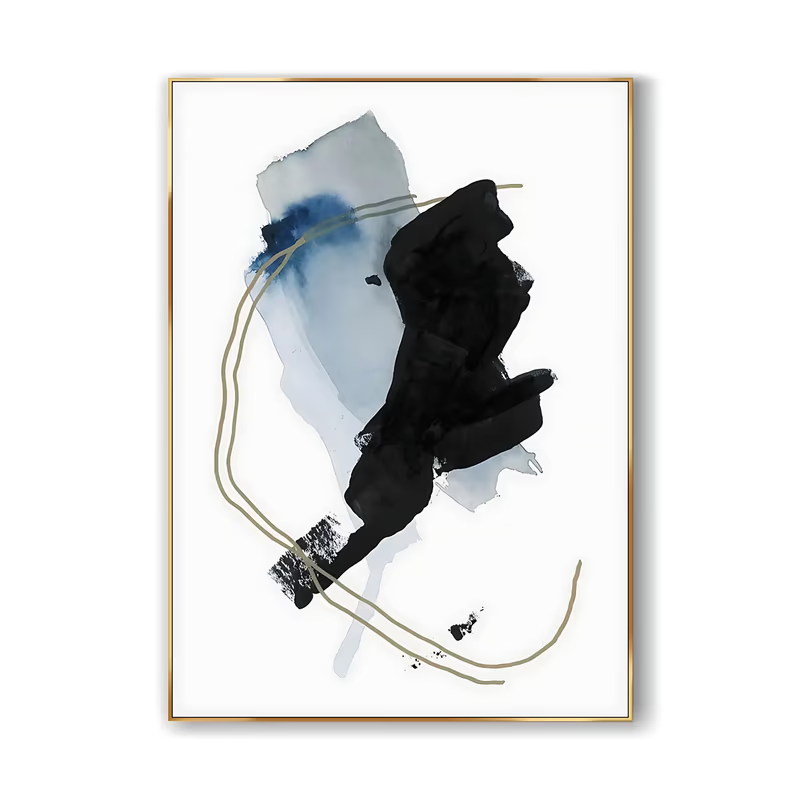
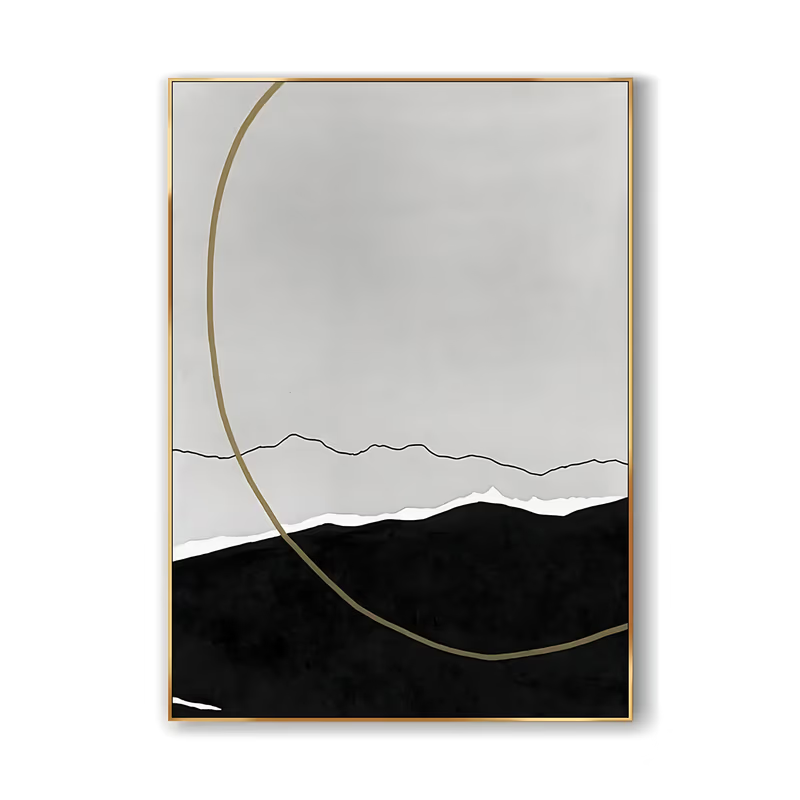
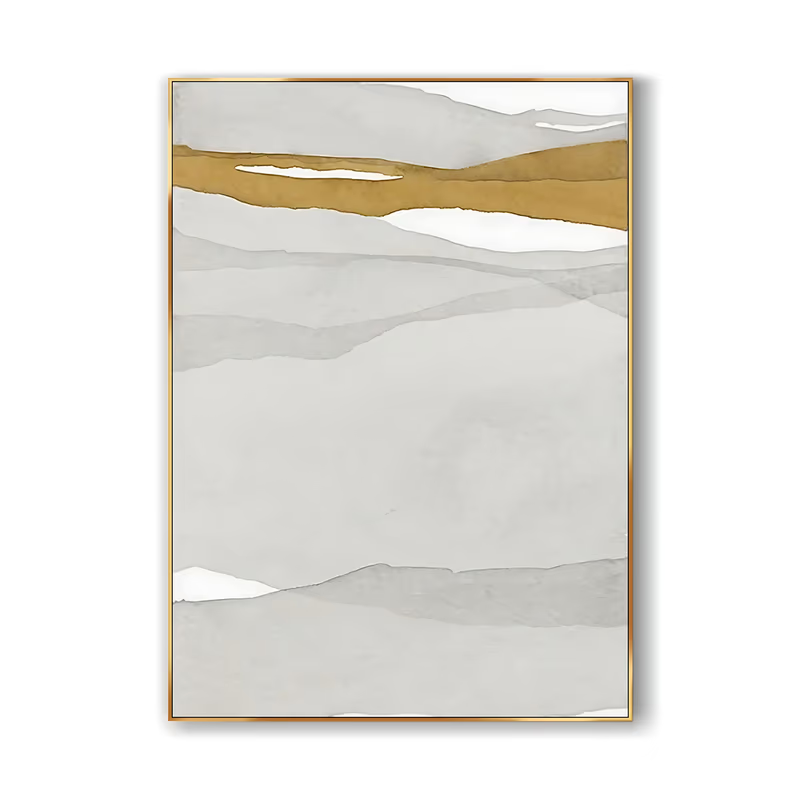
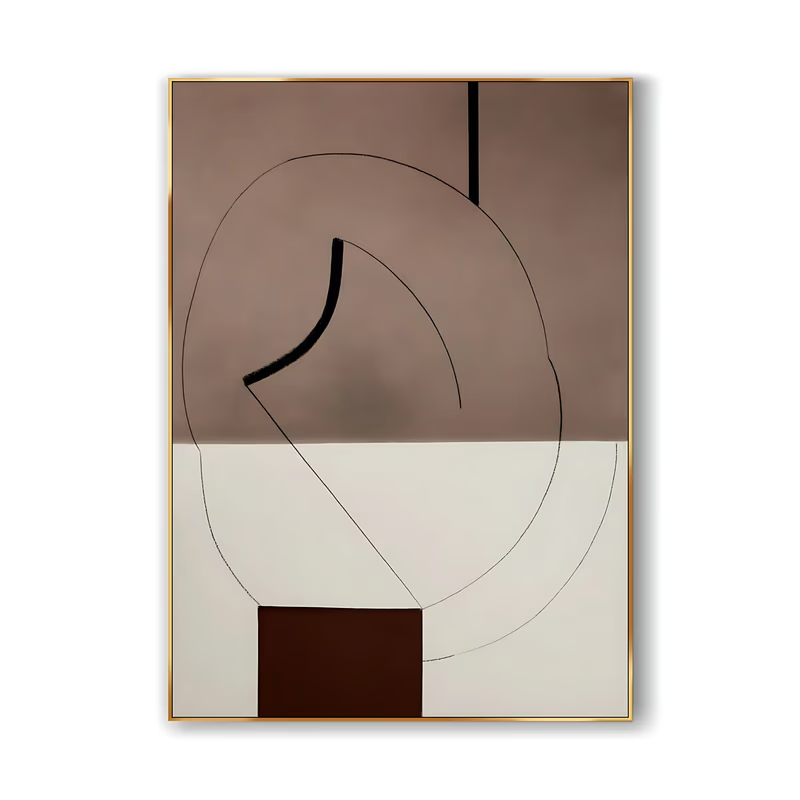
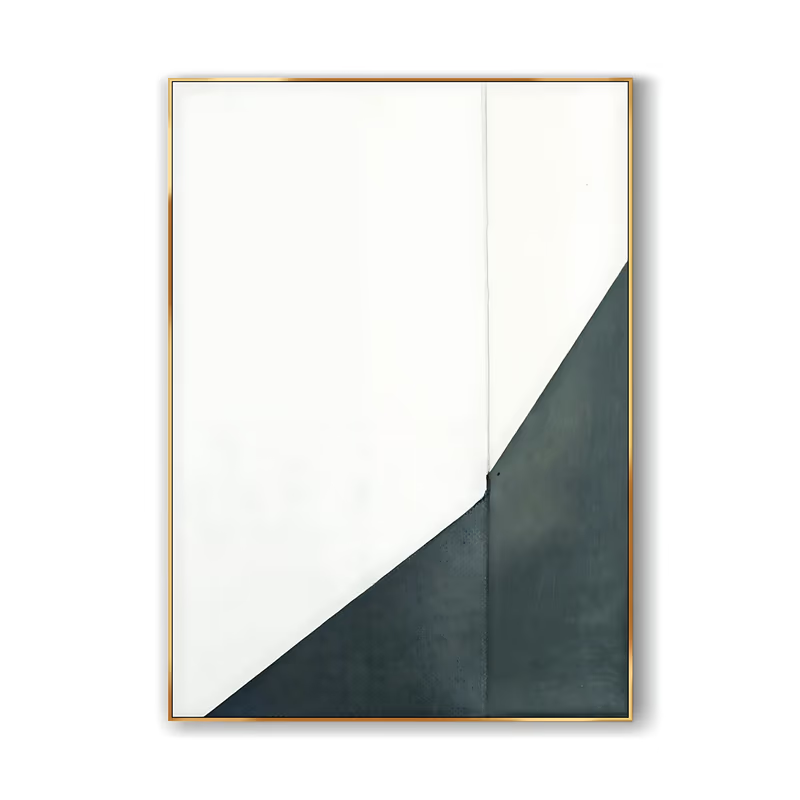
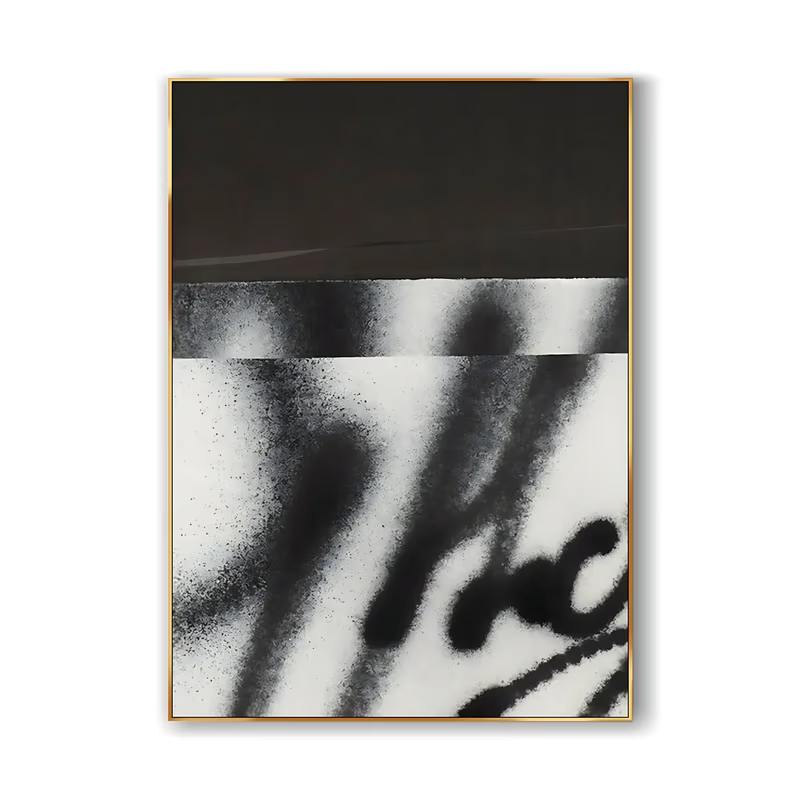
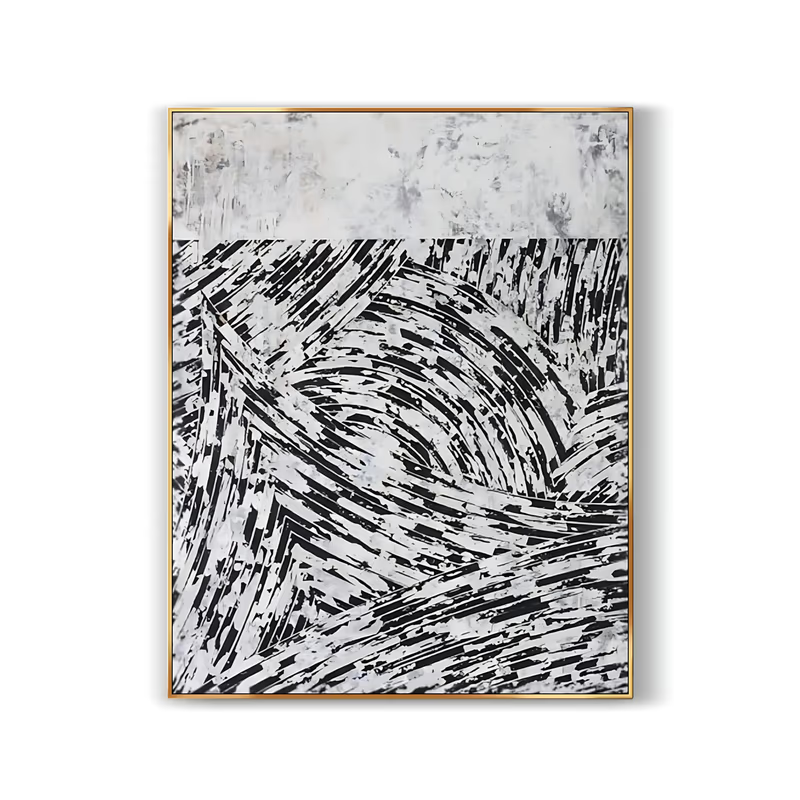
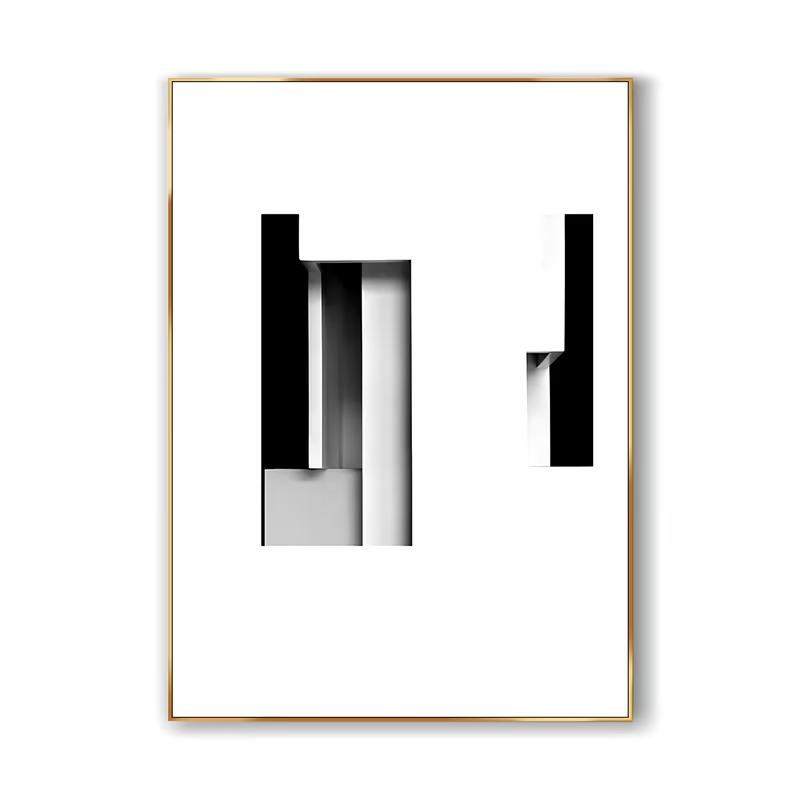
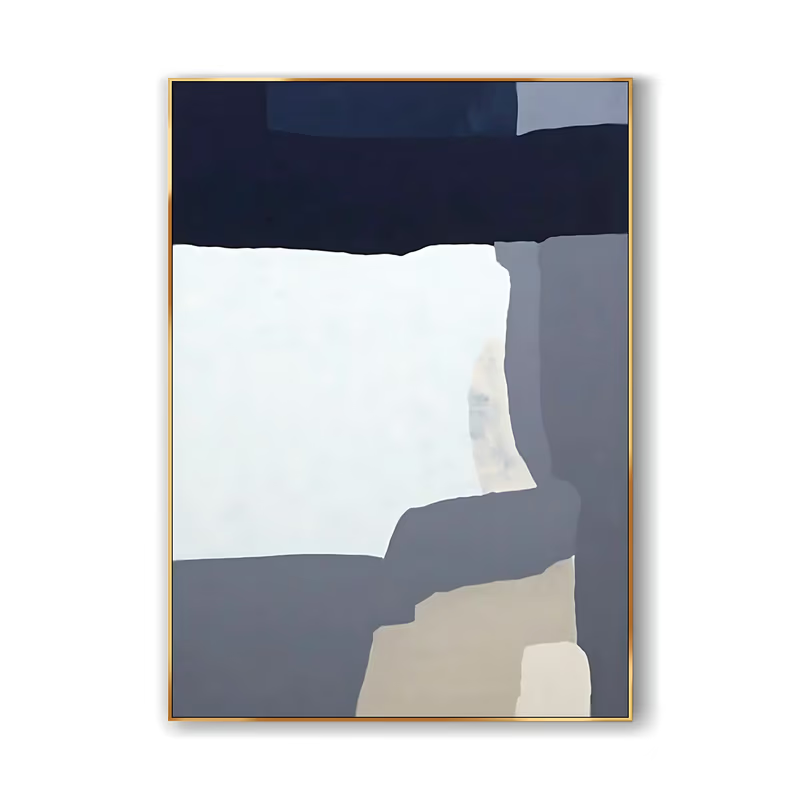
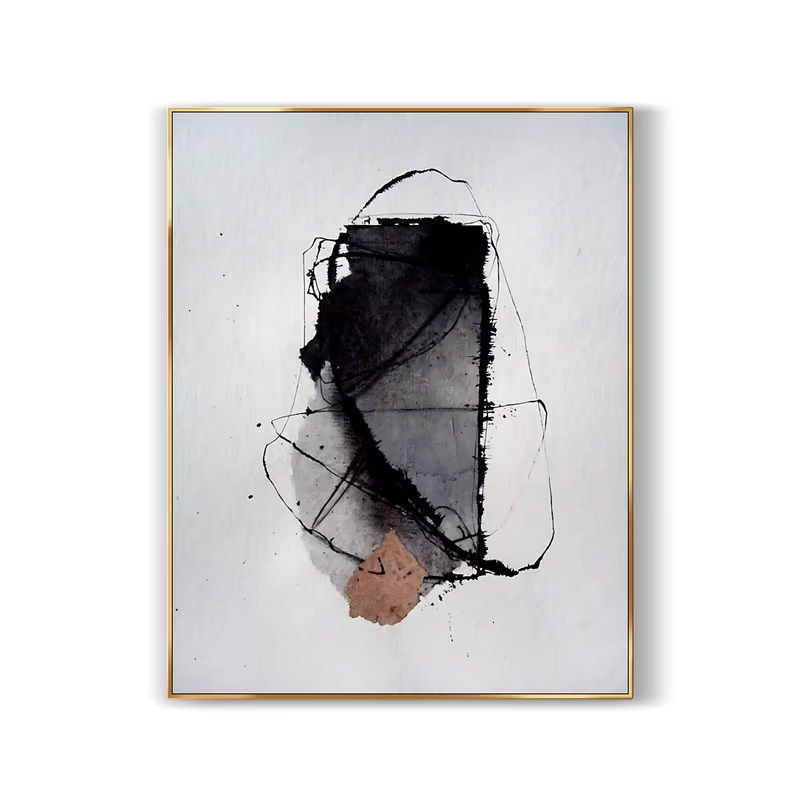
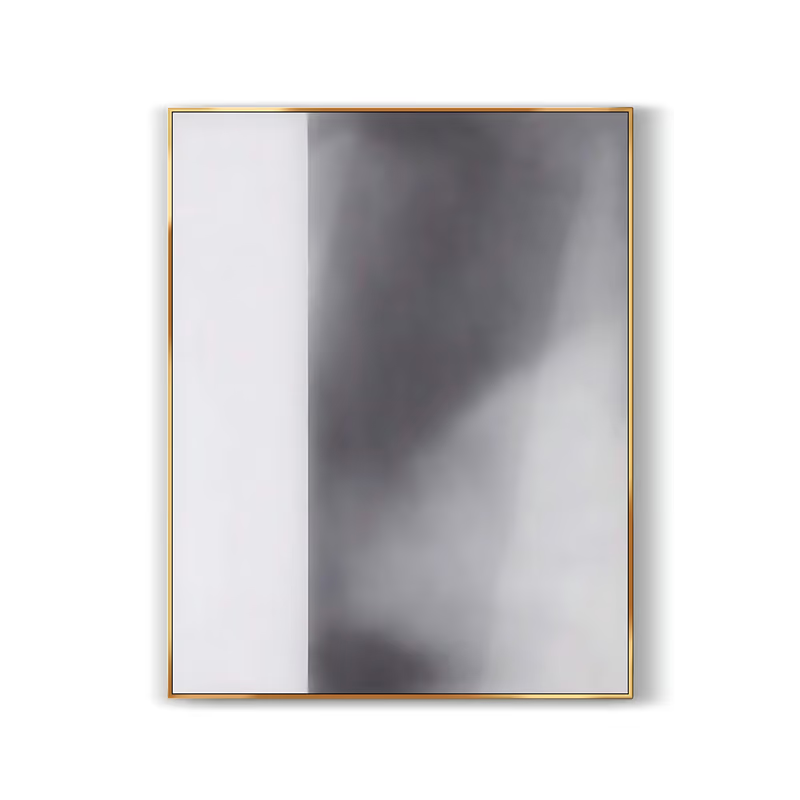
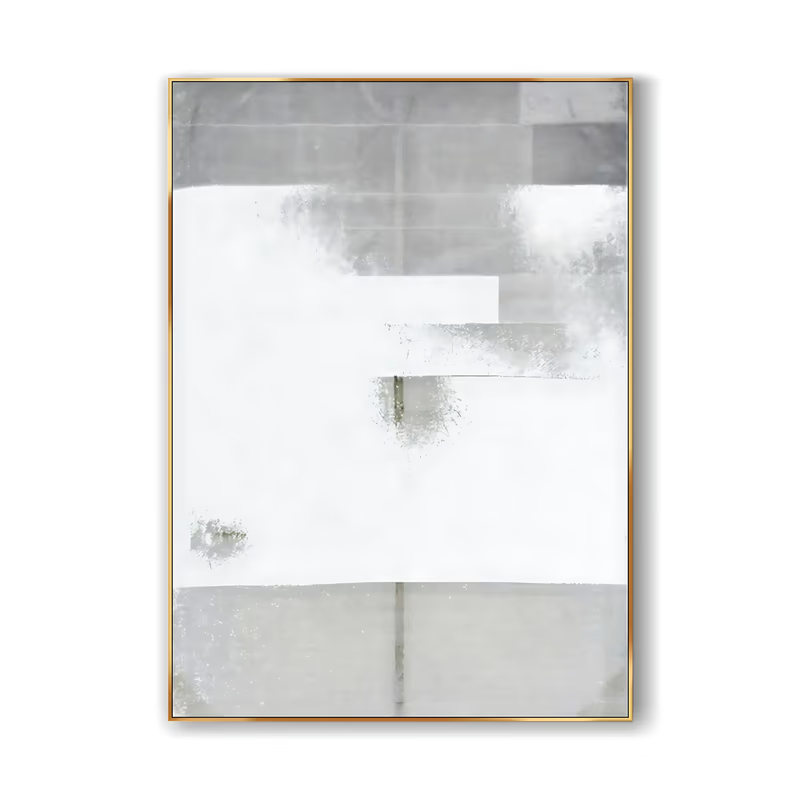
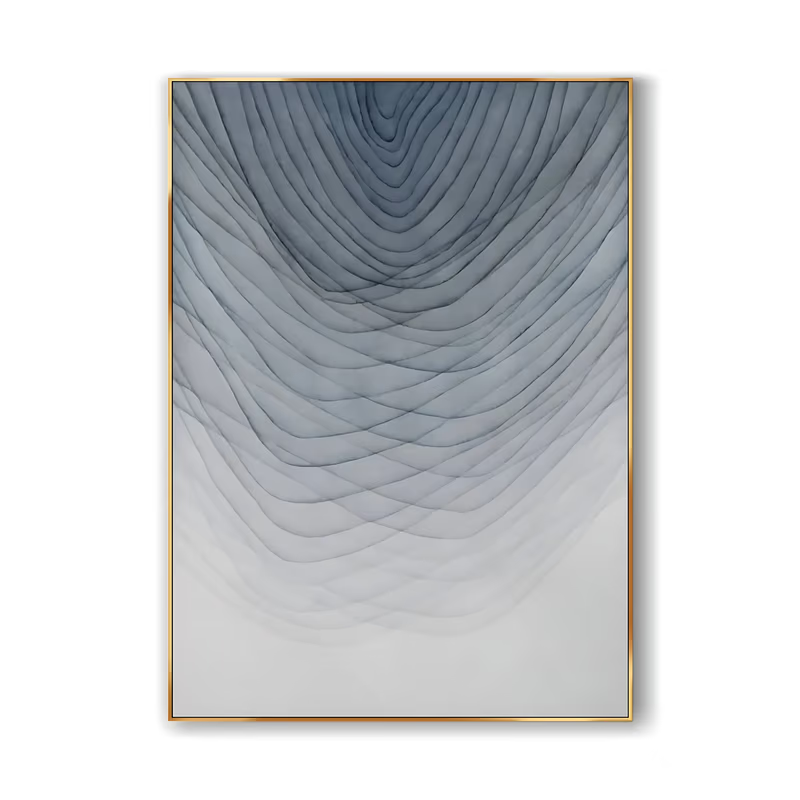
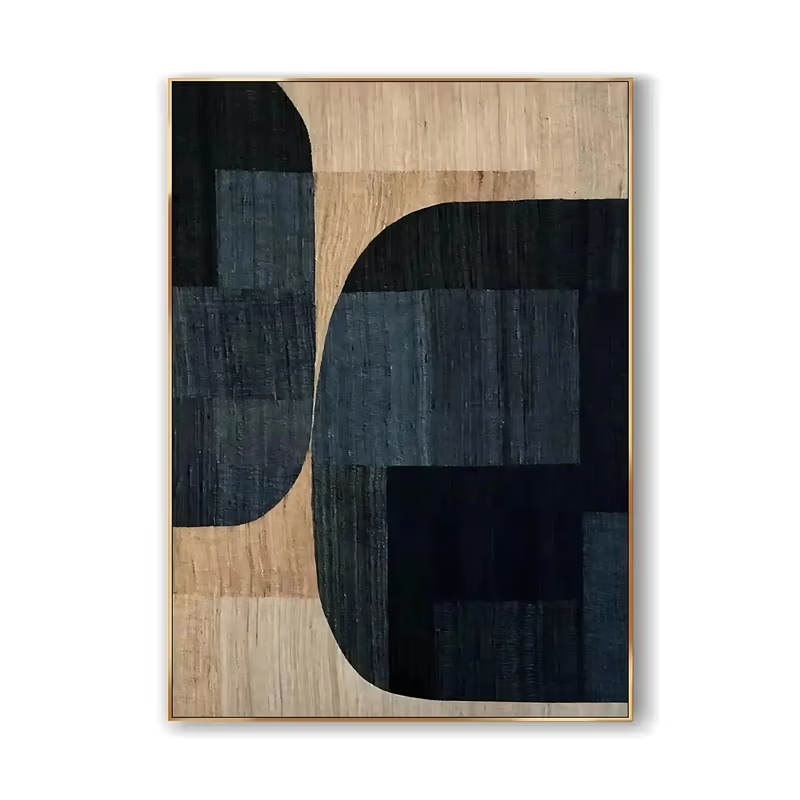
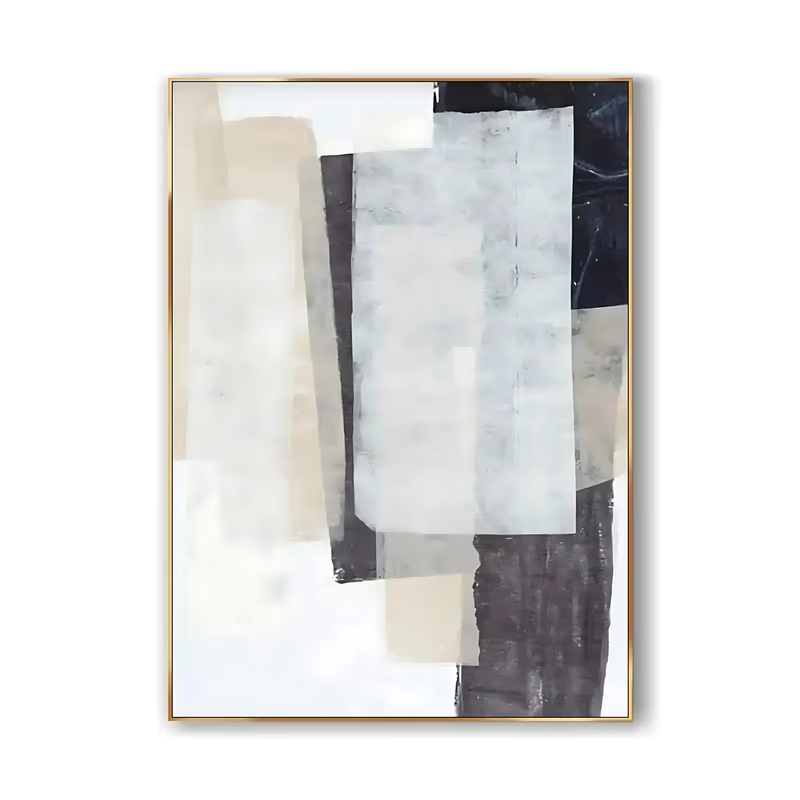
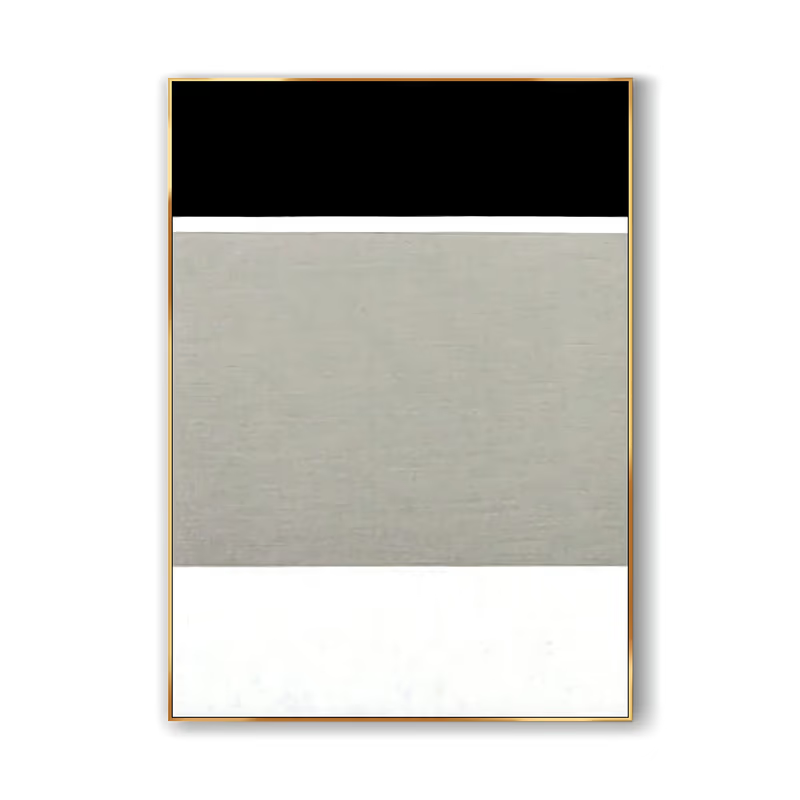
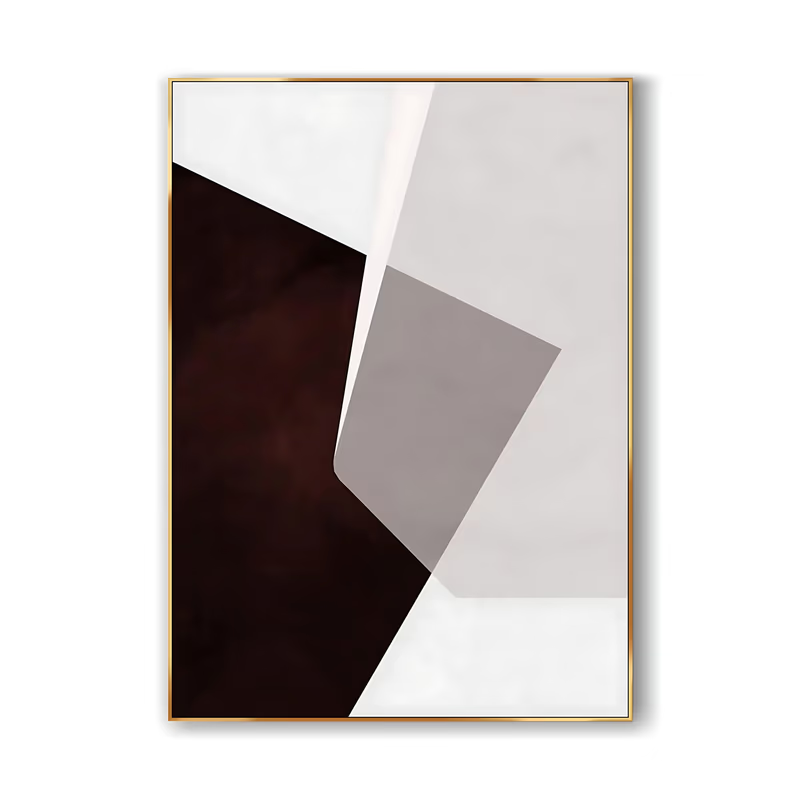
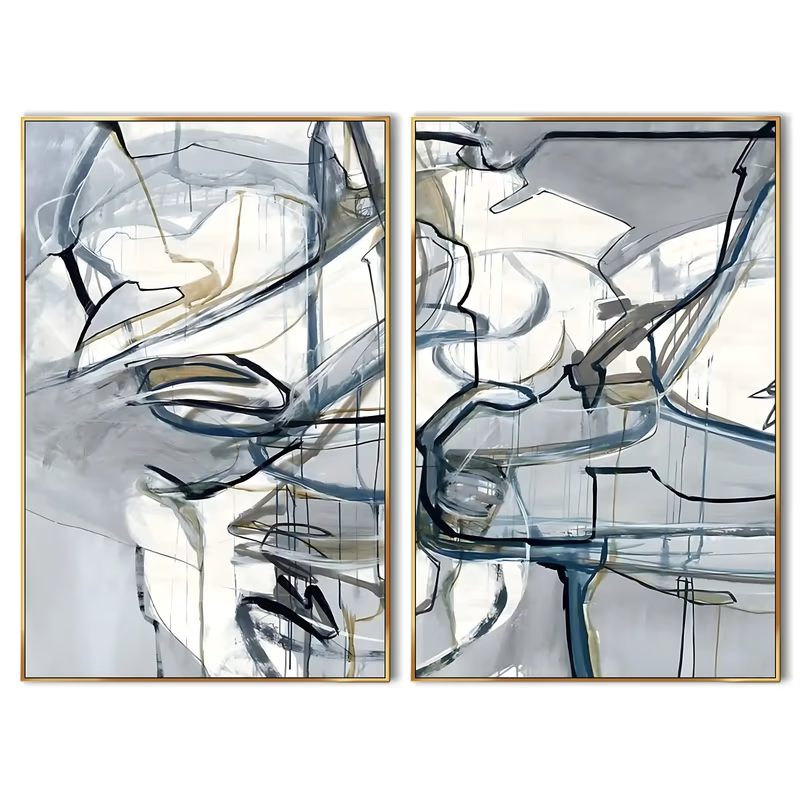
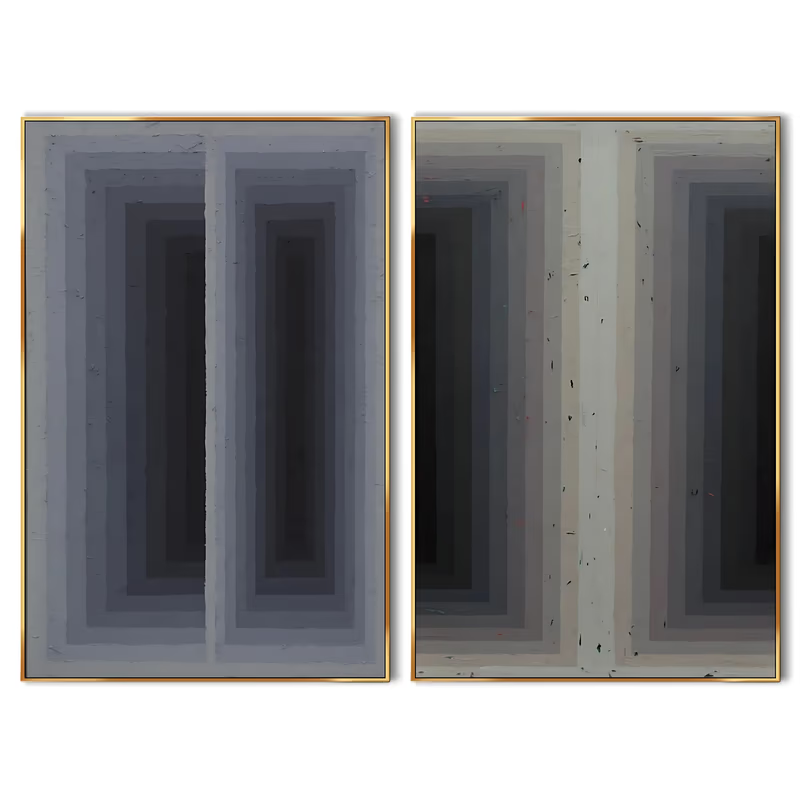
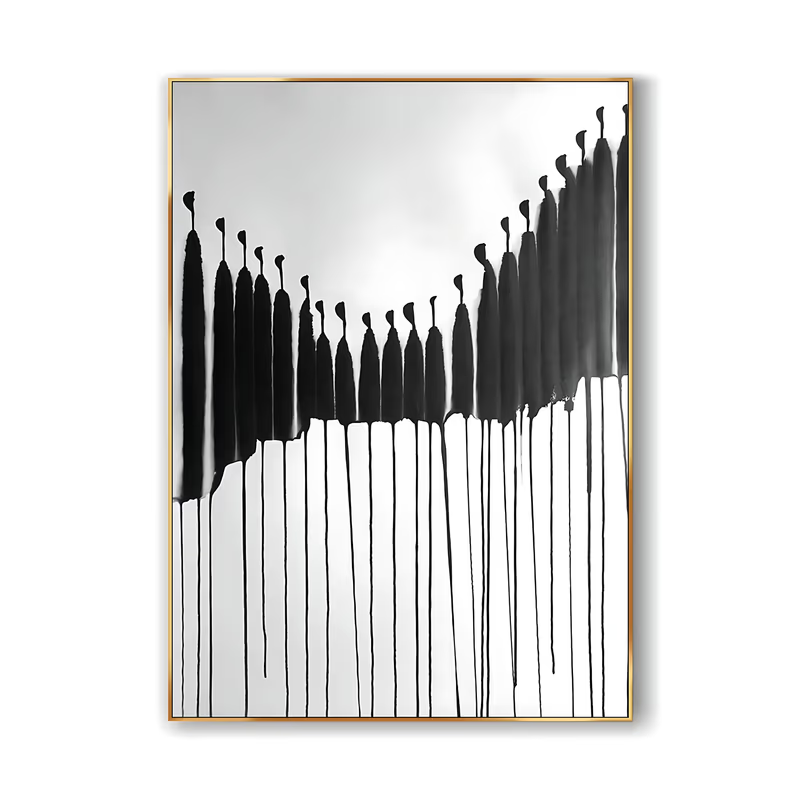
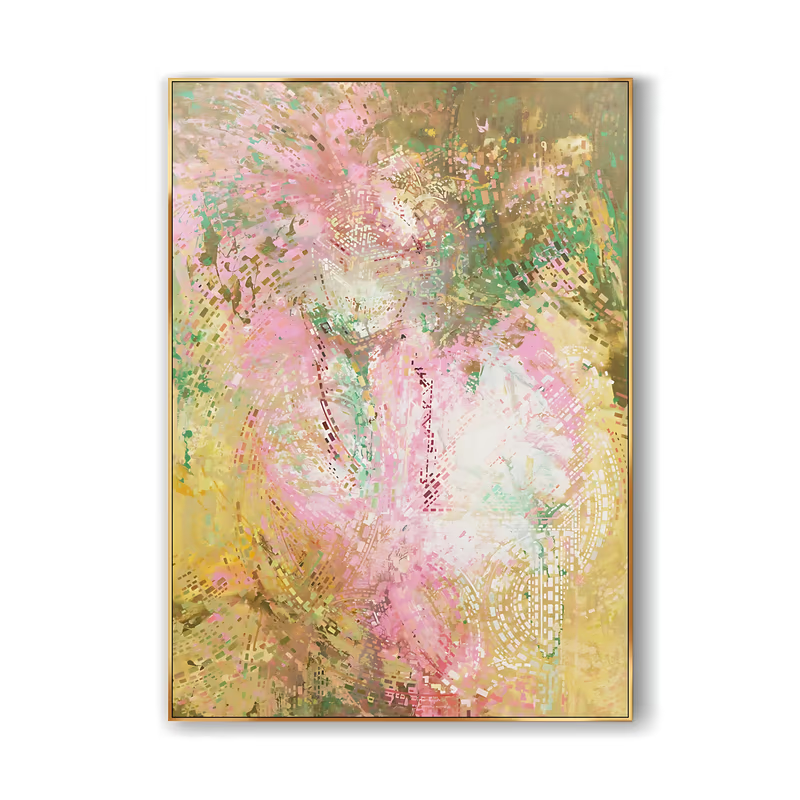
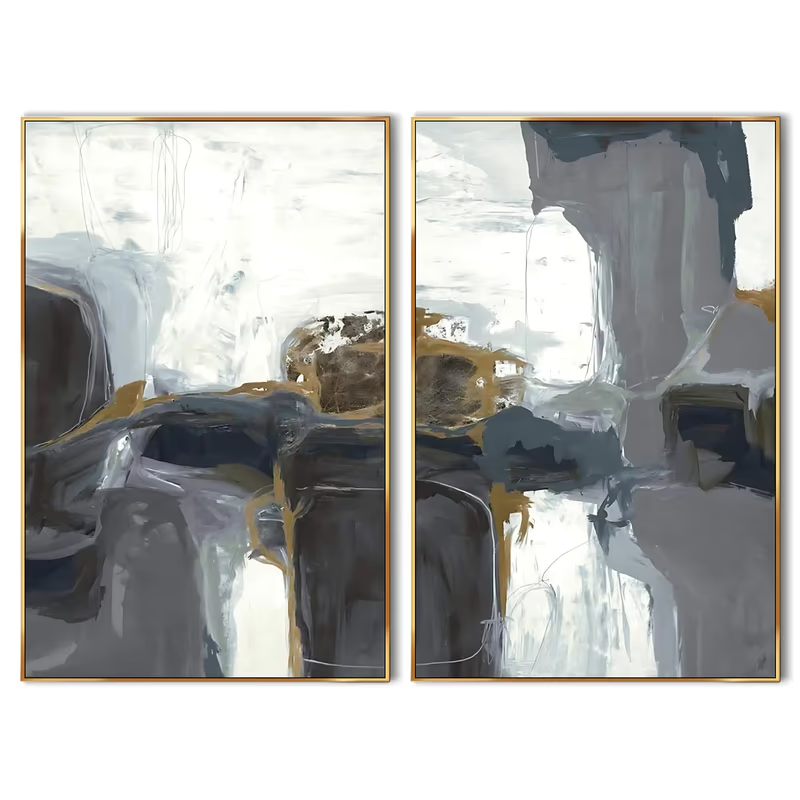
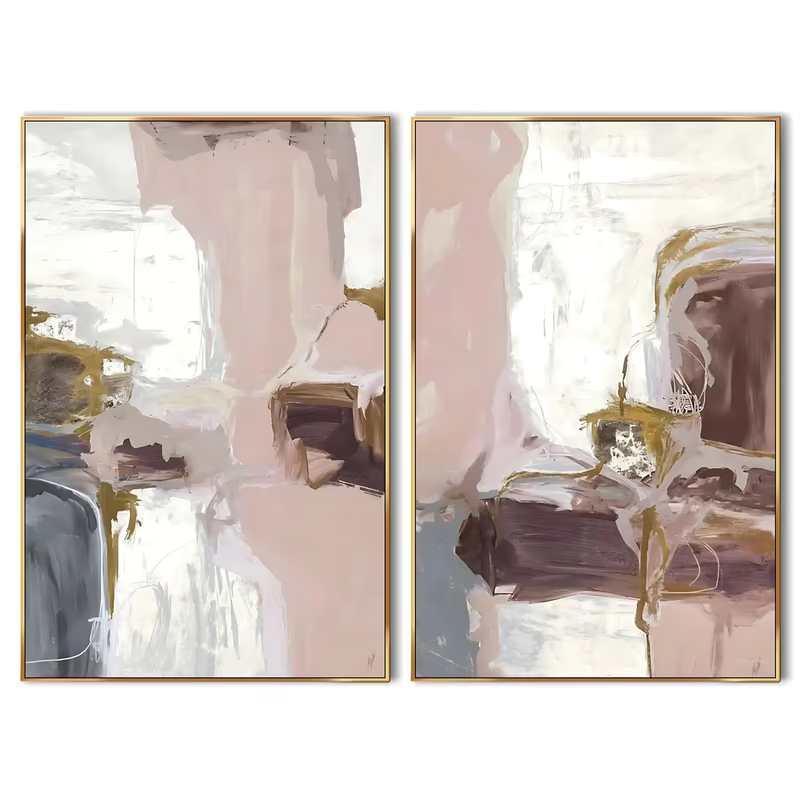
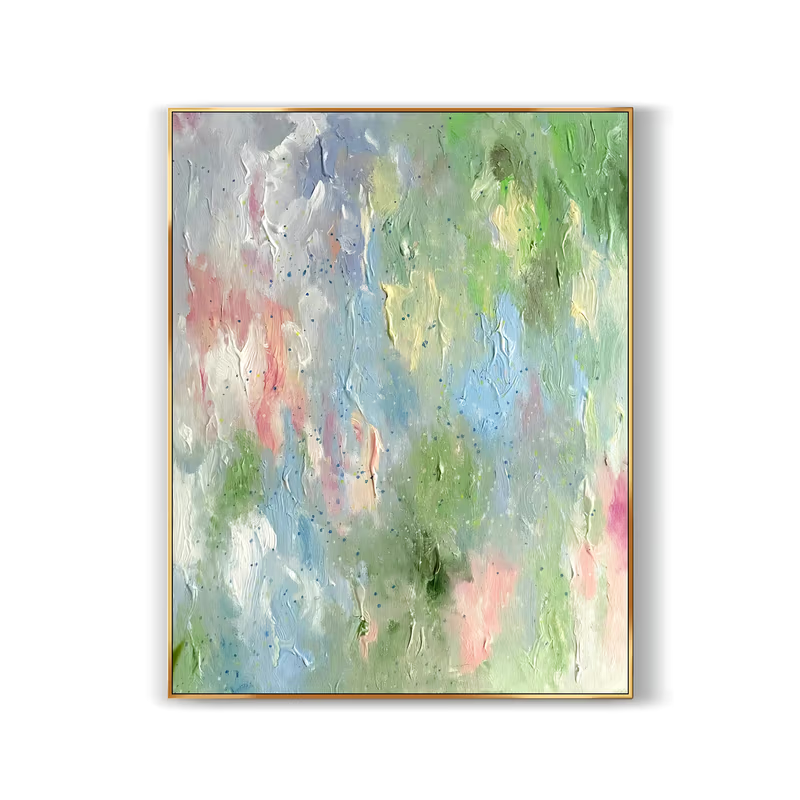
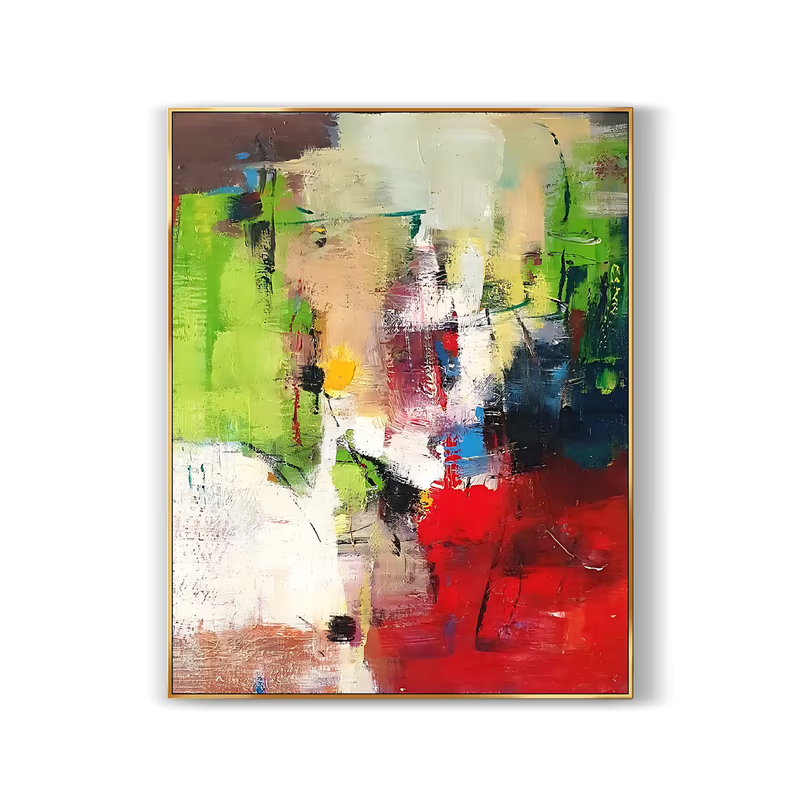
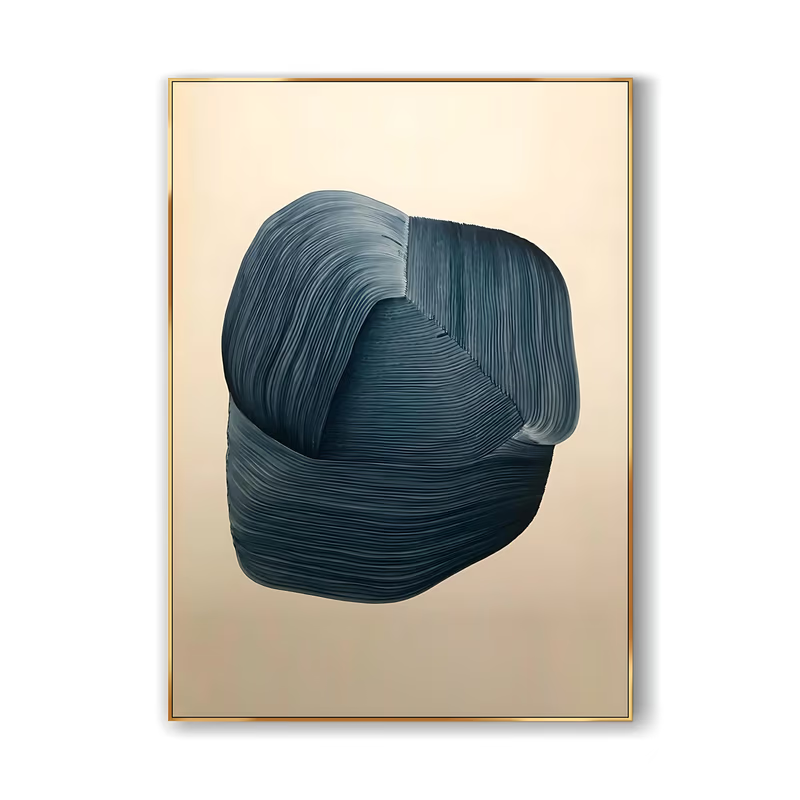
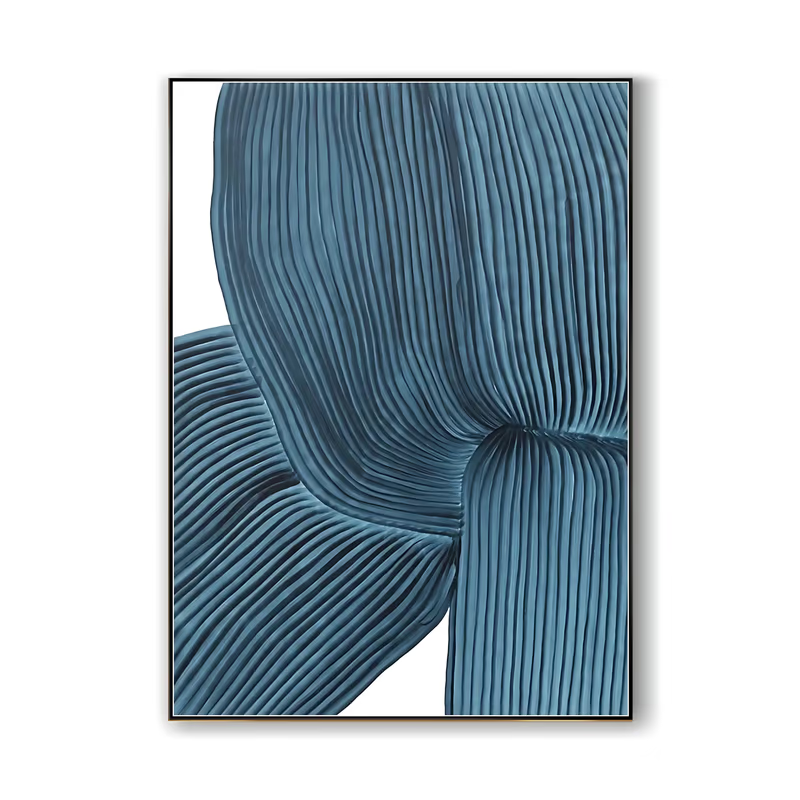
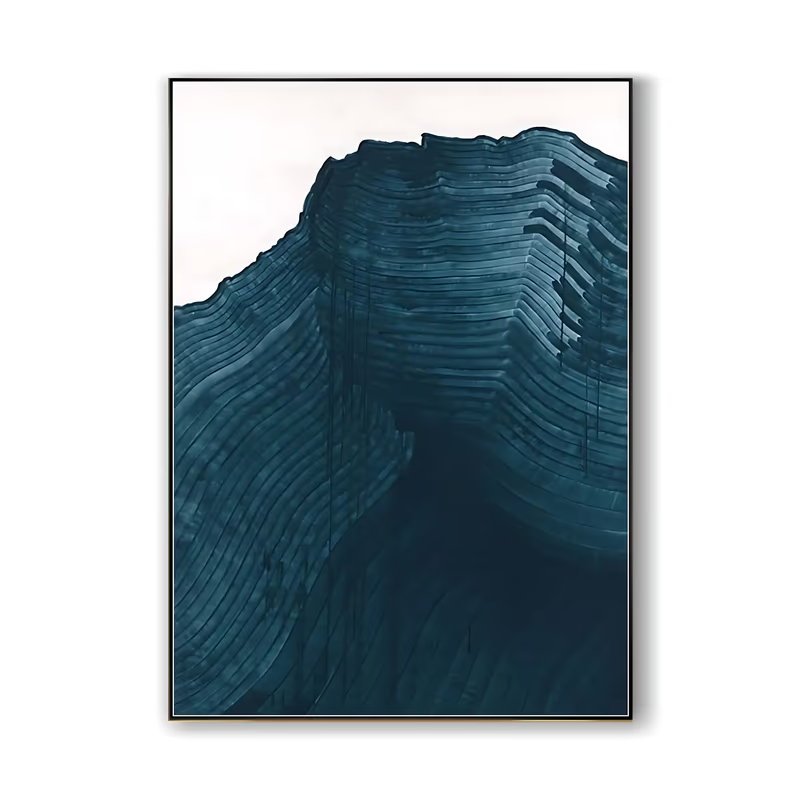
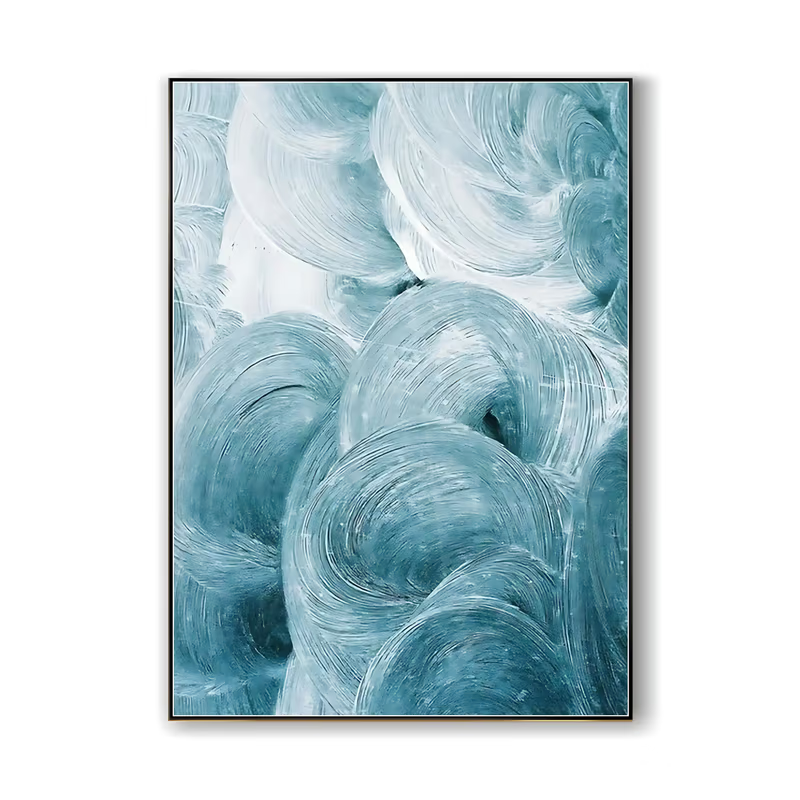
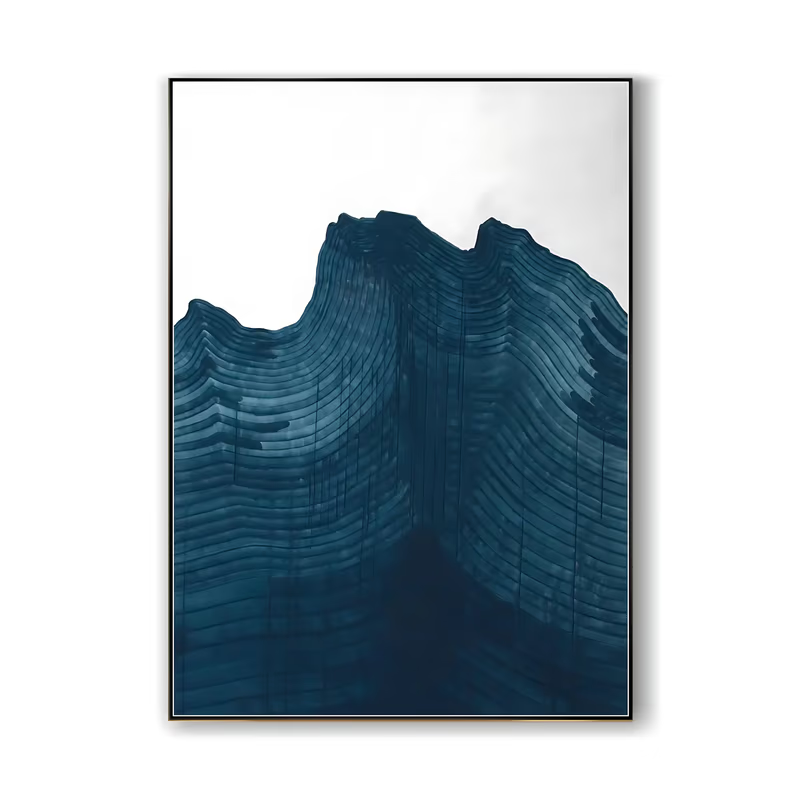
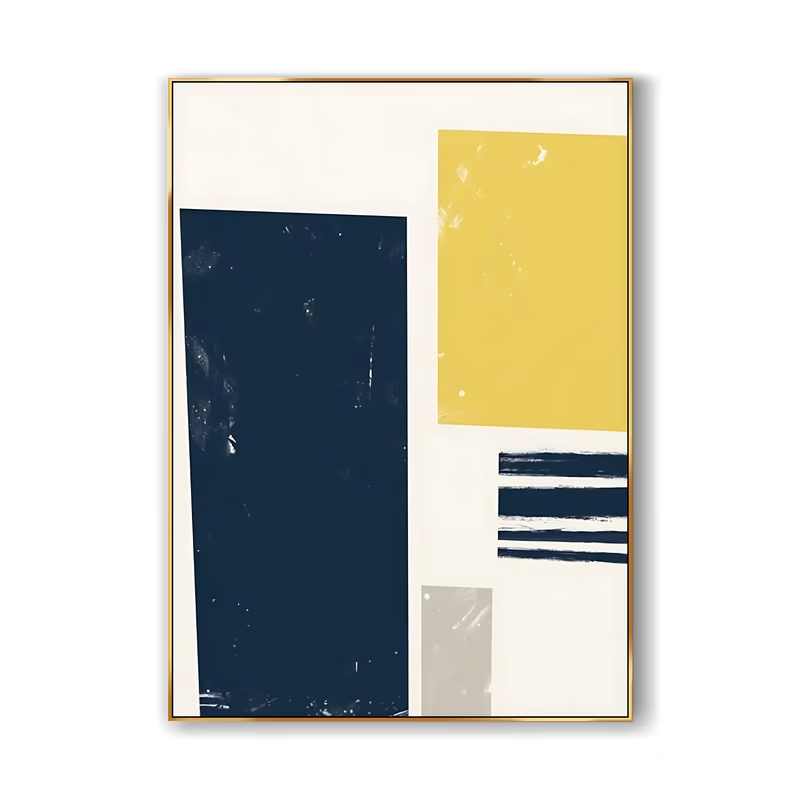
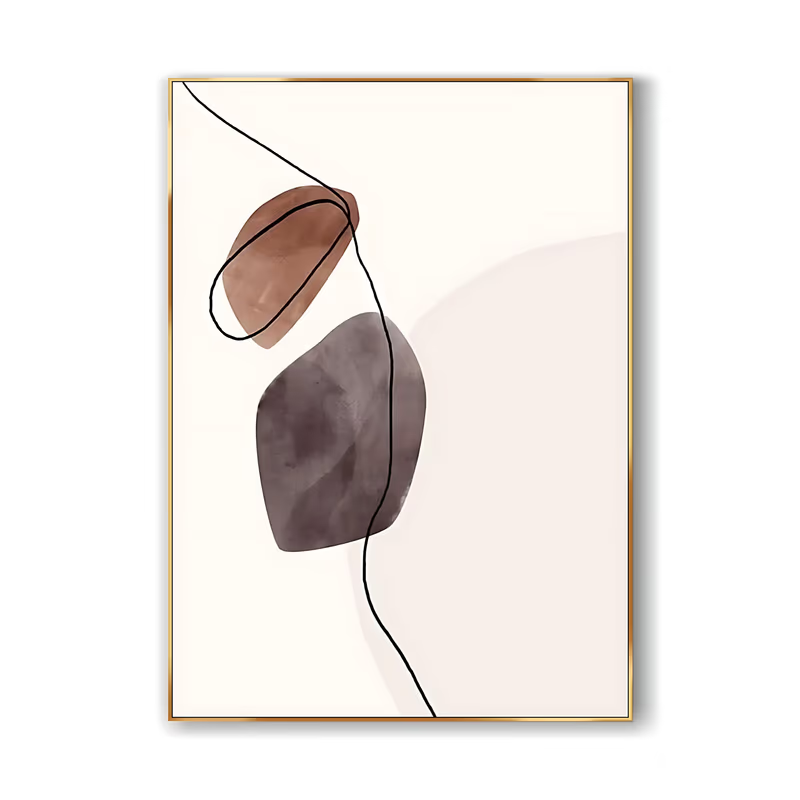
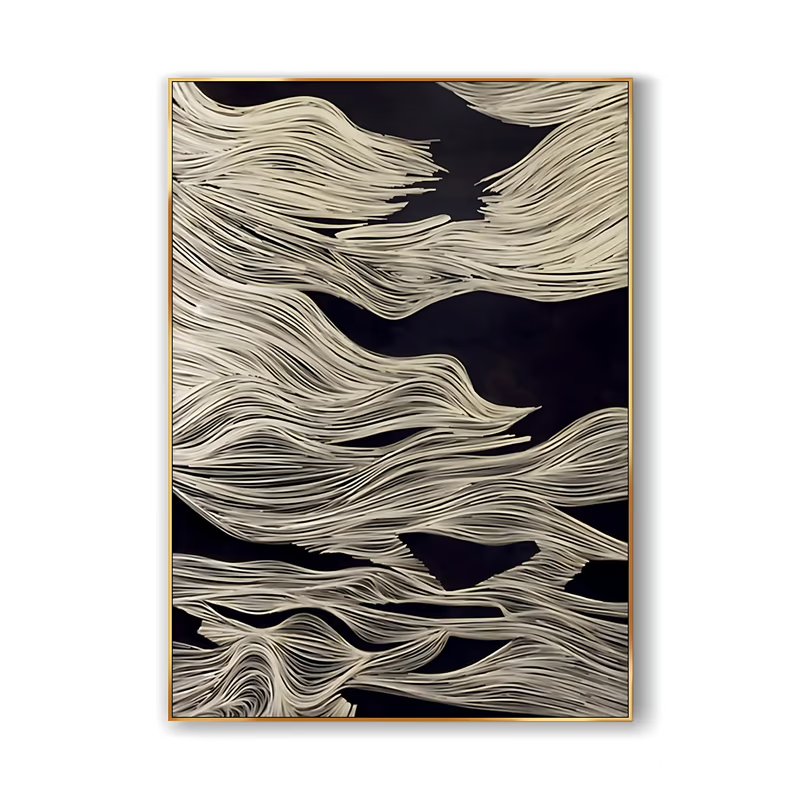
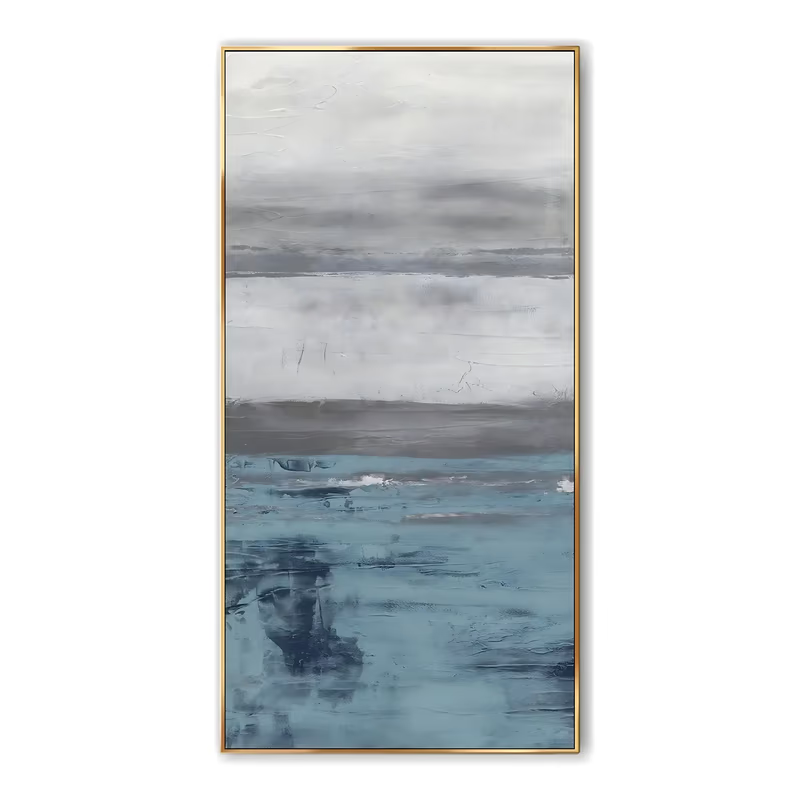
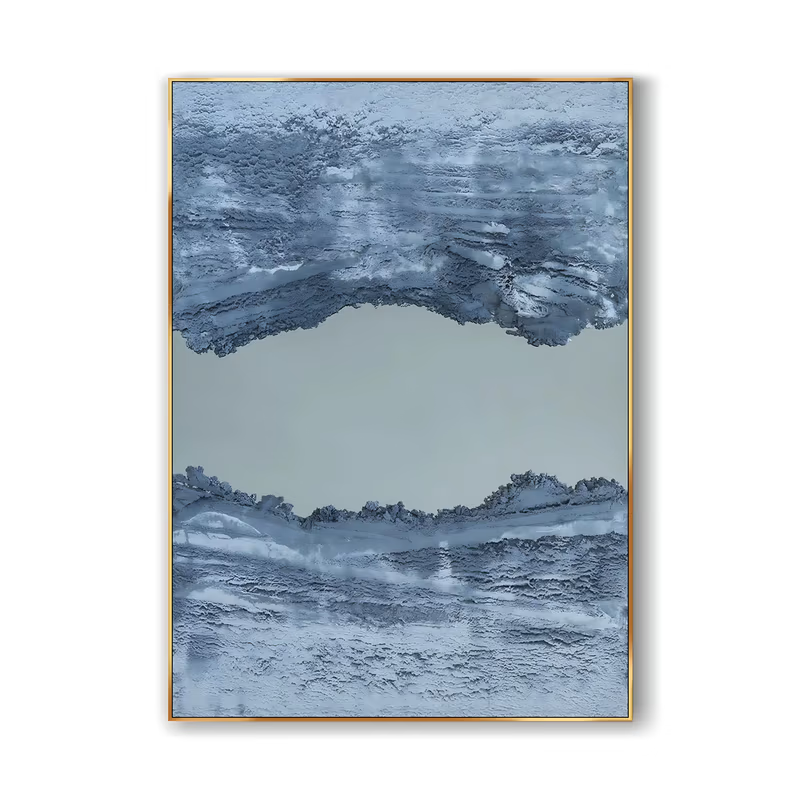
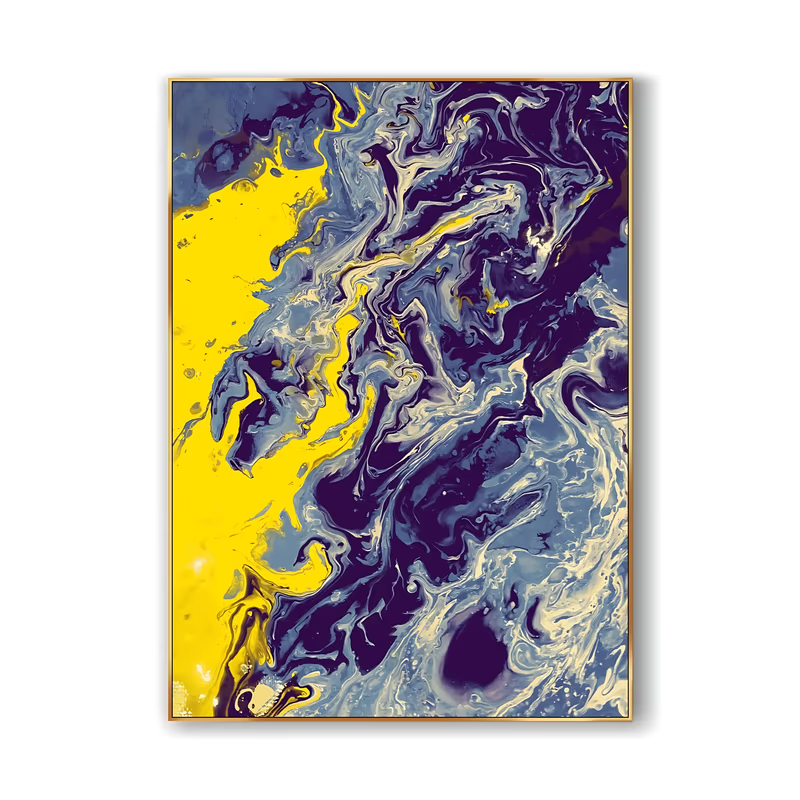
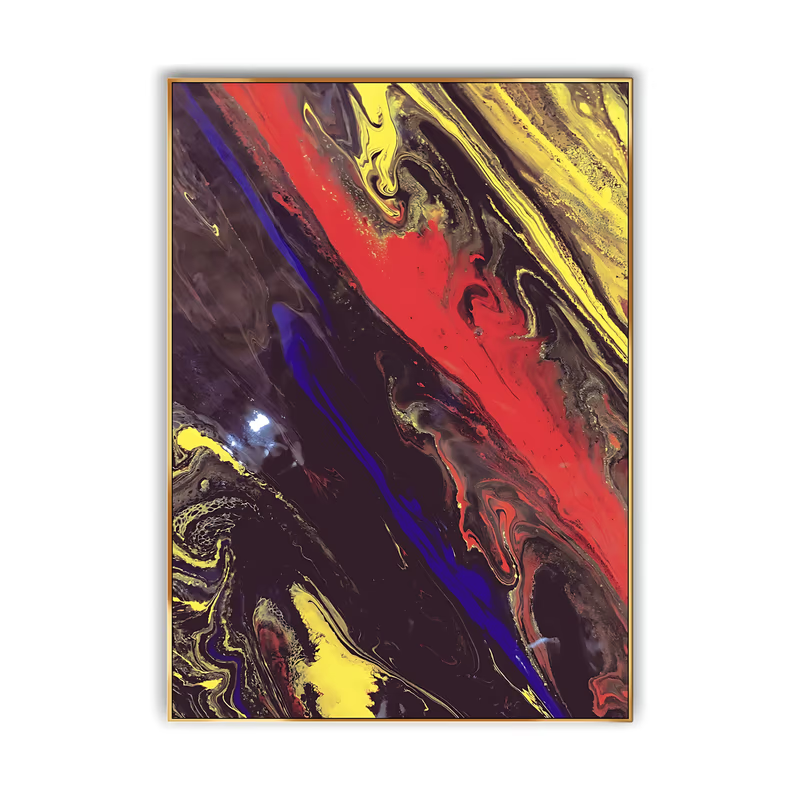
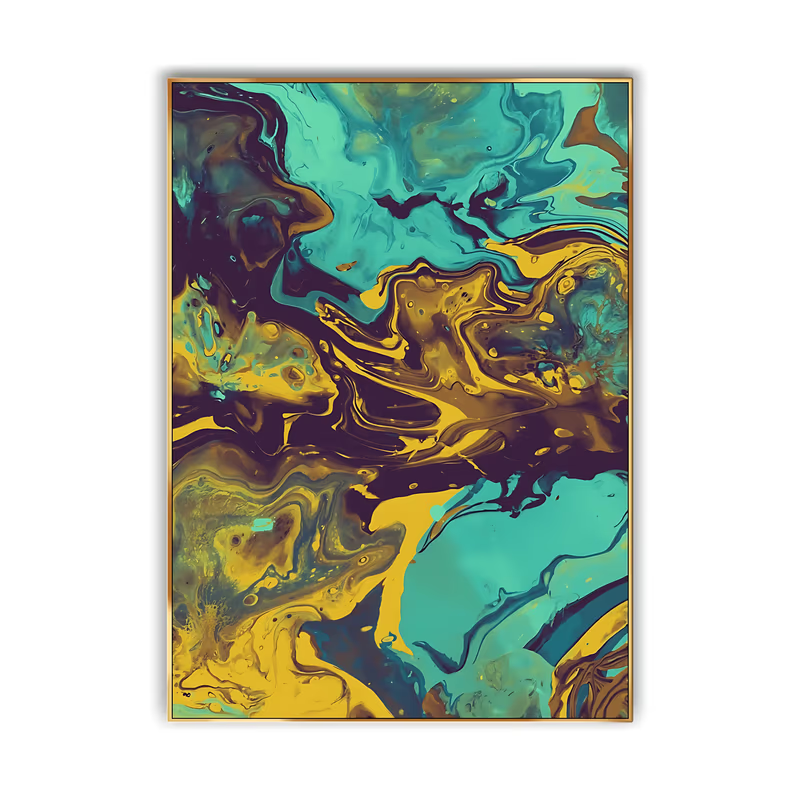
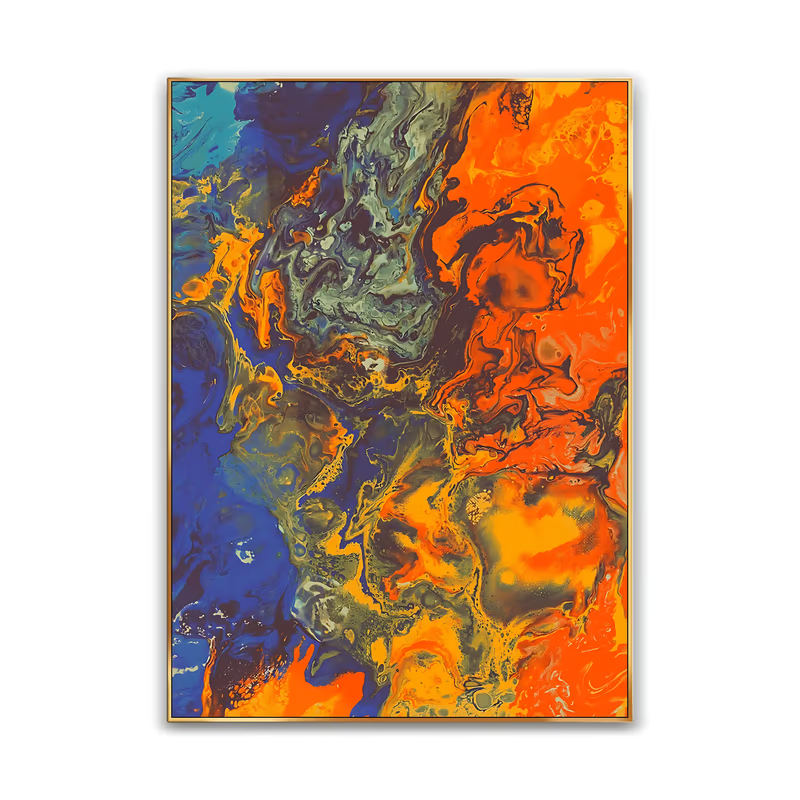
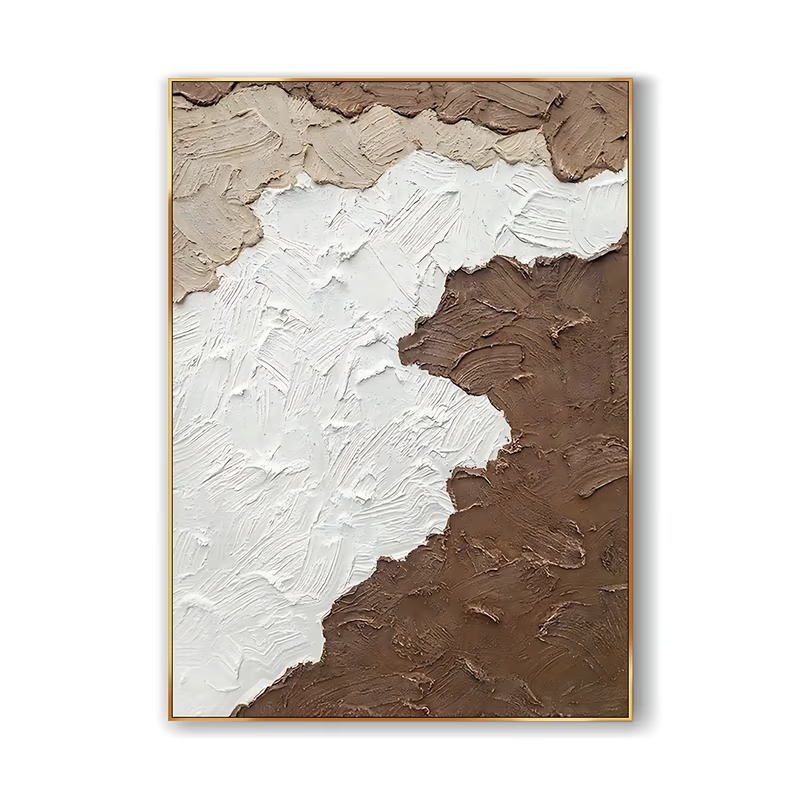
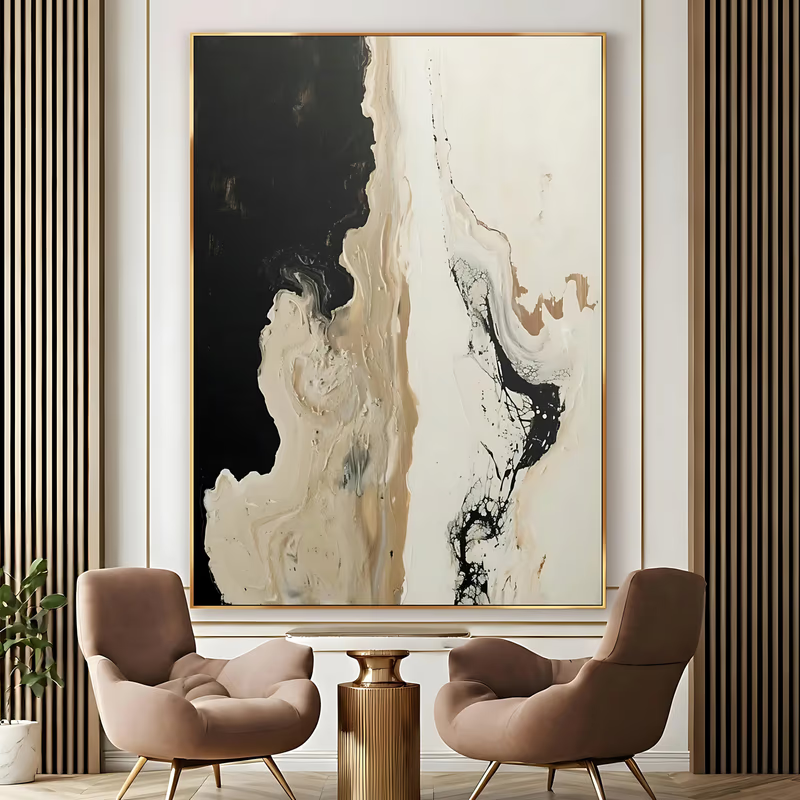
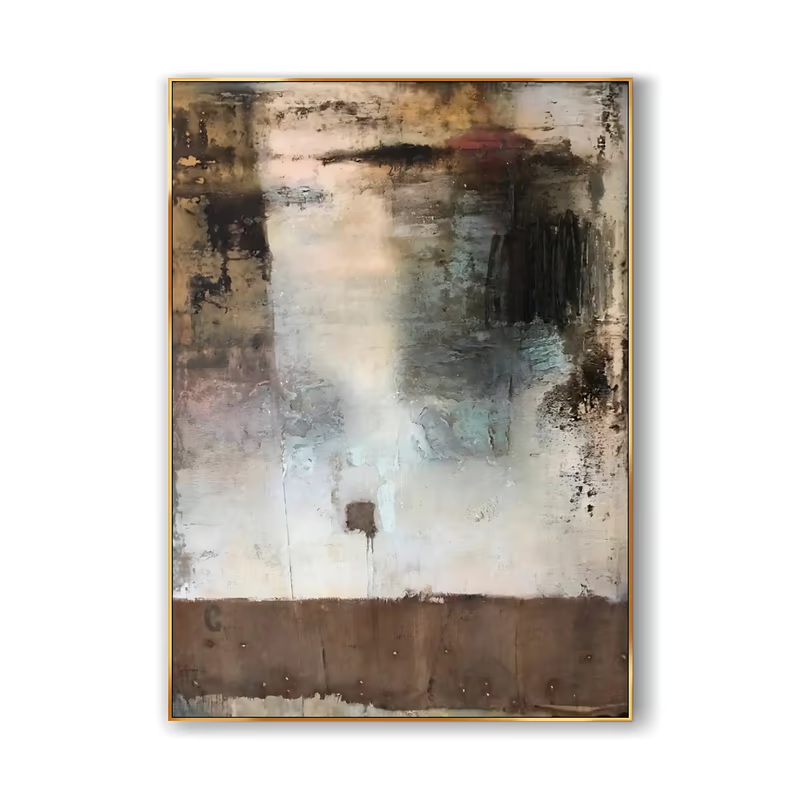
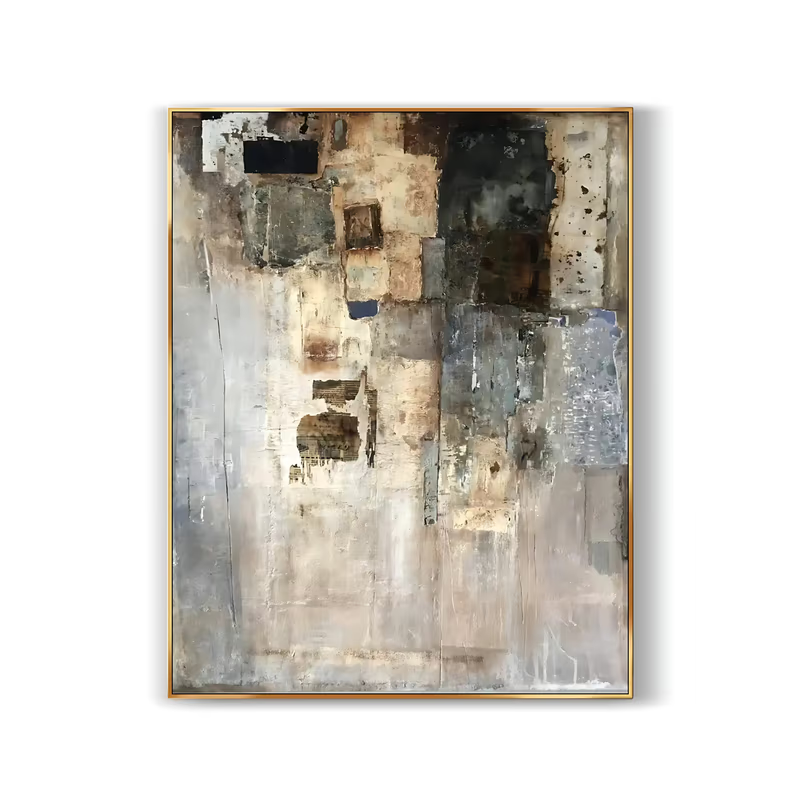
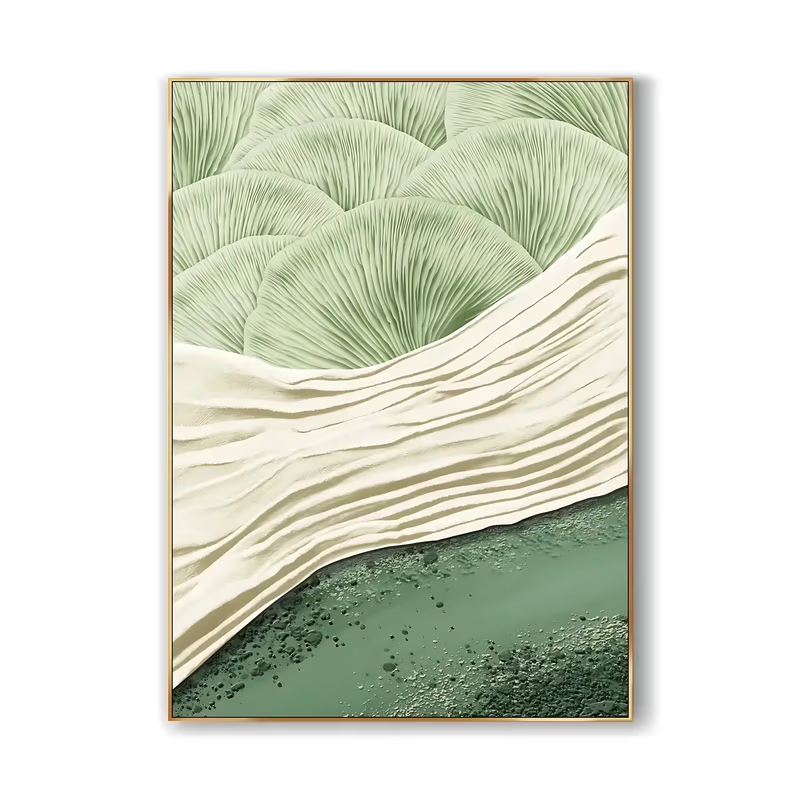
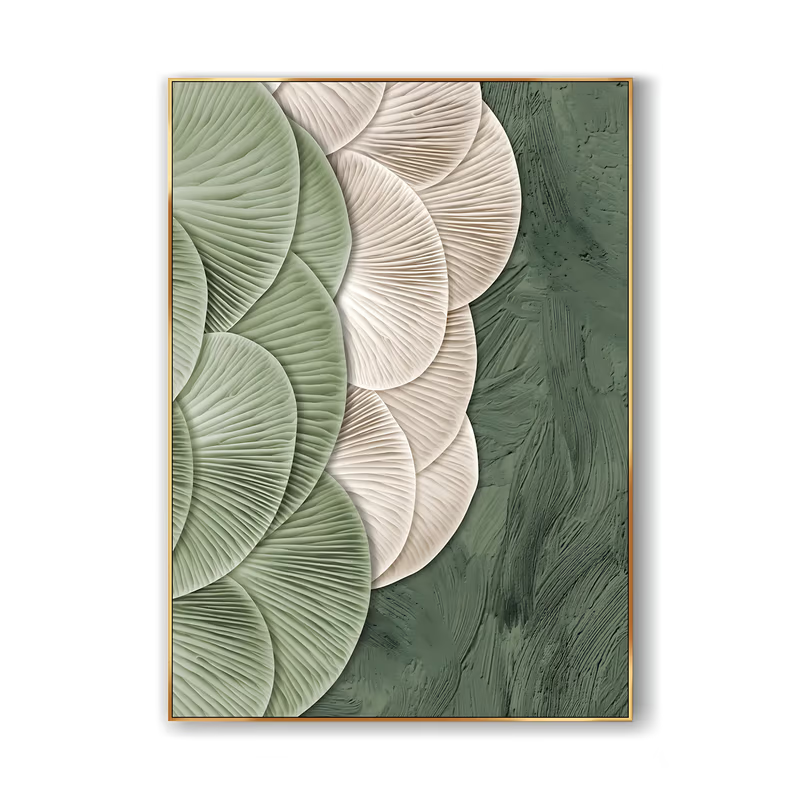
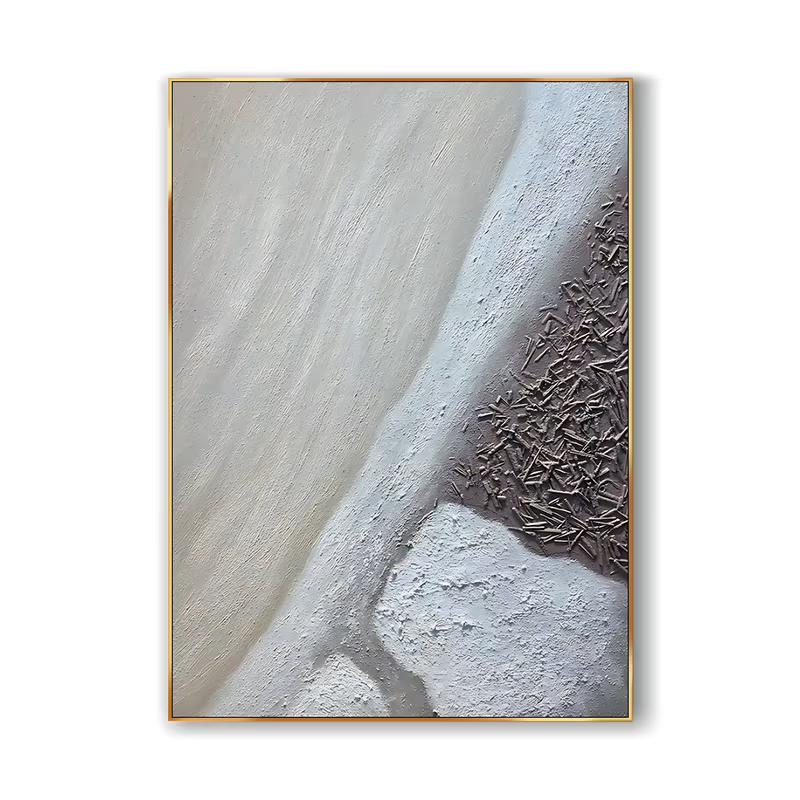
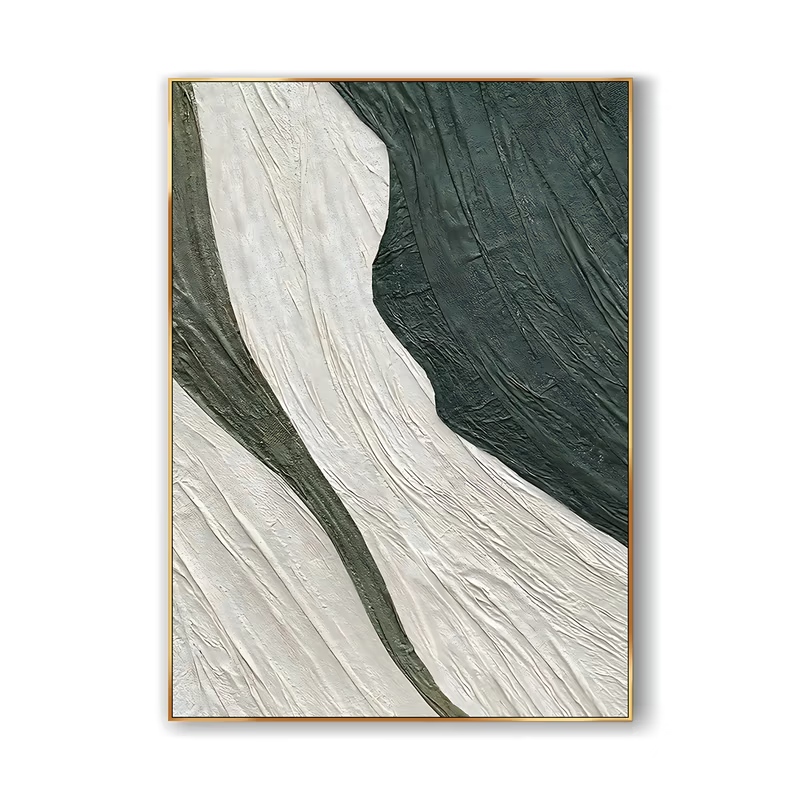
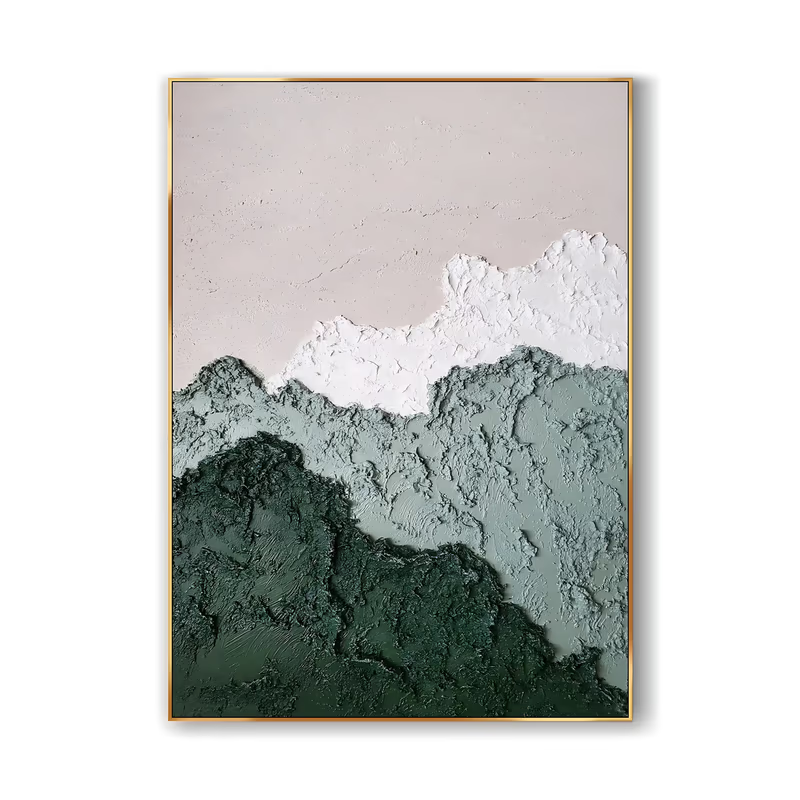
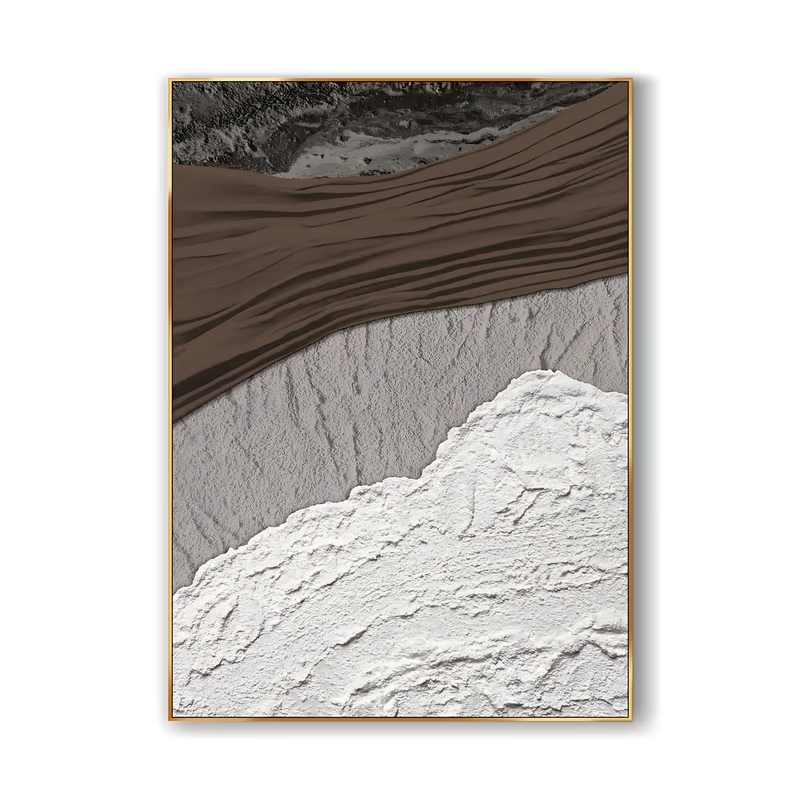
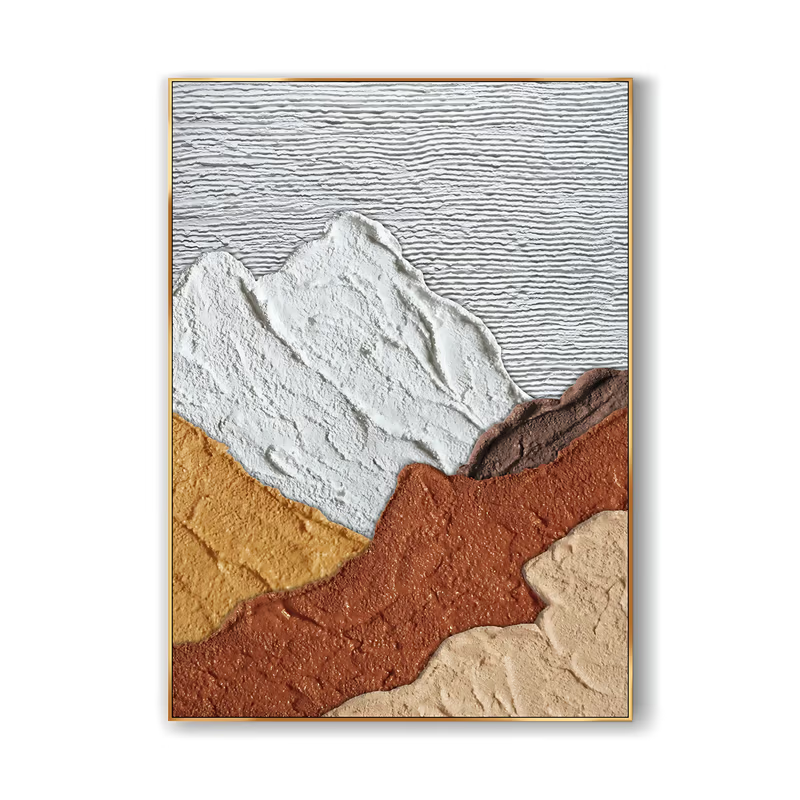
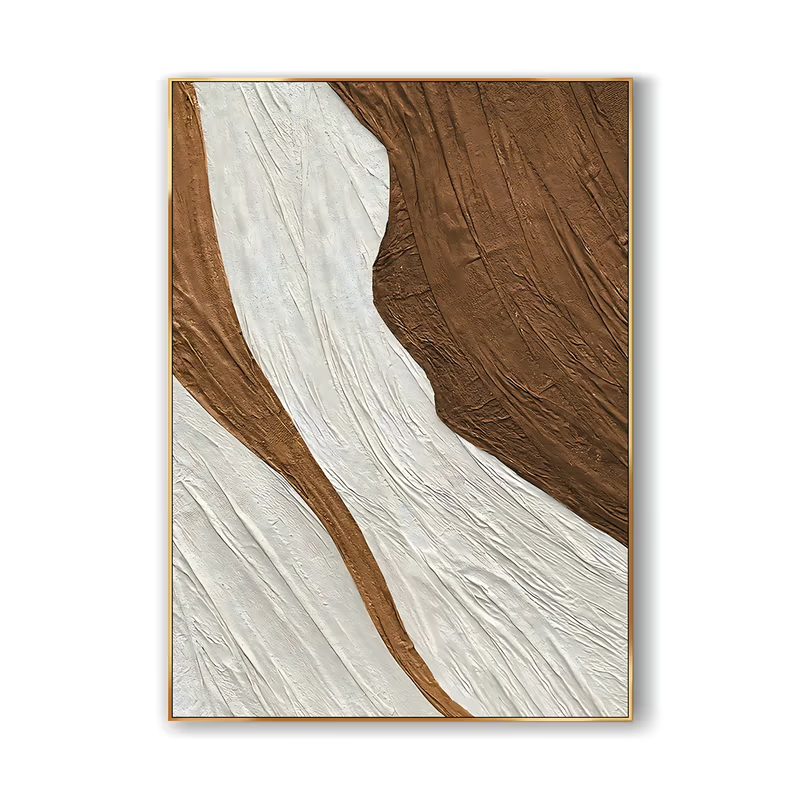
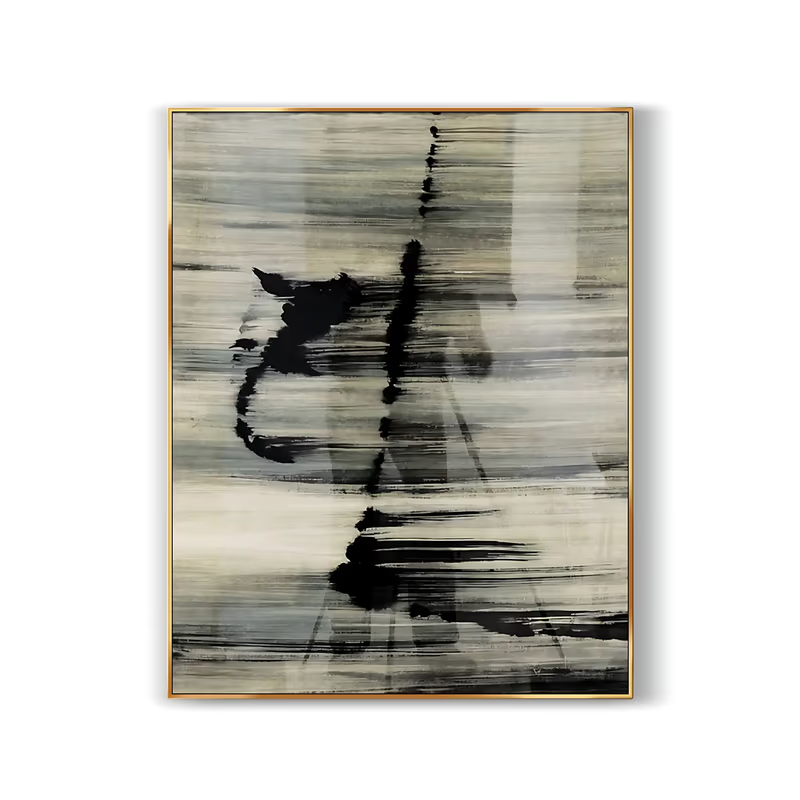
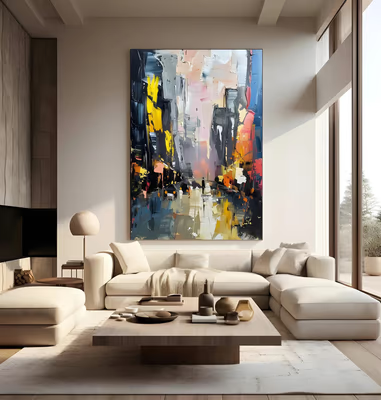
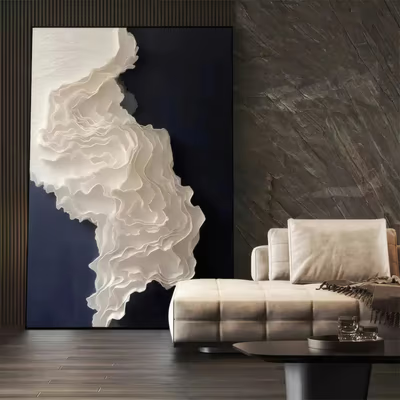
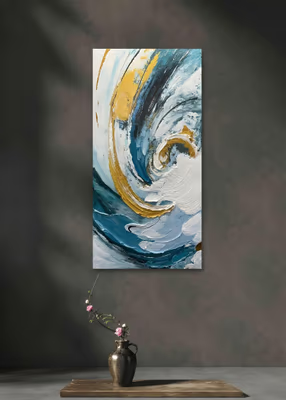
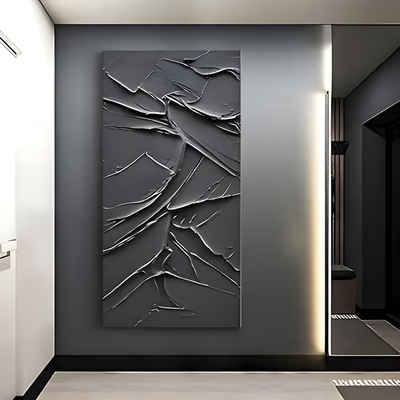
Plaster relief, palette-knife ridges and colour fields need no subject to work on a column or a pier; the texture catches light from the side and changes through the day. These are the strongest choice for modern lobbies and offices. Vertical textured art.
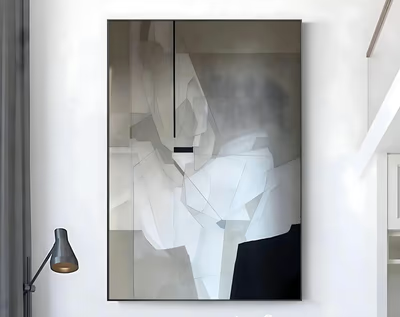
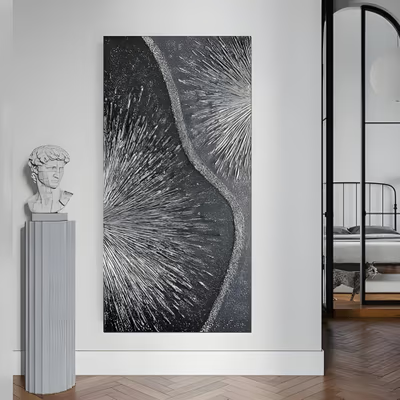
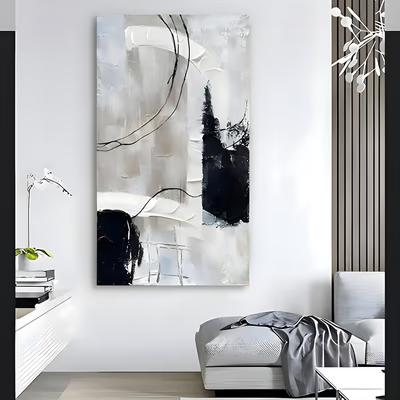
How big should vertical wall art be for a narrow wall?
Measure the clear panel, then make the vertical canvas about 60–75% of its width and roughly one and a half times as tall as it is wide, adjusting the height to the ceiling.
Width comes from the panel
Measure between the obstacles that frame the space, such as window frames, door architraves, switches or the edge of a radiator, not the whole wall. A pier 80 cm (31 in) wide, for example, takes a canvas about 50–60 cm (20–24 in) wide. Too wide and the canvas touches the frames on either side; too narrow and it looks like a sticker.
Height comes from the ratio and the ceiling
Standard portrait canvases run at about 3:4 or 2:3 (height a third to half again the width). A slimmer 1:2 or 1:3 strip suits very narrow piers, columns and double-height walls. Under a ceiling of about 2.4 m (8 ft), a canvas up to about 120 cm (47 in) tall sits comfortably; at 3 m (10 ft) and above, a canvas of 150 cm (59 in) or more holds the wall.
Height on the wall
On an open panel, put the centre of the canvas at about 145–152 cm (57–60 in) from the floor. With a very tall piece that would push the bottom edge too close to the floor, lift it until the lower edge clears skirting, sockets and furniture by a comfortable margin, about 60–90 cm (24–35 in) on a bare wall. Over a console or chest, let the bottom of the canvas sit 15–25 cm (6–10 in) above the top so the two read together.
The standard sizes shown on each work go from about 51 × 61 cm to 153 × 203 cm, but any other proportion can be painted. For walls above 2 m tall, see oversized and custom sizes.
Should vertical wall art hang alone, in a pair or as a series?
Hang one tall canvas on a single narrow panel, a matched pair or trio of verticals across a wide piece of furniture, and a series of verticals where a wall is broken into repeating bays.
One piece
A single vertical belongs on a single slot: the pier, the column, the end wall. Do not crowd it with a second piece; the empty wall around it is part of the effect.
A pair or a trio over furniture
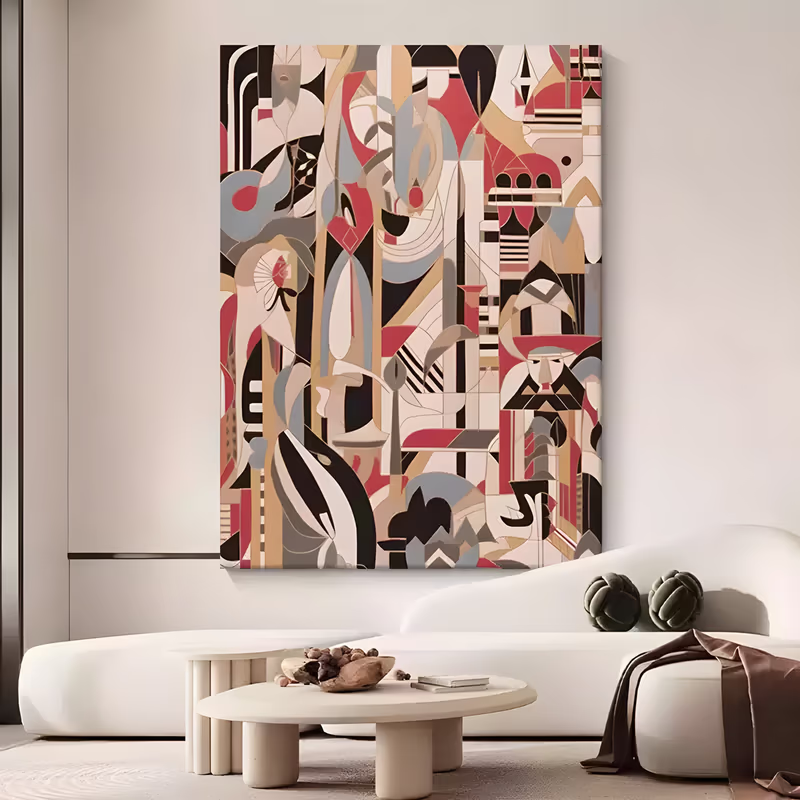
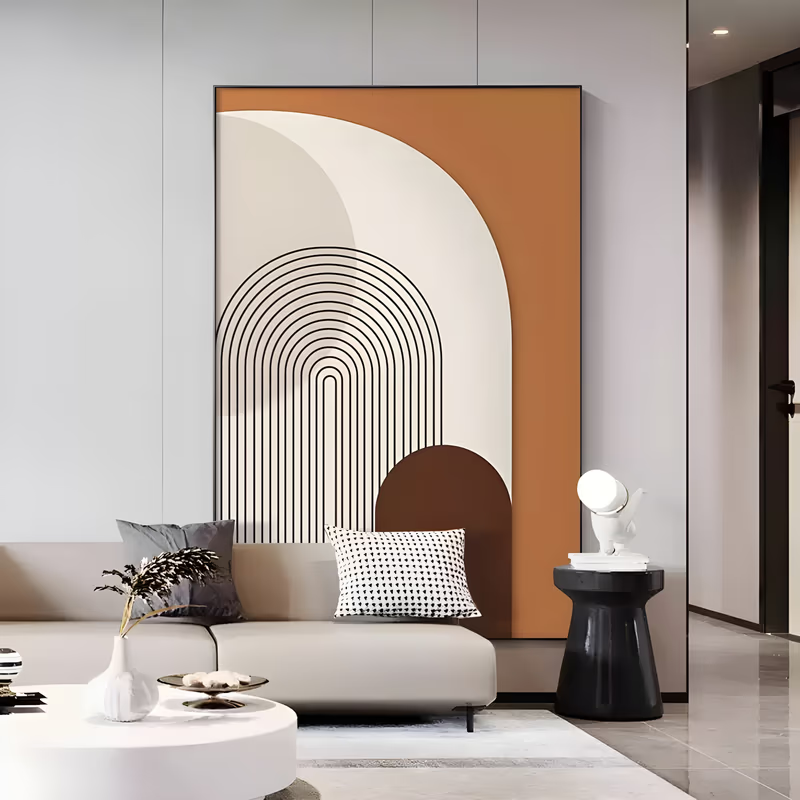
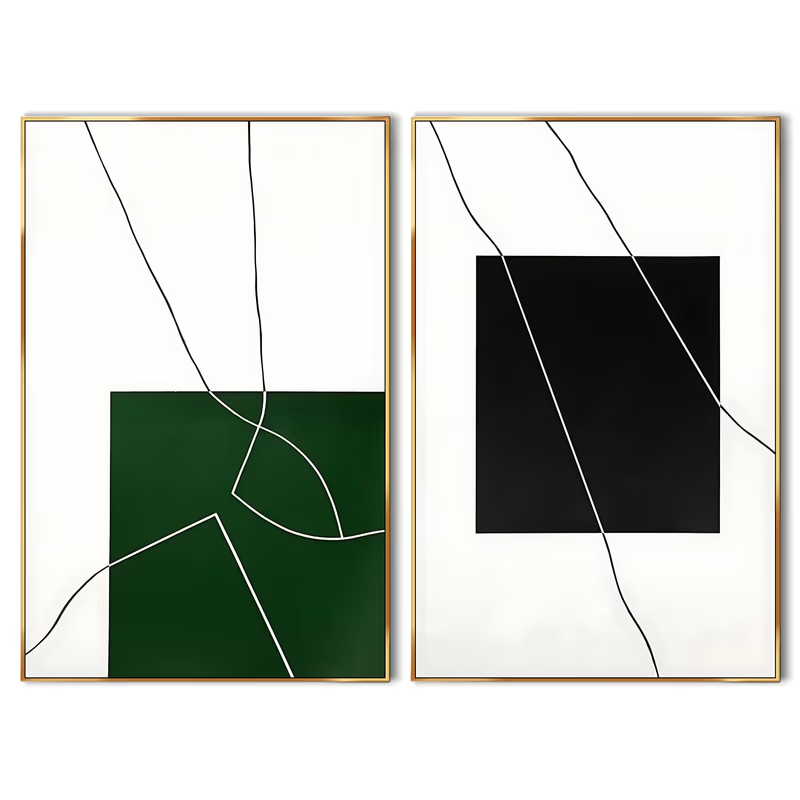
Two portrait canvases side by side become a wide group that suits a sofa, a bed or a sideboard while keeping each image upright. Leave a gap of 5–8 cm (2–3 in) between them, align the tops exactly, and size the whole group, gaps included, to about two-thirds of the furniture. Three verticals in a row suit a longer piece of furniture or a wall with three equal panels. The images should belong together: one composition carried across the canvases, or two views of the same subject in the same palette.
A series down a corridor or across a building
Where doors divide a wall into regular bays, as in a hotel corridor, a gallery or an office run, one tall canvas per bay keeps a steady rhythm. A series works best when it is related but not repeated: the same composition painted in a different colourway on each floor, or a family of subjects in one palette. For larger buildings, the corridor series page explains how a run is planned and approved.
Can any painting be made as a tall vertical canvas?
Yes: any work in the catalogue can be painted as a vertical canvas, because the composition is redrawn for the new proportion rather than cropped or stretched.
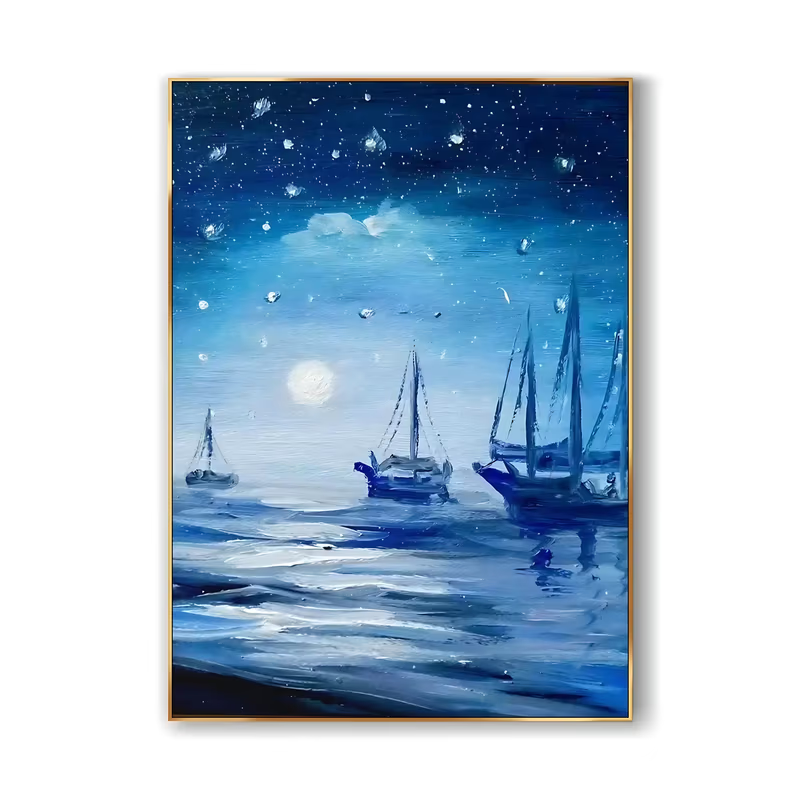
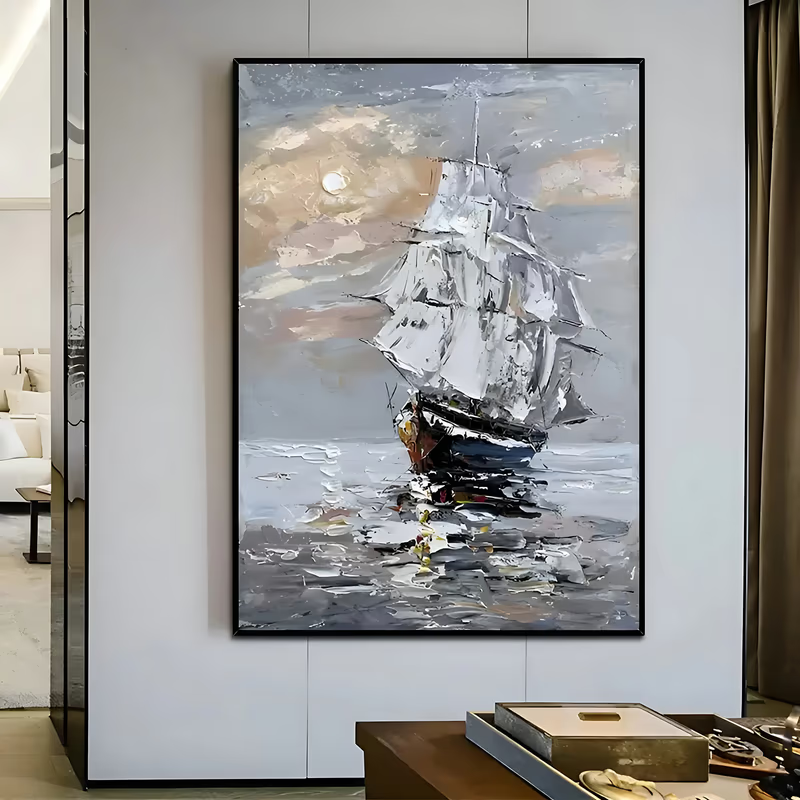
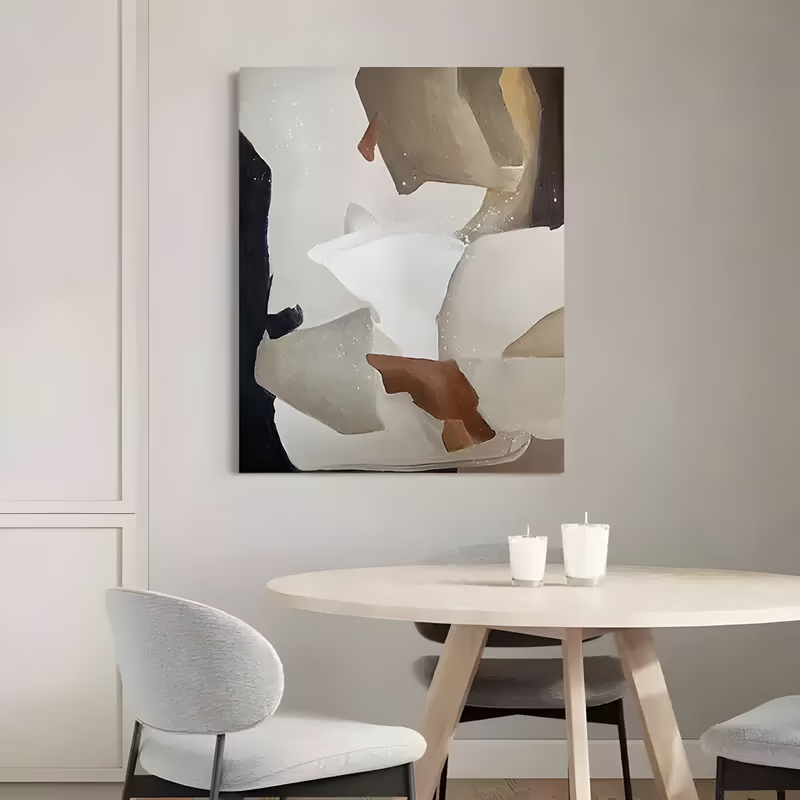
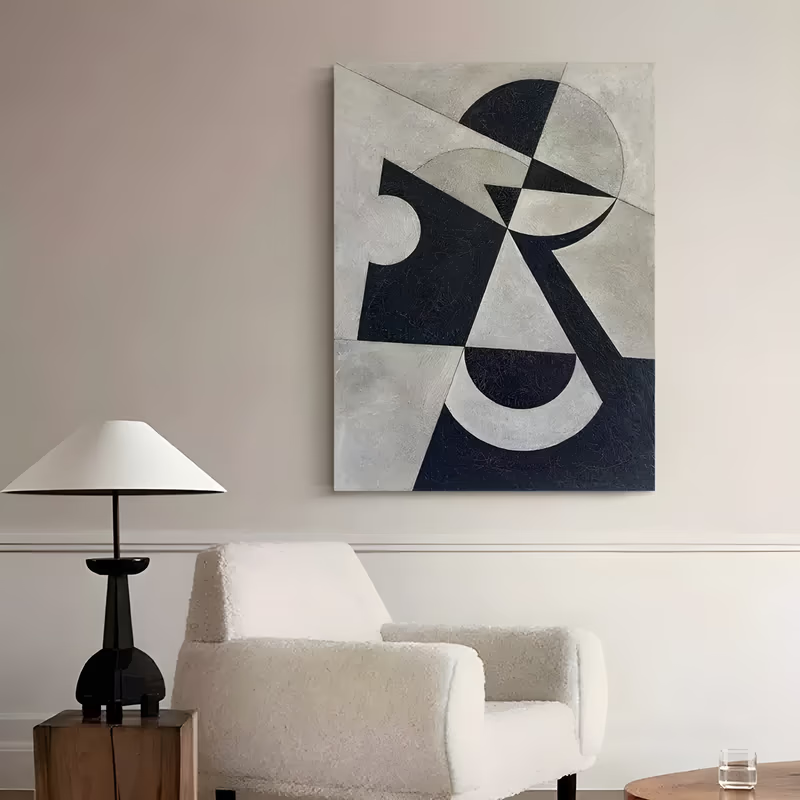
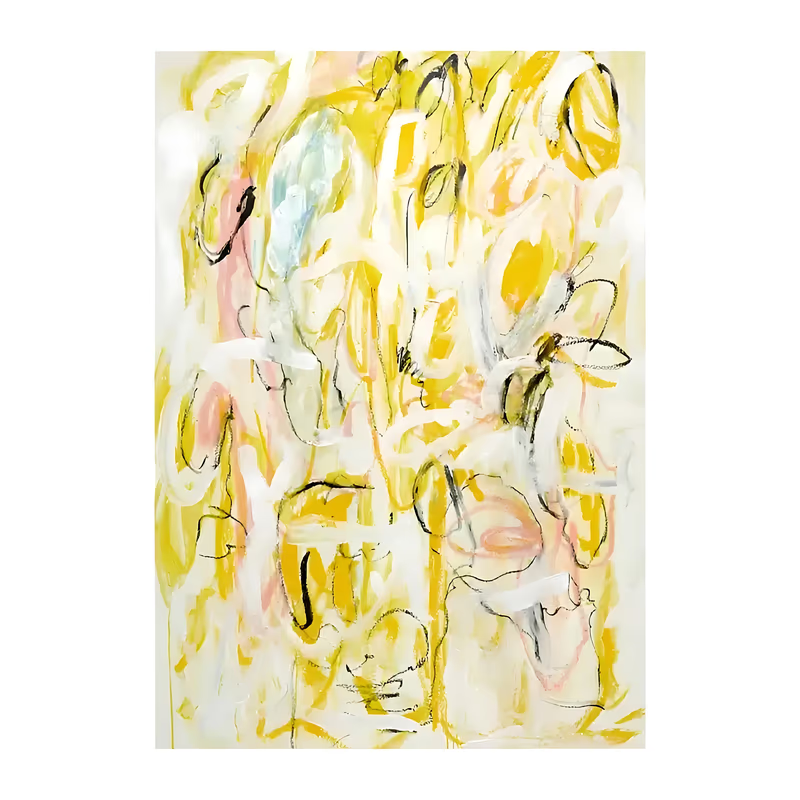
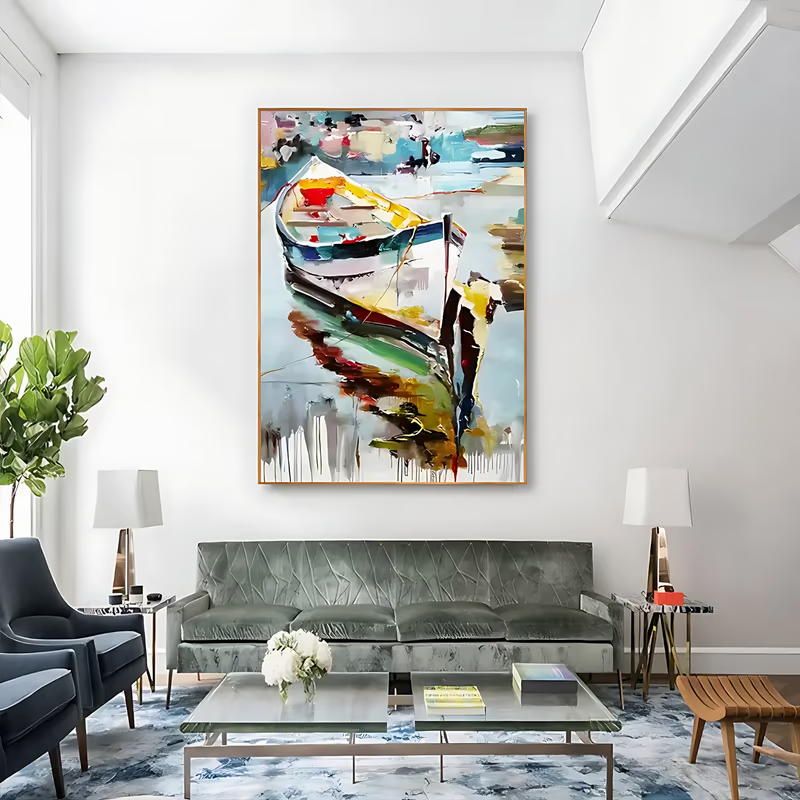
Cropping a wide image to fit a tall slot throws away its edges; stretching it distorts everything in it. A painter does neither. When a horizontal landscape becomes a vertical, the sky is given more height, the foreground gains depth, and the main subject, such as a tree, a boat or a figure, is moved to sit where the eye lands on a tall format, usually a little above or below the centre. A floral gains a longer stem or a taller vase; an abstract gains more vertical movement. The colours and the character of the original stay the same.
The same applies to a commission from your own reference, such as a photograph of a view, a building or a garden; see custom paintings. If you have found a piece on the square or horizontal pages that would suit a narrow wall, send its code and the size of the panel.
How is tall vertical wall art made and delivered to fit your wall?
Send the panel size and a photo of the wall; the canvas is redrawn to those proportions, adjusted to your colours, approved stage by stage, and shipped ready to hang or rolled.
Start with the clear measurements of the panel and a photograph taken square-on, ideally with the furniture or the window frames in view. If the palette needs to suit the room, add a paint code, a fabric or a photo of the scheme; the colours are adjusted before painting starts. You see progress photos or video at each stage, and the next stage only begins after you approve, so the proportion and the colour are settled early. A final photograph is approved before dispatch.
Painting takes about 10 days, then a piece arrives 5–7 days later by DHL, FedEx or UPS express; iHomeArt finds the best route for you and confirms the shipping cost before it ships. It can travel rolled, stretched and frameless ready to hang, or framed in gold, silver, black, white or wood. Tall plaster and deep relief work ships stretched or framed, and is rolled only if you agree to a thinner texture. Ask for a quote; every enquiry is answered within one business day.