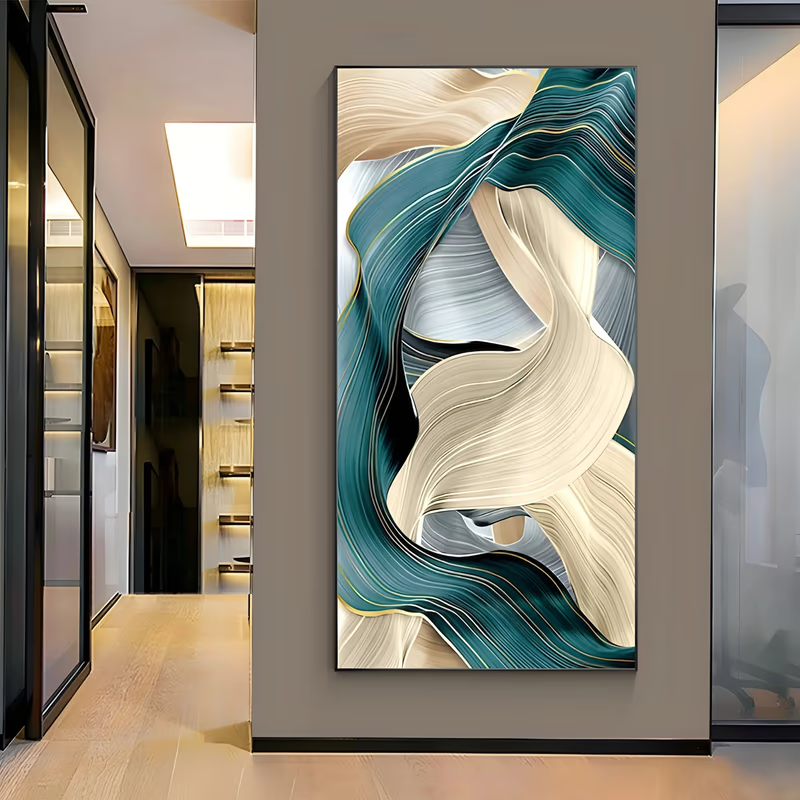
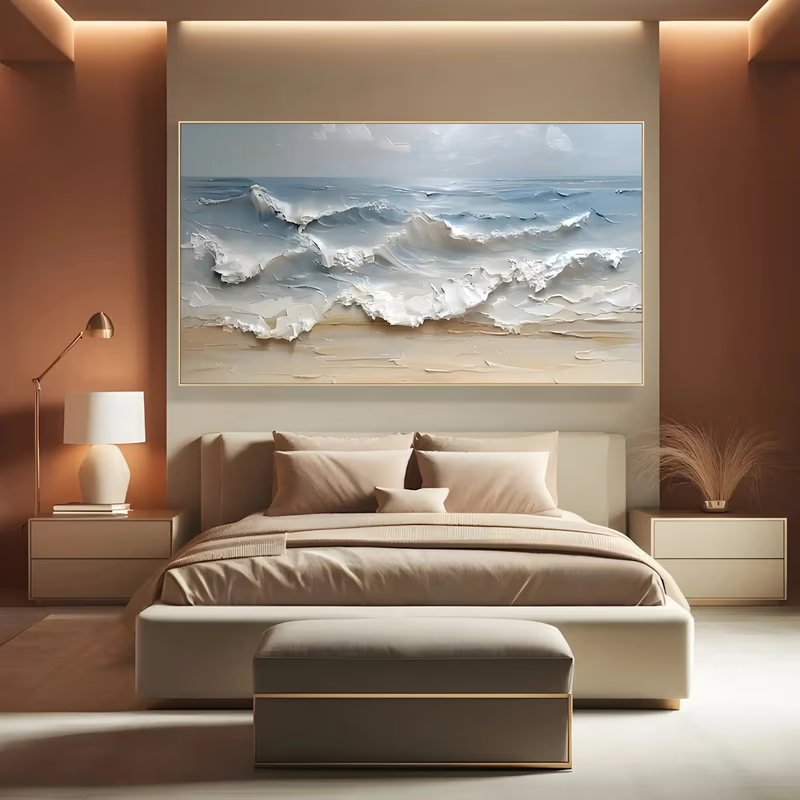
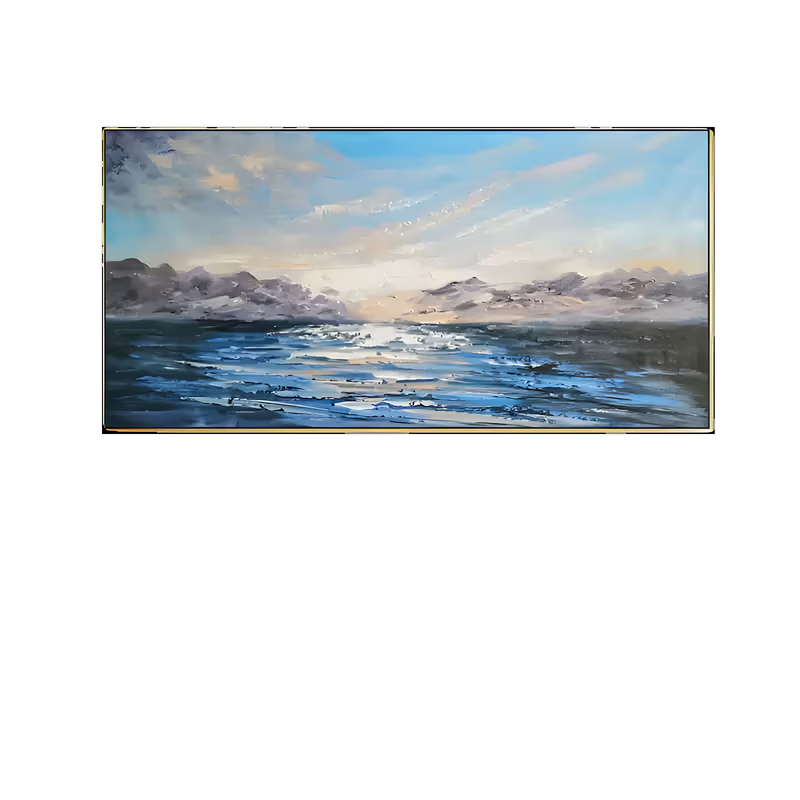
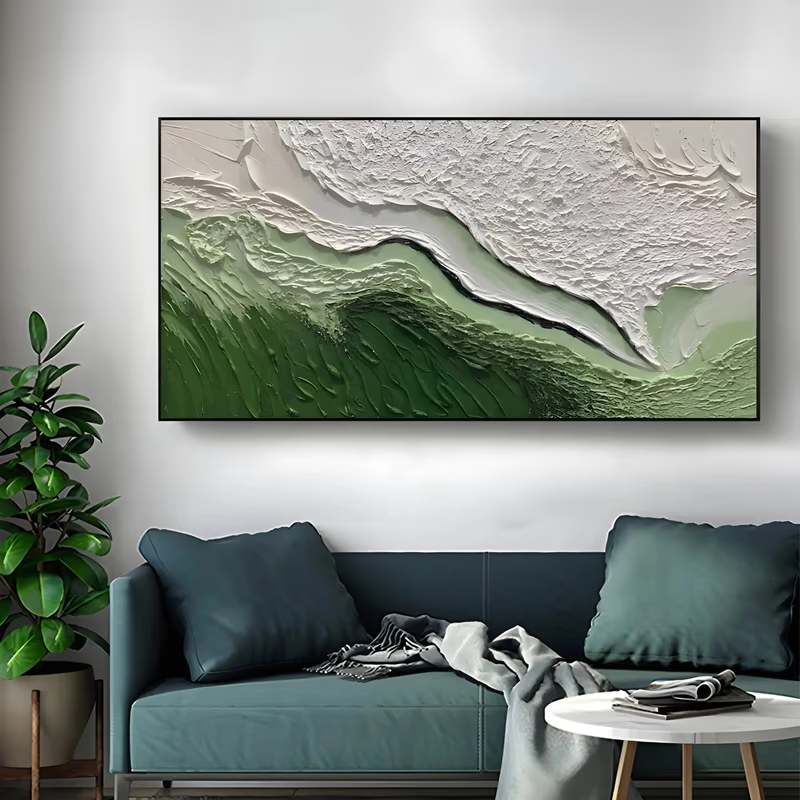
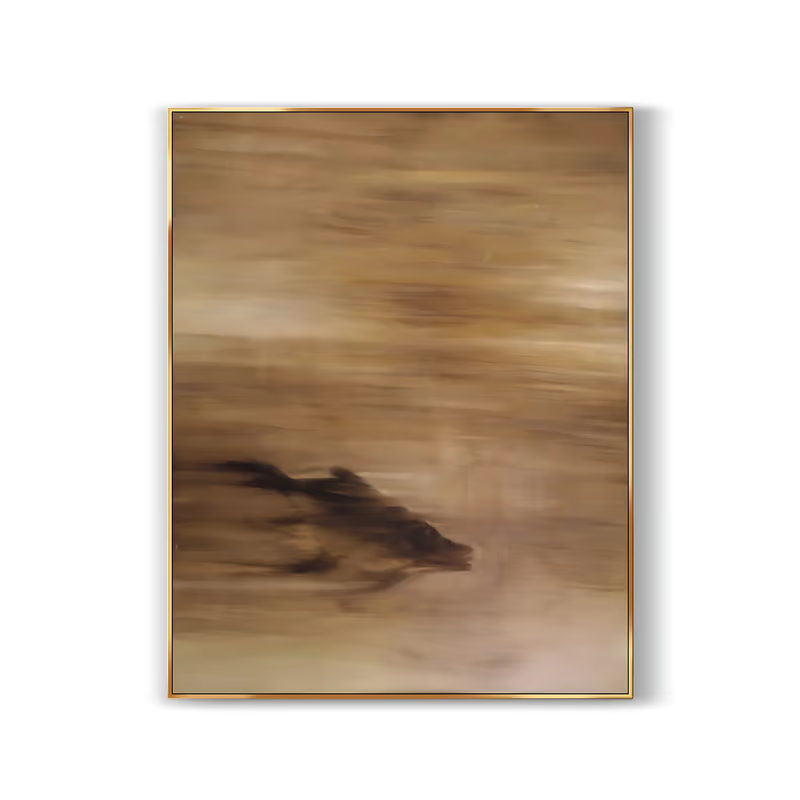
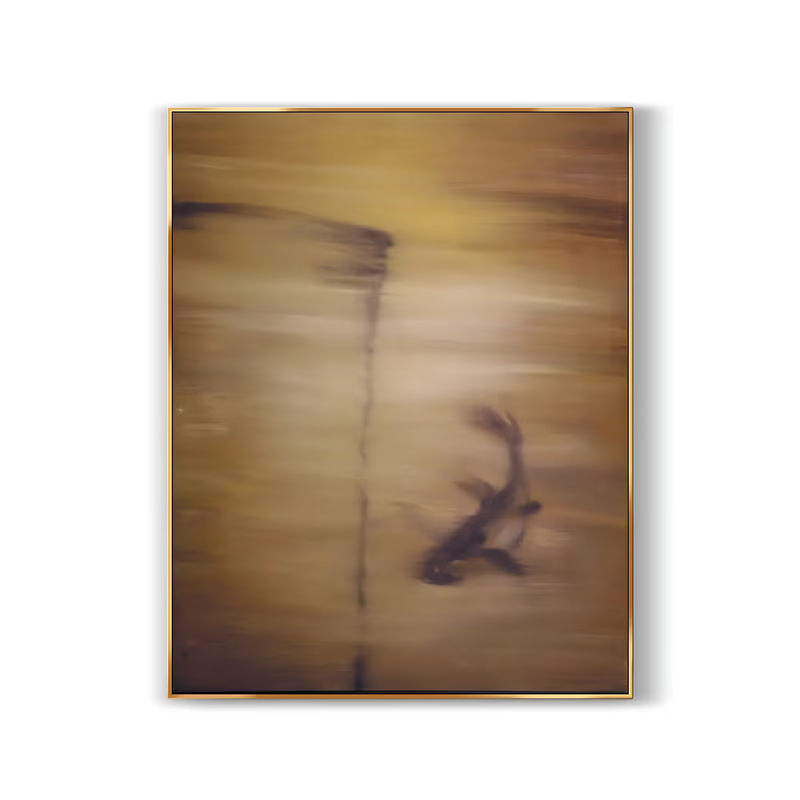
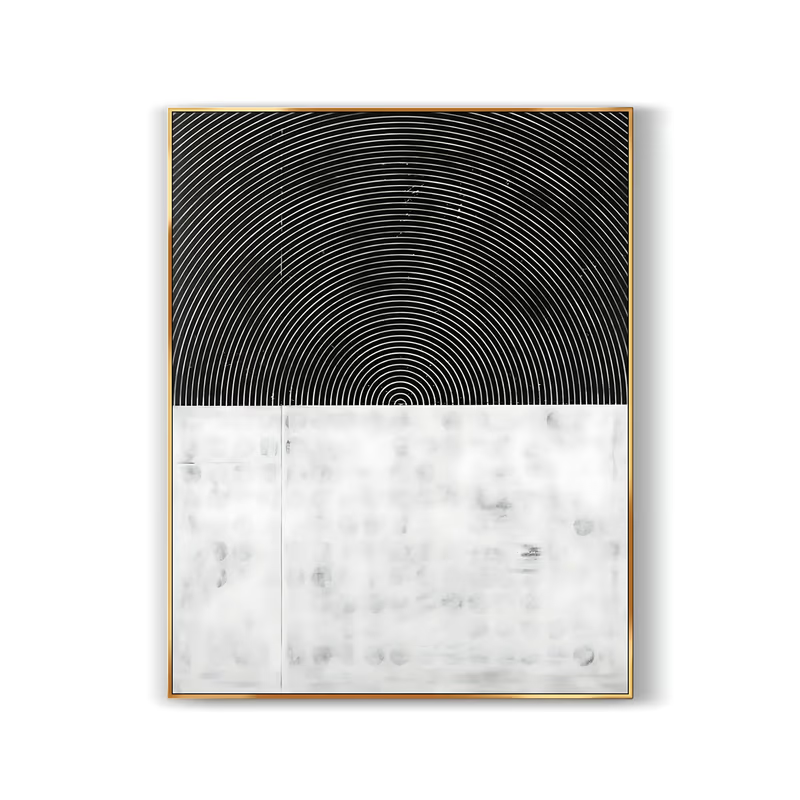
Spa art guide · Updated
How to choose wall art for a spa, room by room
Key takeaways
- Plan along the guest's path: one welcoming statement at reception, a single quiet piece in each treatment room, and soft, low-contrast work in the relaxation lounge.
- Keep the palette low and natural: white, sand, sage, mist blue and a touch of soft gold stay calm under warm, dimmed spa lighting; save saturated colour for the retail shelf.
- Hang lower where guests recline: in lounges, centre the canvas about 125–135 cm (49–53 in) from the floor, closer to the eye line of someone lying back.
- Keep canvas out of the wet zone: reception, treatment rooms, corridors and lounges all suit canvas; steam rooms, saunas and the splash line around a pool do not.
What makes good spa wall art?
Good spa wall art slows the eye down: a quiet subject, soft edges and a narrow palette, with nothing on the canvas that asks to be read or solved.
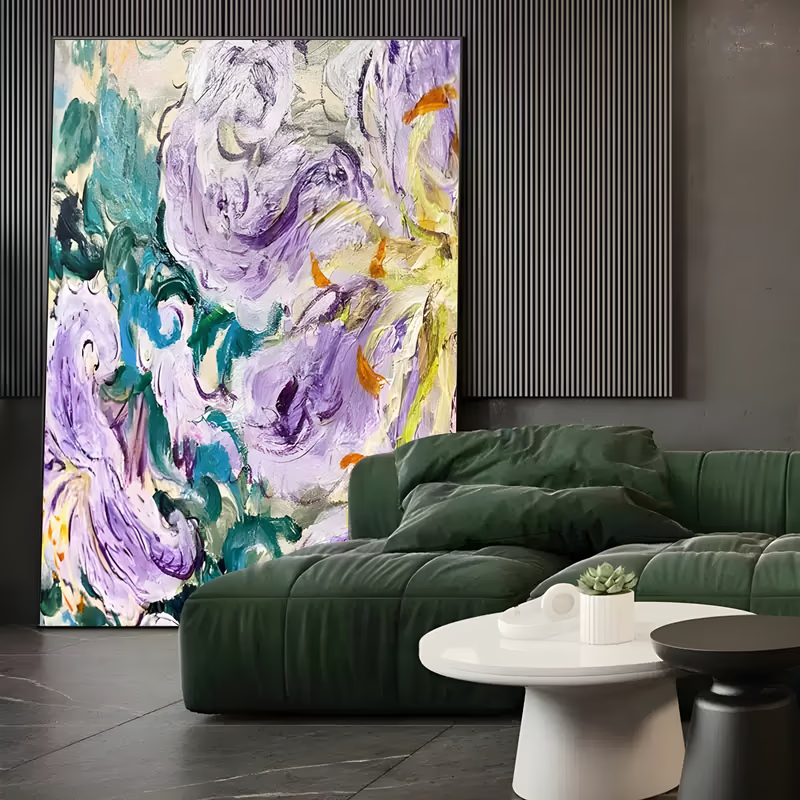
Most guests arrive straight from traffic, a phone or a long flight. The art is one of the first signals that the pace has changed, so it should reward a glance rather than demand attention. Horizons, still water, mist, leaves and gentle texture do that well. Busy patterns, hard black-and-white contrast, text, faces looking straight out of the canvas and loud saturated colour all pull the other way.
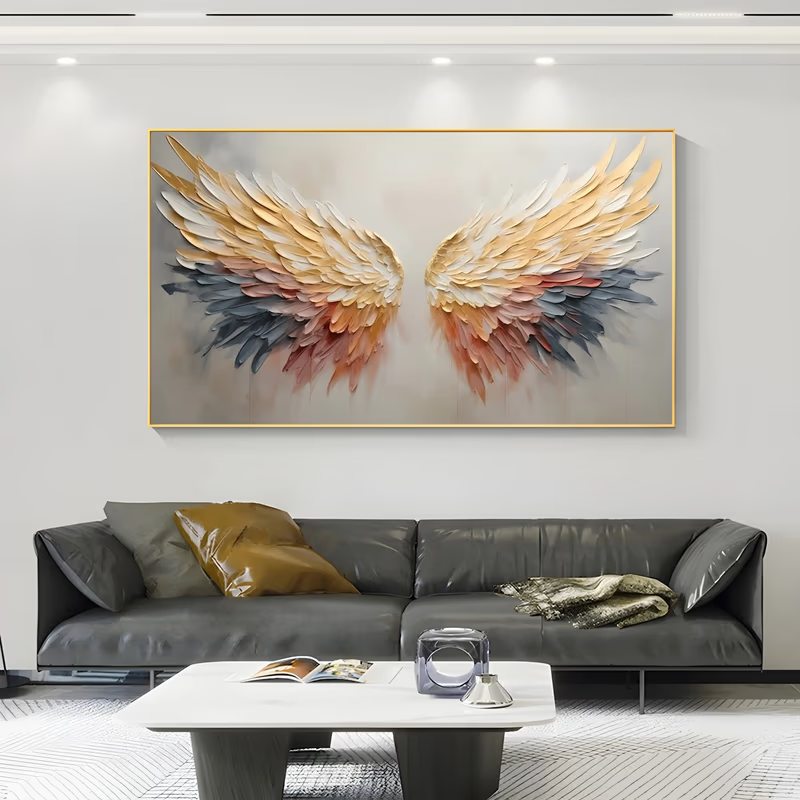
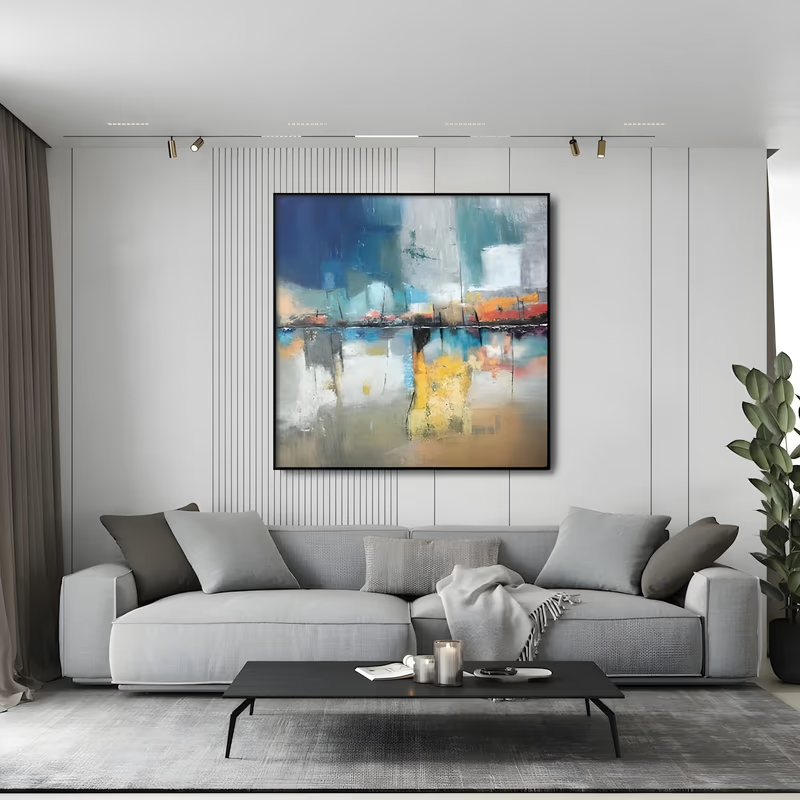
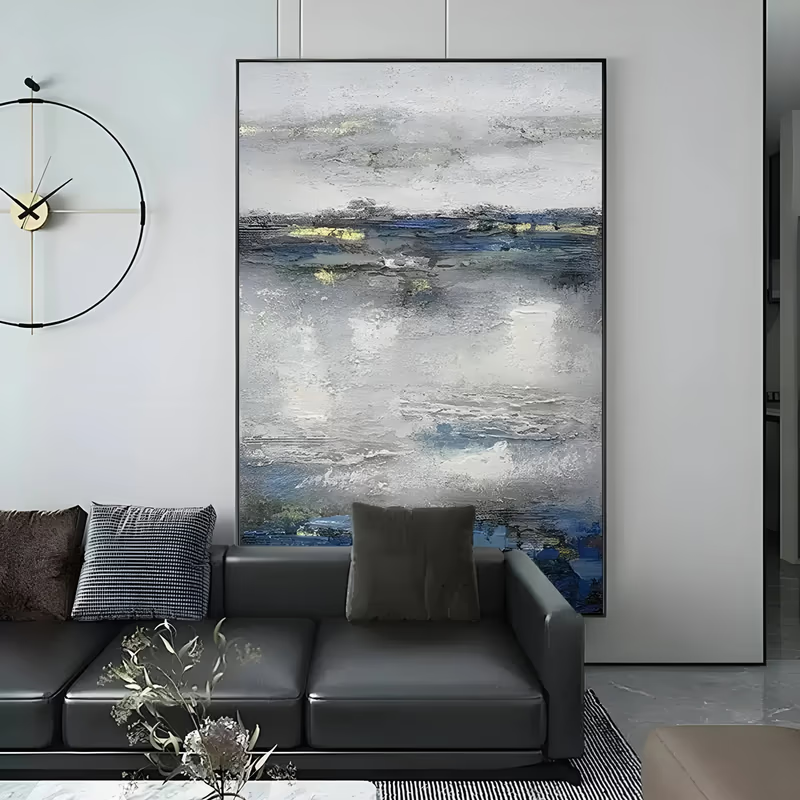
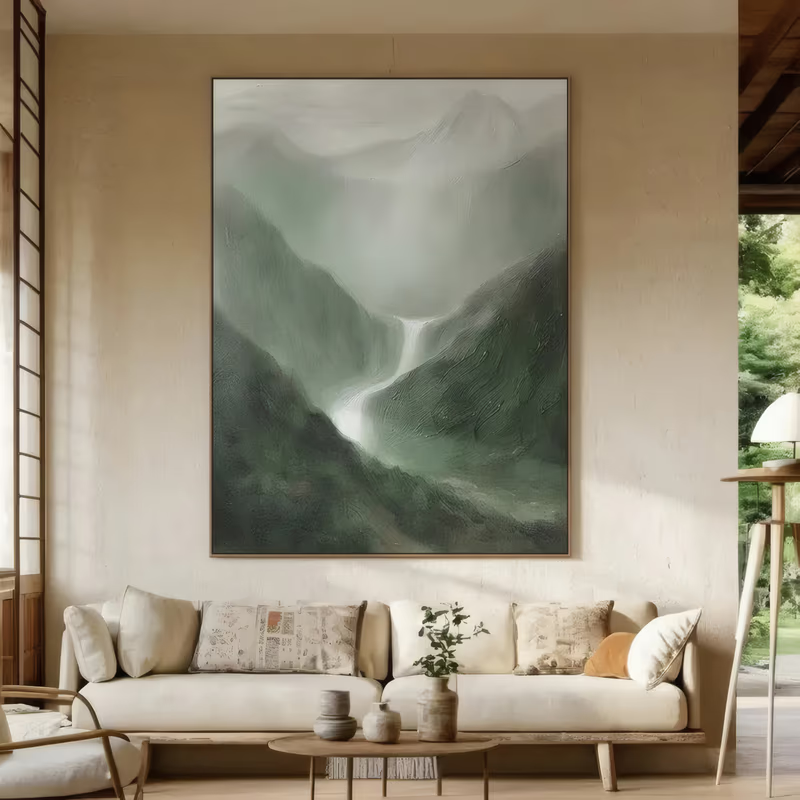
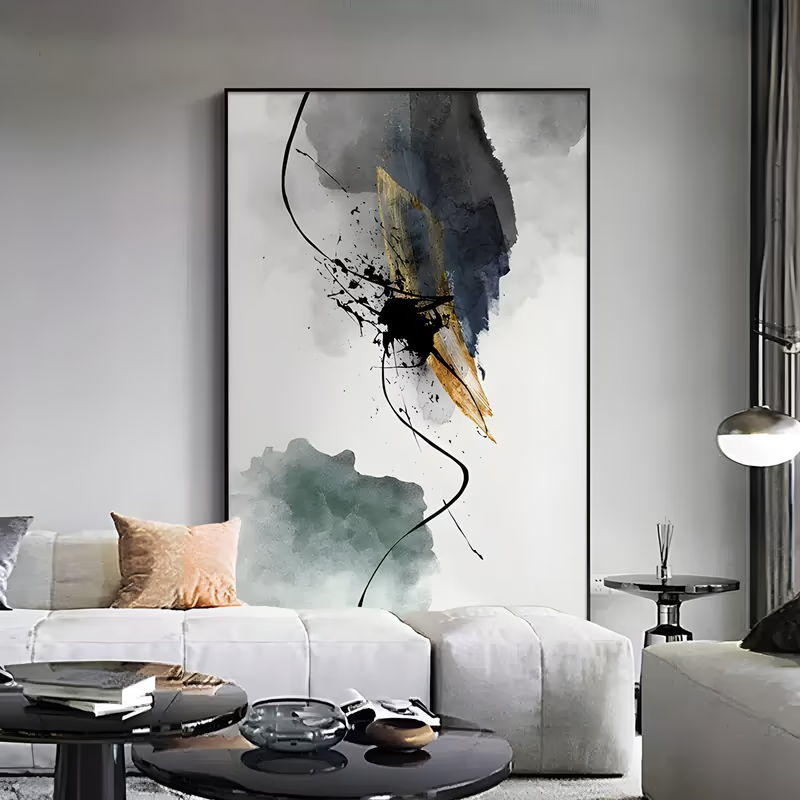
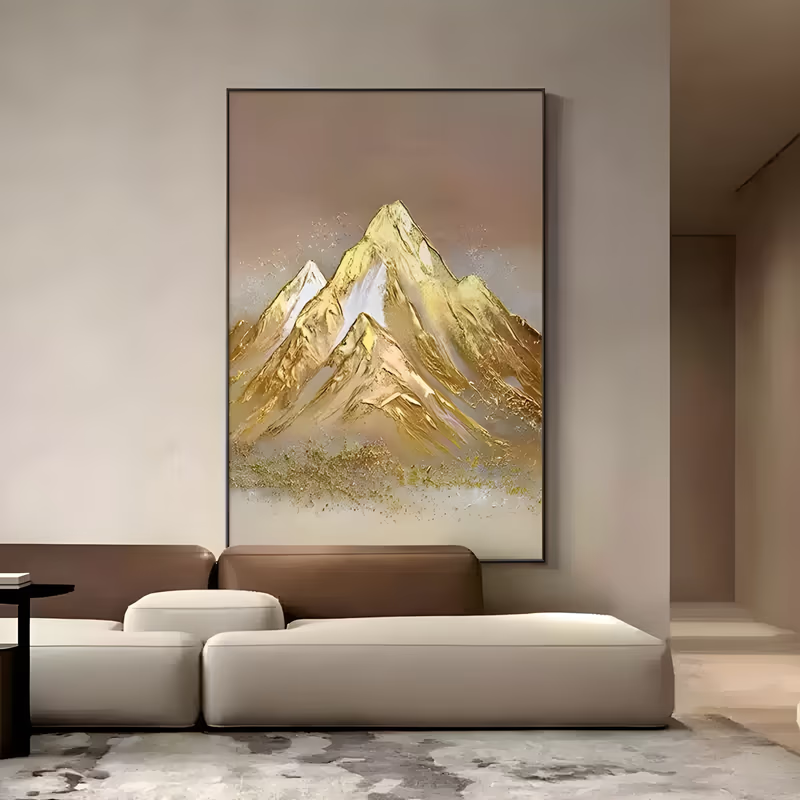
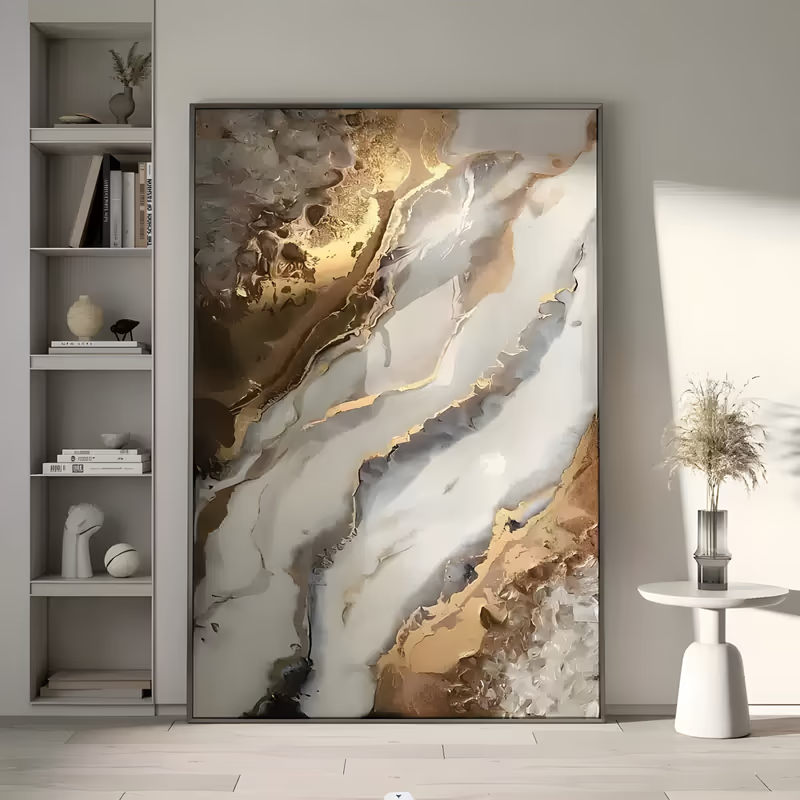
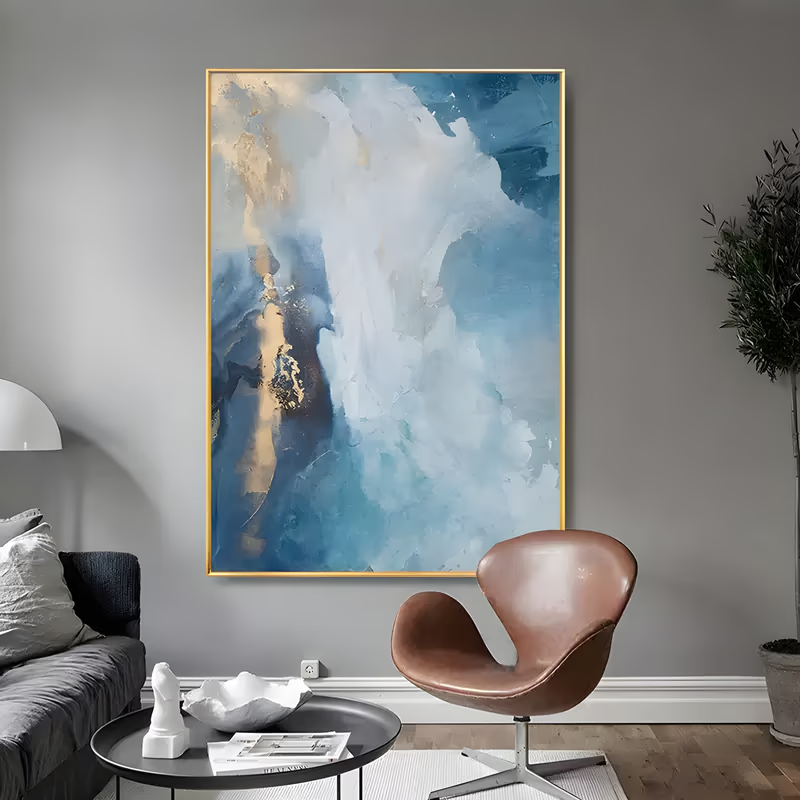
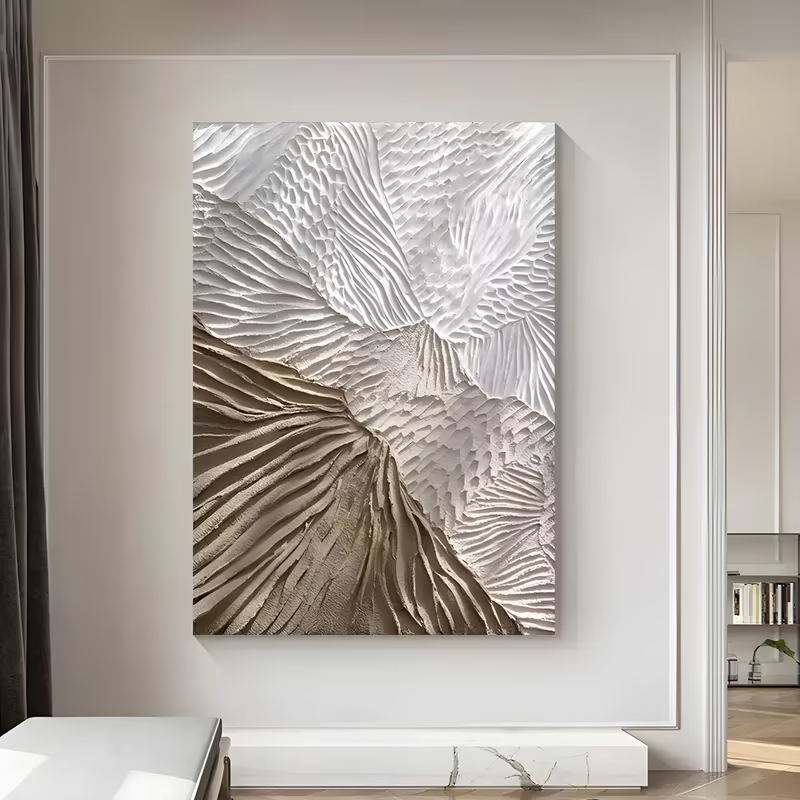
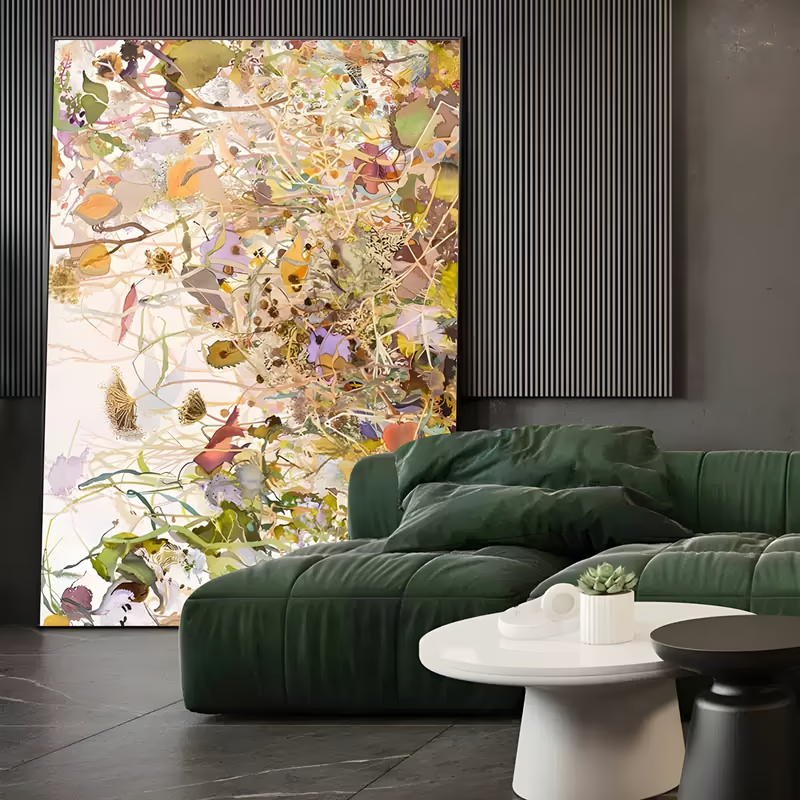
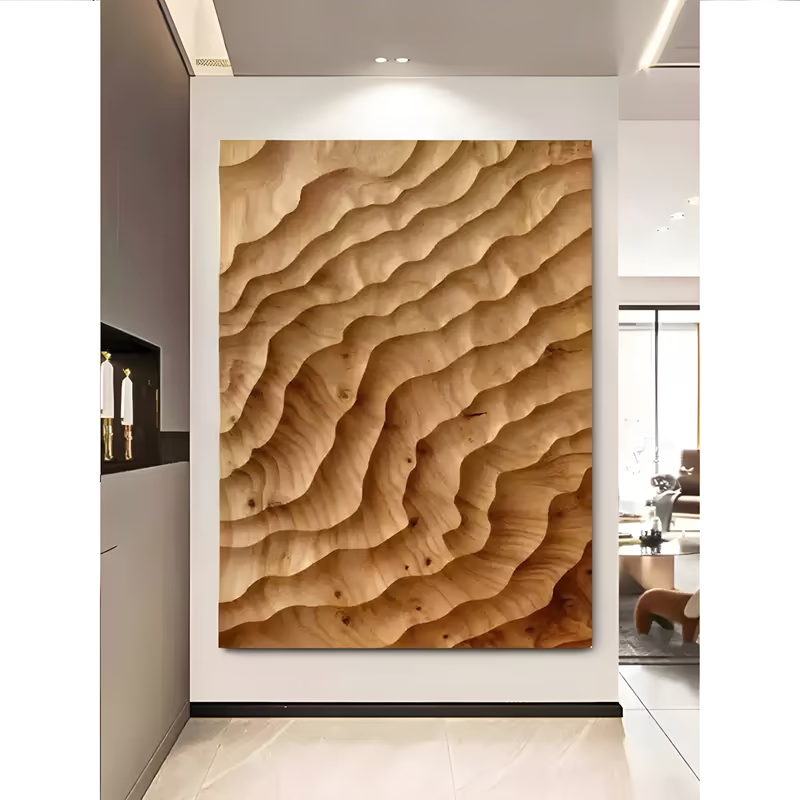
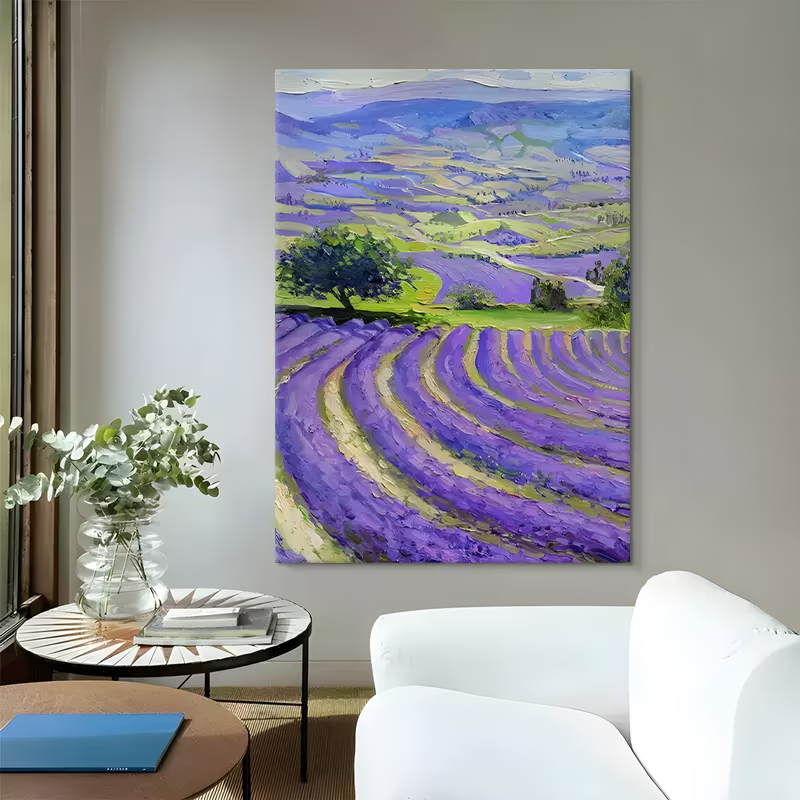
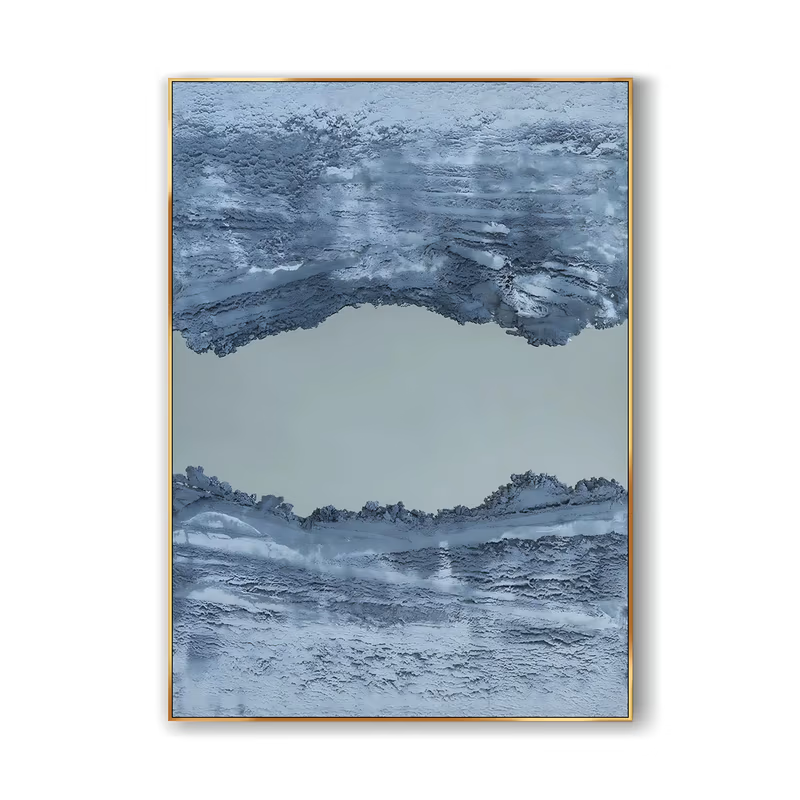
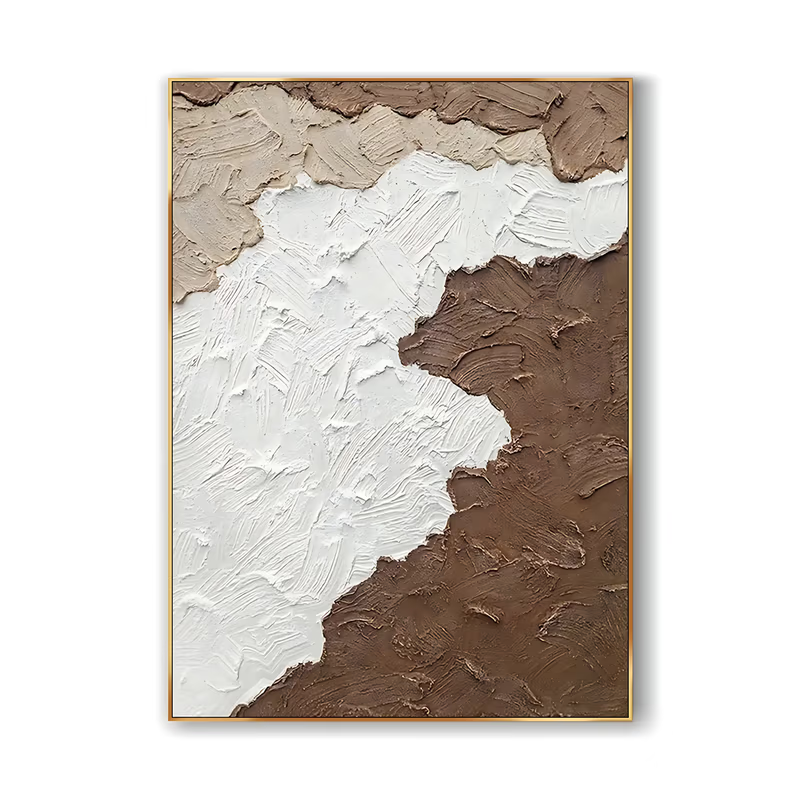
Surface matters more in a spa than almost anywhere else. Treatment rooms and lounges are lit low, often from the side, and a hand-painted canvas with visible brushwork or plaster relief catches that light the way stone, timber and linen do. It reads as a natural material in a room built from natural materials, where a flat print can look like a screen.
Which spa wall art suits each zone, from reception to the relaxation lounge?
Give each zone the energy the guest needs there: a confident welcome at reception, calm in the corridors, near-silence in treatment rooms, and soft warmth in the lounge.
| Zone | What the guest is doing | Art that suits | Typical scale |
|---|---|---|---|
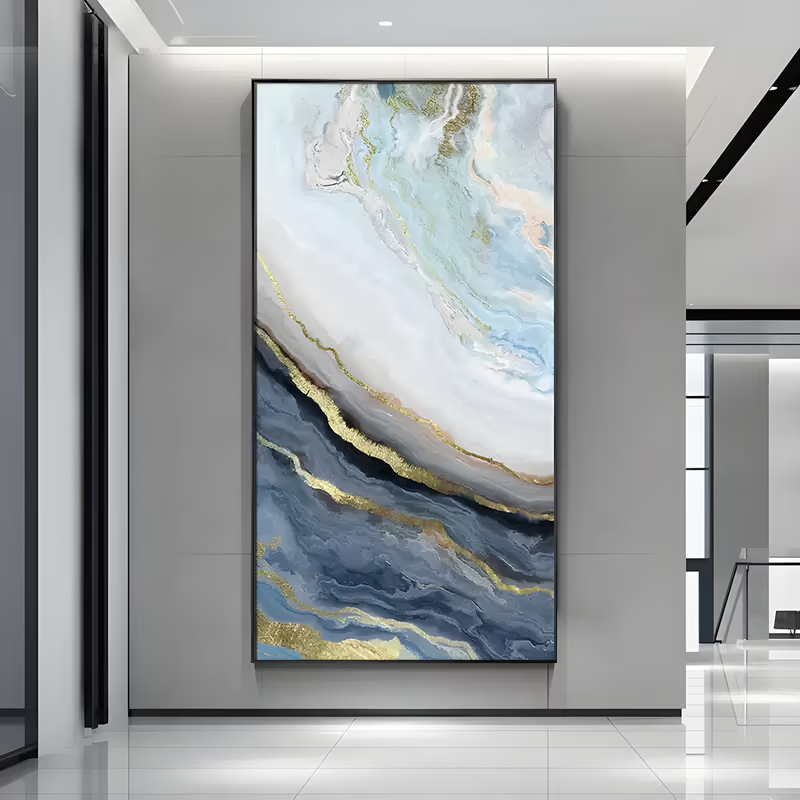
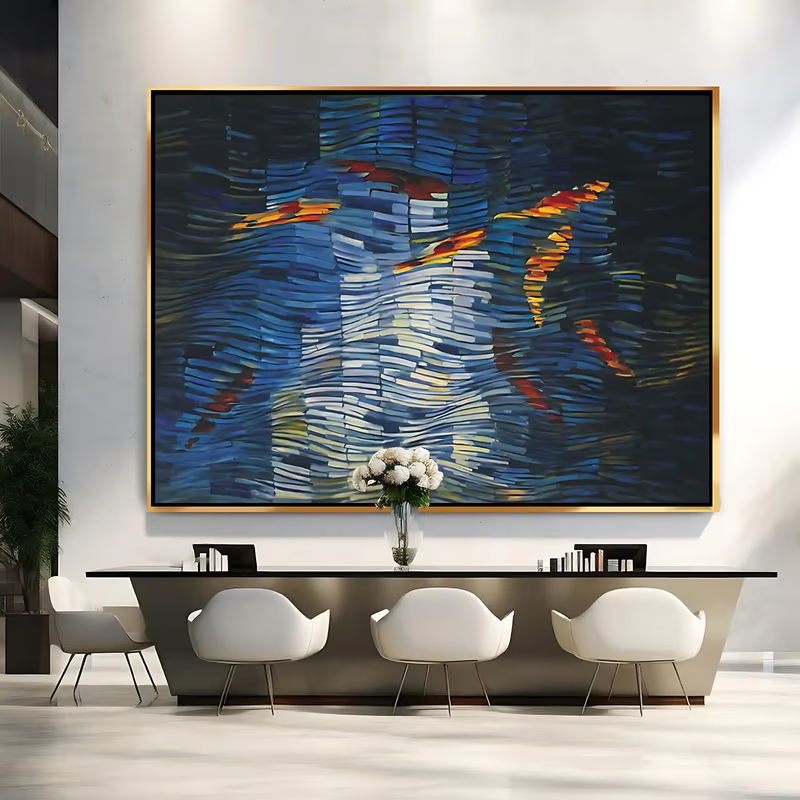
| Reception and retail | Arriving, checking in, buying products on the way out | One statement landscape, seascape or large botanical that sets the brand's mood | Large: 120–200 cm (47–79 in) wide |
| Changing rooms and corridors | Walking, in a robe, between rooms | A series of tall, related canvases, evenly spaced | Medium verticals, 60–90 cm (24–35 in) wide |
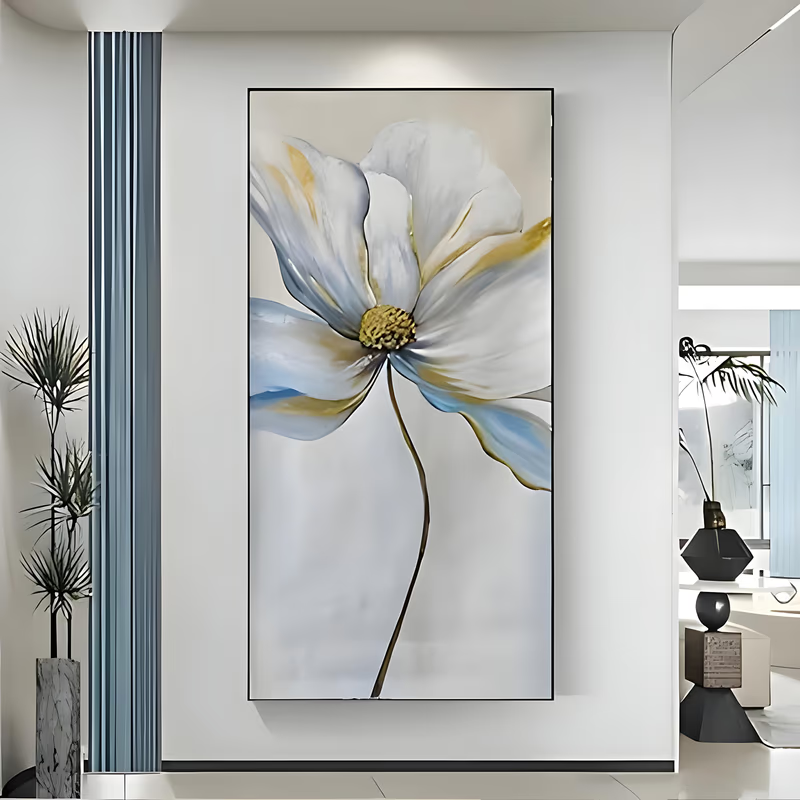
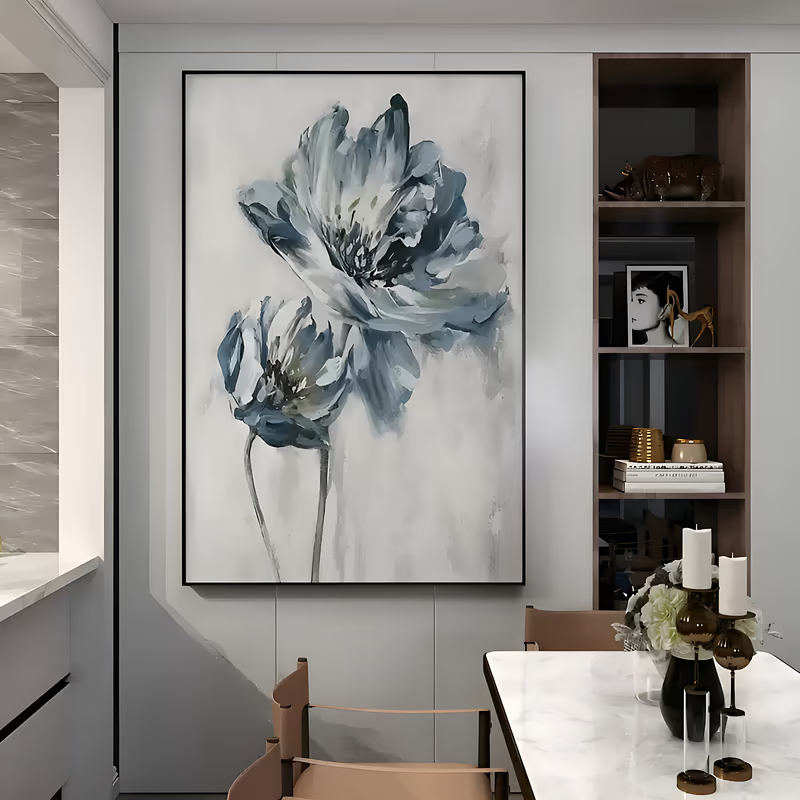
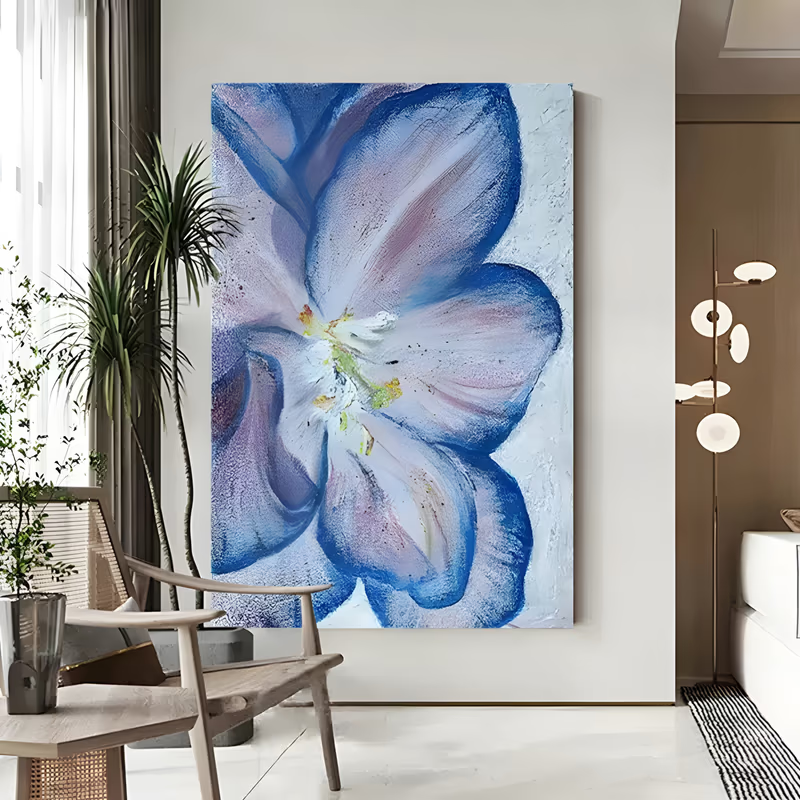
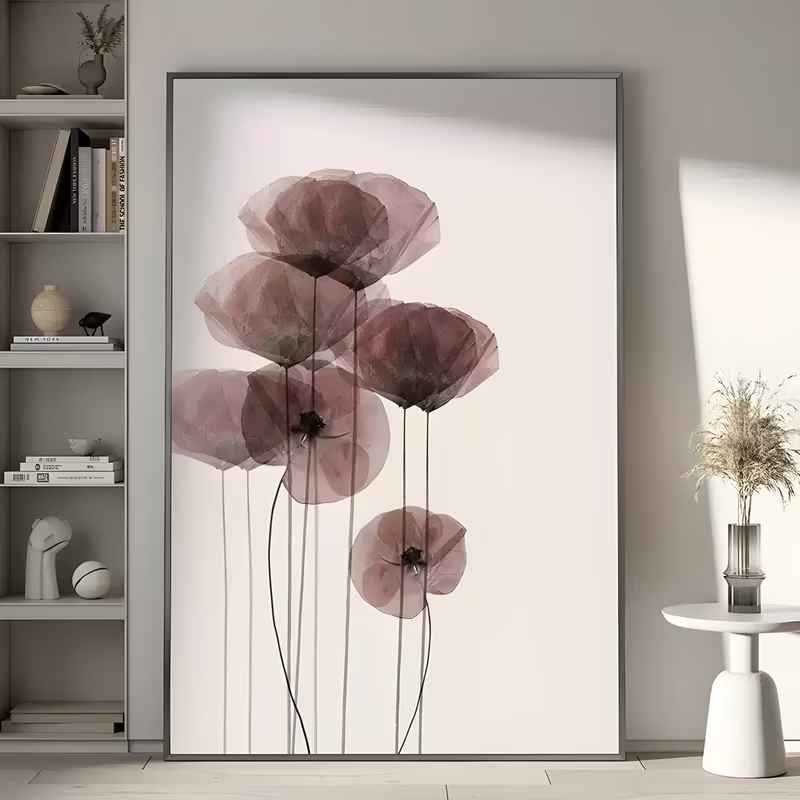
| Treatment rooms | Lying still for an hour; seeing the walls on the way in and on sitting up | One quiet piece: still water, mist, a single bloom or soft texture | Small to medium, 50–100 cm (20–39 in) |
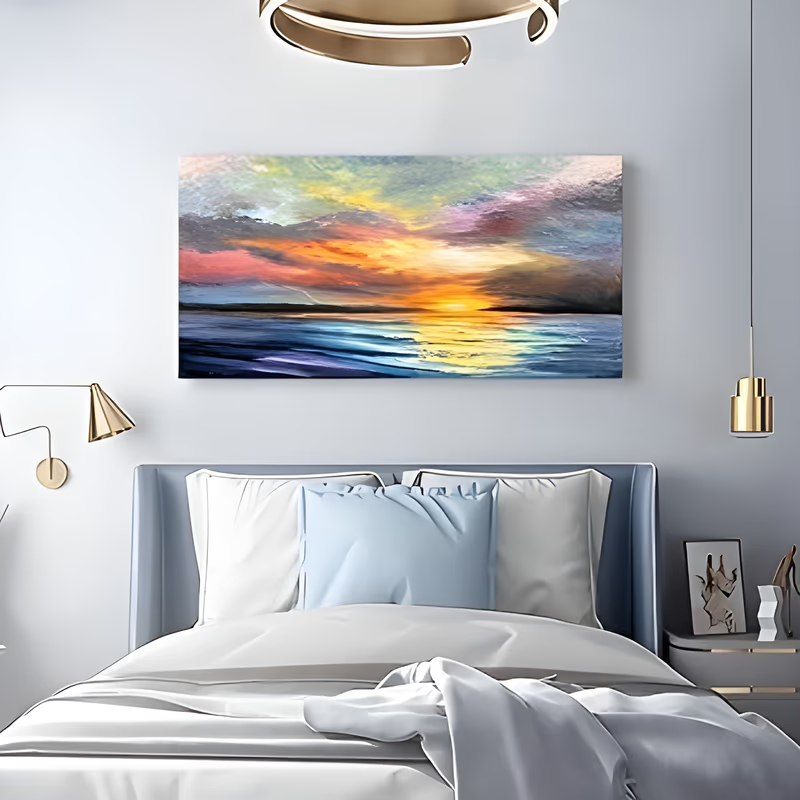
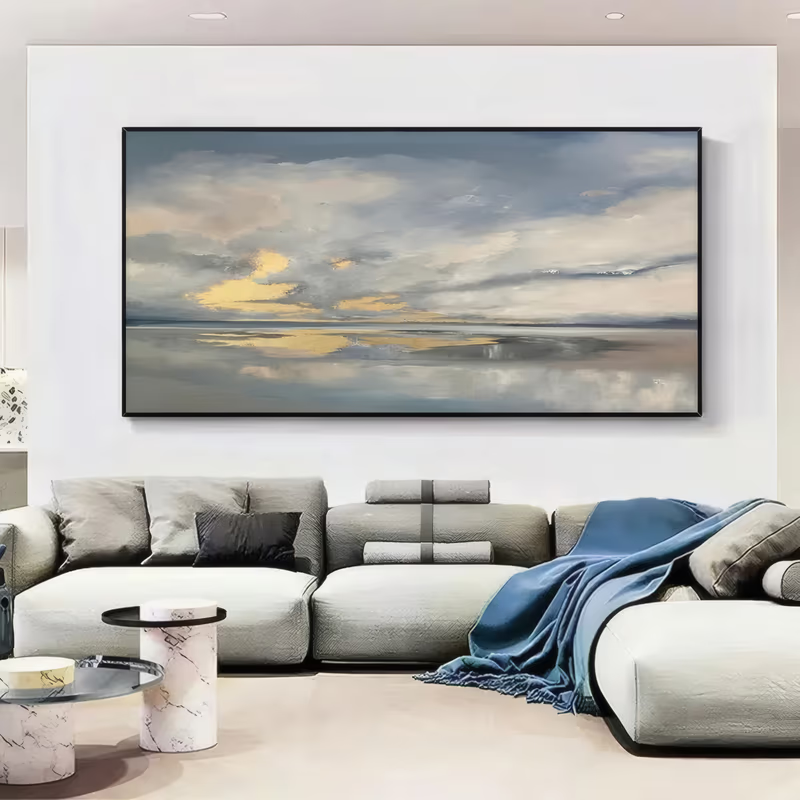
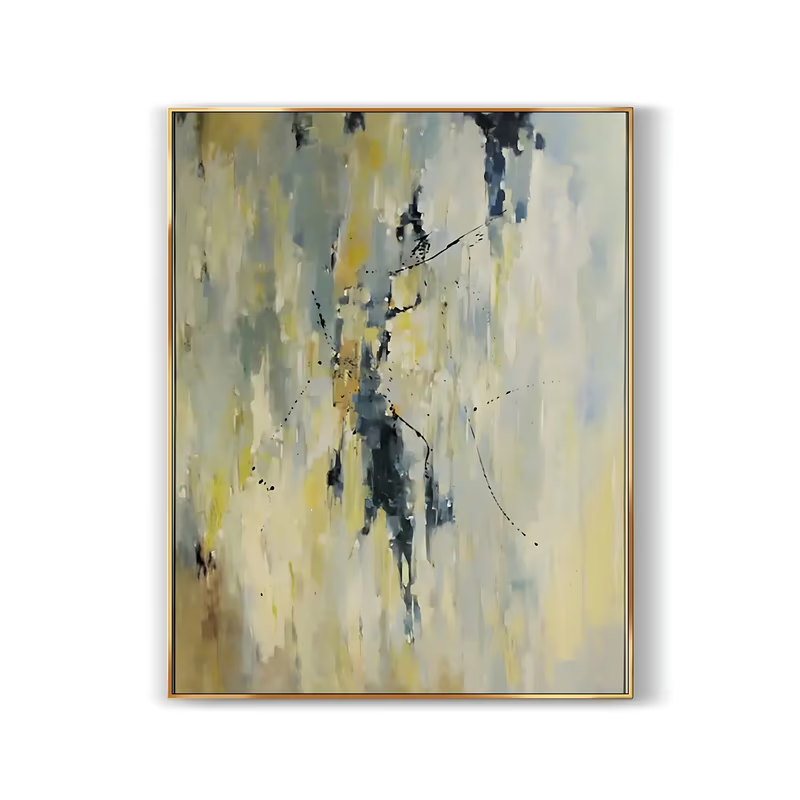
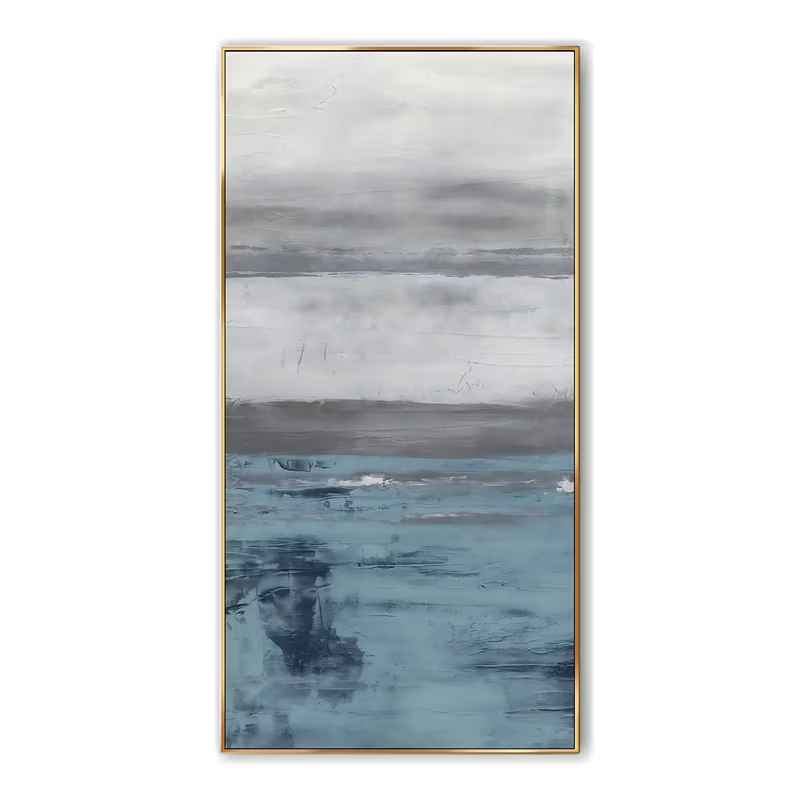
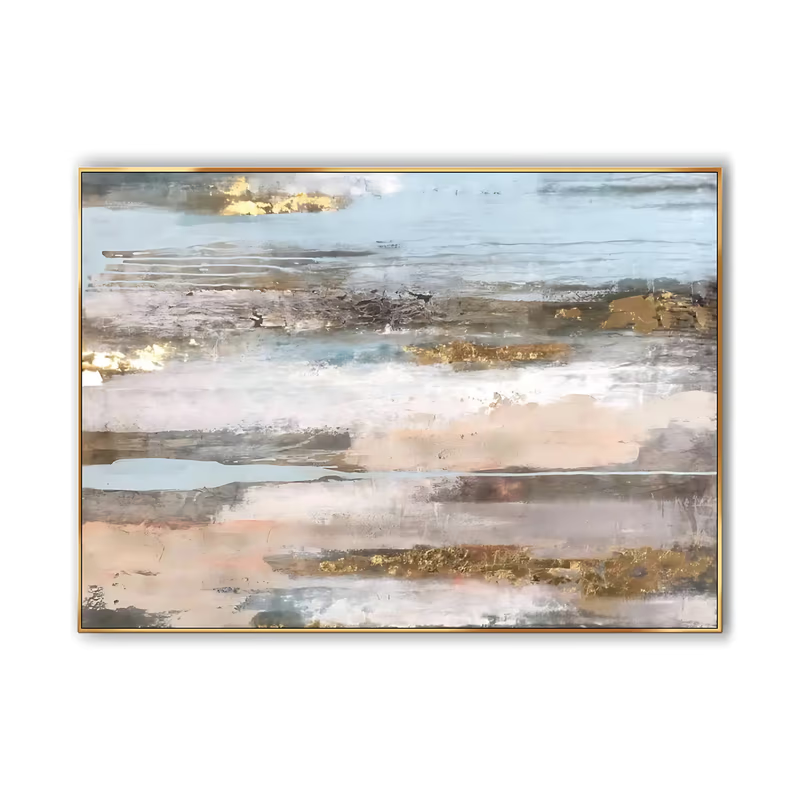
| Relaxation lounge | Reclining after treatment, often with tea, sometimes dozing | Wide, low-contrast horizons and soft abstracts | Panoramic or a pair, sized to the loungers |
| Yoga and movement studio | Facing one wall for a class | Uplifting landscape or a calm abstract on the back wall, never behind the teacher | Large, kept out of the mirror line |
| Pool, steam and sauna | Wet, hot, often barefoot | No canvas in the wet zone; hang on dry walls nearby instead | Not applicable |
The most-used wall in a treatment room is the one the guest faces when they come through the door, because that is the view they see before the lights go down and again when they sit up afterwards. Start there.
What kinds of spa paintings are there?
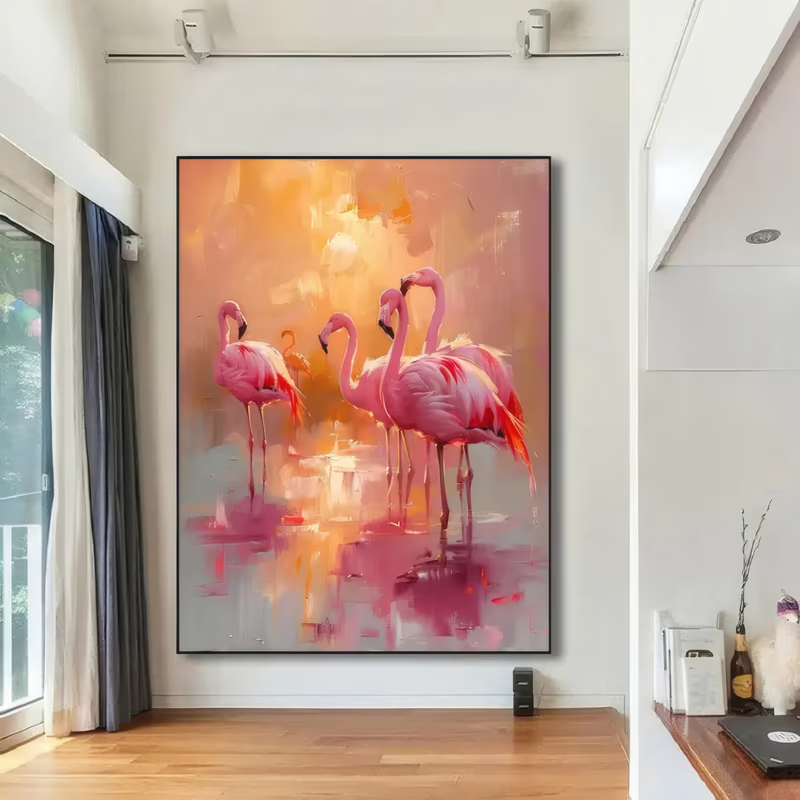
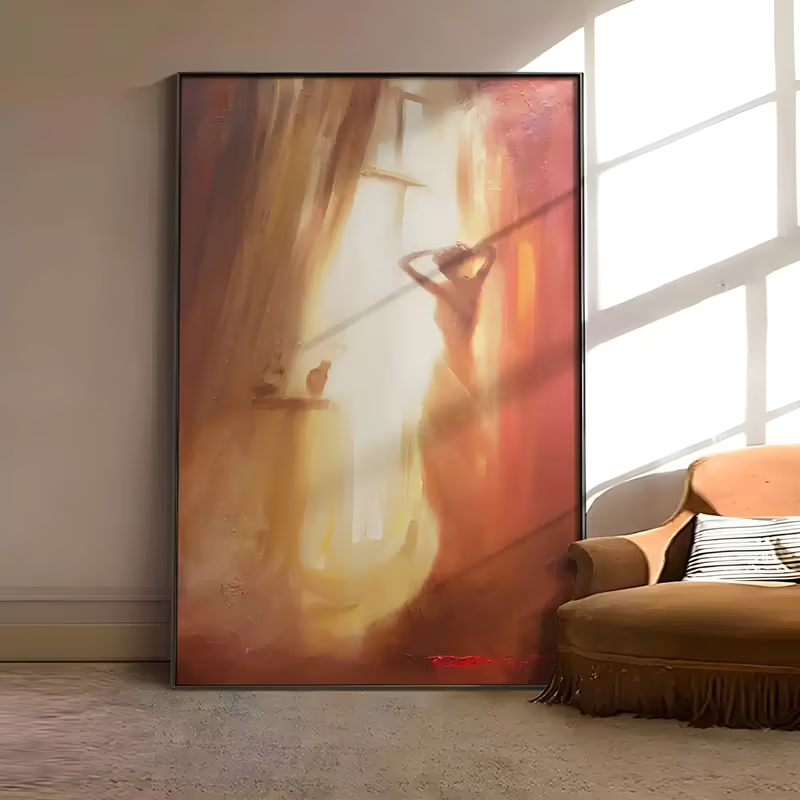
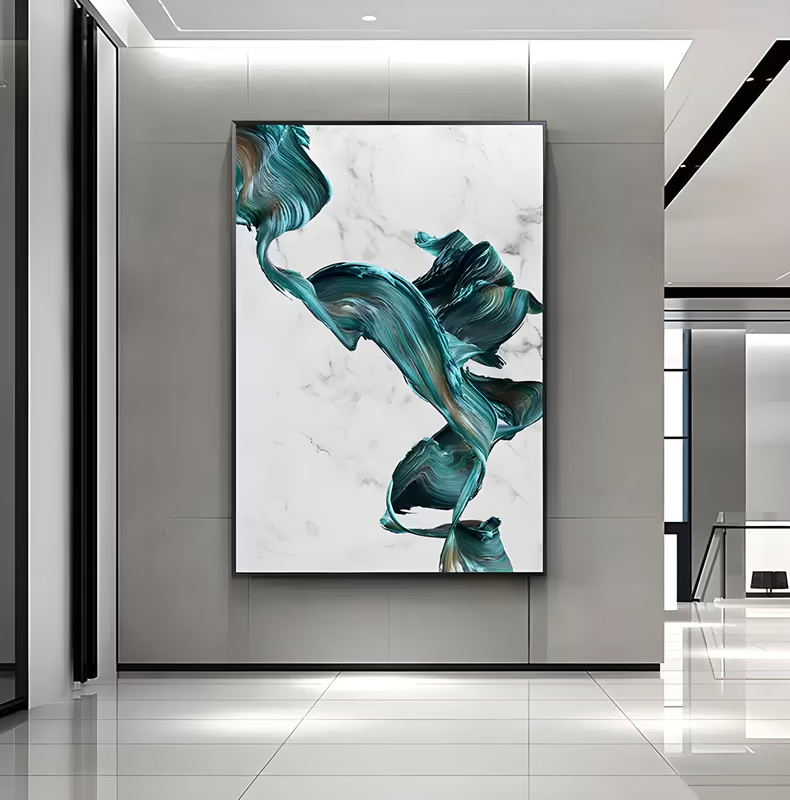
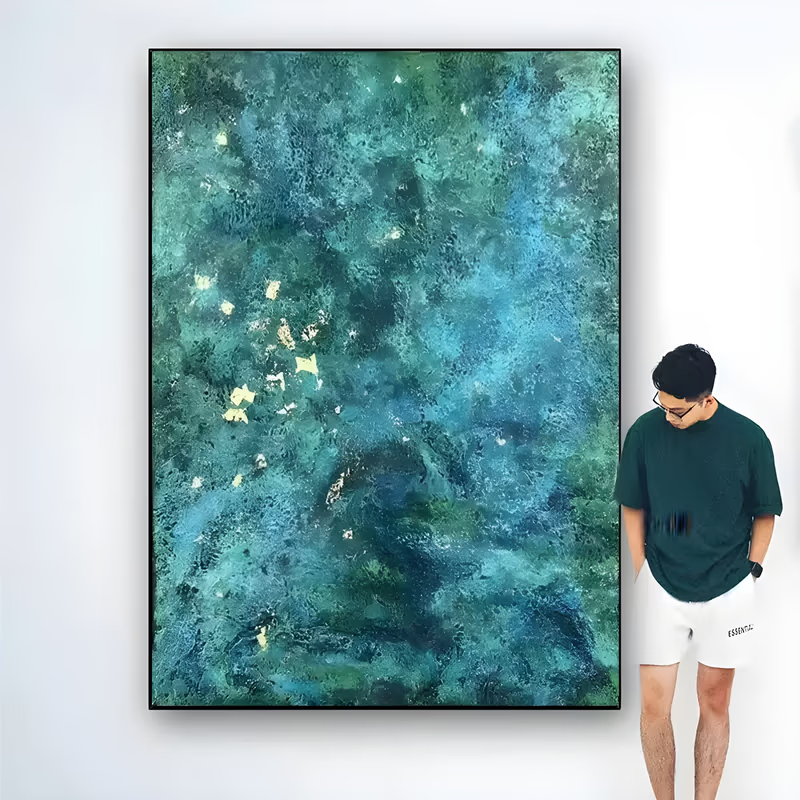
Spa paintings here fall into four groups: water and shore, botanicals, misty landscapes, and textured or minimalist neutrals. Most spas use two of them, one for public areas and one for treatment rooms.
Water, shore and still lakes
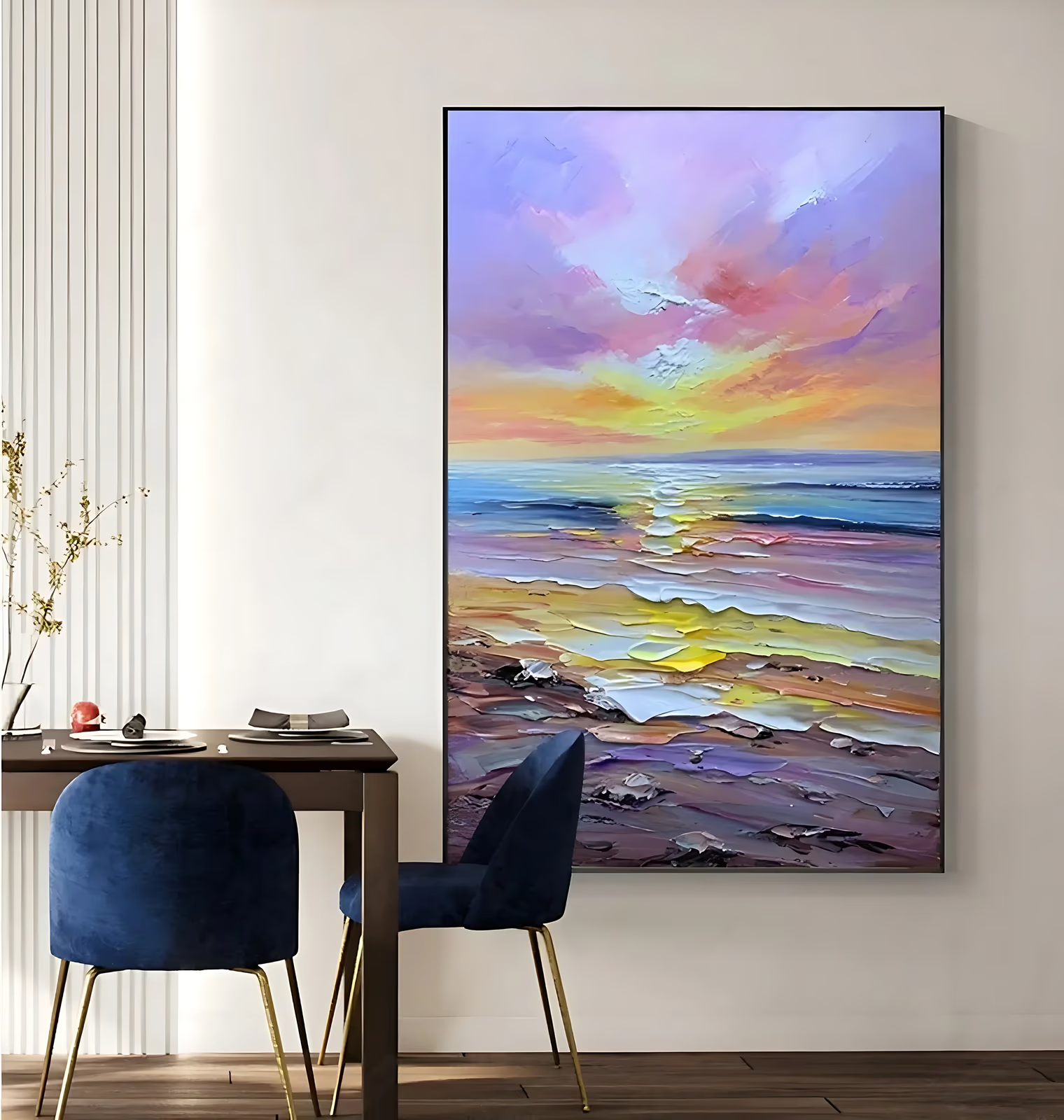
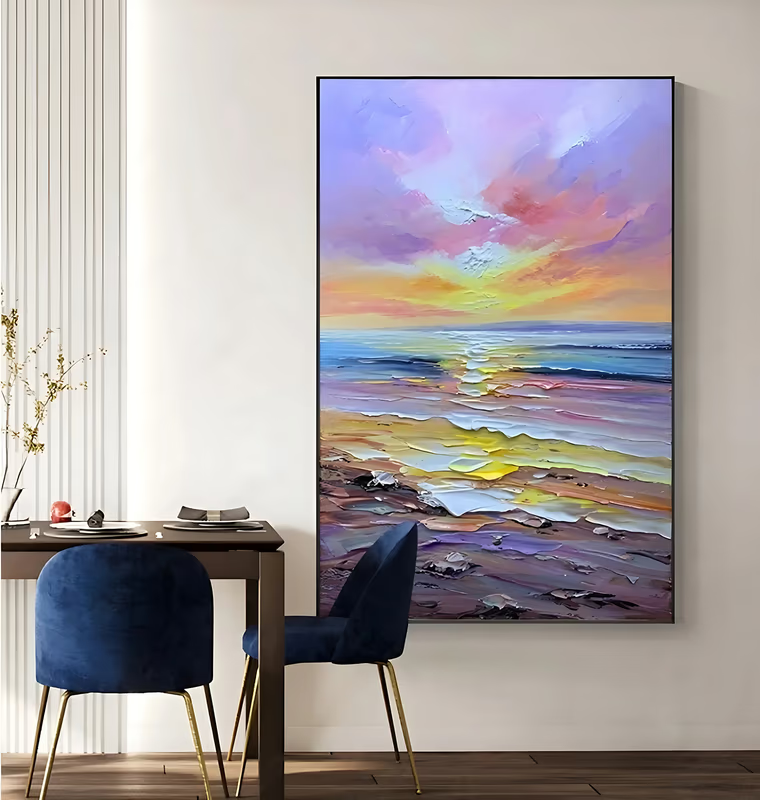
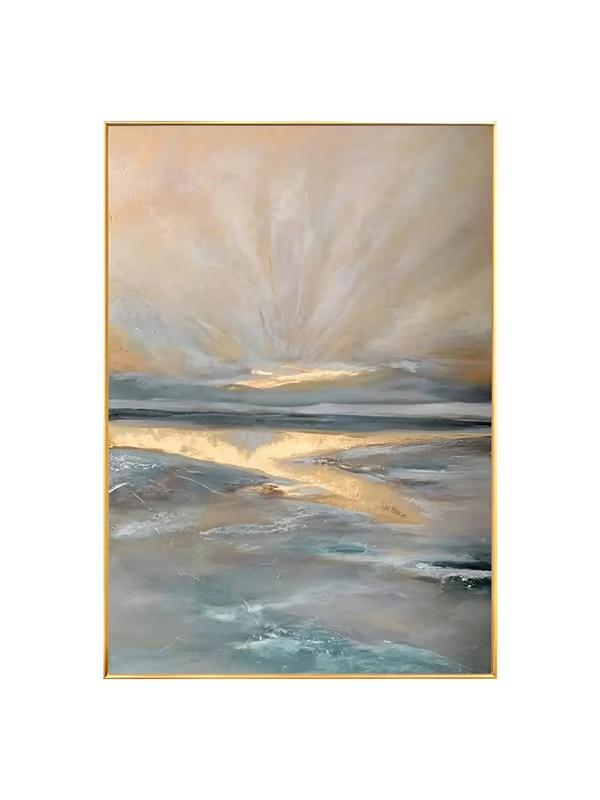
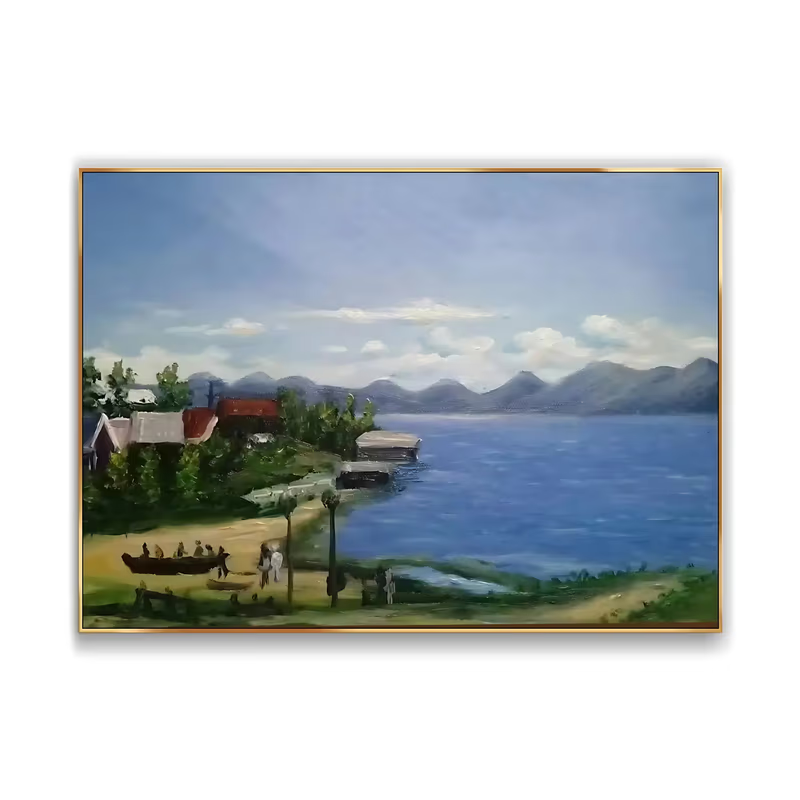
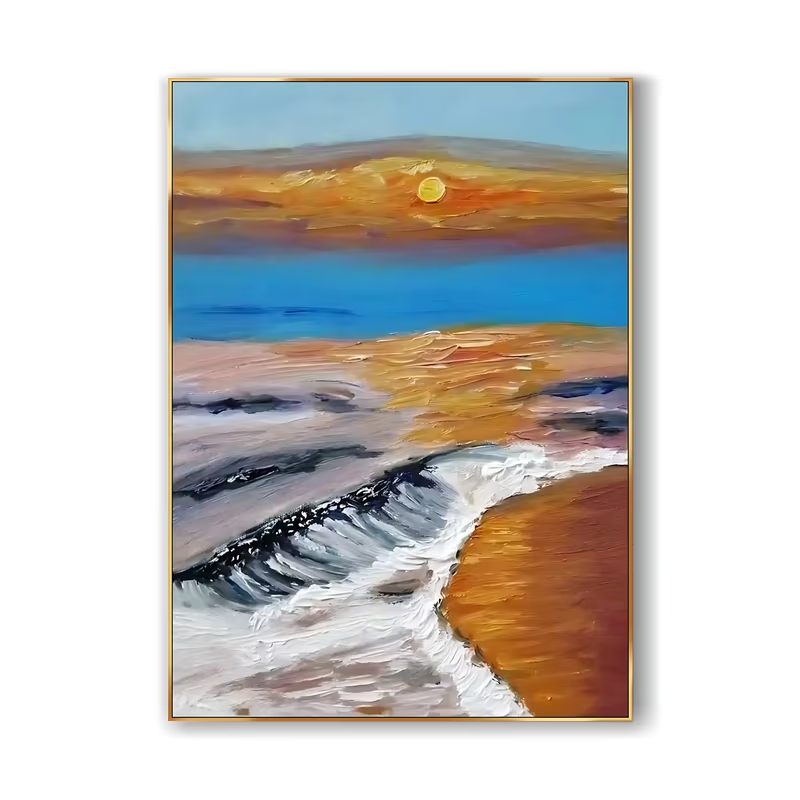
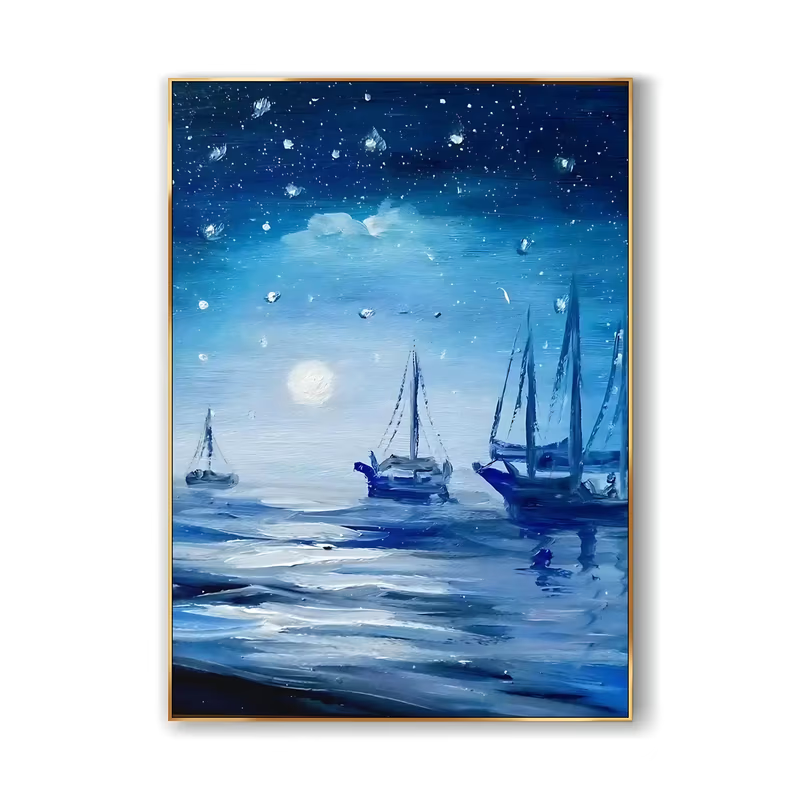
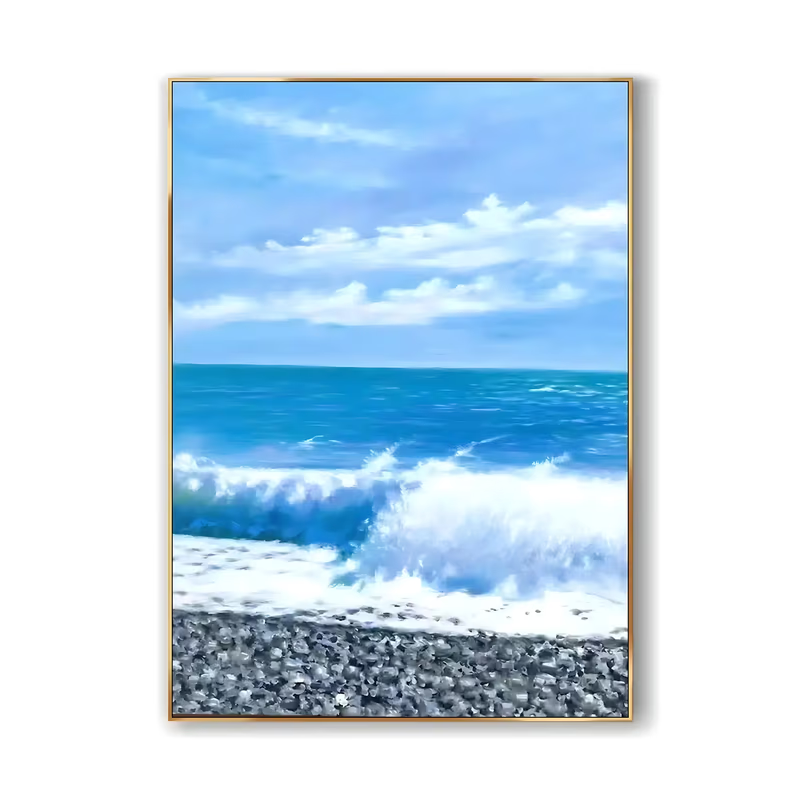
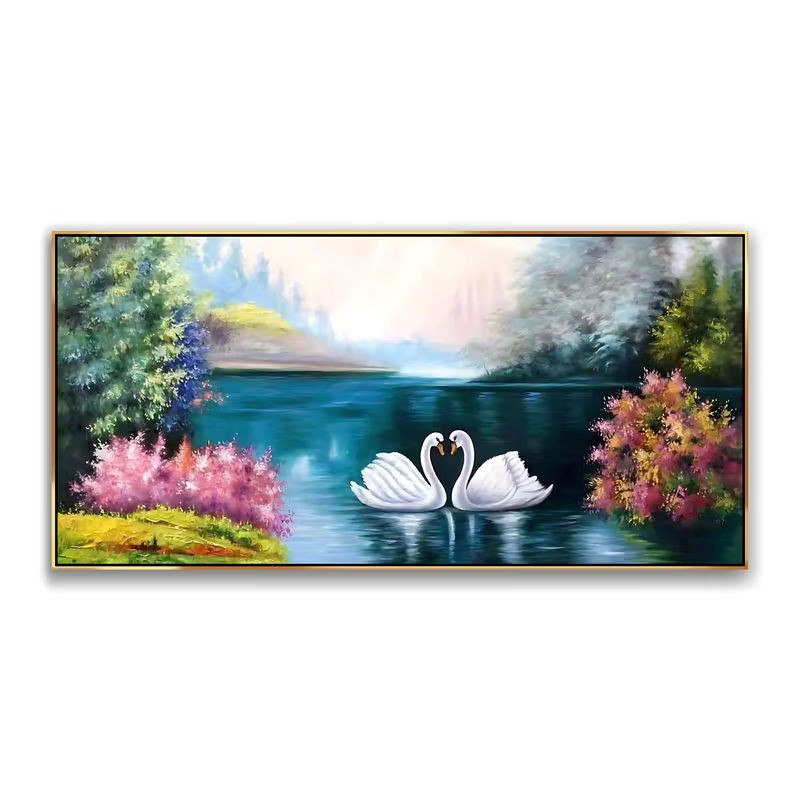
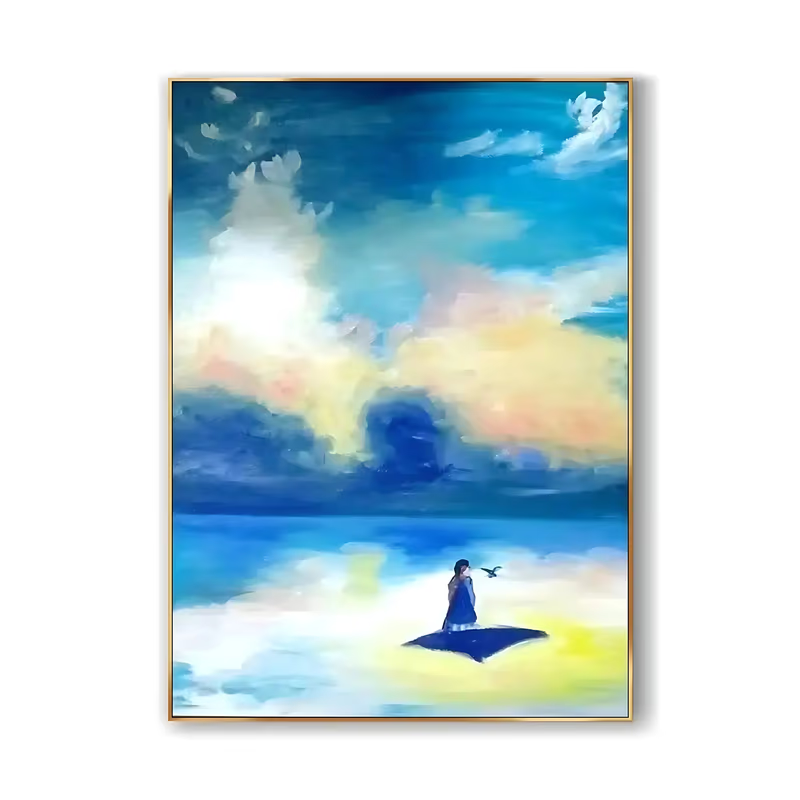
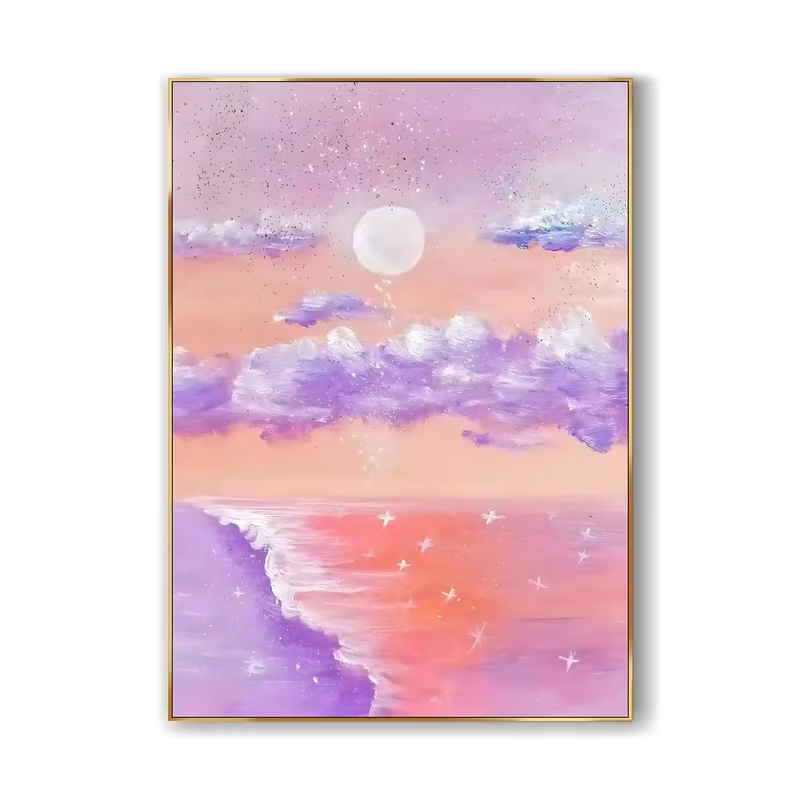
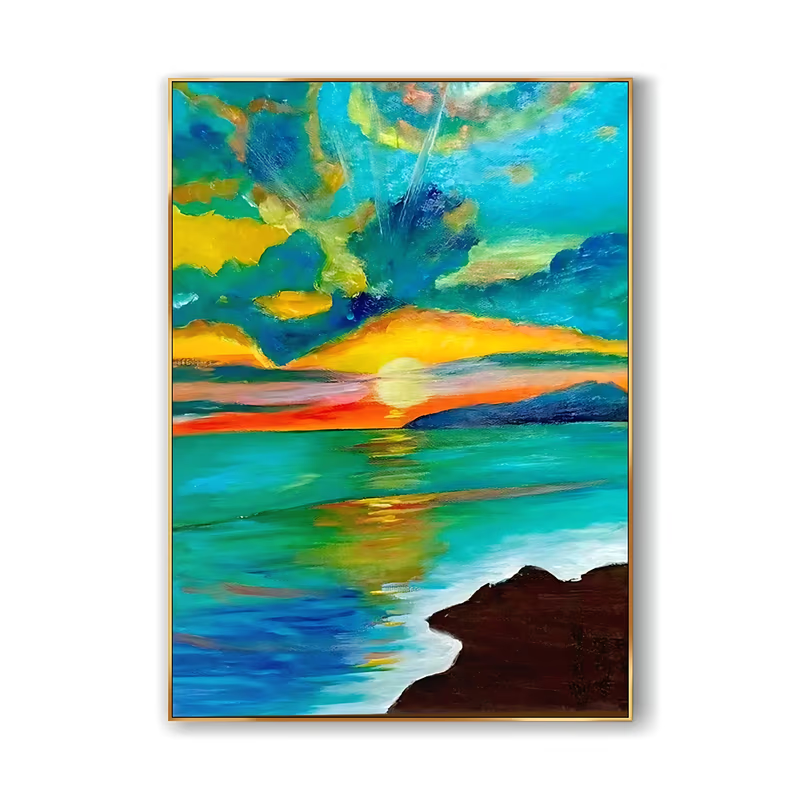
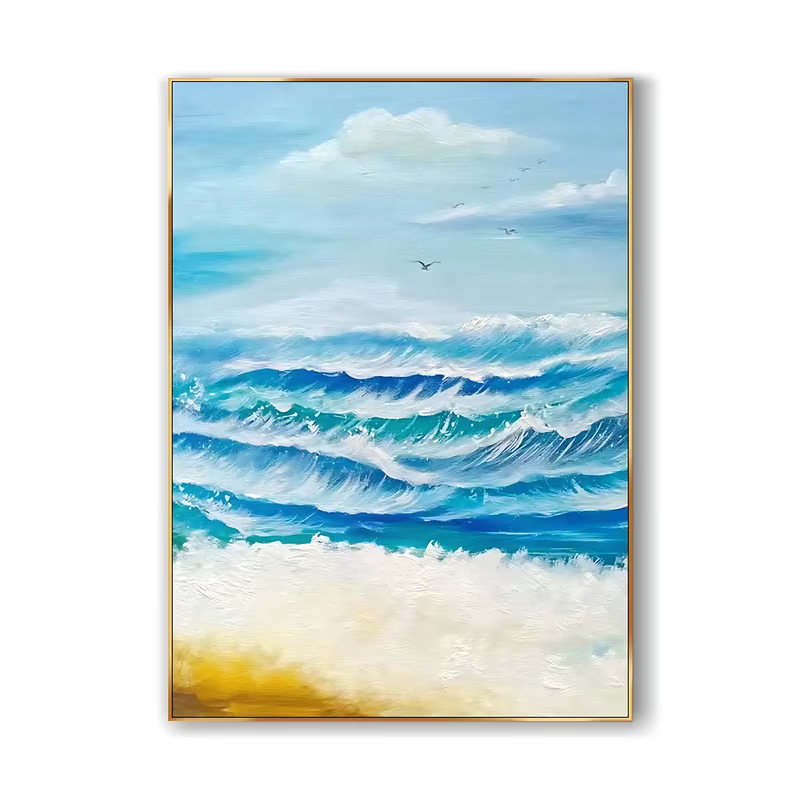
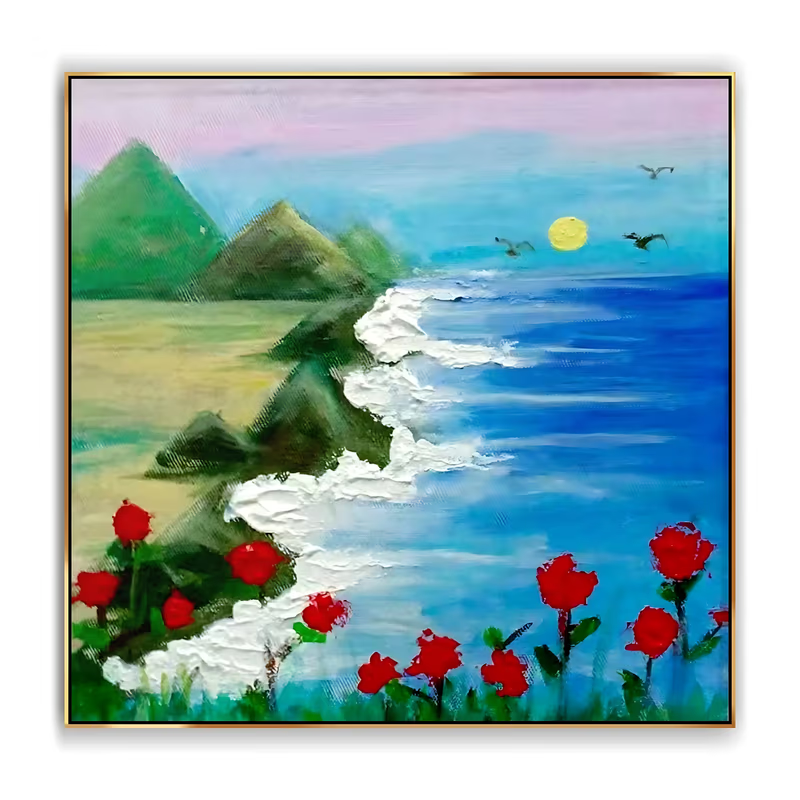
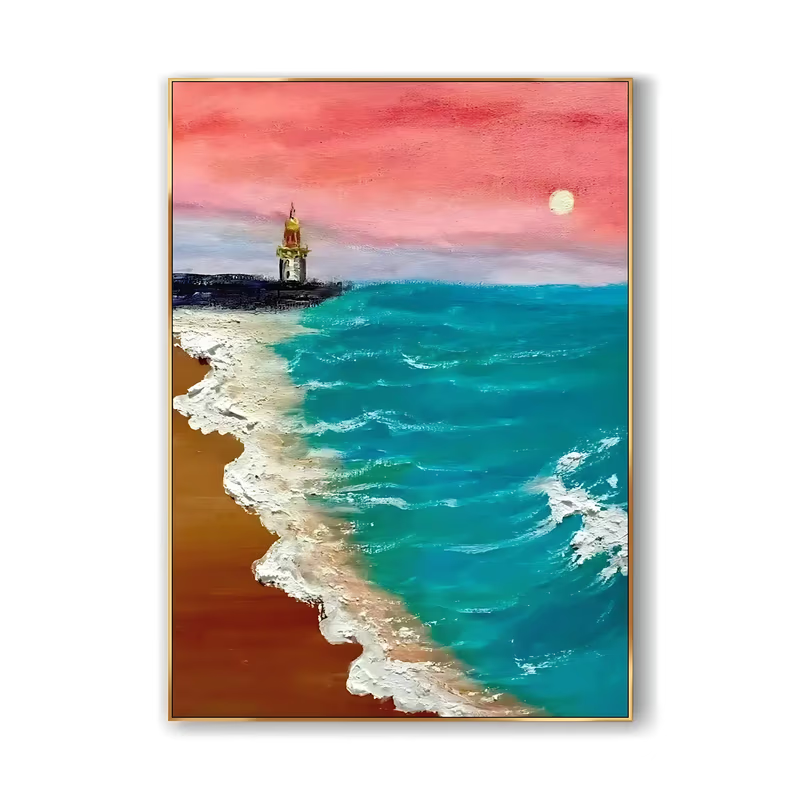
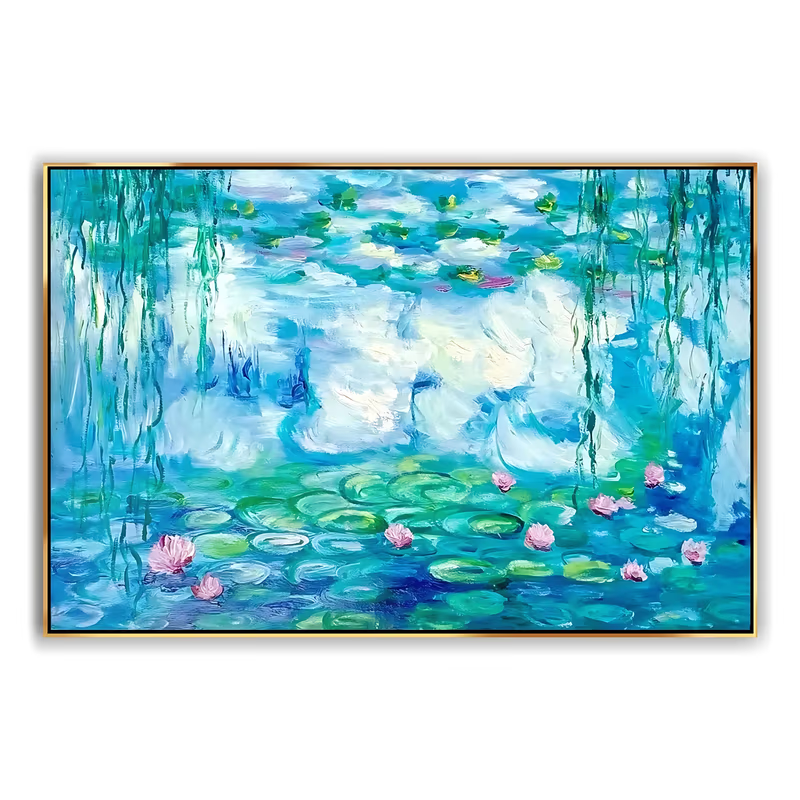
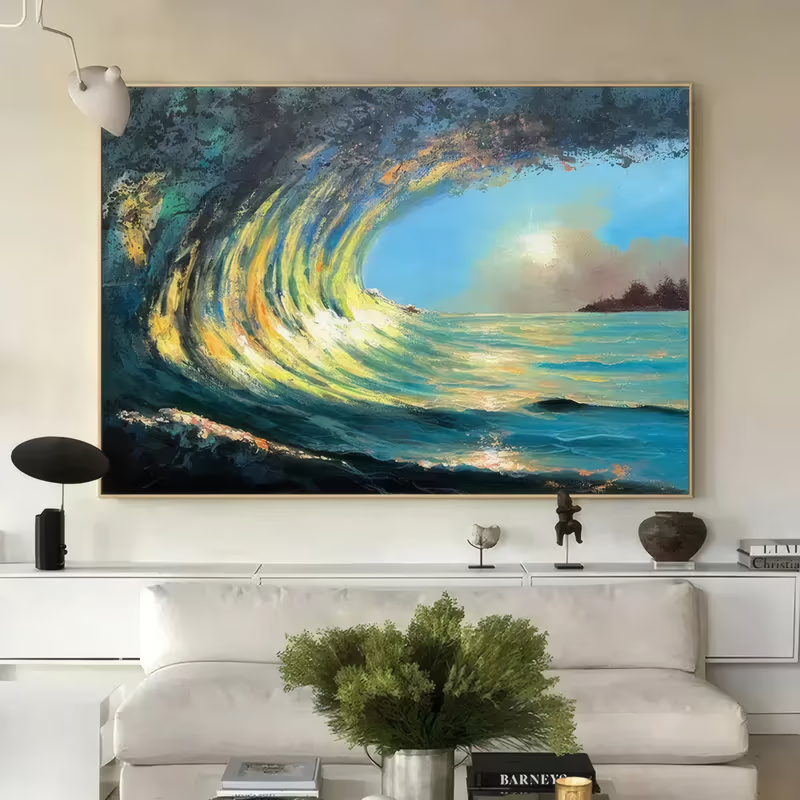
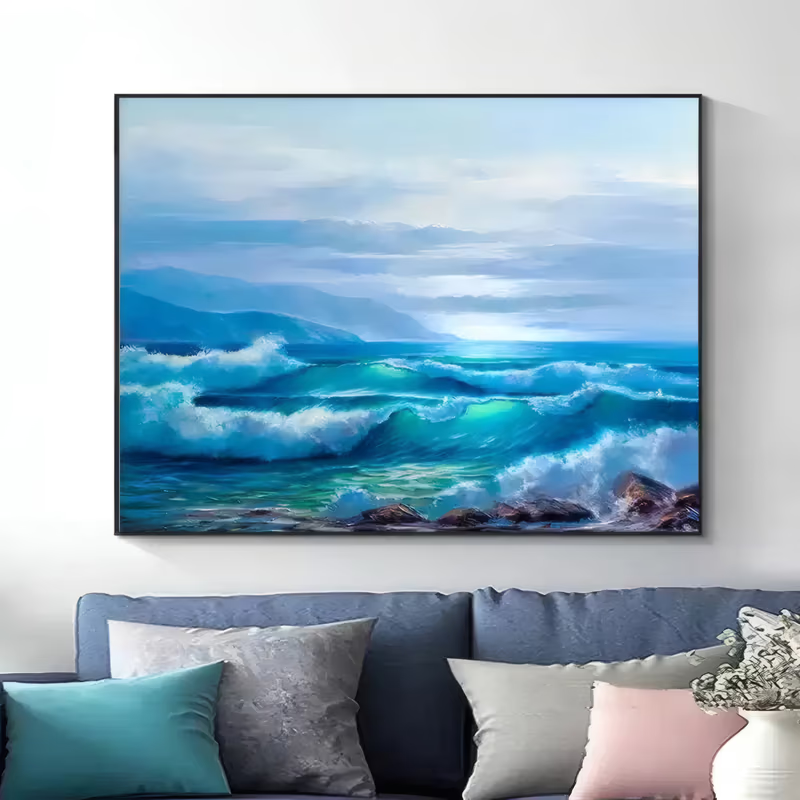
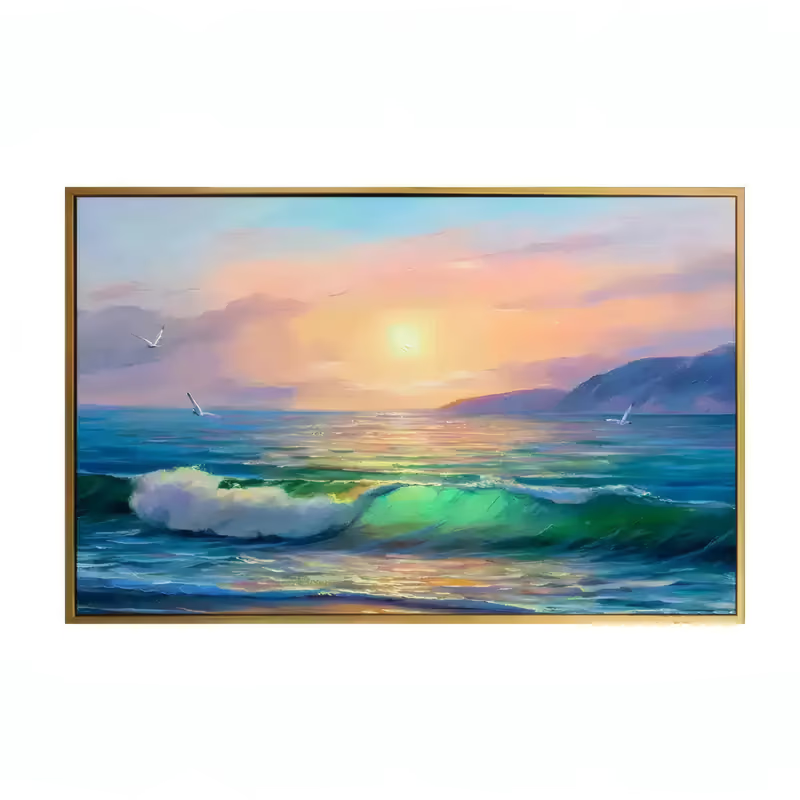
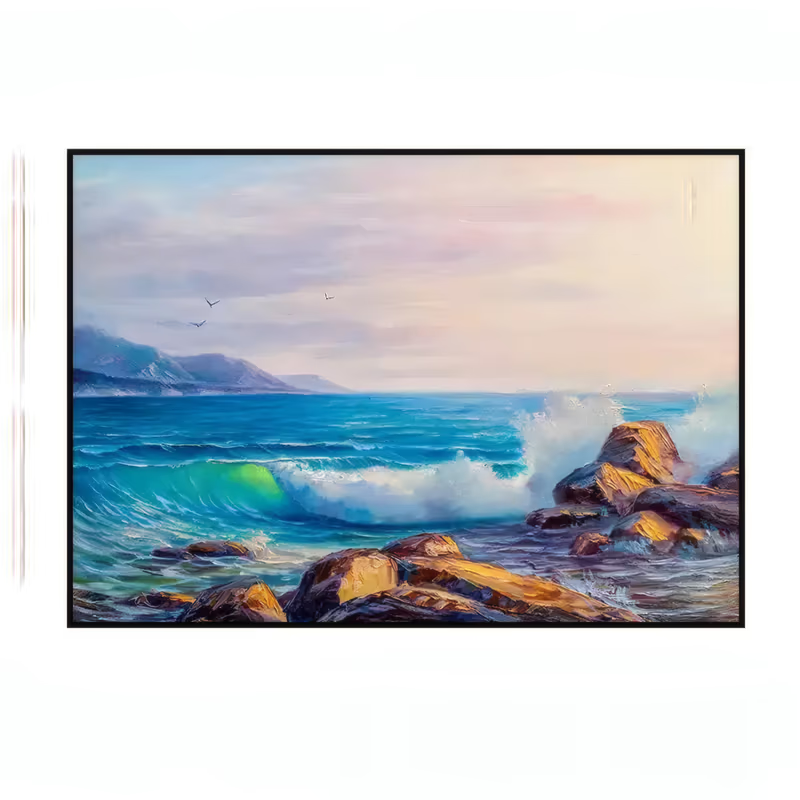
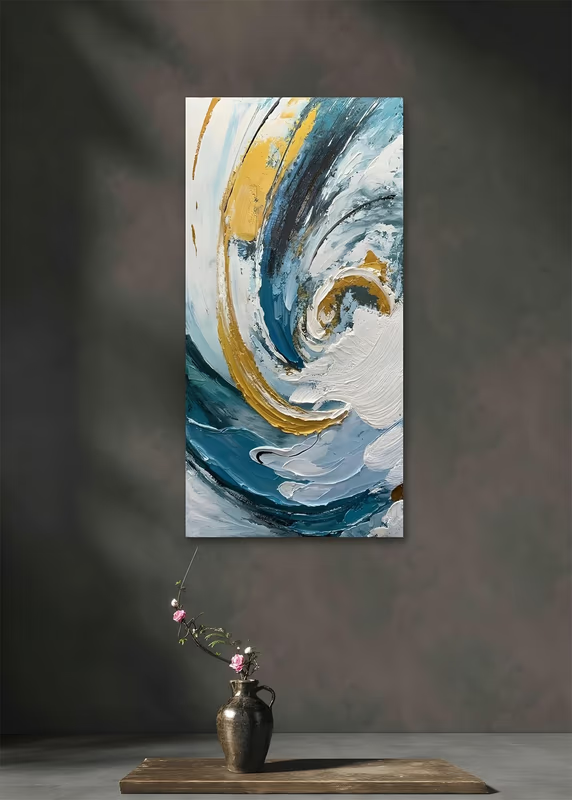
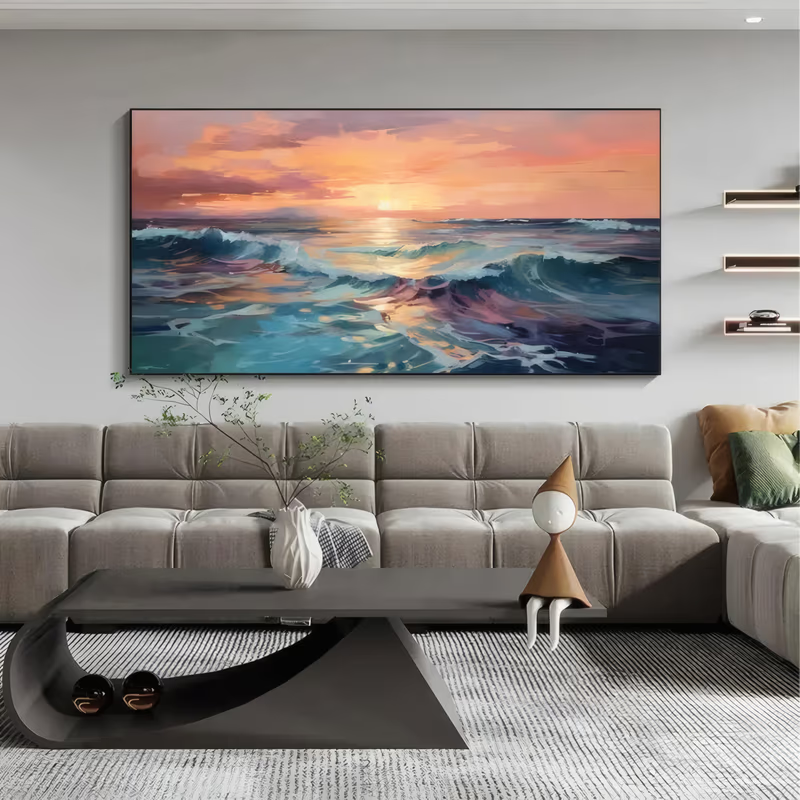
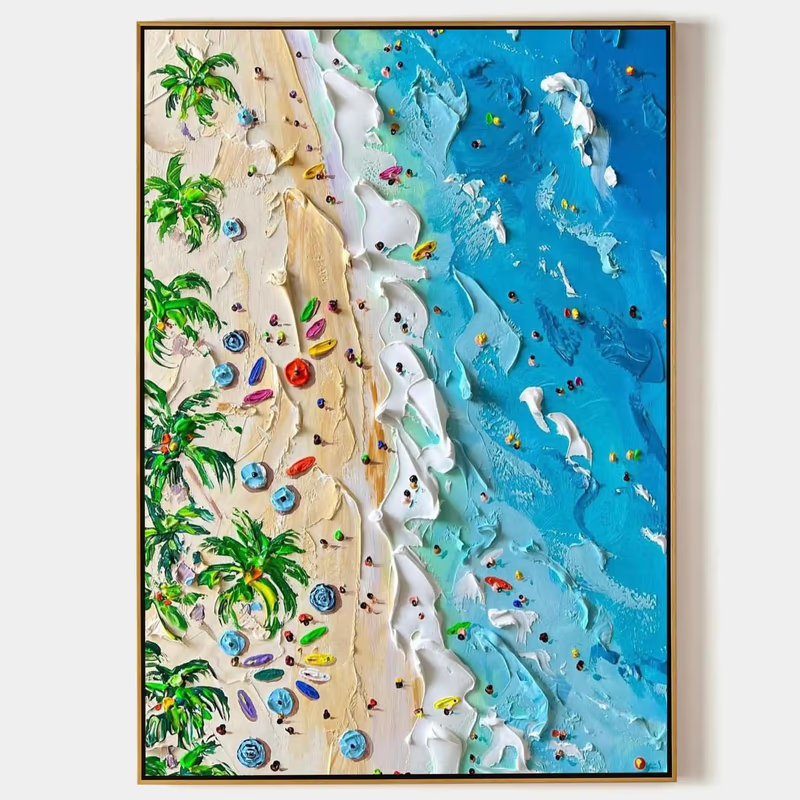
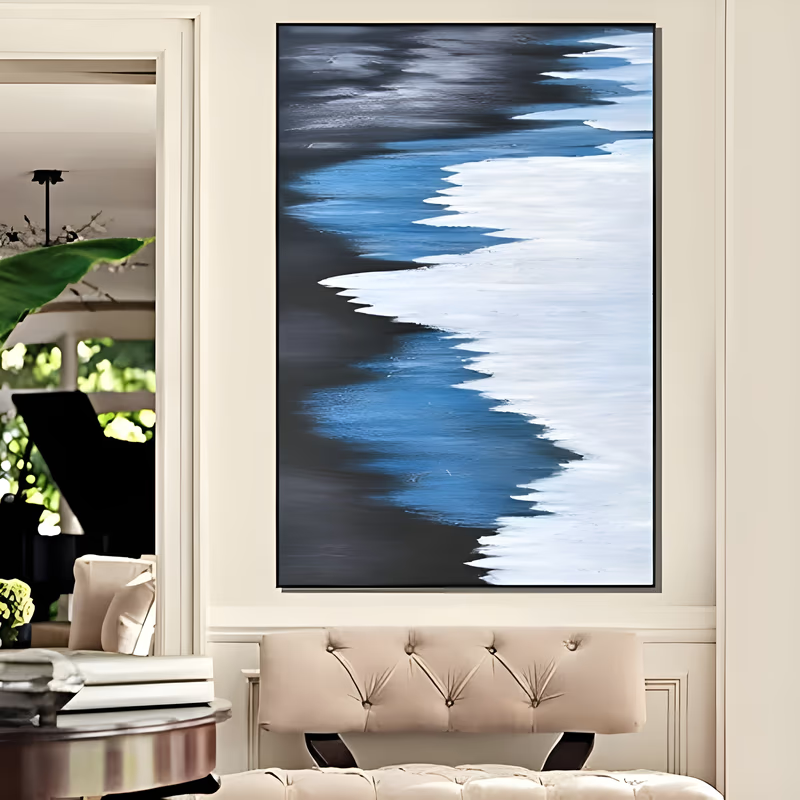
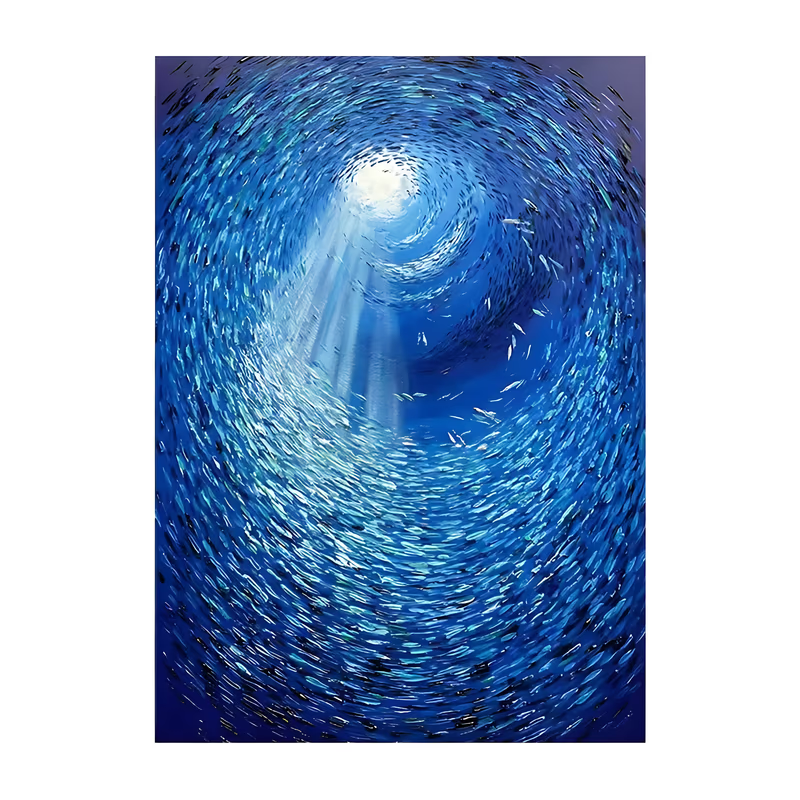
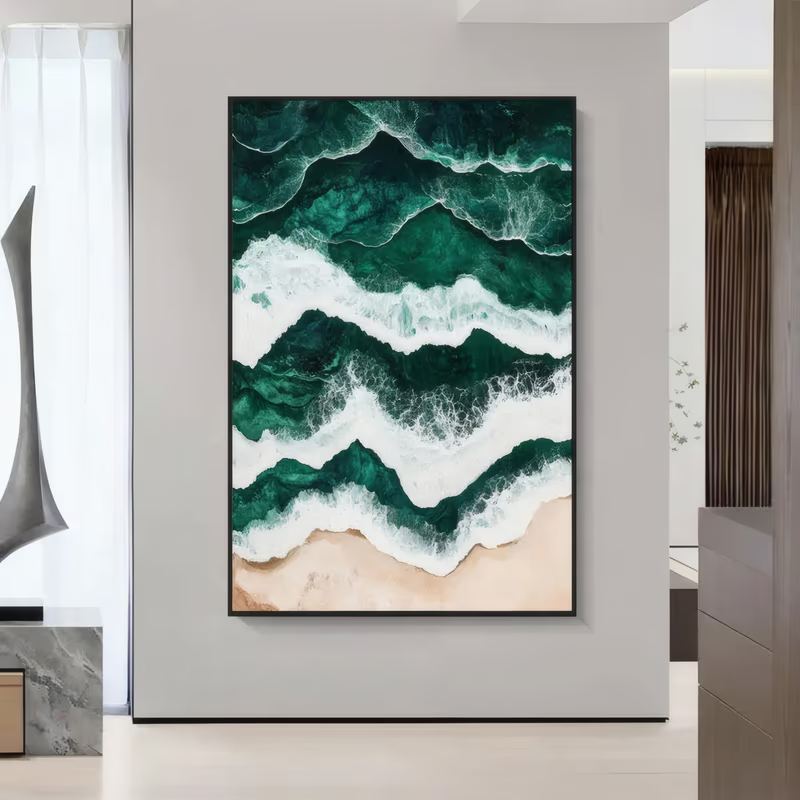
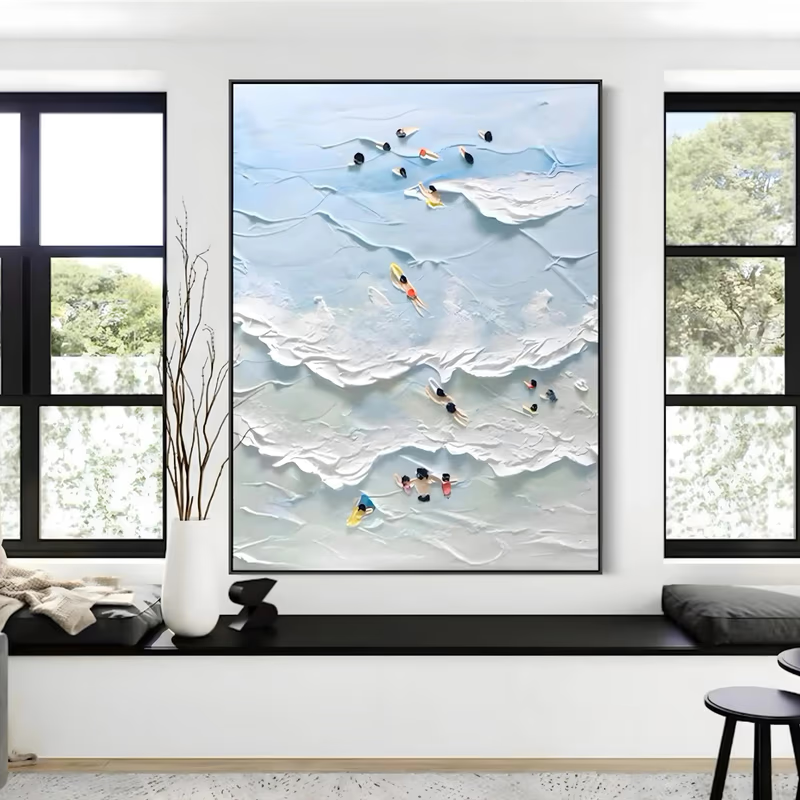
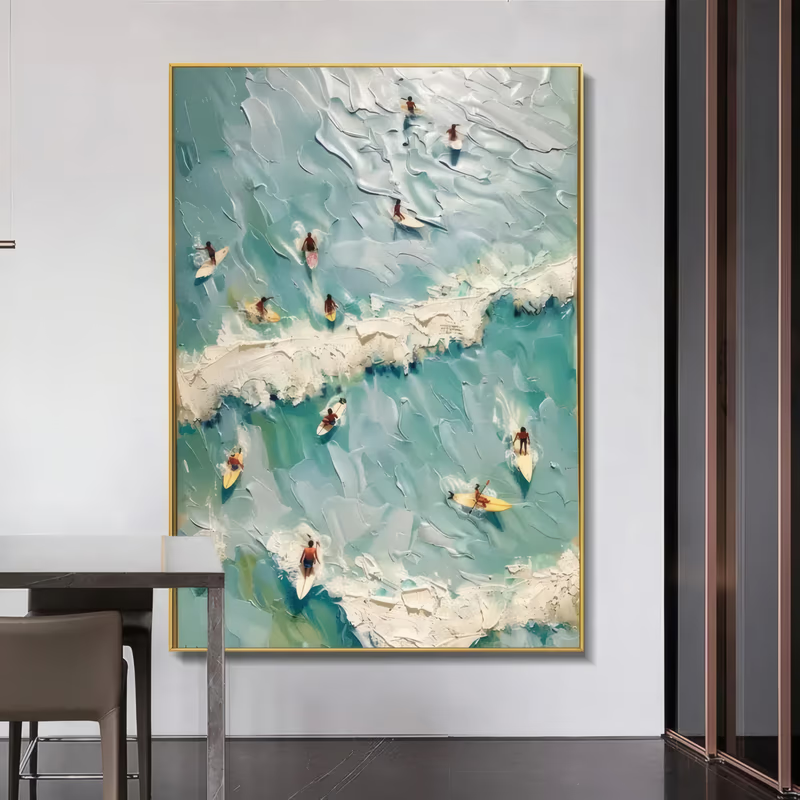
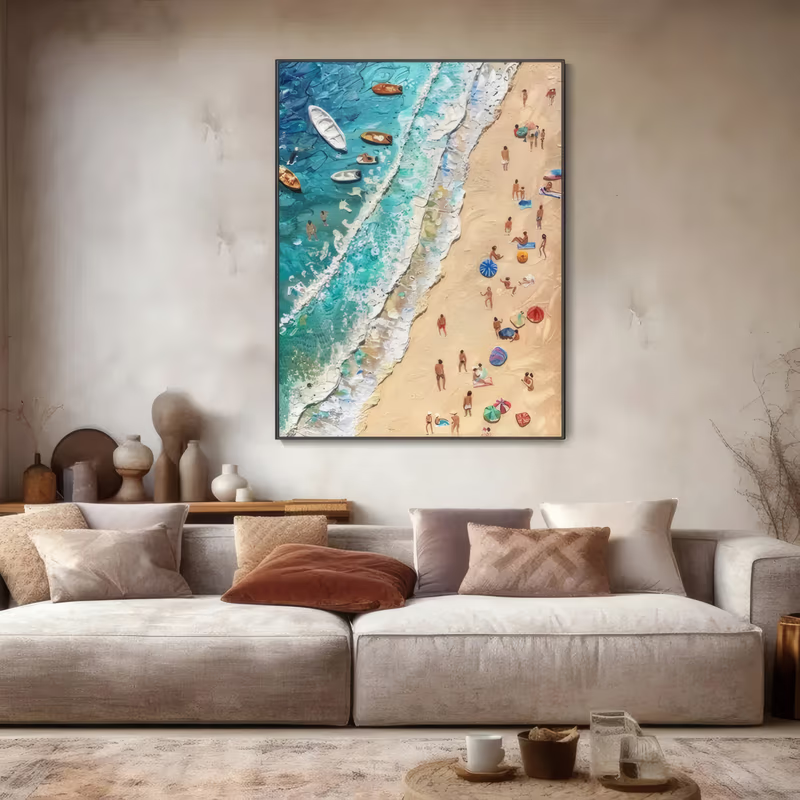
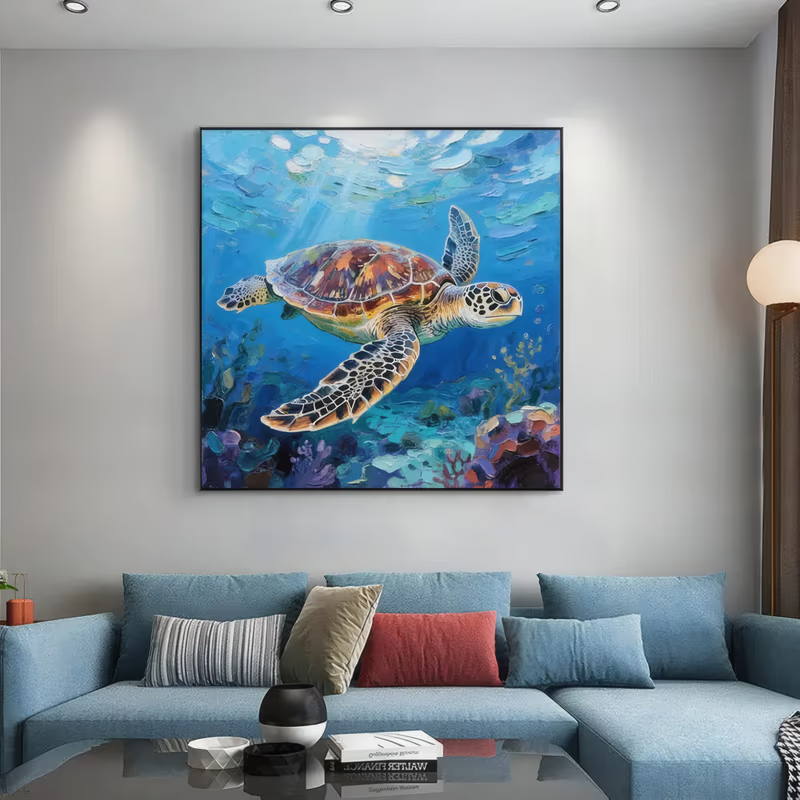
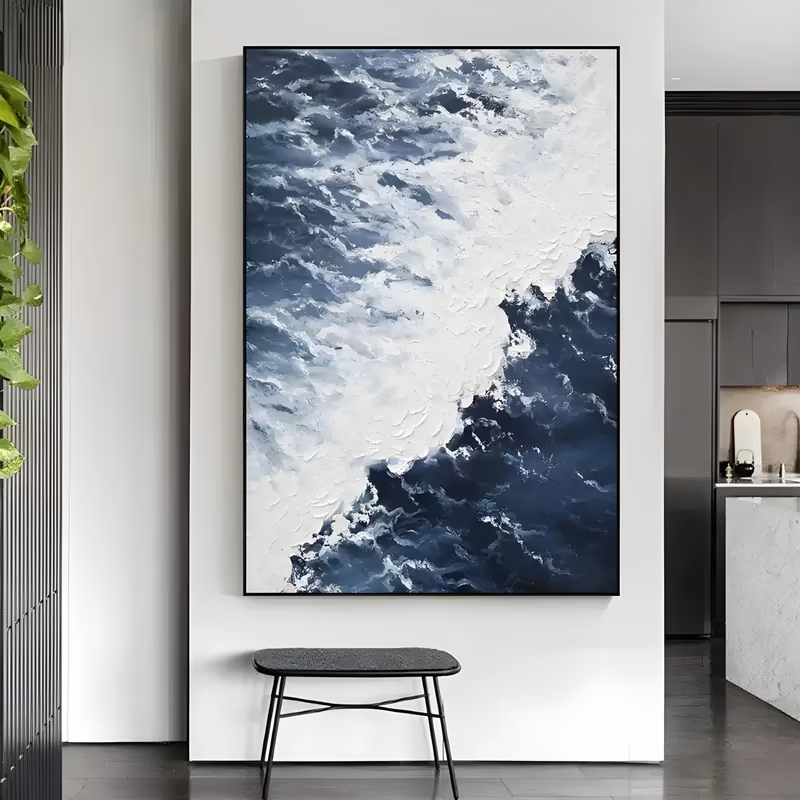
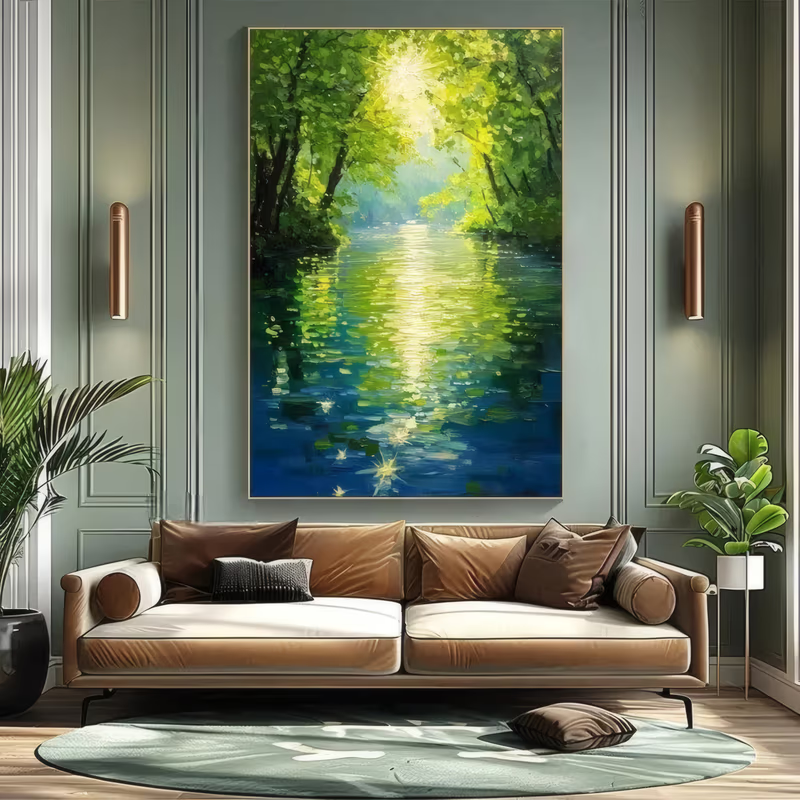
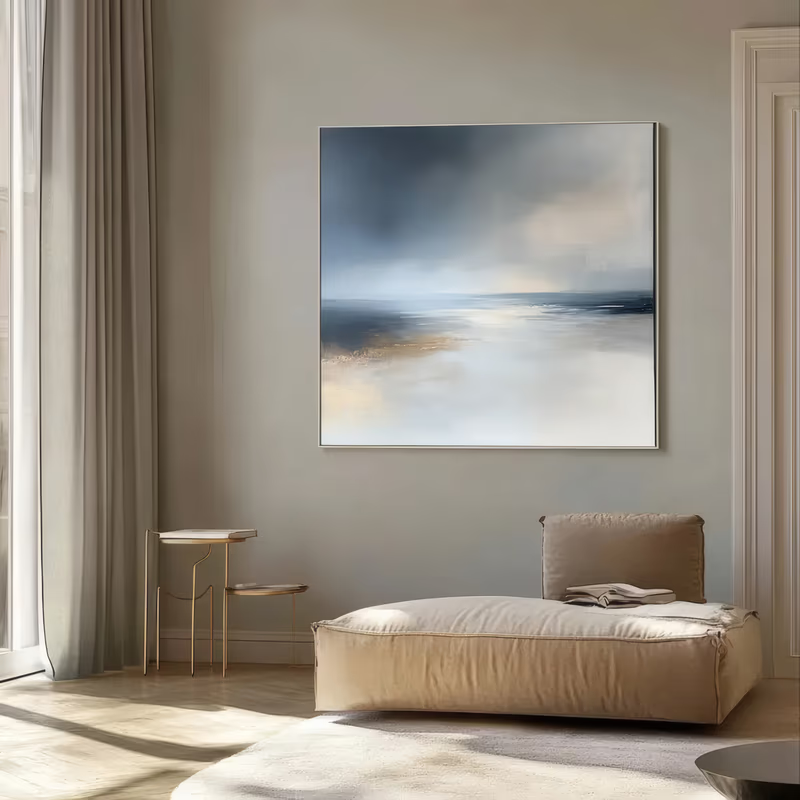
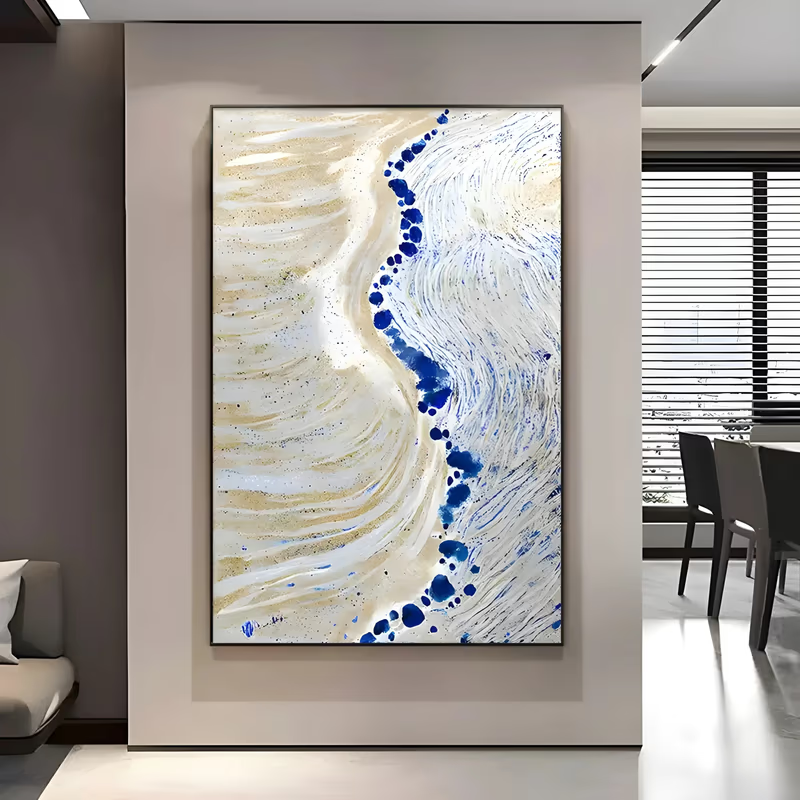
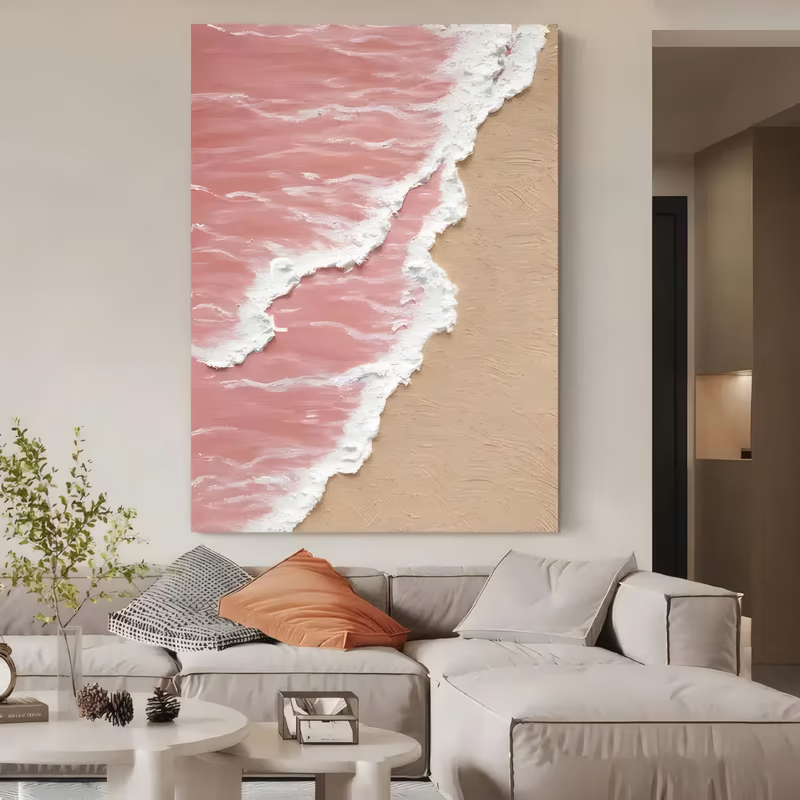
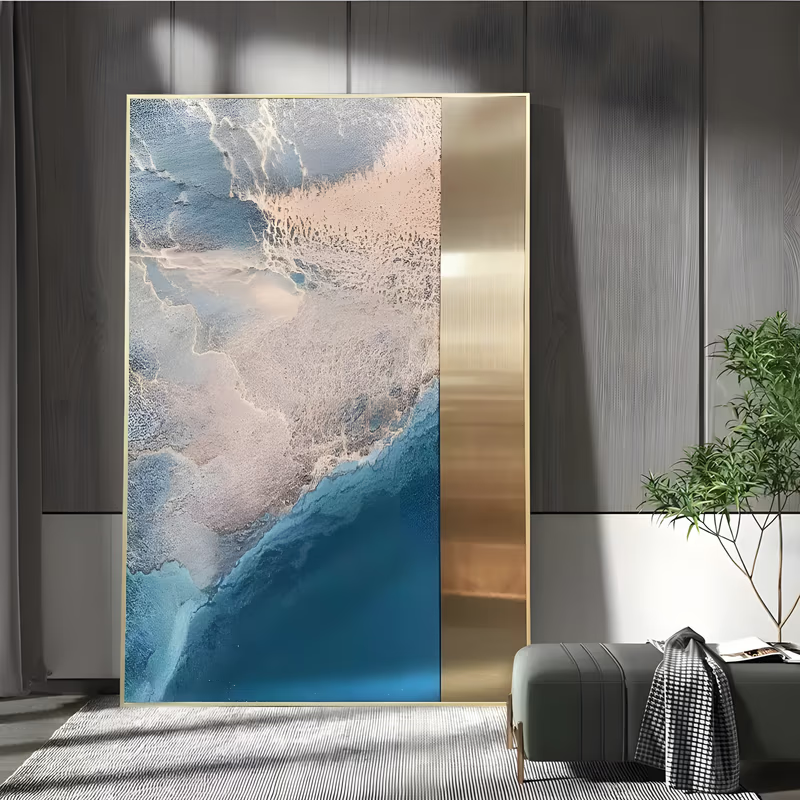
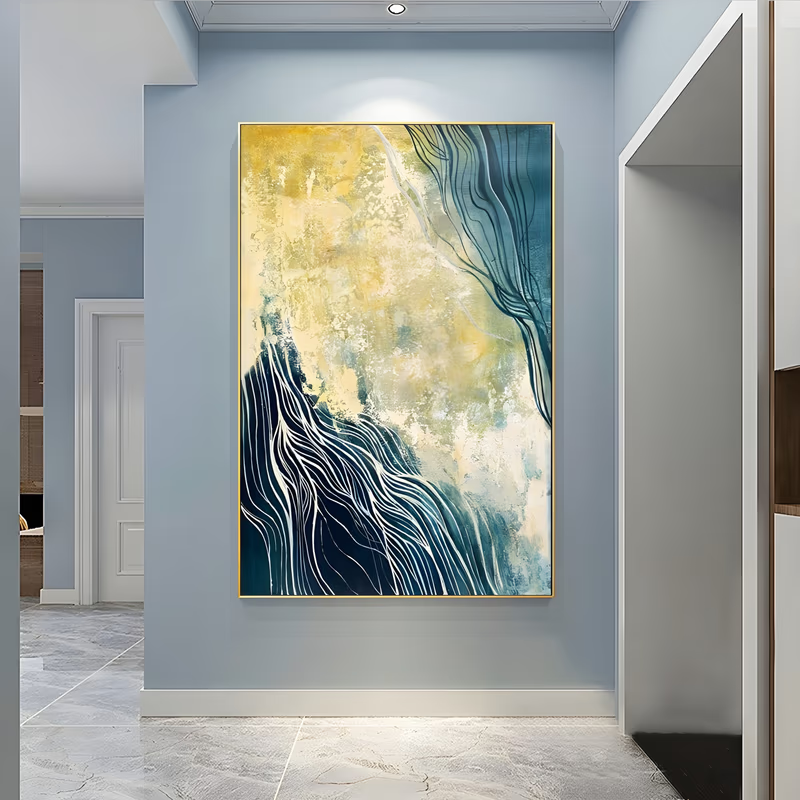
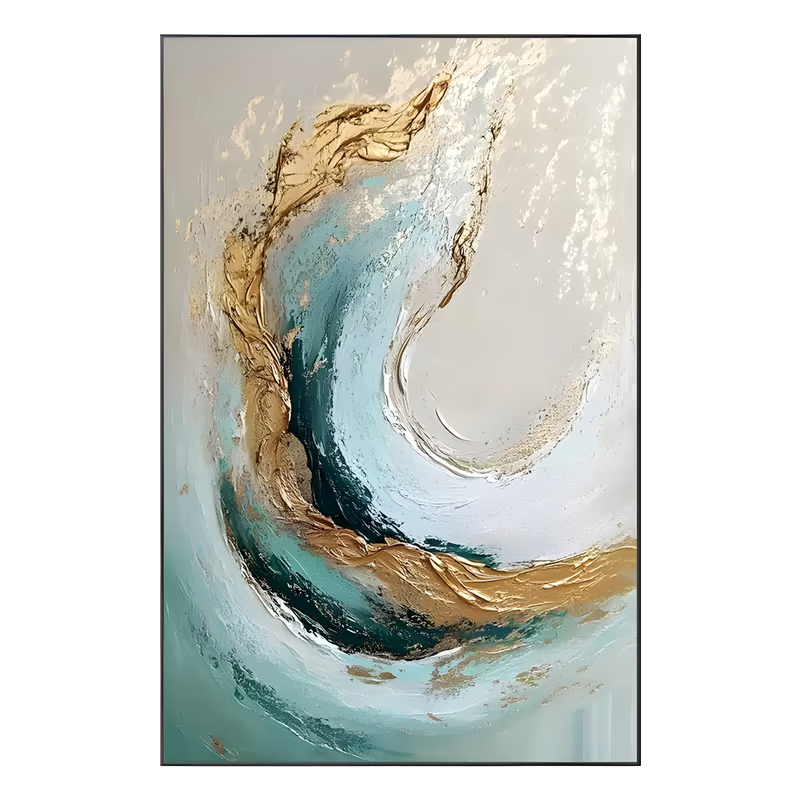
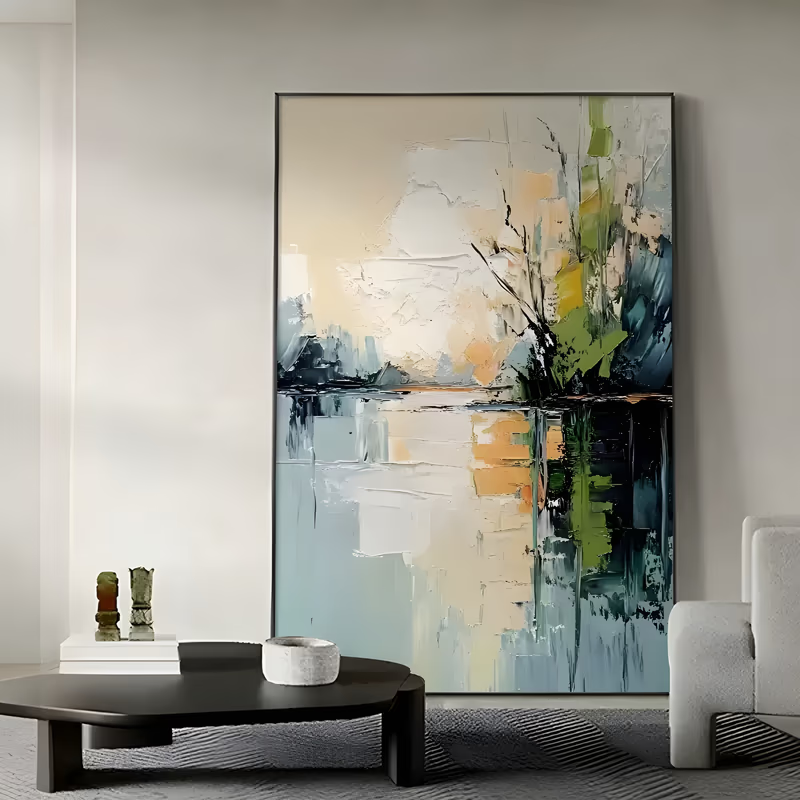
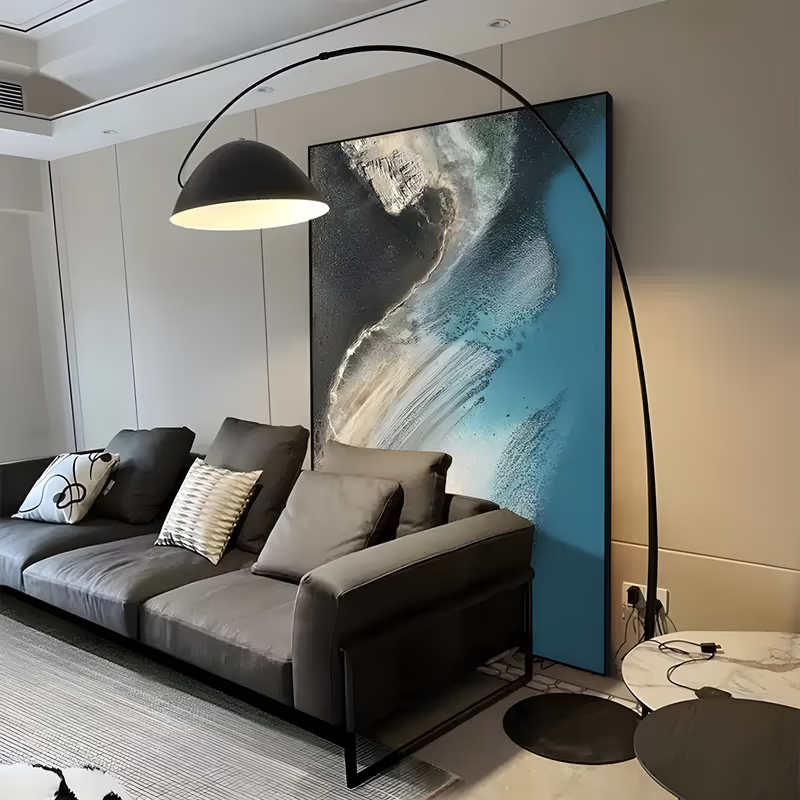
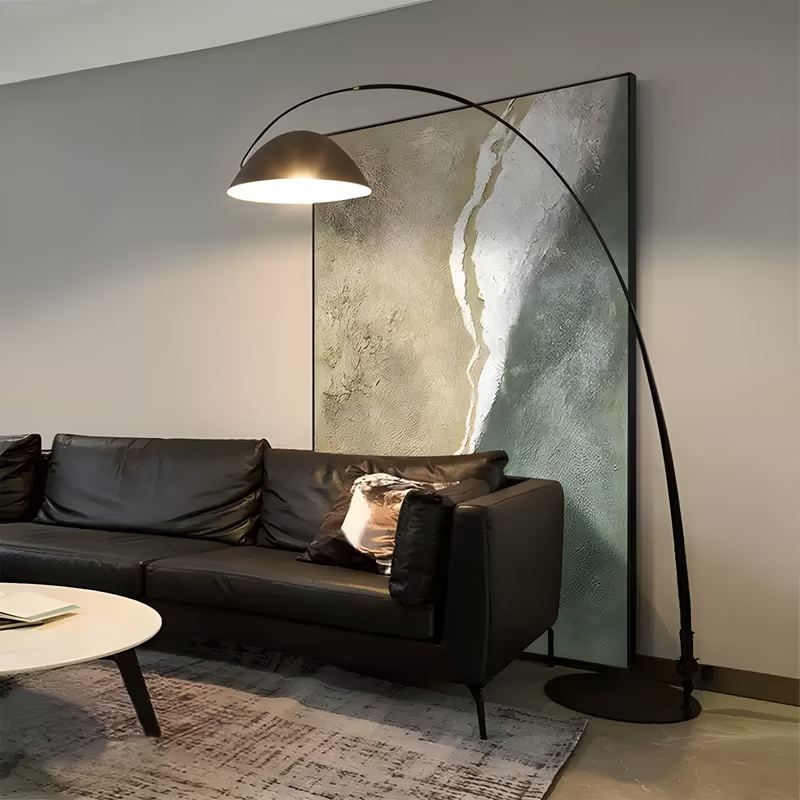
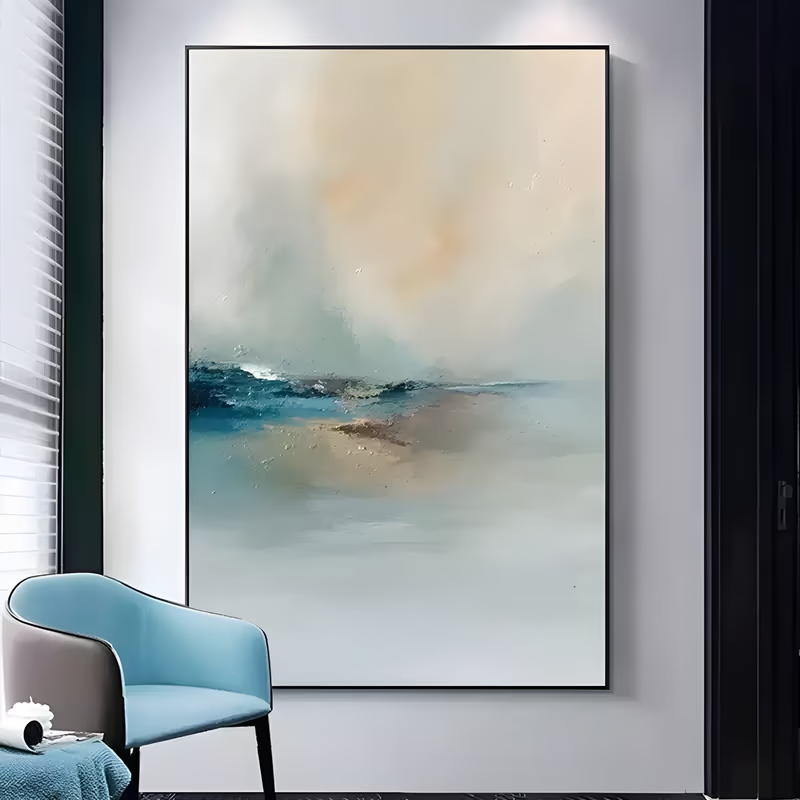
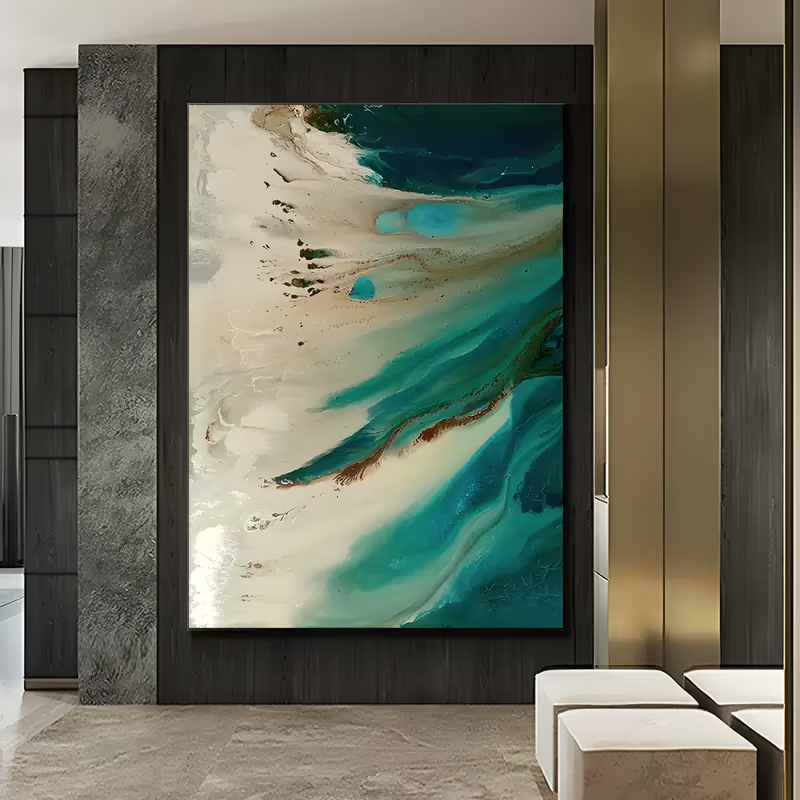
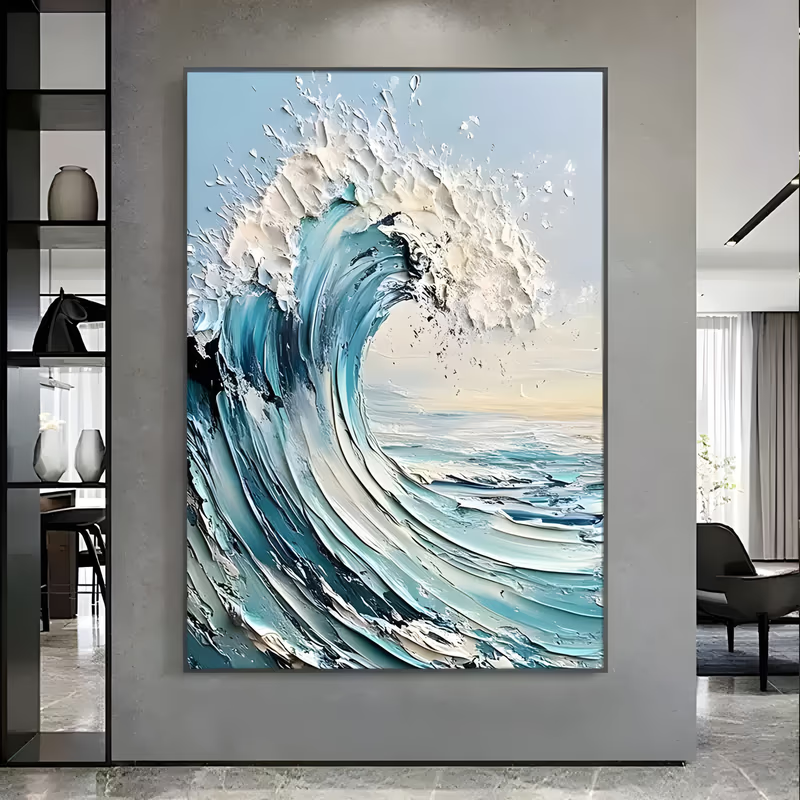
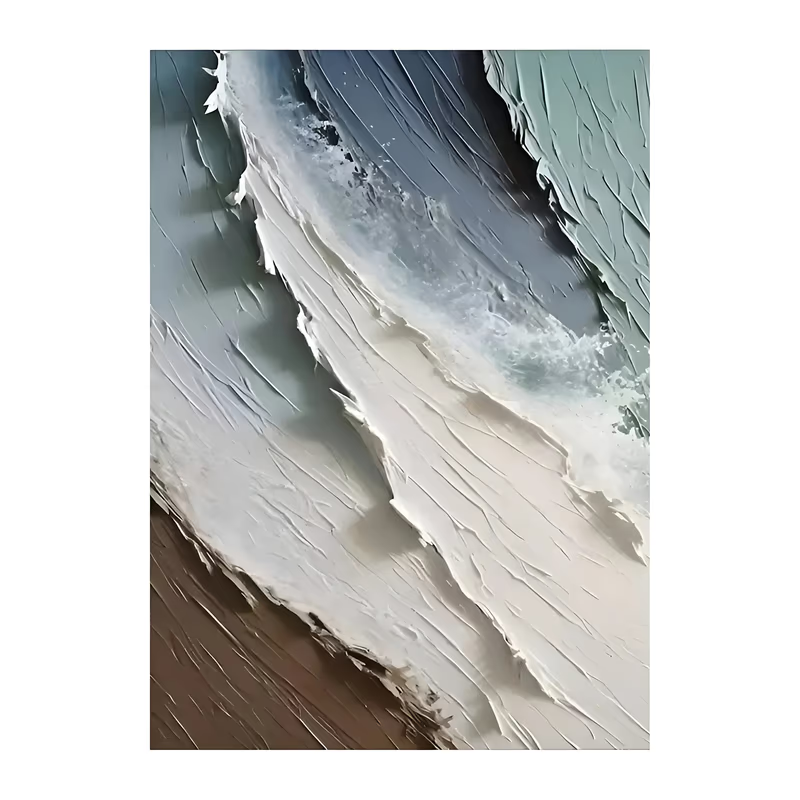
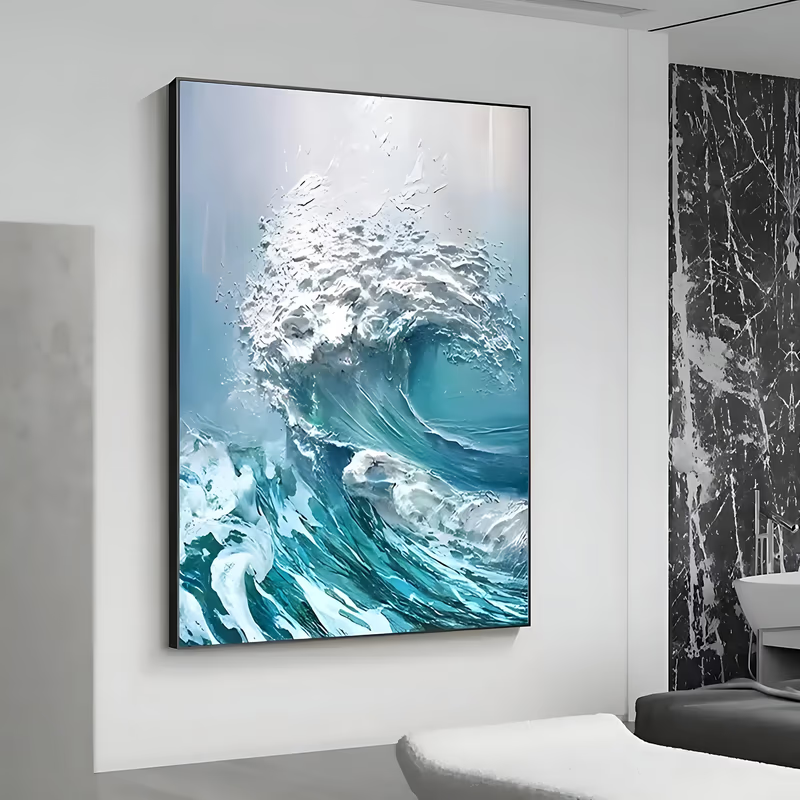
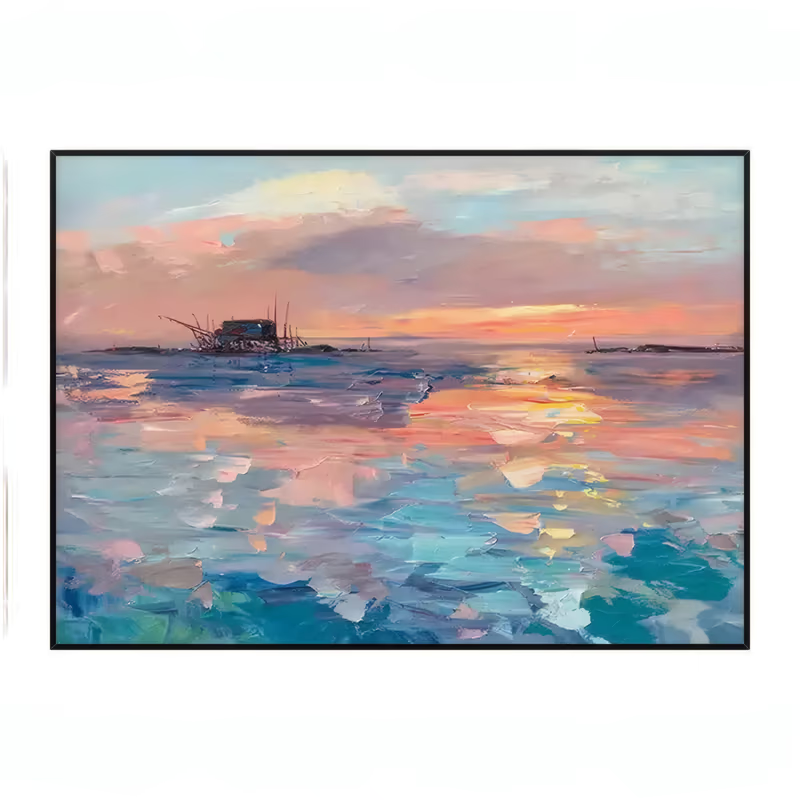
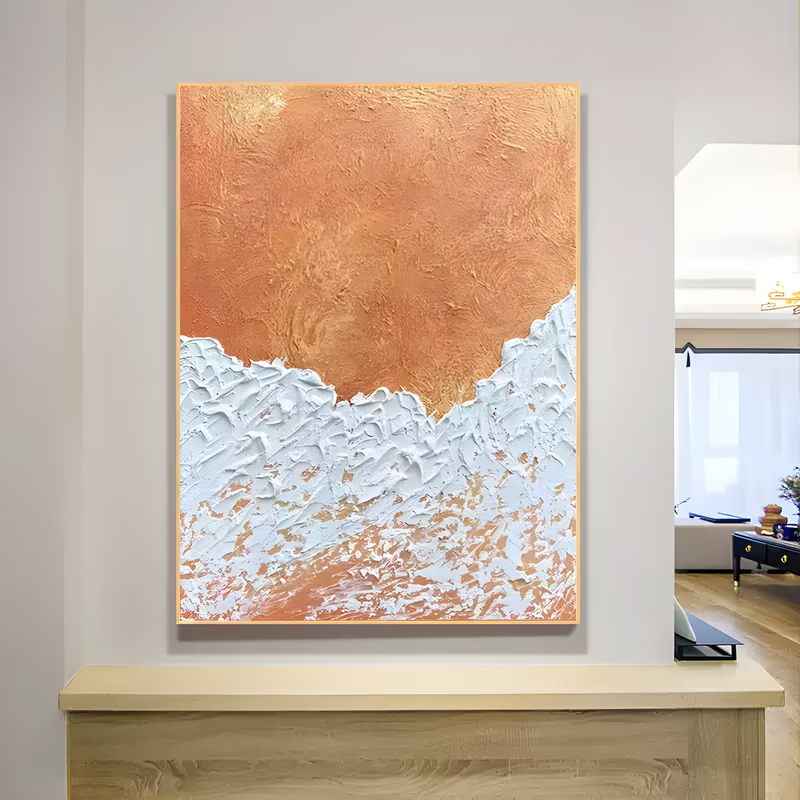
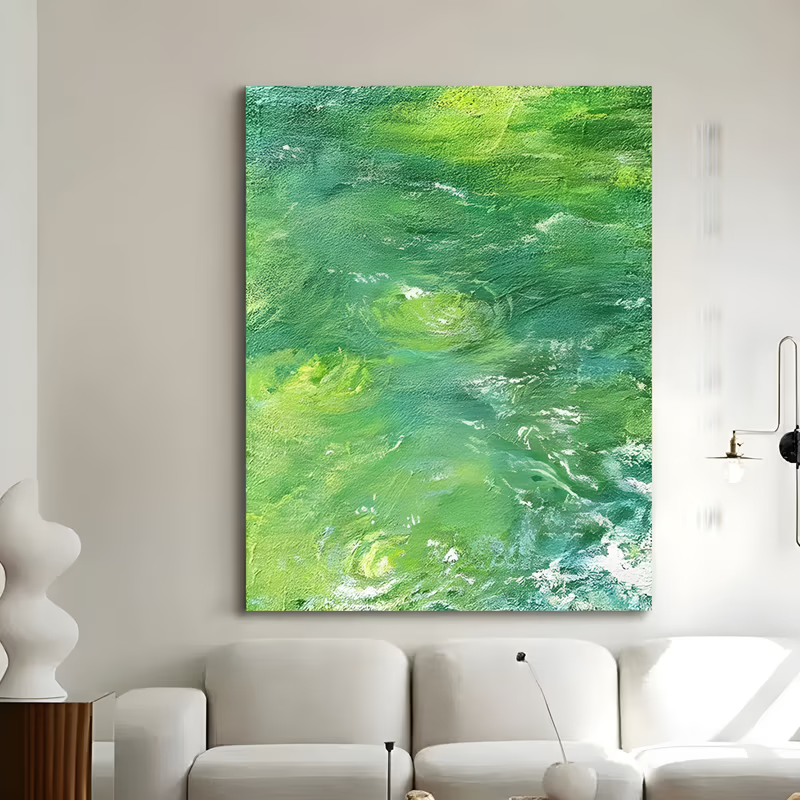
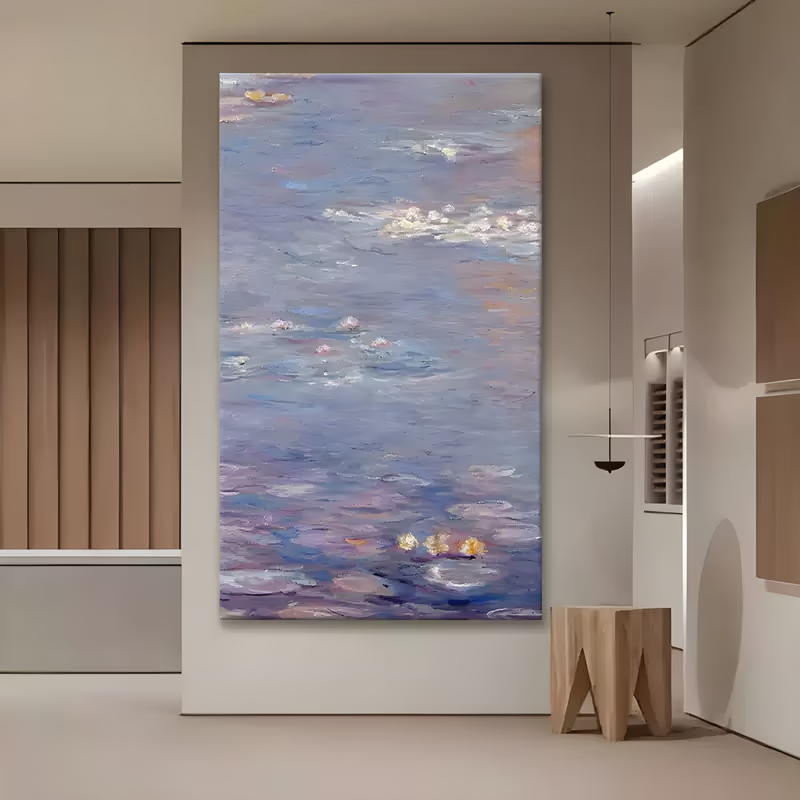
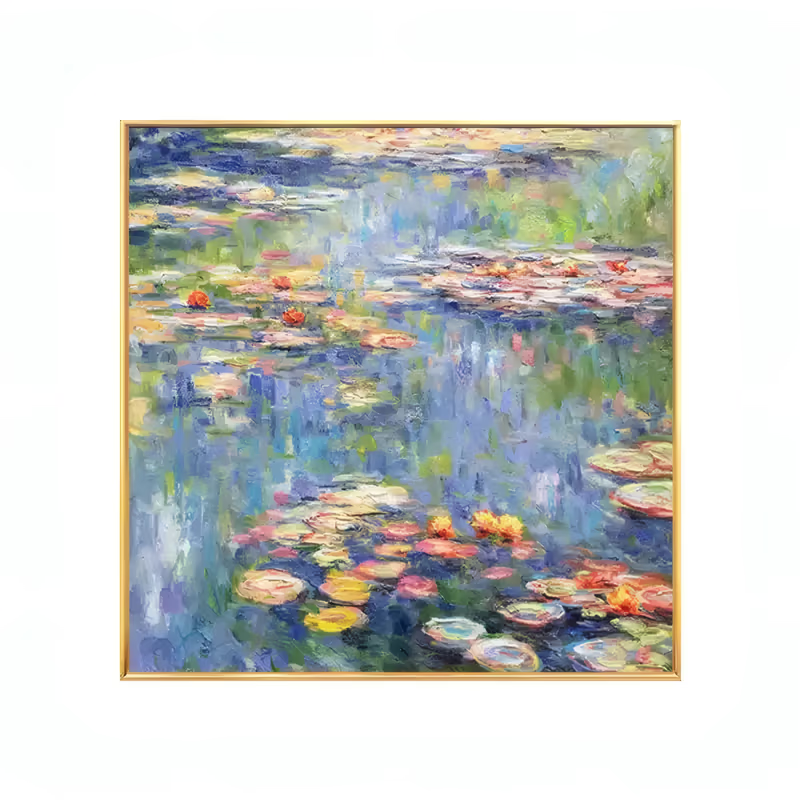
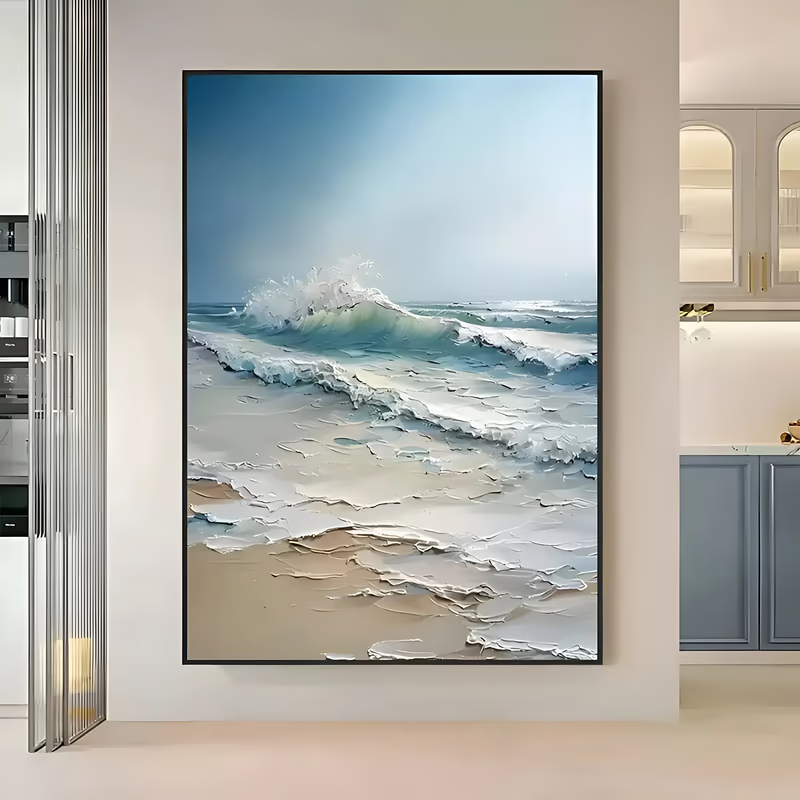
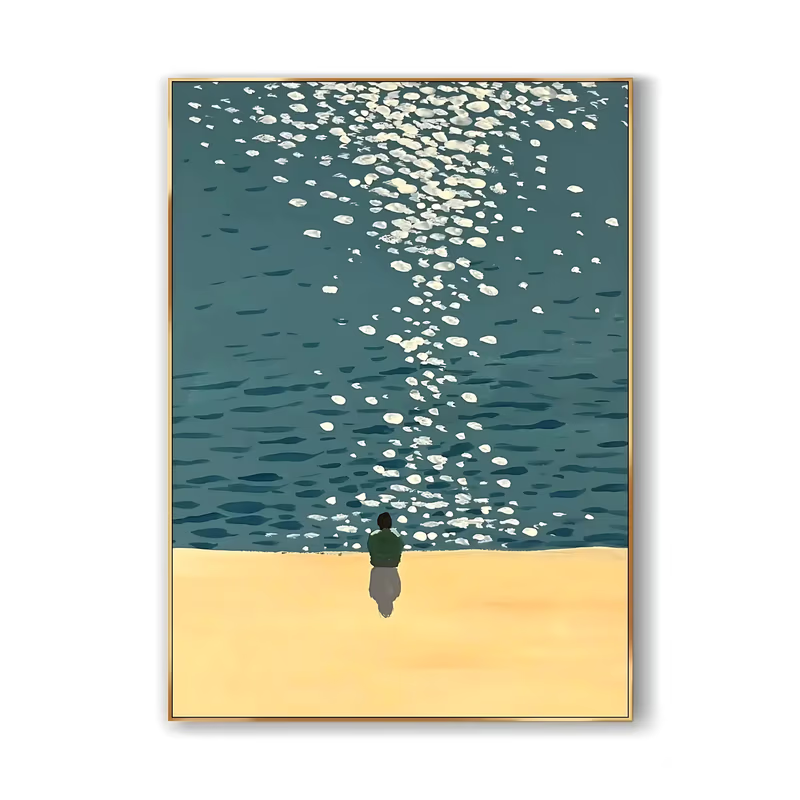
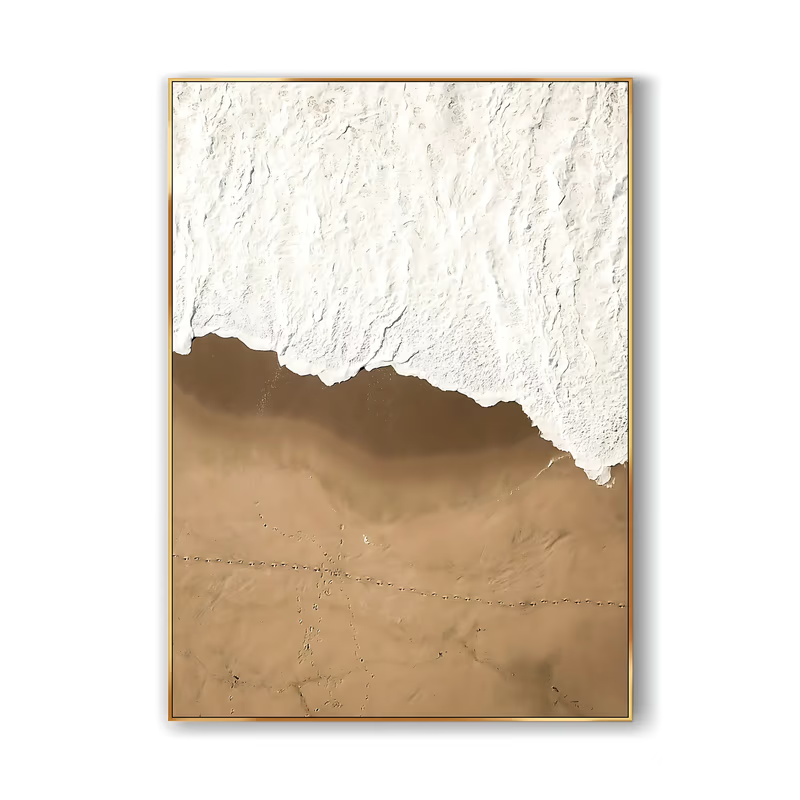
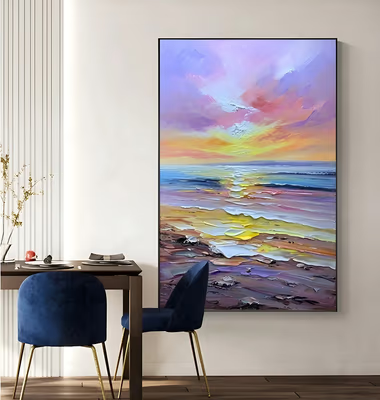
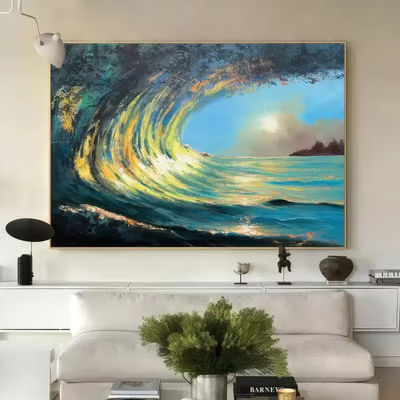
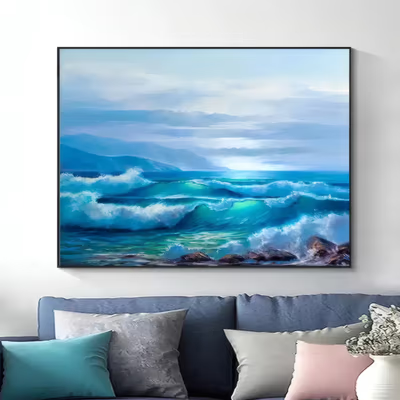
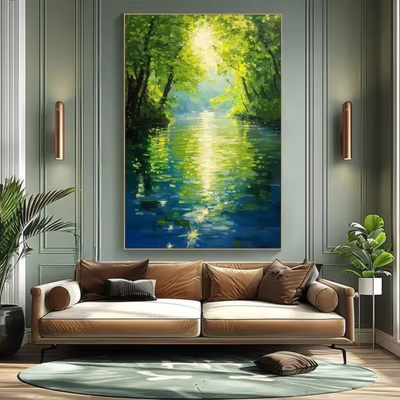
Breaking waves on pebble beaches, pastel moonrises over the sea, sailboats on a calm bay and quiet lakes at dawn. Water is the classic spa subject because it echoes the pools, showers and rituals the guest has come for. Calm water belongs in treatment rooms; a single breaking wave has more energy and suits reception or a corridor.
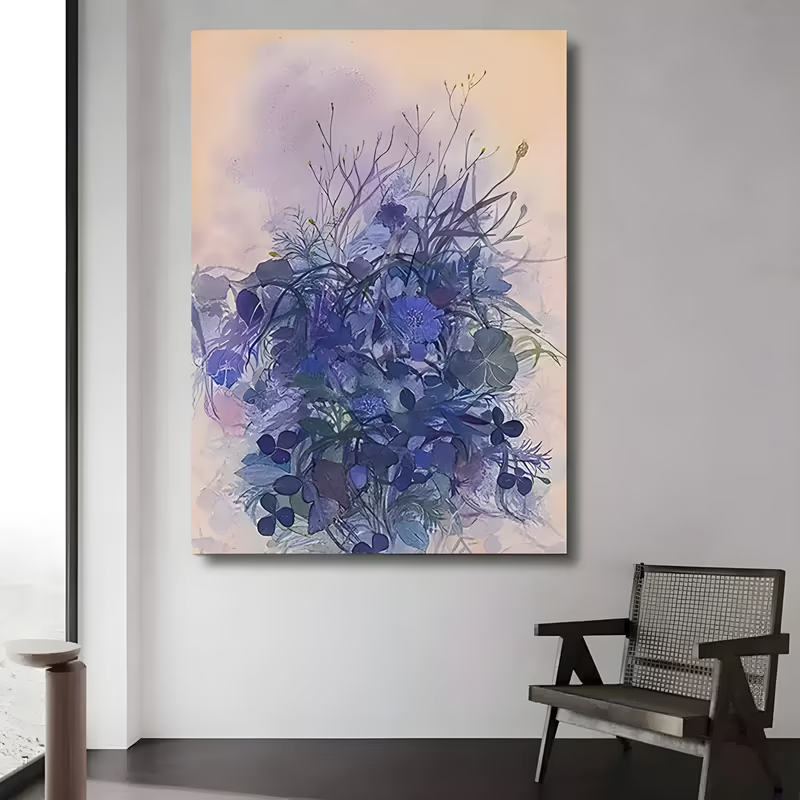
Lotus, leaf and blossom
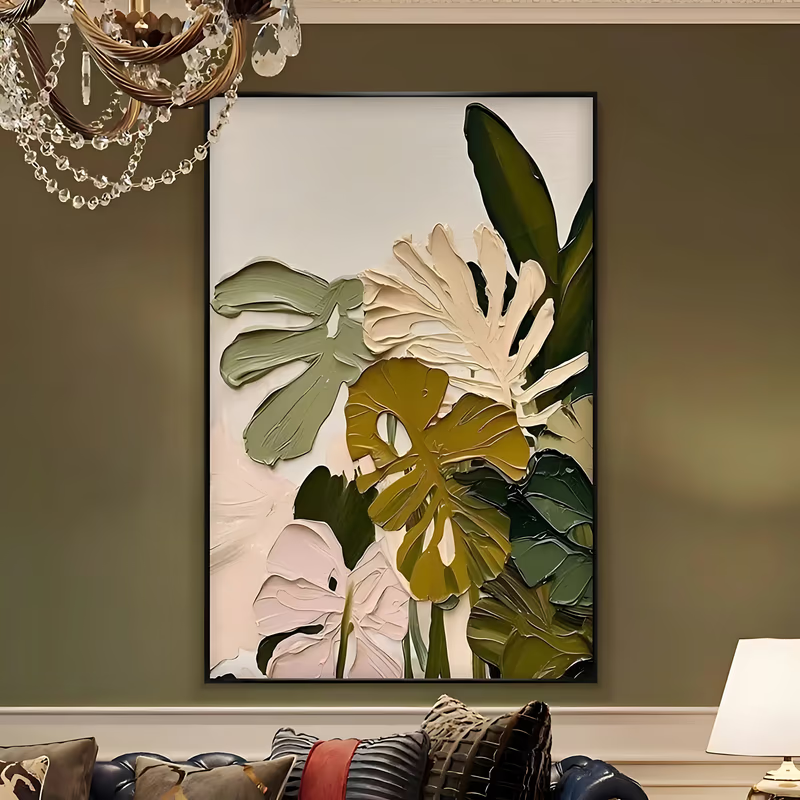
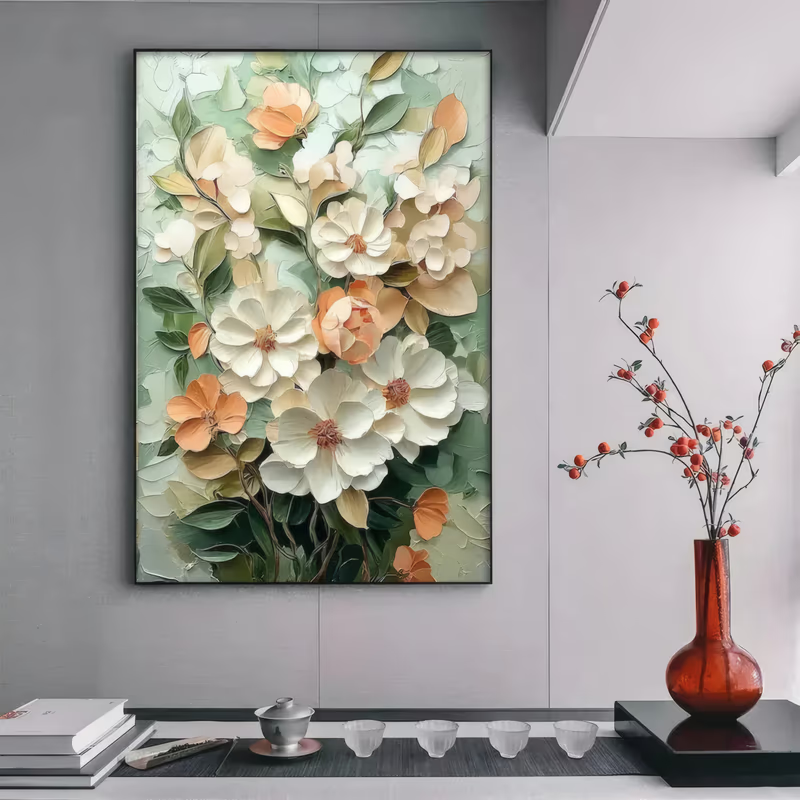
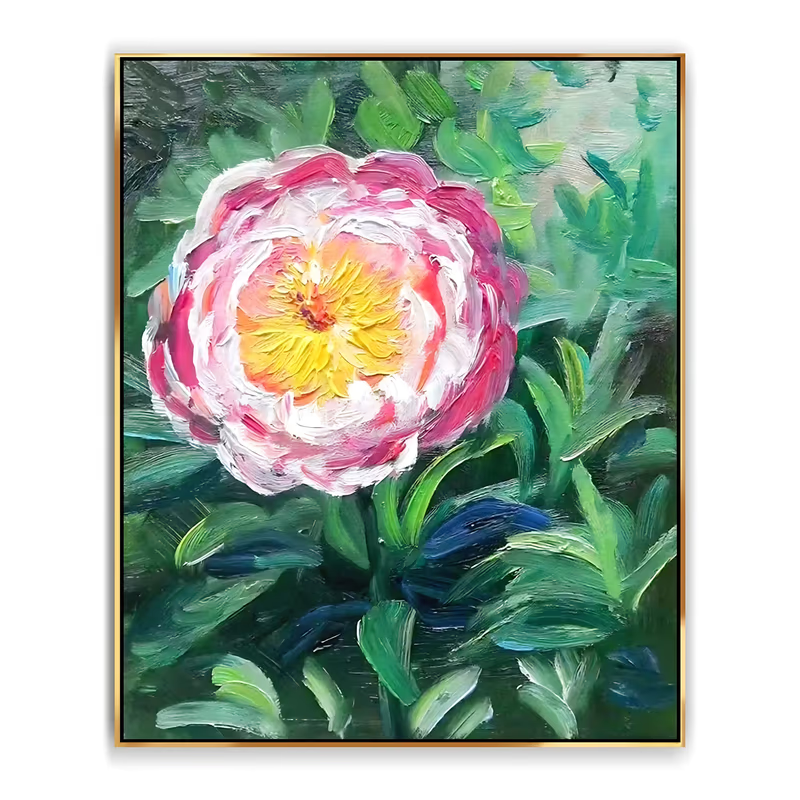
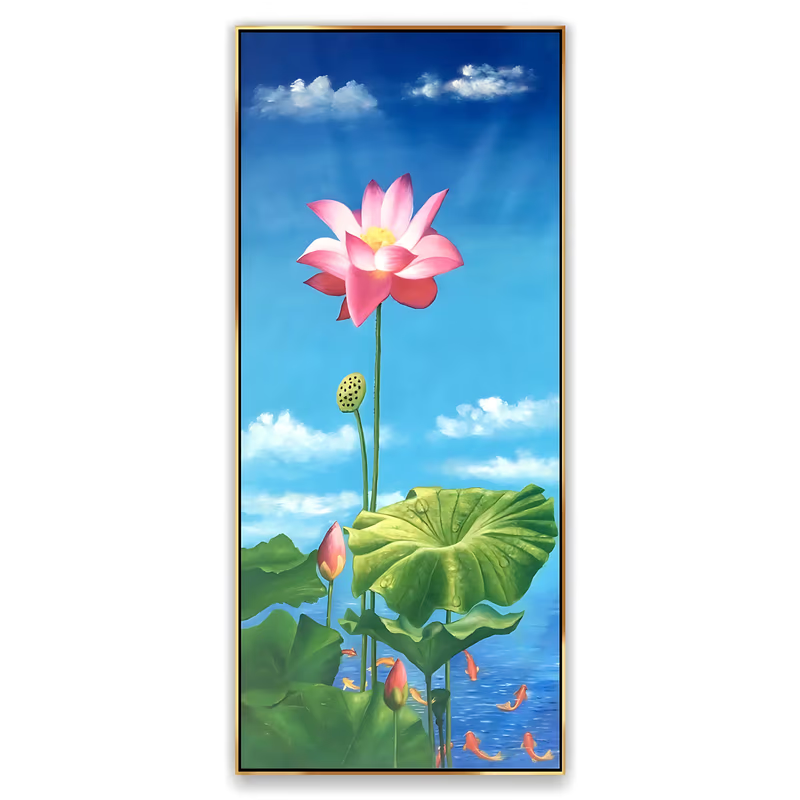
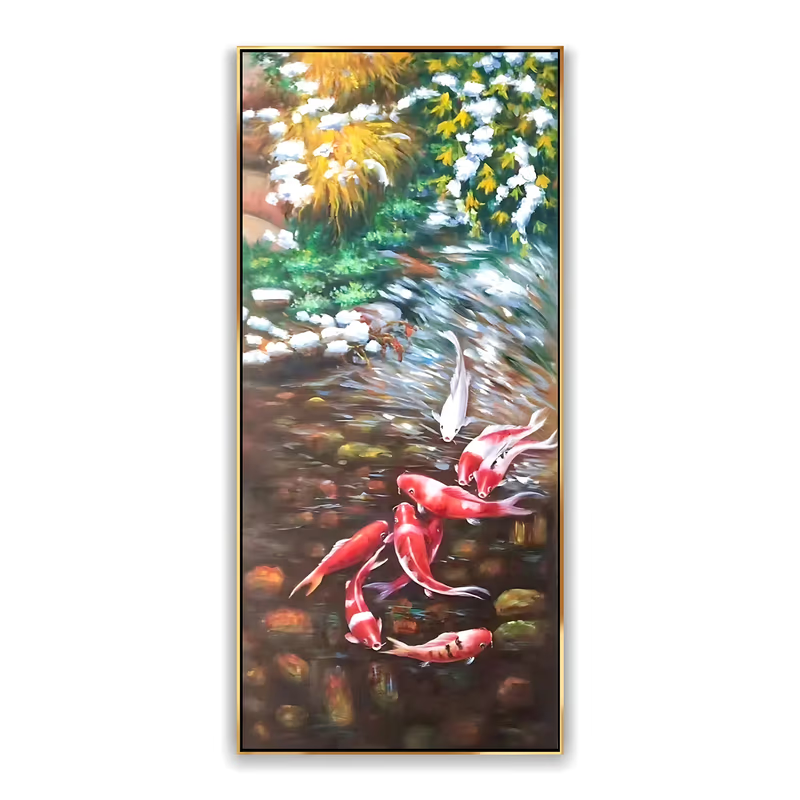
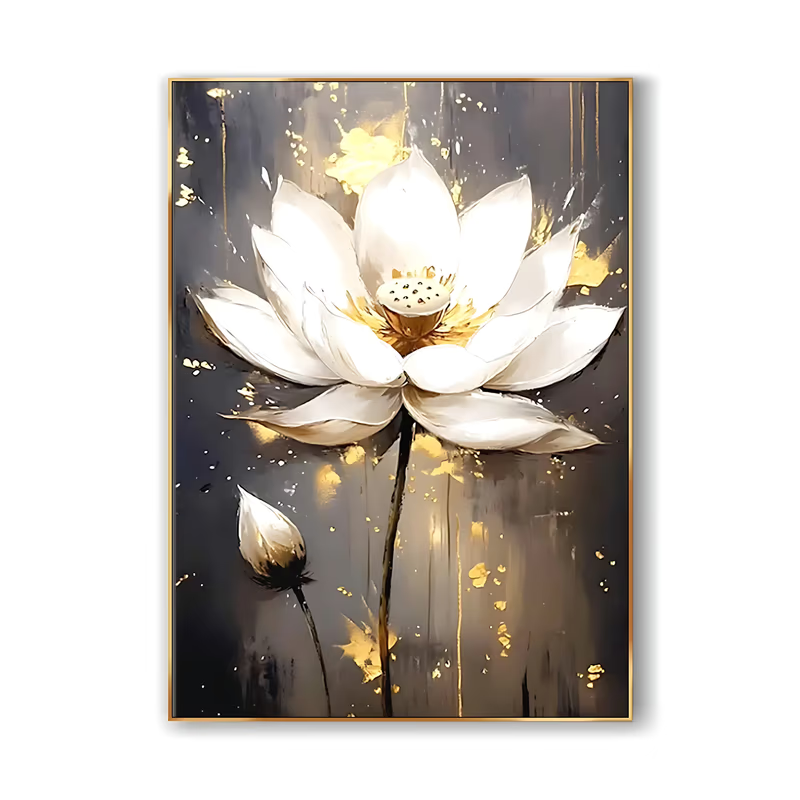
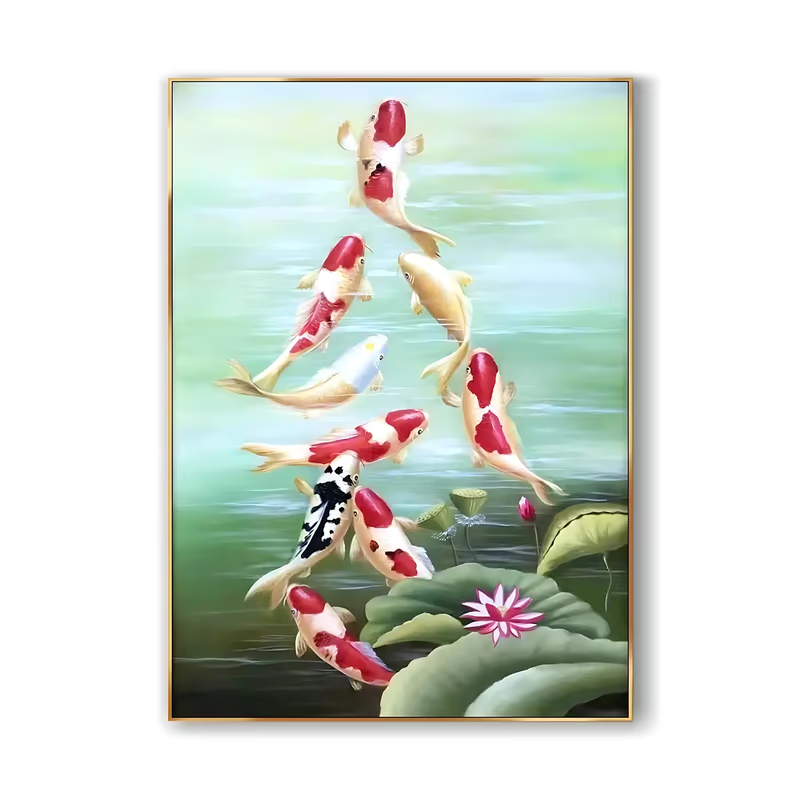
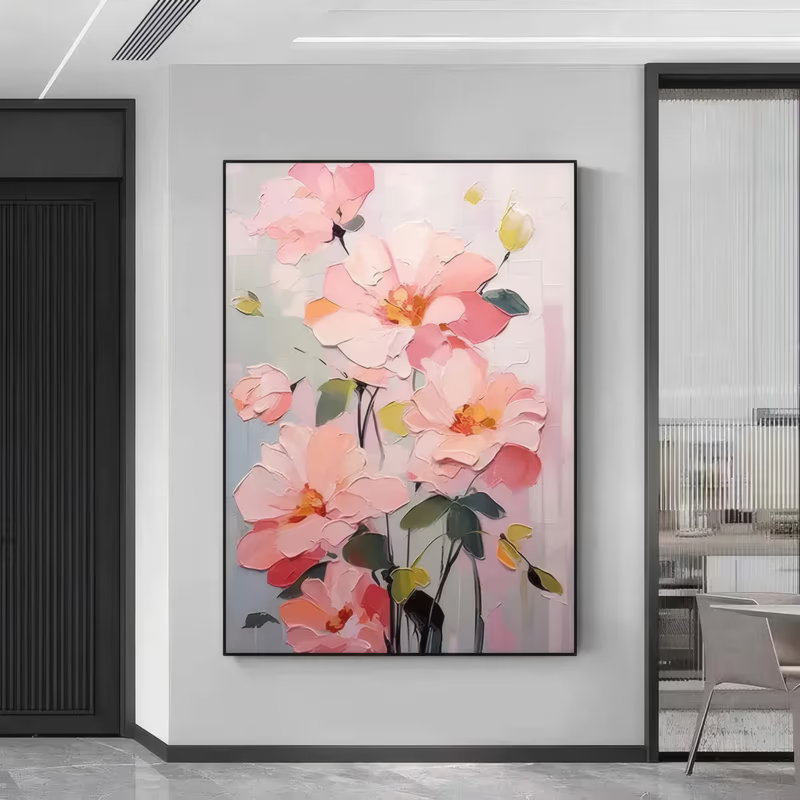
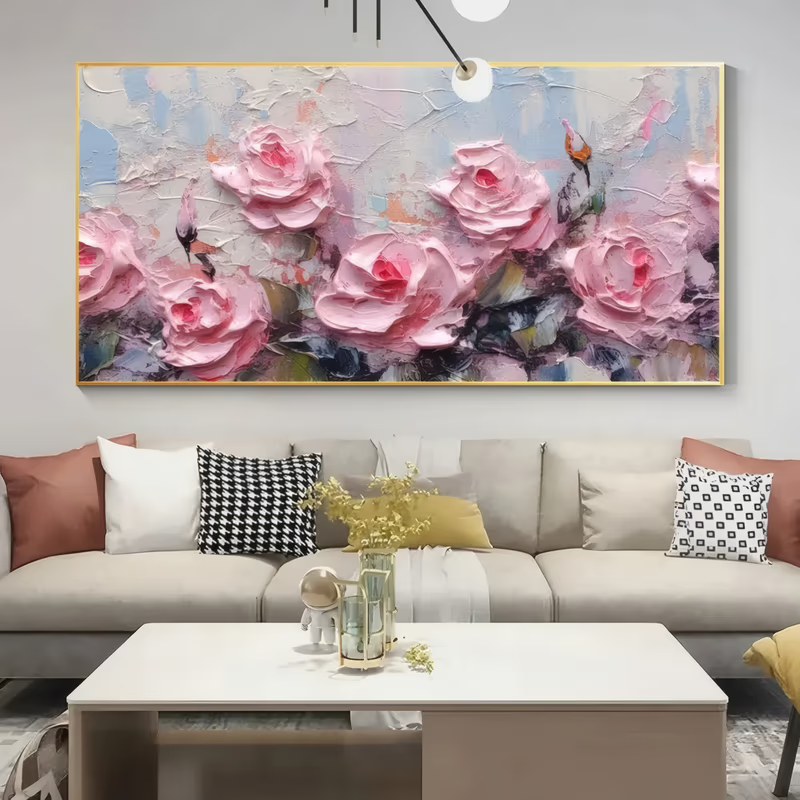
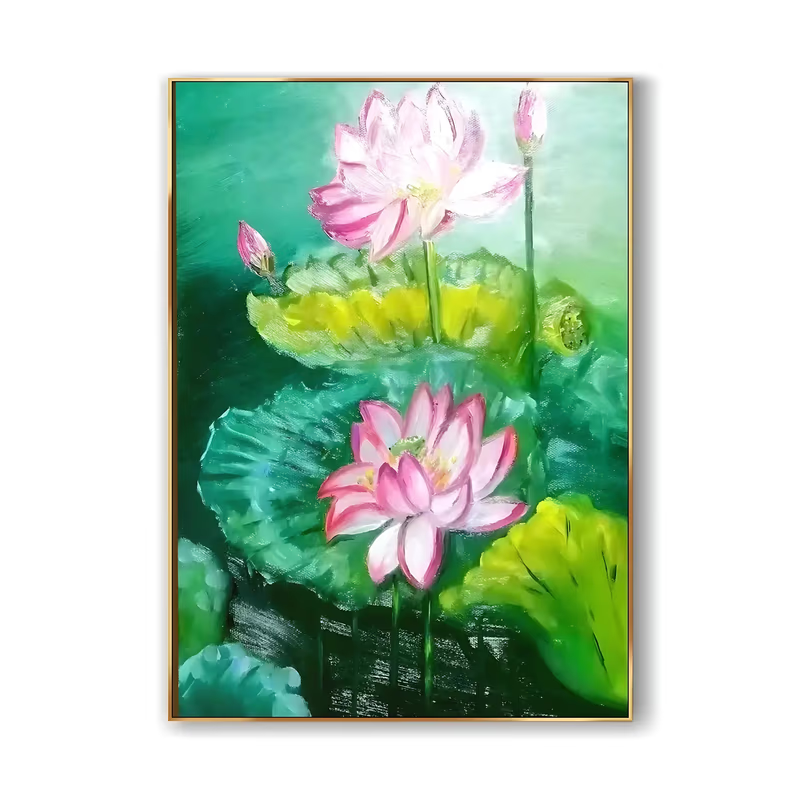
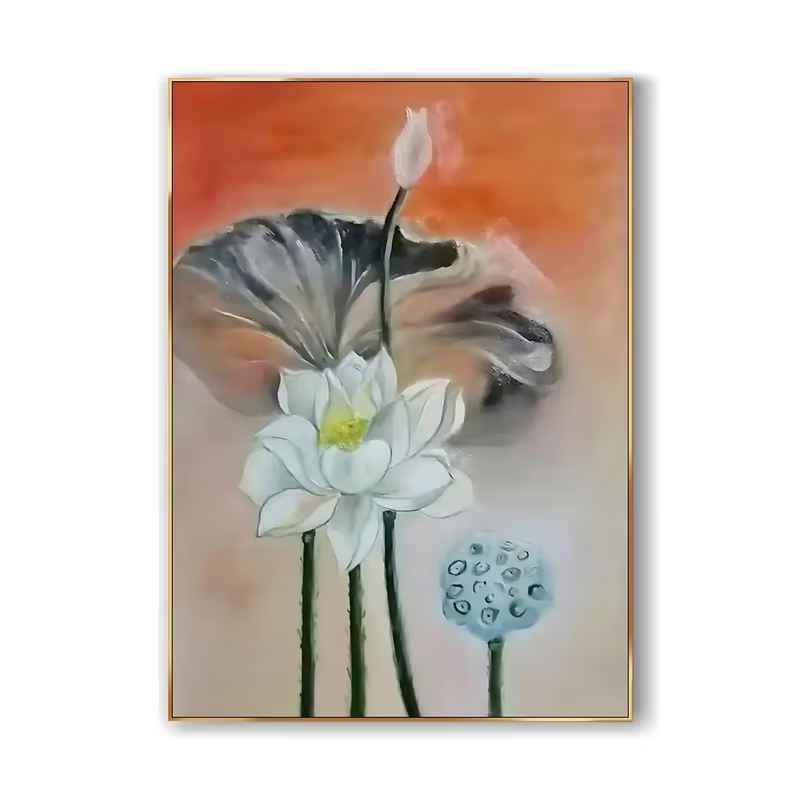
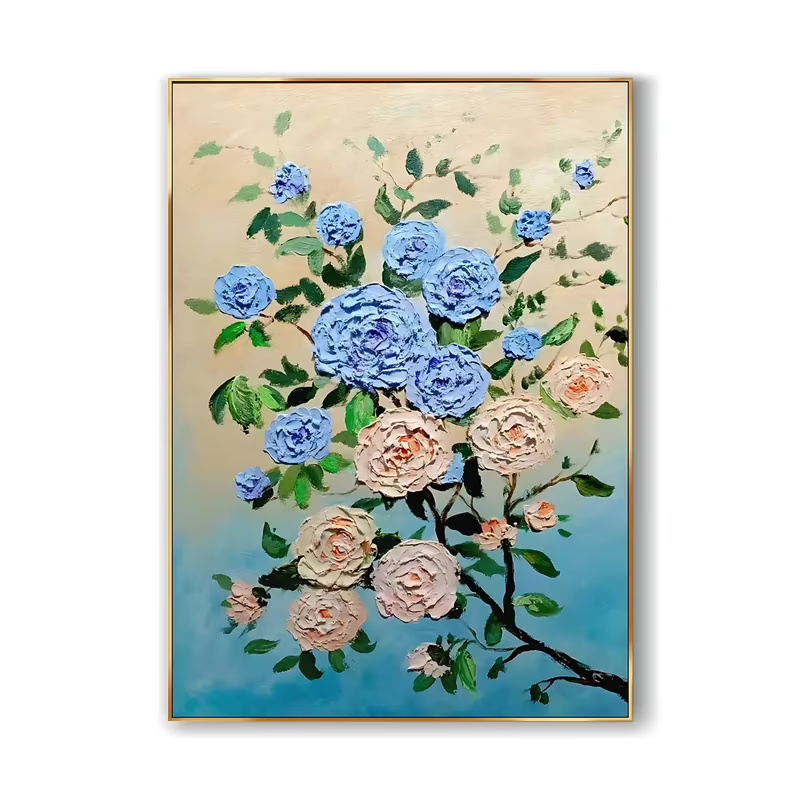
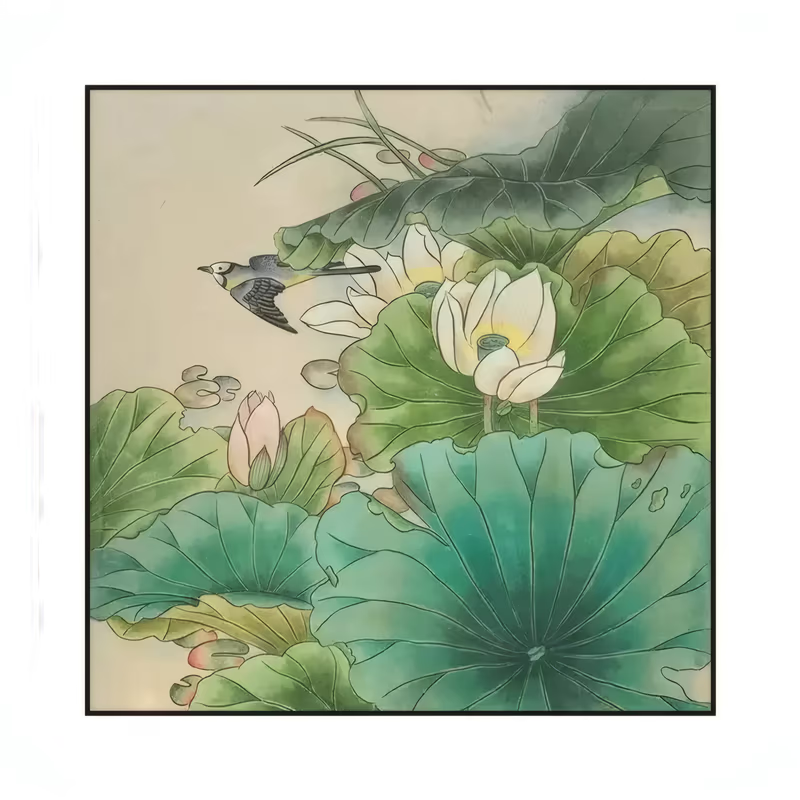
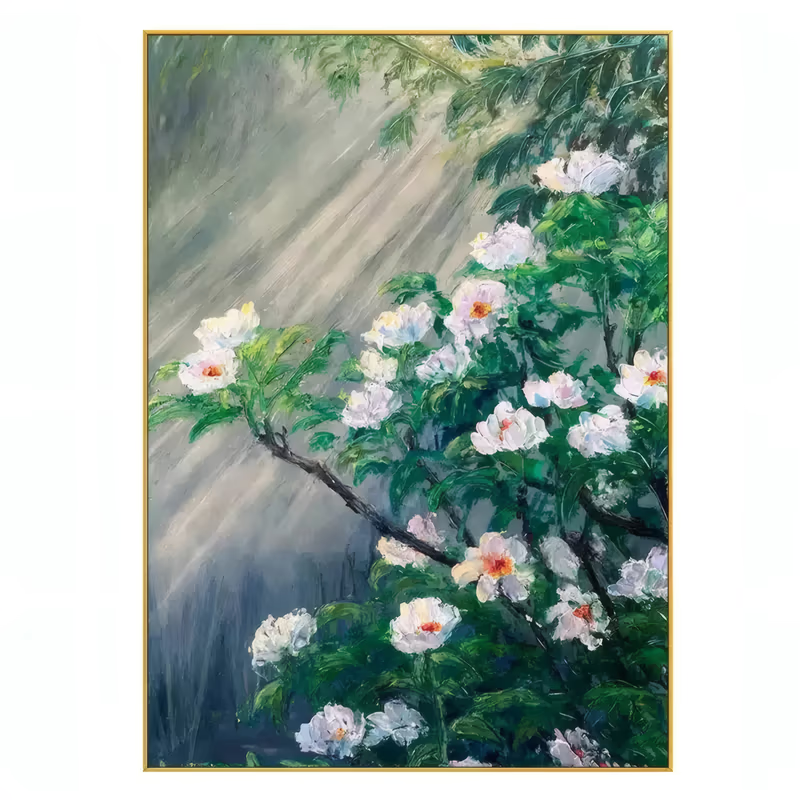
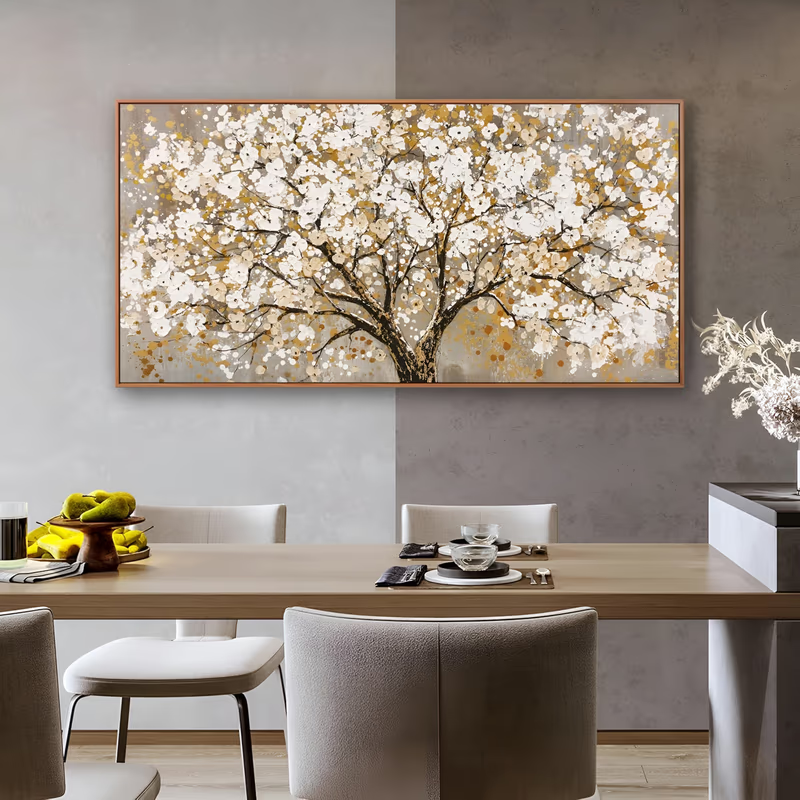
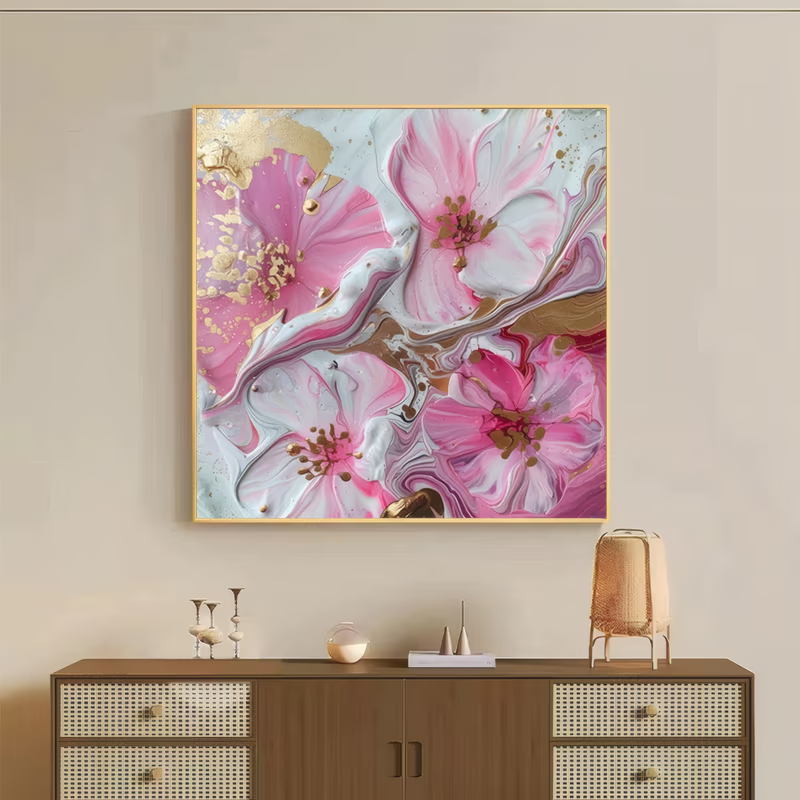
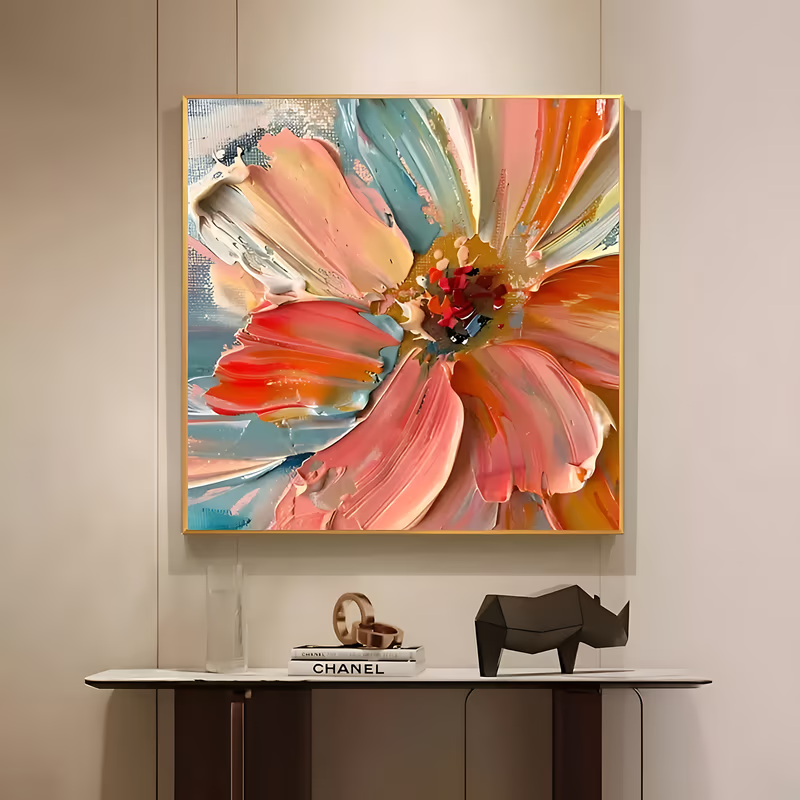
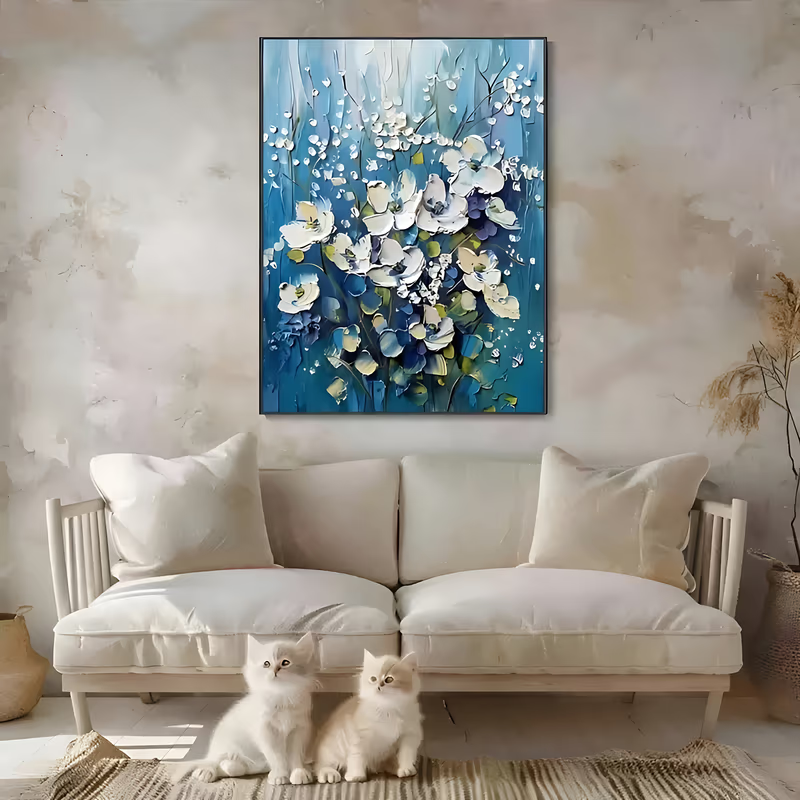
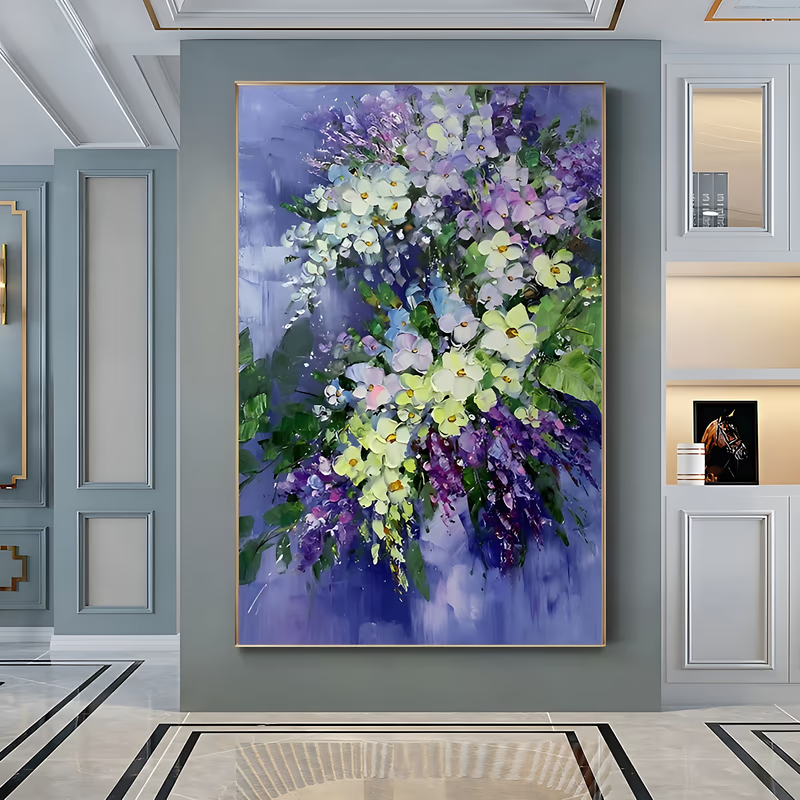
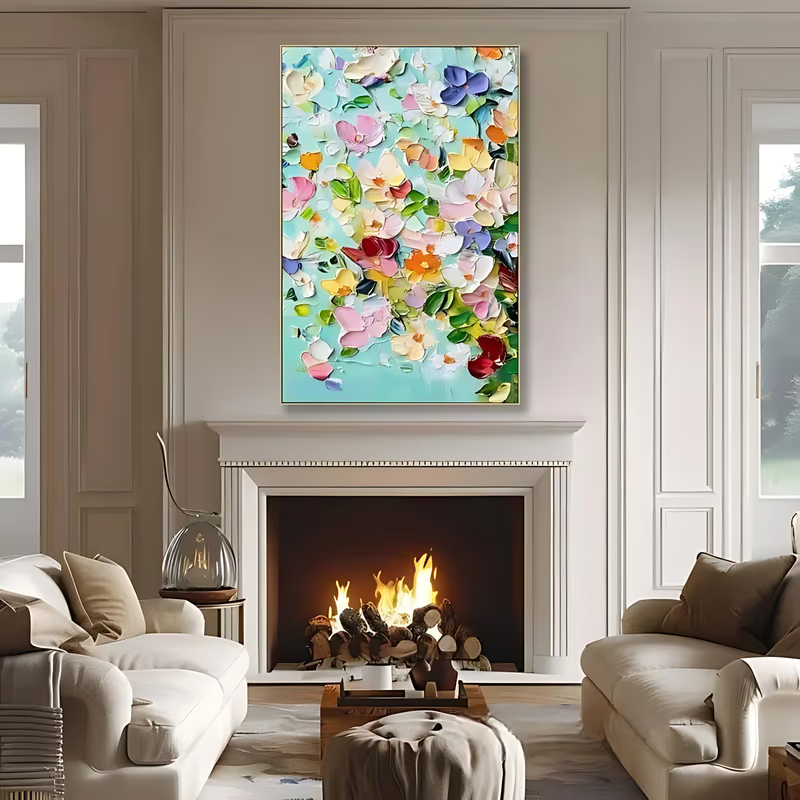
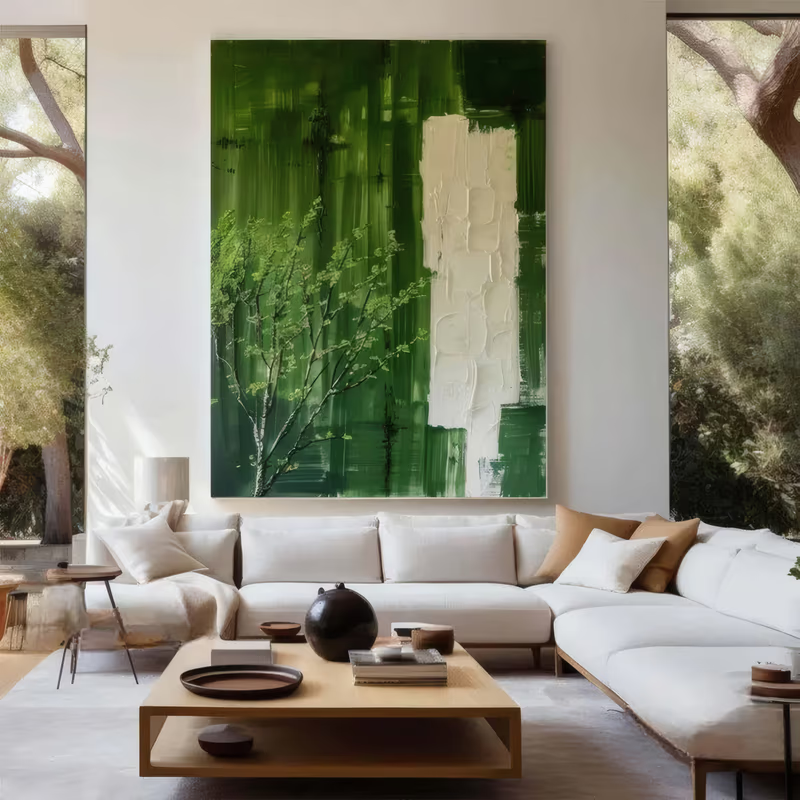
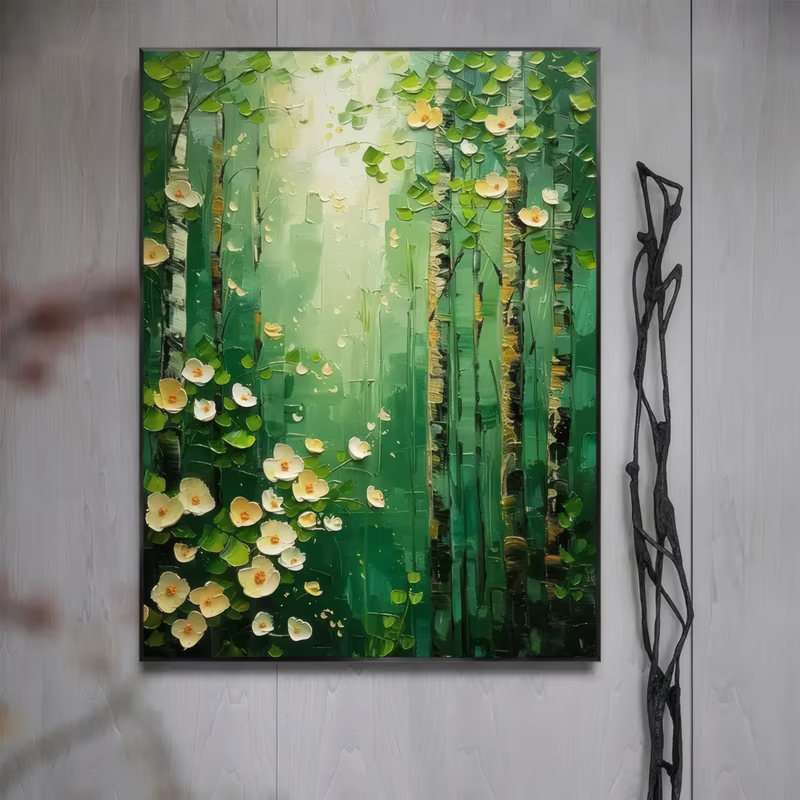
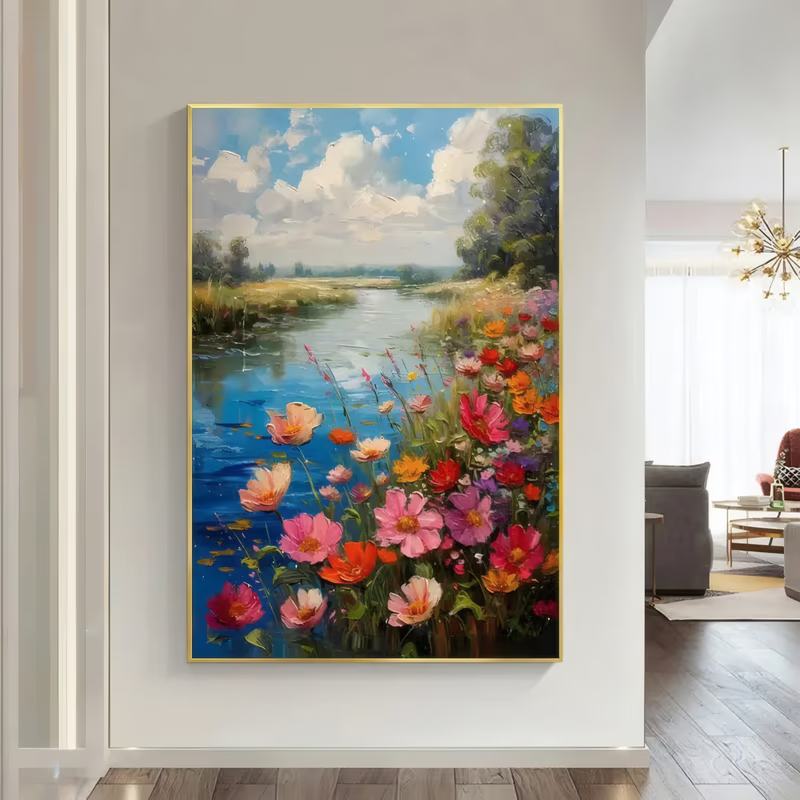
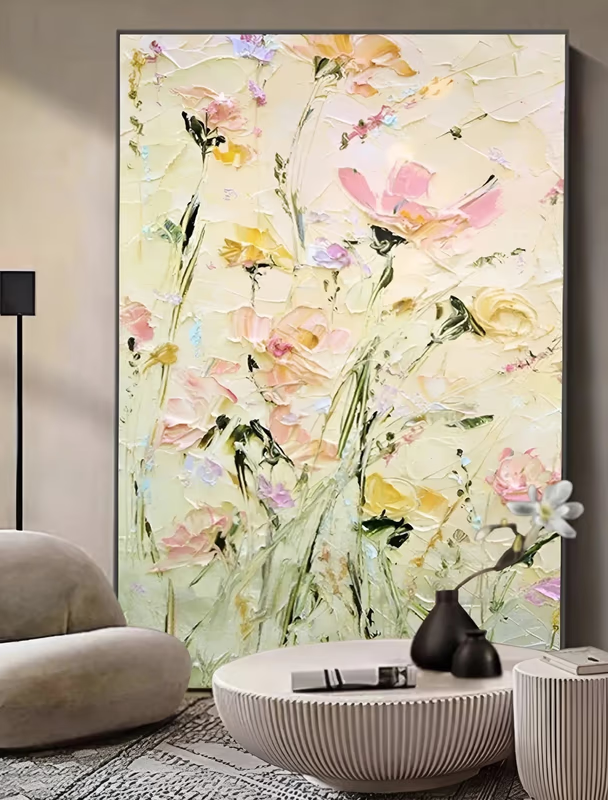
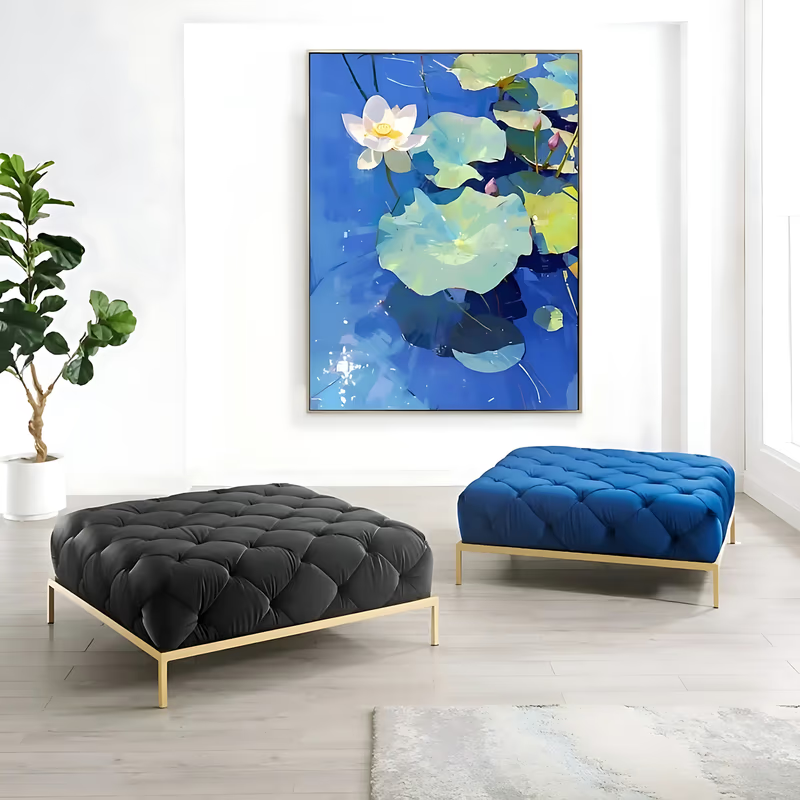
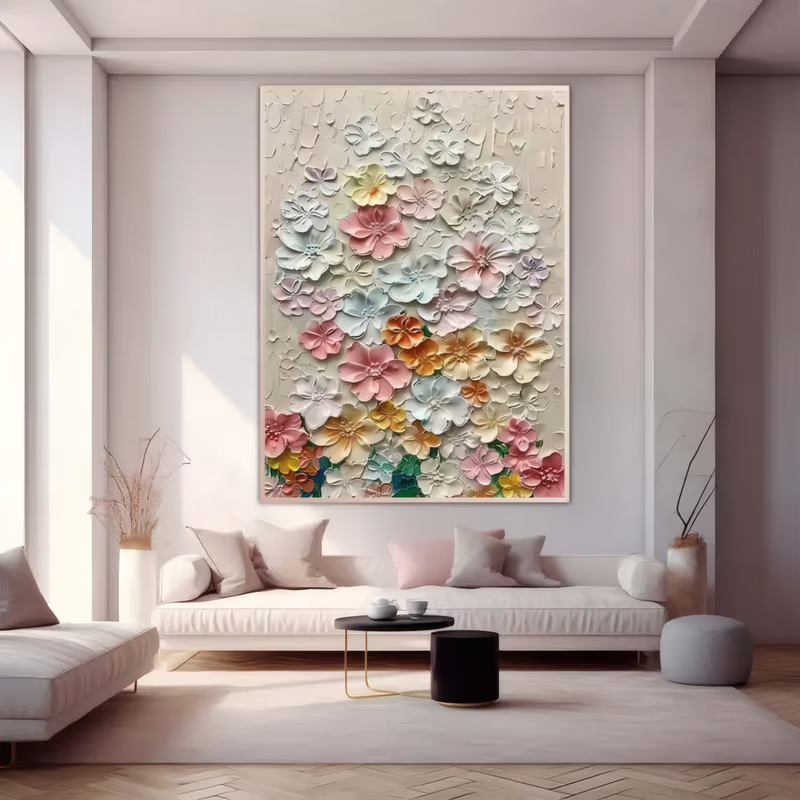
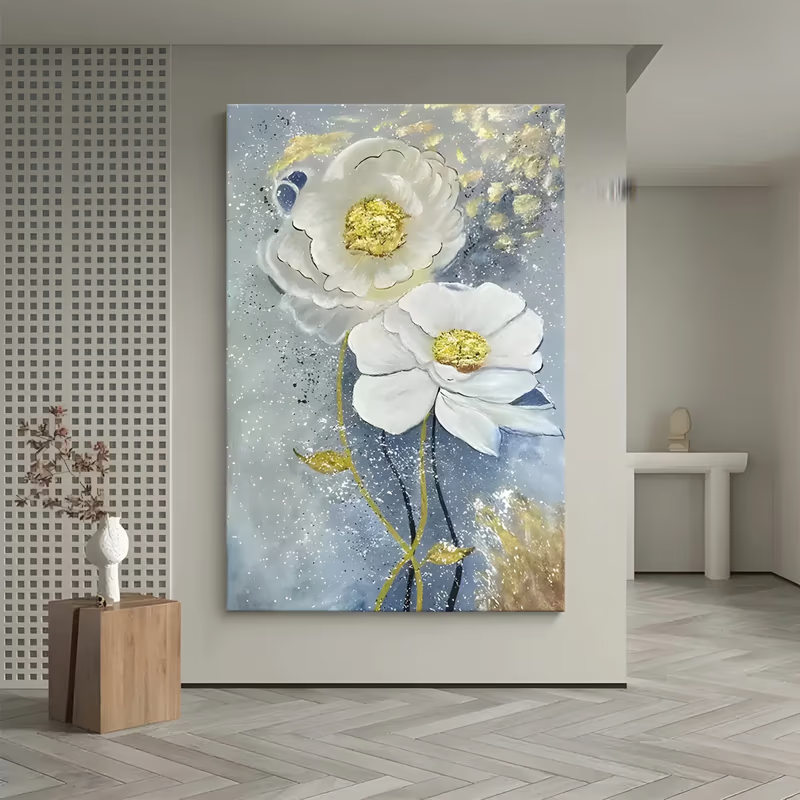
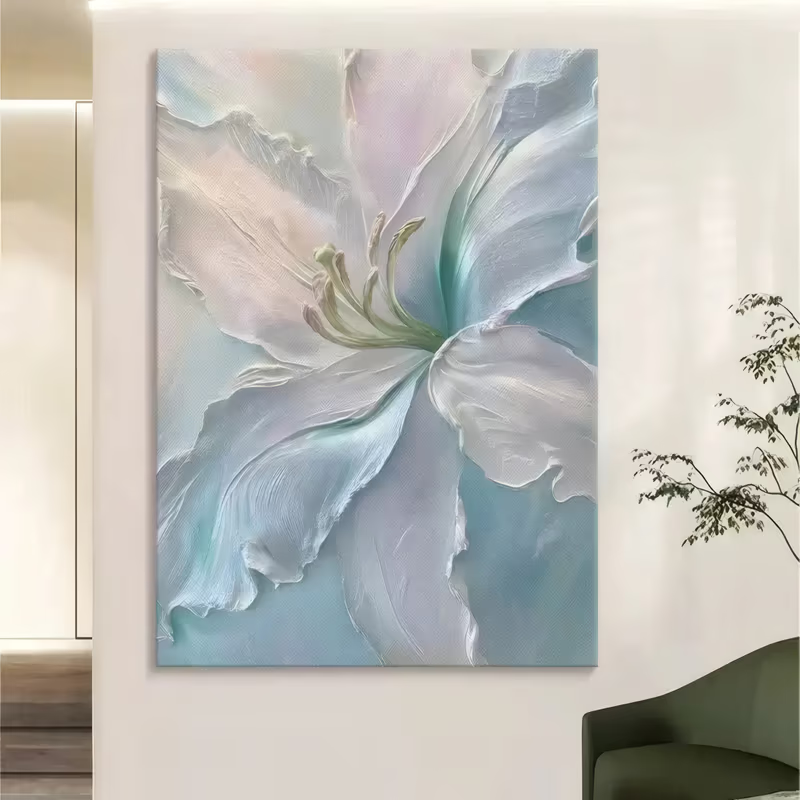
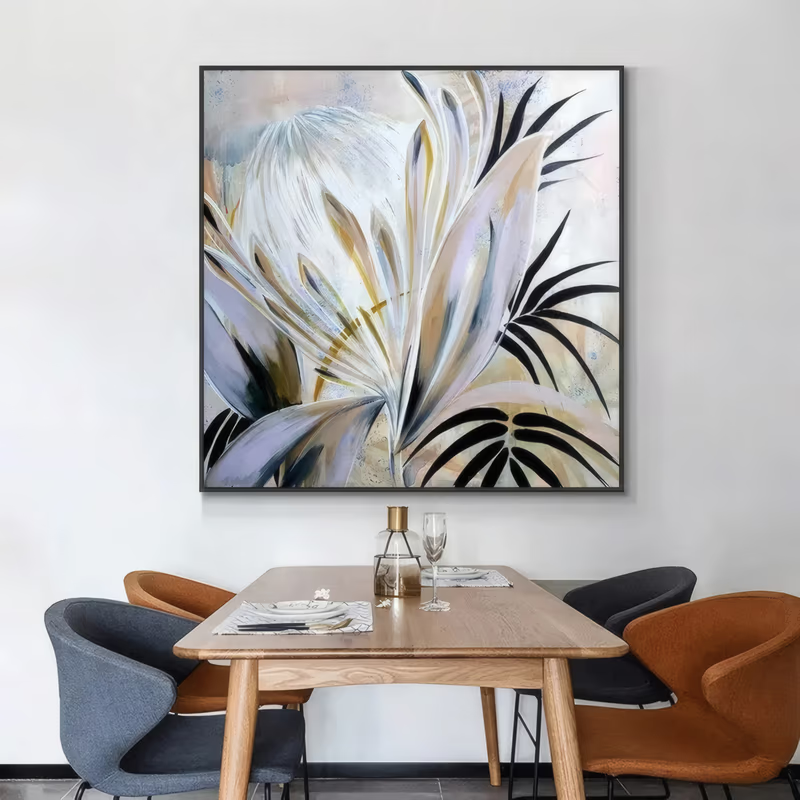
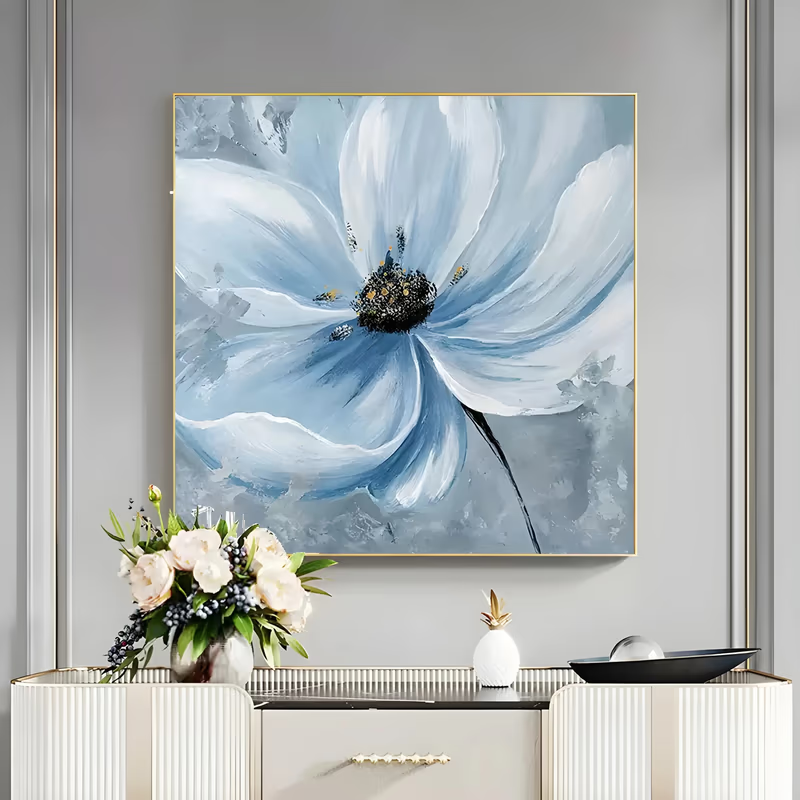
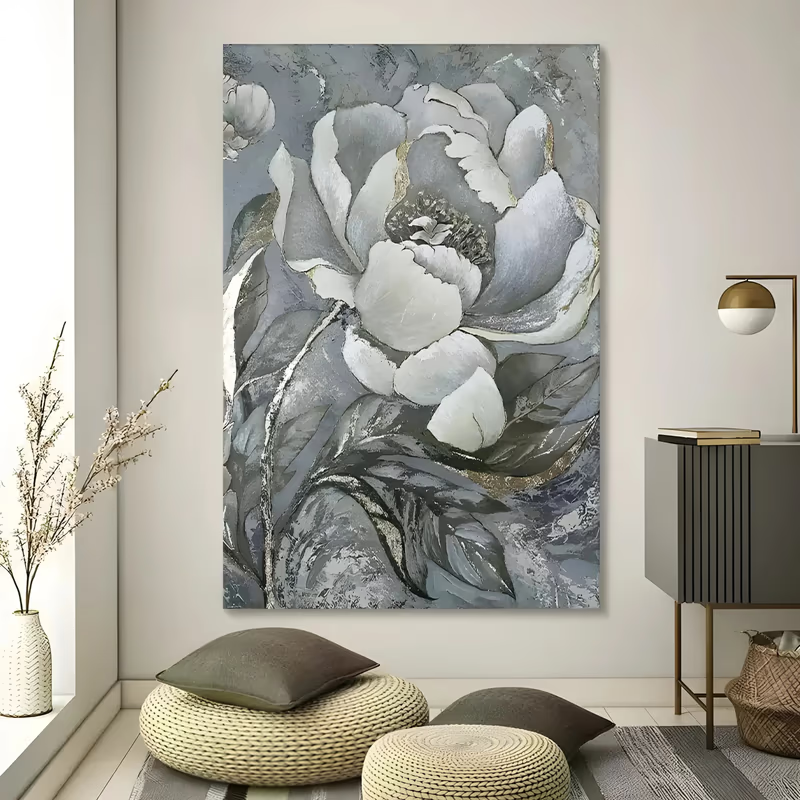
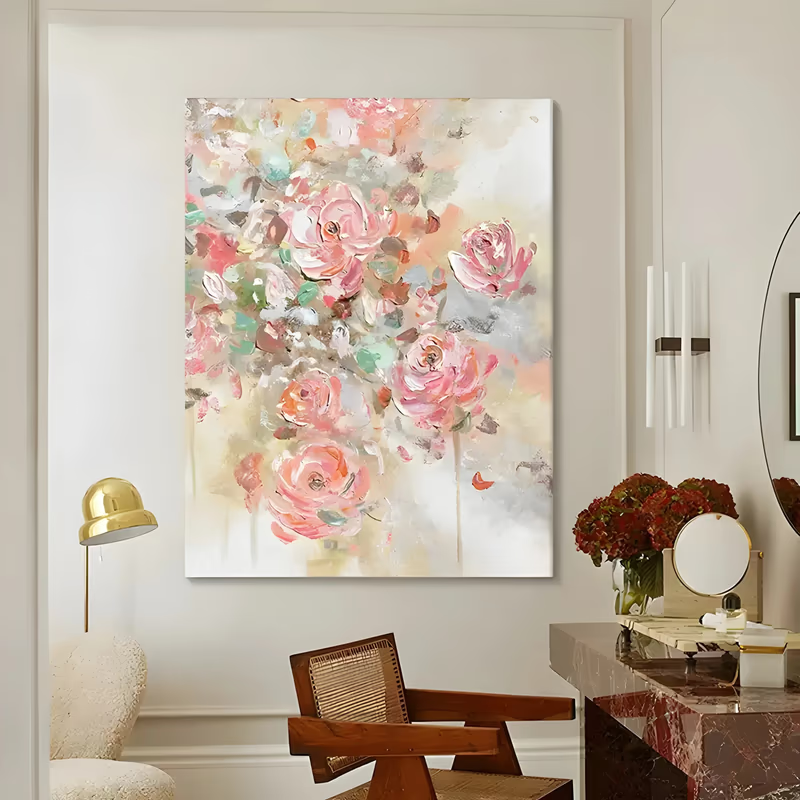
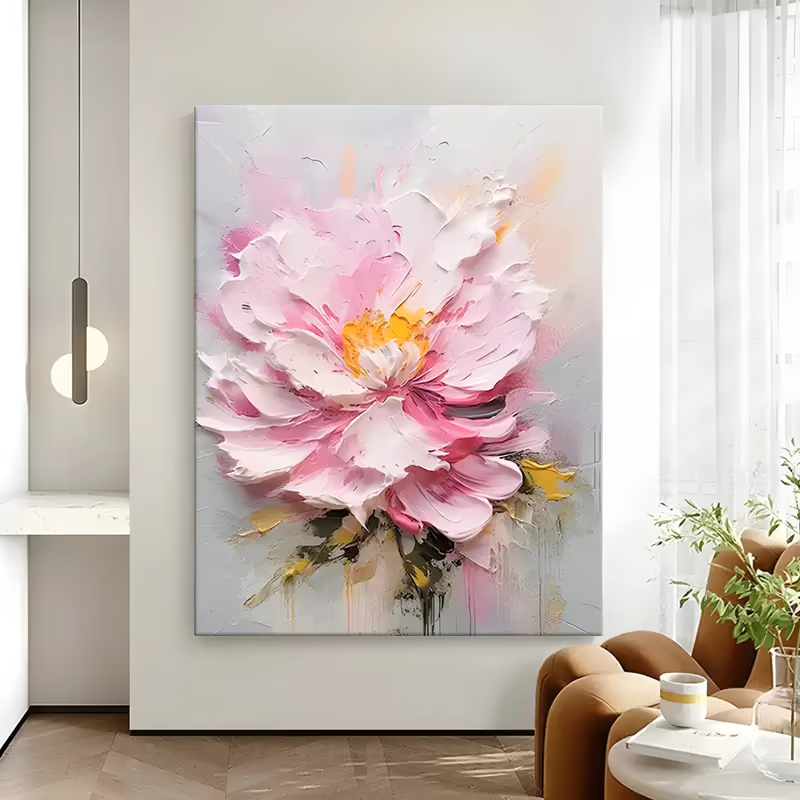
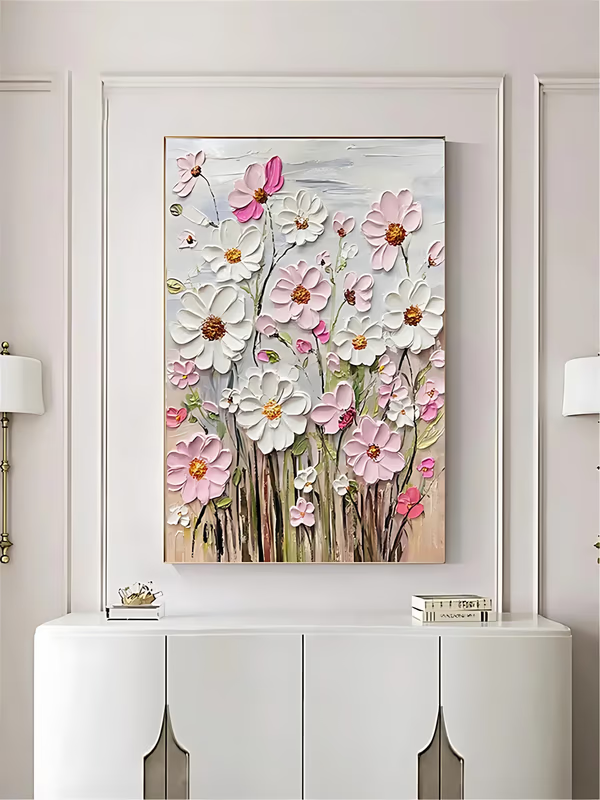
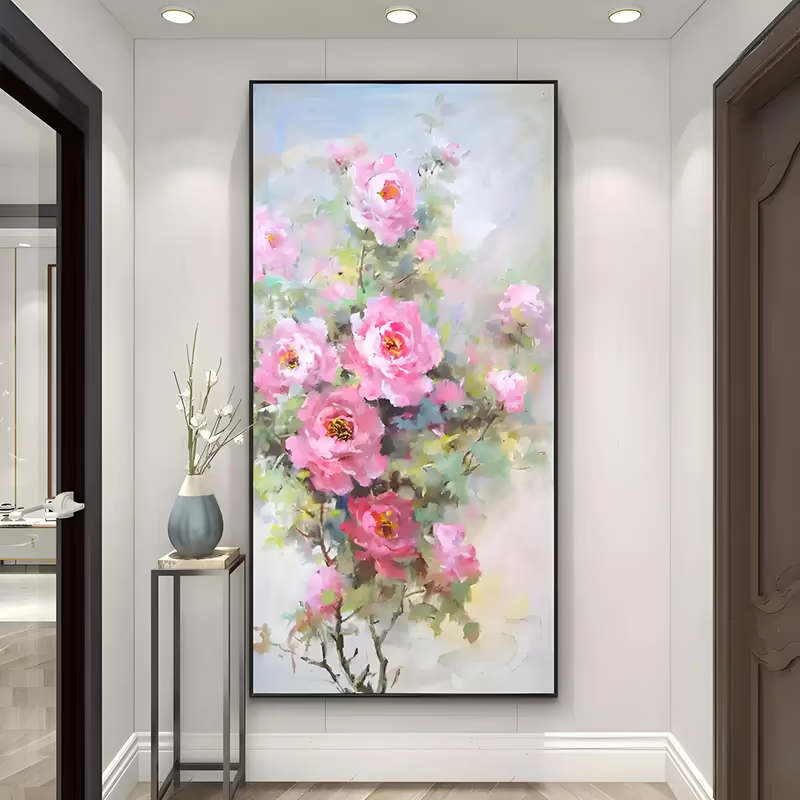
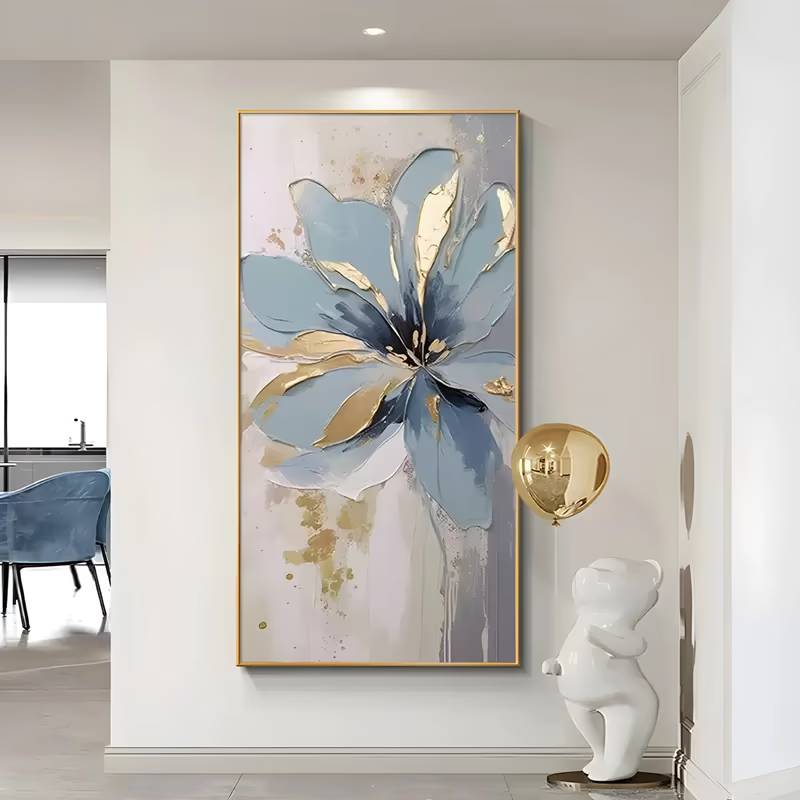
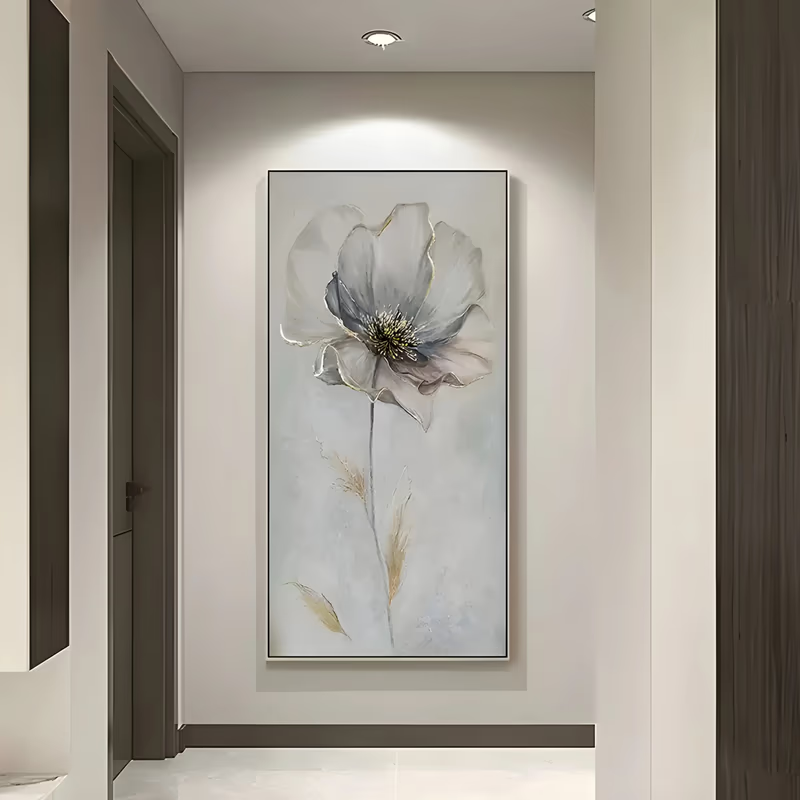
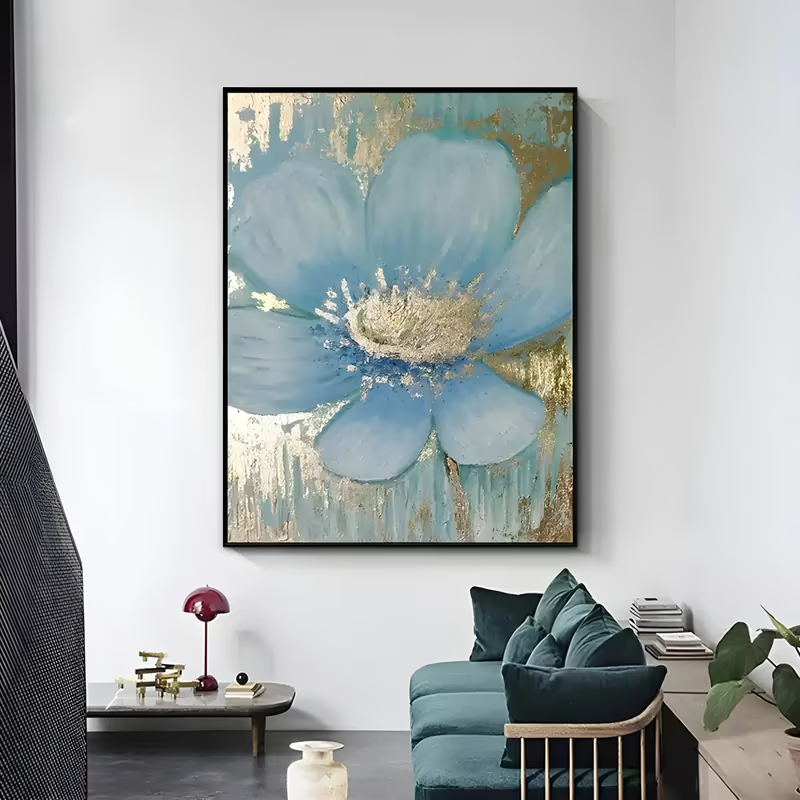
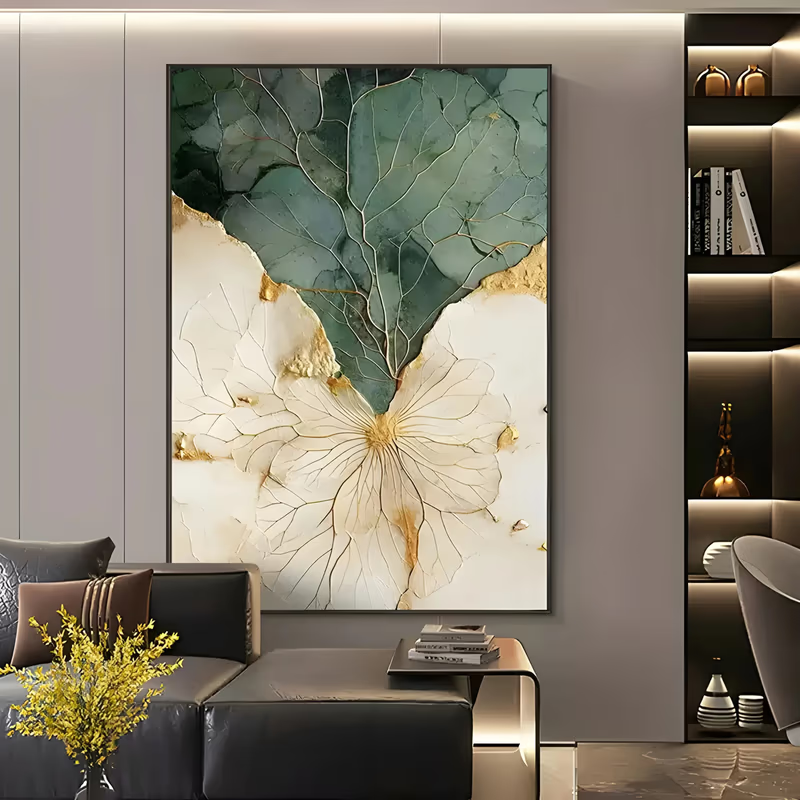
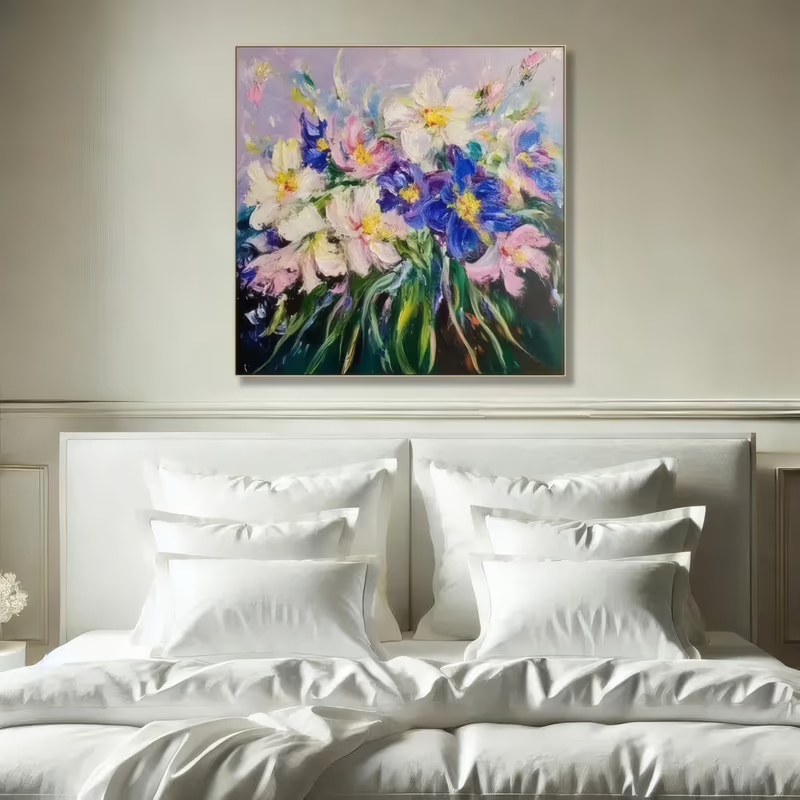
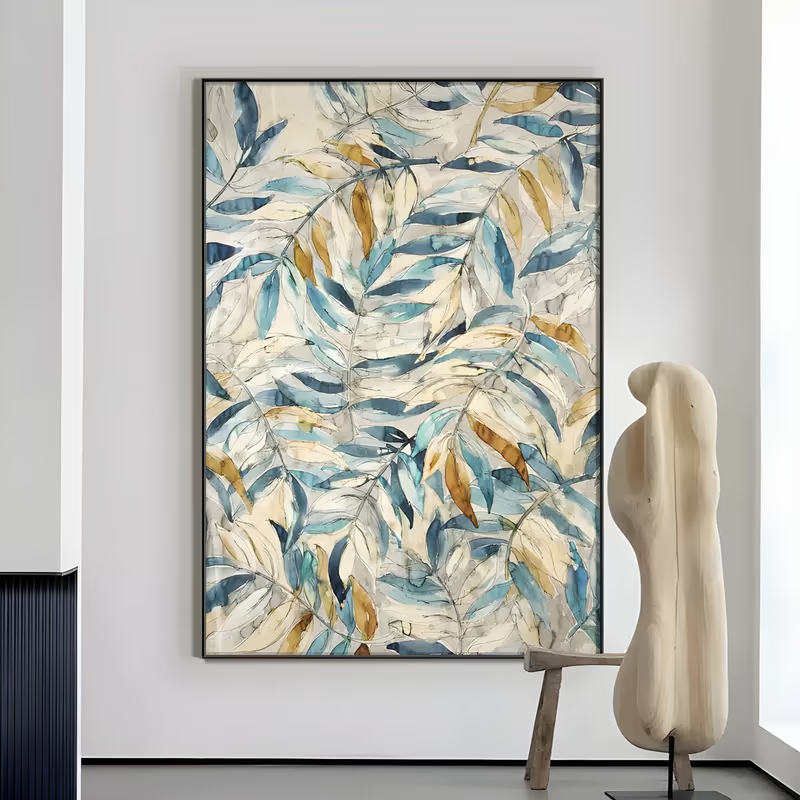
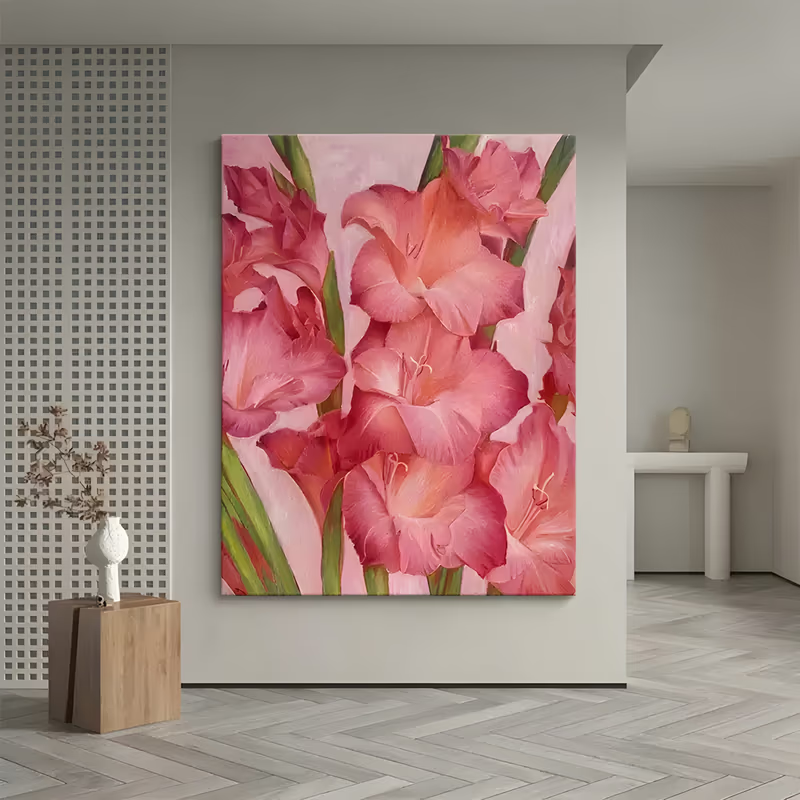
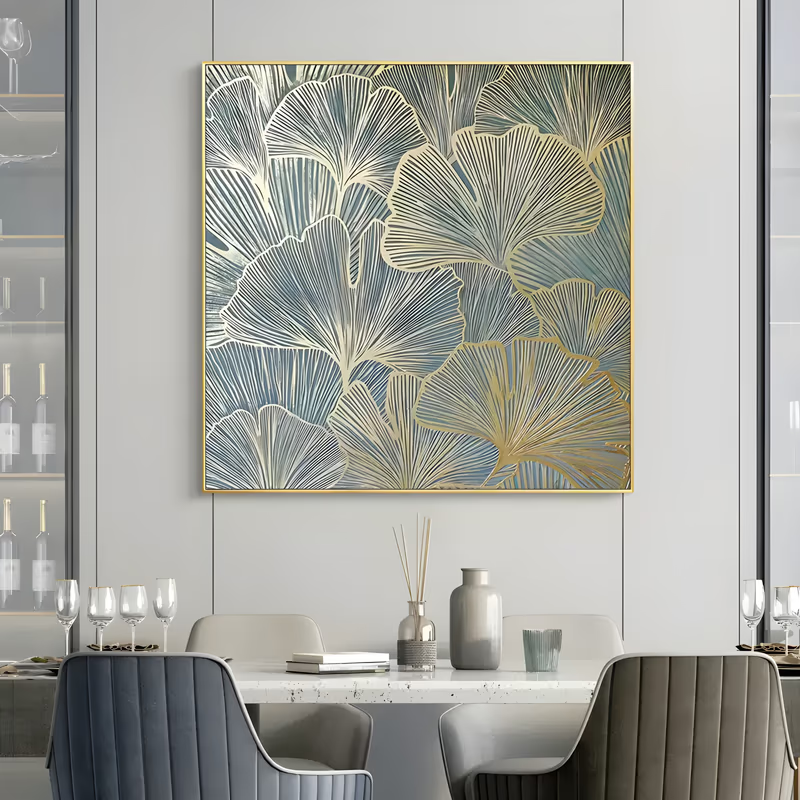
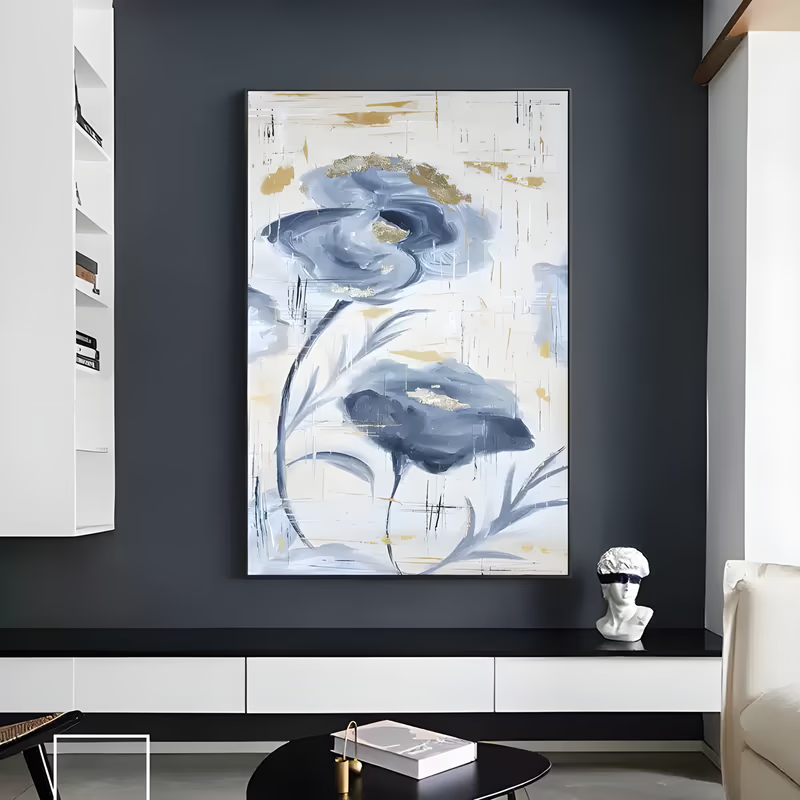
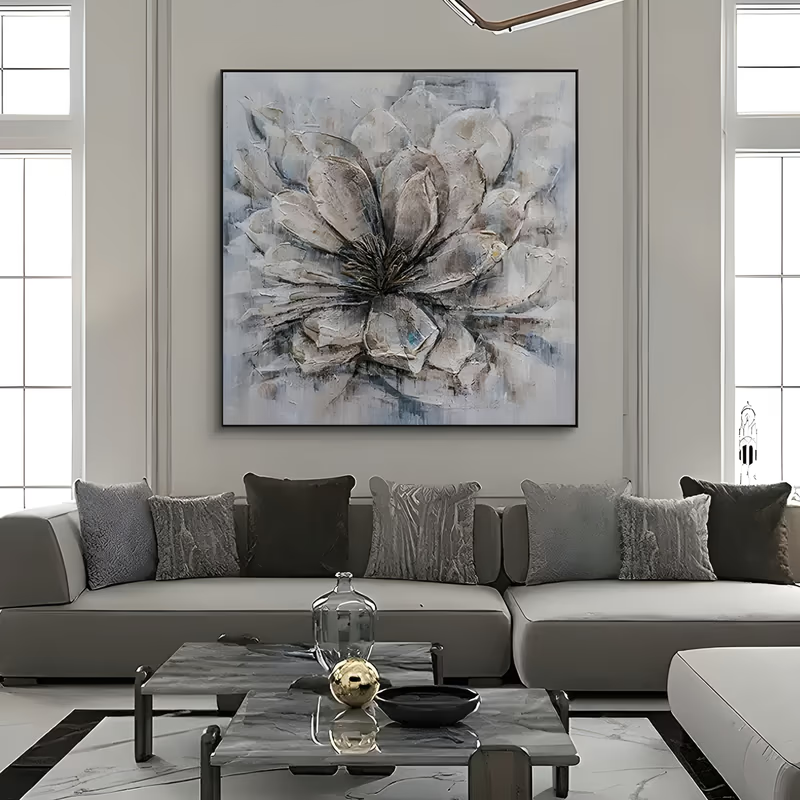
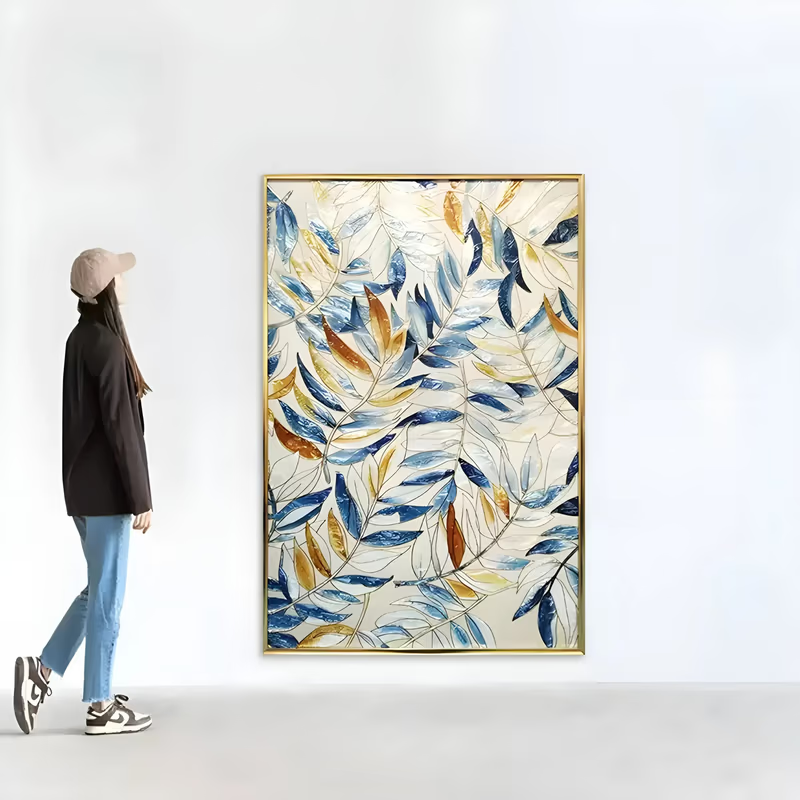
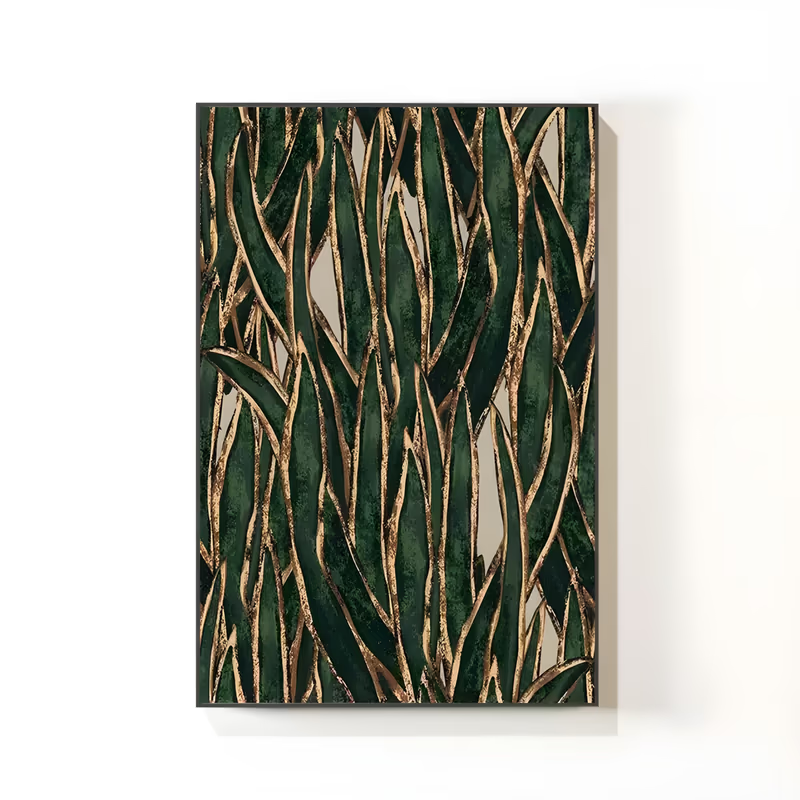
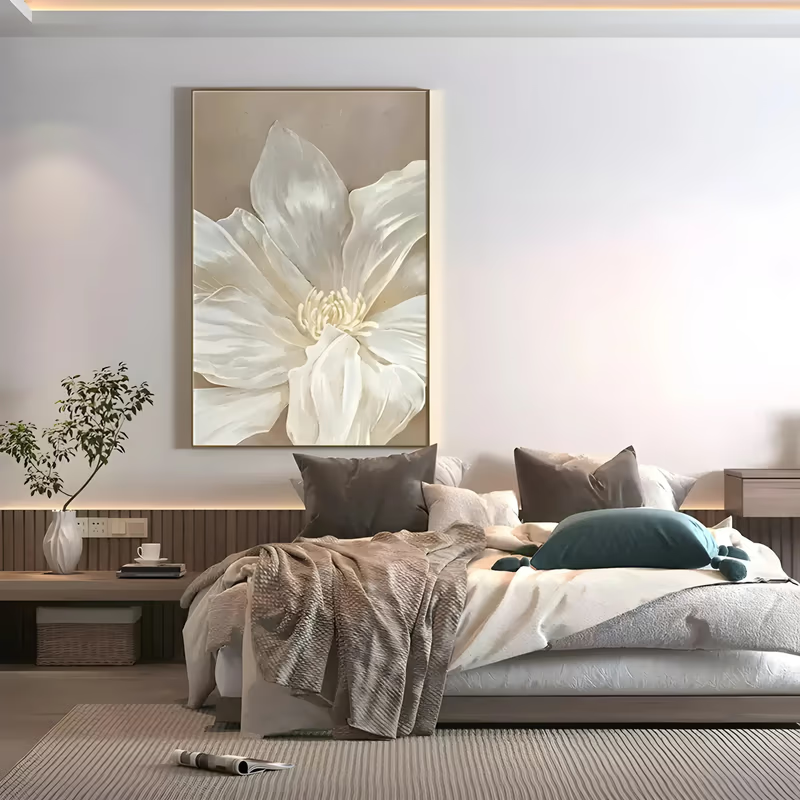
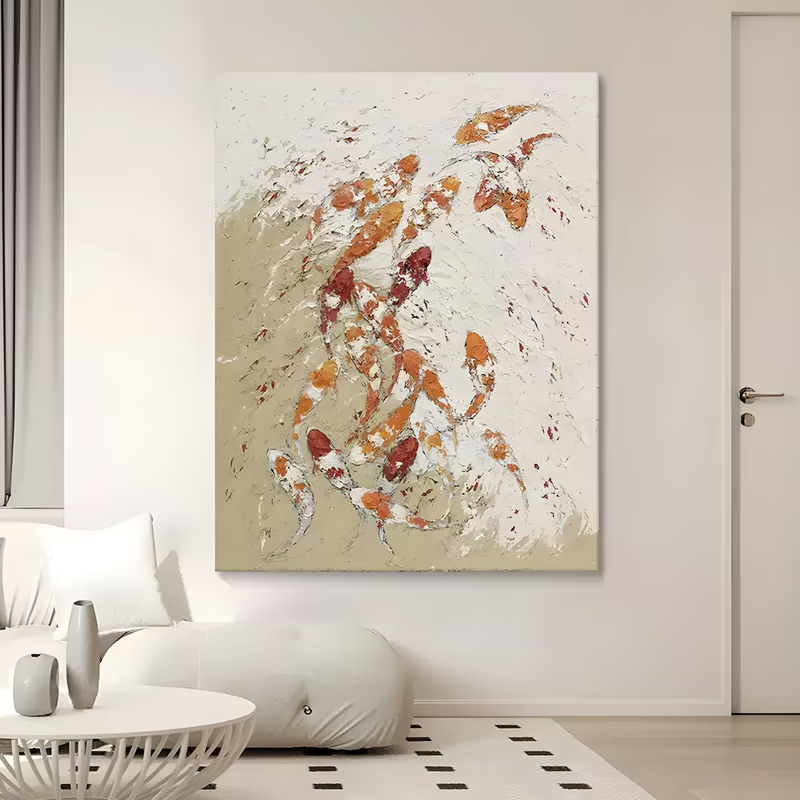
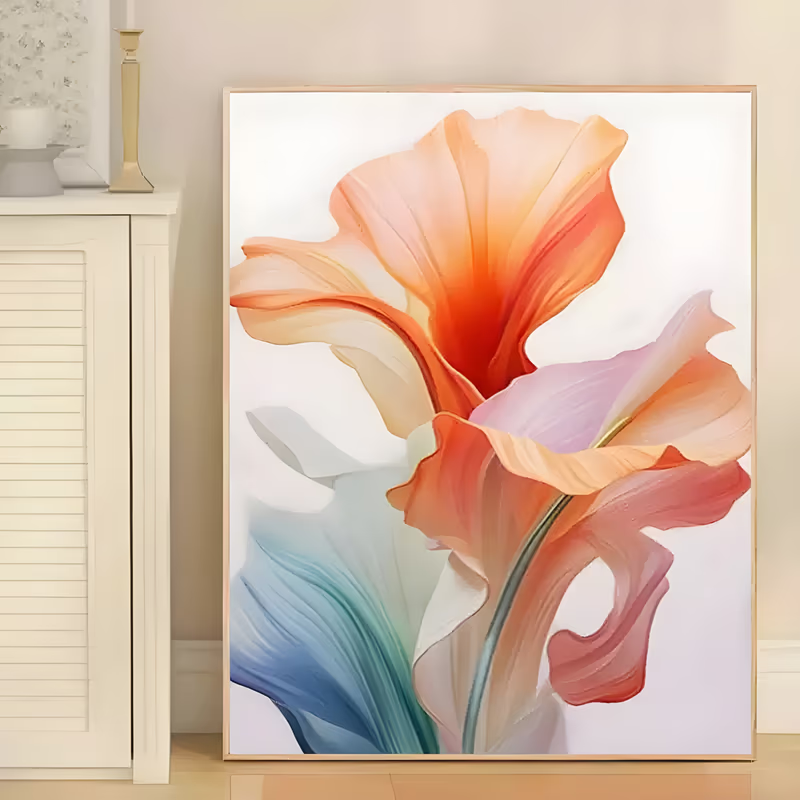
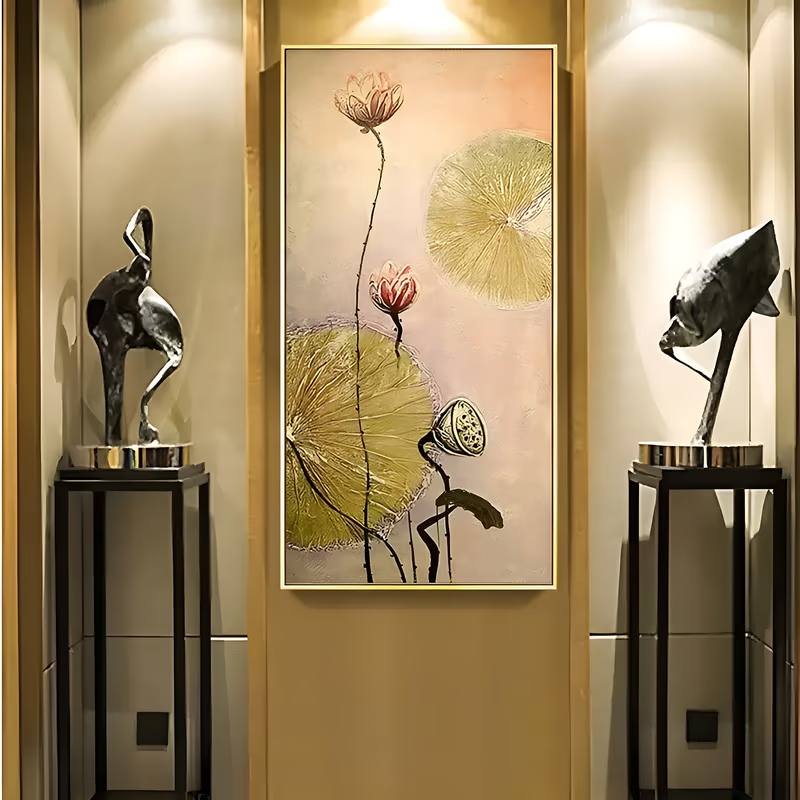
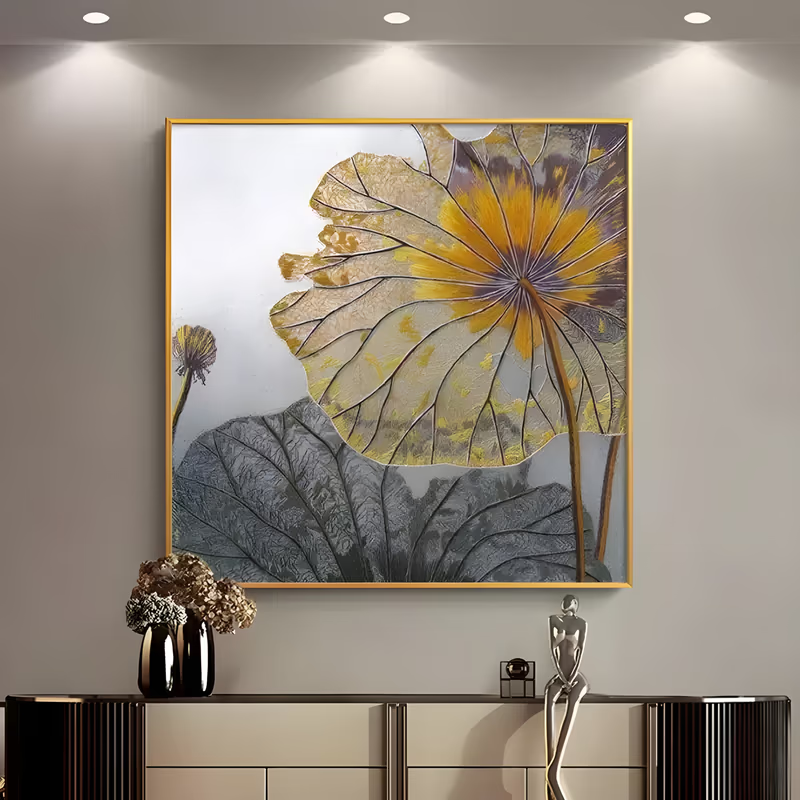
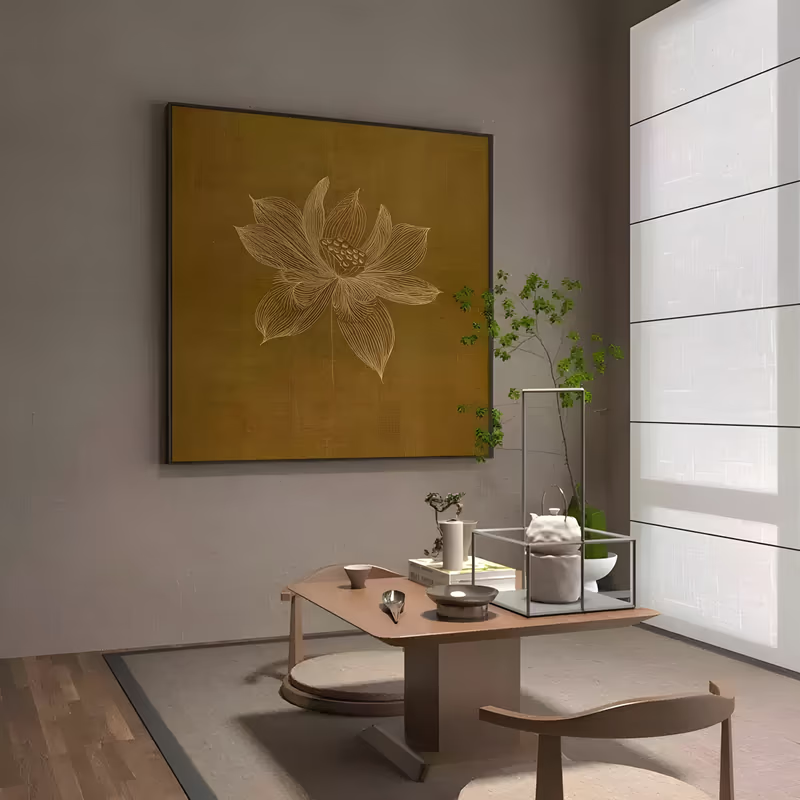
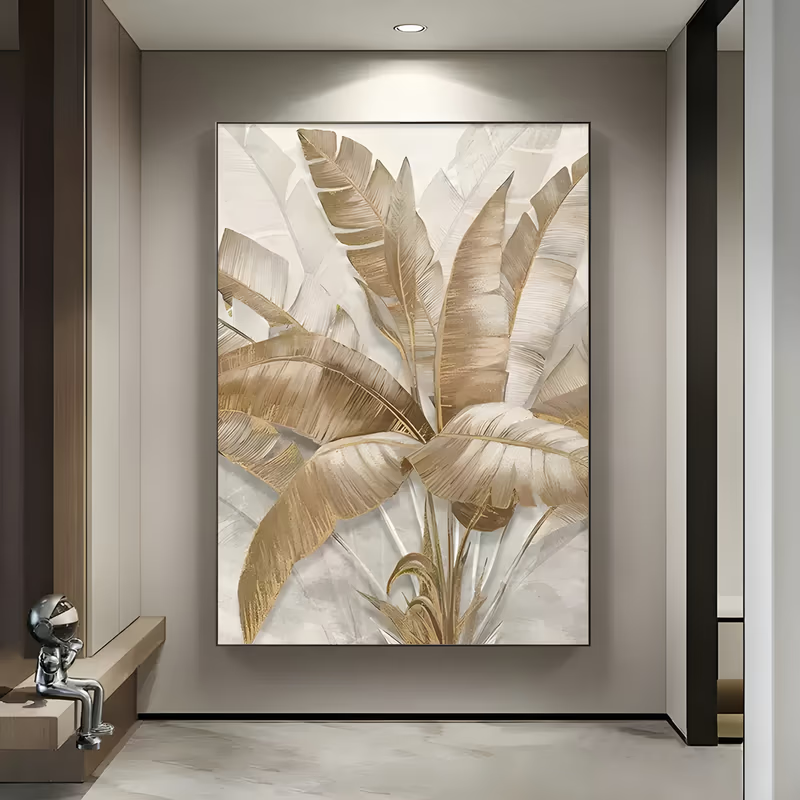
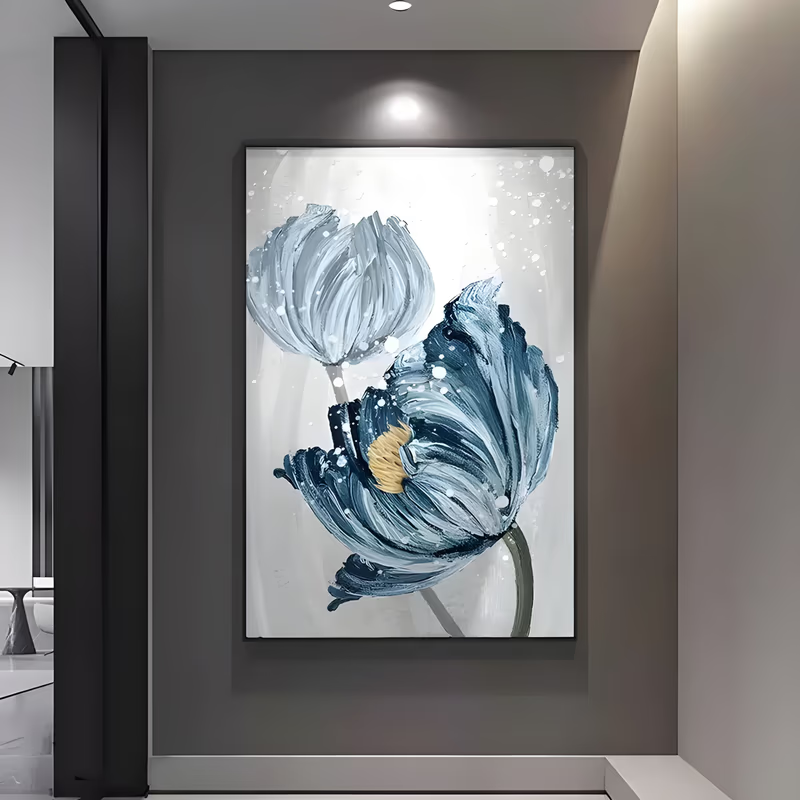
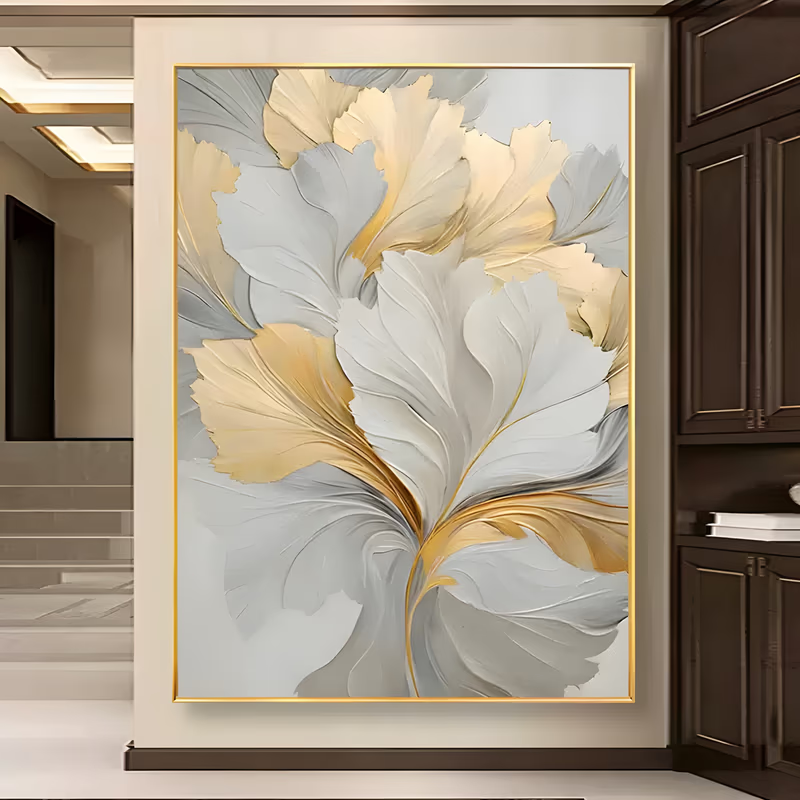
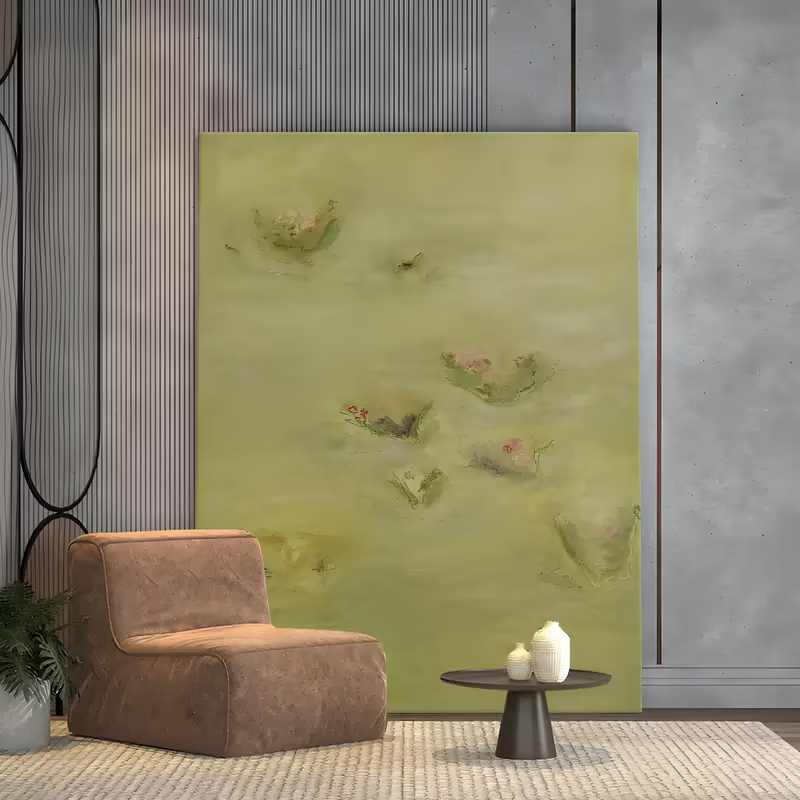
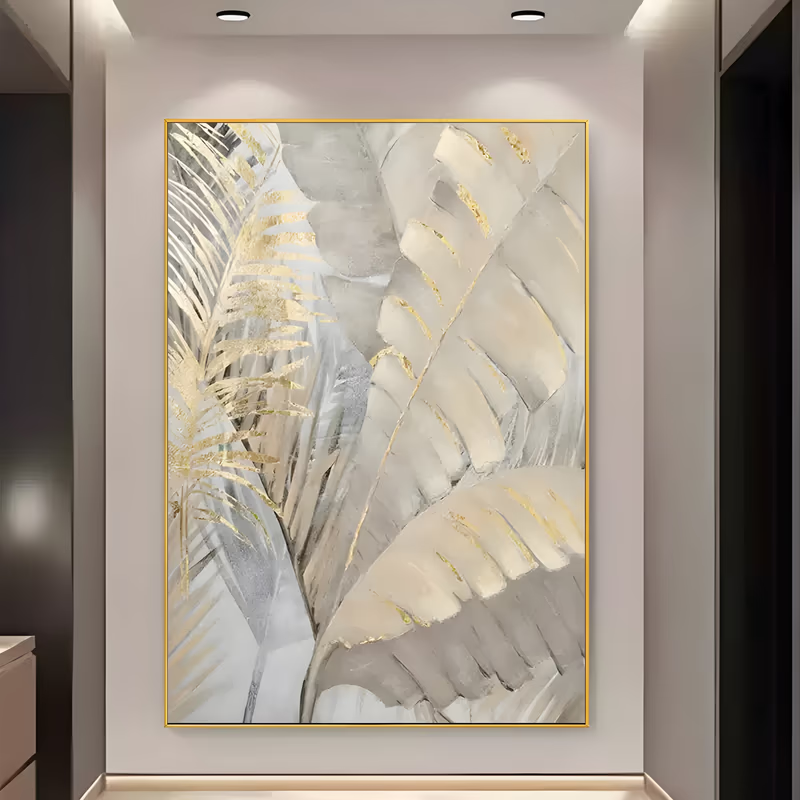
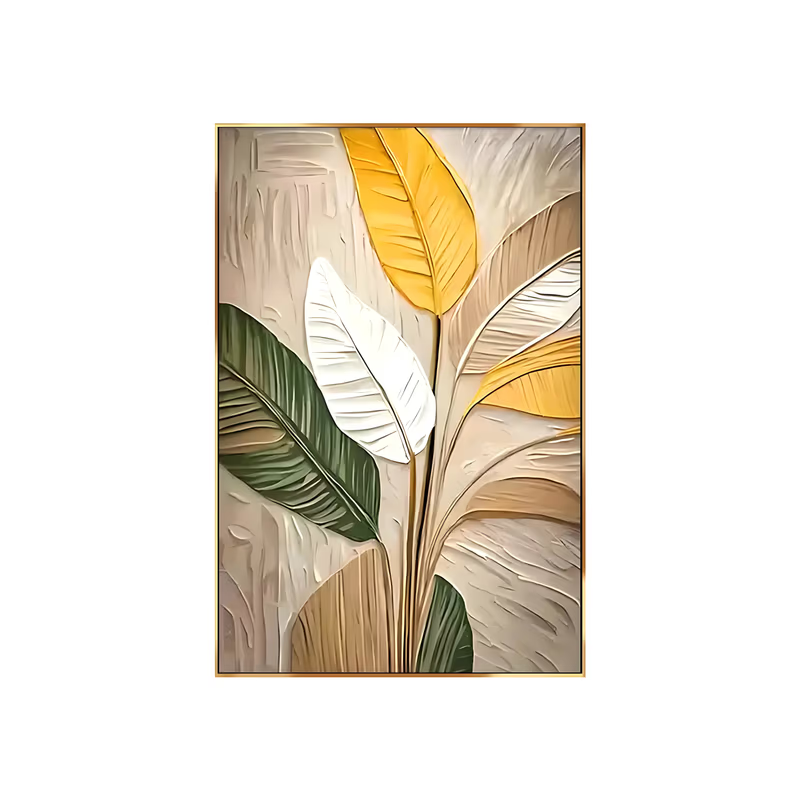
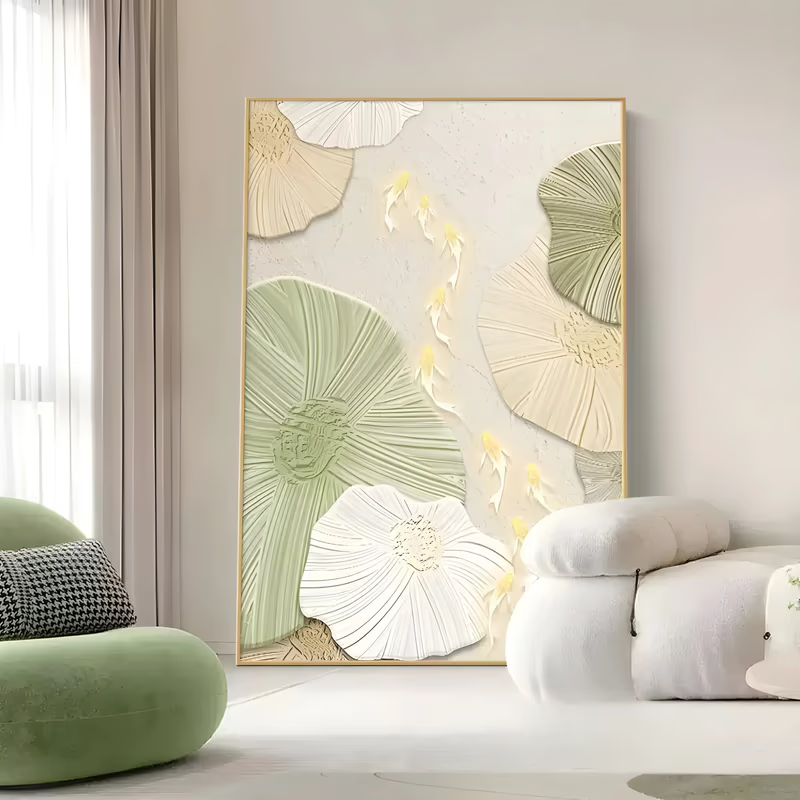
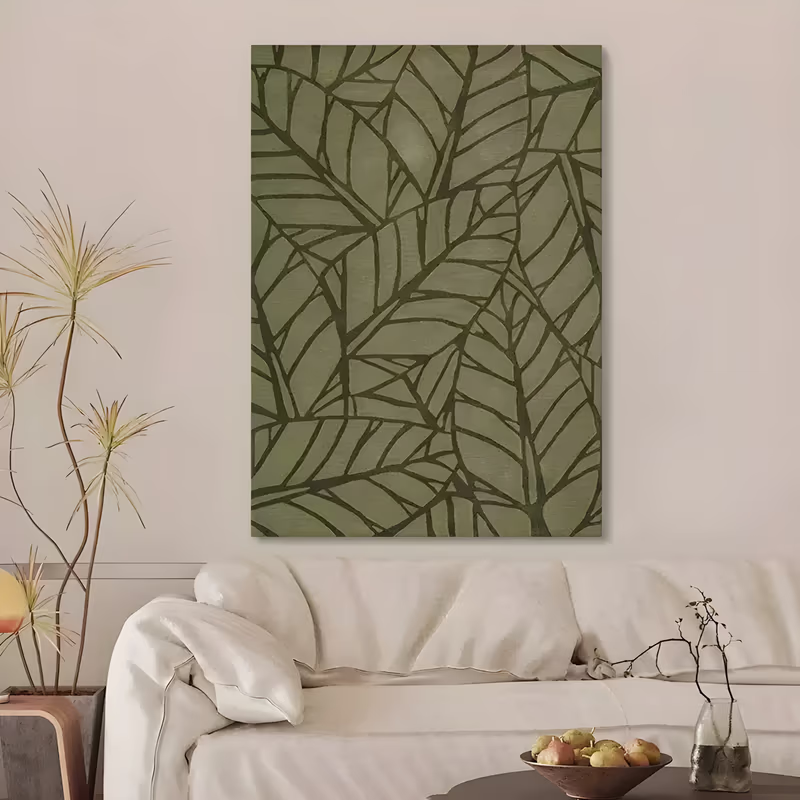
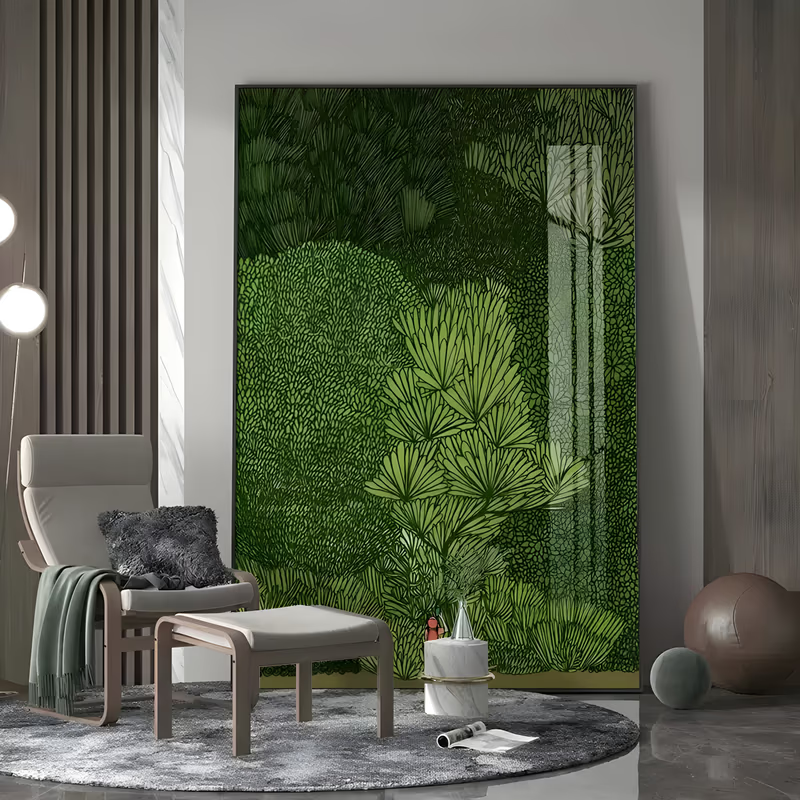
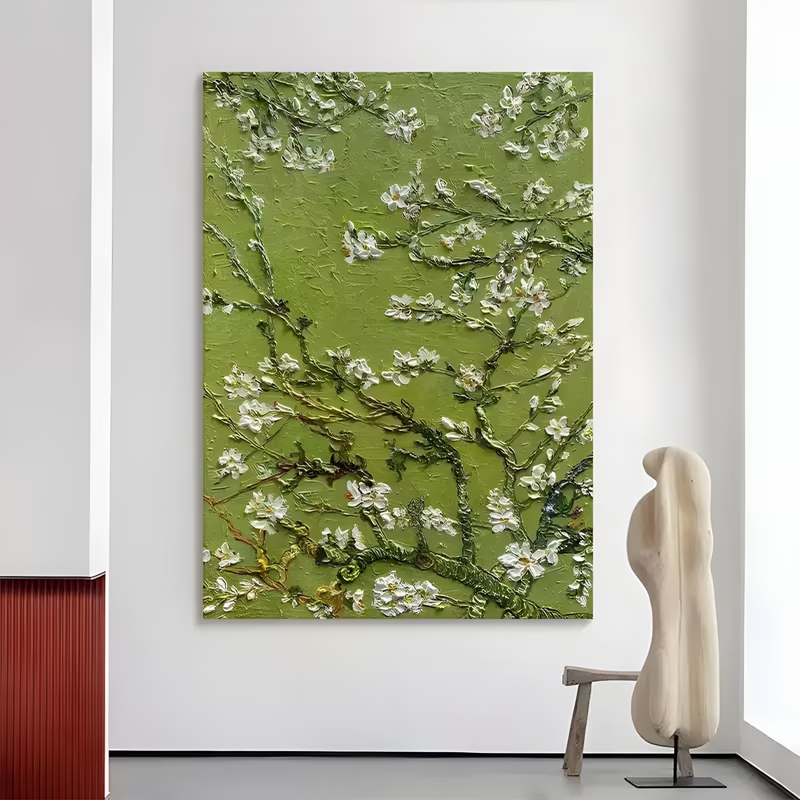
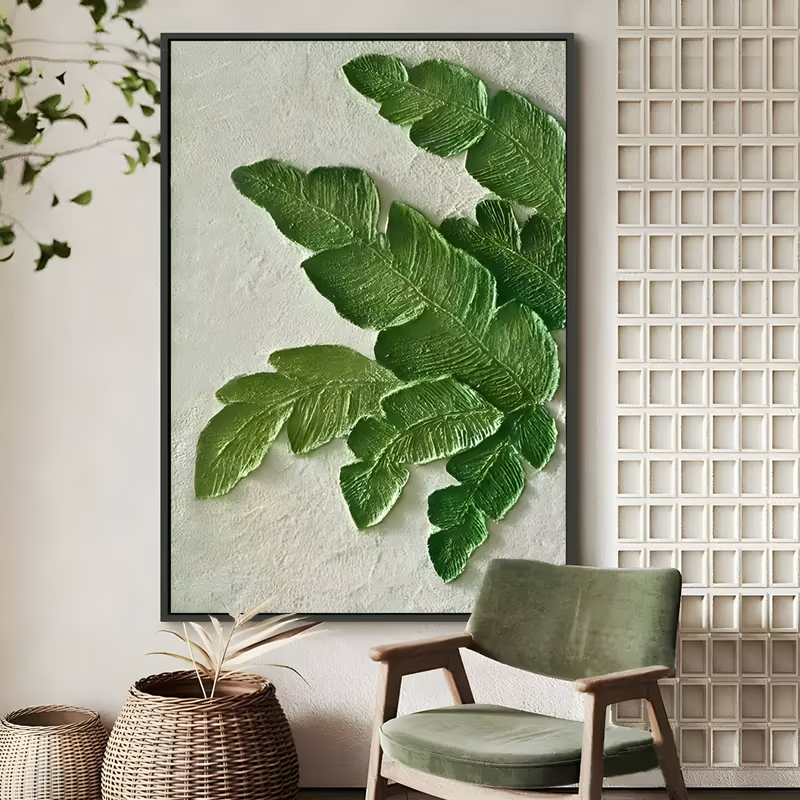
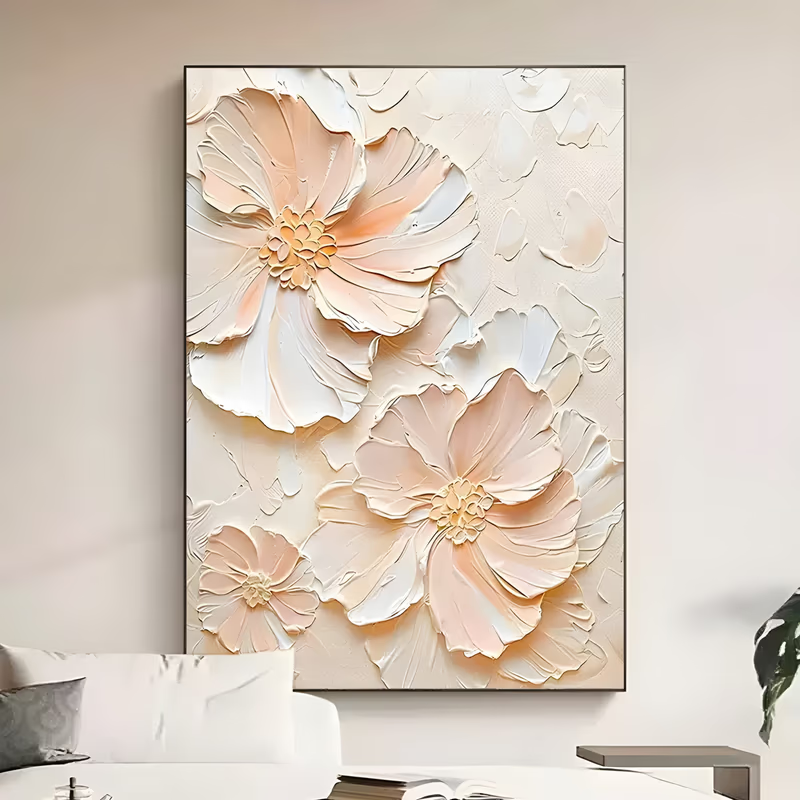
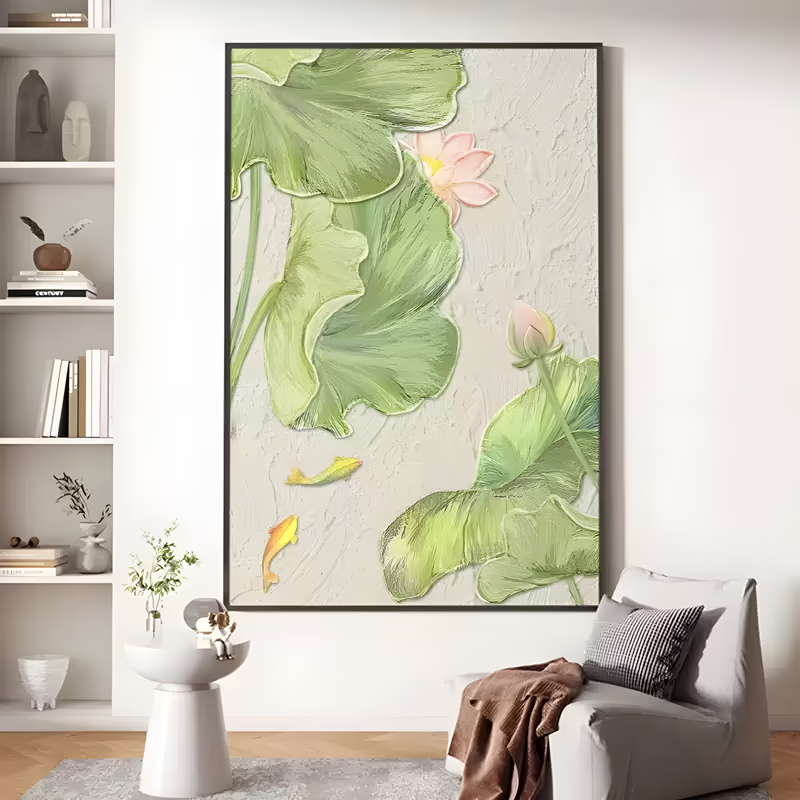
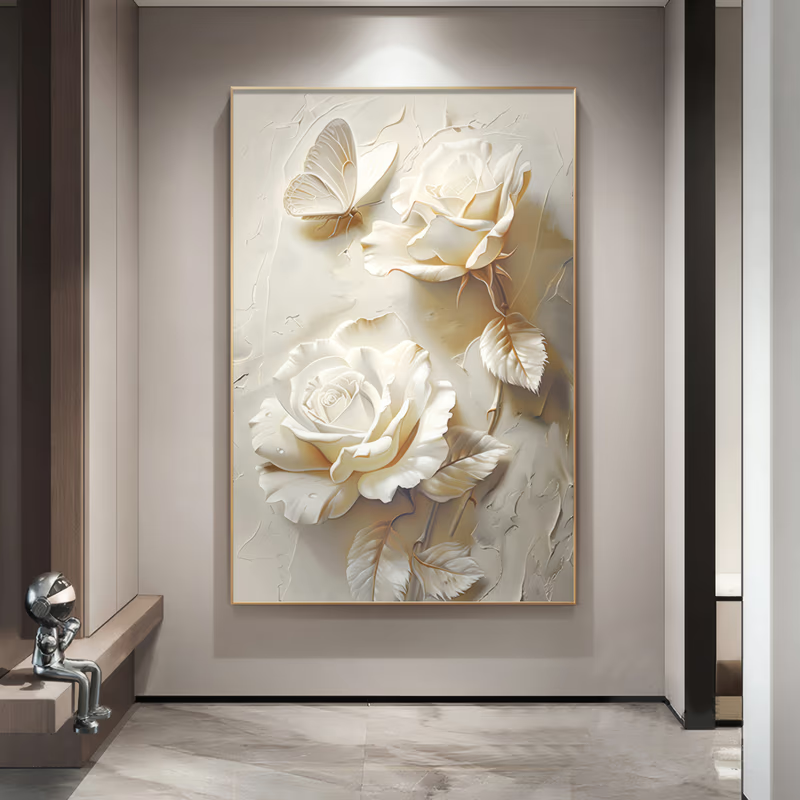
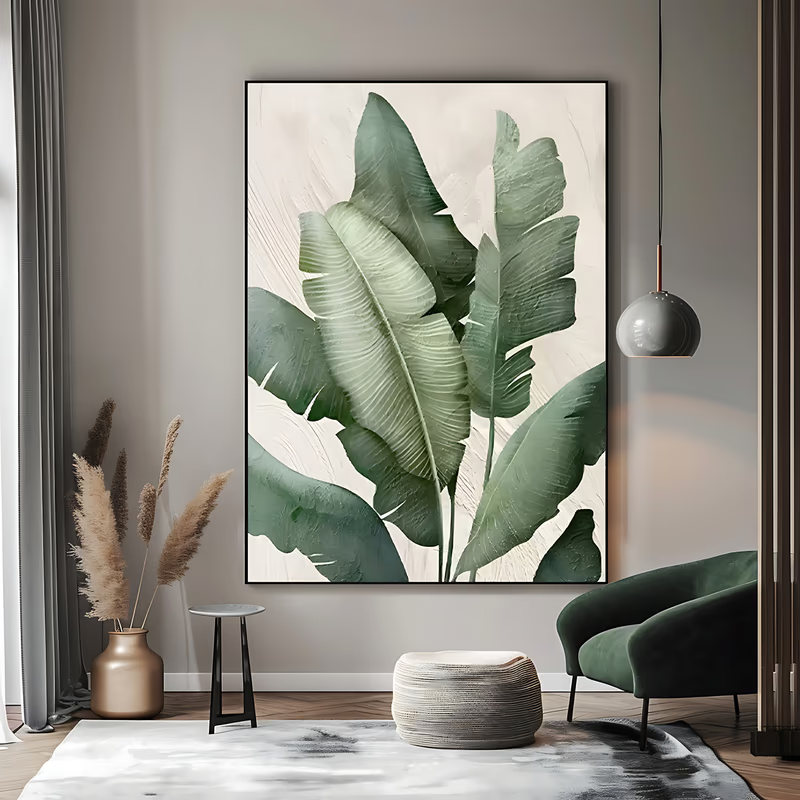
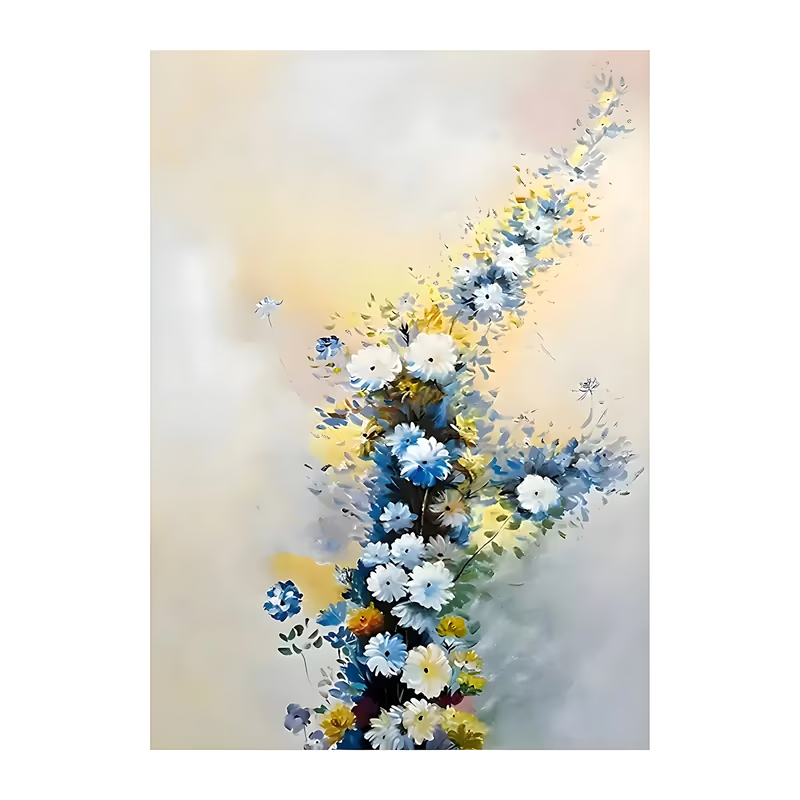
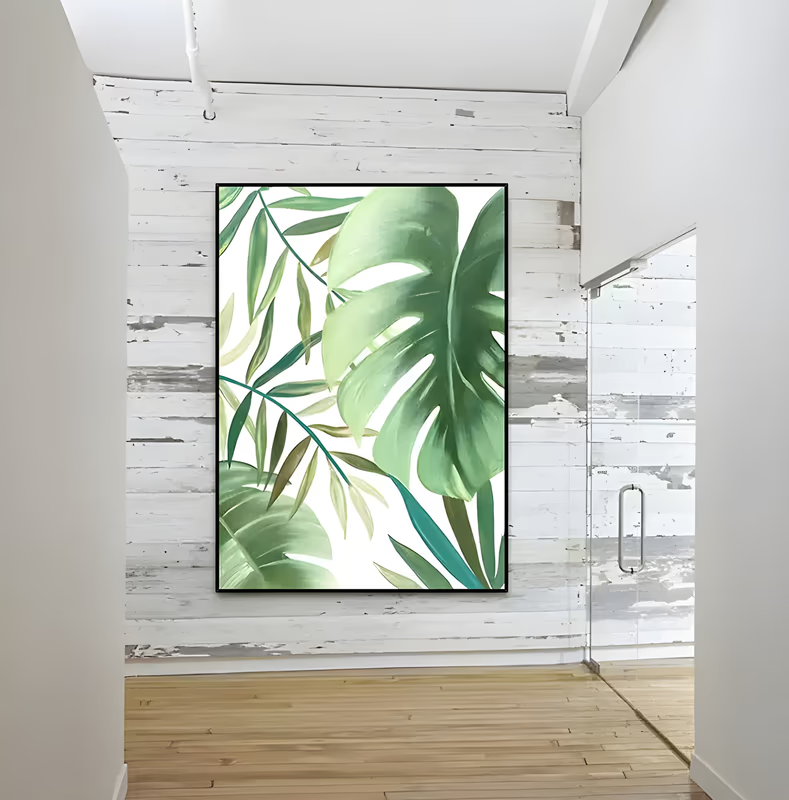
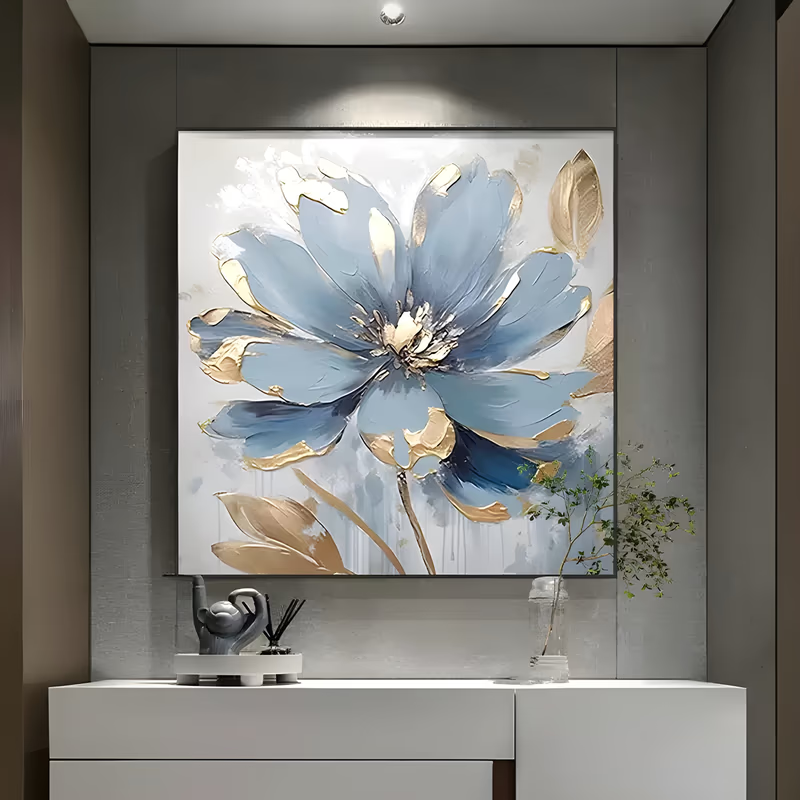
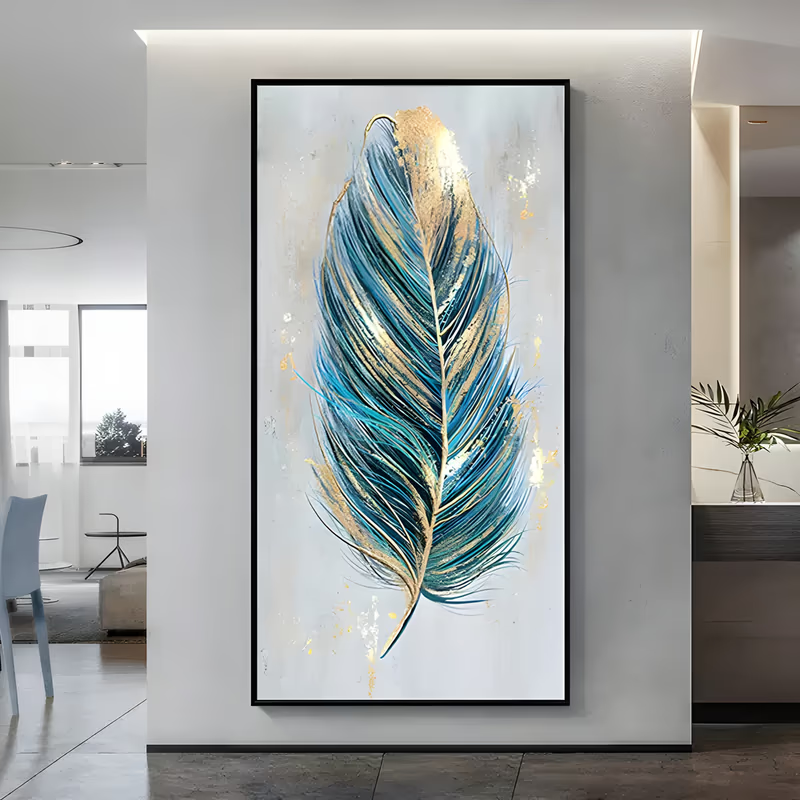
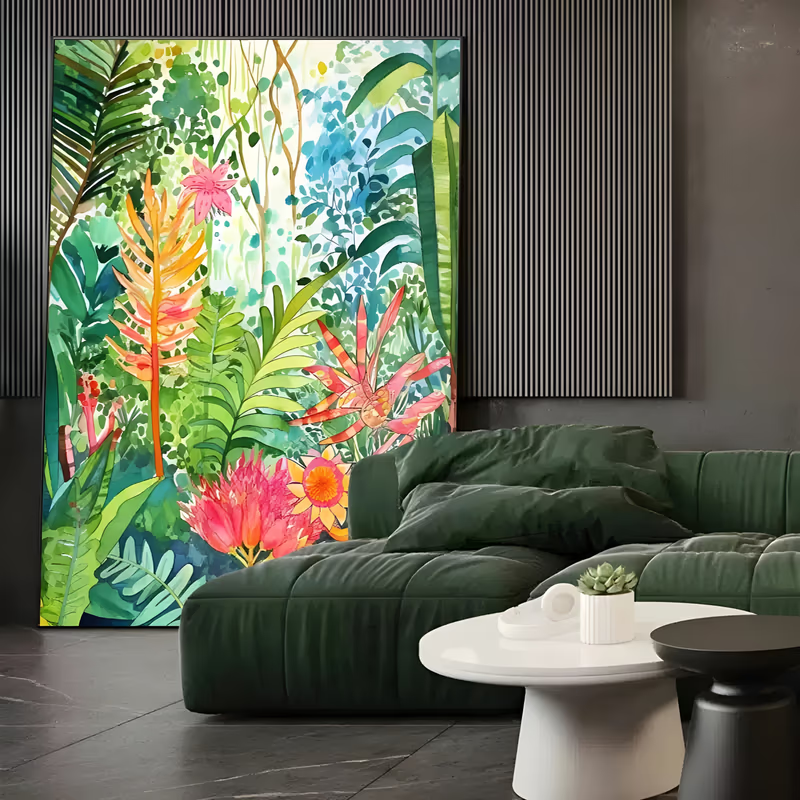
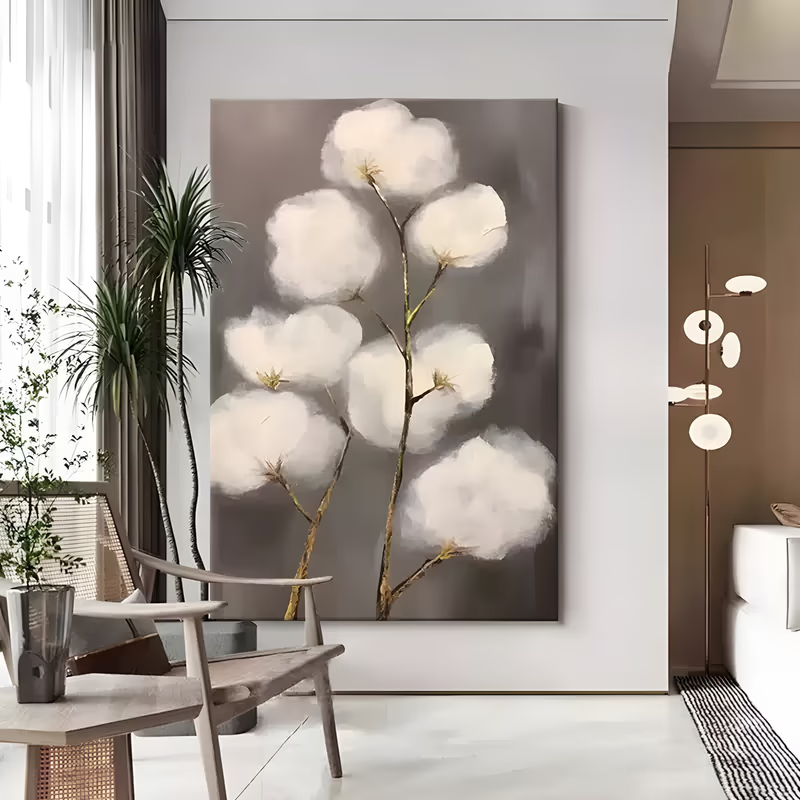
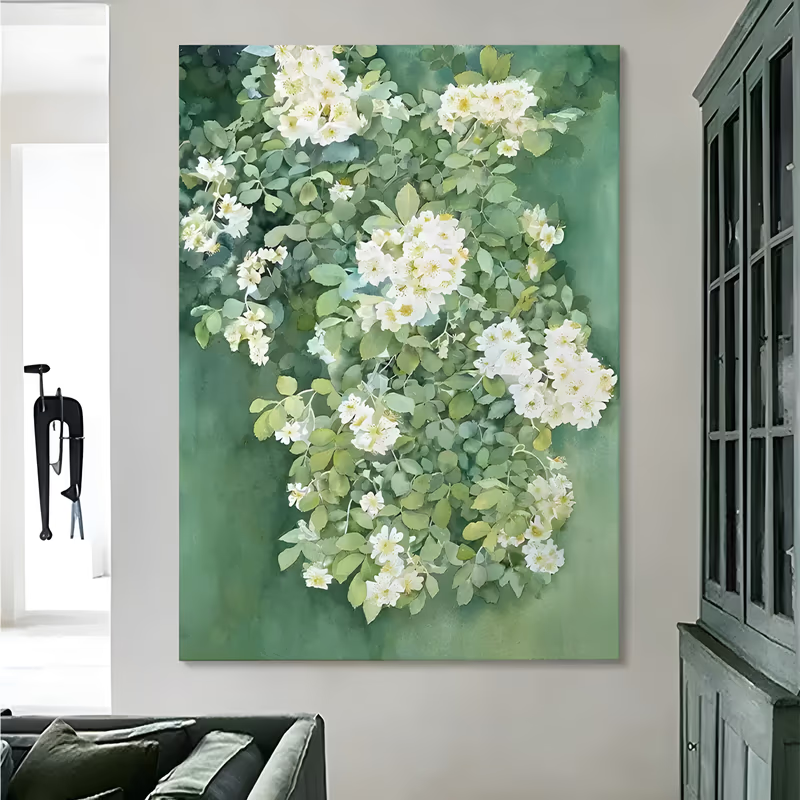
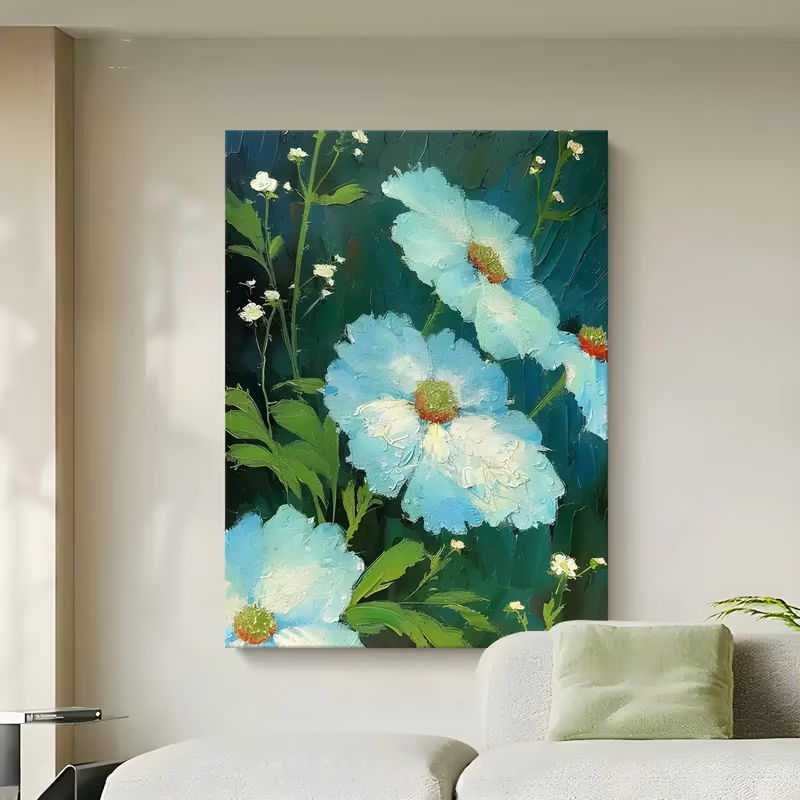
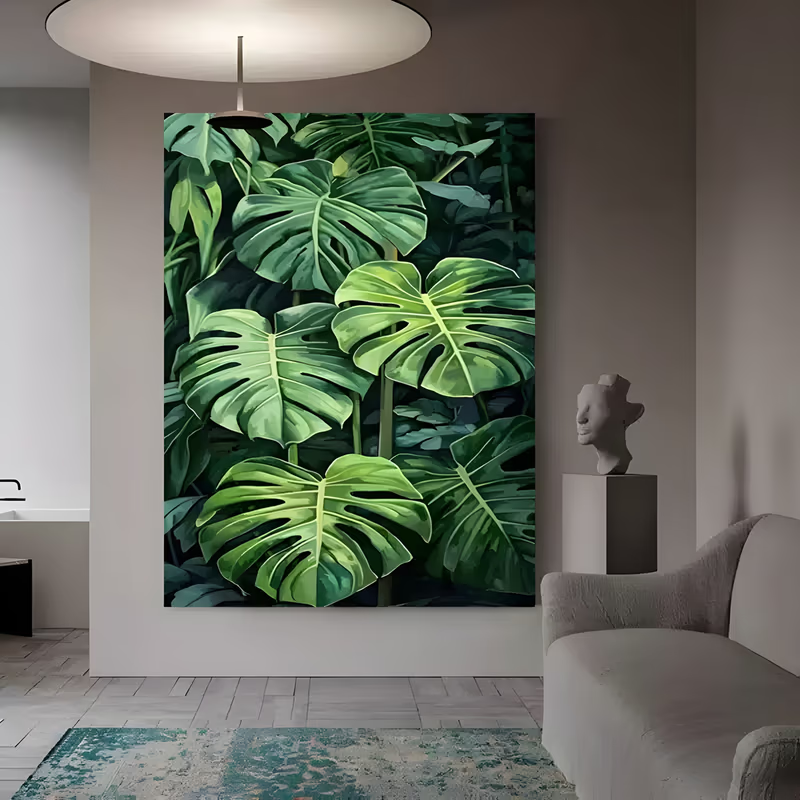
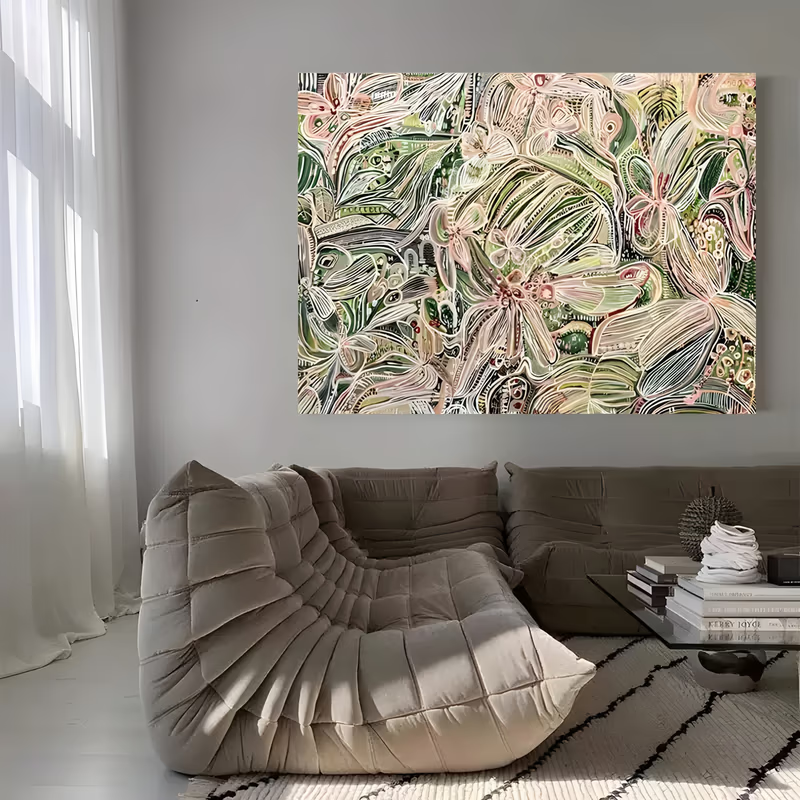
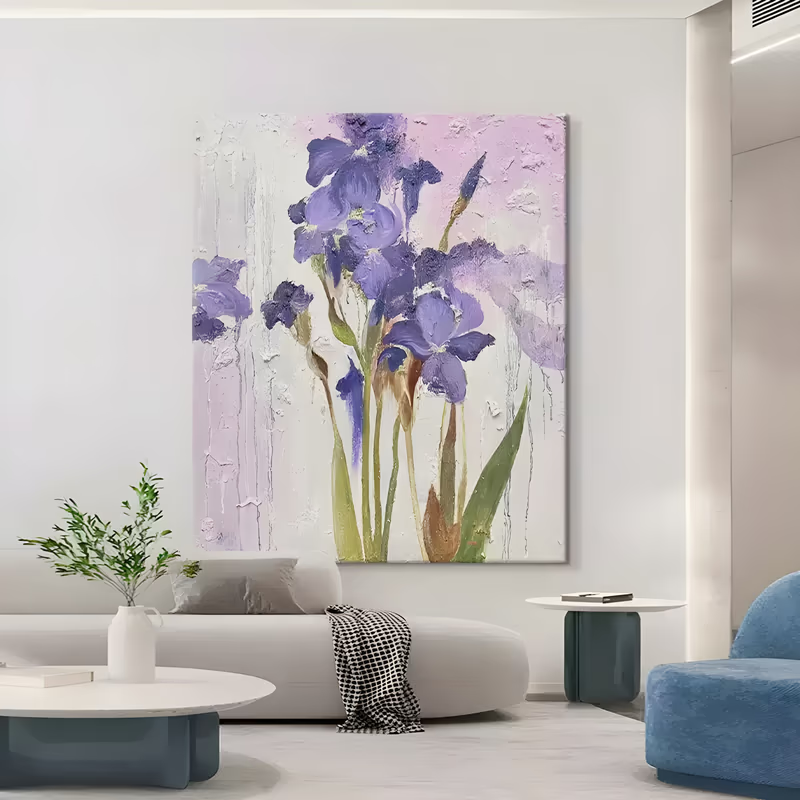
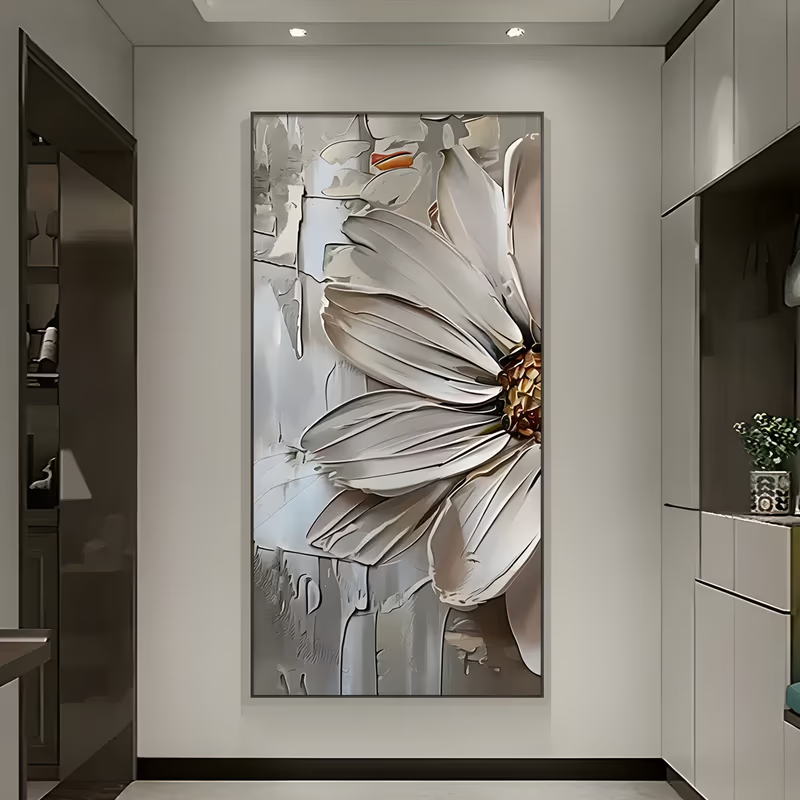
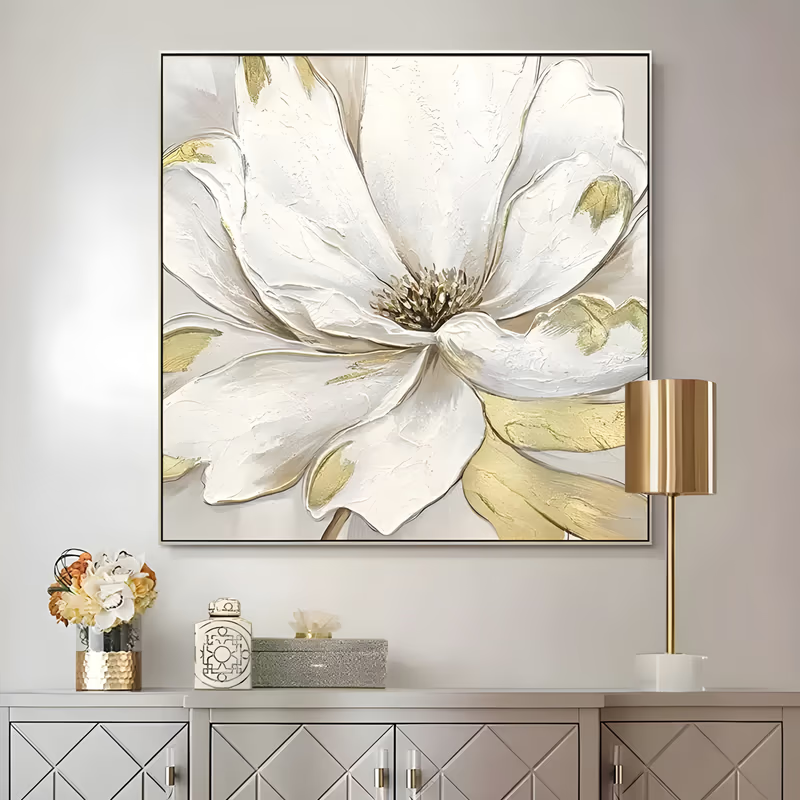
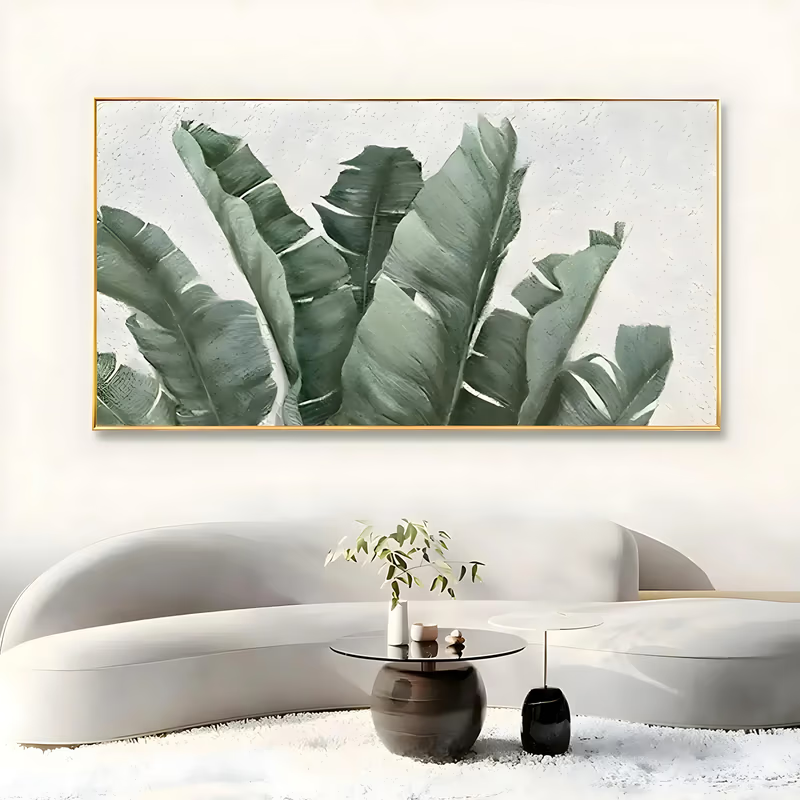
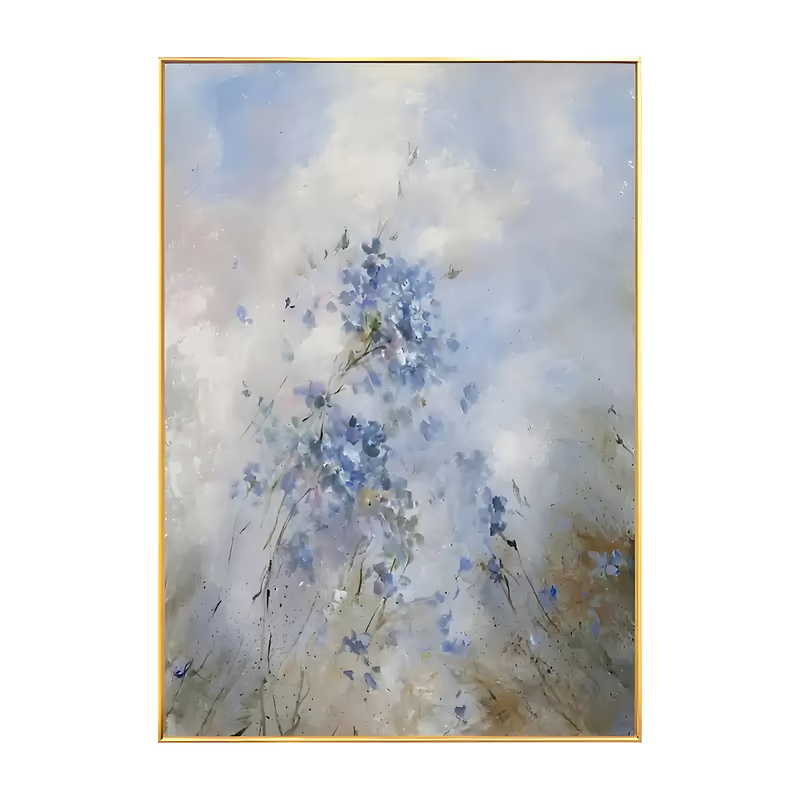
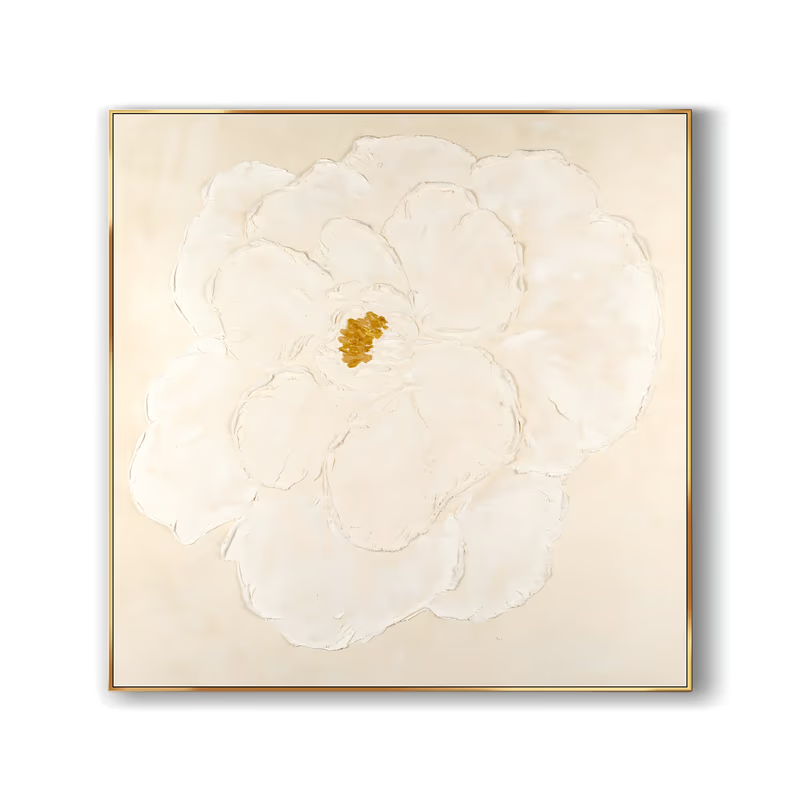
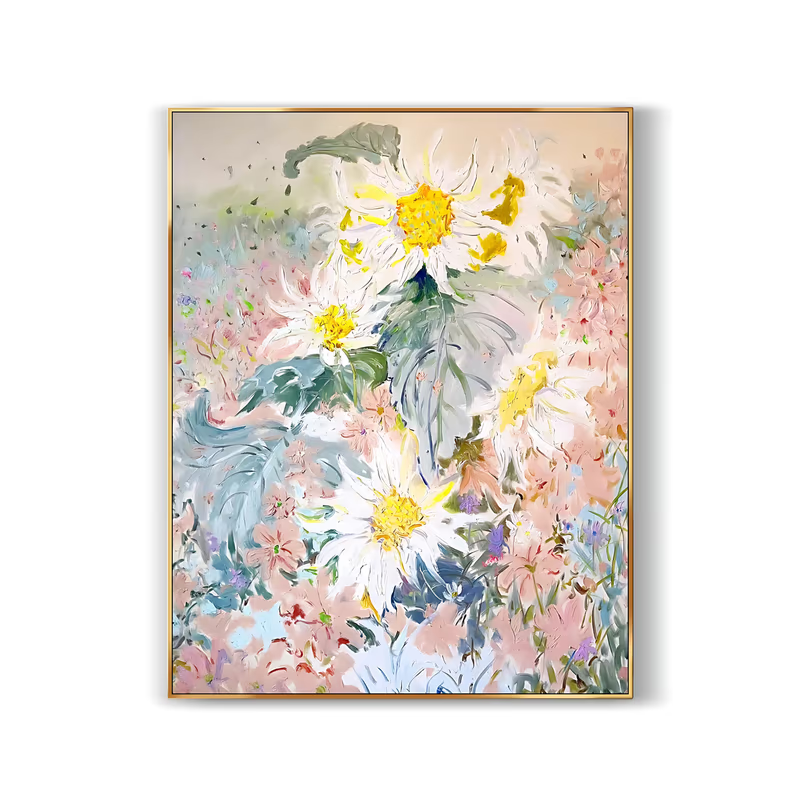
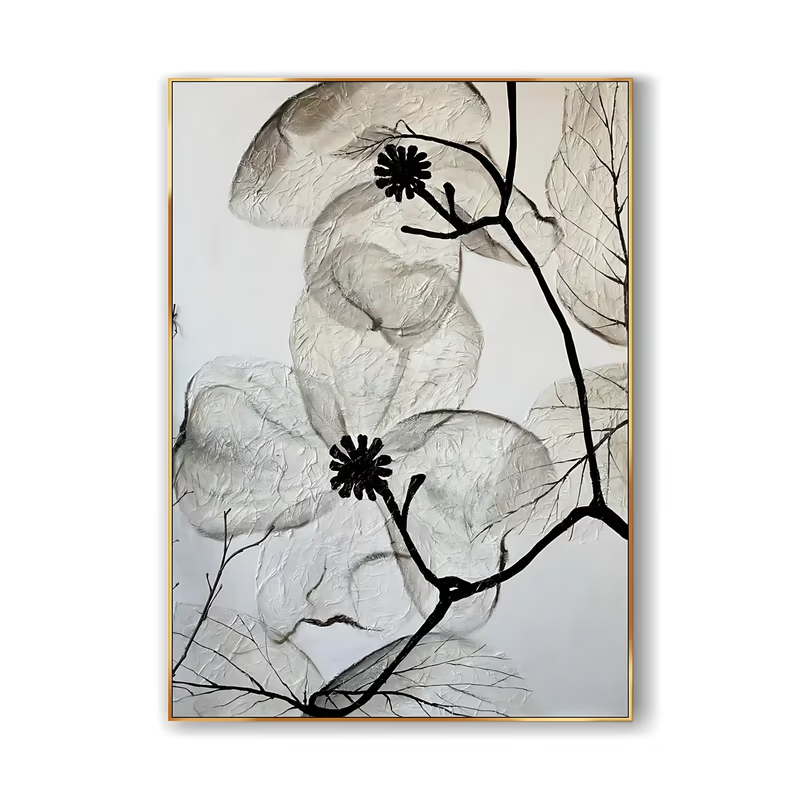
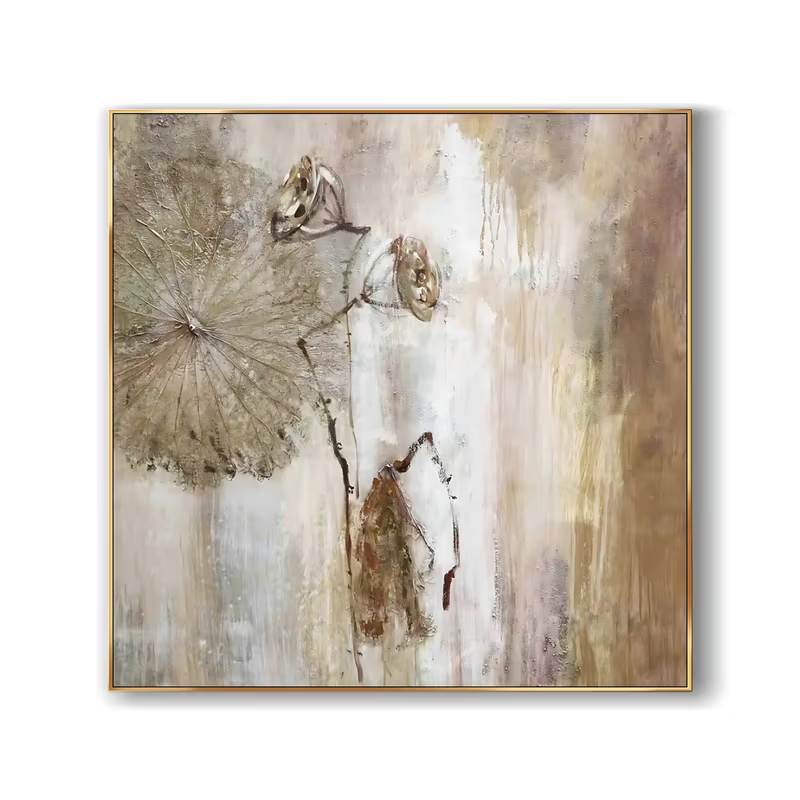
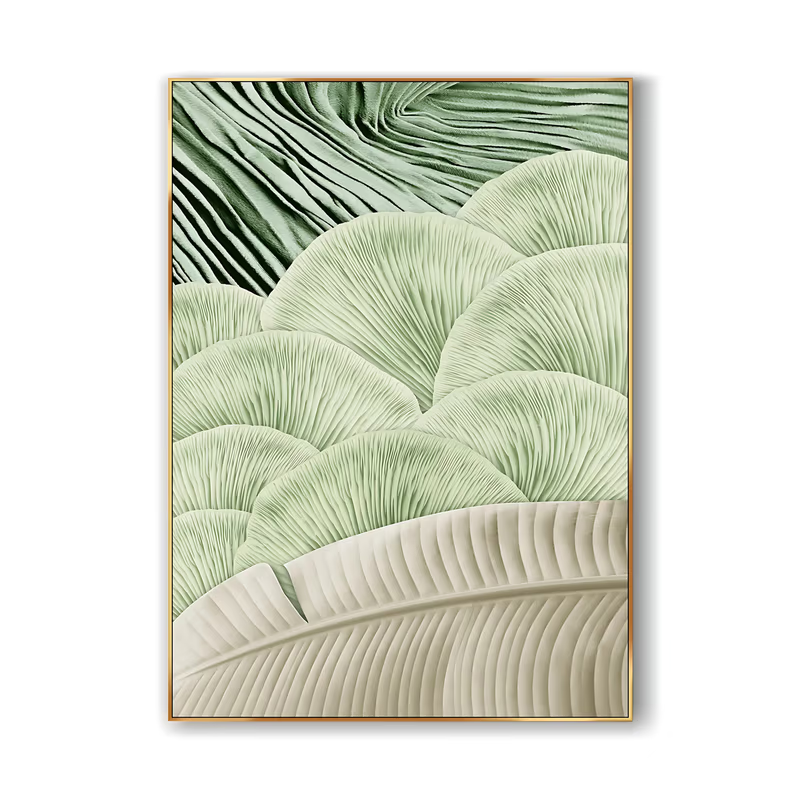
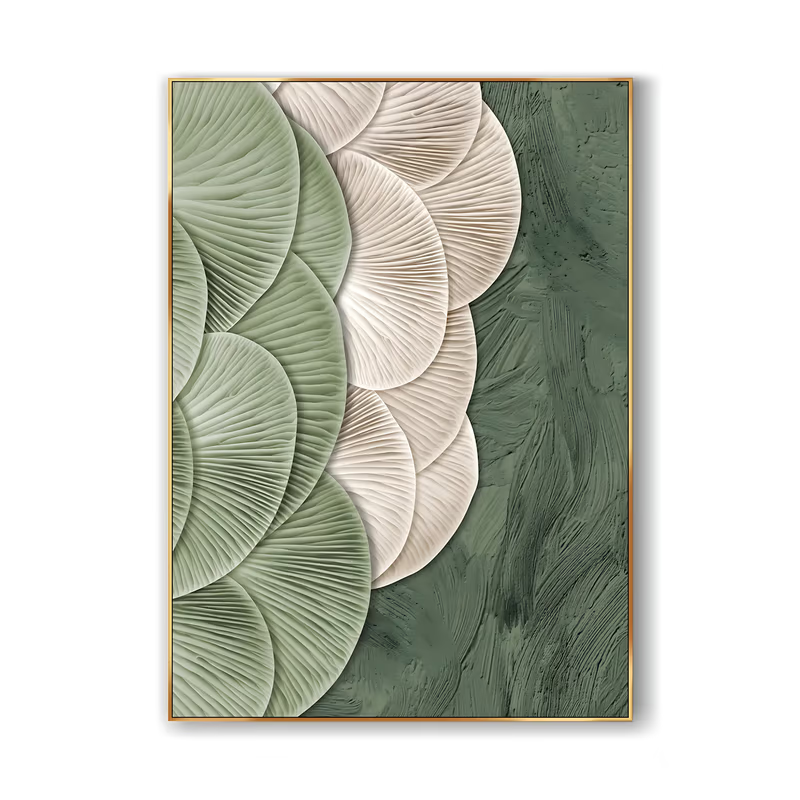
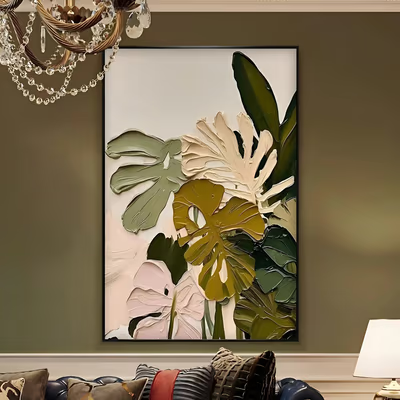
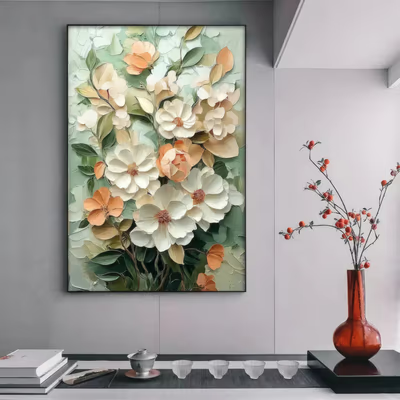
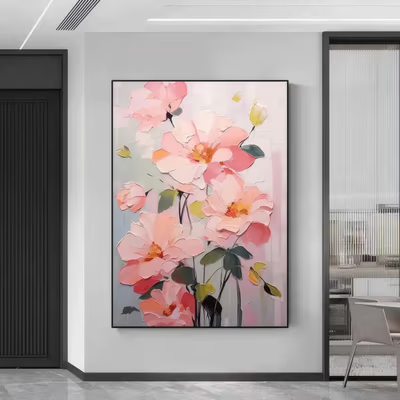
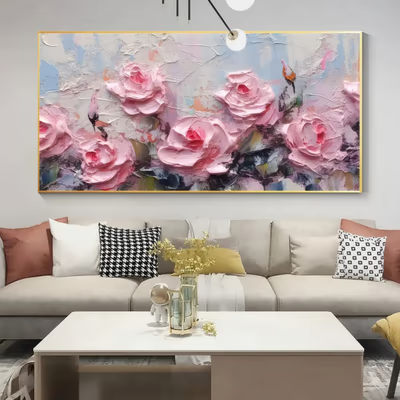
Single white or pink lotus flowers, koi ponds, monstera and banana leaves, cream blossom on sage grounds. Many are knife-painted, so petals and leaves stand off the canvas. Lotus and leaf subjects tie a spa to its botanicals and oils, and a lotus carries its traditional meaning of renewal for guests who know it.
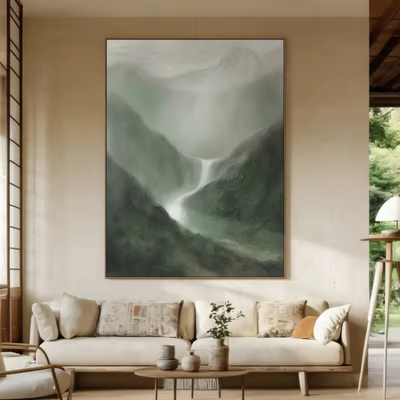
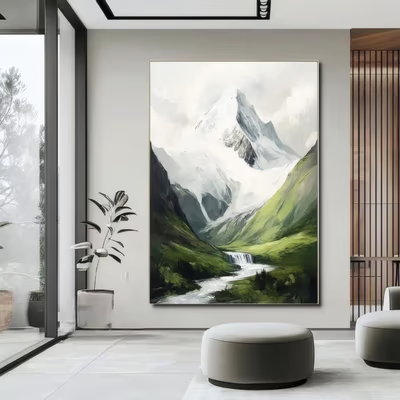
Misty impressionist landscapes
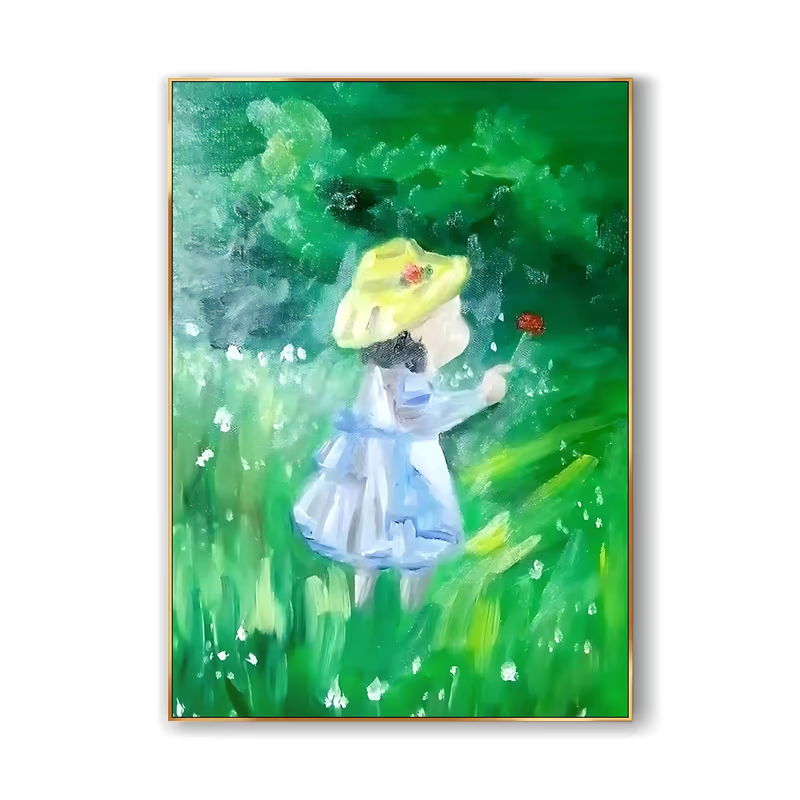
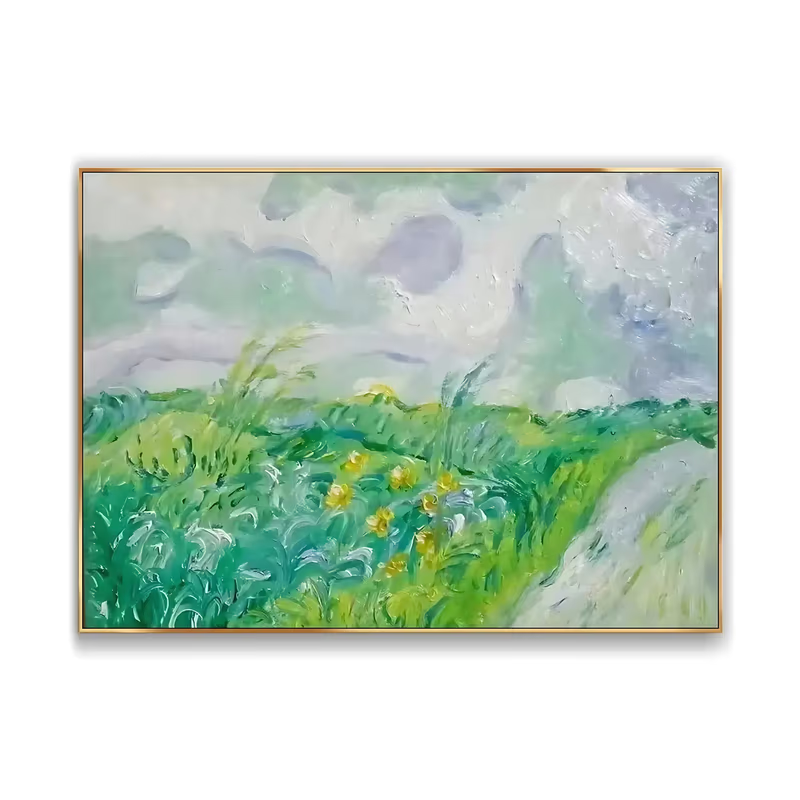
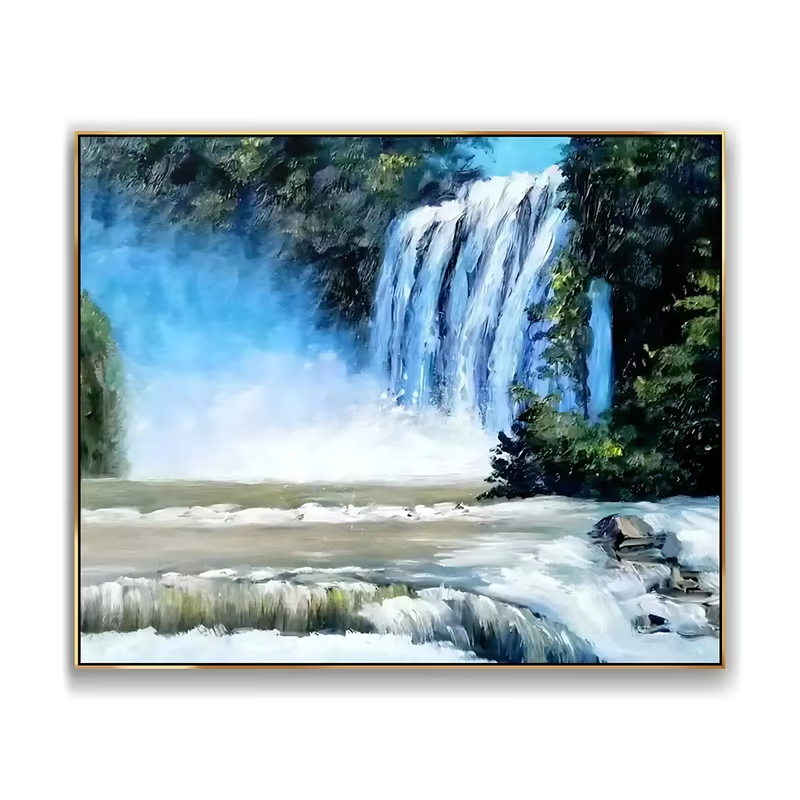
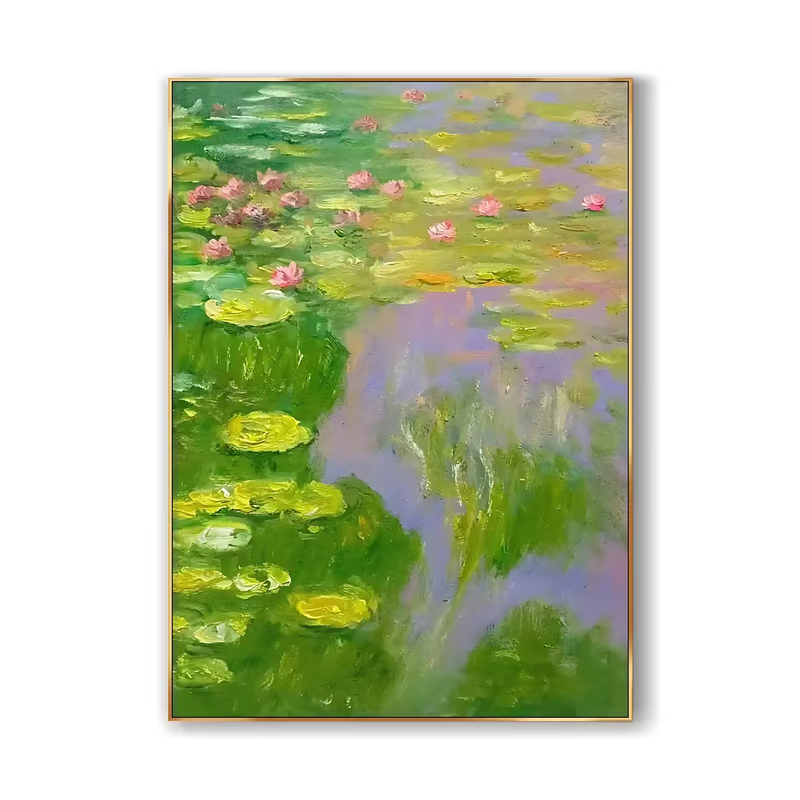
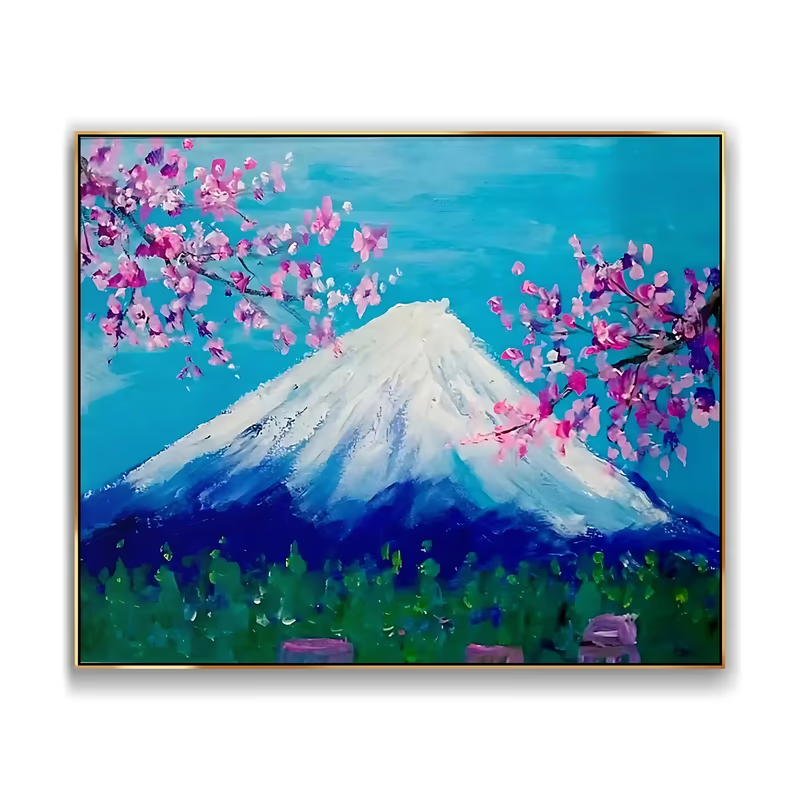
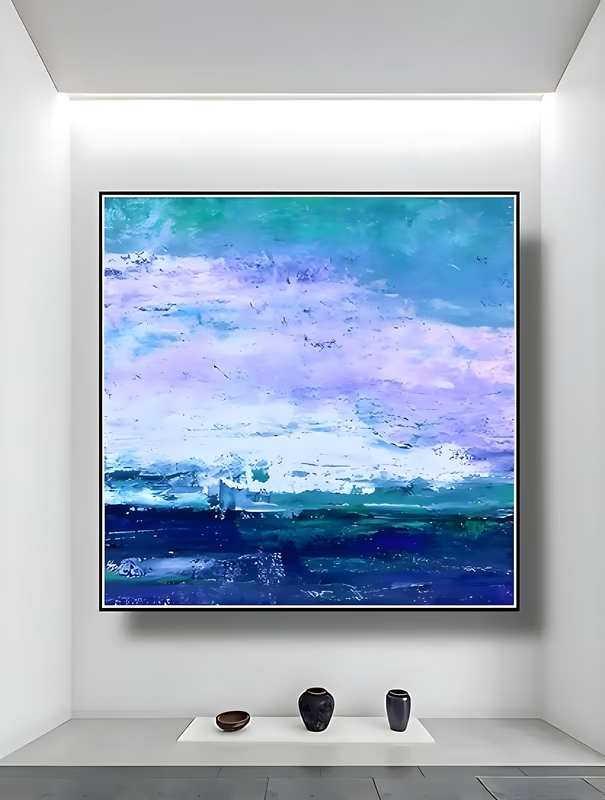
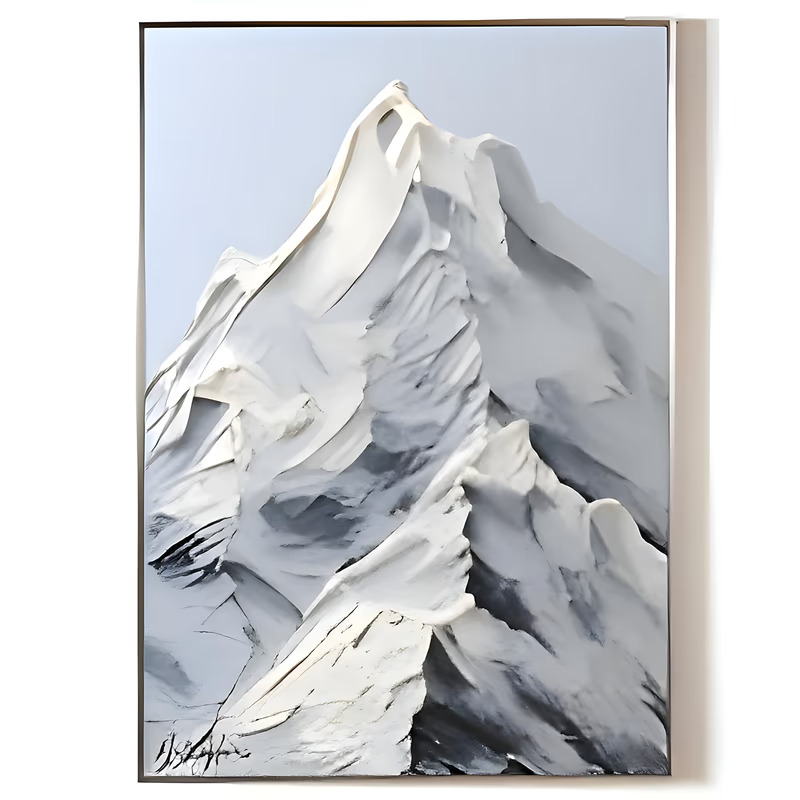
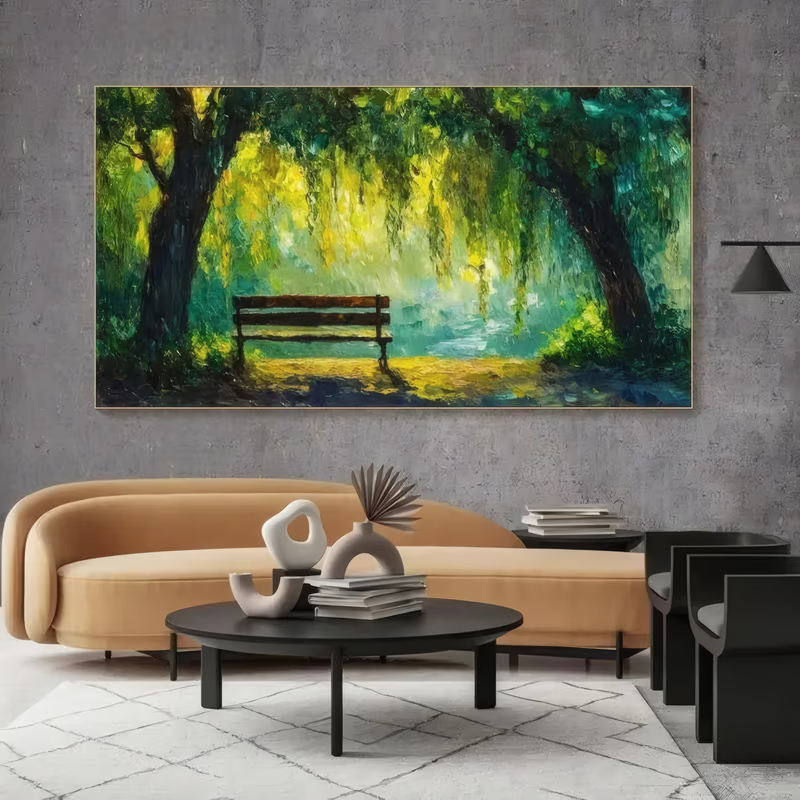
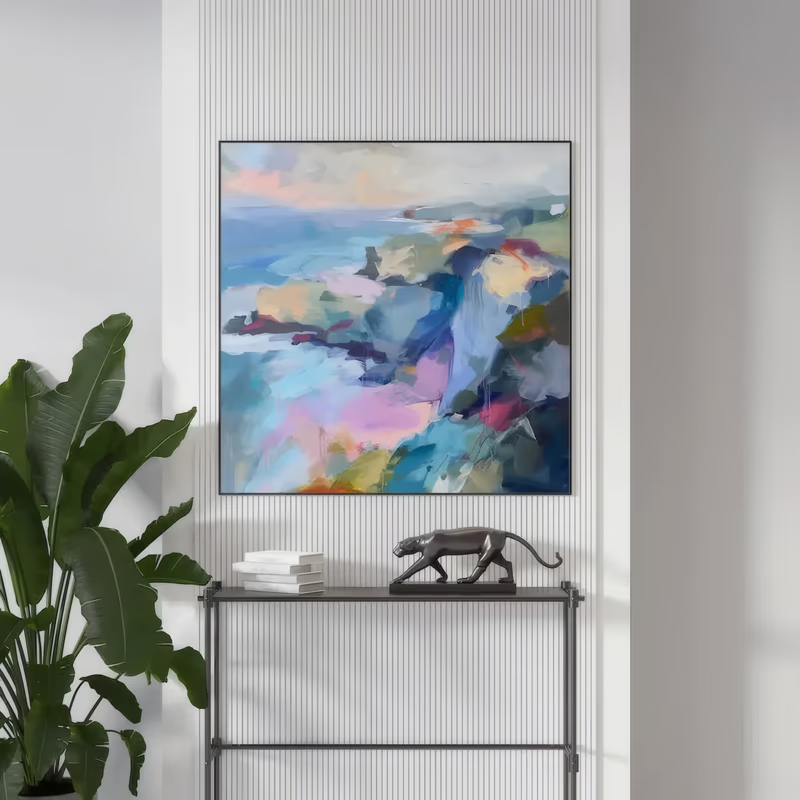
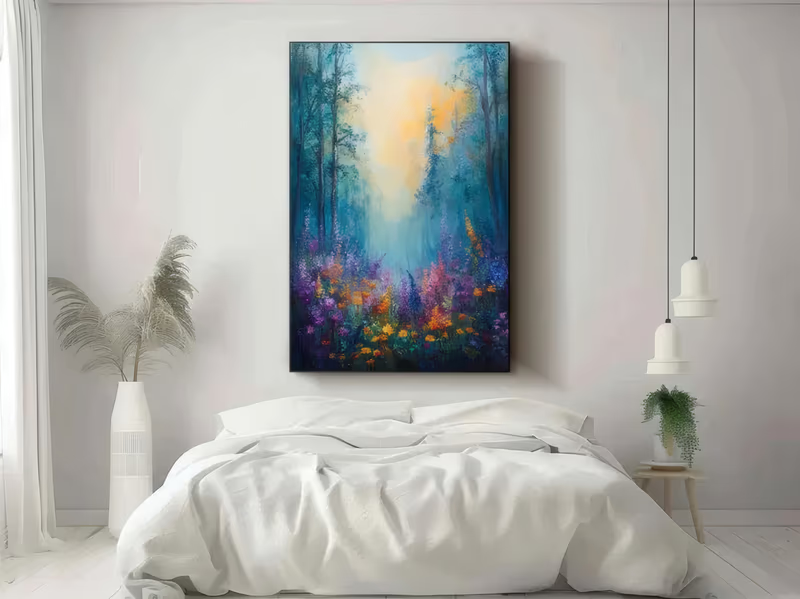
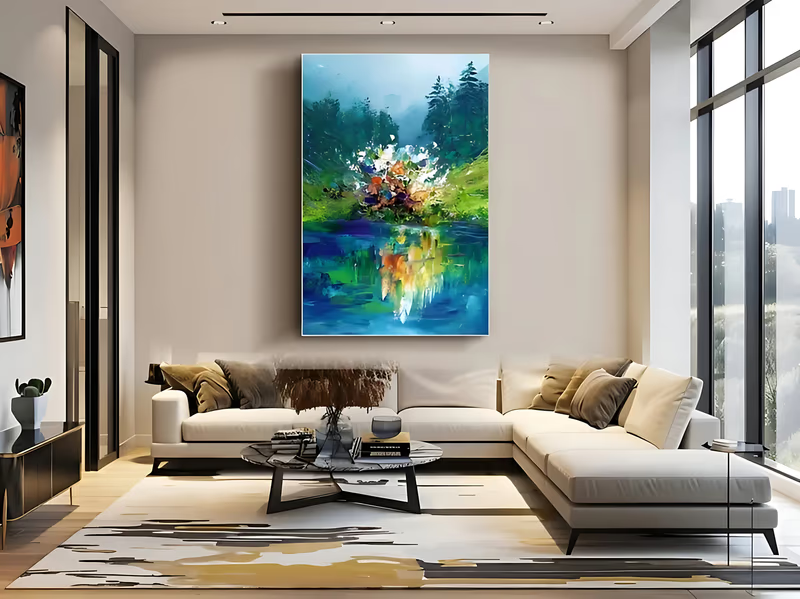
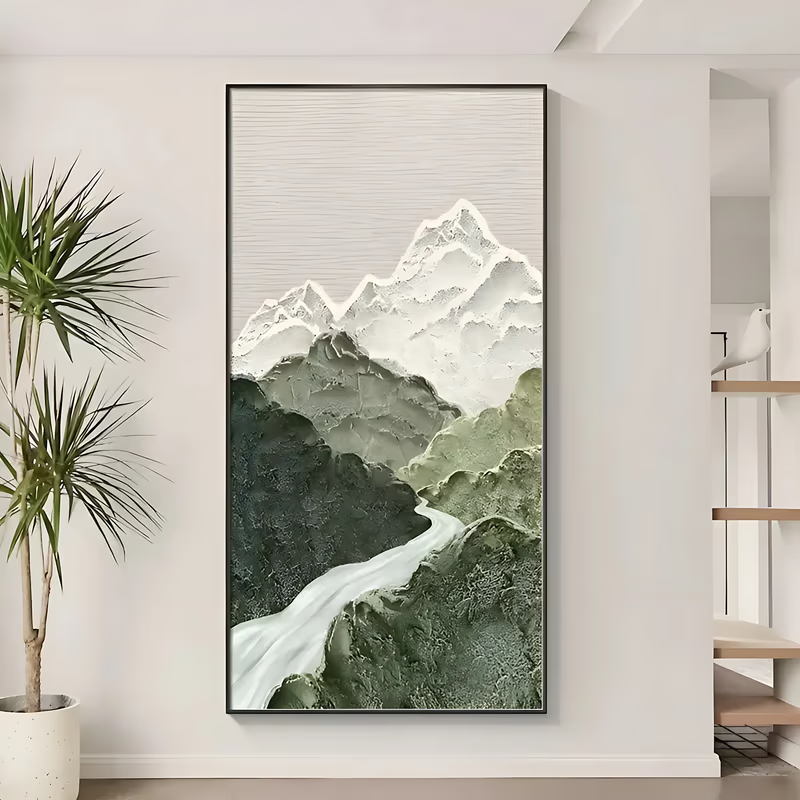
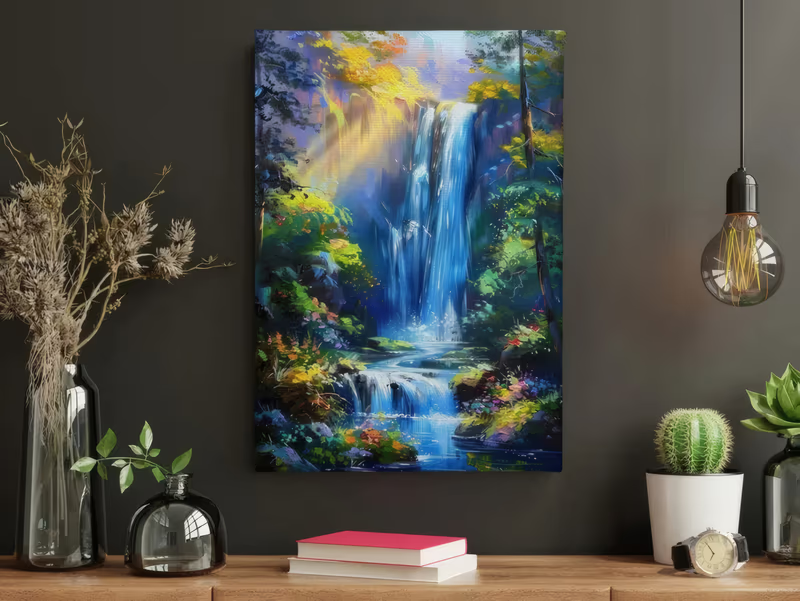
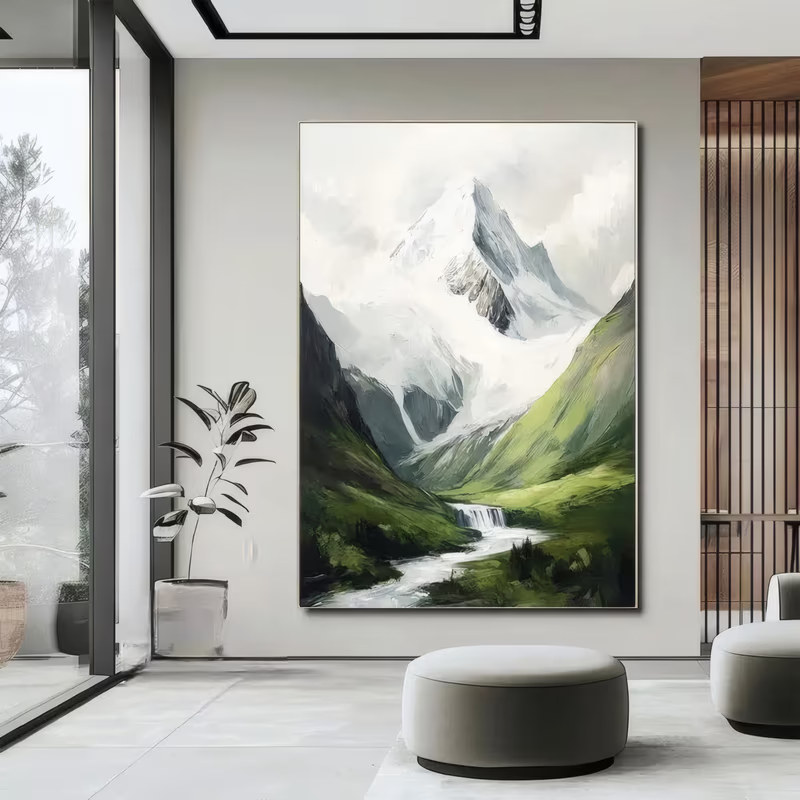
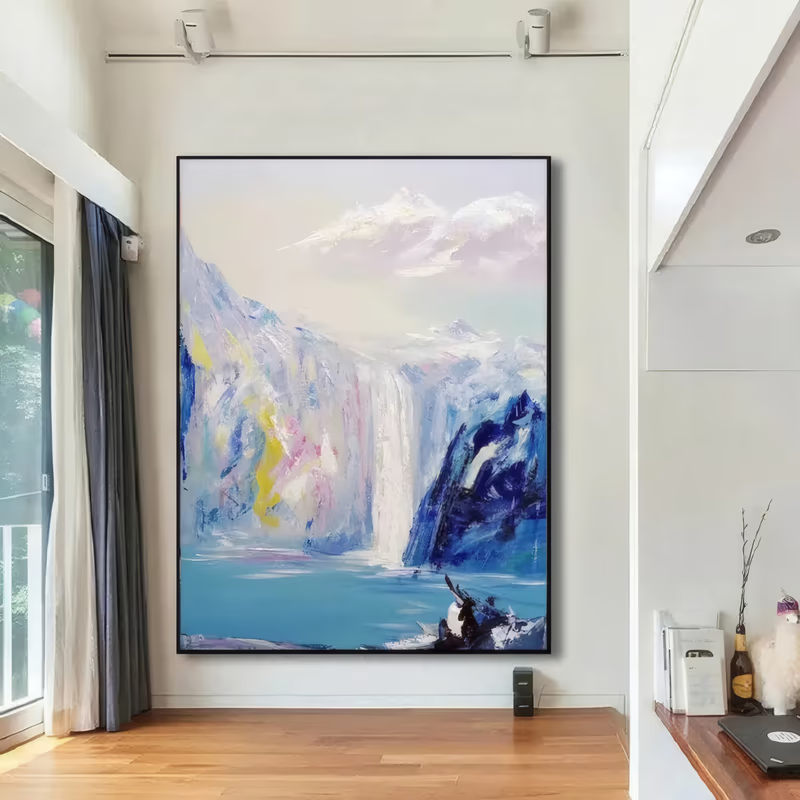
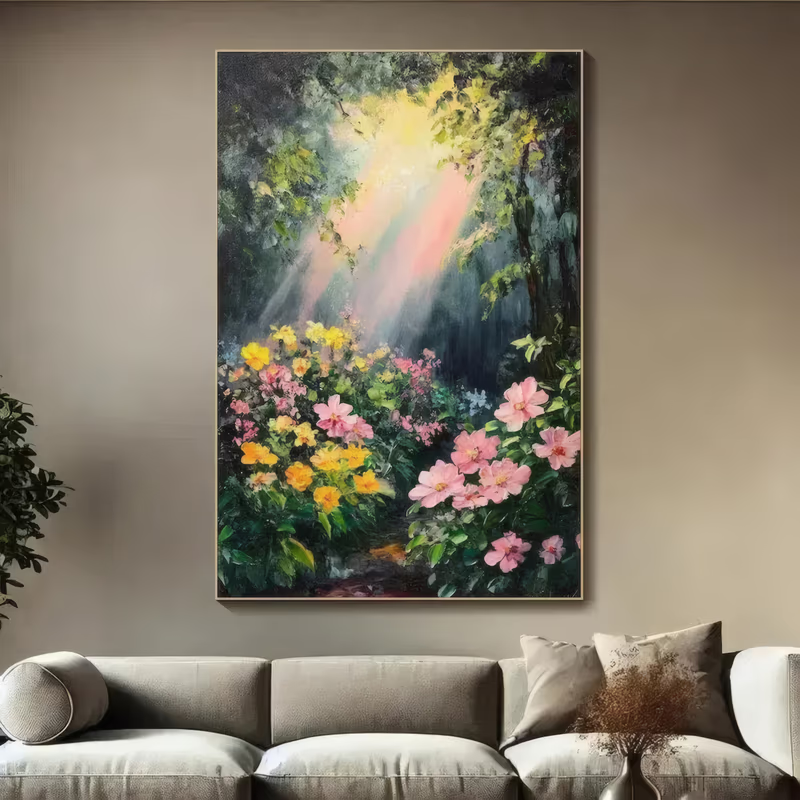
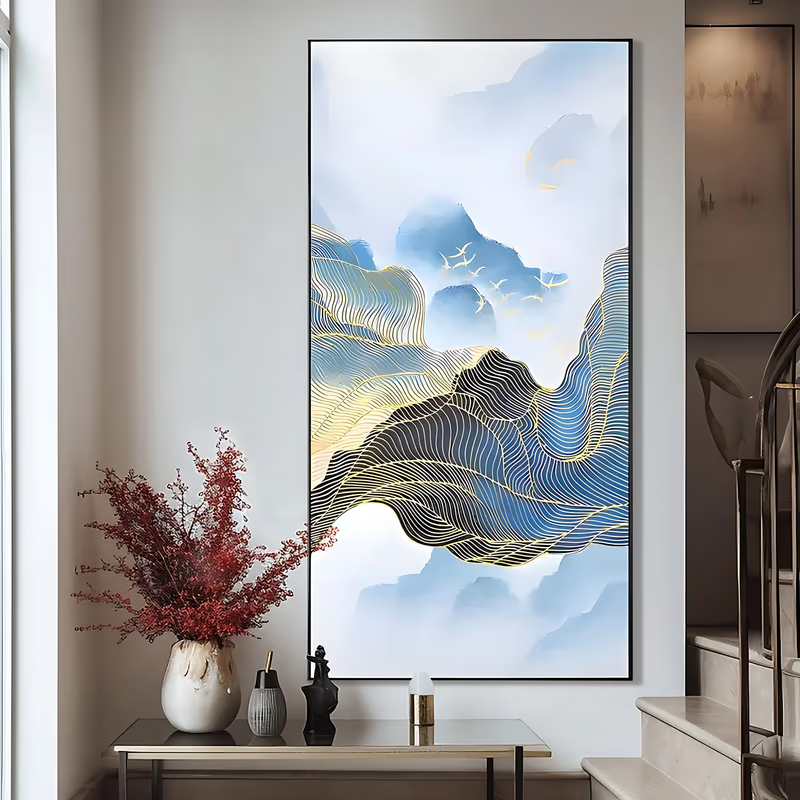
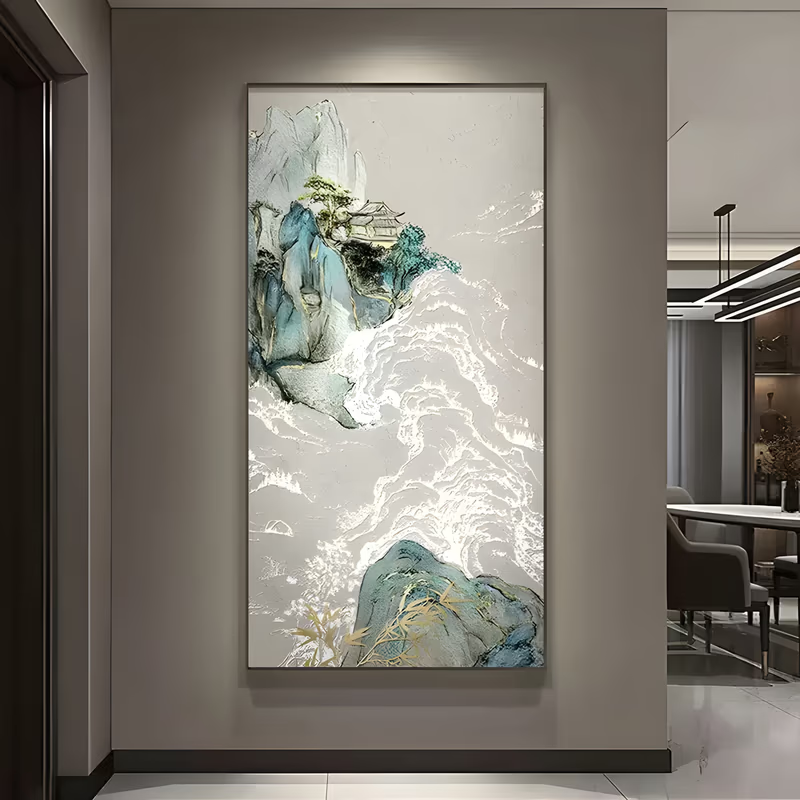
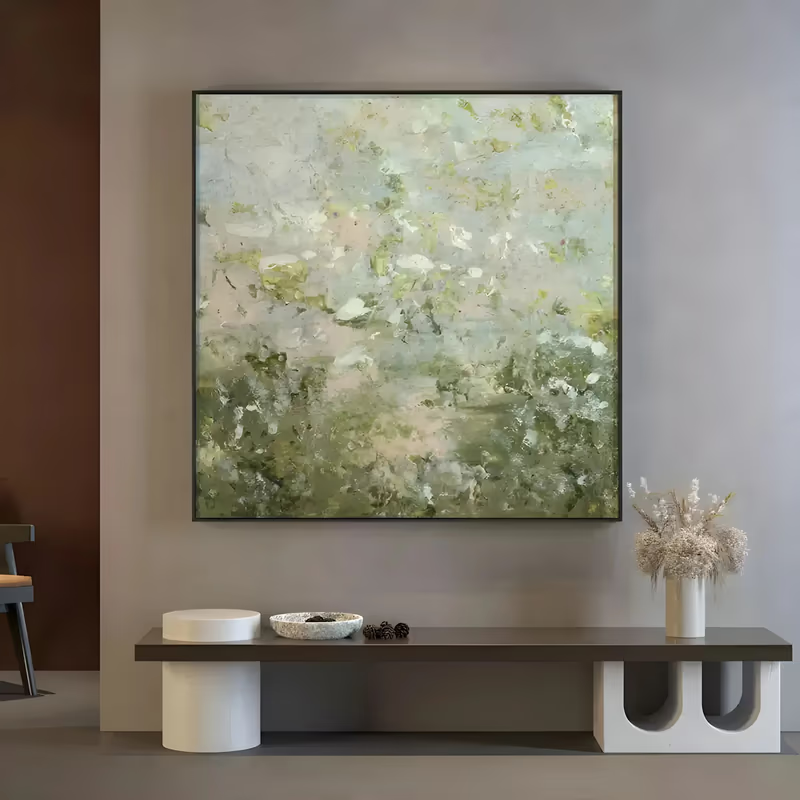
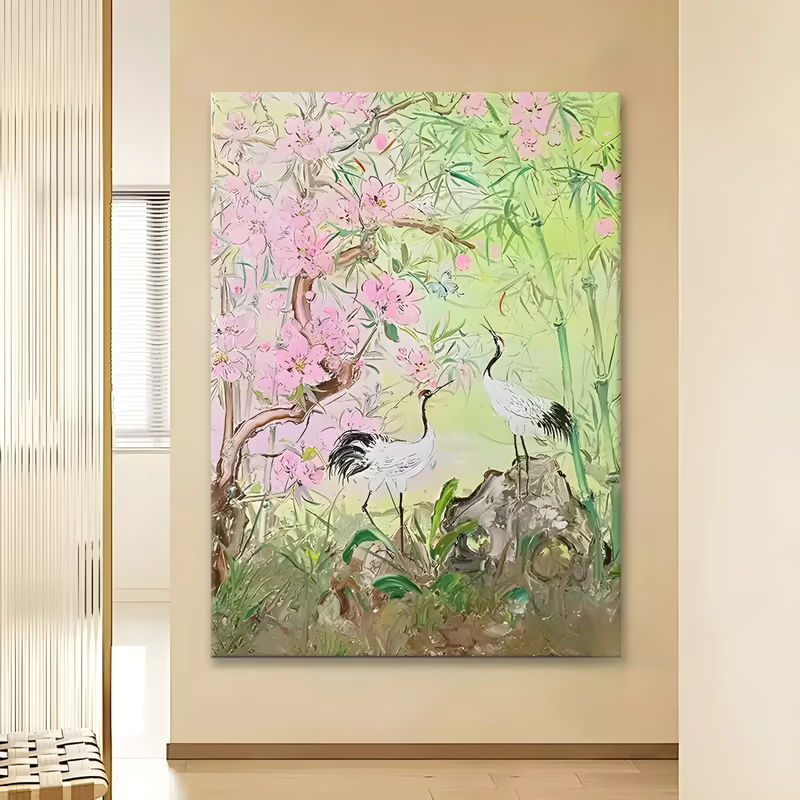
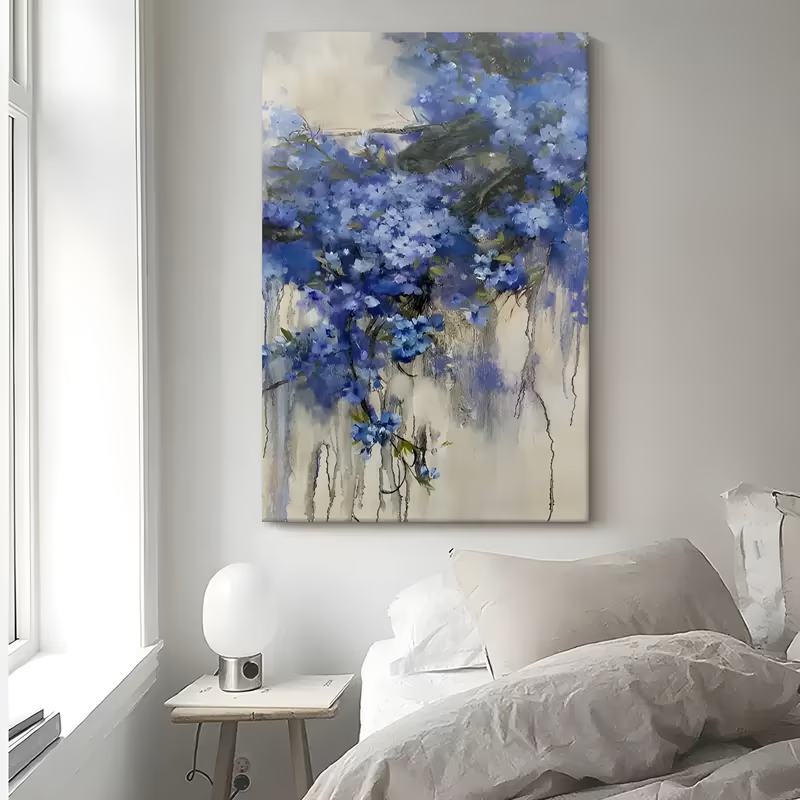
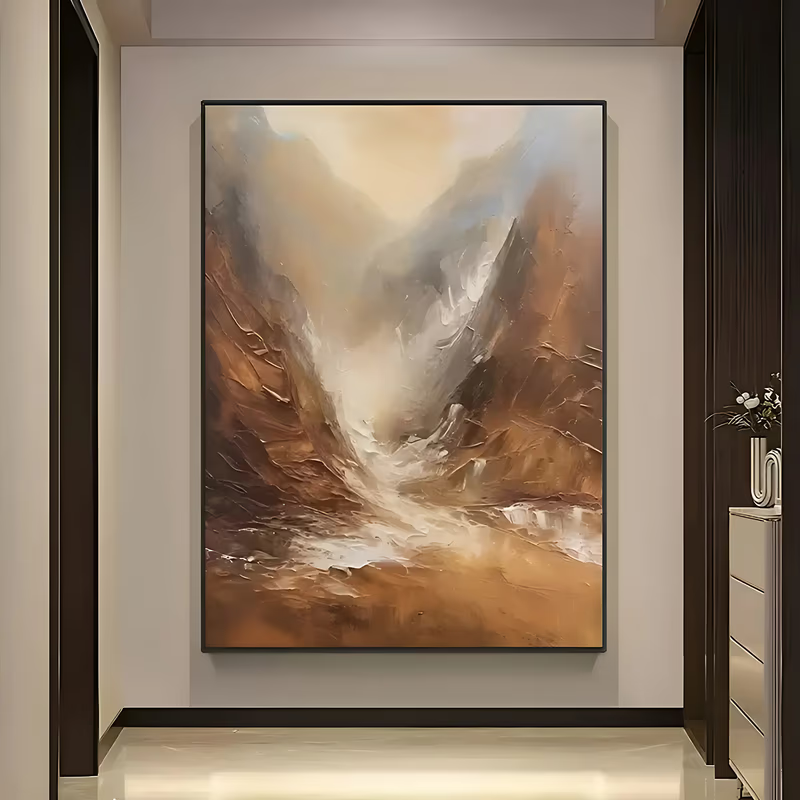
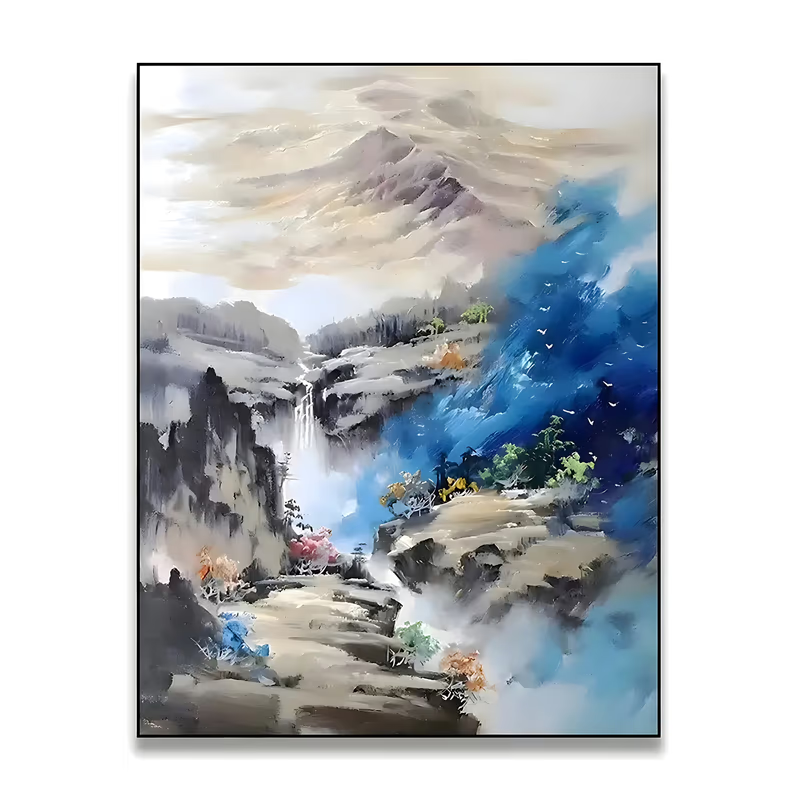
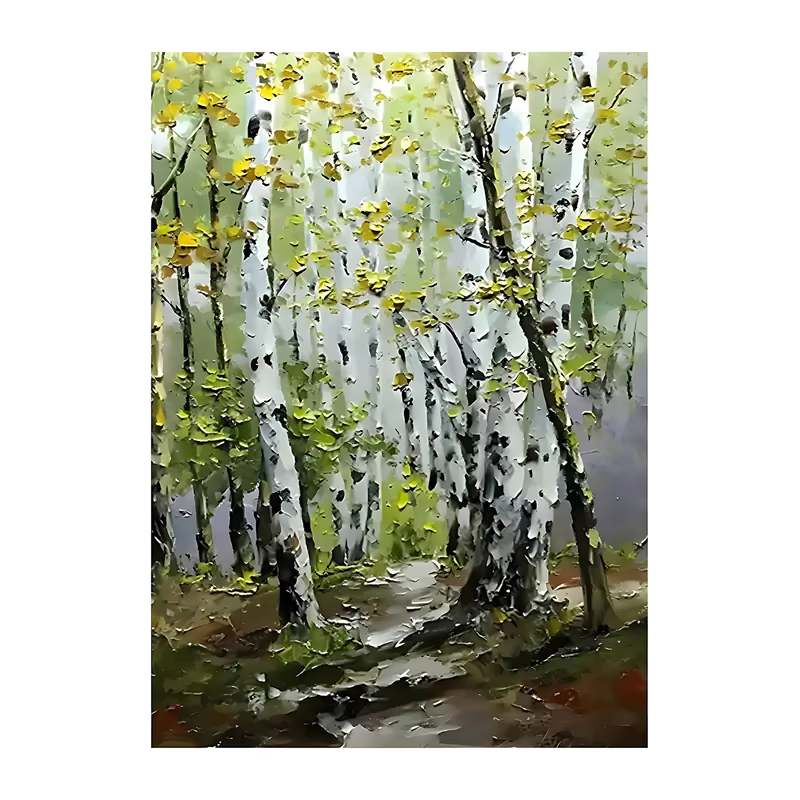
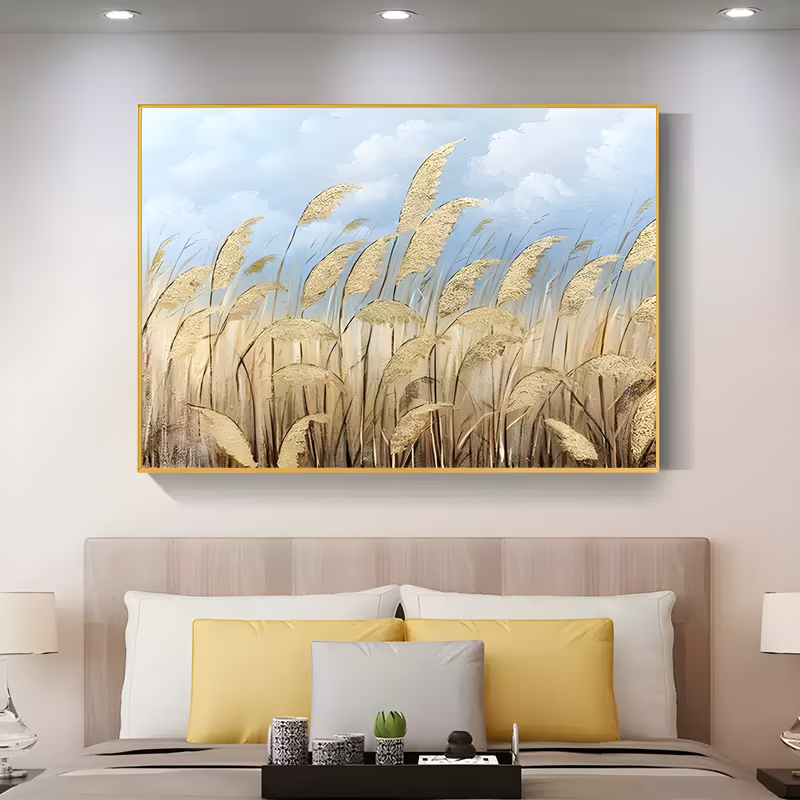
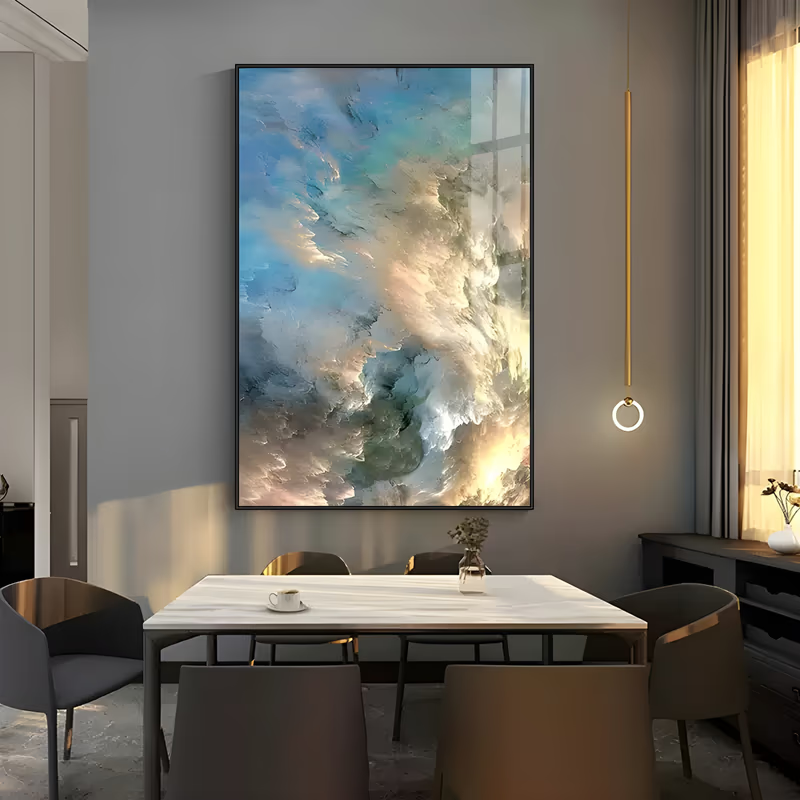
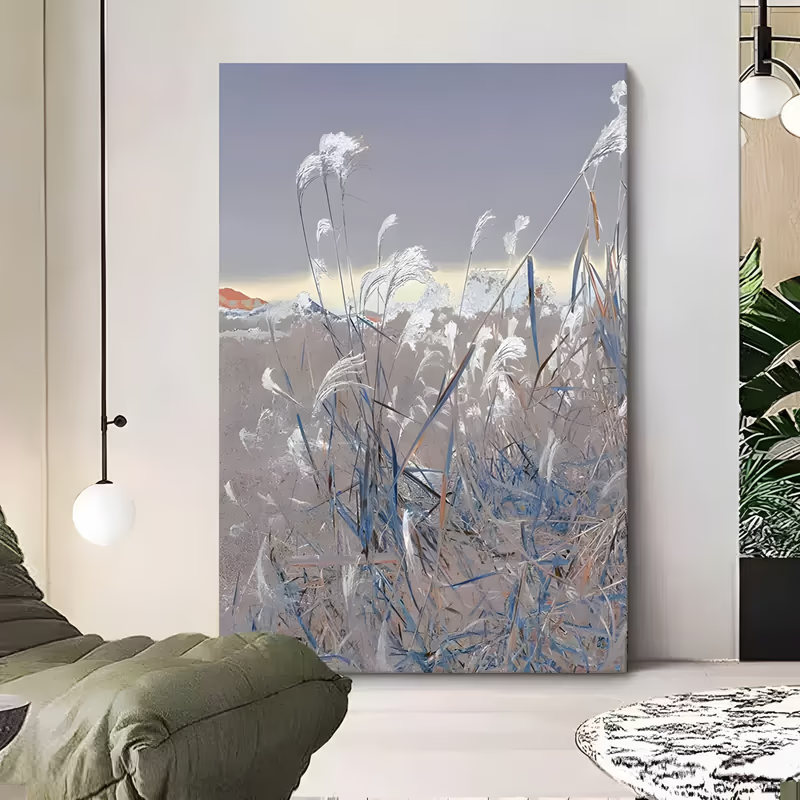
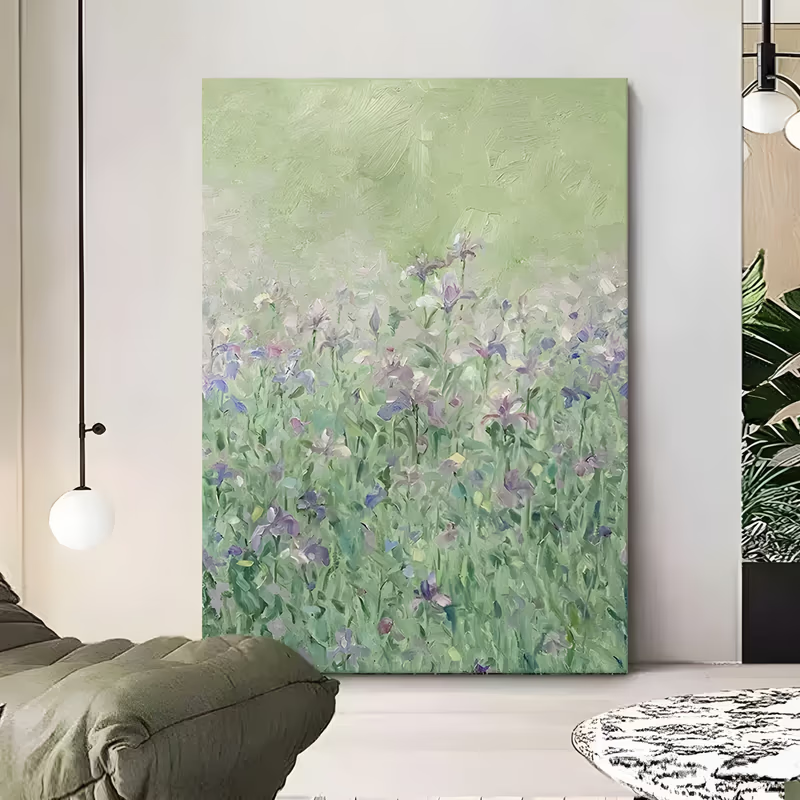
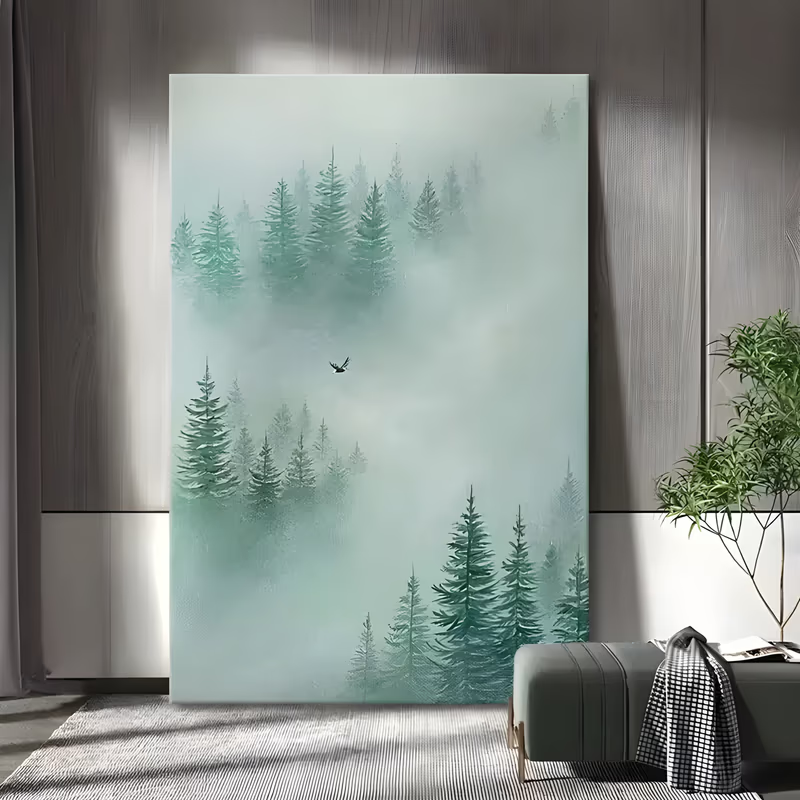
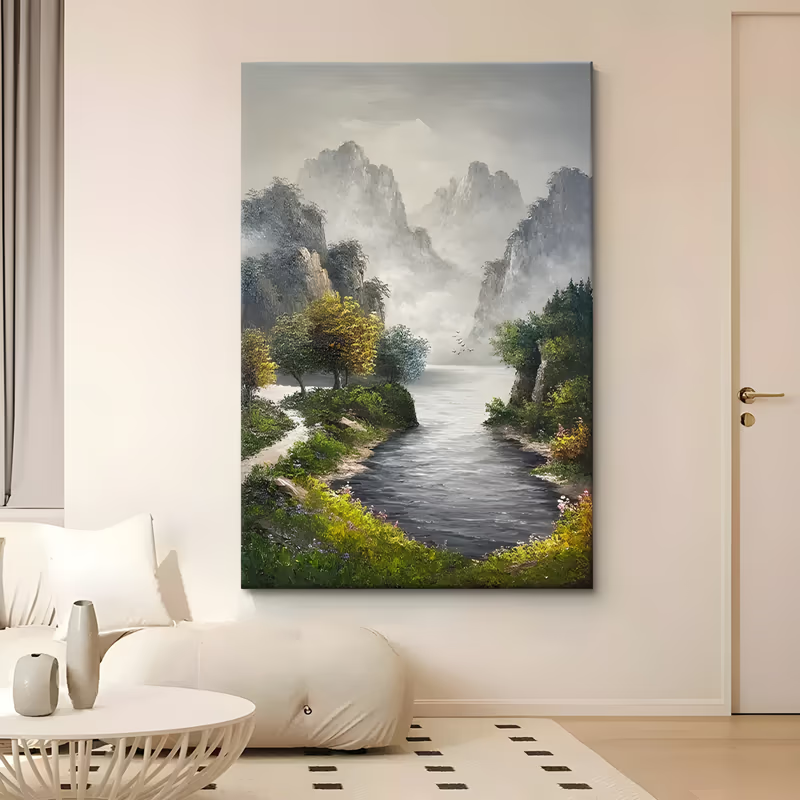
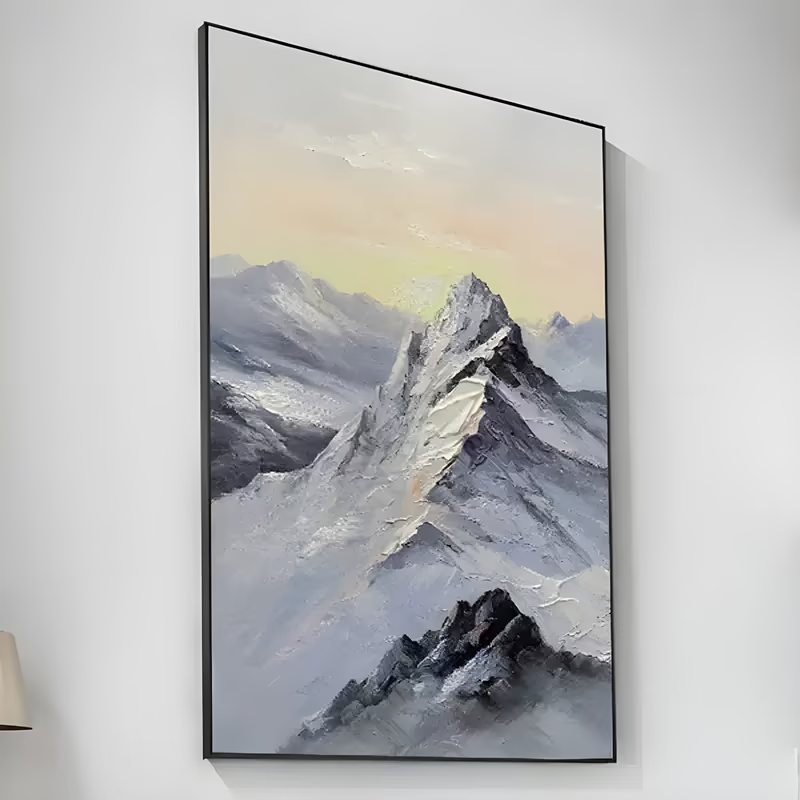
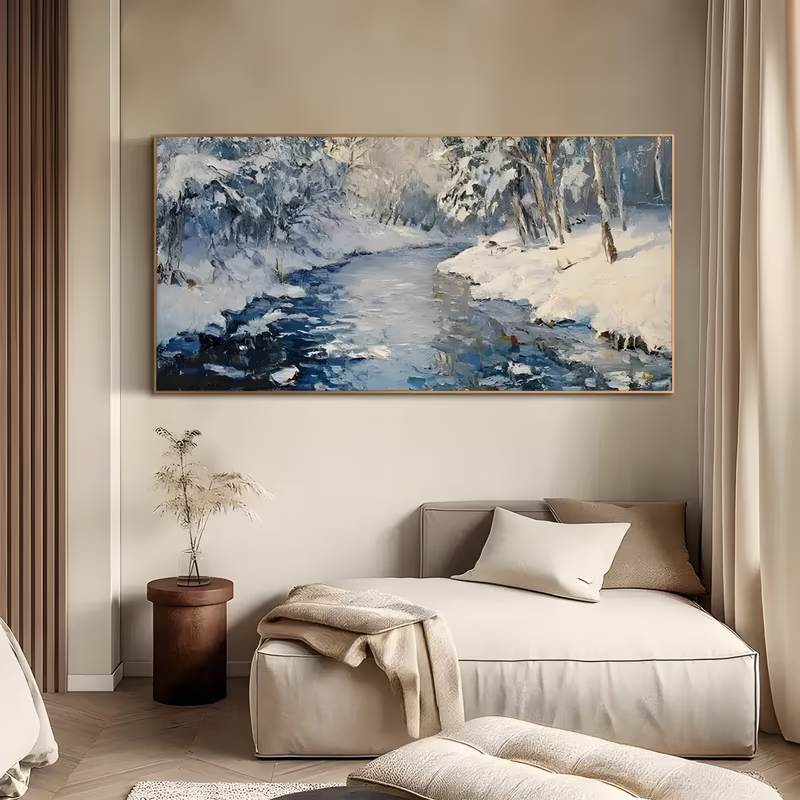
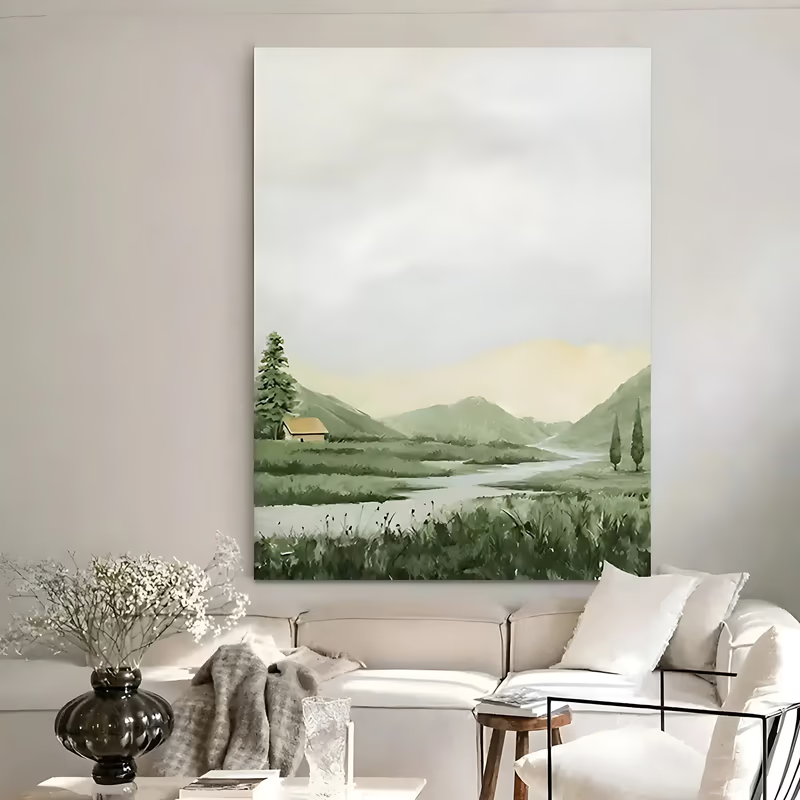
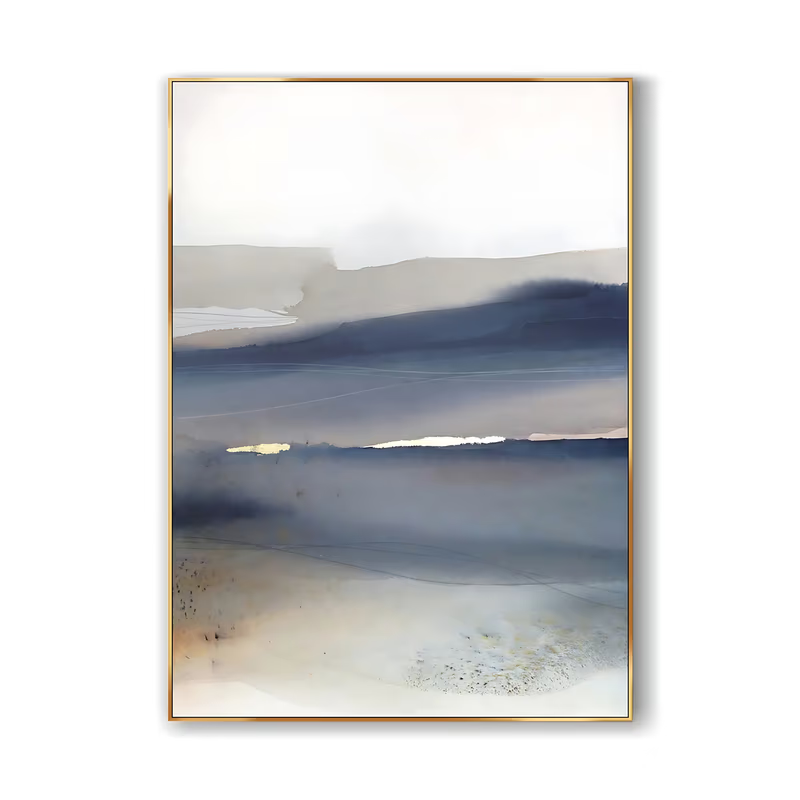
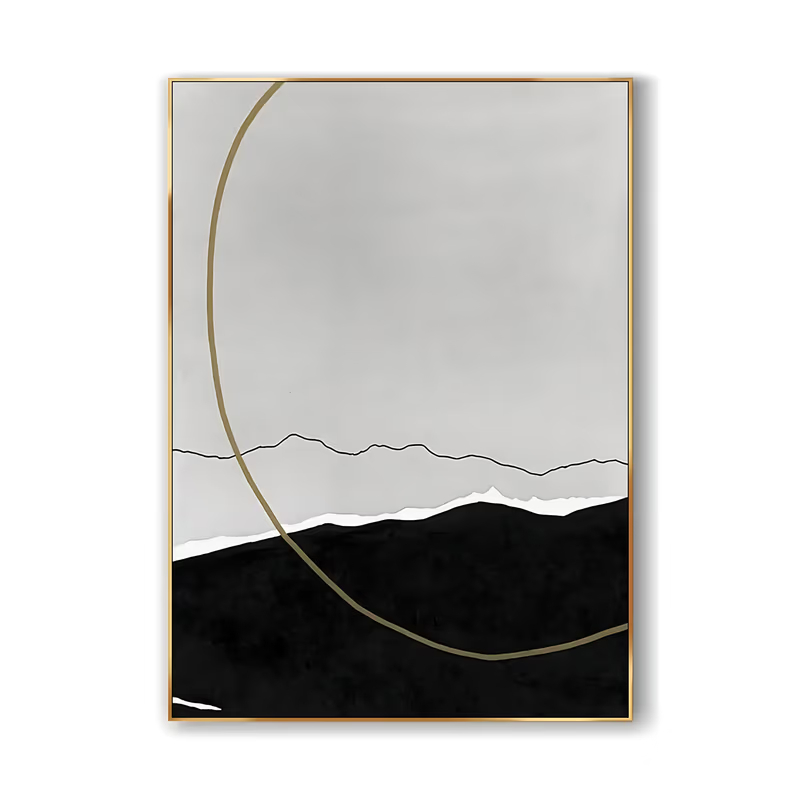
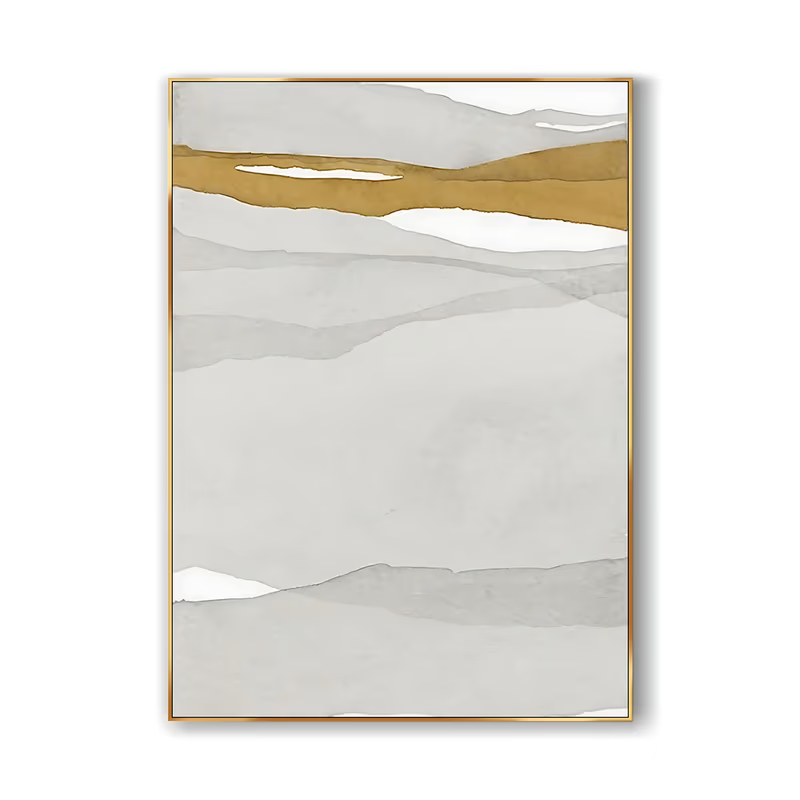
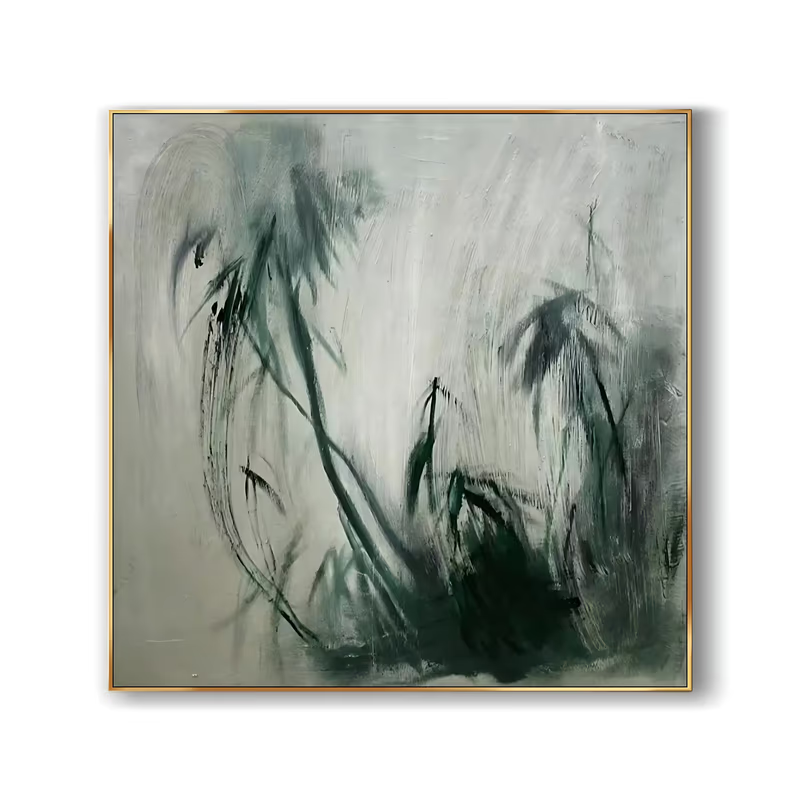
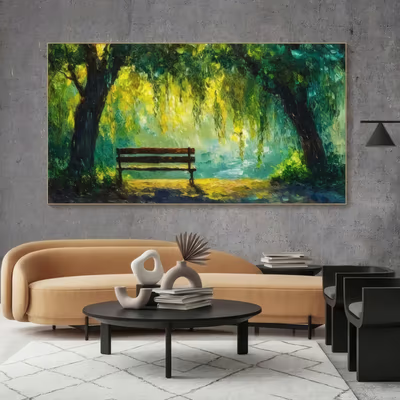
Forest waterfalls, windblown meadows, lakes framed by blossom branches and blue hills fading into haze. Painted in soft impressionist strokes, they open a windowless treatment room like a view and suit resort and mountain spas especially well.
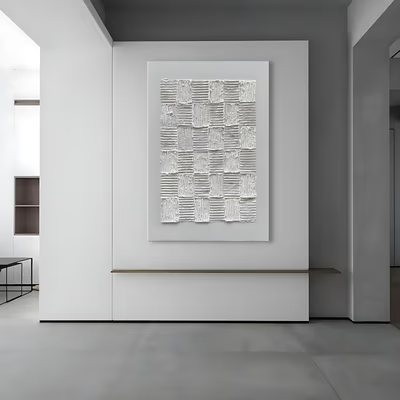
Textured, minimalist and wabi-sabi neutrals
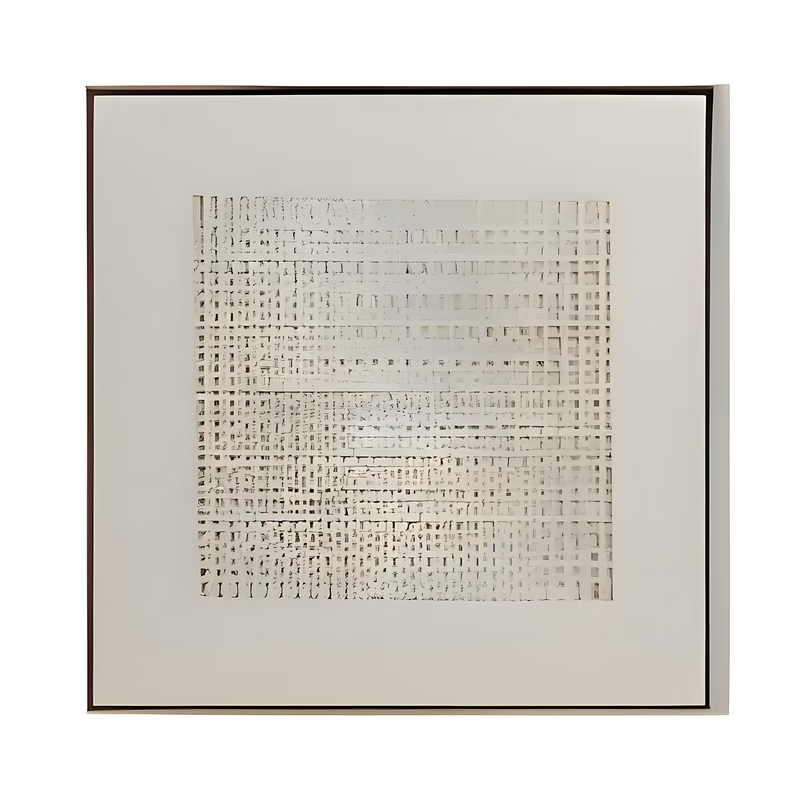
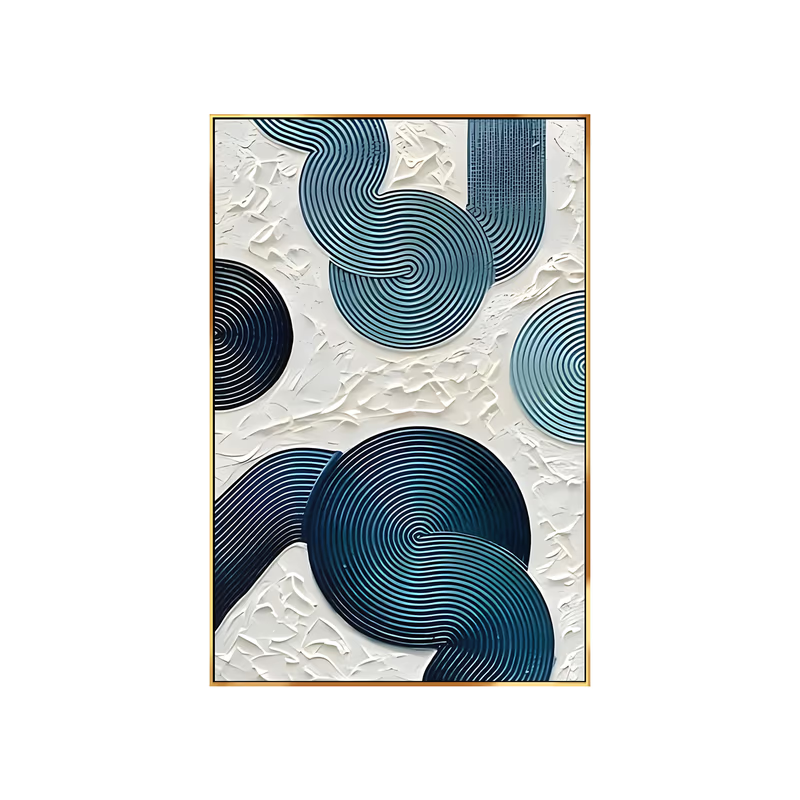
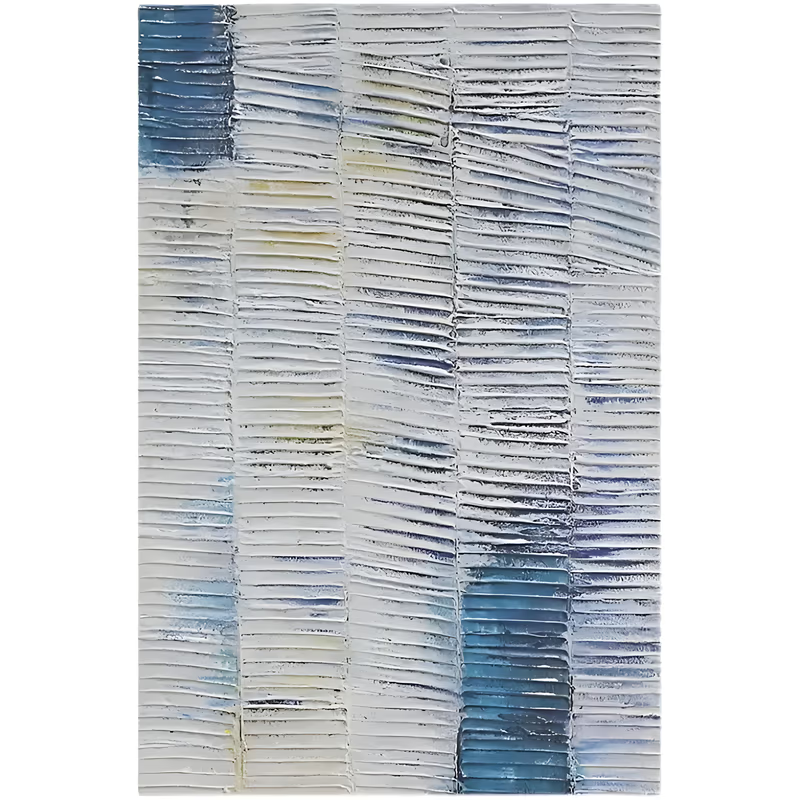
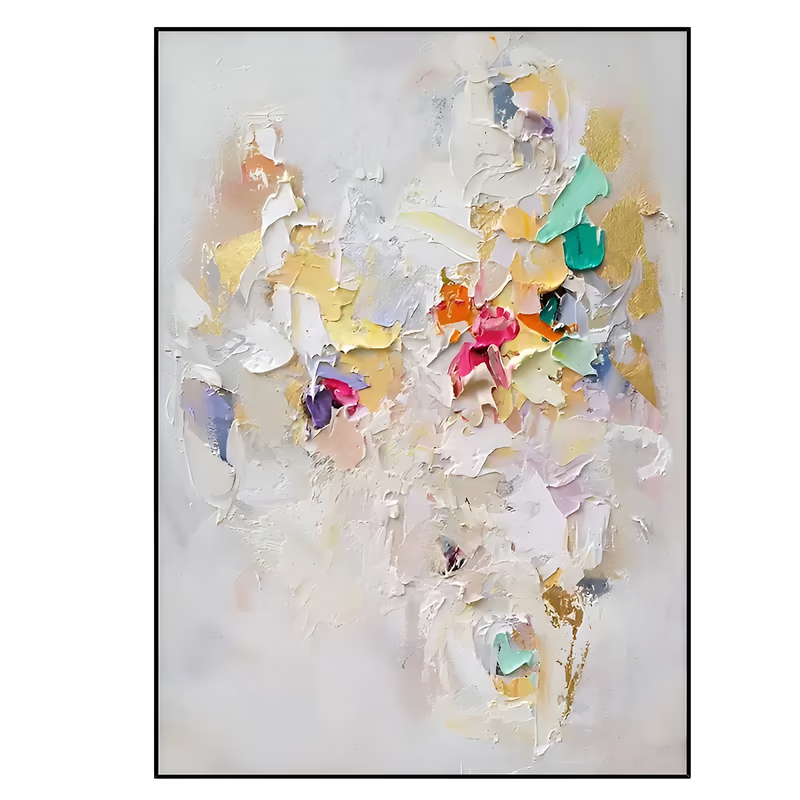
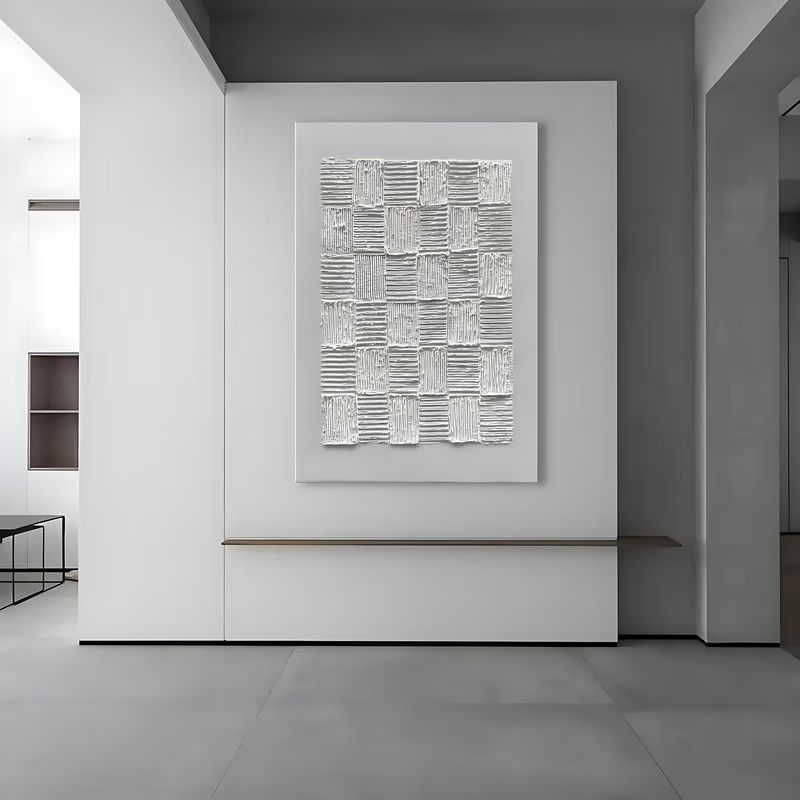
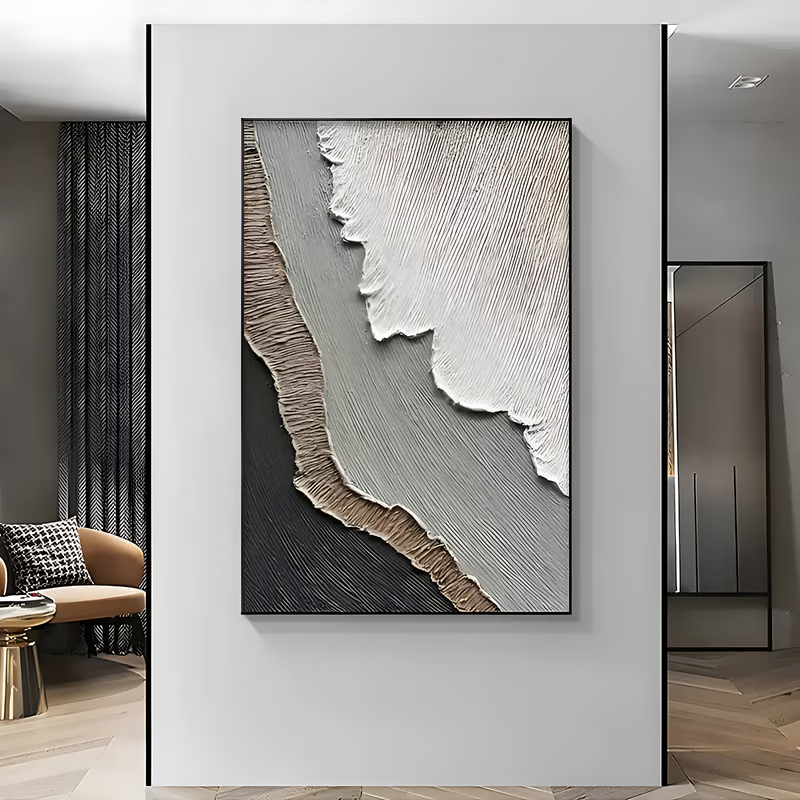
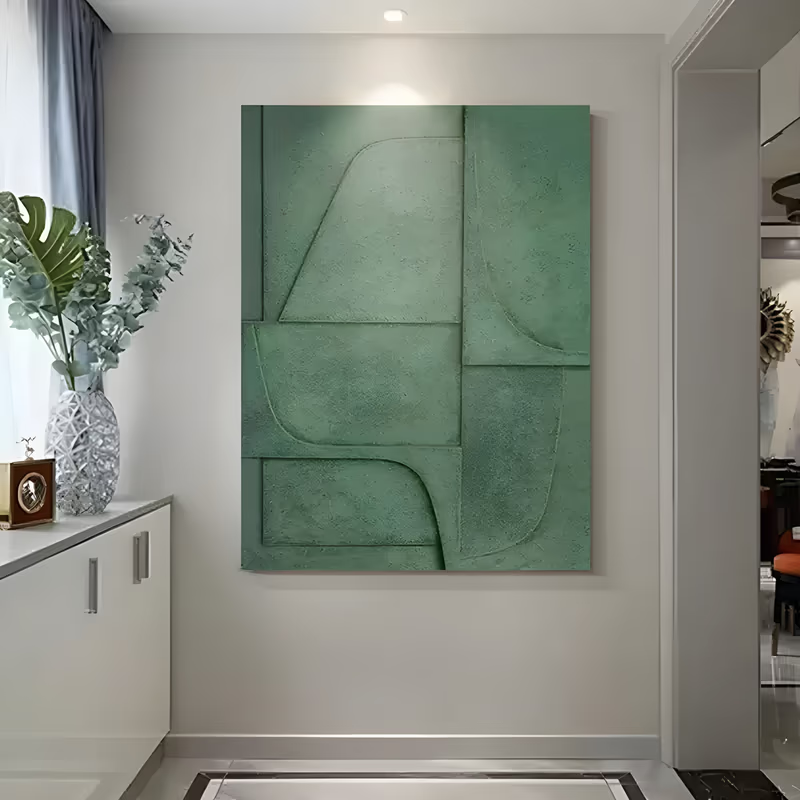
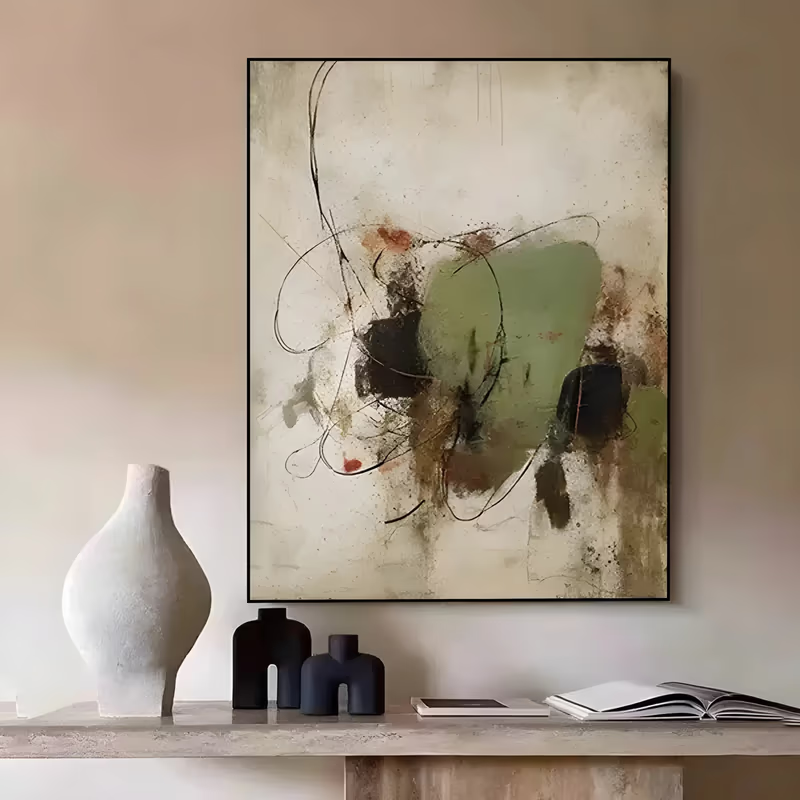
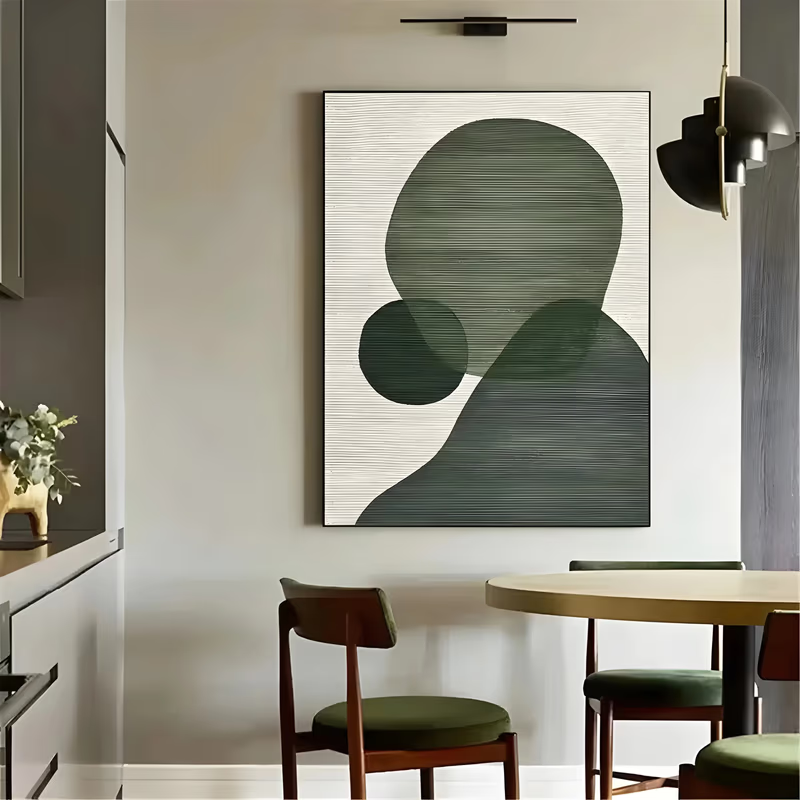
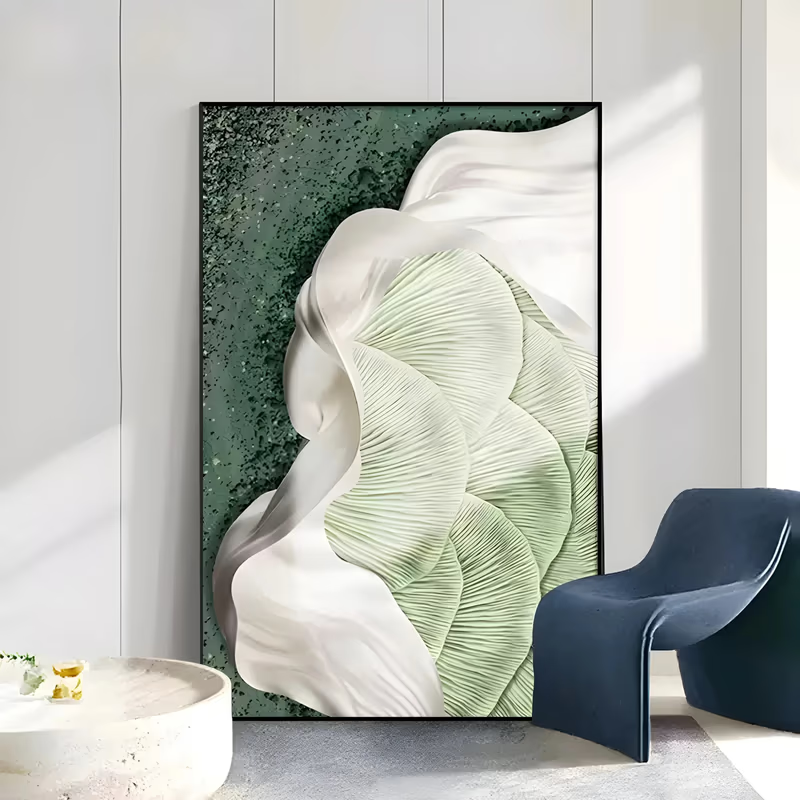
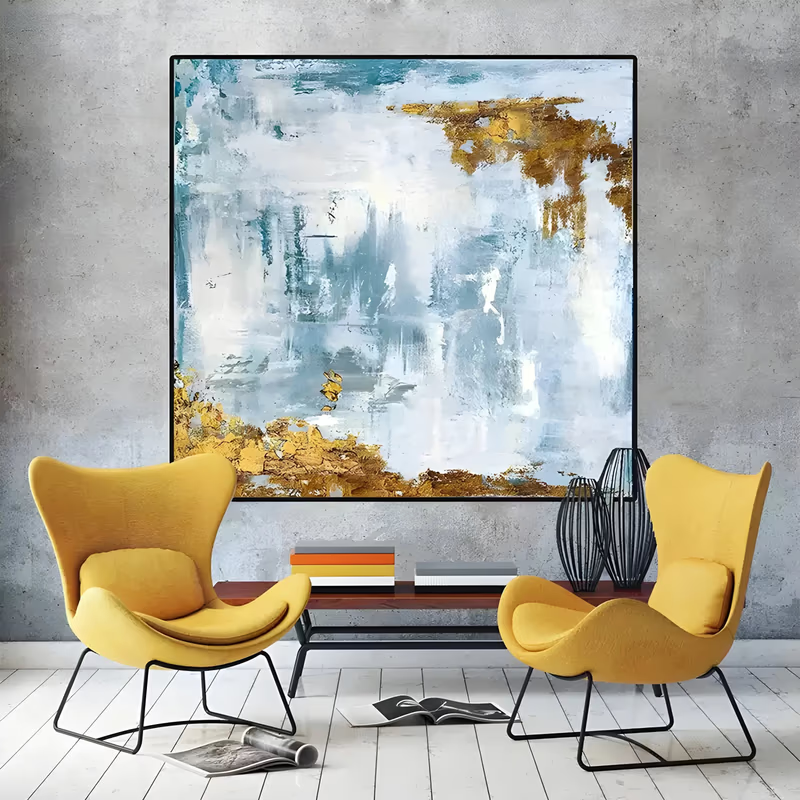
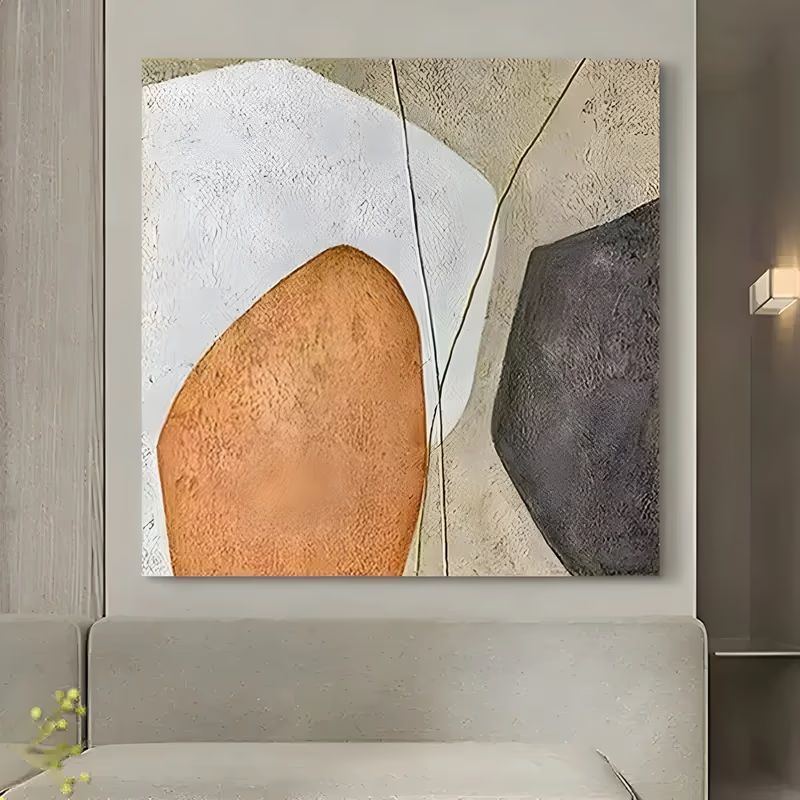
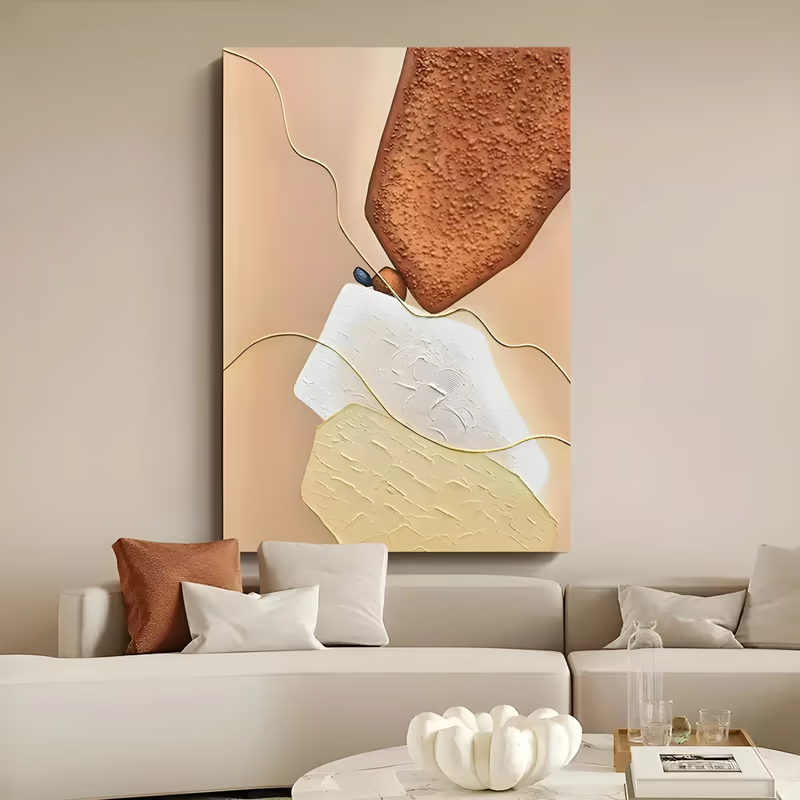
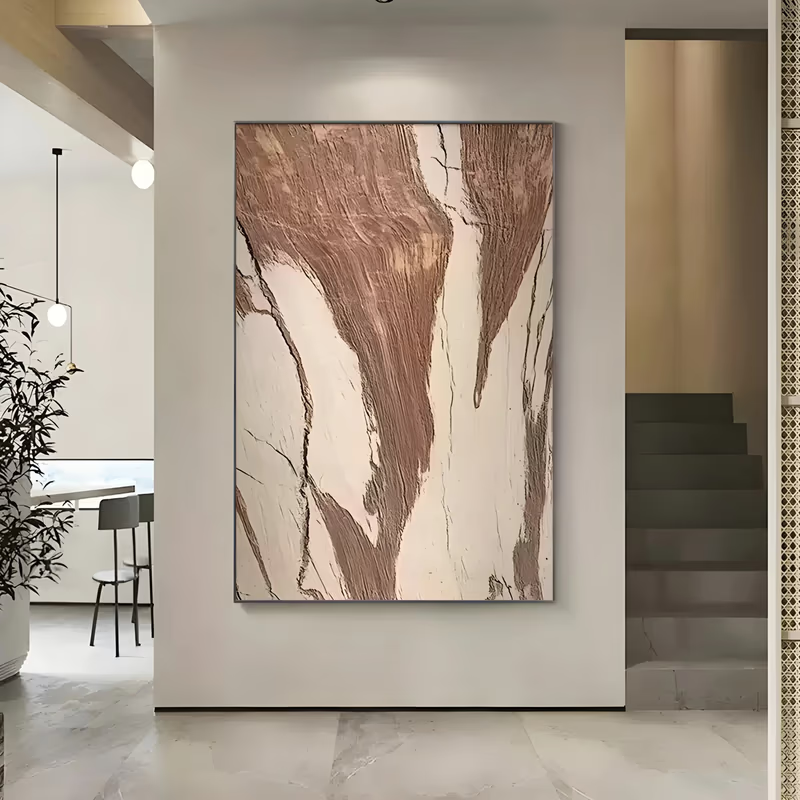
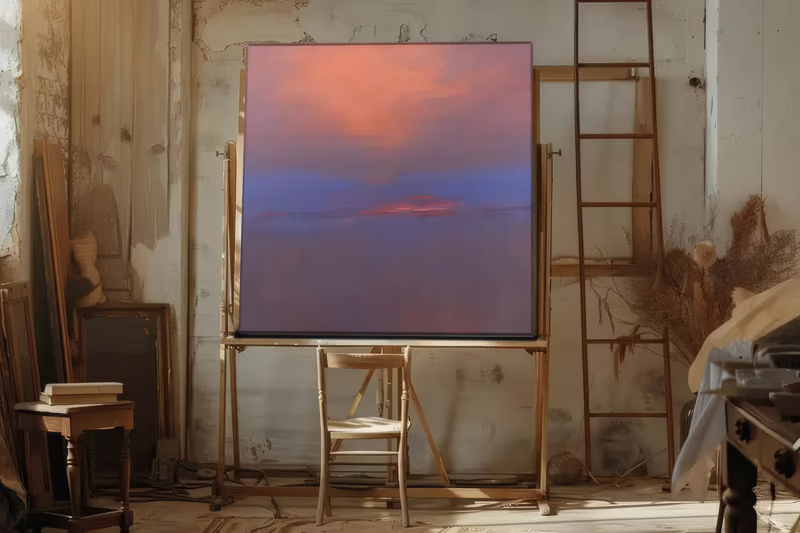
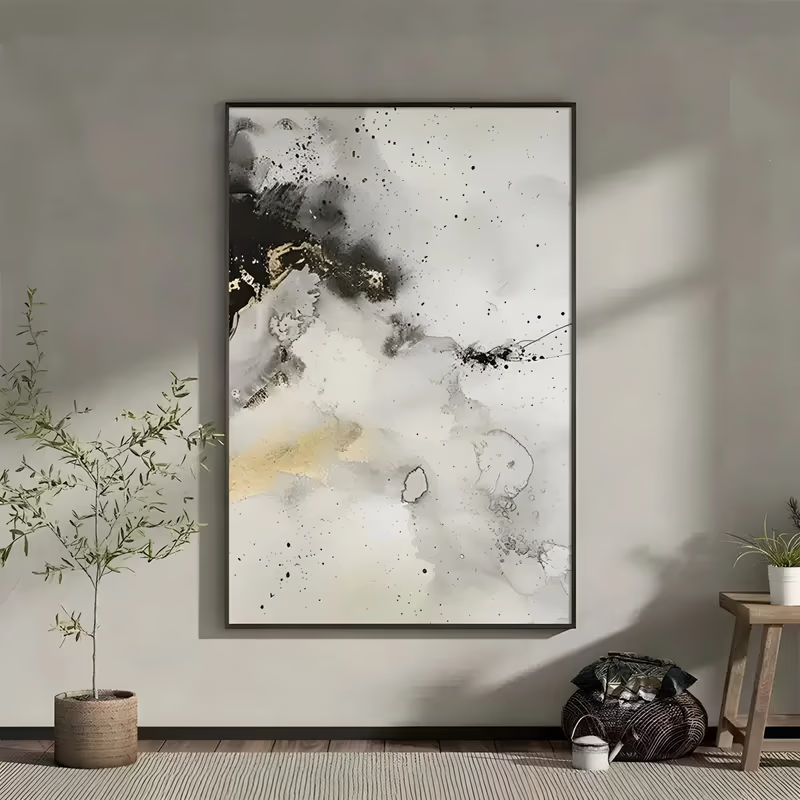
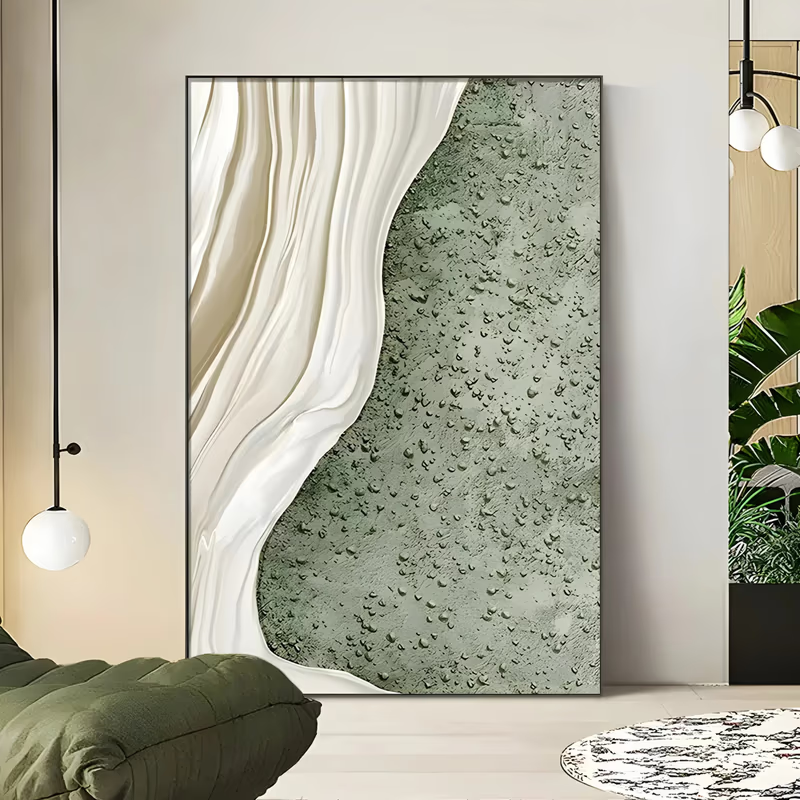
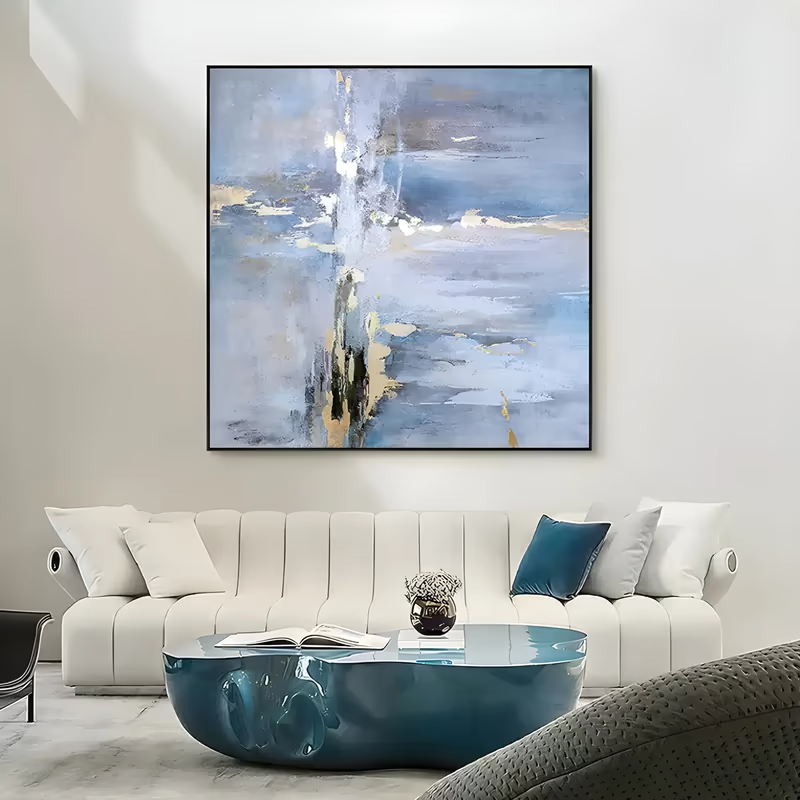
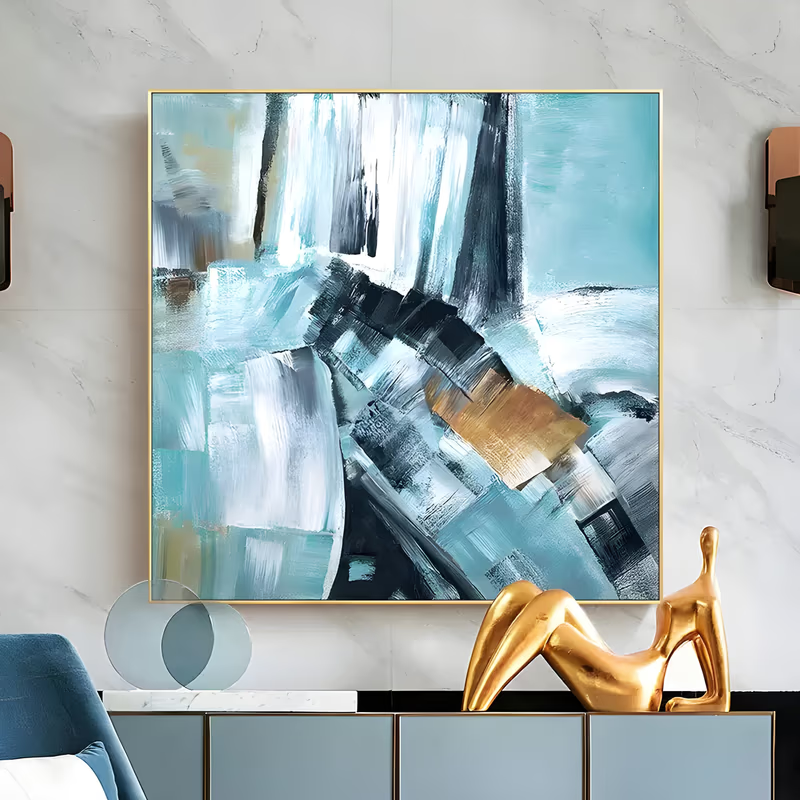
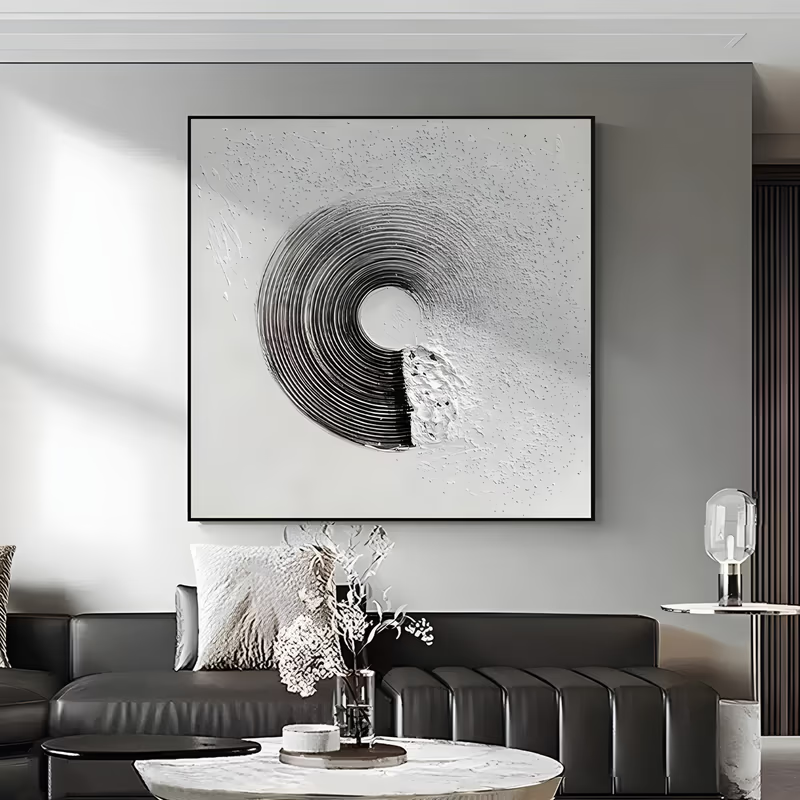
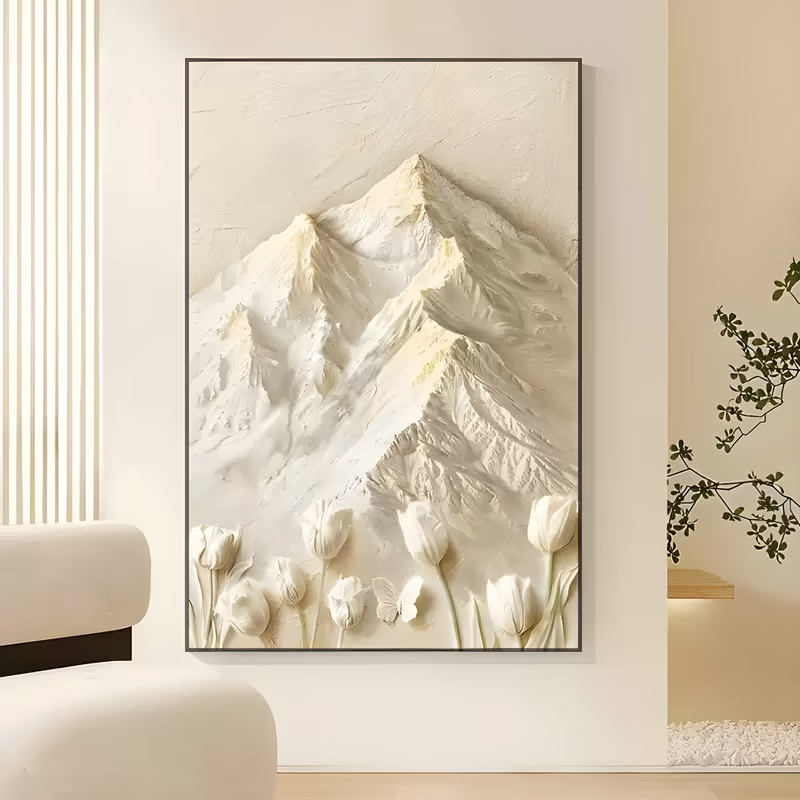
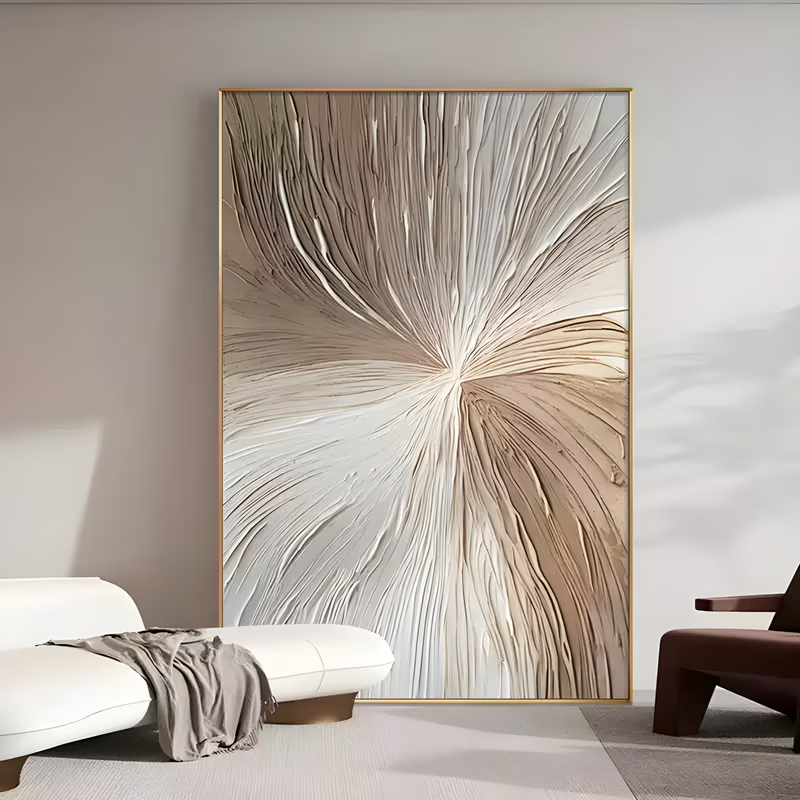
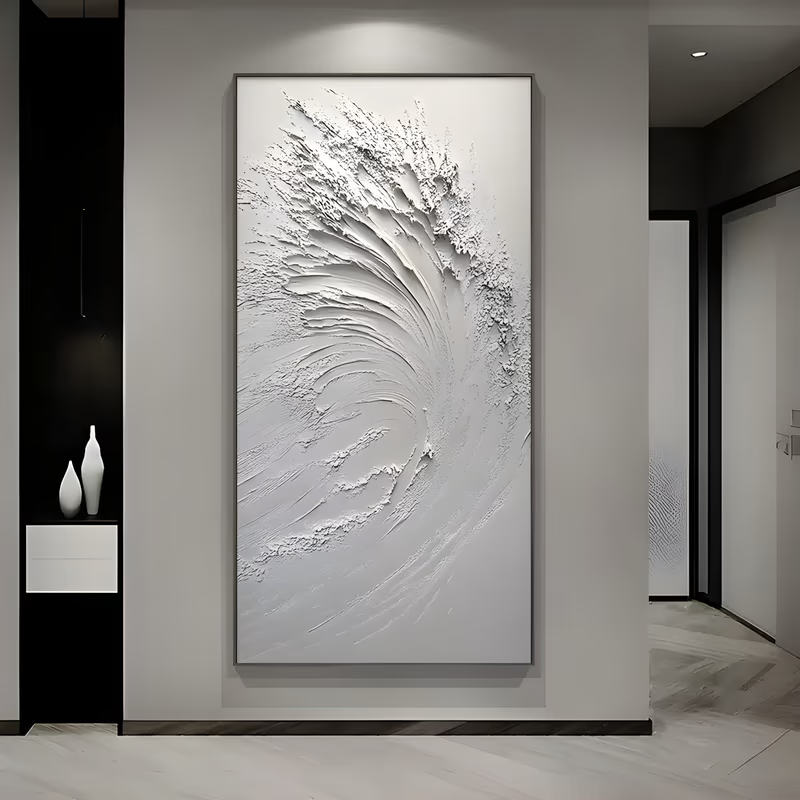
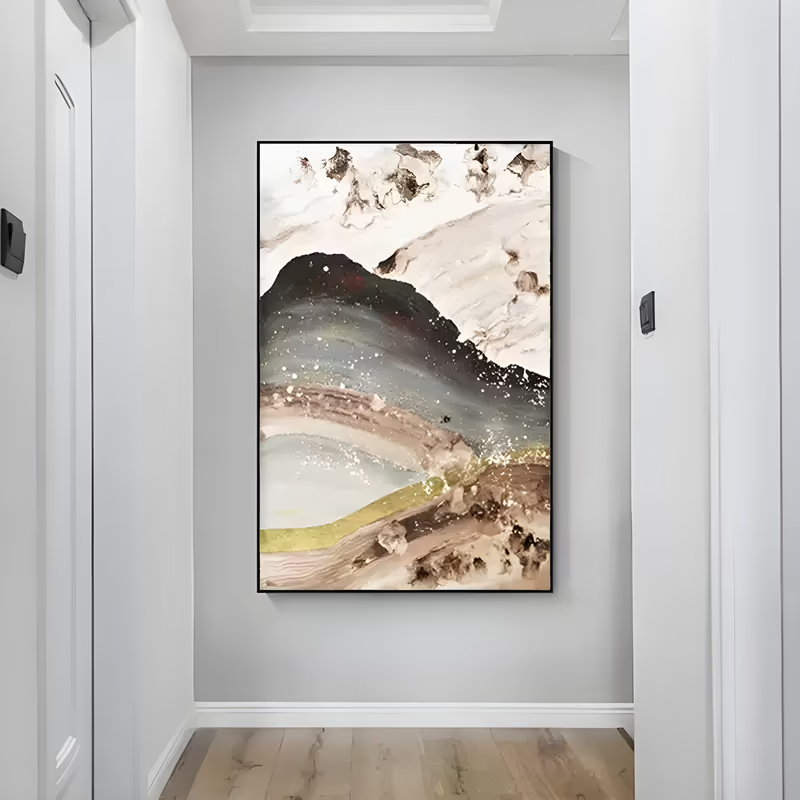
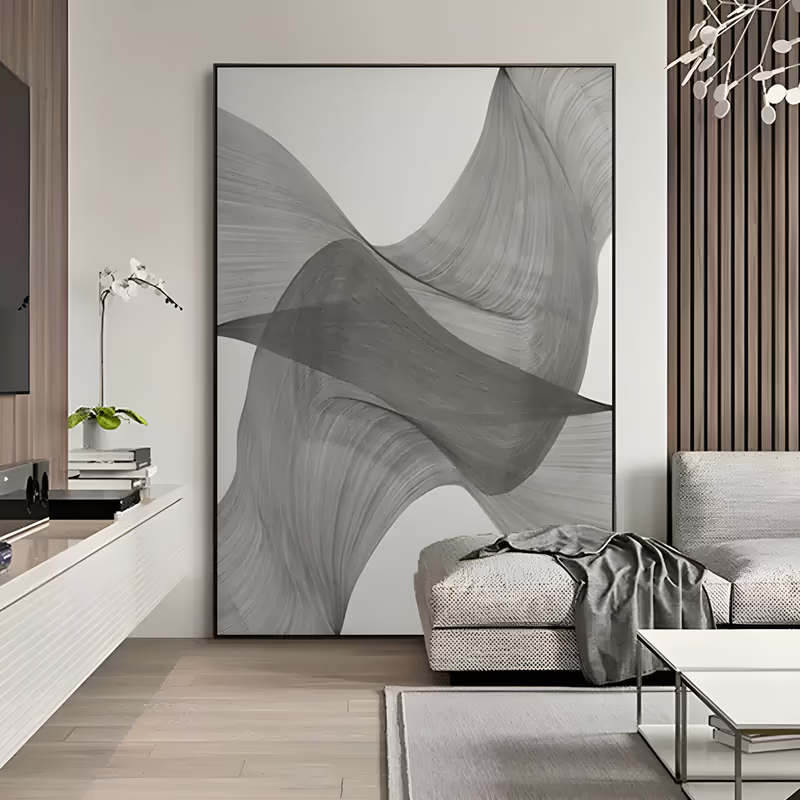
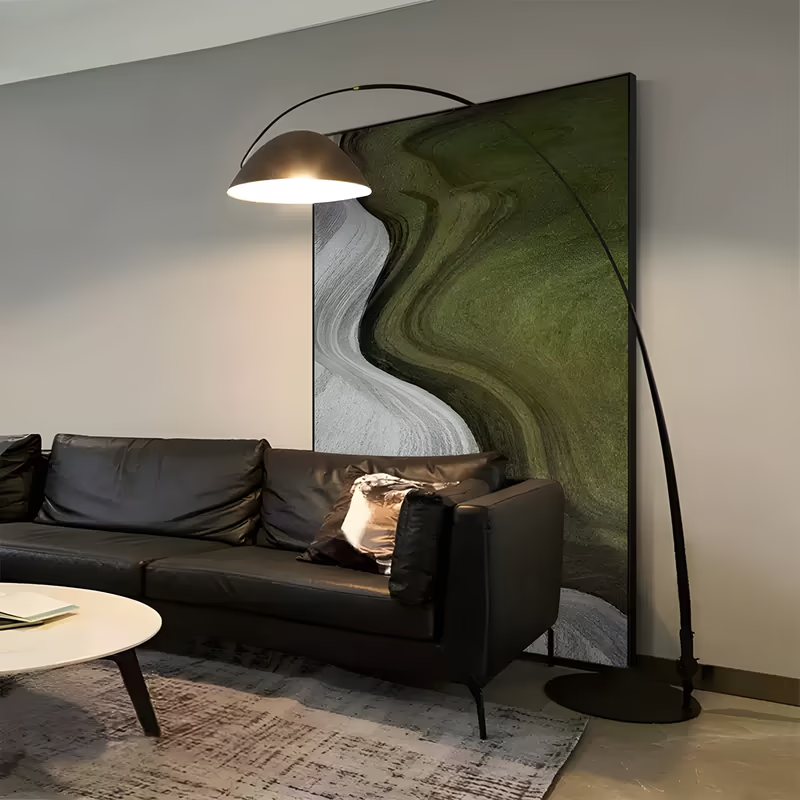
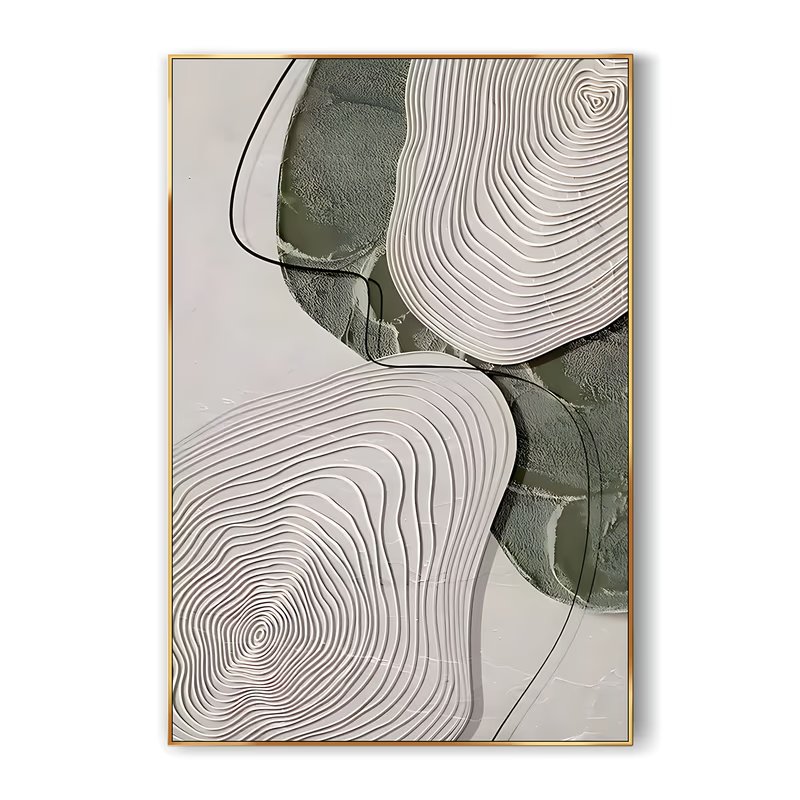
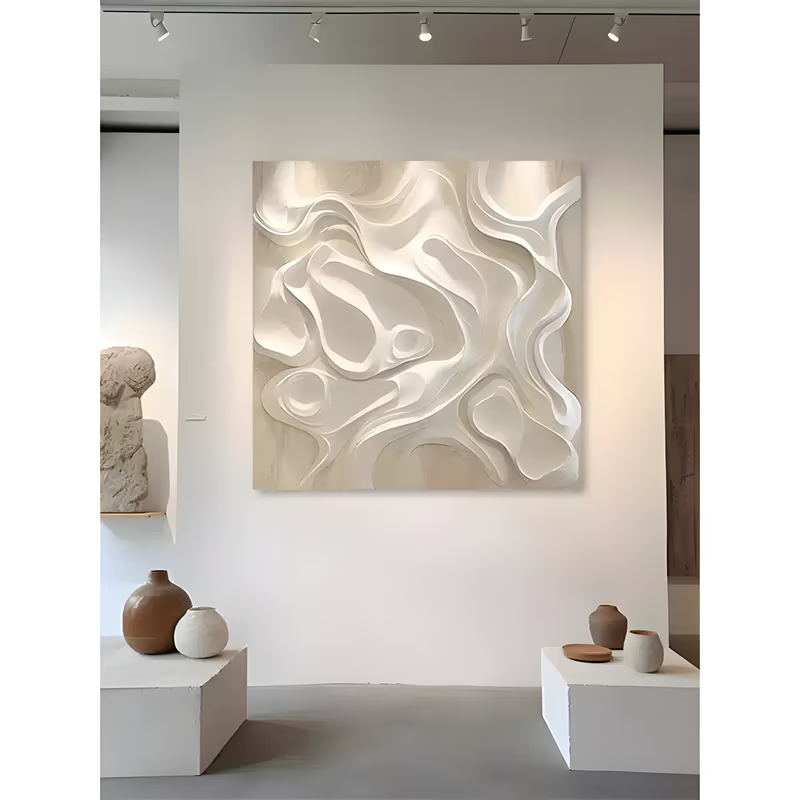
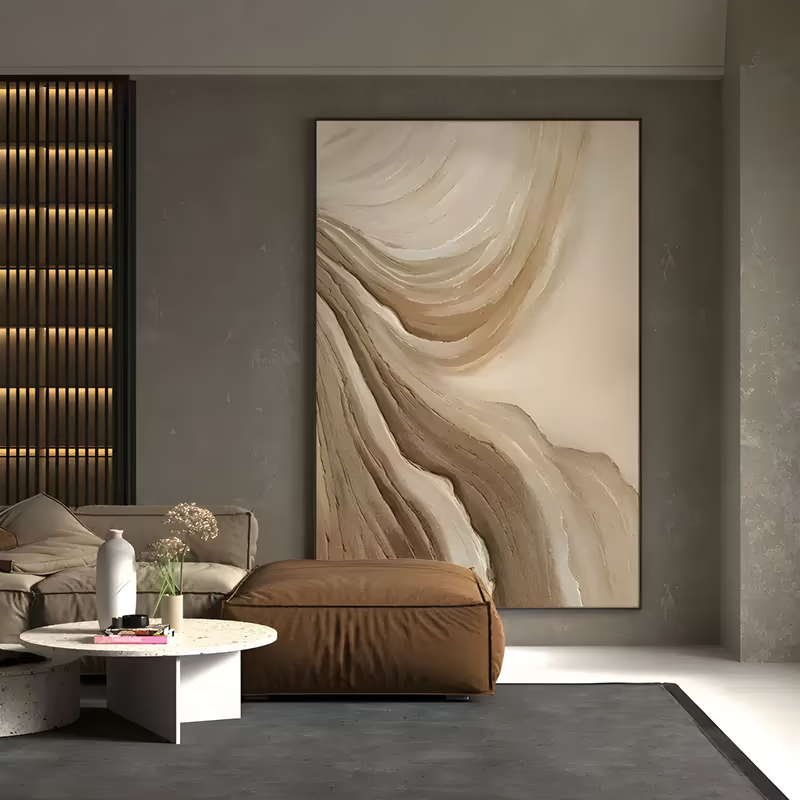
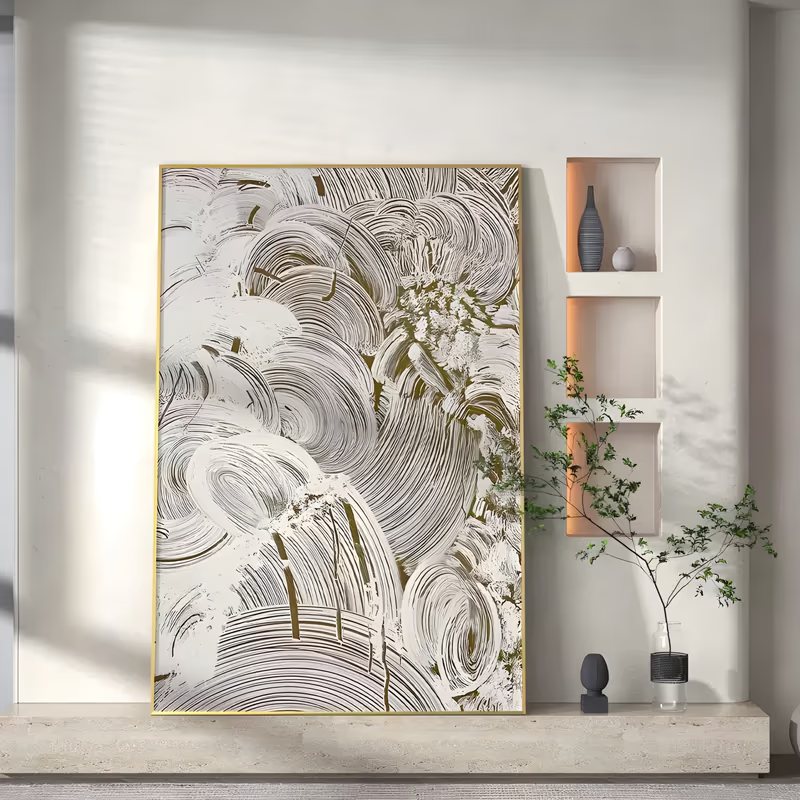
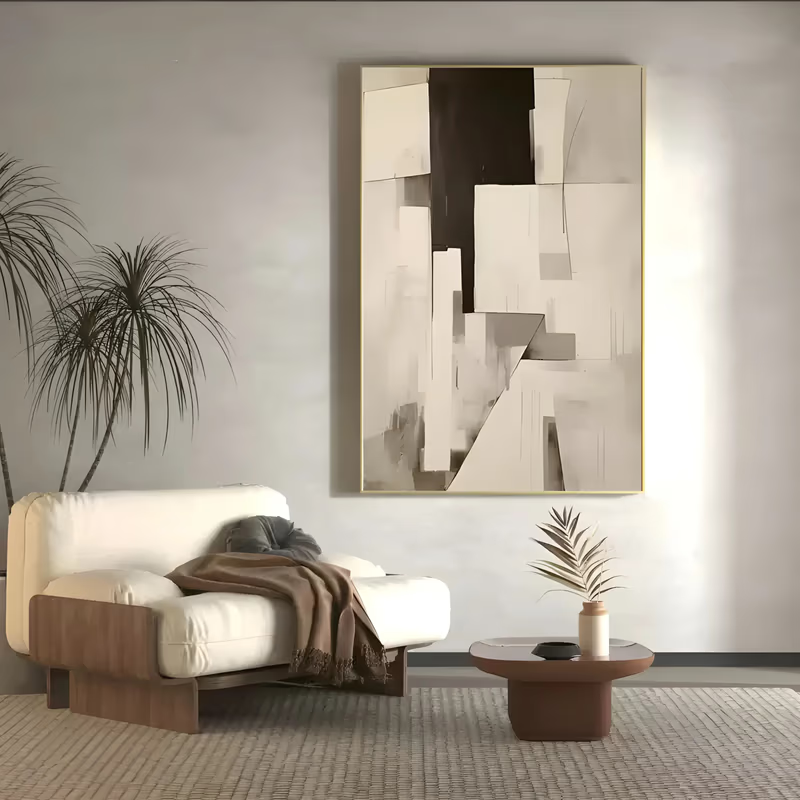
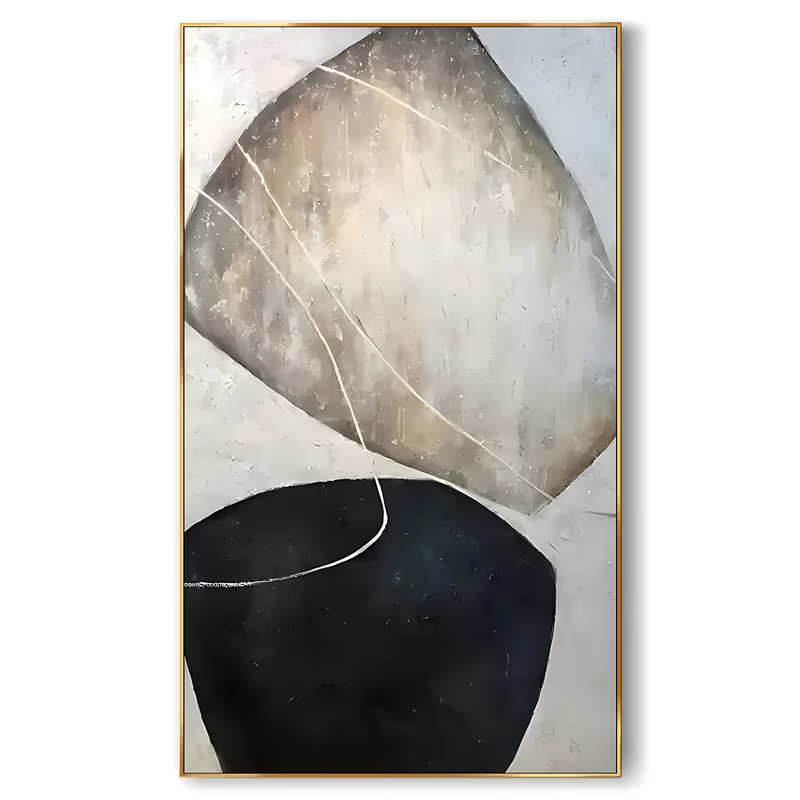
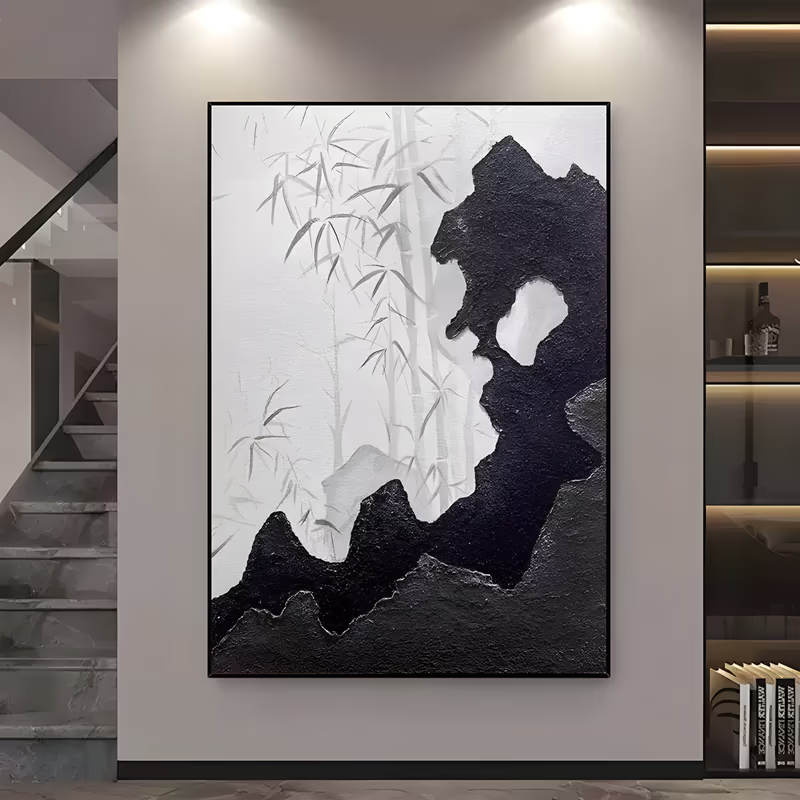
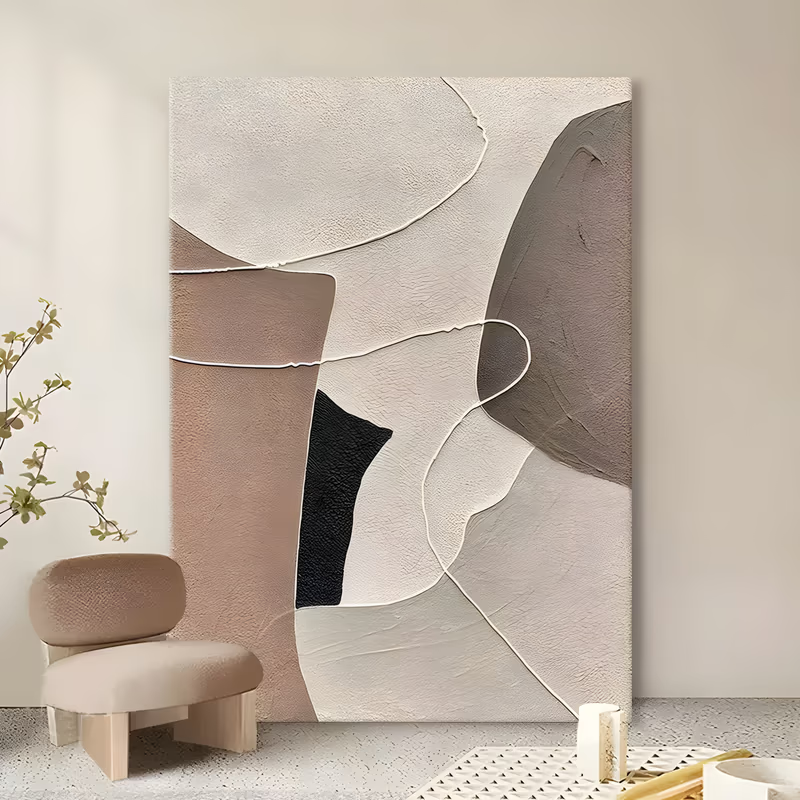
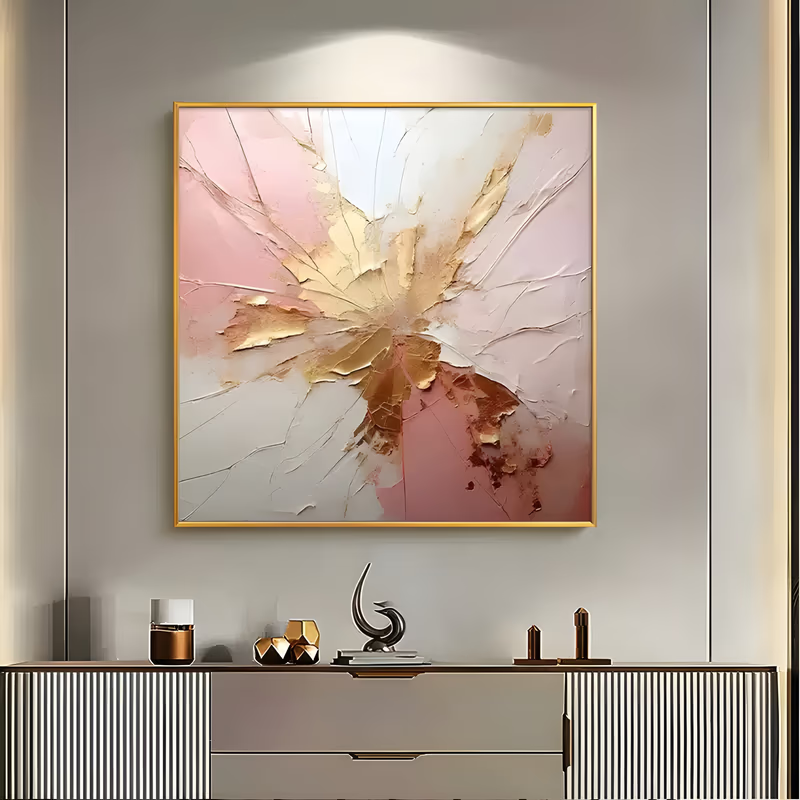
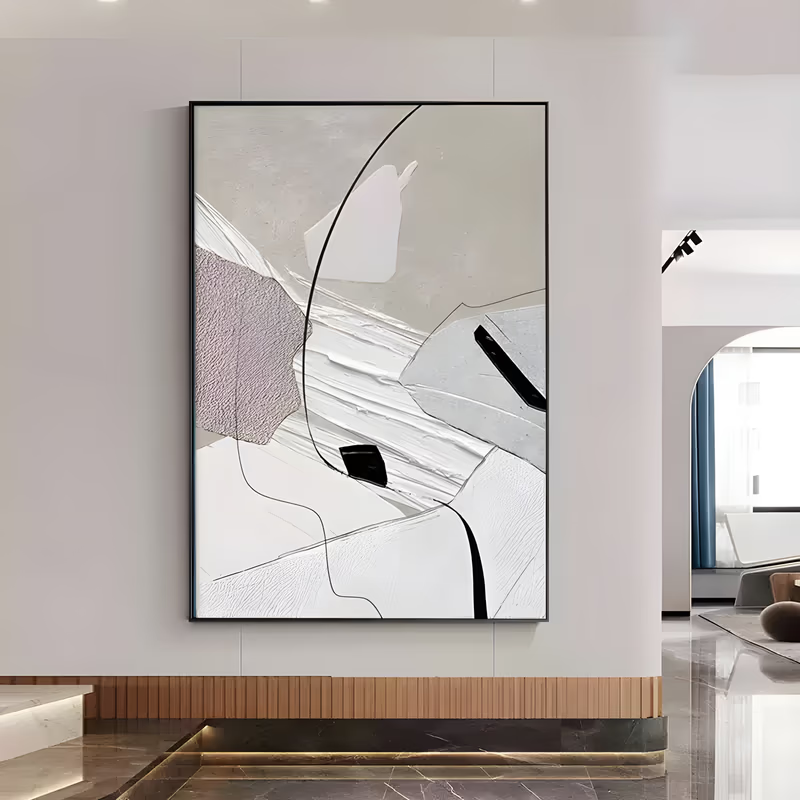
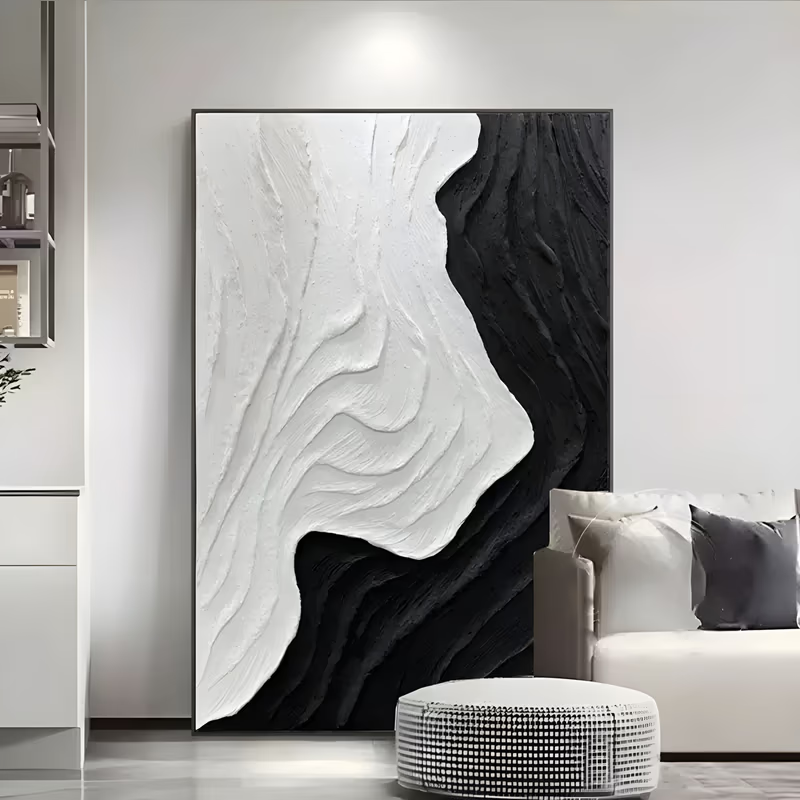
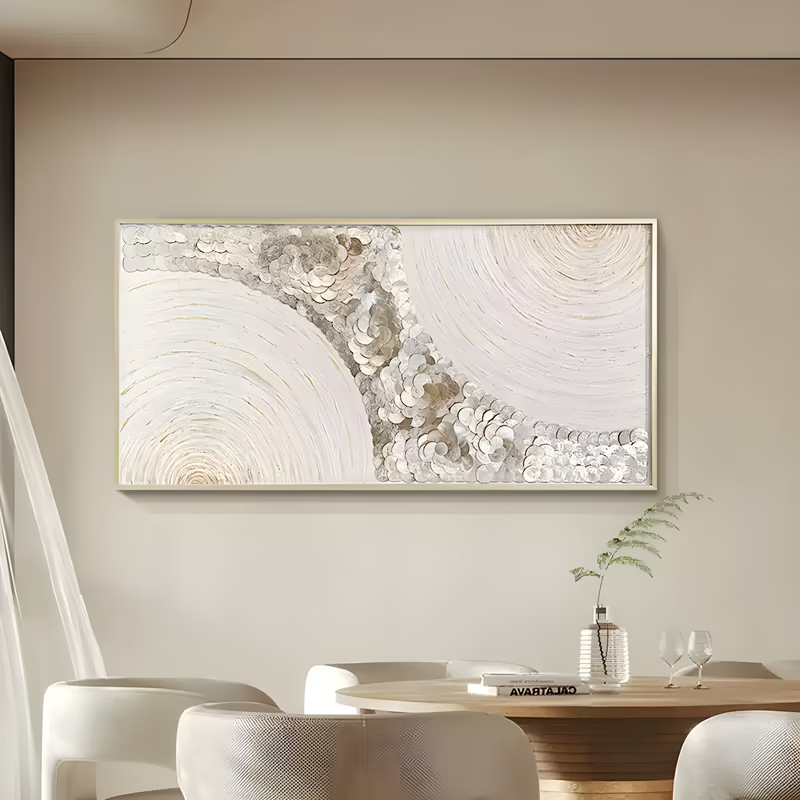
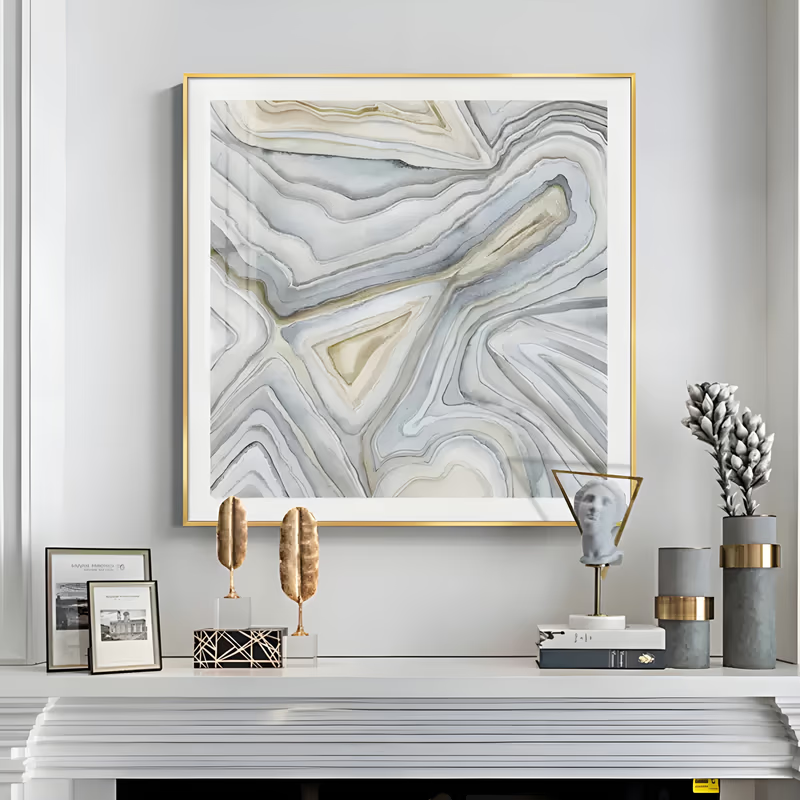
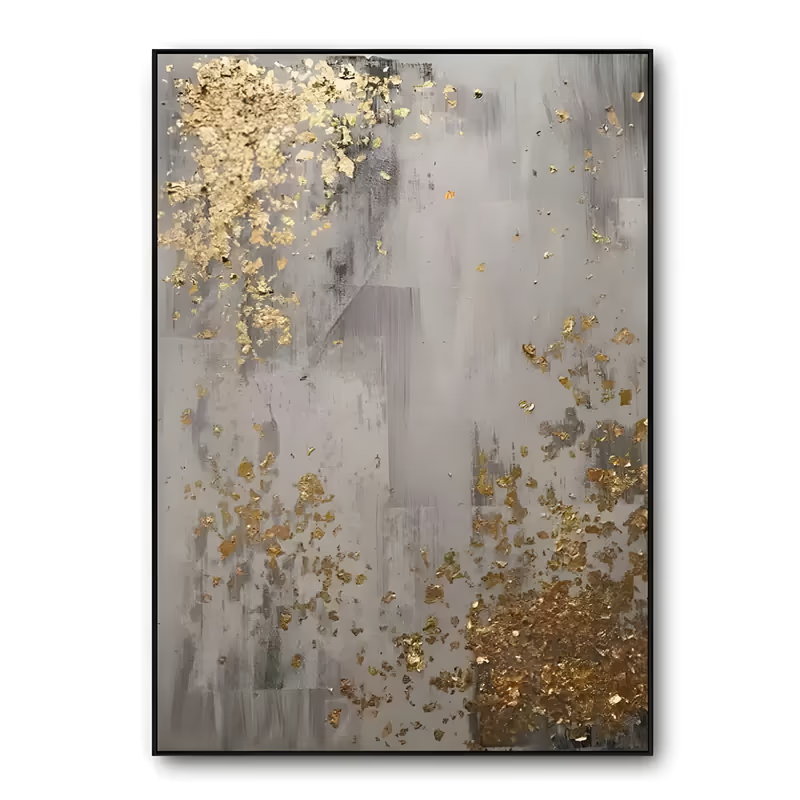
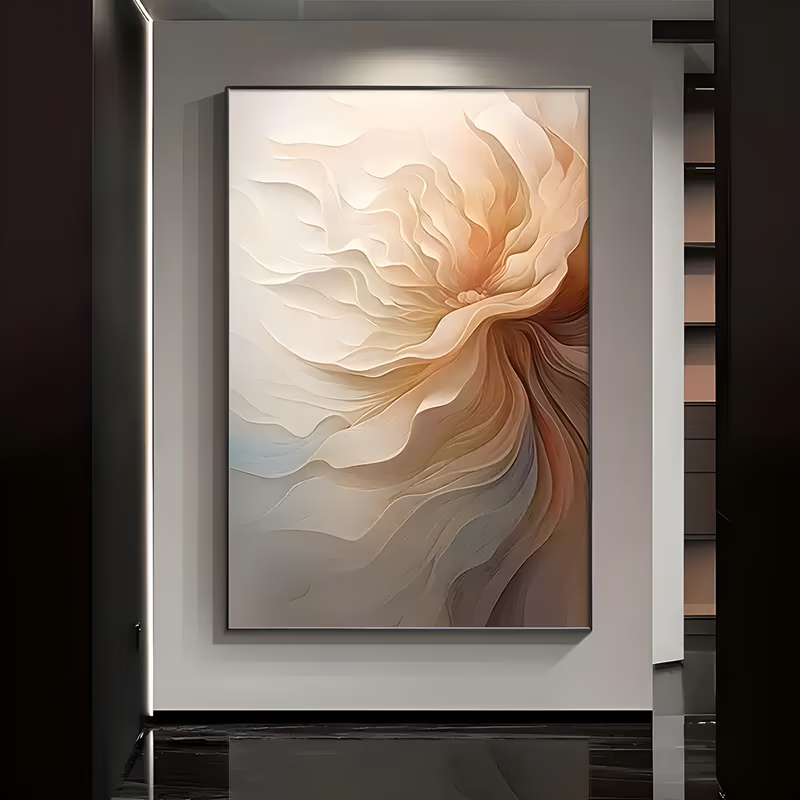
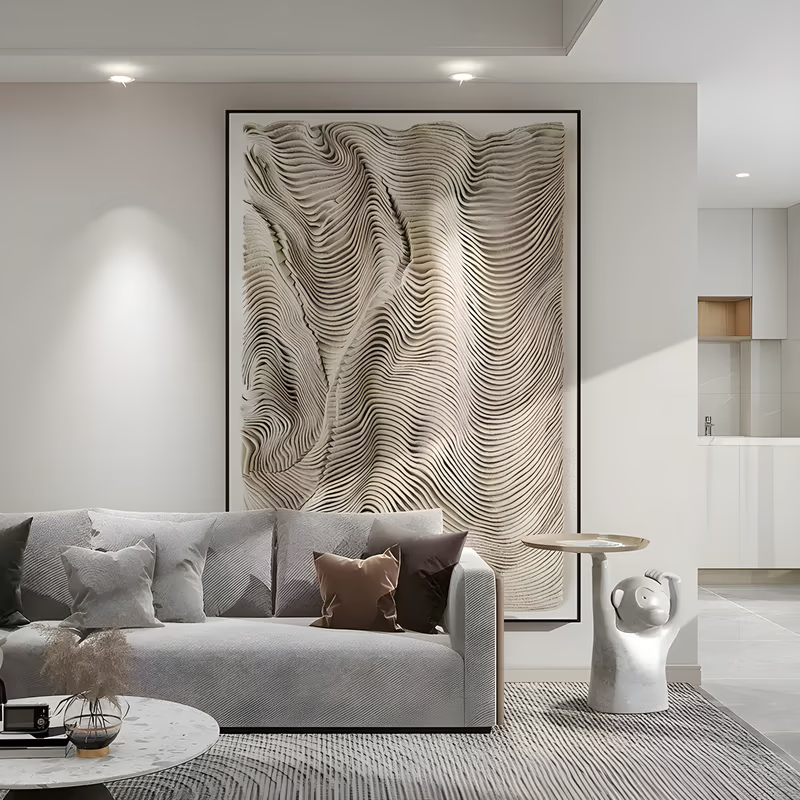
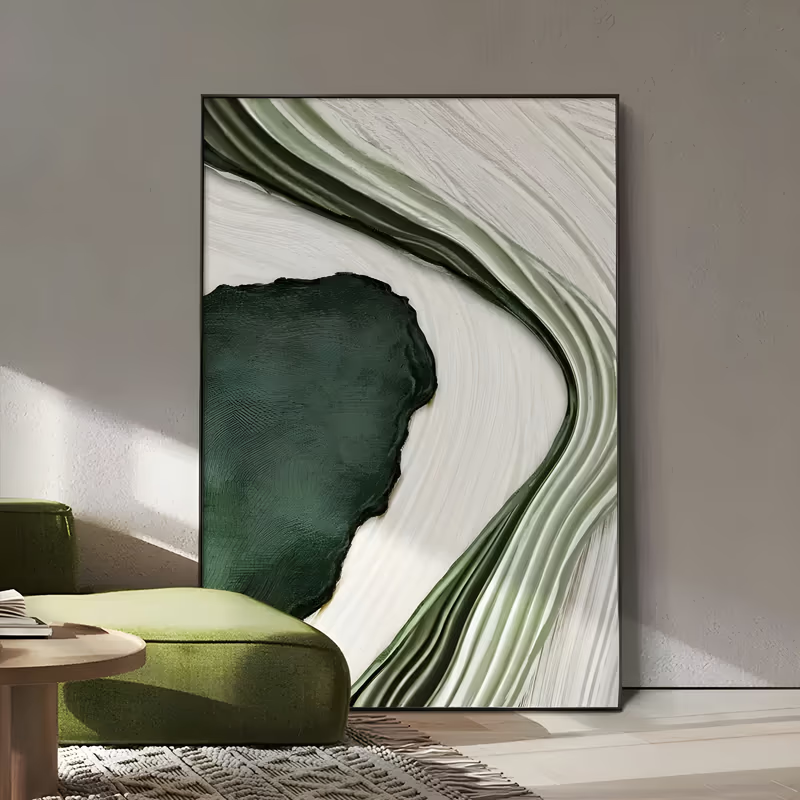
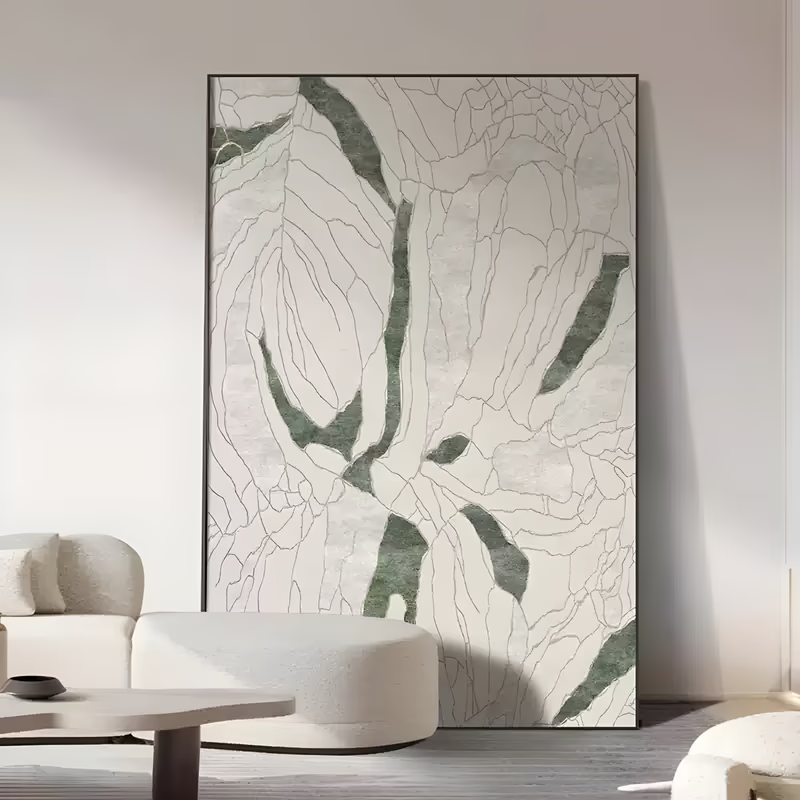
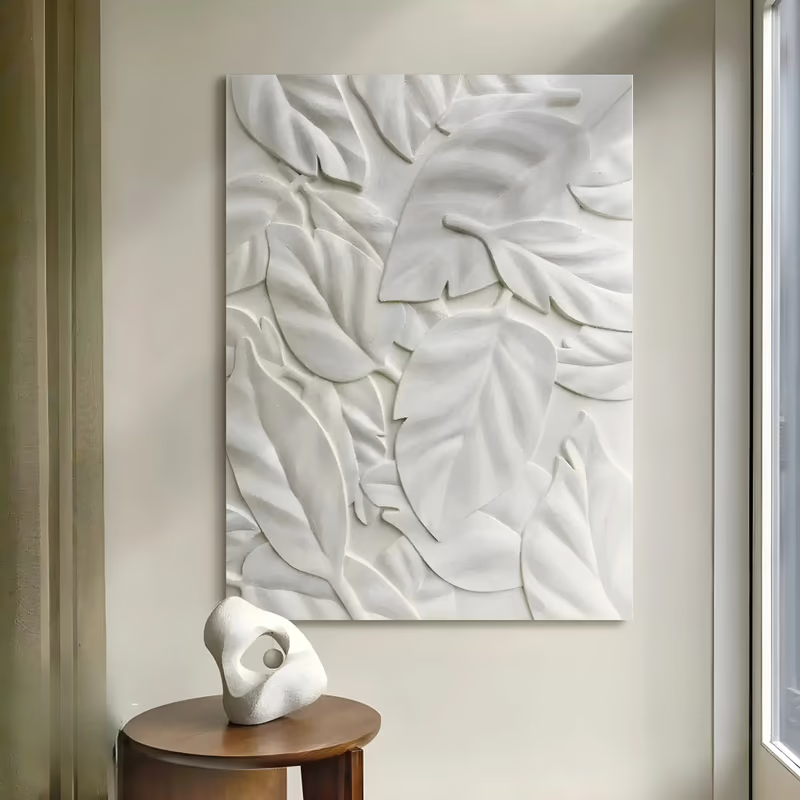
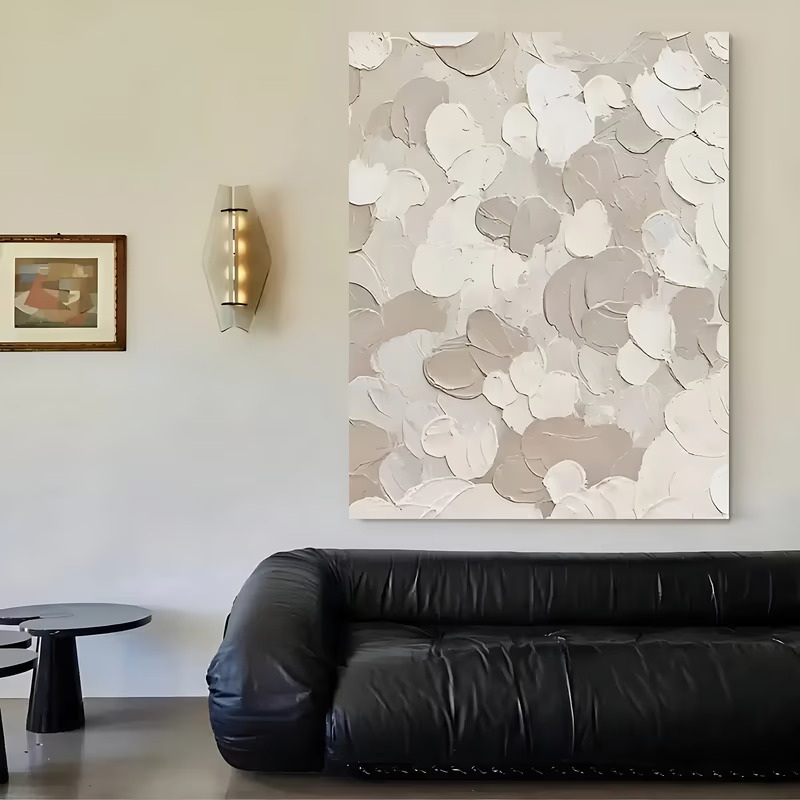
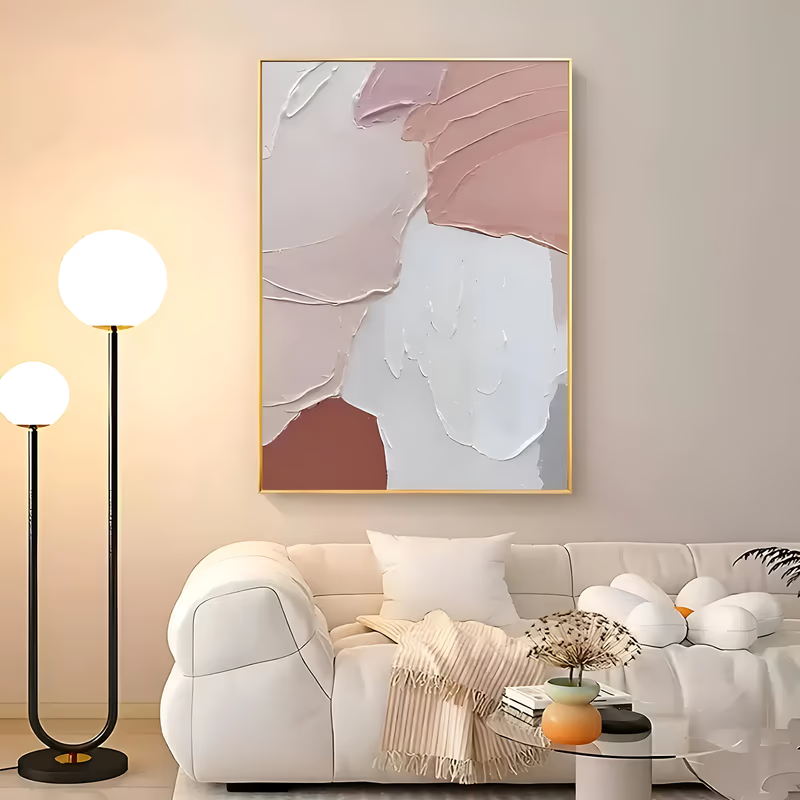
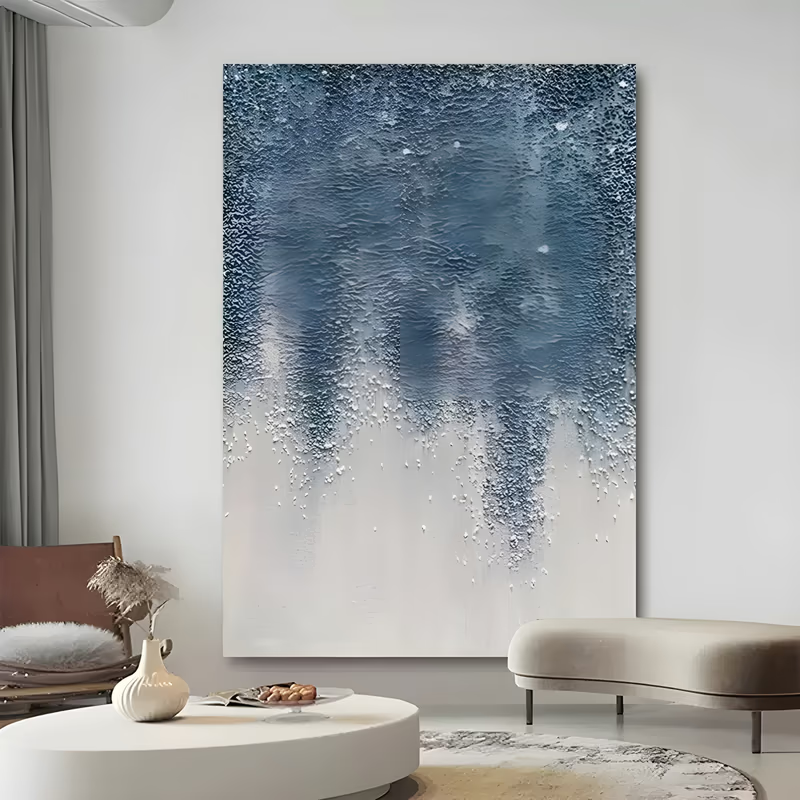
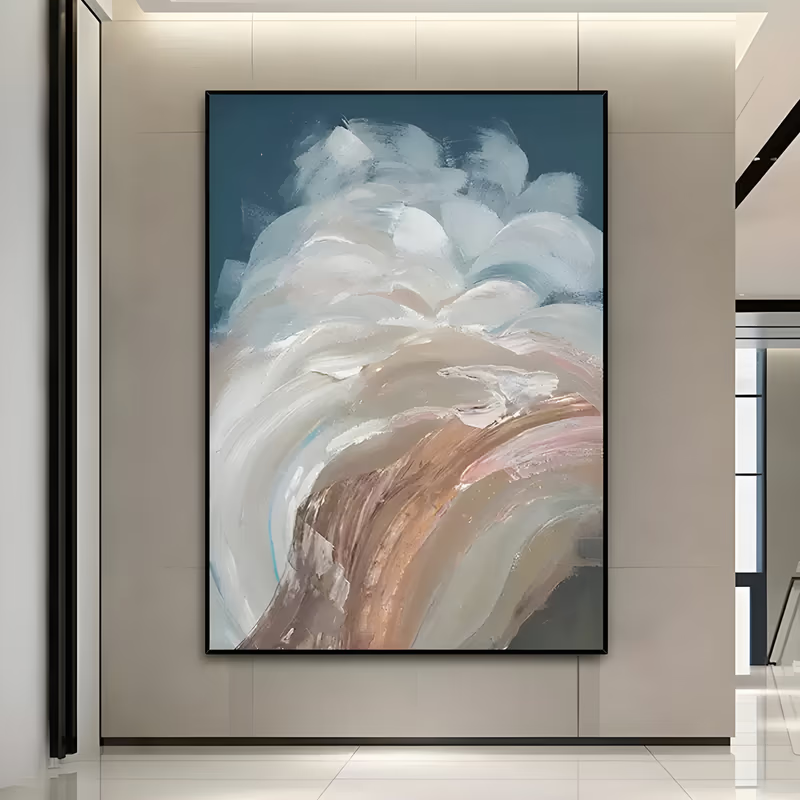
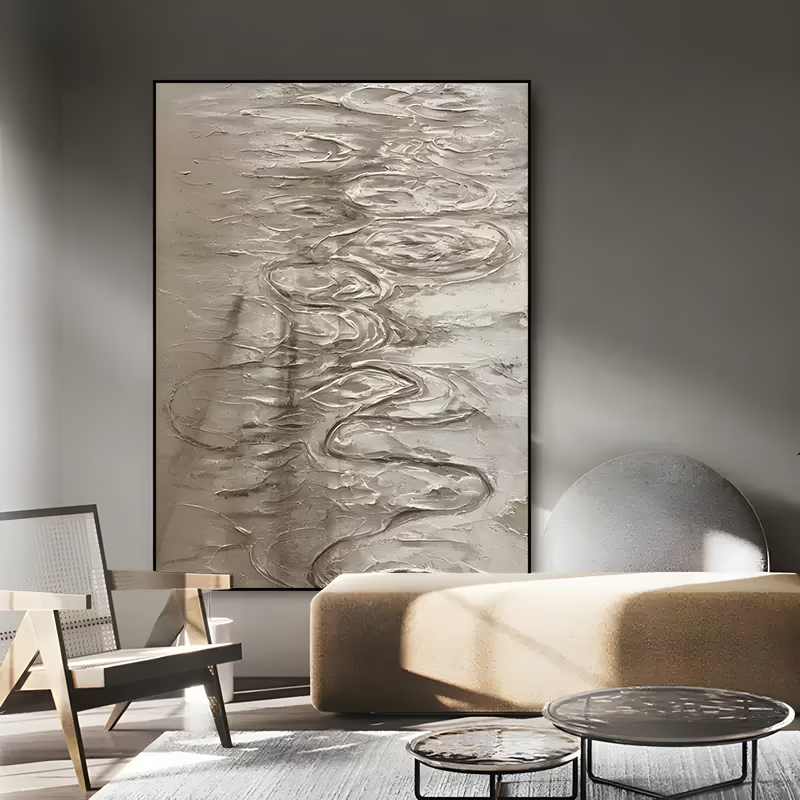
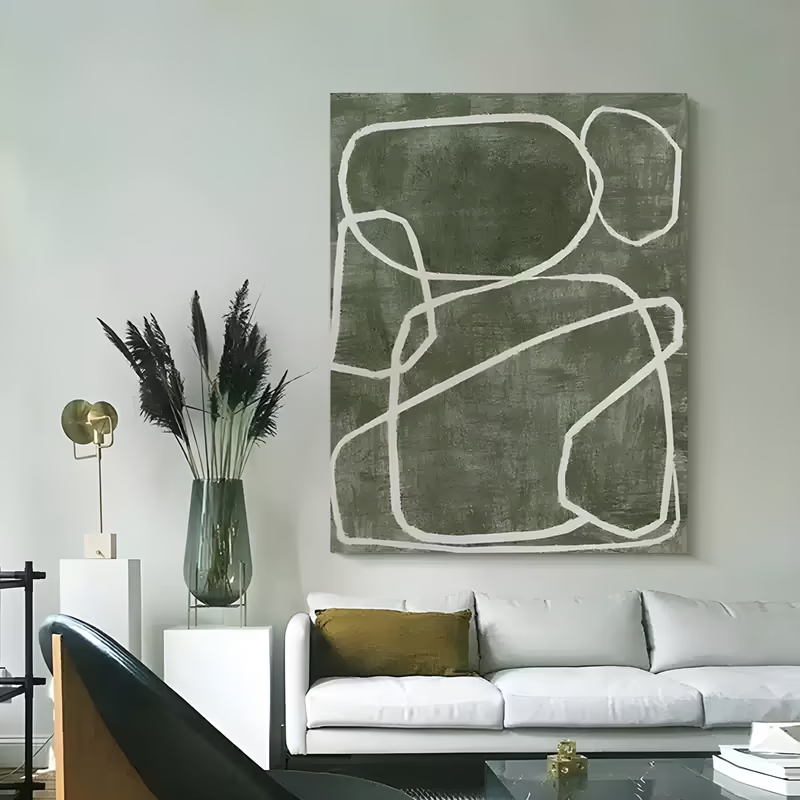
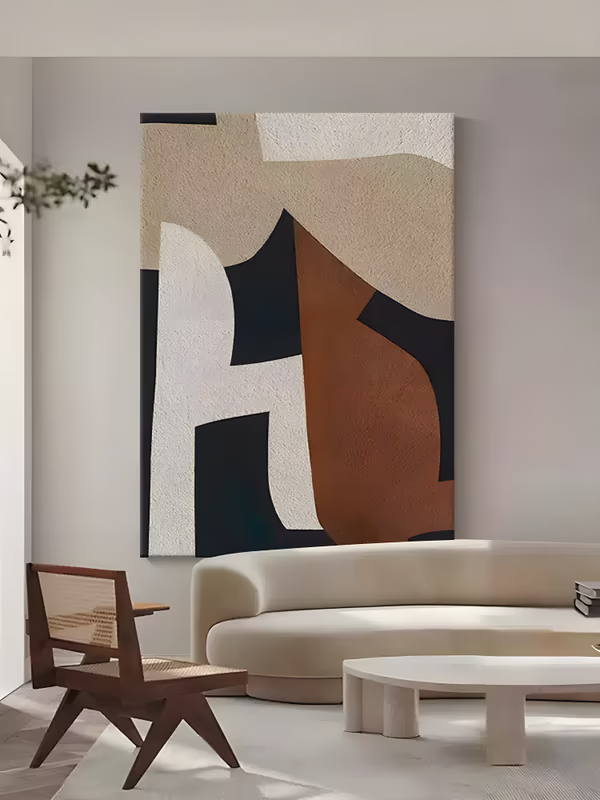
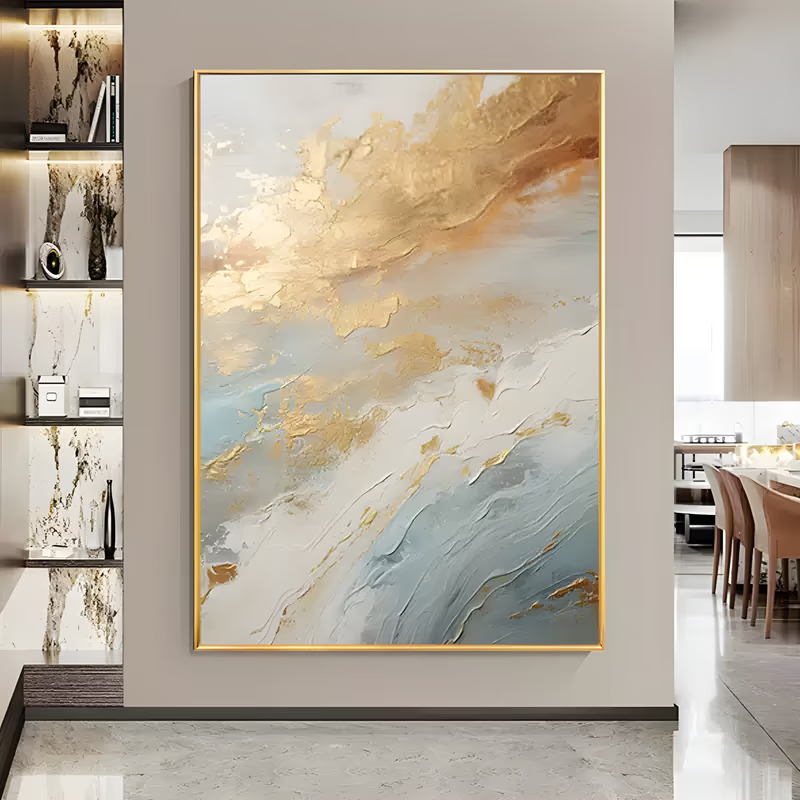
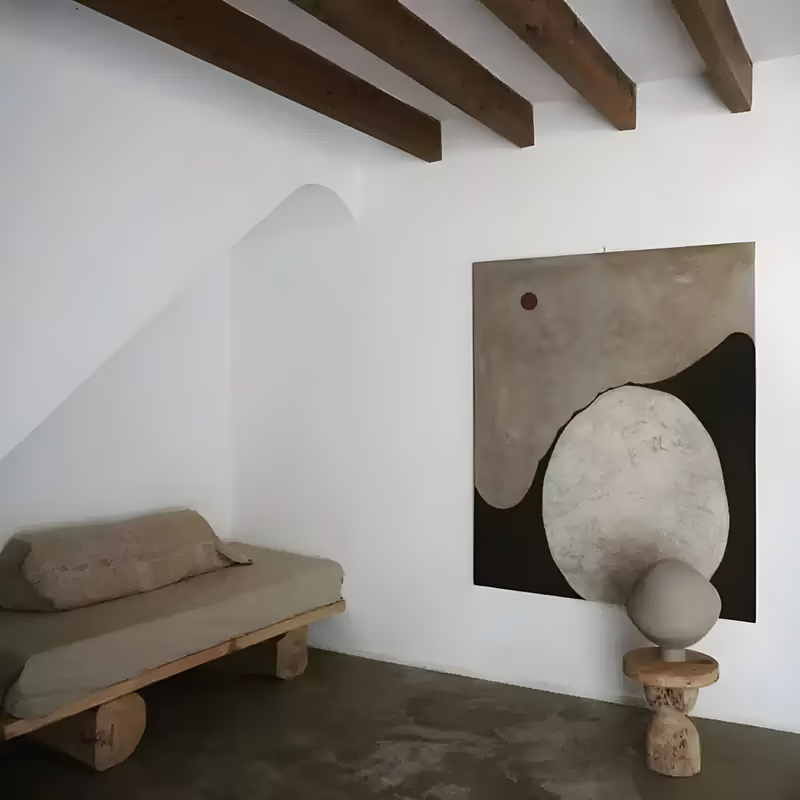
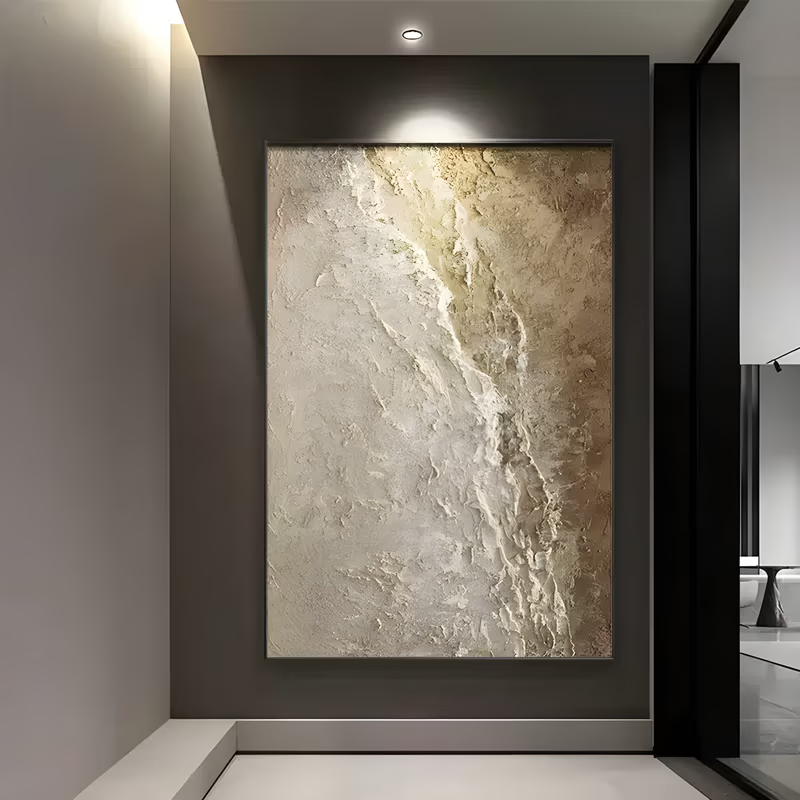
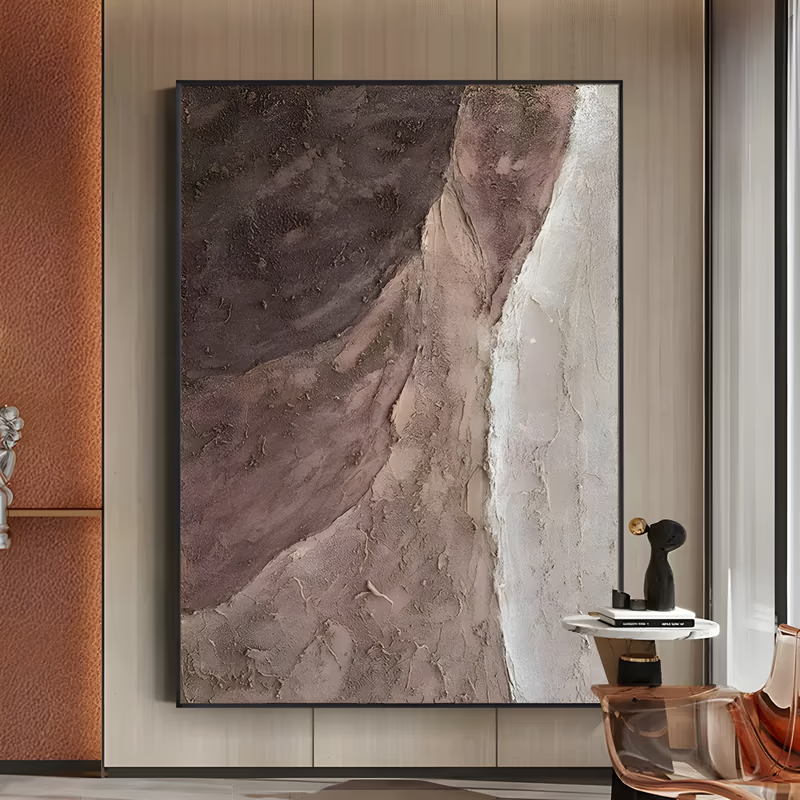
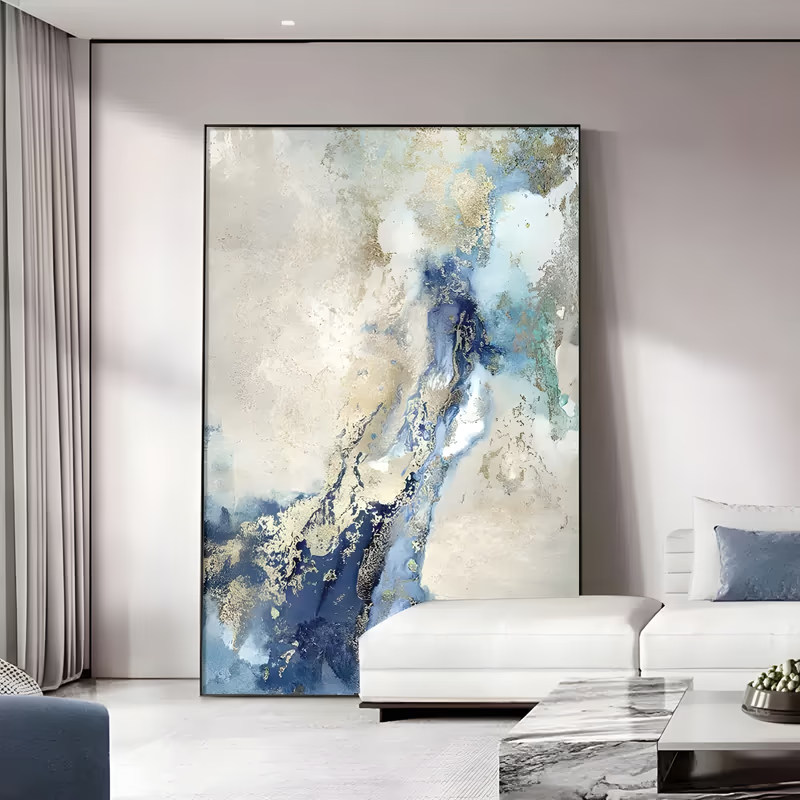
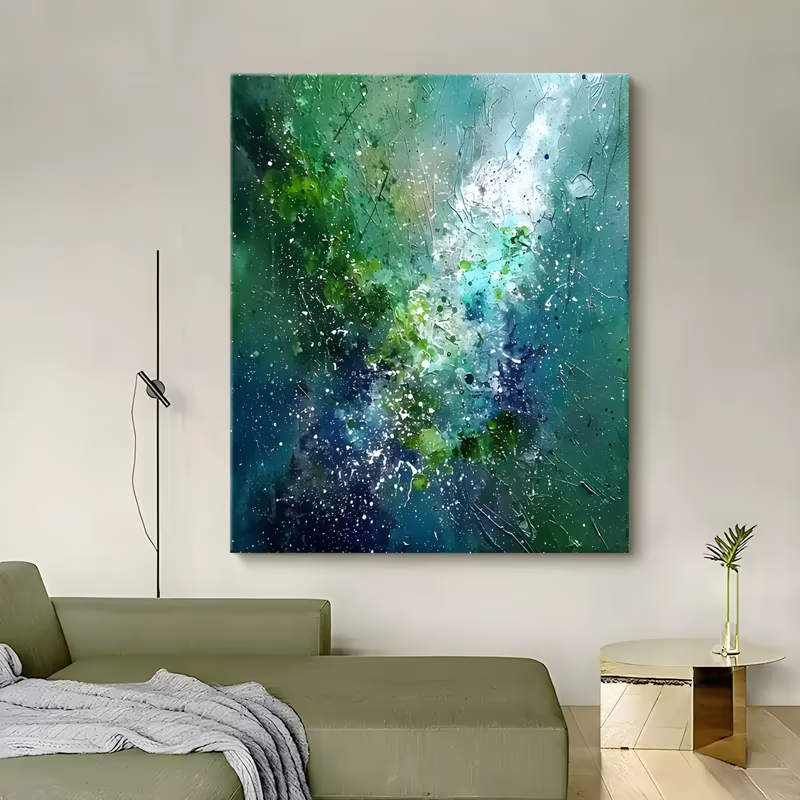
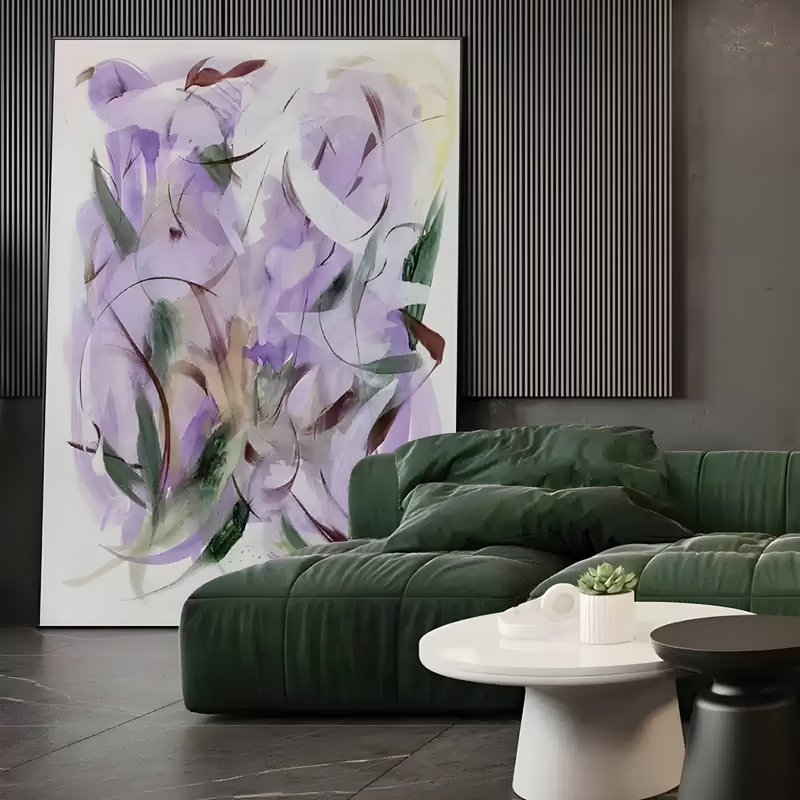
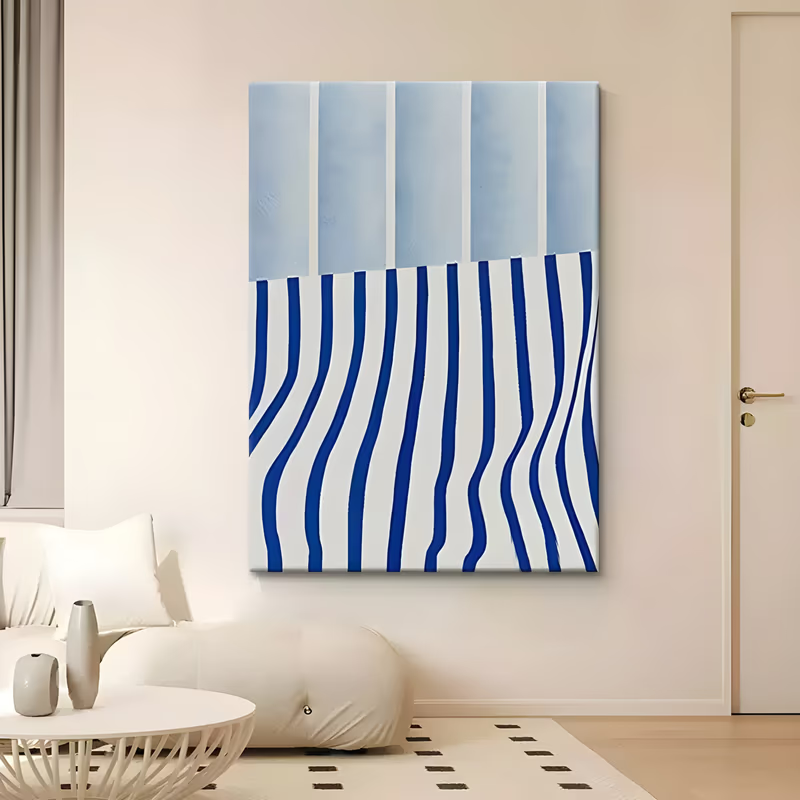
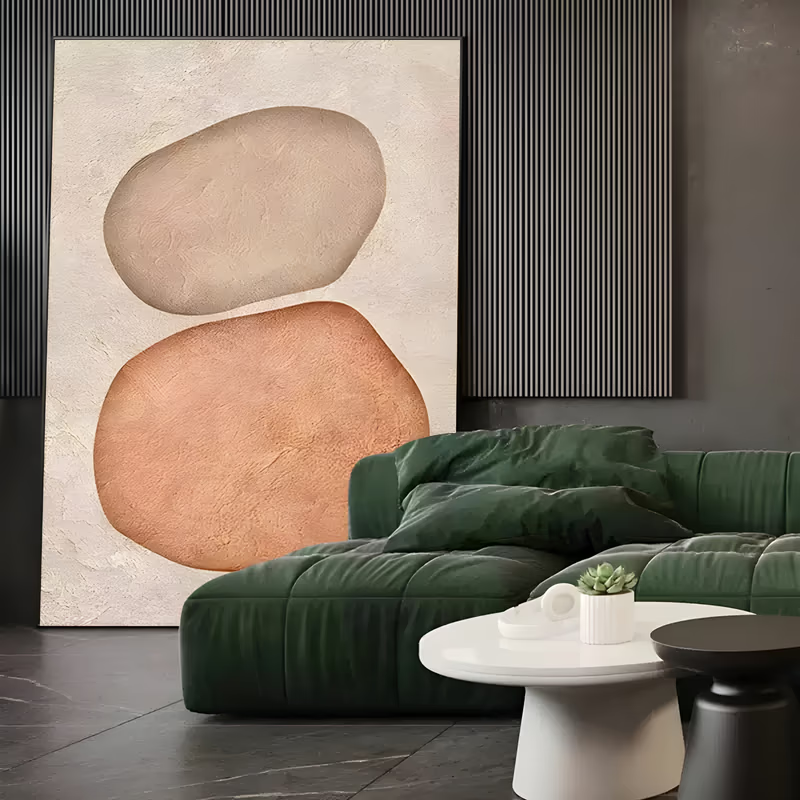
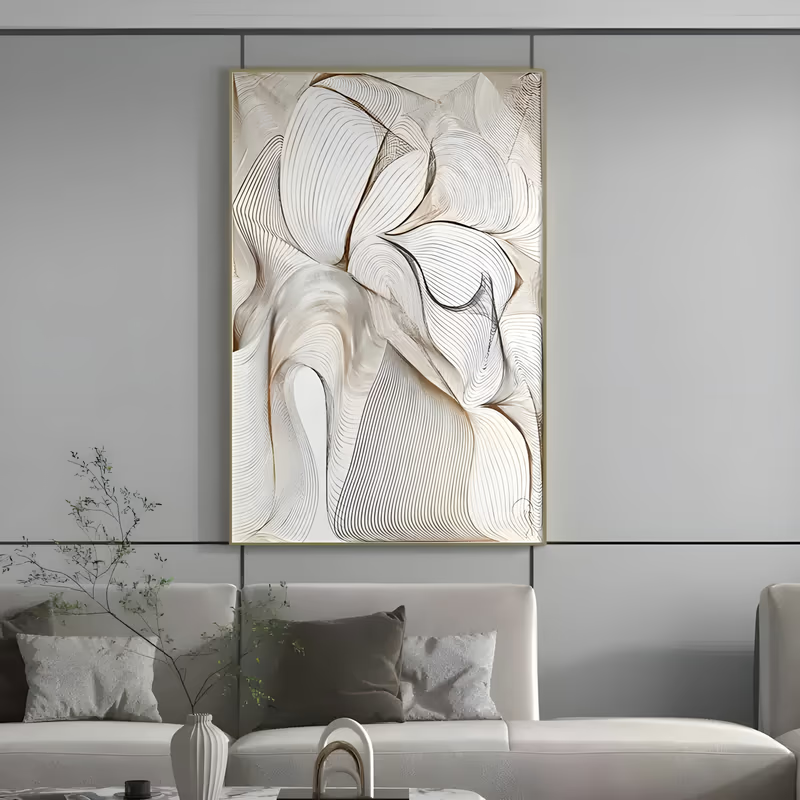
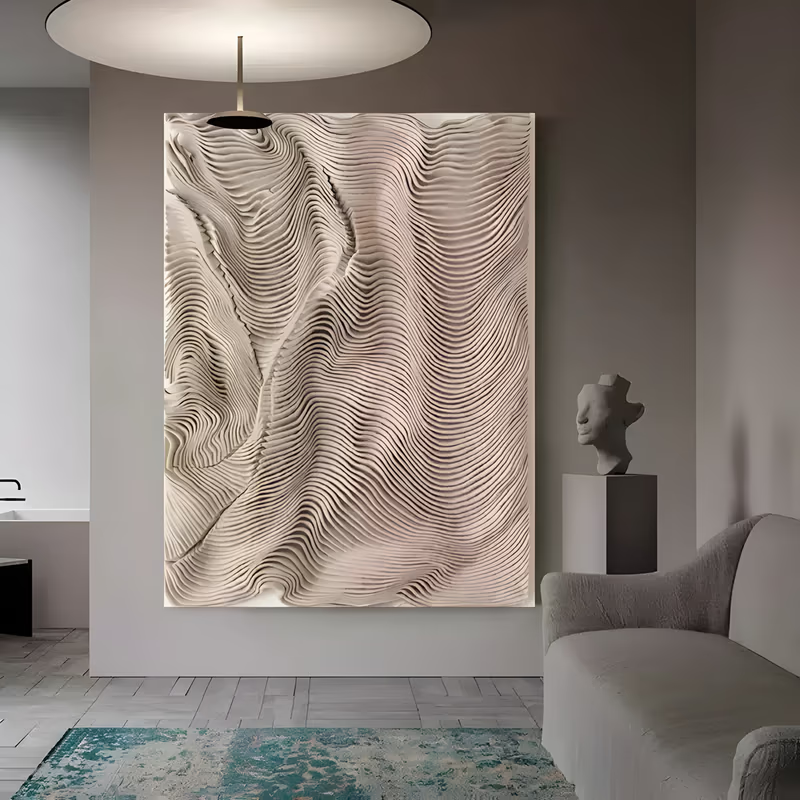
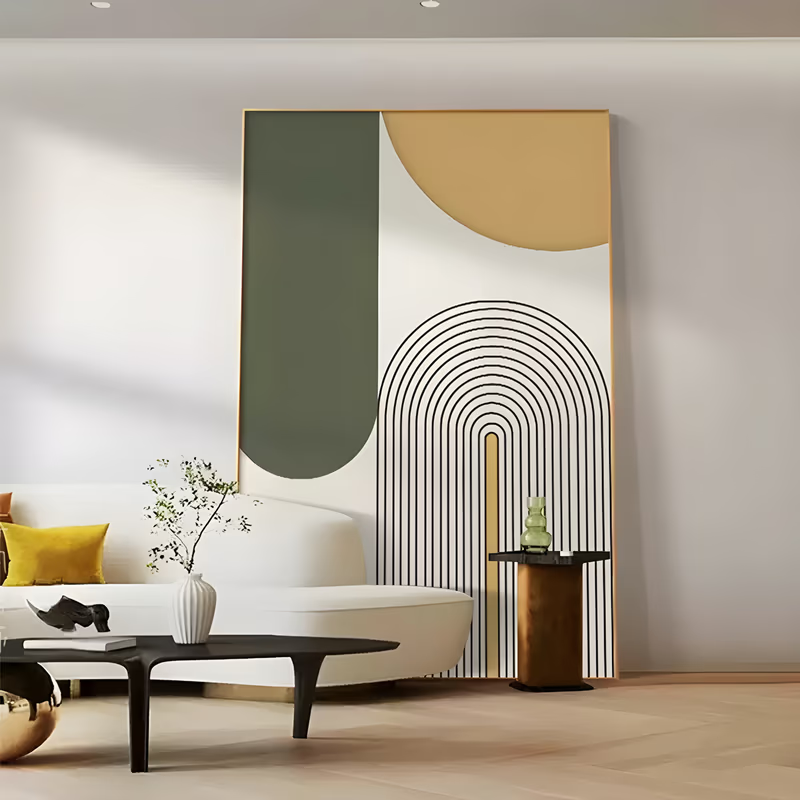
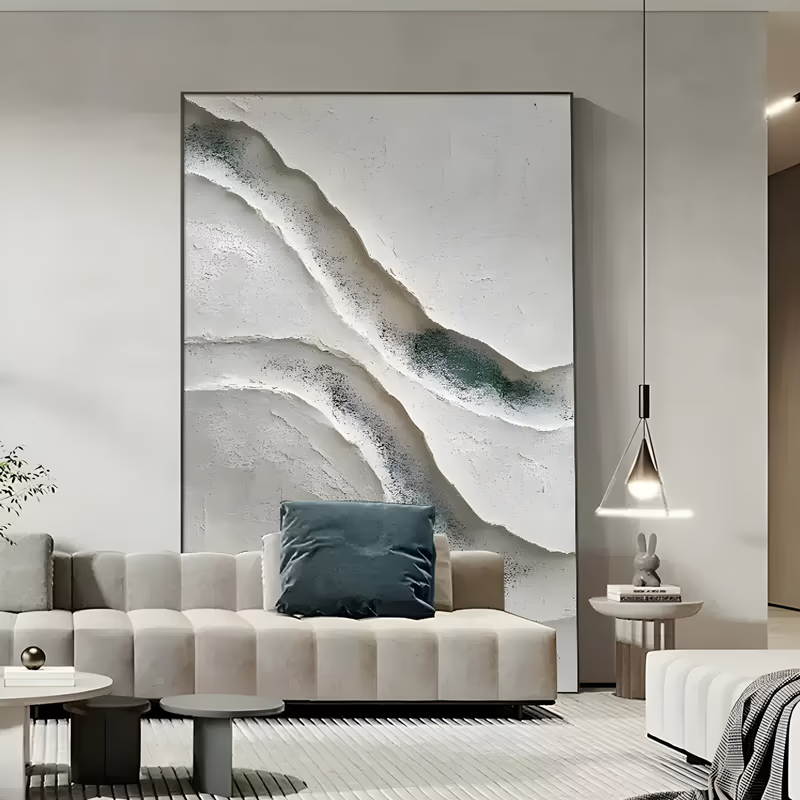
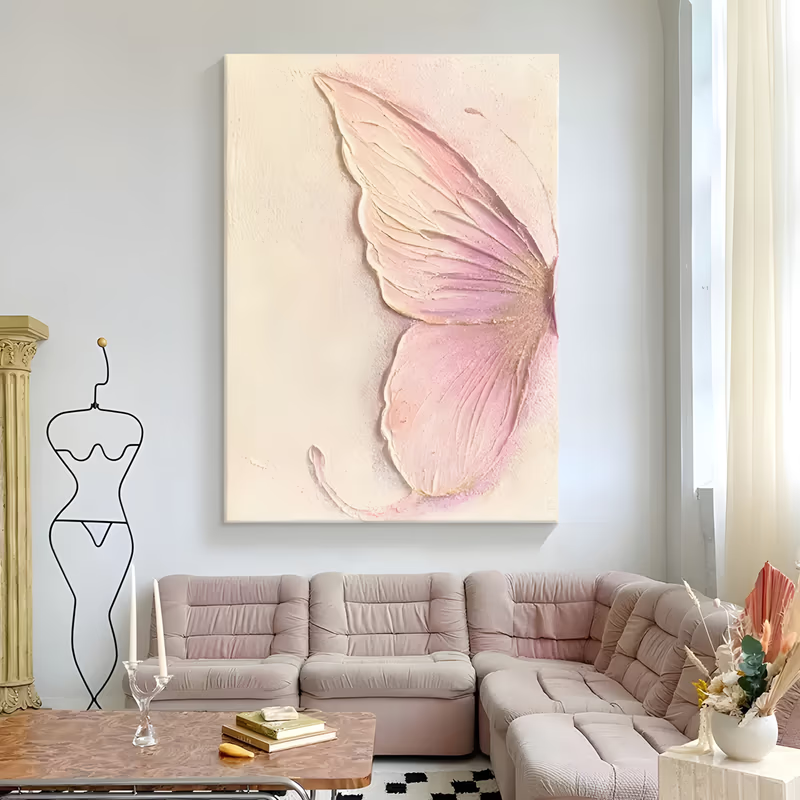
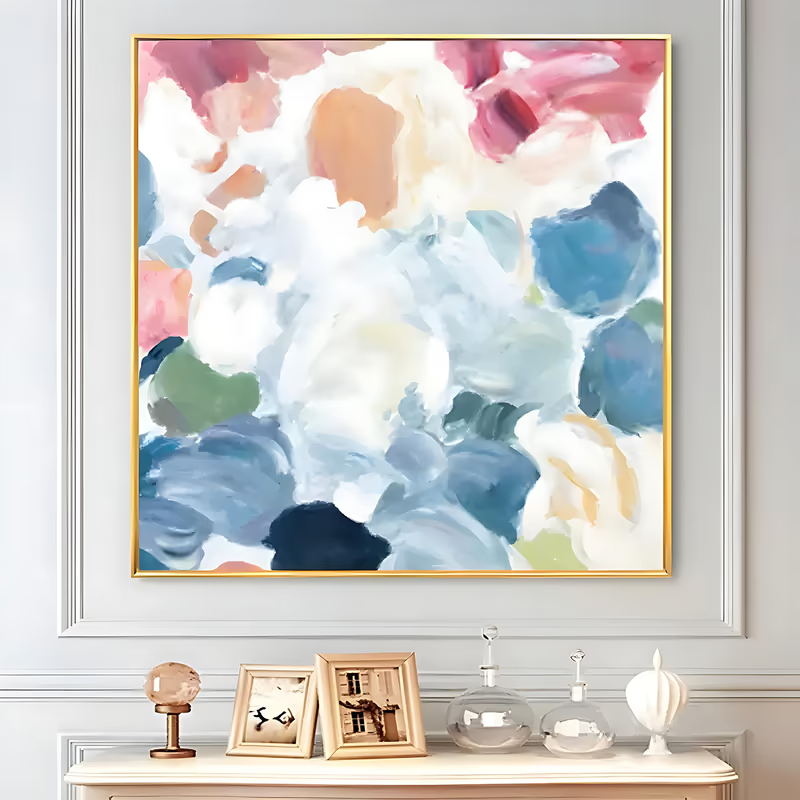
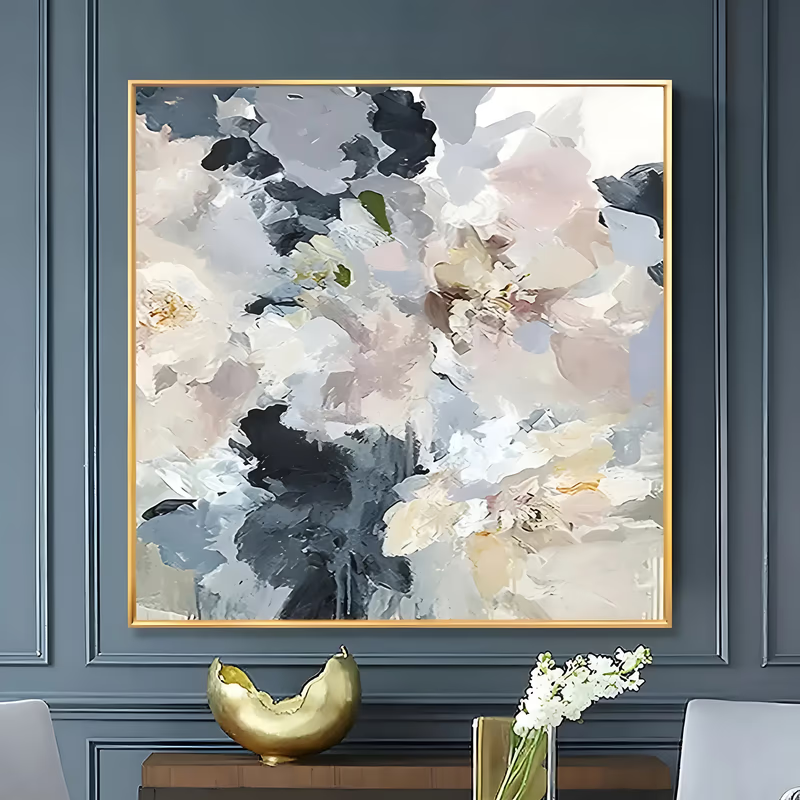
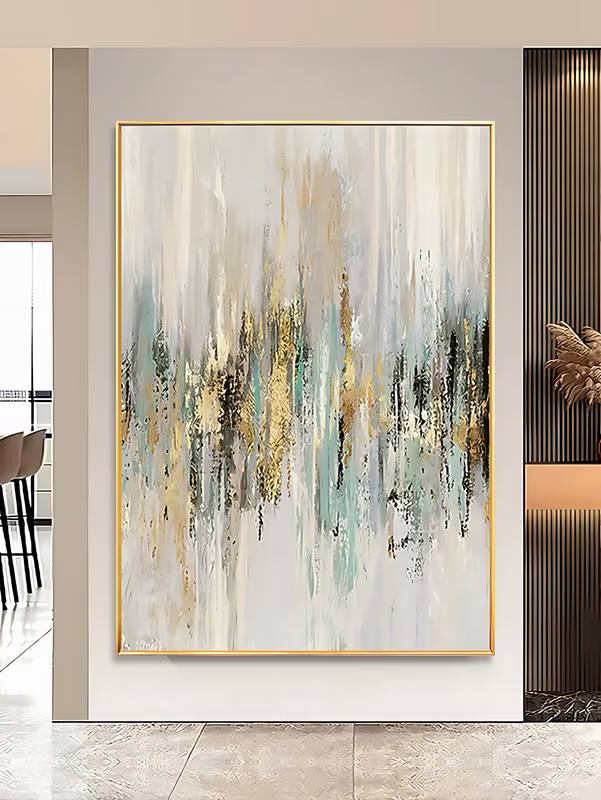
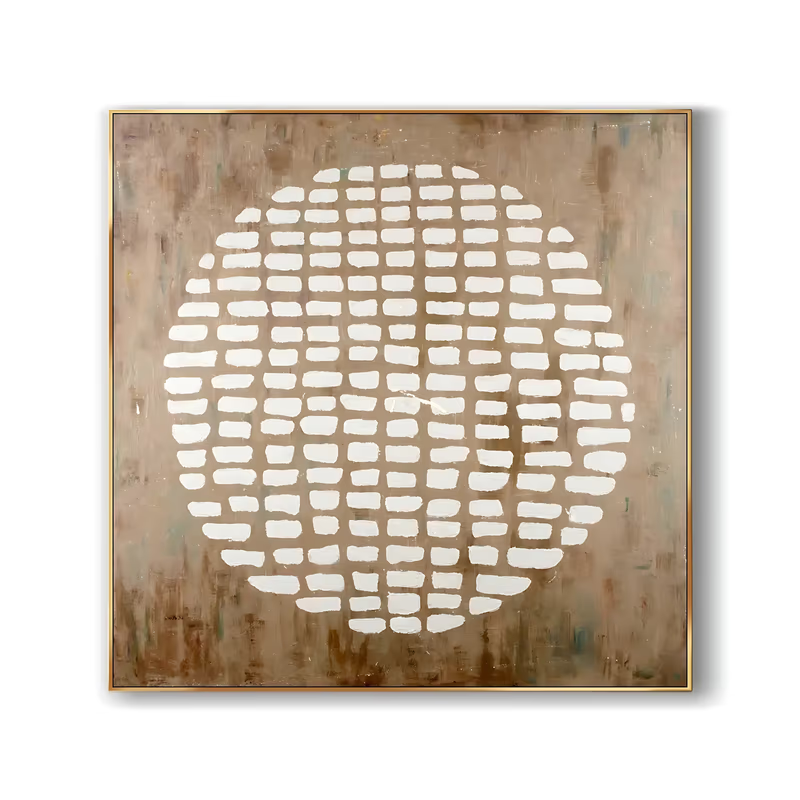
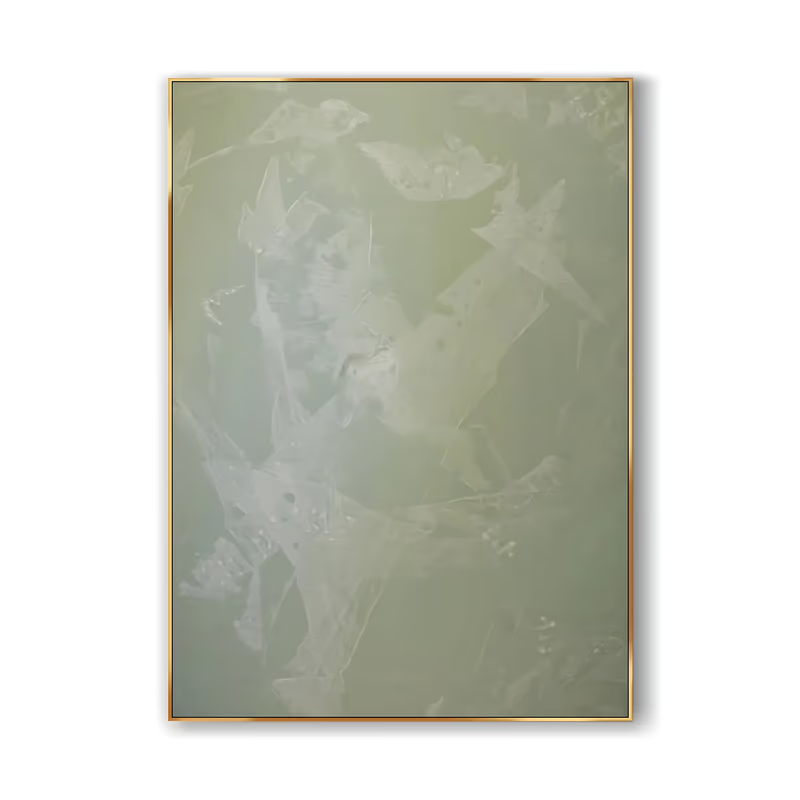
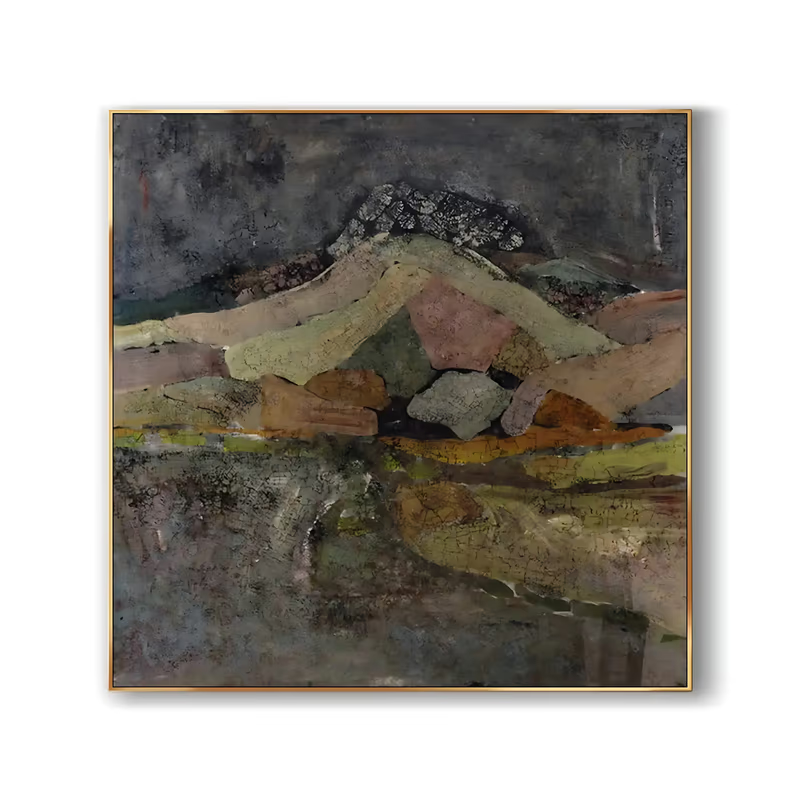
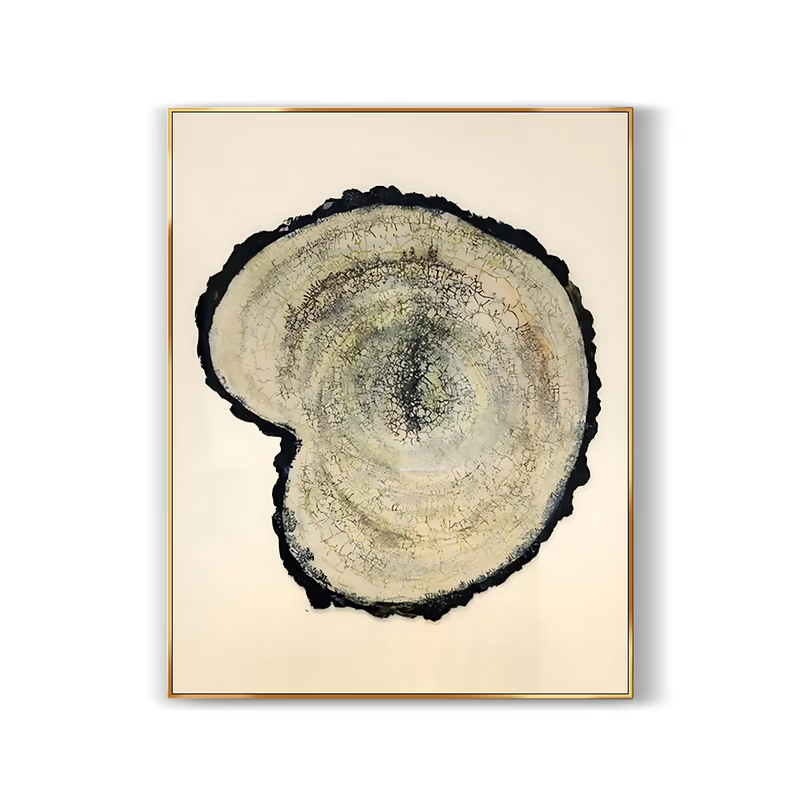
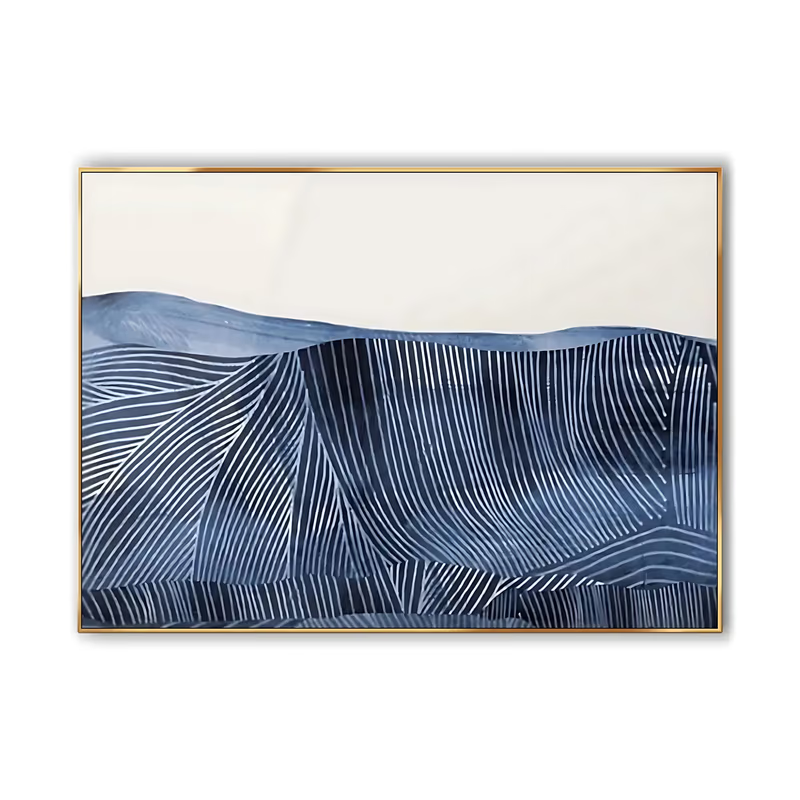
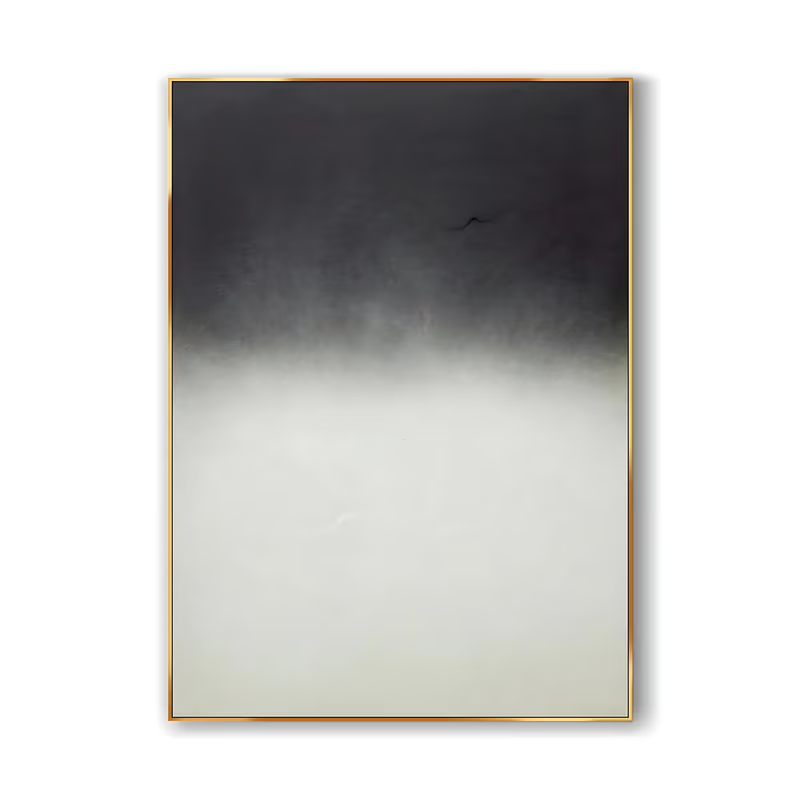
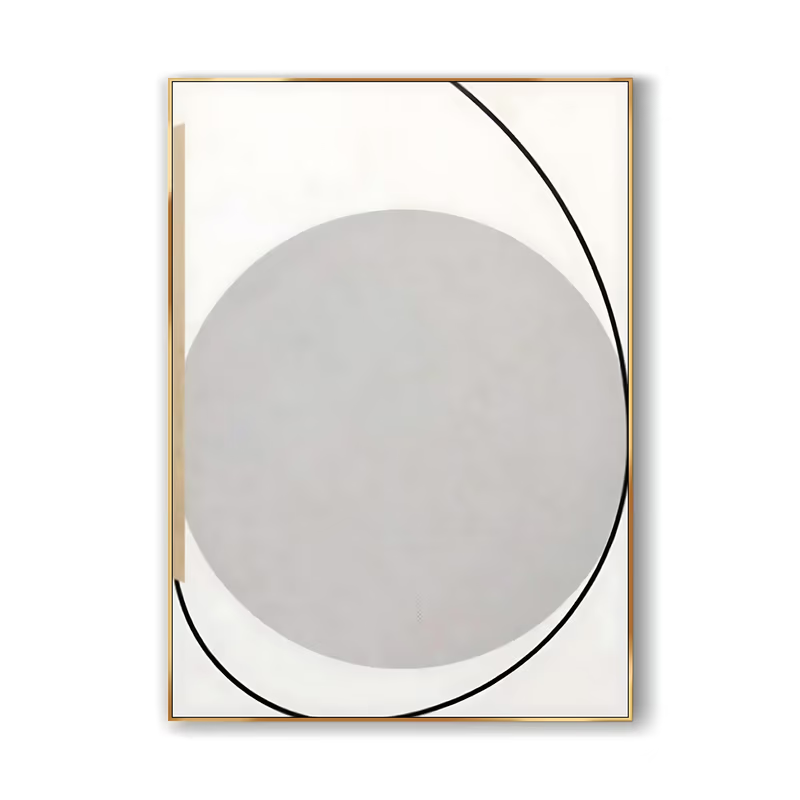
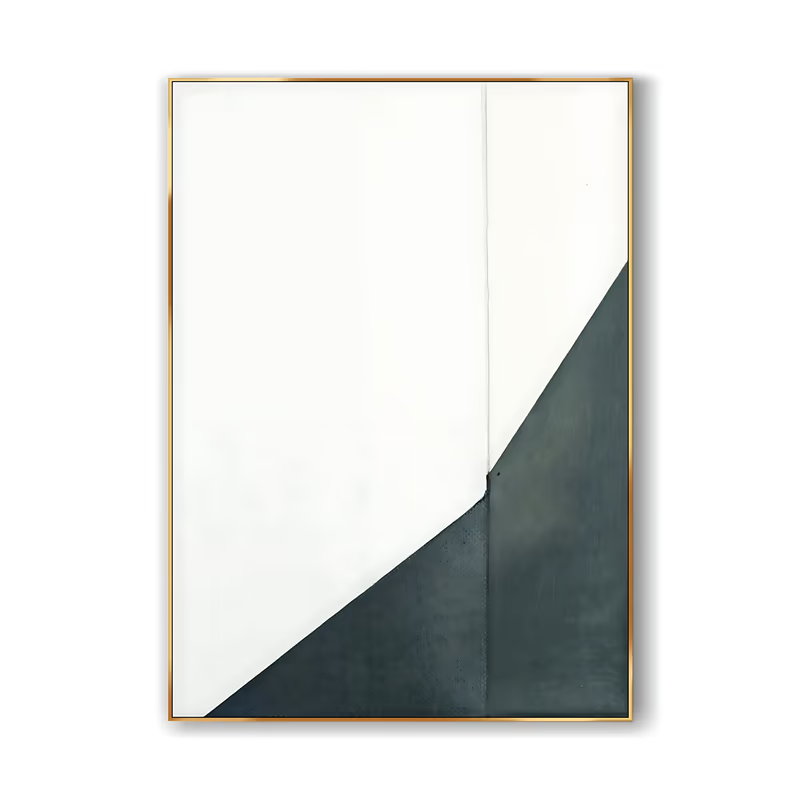
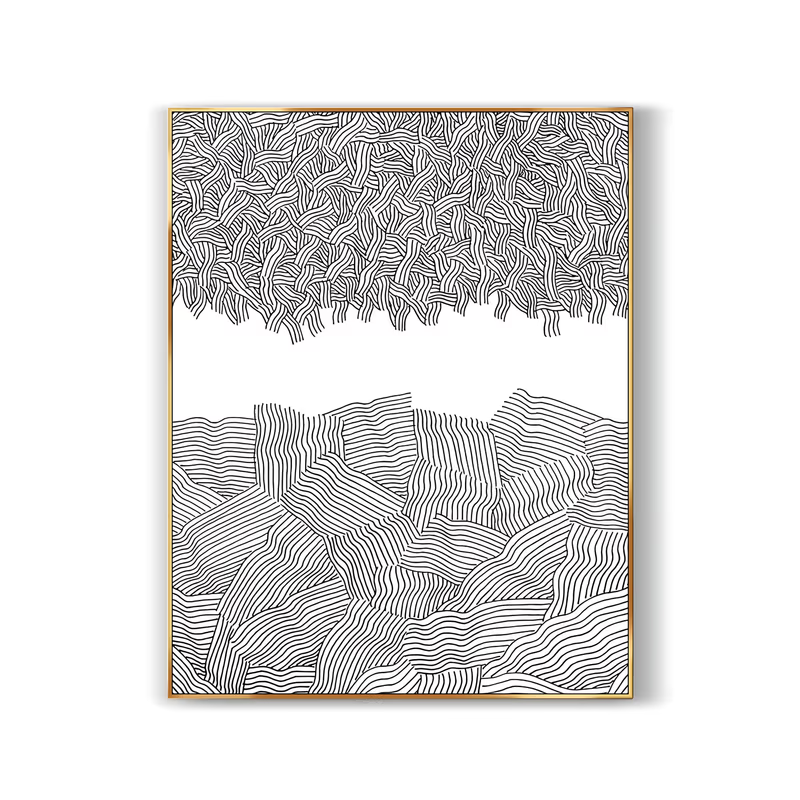
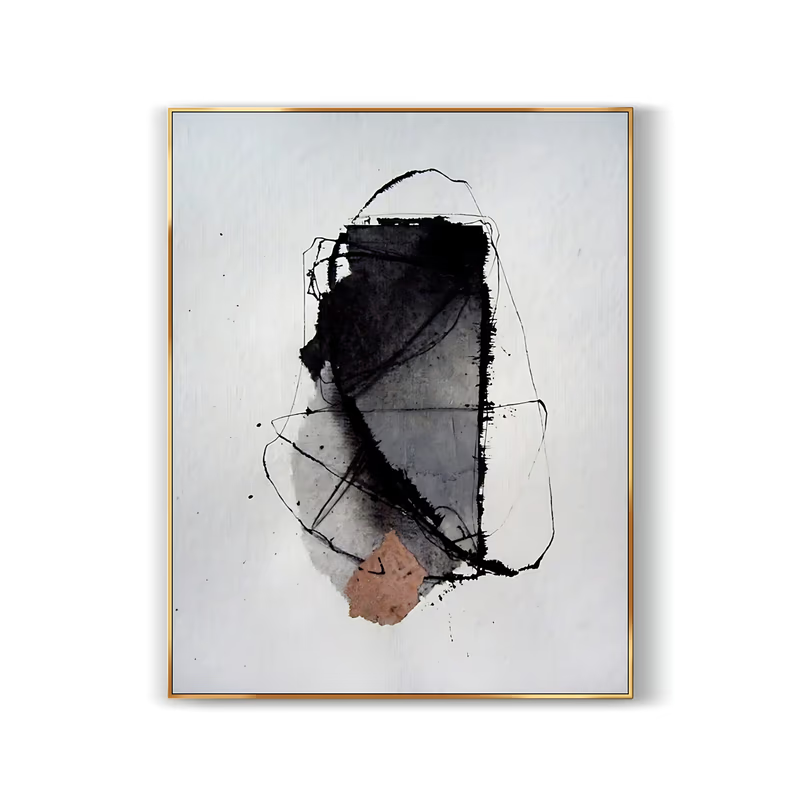
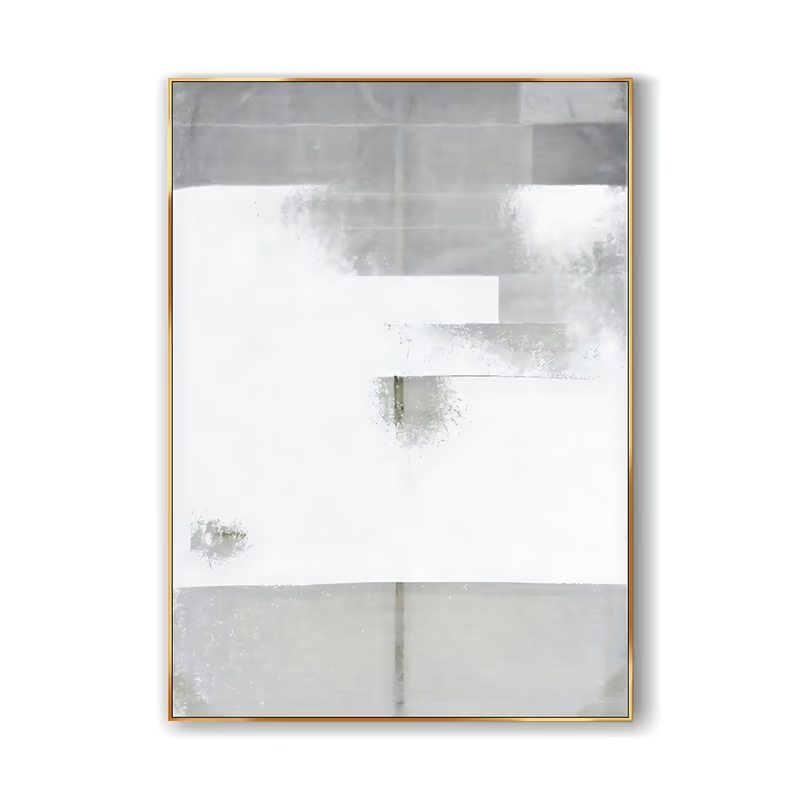
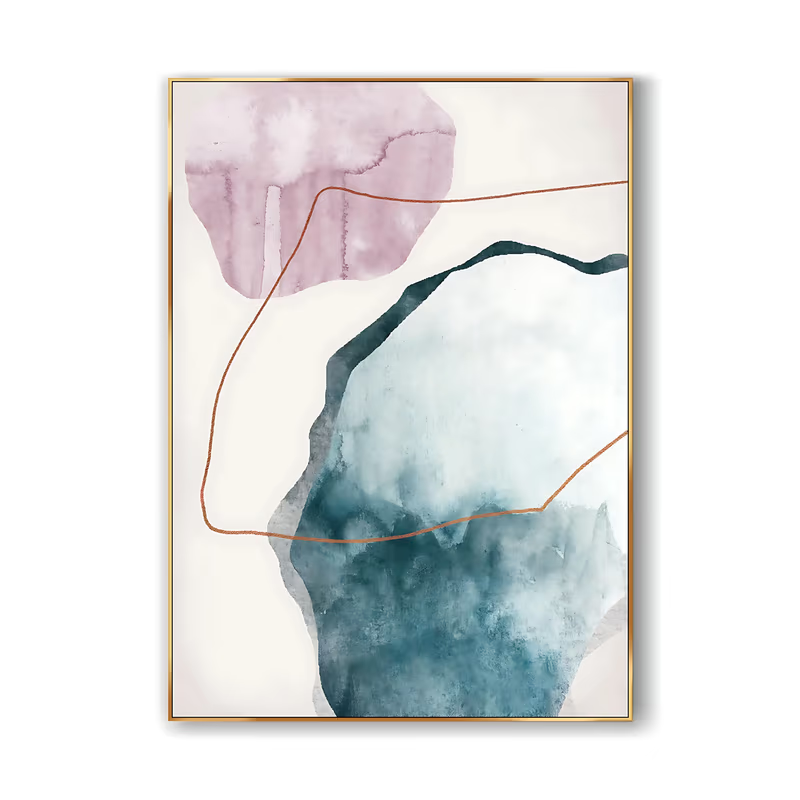
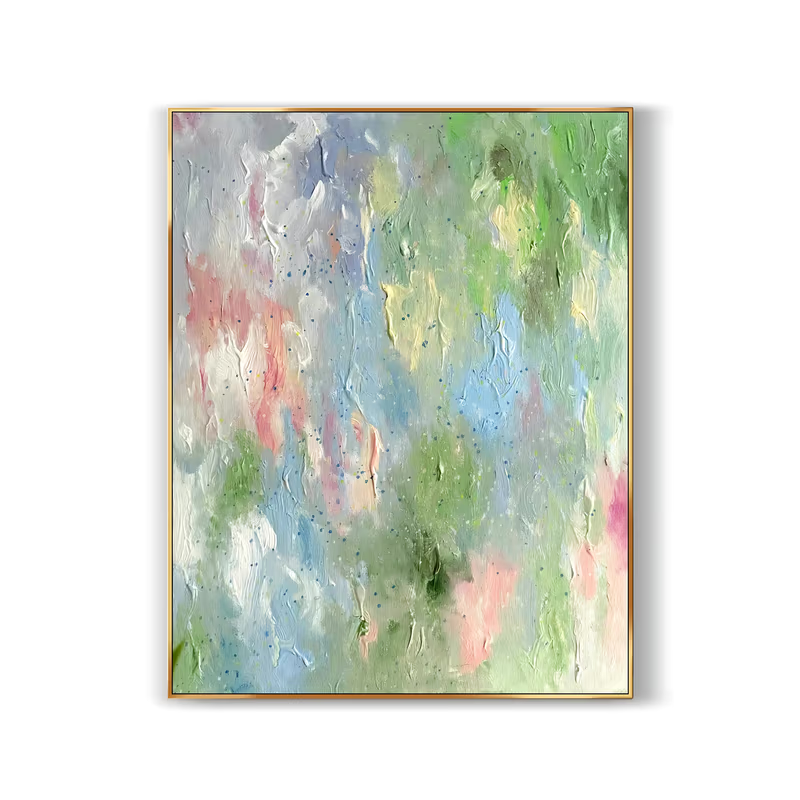
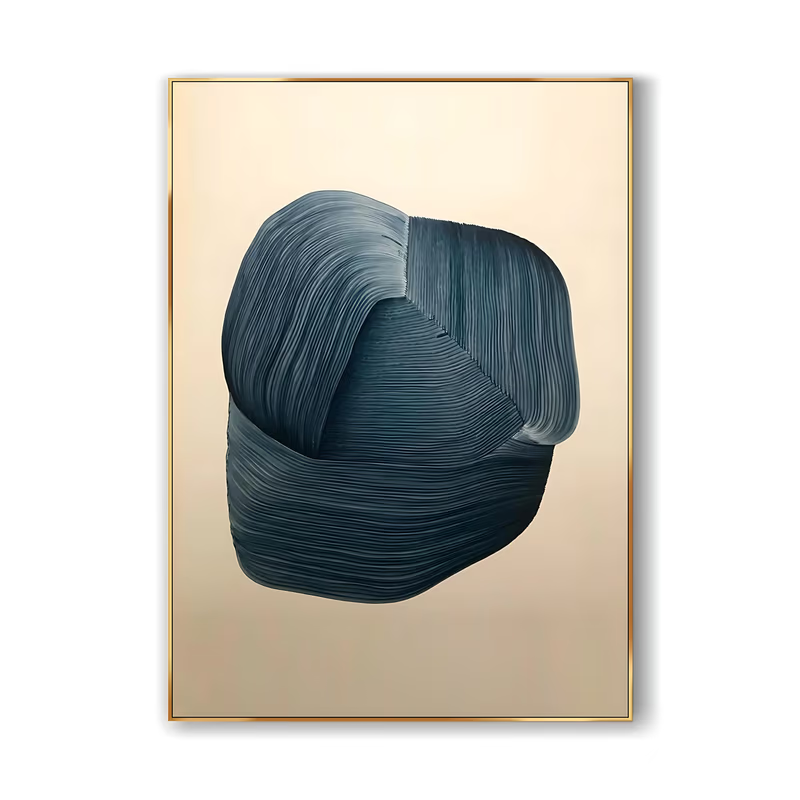
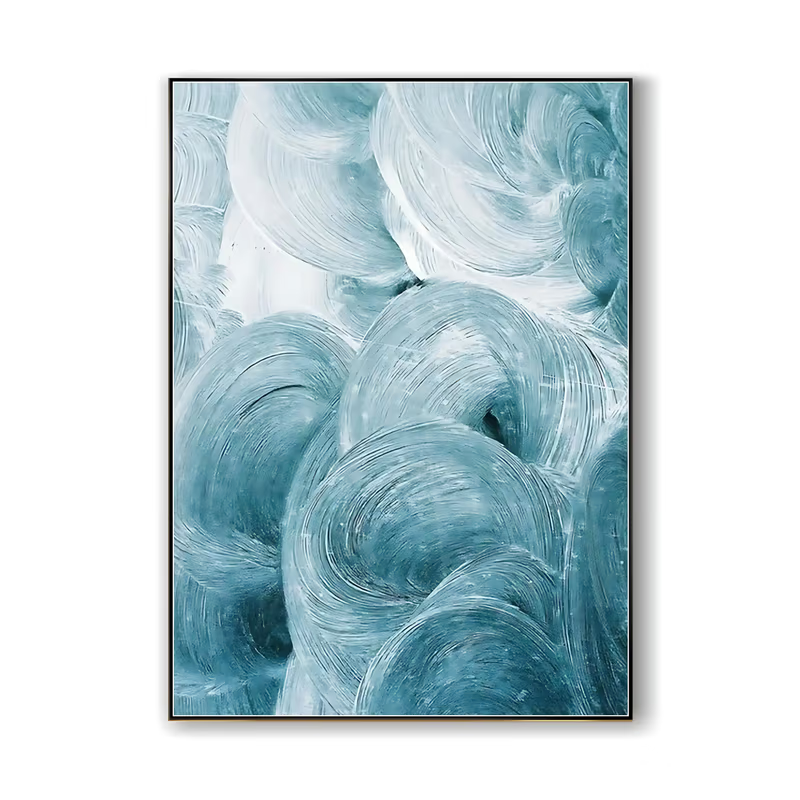
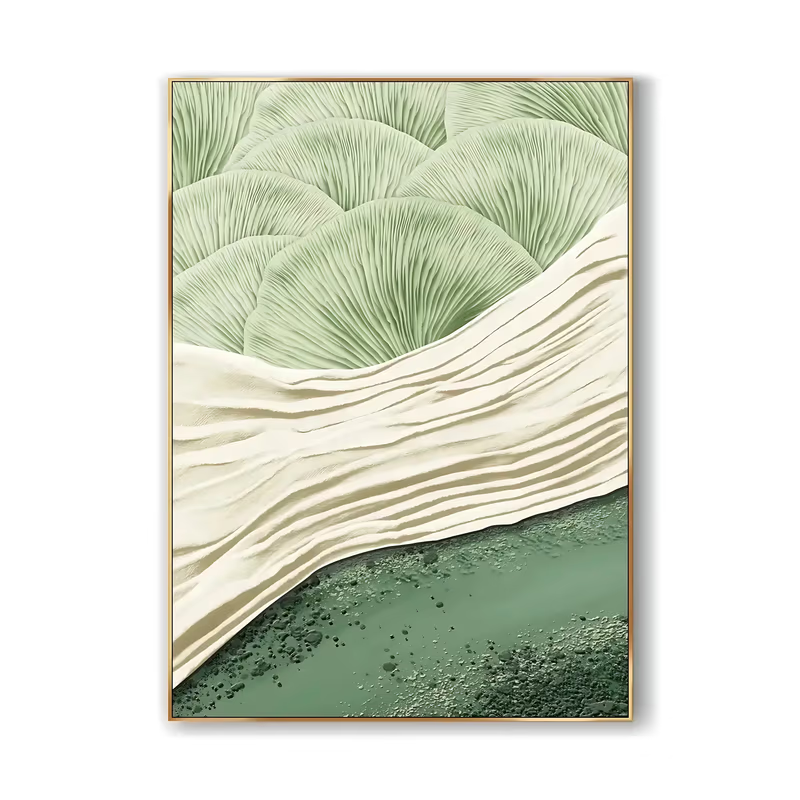
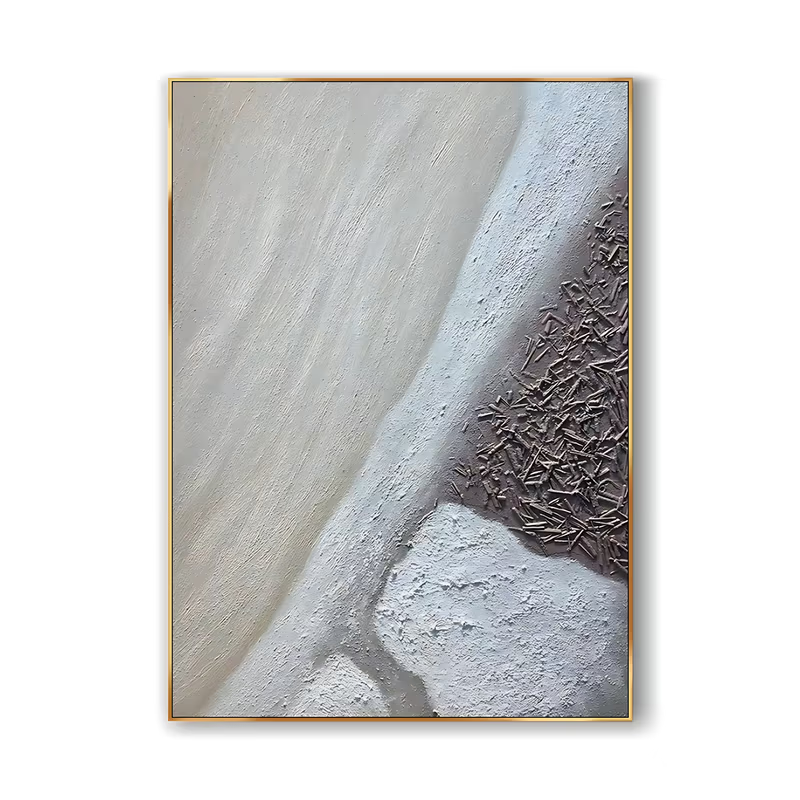
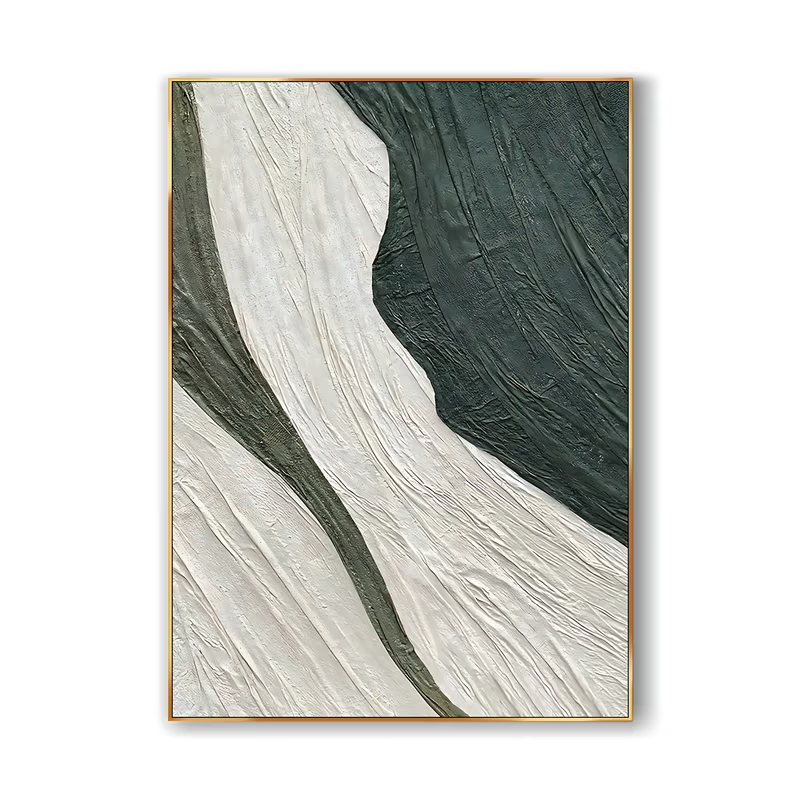
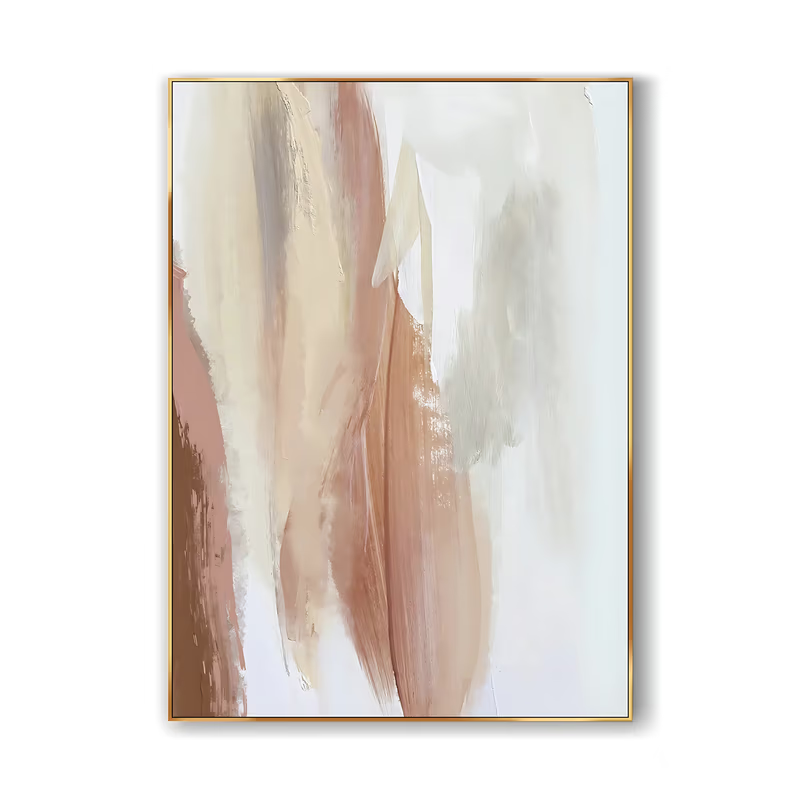
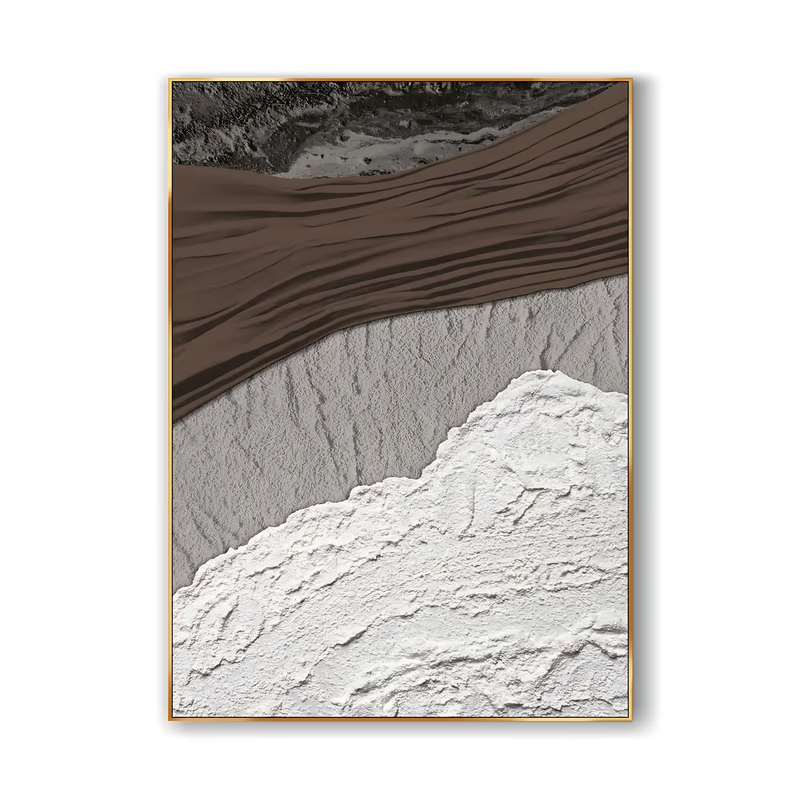
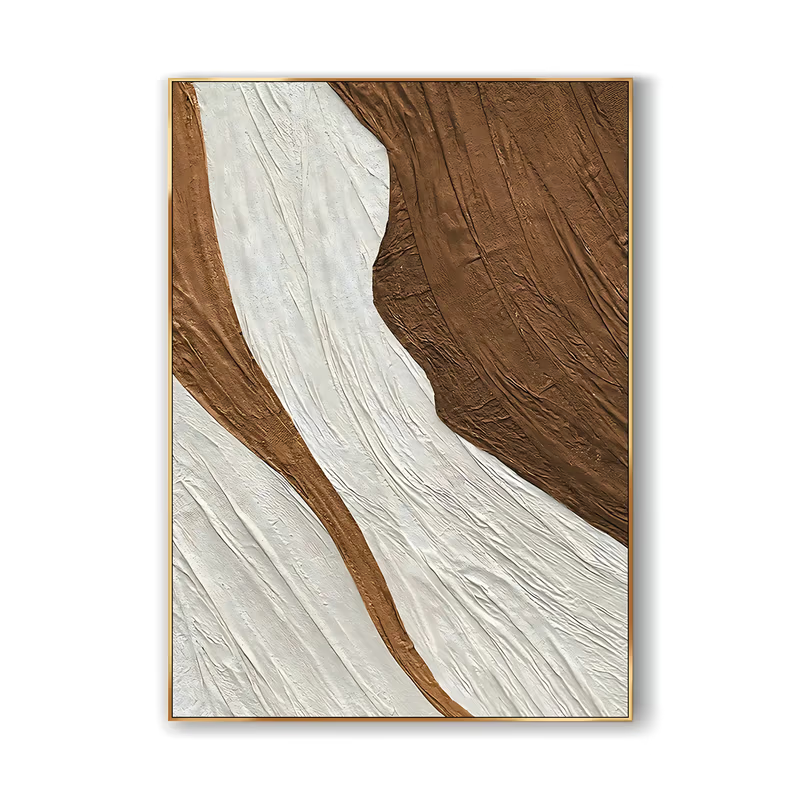
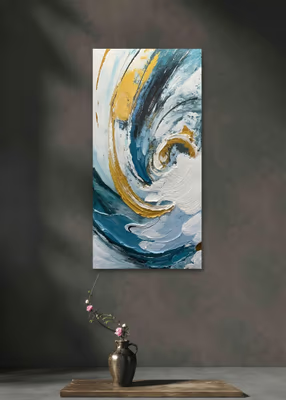
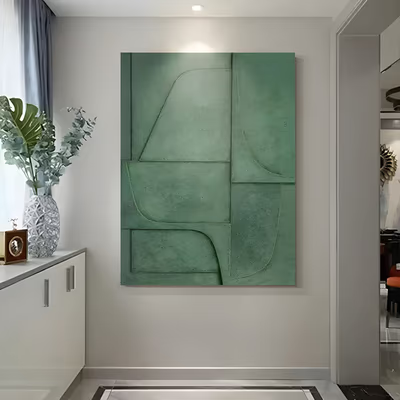
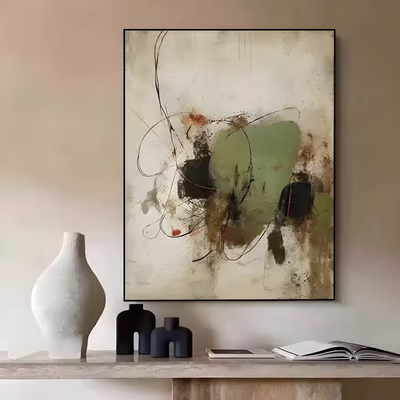
White and sand plaster relief, soft geometric shapes and weathered earth tones. These carry no subject at all, which is exactly why they work in a minimal or Japanese-inspired spa: the eye rests on the surface and the light across it. See more under wabi-sabi art and contemporary minimalist art.
What colours work best for spa and wellness art?
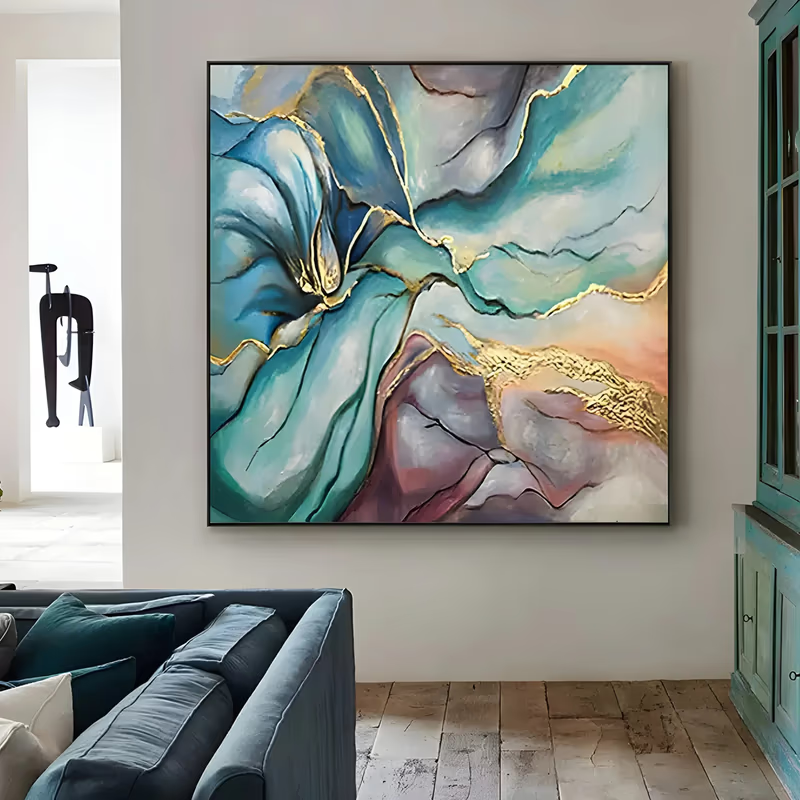
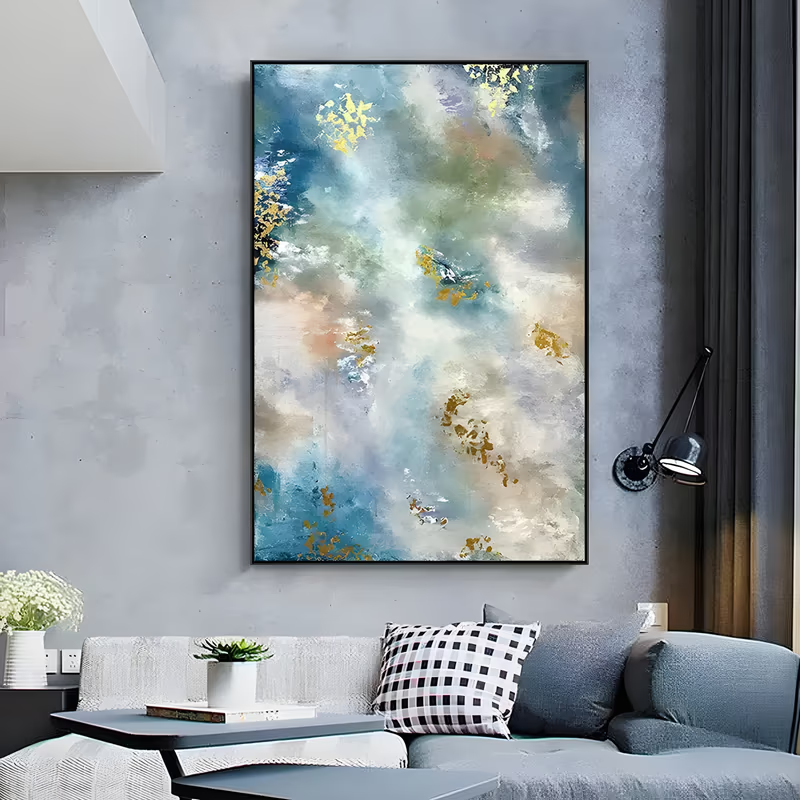
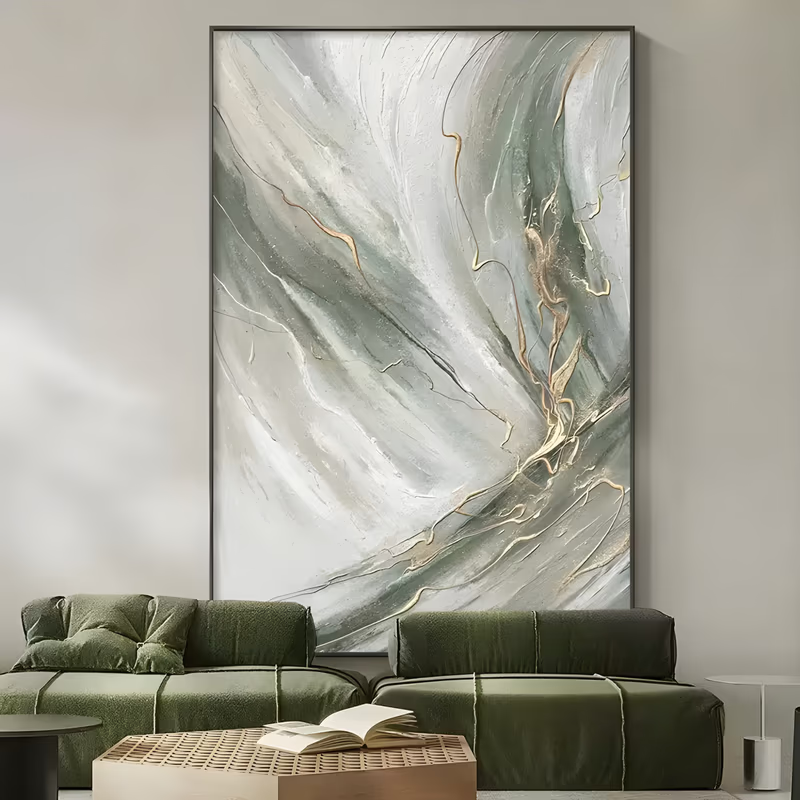
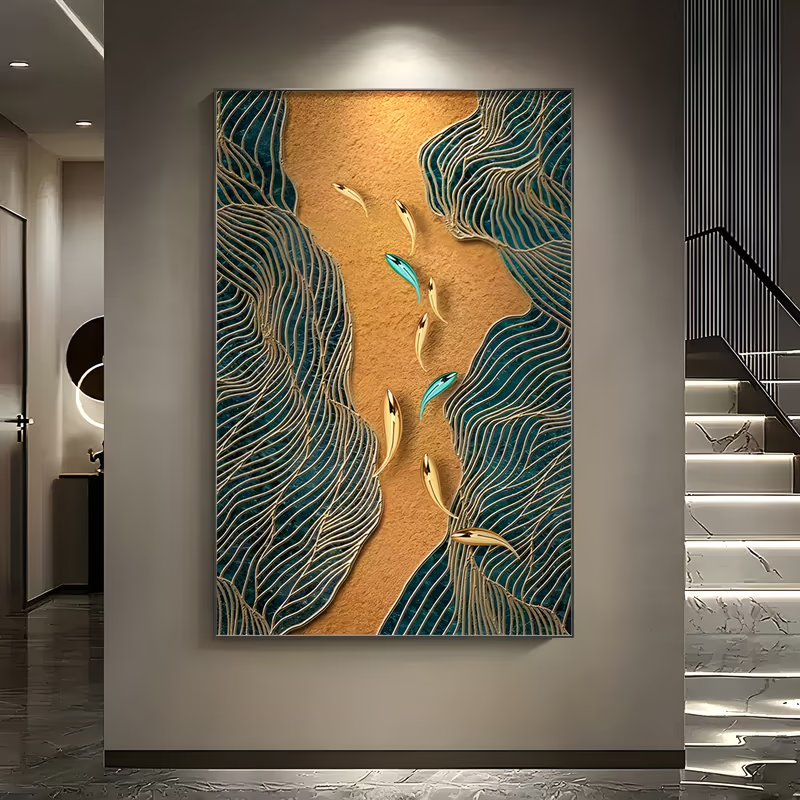
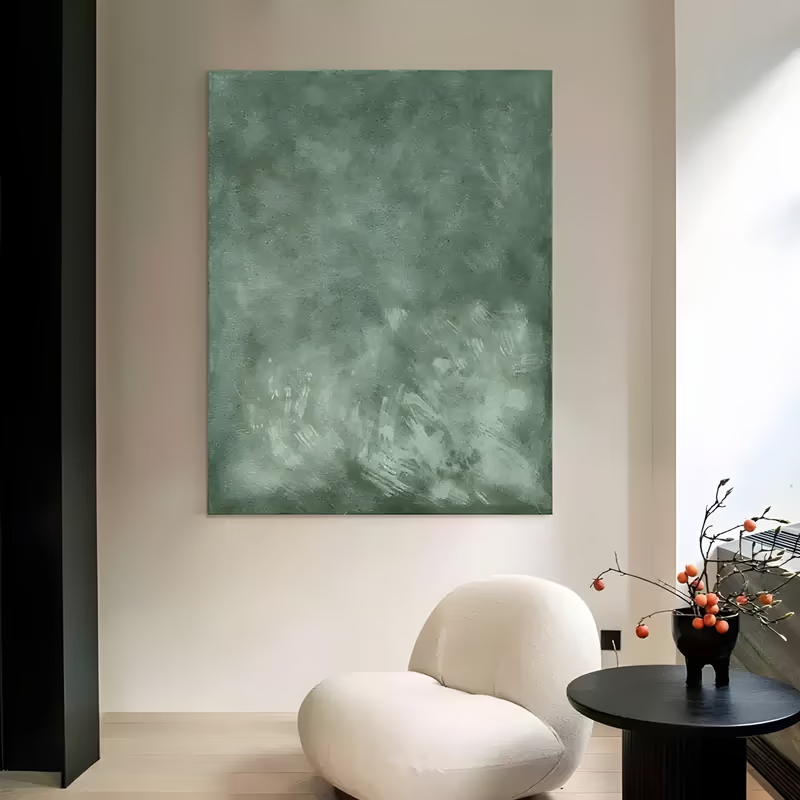
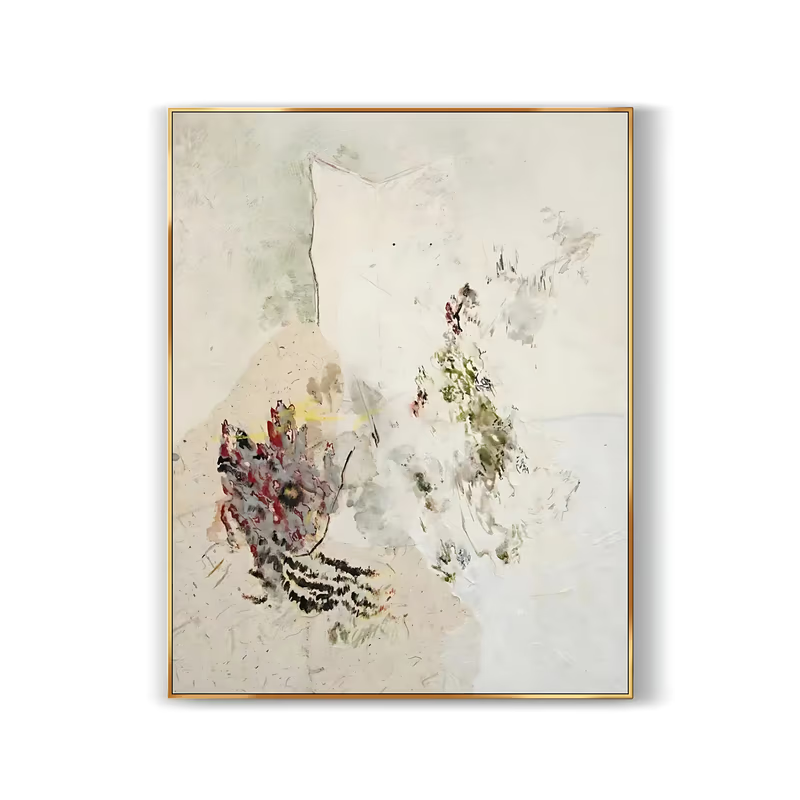
Low, natural colours work best in a spa: chalk white, sand and stone, sage and eucalyptus green, mist and sea-glass blue, with soft gold or apricot for warmth.
Spa lighting is usually warm and dimmed, around 2700K, and that light flattens bright colour and deepens dark colour. Mid-to-light tones stay legible and calm. As a rough guide:
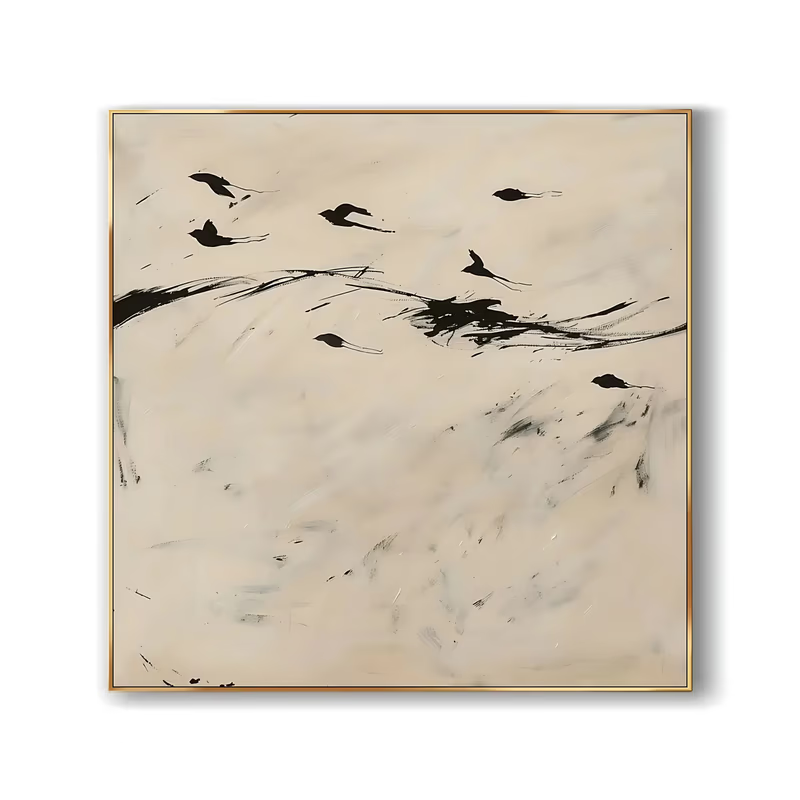
- White, cream and stone (white, cream, beige): a clean calm that never feels clinical; ideal for minimal and Japanese-inspired spas.
- Sage and eucalyptus (green): links the room to plants and oils; very forgiving under warm light.
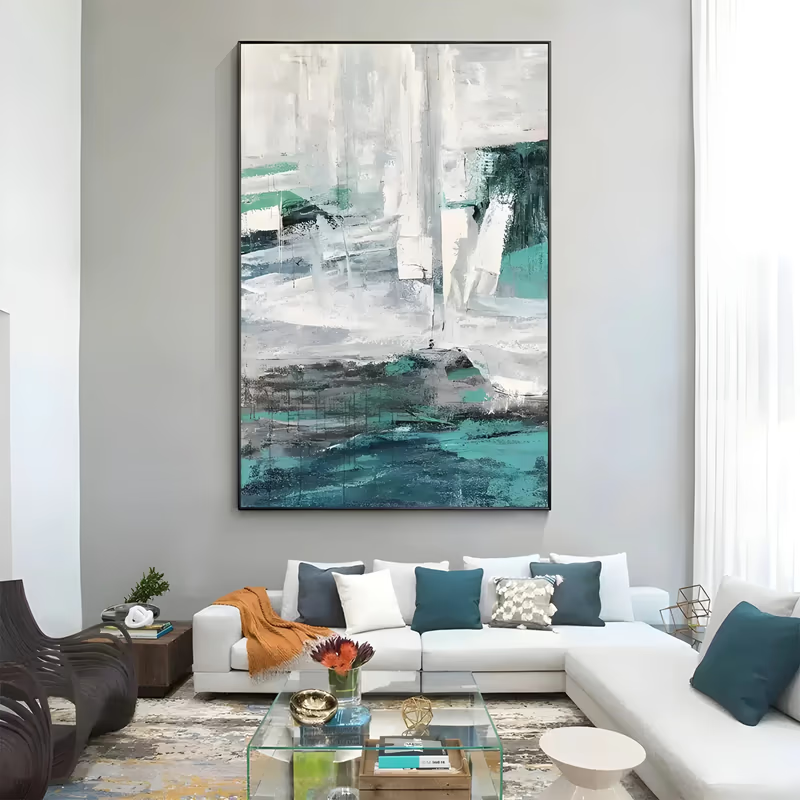
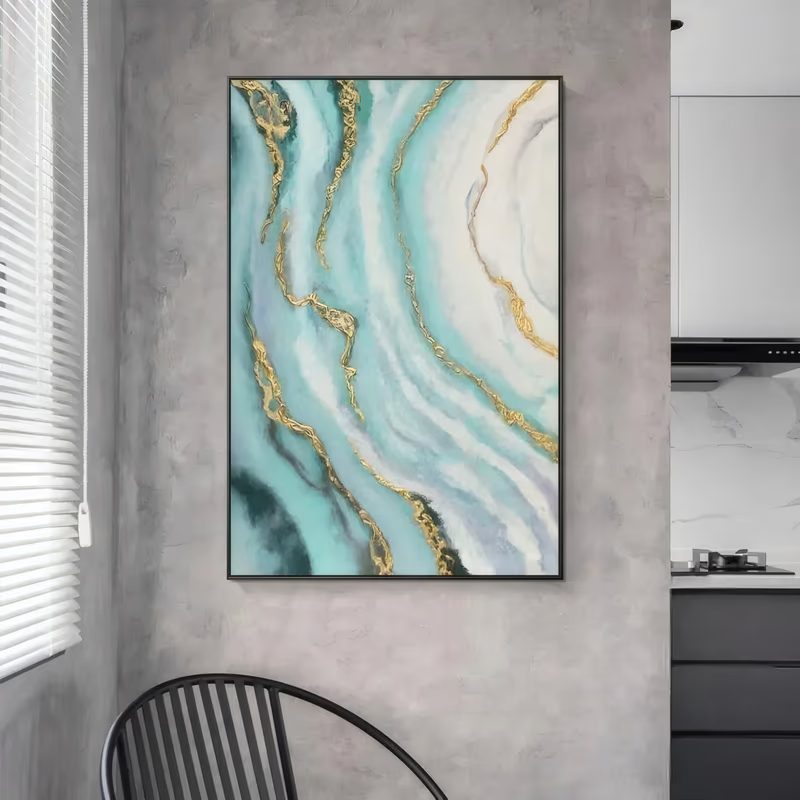
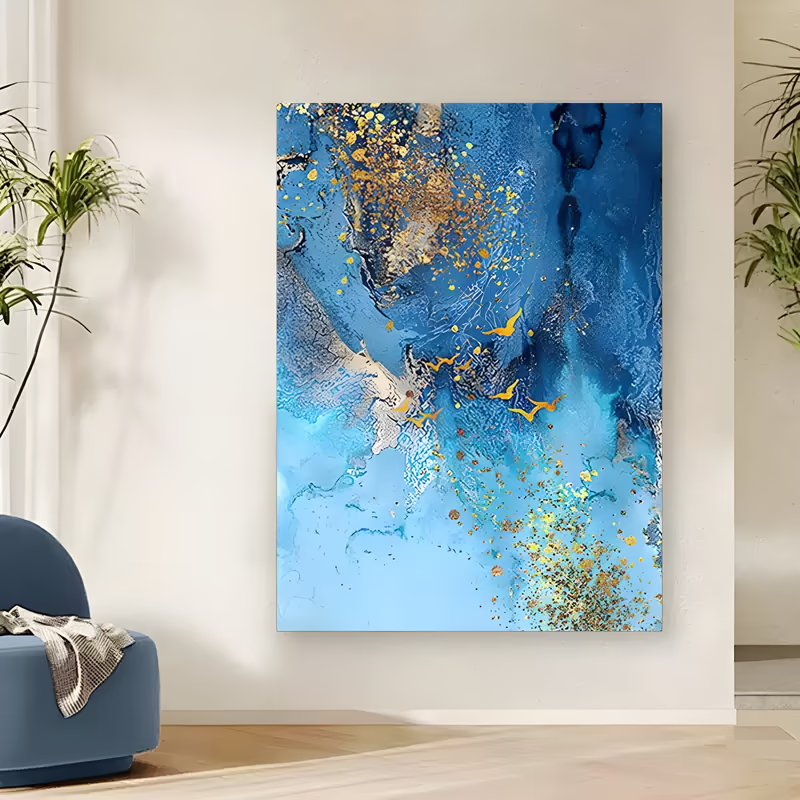
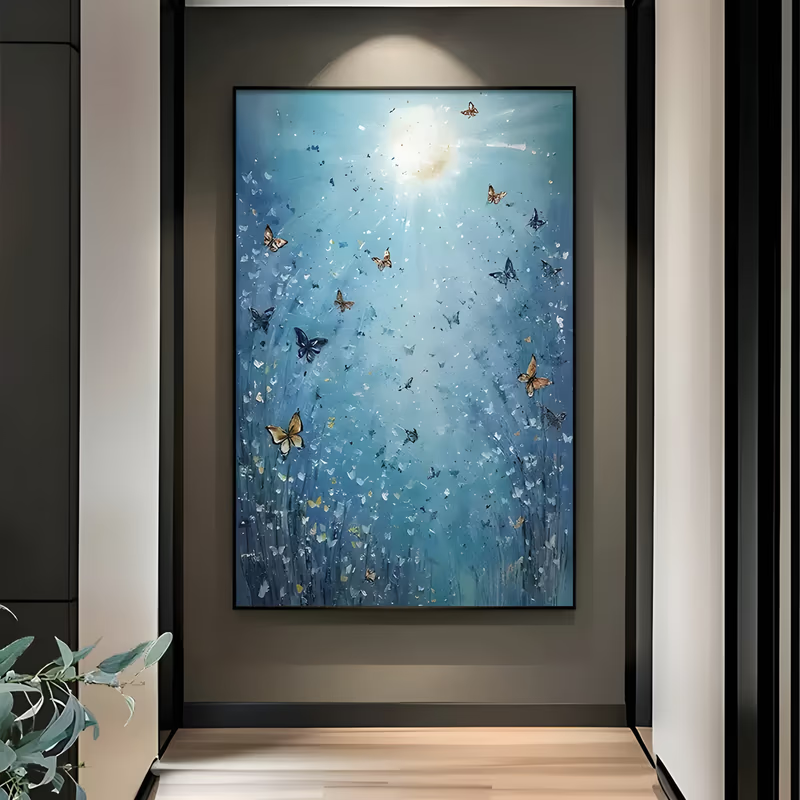
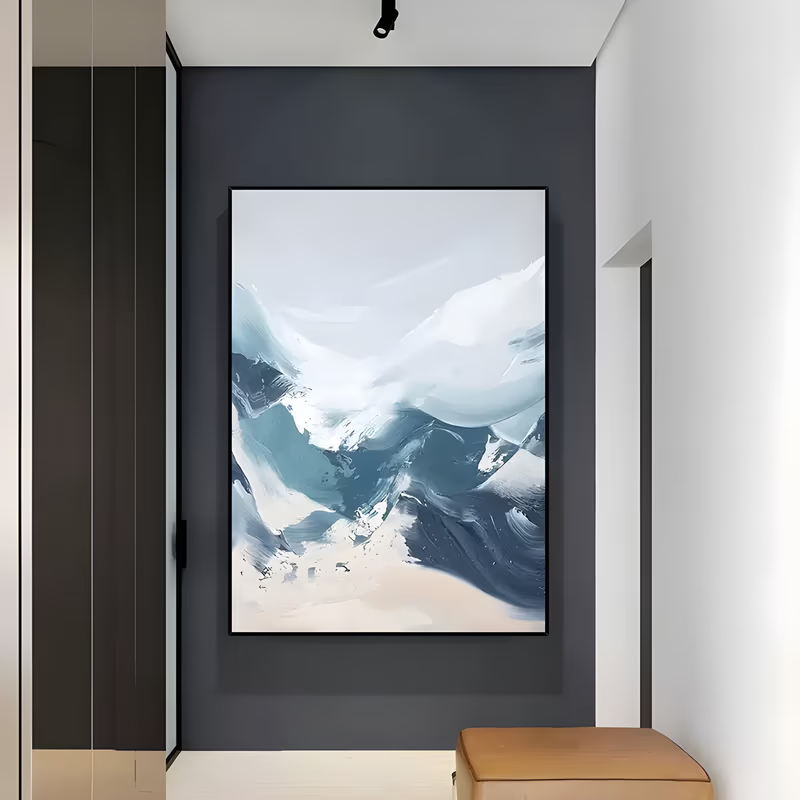
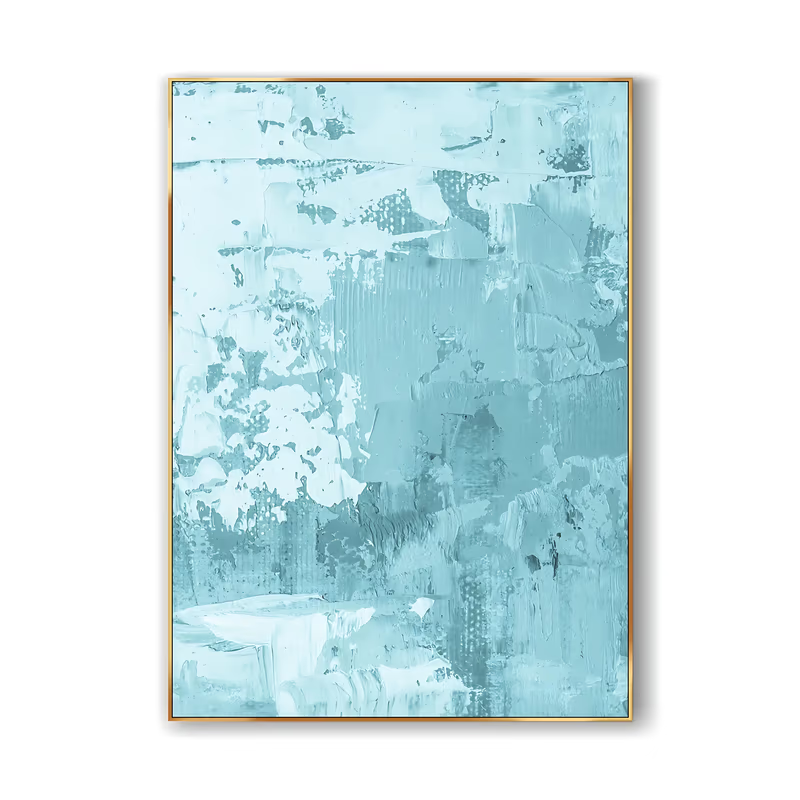
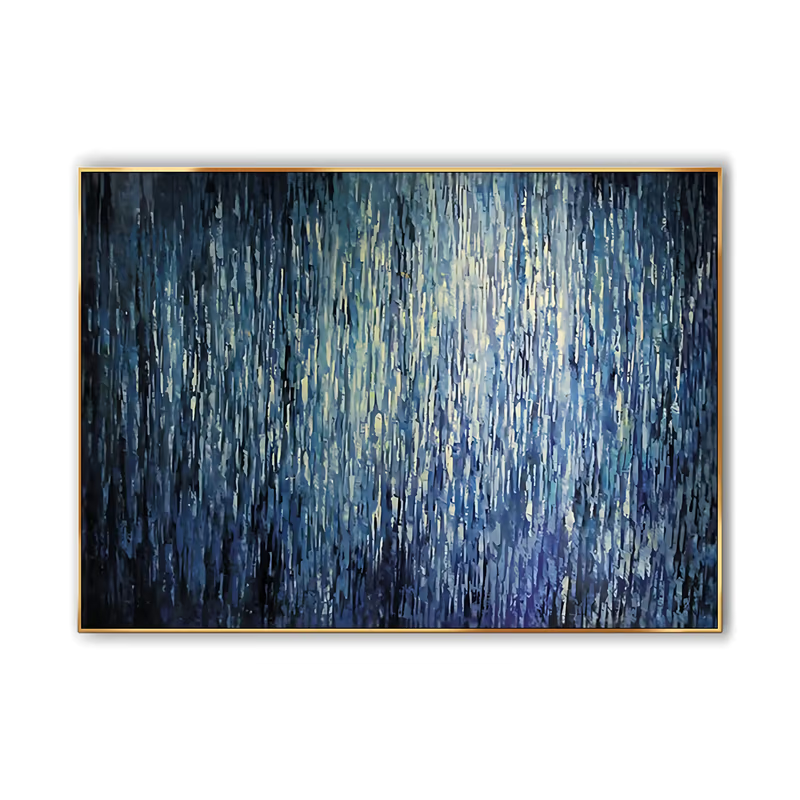
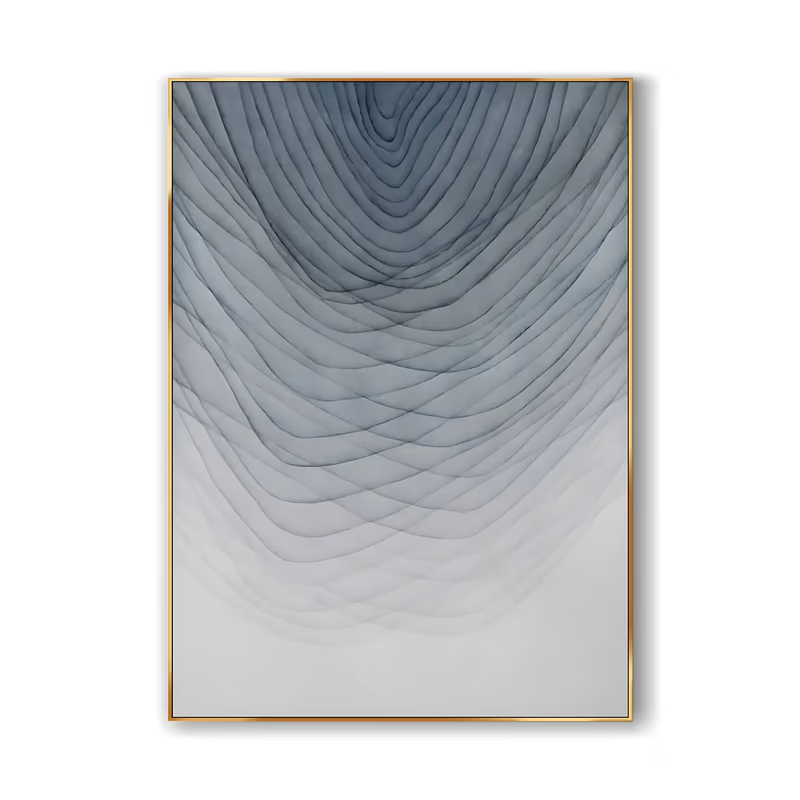
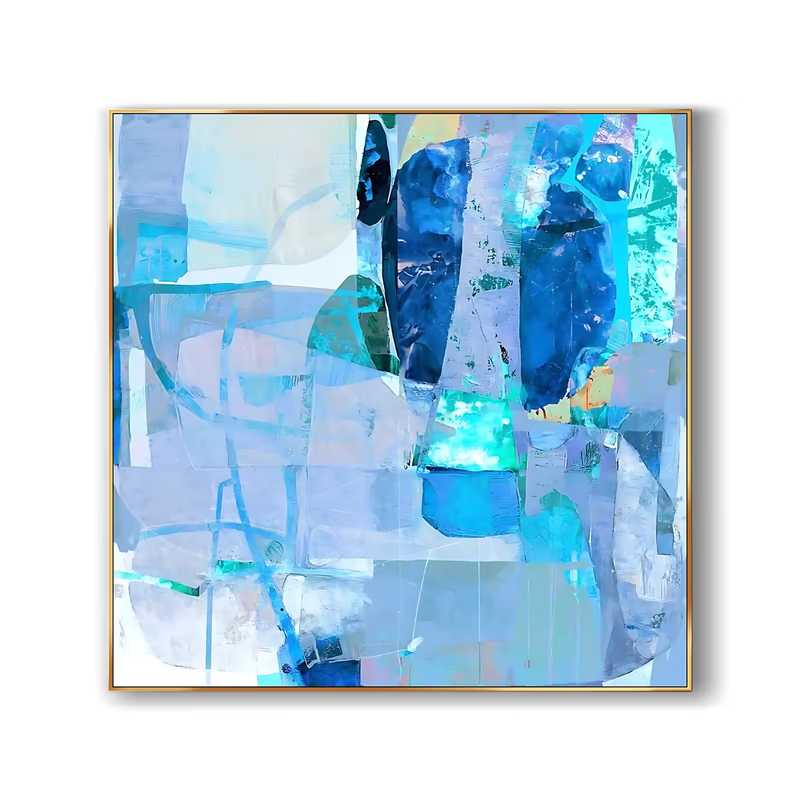
- Mist blue and sea glass (blue, teal): the cooling choice for hydrotherapy, coastal and resort spas.
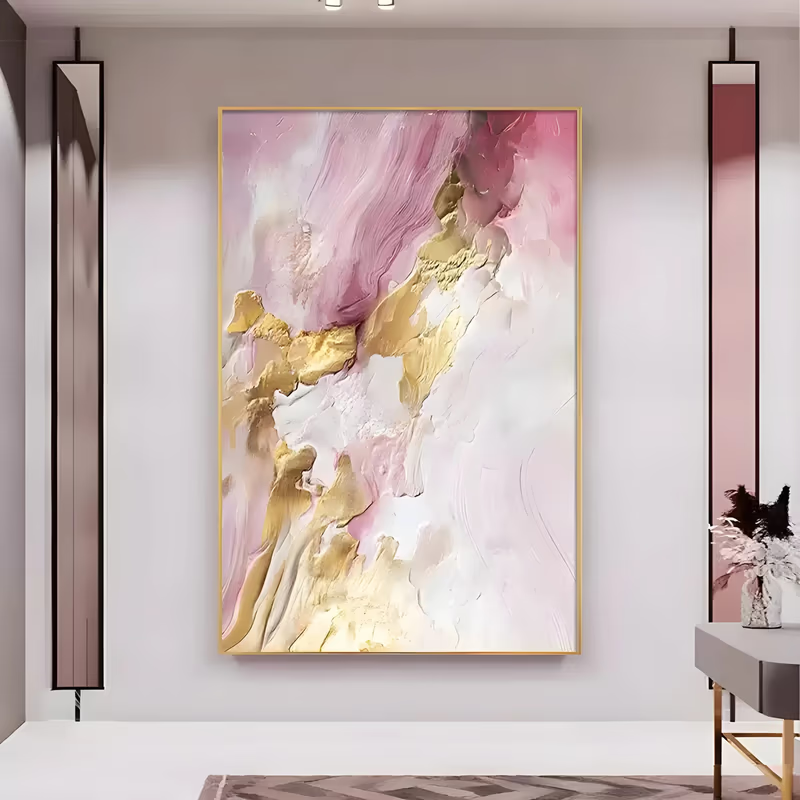
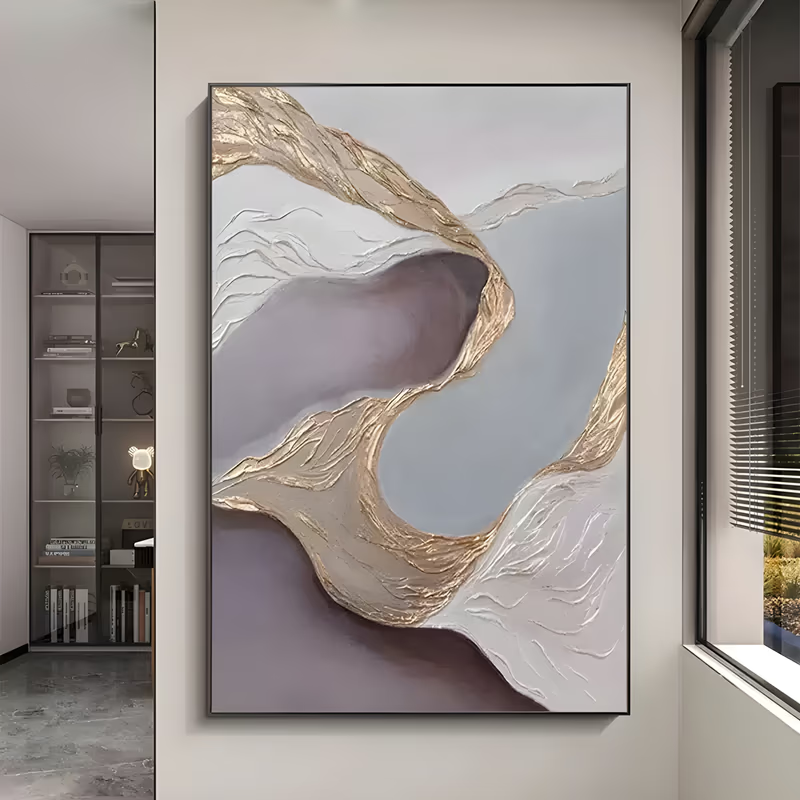
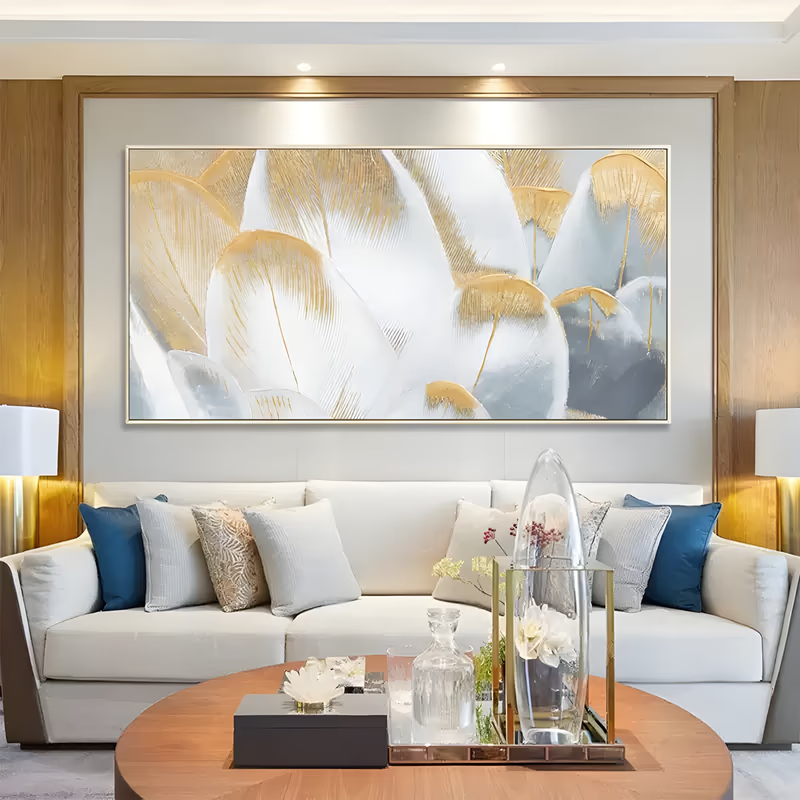
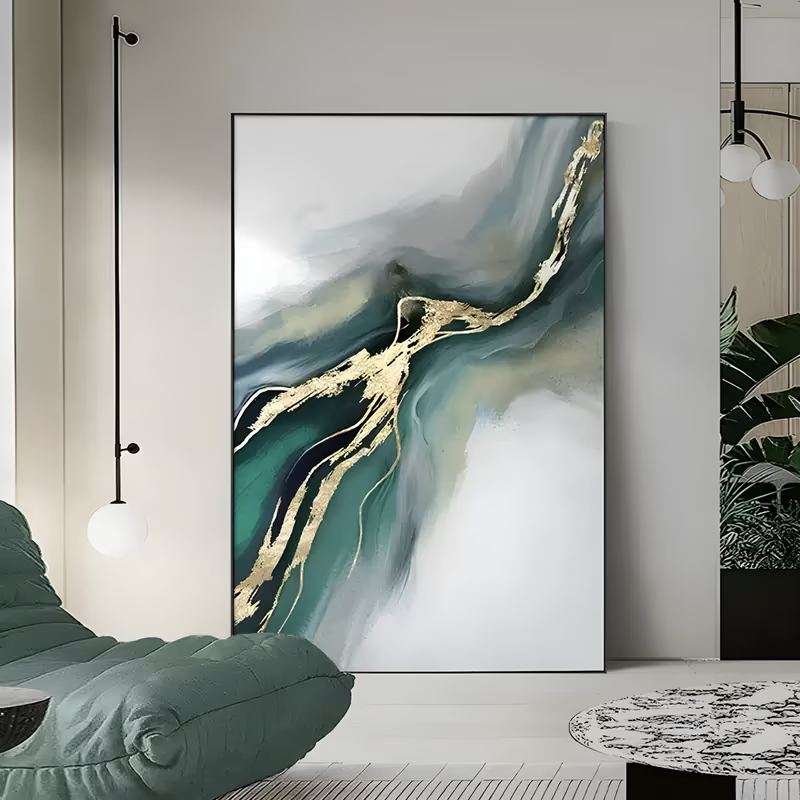
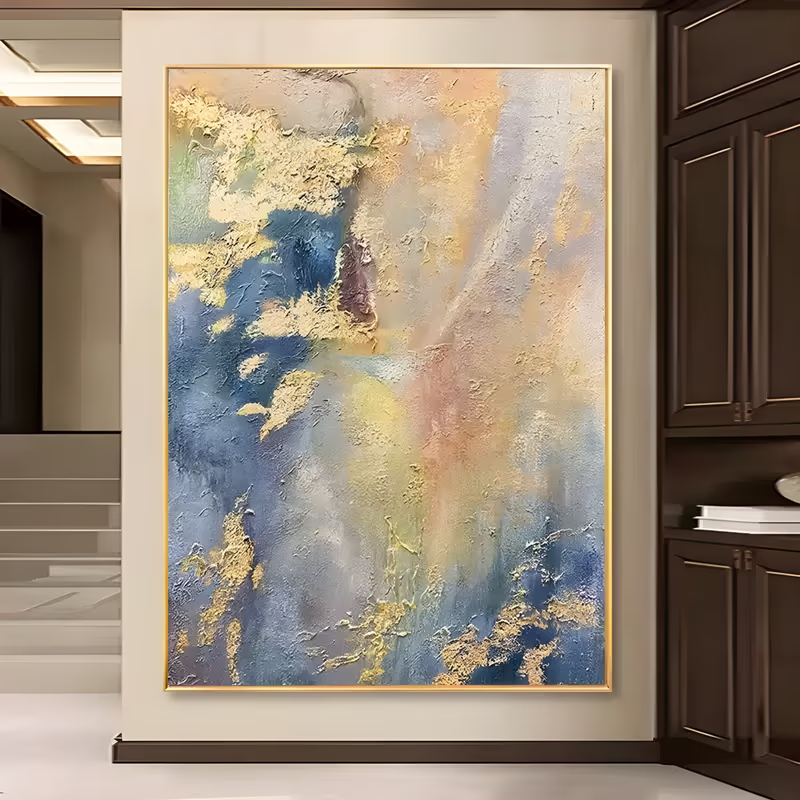
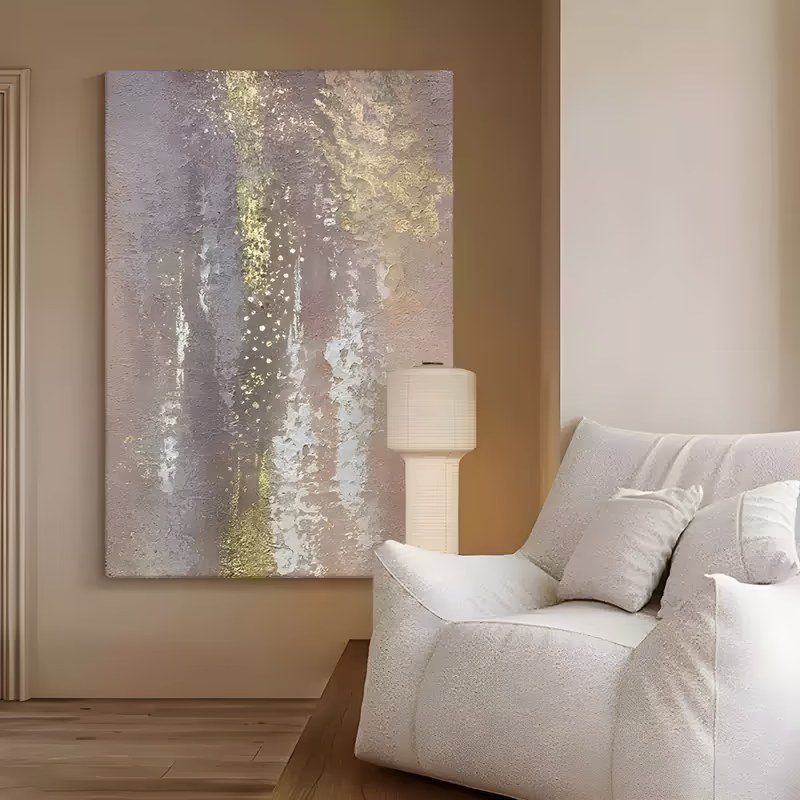
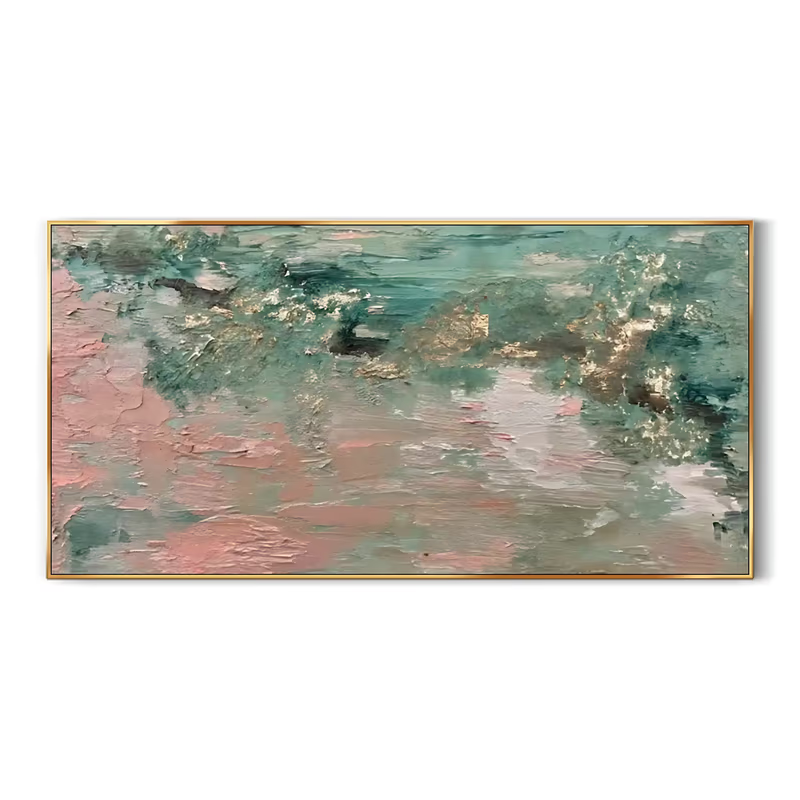
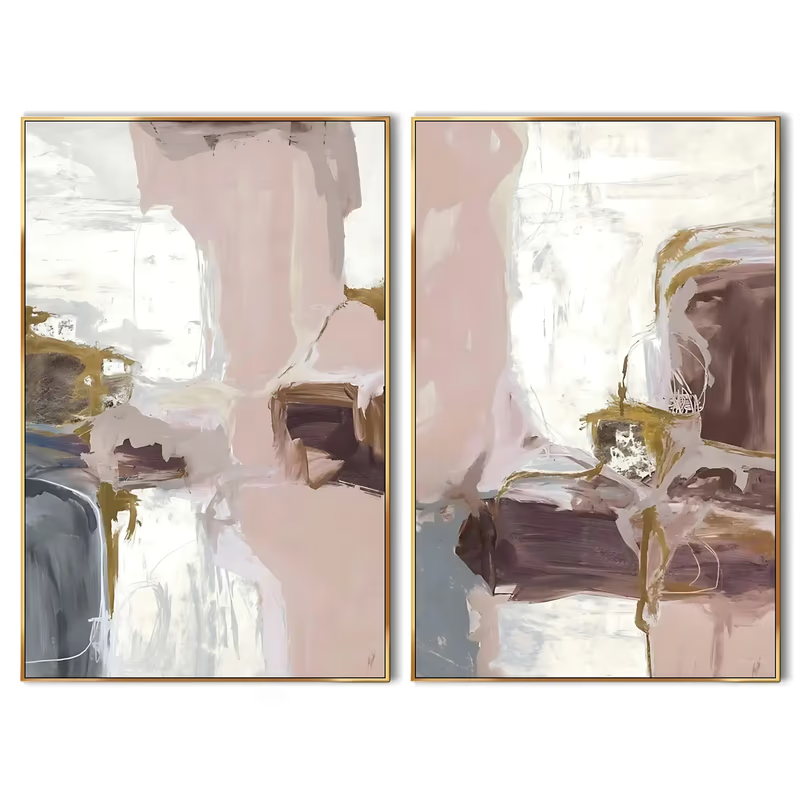
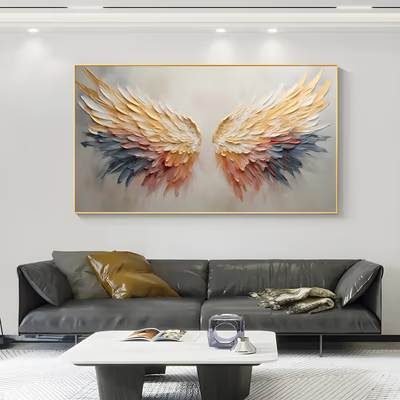
- Soft gold and apricot (gold): keeps a dark treatment room from feeling cold; good in hammam-style and evening-ritual spaces.
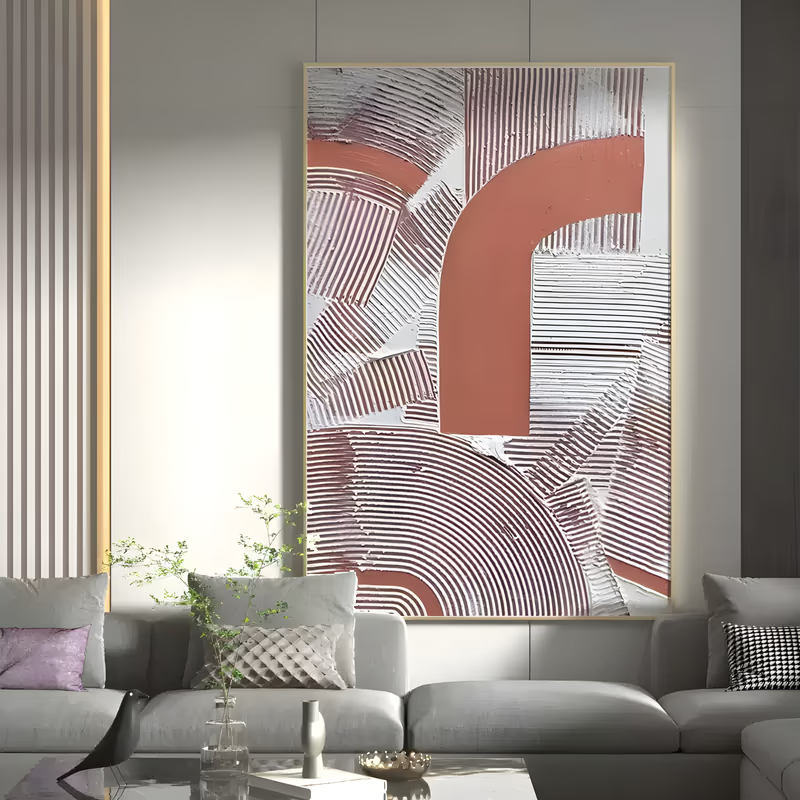
Keep strong red, orange and black for the shop corner, if anywhere. Filtering by mood helps too: the calming and peaceful works are the natural starting point for treatment rooms.
How big should spa wall art be, and how high should it hang?
Size spa art to the wall it faces and the posture of the person looking: a large statement at reception, one modest canvas per treatment room, and wide, lower-hung work in the lounge.
A typical treatment room is small, perhaps 3 × 3.5 m (10 × 11 ft), and the guest is never far from the wall. A canvas 60–90 cm (24–35 in) wide is enough; anything larger starts to close the room in. Hang it with its centre around 145 cm (57 in) from the floor, the height of a standing eye line, because that is how the guest first sees it.
In the relaxation lounge people sit low or recline, so drop the centre to about 125–135 cm (49–53 in). Let the art span roughly two-thirds of the row of loungers below it; a panoramic canvas or a pair of verticals does this neatly. At reception, size for the distance from the entrance door: if guests see the wall from 6–8 m (20–26 ft) away, a canvas 150 cm (59 in) wide or more is needed to register. In corridors, repeat one height and one gap, about 30–40 cm (12–16 in) between canvases, so a run of tall verticals reads as a single calm line.
Can canvas spa art cope with humidity and heat?
Yes, in the dry rooms of a spa: reception, corridors, treatment rooms and lounges. No canvas belongs inside a steam room, sauna or the splash zone of a pool.
Acrylic paint dries to a flexible film that copes with ordinary room humidity better than traditional oil paint, which is one reason acrylic is the standard here. The practical rules are about placement rather than paint:
- Keep canvases off walls that share a steam room, sauna or shower, where the plaster itself gets warm and damp.
- Leave a clear gap above heated benches, radiators and air-conditioning outlets, which dry and warm one patch of the canvas.
- In a wet-area corridor, hang above the splash line and well away from doors that open onto steam.
- Dust with a soft dry brush or cloth; avoid sprays and damp cloths on the paint surface.
For a home spa or a bathroom with a shower, the same logic applies at a smaller scale: see bathroom wall art for sizes that suit a domestic room.
How do you supply wall art for a whole spa or a group of wellness centres?
Plan a family of related works rather than one-offs, approve a sample in the real room, then roll the series out piece by piece against the opening date.
A spa with ten or twenty treatment rooms needs art that feels like one place without every room being identical. The simplest way is to take one composition, for example a lotus or a still lake, and have it painted in a different colourway for each room: sage in one, mist blue in the next, sand in a third. The rooms stay related but not repeated, and therapists can name them by colour. The same approach carries a brand across several sites.
Order one canvas first and hang it under the spa's own lighting. Once it is approved, the rest follow, each one photographed at every stage of painting so a project manager can approve dozens of pieces from progress photos without travelling. Each piece takes about 10 days to paint plus 5–7 days in transit; ask for a schedule against your opening or relaunch when you enquire. The minimum order is one piece and volume pricing starts at 10. More on spa projects for operators and designers is on art for spas and wellness centres and art for resort hotels.
How do you get spa art painted to match the interior?
Send the spa's materials, as photographs of the stone, timber, towels and paint colours under the real lighting, and the palette is adjusted before any paint goes on.
Every work on this page can be repainted in another colourway or to a new size, and the composition is redrawn to the new proportions rather than stretched. A paint code, a fabric or a stone sample photographed in daylight is the most reliable reference. You see progress photos or video at each stage of the painting; the next stage starts only once you approve, and a final photograph is approved before dispatch.
Canvases can ship rolled, which is easiest for a site with narrow corridors or upper floors, stretched and ready to hang without a frame, or framed. 3D plaster and deep relief pieces are the exception: they travel stretched or framed, and are only rolled if you agree to have the texture made thin enough for transport. In spas, white and natural wood frames sit best beside linen and stone; gold, silver and black are also available. Shipping is by DHL, FedEx or UPS express on the route iHomeArt picks for your site, and its cost is confirmed before dispatch. To start, request a quote with your room list, or read how custom sizes and colourways work.