




















































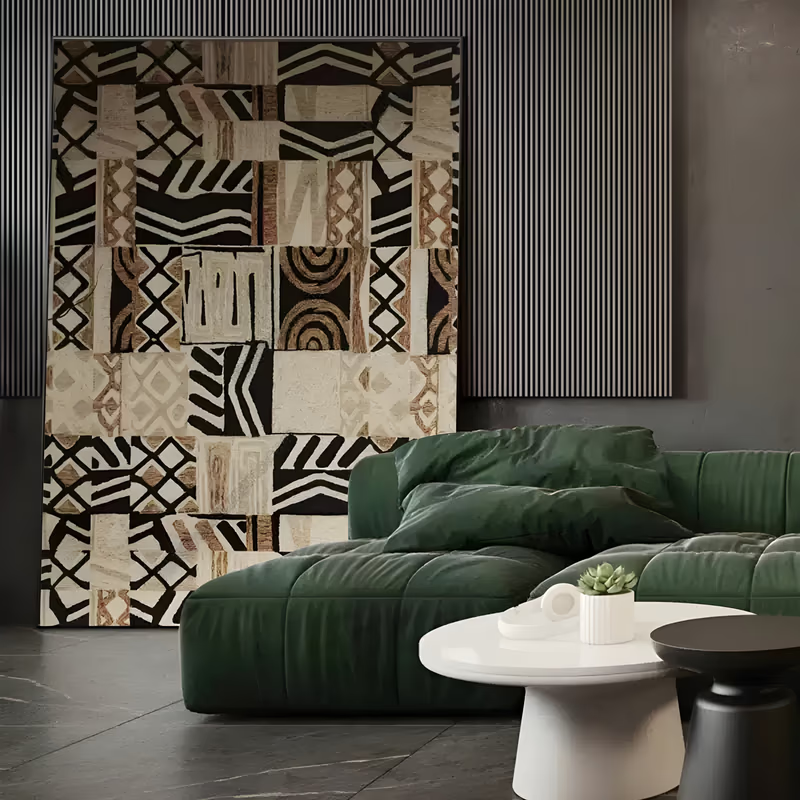
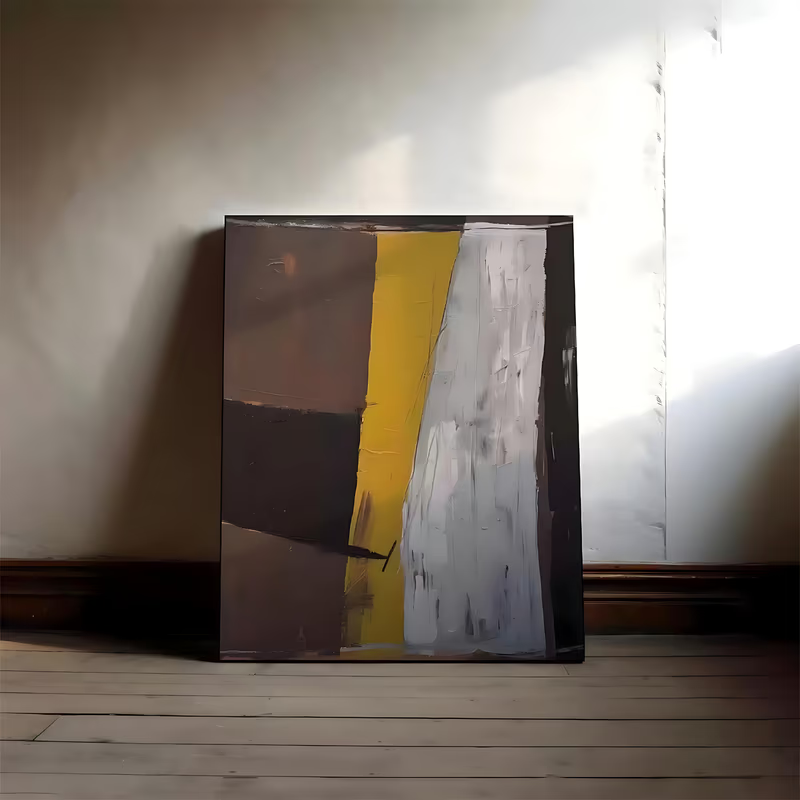
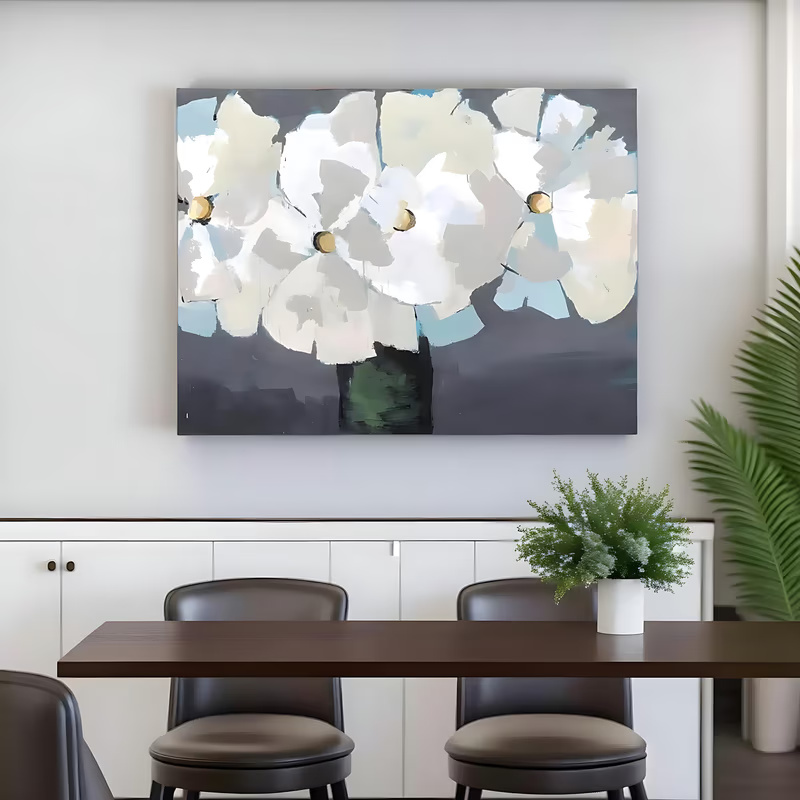
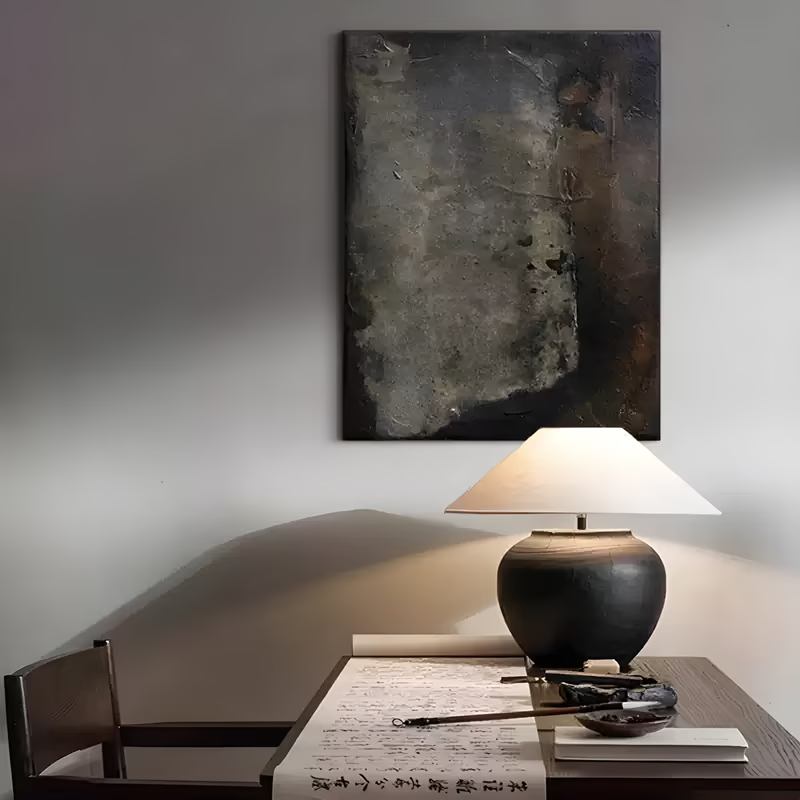






Living room art guide · Updated
How to choose wall art for your living room
Key takeaways
- Measure before you browse: over a sofa, aim for a canvas 60–75% of the sofa's width; on a bare wall, about two-thirds of the clear space between corners or windows.
- Scale for the armchair, not the doorway: living room art is read from 2.5–4 m (8–13 ft) away, so go bigger in size and simpler in composition than you would in a hallway.
- Borrow colour from the rug: repeat one or two colours from the largest fabric in the room and let the rest of the painting stay quiet.
- Order the size the wall asks for: a made-to-order canvas is redrawn to your proportions and approved from progress photos, so you never settle for the nearest stock size.
What makes good living room wall art?
Good living room wall art holds the main wall from wherever people sit, suits the furniture already in the room, and is still a pleasure to look at after a few hundred evenings on the sofa.
The living room is usually the first room a guest sees and the one a household uses longest, so its main painting carries more weight than any other piece in the house. It has to anchor the seating group, give the room a point of focus and survive daily familiarity. Two mistakes are common: a canvas too small for its wall, which looks like an afterthought, and a piece bought for a passing trend rather than for the room it hangs in.
A quick test helps. Sit in your usual seat and ask whether the painting still reads from there. Strong shapes carry across a room: a clear horizon and light source in a landscape, a single oversized bloom, a confident band of colour in an abstract. Fine detail matters less here than in a bedroom or dining room, where art is seen at arm's length. Then think about mood. Family rooms tend to suit uplifting or peaceful work, while formal drawing rooms and rooms used mostly after dark can take something bold or dramatic.
What size should living room wall art be?
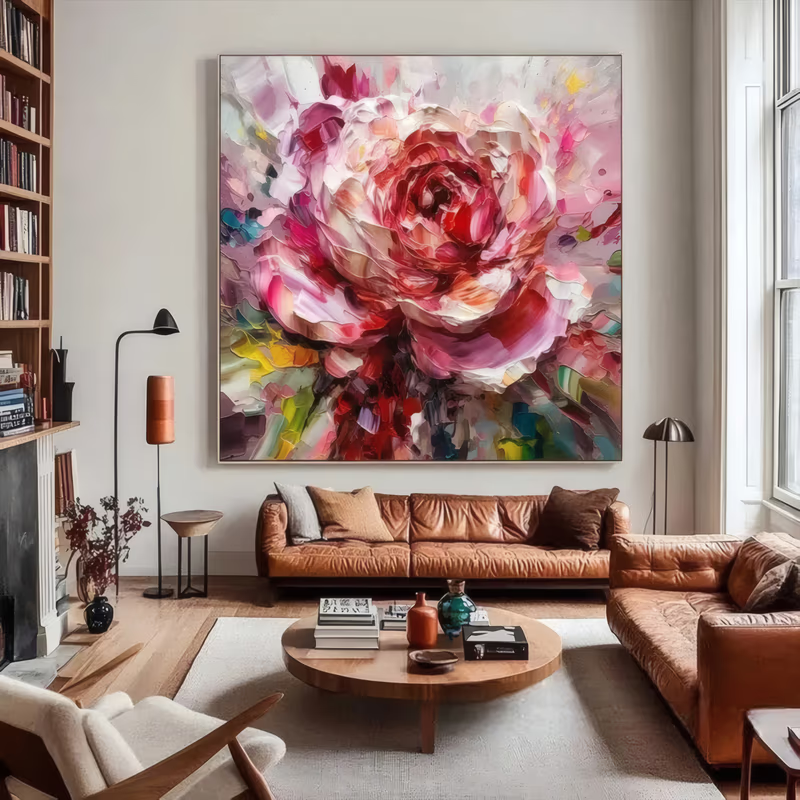
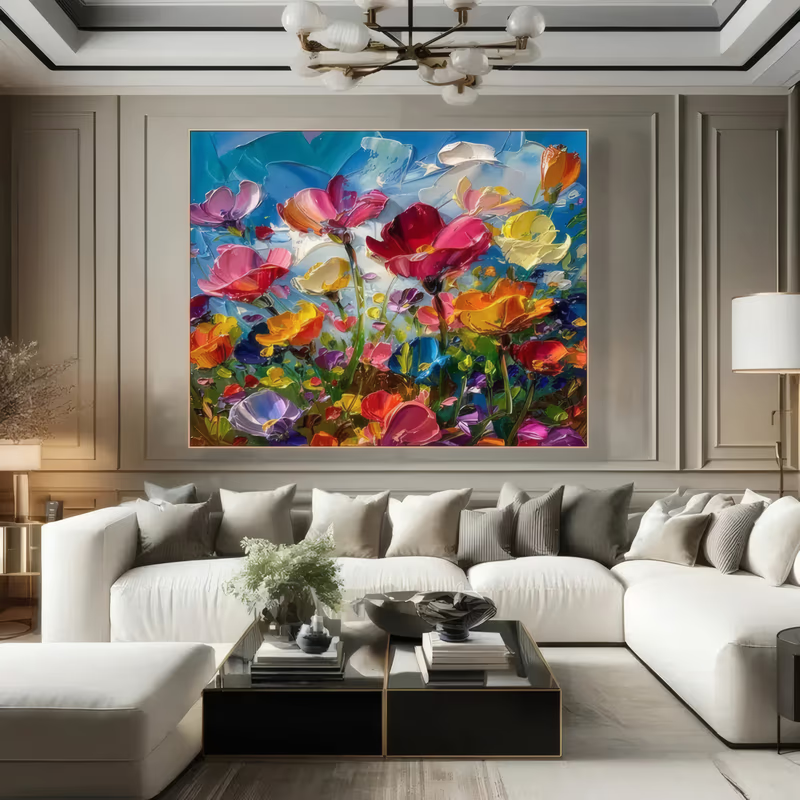
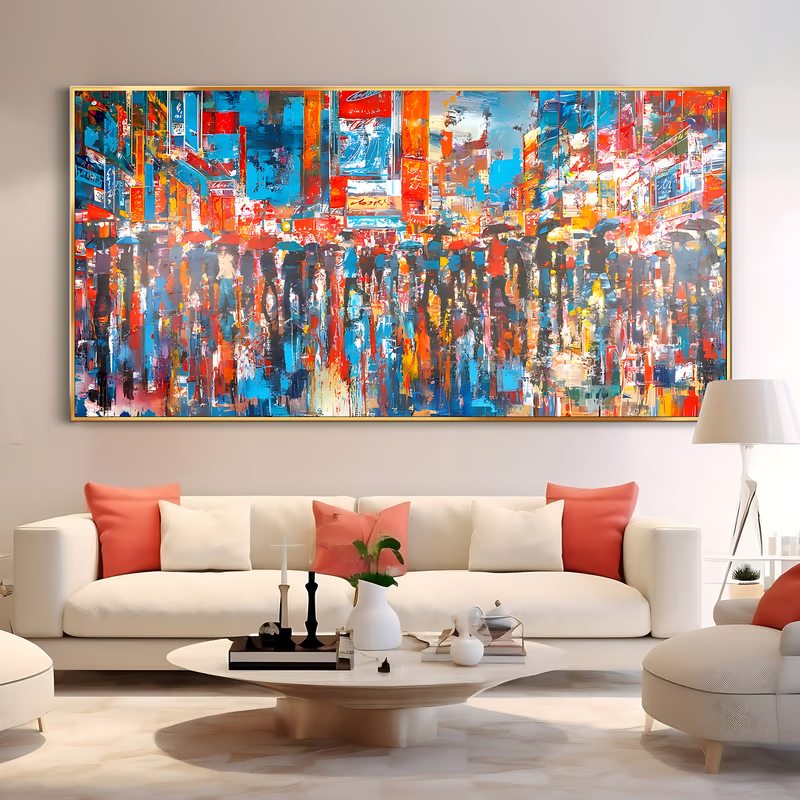
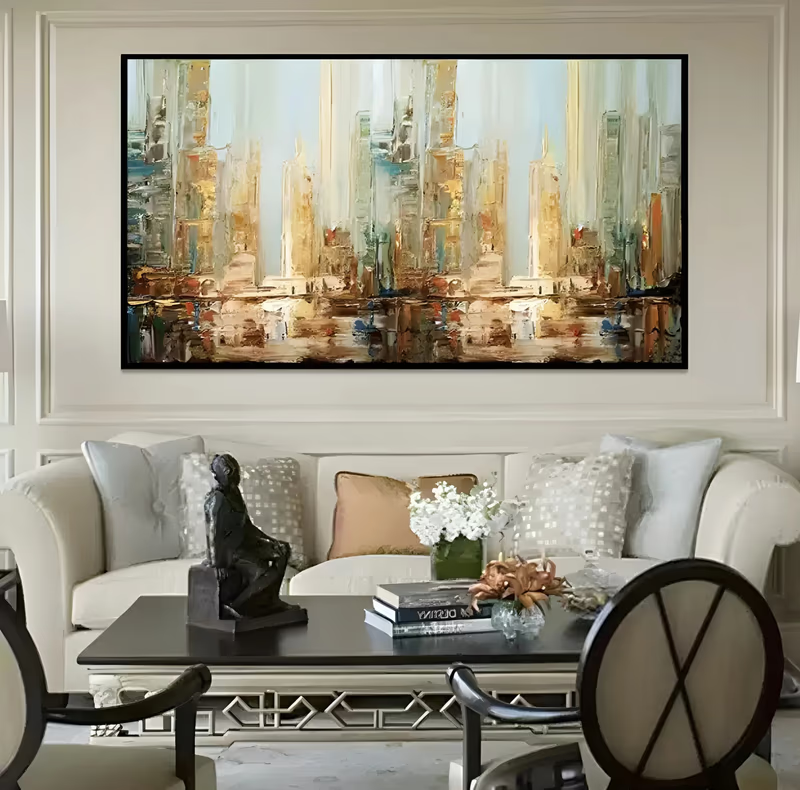
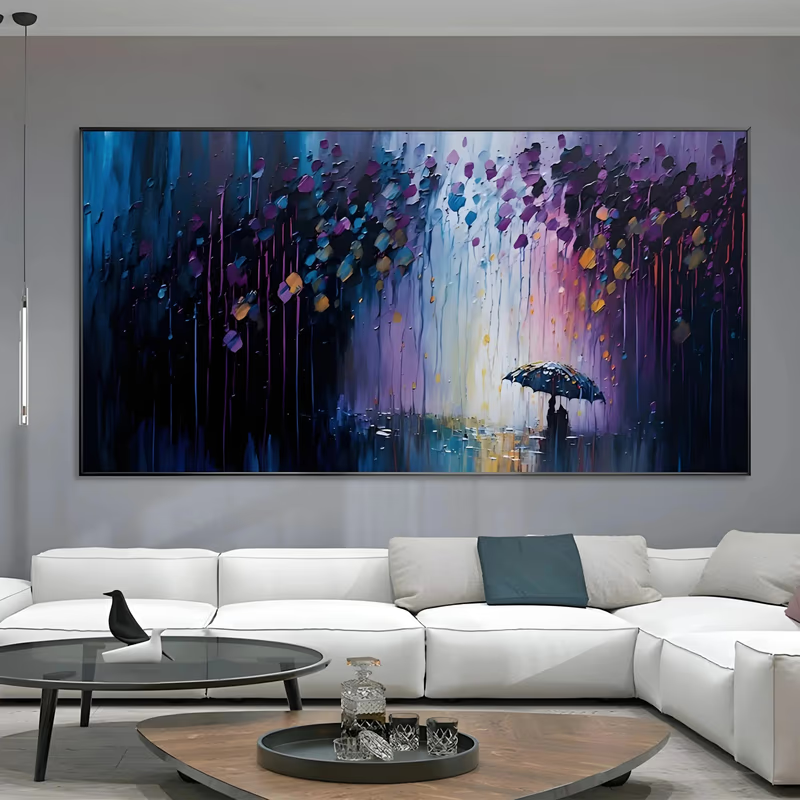
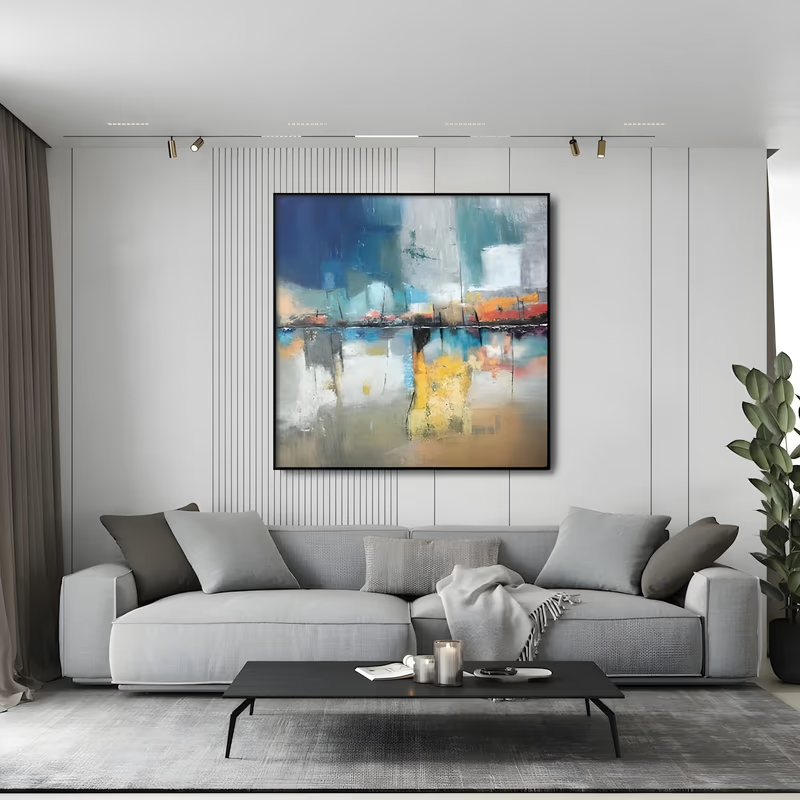
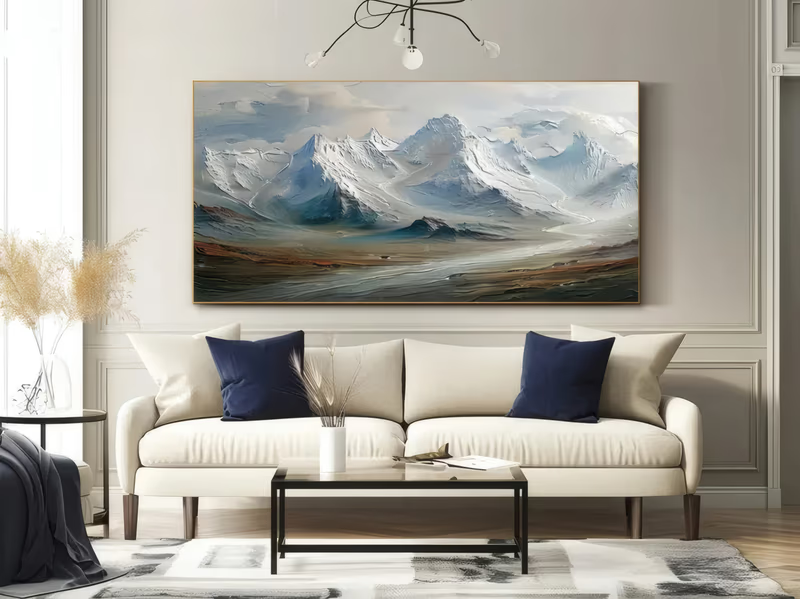
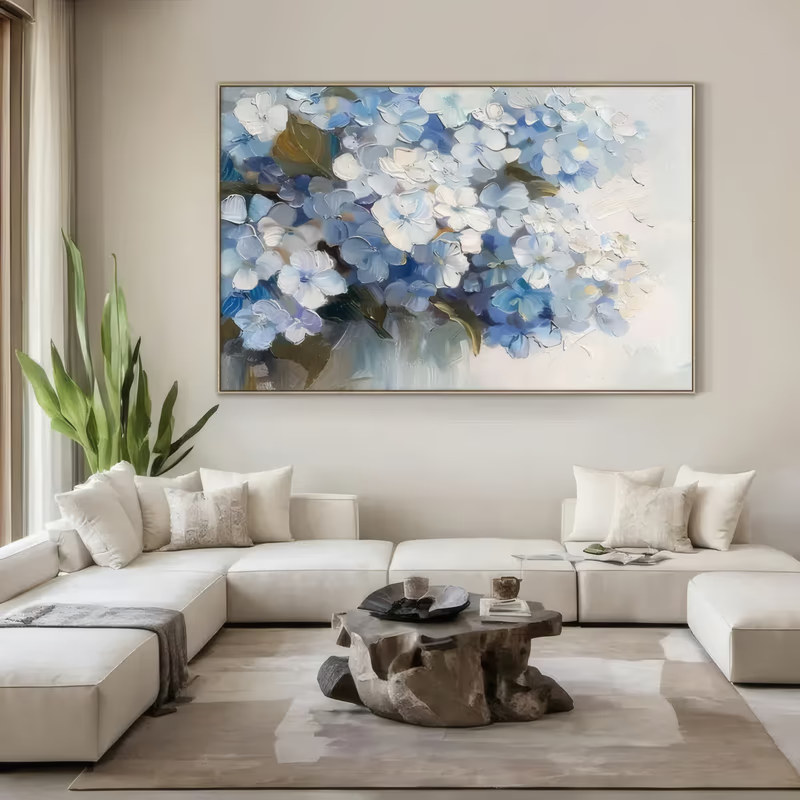
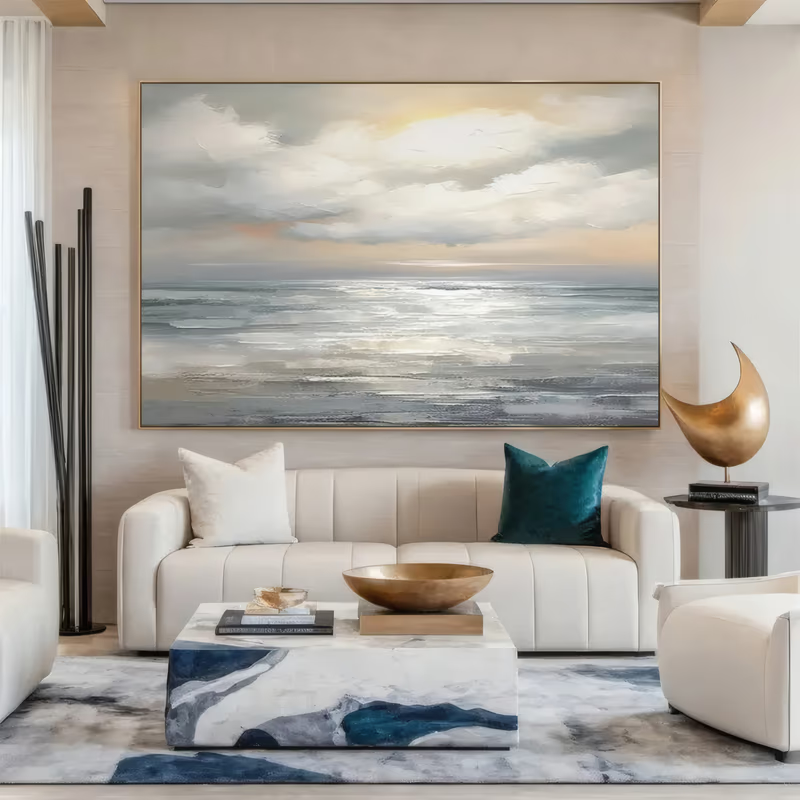
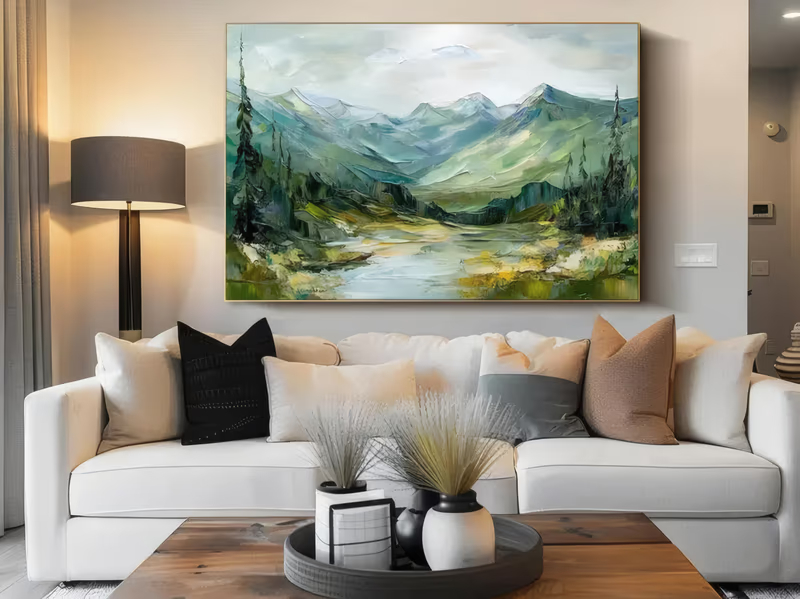
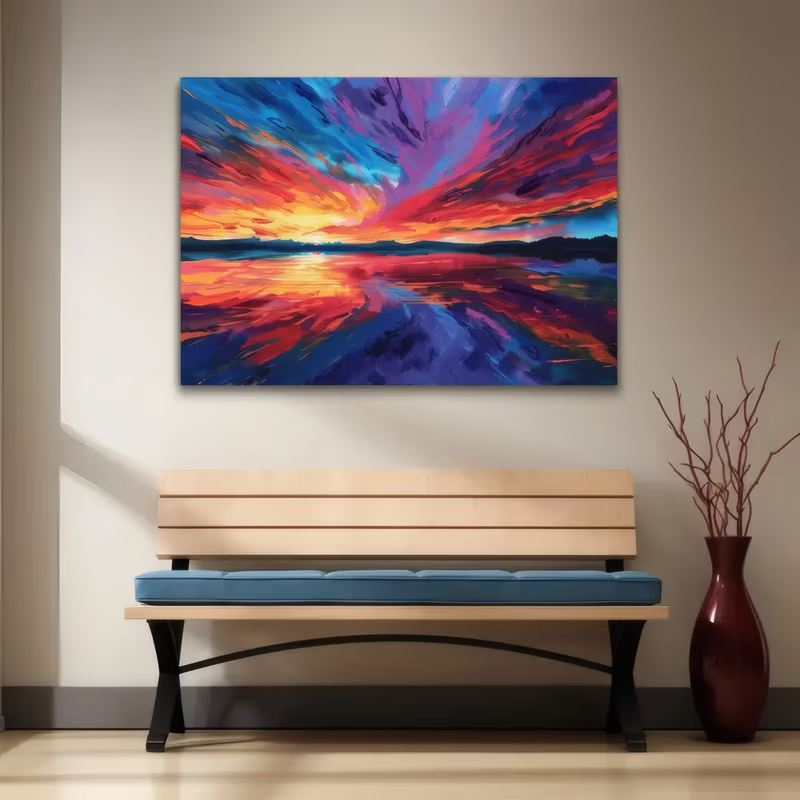
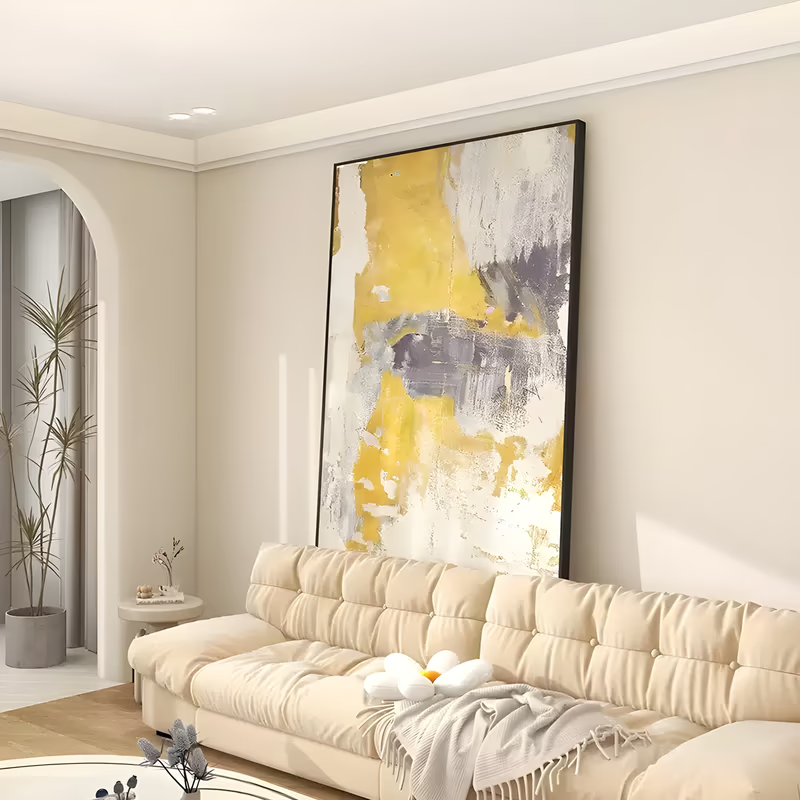
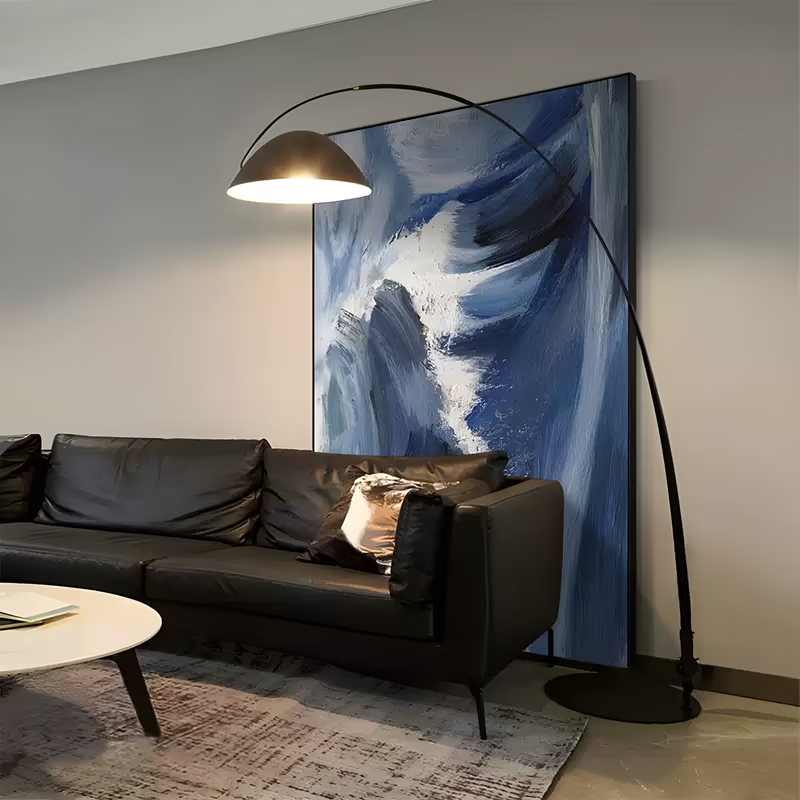
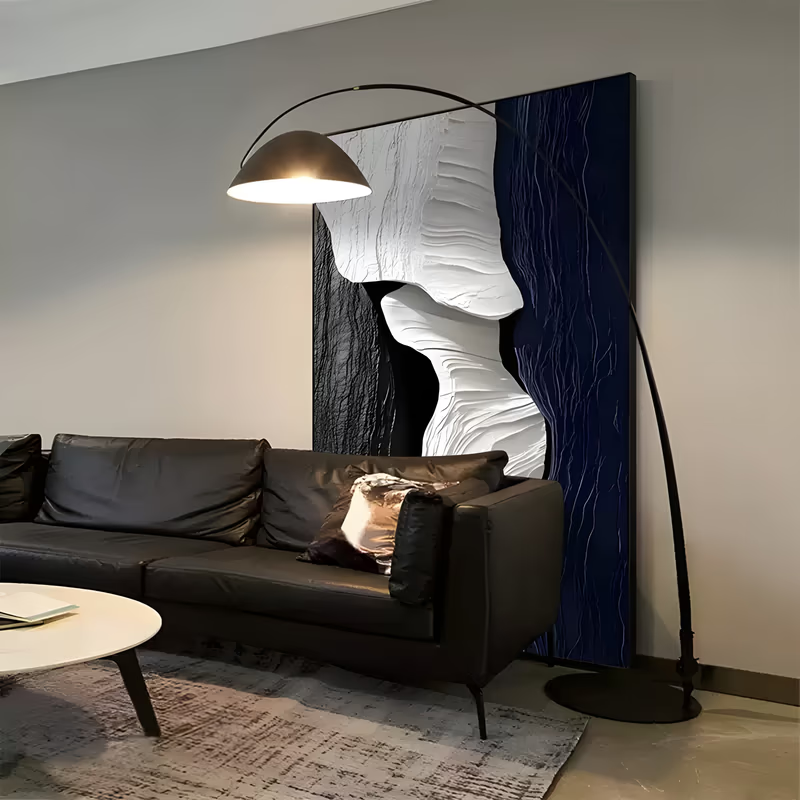
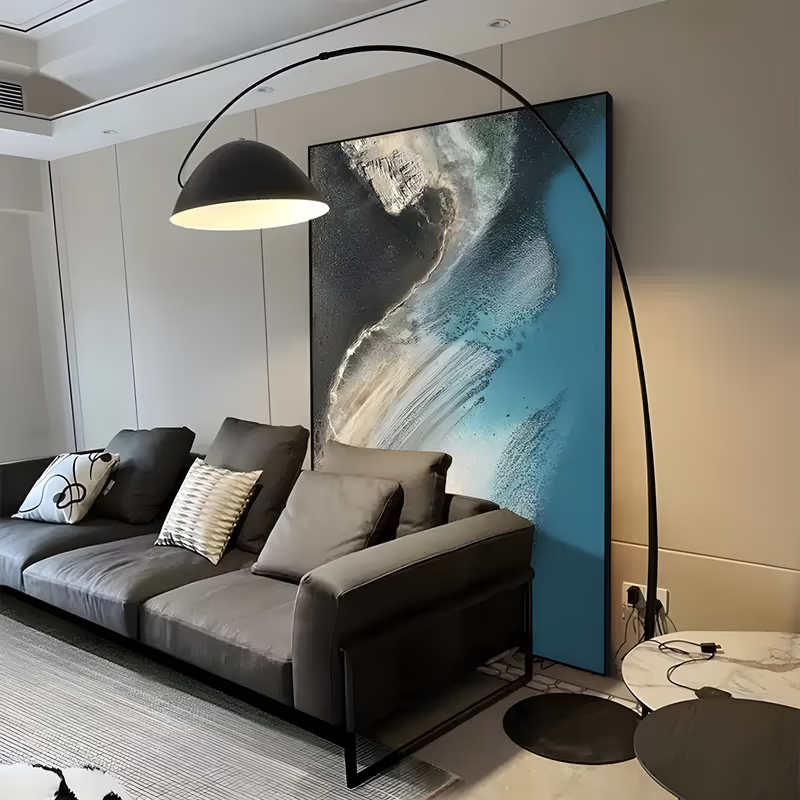
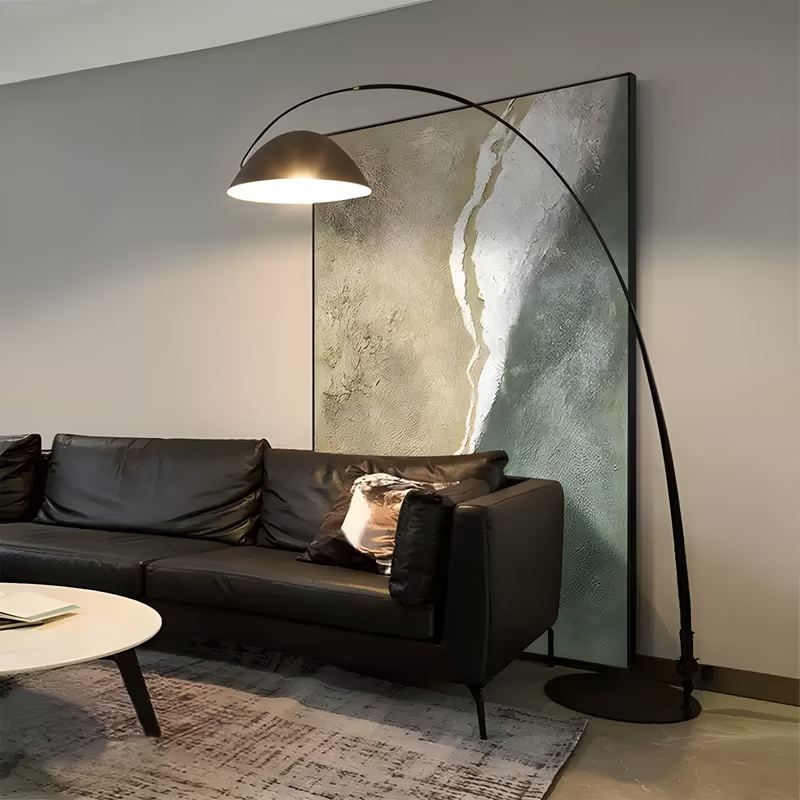
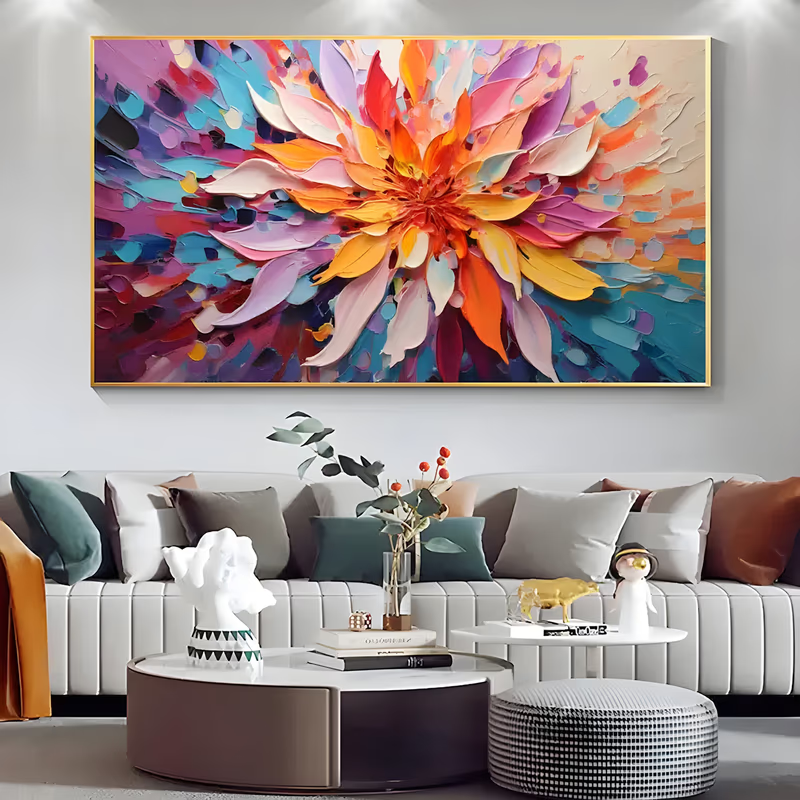
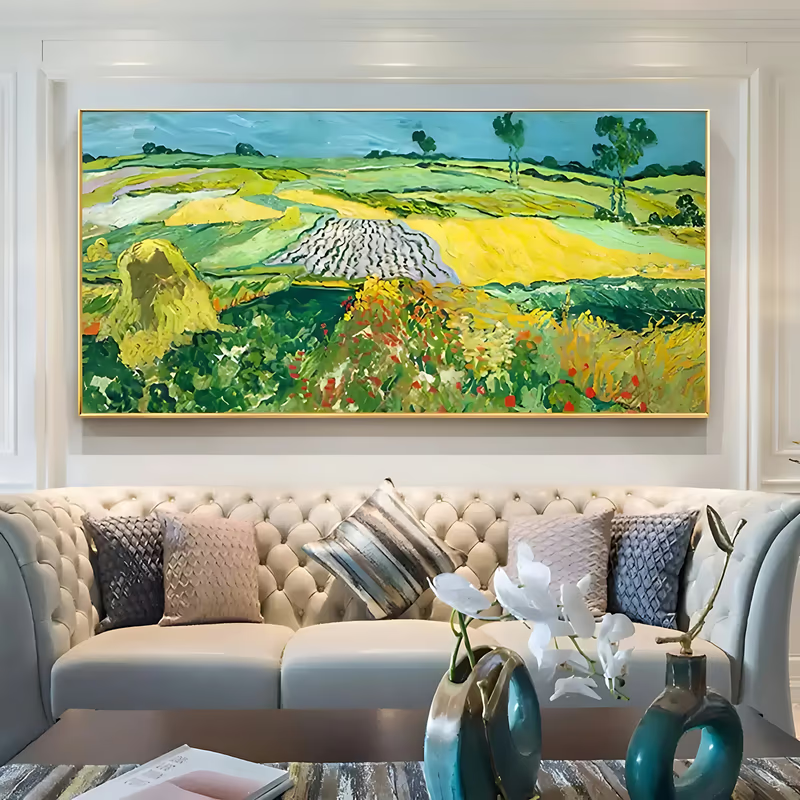
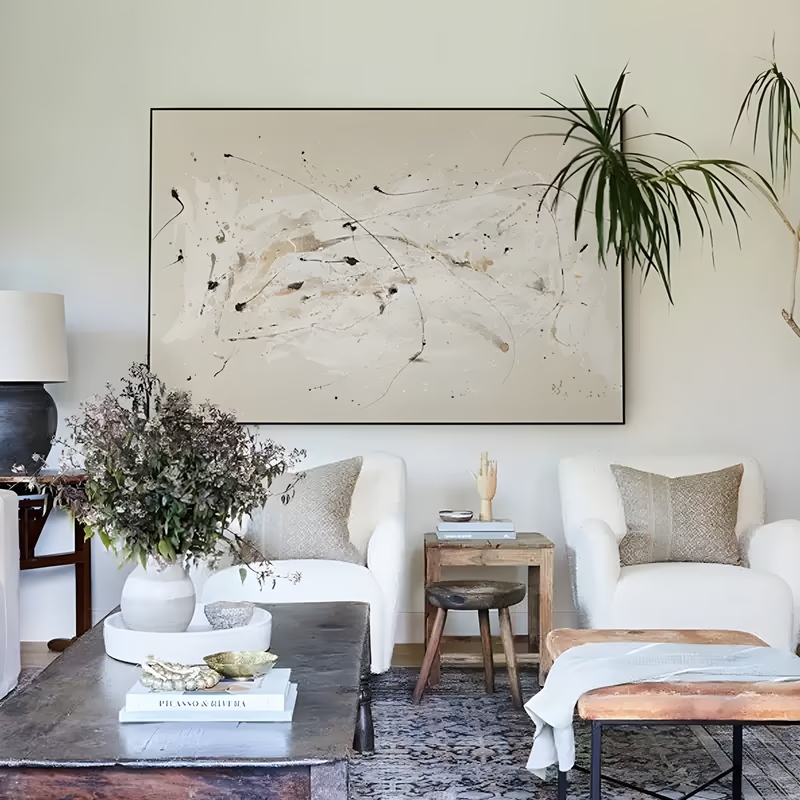
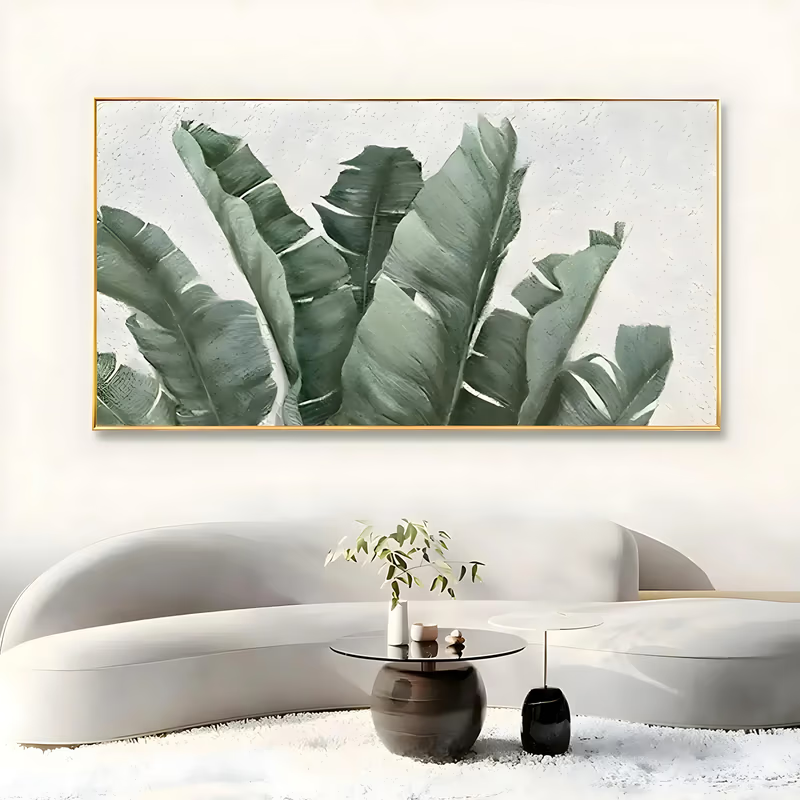
Size living room wall art to whatever it belongs to: 60–75% of the sofa's width when it hangs over a sofa, and roughly two-thirds of the clear wall when nothing stands below it.
| Where it hangs | Furniture or wall width | Canvas width to aim for | Shape that suits it |
|---|---|---|---|
| Over a two-seater sofa | 150–180 cm (59–71 in) | 90–130 cm (35–51 in) | Horizontal or square, or two verticals side by side |
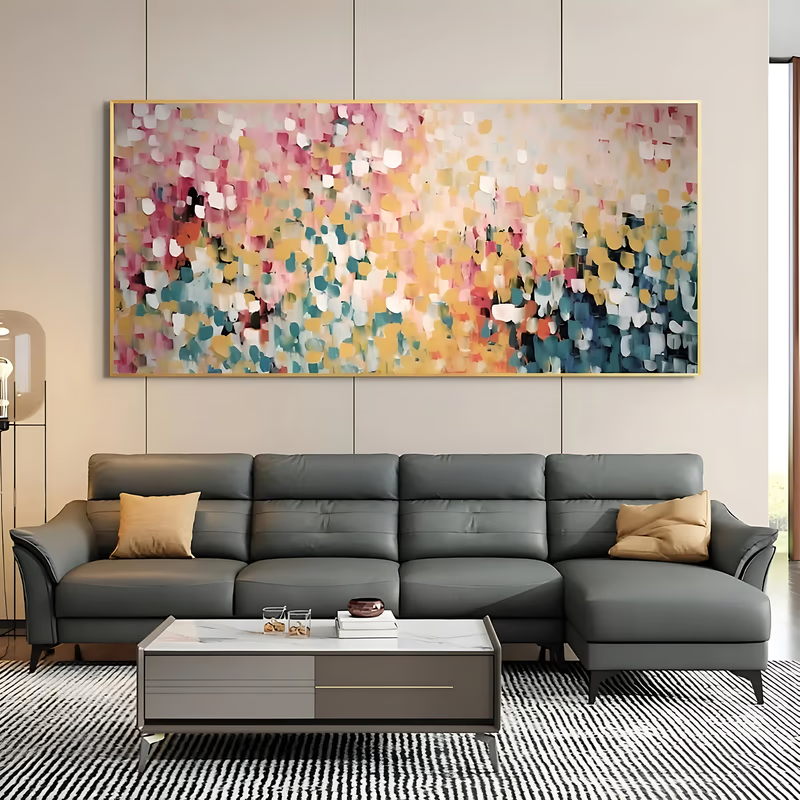
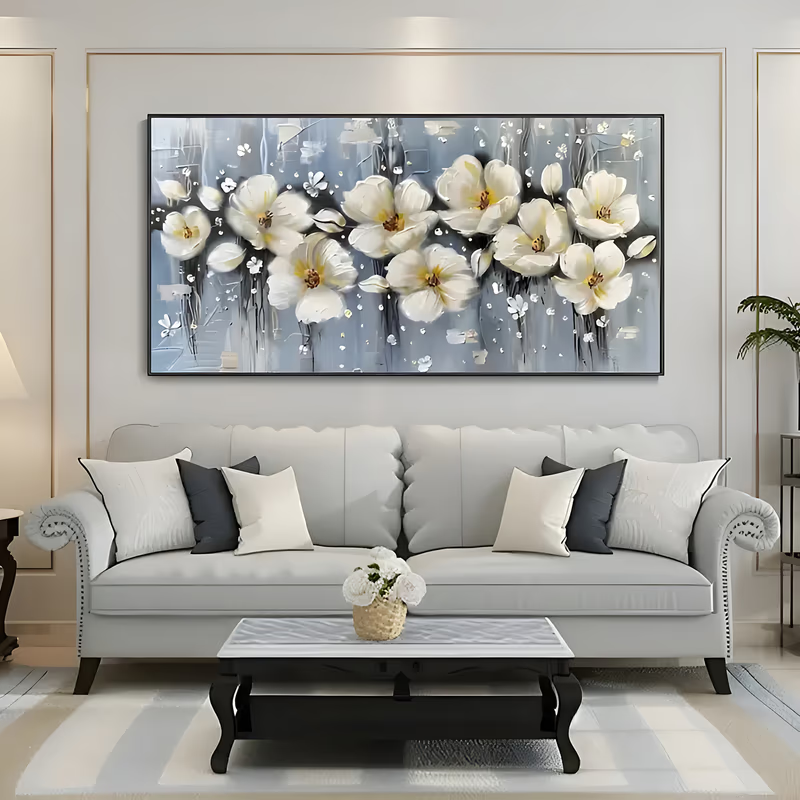
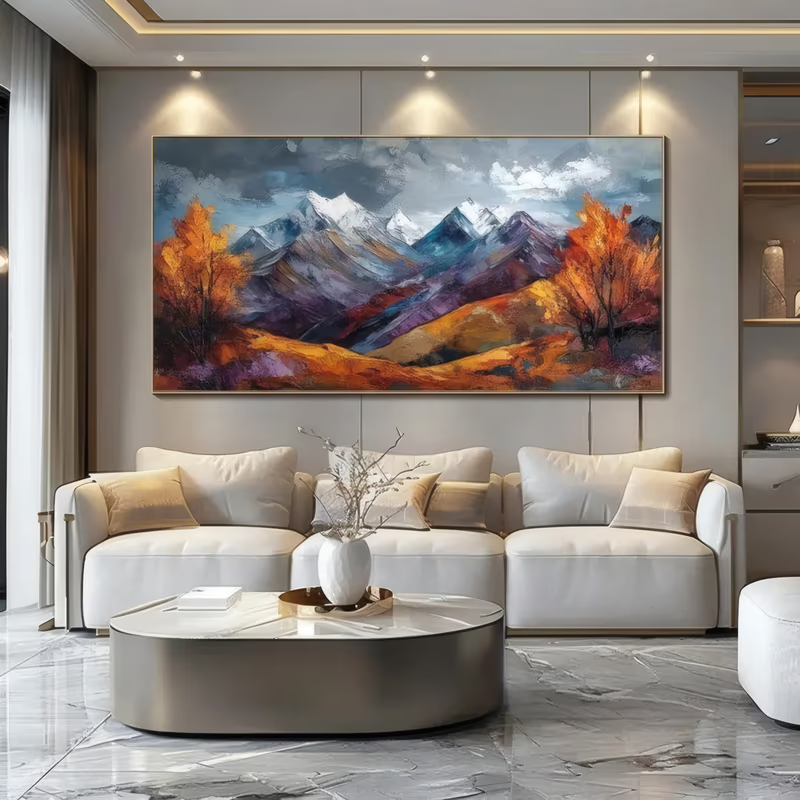
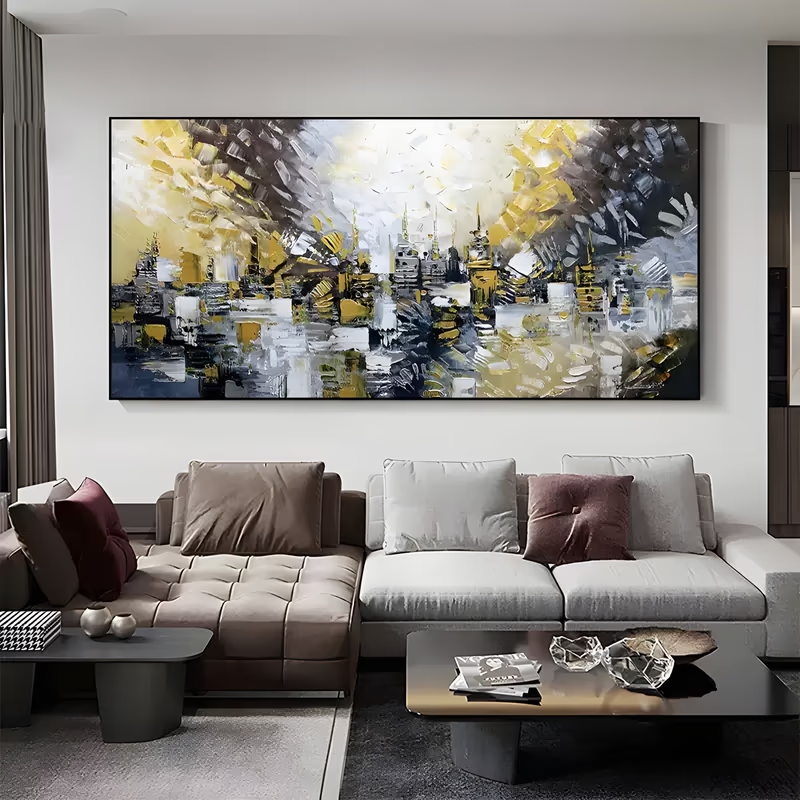
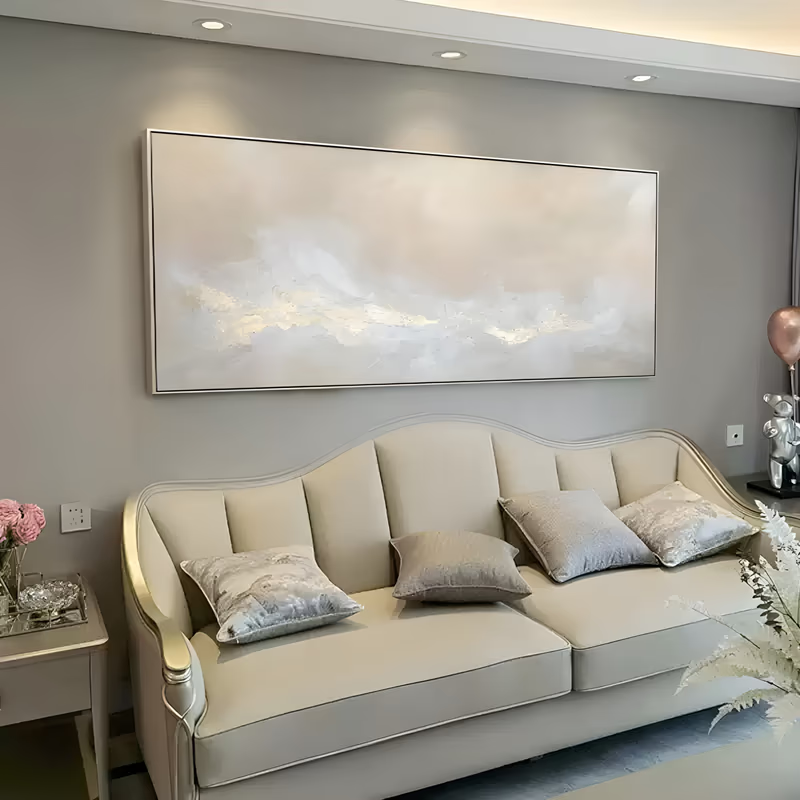
| Over a three-seater sofa | 200–230 cm (79–91 in) | 120–170 cm (47–67 in) | Horizontal or panoramic |
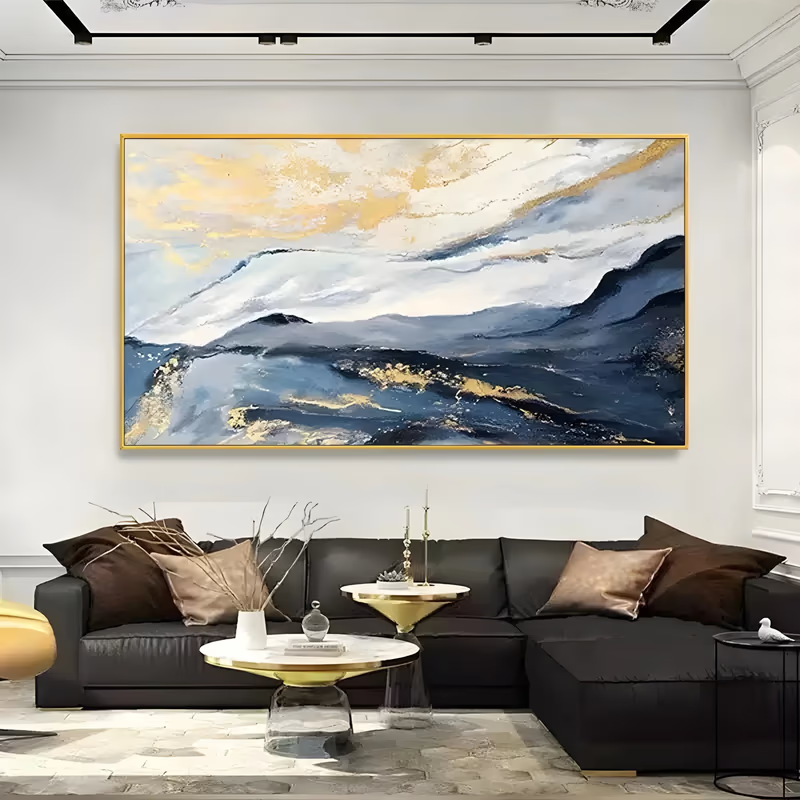
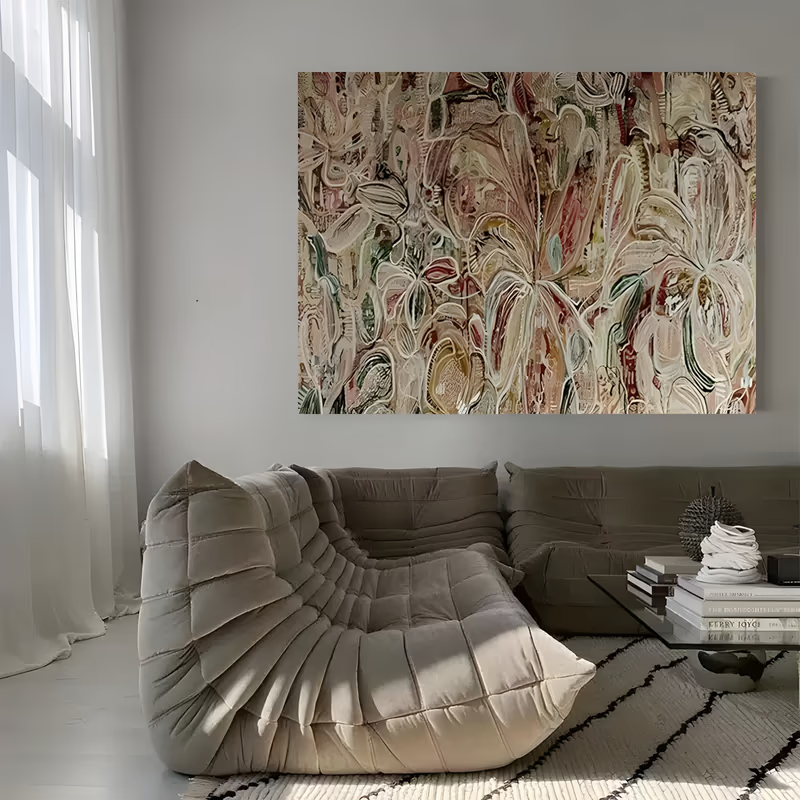
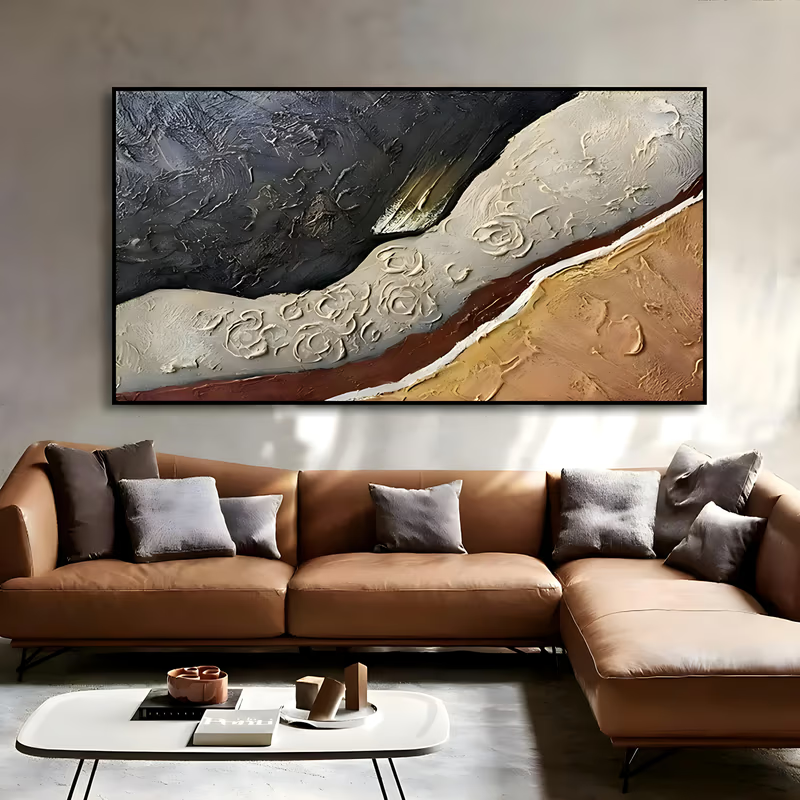
| Over a corner or modular sofa | 280 cm (110 in) and more | 170–210 cm (67–83 in) on the long side | Panoramic, or a diptych |
| Above a fireplace | Width of the mantel shelf | A little narrower than the shelf | Square or vertical; horizontal on a wide chimney breast |
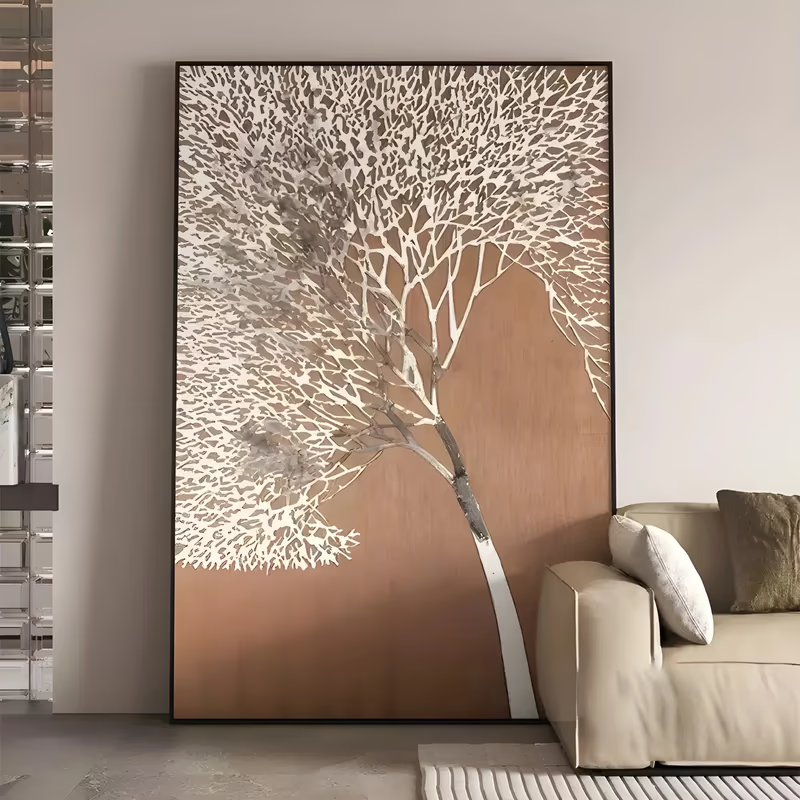
| Bare feature wall | Clear wall between corners or windows | About two-thirds of that width | Large vertical or square statement |
| Either side of a TV | The strip of wall left each side | Narrow enough to leave 15 cm (6 in) of air | A pair of tall verticals |
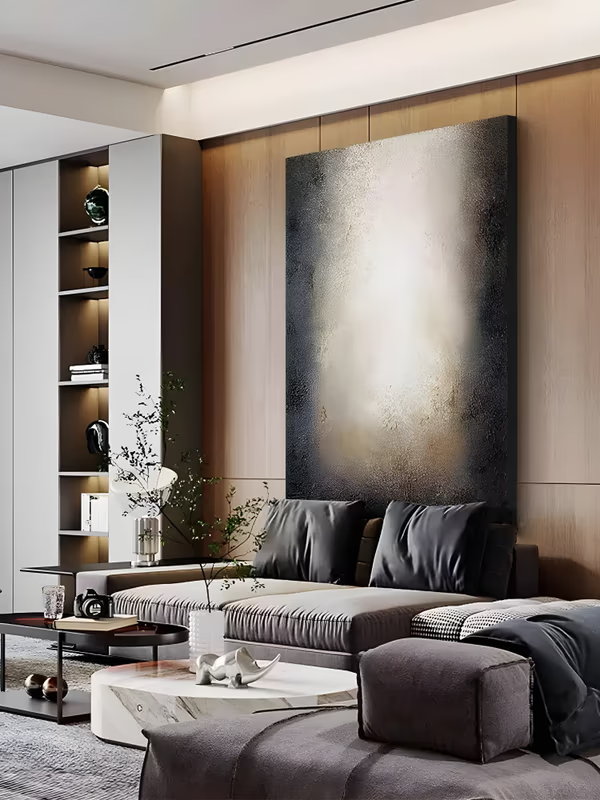
Height follows the furniture. Over a sofa, leave 20–25 cm (8–10 in) between the top of the back cushions and the lower edge of the canvas, so the two read as one group but heads do not touch the painting. On an open wall, put the centre of the canvas near standing eye level, about 150 cm (59 in) from the floor. Under a ceiling higher than 3 m (10 ft), fill the extra height with a taller canvas rather than hanging an ordinary one higher.
Before ordering, mark the outline on the wall with painter's tape and look at it from the sofa for a day or two. Most people find they can go larger than they first thought. Because each piece is painted to order, the size you tape is the size you can have, and the composition is redrawn to those proportions rather than cropped or stretched. For very large and panoramic walls, see oversized and custom-size art.
What kinds of living room wall art suit which interiors?
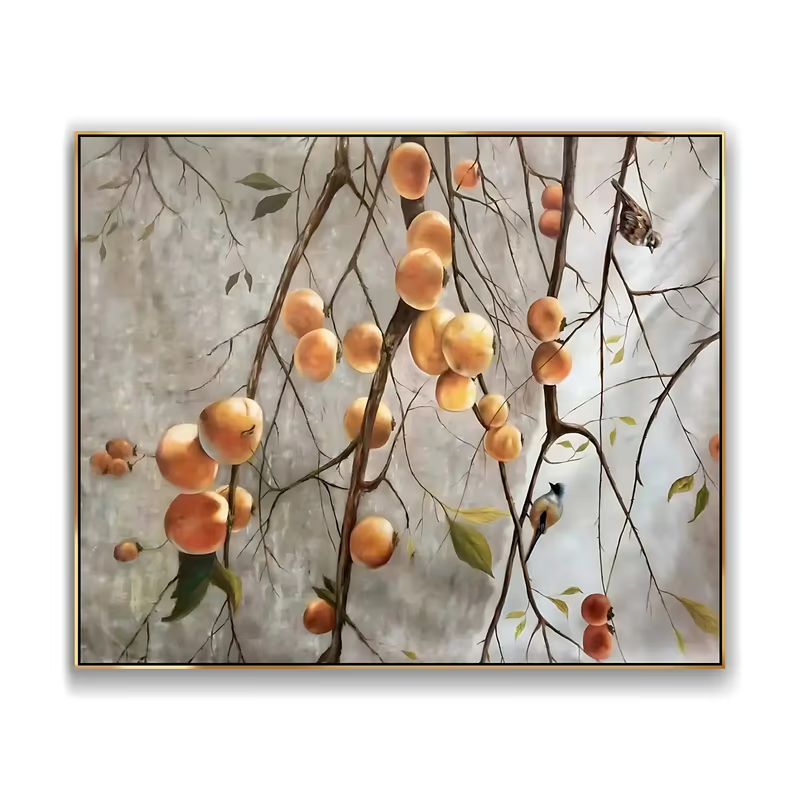
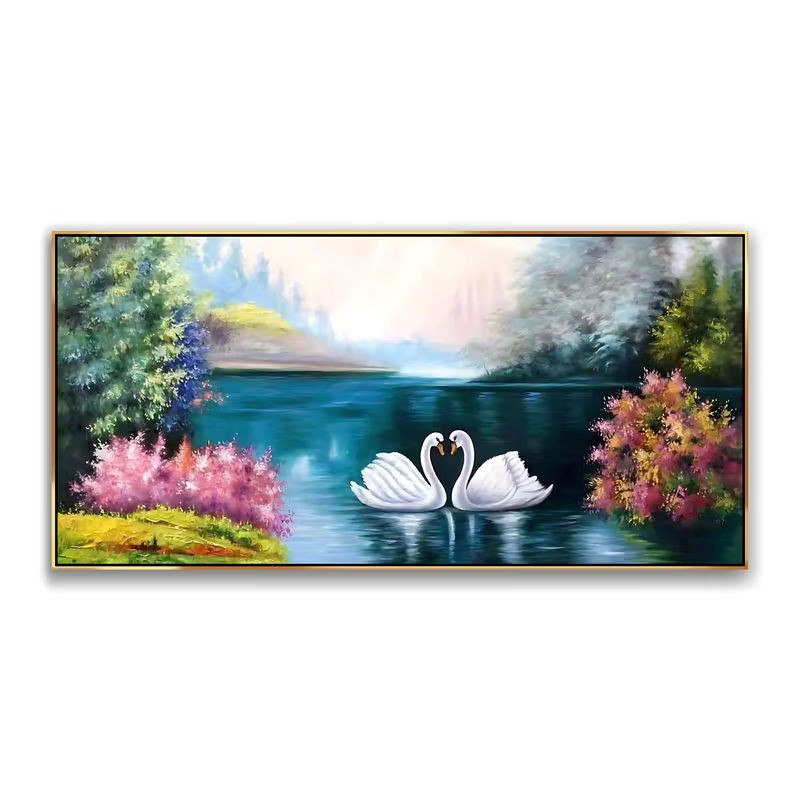
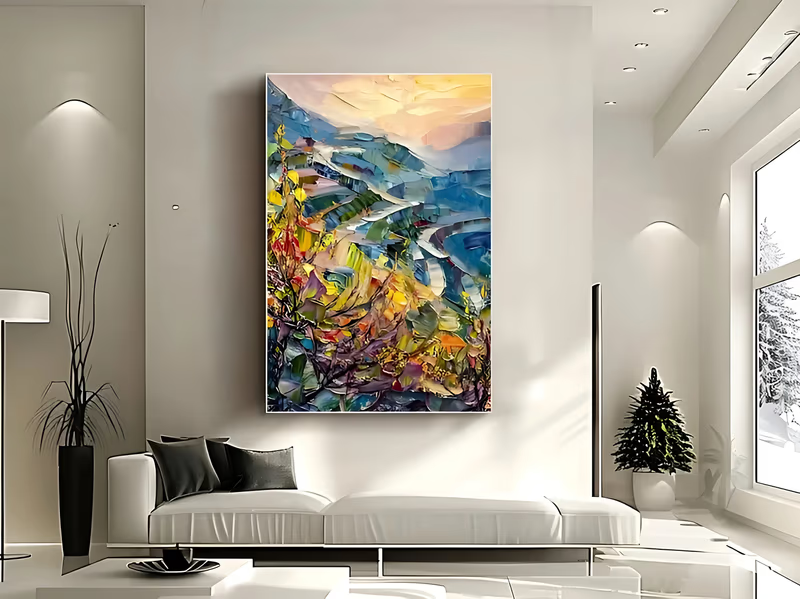
Most living room wall art falls into four families: landscapes and seascapes, flower paintings, abstract and textured work, and animals or figures. The right one follows your furniture and architecture more than the season.
Landscapes and seascapes
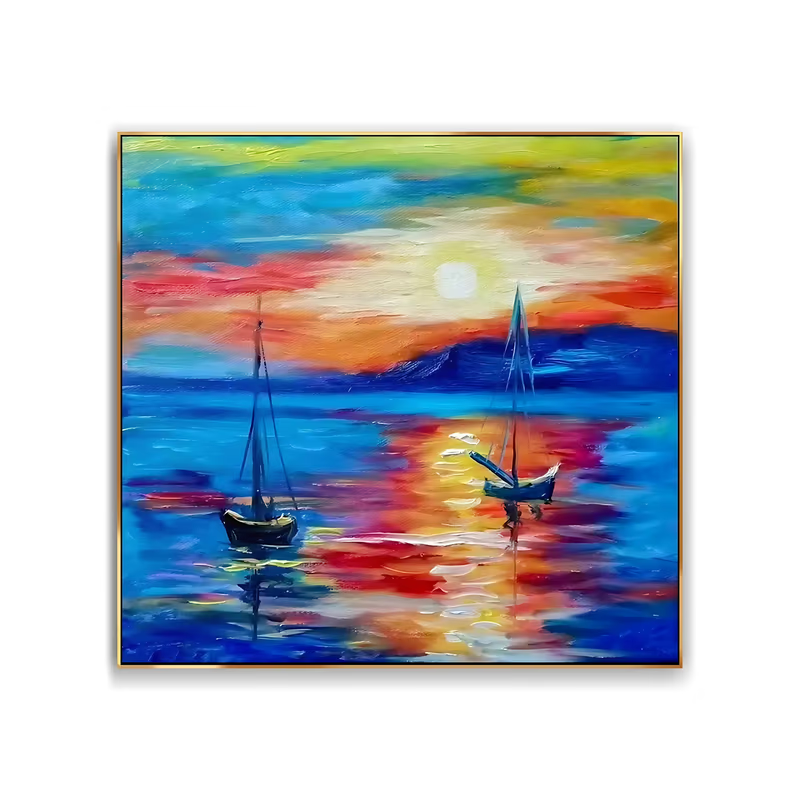
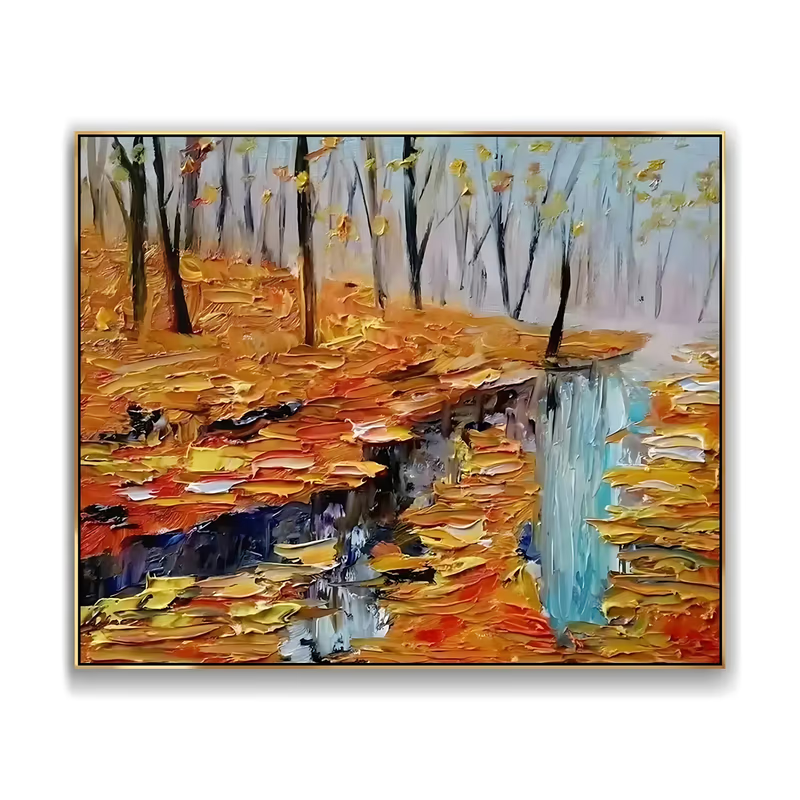
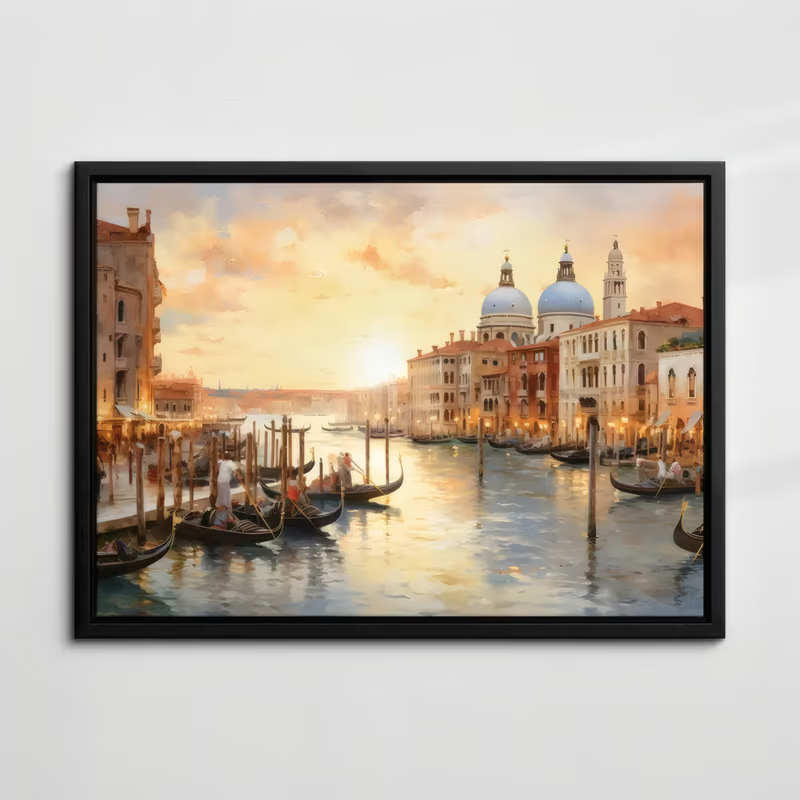
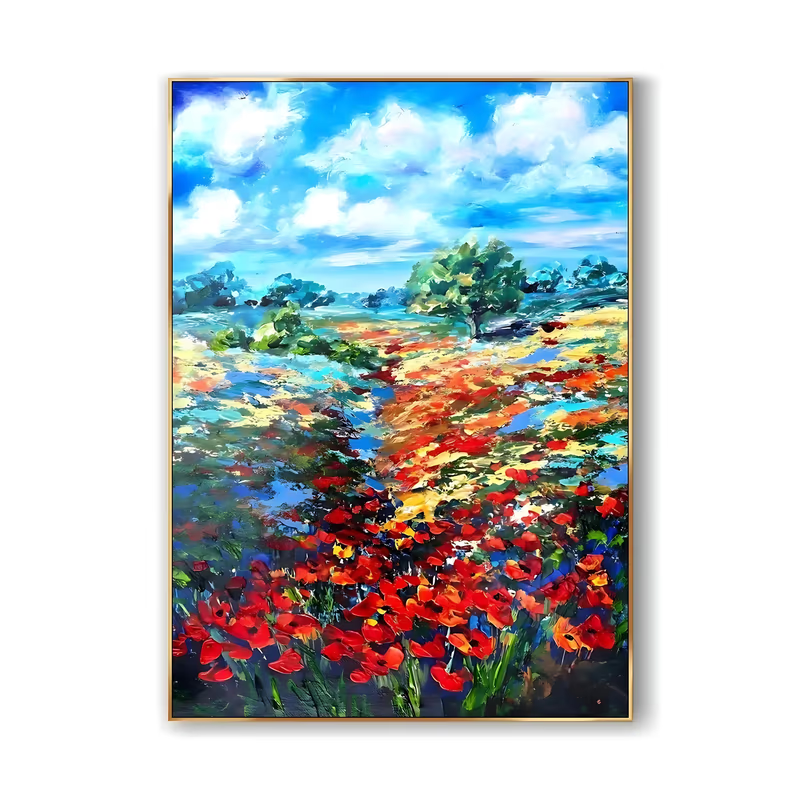
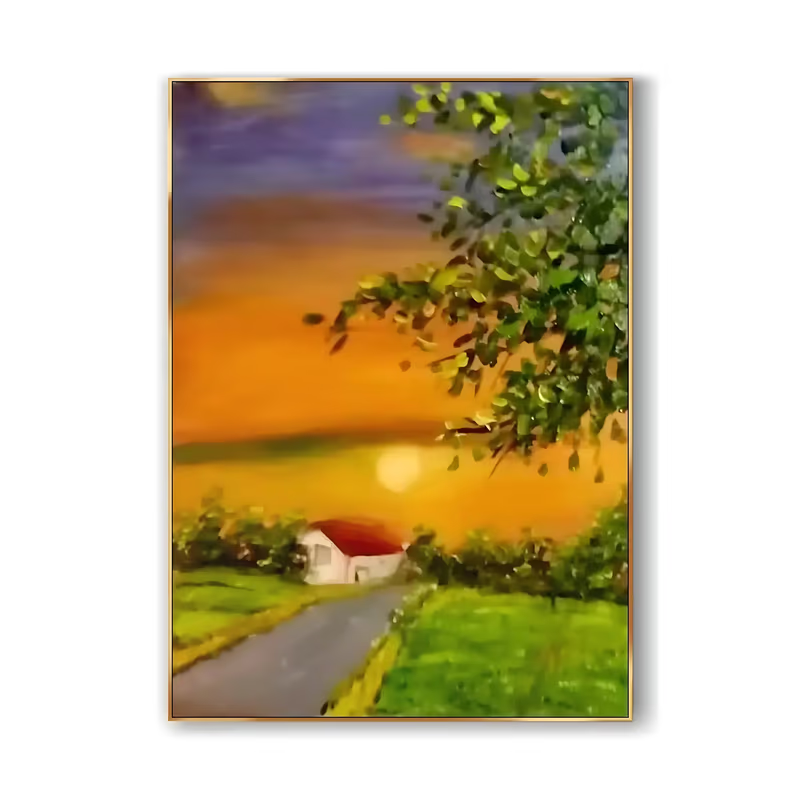
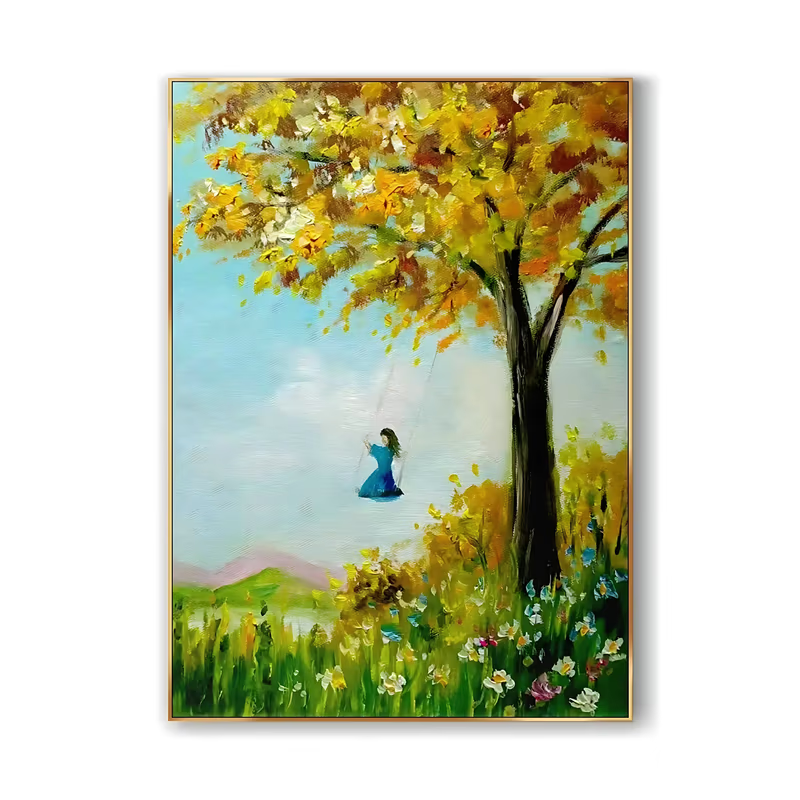
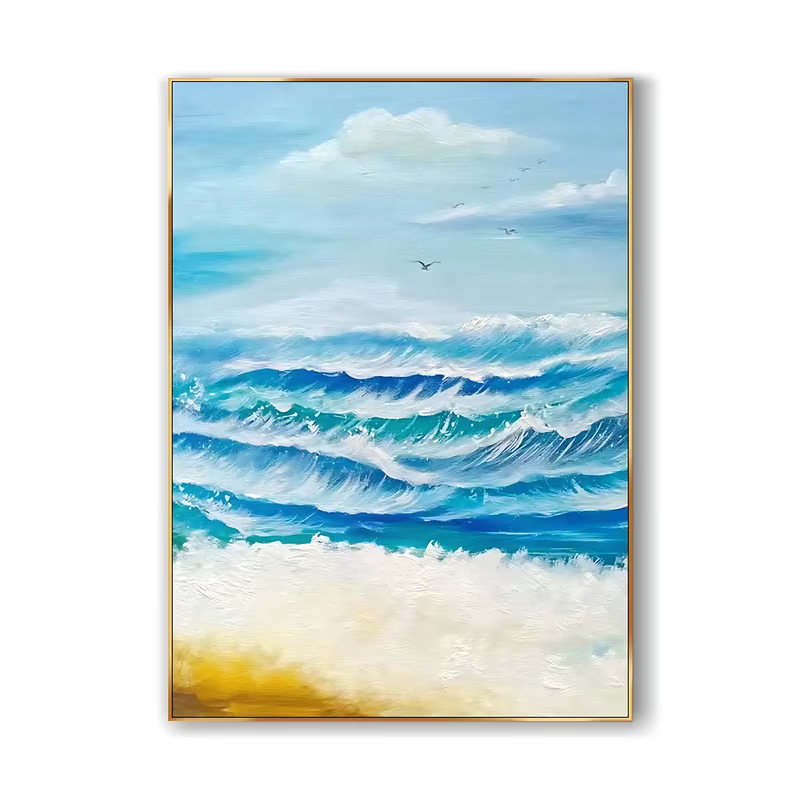
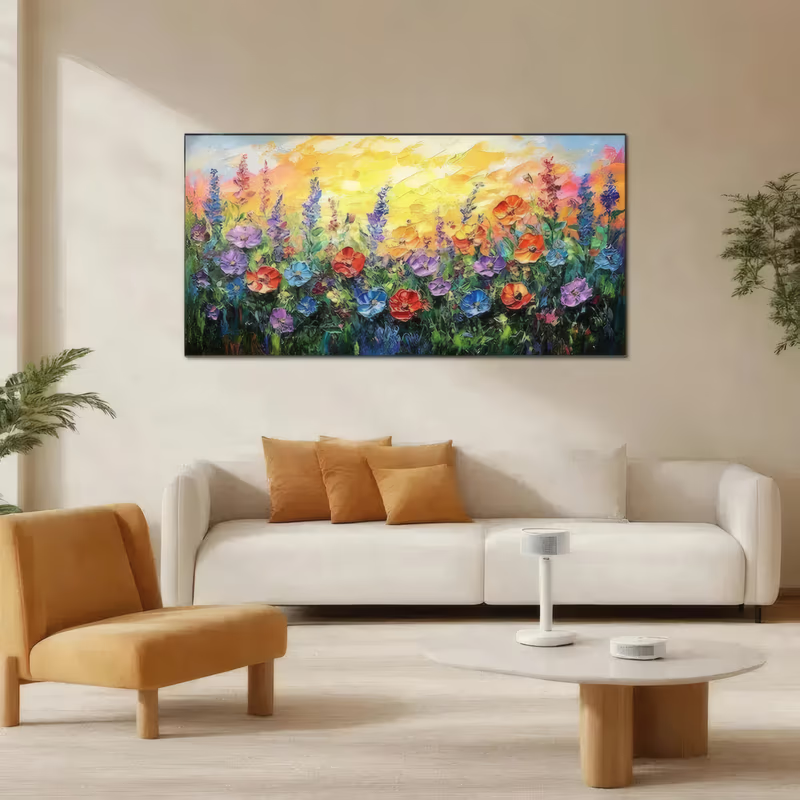
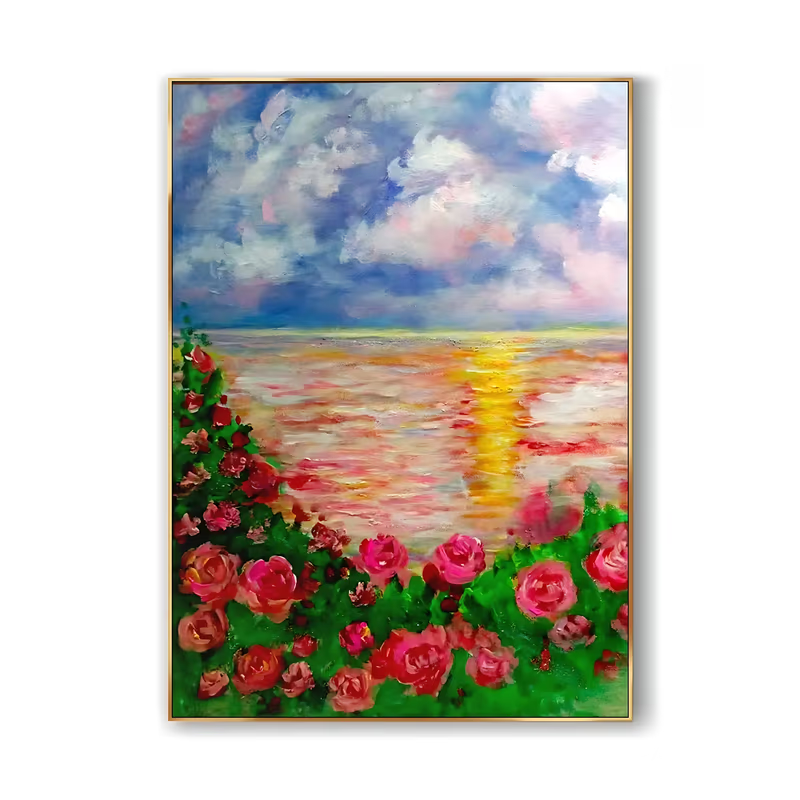
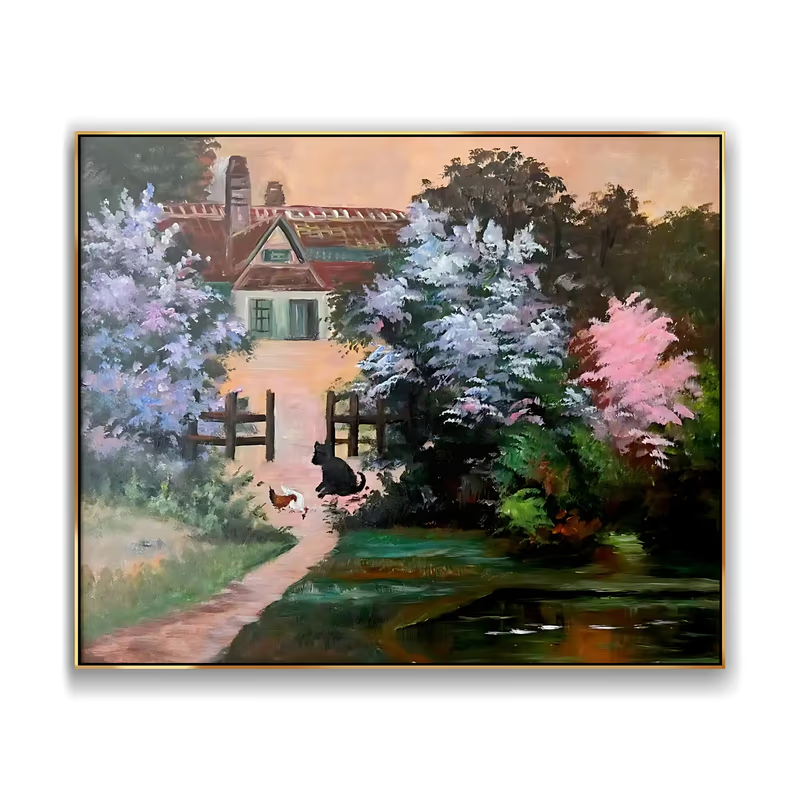
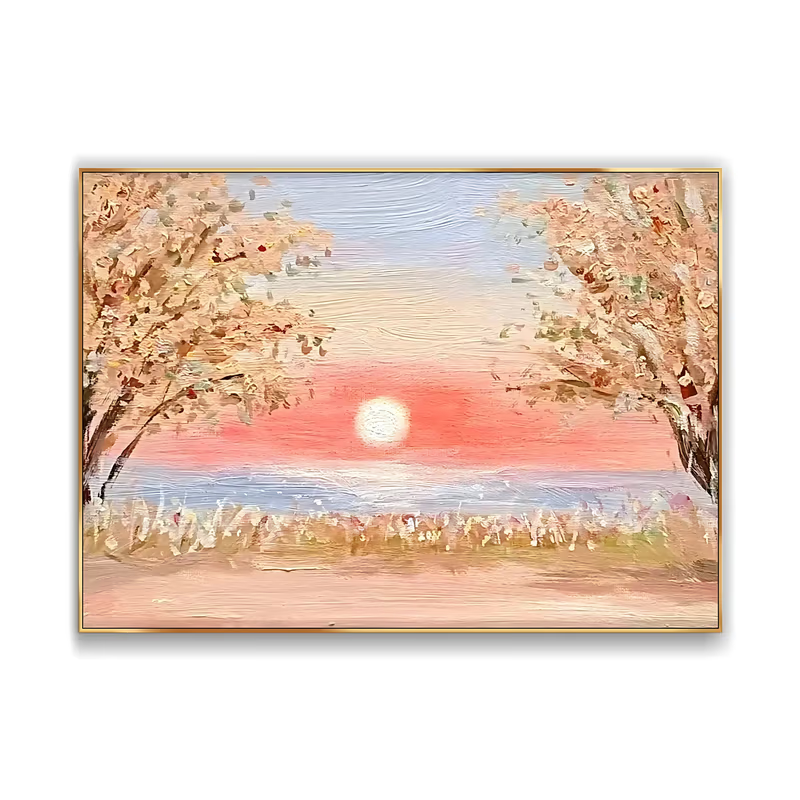
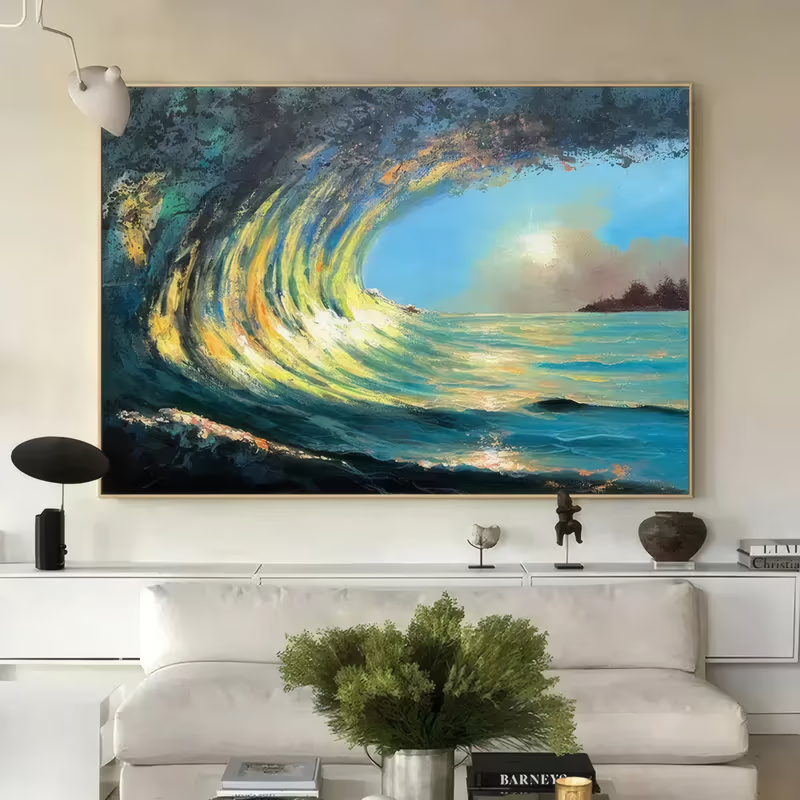
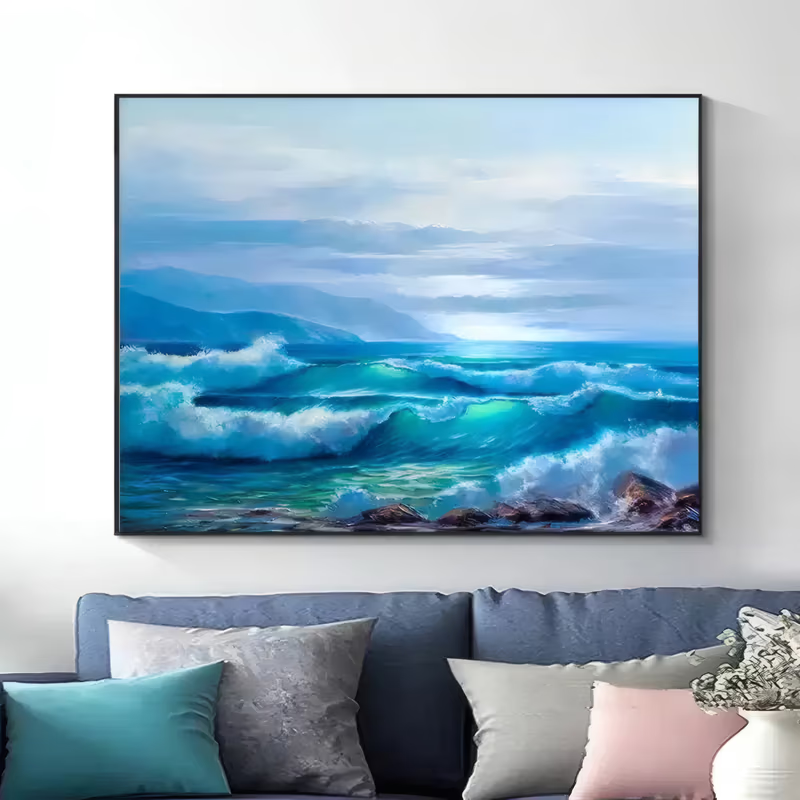
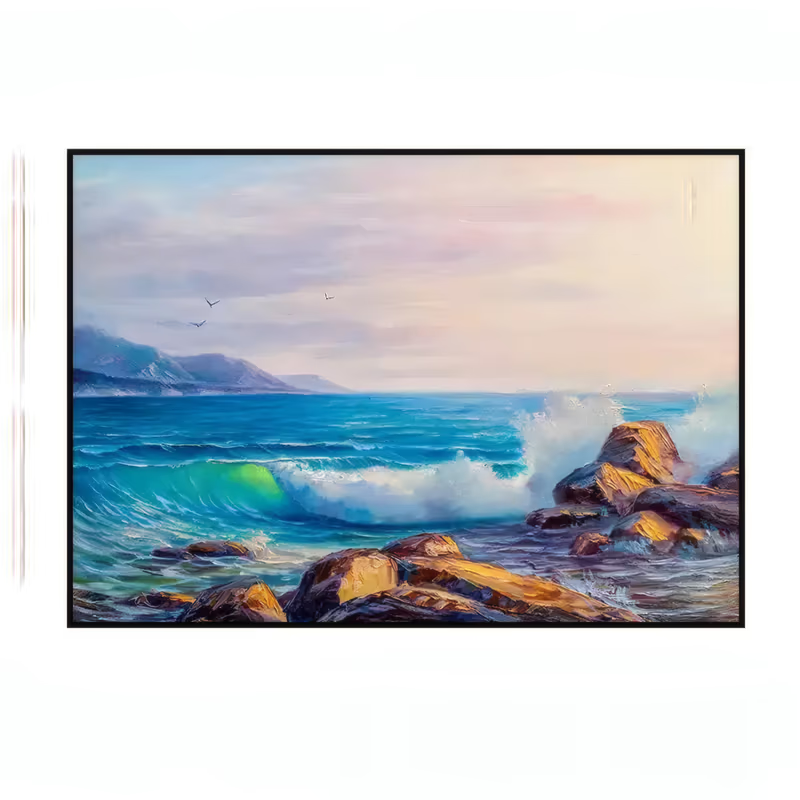
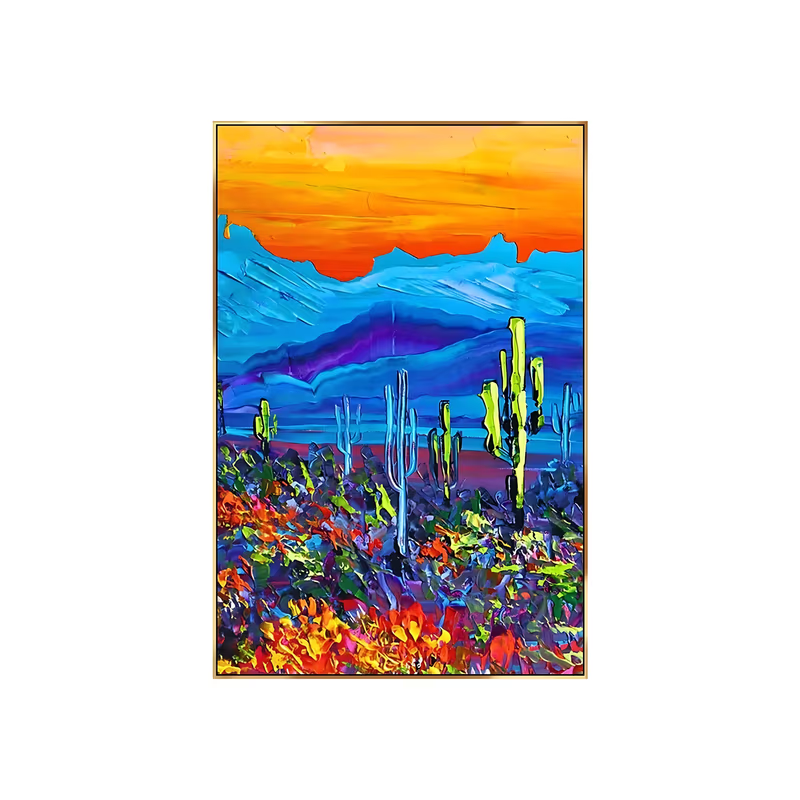
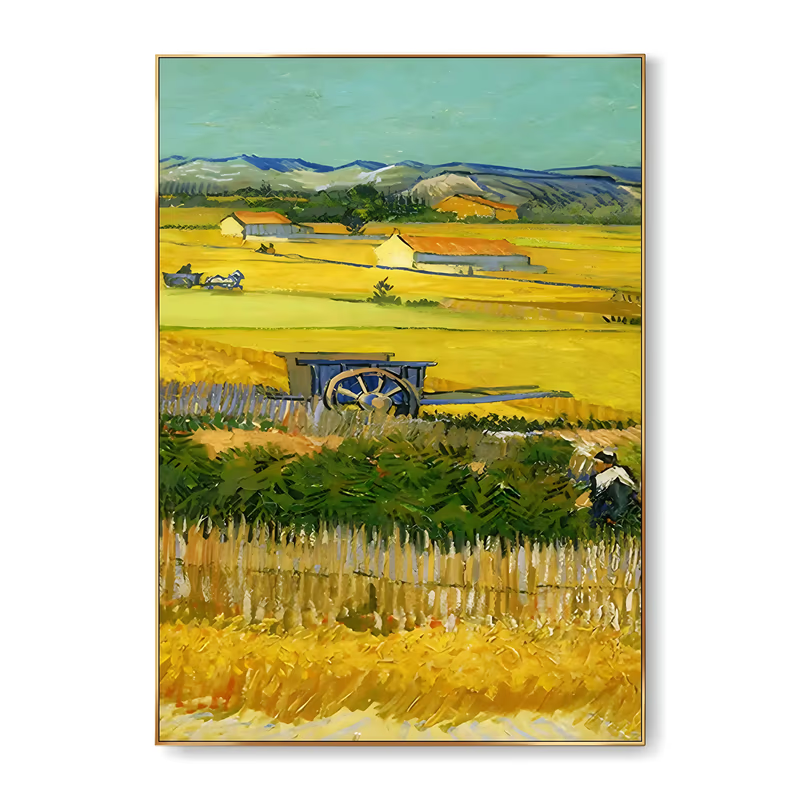
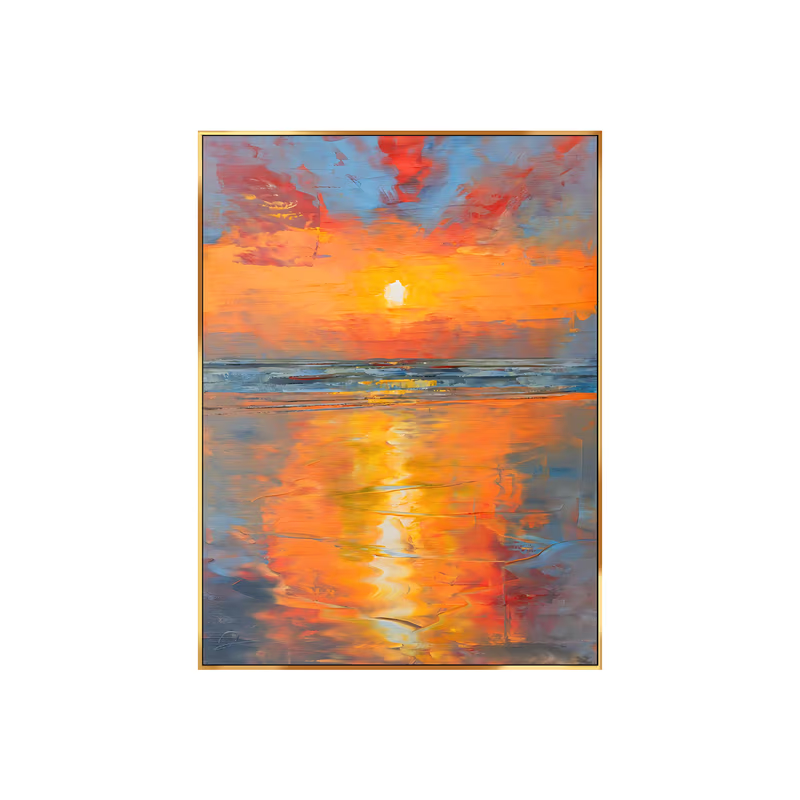
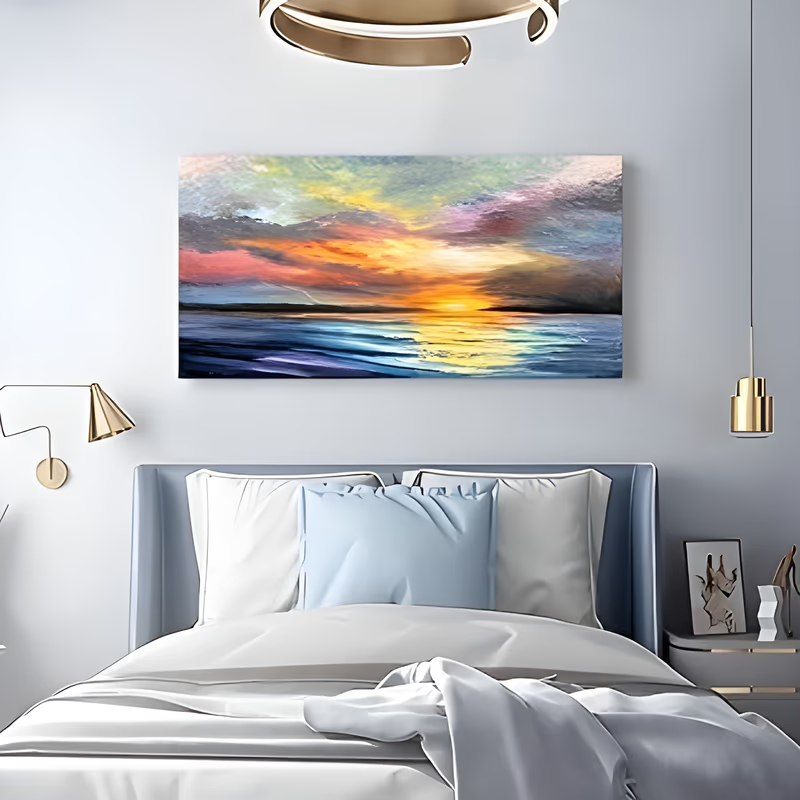
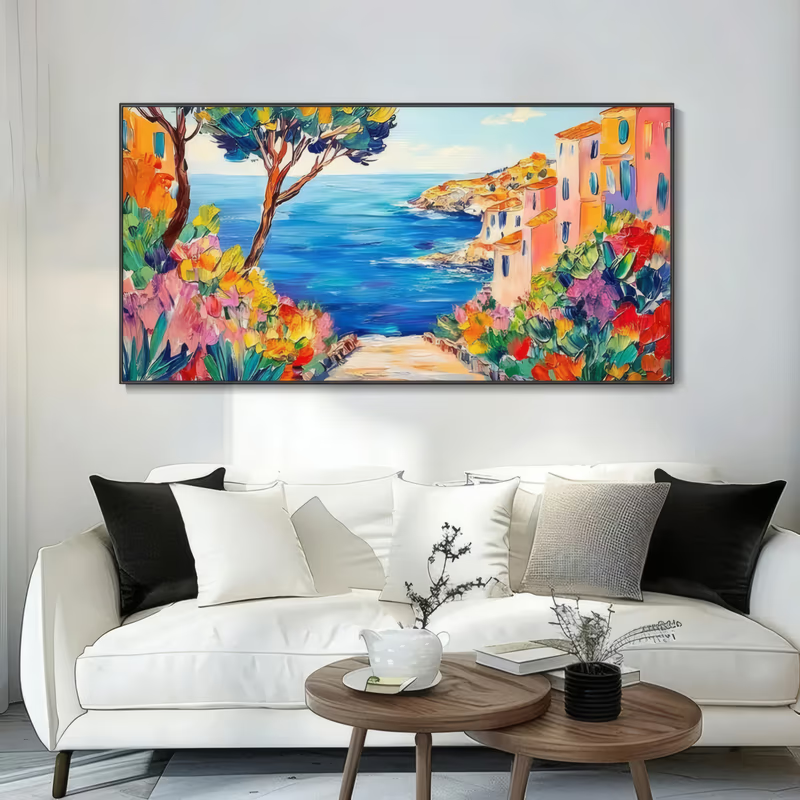
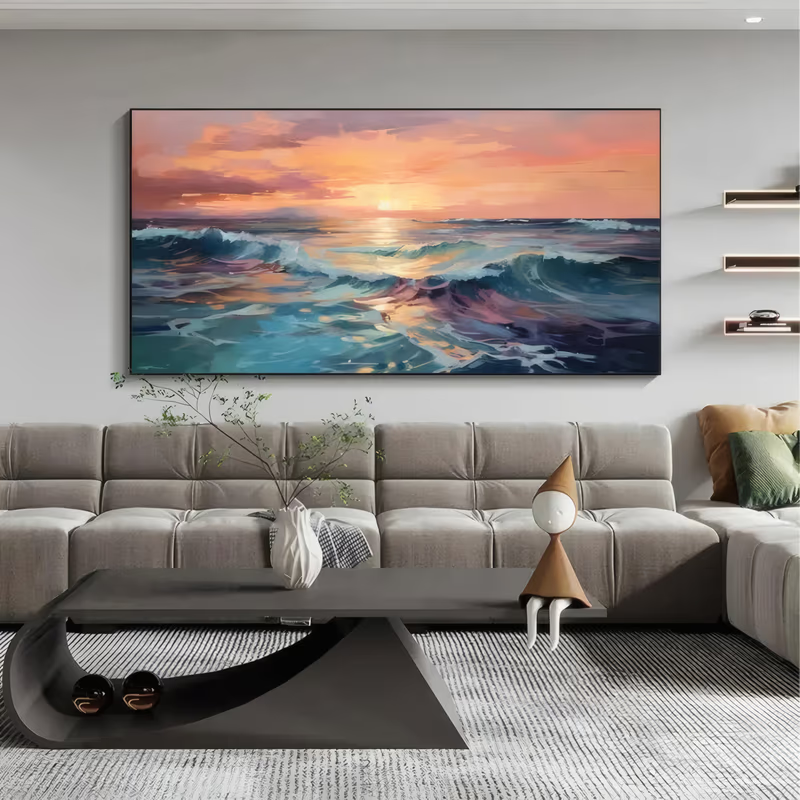
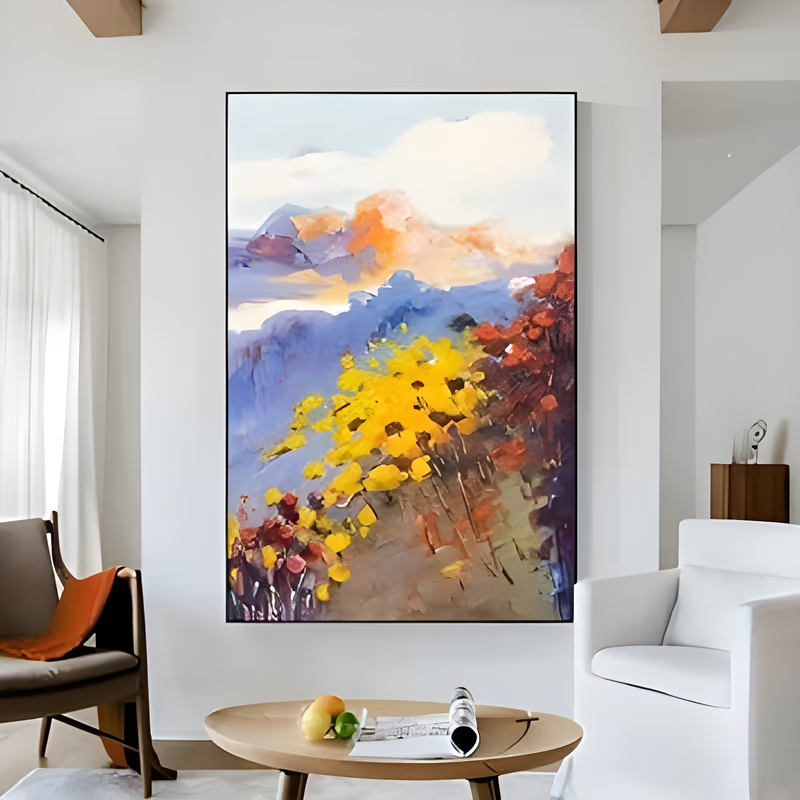
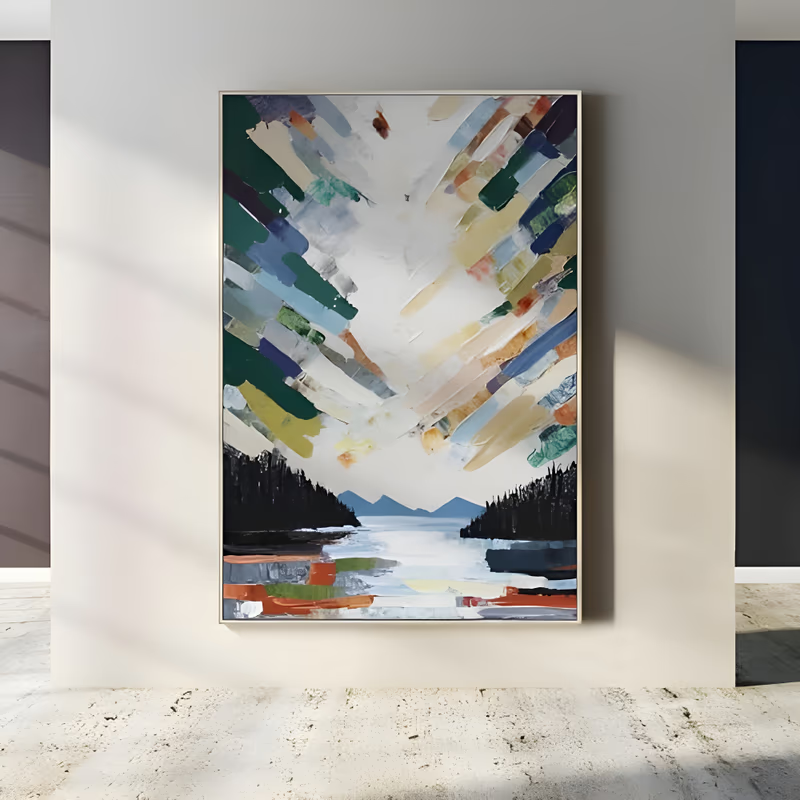
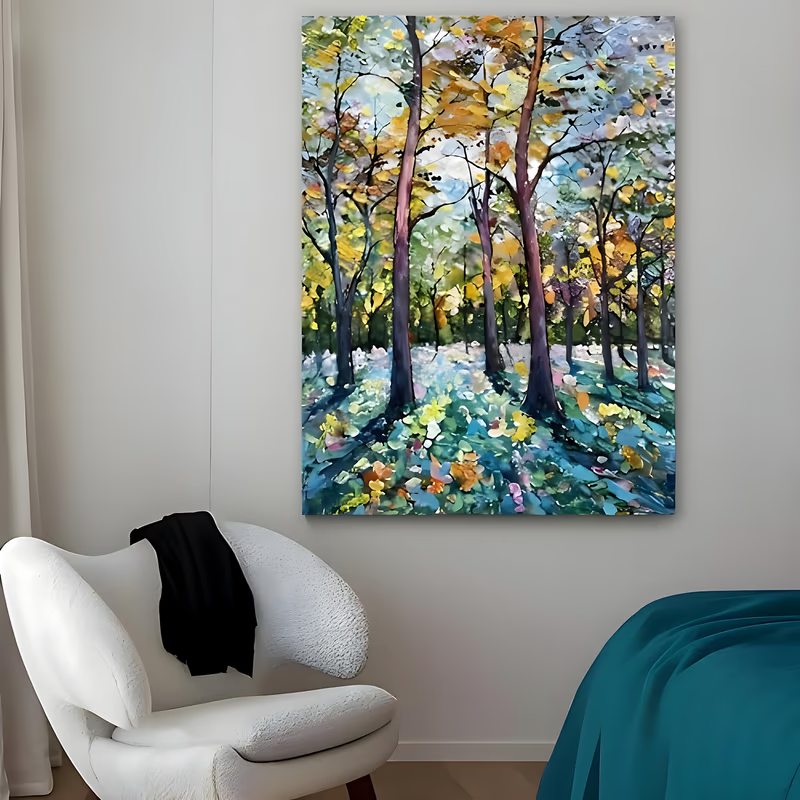
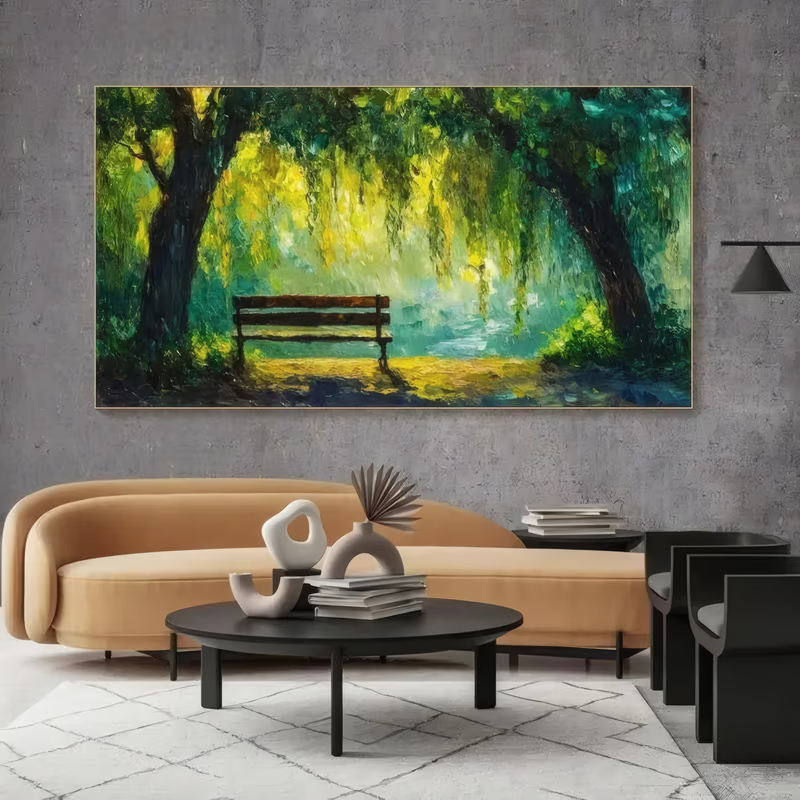
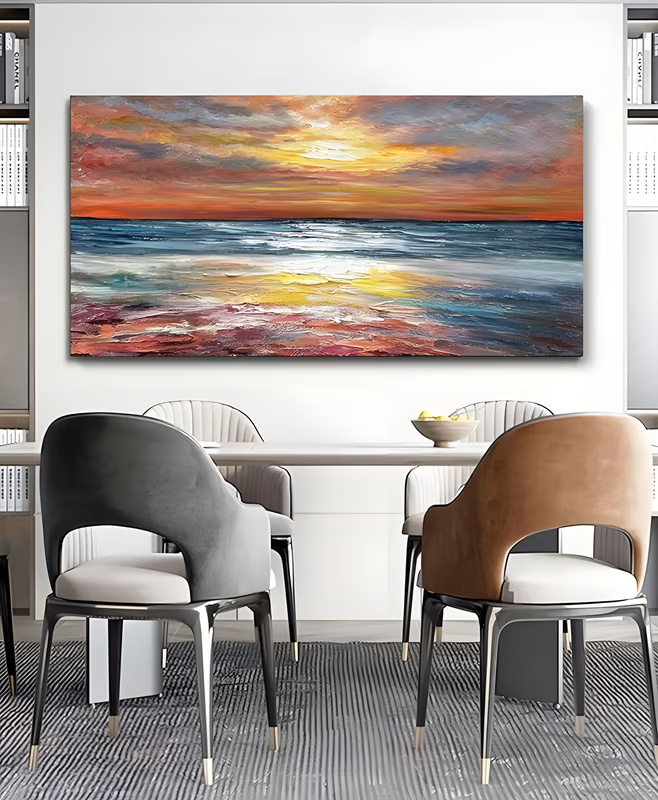
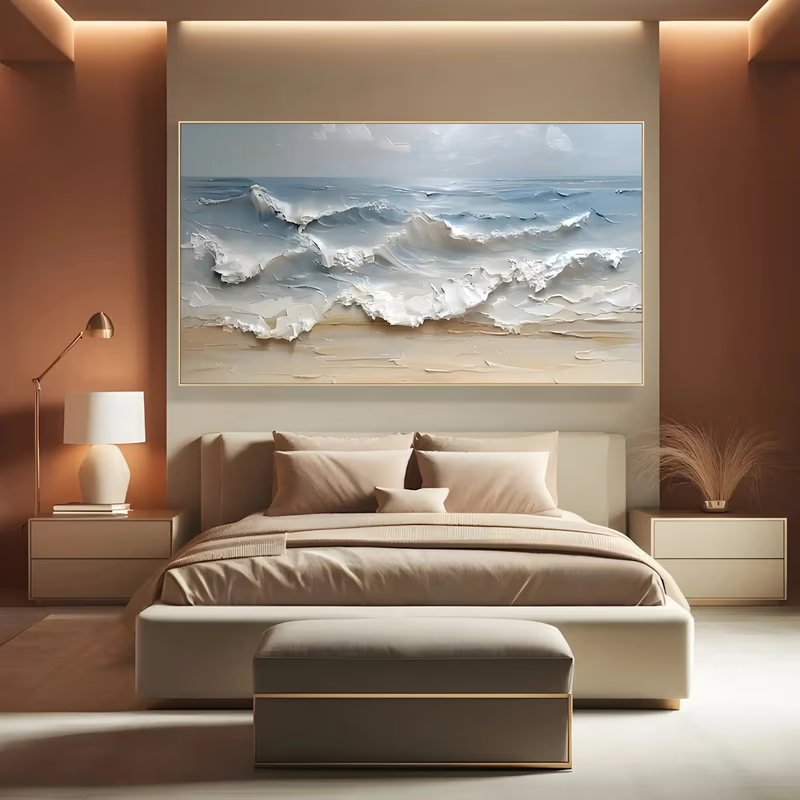
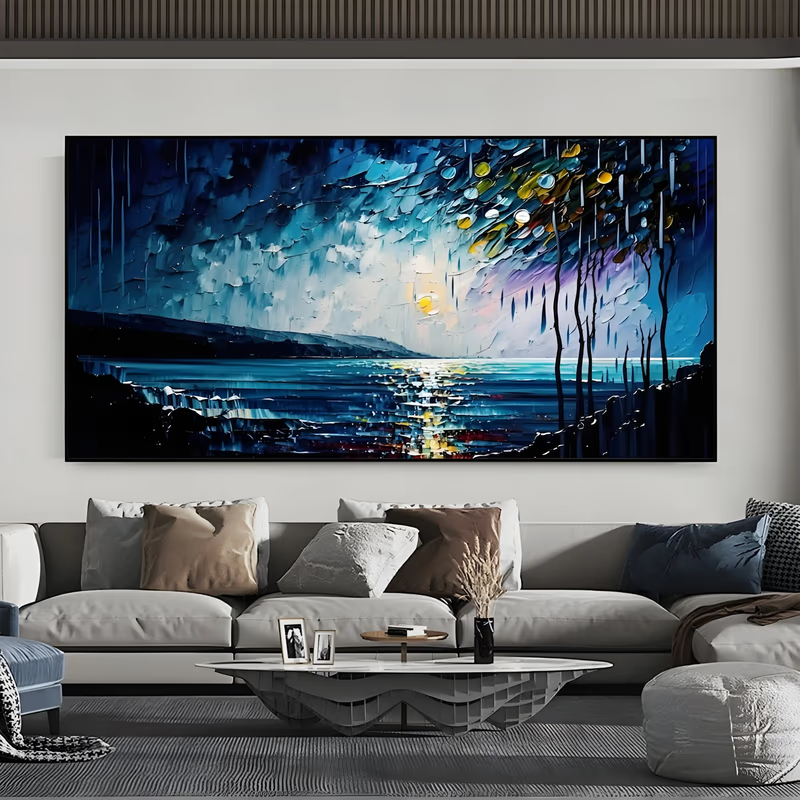
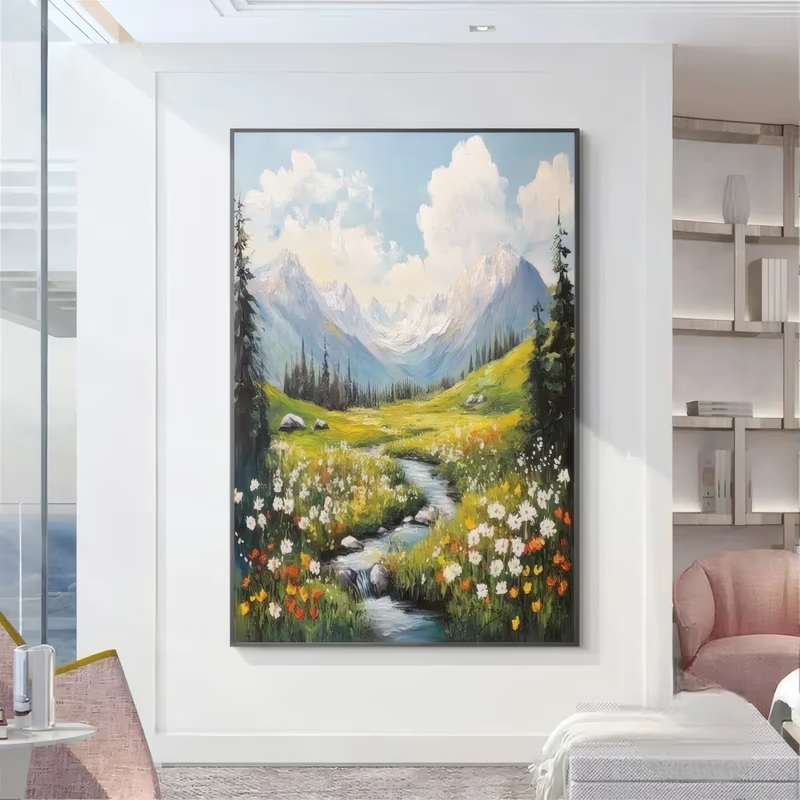
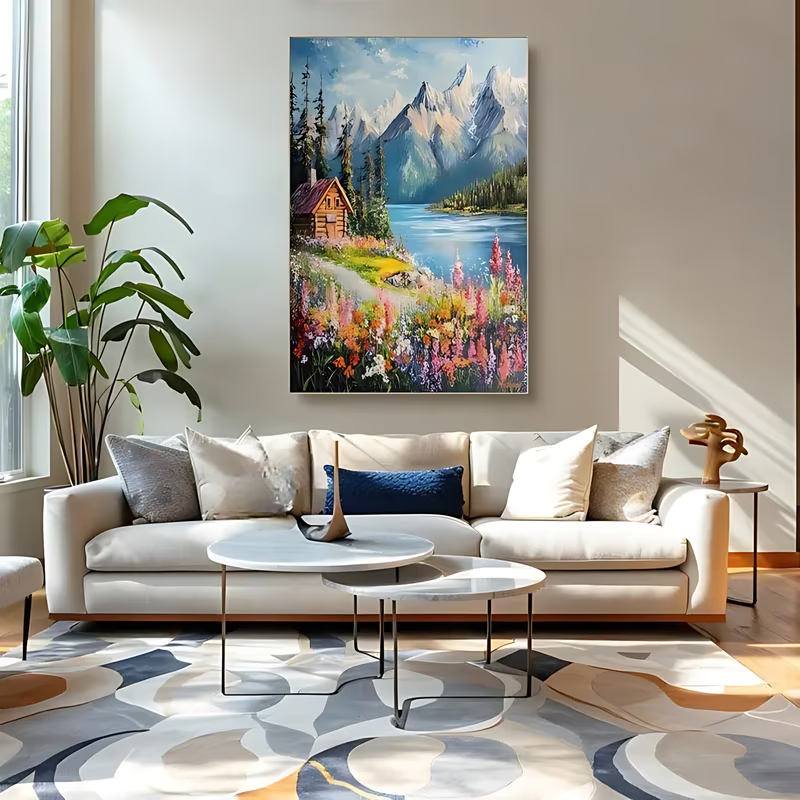
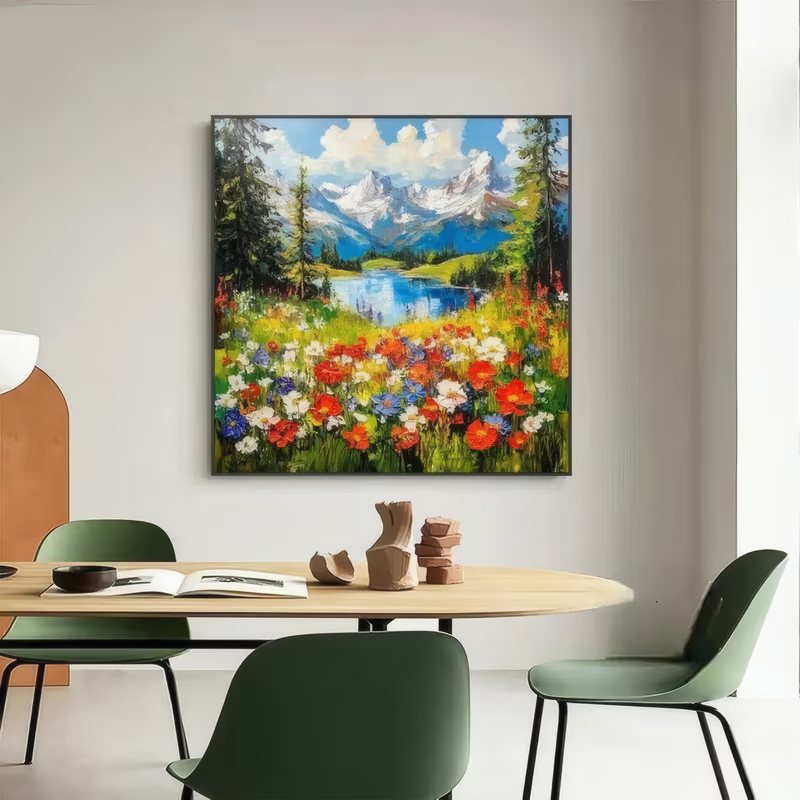
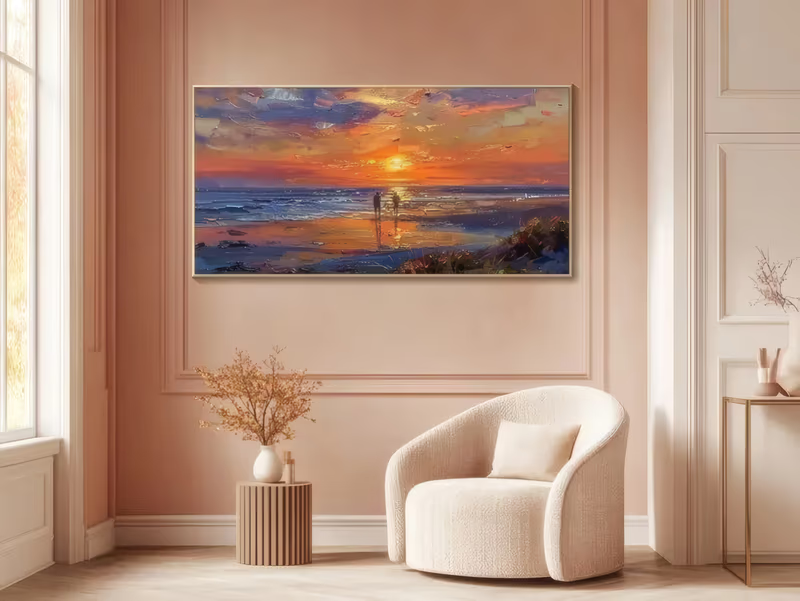
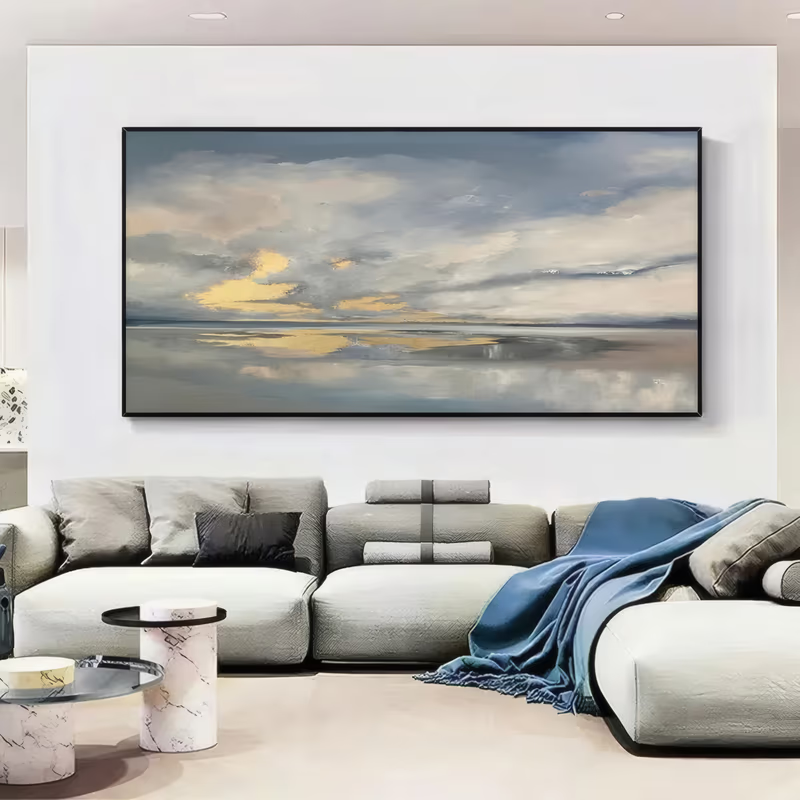
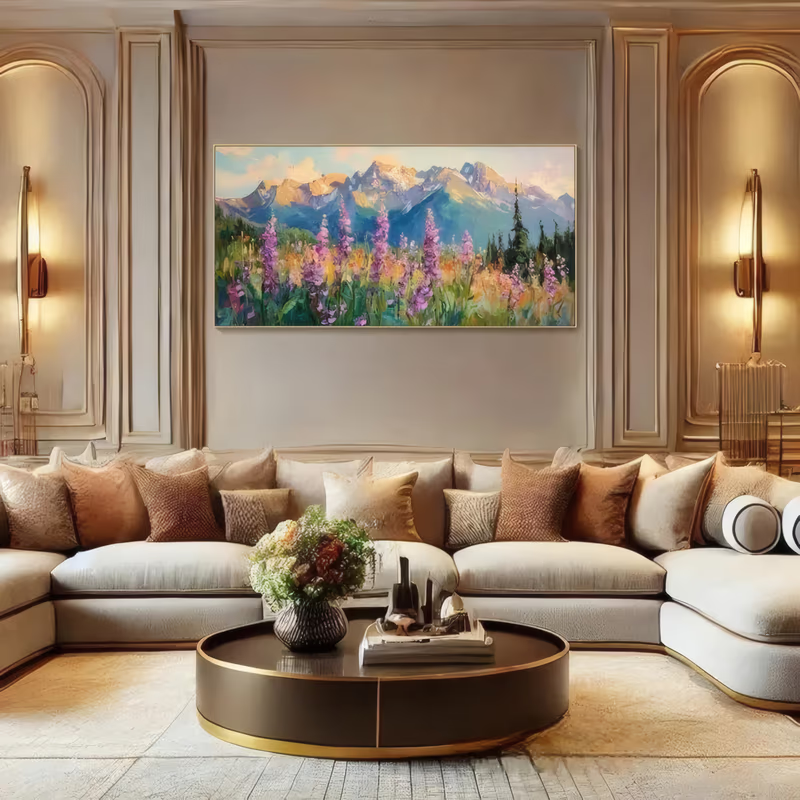
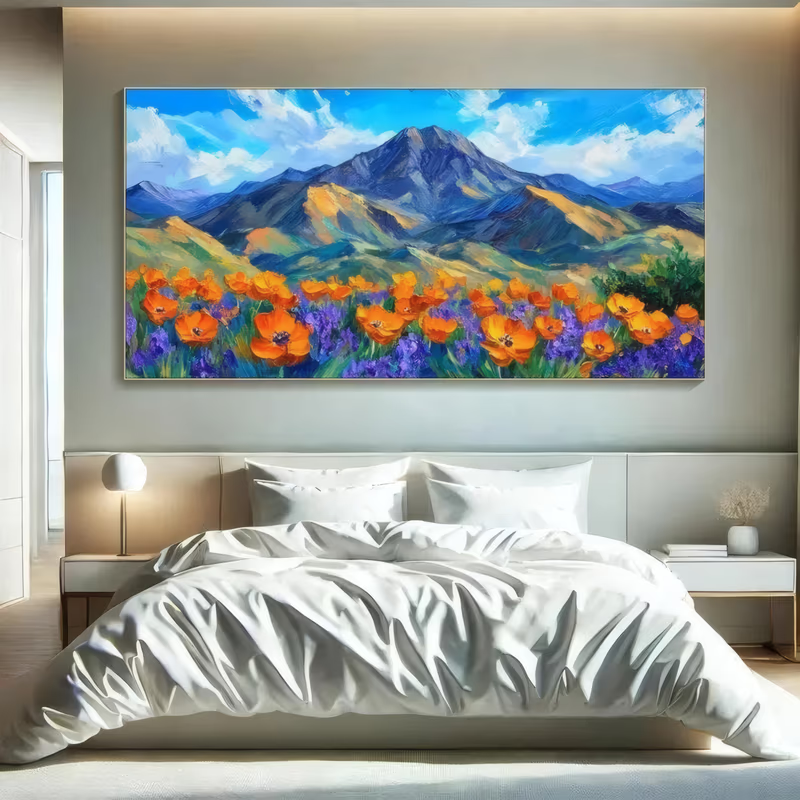
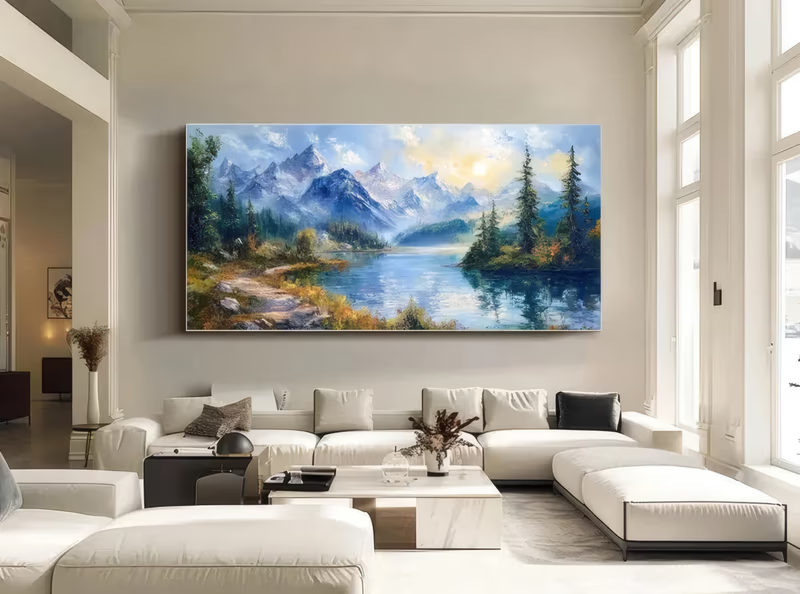
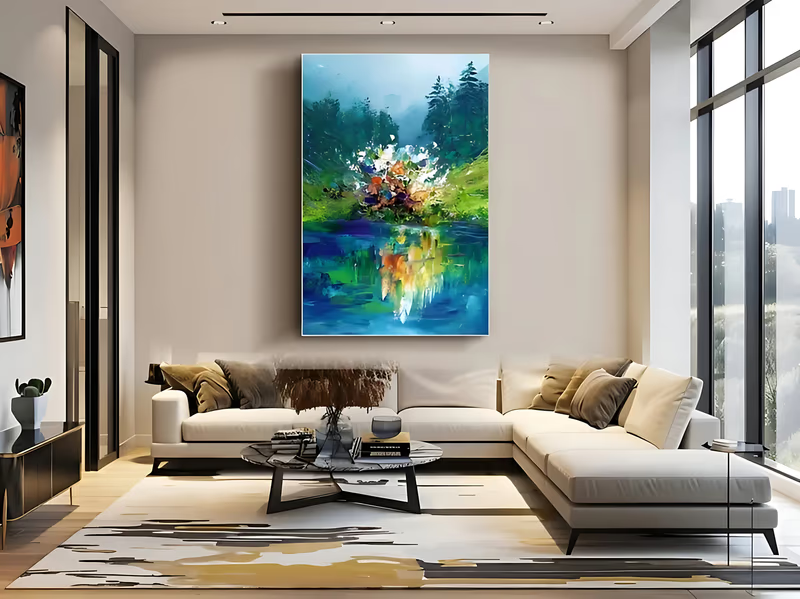
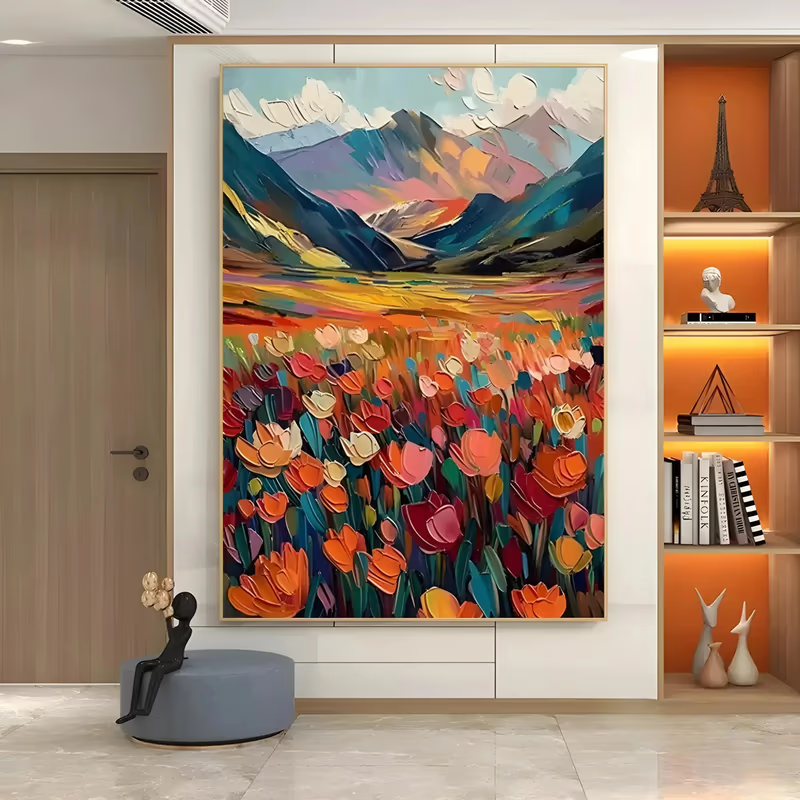
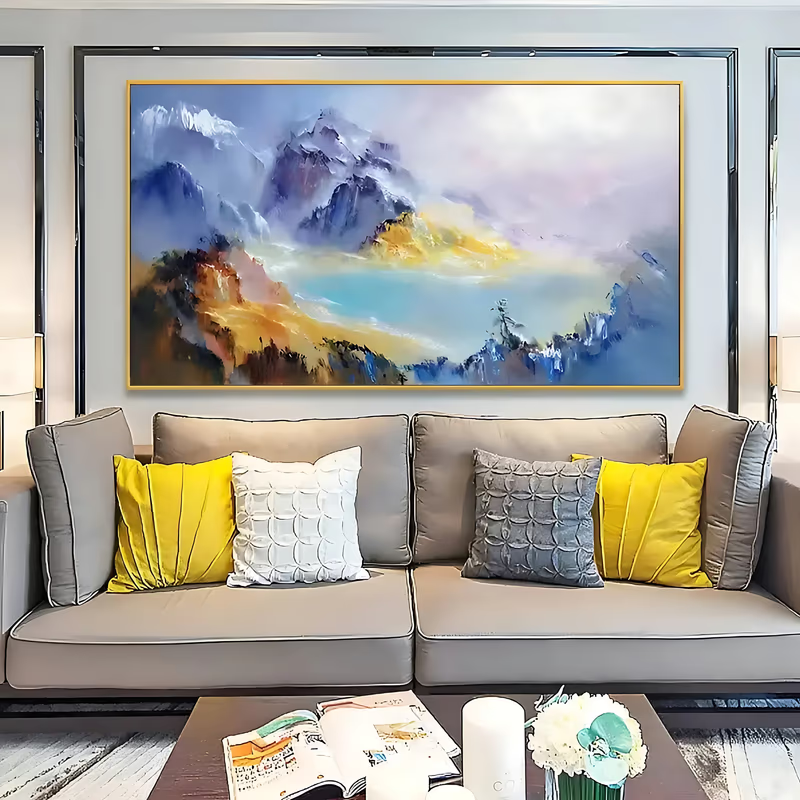
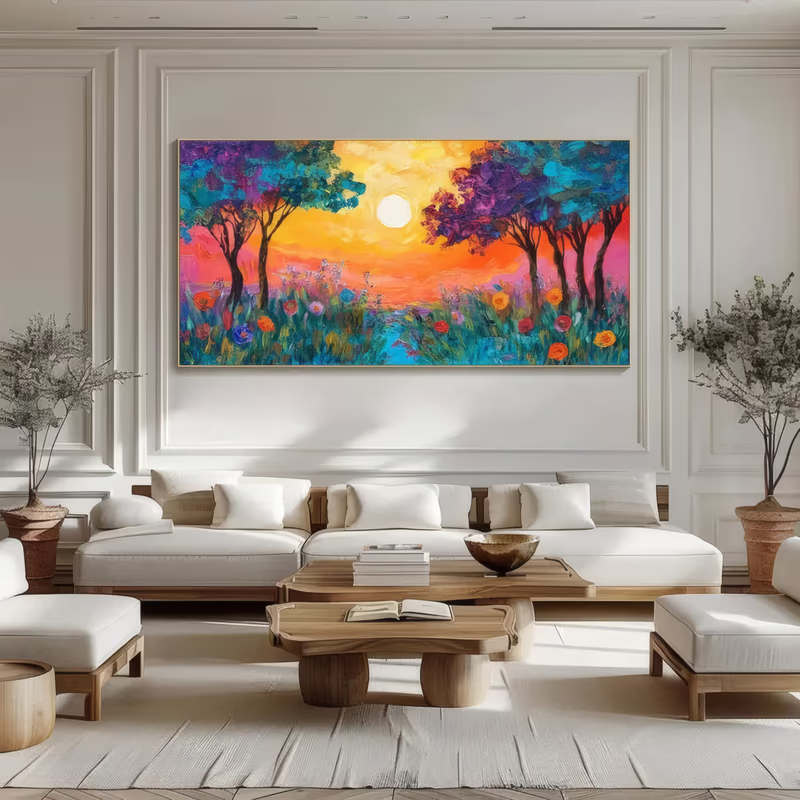
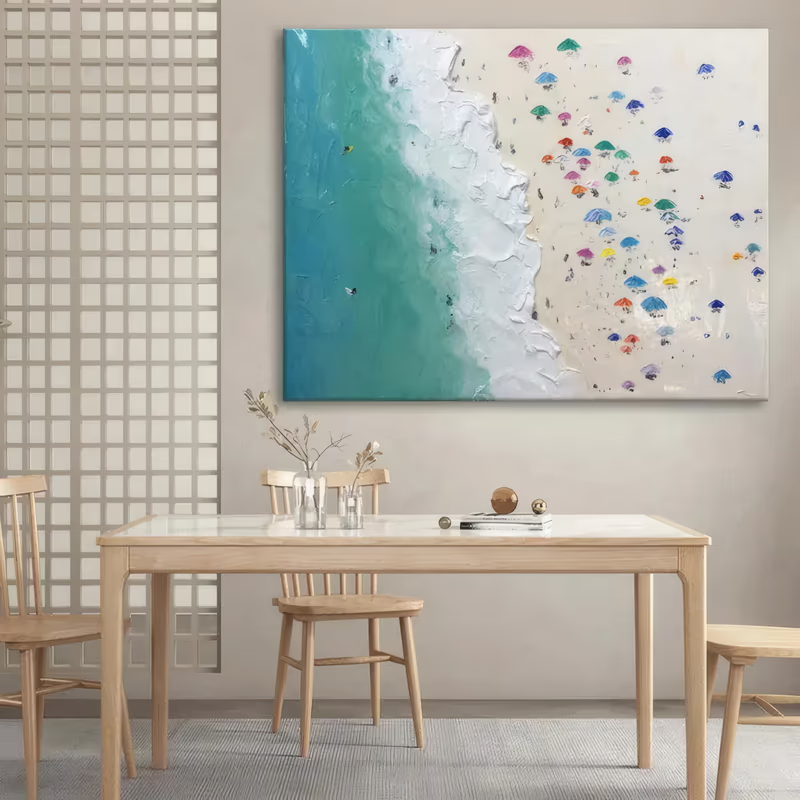
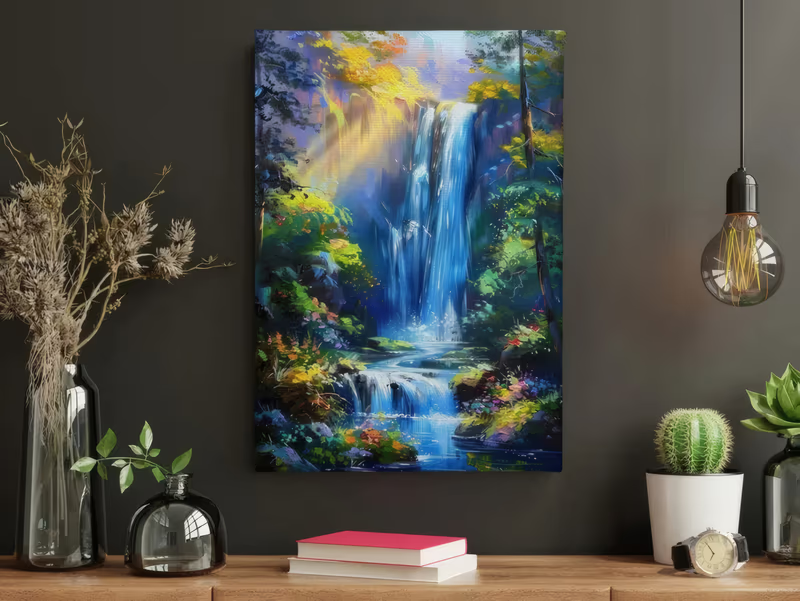
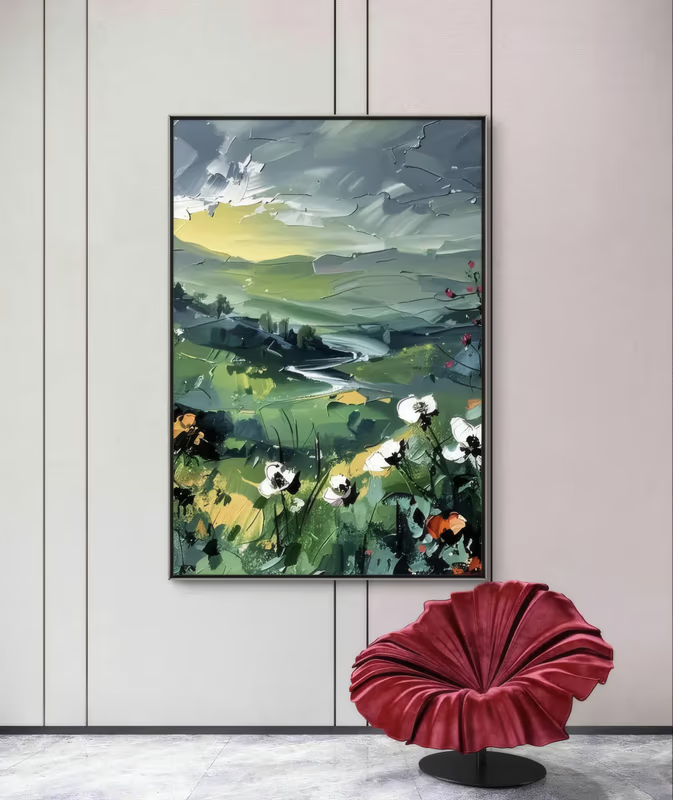
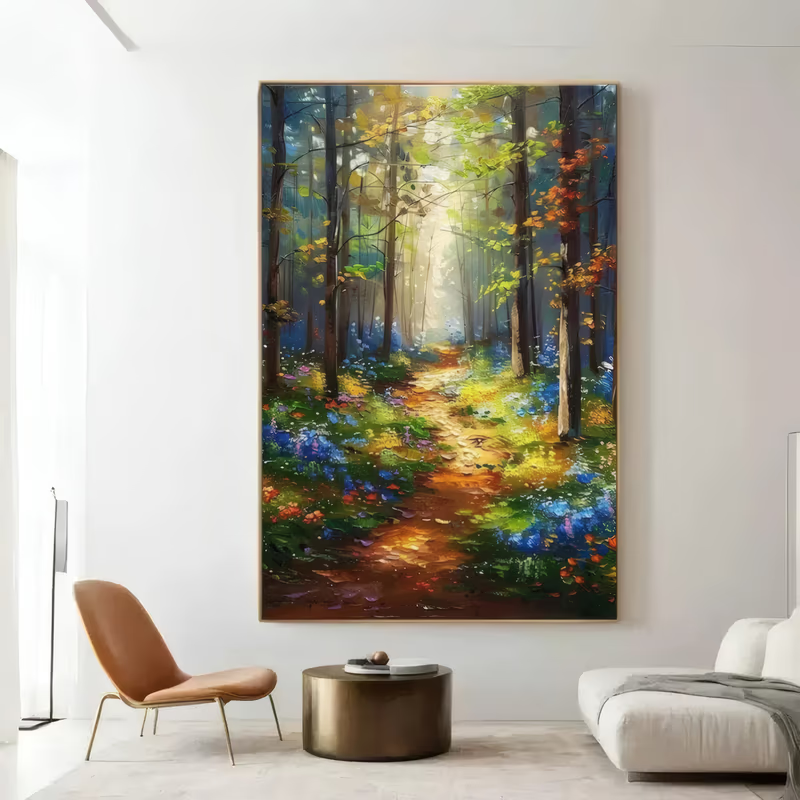
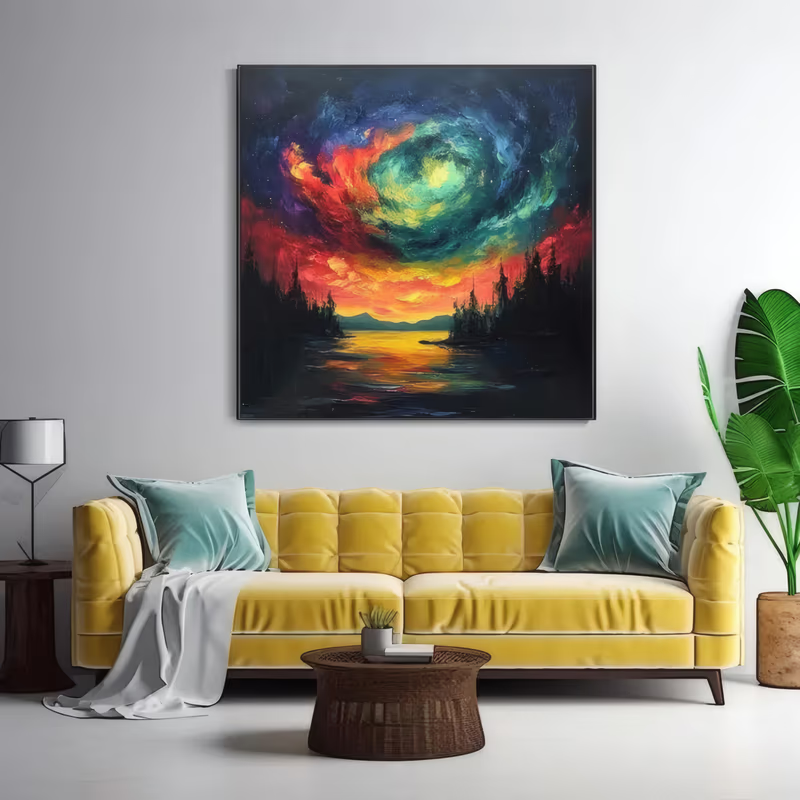
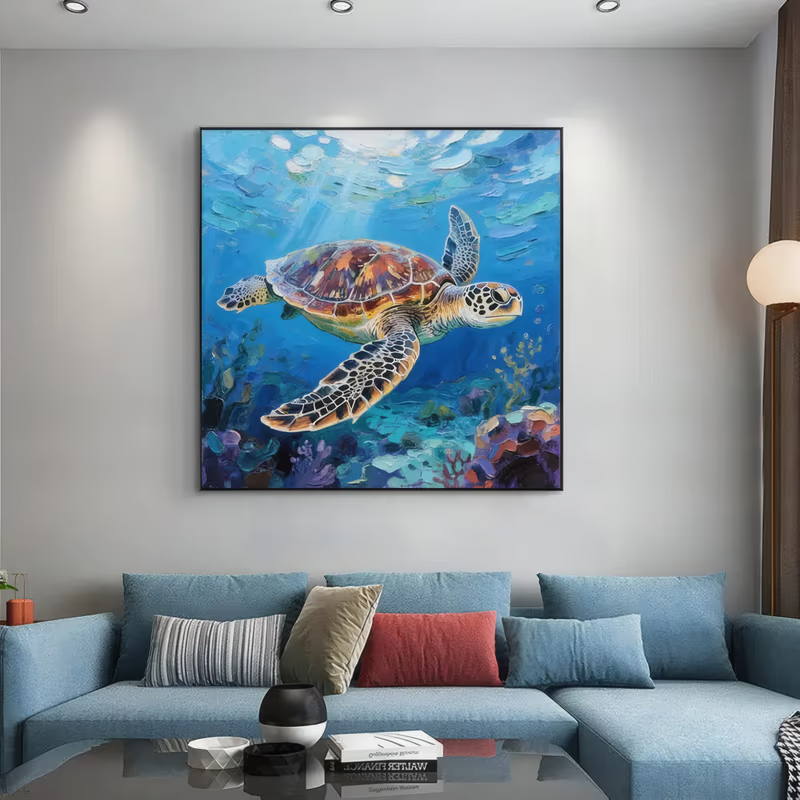
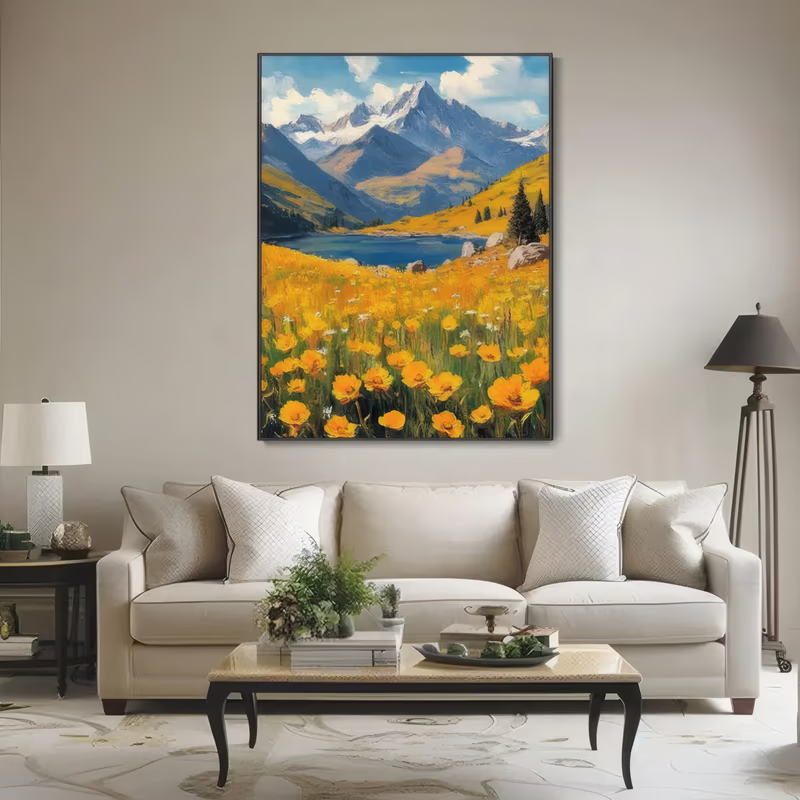
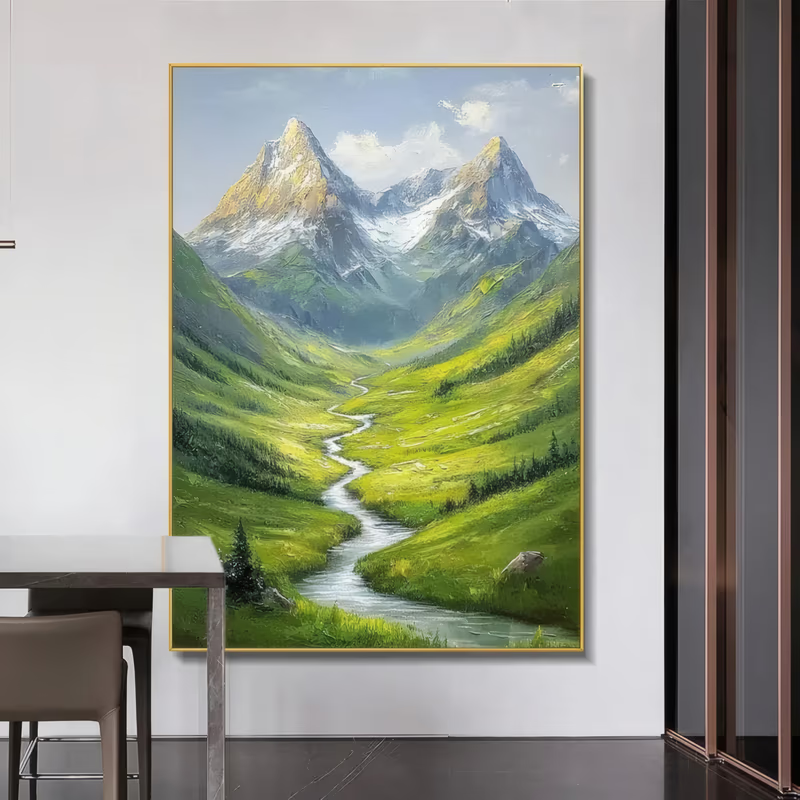
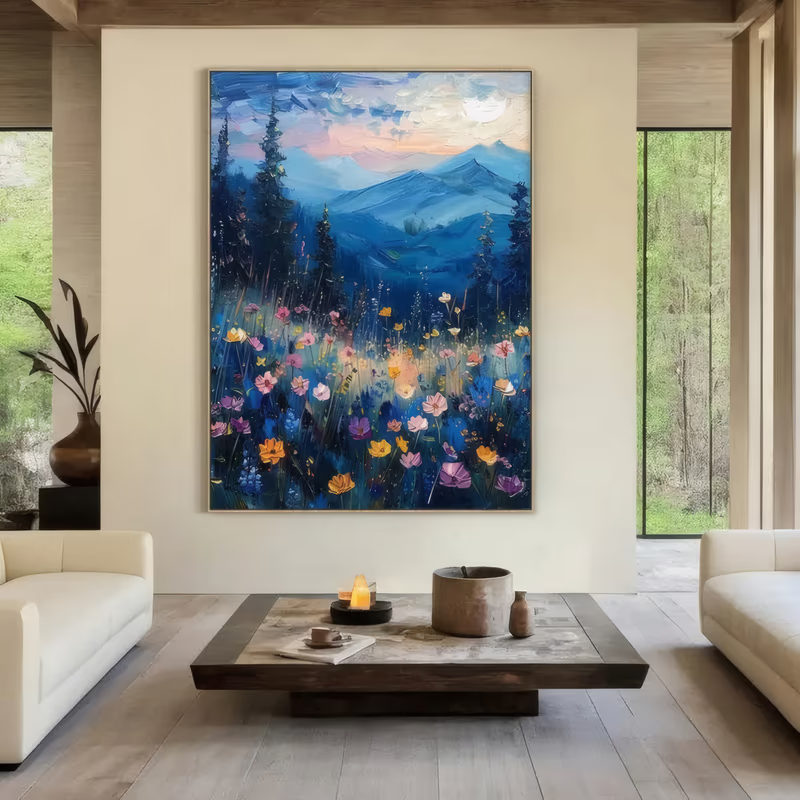
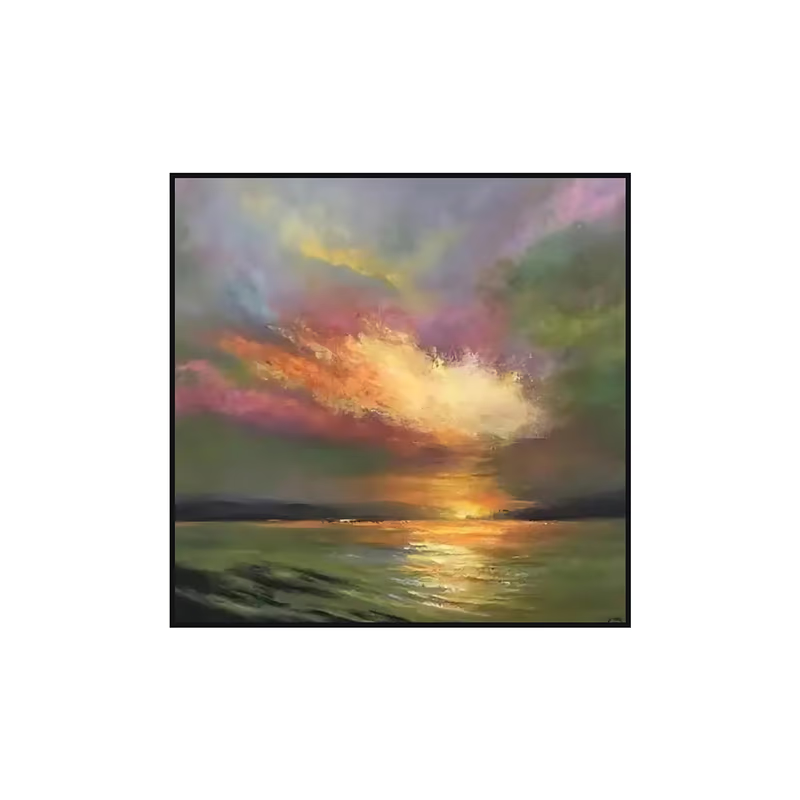
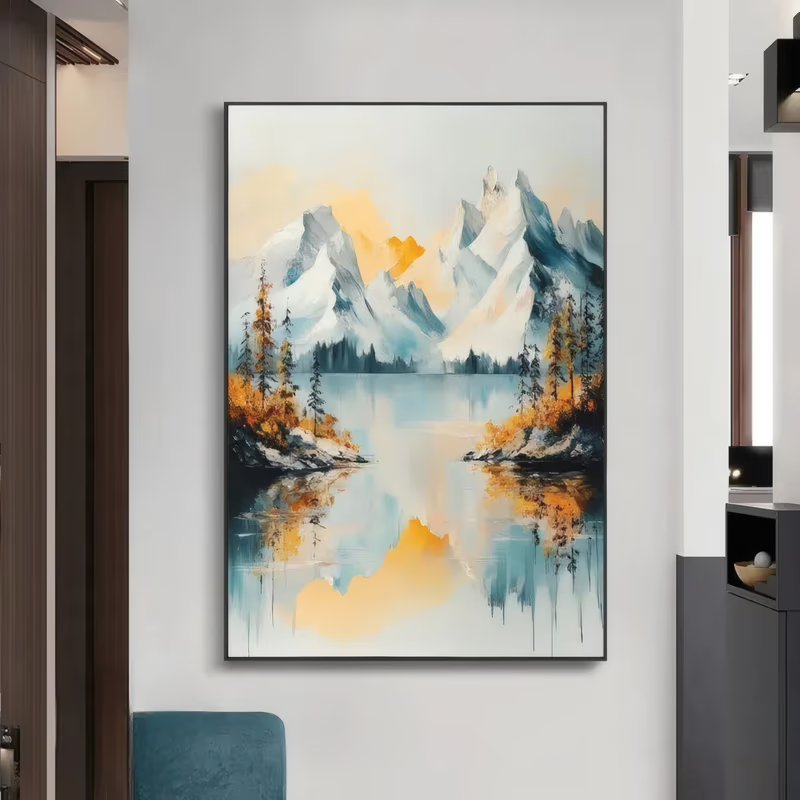
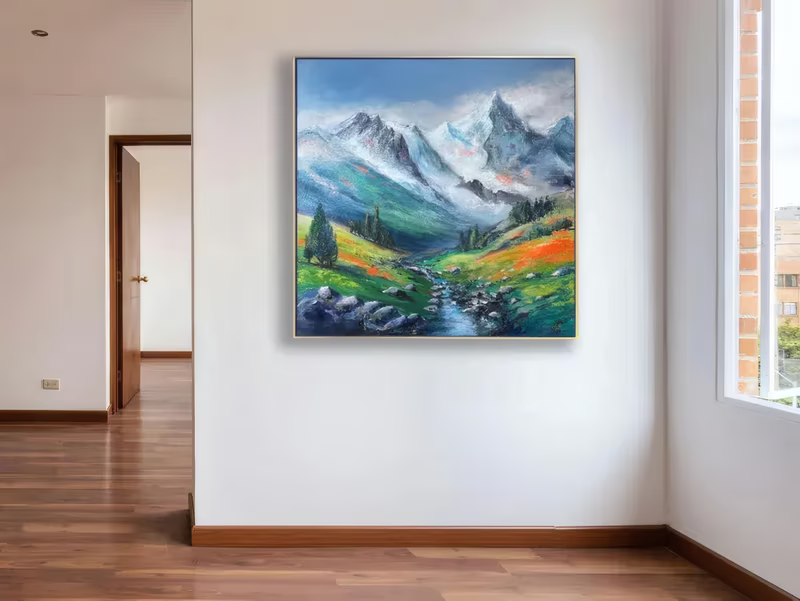
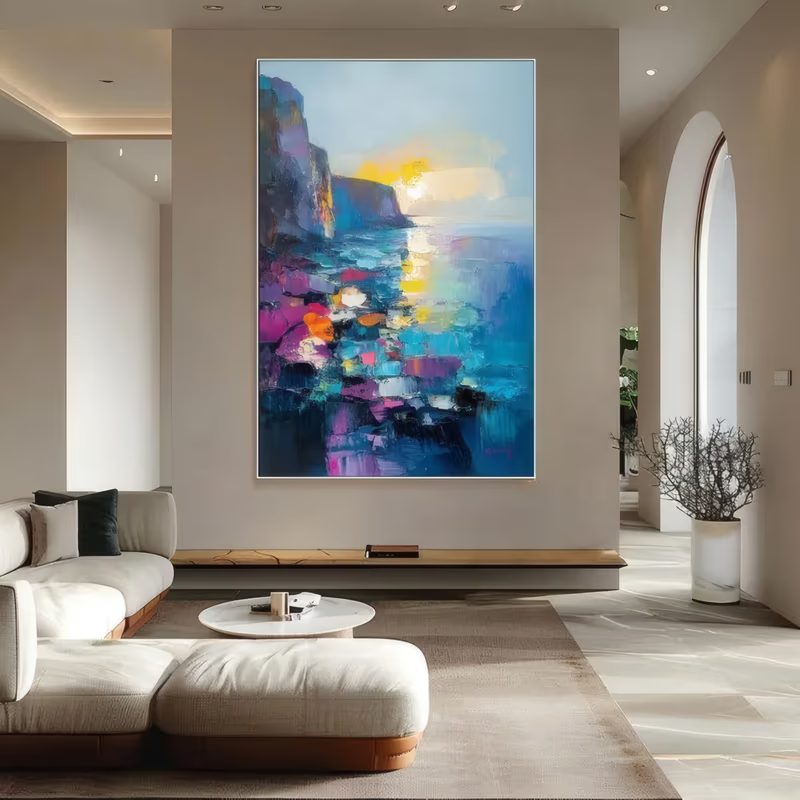
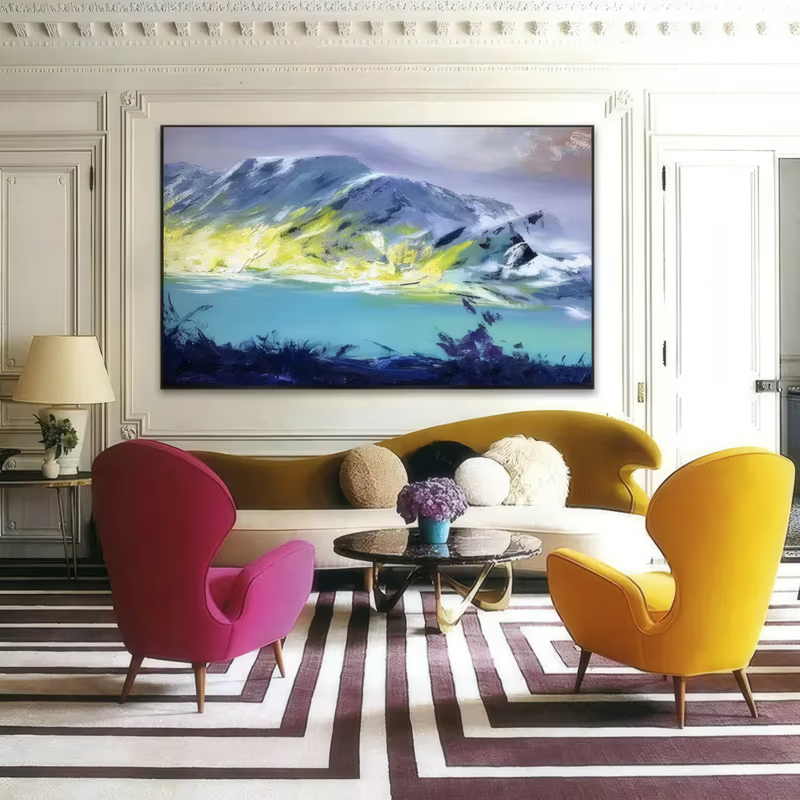
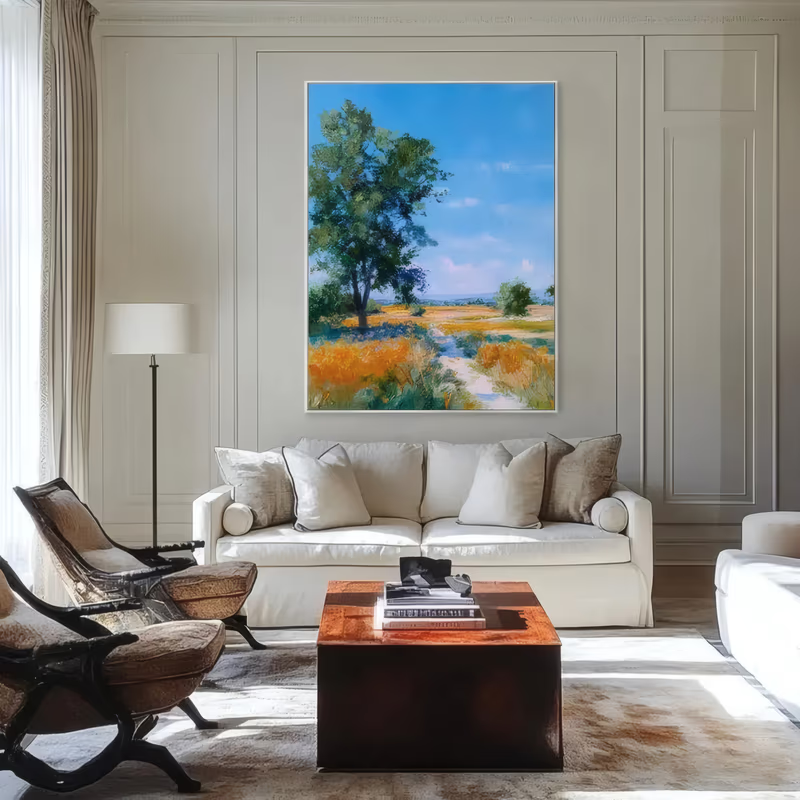
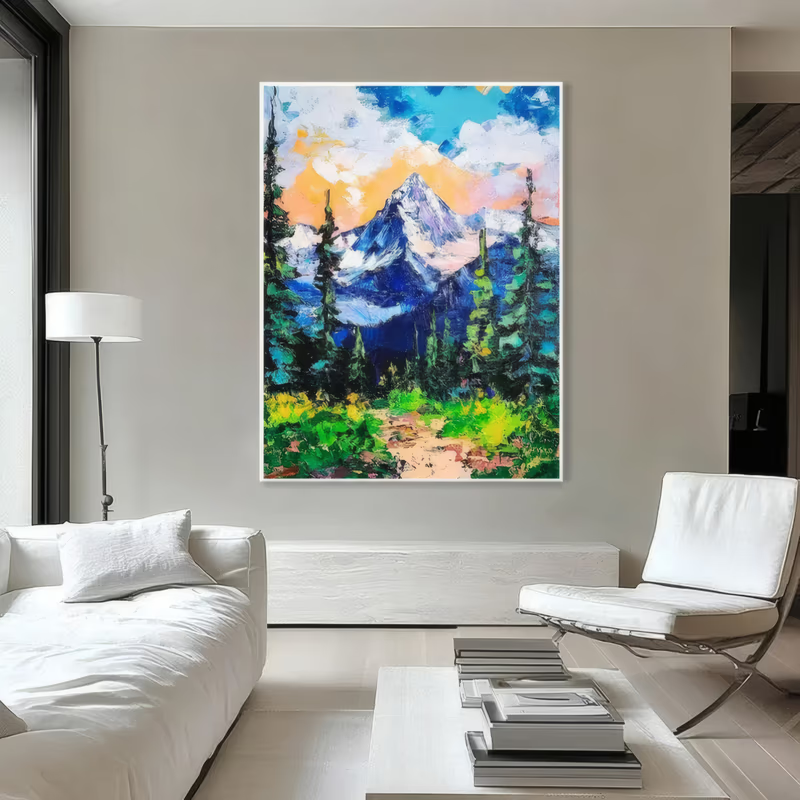
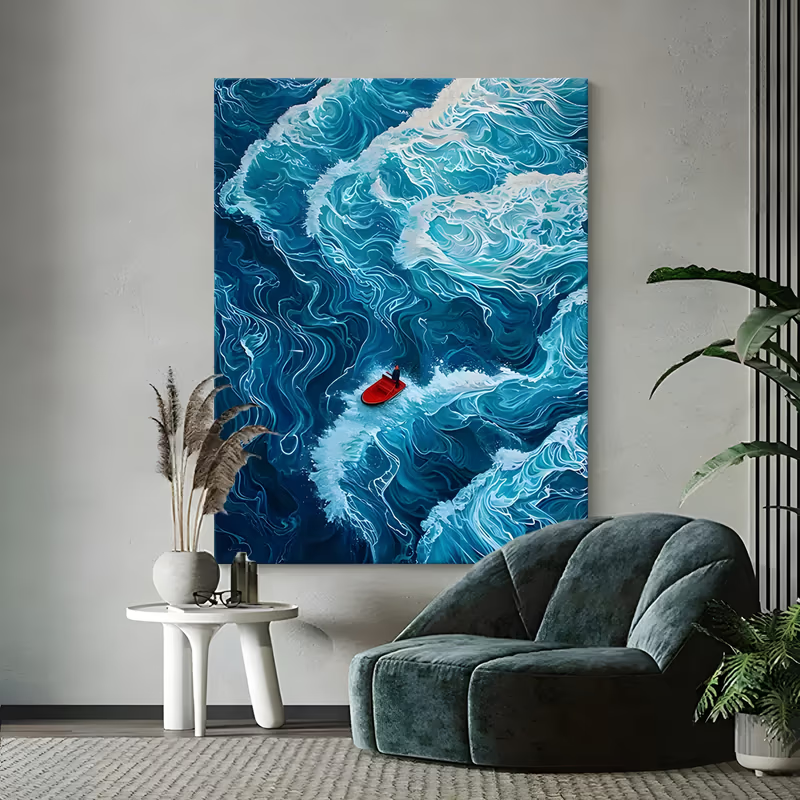
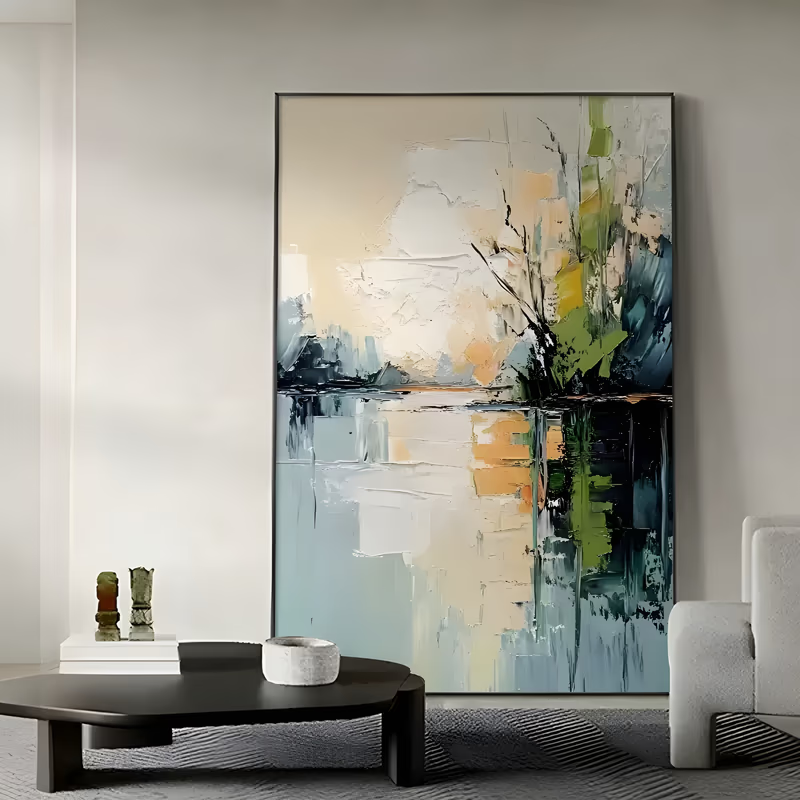
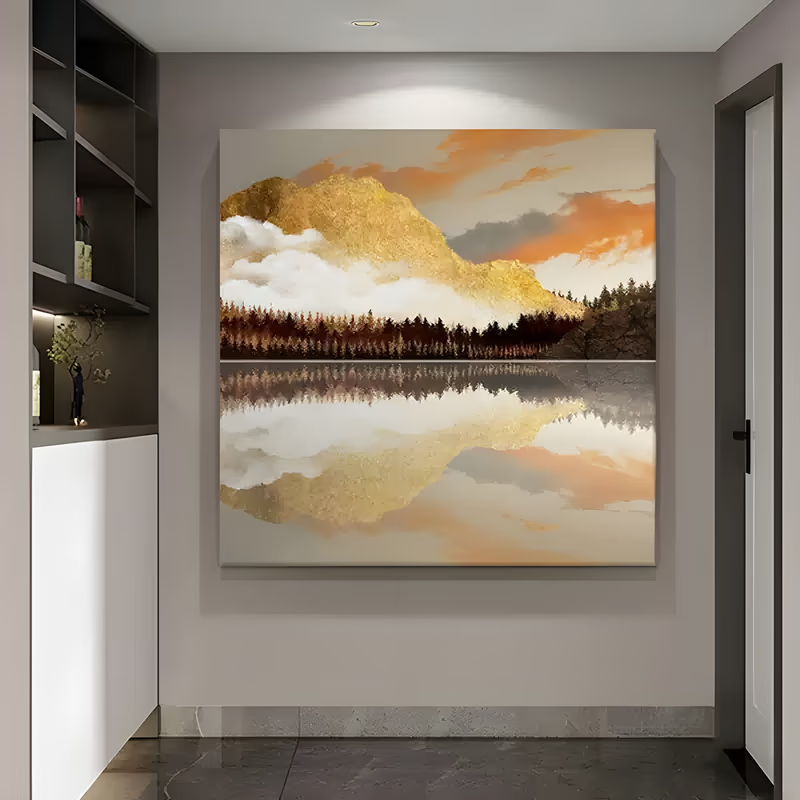
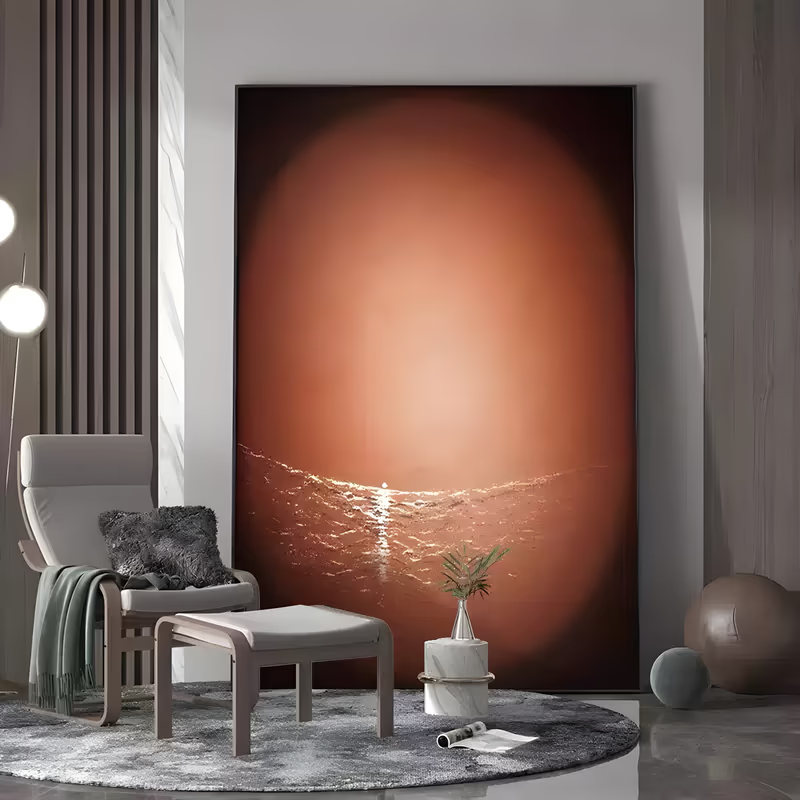
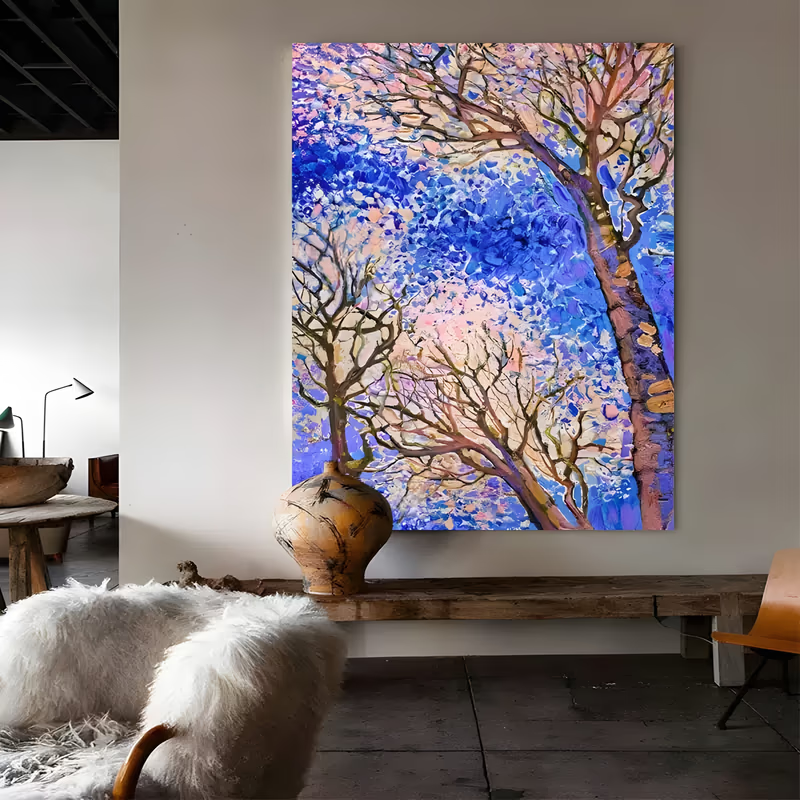
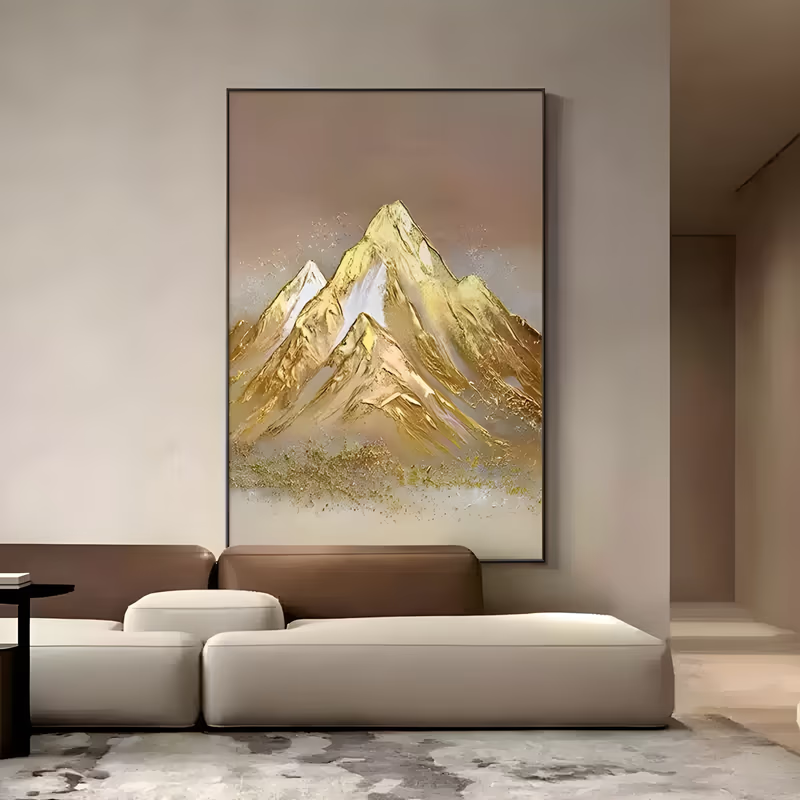
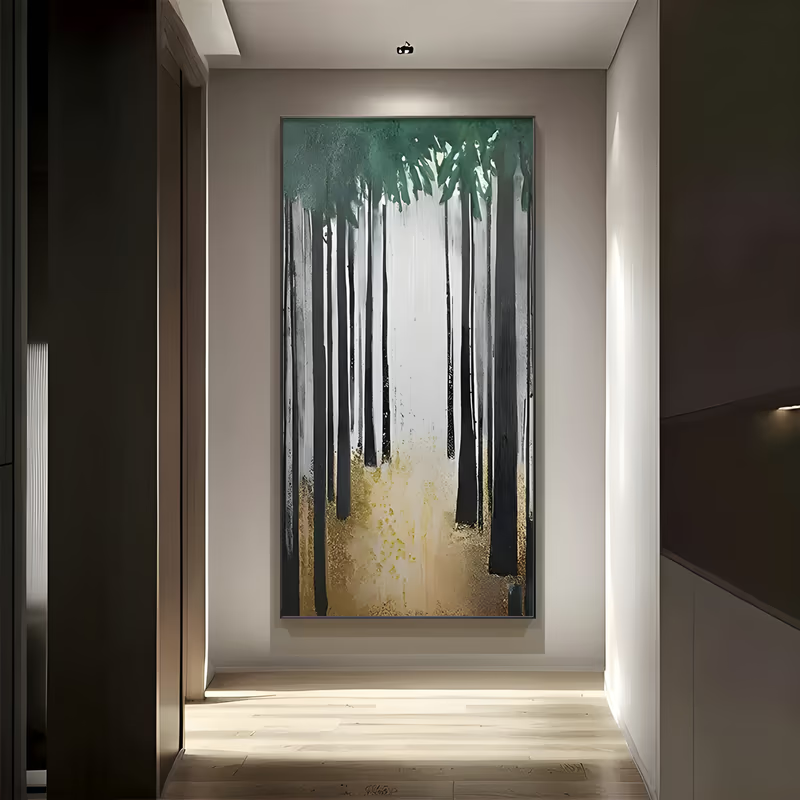
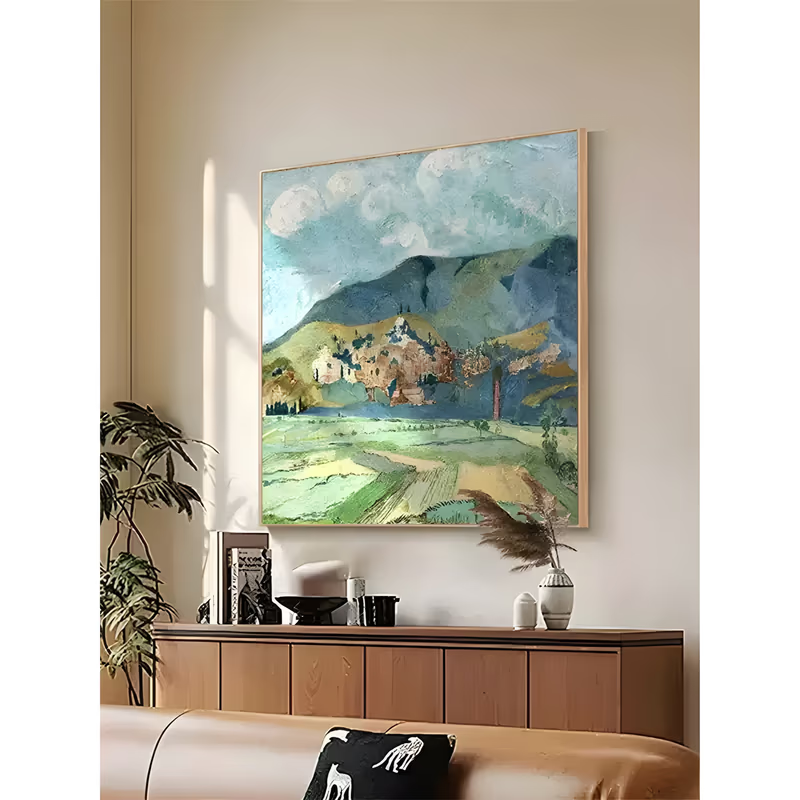
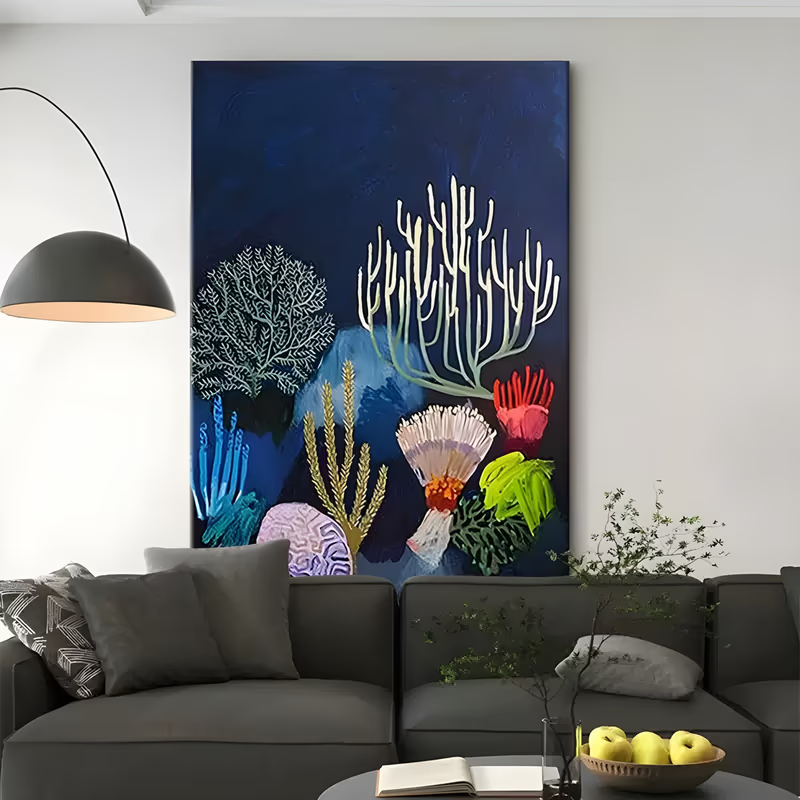
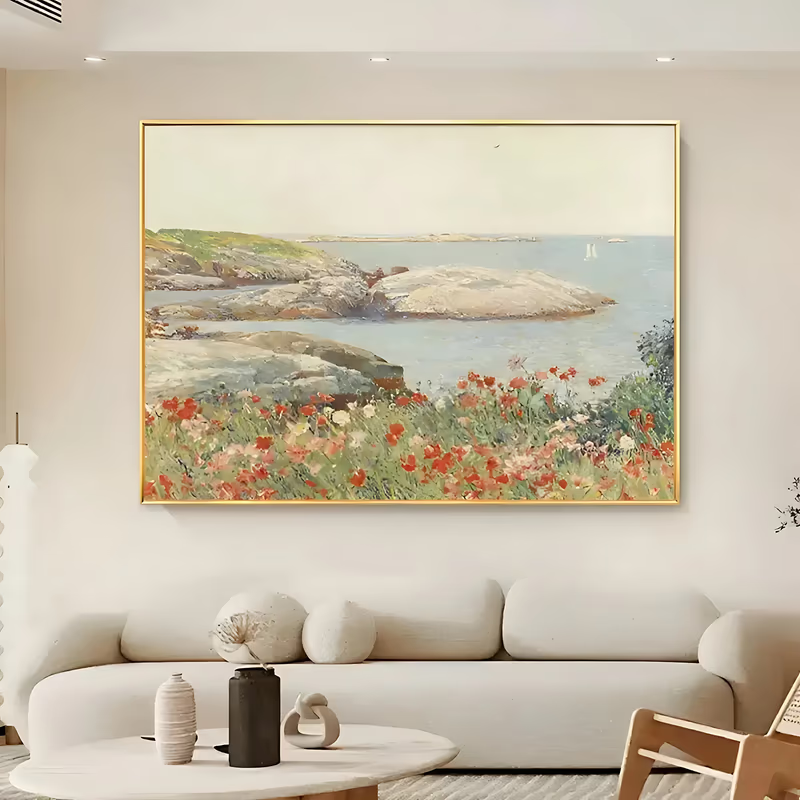
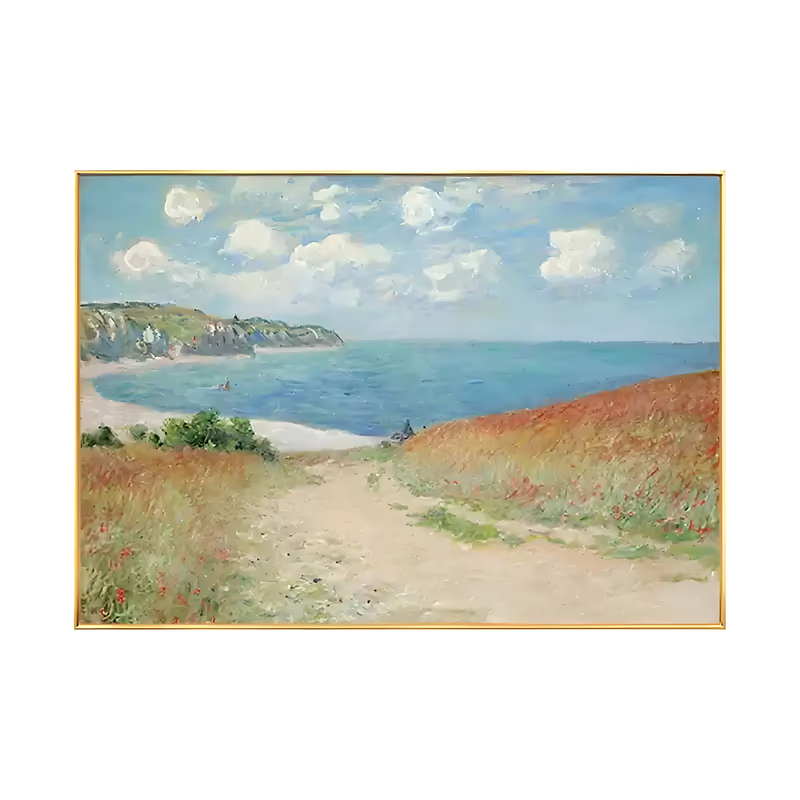
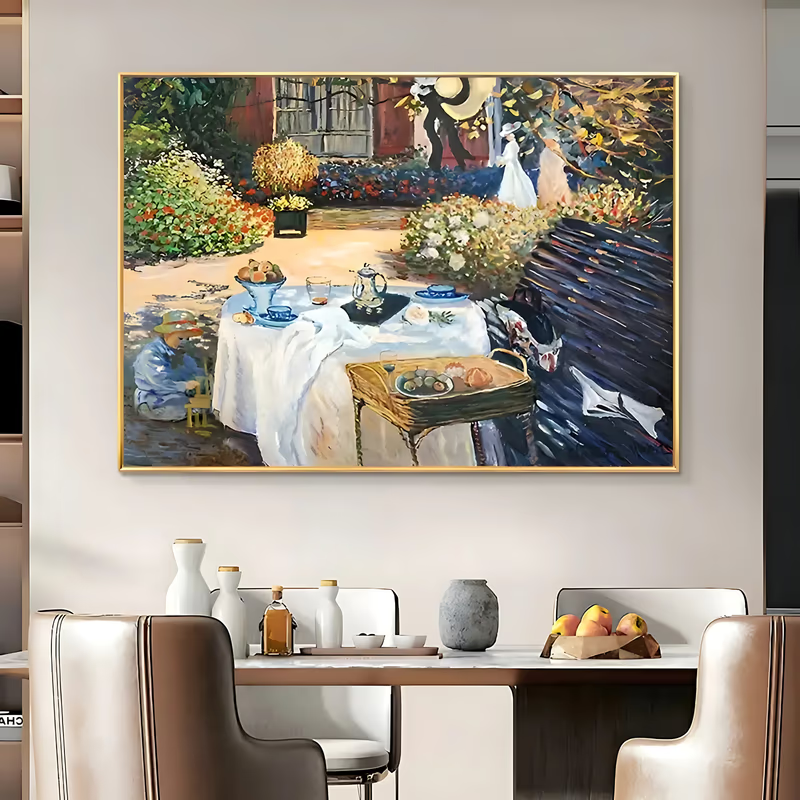
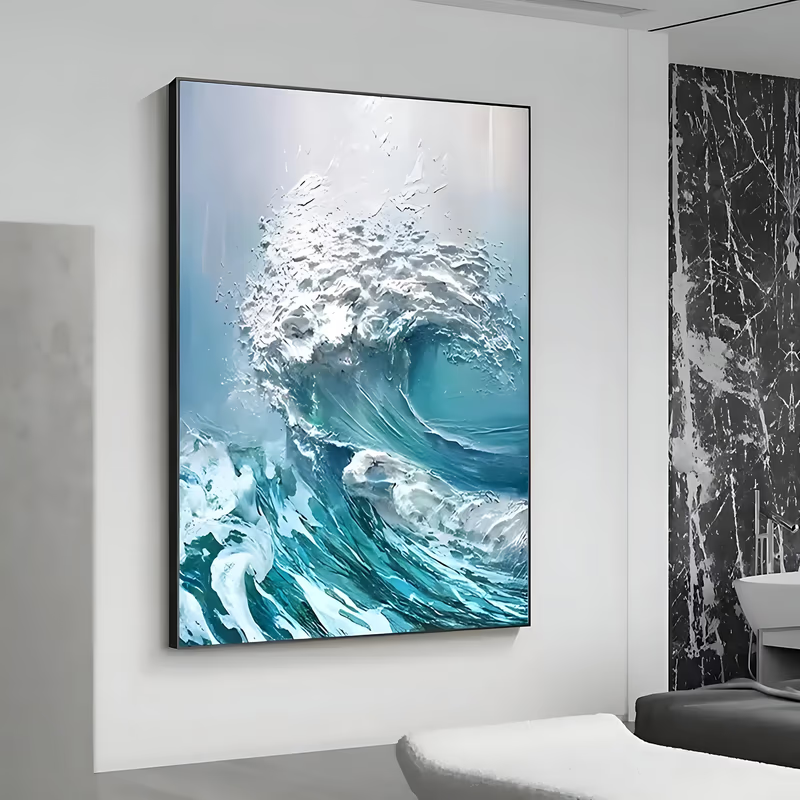
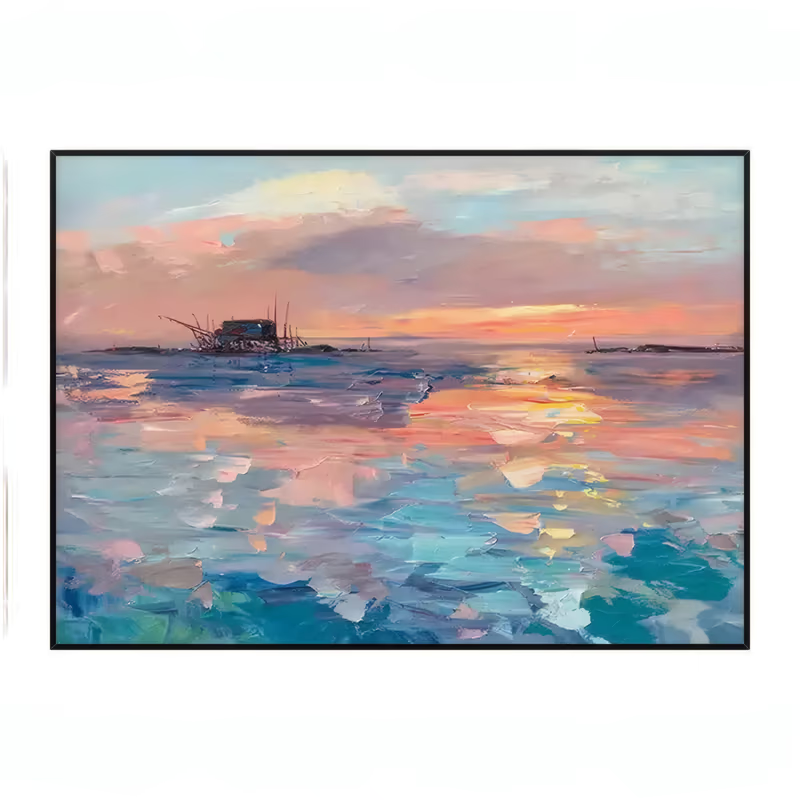
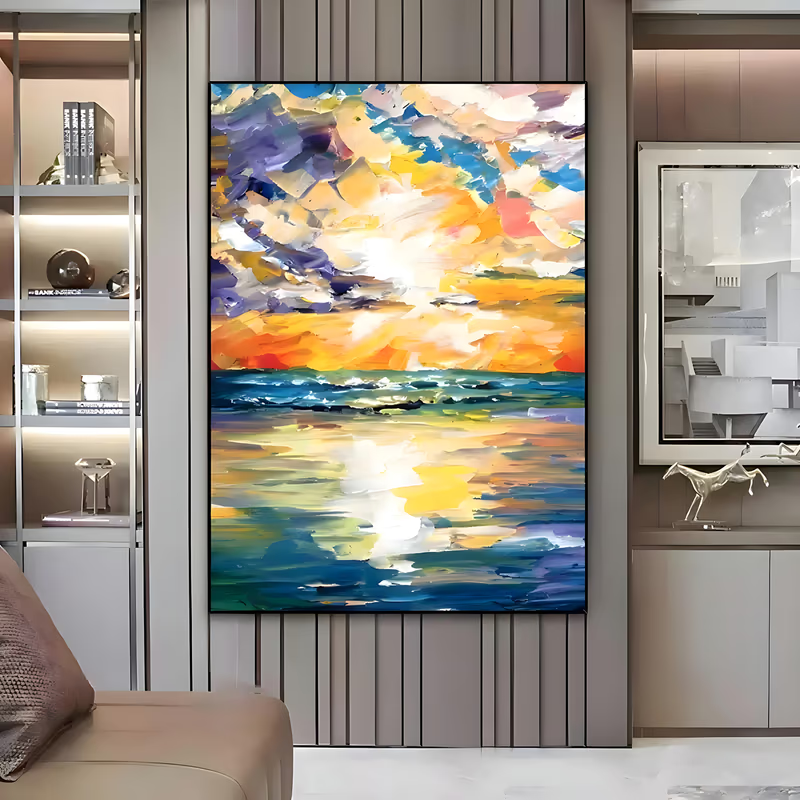
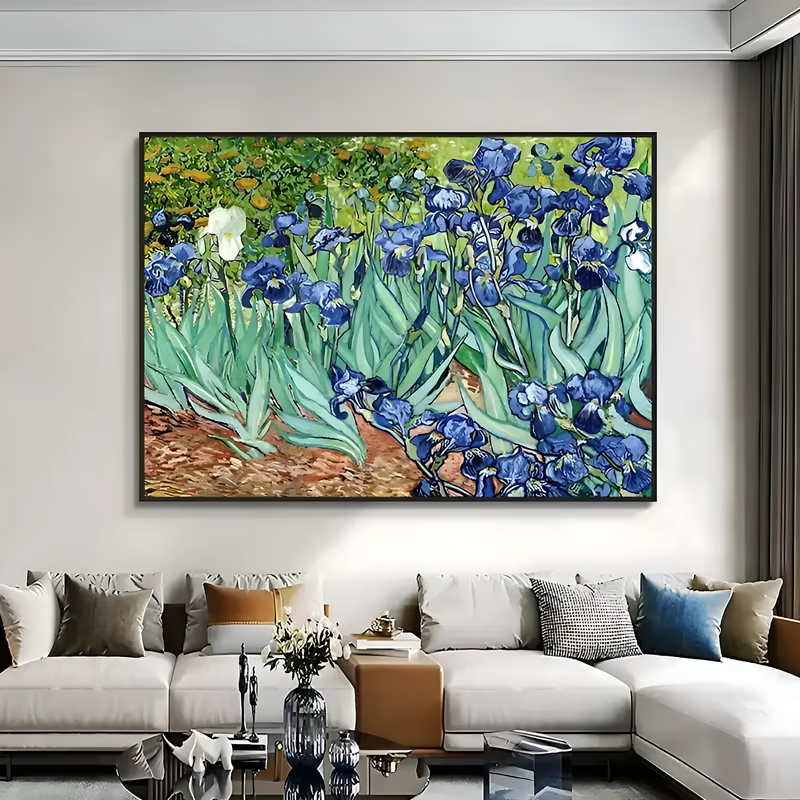
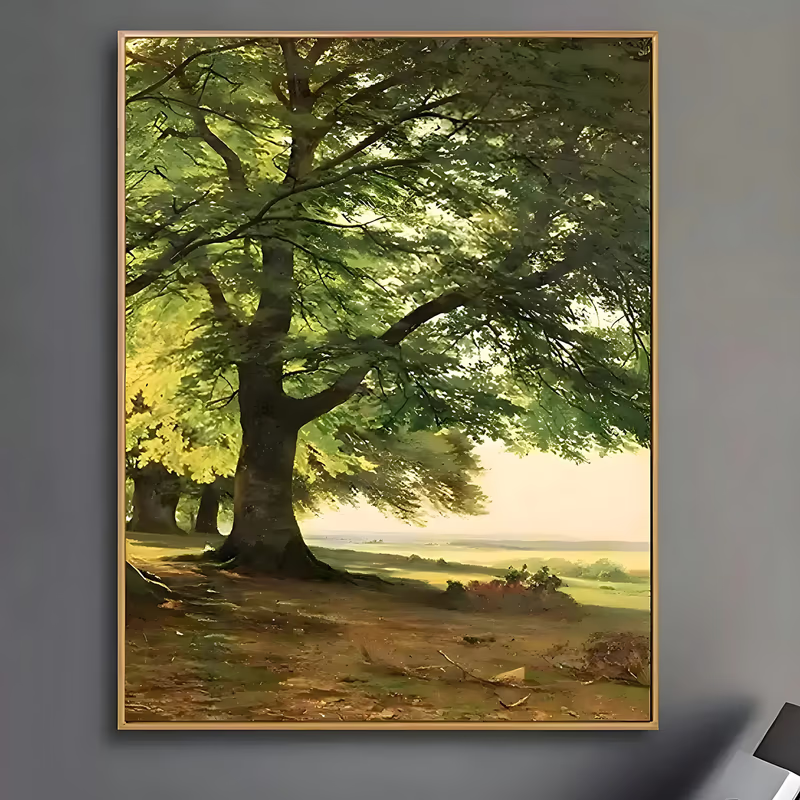
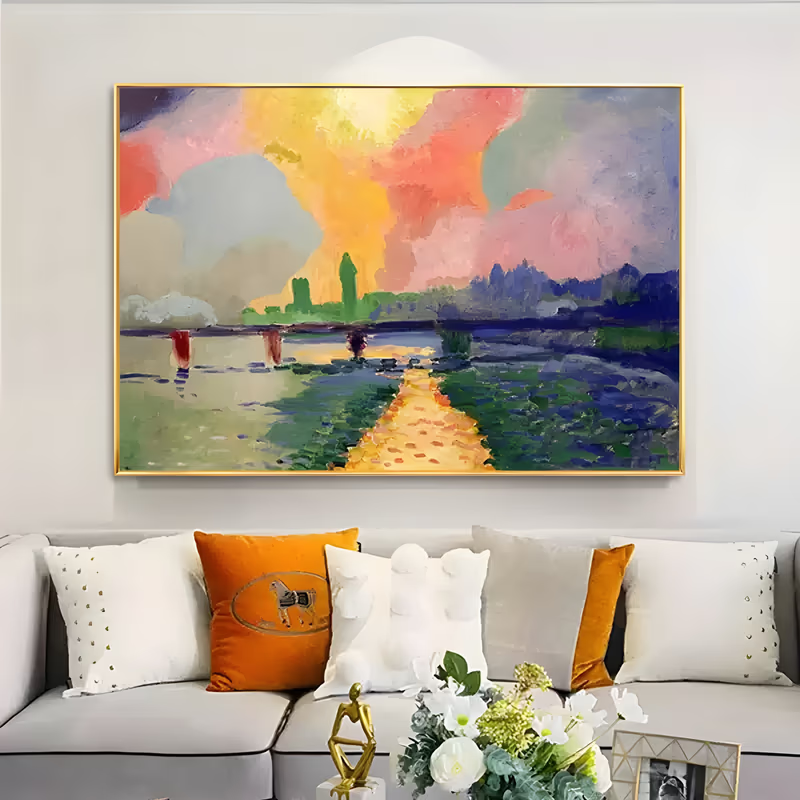
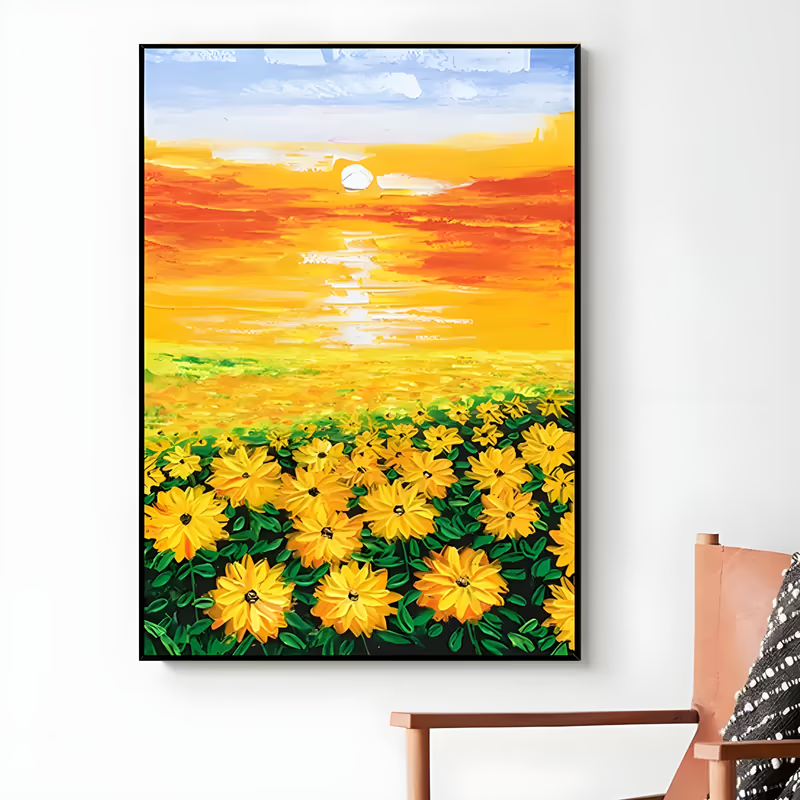
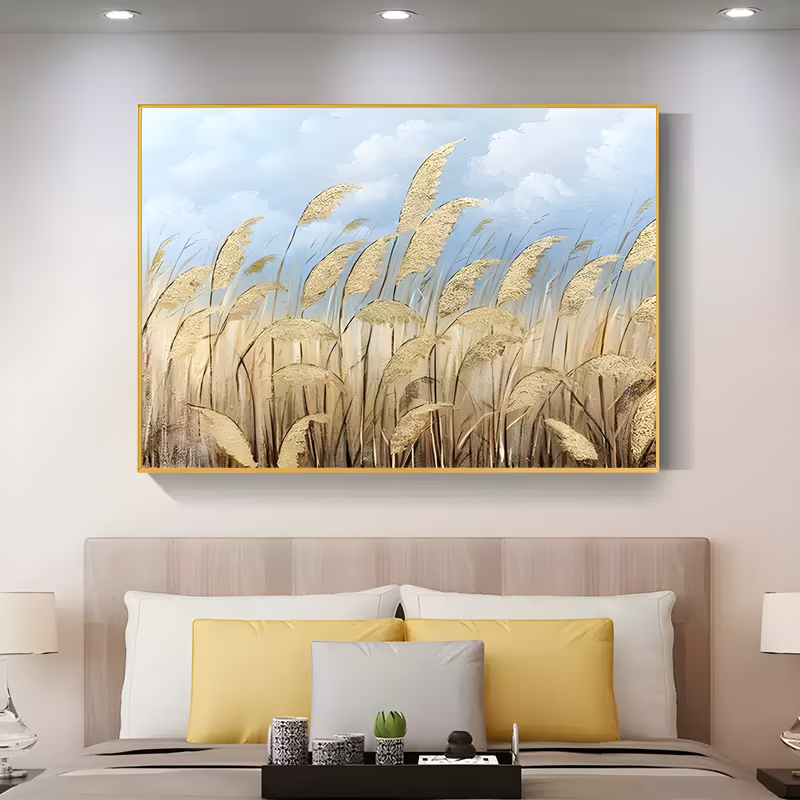
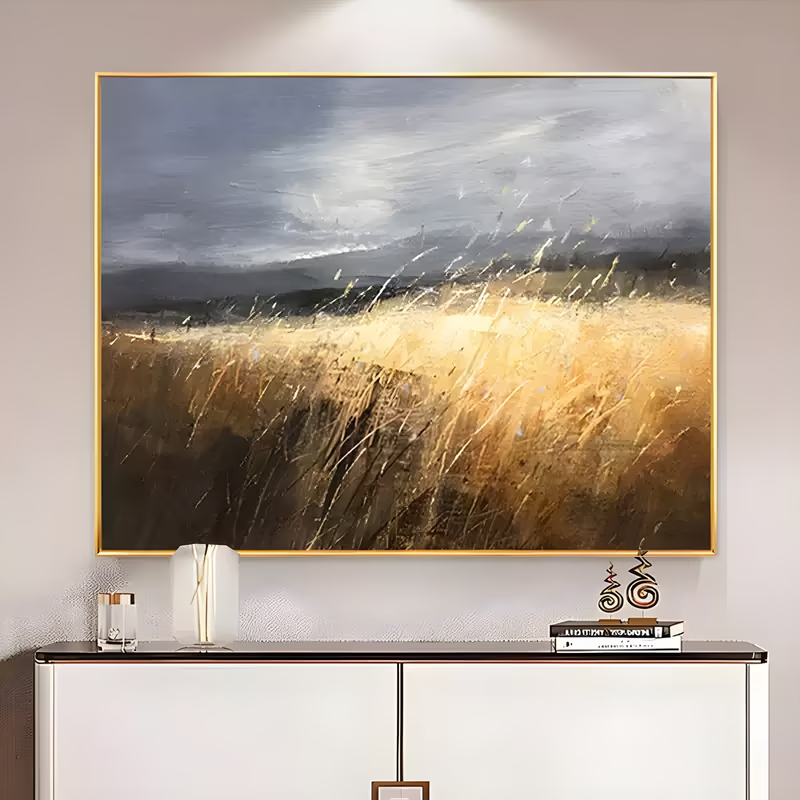
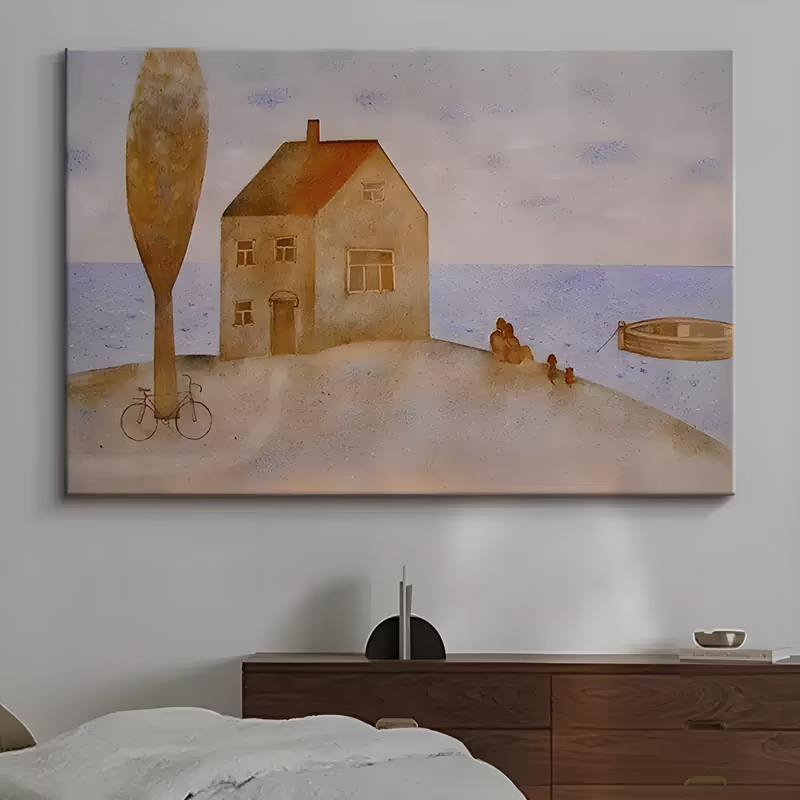
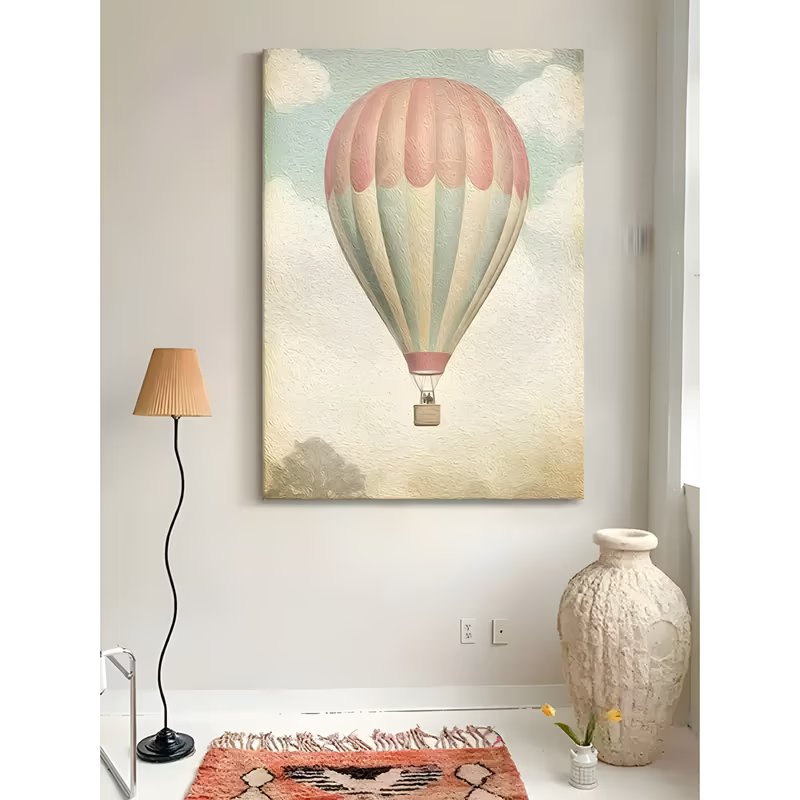
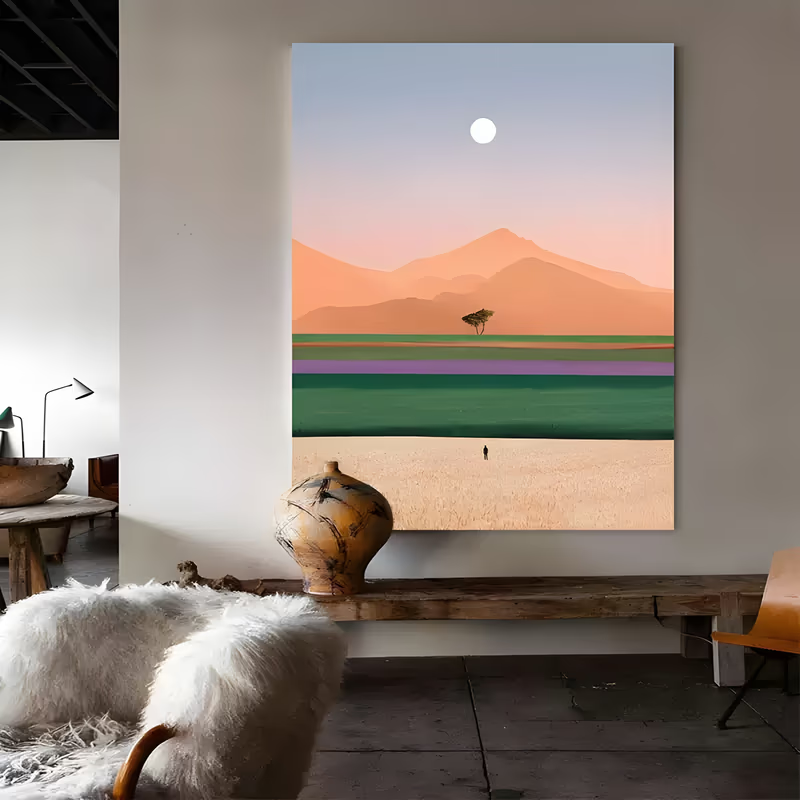
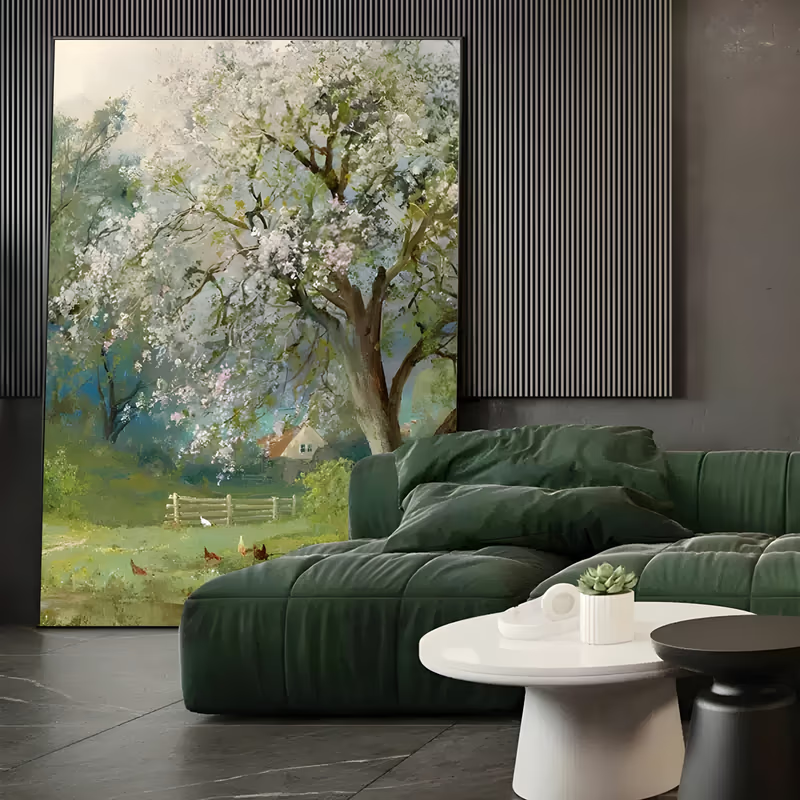
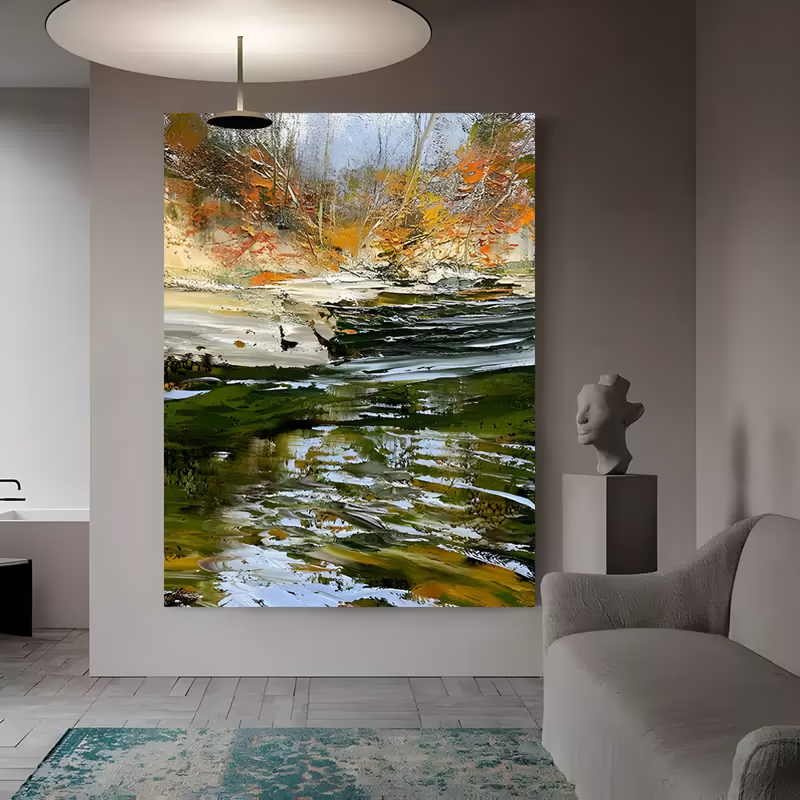
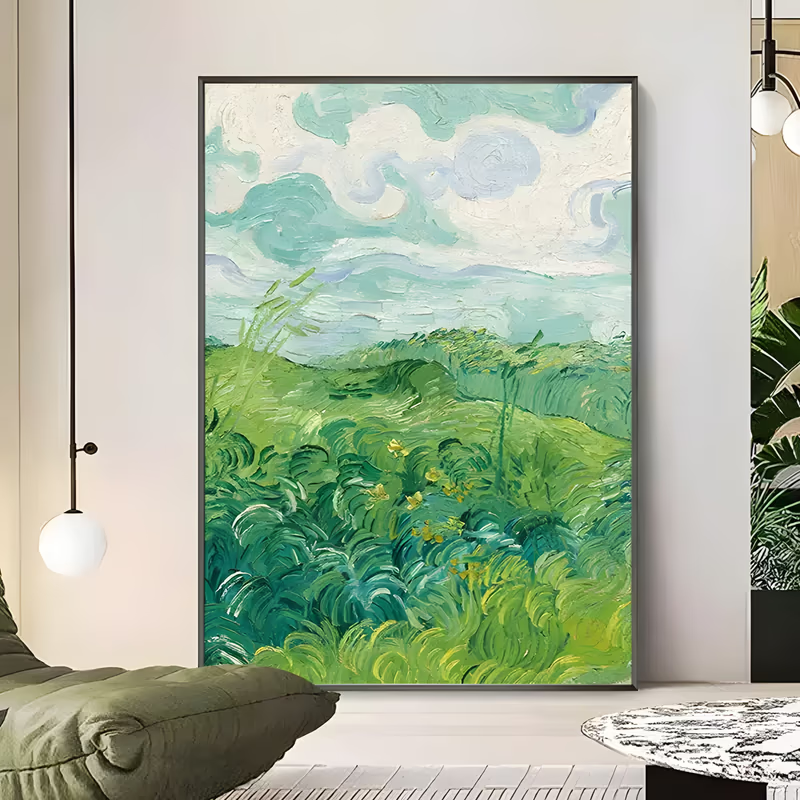
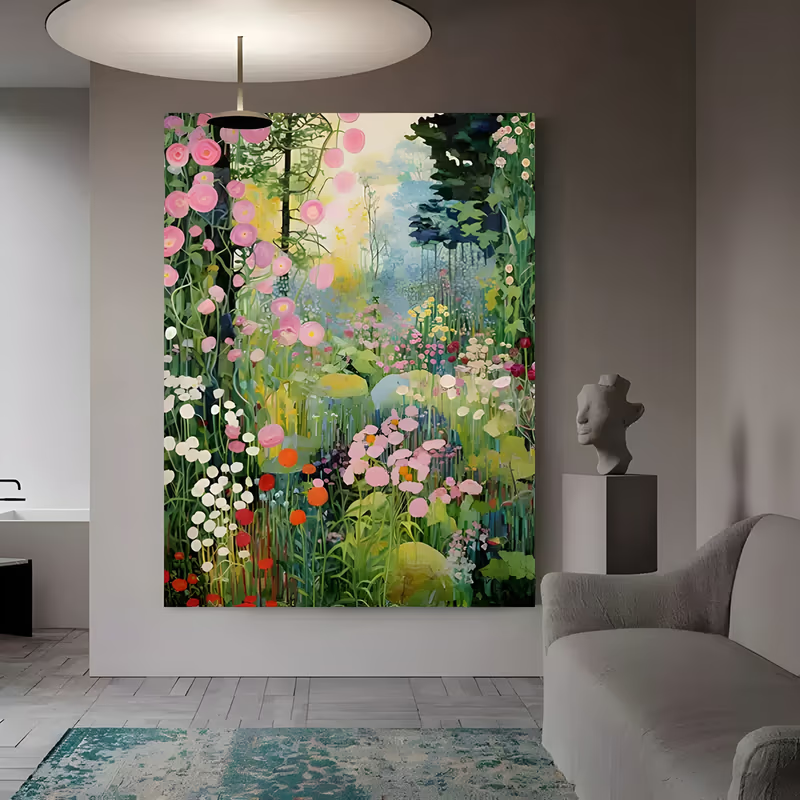
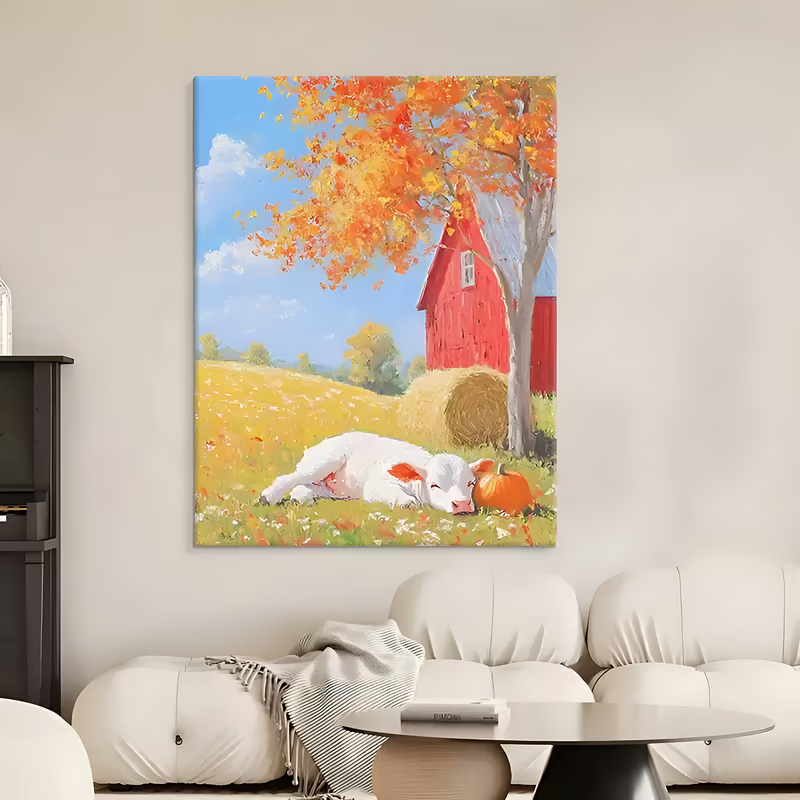
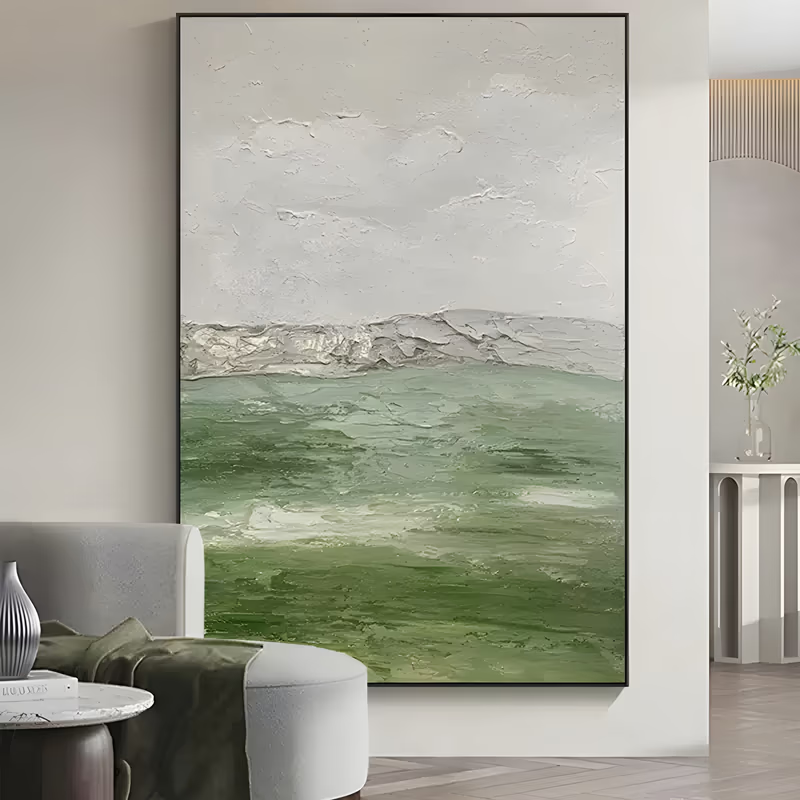
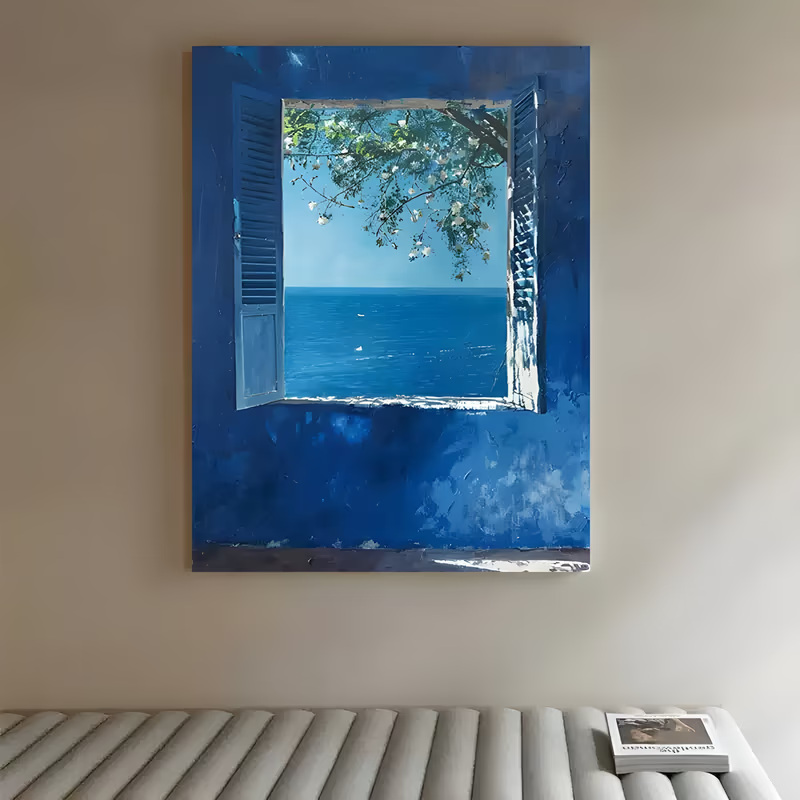
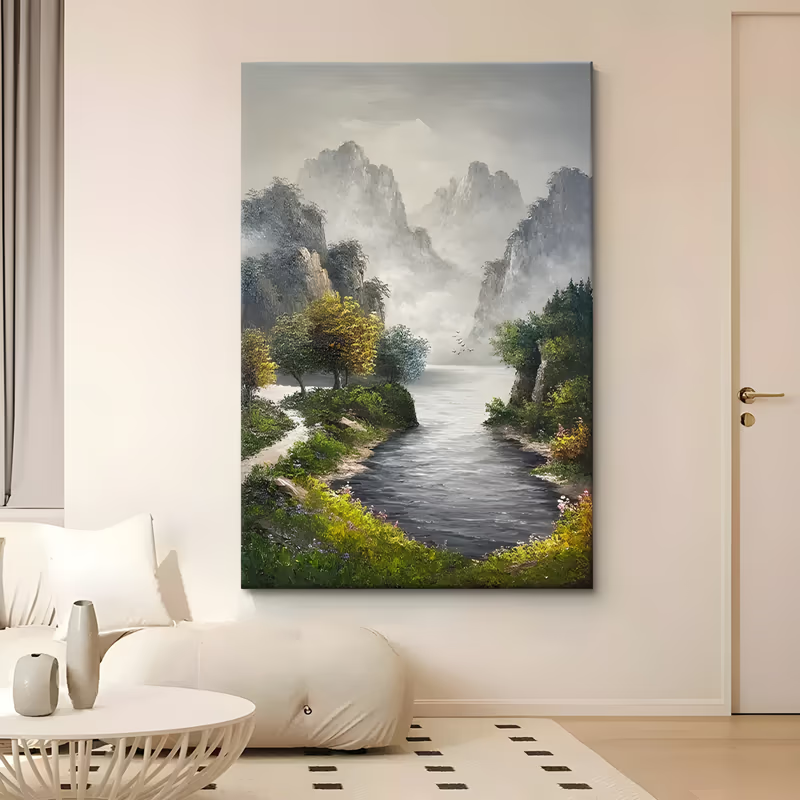
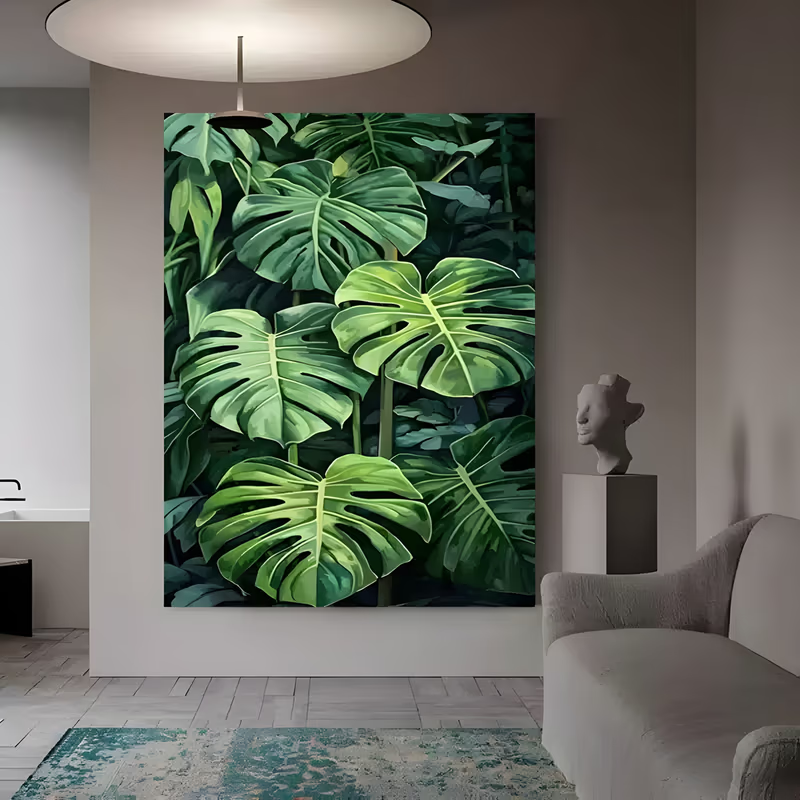
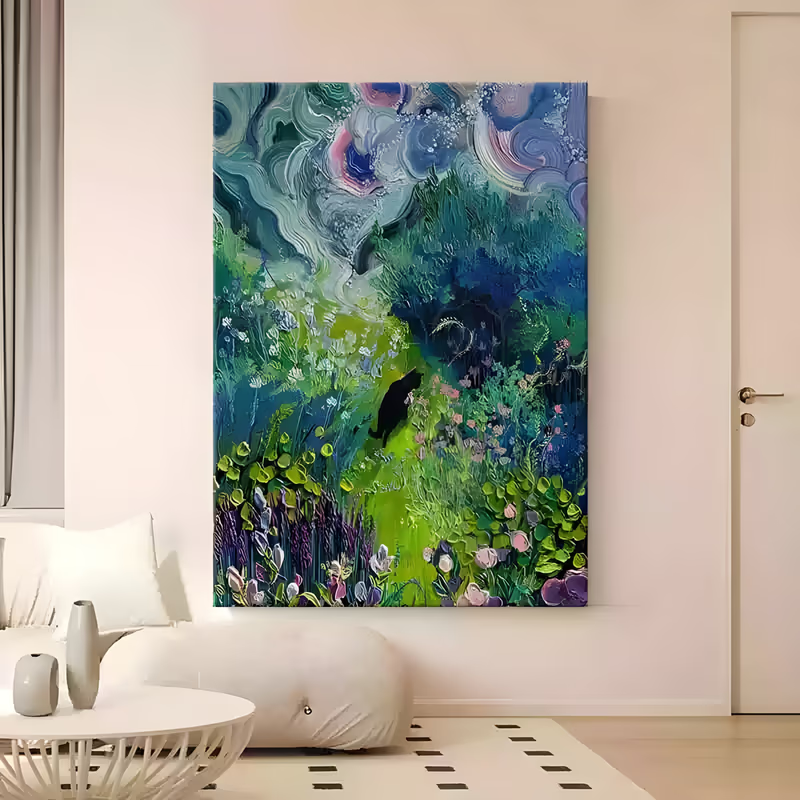
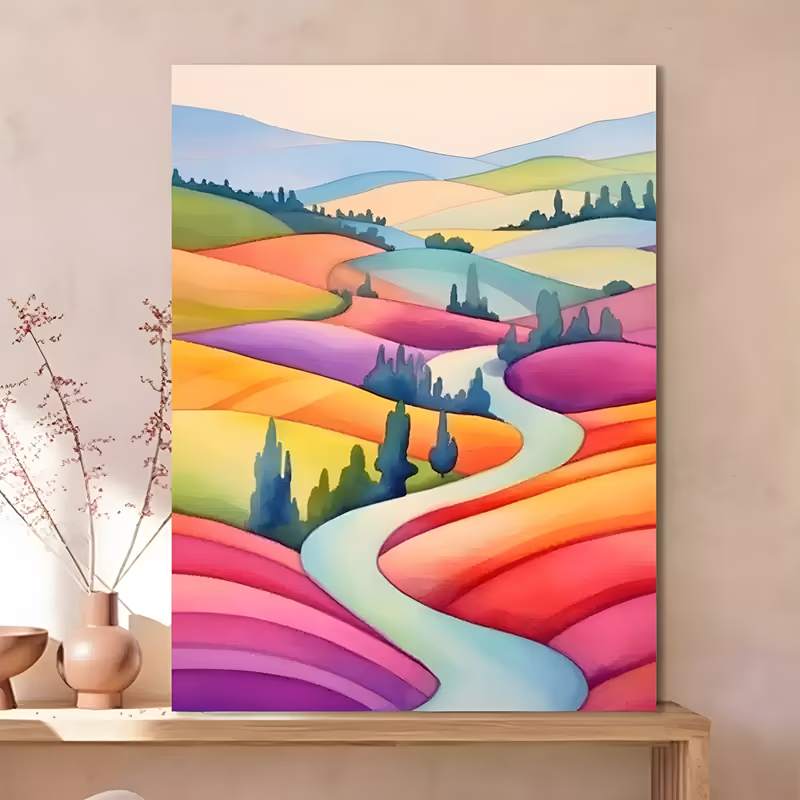
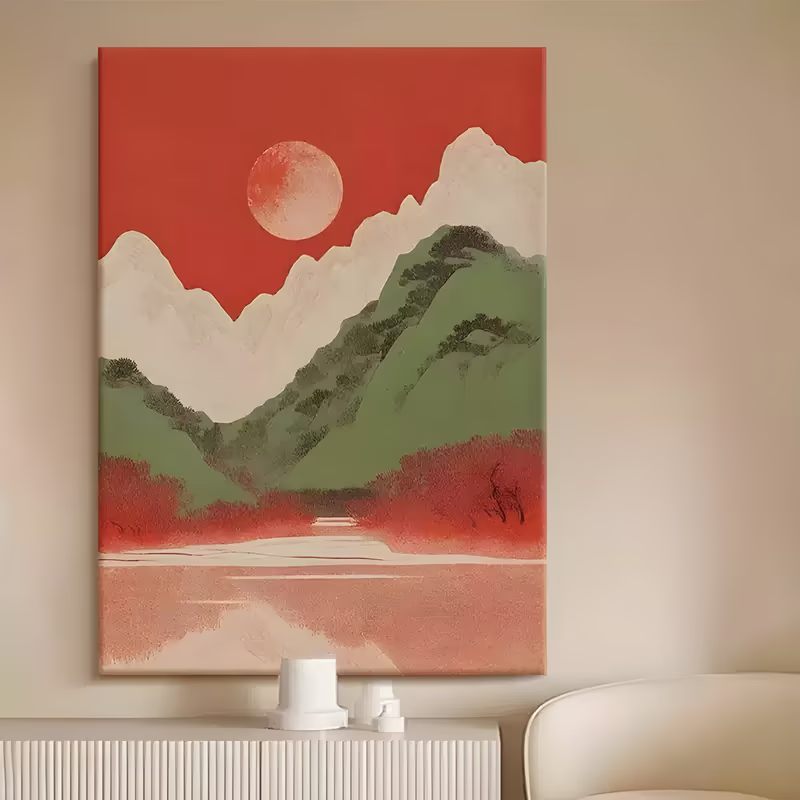
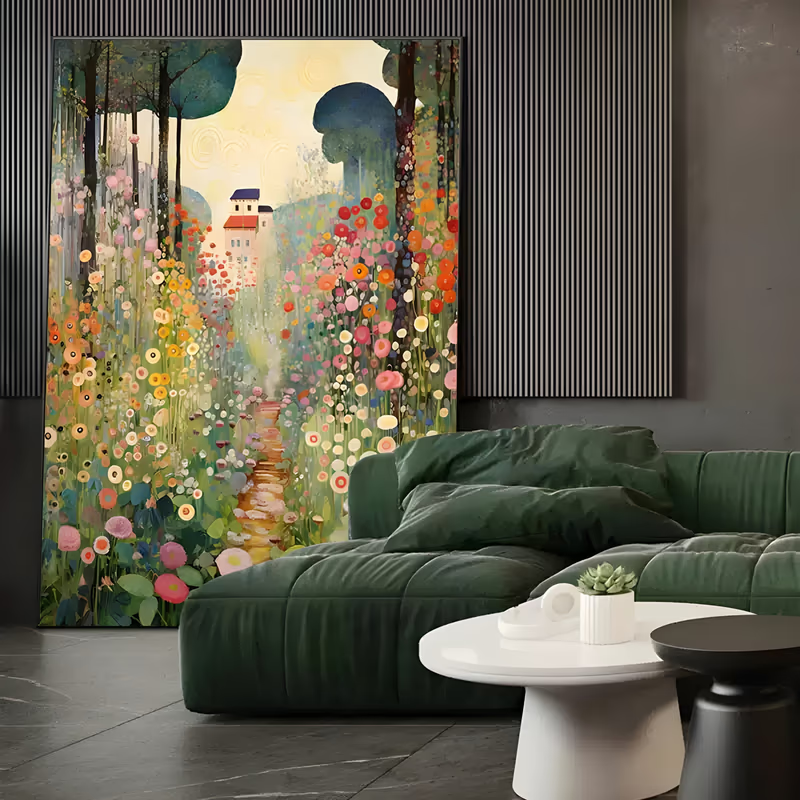
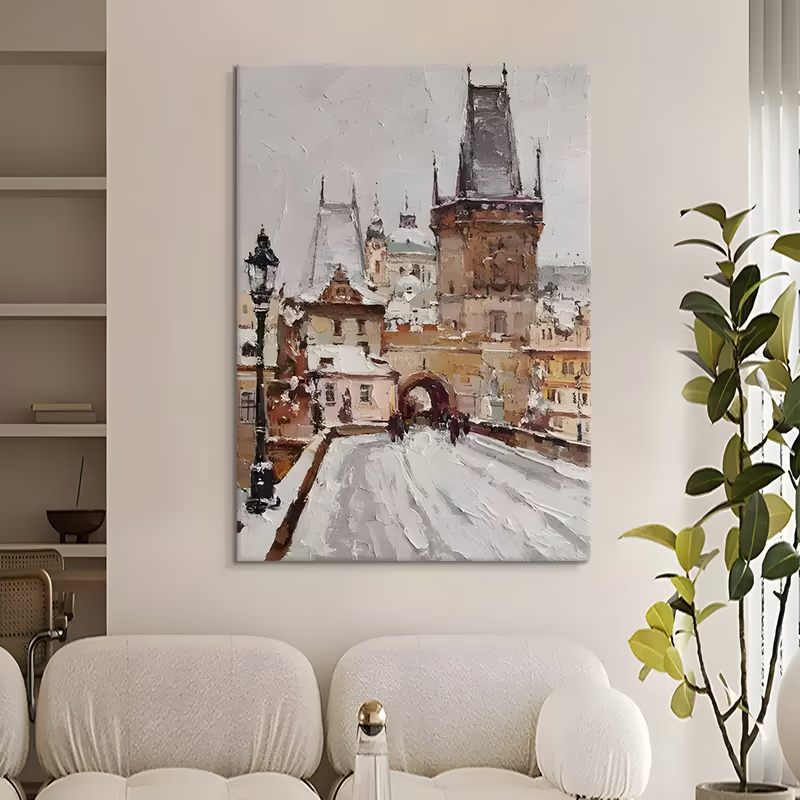
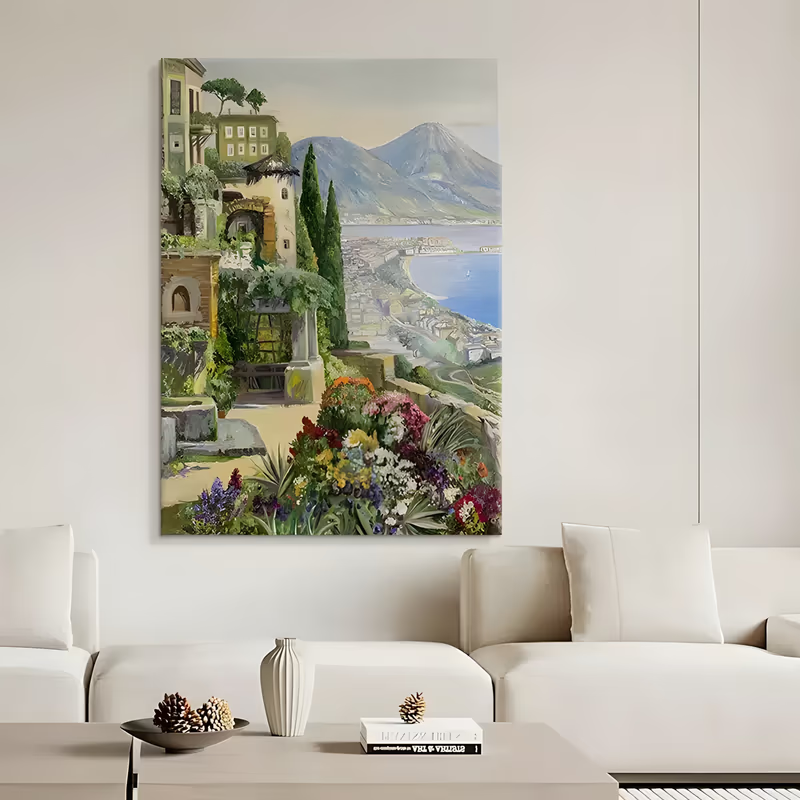
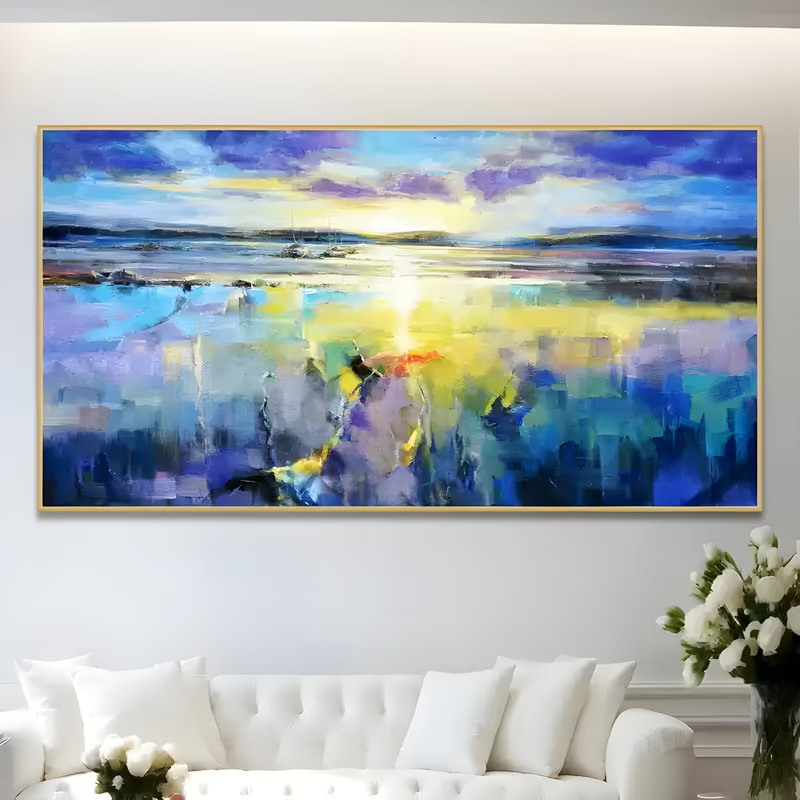
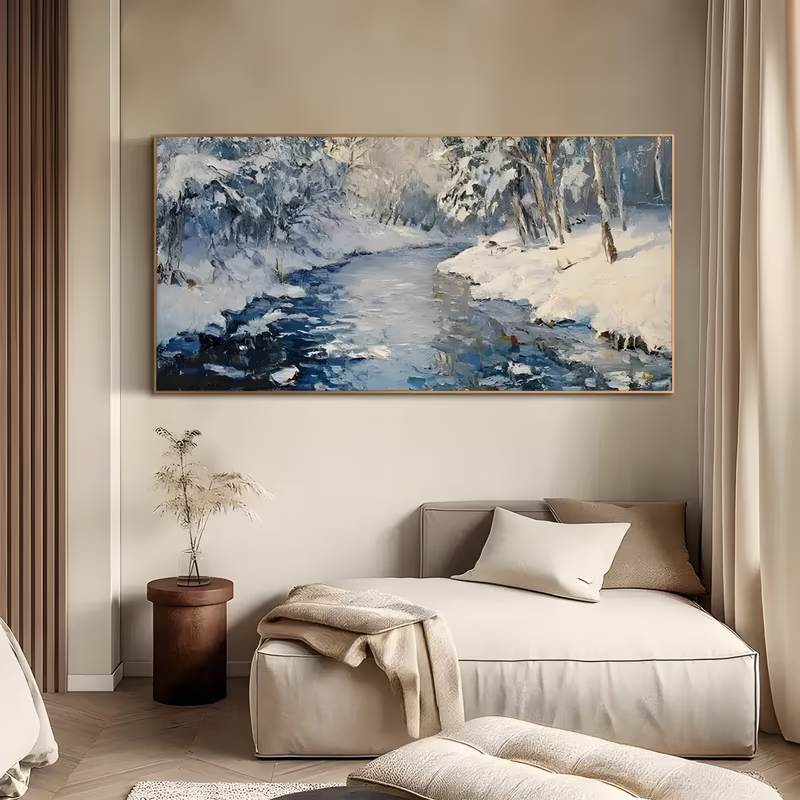
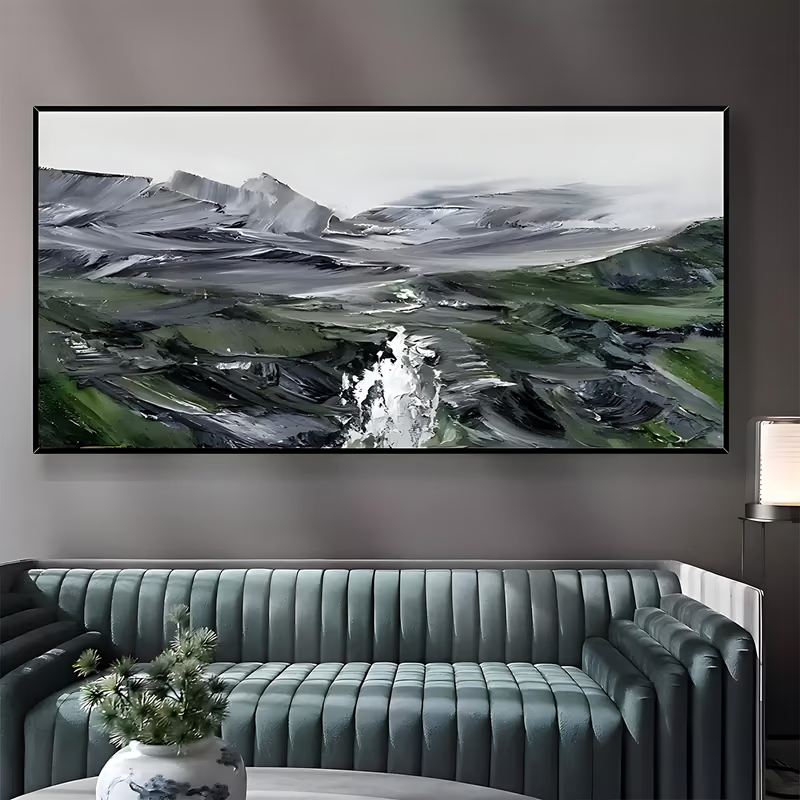
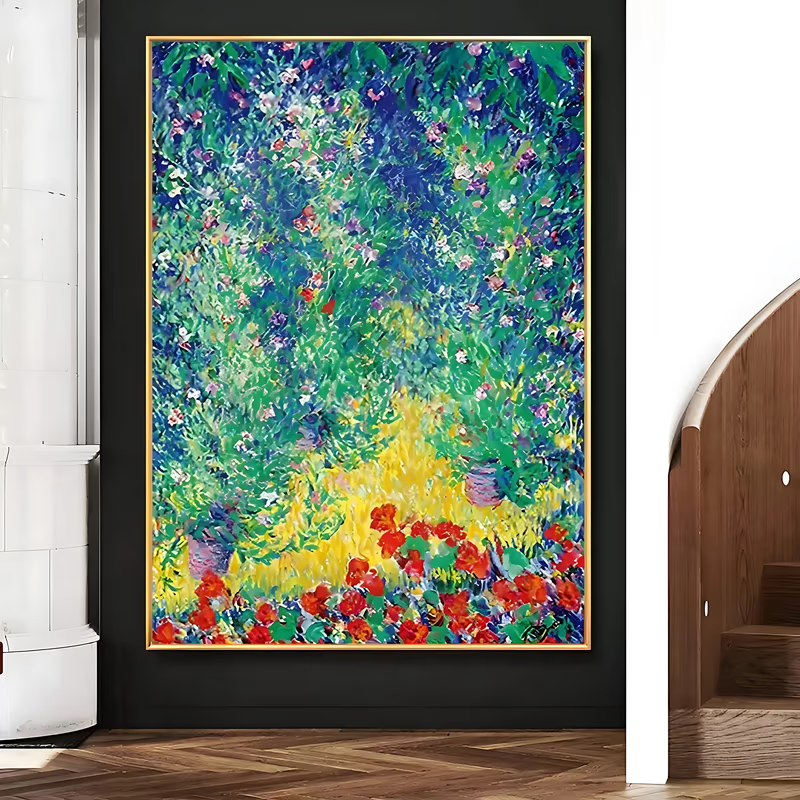
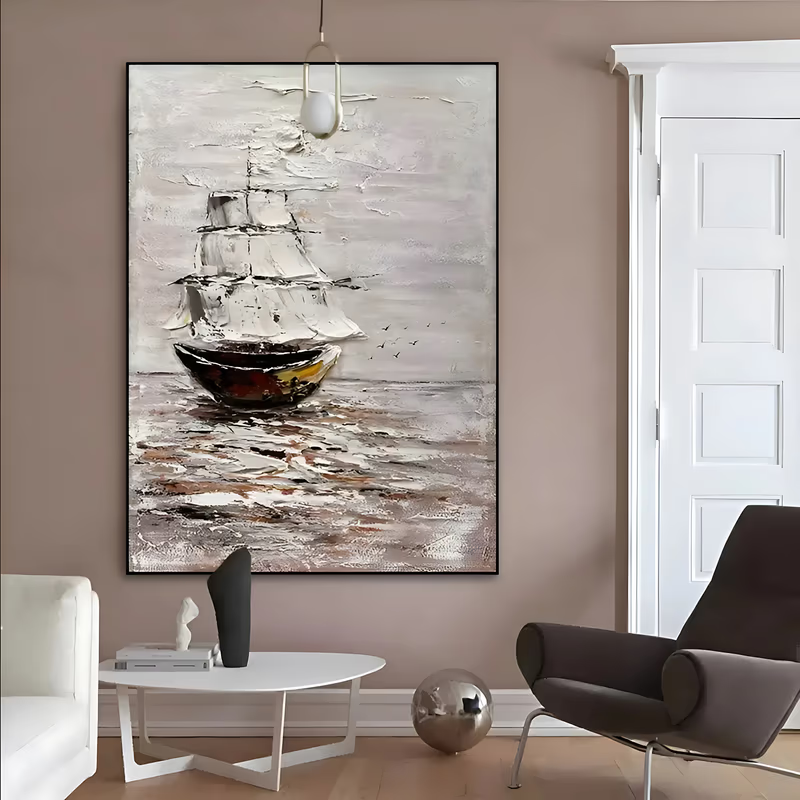
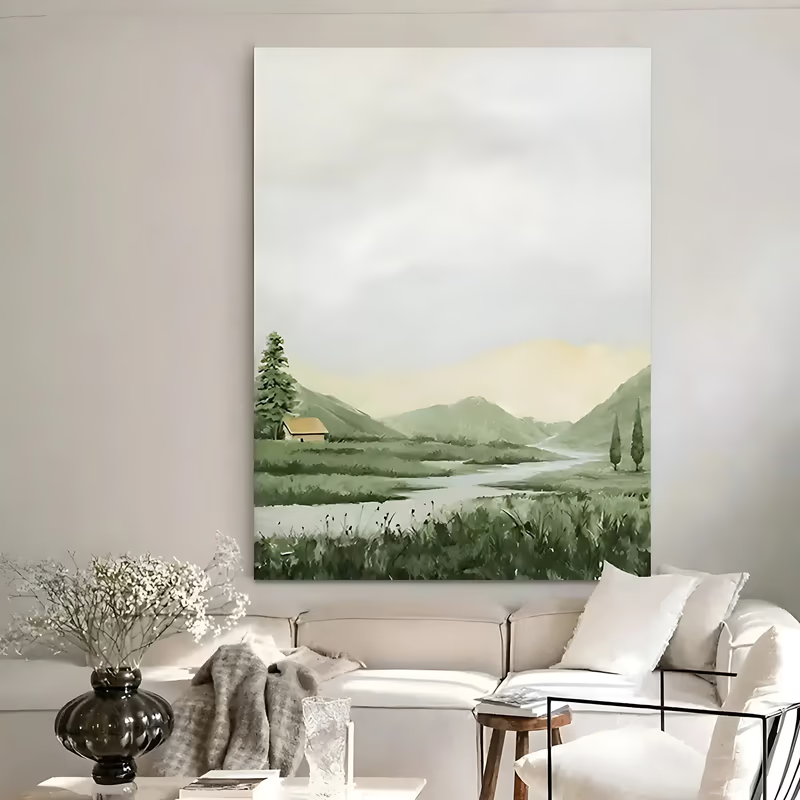
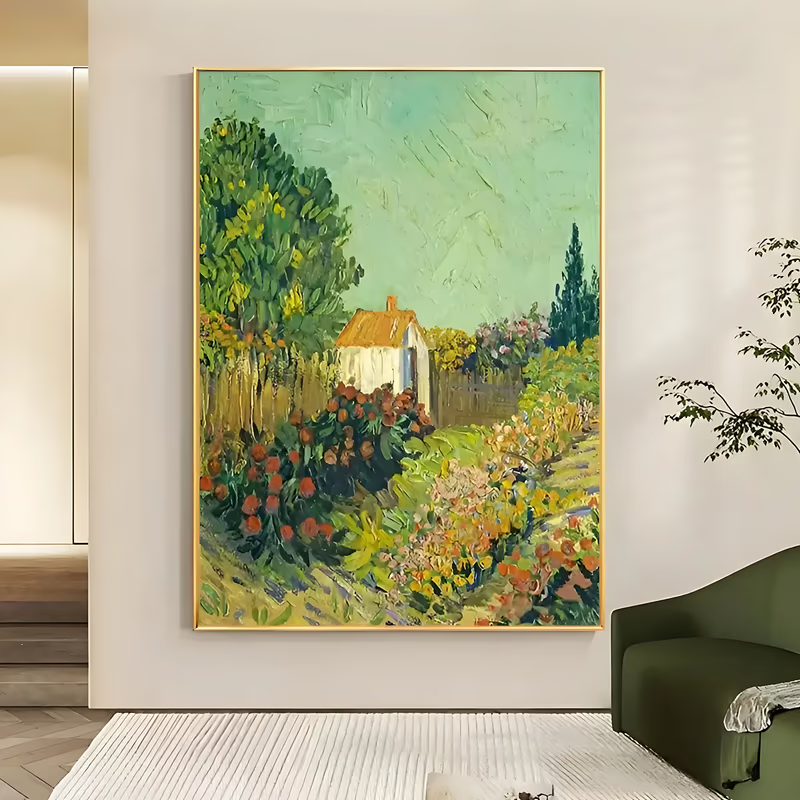
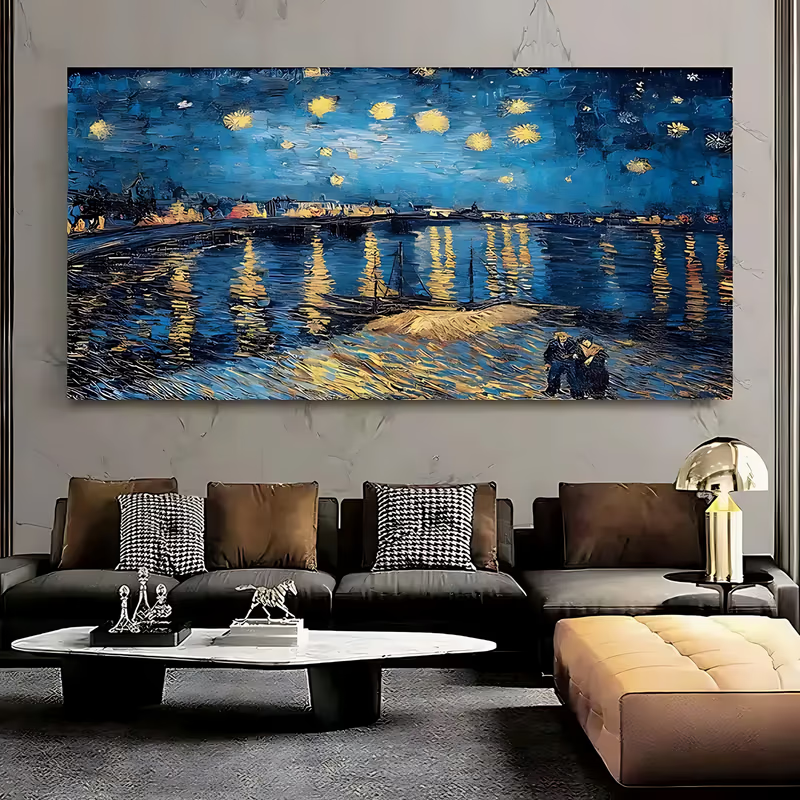
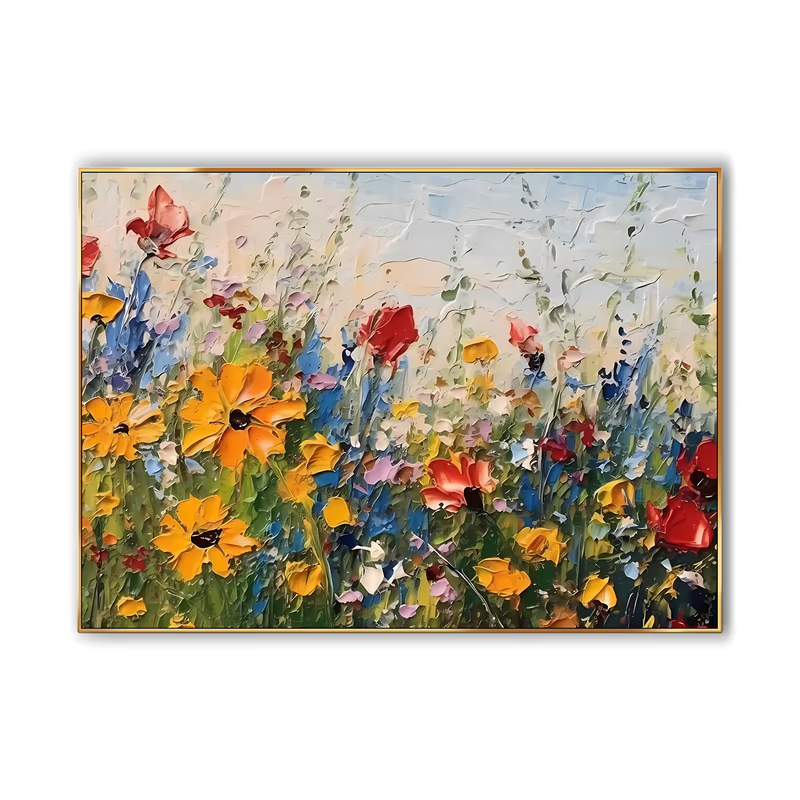
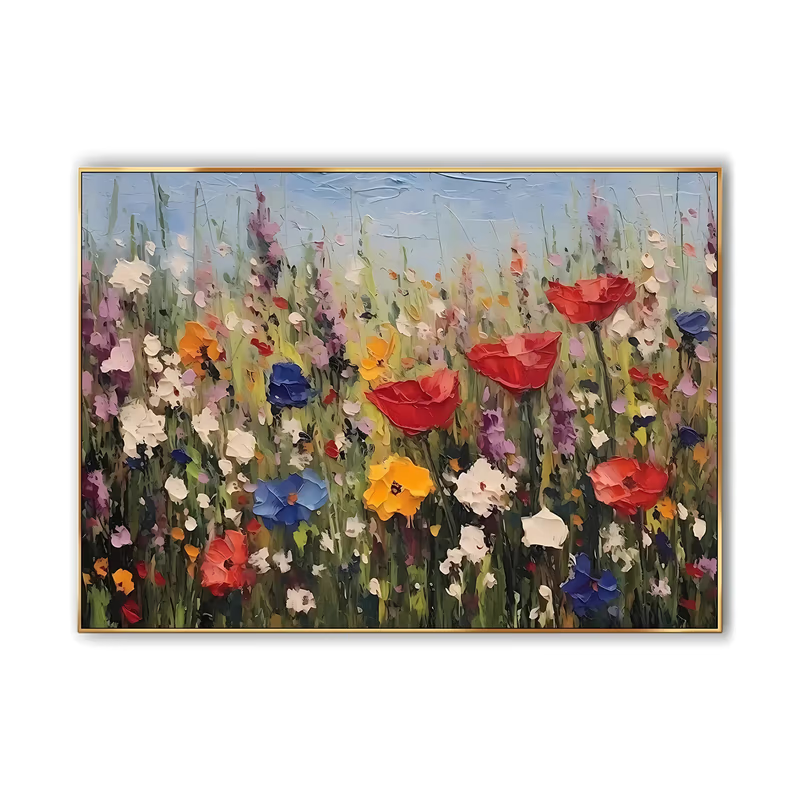
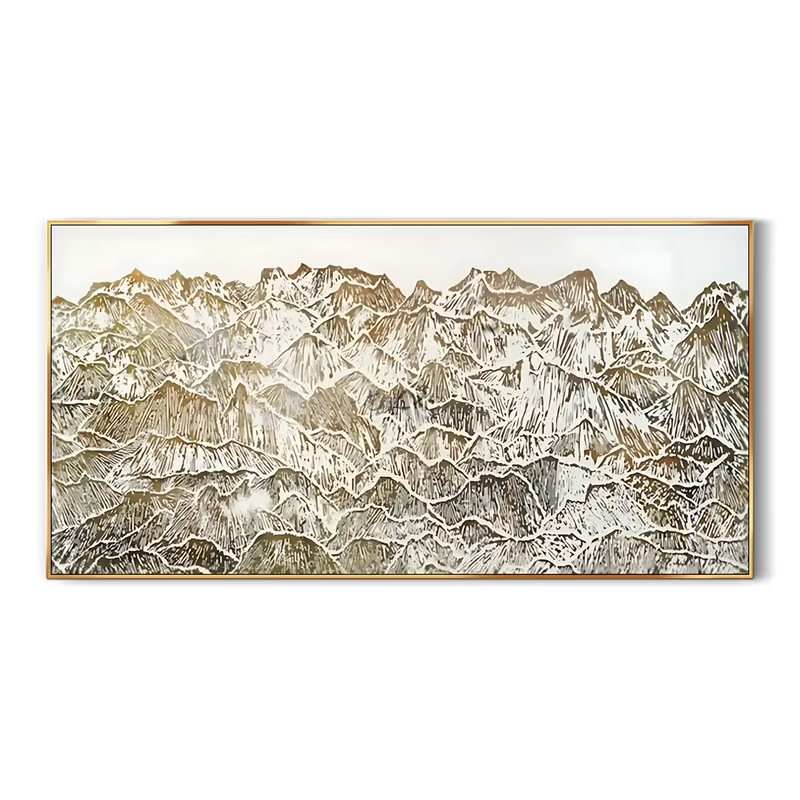
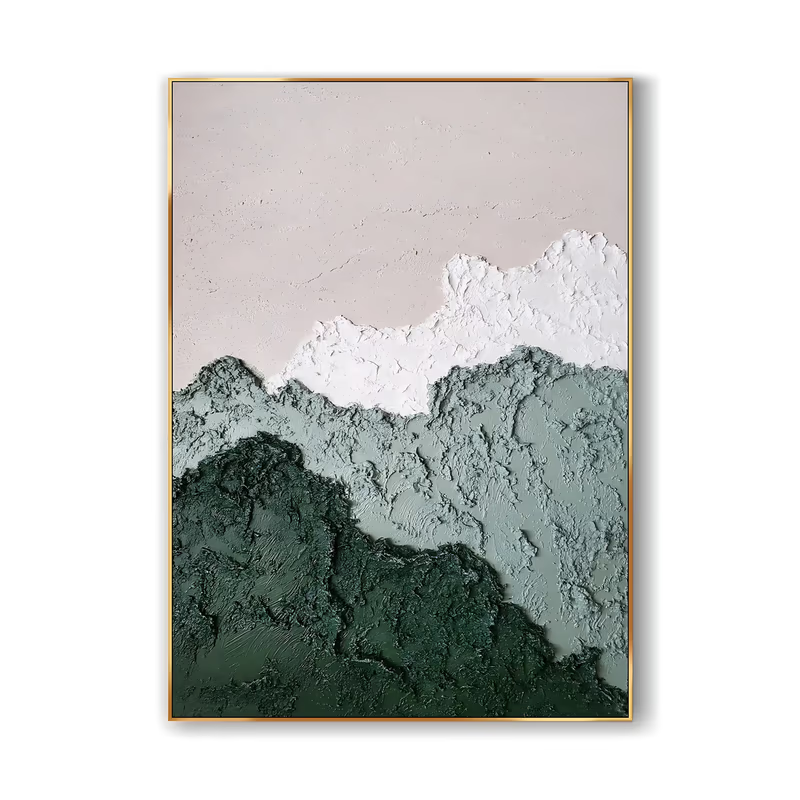
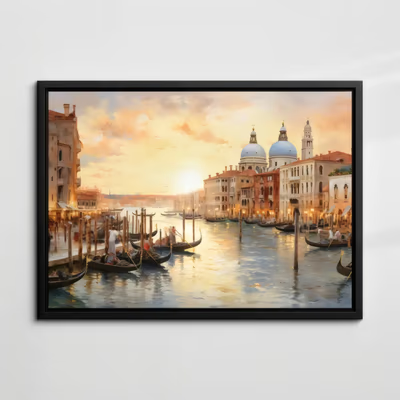
Impressionist meadows, mountain lakes, forest paths, calm horizons and moonlit water. A landscape opens a wall like a second window, which is why it suits traditional, country, coastal and transitional living rooms, and any room that is short of a view. Browse the impressionist living room paintings for the softest versions.


Flower paintings at living room scale
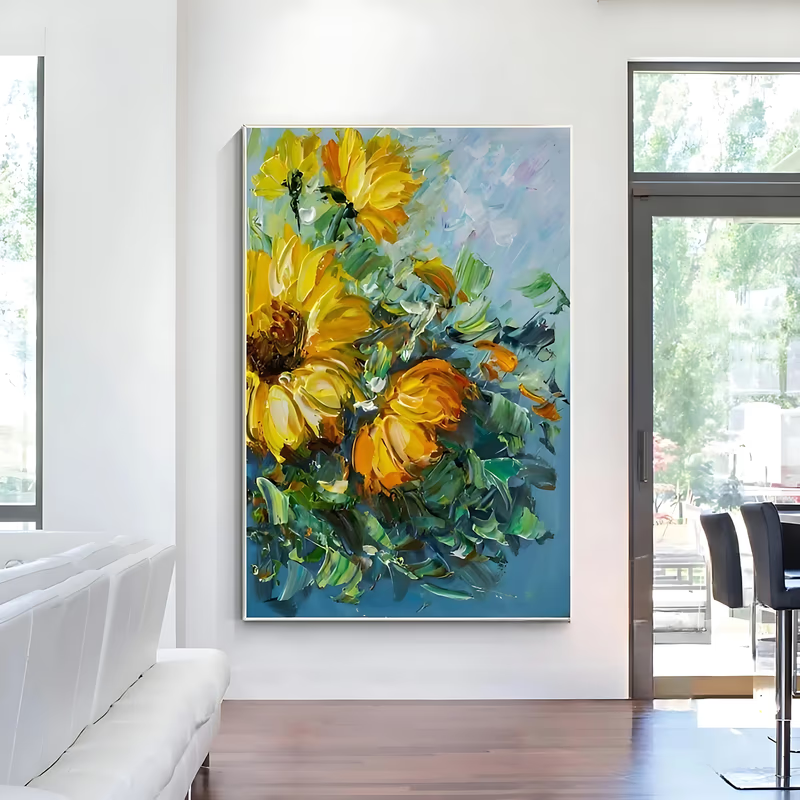
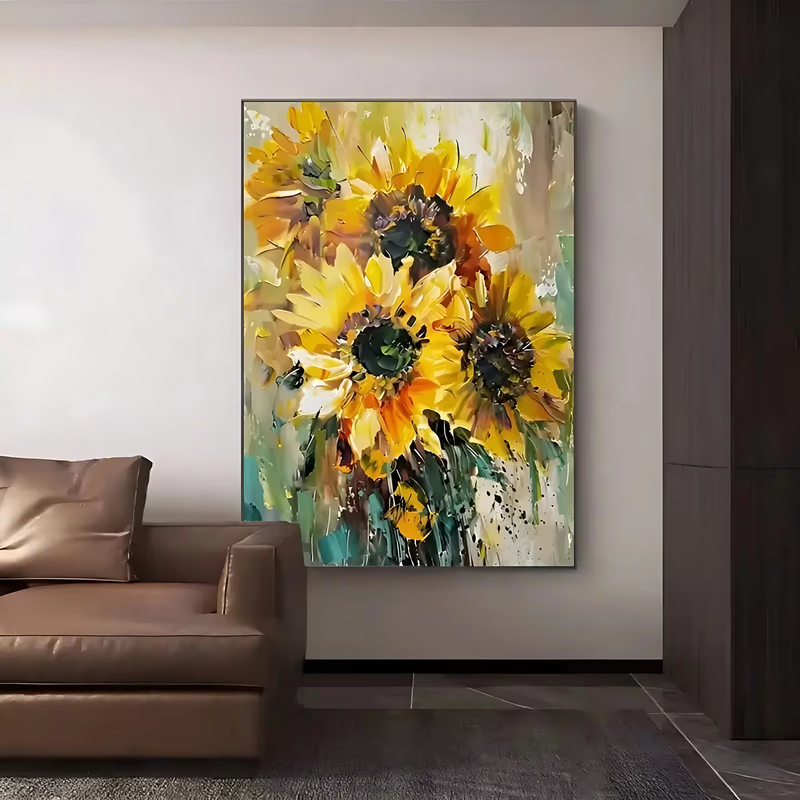
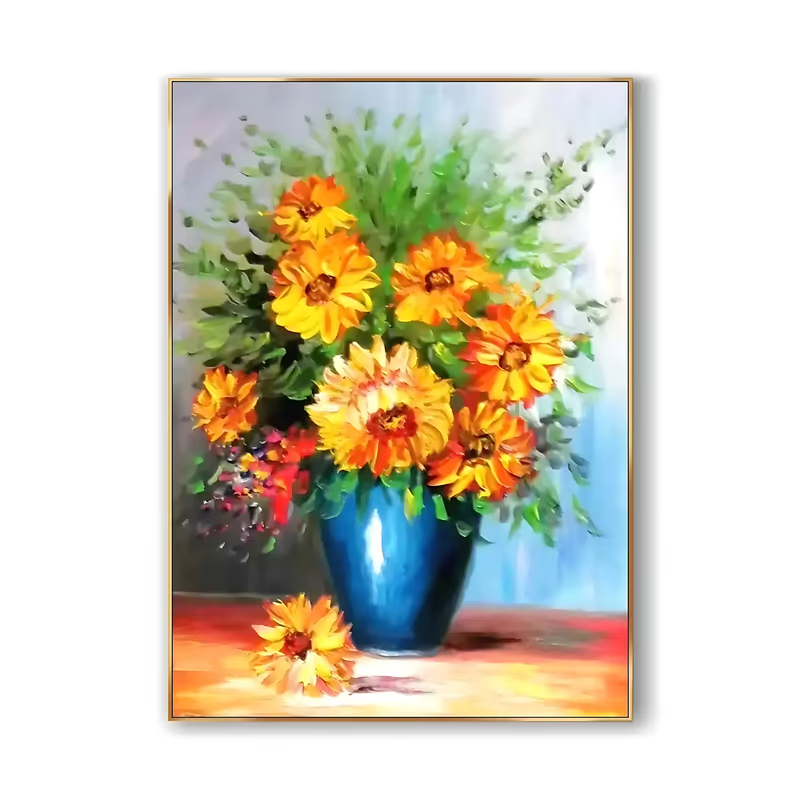
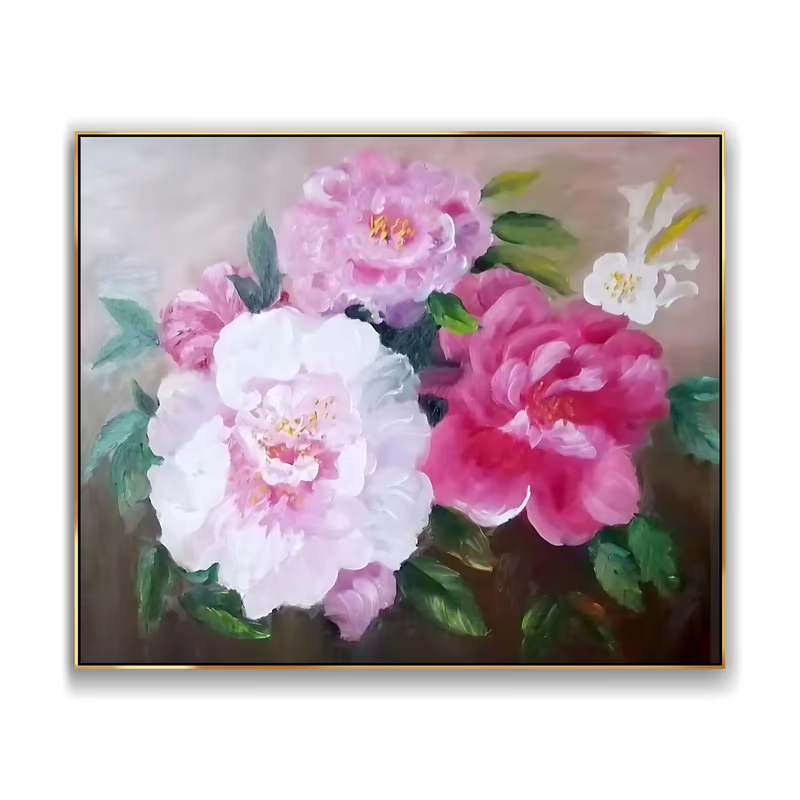
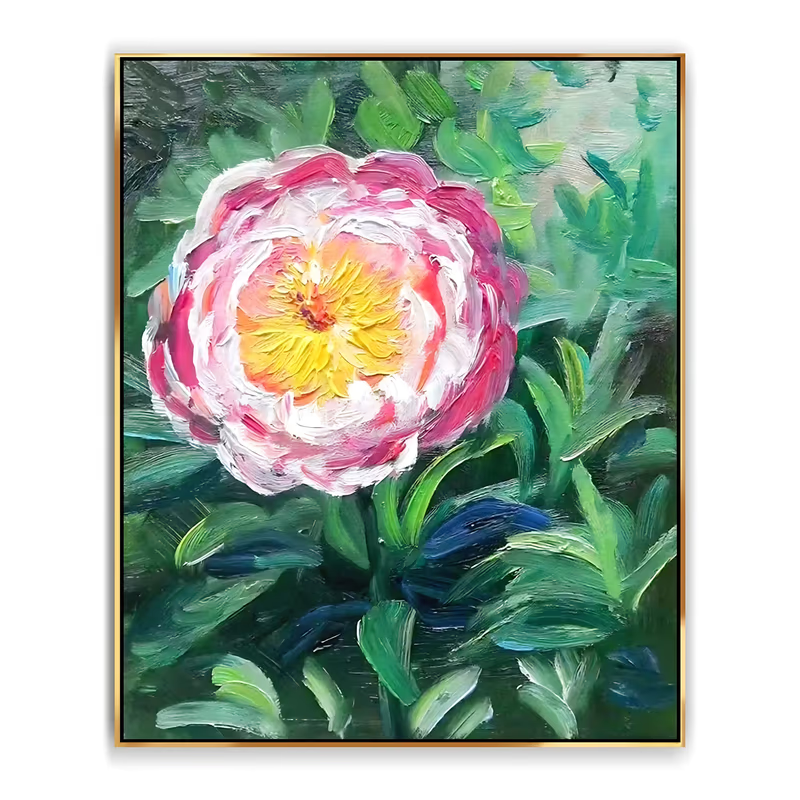
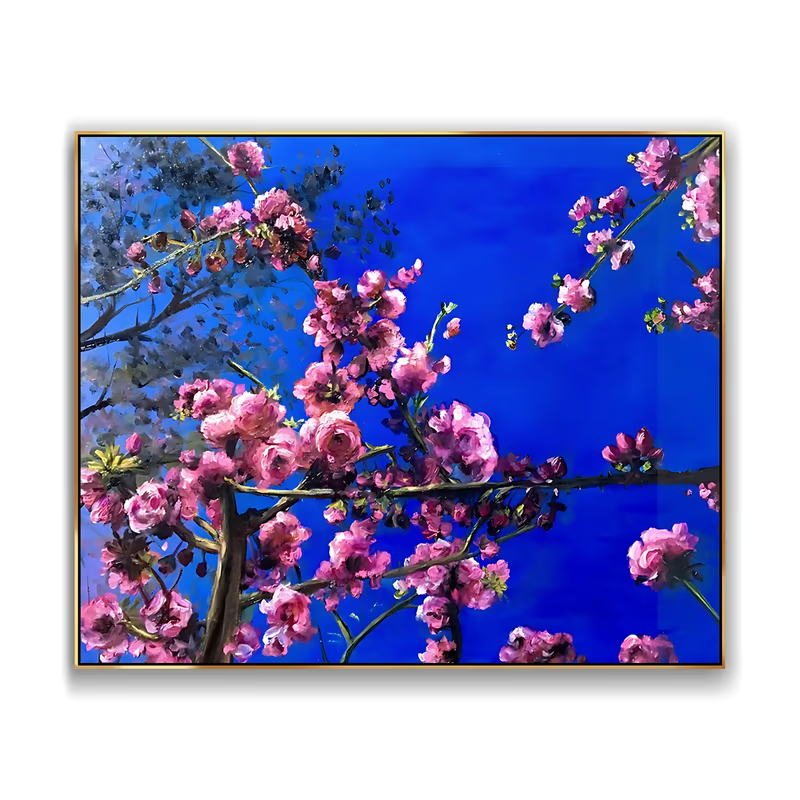
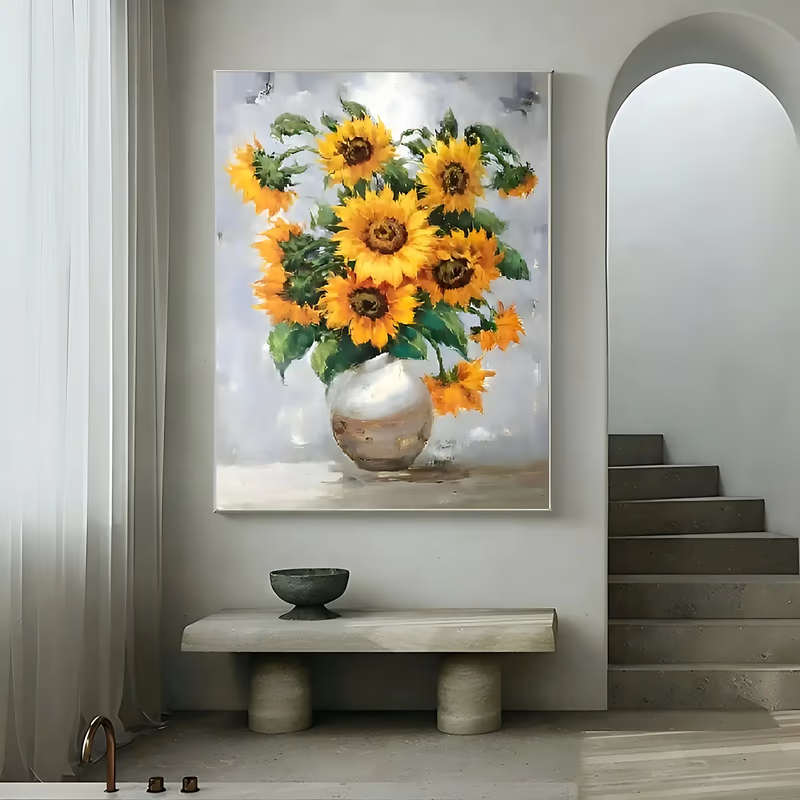
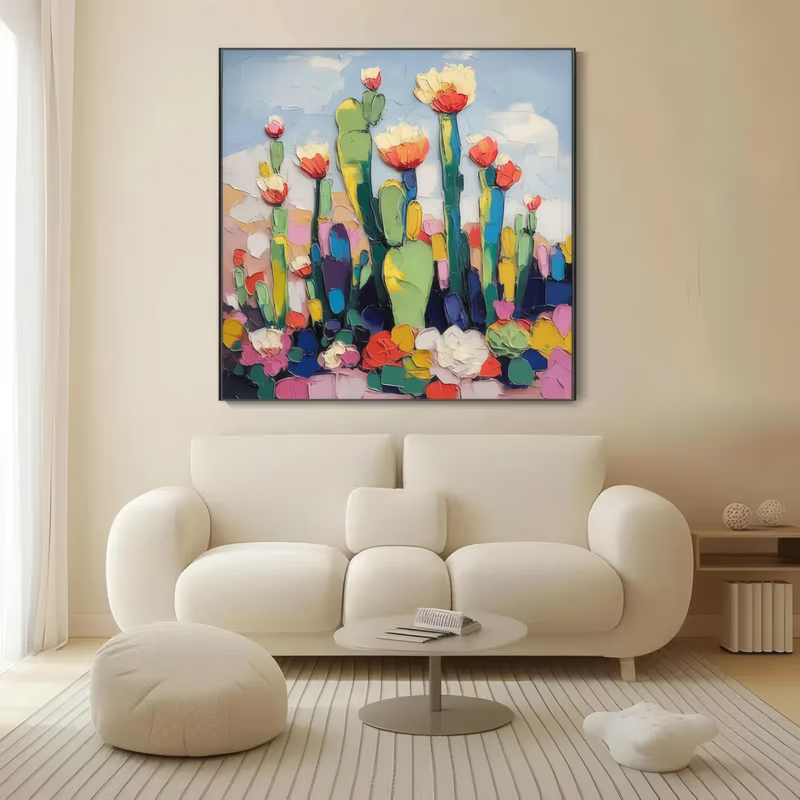
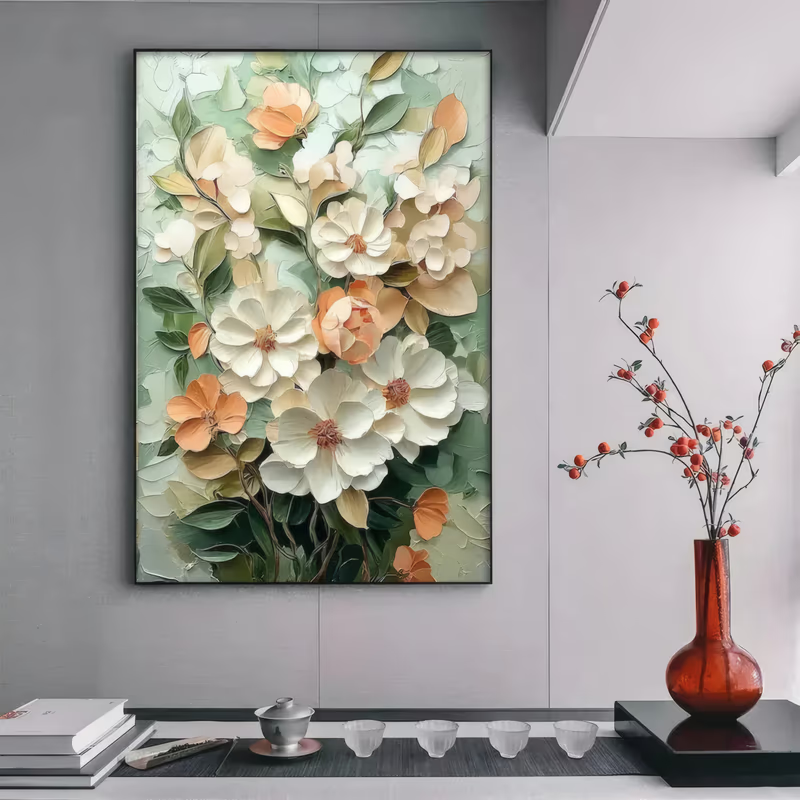
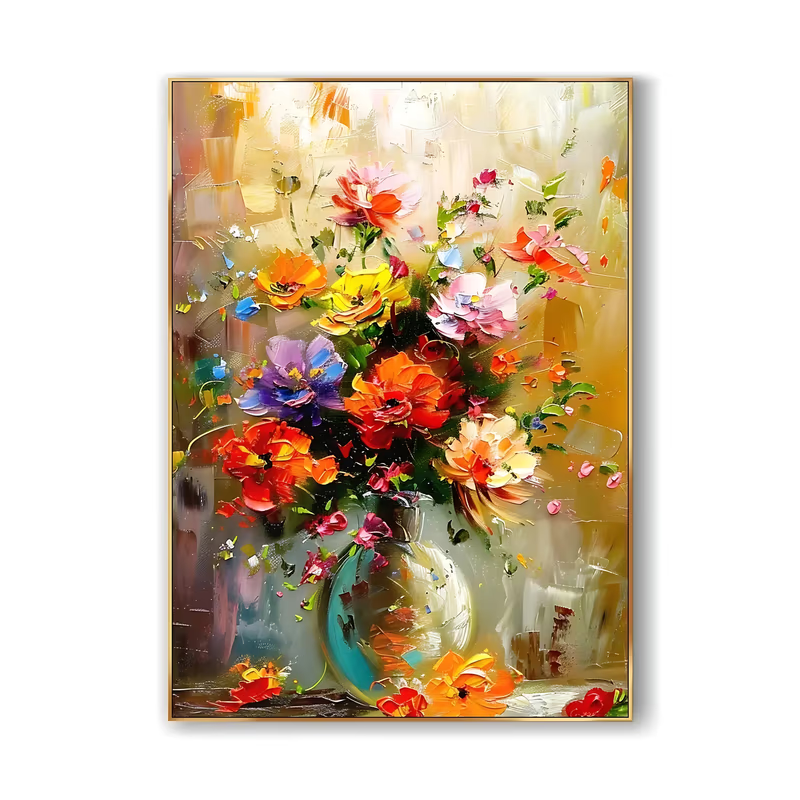
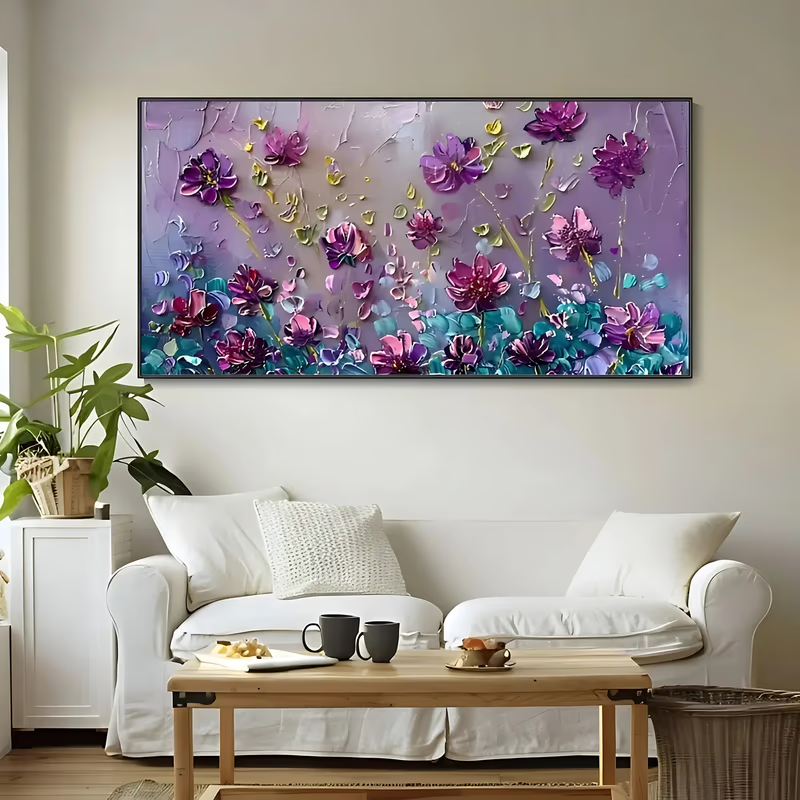
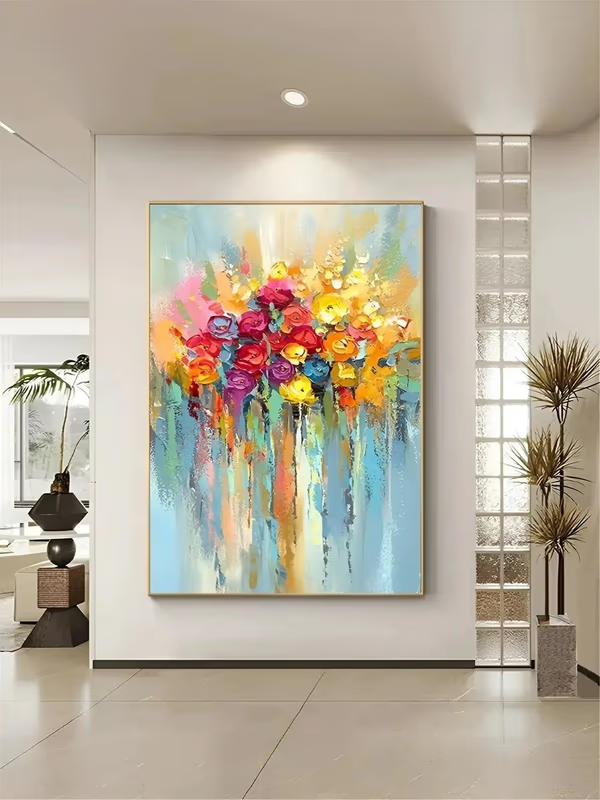
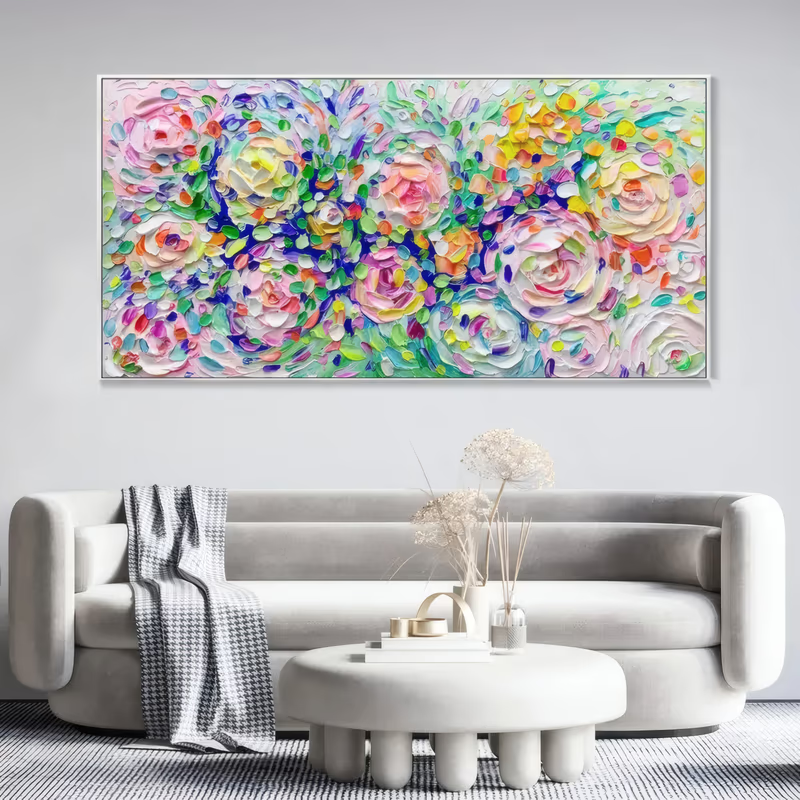
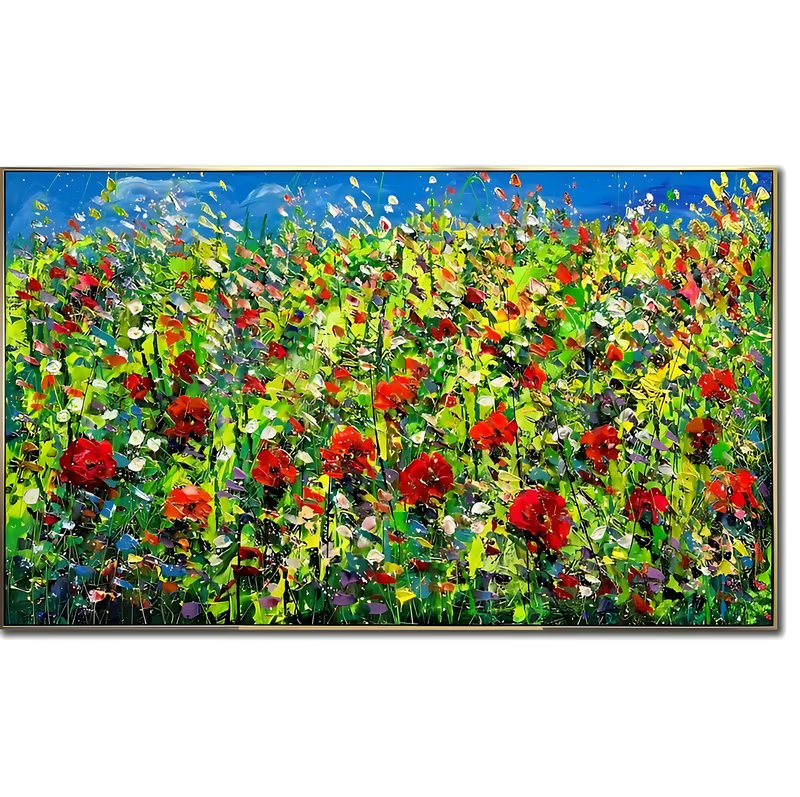
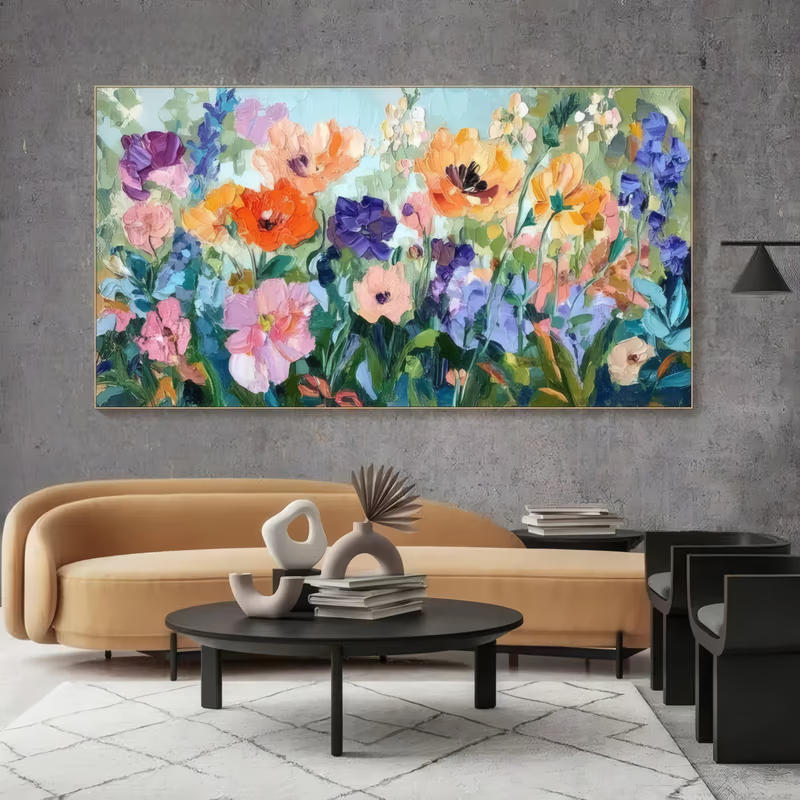
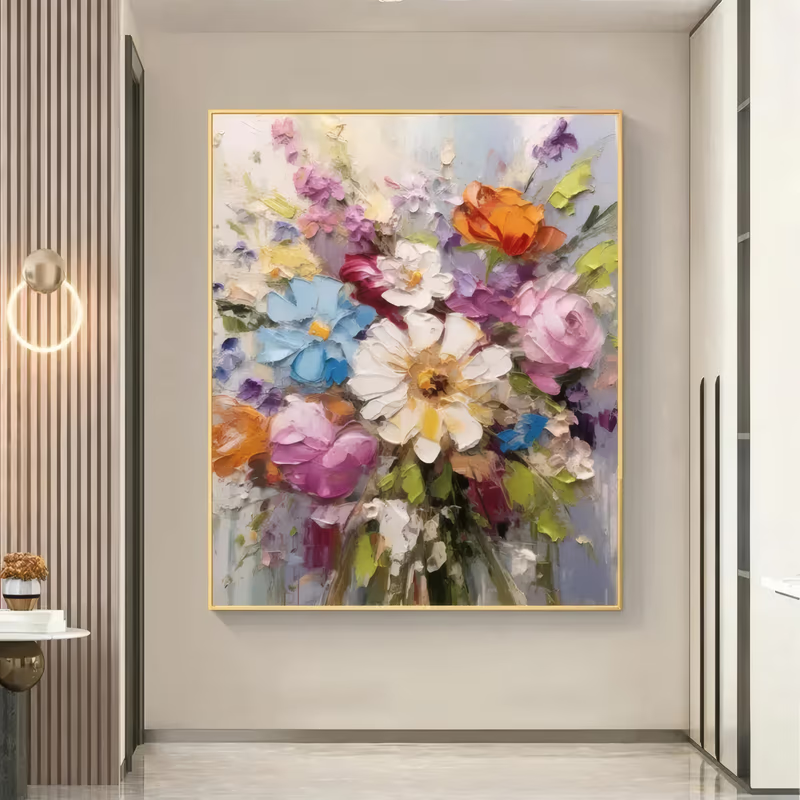
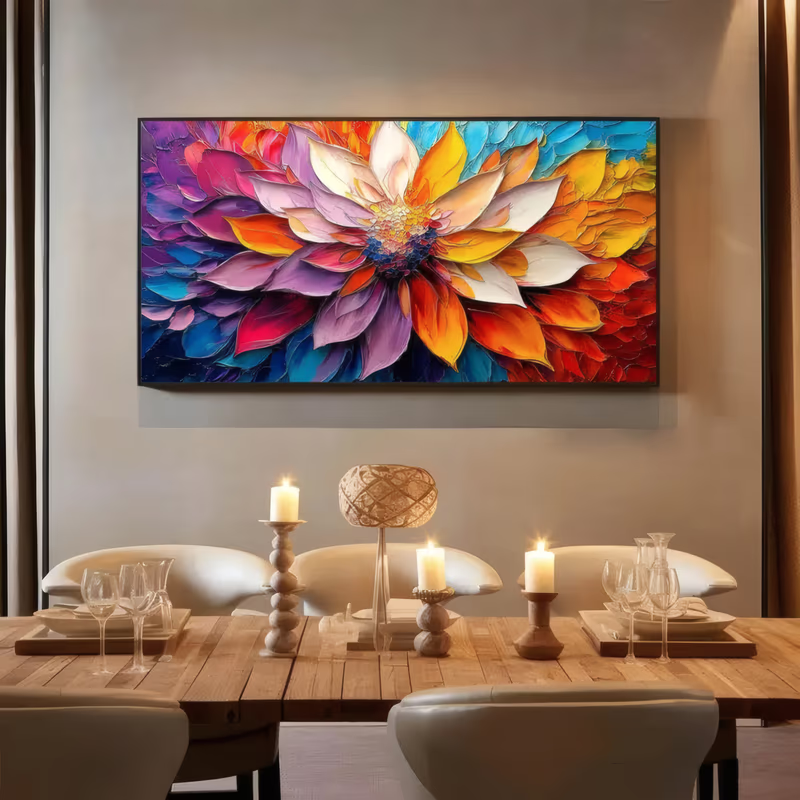
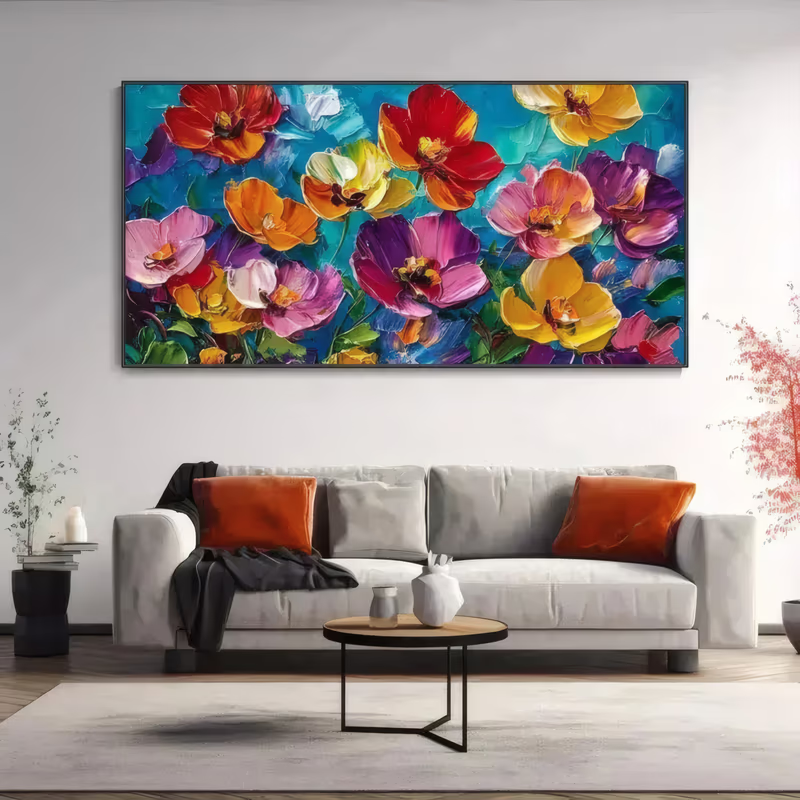
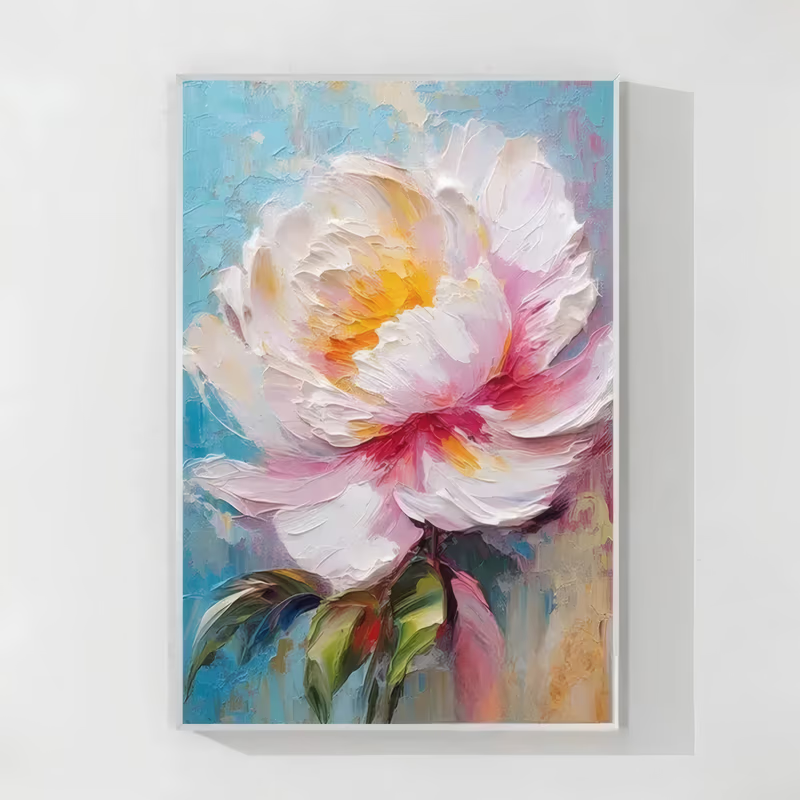
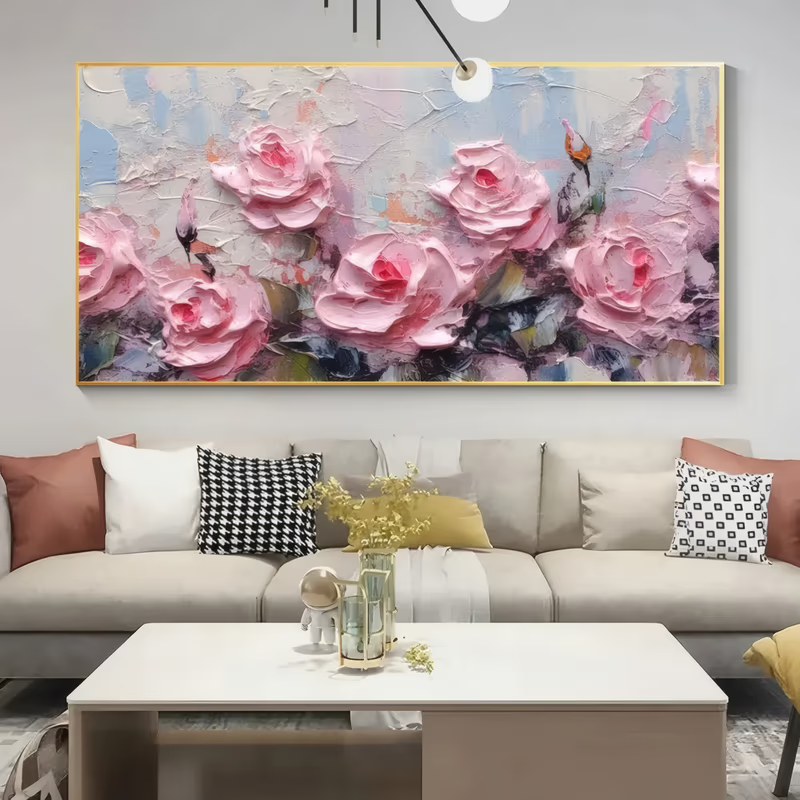
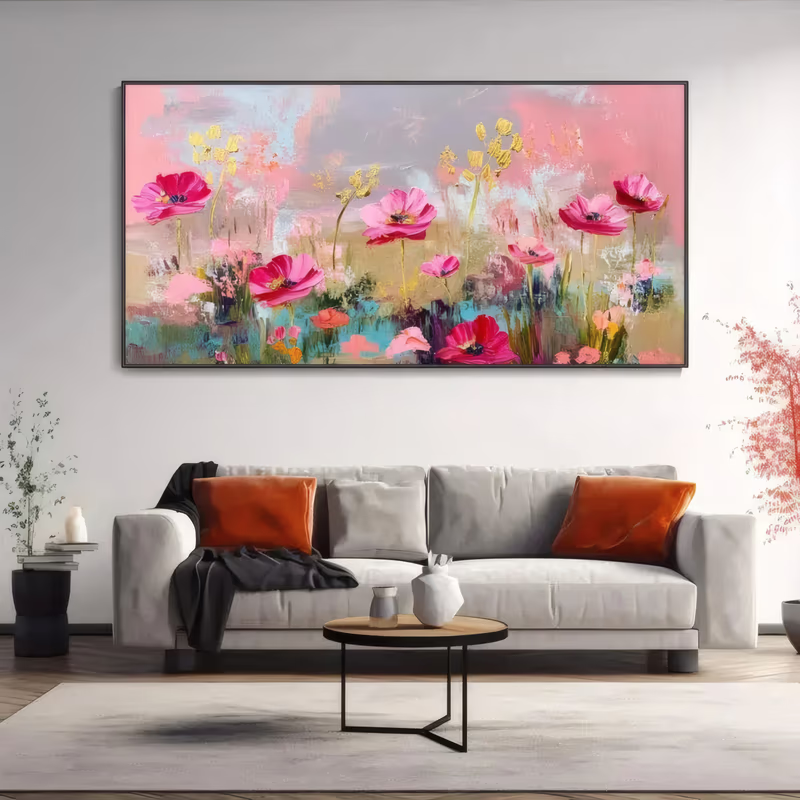
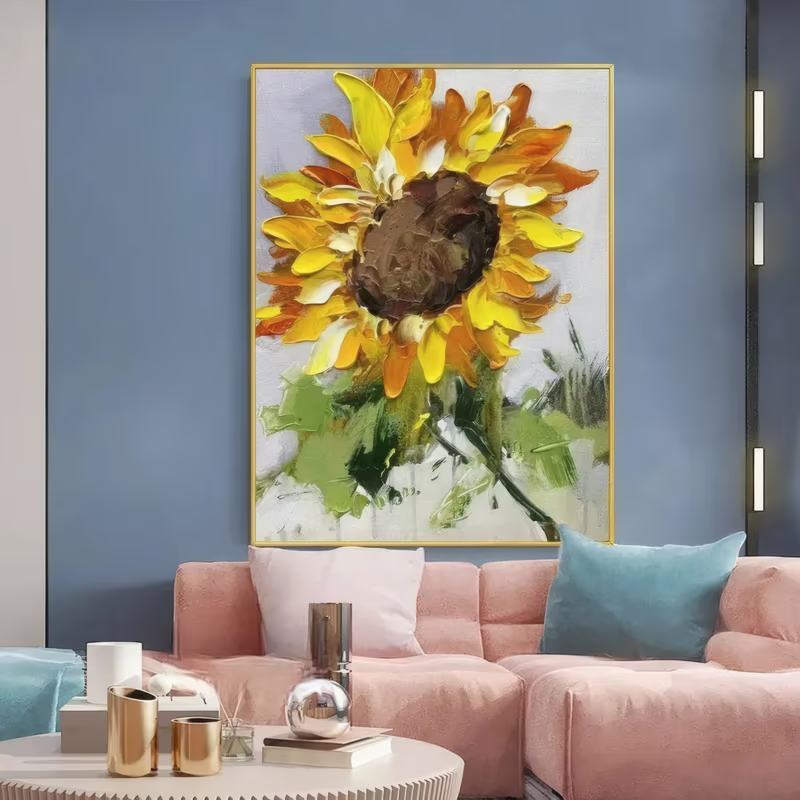
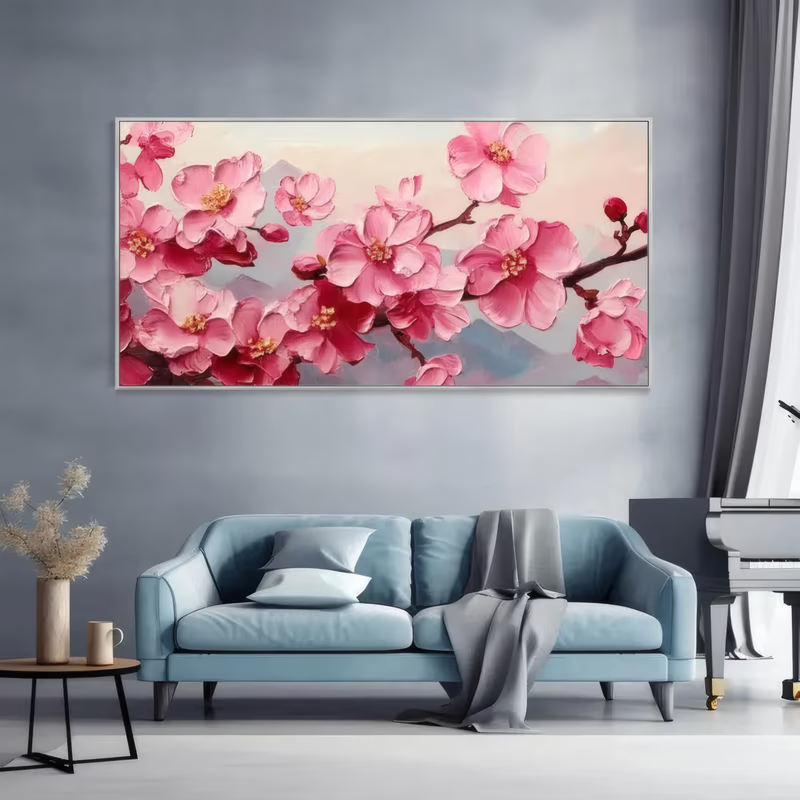
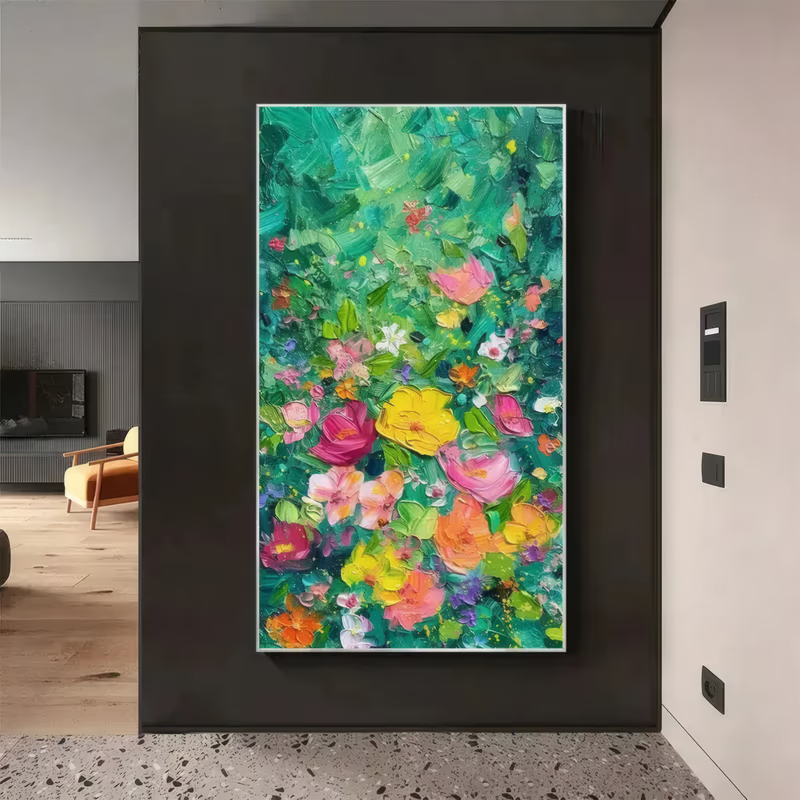
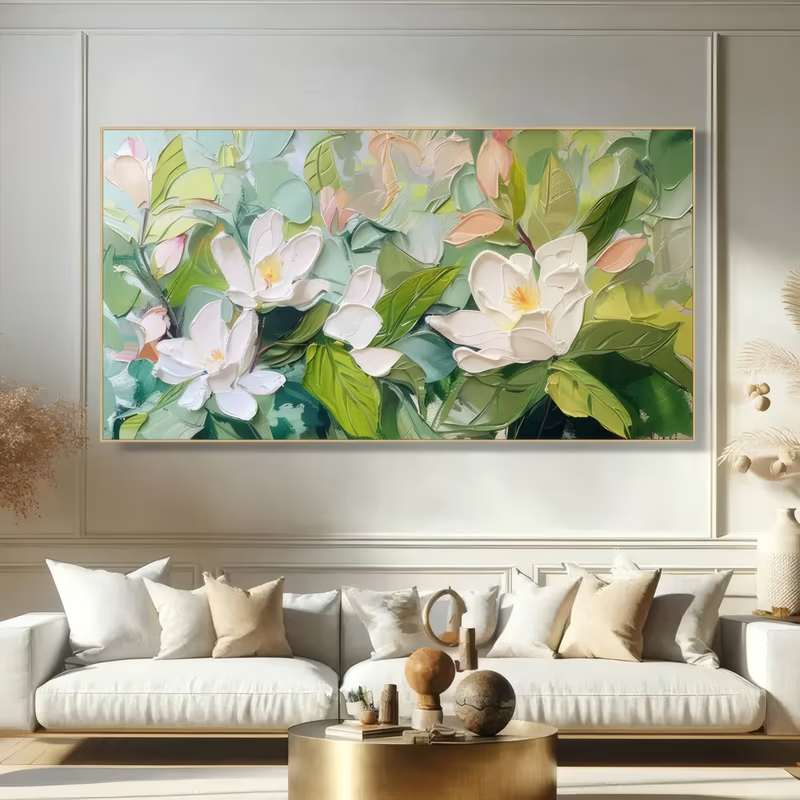
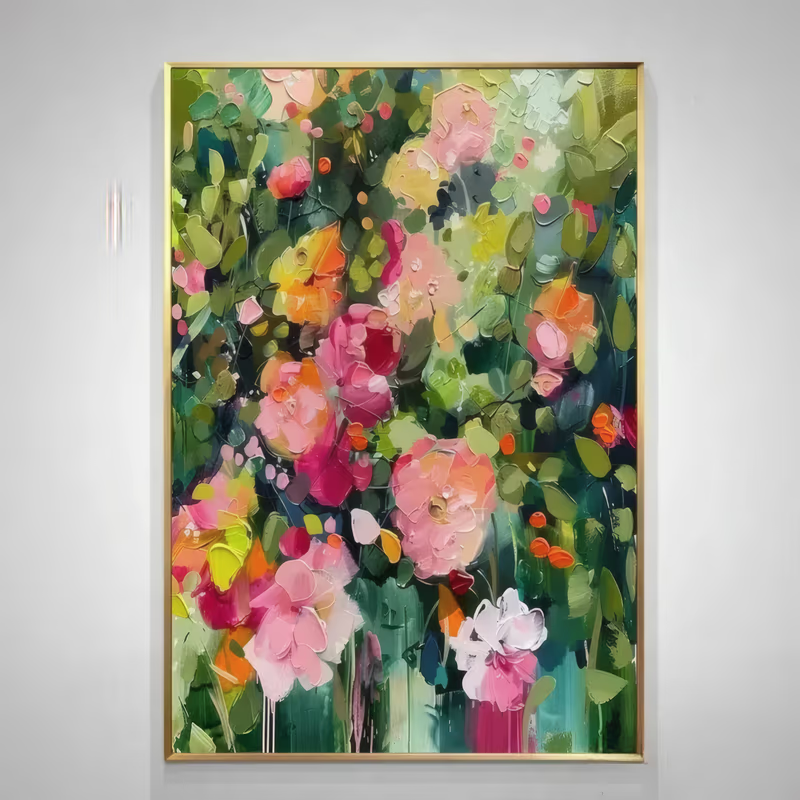
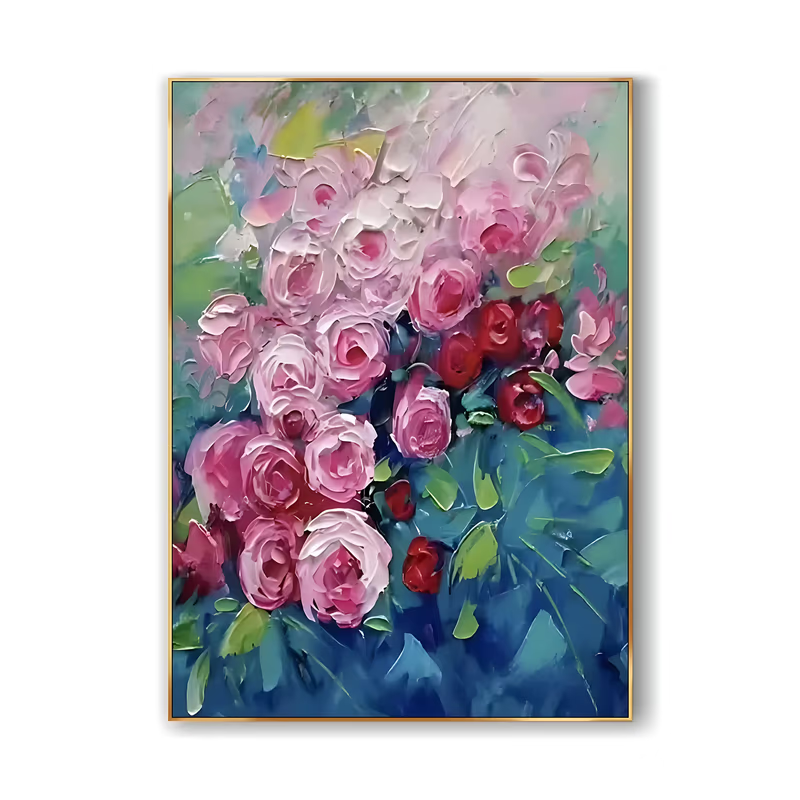
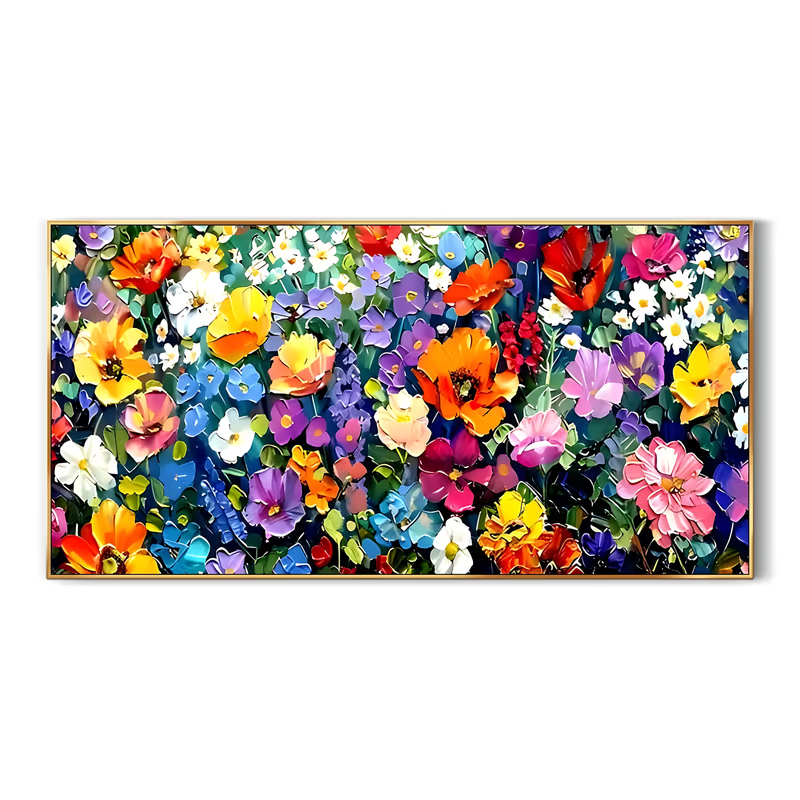
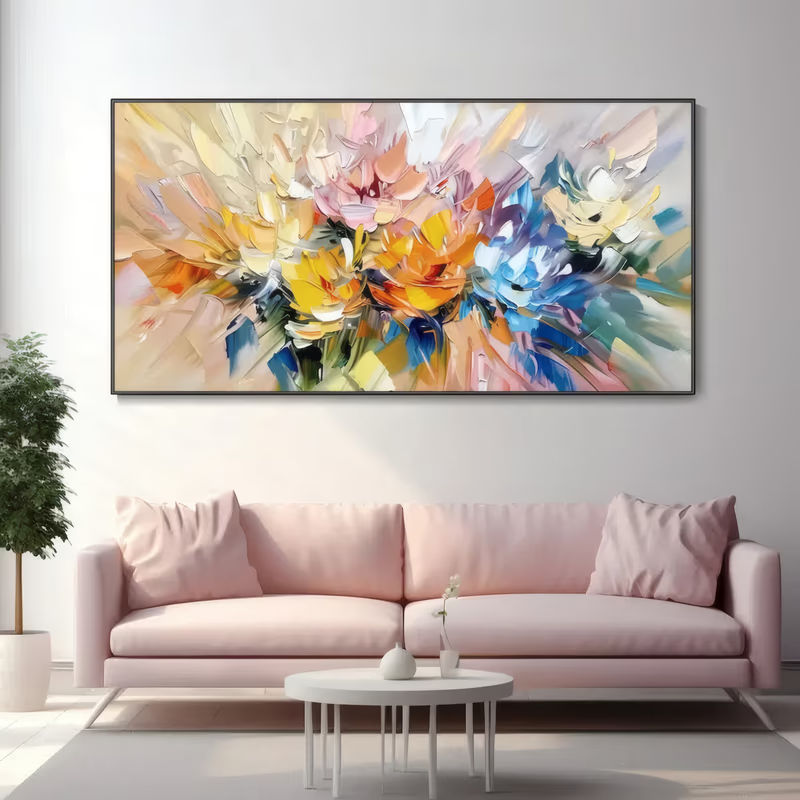
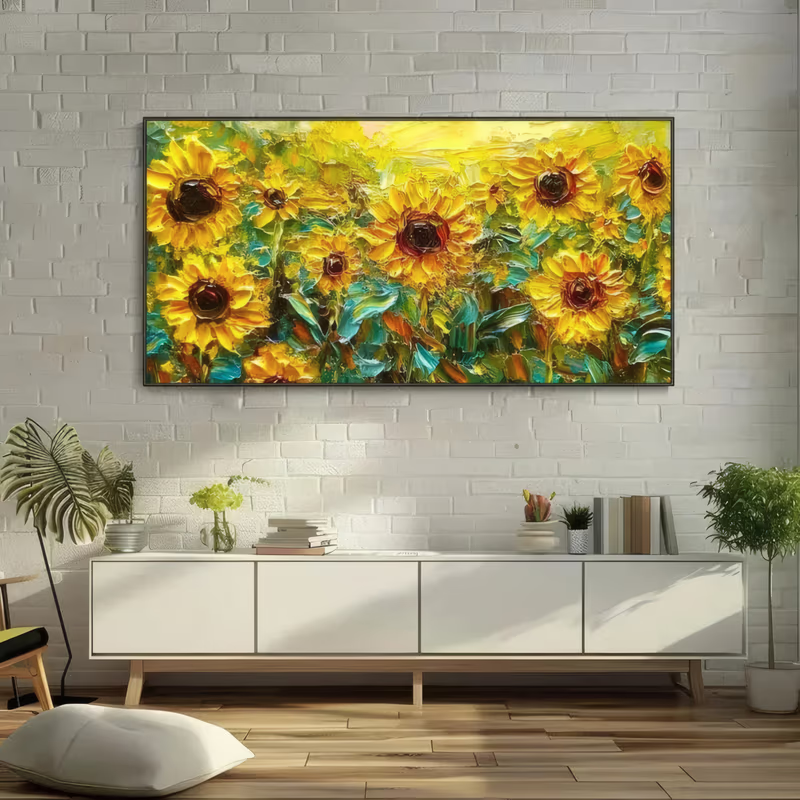
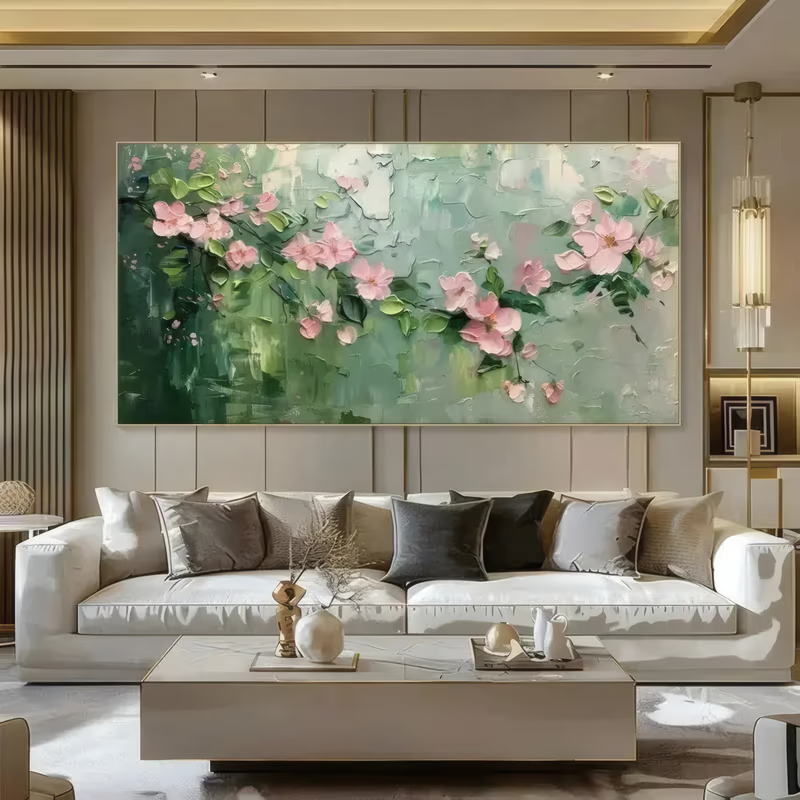
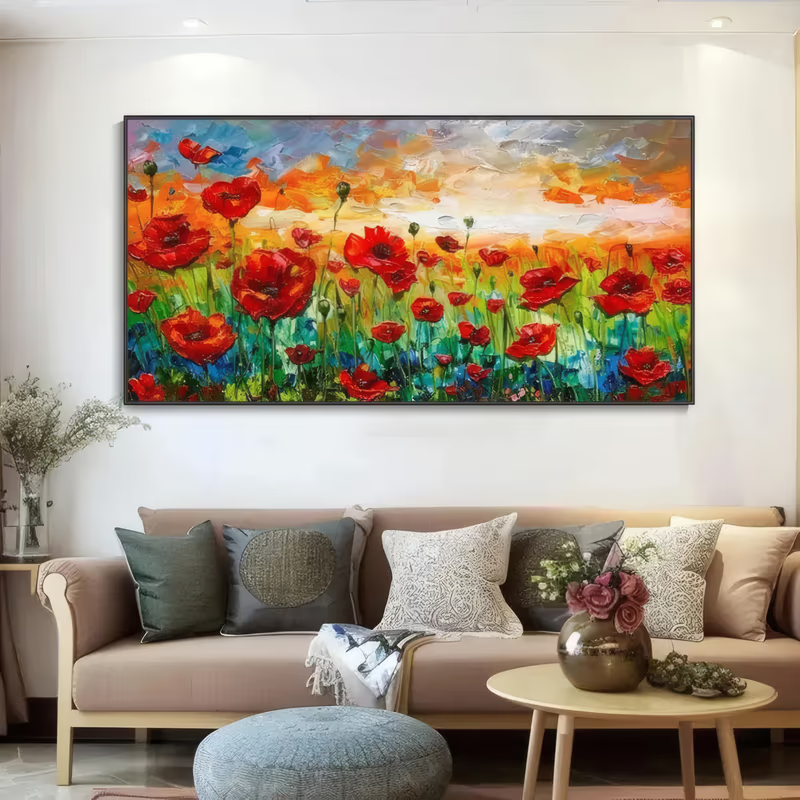
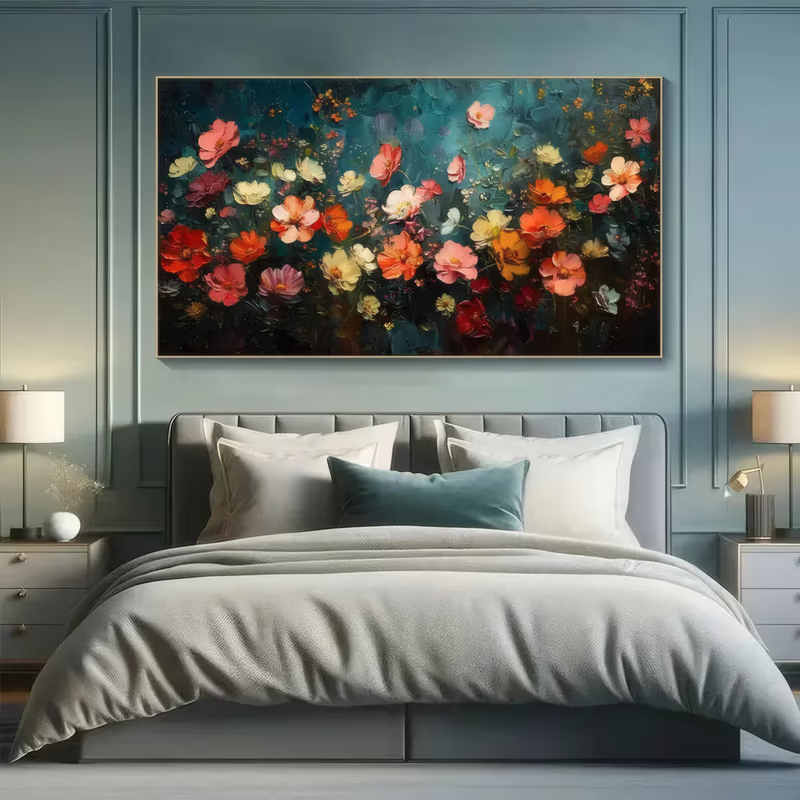
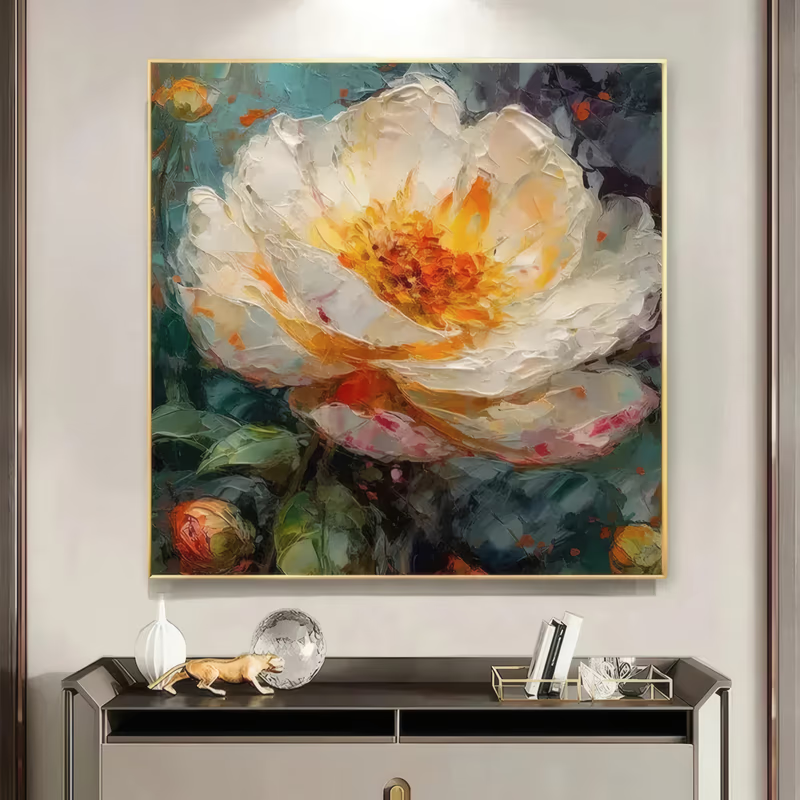
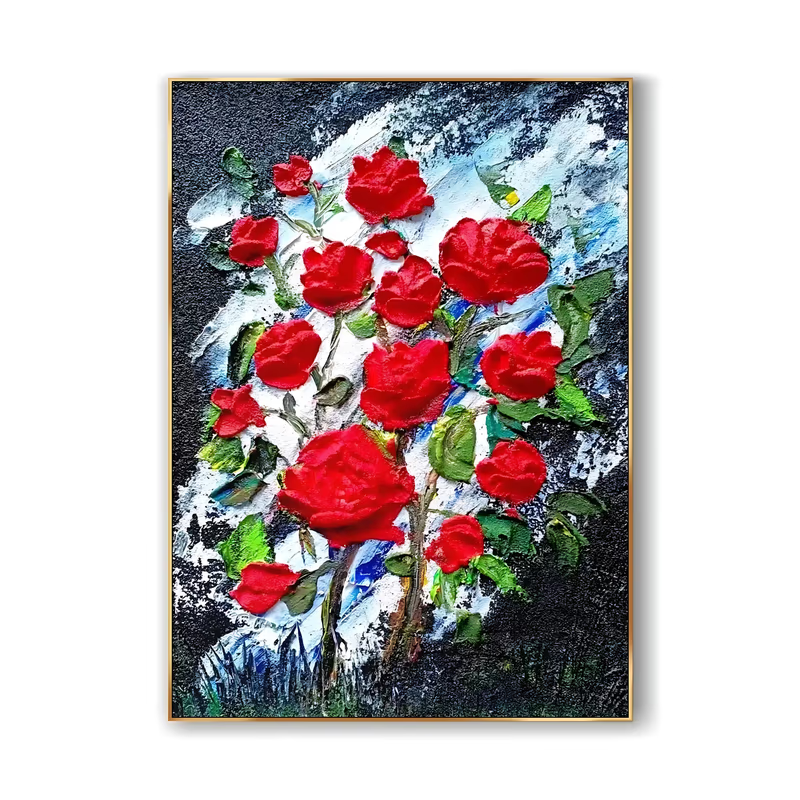
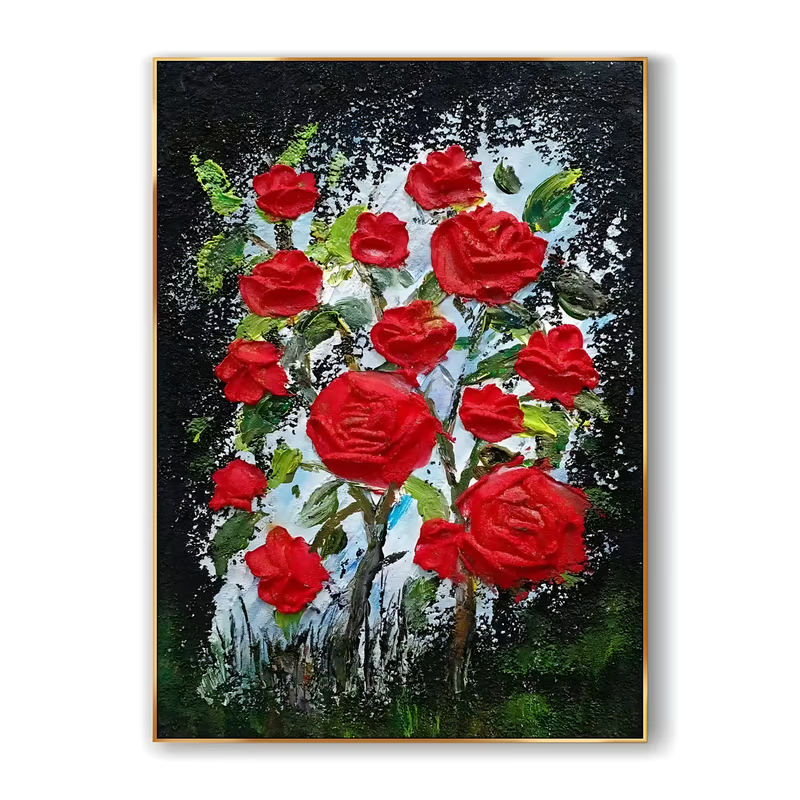
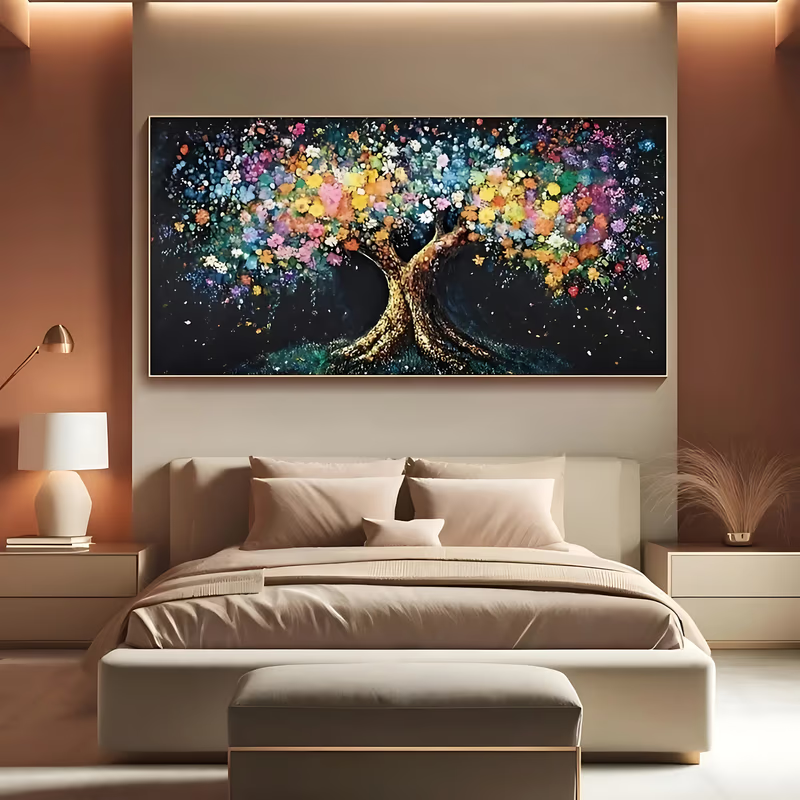
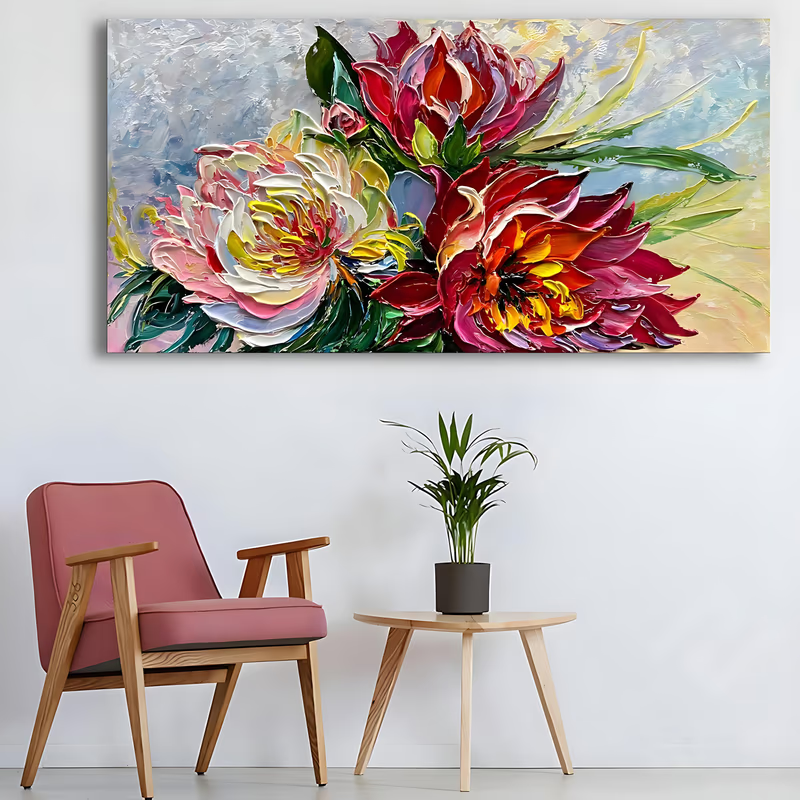
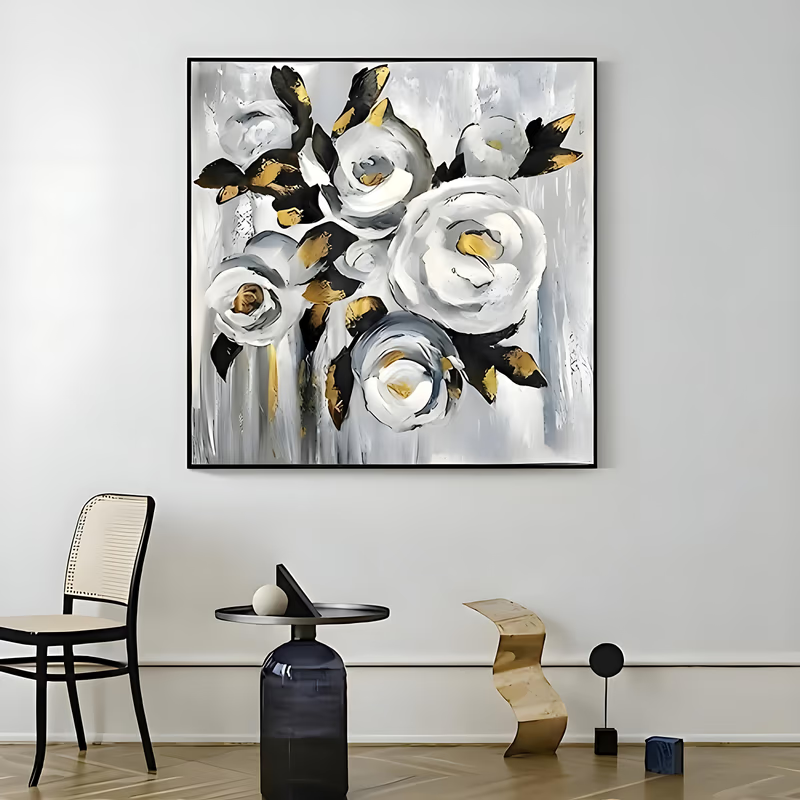
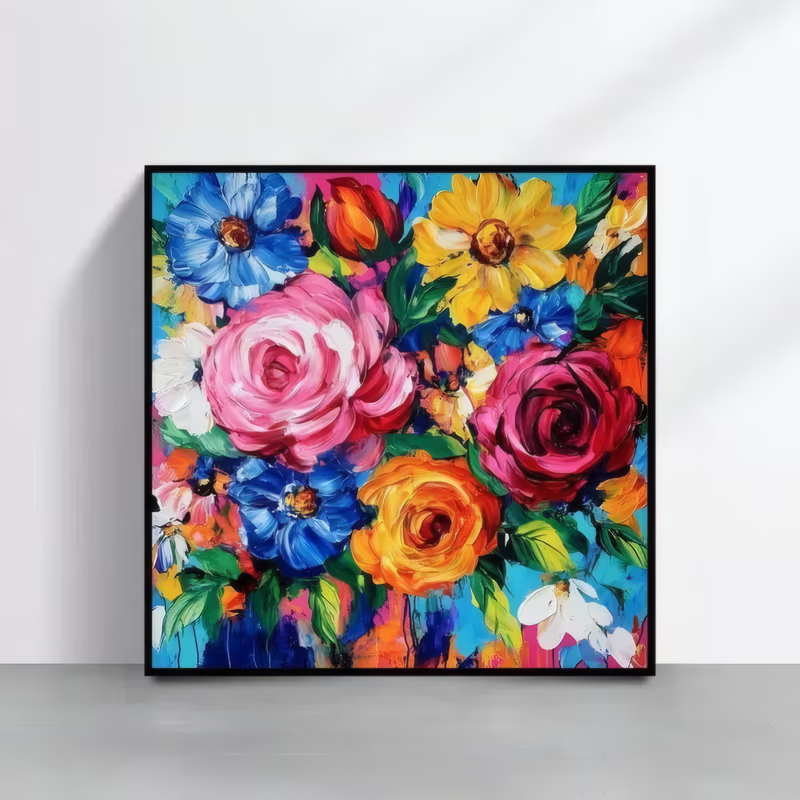
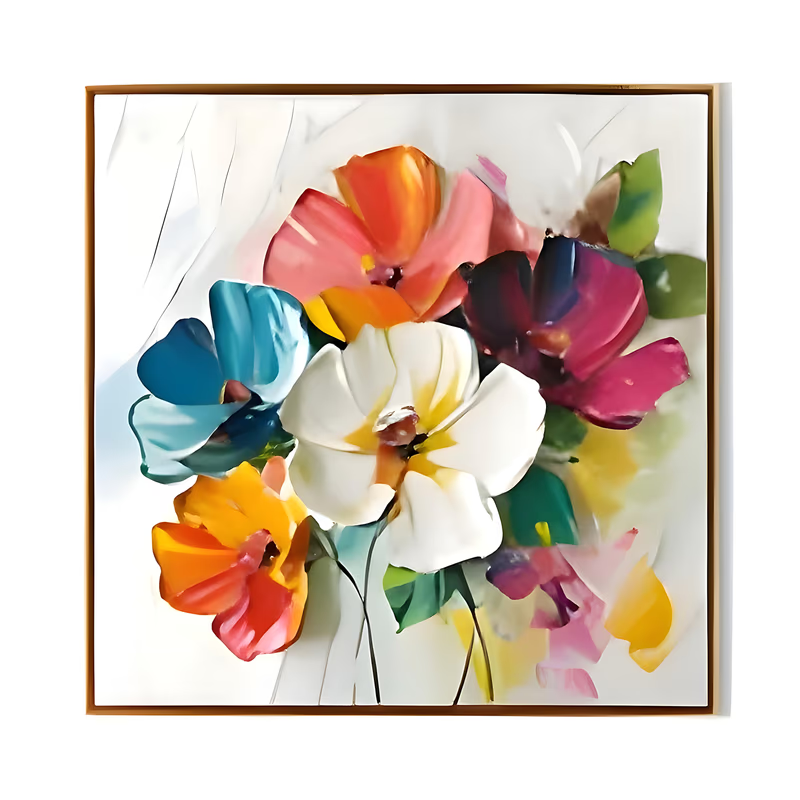
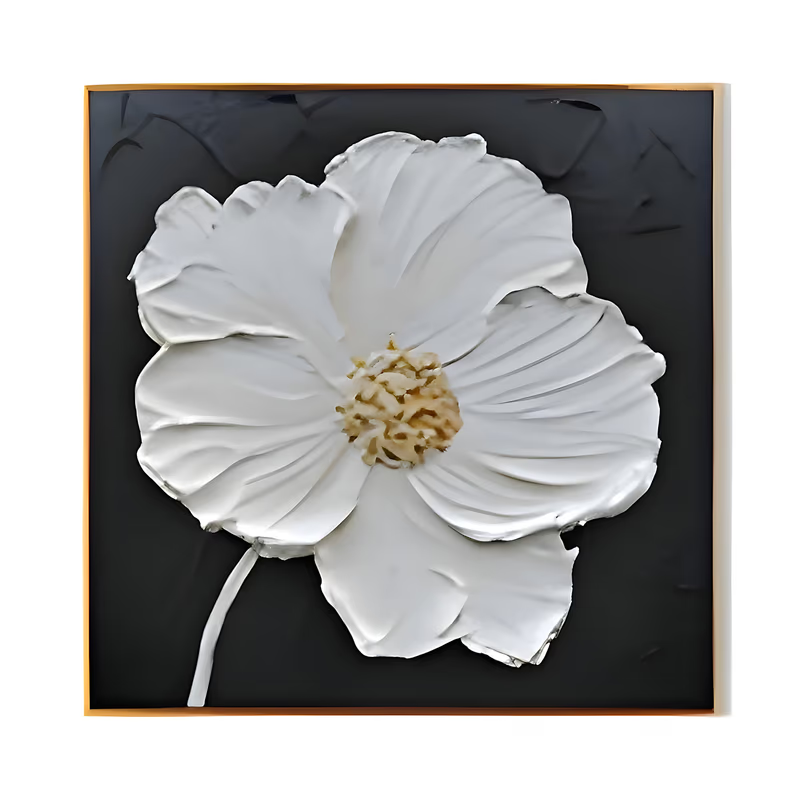
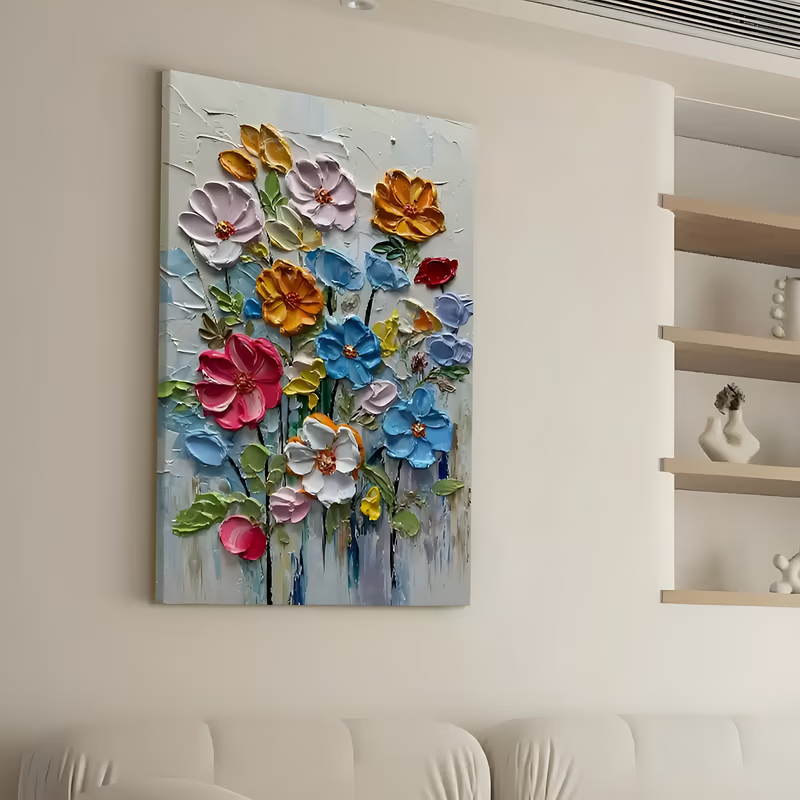
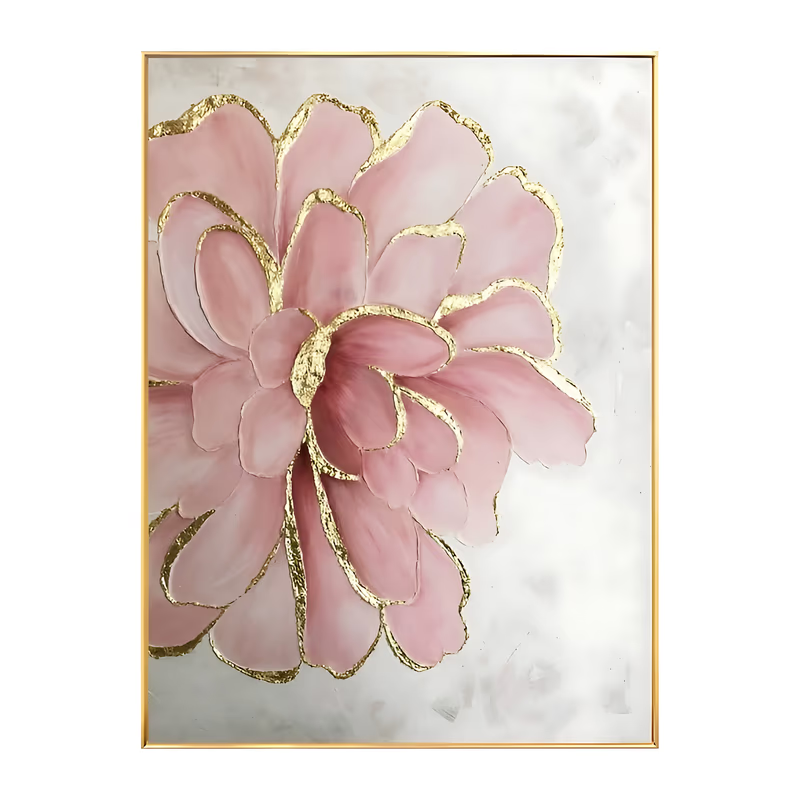
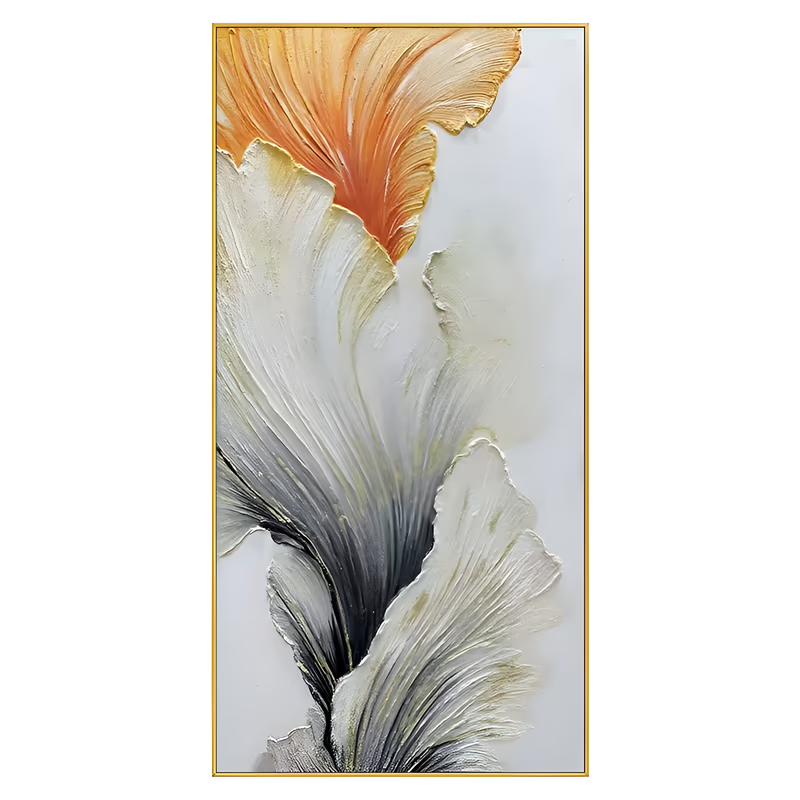
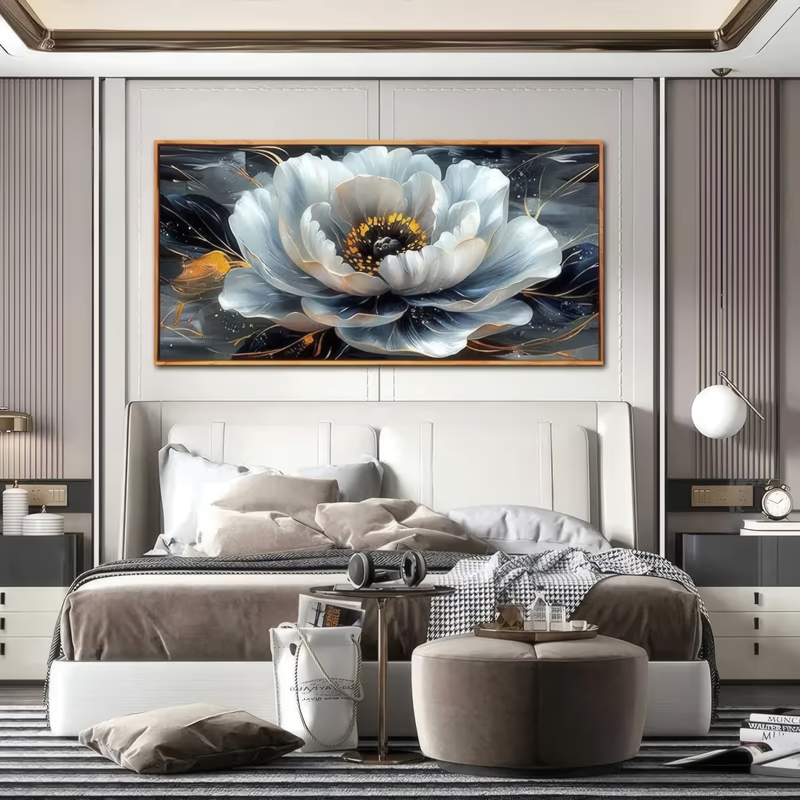
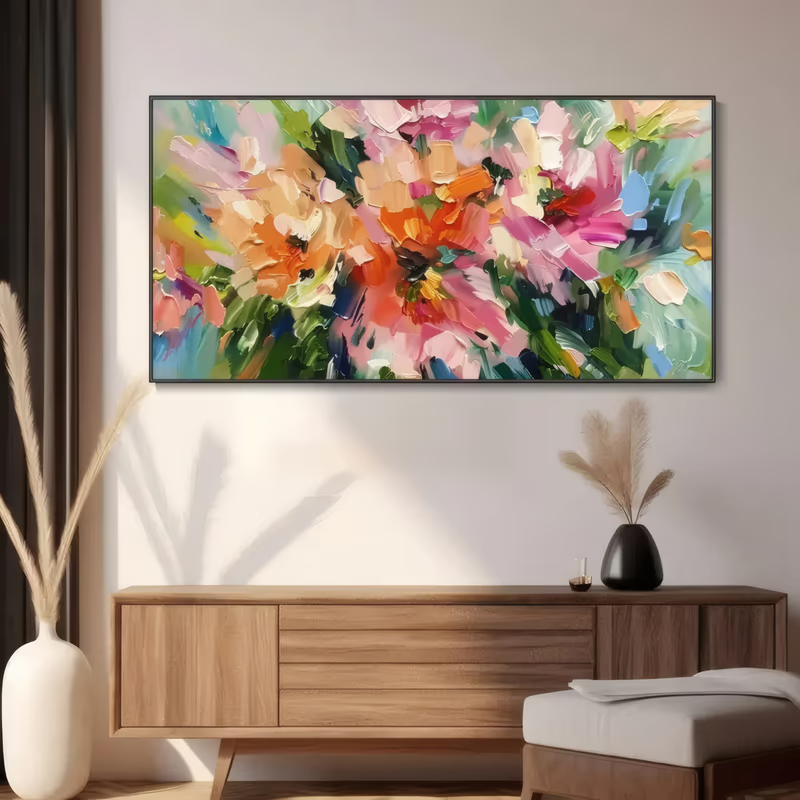
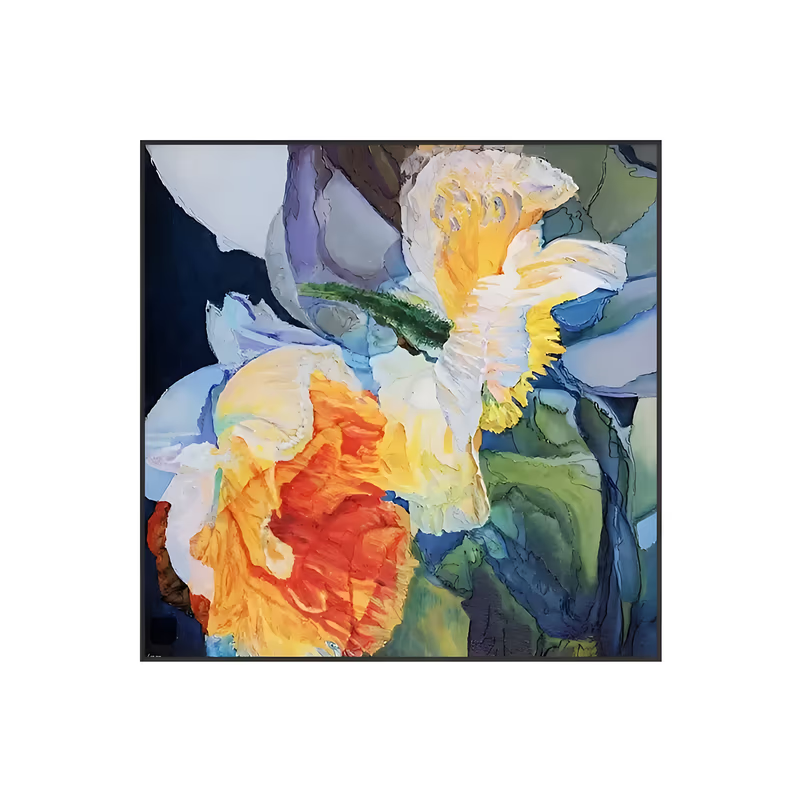
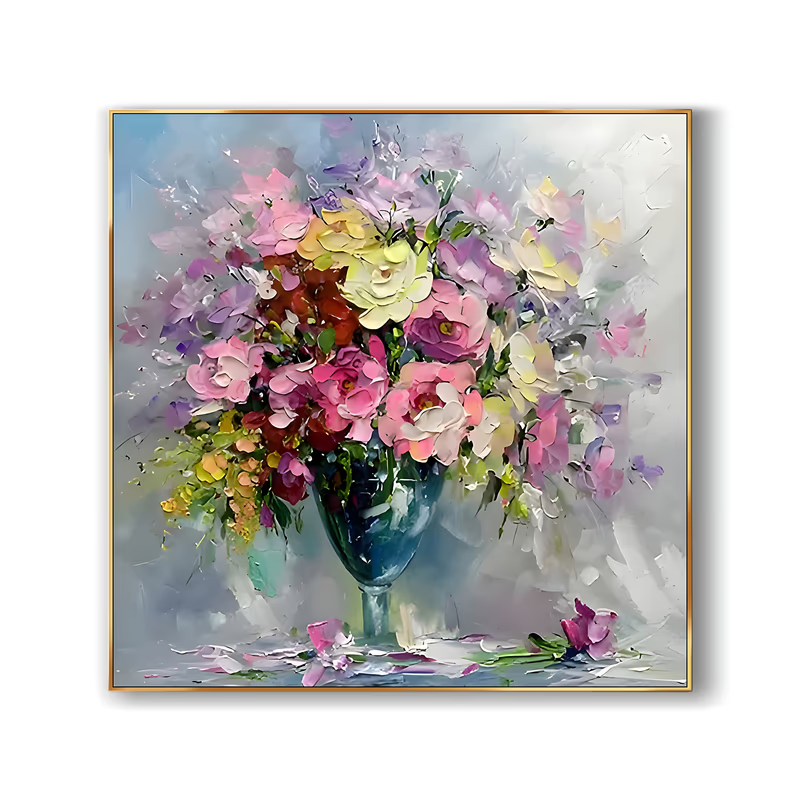
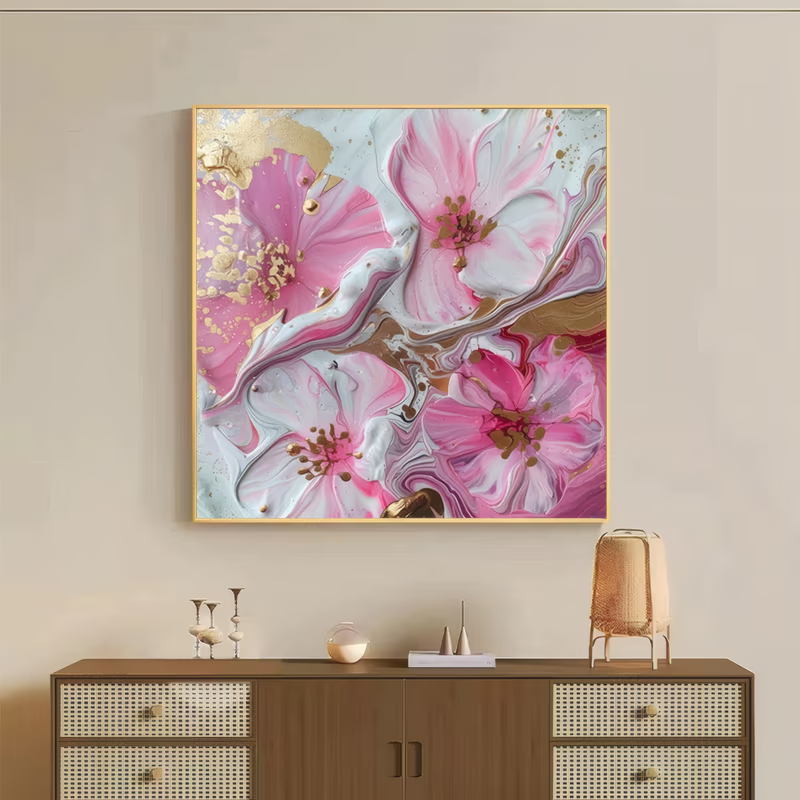
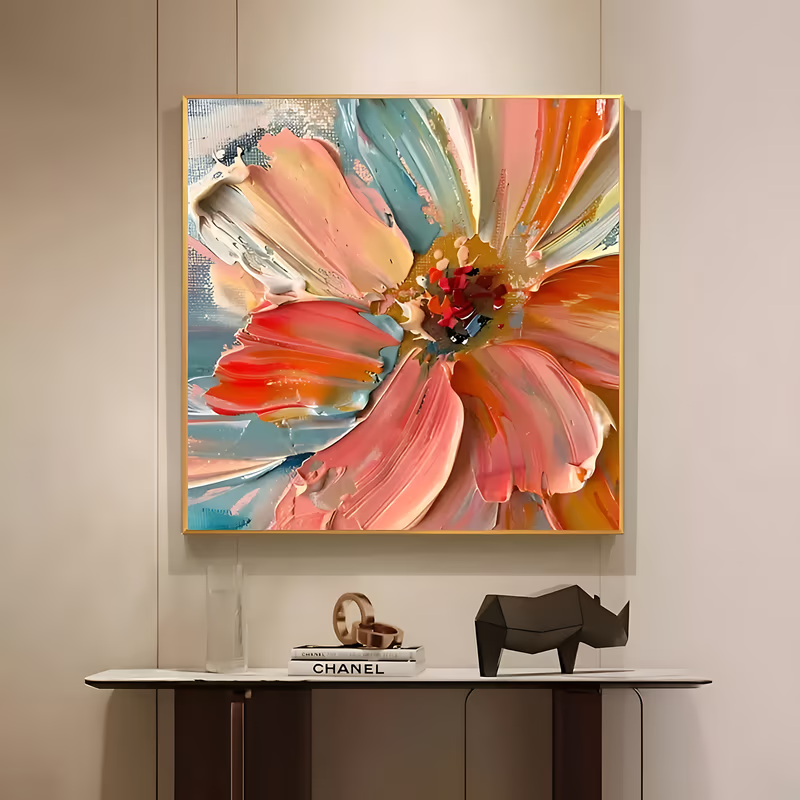
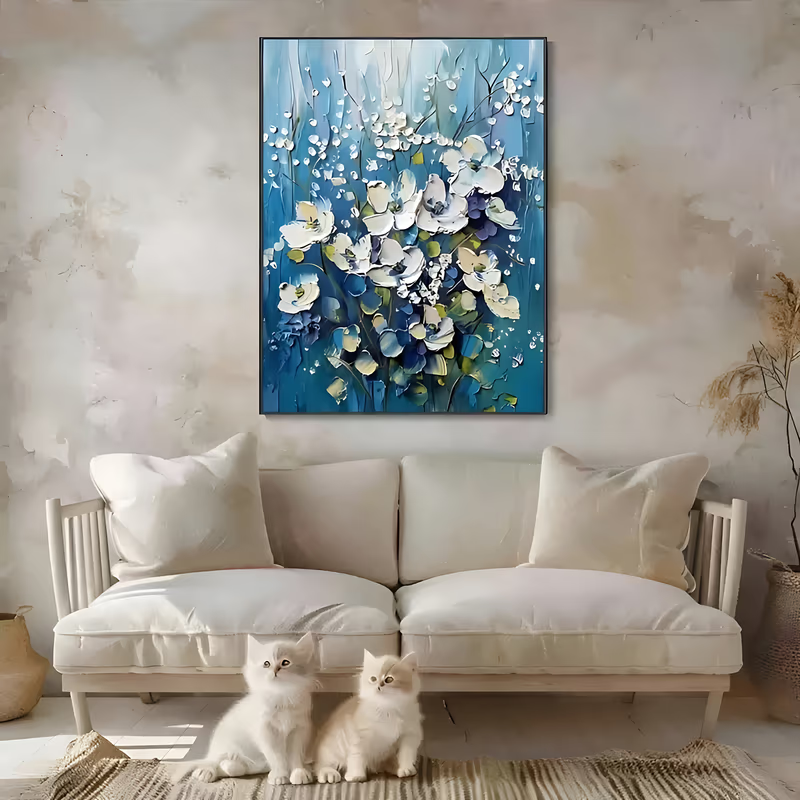
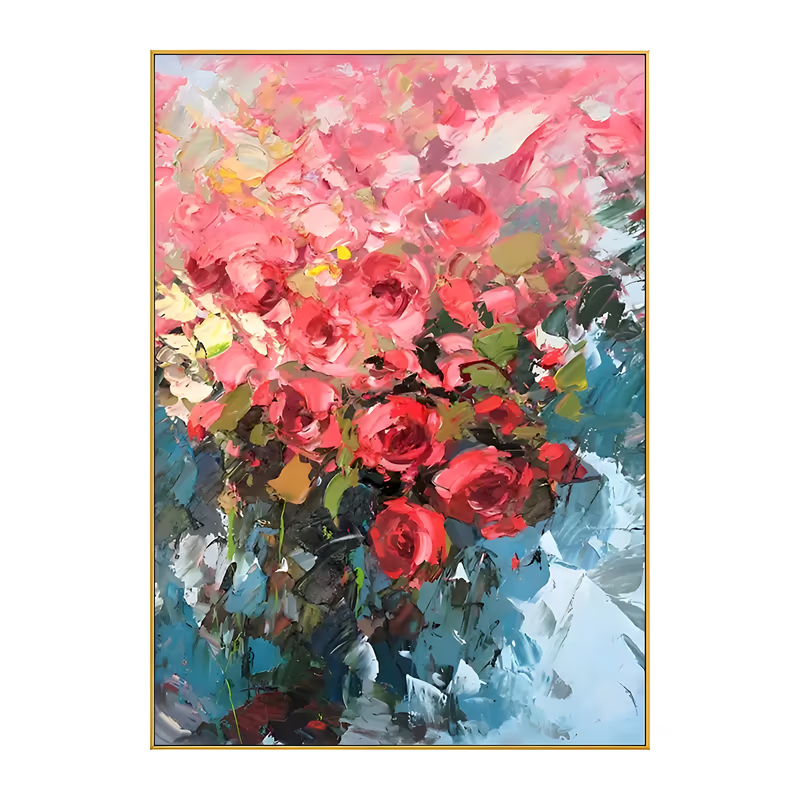
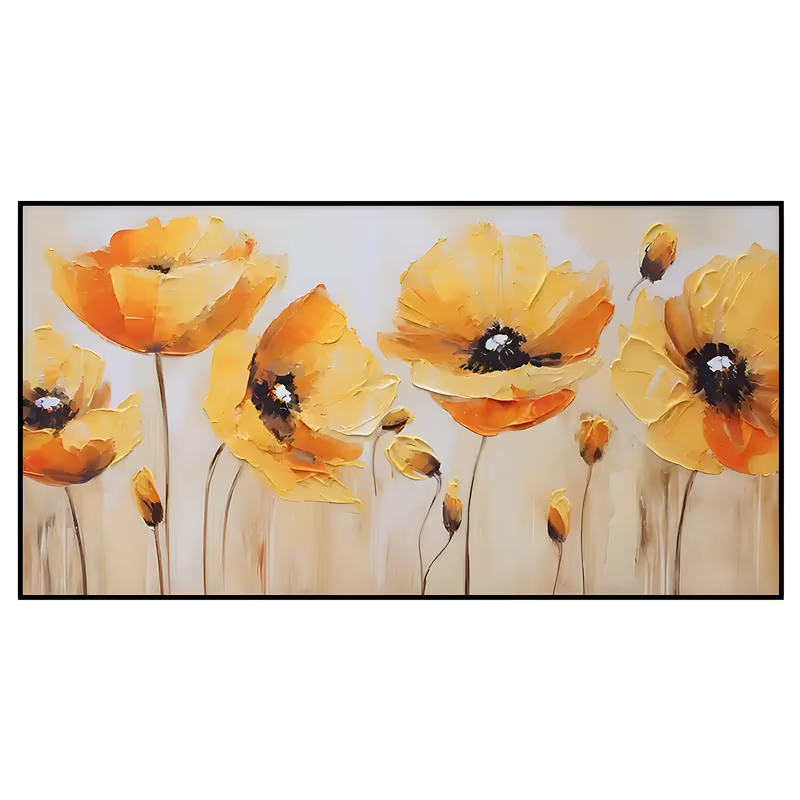
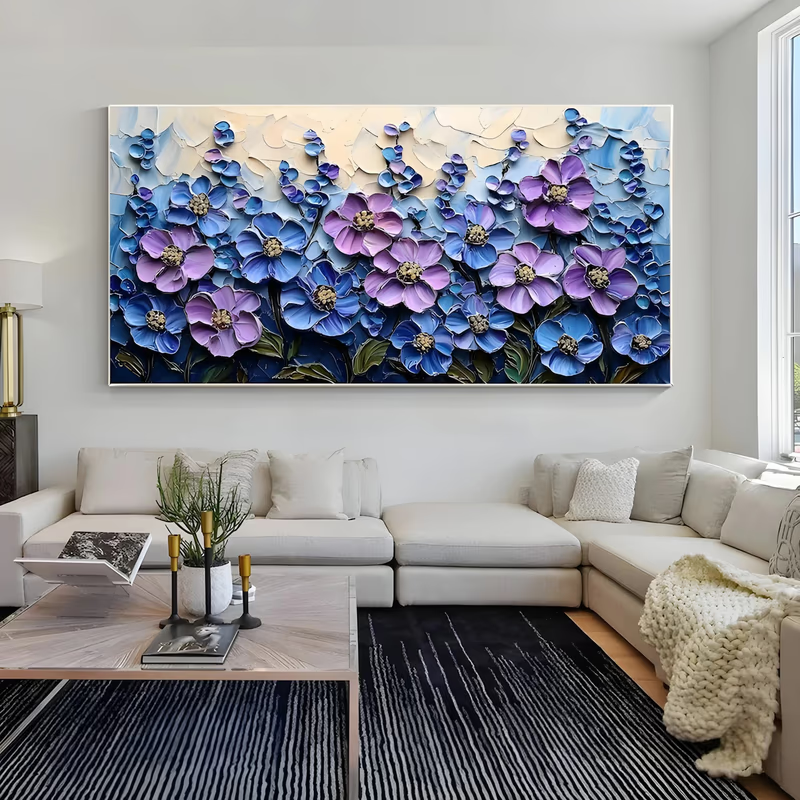
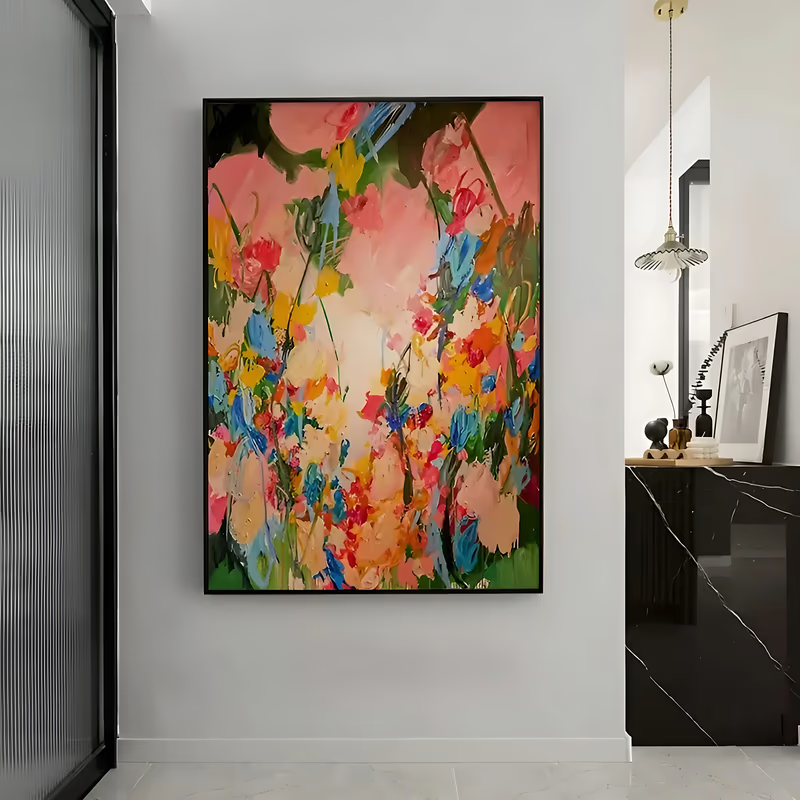
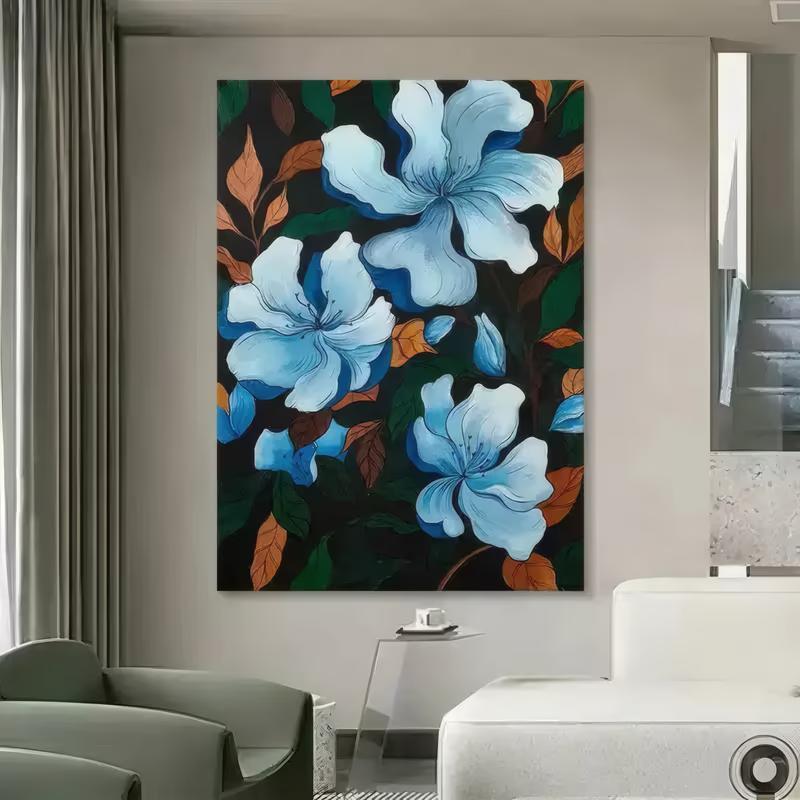
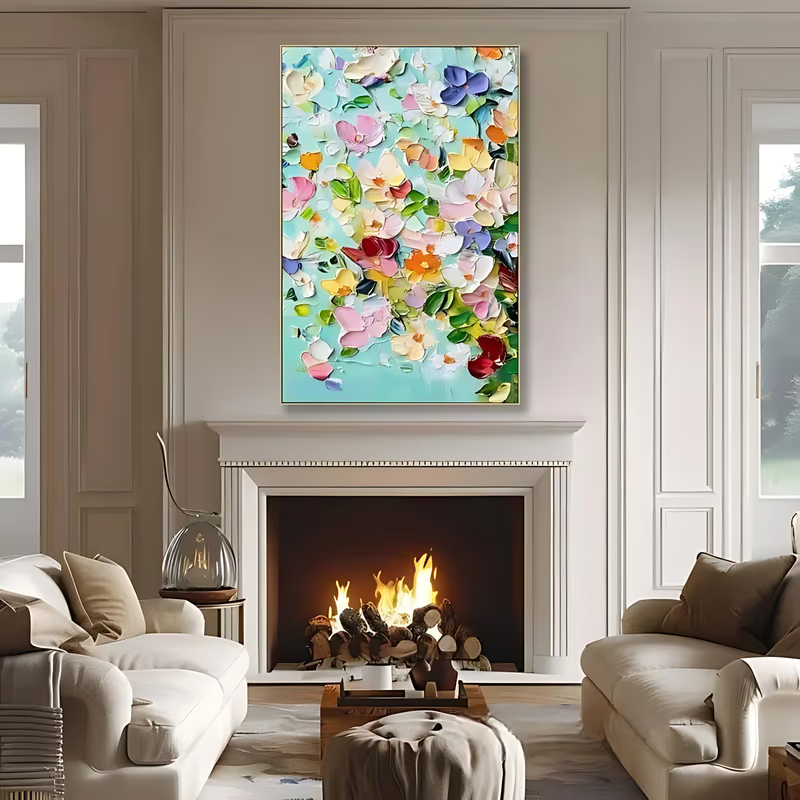
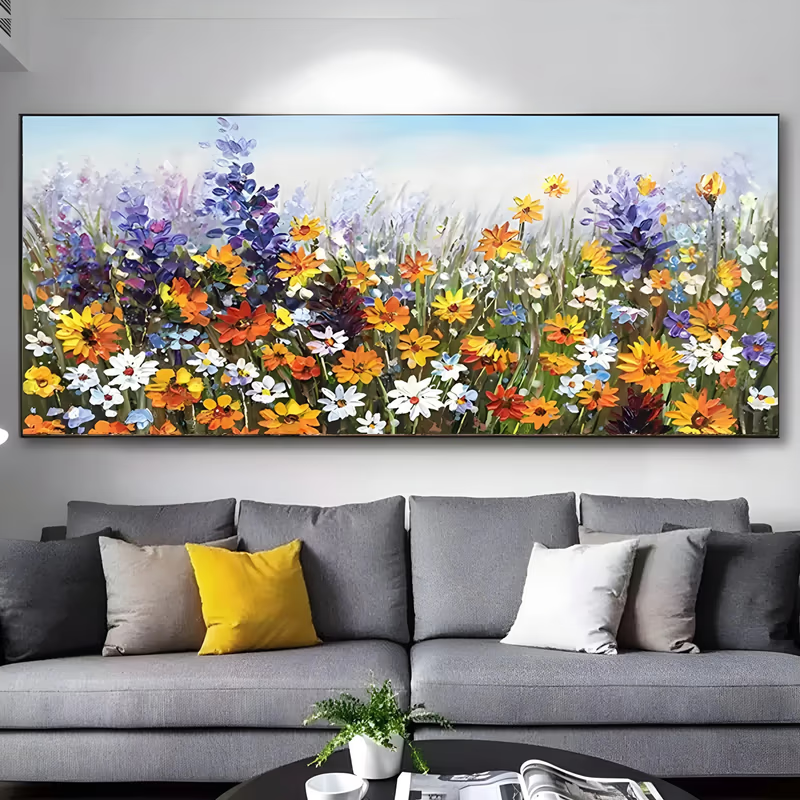
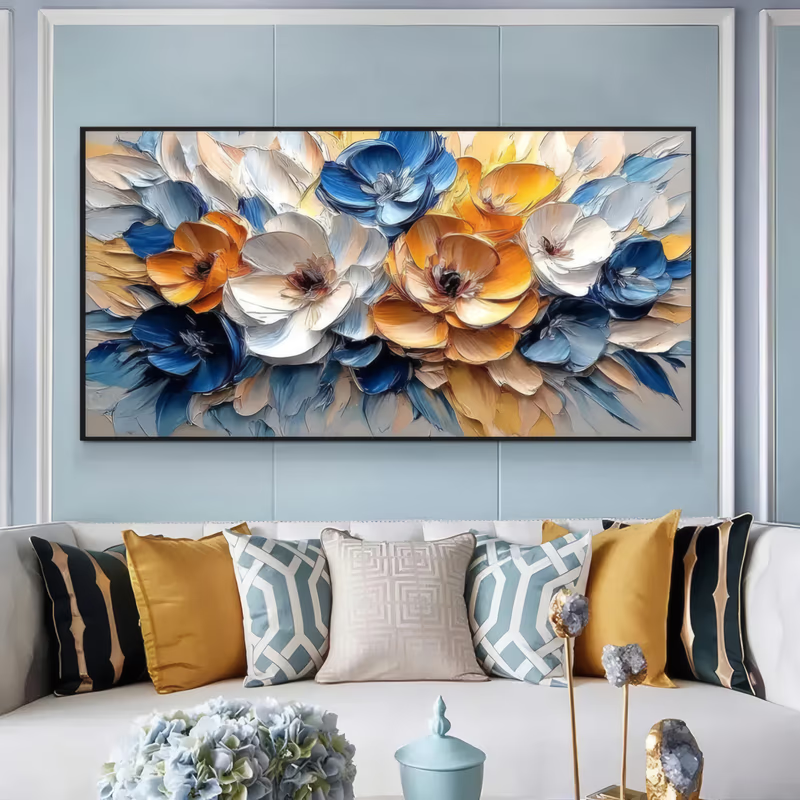
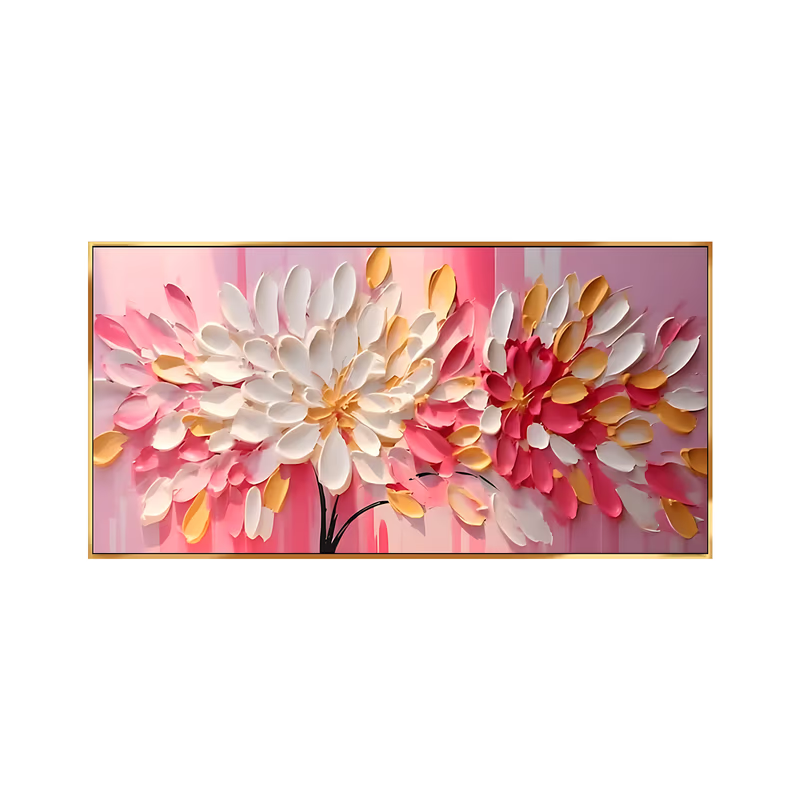
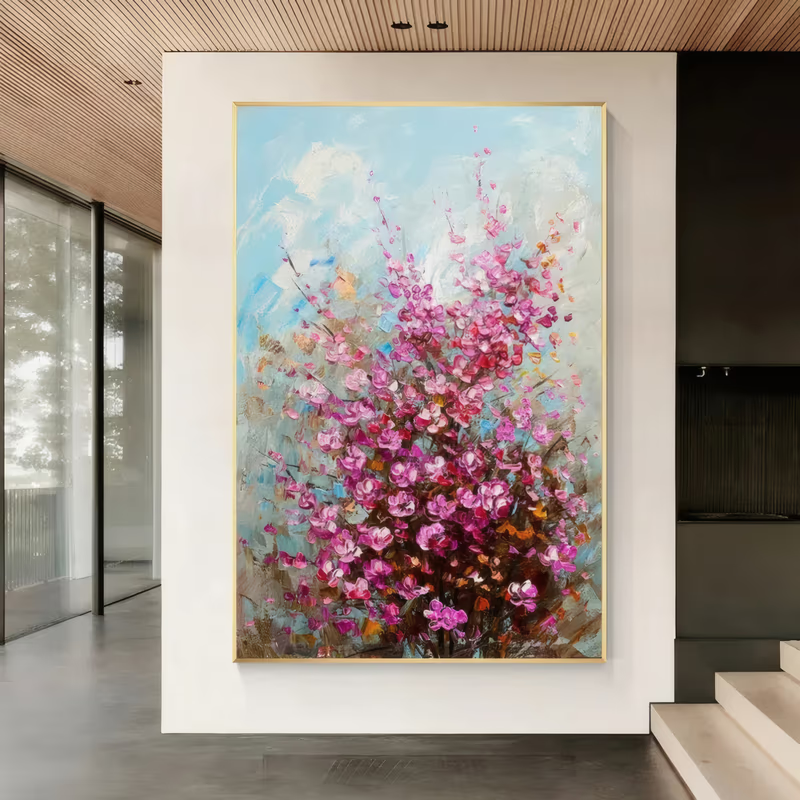
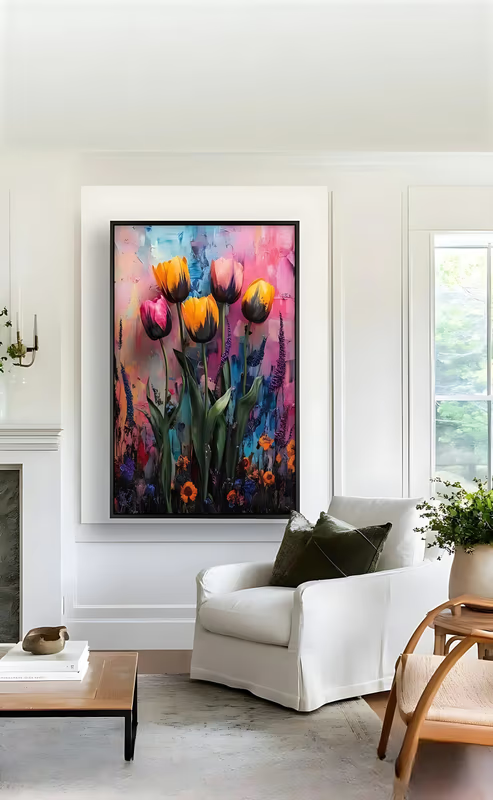
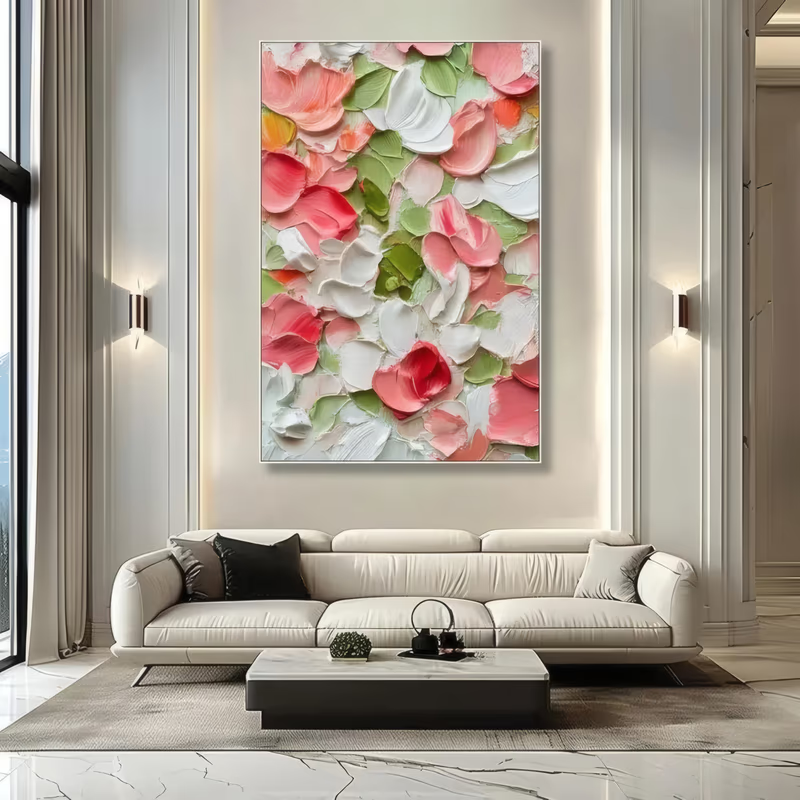
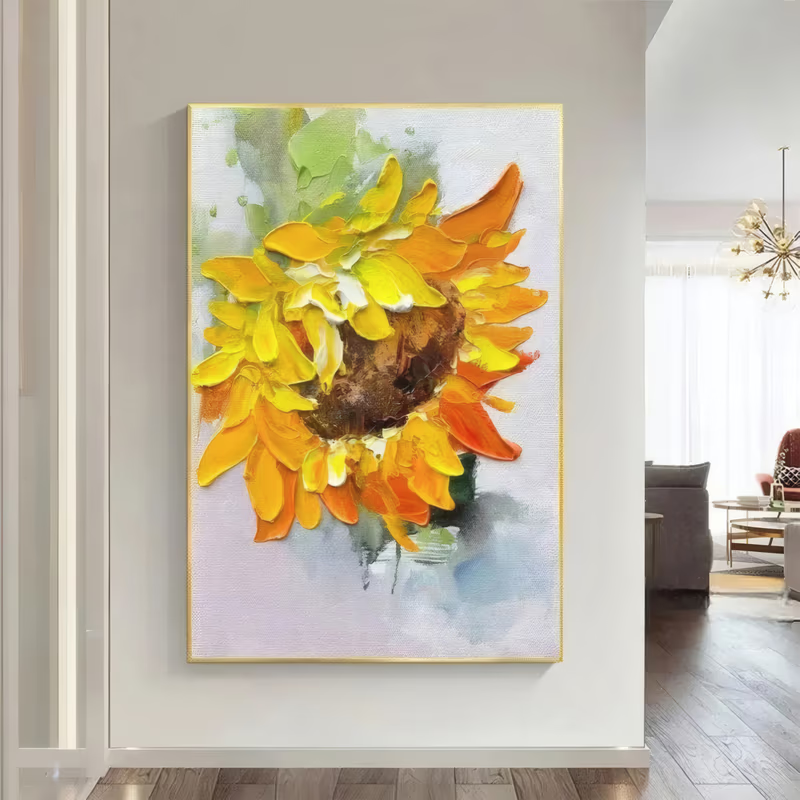
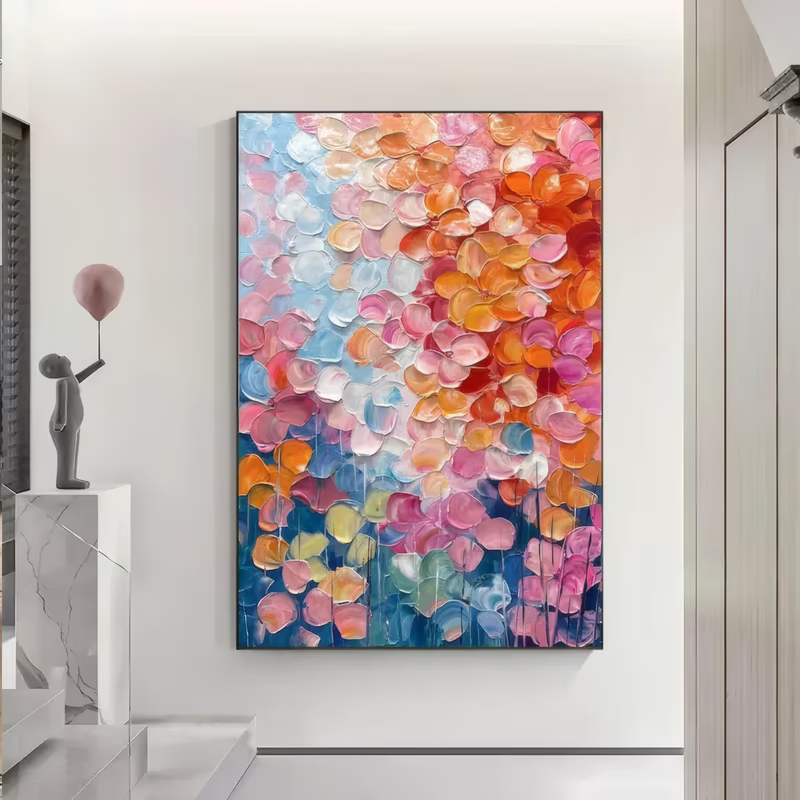
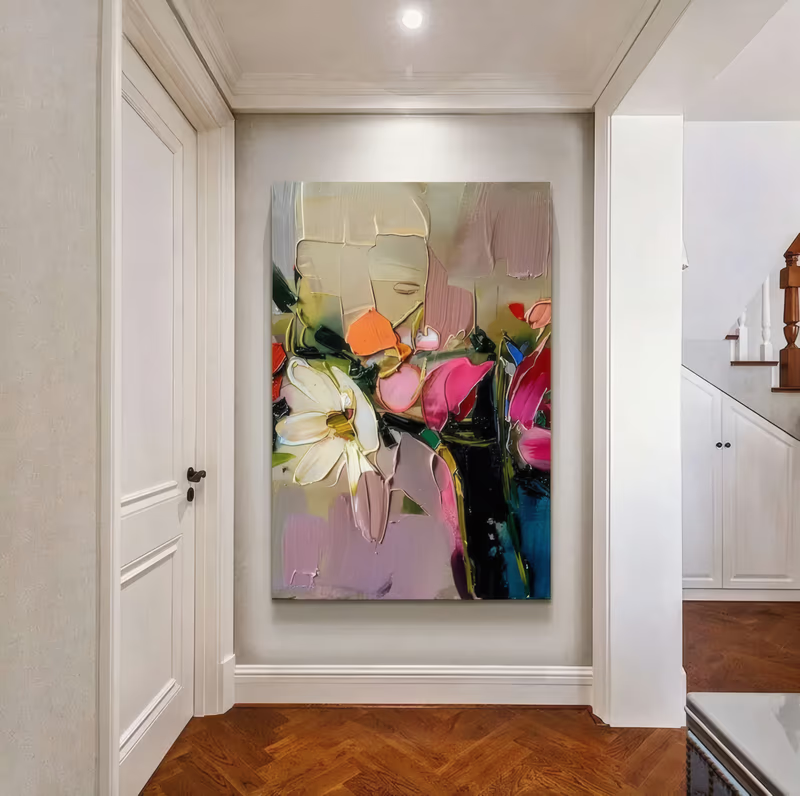
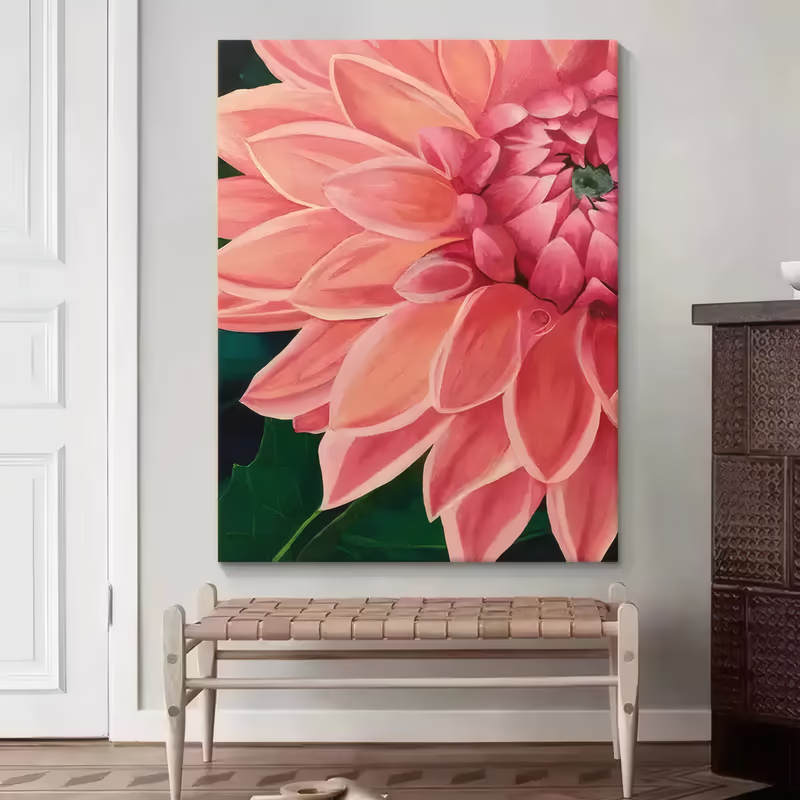
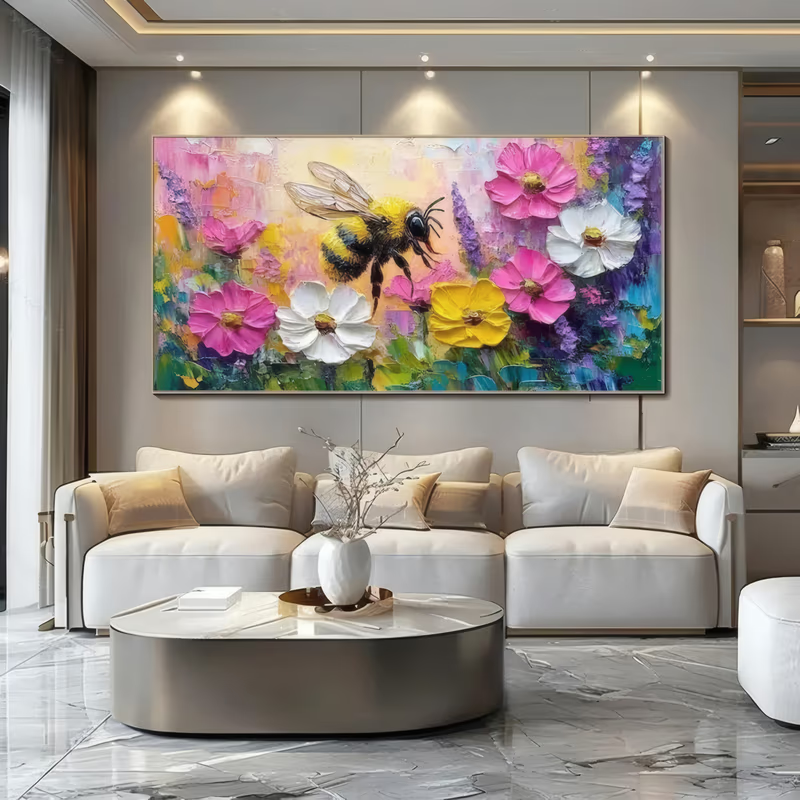
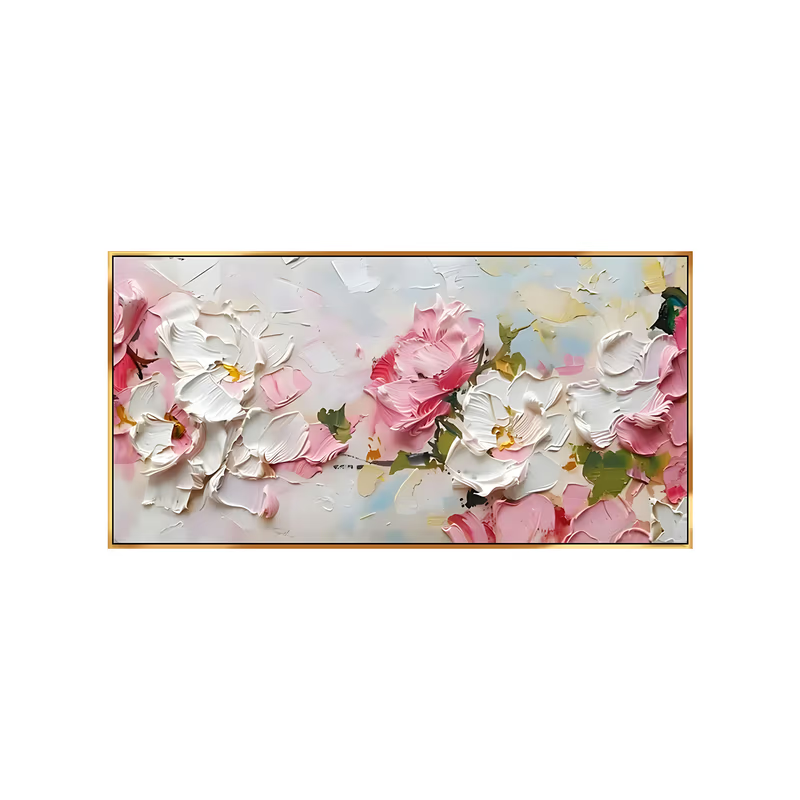
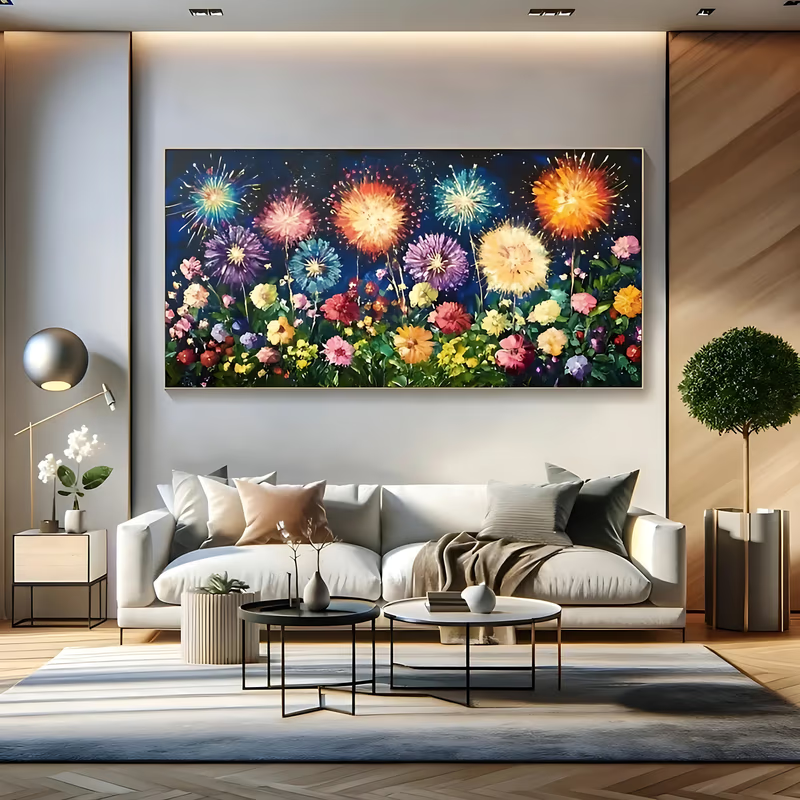
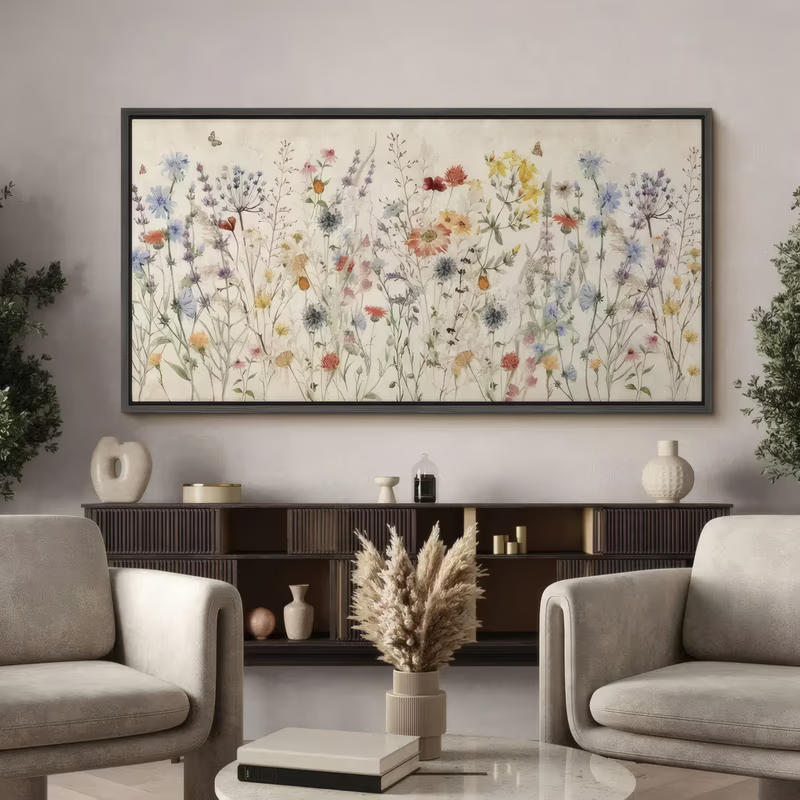
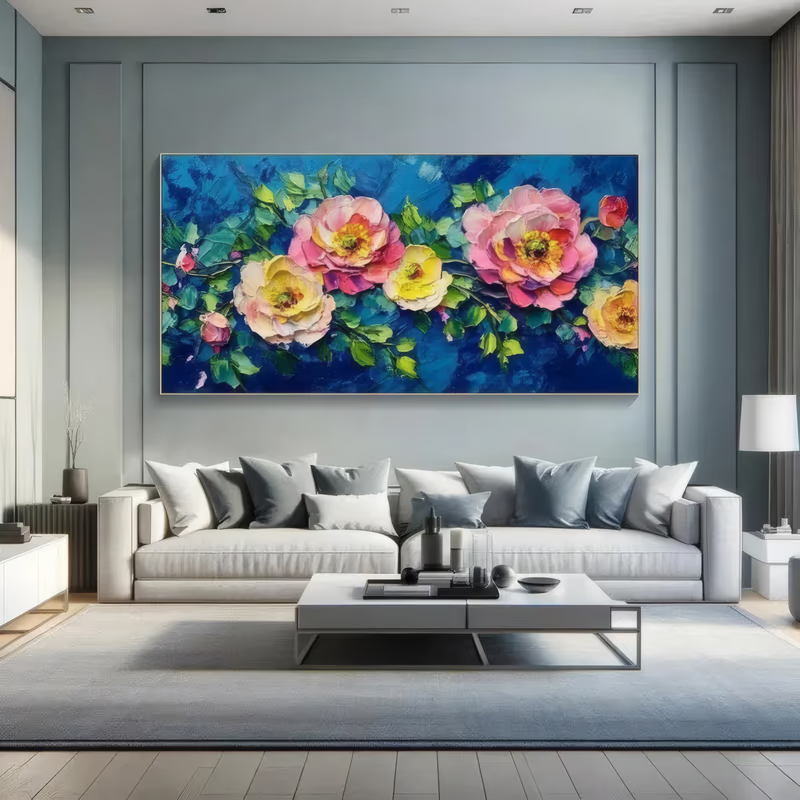
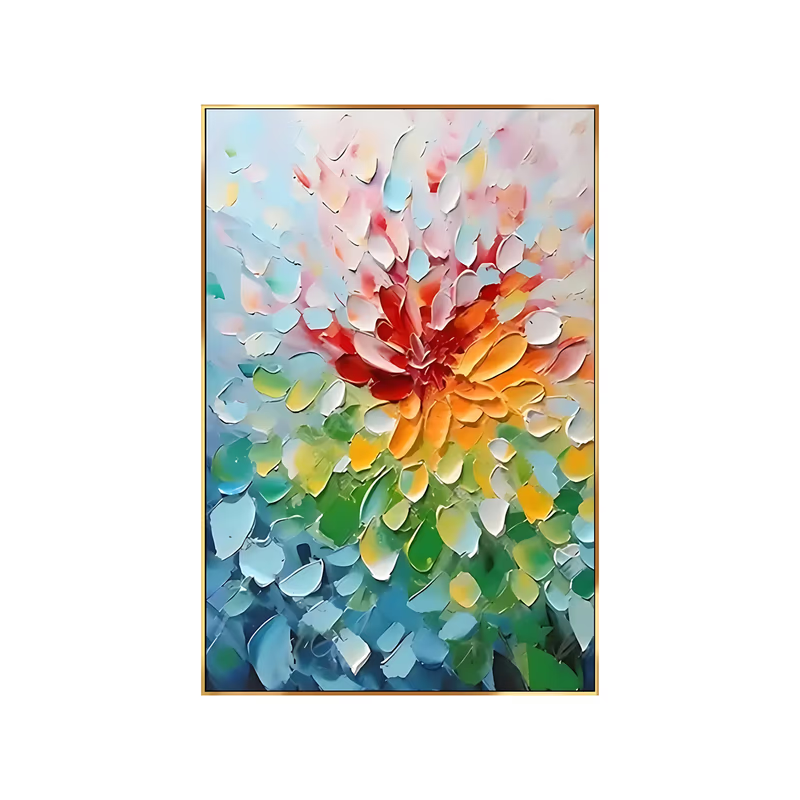
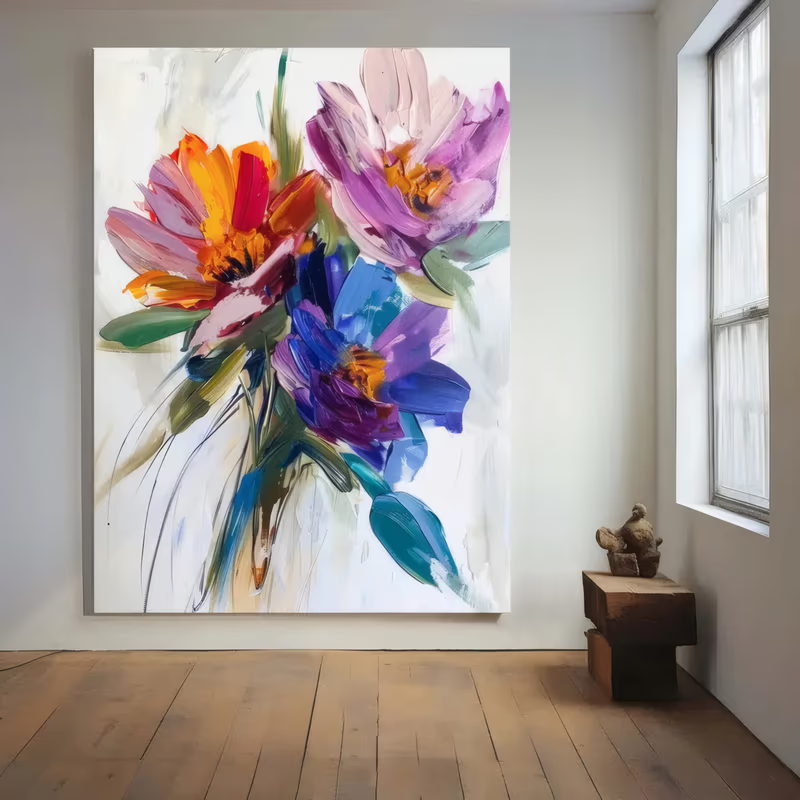
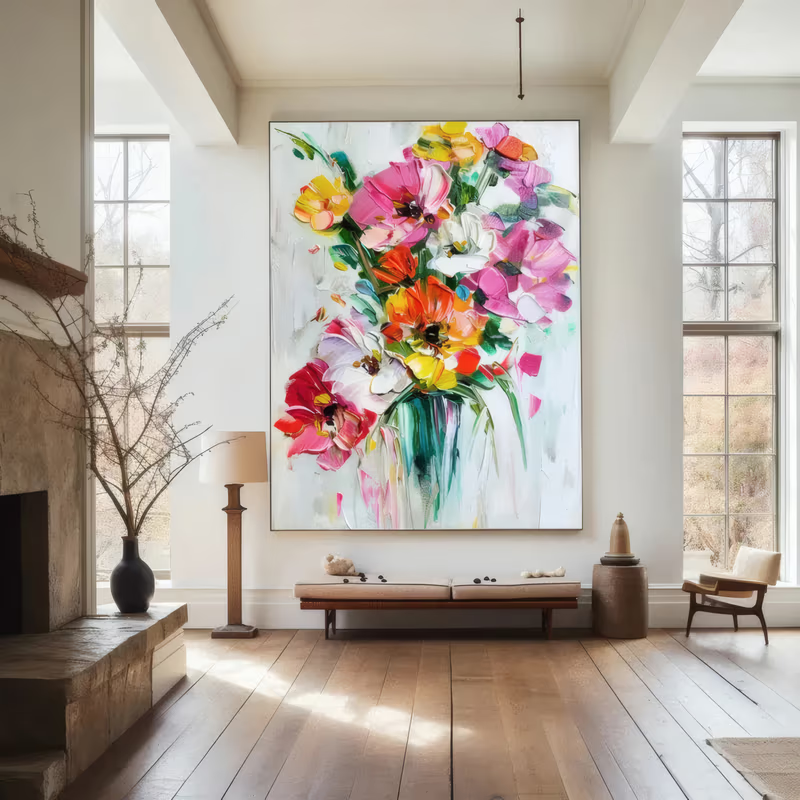
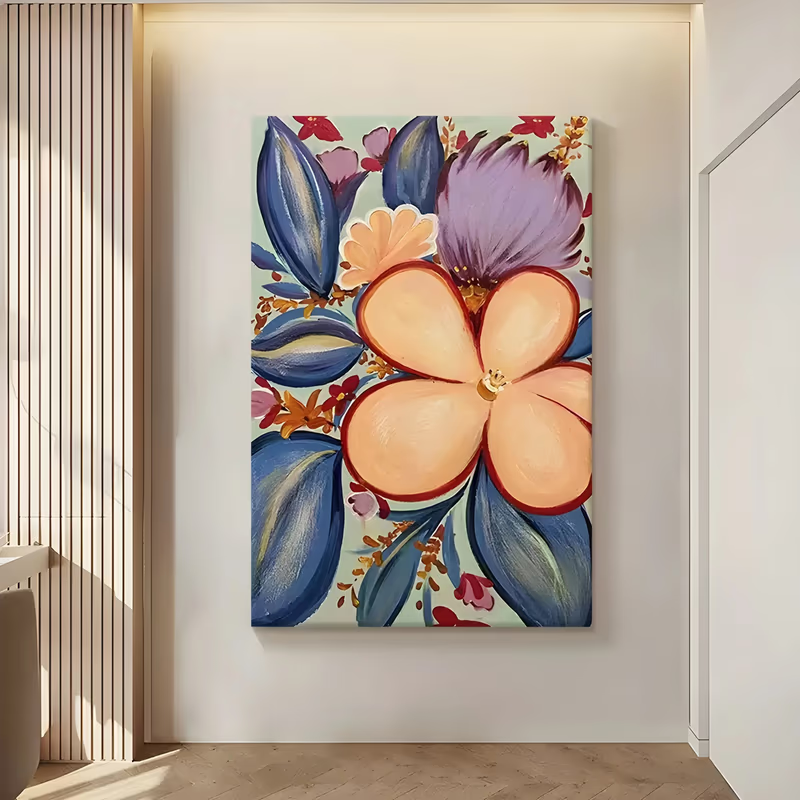
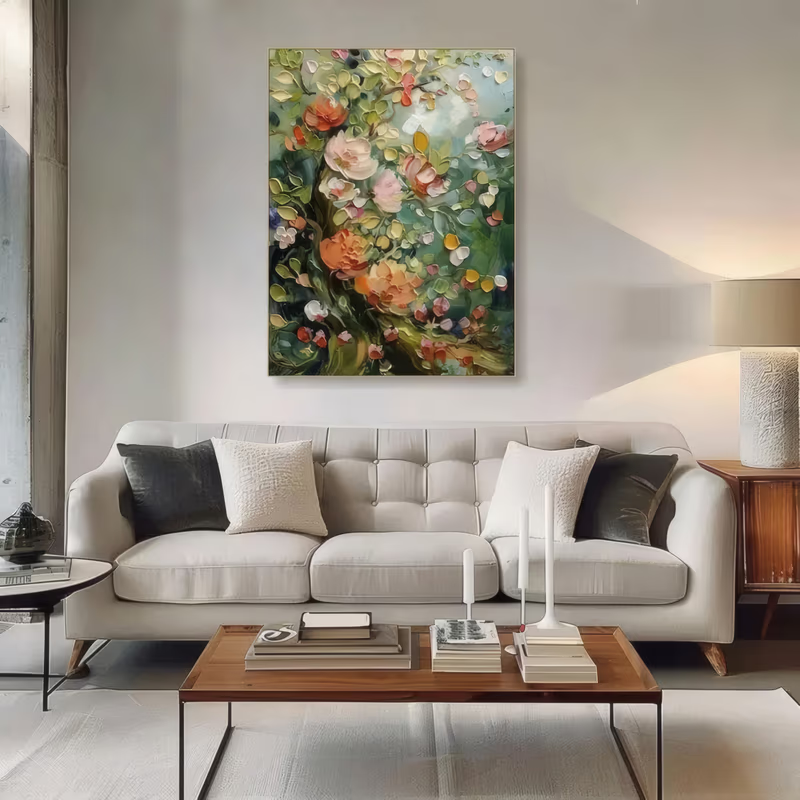
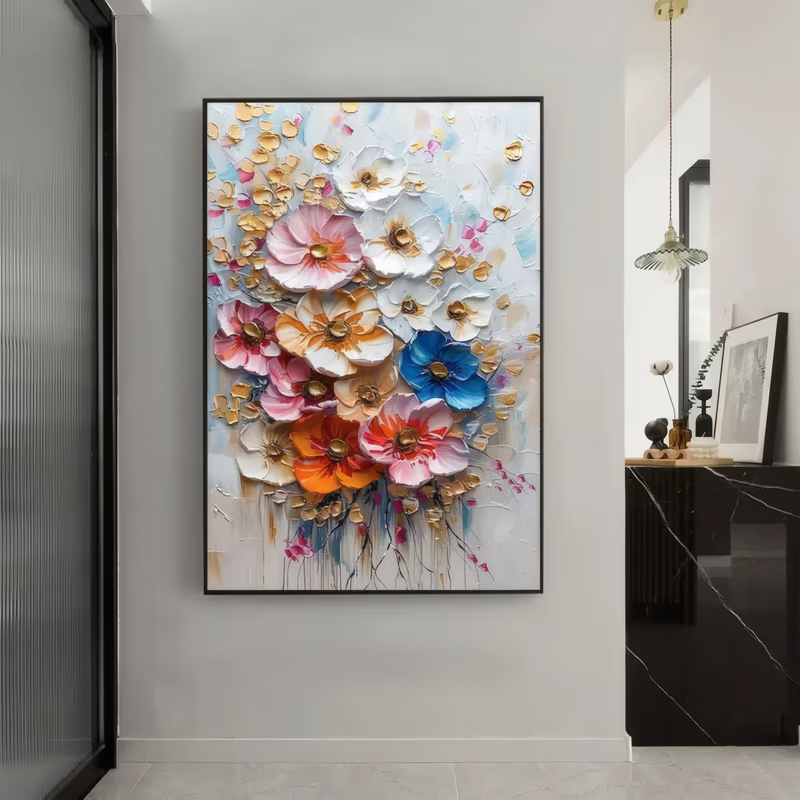
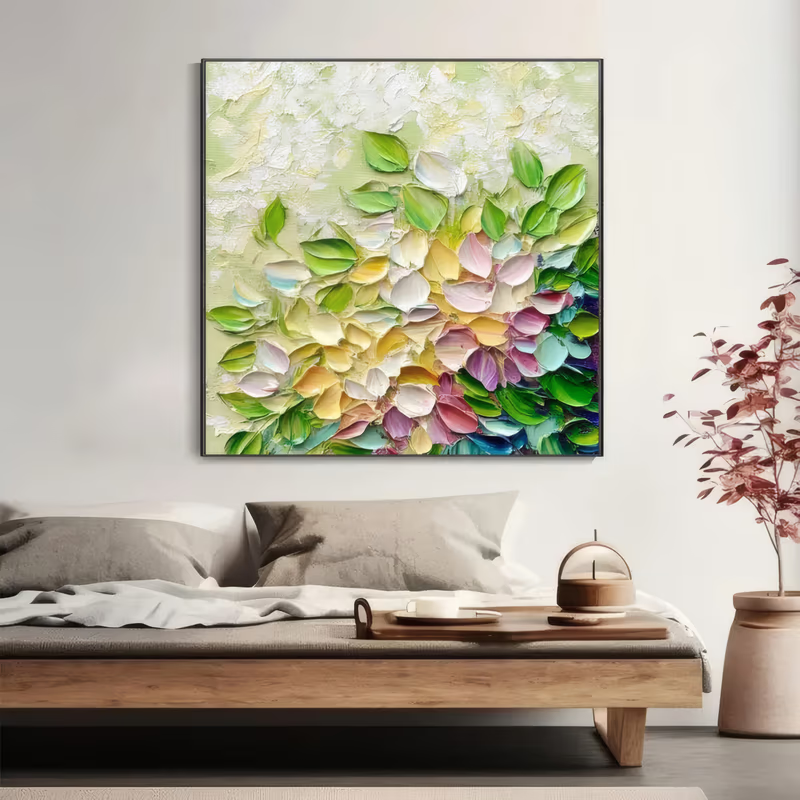
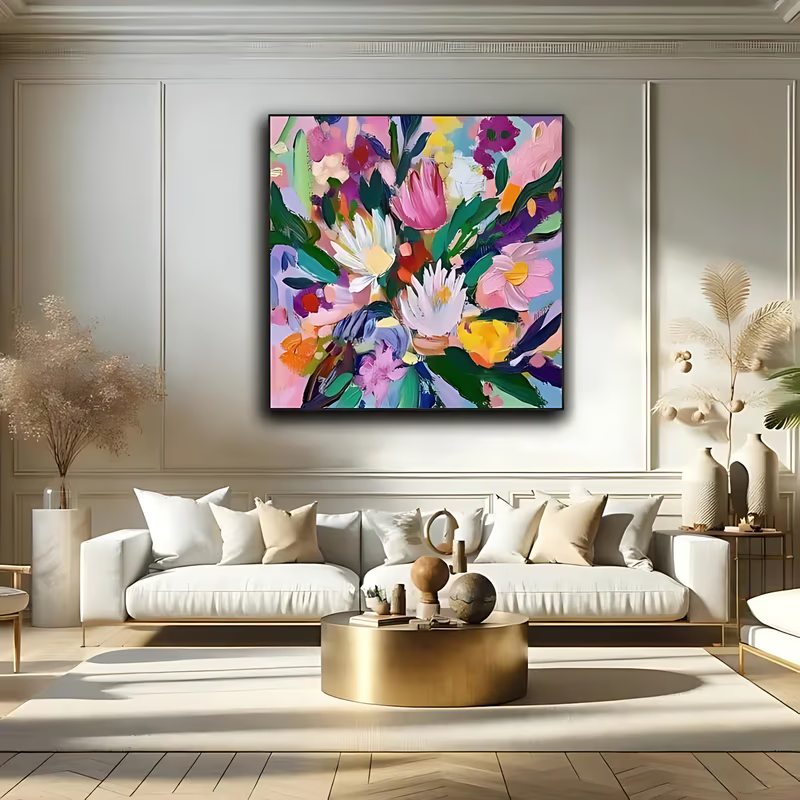
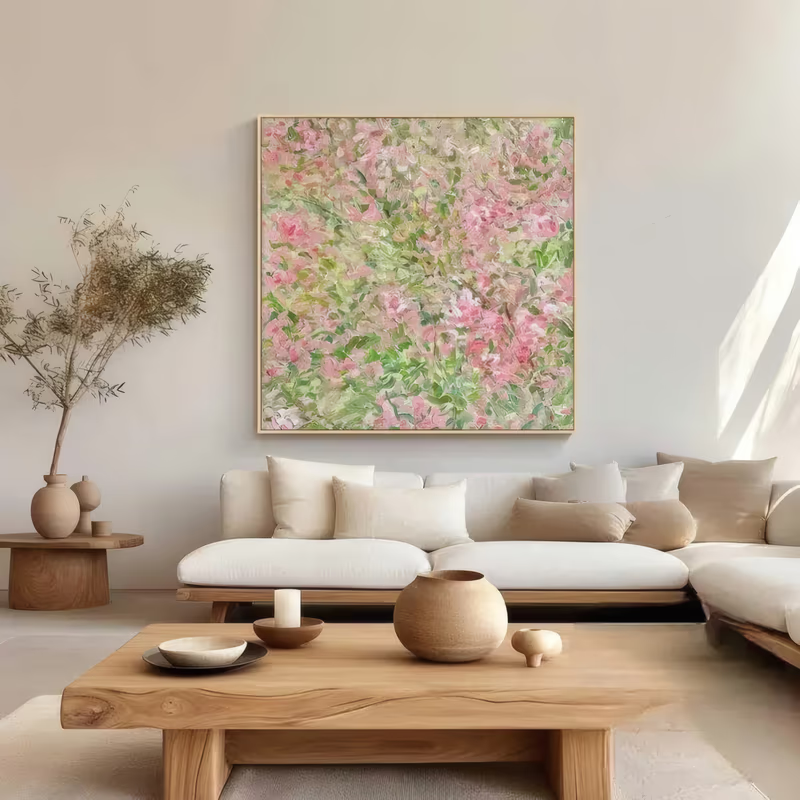
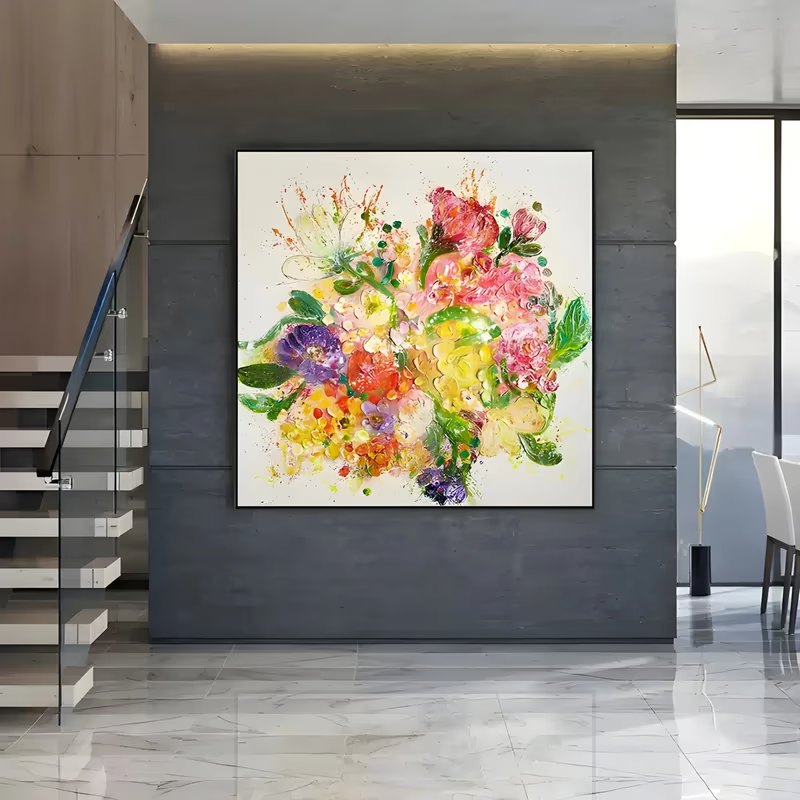
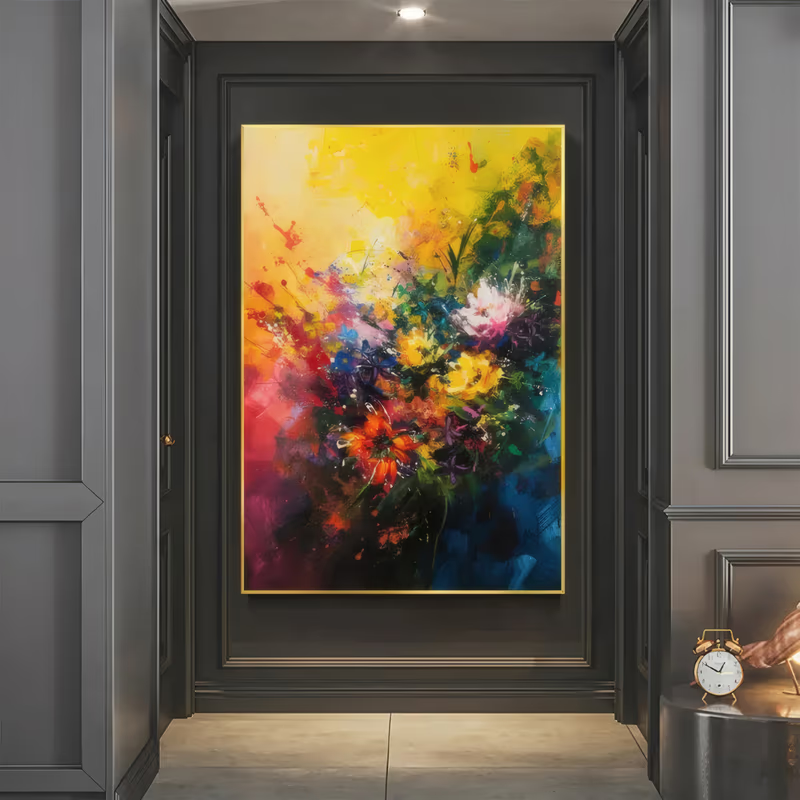
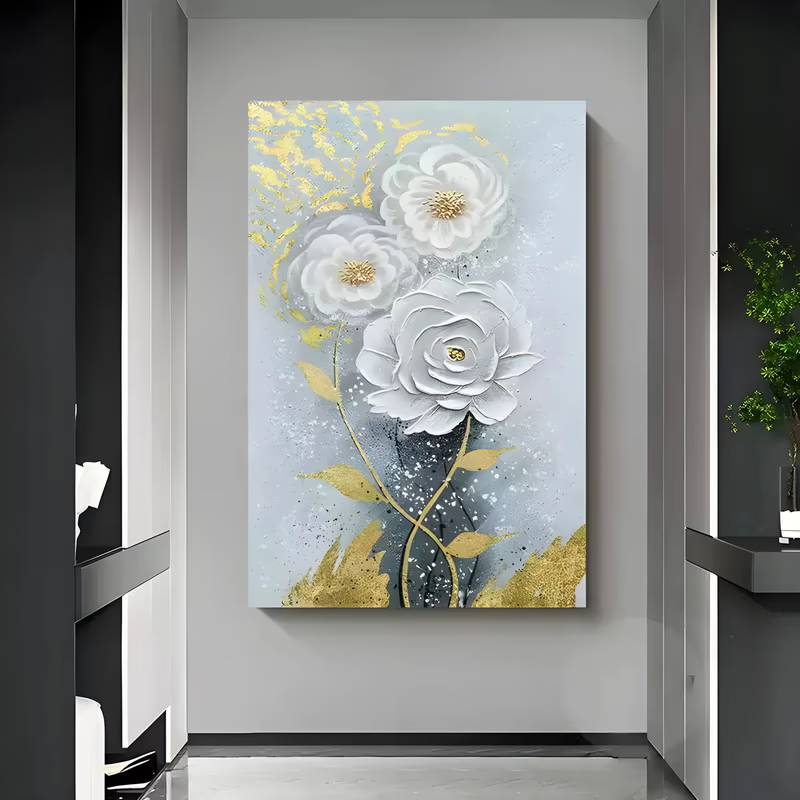
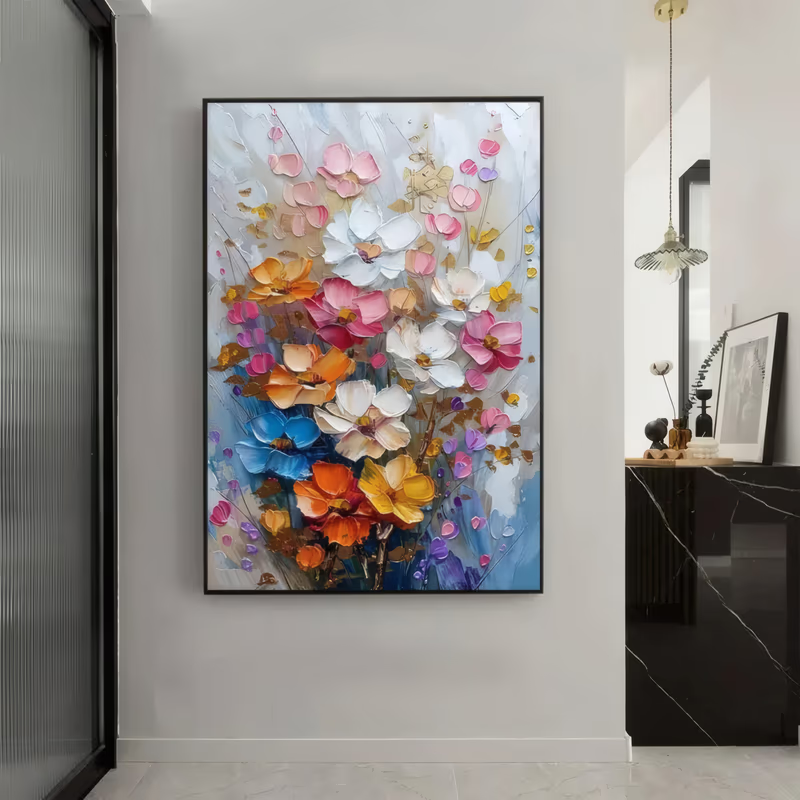
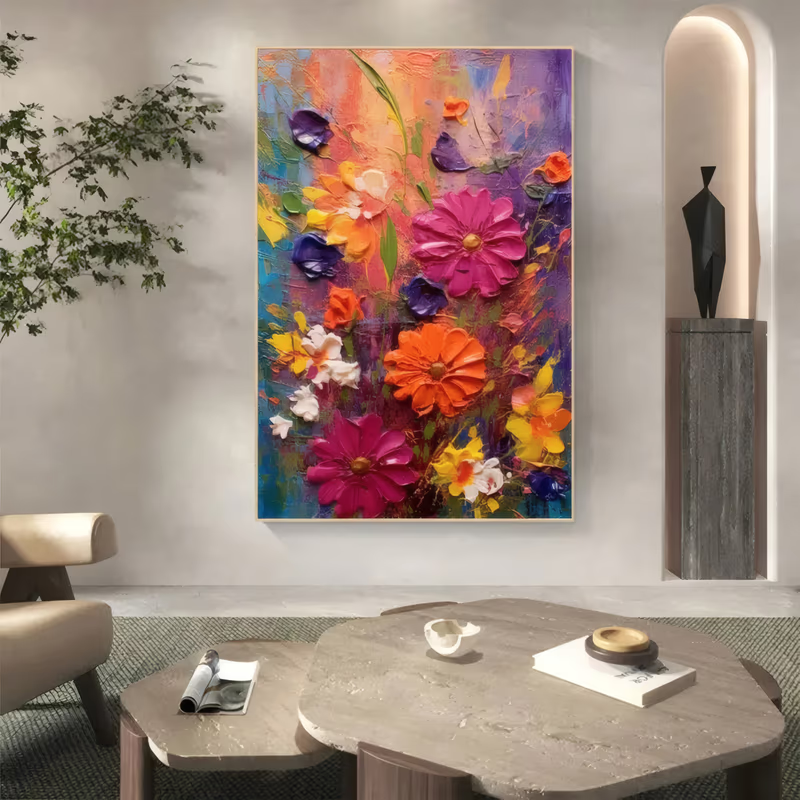
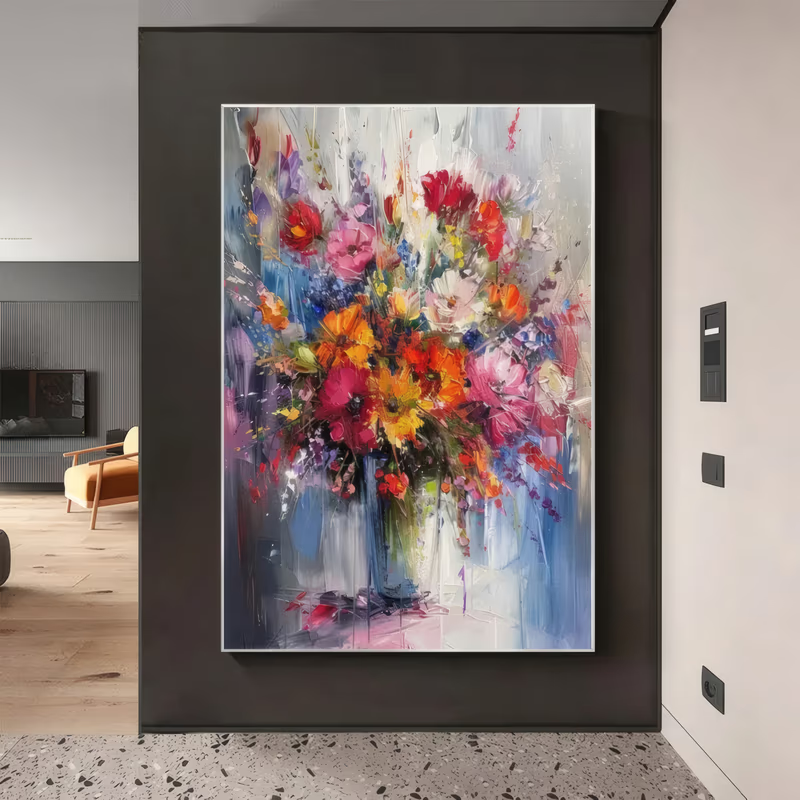
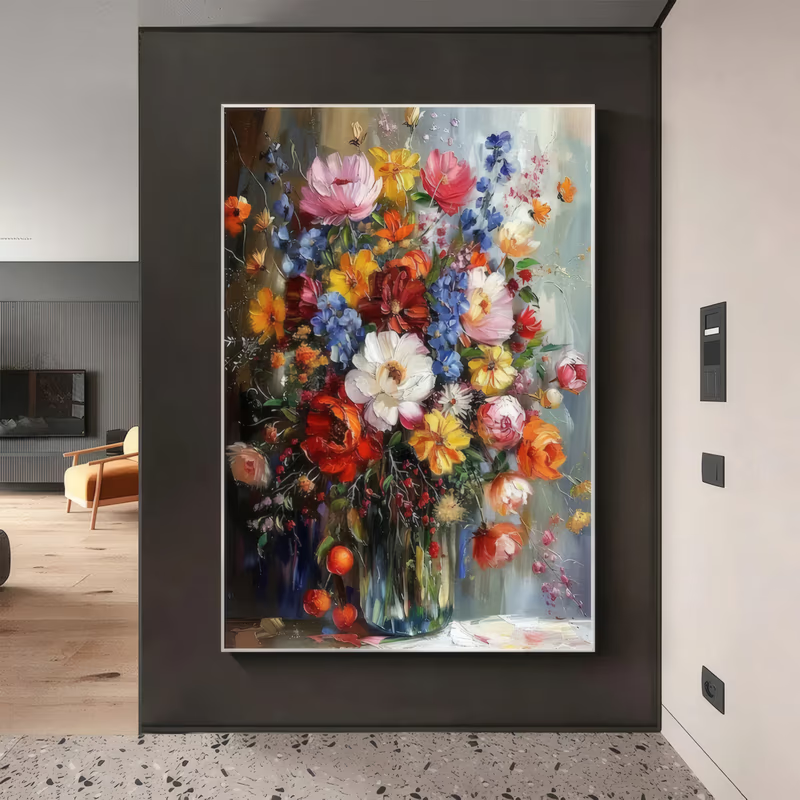
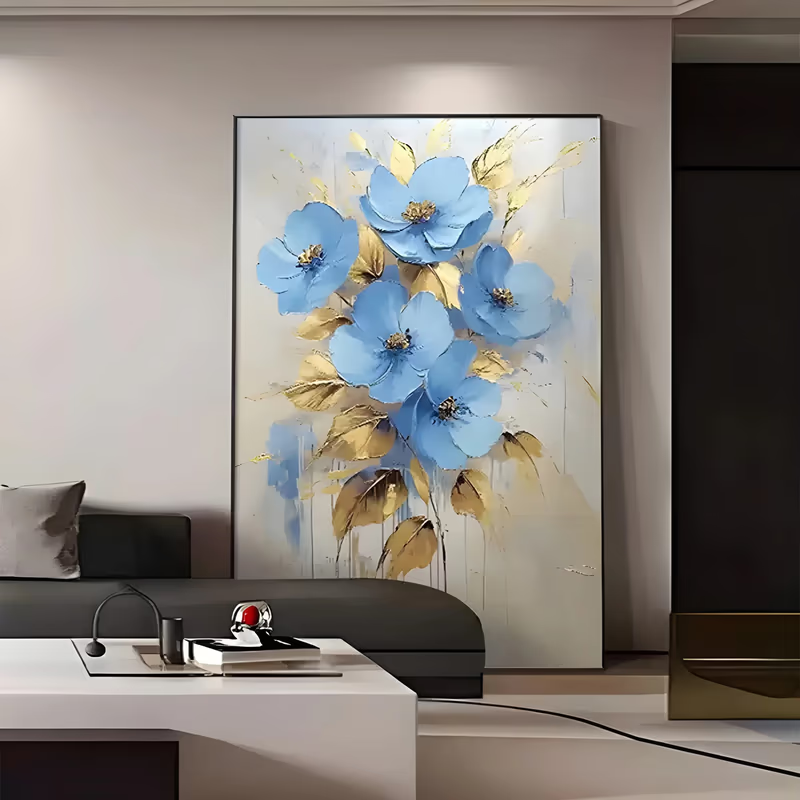
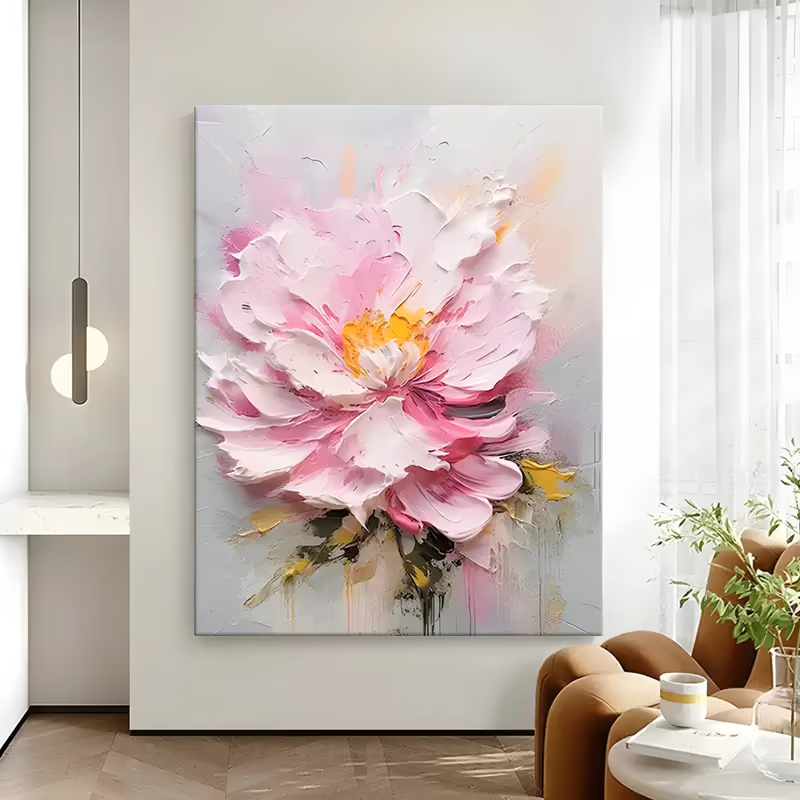
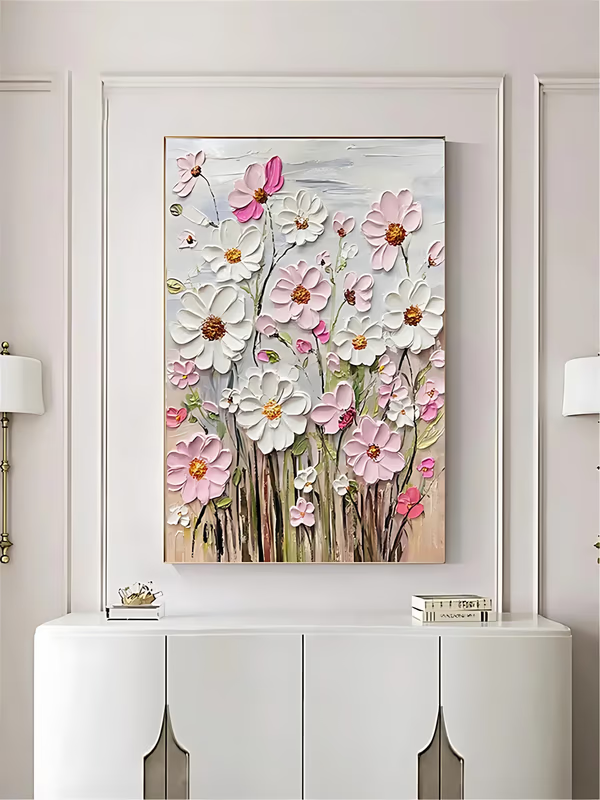
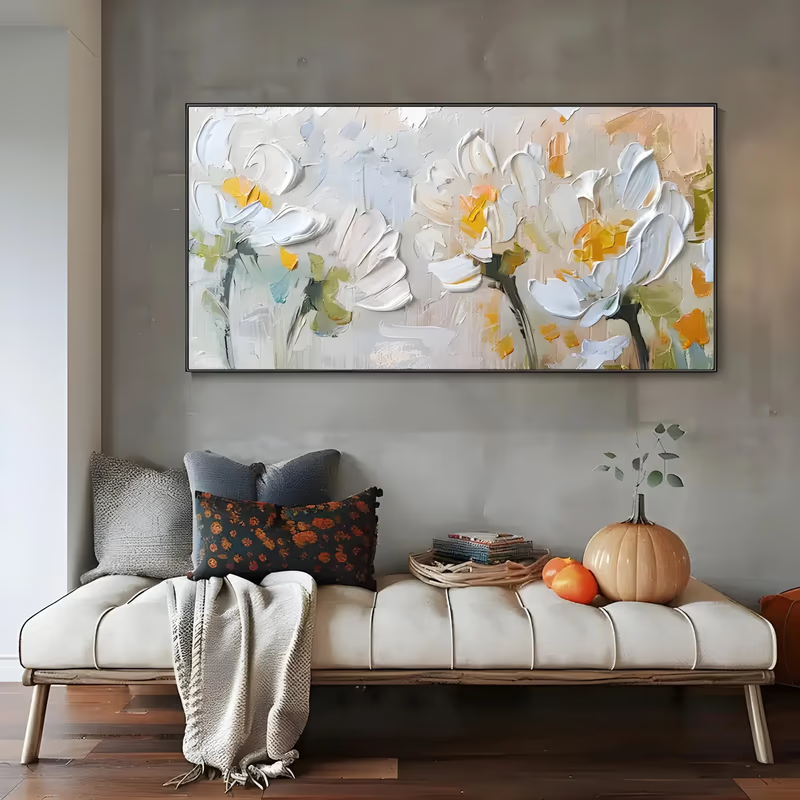
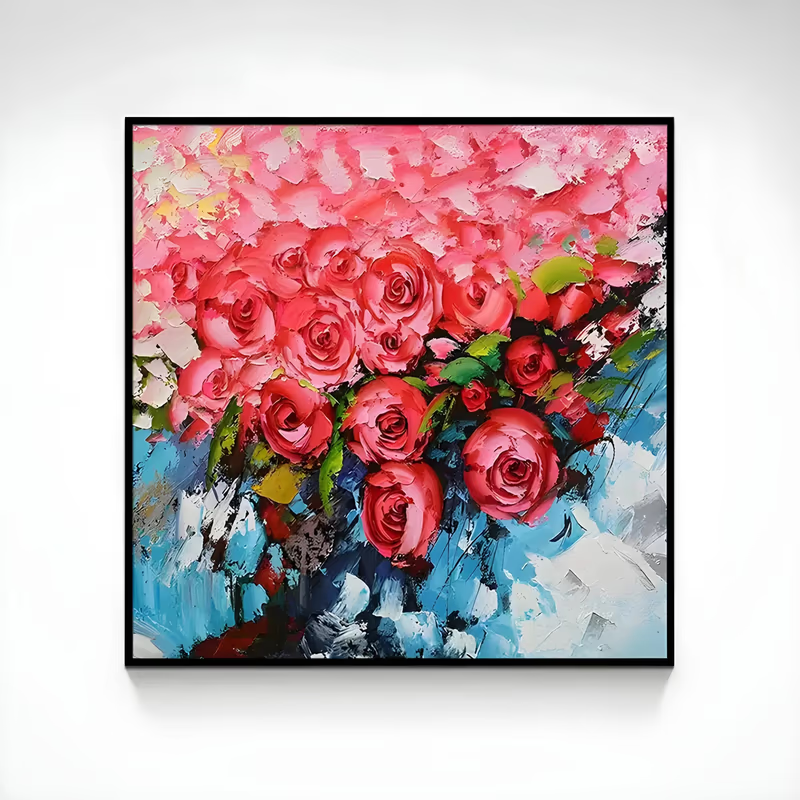
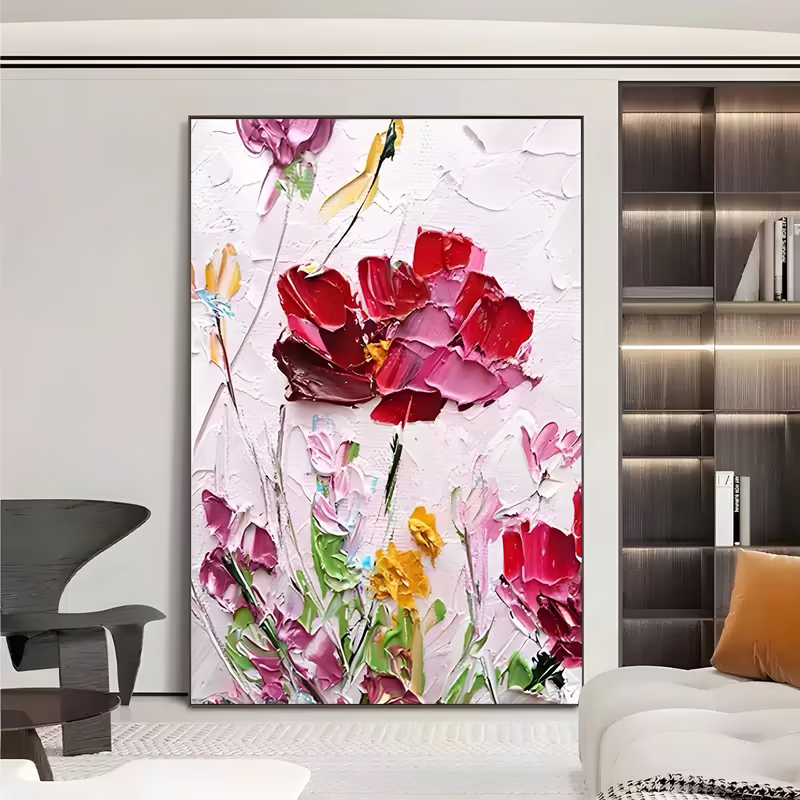
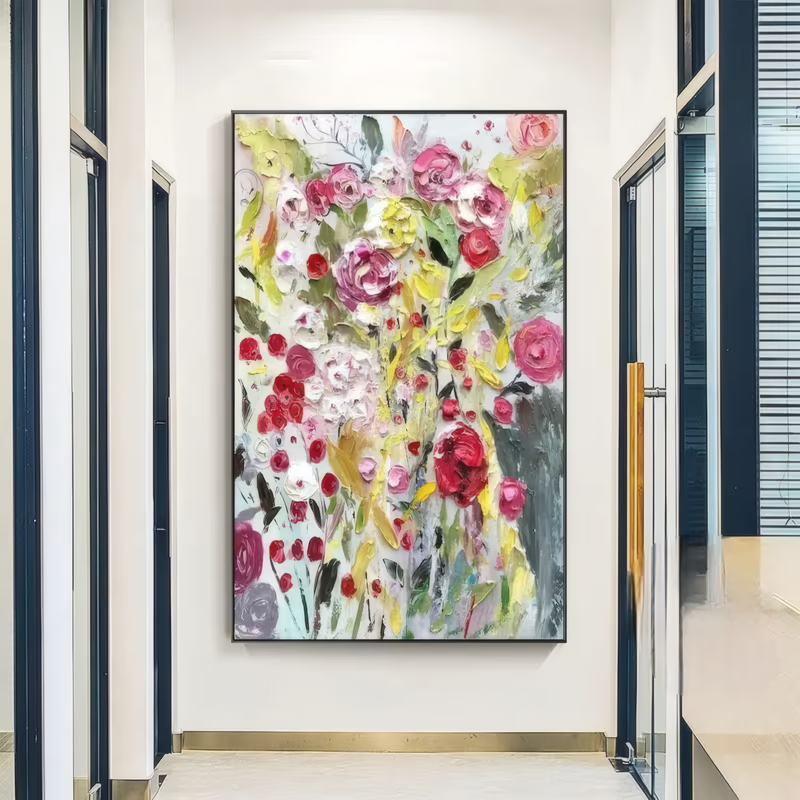
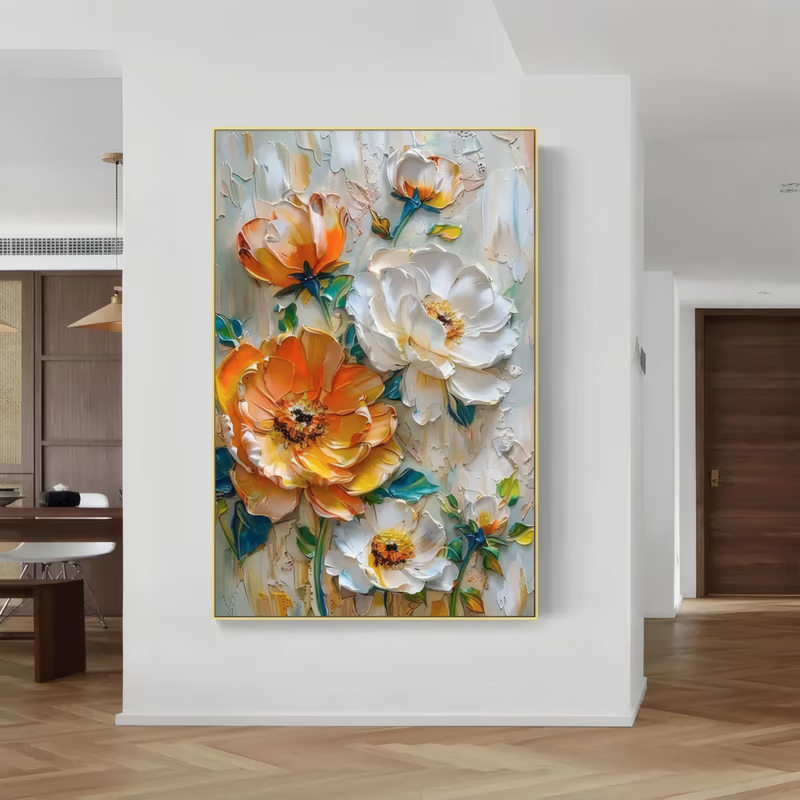
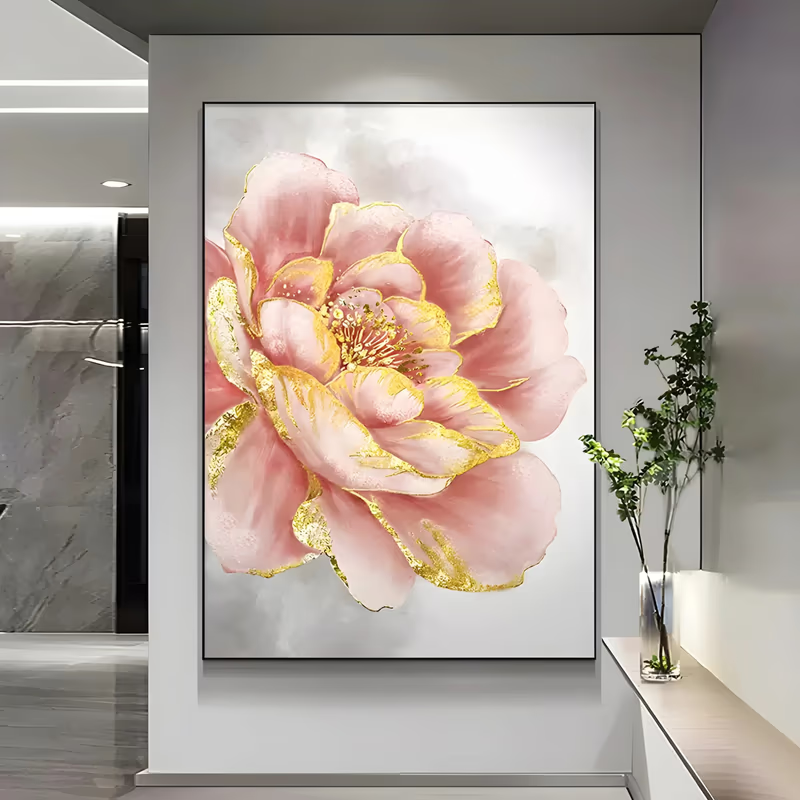
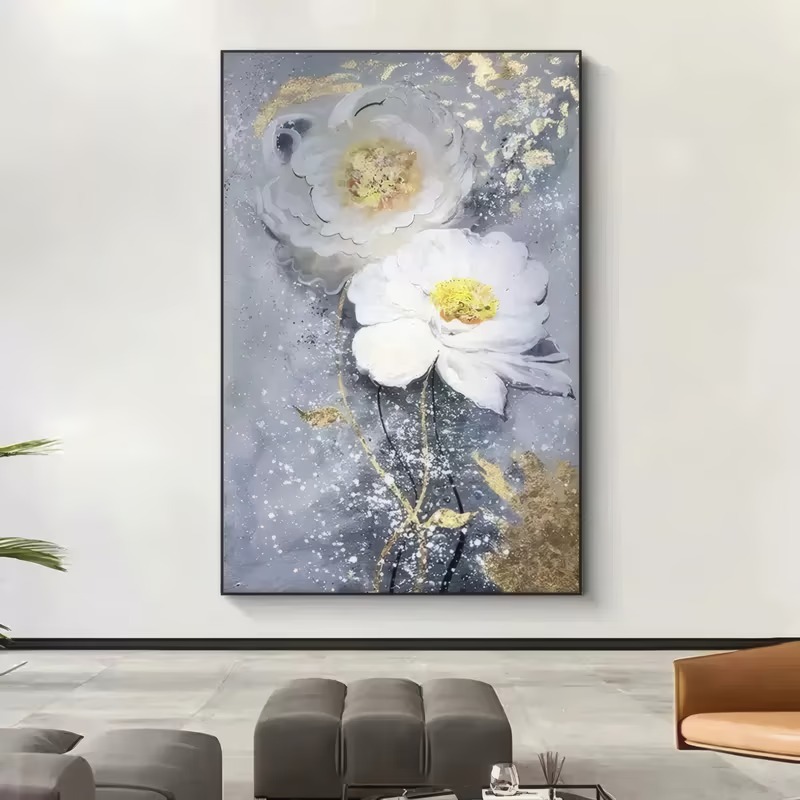
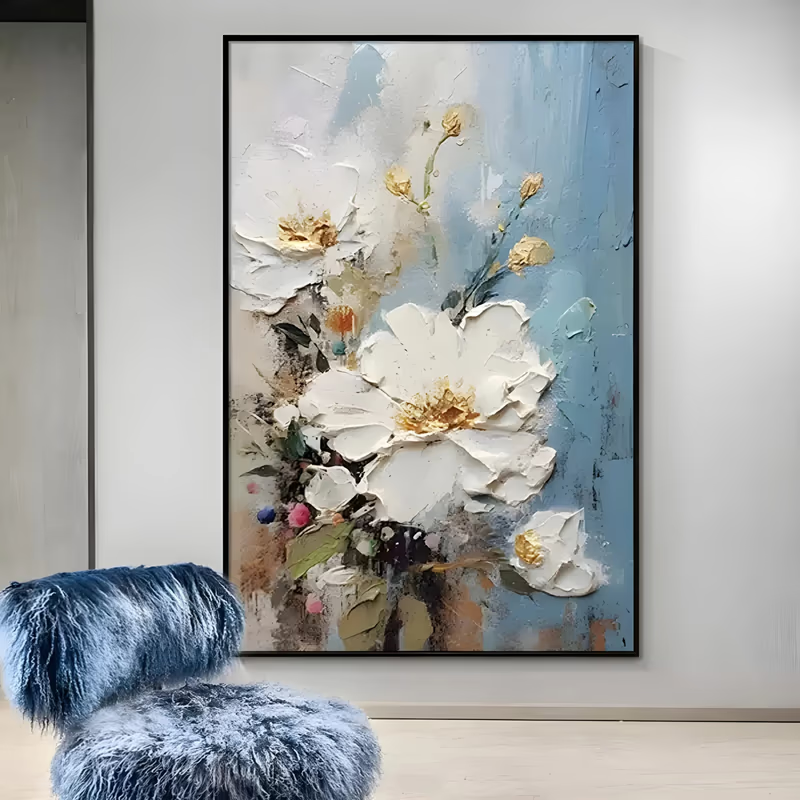
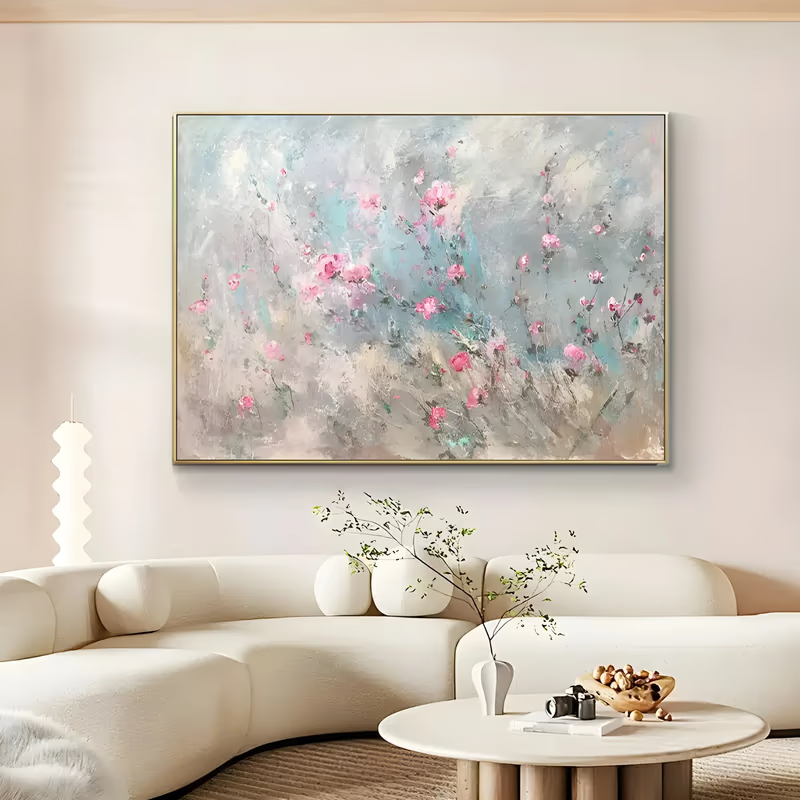
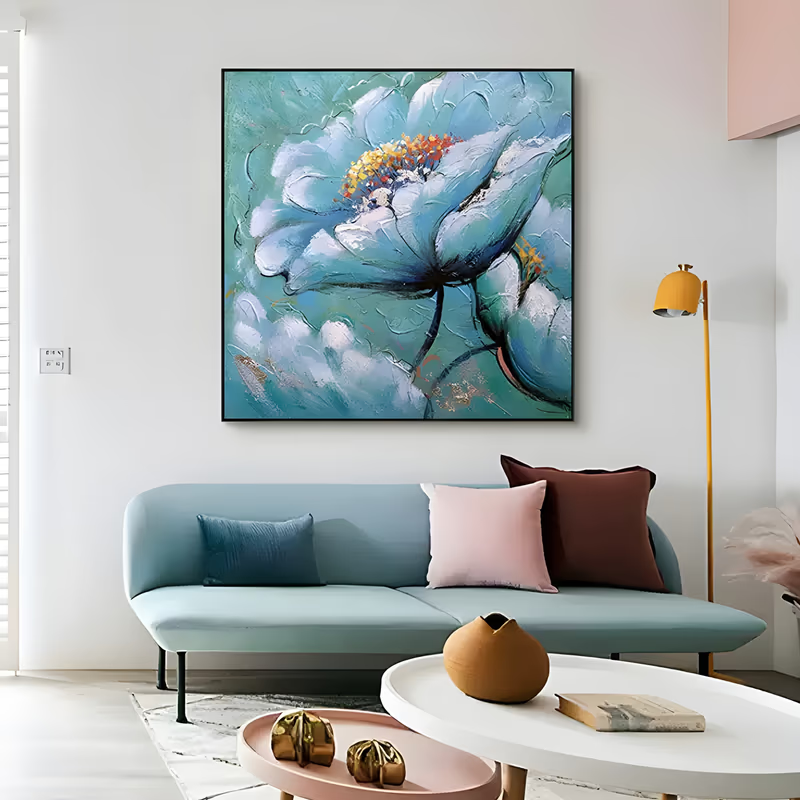
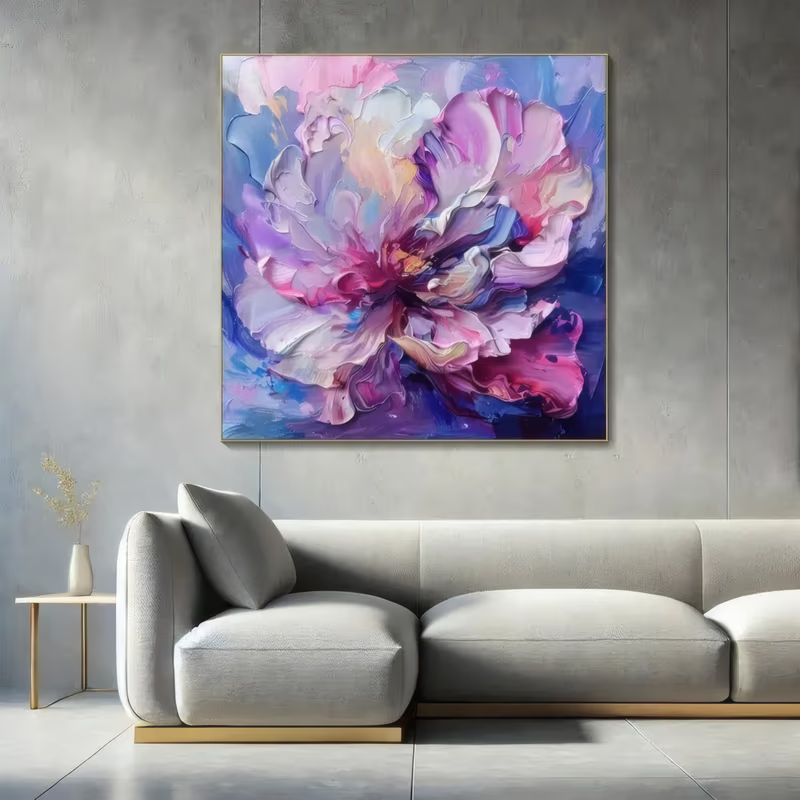
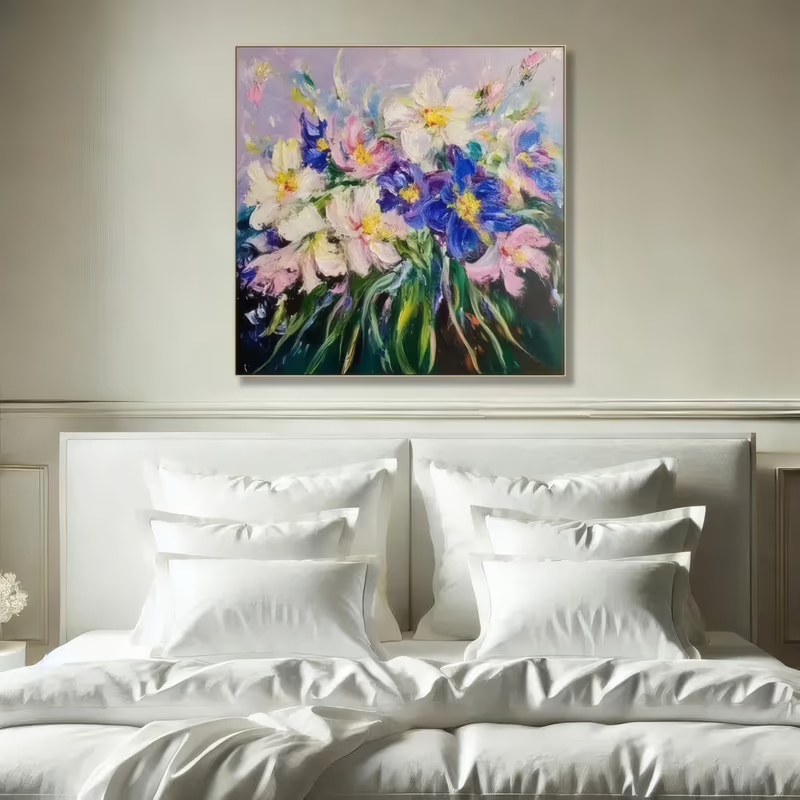
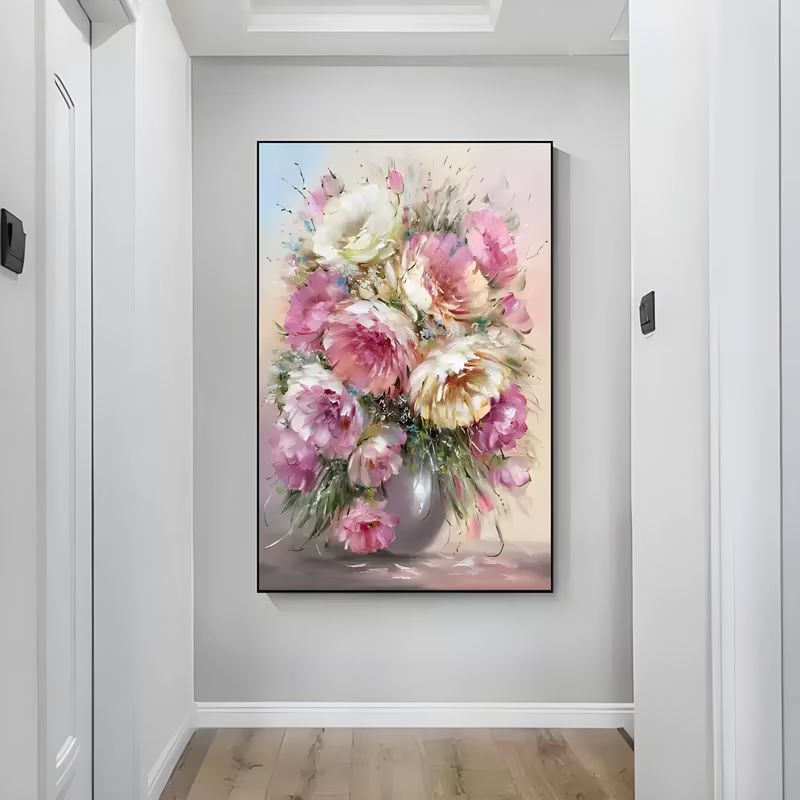
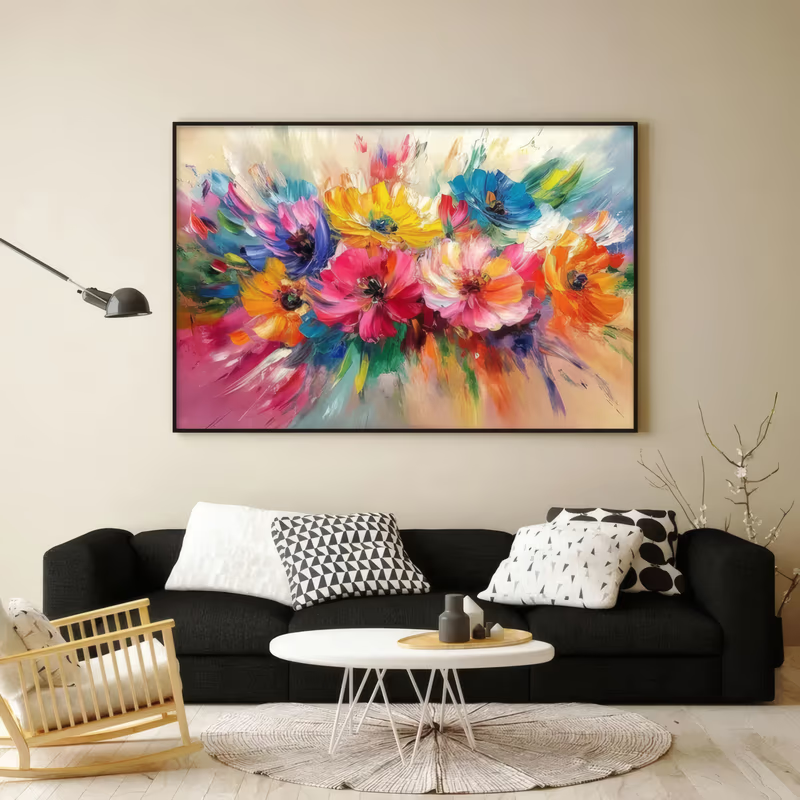
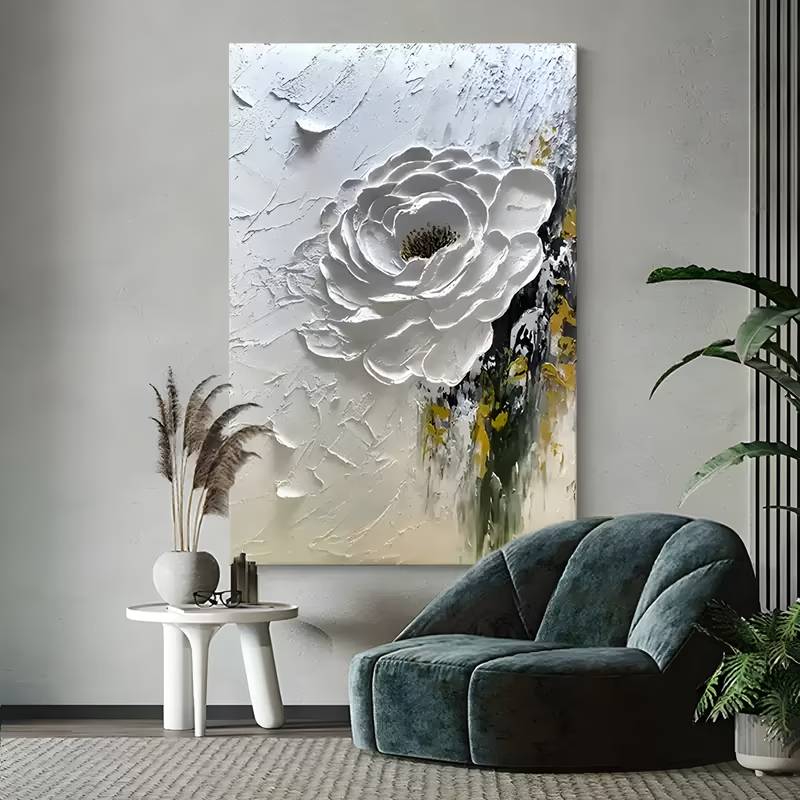
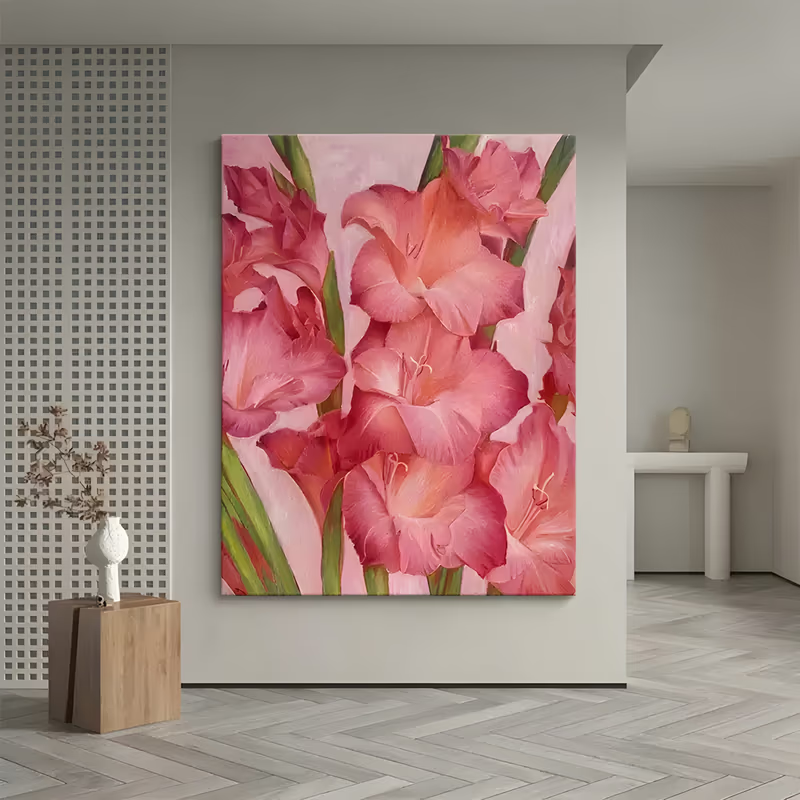
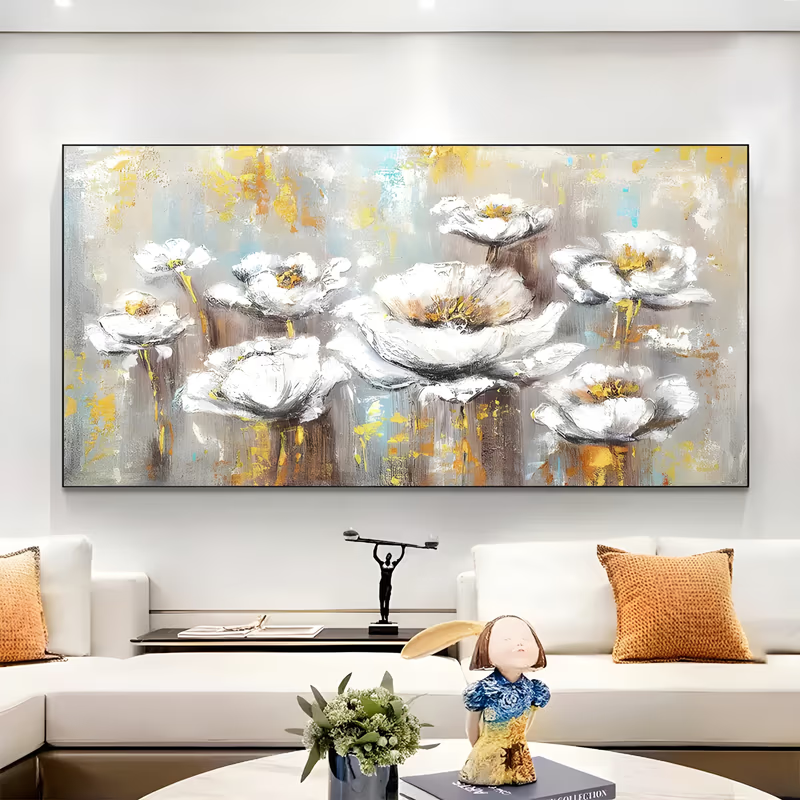
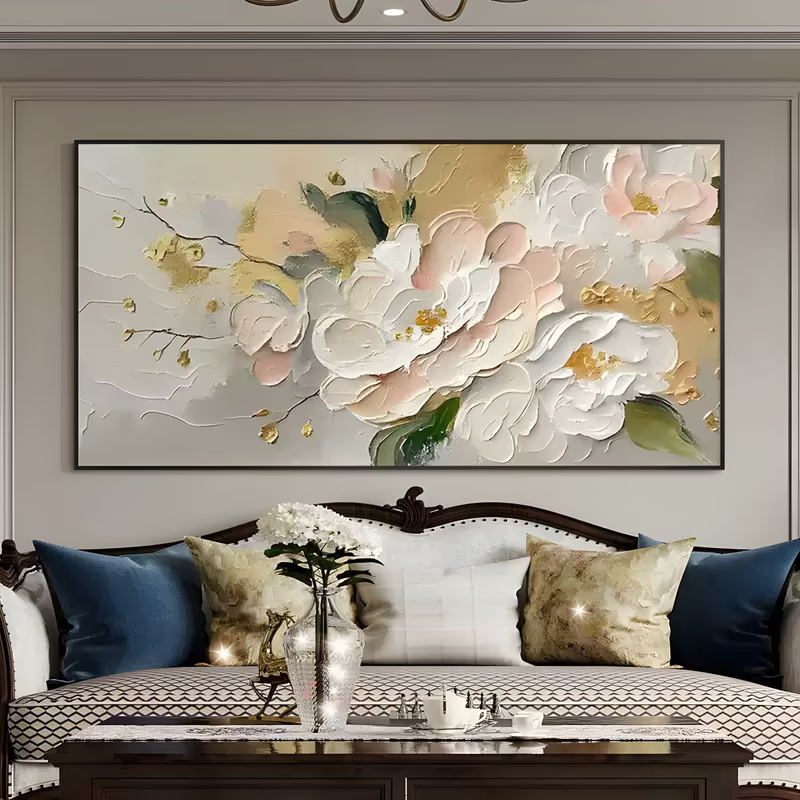
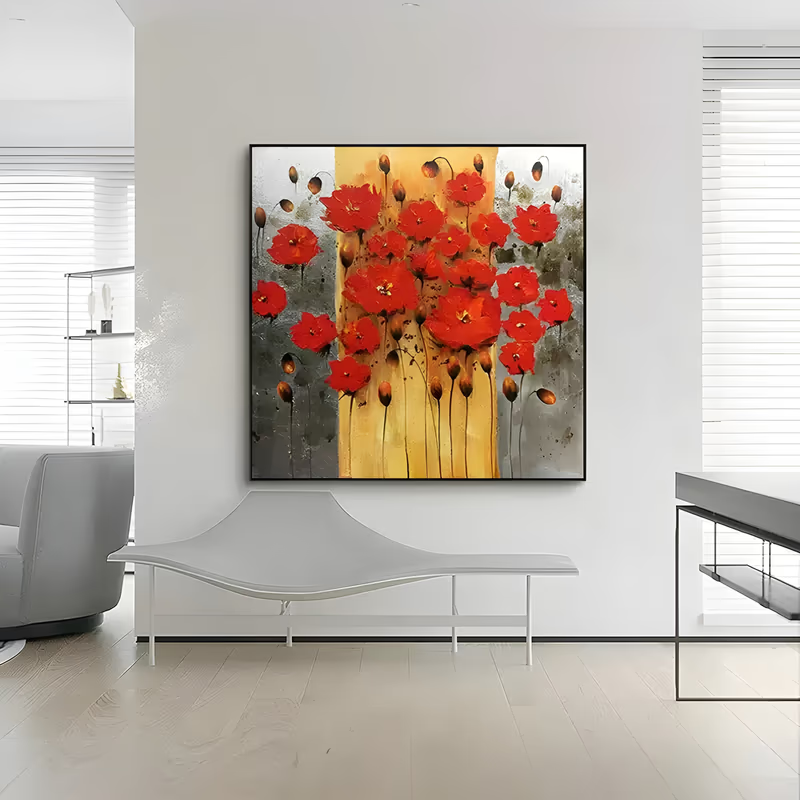
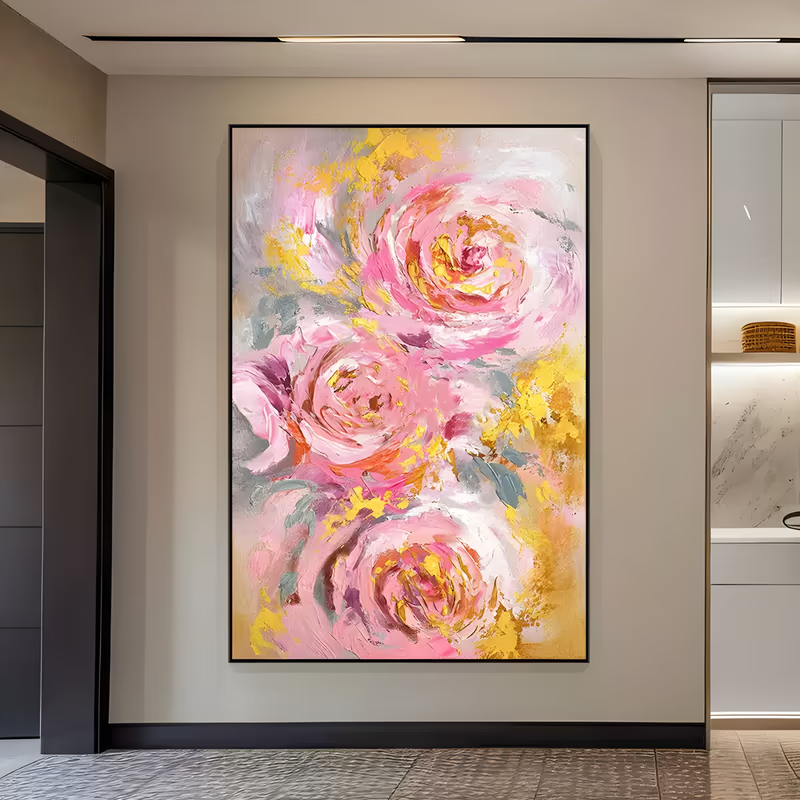
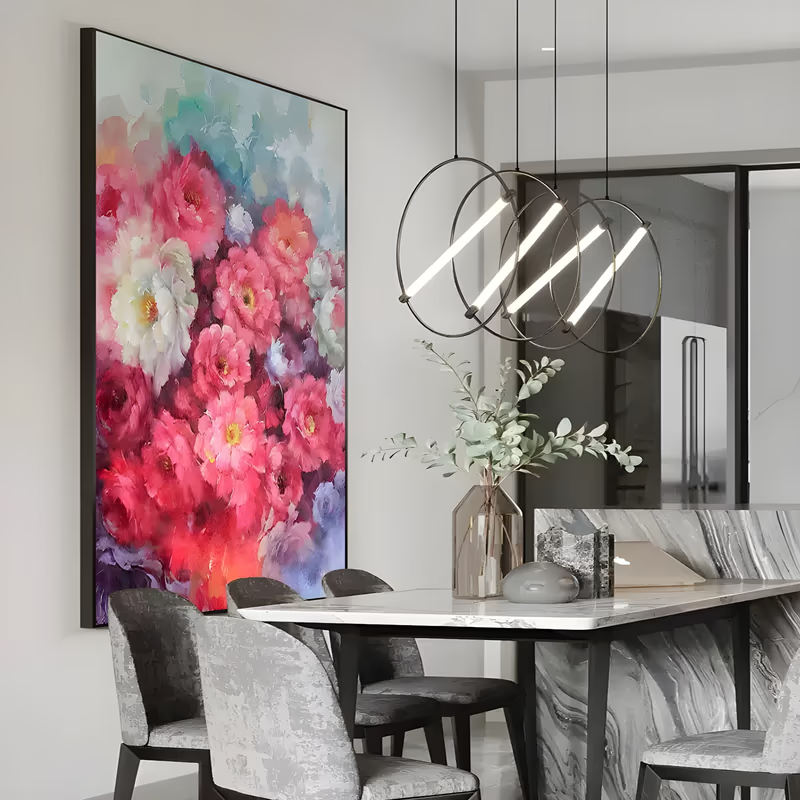
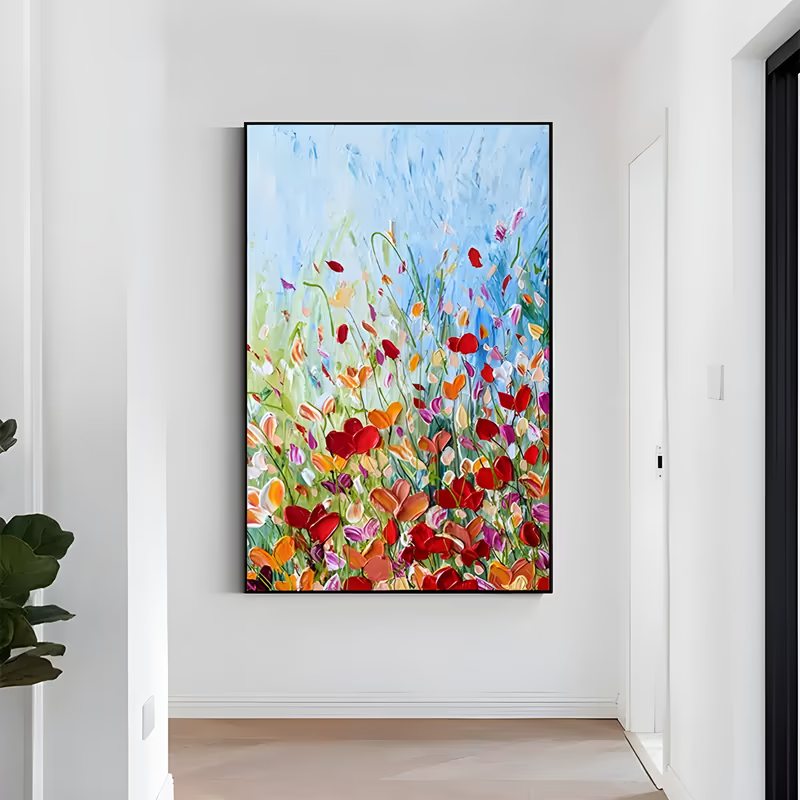
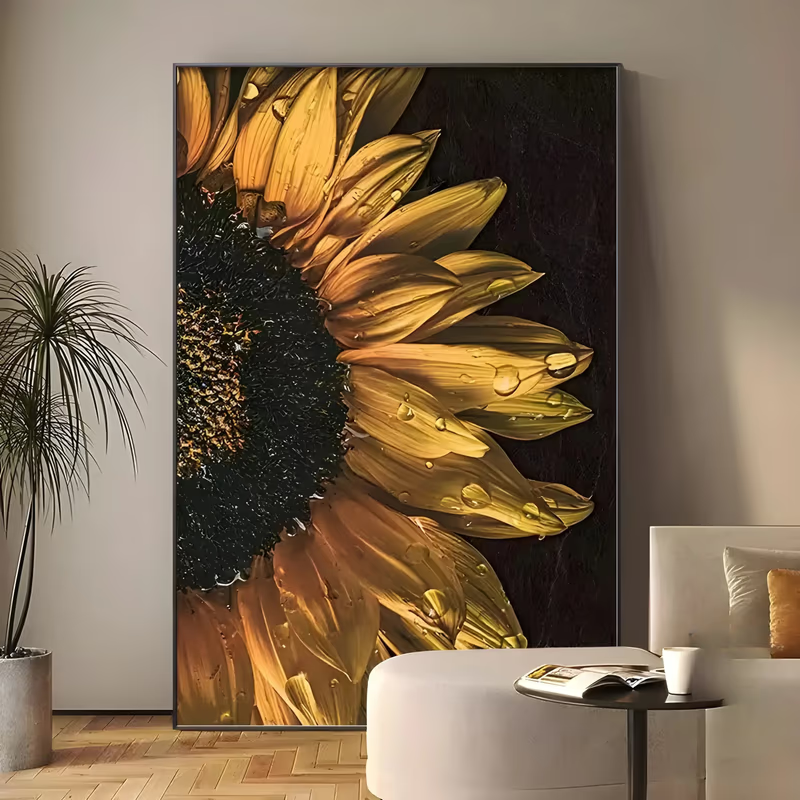
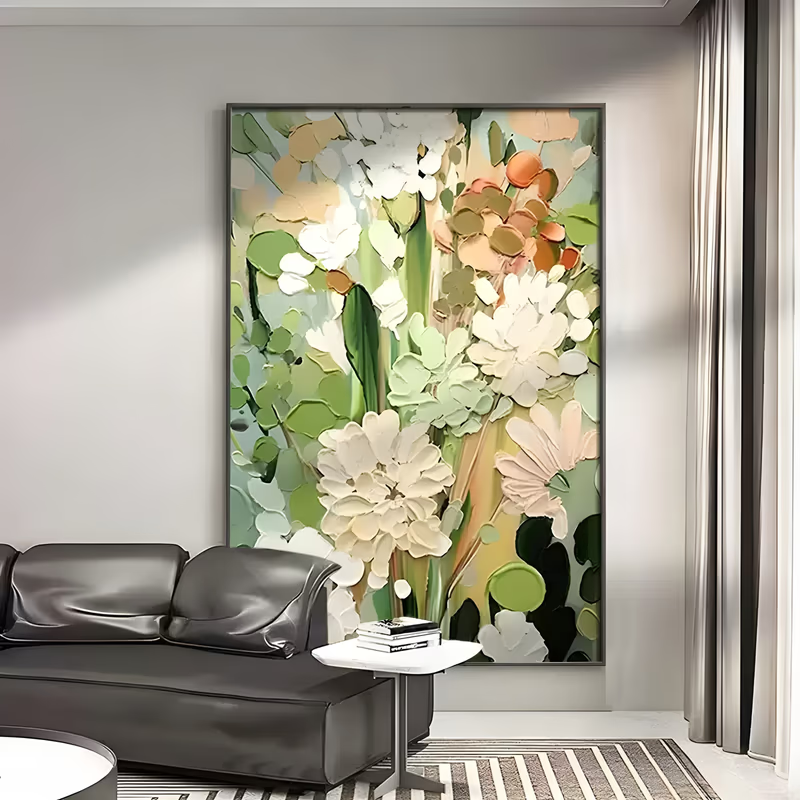
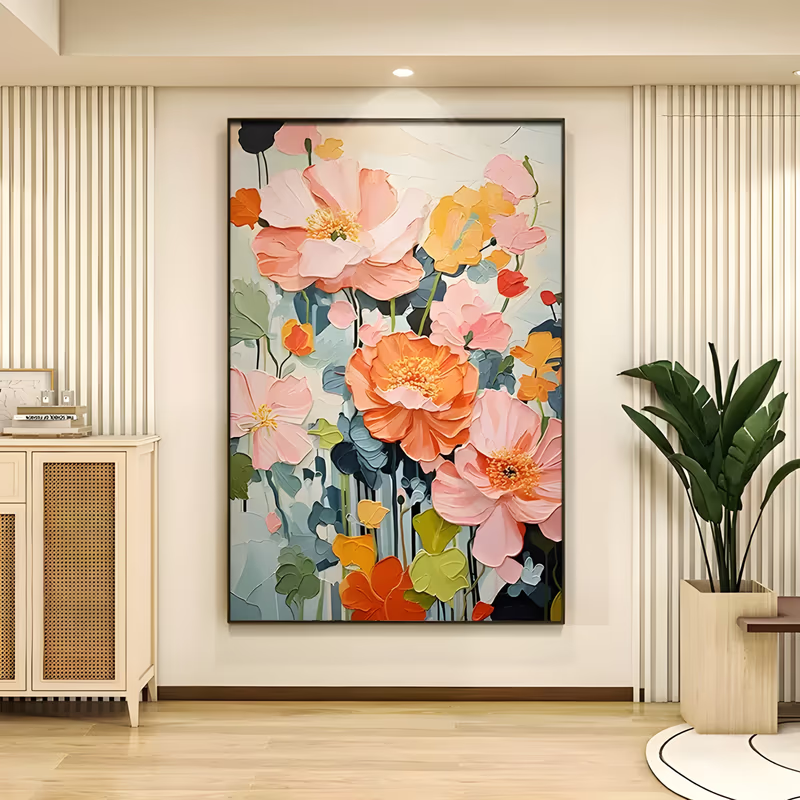
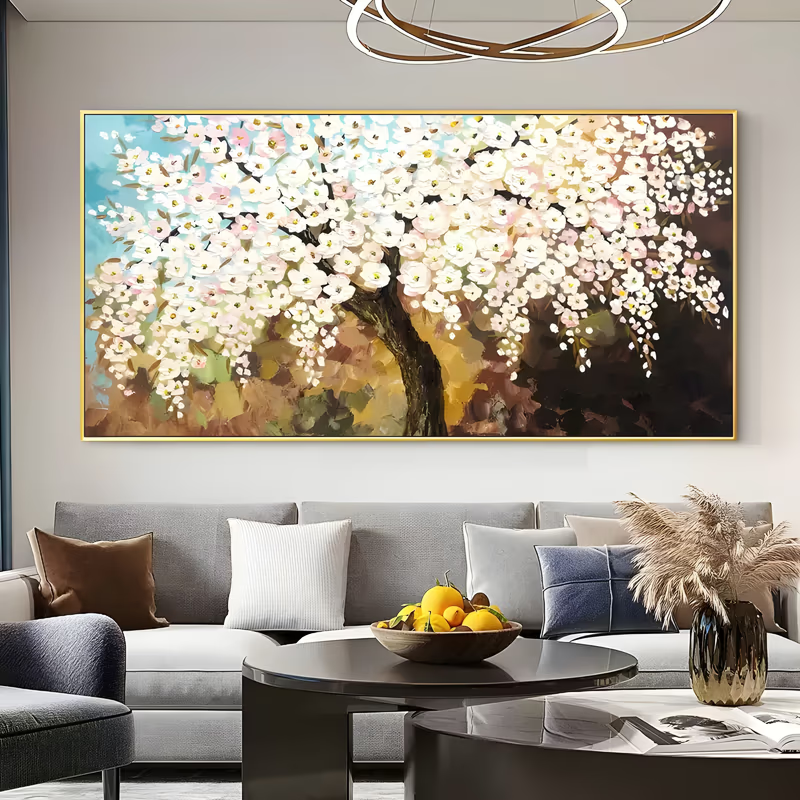
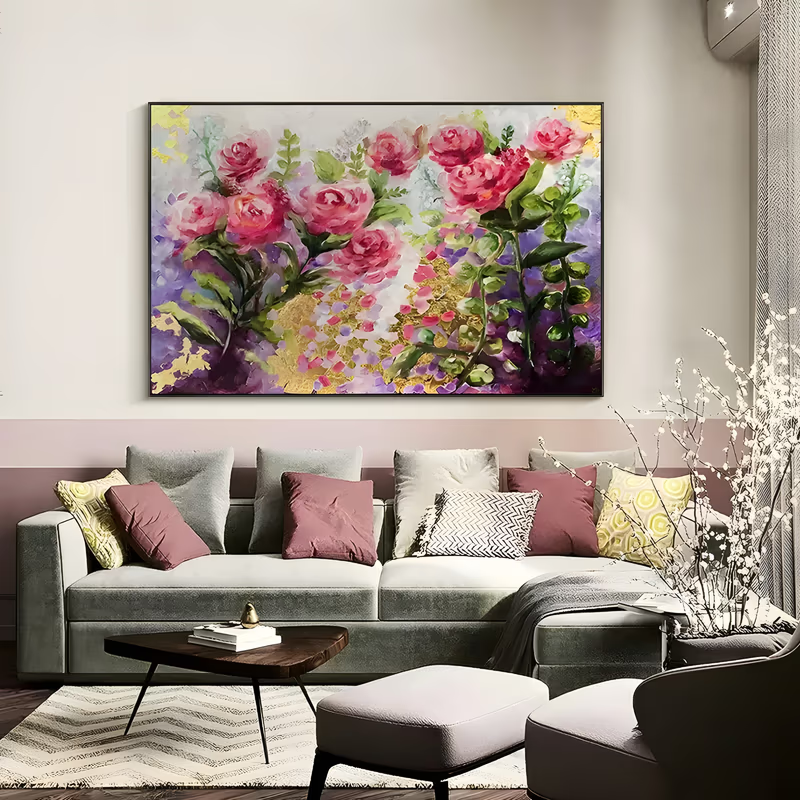
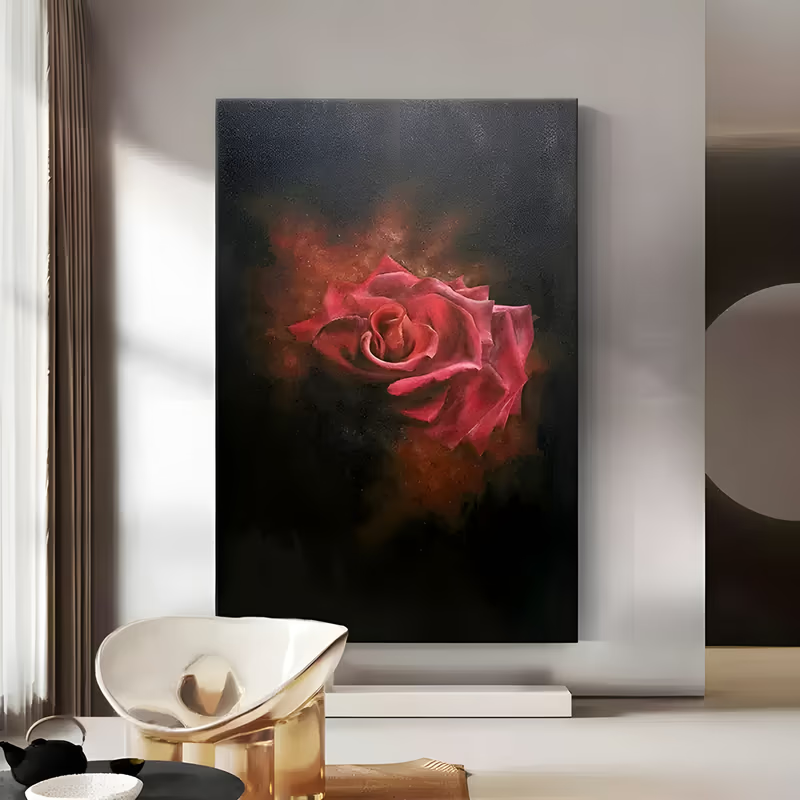
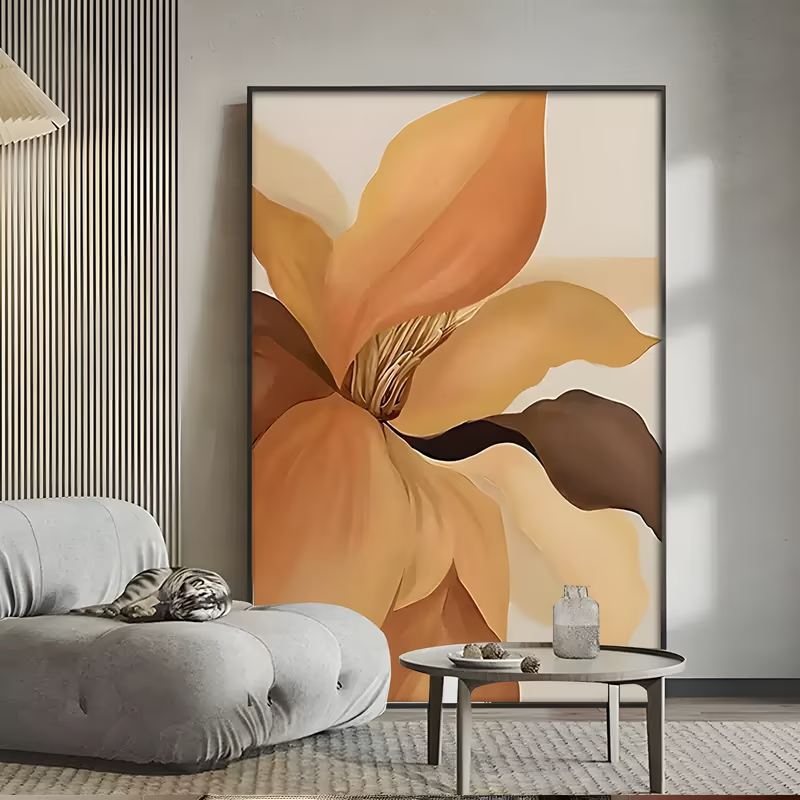
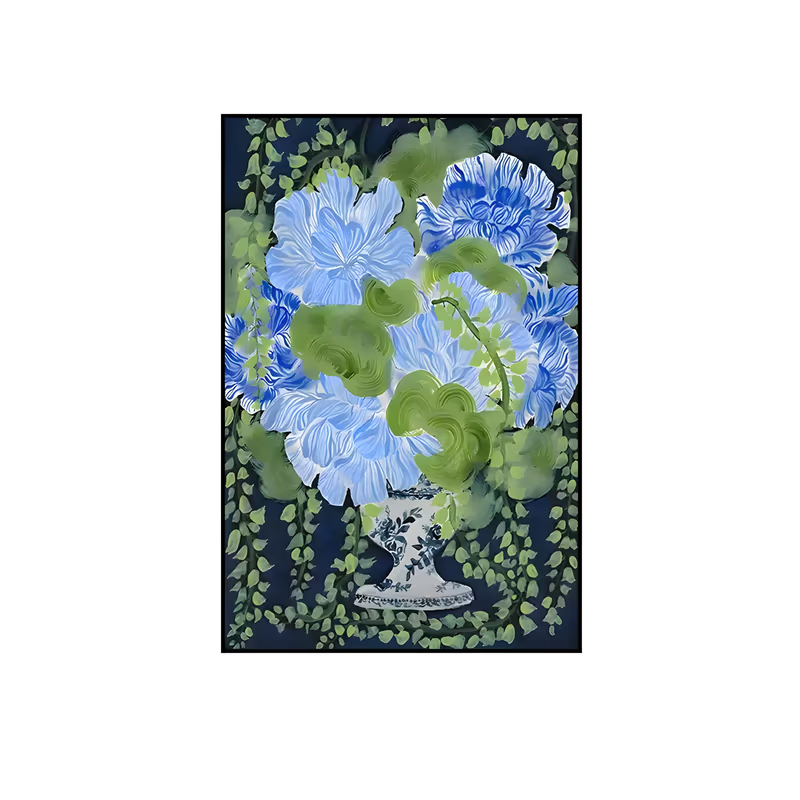
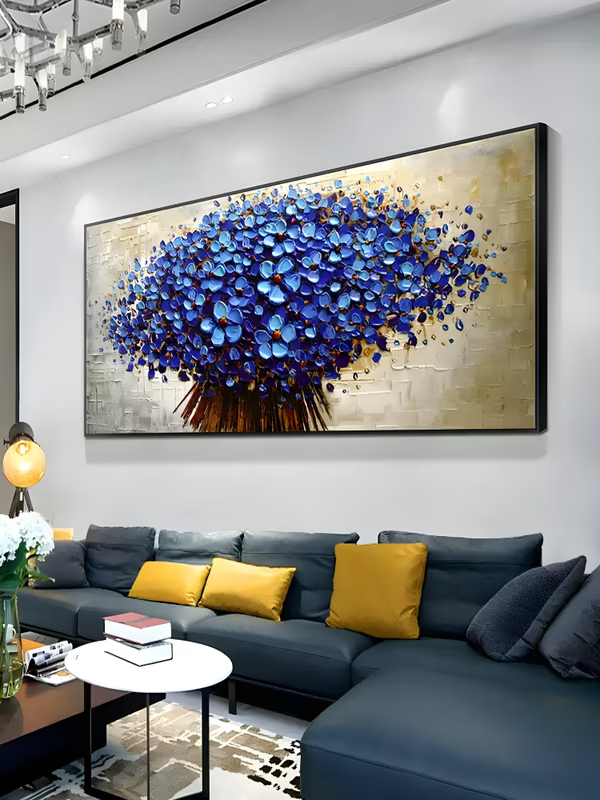
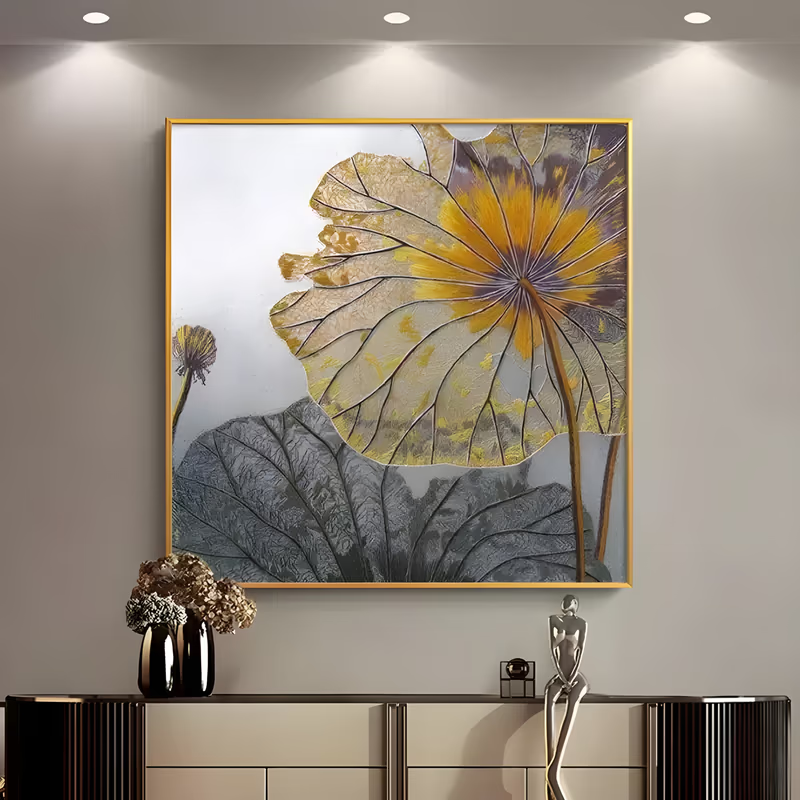
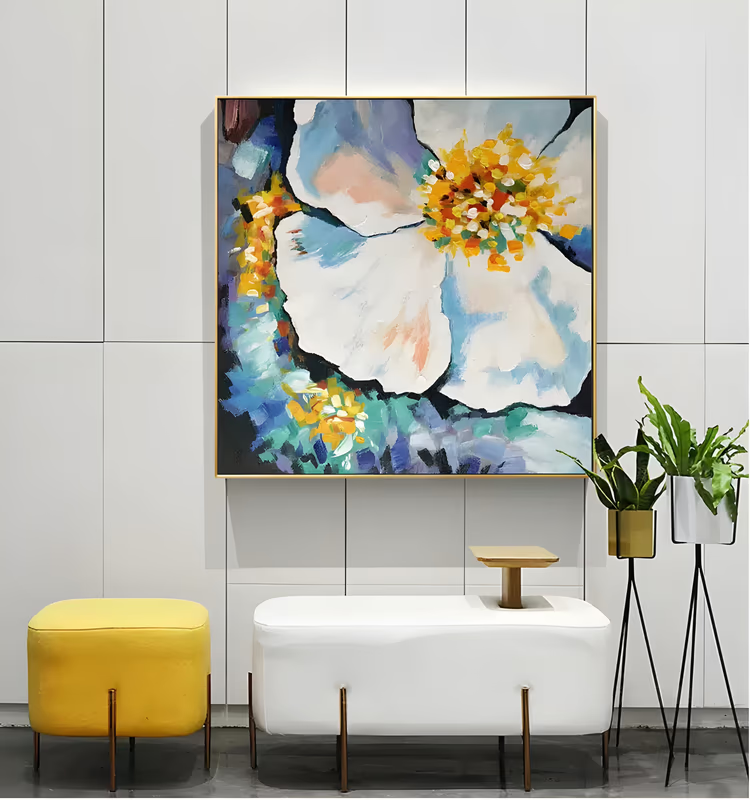
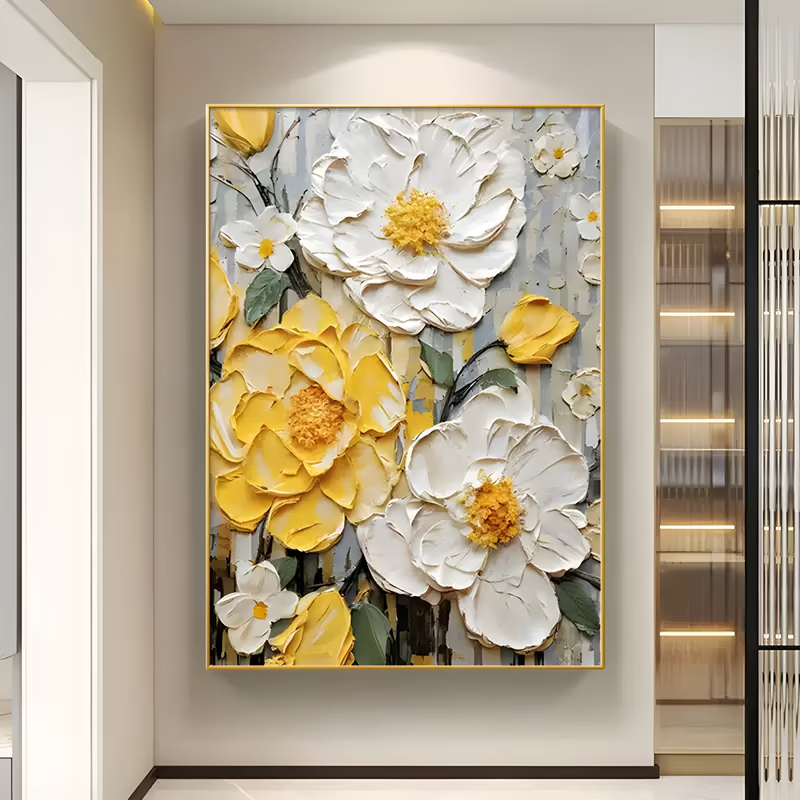
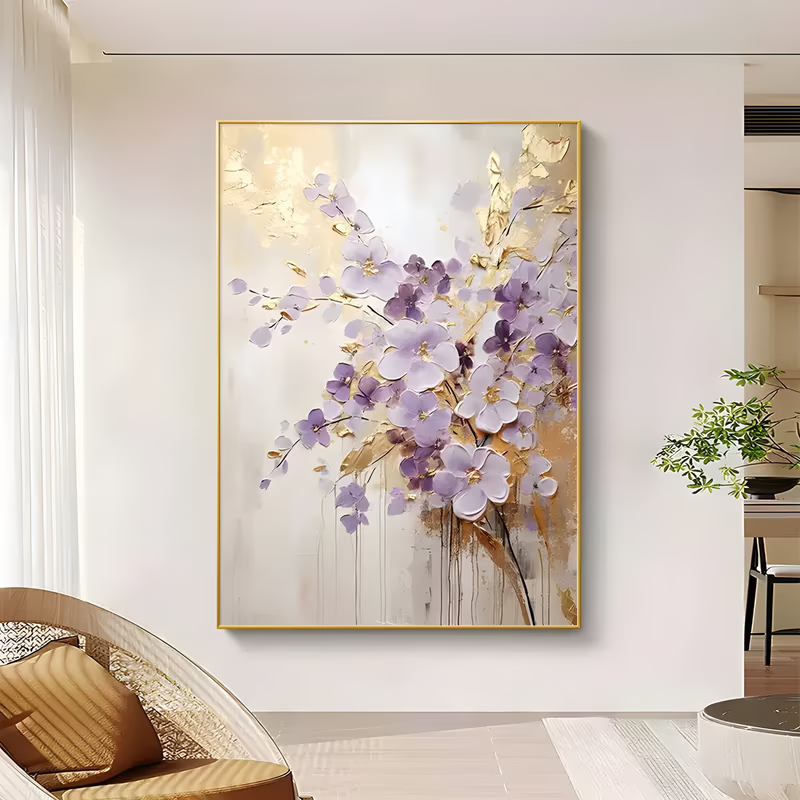
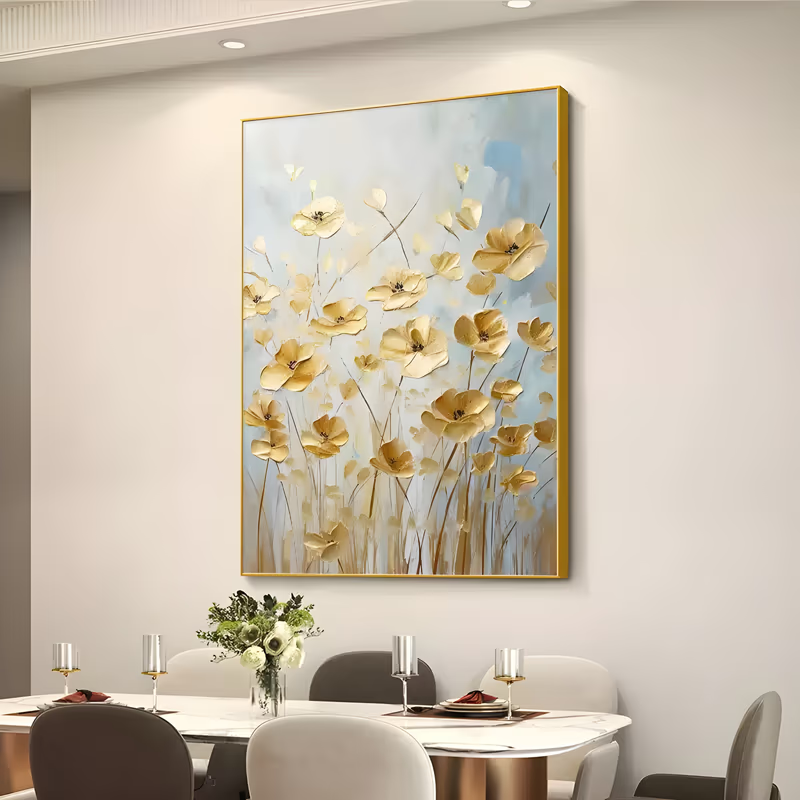
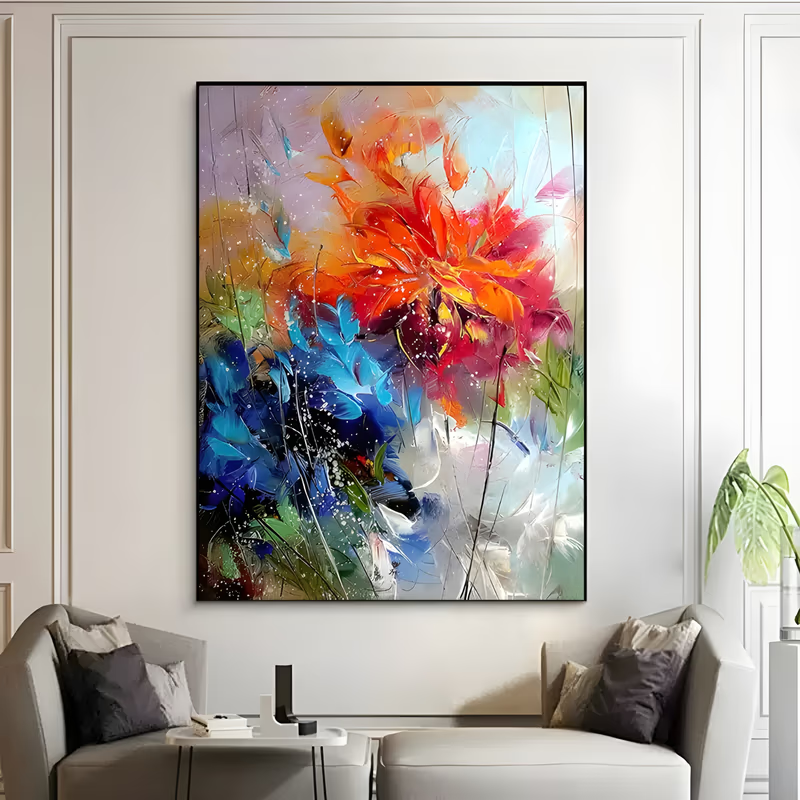
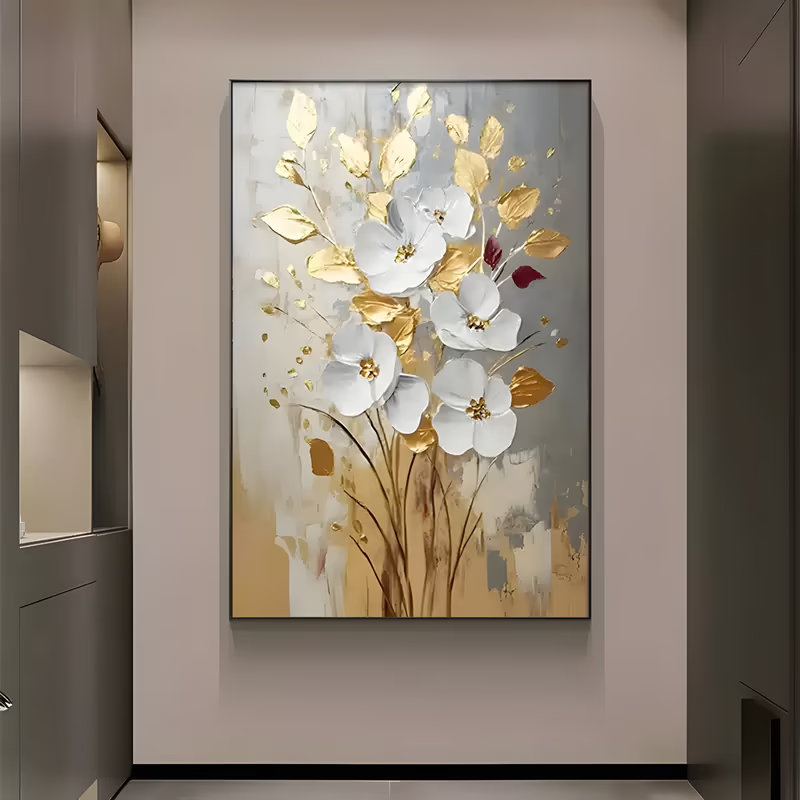
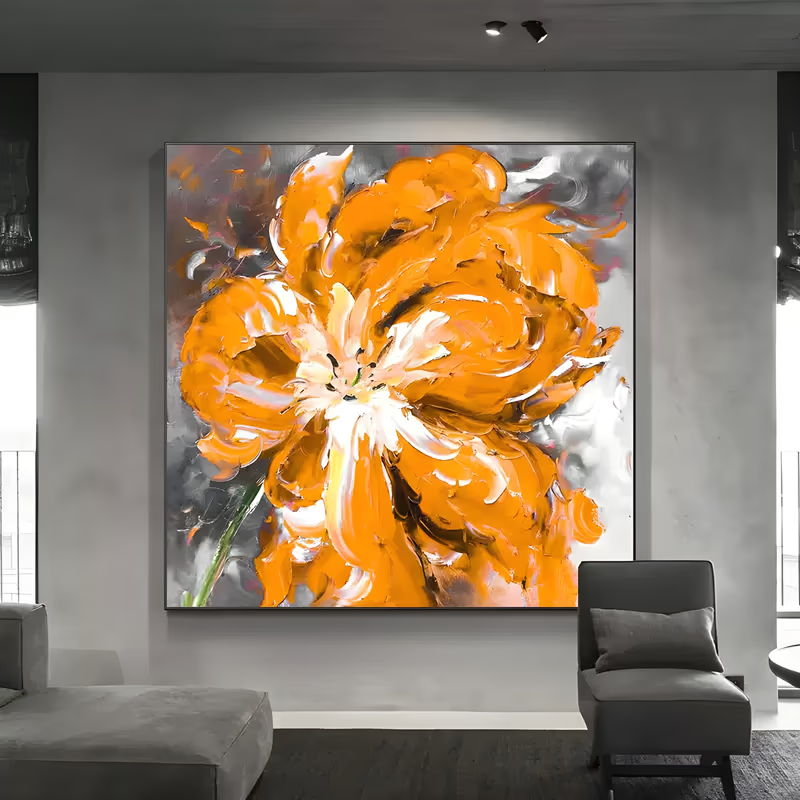
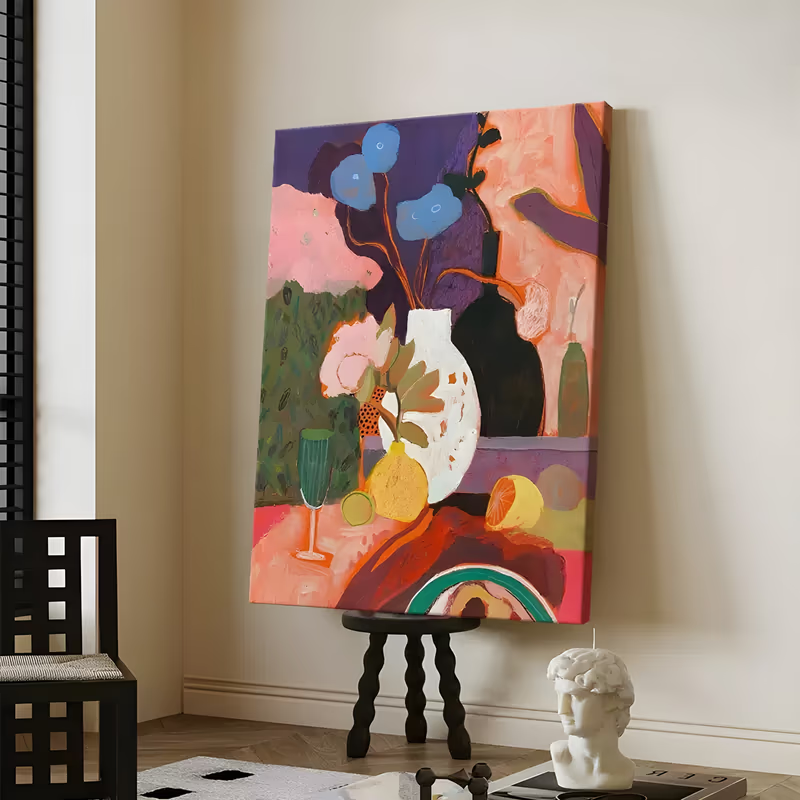
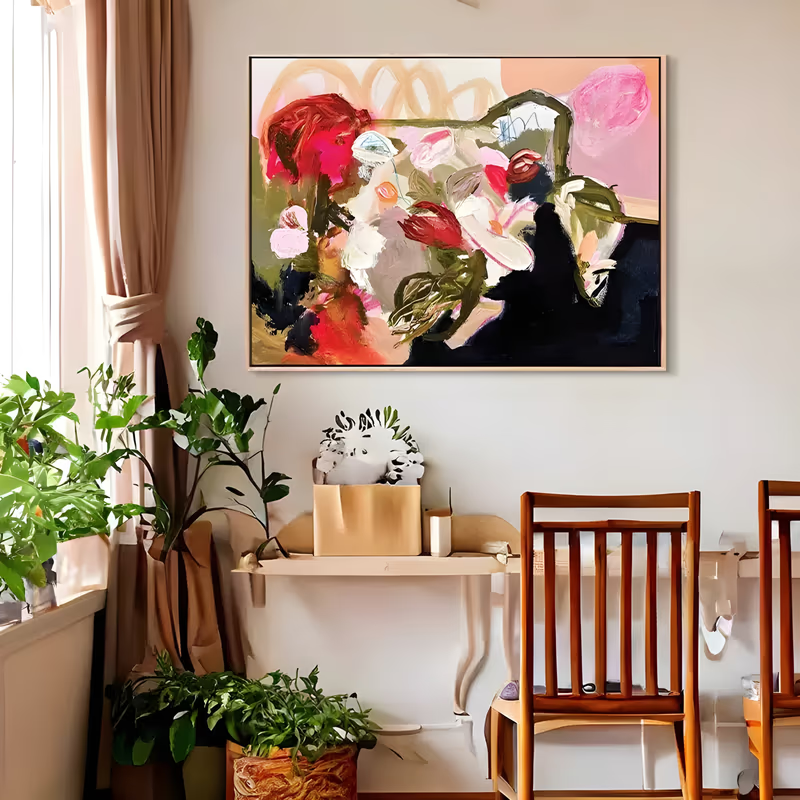
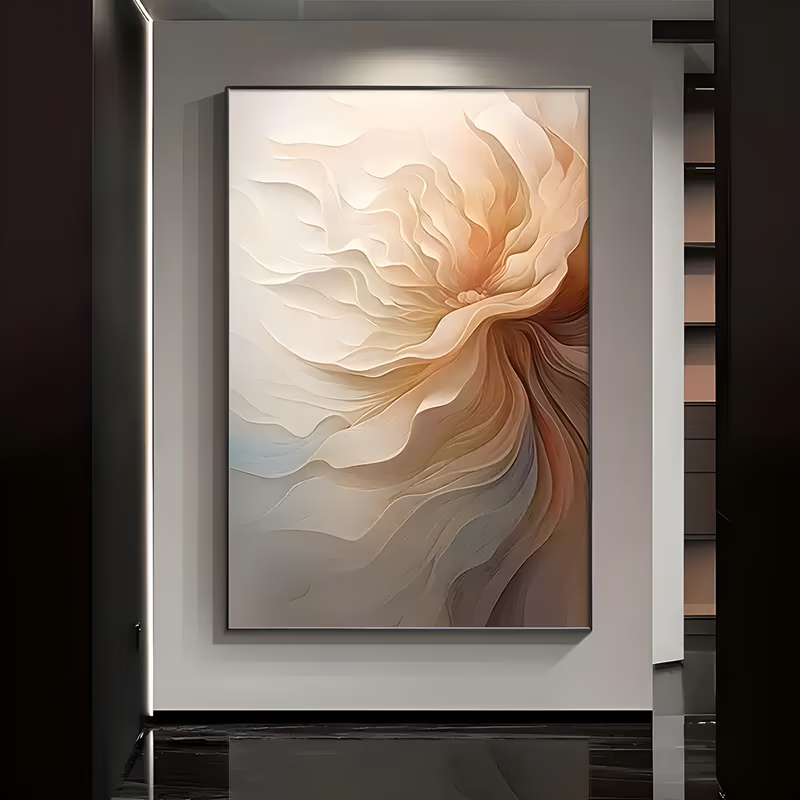
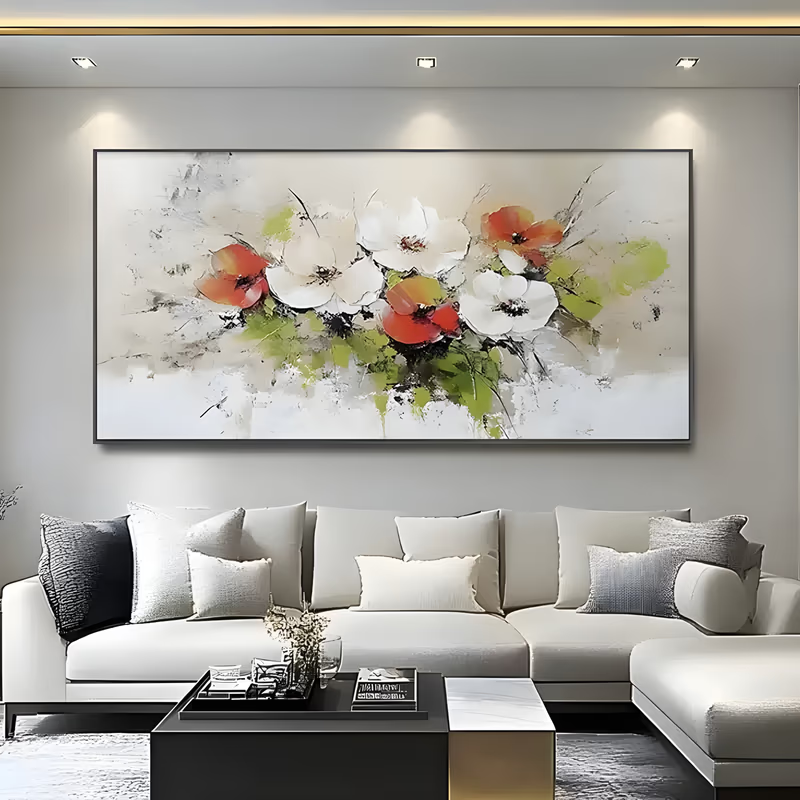
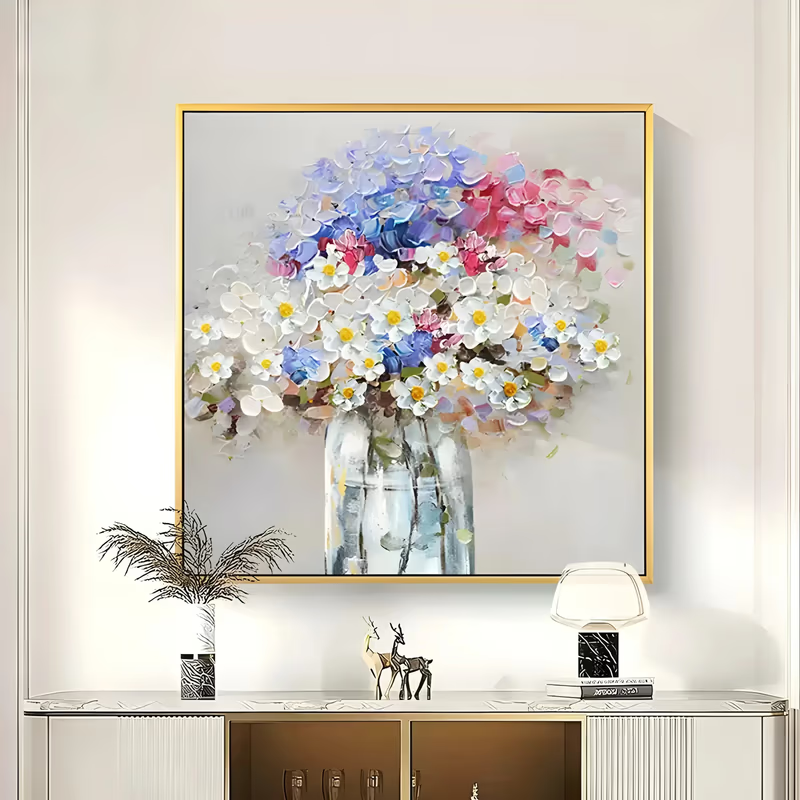
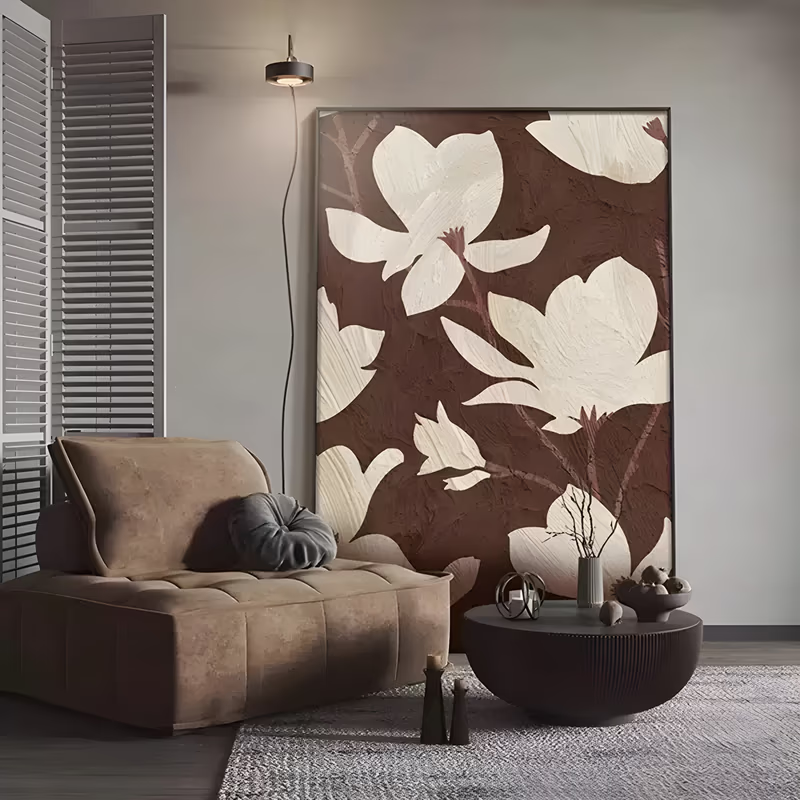
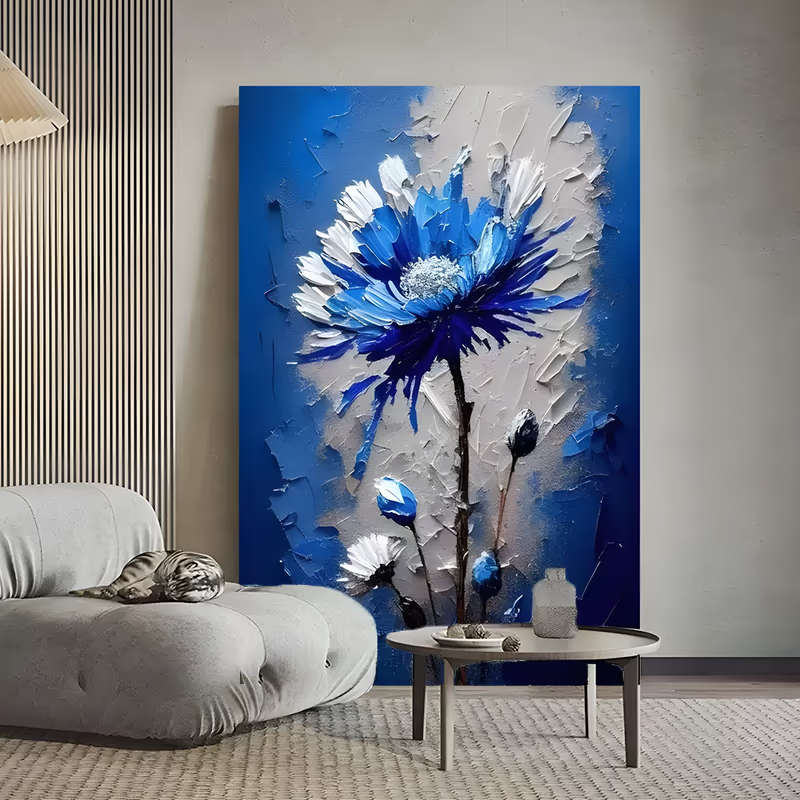
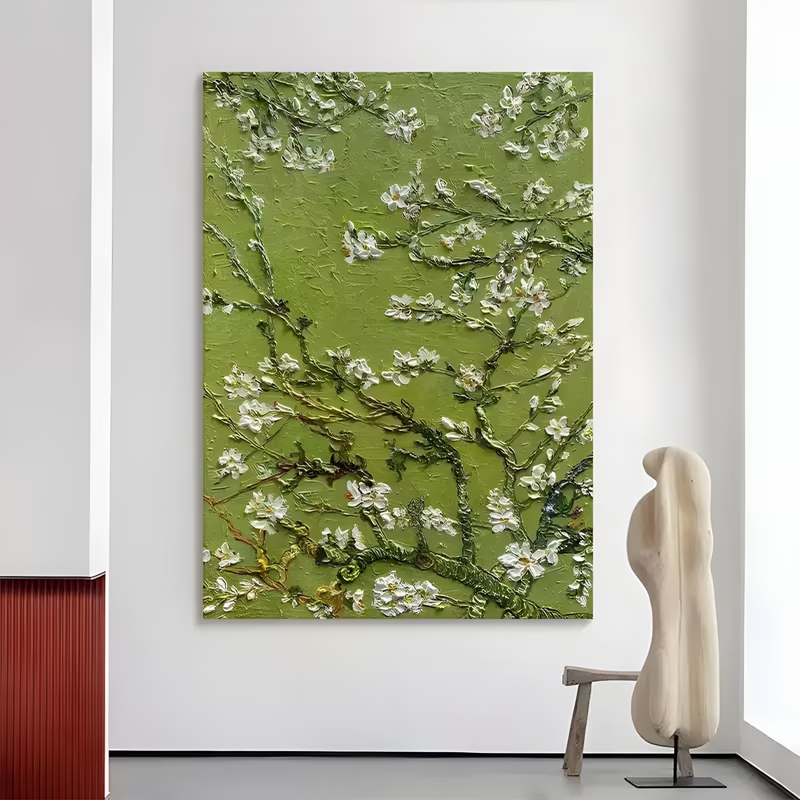
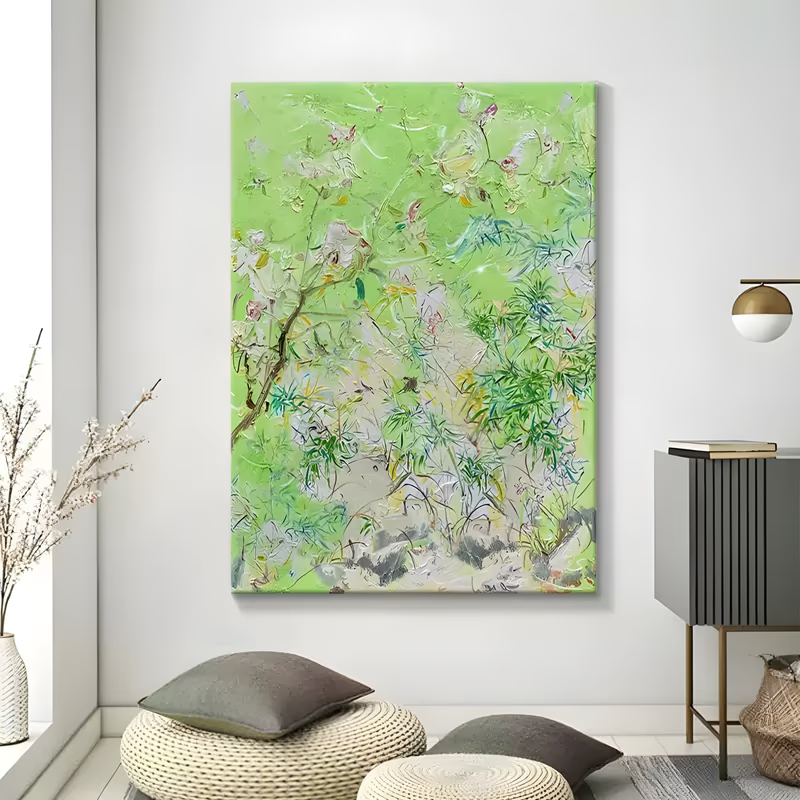
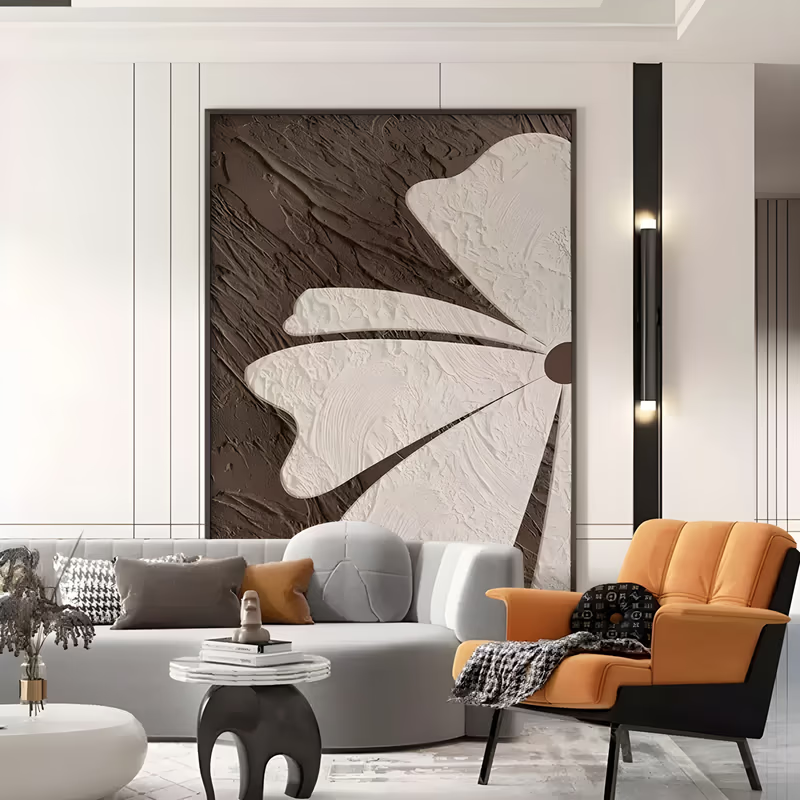
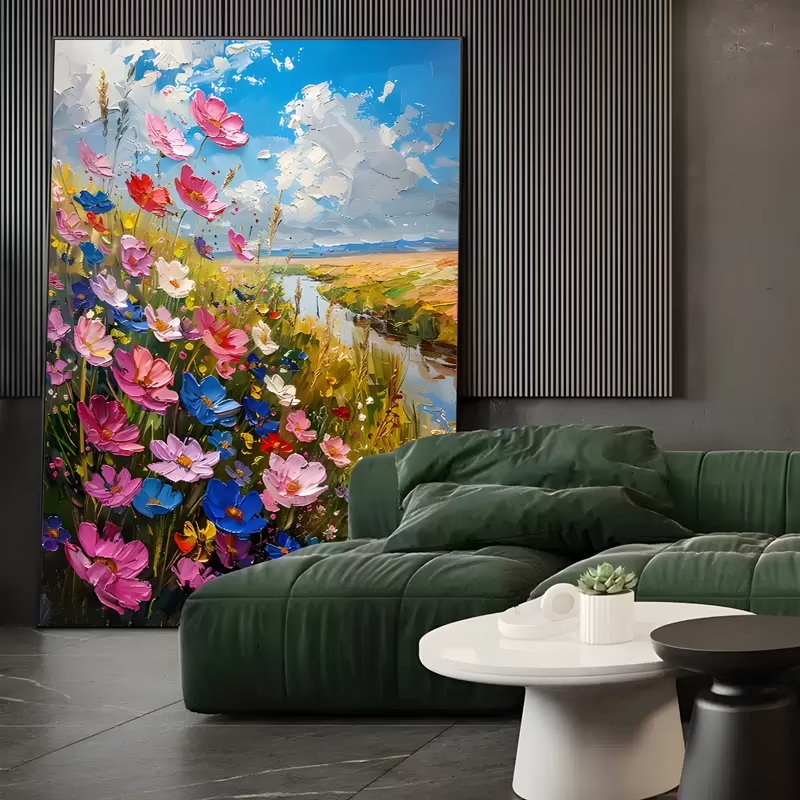
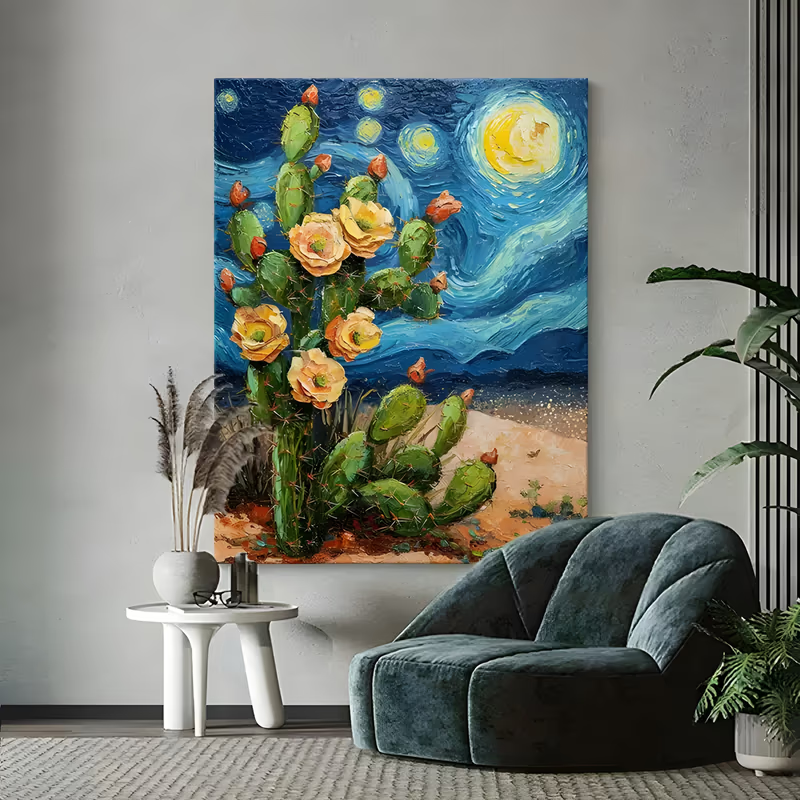
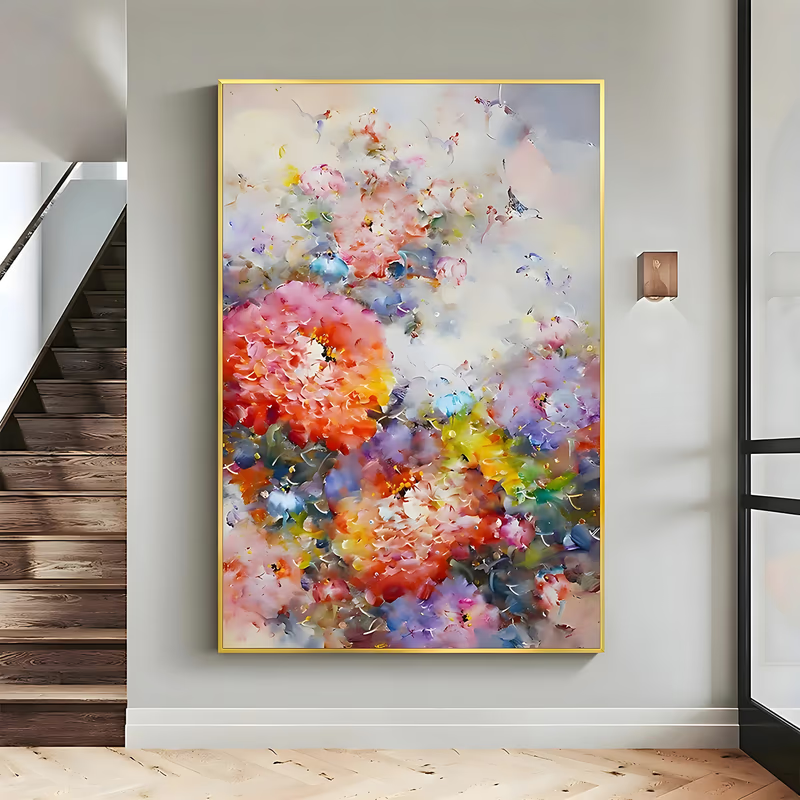
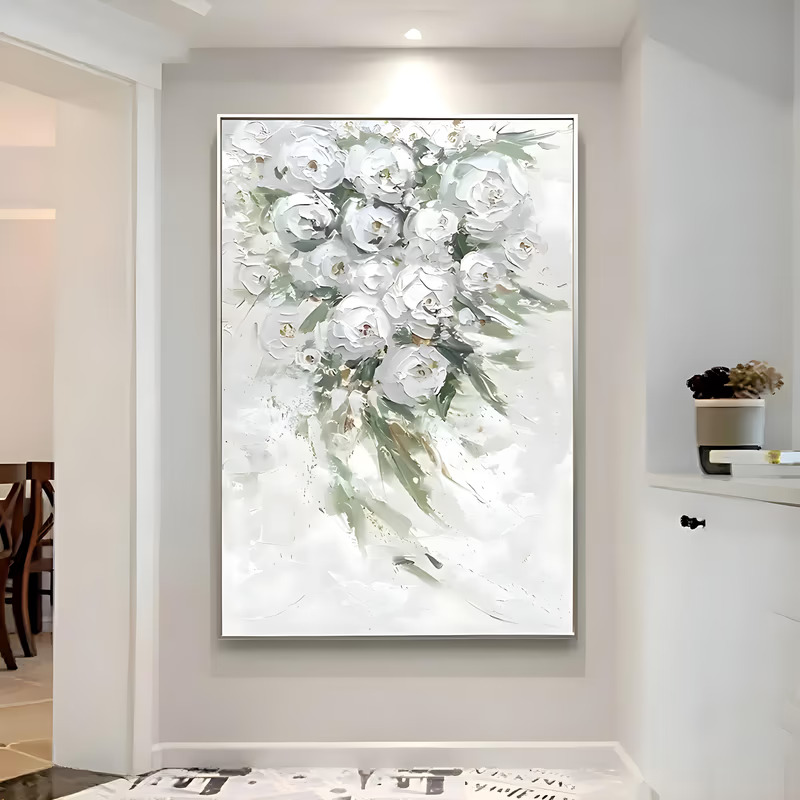
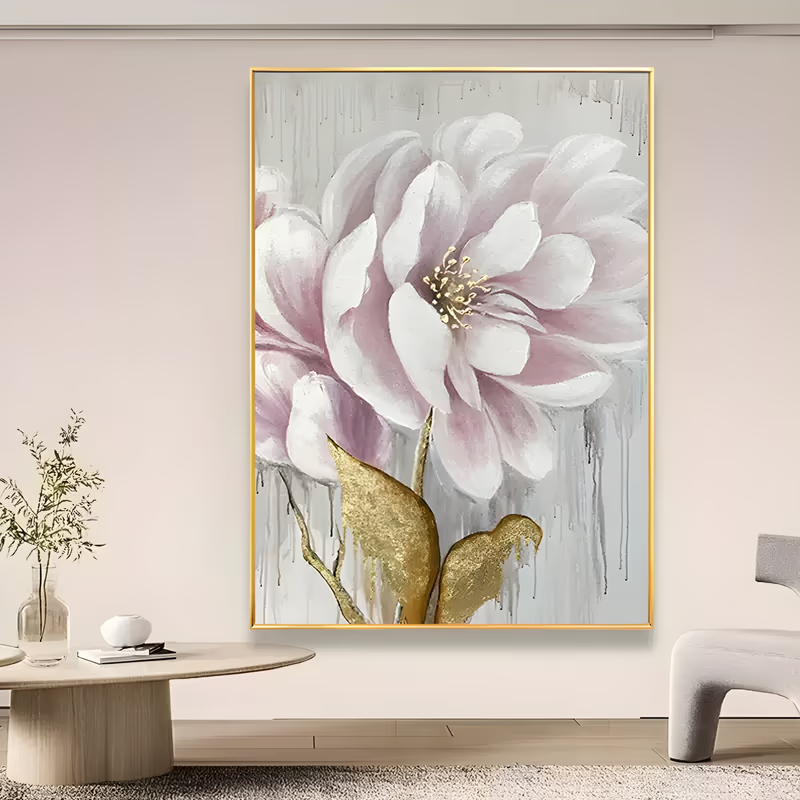
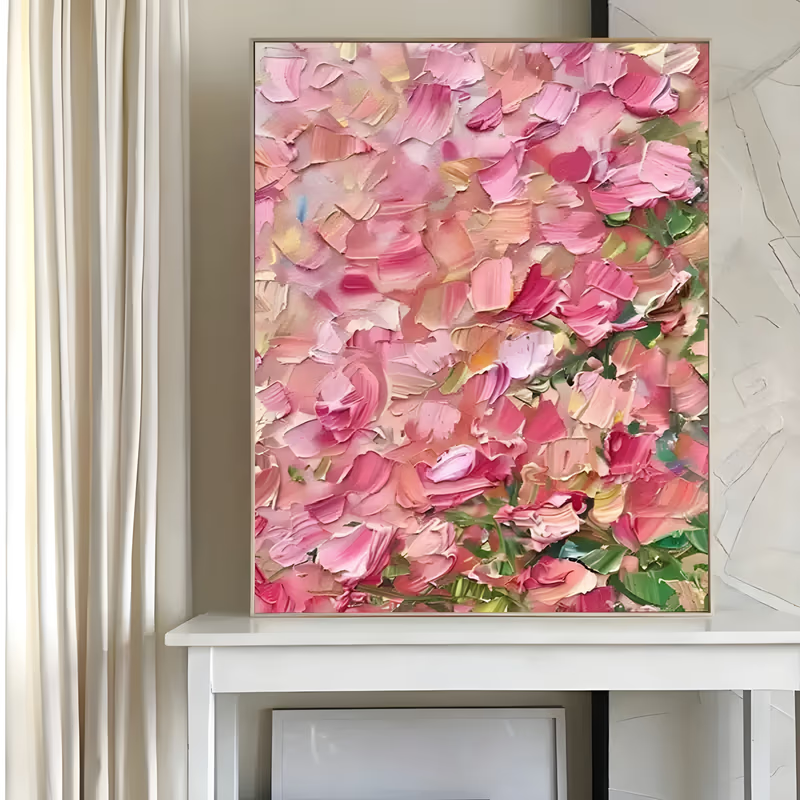
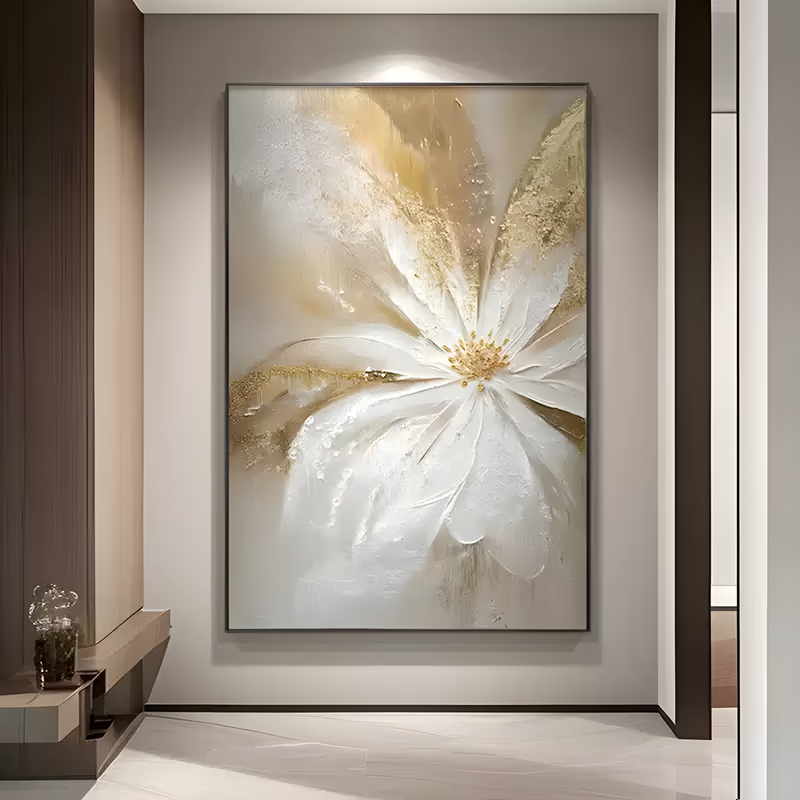
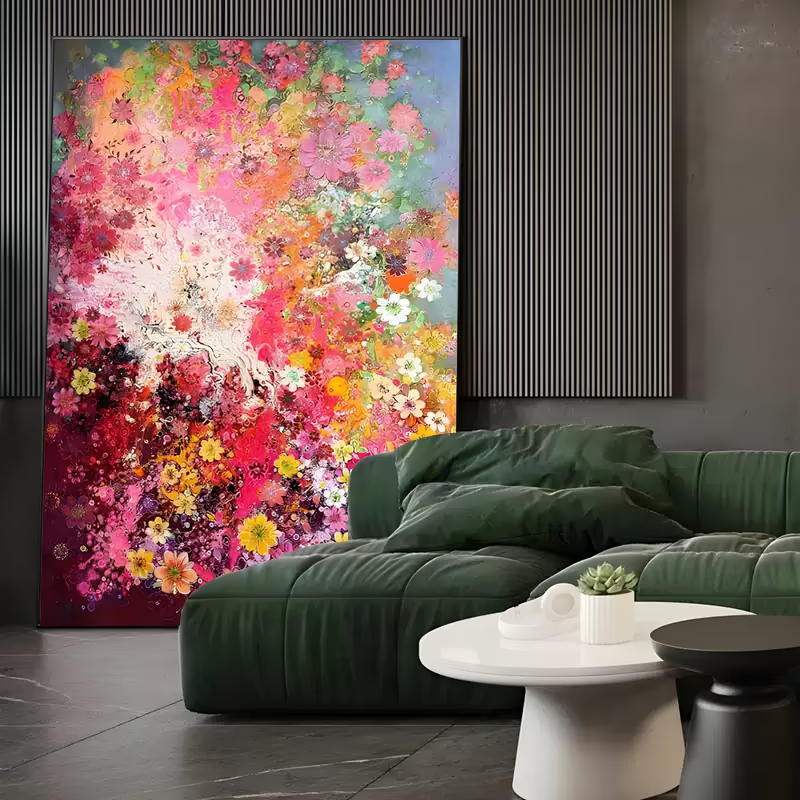
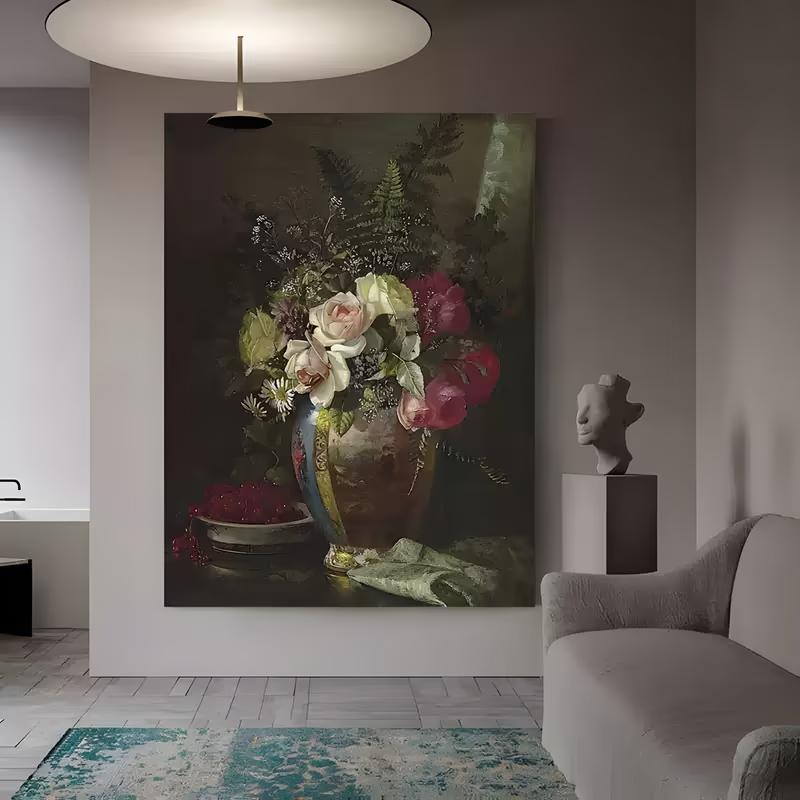
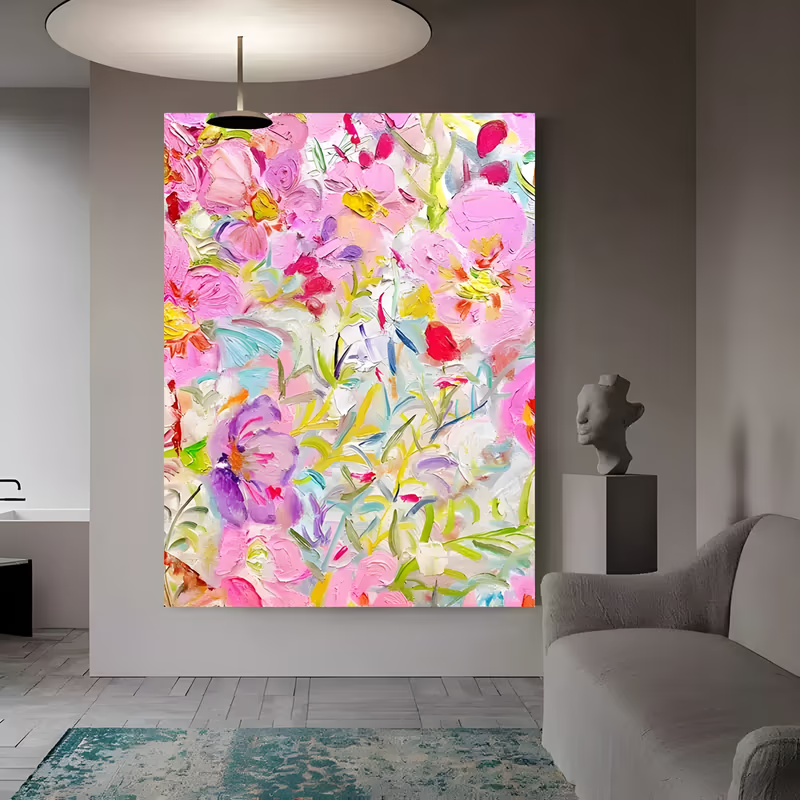
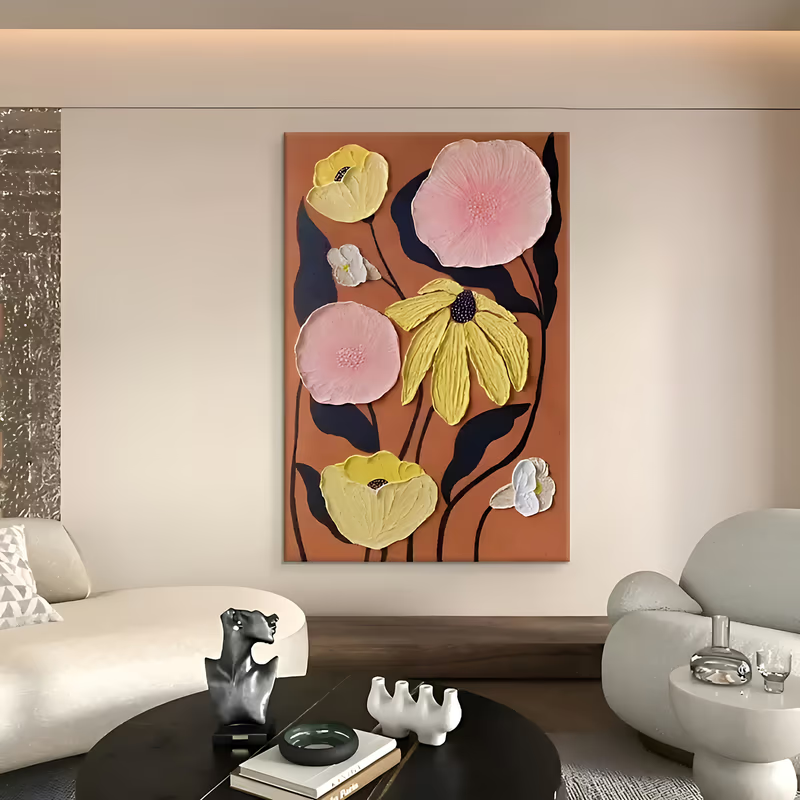
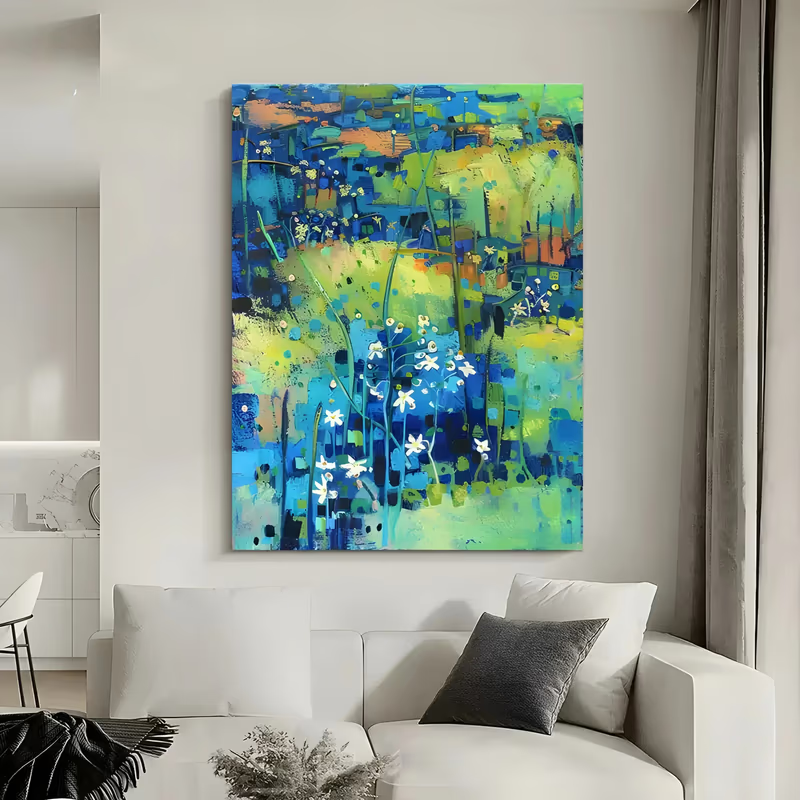
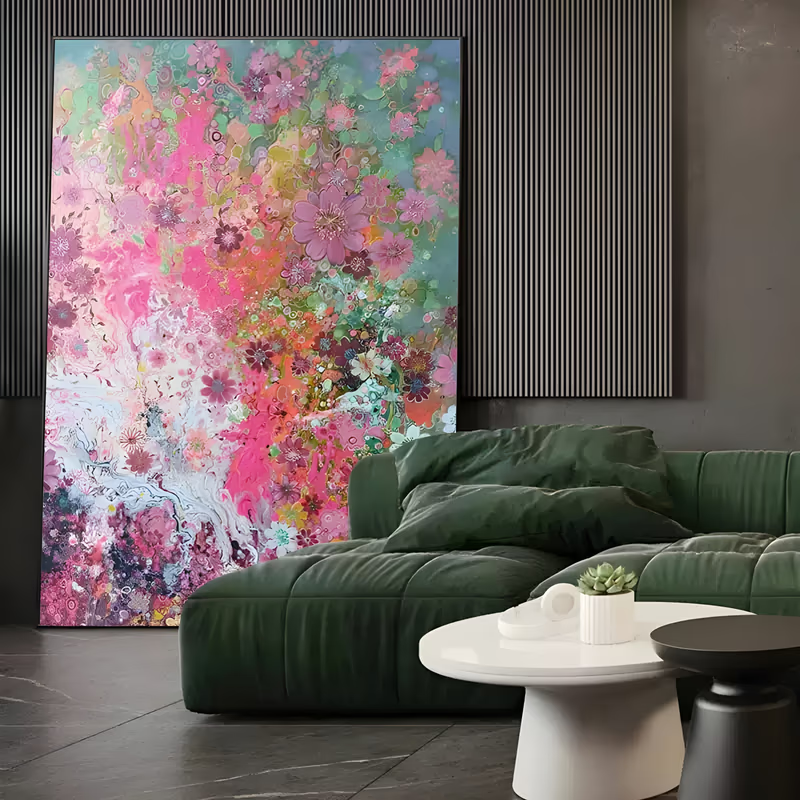
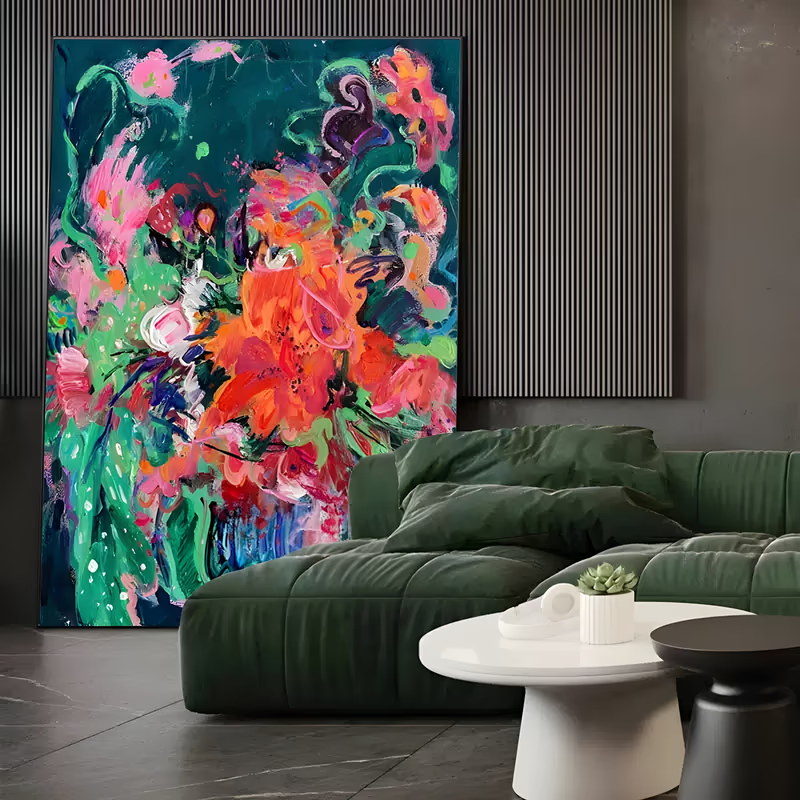
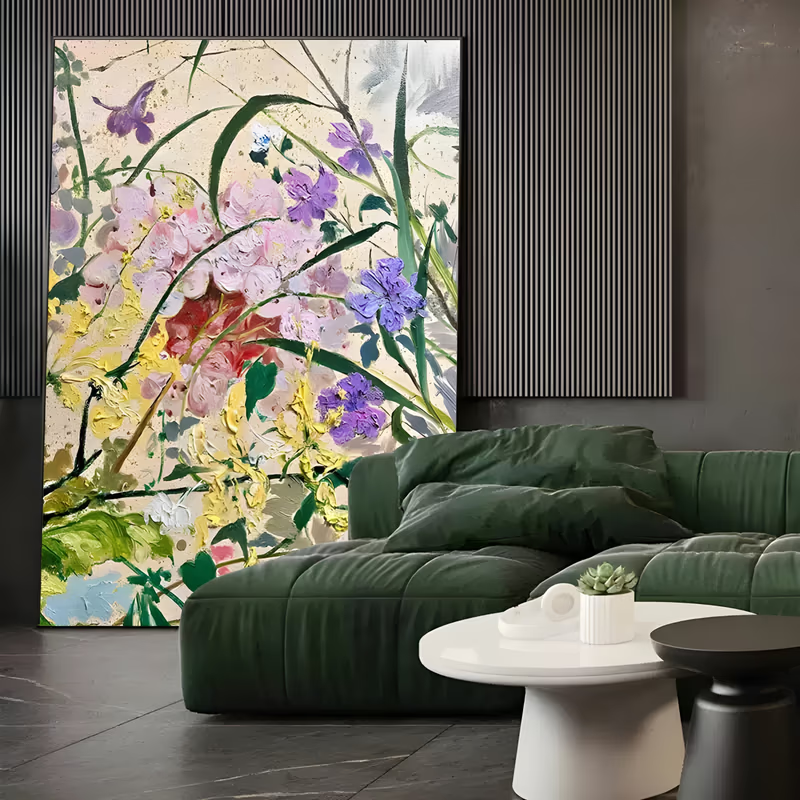
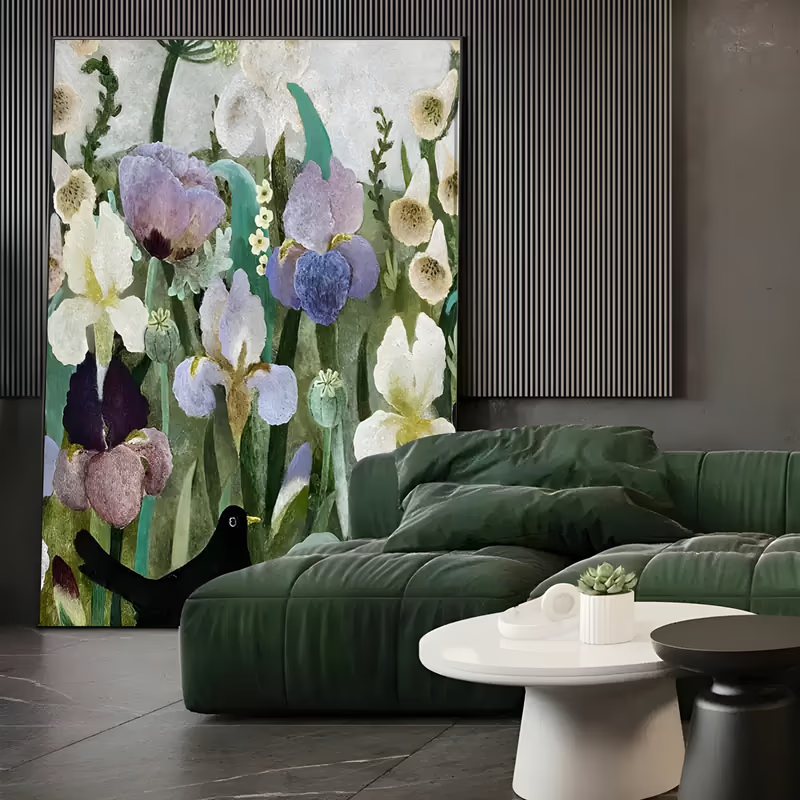
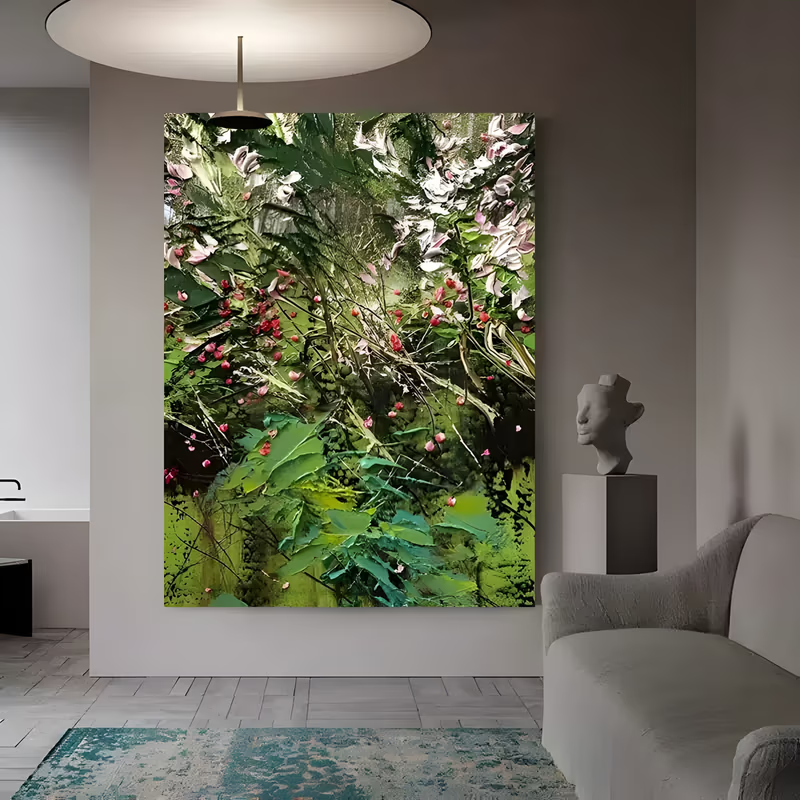
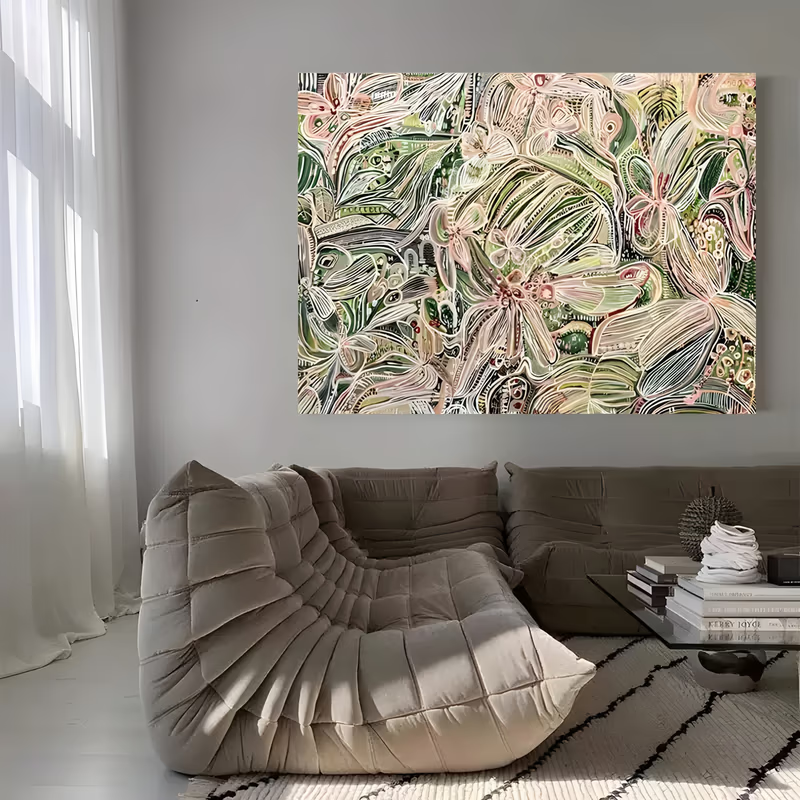
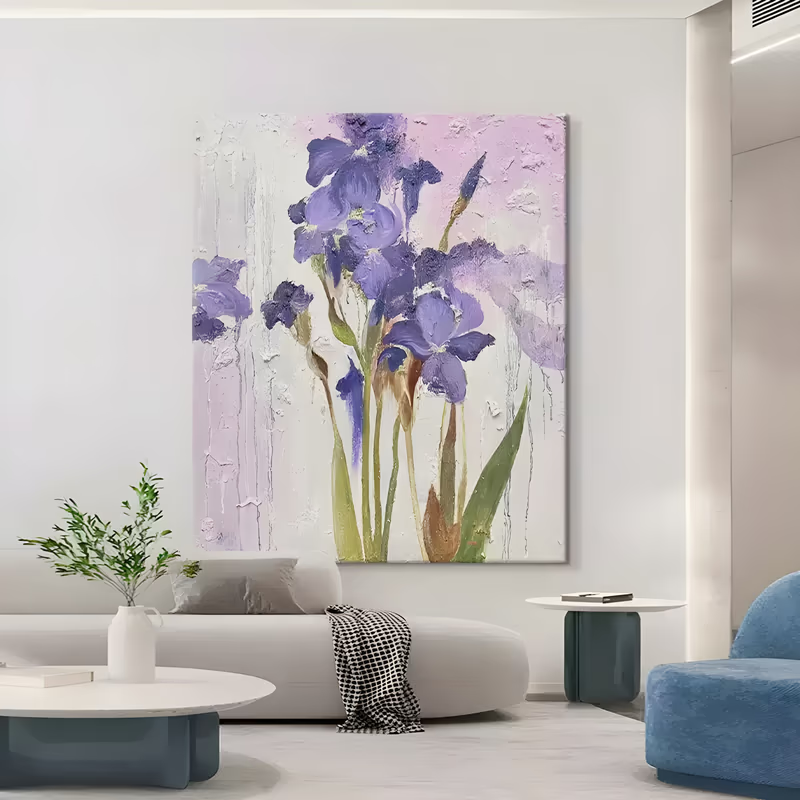
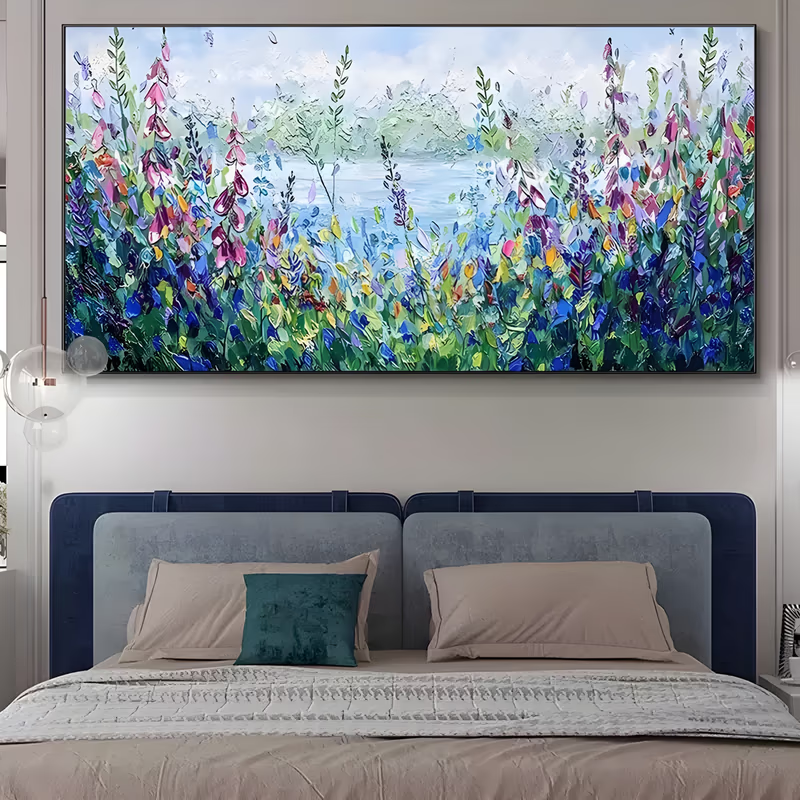
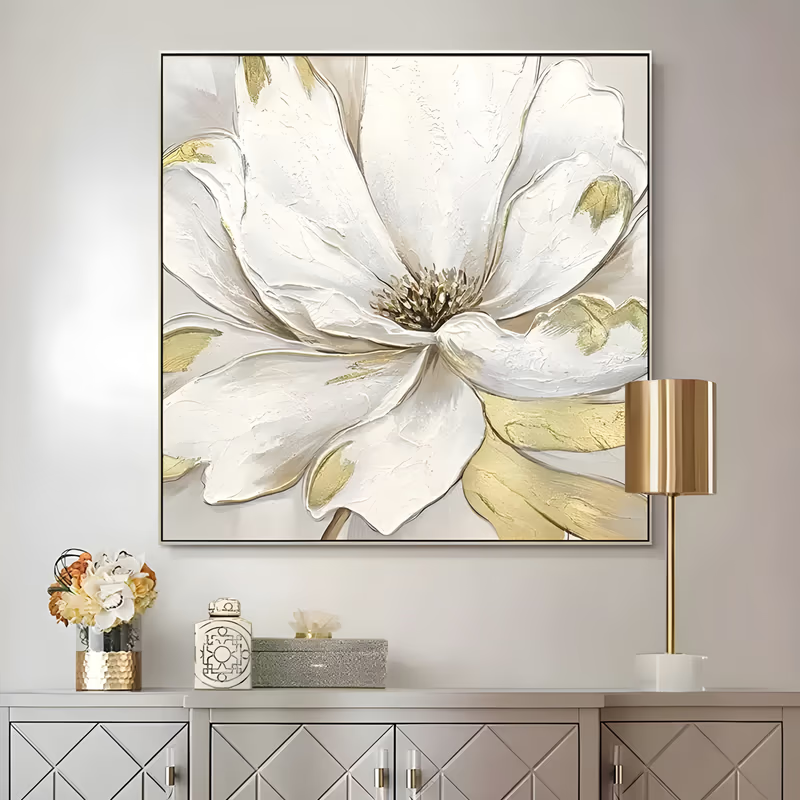
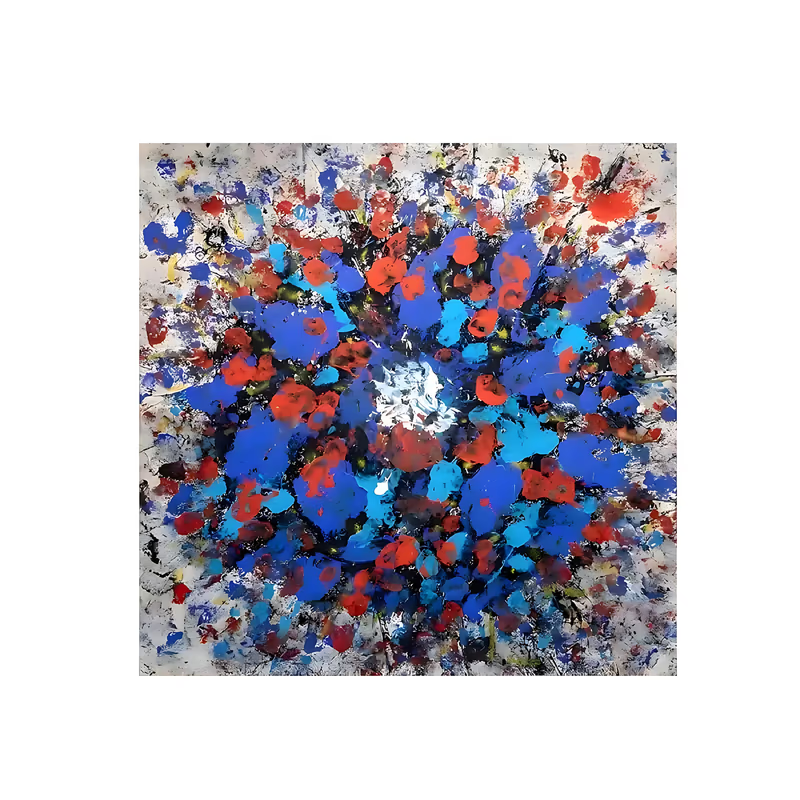
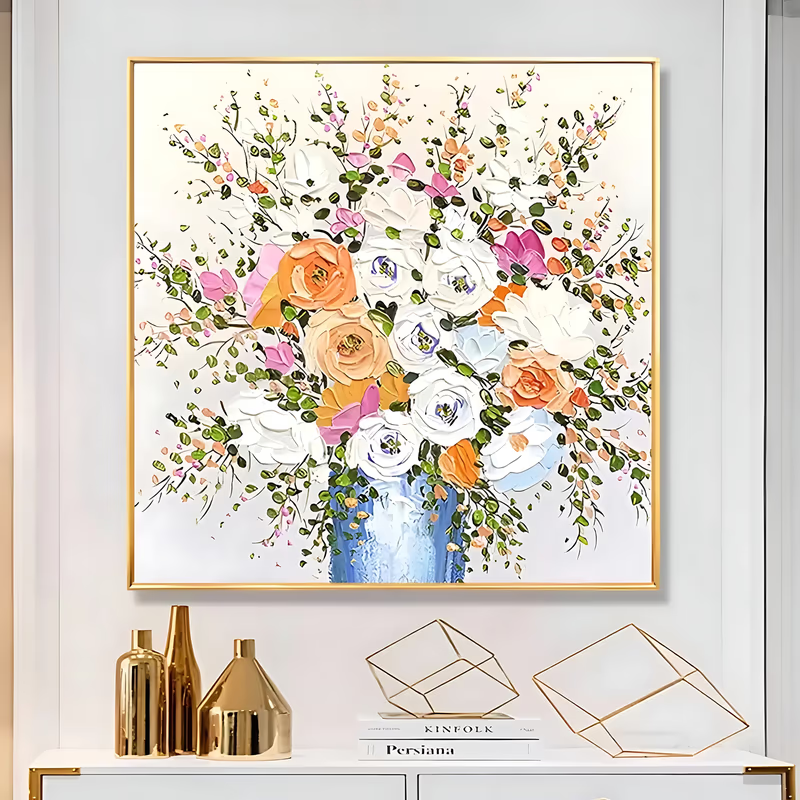
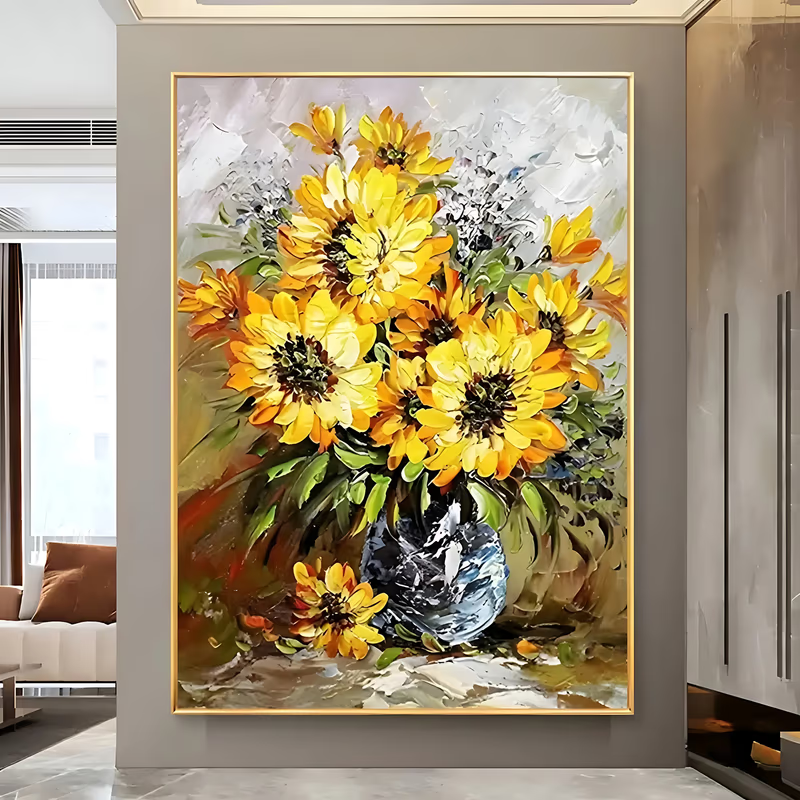
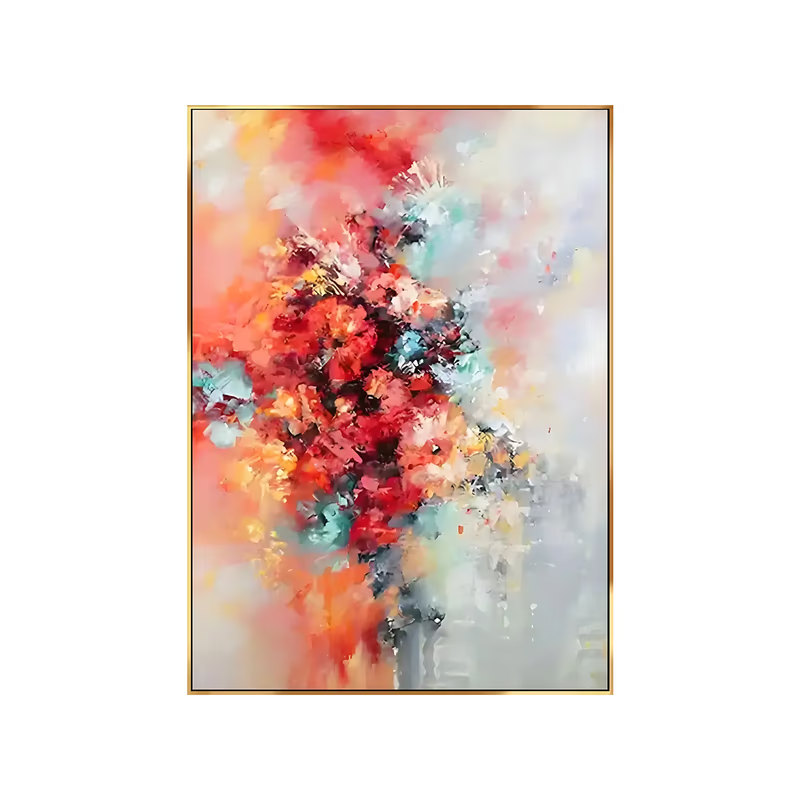
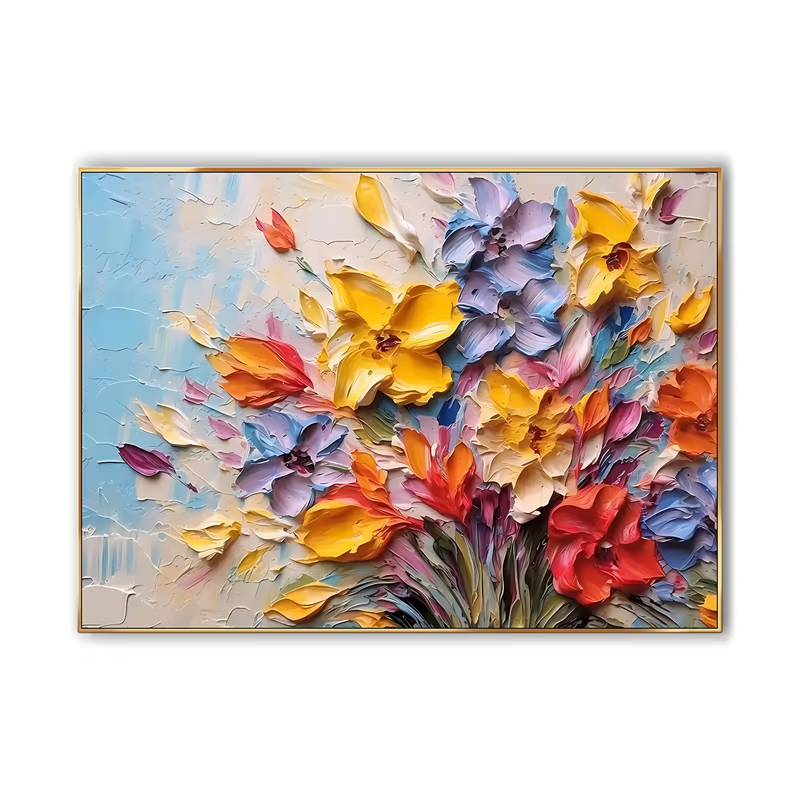
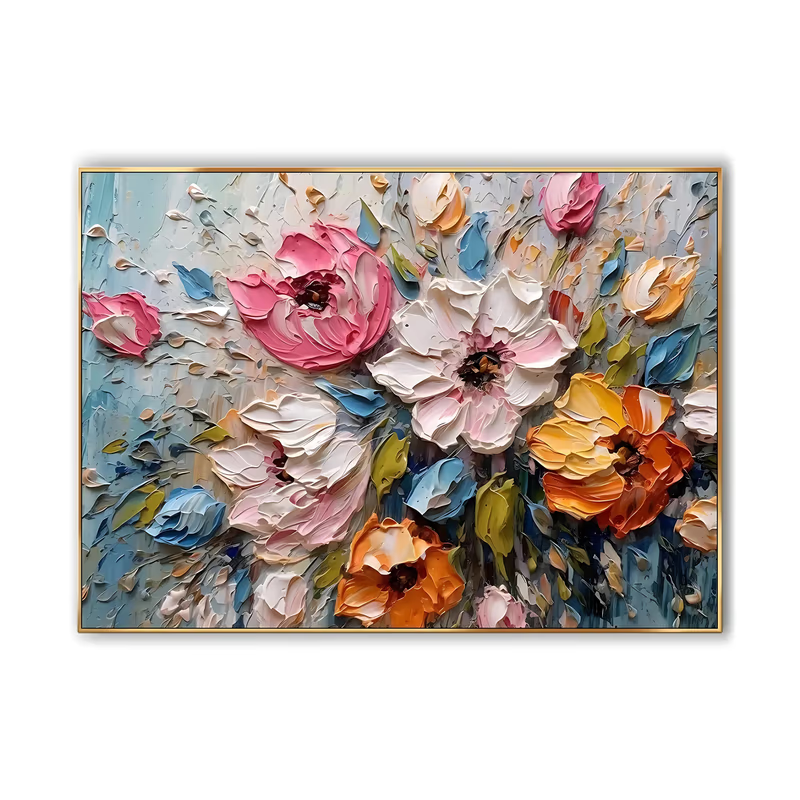
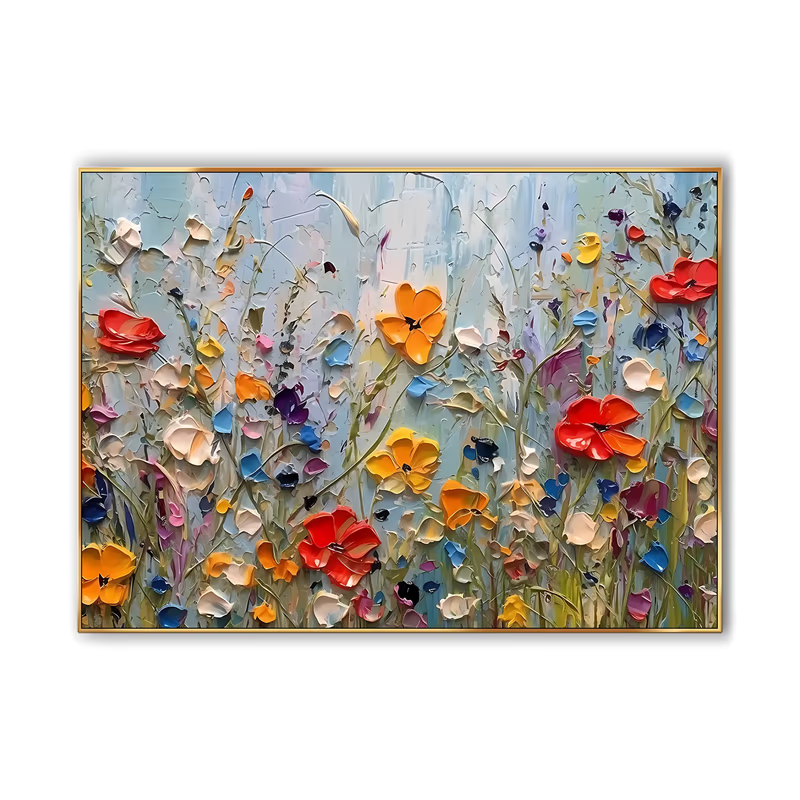
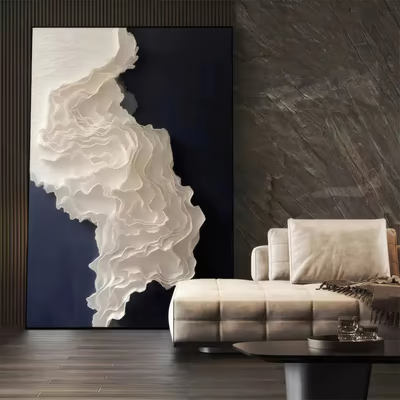
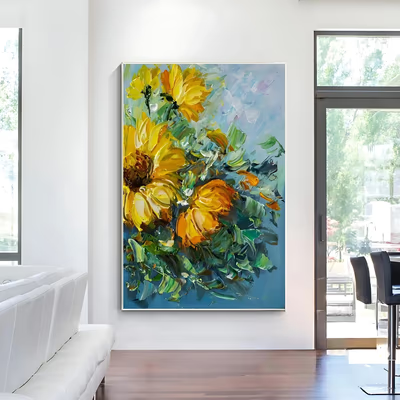
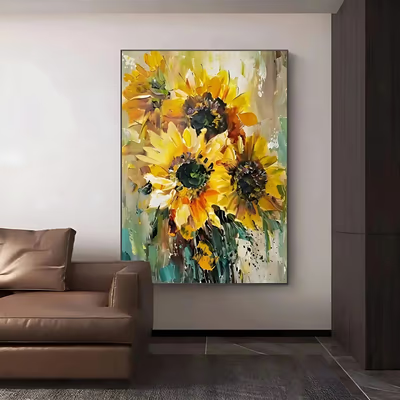
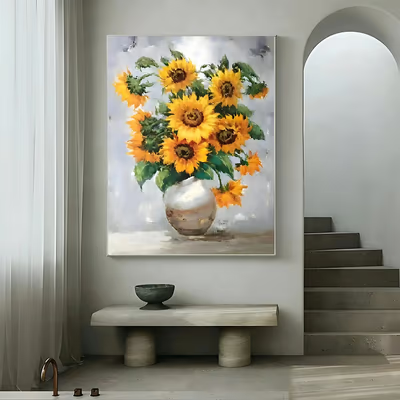
Peonies, roses, sunflowers and poppies, often painted with a palette knife so the petals stand off the canvas. Blown up to a metre or more, a single bloom reads as modern rather than cottage-style. Florals suit modern classic, French and eclectic living rooms, and they soften a room full of hard surfaces.
Abstract and textured living room art
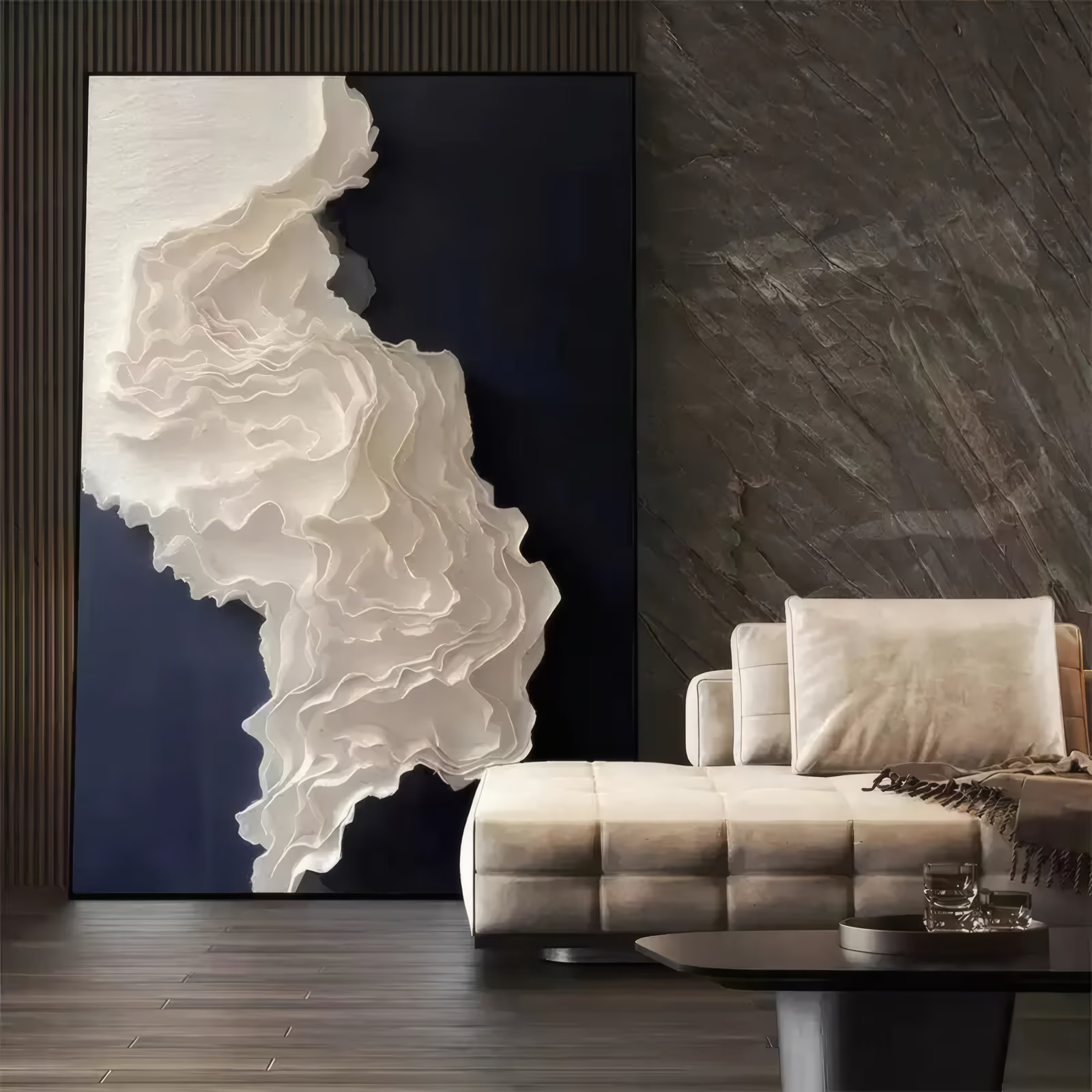
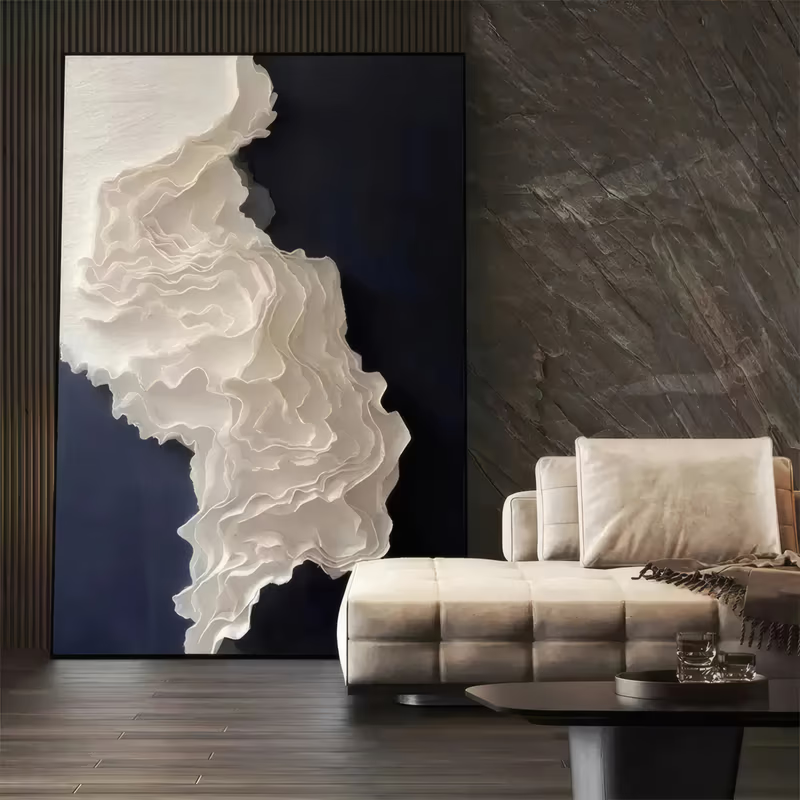
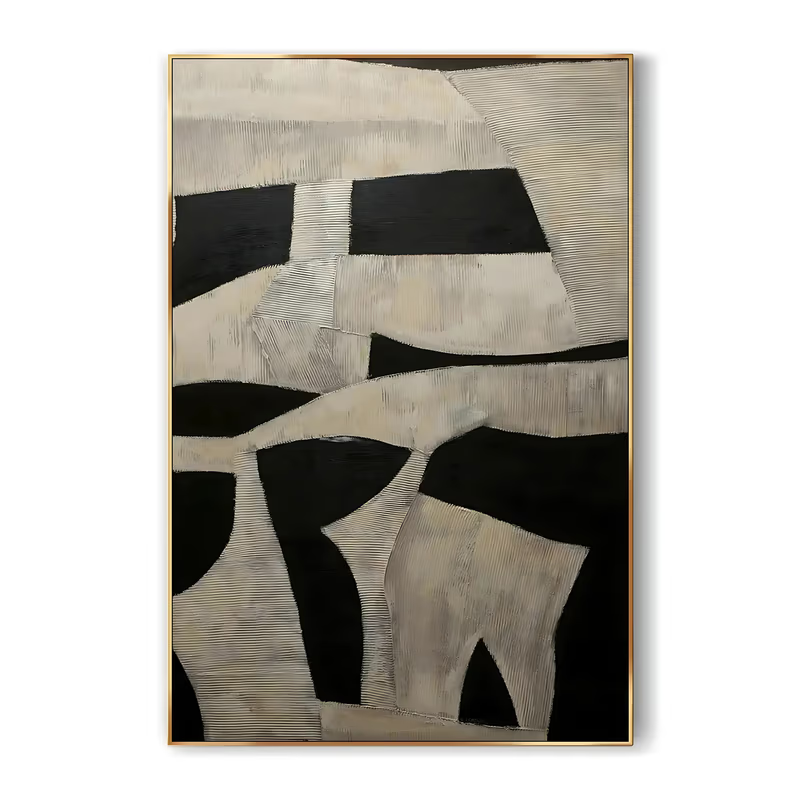
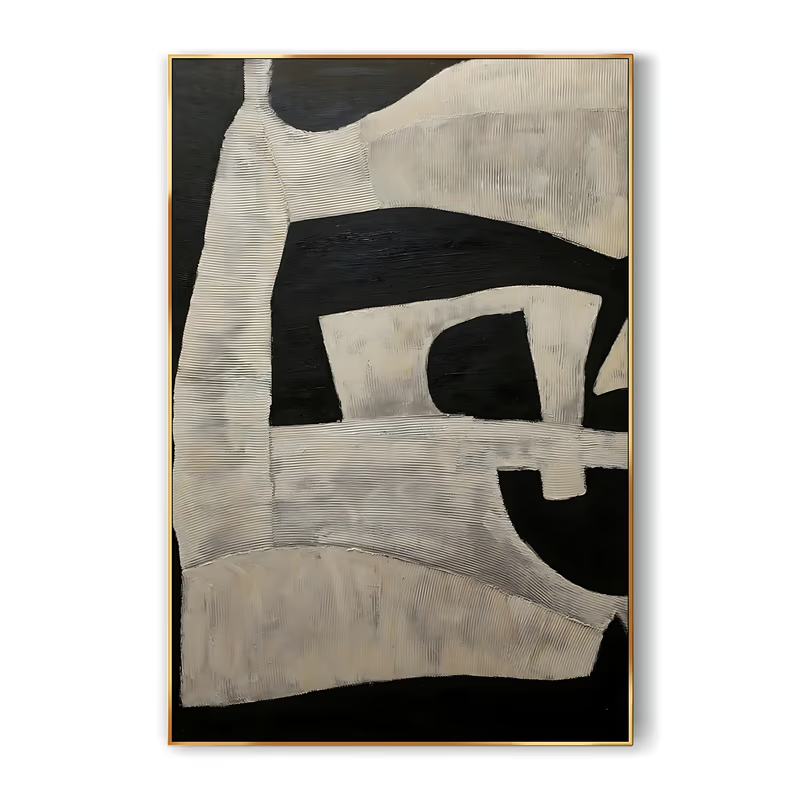
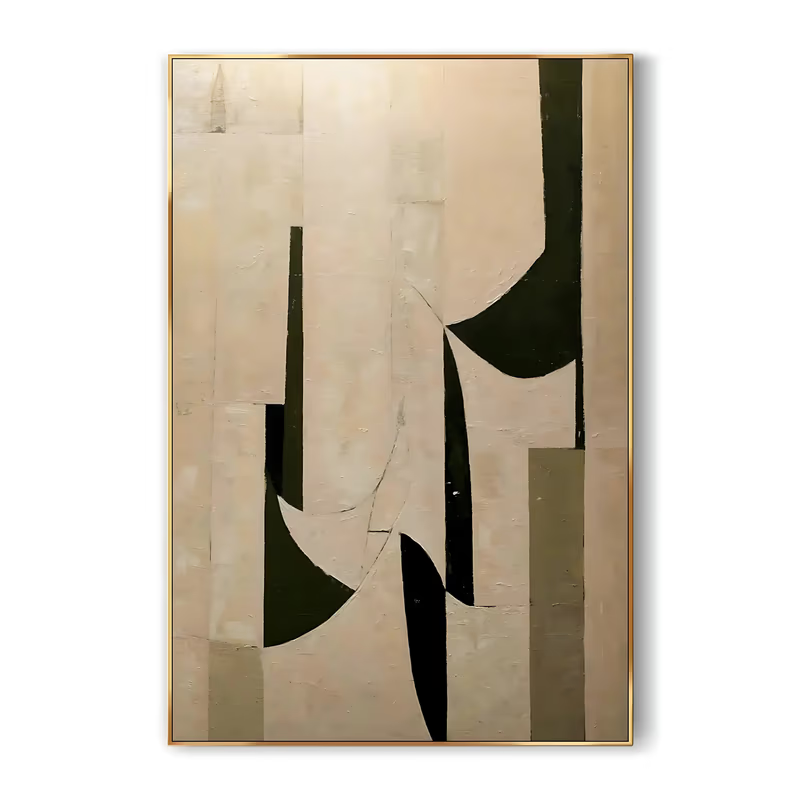
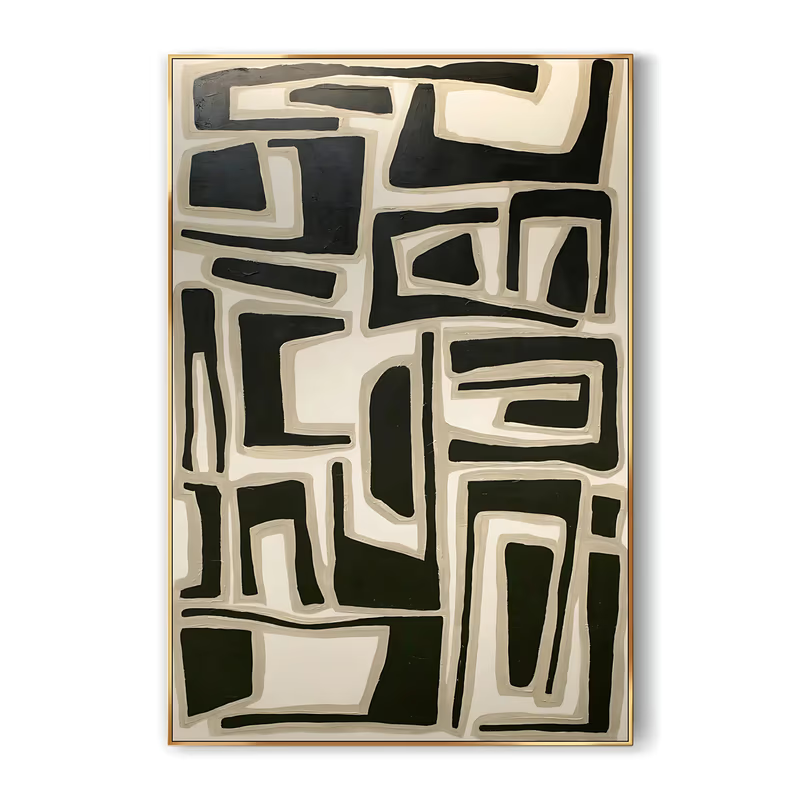
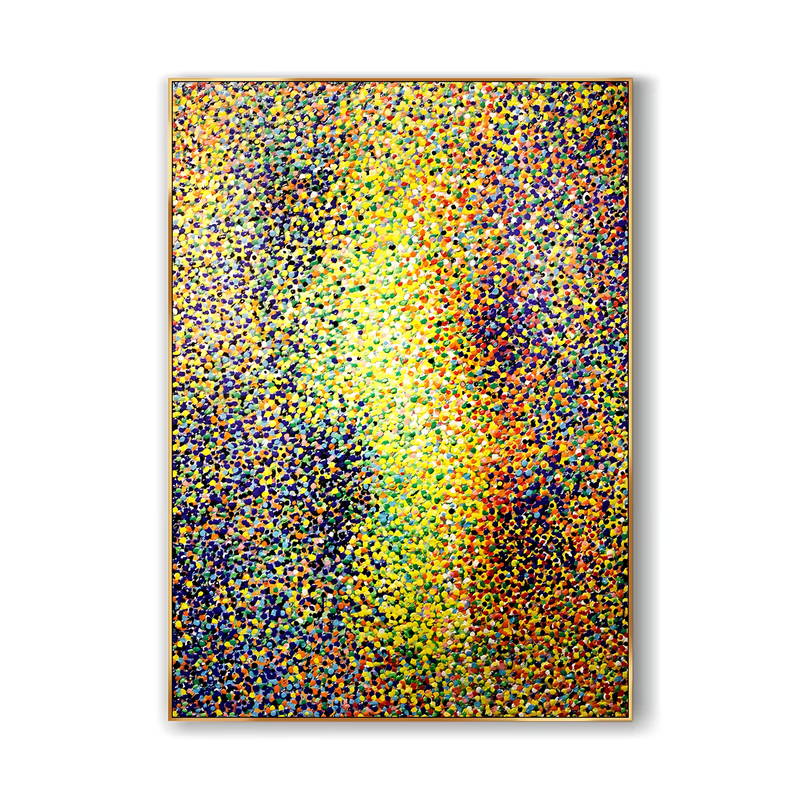
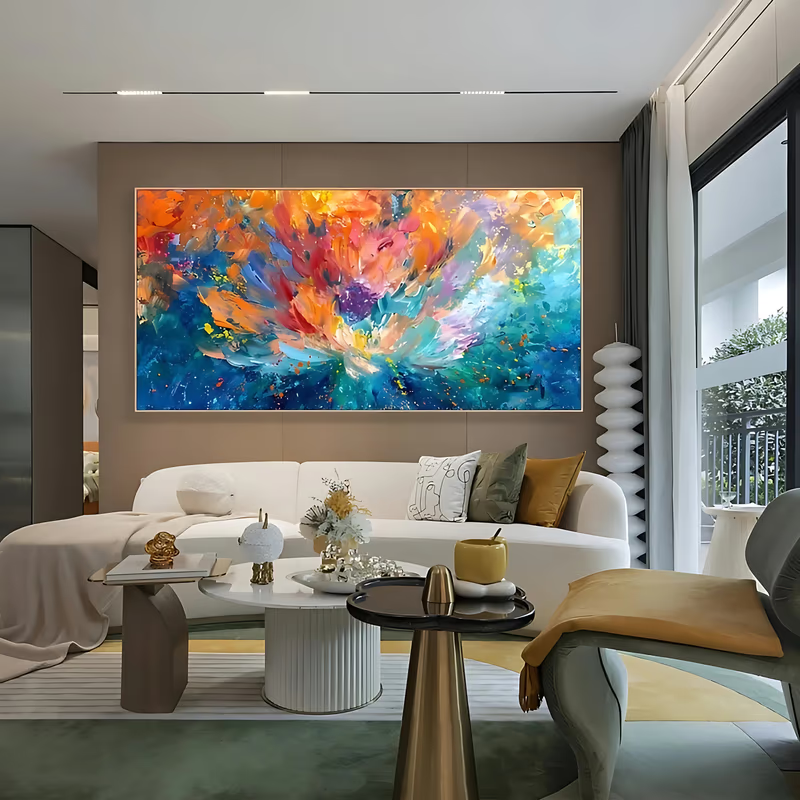
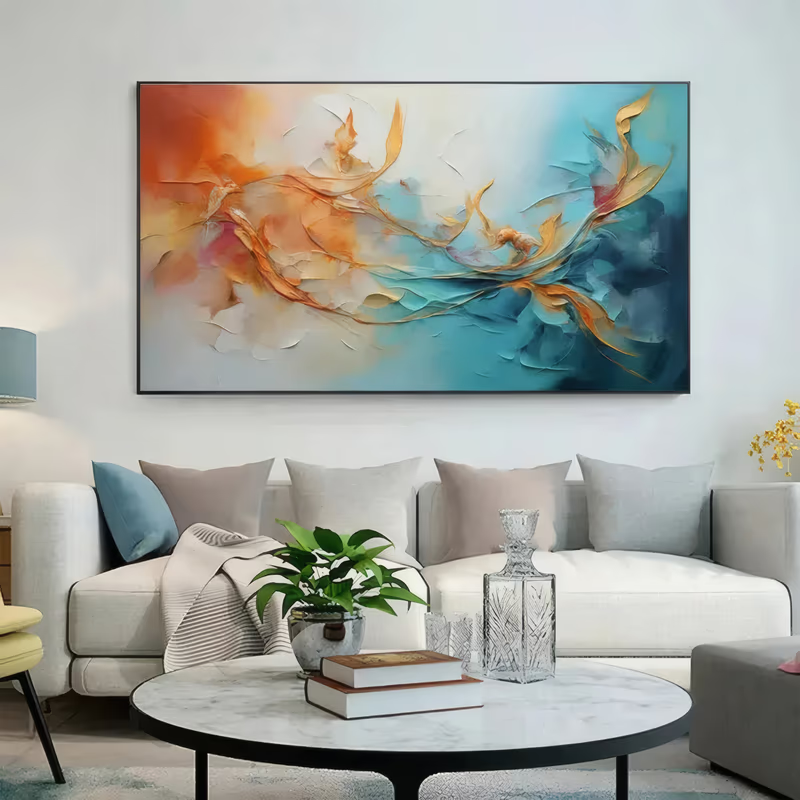
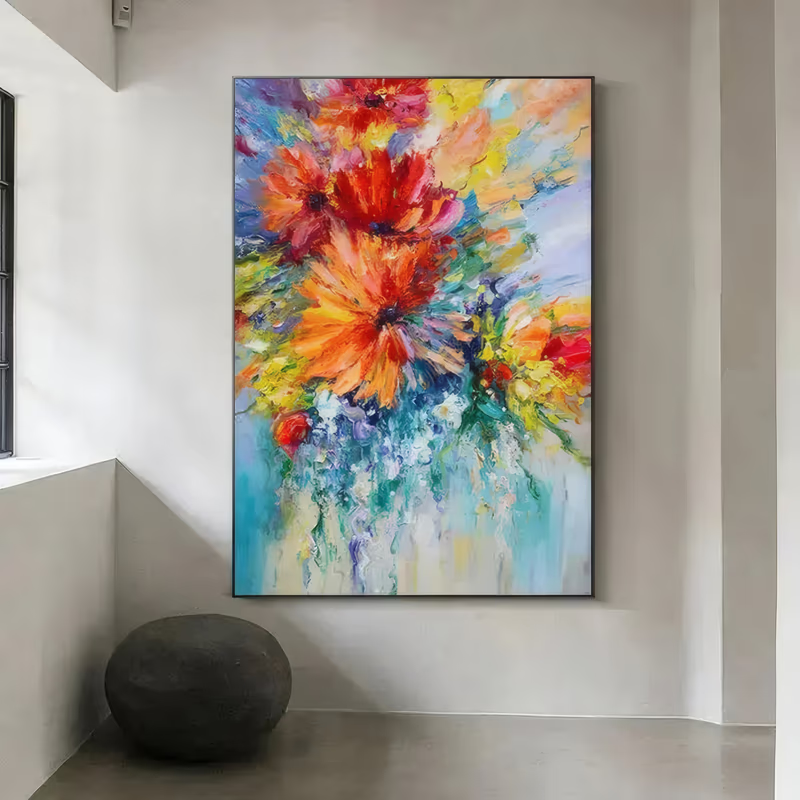
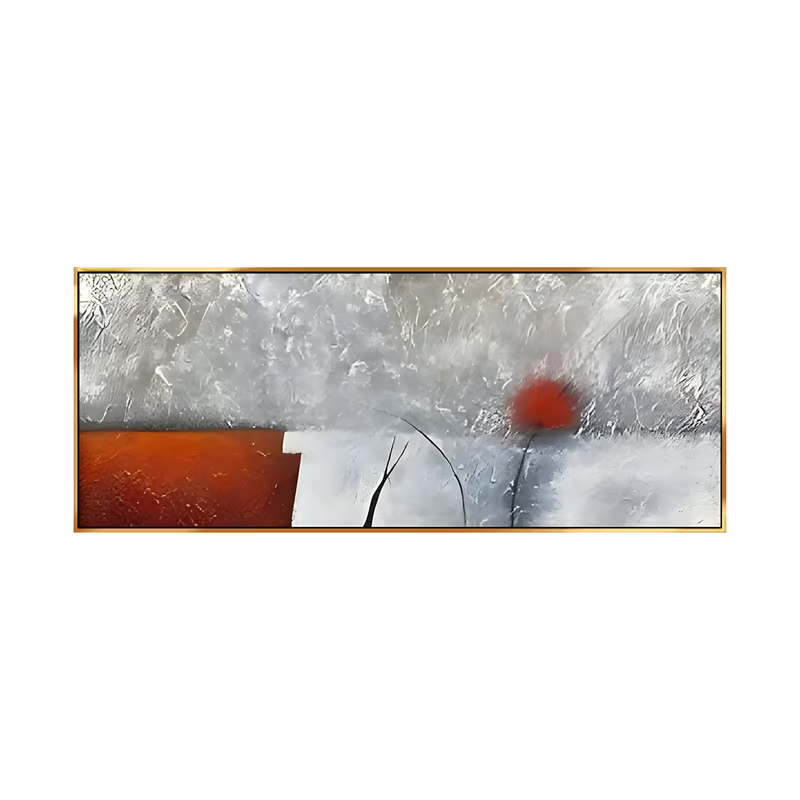
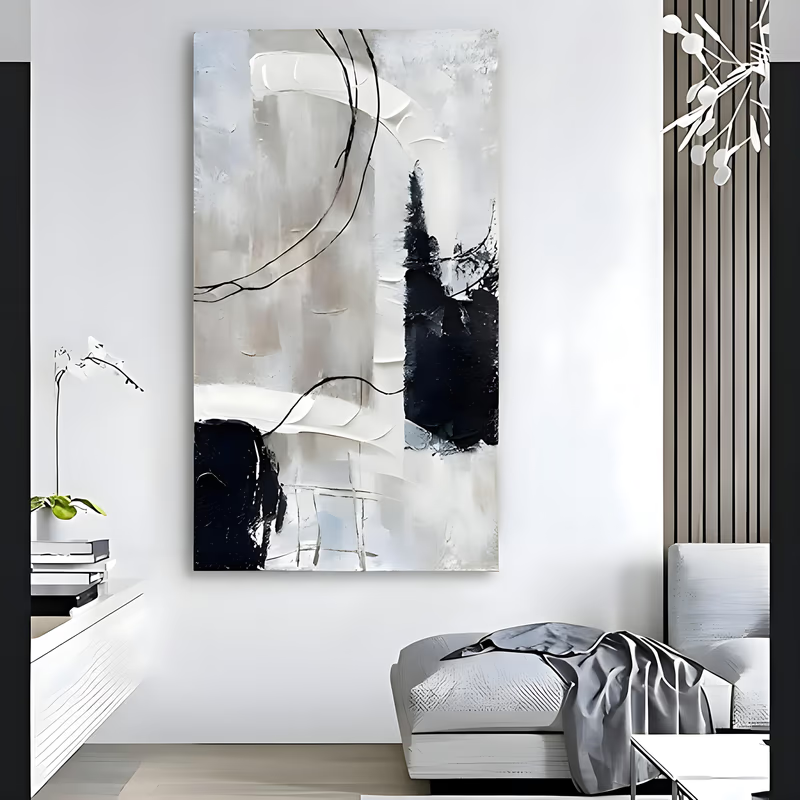
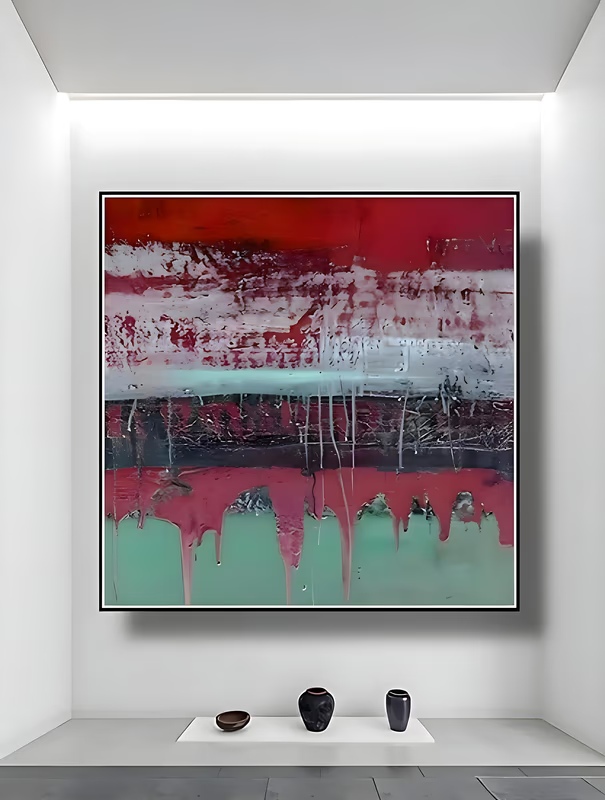
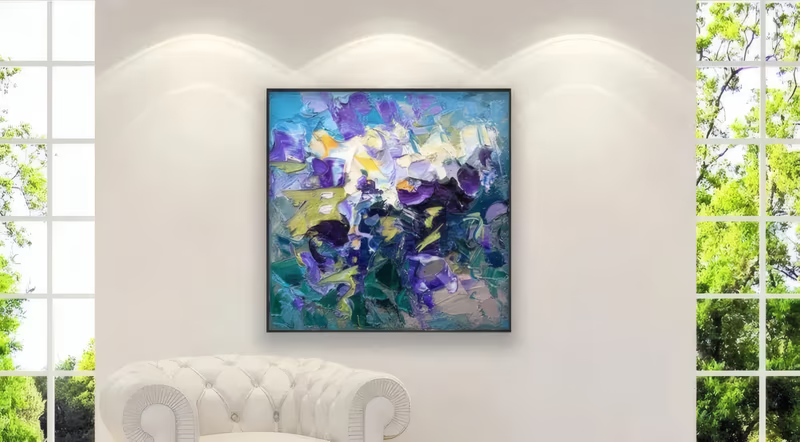
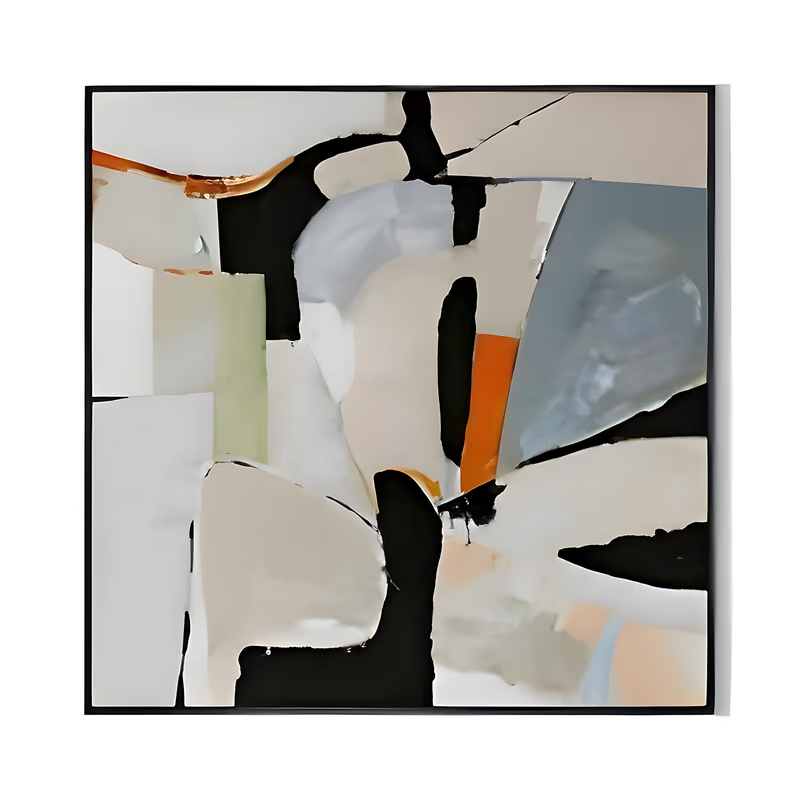
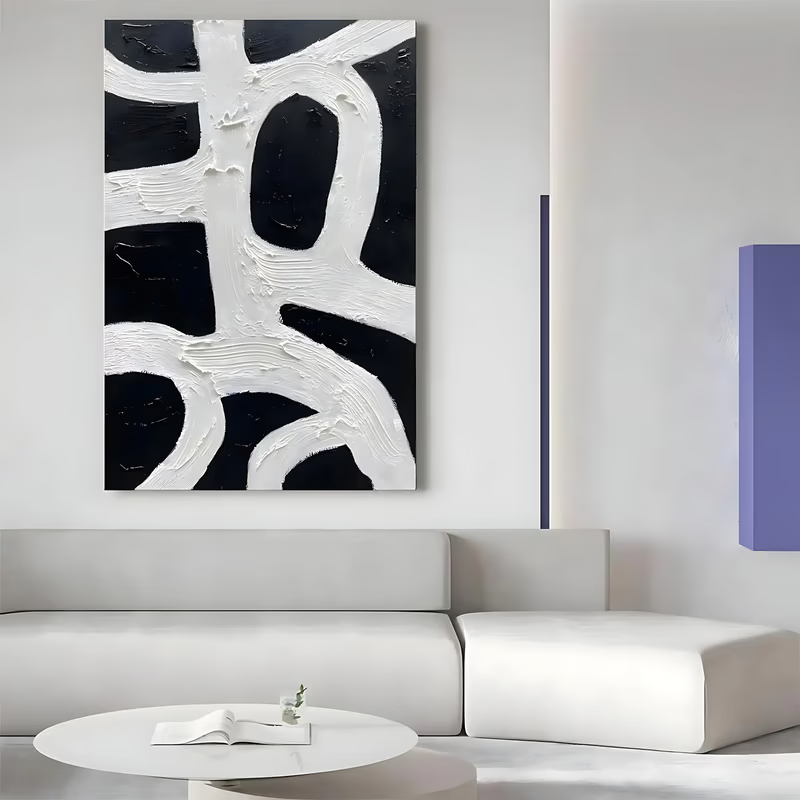
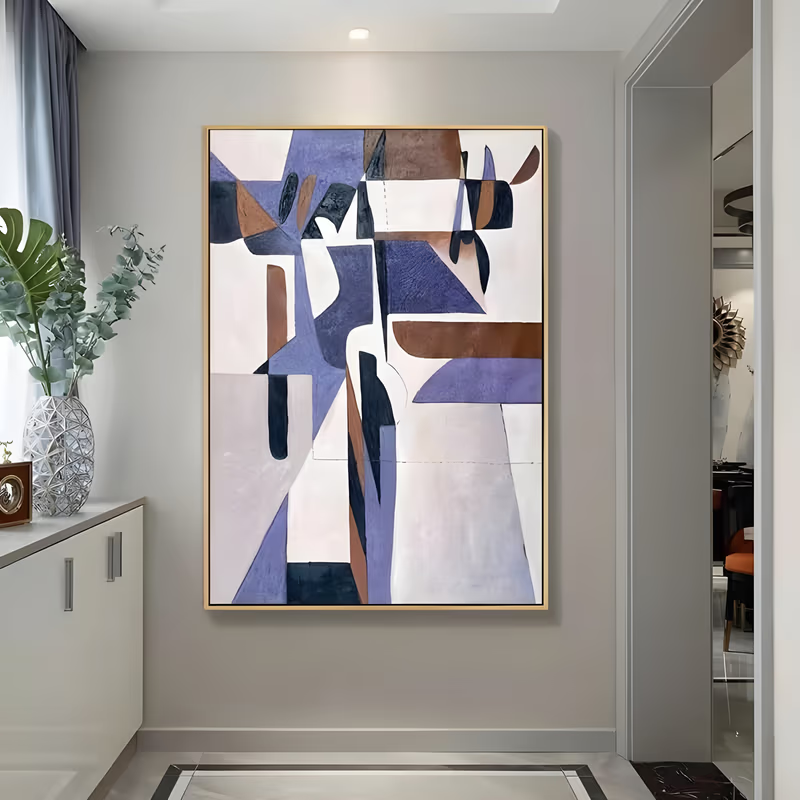
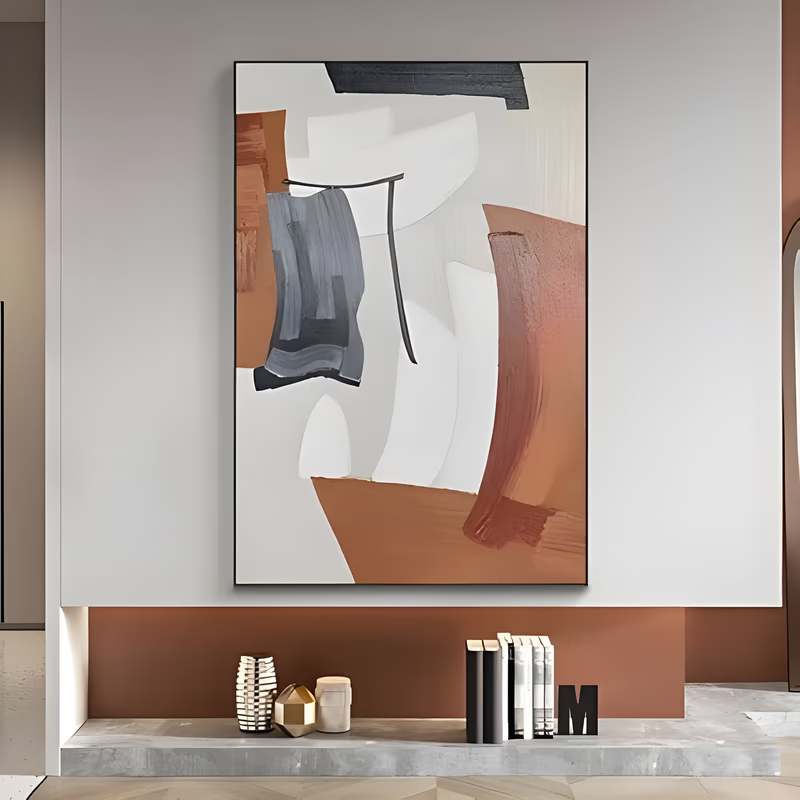
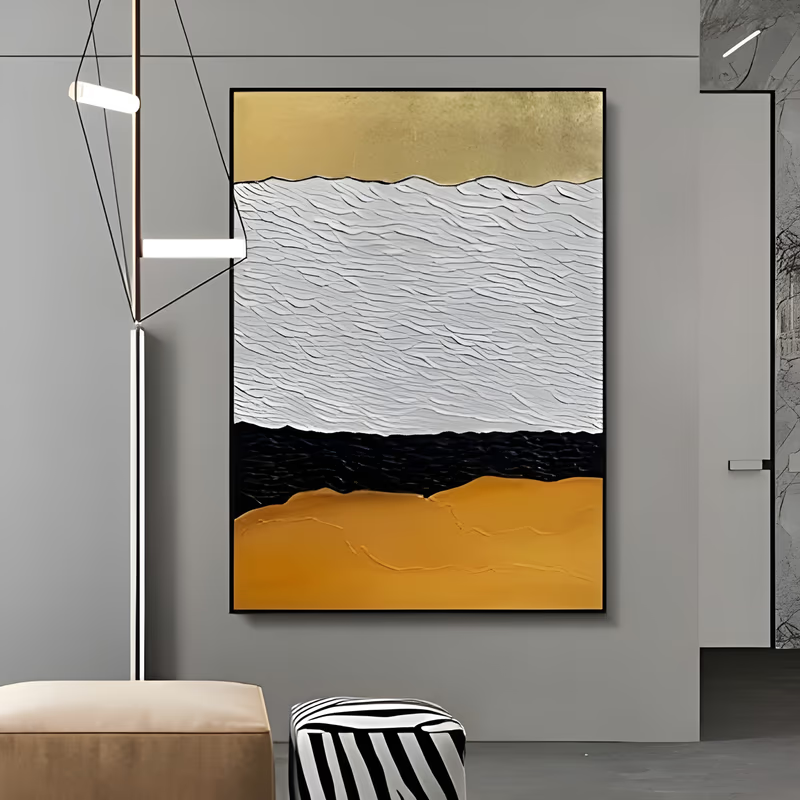
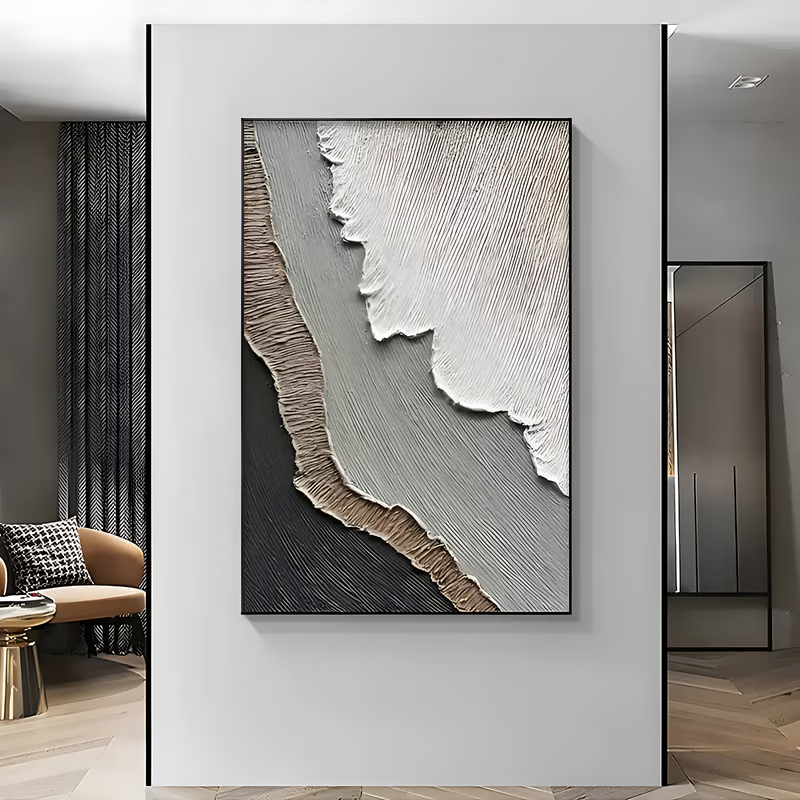
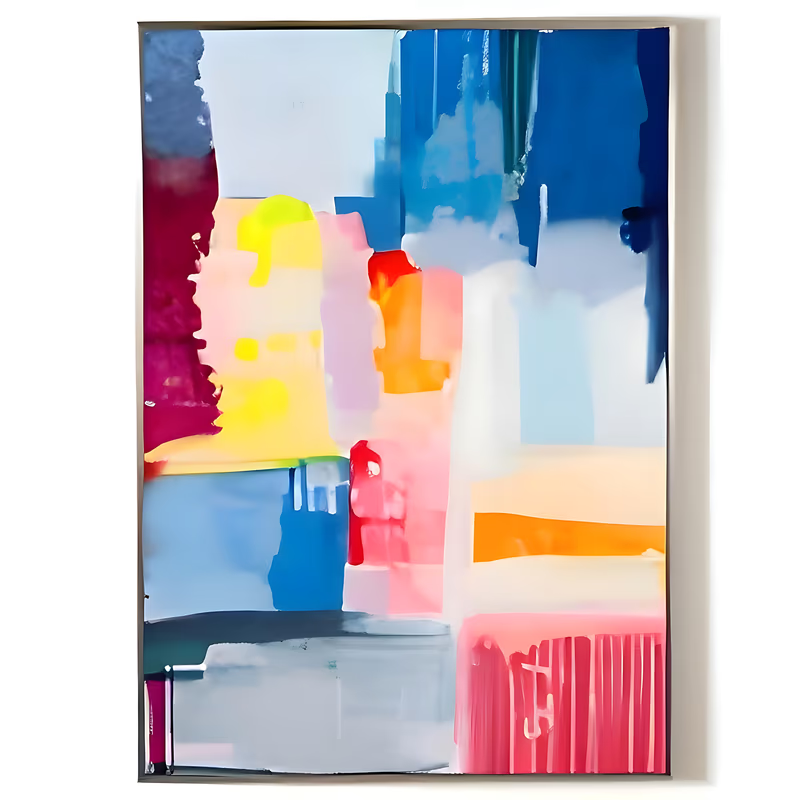
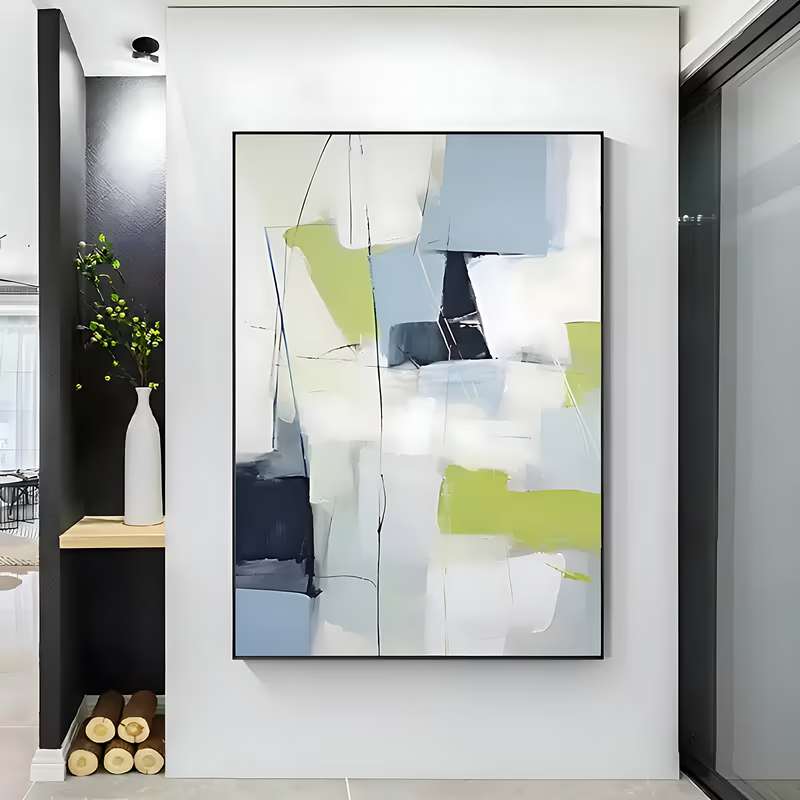
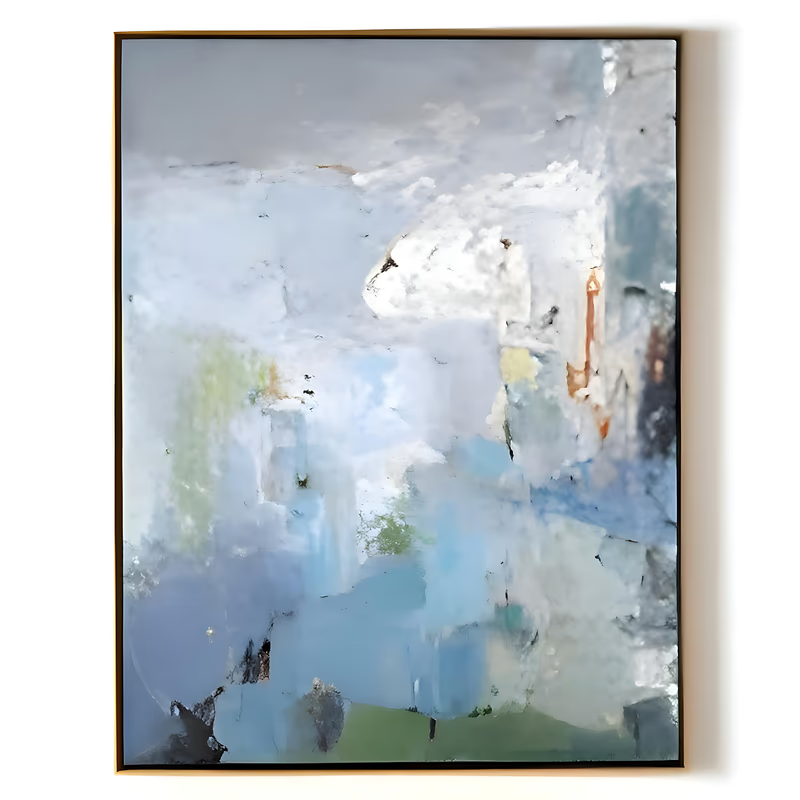
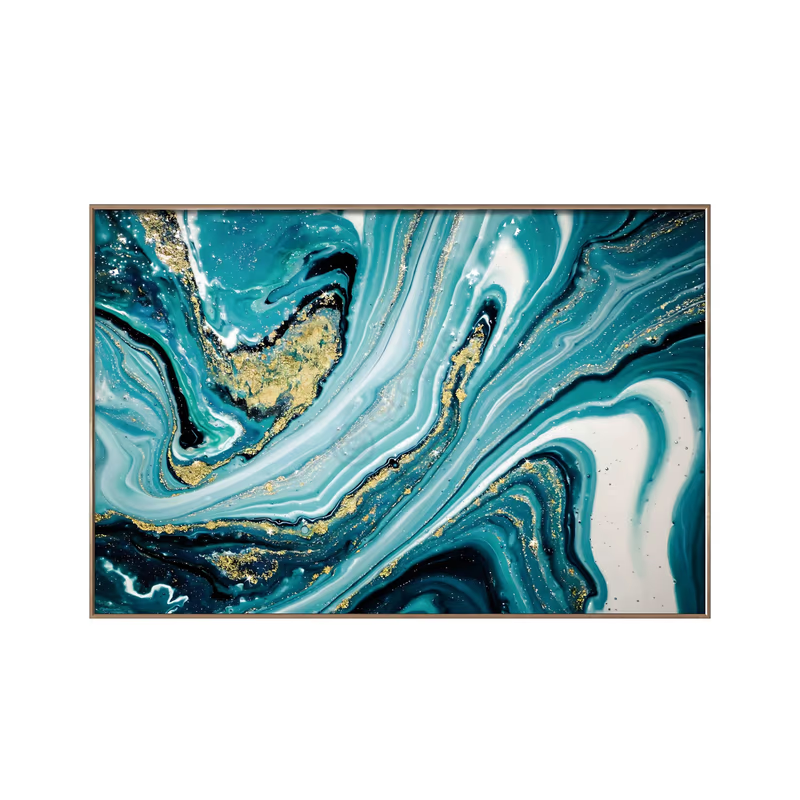
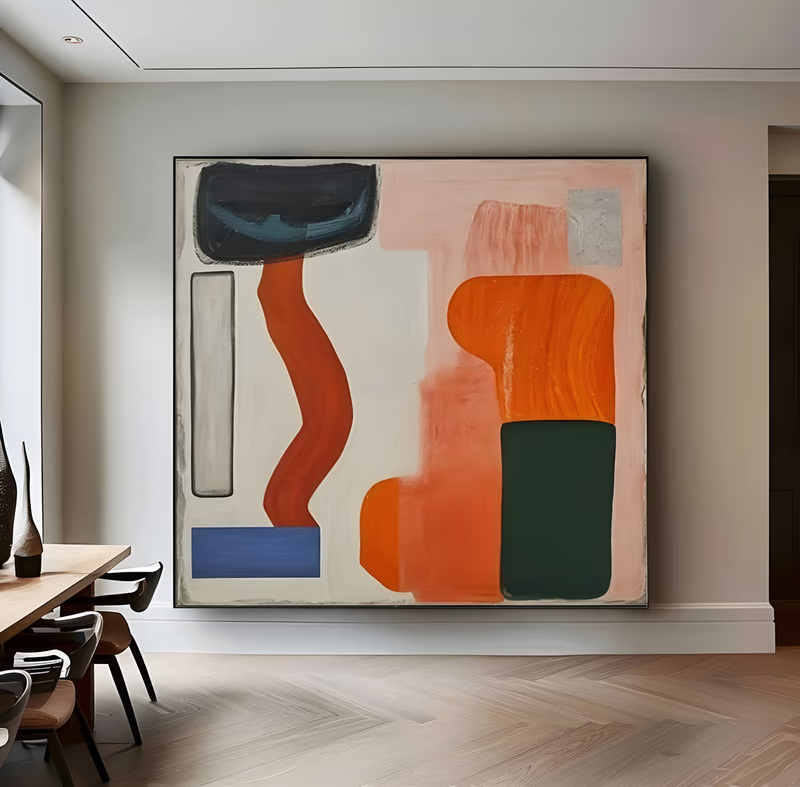
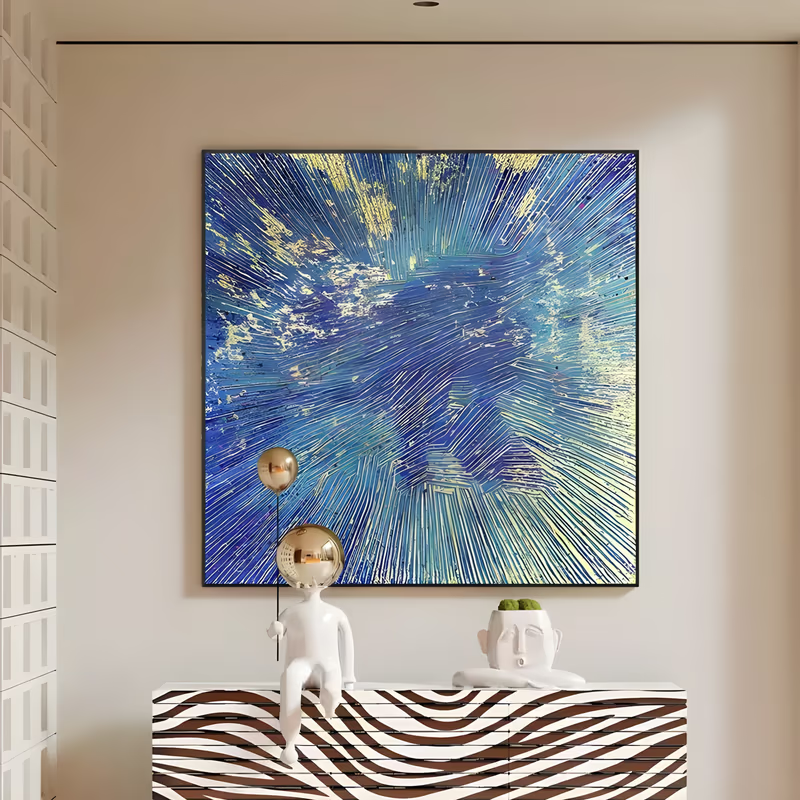
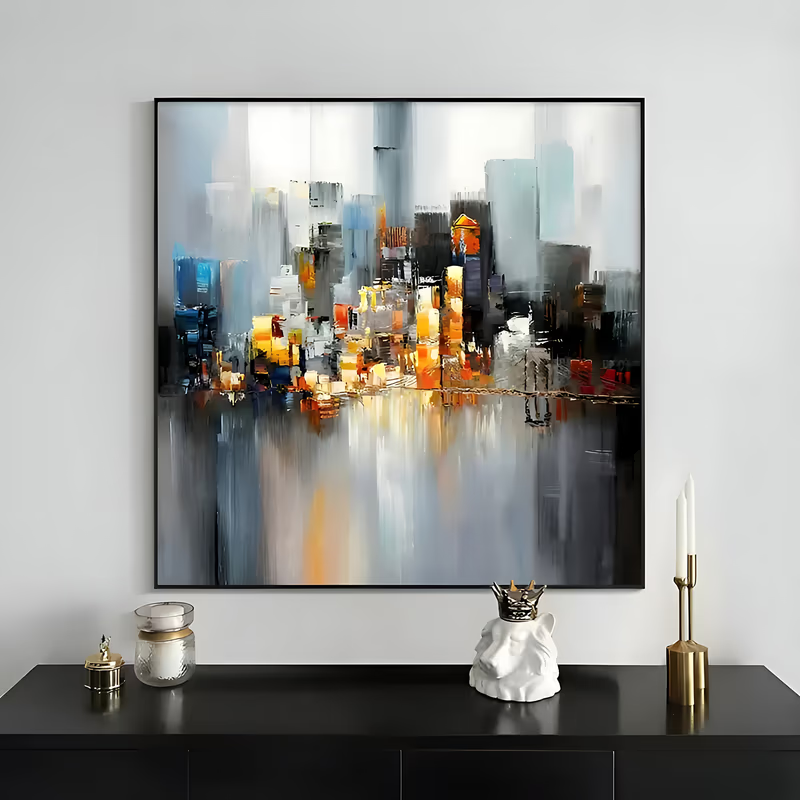
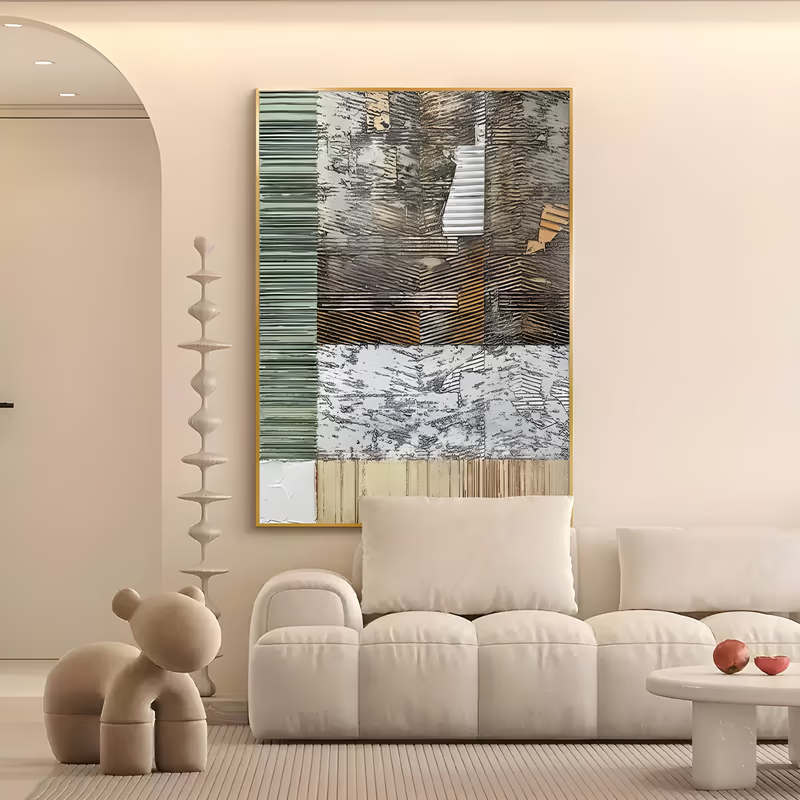
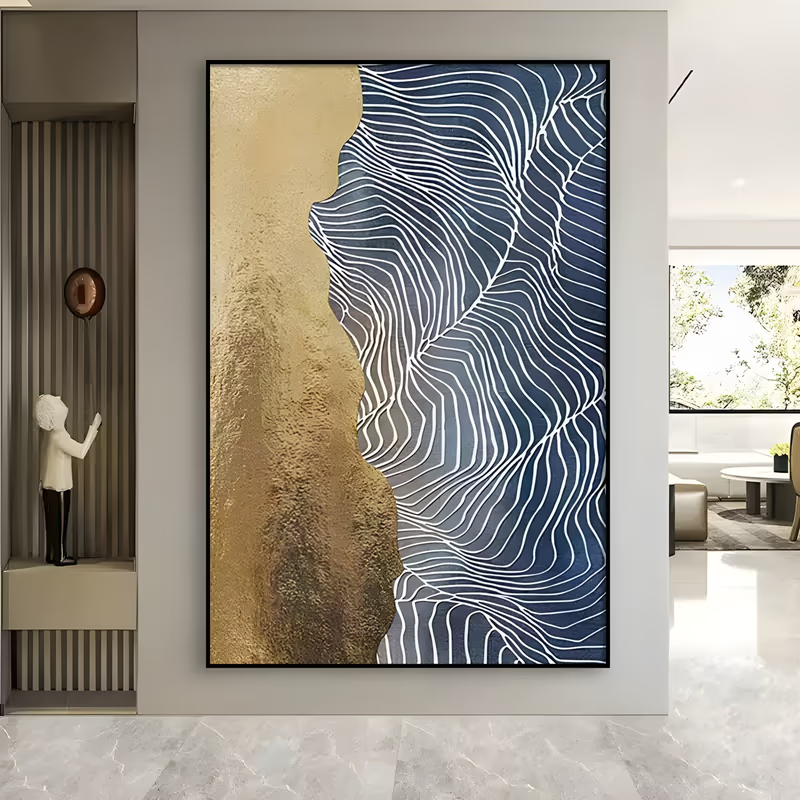
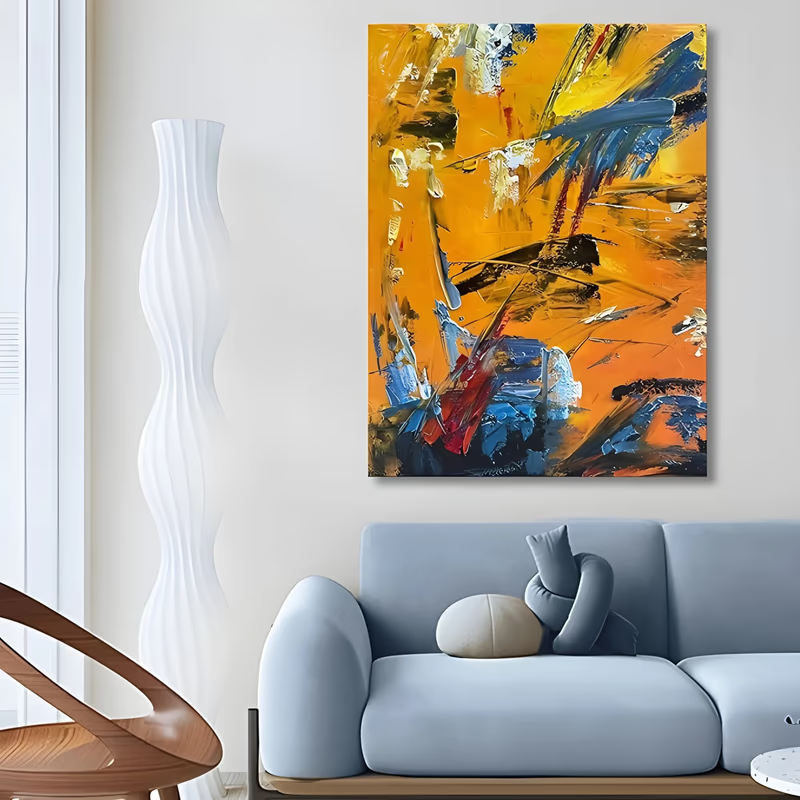
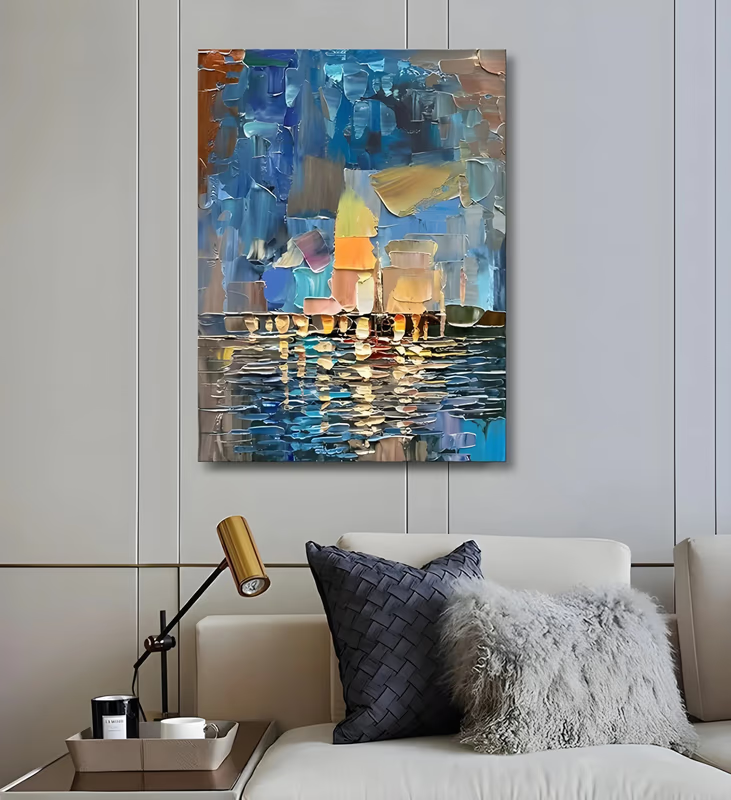
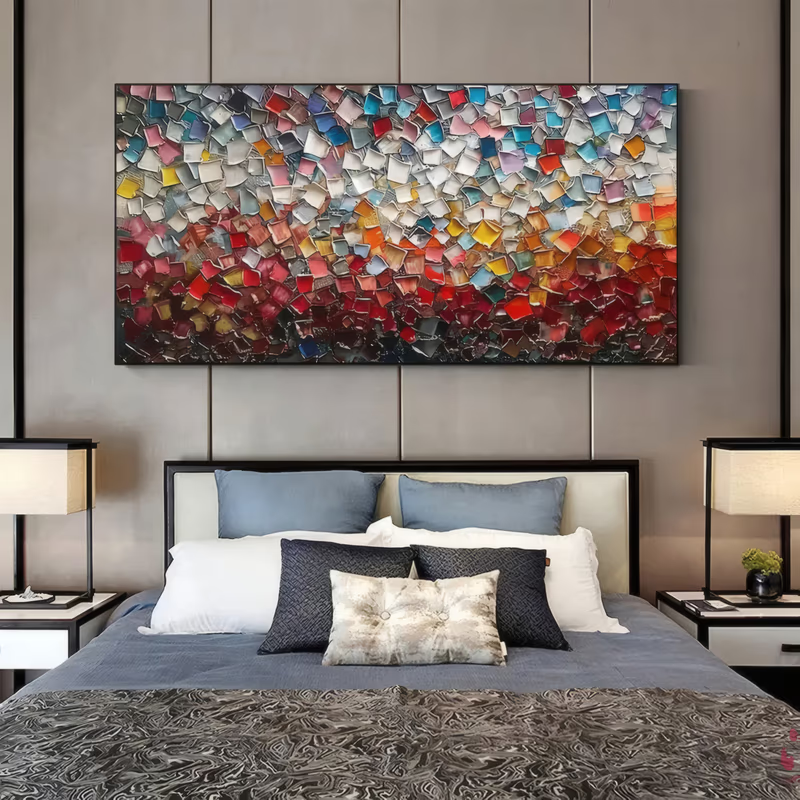
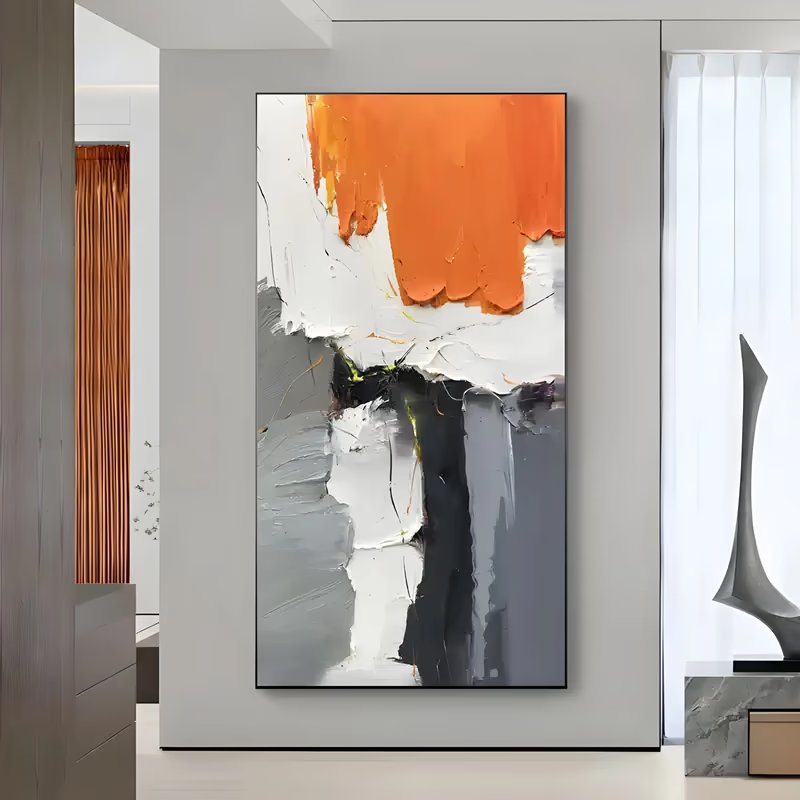
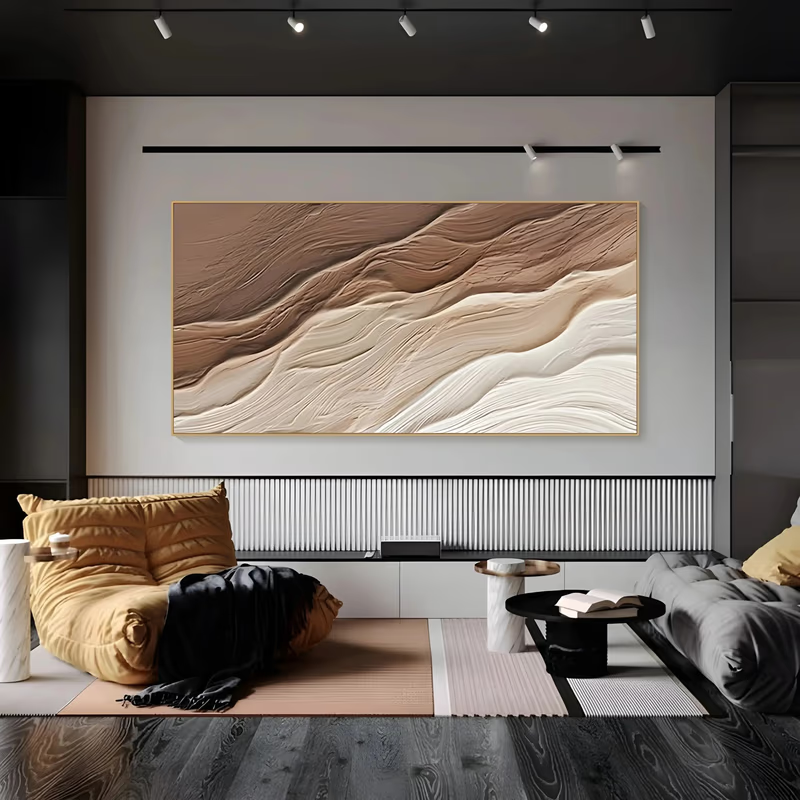
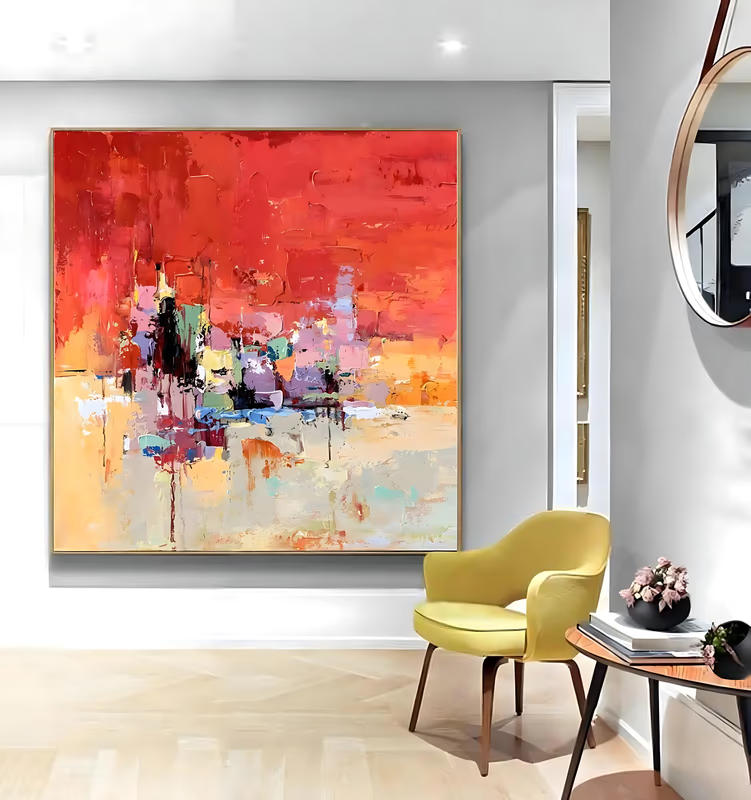
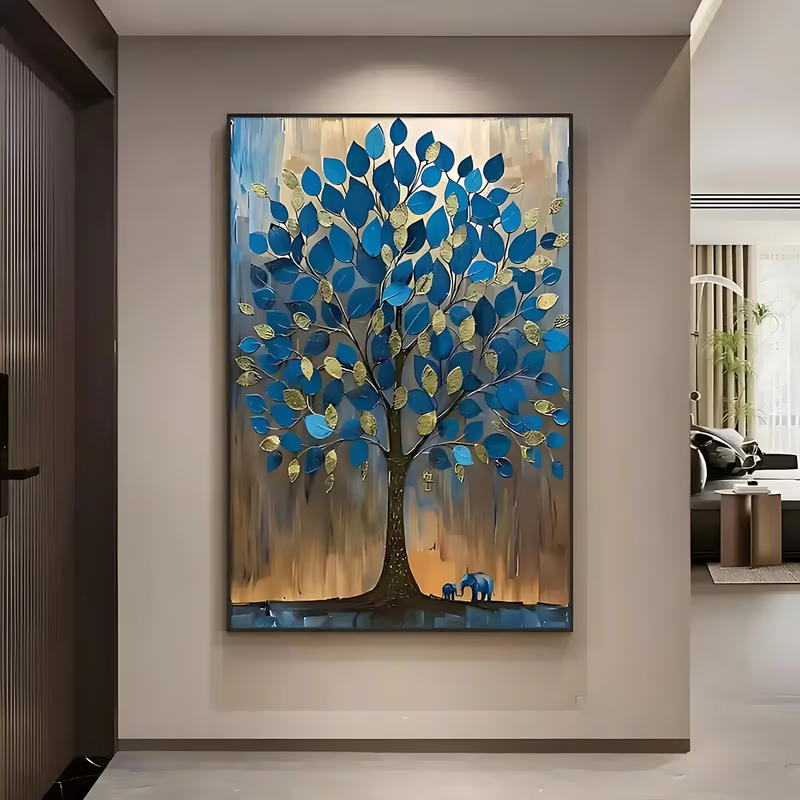
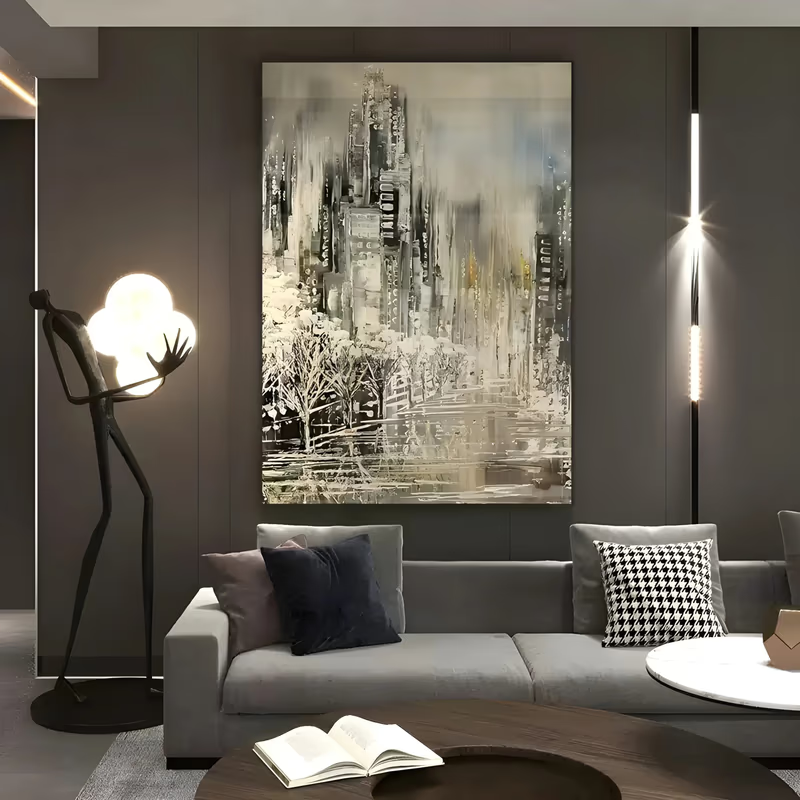
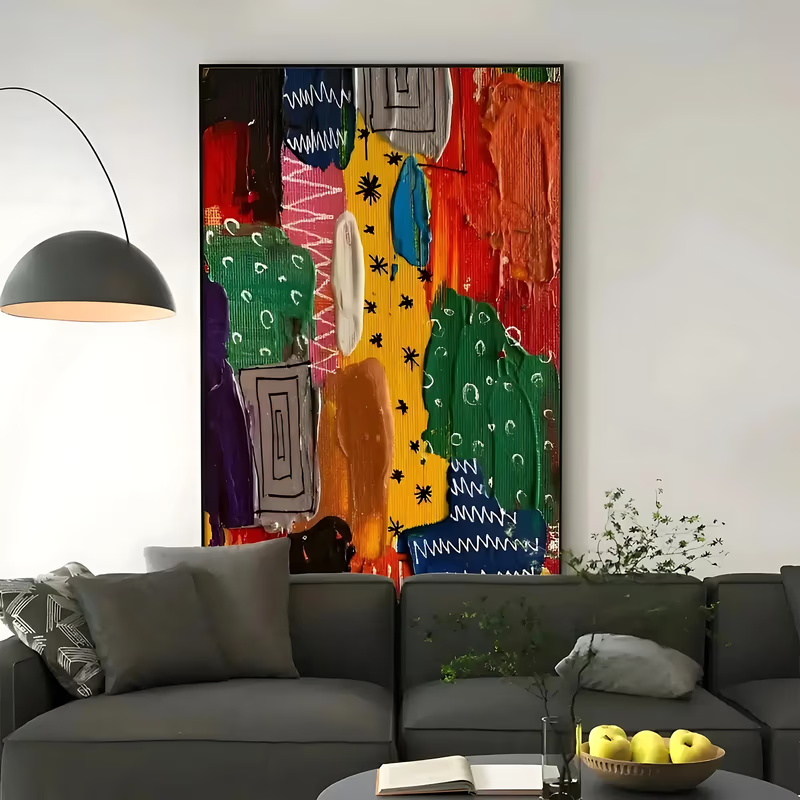
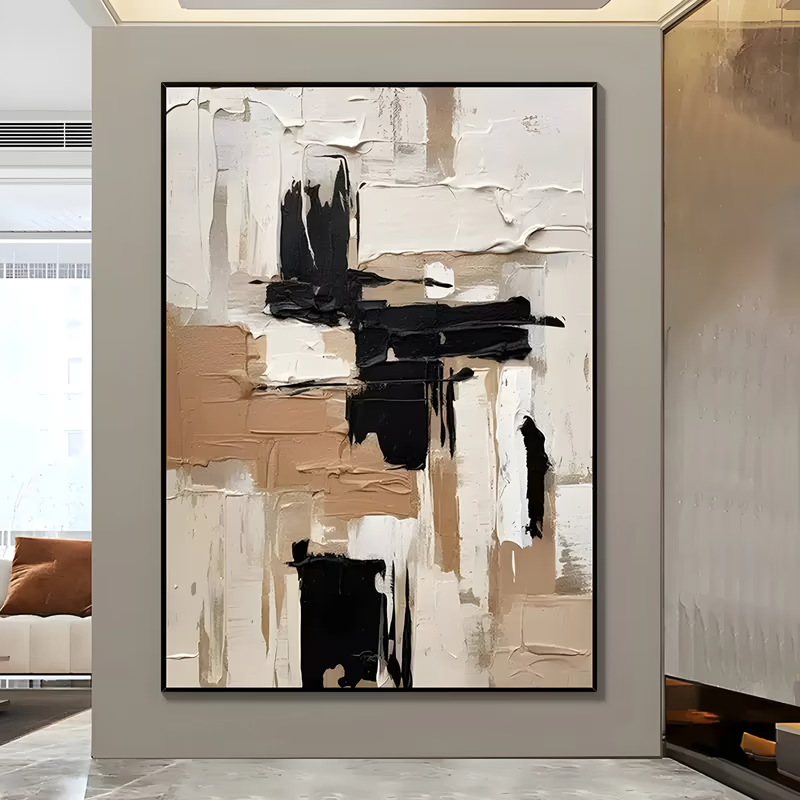
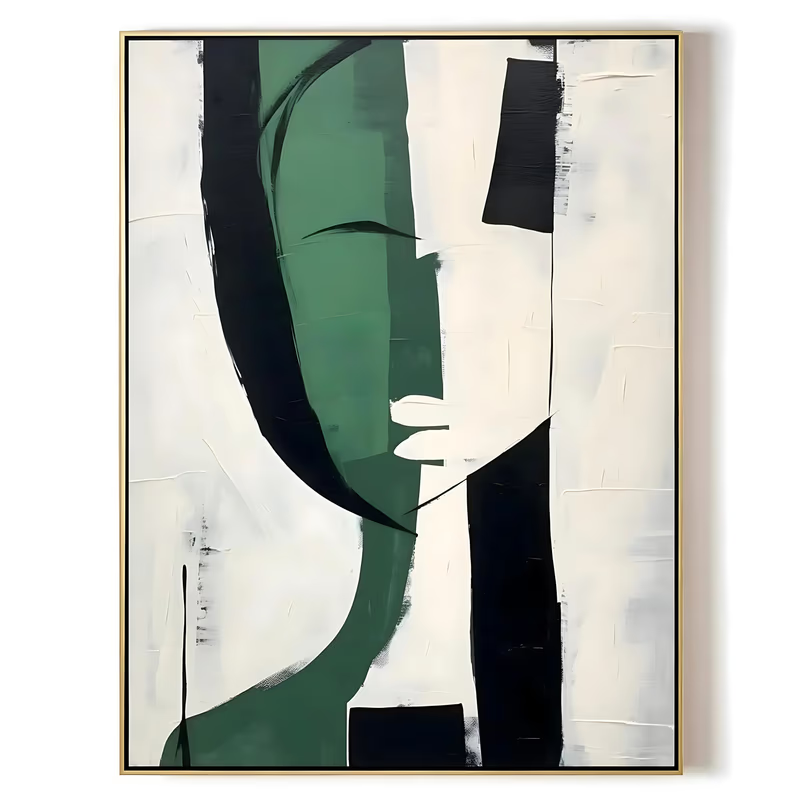
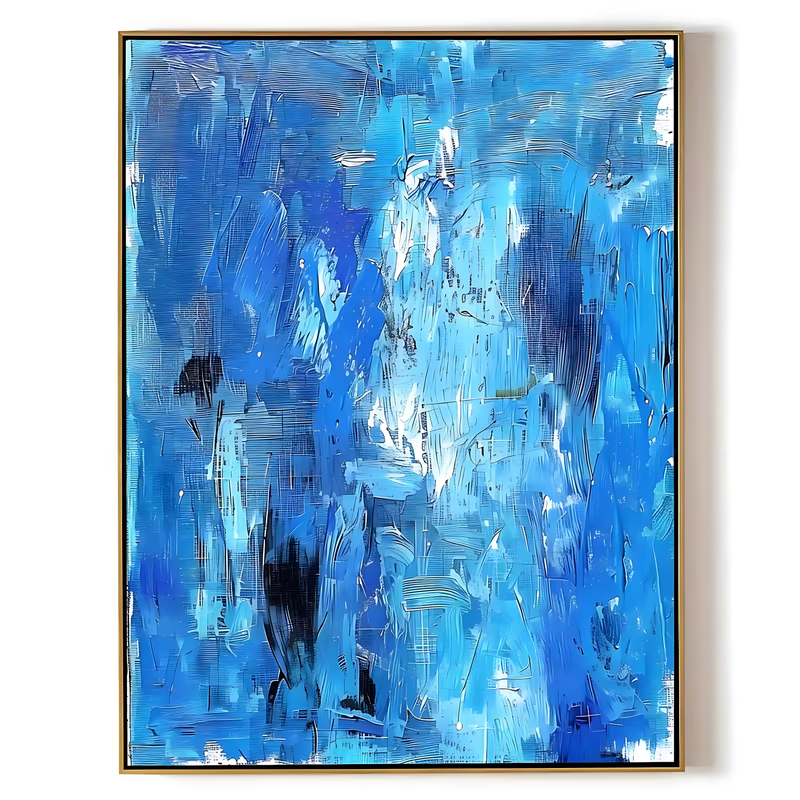
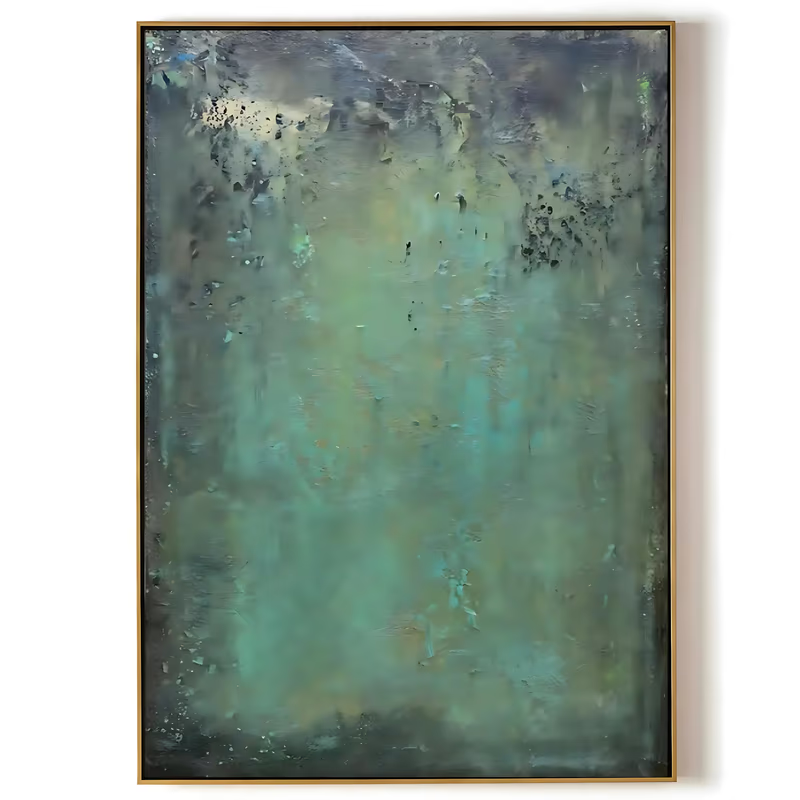
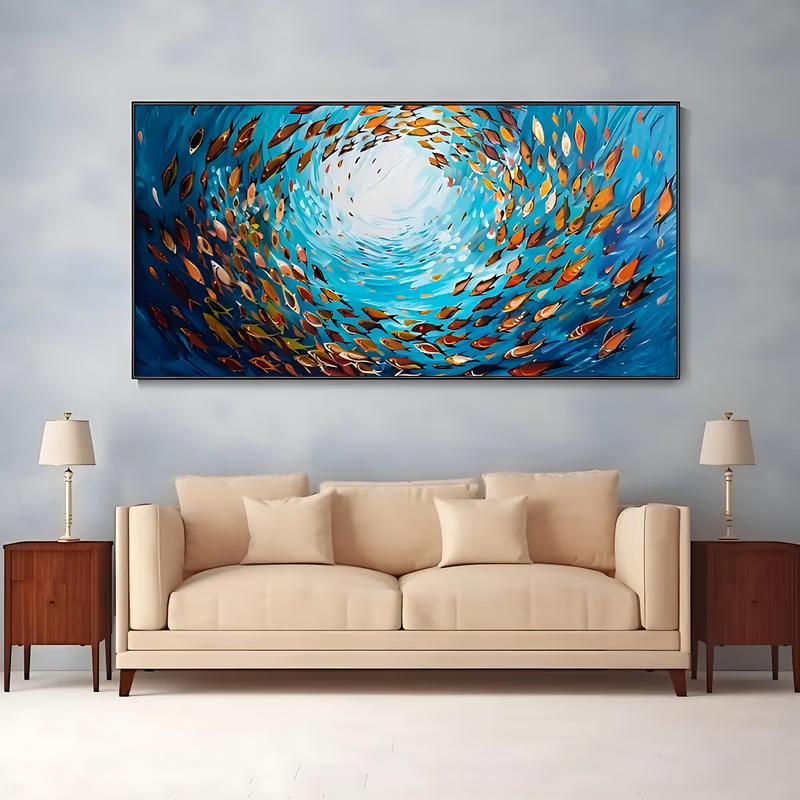
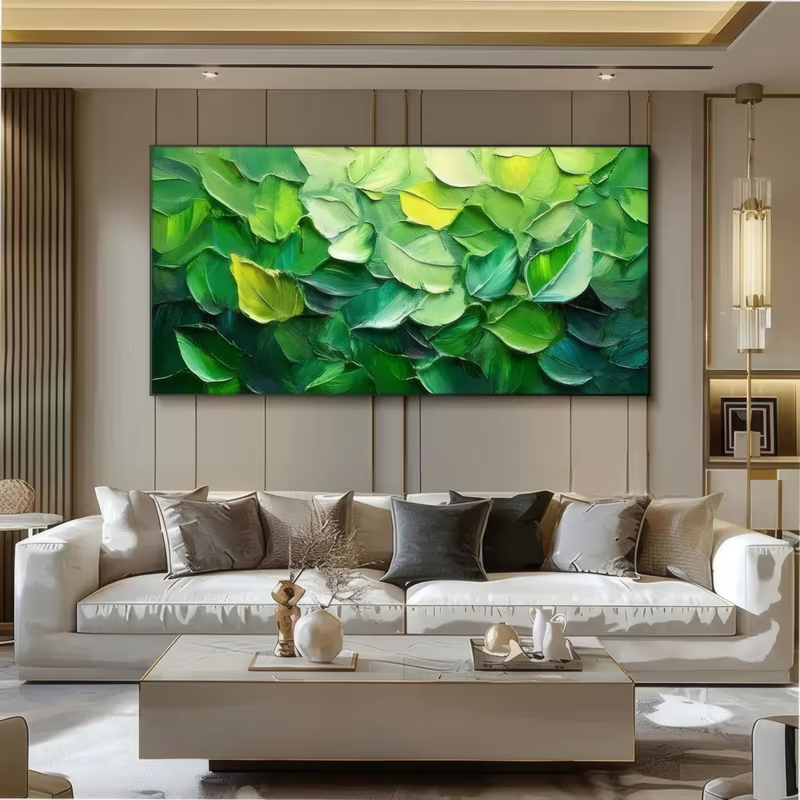
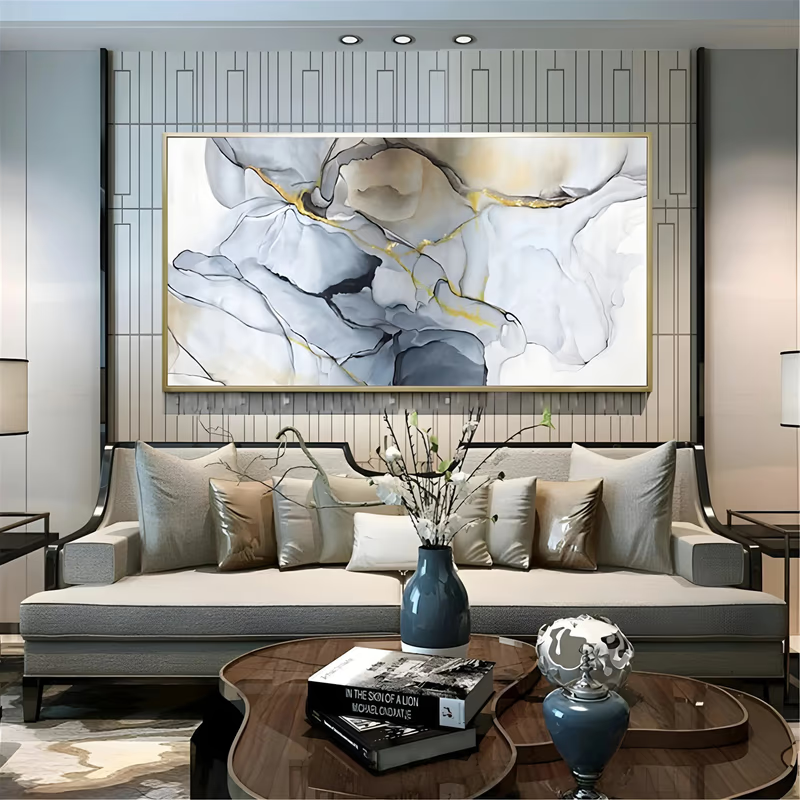
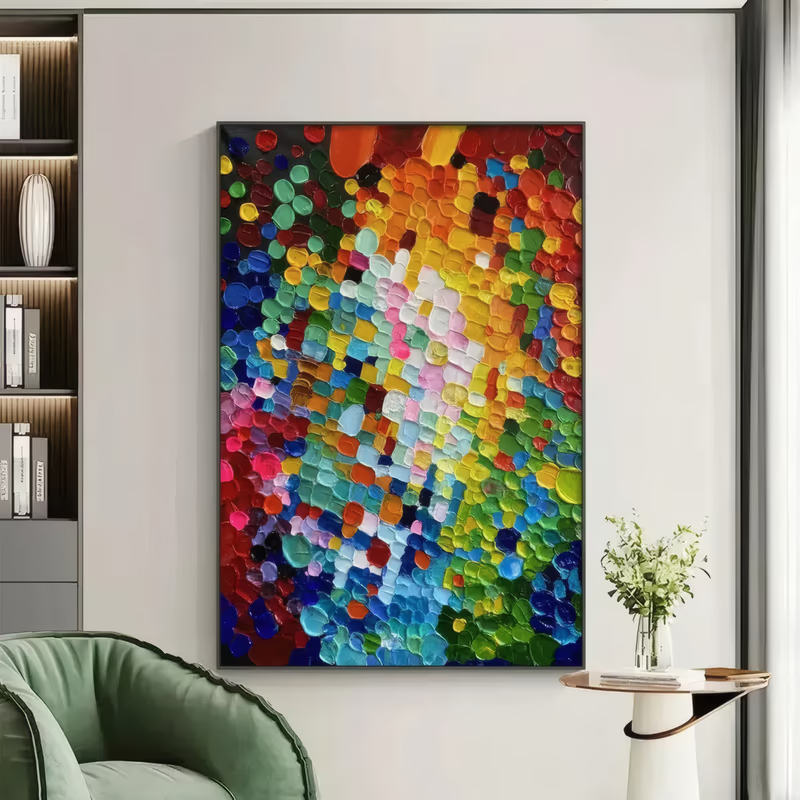
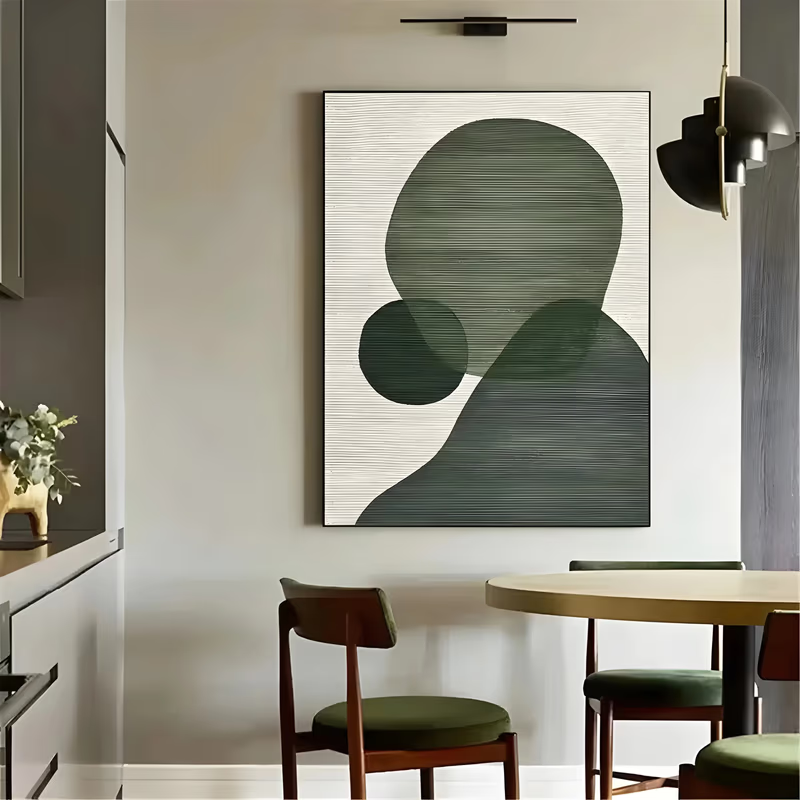
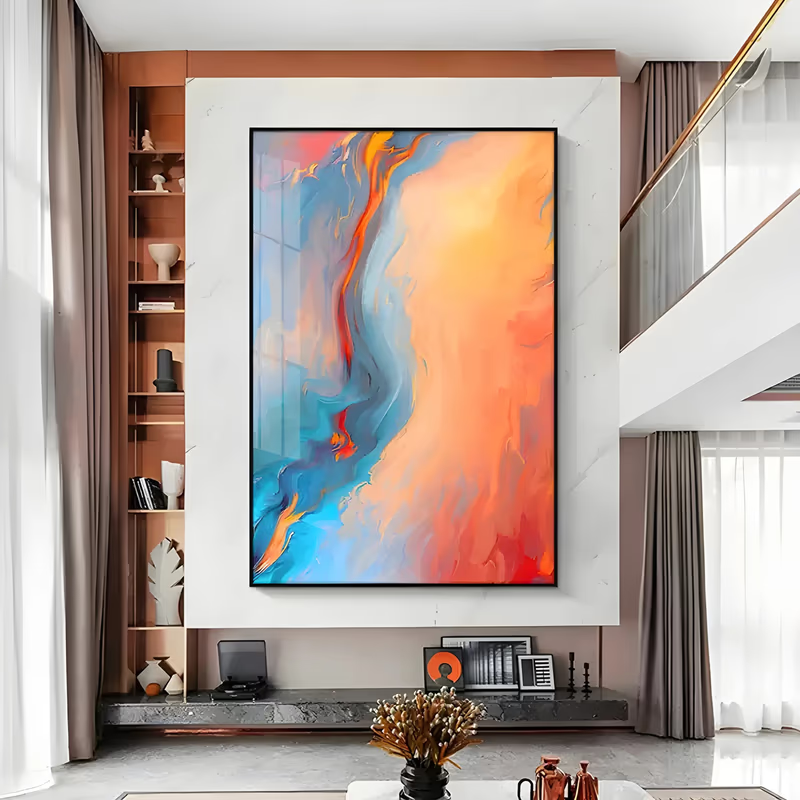
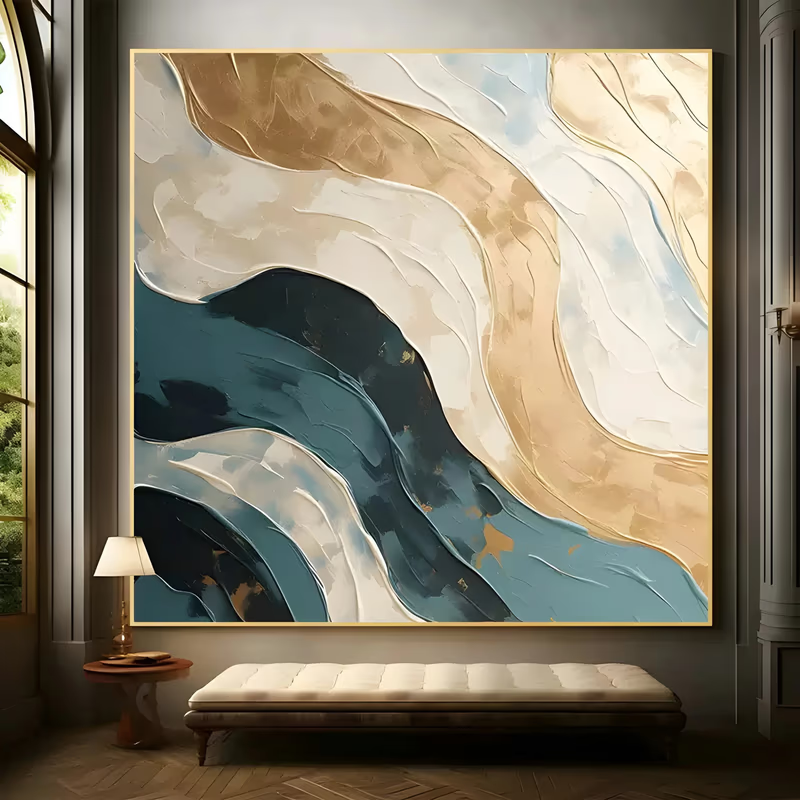
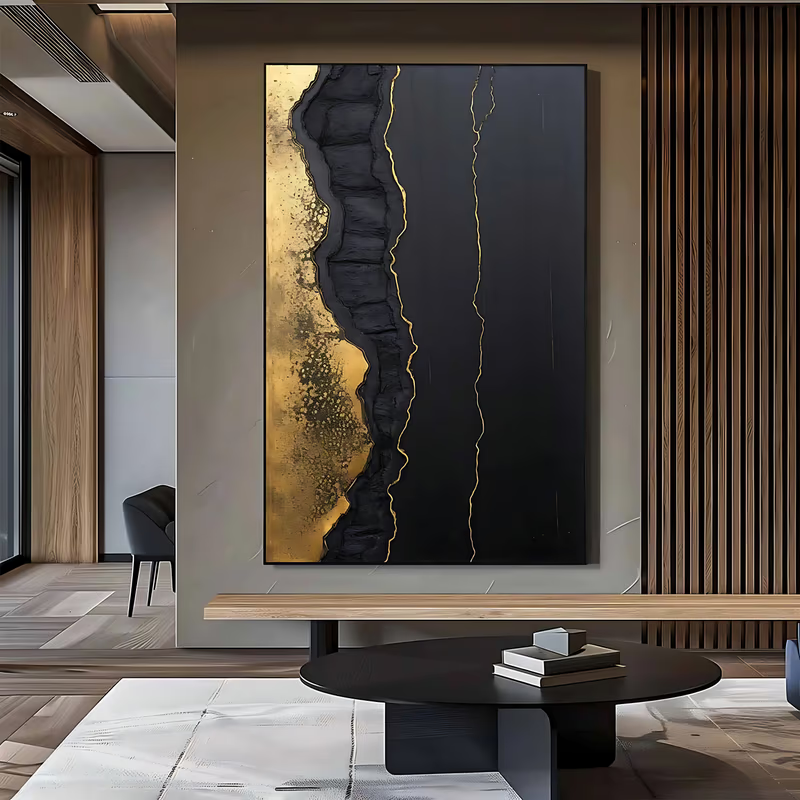
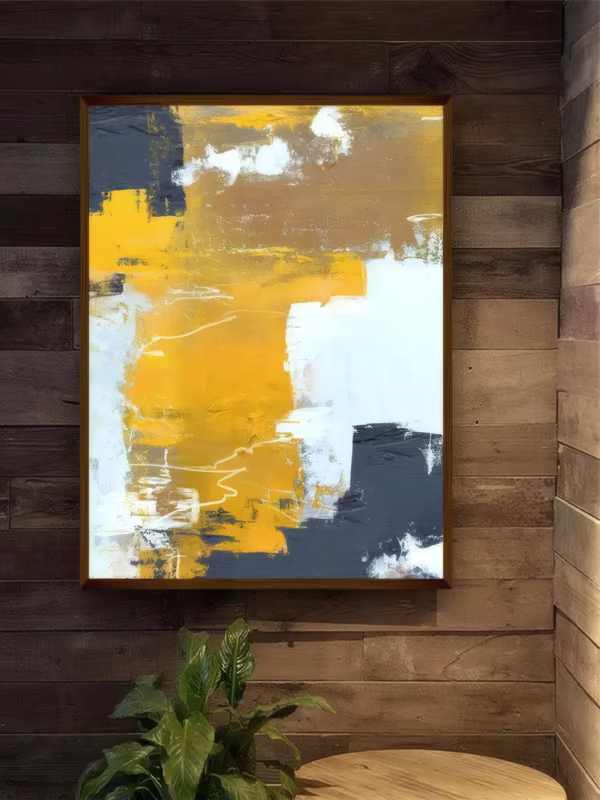
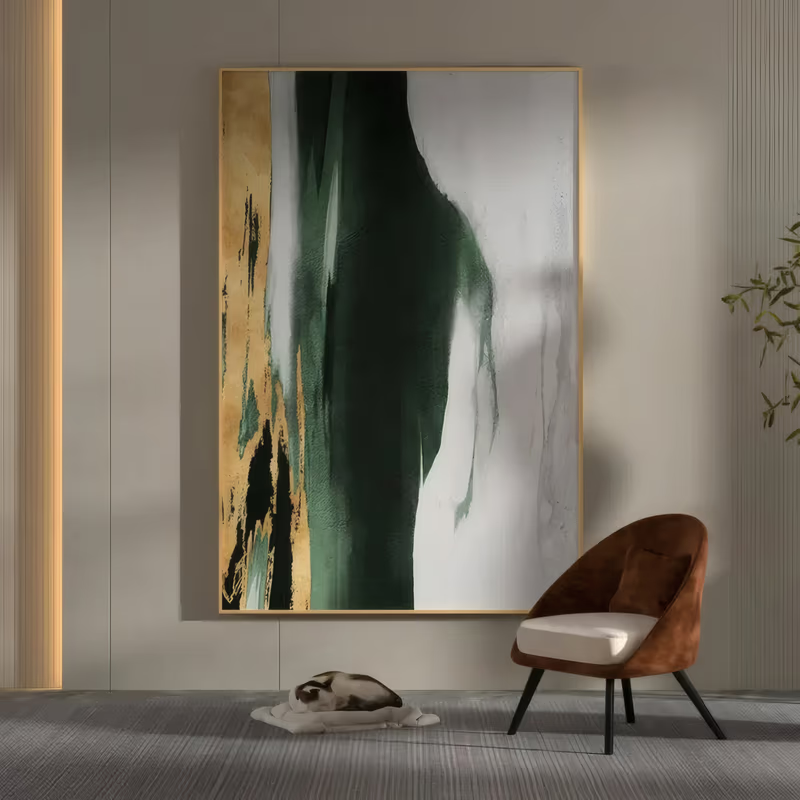
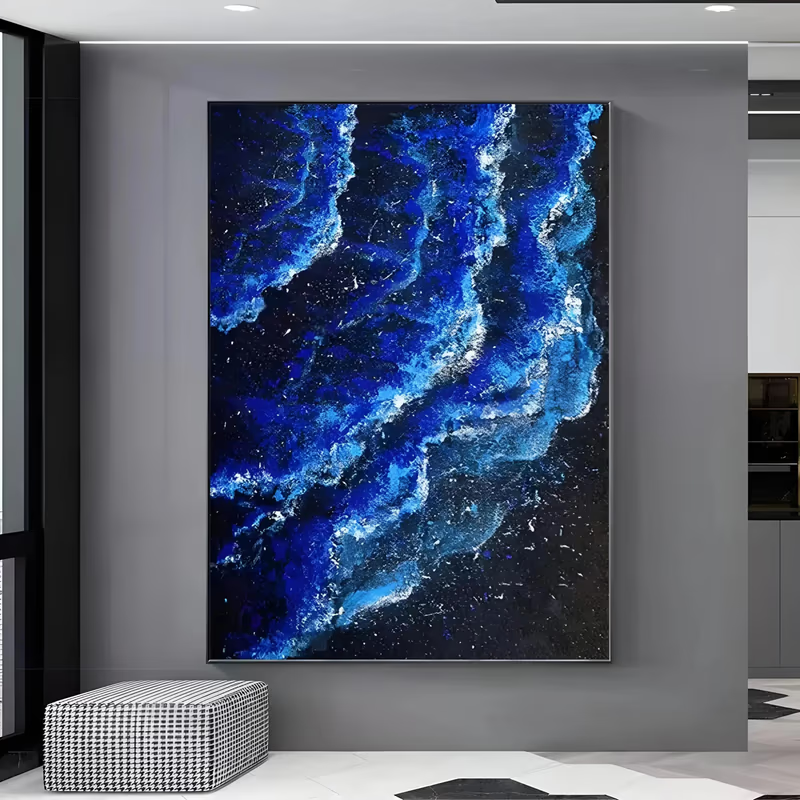
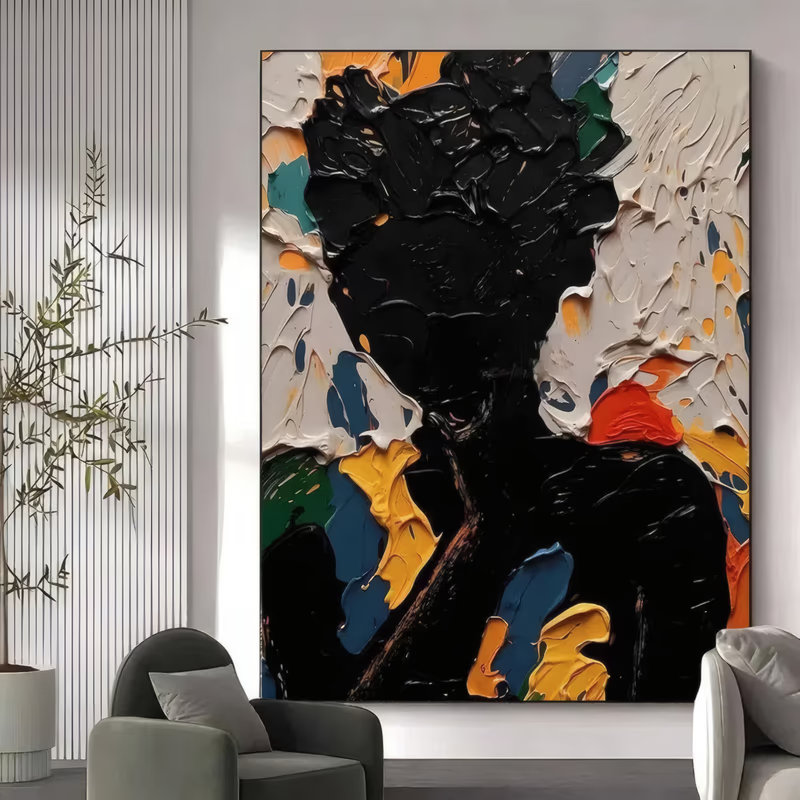
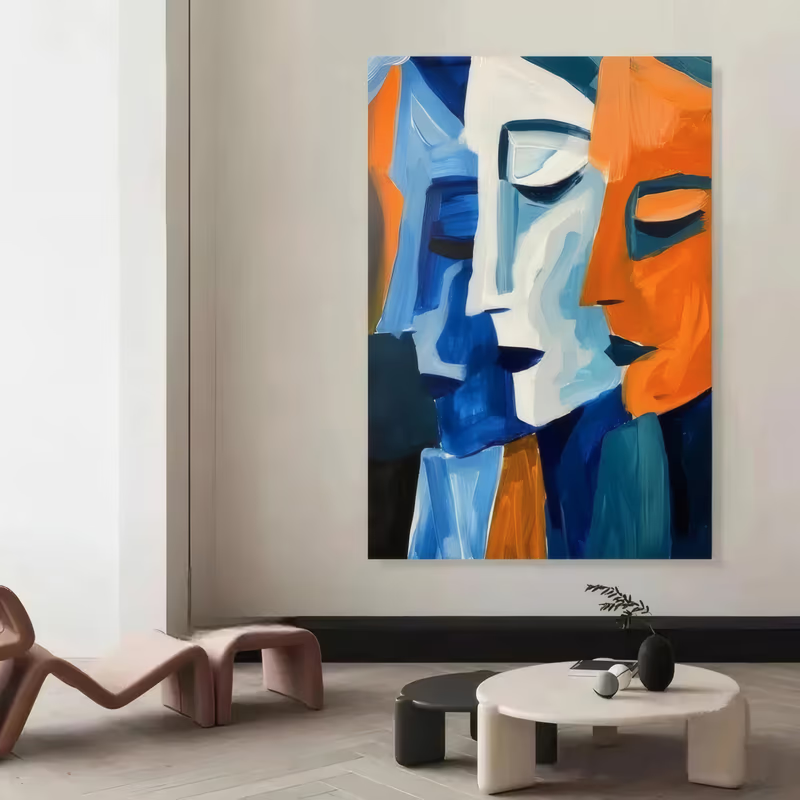
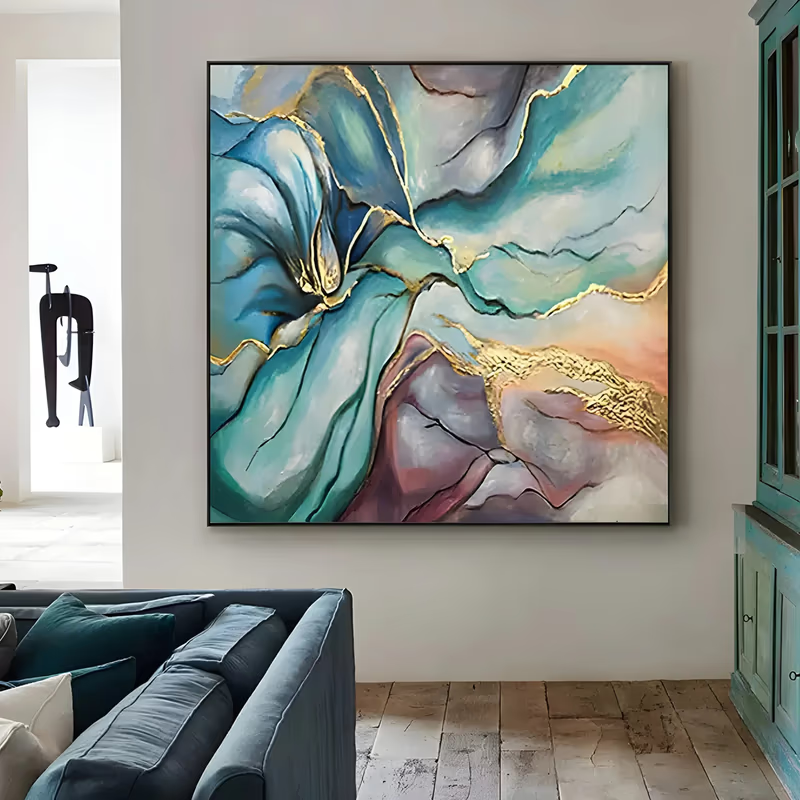
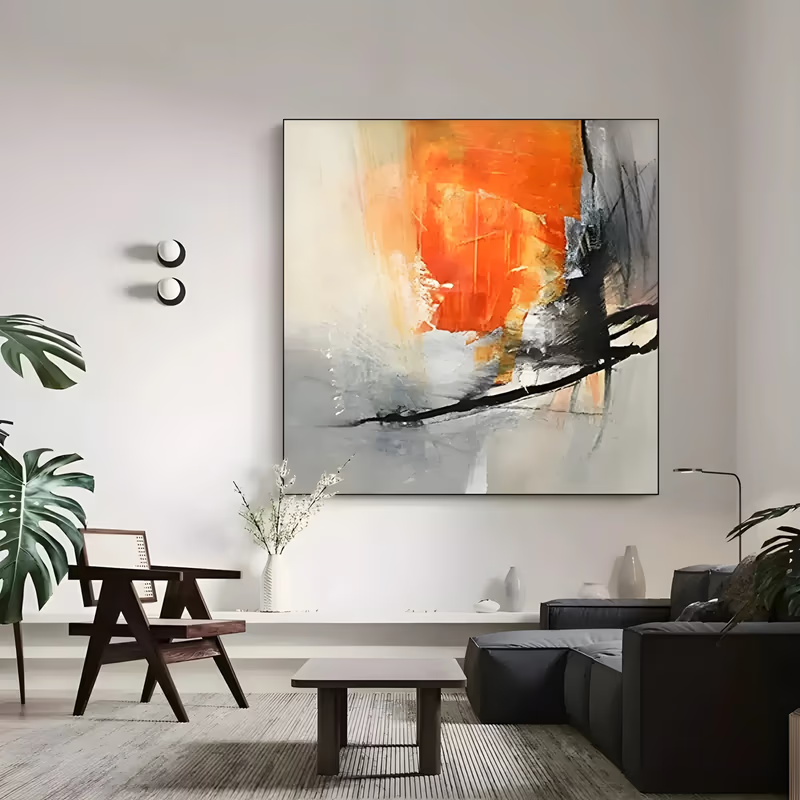
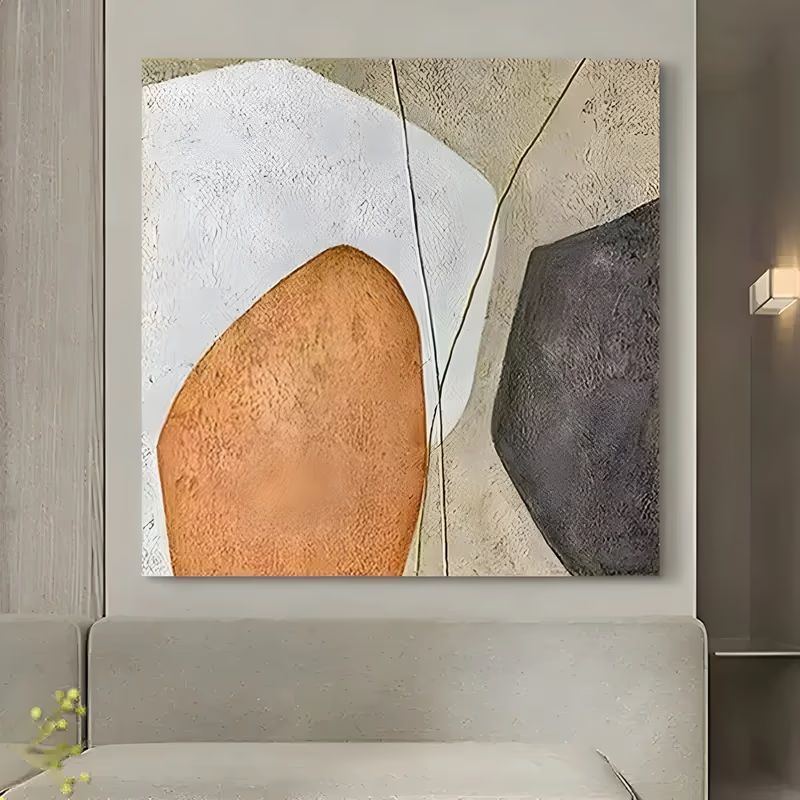
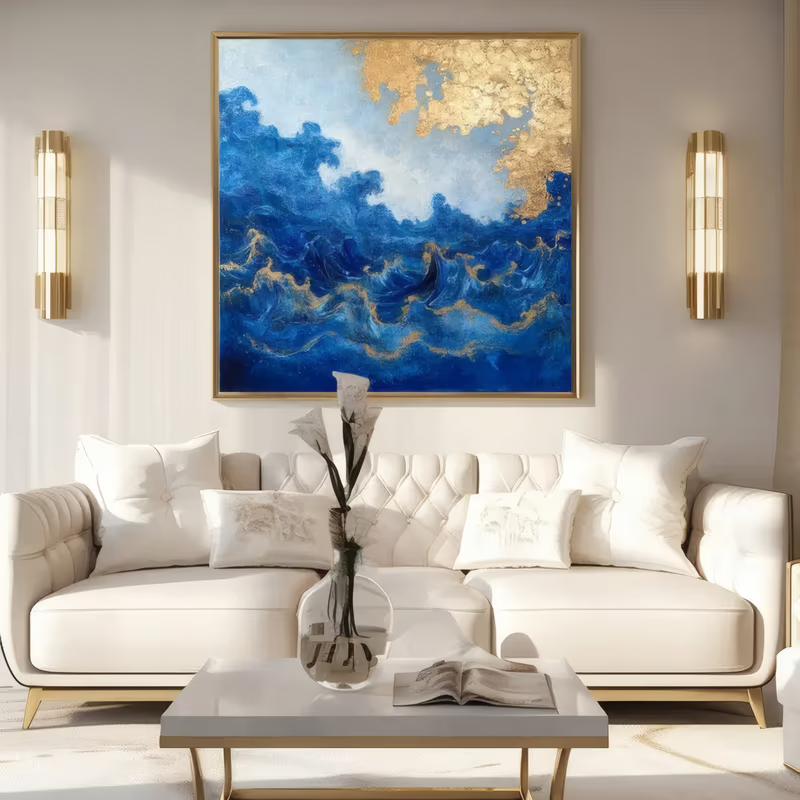
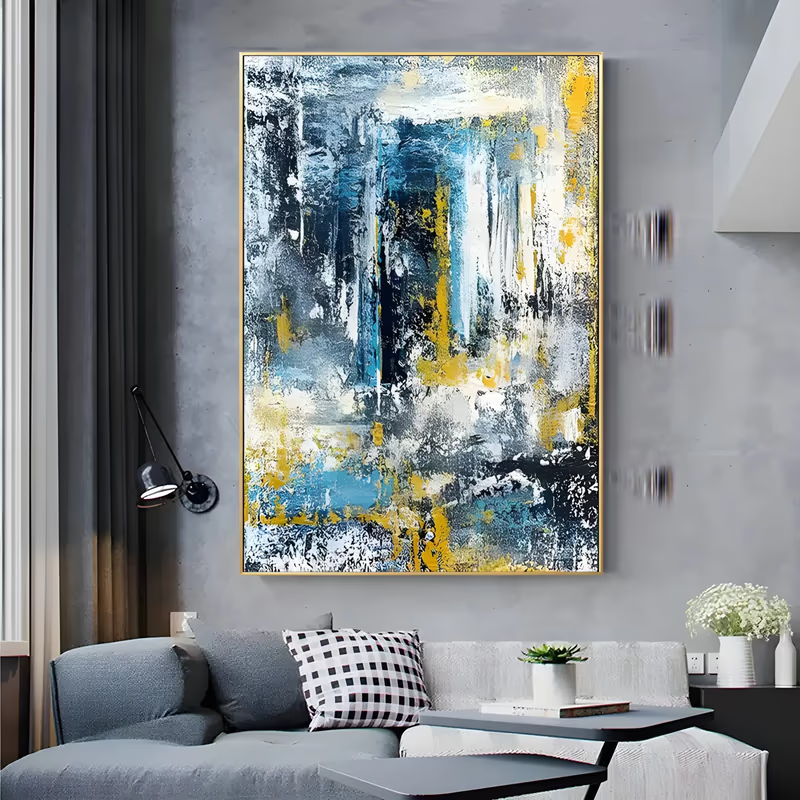
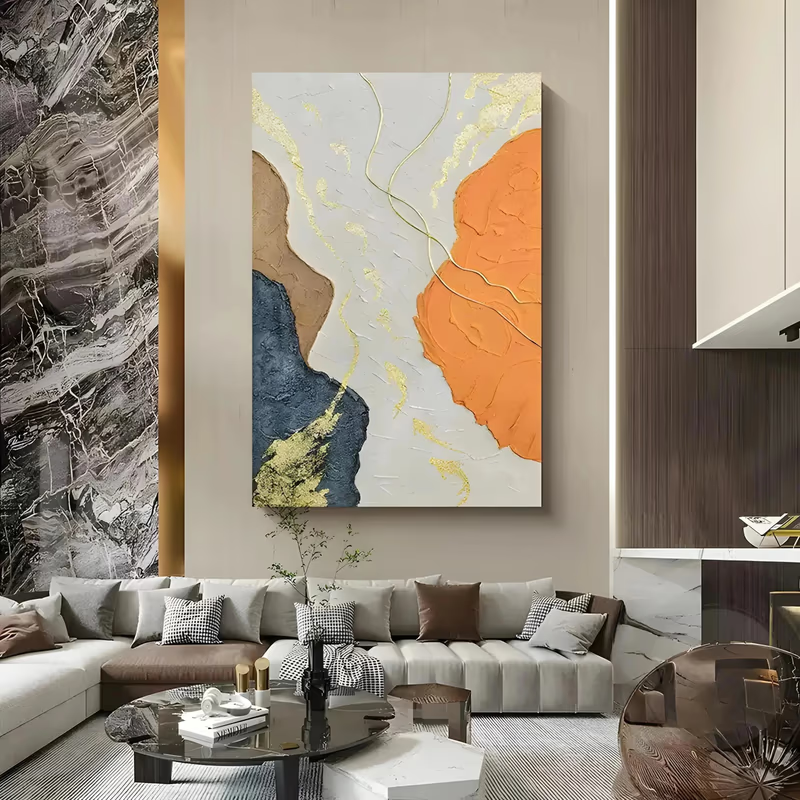
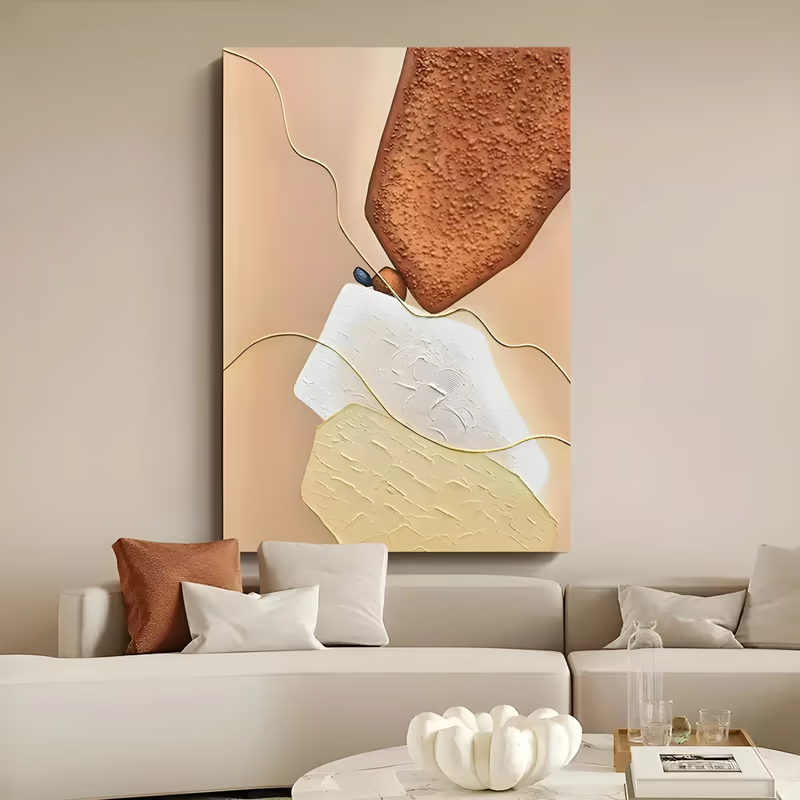
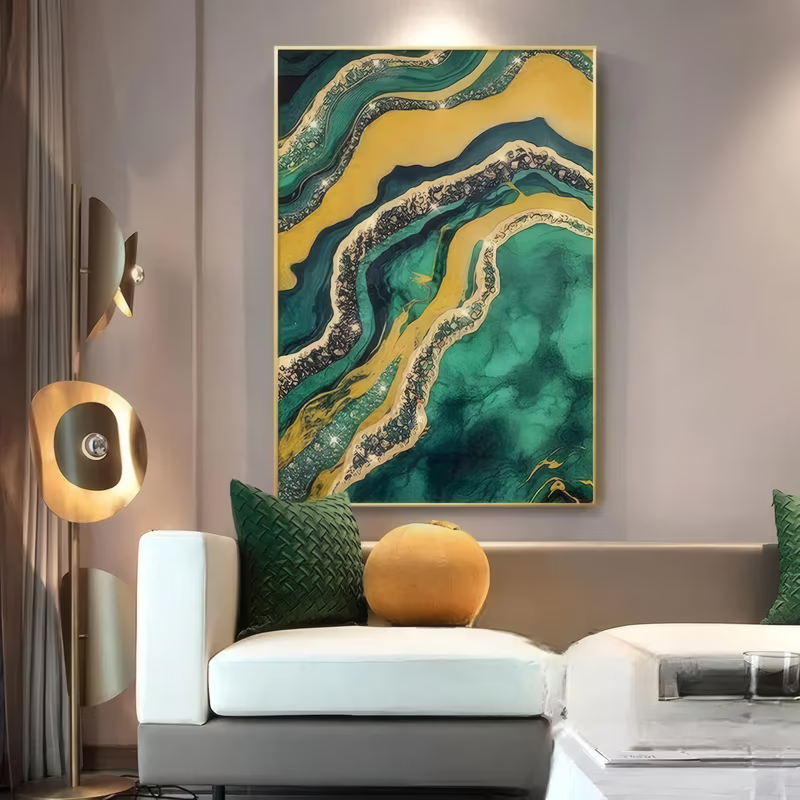
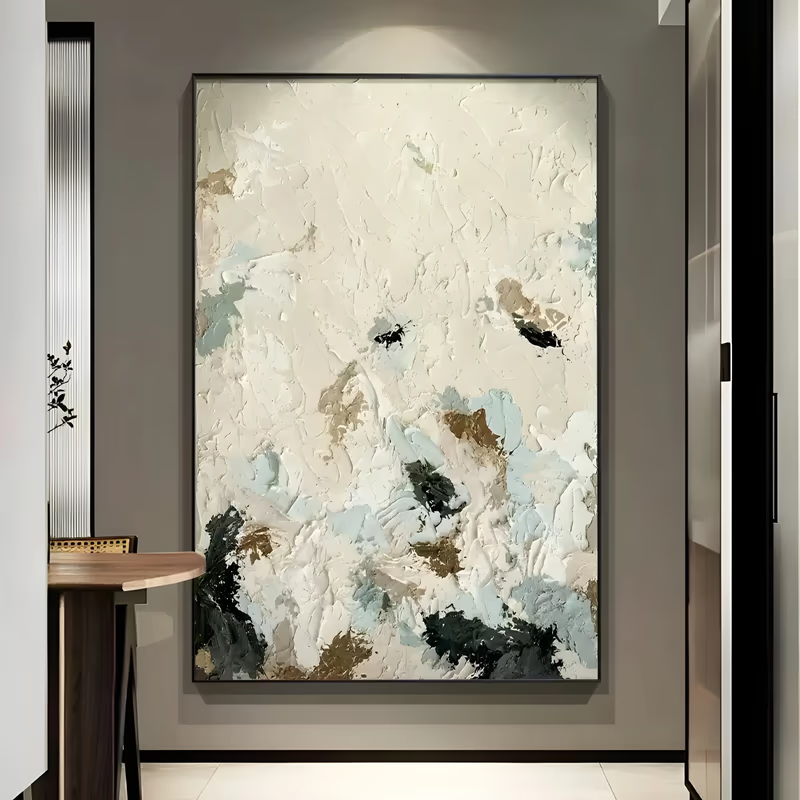
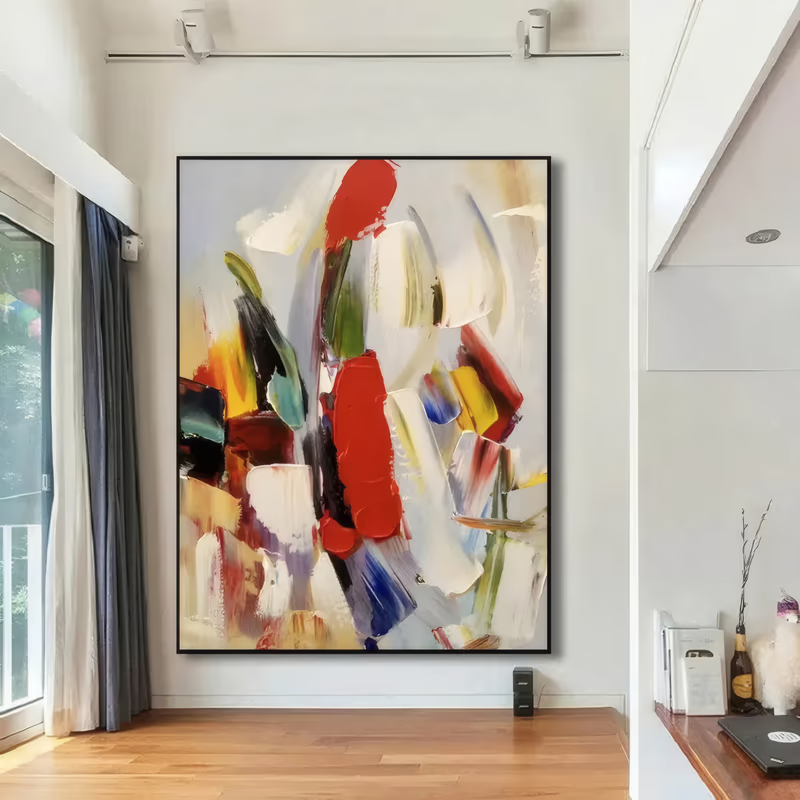
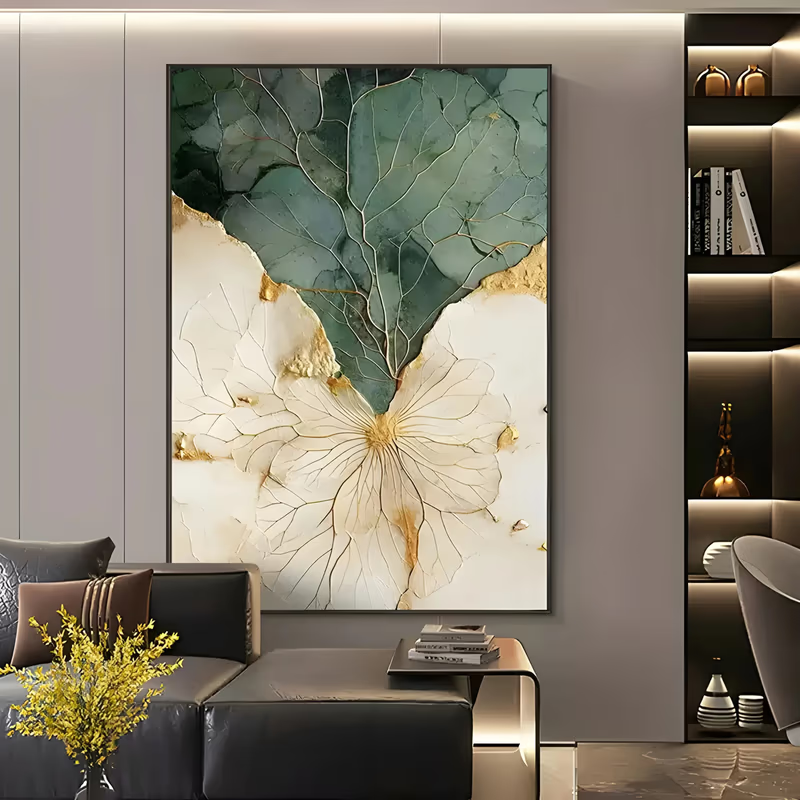
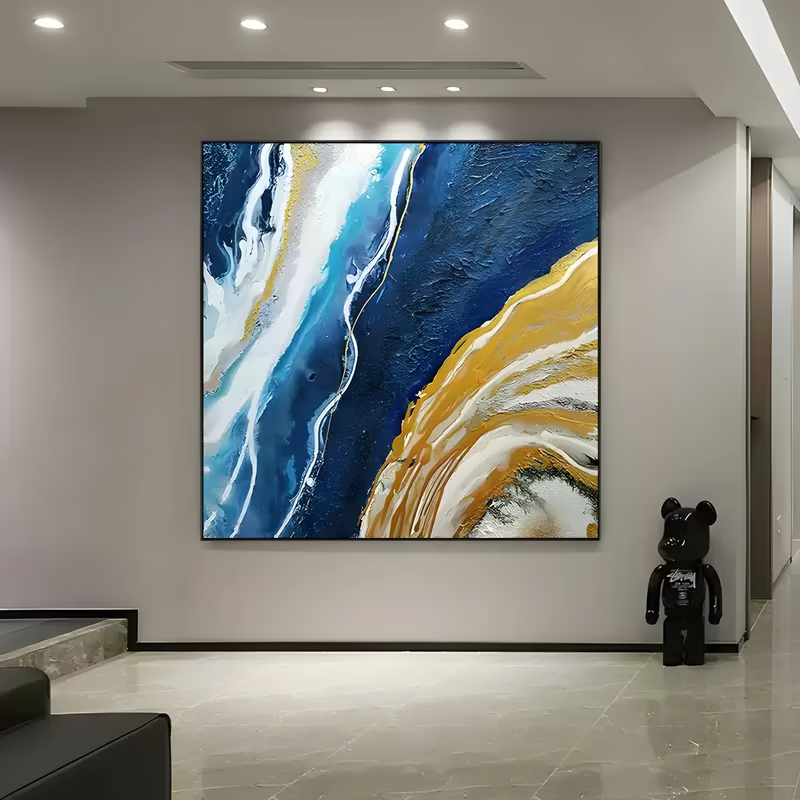
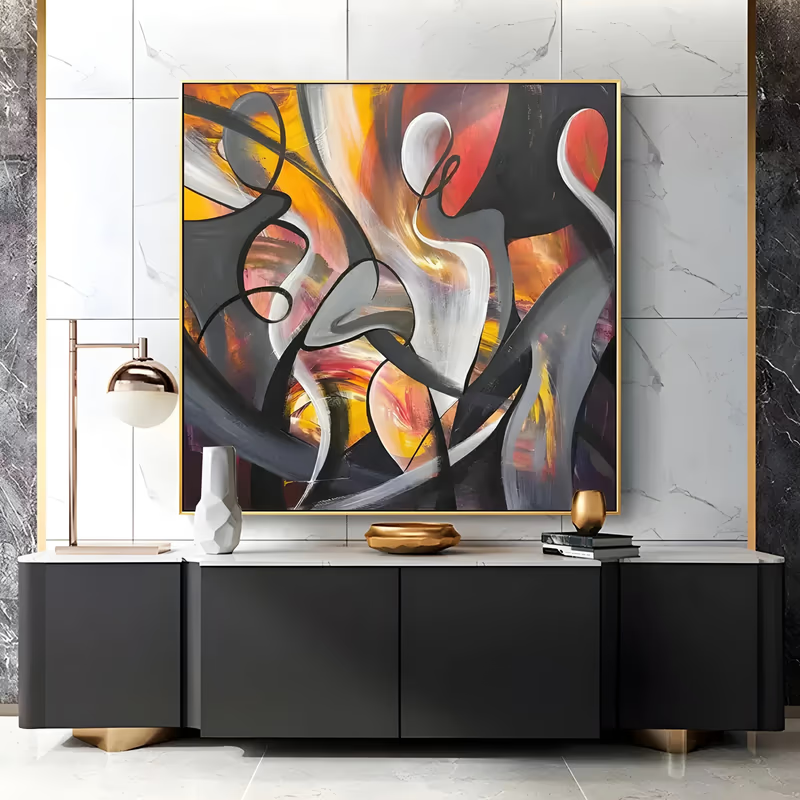
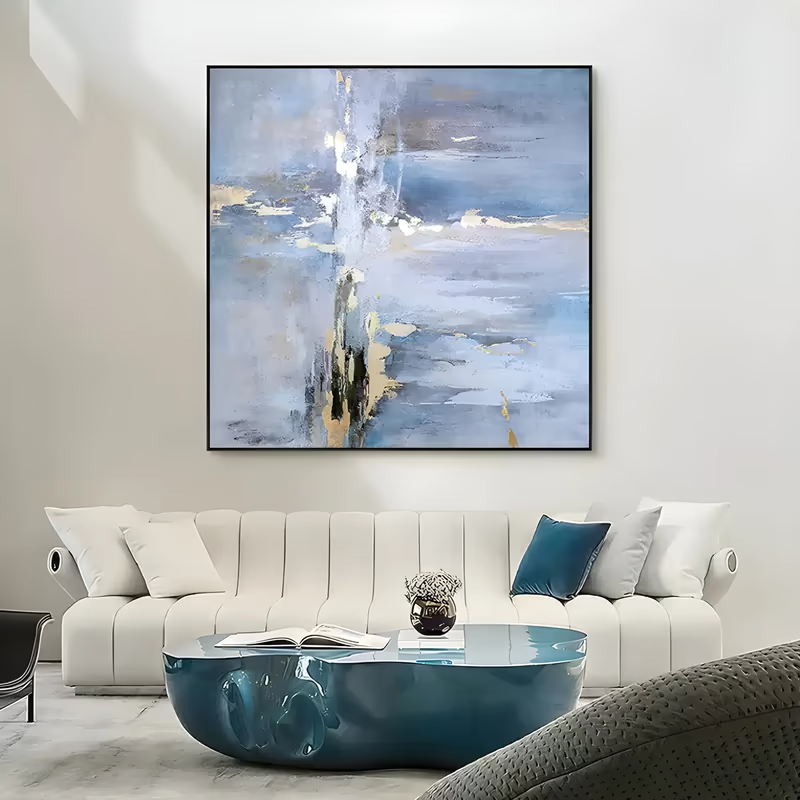
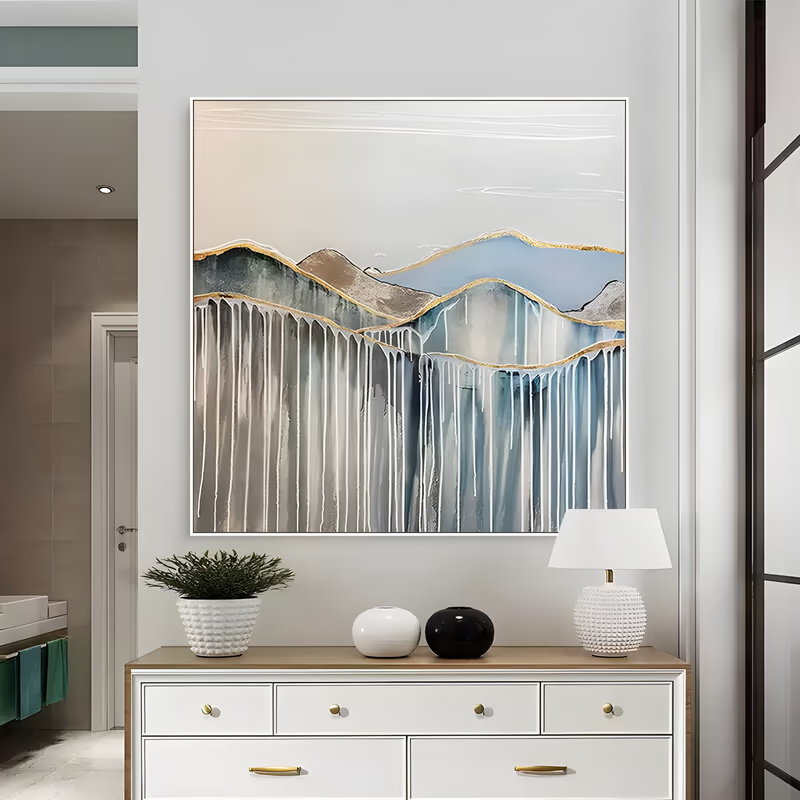
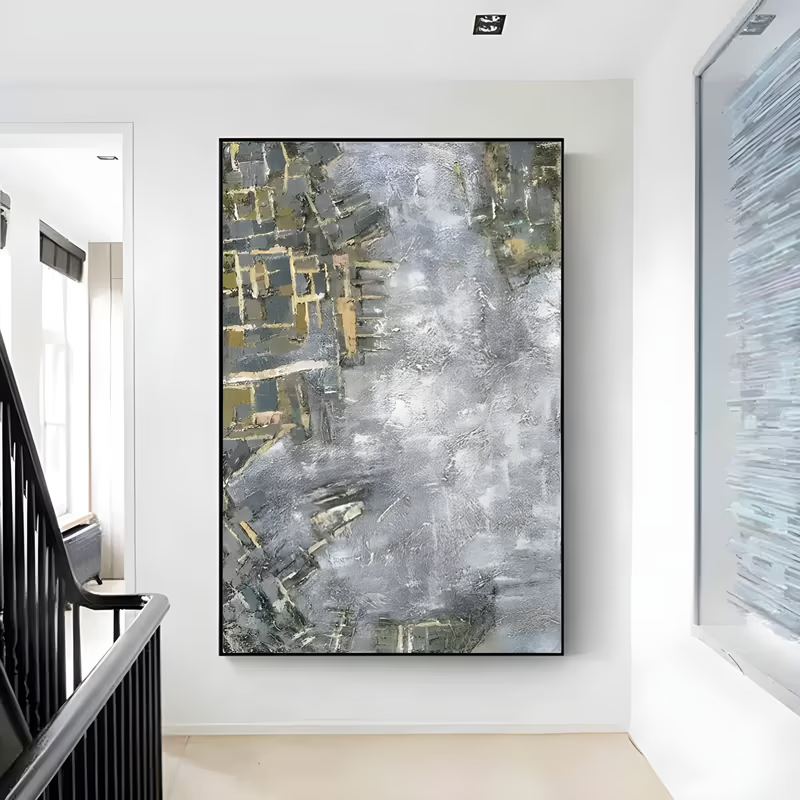
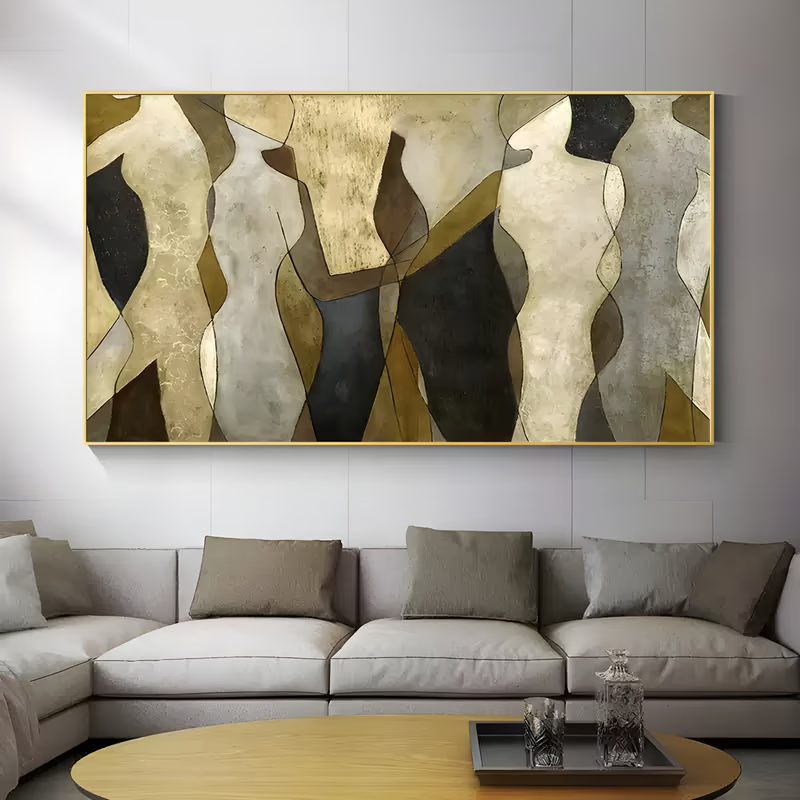
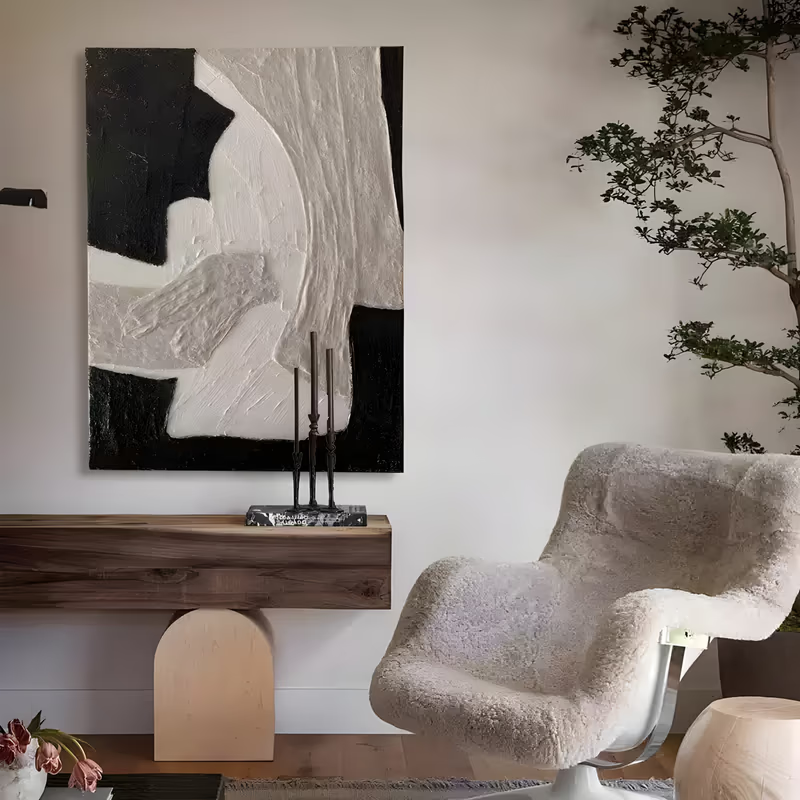
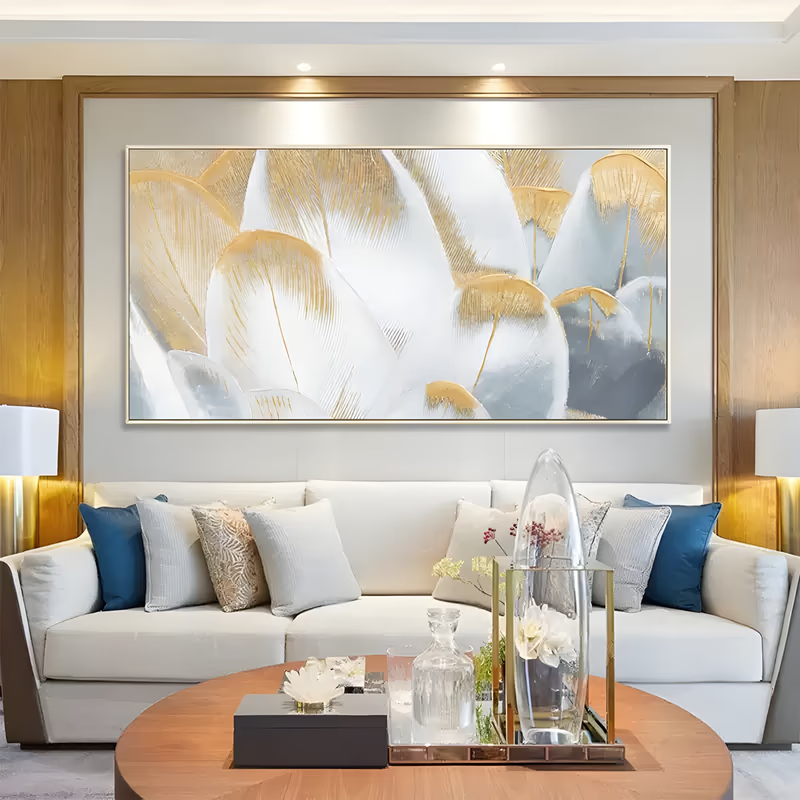
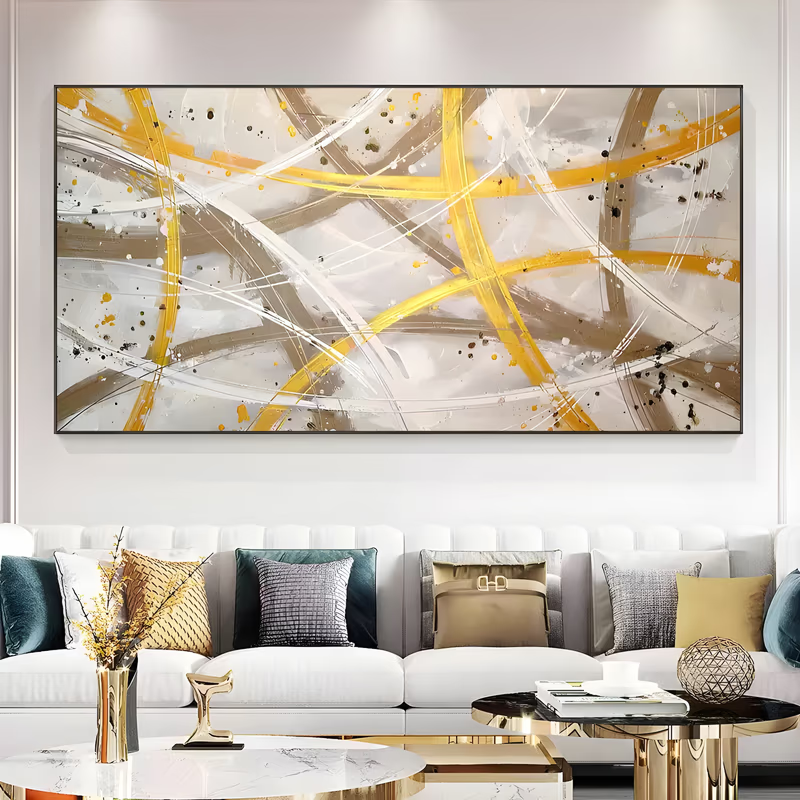
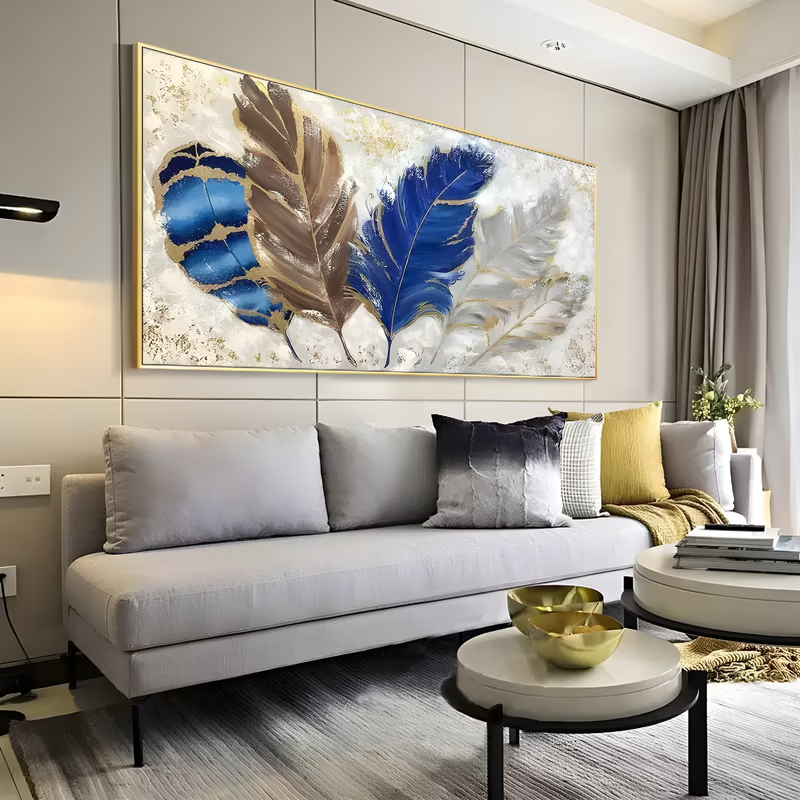
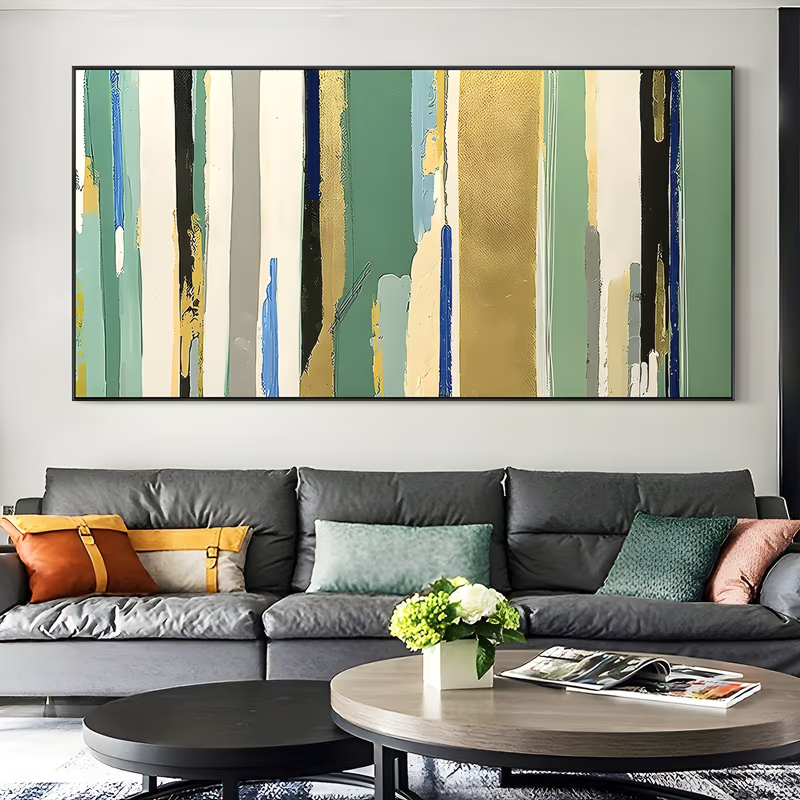
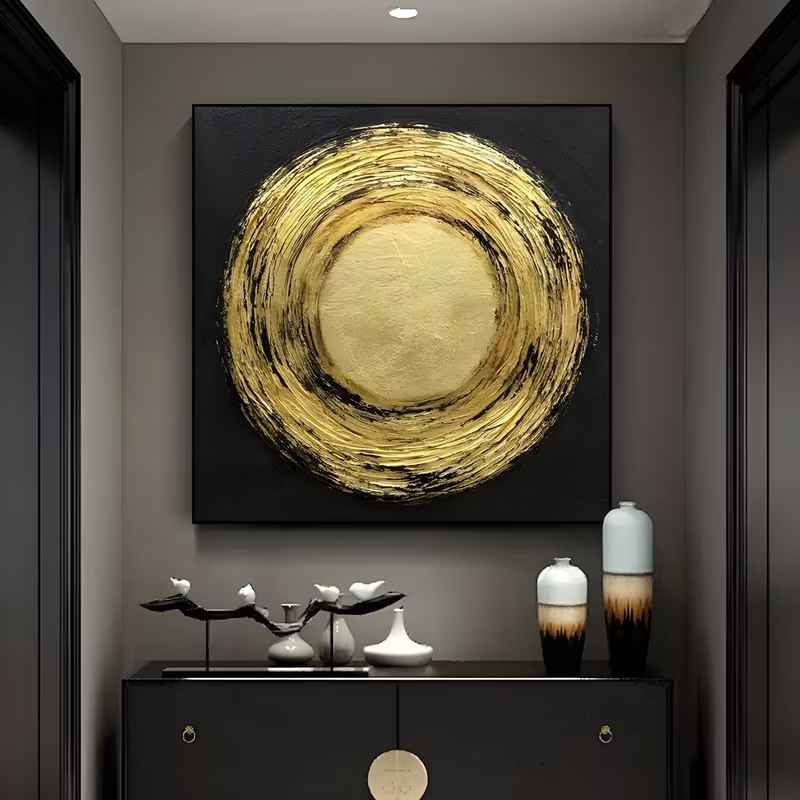
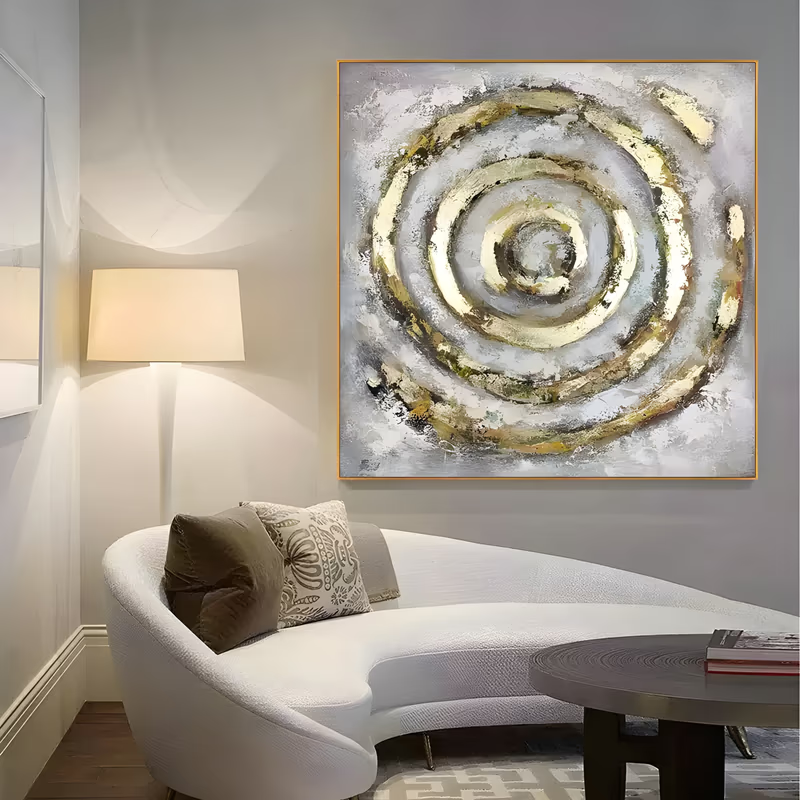
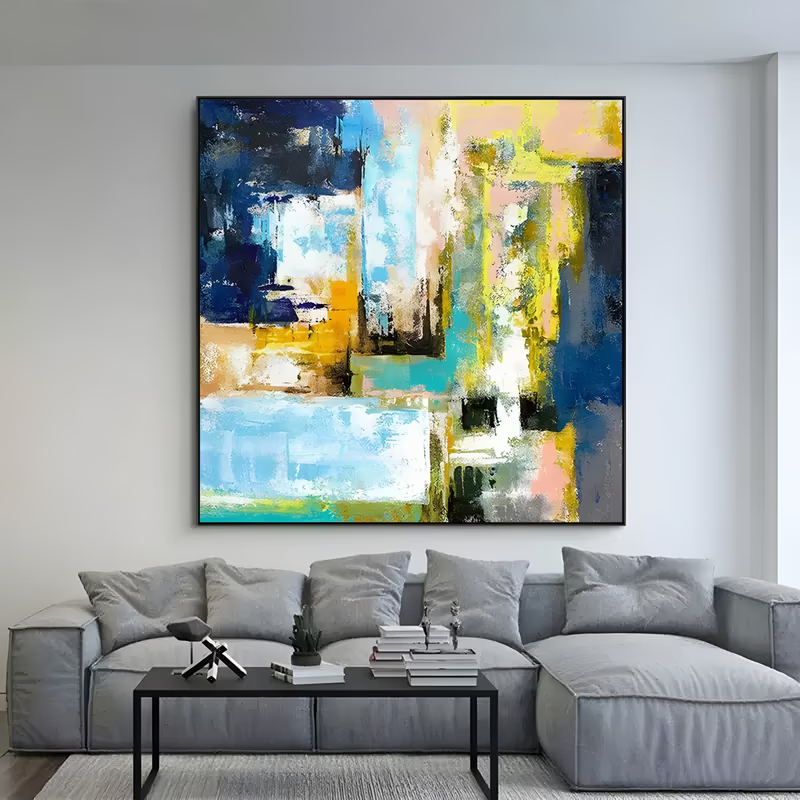
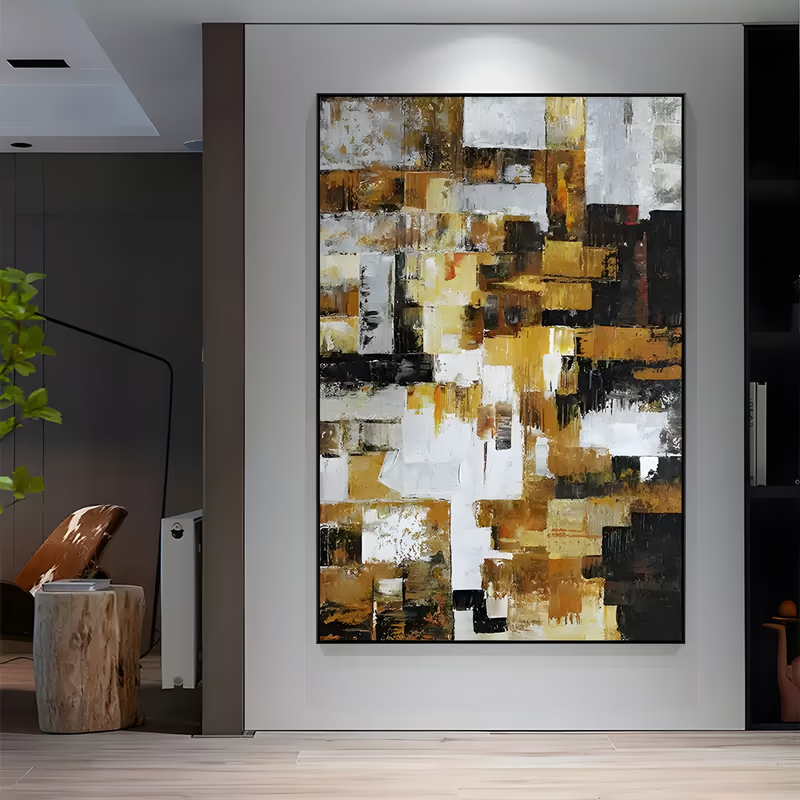
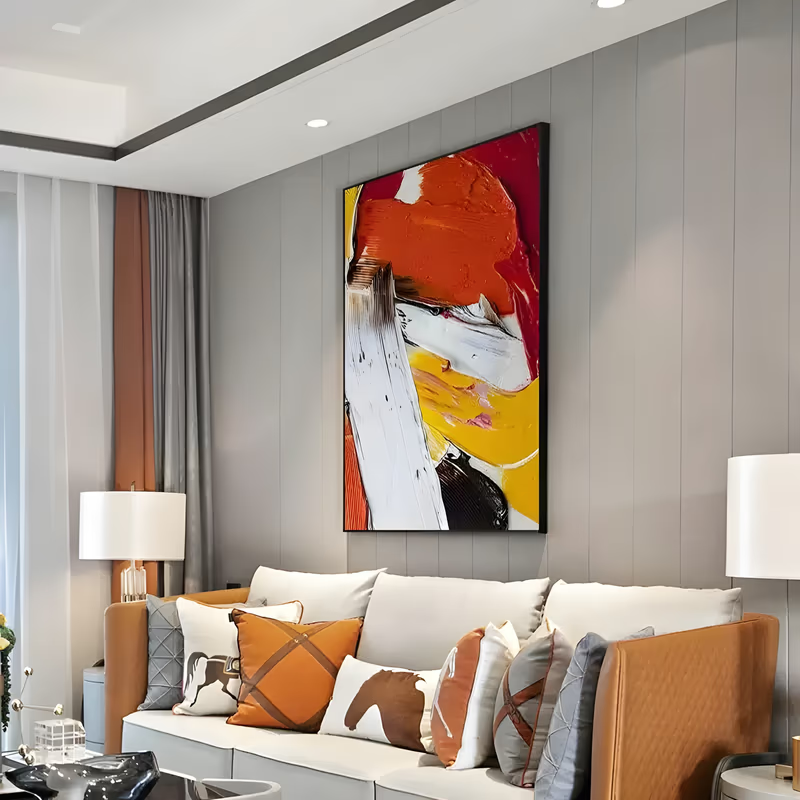
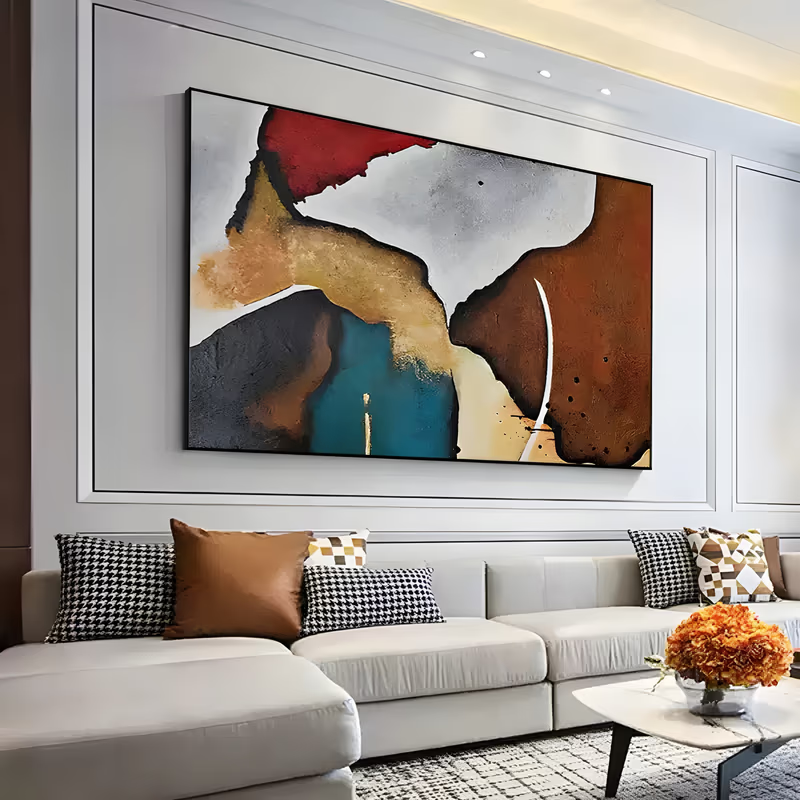
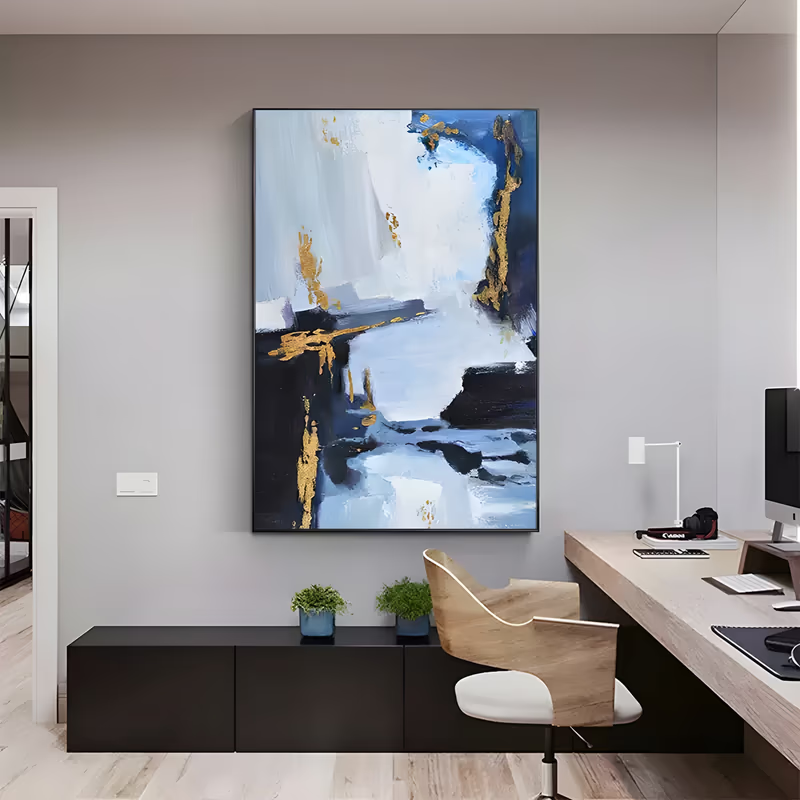
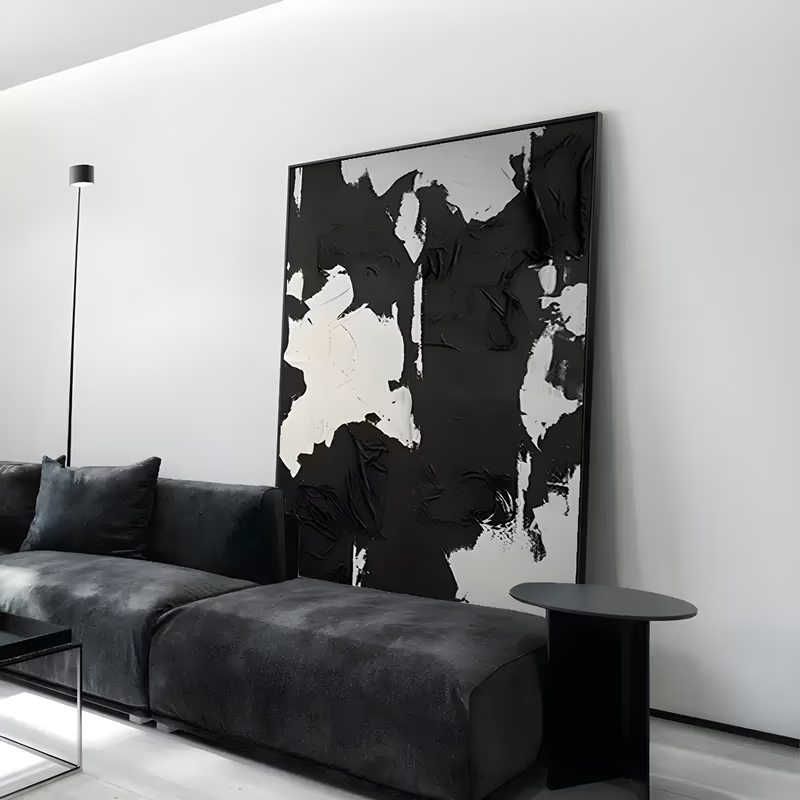
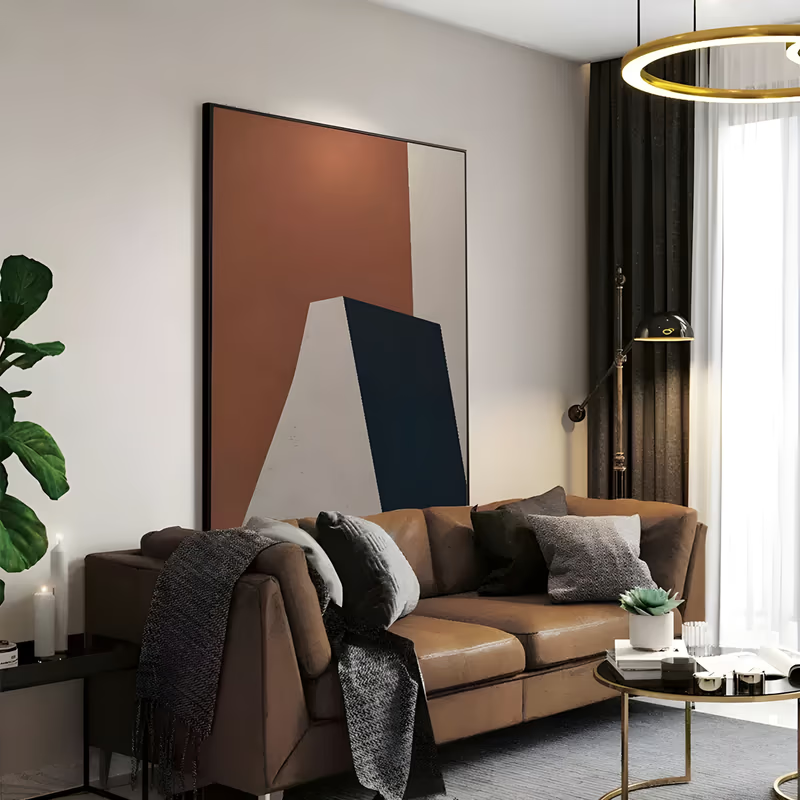
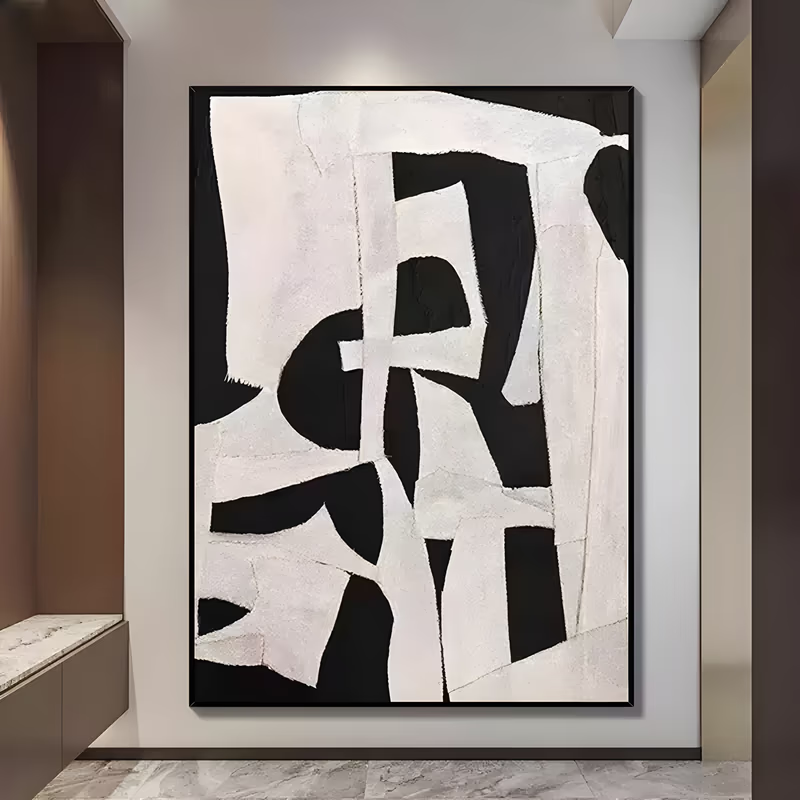
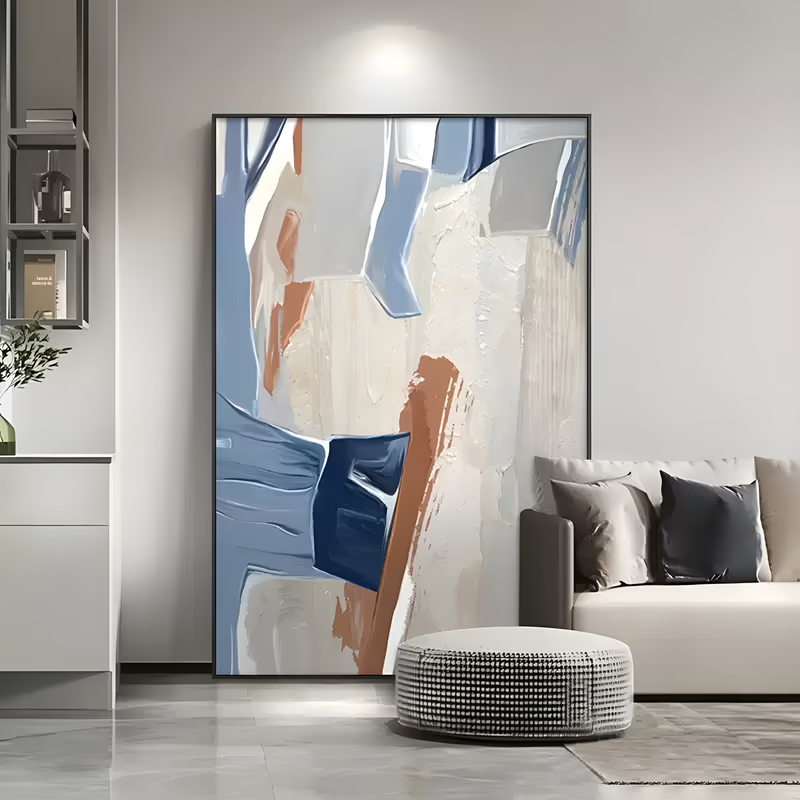
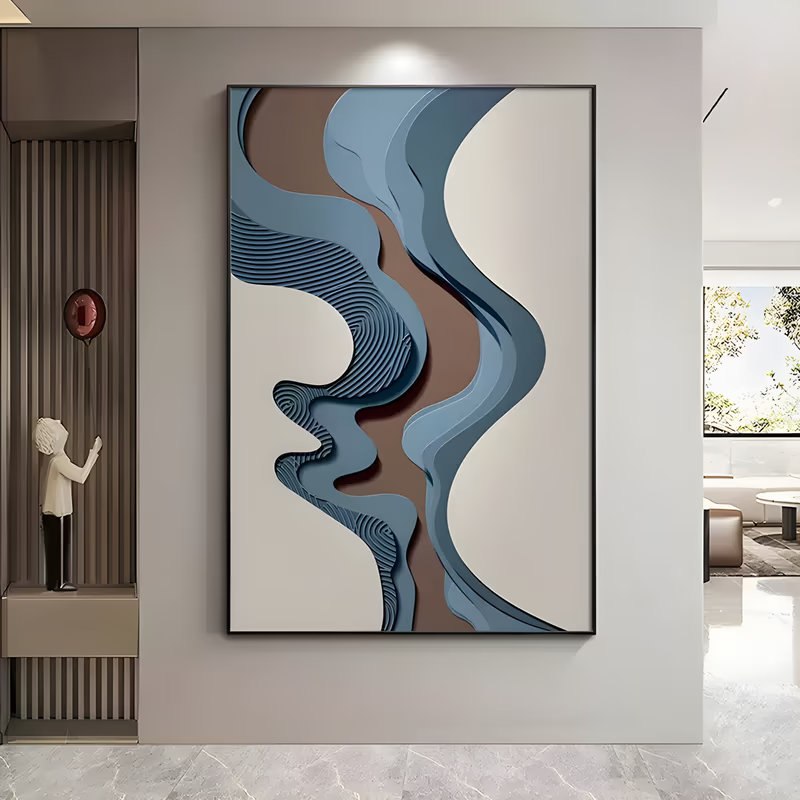
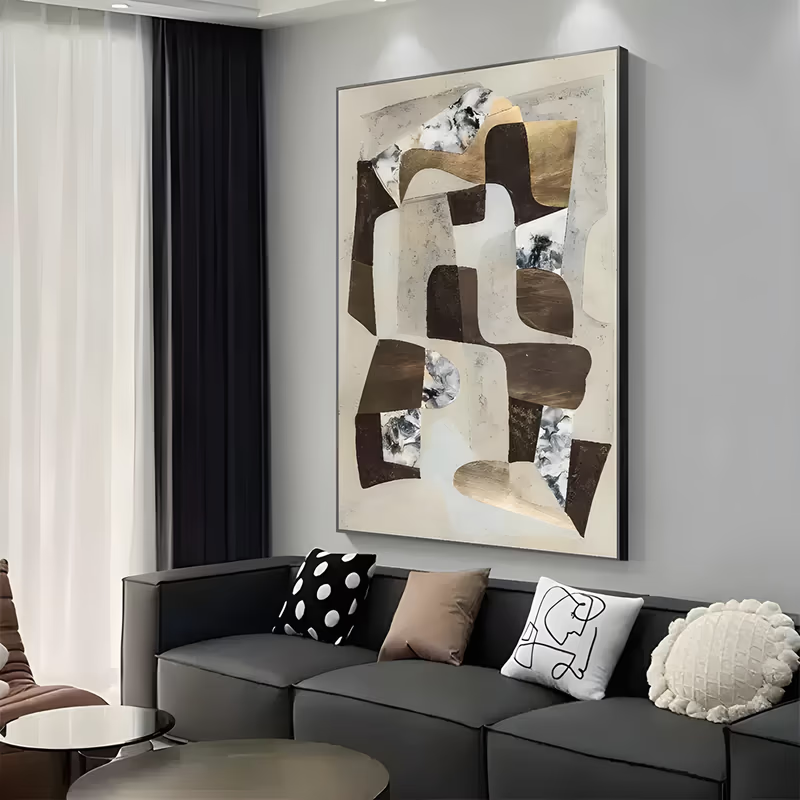
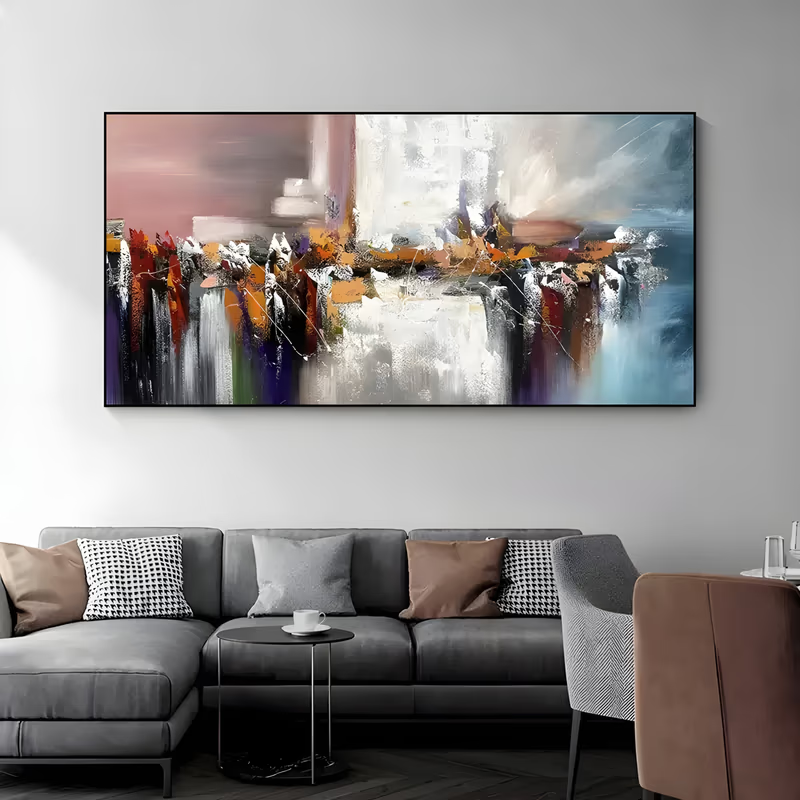
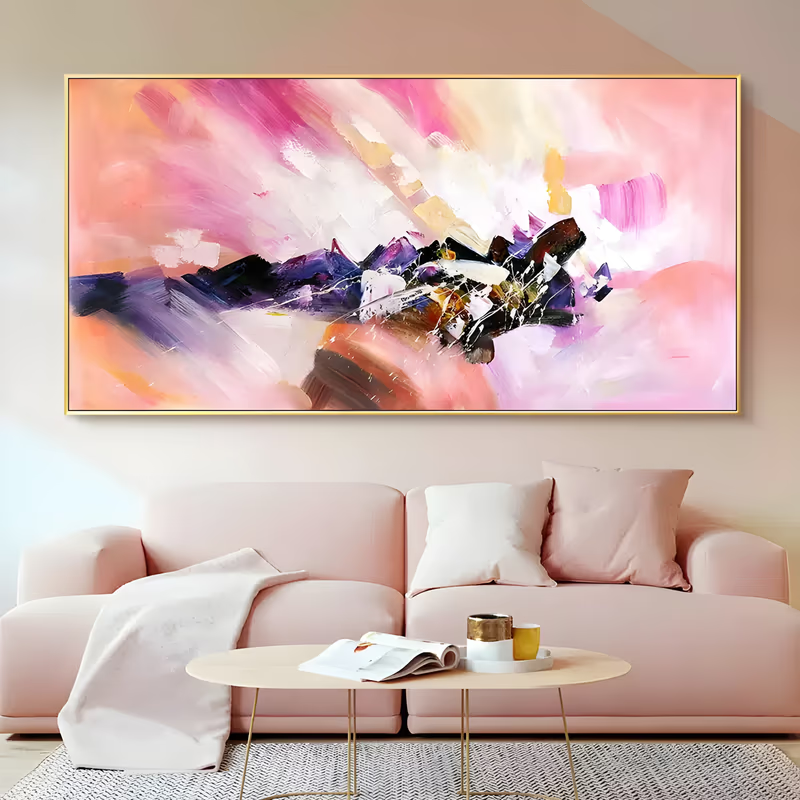
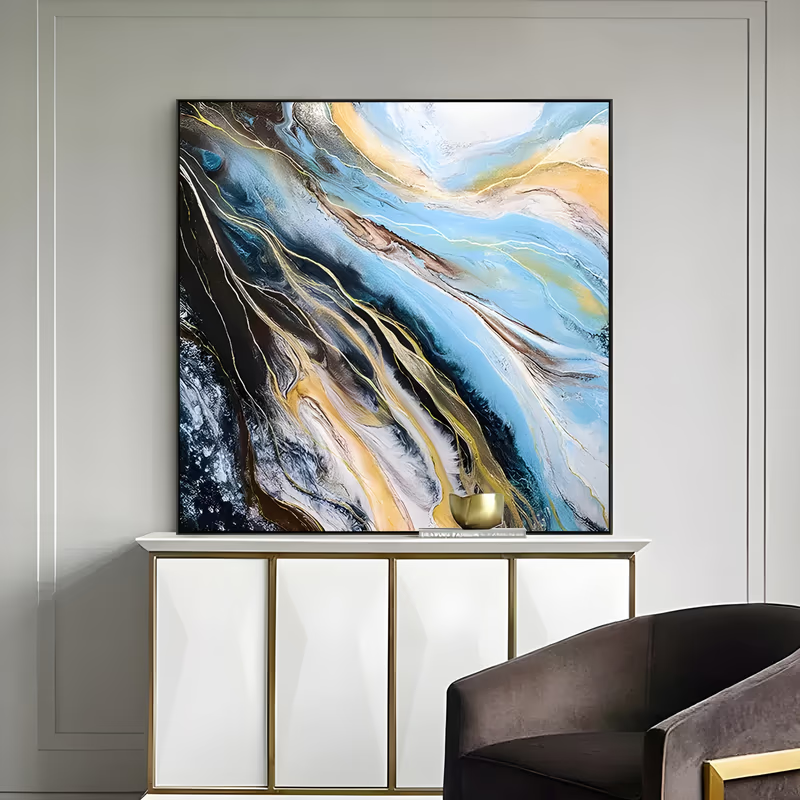
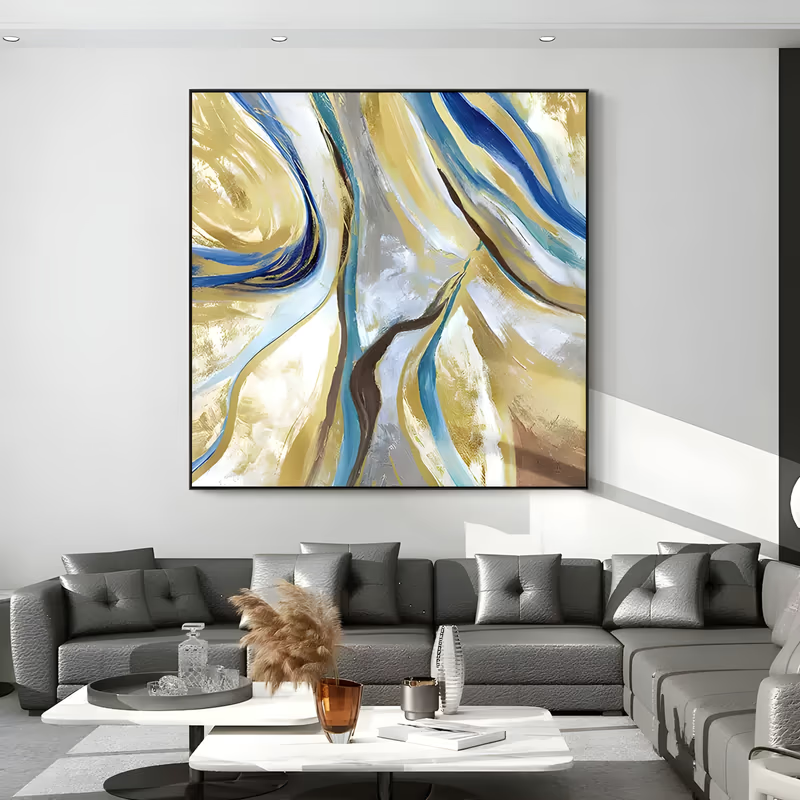
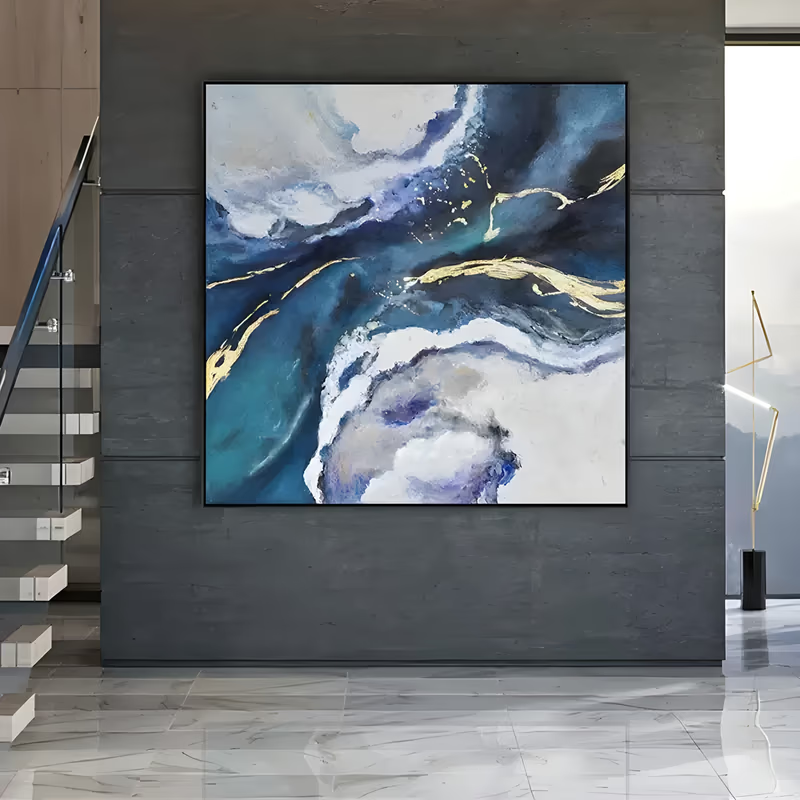
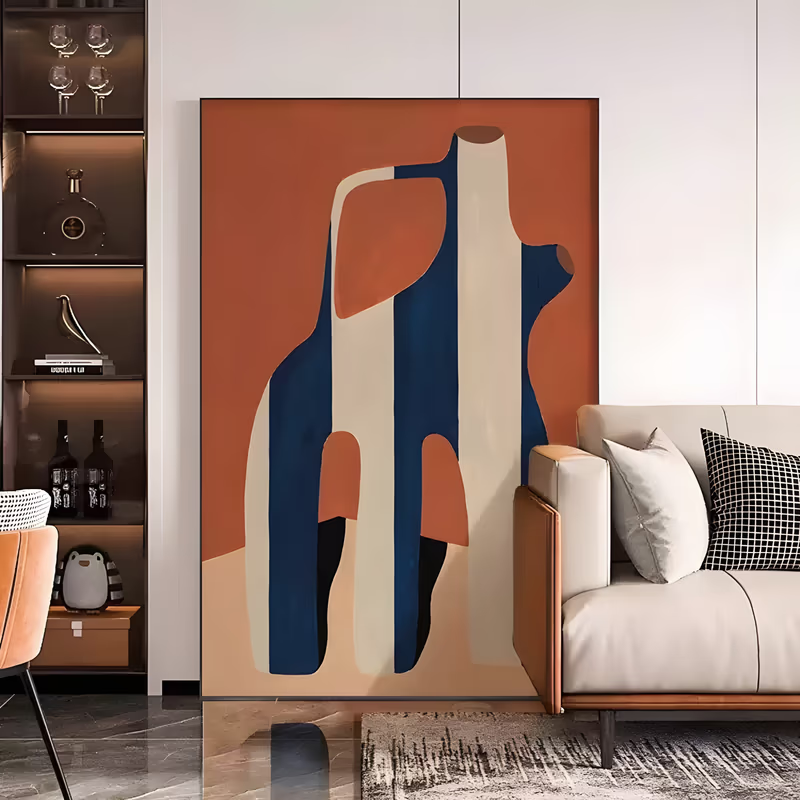
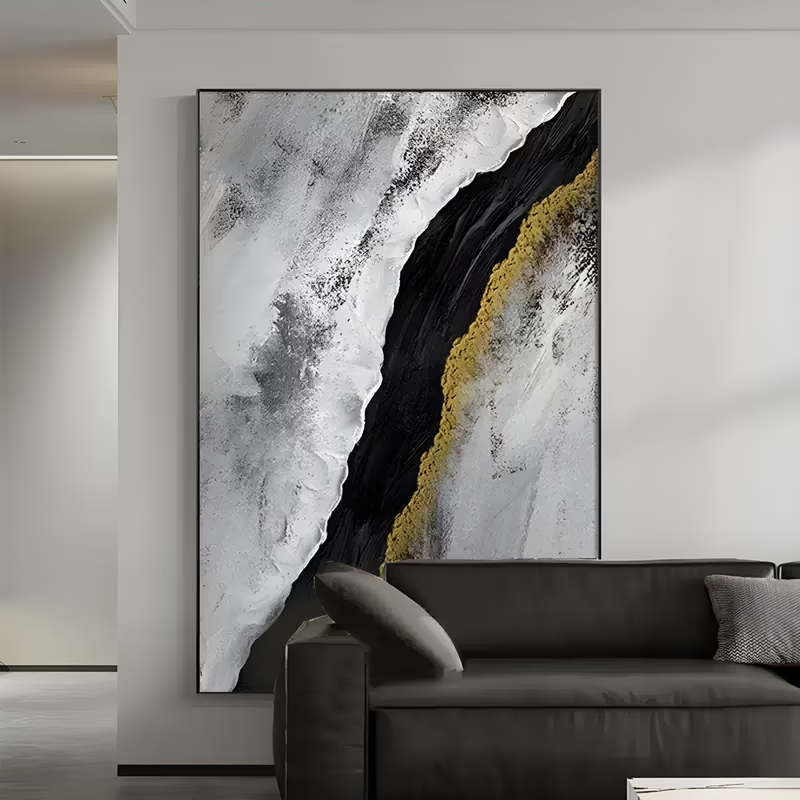
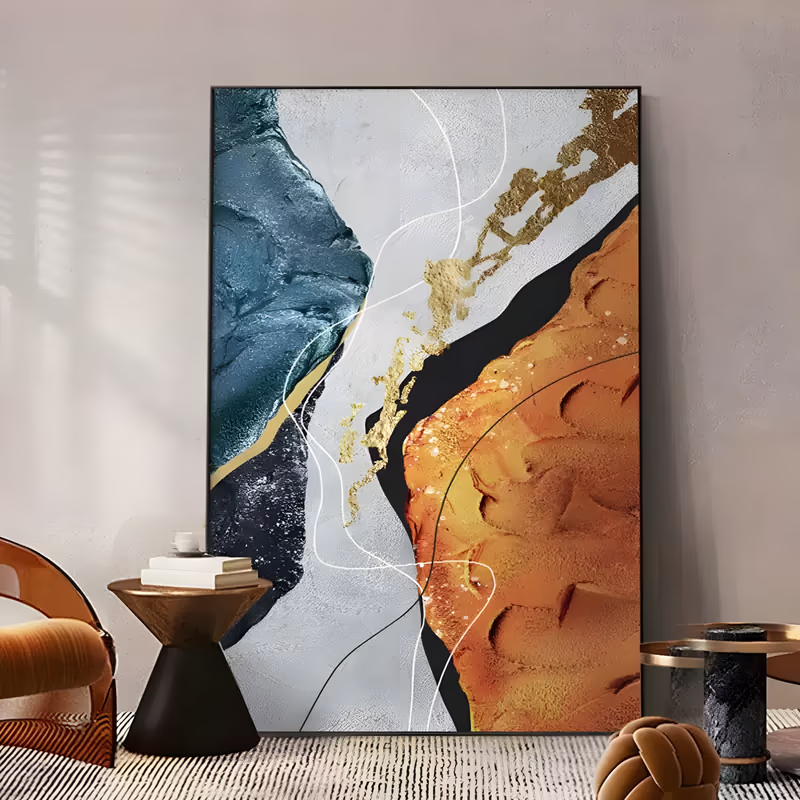
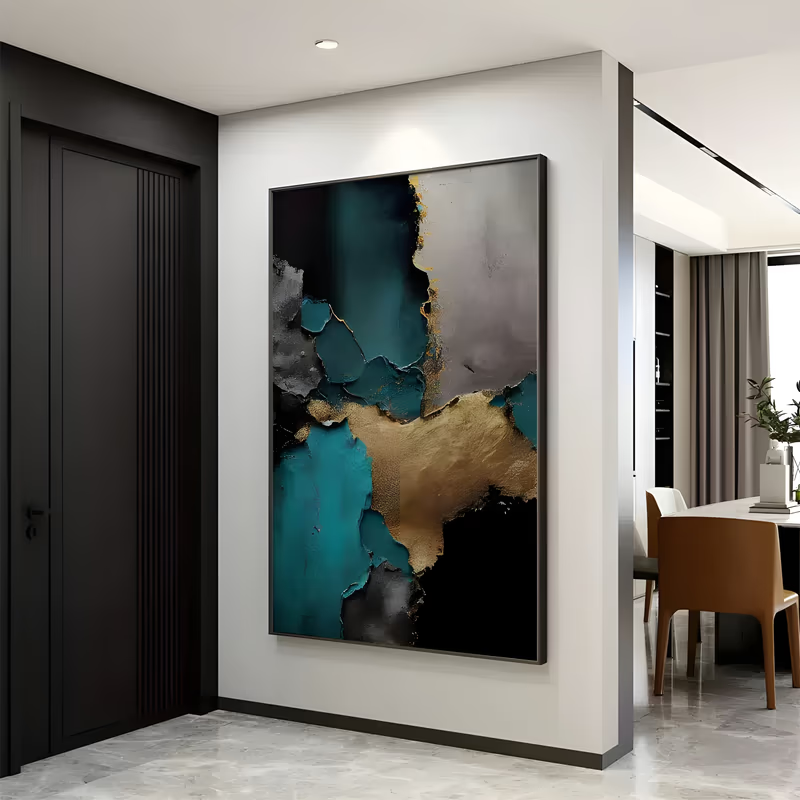
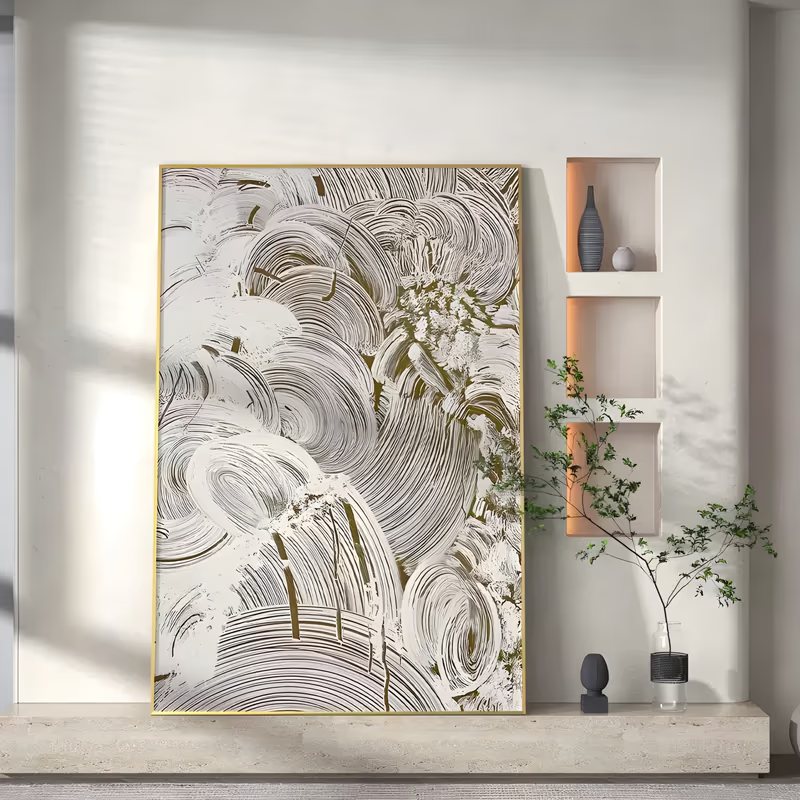
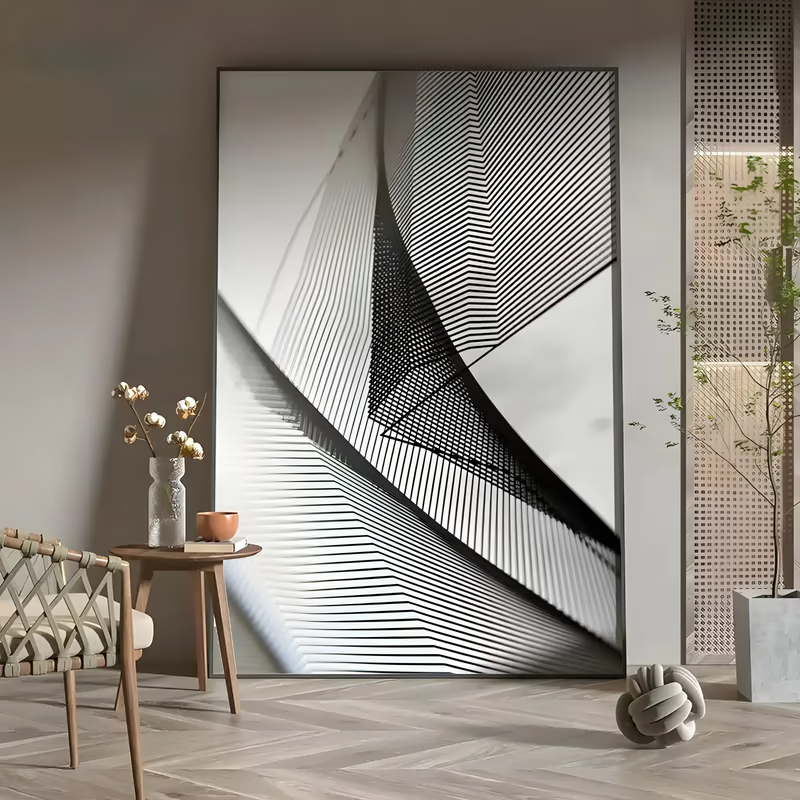
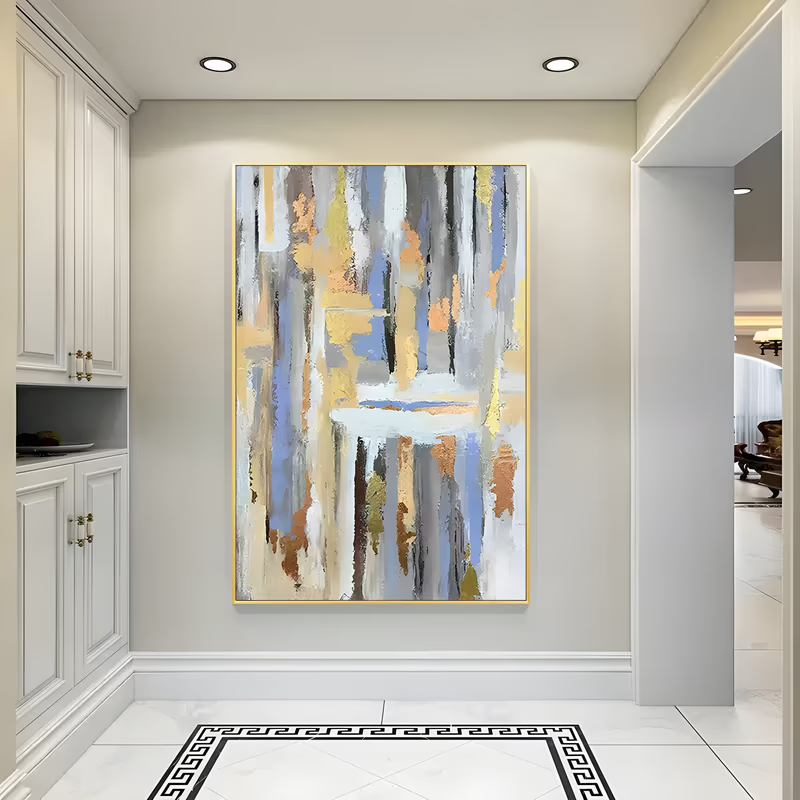
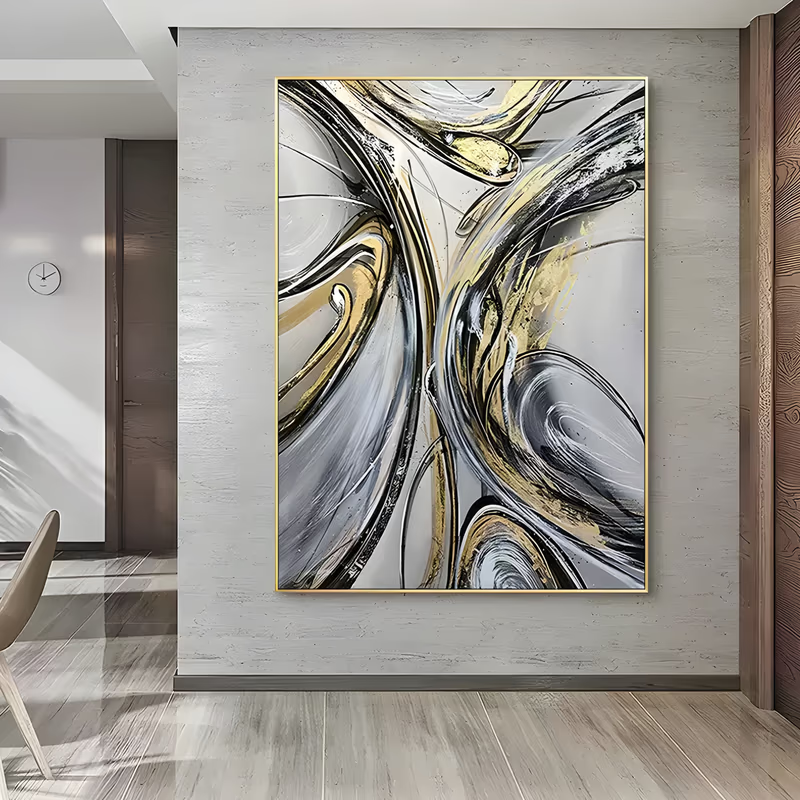
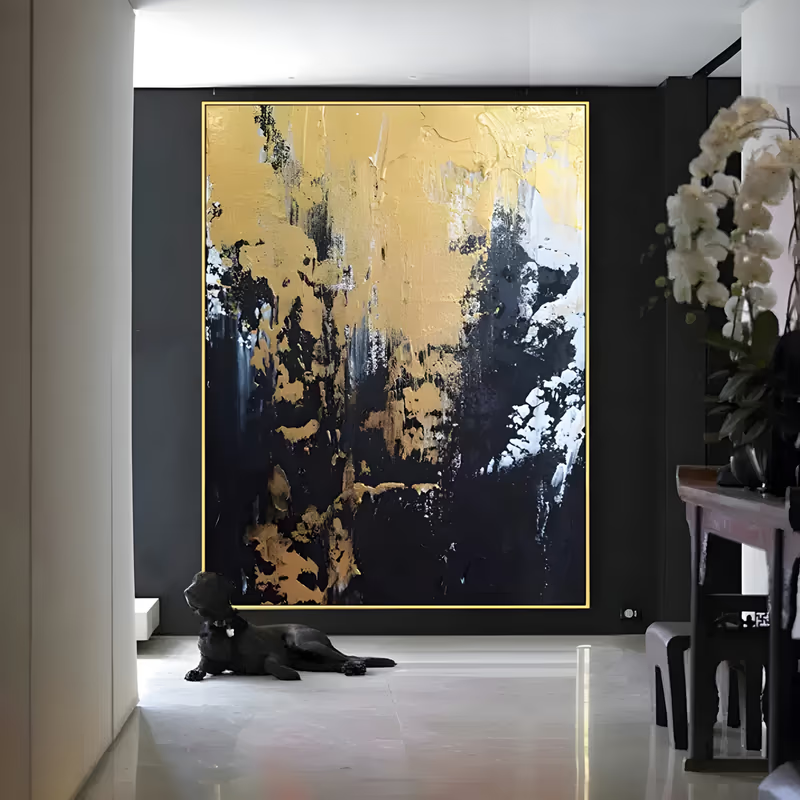
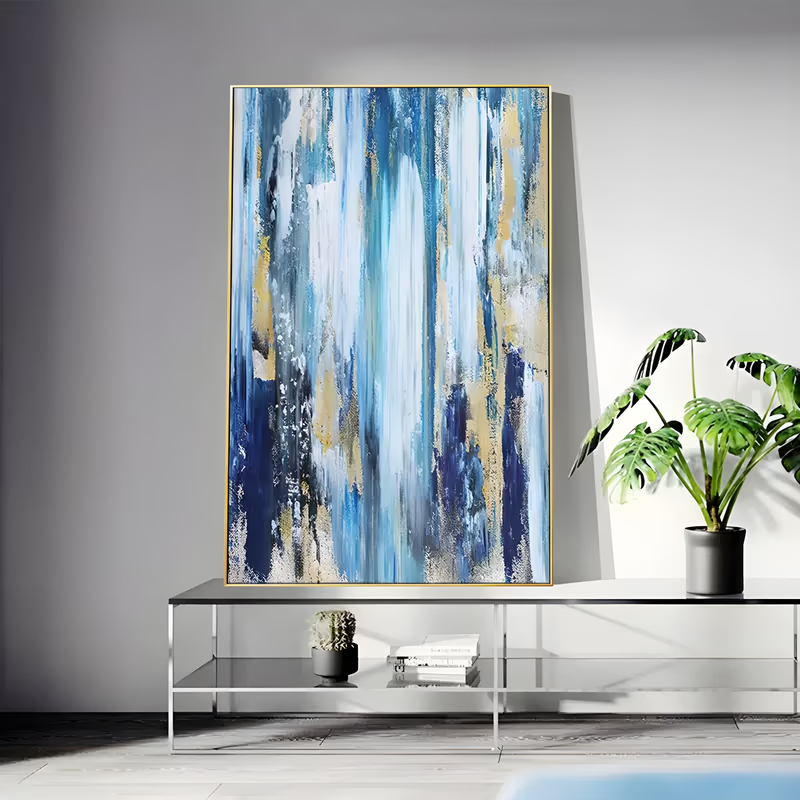
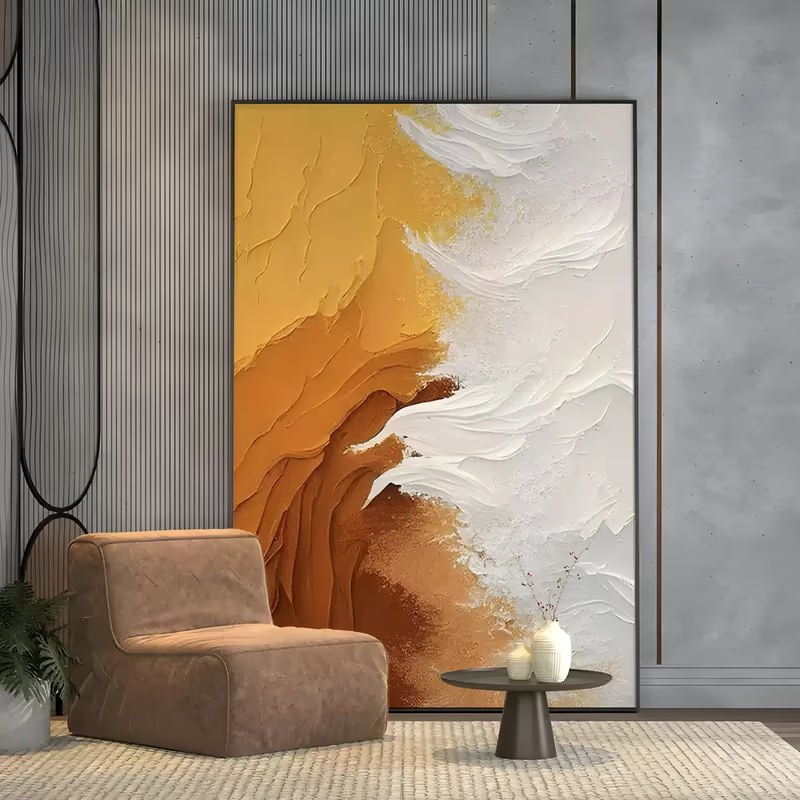
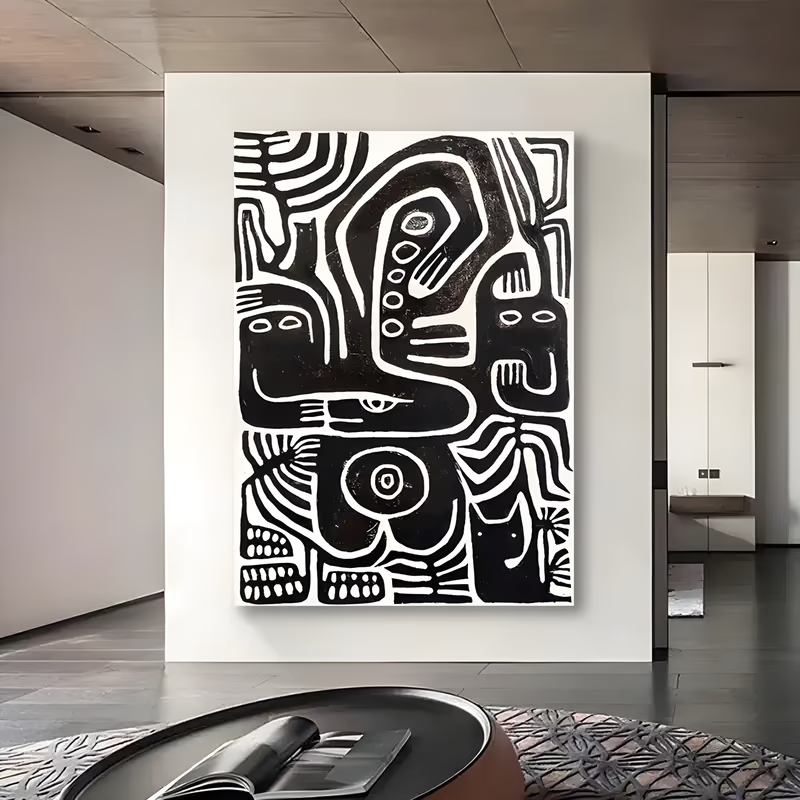
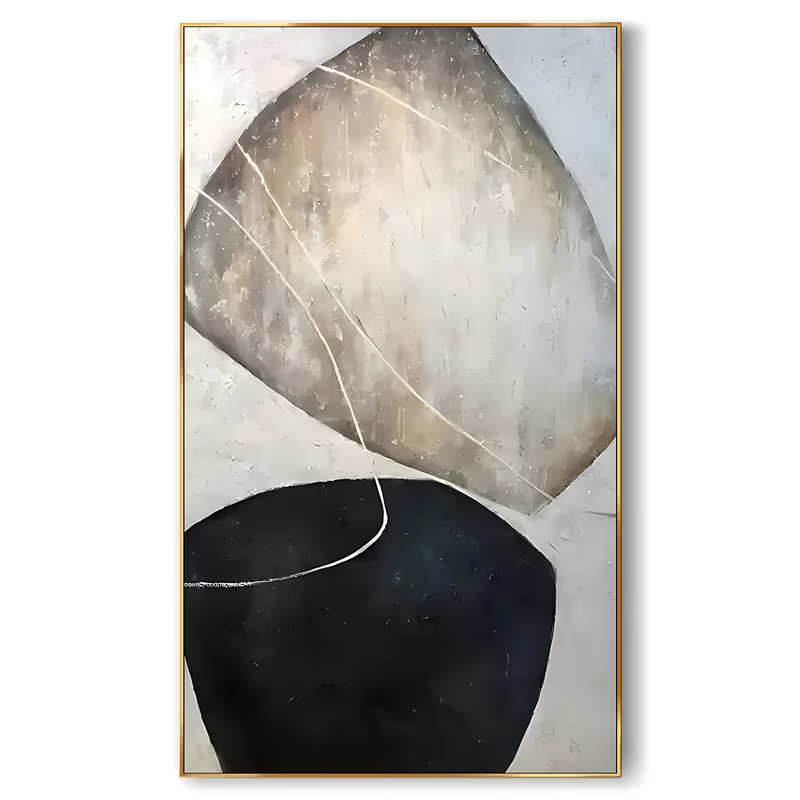
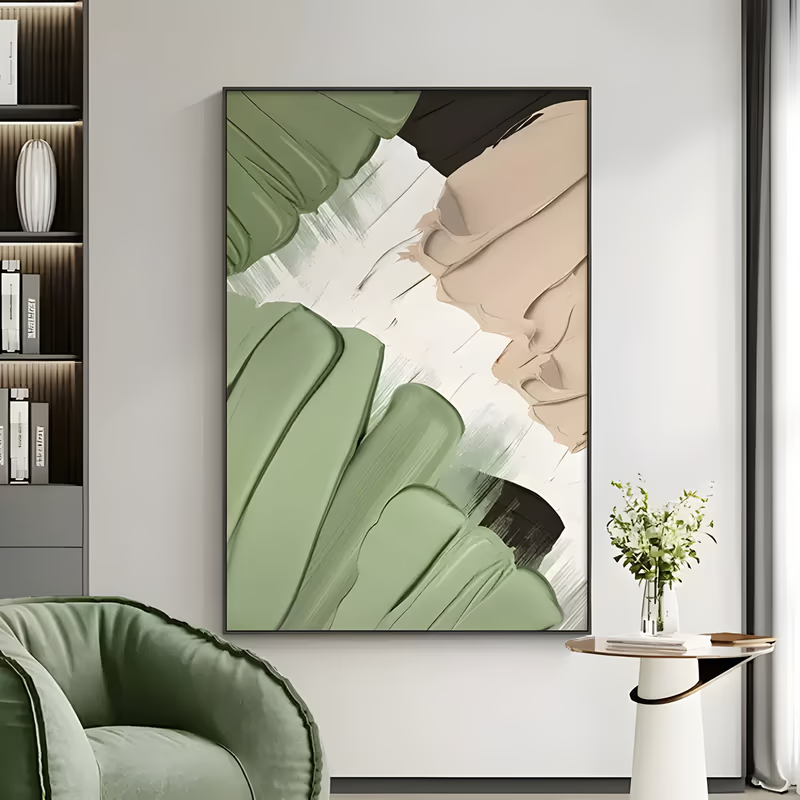
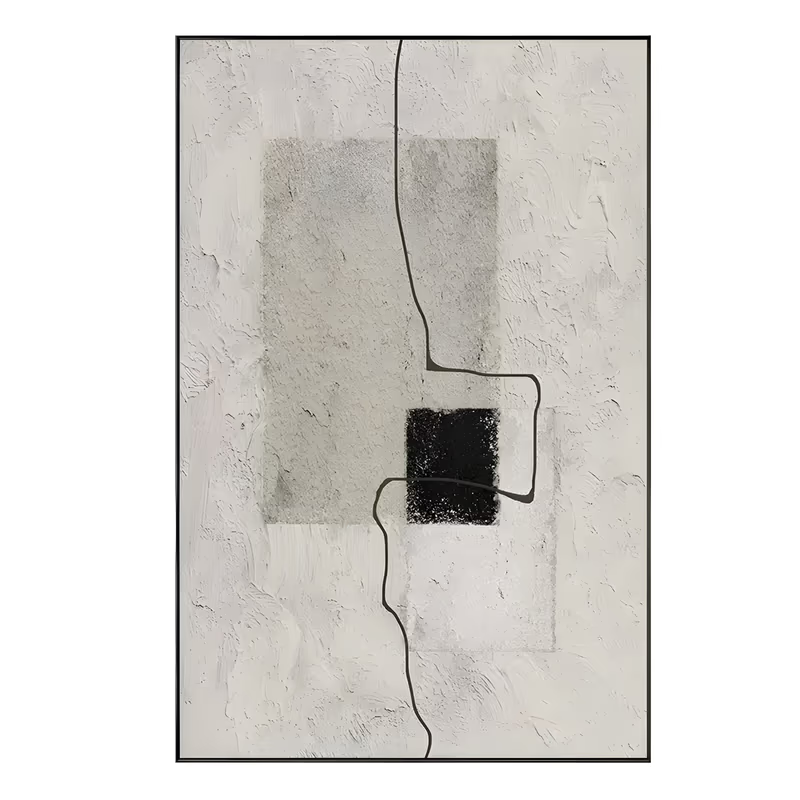
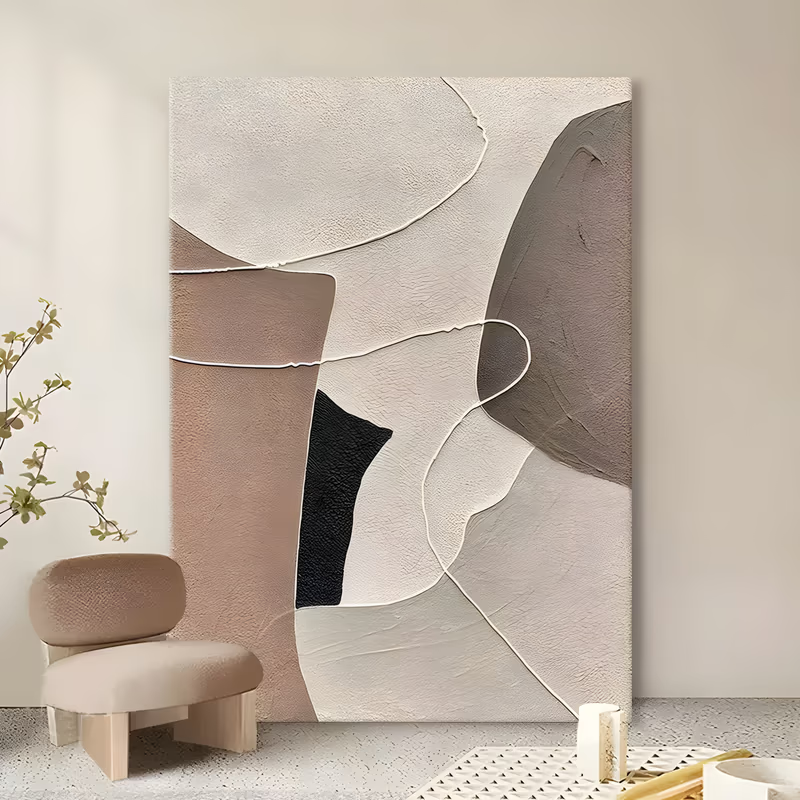
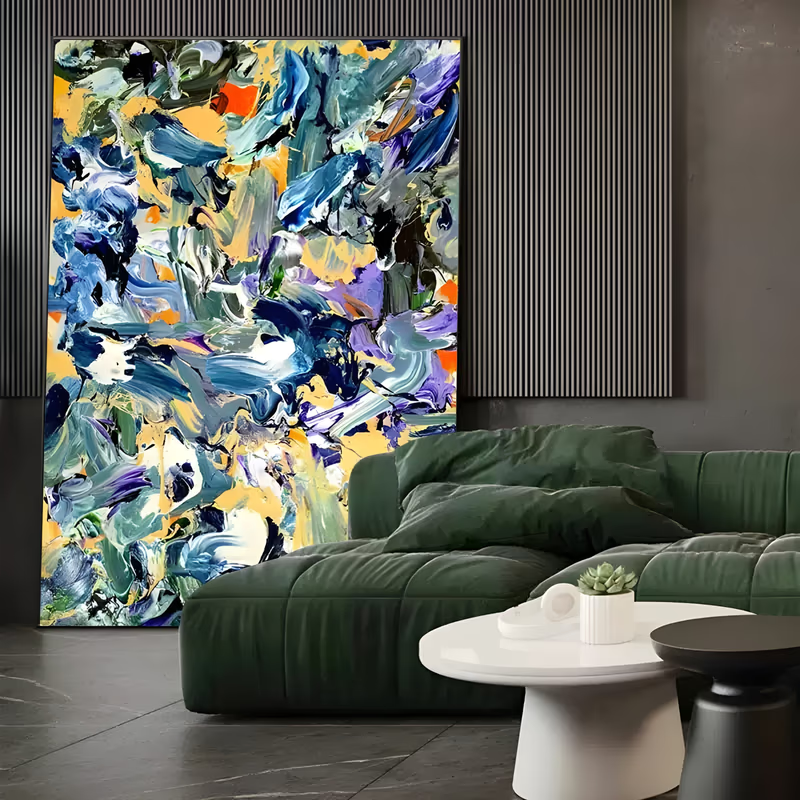
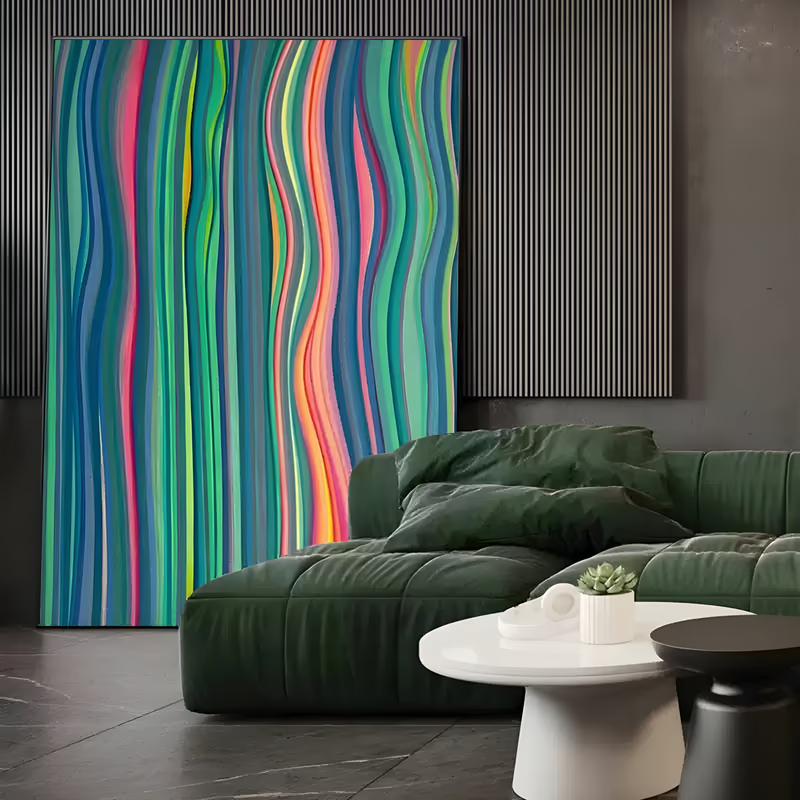
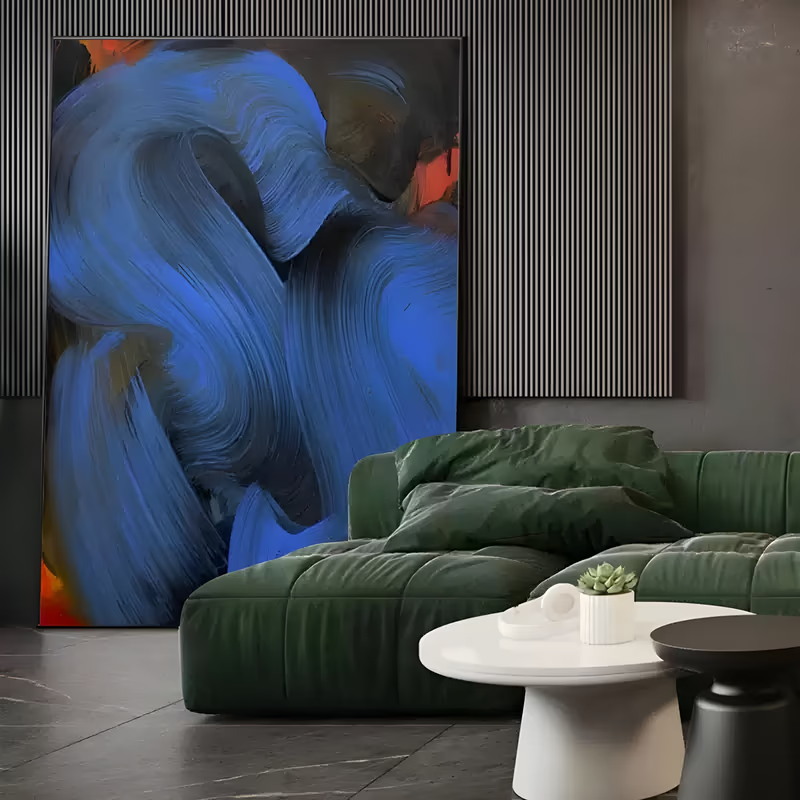
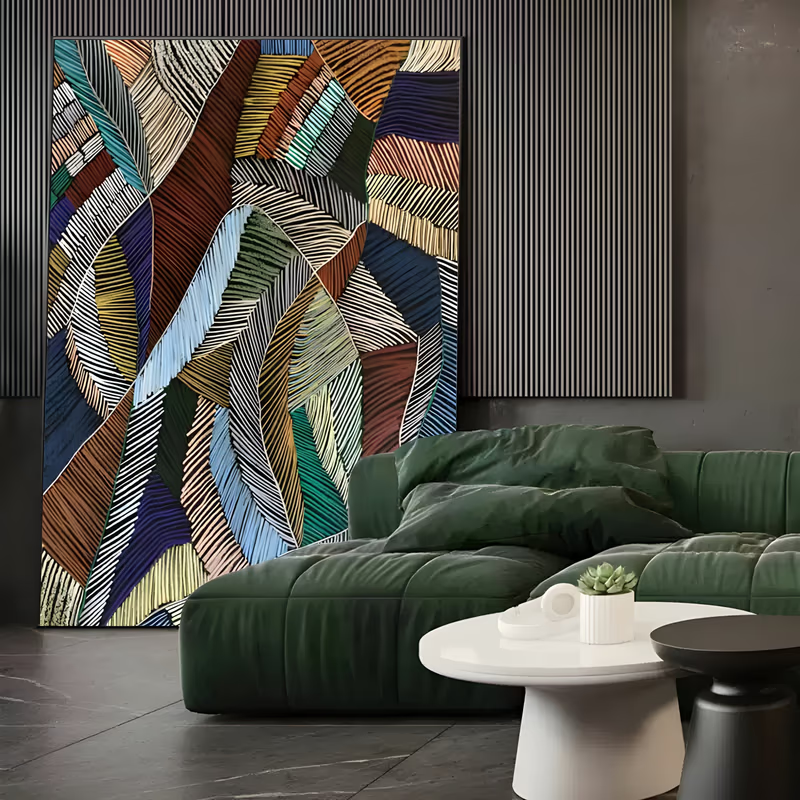
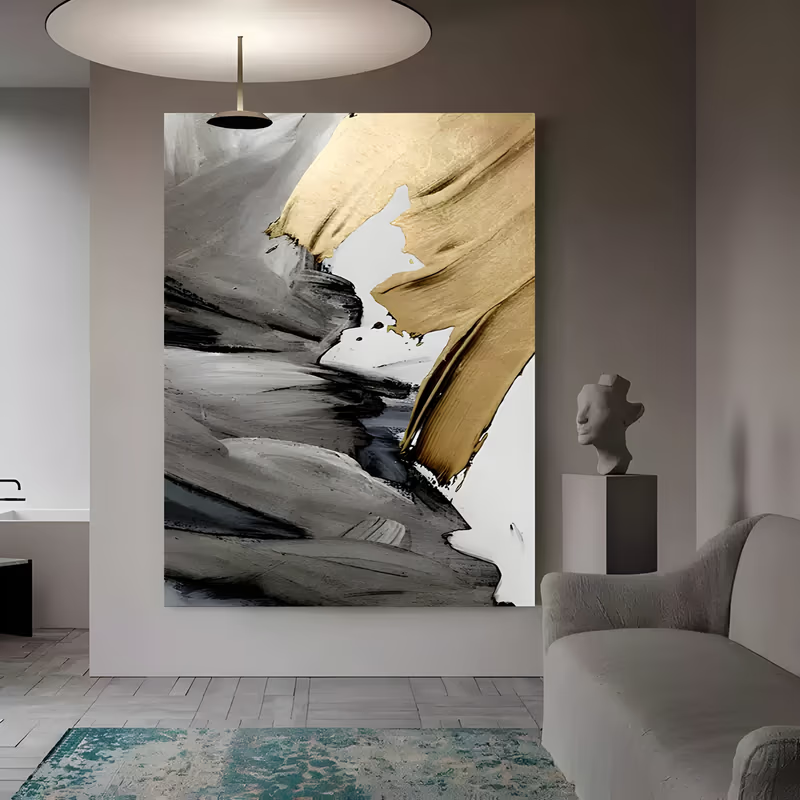
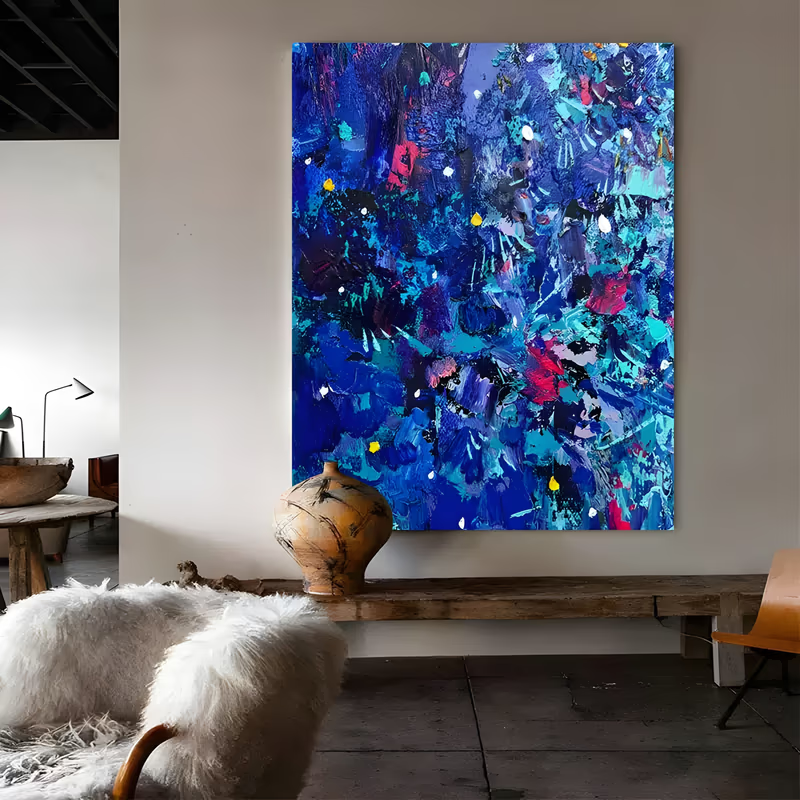
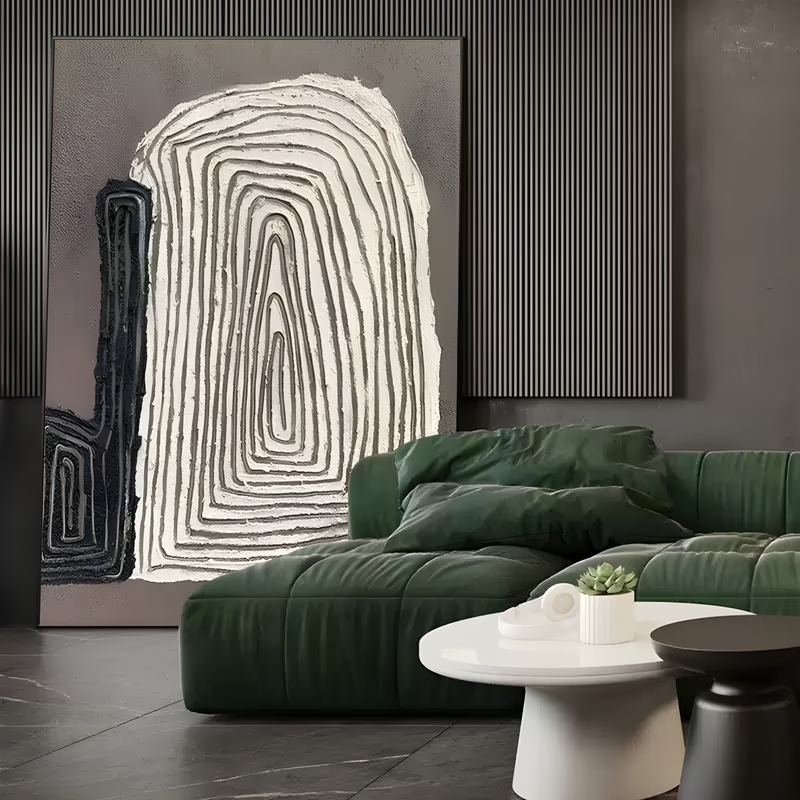
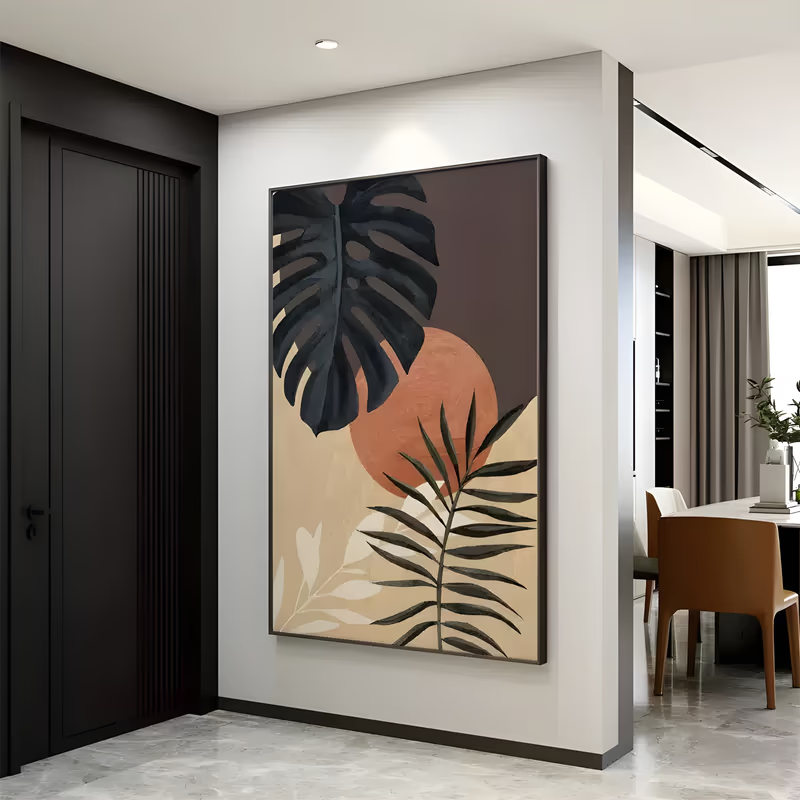
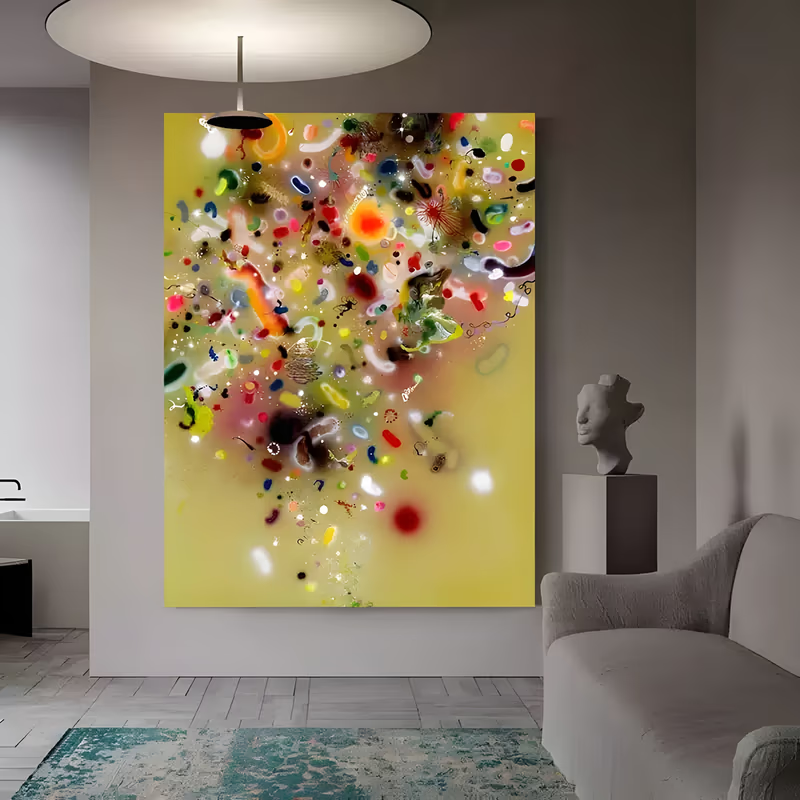
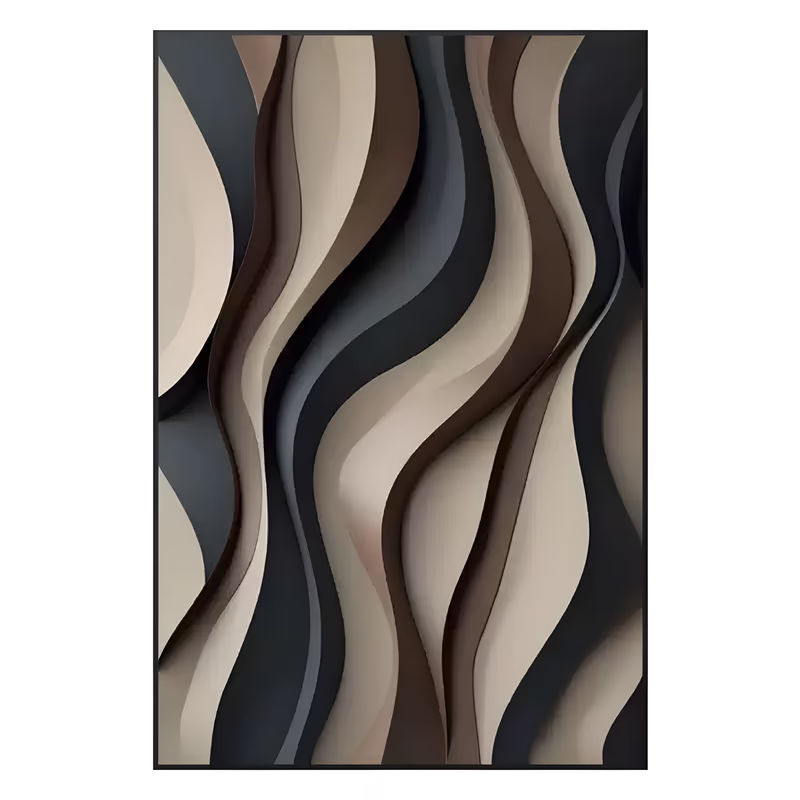
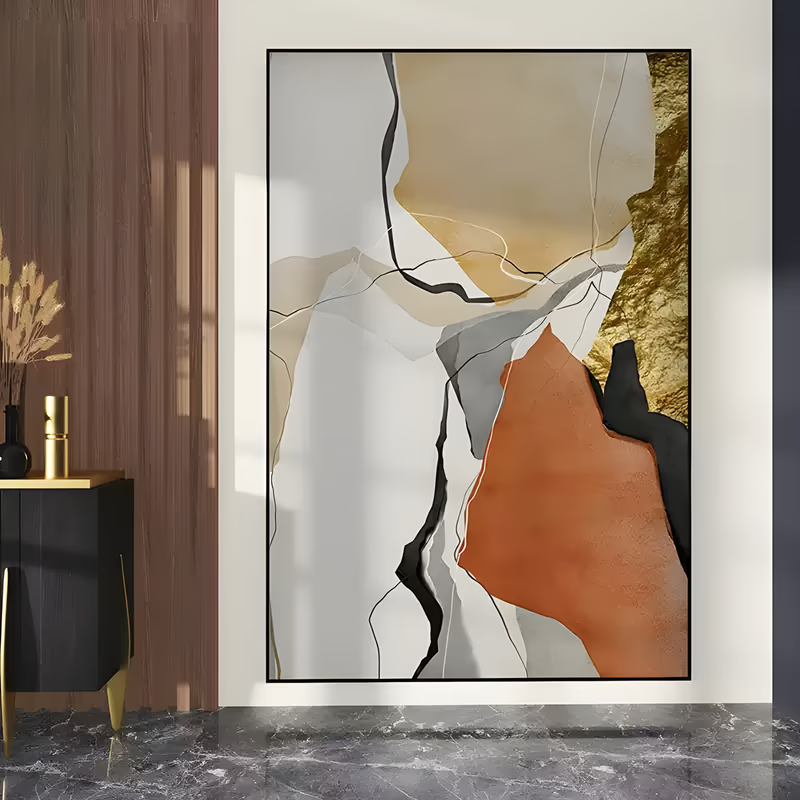
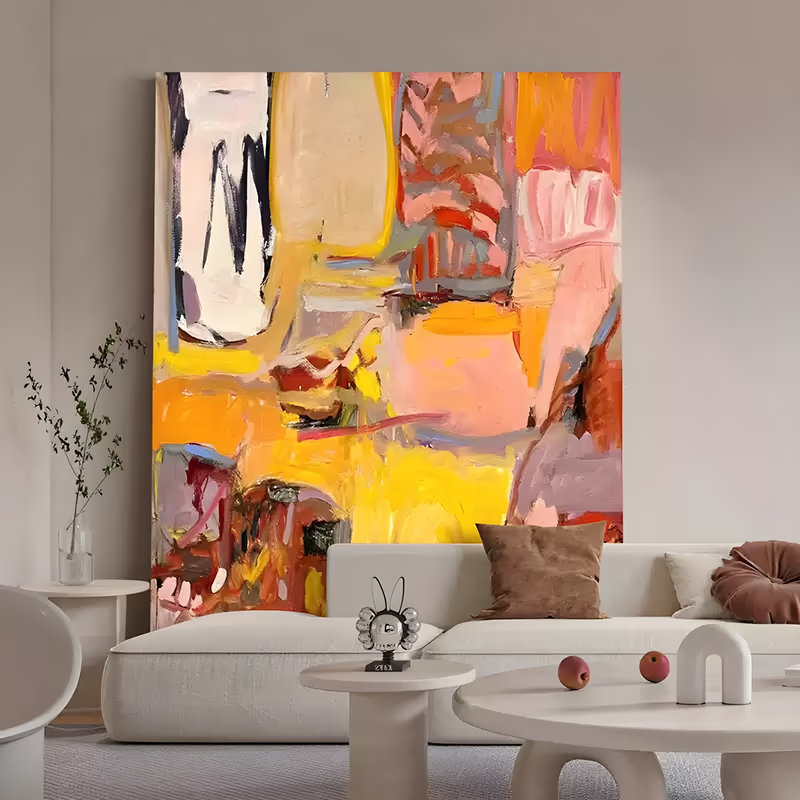
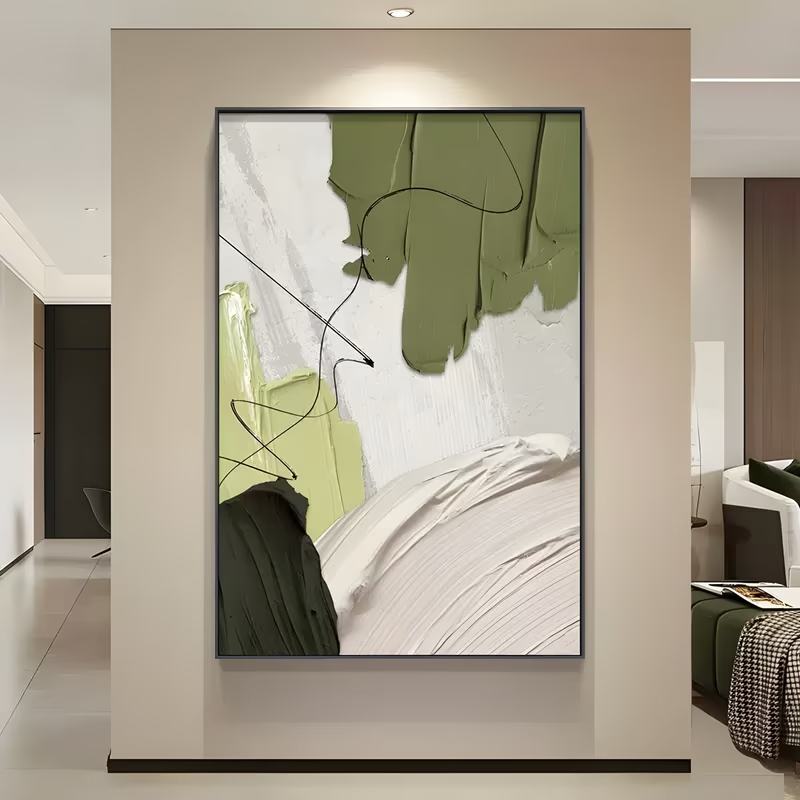
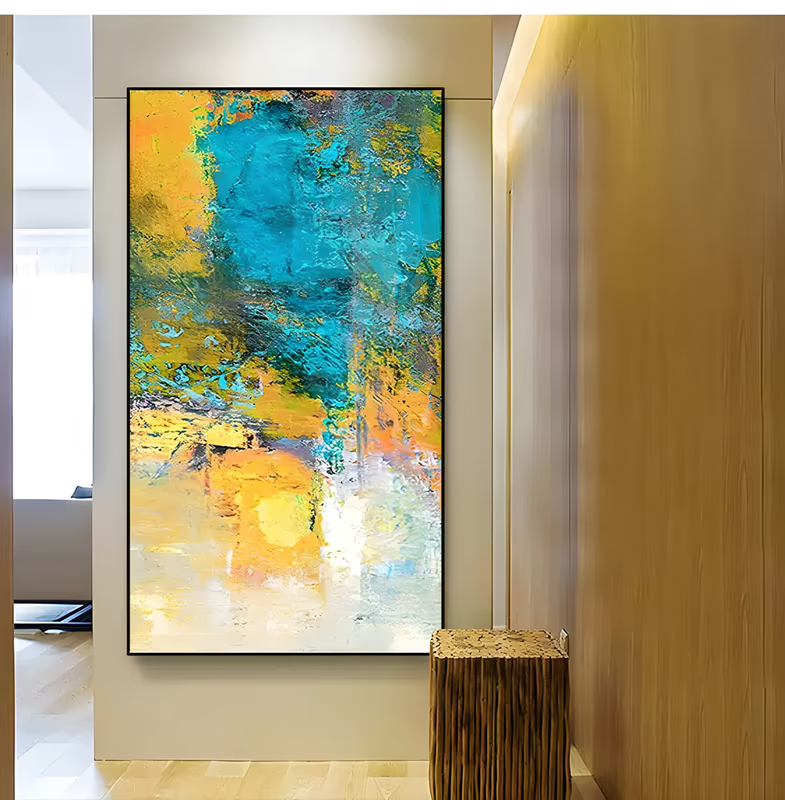
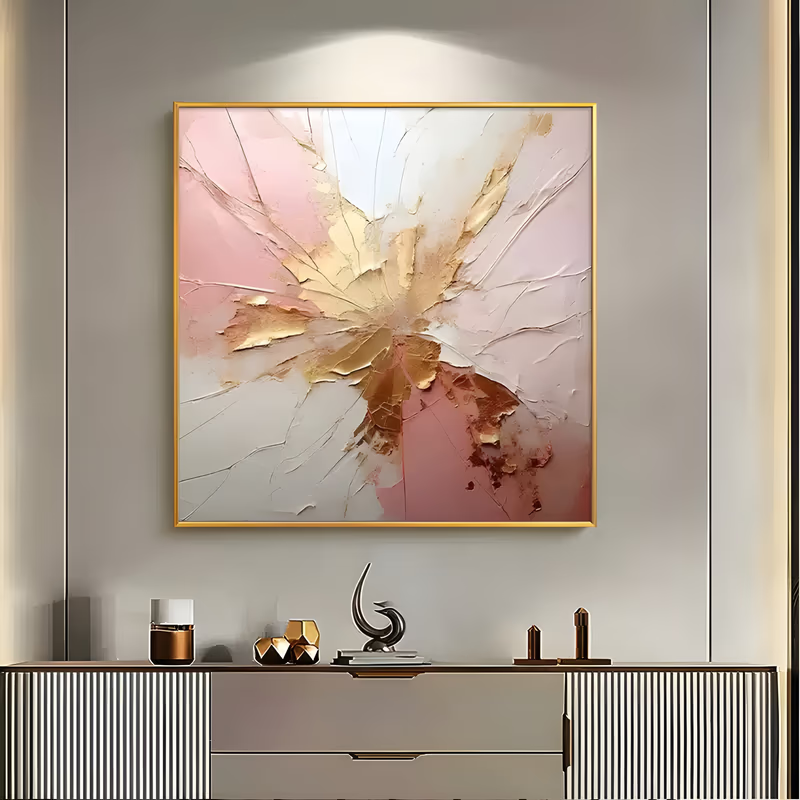
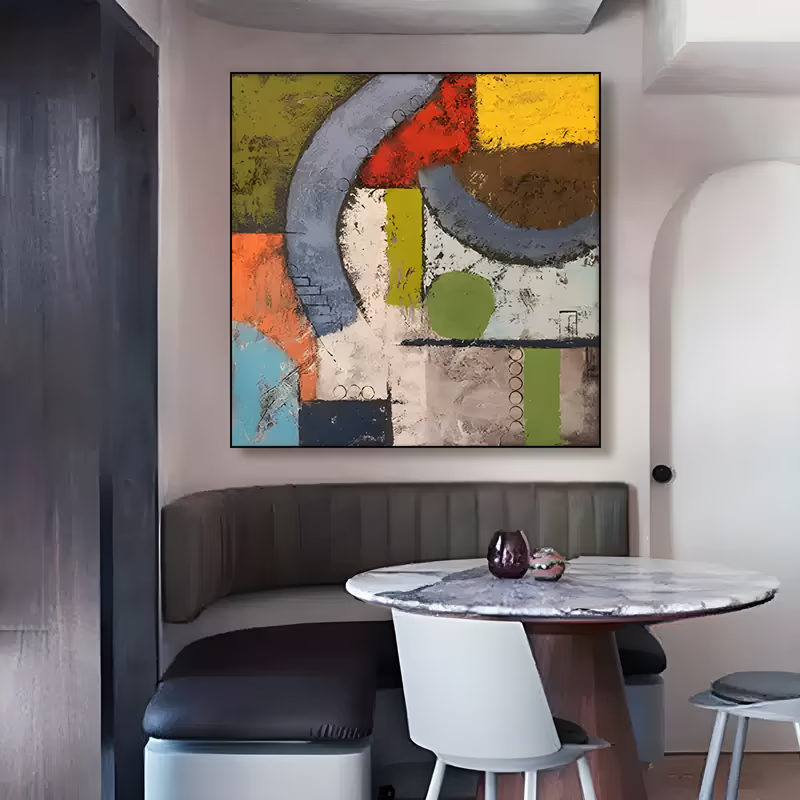
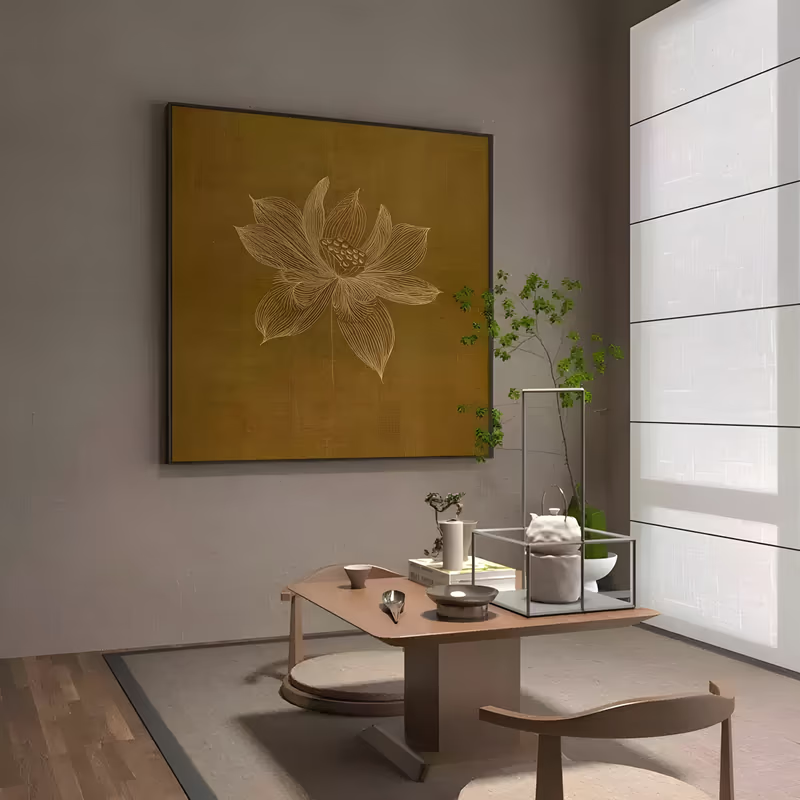
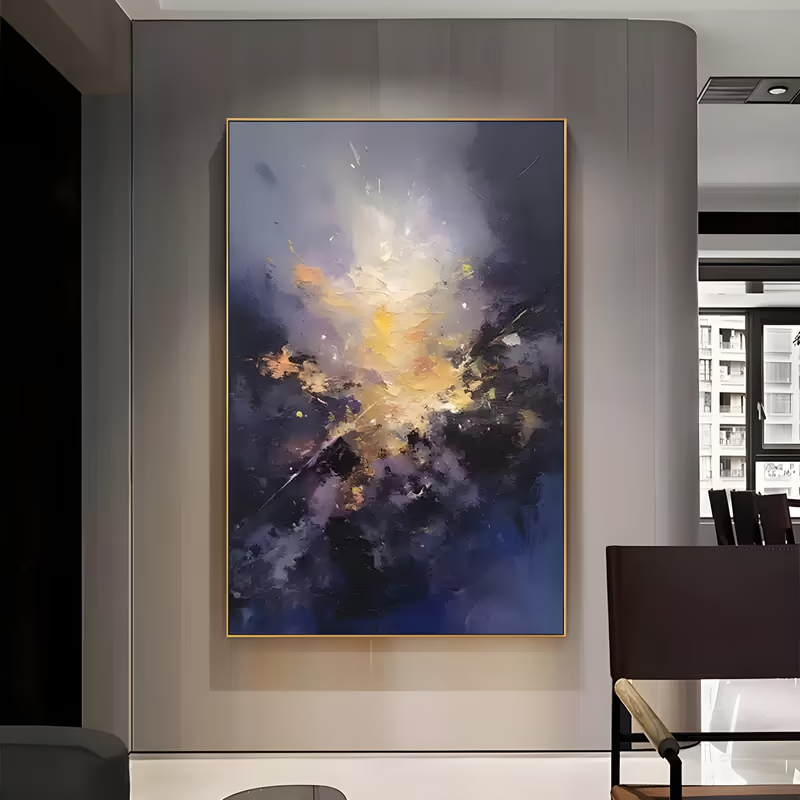
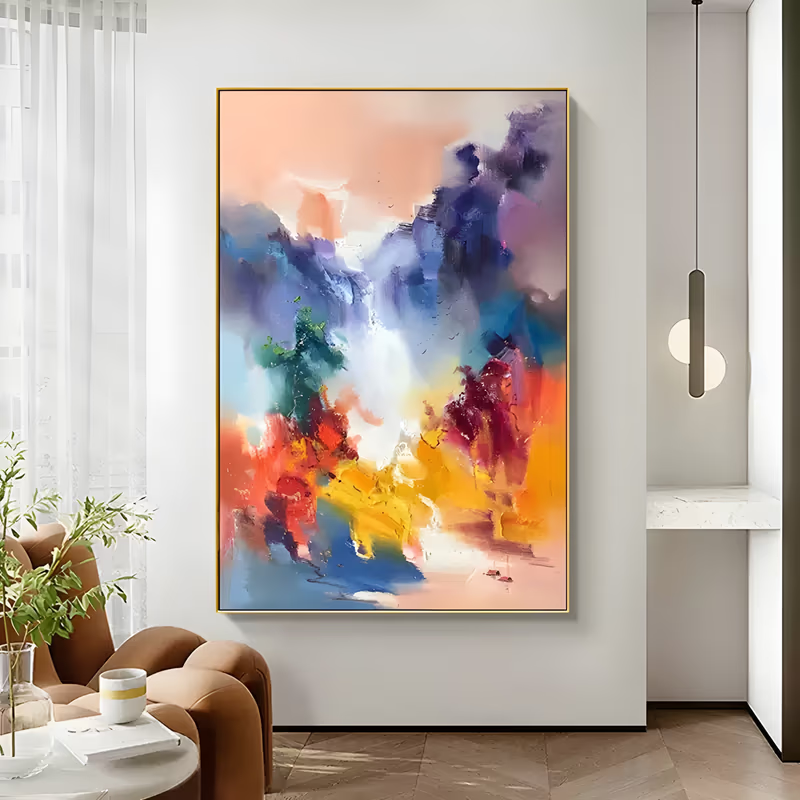
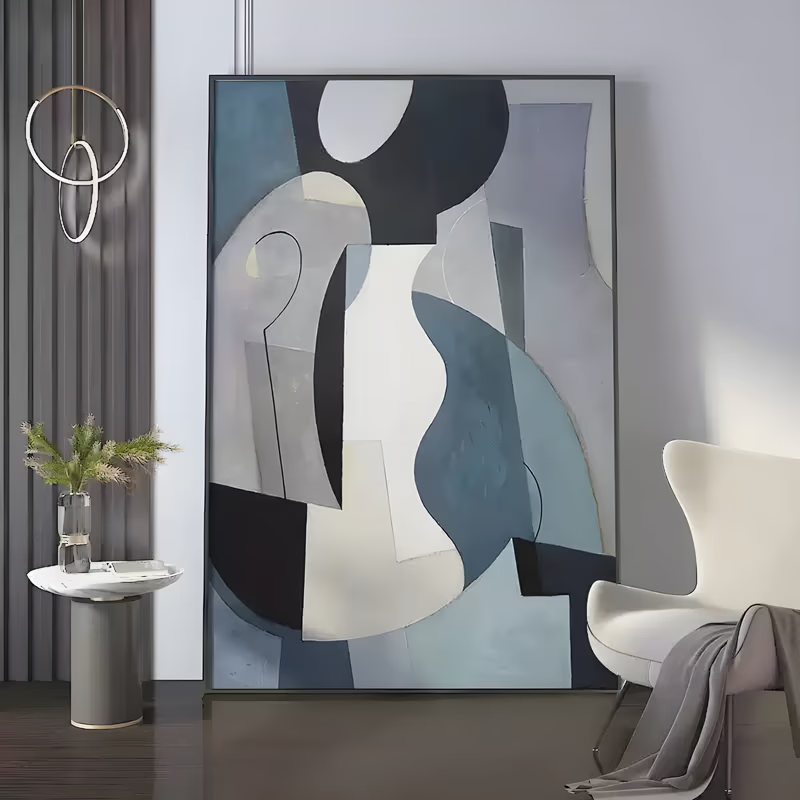
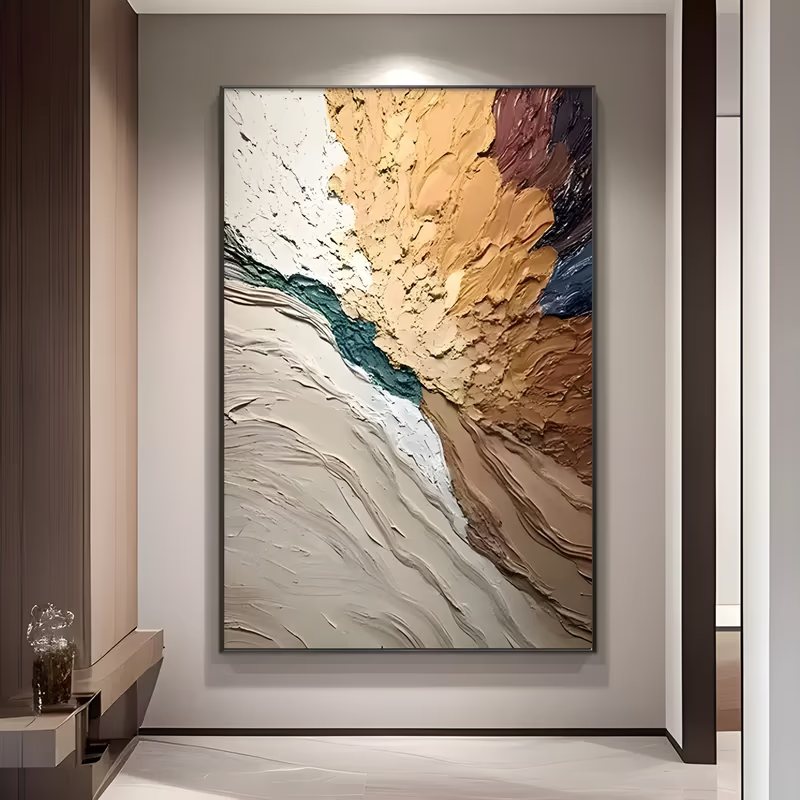
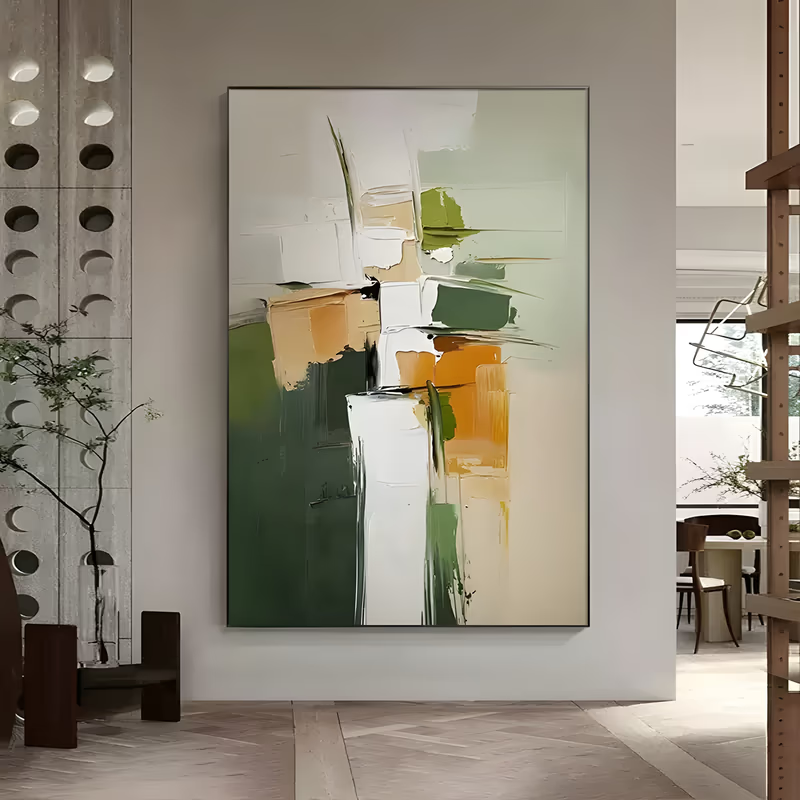
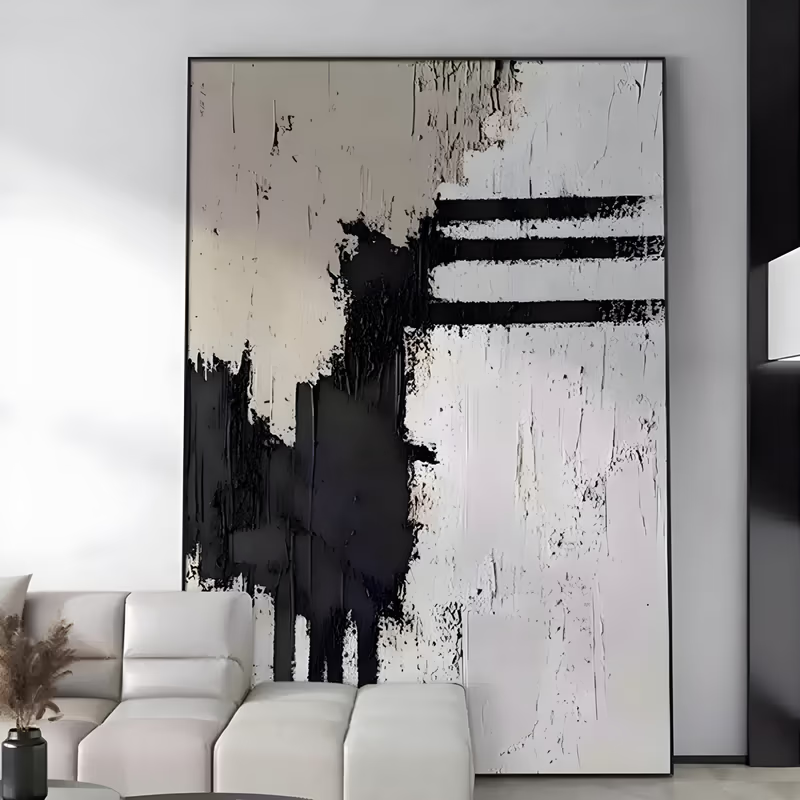
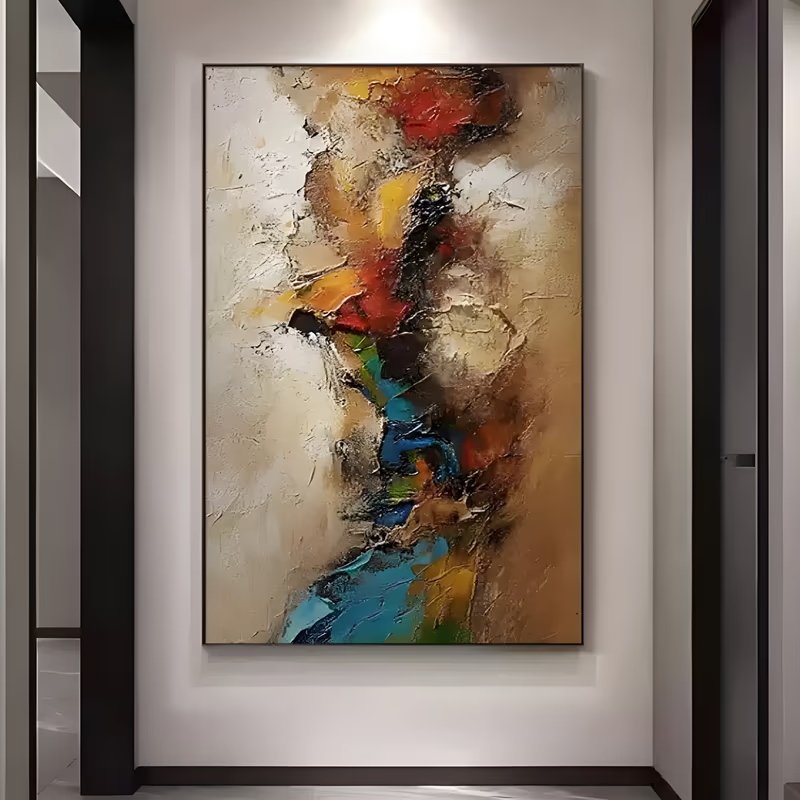
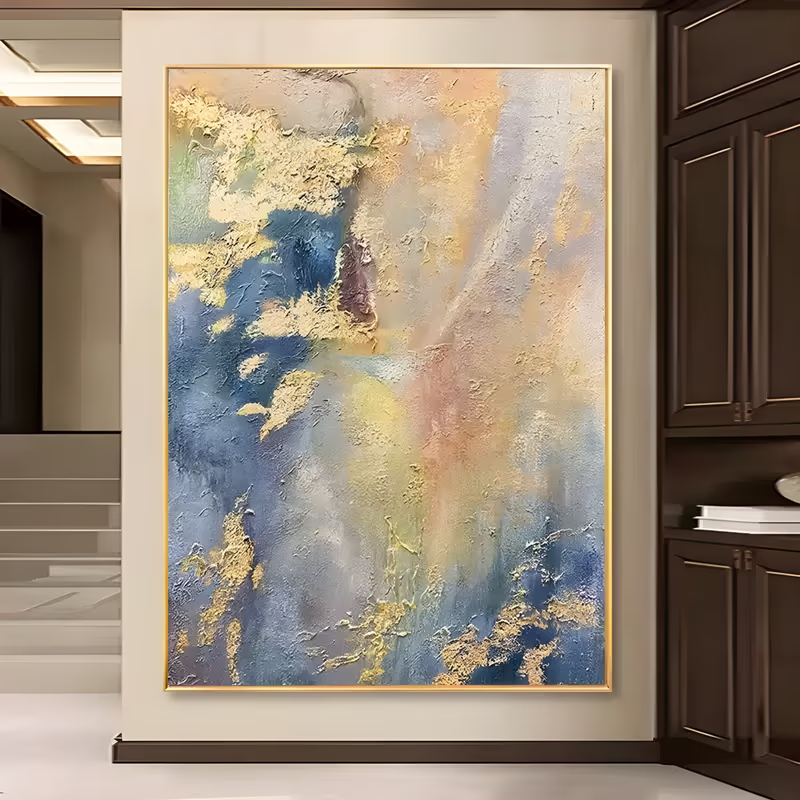
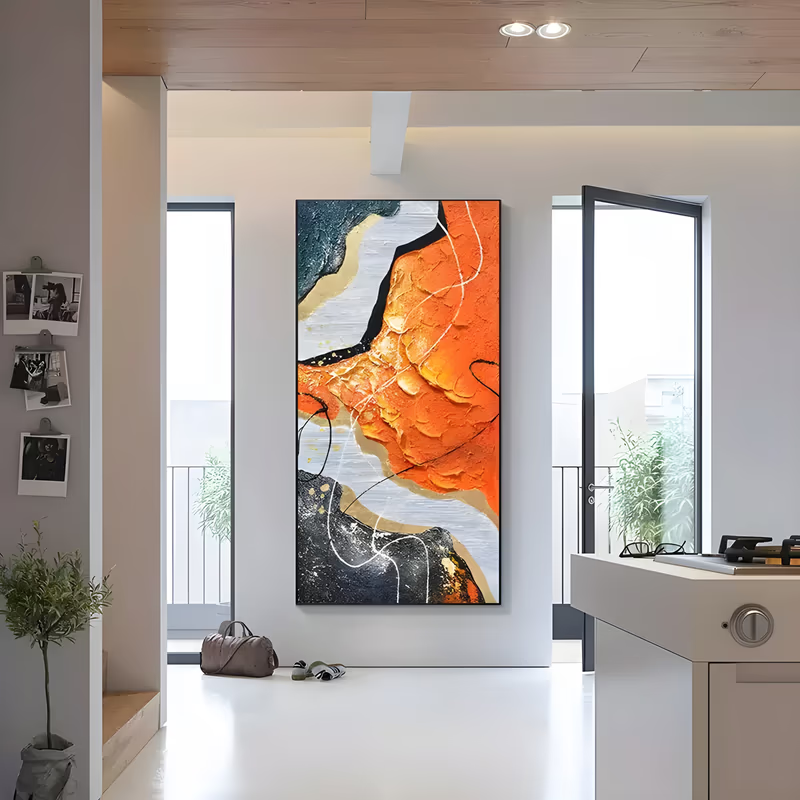
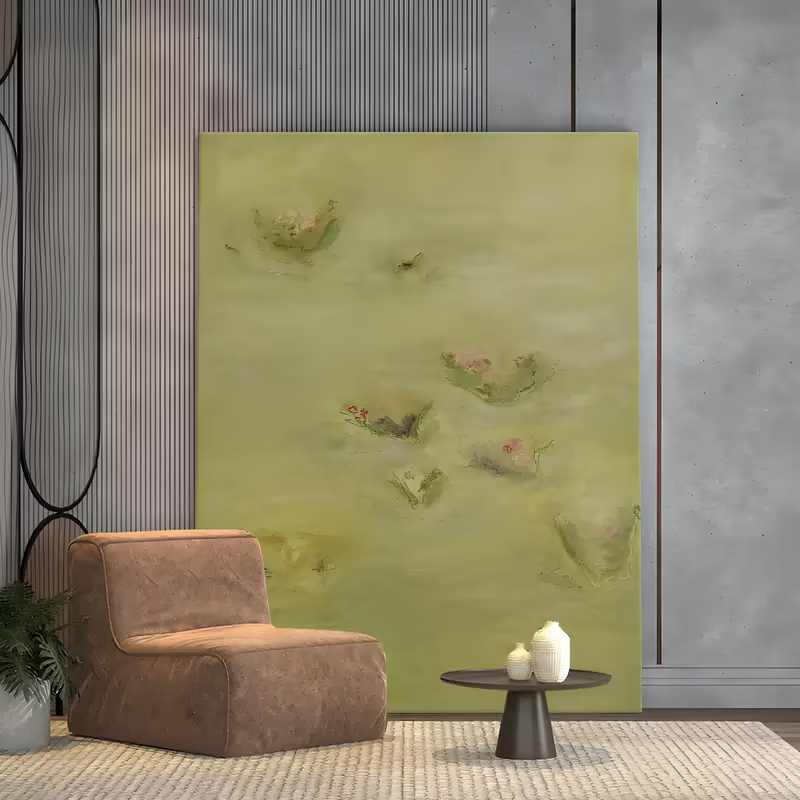
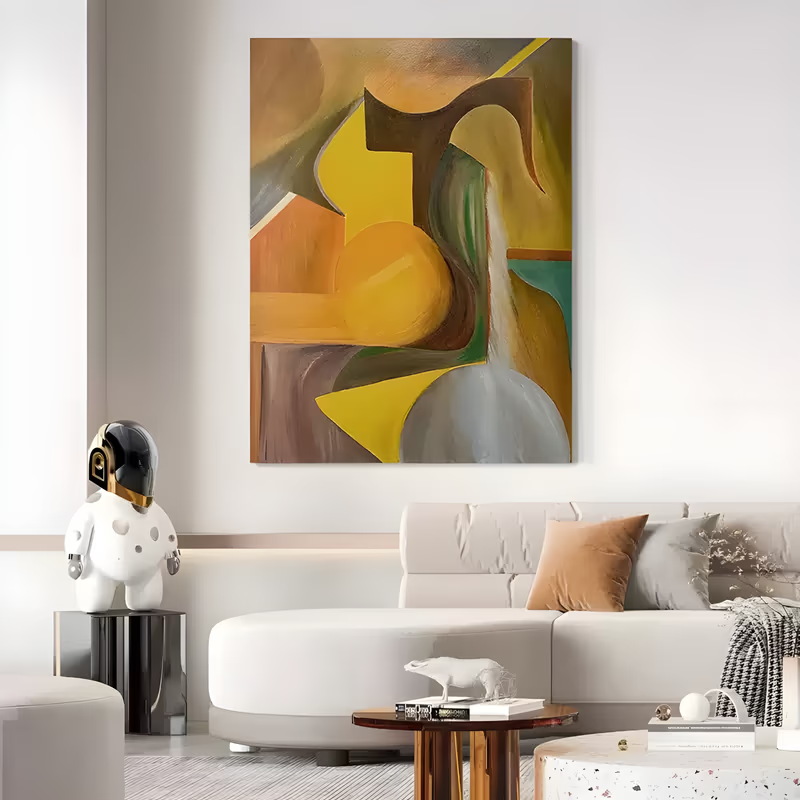
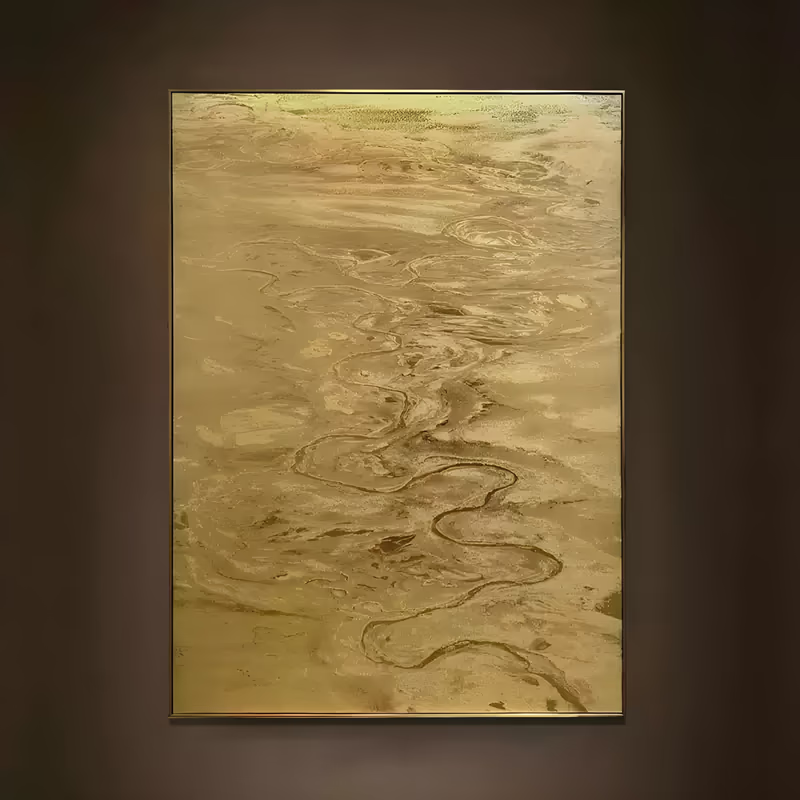
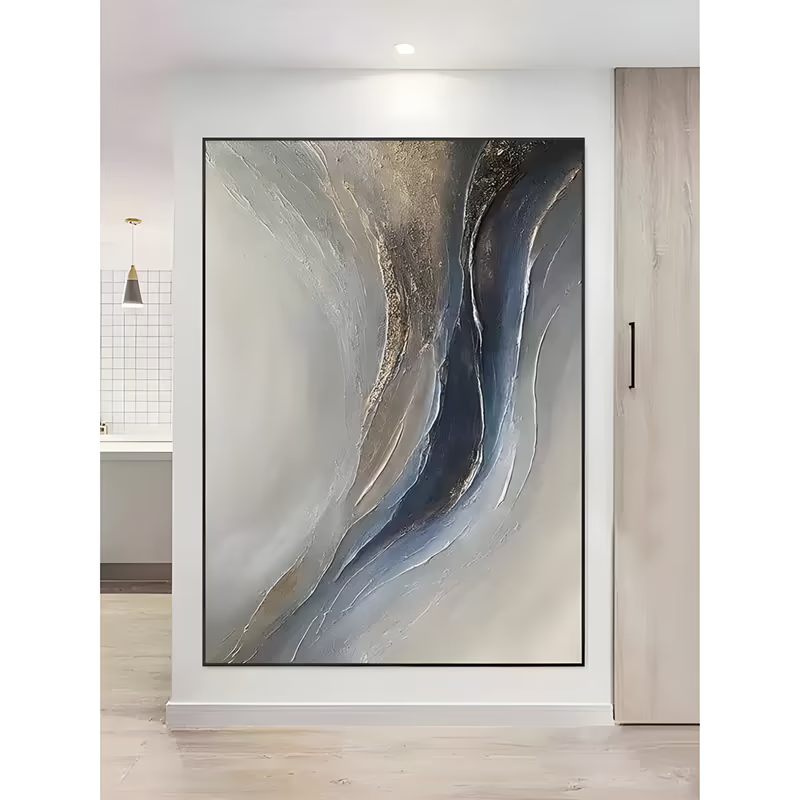
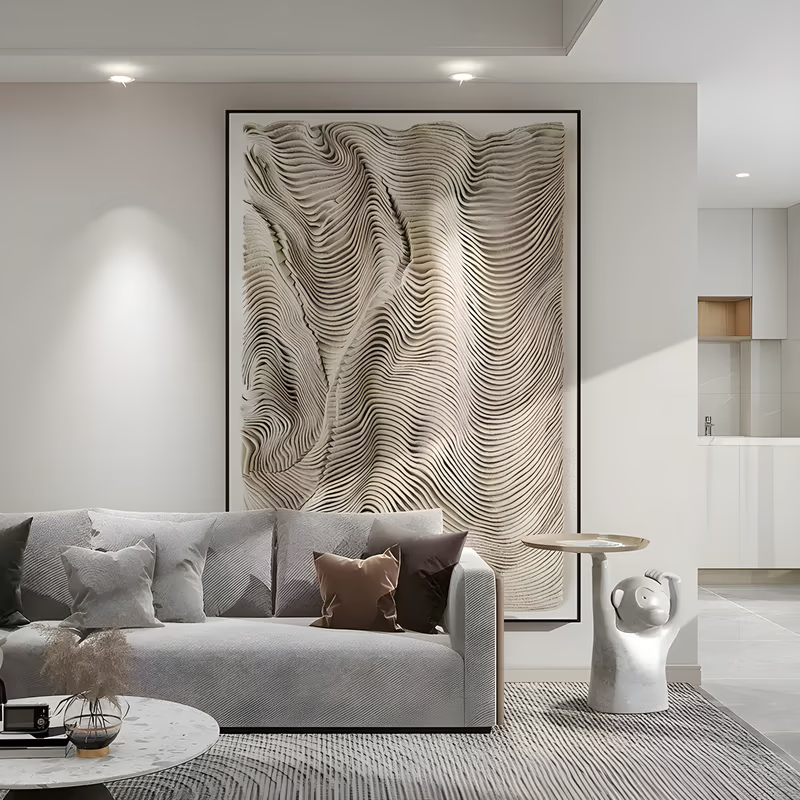
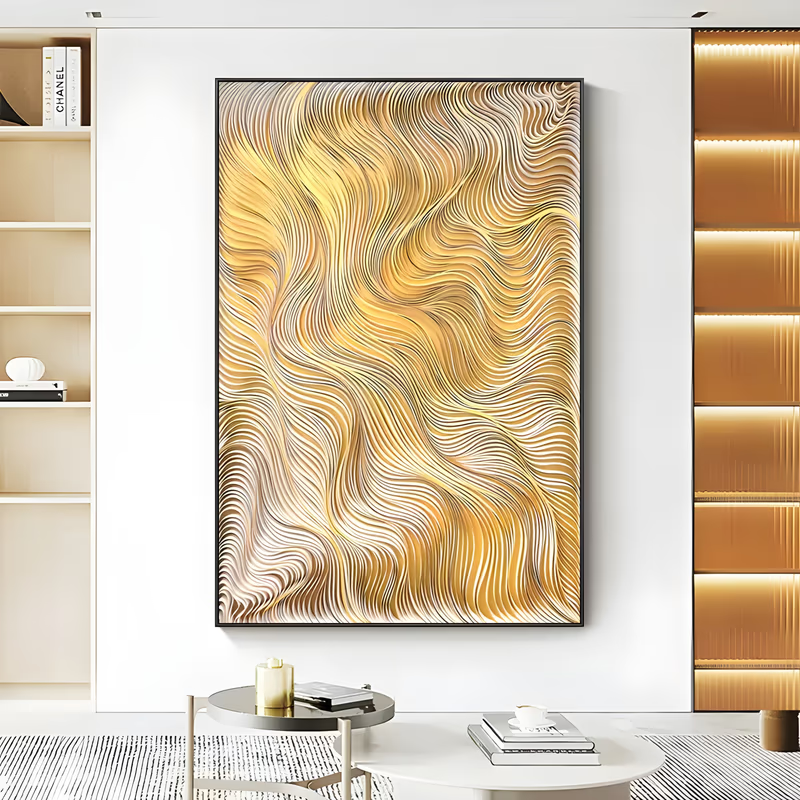
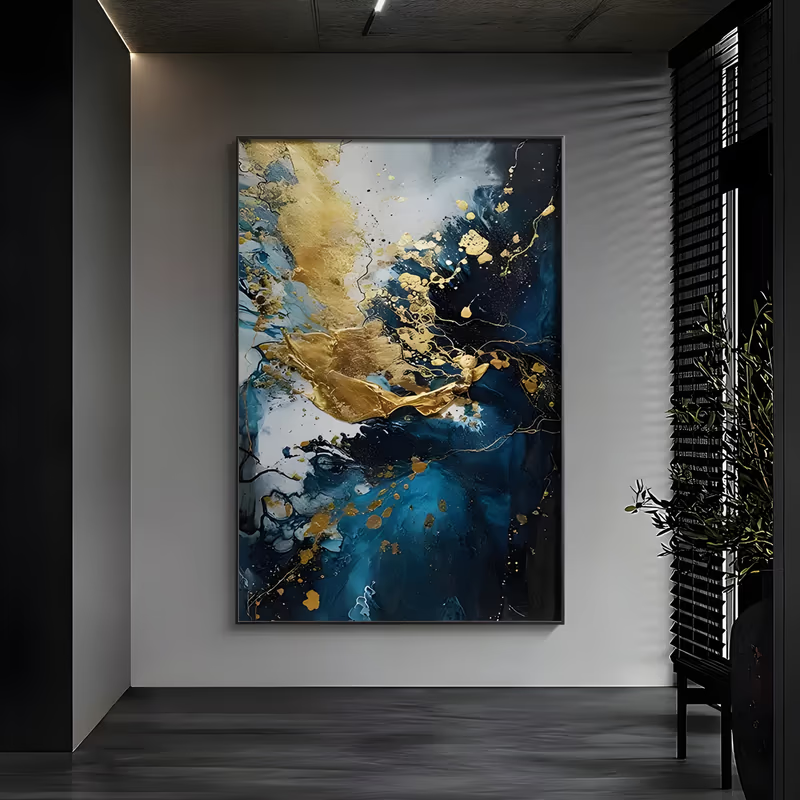
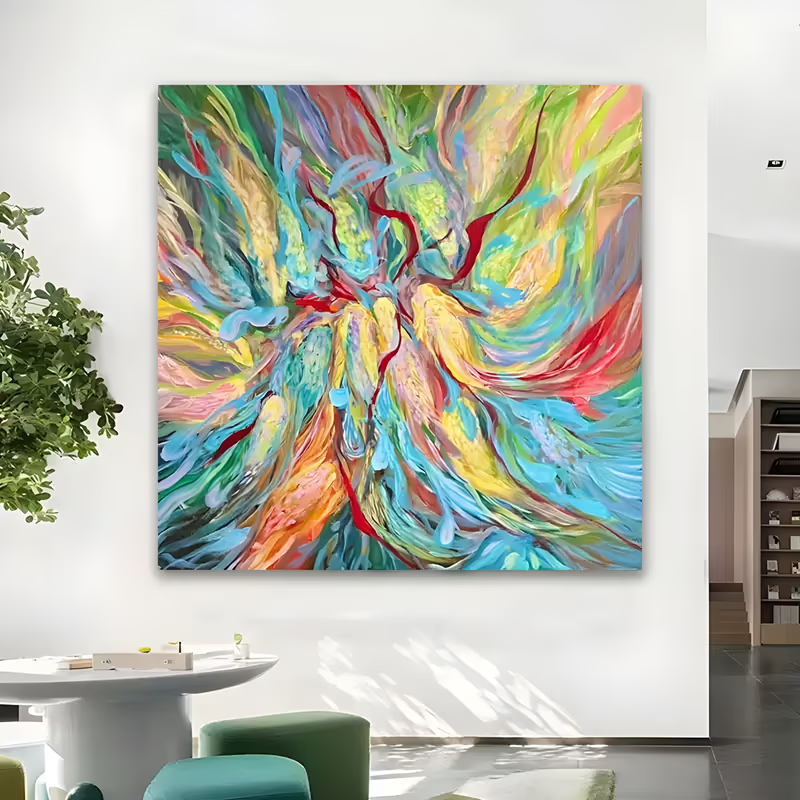
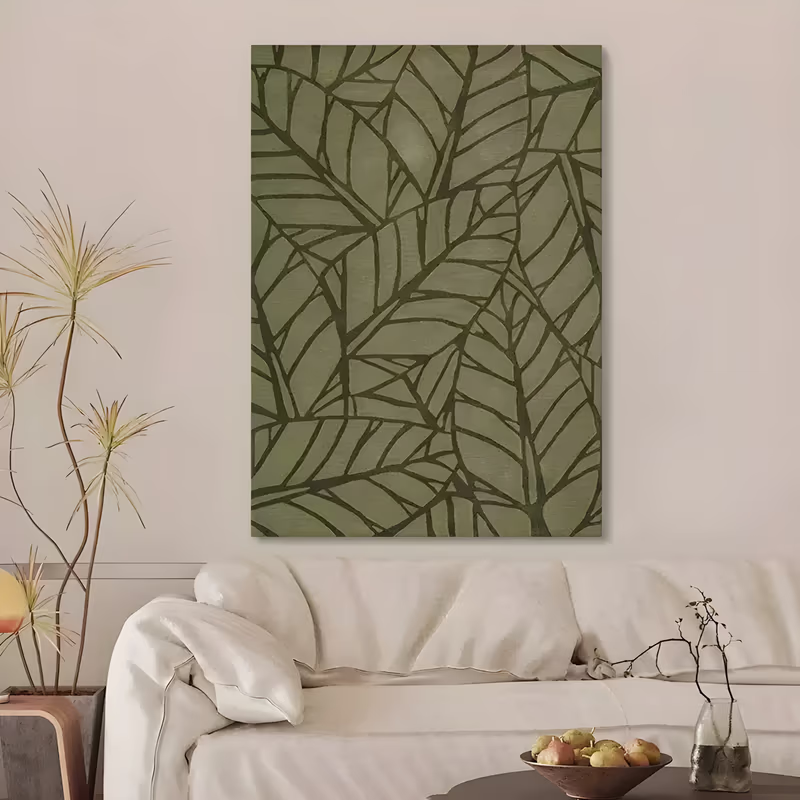
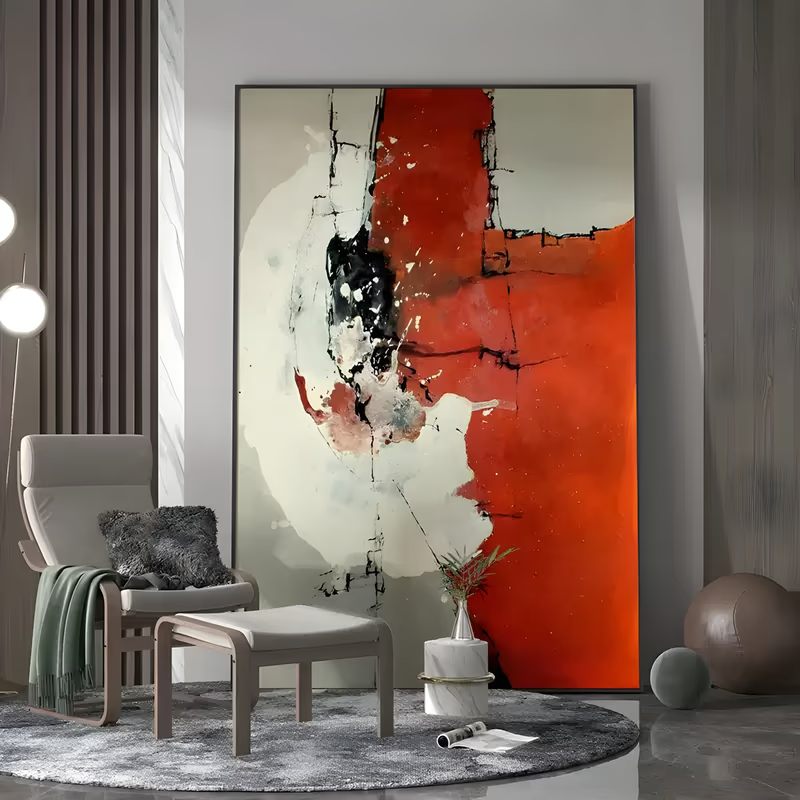
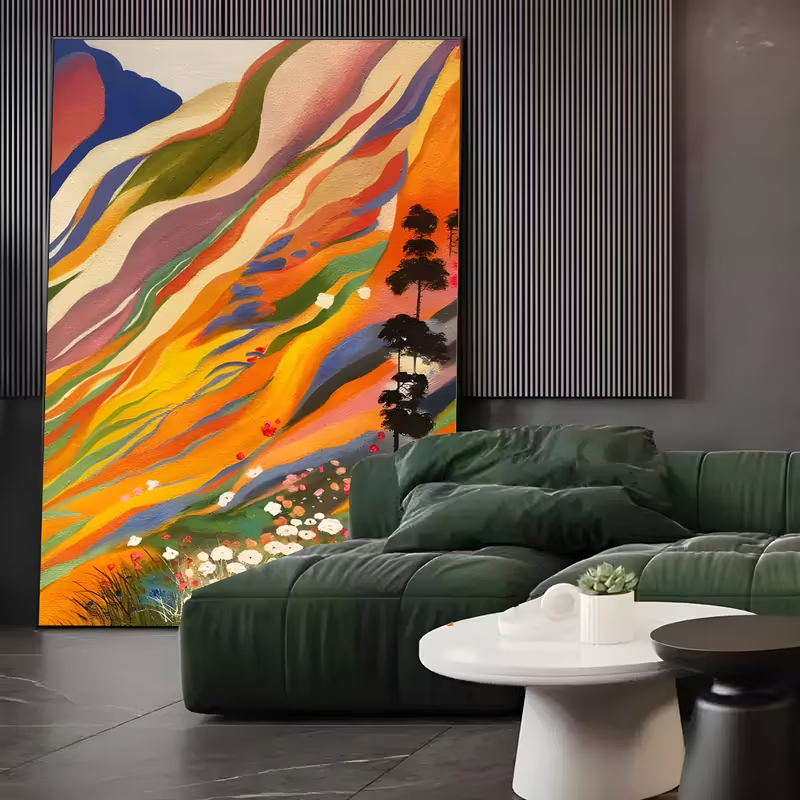
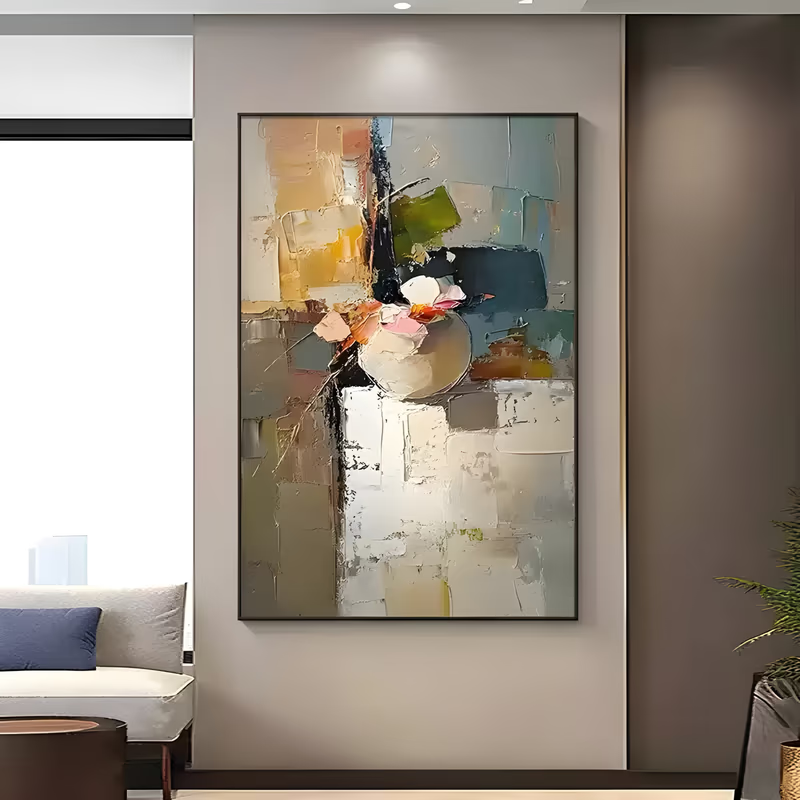
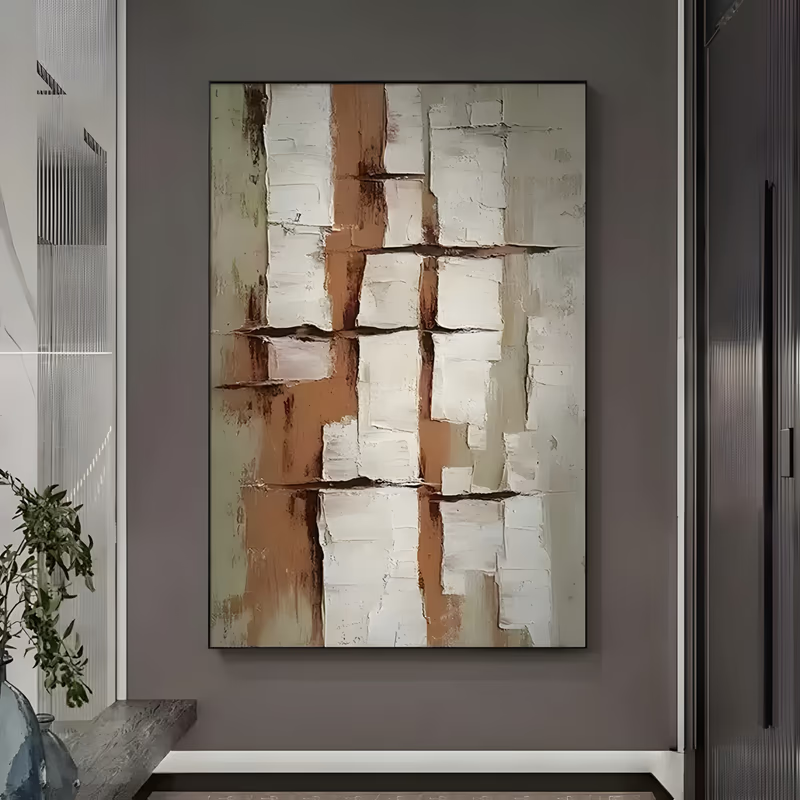
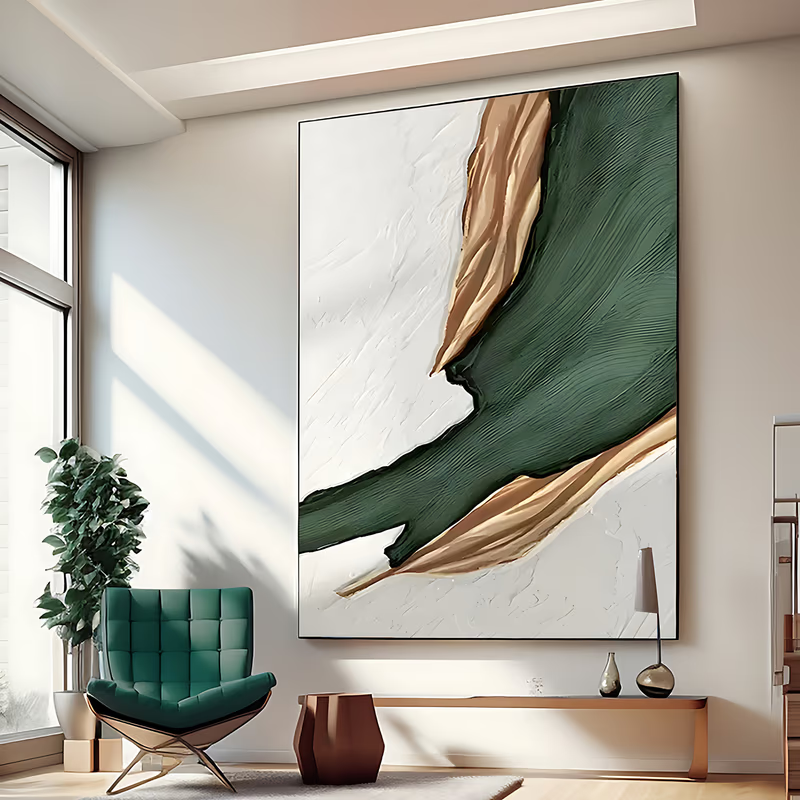
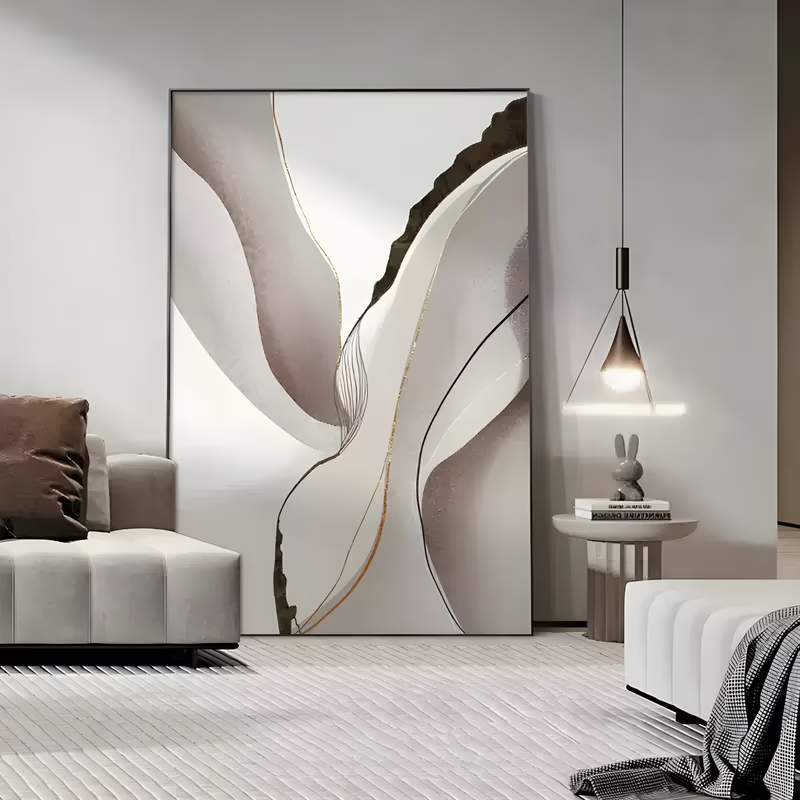
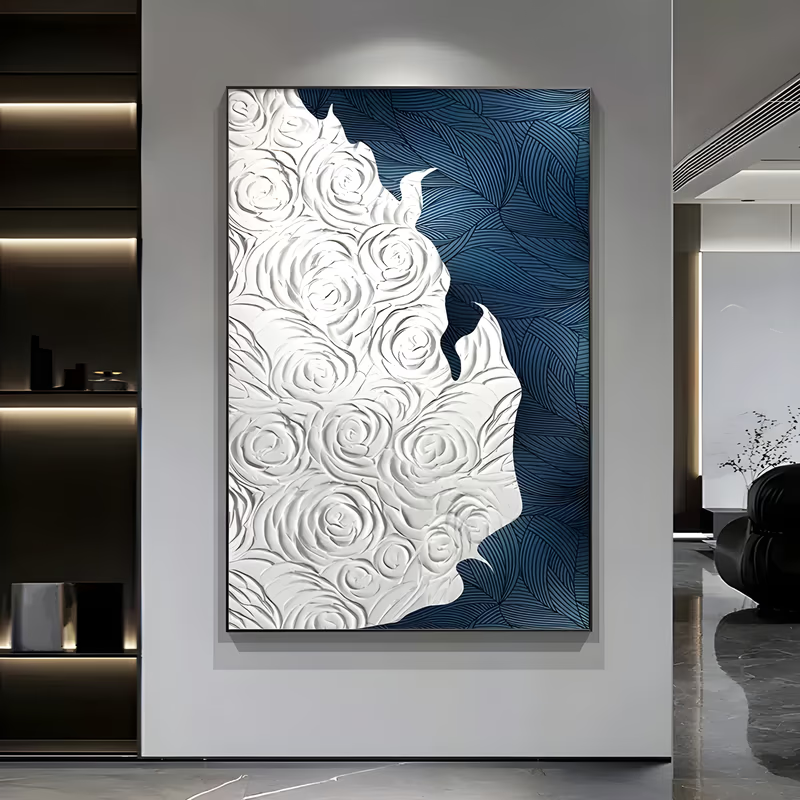
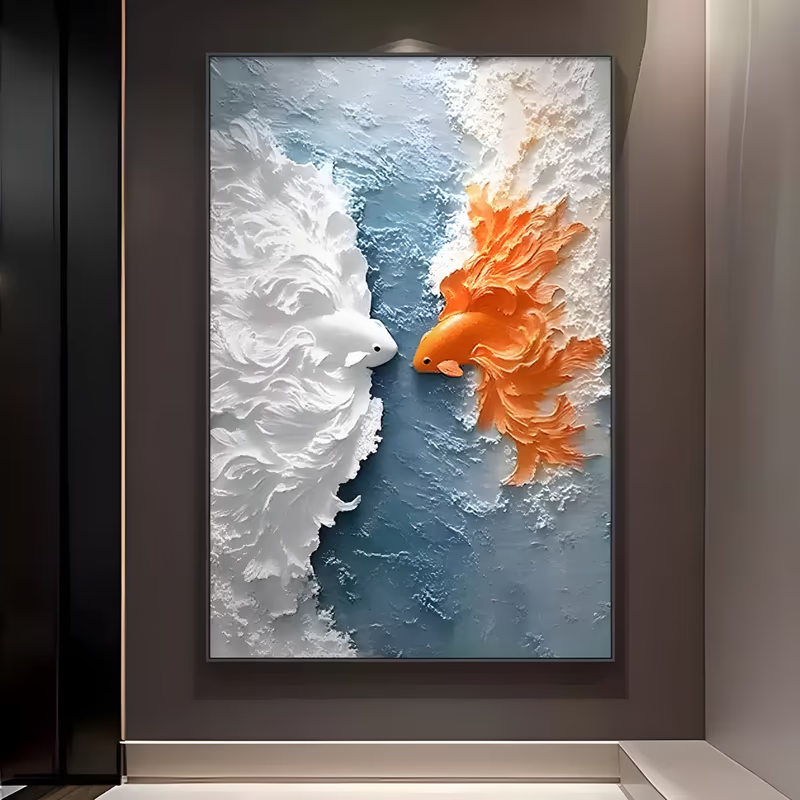
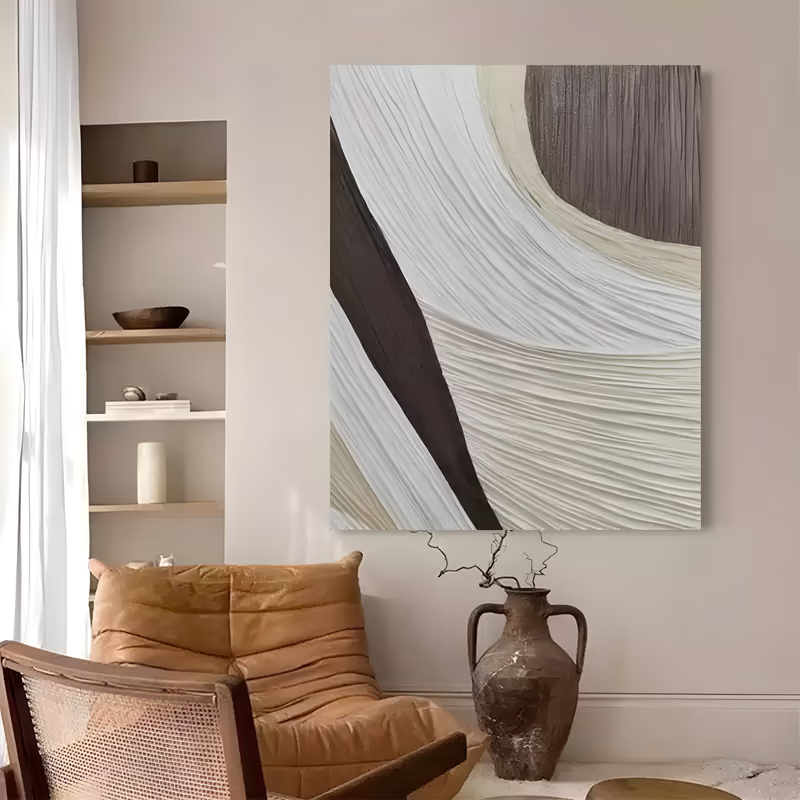
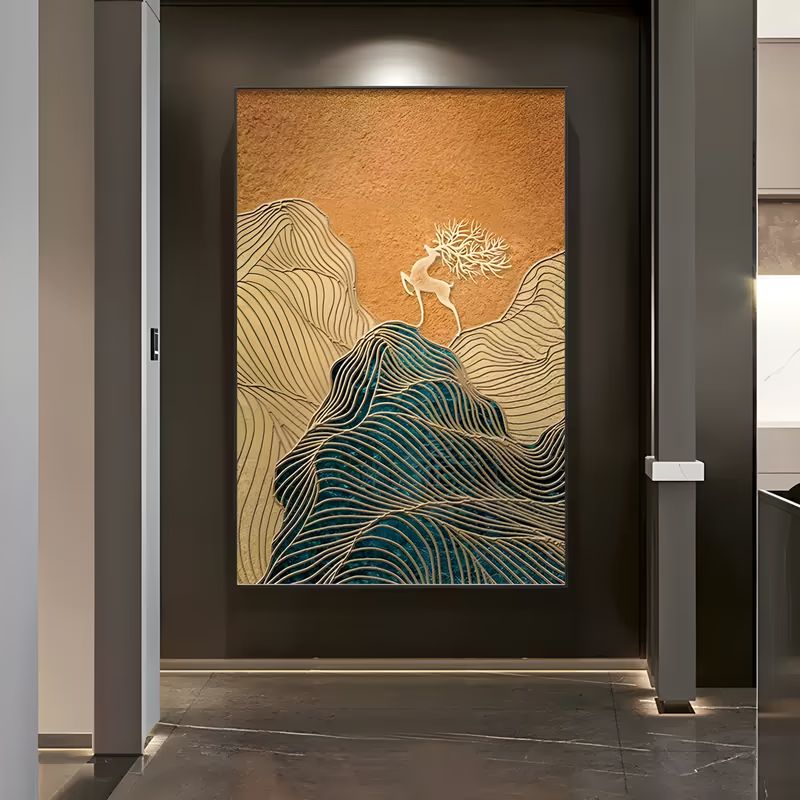
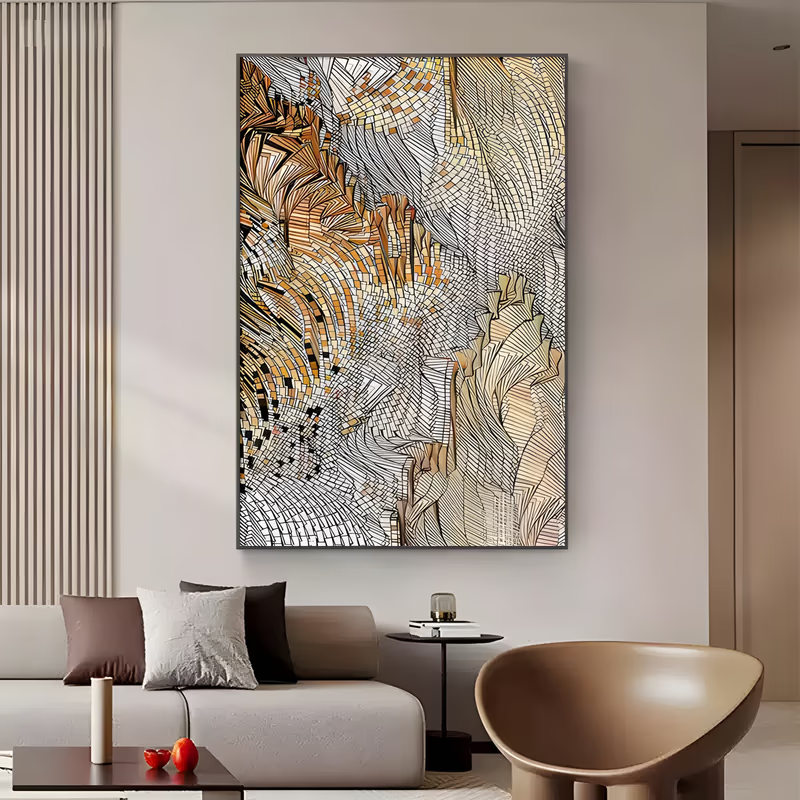
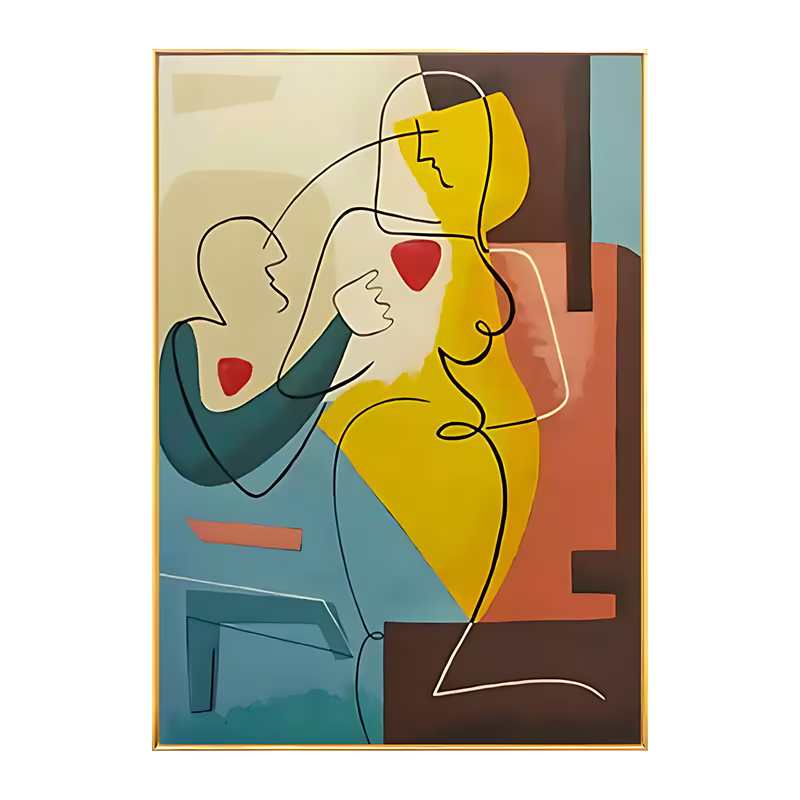
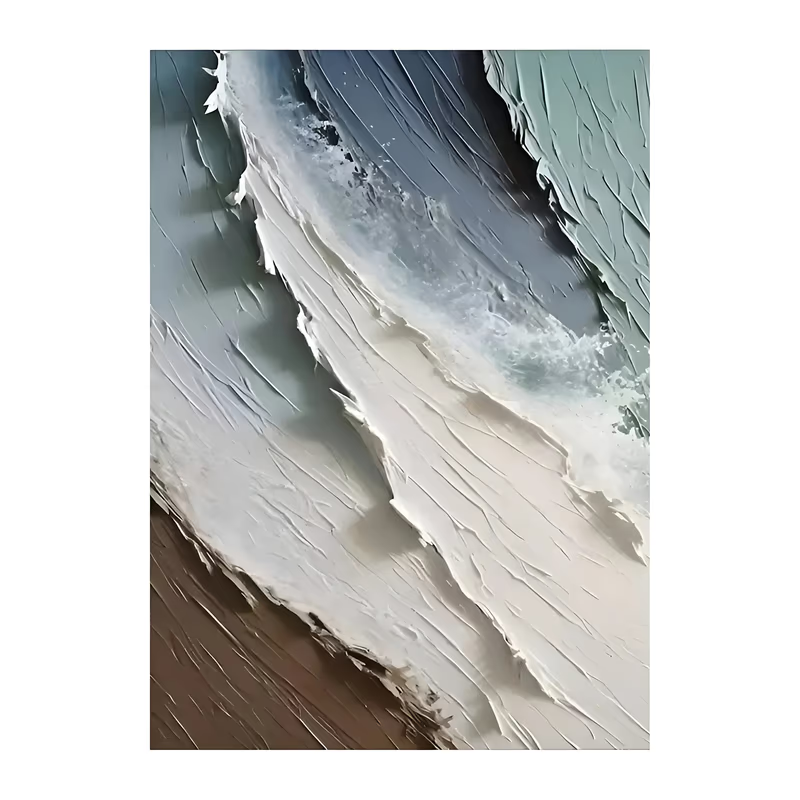
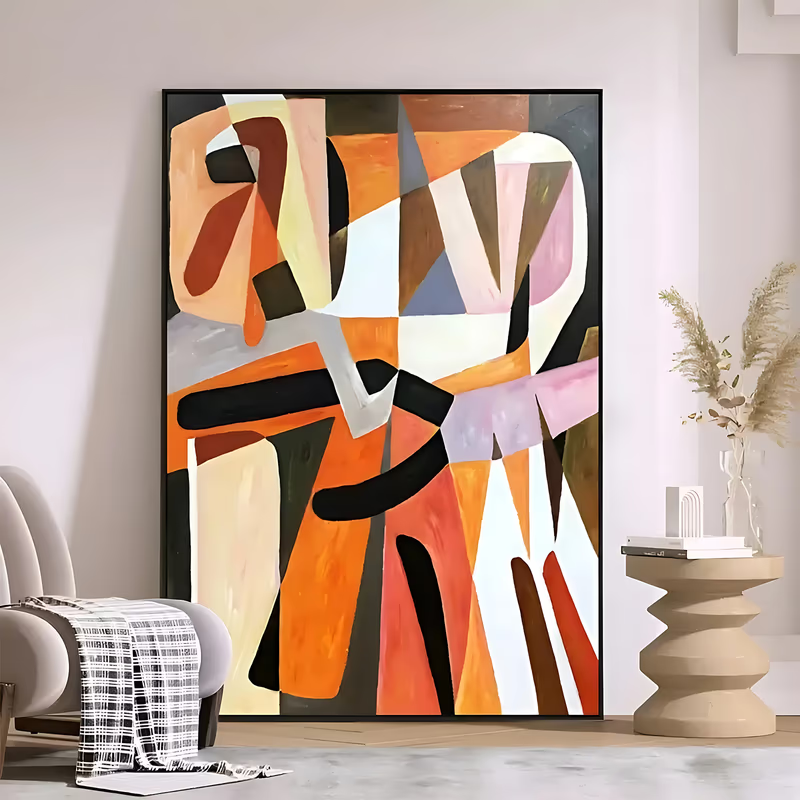
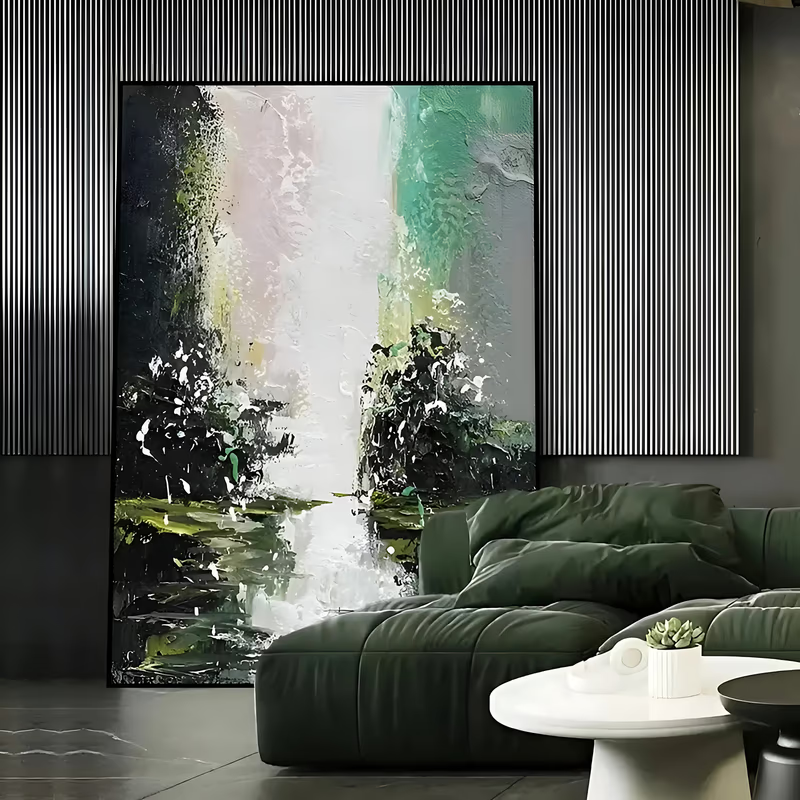
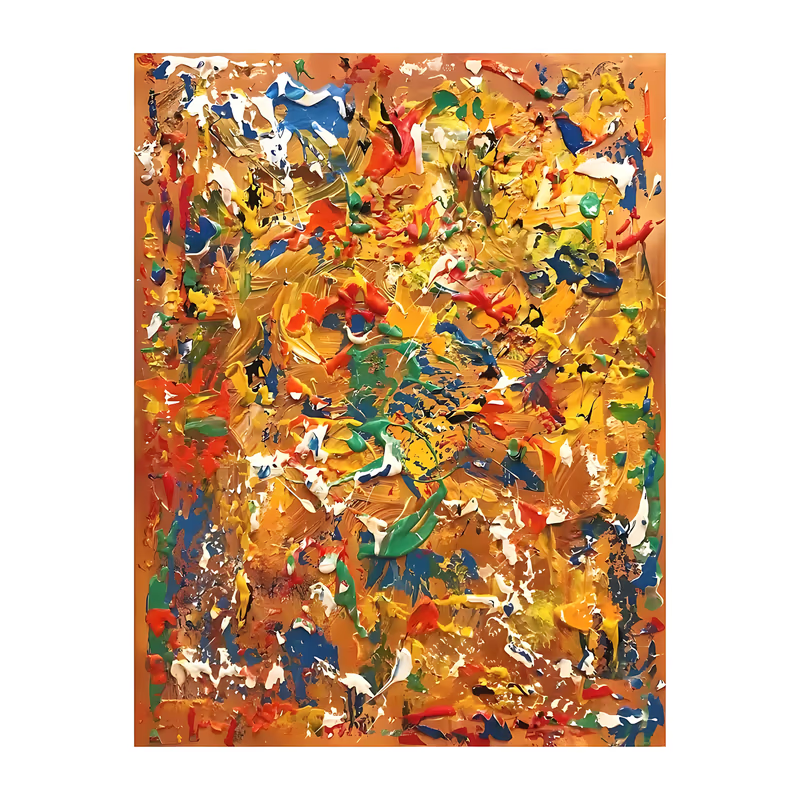
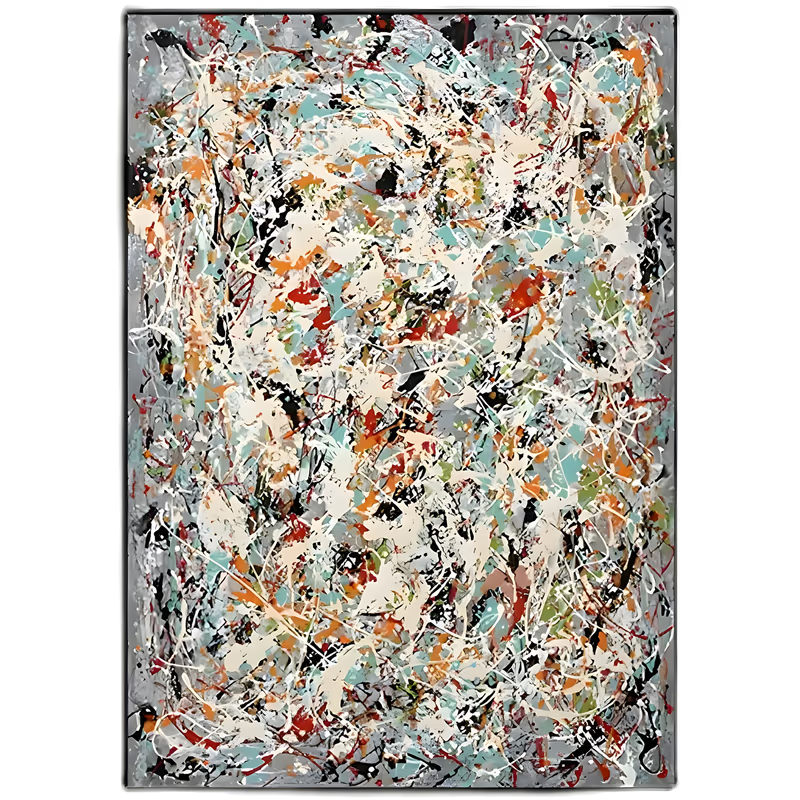
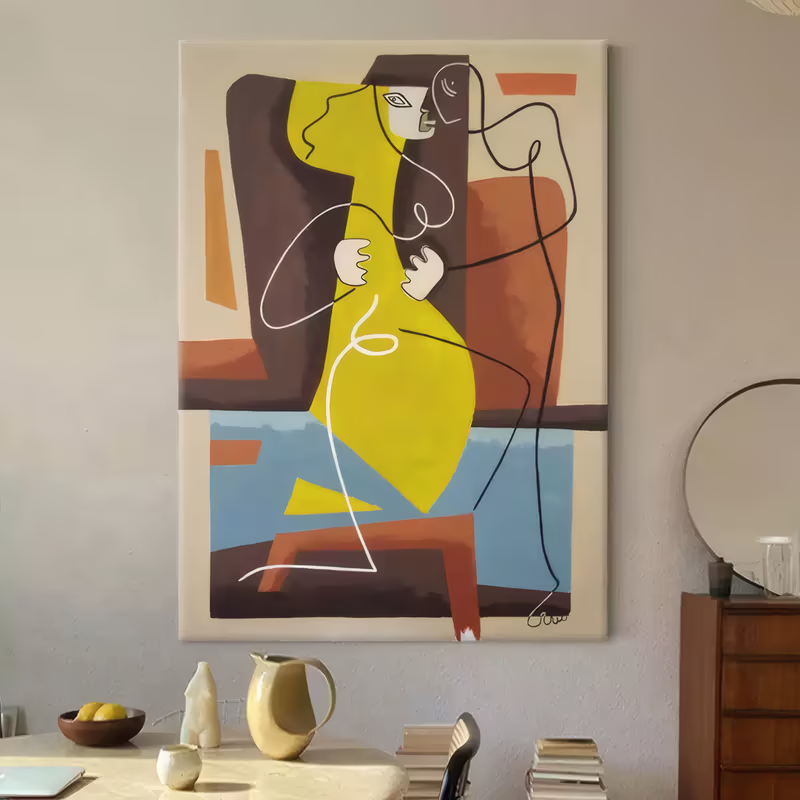
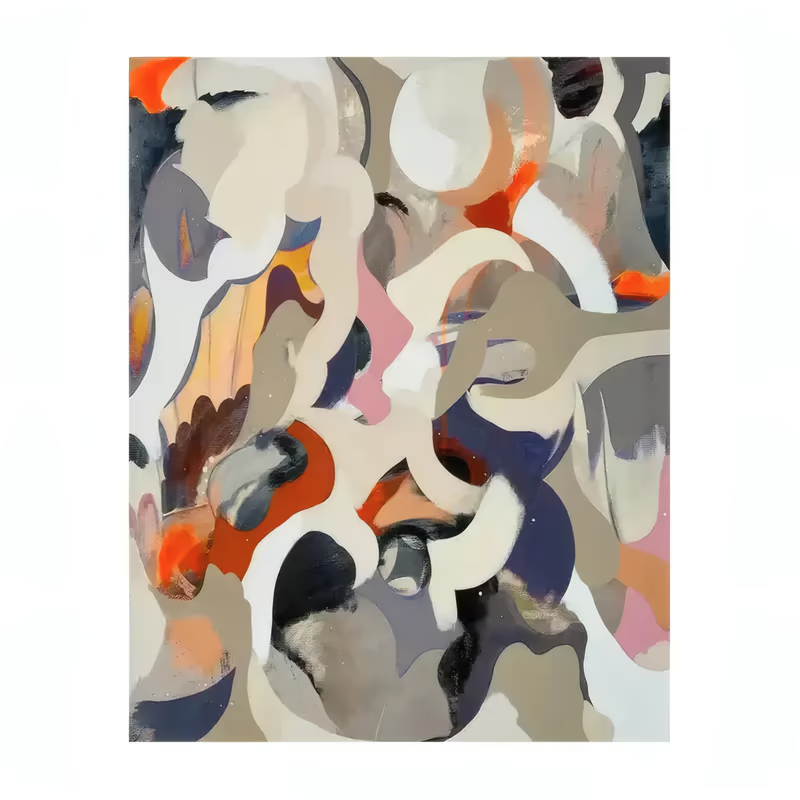
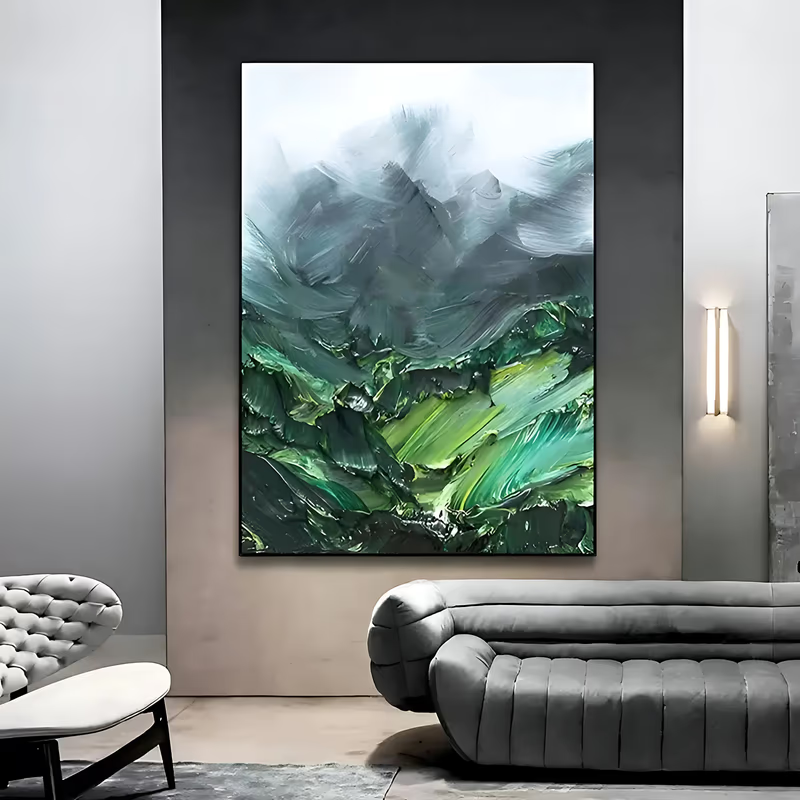
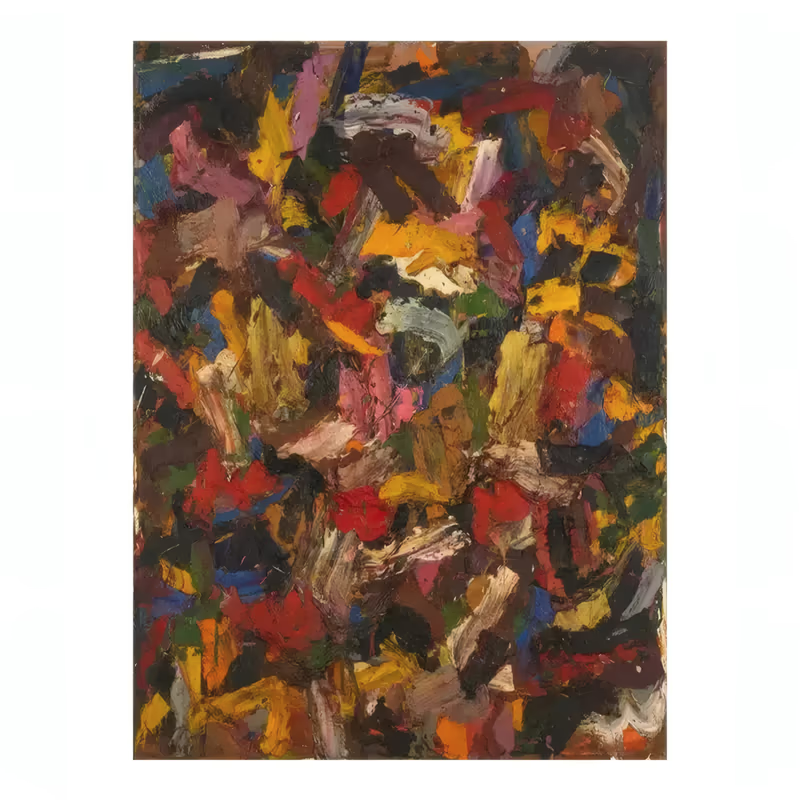
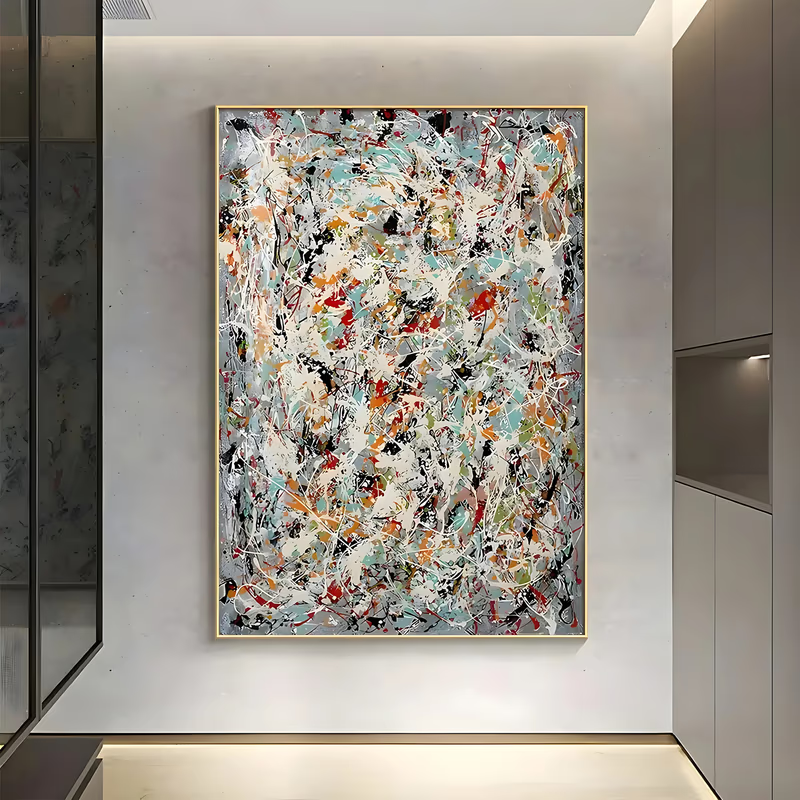
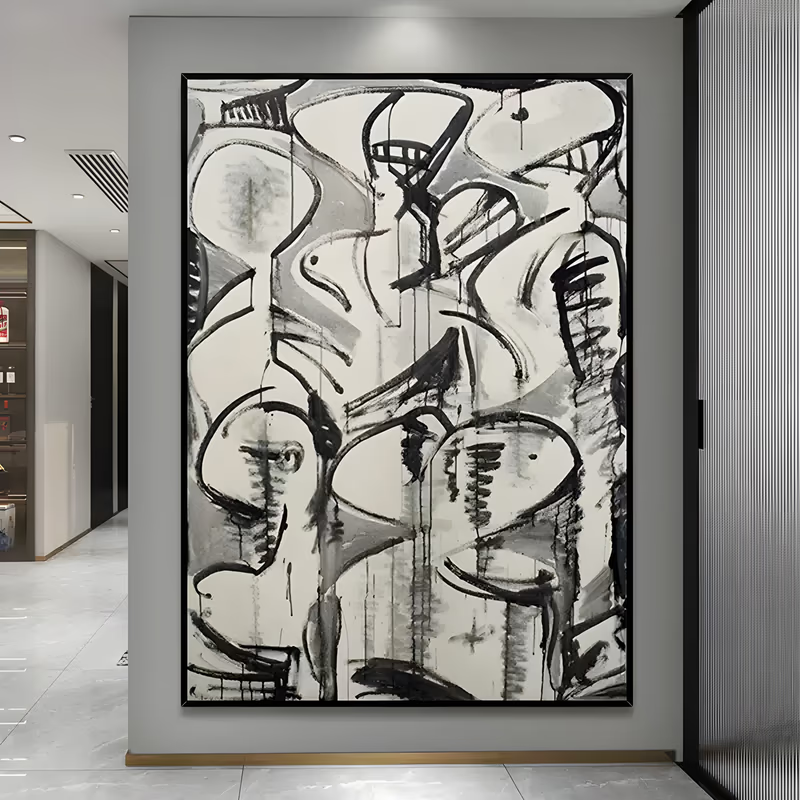
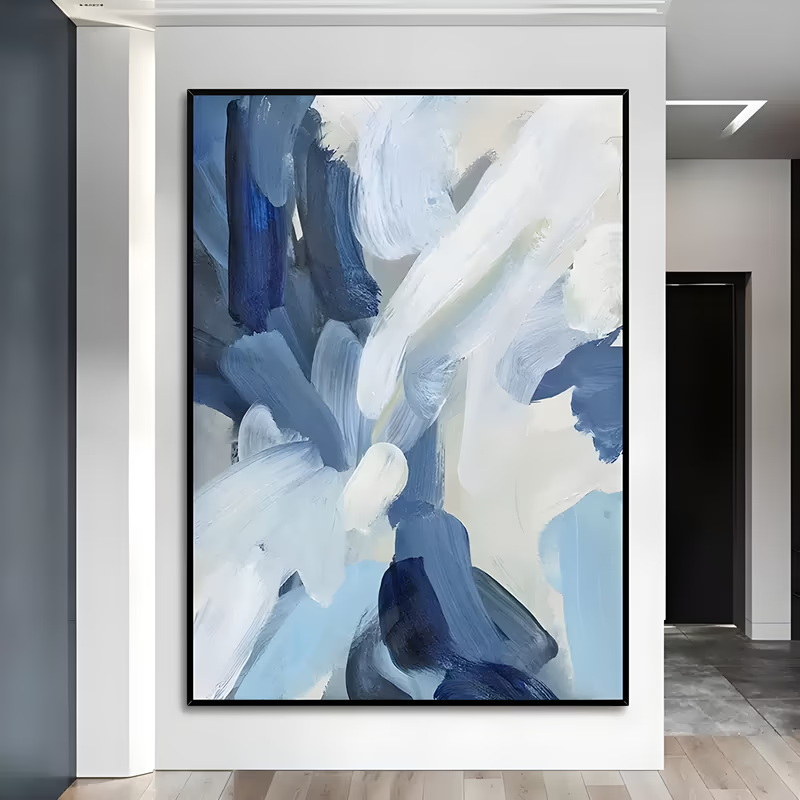
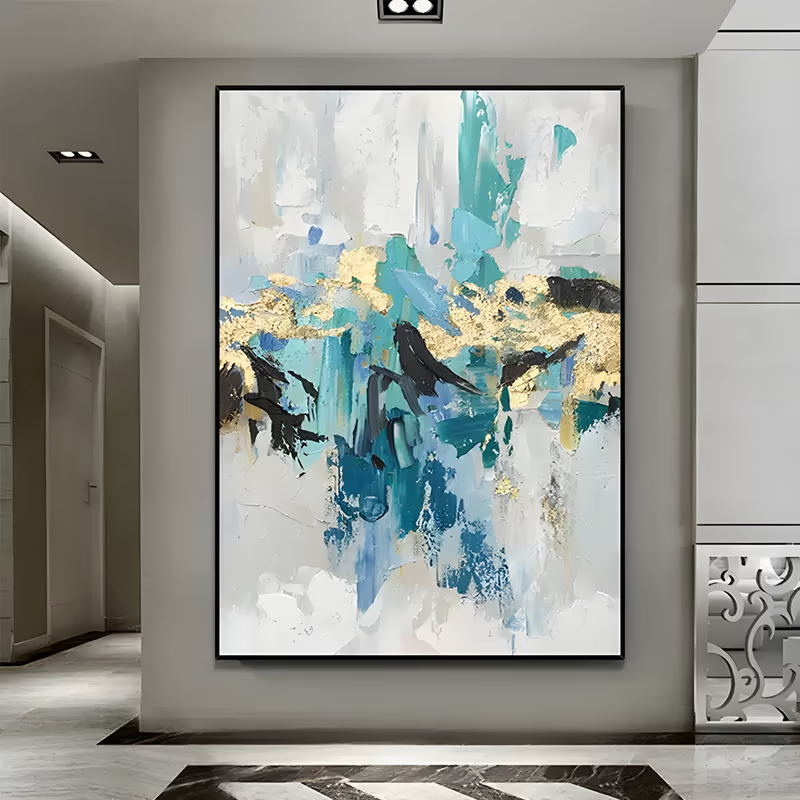
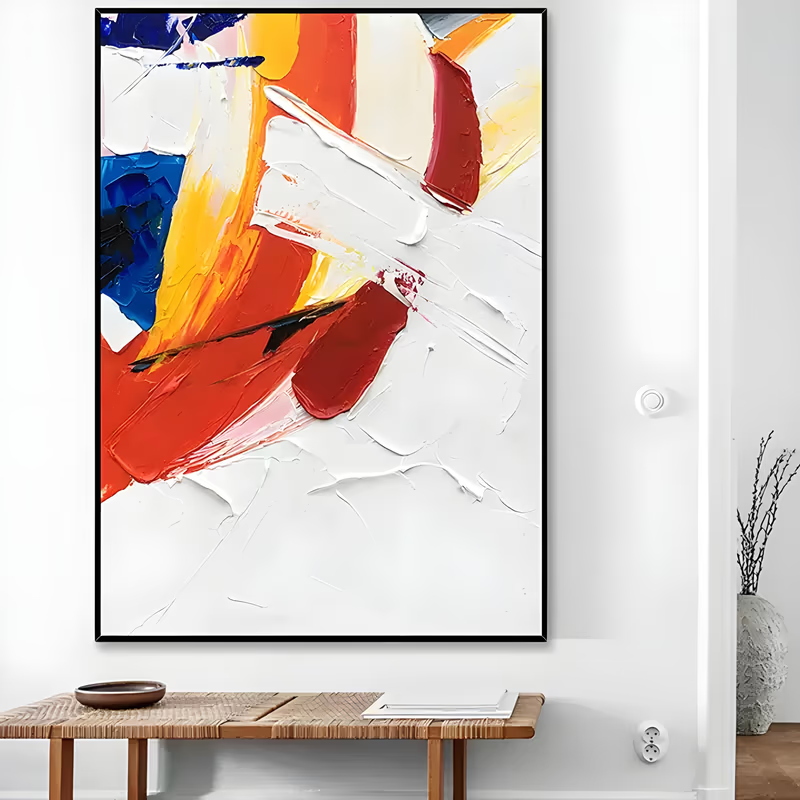
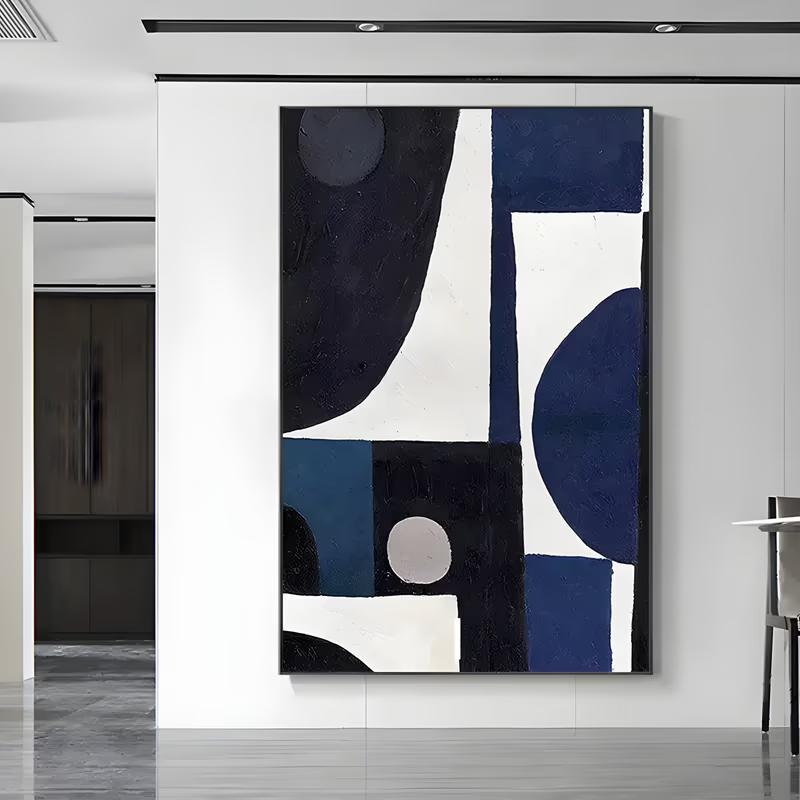
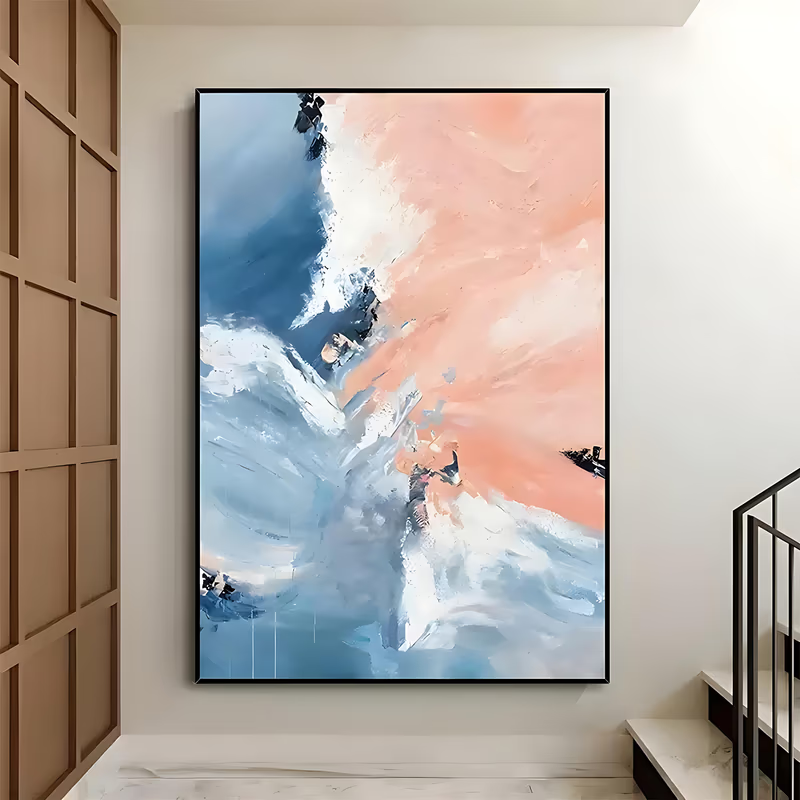
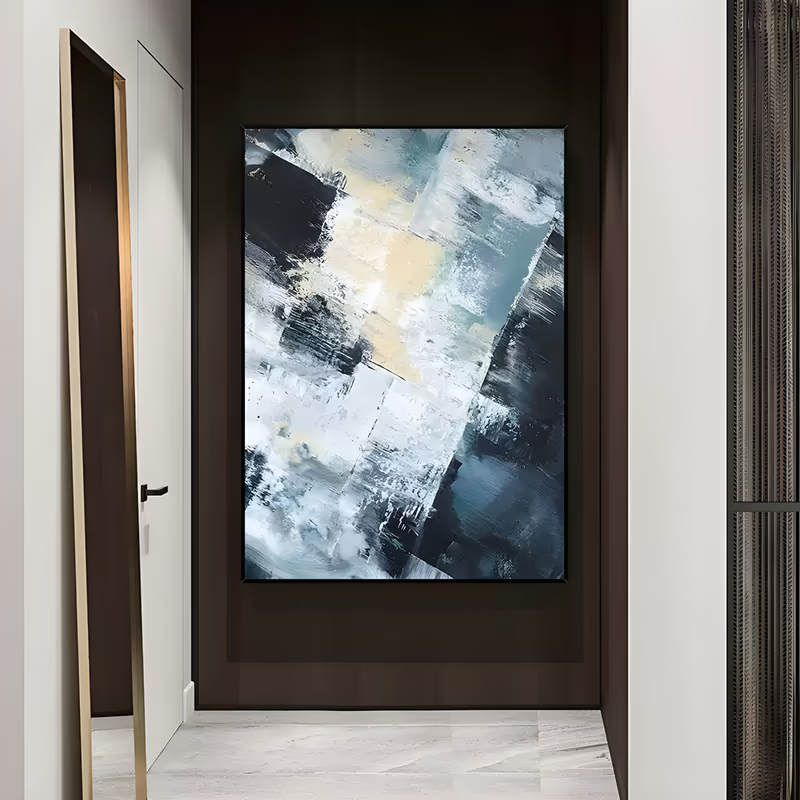
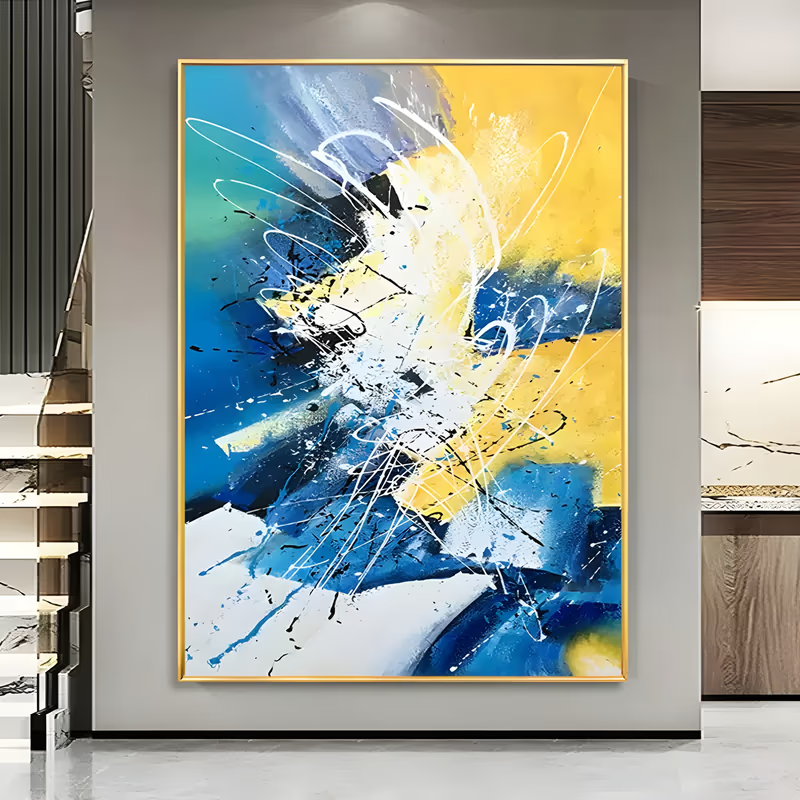
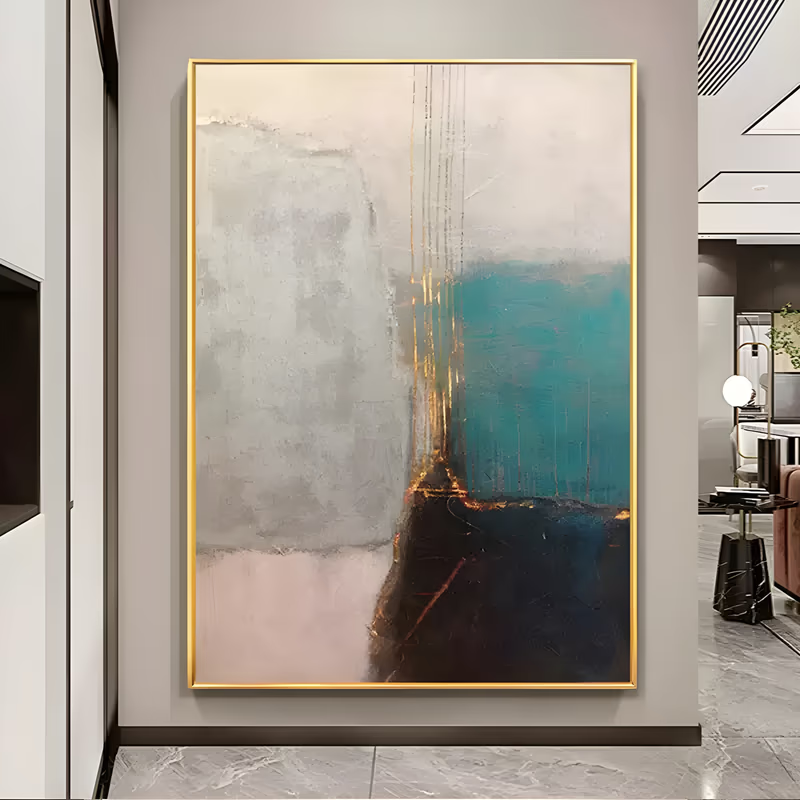
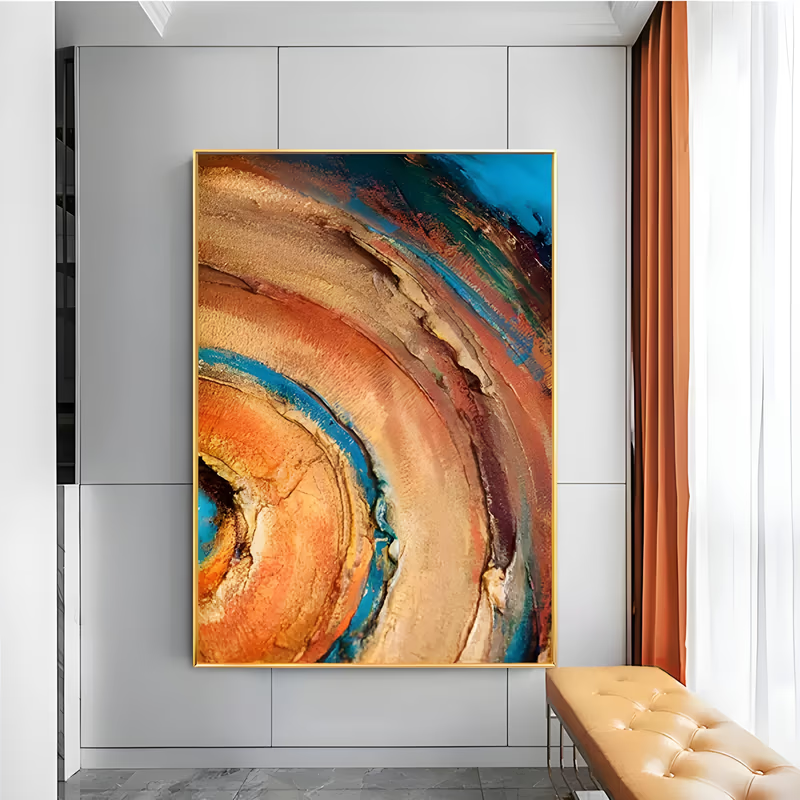
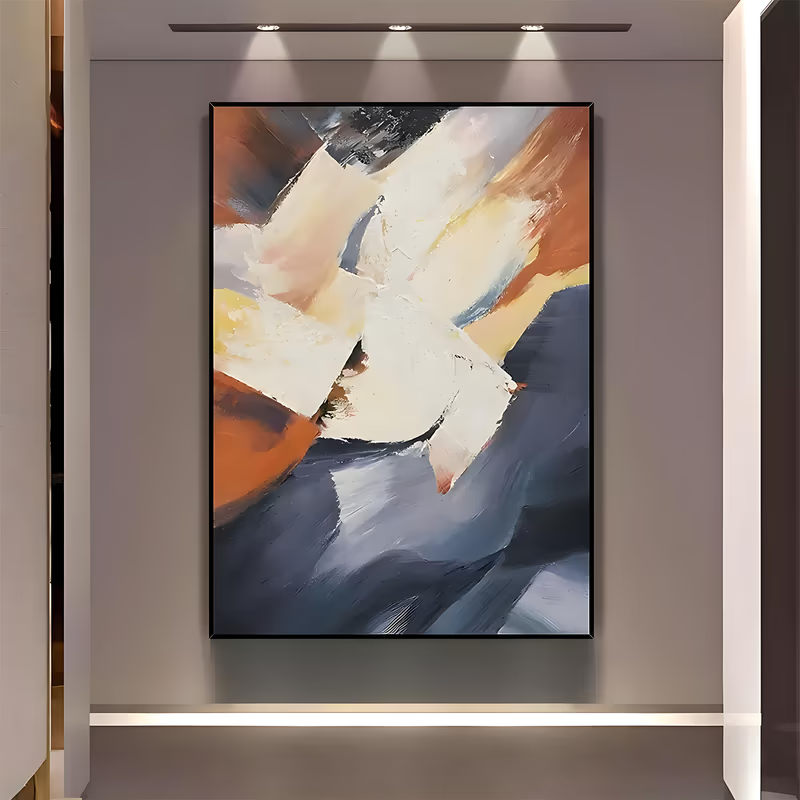
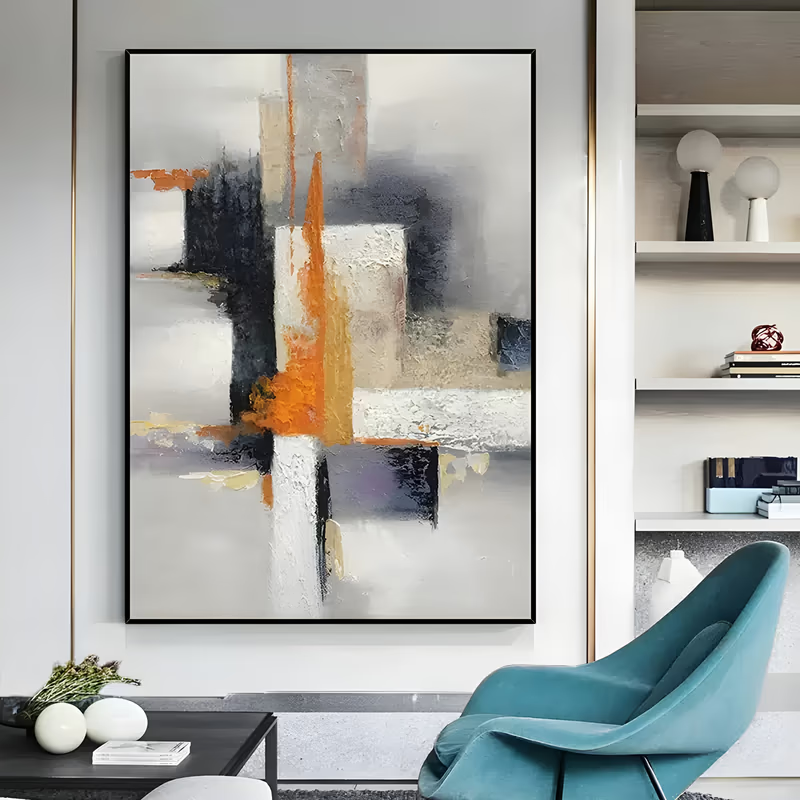
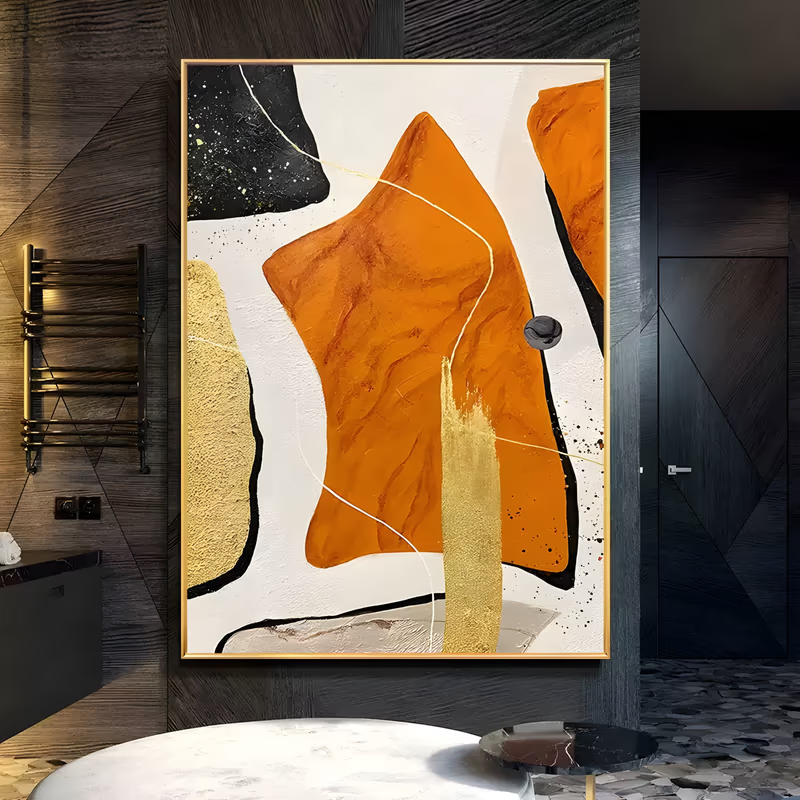
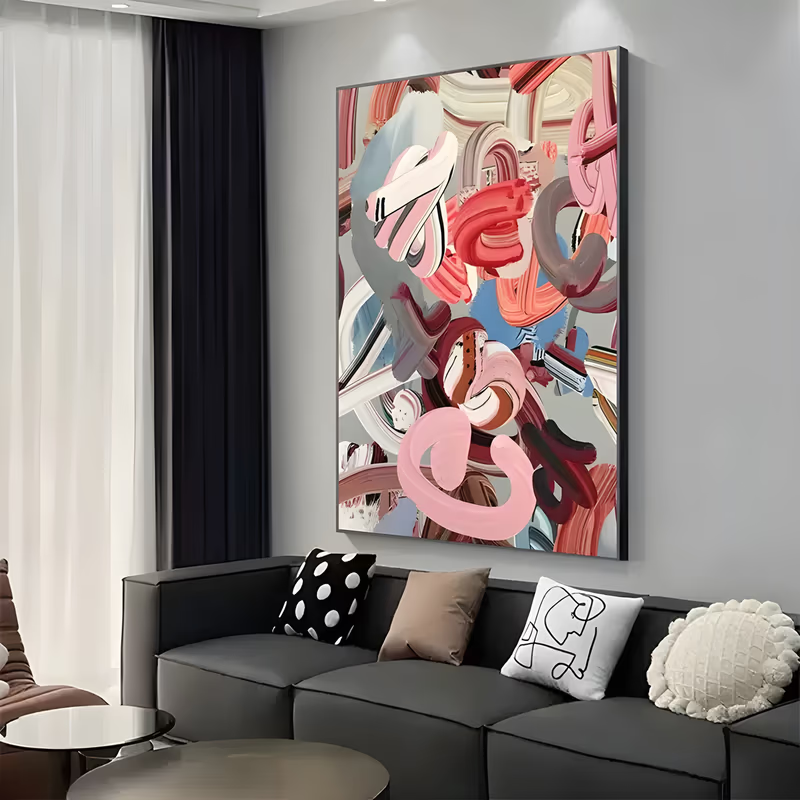
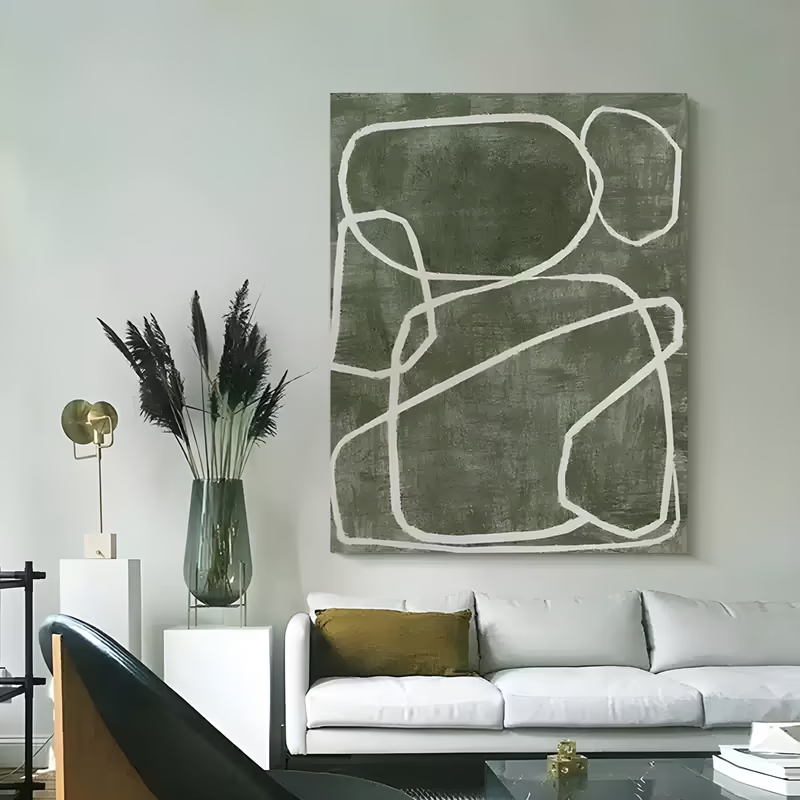
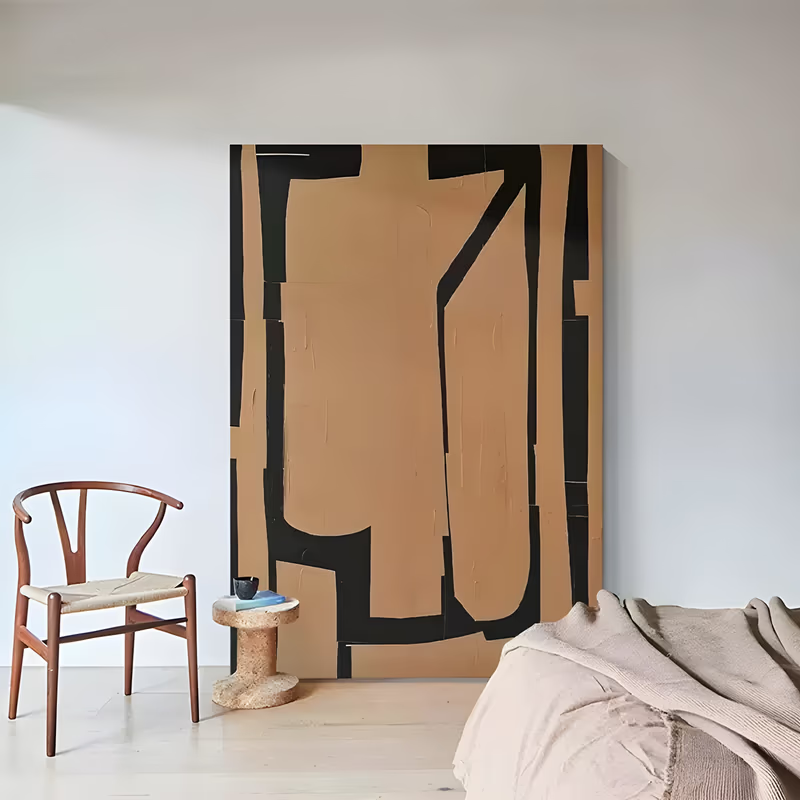
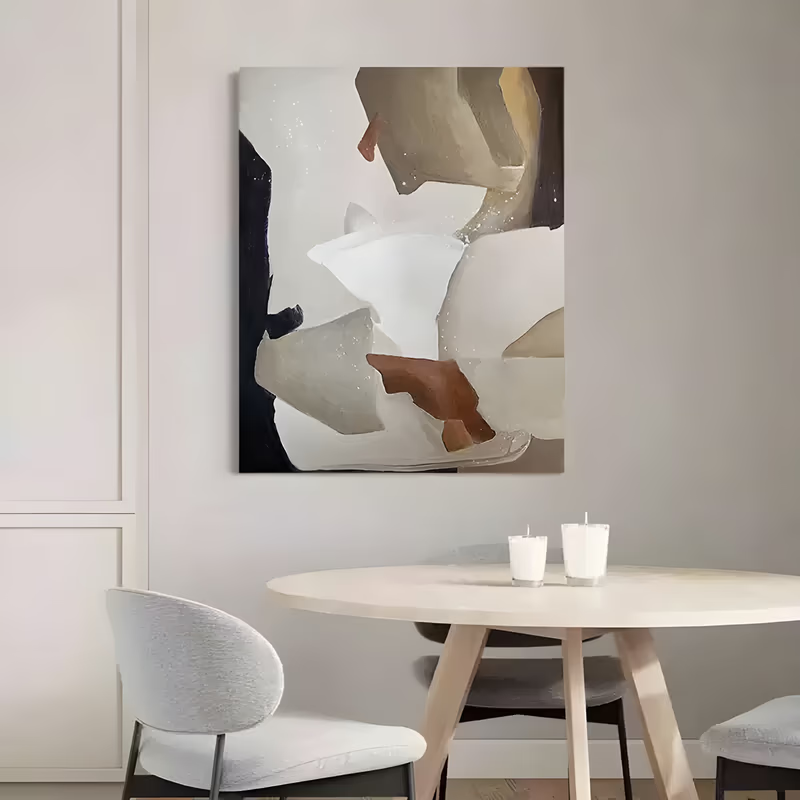
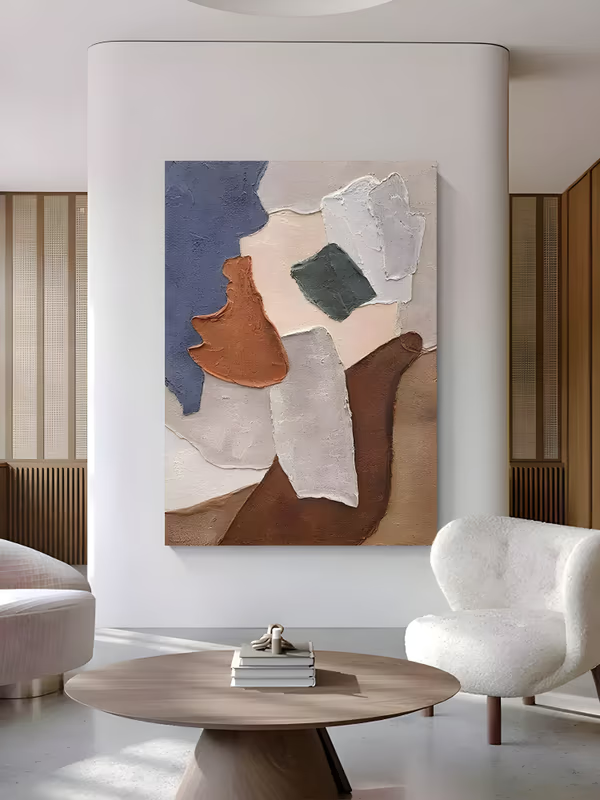
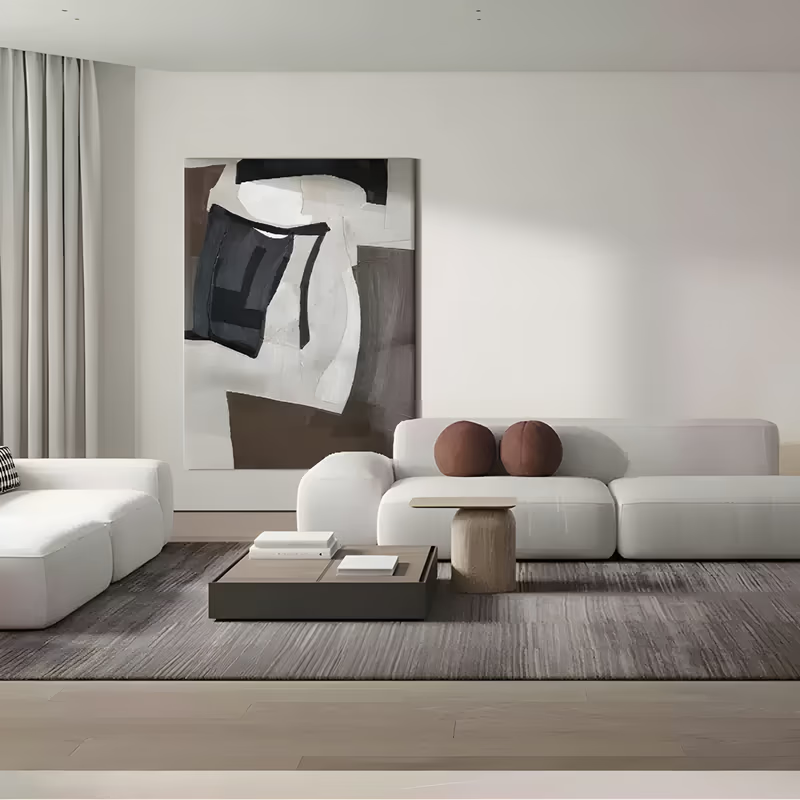
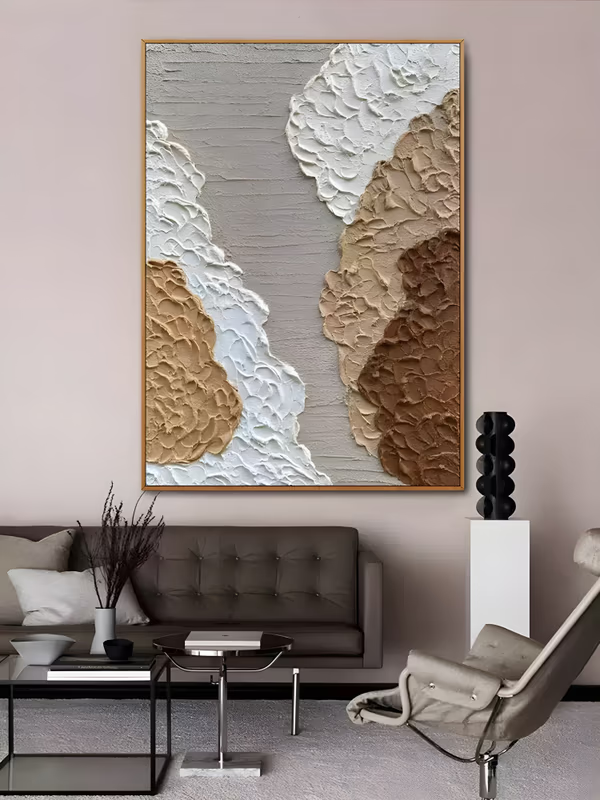
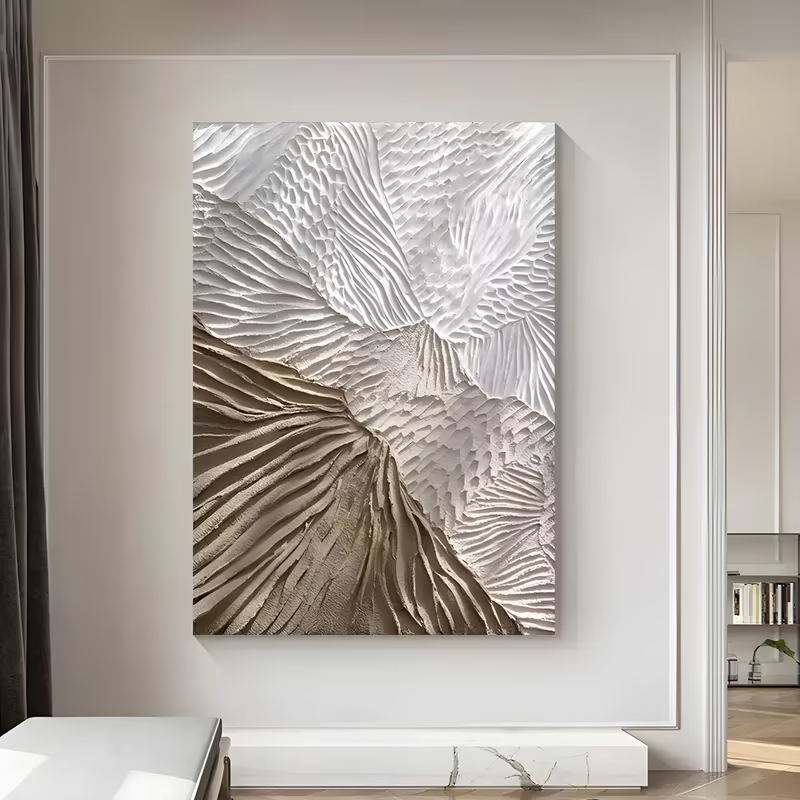
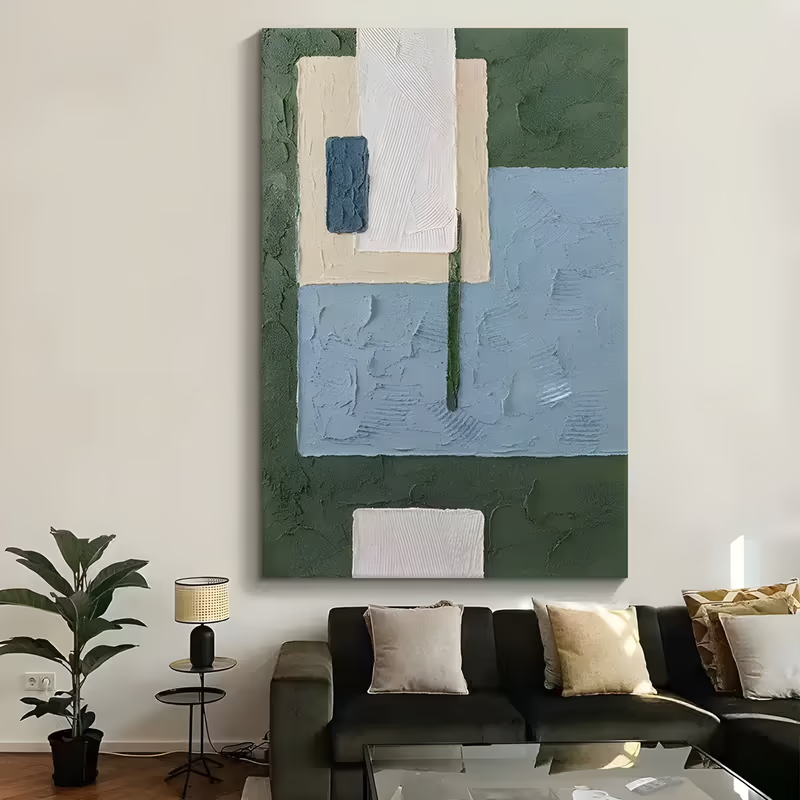
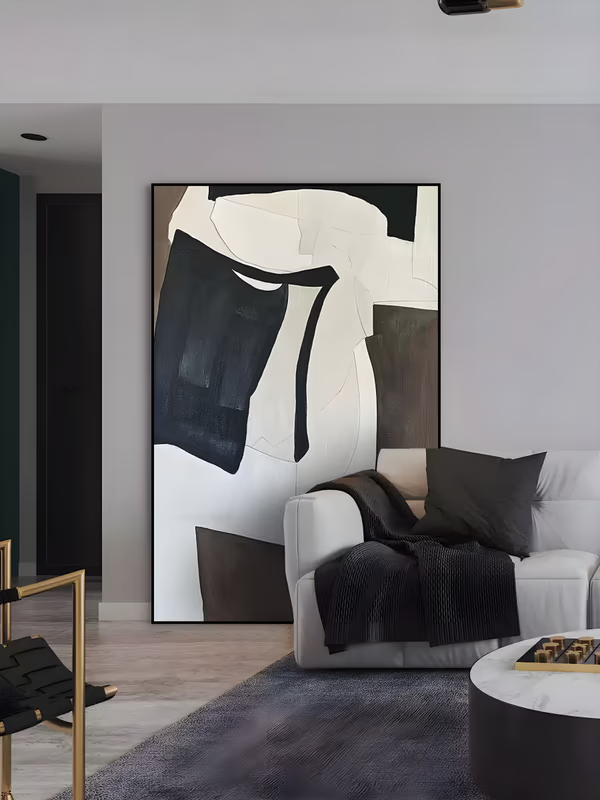
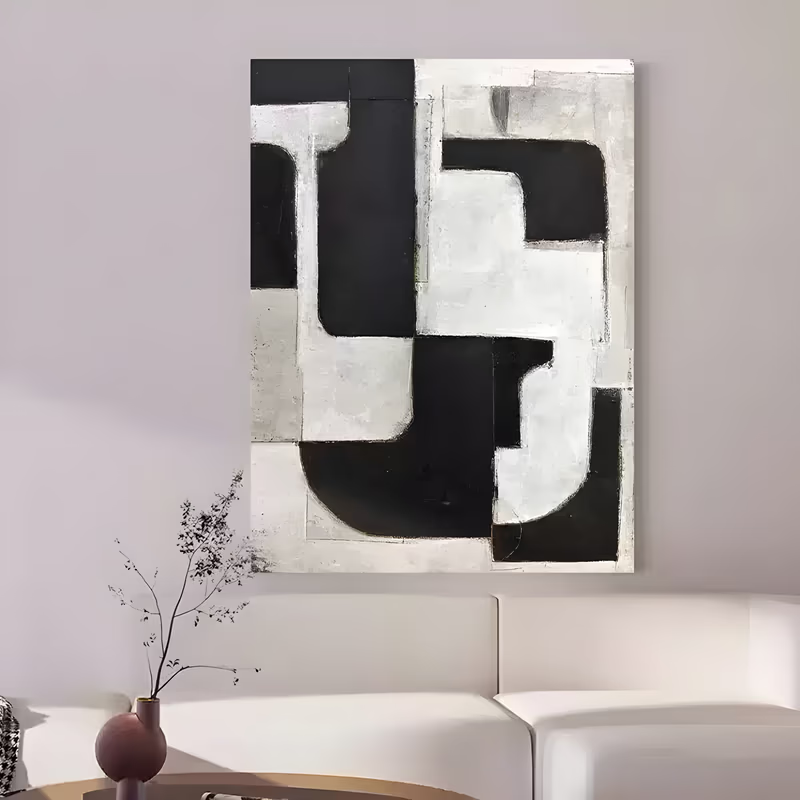
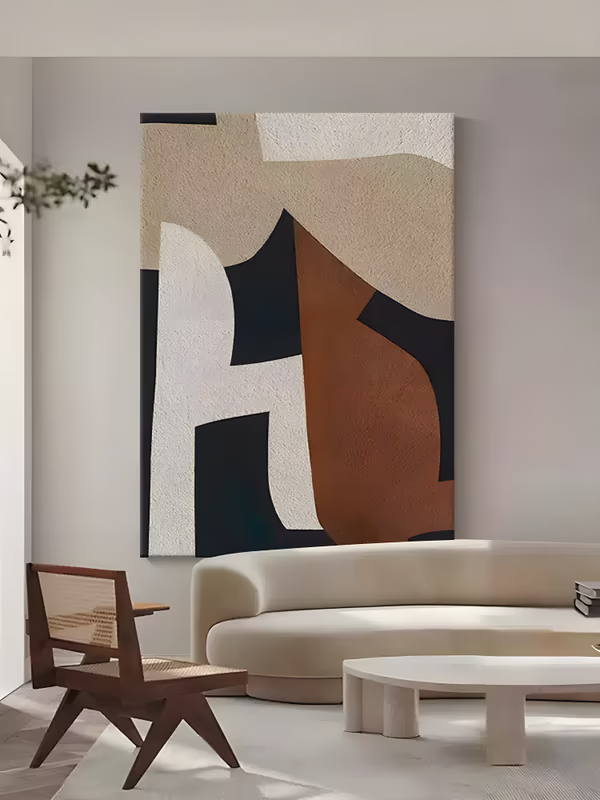
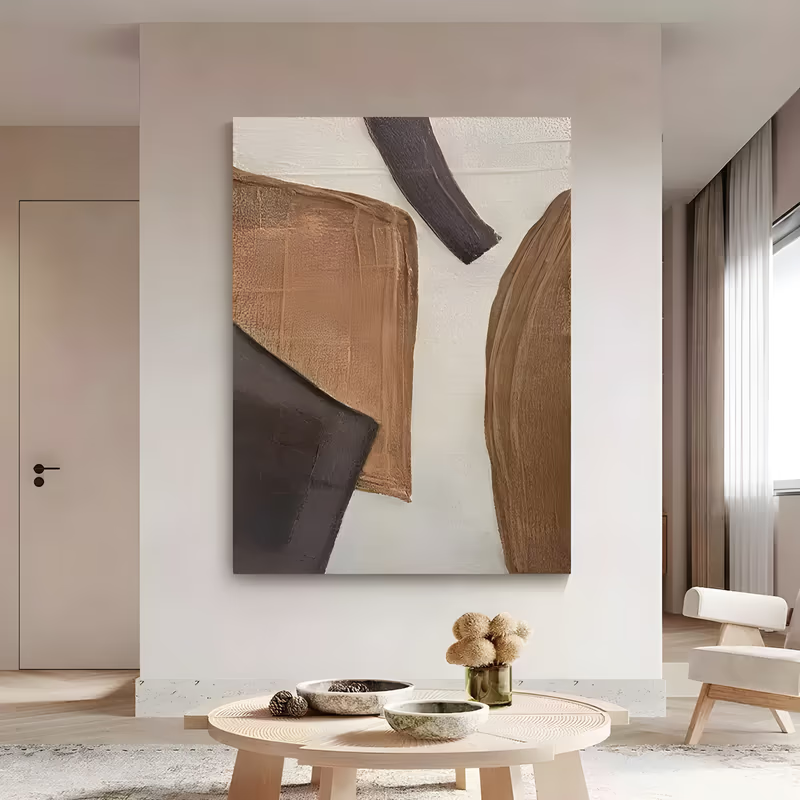
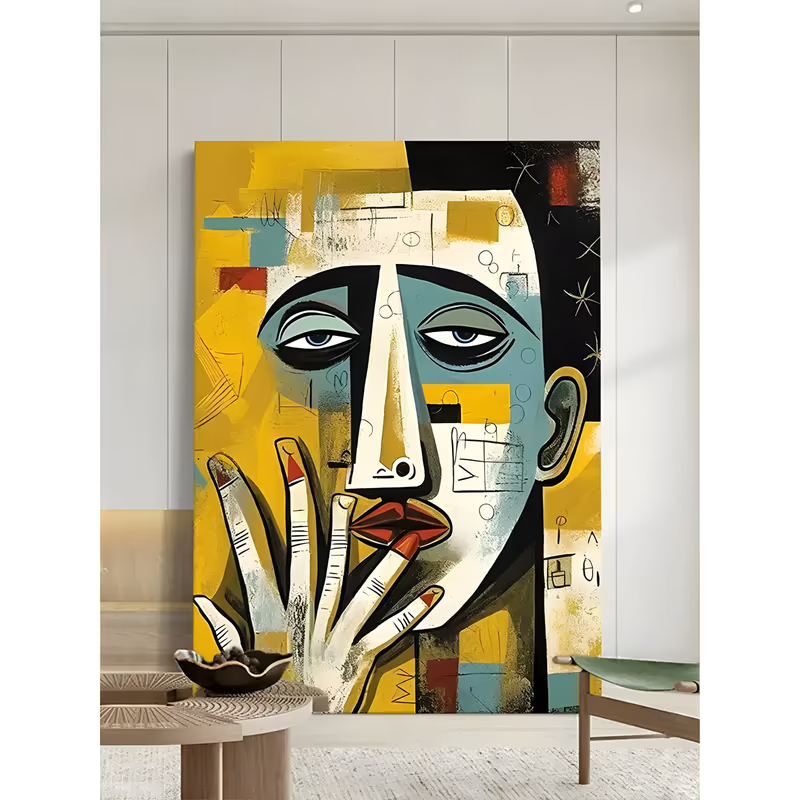
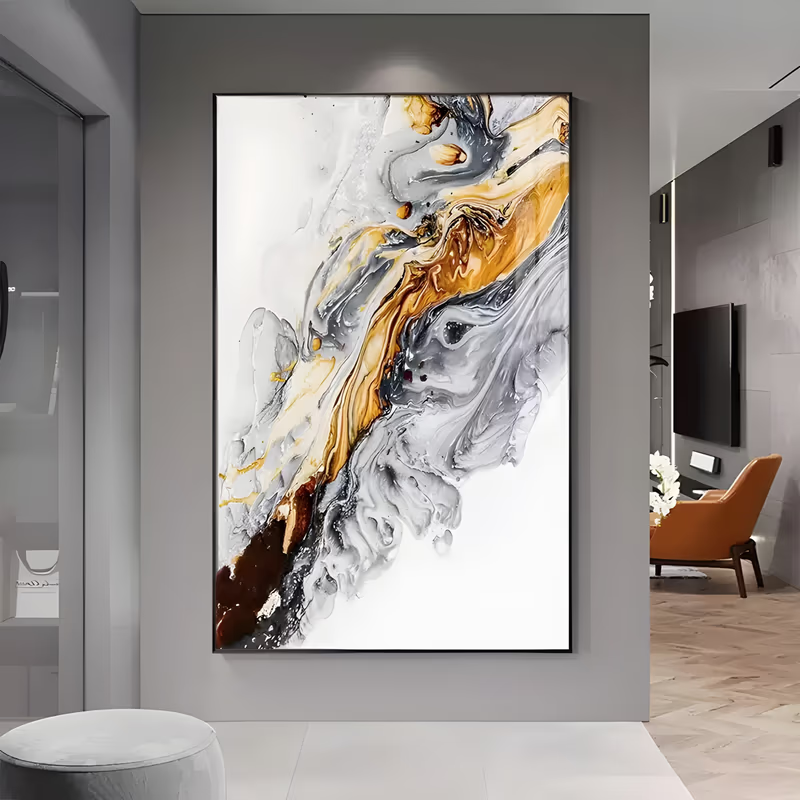
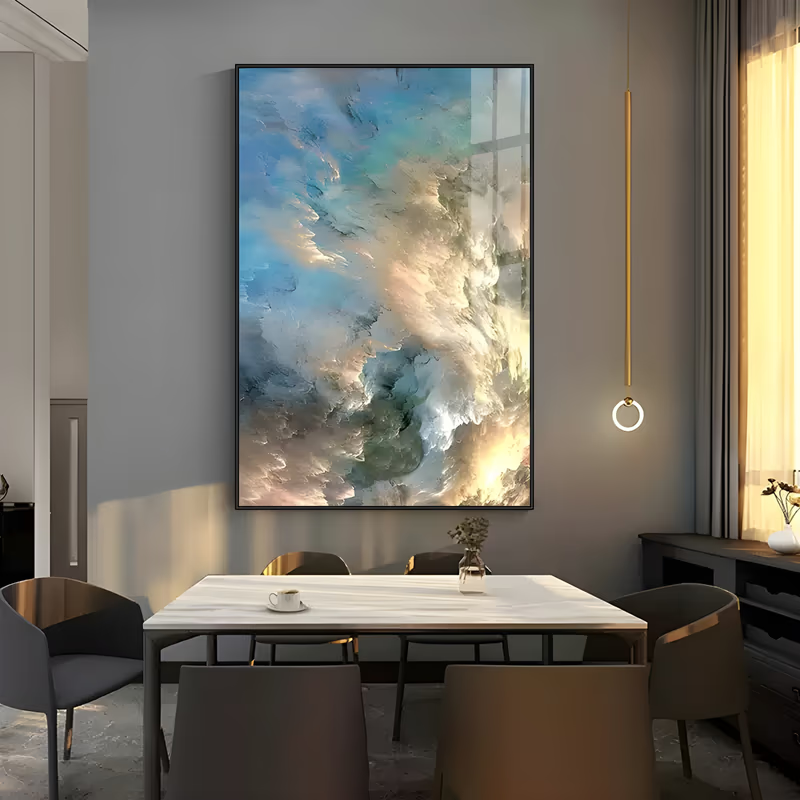
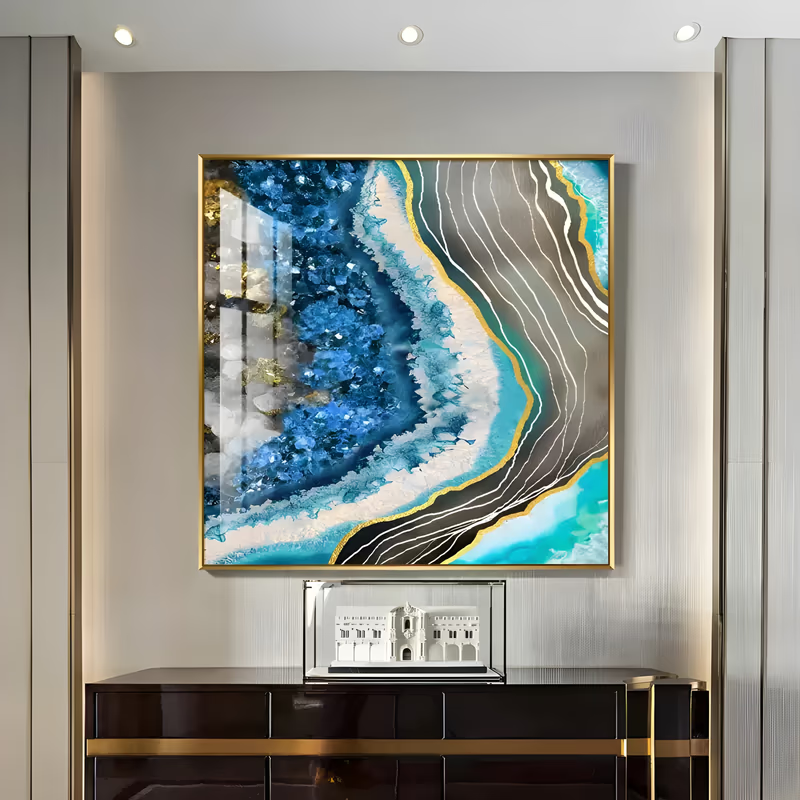
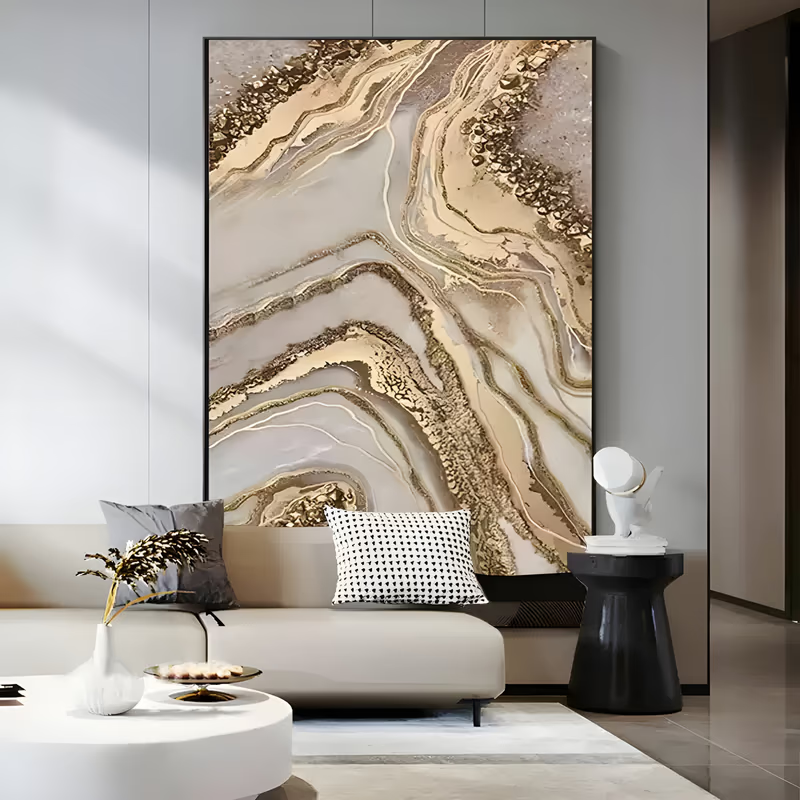
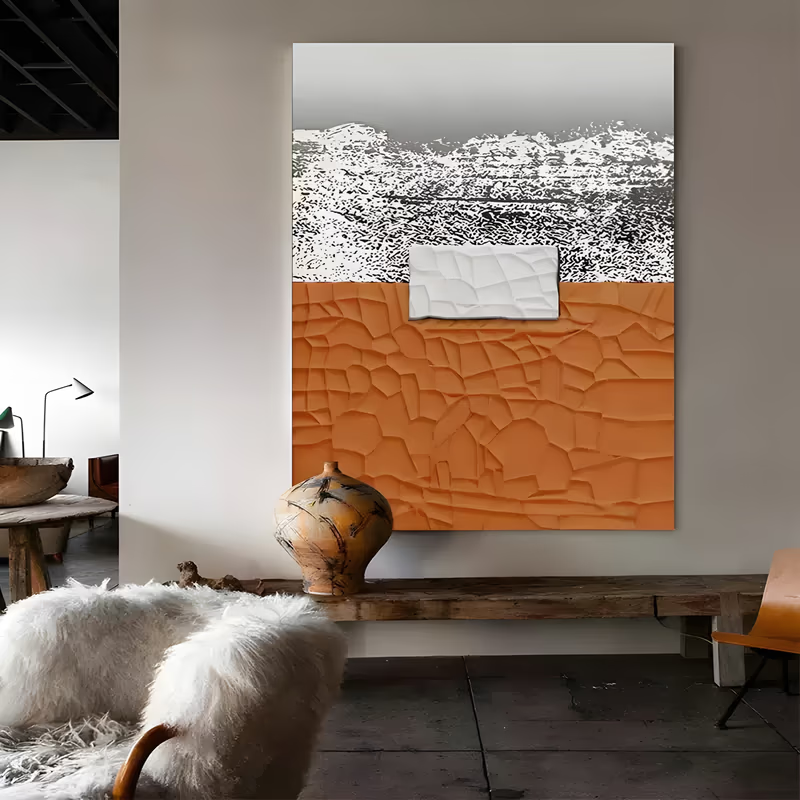
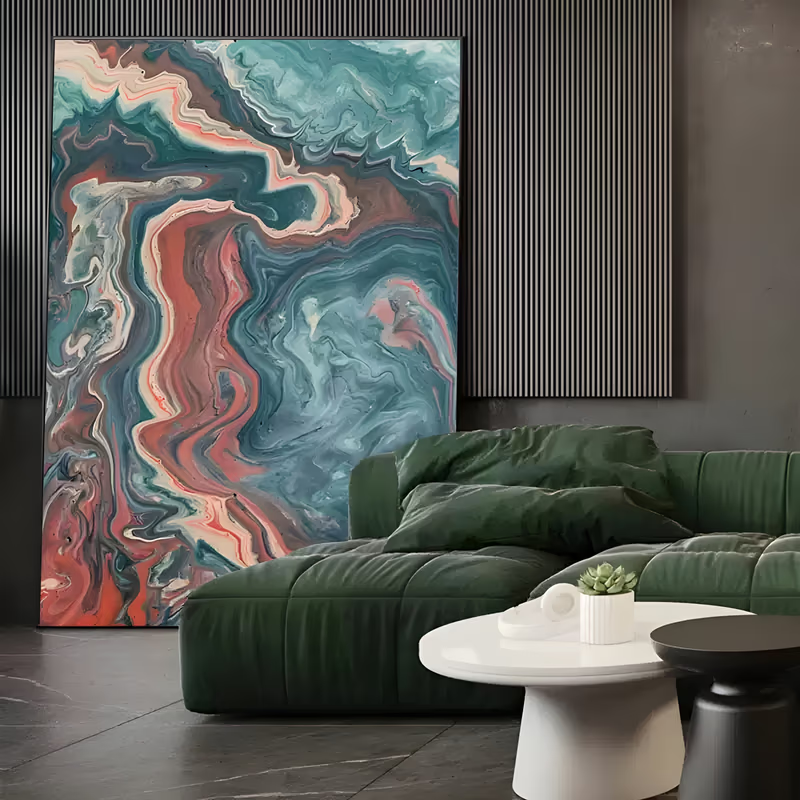
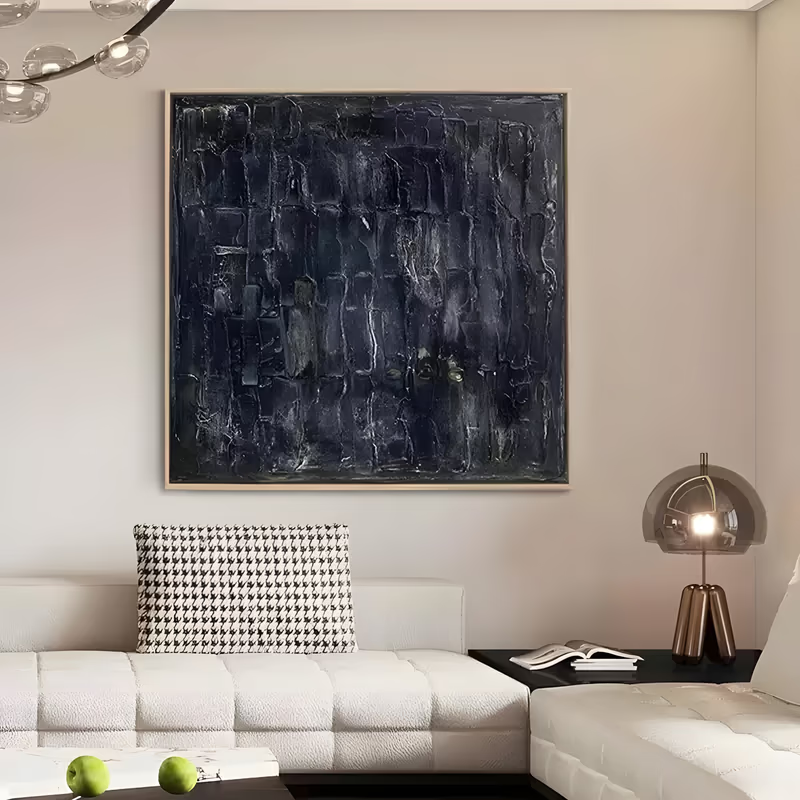
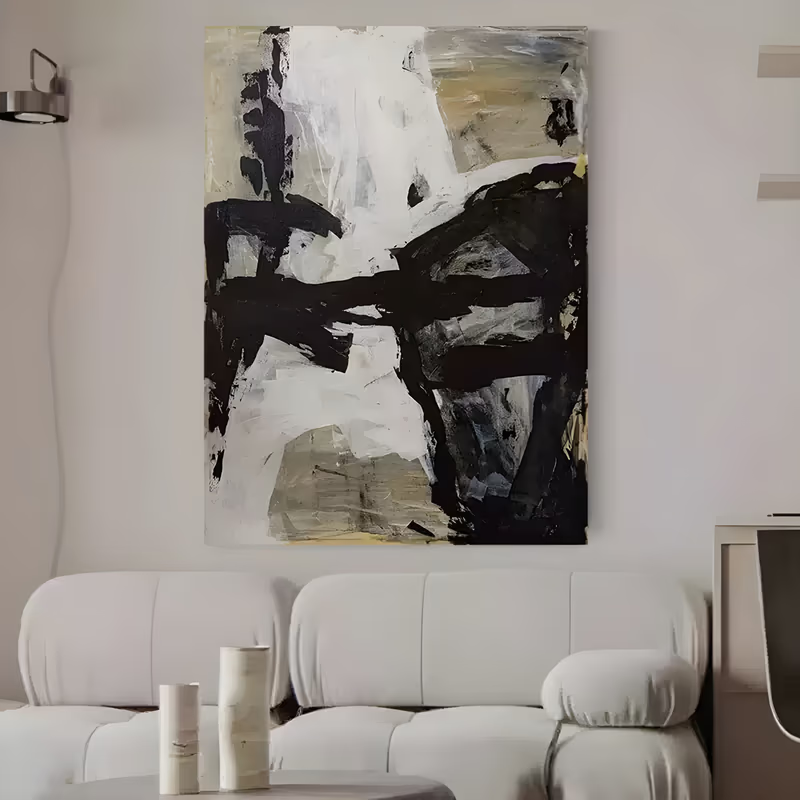
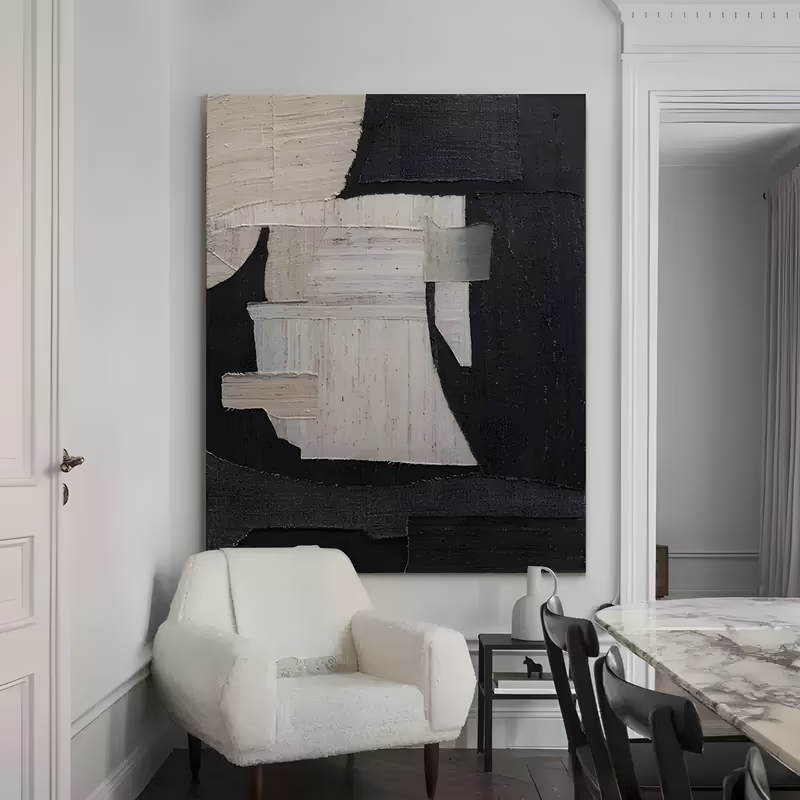
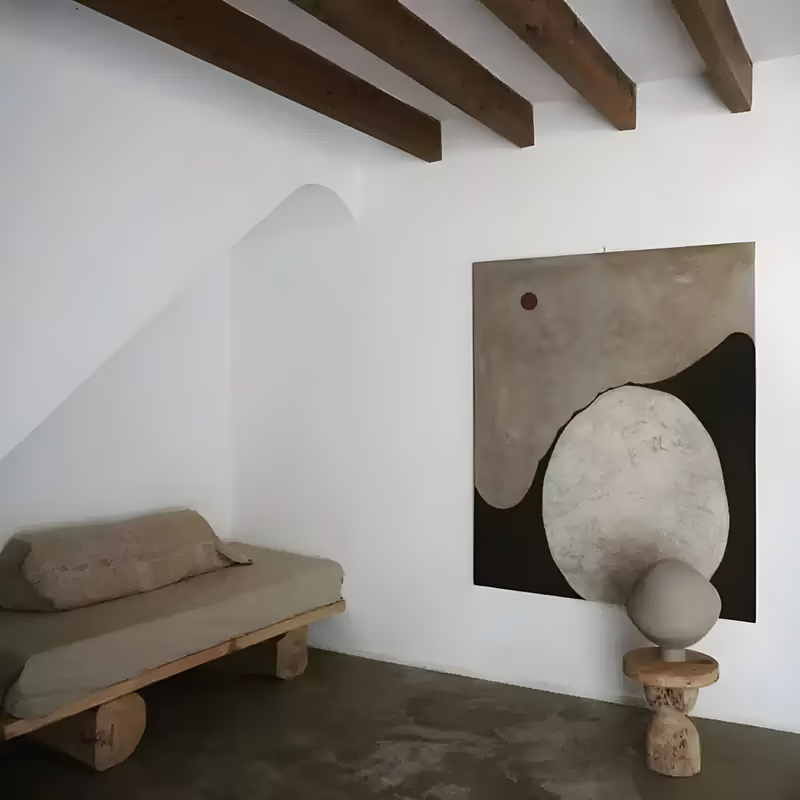
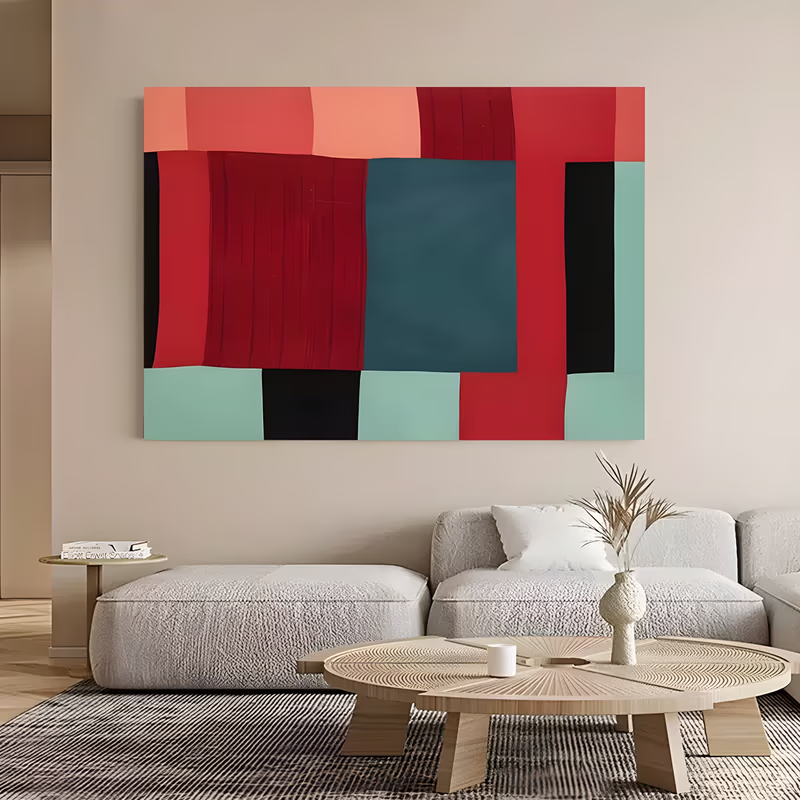
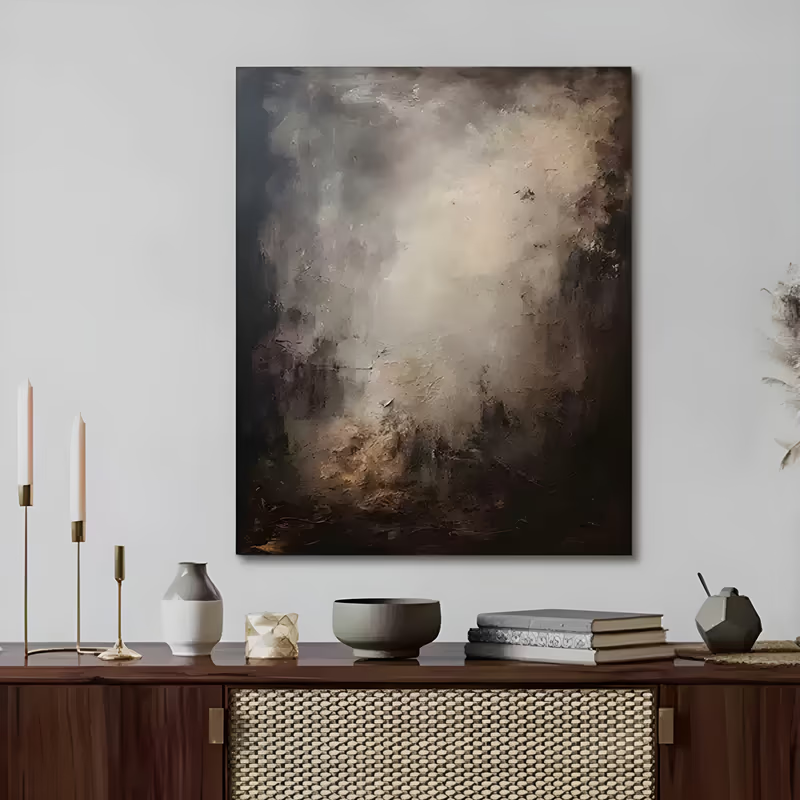
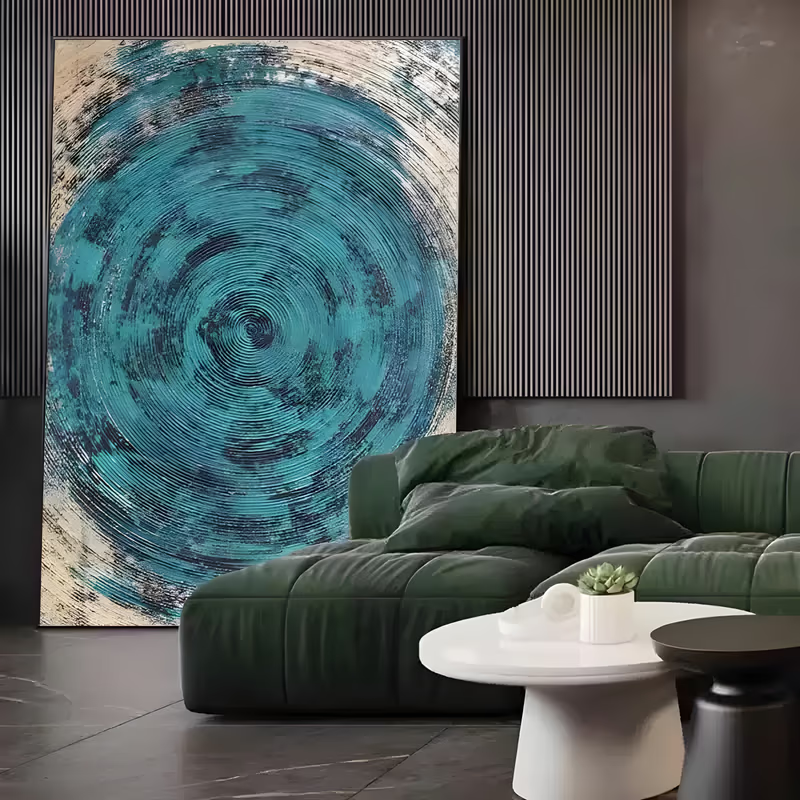
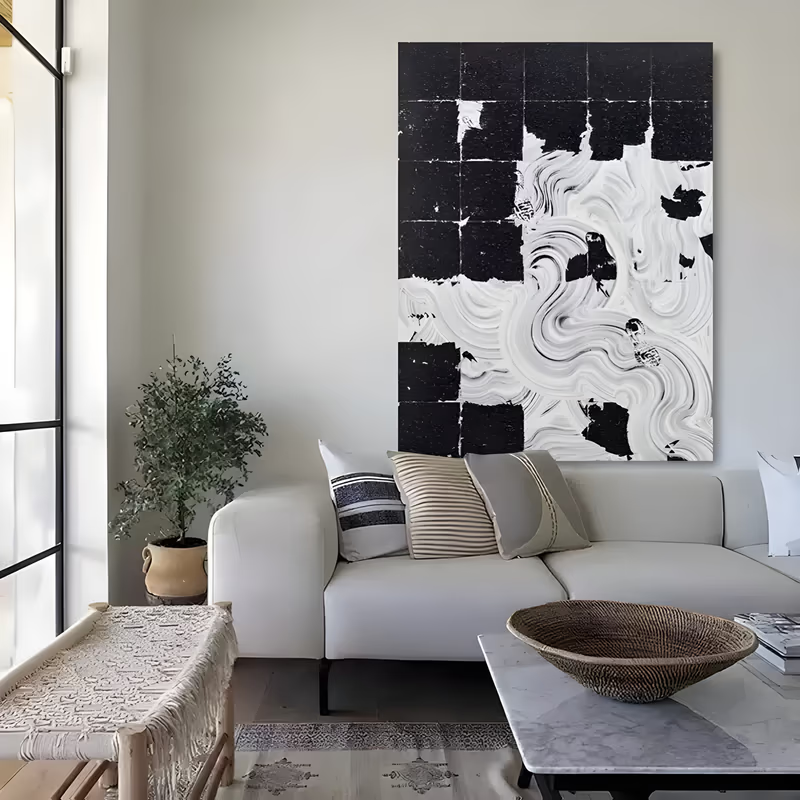
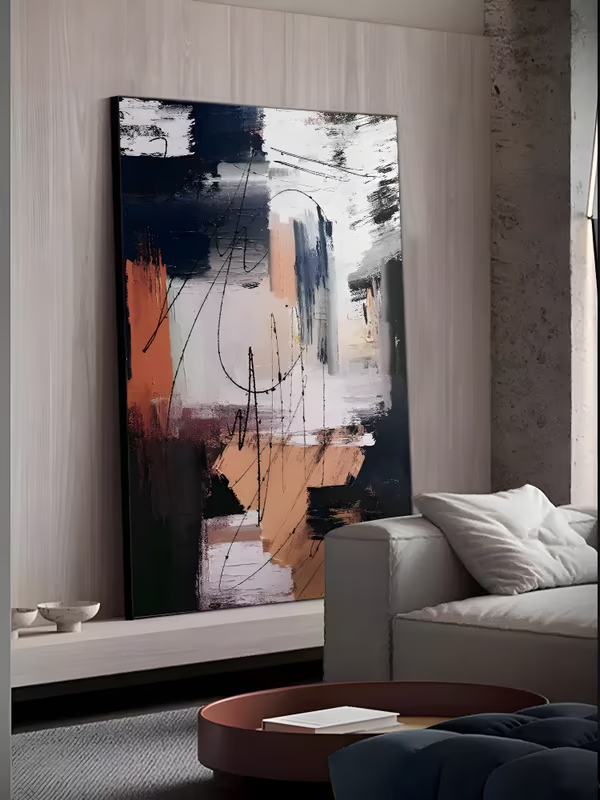
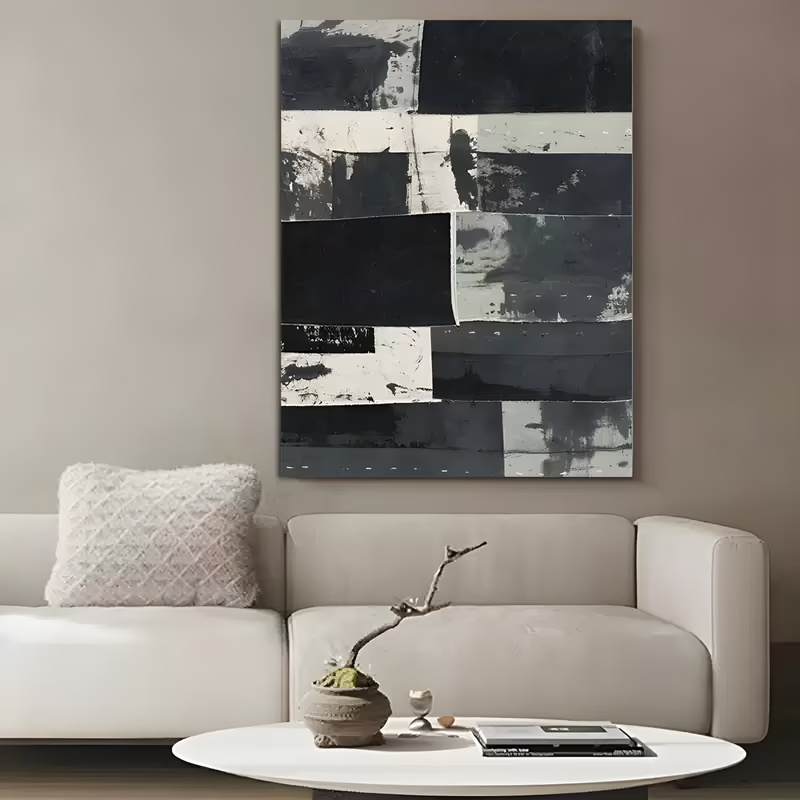
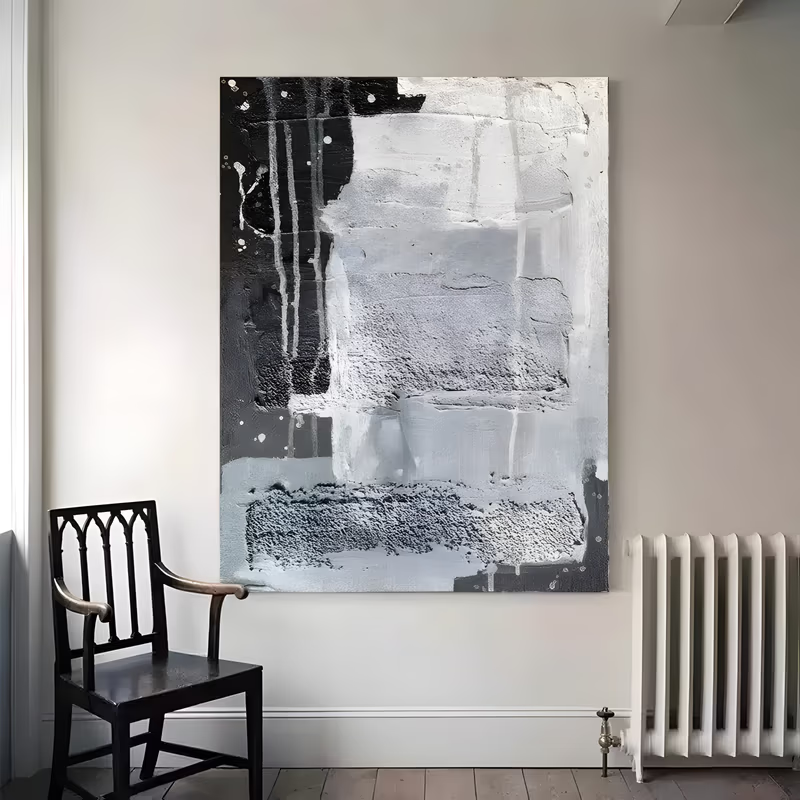
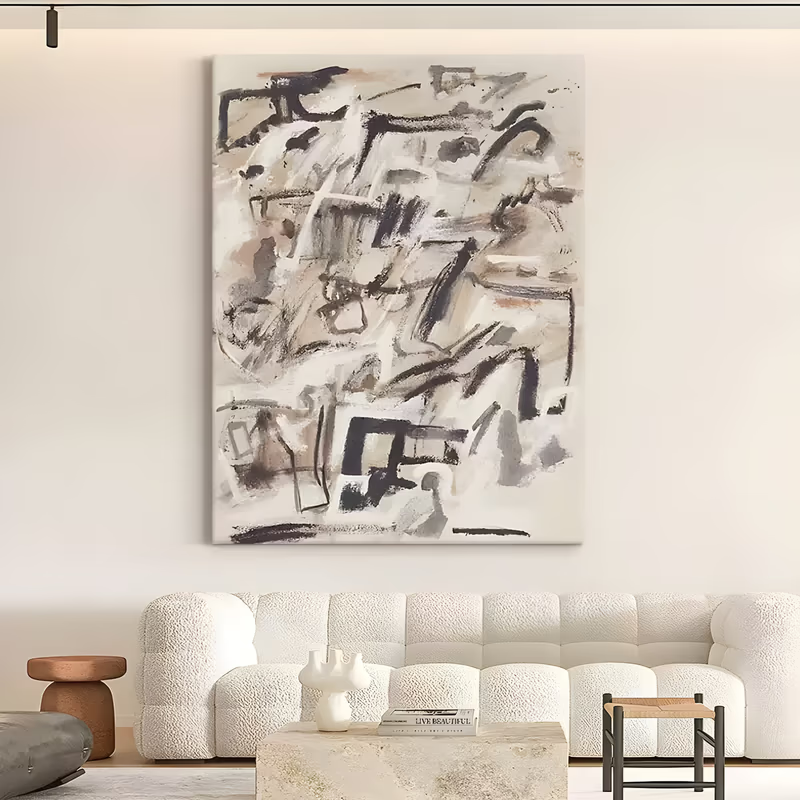
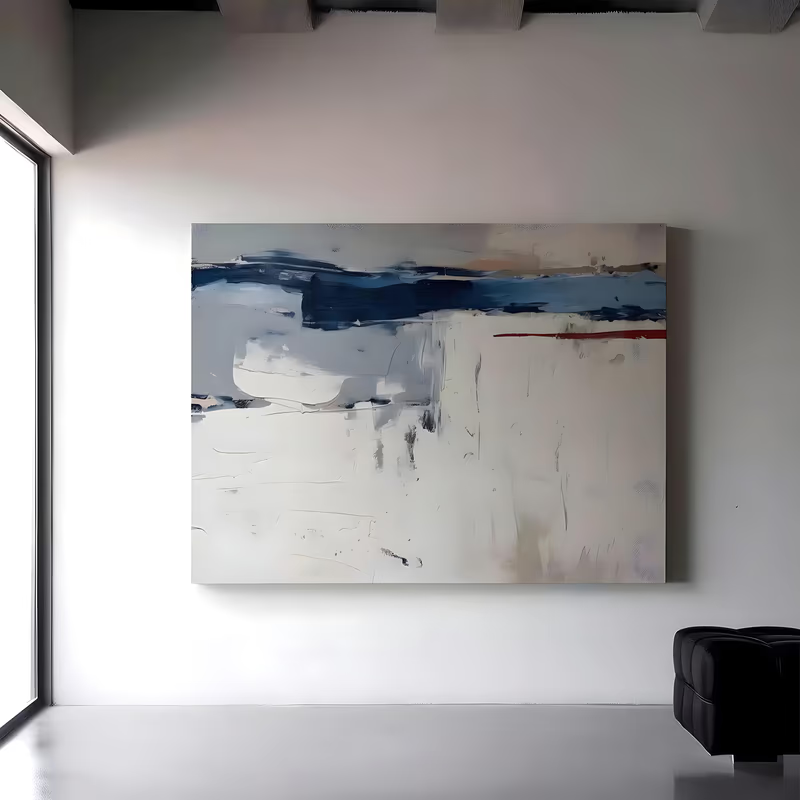
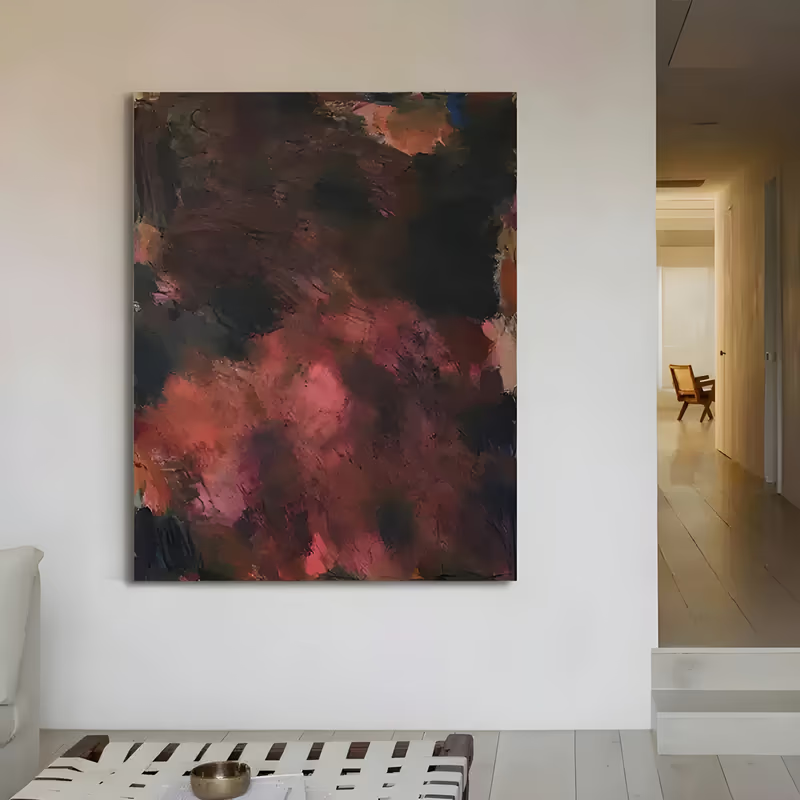
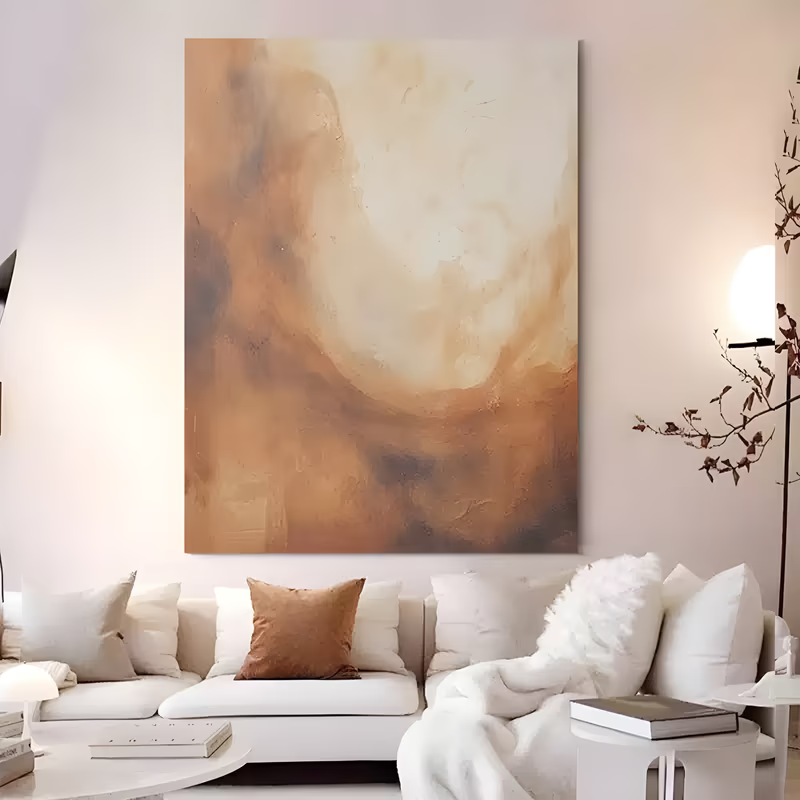
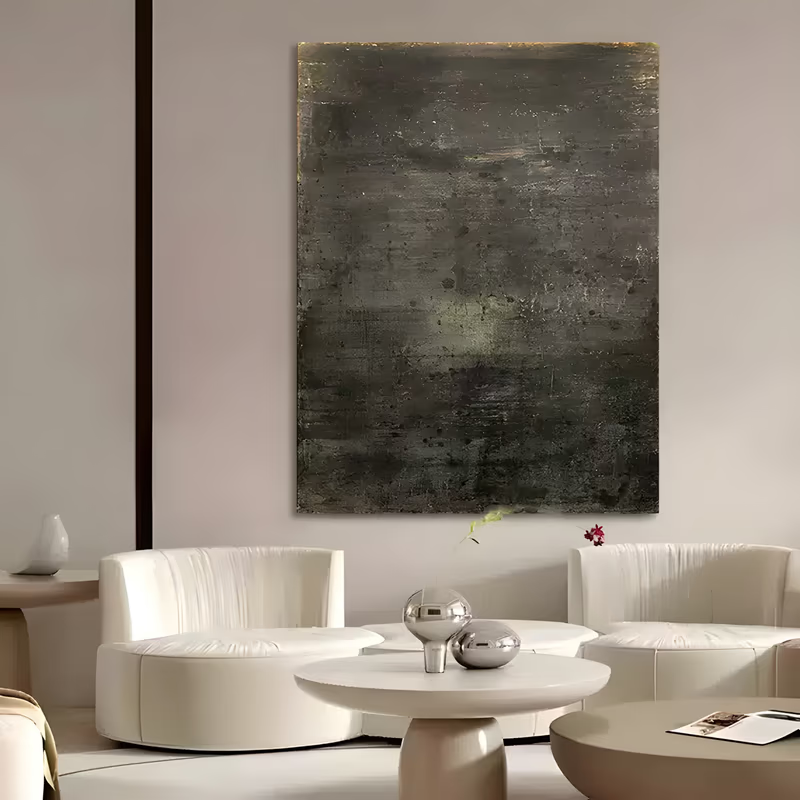
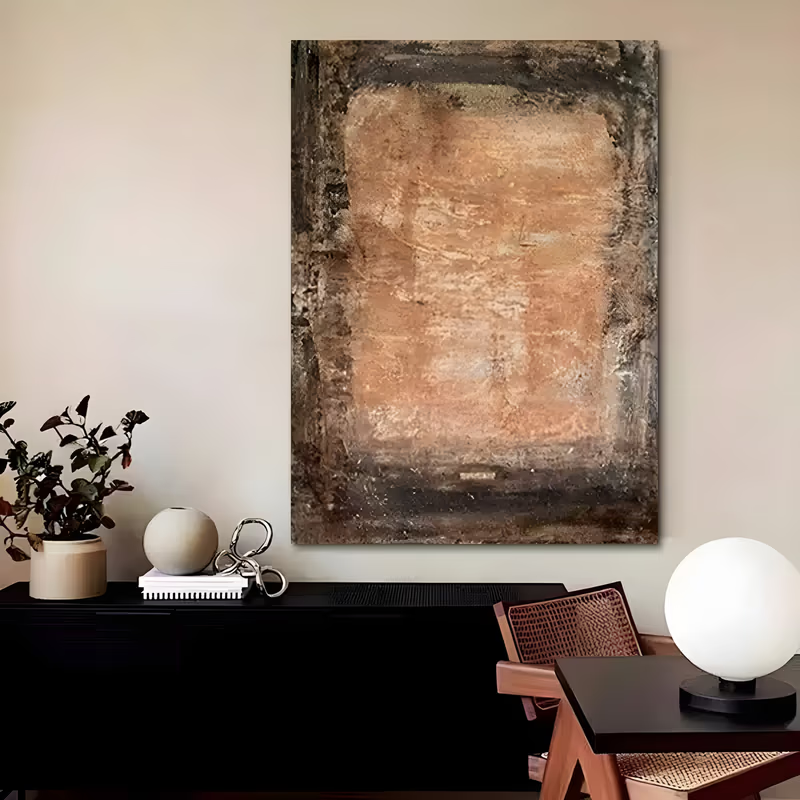
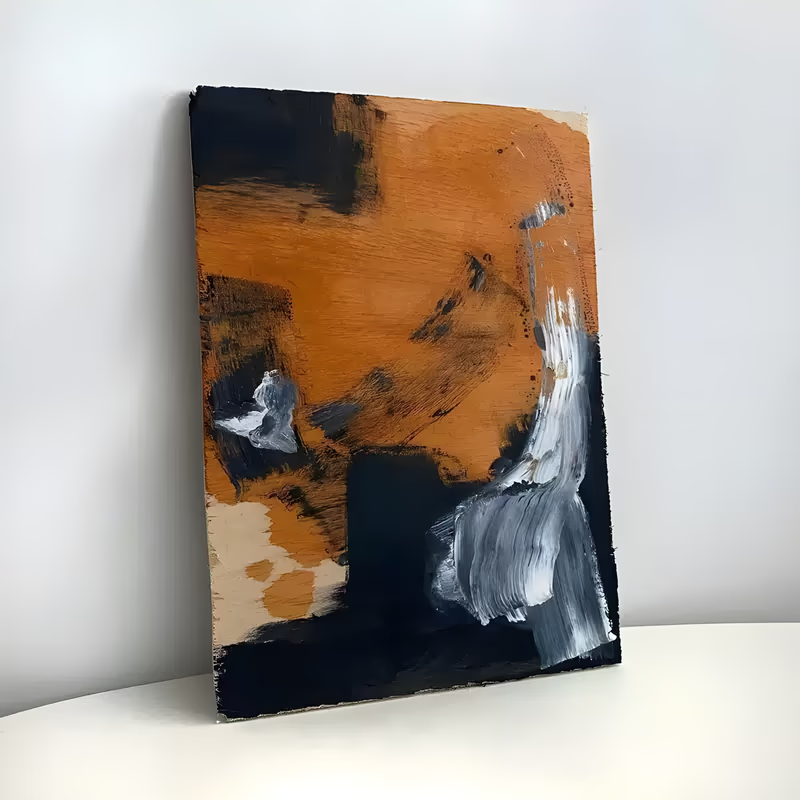
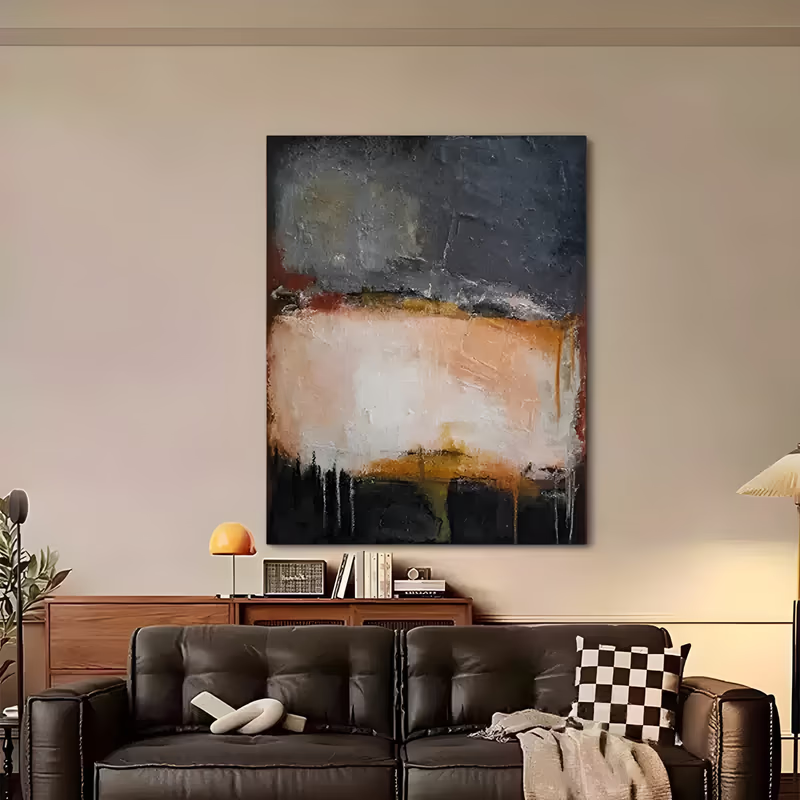
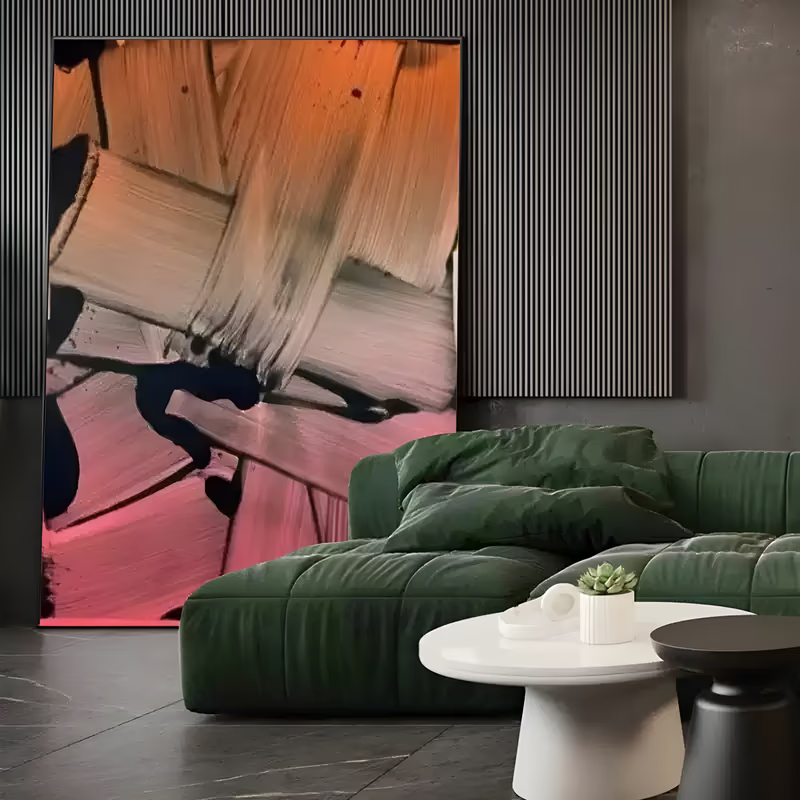
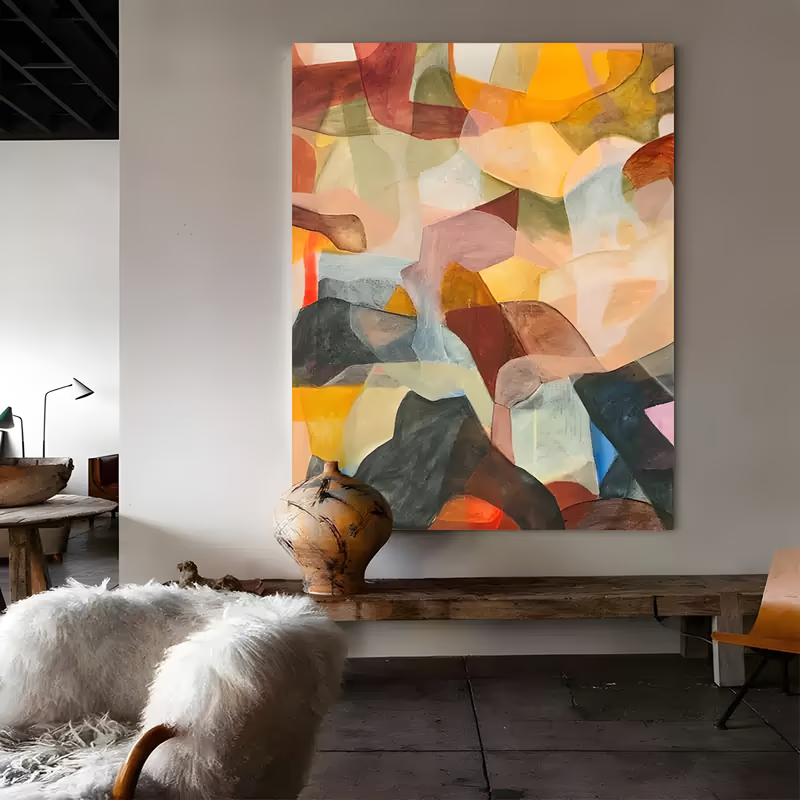
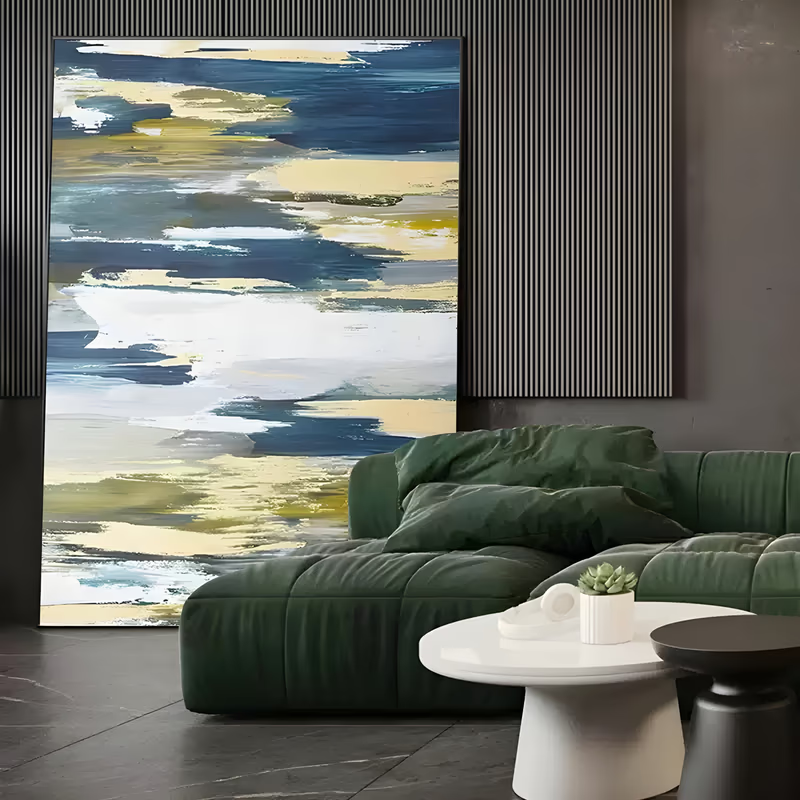
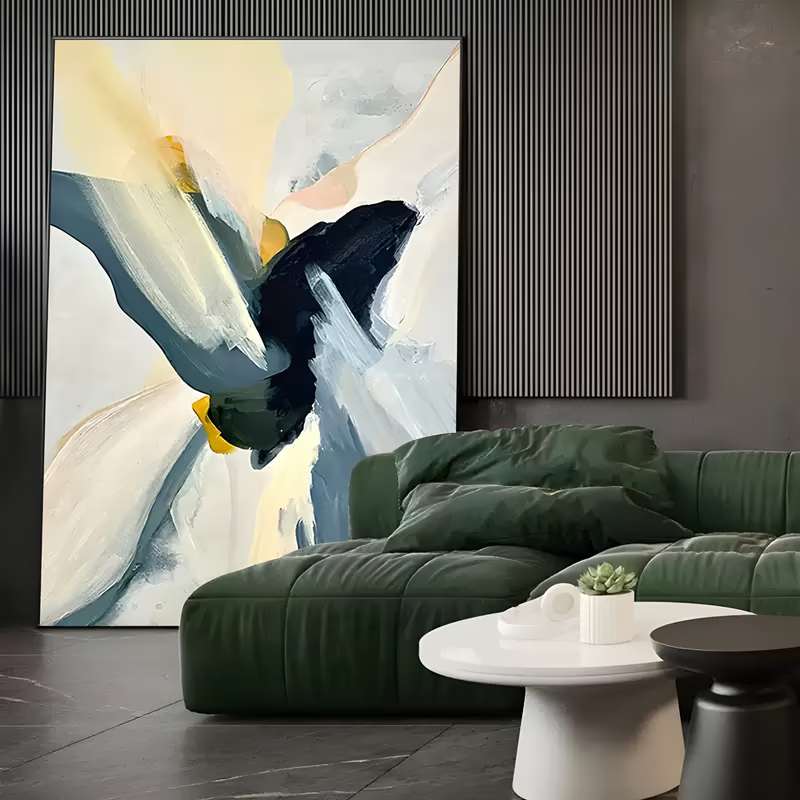
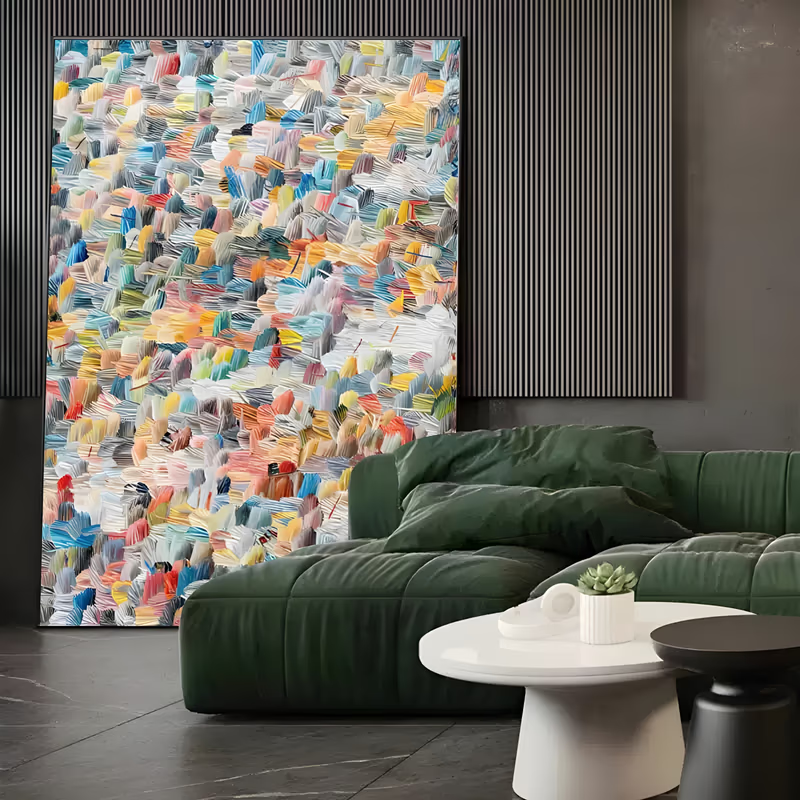
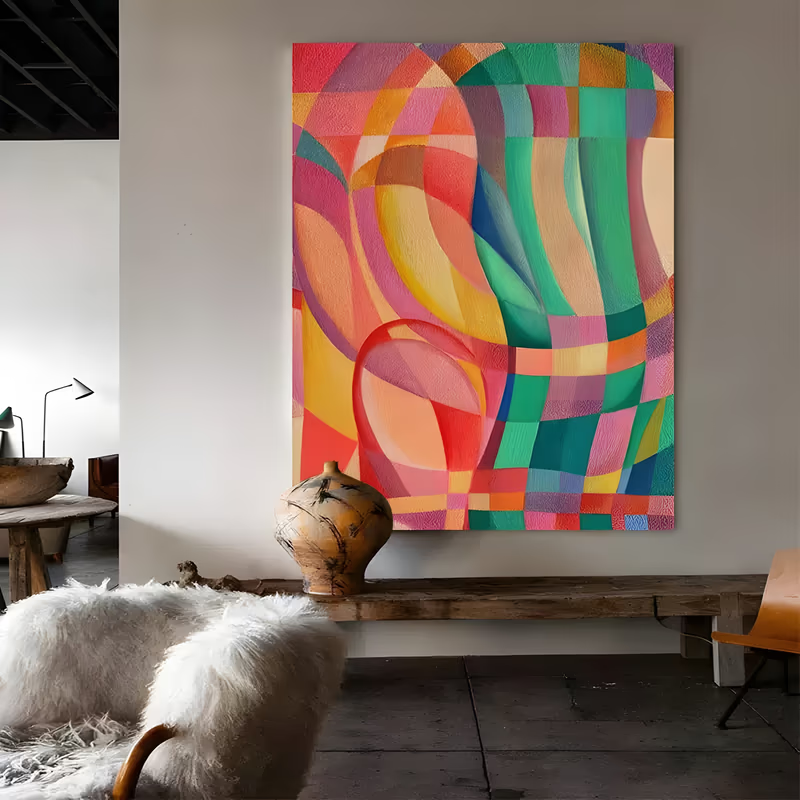
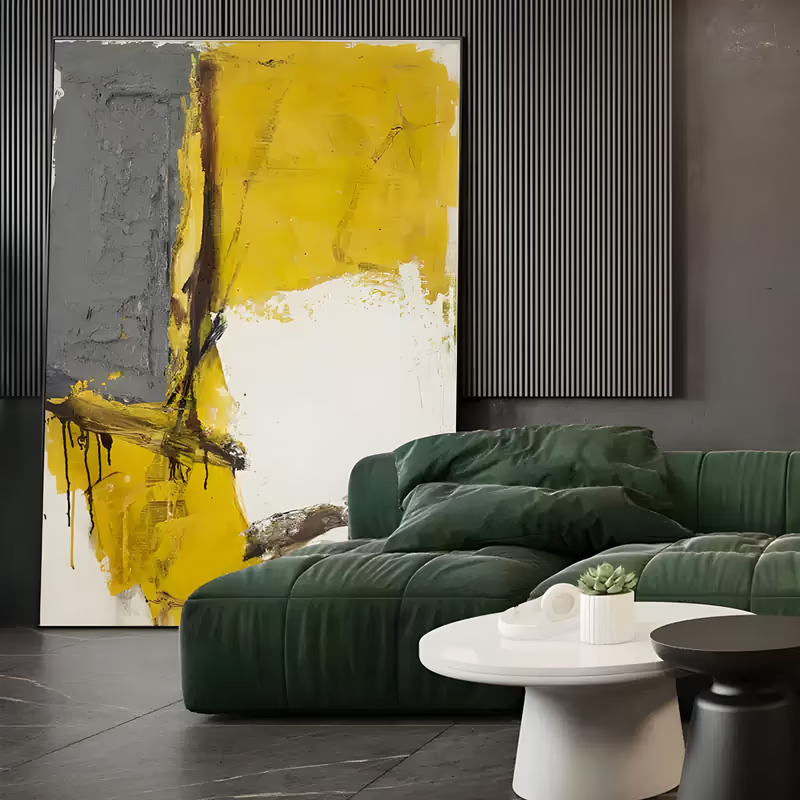
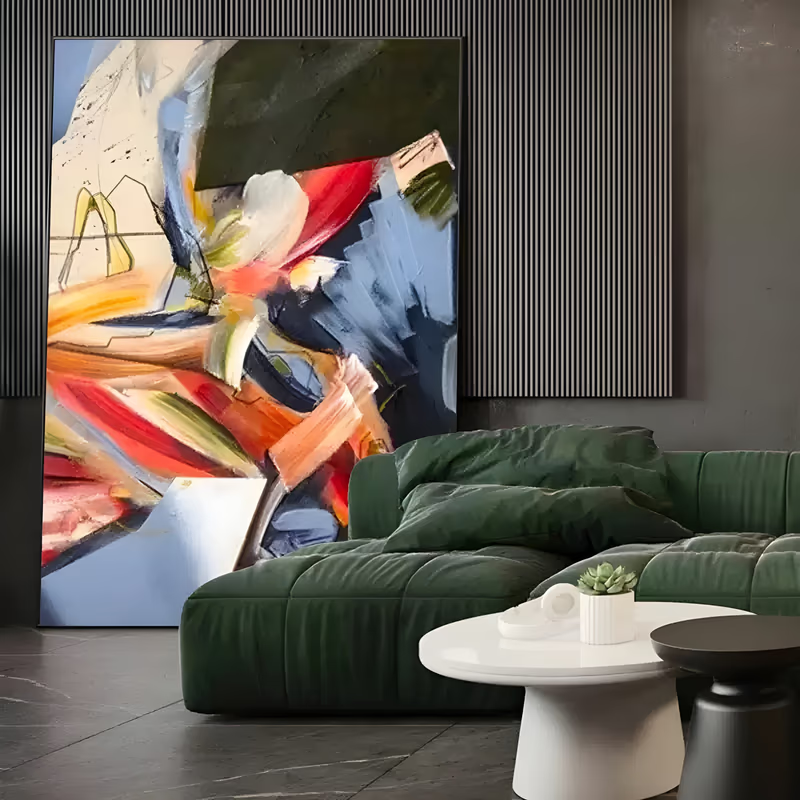
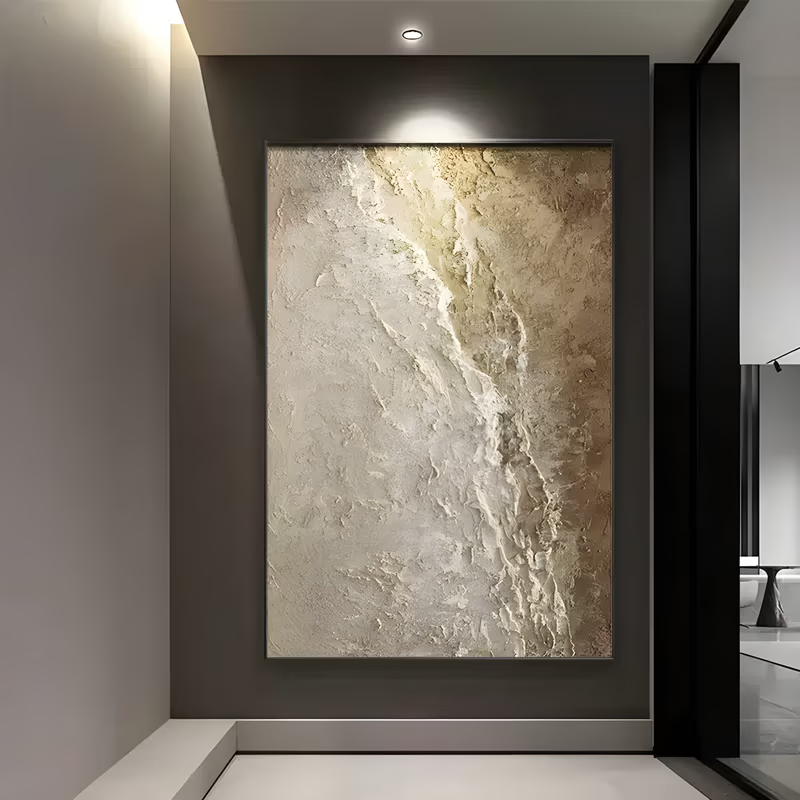
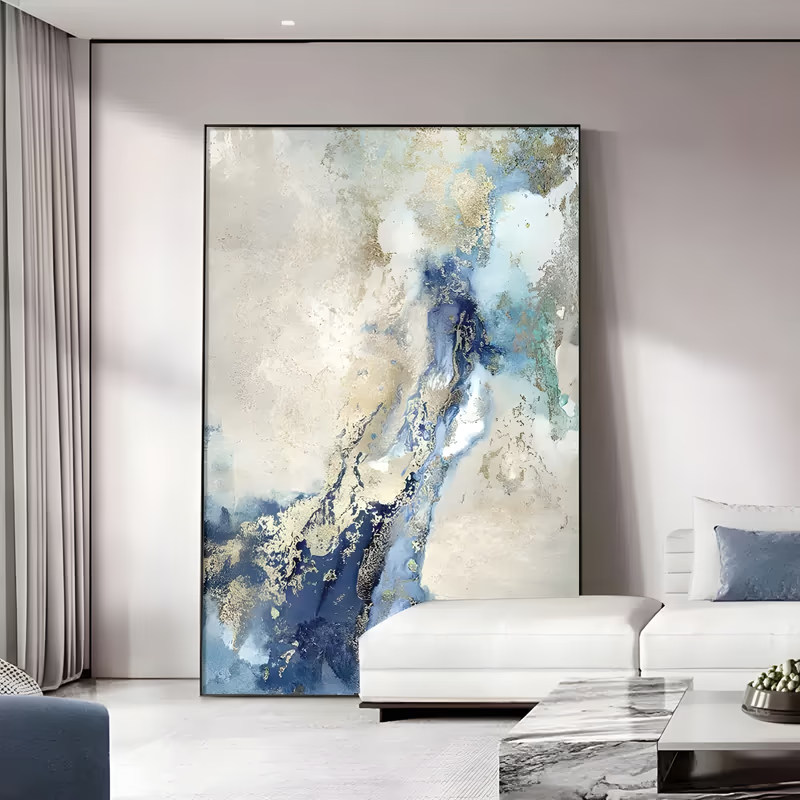
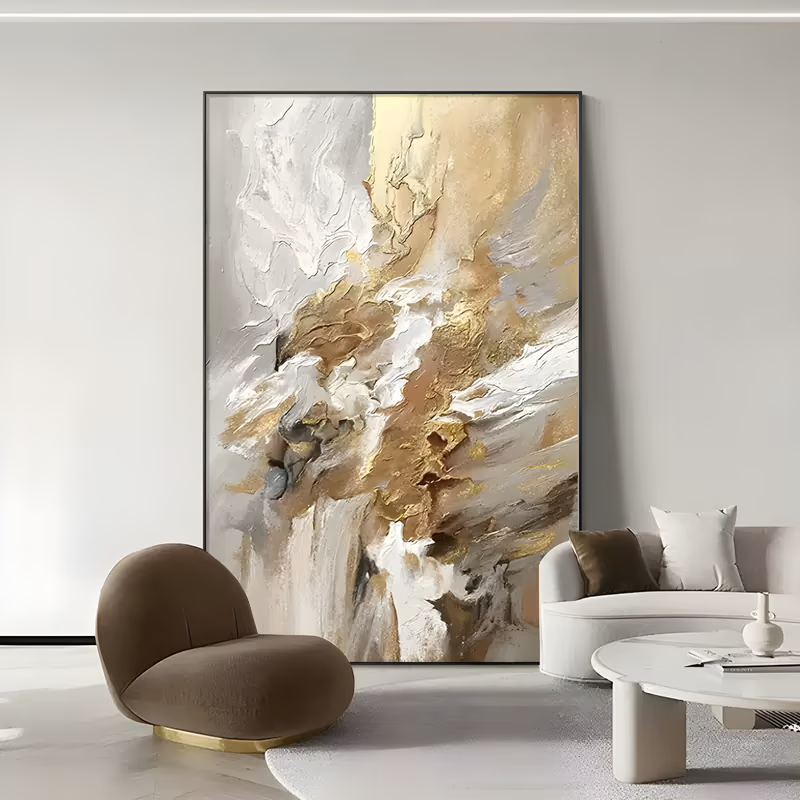
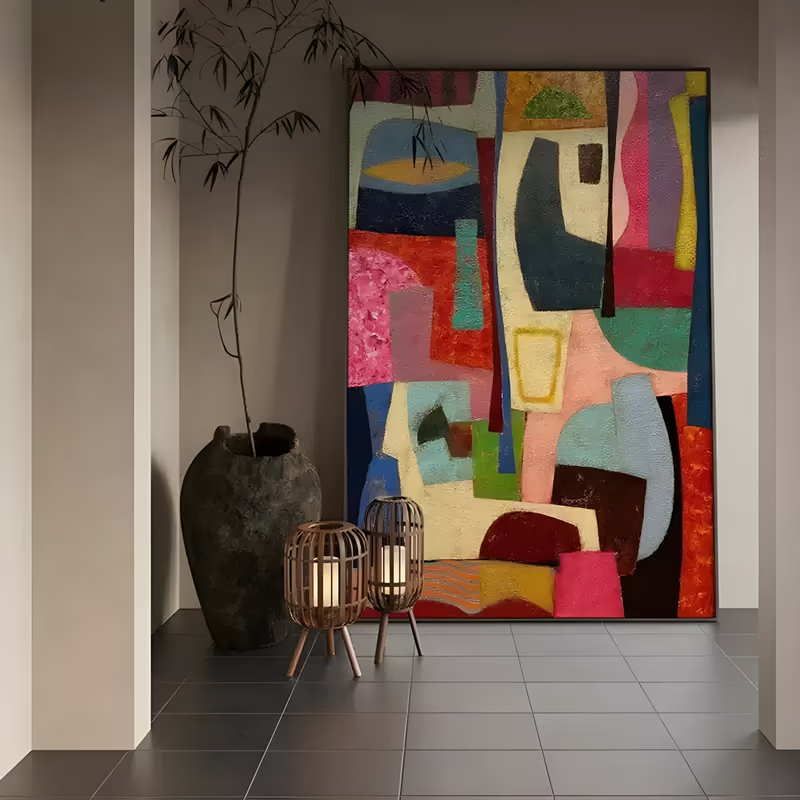
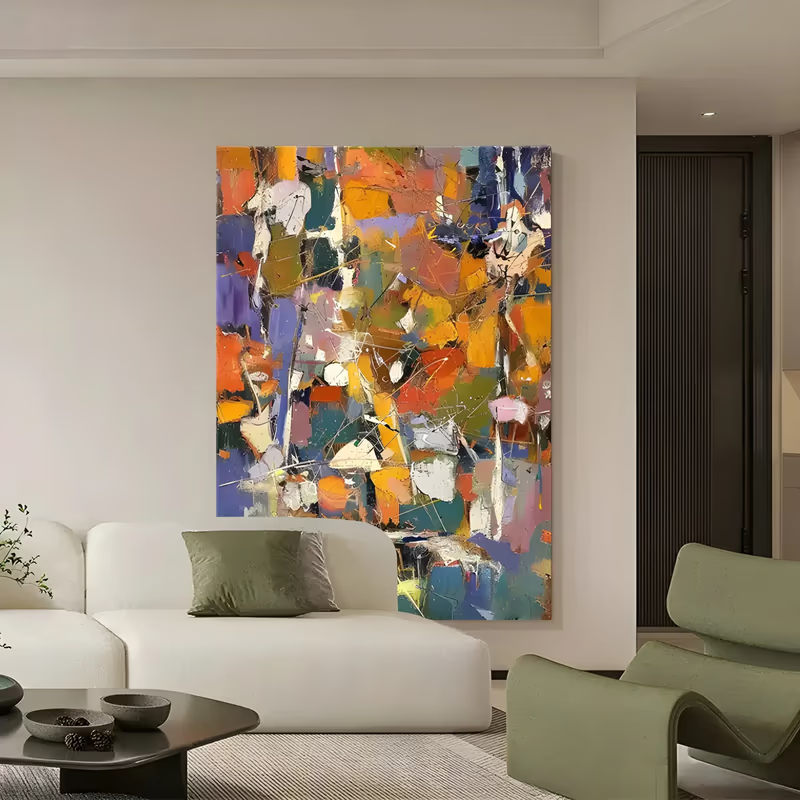
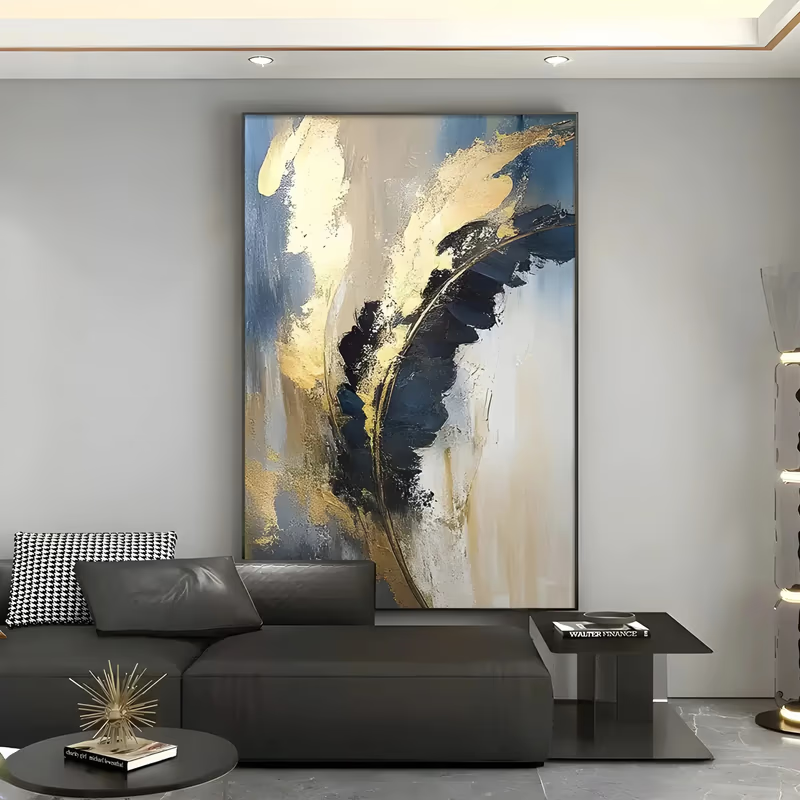
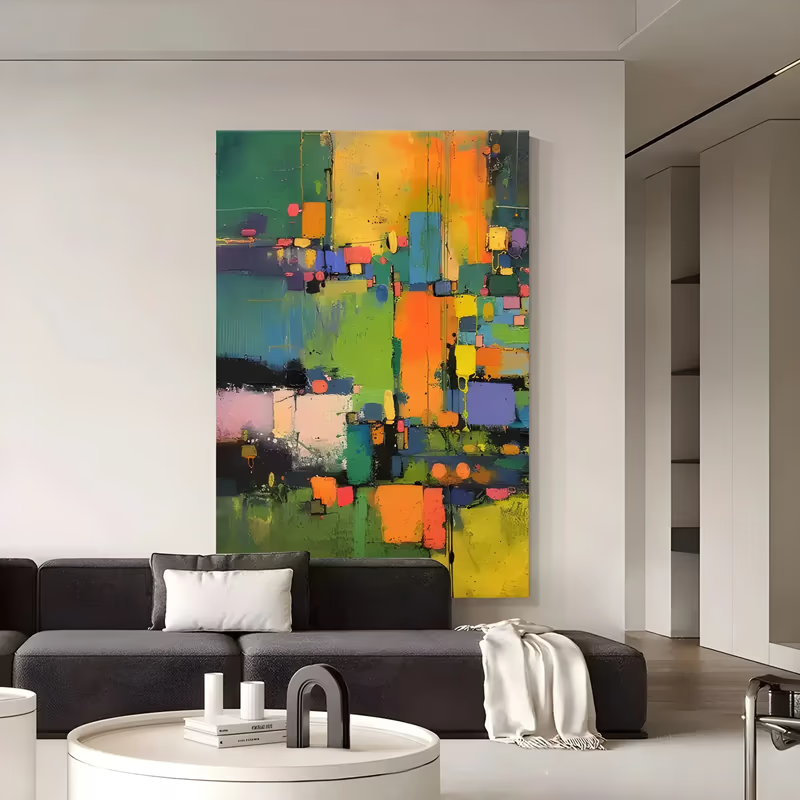
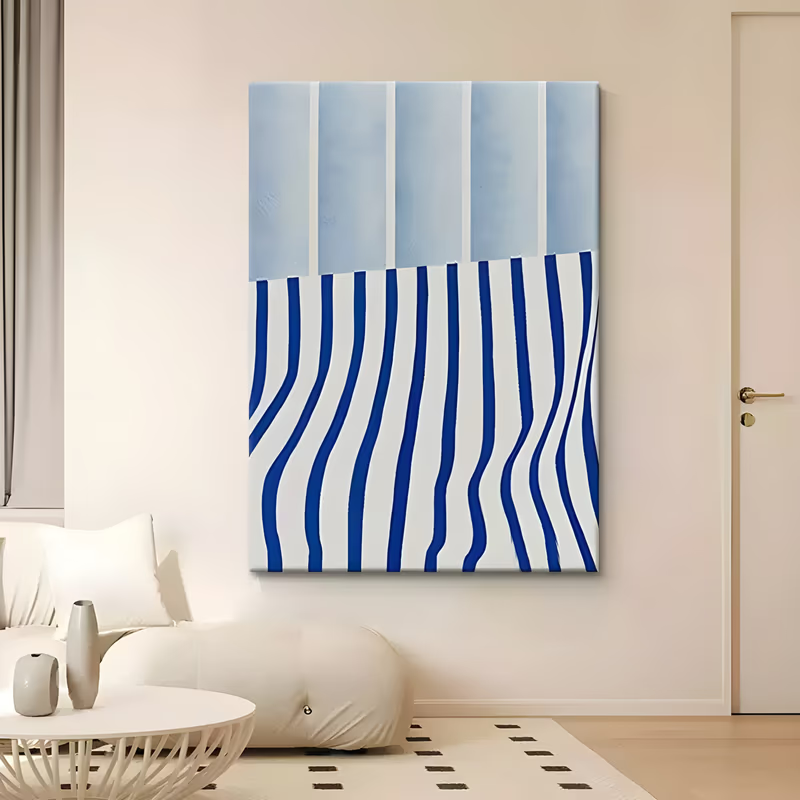
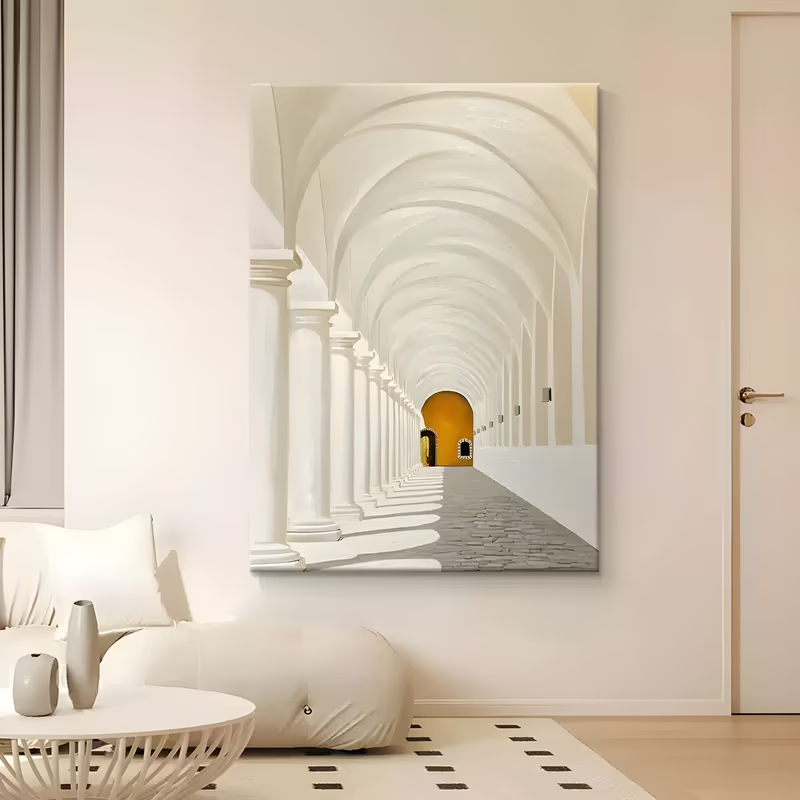
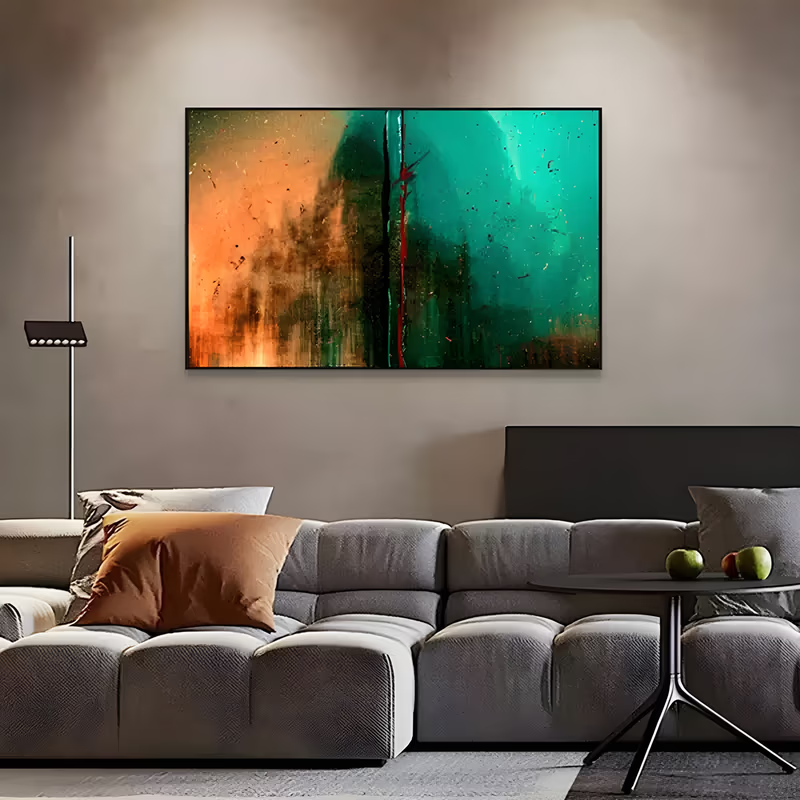
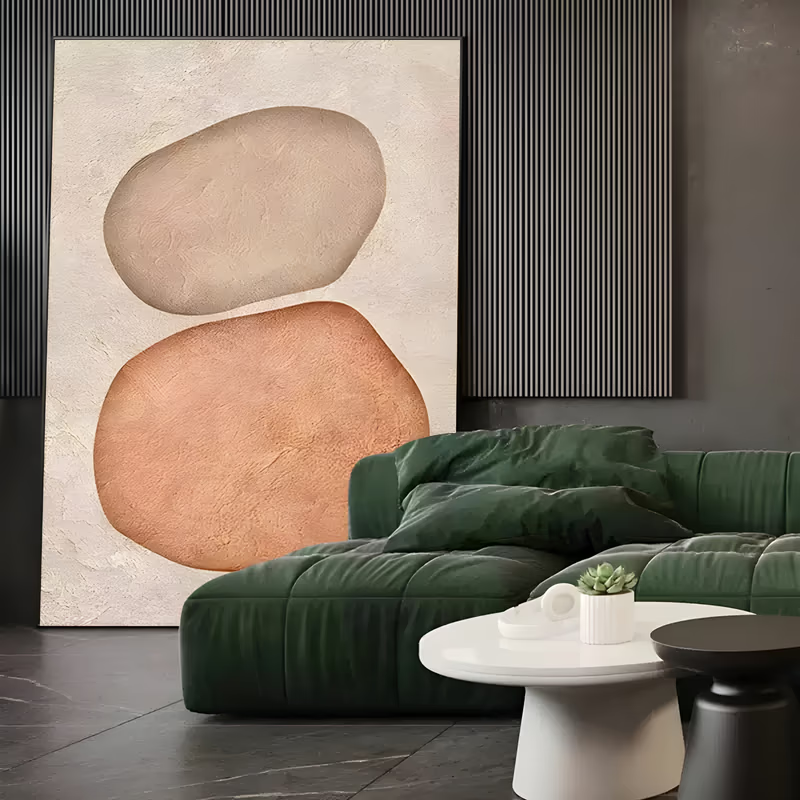
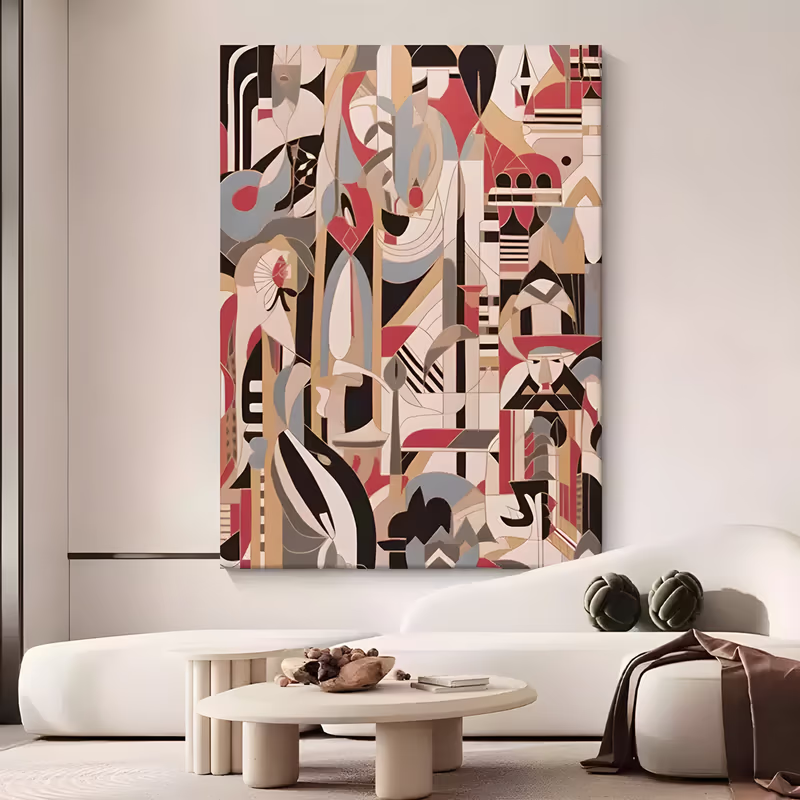
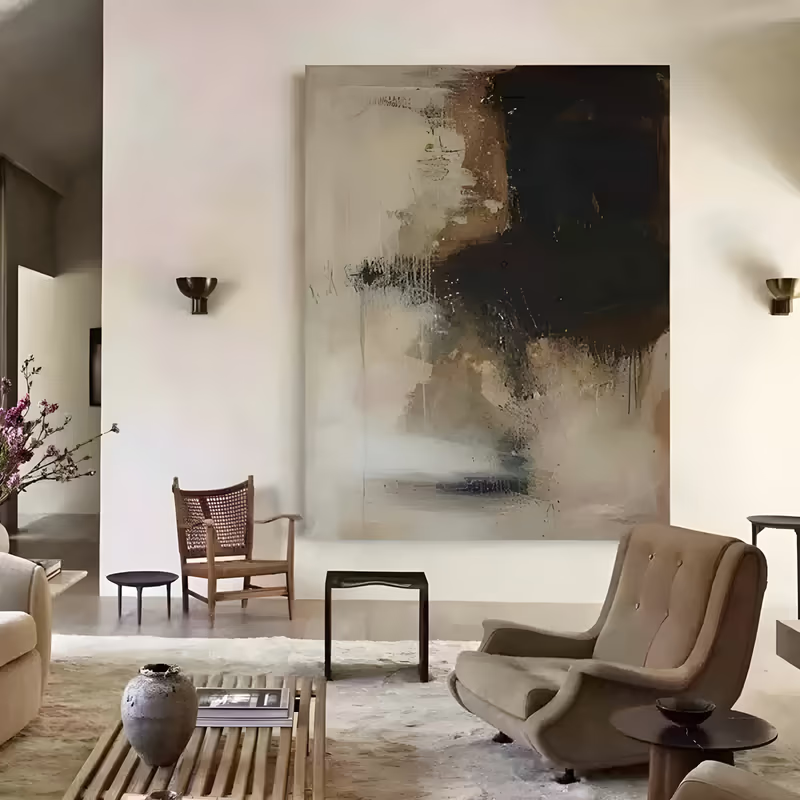
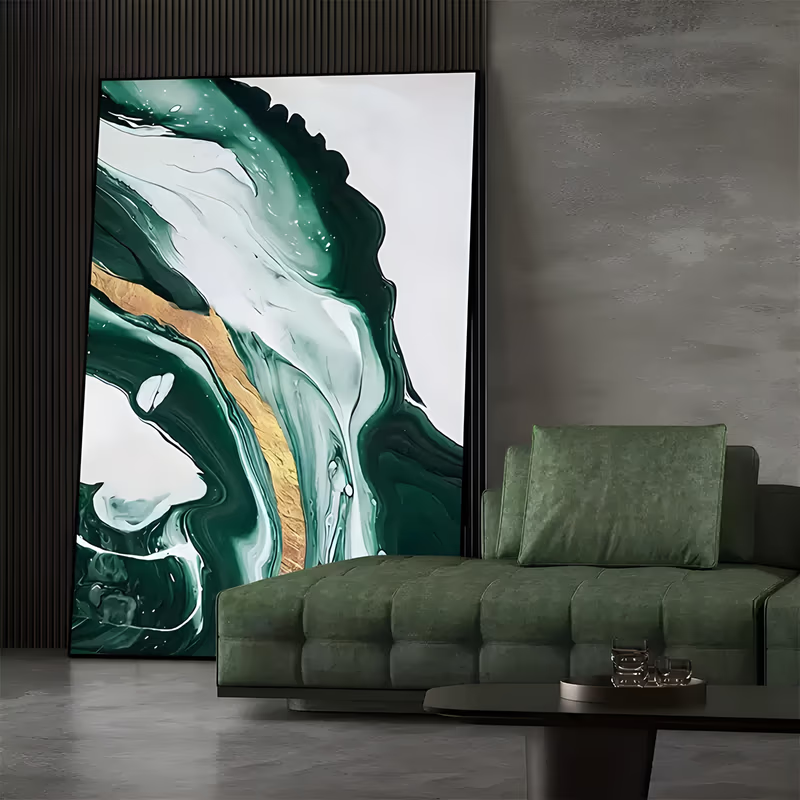
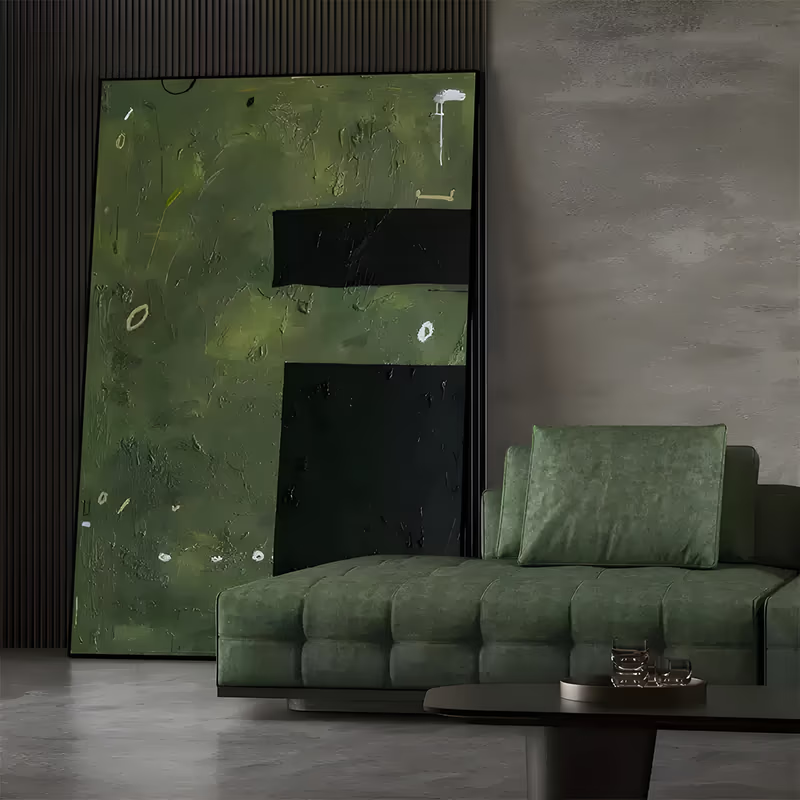
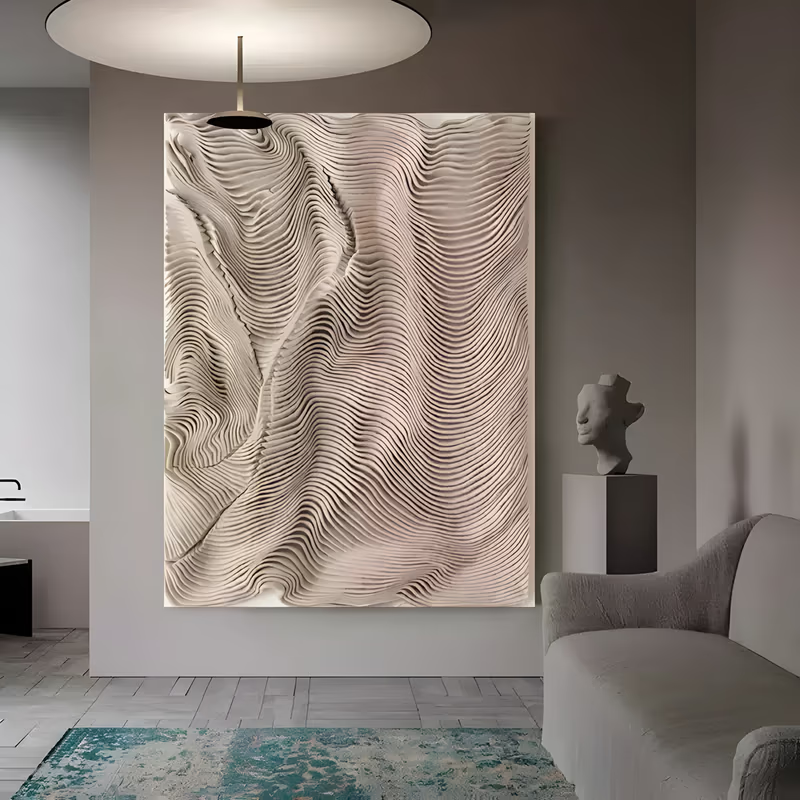
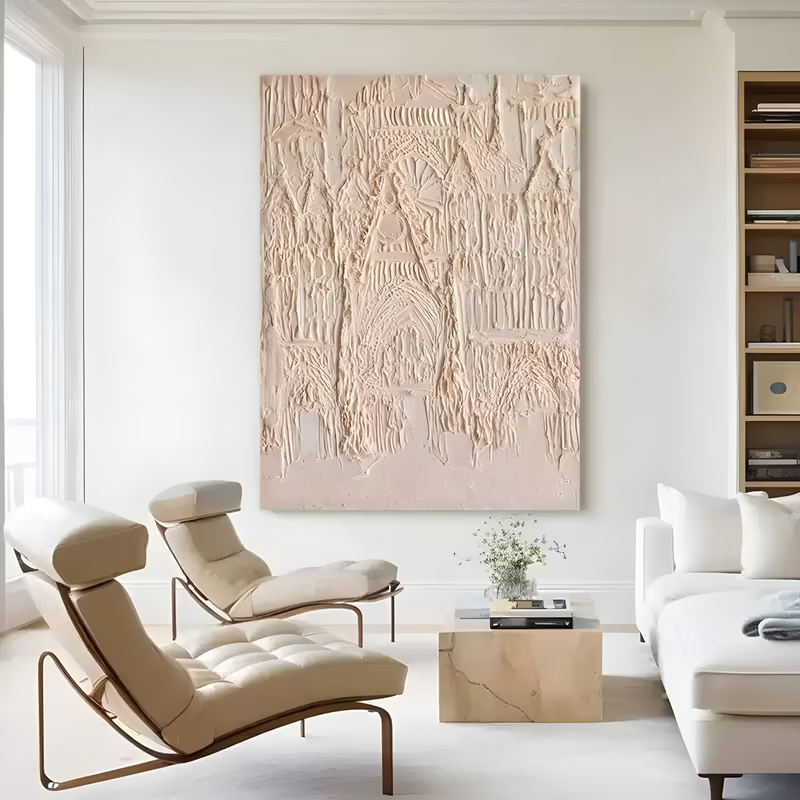
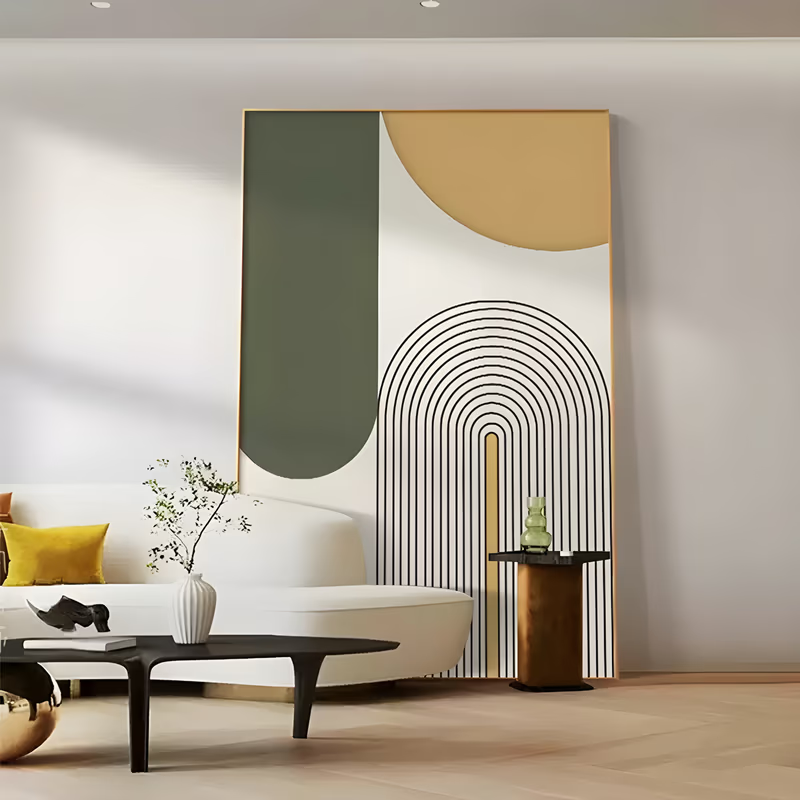
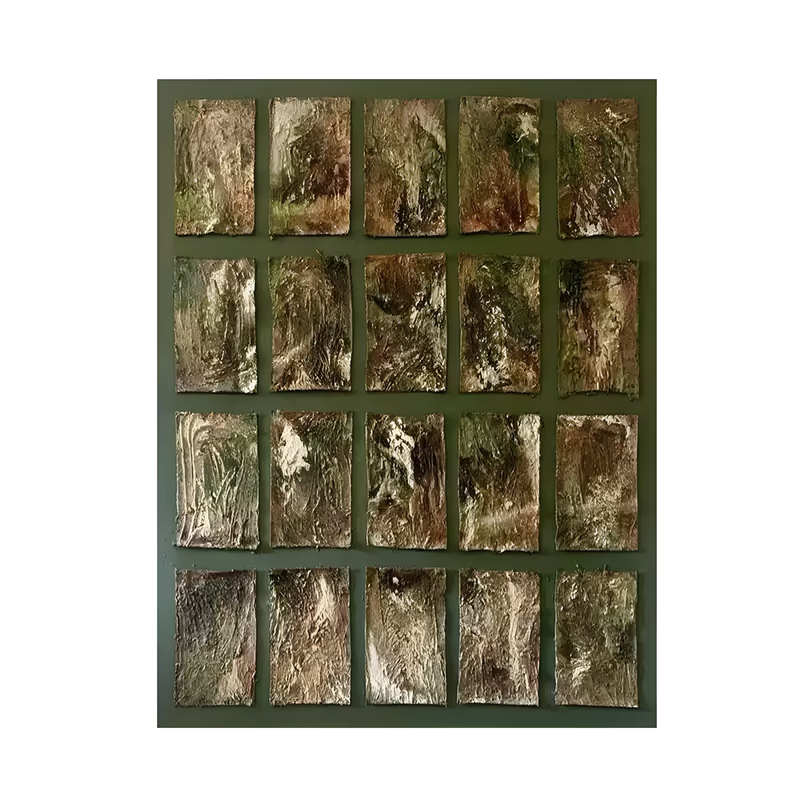
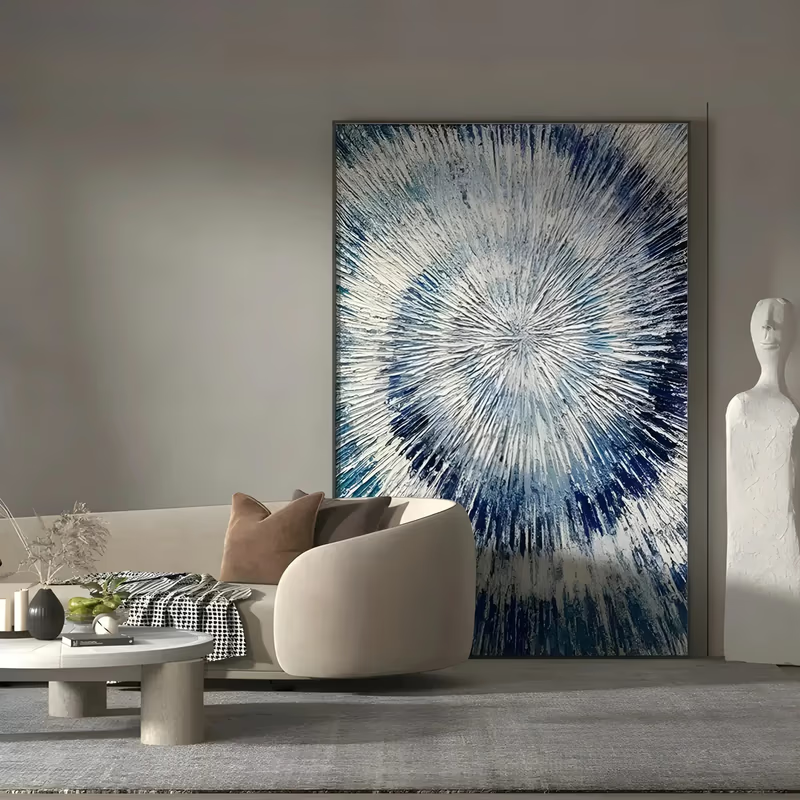
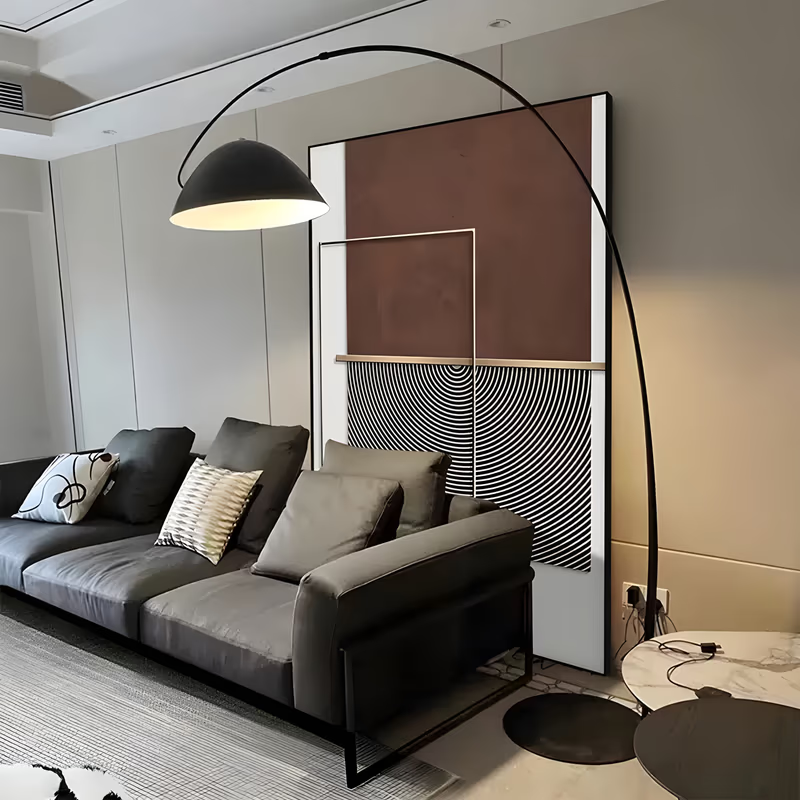
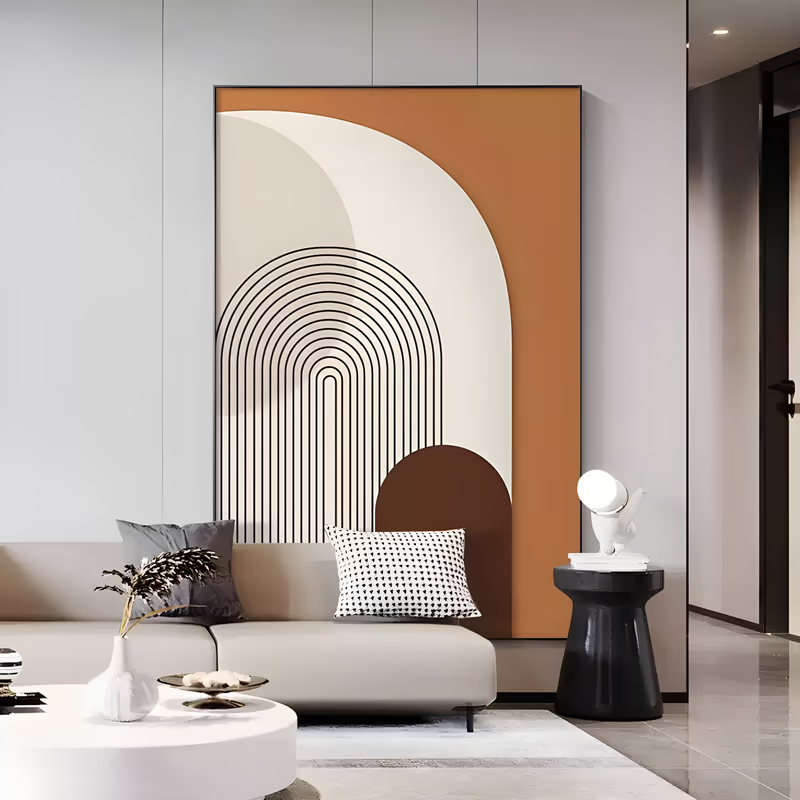
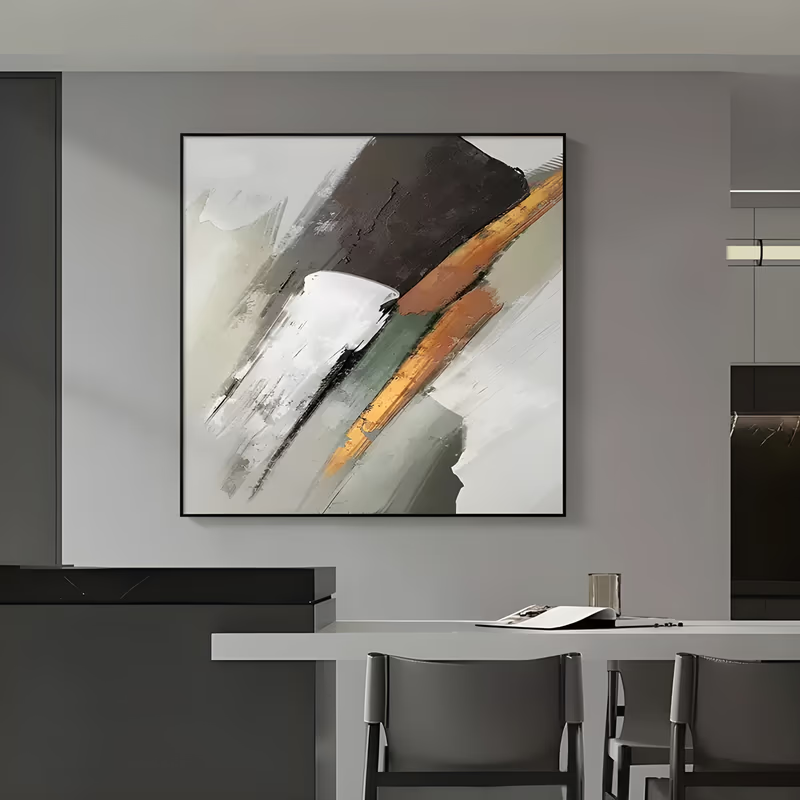
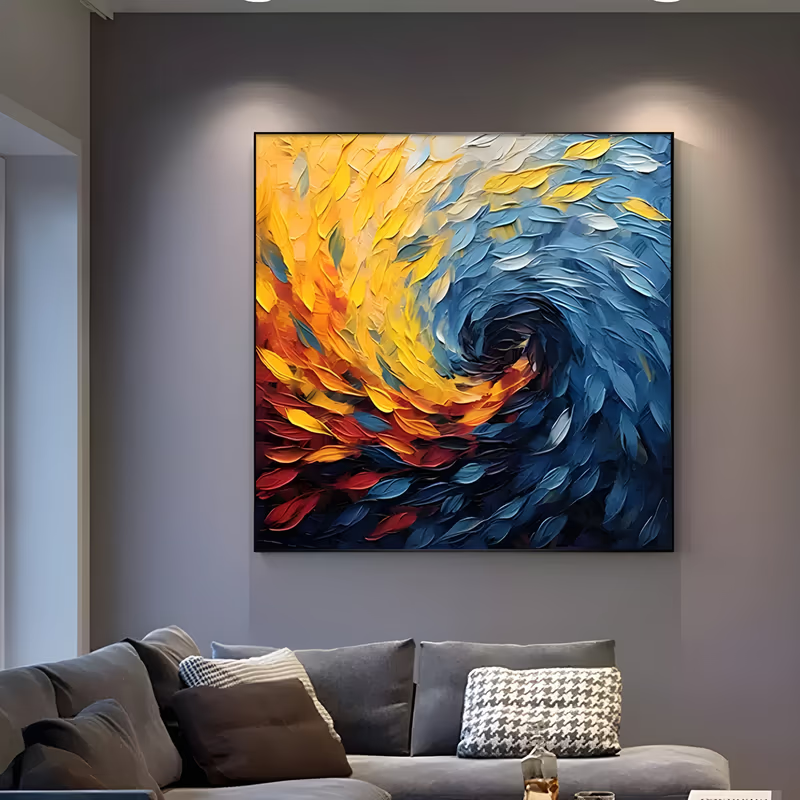
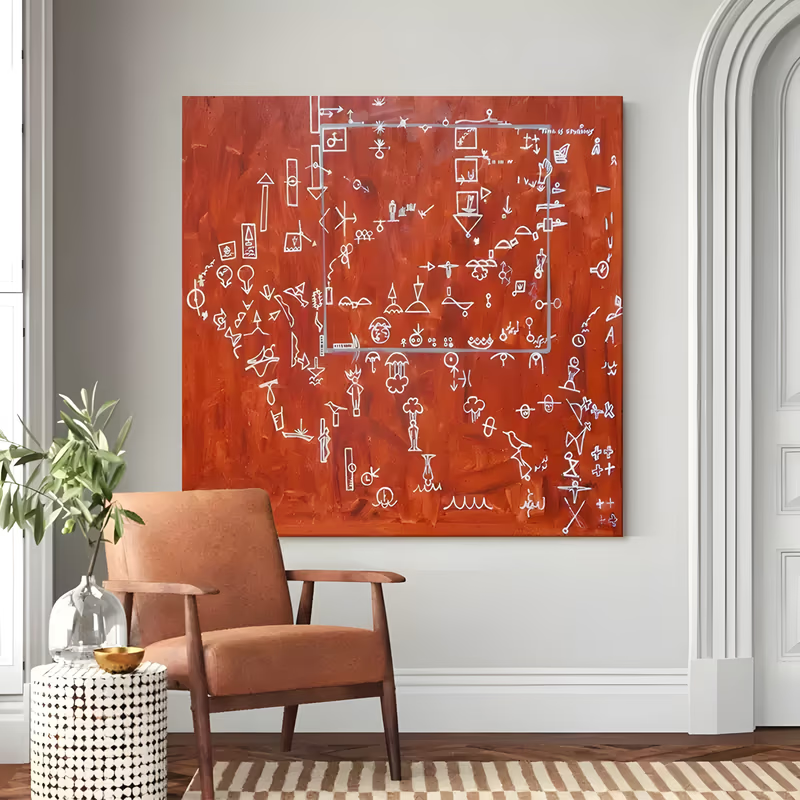
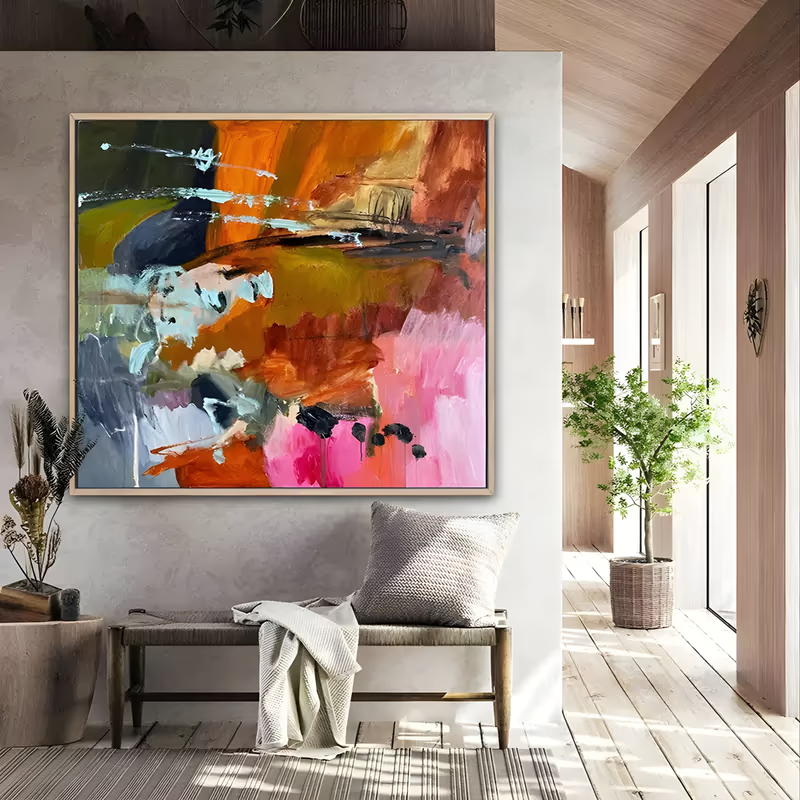
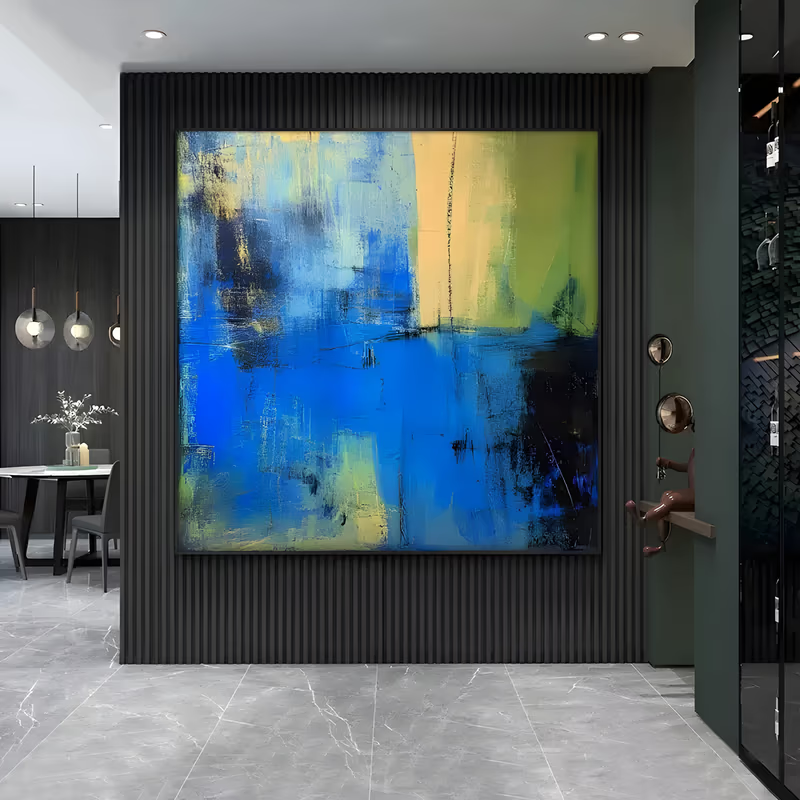
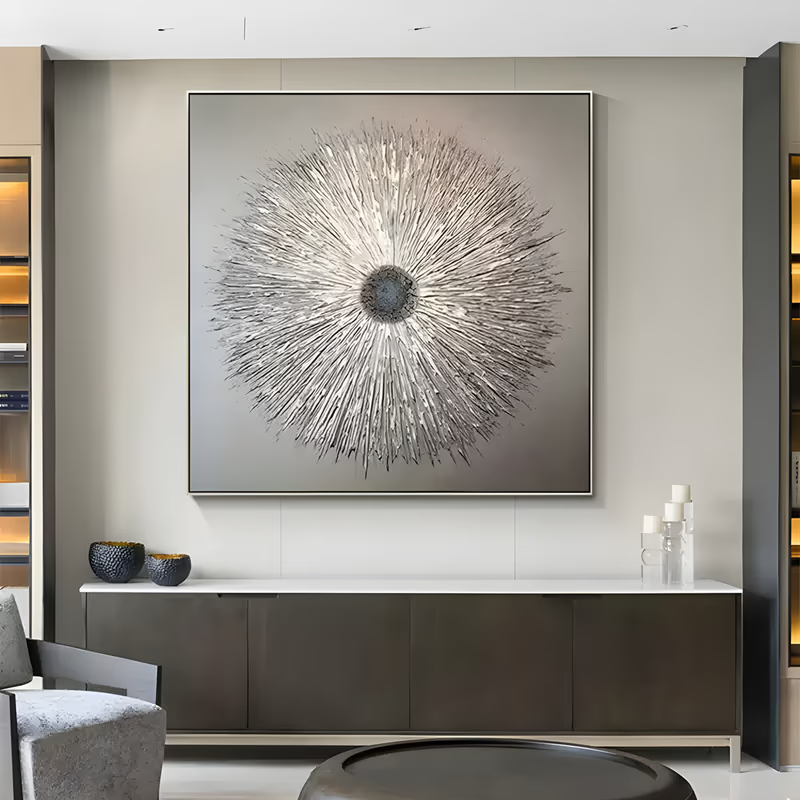
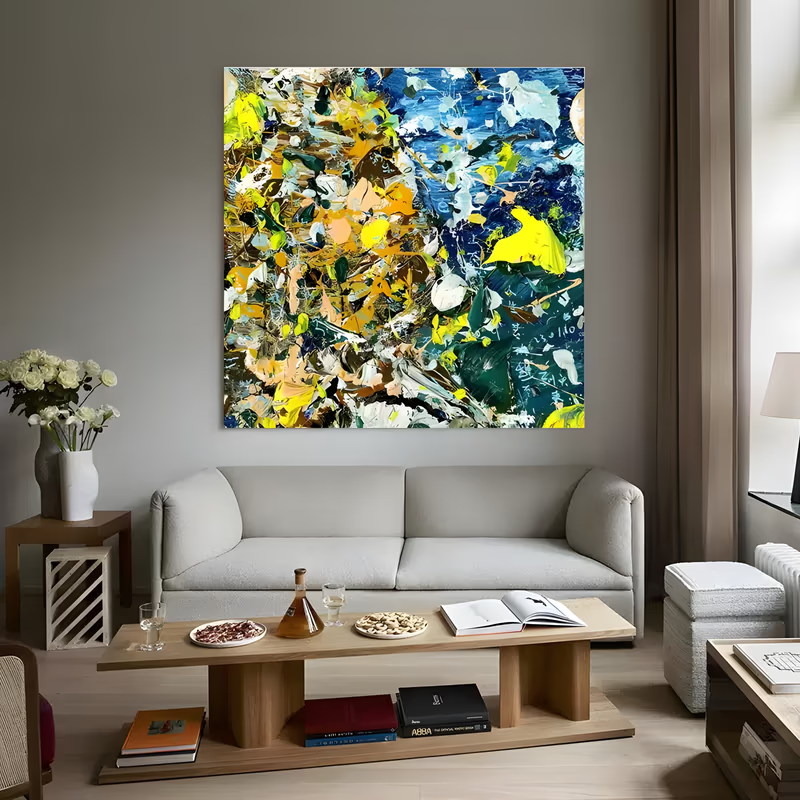
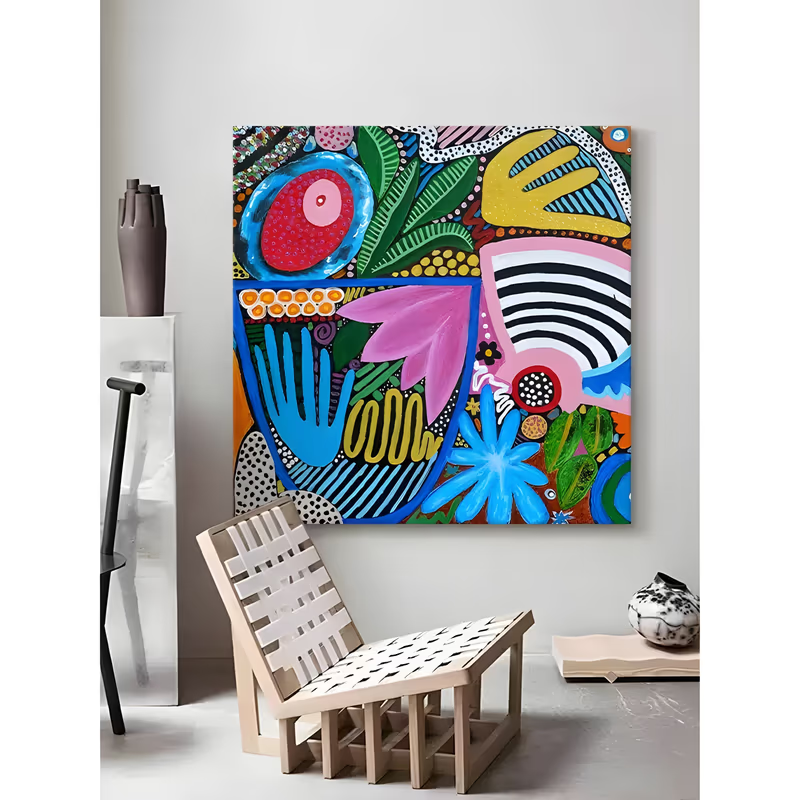
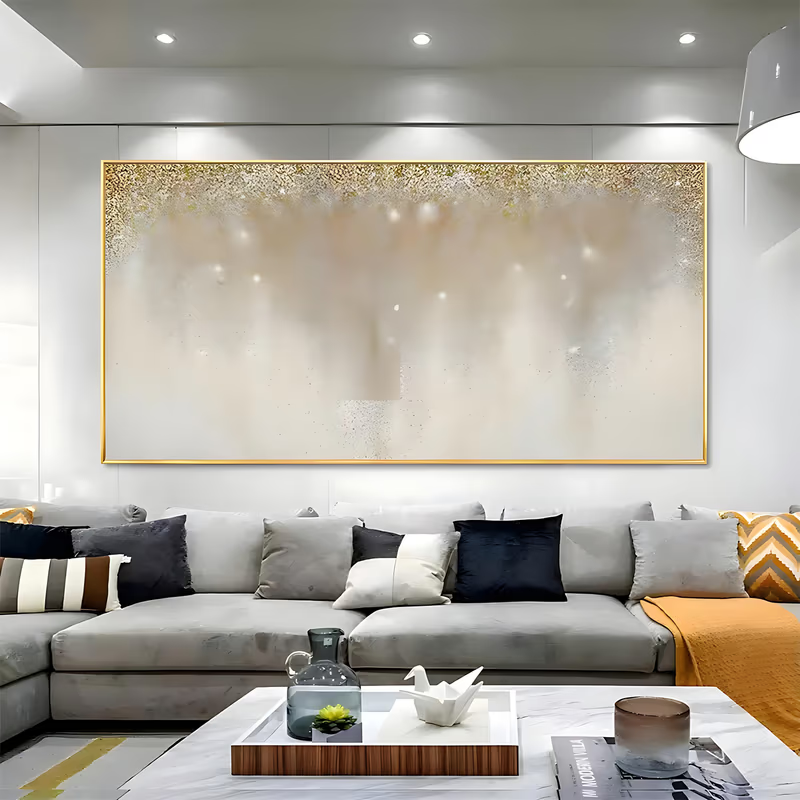
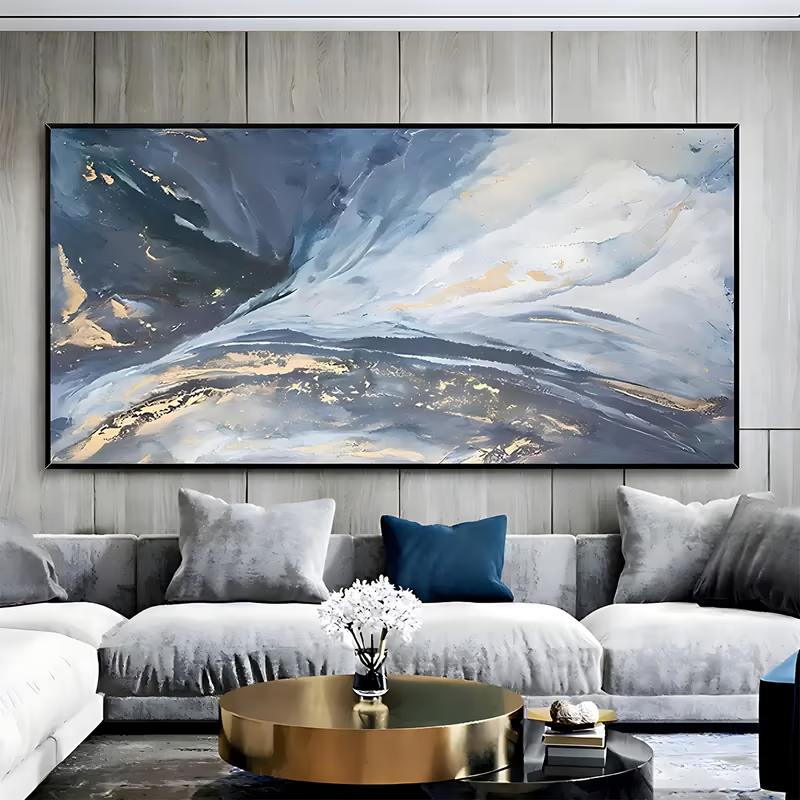
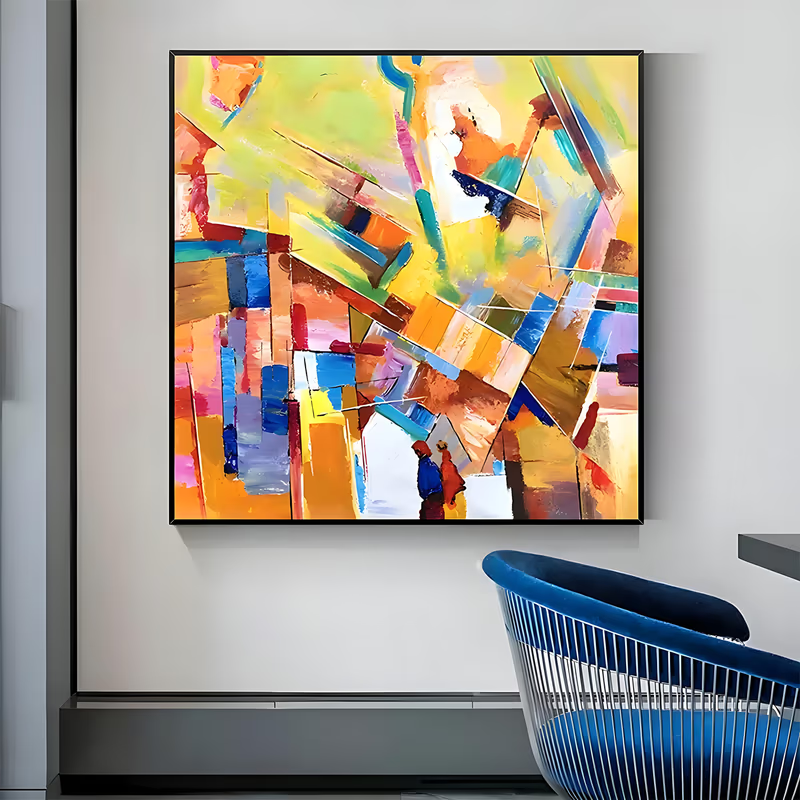
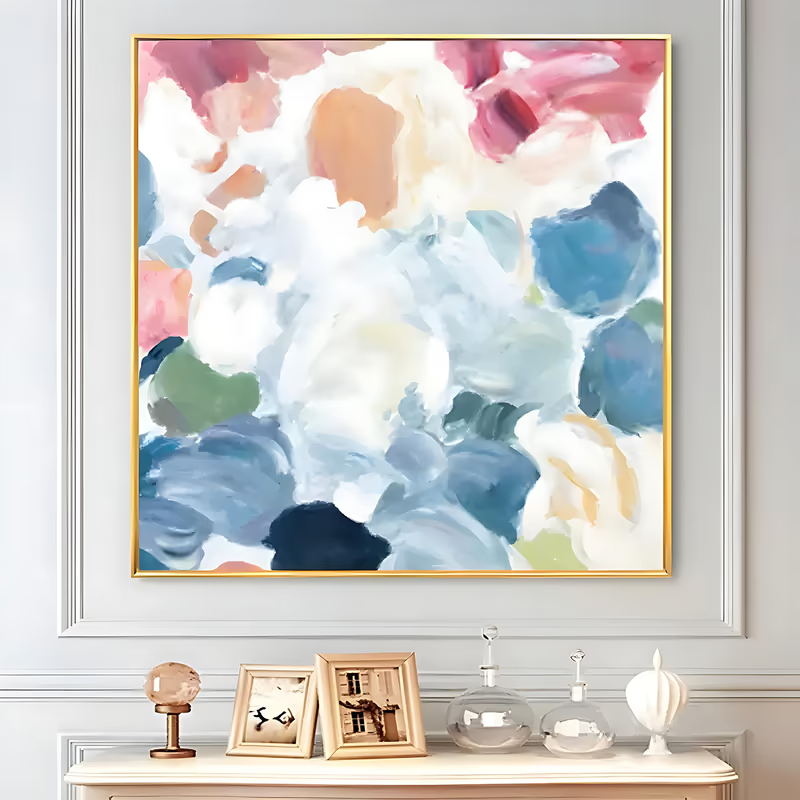
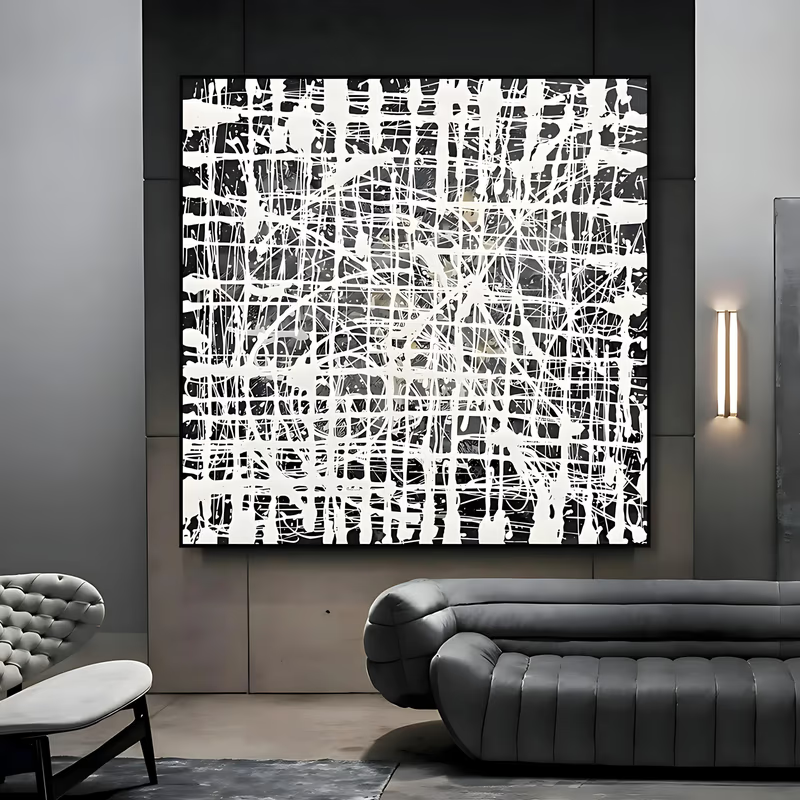
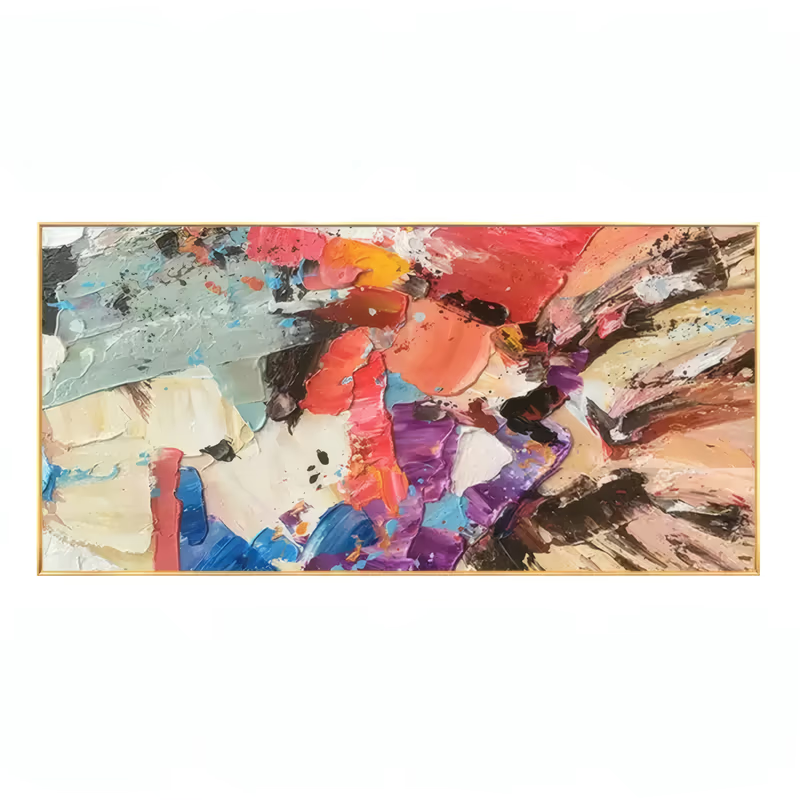
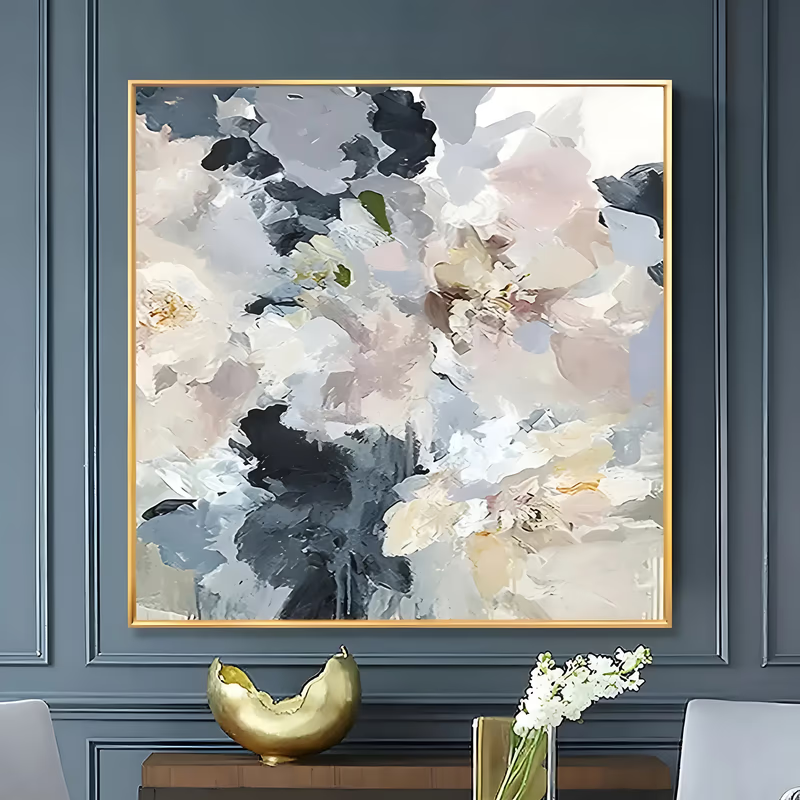
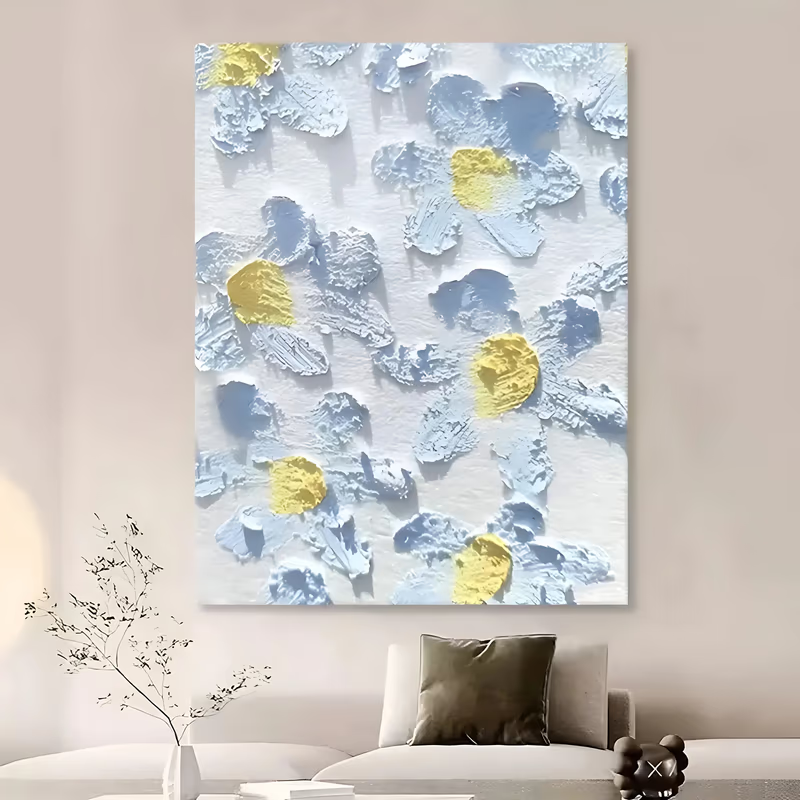
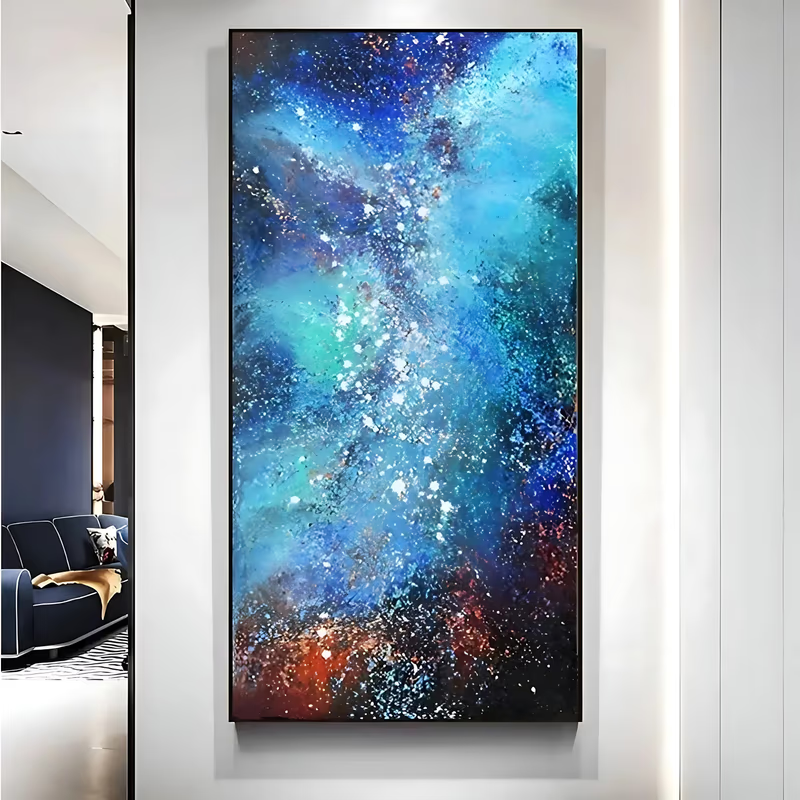
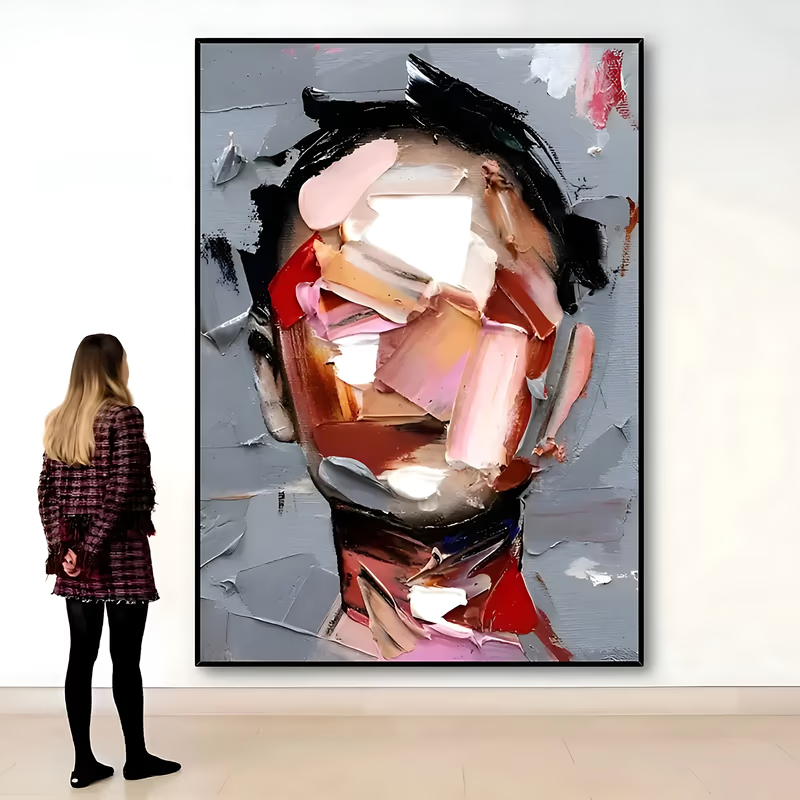
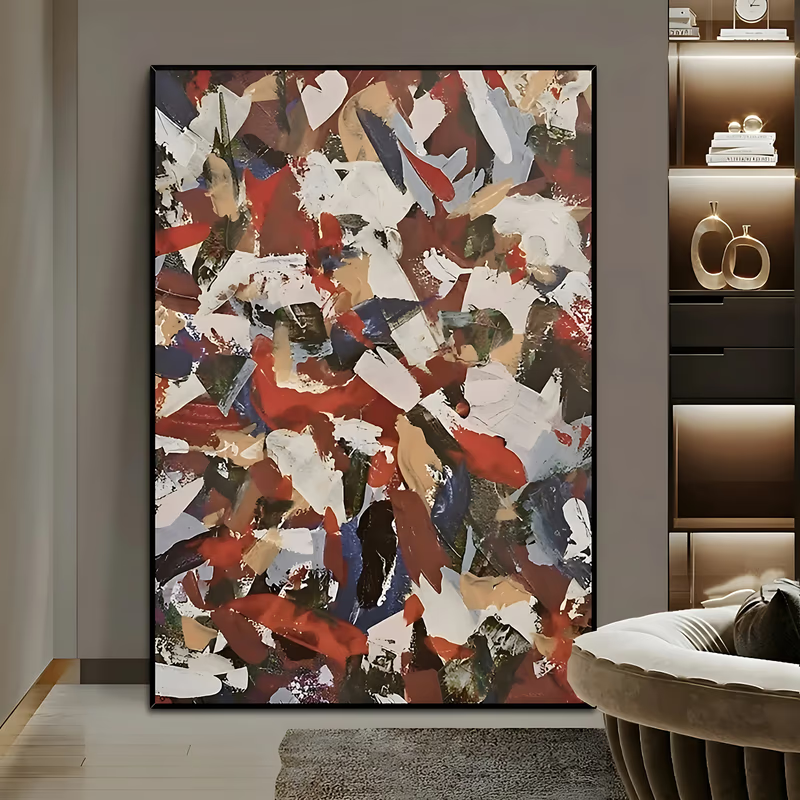
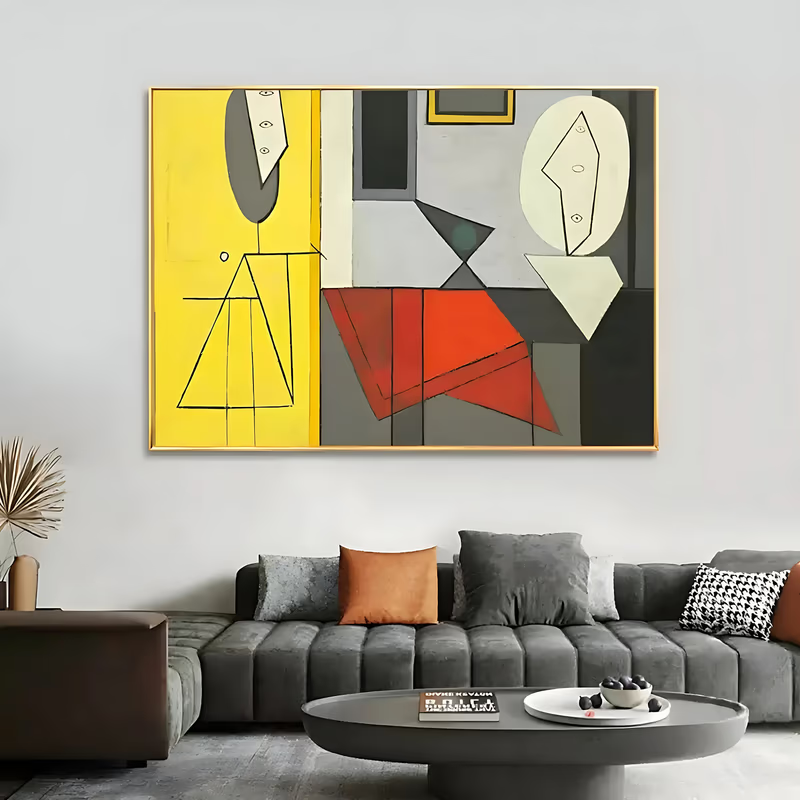
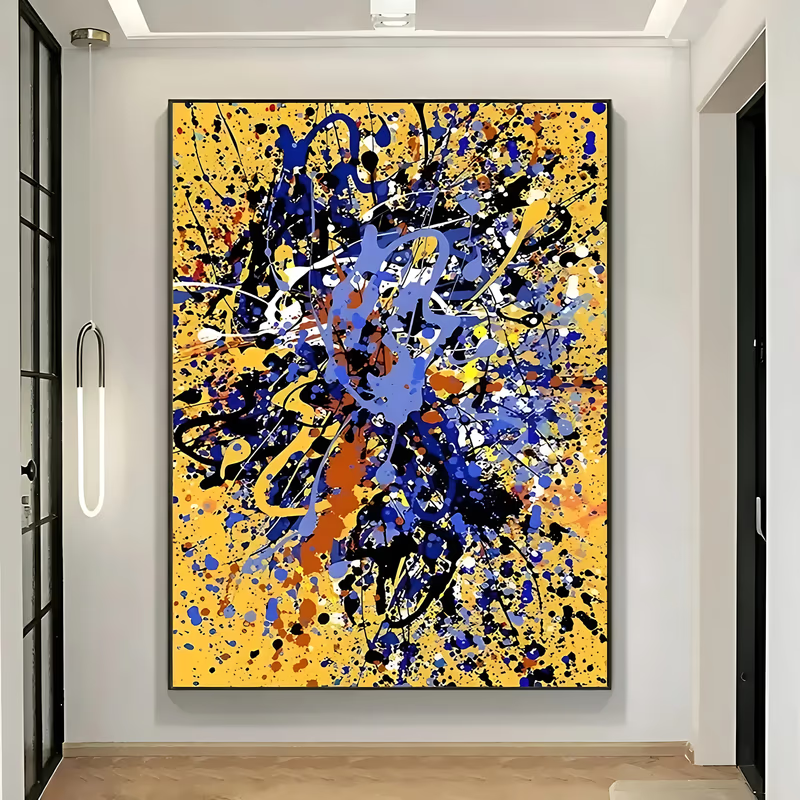
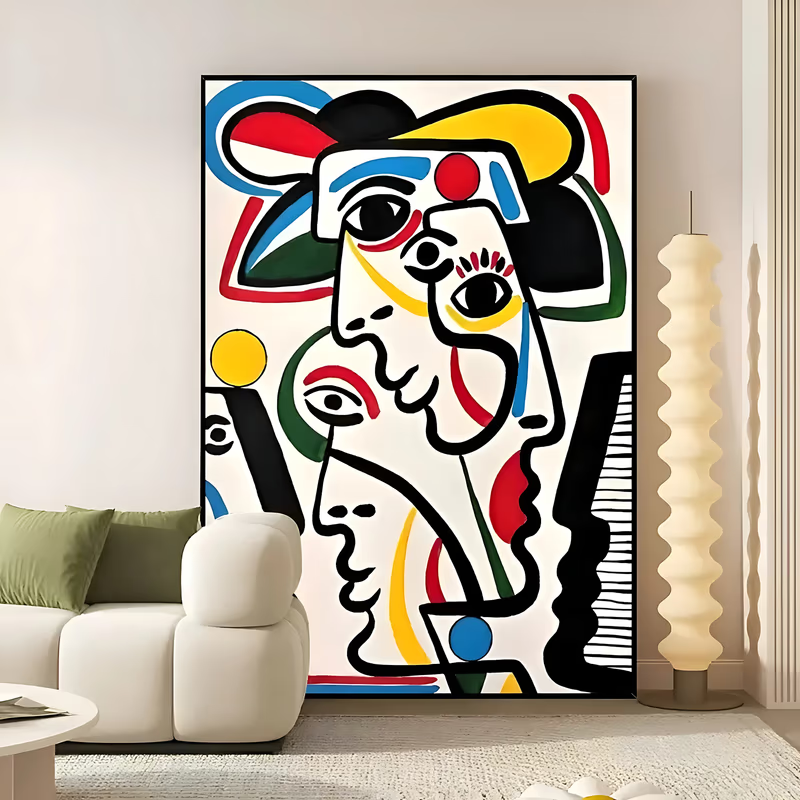
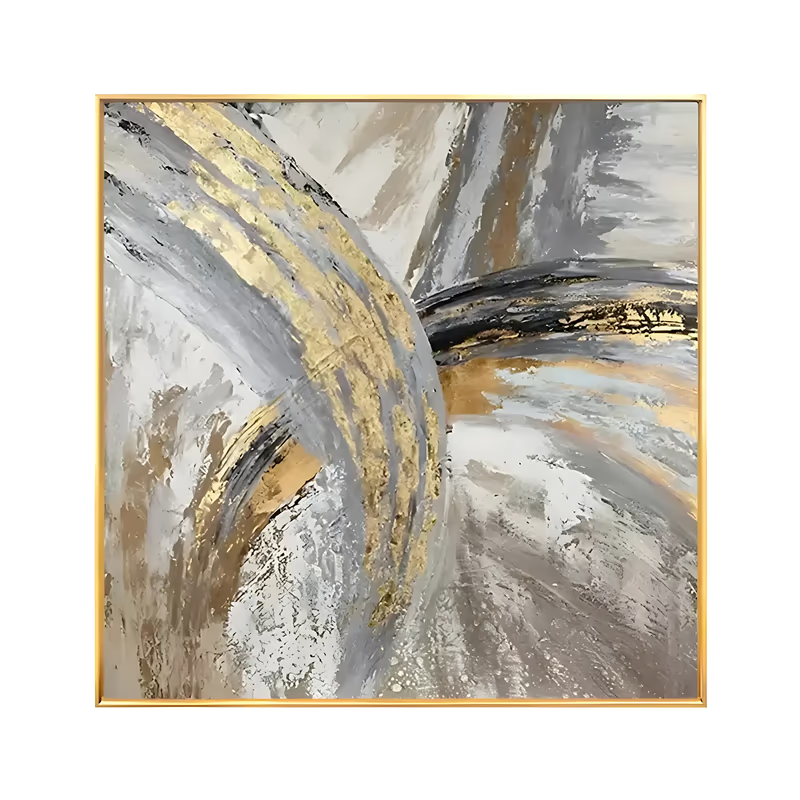
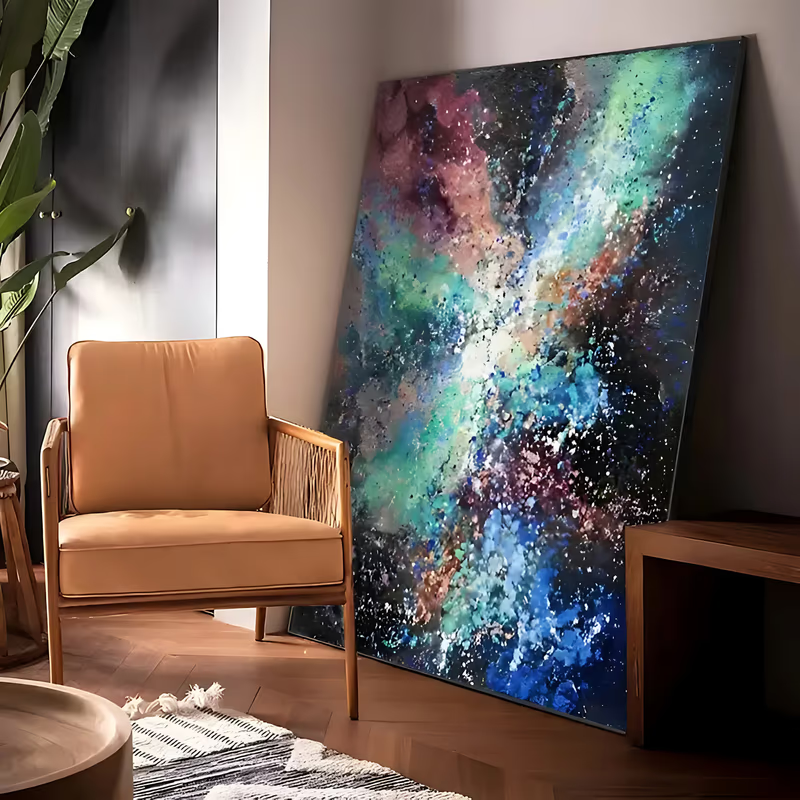
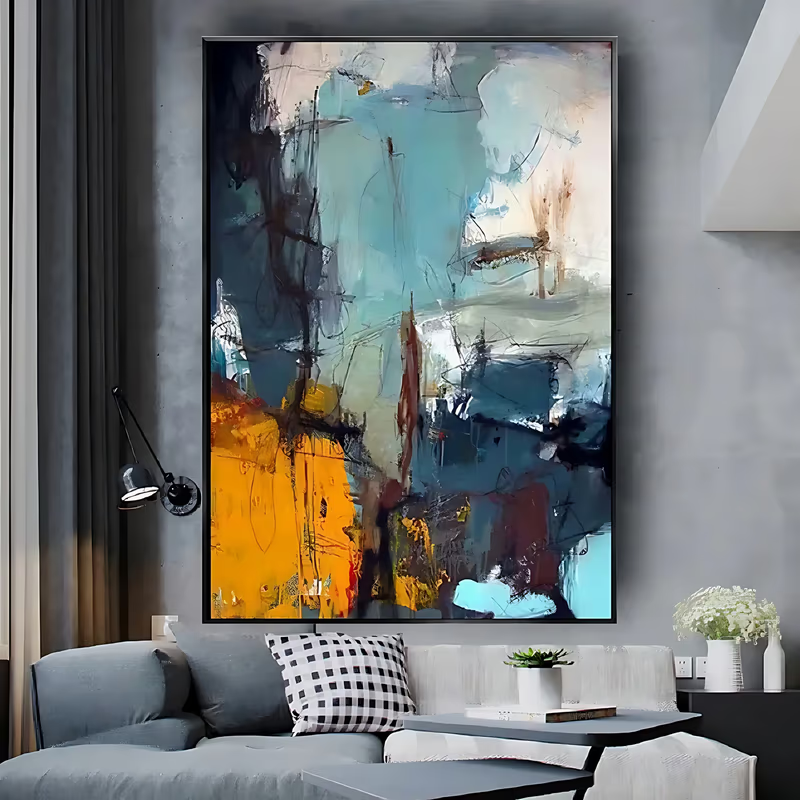
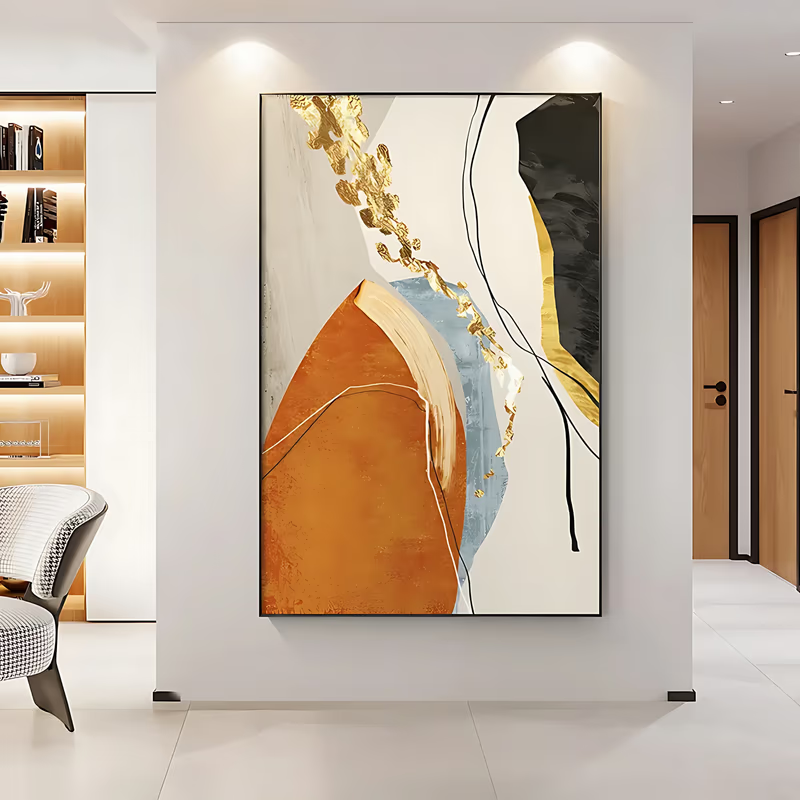
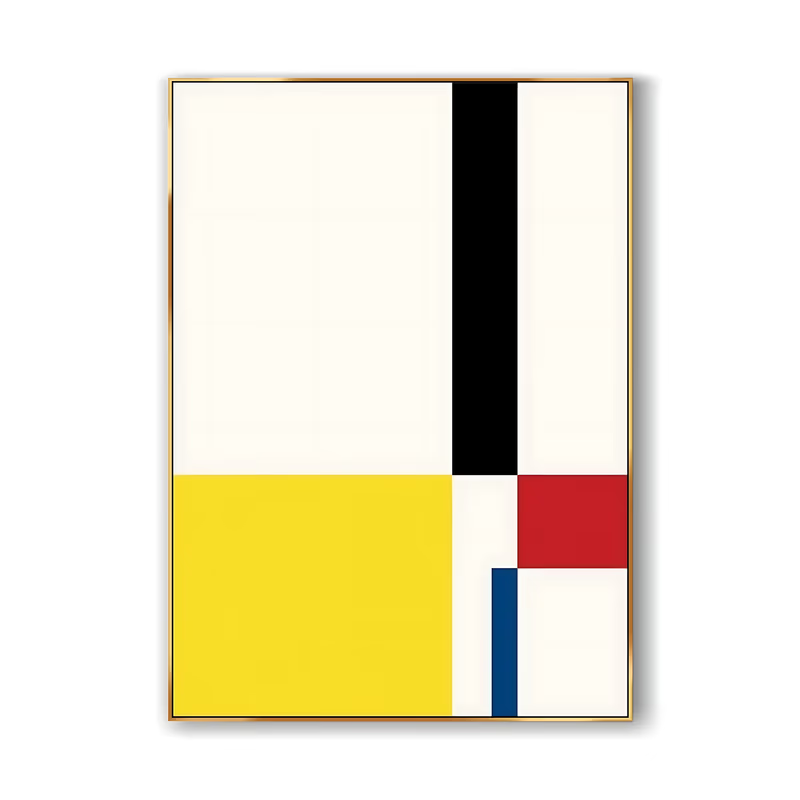
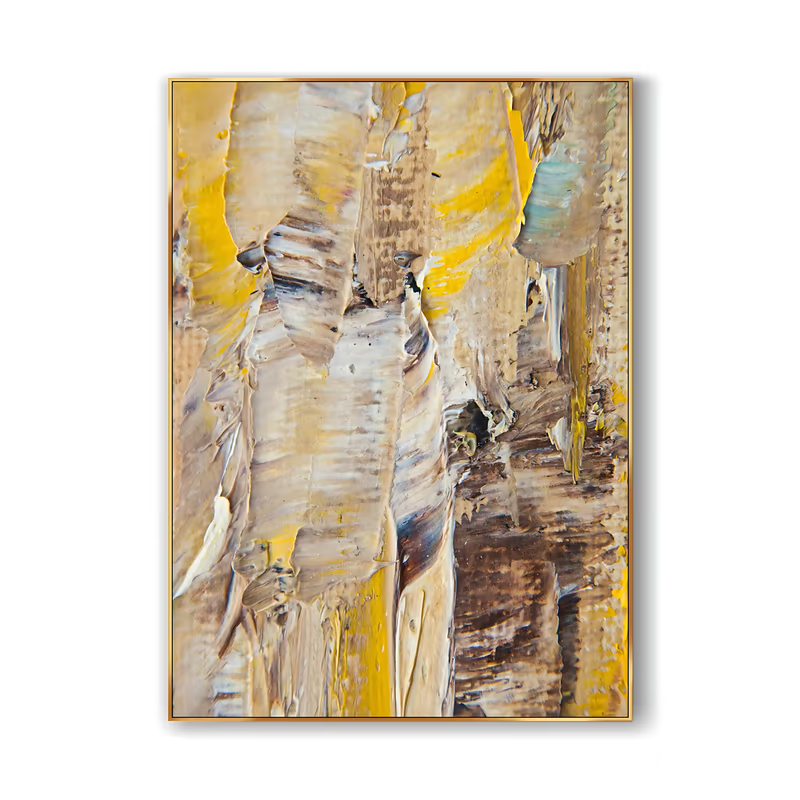
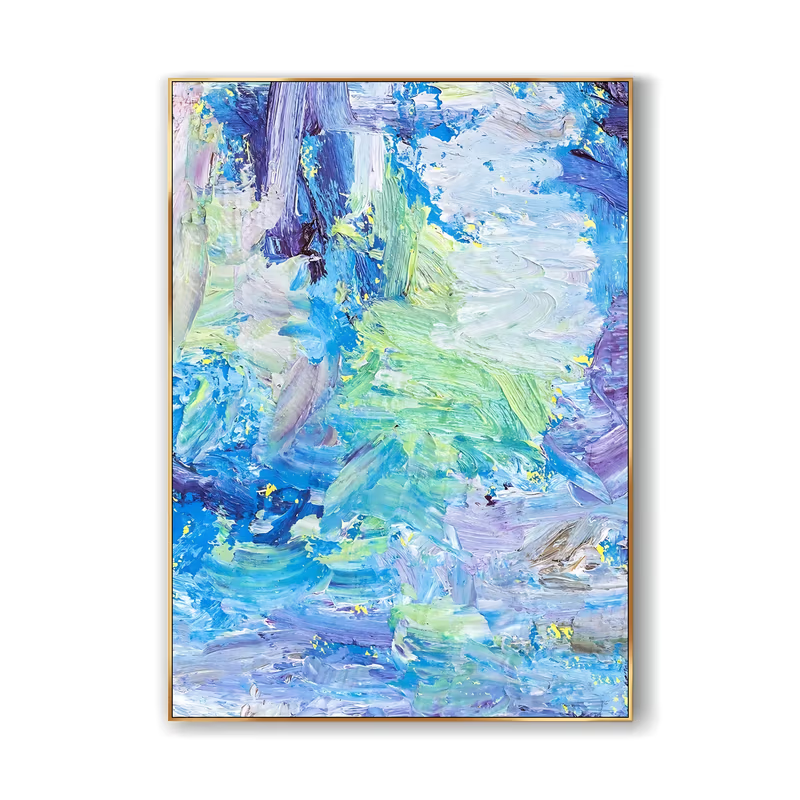
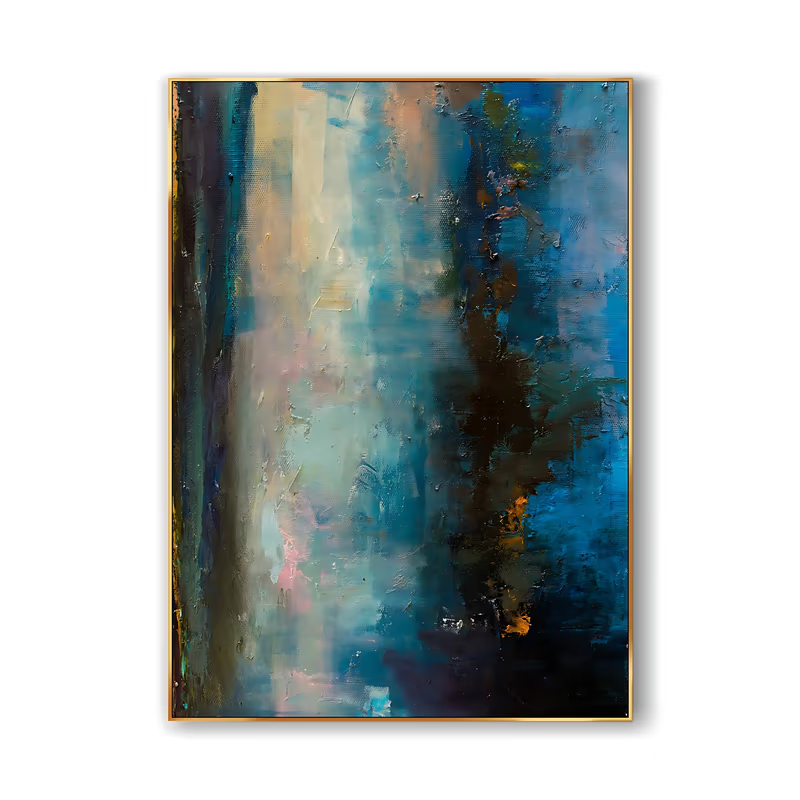
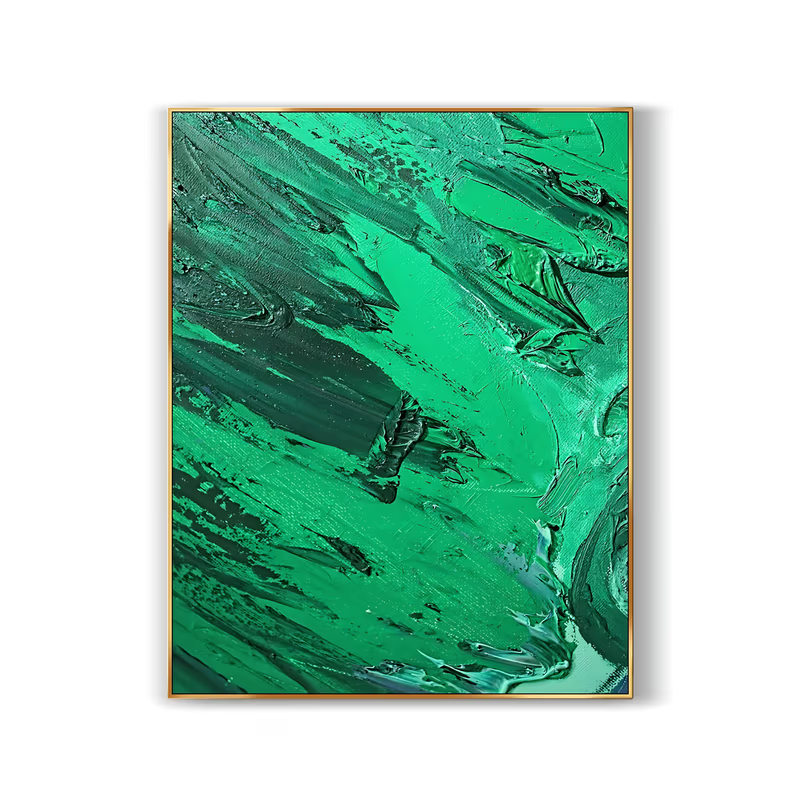
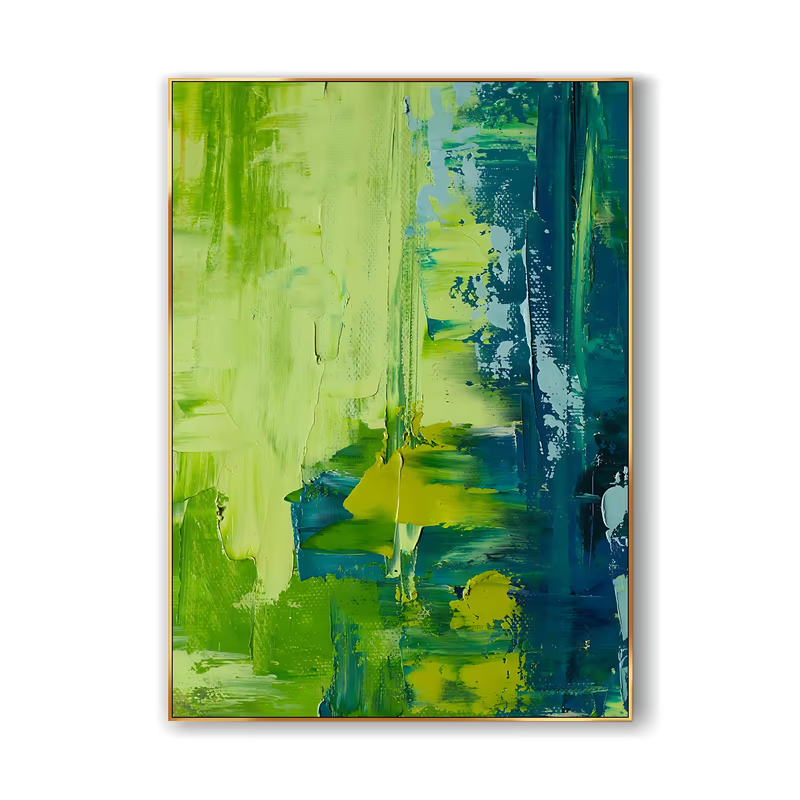
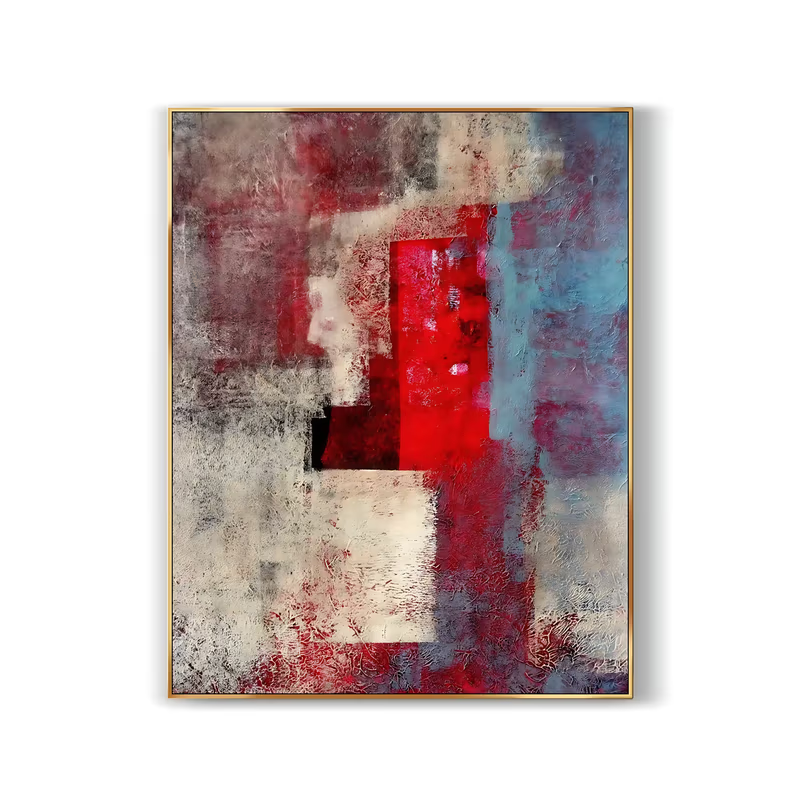
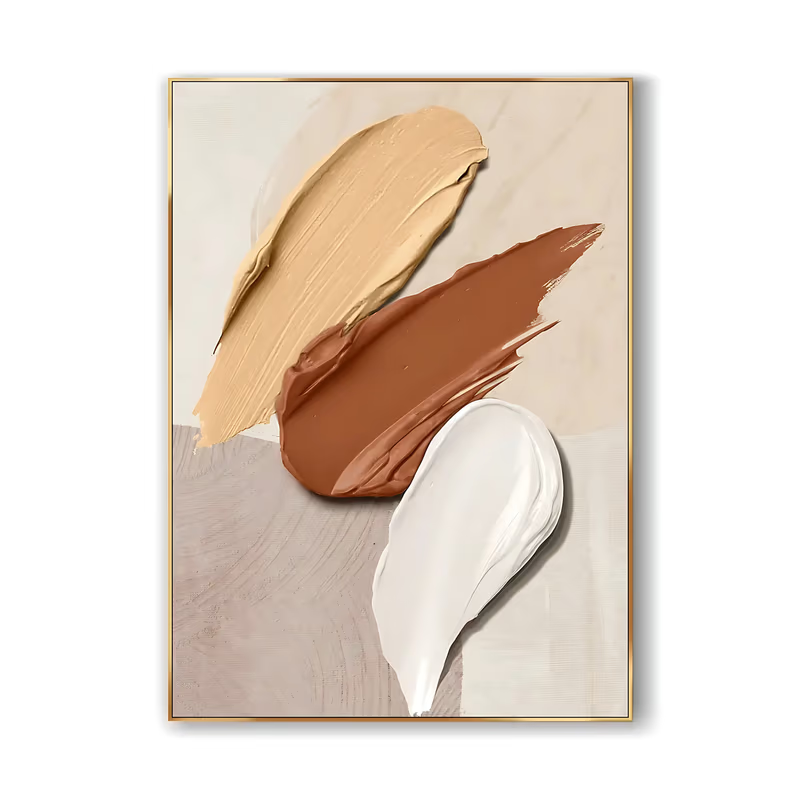
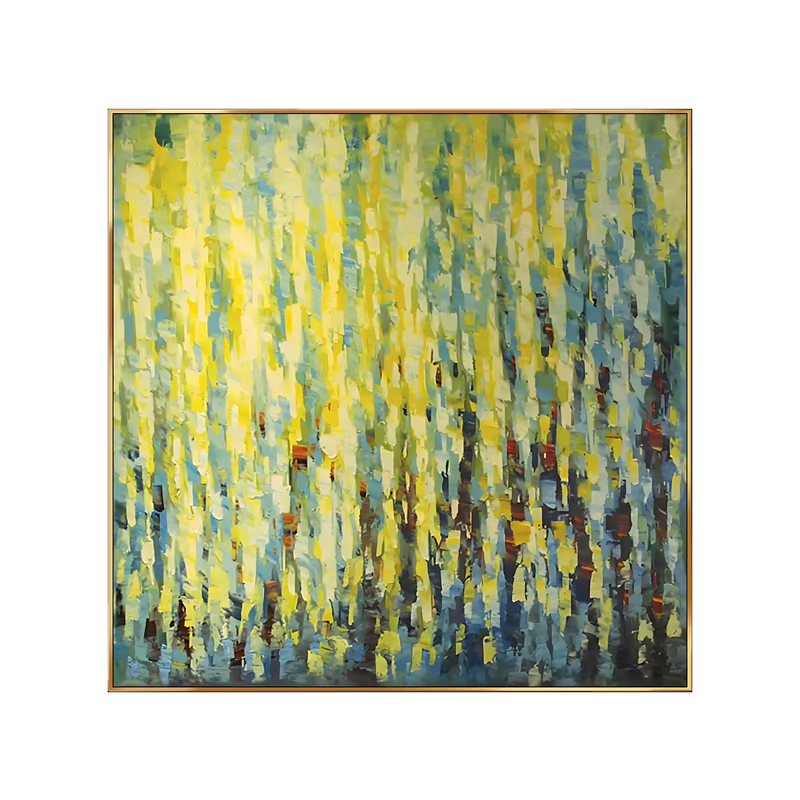
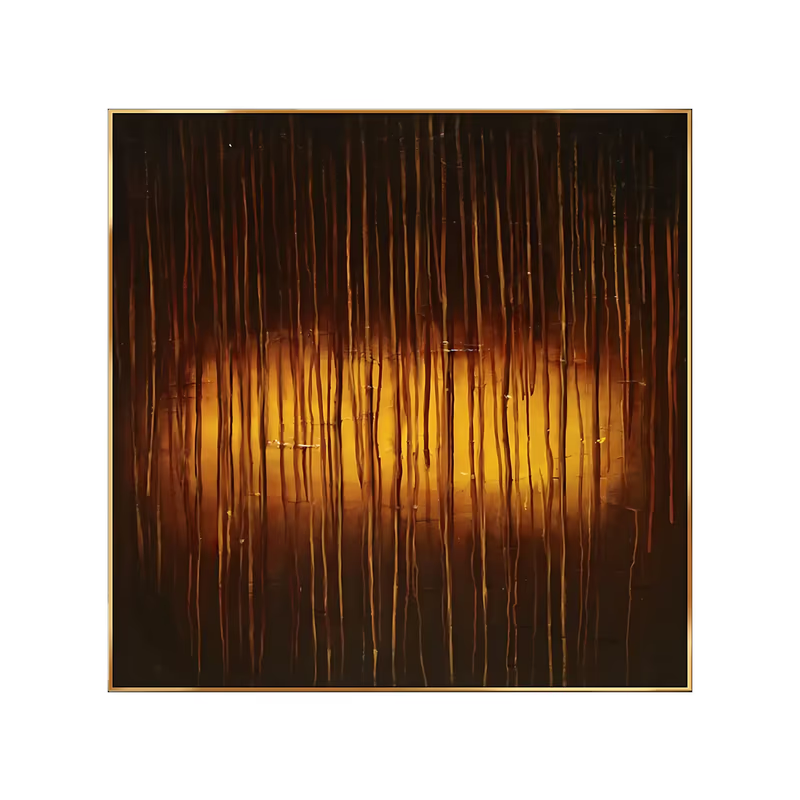
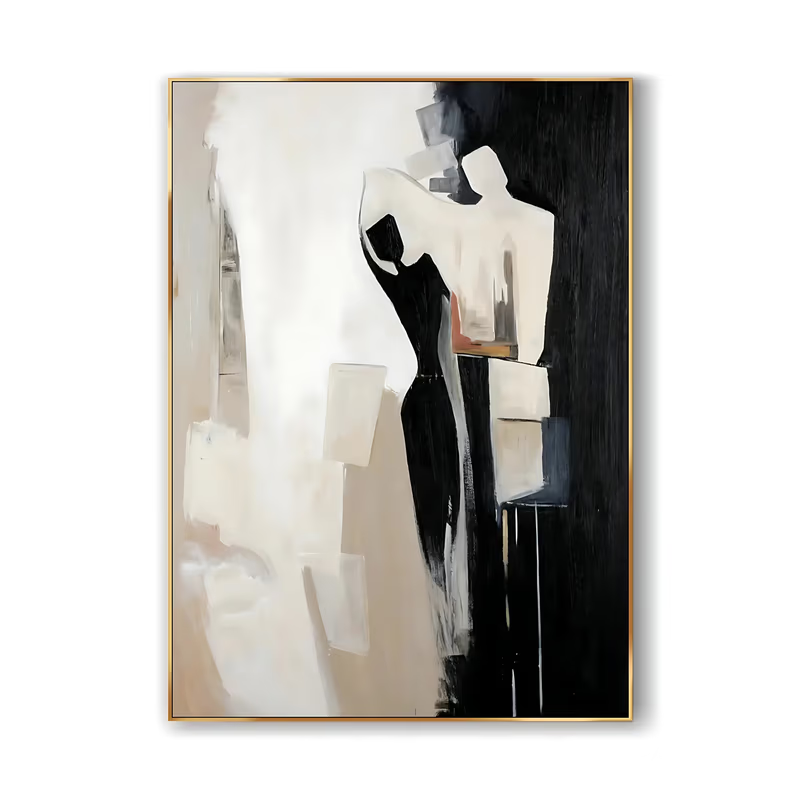
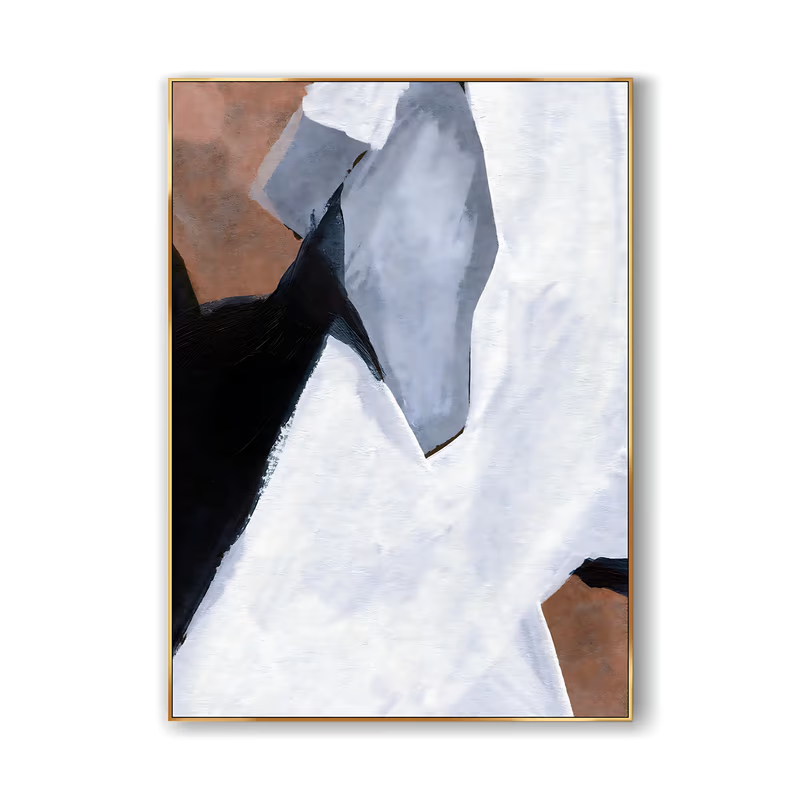
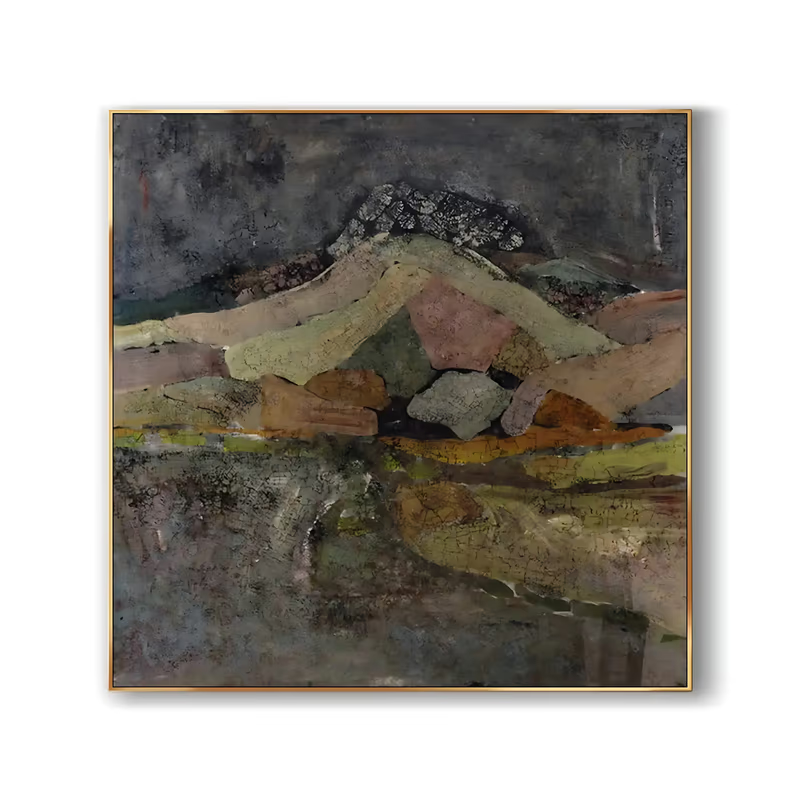
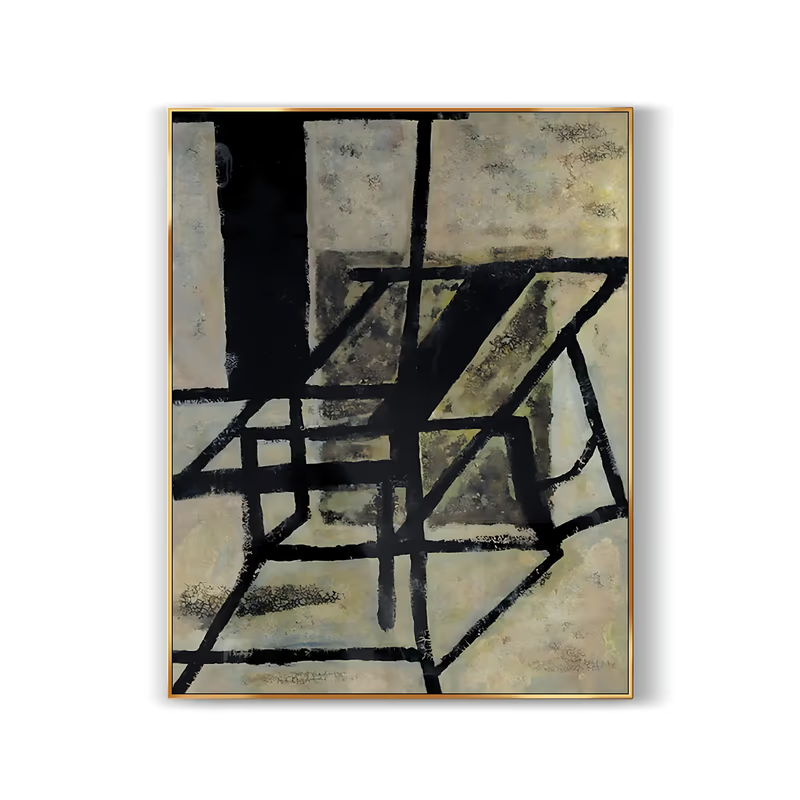
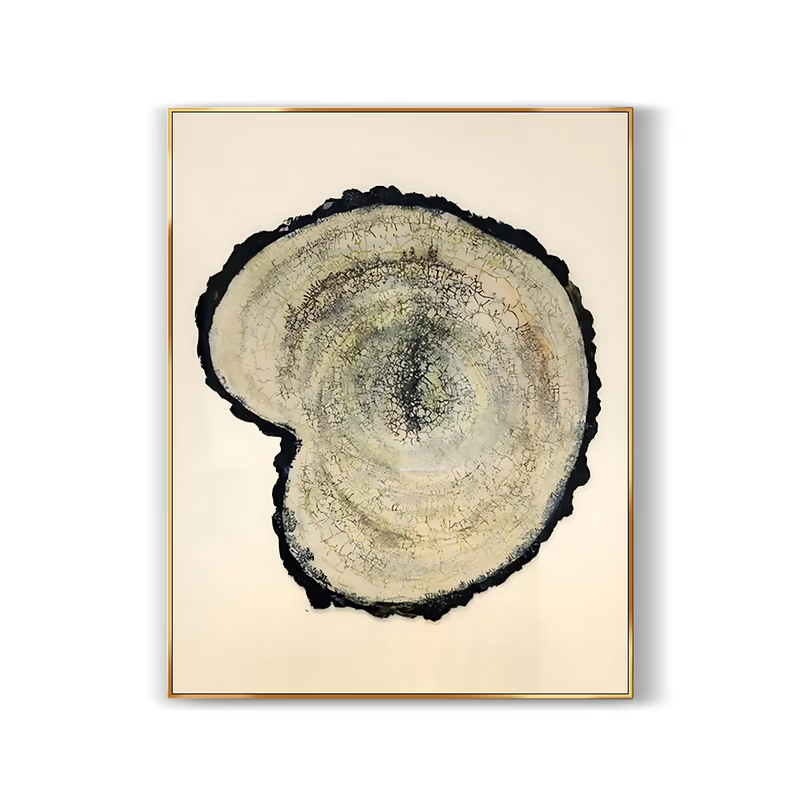
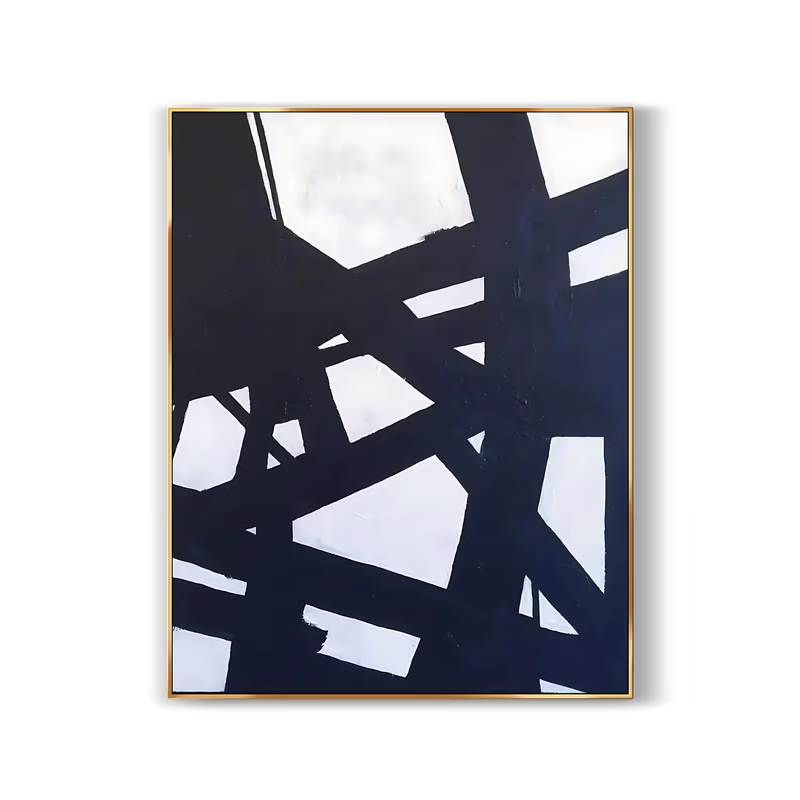
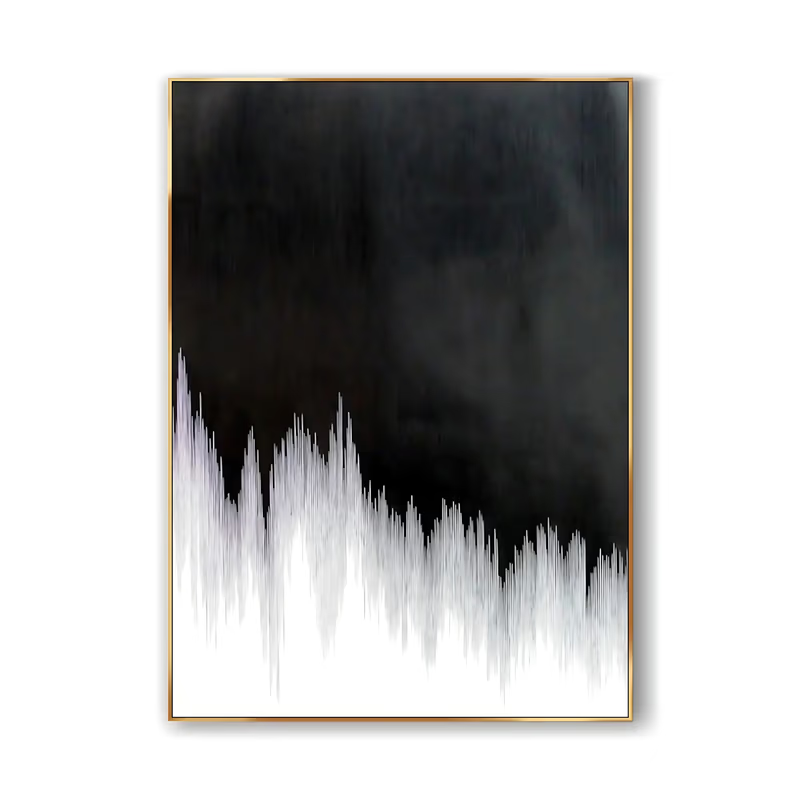
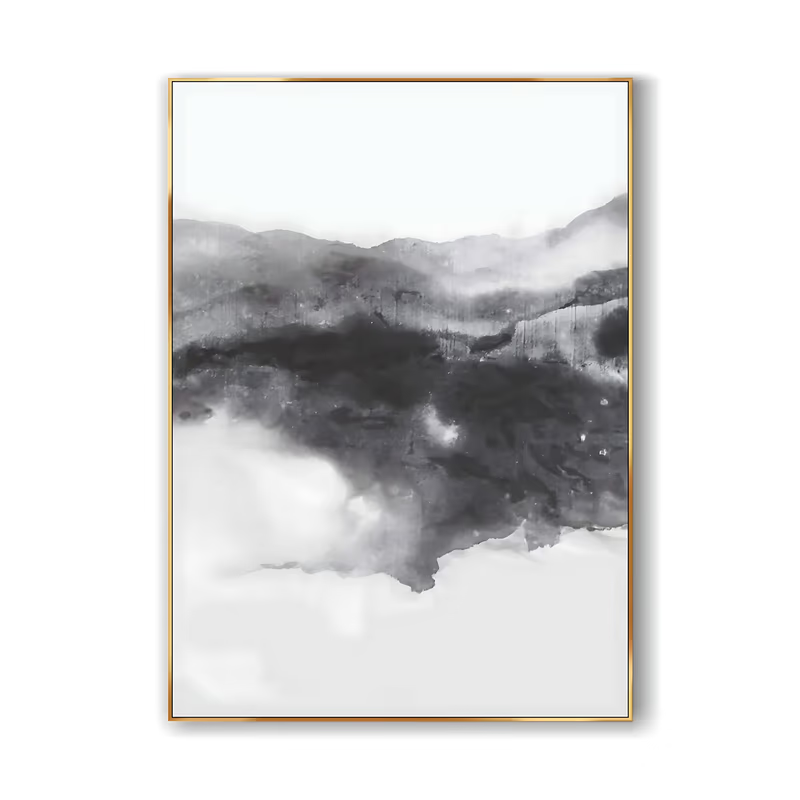
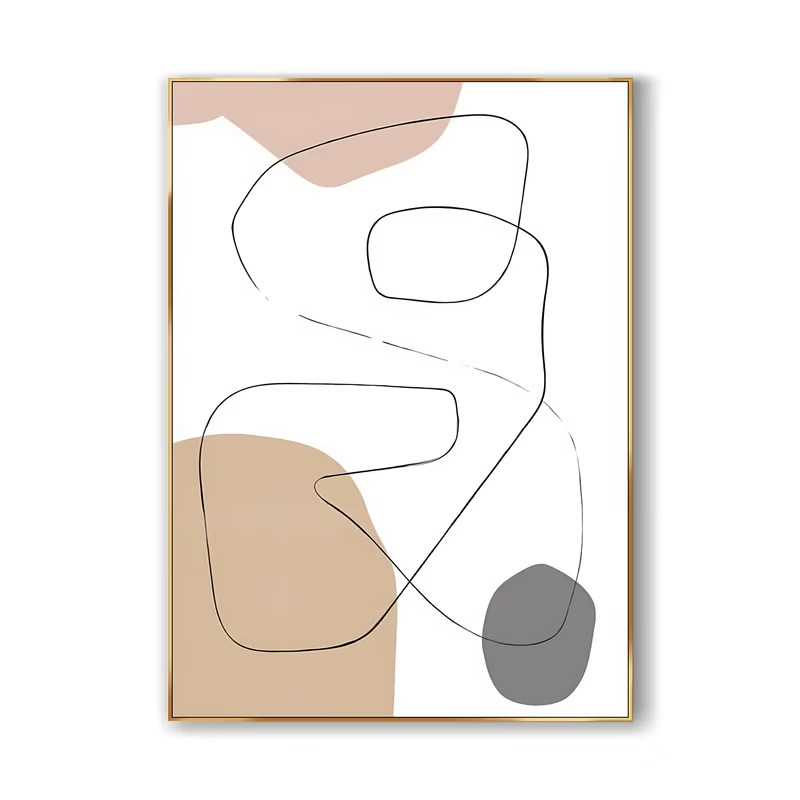
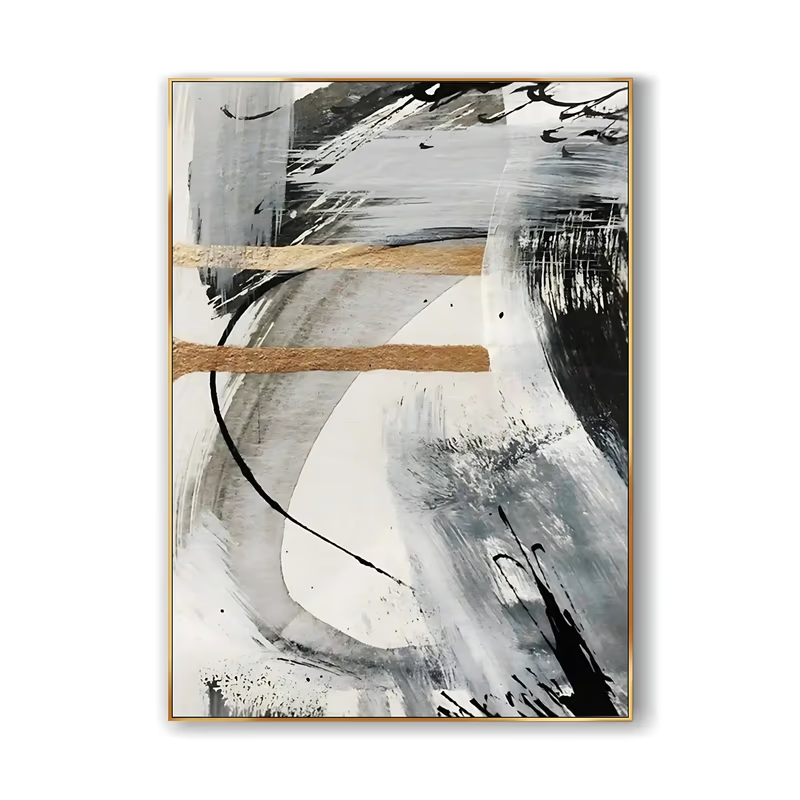
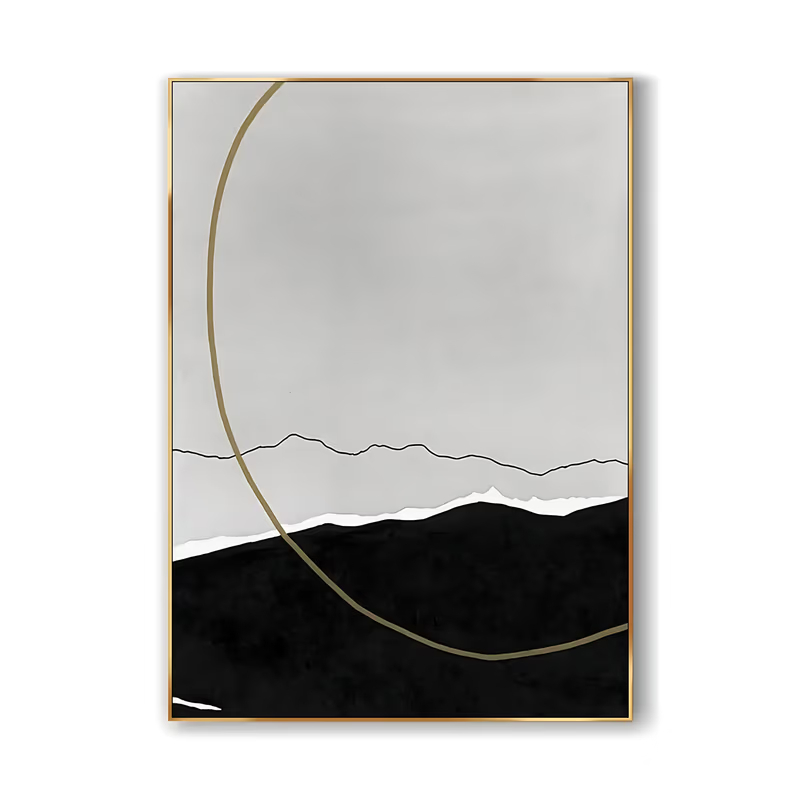
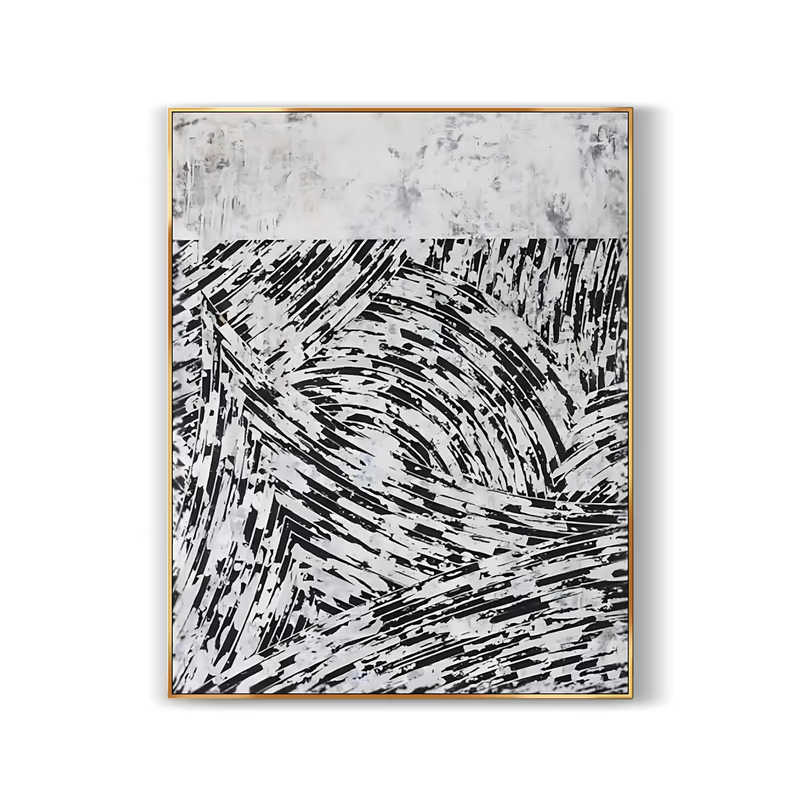
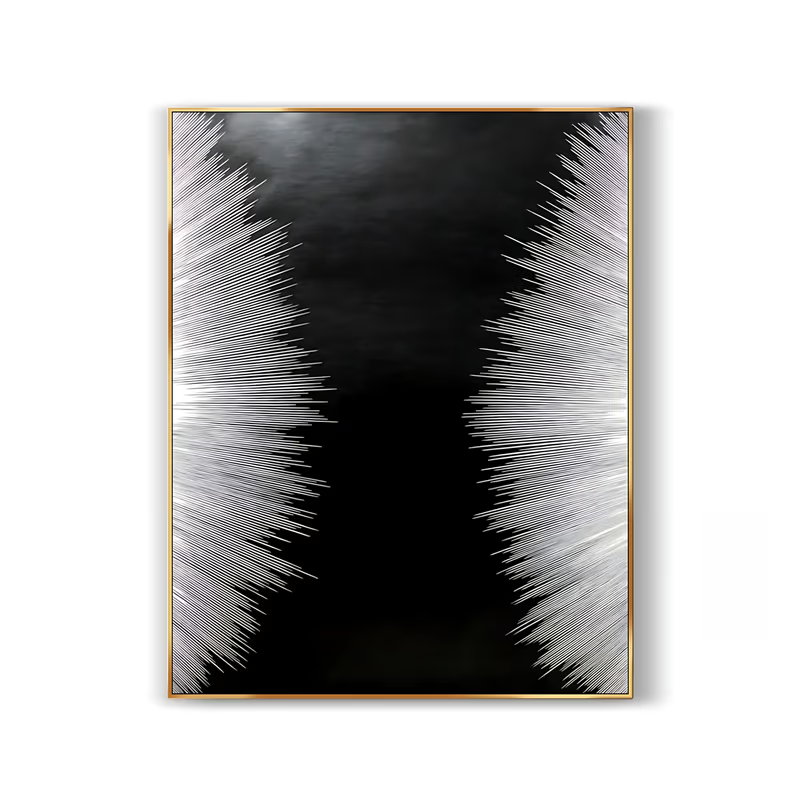
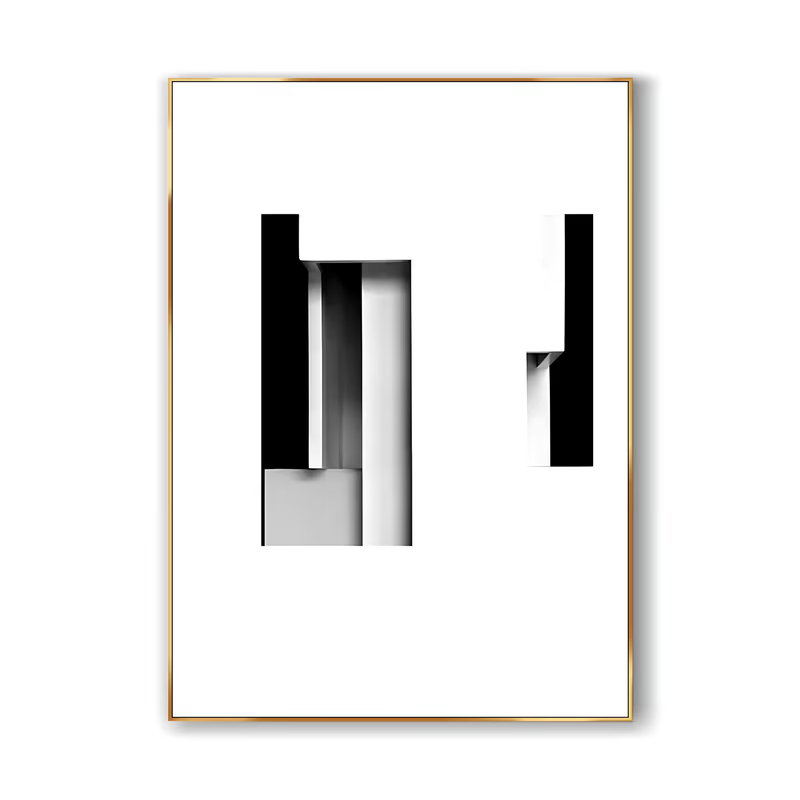
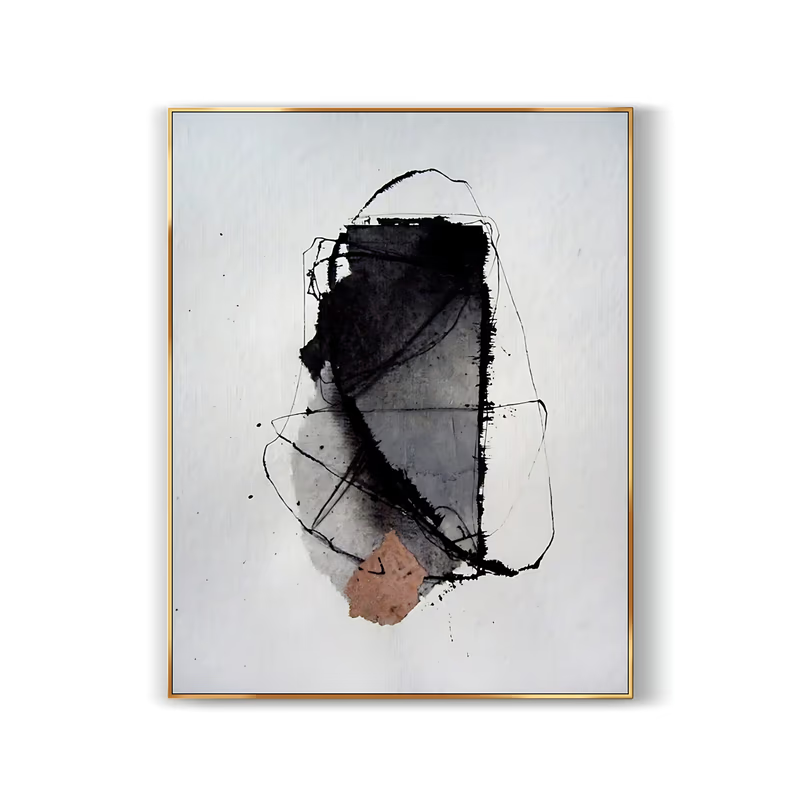
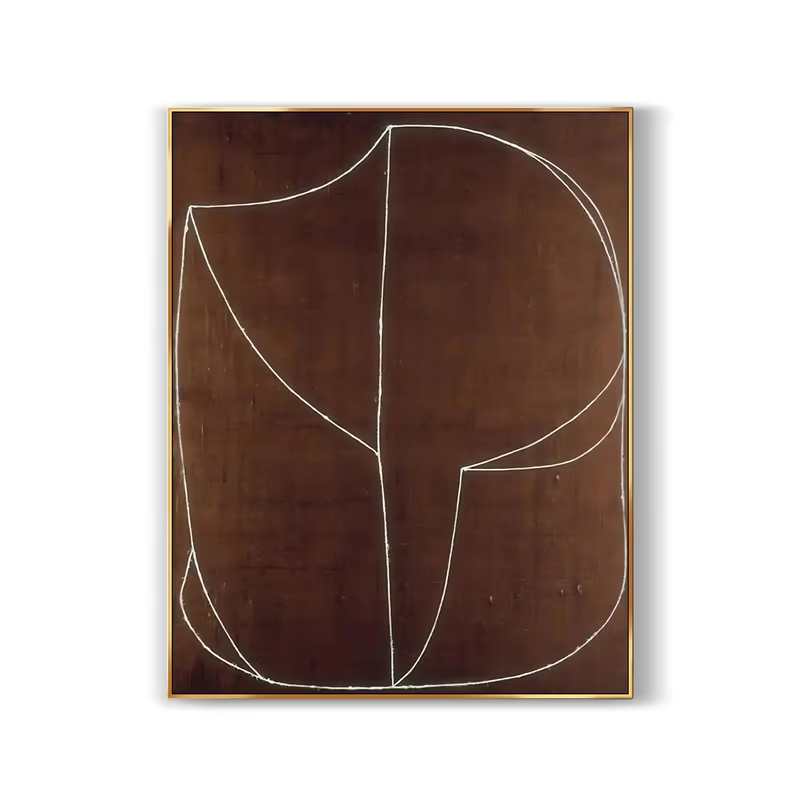
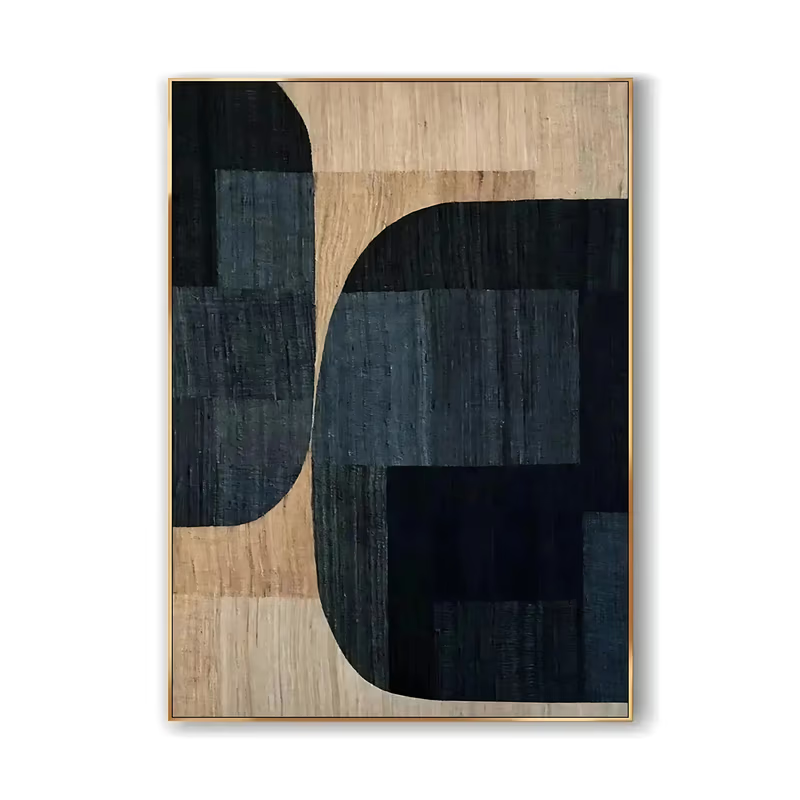
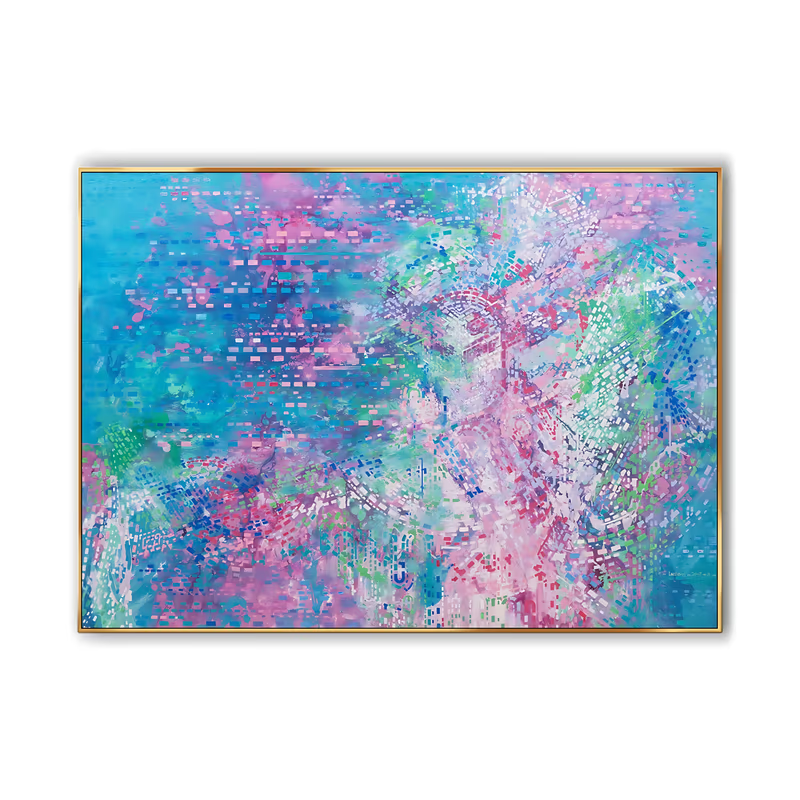
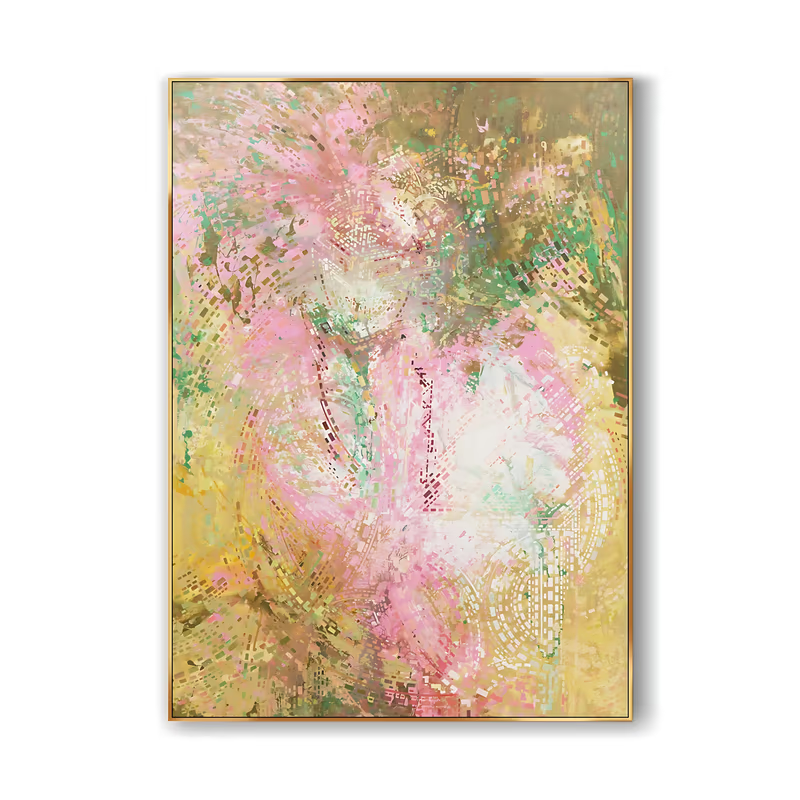
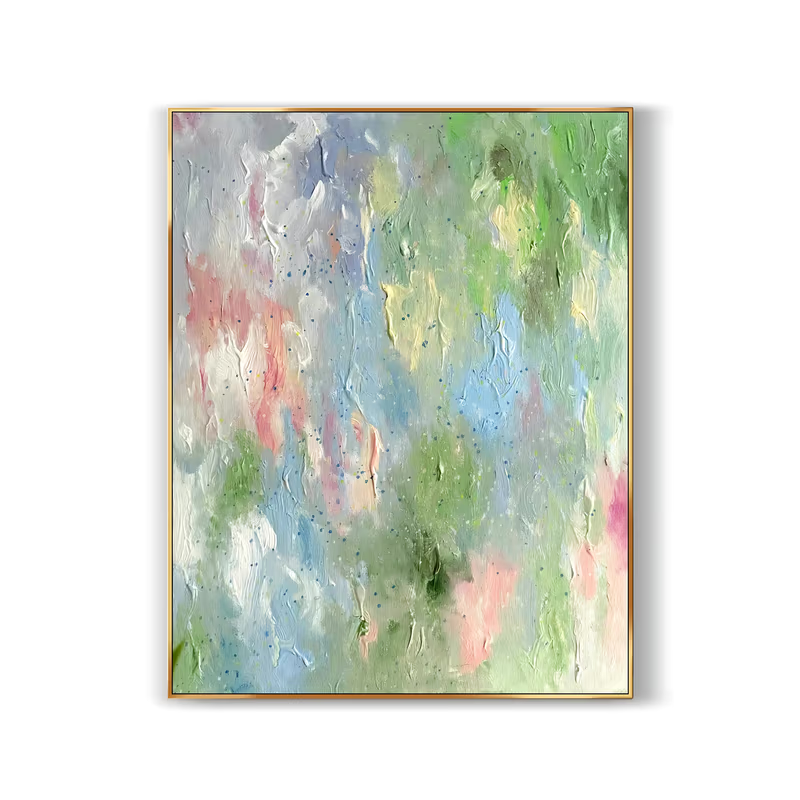
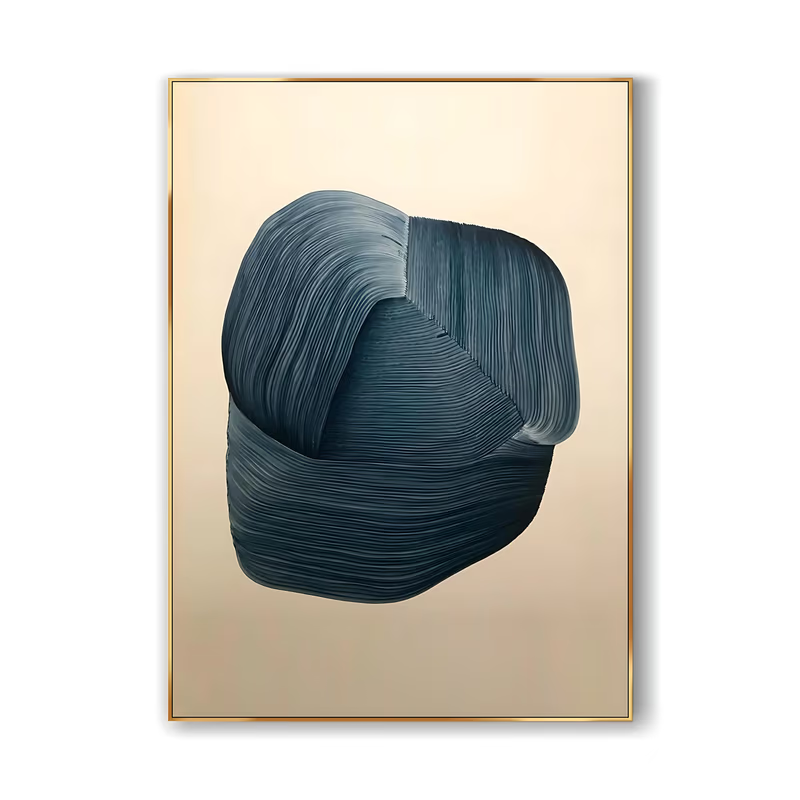
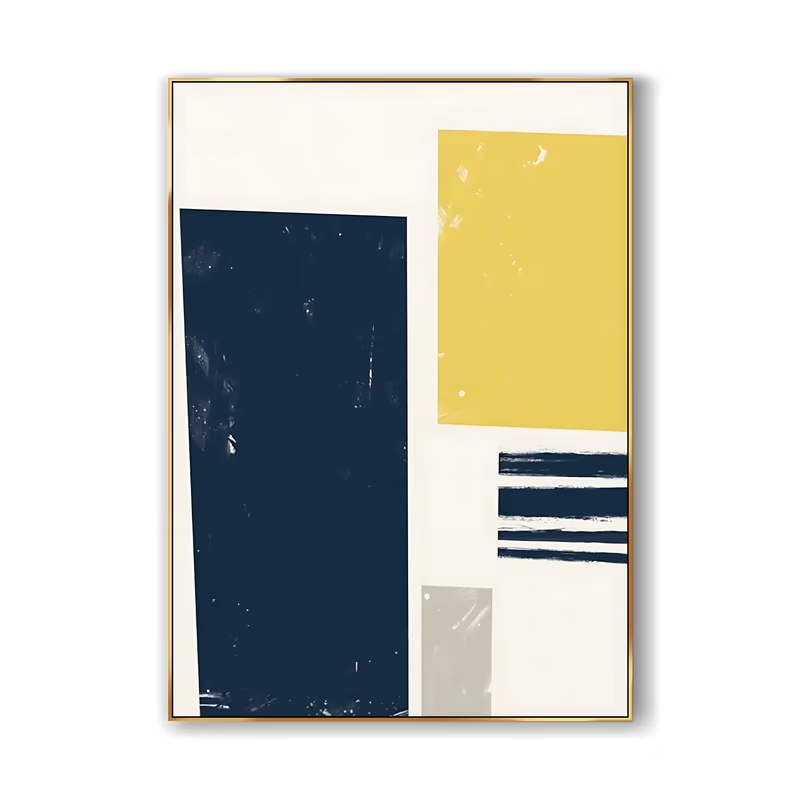
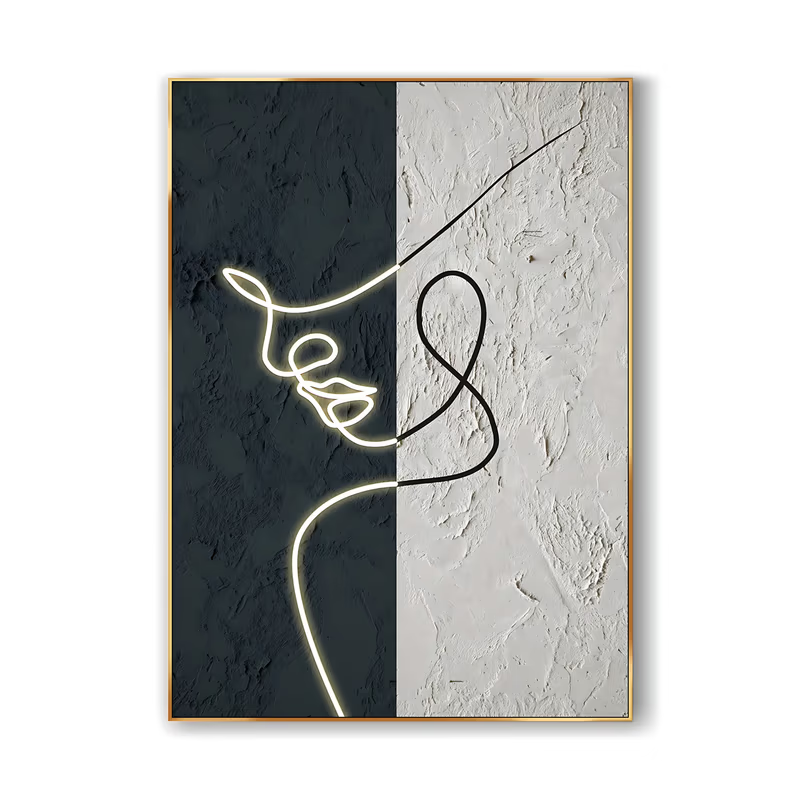
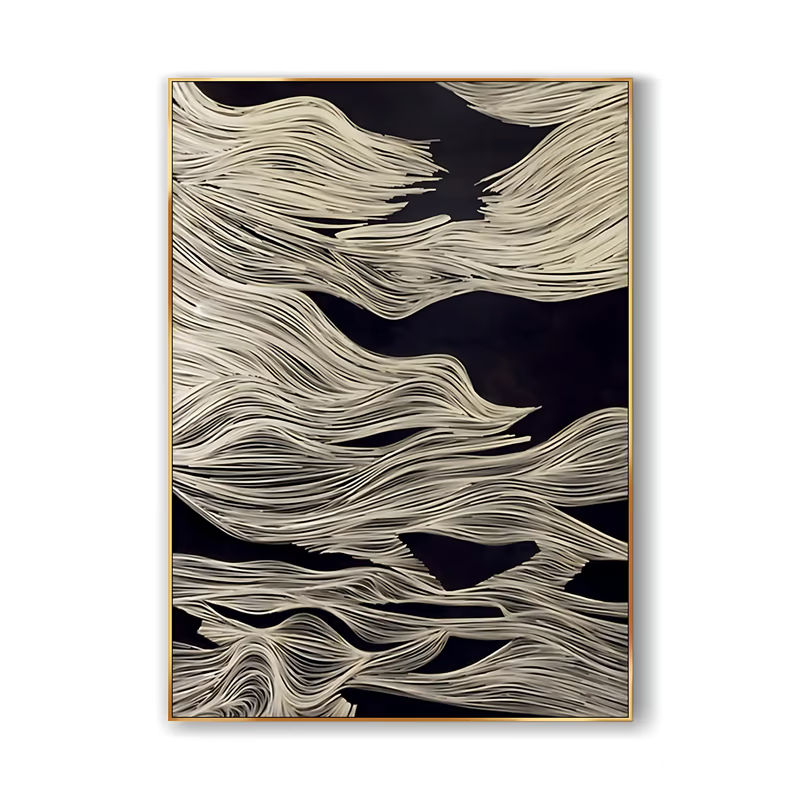
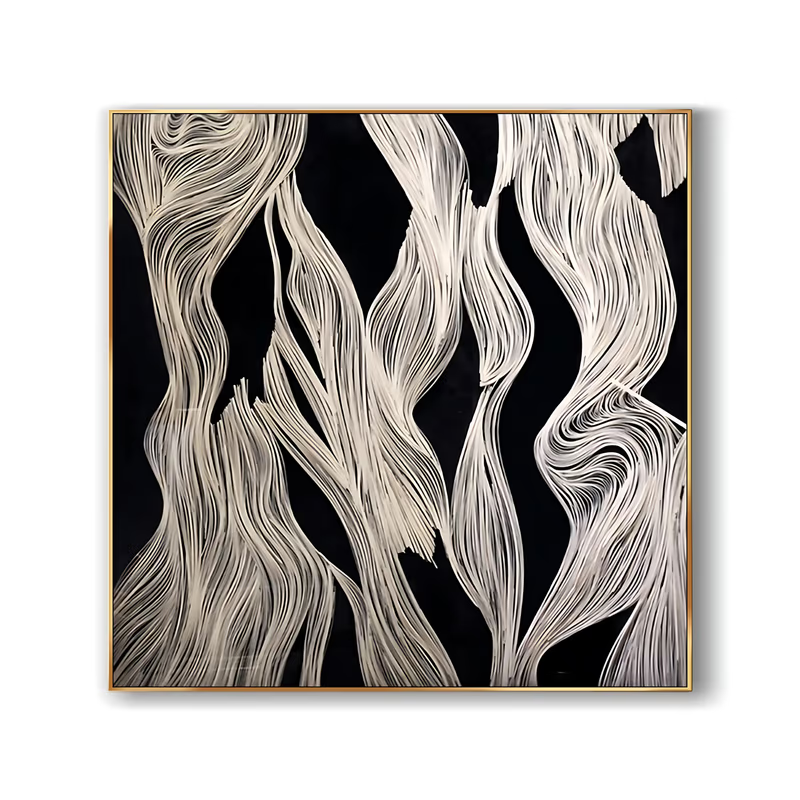
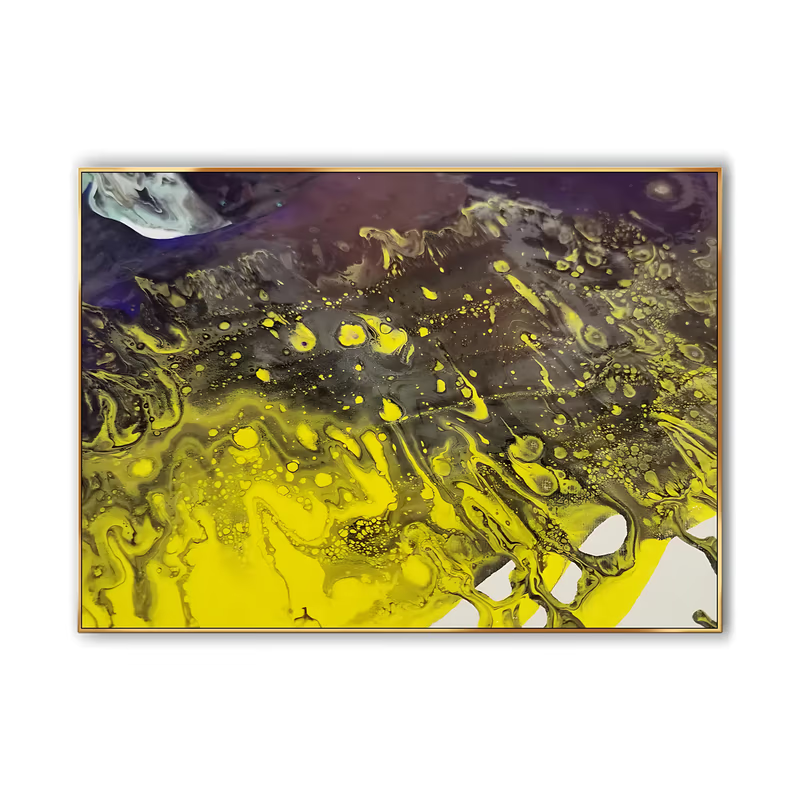
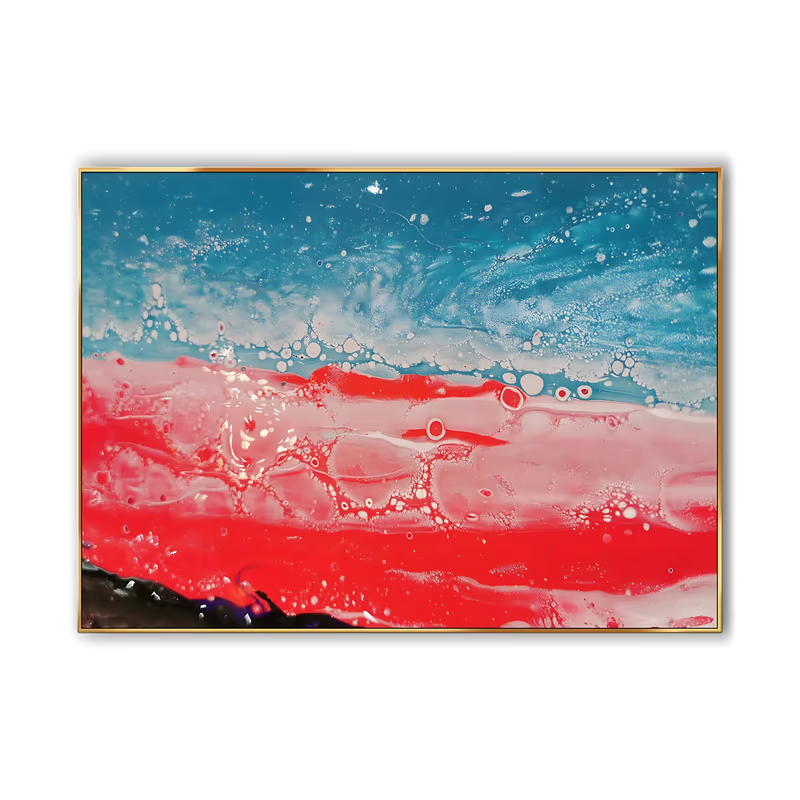
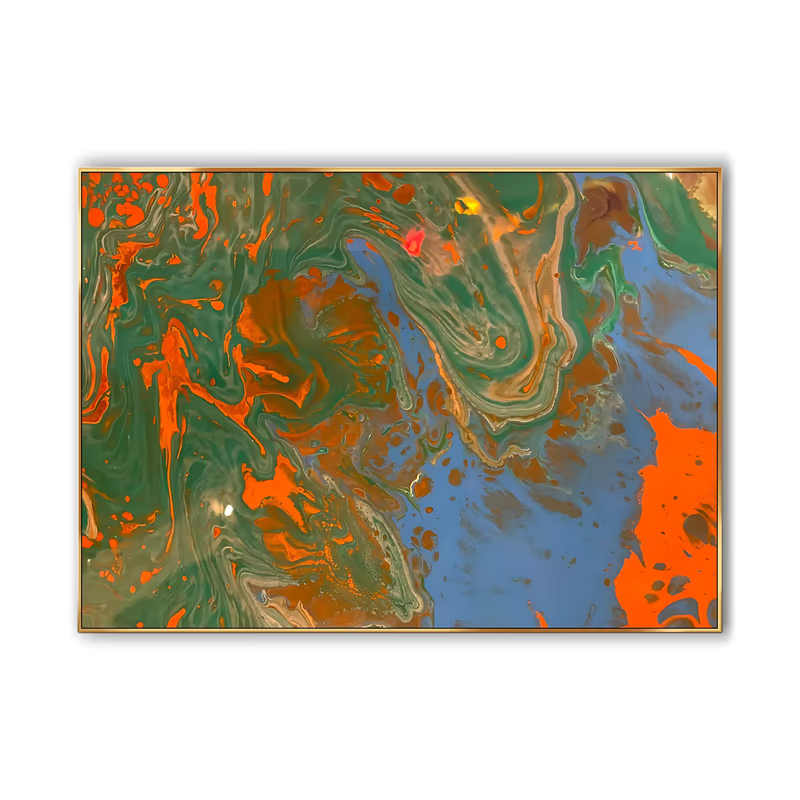
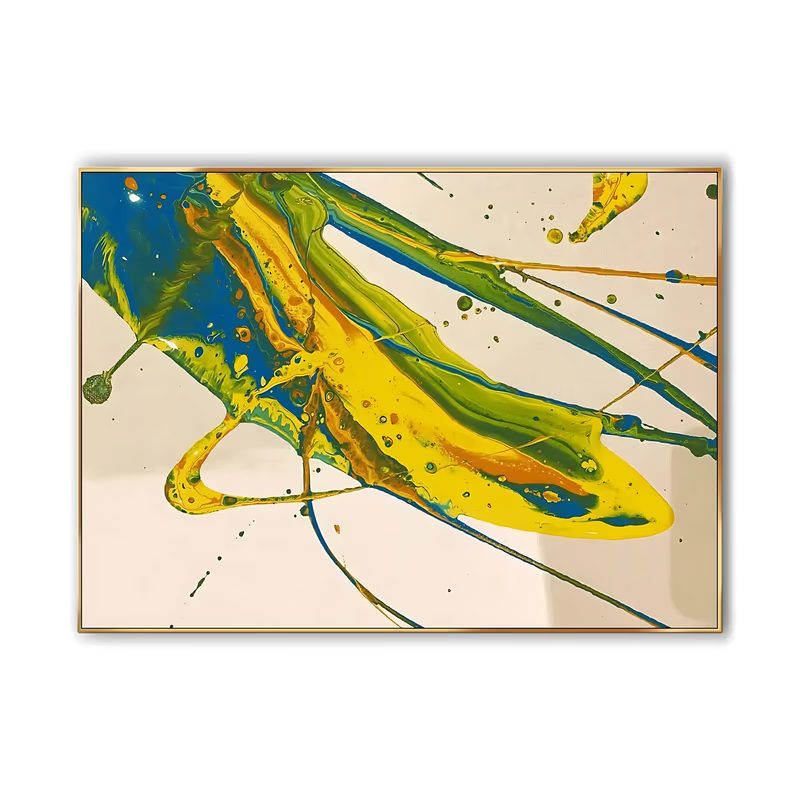
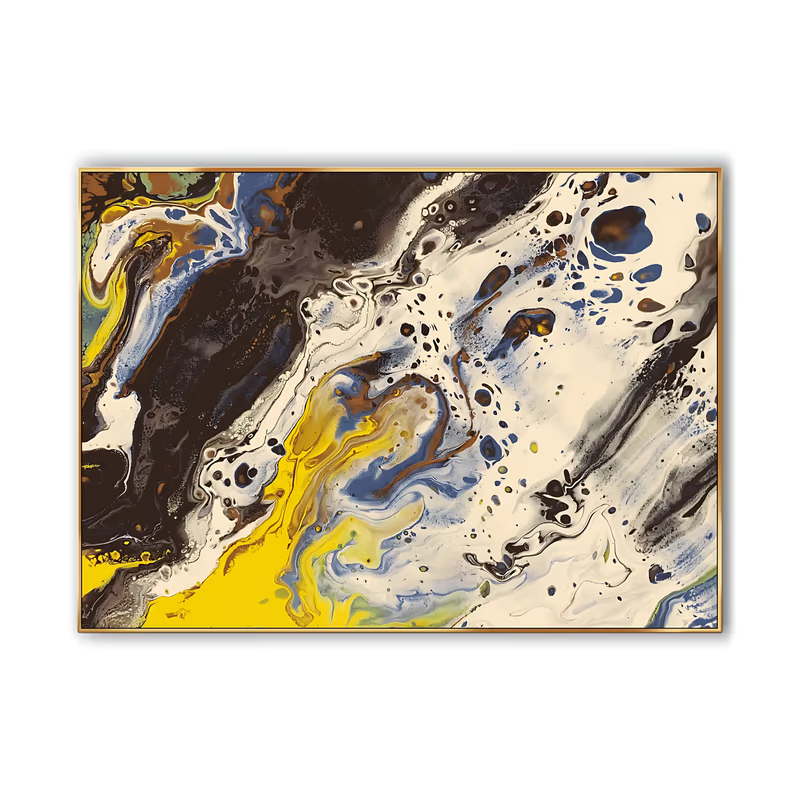
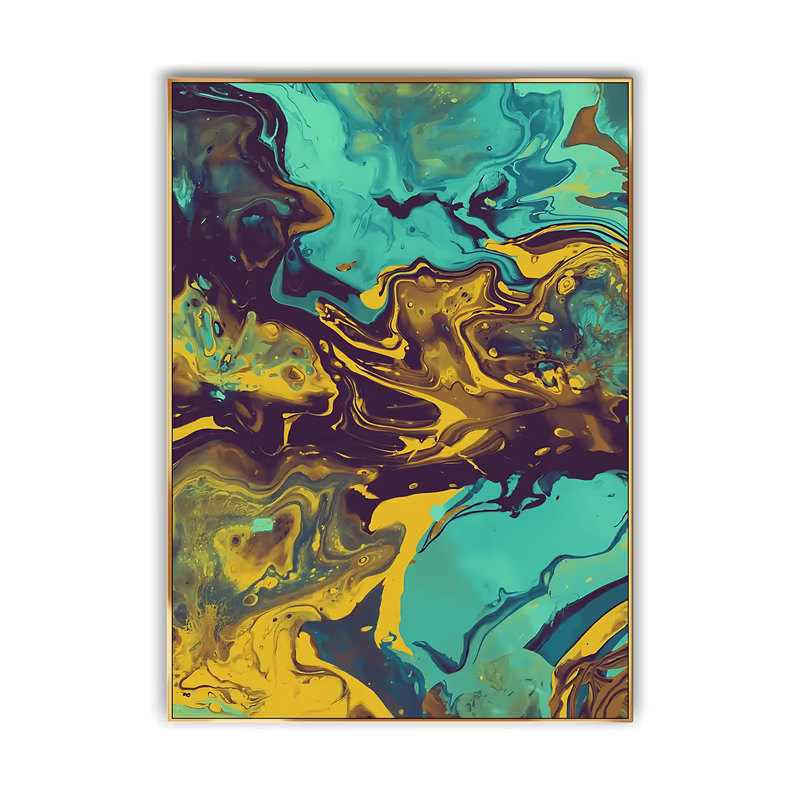
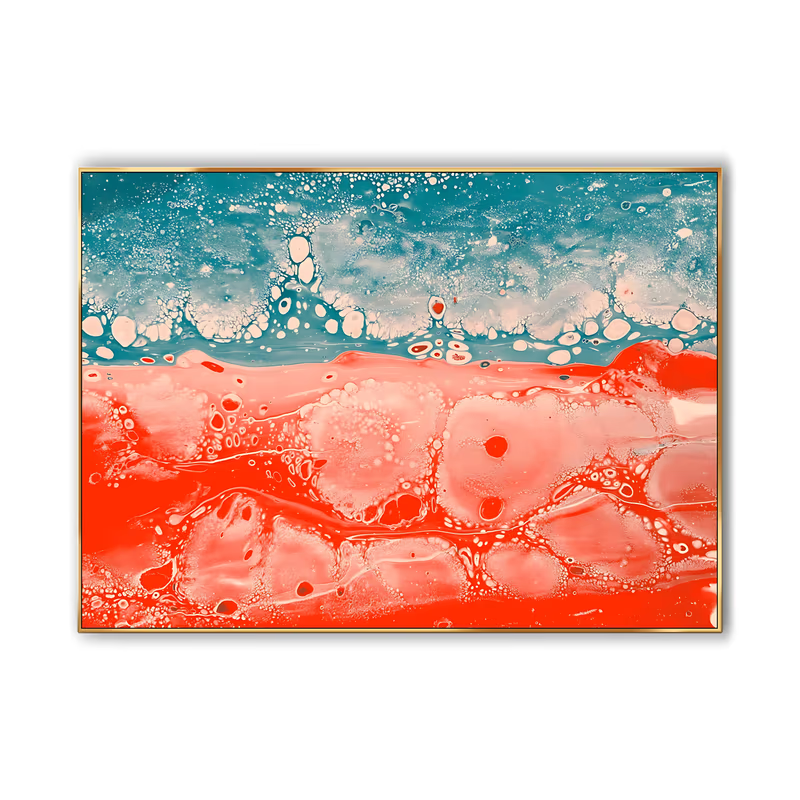
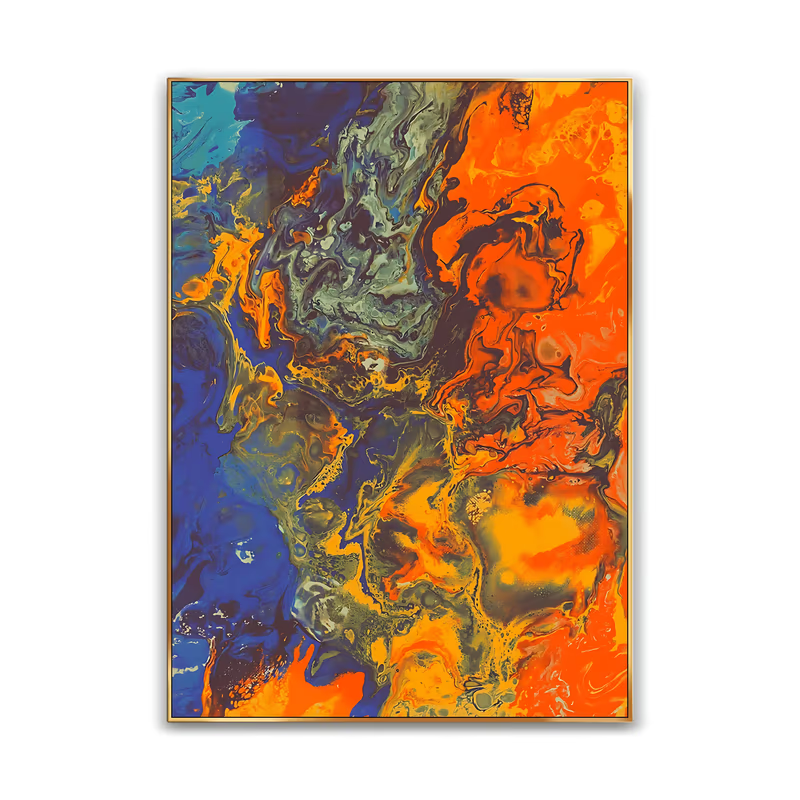
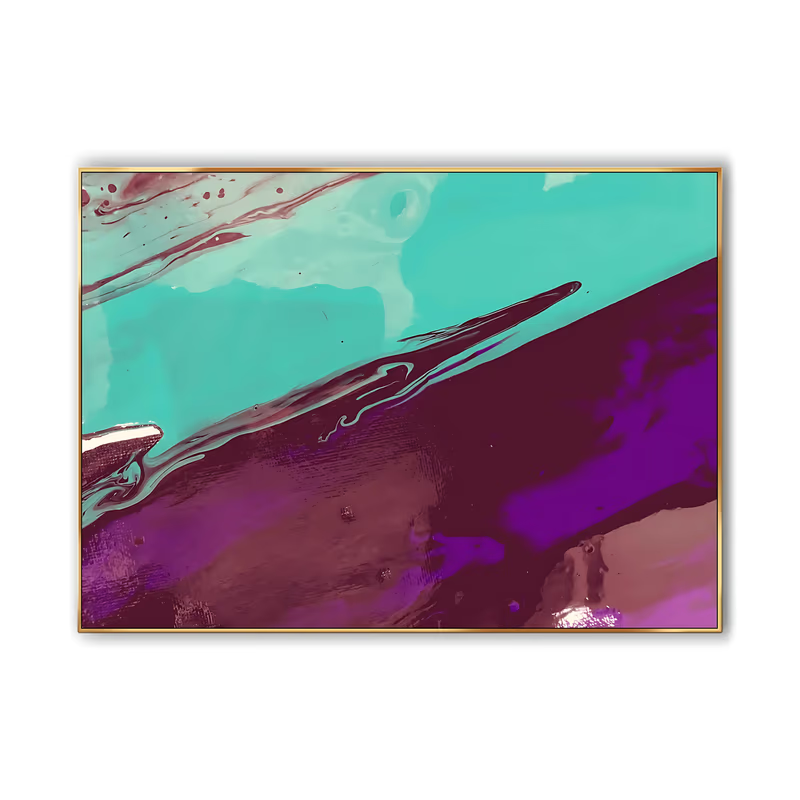
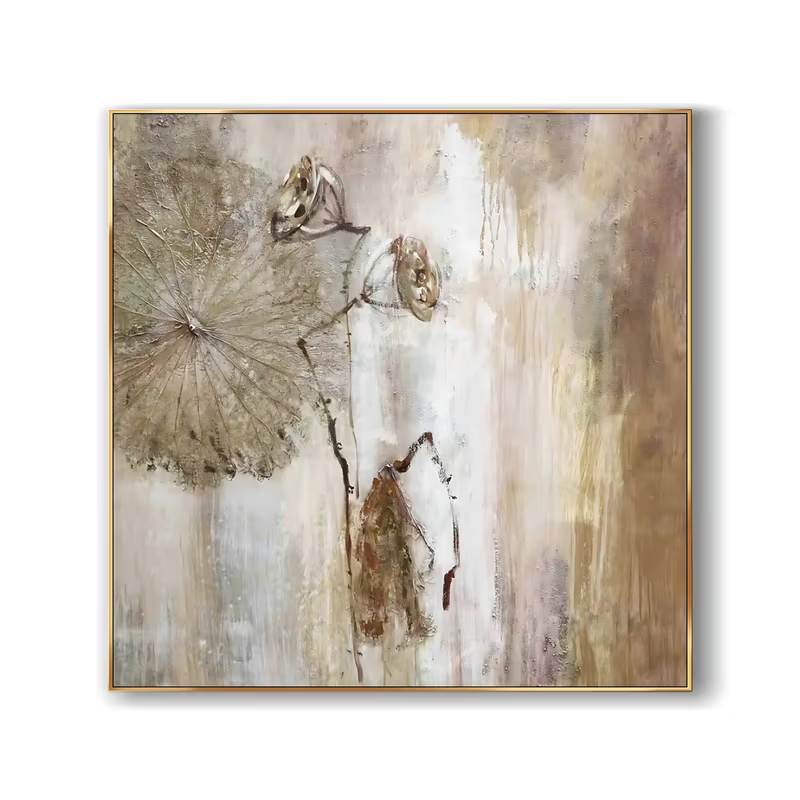
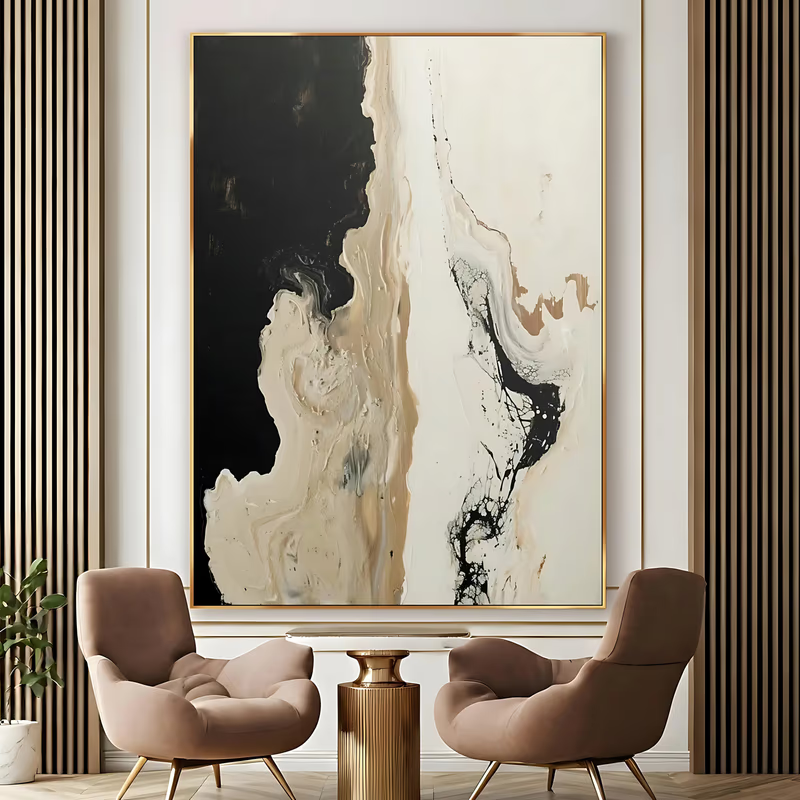
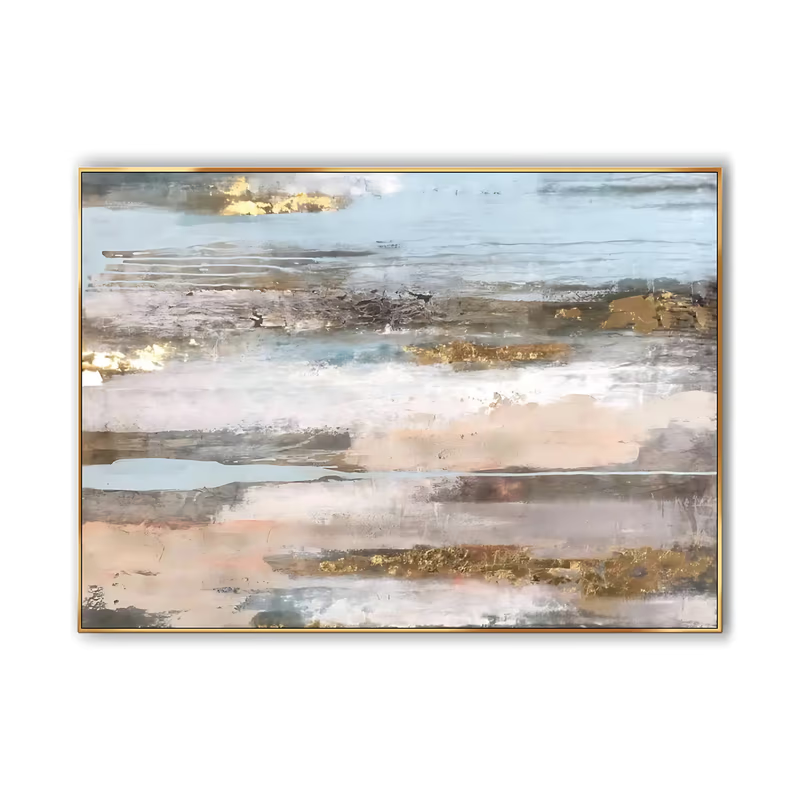
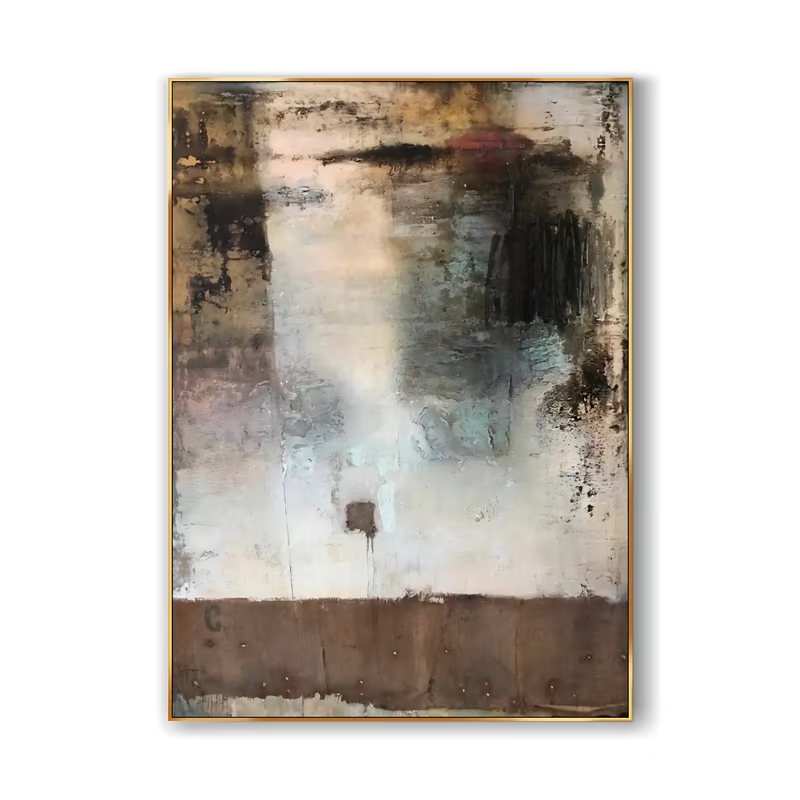
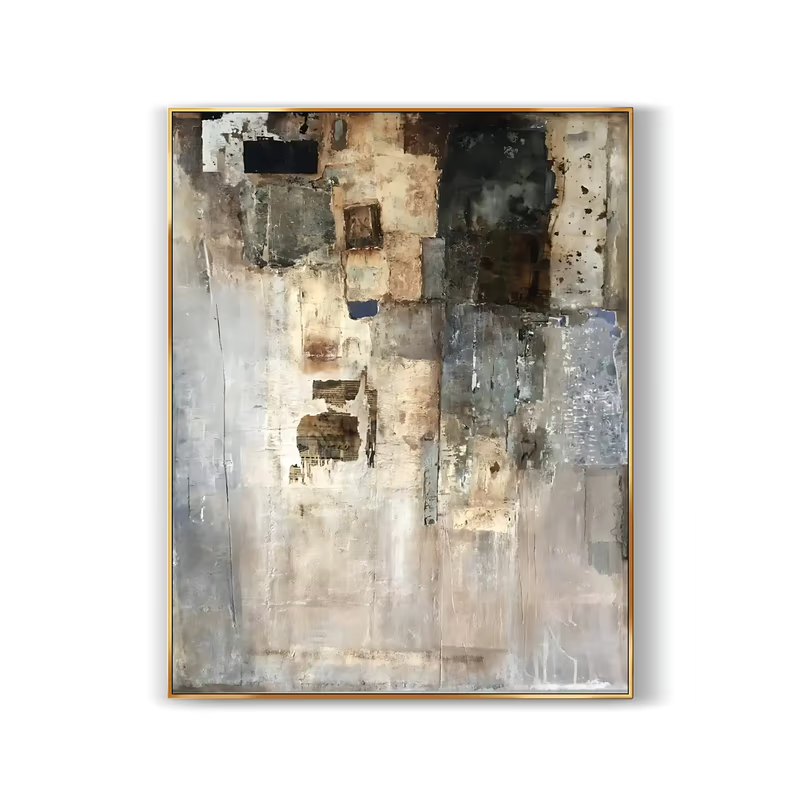
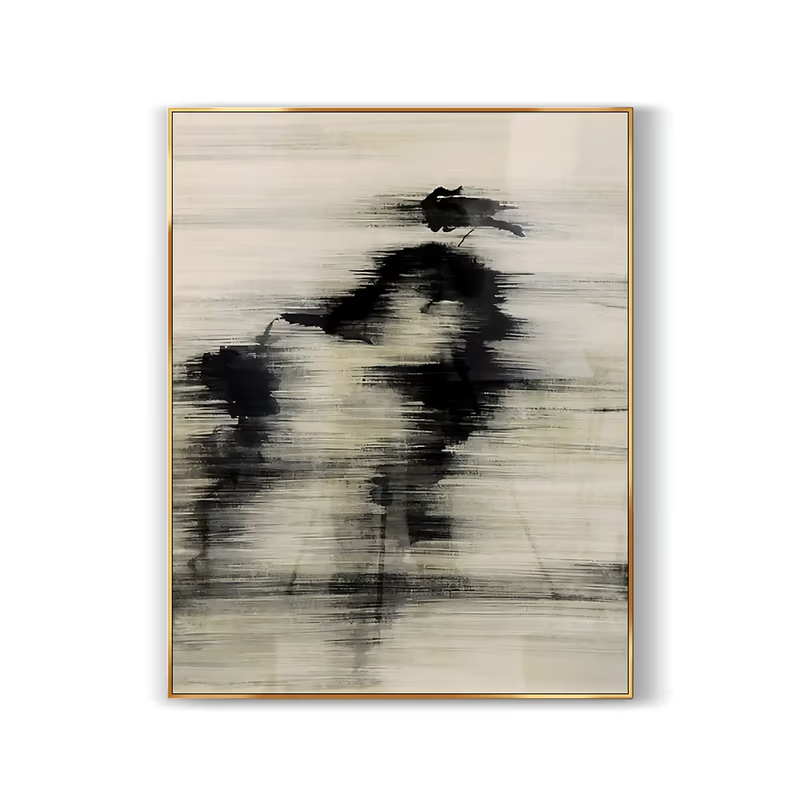
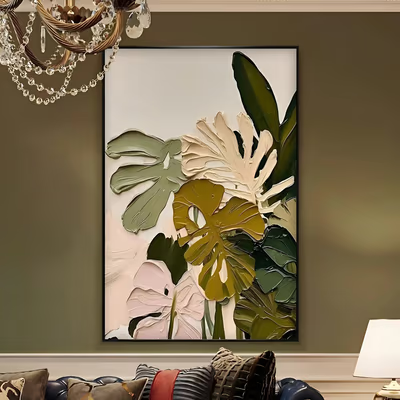
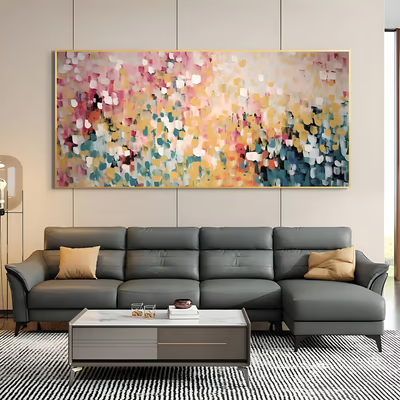
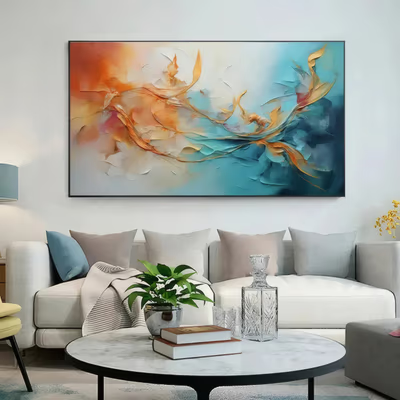
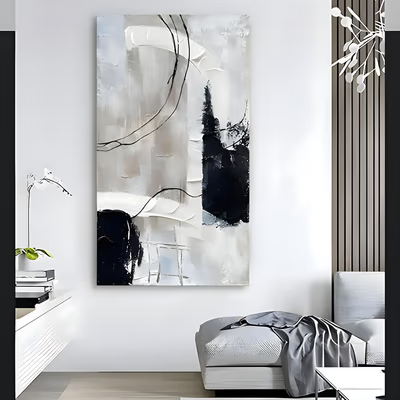
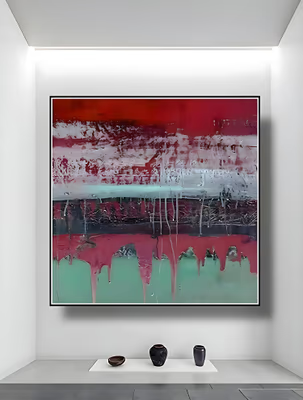
Colour fields, flowing ribbons, geometric blocks and 3D plaster relief. These hold their own against strong furniture and architecture, so they suit contemporary, minimalist, Japandi and loft living rooms. Texture changes through the day as side light from the windows moves across it. See also wabi-sabi and contemporary minimalist pieces for quieter rooms.
Animals, birds and figures
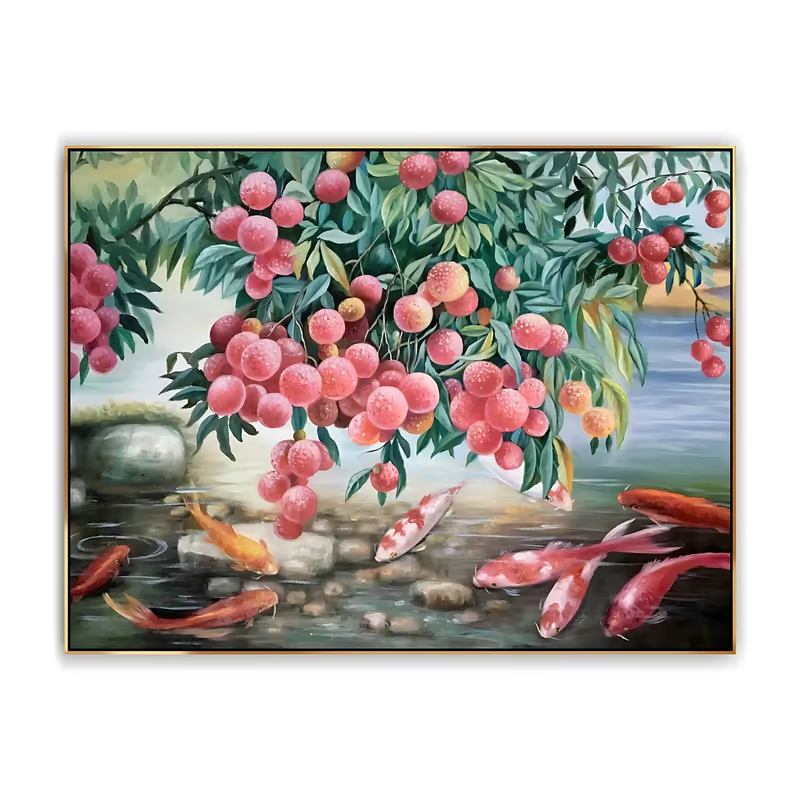
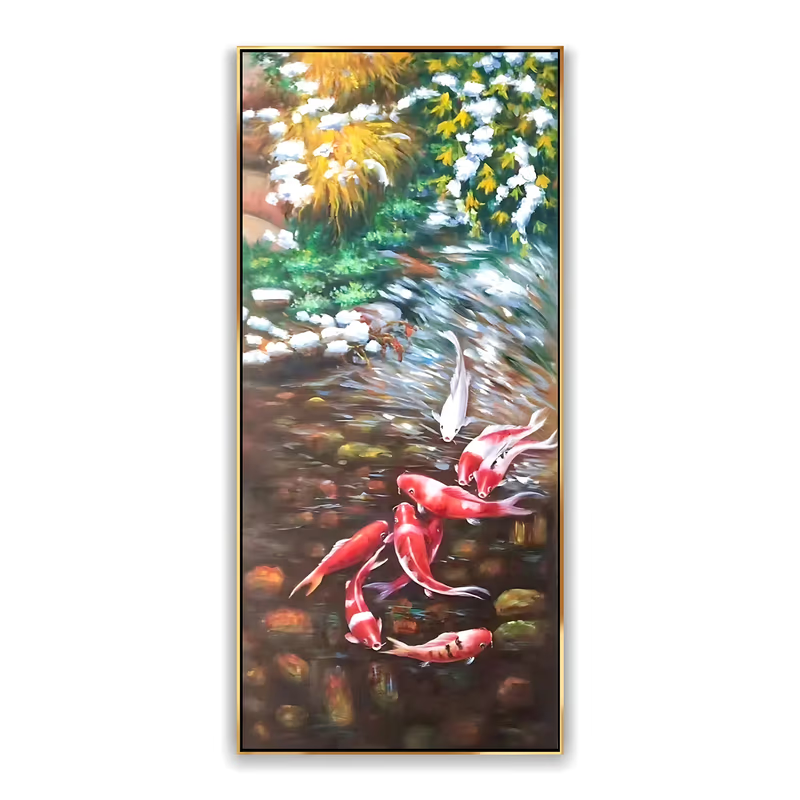
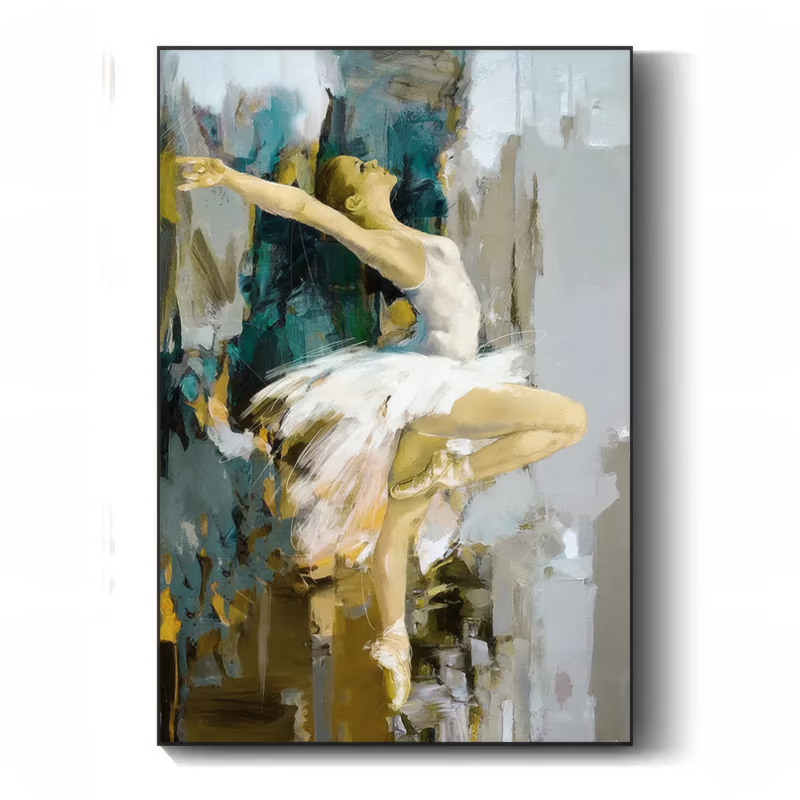
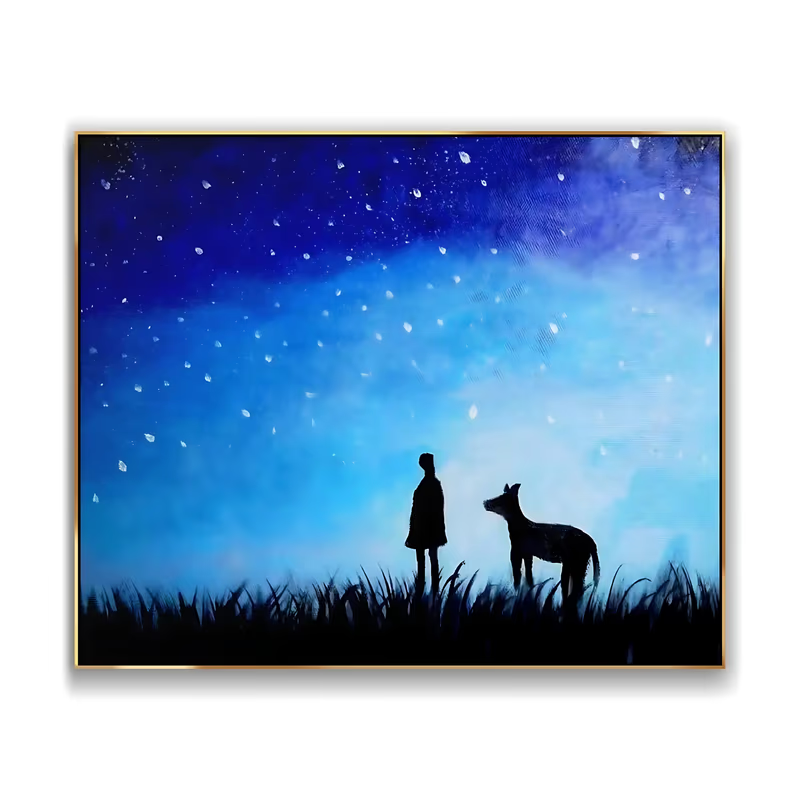
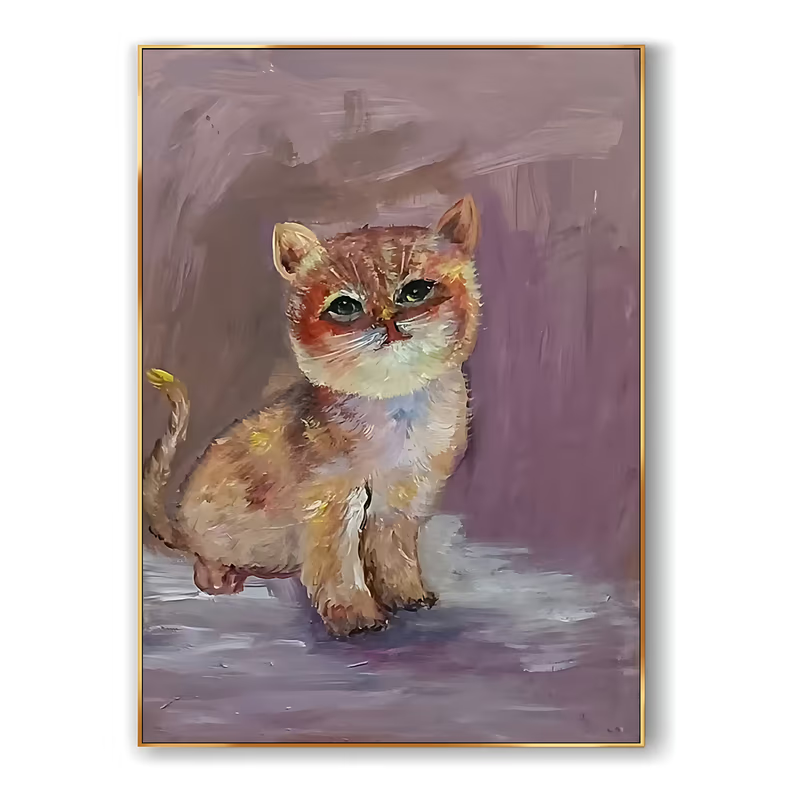
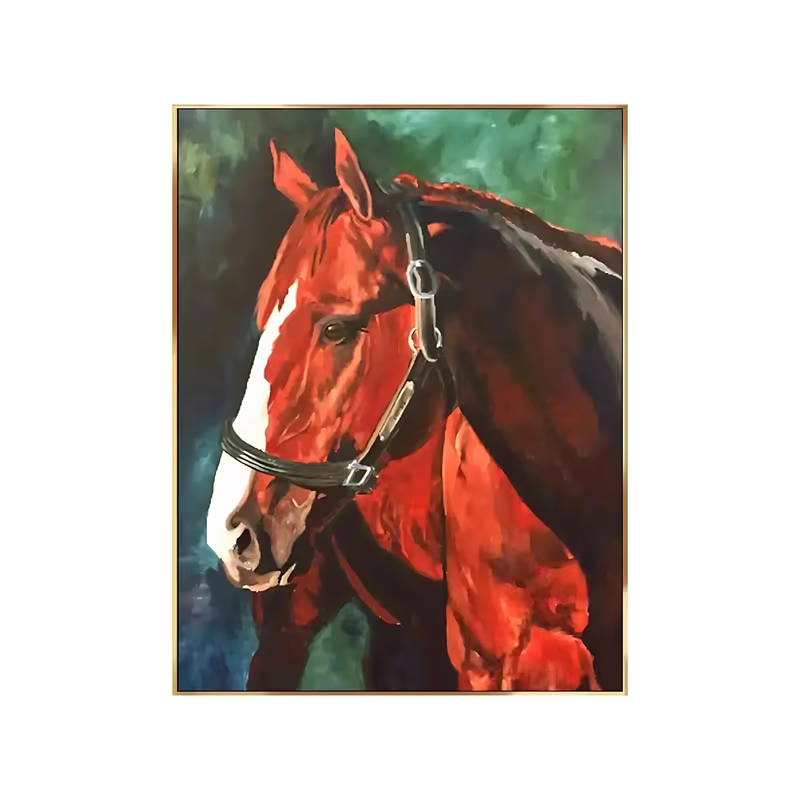
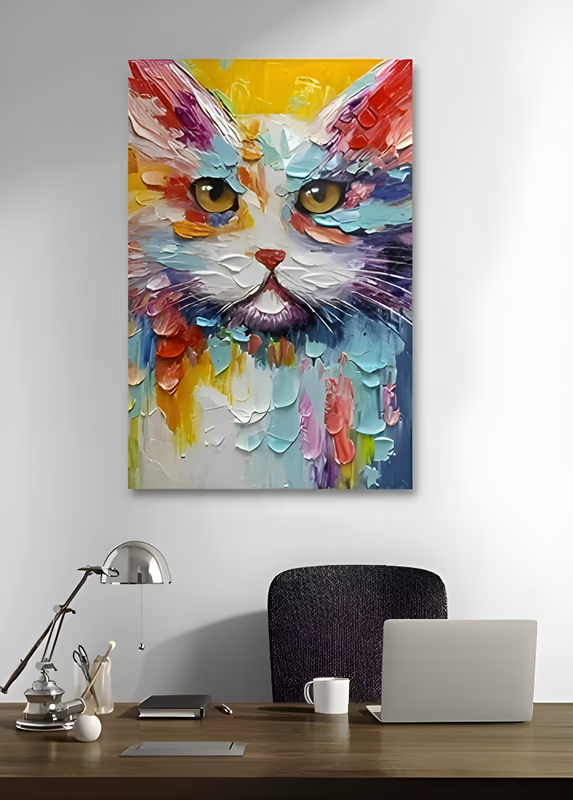
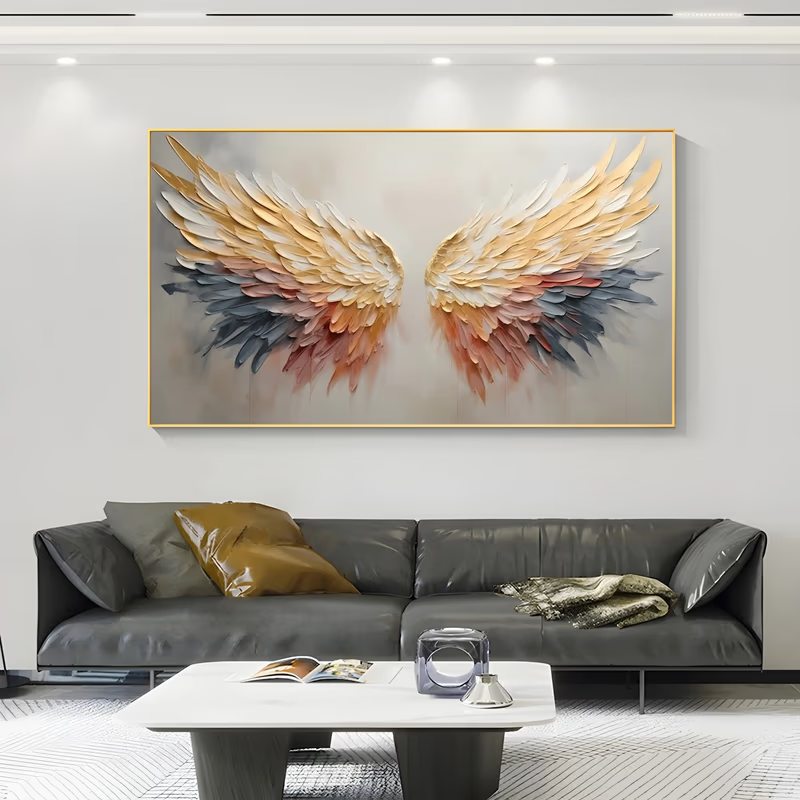
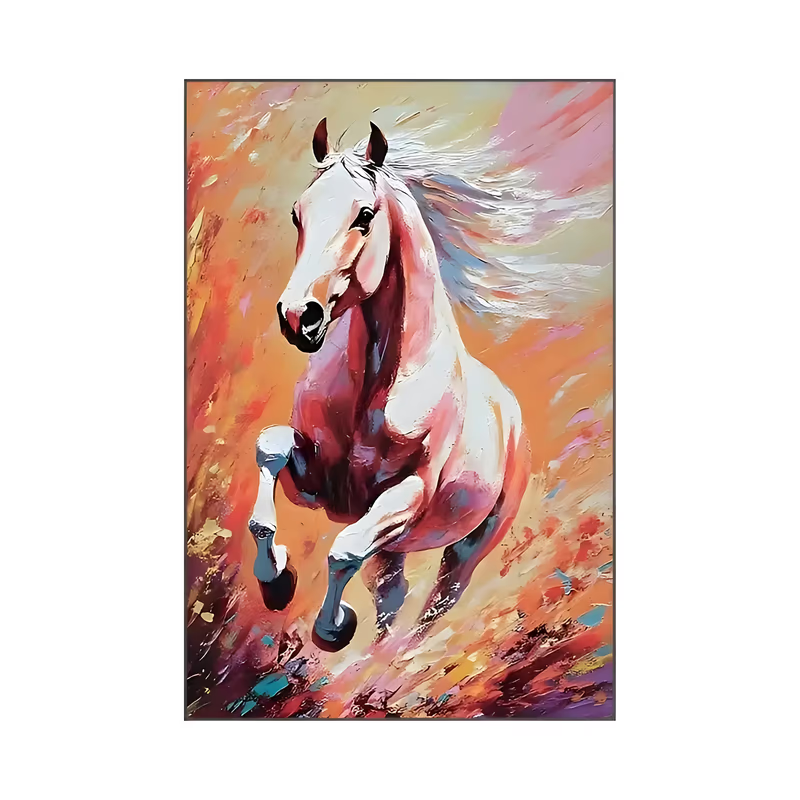
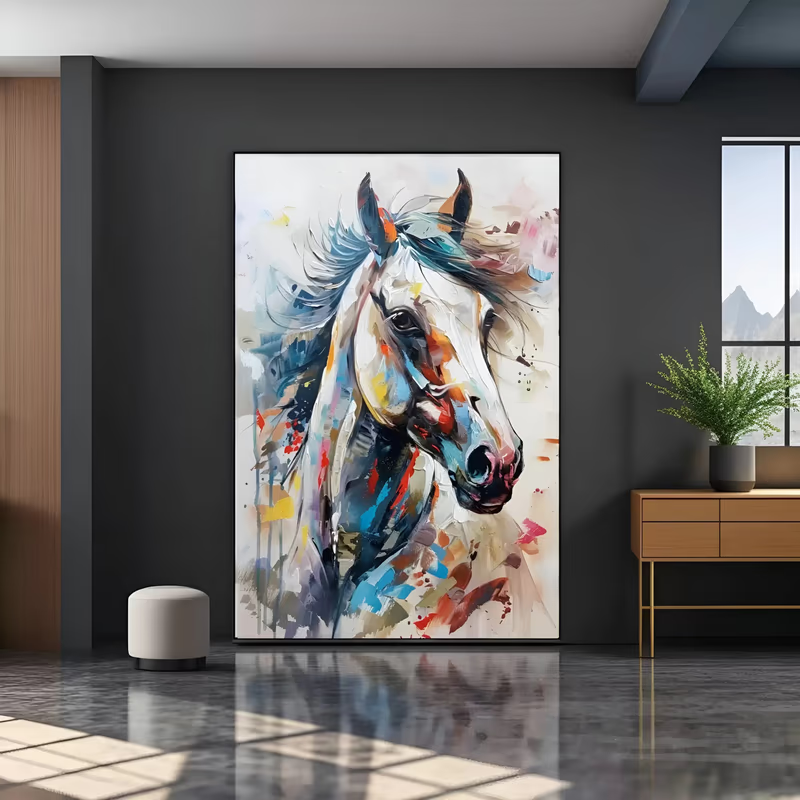
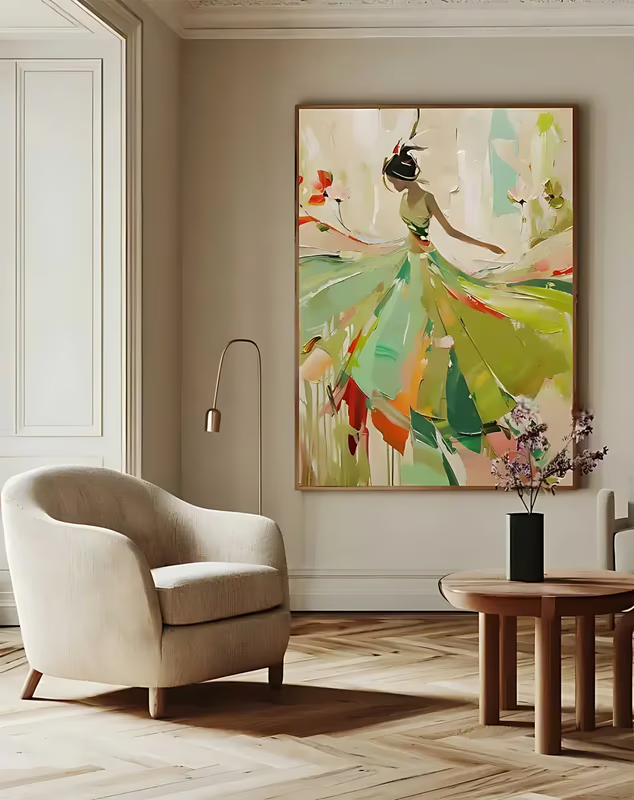
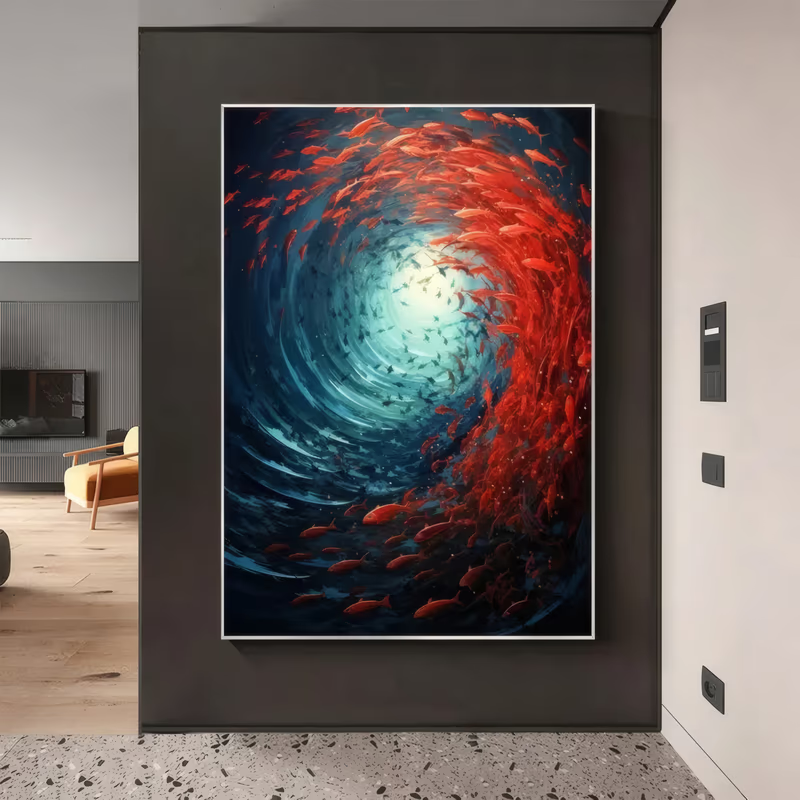
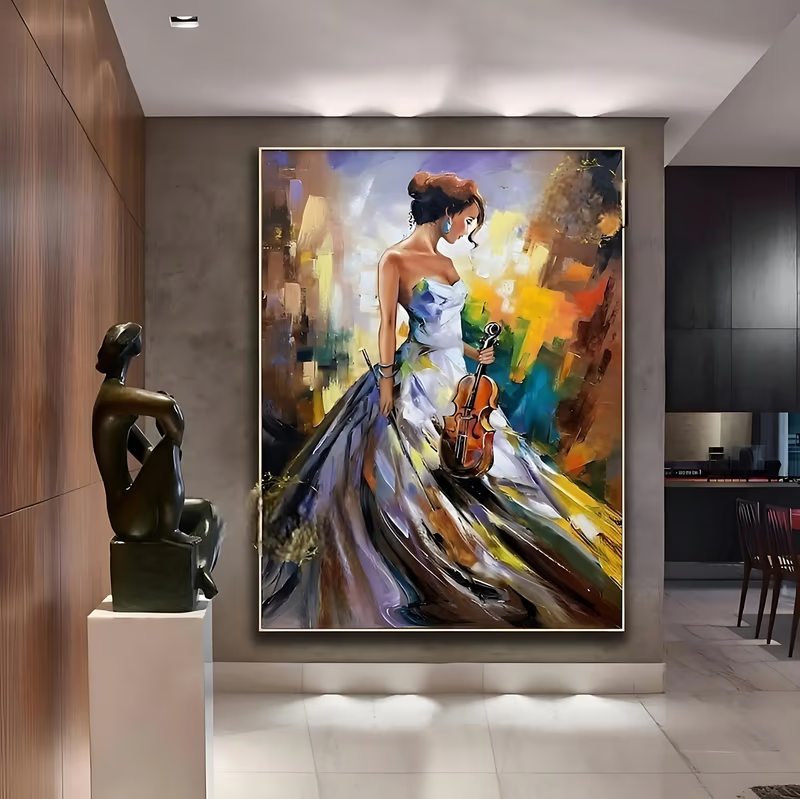
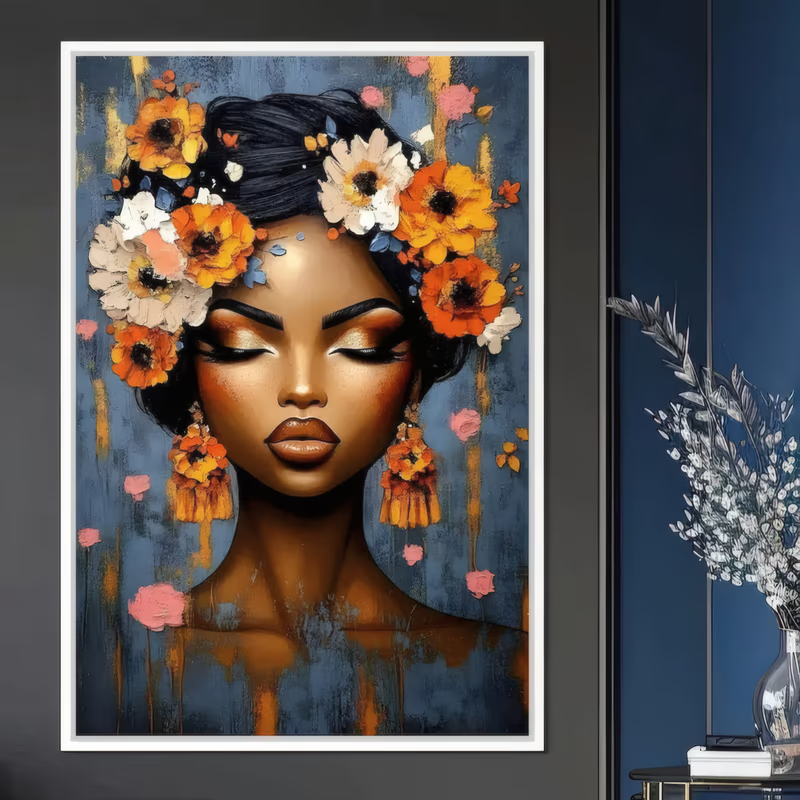
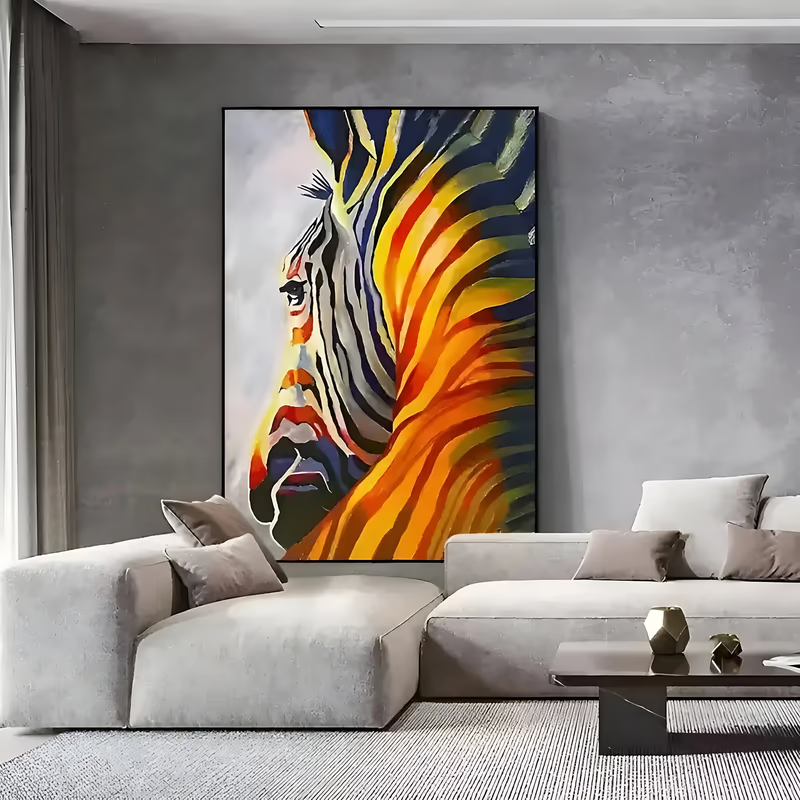
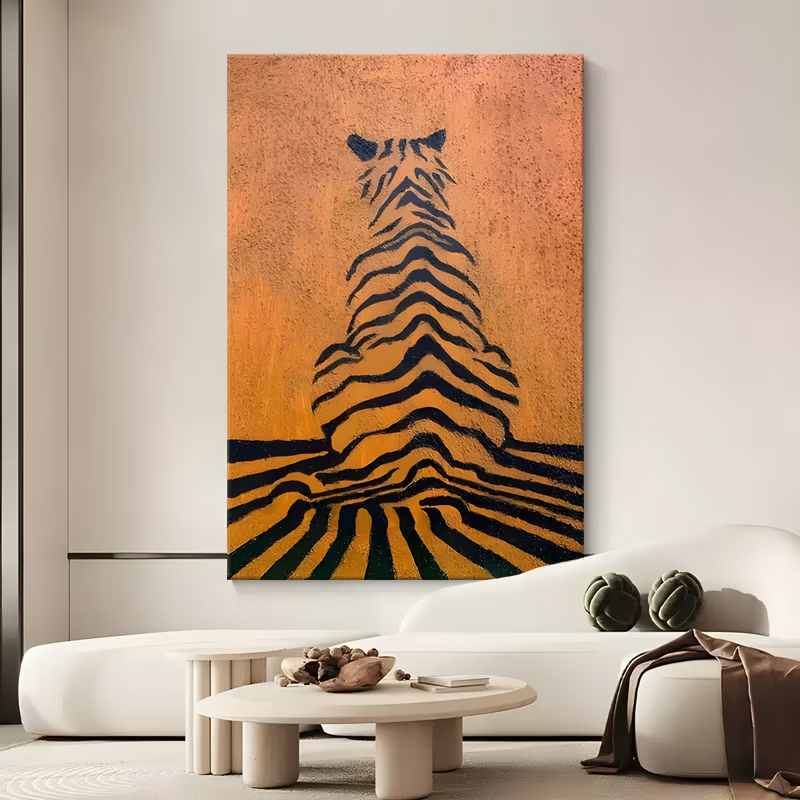
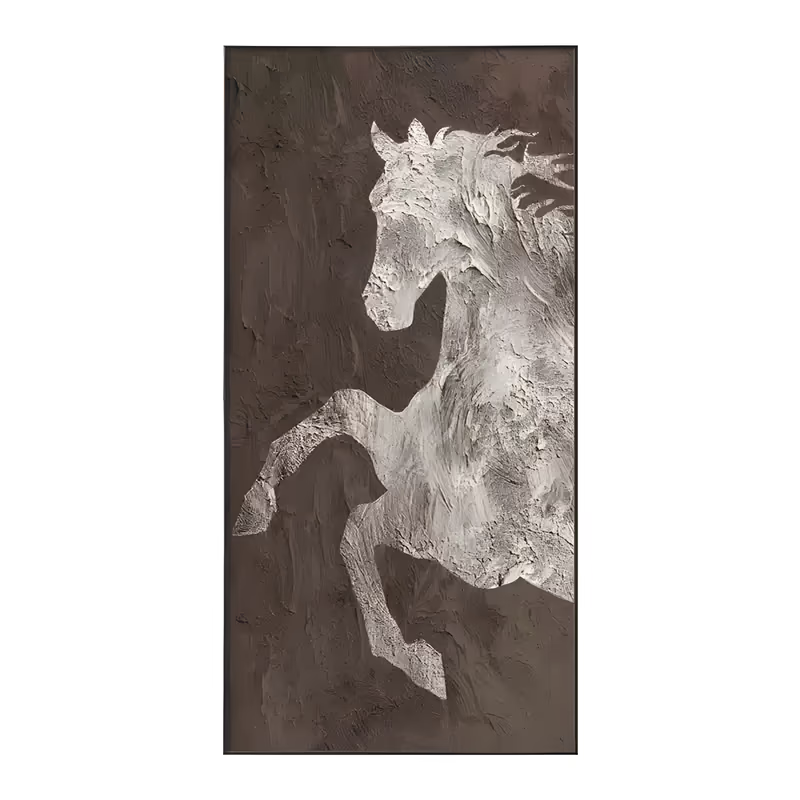
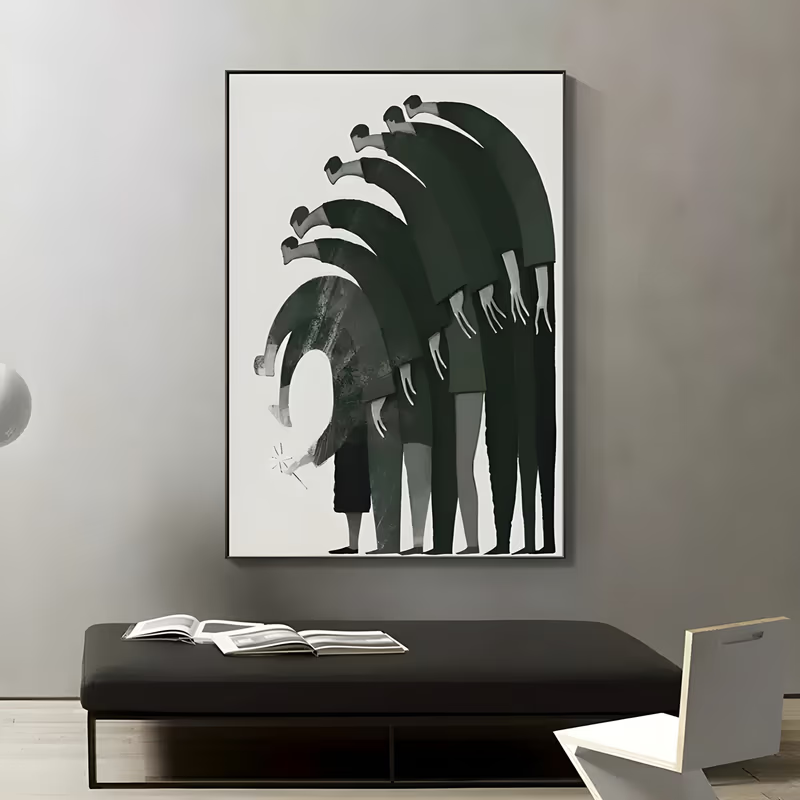
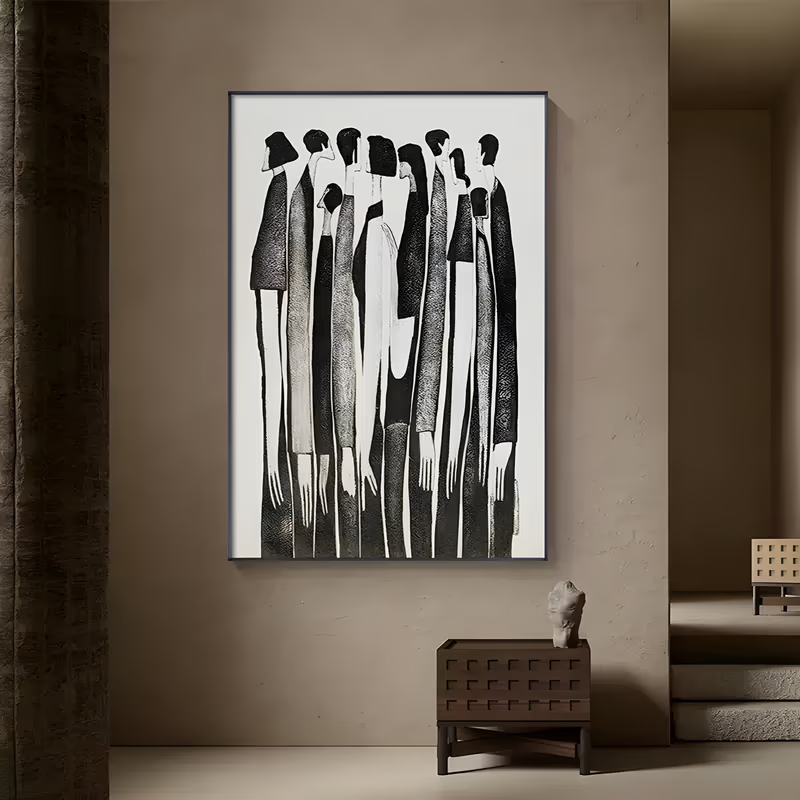
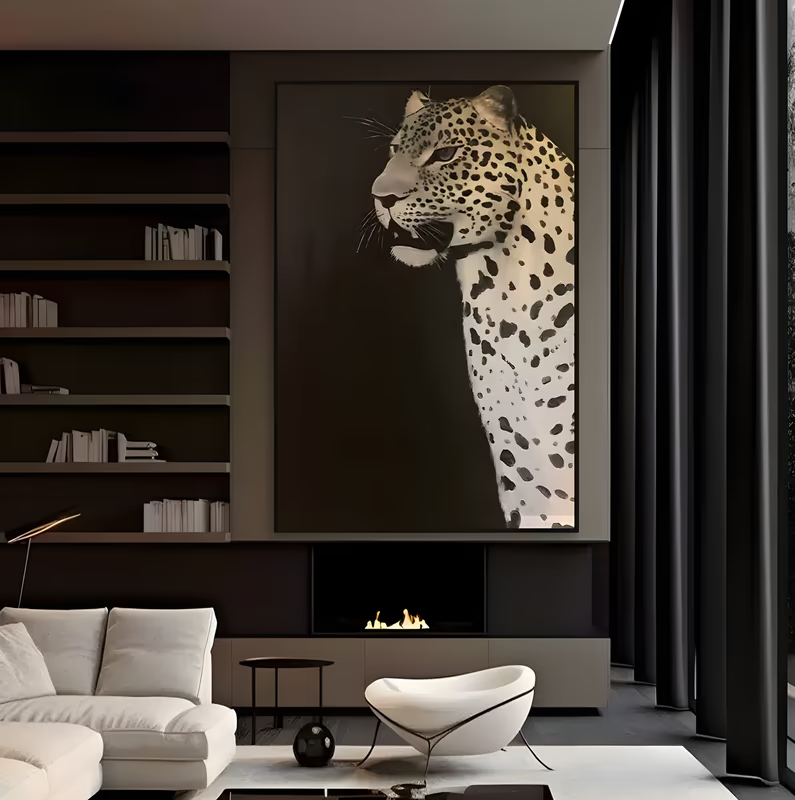
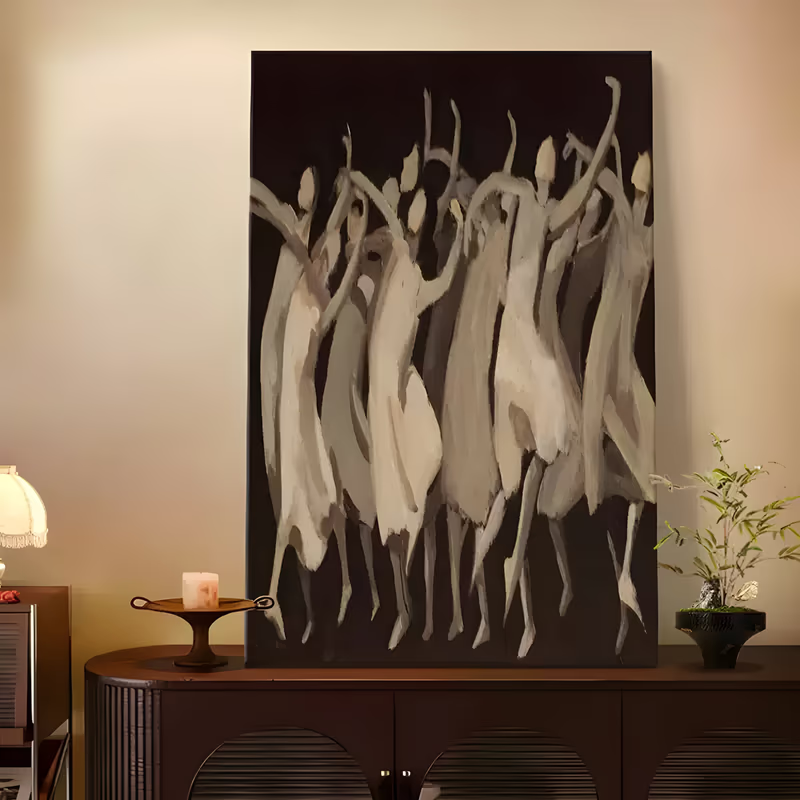
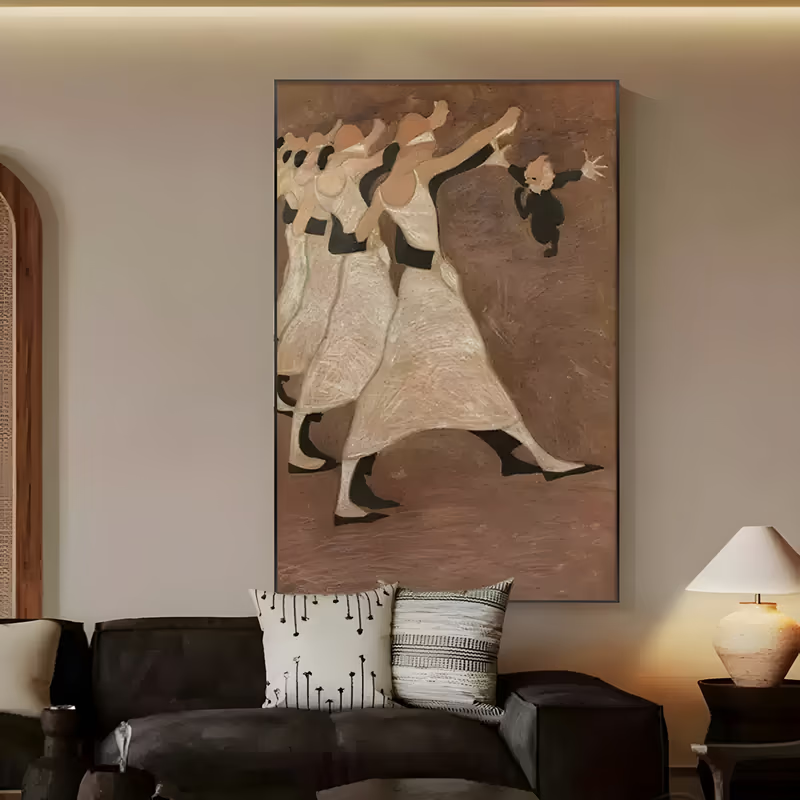
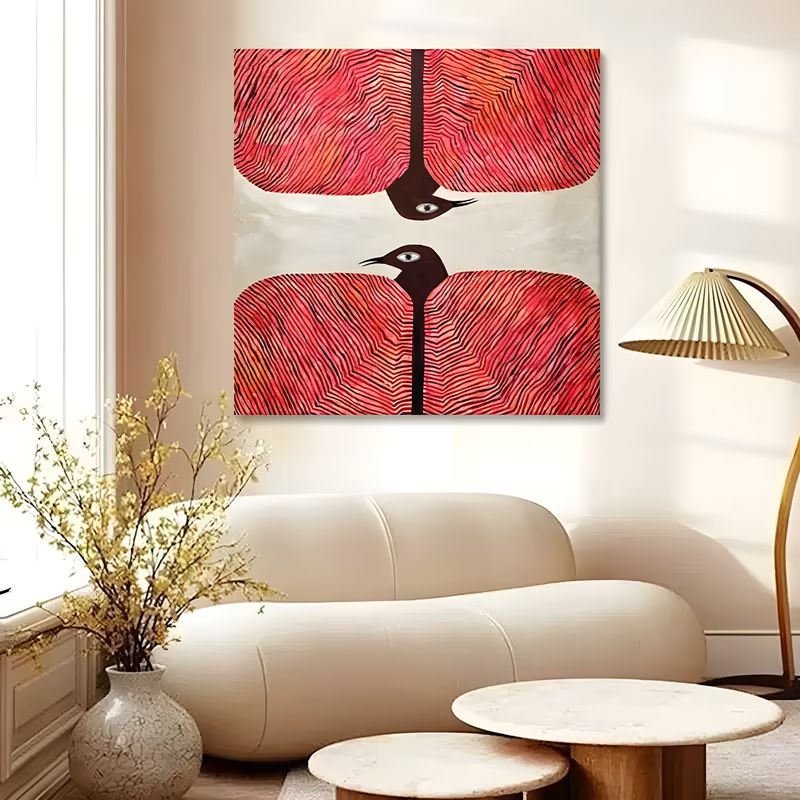
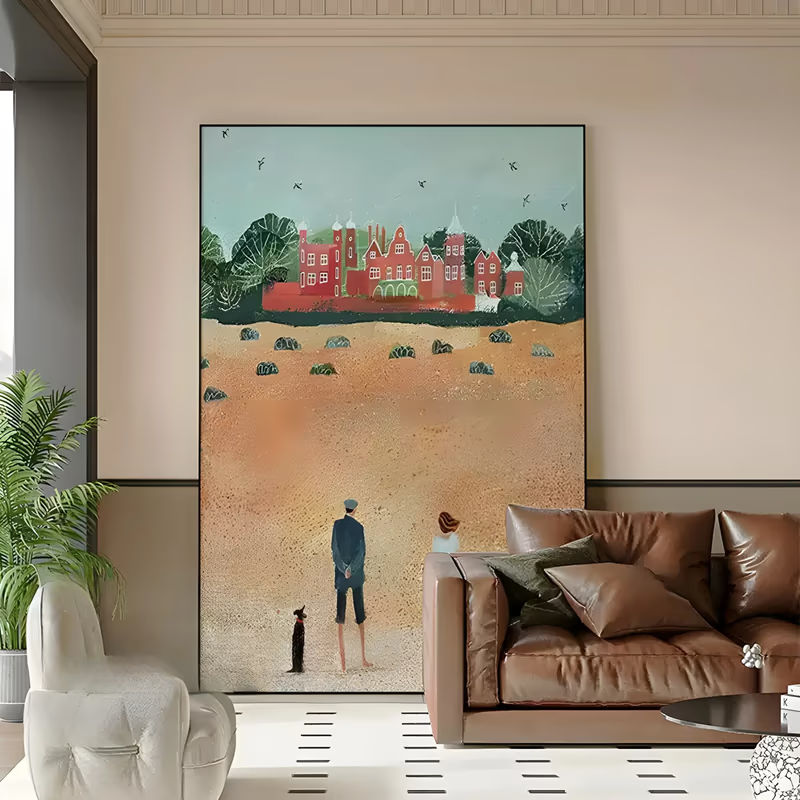
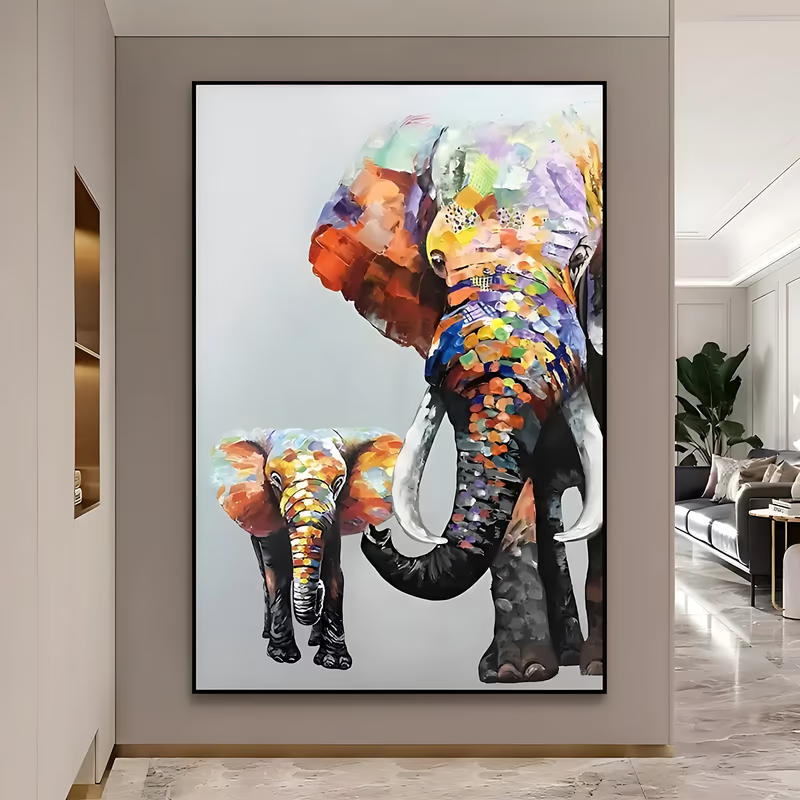
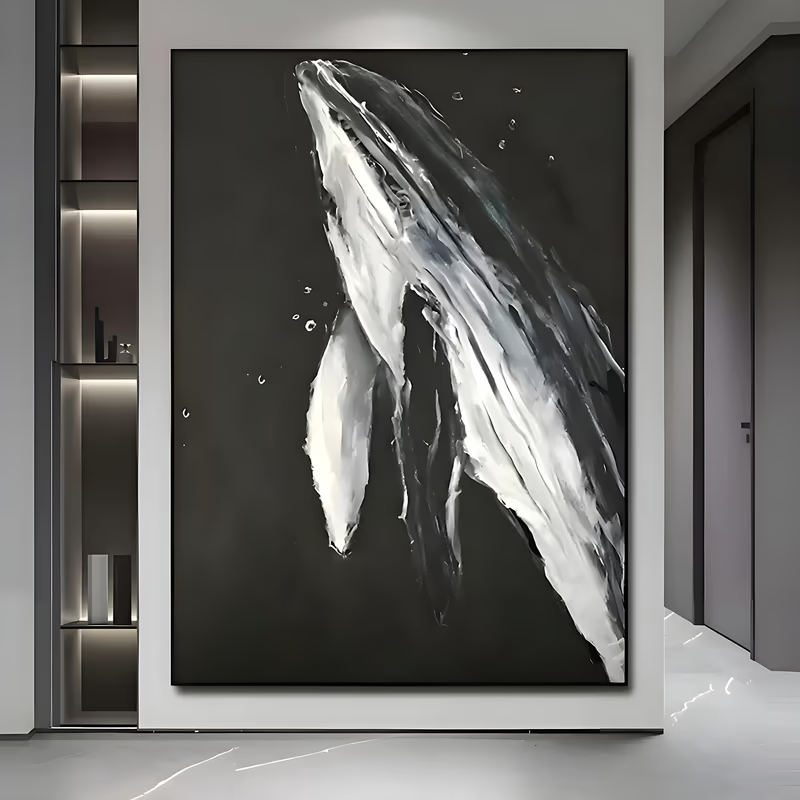
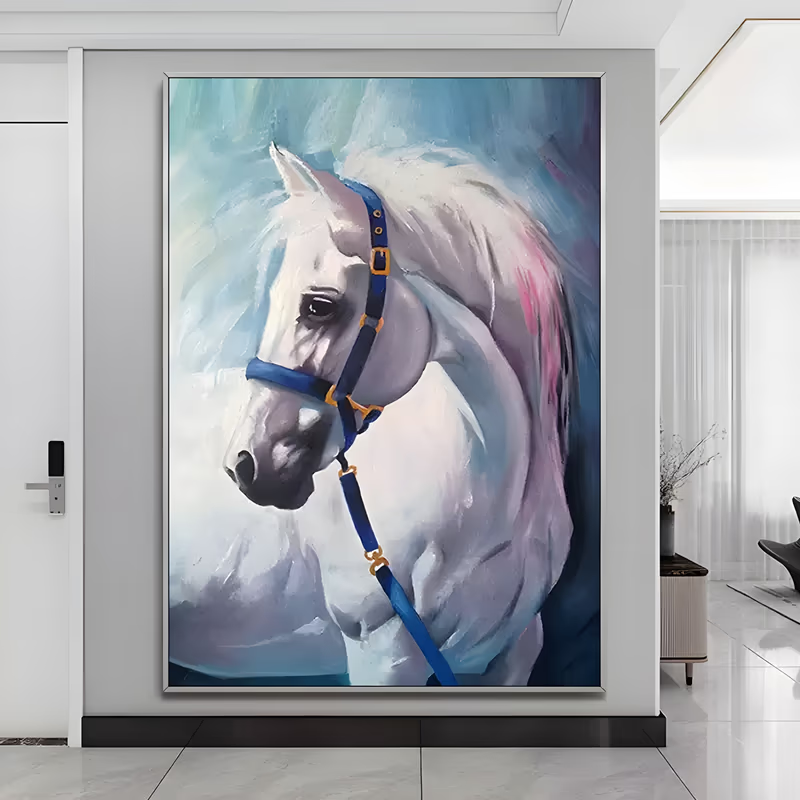
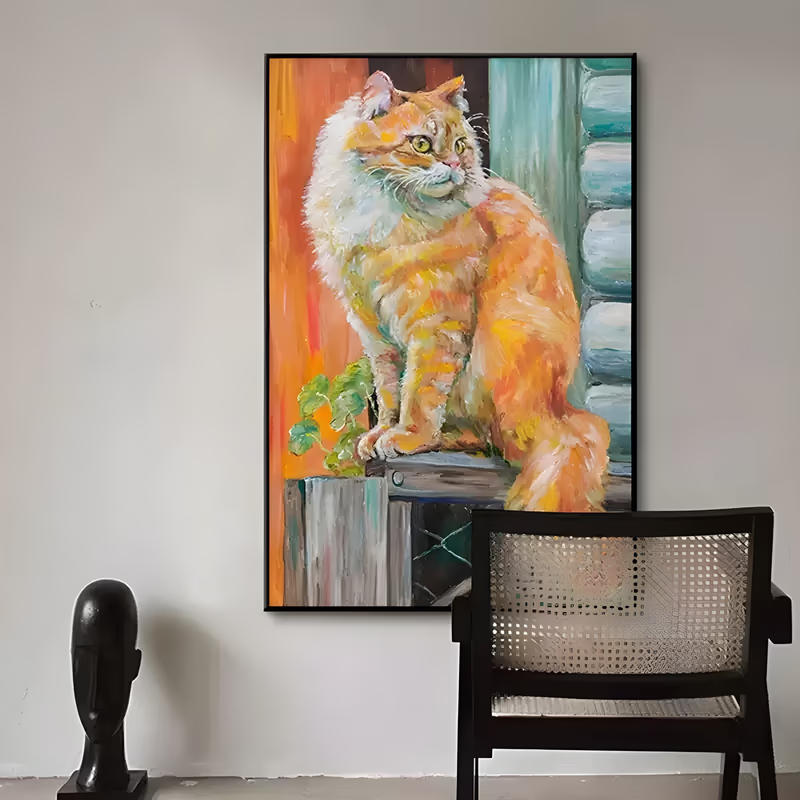
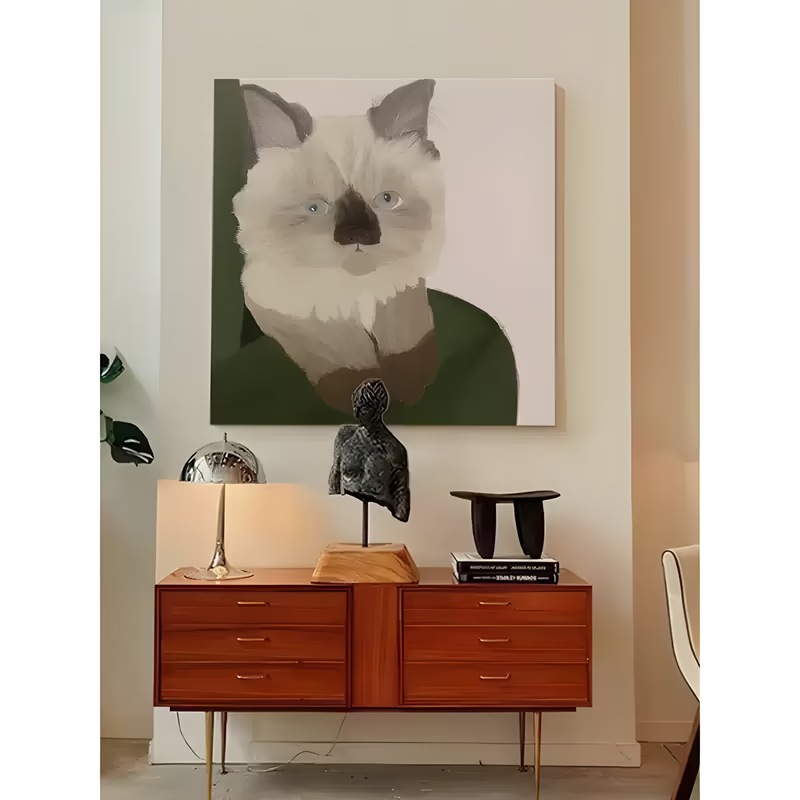
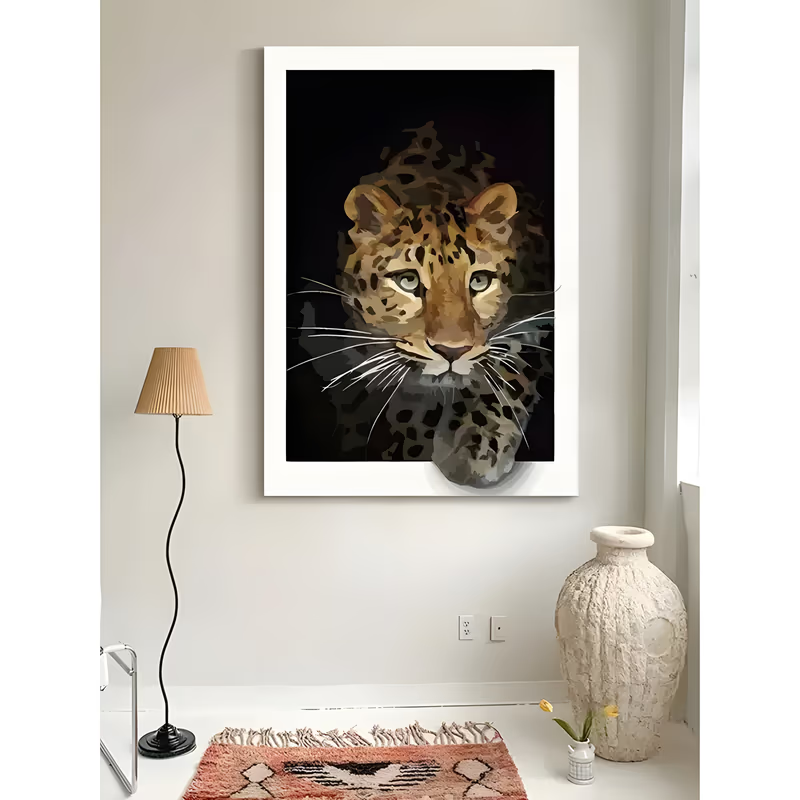
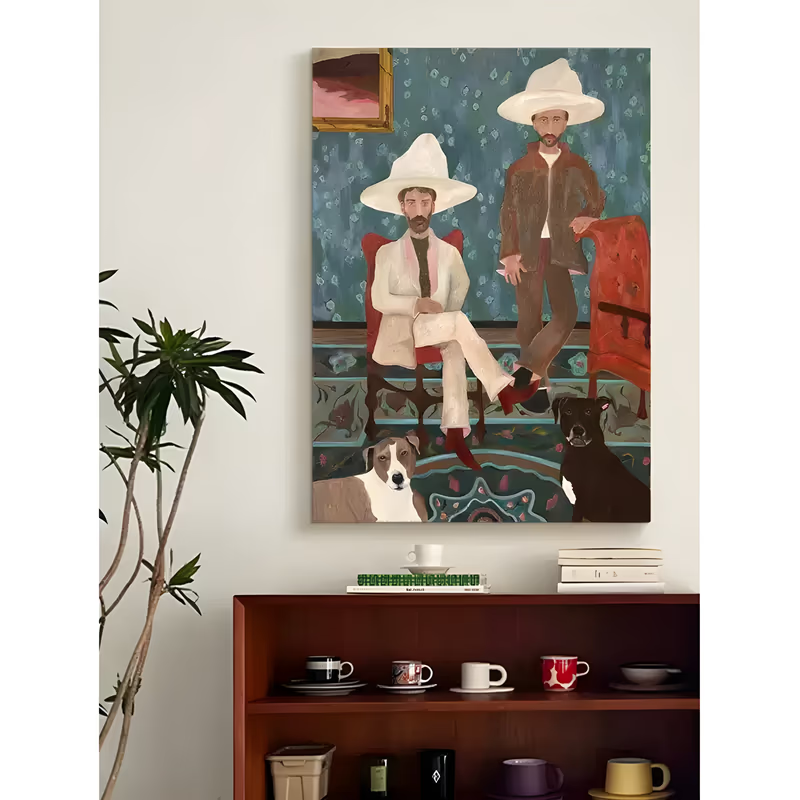
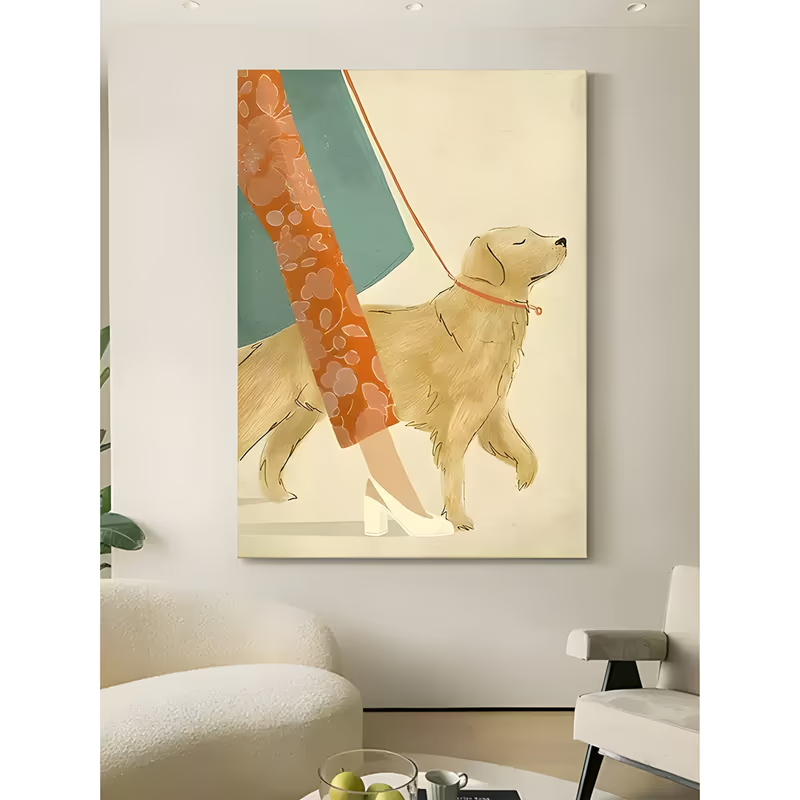
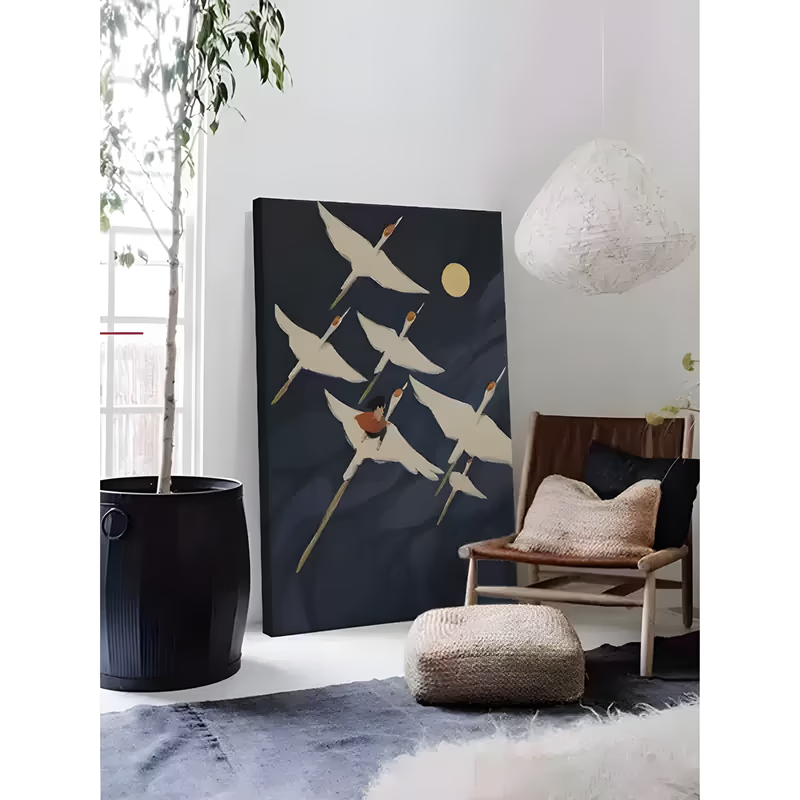
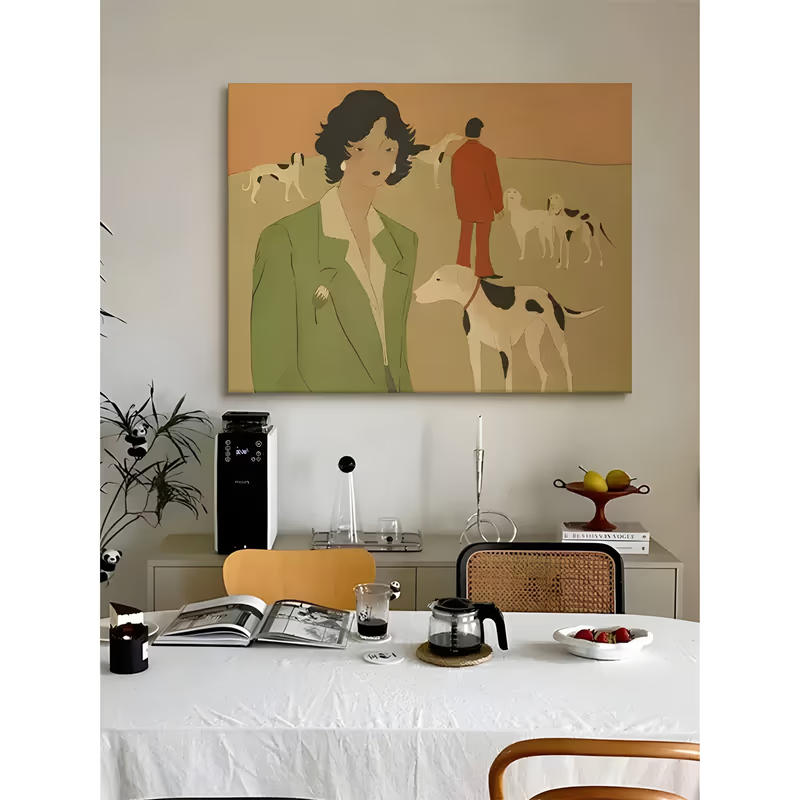
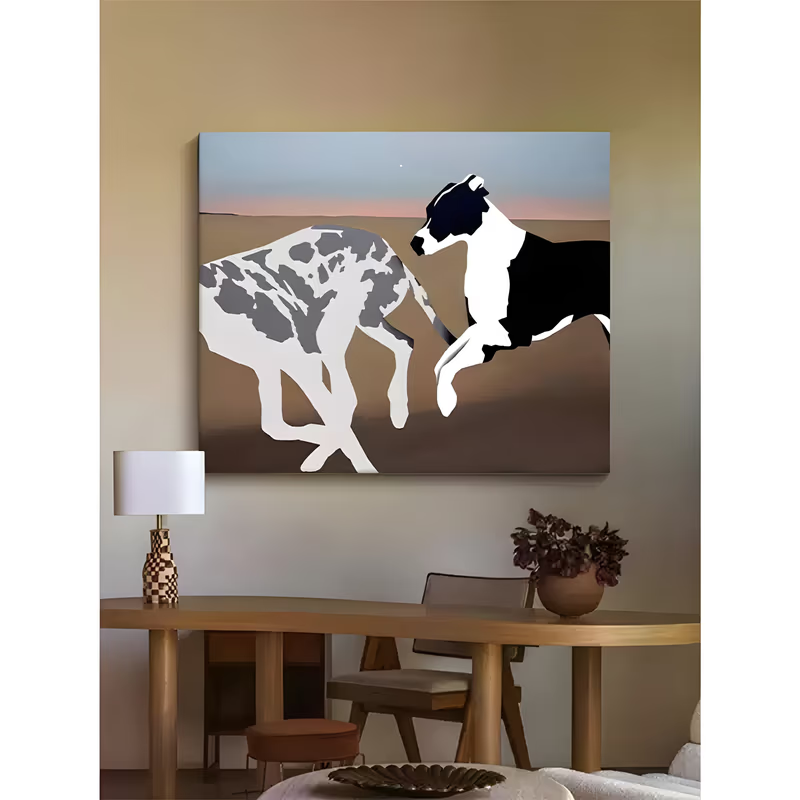
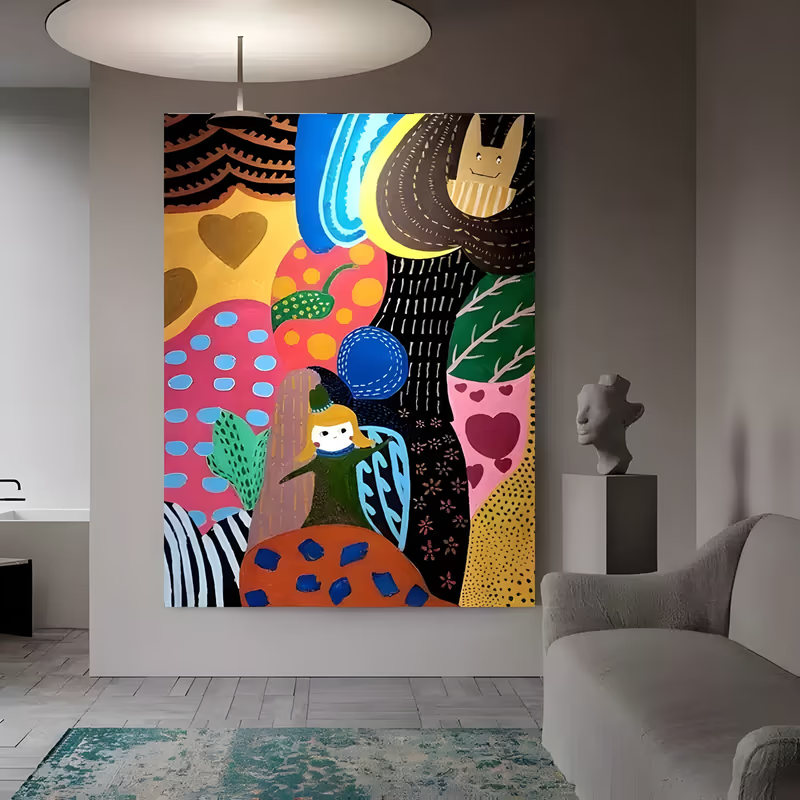
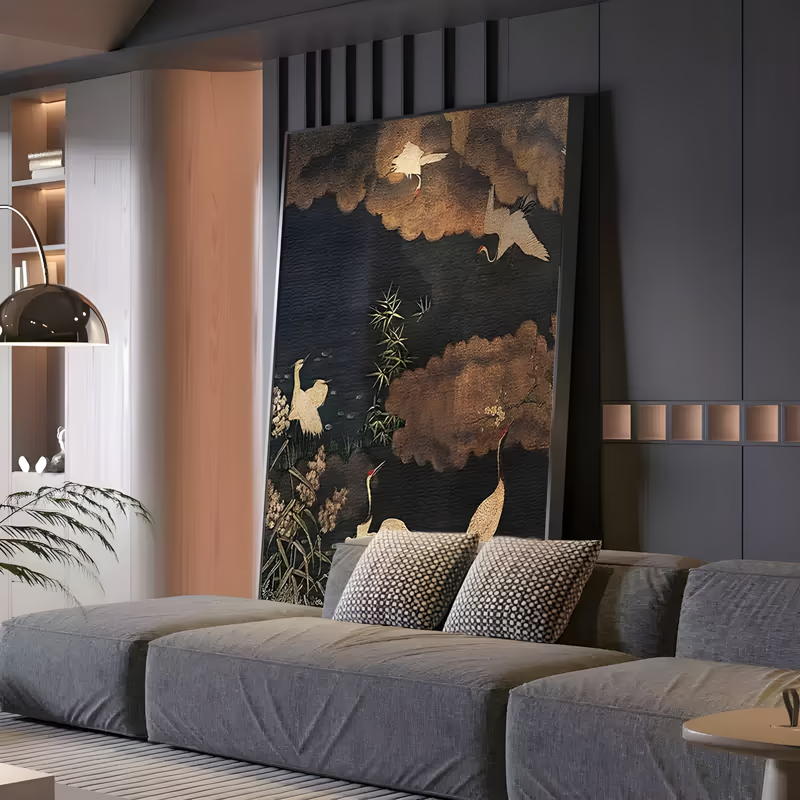
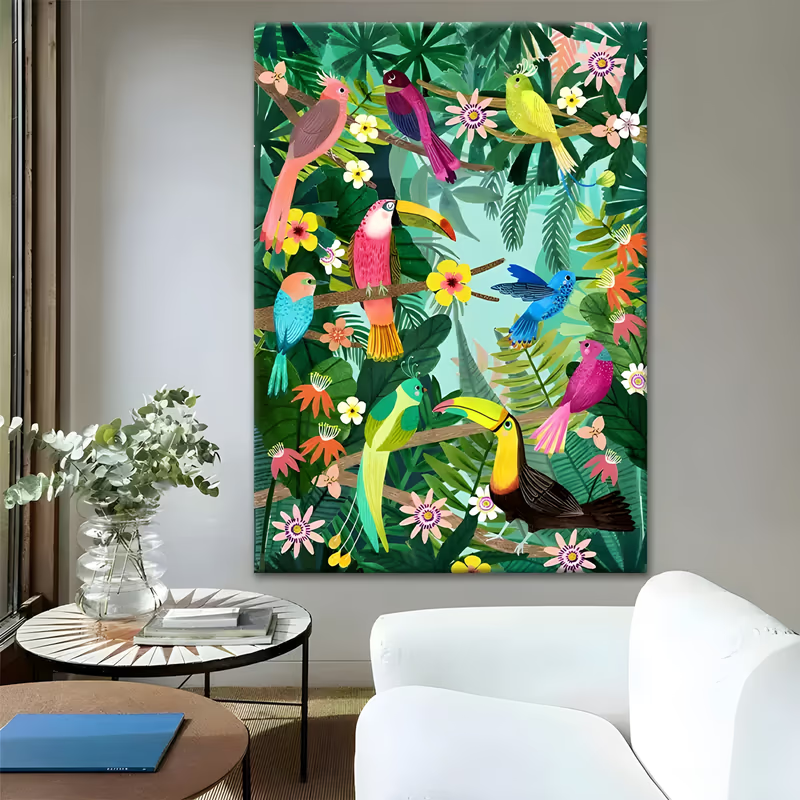
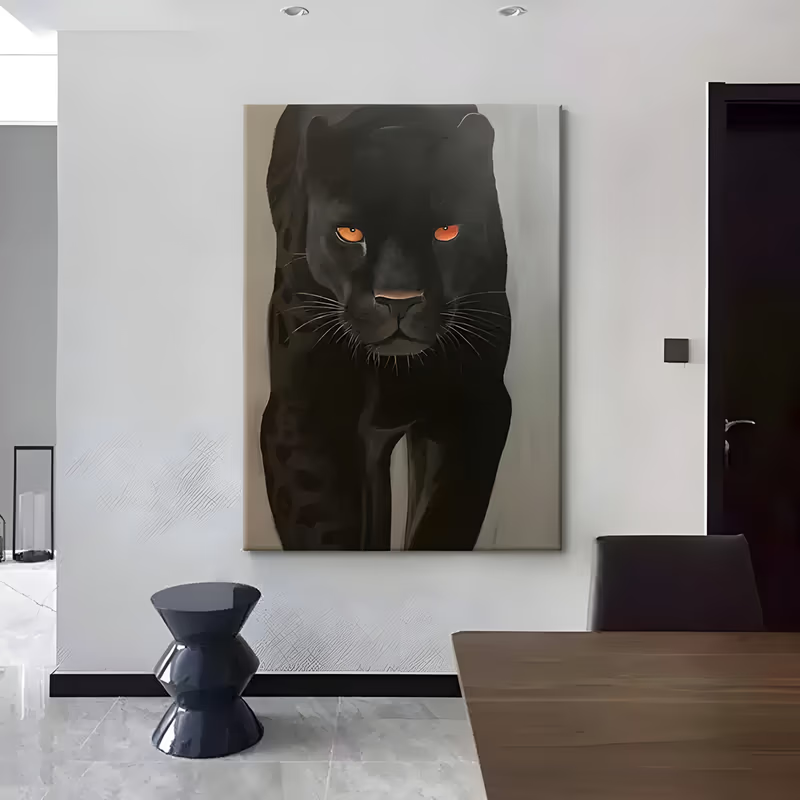
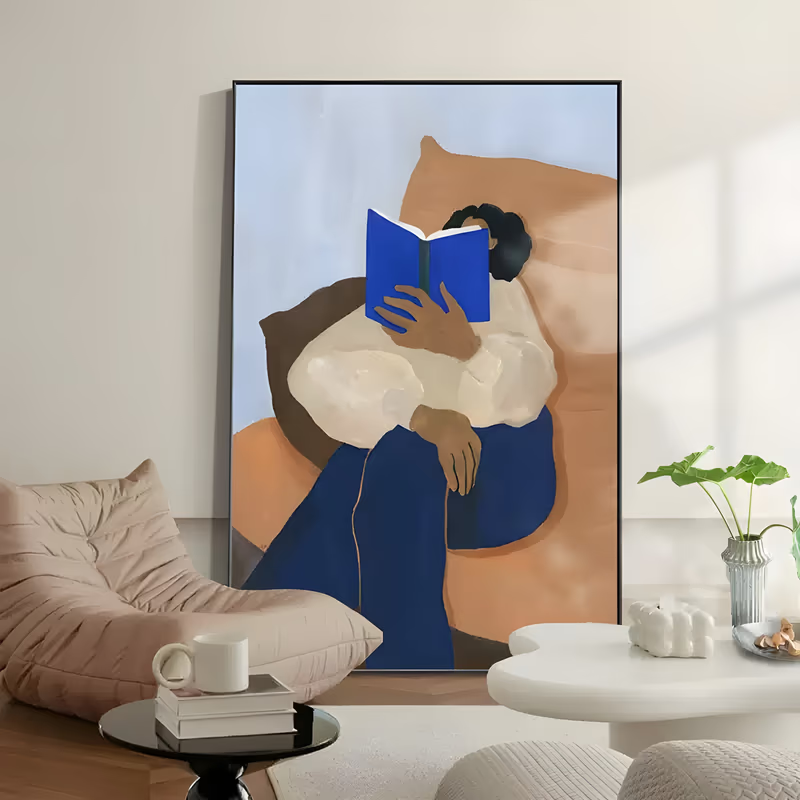
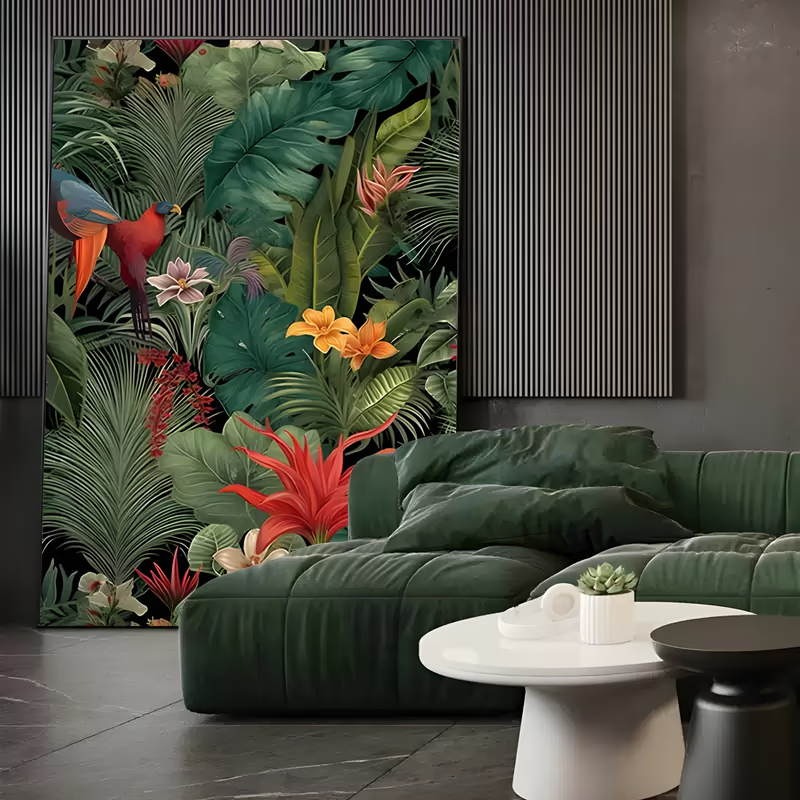
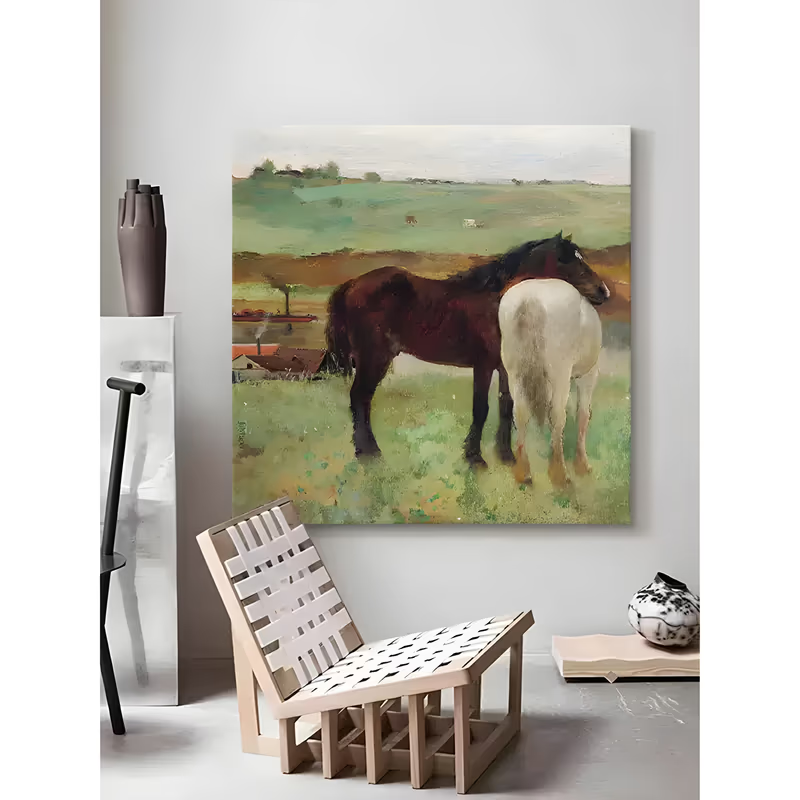
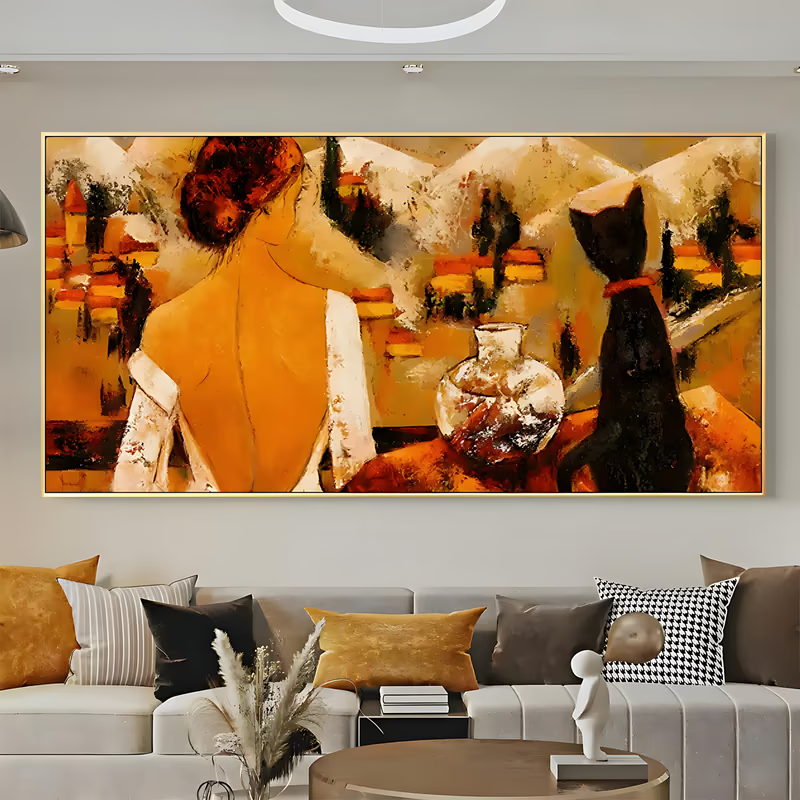
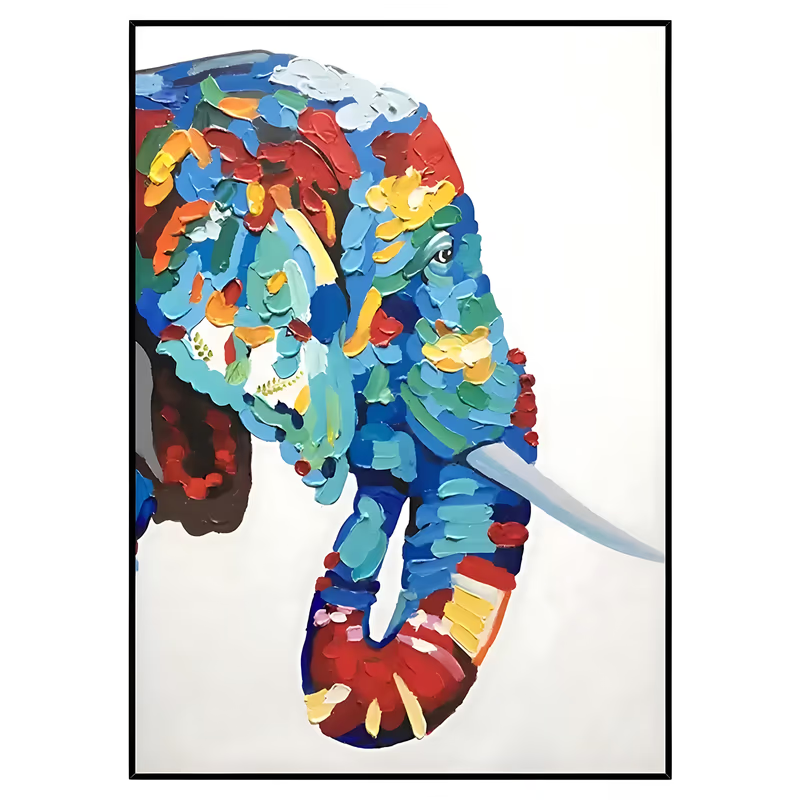
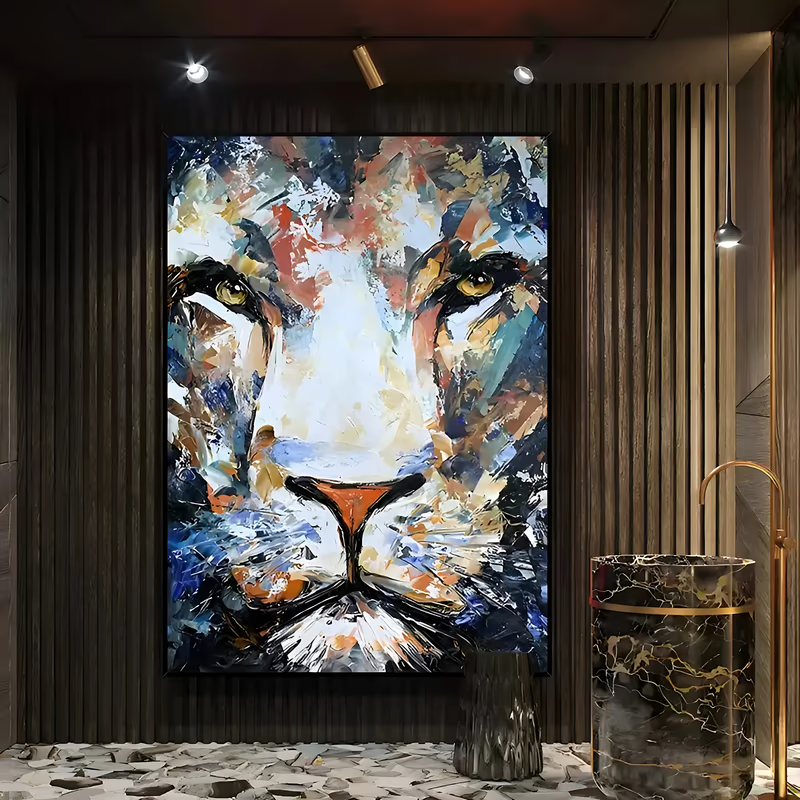
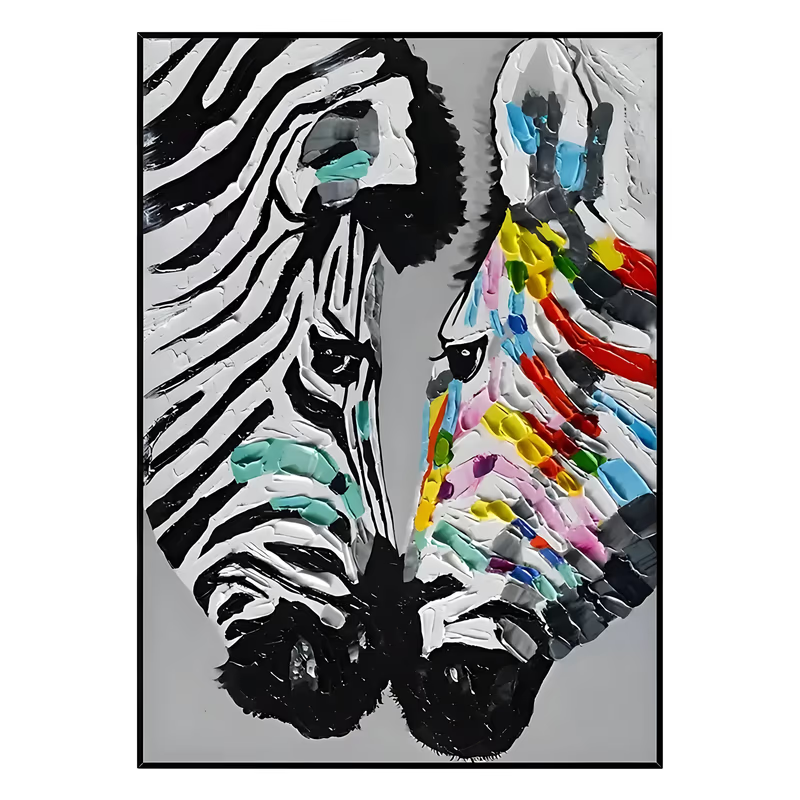
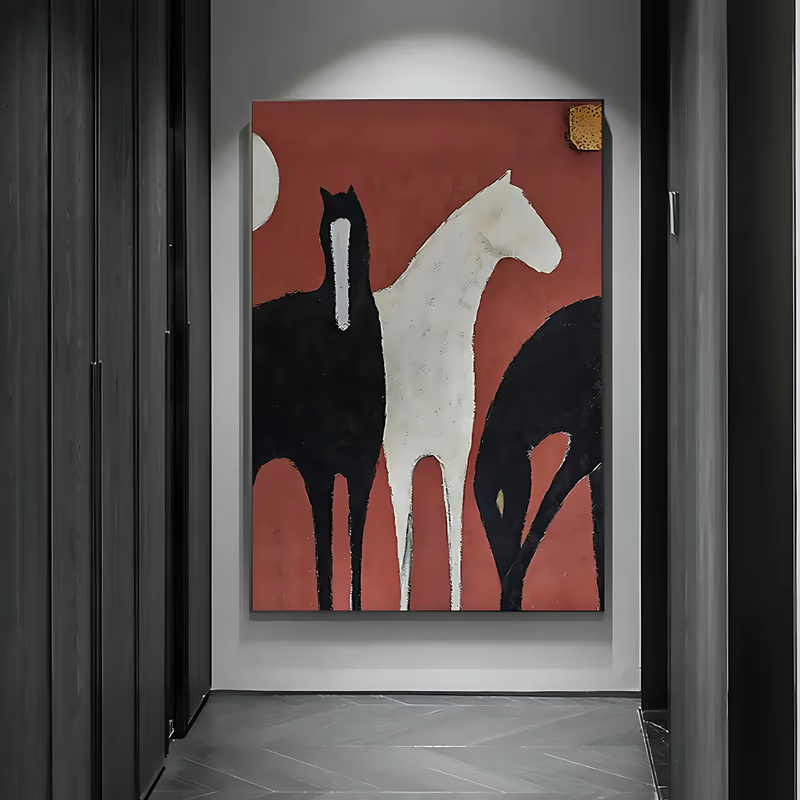
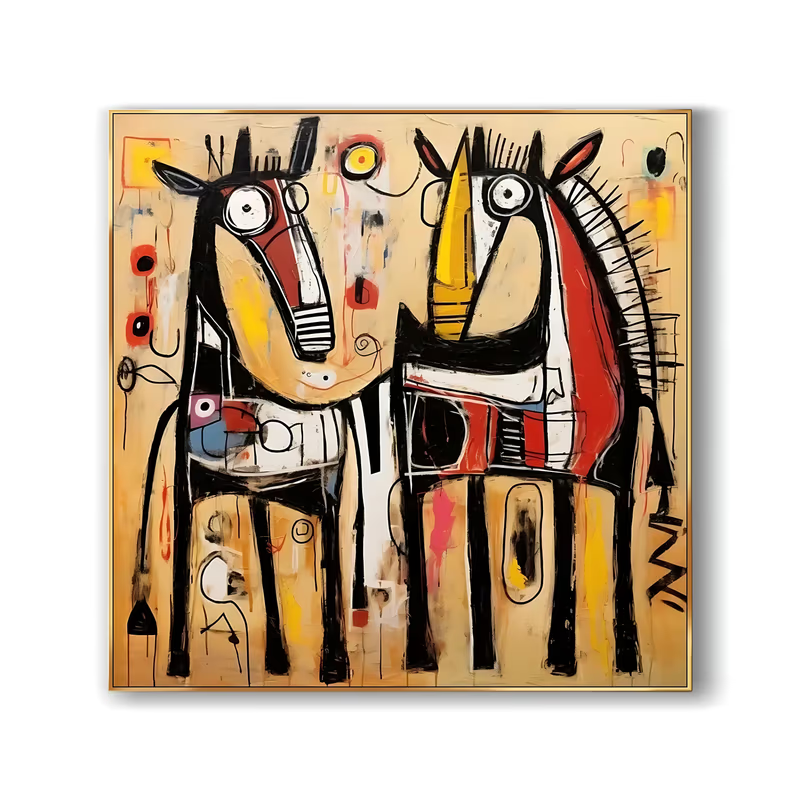
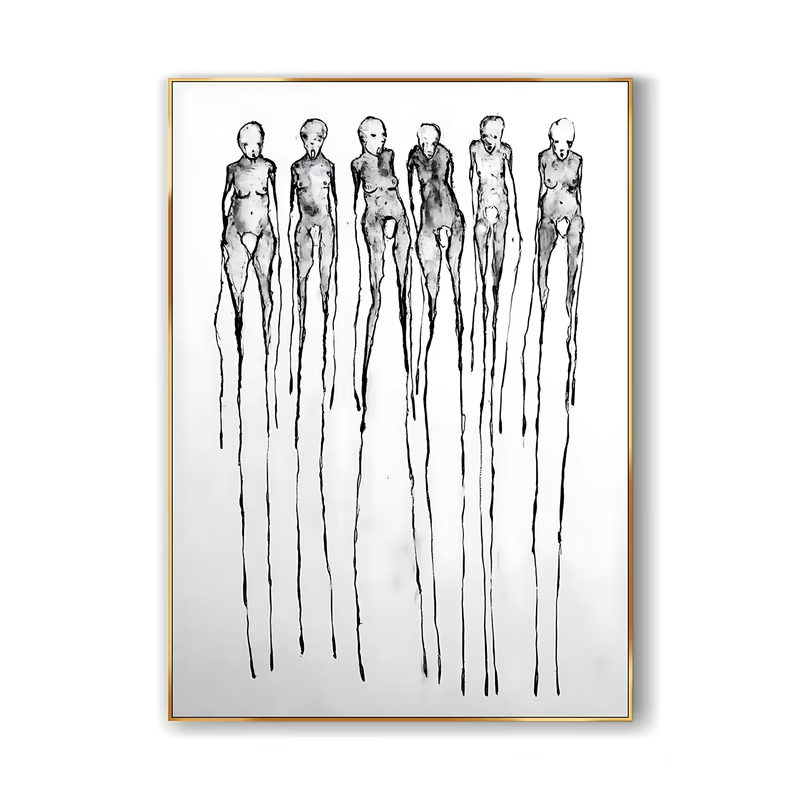
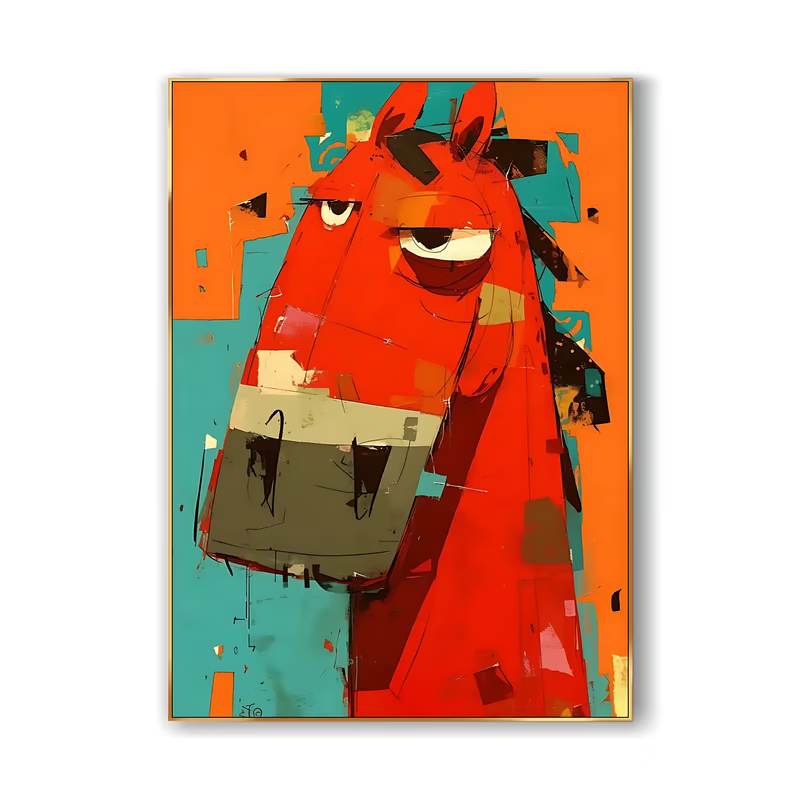
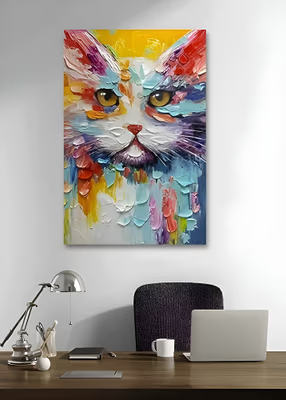
Horses, peacocks, birds in blossom and figures in a landscape give a living room character and a talking point. They suit a den or library corner, a room with dark panelled walls, or an eclectic scheme that already mixes pattern and colour.
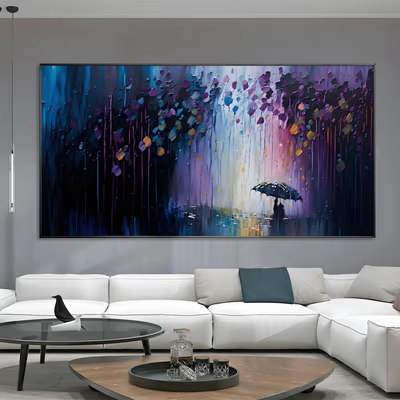
One statement piece or a gallery wall for the living room?
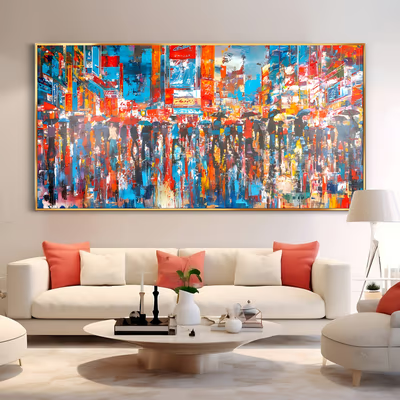
One large canvas suits most living rooms best; choose a pair, a triptych or a grouping only when the wall is broken up by windows, shelving or a TV, or when the room is long and narrow.
One statement canvas
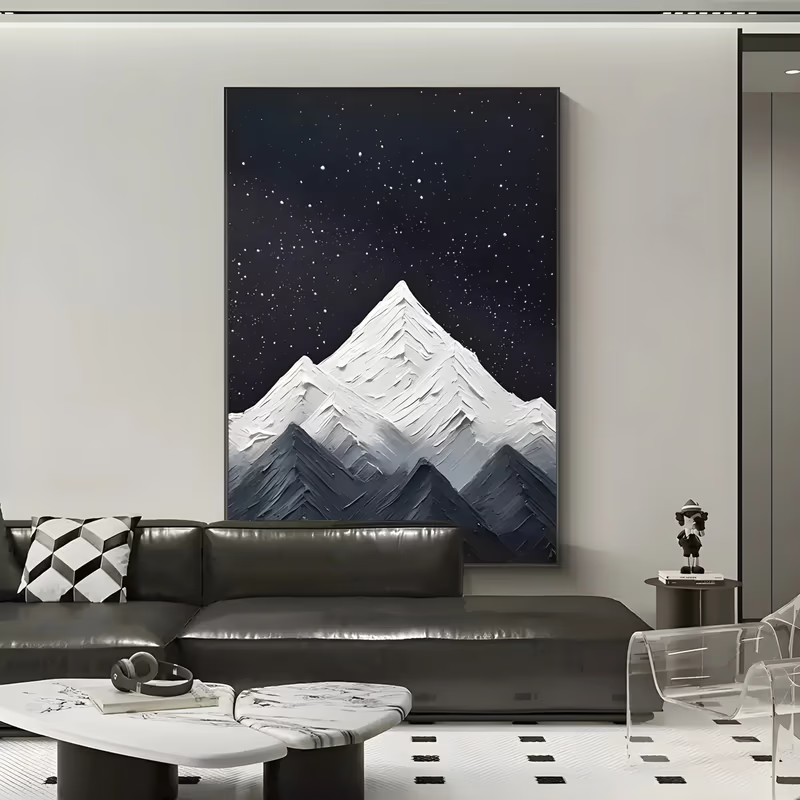
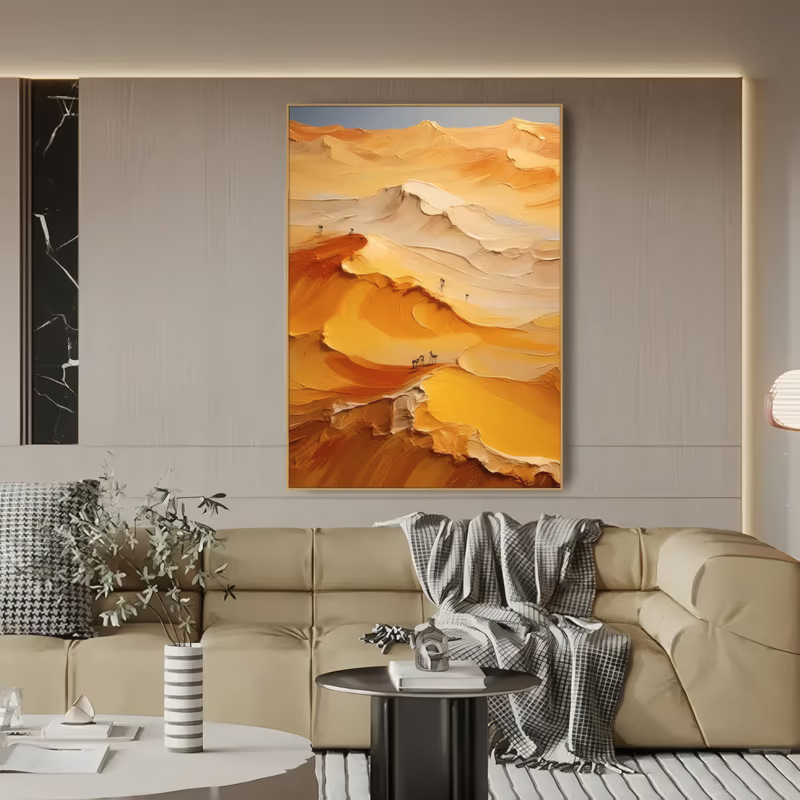
The calmest and most confident choice, and the easiest to get right. It gives the eye a single place to land and leaves the rest of the room to the furniture. A vertical statement suits a tall wall or a chimney breast; a horizontal one suits the long wall behind a sofa.
A pair or a triptych
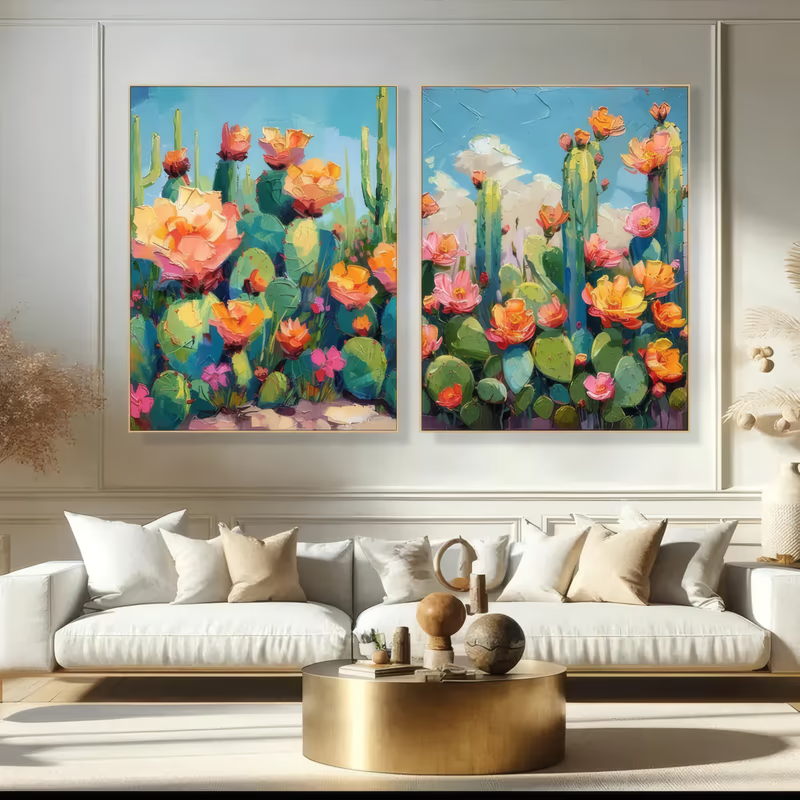
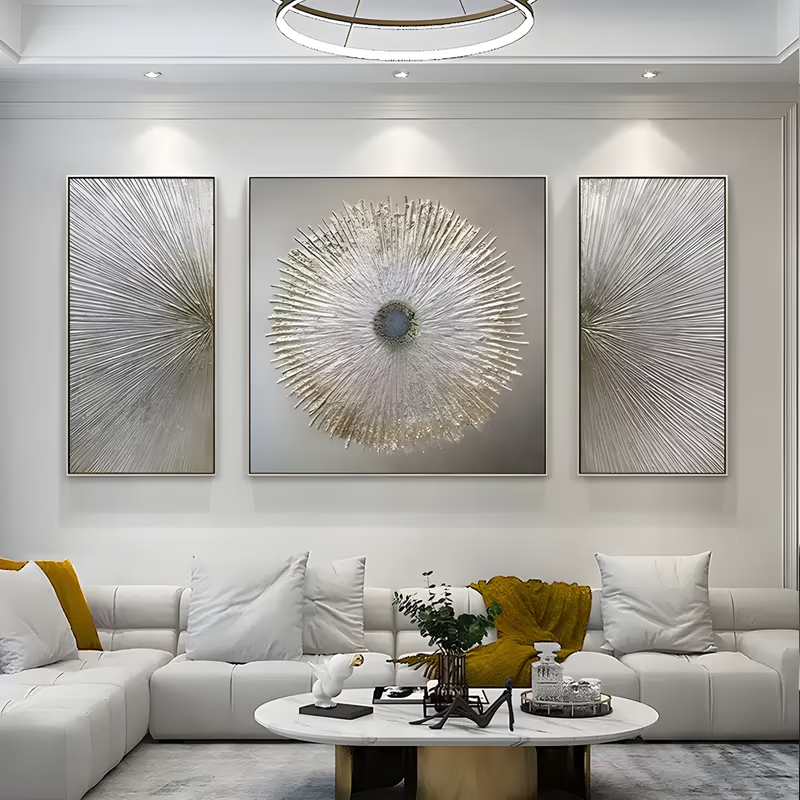
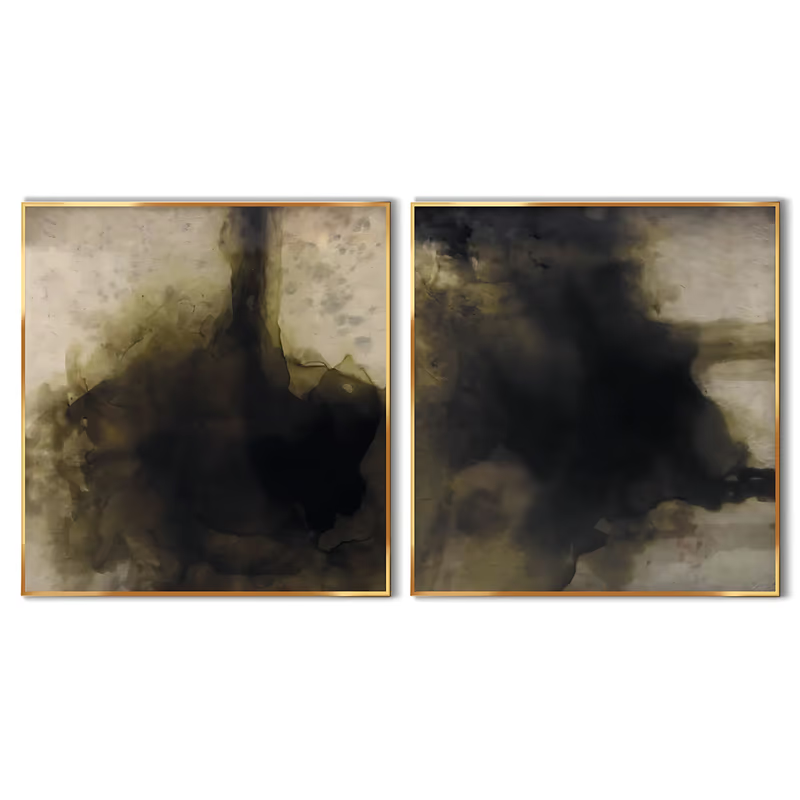
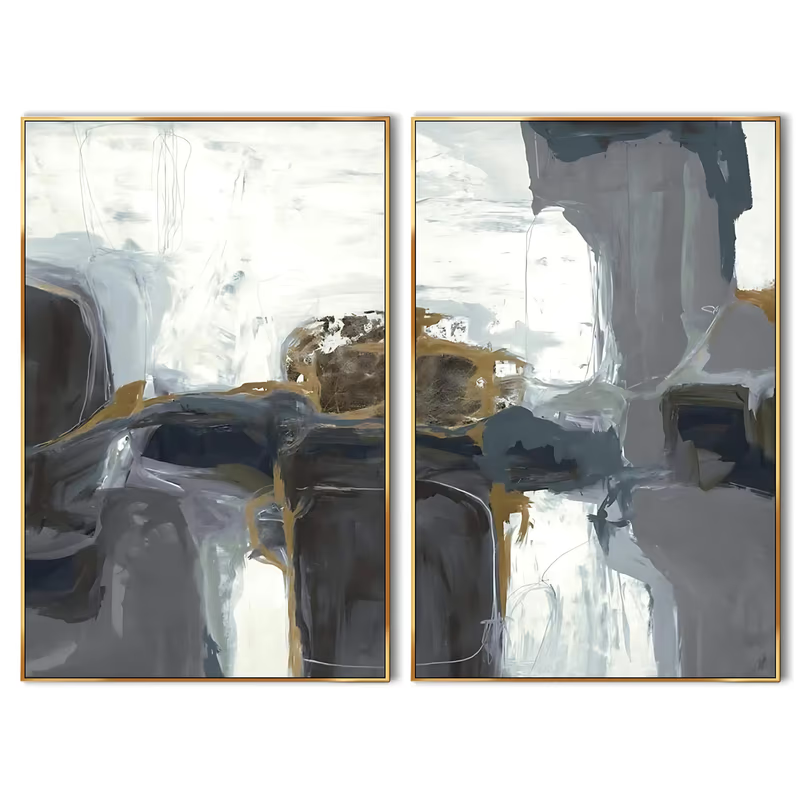
Two or three canvases read as one composition when they share a palette and a horizon line. They suit a very wide sofa, a wall split by a window, or a room where one huge canvas would be hard to carry upstairs. Keep the gaps between panels equal, 5–8 cm (2–3 in), so the set holds together. Painted to order, a diptych can be one scene split across two canvases rather than two separate pictures.
A gallery wall
Several smaller works grouped together suit a relaxed, collected room, a staircase wall or a reading corner. Keep the outer edge of the group within the width of the sofa below and repeat one colour across every piece. Mixed sizes look deliberate when the spacing between them is constant.
A panoramic canvas
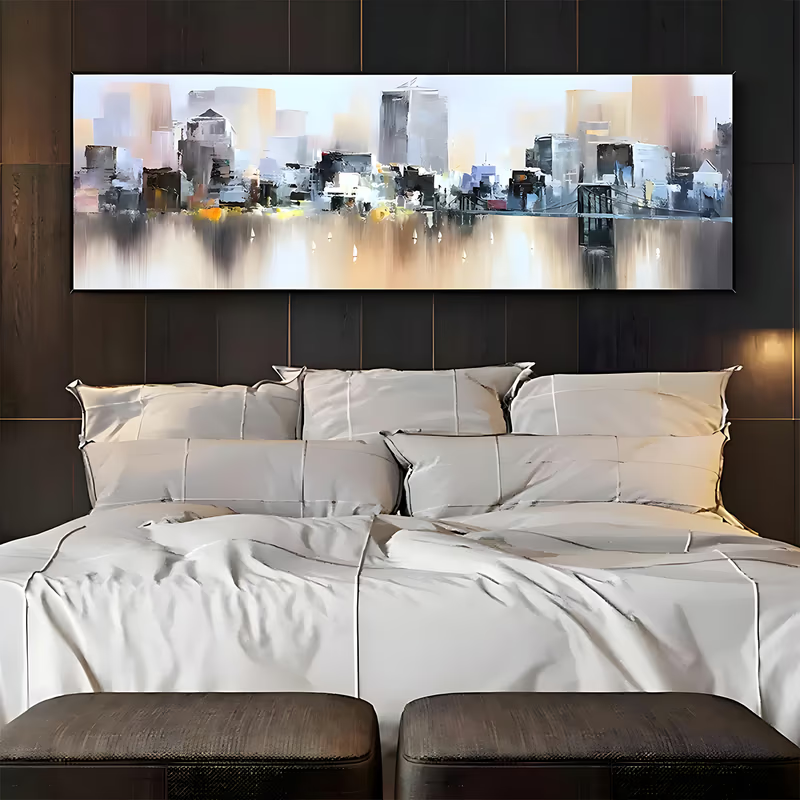
A long, low panoramic piece fits above a modular sofa, a low media unit or a window seat, and makes a wide room feel wider still. Use square canvases where the wall is short or the ceiling is low.
Where should living room wall art go: sofa wall, fireplace or TV wall?
Put the main painting on the wall people face when they walk in or sit down, usually the sofa wall or the chimney breast, and treat the TV wall as a supporting wall rather than the place for your best piece.
Over the sofa
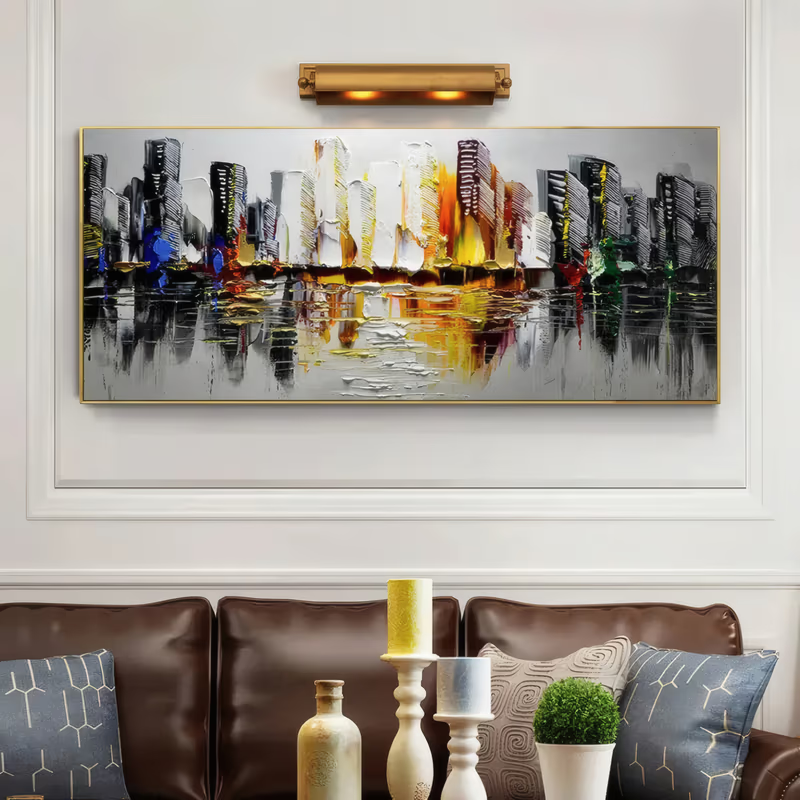
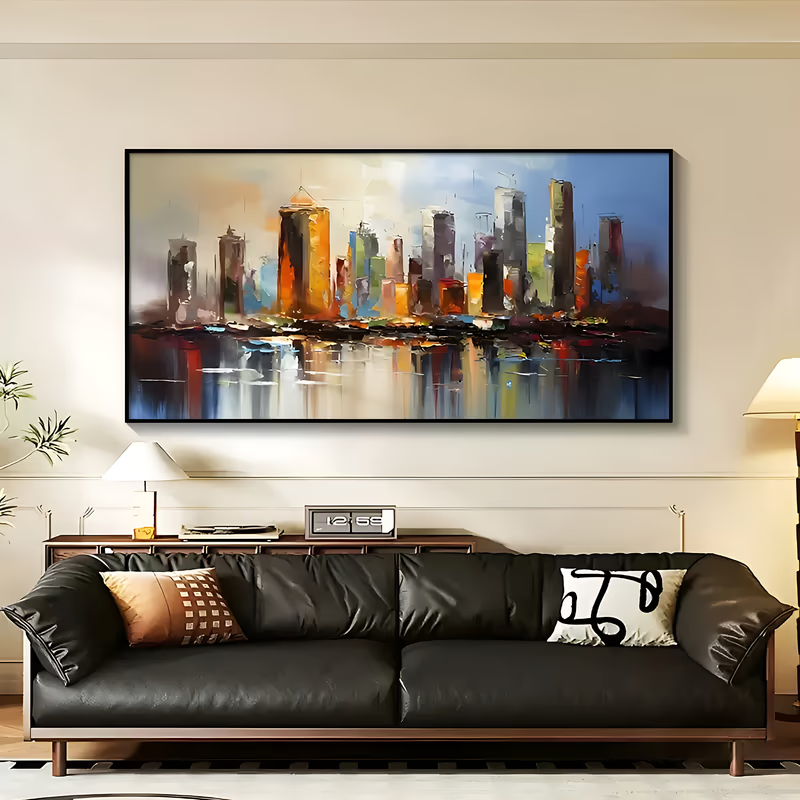
The most common spot, and the one the size table above is built around. Centre the canvas on the sofa rather than on the wall, even when the sofa sits off-centre.
Above the fireplace
A chimney breast is a natural frame. Leave 15–20 cm (6–8 in) above the mantel shelf, more if you keep candlesticks or a clock there, and choose a piece that suits the breast's shape: square or vertical for a narrow one, horizontal for a wide one.
The TV wall
Hanging art above a television puts it too high and makes the screen and the canvas compete. Two tall verticals either side of the screen work better, and a darker palette helps a black screen blend in when it is switched off.
Open-plan living and dining
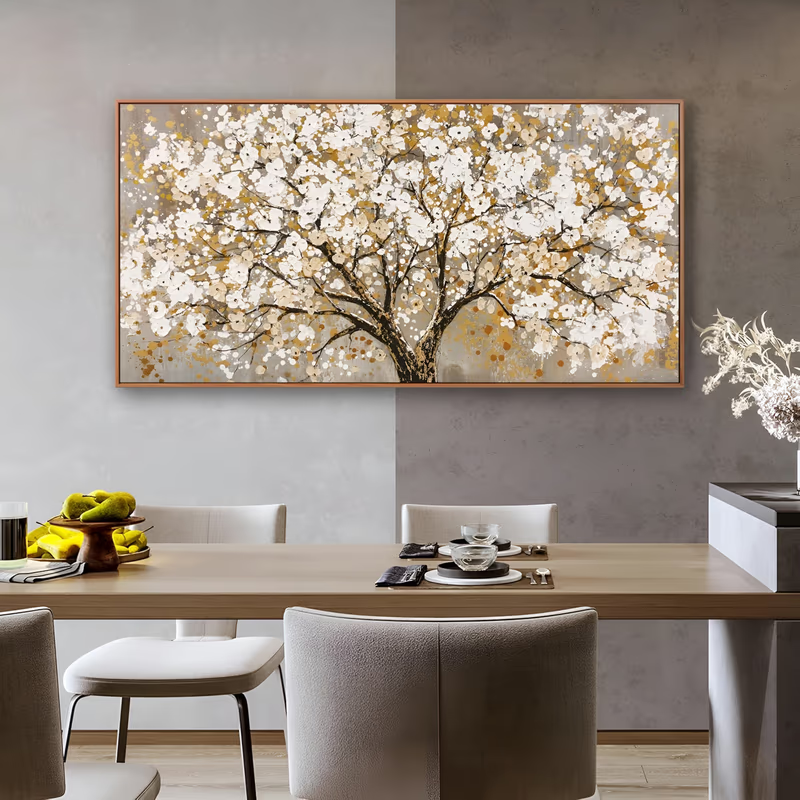
Where the living area runs into a kitchen or dining space, treat both zones as one room: one shared palette, two pieces that relate in colour, and the larger one on the living side. The dining room art guide covers the table end.
Opposite the windows
Canvas is not behind glass, so a painting opposite a bright window shows no glare, and textured or knife-painted surfaces come alive in raking daylight. Avoid a spot where strong direct sun falls on the painting for hours every day.
How do you match living room wall art to your sofa, rug and walls?
Take one or two colours from the biggest fabric in the room, usually the rug or the sofa, carry them into the painting, and let the wall colour decide how light or dark the canvas should be.
A useful frame is the 60-30-10 split that decorators use. Walls and floor make up the 60%, upholstery and curtains the 30%, and cushions, throws and objects the 10%. Living room wall art sits between the last two: it should repeat an accent colour and connect it to the larger surfaces, so the scheme feels planned rather than accidental.
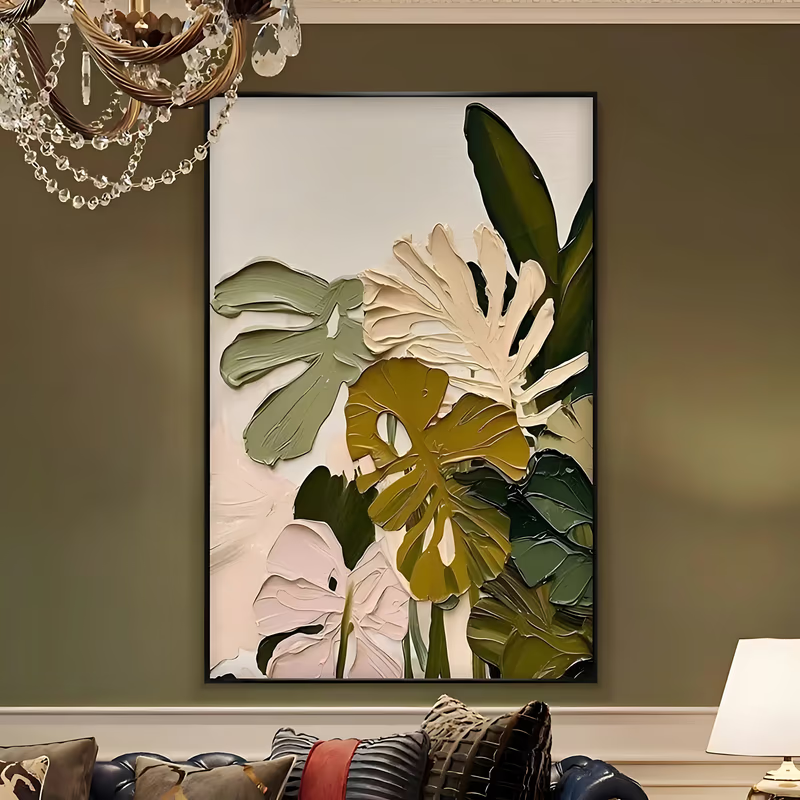
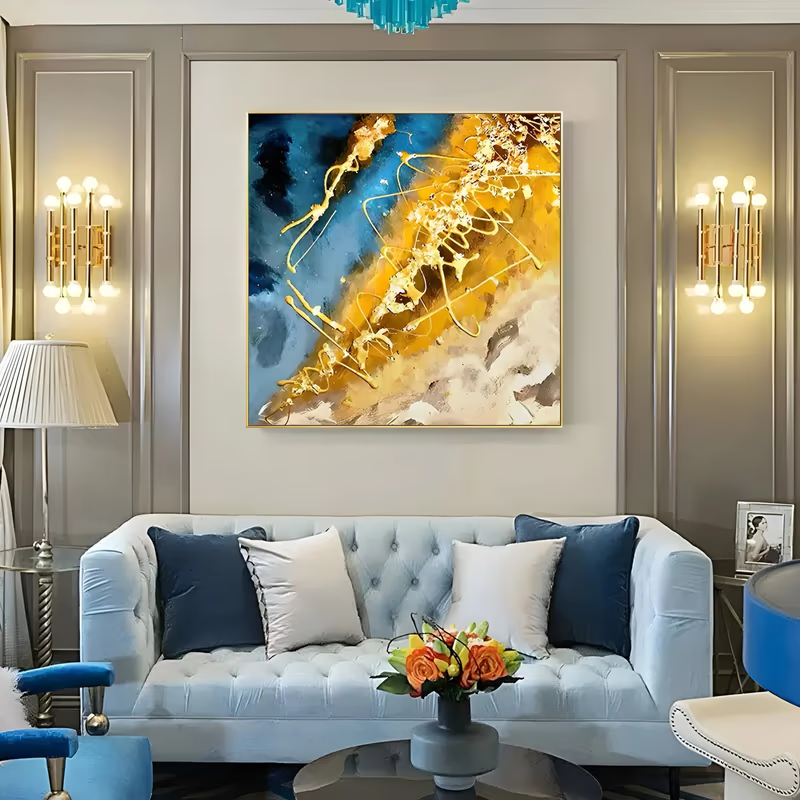
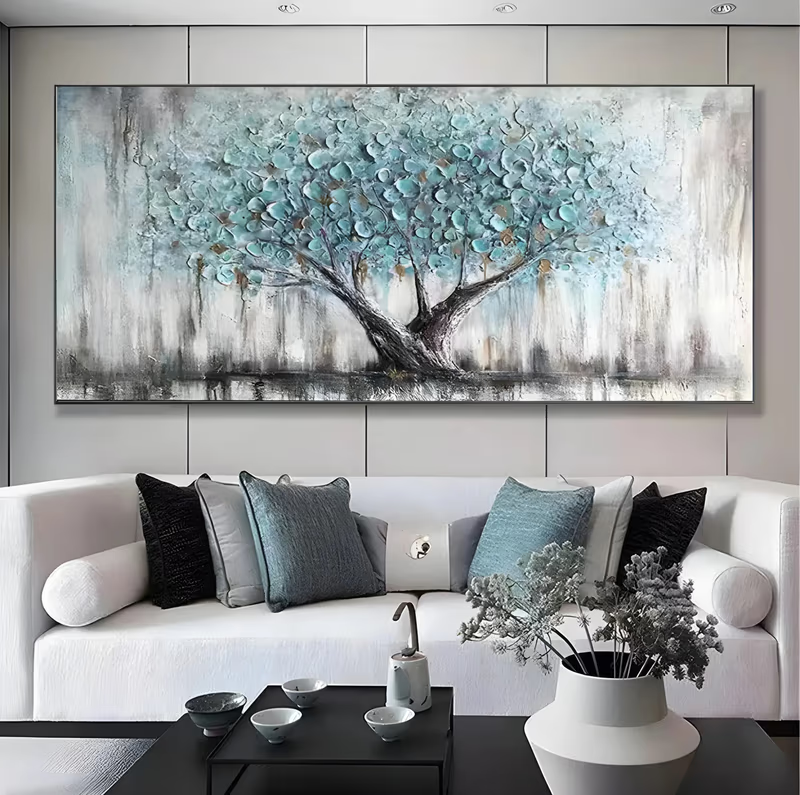
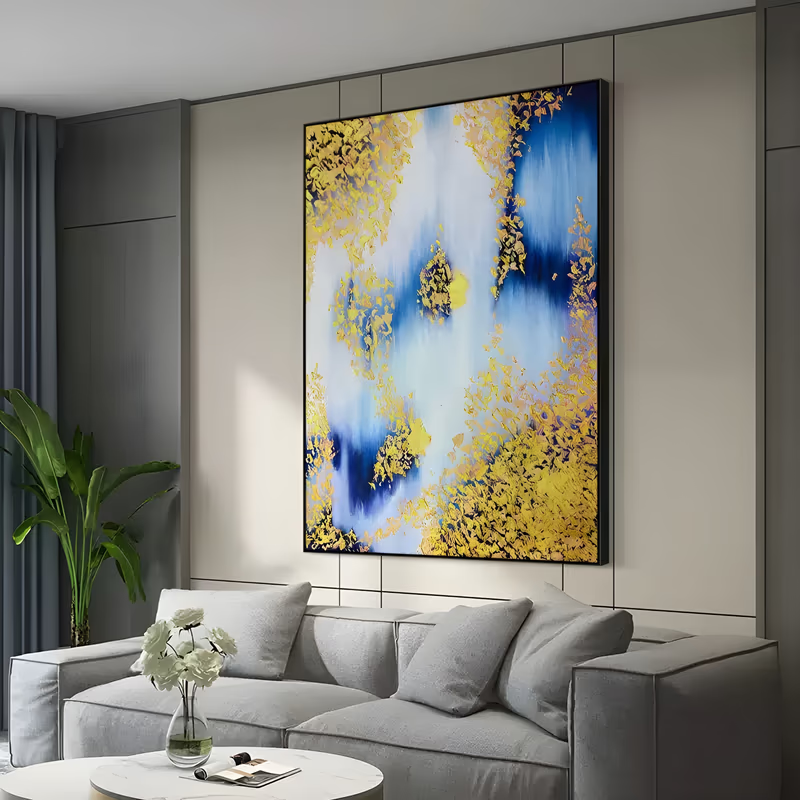
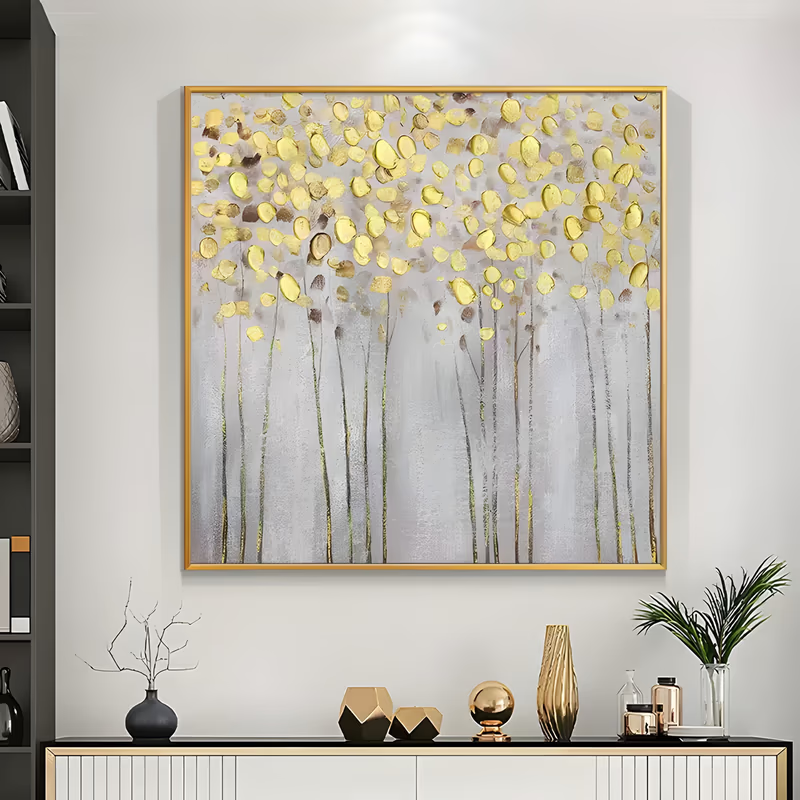
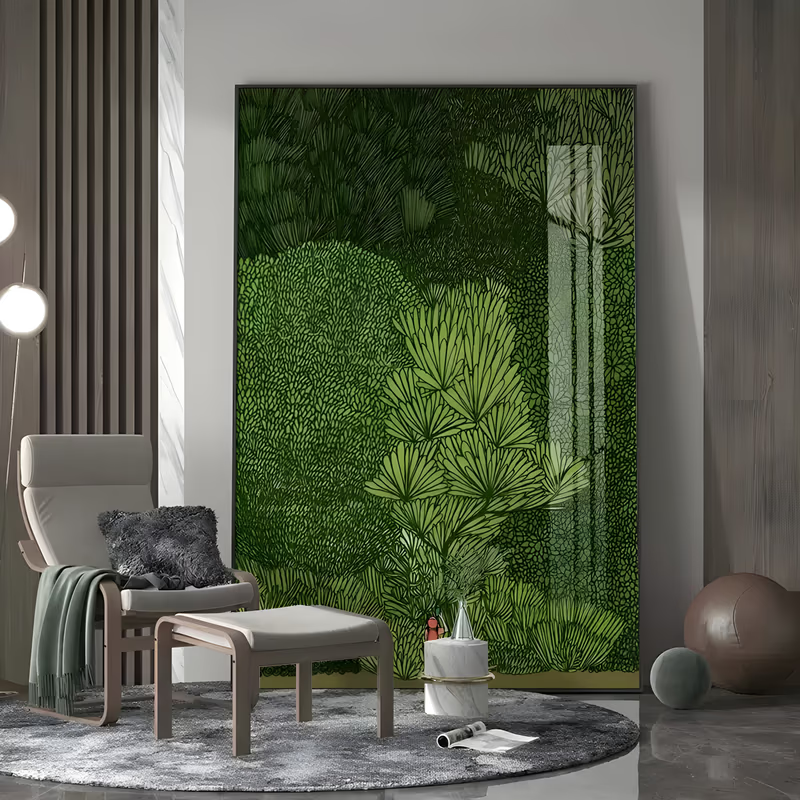
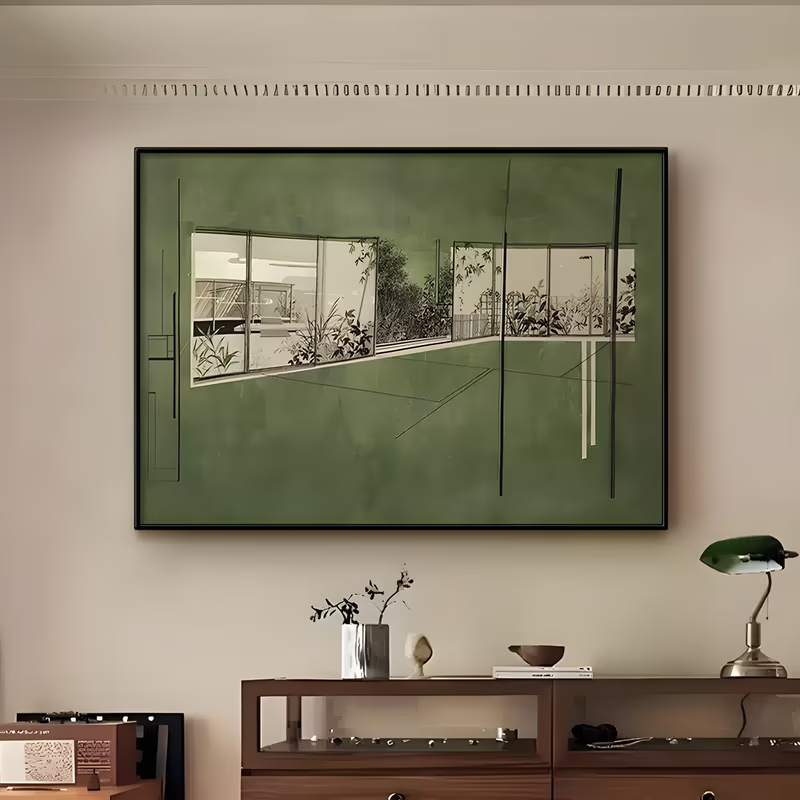
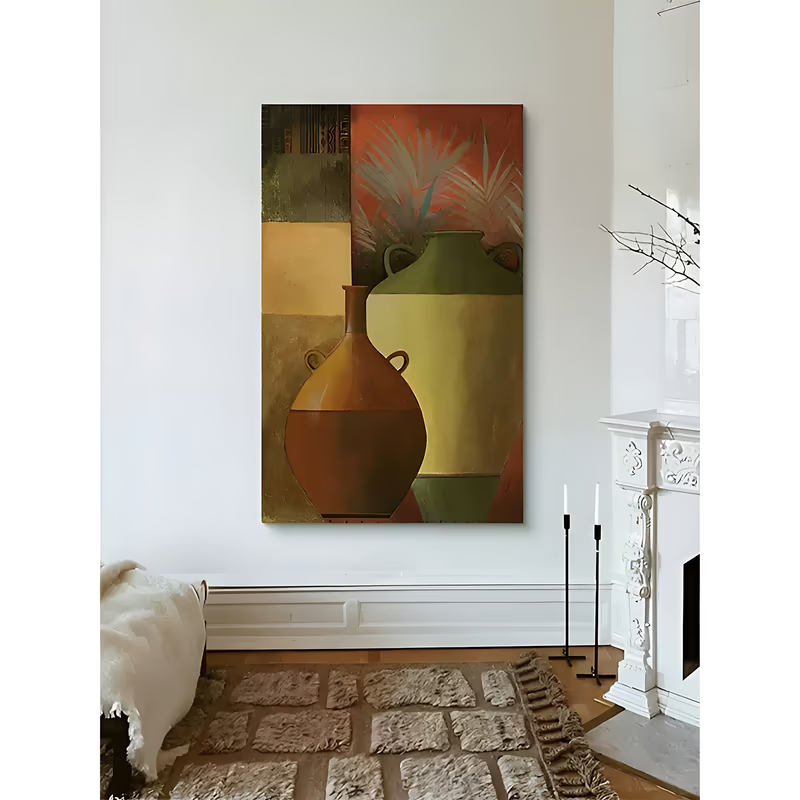
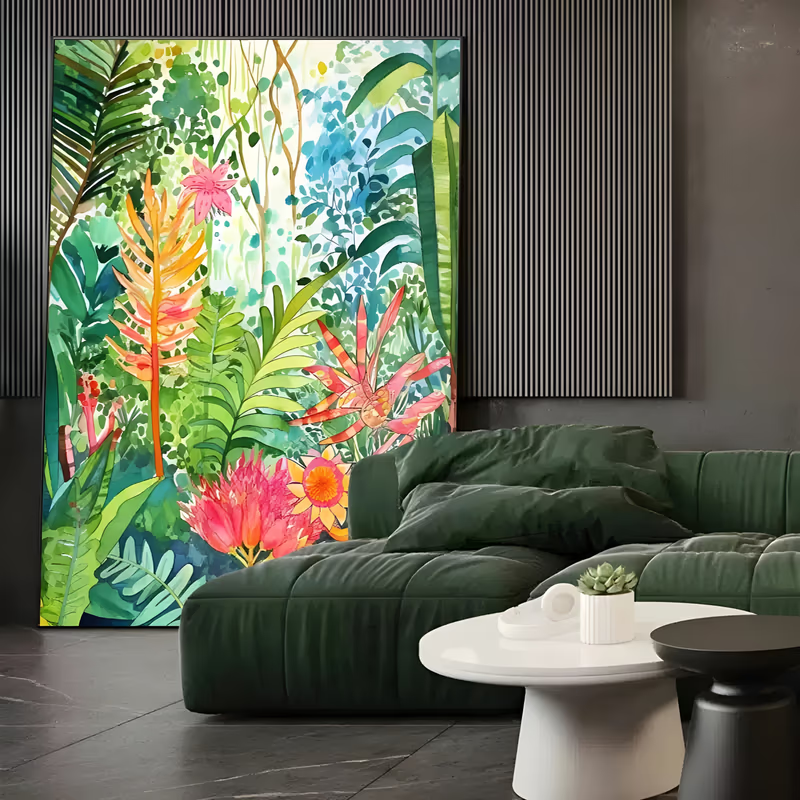
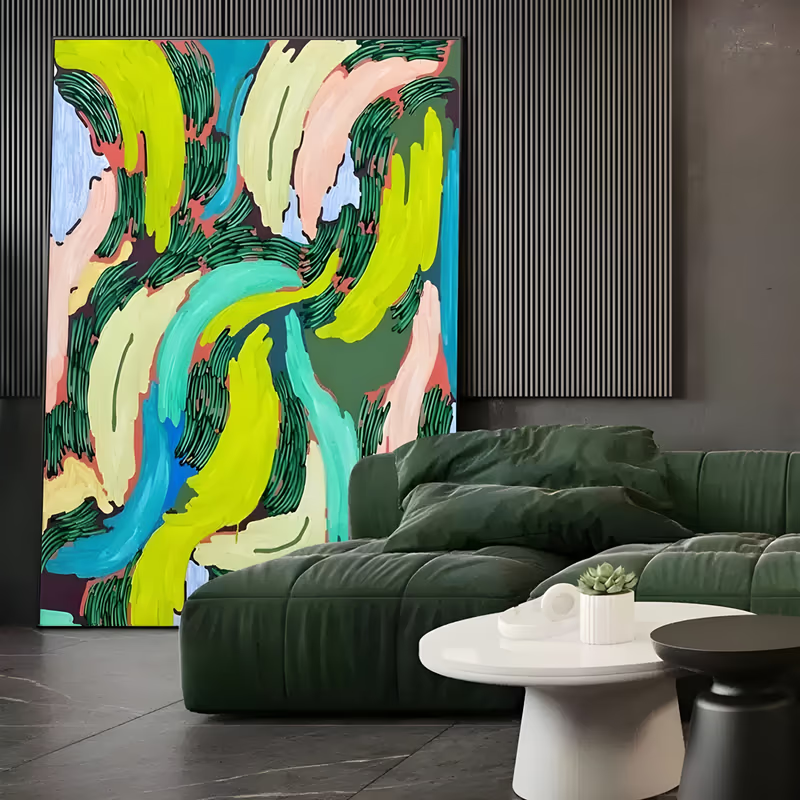
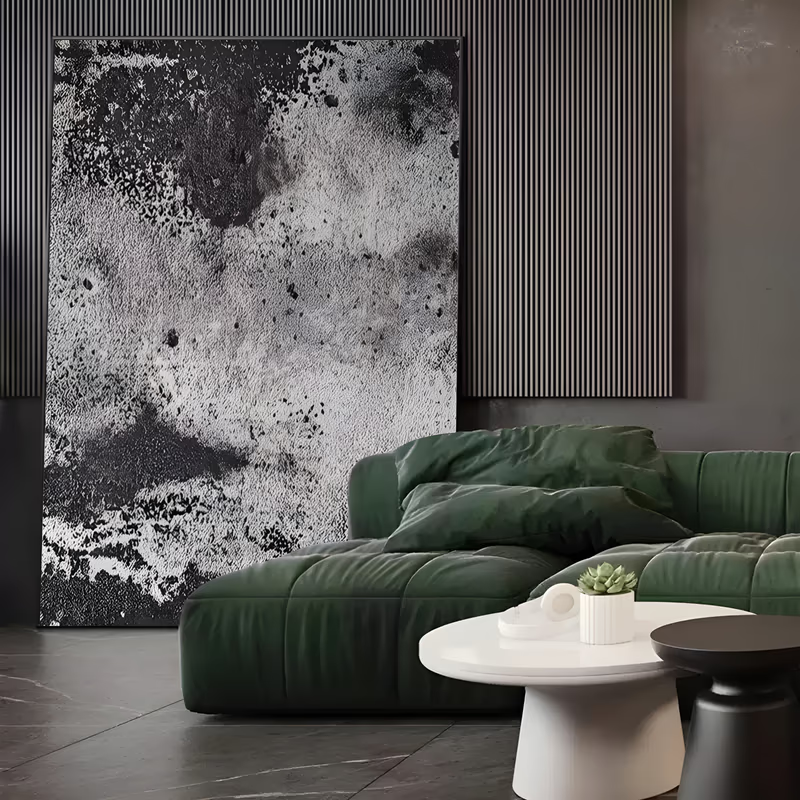
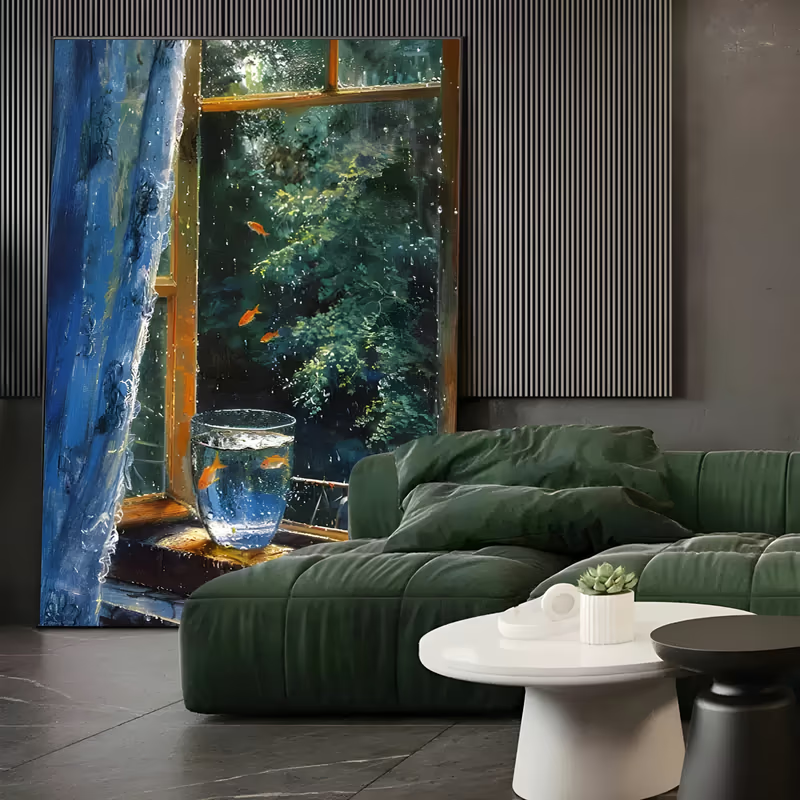
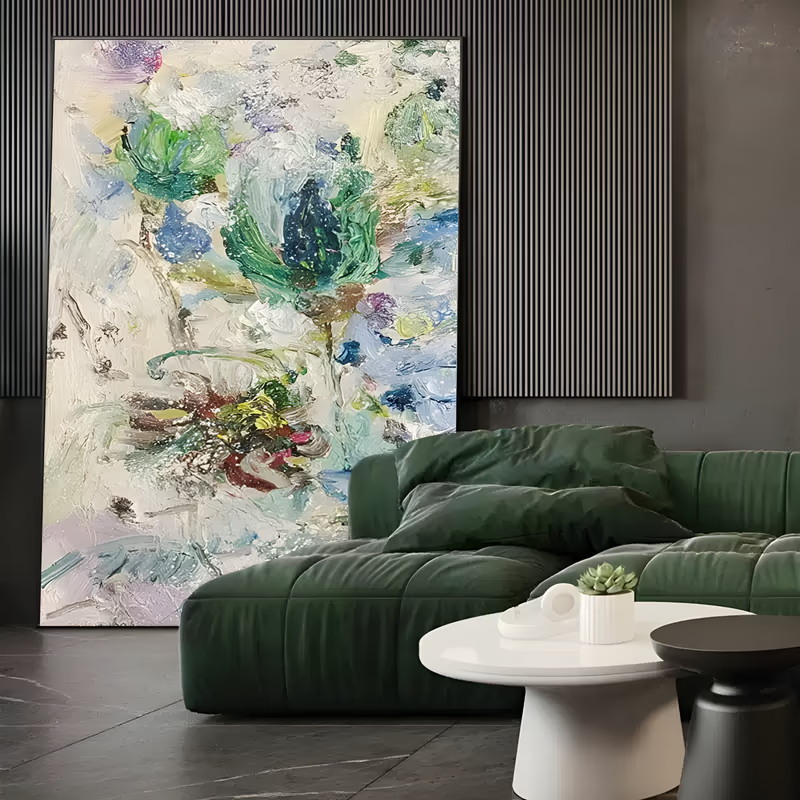
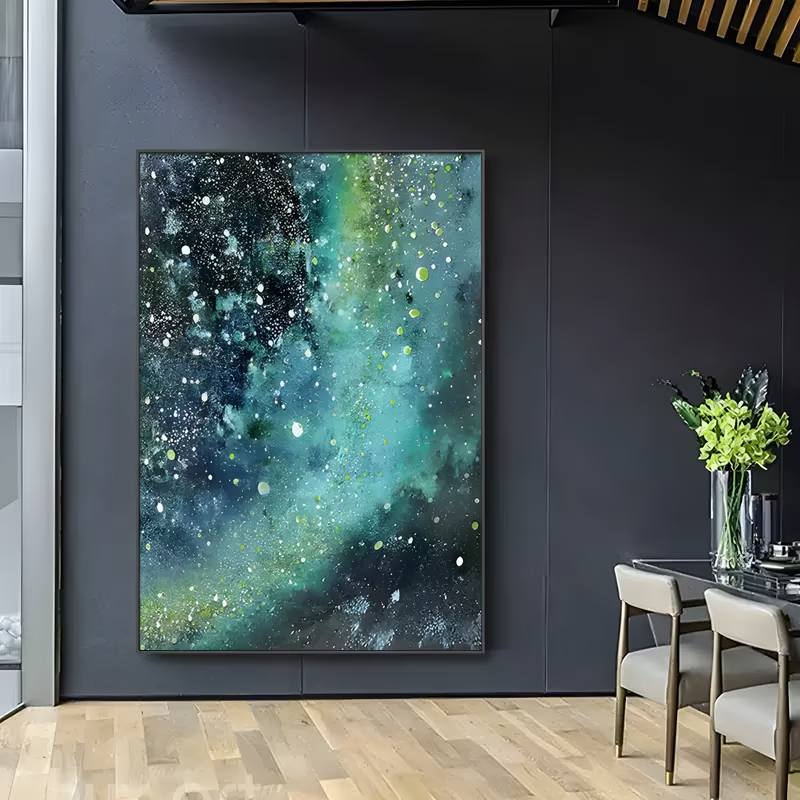
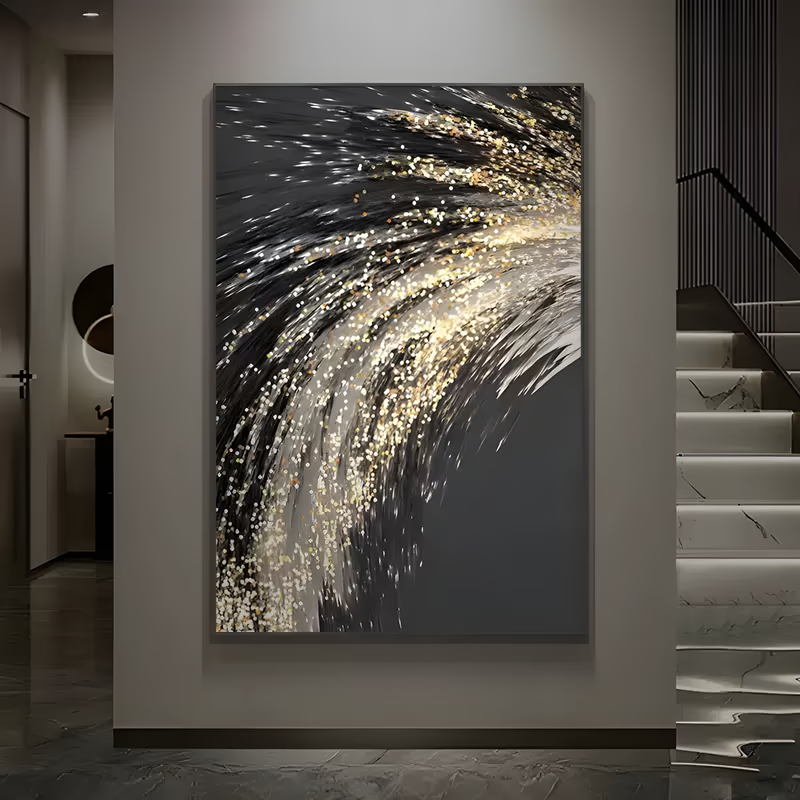
Contrast matters as much as hue. On white or pale walls, a mid-toned or darker canvas has presence. On dark walls such as charcoal, forest green or navy, choose a lighter painting or one with gold leaf, which glows against the depth. Warm wood, leather and linen sit naturally with ochre, terracotta and gold; grey and white rooms suit blue and teal, sage and olive green or black and white.
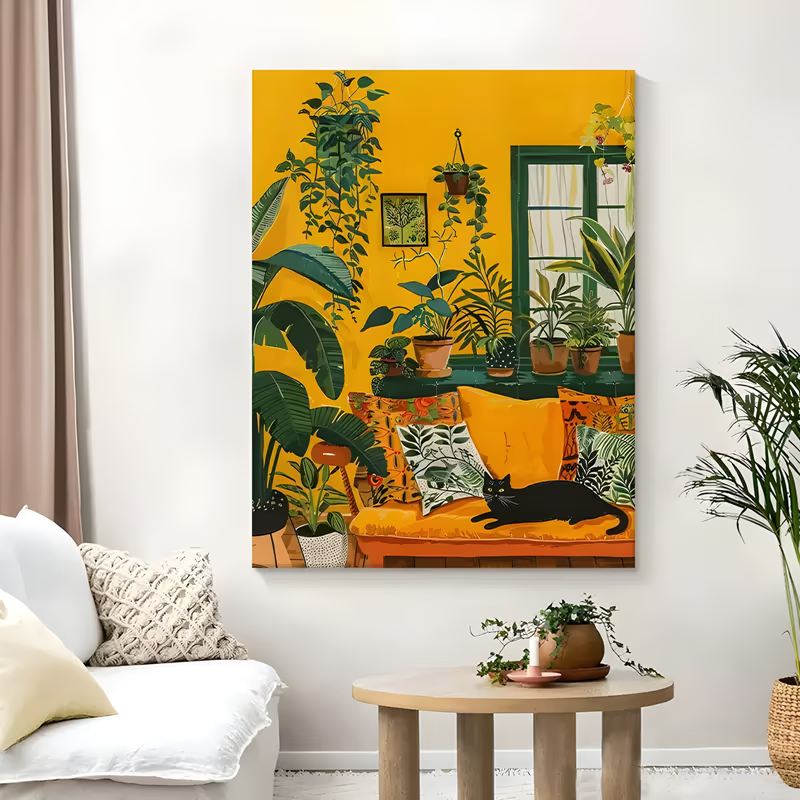
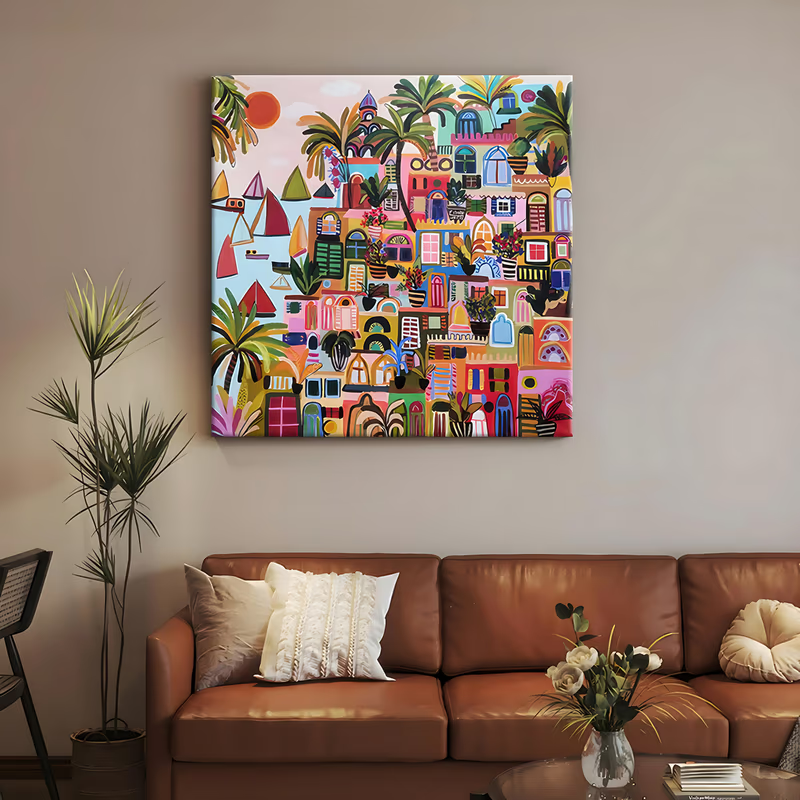
Match the style to the room as well. Modern classic interiors take impressionist landscapes and florals, often framed in gold. Japandi and Scandinavian rooms suit wabi-sabi texture and pale neutrals. Coastal living rooms suit seascapes, and maximalist rooms suit colourful work. If the right painting is in the wrong colours, any catalogue work can be repainted in your palette. For a room built around one colour, the colour guides help too, for example green or beige.
How do designers, stagers and show homes source living room wall art?
Trade buyers order living room wall art much as a homeowner does, one piece at a time if they need to, but they brief by drawing and palette and approve each painting from progress photos against a fixed handover date.
For residential interior designers, the living room canvas is often the piece the client chooses personally, so a catalogue work becomes a starting point and the brief adjusts its size, colours and composition to the scheme. Home stagers need large pieces that photograph well, flatter the room and appeal to the widest range of buyers; neutral-leaning landscapes and textured abstracts usually do that best.
In show homes and sales suites, the living room is the room in the brochure, so the painting is fixed to the marketing palette and has to arrive before the photographer does. On villas and whole-house projects, the living room, family room and lounge are planned together: one composition in varied colourways, or a family of related pieces that are never repeated. A common route is to order one sample piece first, approve it in the room, and then roll out the rest.
Plan on about 10 days to paint each piece and 5–7 days to ship it. Volume pricing starts at 10 pieces, the minimum order is one, and every enquiry is quoted within one business day.
How do you get living room wall art painted to your wall?
Send the wall width, what stands below it, a photo of the room and any paint code or fabric, and the piece is redrawn to those proportions and painted to that palette, with your approval at each stage.
Start from any work in the catalogue, or from a custom brief. The palette can be shifted to match a paint code, a rug or a sofa fabric before painting begins. You receive progress photos or video at each stage, and the next stage starts only after you approve it, so a colour that reads wrong in your light is corrected early rather than discovered on delivery. A final photograph is approved before dispatch.
The canvas is hand-painted in acrylic as standard, with oil paint on request. It ships rolled, stretched on its frame ready to hang, or framed in gold, silver, black, white or wood, by DHL, FedEx or UPS express on a route iHomeArt arranges for you. About 10 days to paint, then 5–7 days in transit to your door. Request a quote with your wall size, or read how delivery works on the logistics page.