











Hotel room art guide · Updated
How to choose art for hotel guest rooms and suites
Key takeaways
- Judge it from the bed: a guest-room painting is seen from the pillow, the foot of the bed, the door and the desk chair, so check it from all four before you choose.
- Calm over clever: peaceful, mid-tone work that rewards a second look suits a room people sleep in better than a loud statement piece.
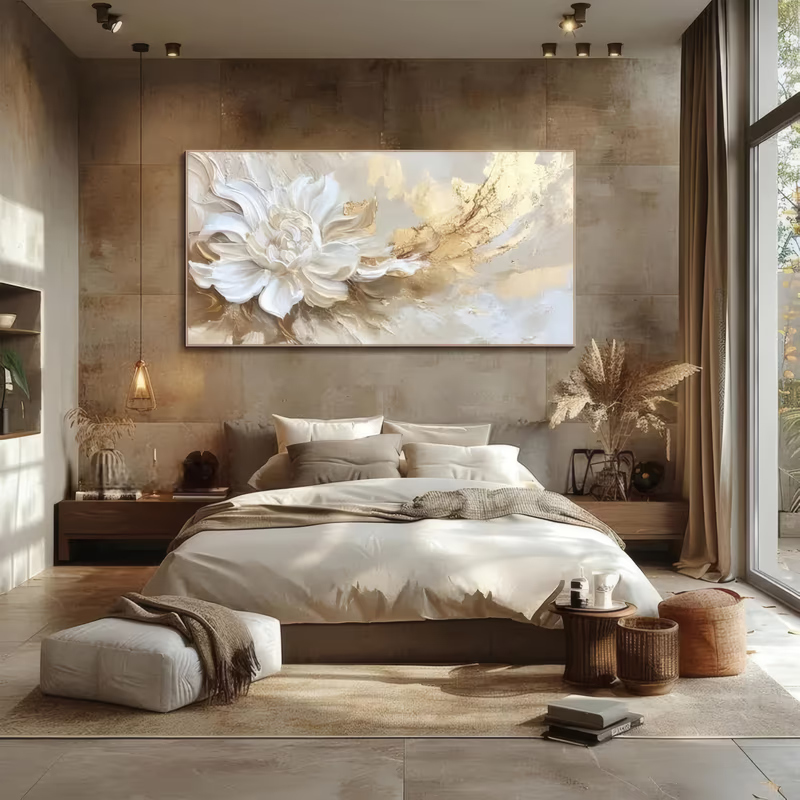
- Two-thirds of the headboard: a canvas about two-thirds the headboard's width, its bottom edge 15–25 cm above the top of the headboard, is the usual starting point.
- Mock-up room first, then roll out: approve the art in one finished room, then vary it across floors and room types so the hotel feels related, not repeated.
What should hotel room art do for a guest?
Hotel room art should make the room feel calm, considered and specific to the hotel, so it reads as a place to rest rather than a standard box.
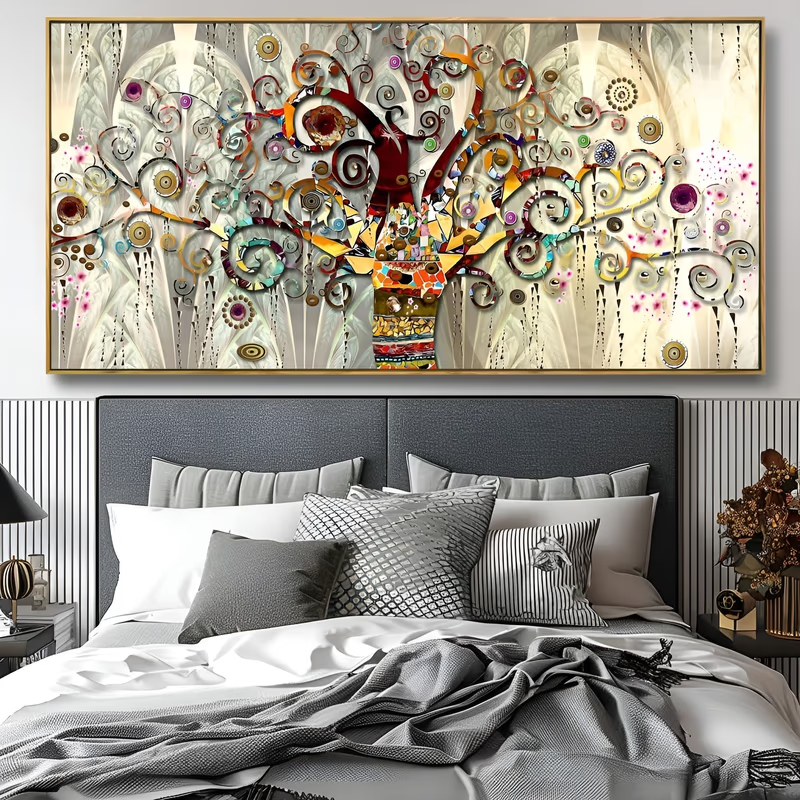
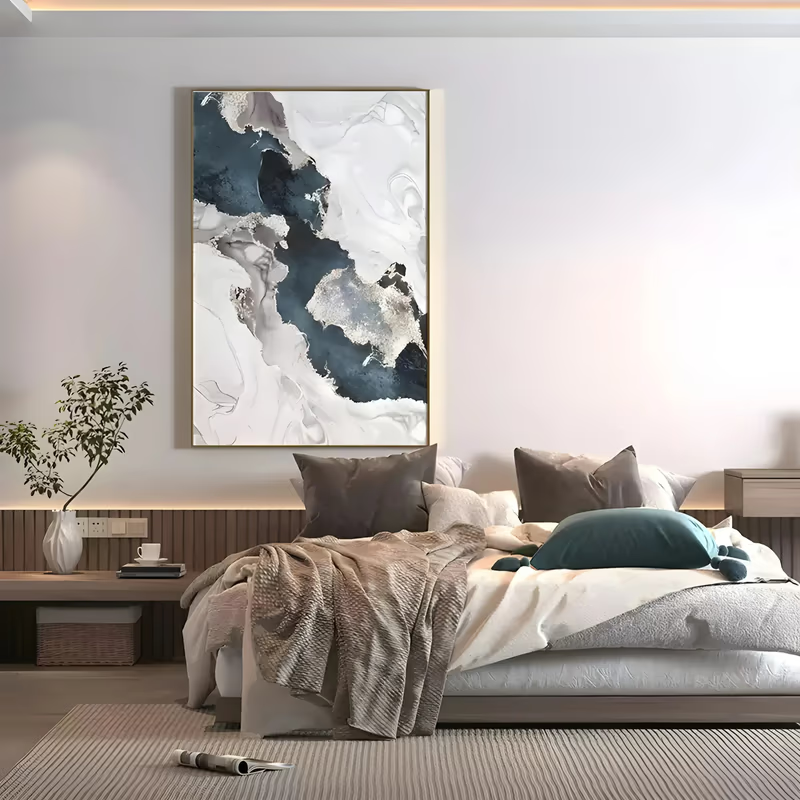
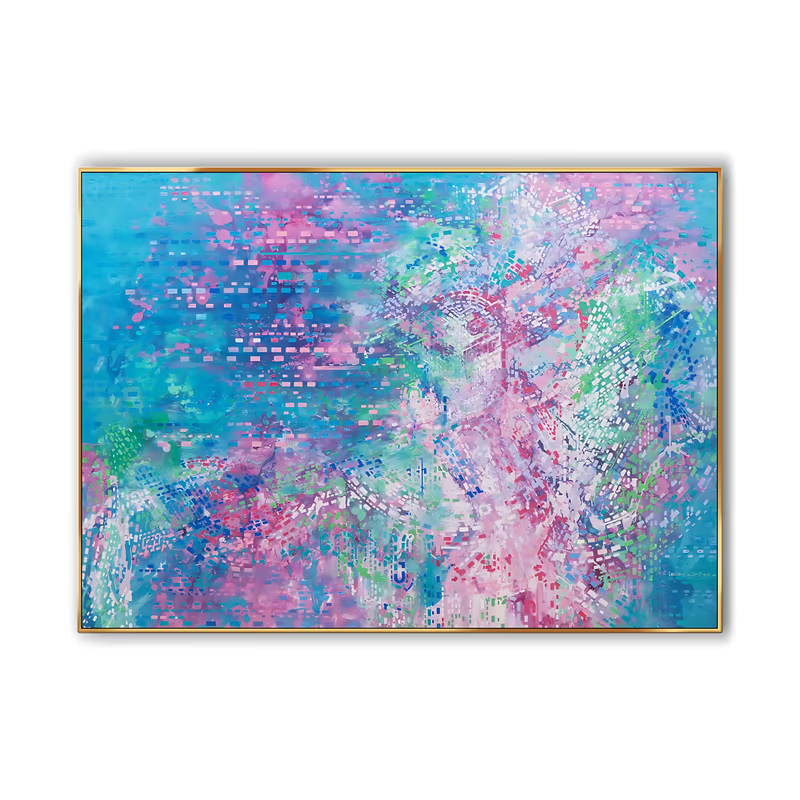
A guest spends more waking hours in the room than anywhere else in the hotel, and most of them lying down or sitting. The art over the bed is the image they fall asleep facing and the first one they see in the morning. It does not have to impress; it has to settle the room. A good guest-room painting gives the eye somewhere pleasant to rest, ties the headboard, curtains and cushions together, and adds a hint of place: a coastline in a resort, a botanical in a garden hotel, a quiet abstract in a city tower.
It is also one of the details guests photograph and remember. A room with an original painting reads as cared for, which is part of why boutique and independent hotels invest in it.
How do you choose art for a hotel guest room?
Choose hotel room art from the guest's viewpoints, the room's palette and the hotel's story, then test the shortlist in a finished room before ordering for every key.
Stand where guests will be: propped on the pillows, at the foot of the bed, in the doorway and at the desk. A painting that works from all four positions will work in the room. Check what else is on the wall too, such as reading lights, a television, a mirror or switches, and leave the art enough clear space. Take the palette from the largest soft surfaces, usually the headboard, the throw and the curtains, and let the painting share one or two of those colours rather than all of them.
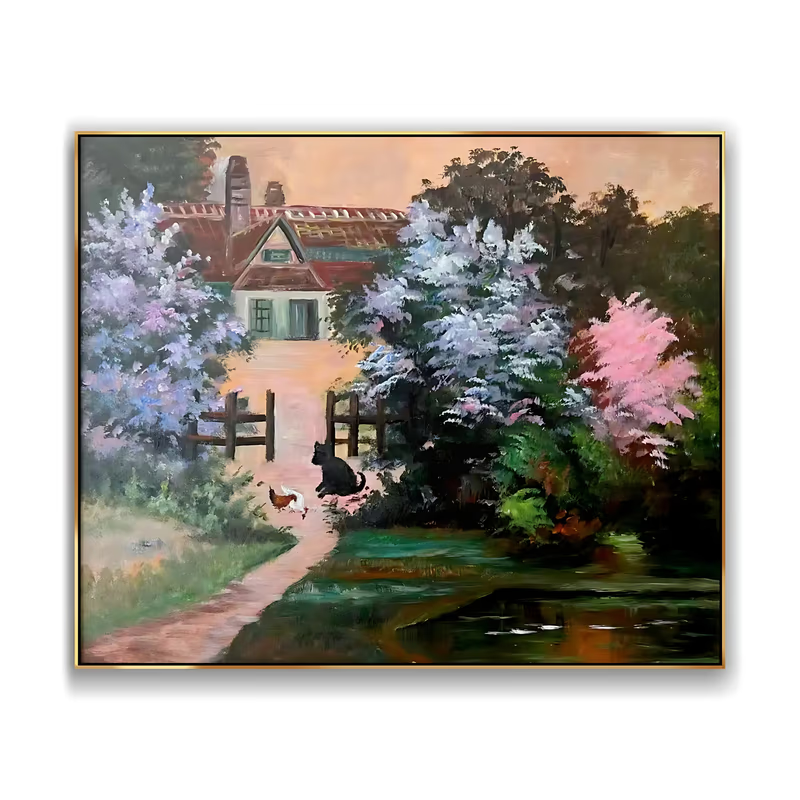
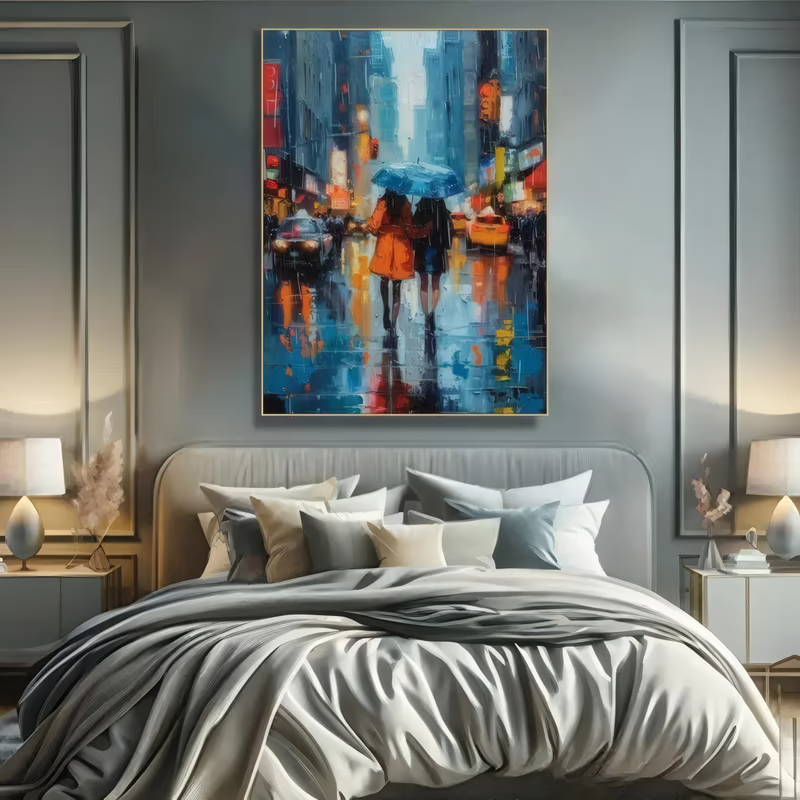
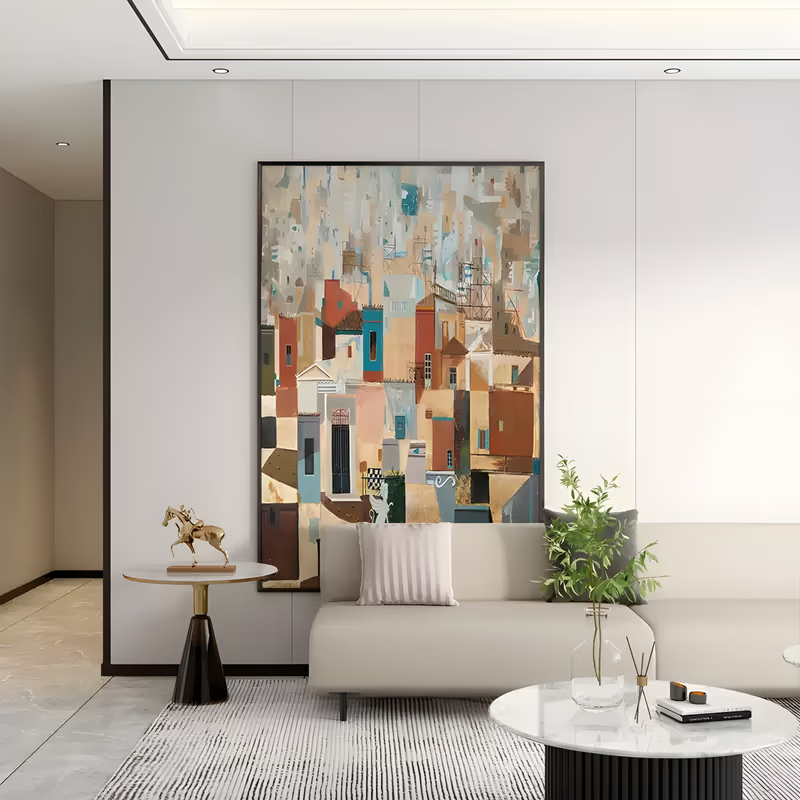
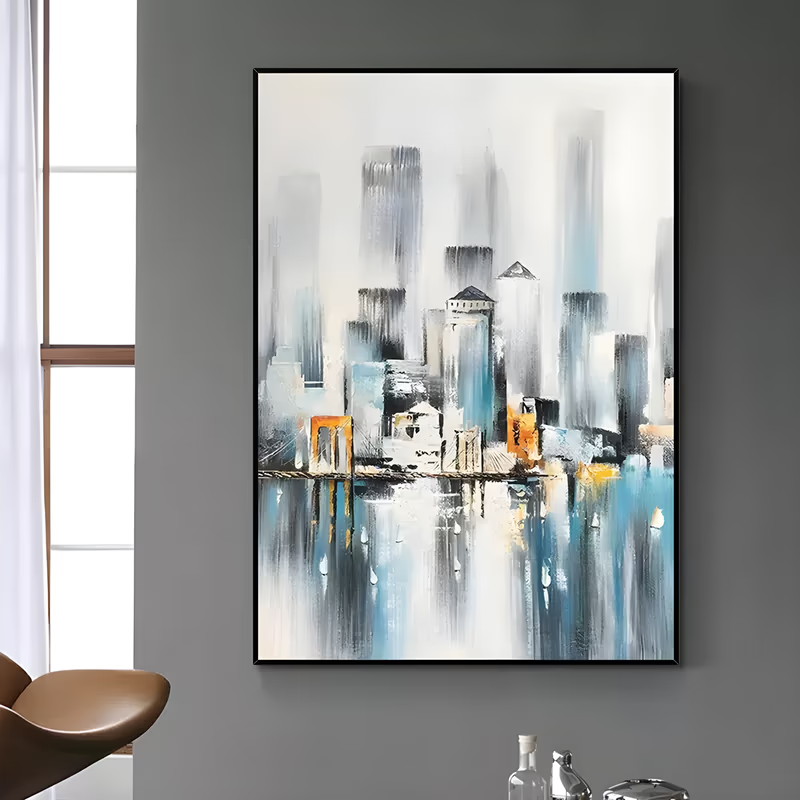
Then think about who stays. A business hotel suits restrained abstracts and cityscapes; a resort suits seascapes and light; a heritage or country hotel suits landscapes and florals with a classic hand. Whatever you choose, it should feel like part of the hotel's story rather than generic decoration.
What kinds of hotel room art are there?
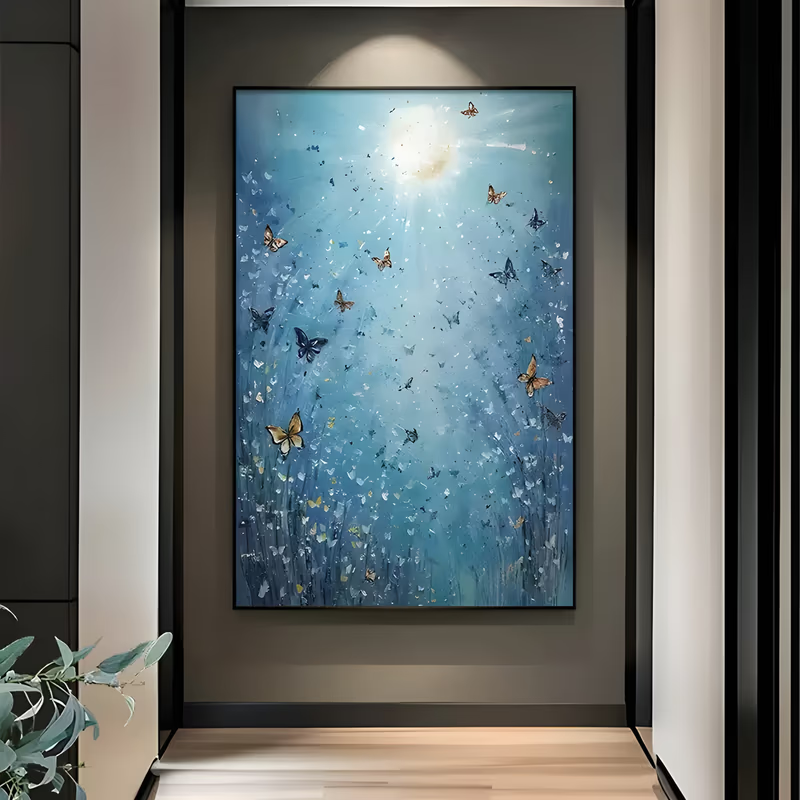
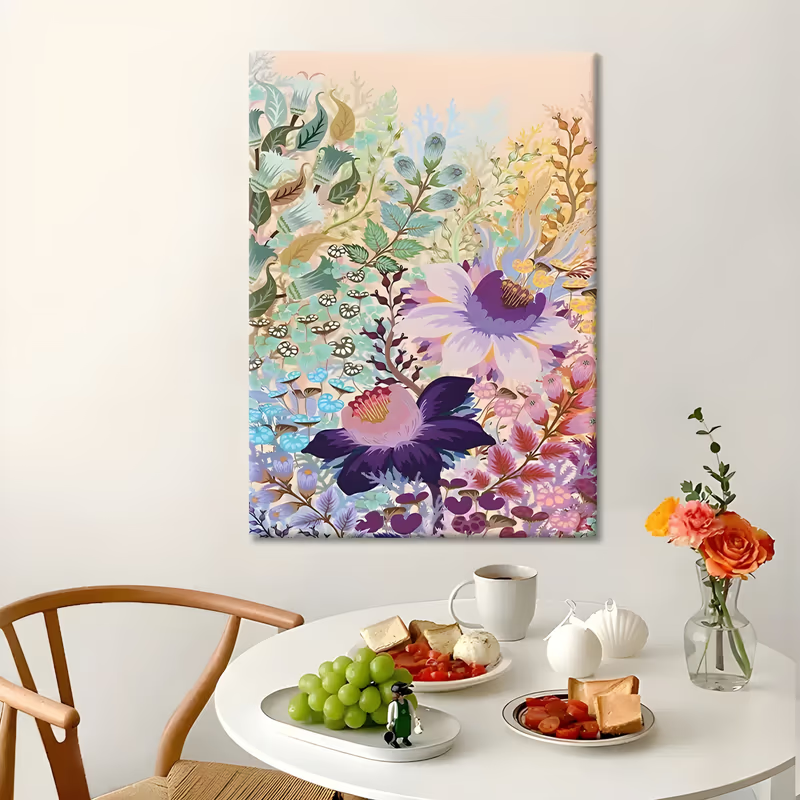
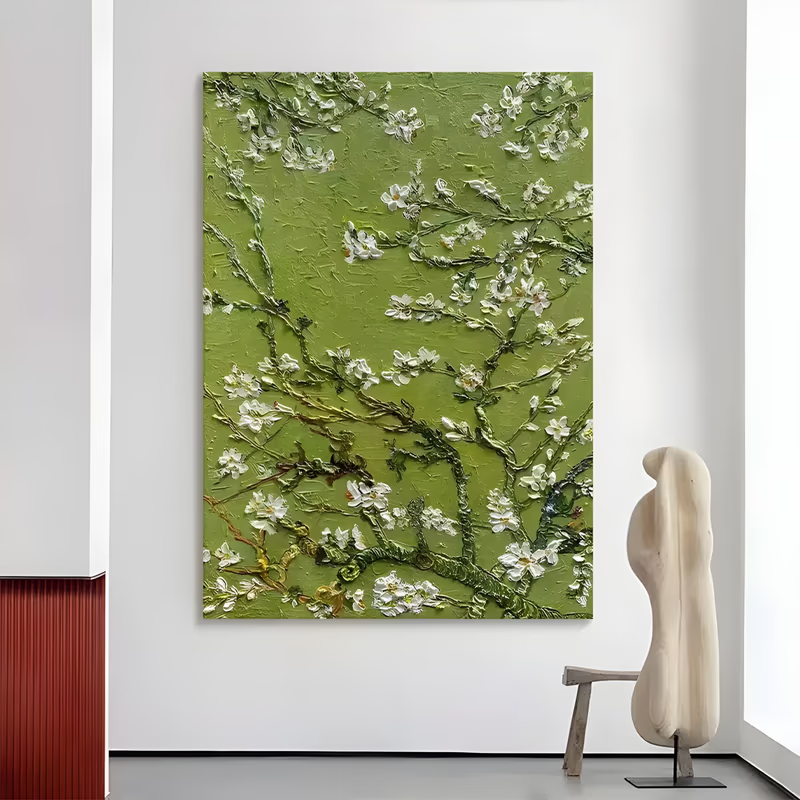
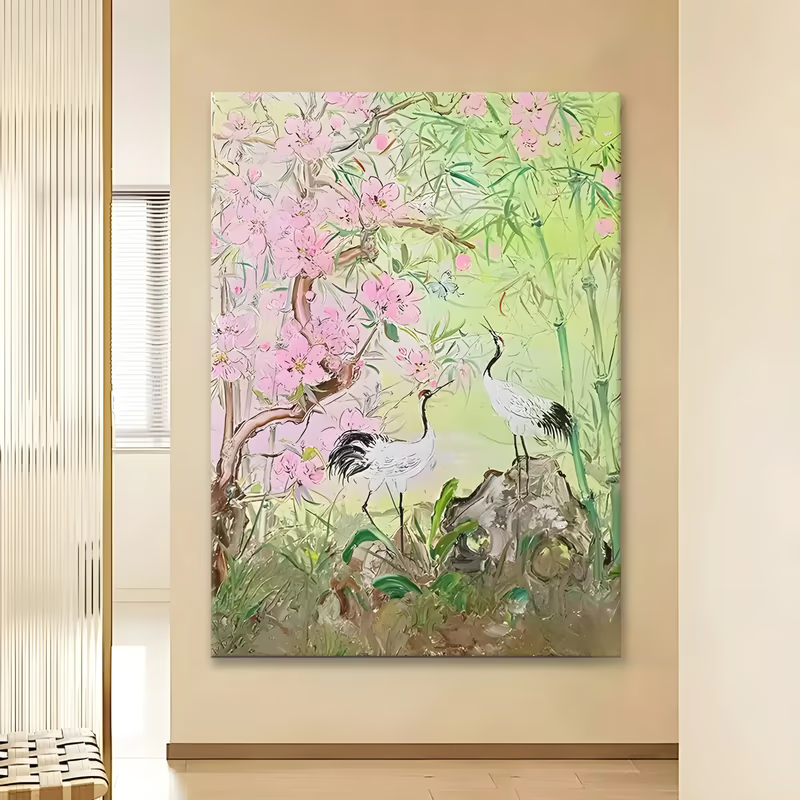
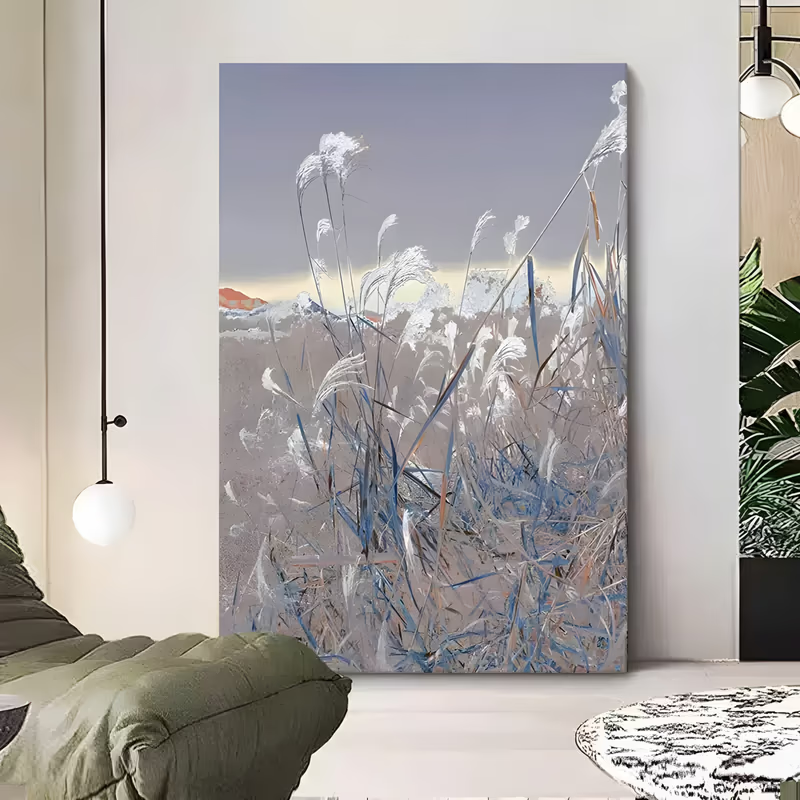
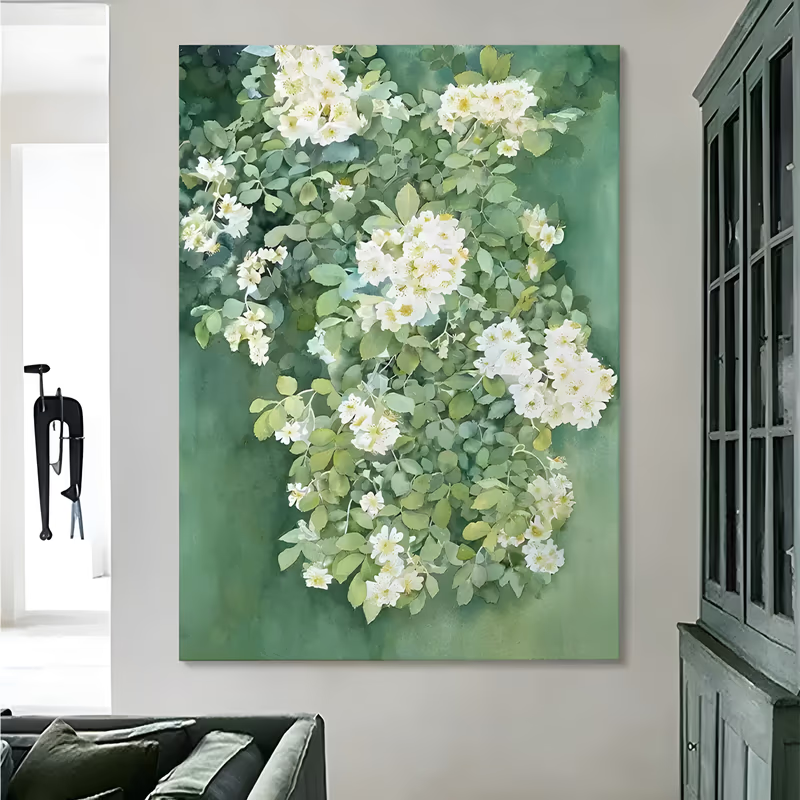
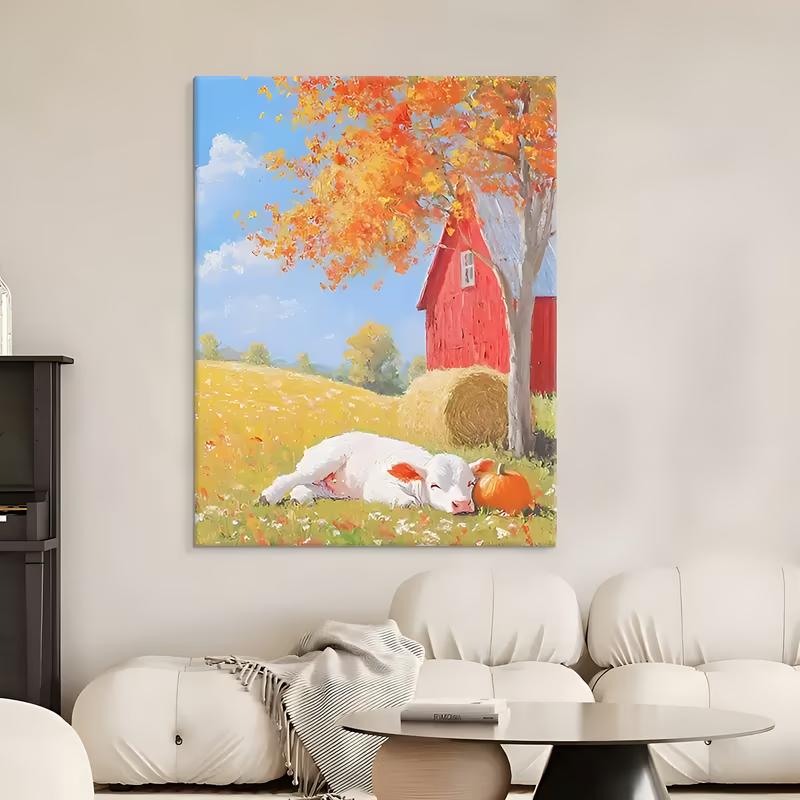
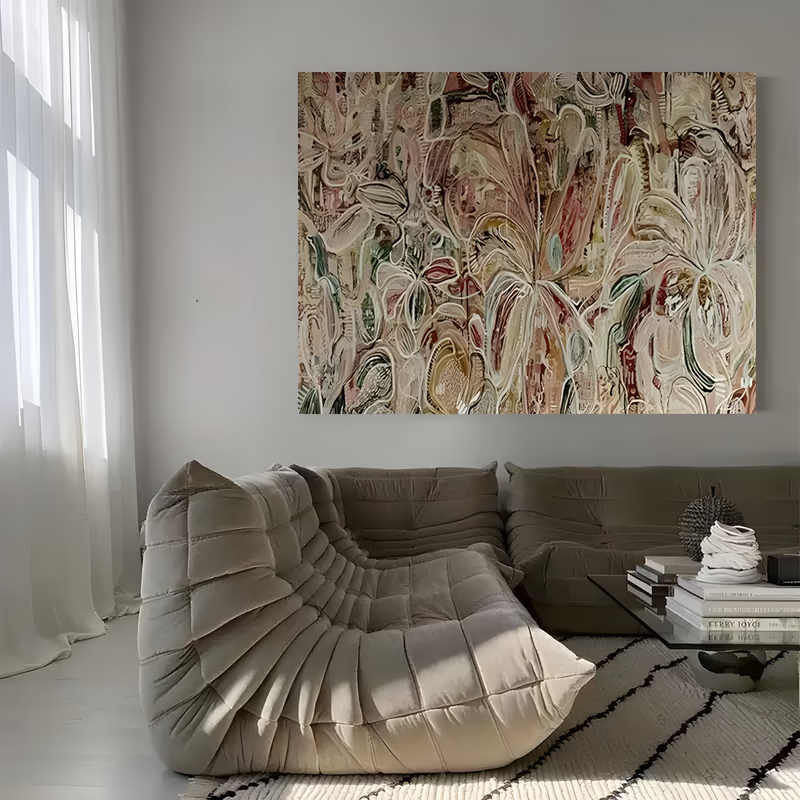
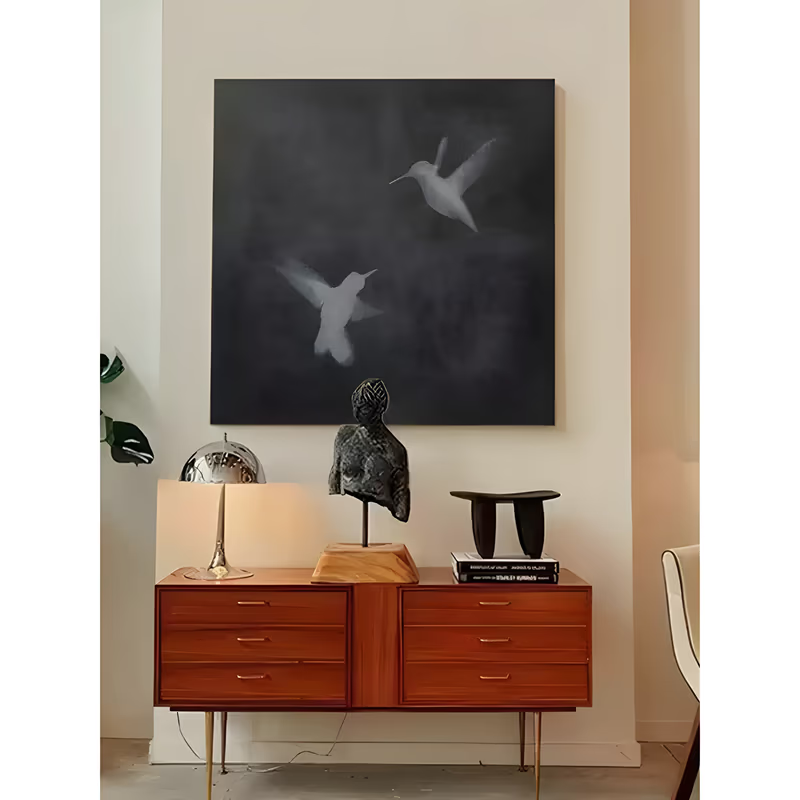
Most hotel room art falls into four kinds: florals and botanicals, landscapes and seascapes, quiet minimalist and wabi-sabi work, and soft textured pieces.
Florals and botanicals for guest rooms
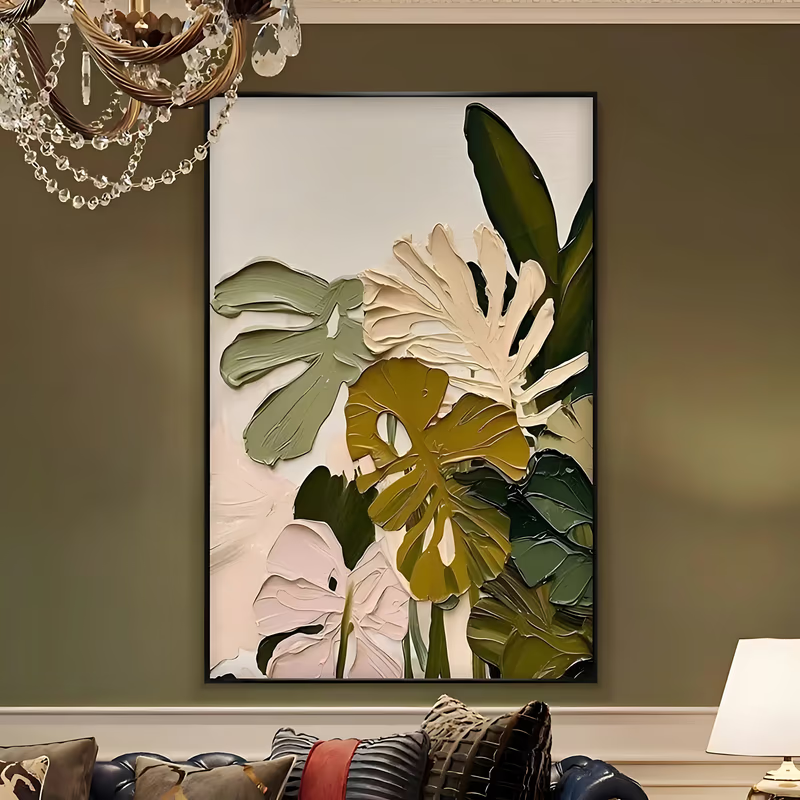
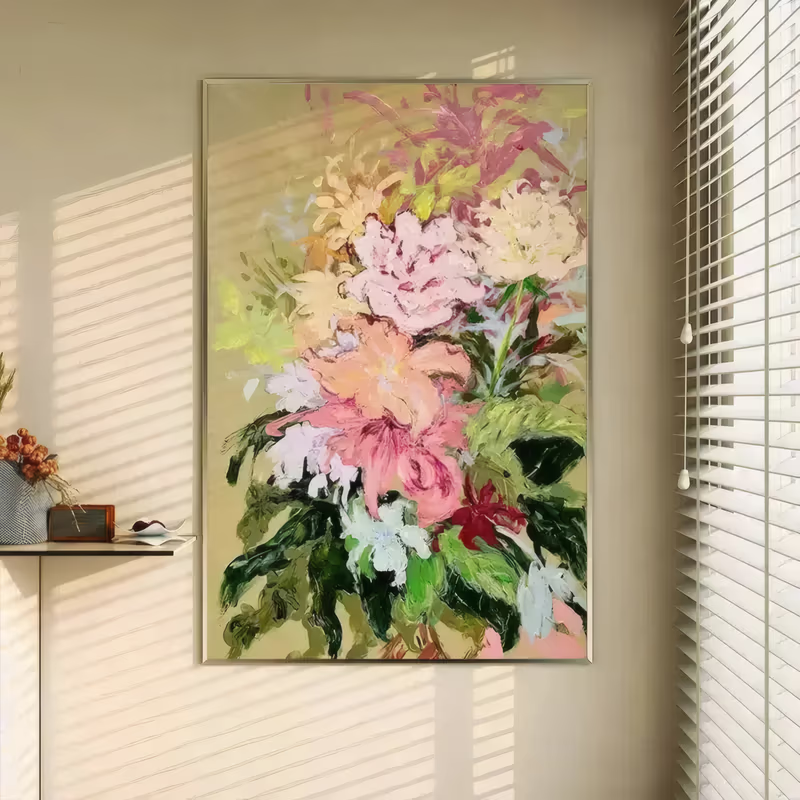
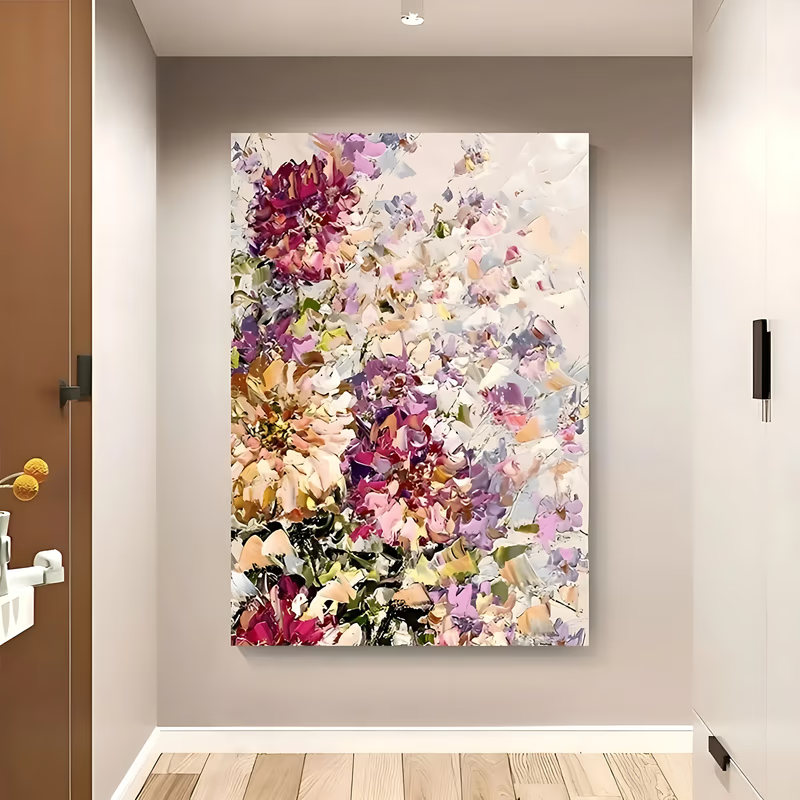
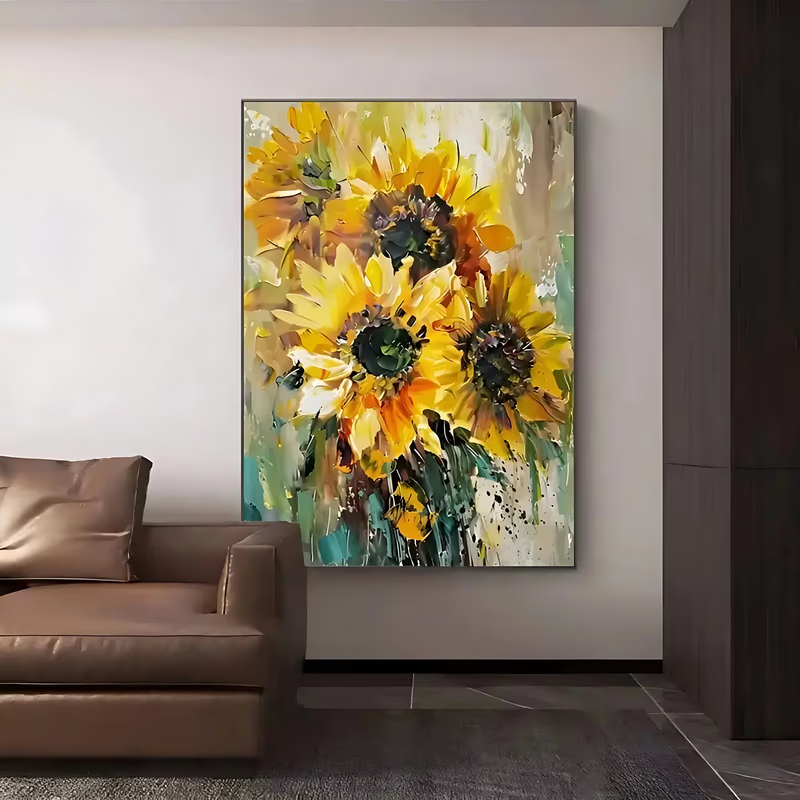
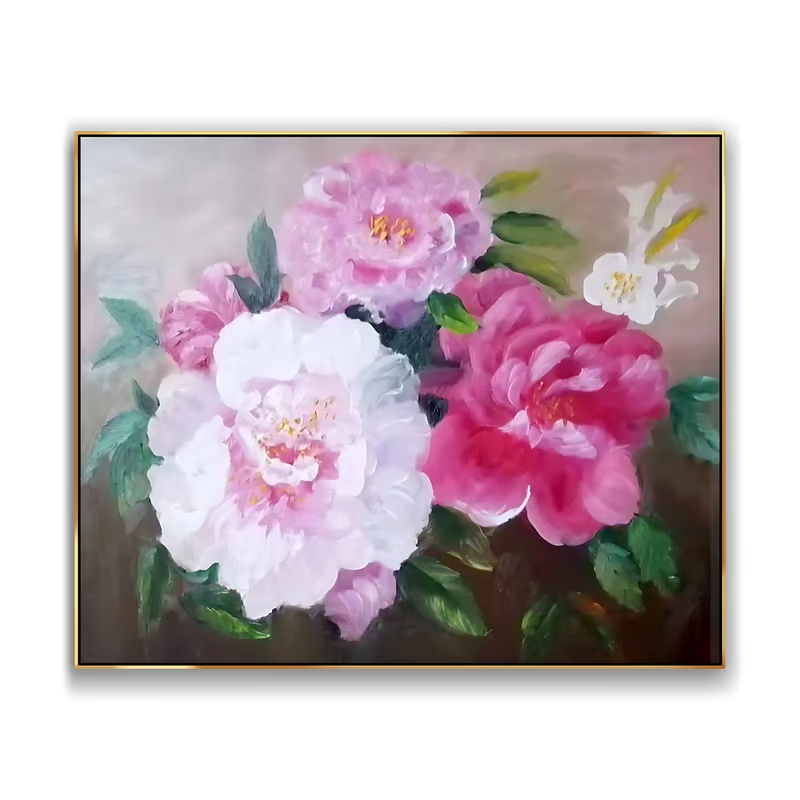
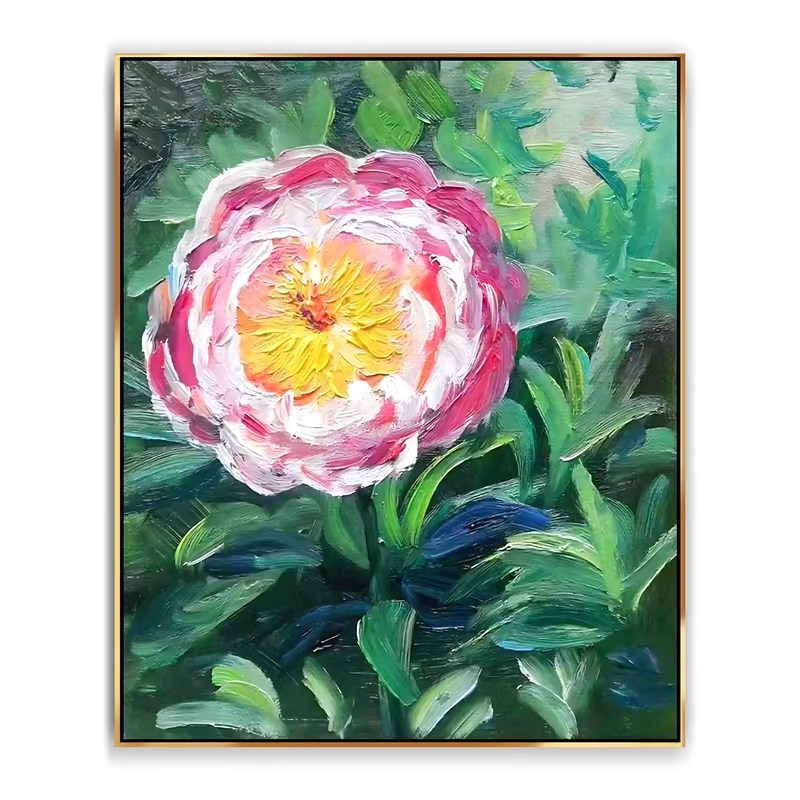
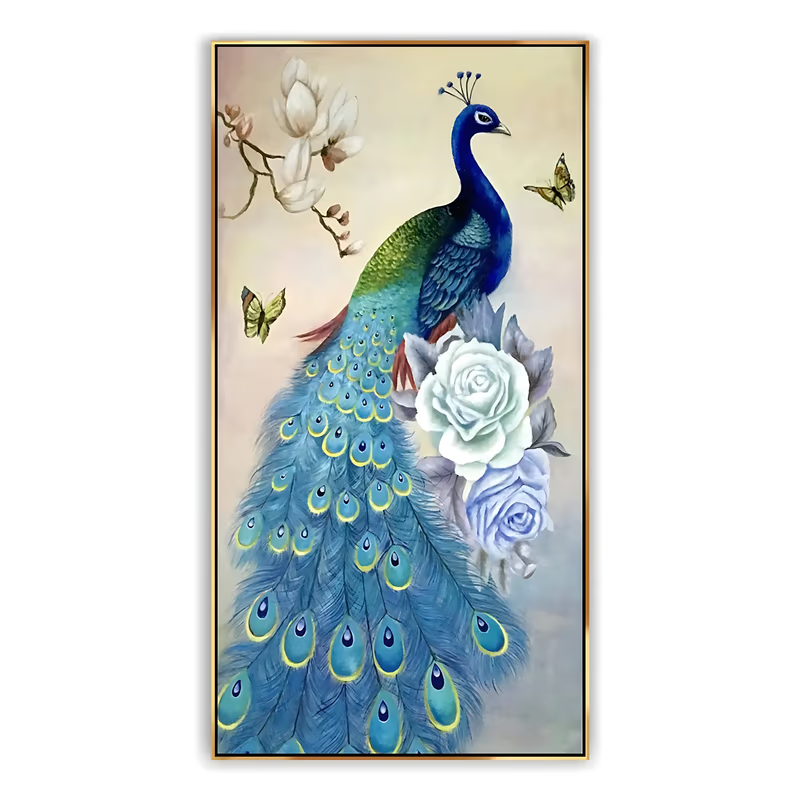
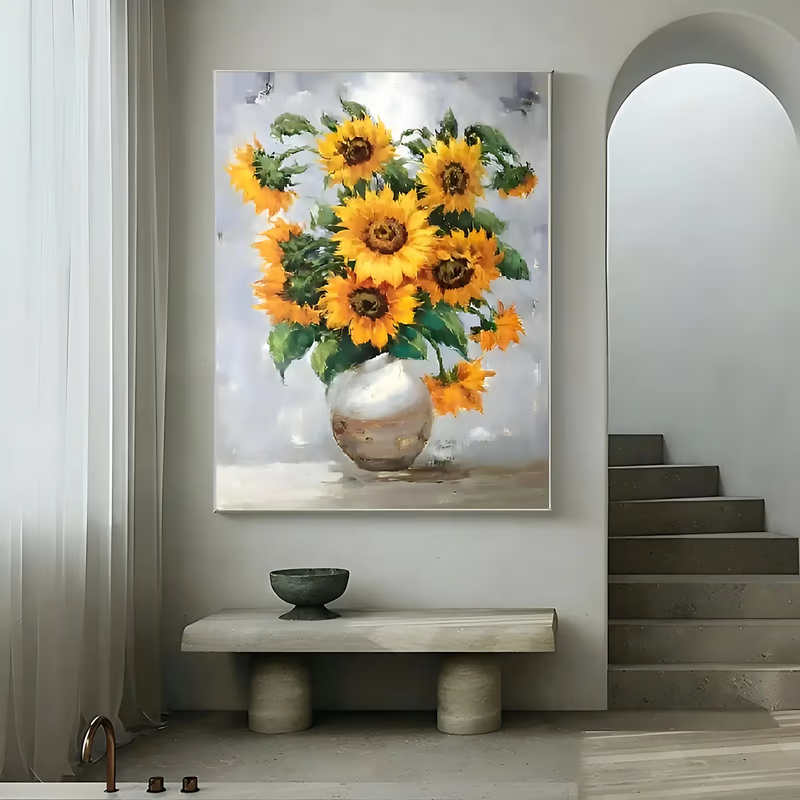
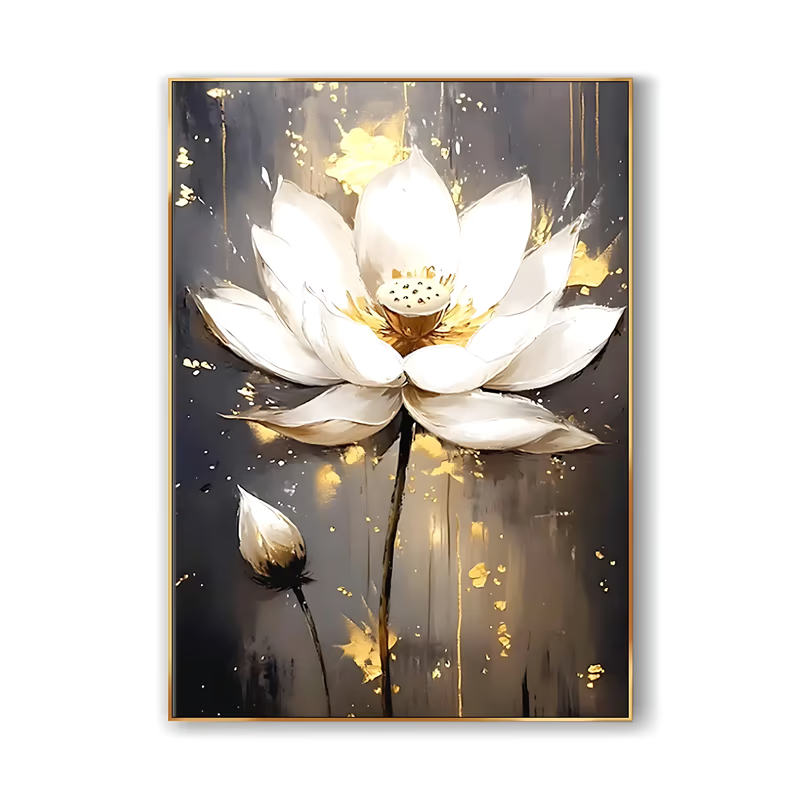
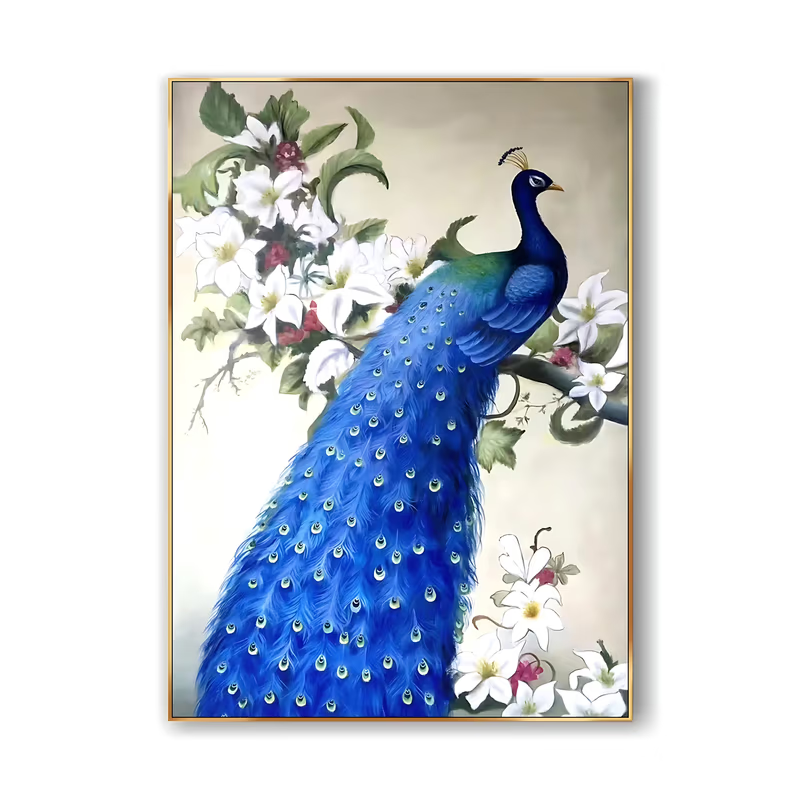
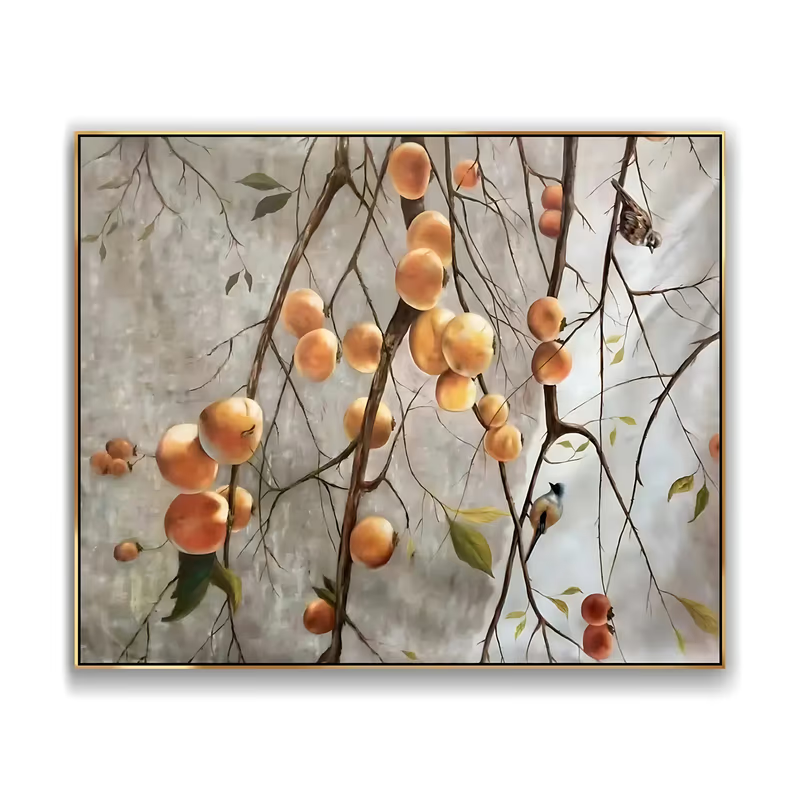
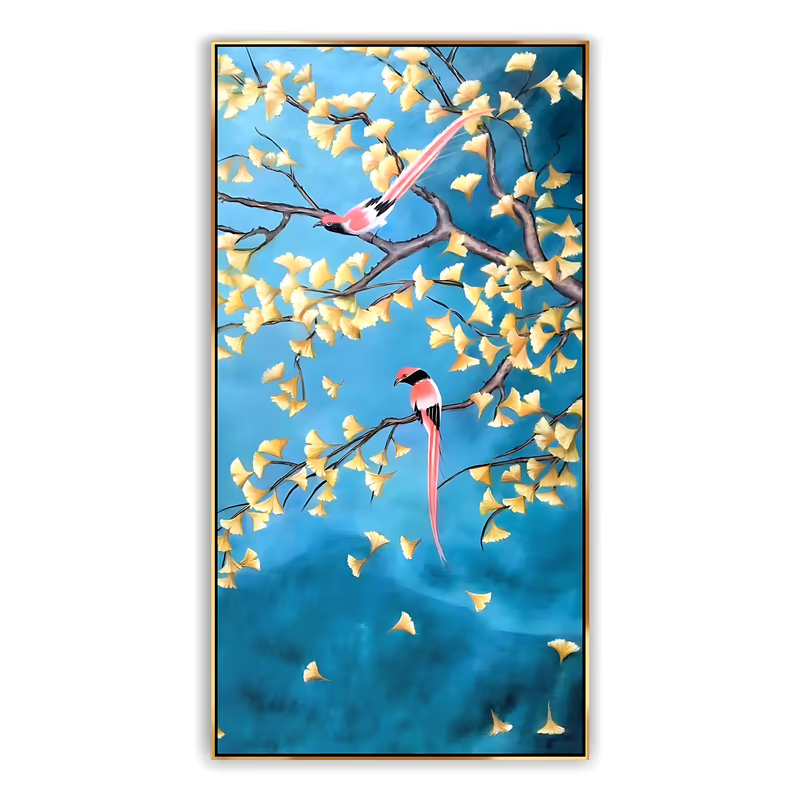
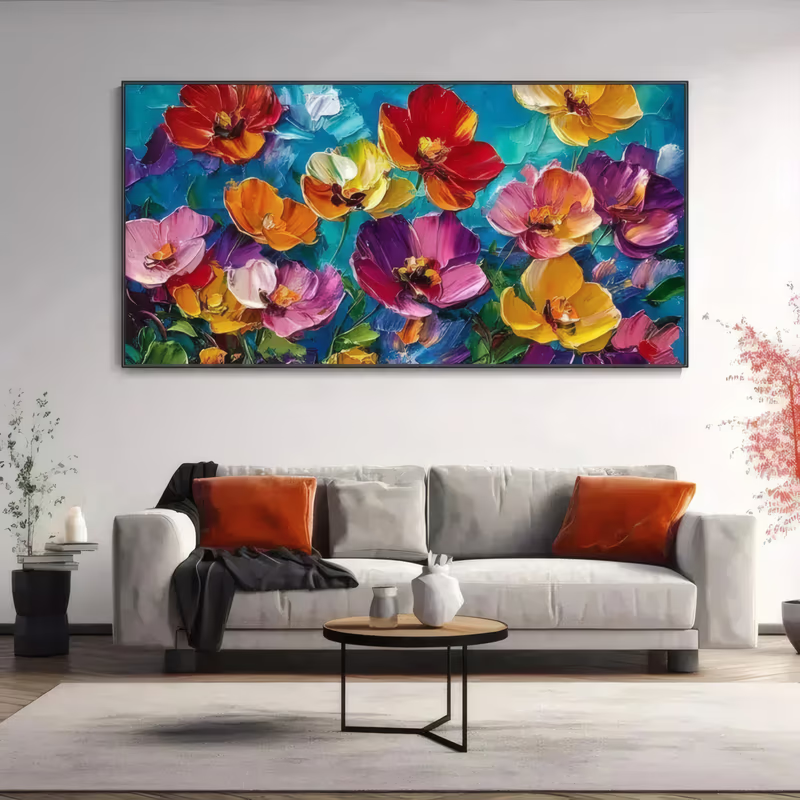
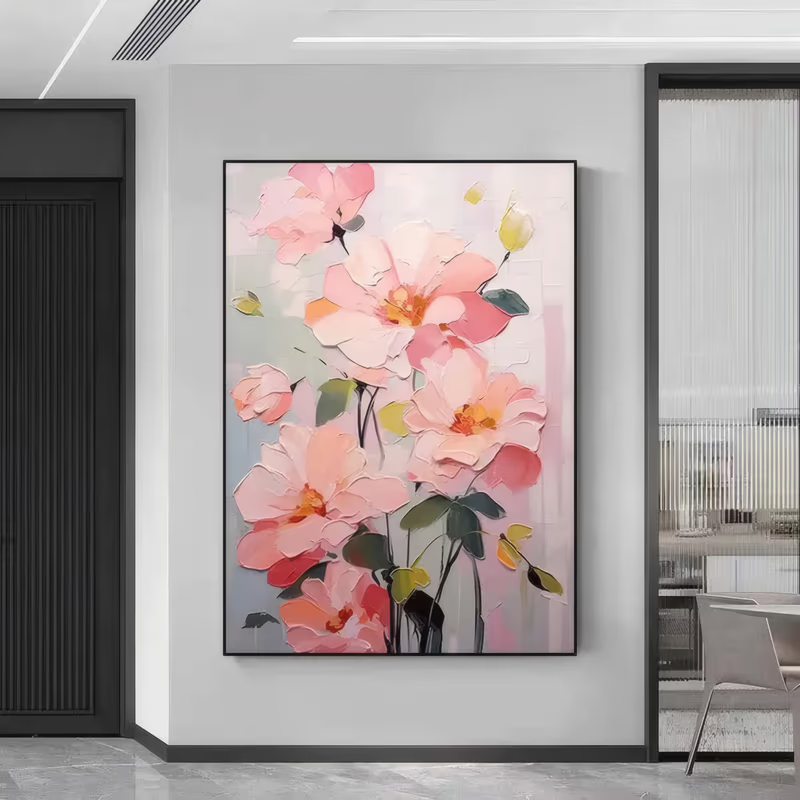
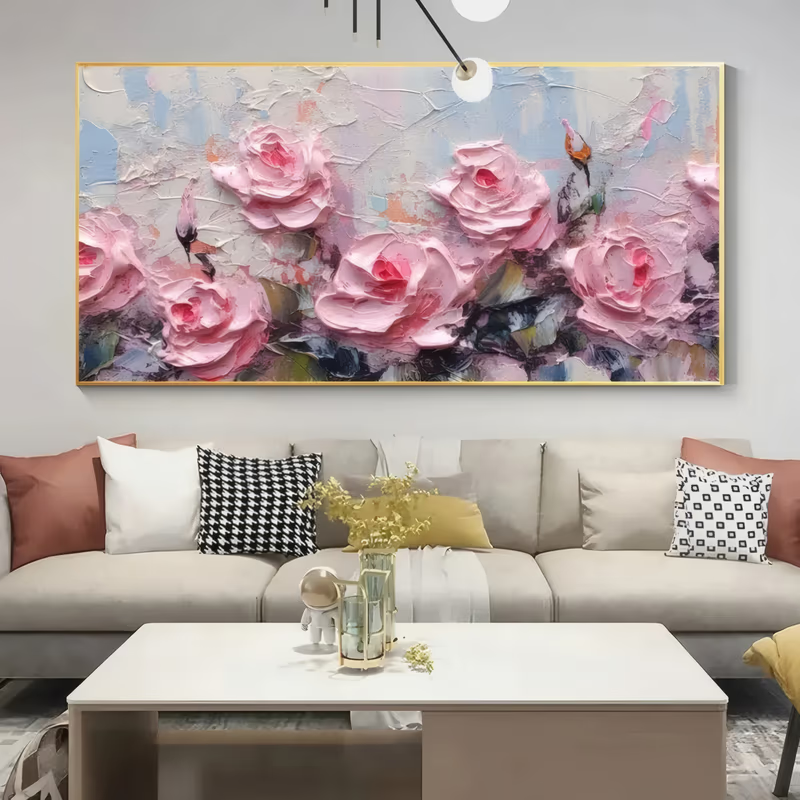
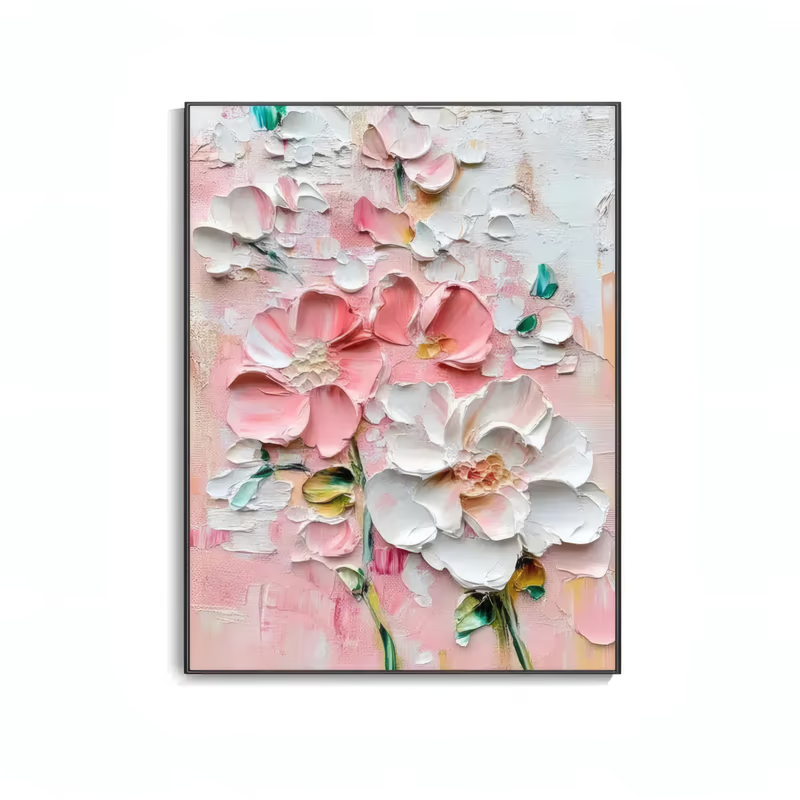
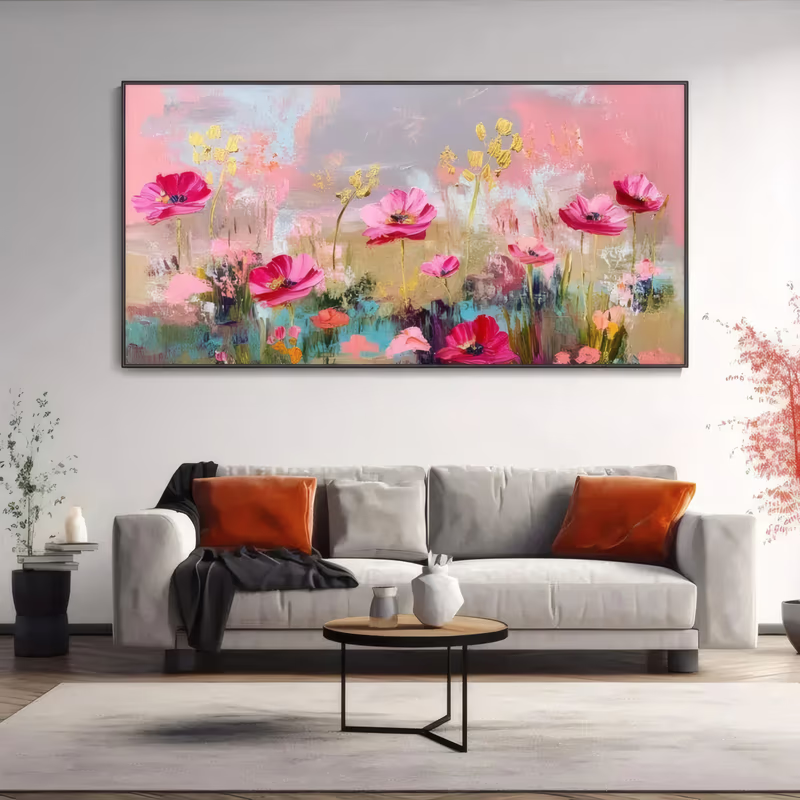
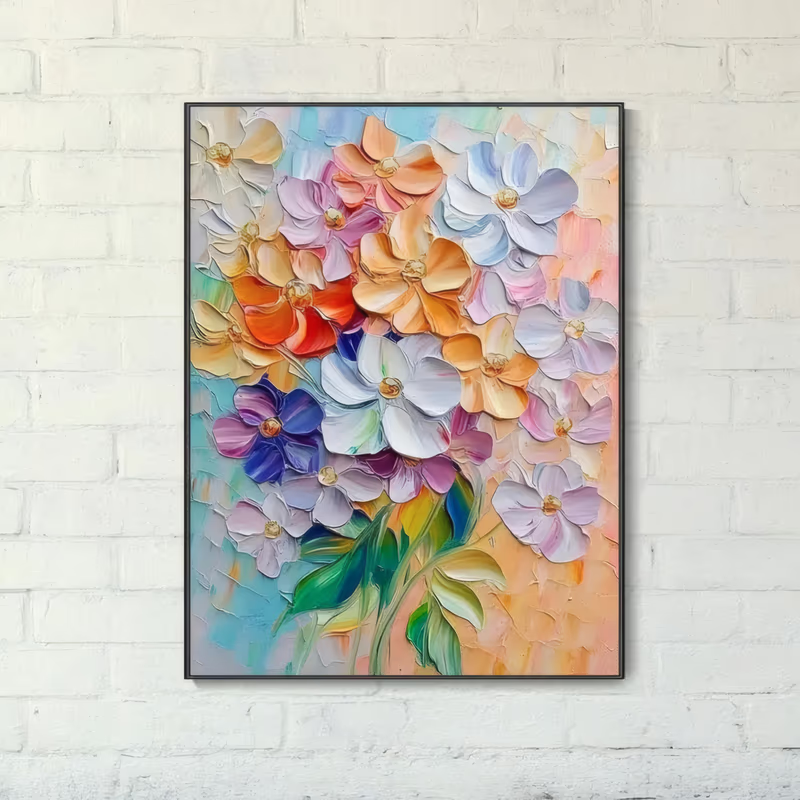
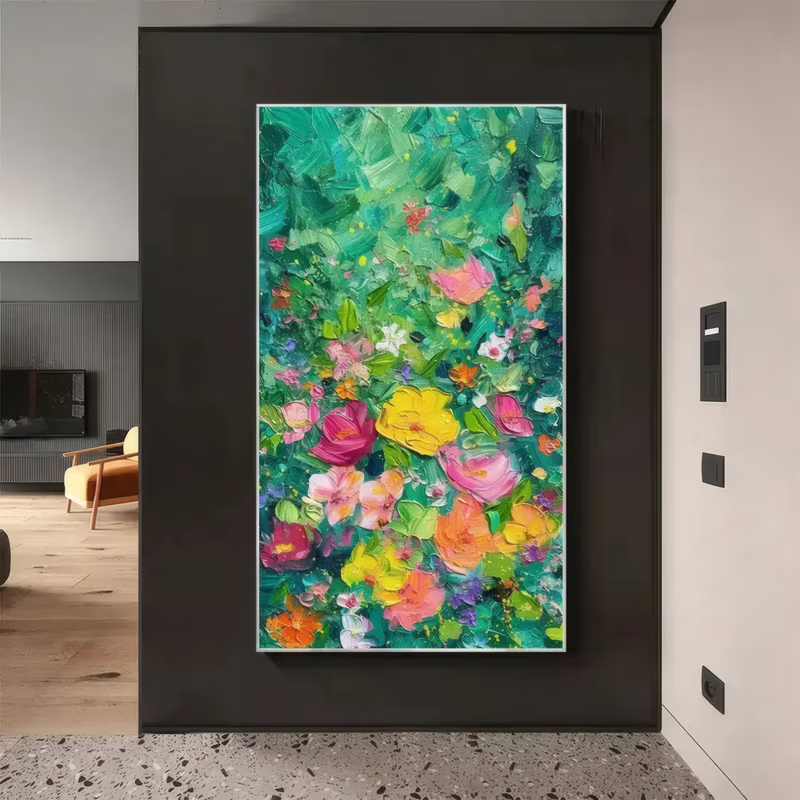
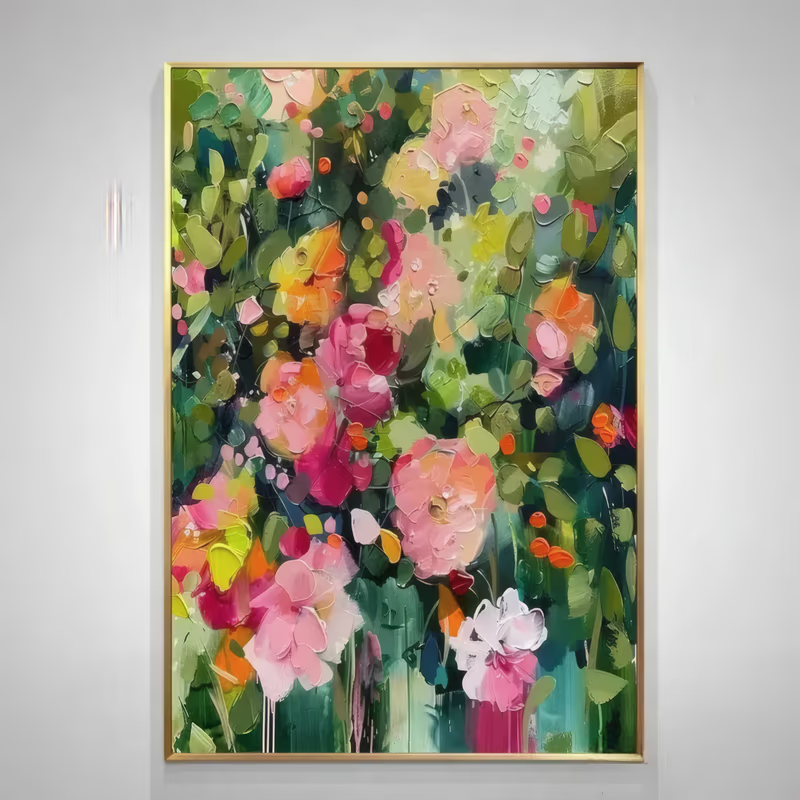
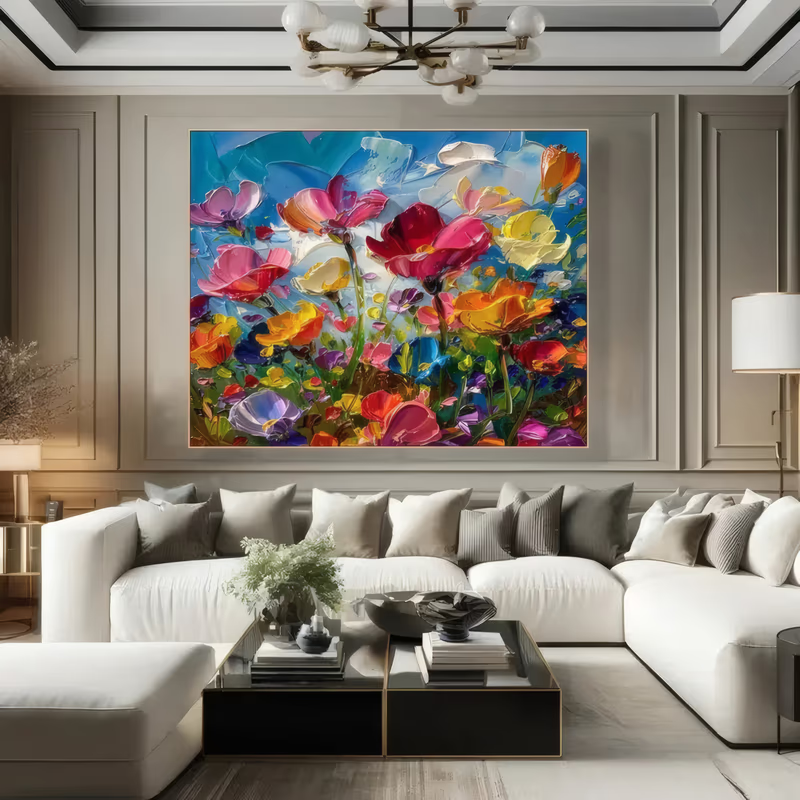
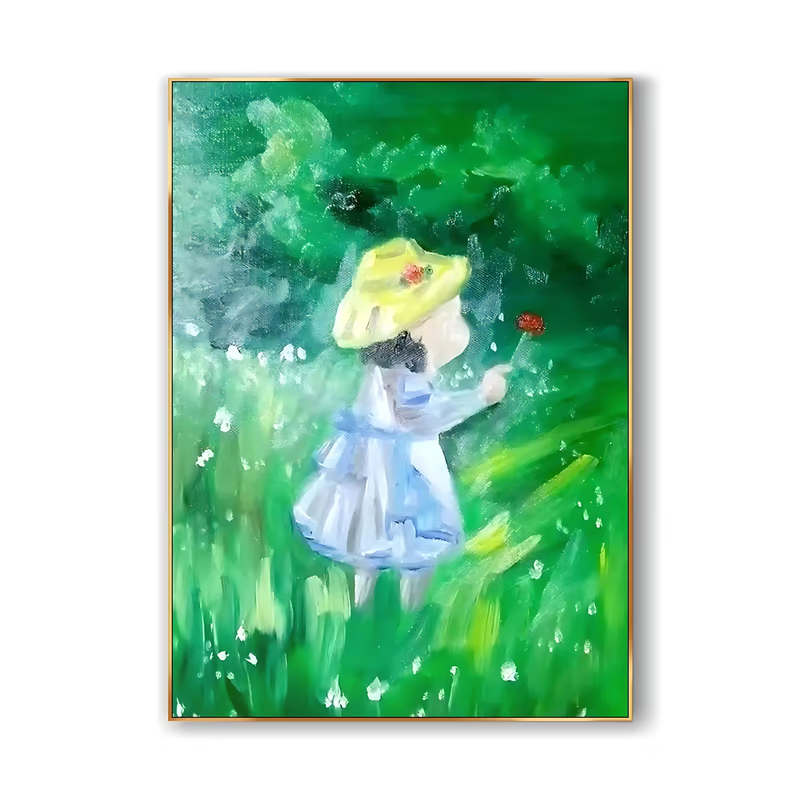
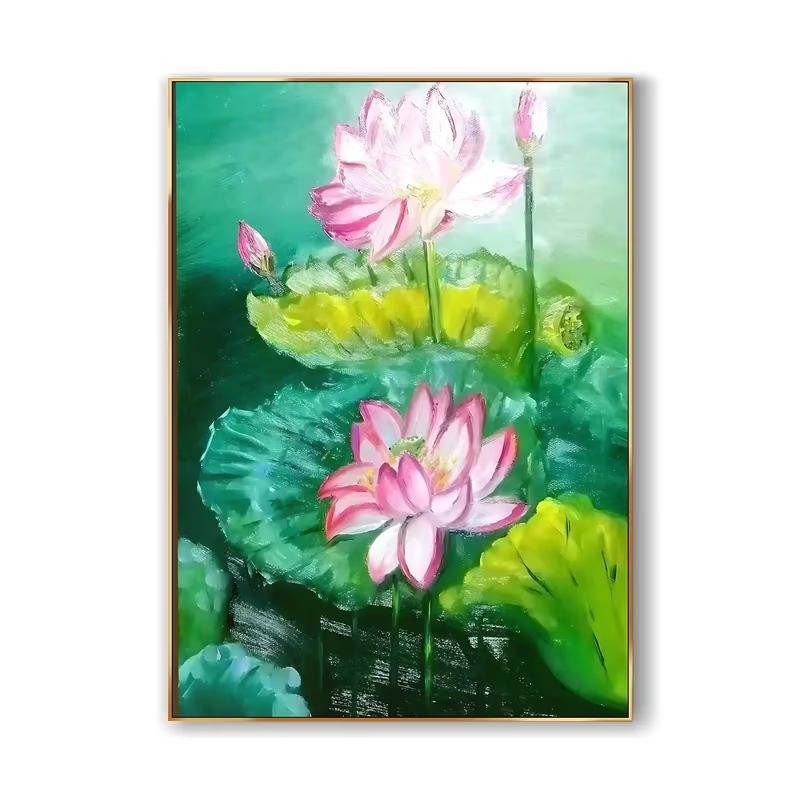
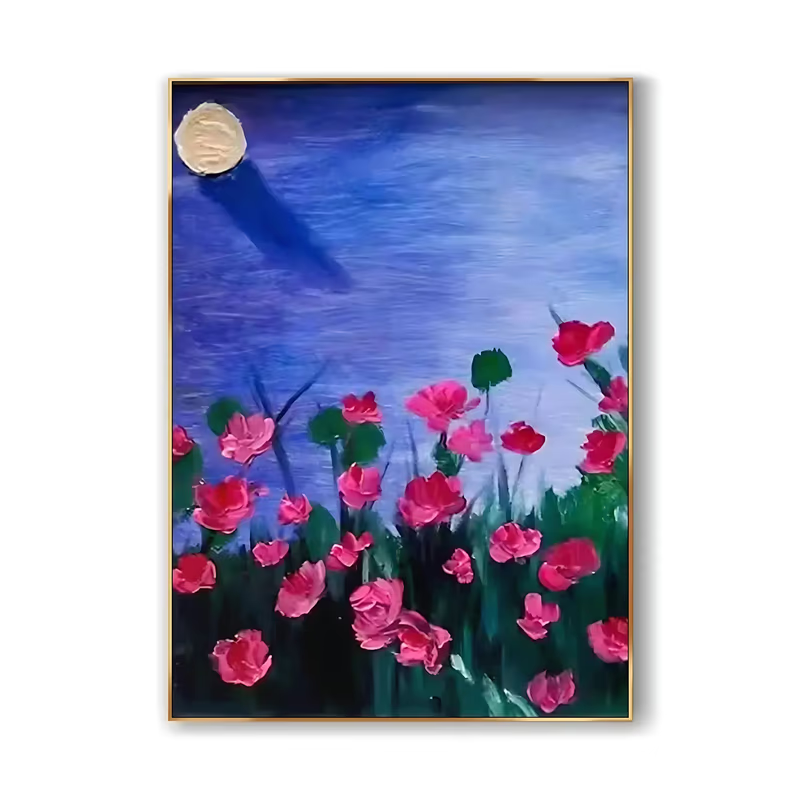
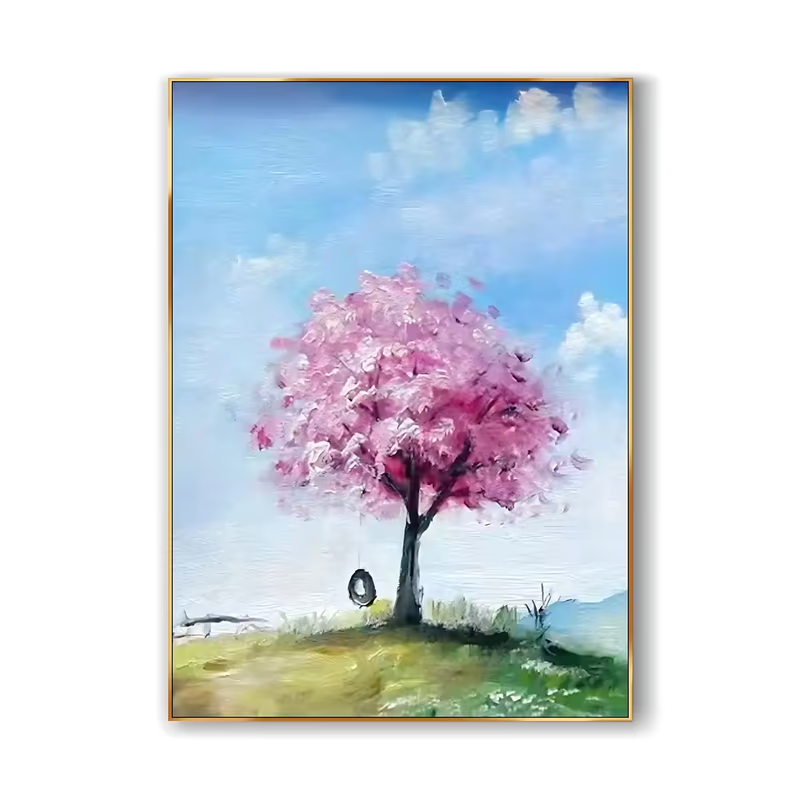
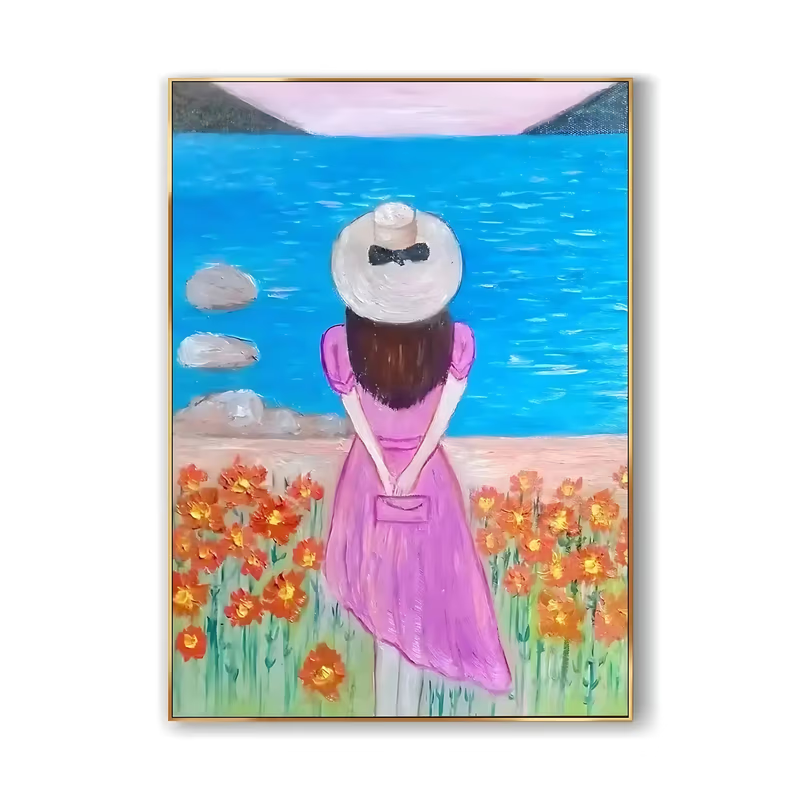
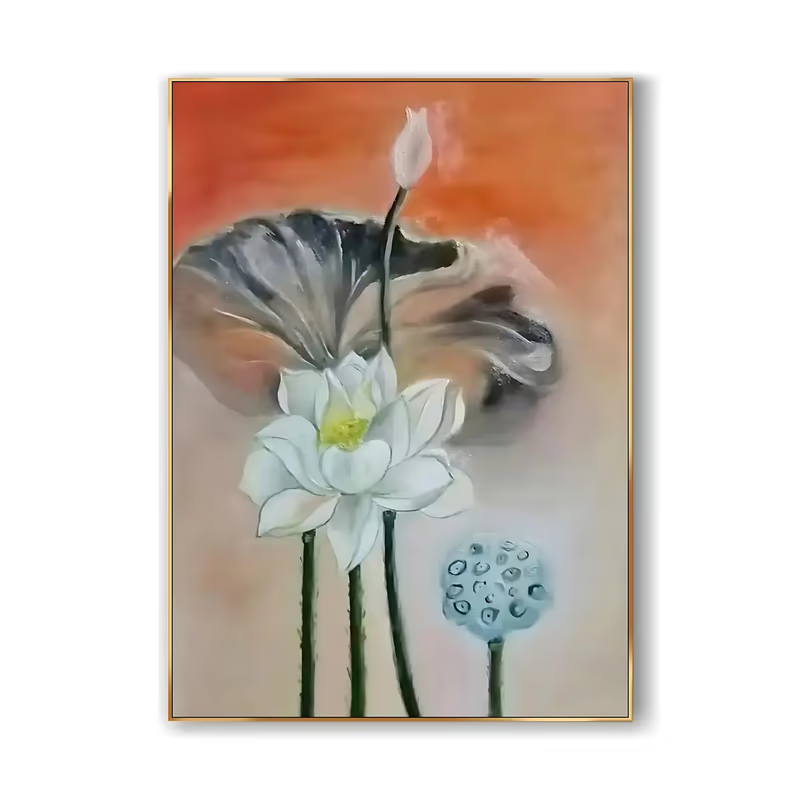
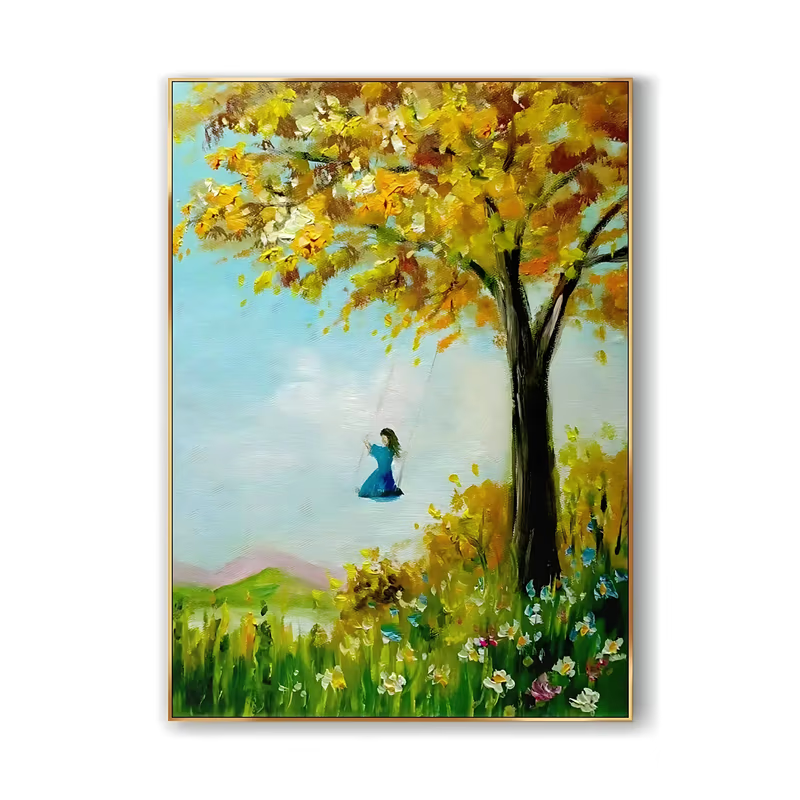
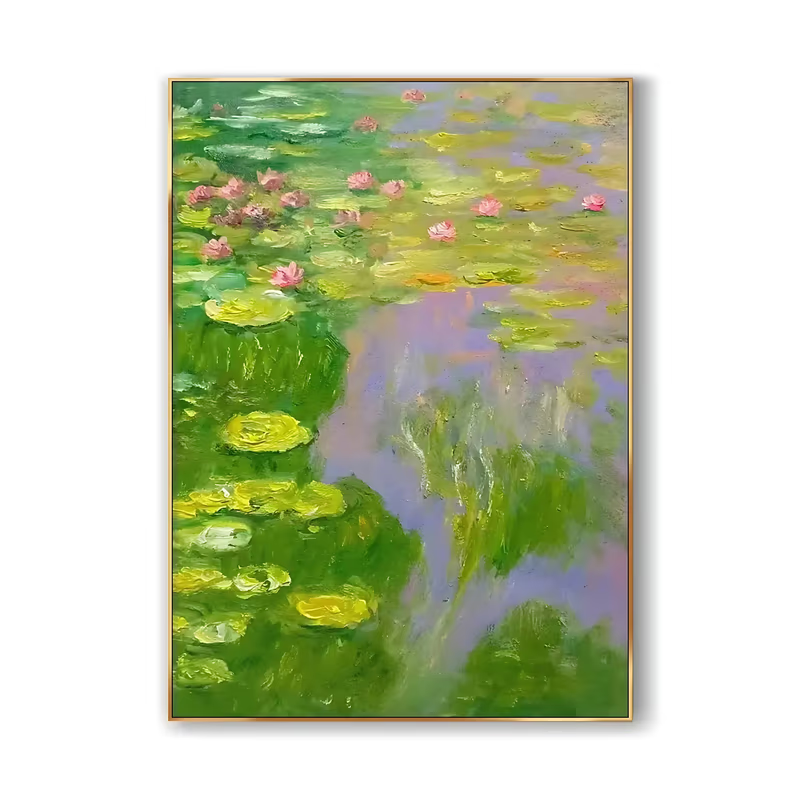
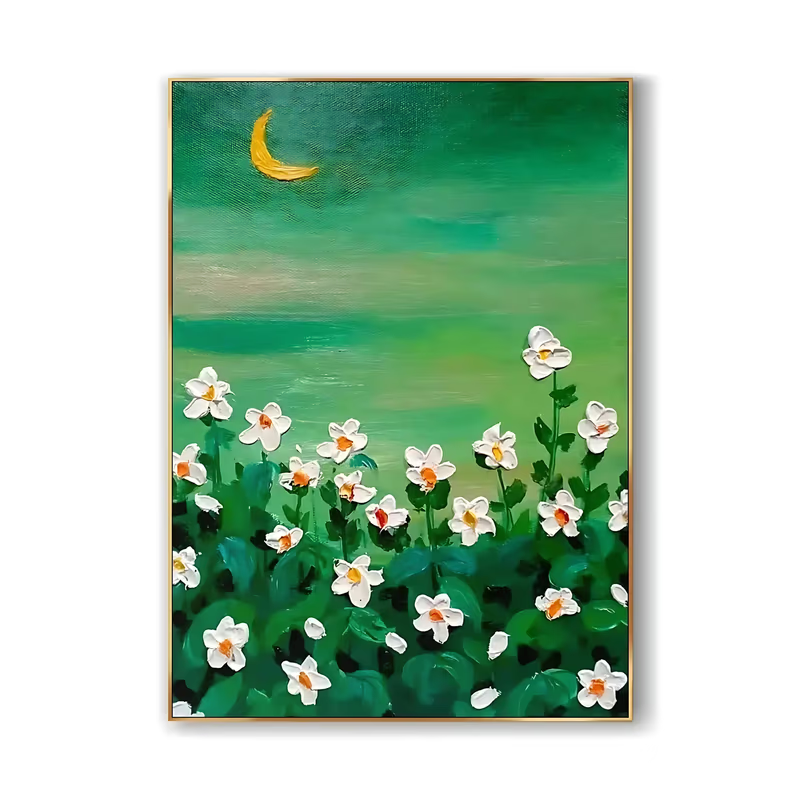
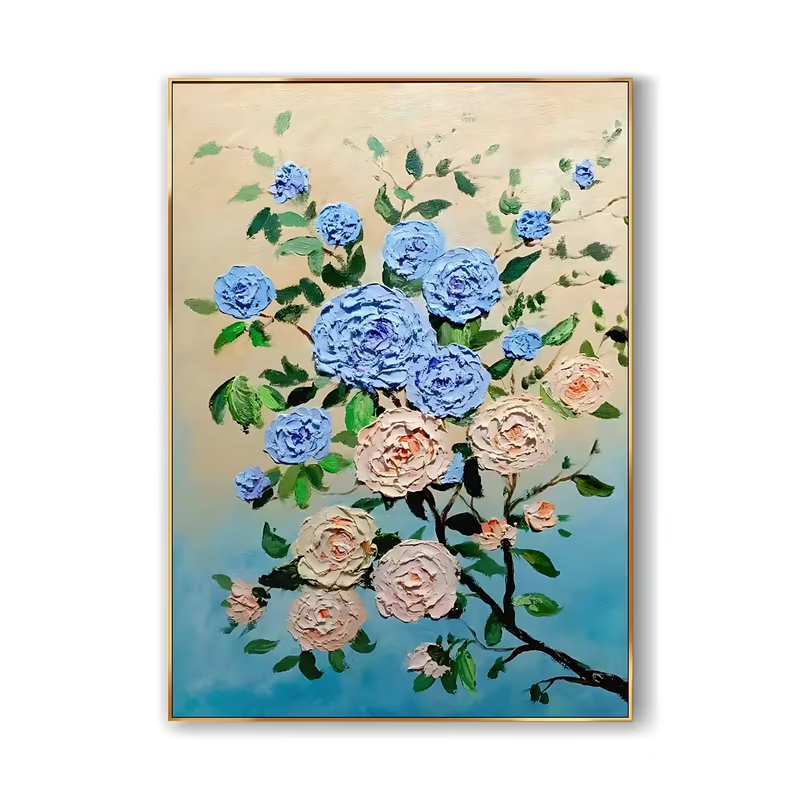
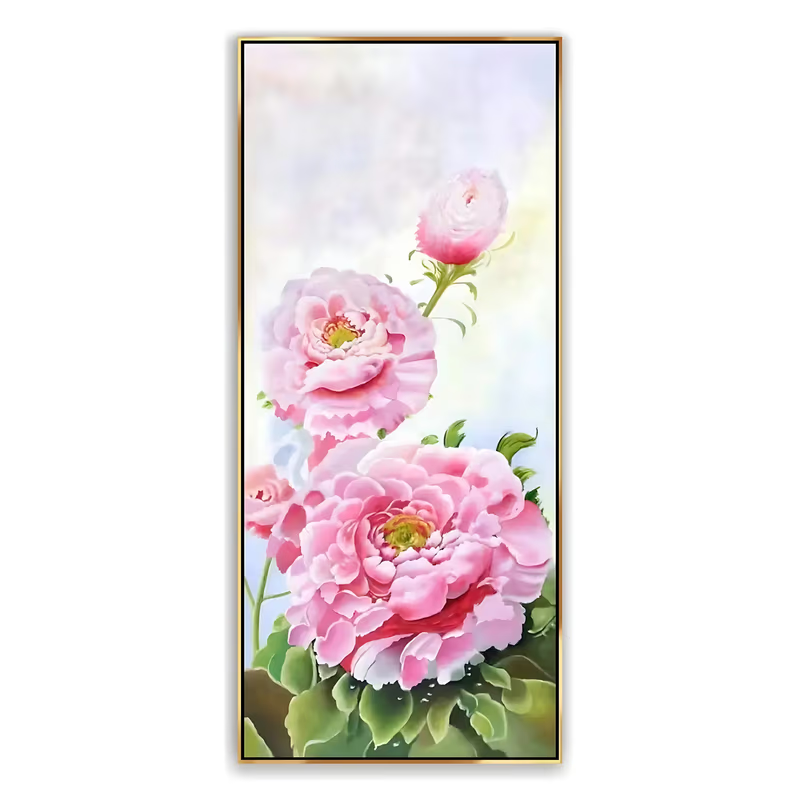
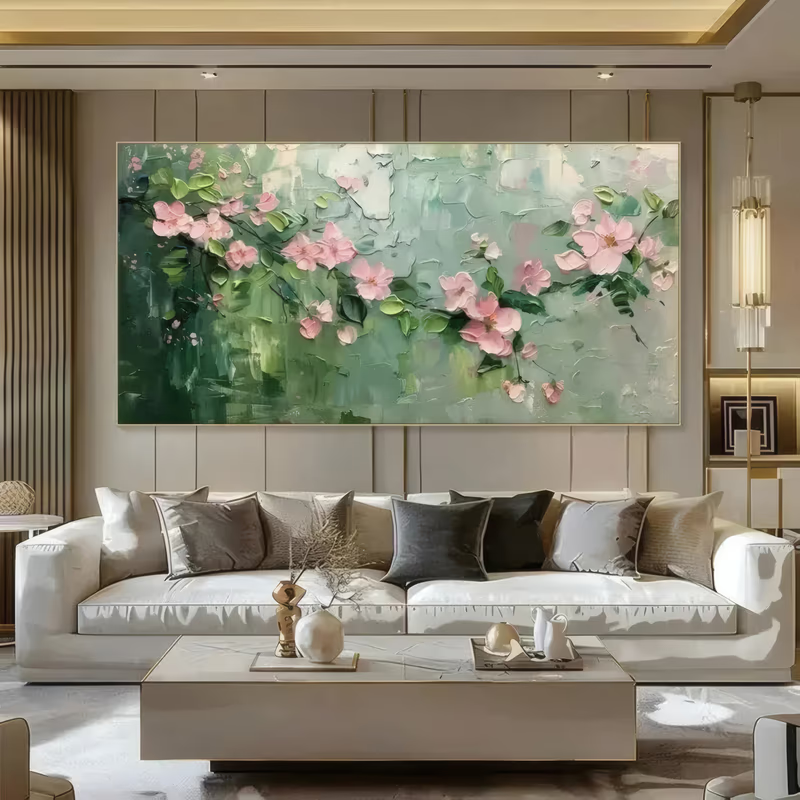
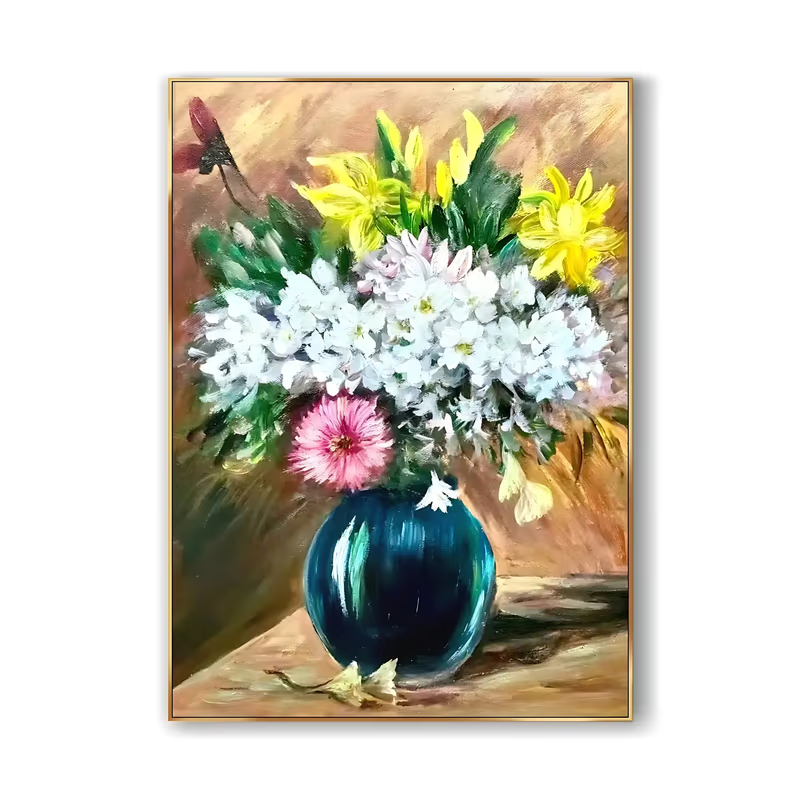
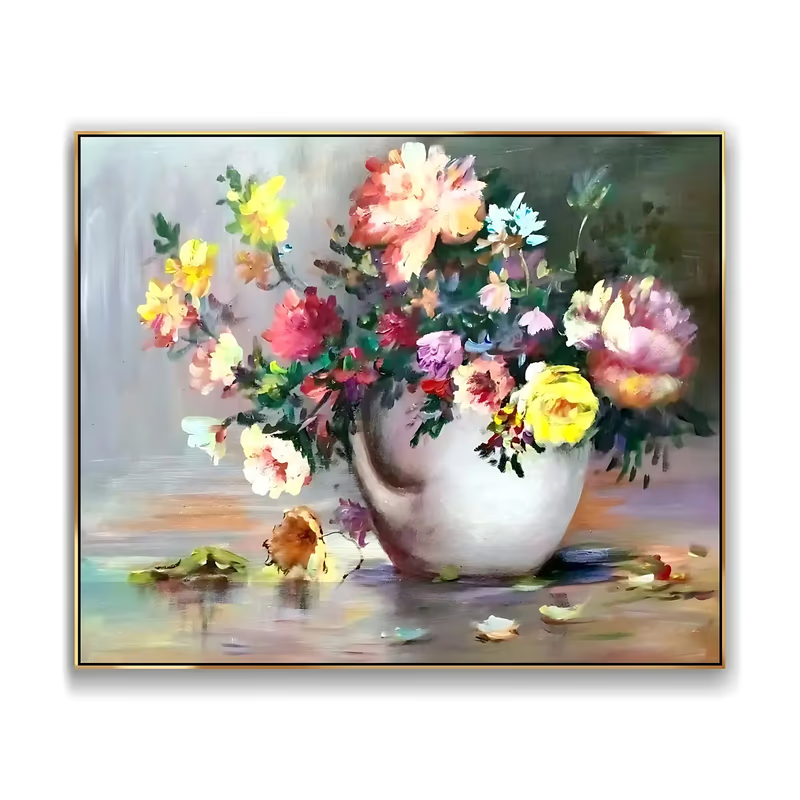
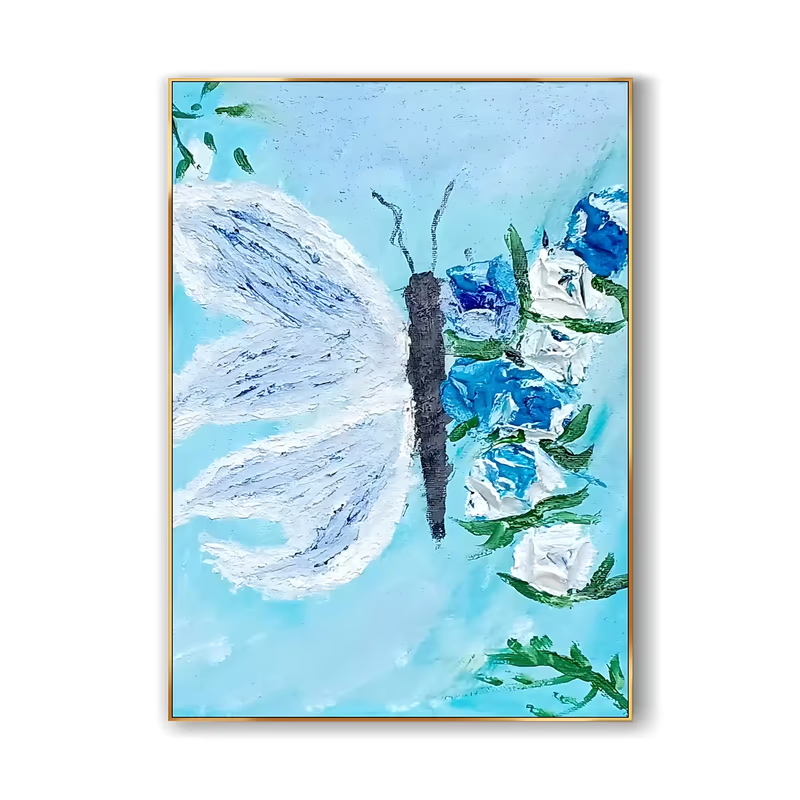
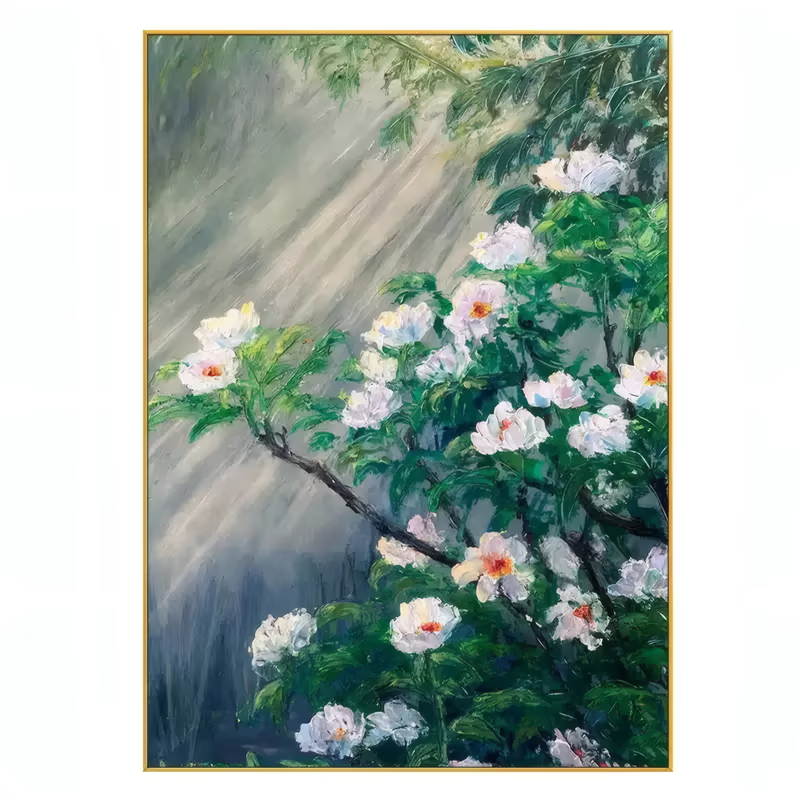
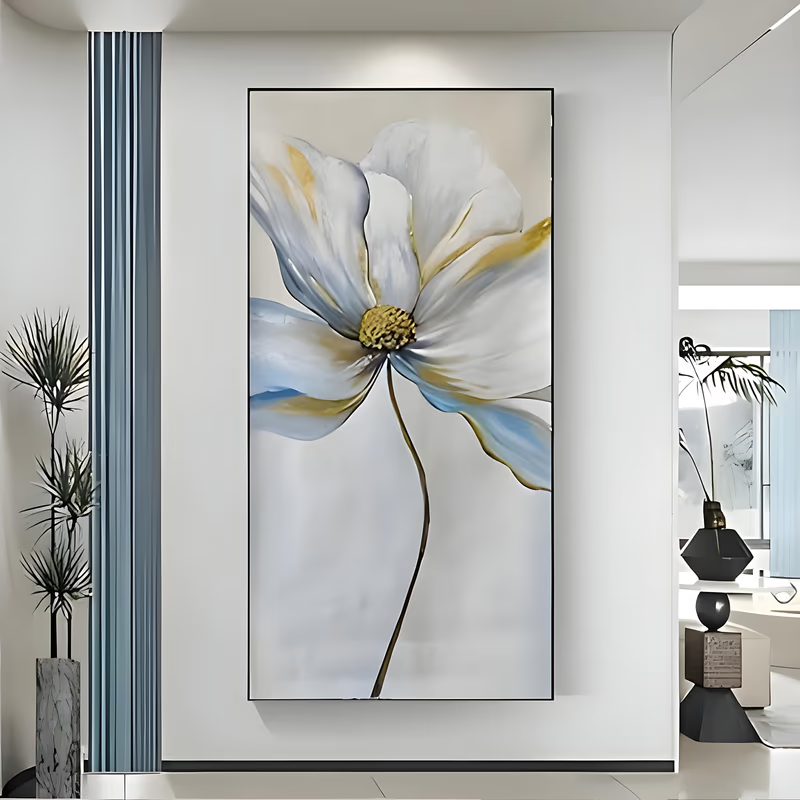
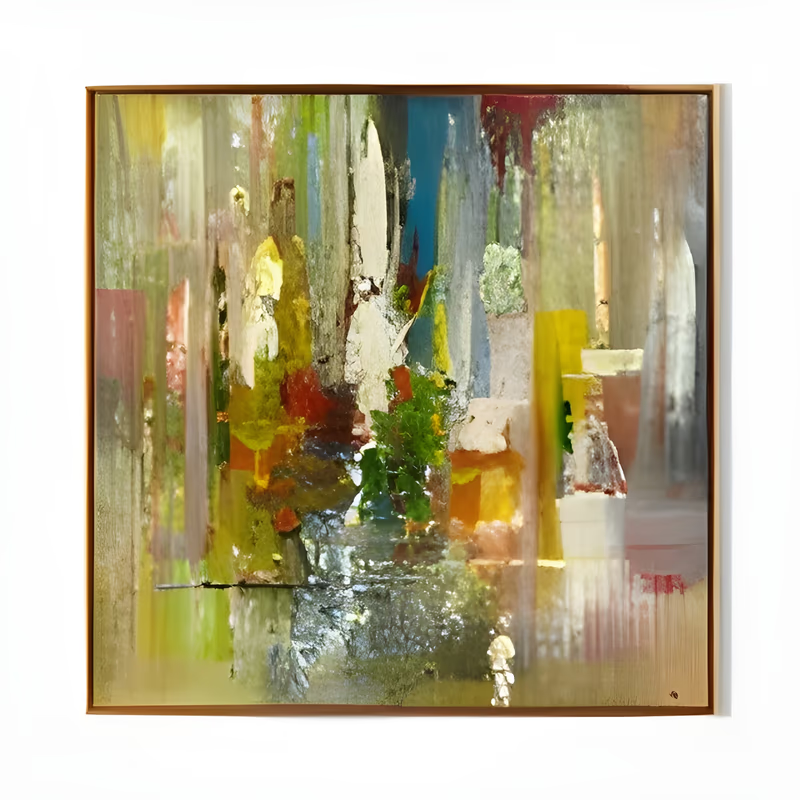
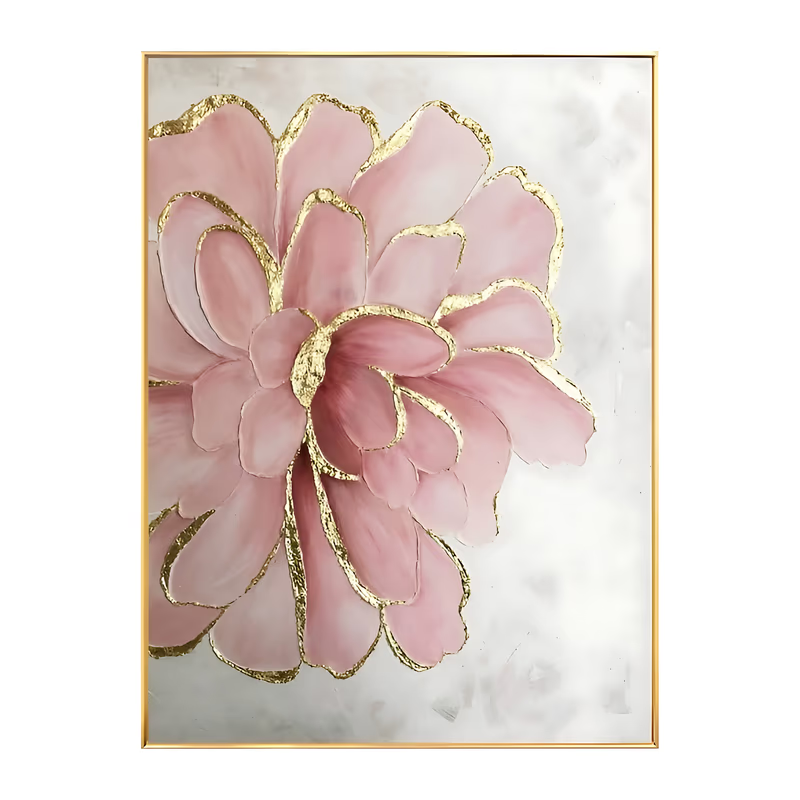
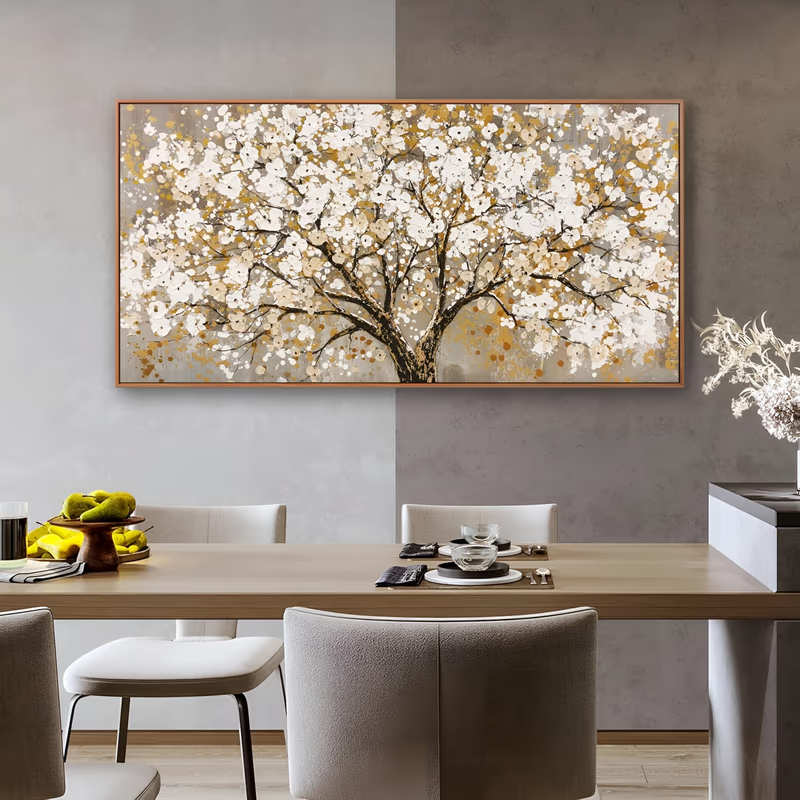
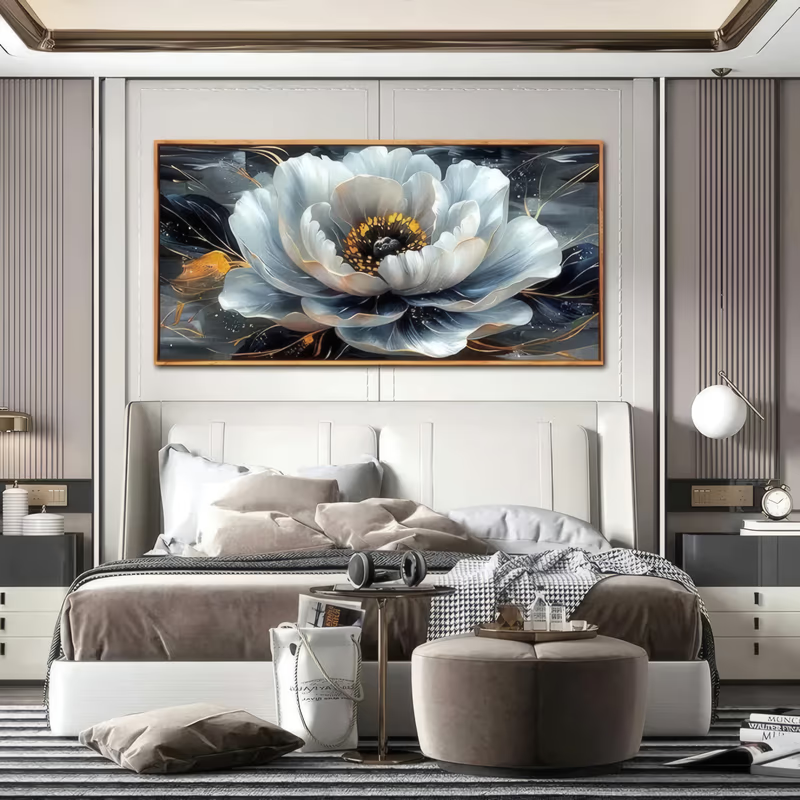
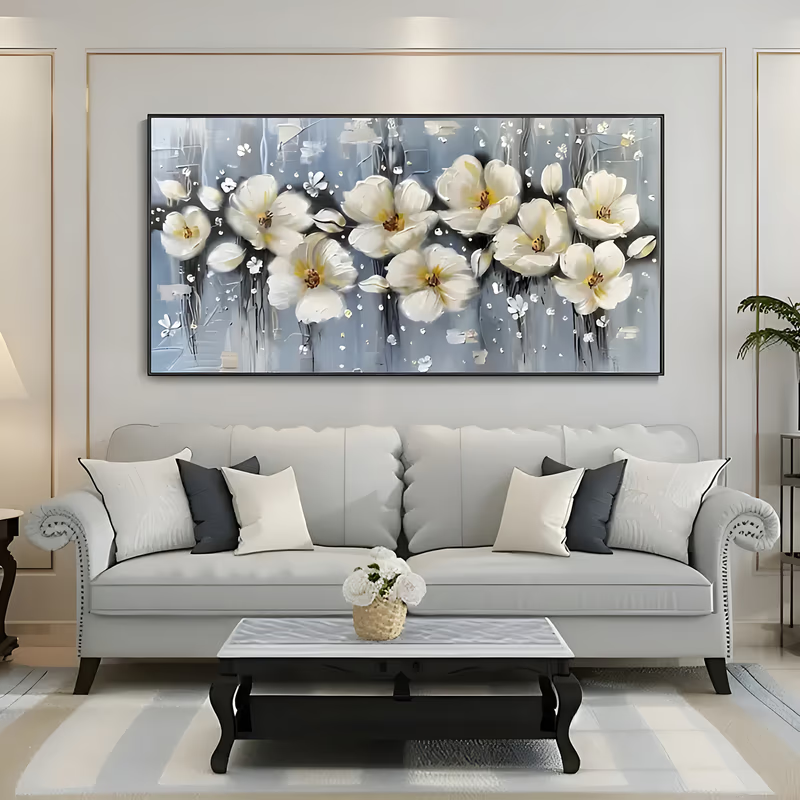
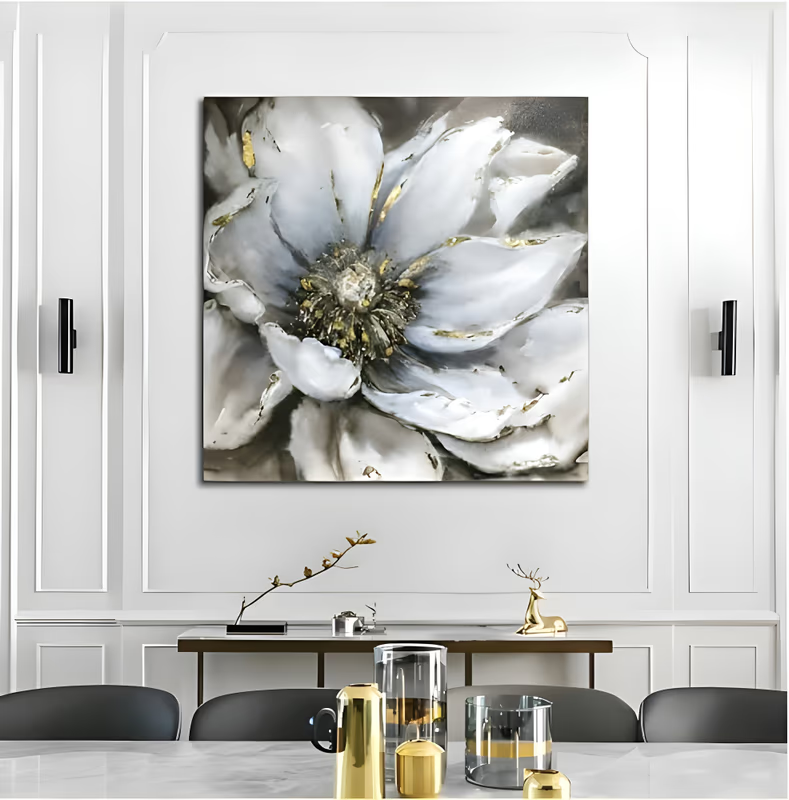
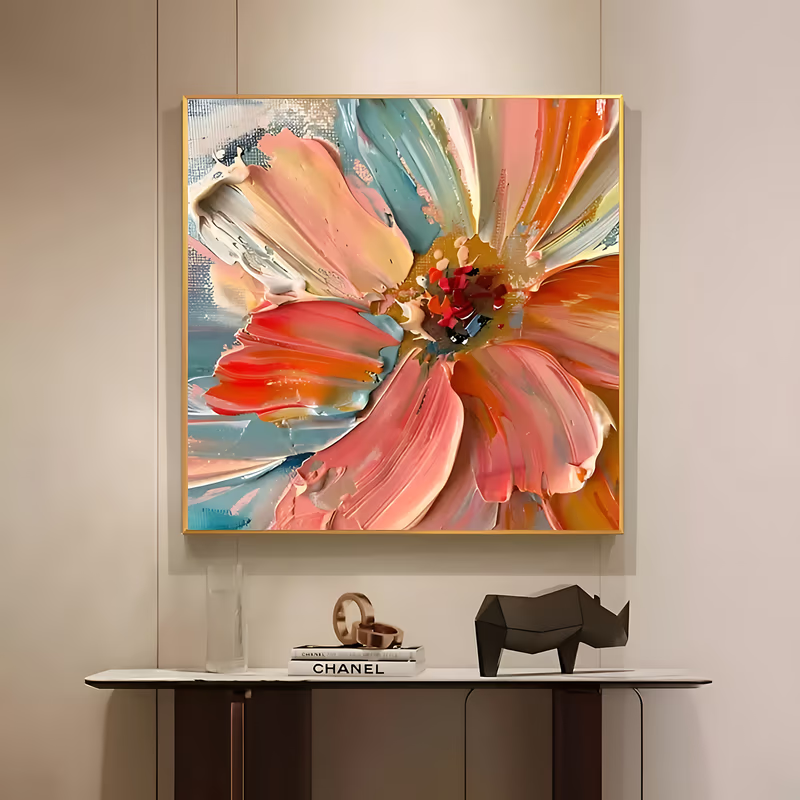
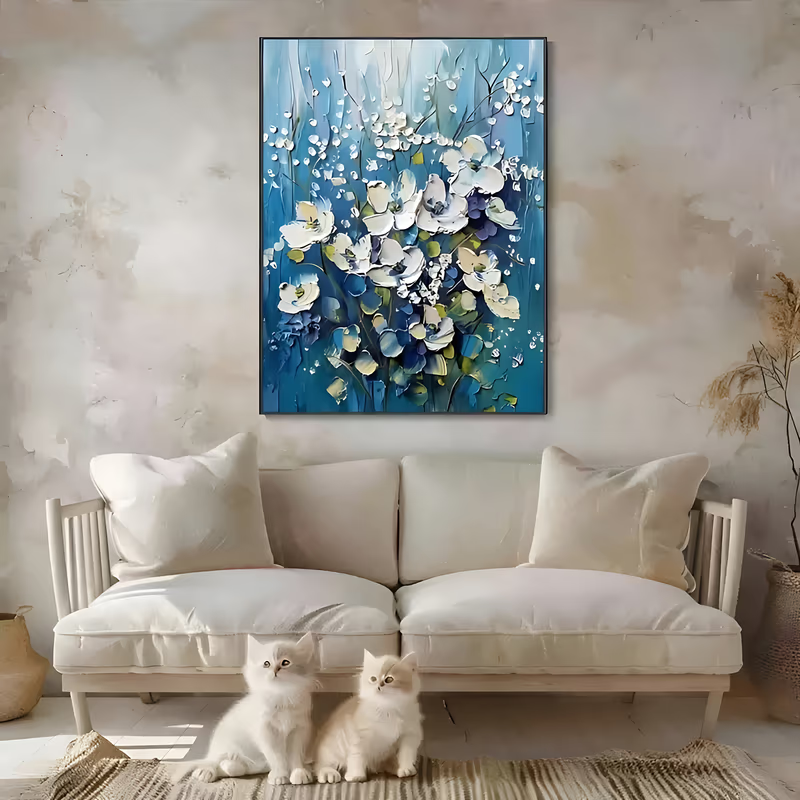
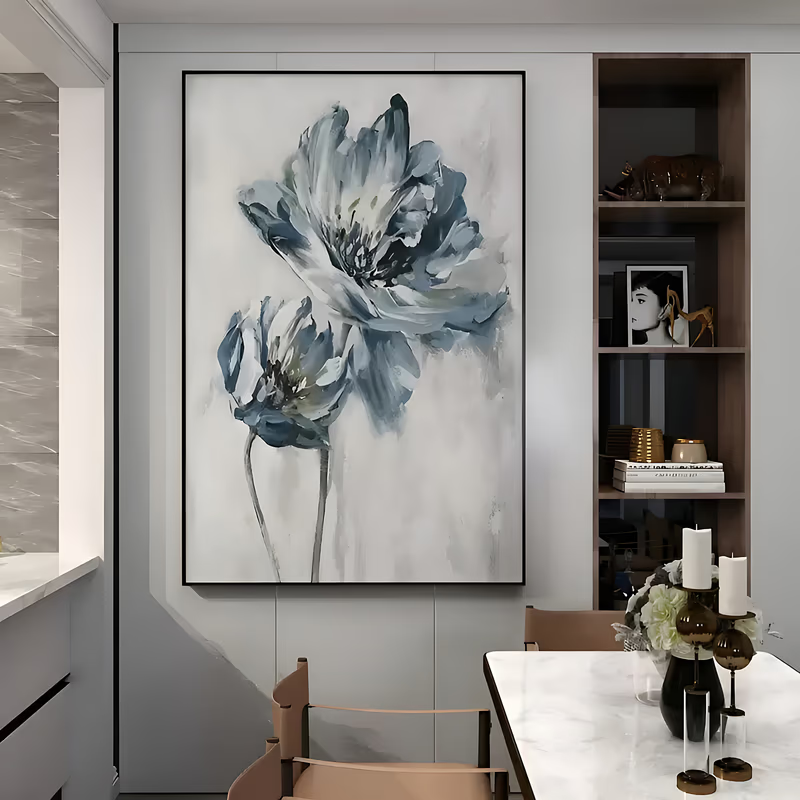
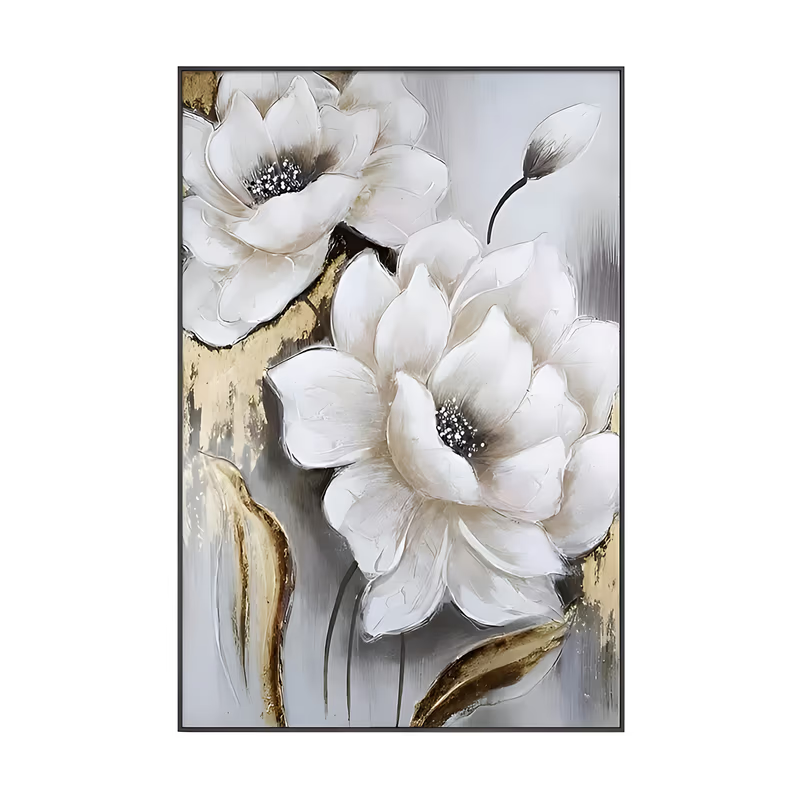
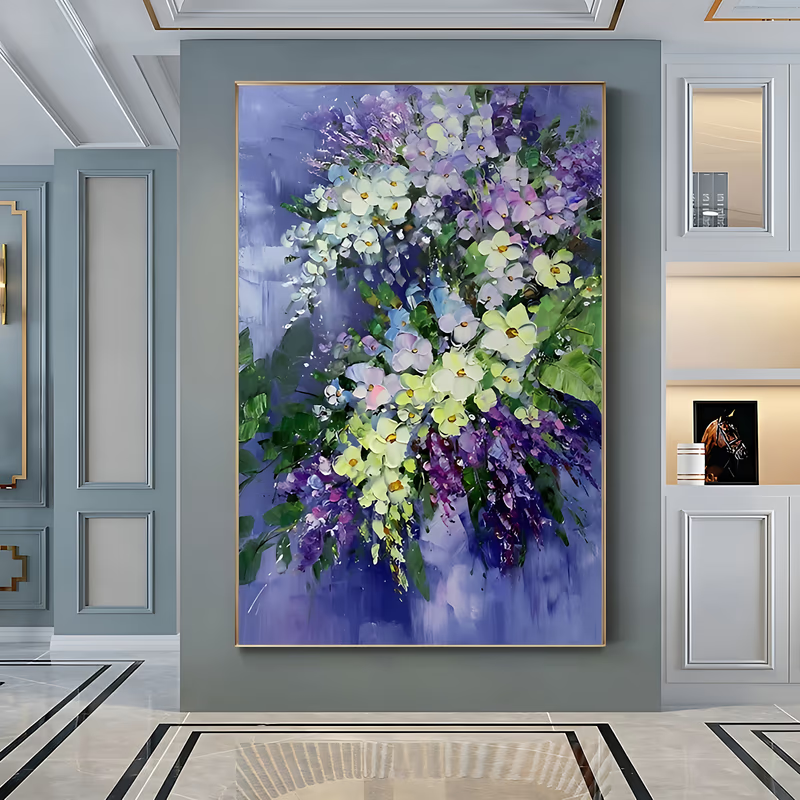
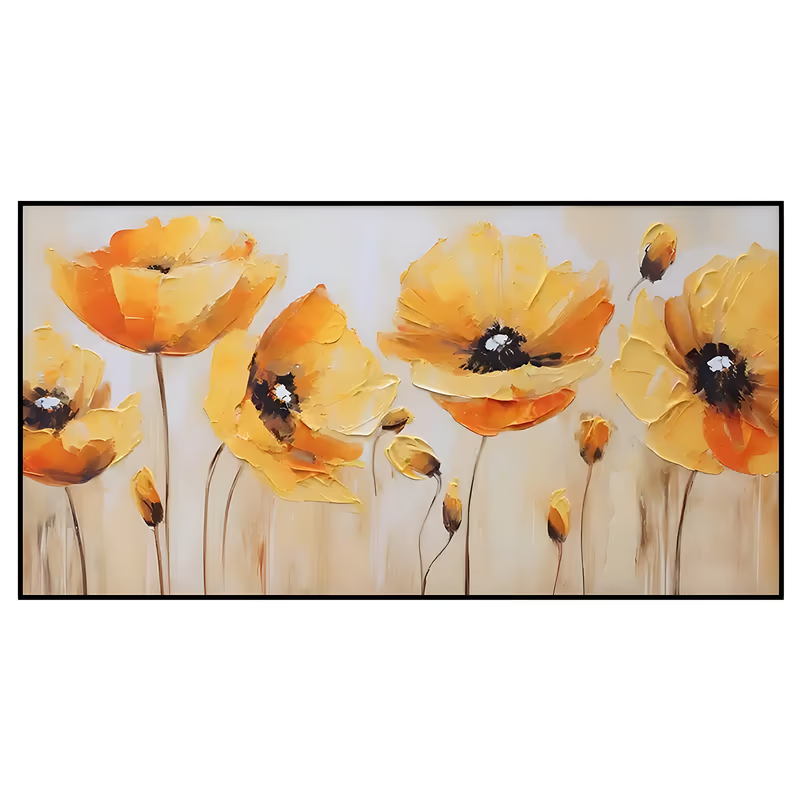
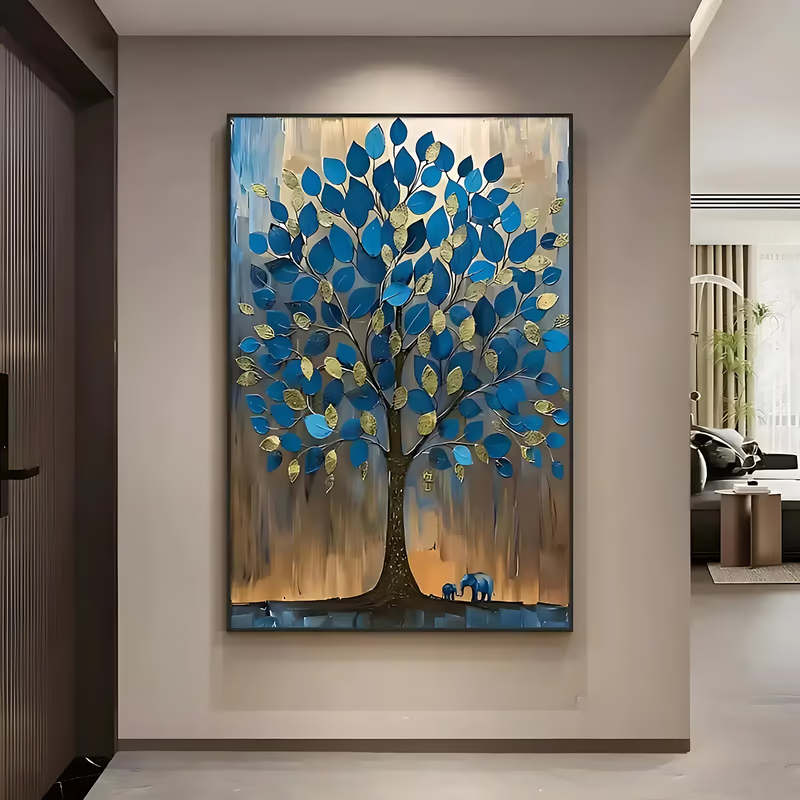
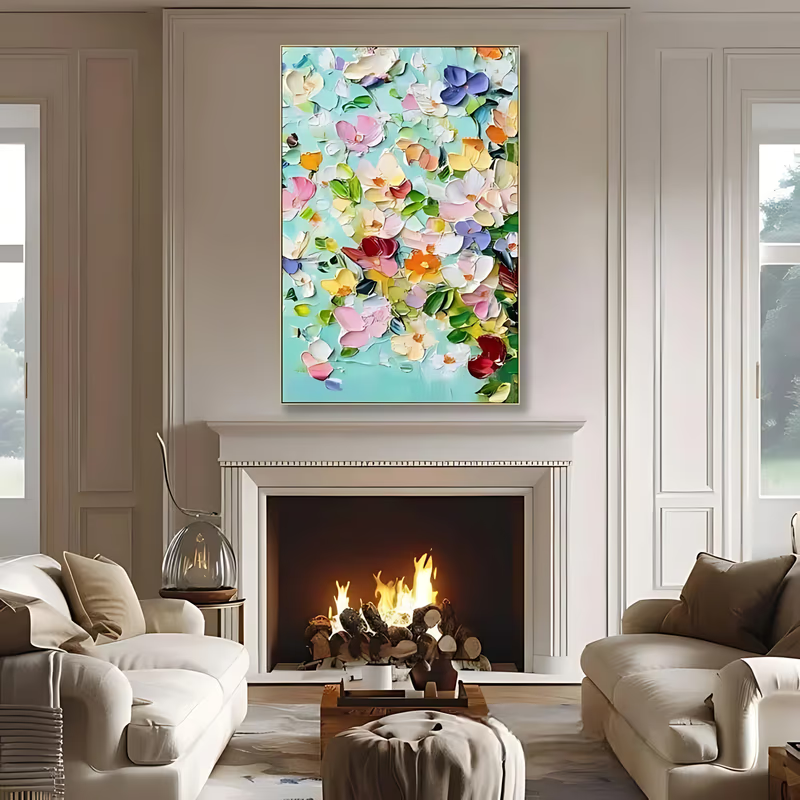
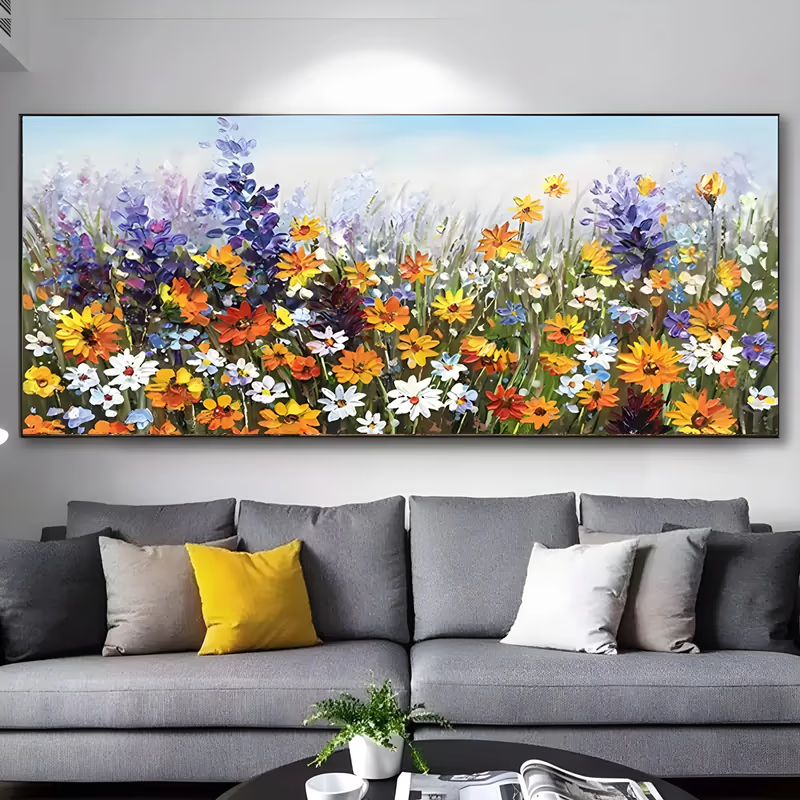
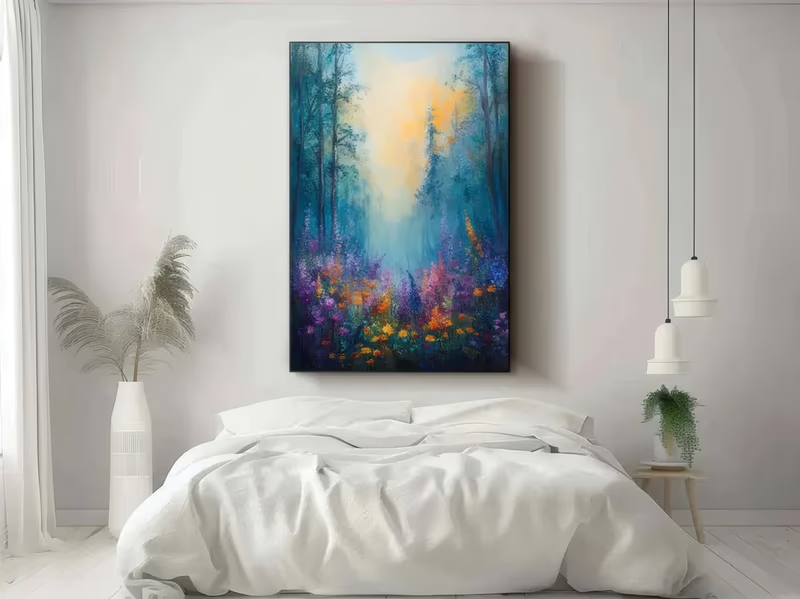
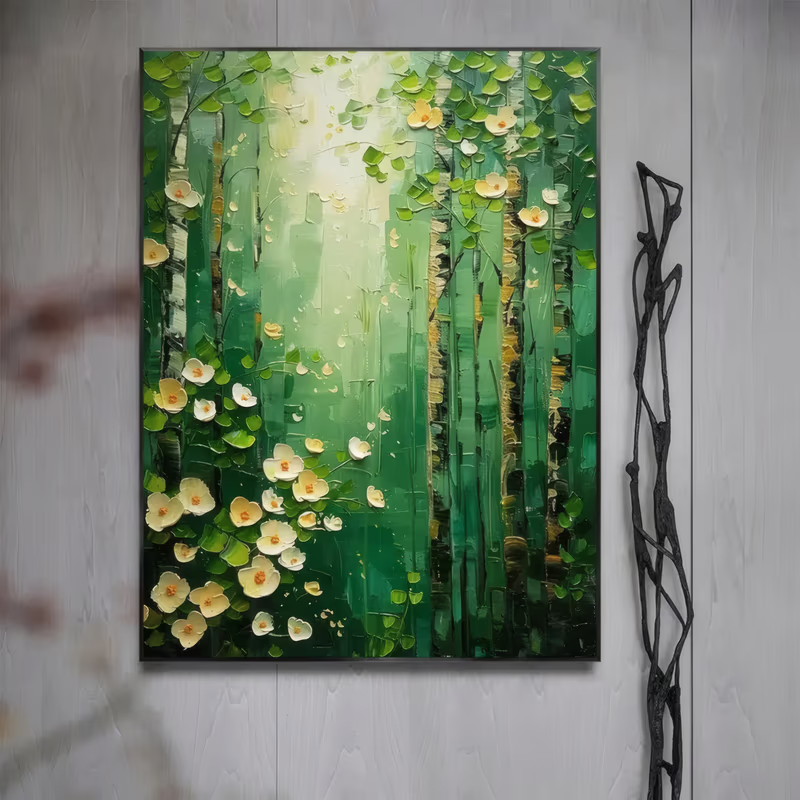
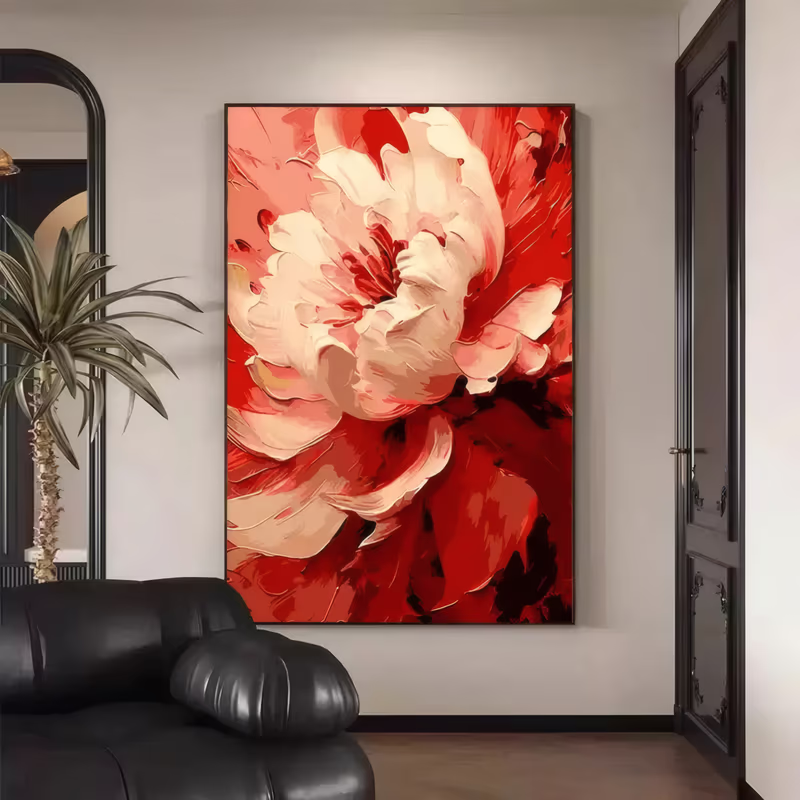
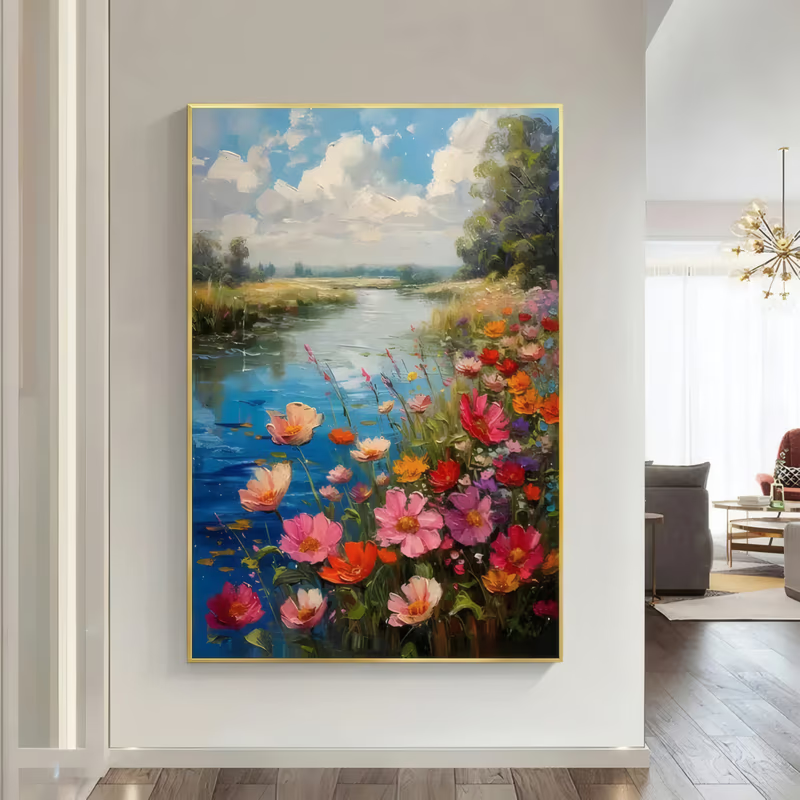
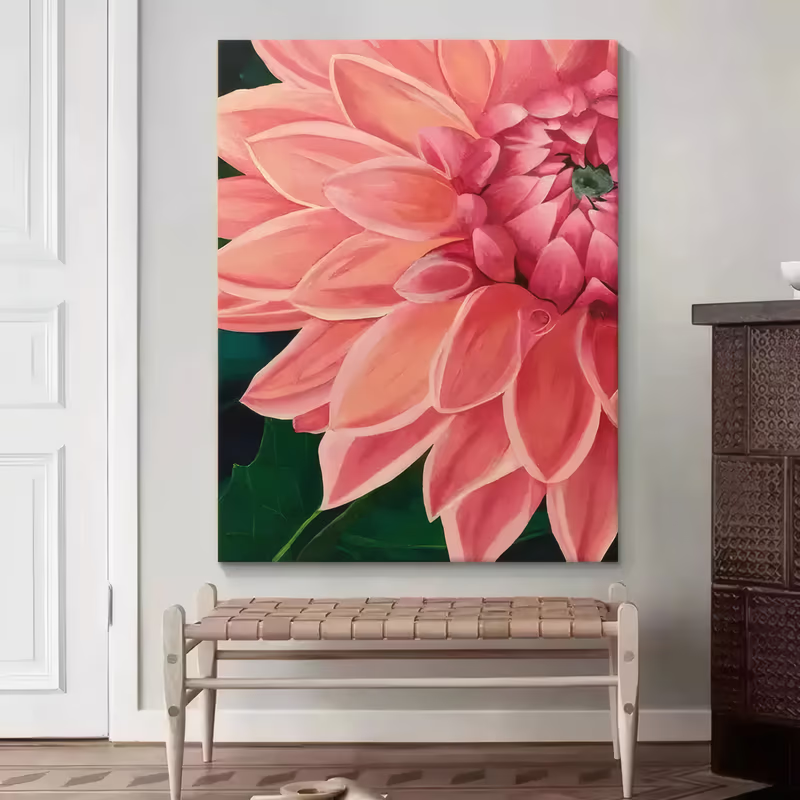
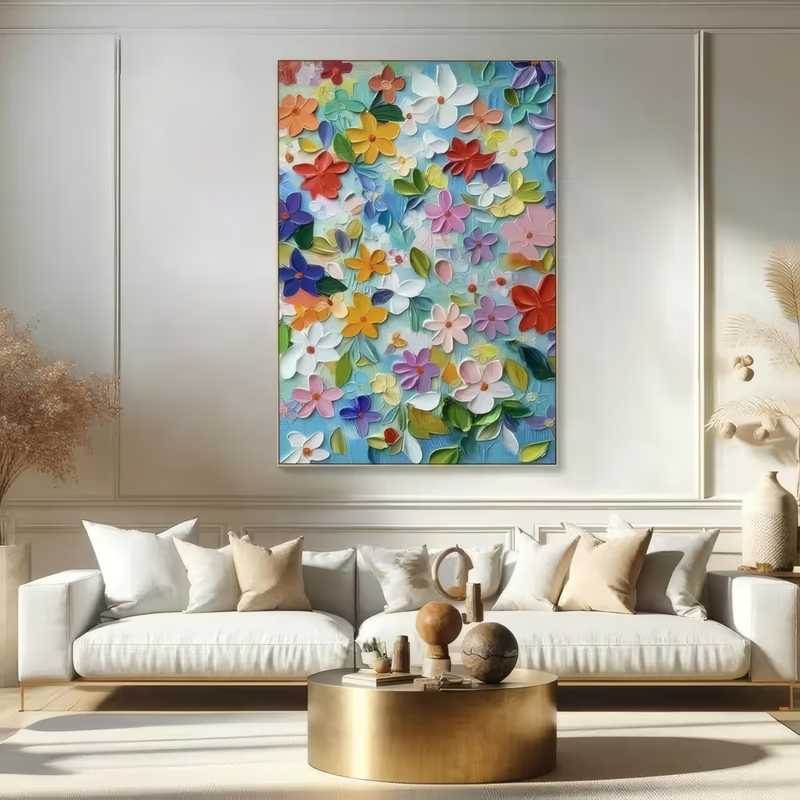
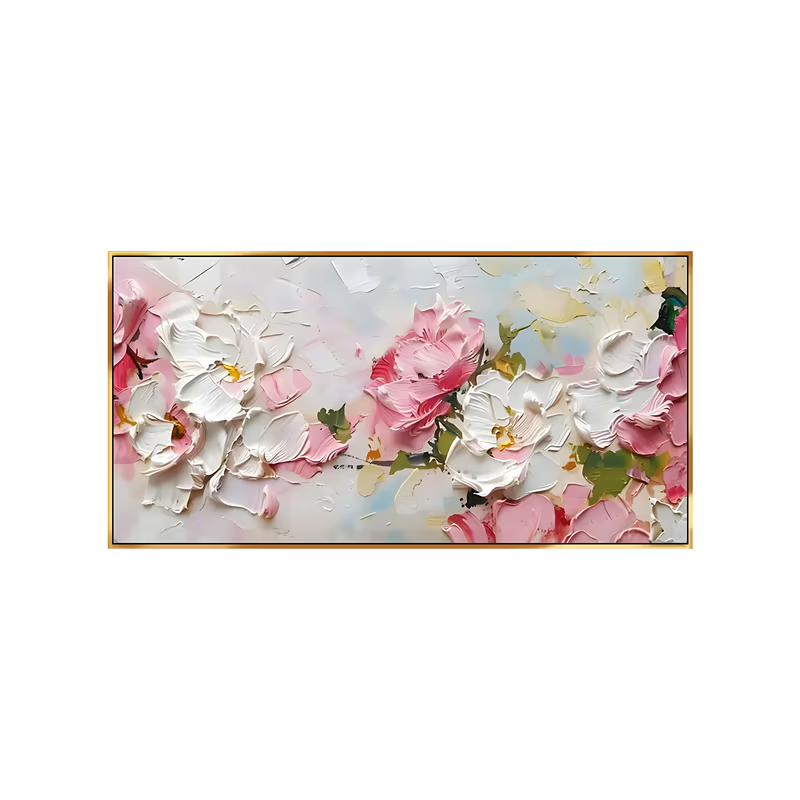
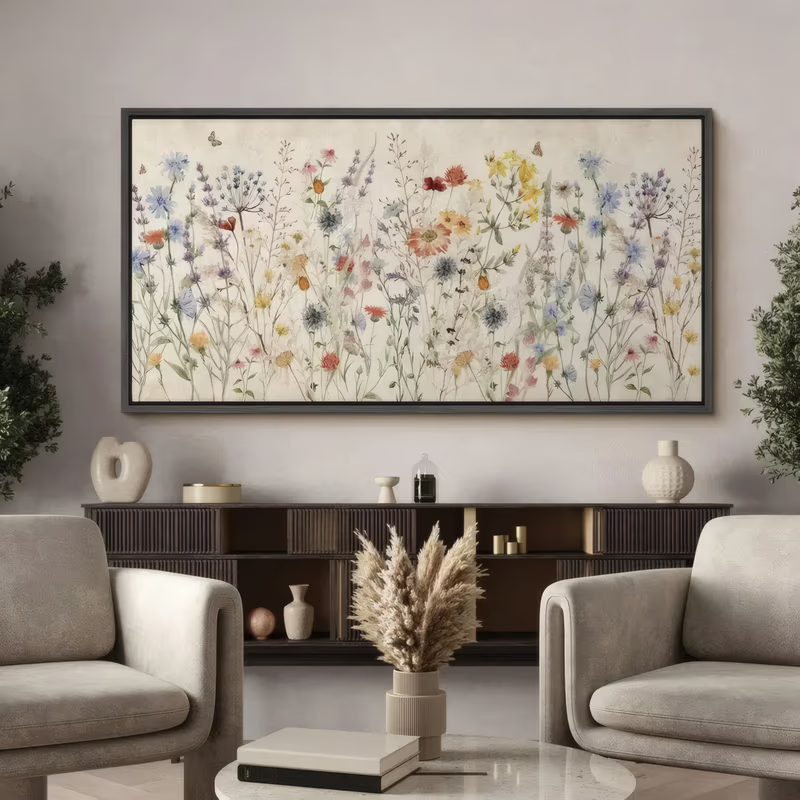
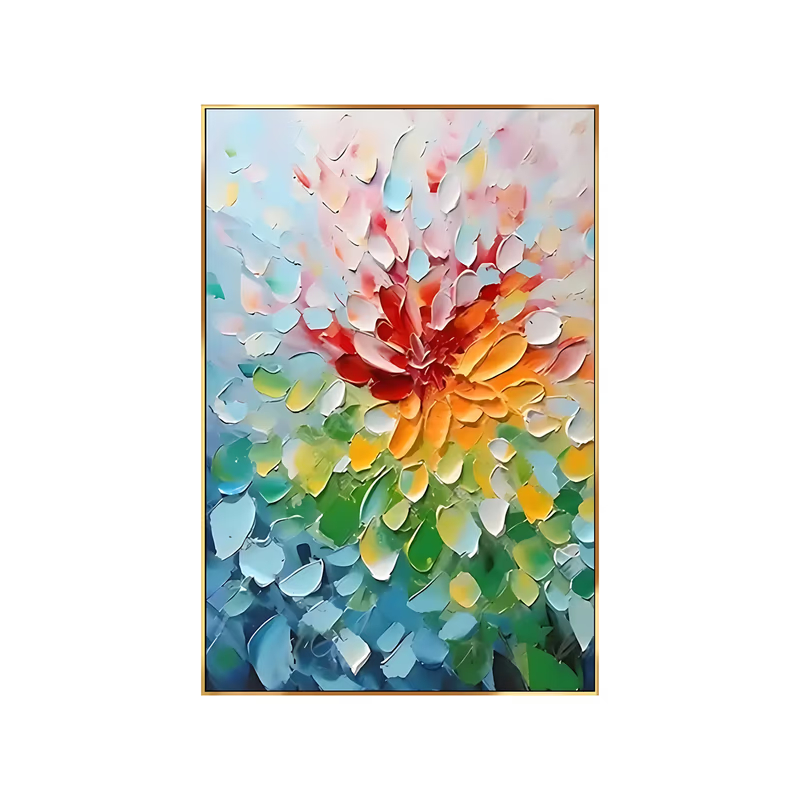
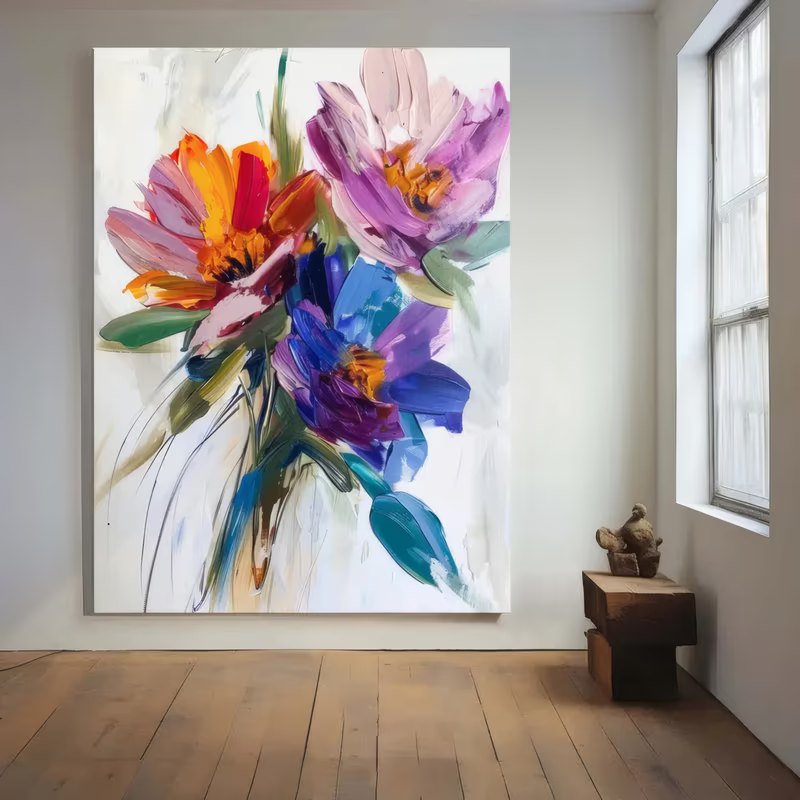
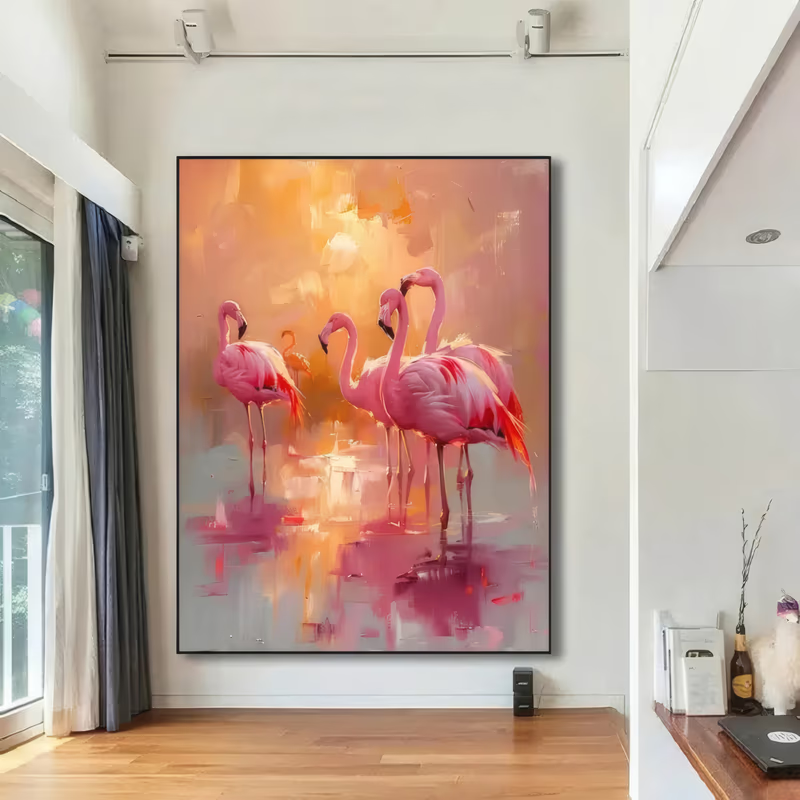
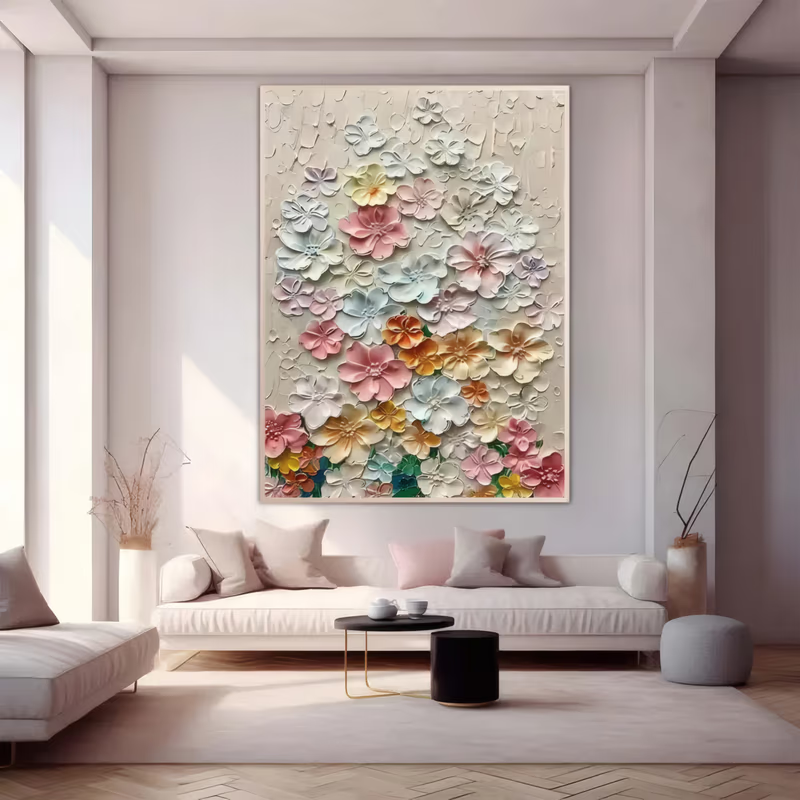
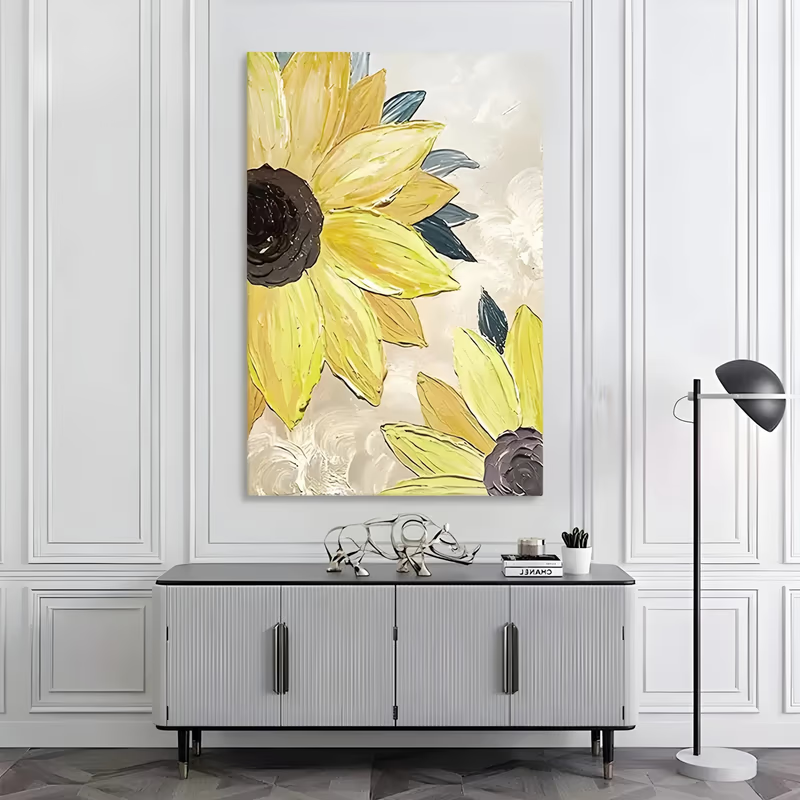
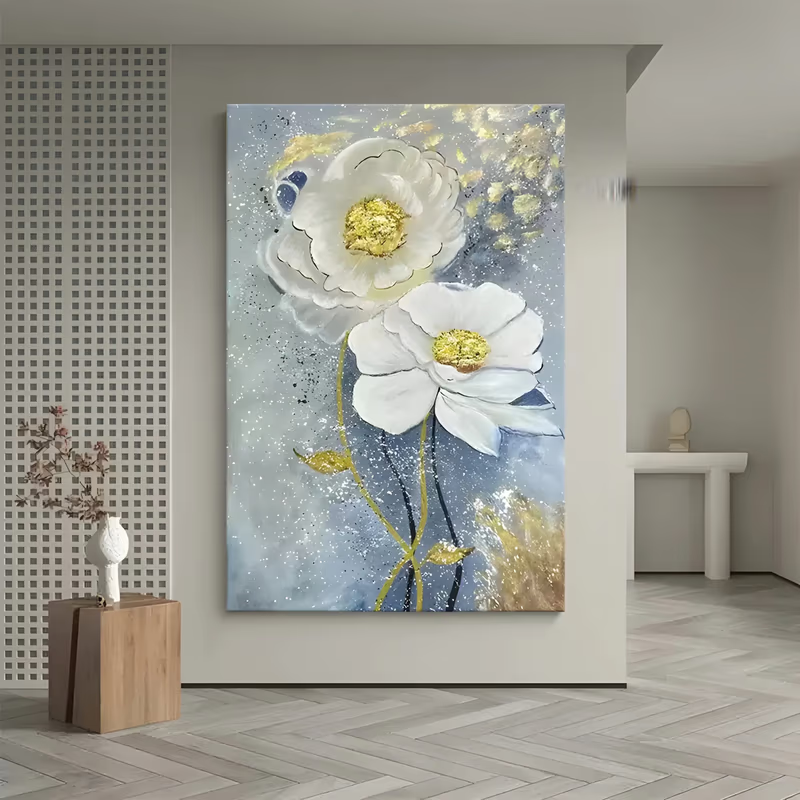
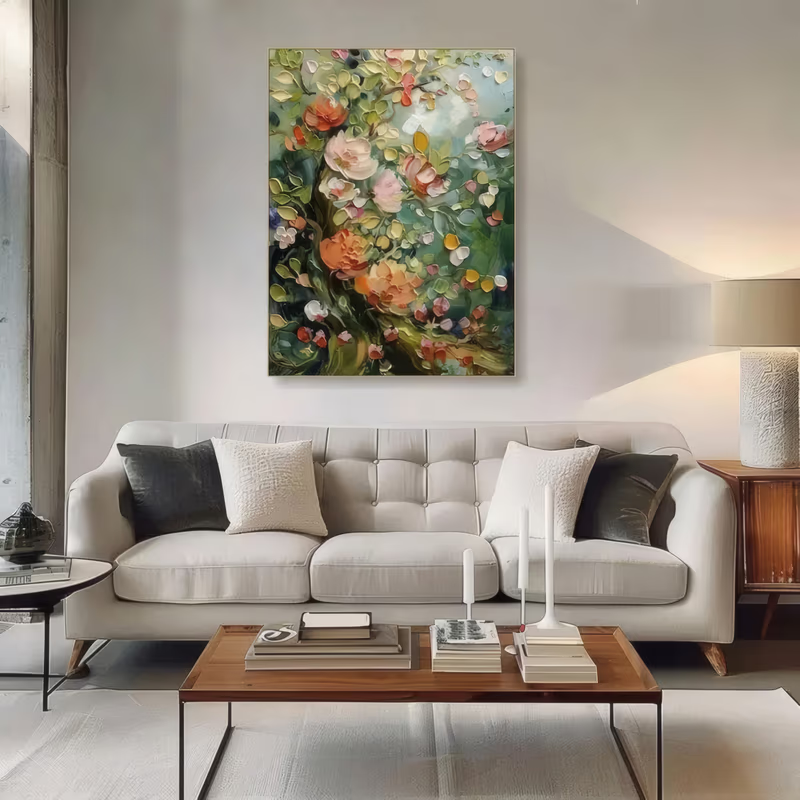
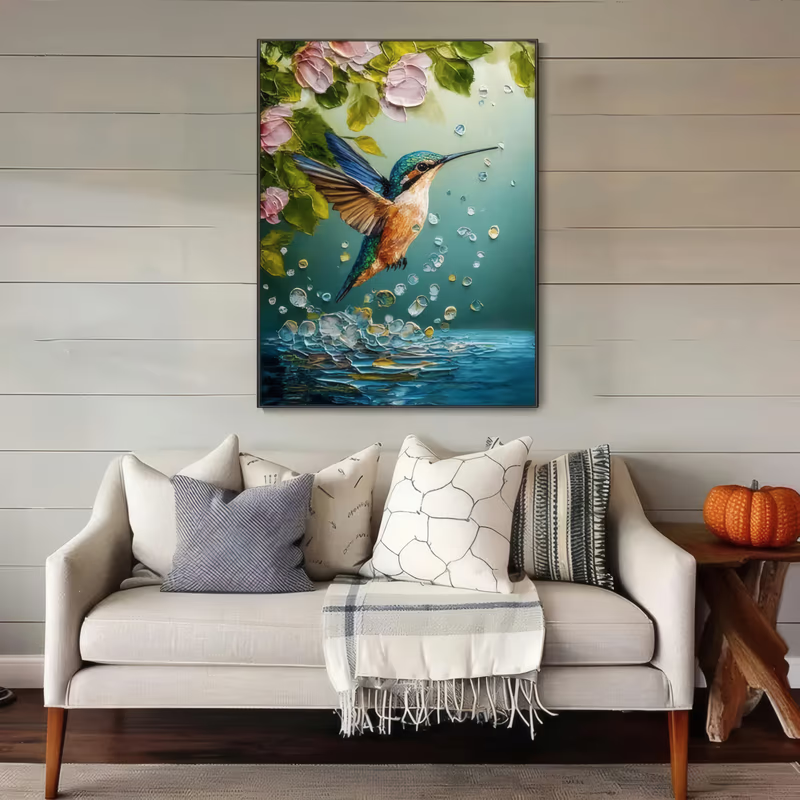
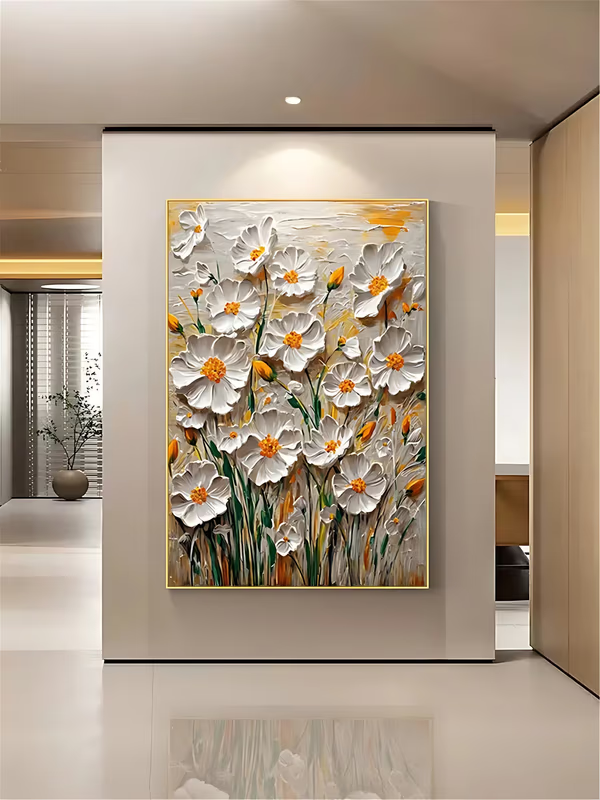
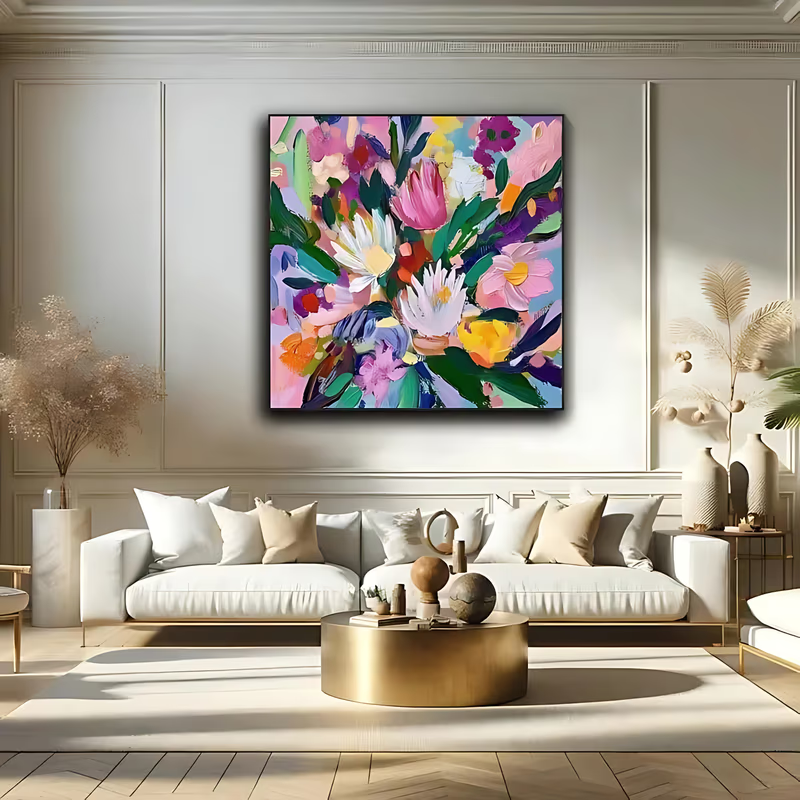
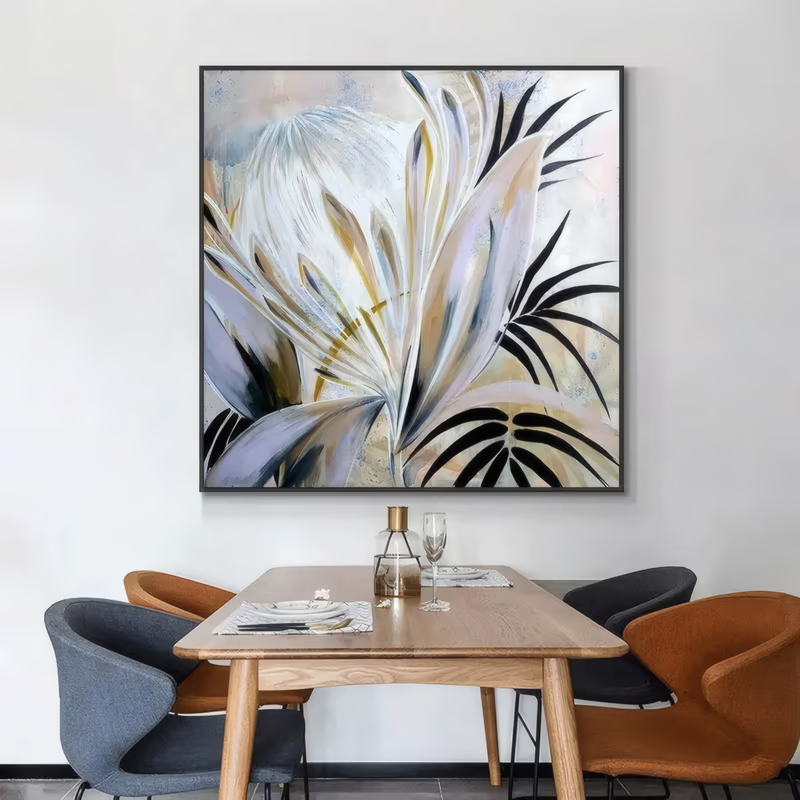
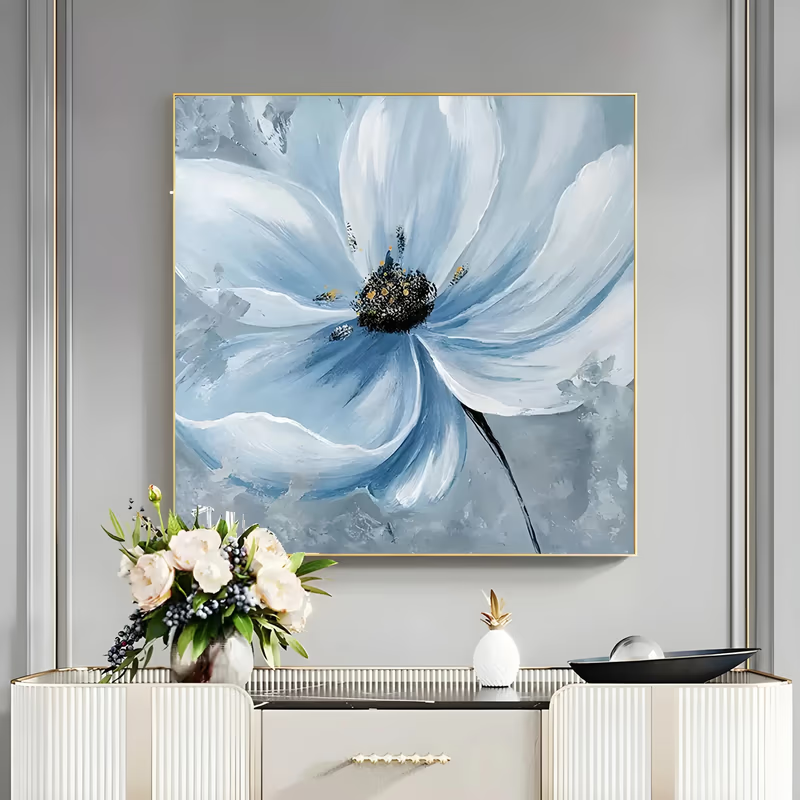
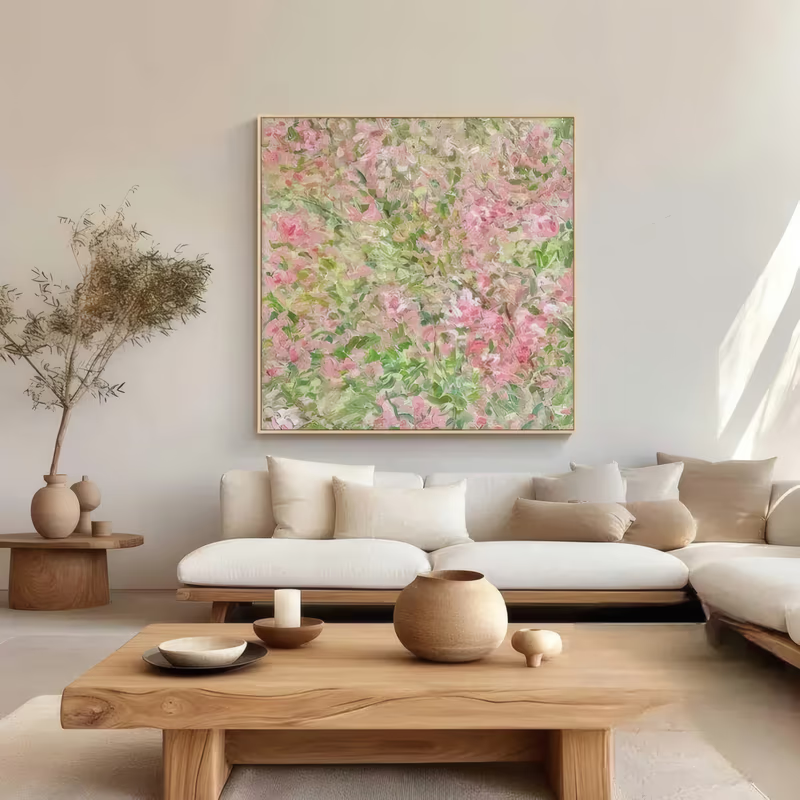
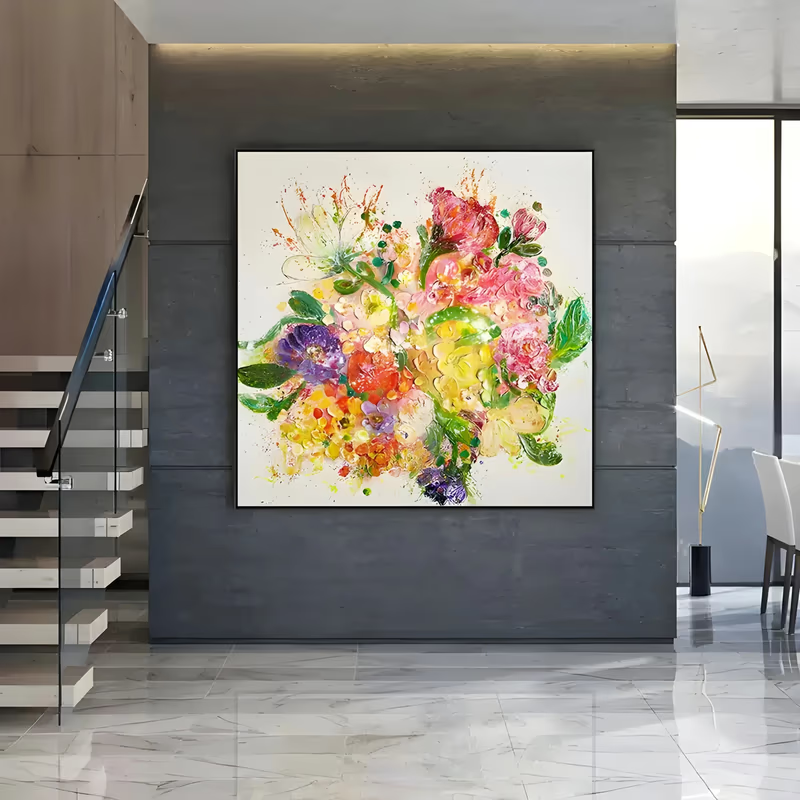
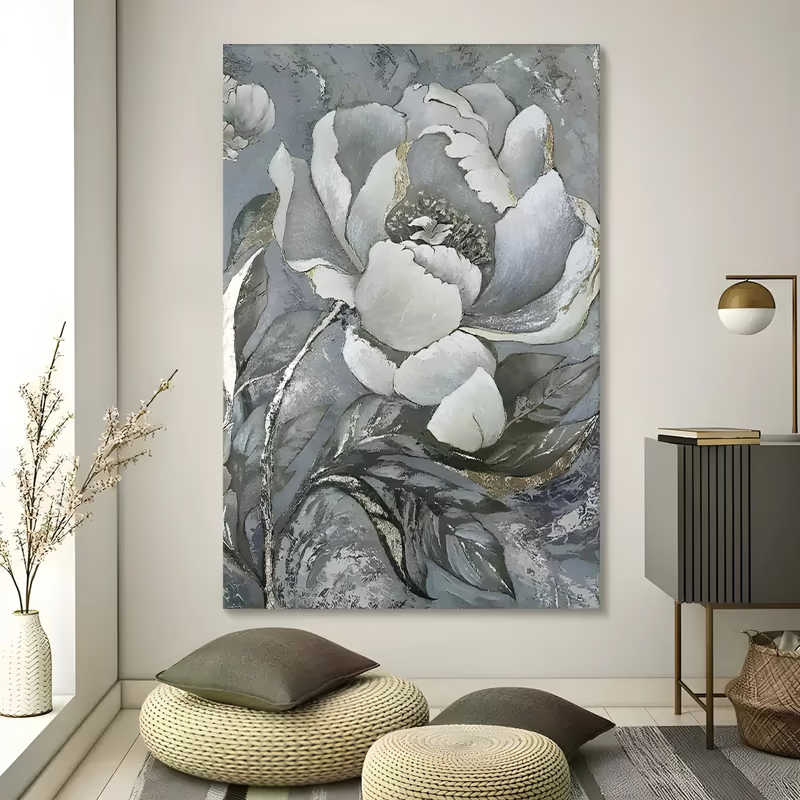
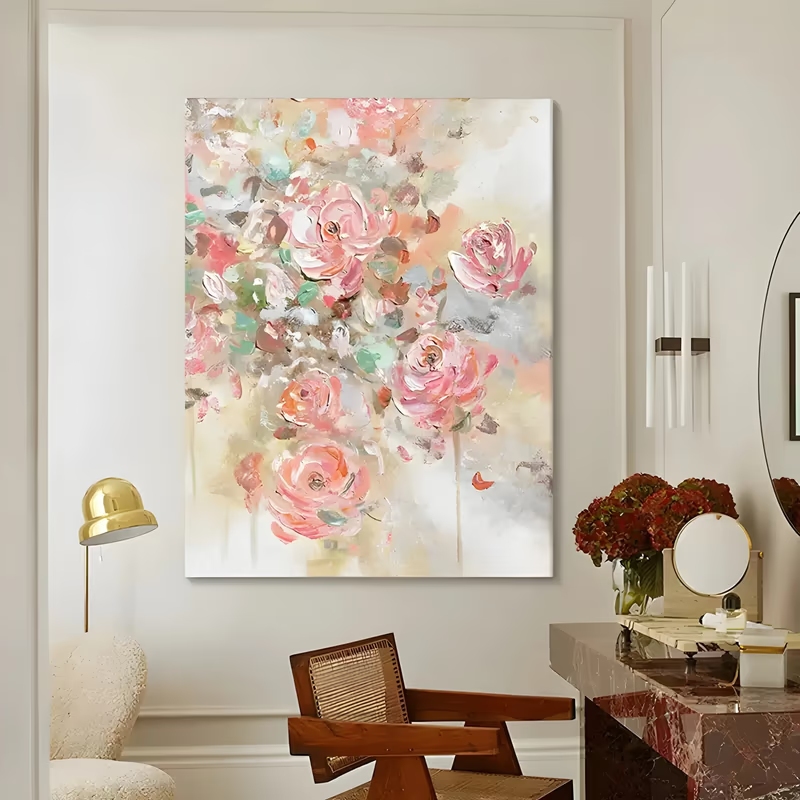
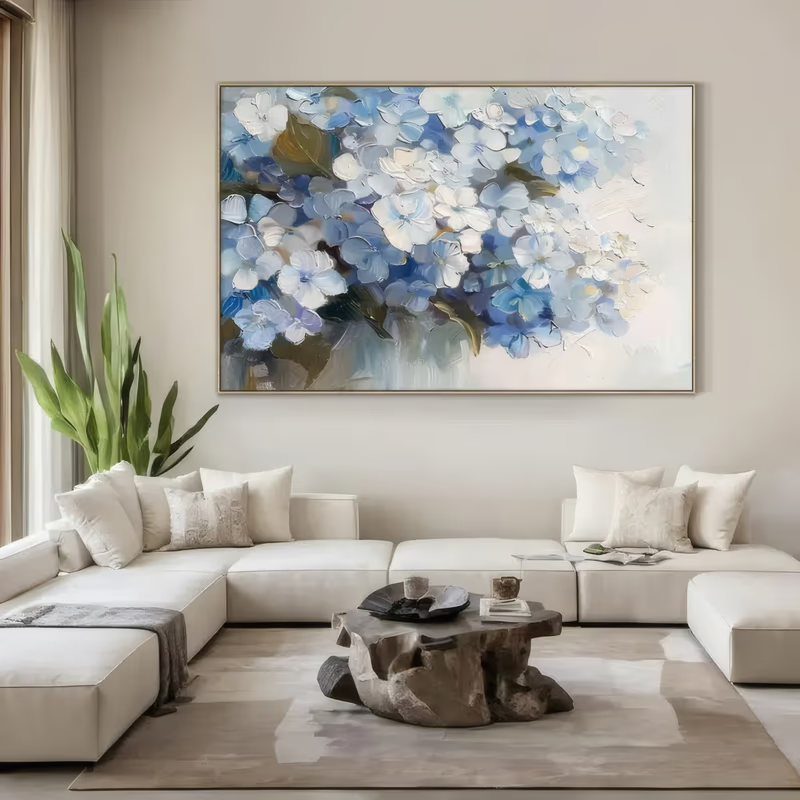
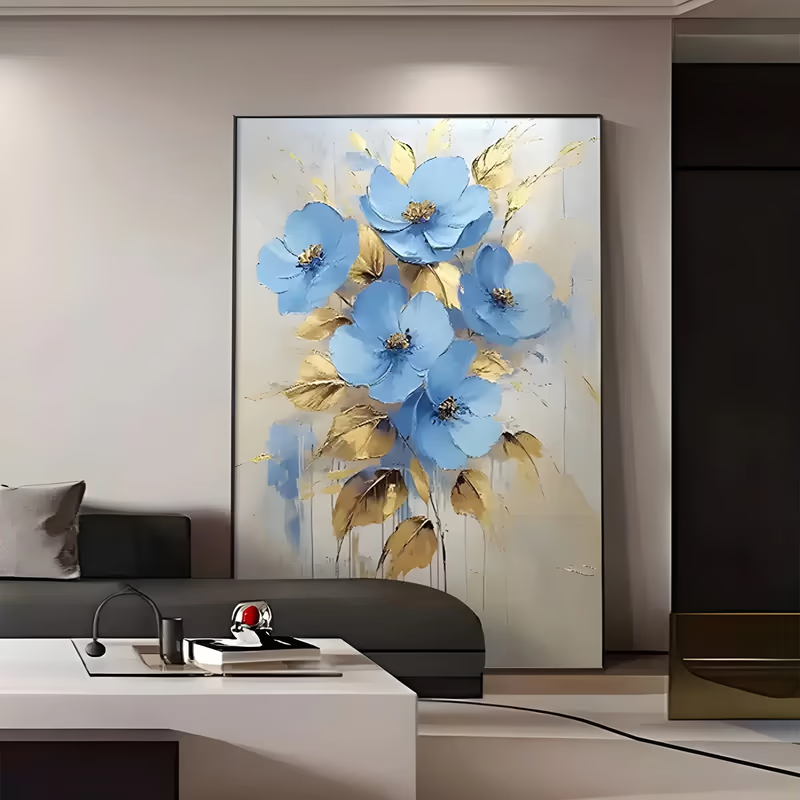
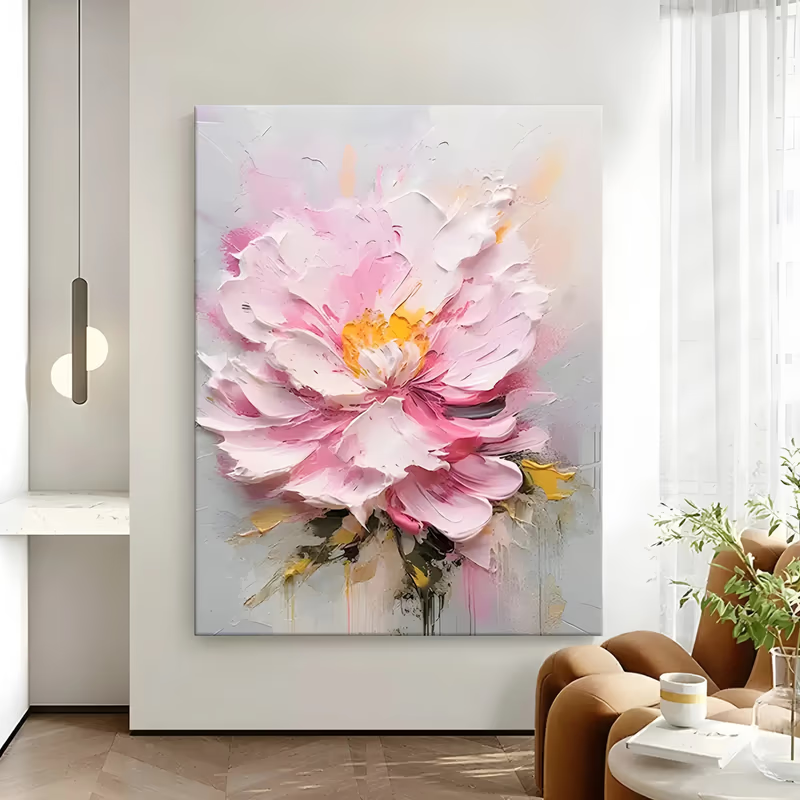
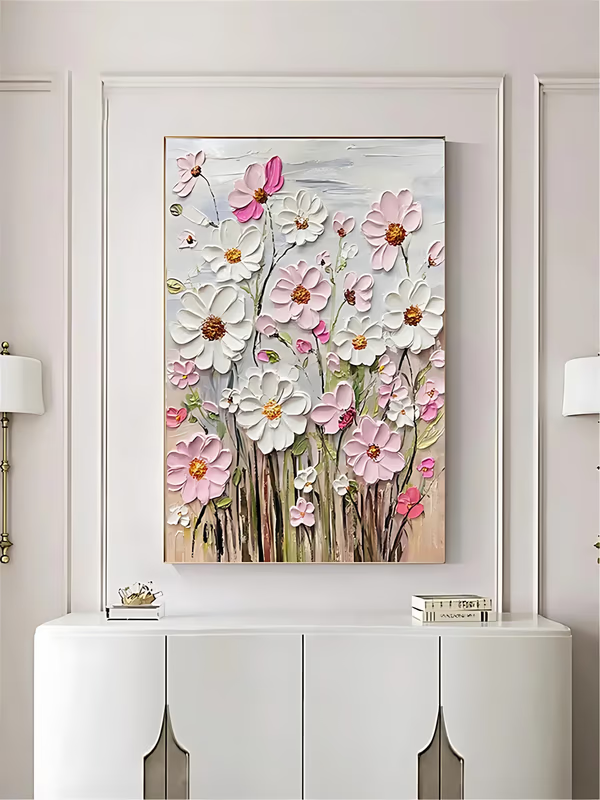
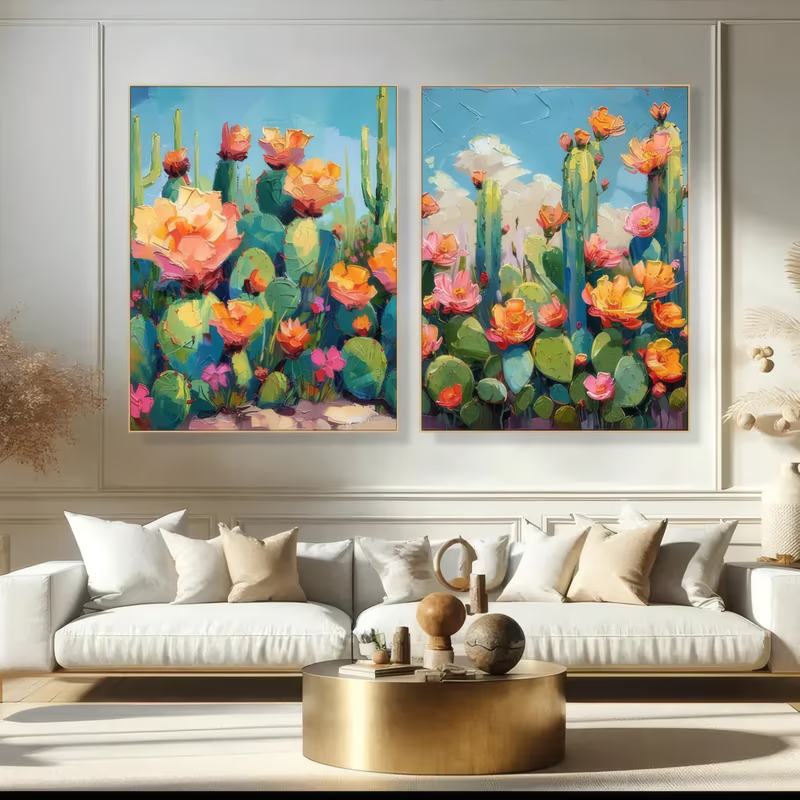
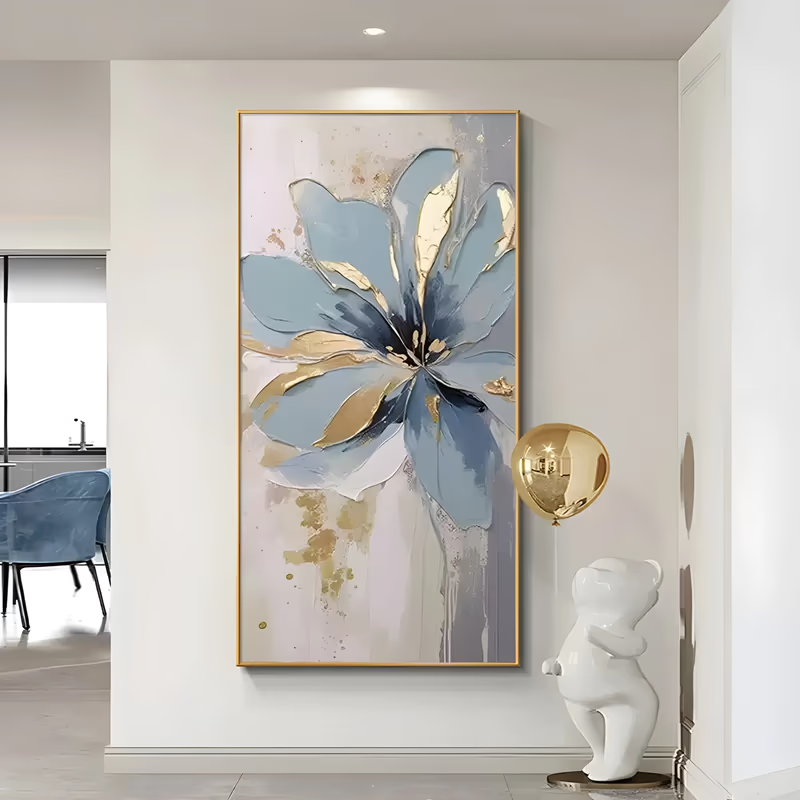
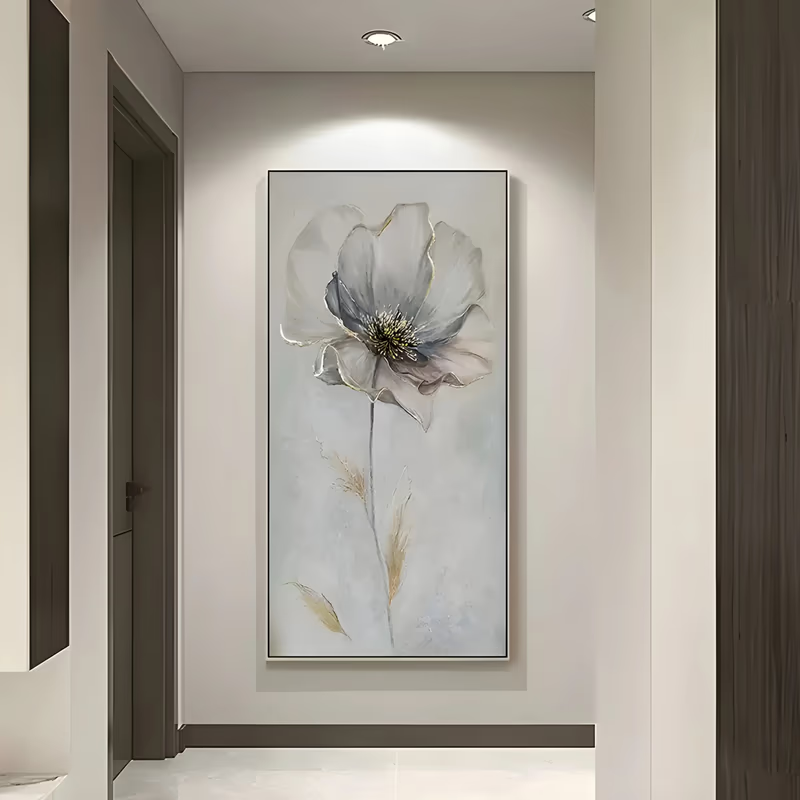
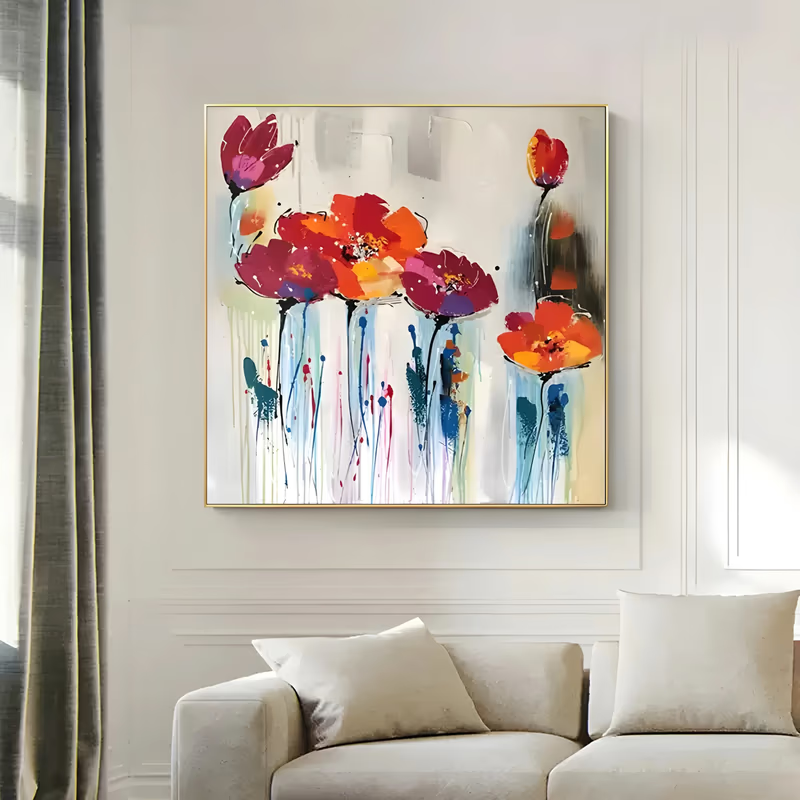
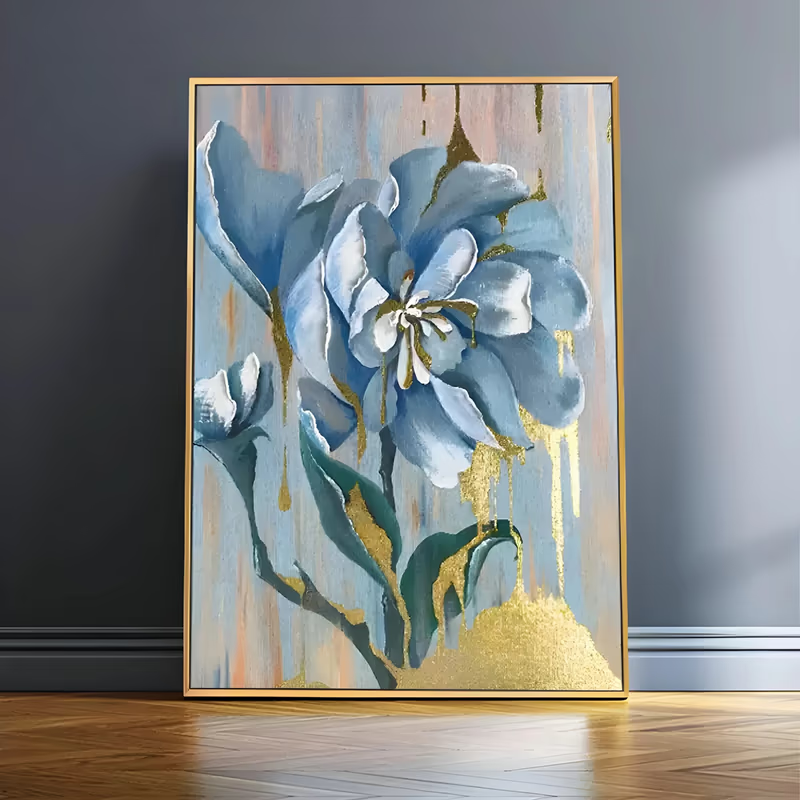
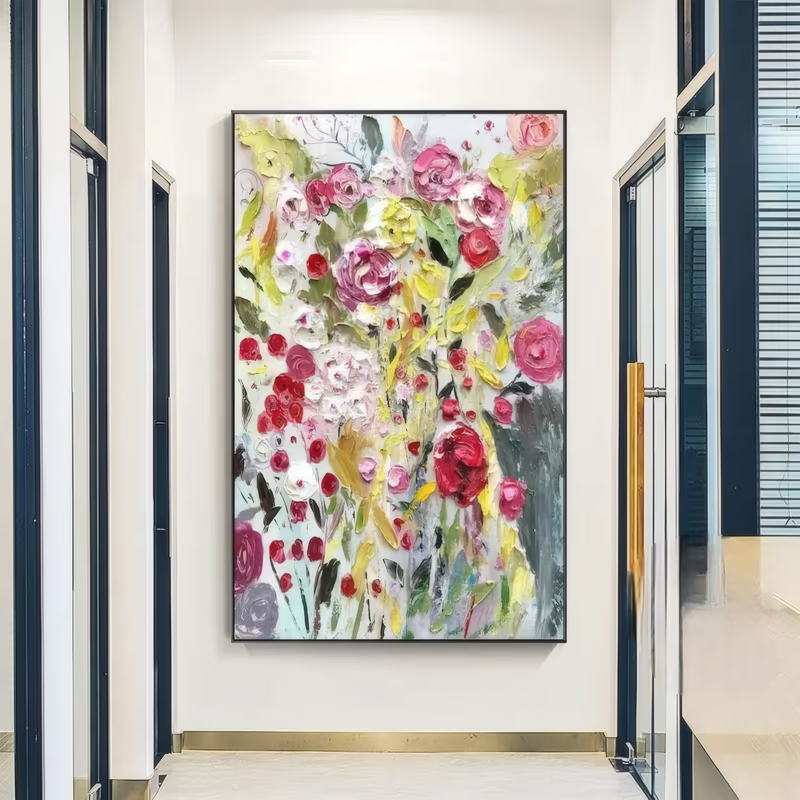
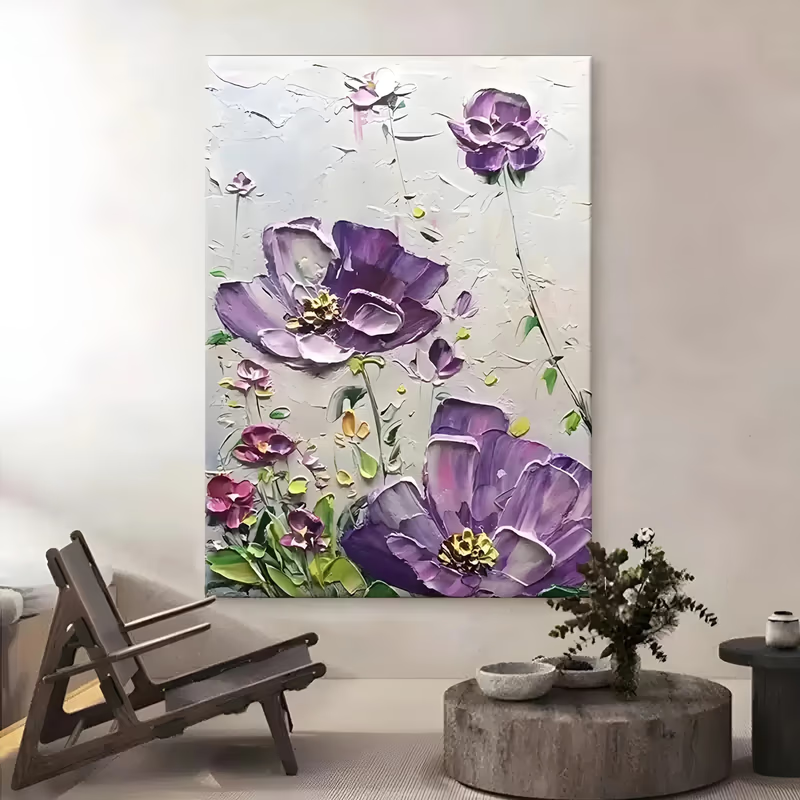
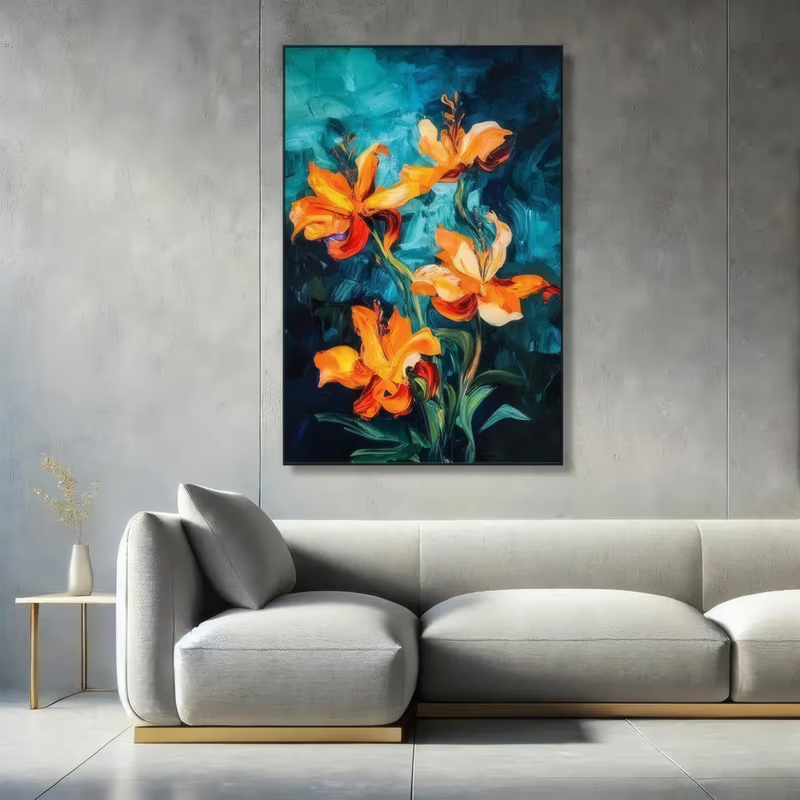
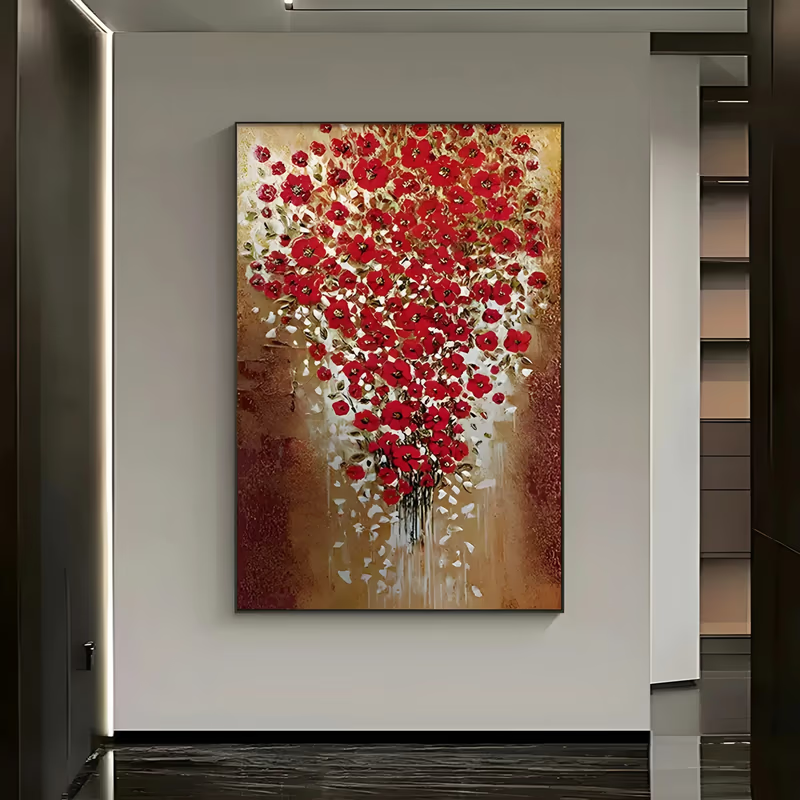
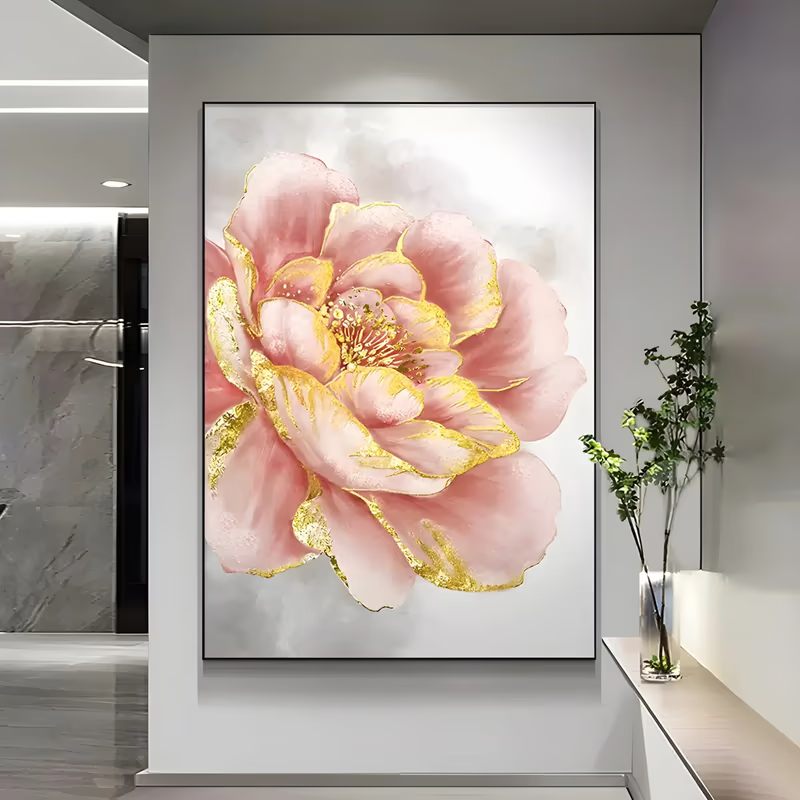
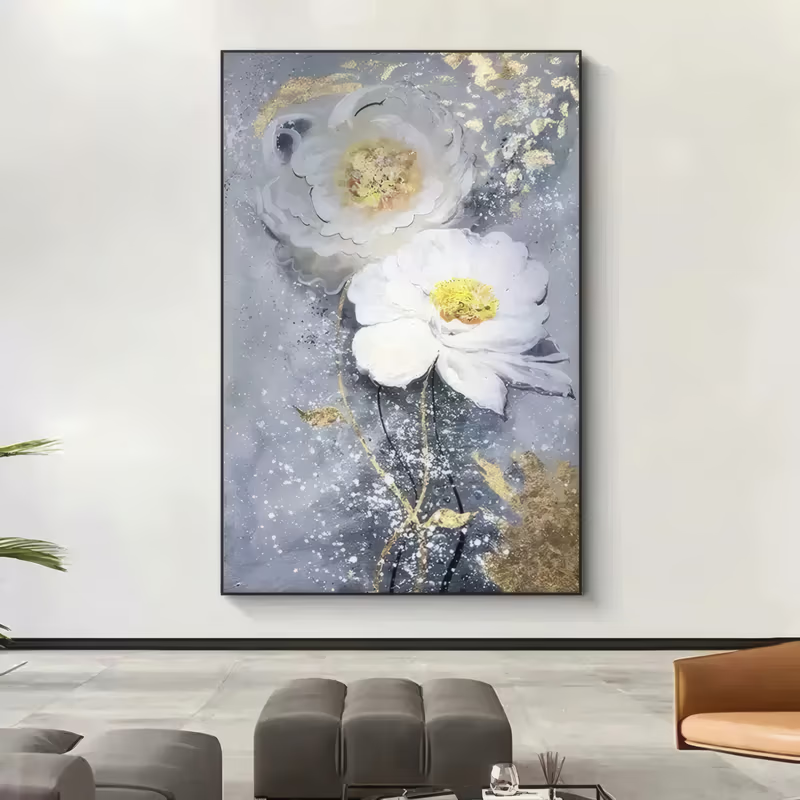
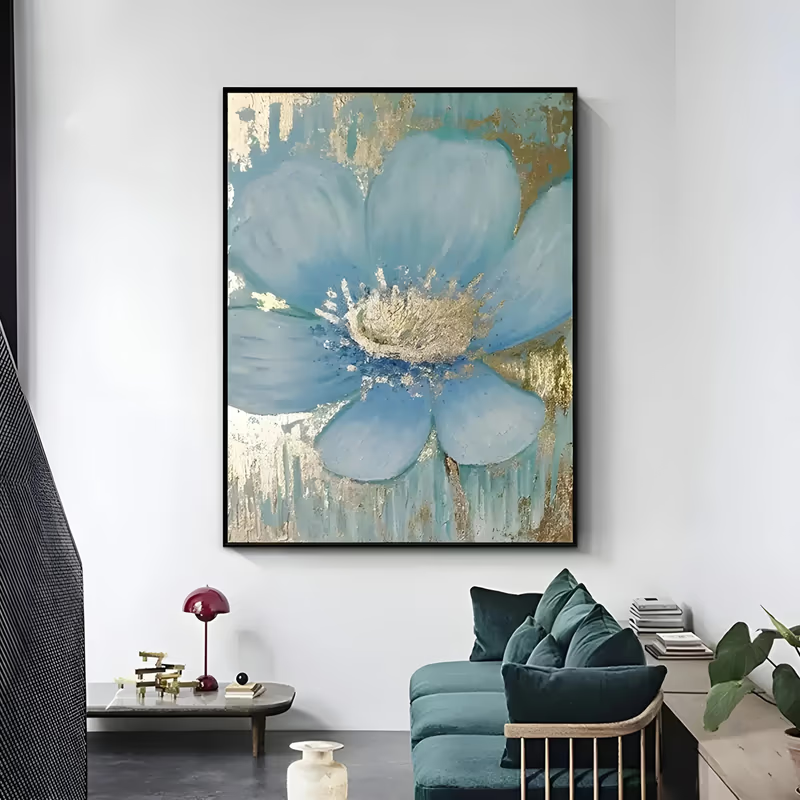
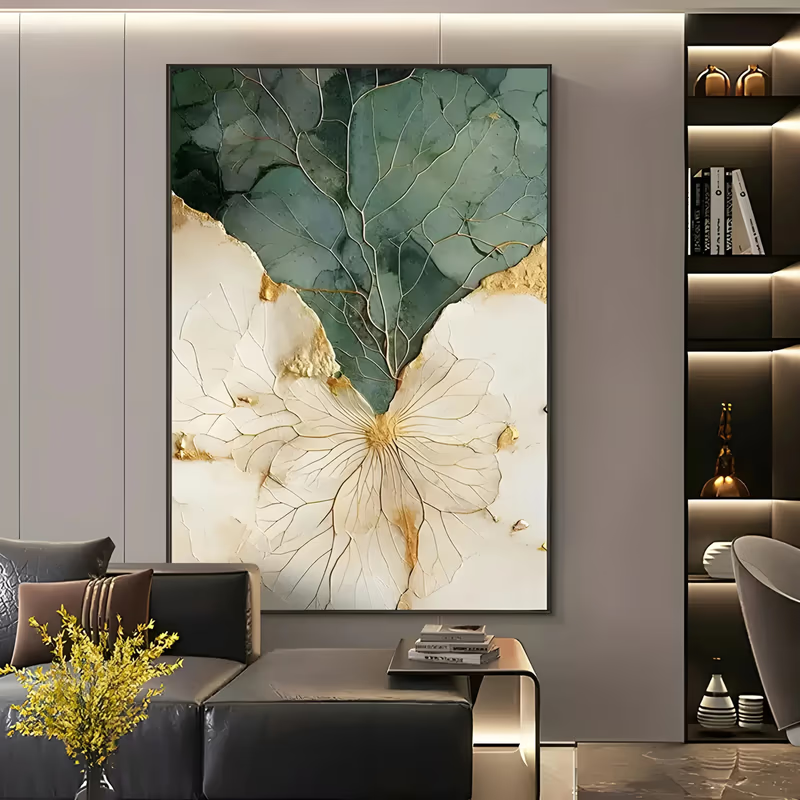
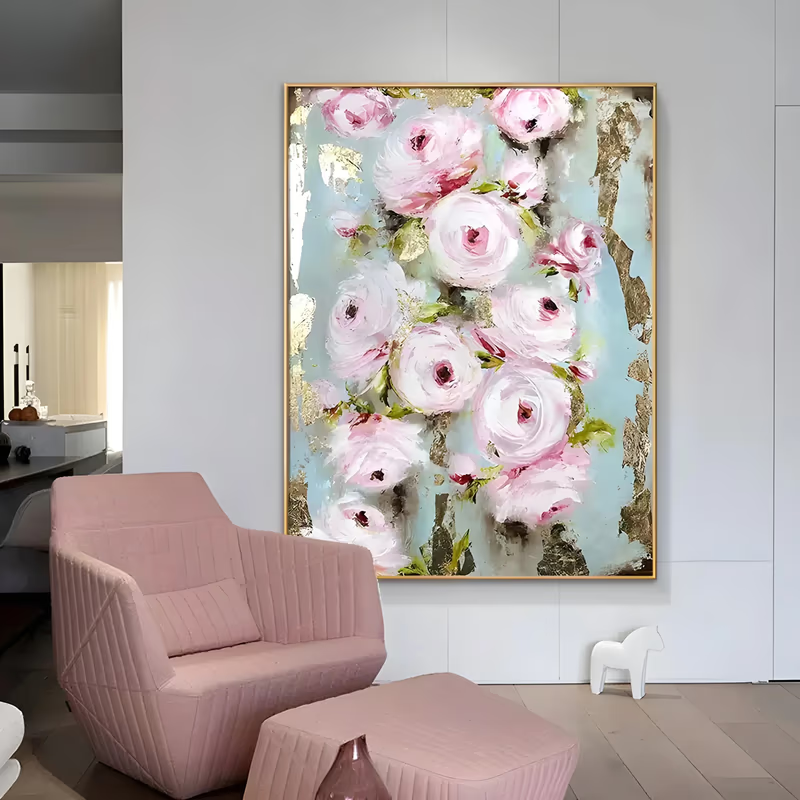
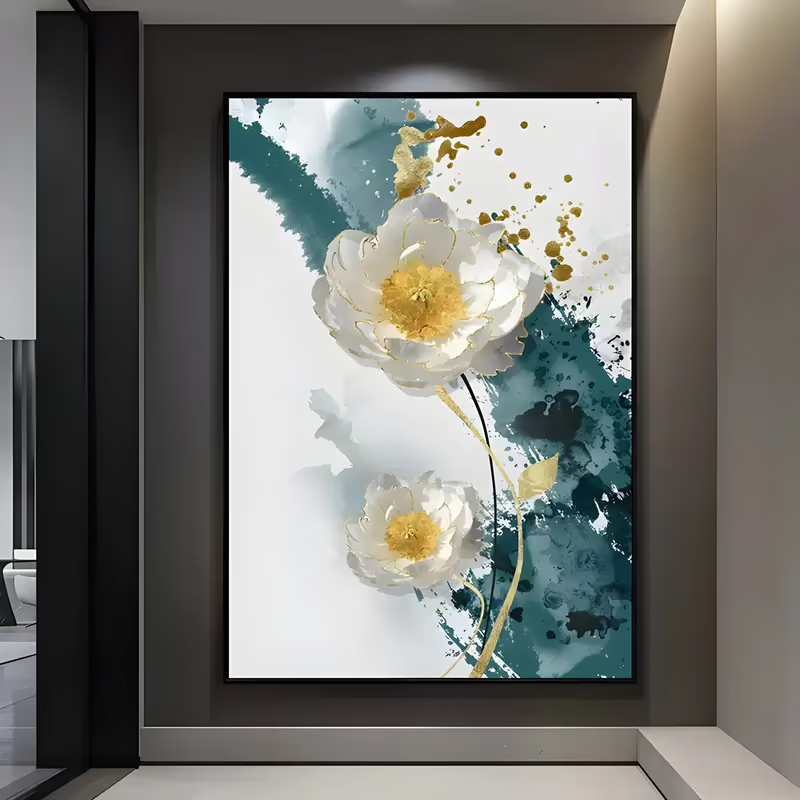
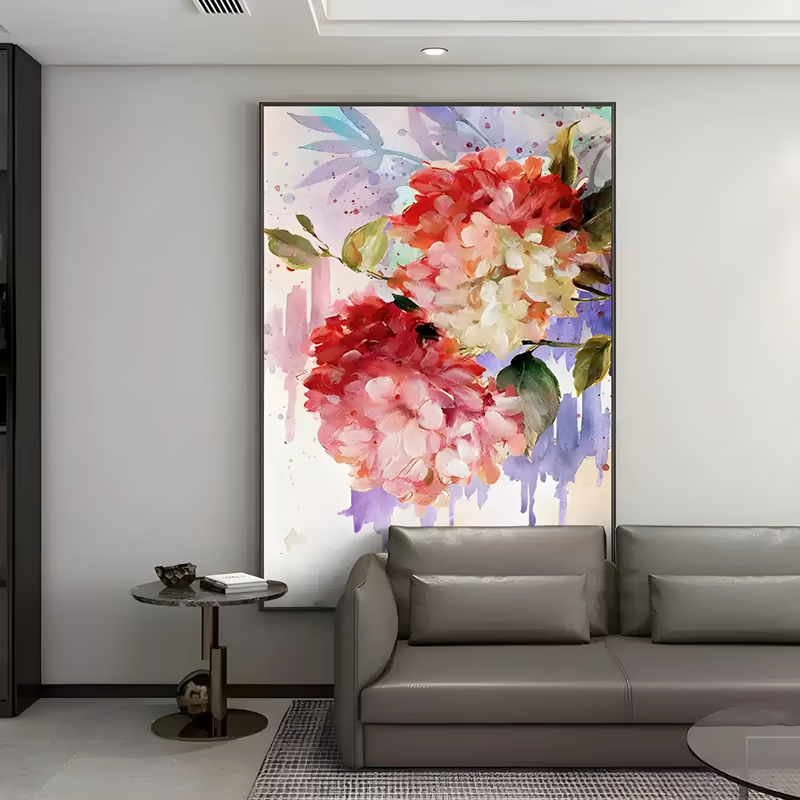
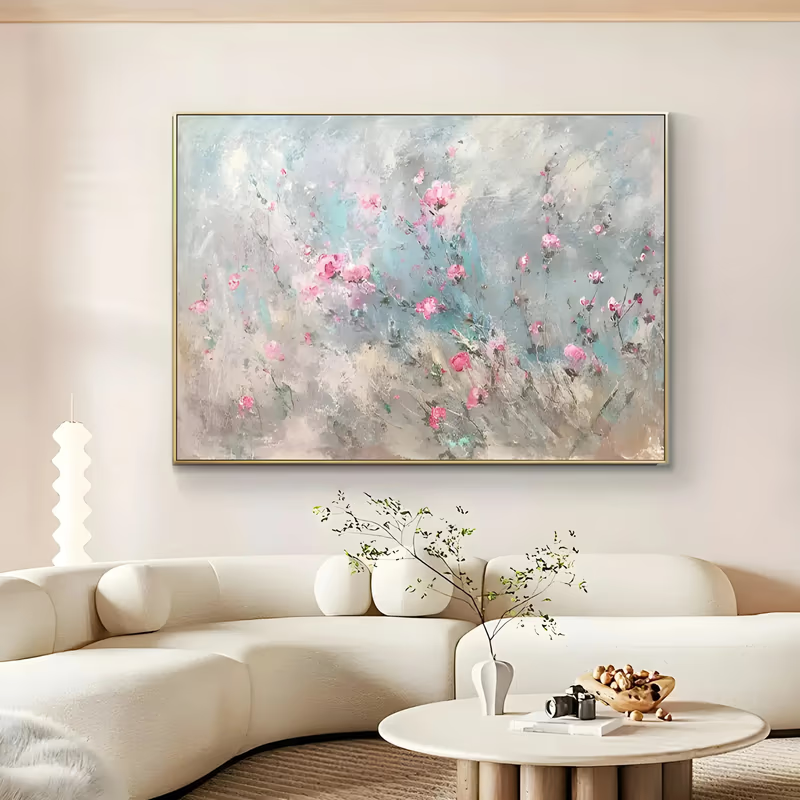
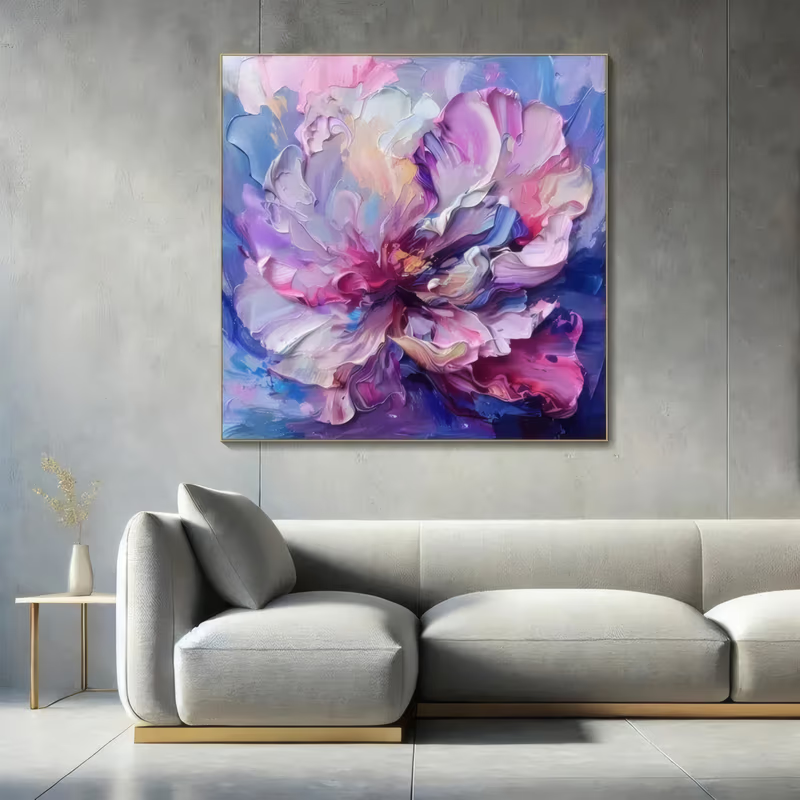
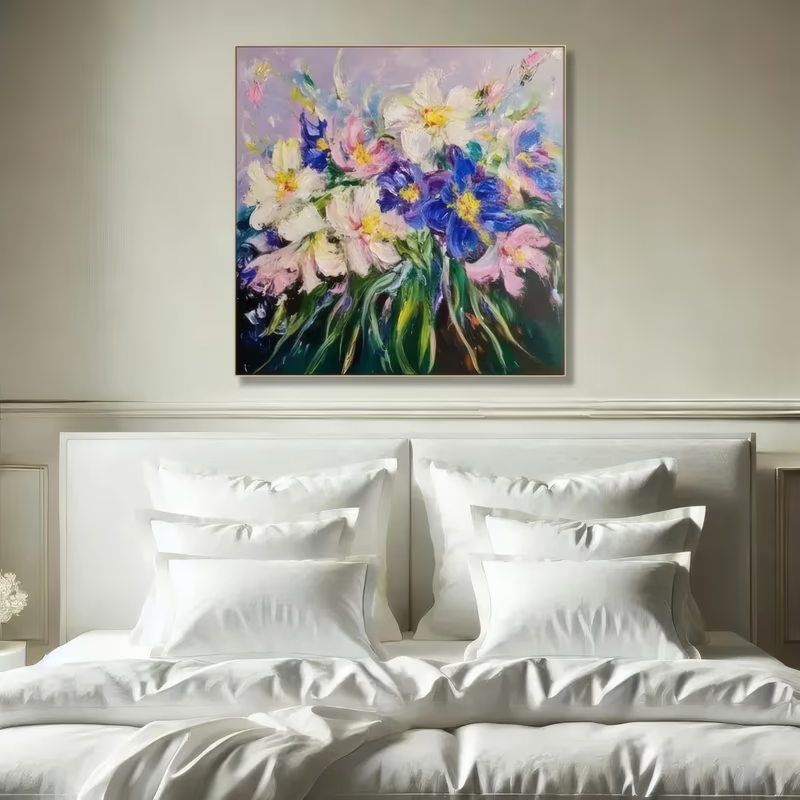
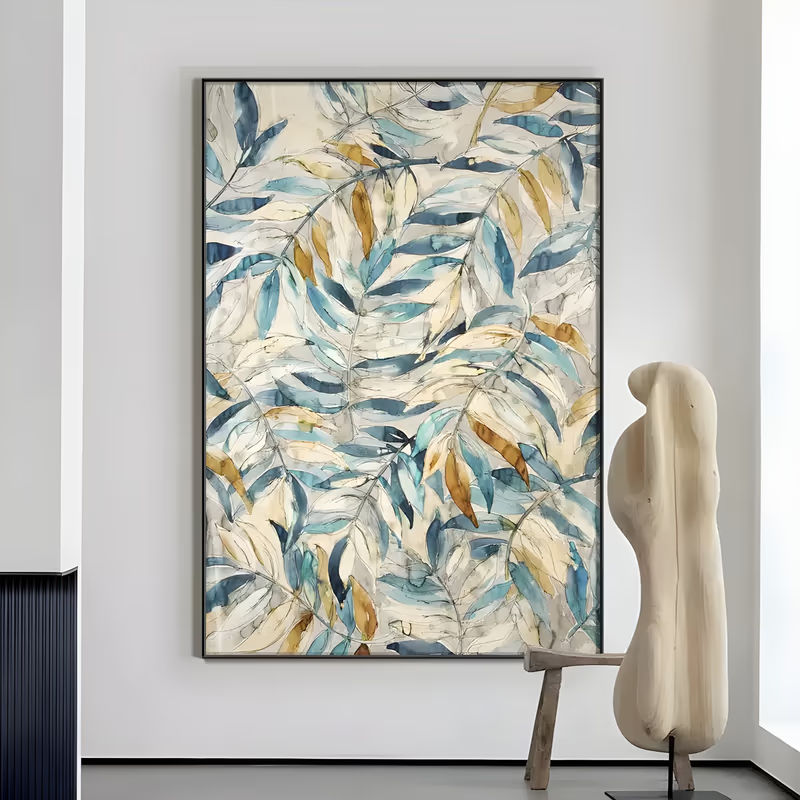
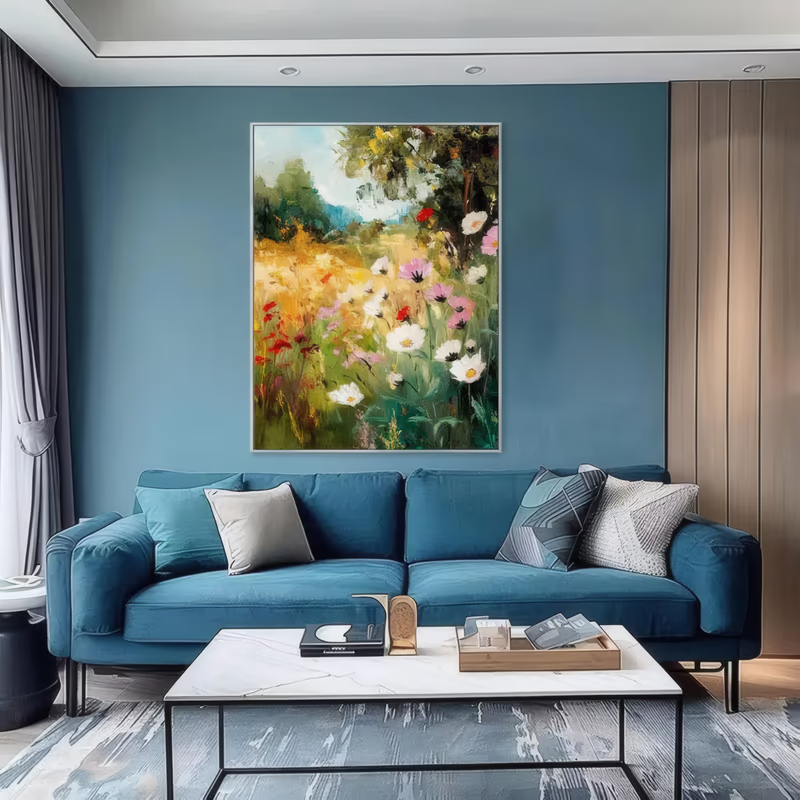
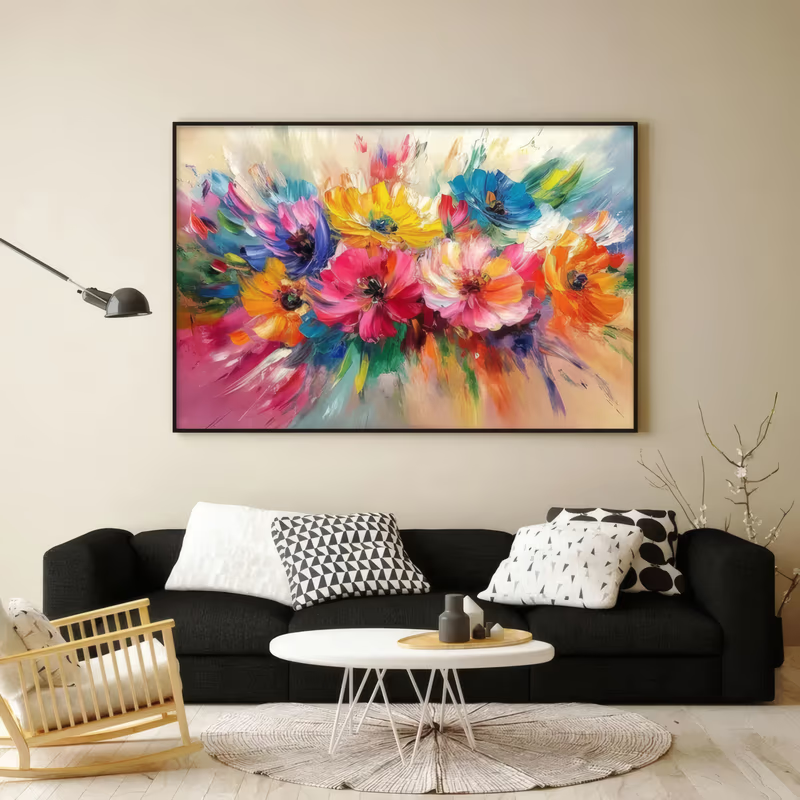
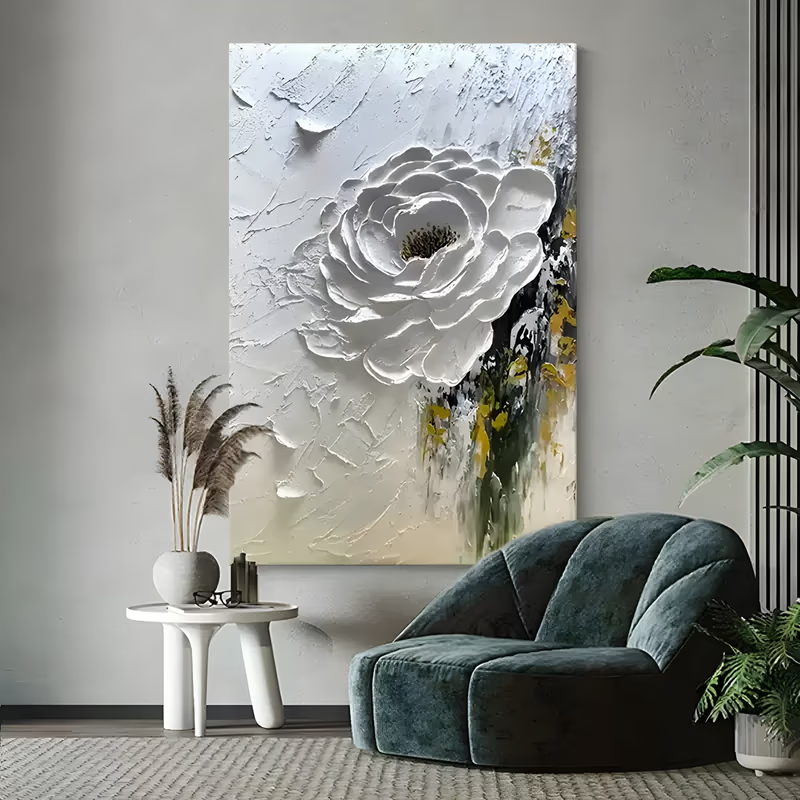
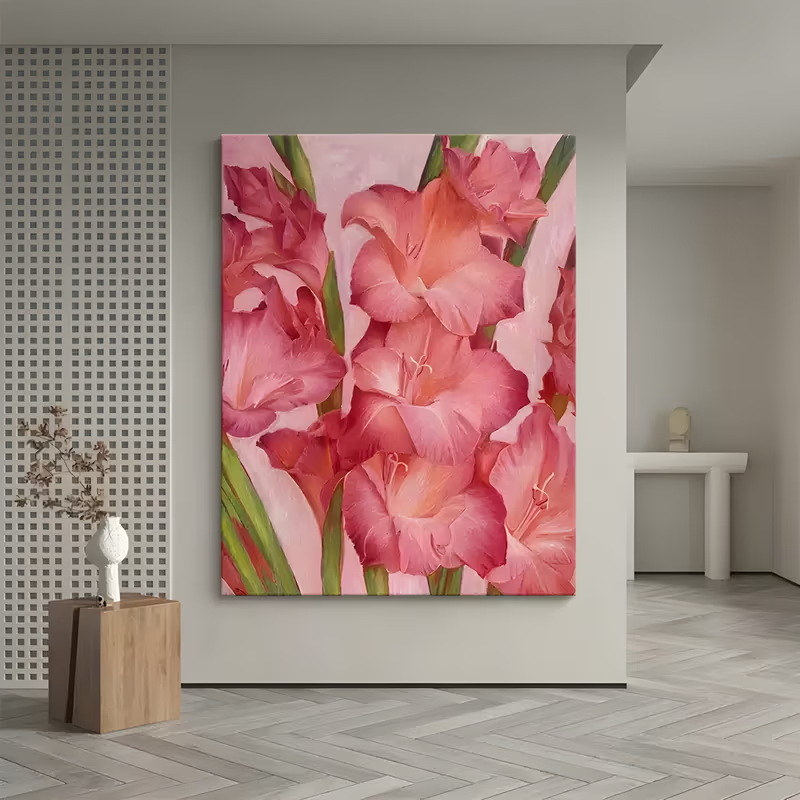
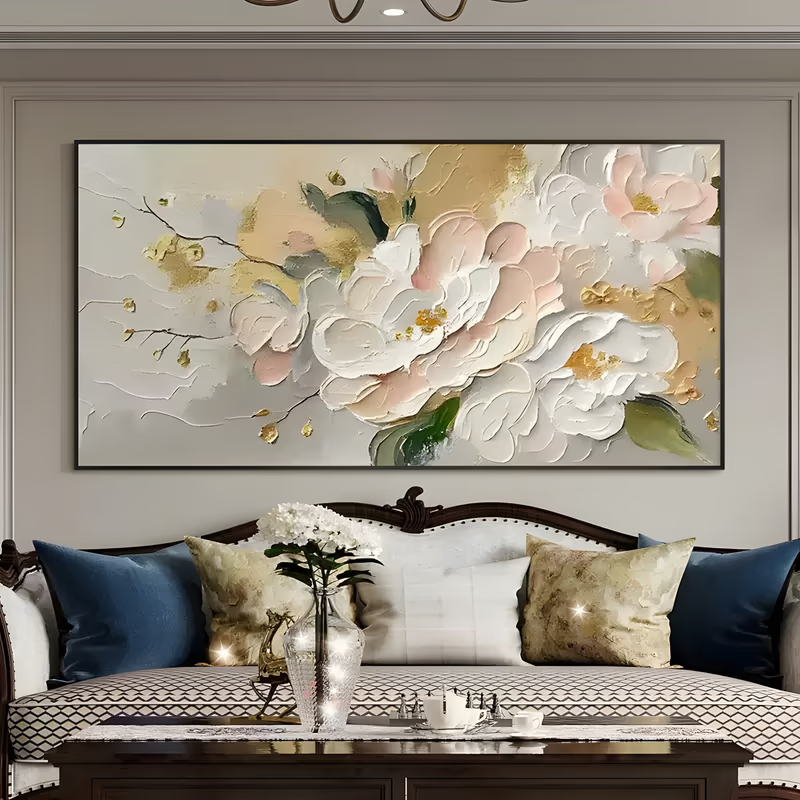
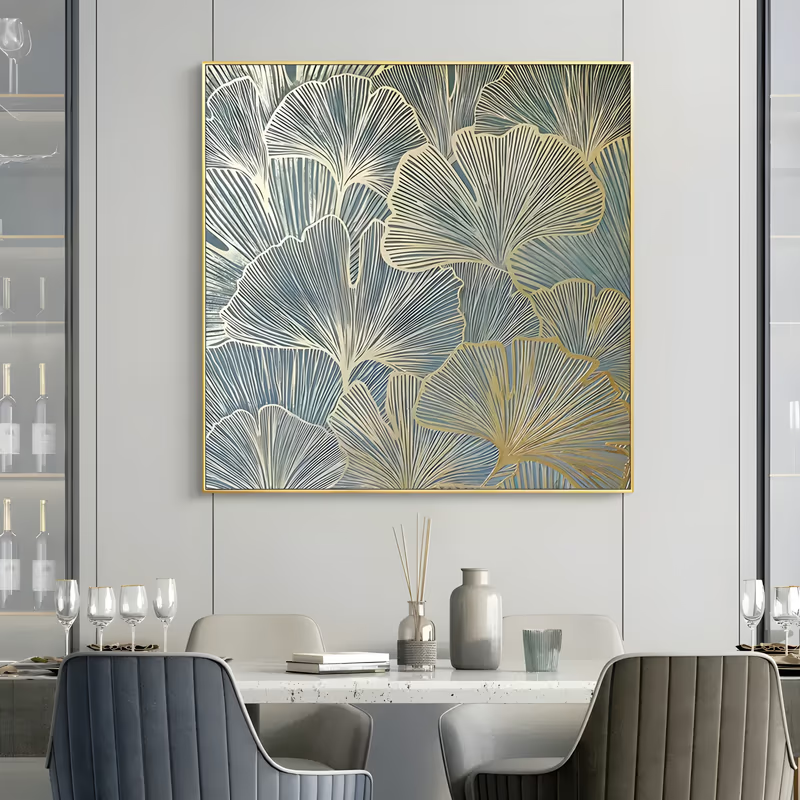
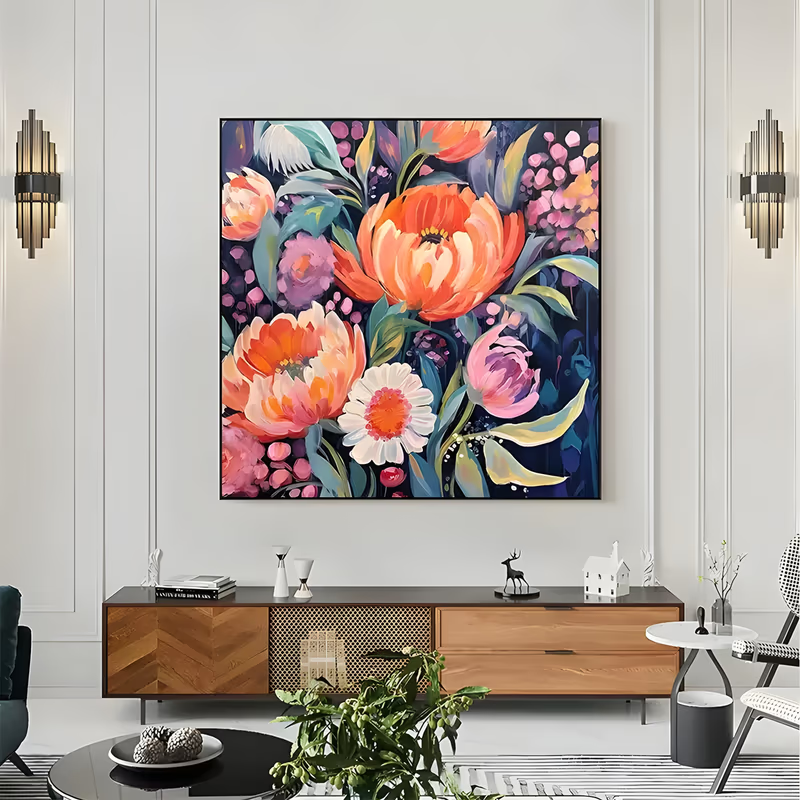
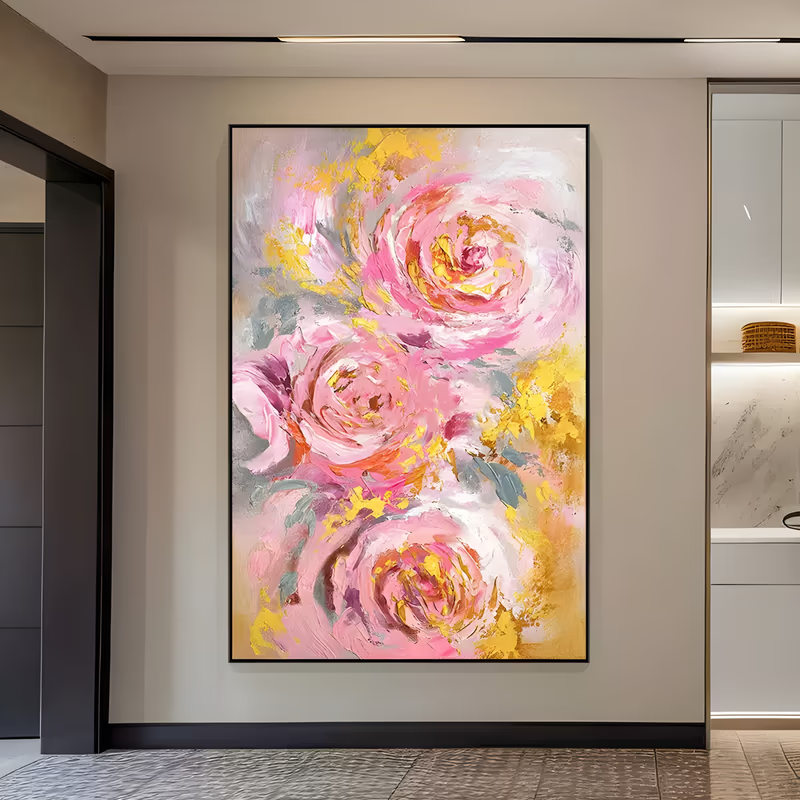
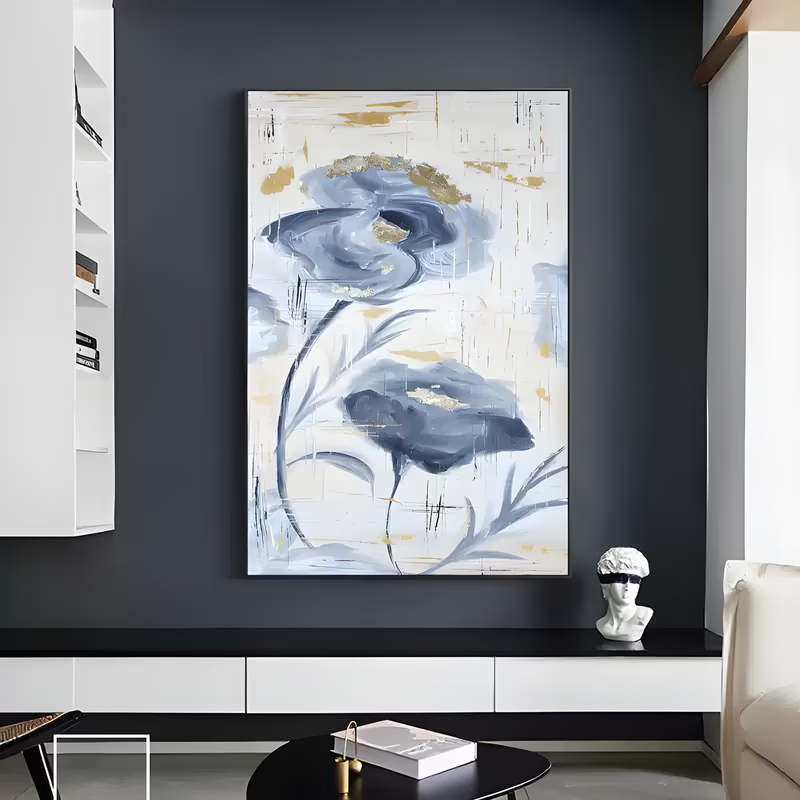
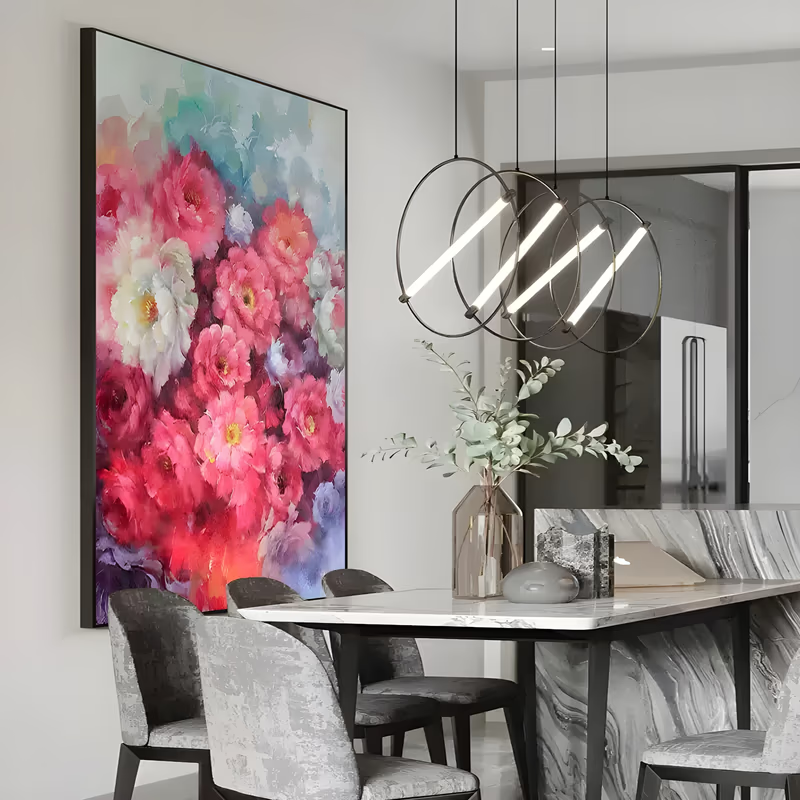
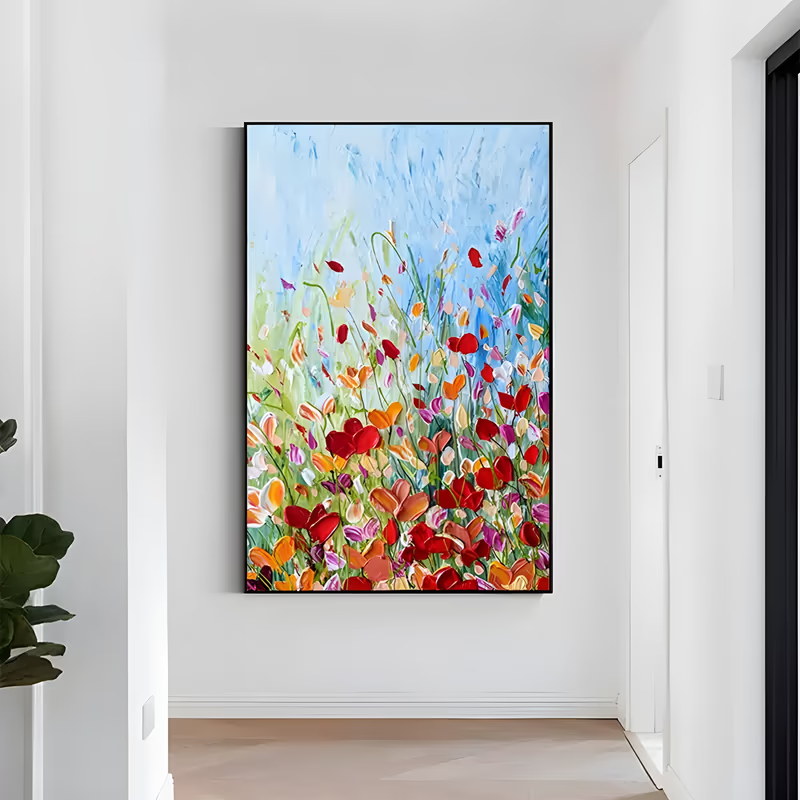
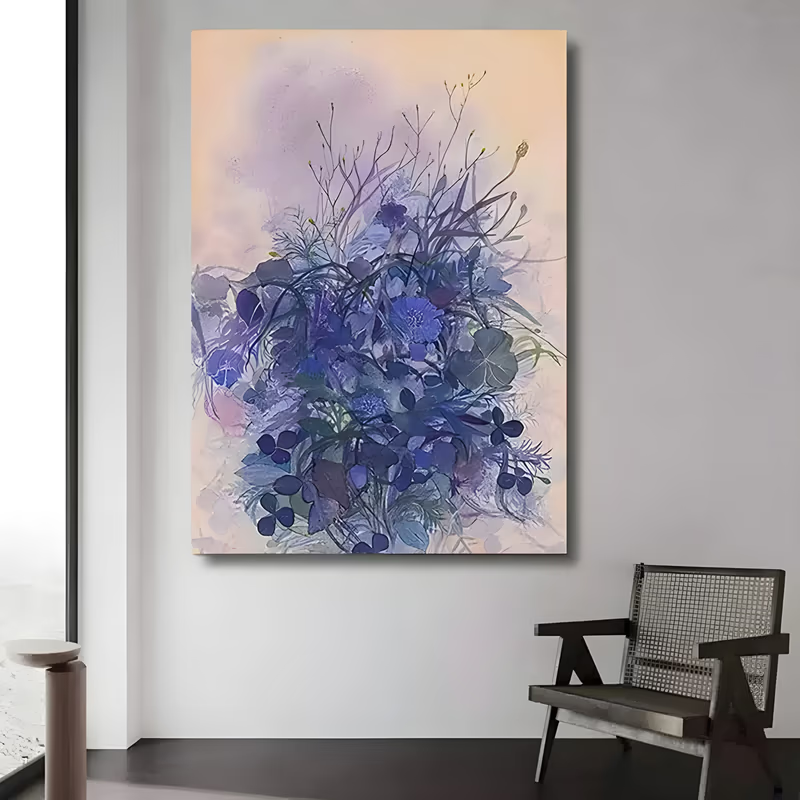
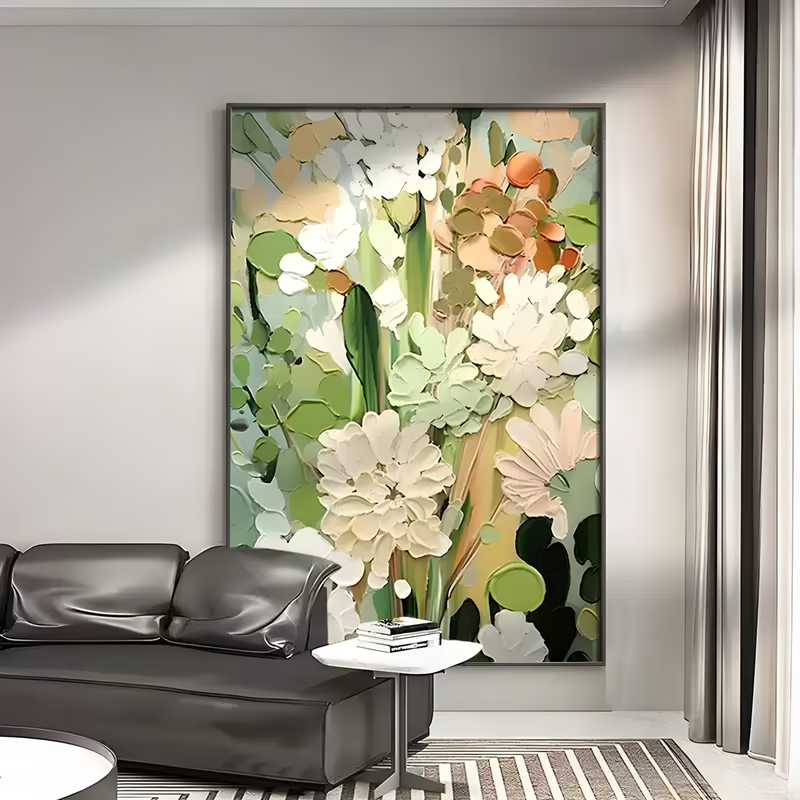
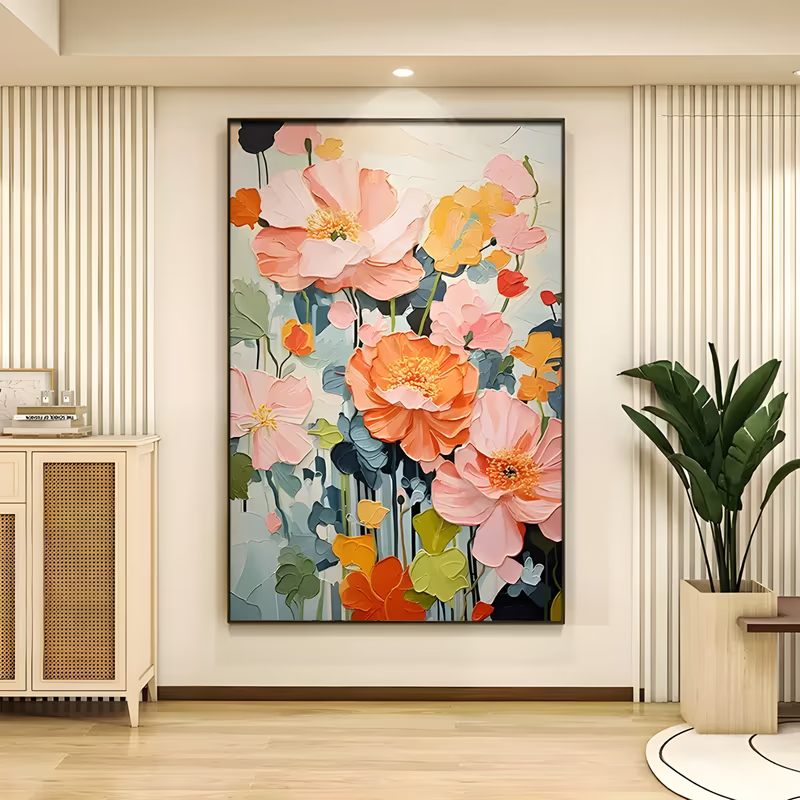
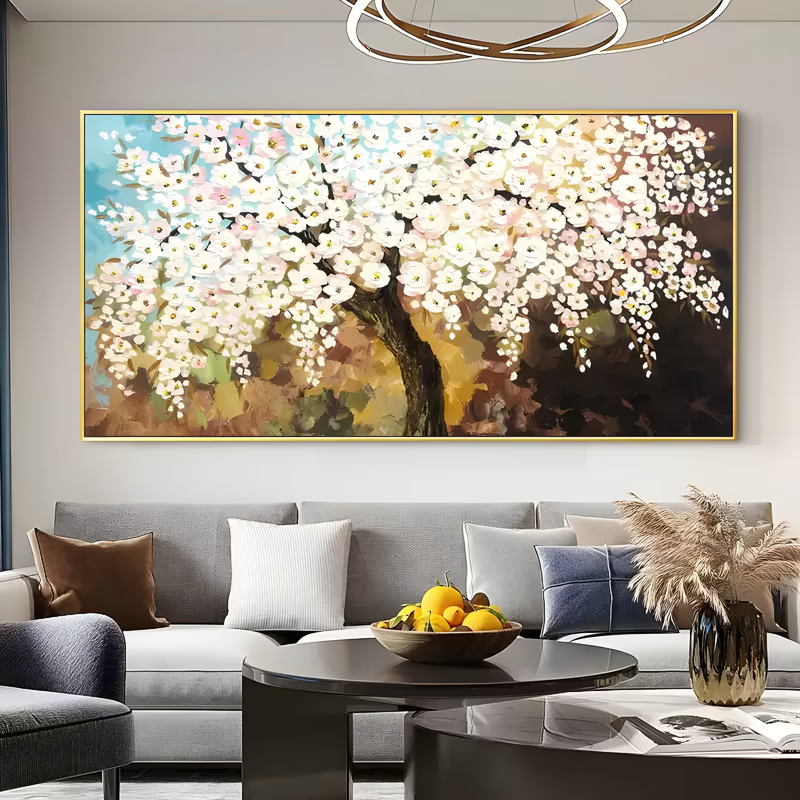
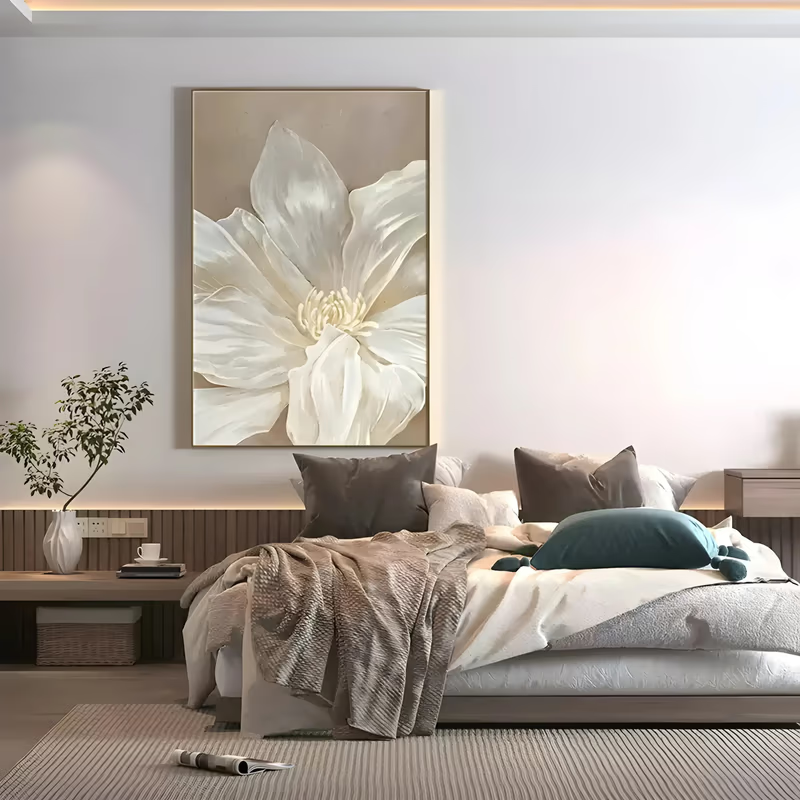
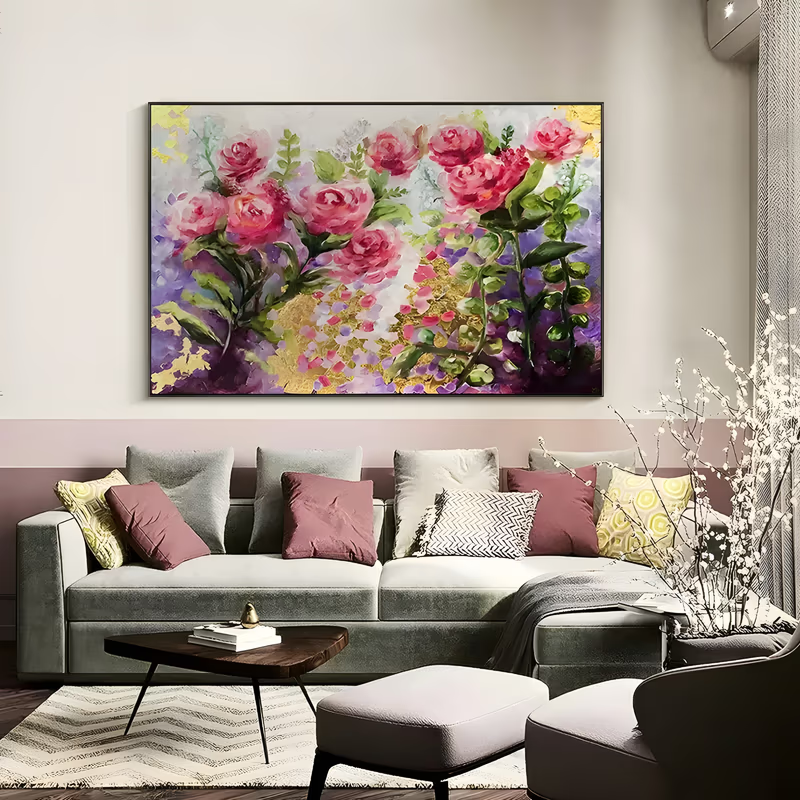
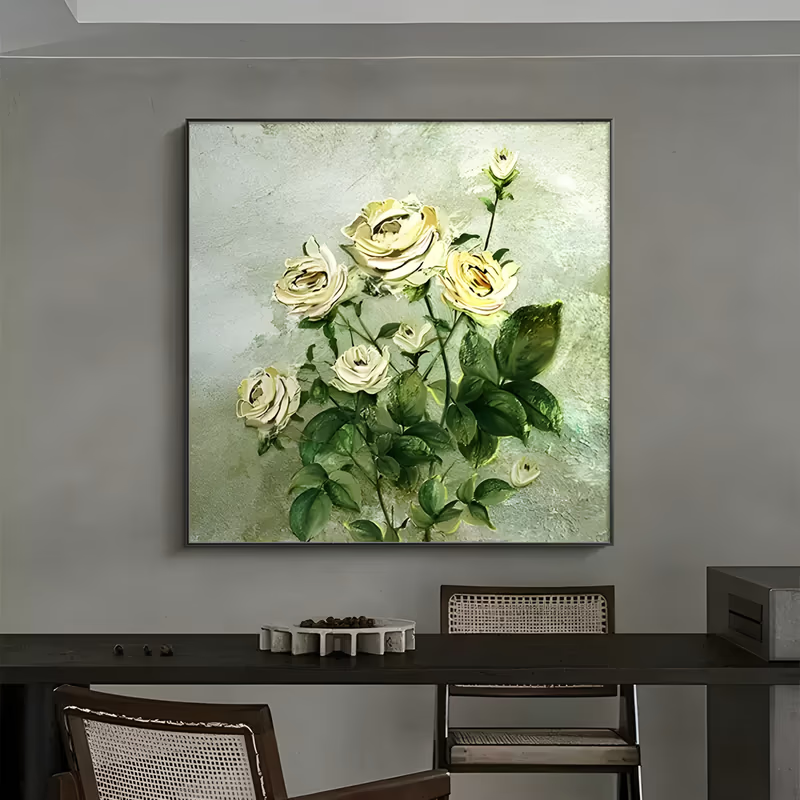
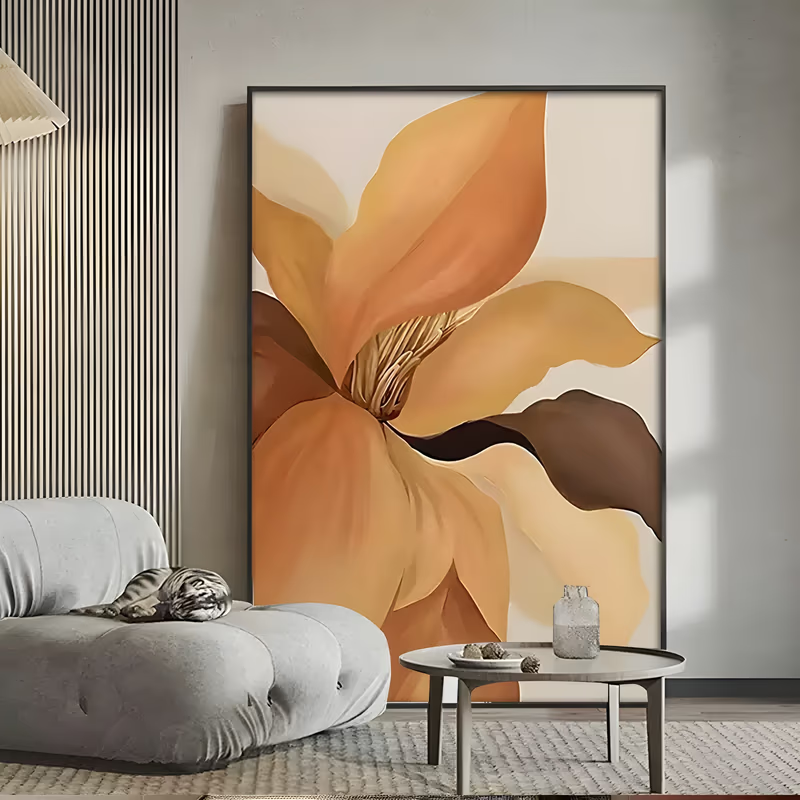
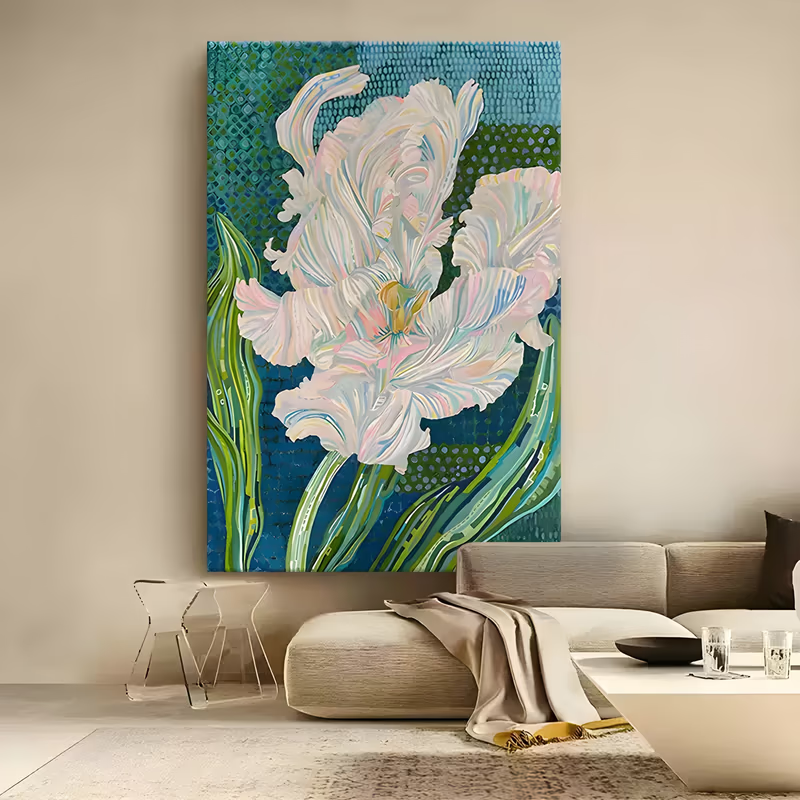
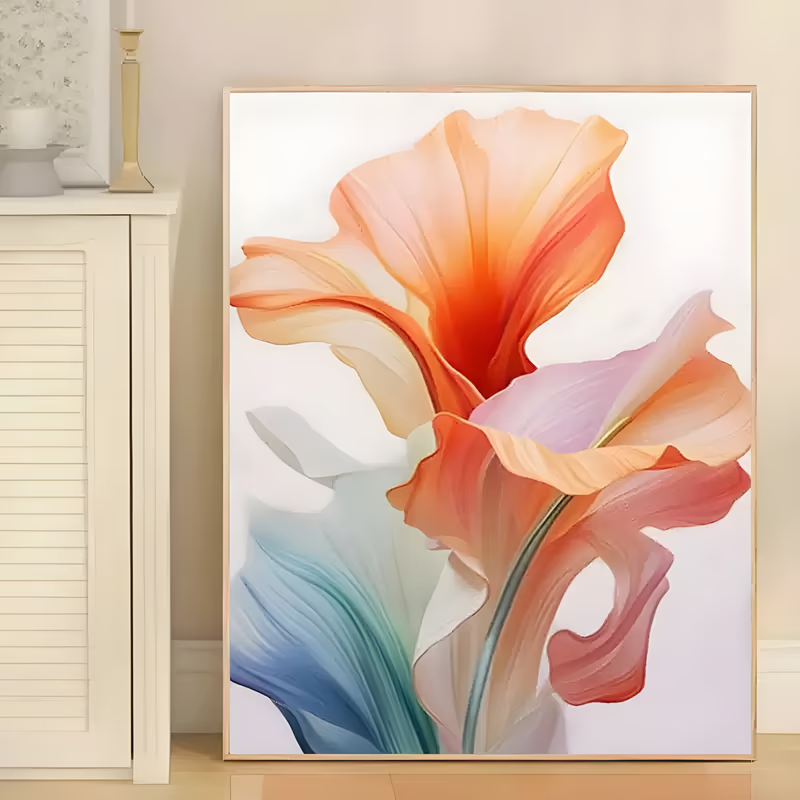
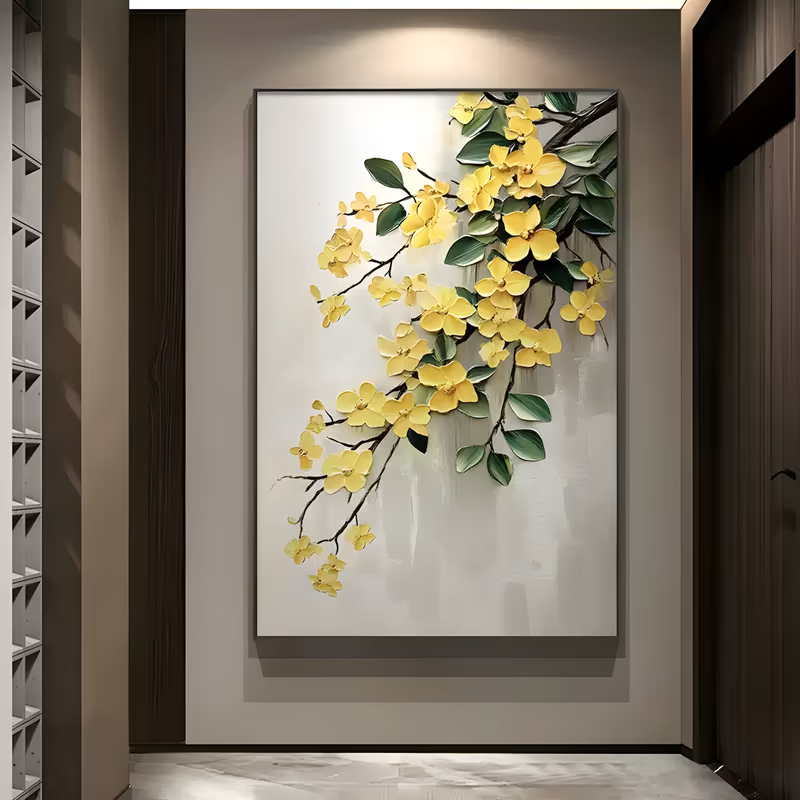
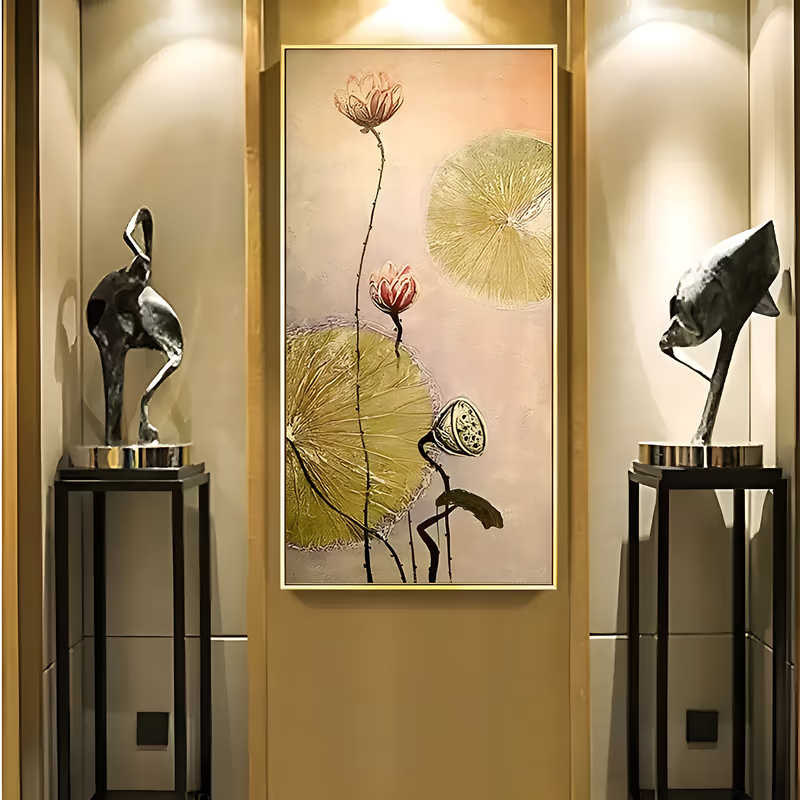
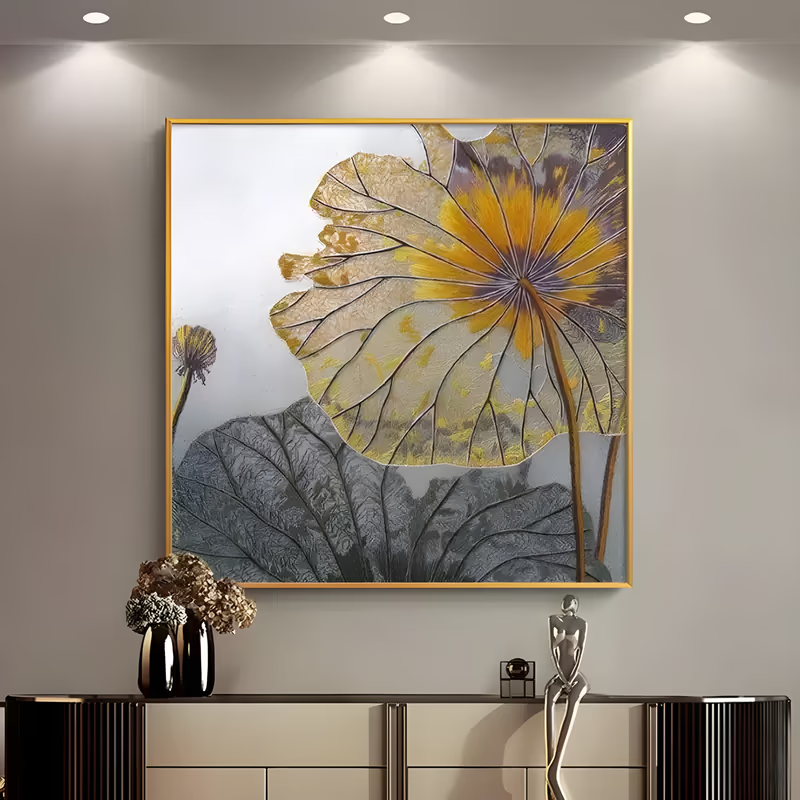
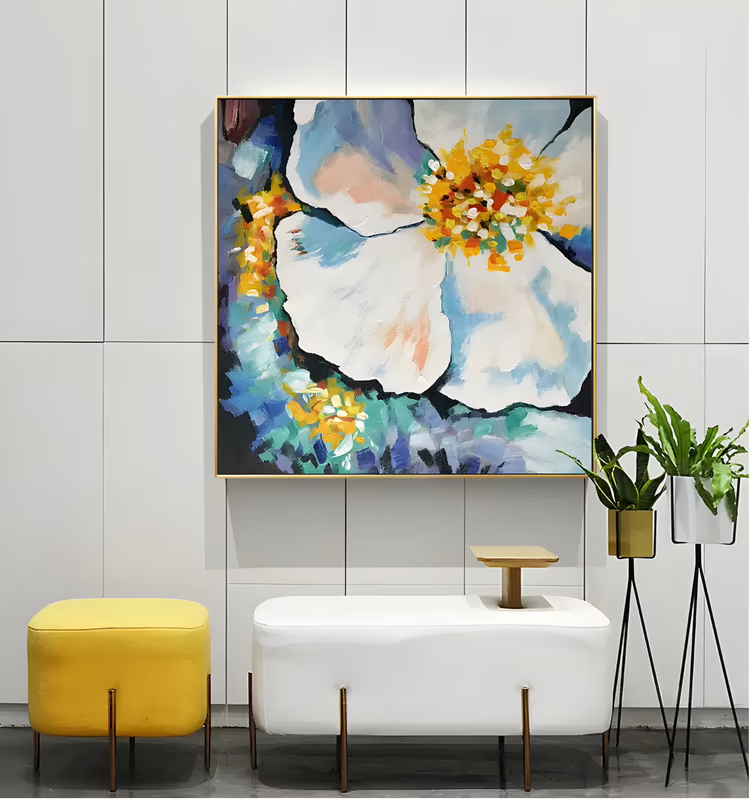
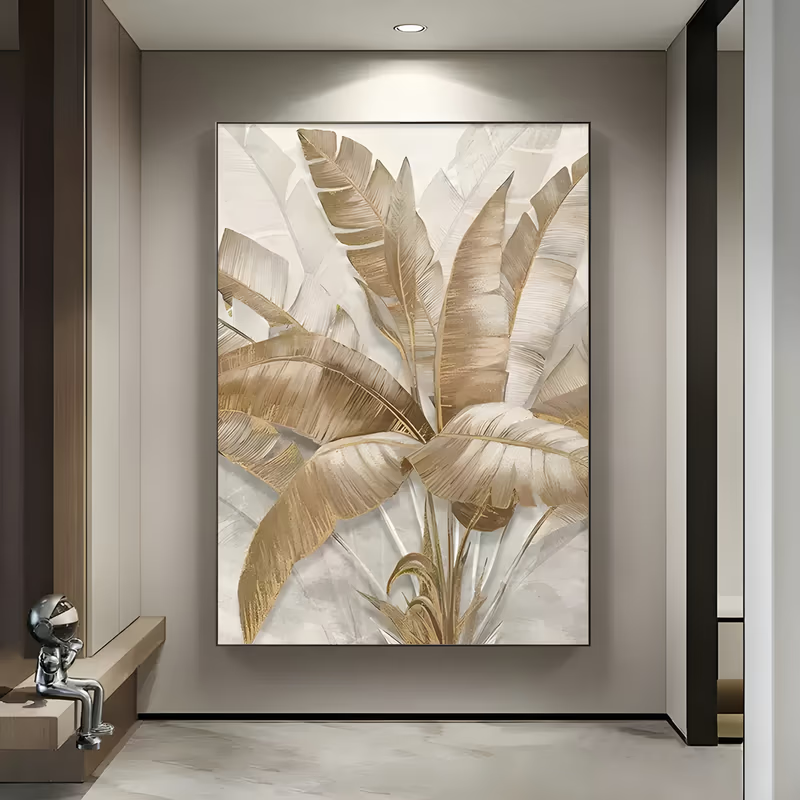
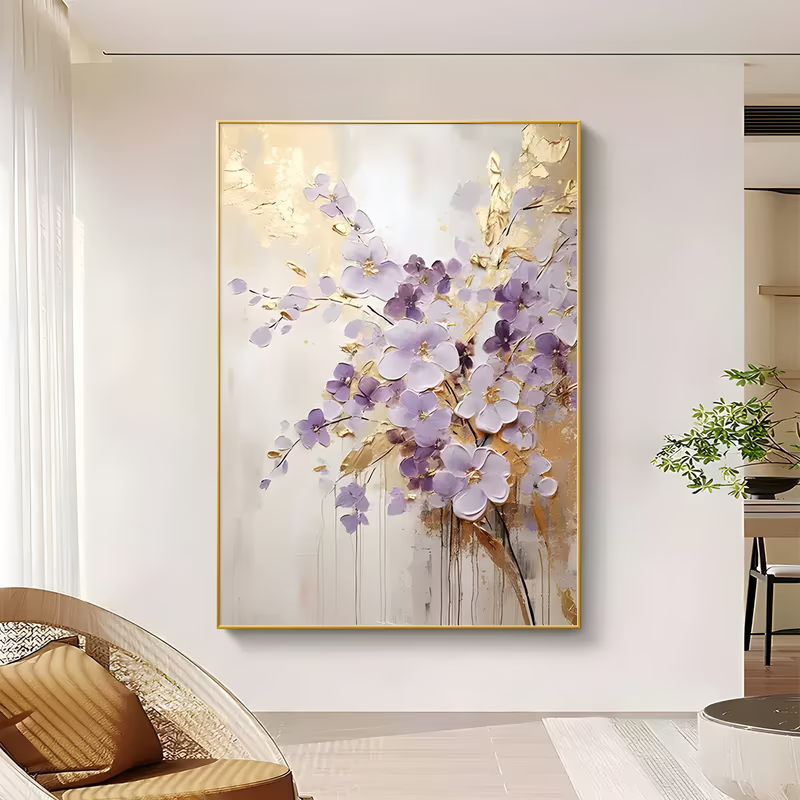
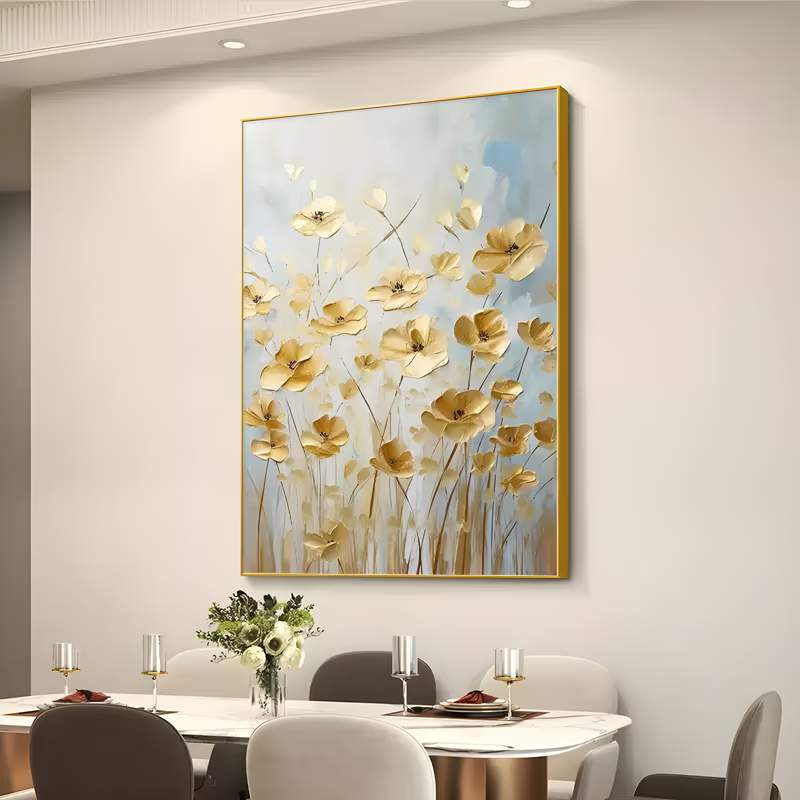
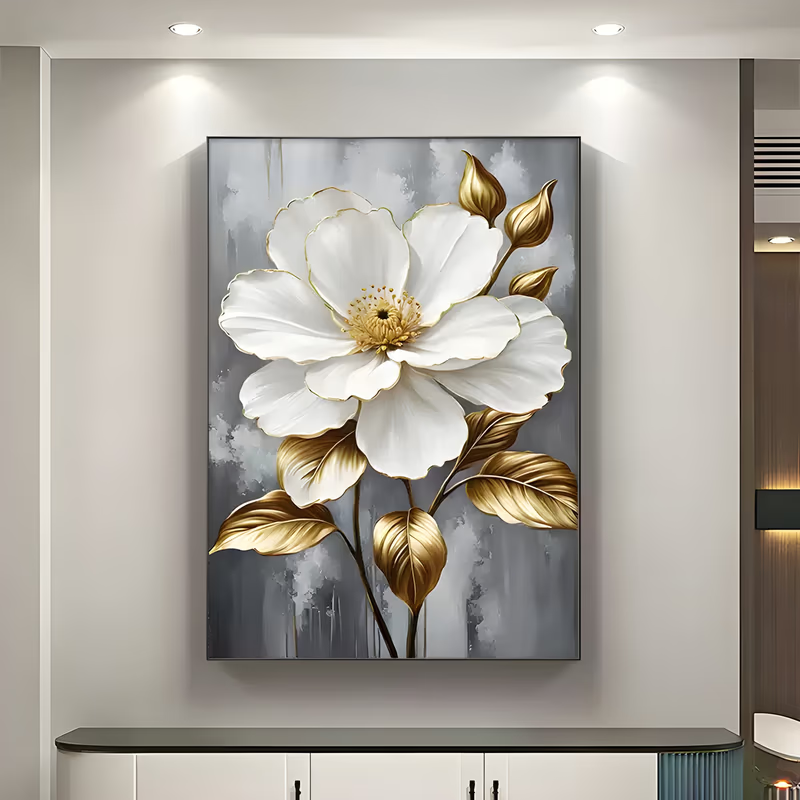
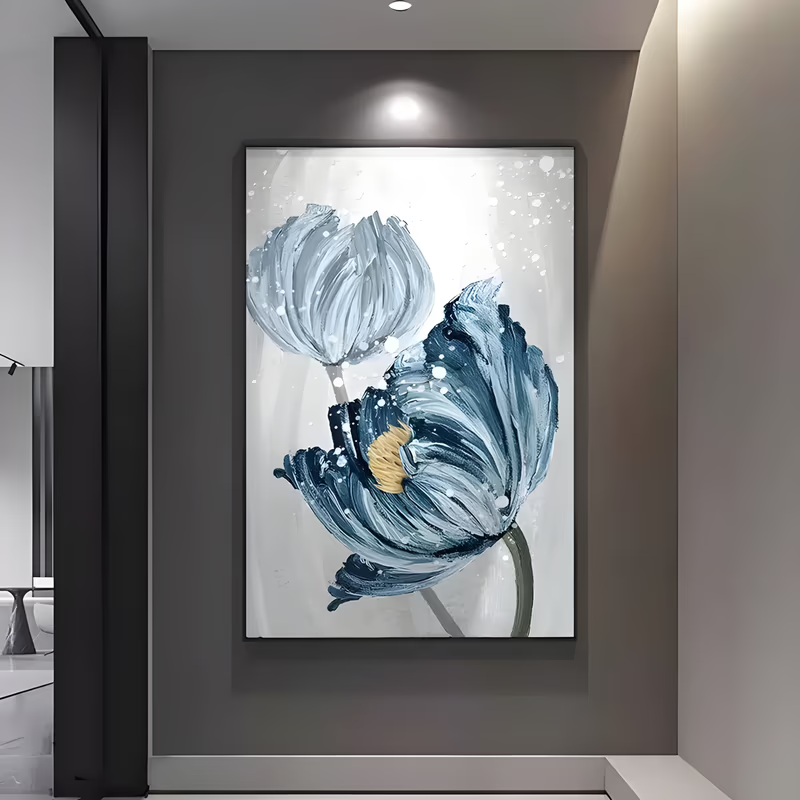
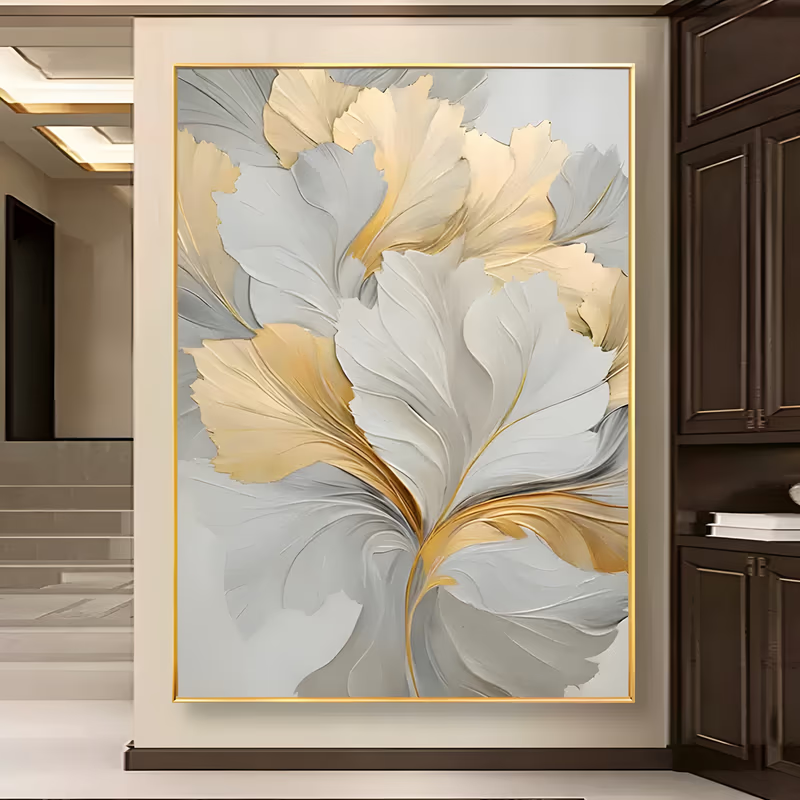
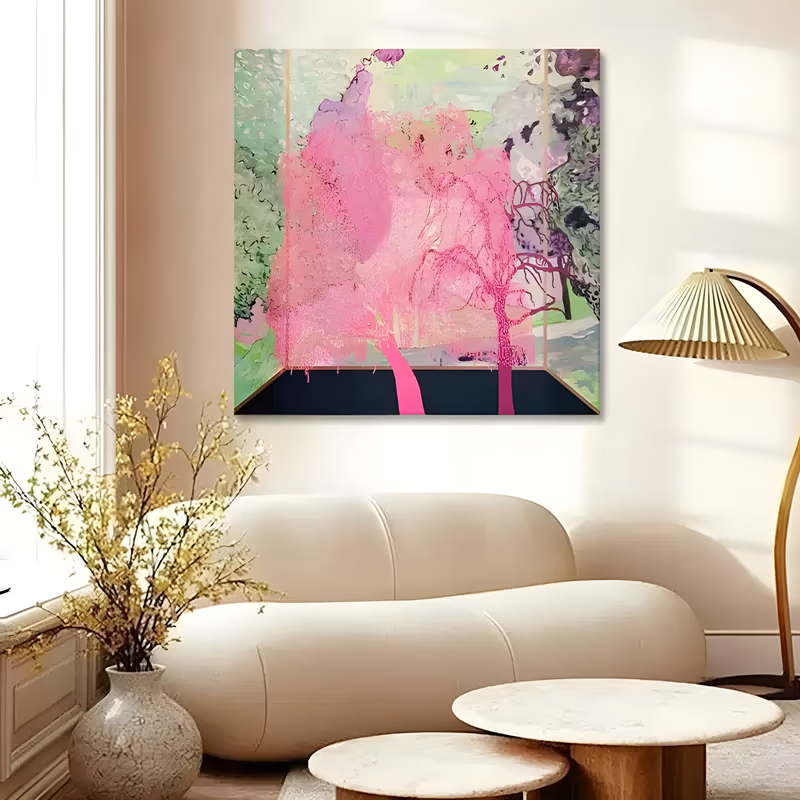
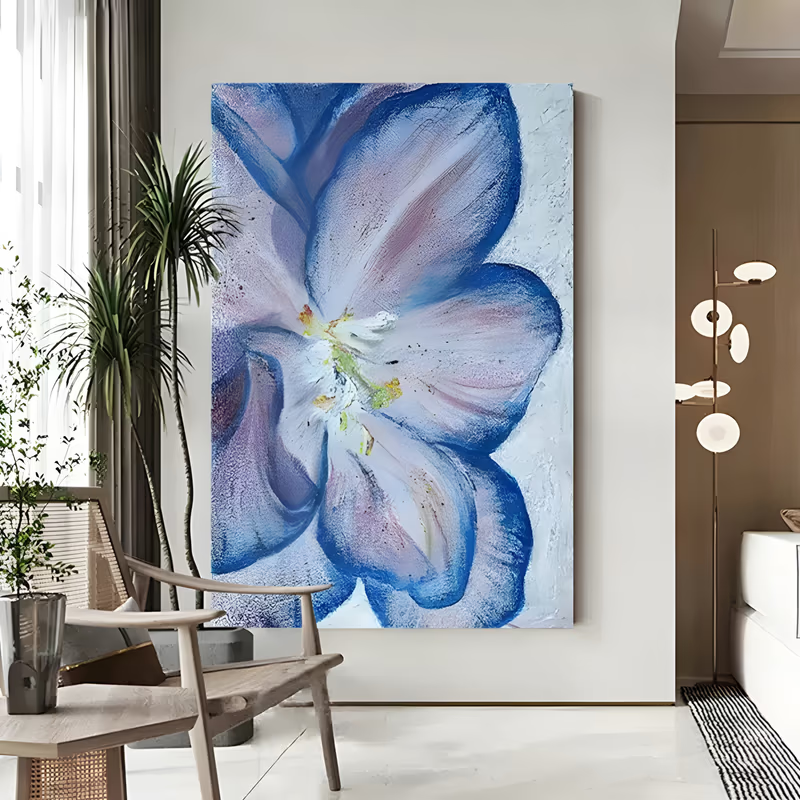
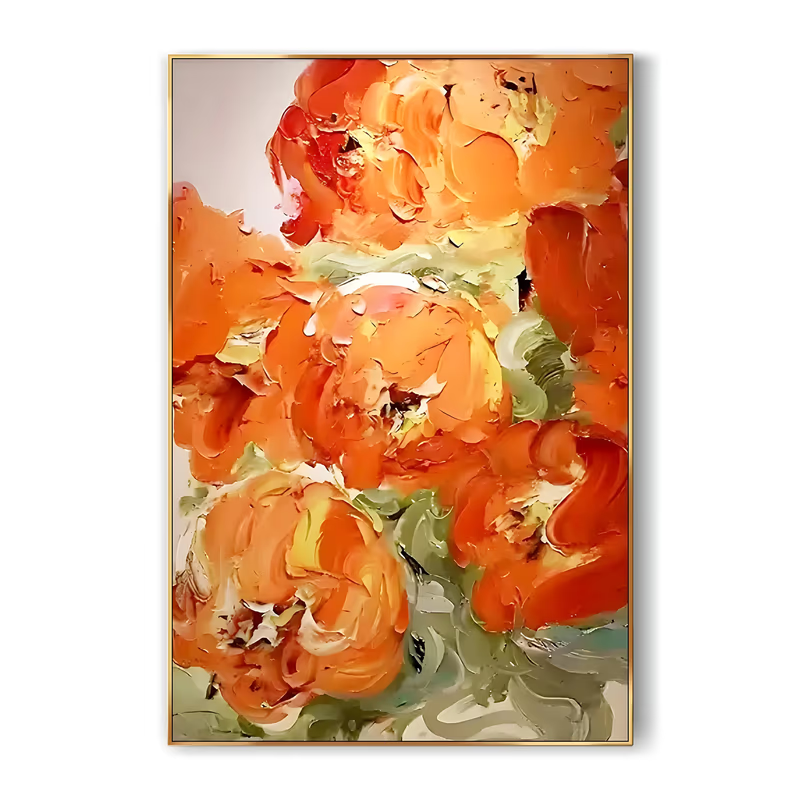
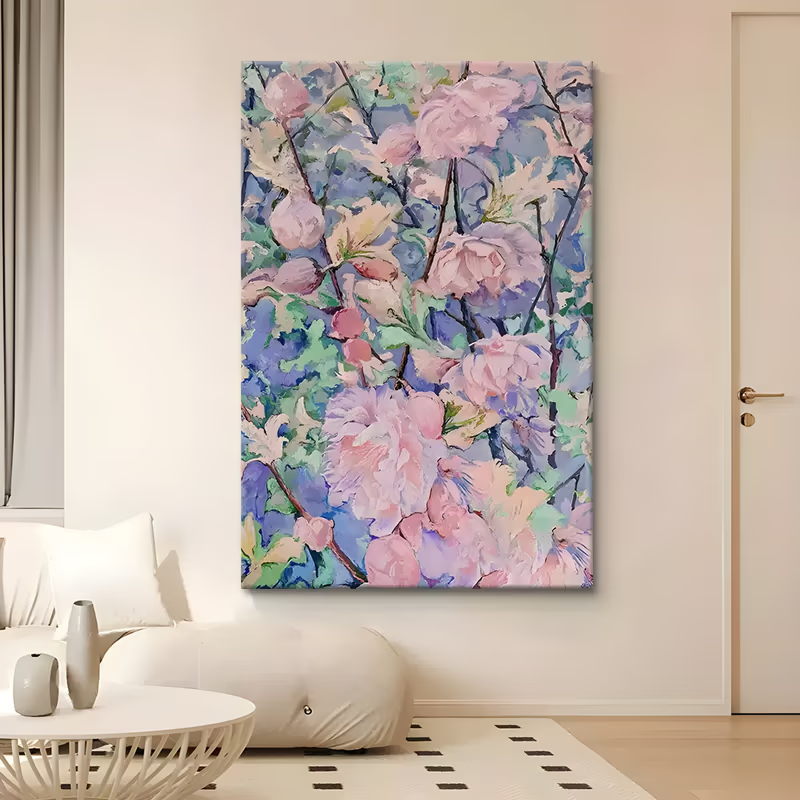
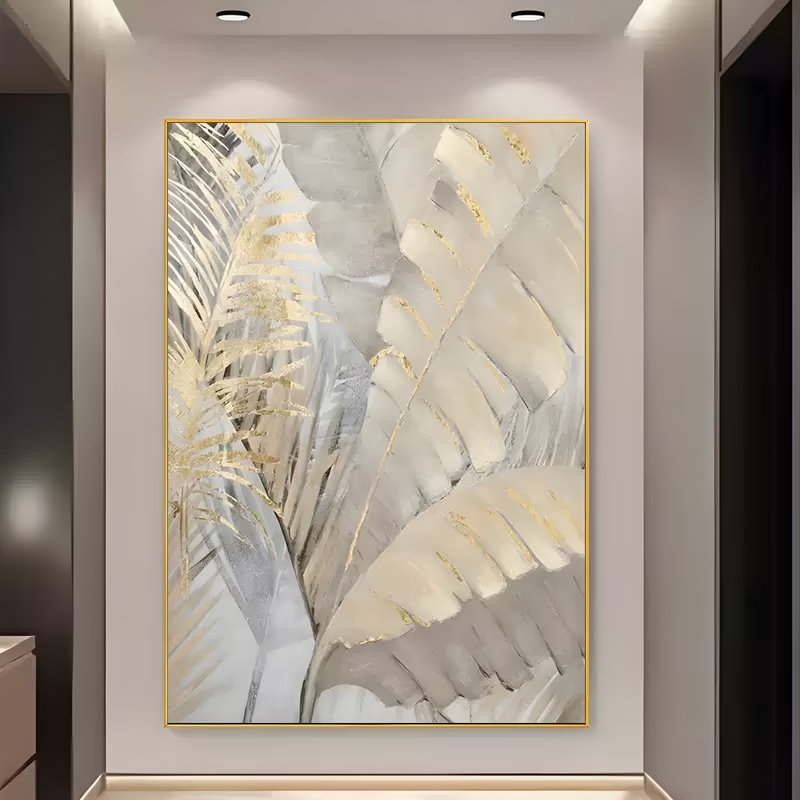
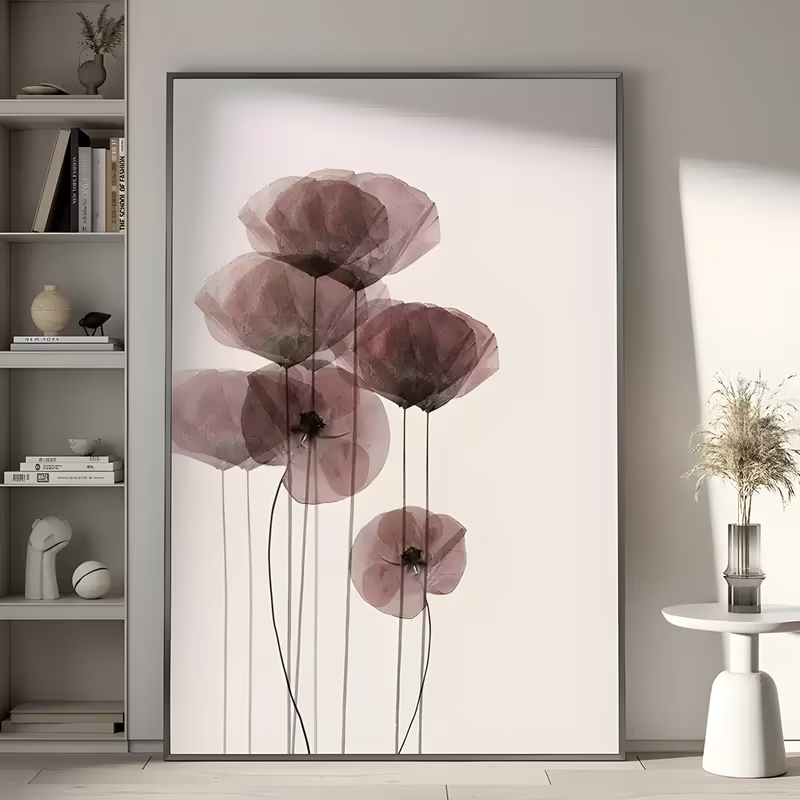
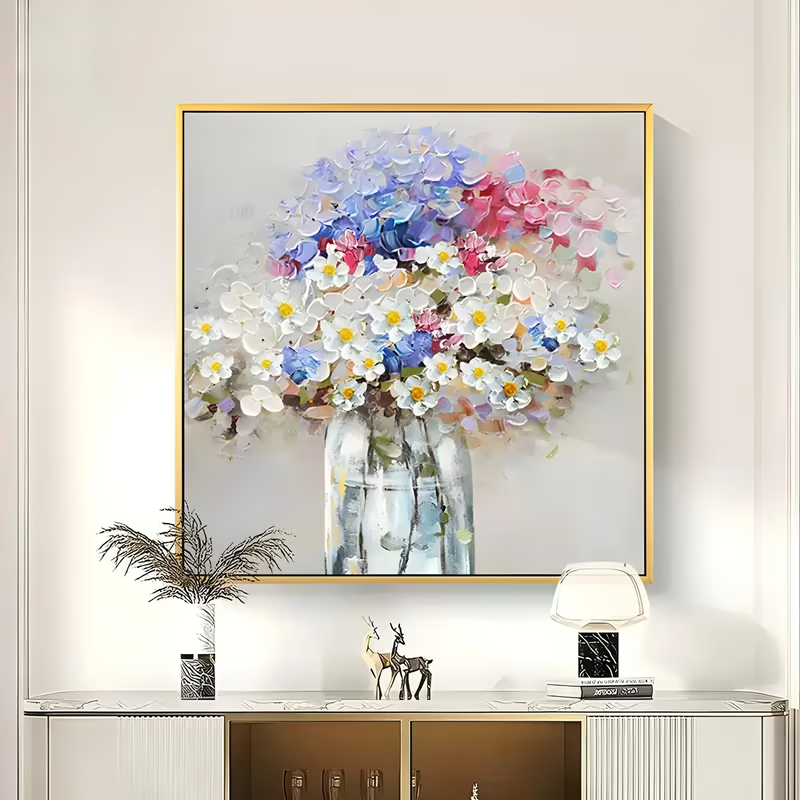
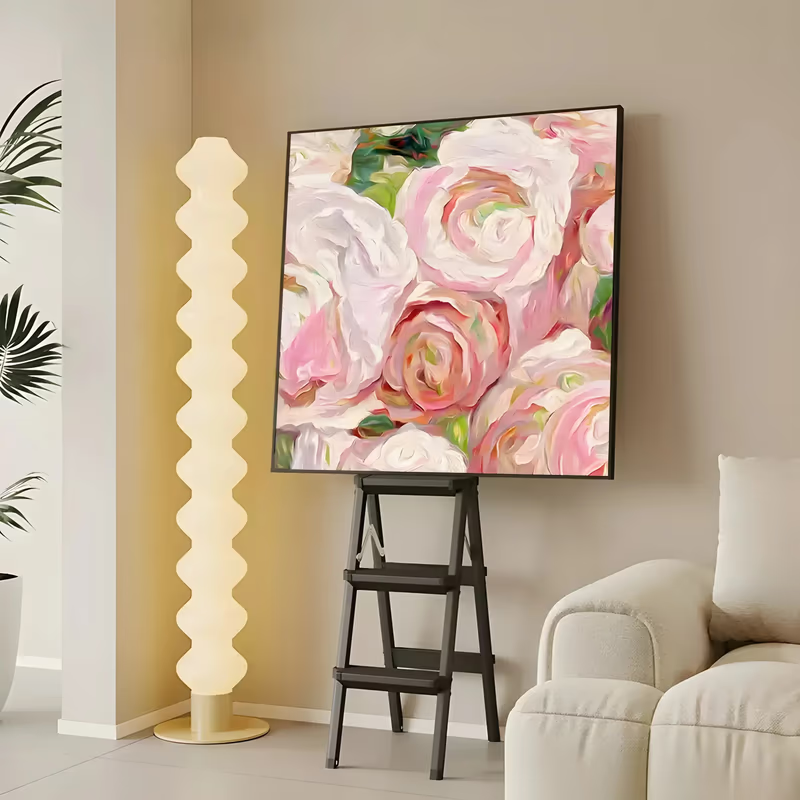
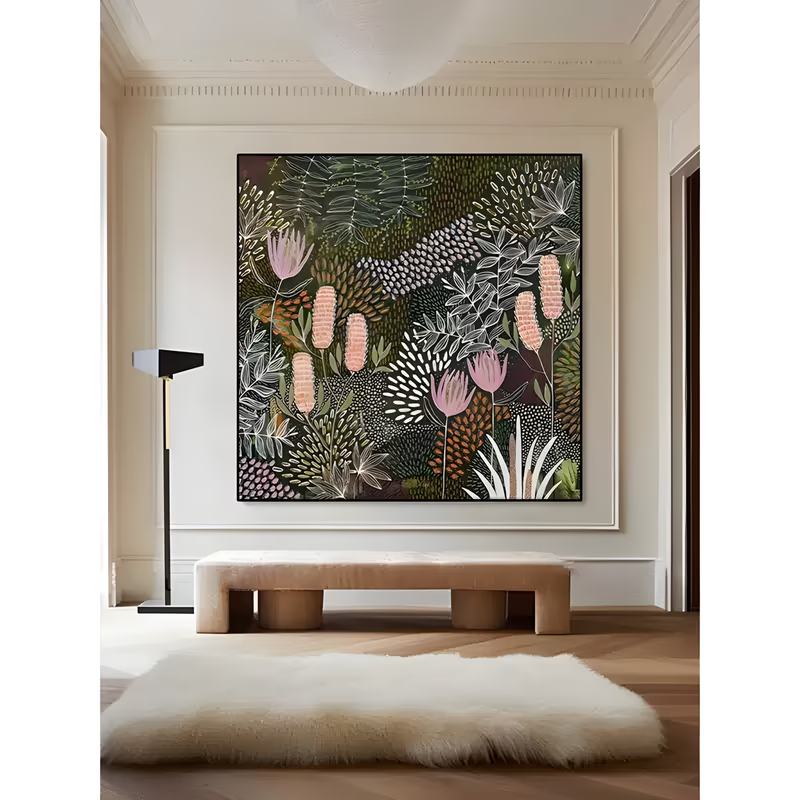
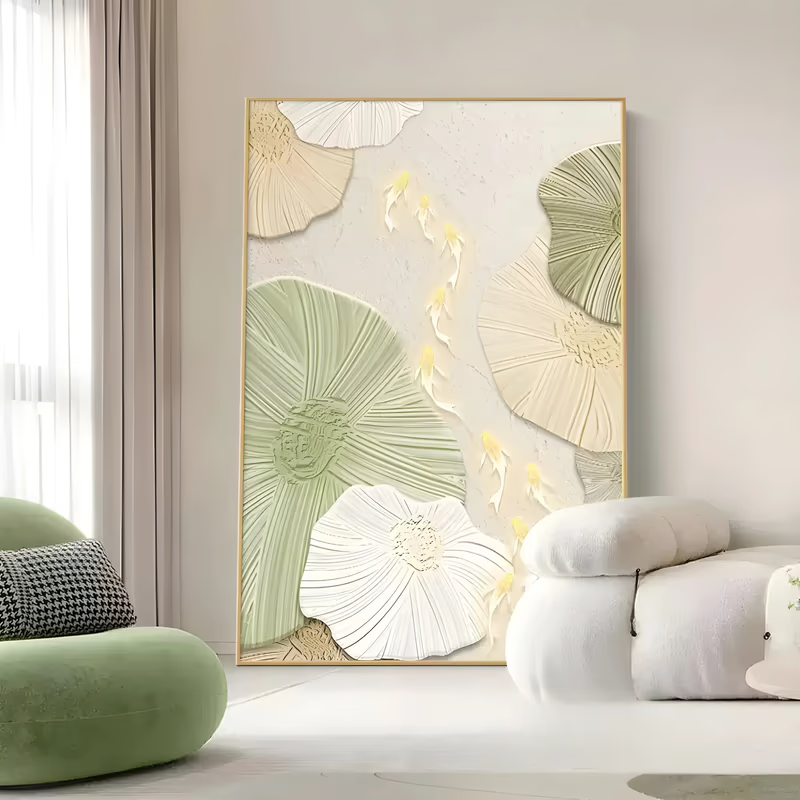
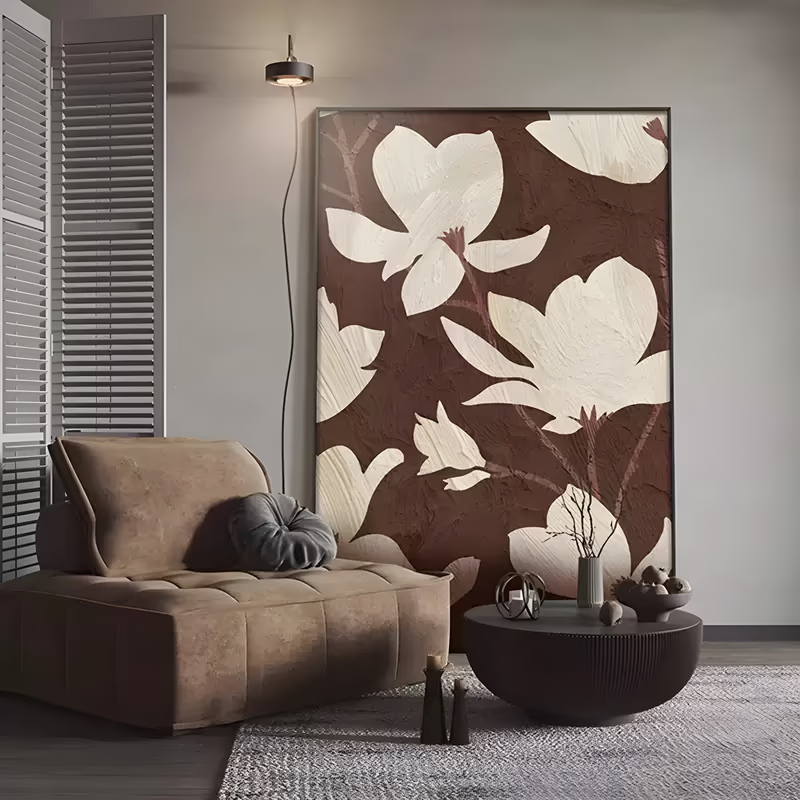
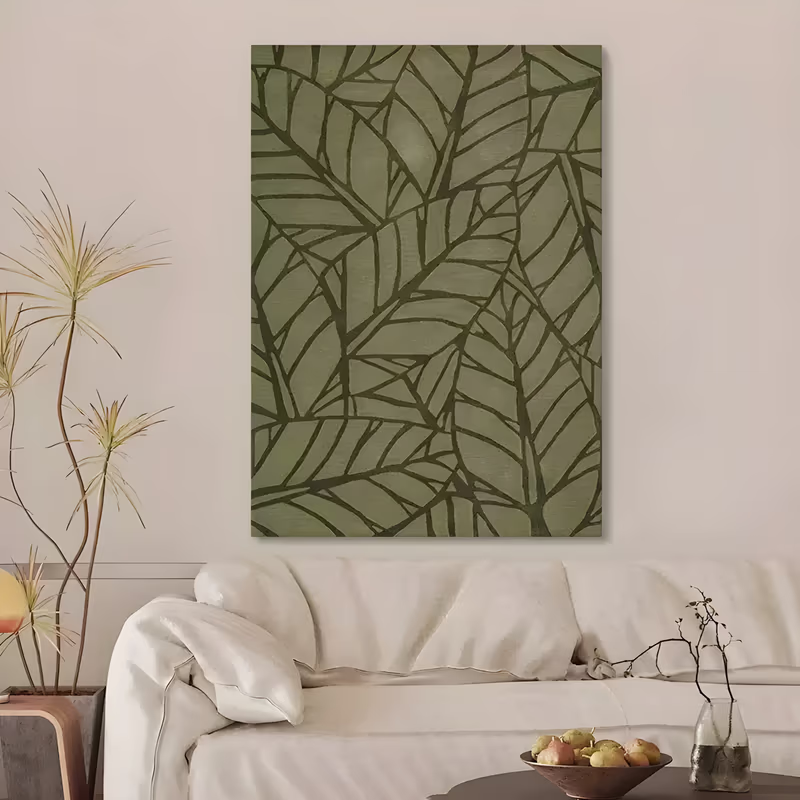
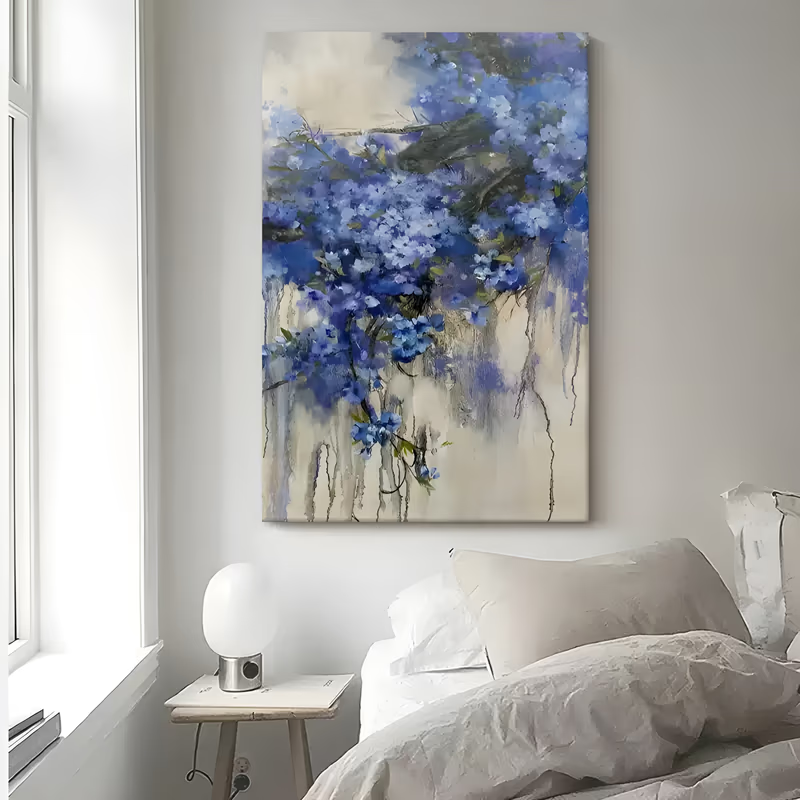
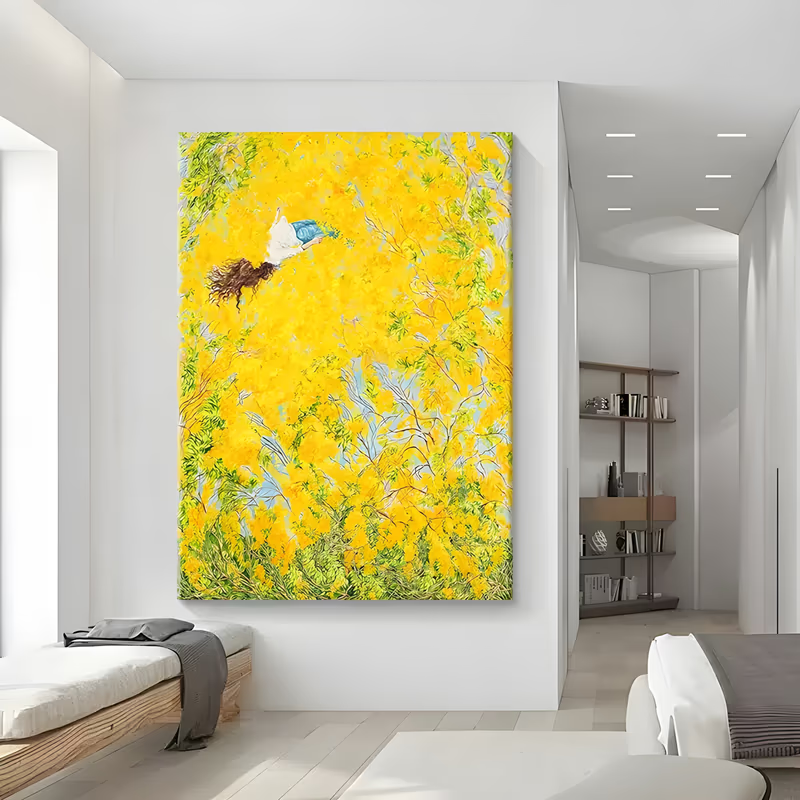
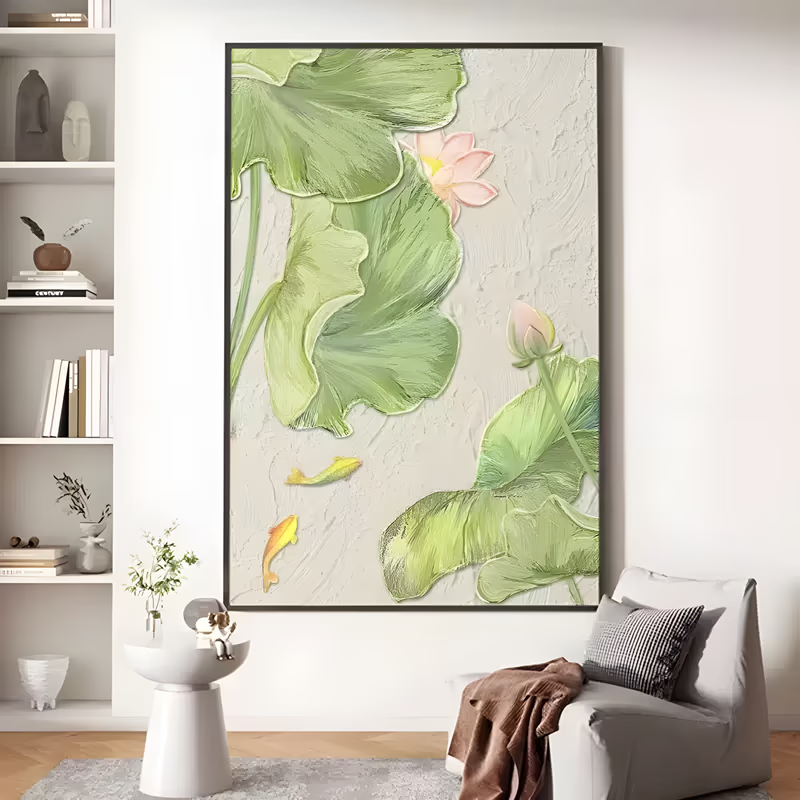
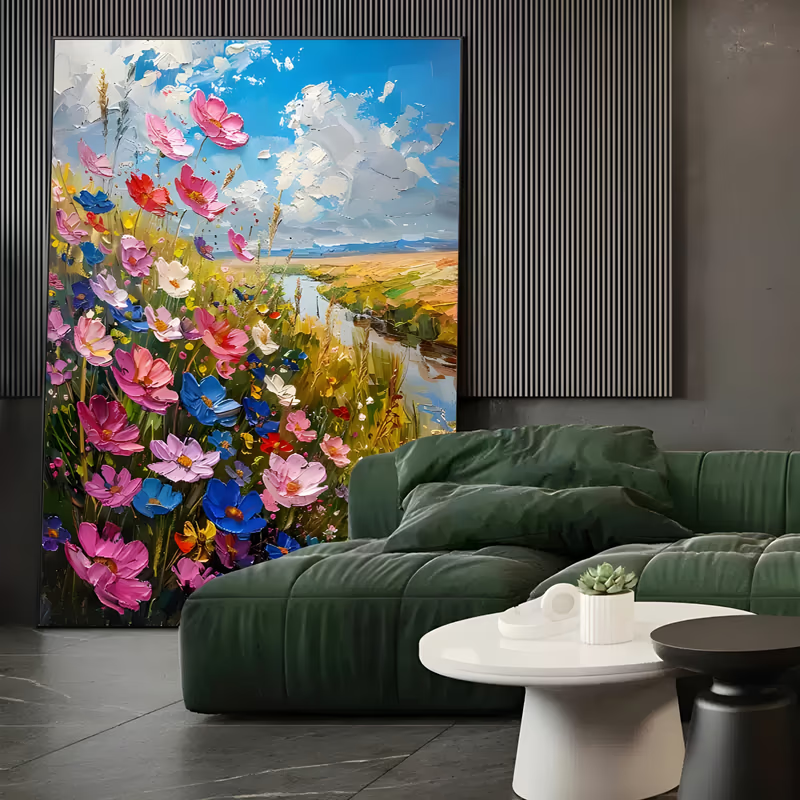
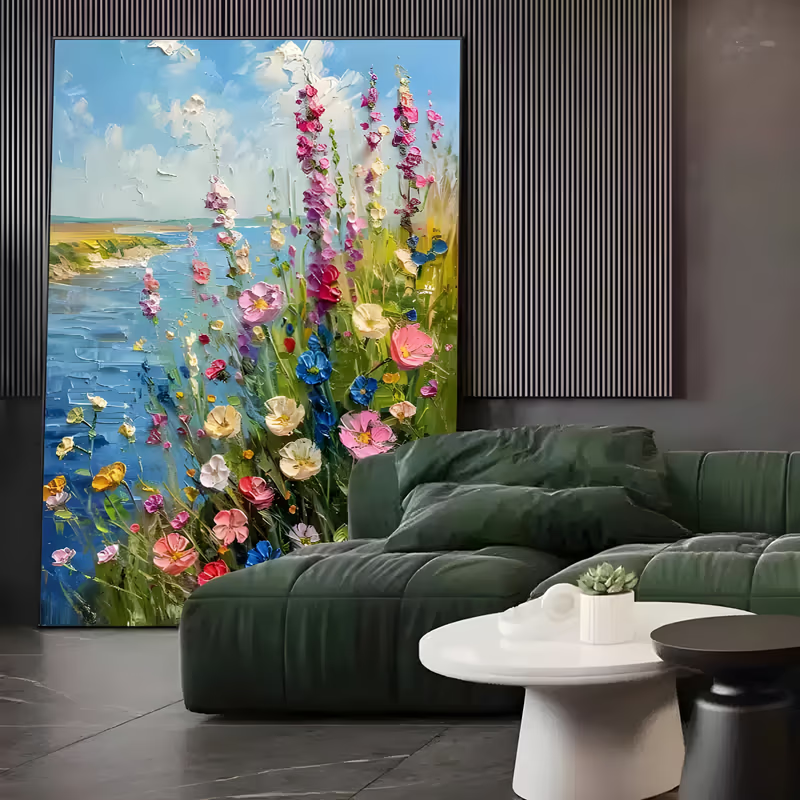
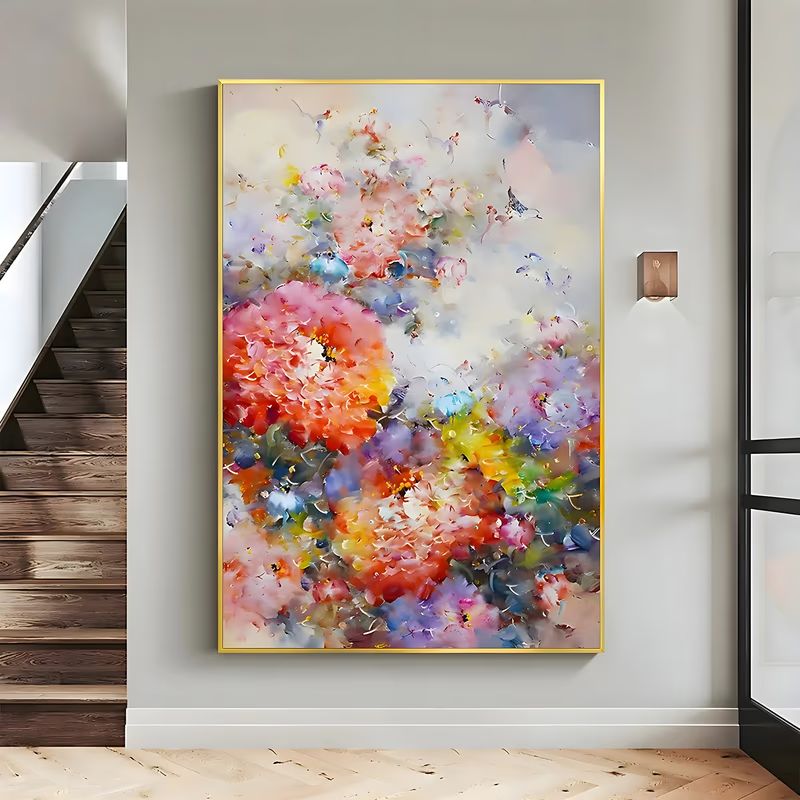
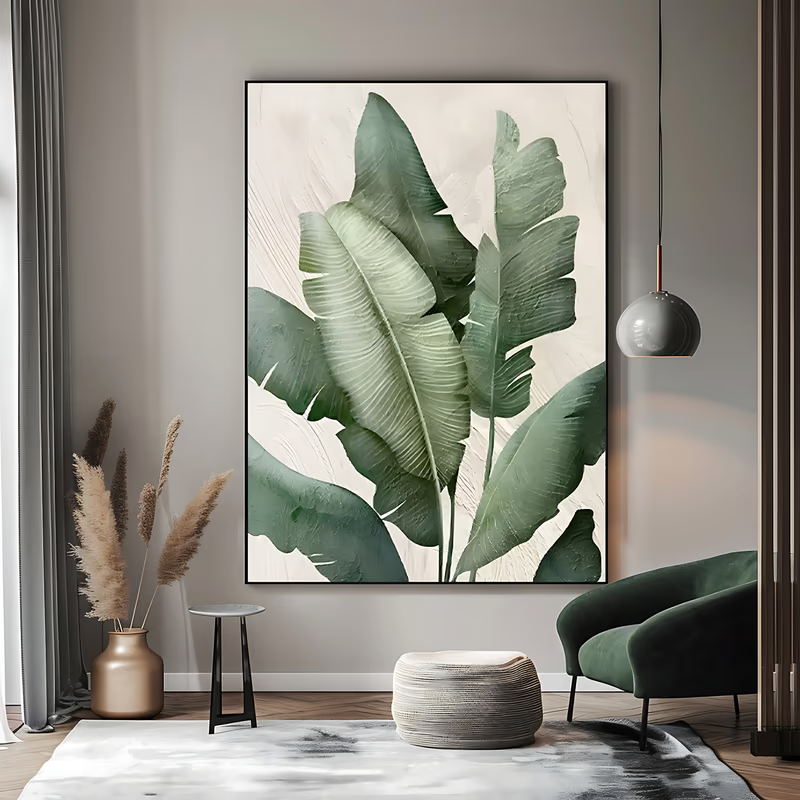
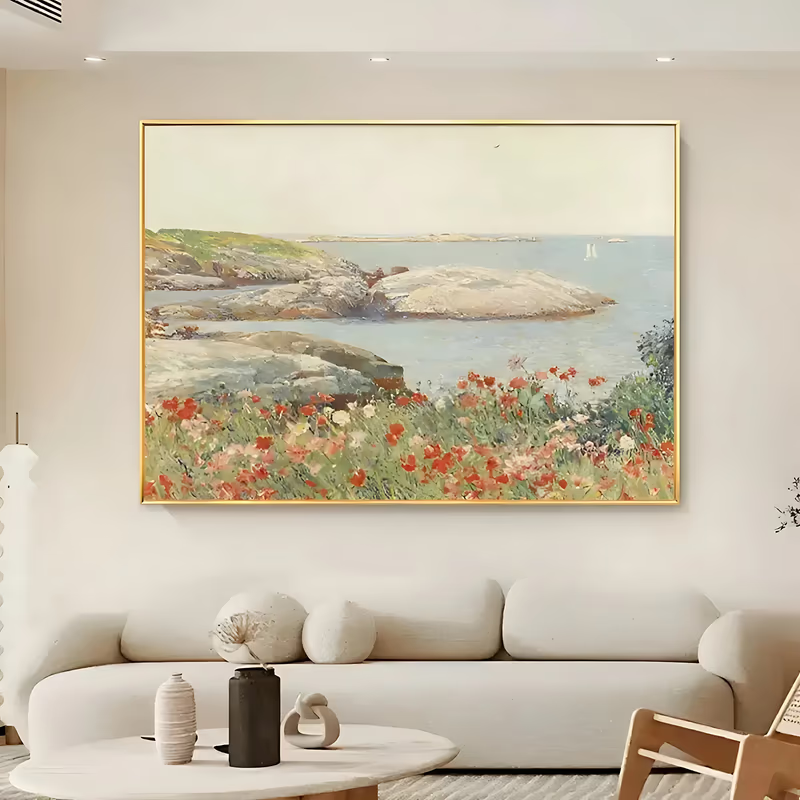
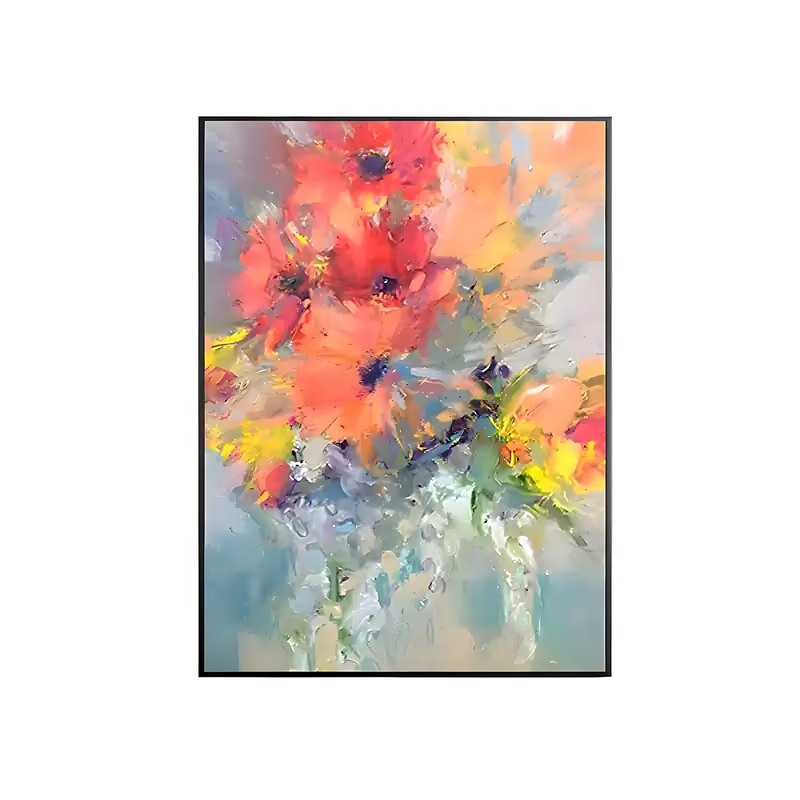
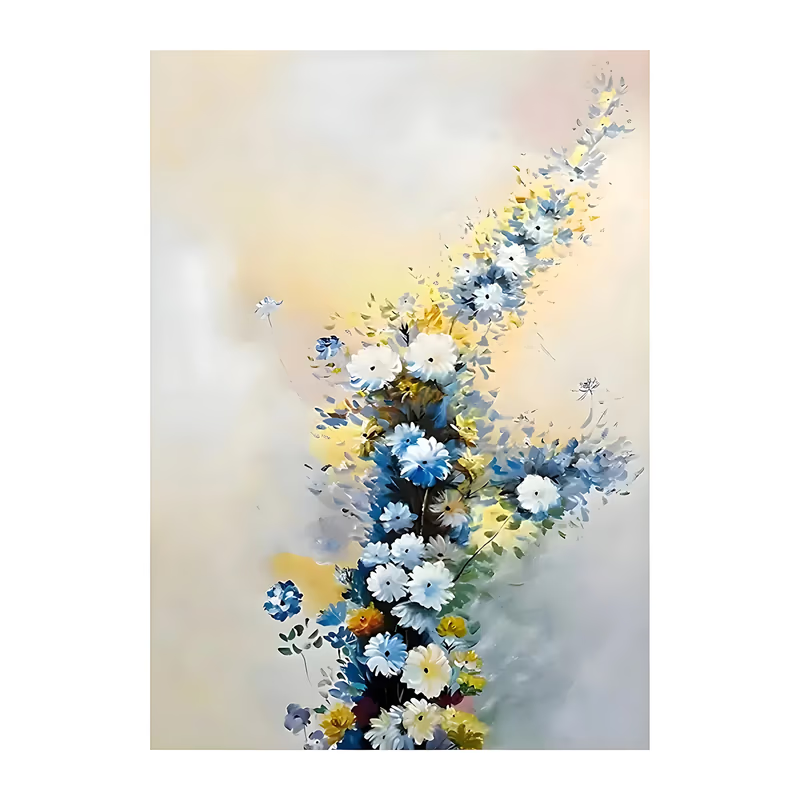
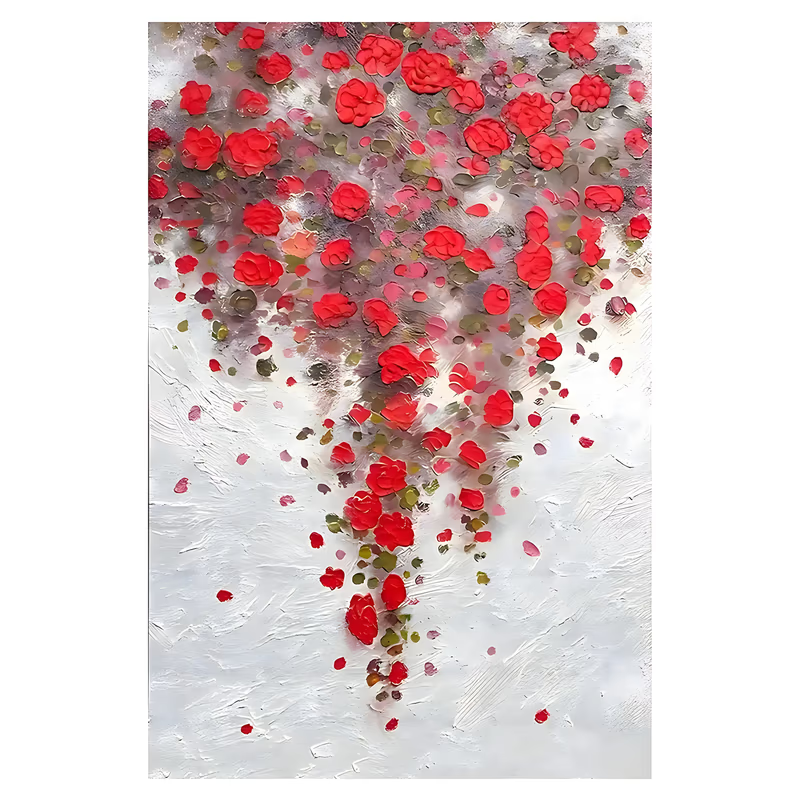
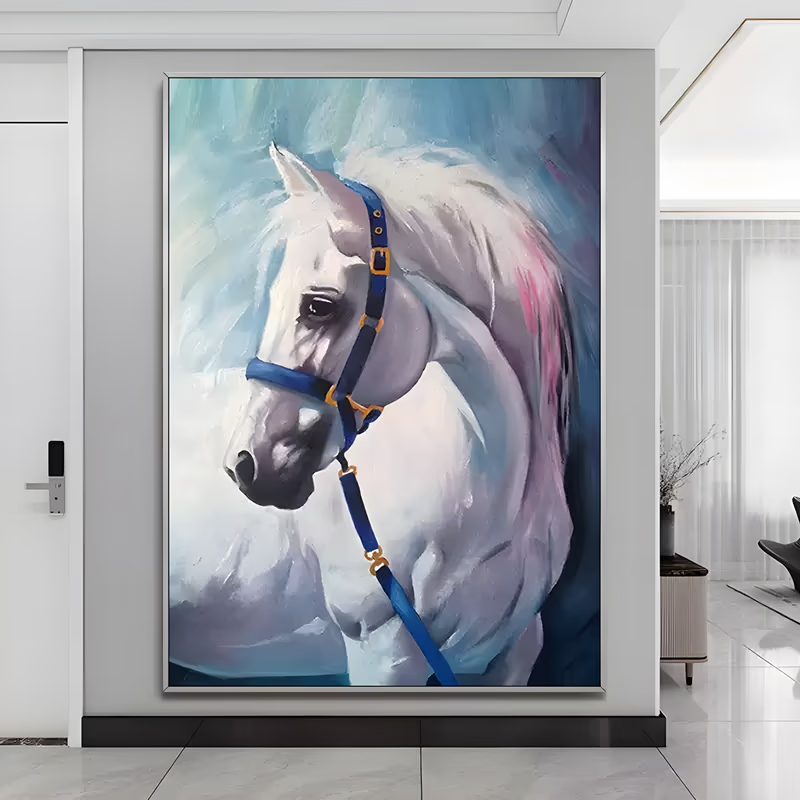
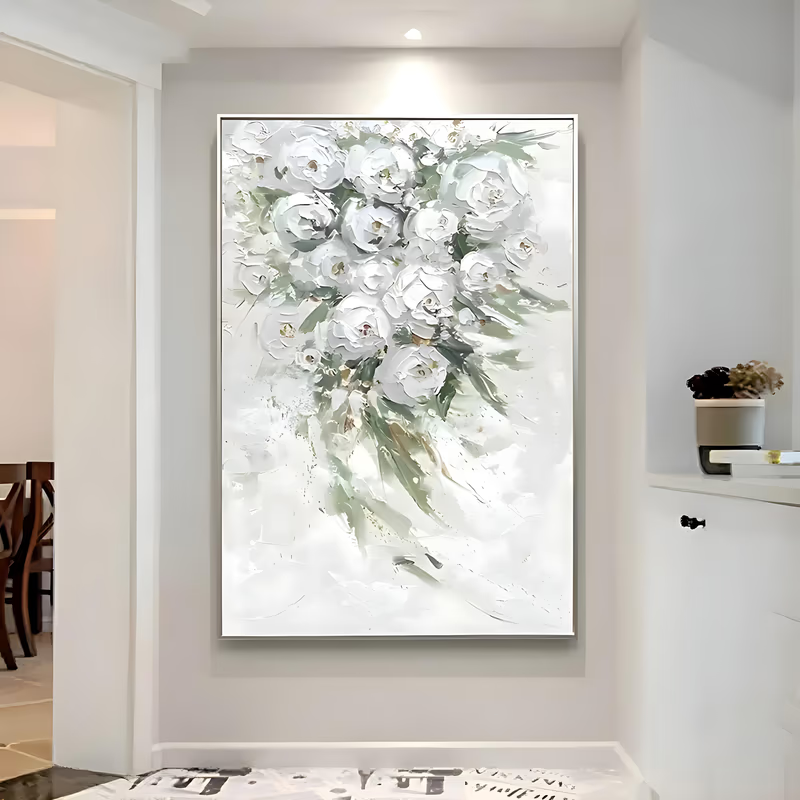
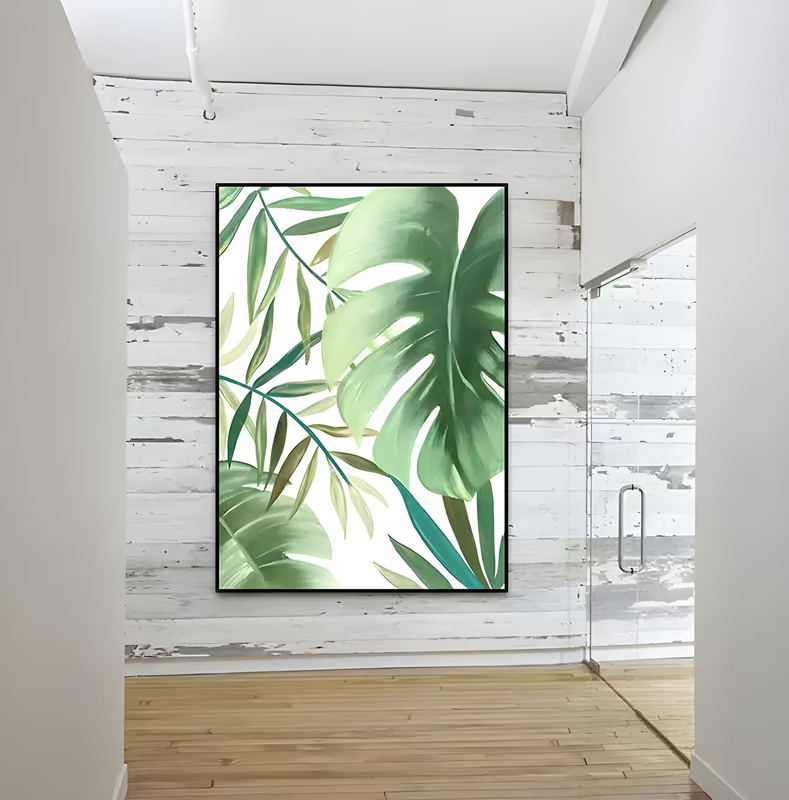
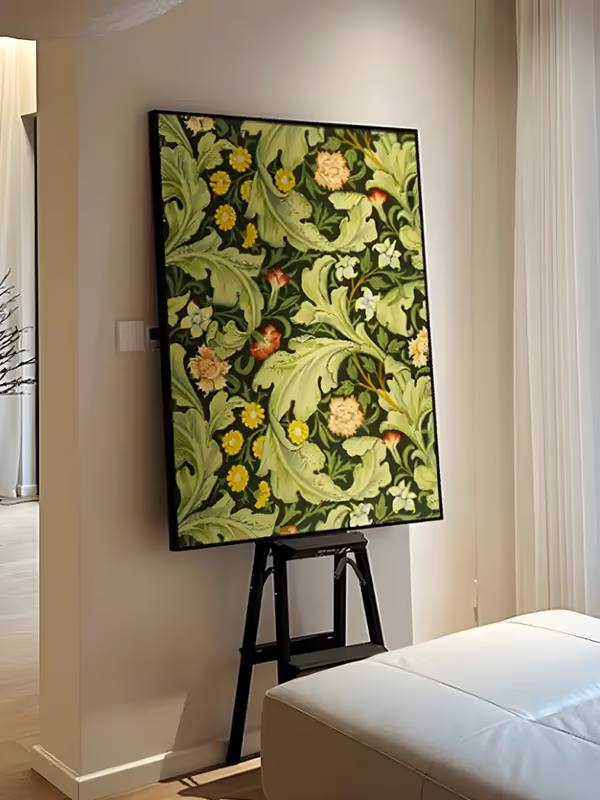
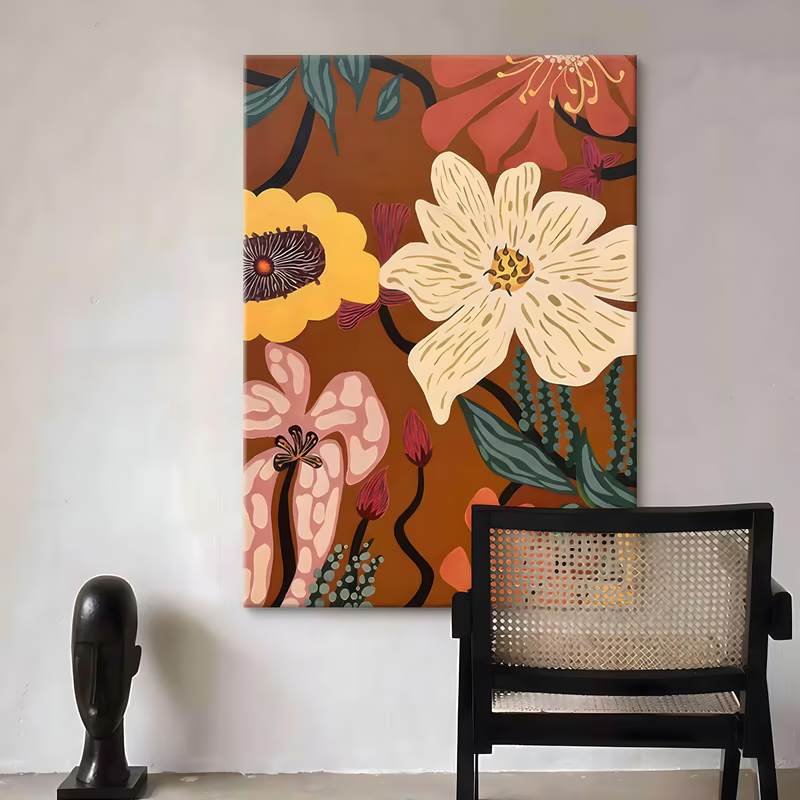
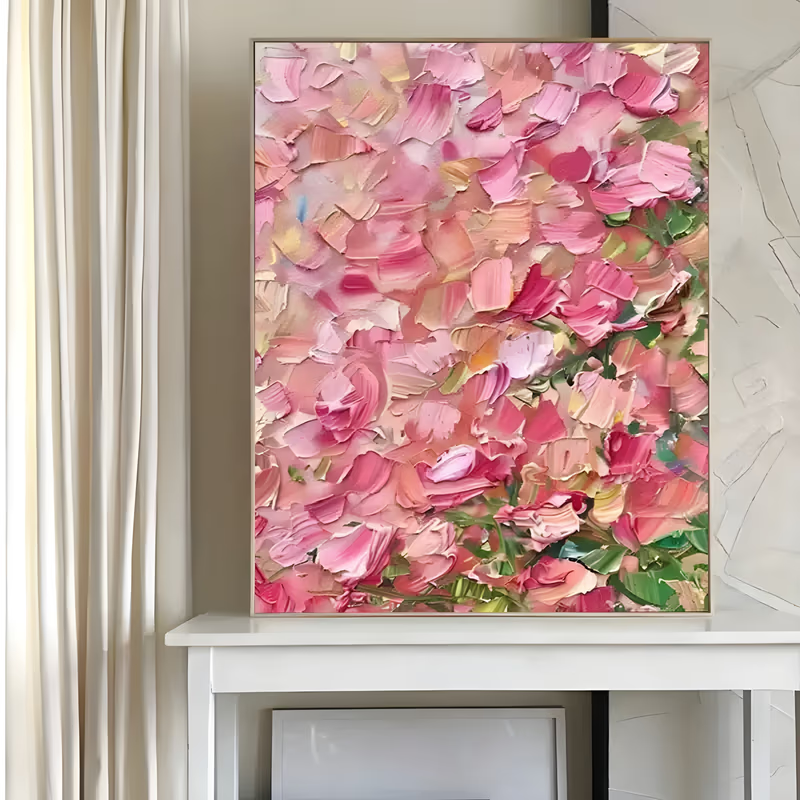
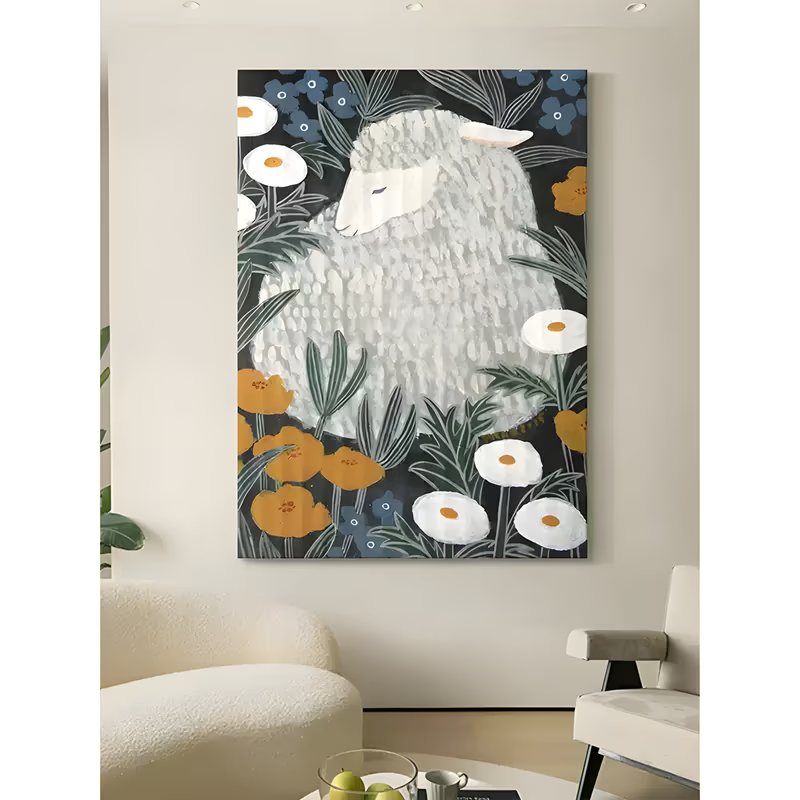
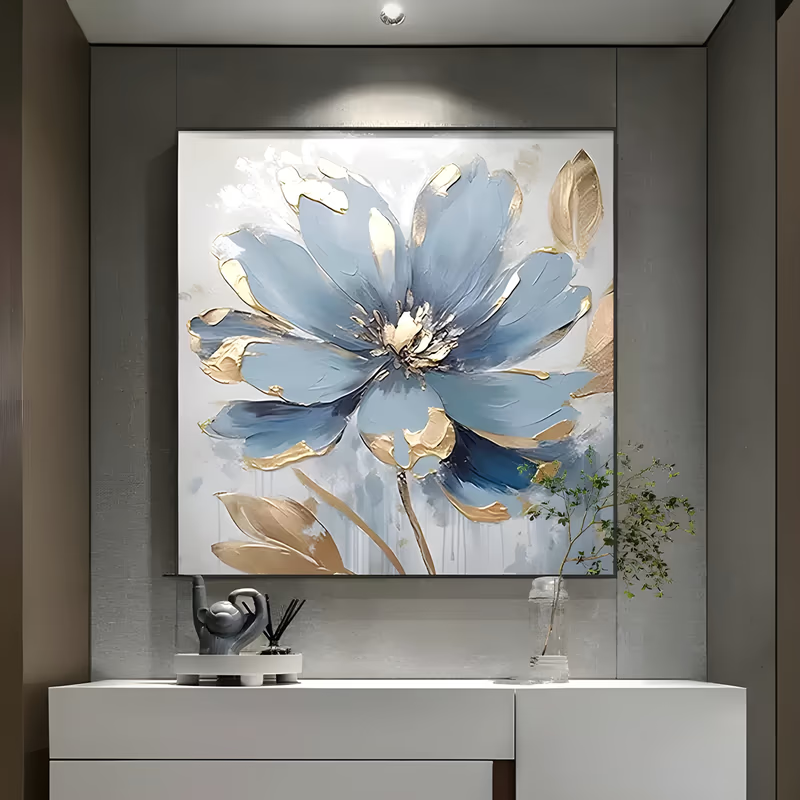
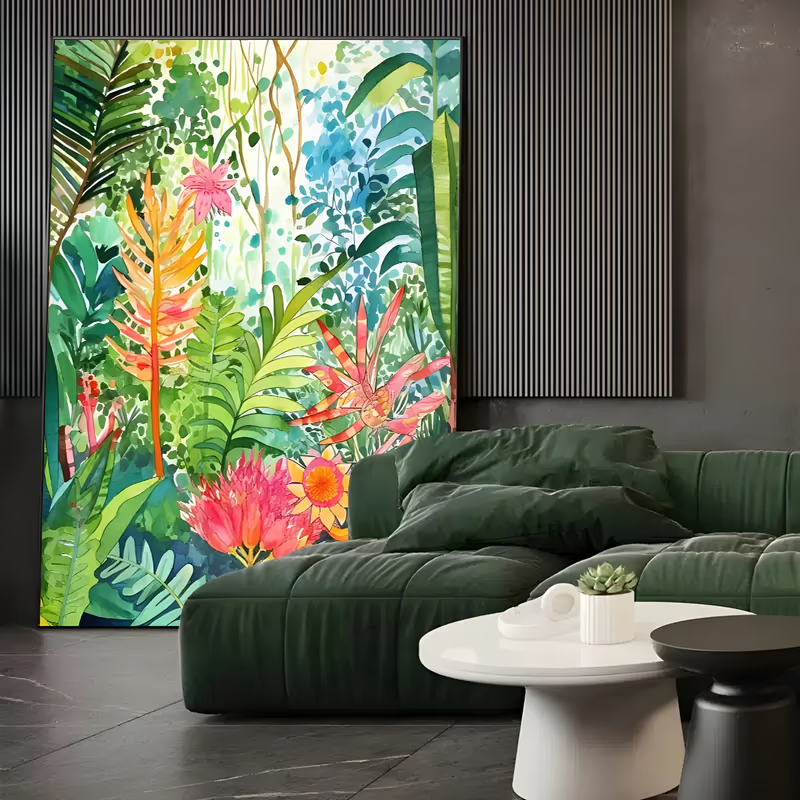
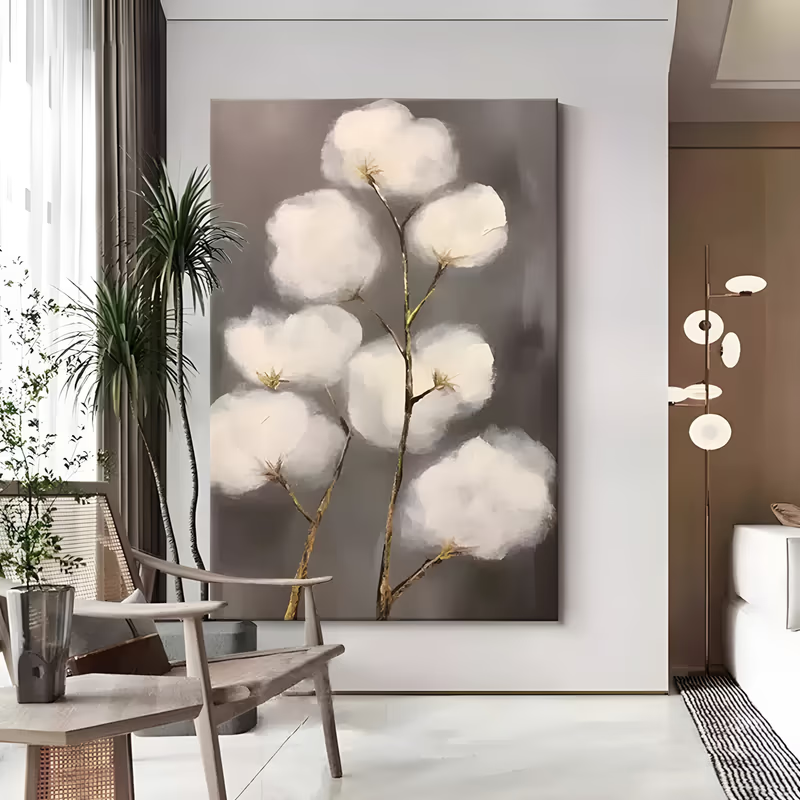
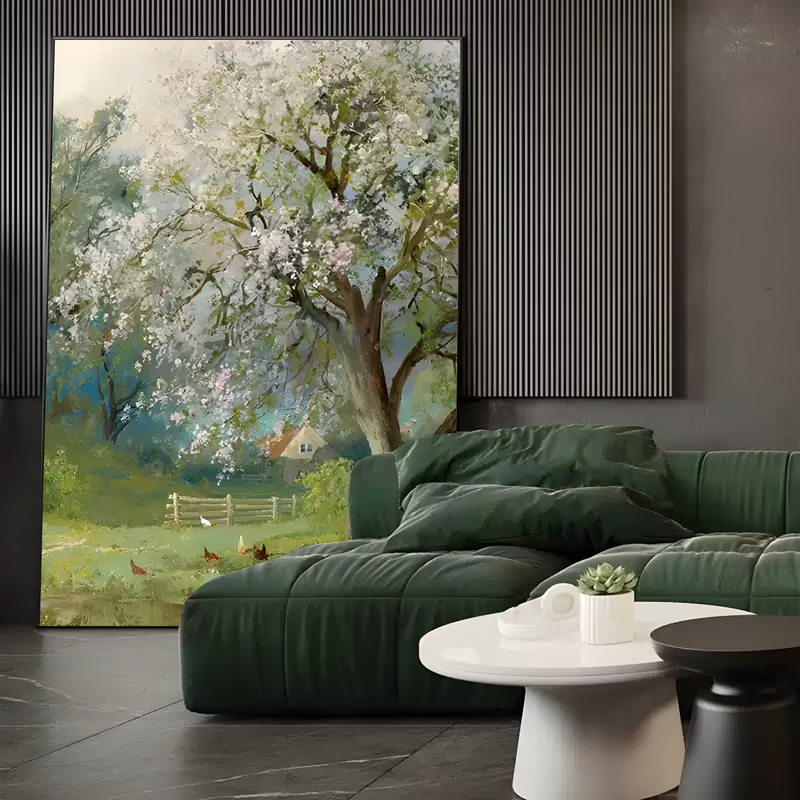
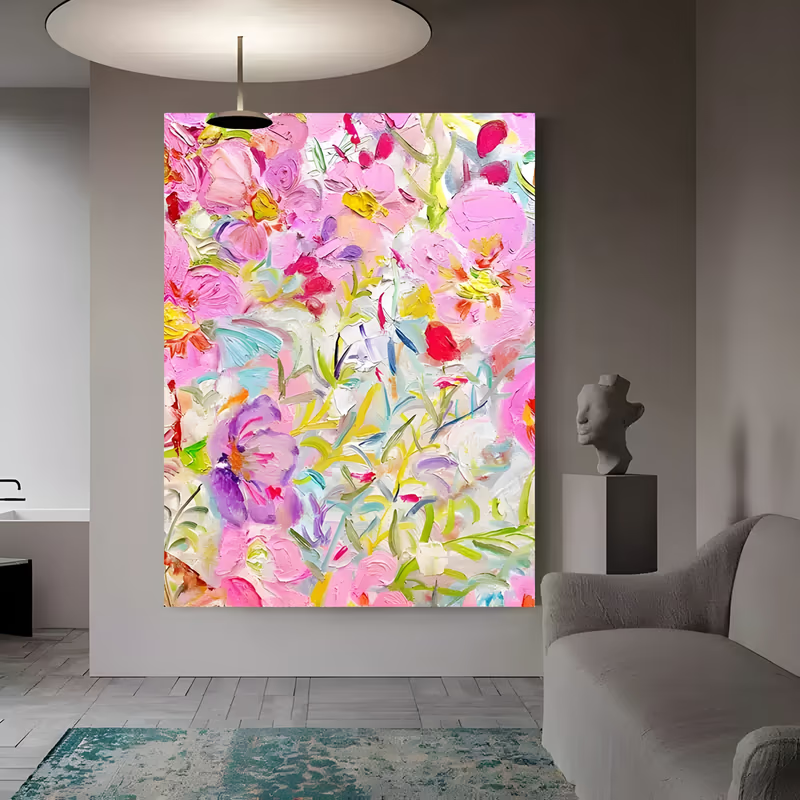
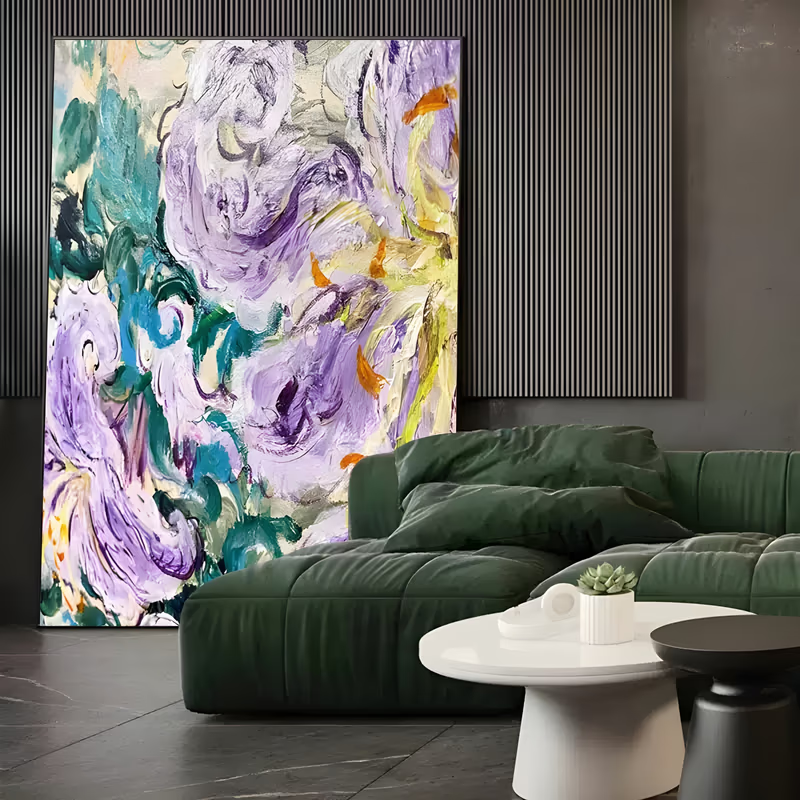
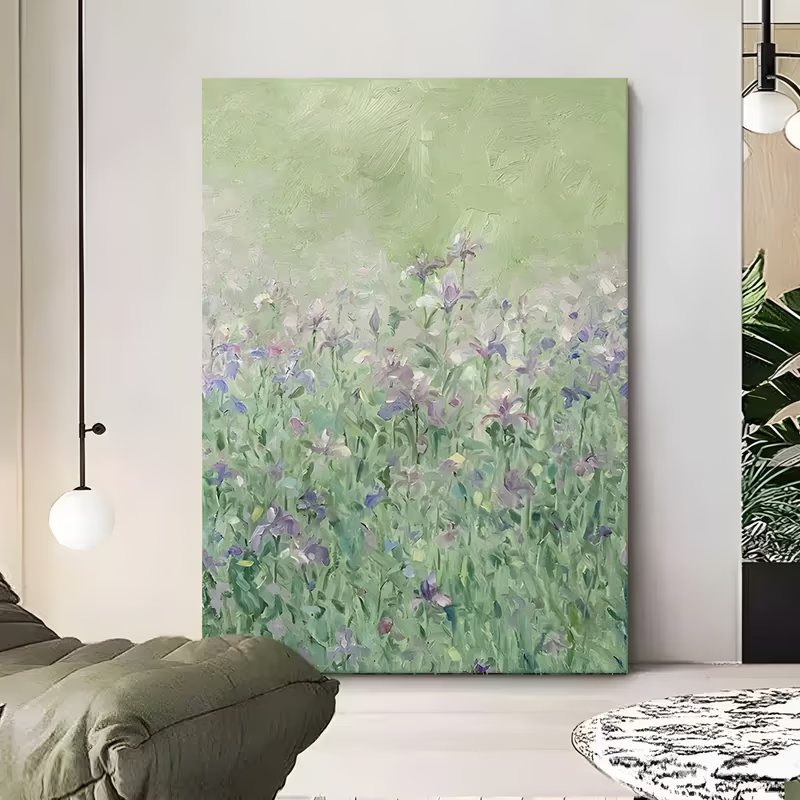
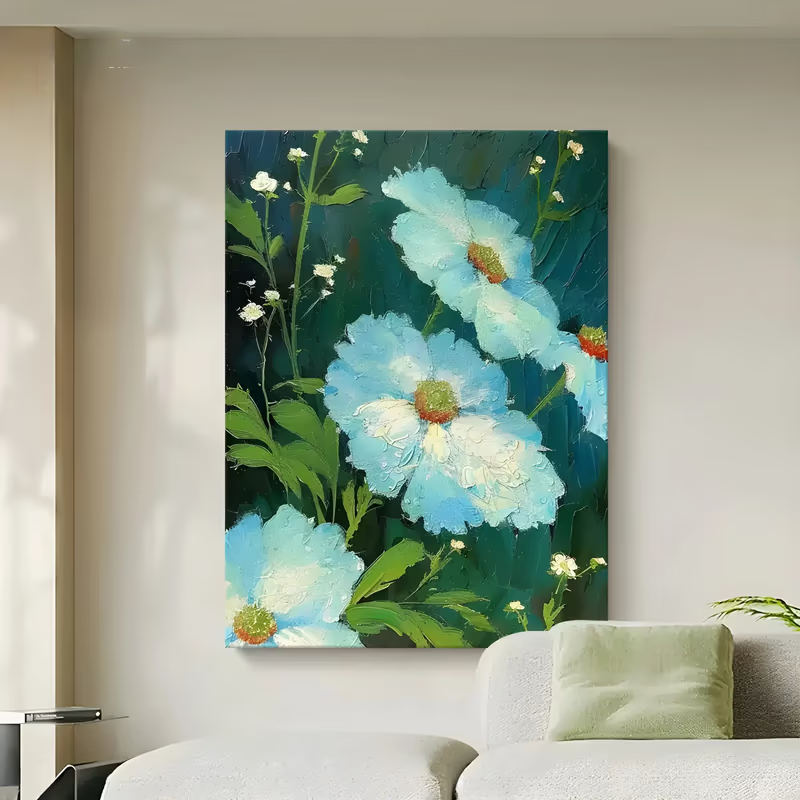
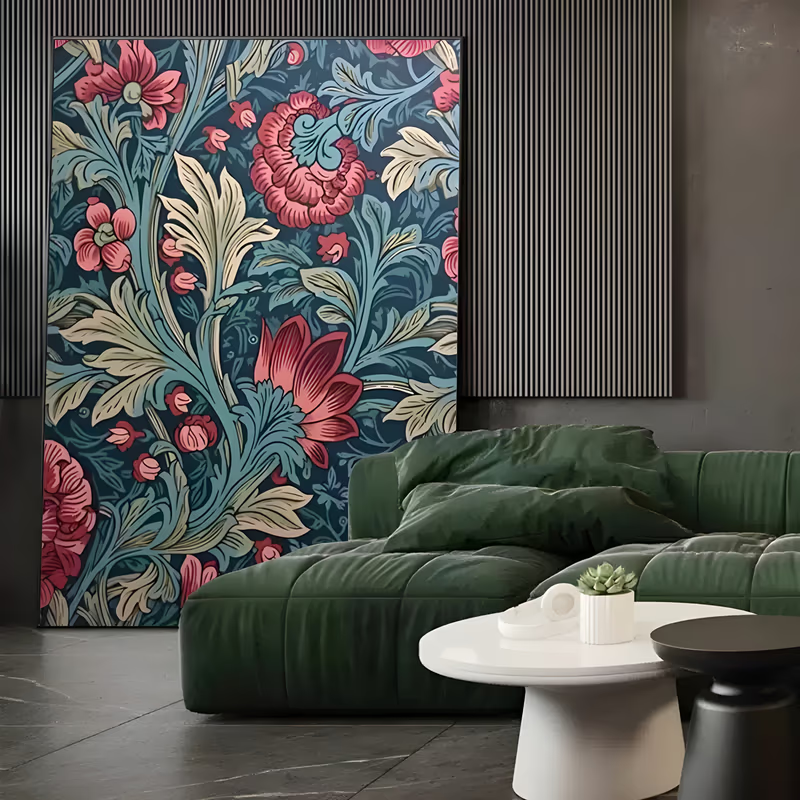
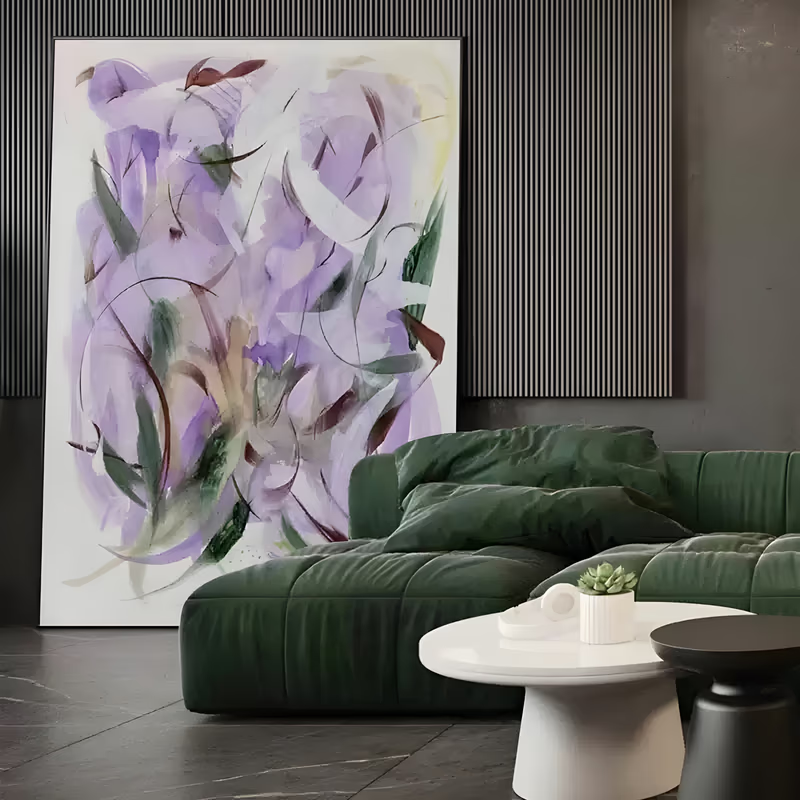
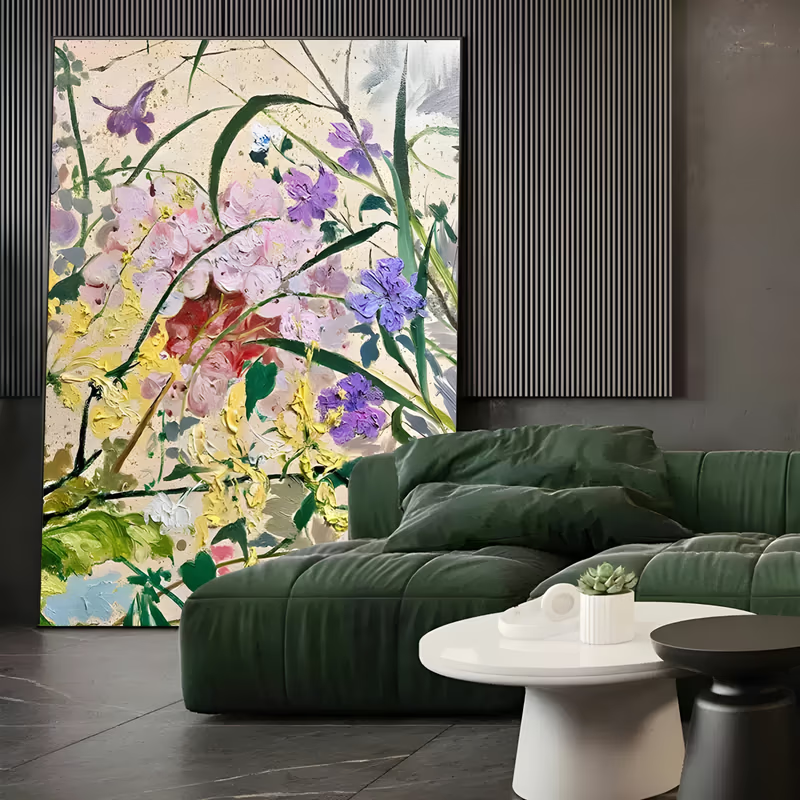
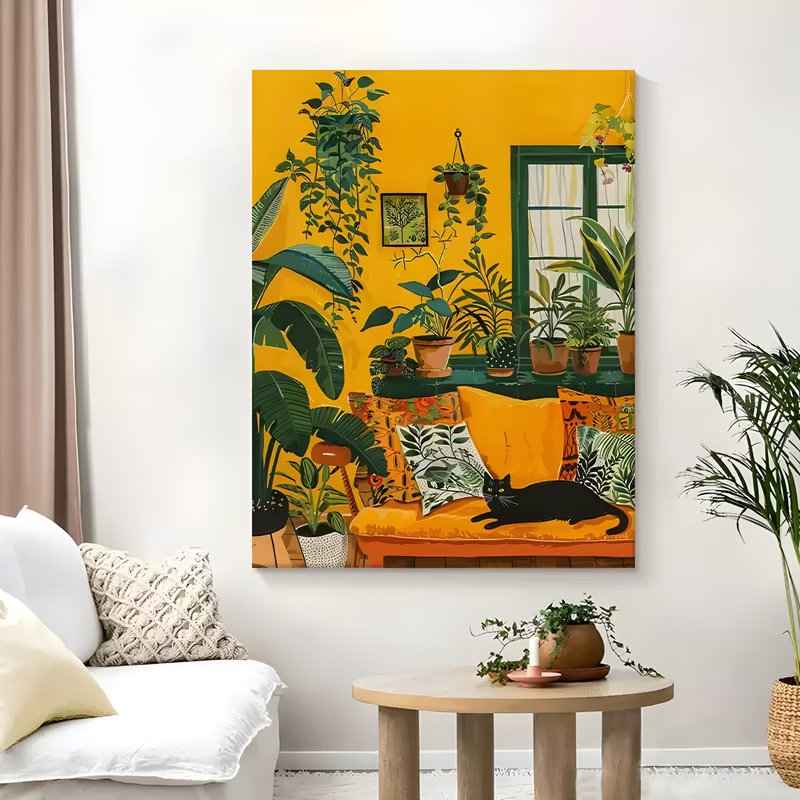
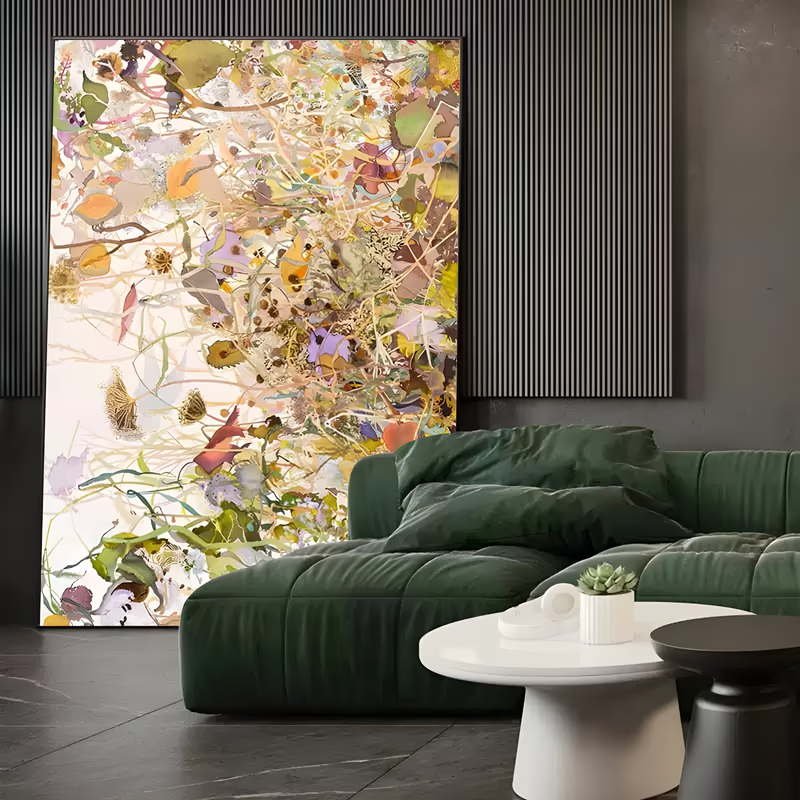
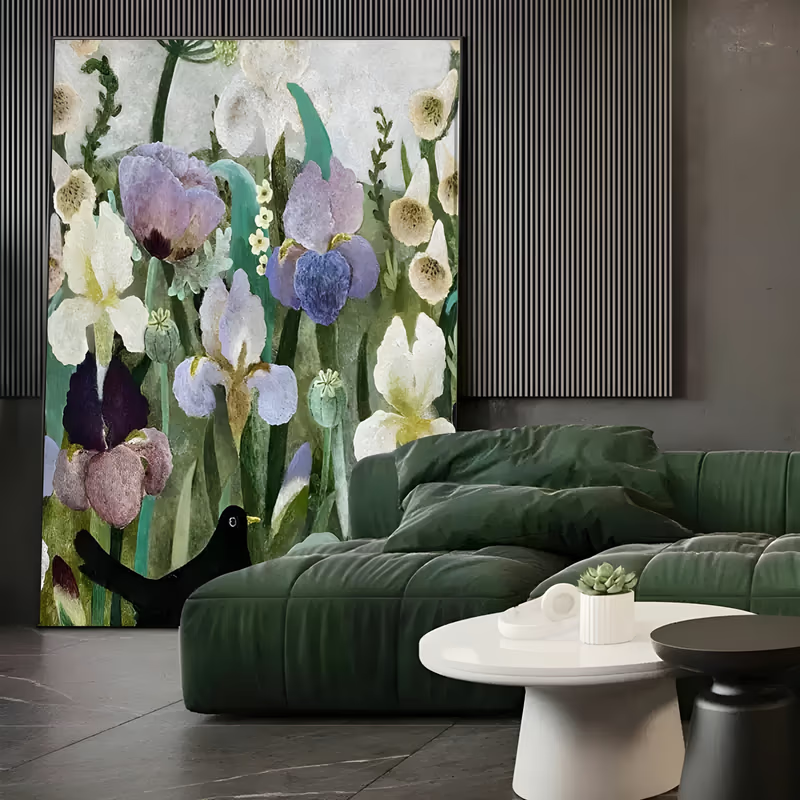
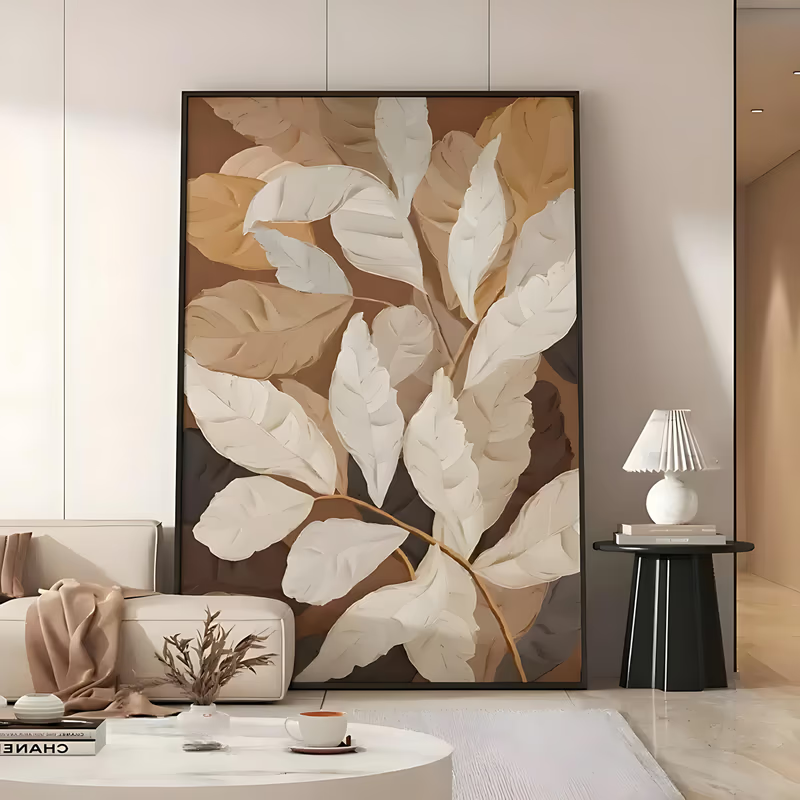
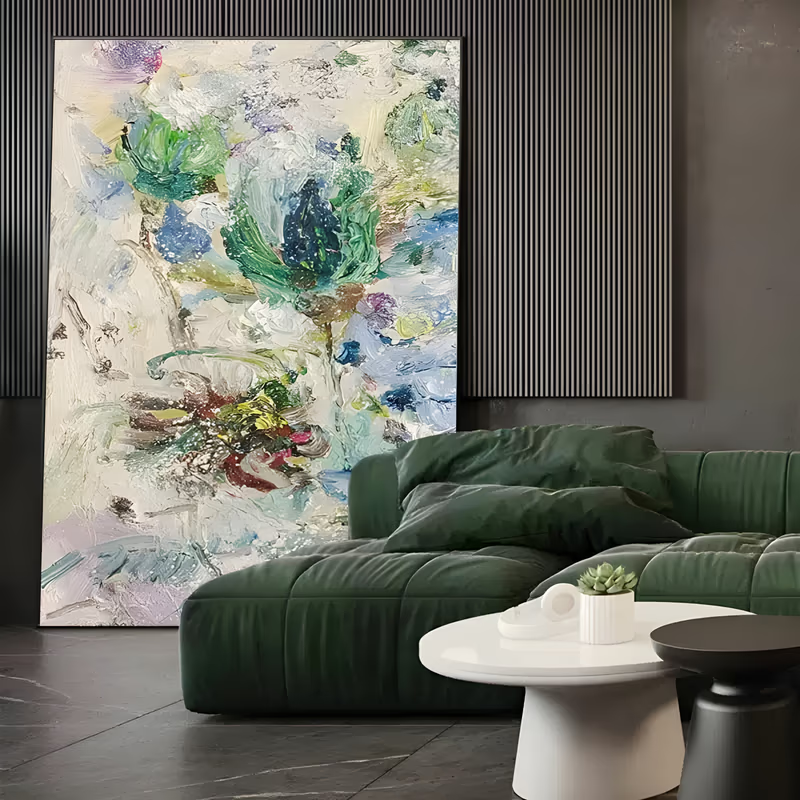
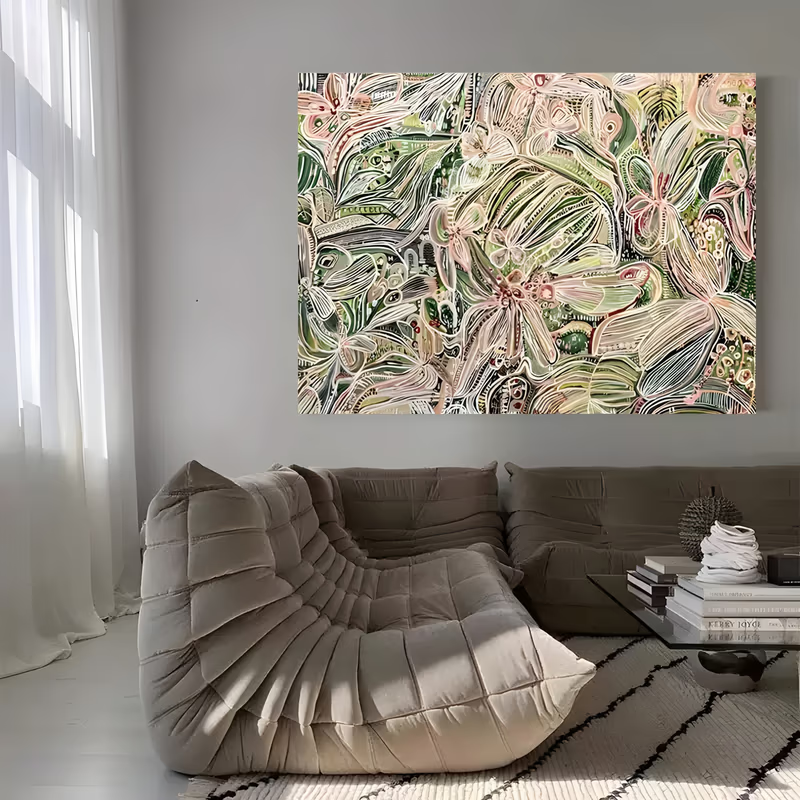
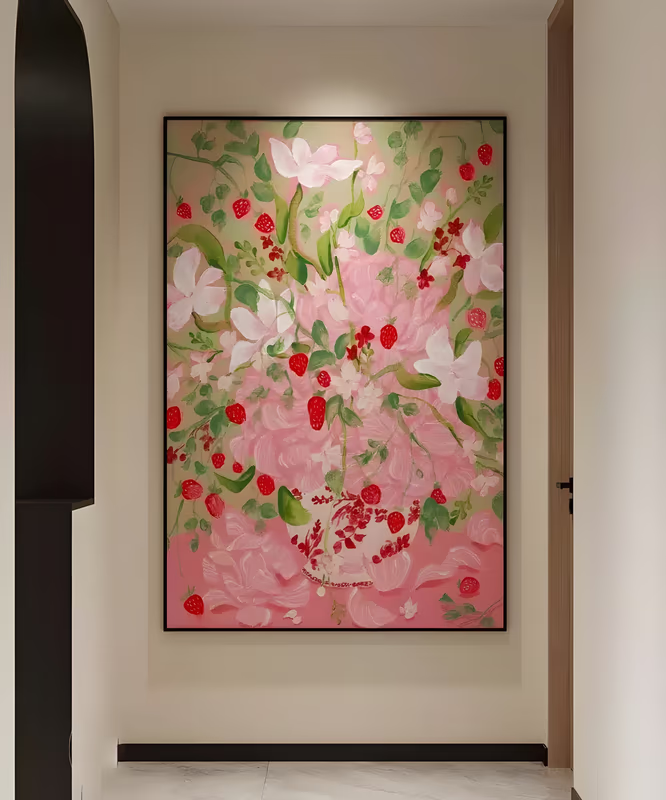
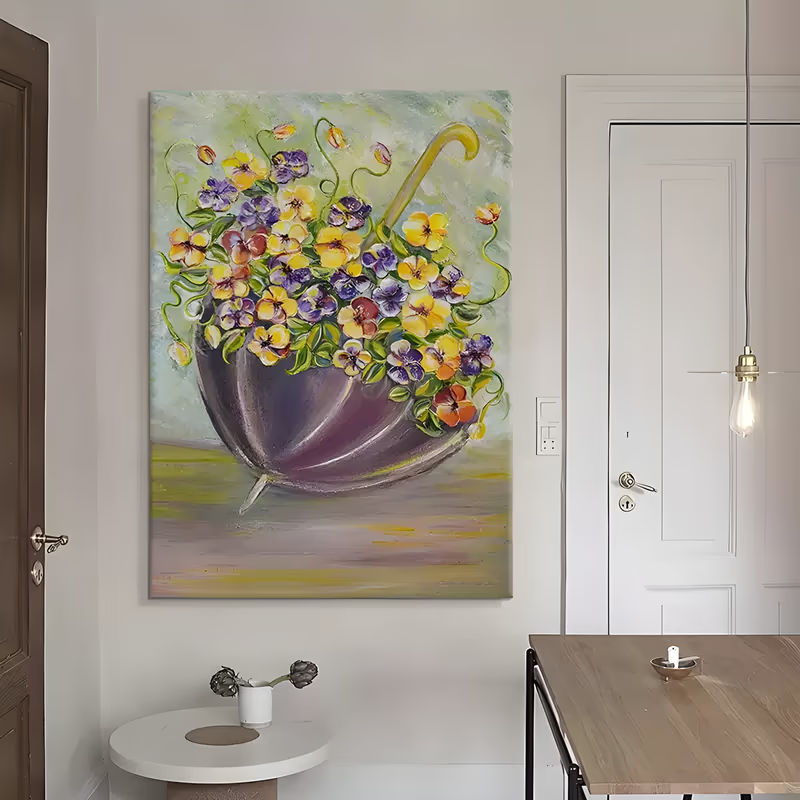
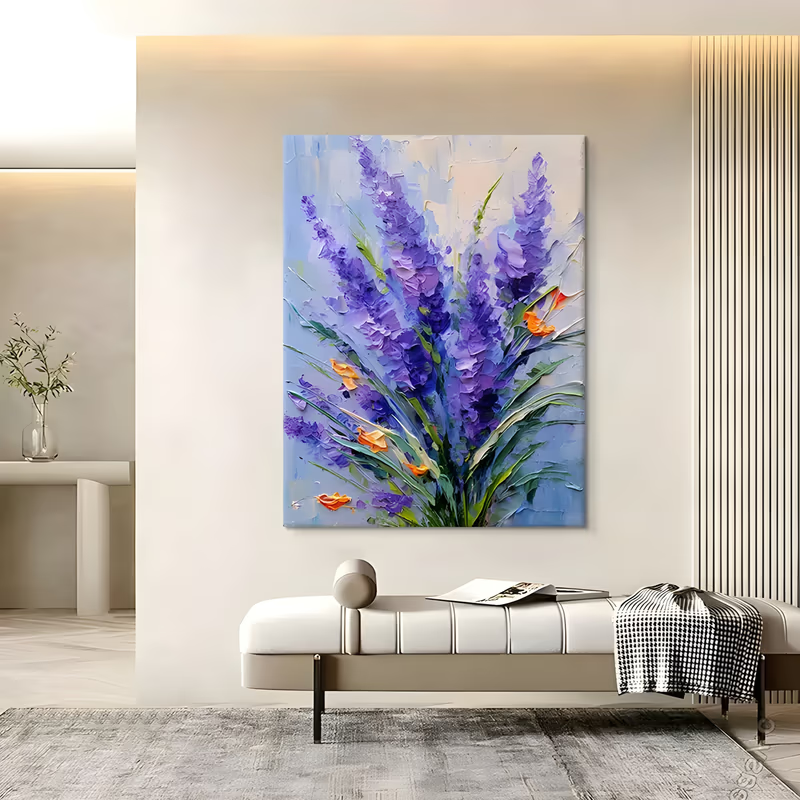
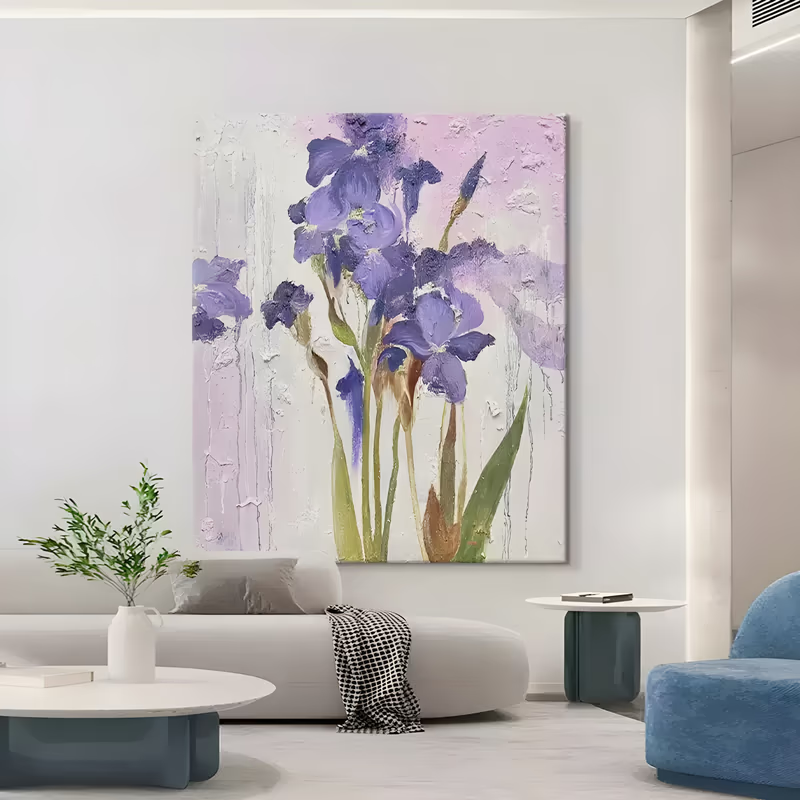
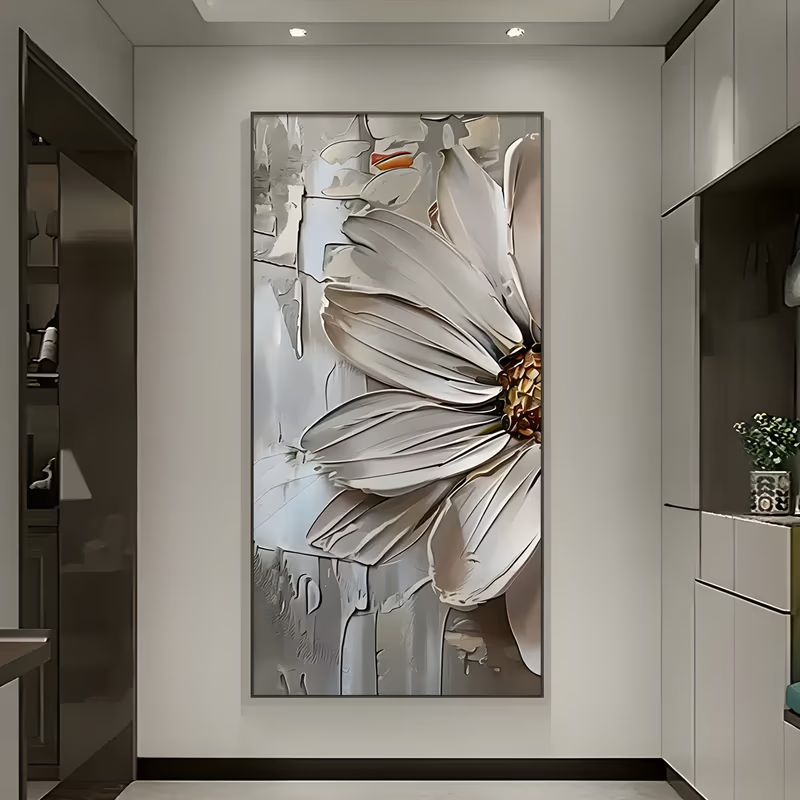
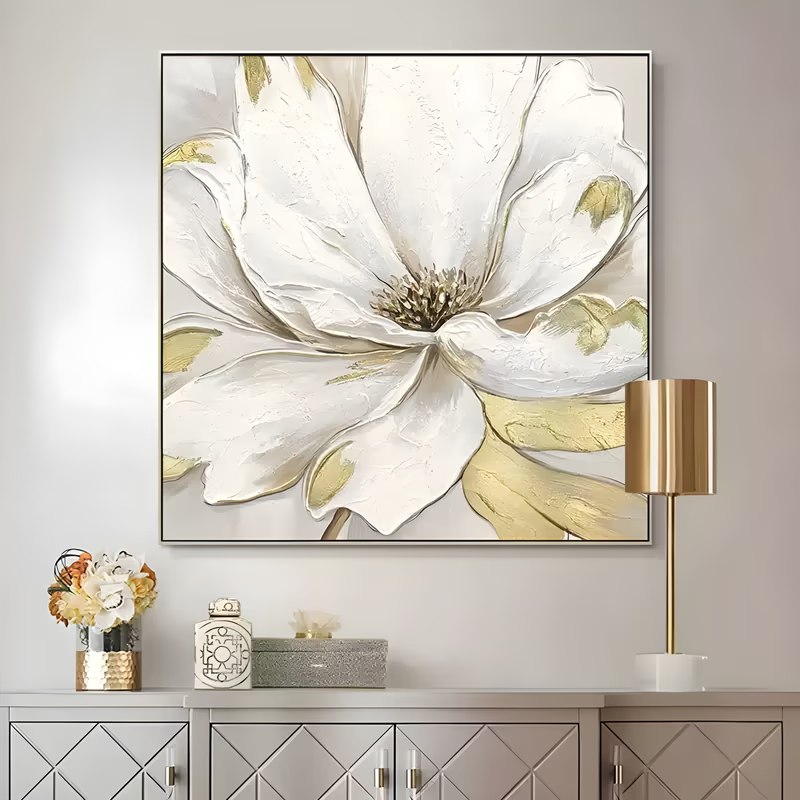
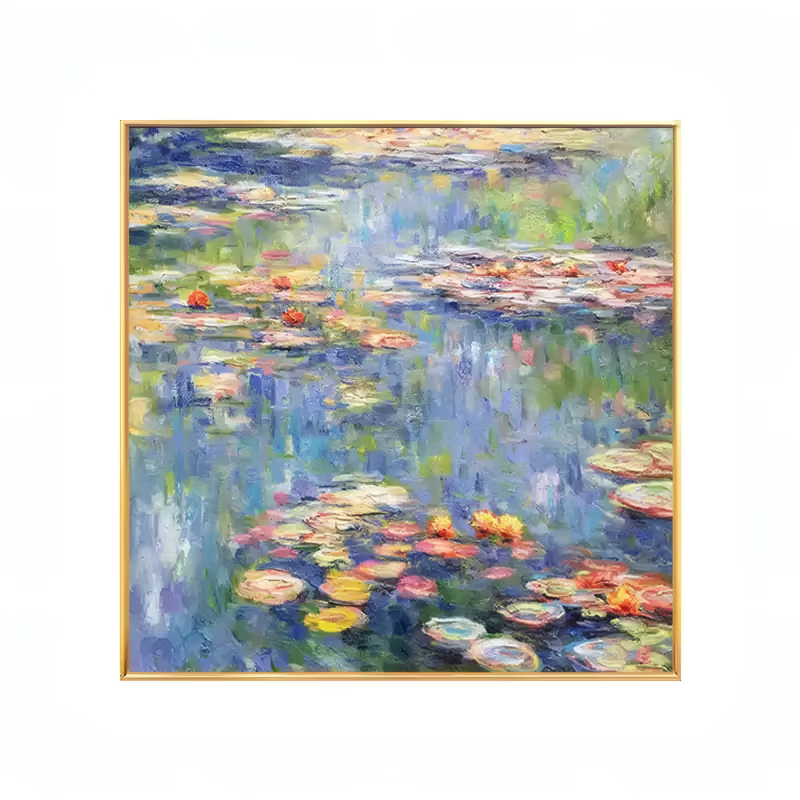
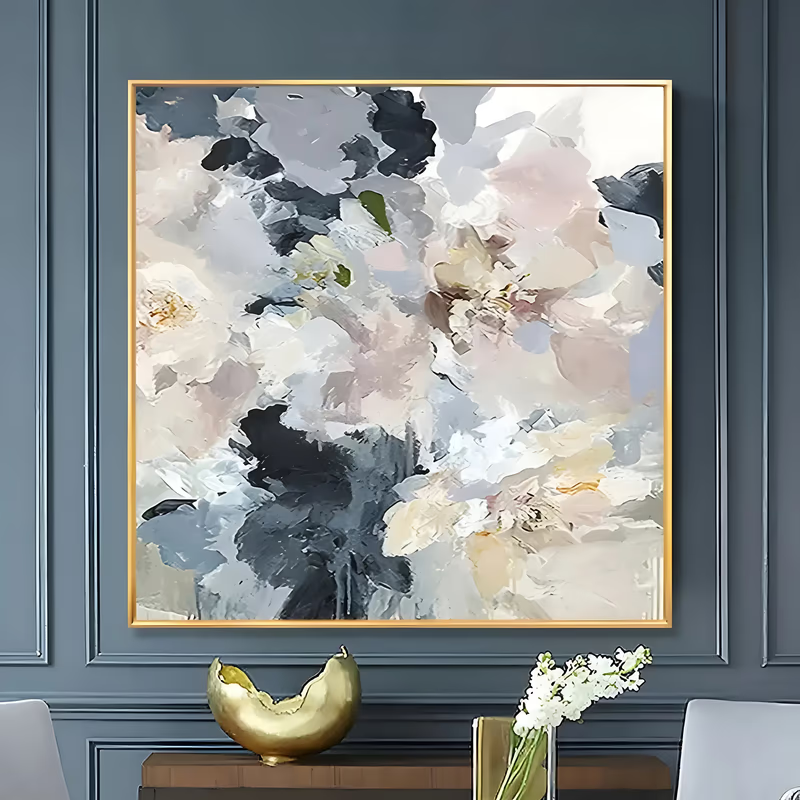
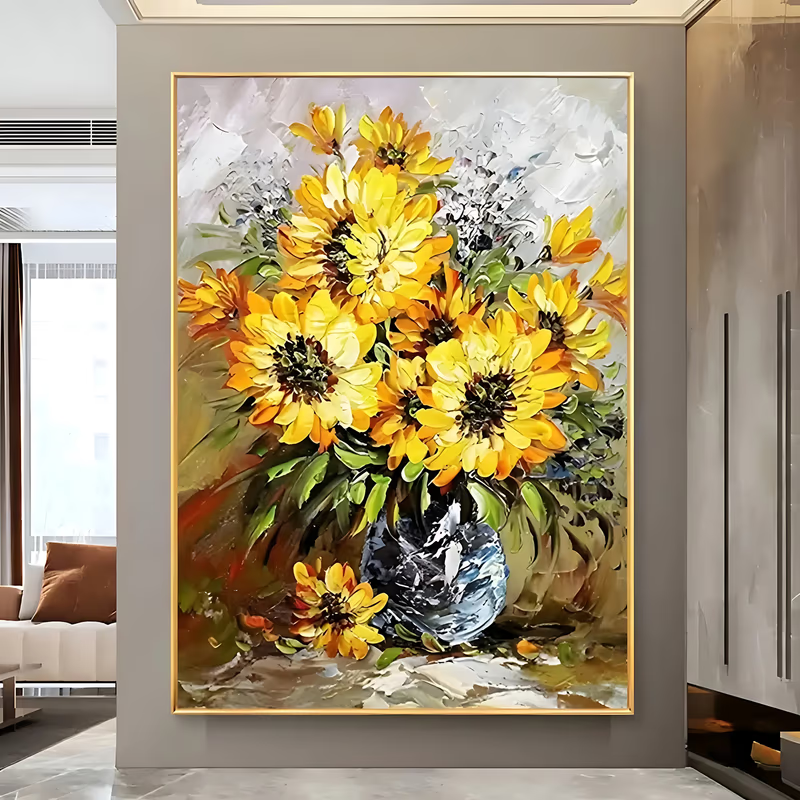
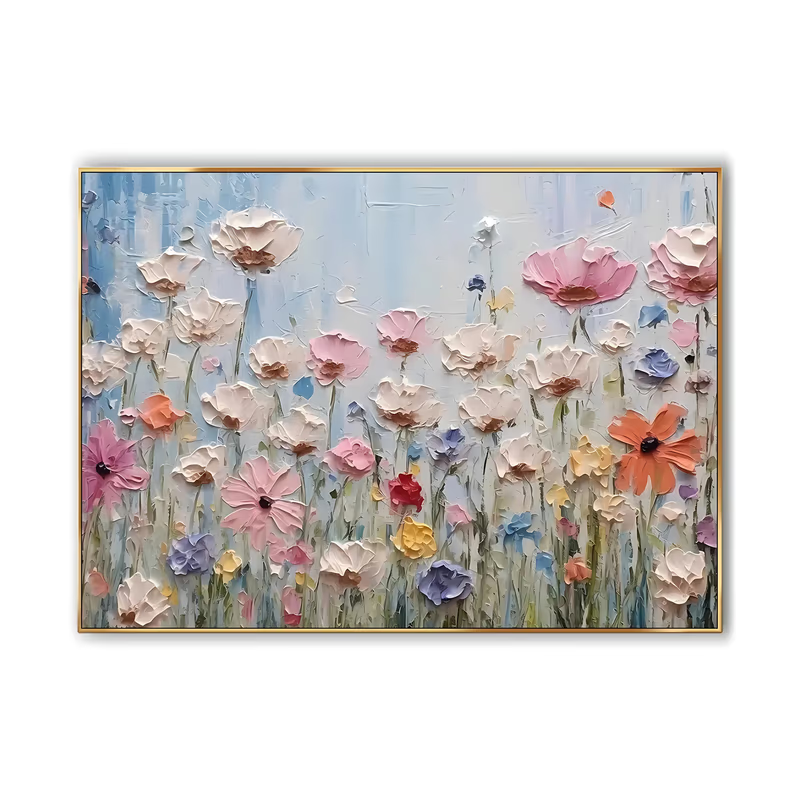
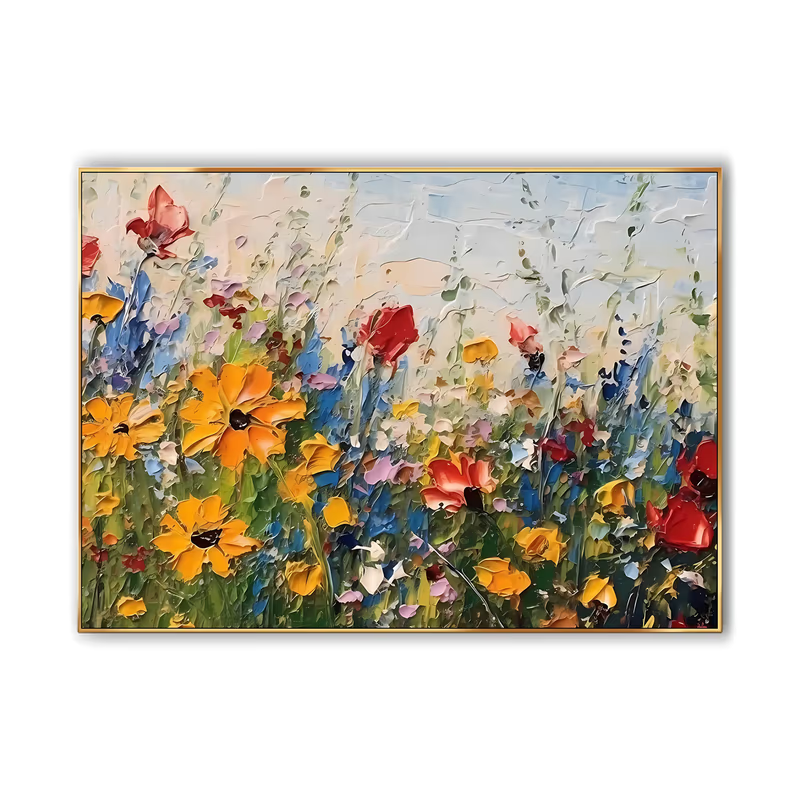
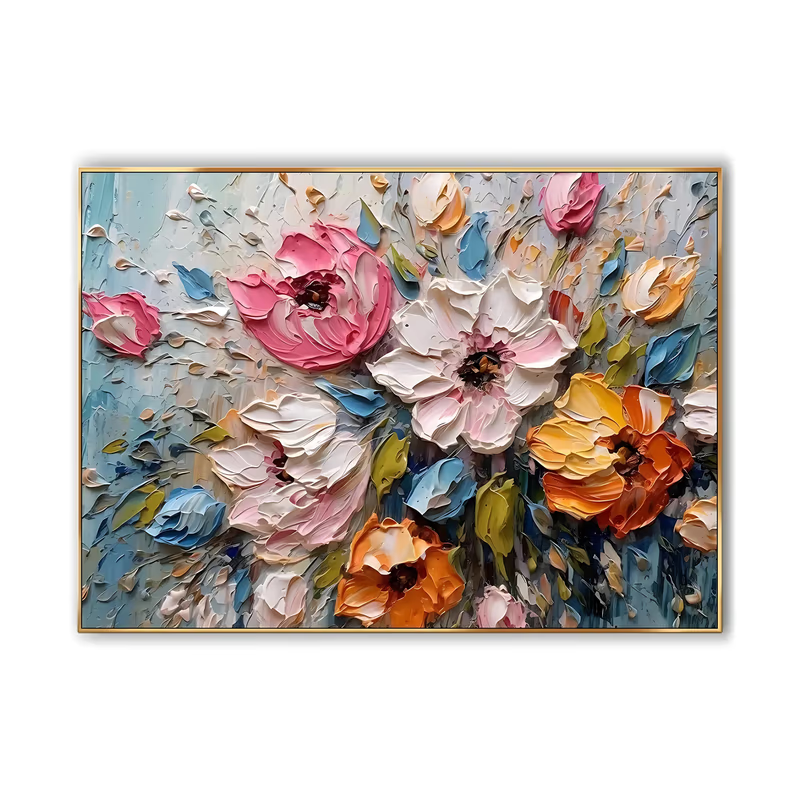
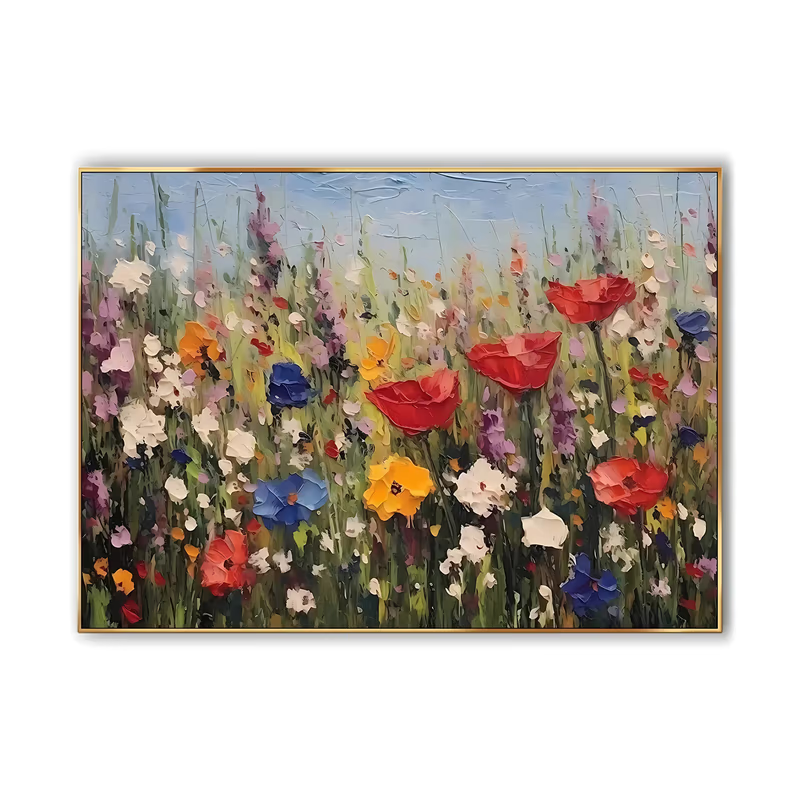
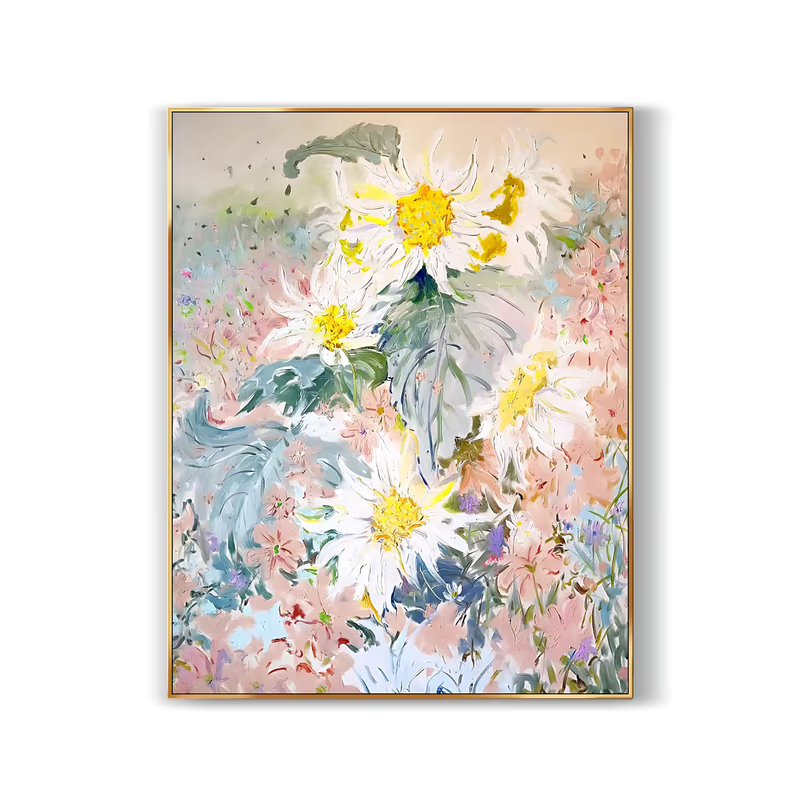
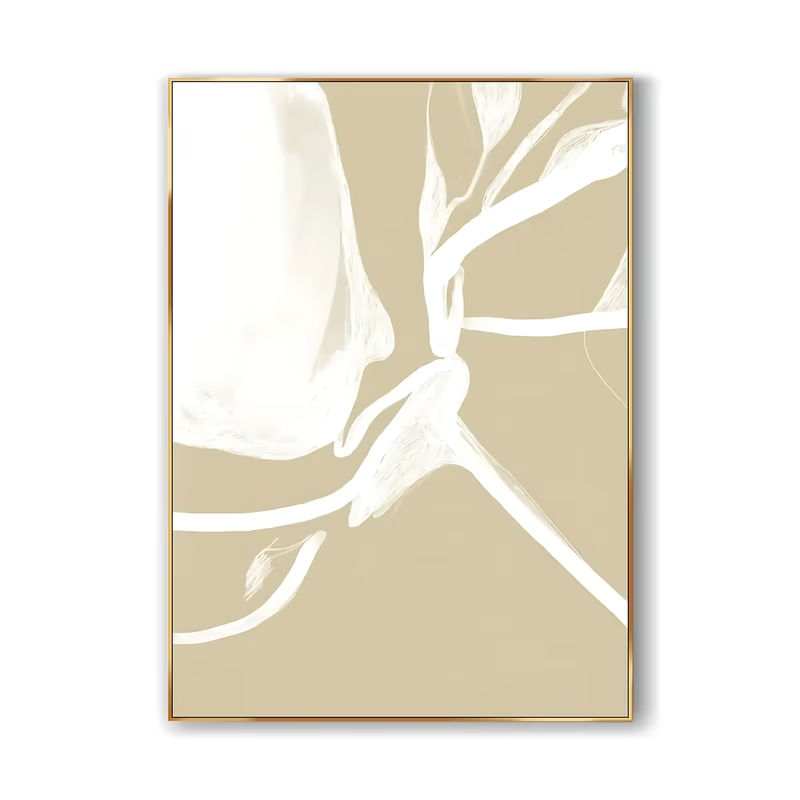
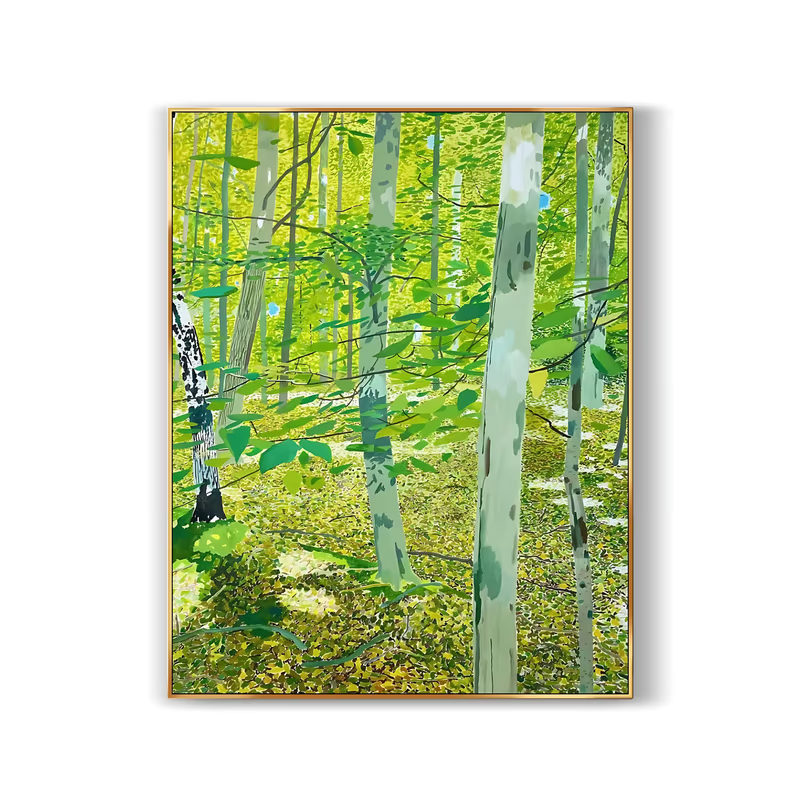
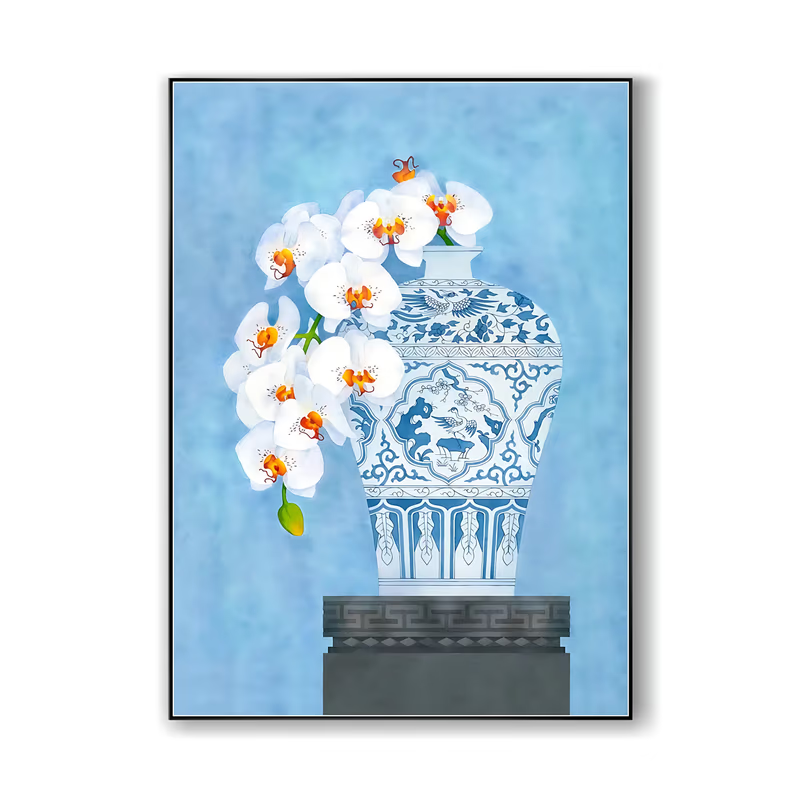
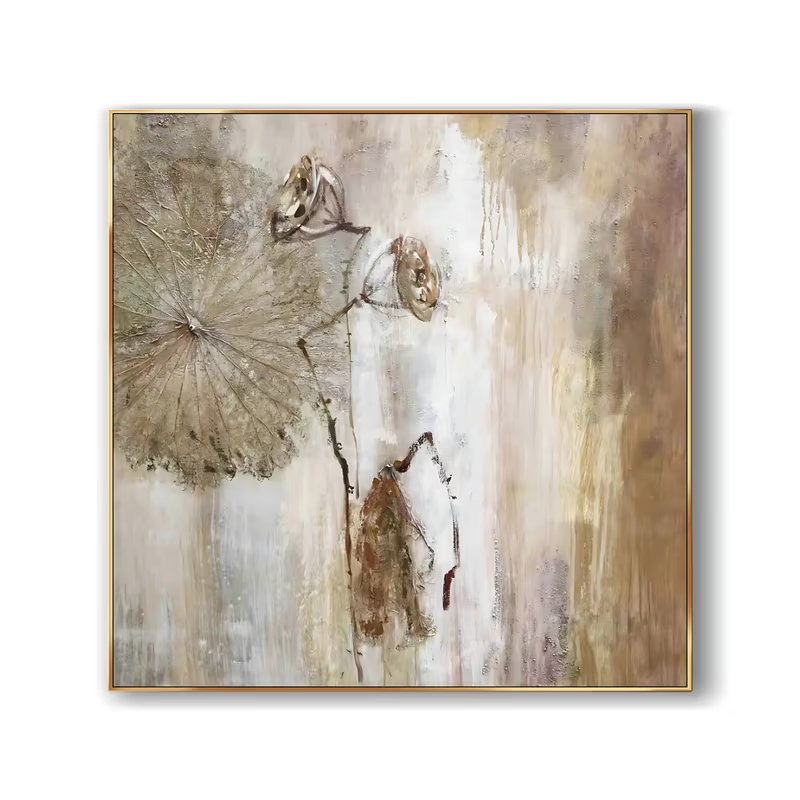
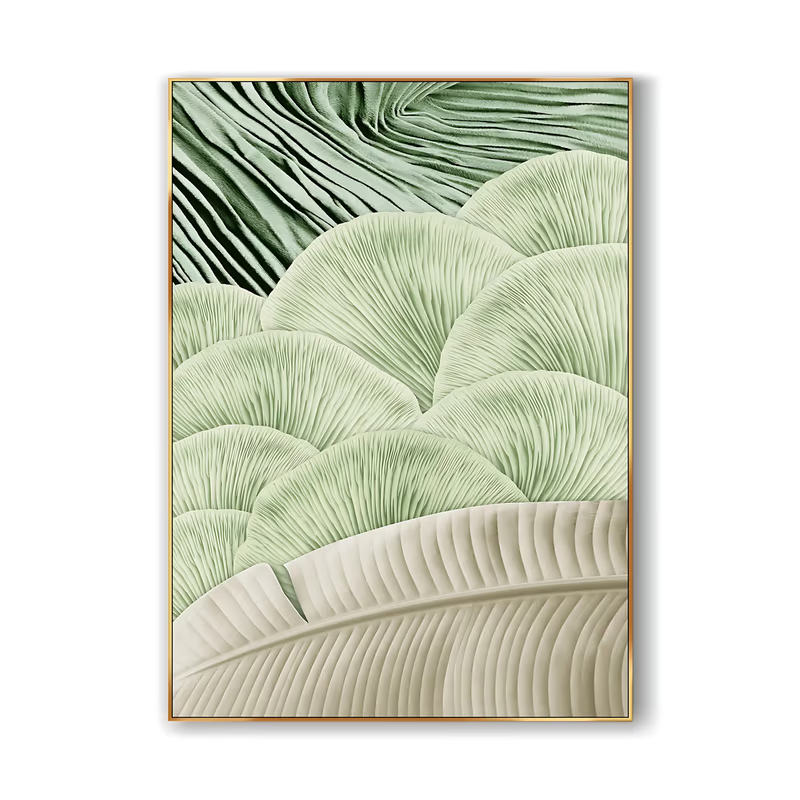
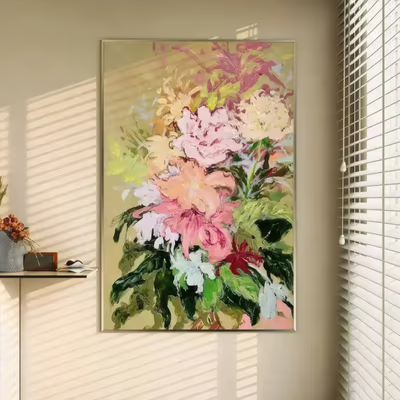
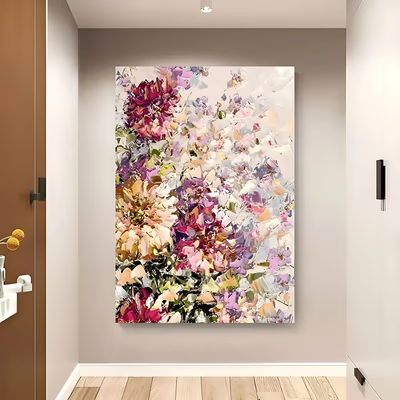
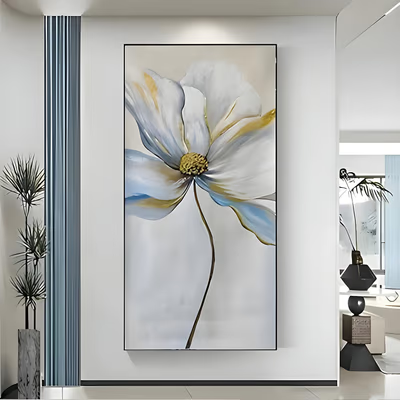
Blossom branches, peonies, poppies, lilies and leaves, painted loosely or built up with a knife. Gentle and welcoming, they suit classic, garden and boutique hotels and work above a bed or beside a dressing table. Peaceful floral art.
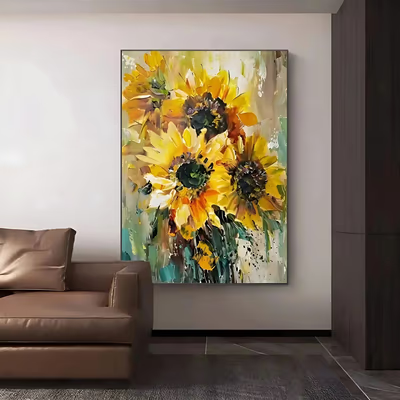
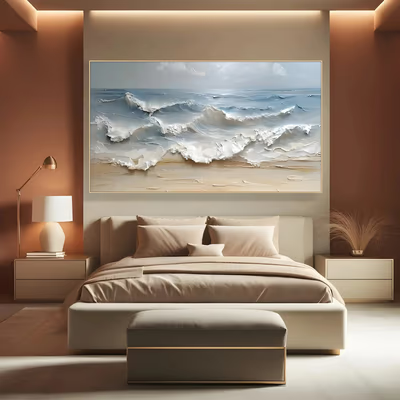
Landscapes and seascapes
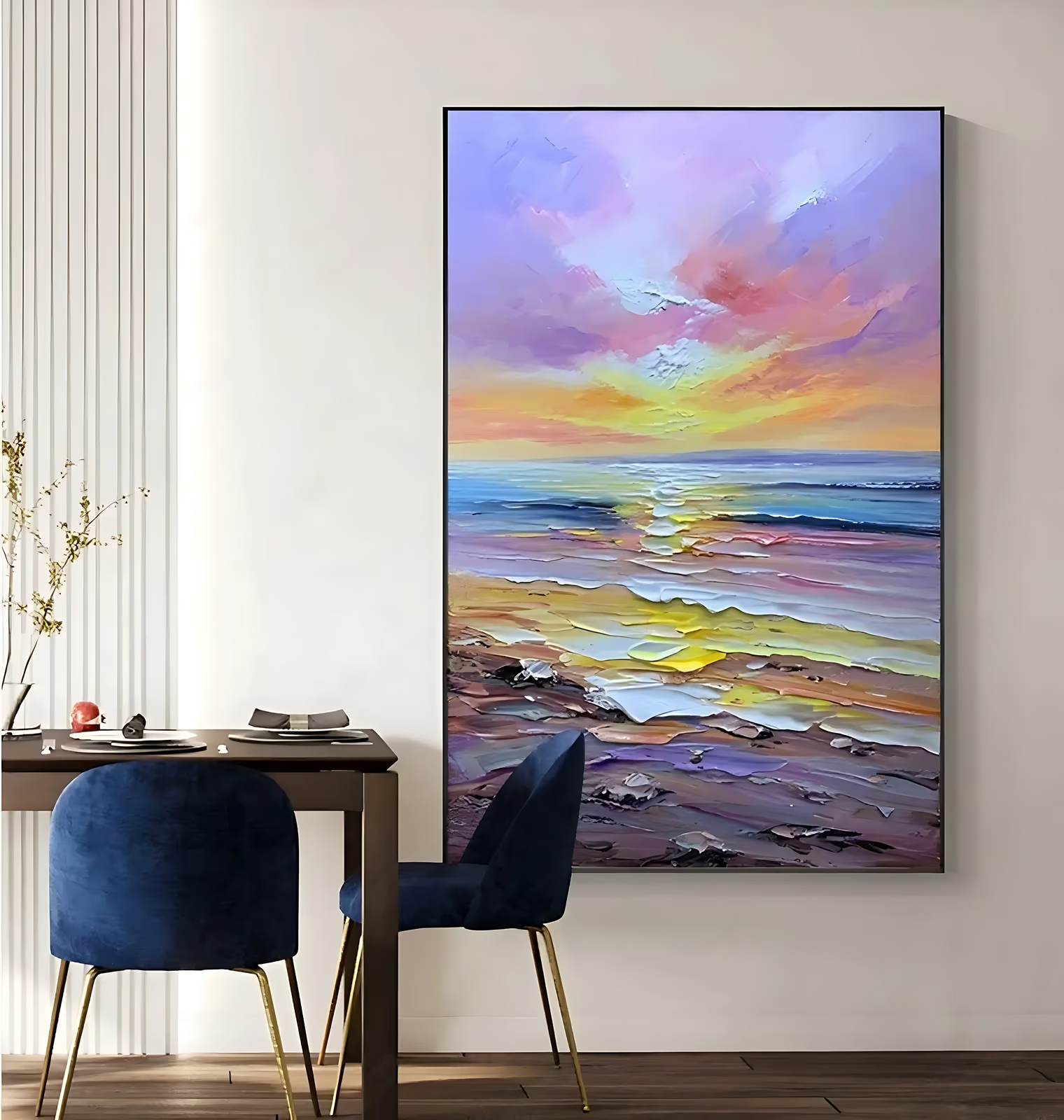
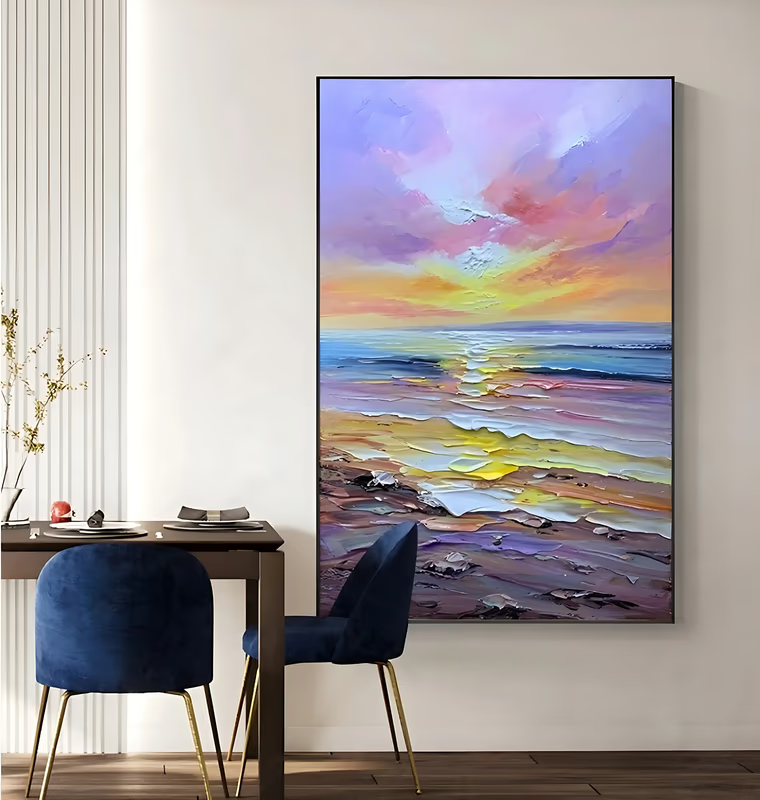
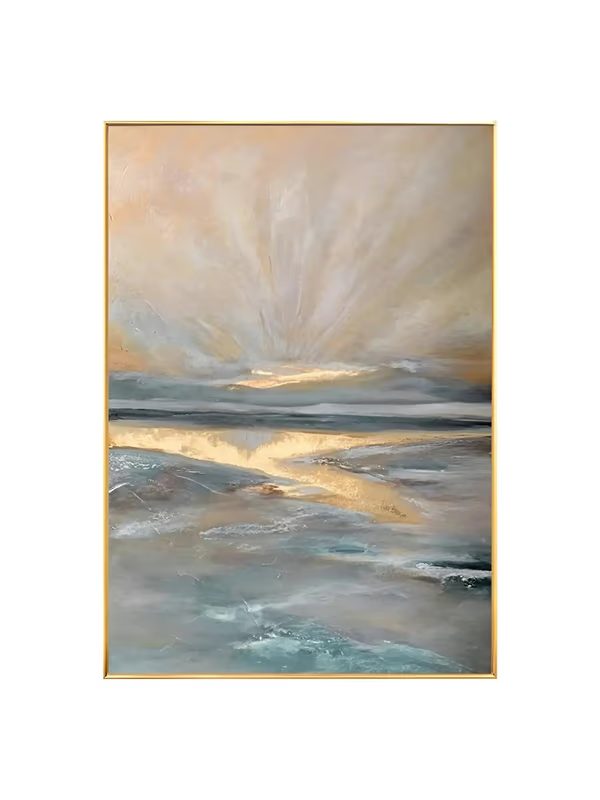
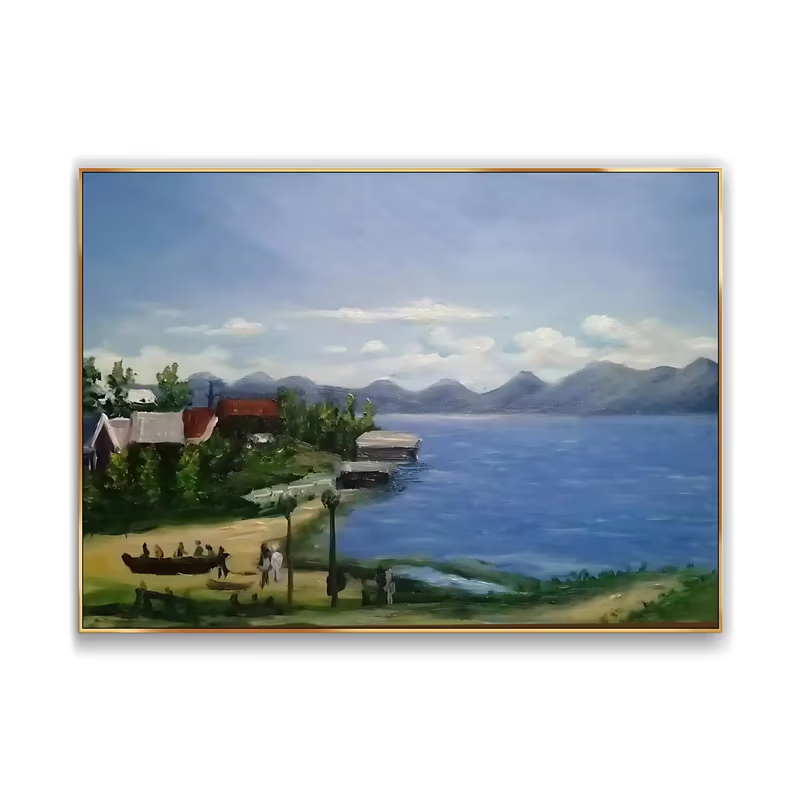
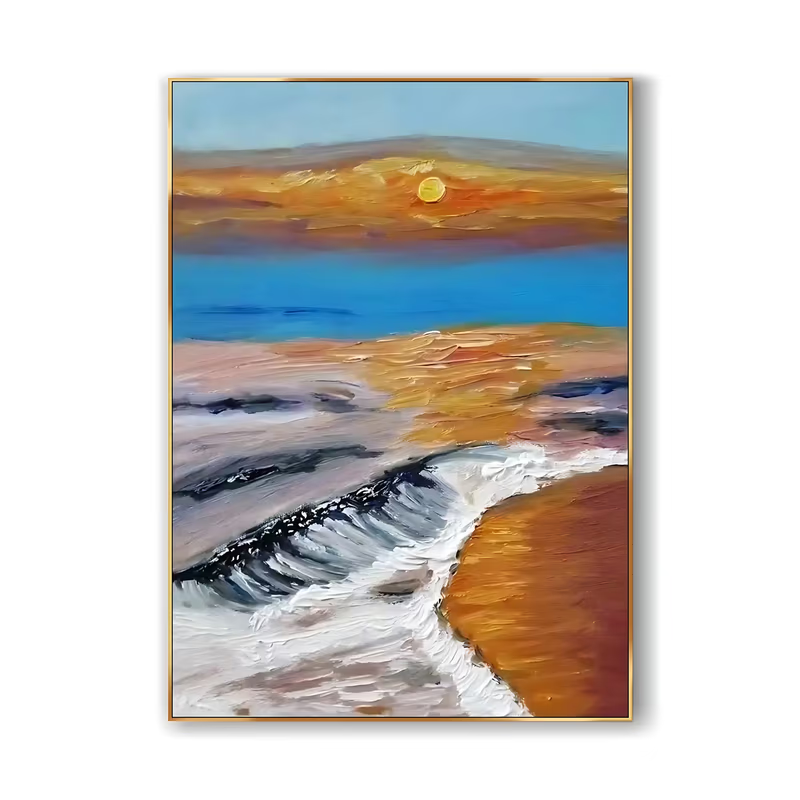
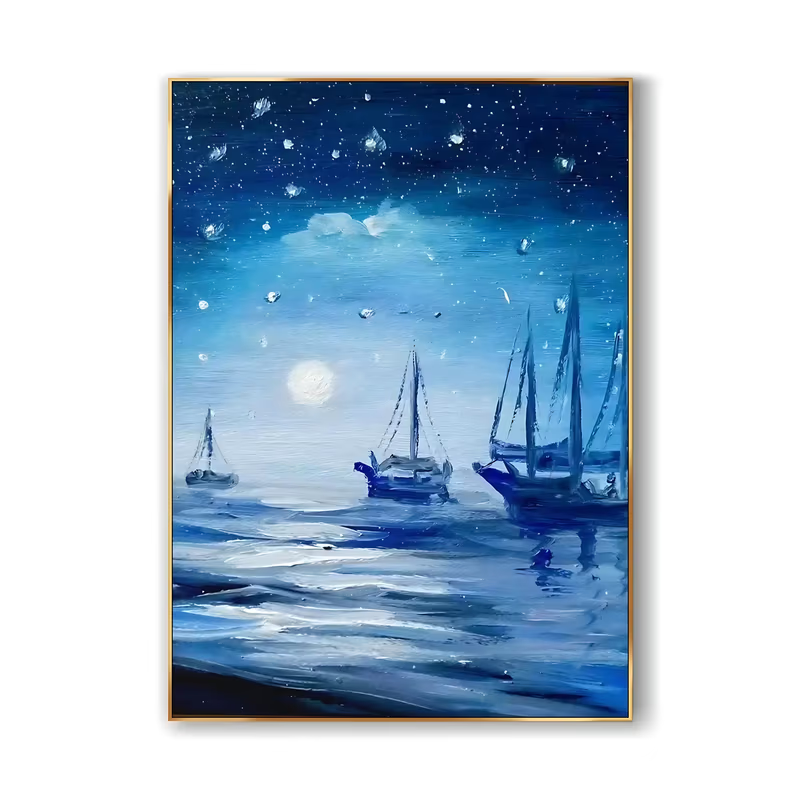
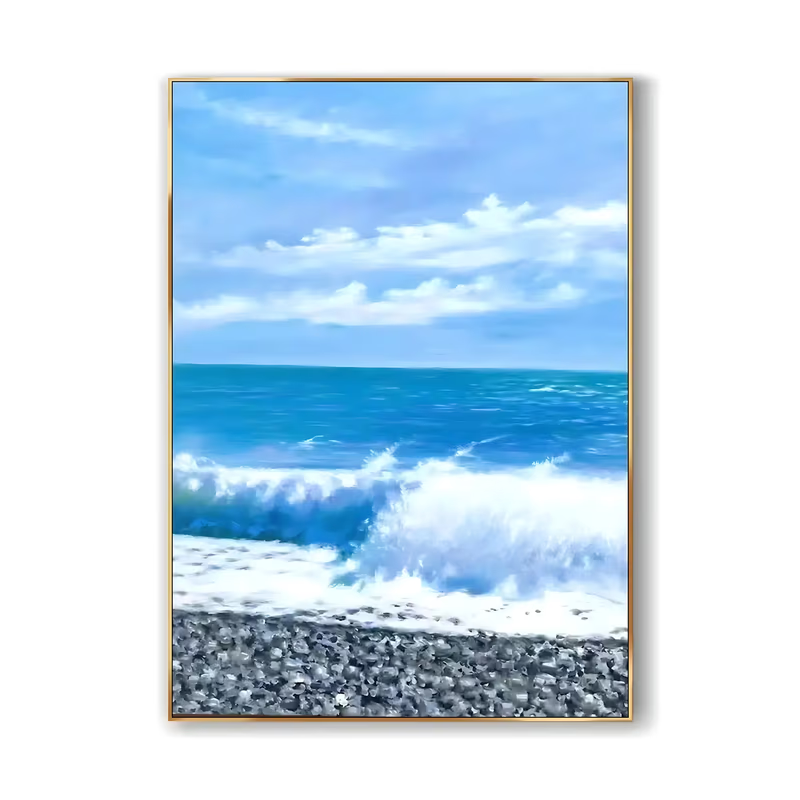
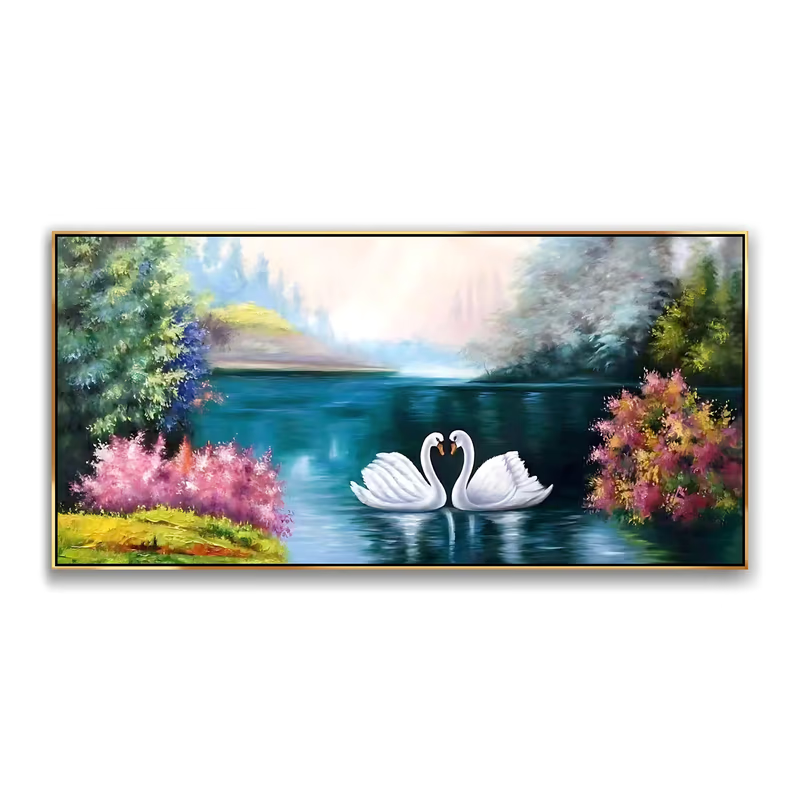
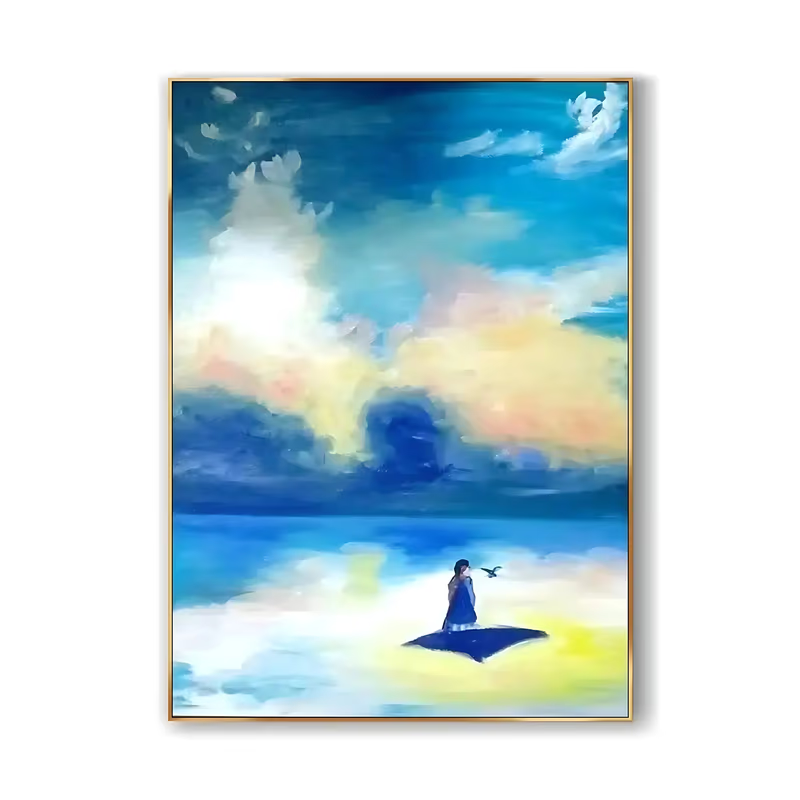
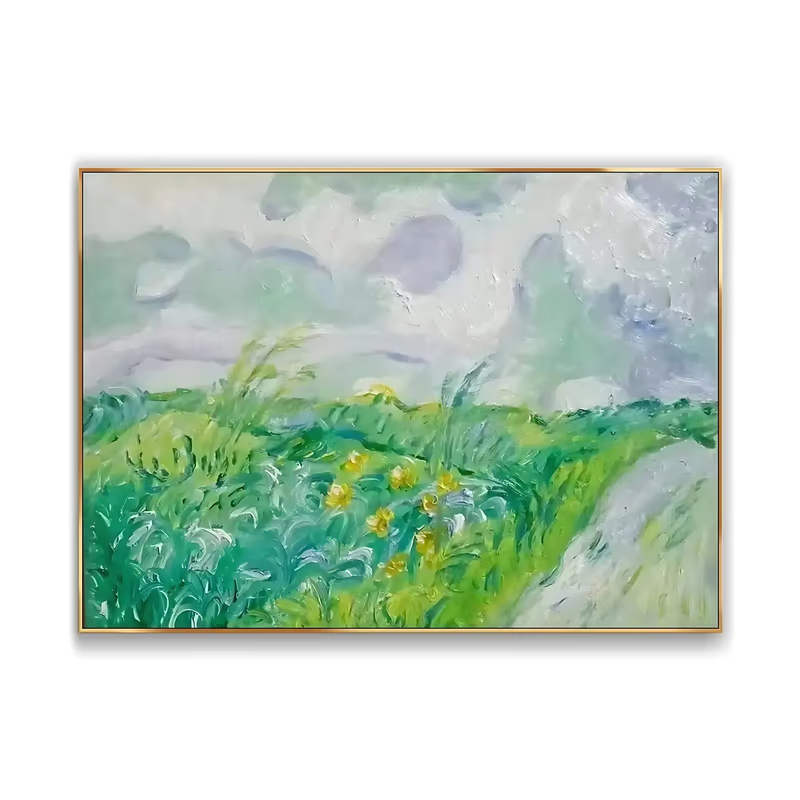
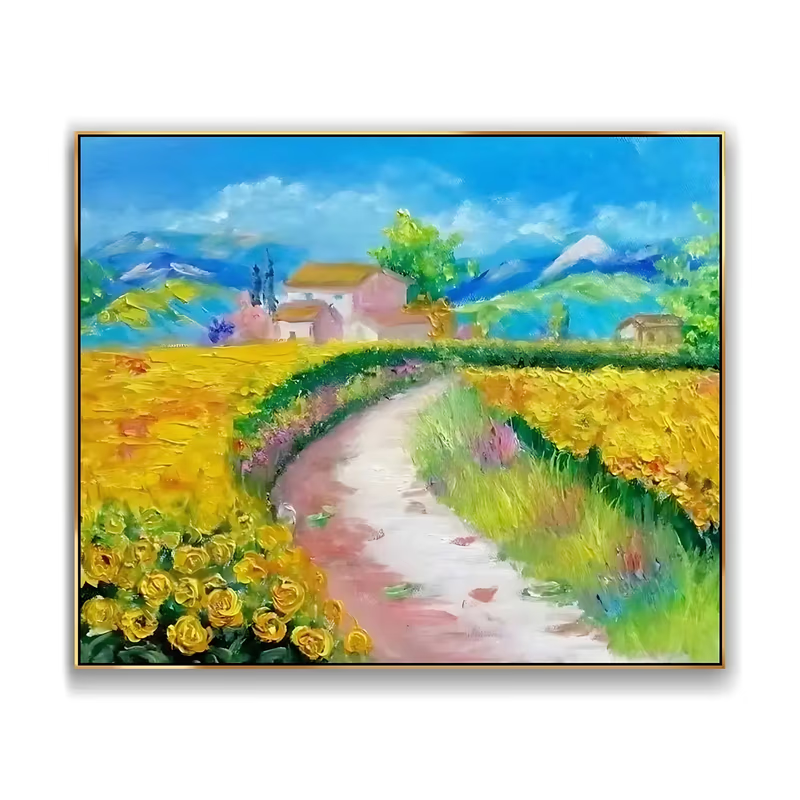
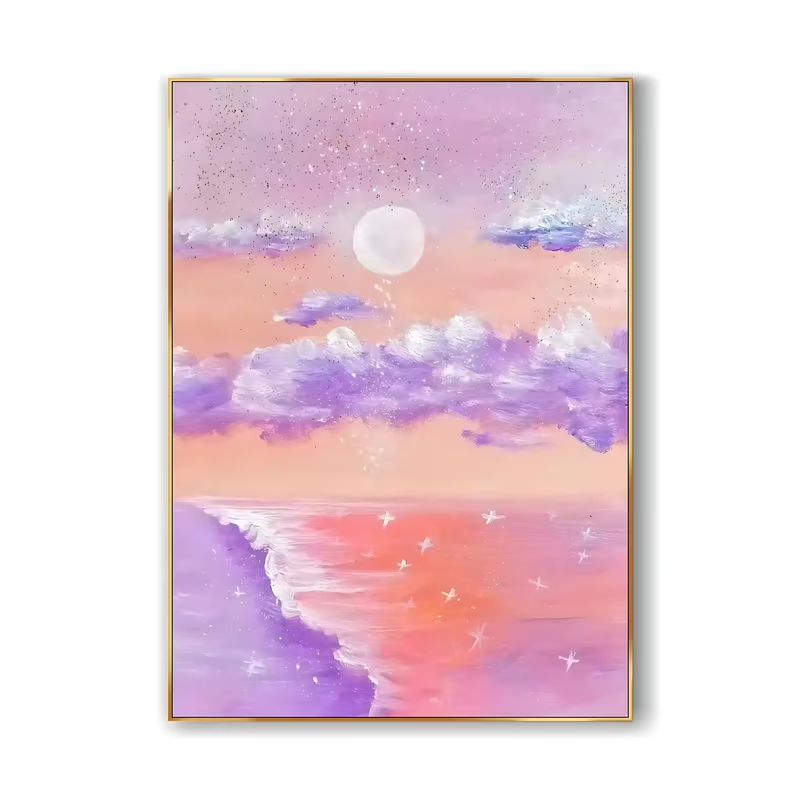
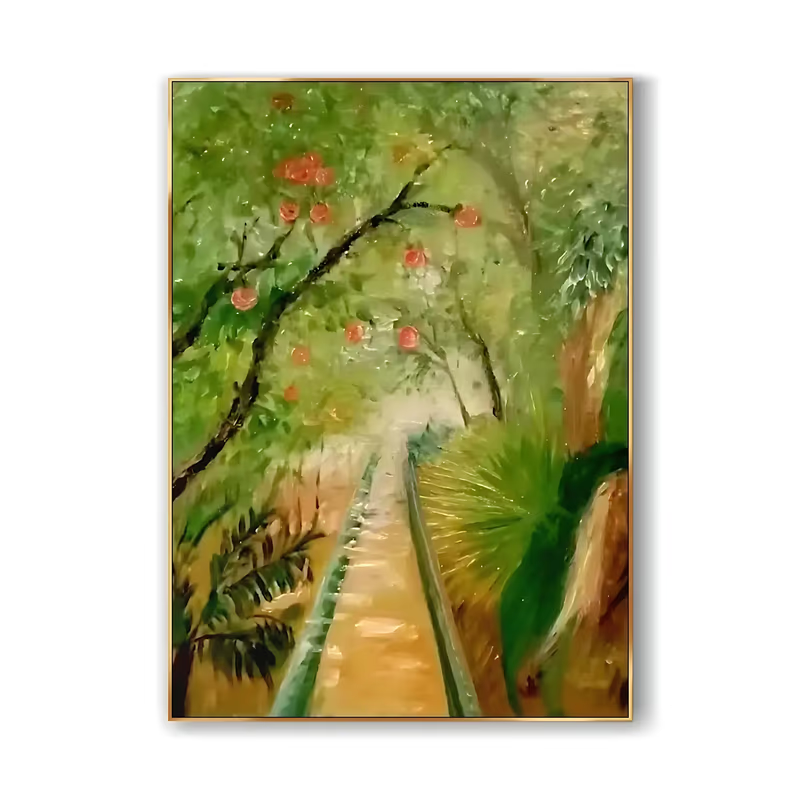
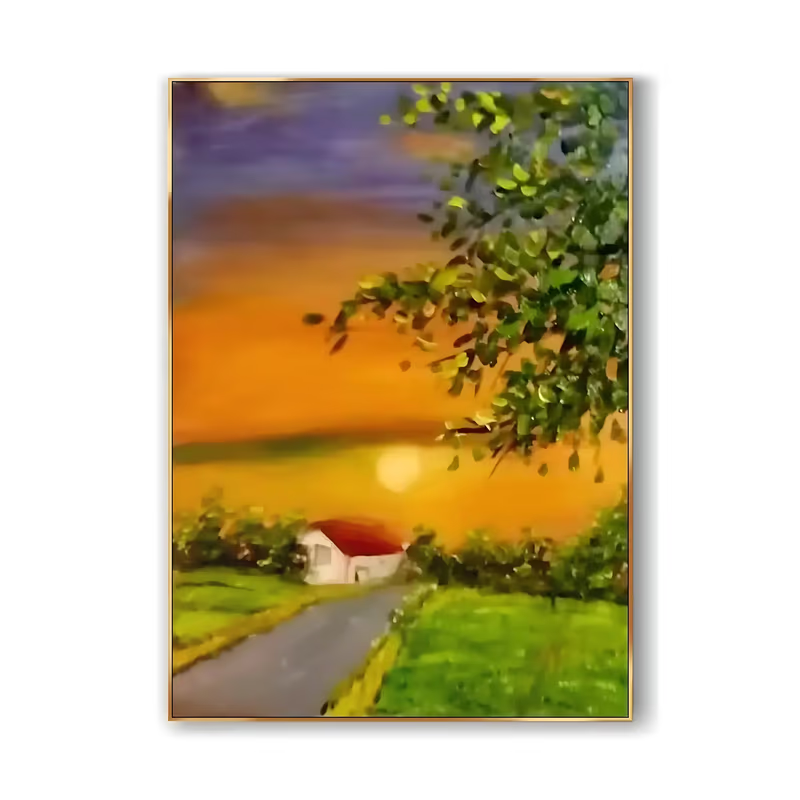
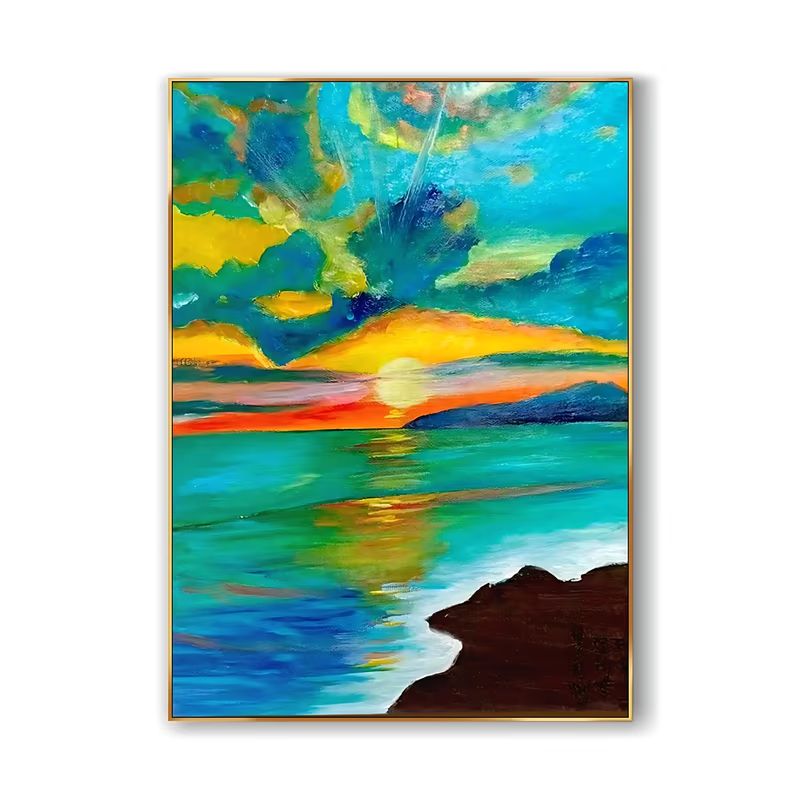
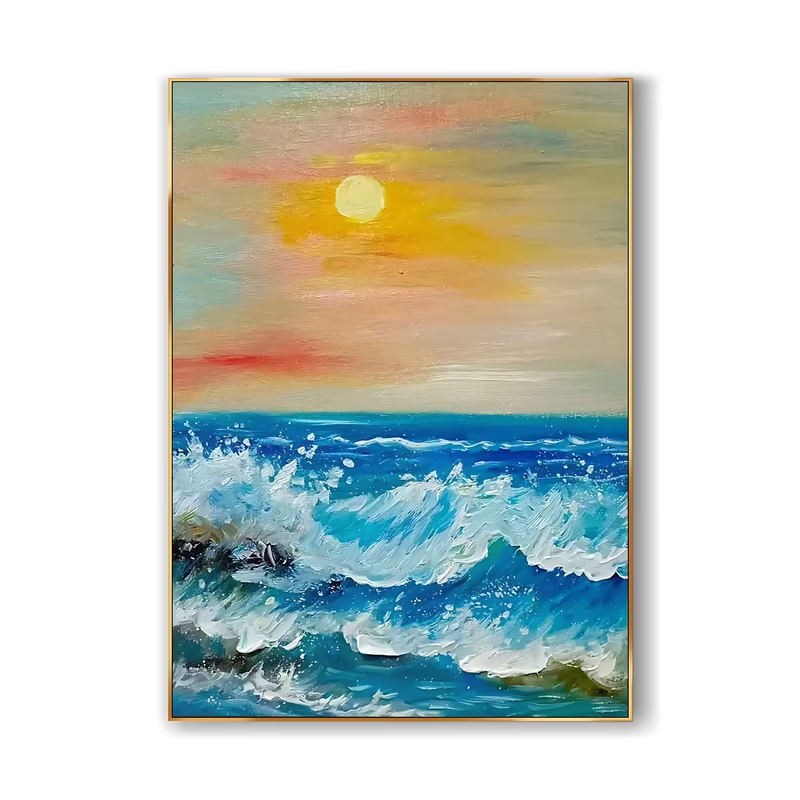
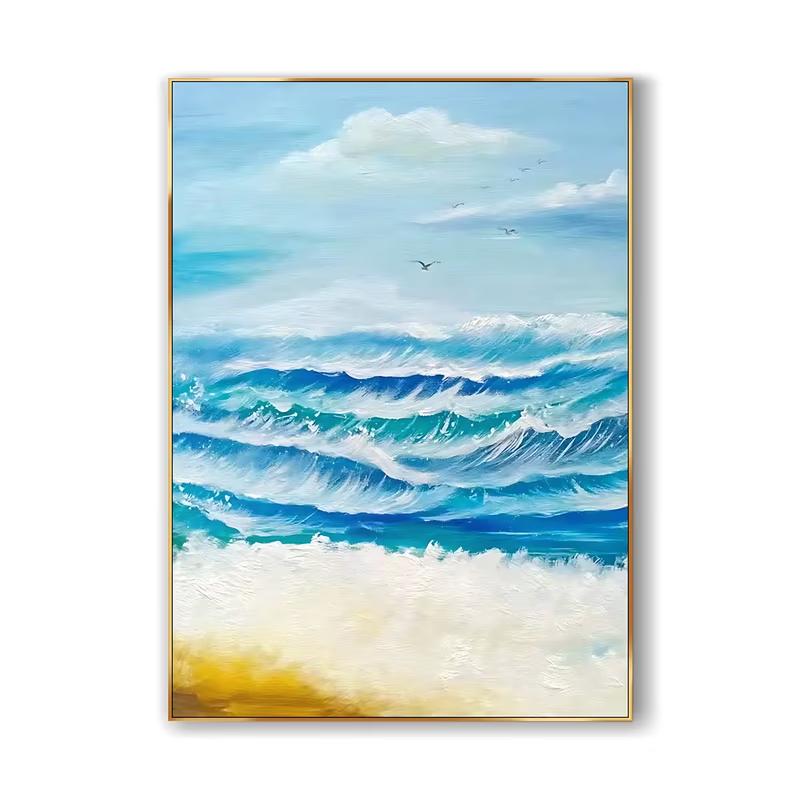
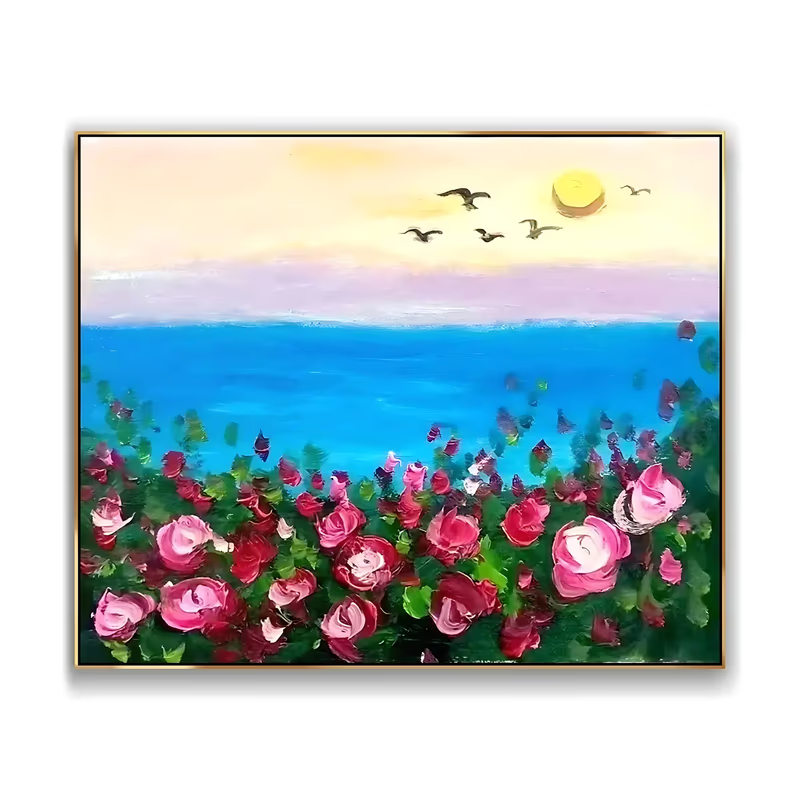
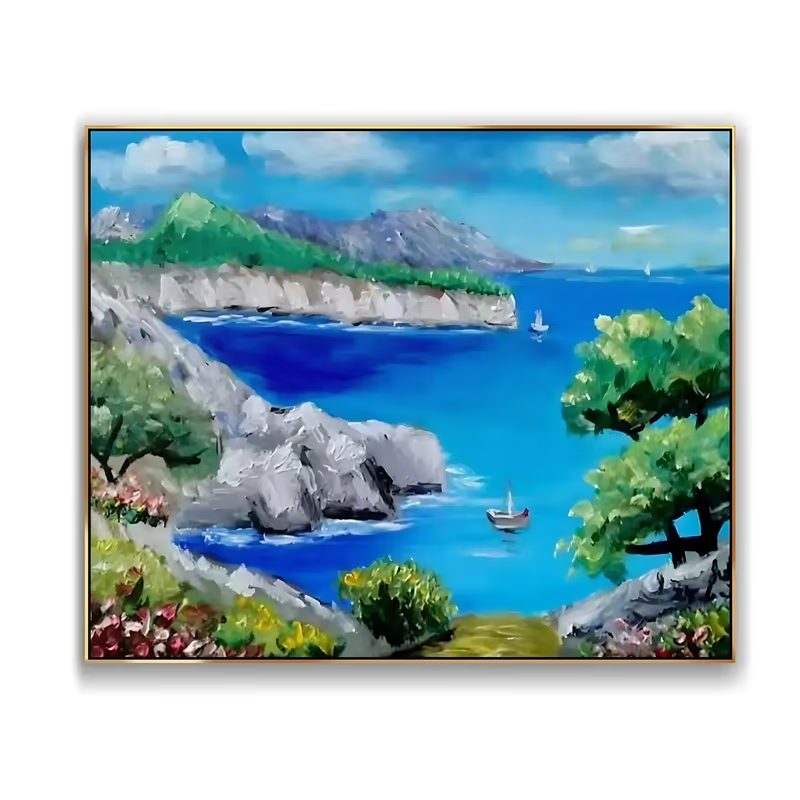
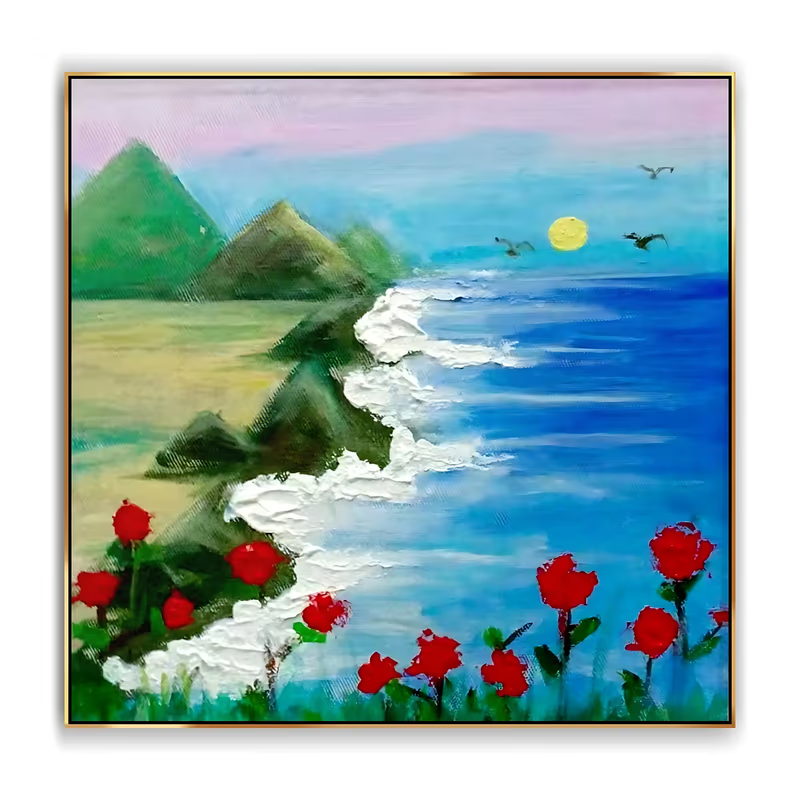
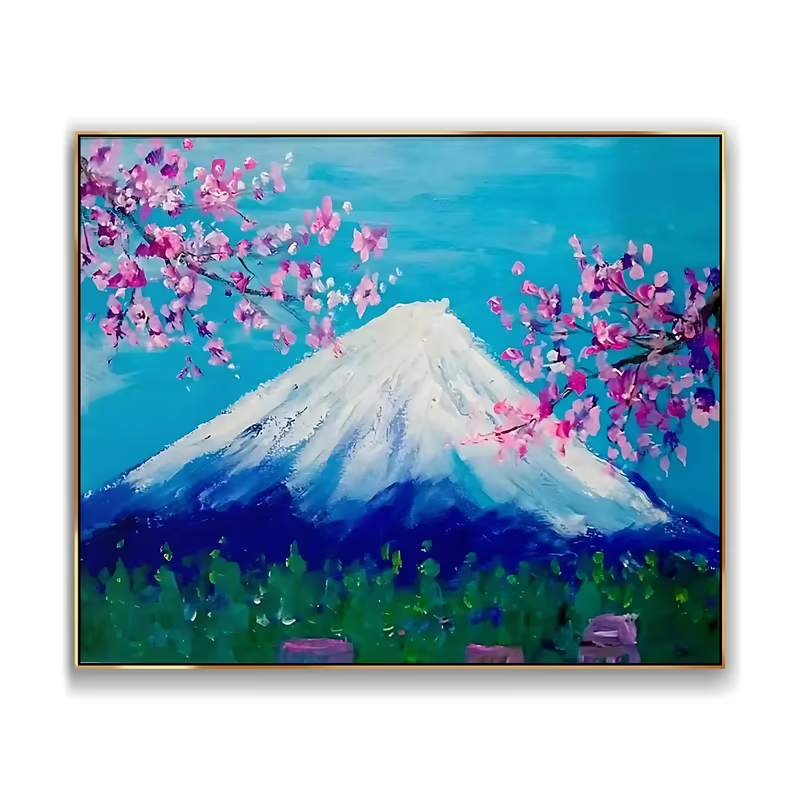
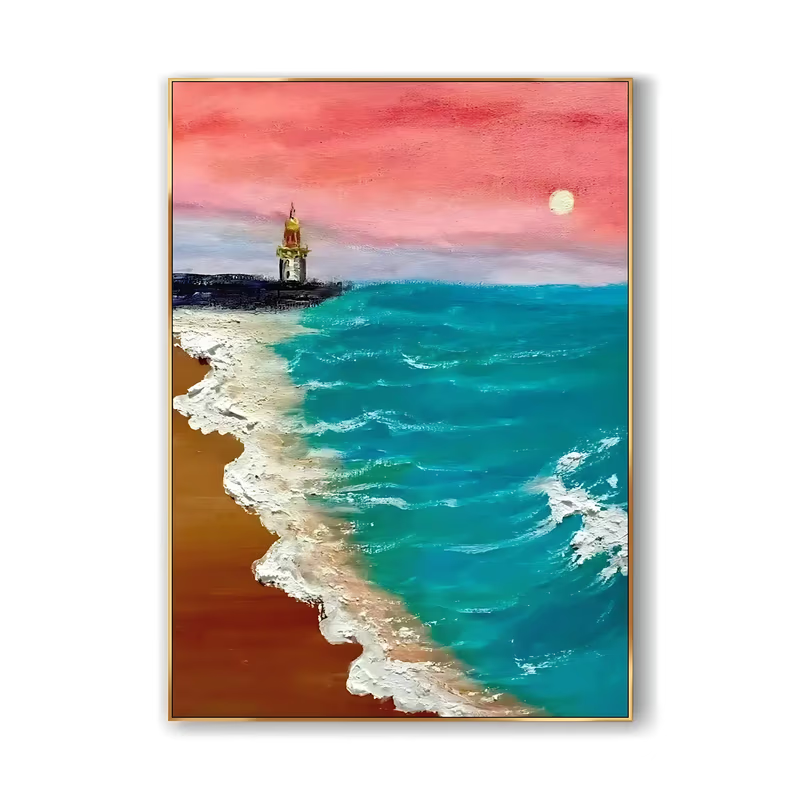
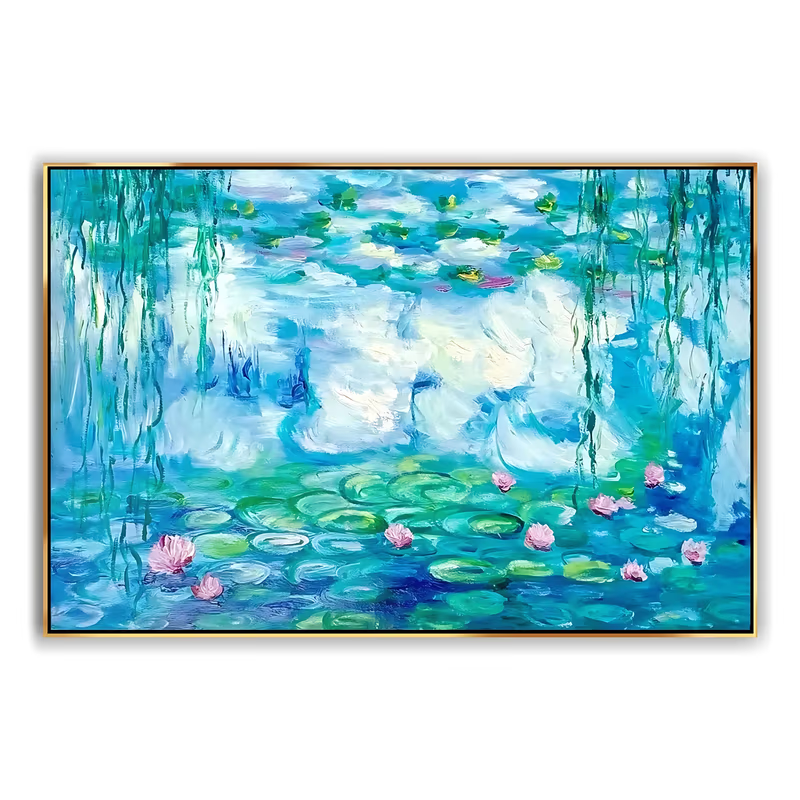
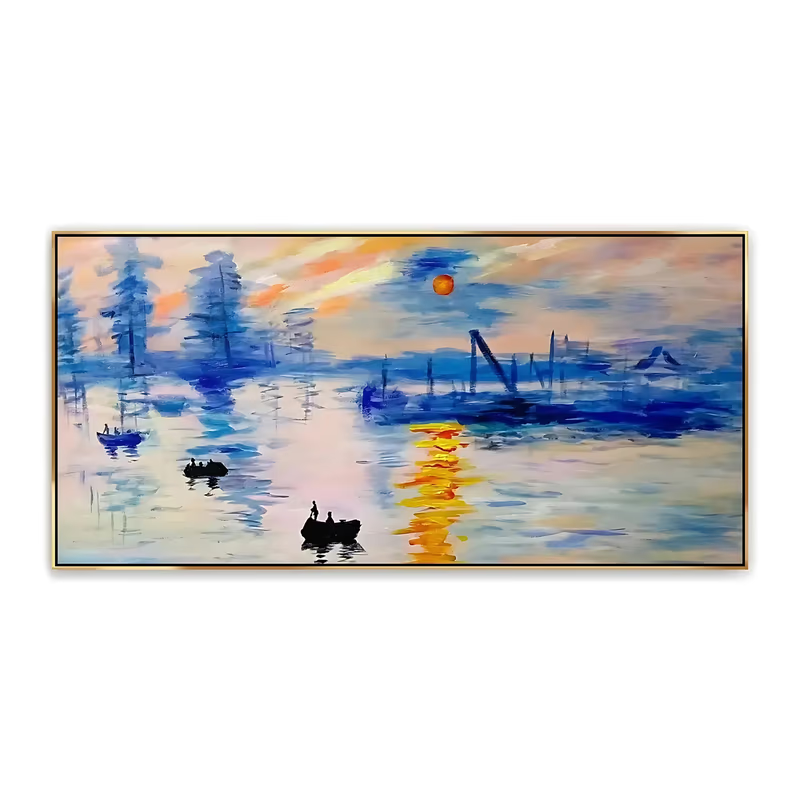
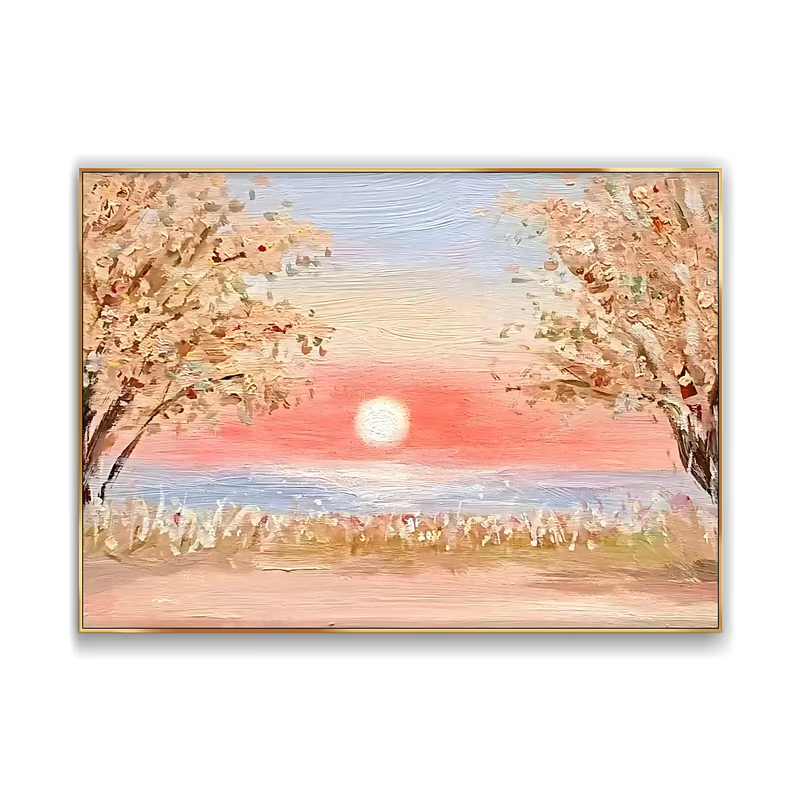
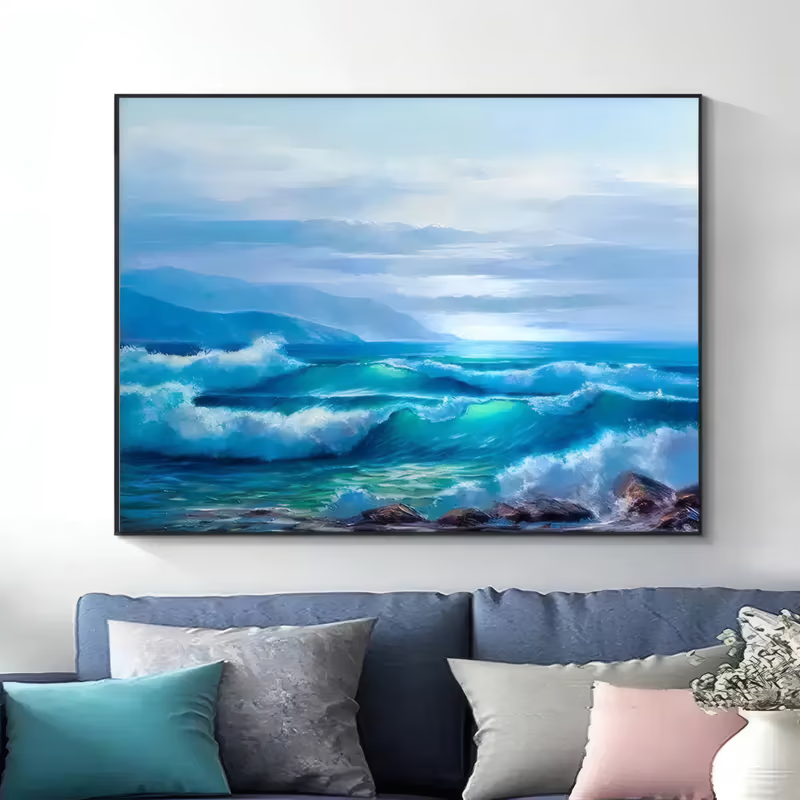
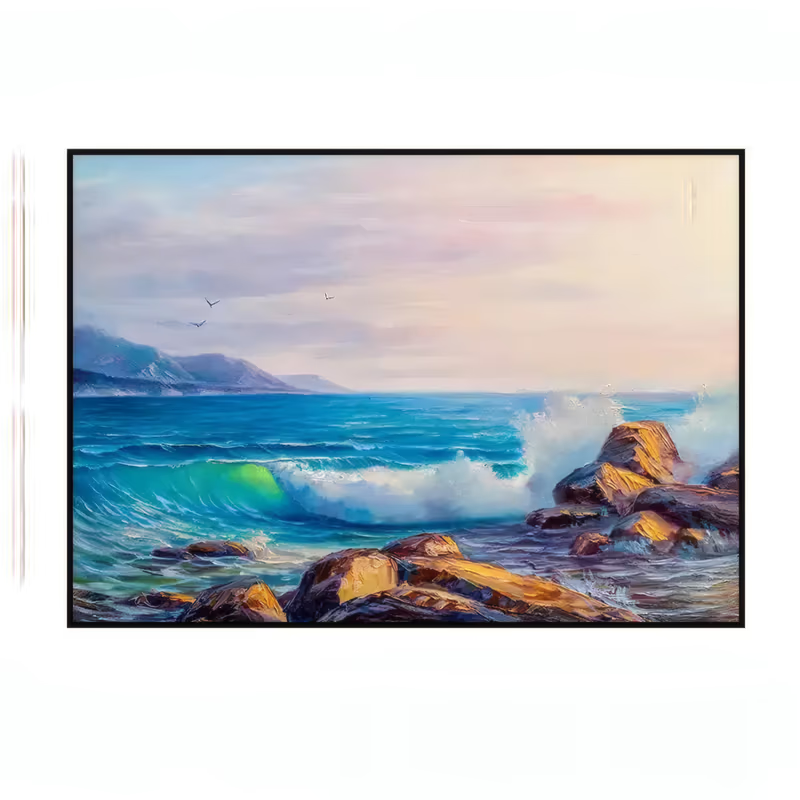
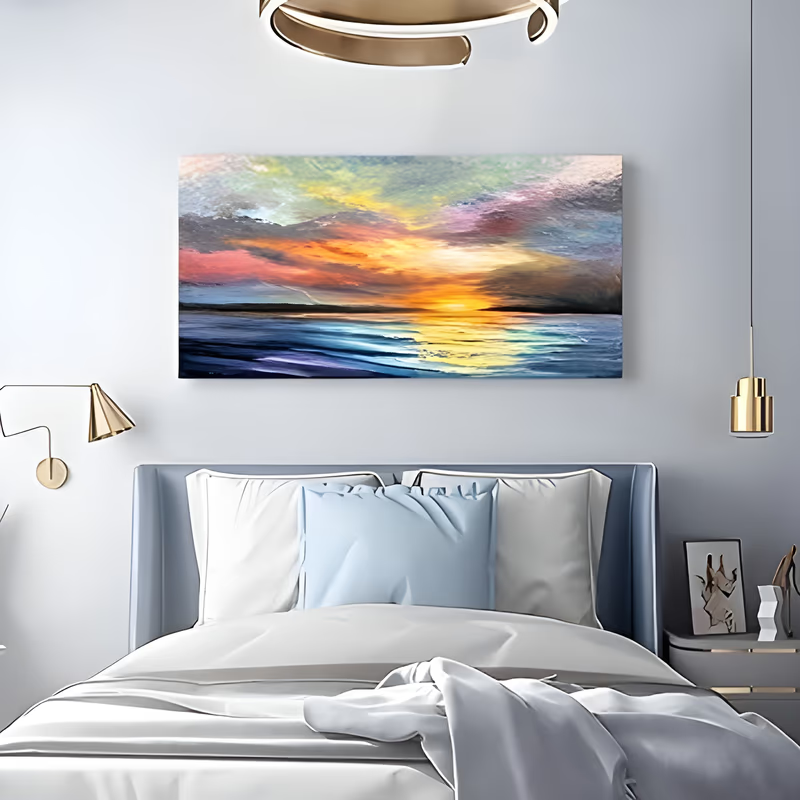
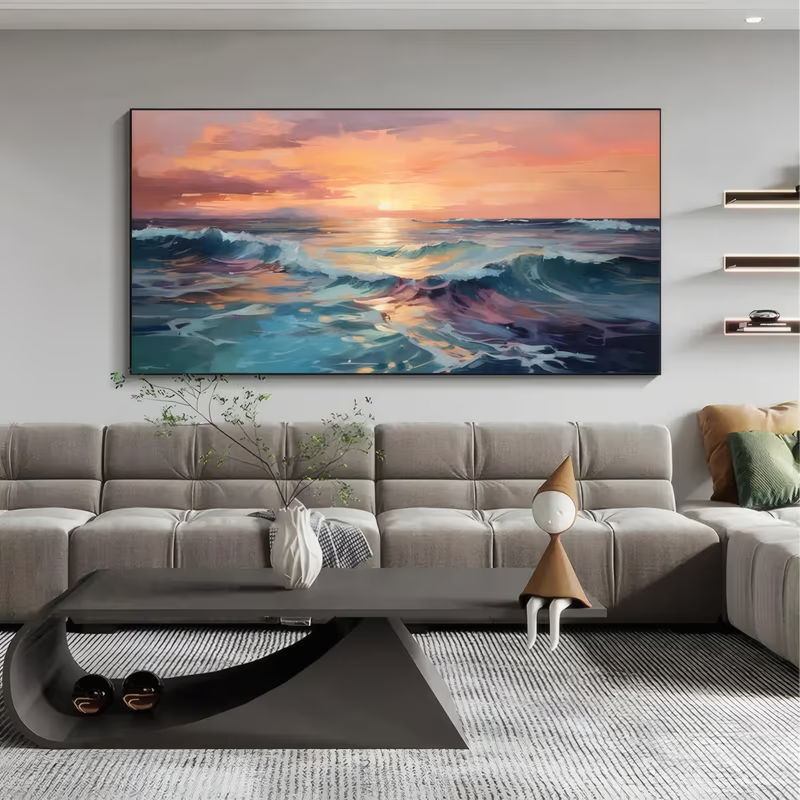
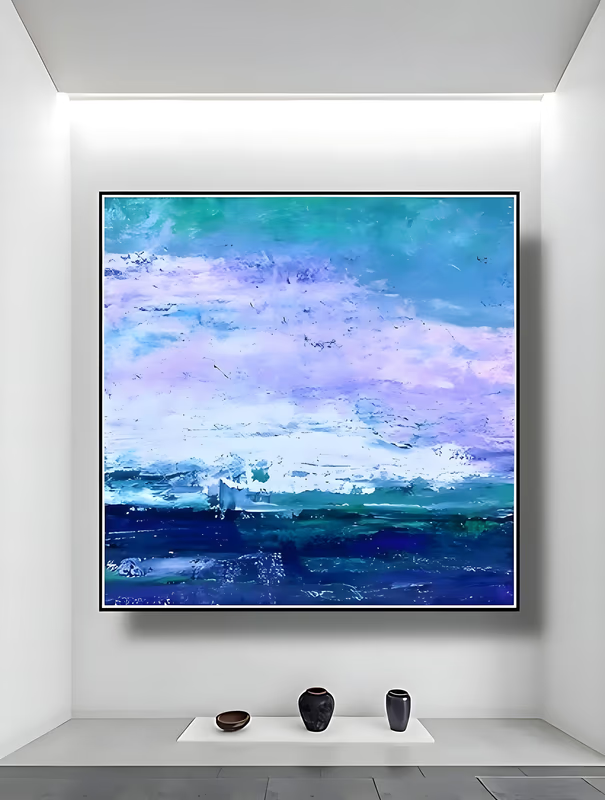
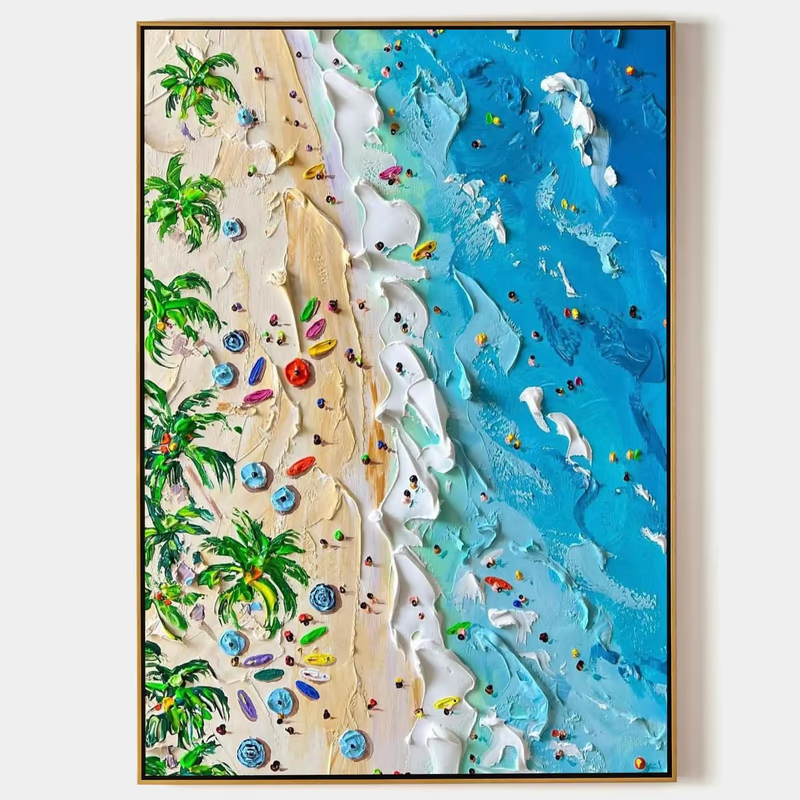
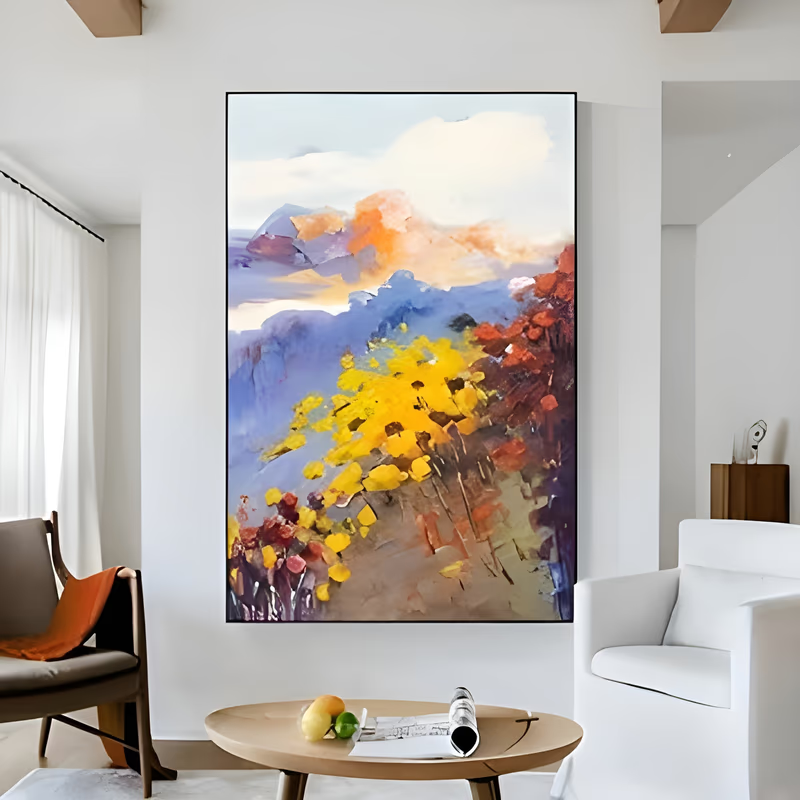
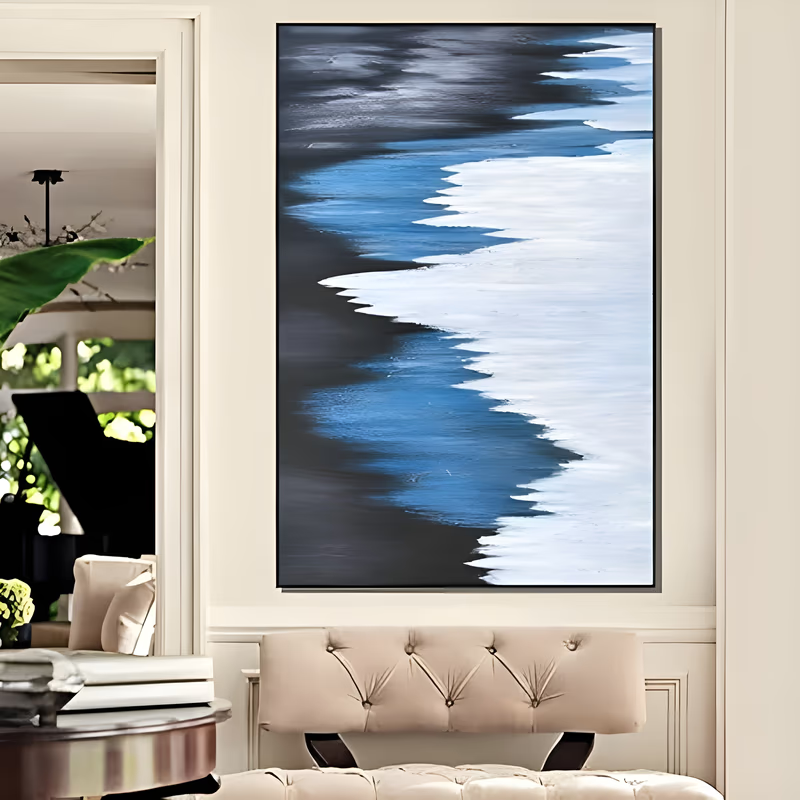
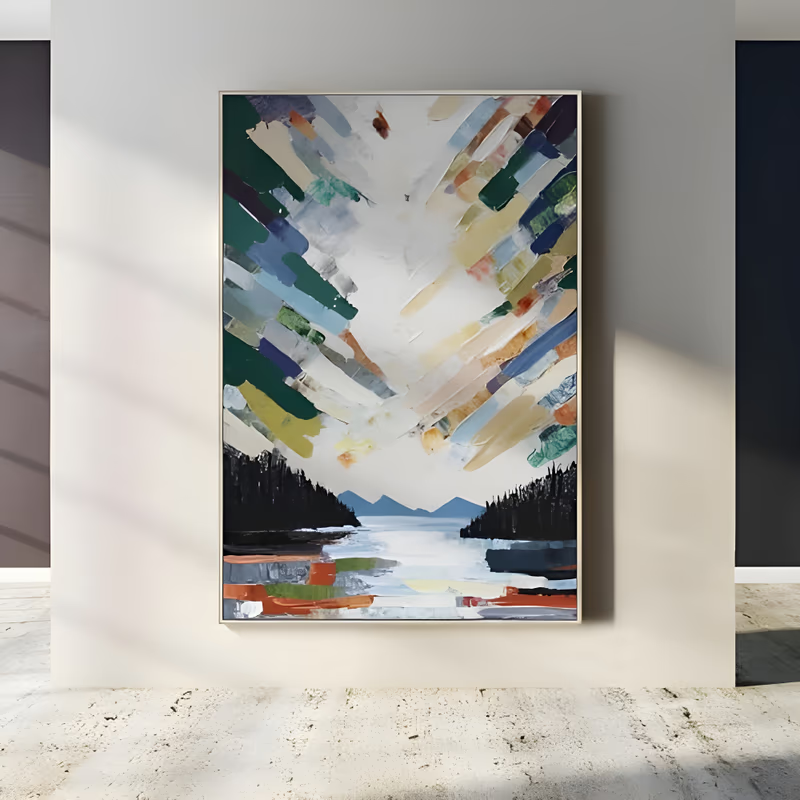
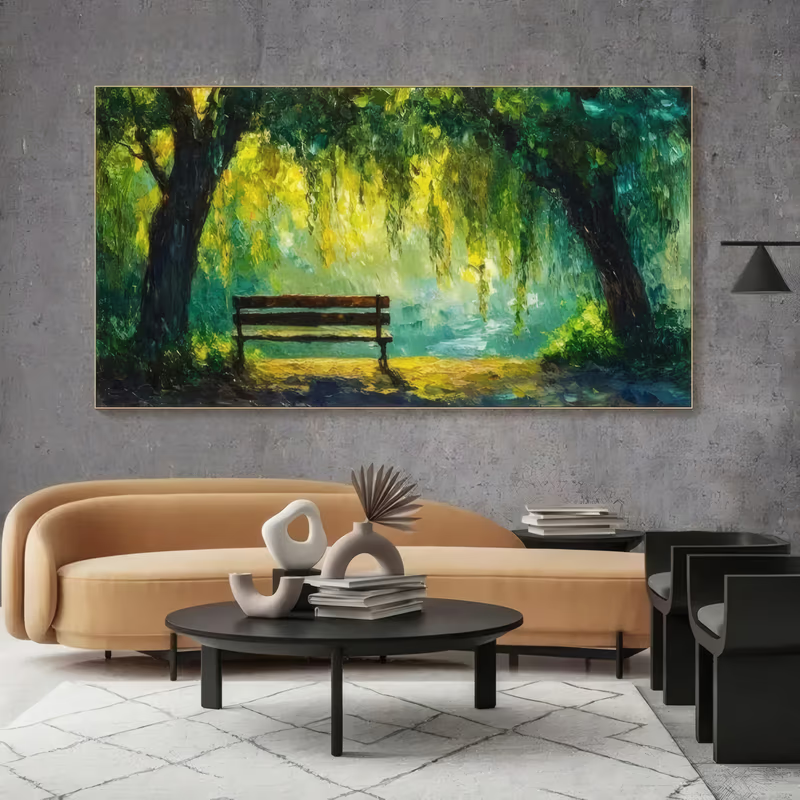
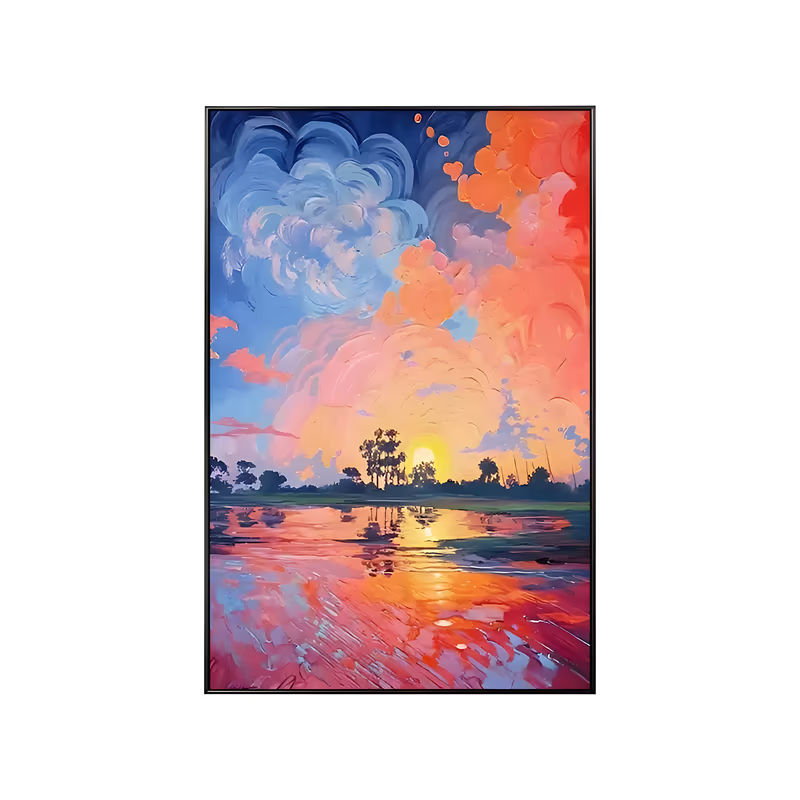
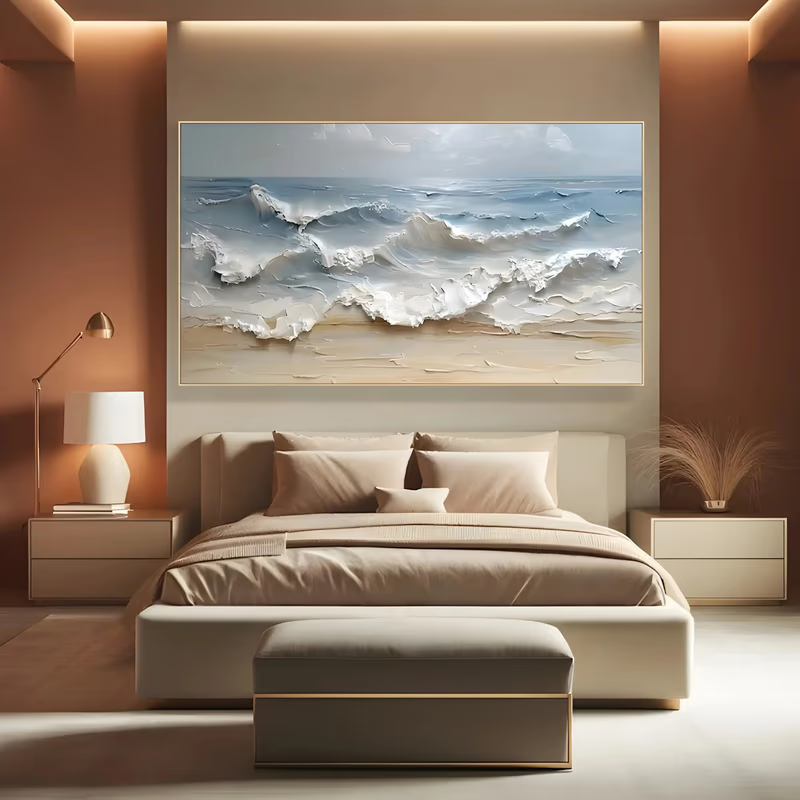
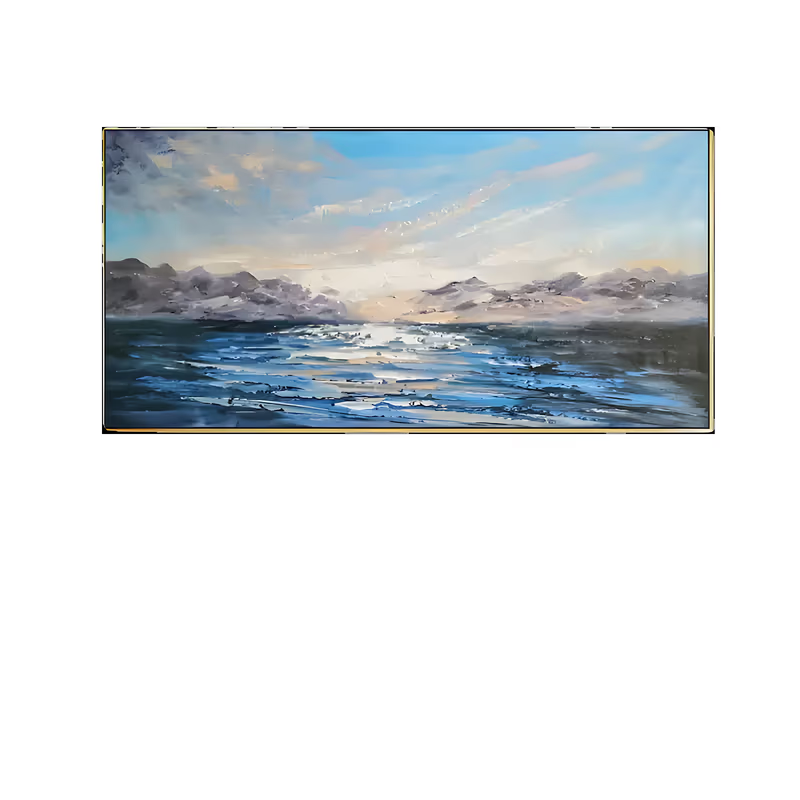
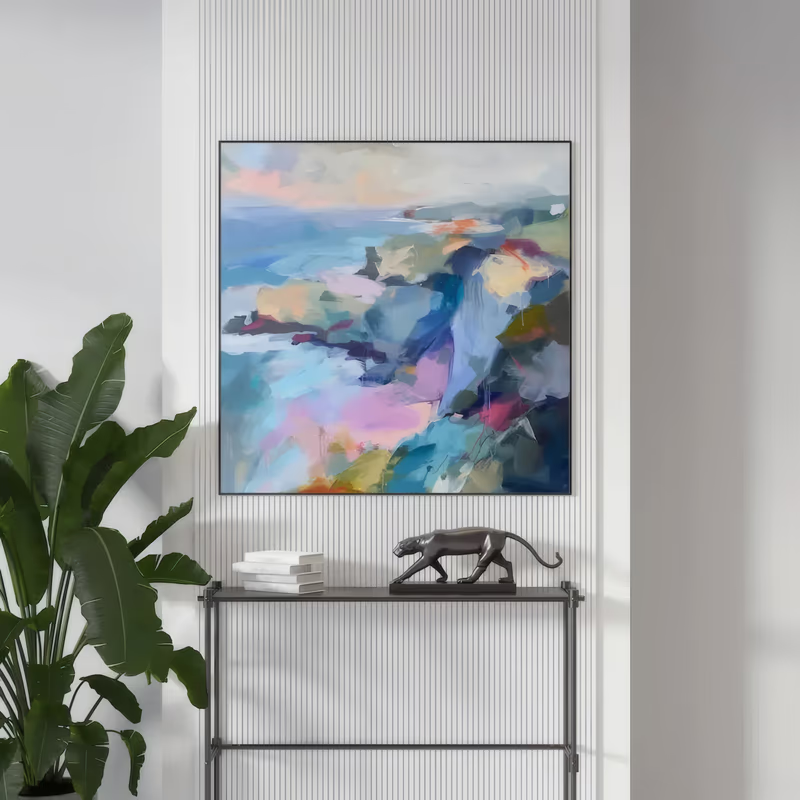
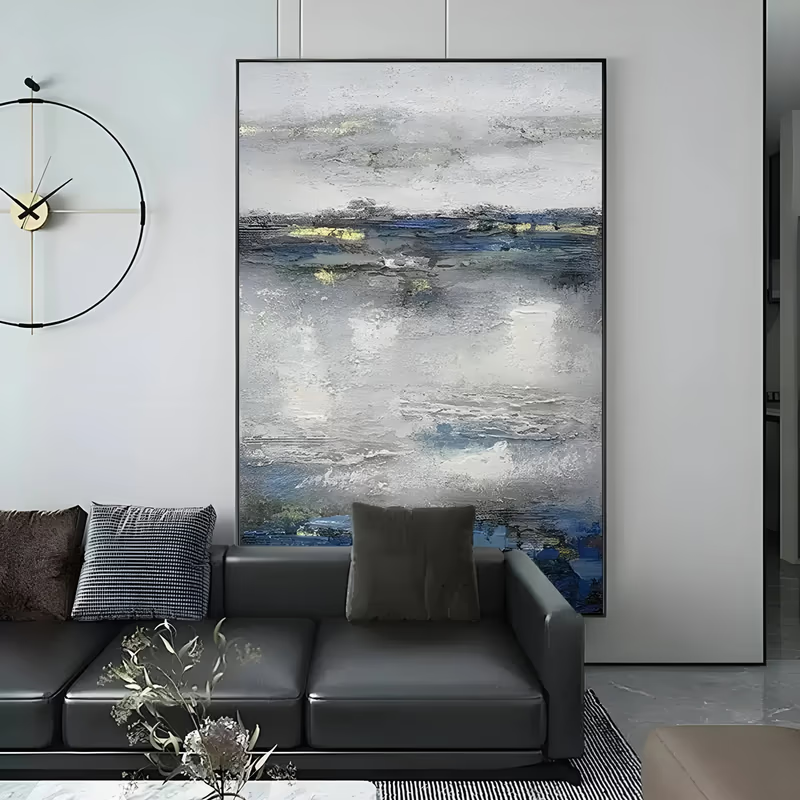
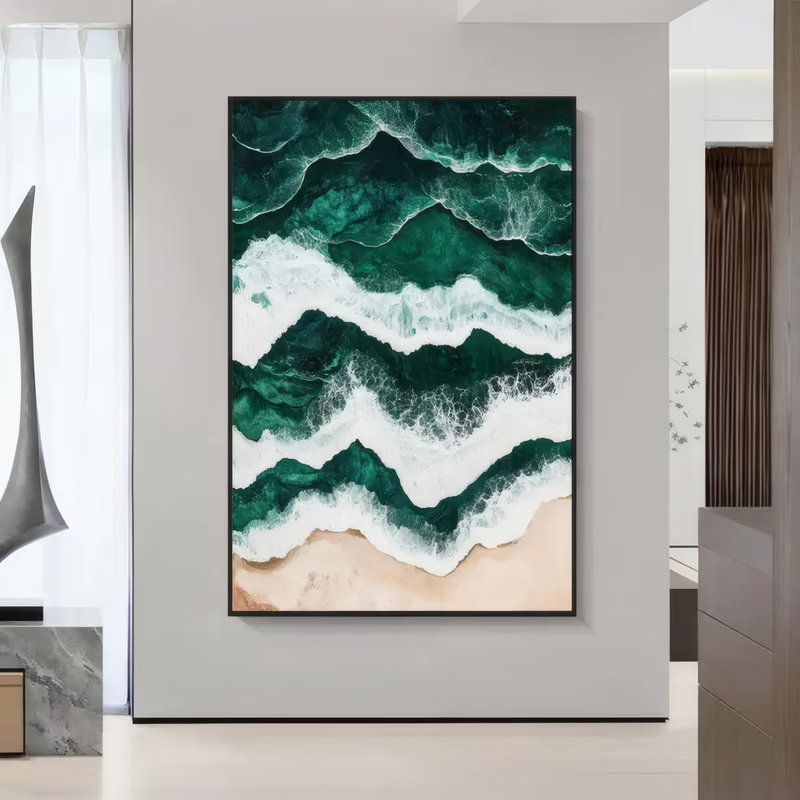
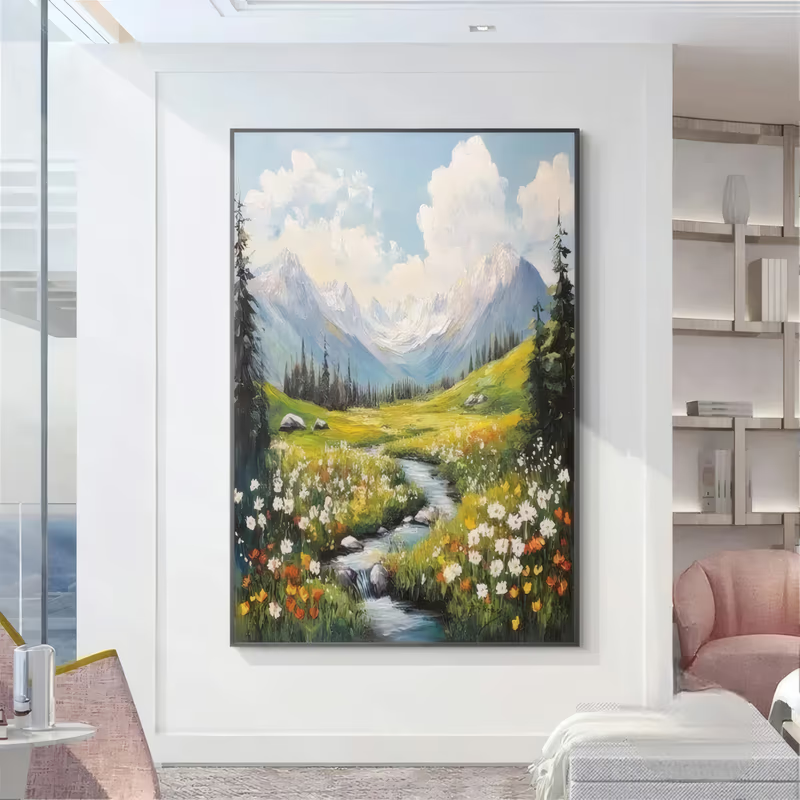
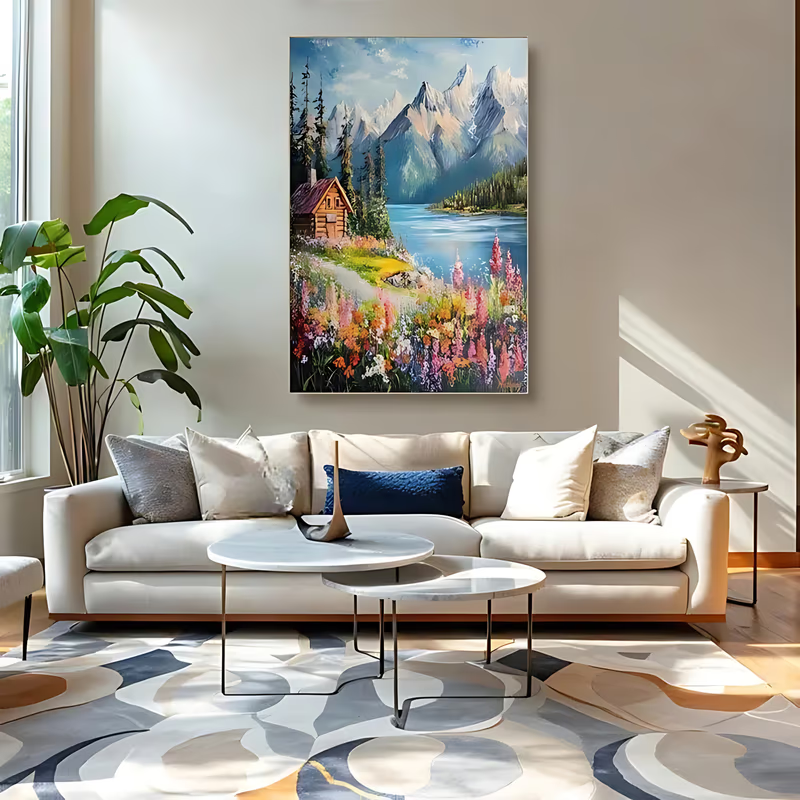
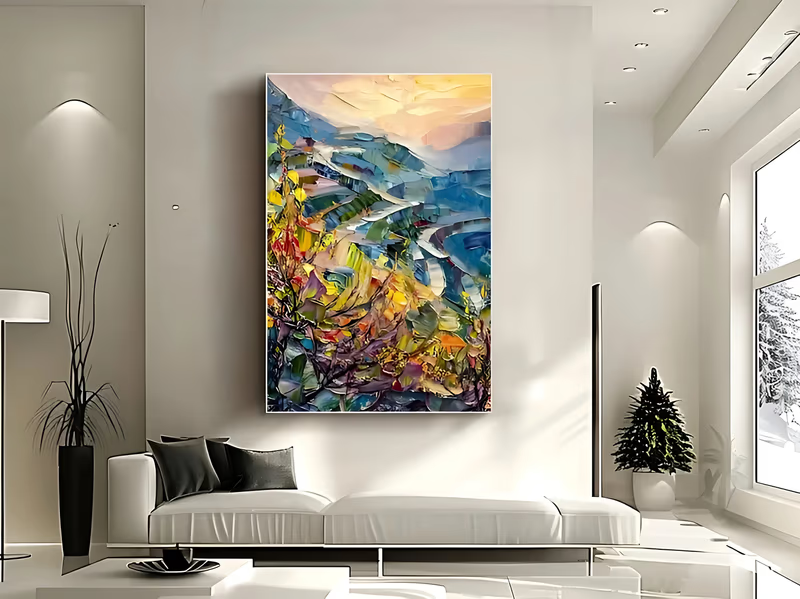
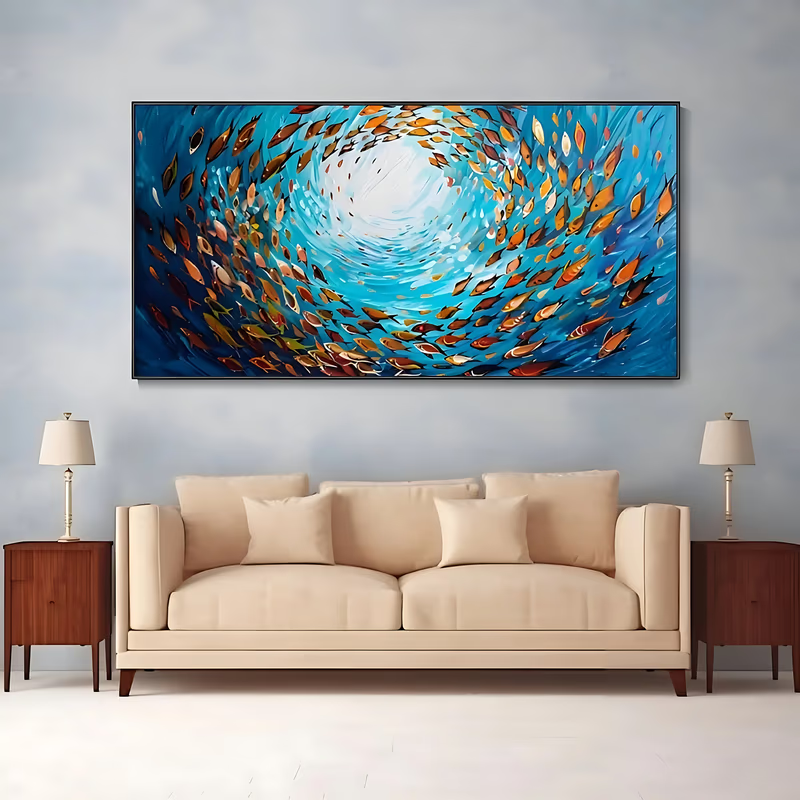
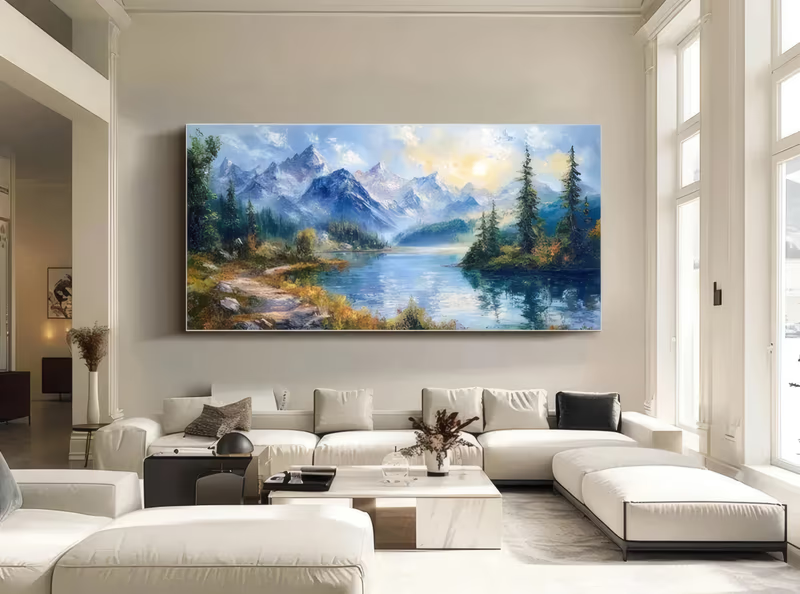
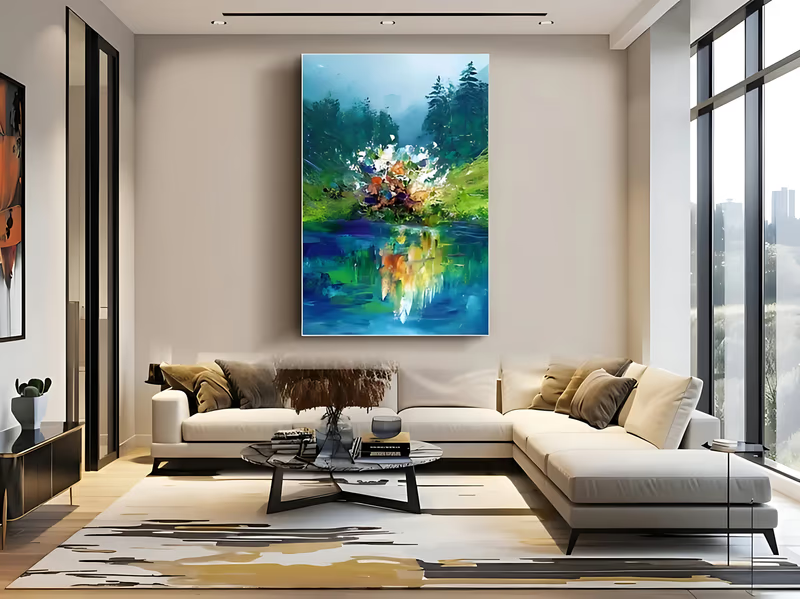
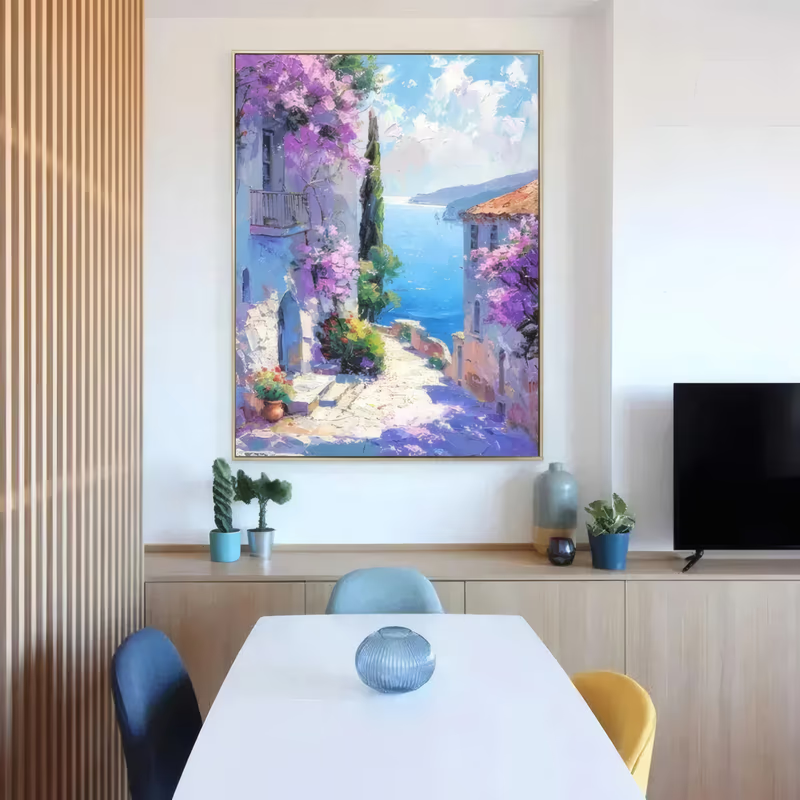
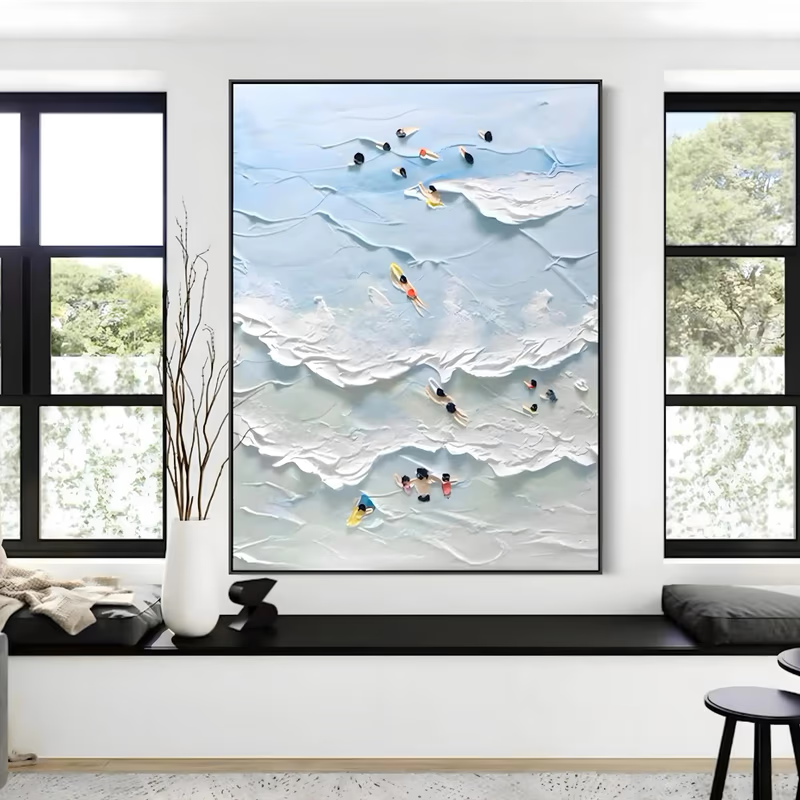
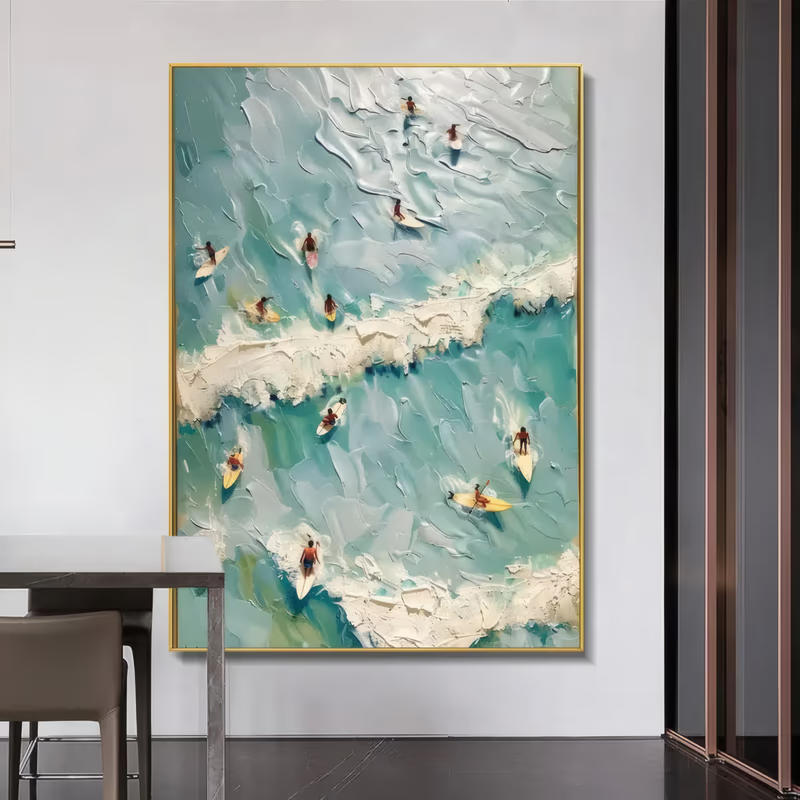
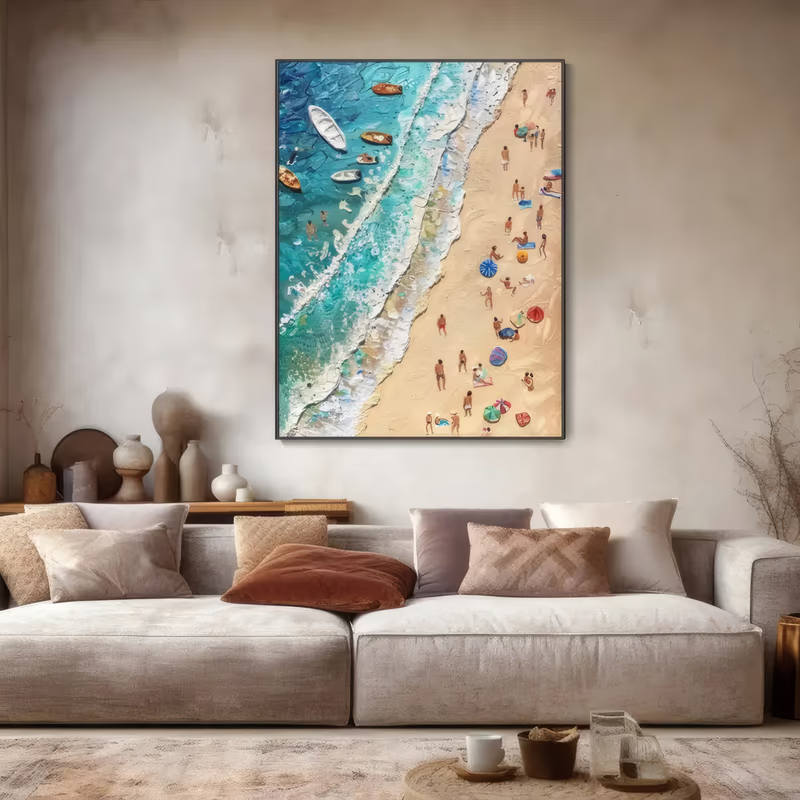
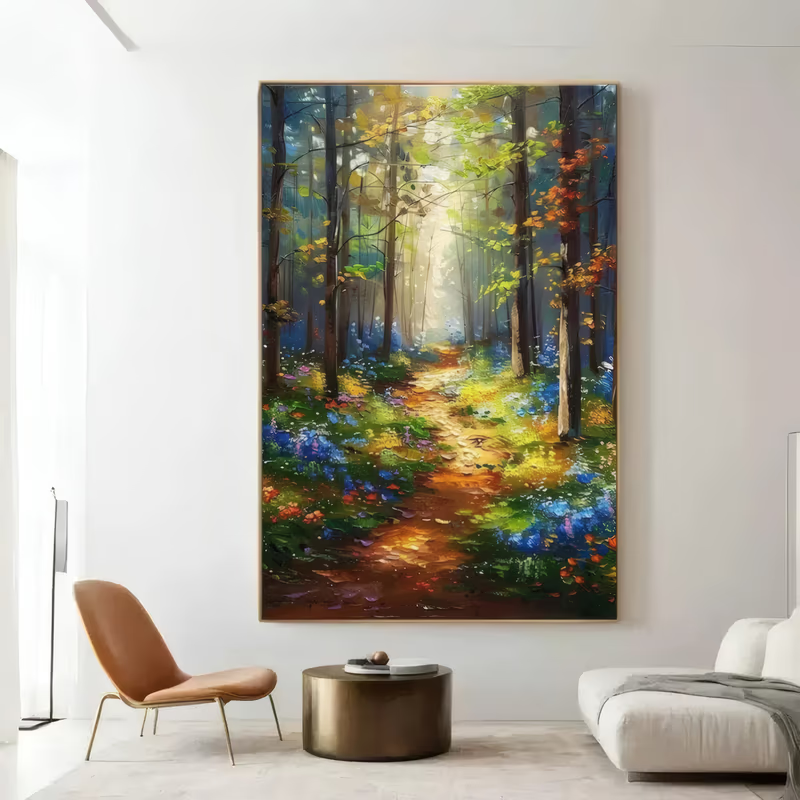
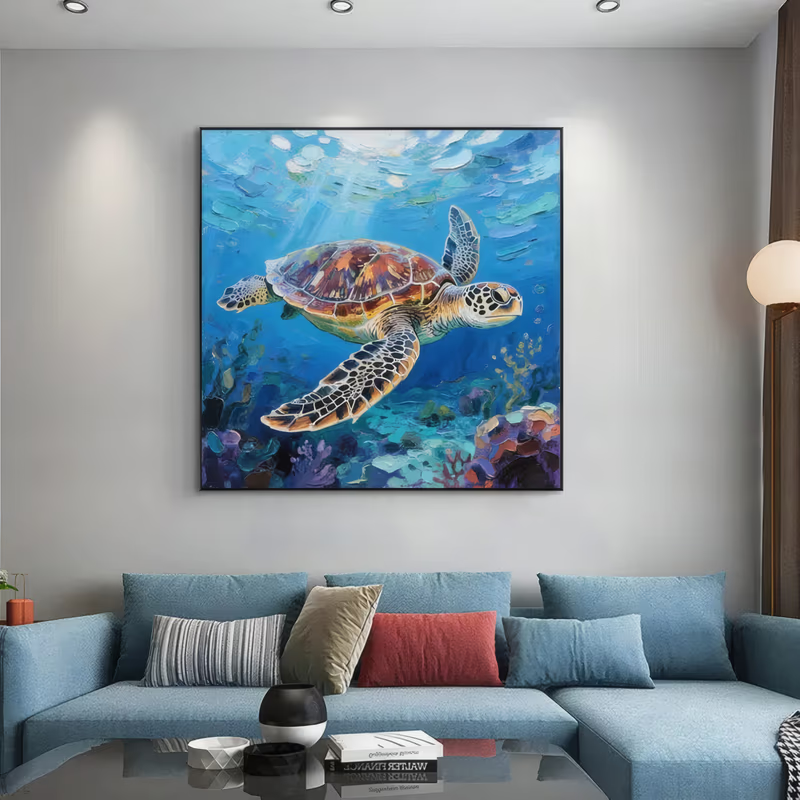
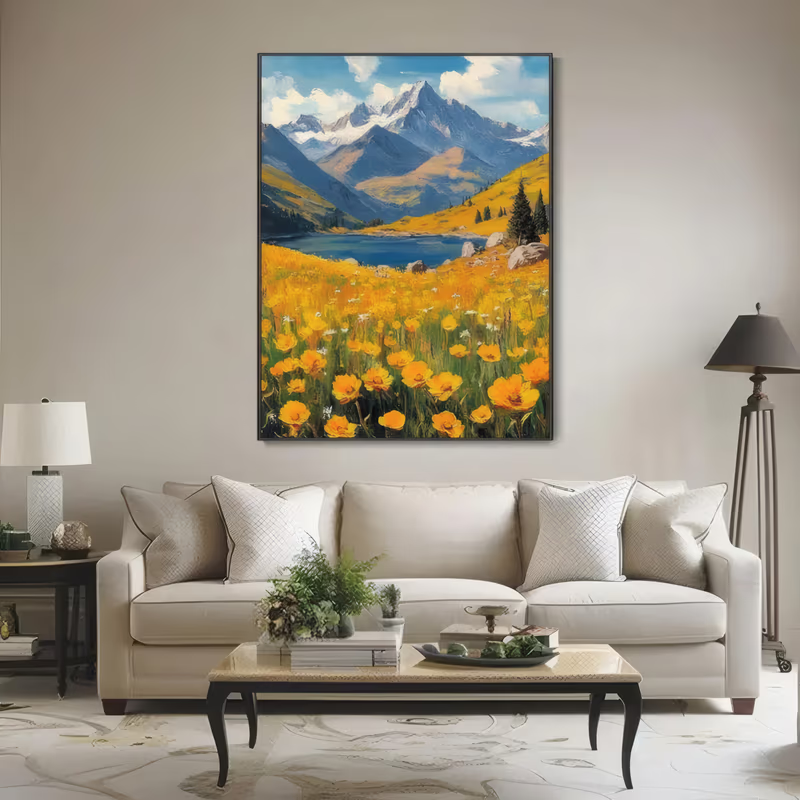
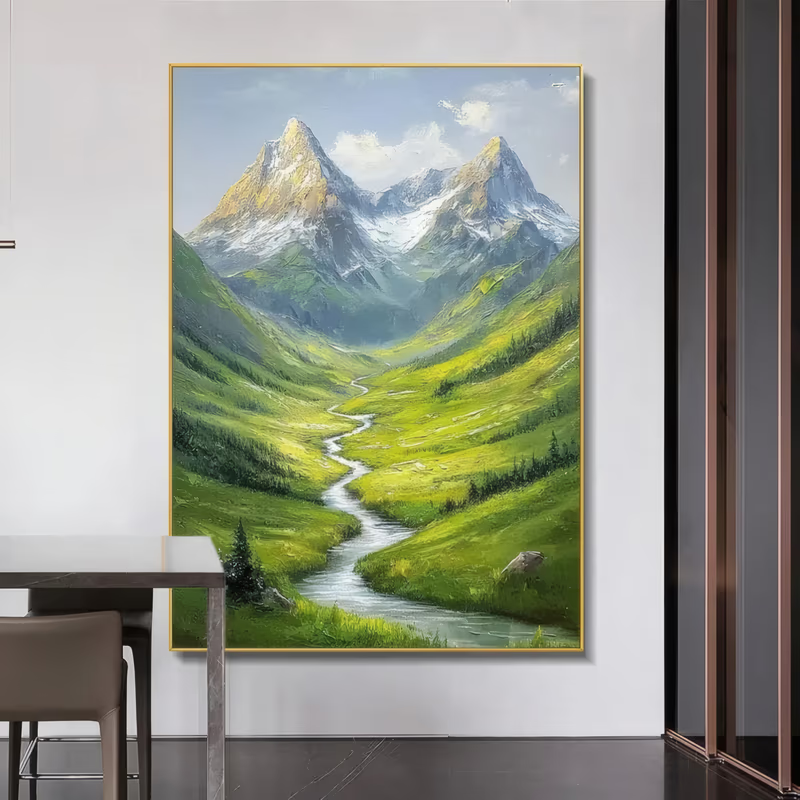
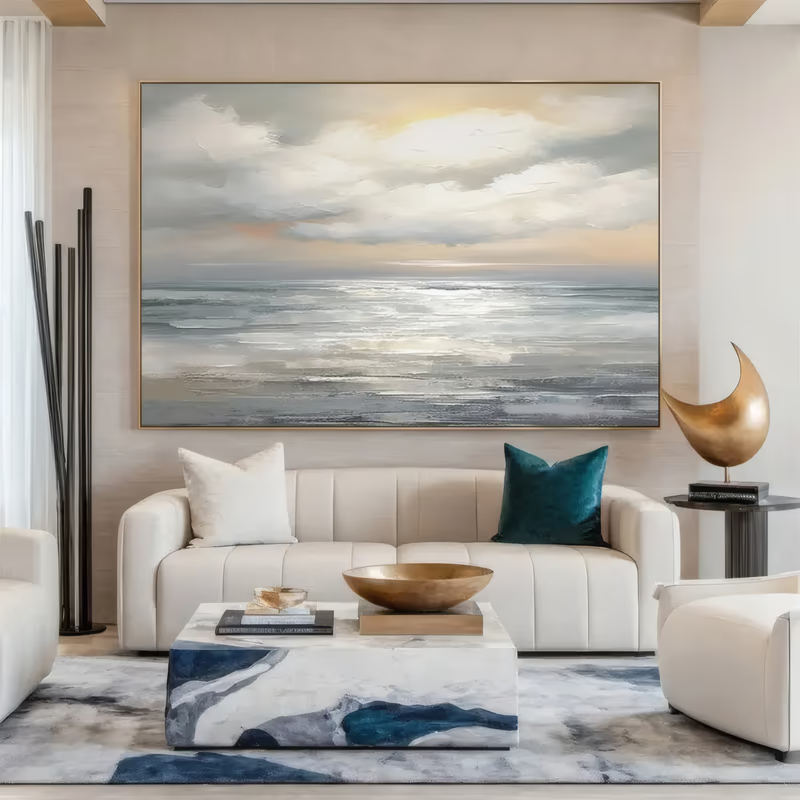
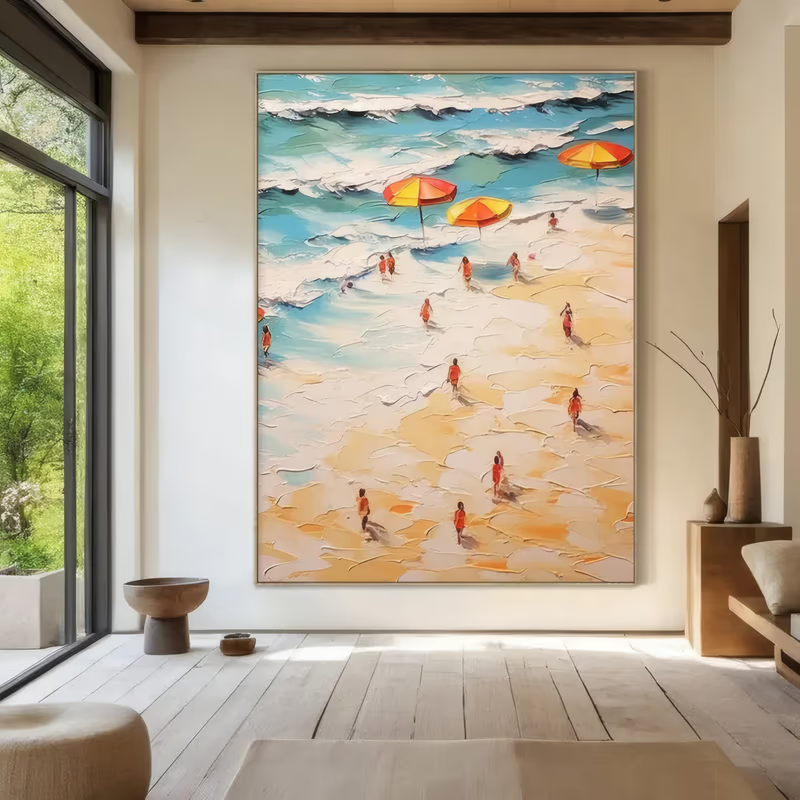
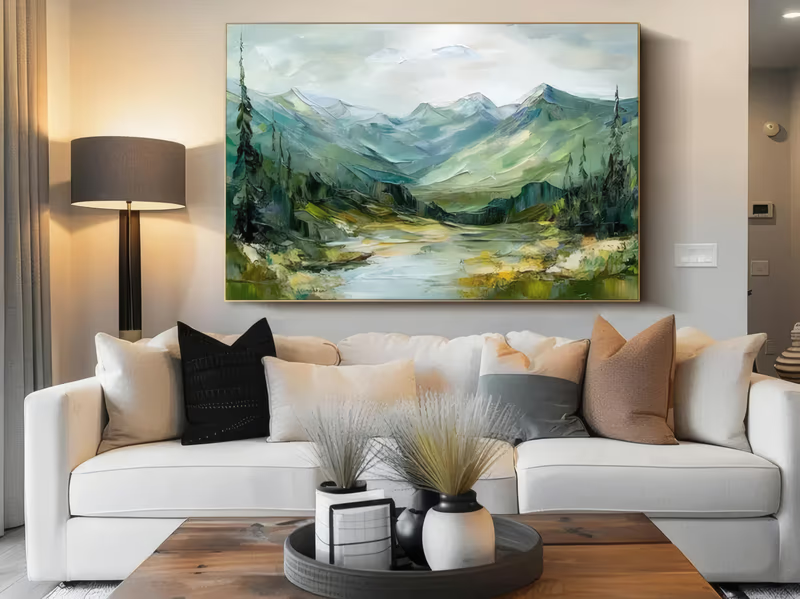
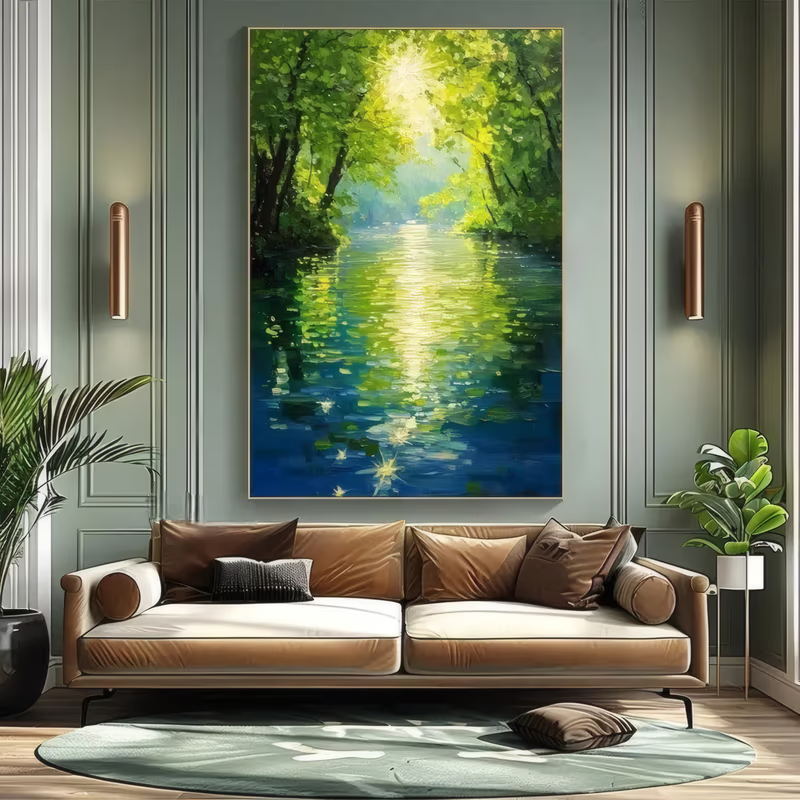
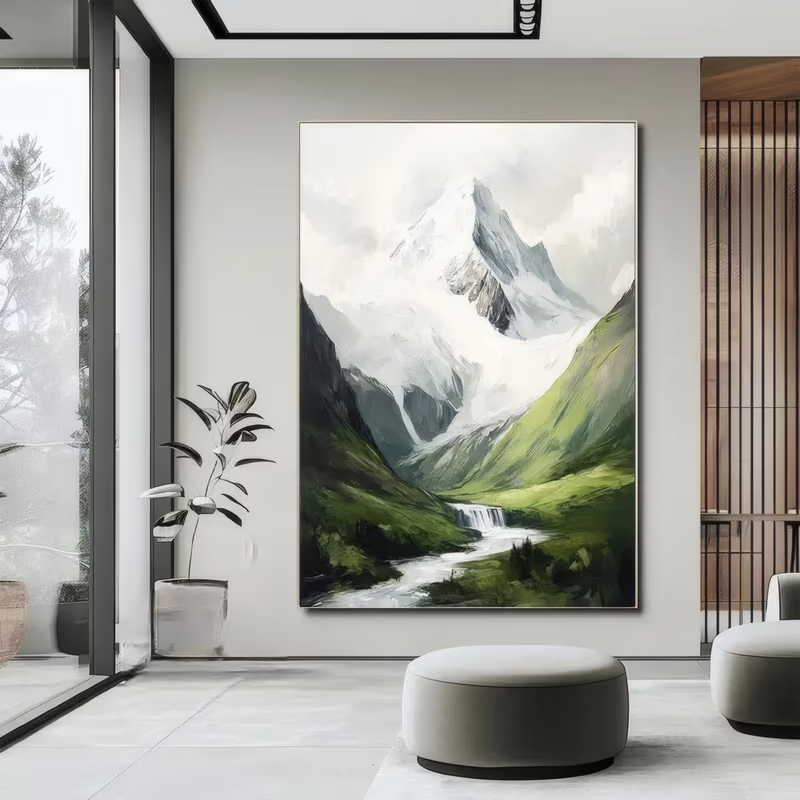
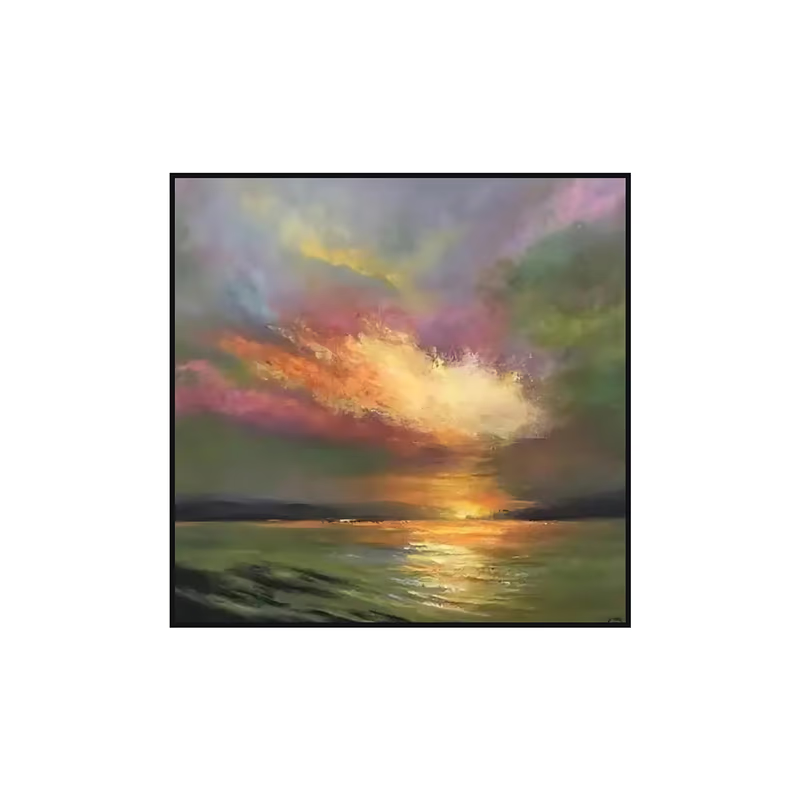
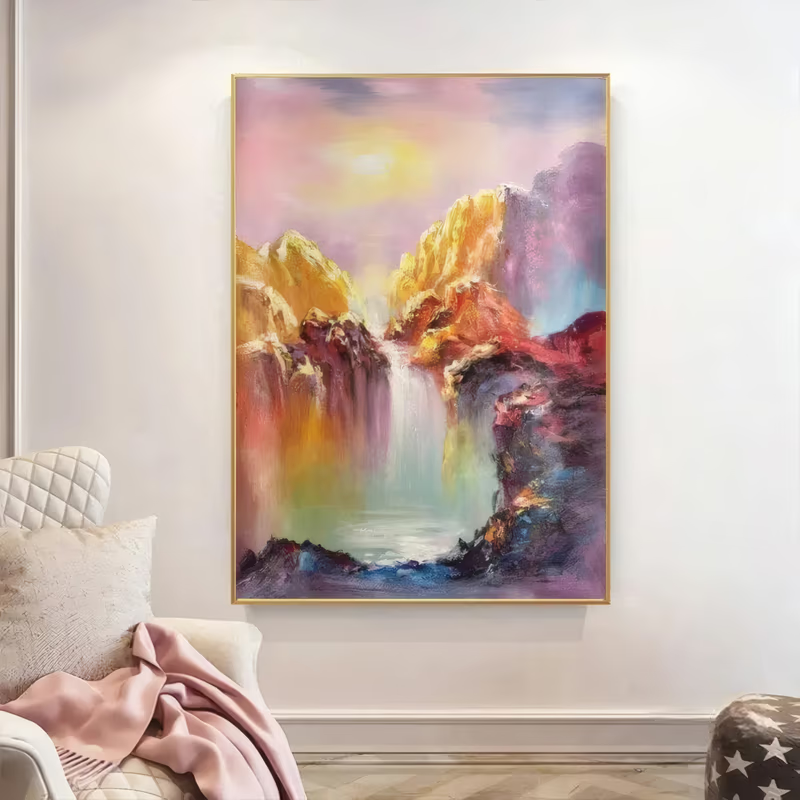
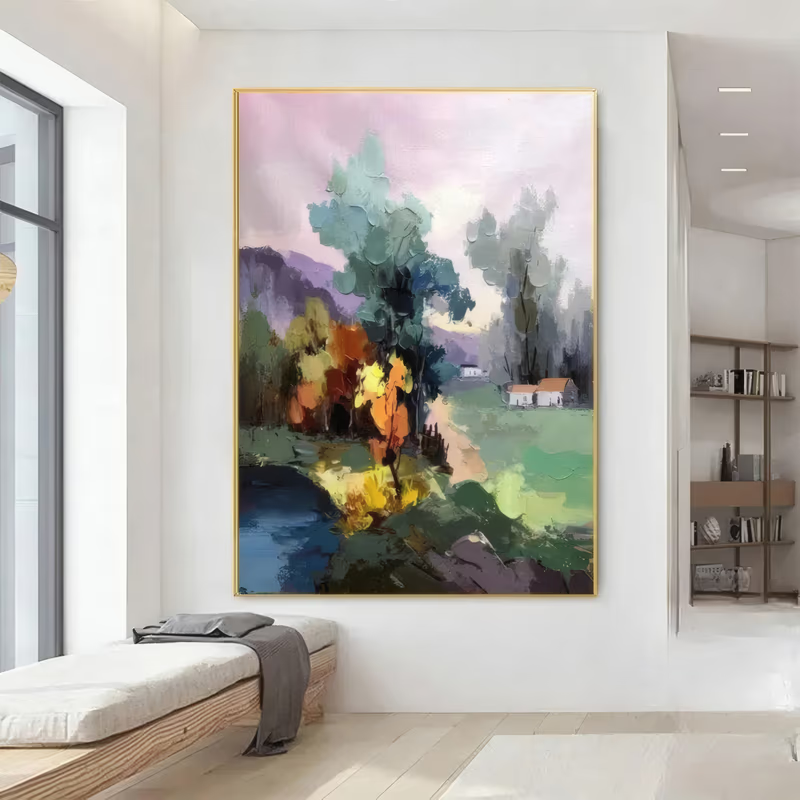
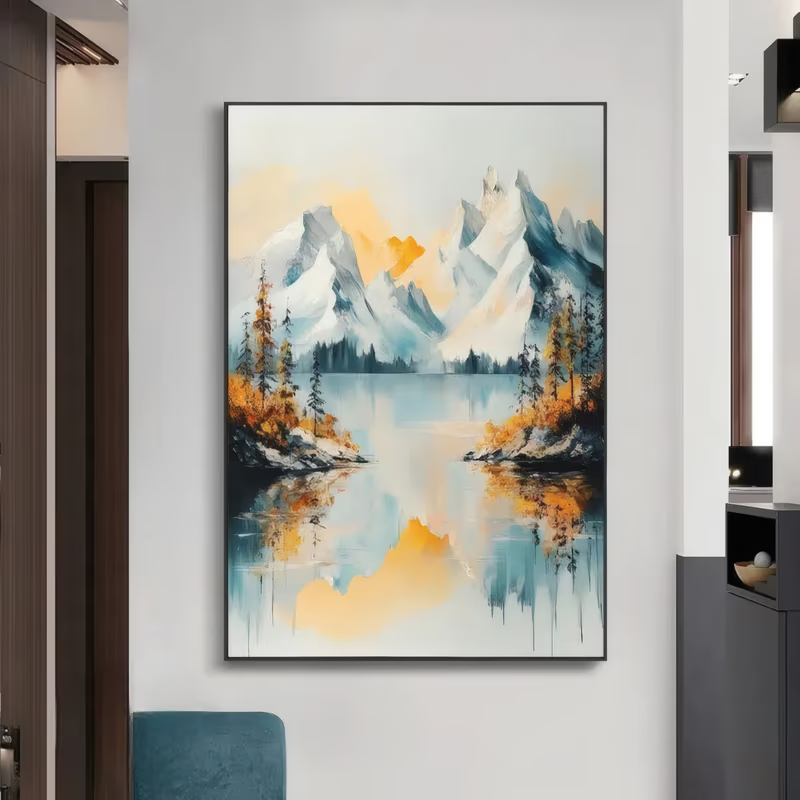
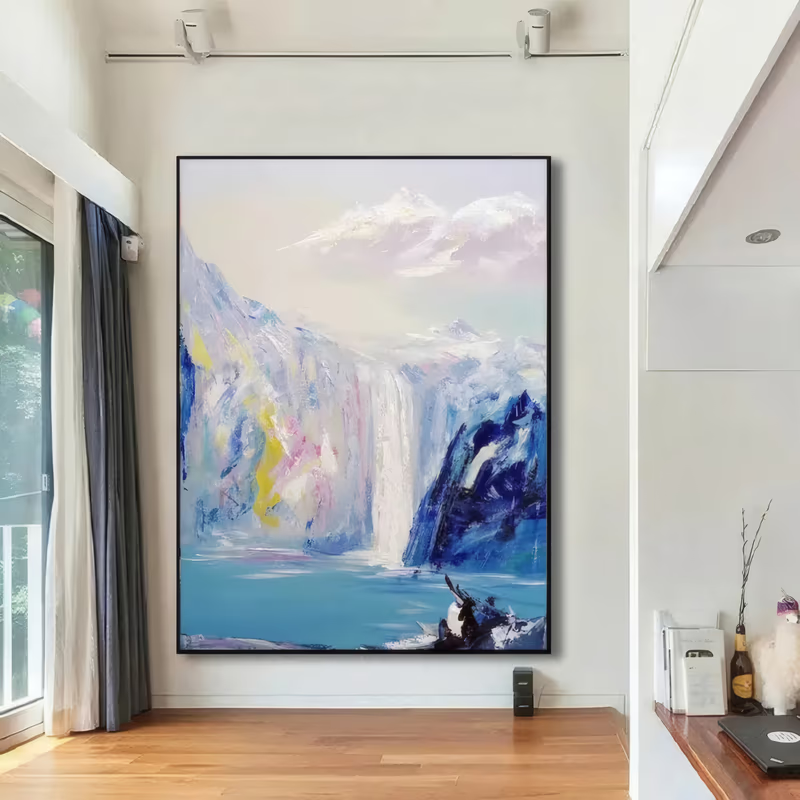
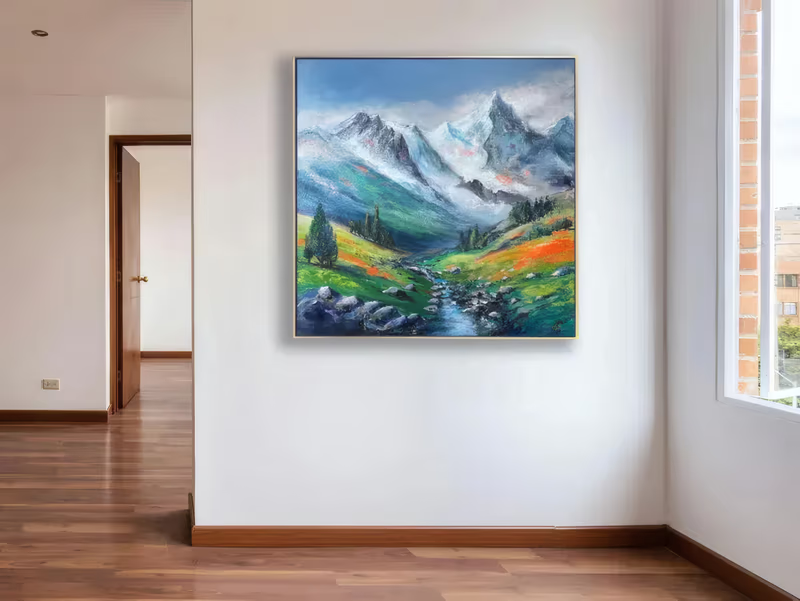
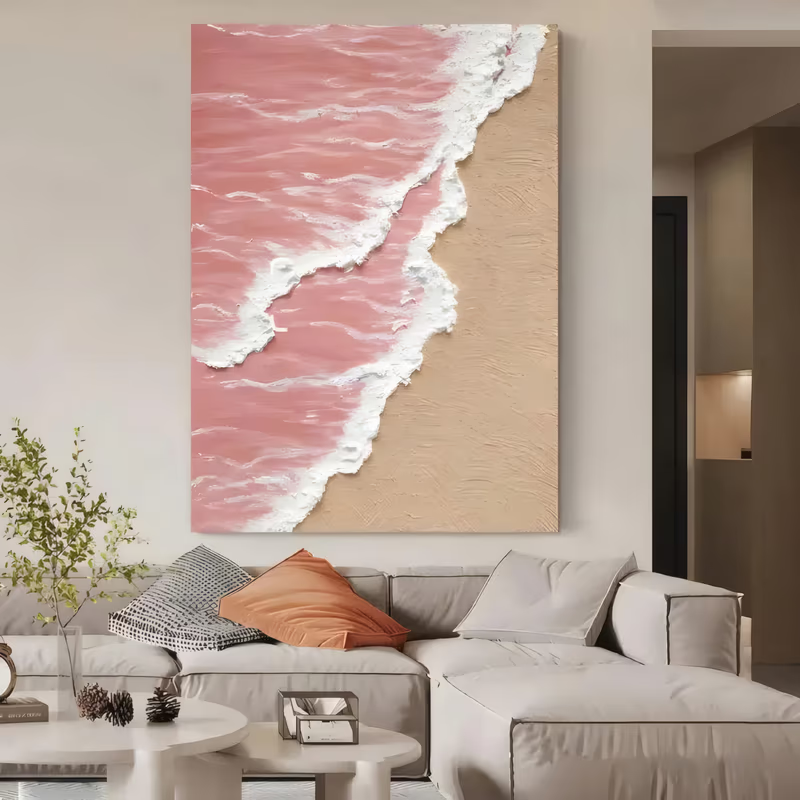
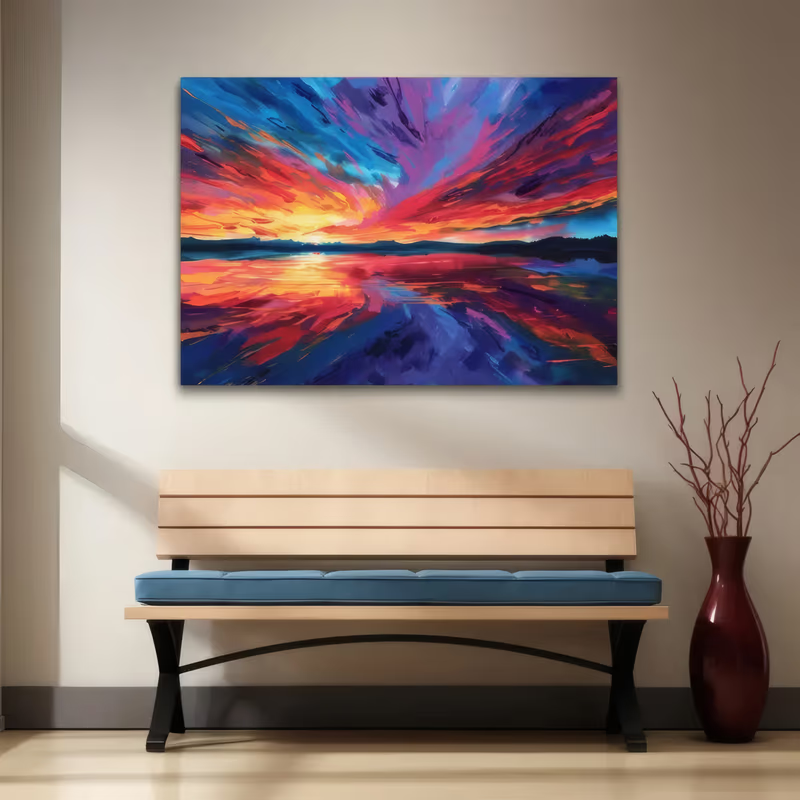
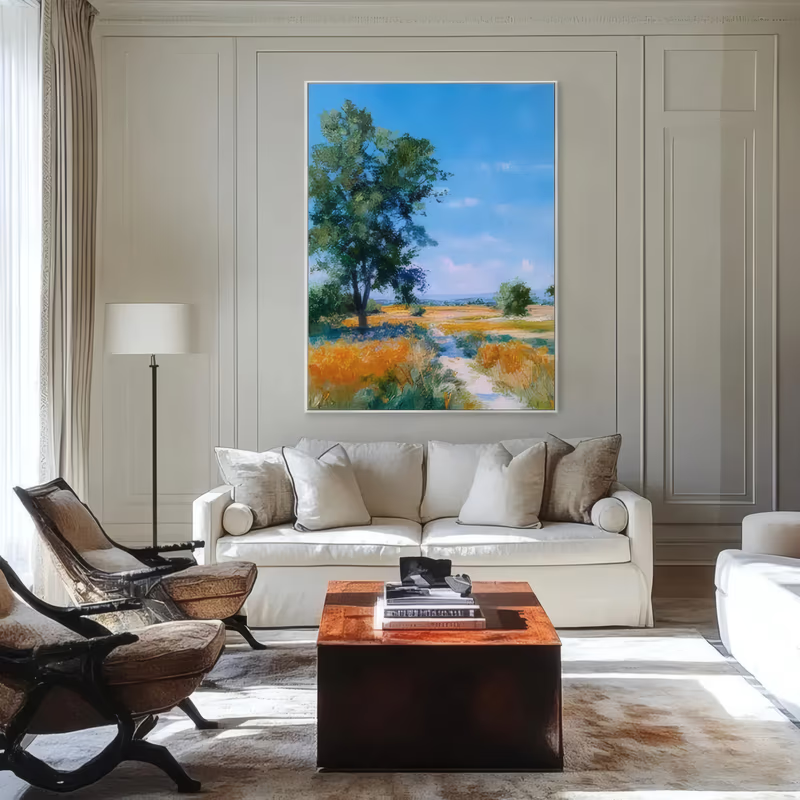
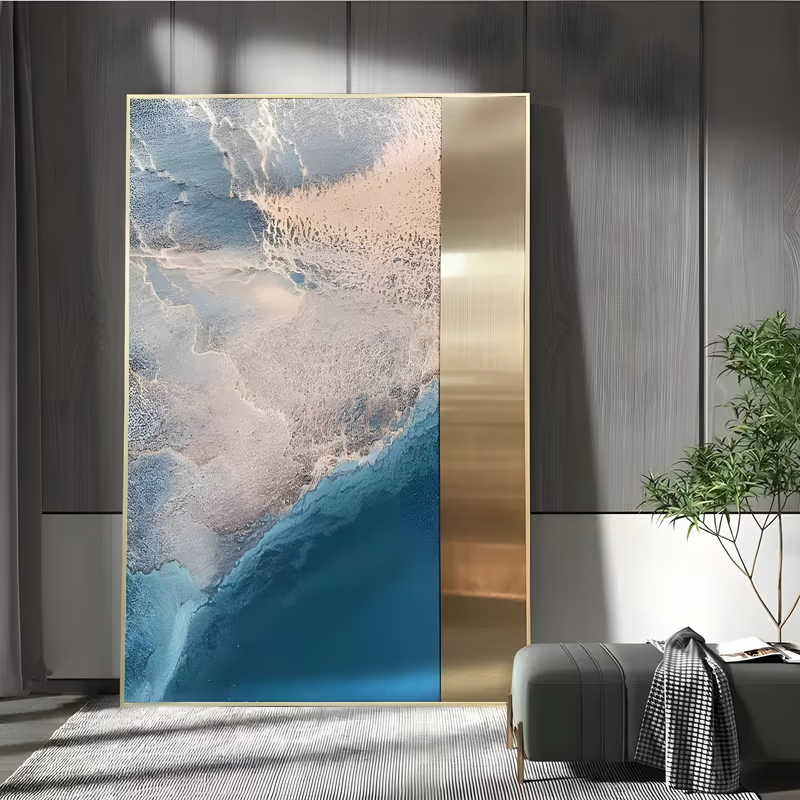
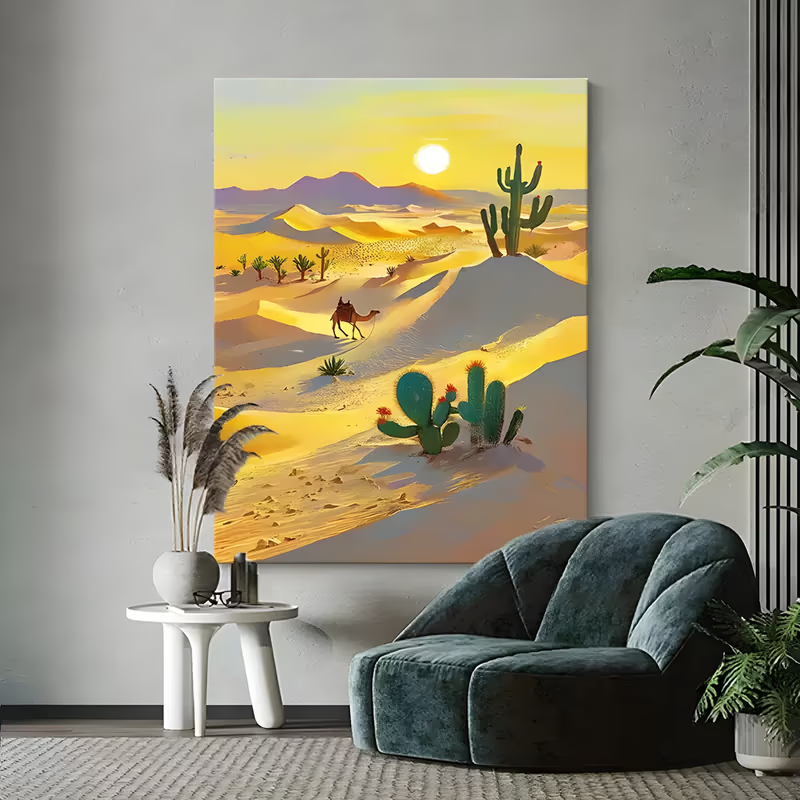
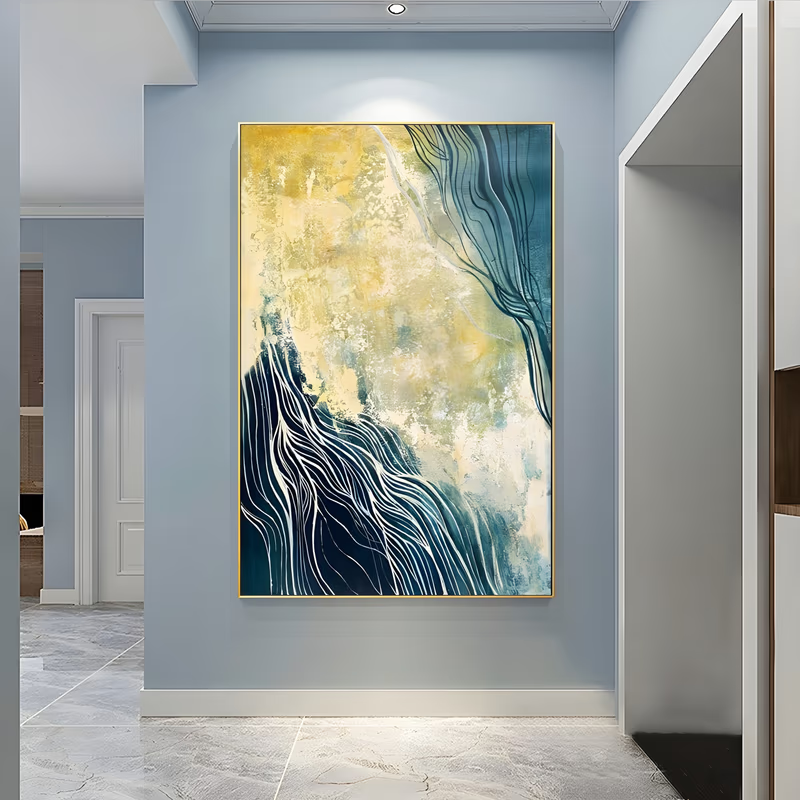
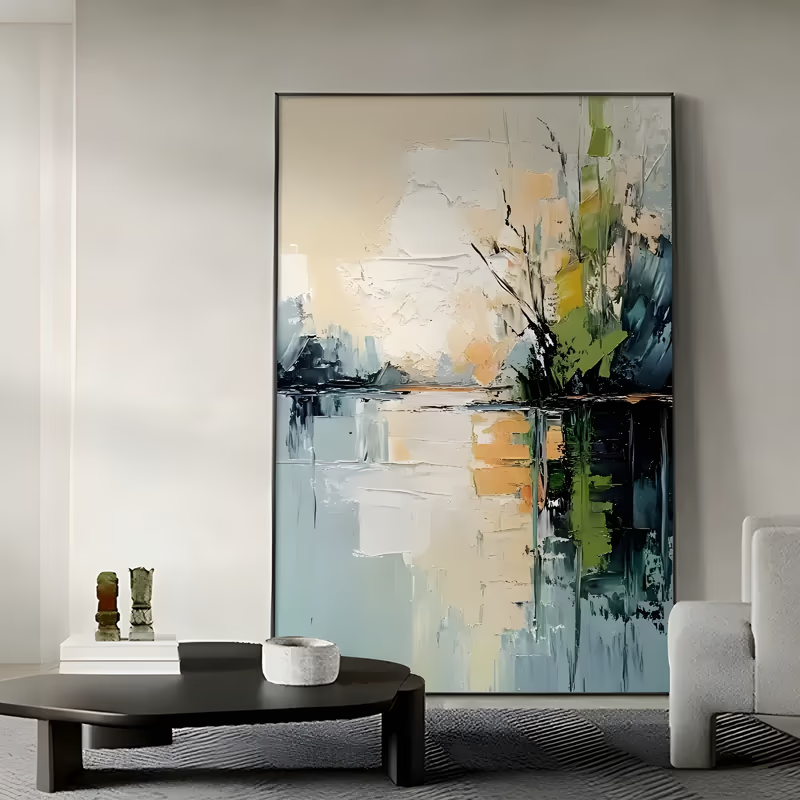
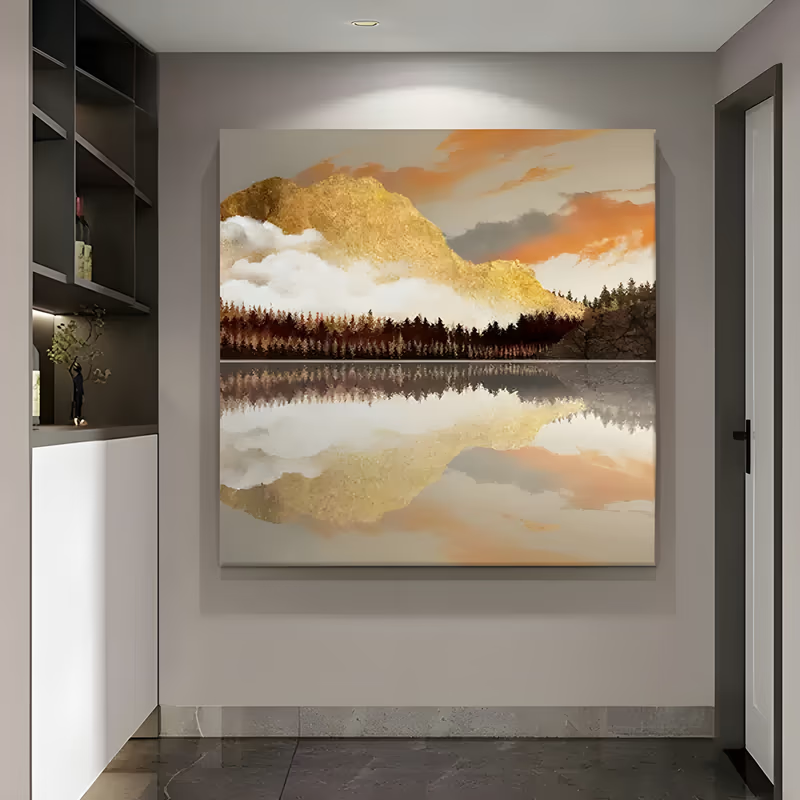
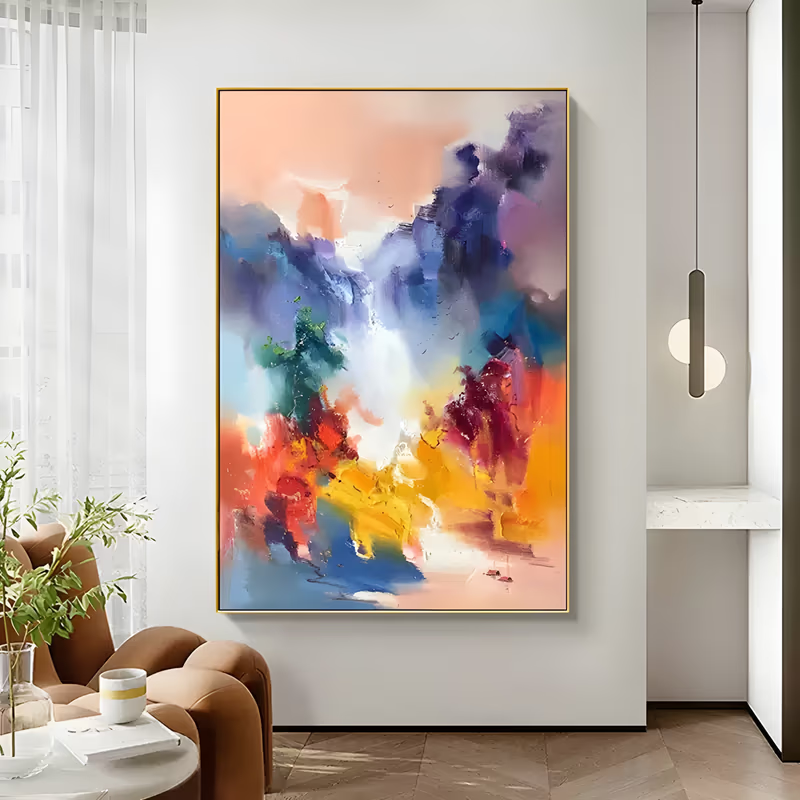
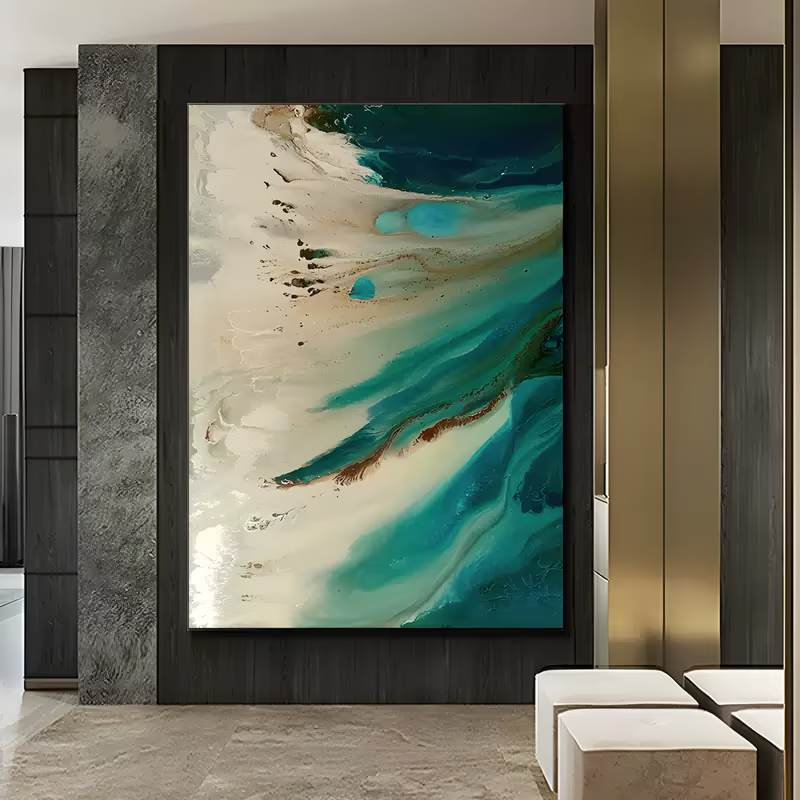
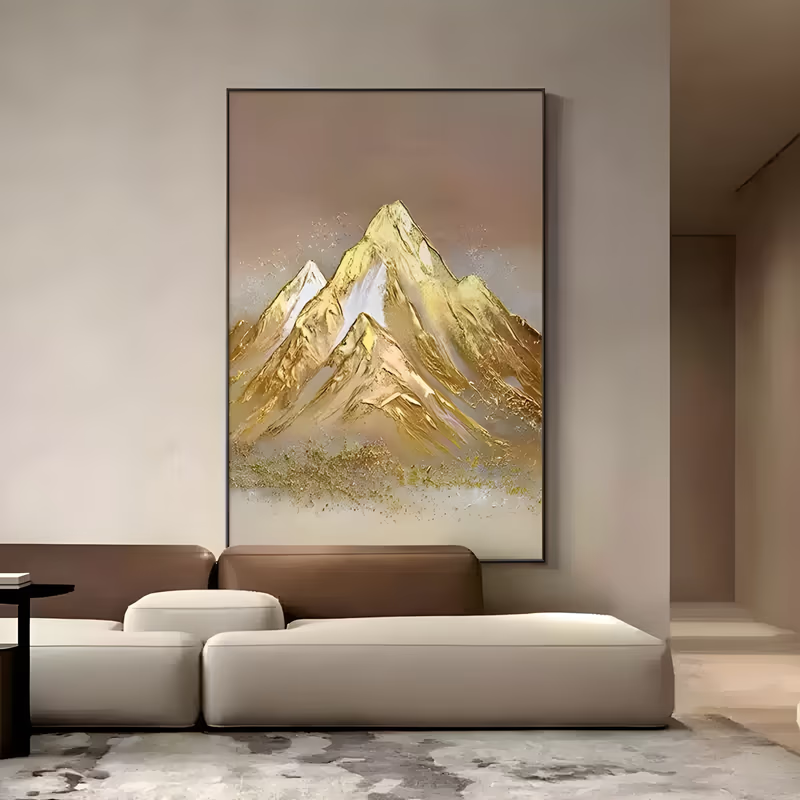
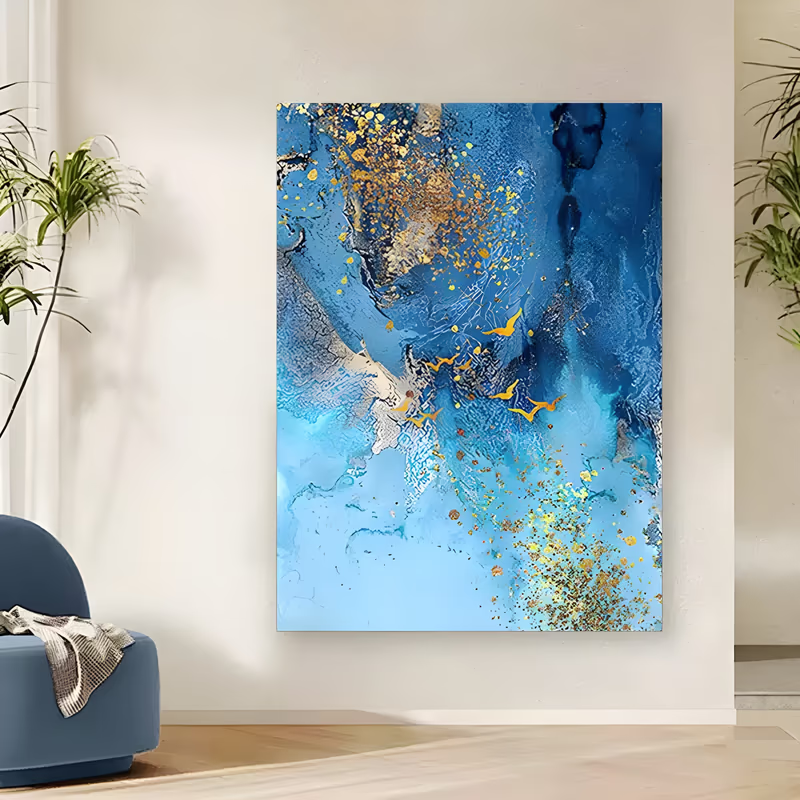
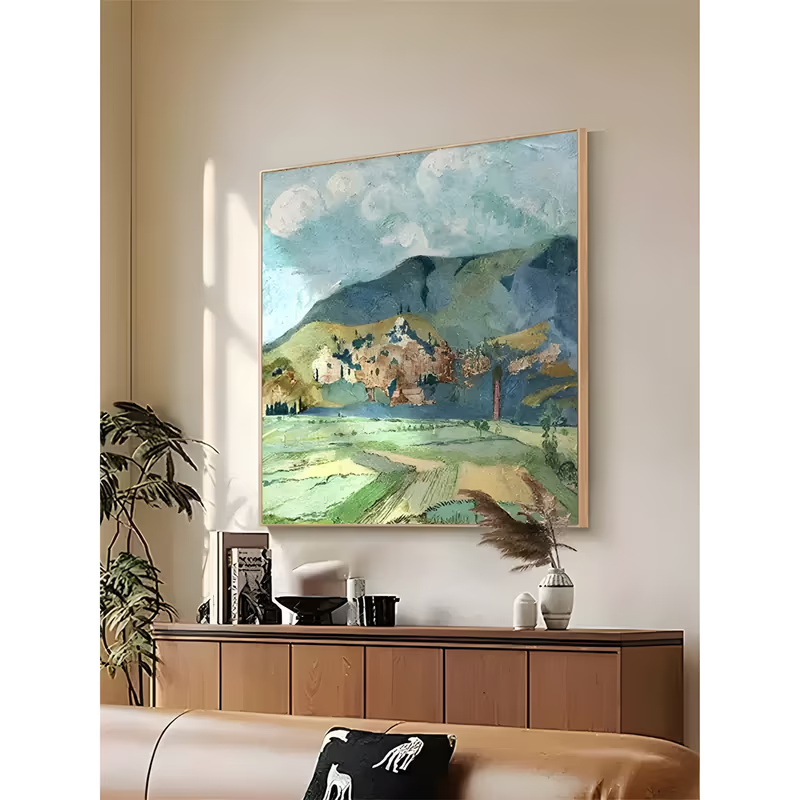
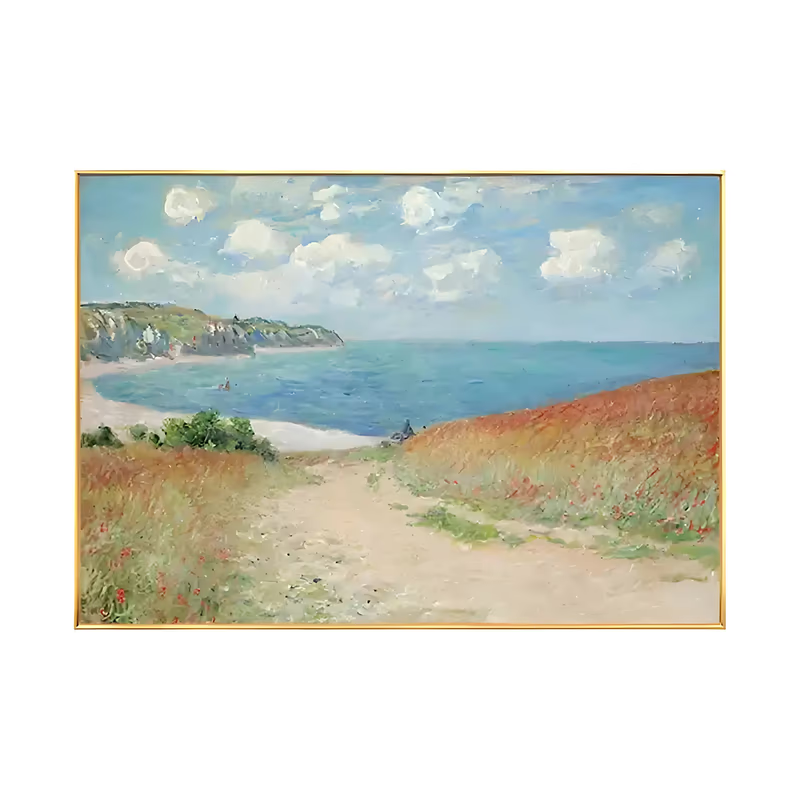
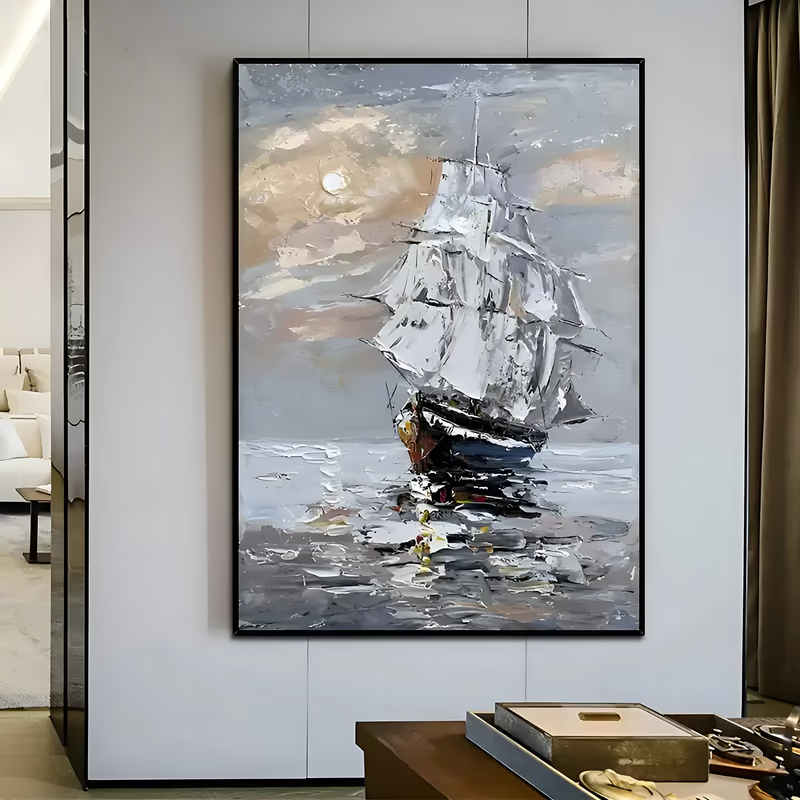
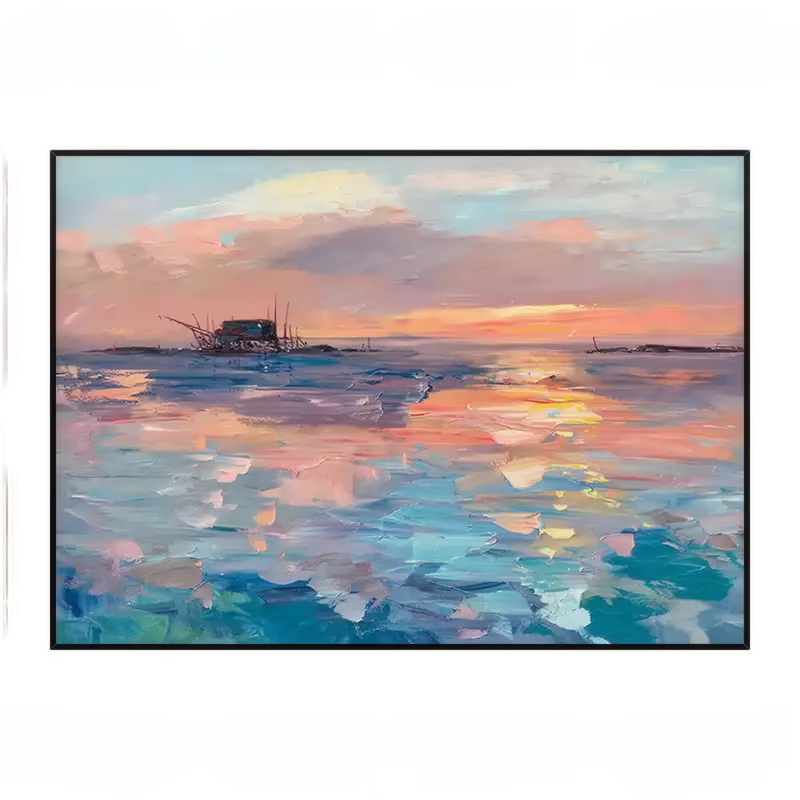
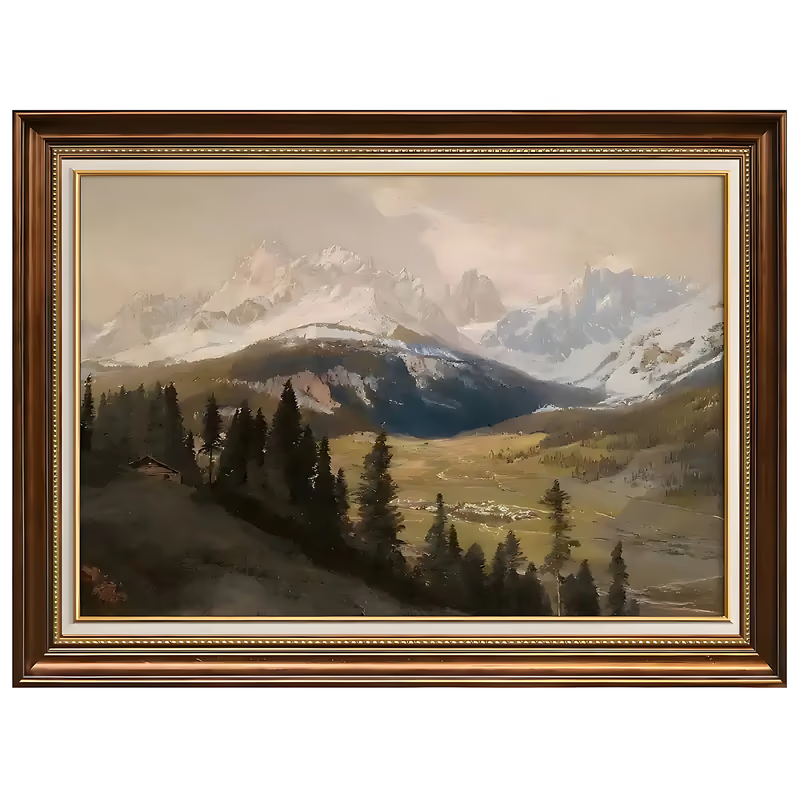
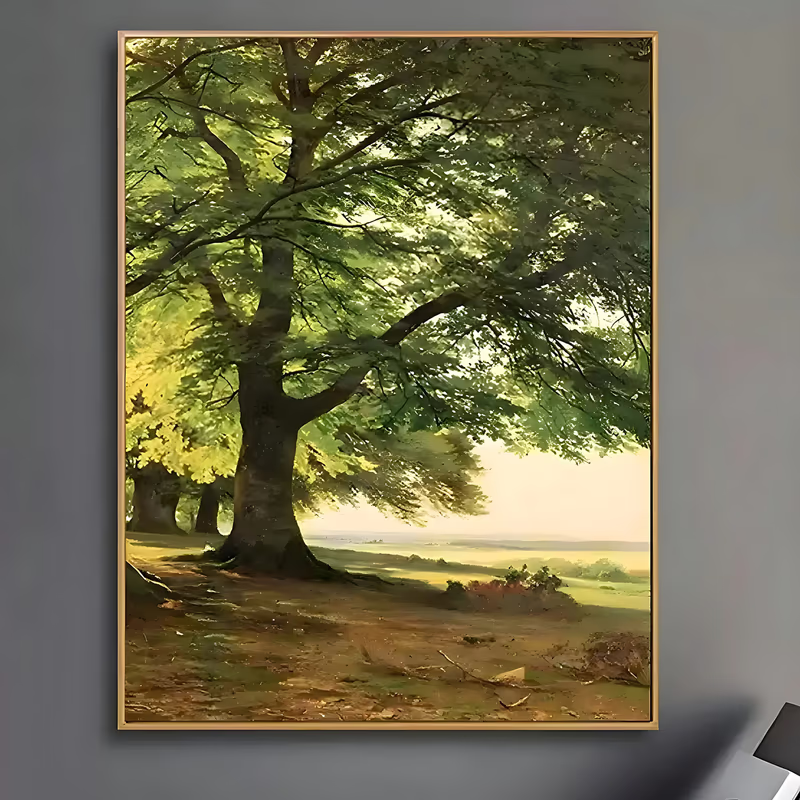
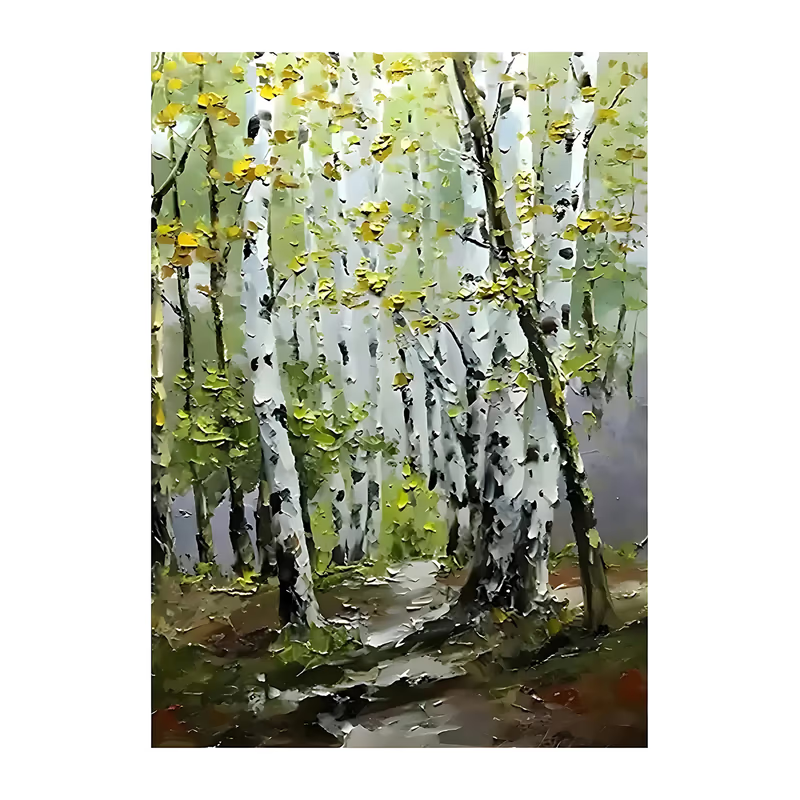
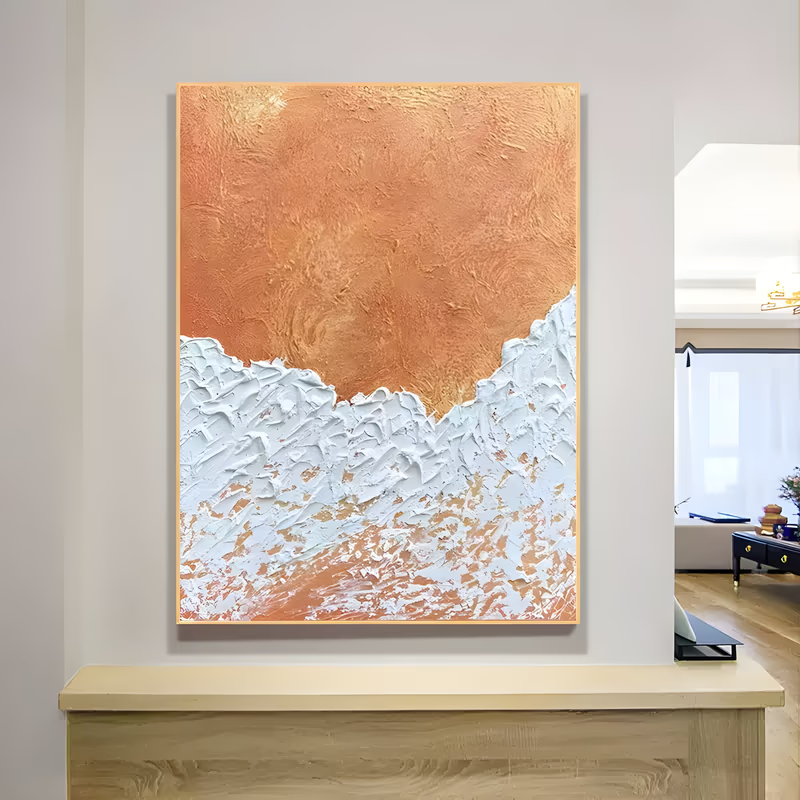
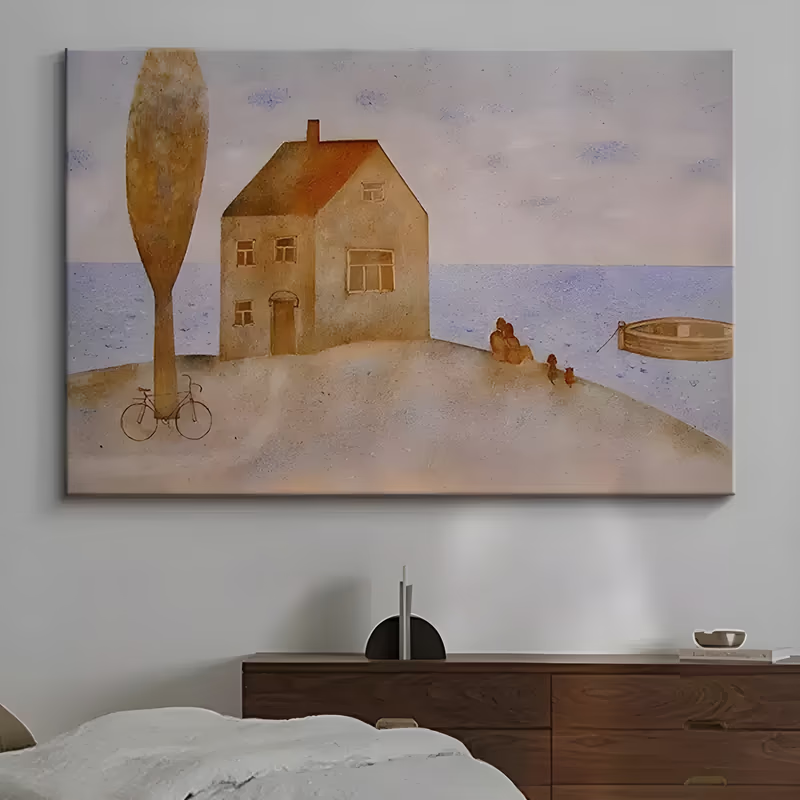
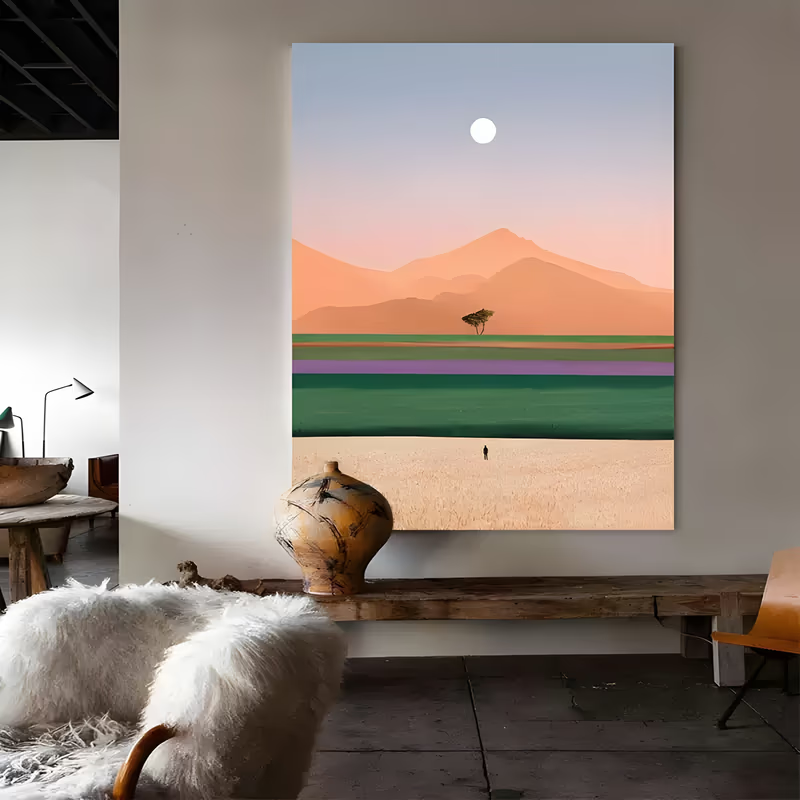
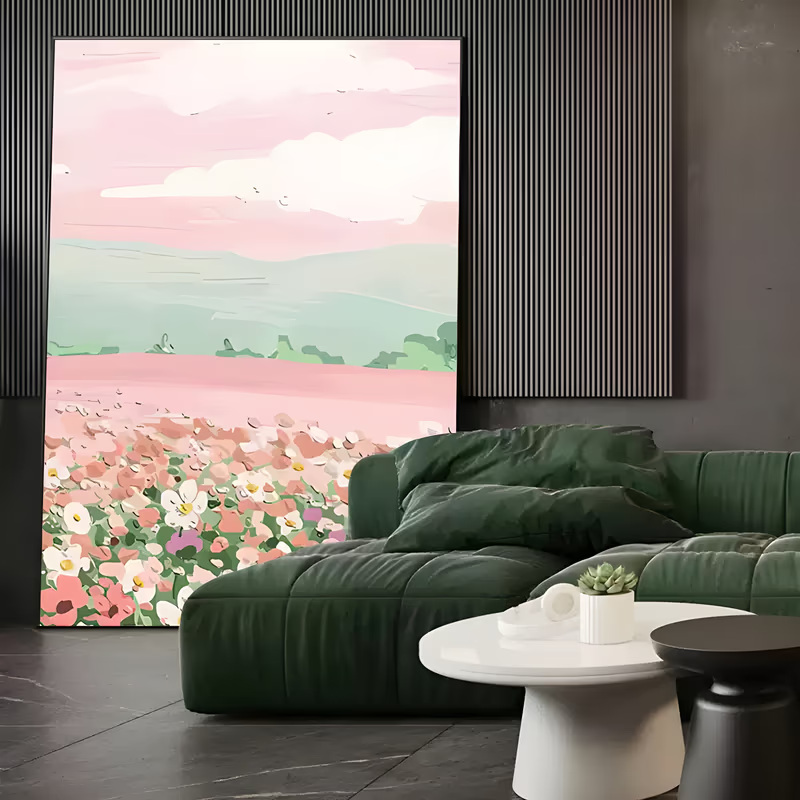
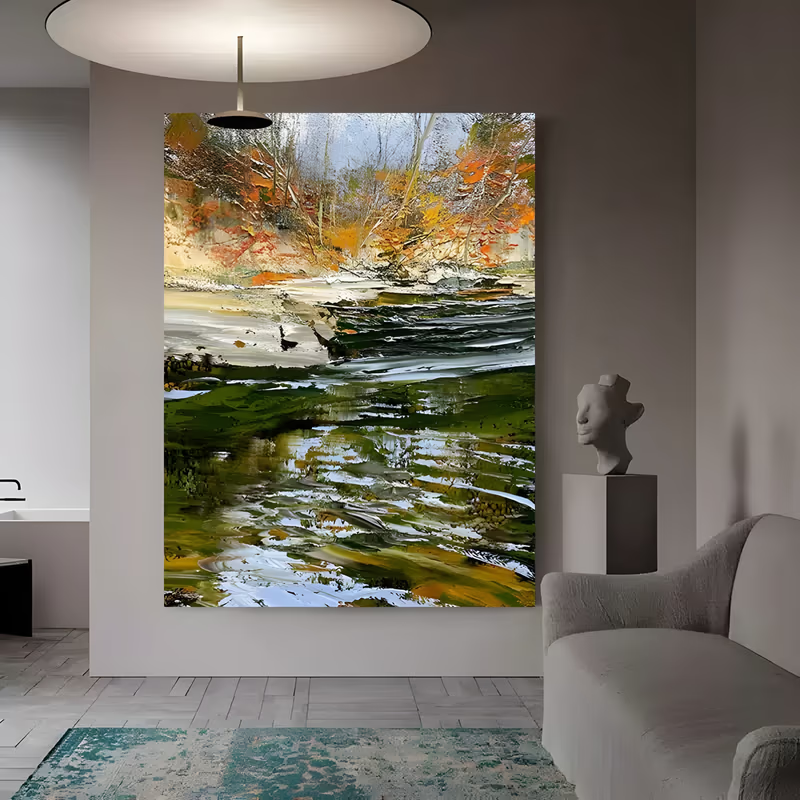
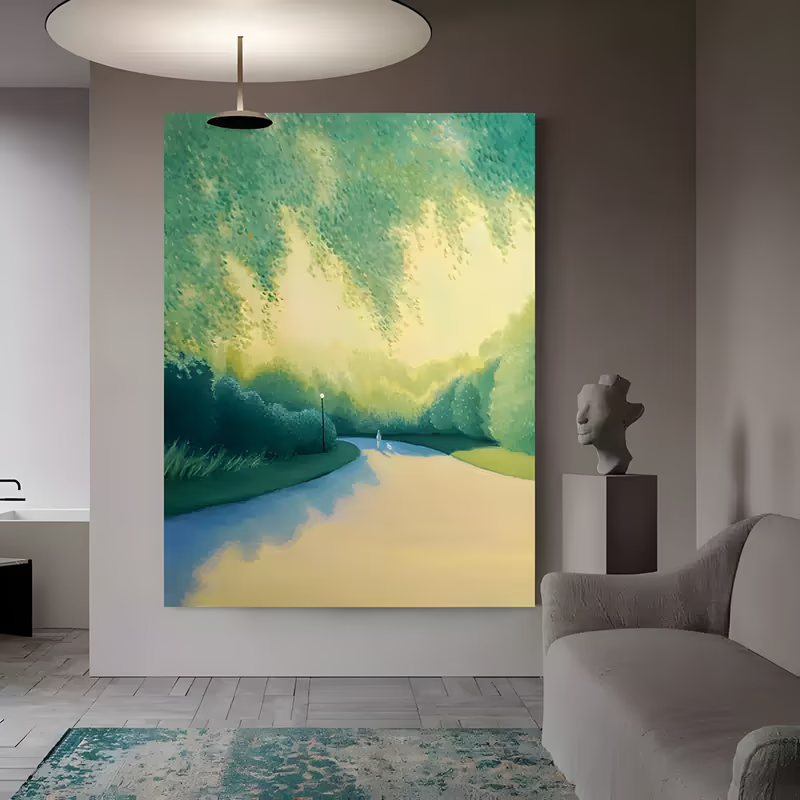
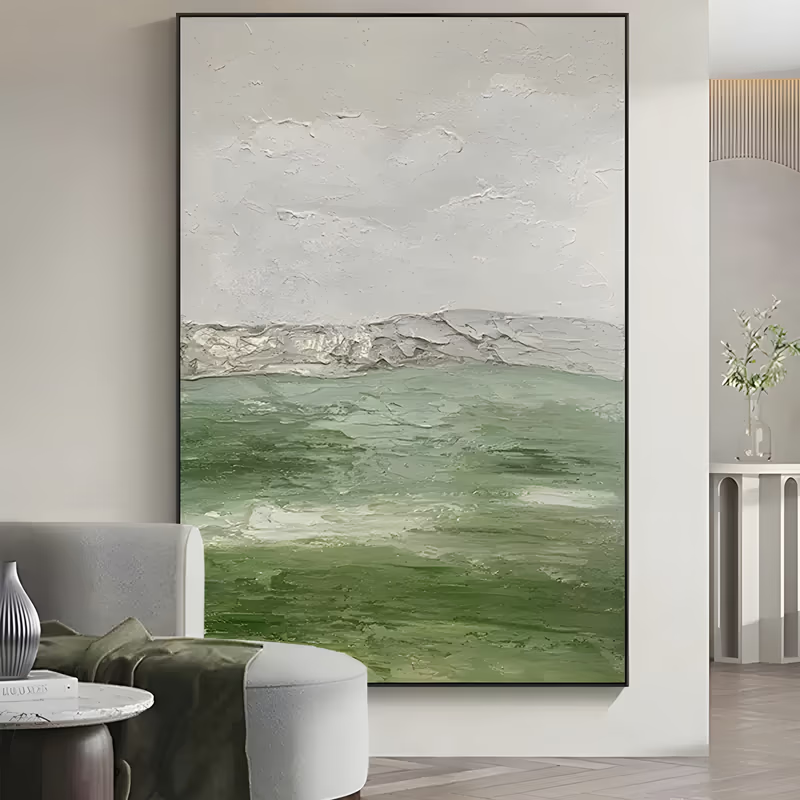
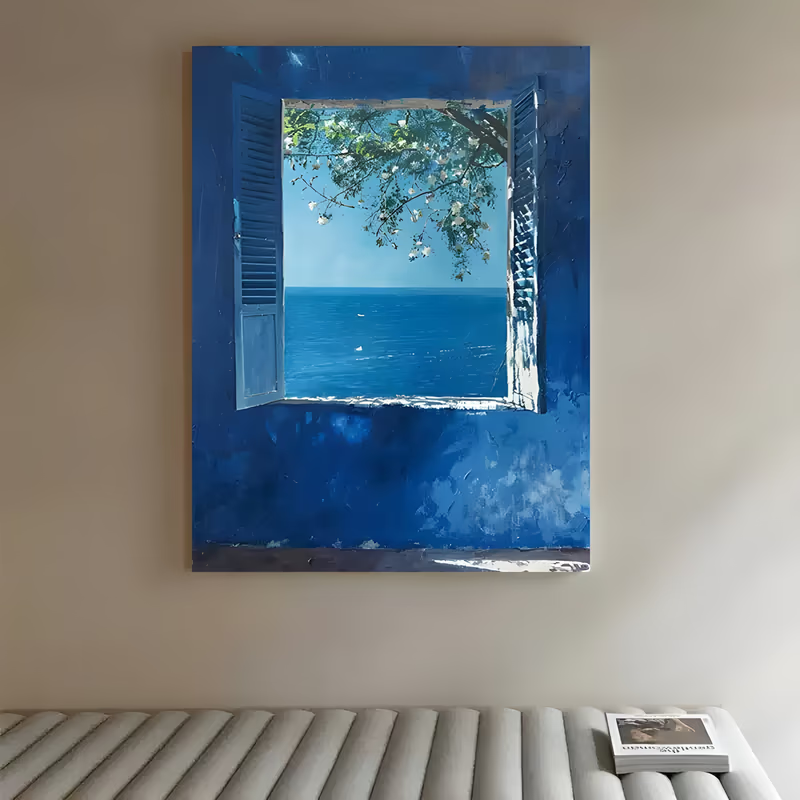
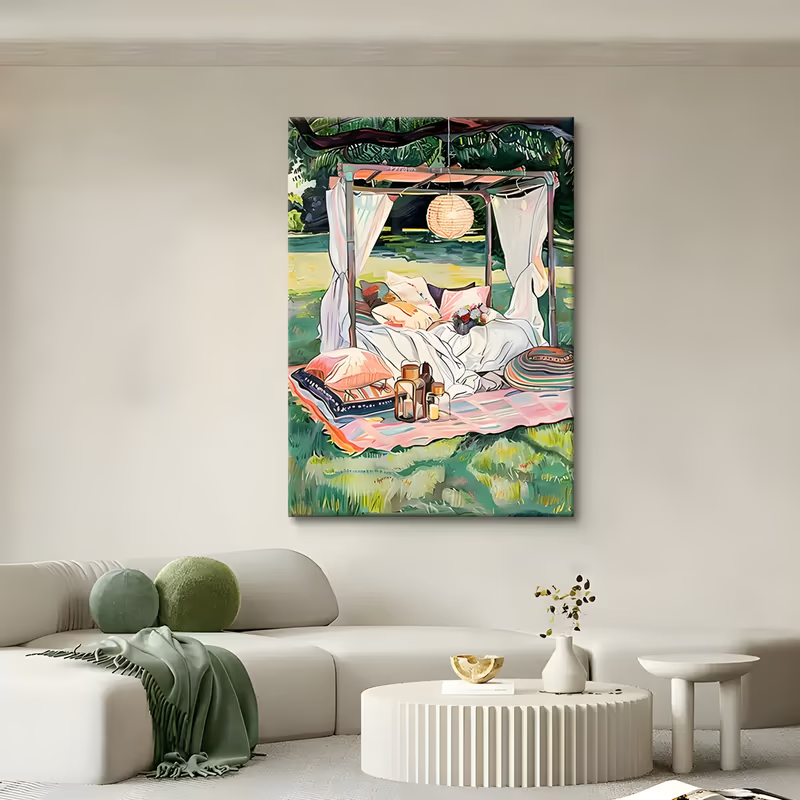
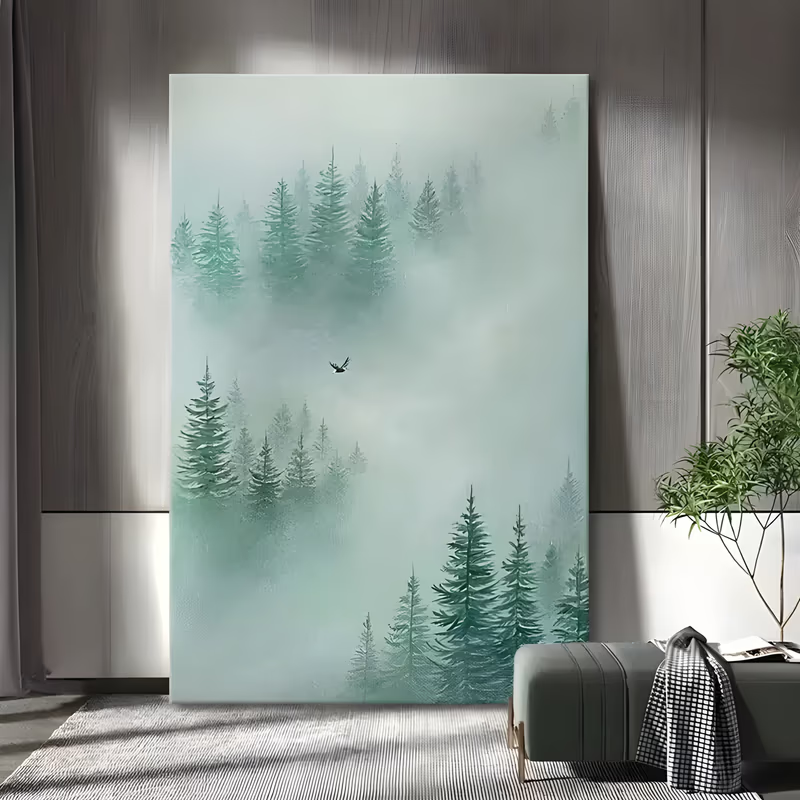
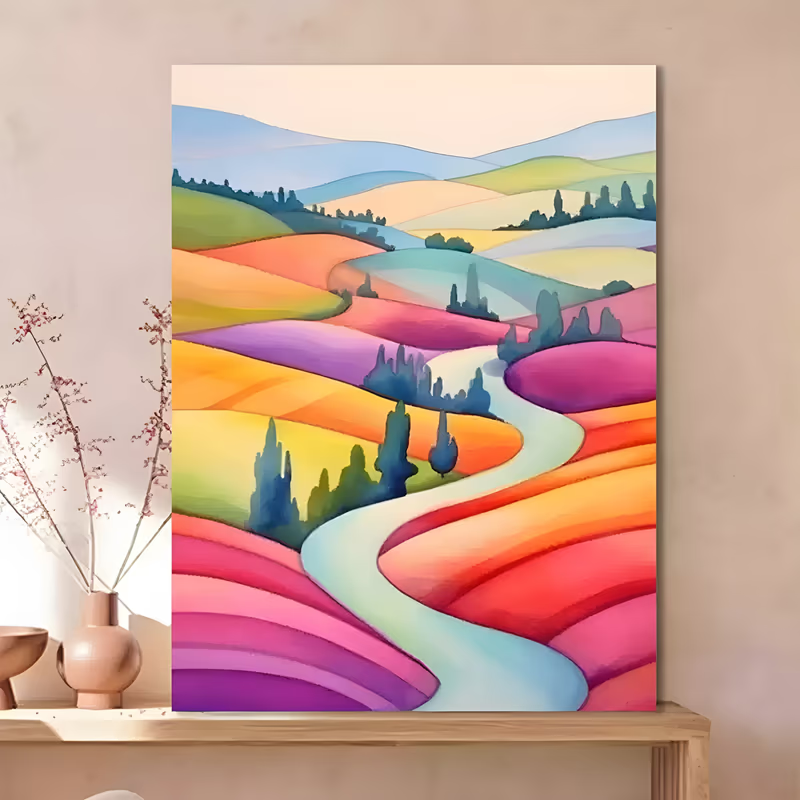
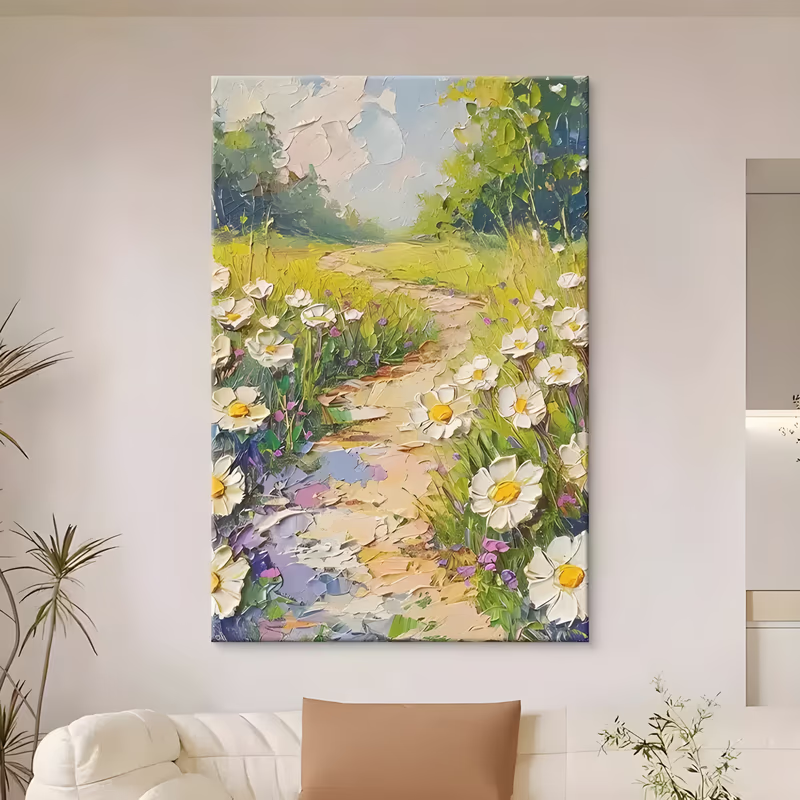
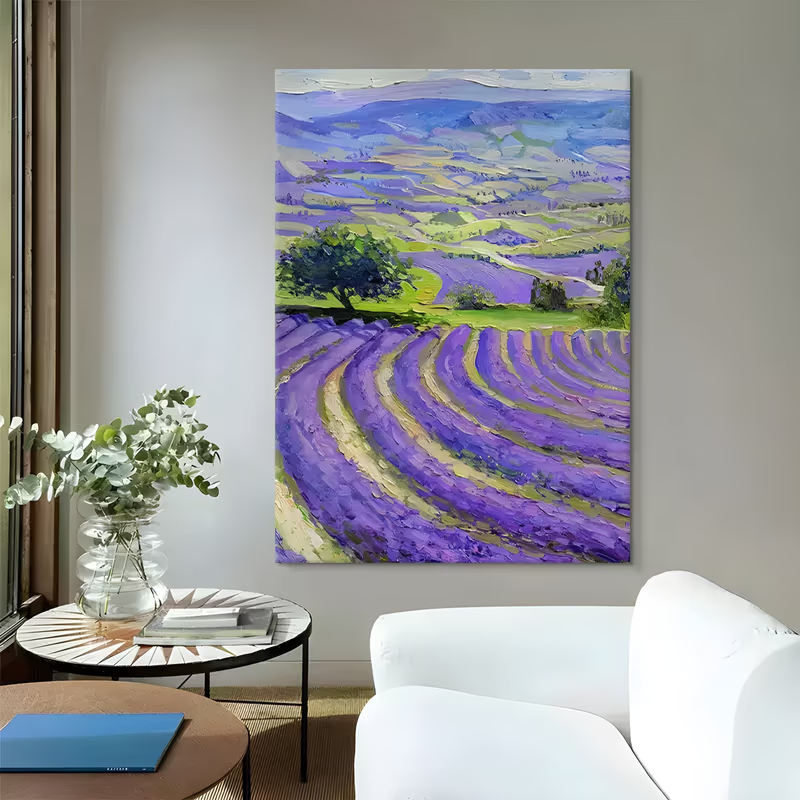
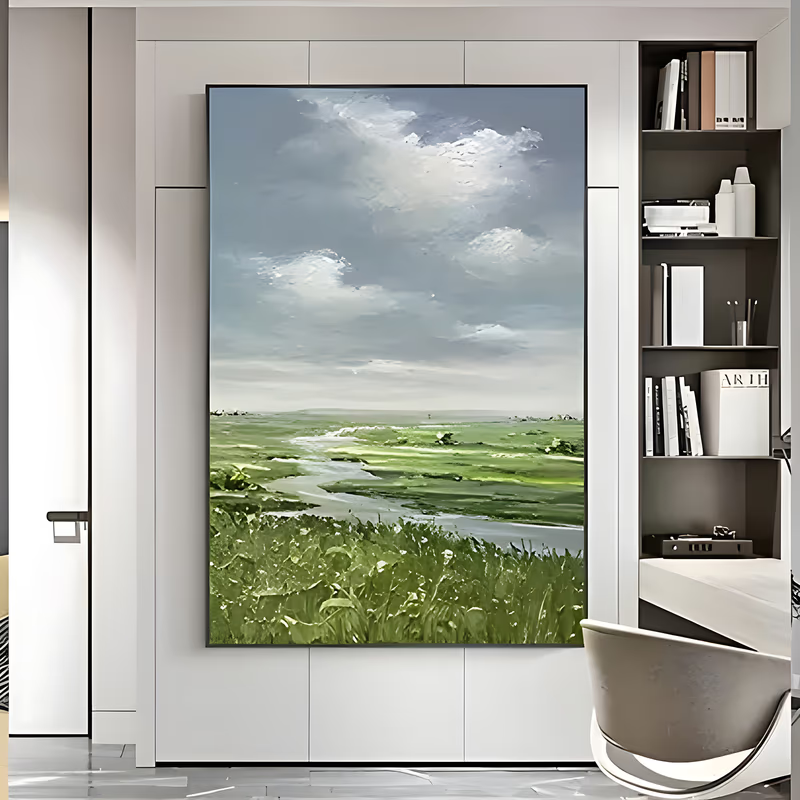
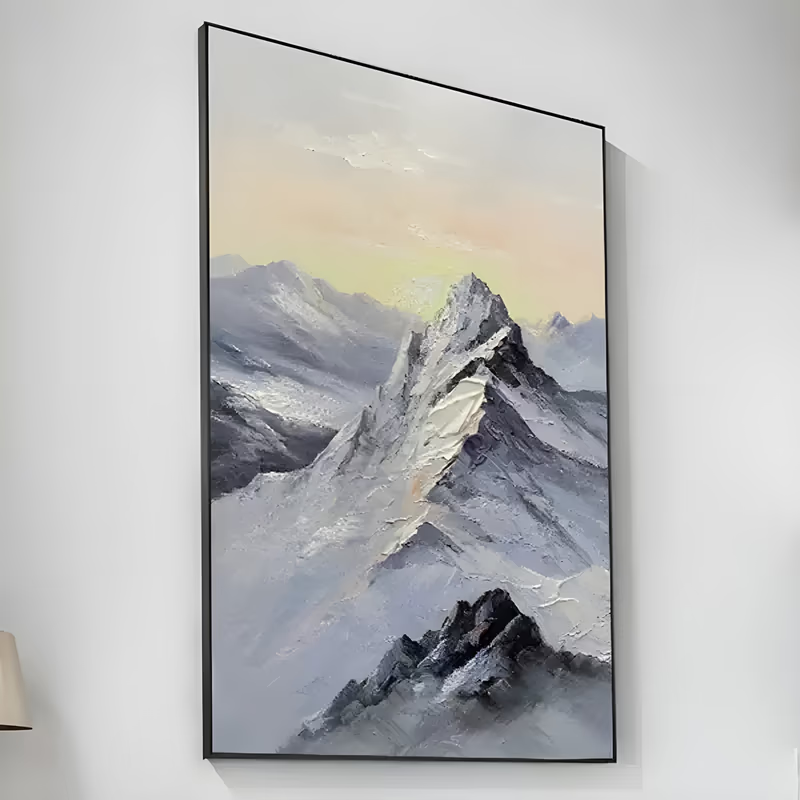
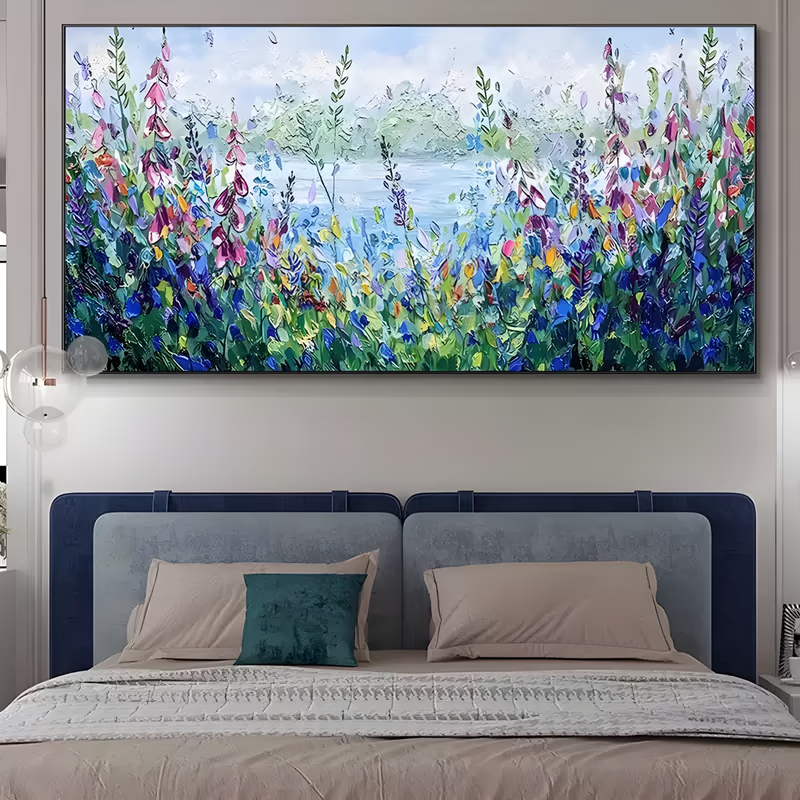
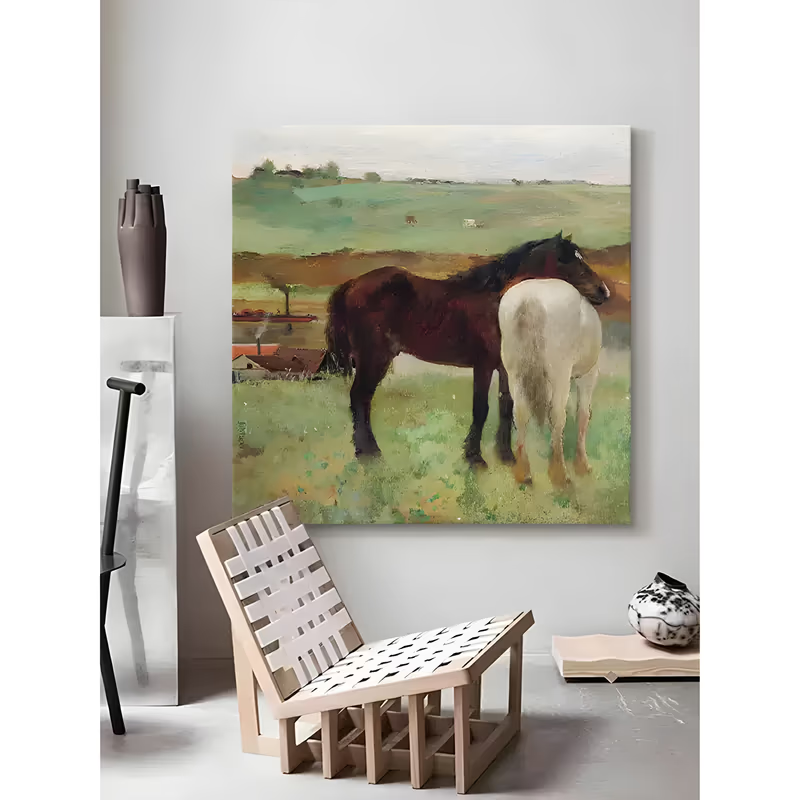
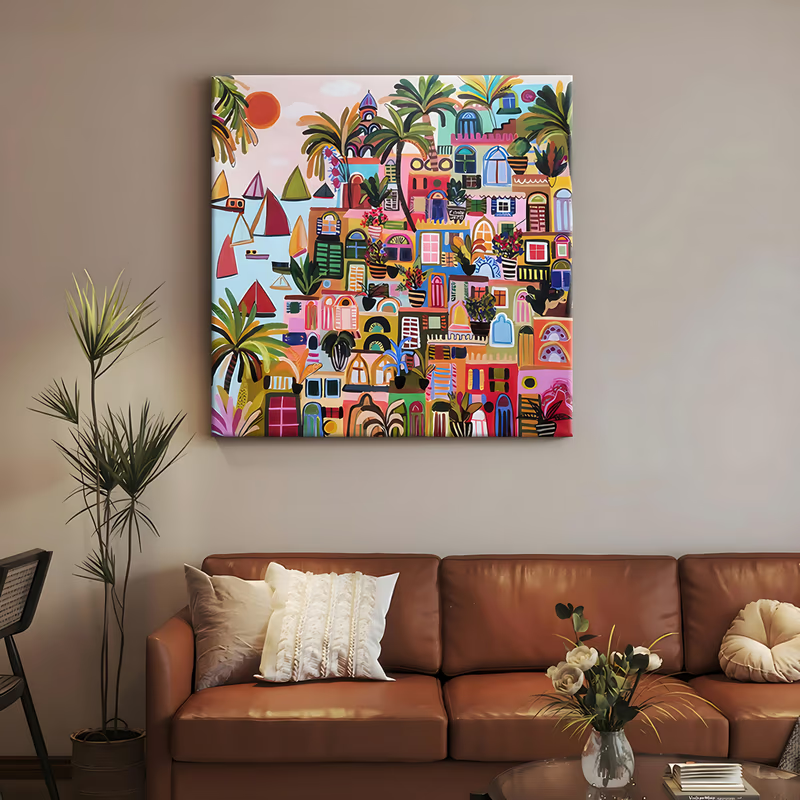
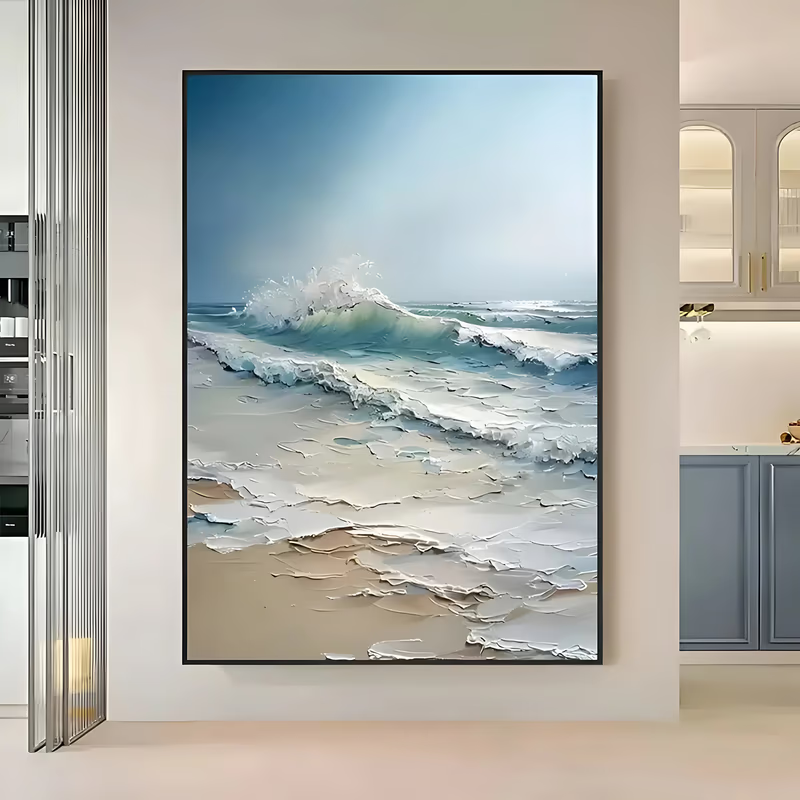
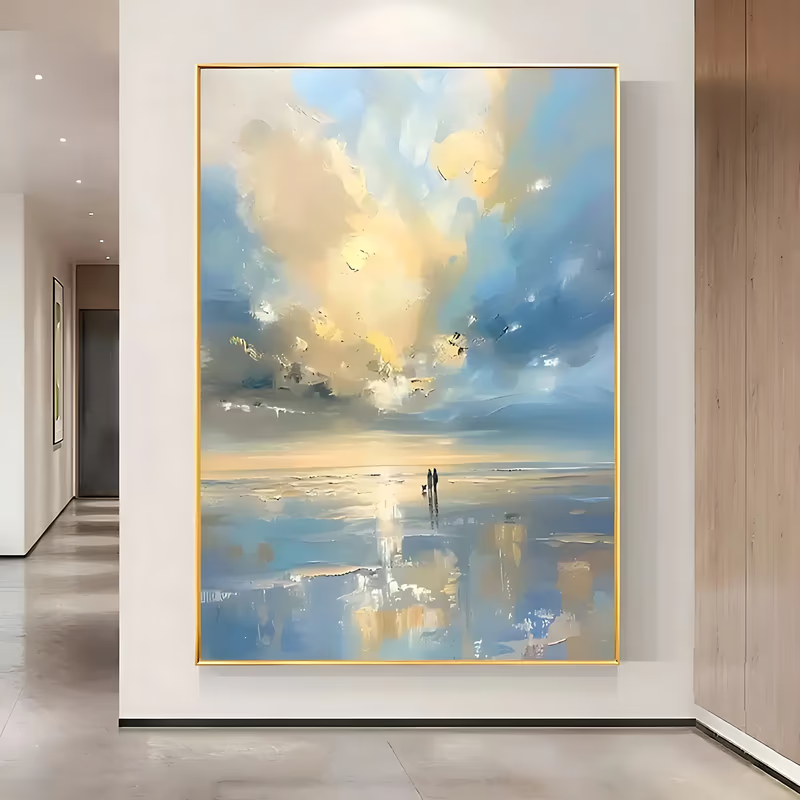
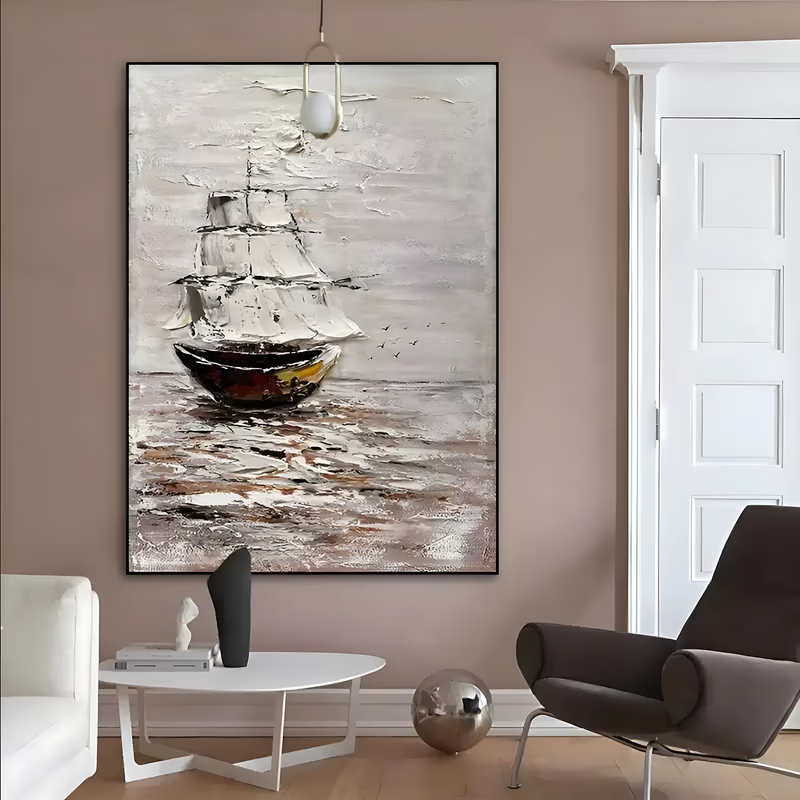
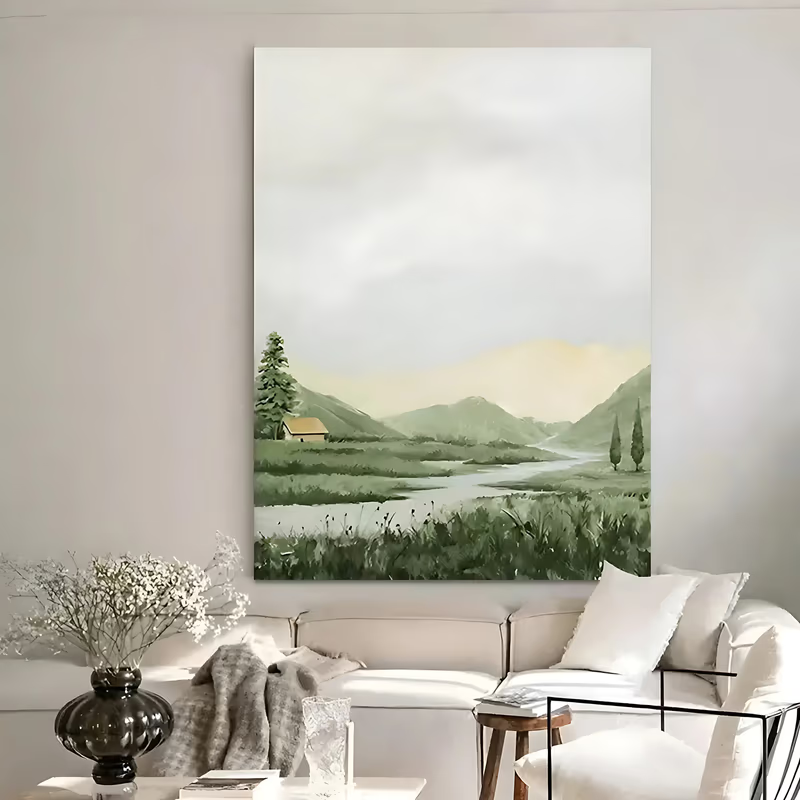
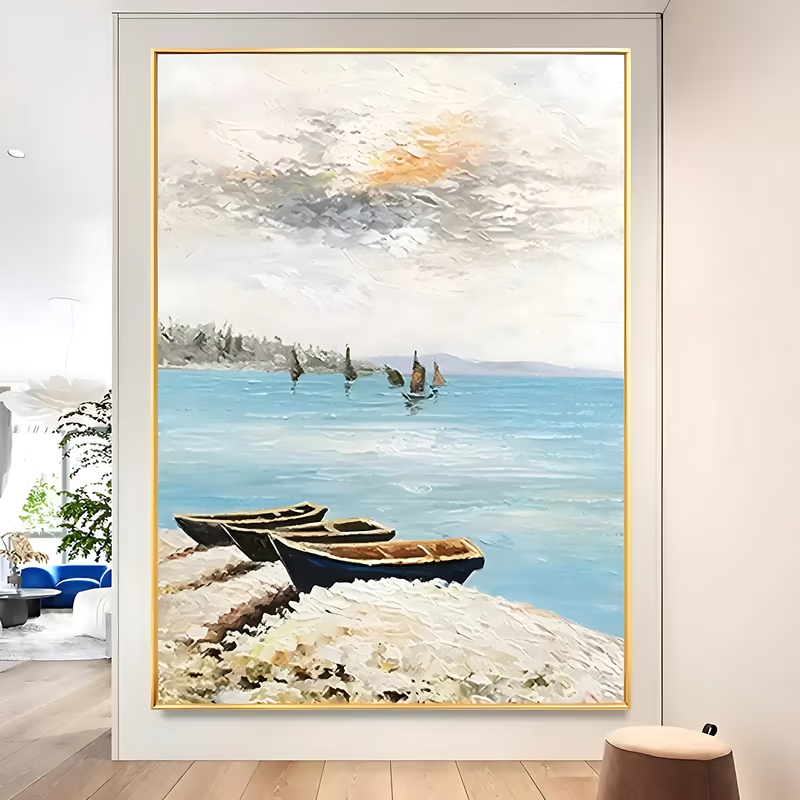
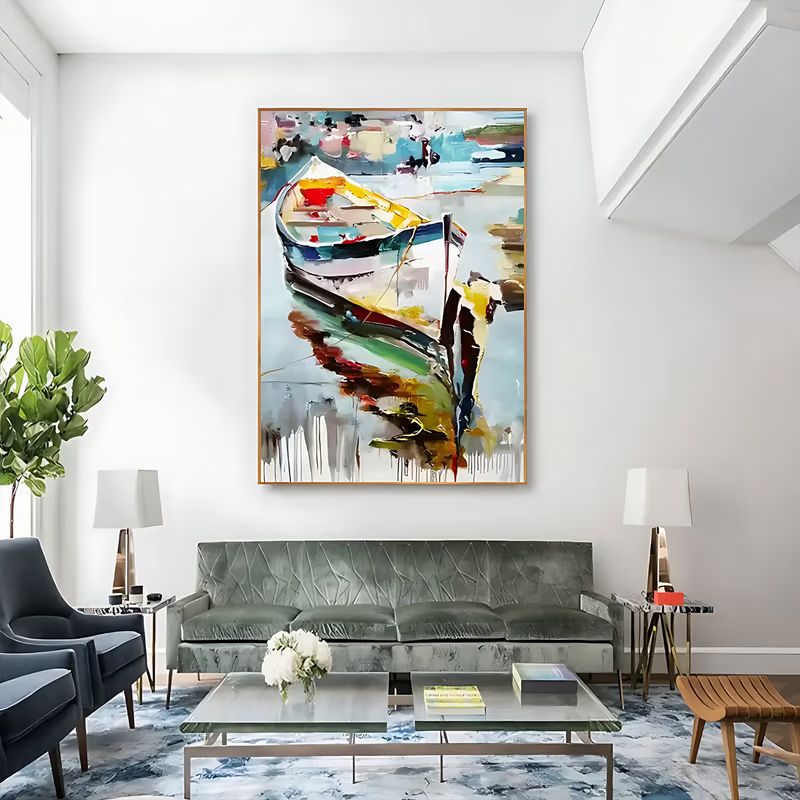
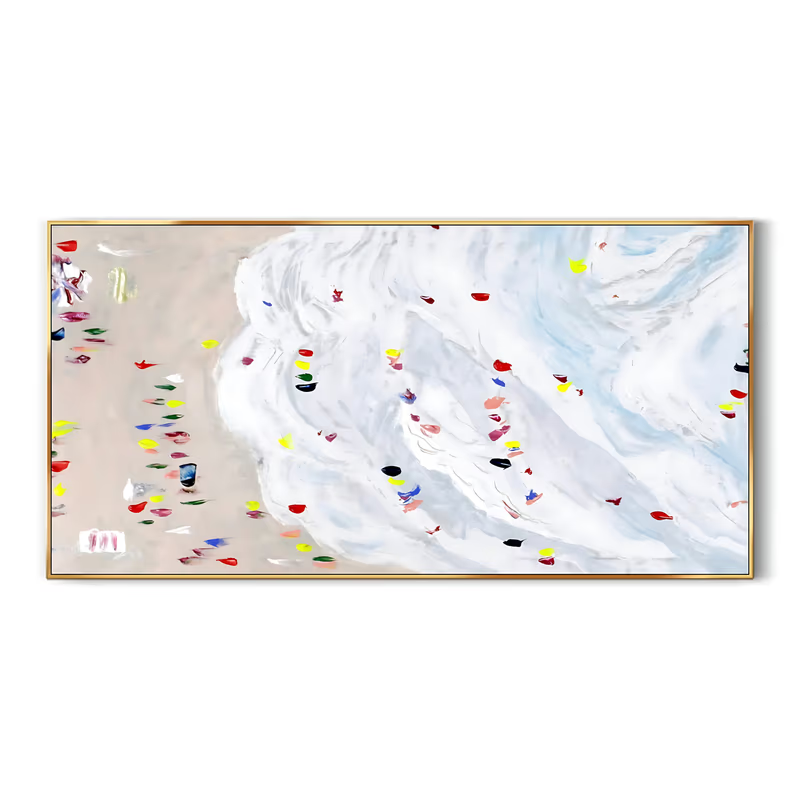
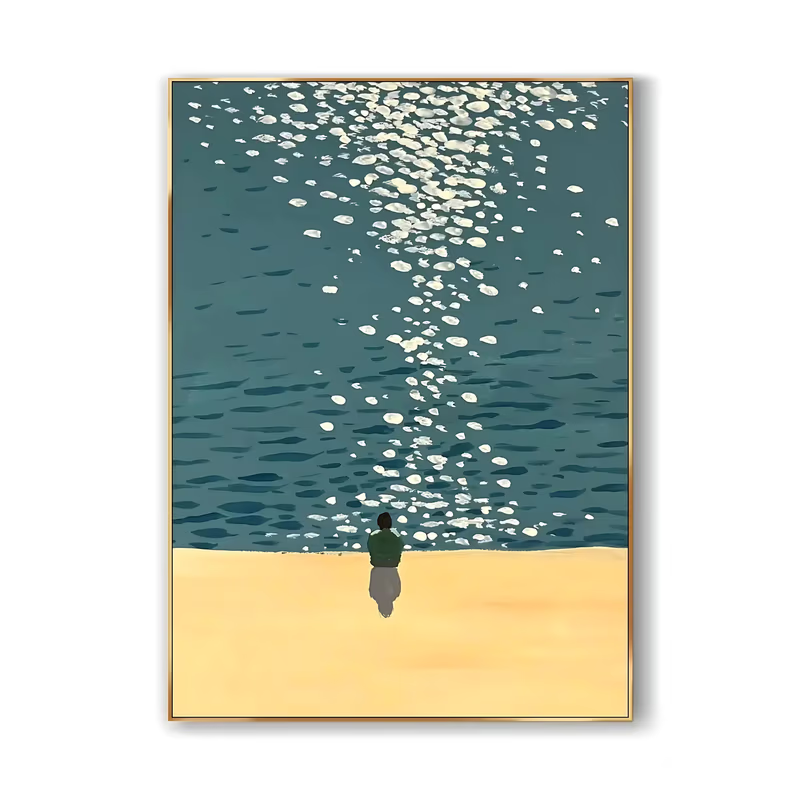
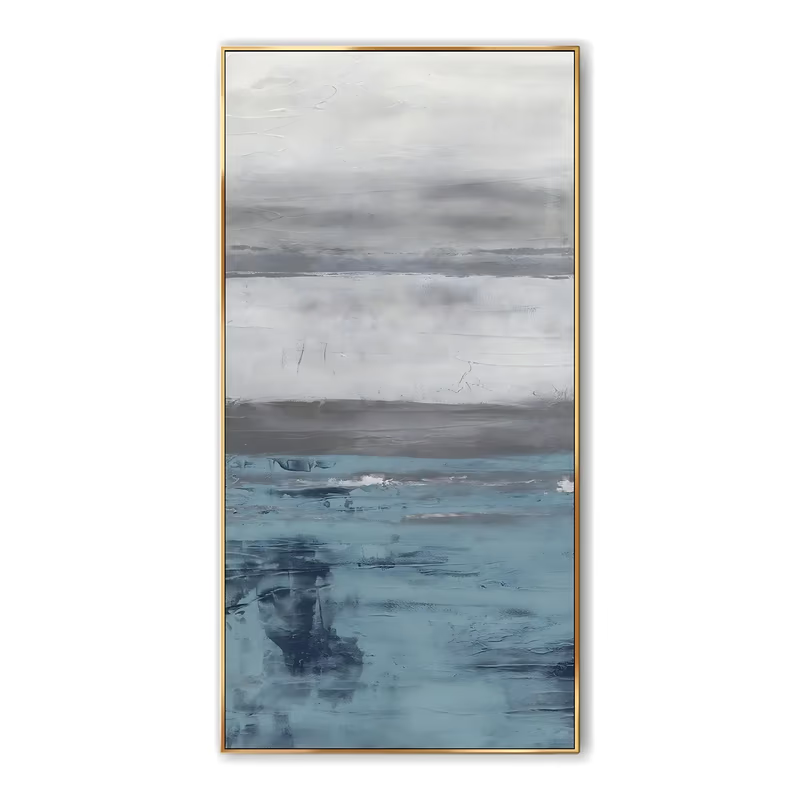
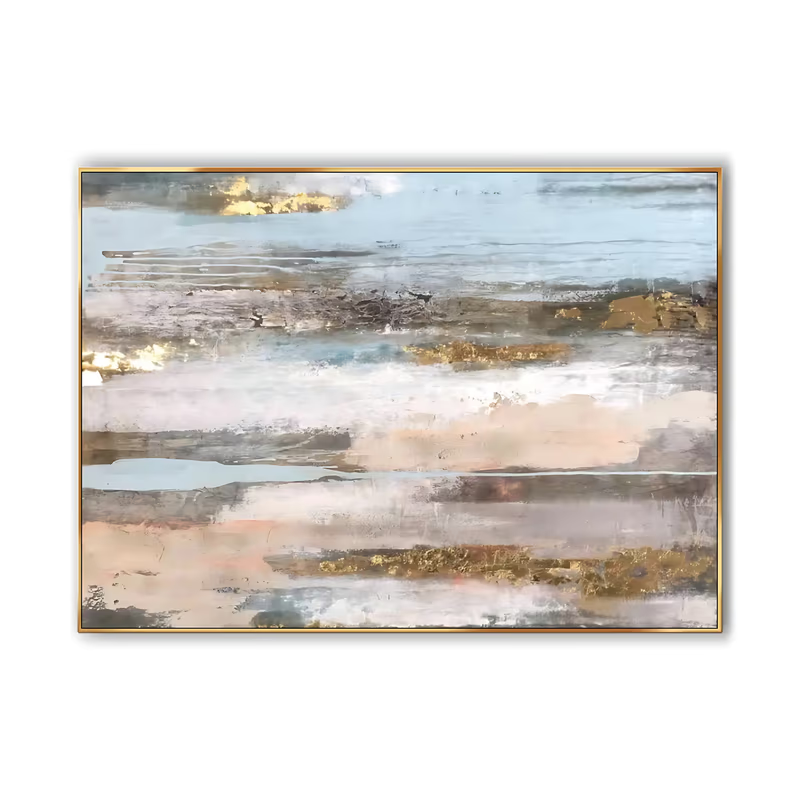
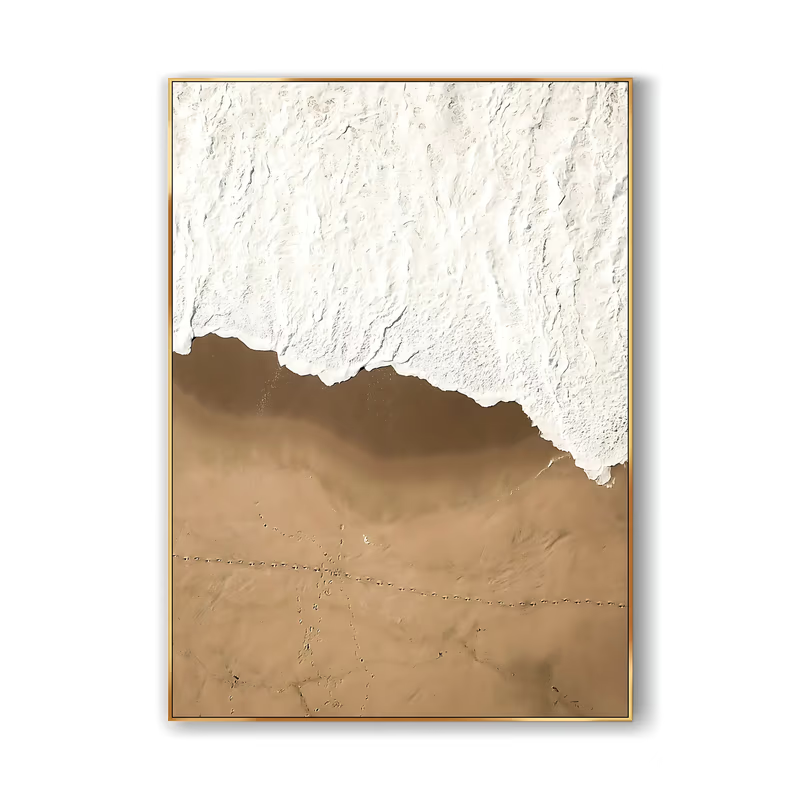
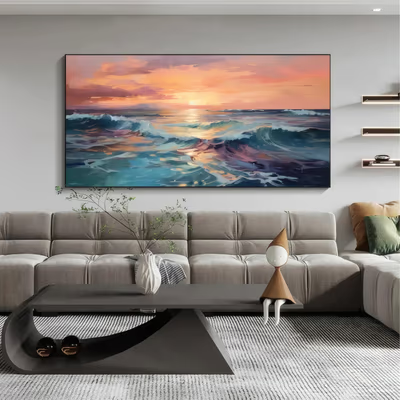
Lakes, meadows, mountains, beaches and sailing boats in soft light. A view on the wall opens up a small room and gives it a sense of place, which is why landscapes and coastlines suit resorts, lodges and city hotels with little outlook. Seascapes for hotel rooms.
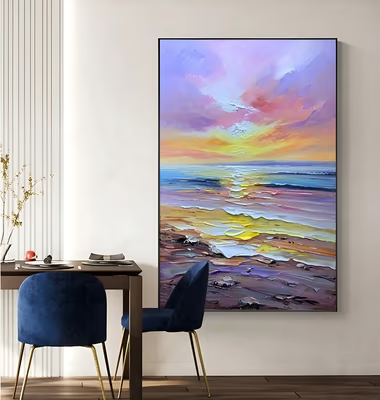
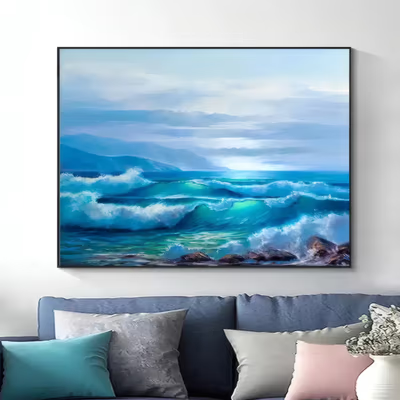
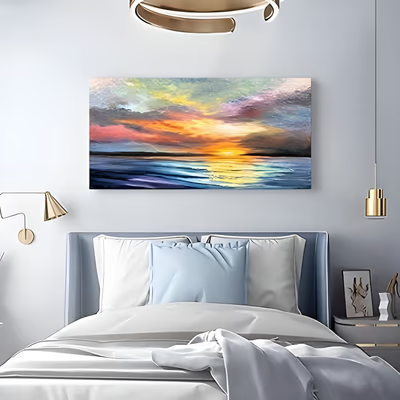
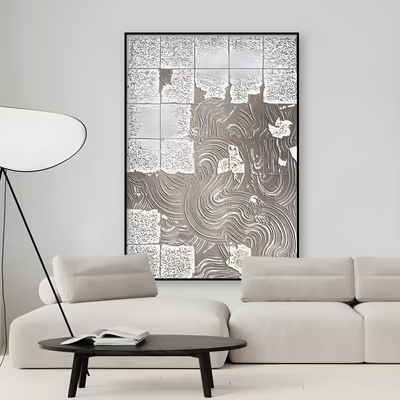
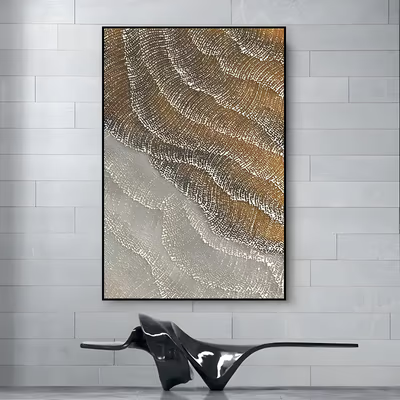
Minimalist and wabi-sabi work
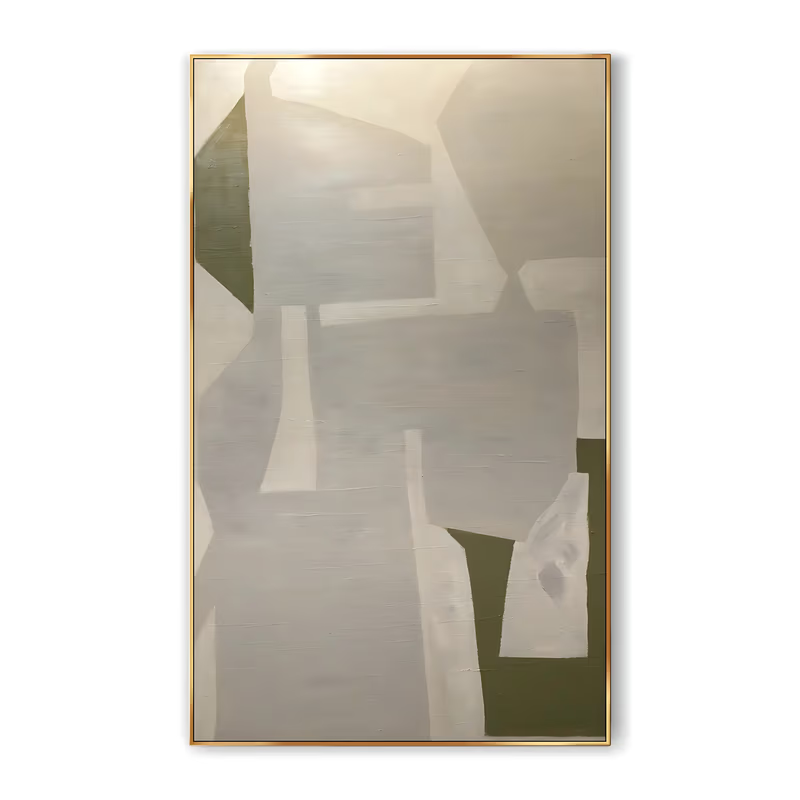
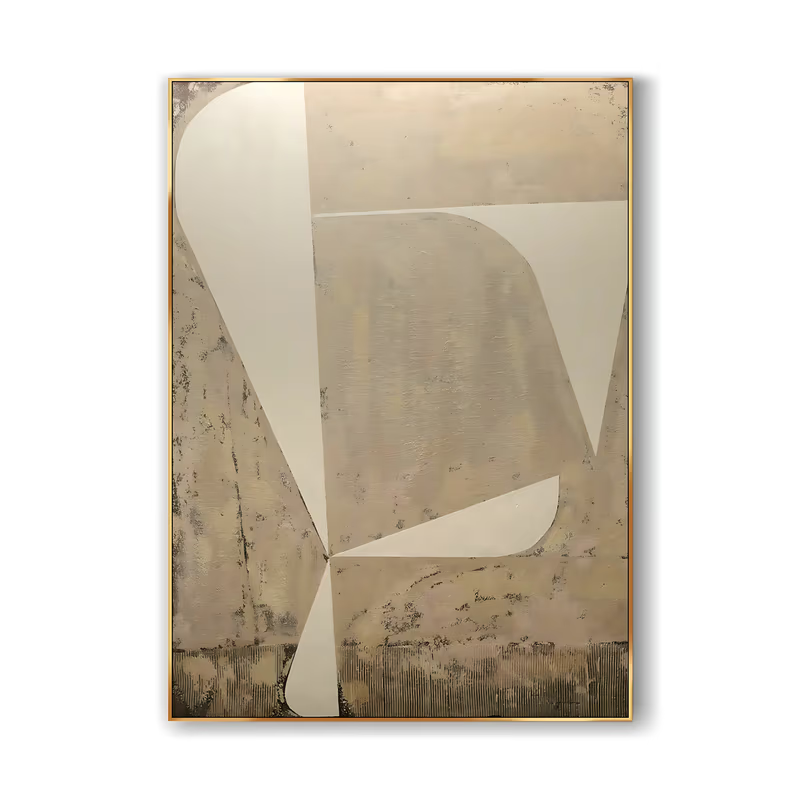
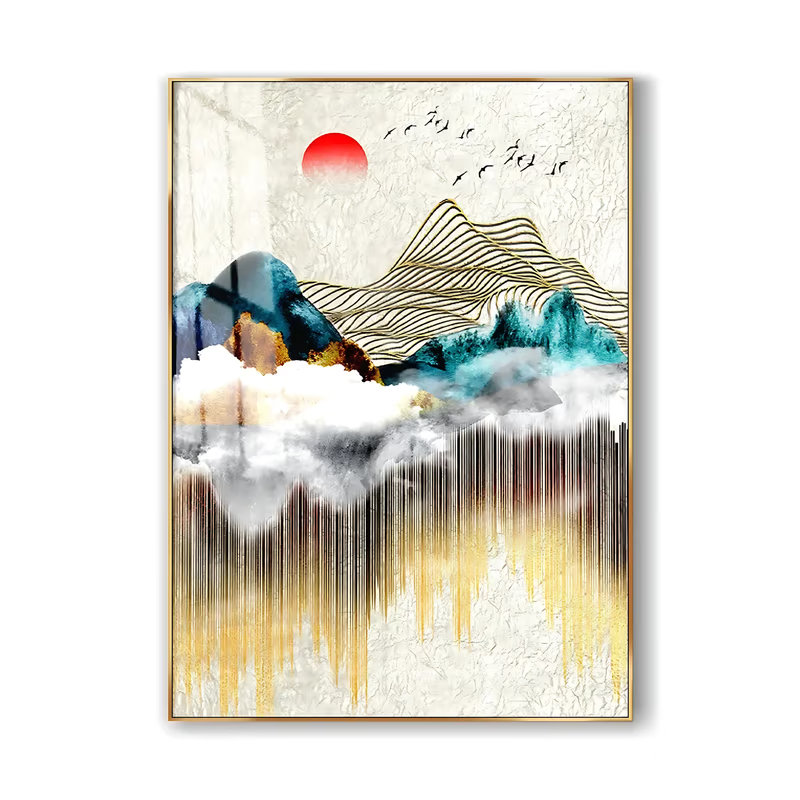
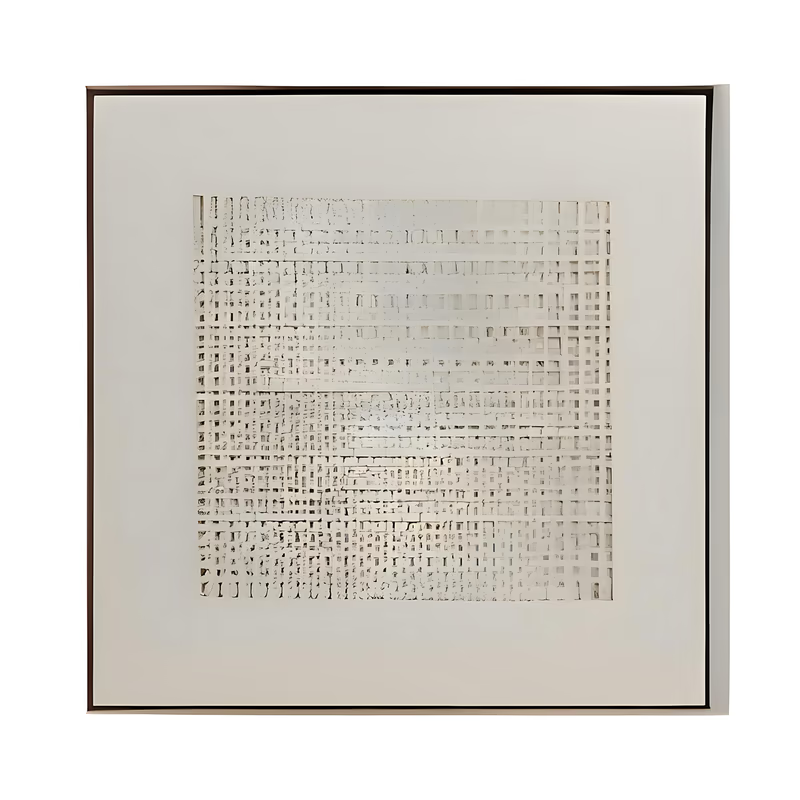
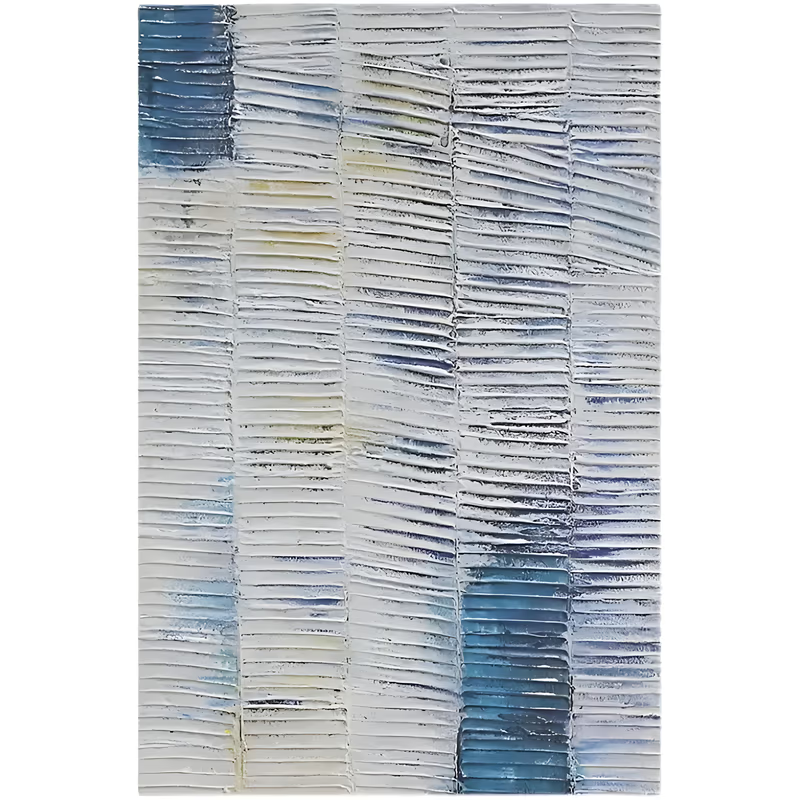
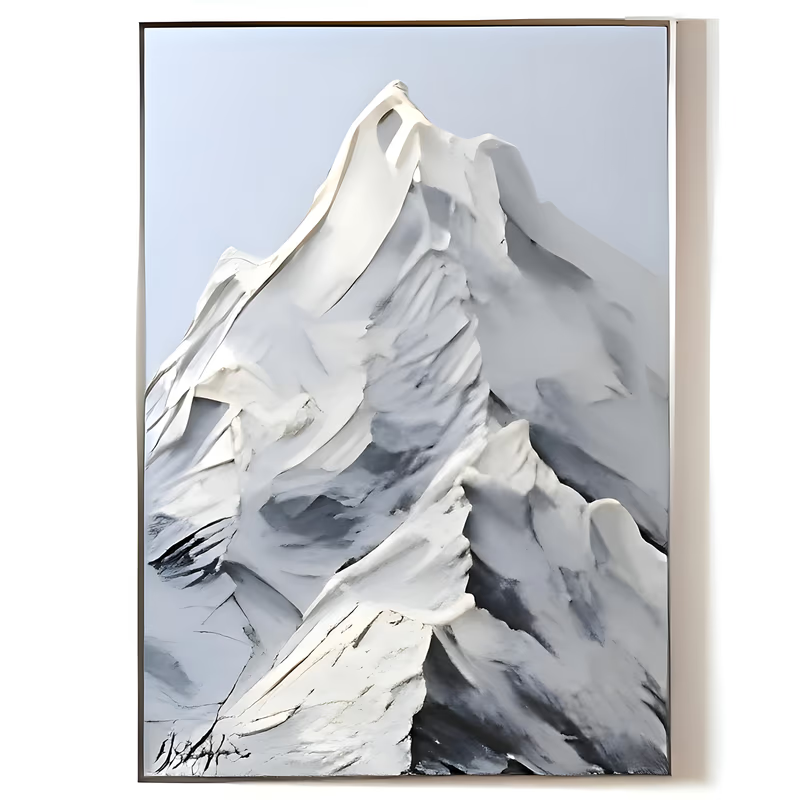
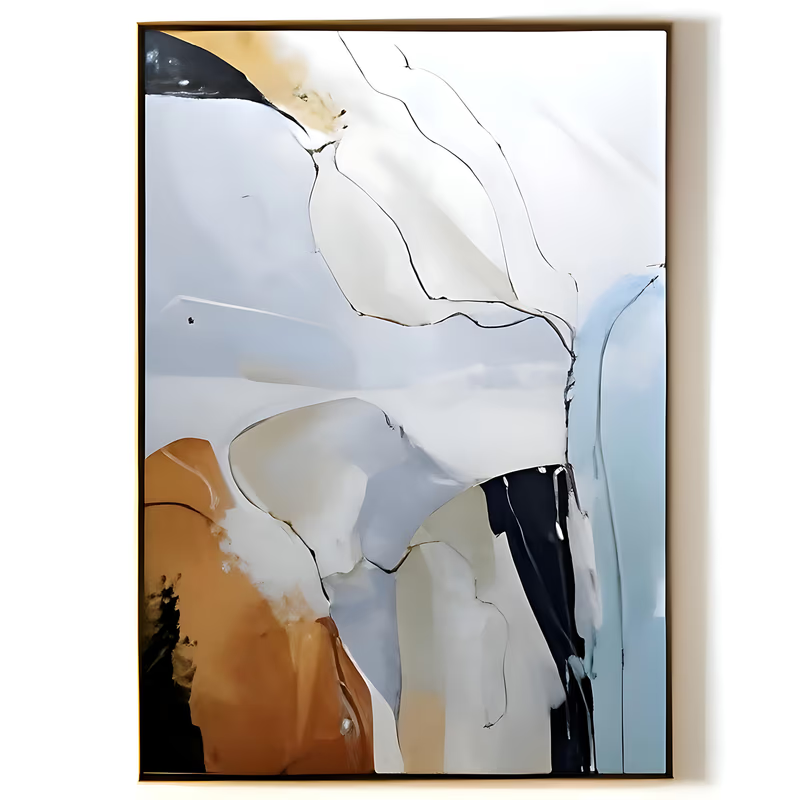
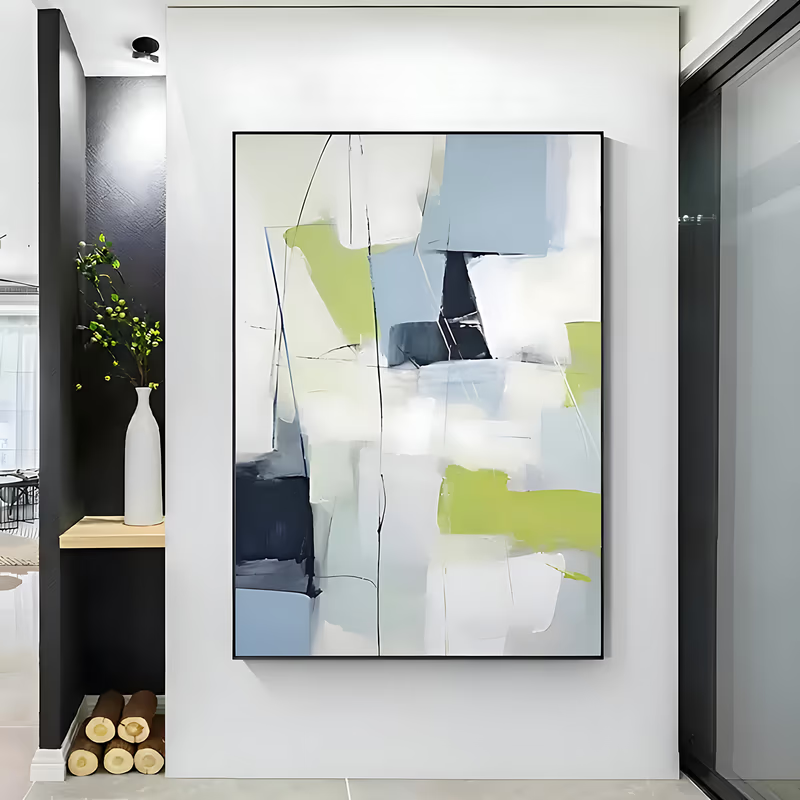
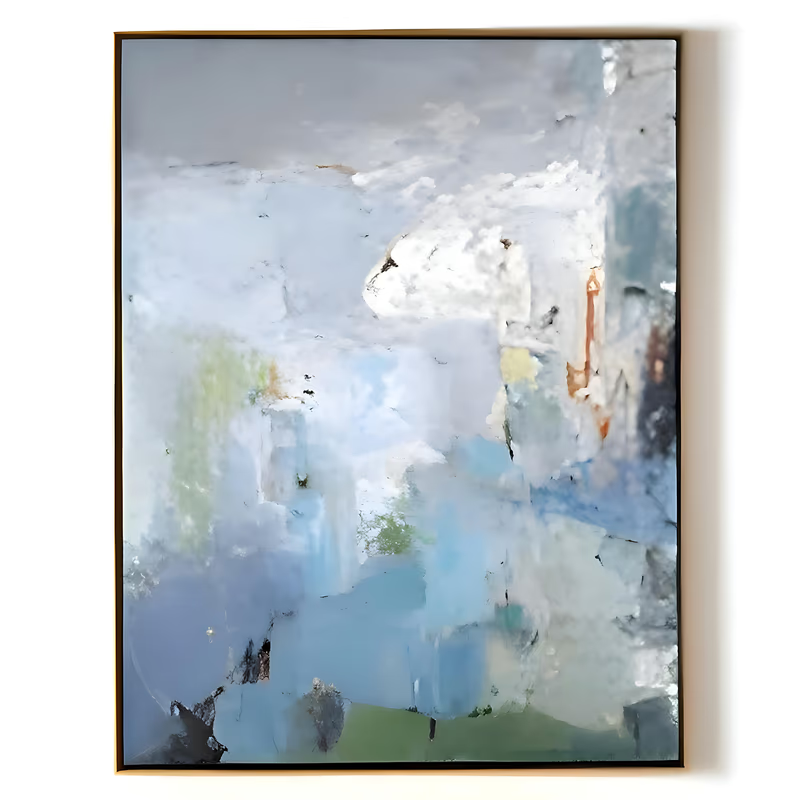
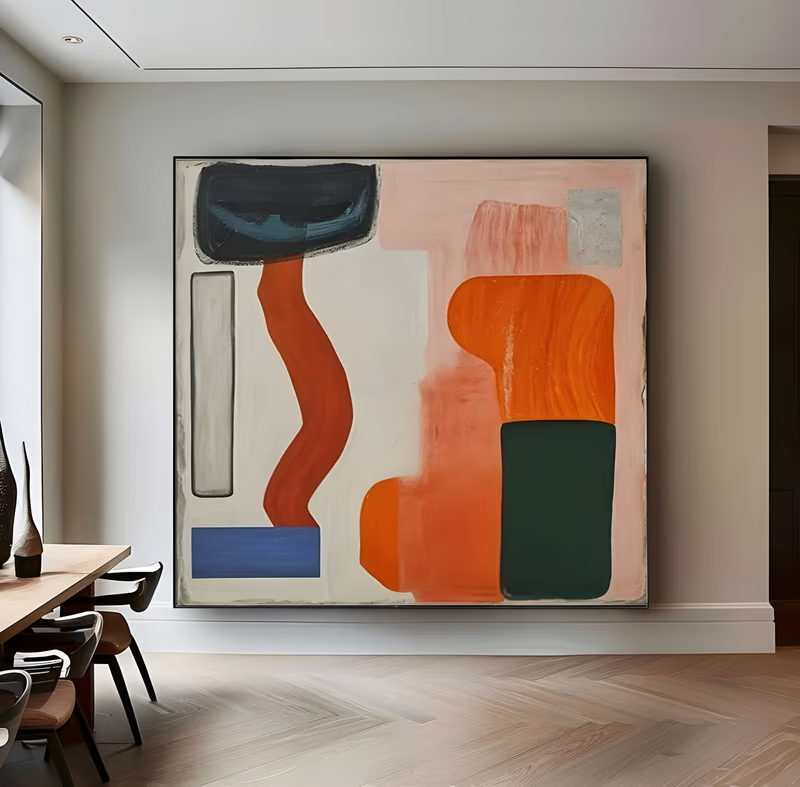
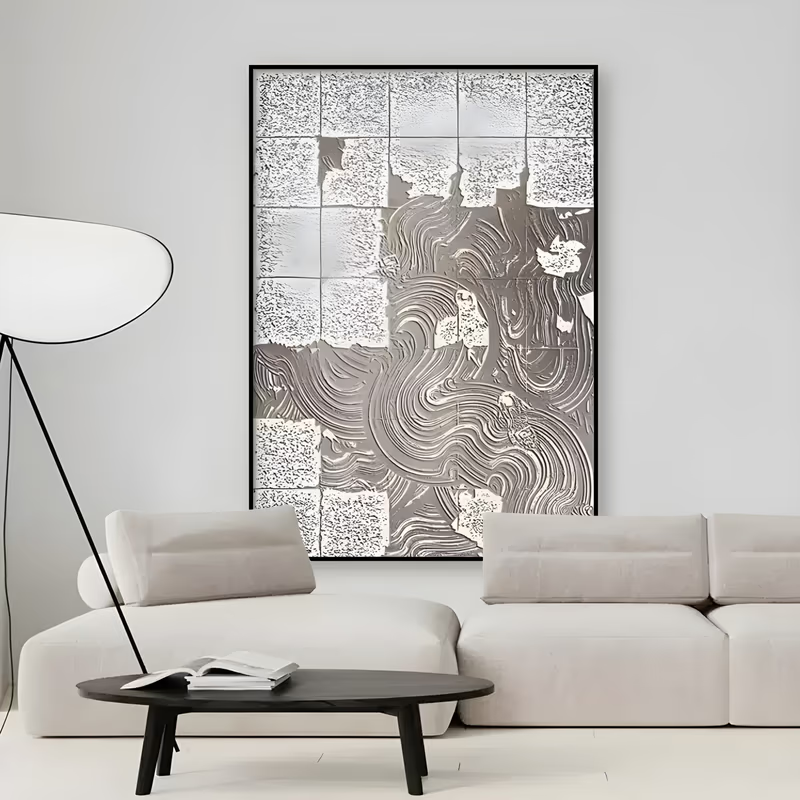
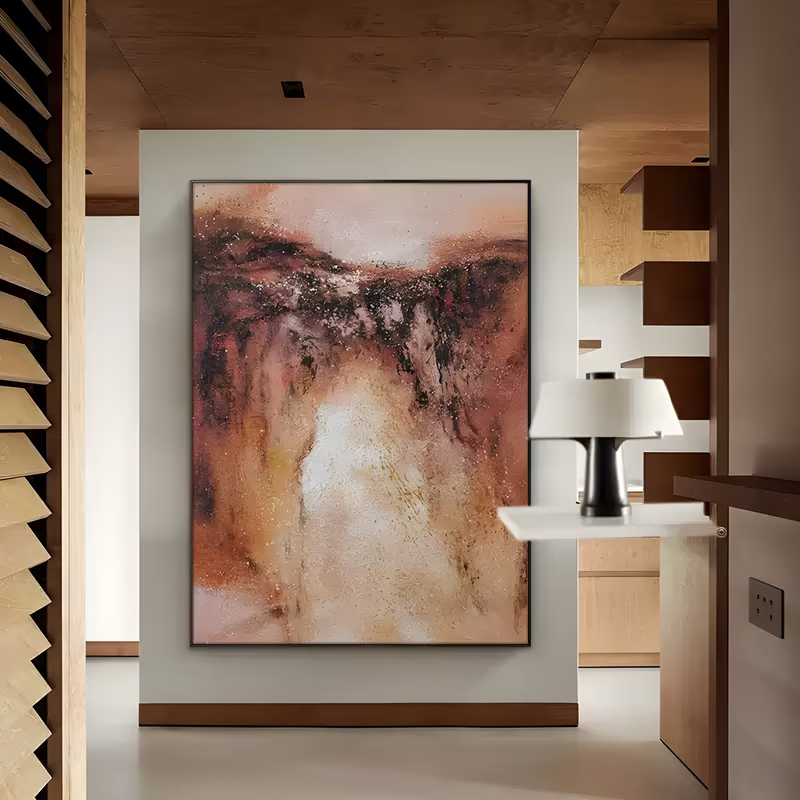
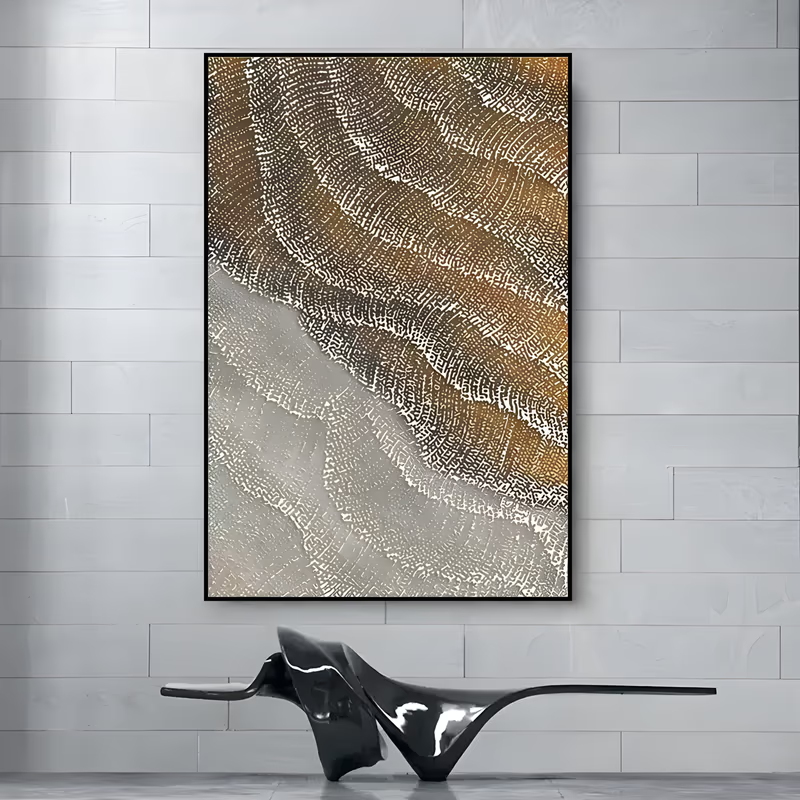
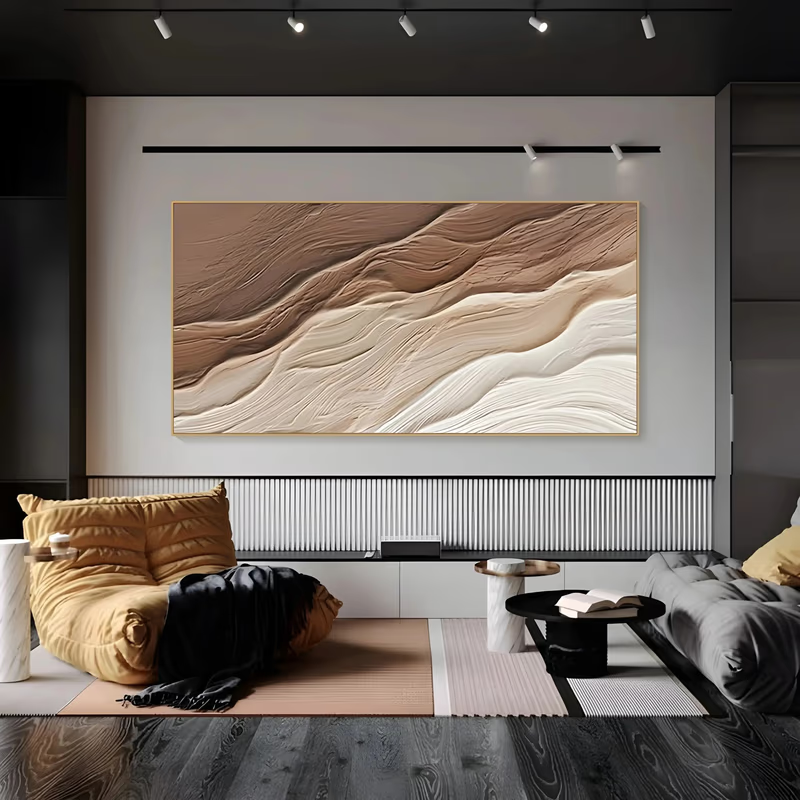
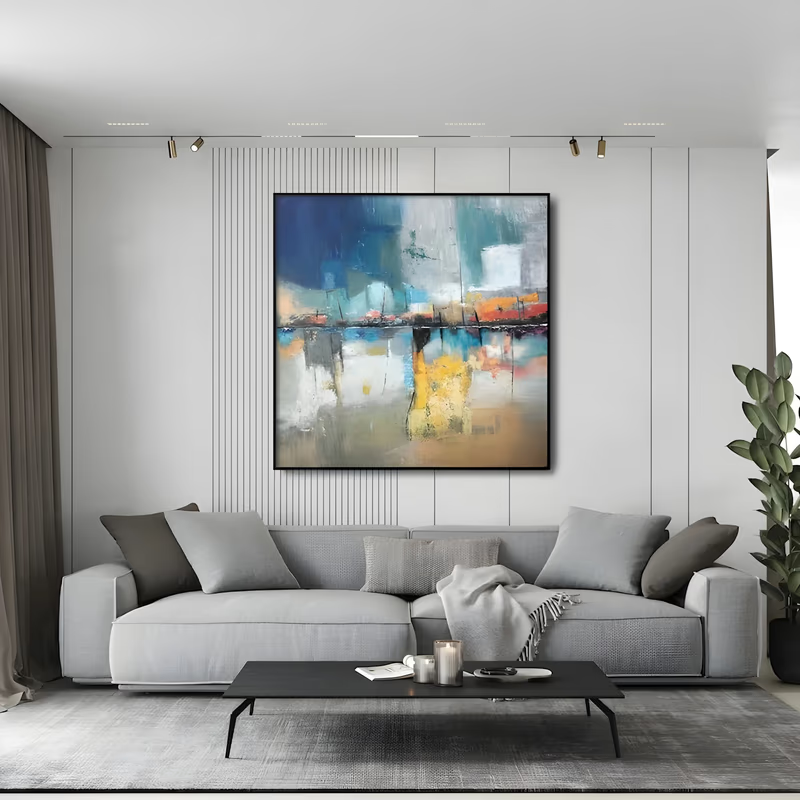
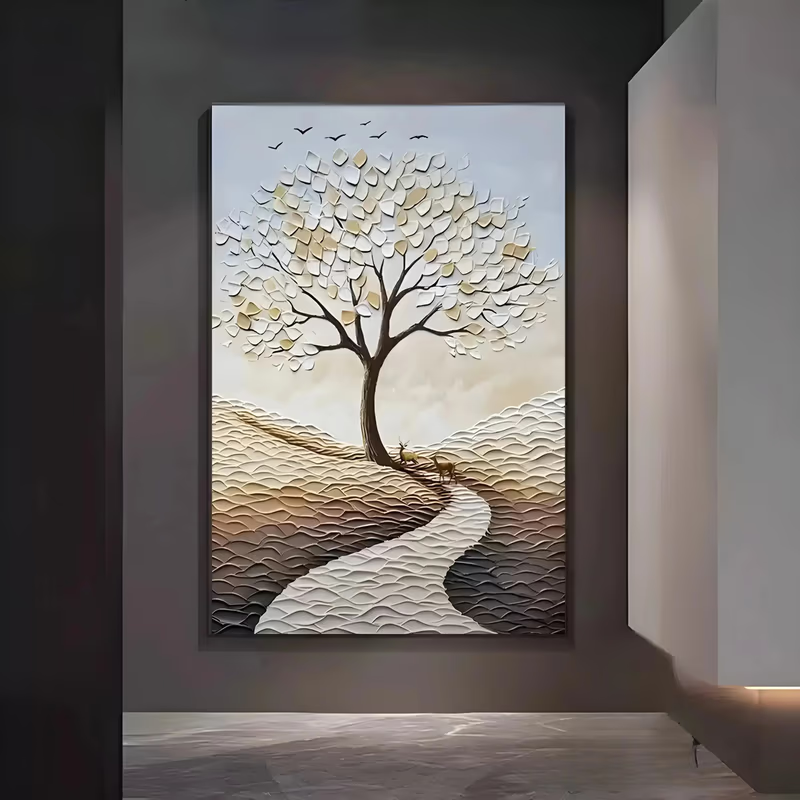
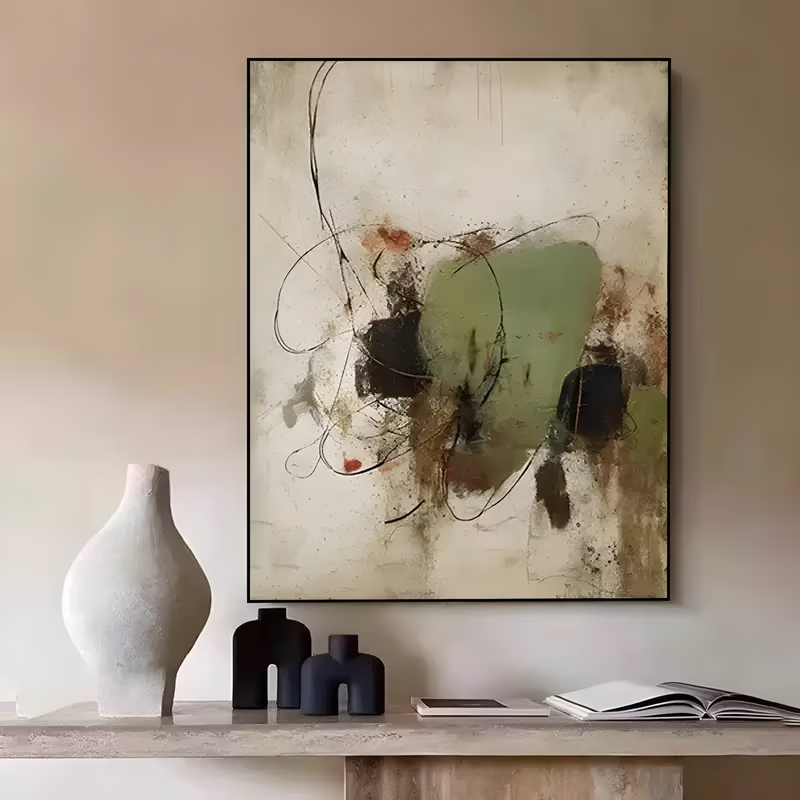
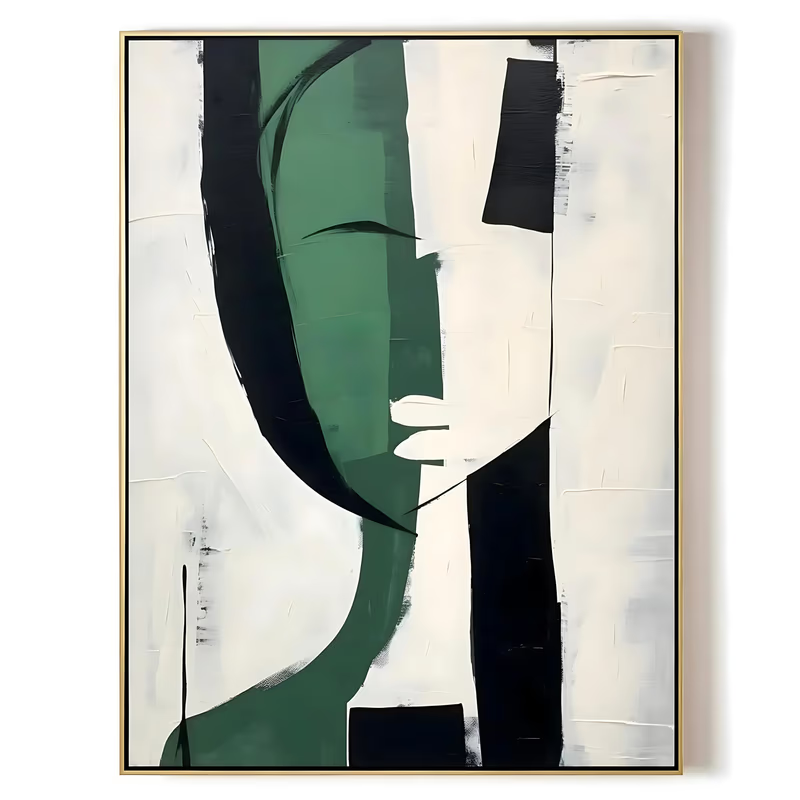
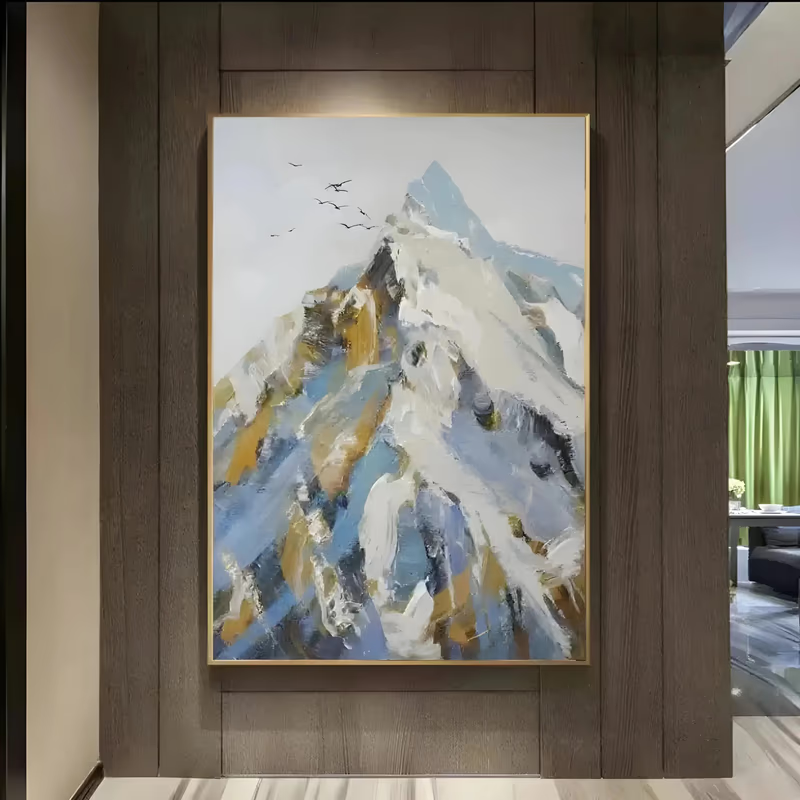
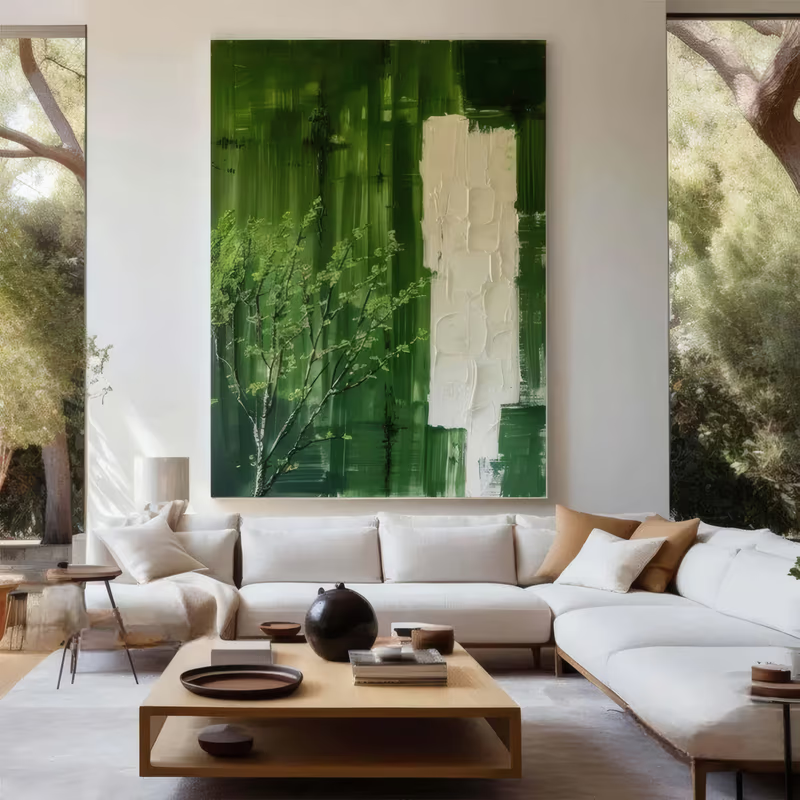
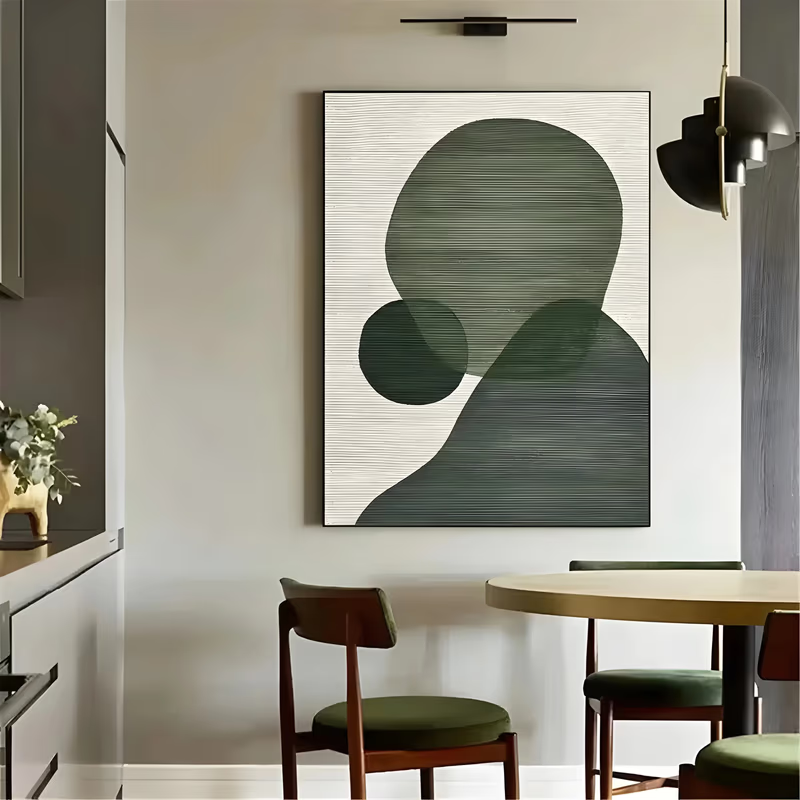
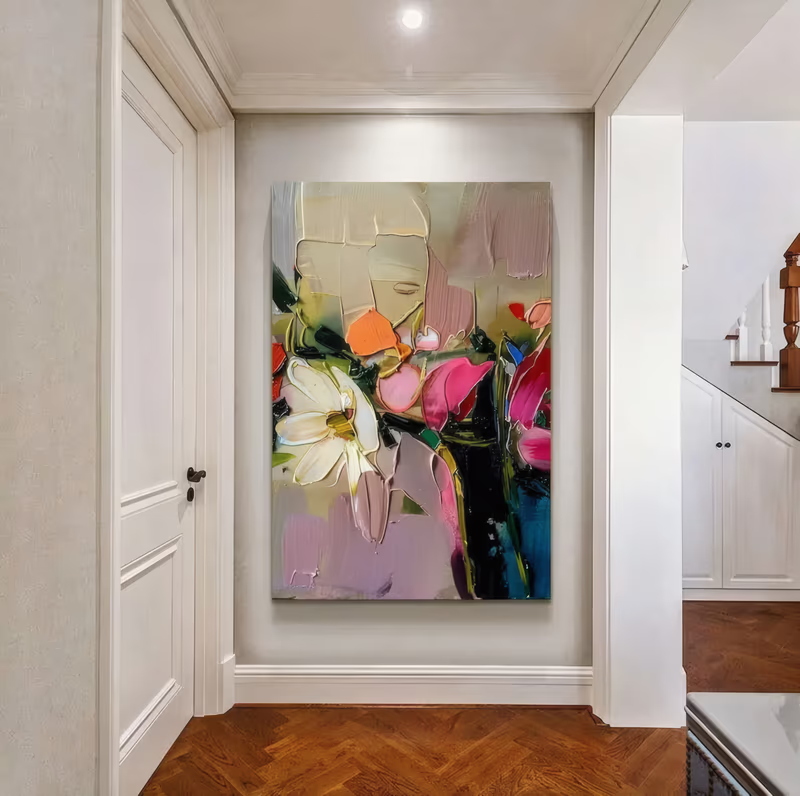
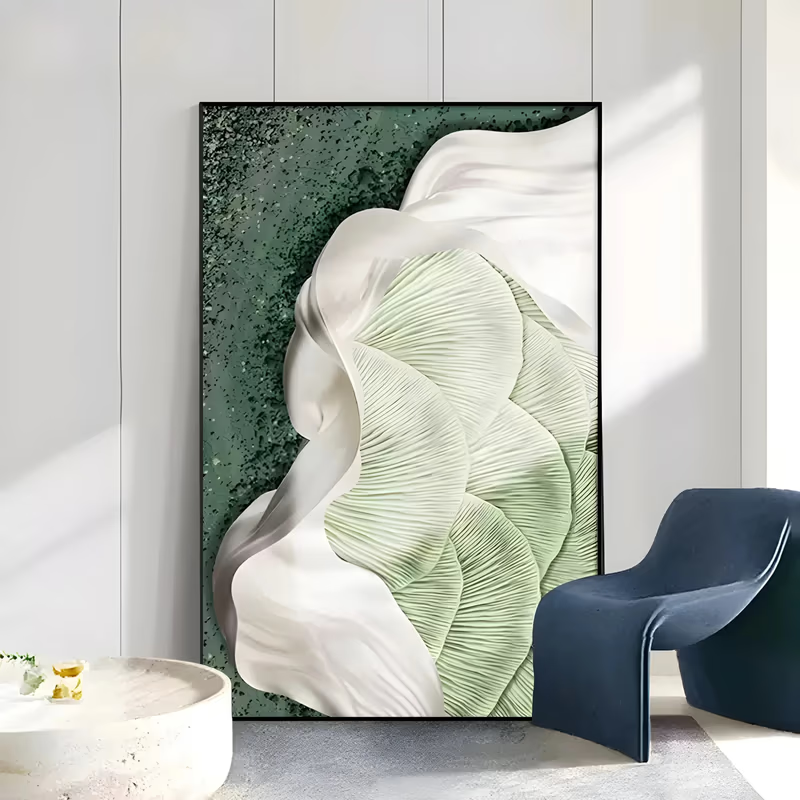
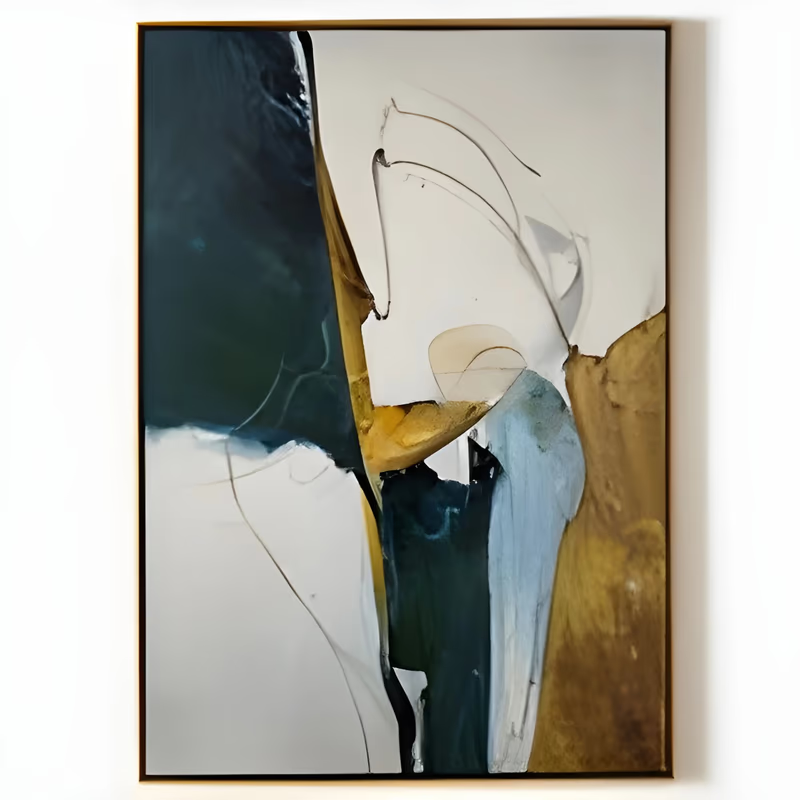
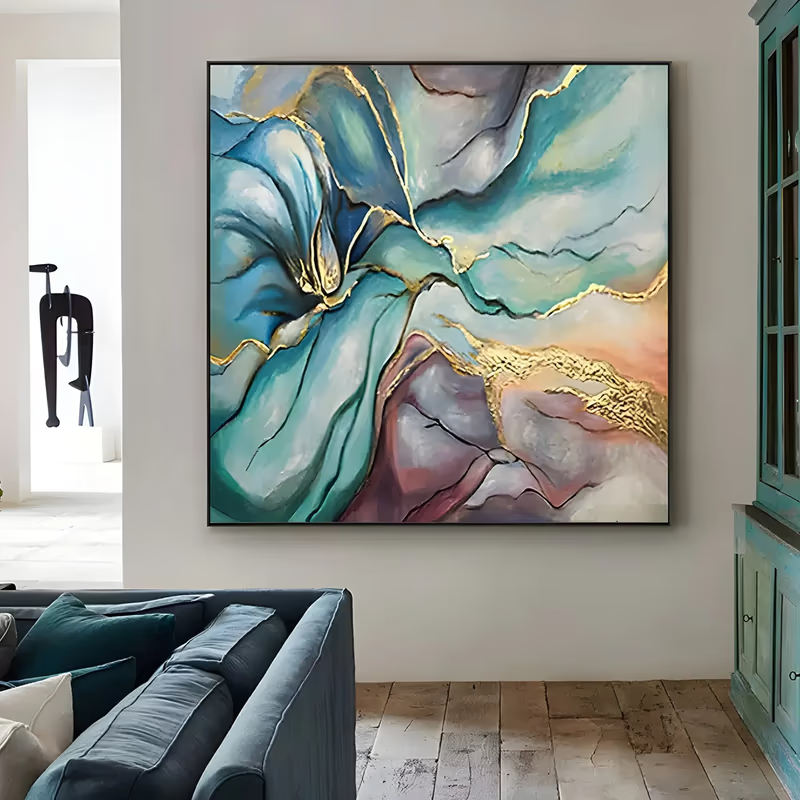
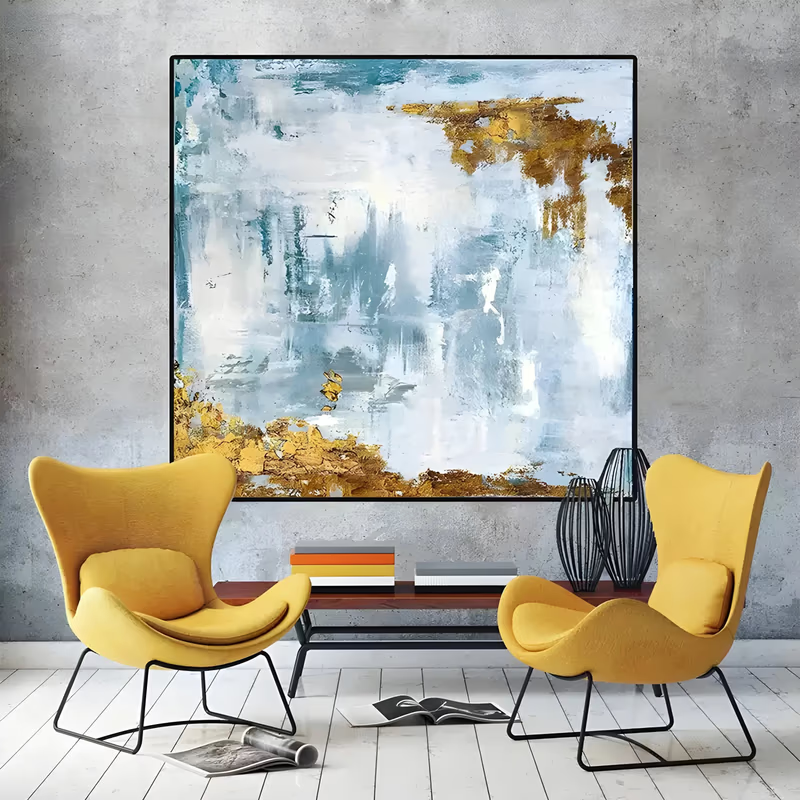
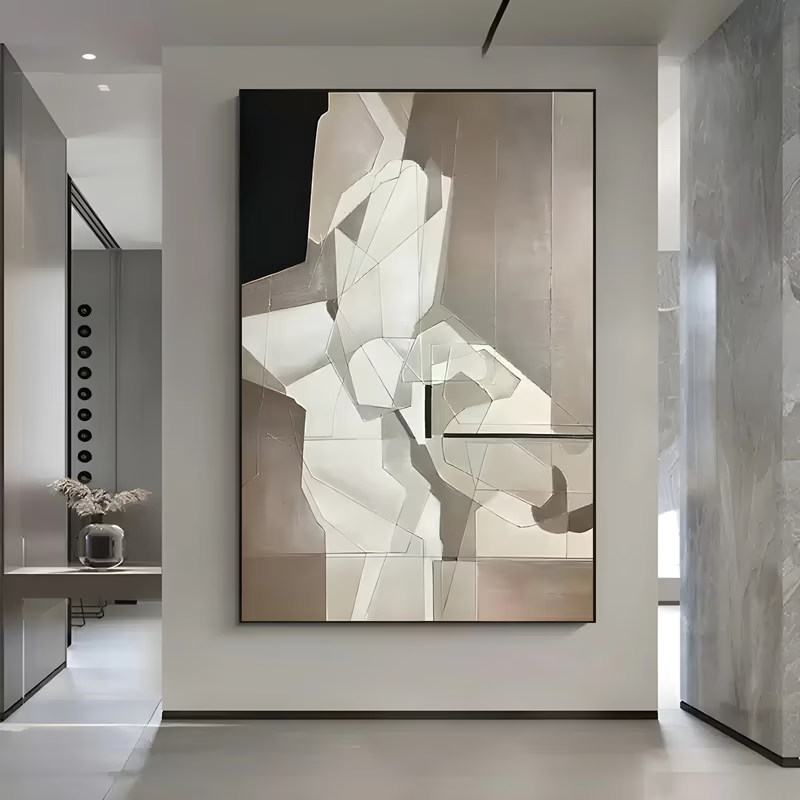
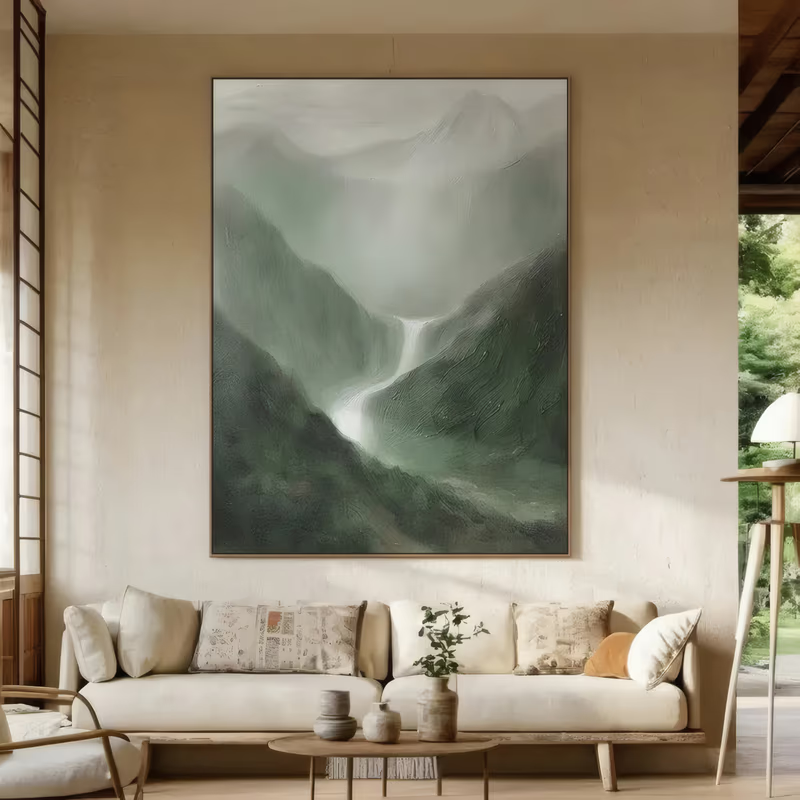
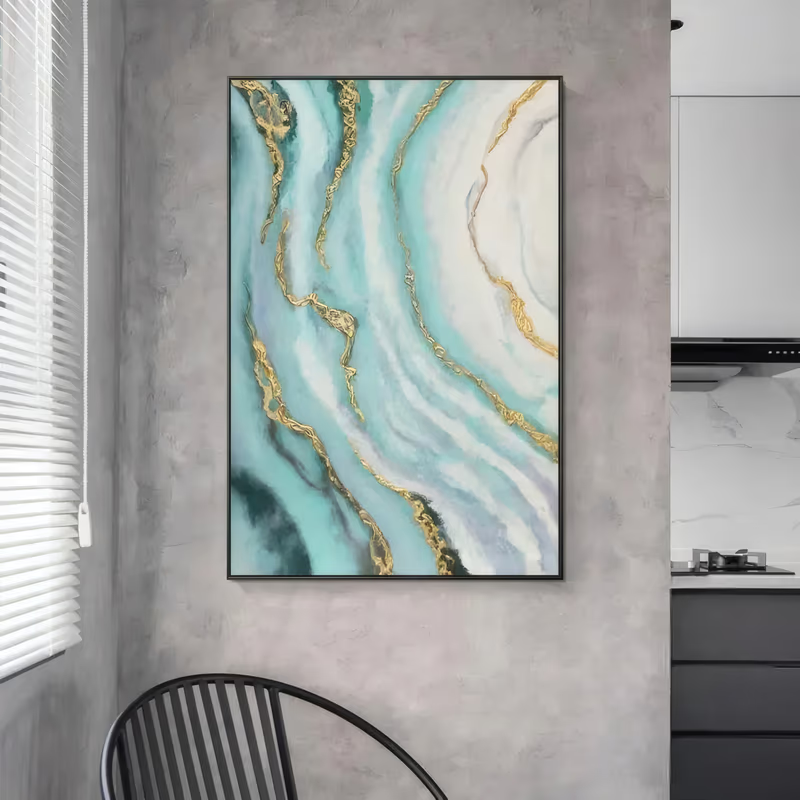
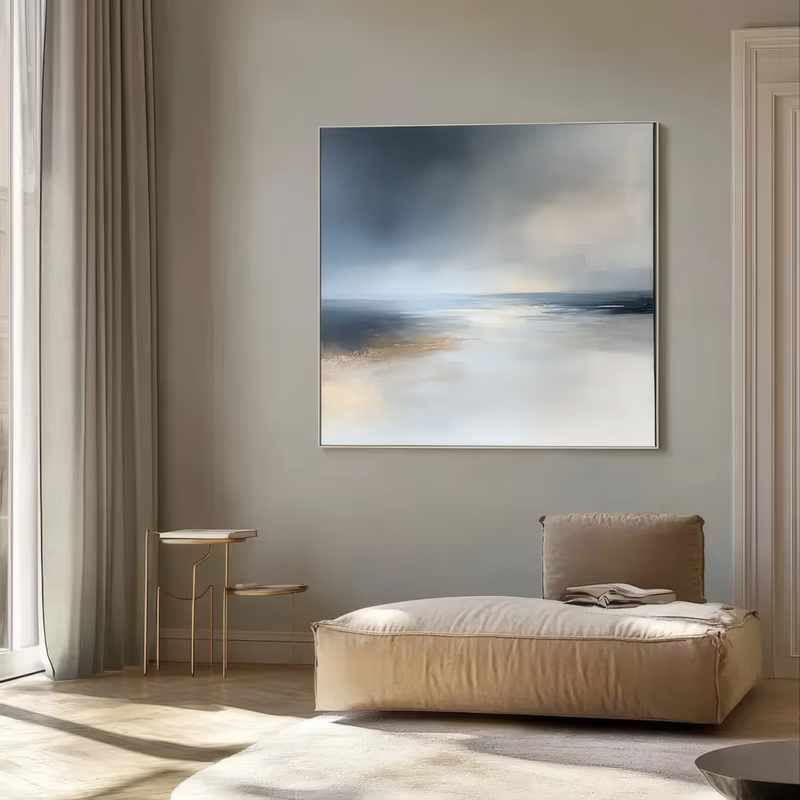
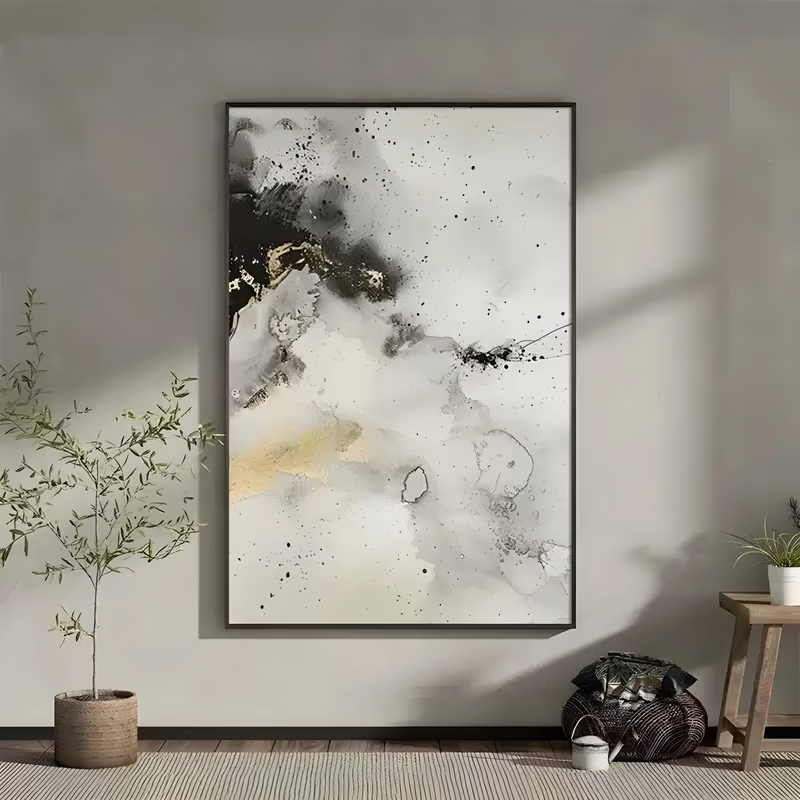
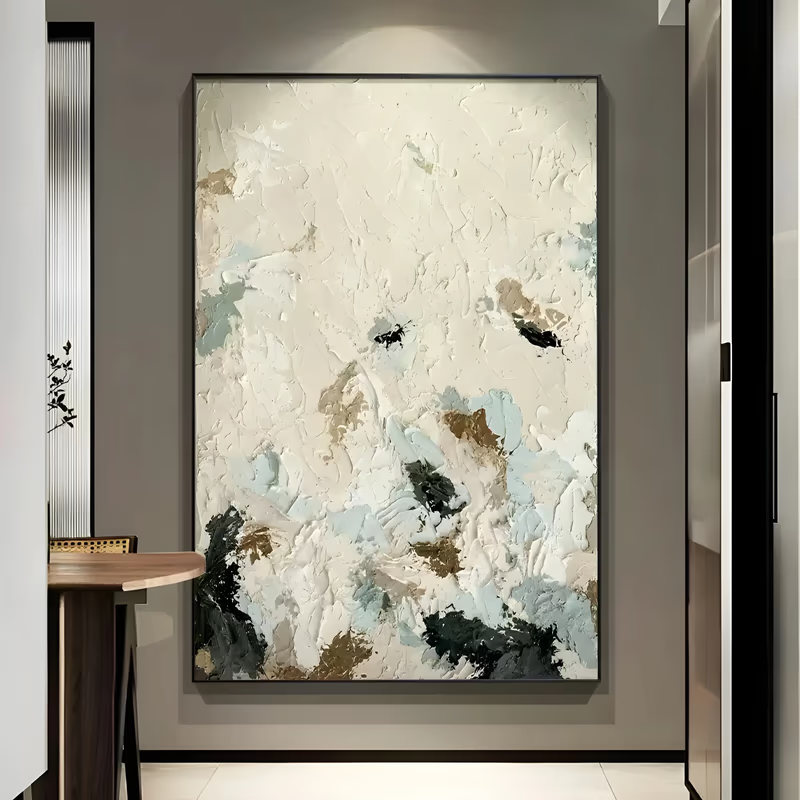
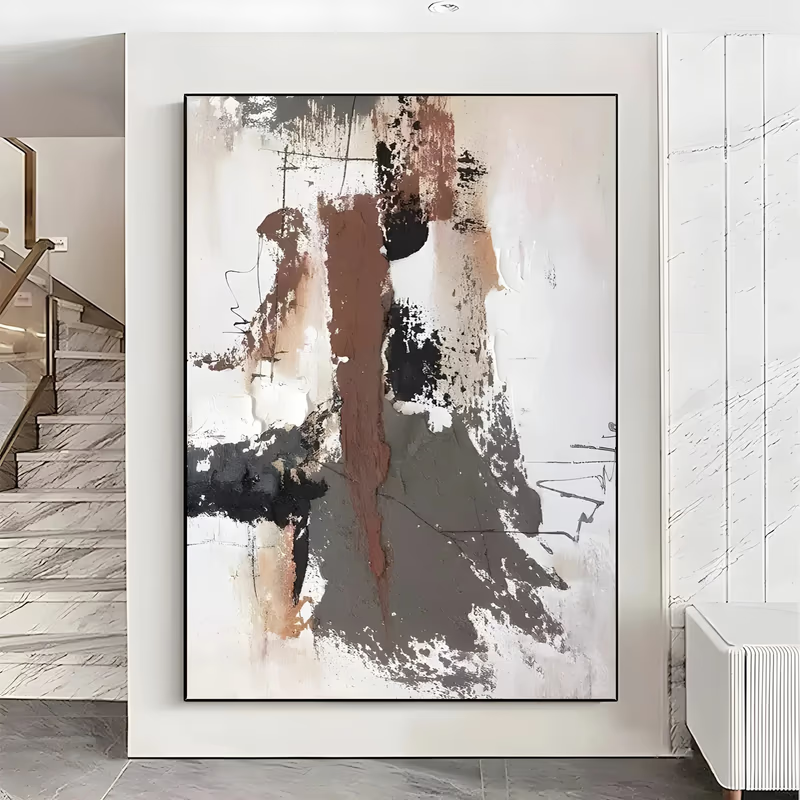
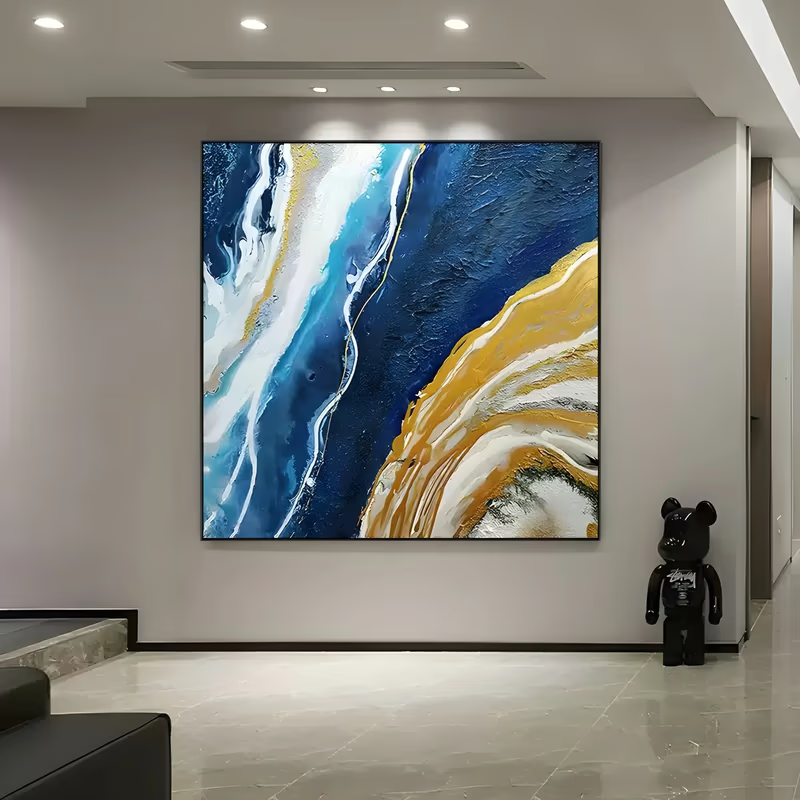
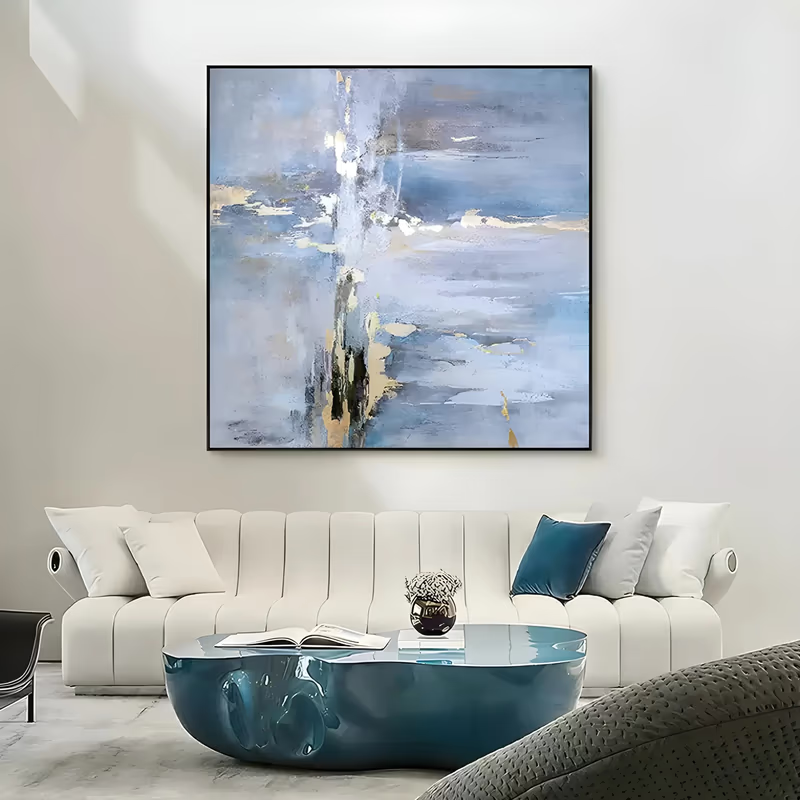
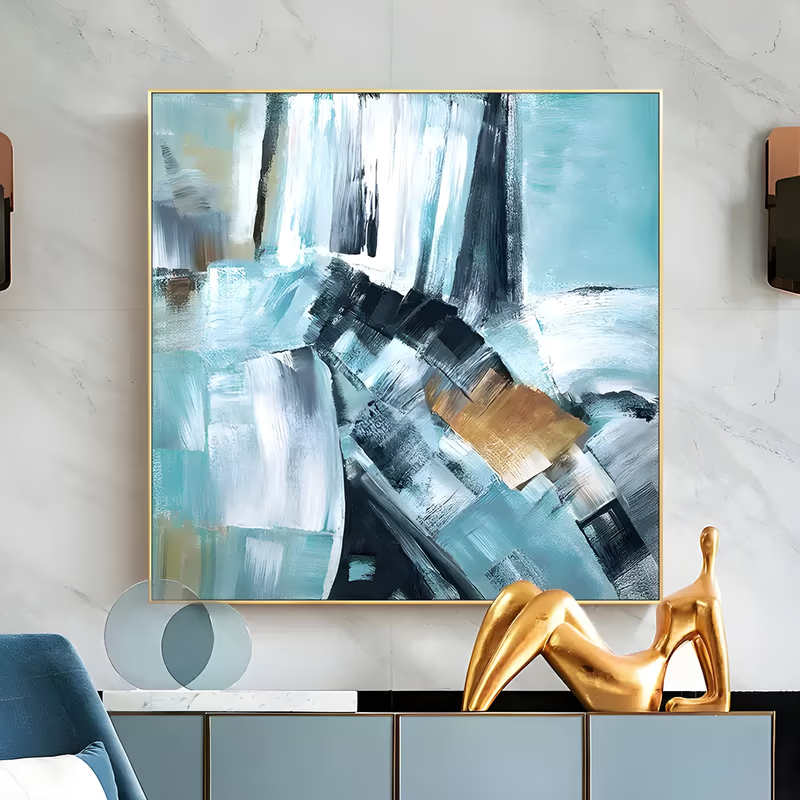
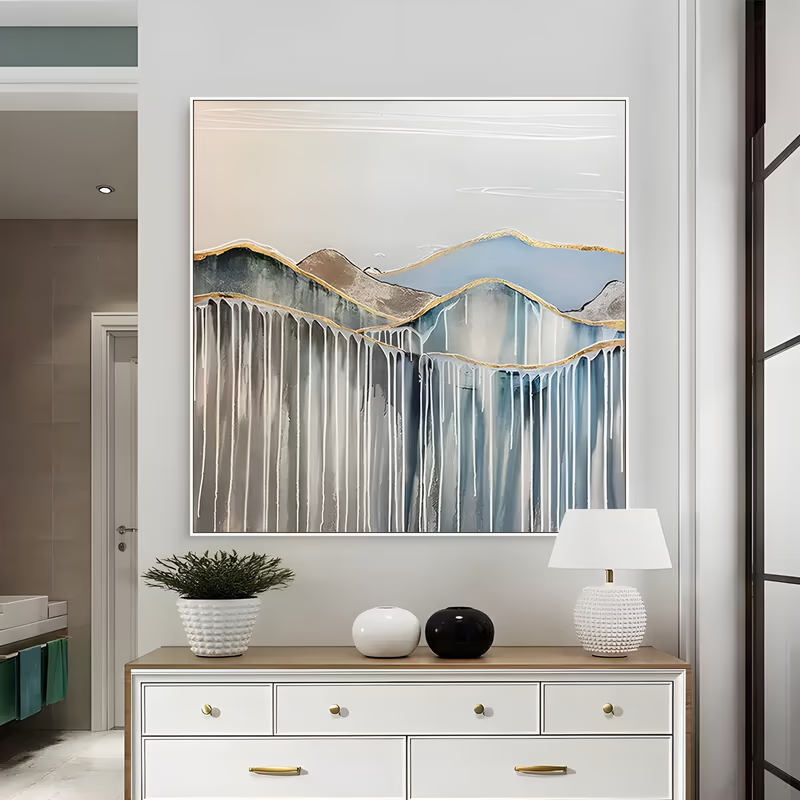
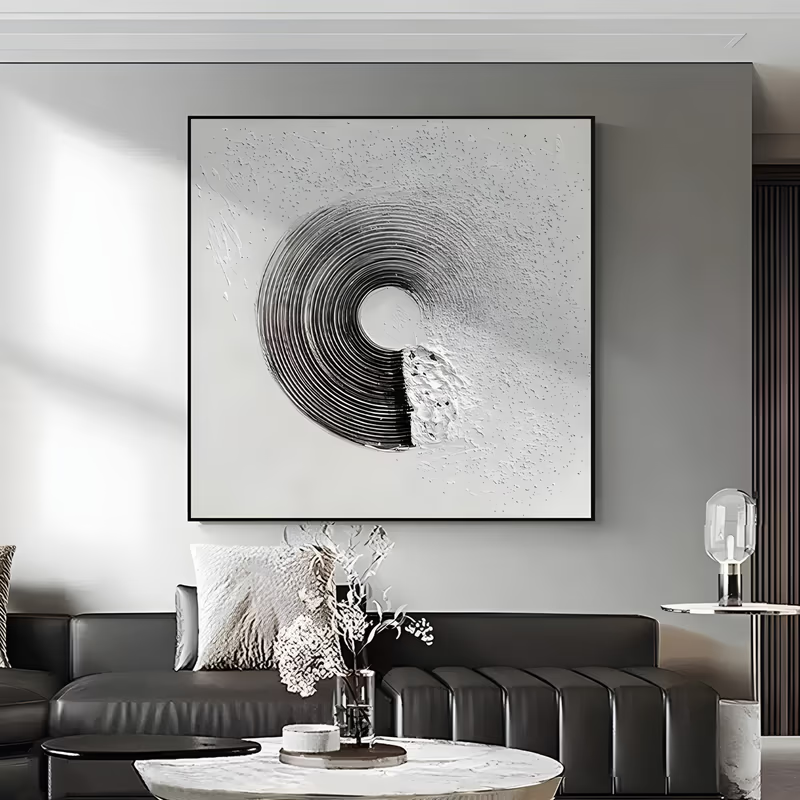
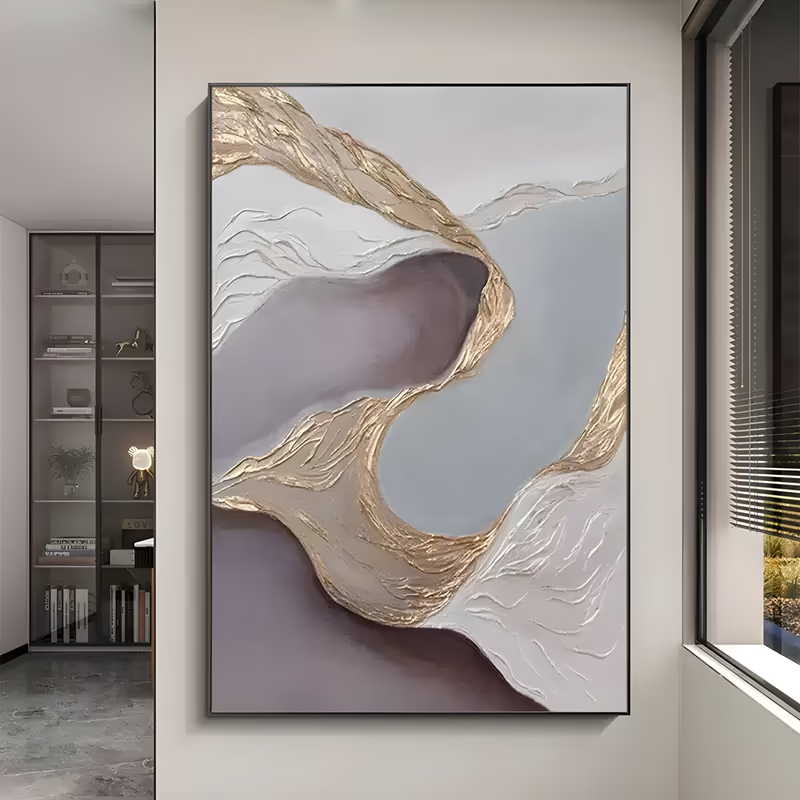
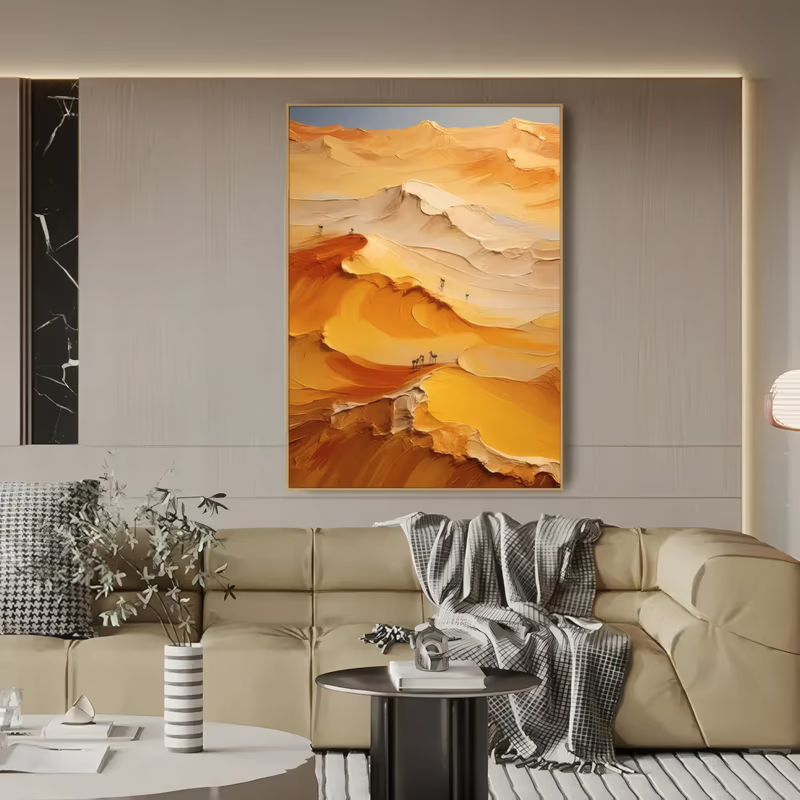
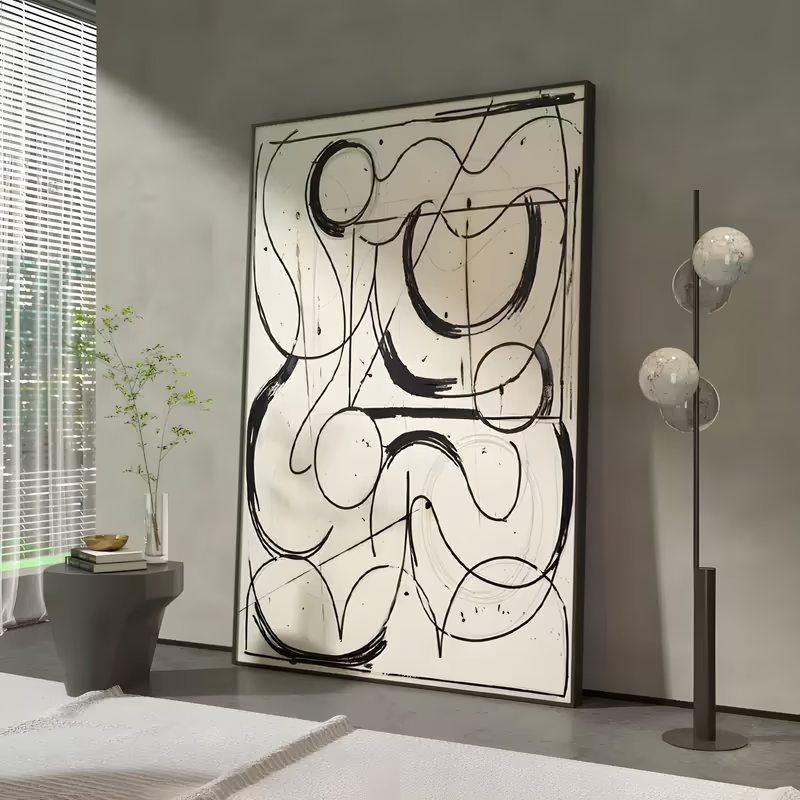
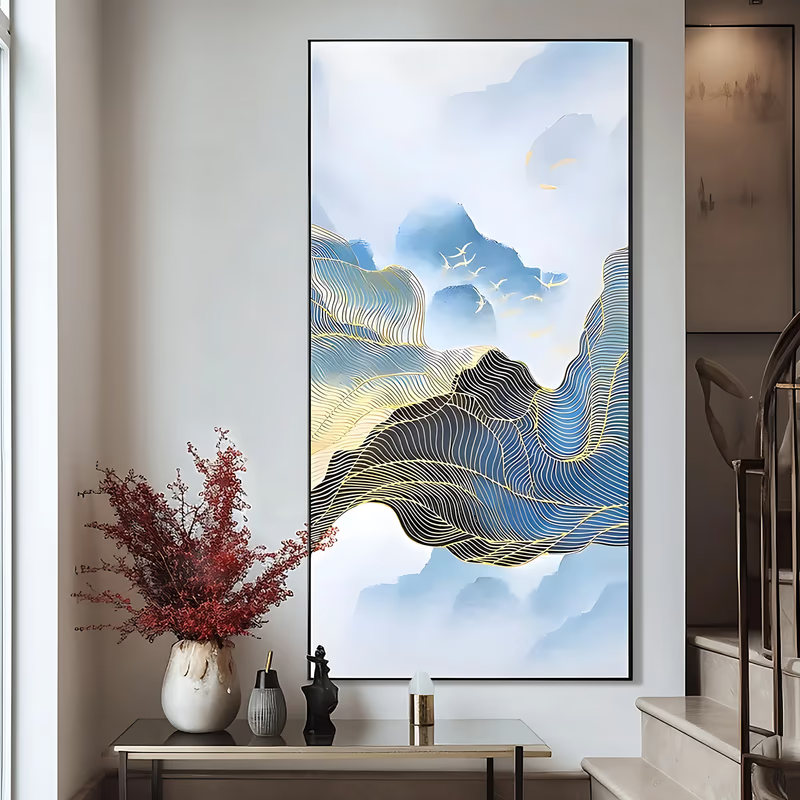
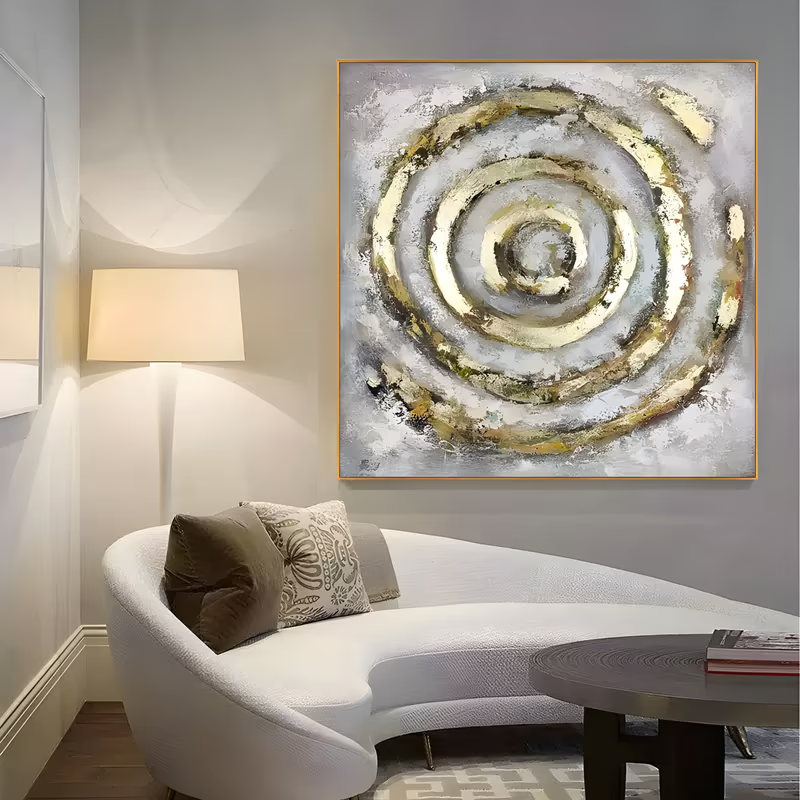
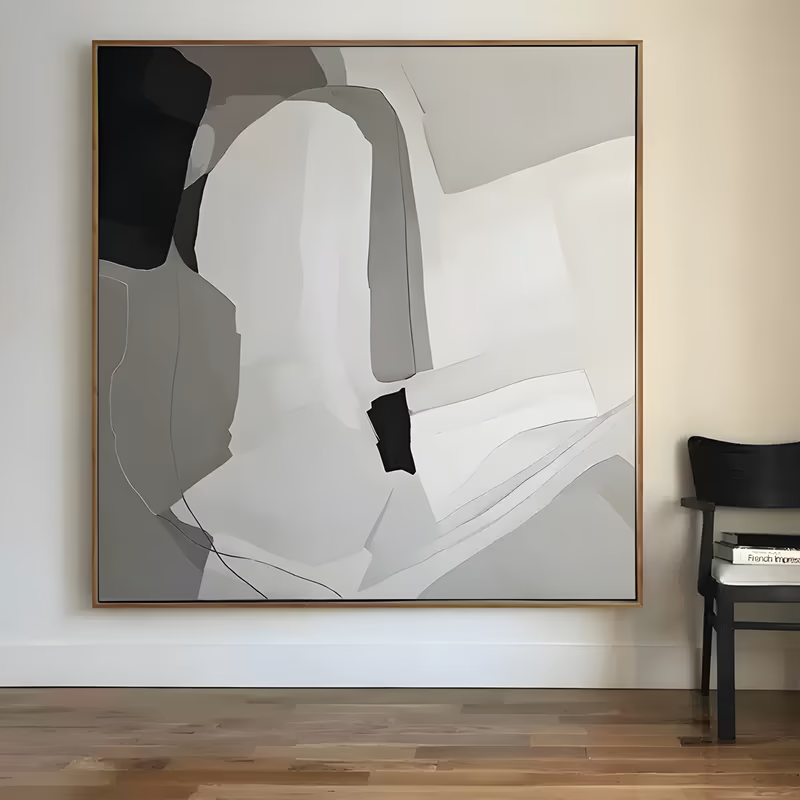
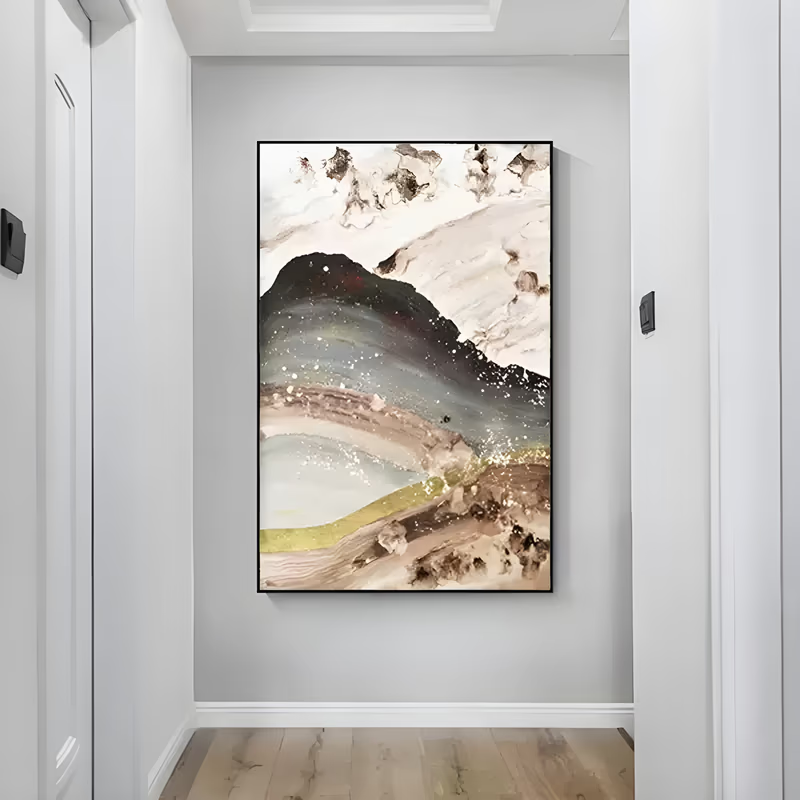
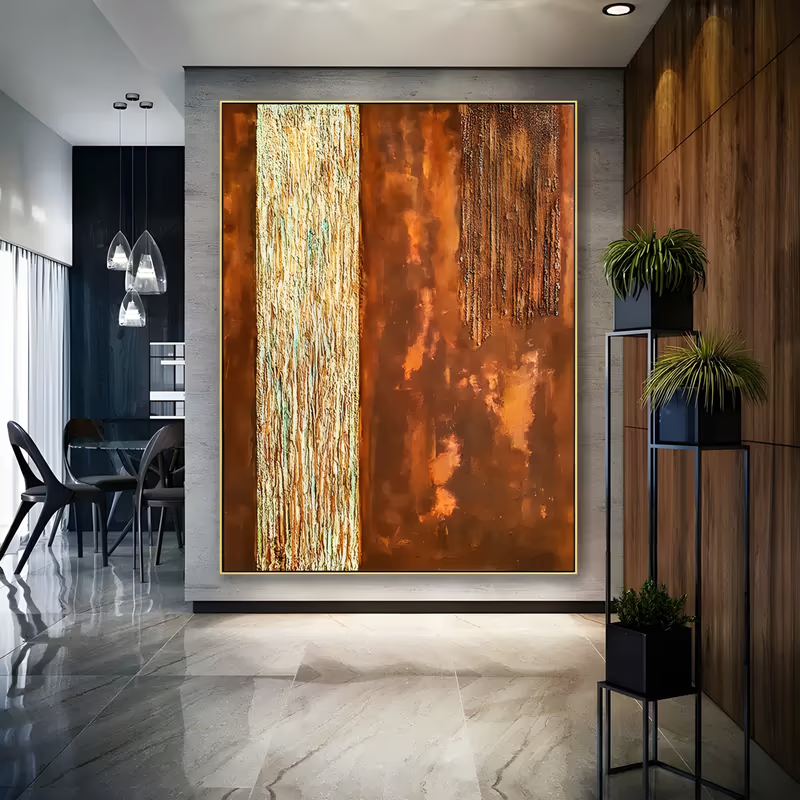
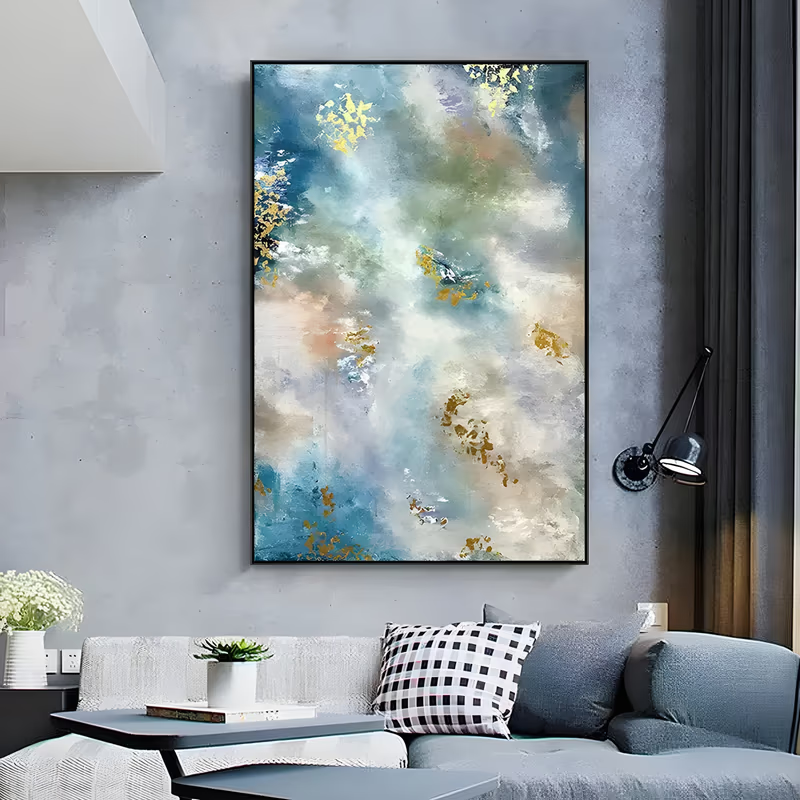
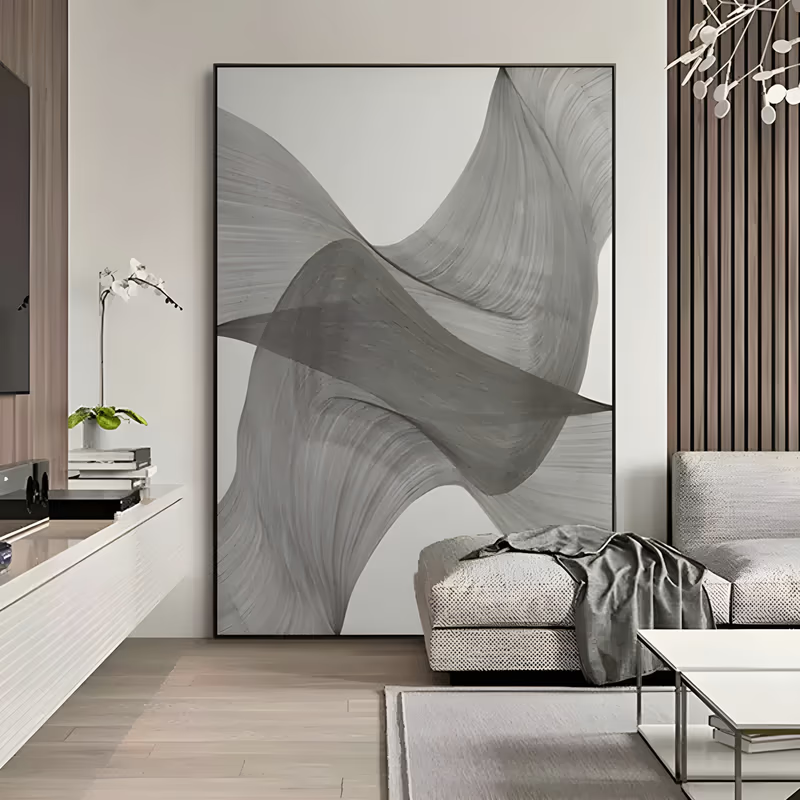
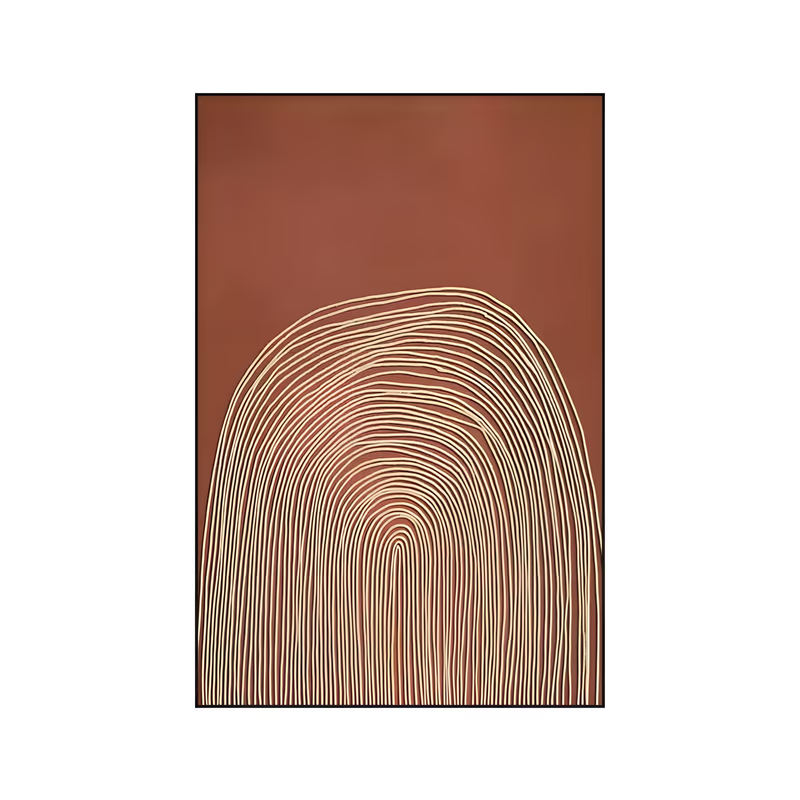
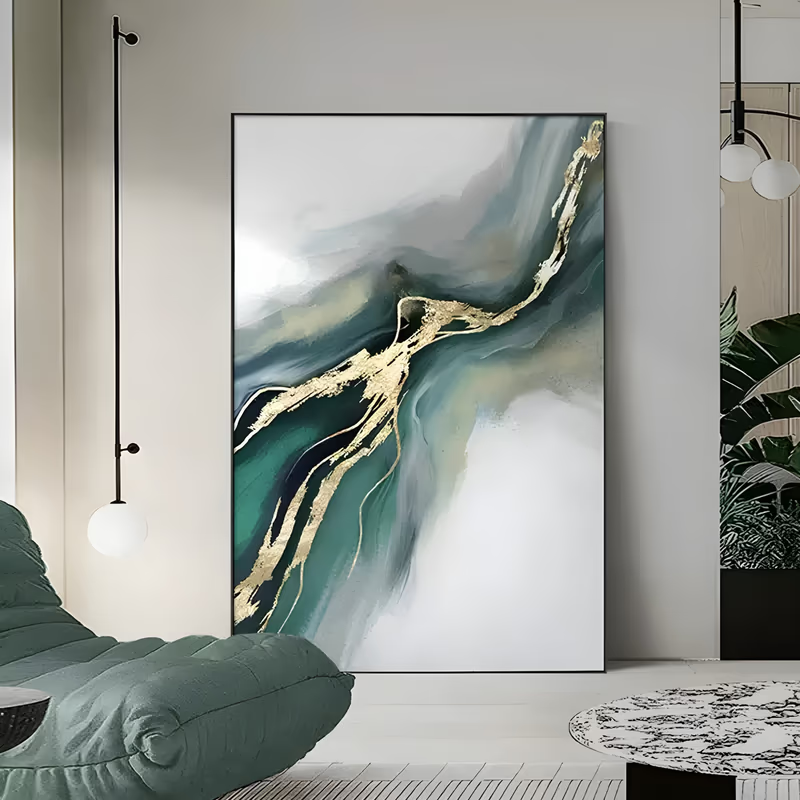
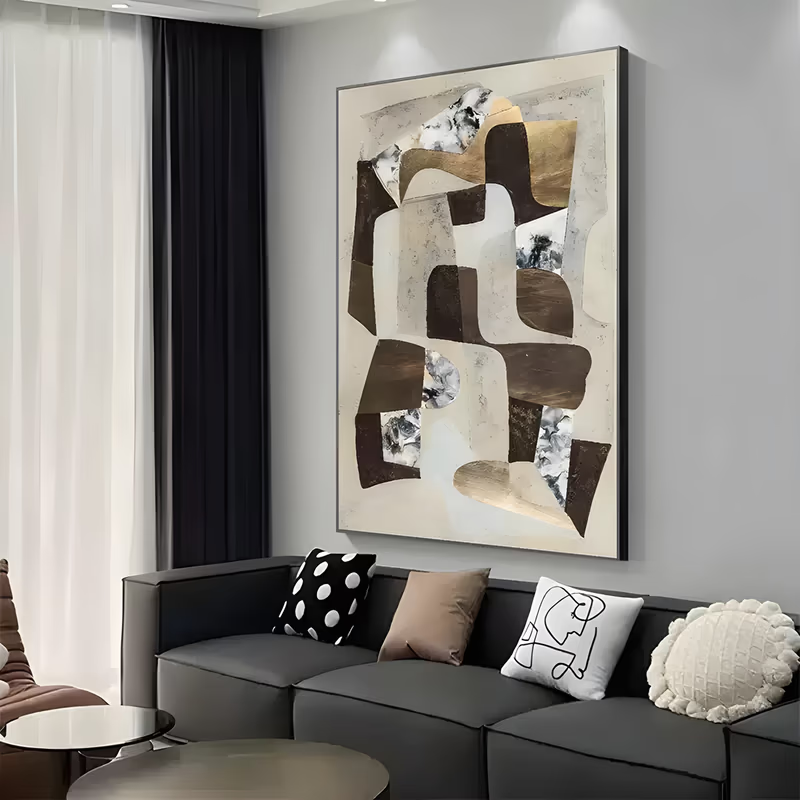
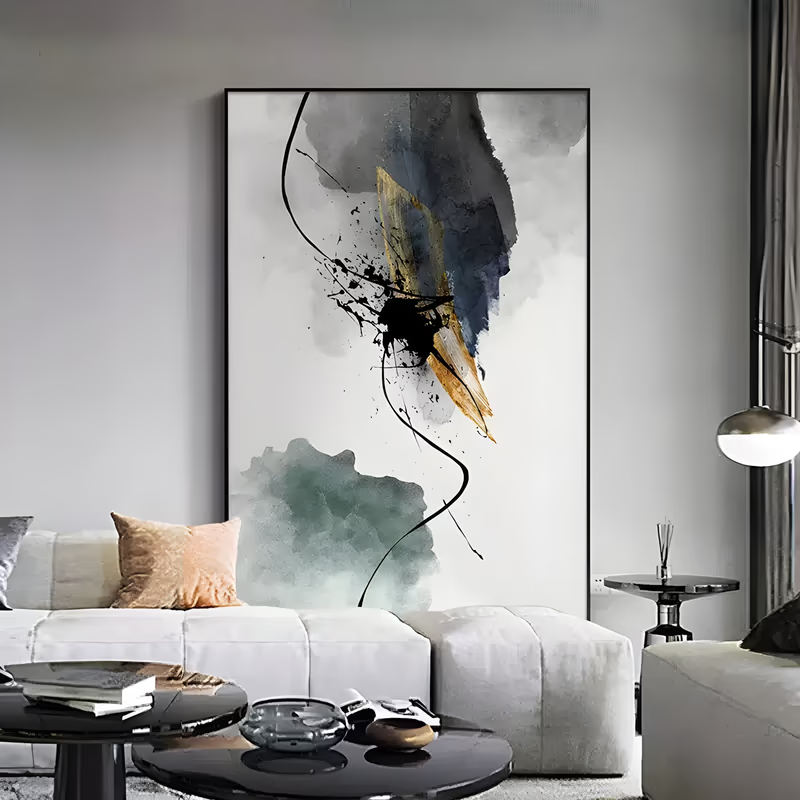
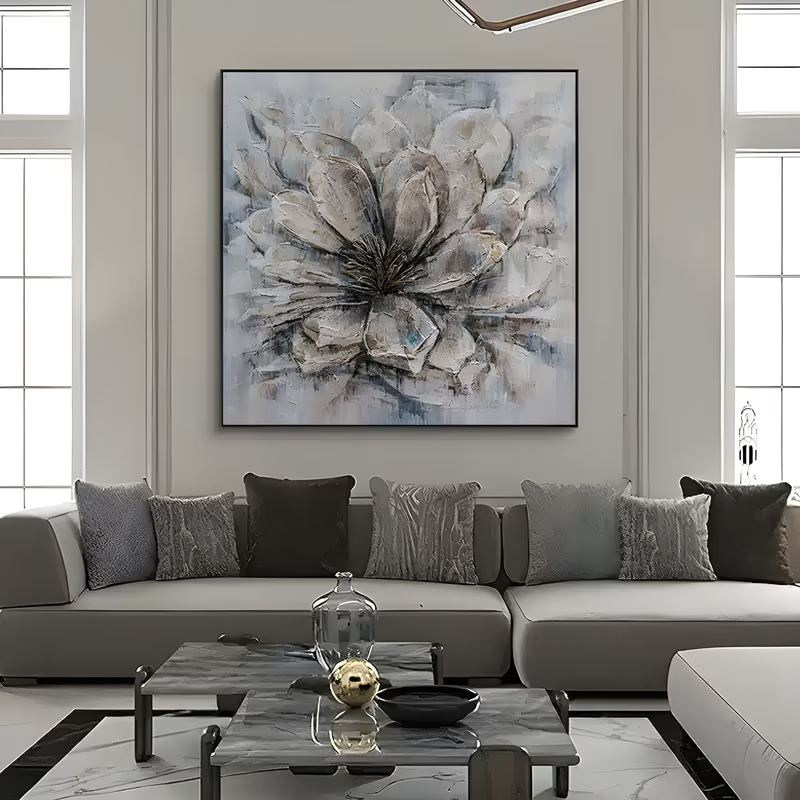
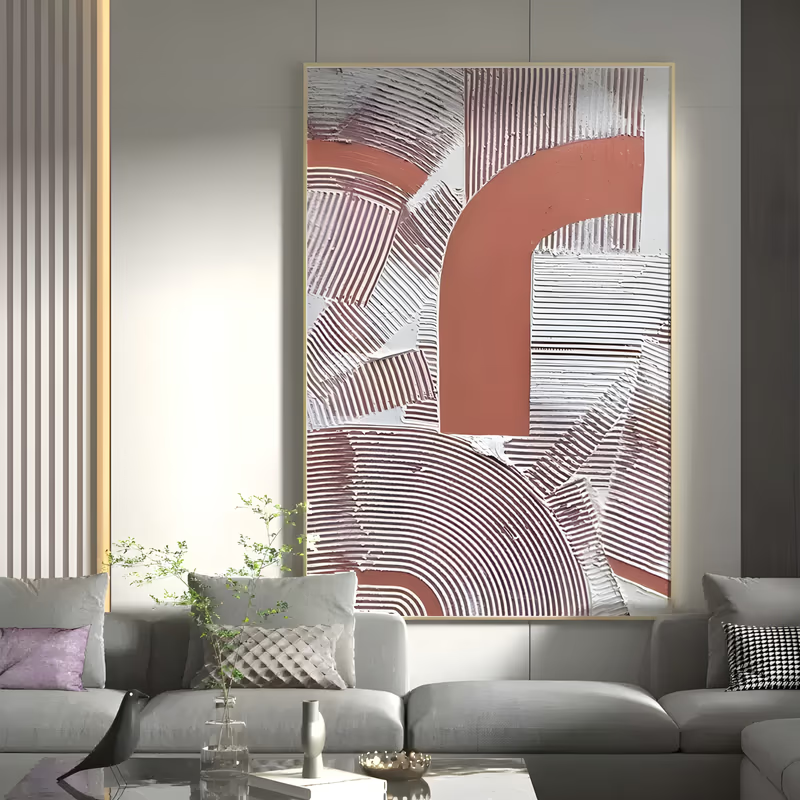
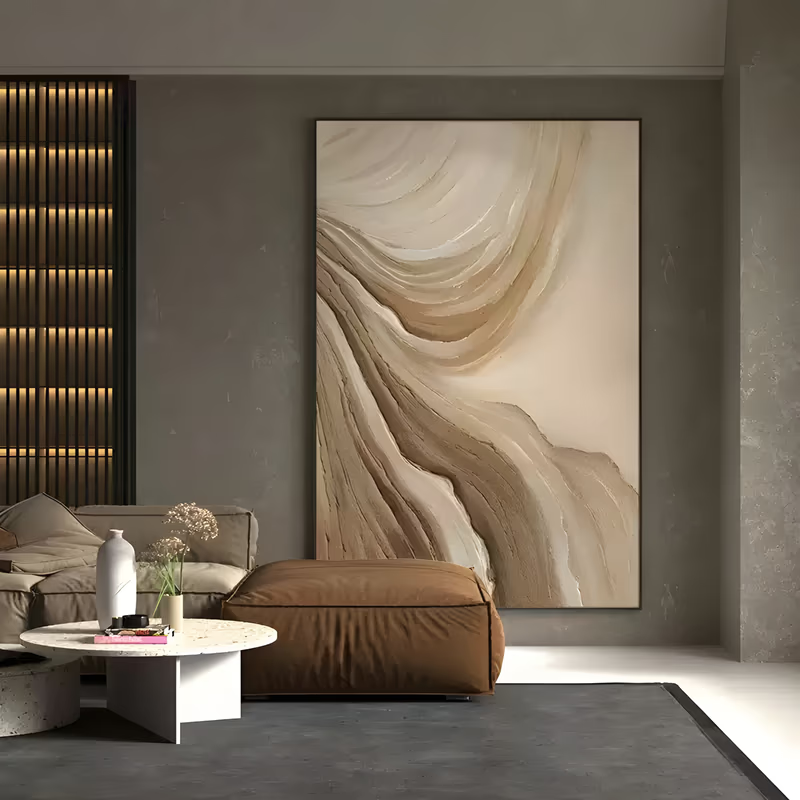
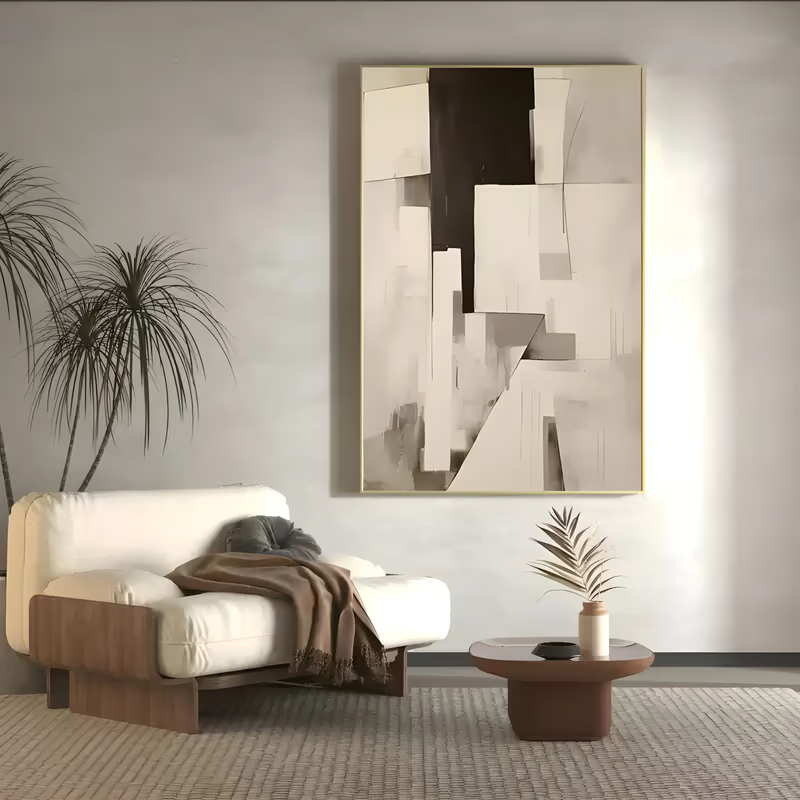
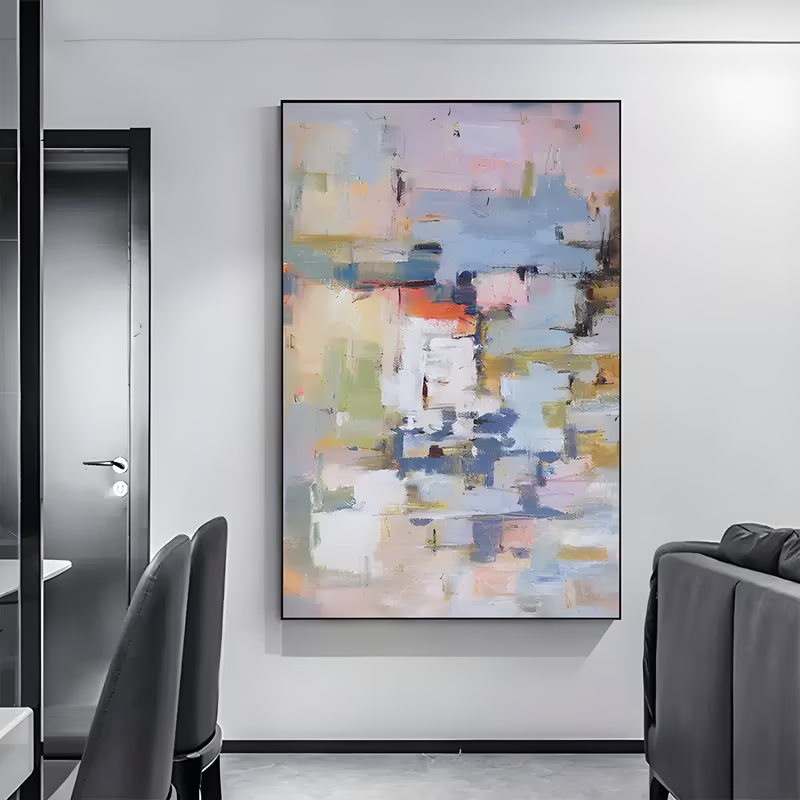
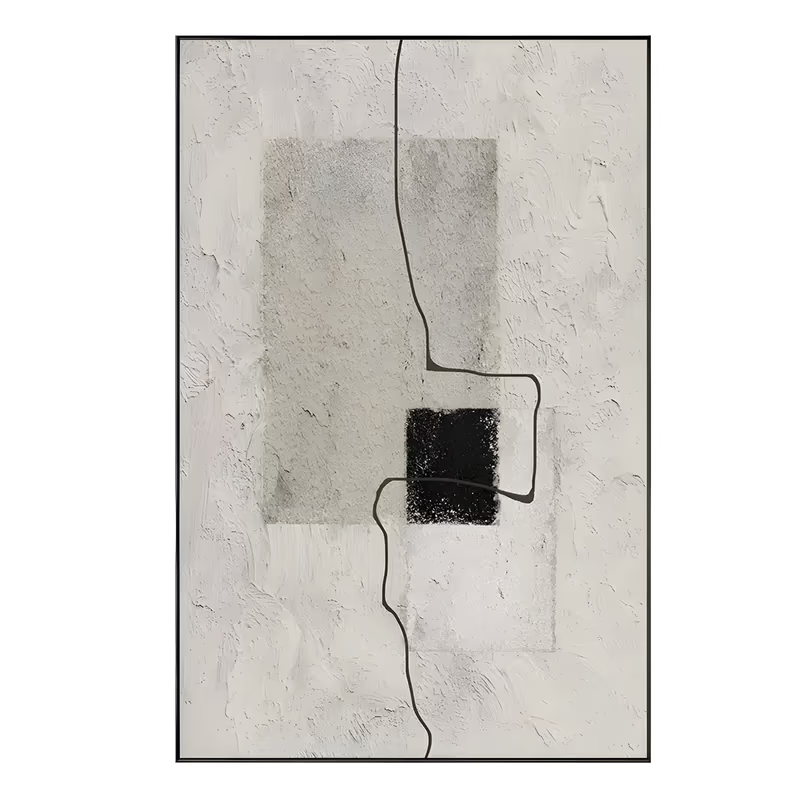
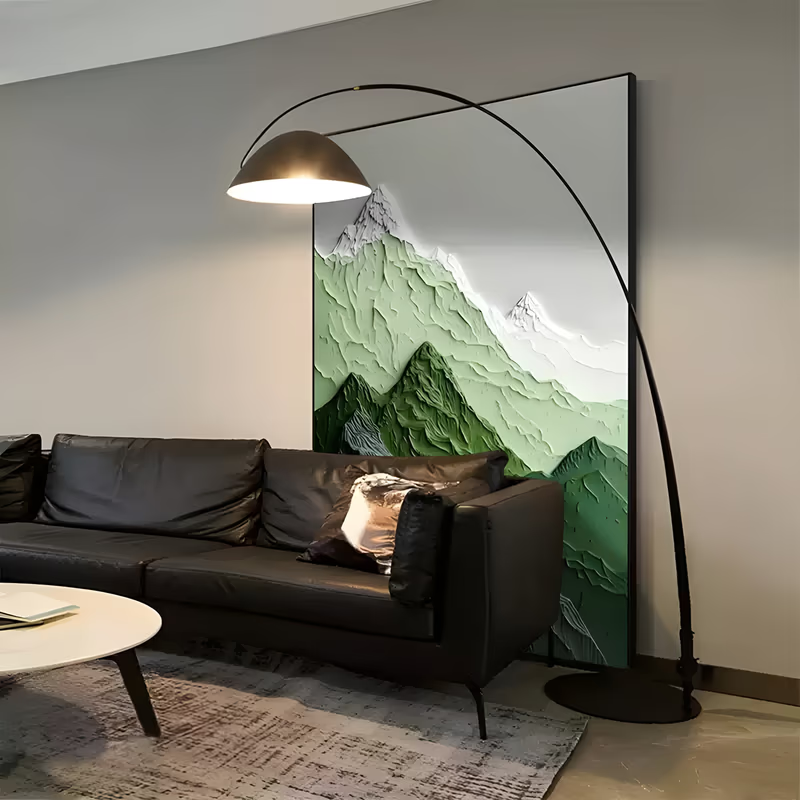
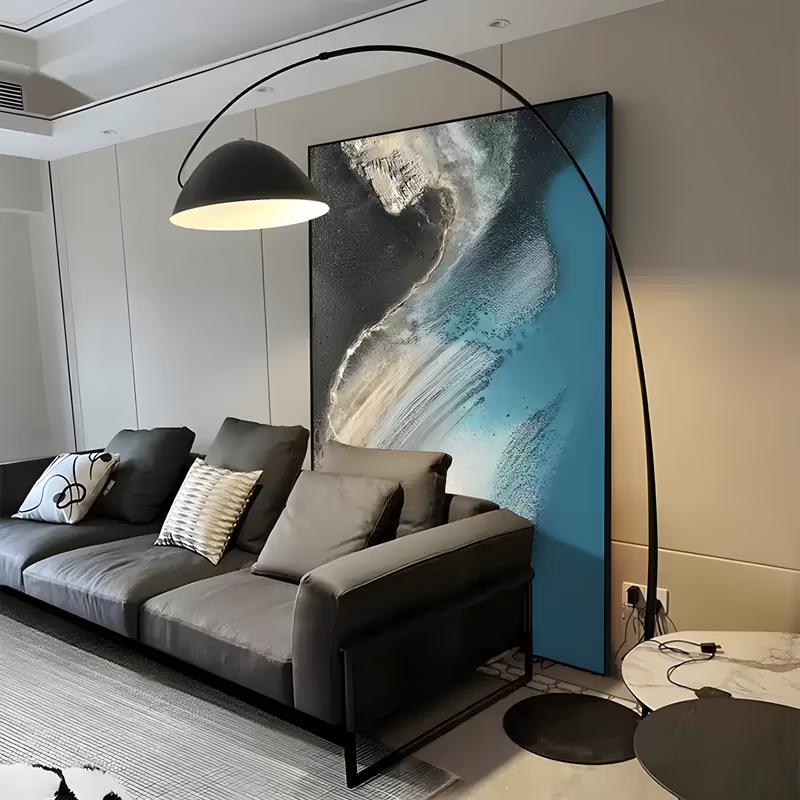
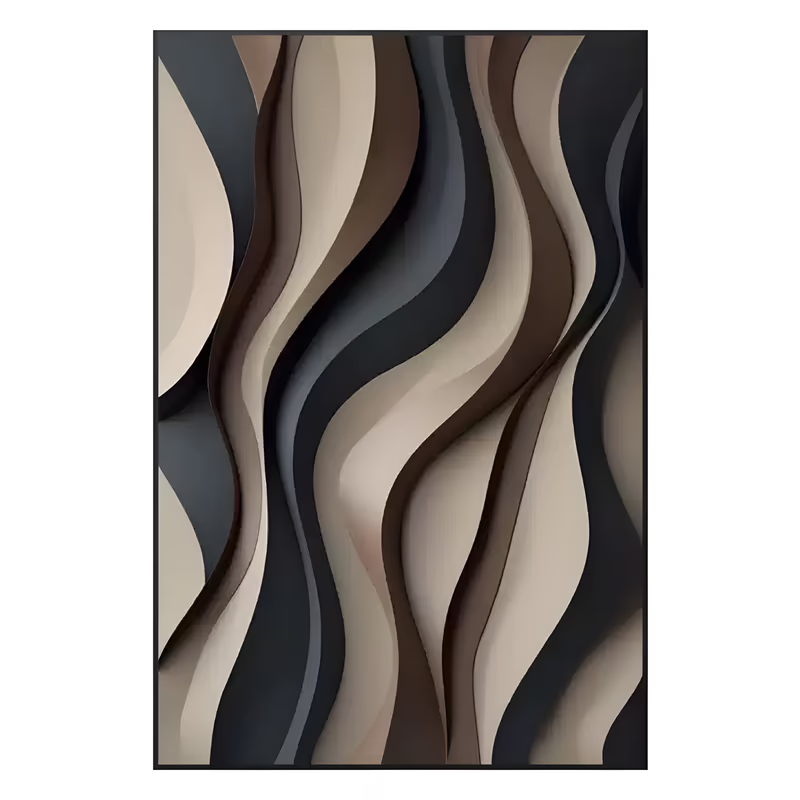
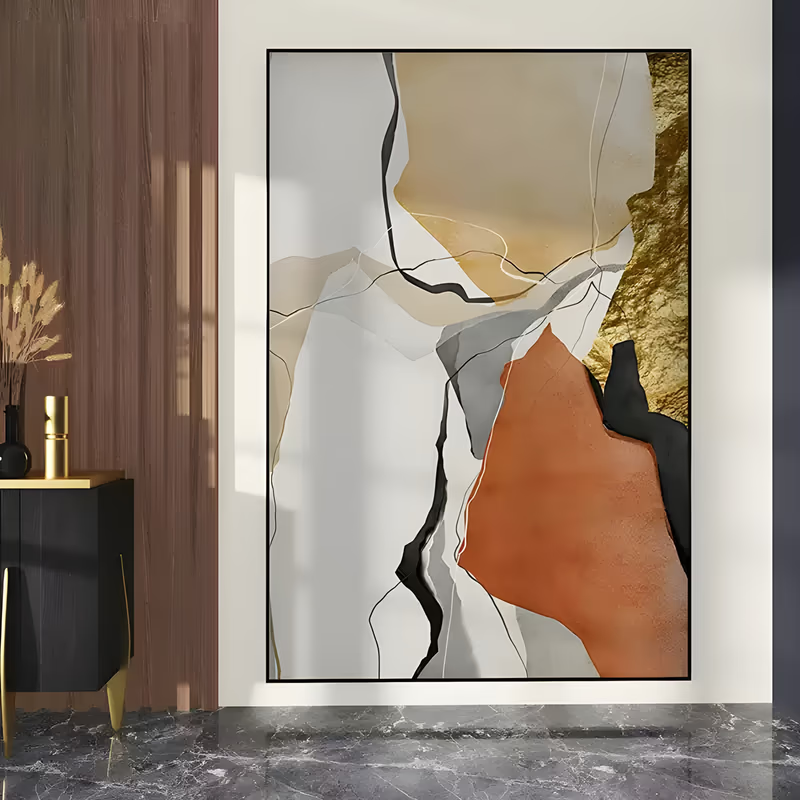
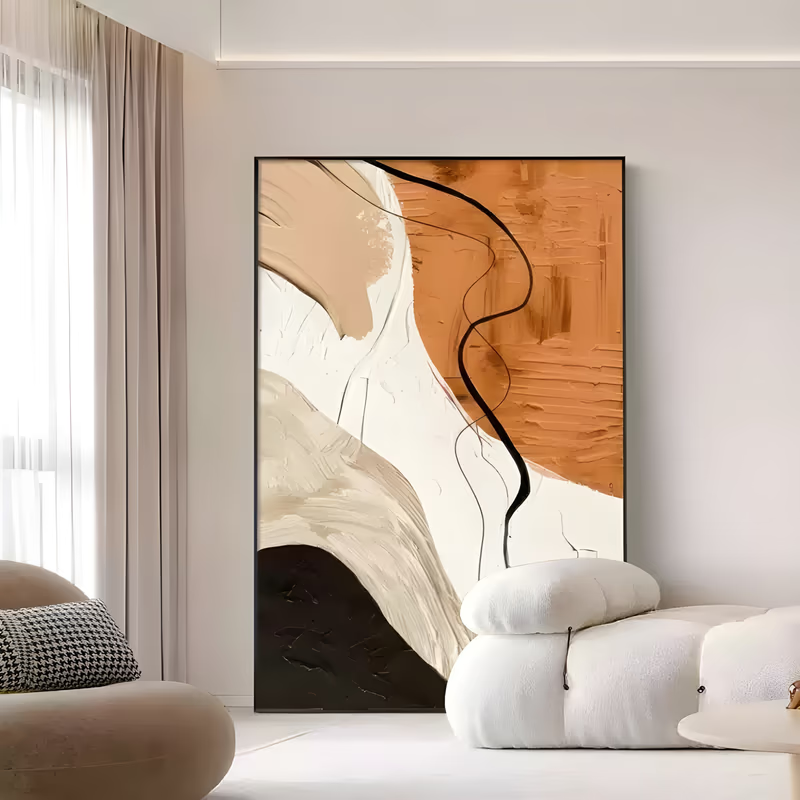
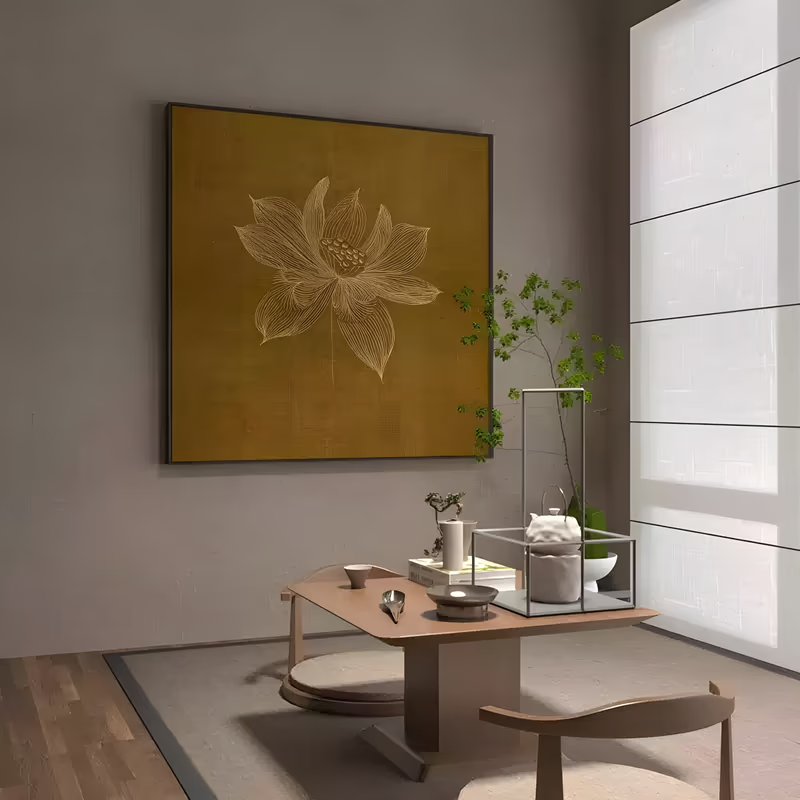
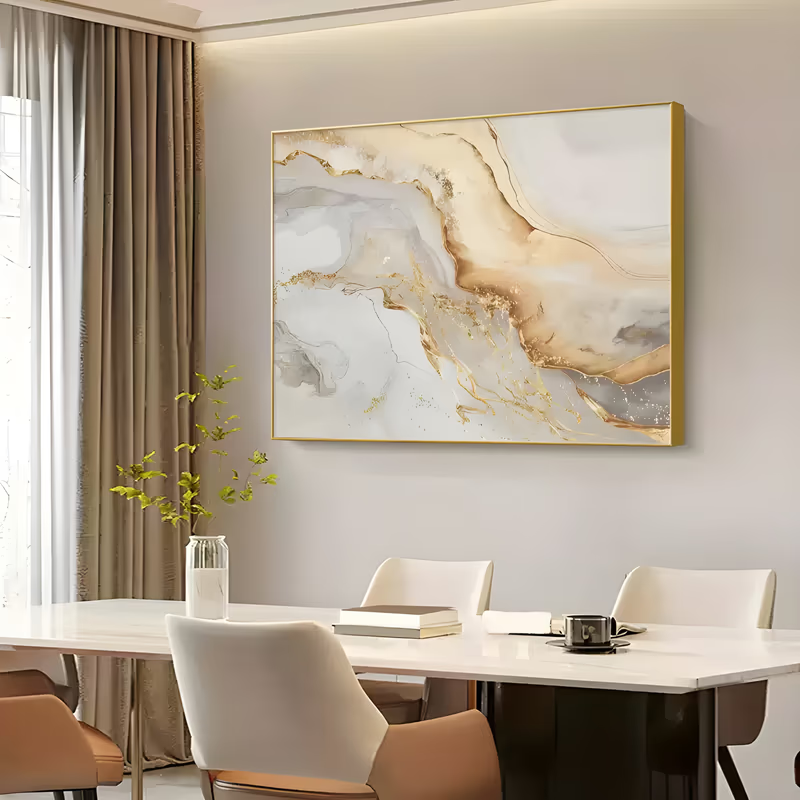
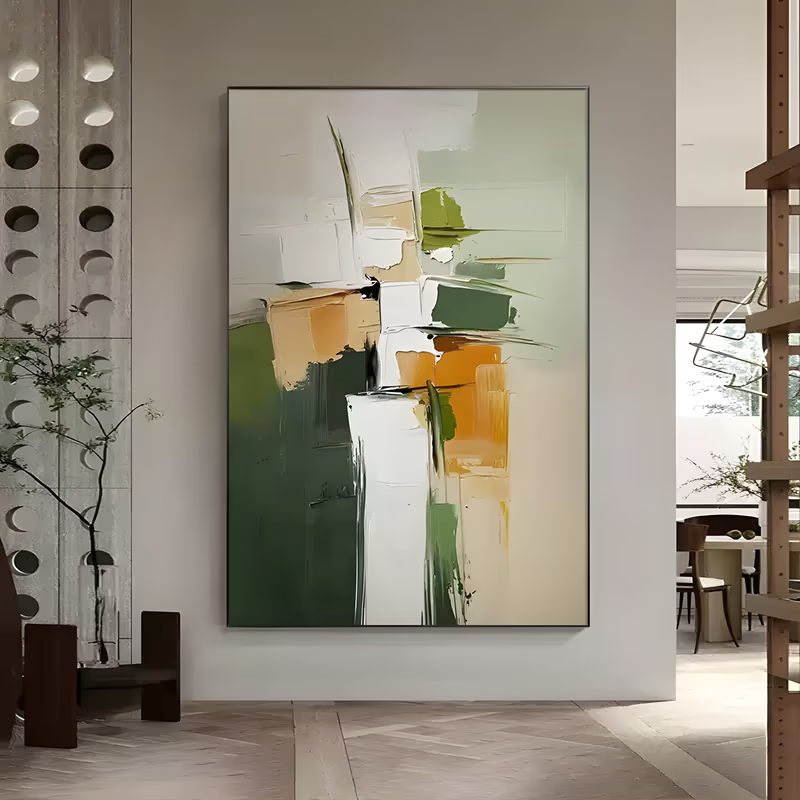
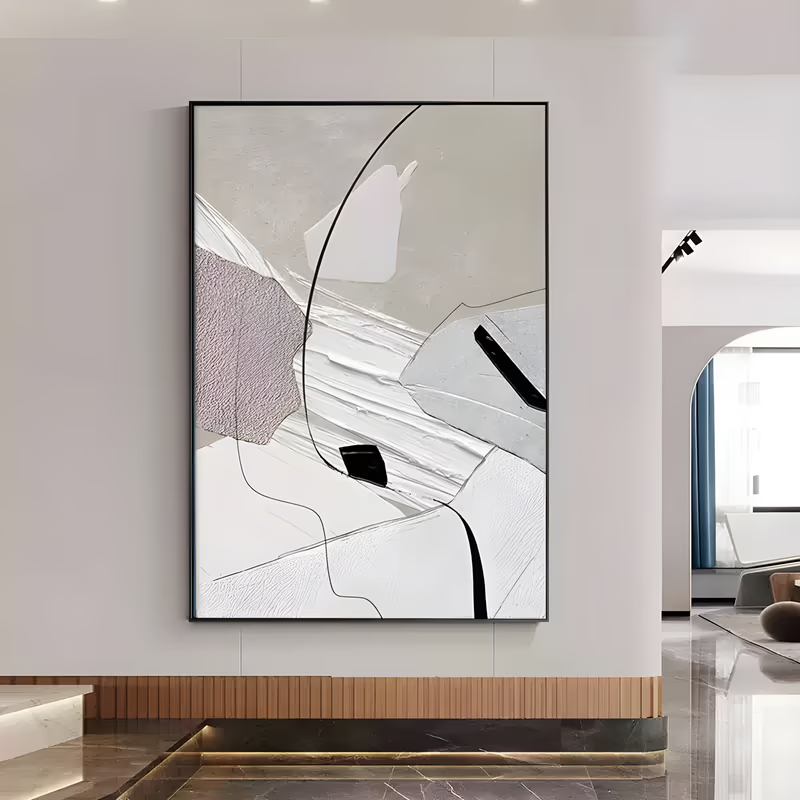
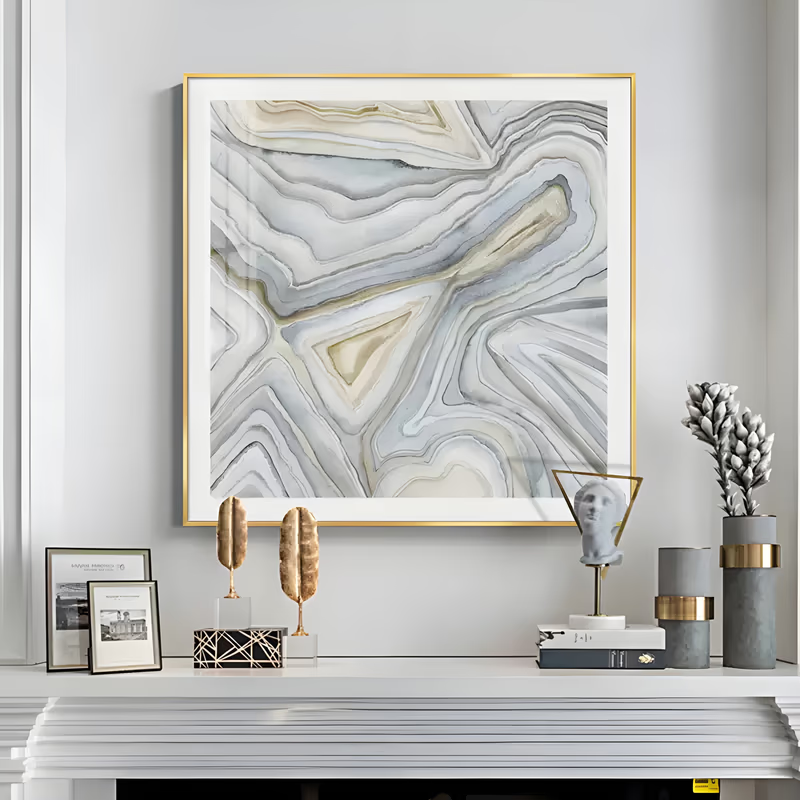
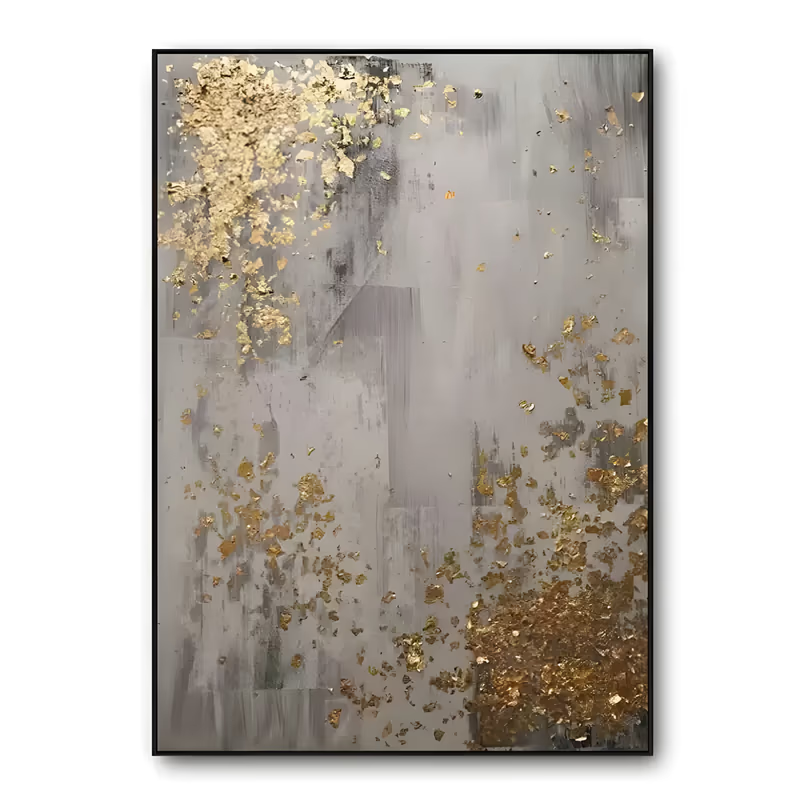
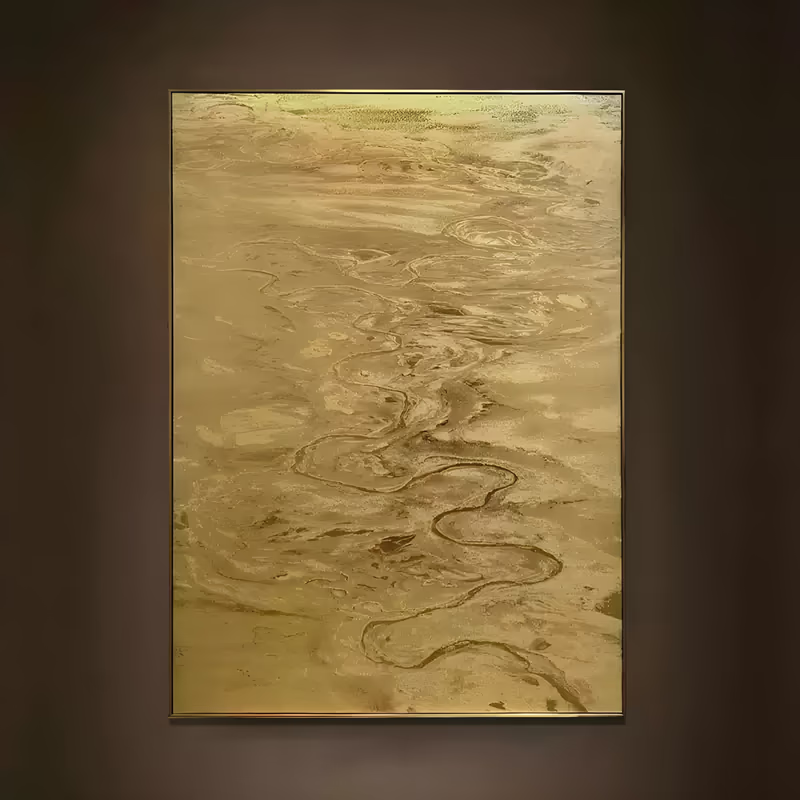
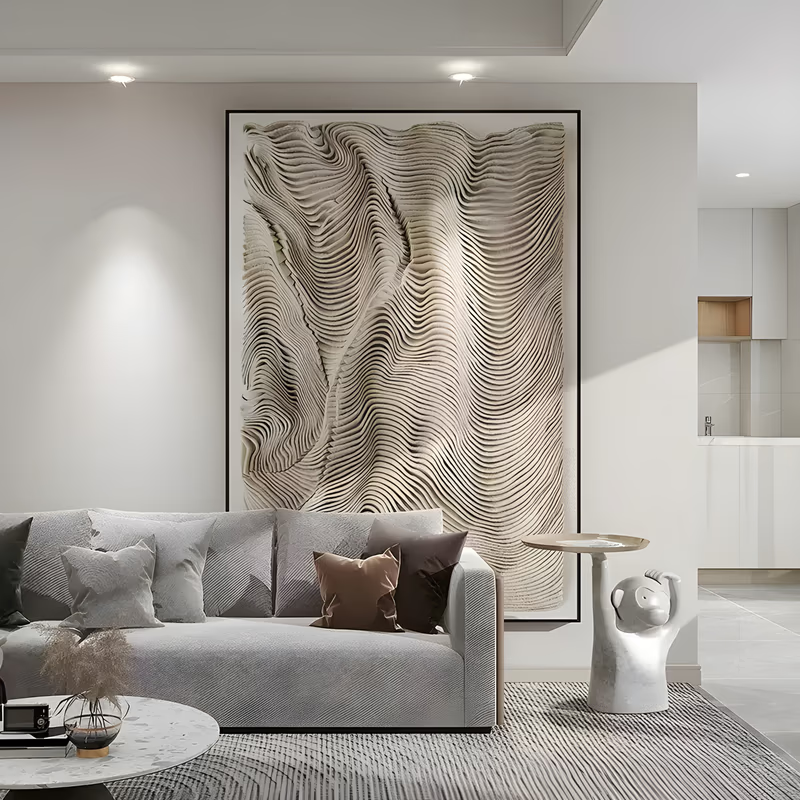
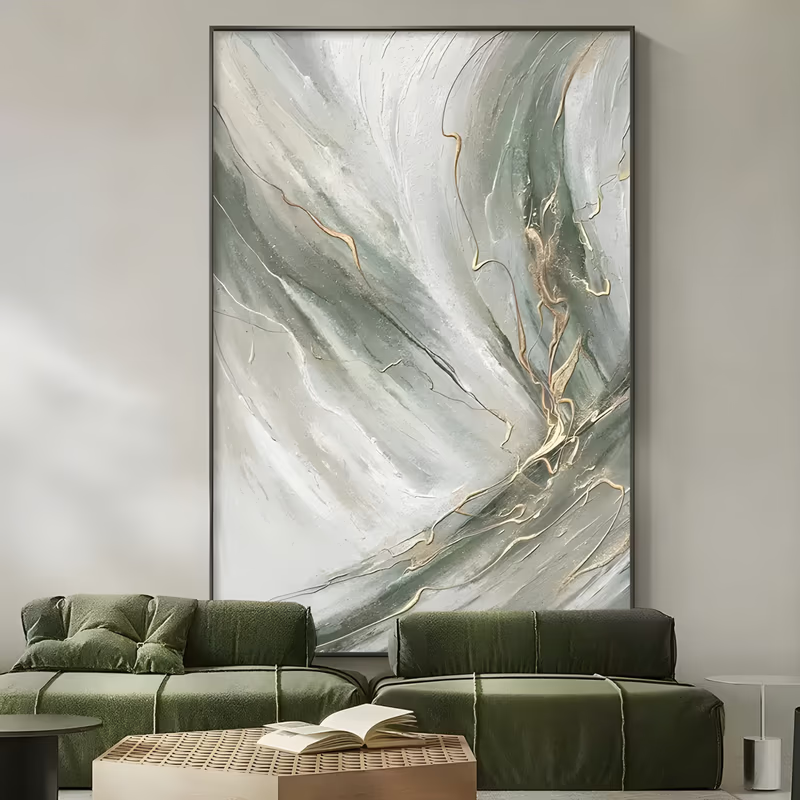
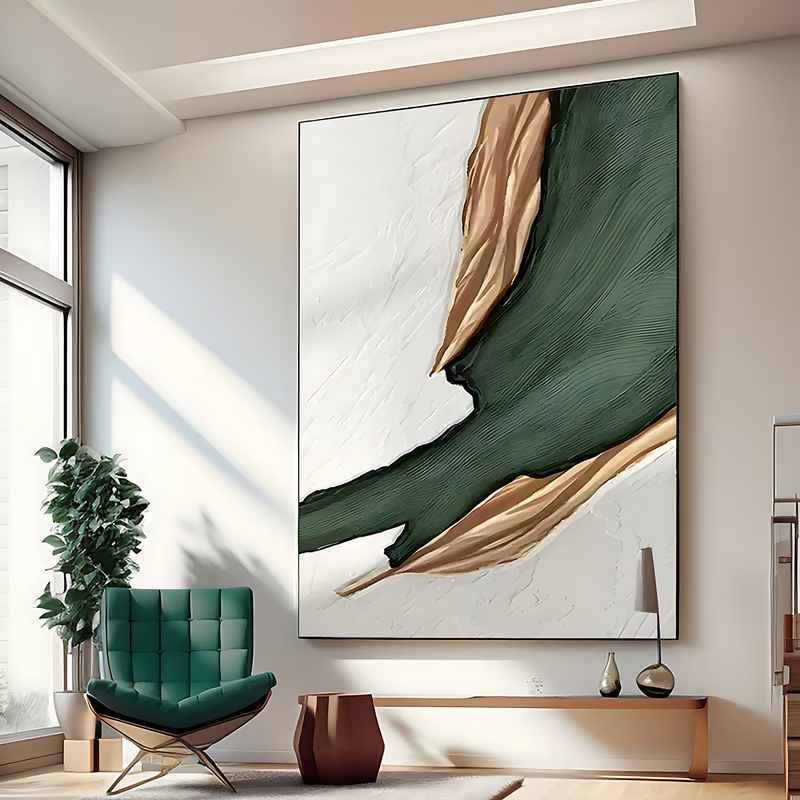
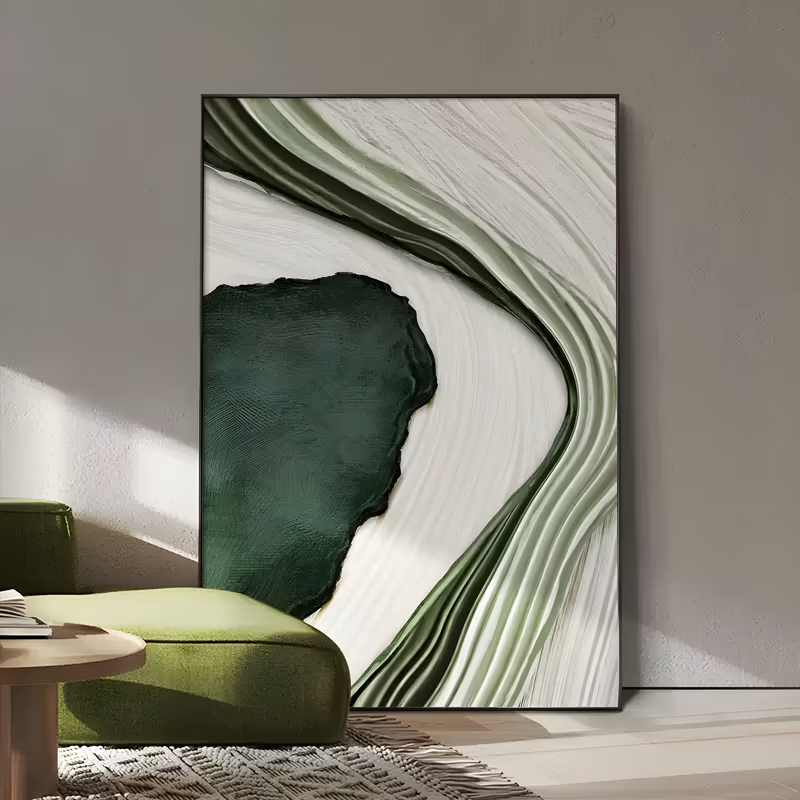
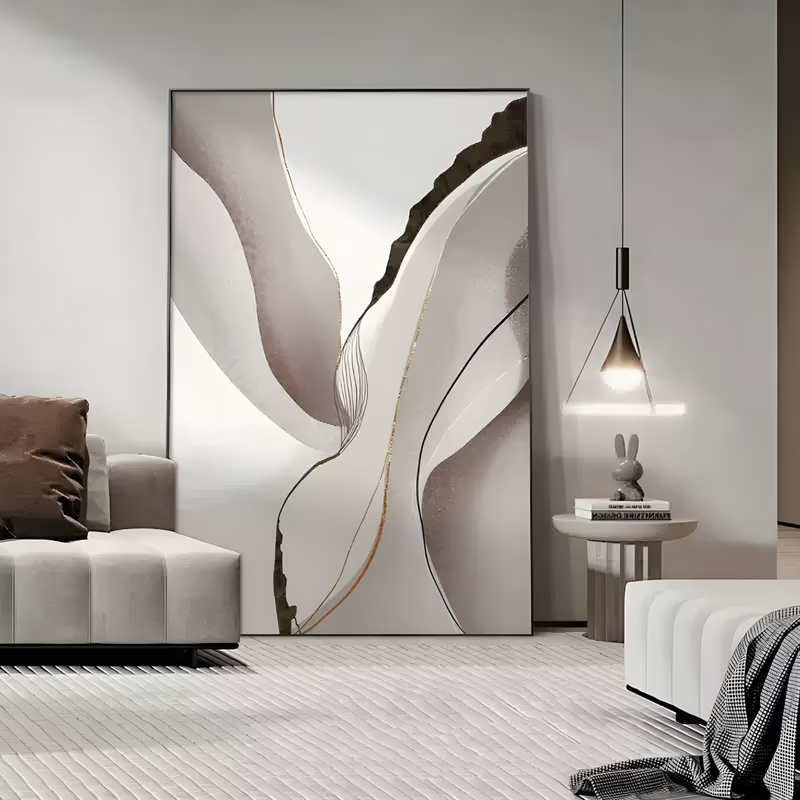
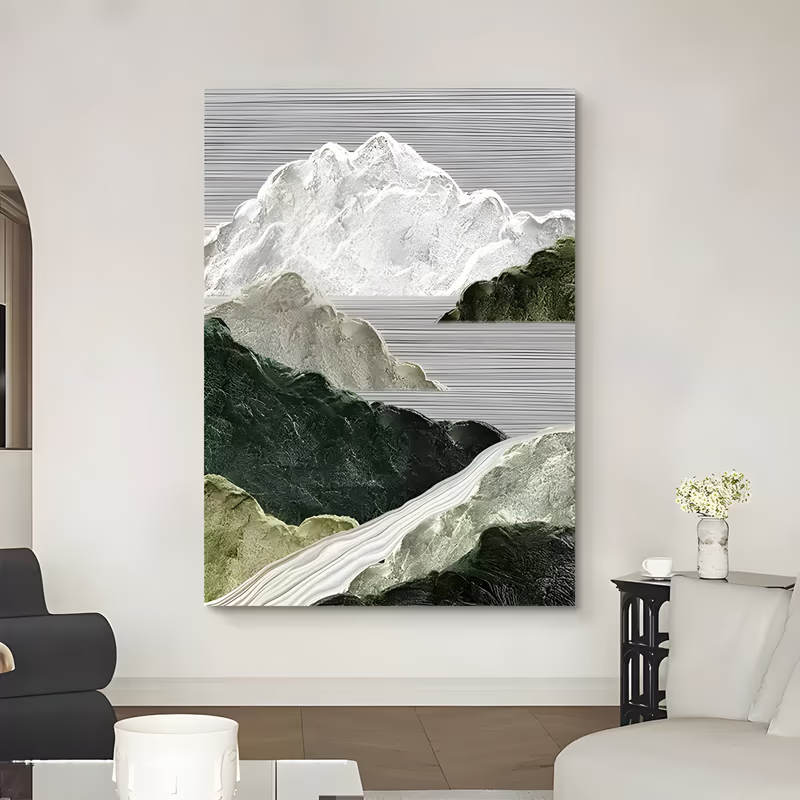
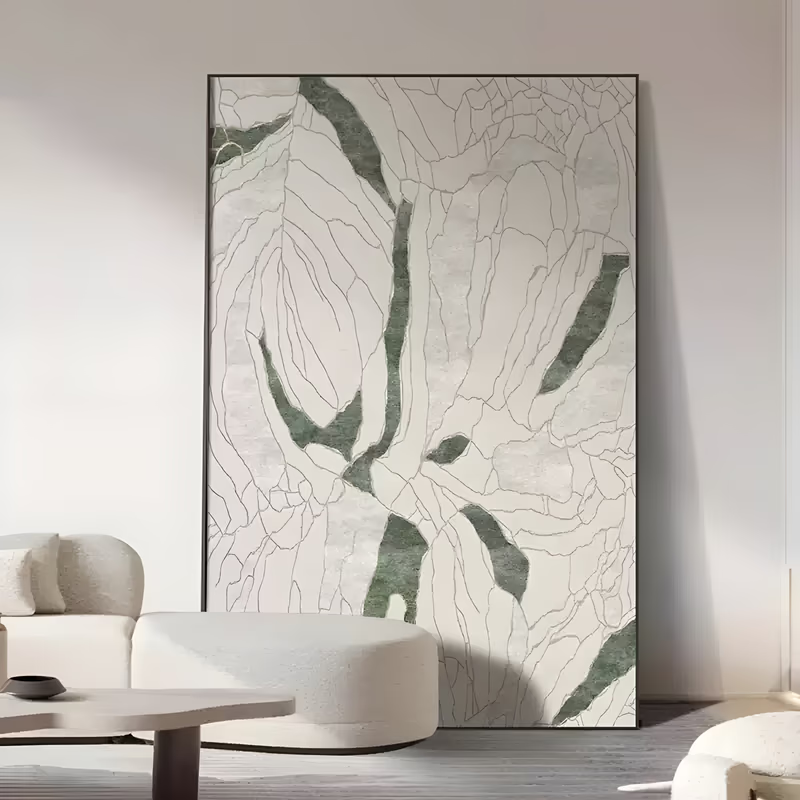
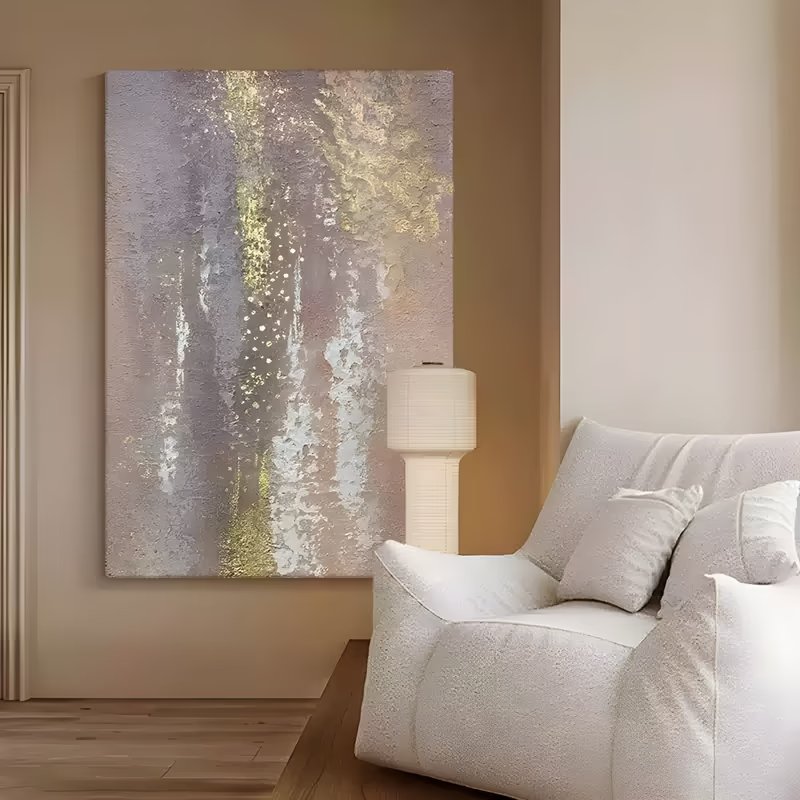
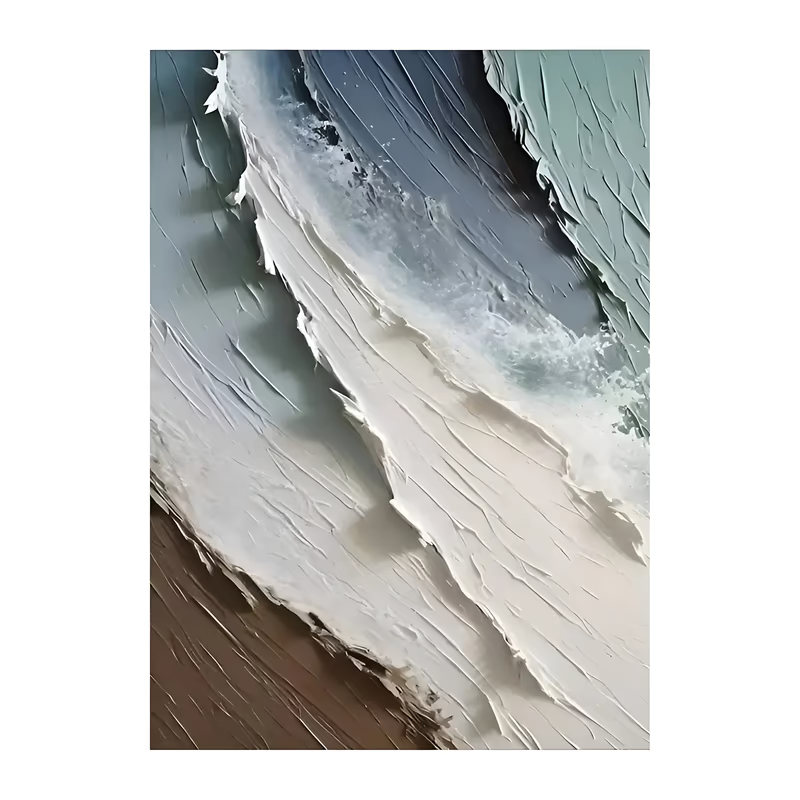
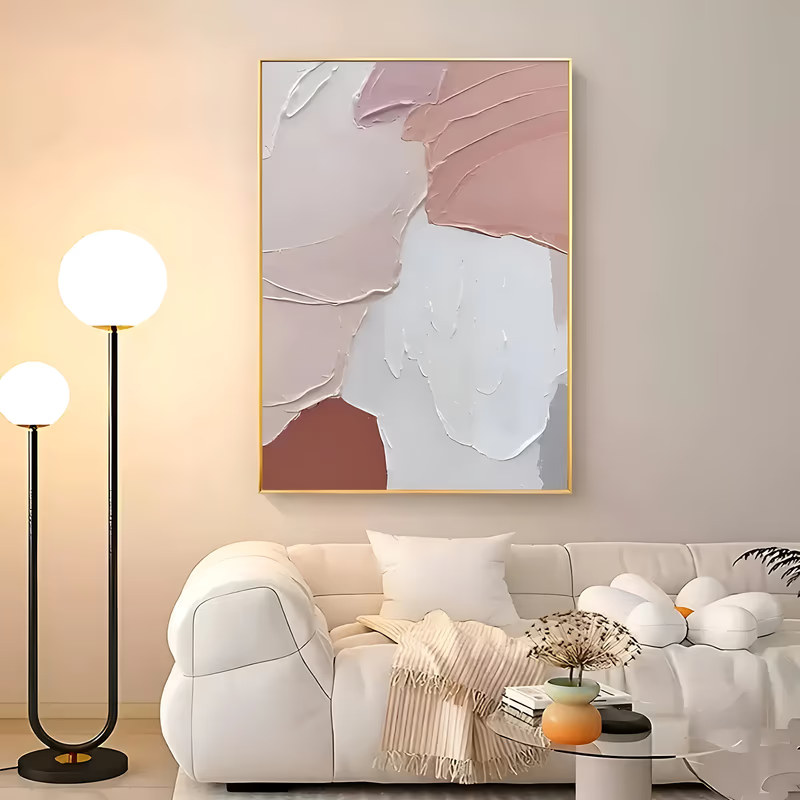
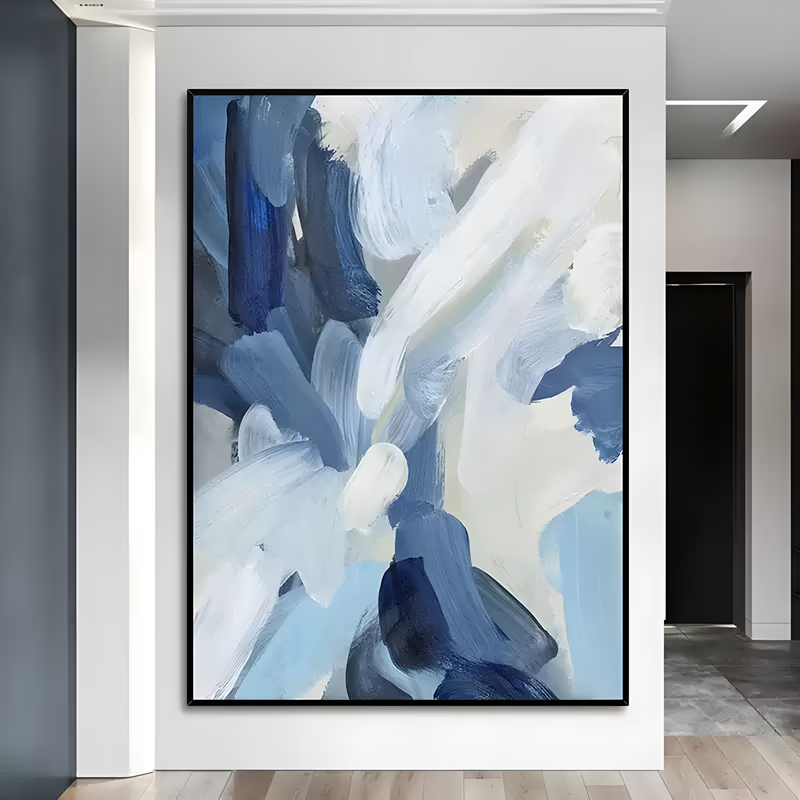
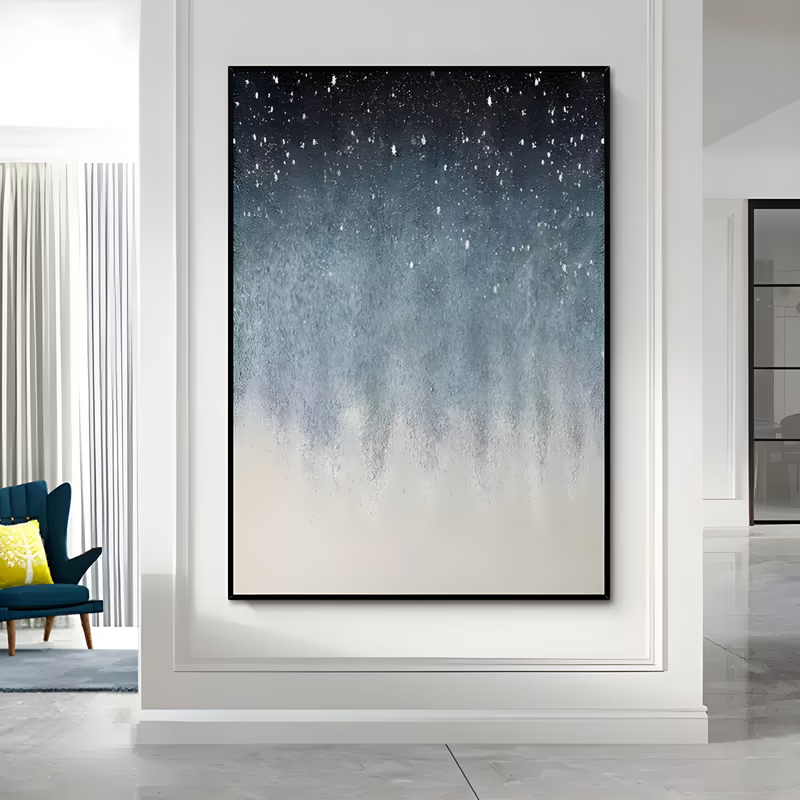
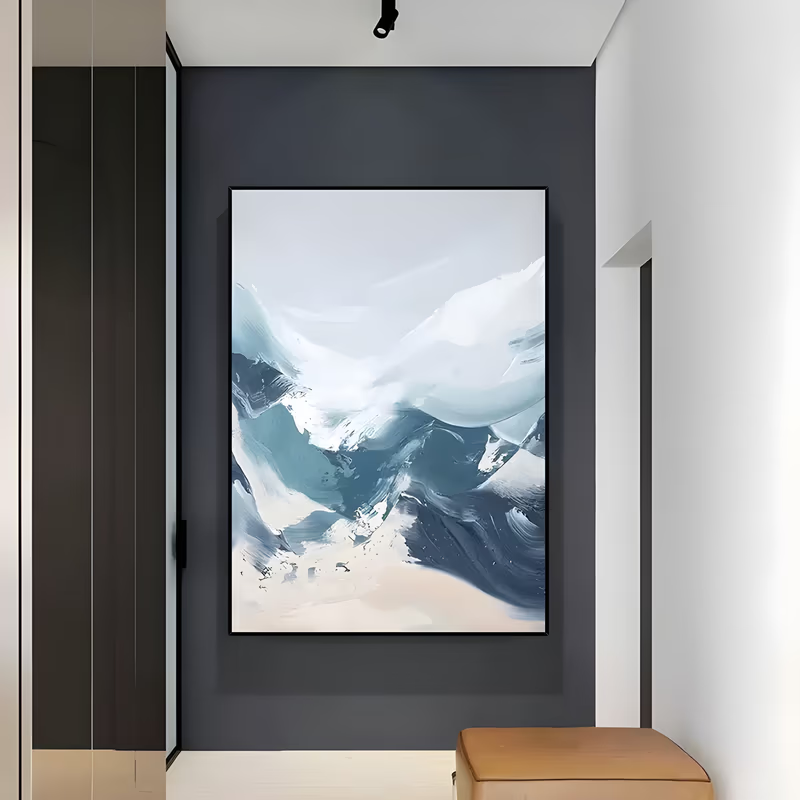
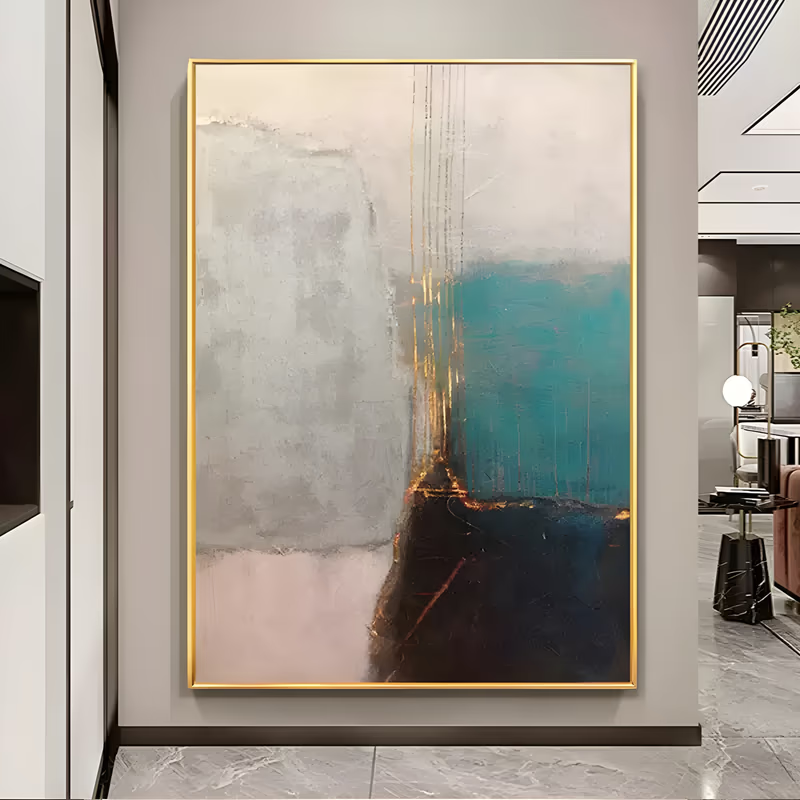
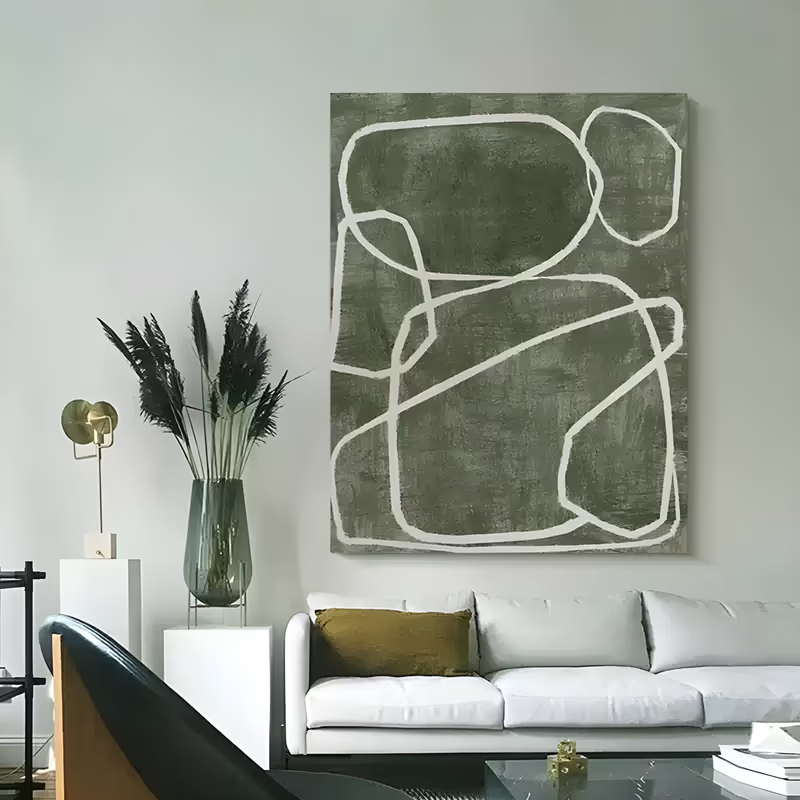
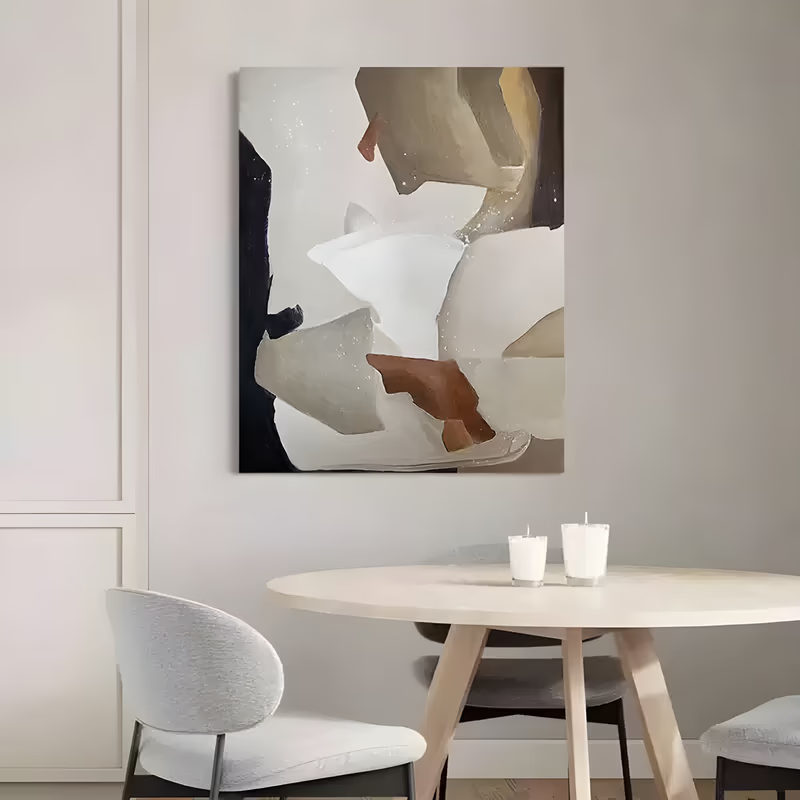
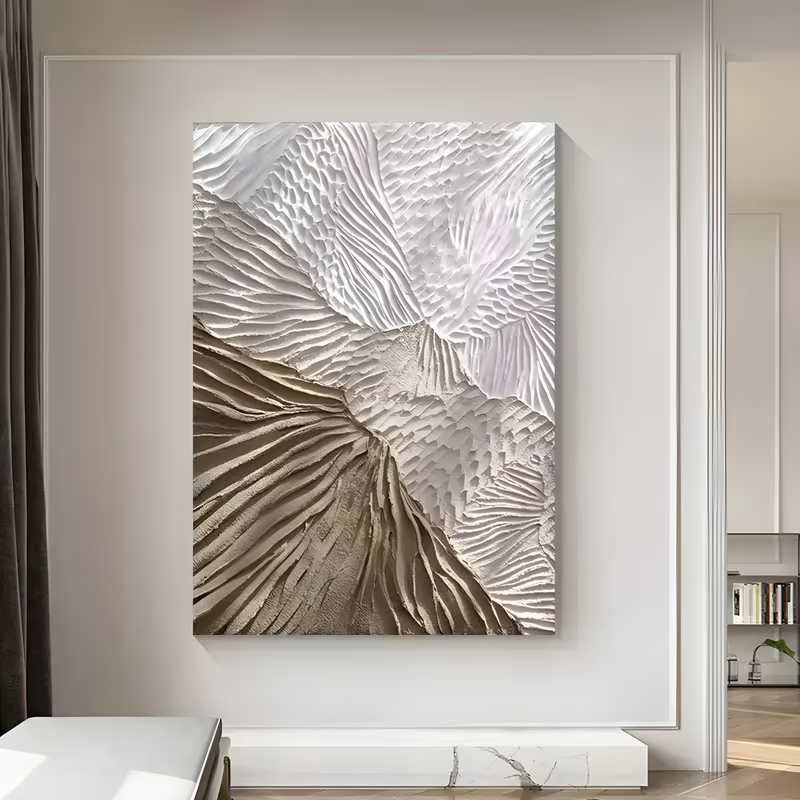
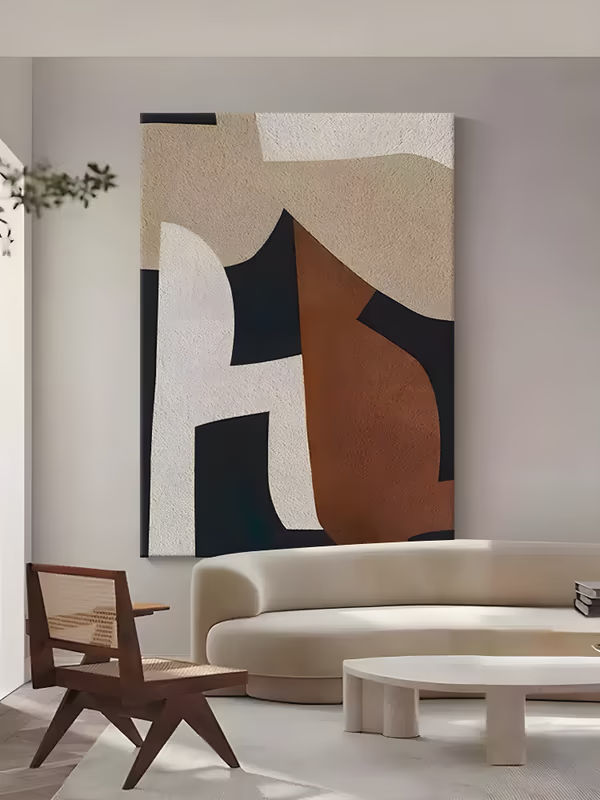
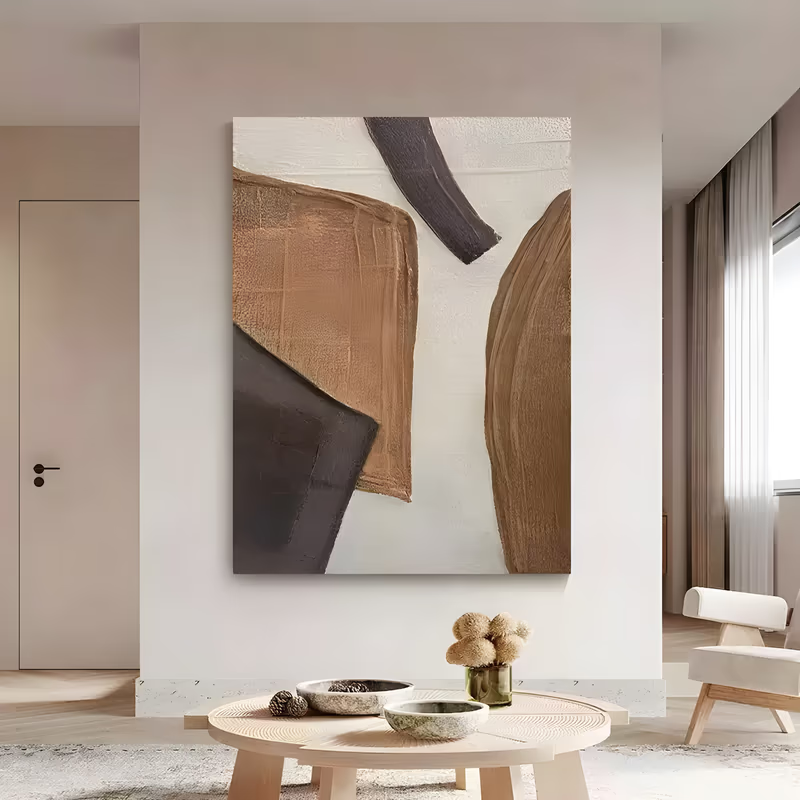
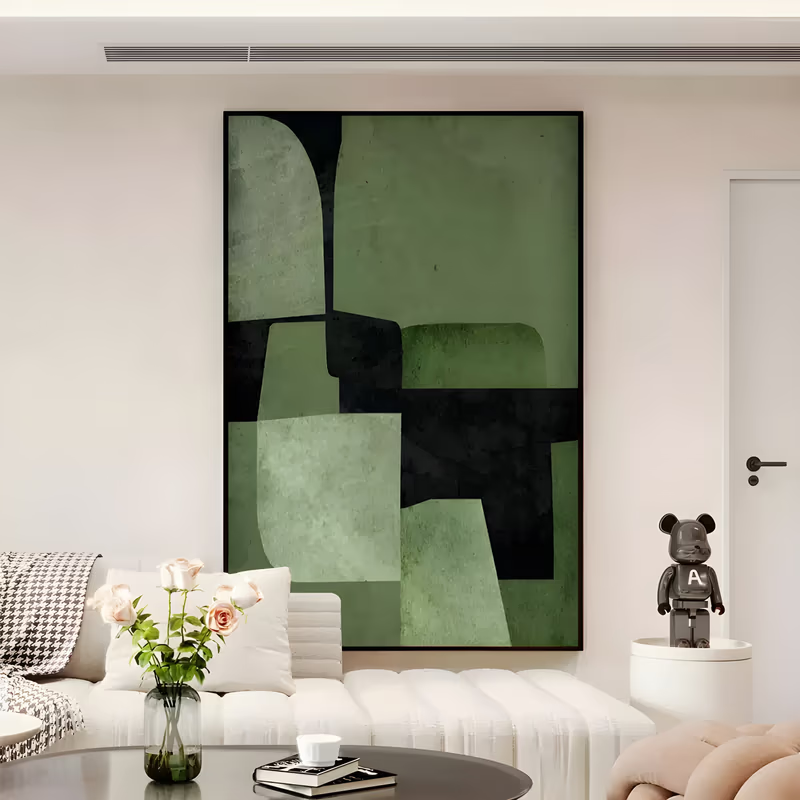
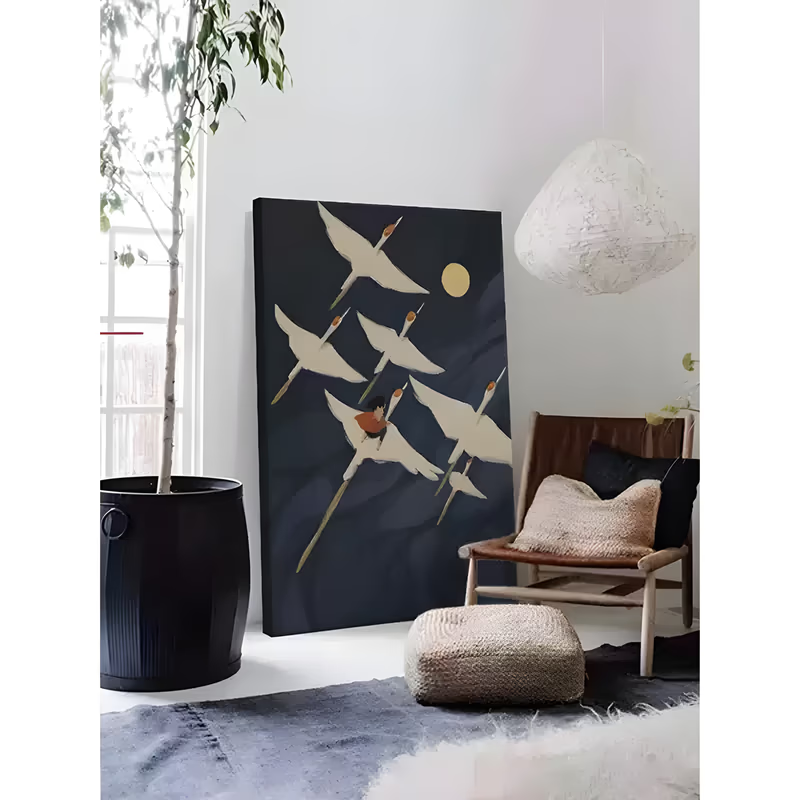
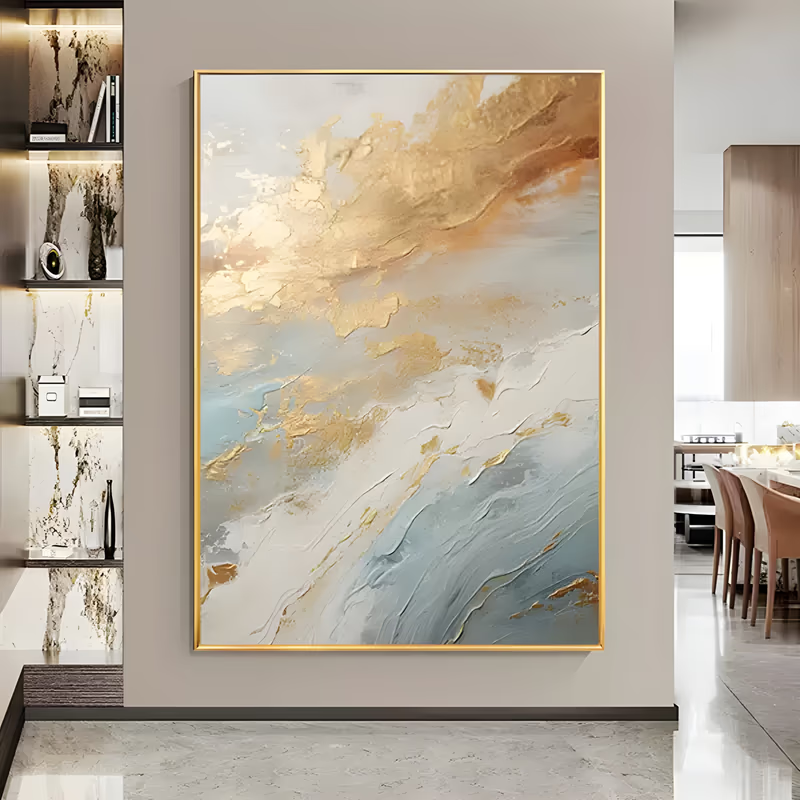
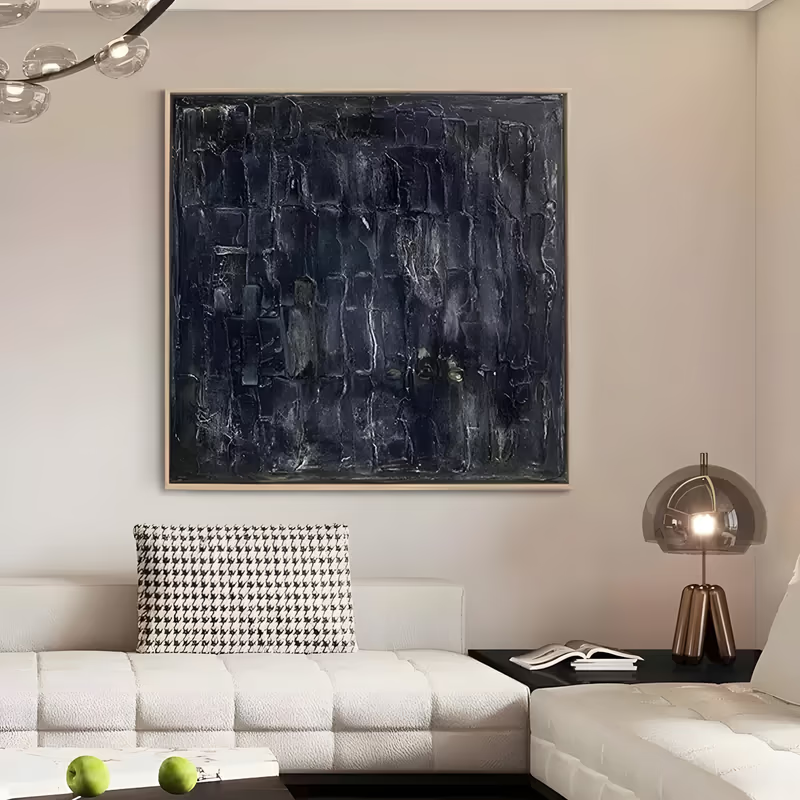
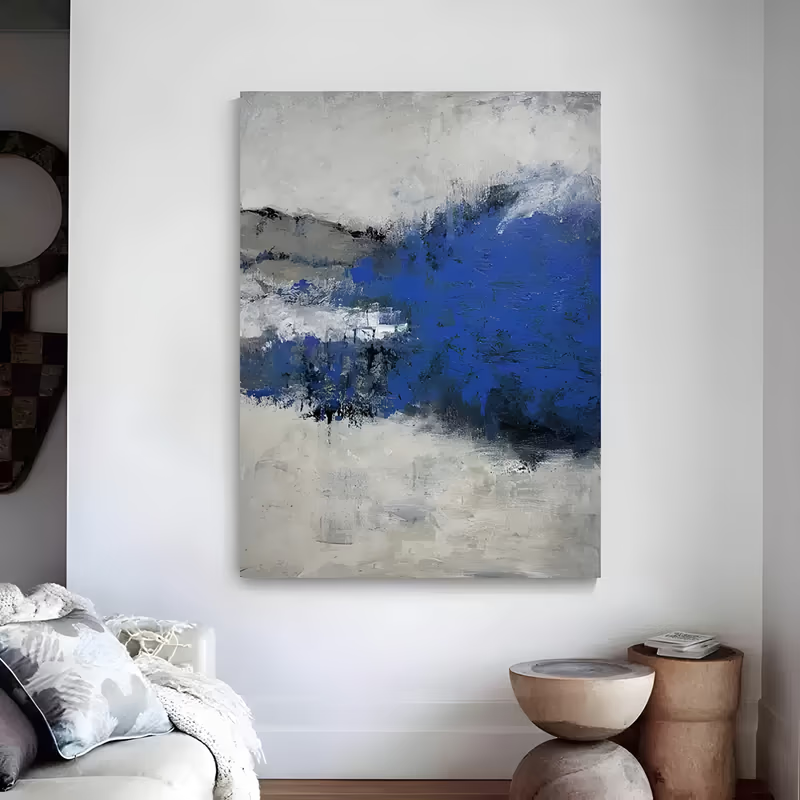
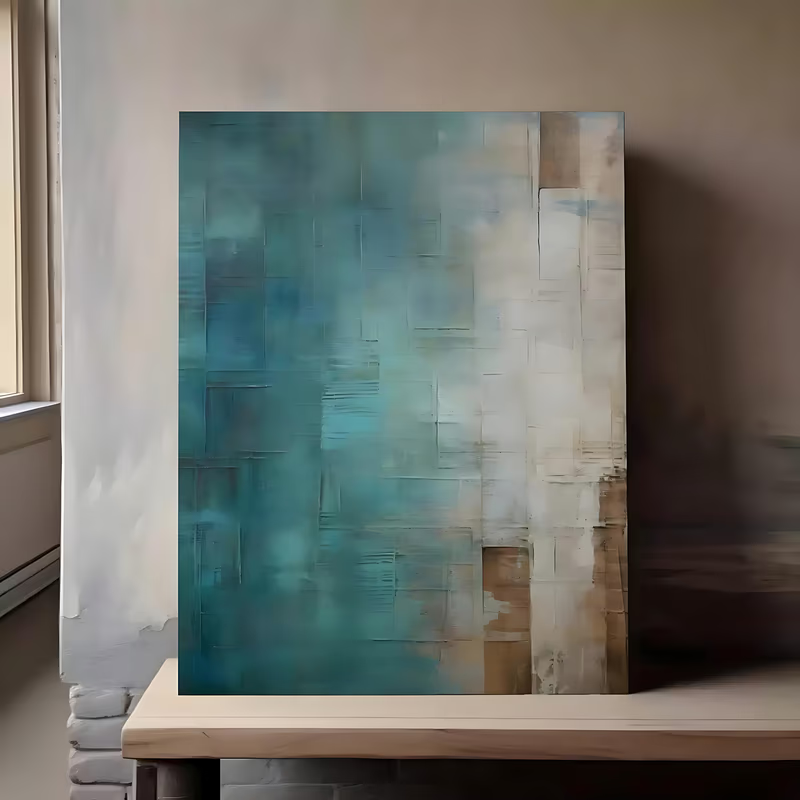
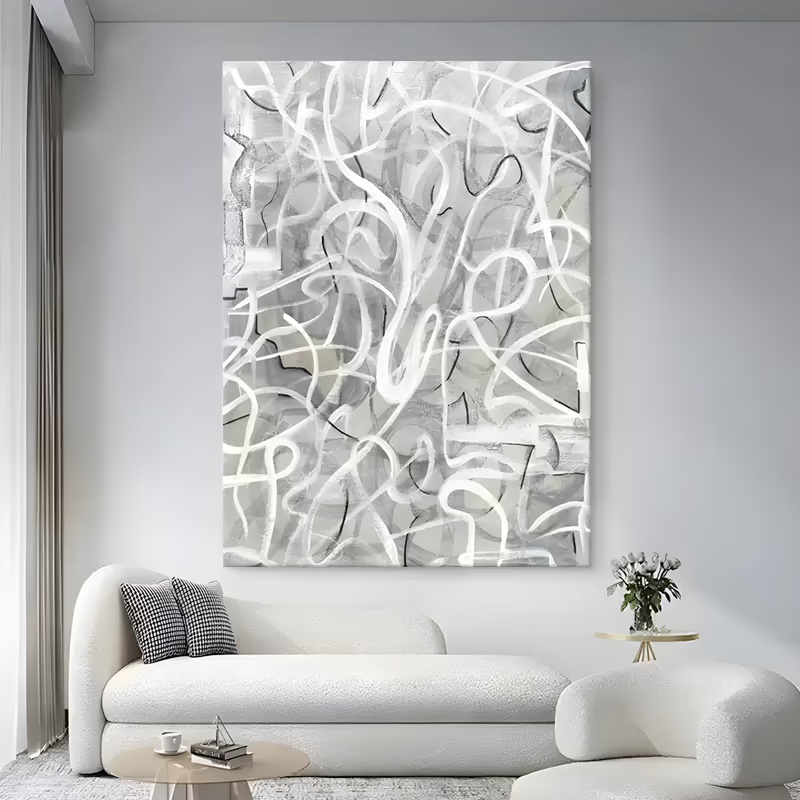
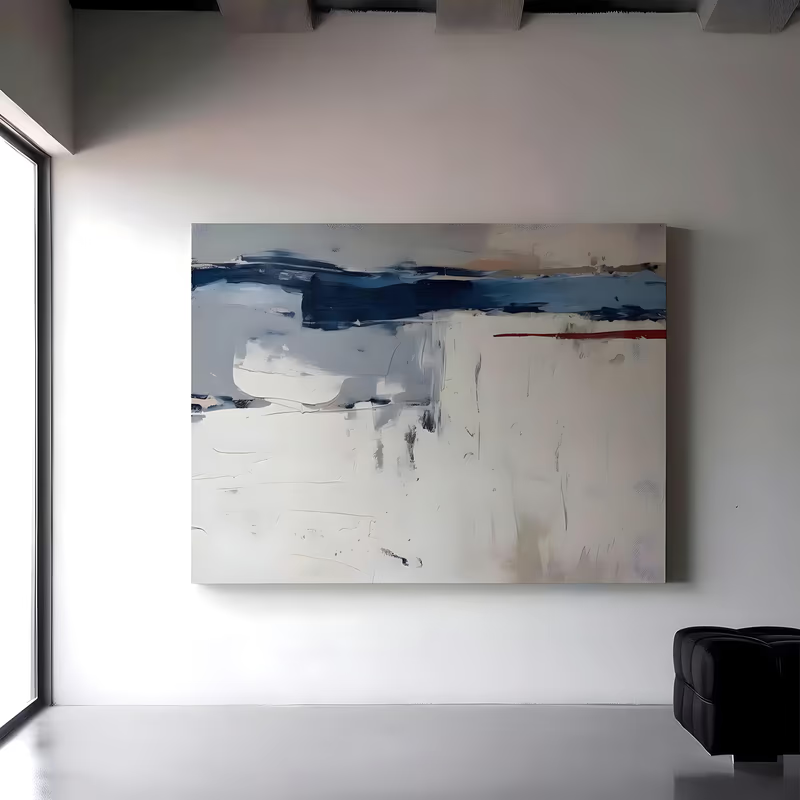
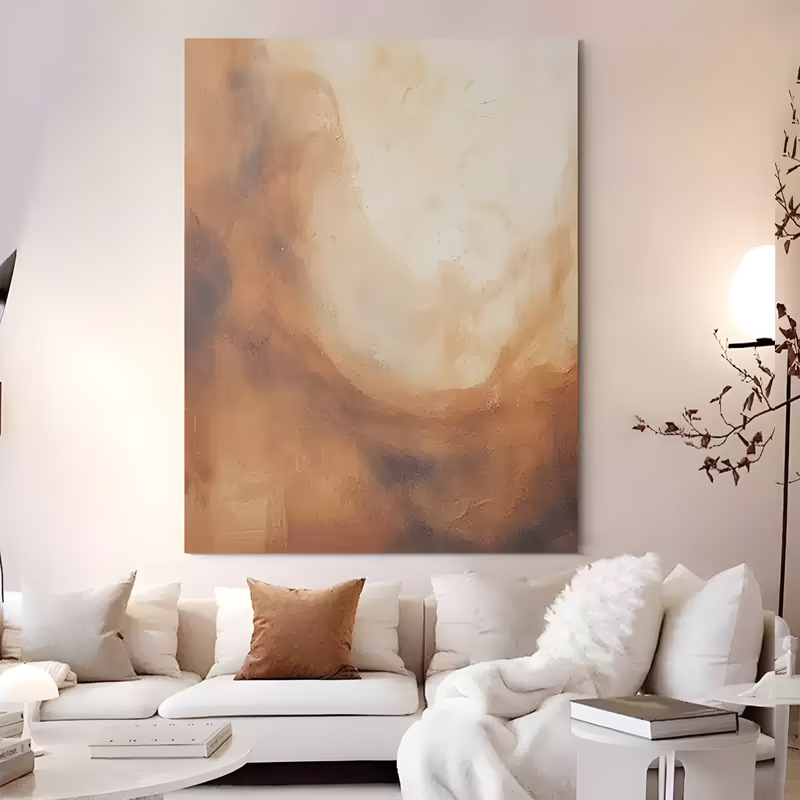
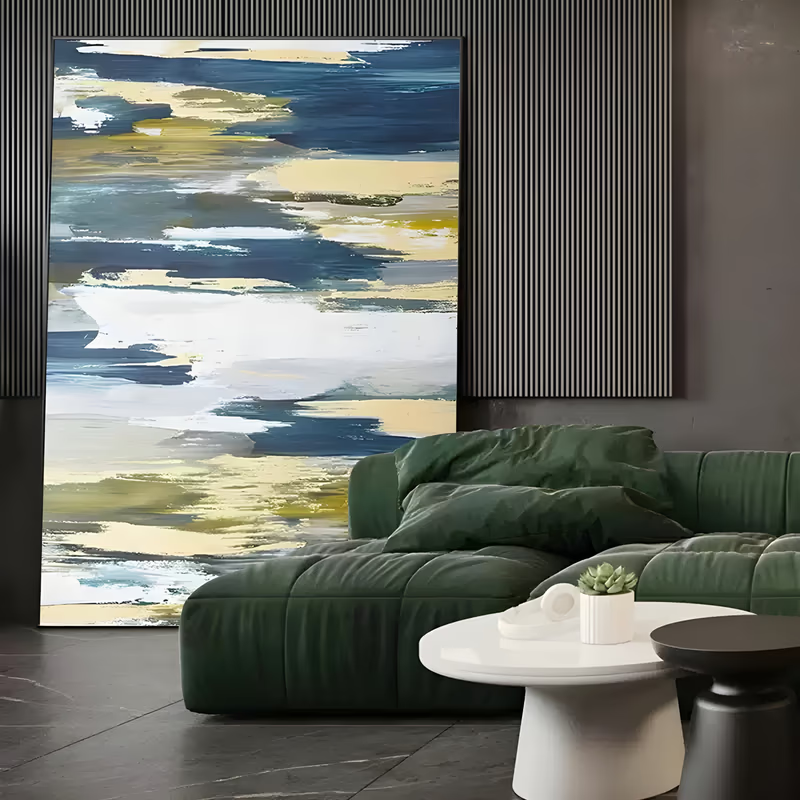
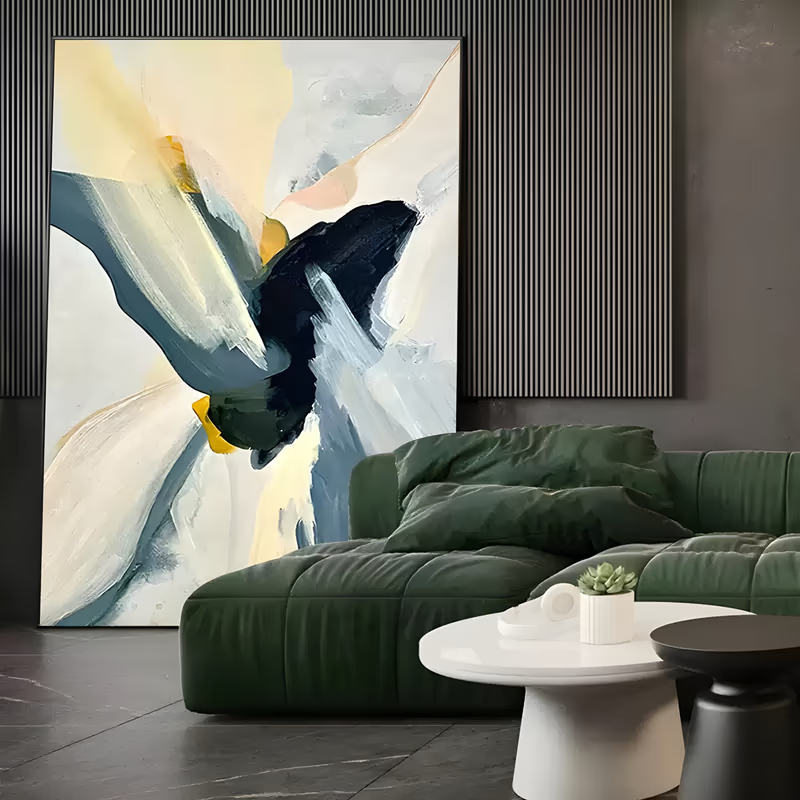
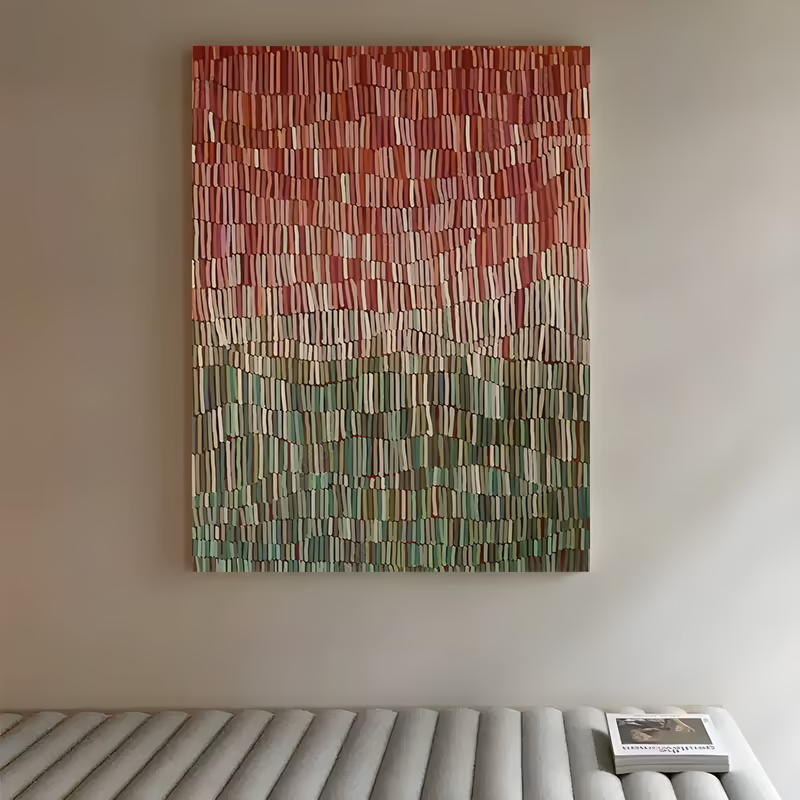
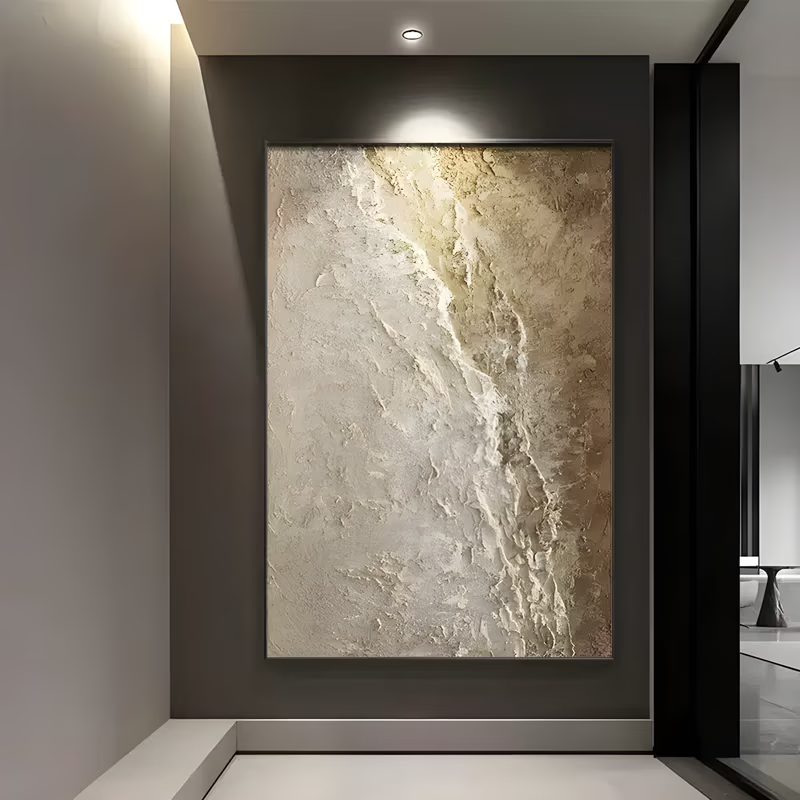
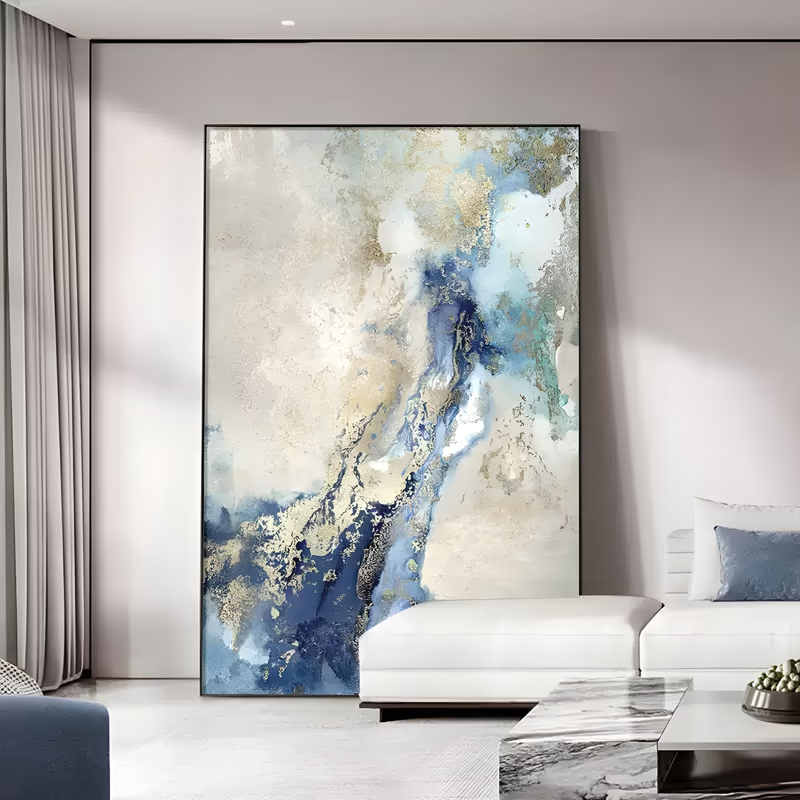
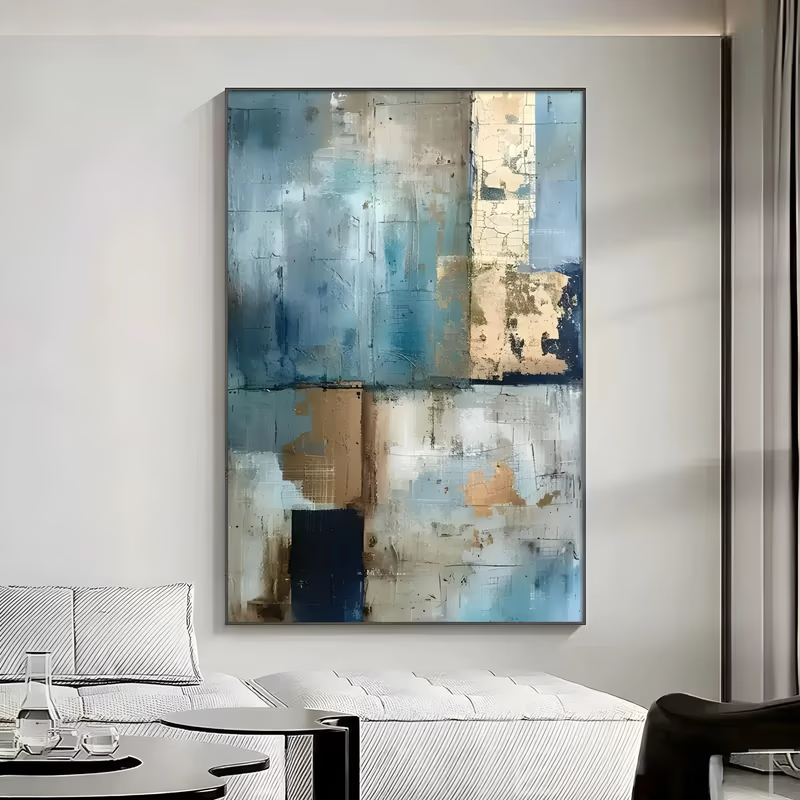
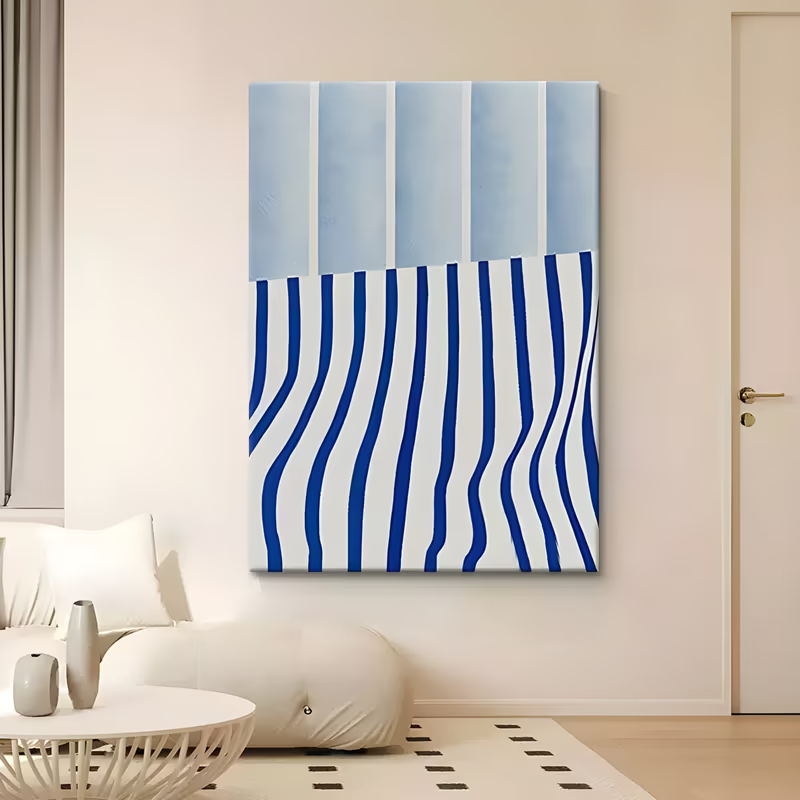
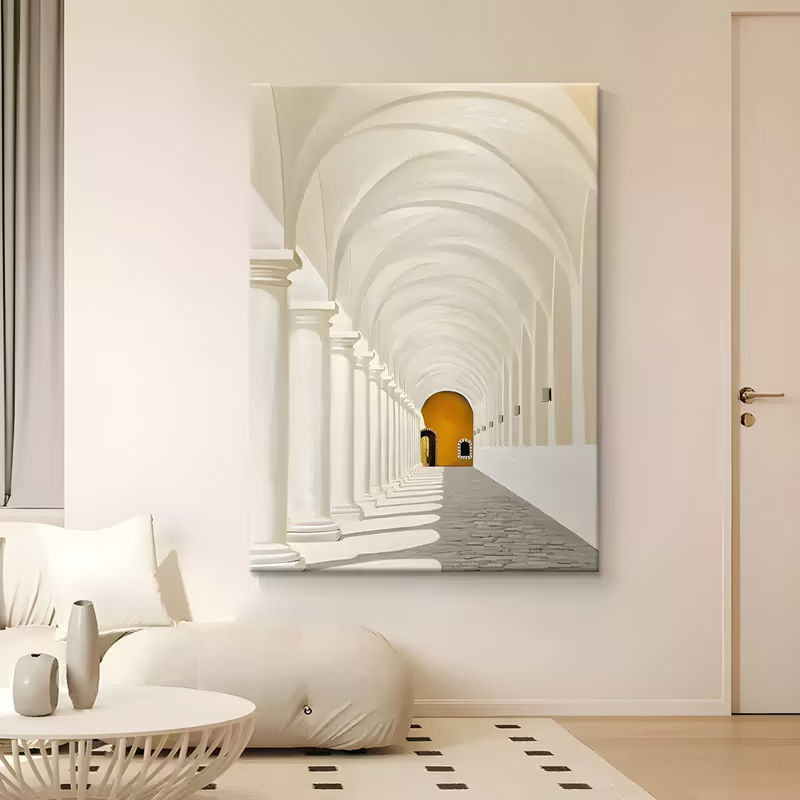
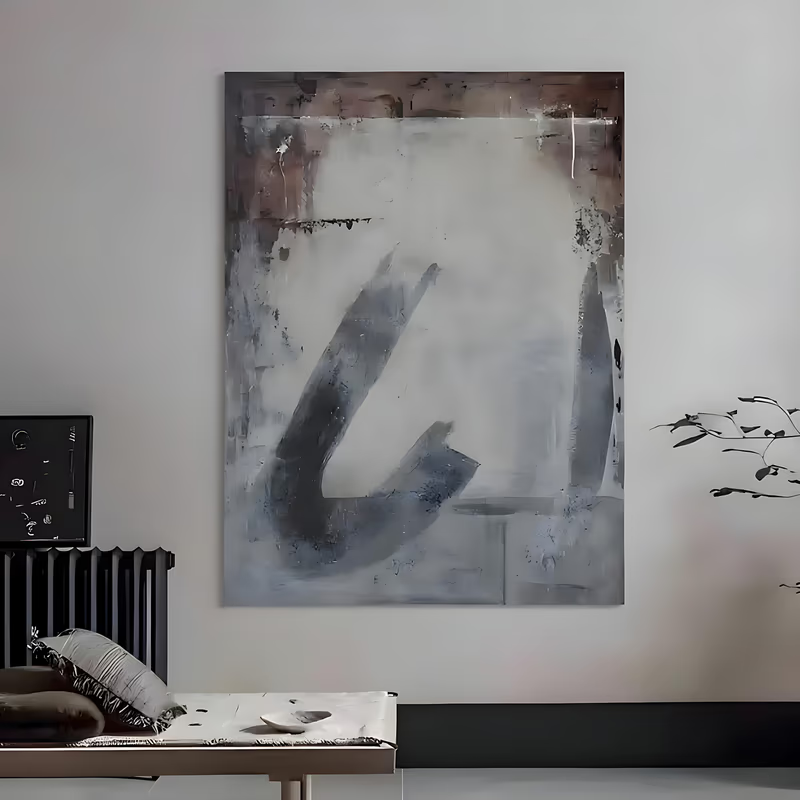
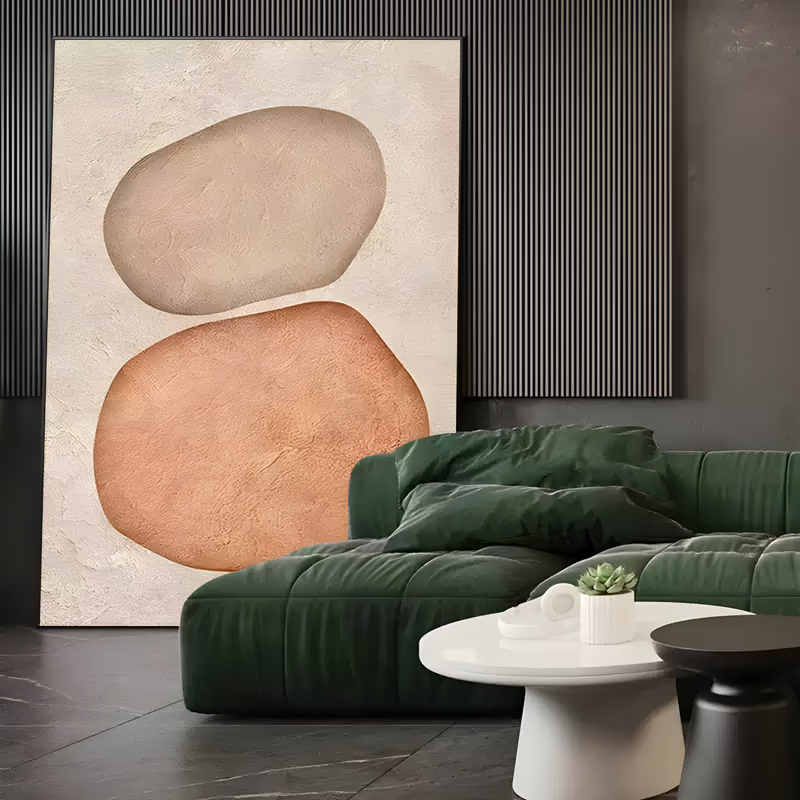
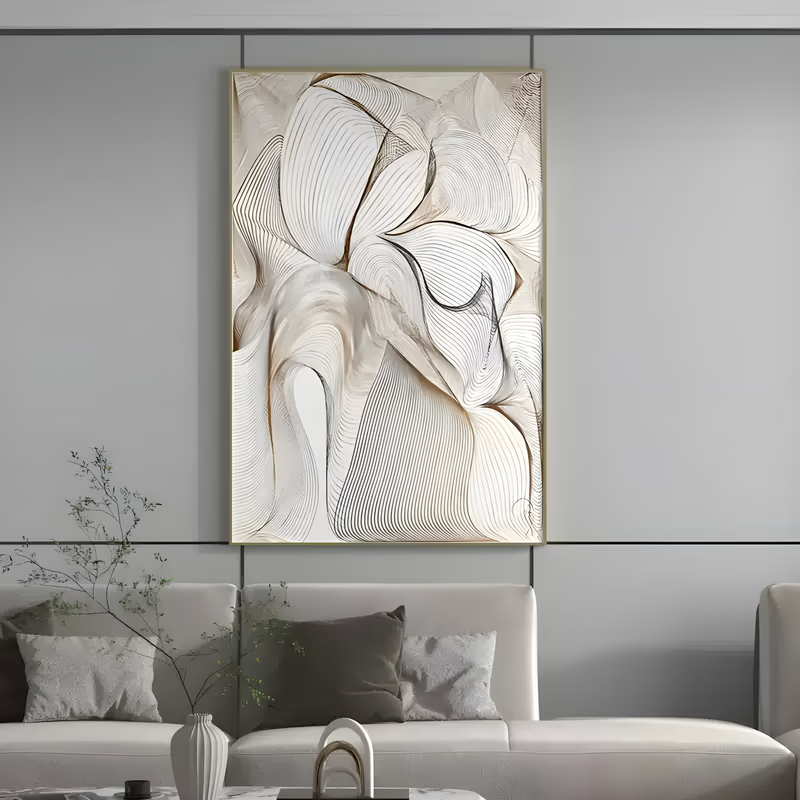
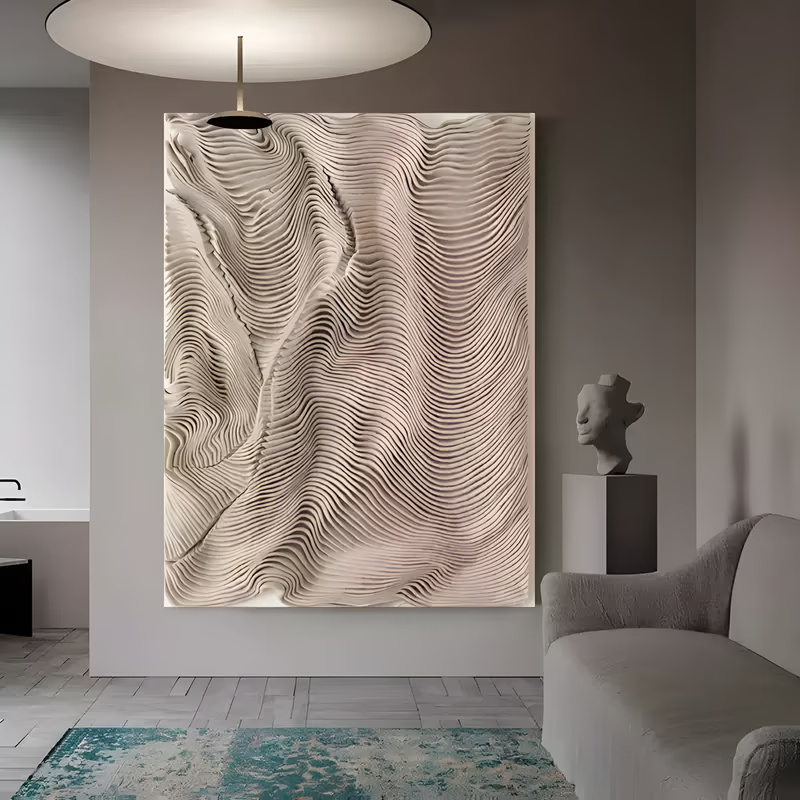
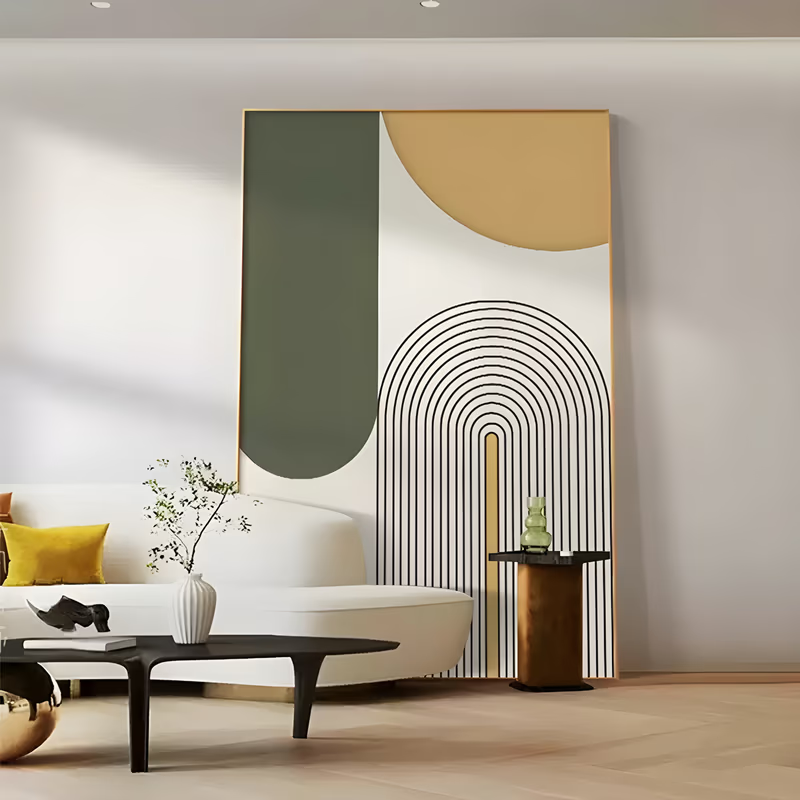
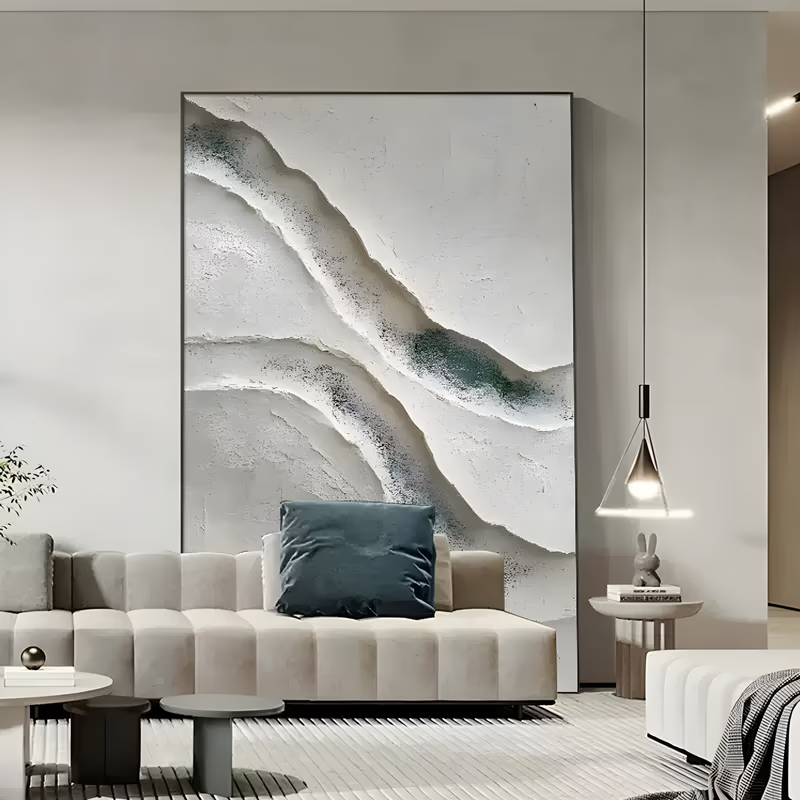
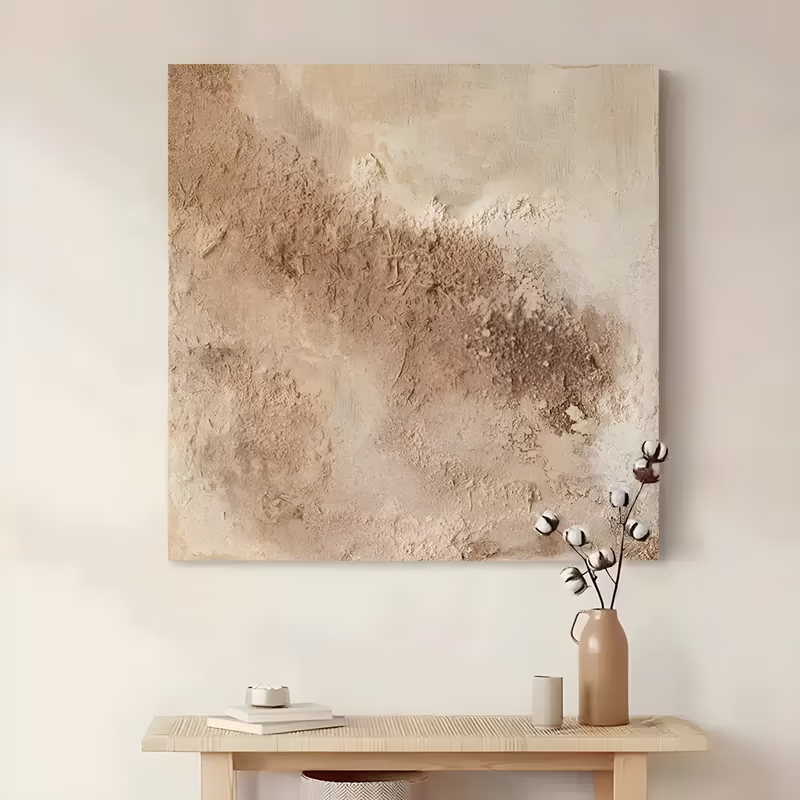
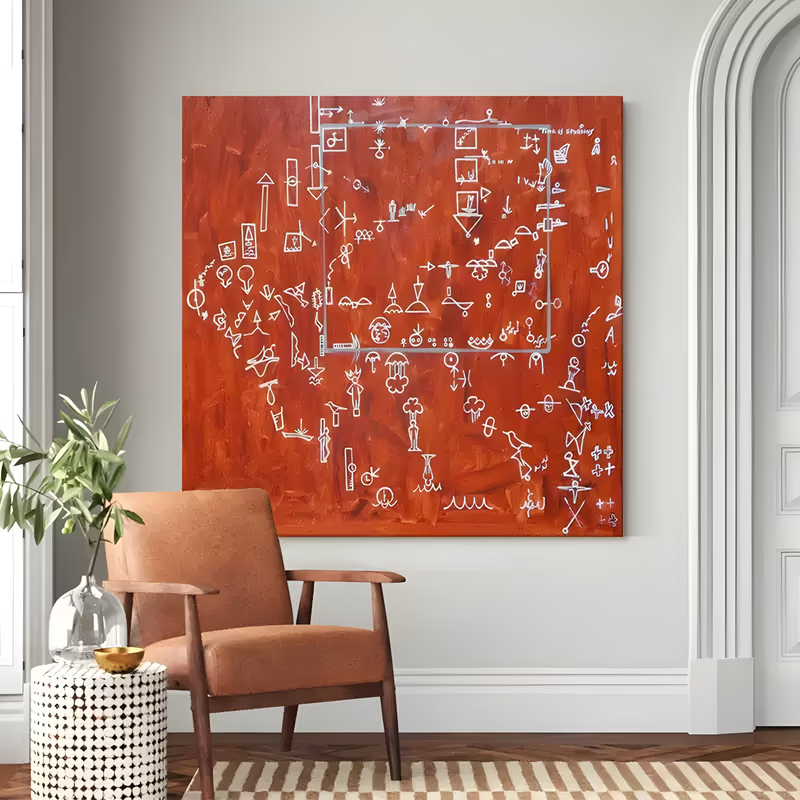
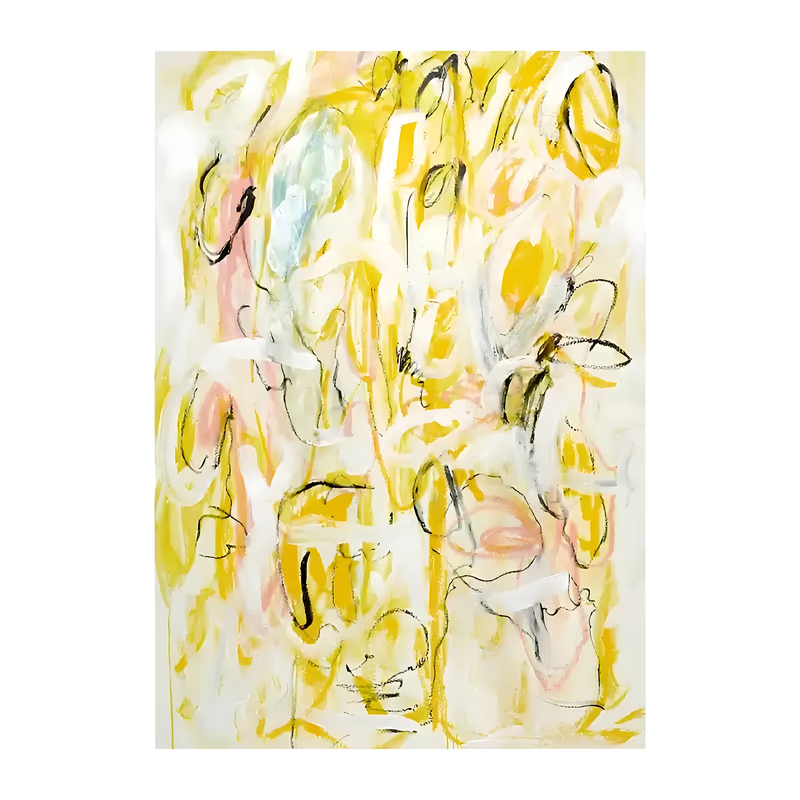
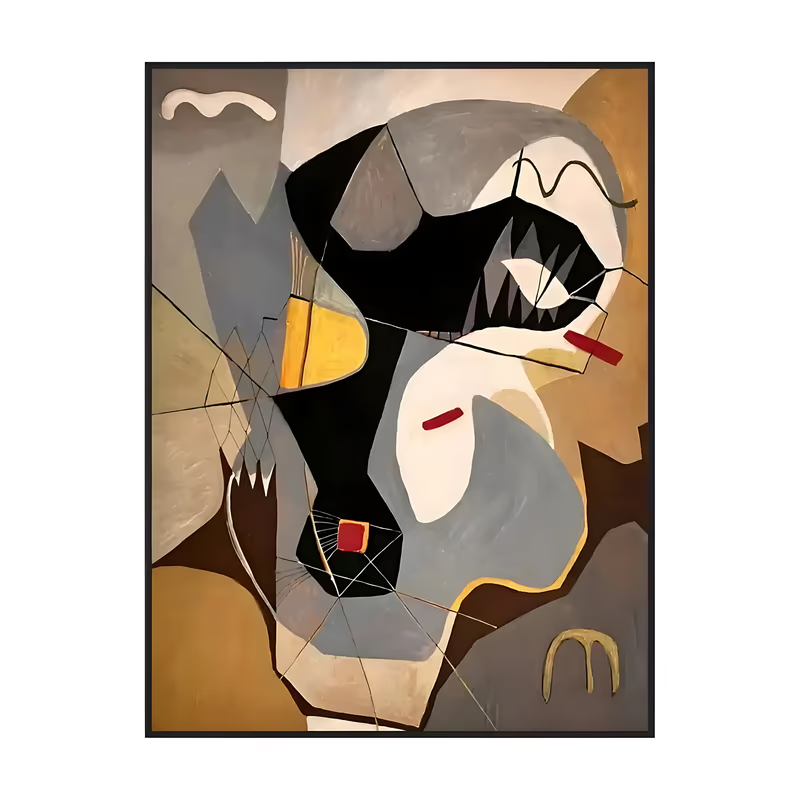
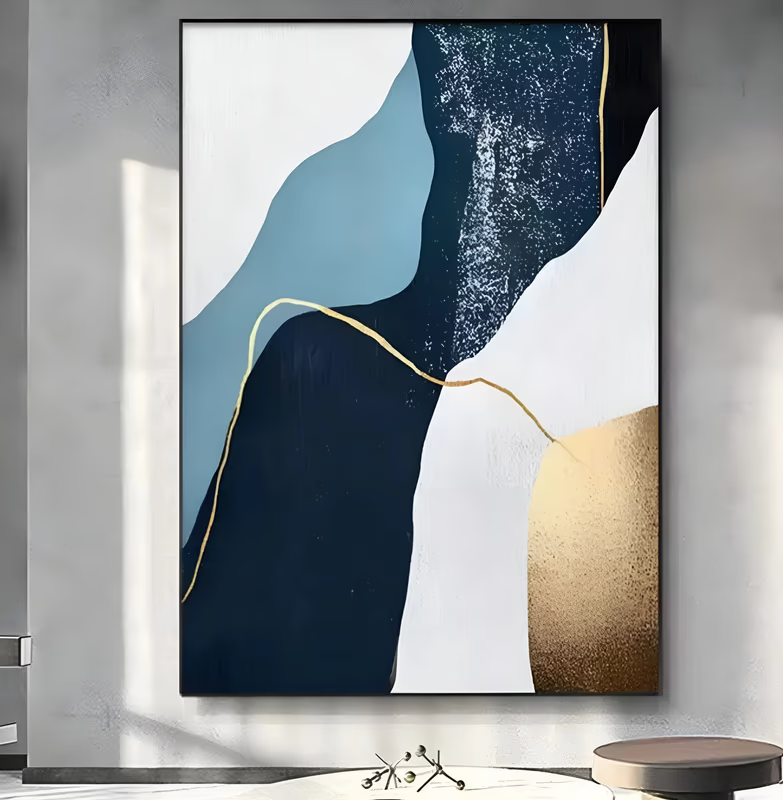
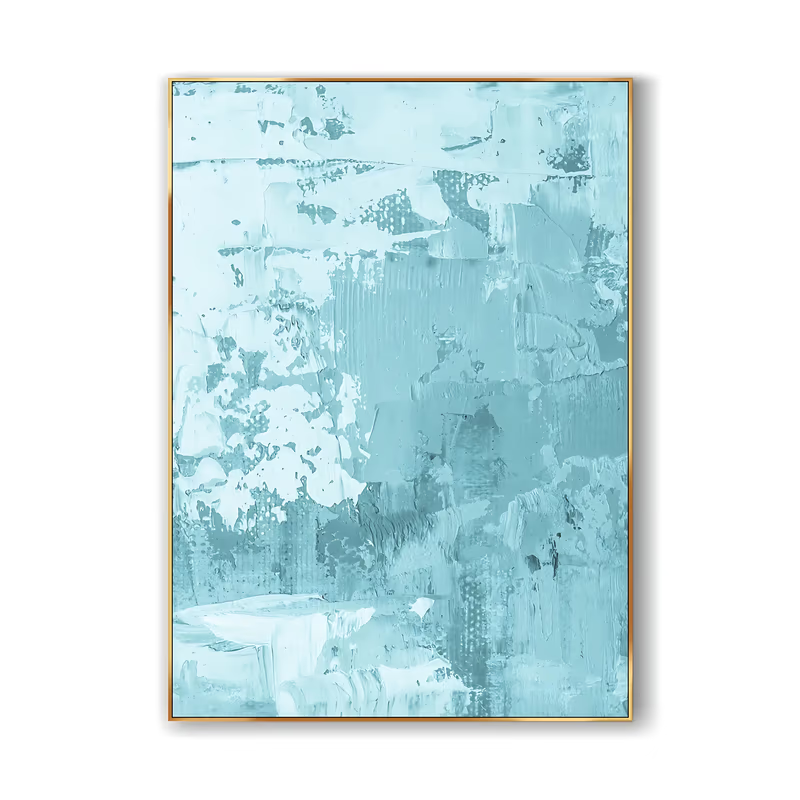
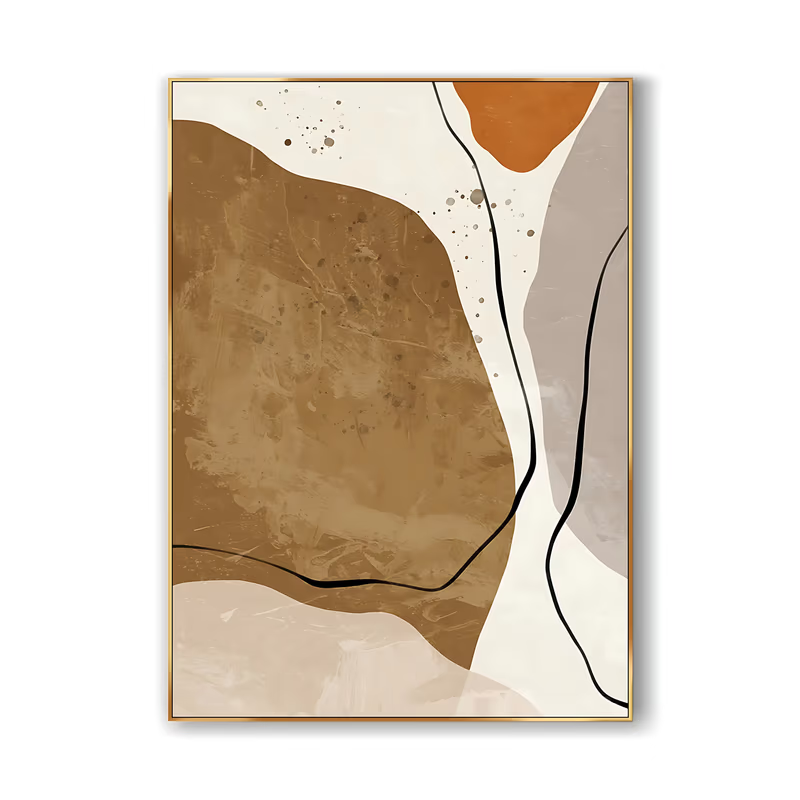
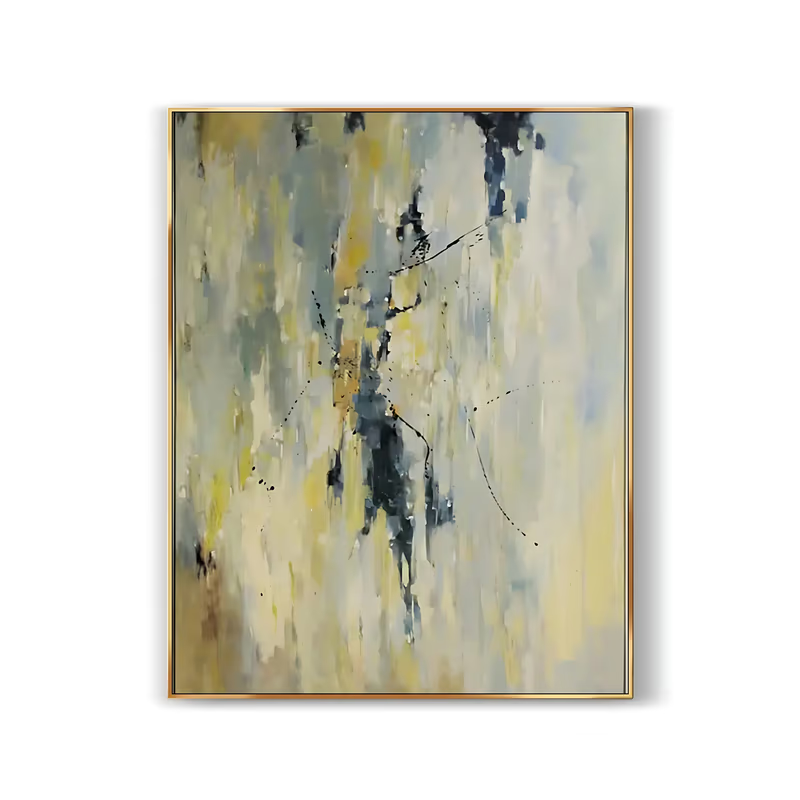
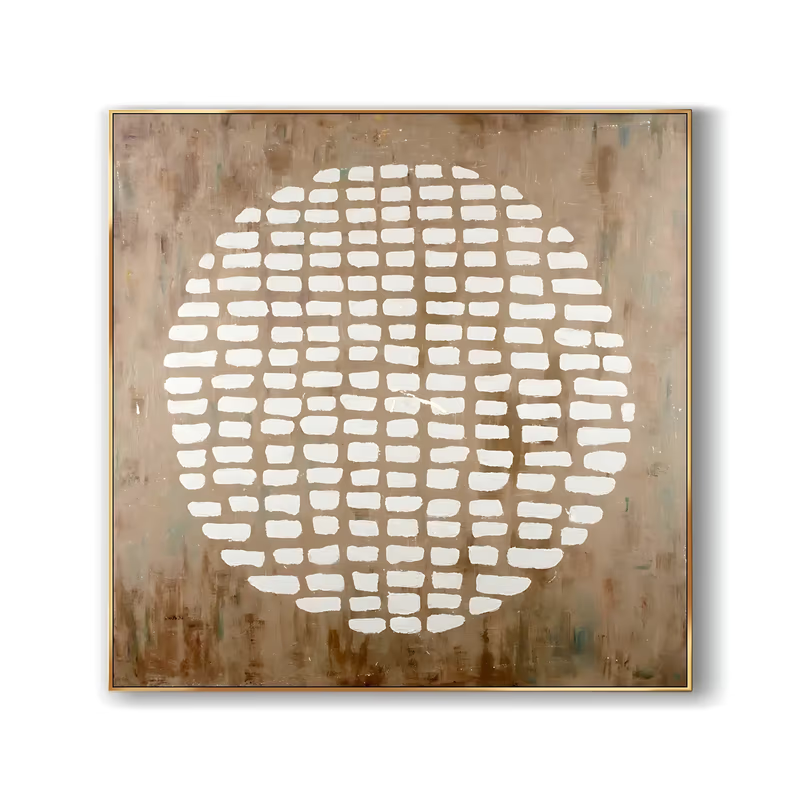
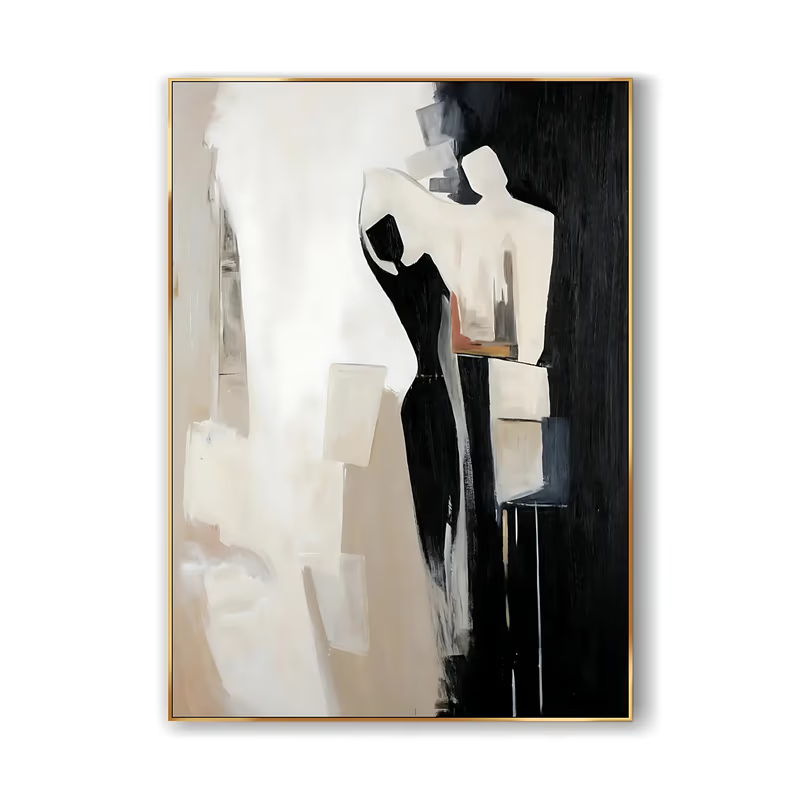
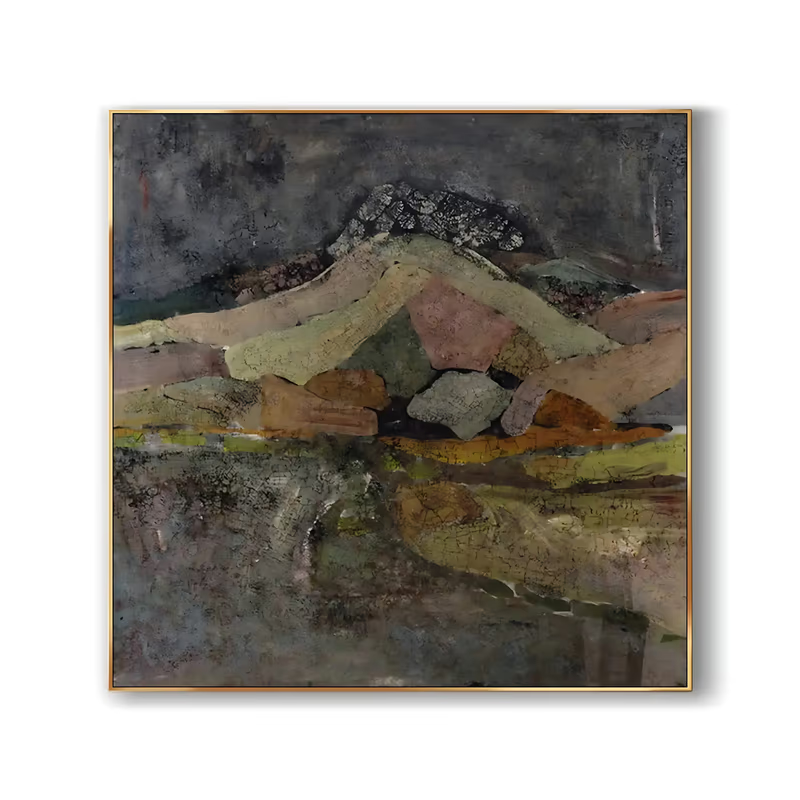
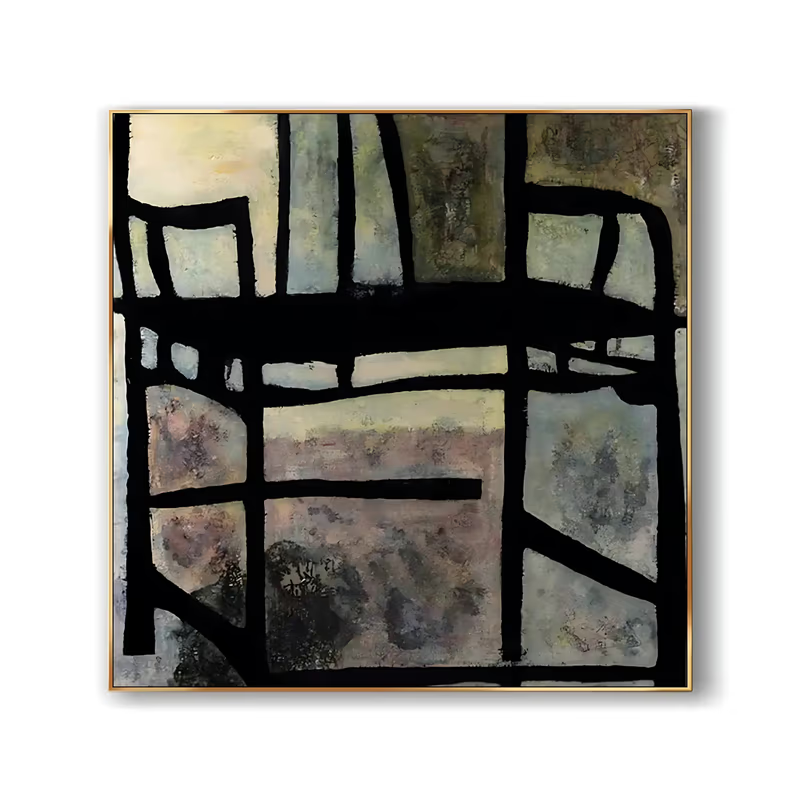
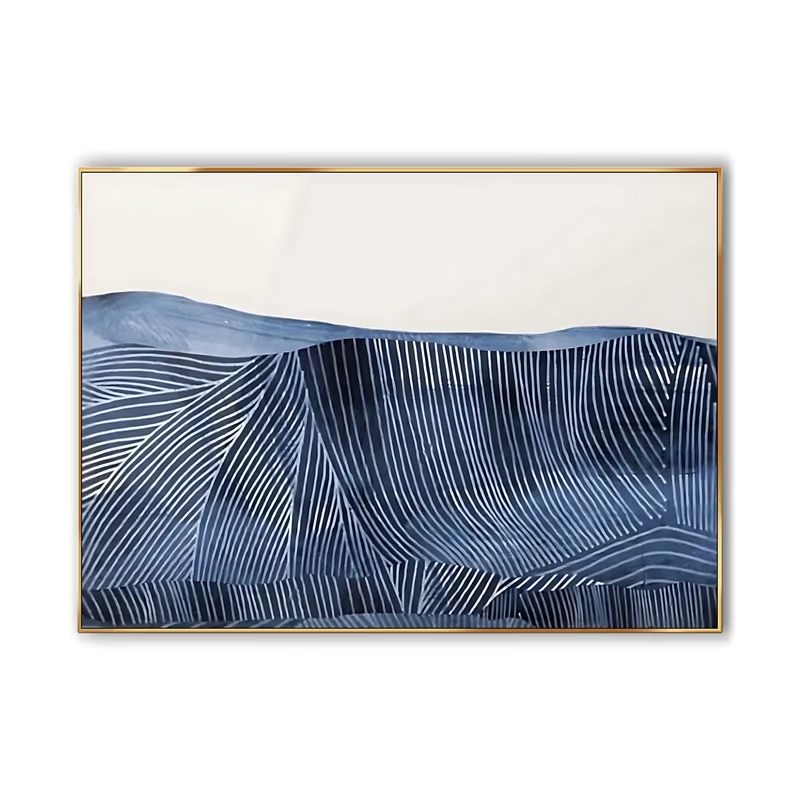
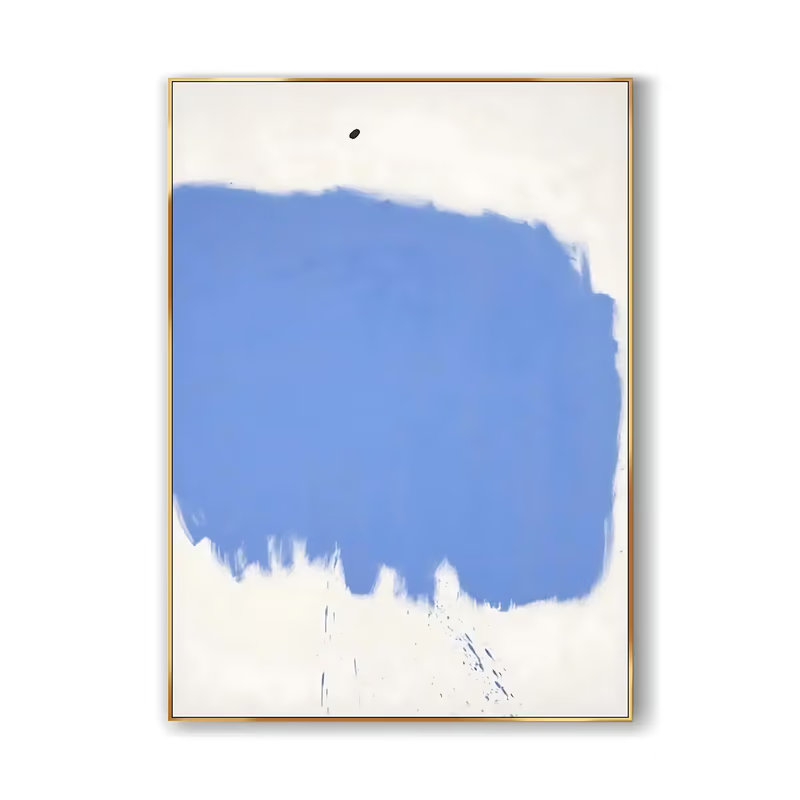
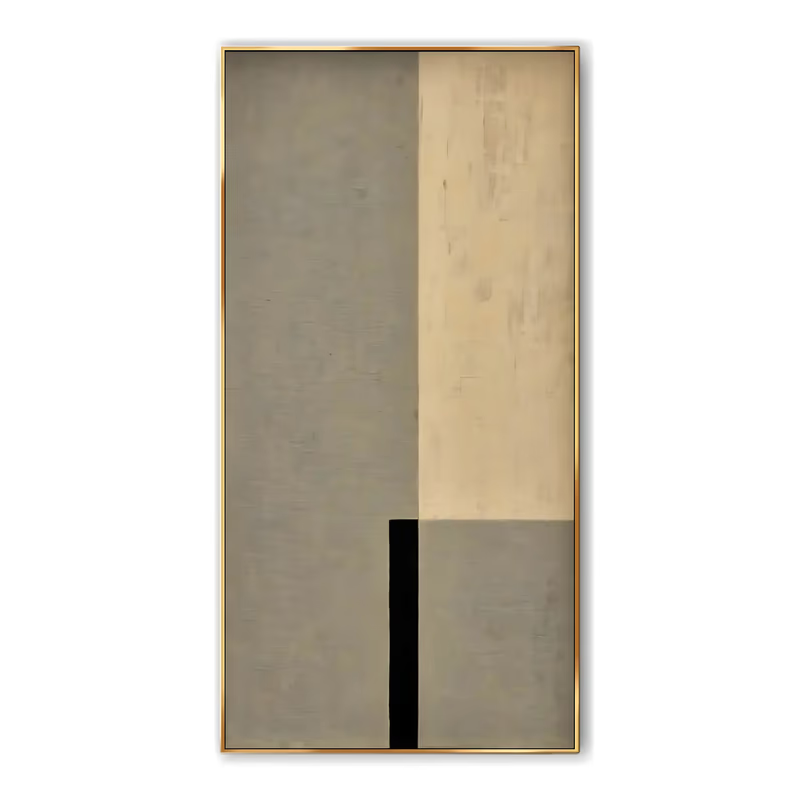
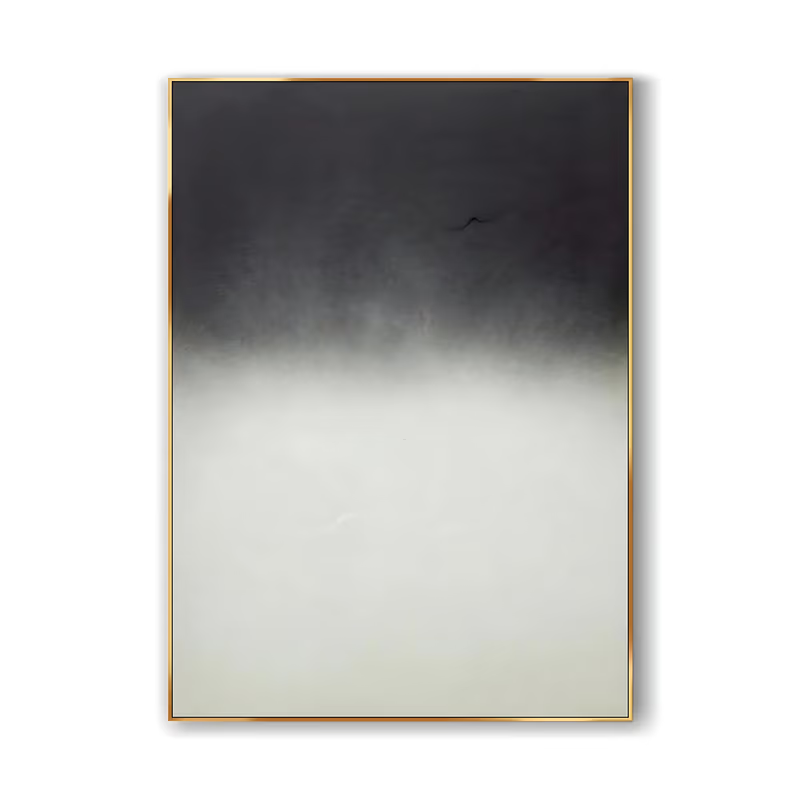
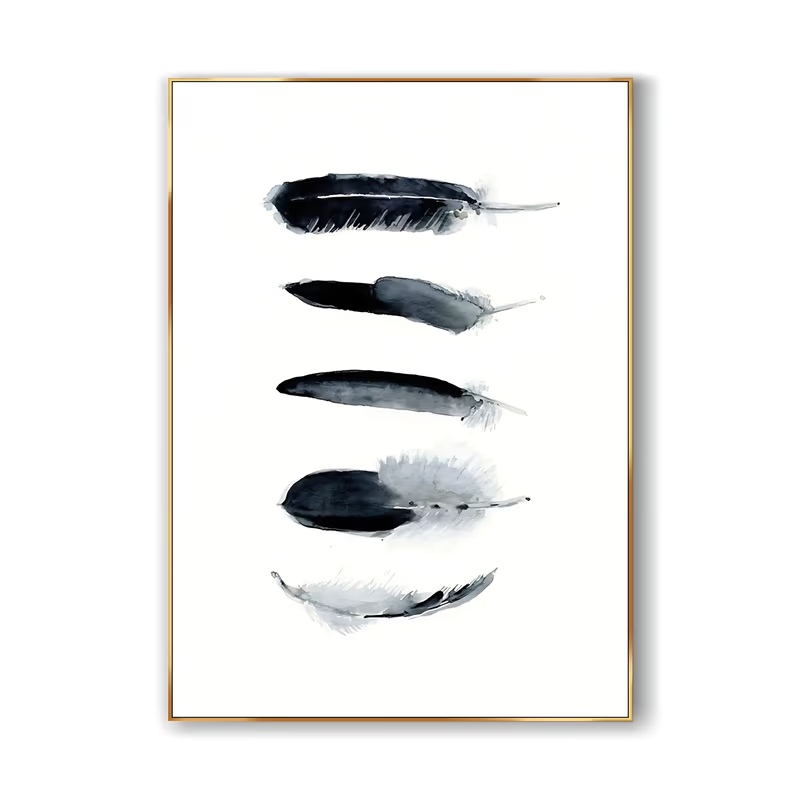
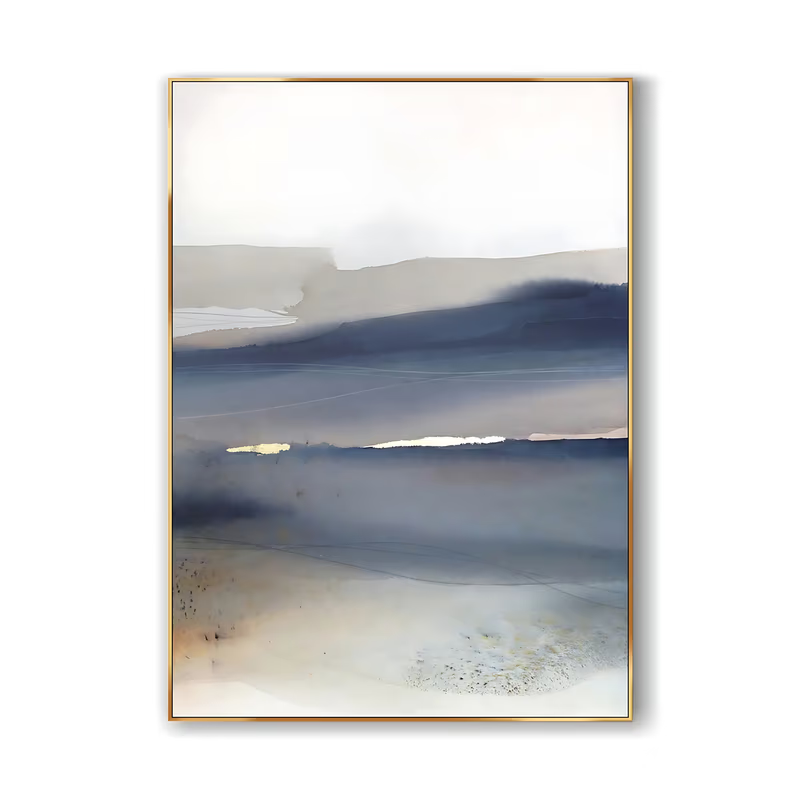
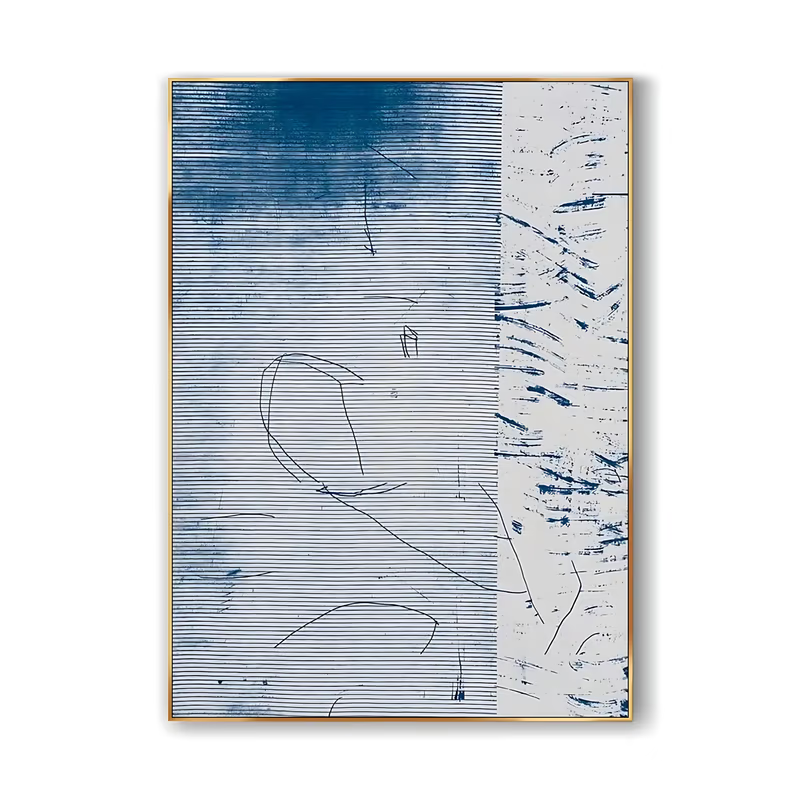
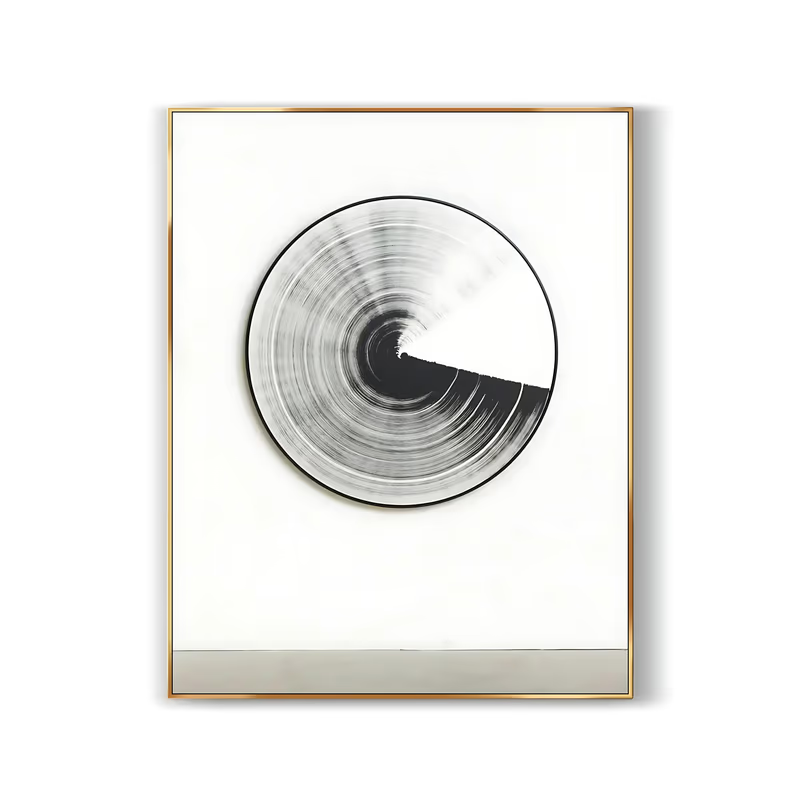
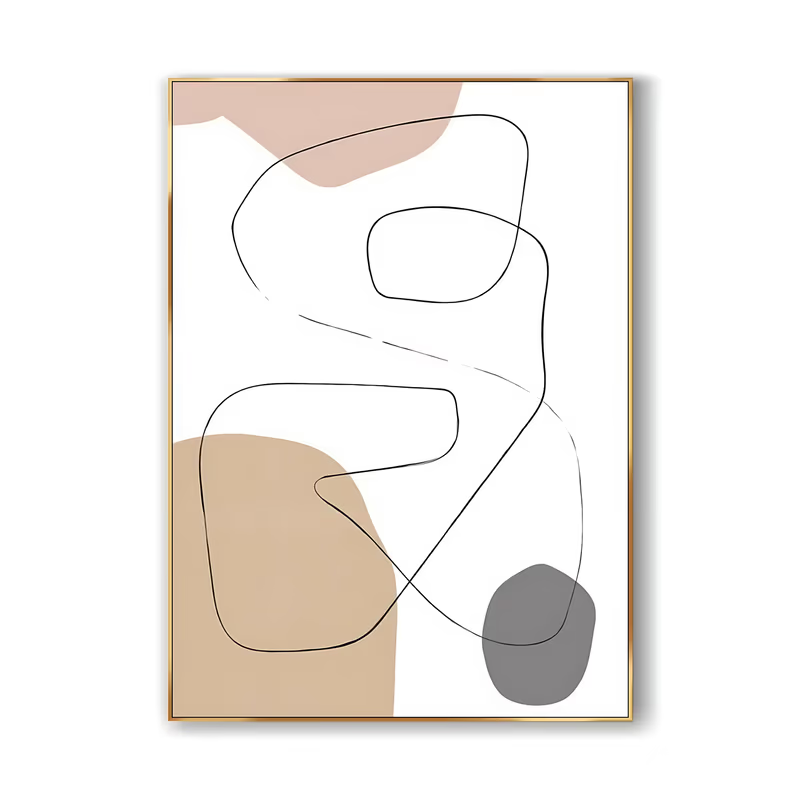
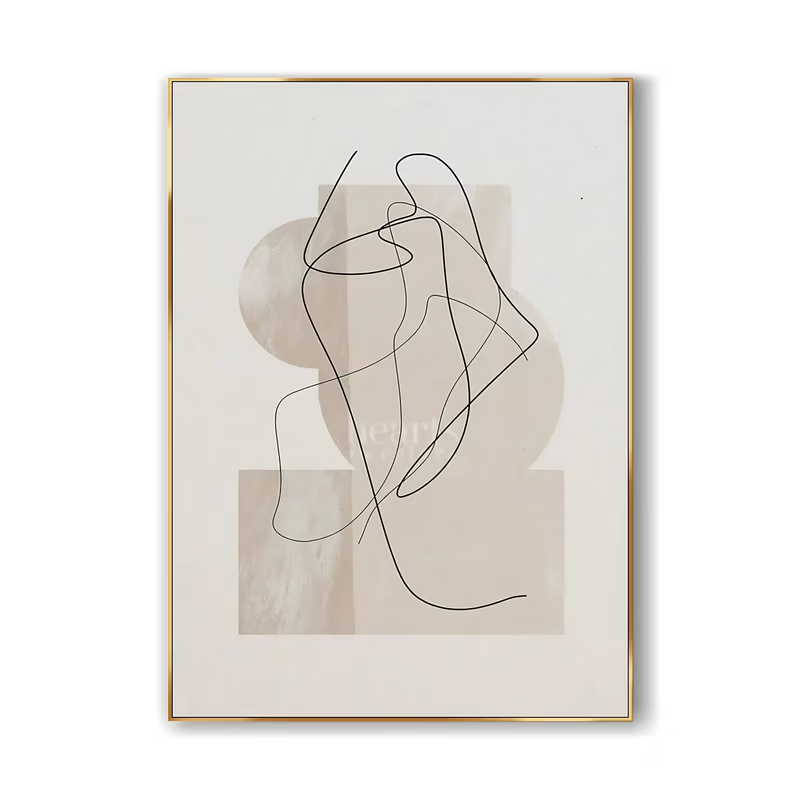
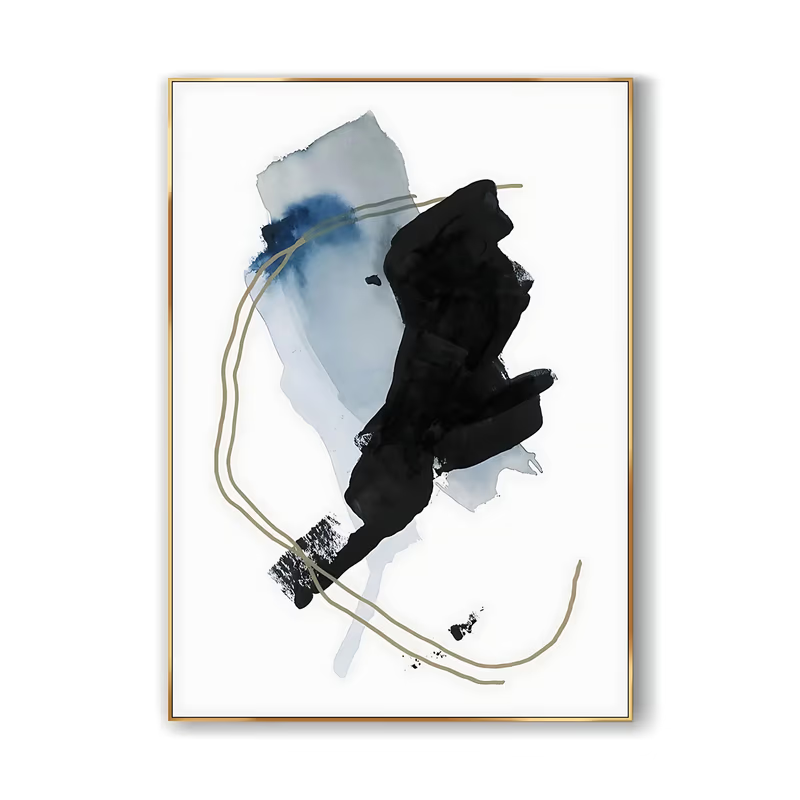
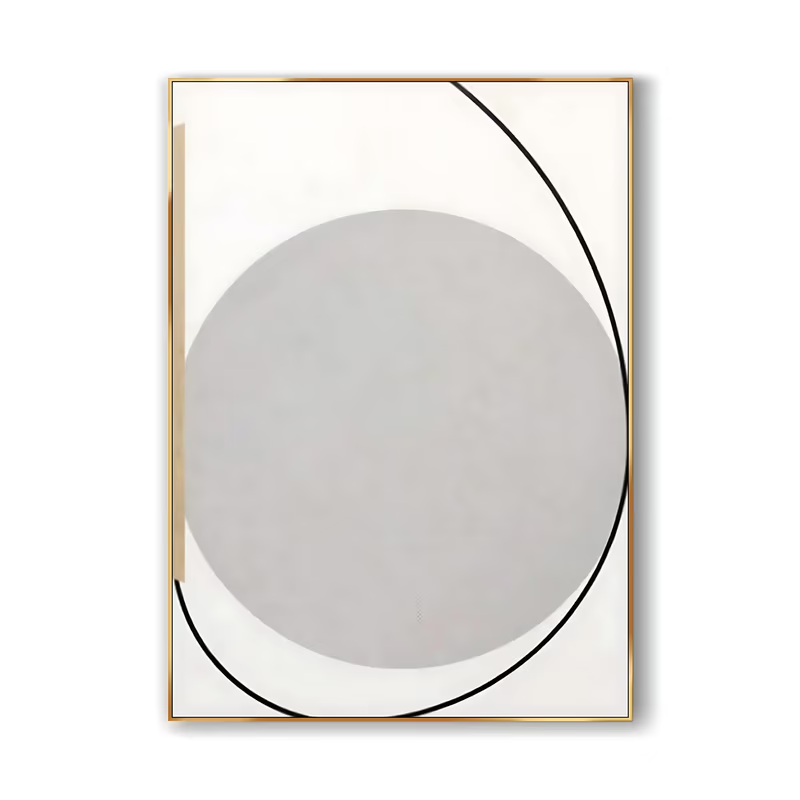
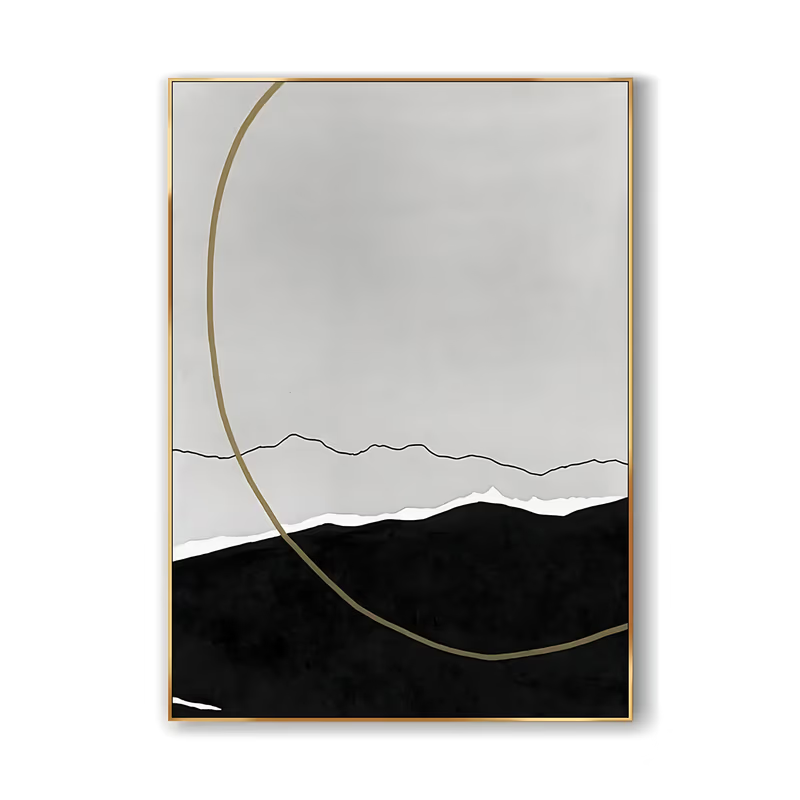
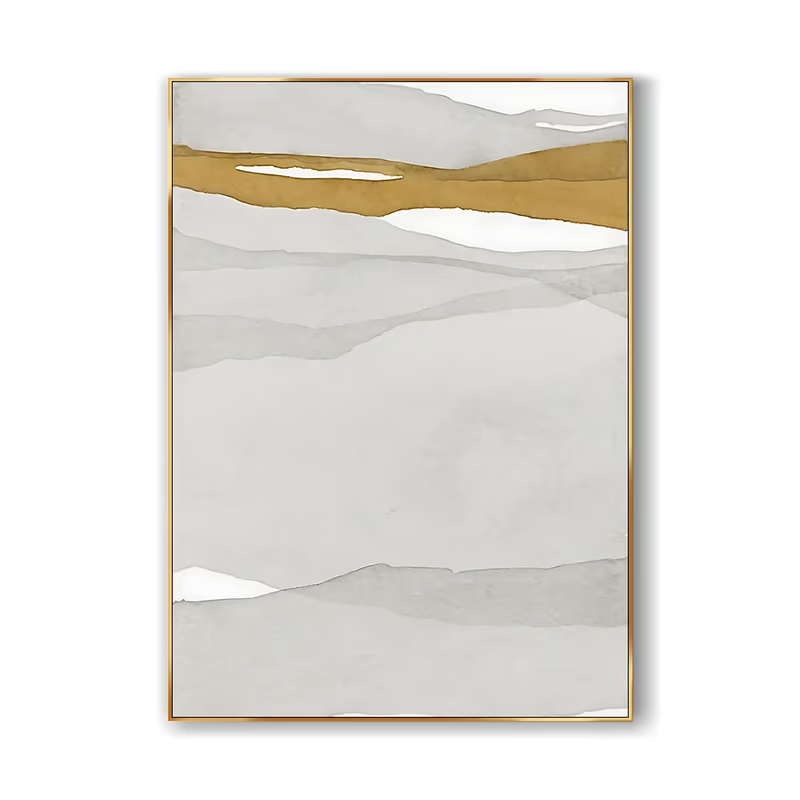
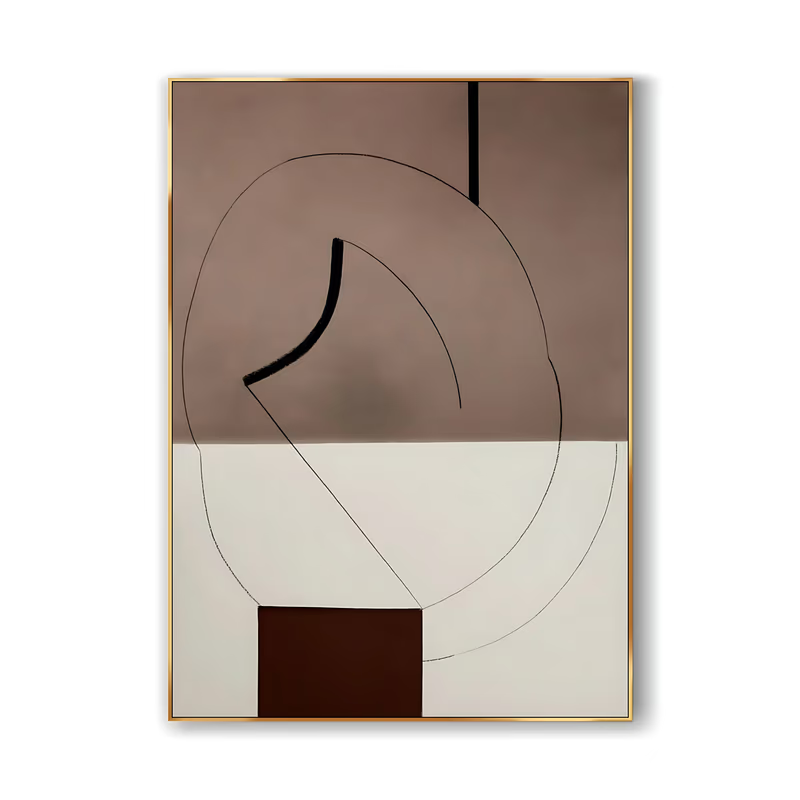
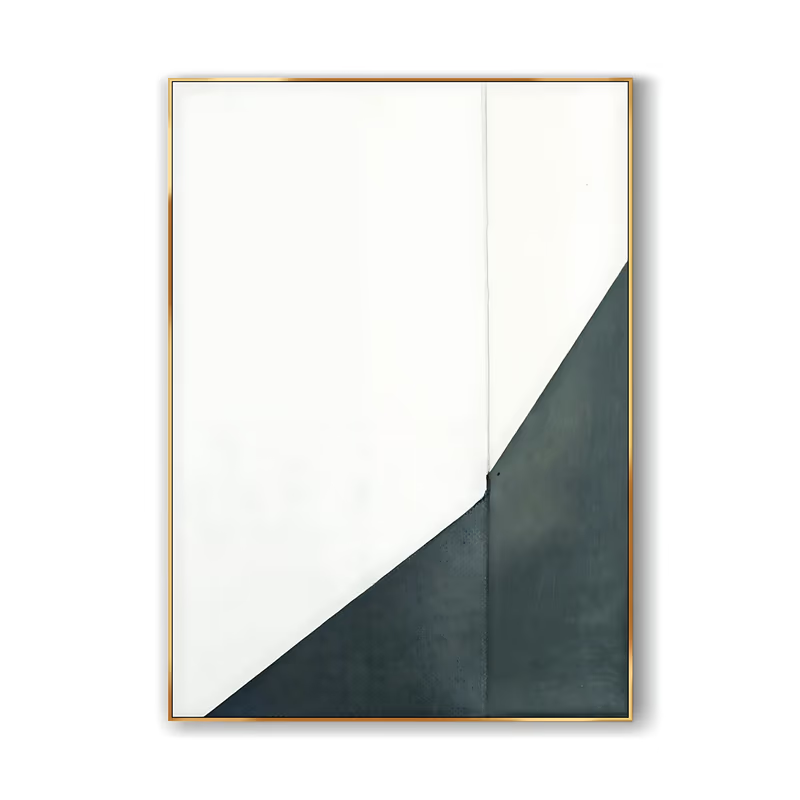
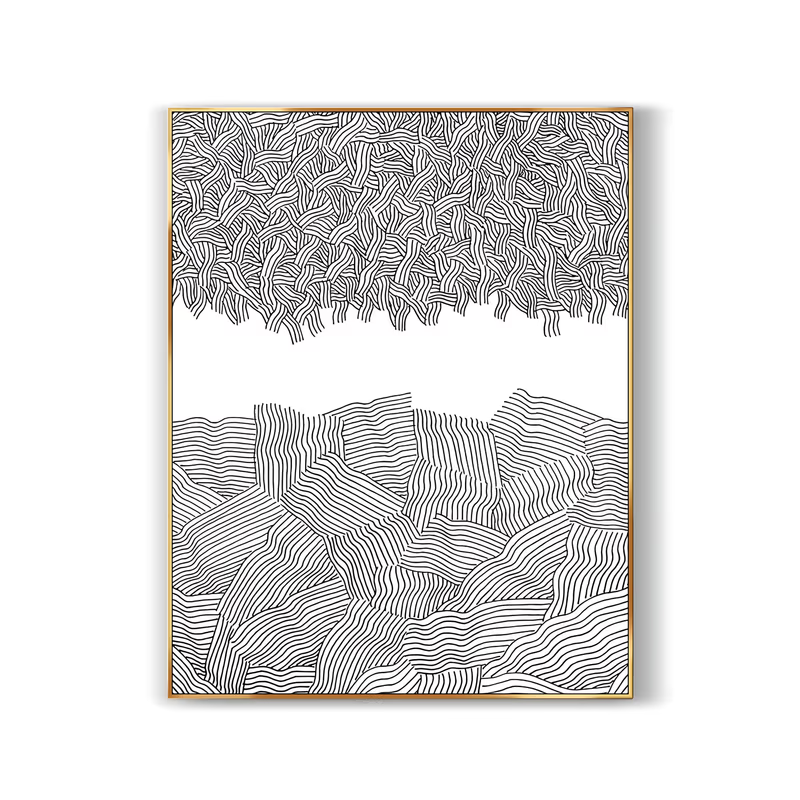
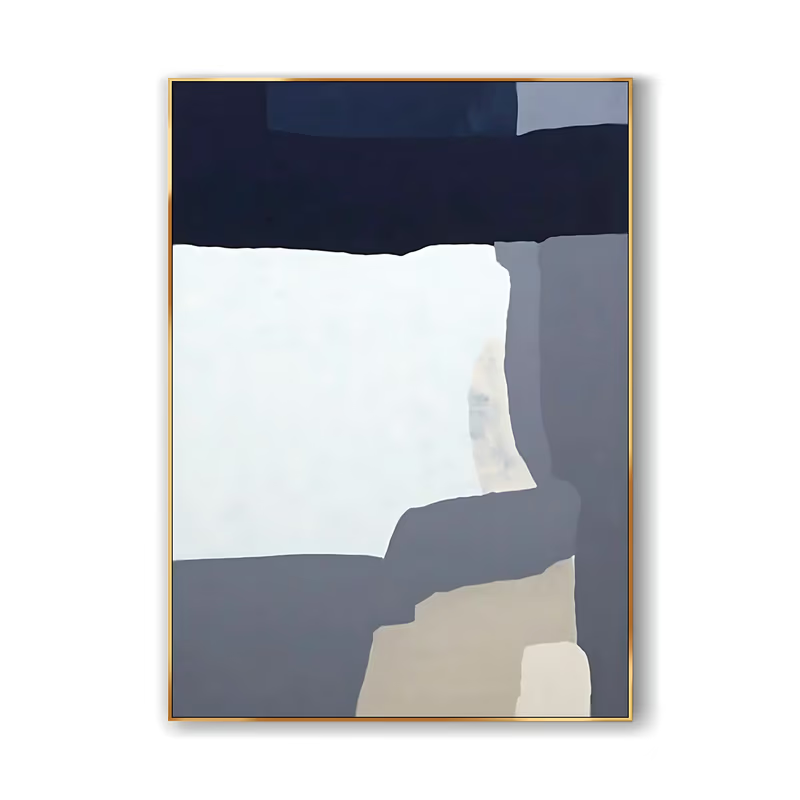
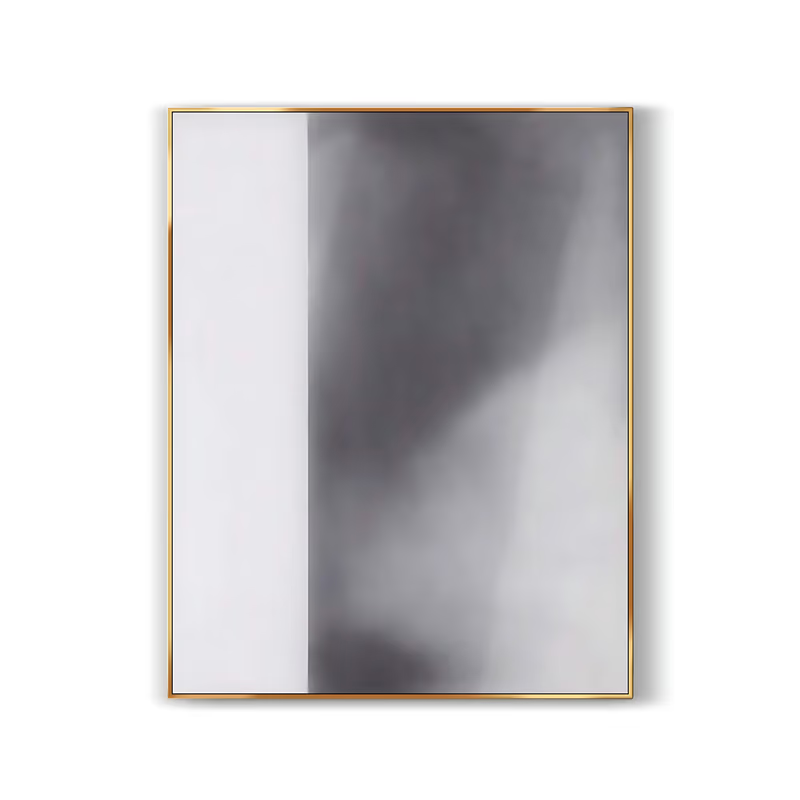
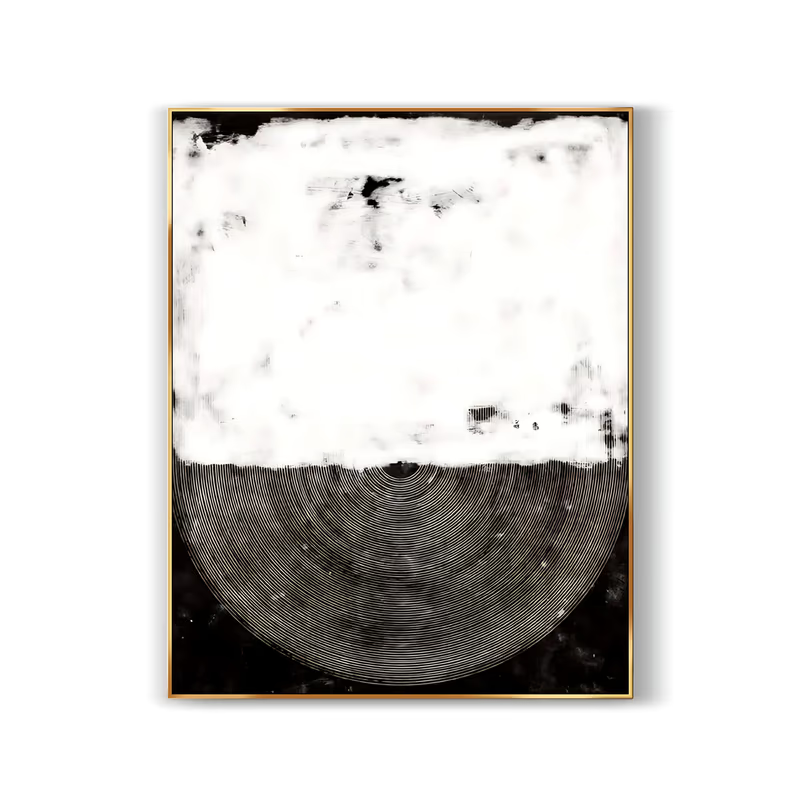
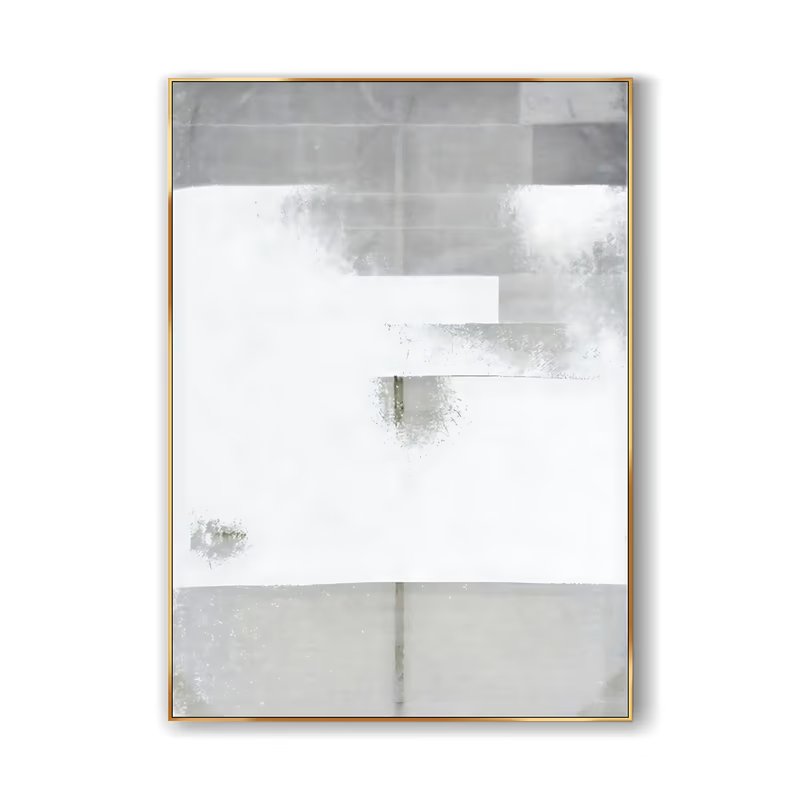
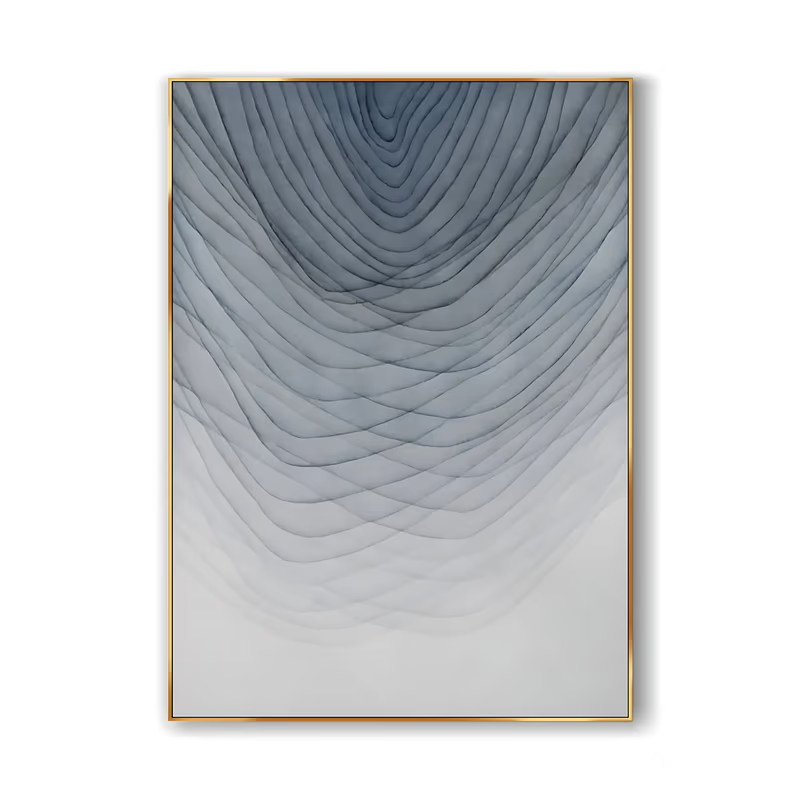
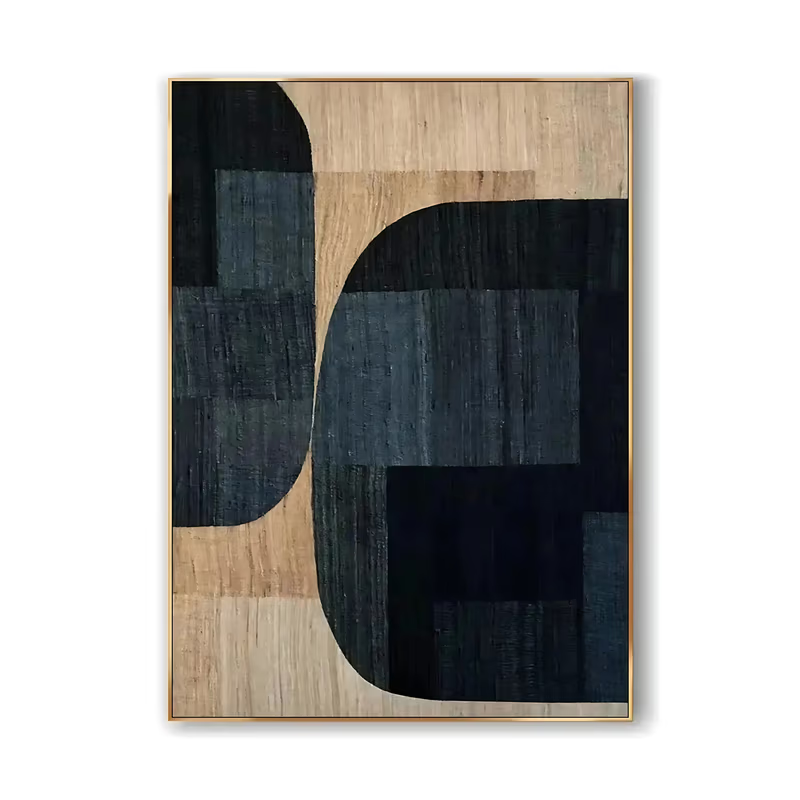
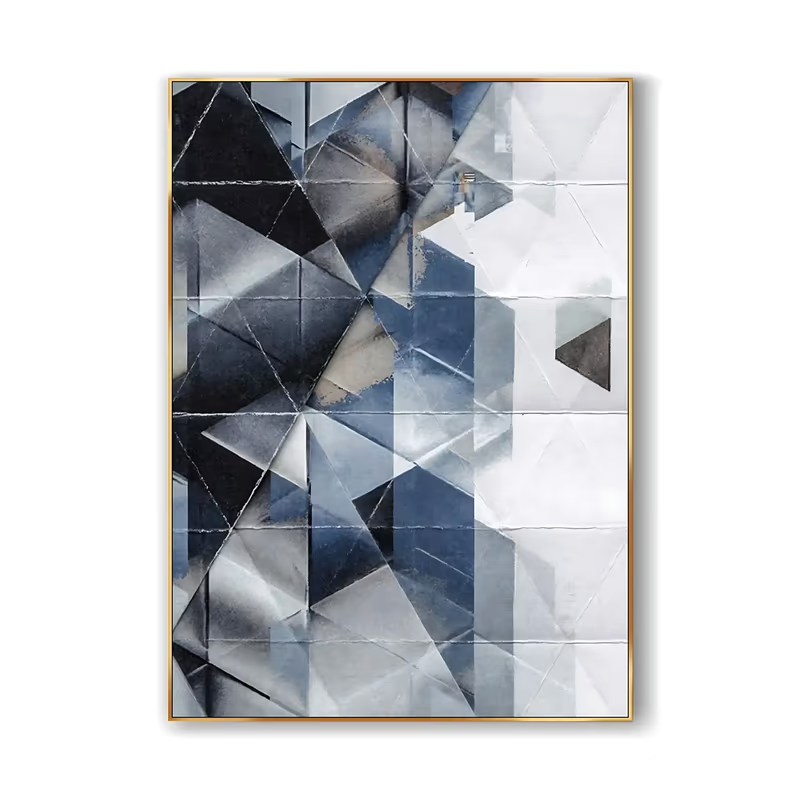
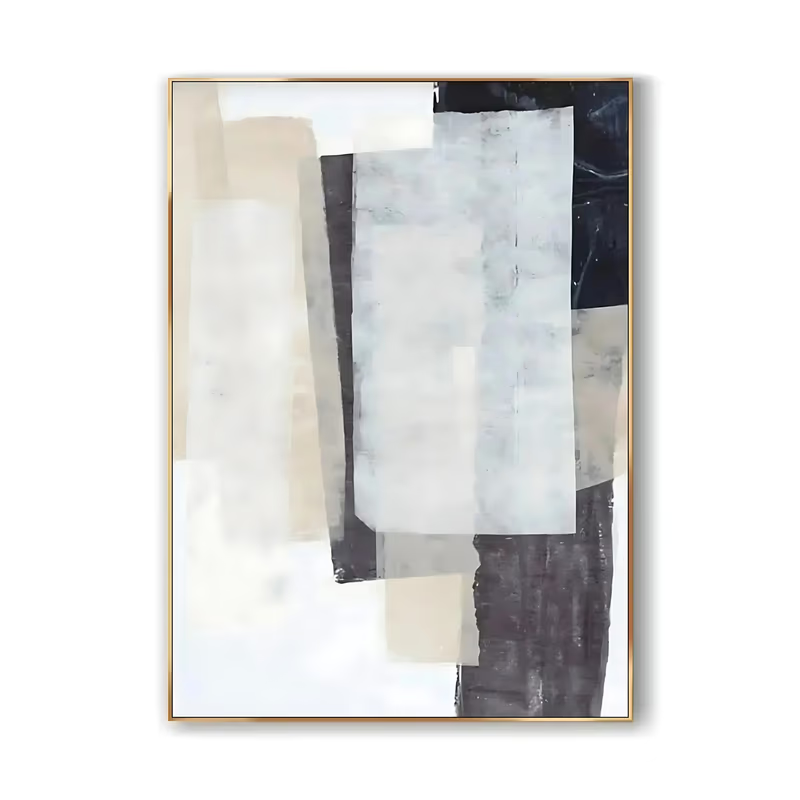
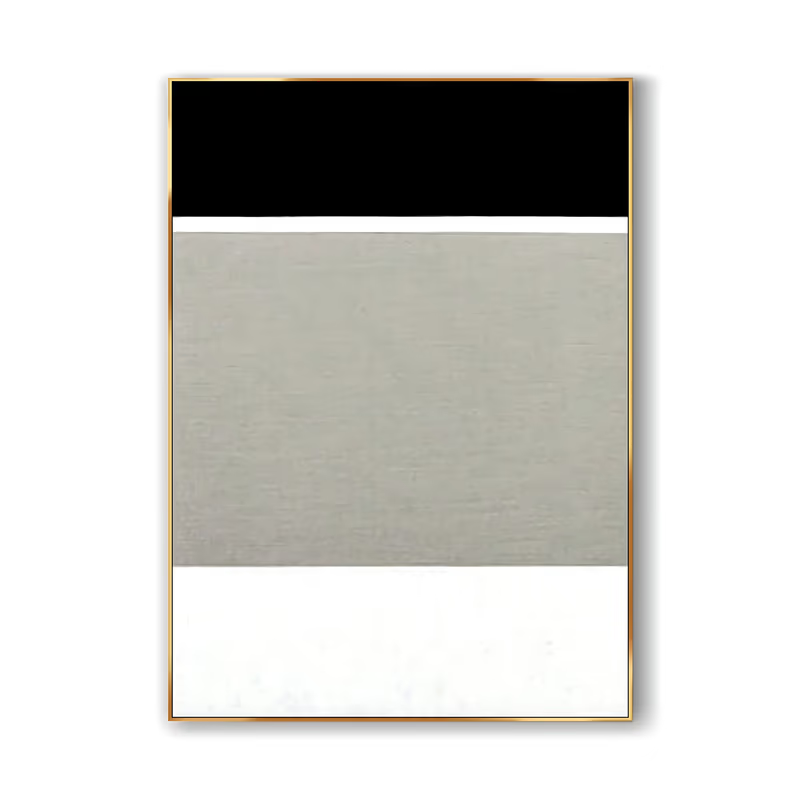
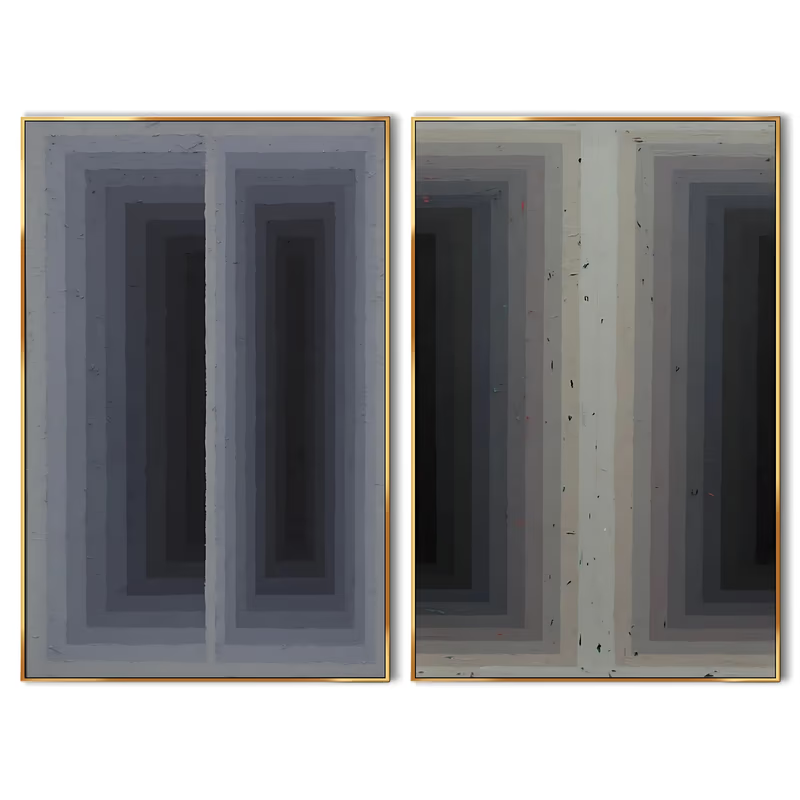
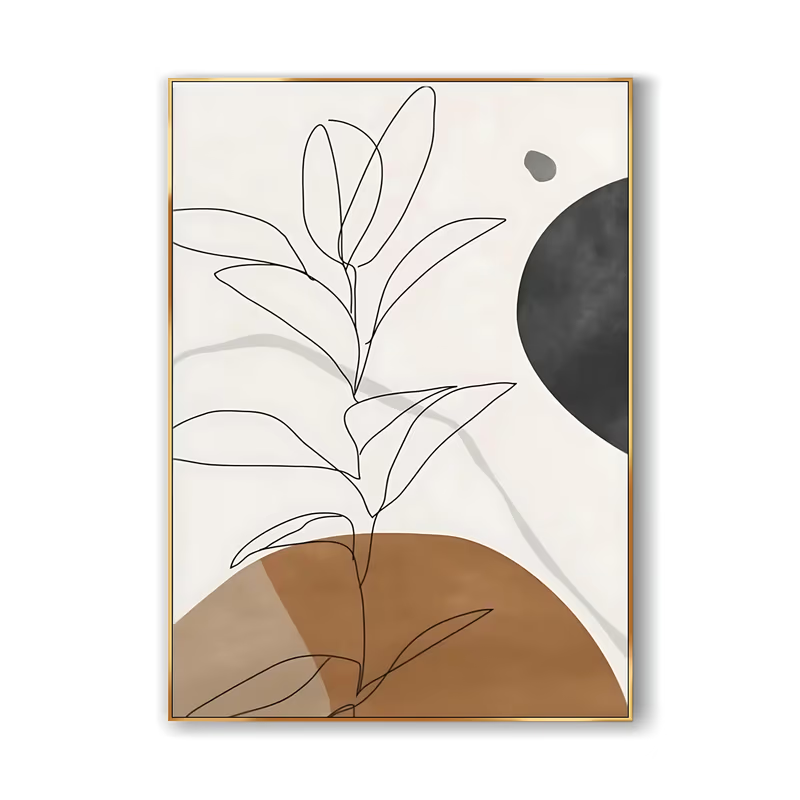
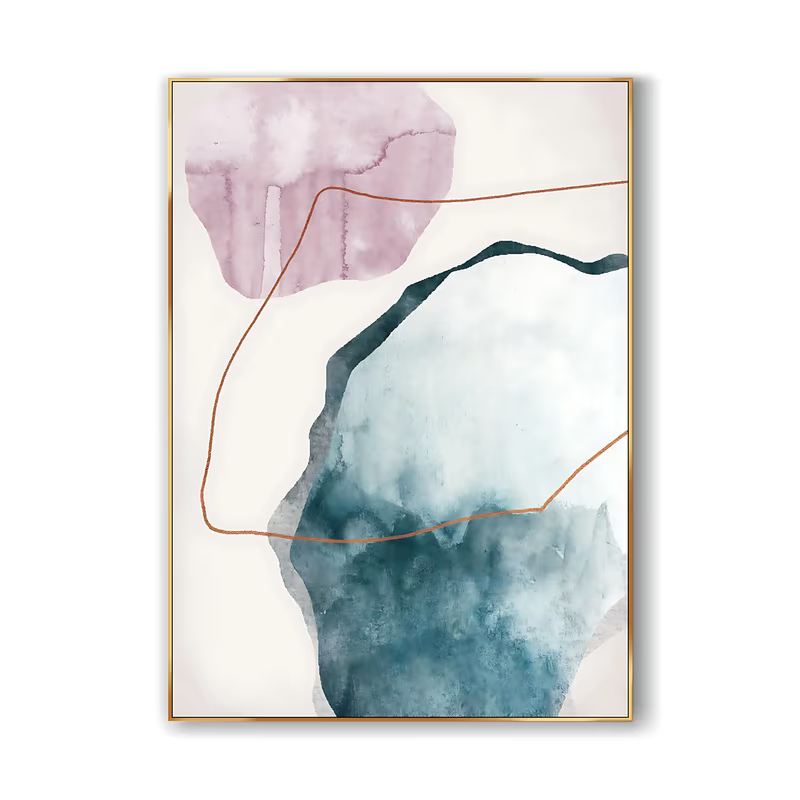
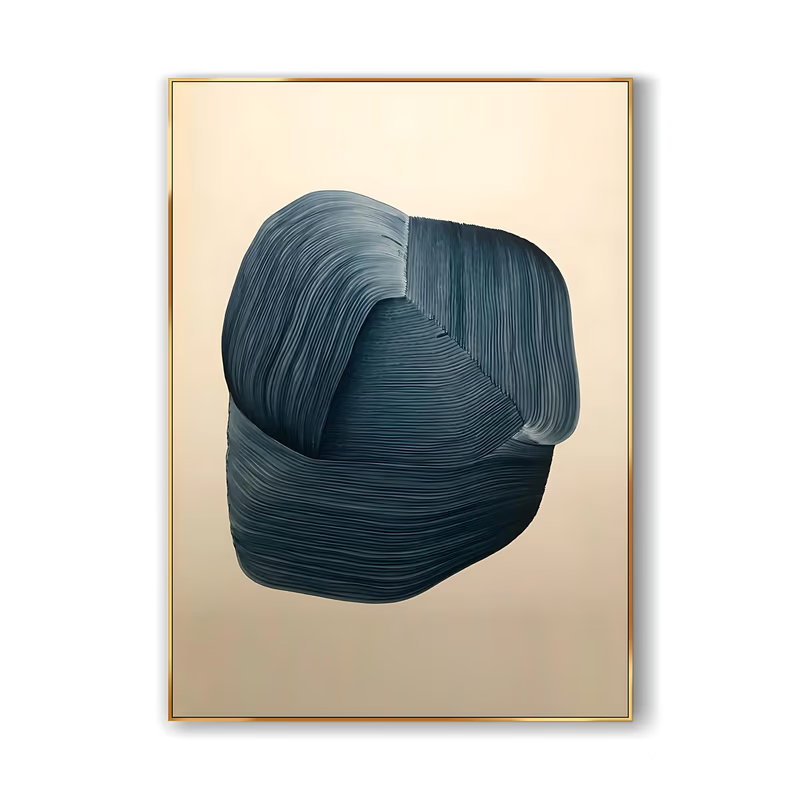
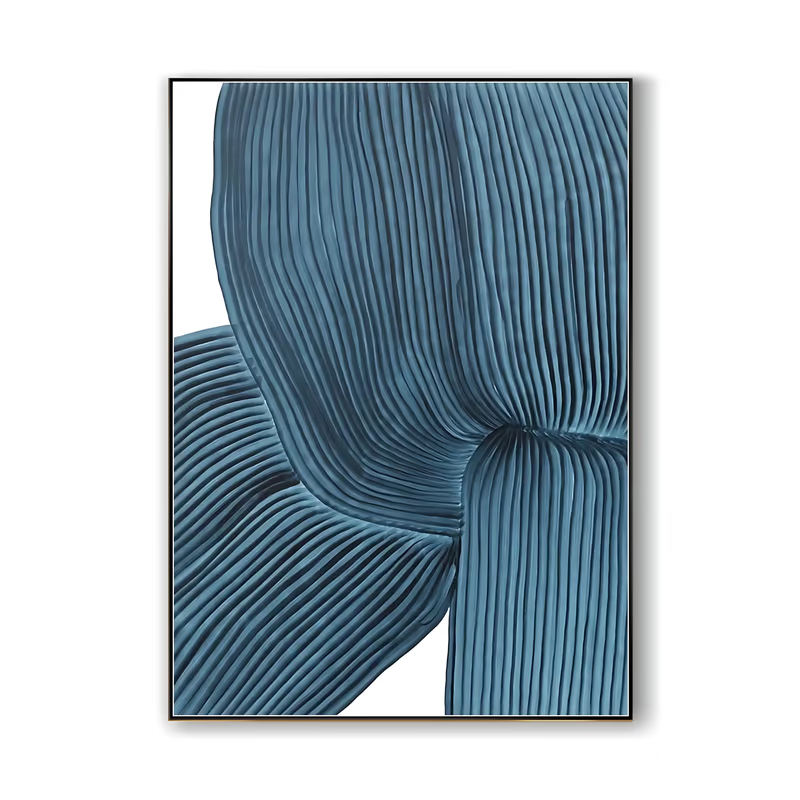
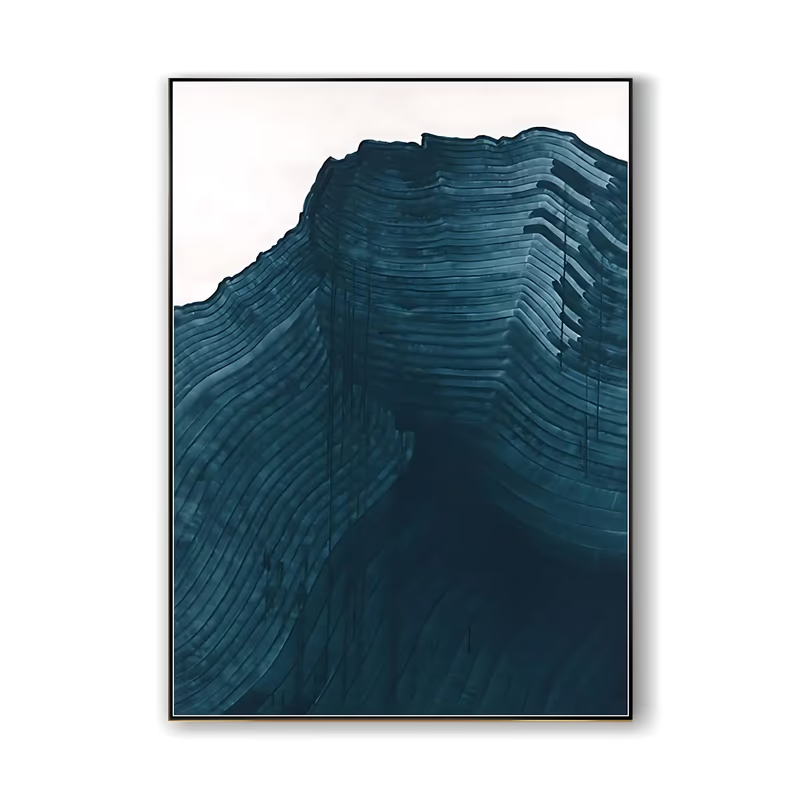
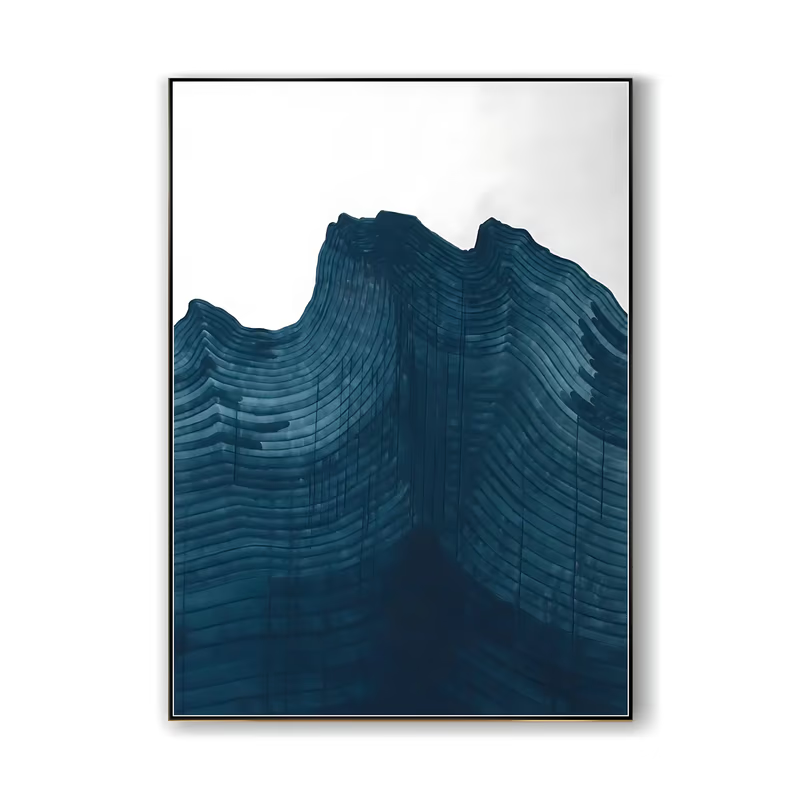
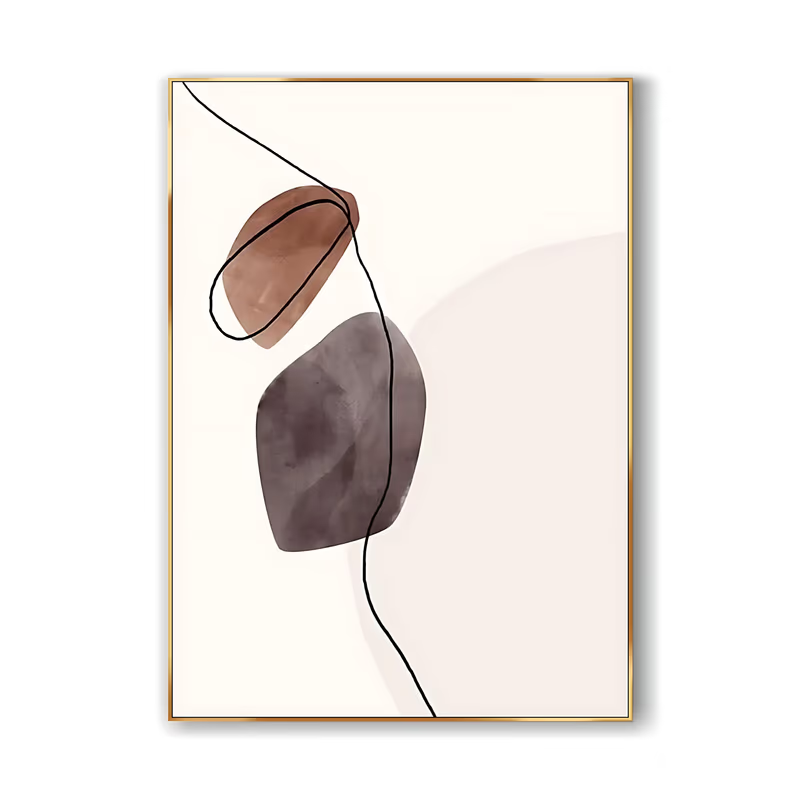
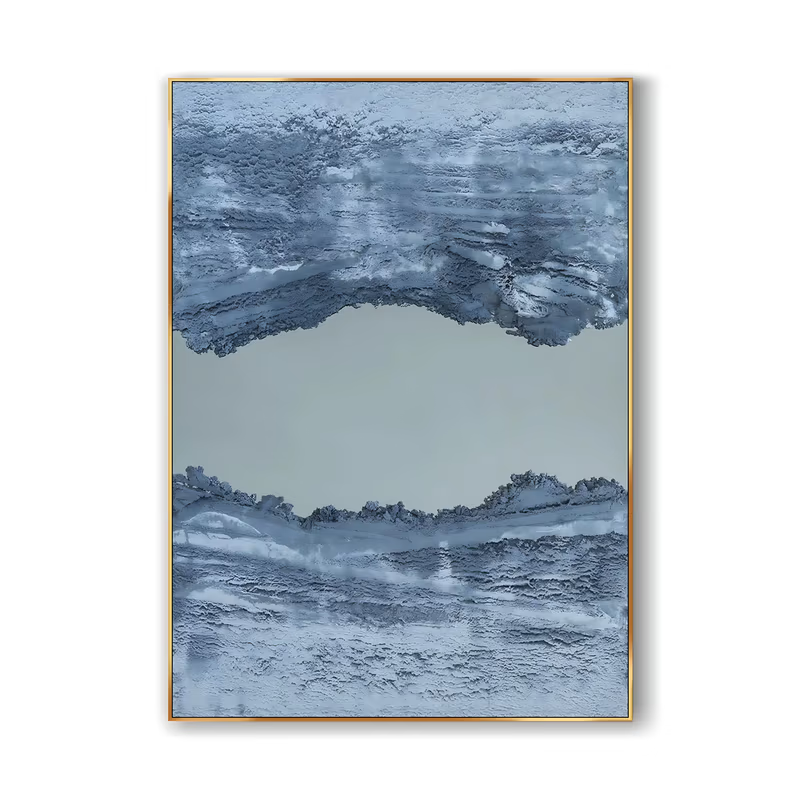
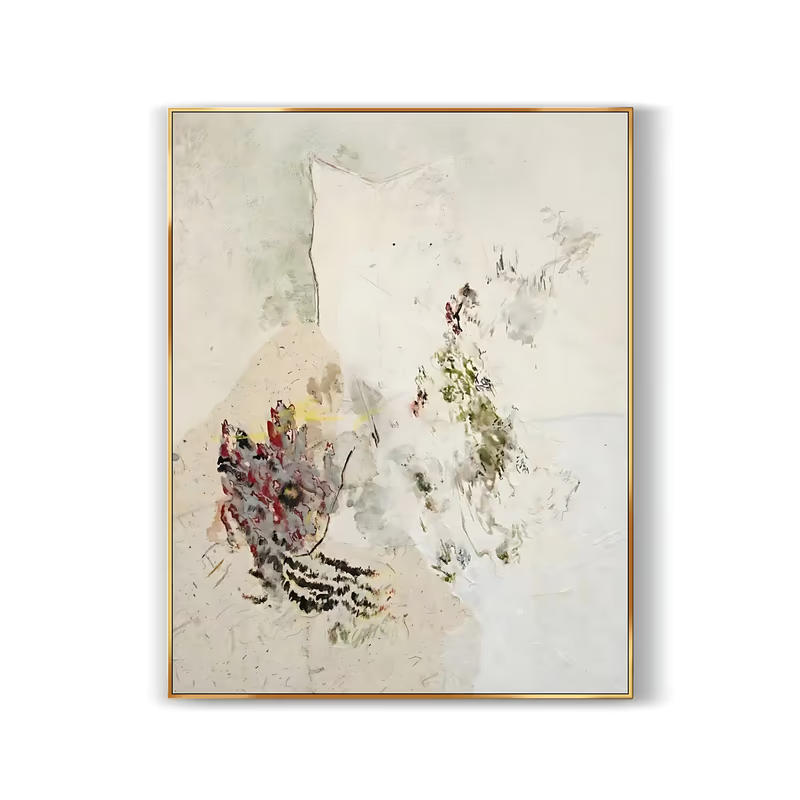
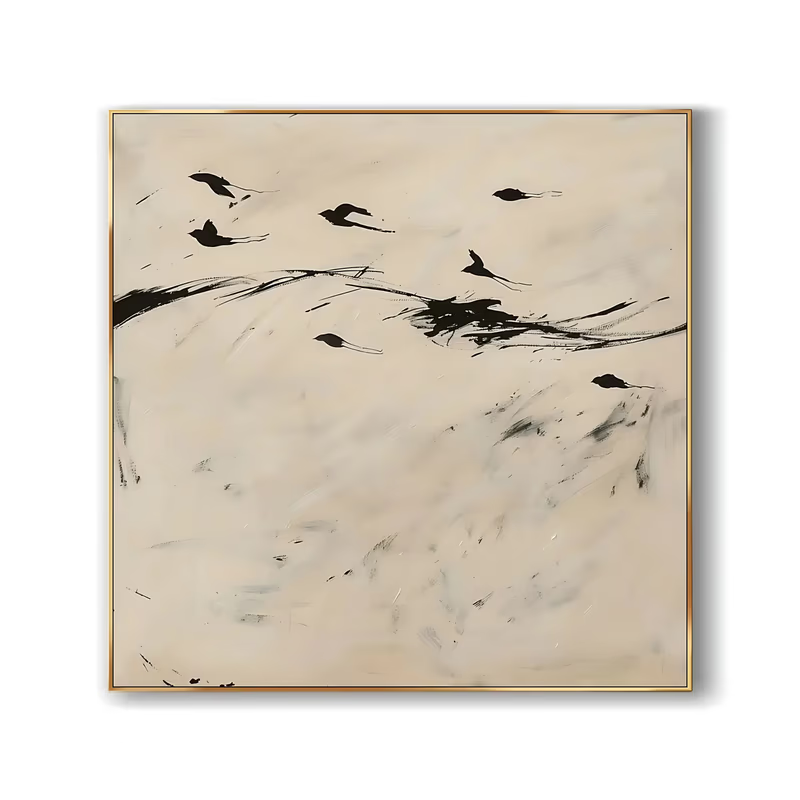
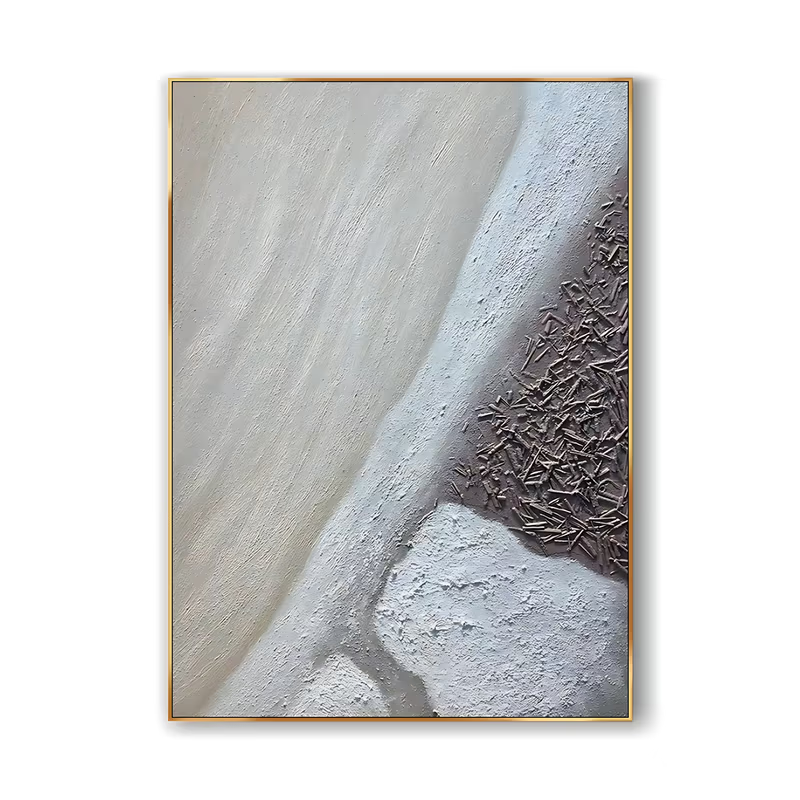
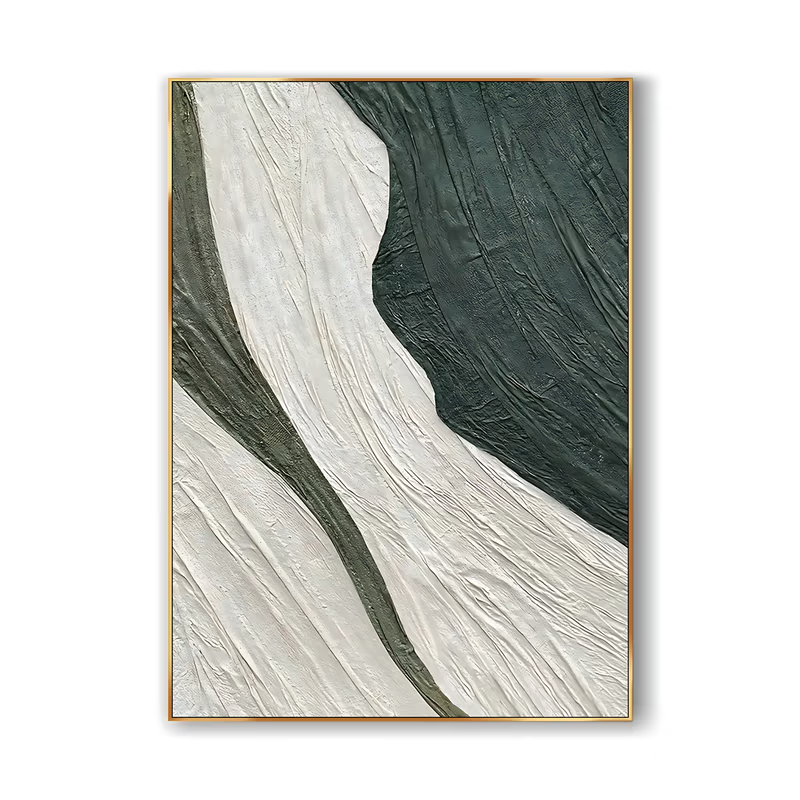
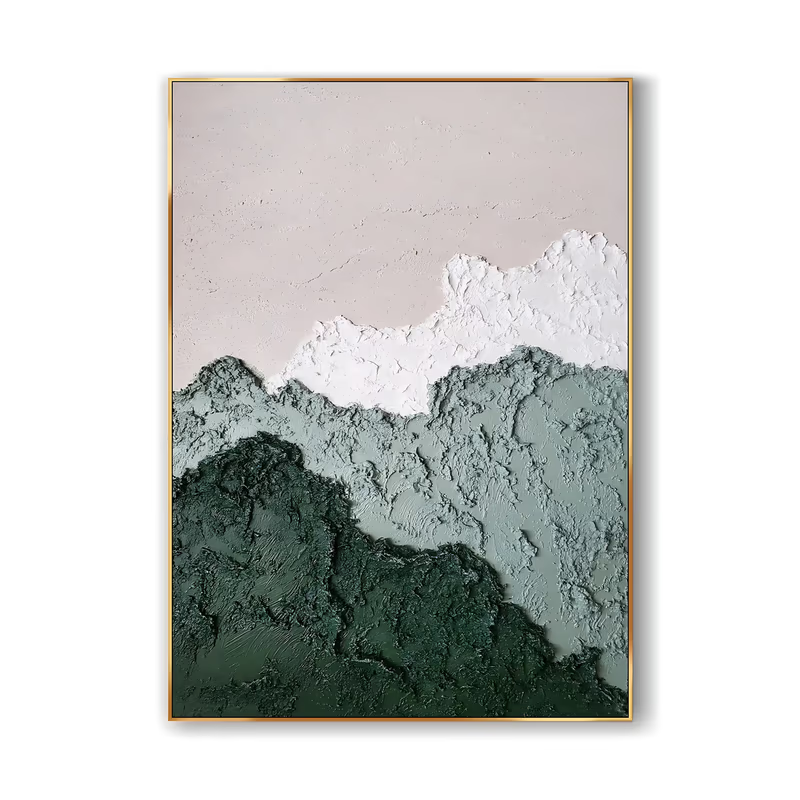
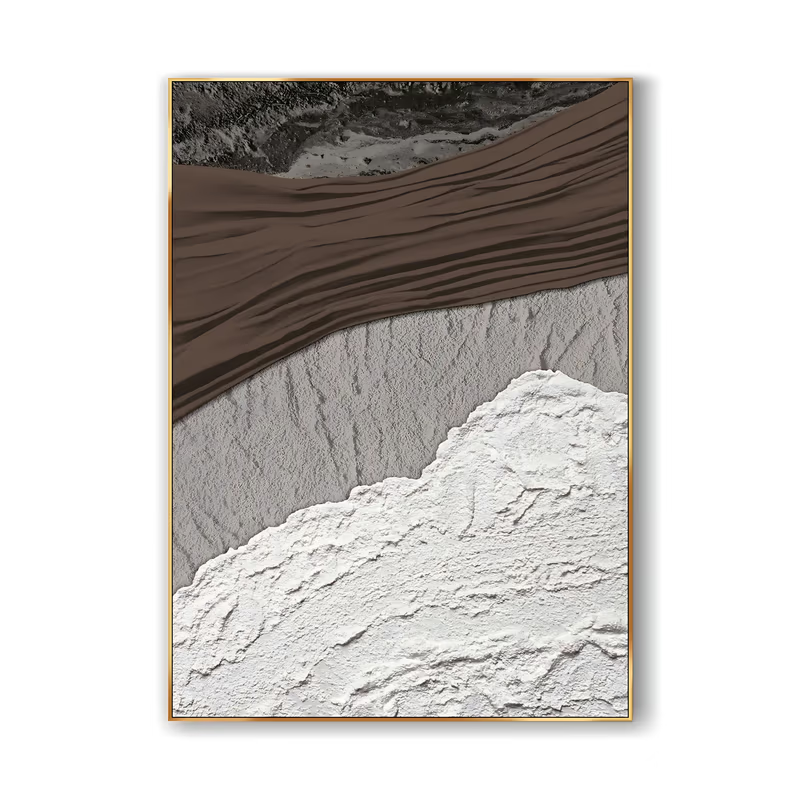
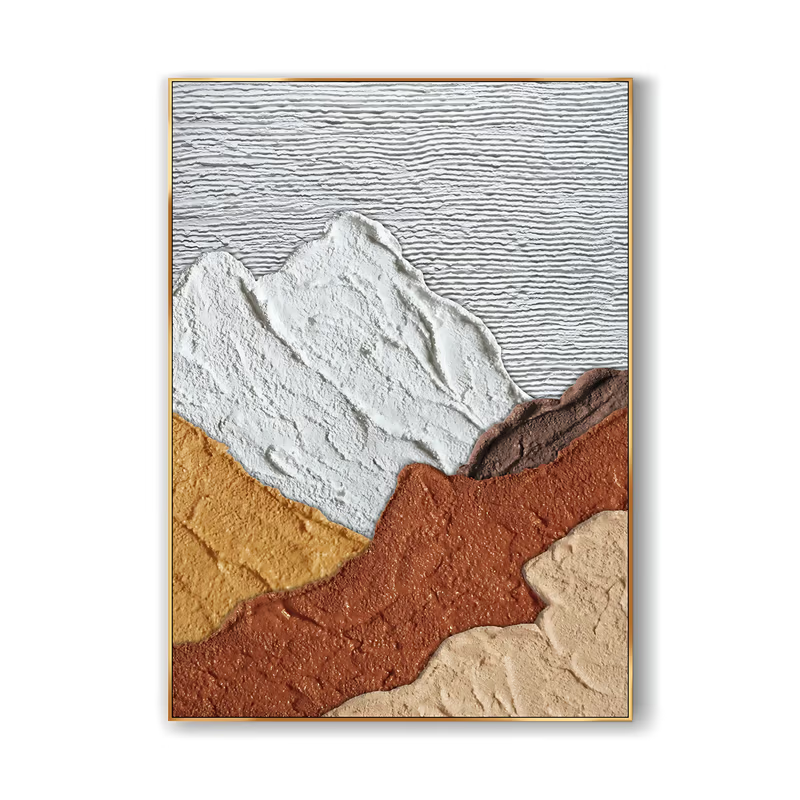
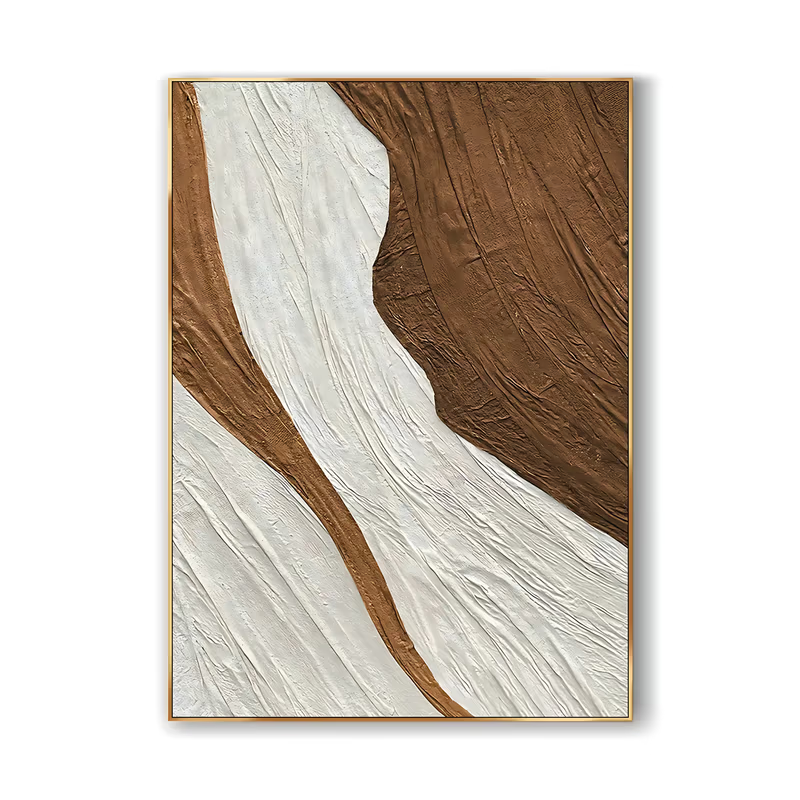
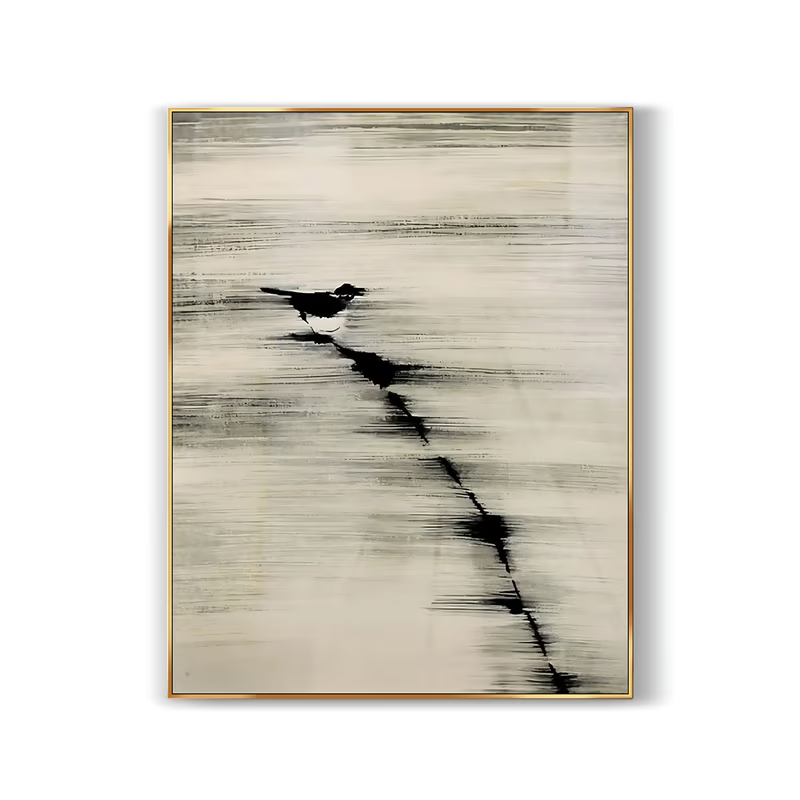
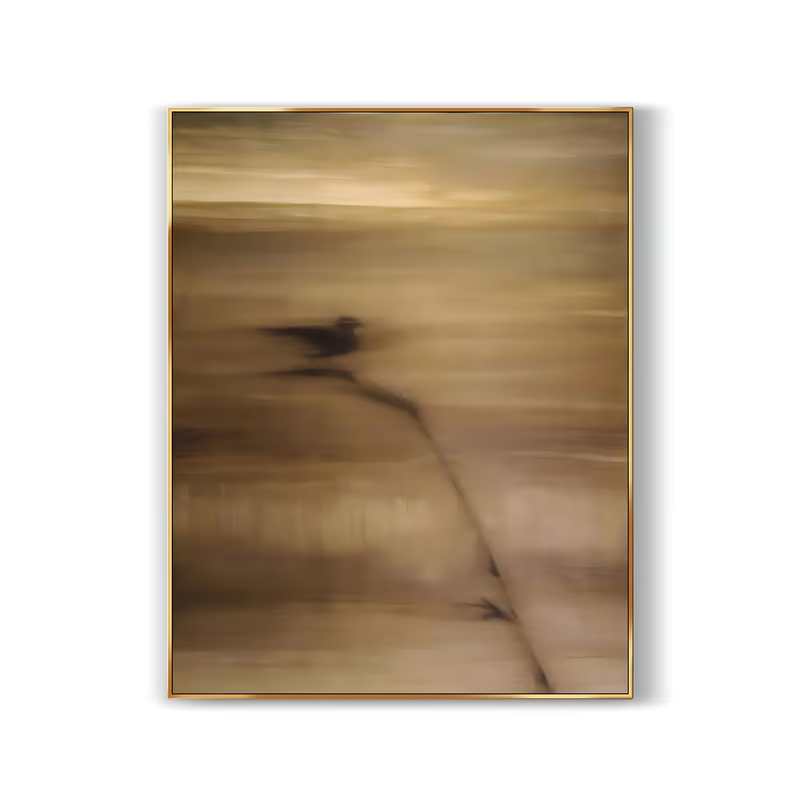
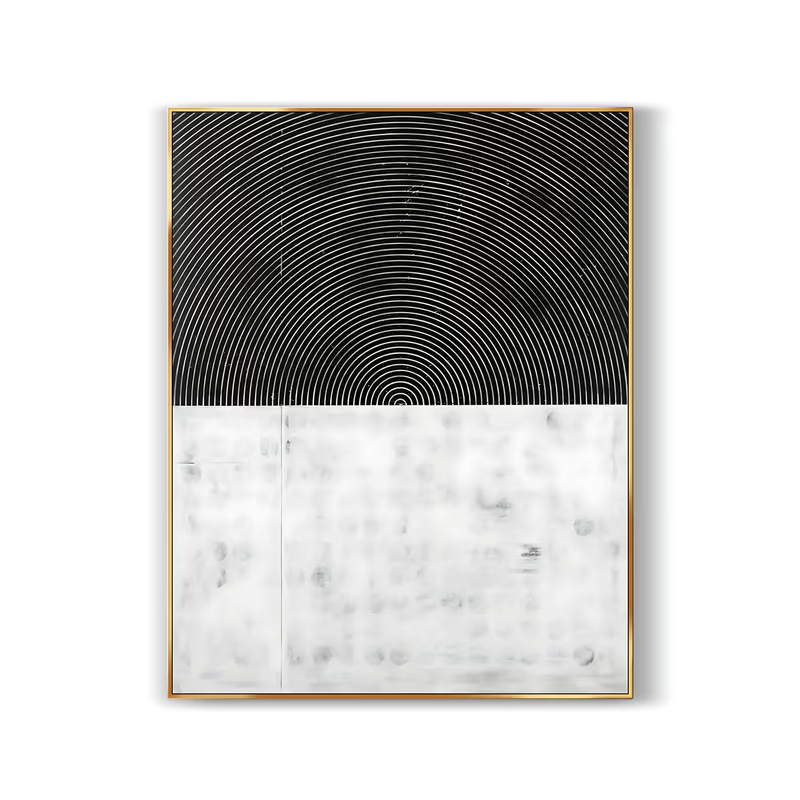
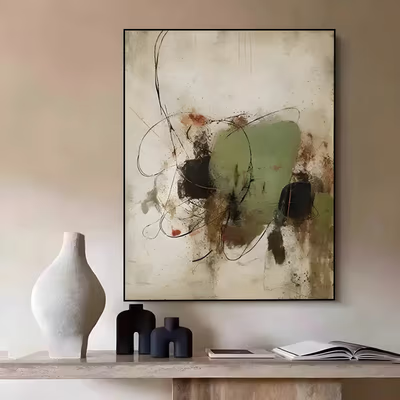
Pale planes, layered ridges, weathered surfaces and a single accent of colour. Restful and modern, they suit design-led hotels, spa resorts and serviced apartments where the room should feel uncluttered. Minimalist room art.
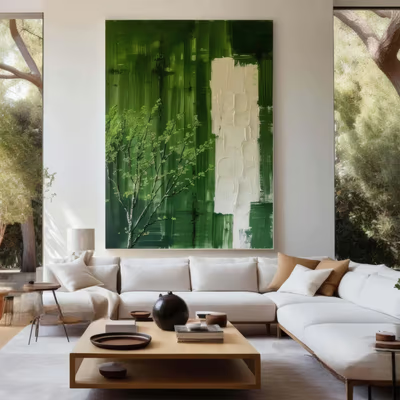
Soft textured pieces
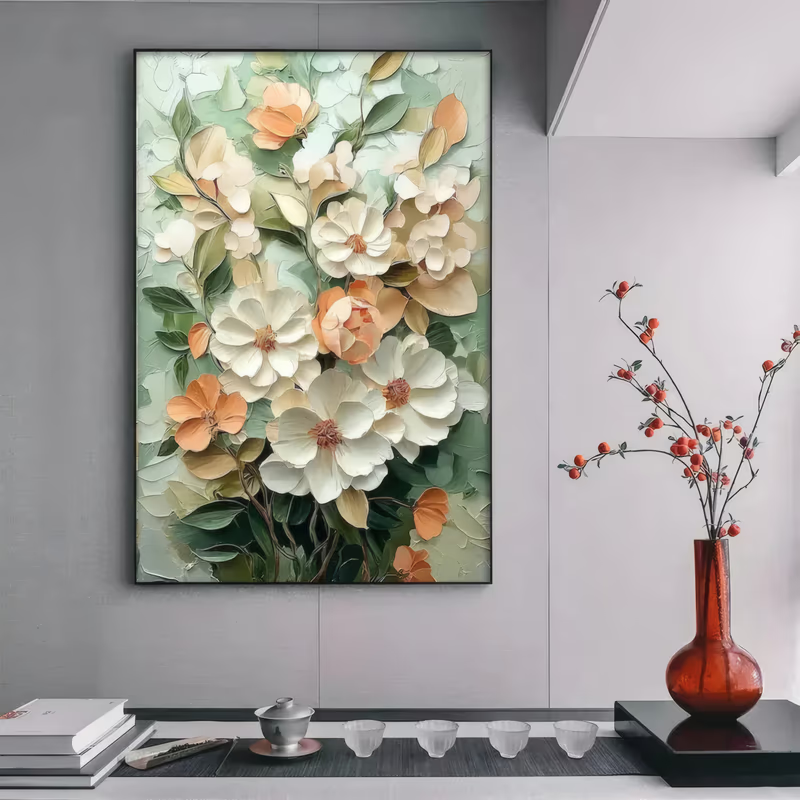
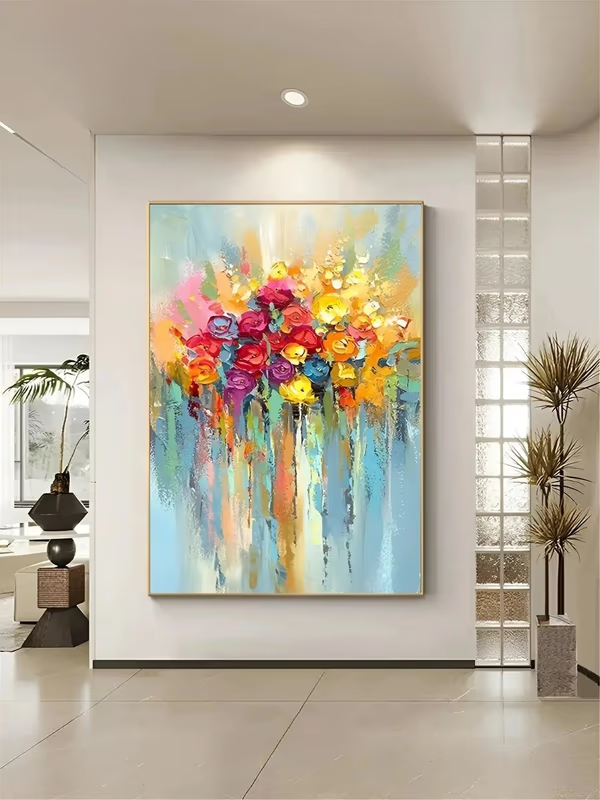
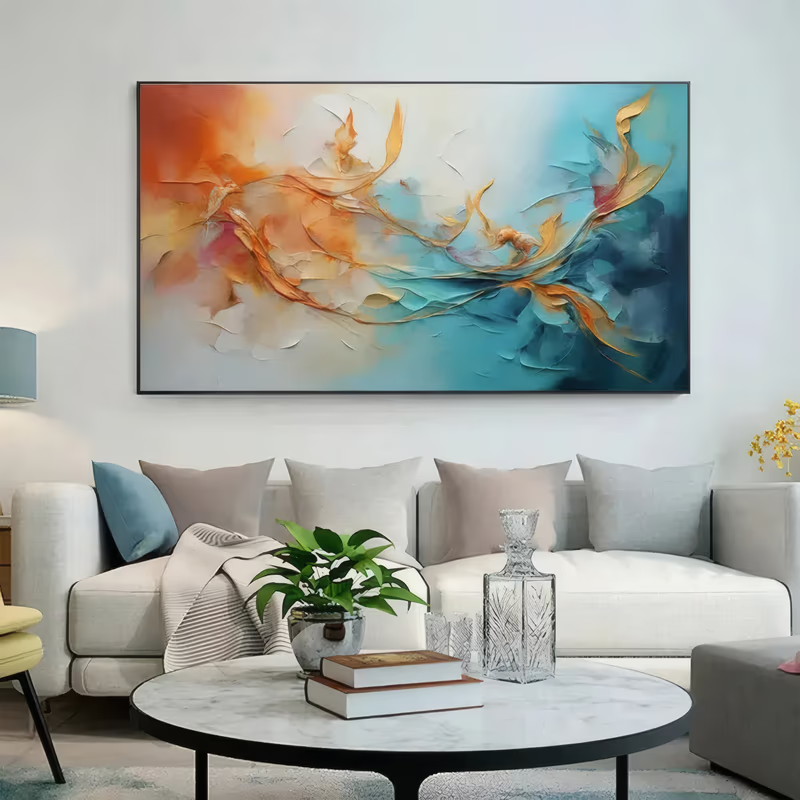
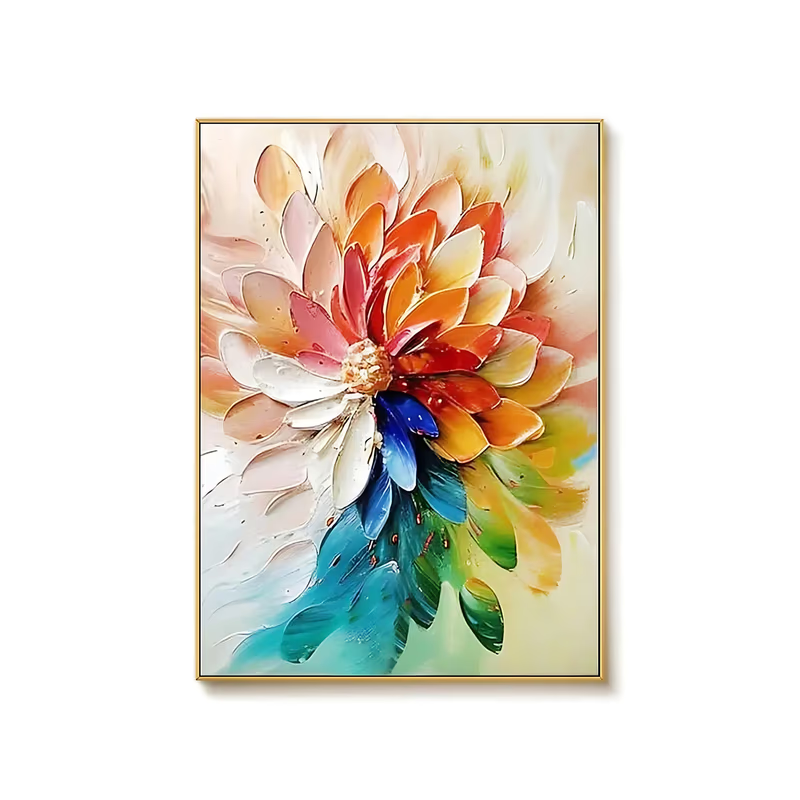
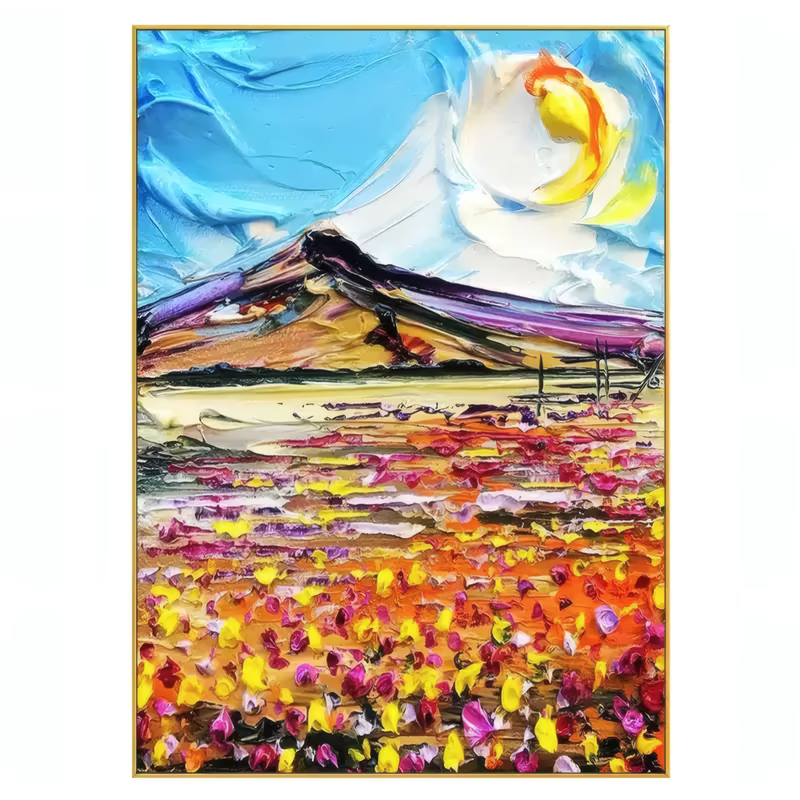
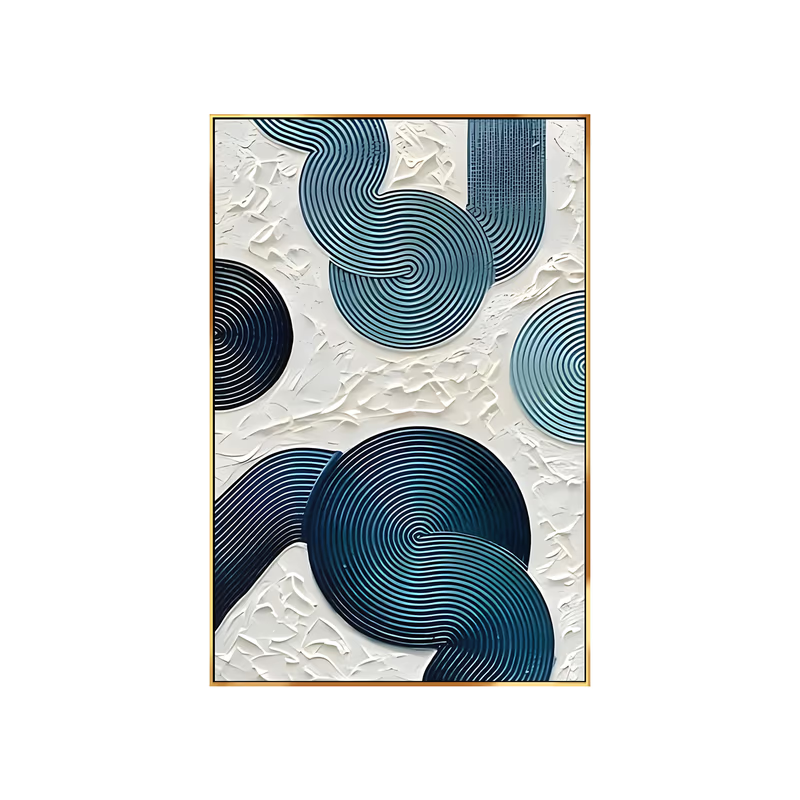
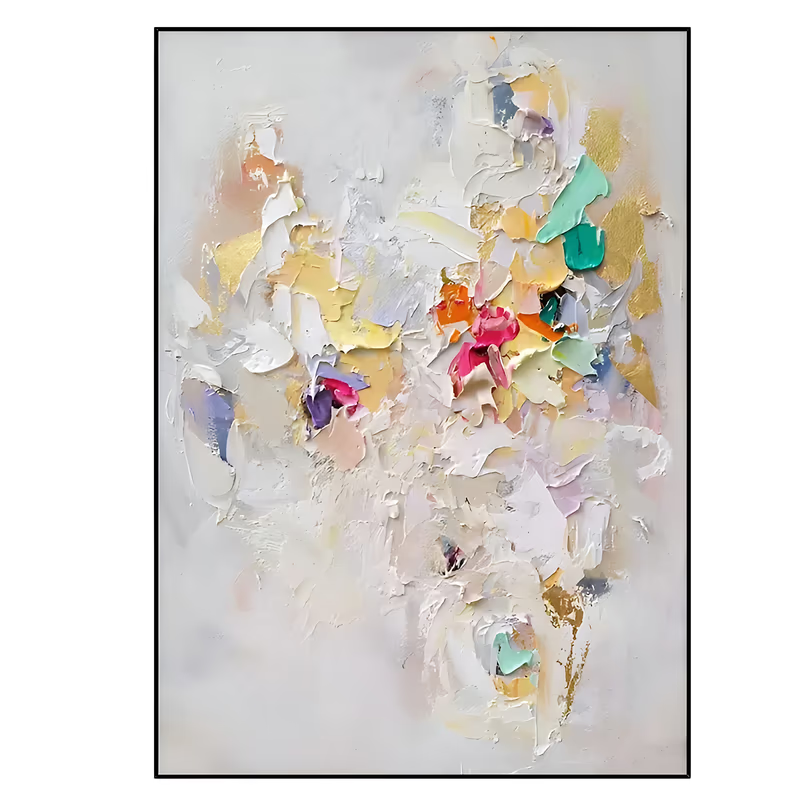
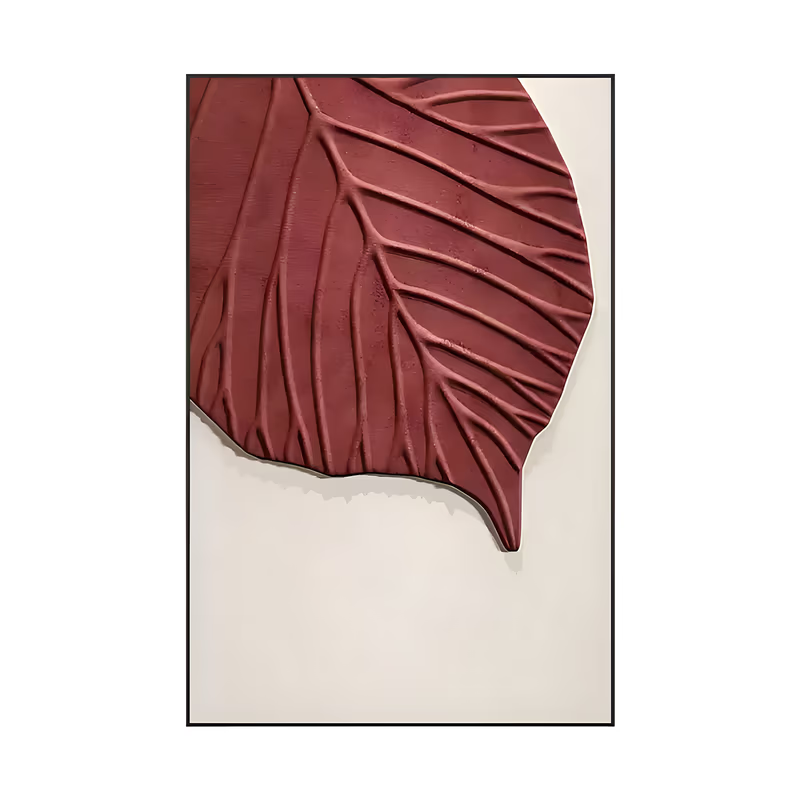
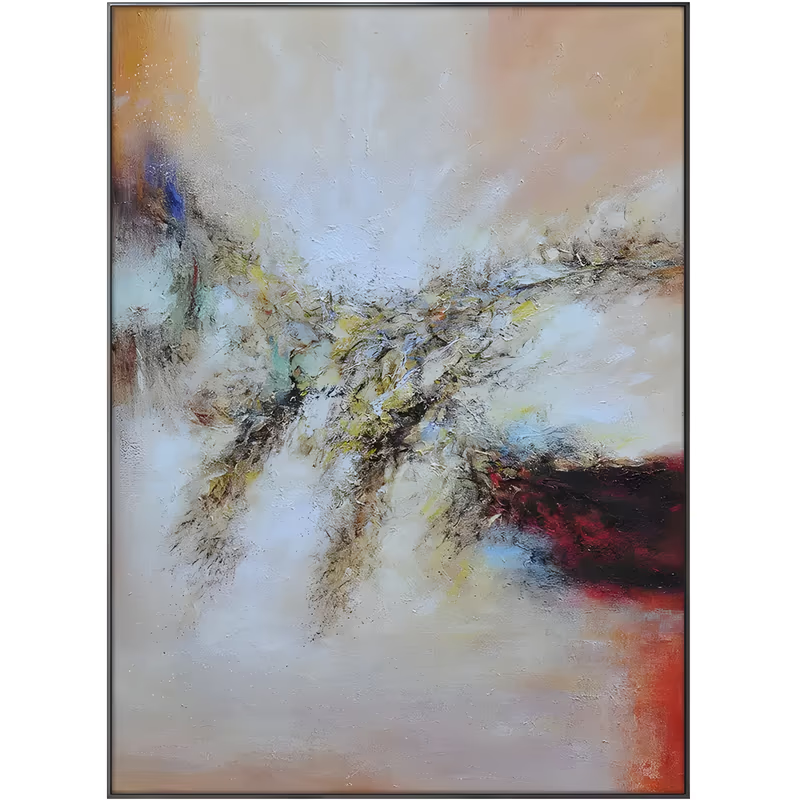
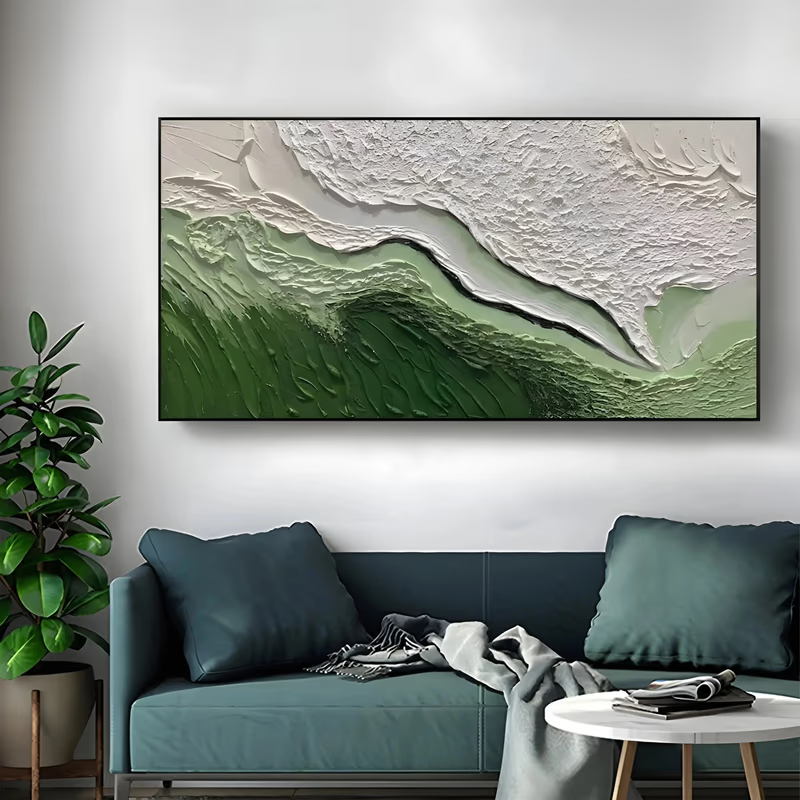
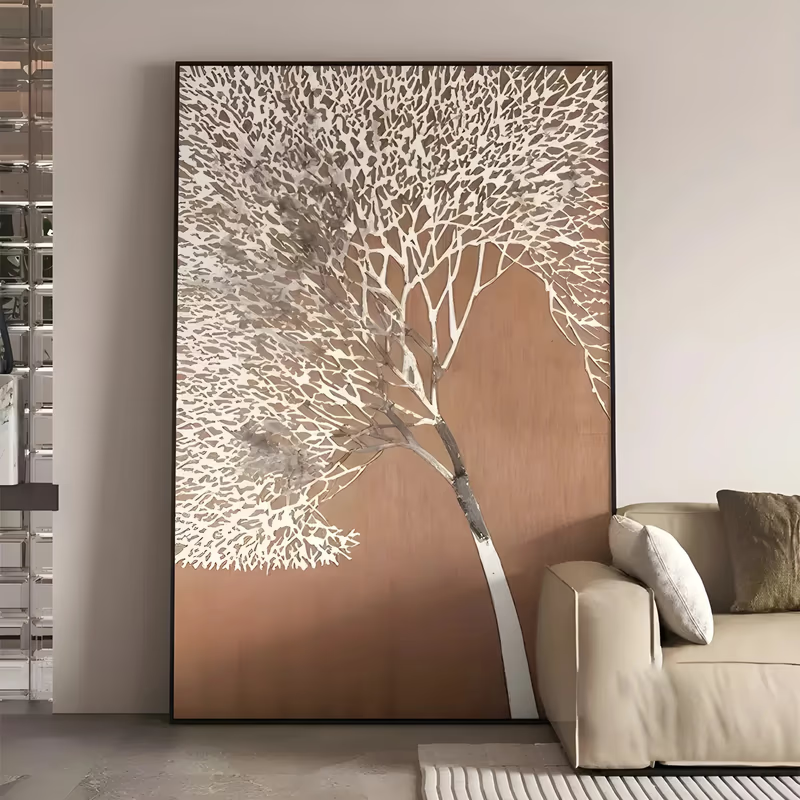
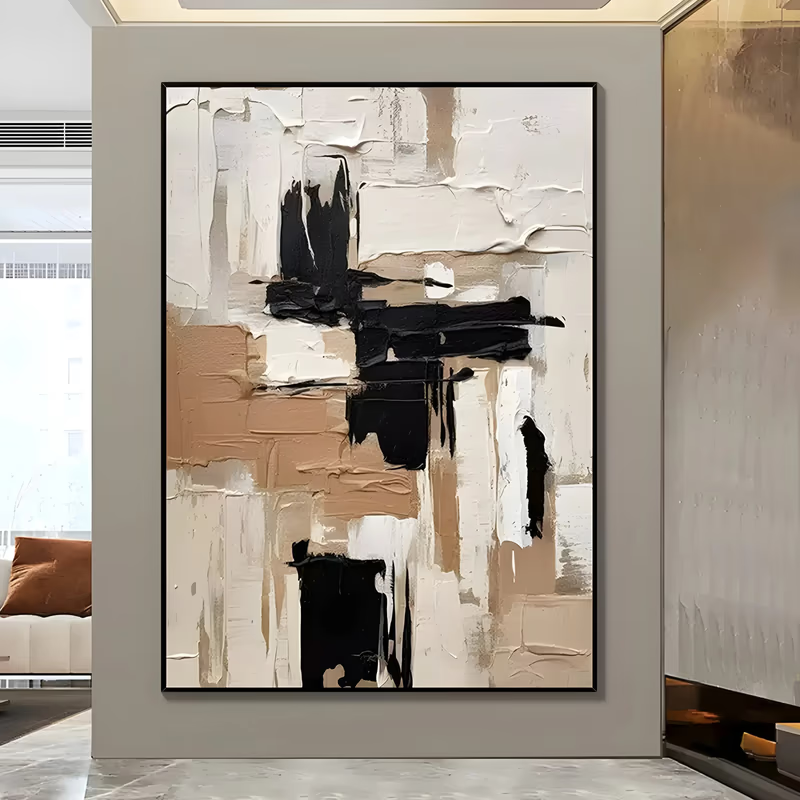
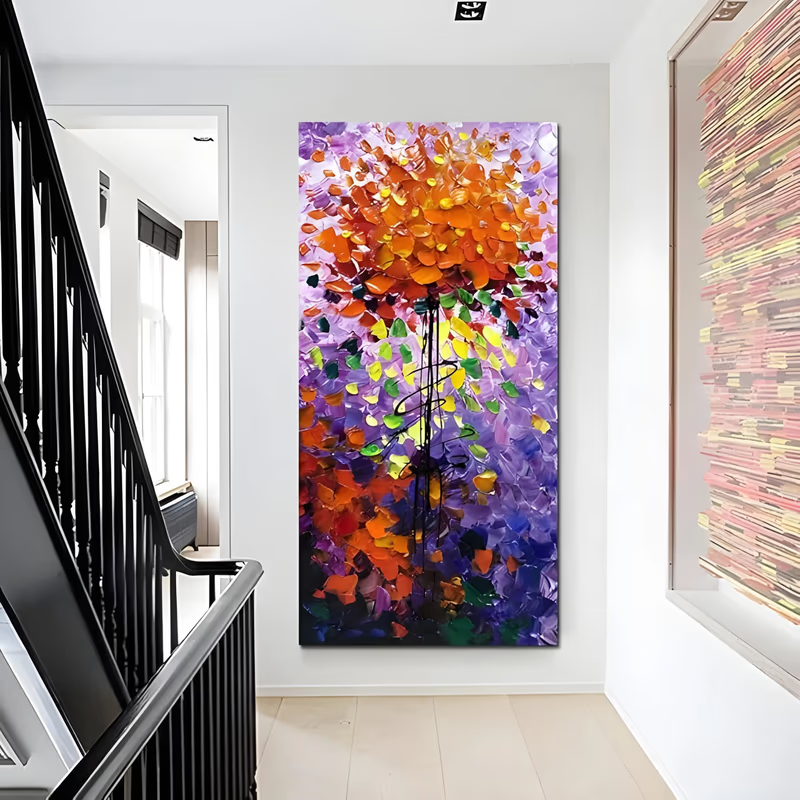
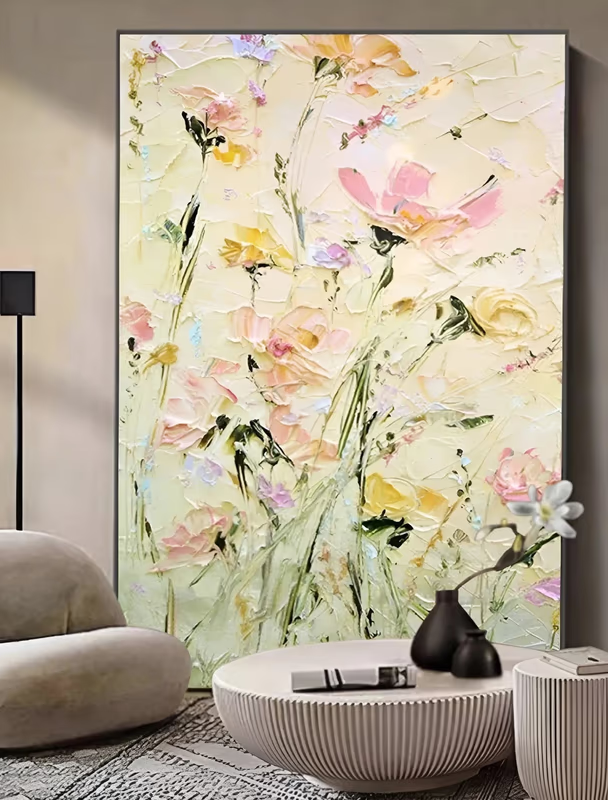
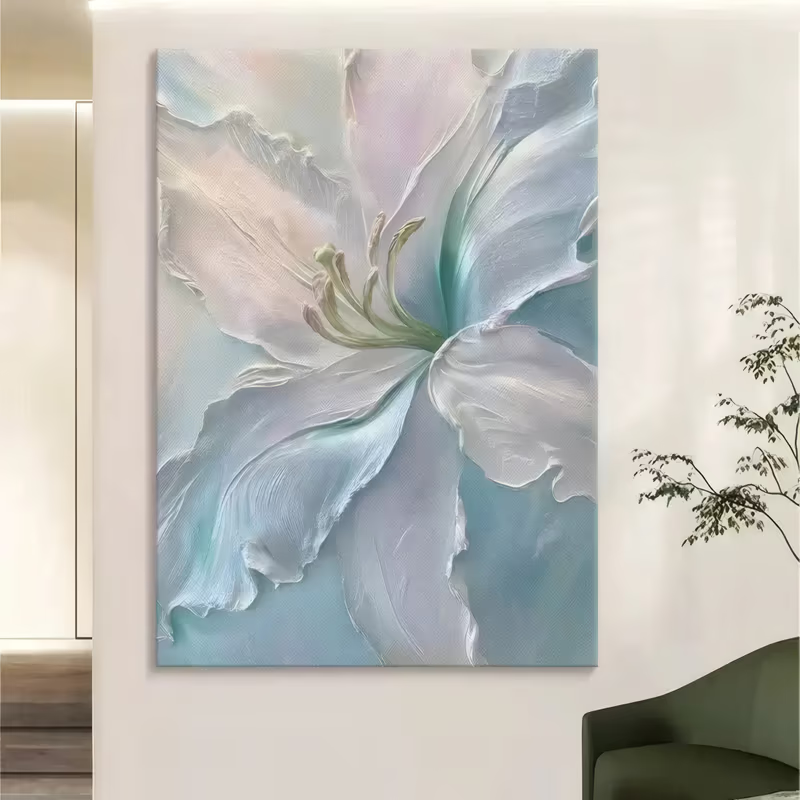
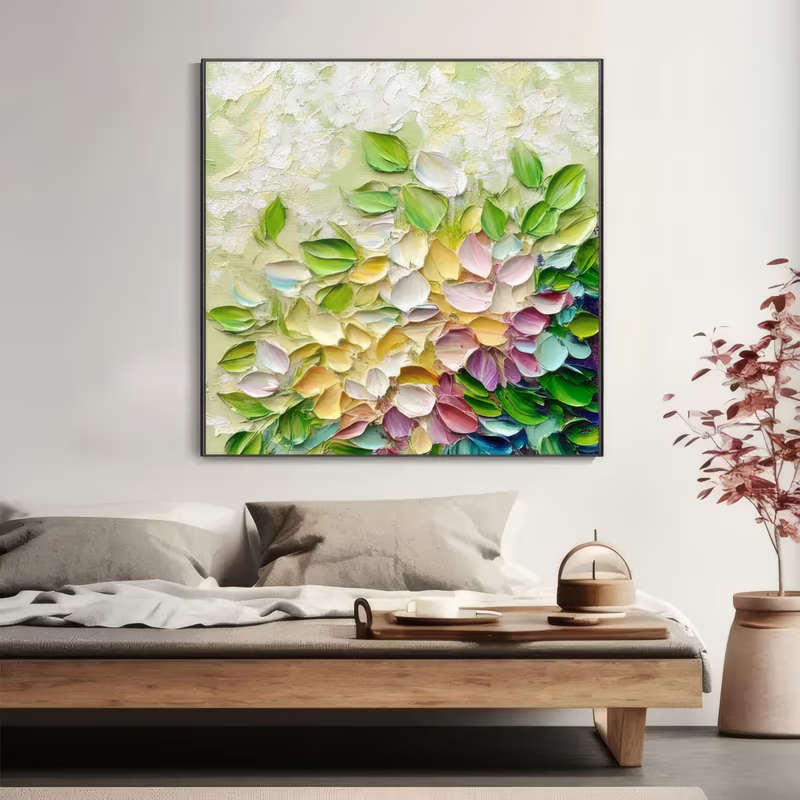
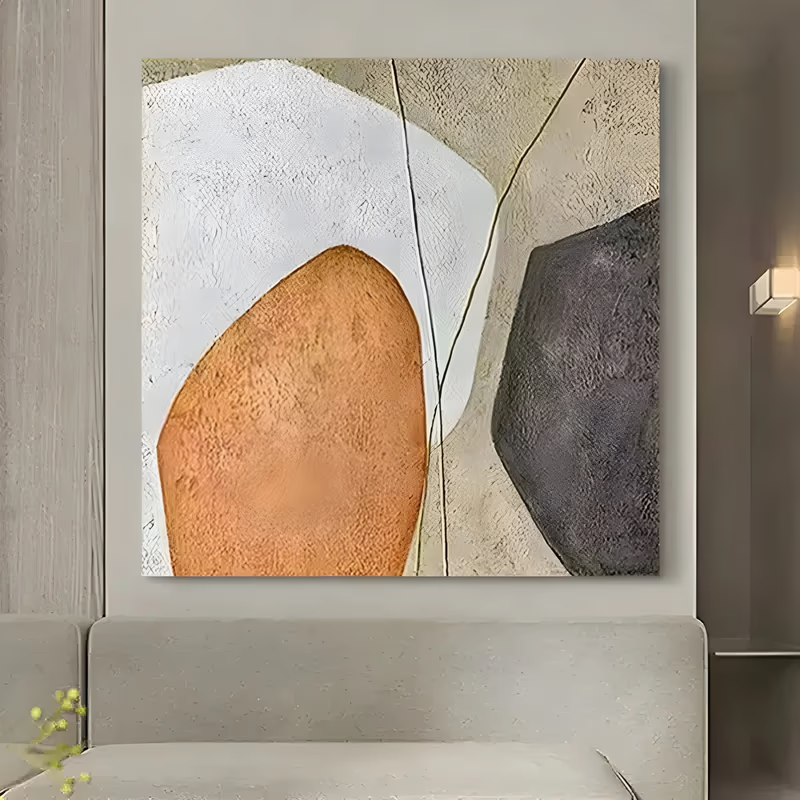
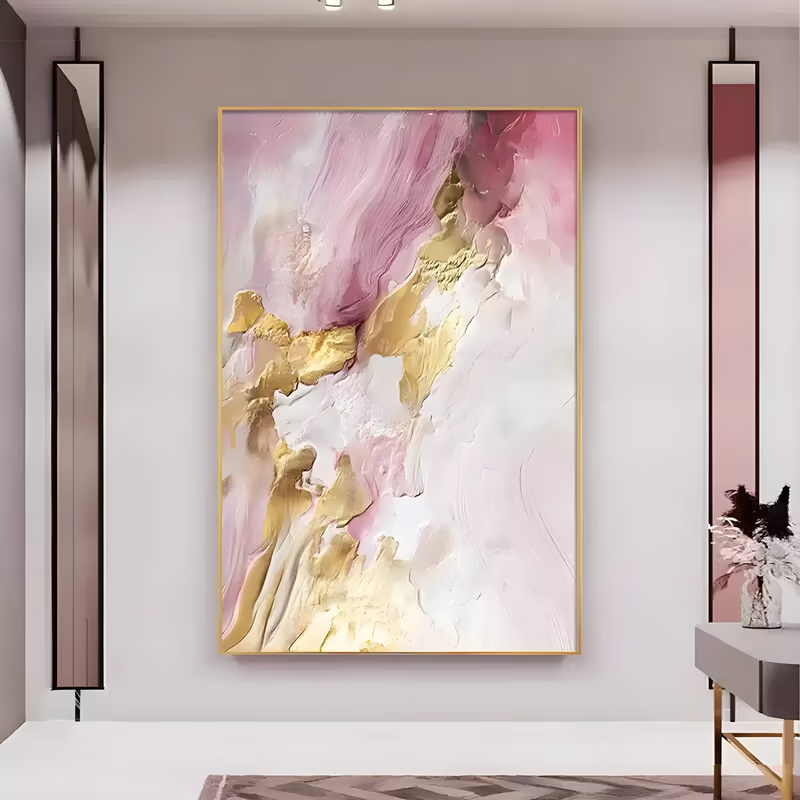
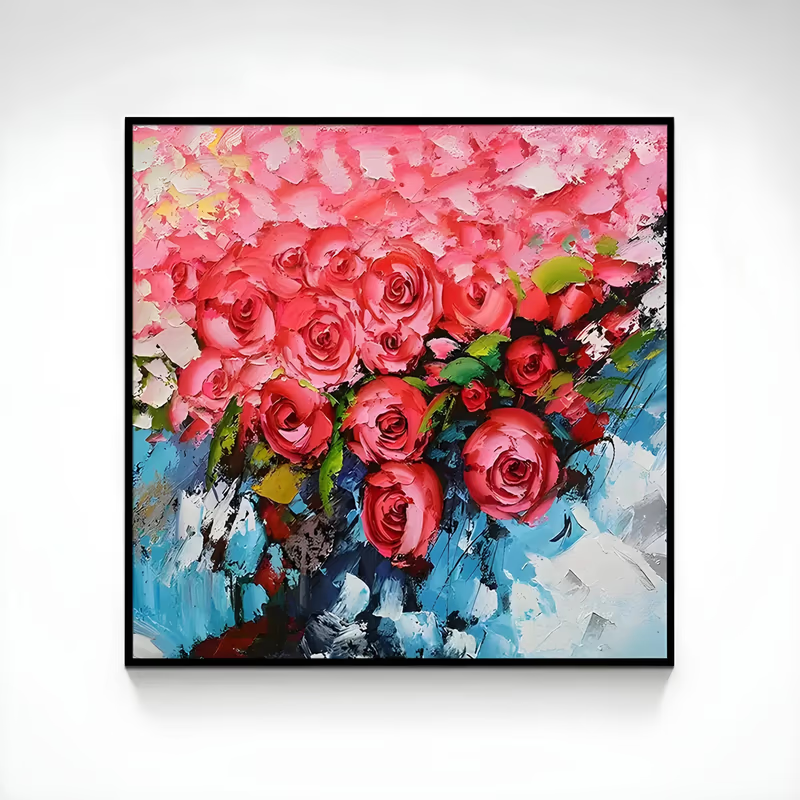
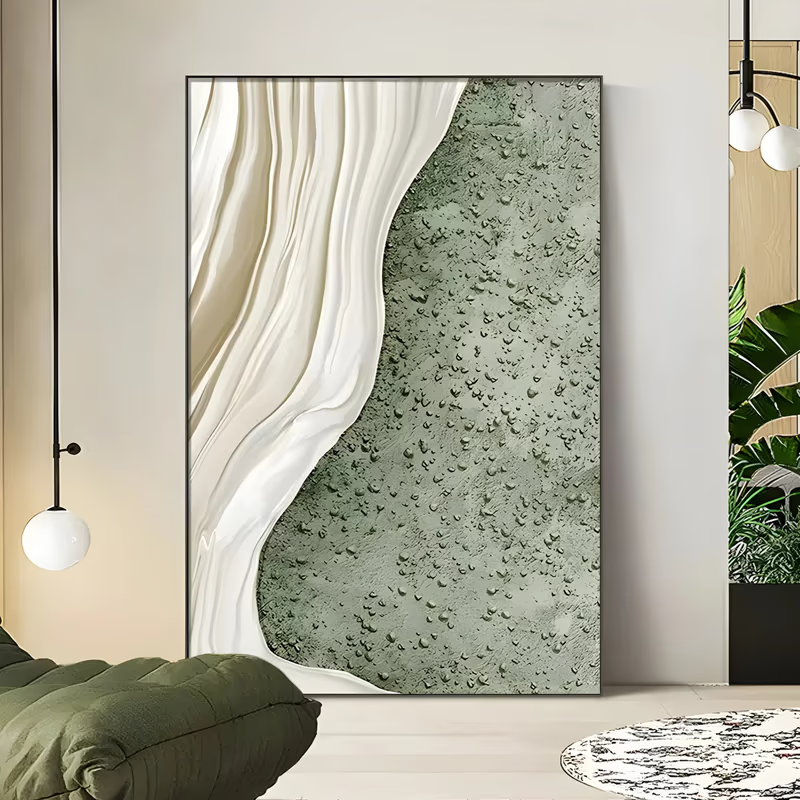
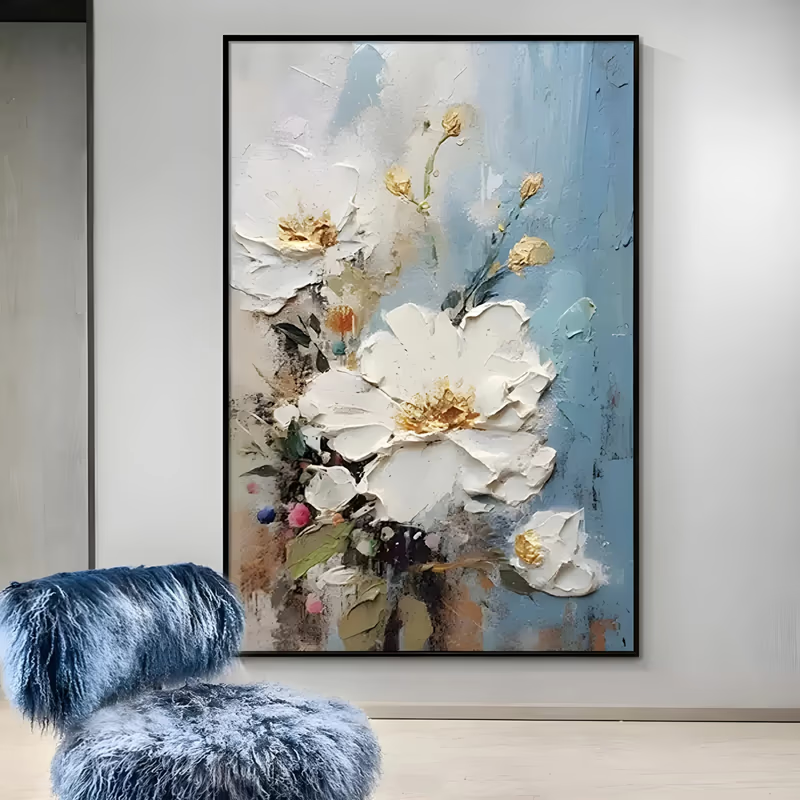
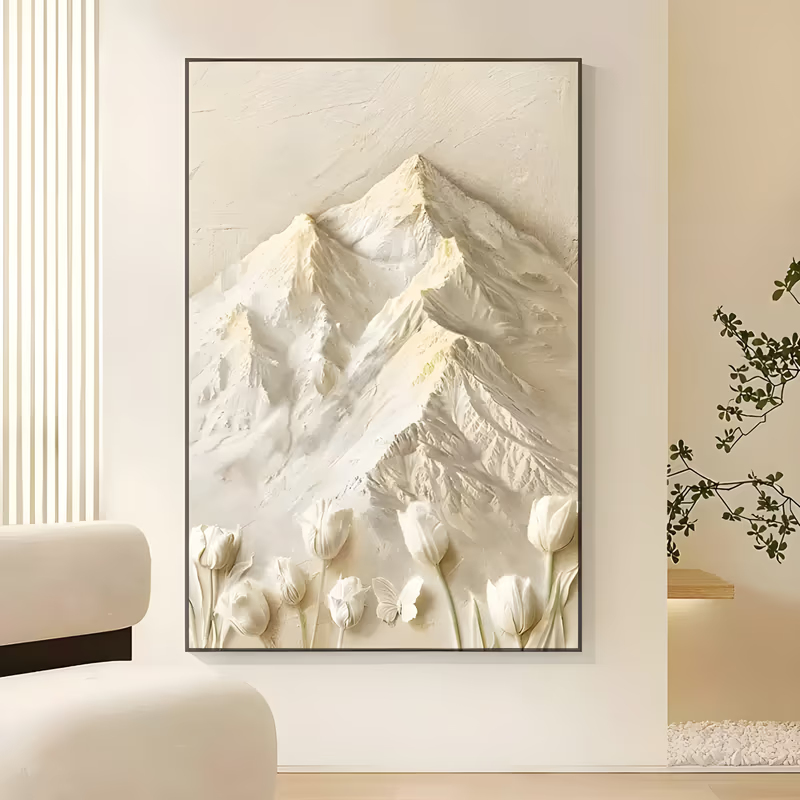
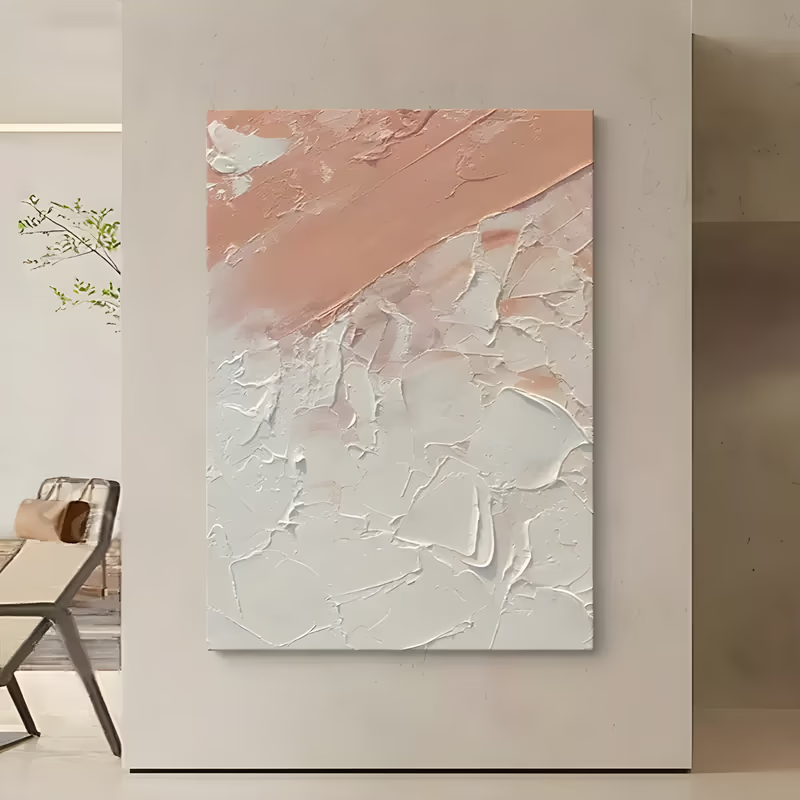
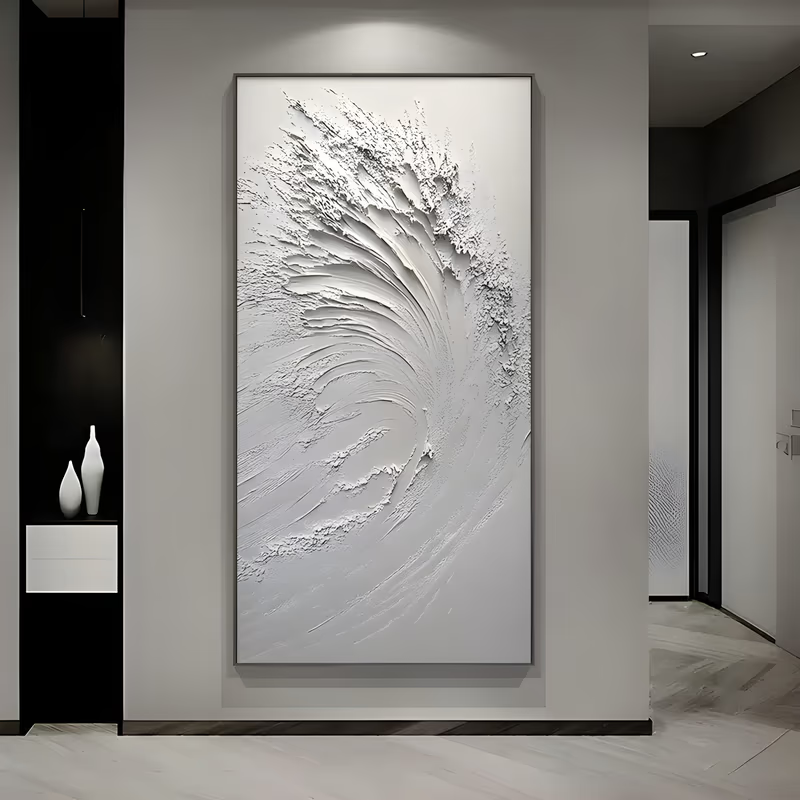
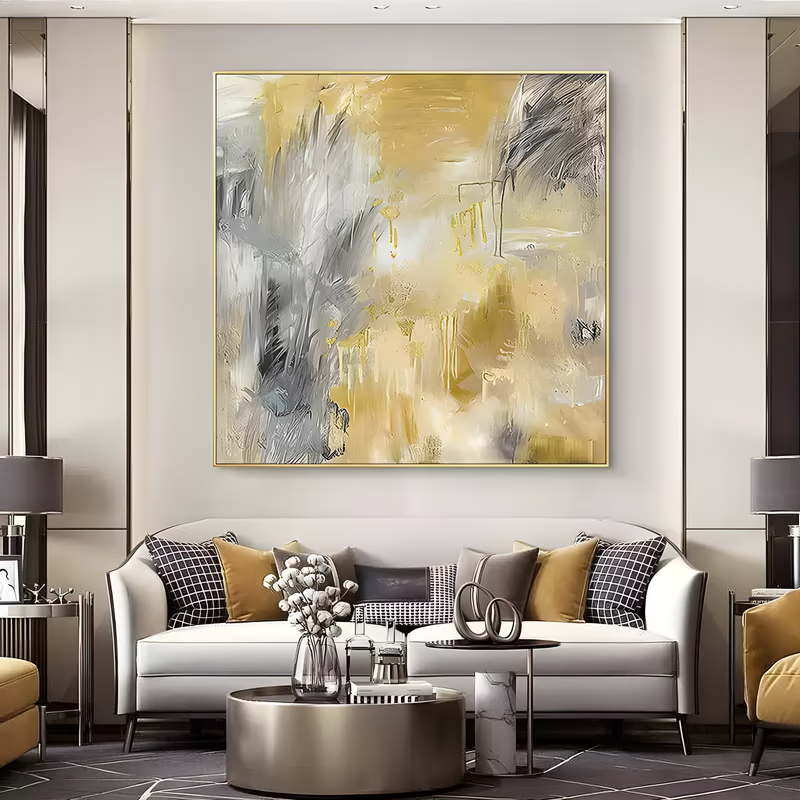
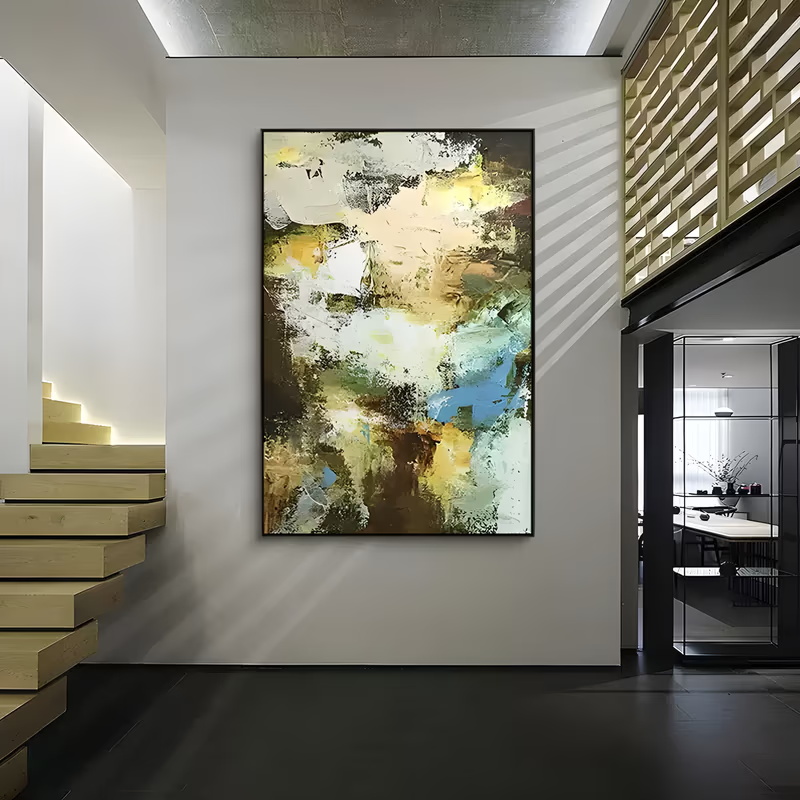
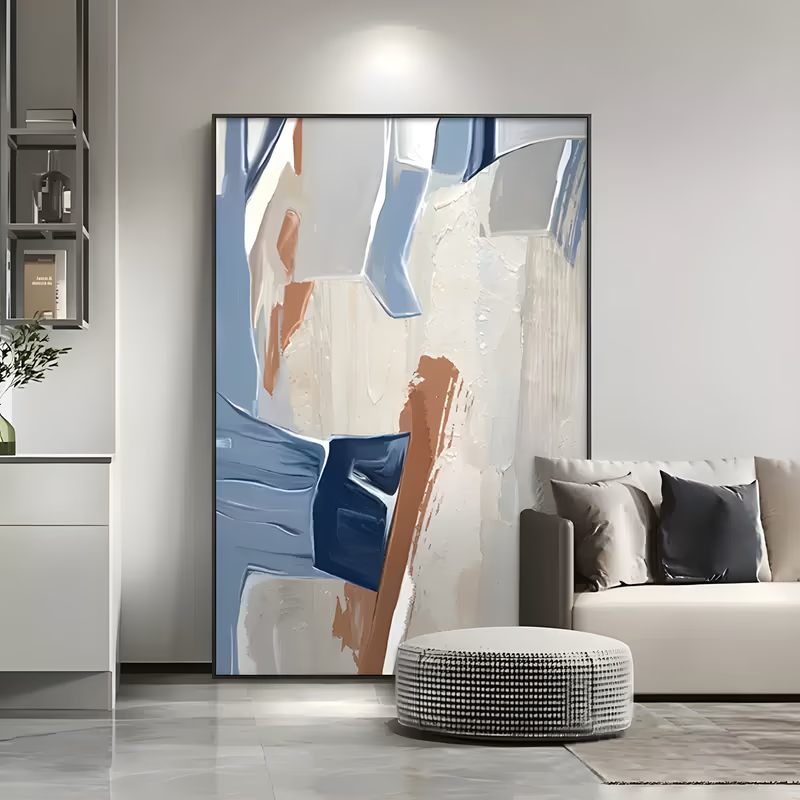
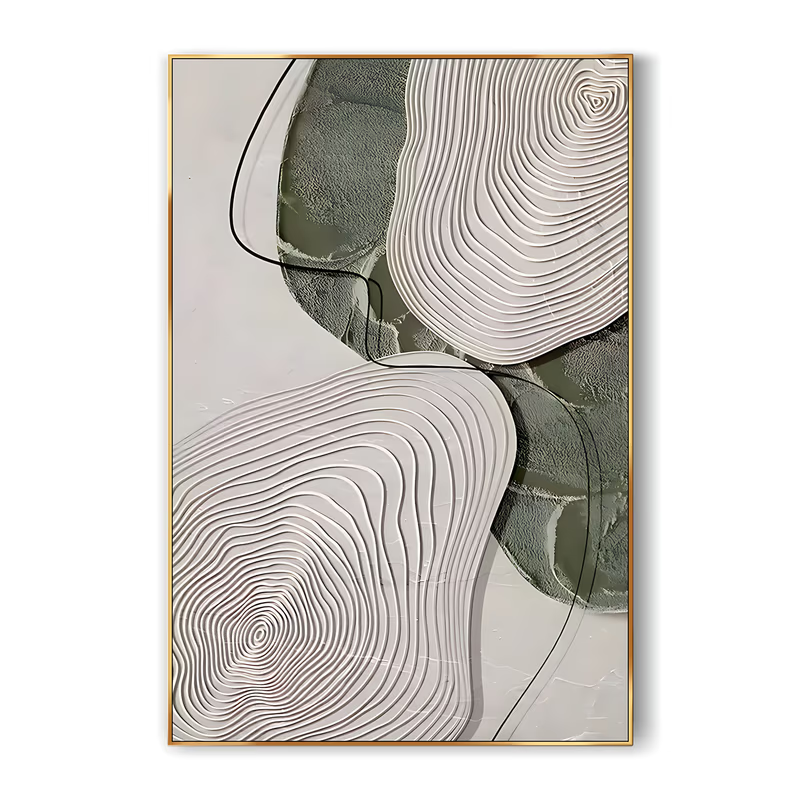
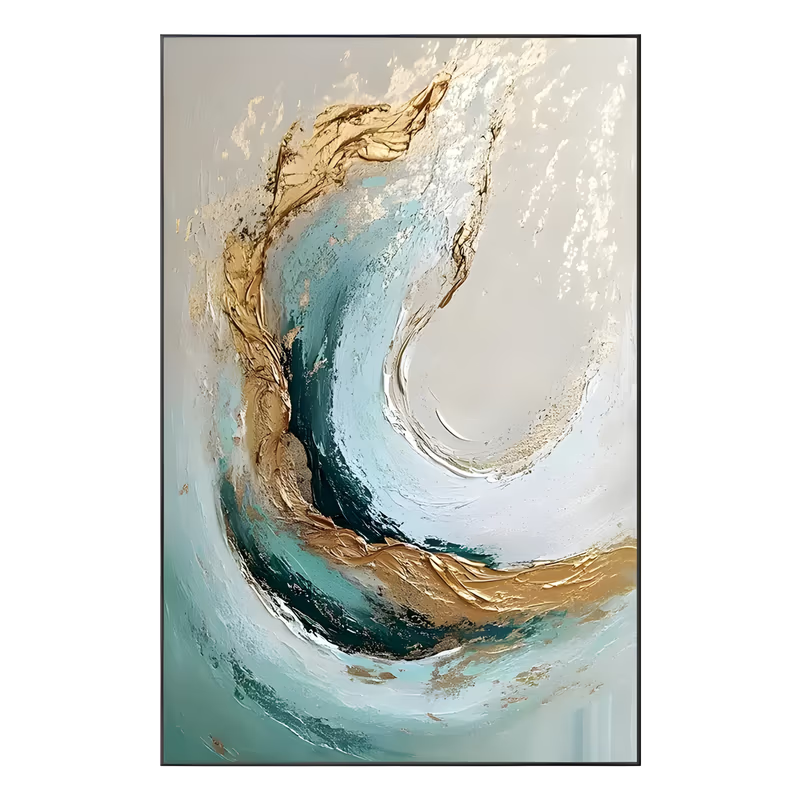
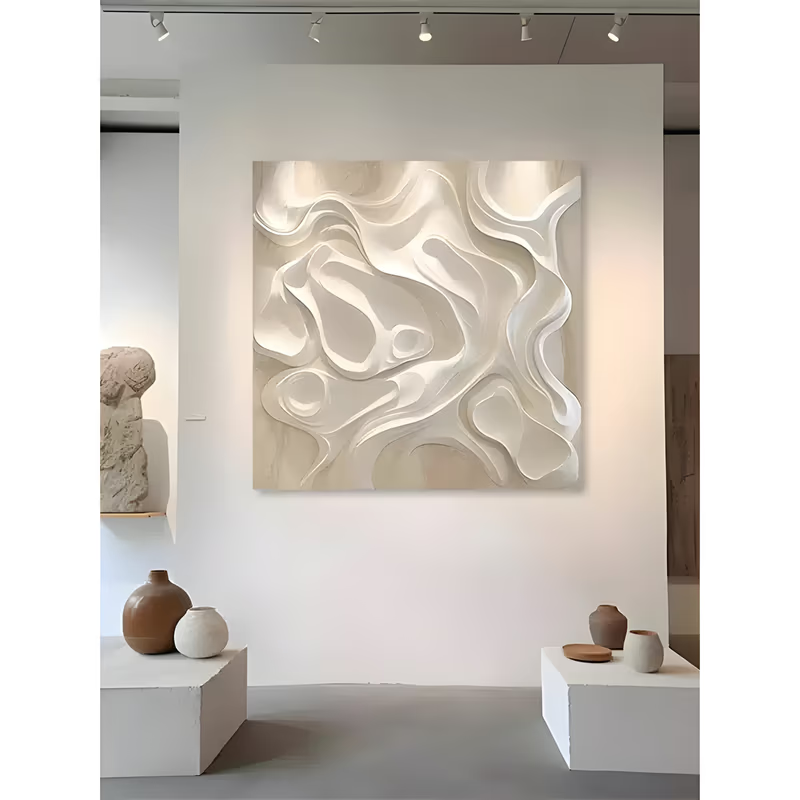
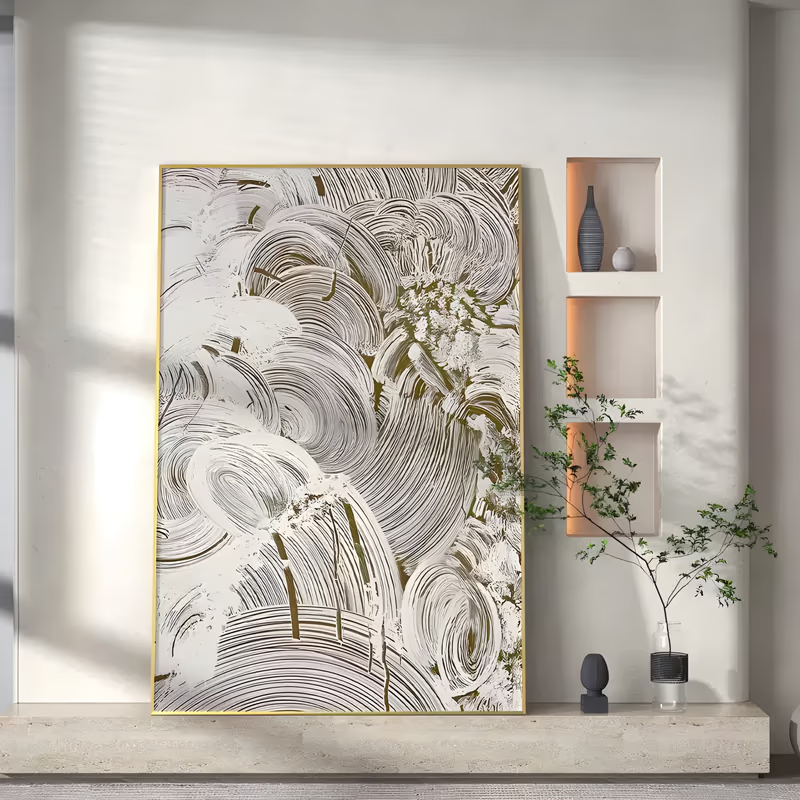
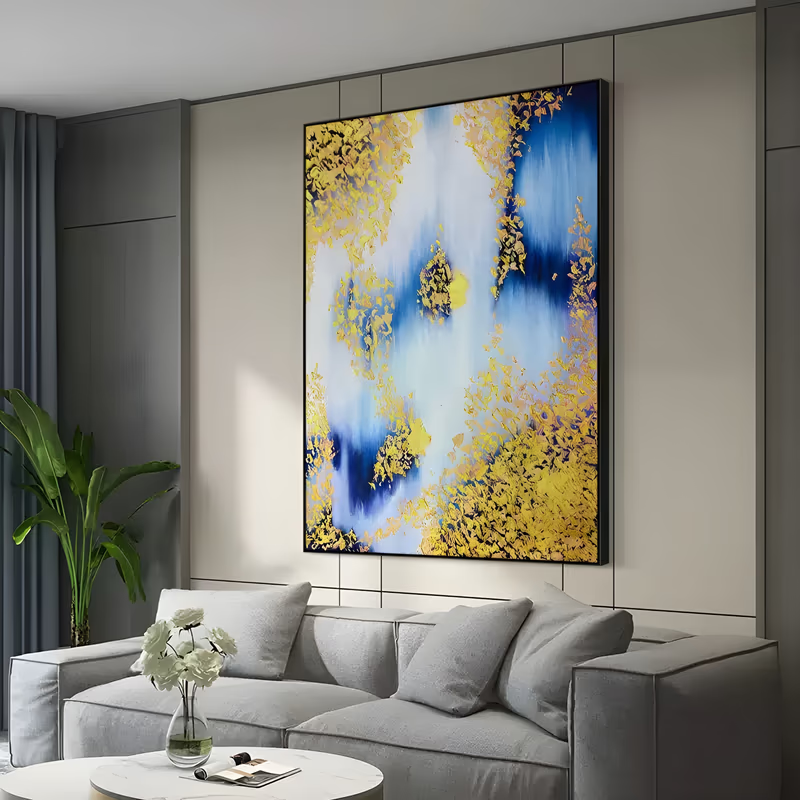
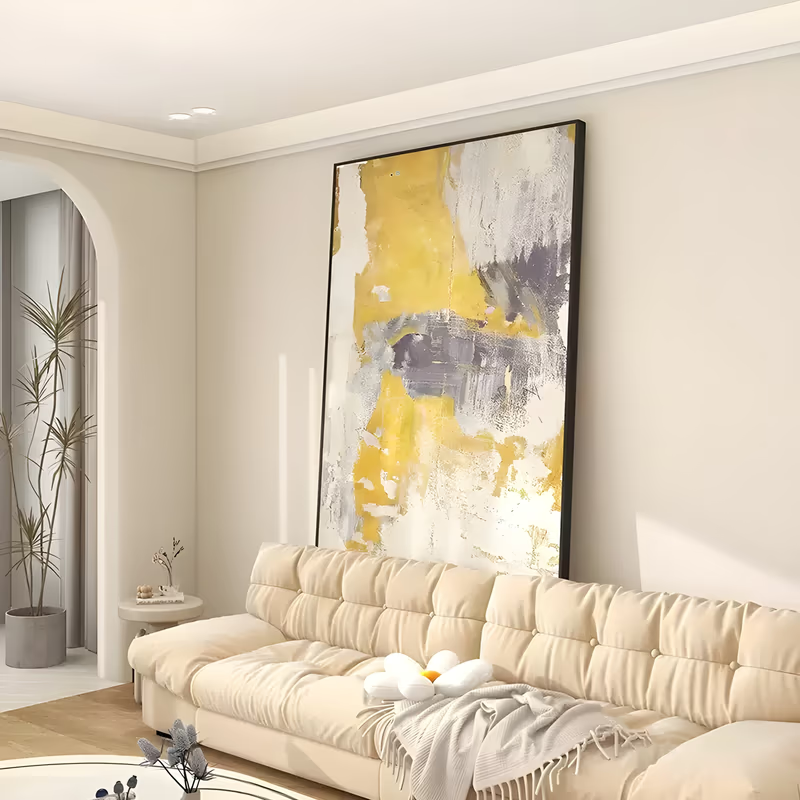
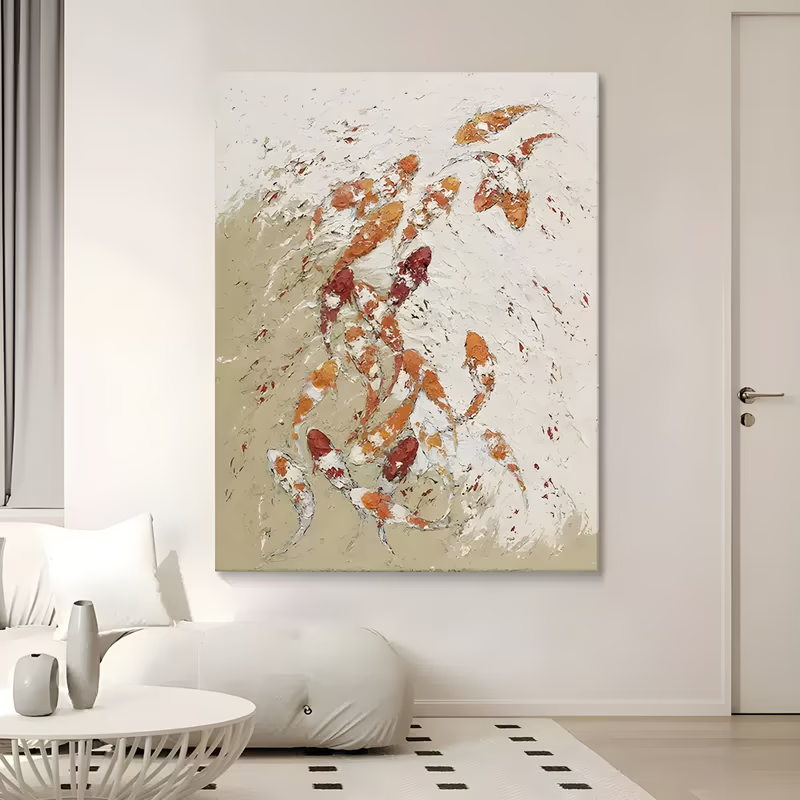
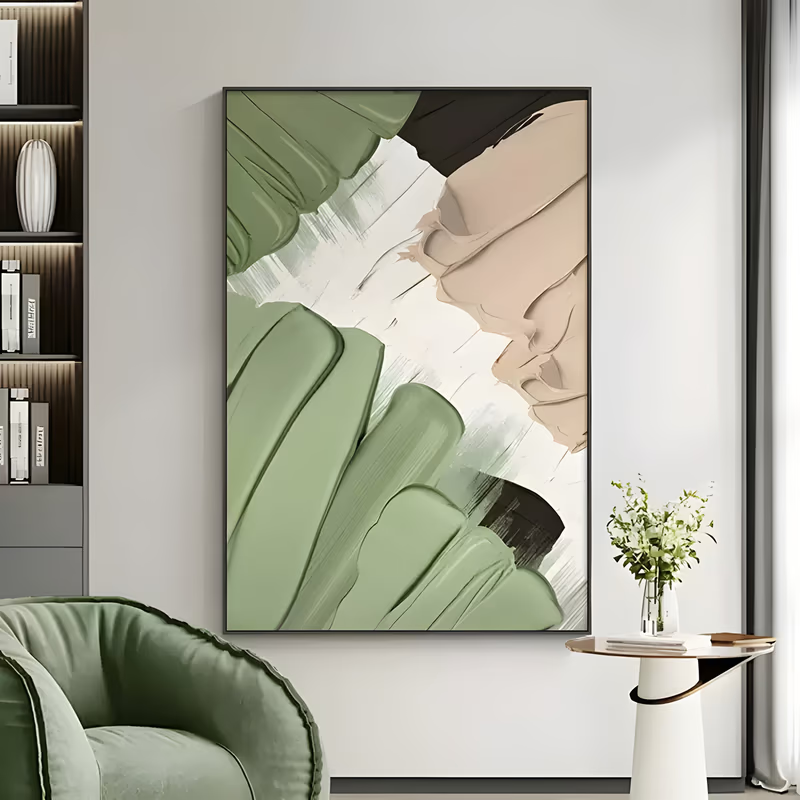
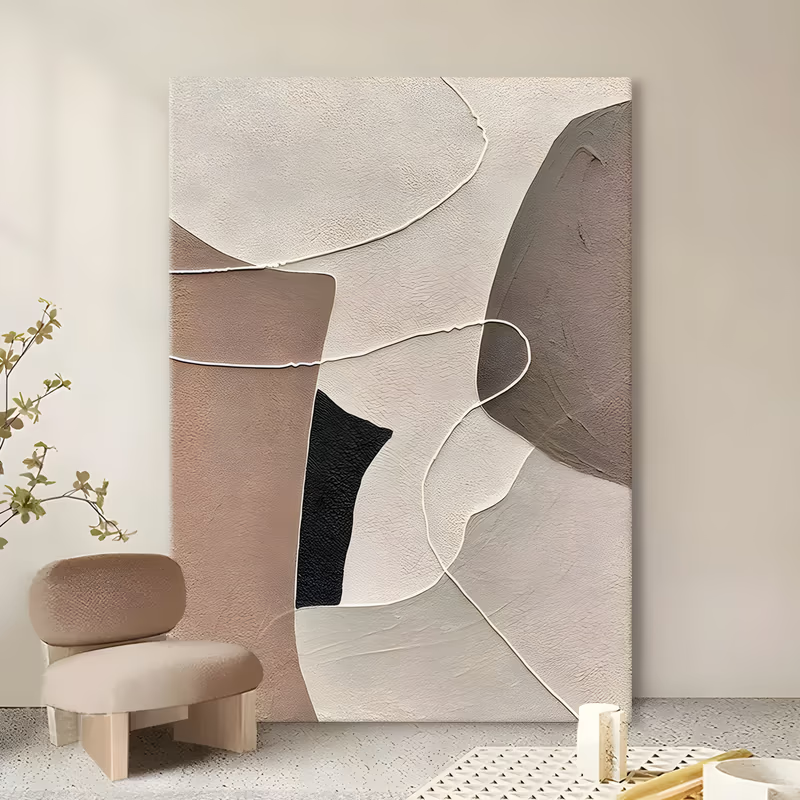
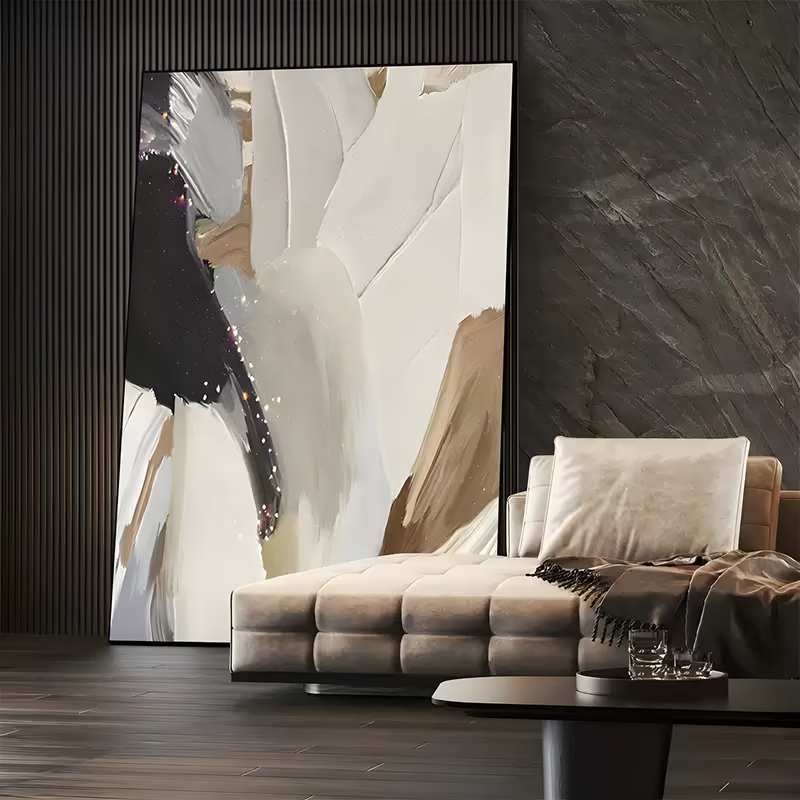
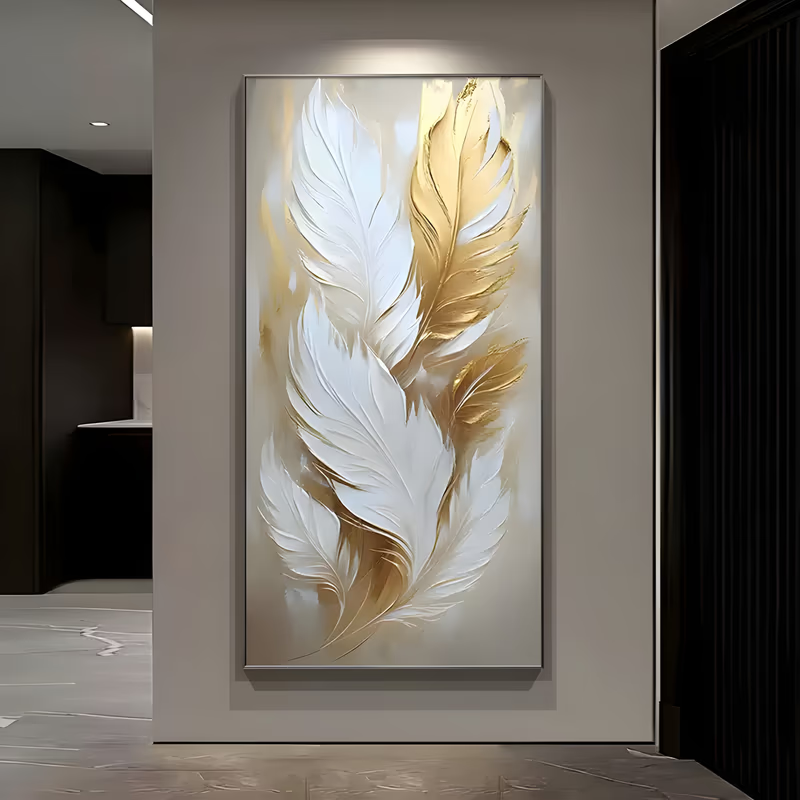
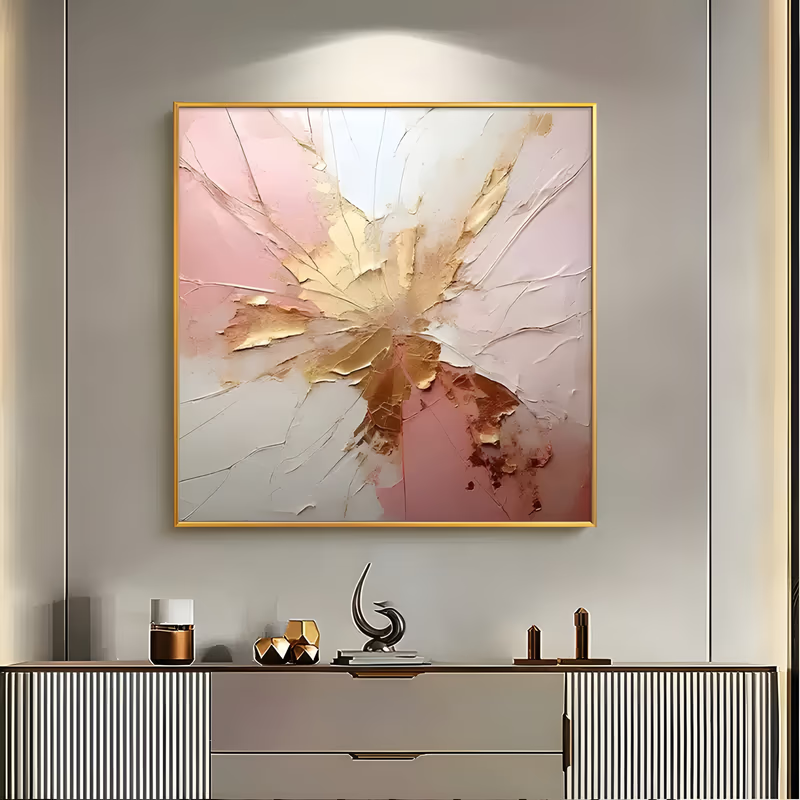
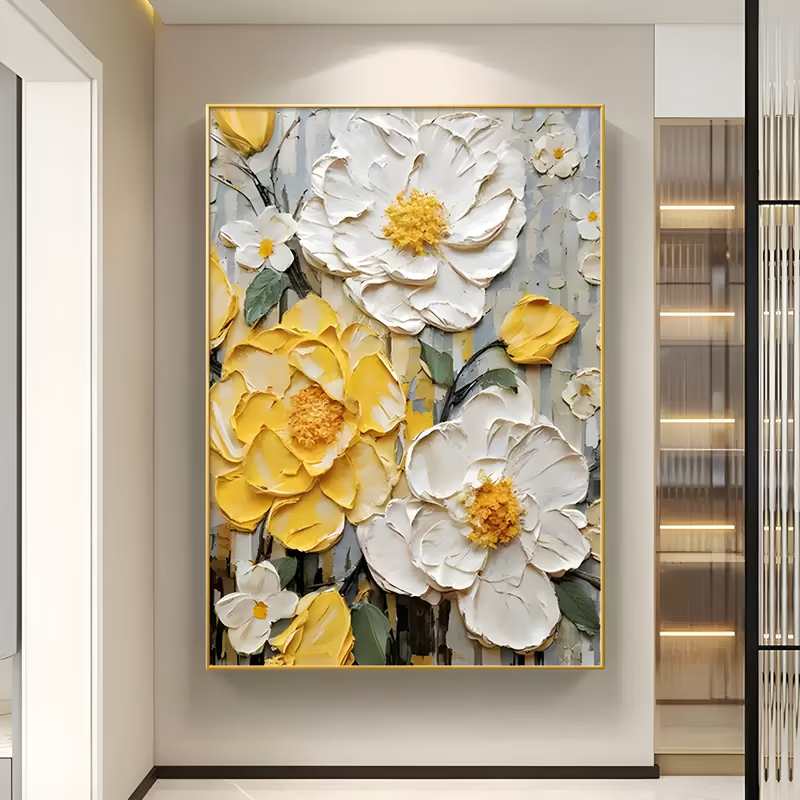
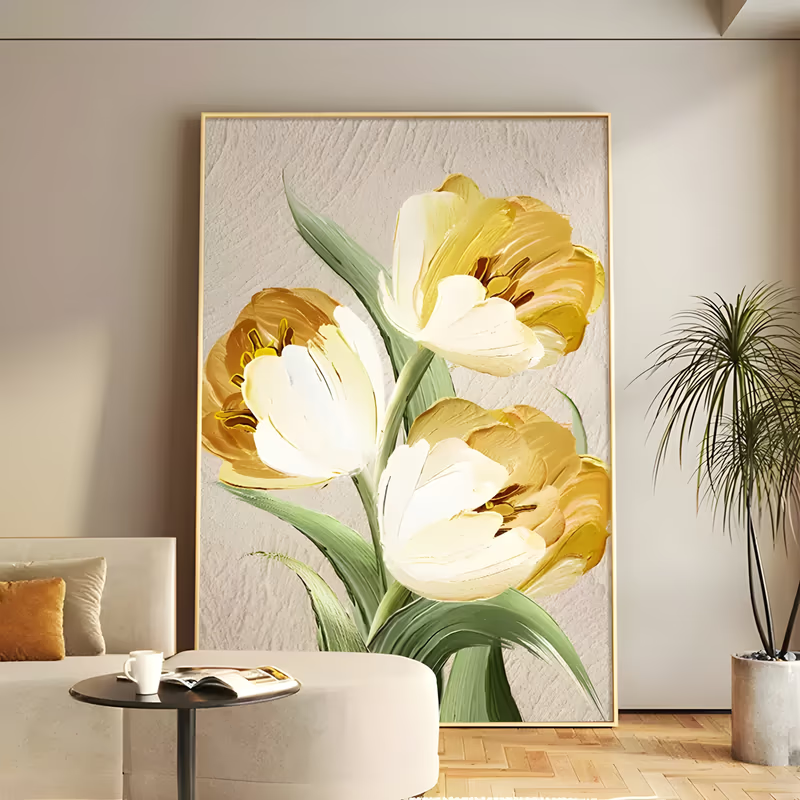
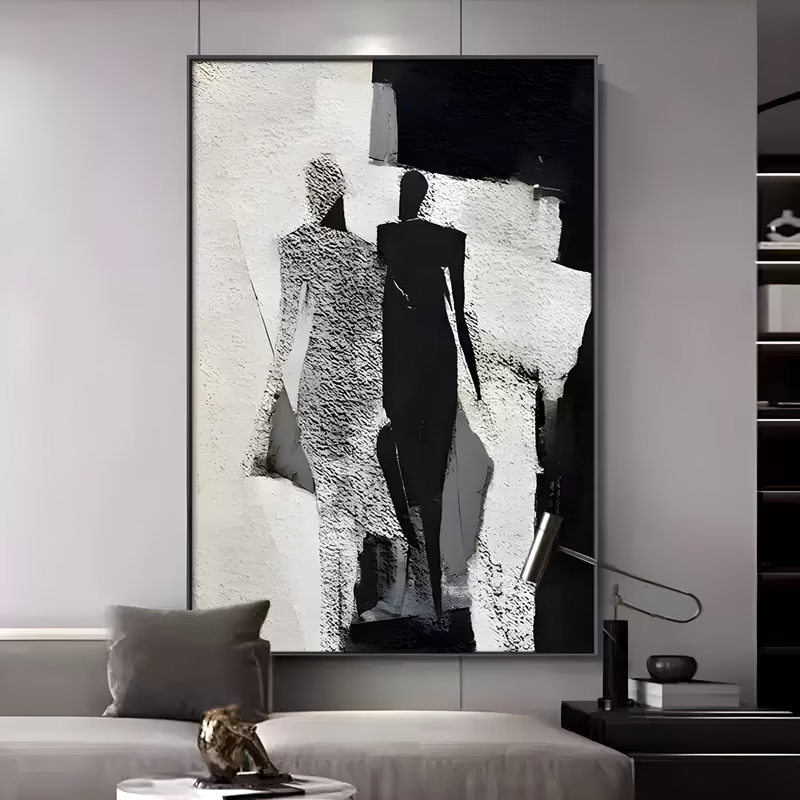
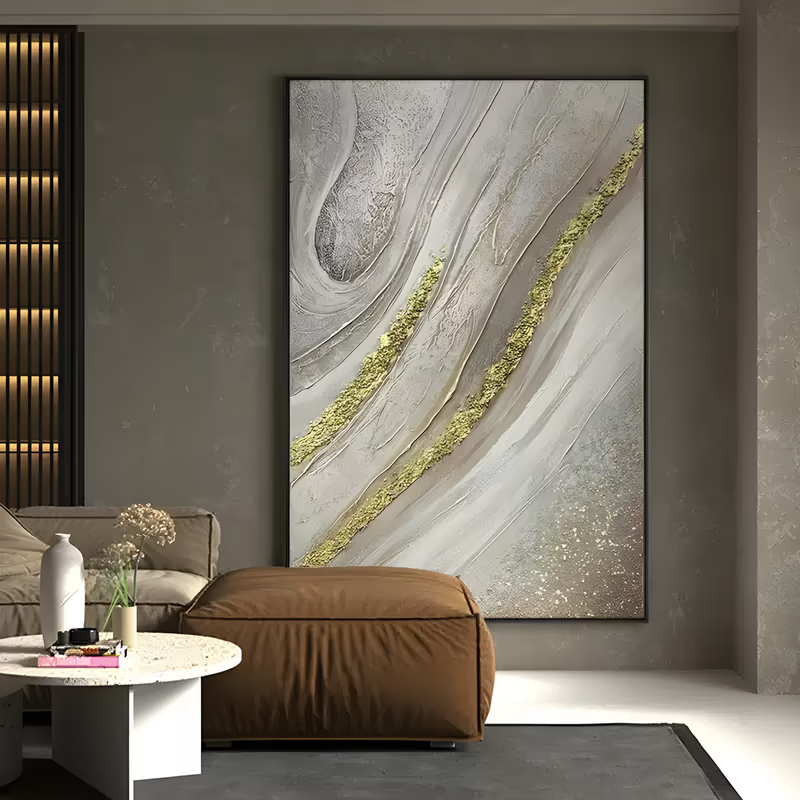
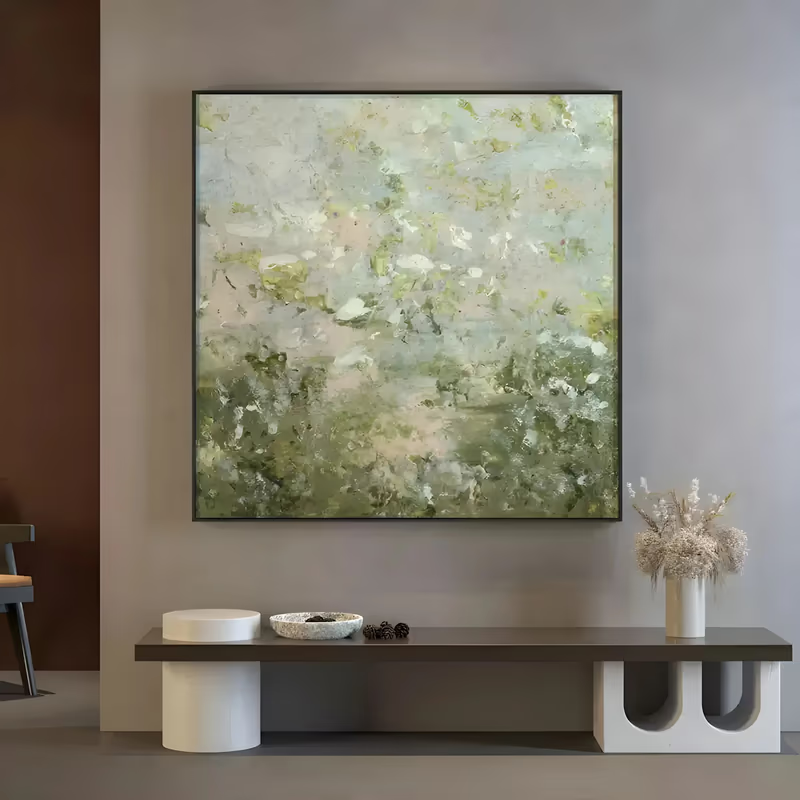
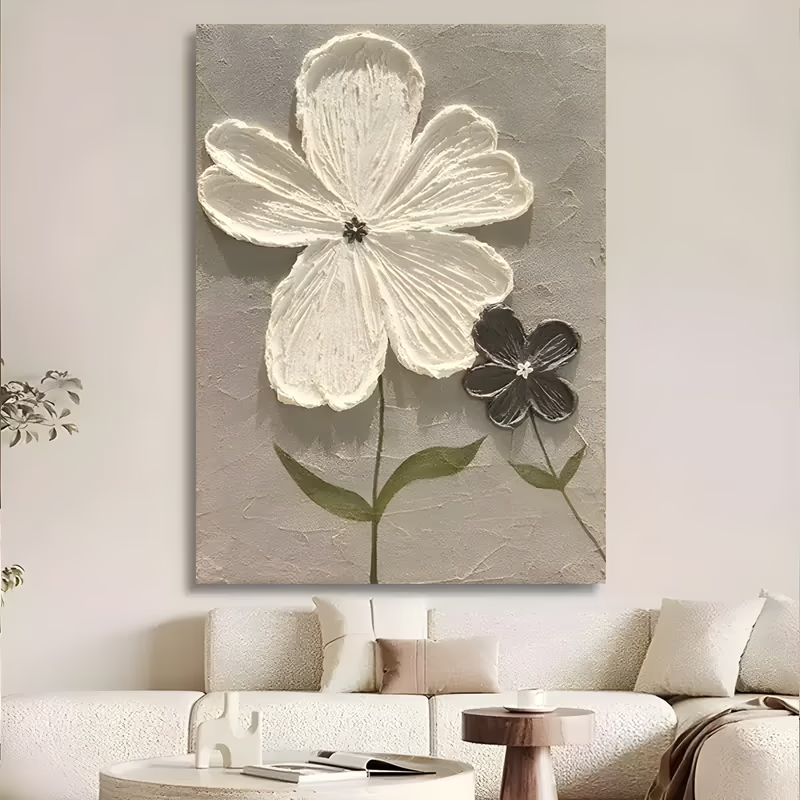
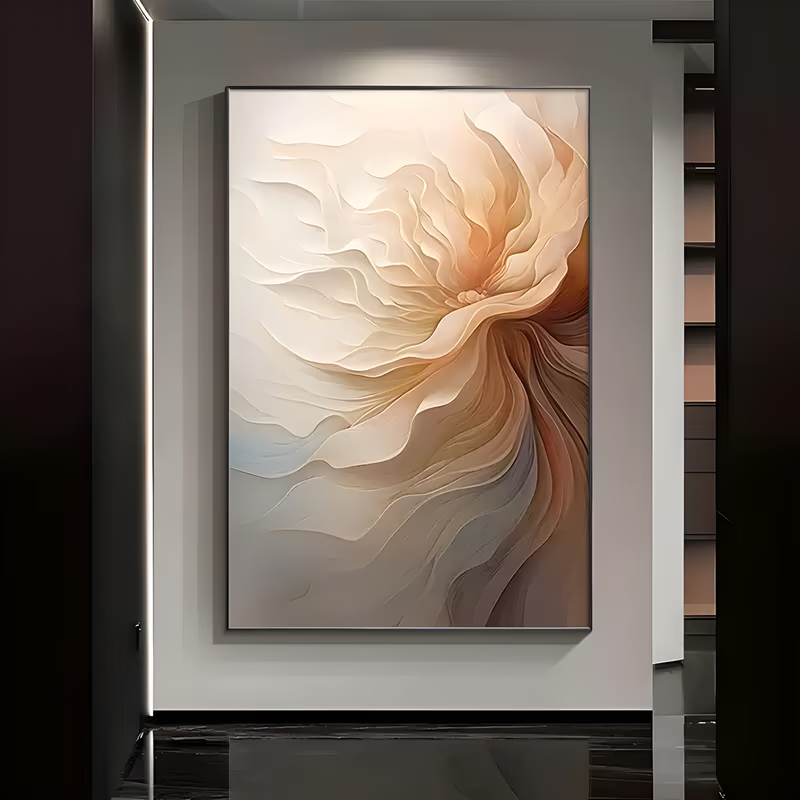
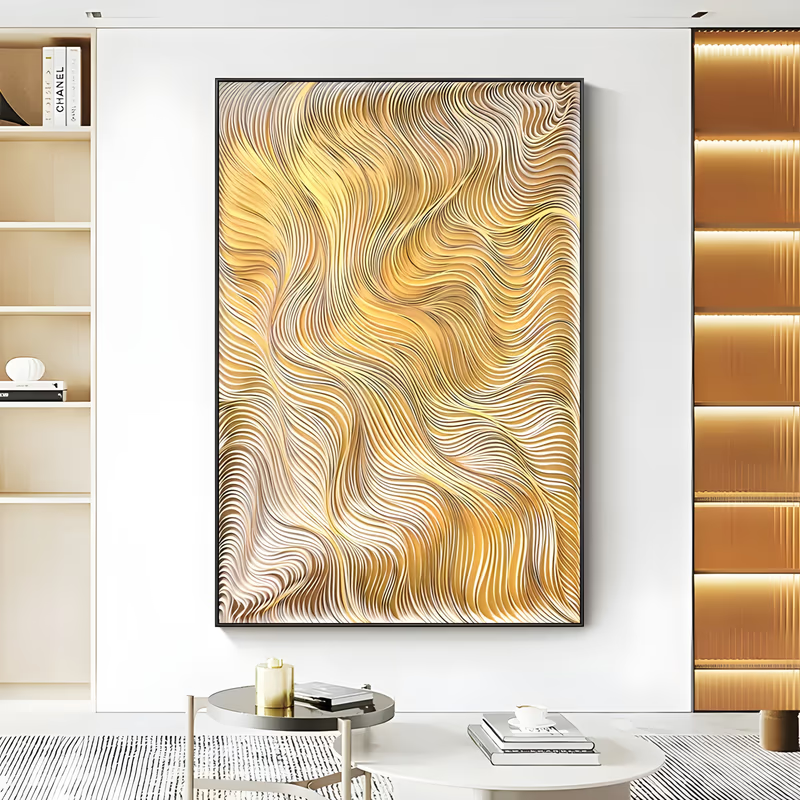
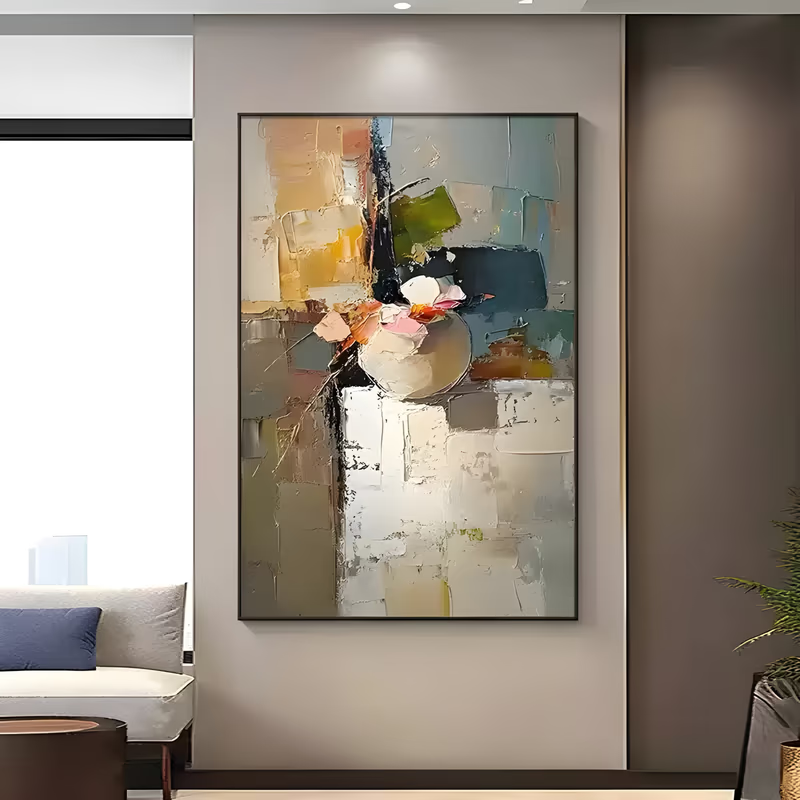
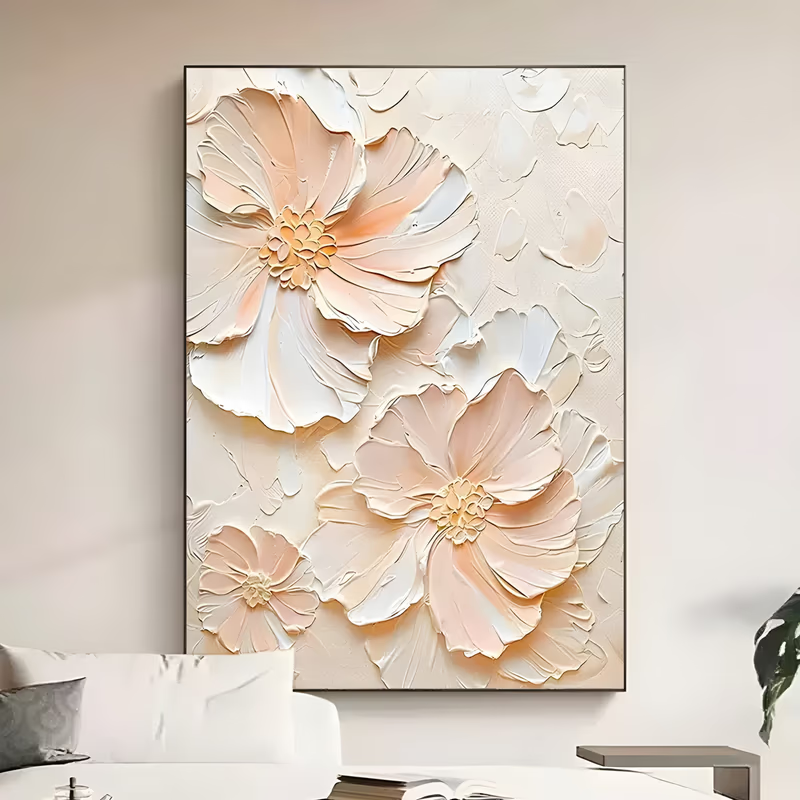
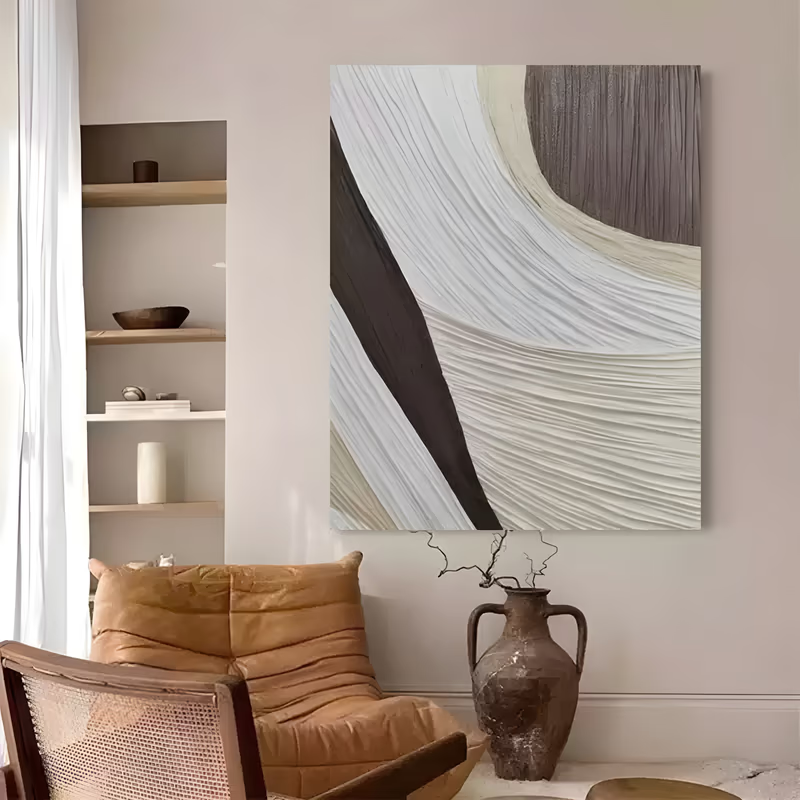
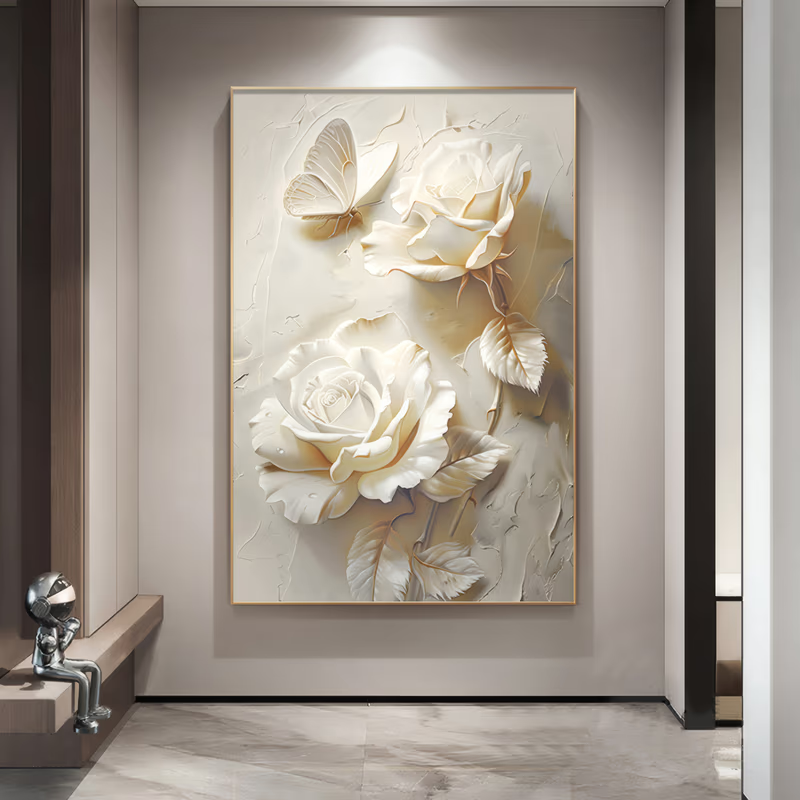
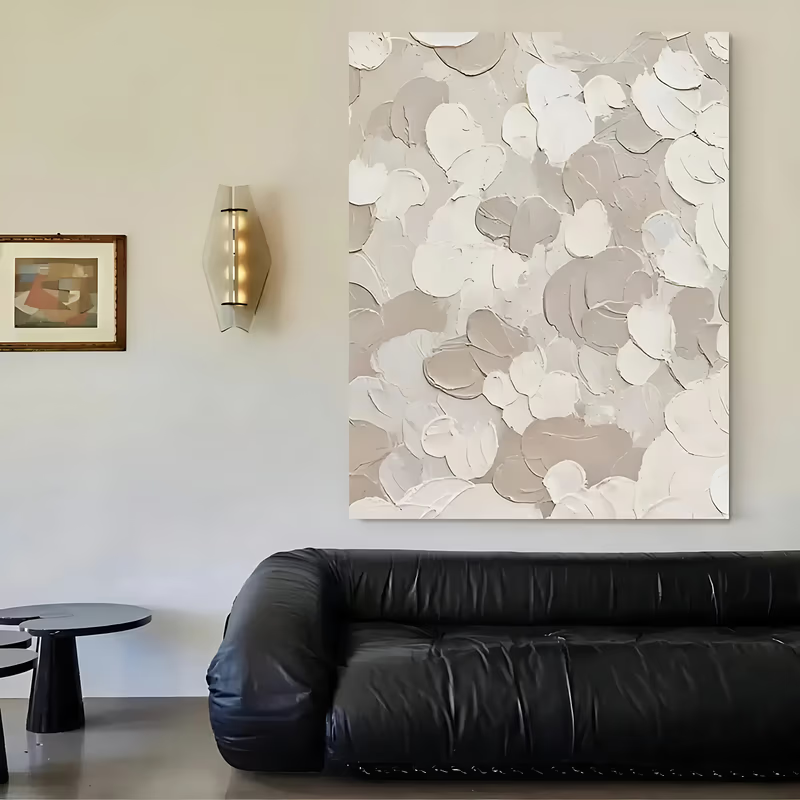
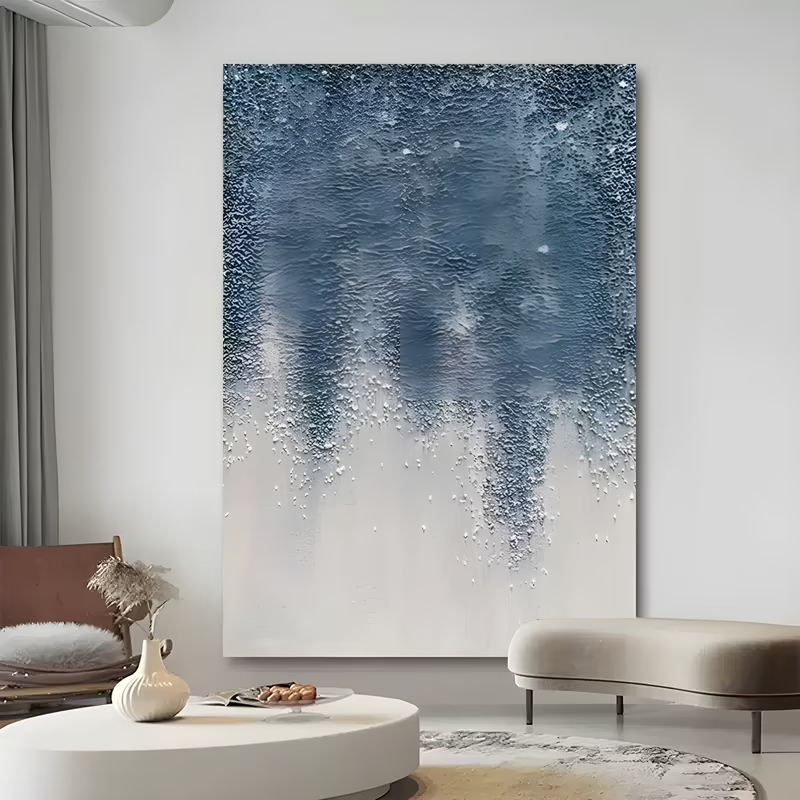
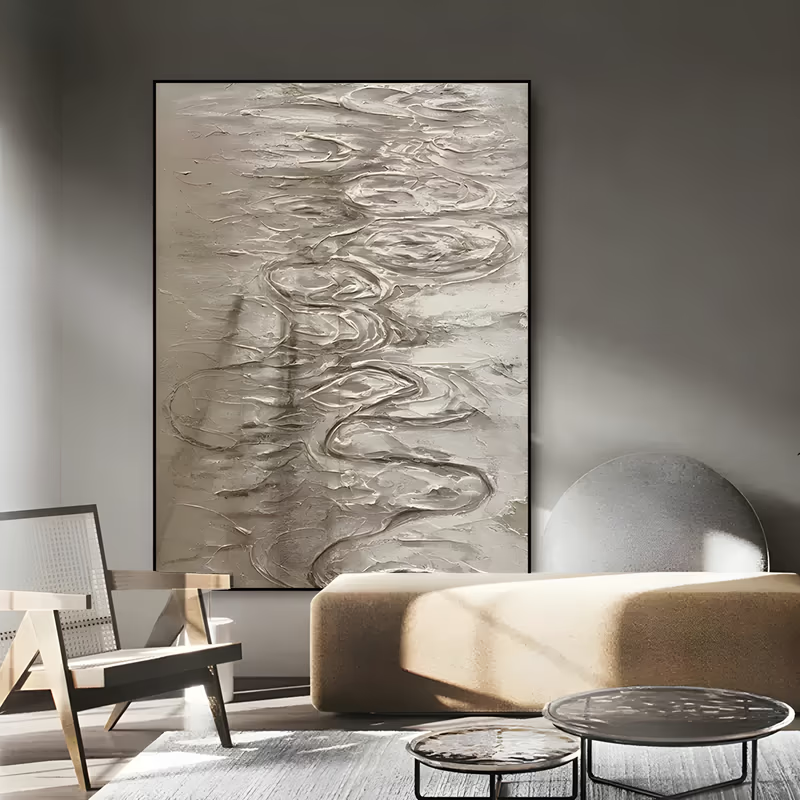
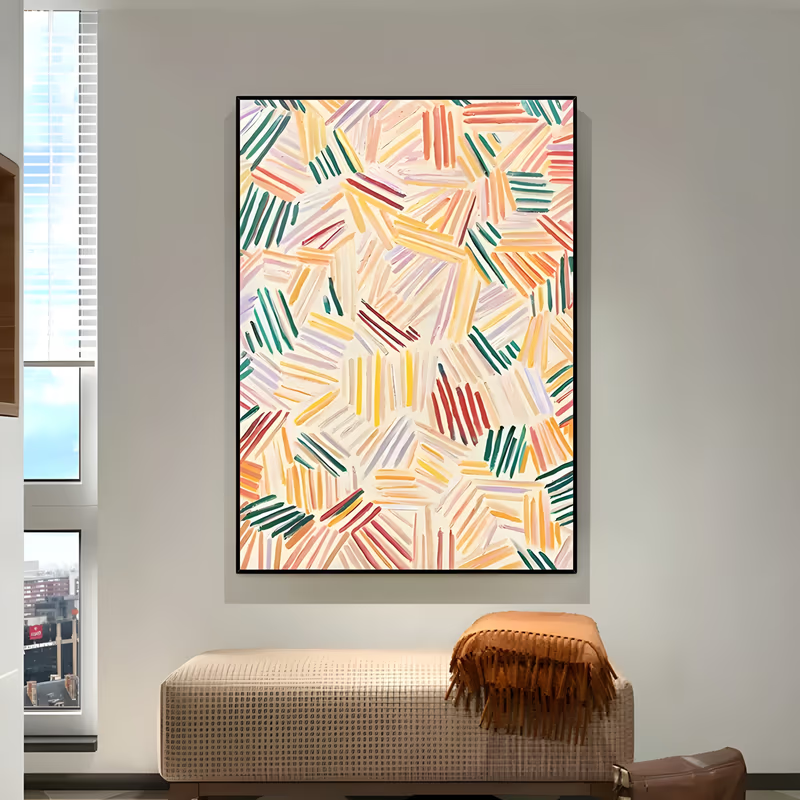
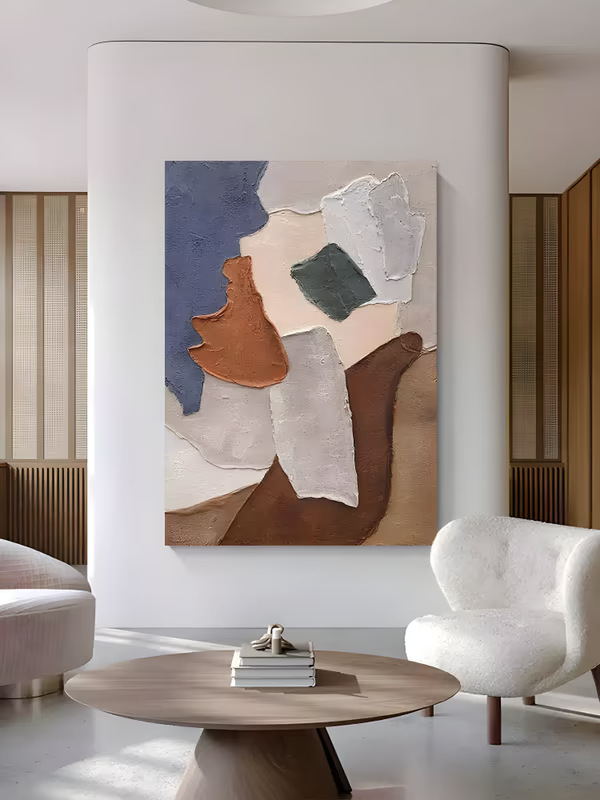
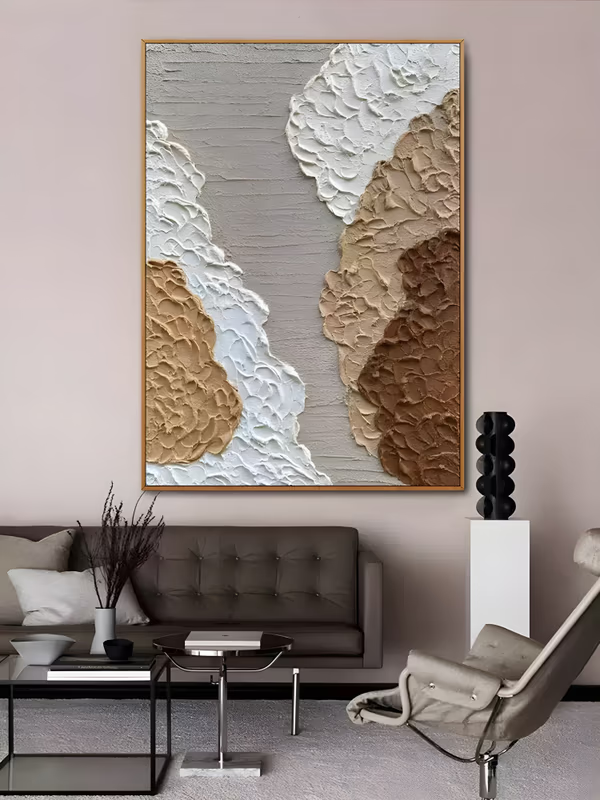
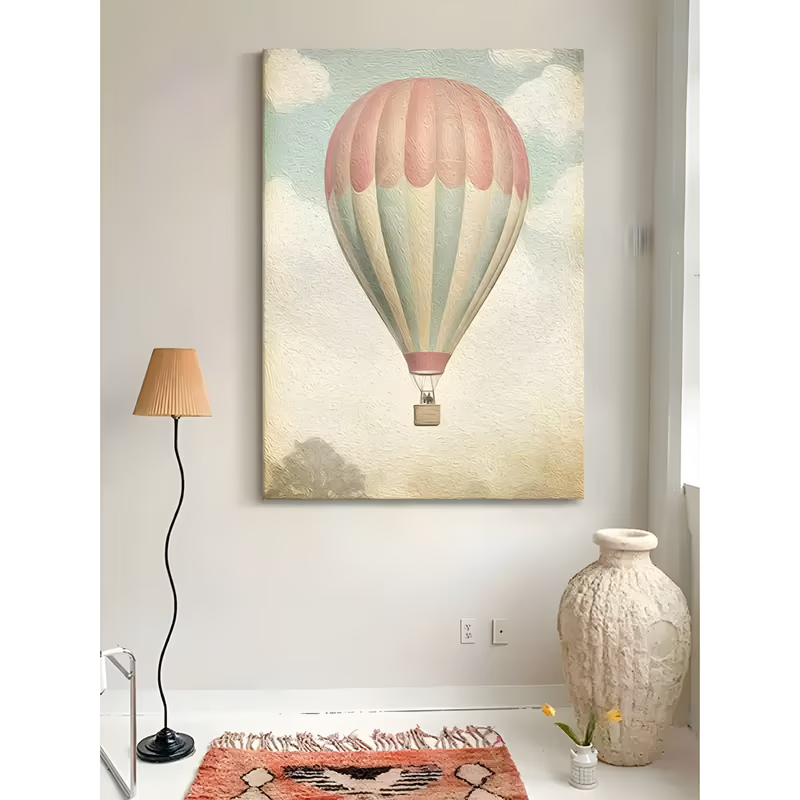
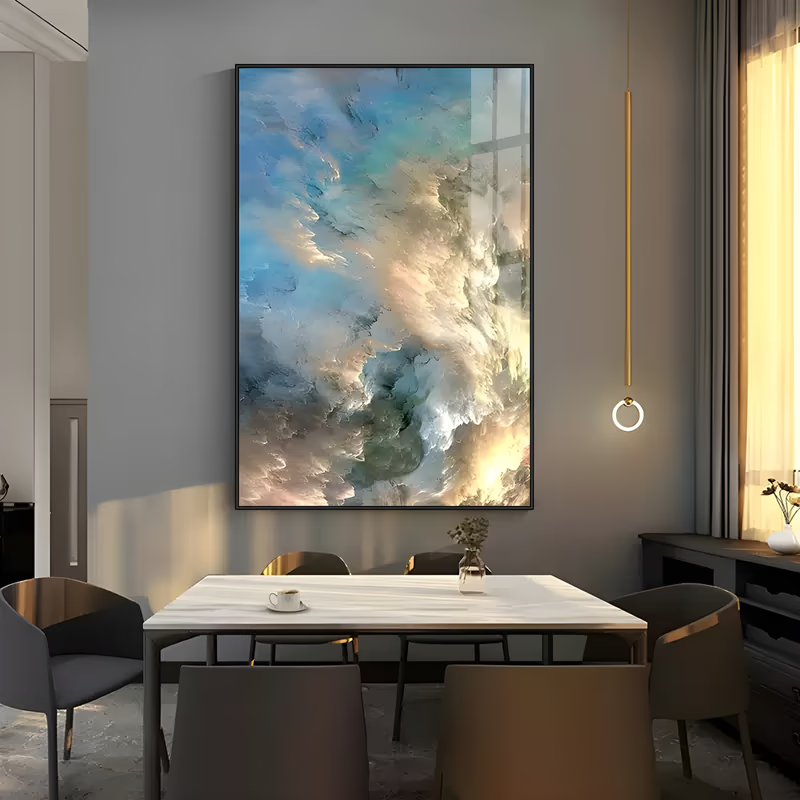
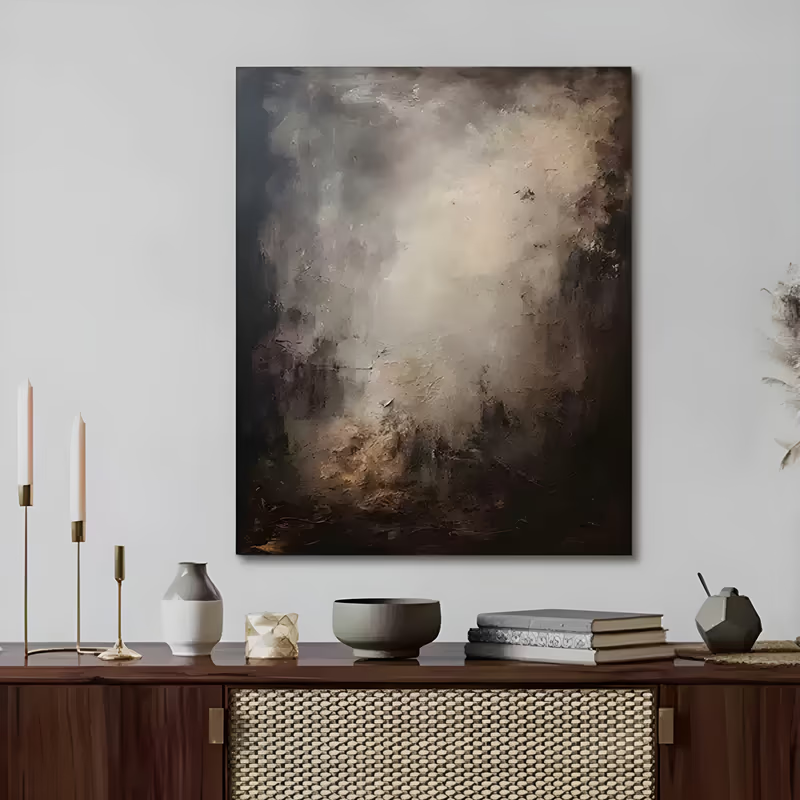
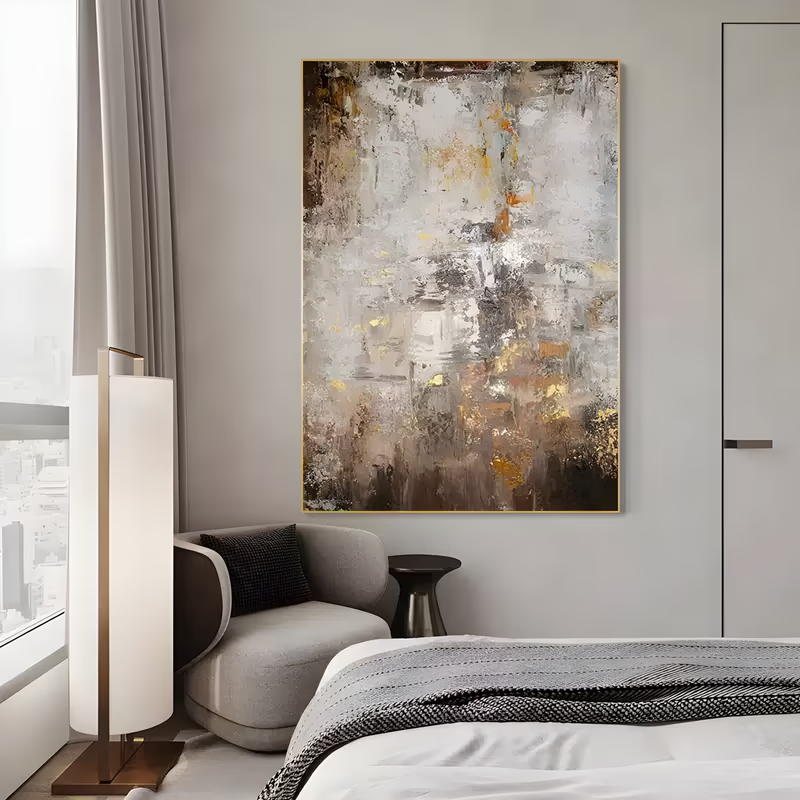
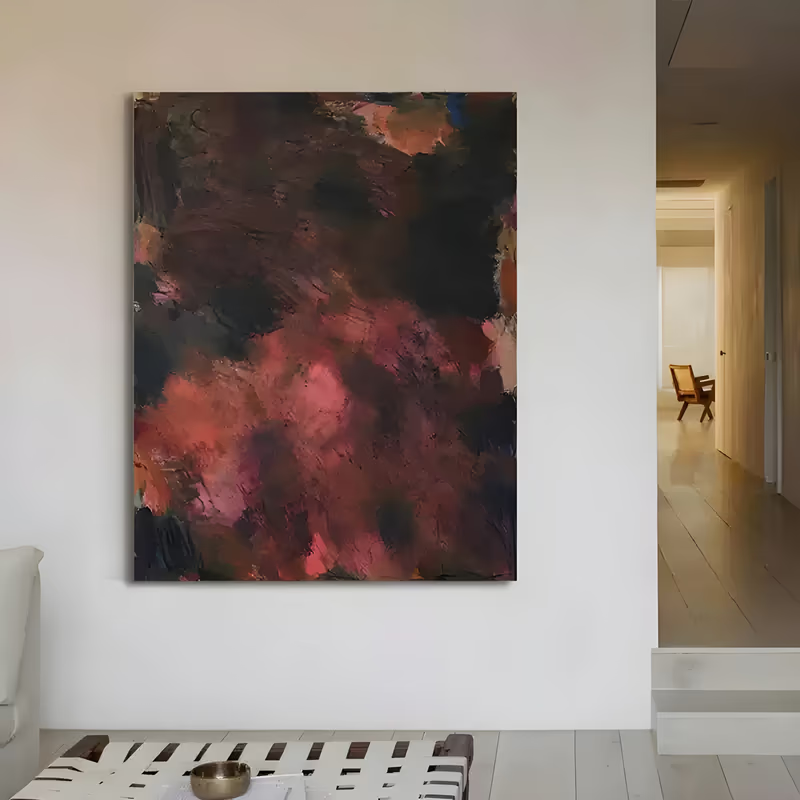
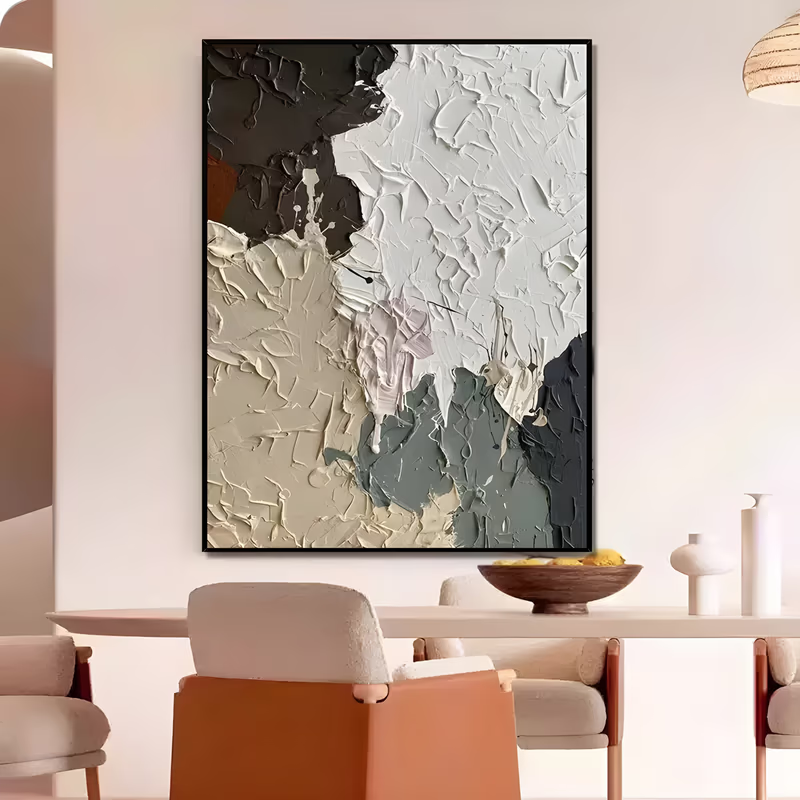
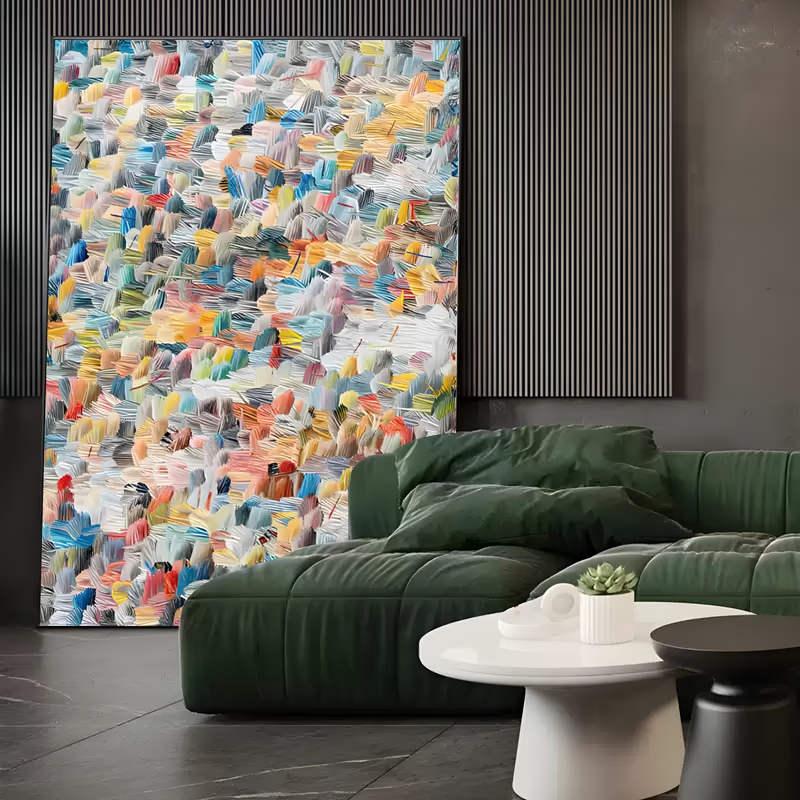
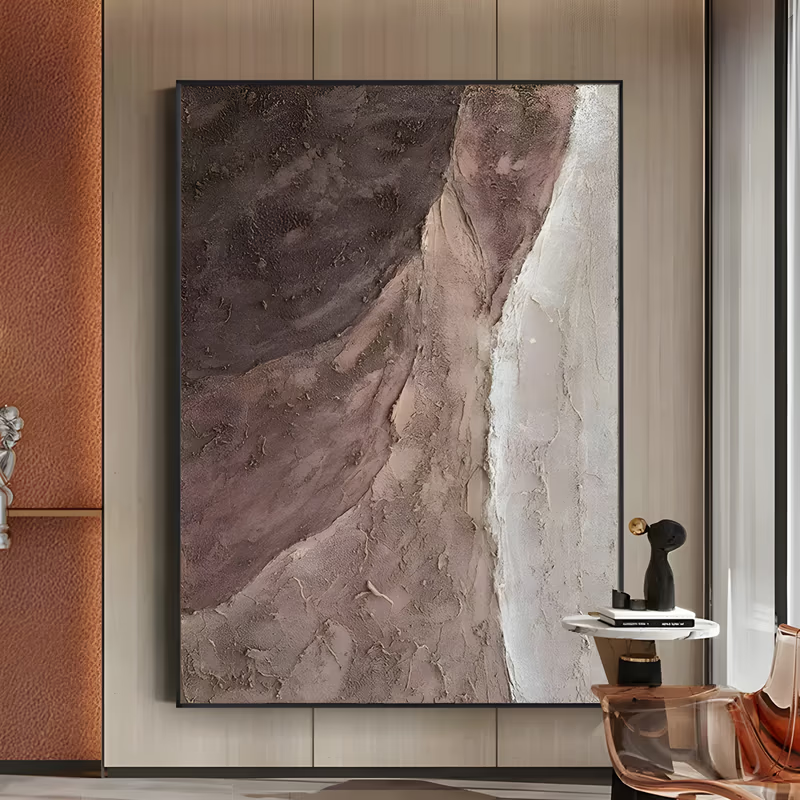
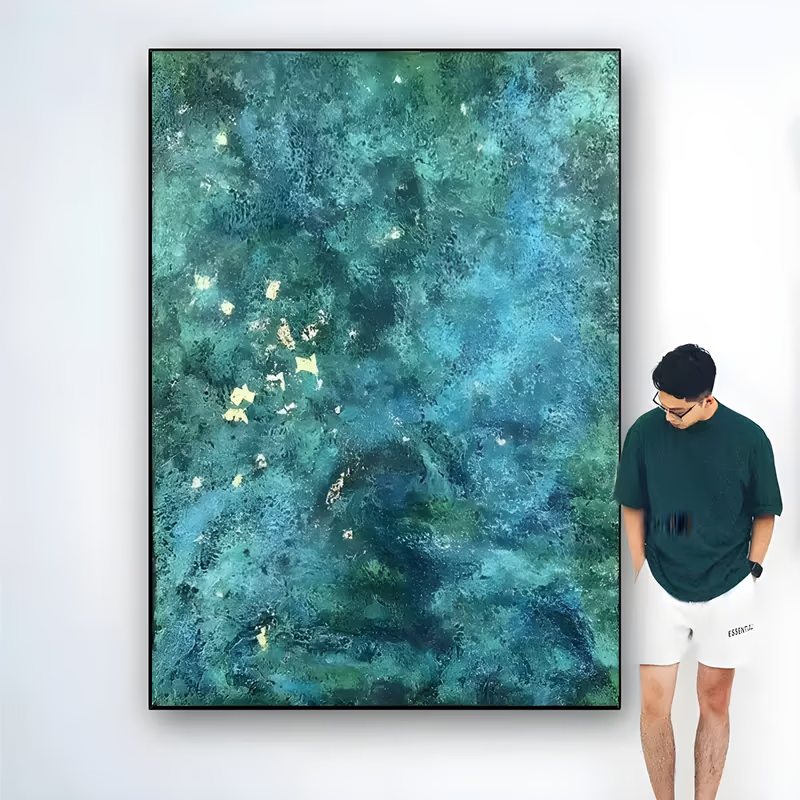
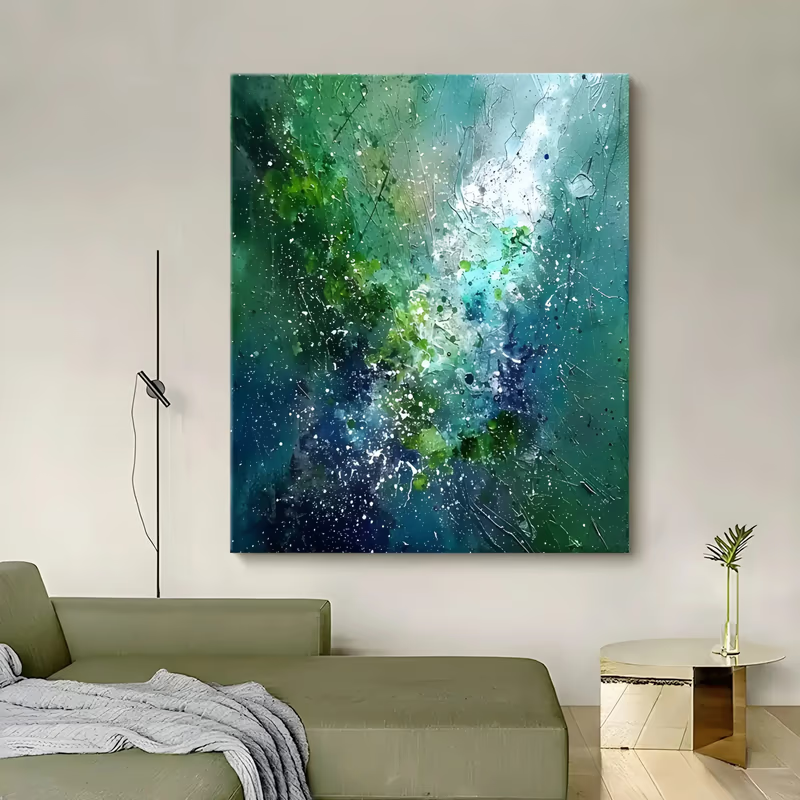
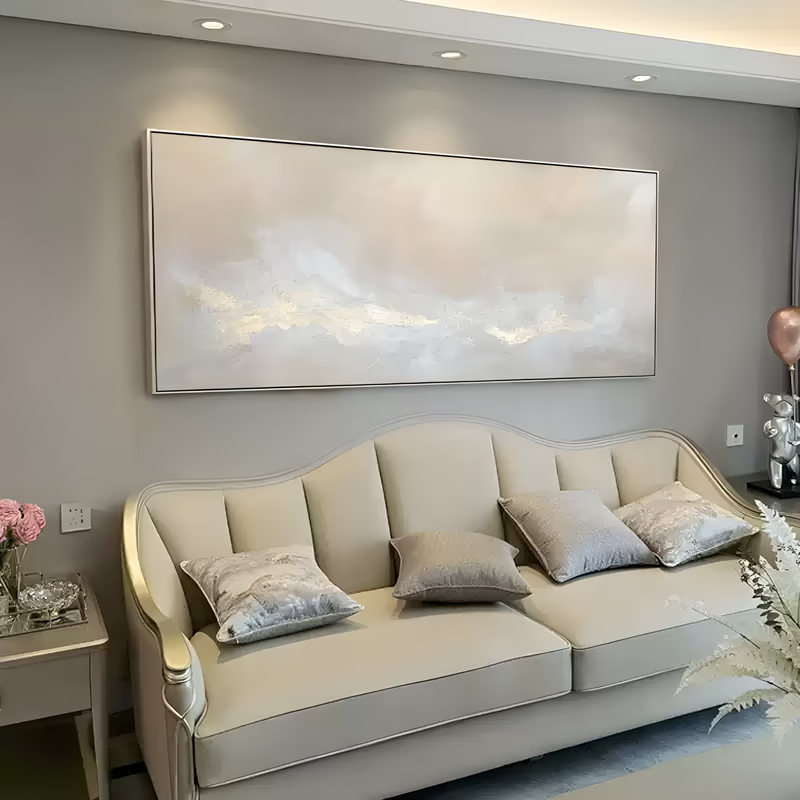
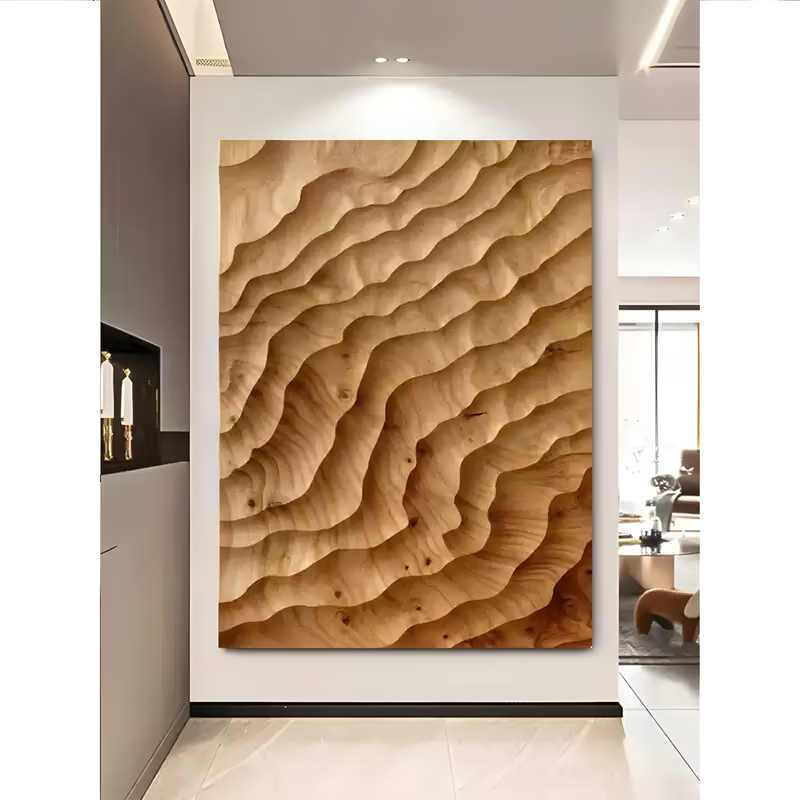
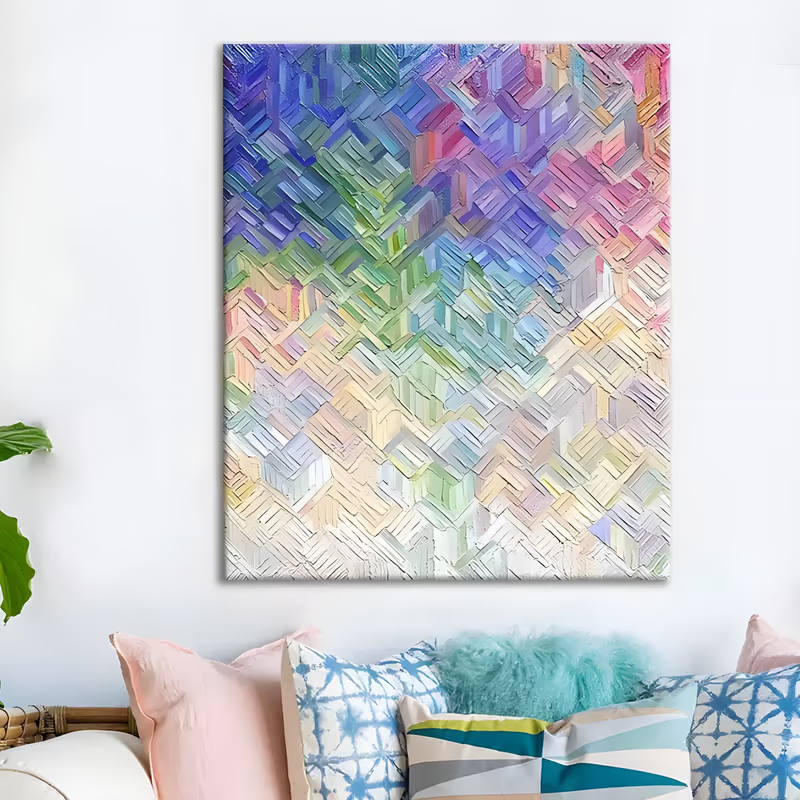
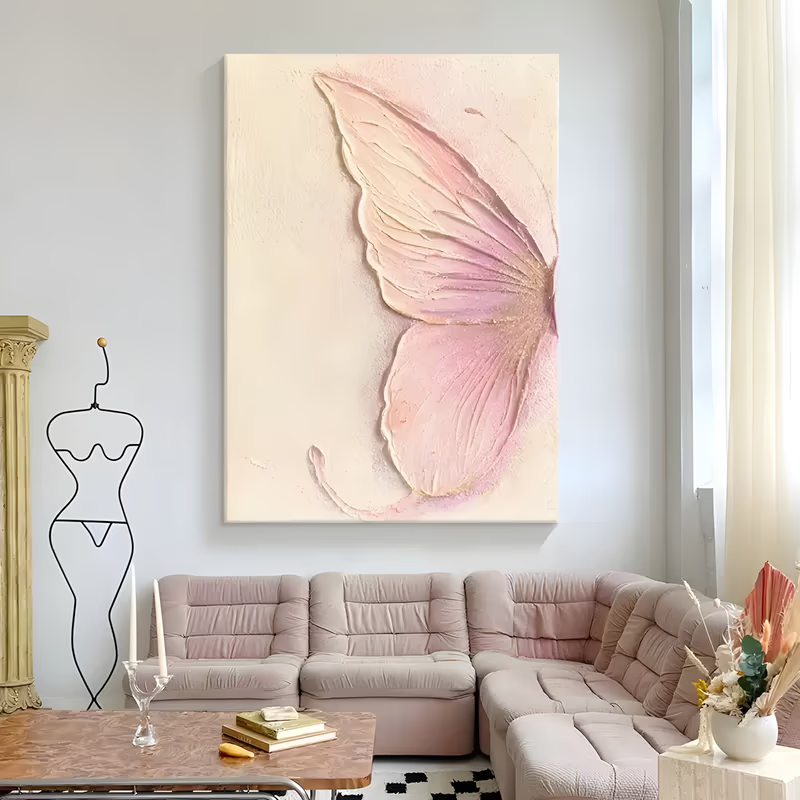
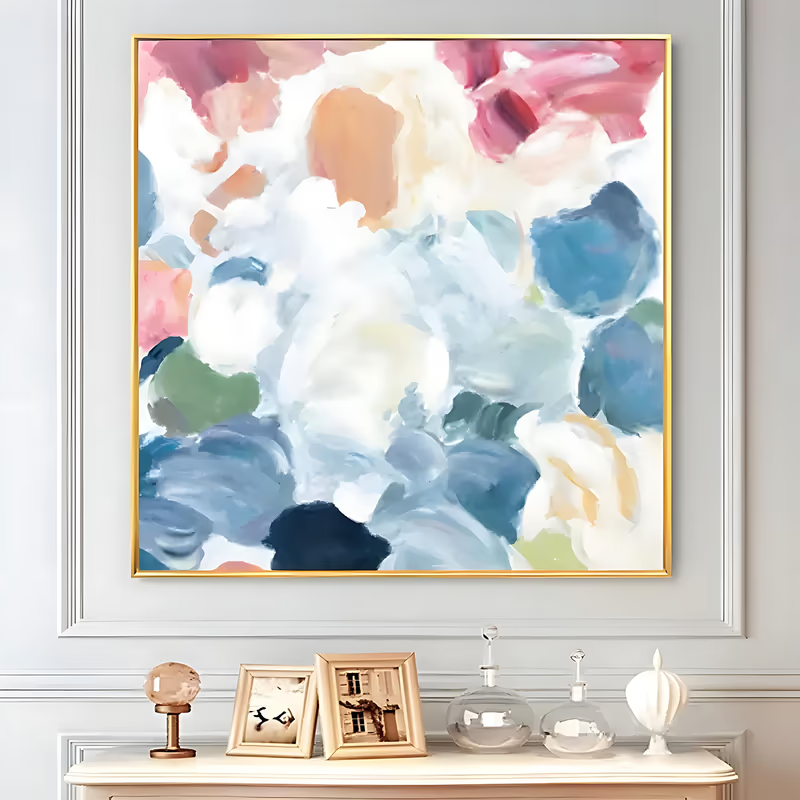
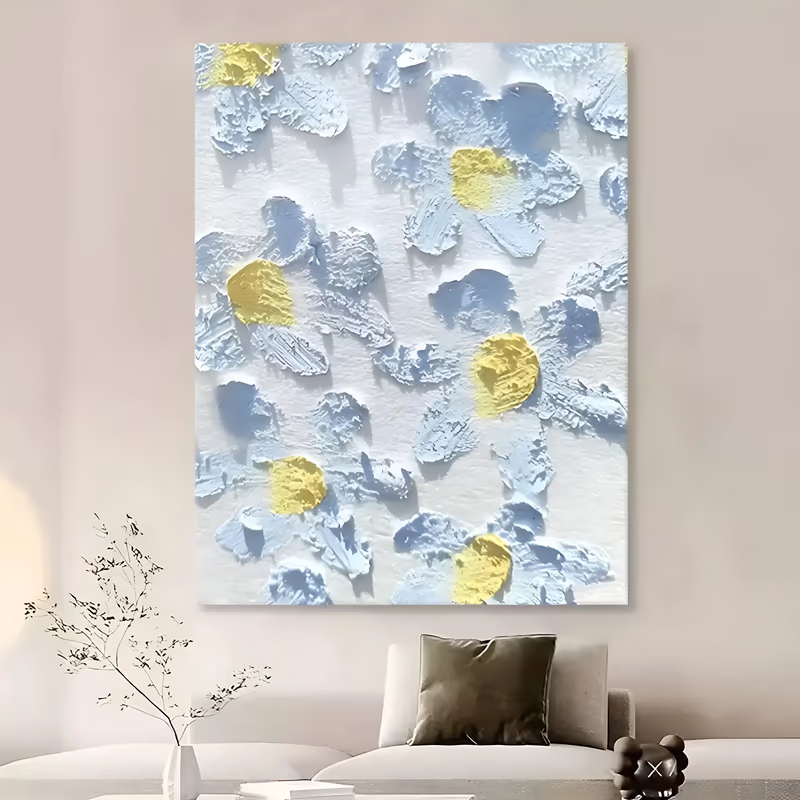
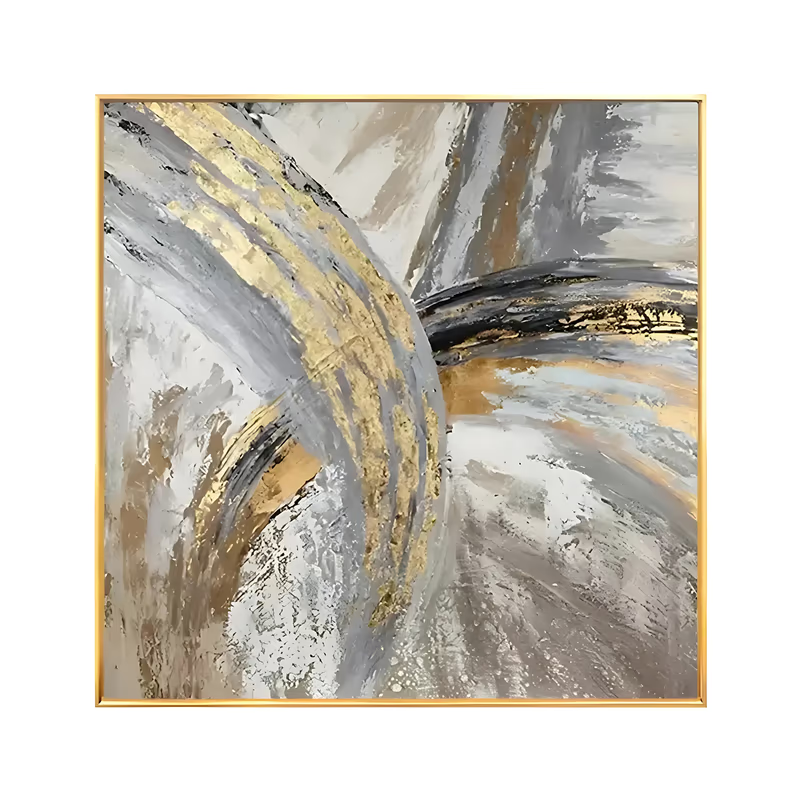
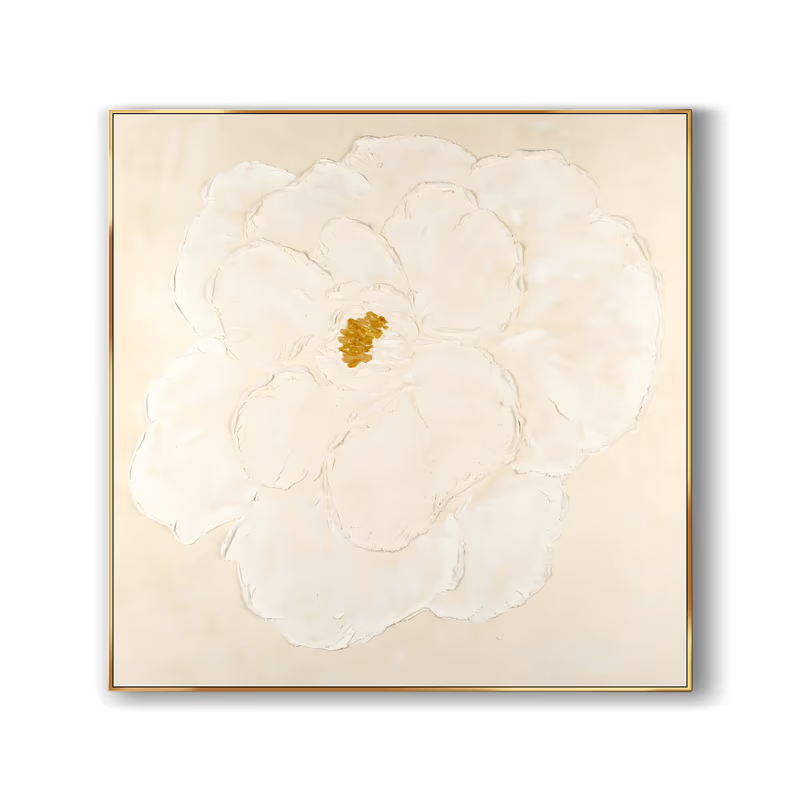
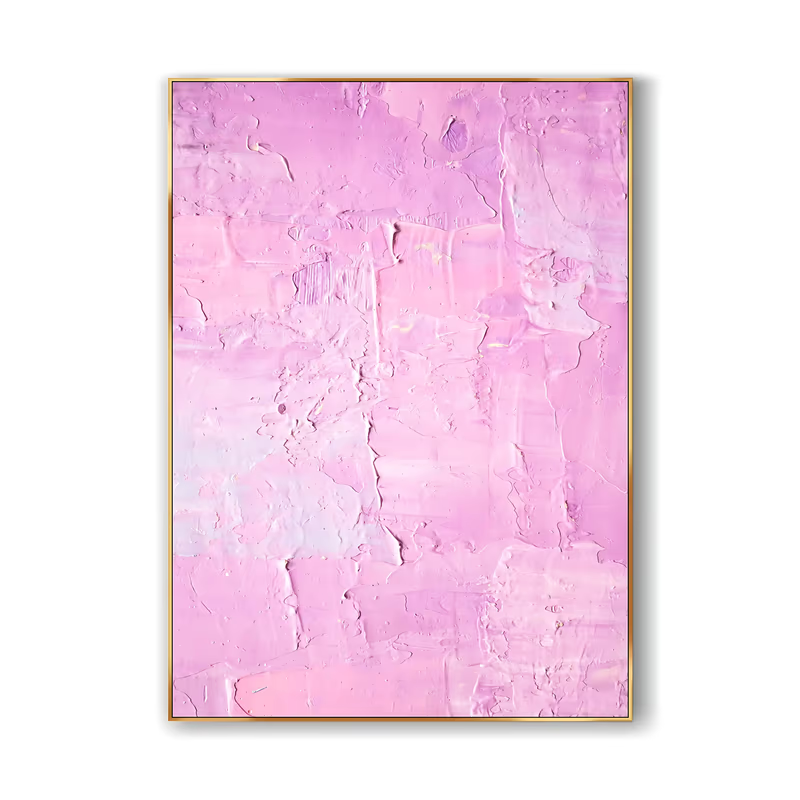
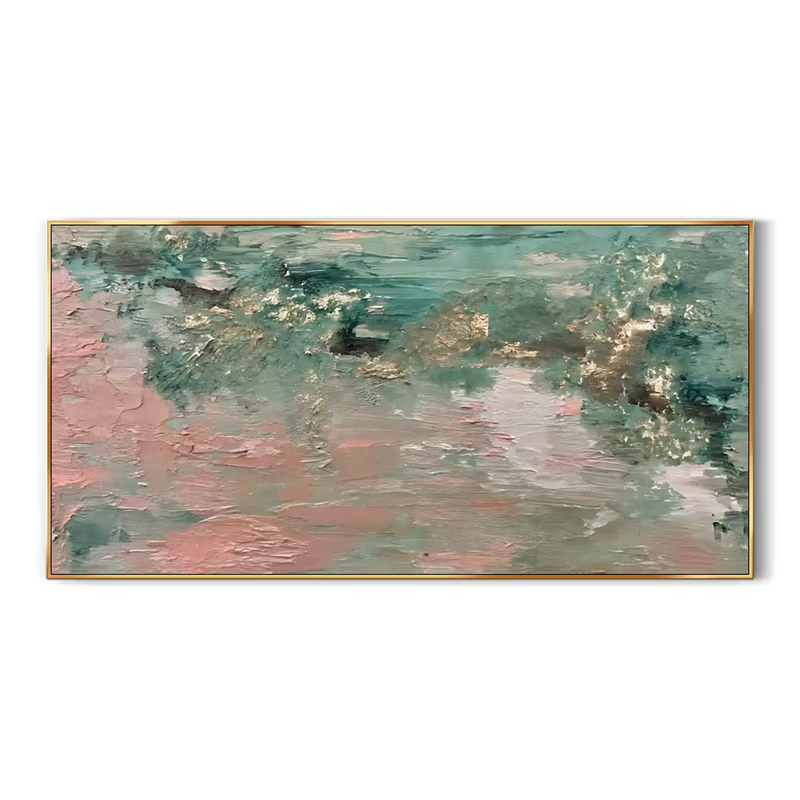
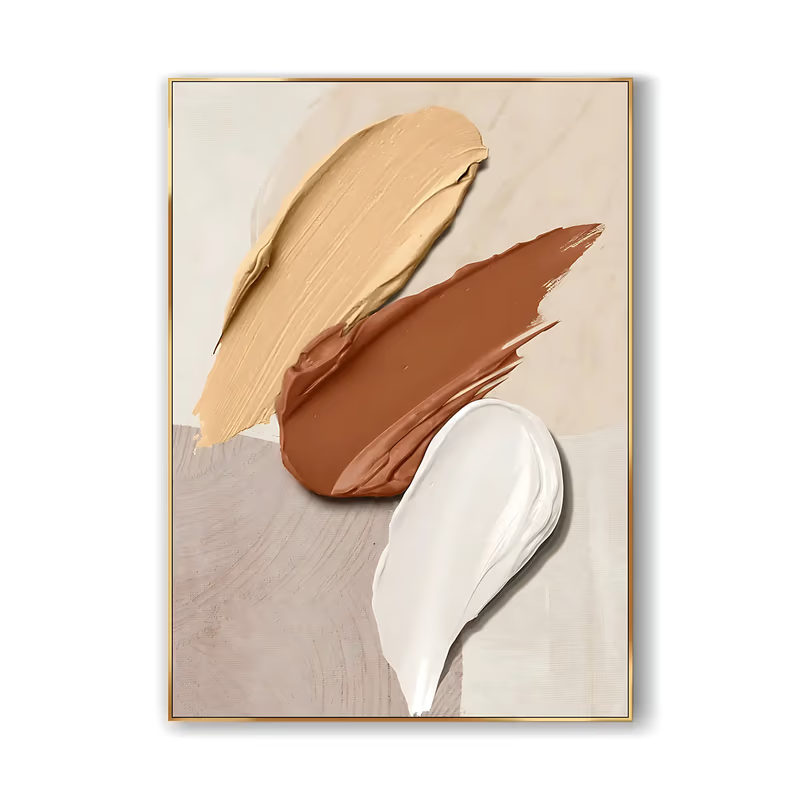
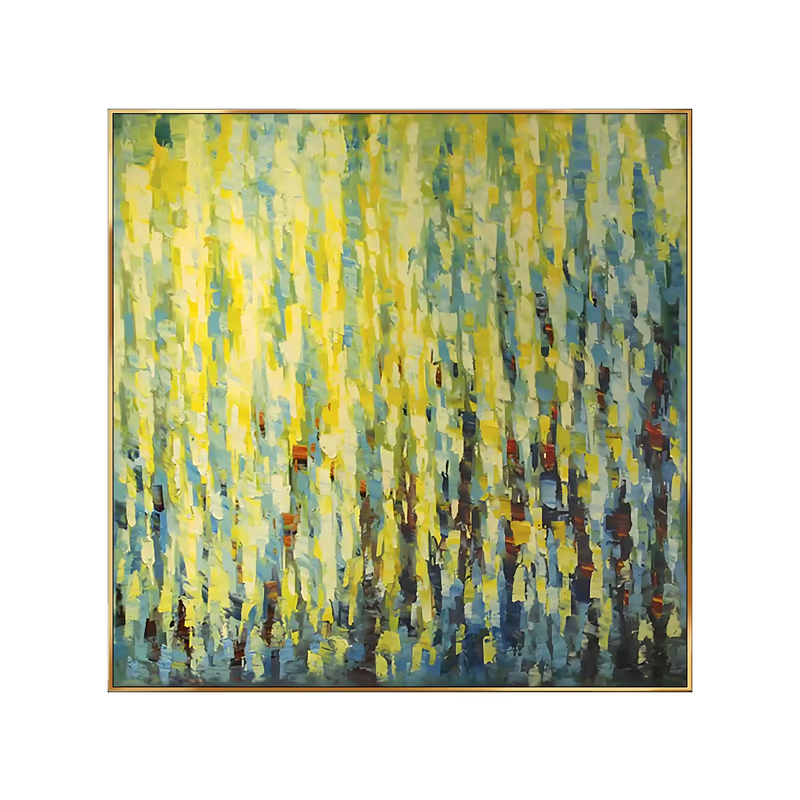
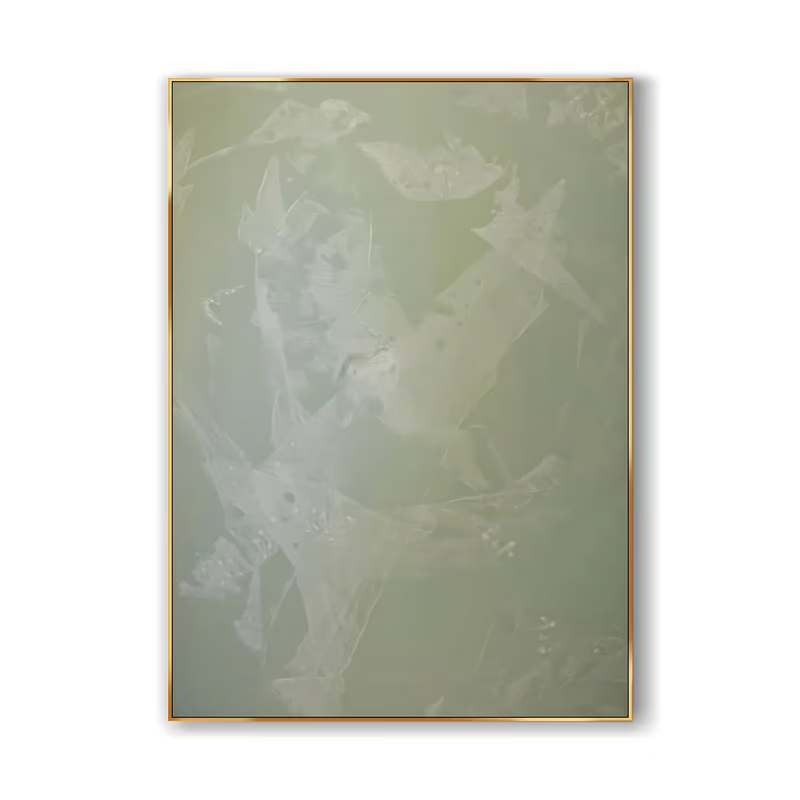
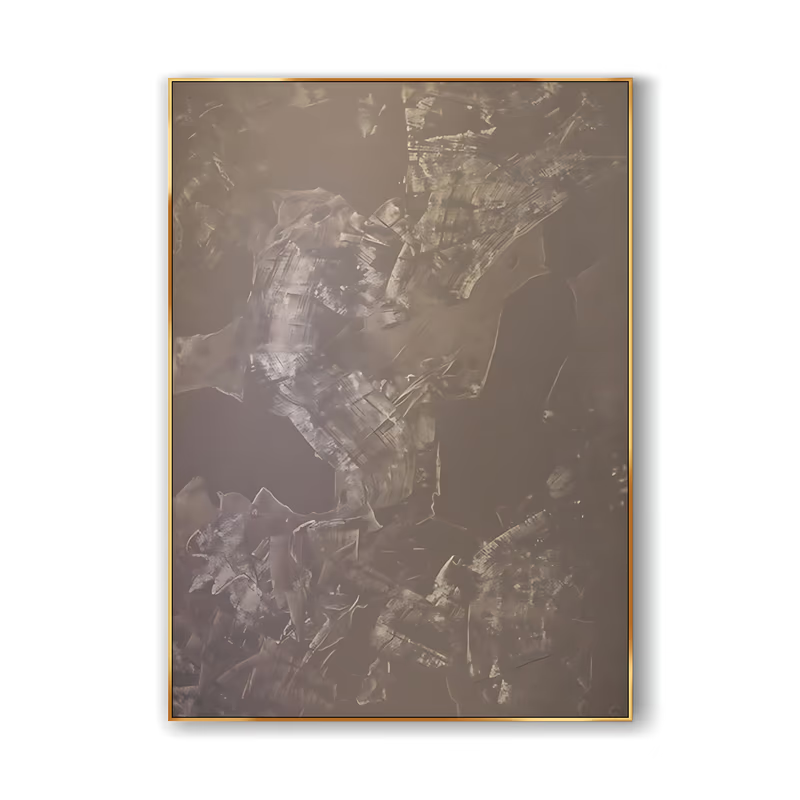
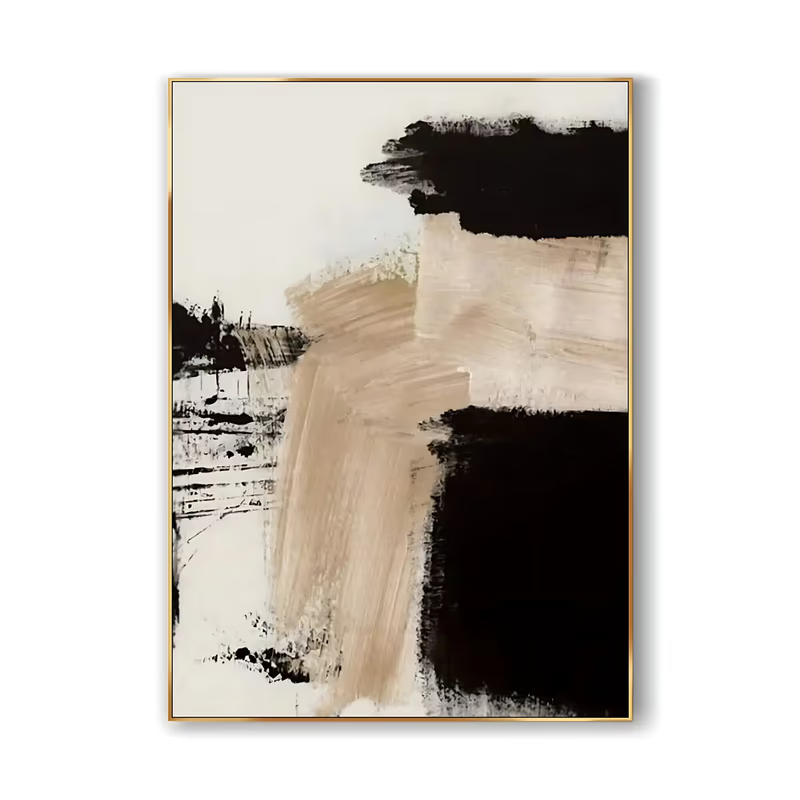
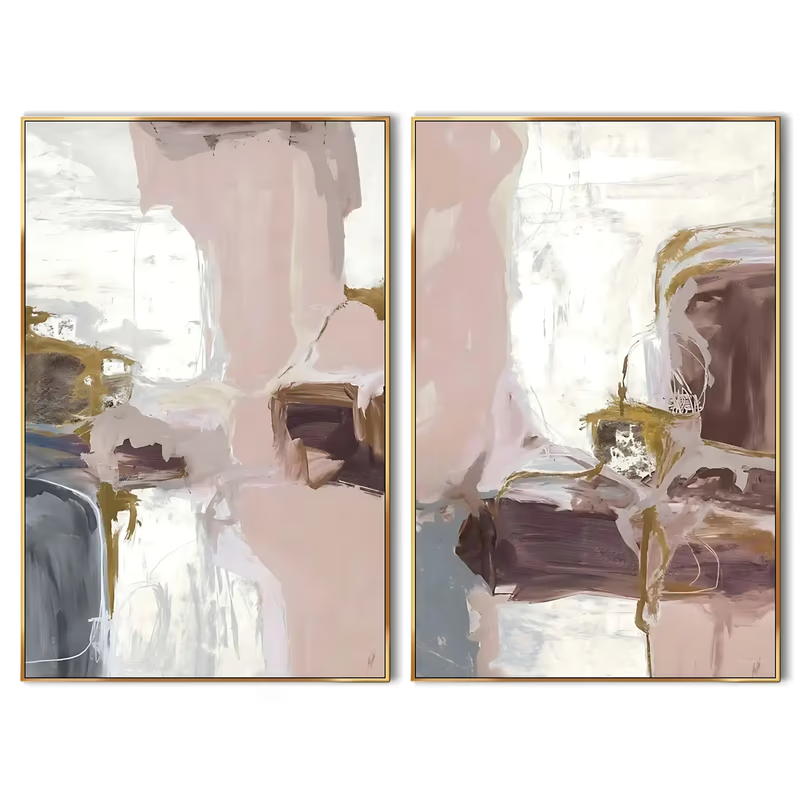
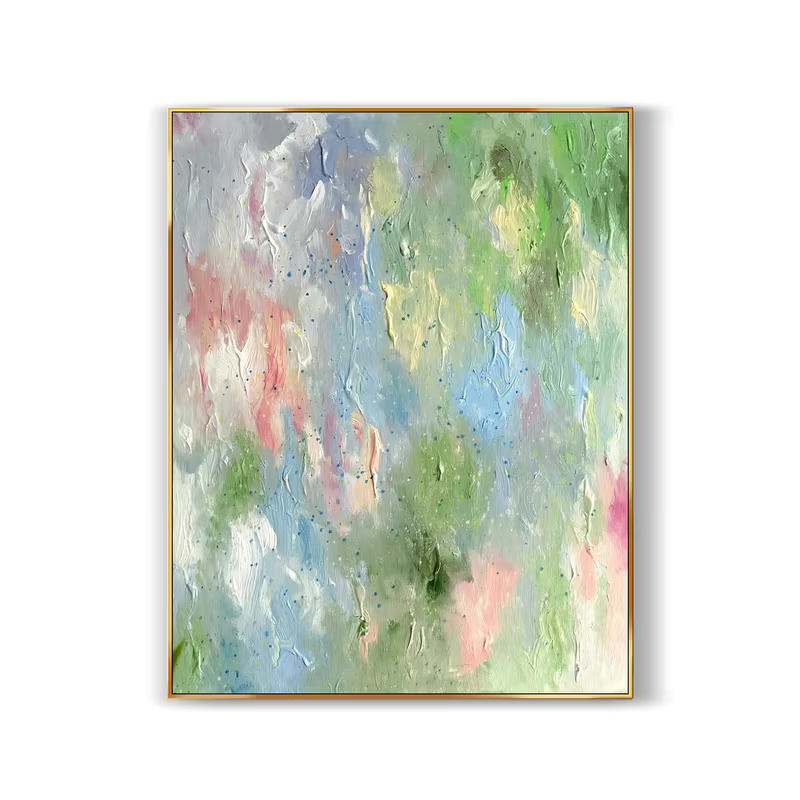
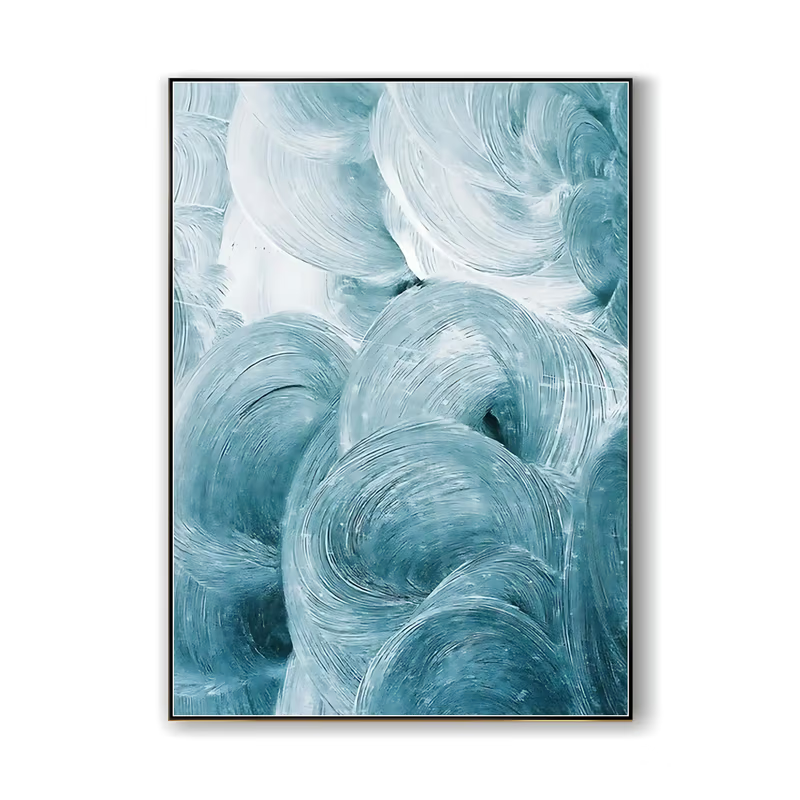
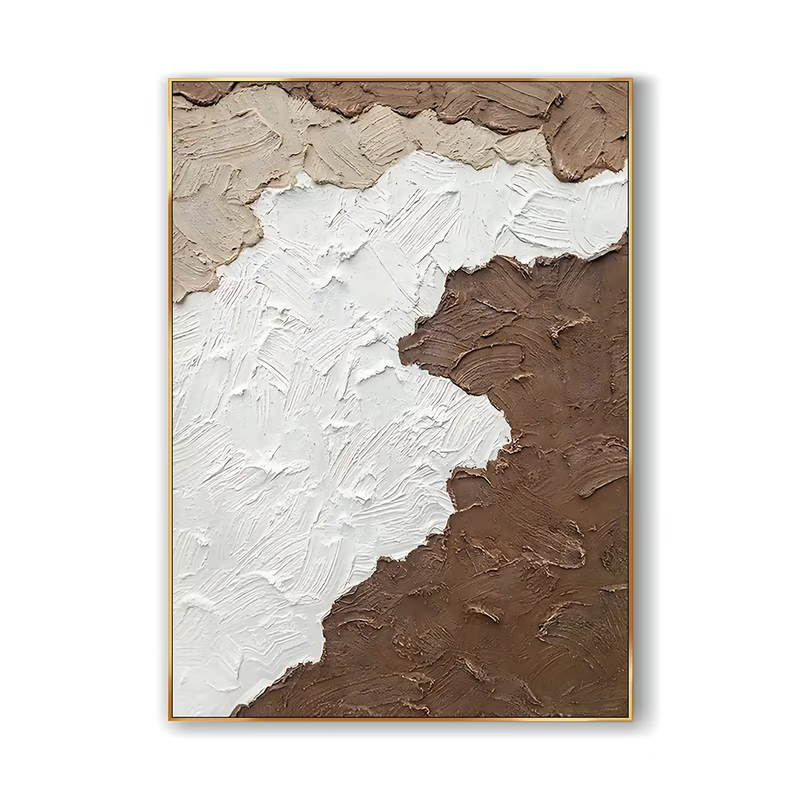
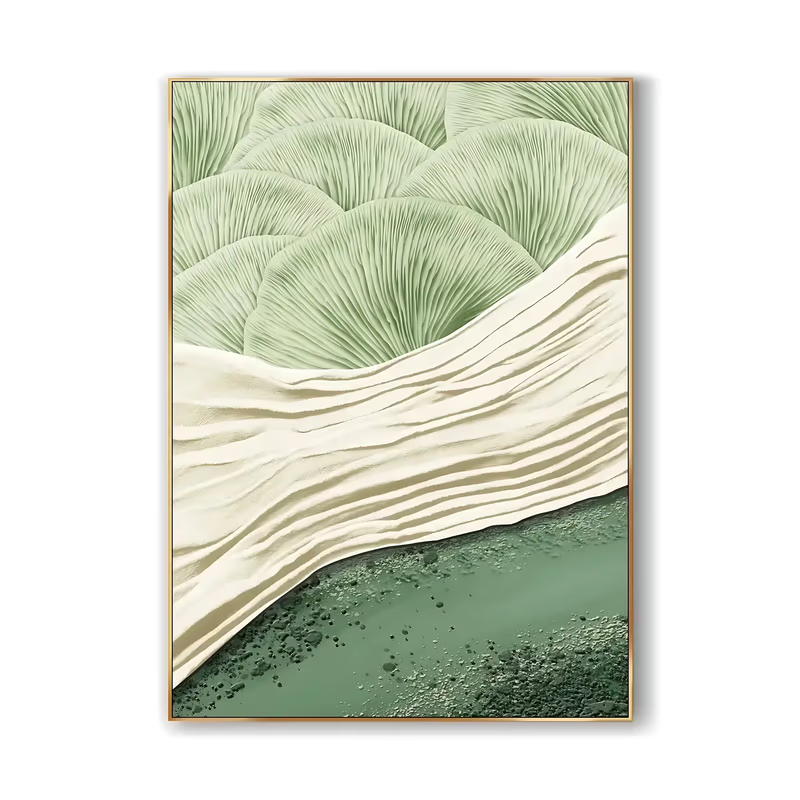
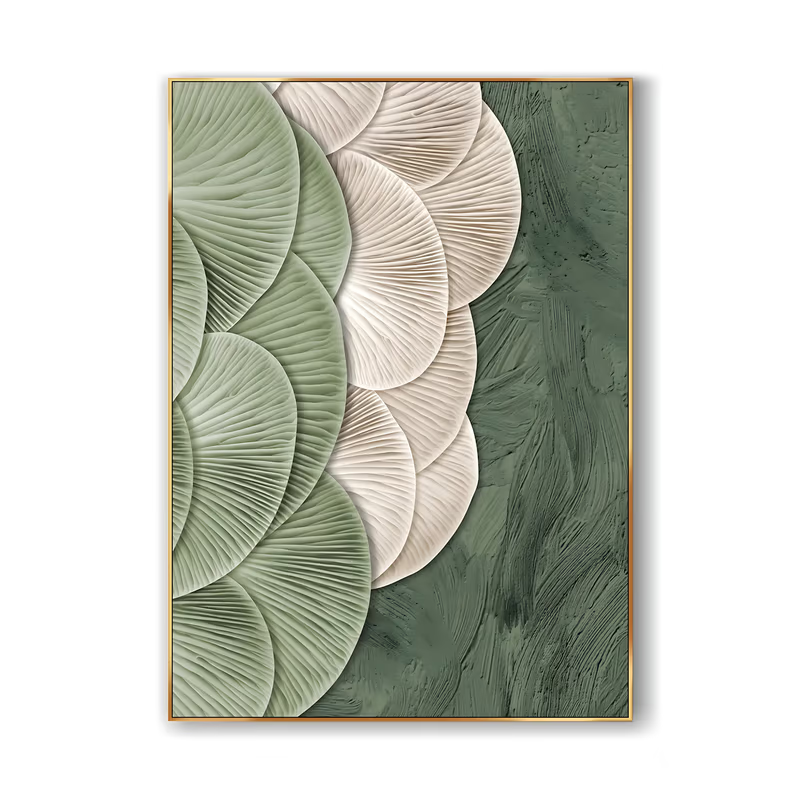
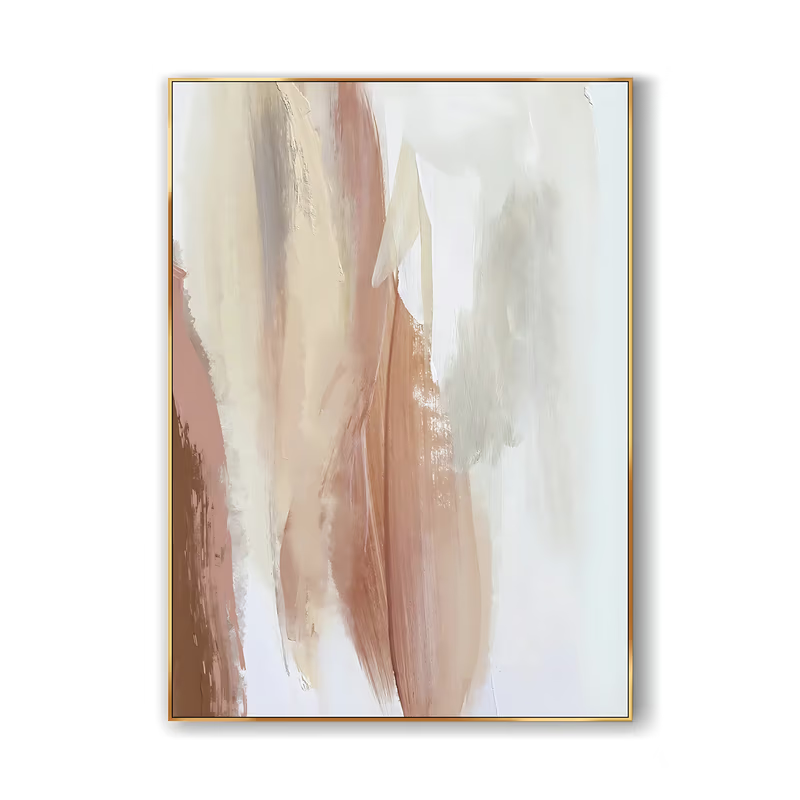
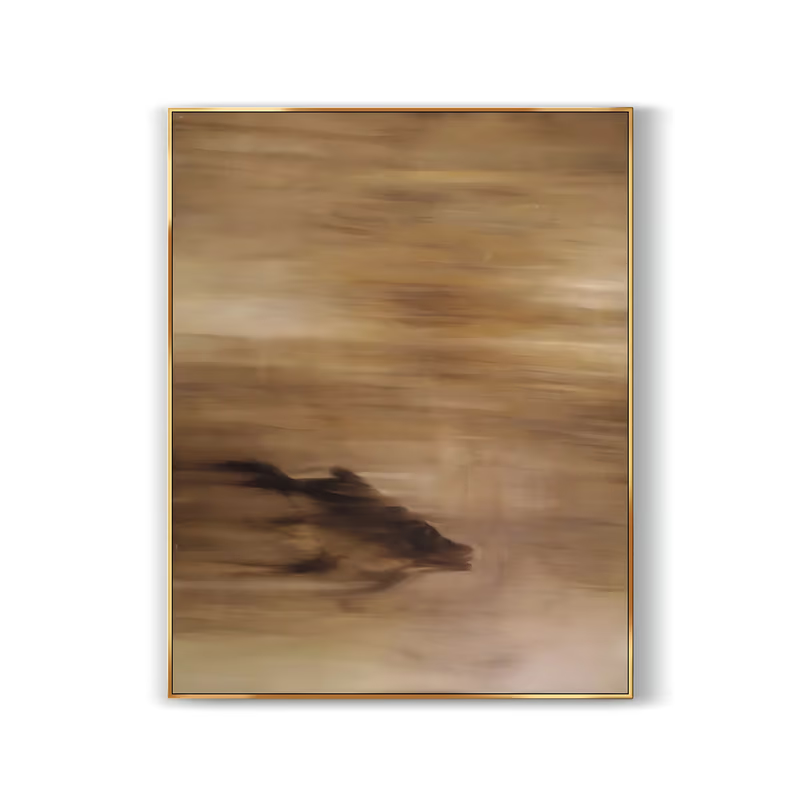
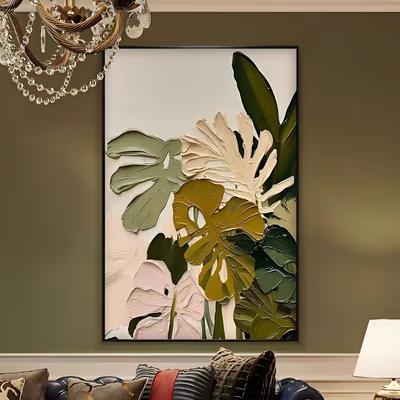
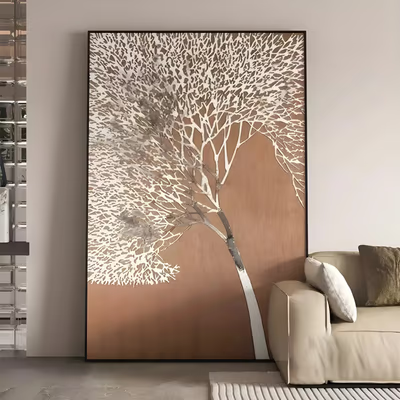
Impasto strokes, plaster relief and knife-built layers in sand, cream, sage and blush. The texture gives a neutral room depth without strong colour, and it changes gently as bedside lamps replace daylight. Textured neutrals.
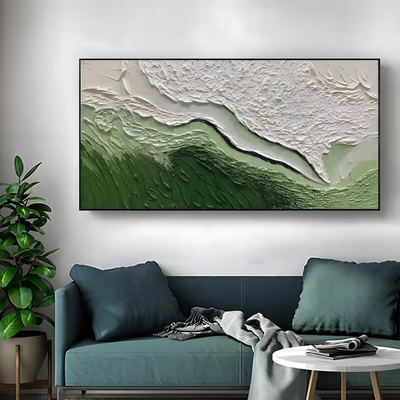
Where does art go in a hotel room or suite, and what size should it be?
The main piece goes above the bed at about two-thirds of the headboard's width; smaller pieces suit the desk, the entry wall and, in a suite, the sofa wall in the living area.
| Wall | Typical size | Format and placement |
|---|---|---|
| Above a king bed | About 120–130 cm wide for a 180 cm bed | Horizontal or panoramic; bottom edge 15–25 cm above the headboard |
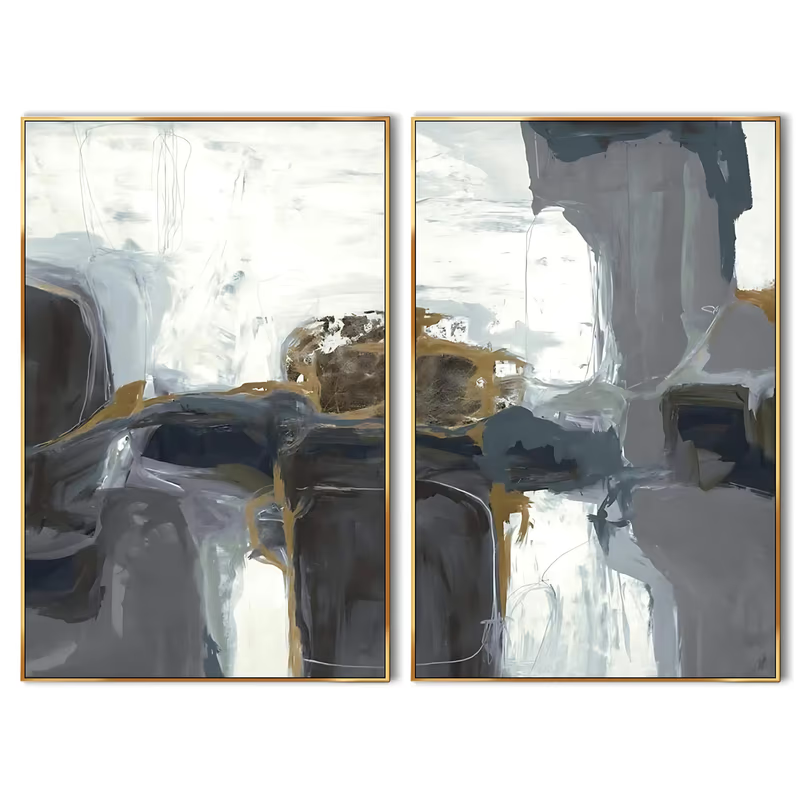
| Above twin beds | One wide canvas across both, or two matching pieces | Panoramic centred on the pair, or one vertical above each bed |
| Desk or workspace wall | About half to two-thirds of the desk's width | Horizontal or square, clear of any mirror or screen |
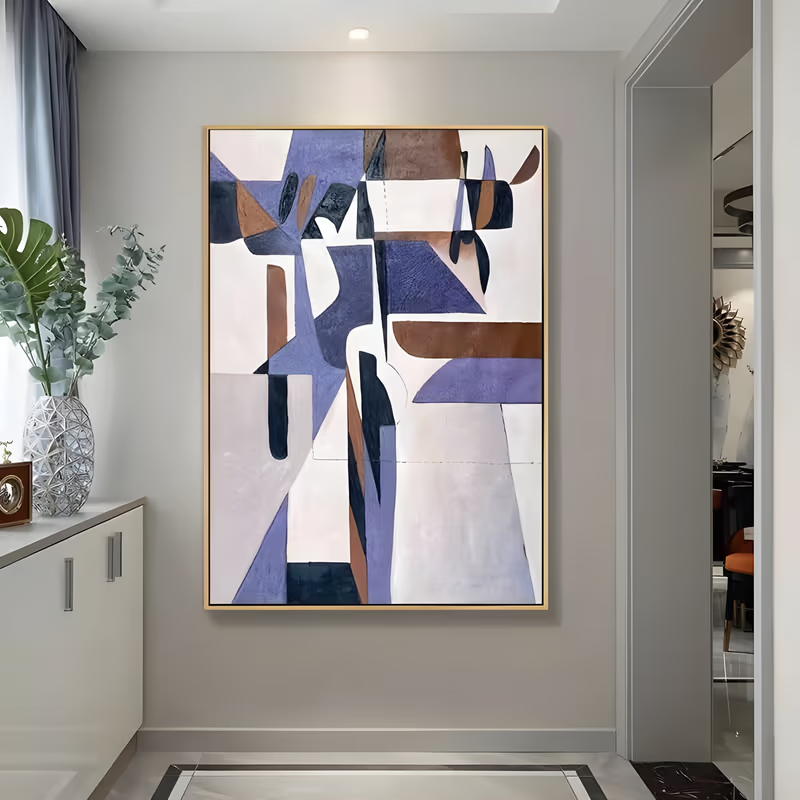
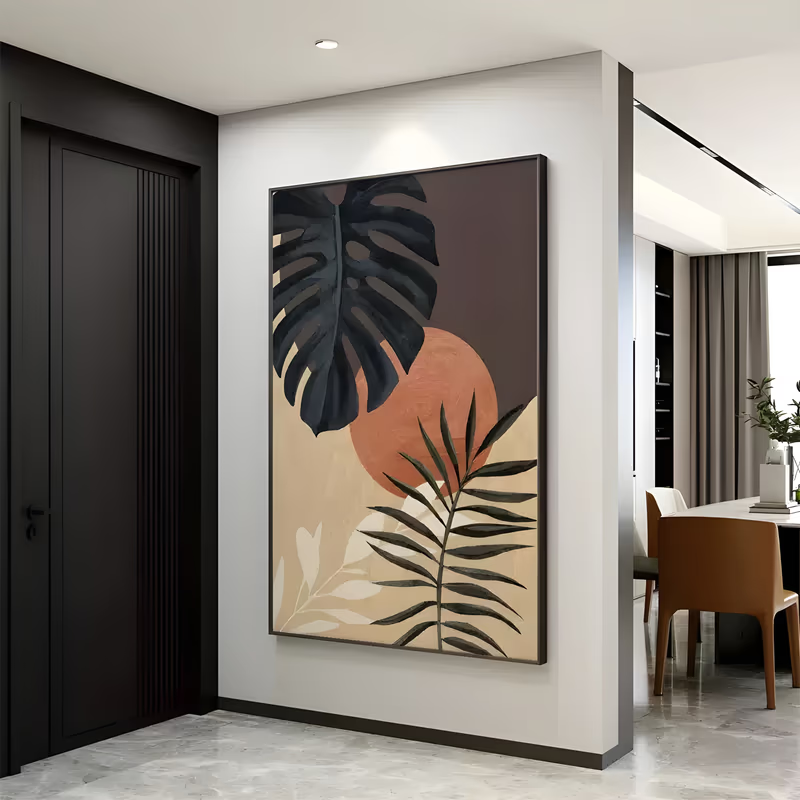
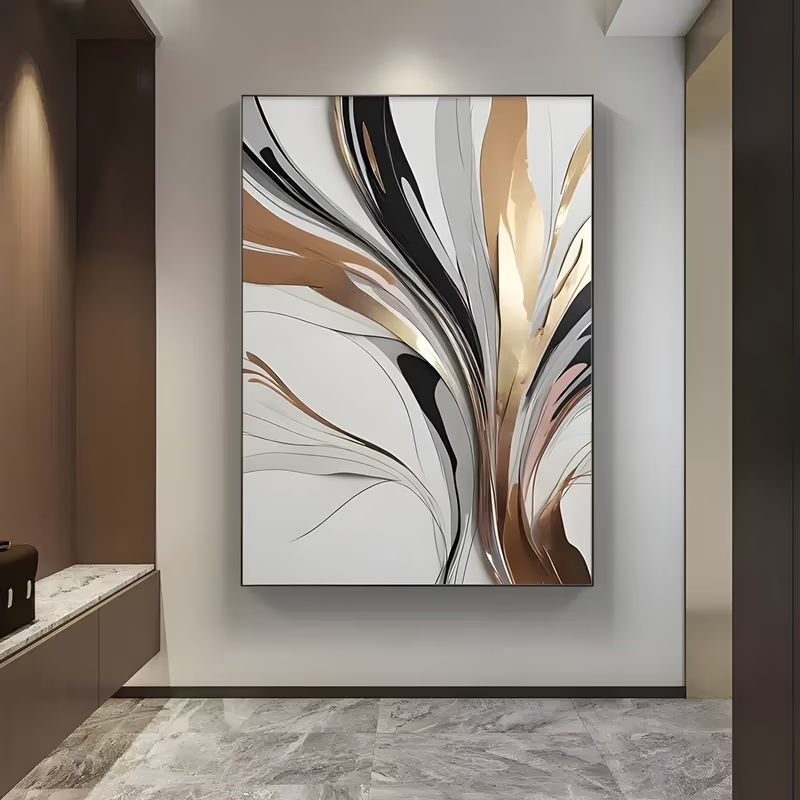
| Entry wall or bathroom corridor | Narrow, about 40–60 cm wide | Tall vertical, centre at 145–152 cm (57–60 in) |
| Suite living area | About two-thirds of the sofa's width | Horizontal or a pair; bottom edge 15–25 cm above the sofa back |
| Serviced-apartment kitchen or dining | Smaller, scaled to the table | Square or vertical, away from the hob |
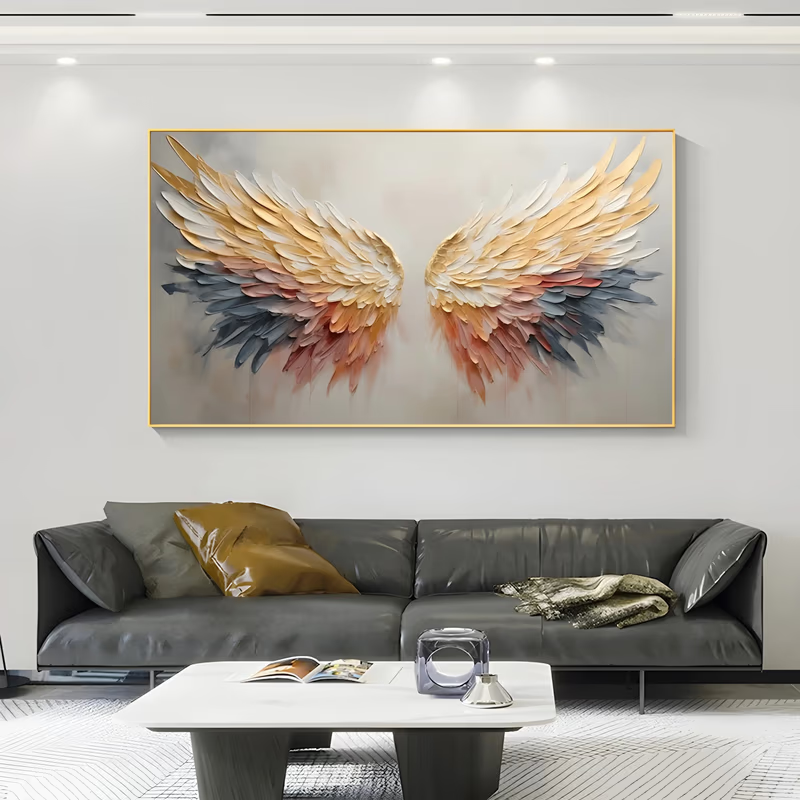
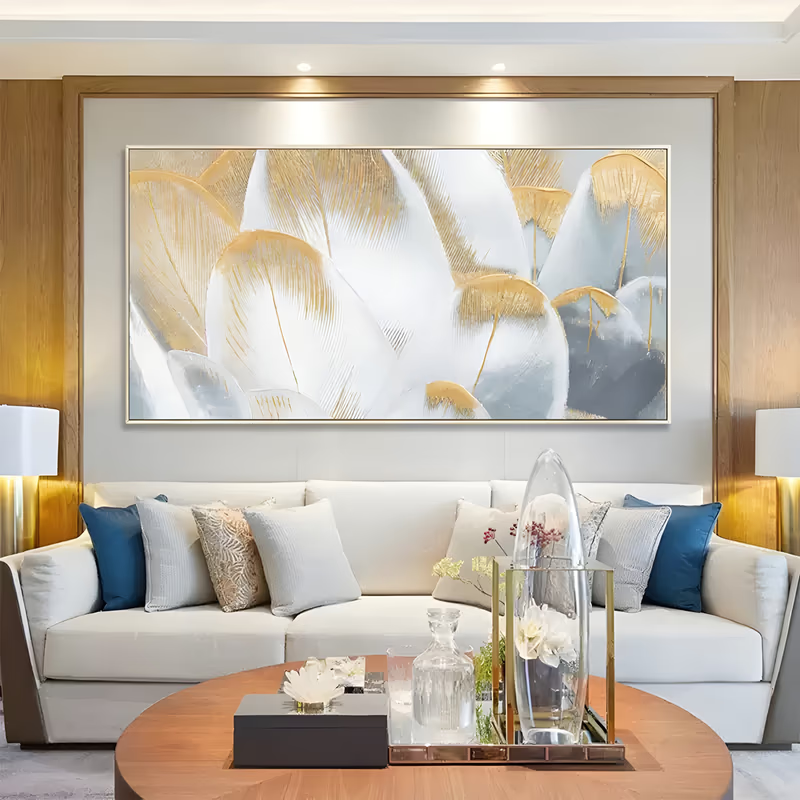
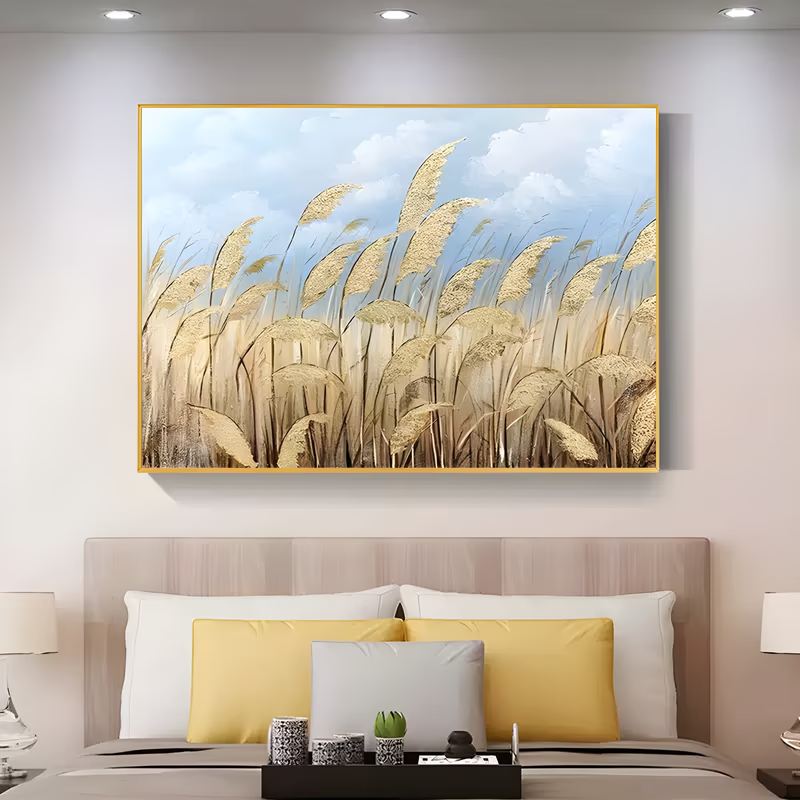
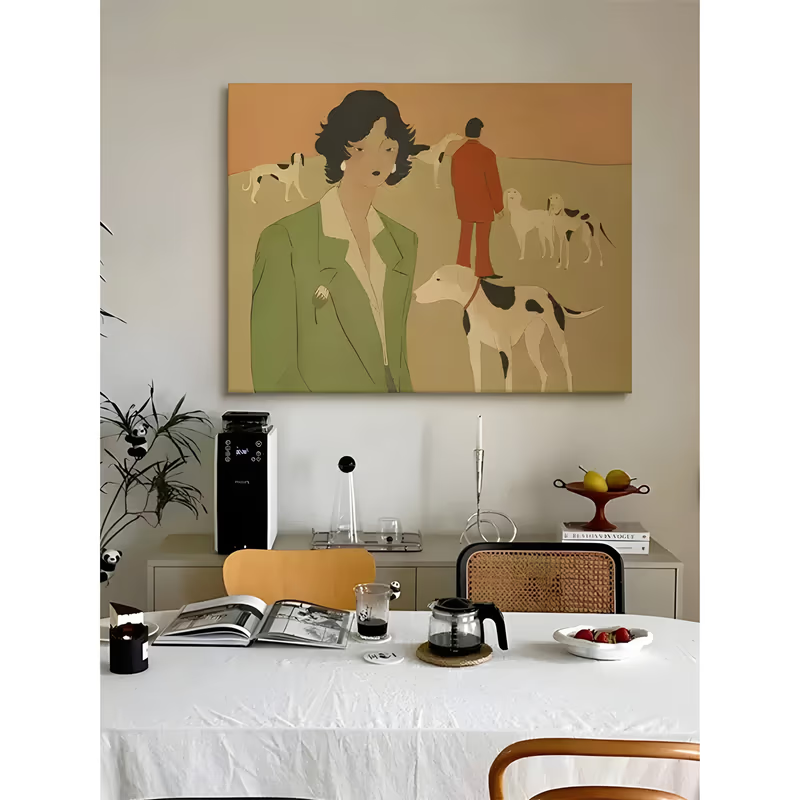
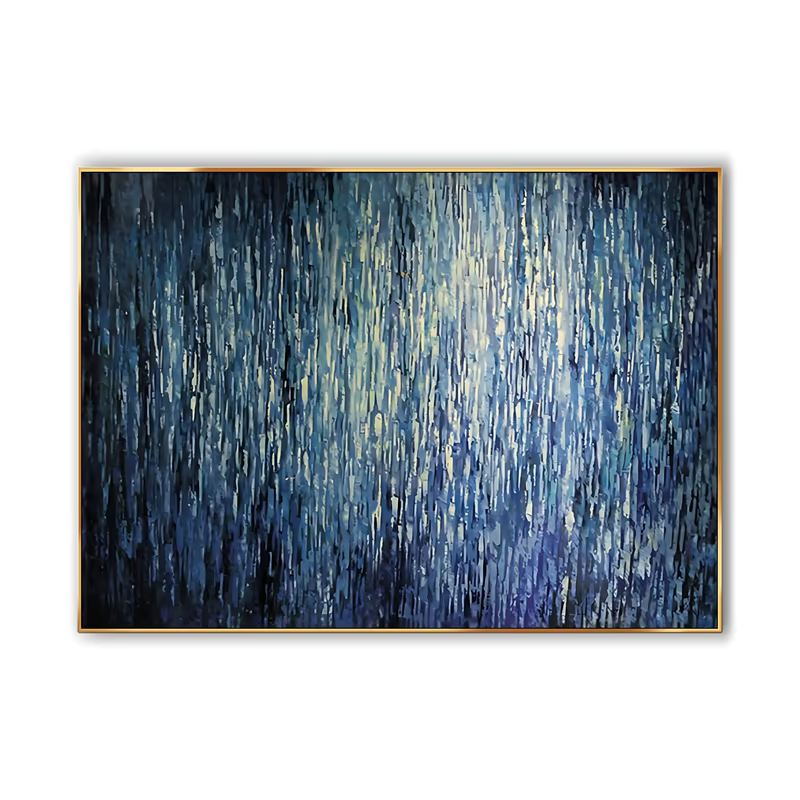
Built-in headboards are often taller than domestic ones, so measure the actual headboard and the ceiling before fixing a size, and keep the top of the canvas well below the ceiling line. If the room has a TV on the wall facing the bed, the art belongs above the headboard rather than competing beside the screen. For a suite, the bedroom and living area can carry two different works that share a palette. Because each piece is painted to order, every room type can have its own exact size. Wide formats for above the bed.
How do you vary art across many guest rooms without repeating it?
Pick a small family of compositions and a fixed palette, then vary the work by floor, by room type or by colourway, so neighbouring rooms are related but never identical.
Identical prints in every room are what make a hotel feel like a chain, and returning guests notice. A better pattern is "related, not repeated". One approach is to give each floor its own subject: florals on one, coastlines on the next. Another is to keep one composition per room type and paint it in a different colourway on each floor. A third is to assign a family of five or six works and rotate them so no two adjacent rooms share a piece. Each is easy to schedule, and each keeps the guest's experience consistent.
The corridors outside the rooms can follow the same rule: see hotel corridor art. Works here that also suit corridors and spas can link the two: guest-room art that works in corridors and in spa areas.
Which colours and moods suit a hotel bedroom or suite?
Peaceful, calming colours suit guest rooms best: soft blues, sage and green, warm whites and sand, with a warmer or more romantic palette reserved for suites.
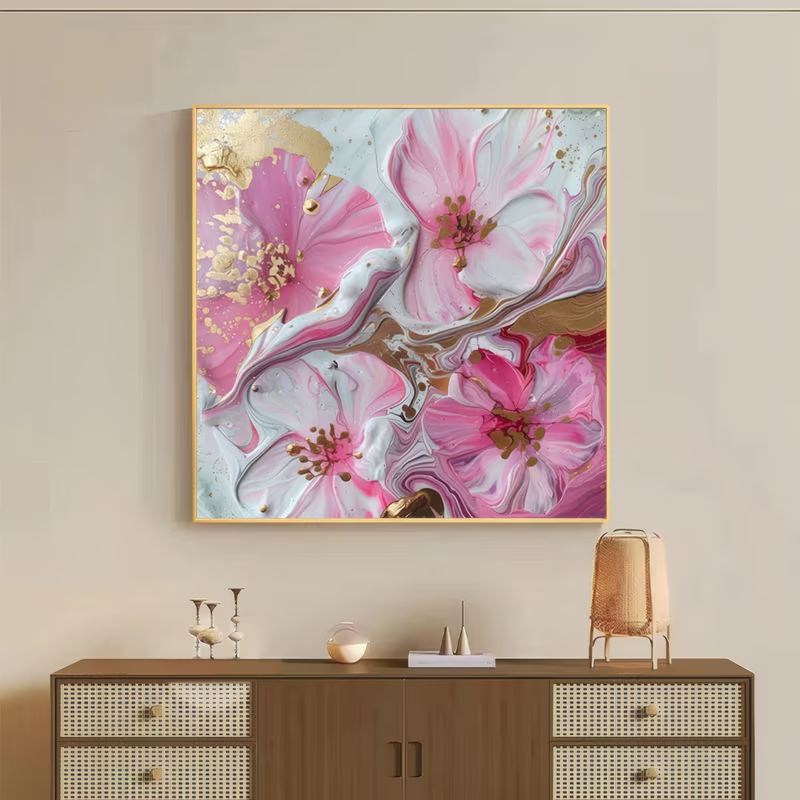
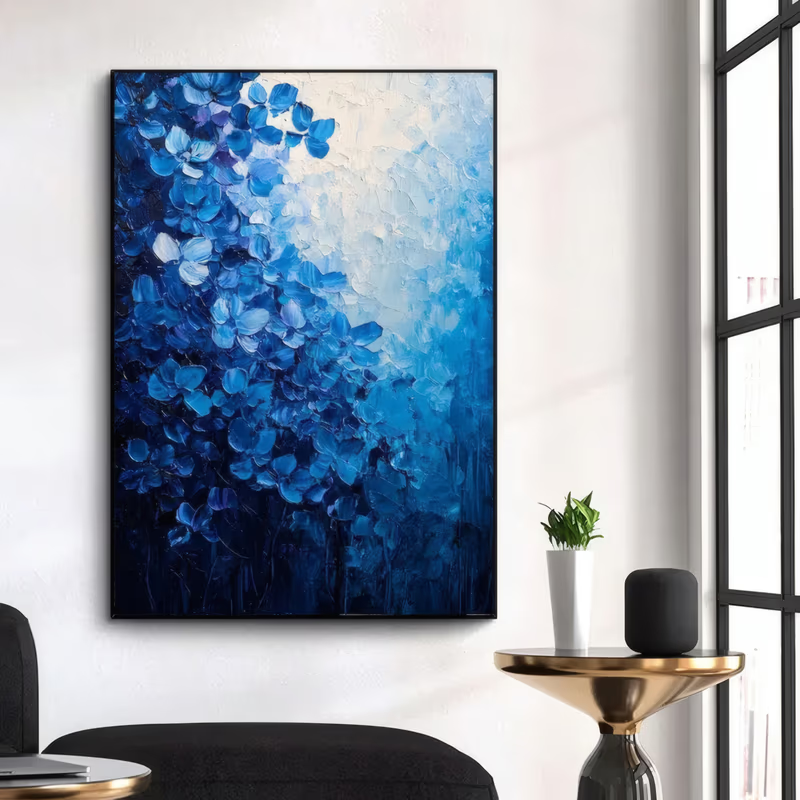
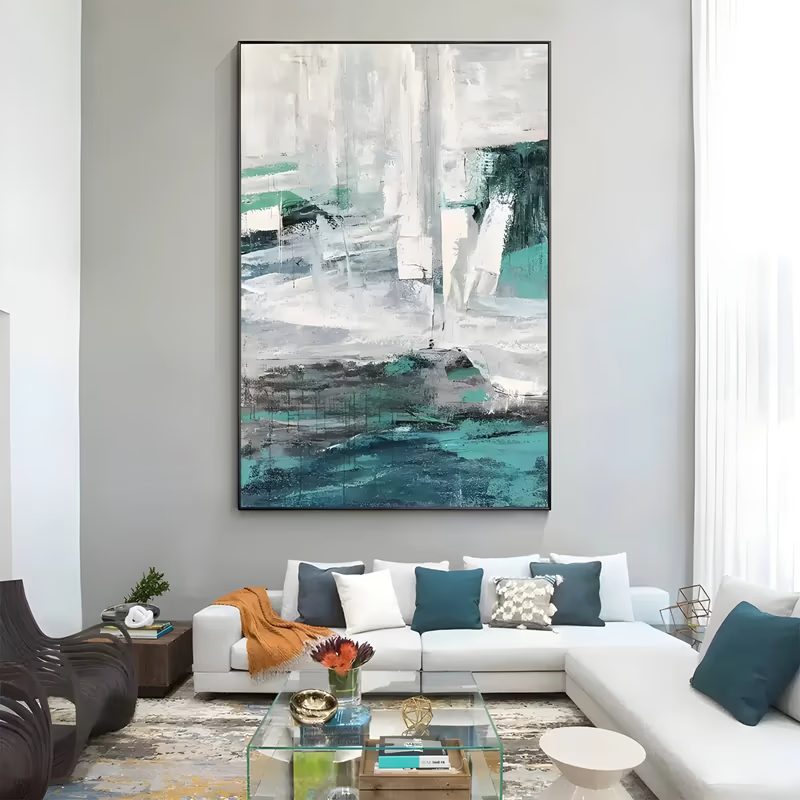
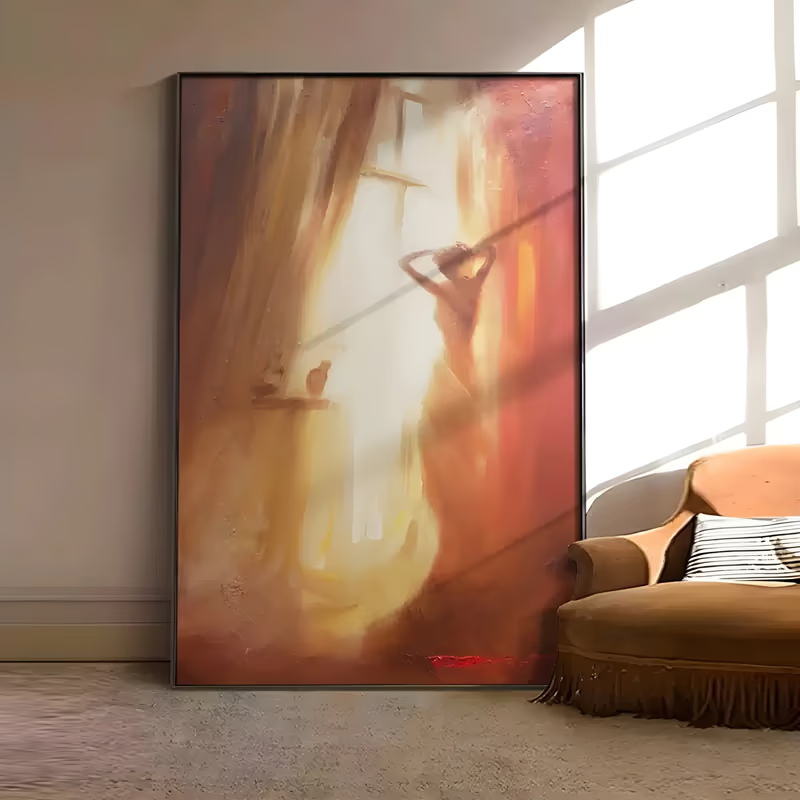
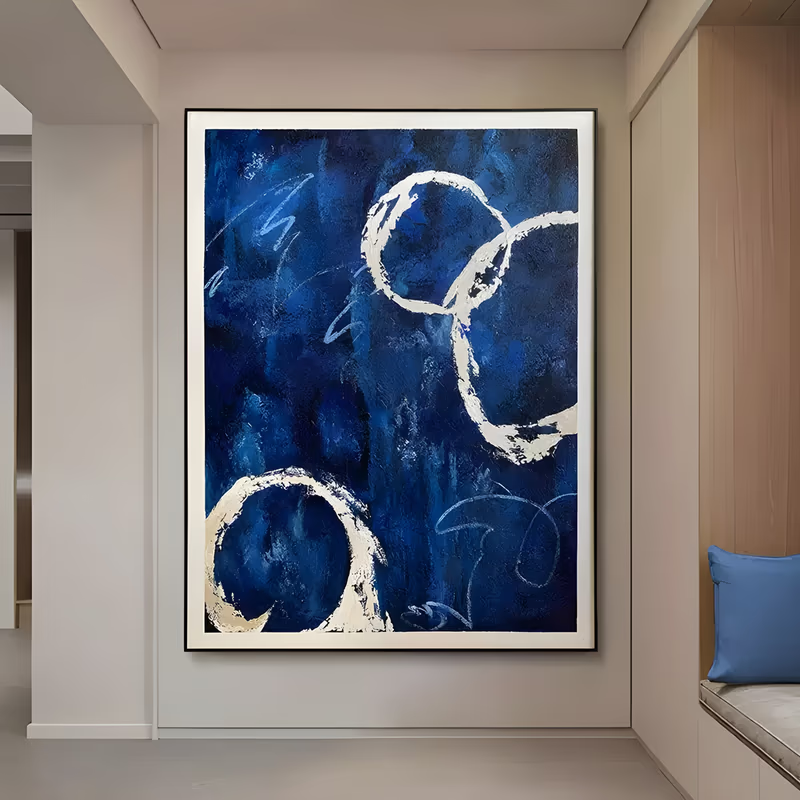
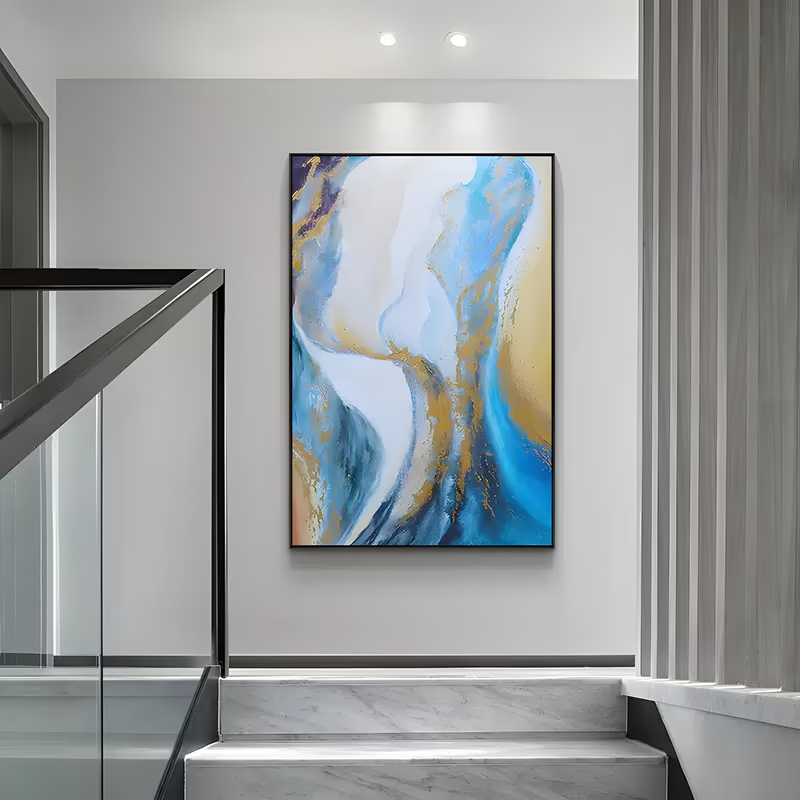
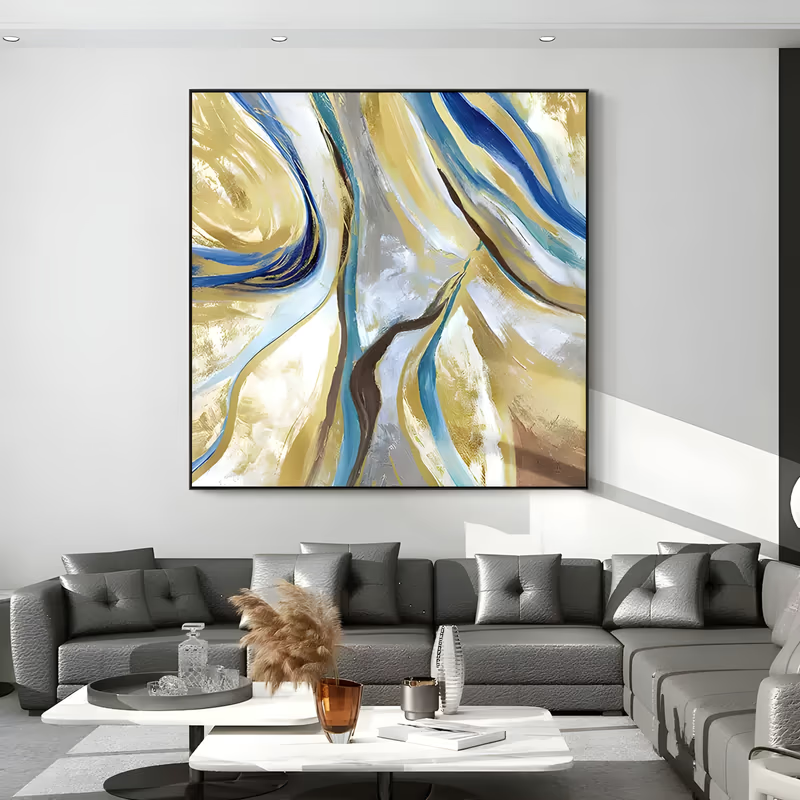
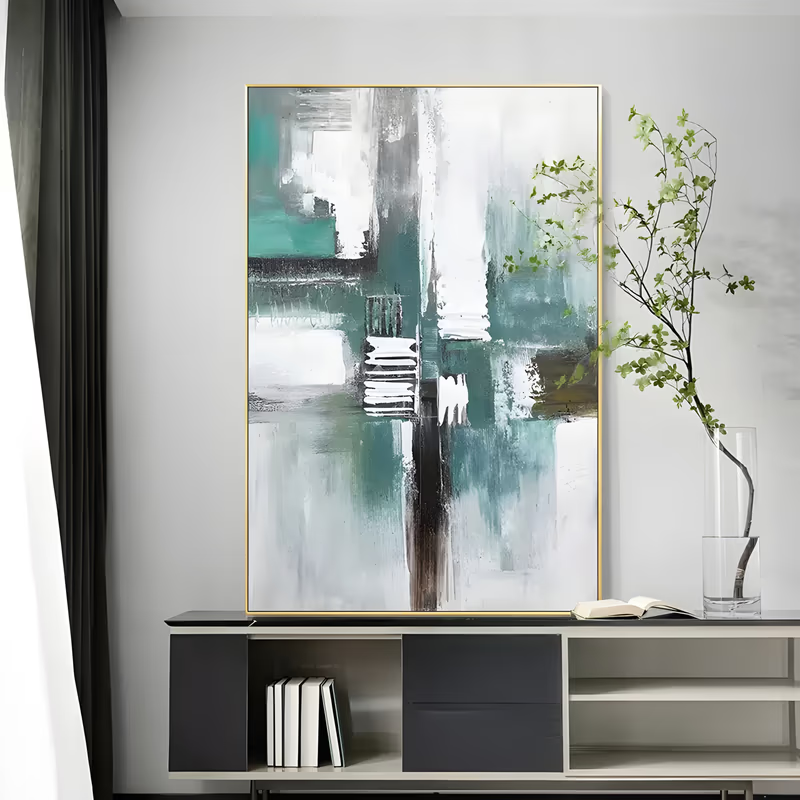
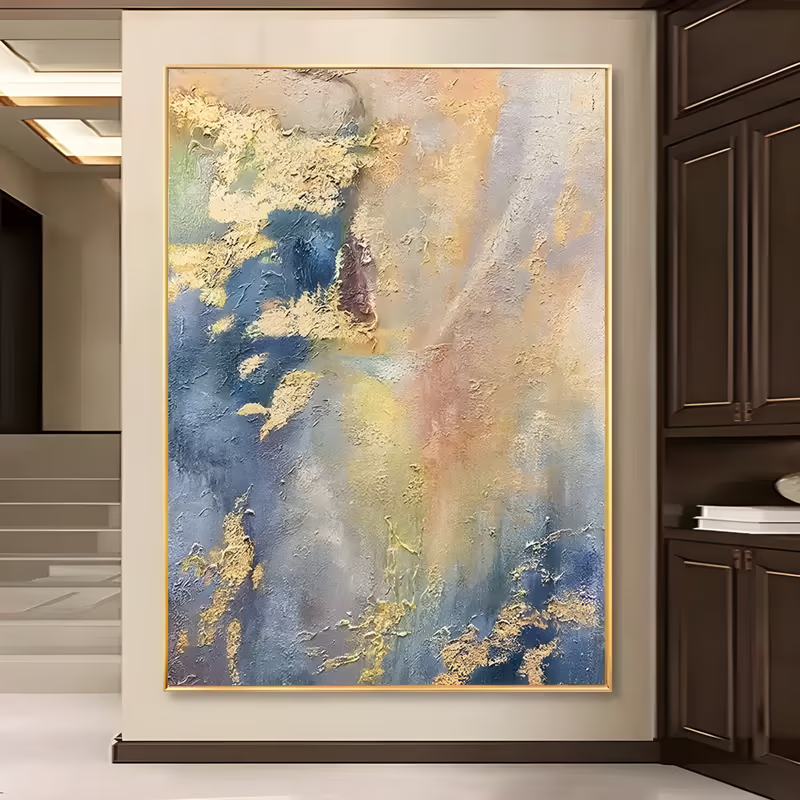
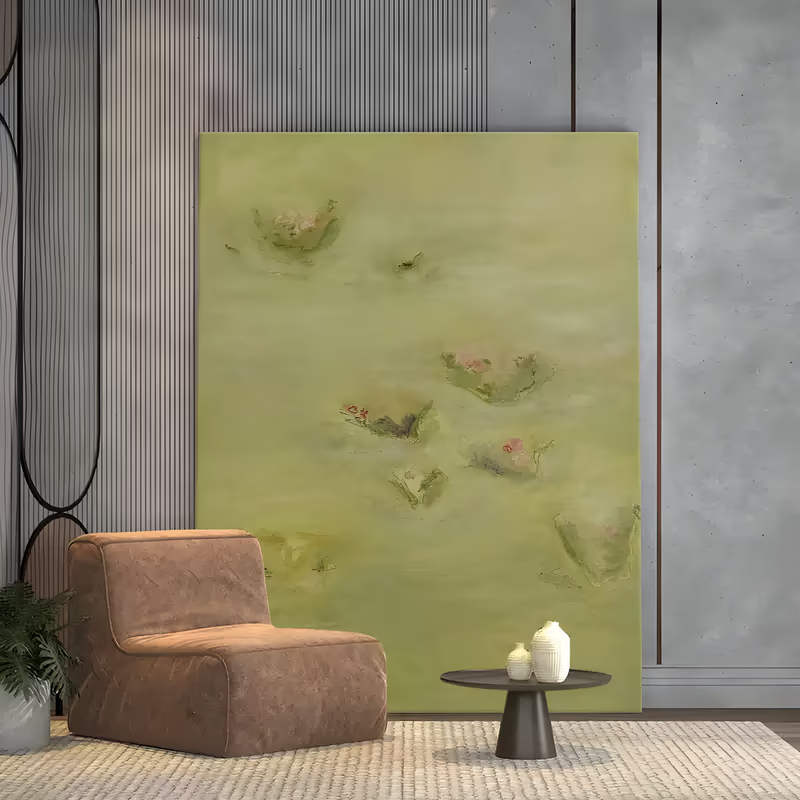
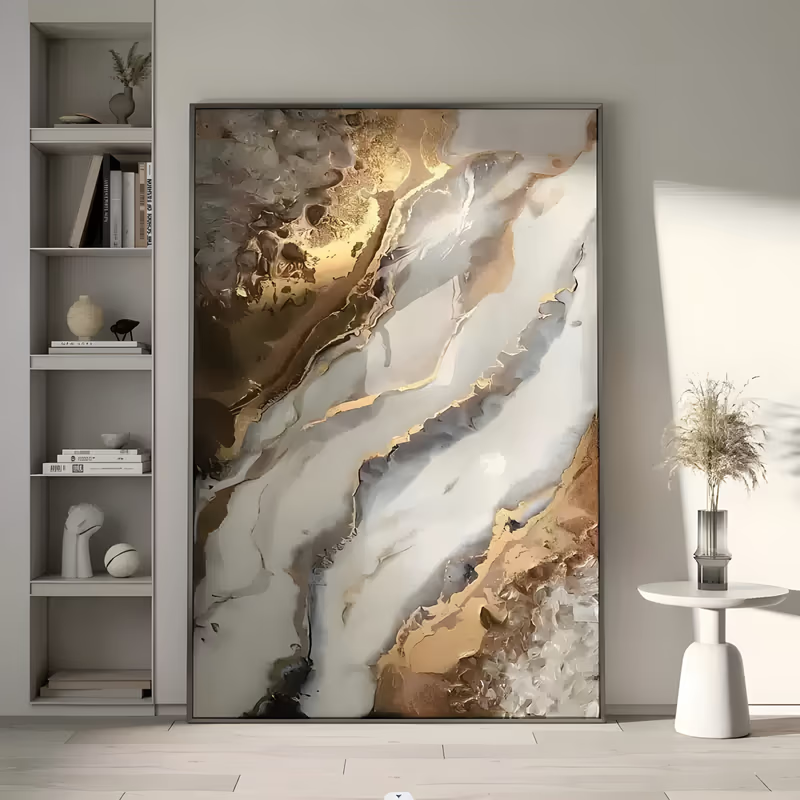
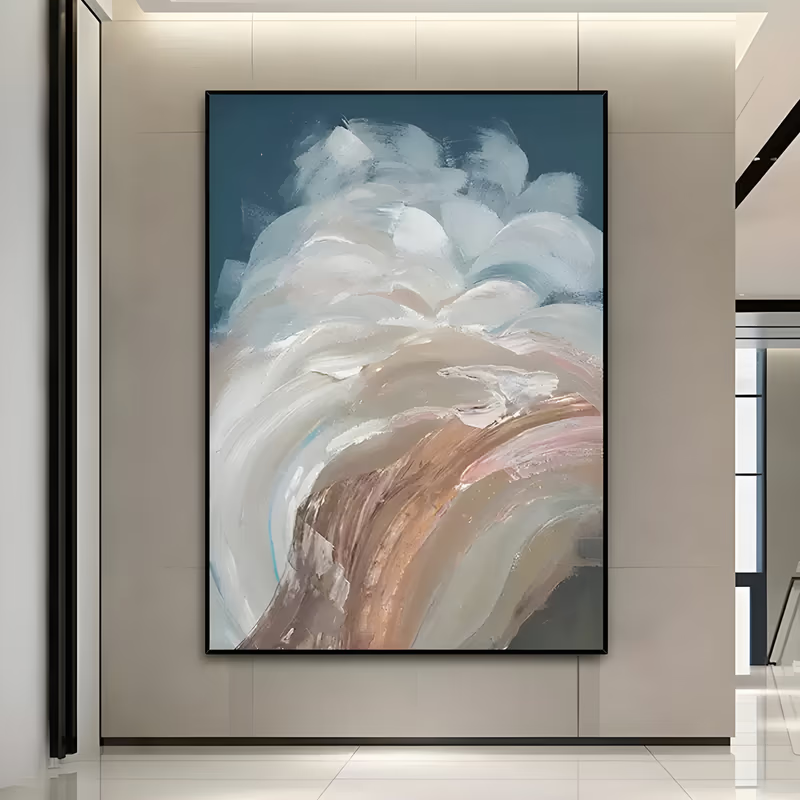
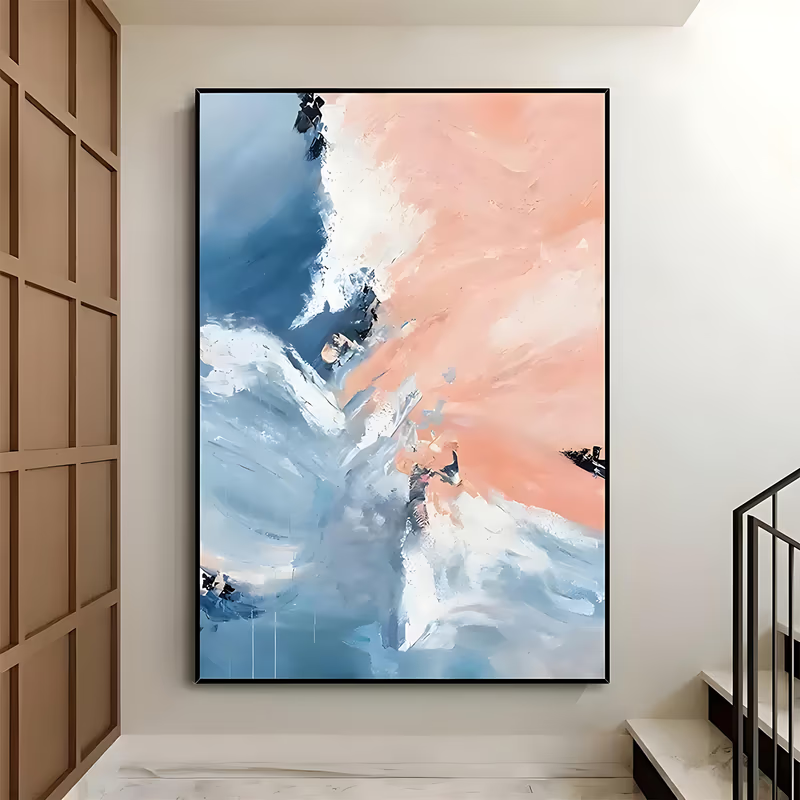
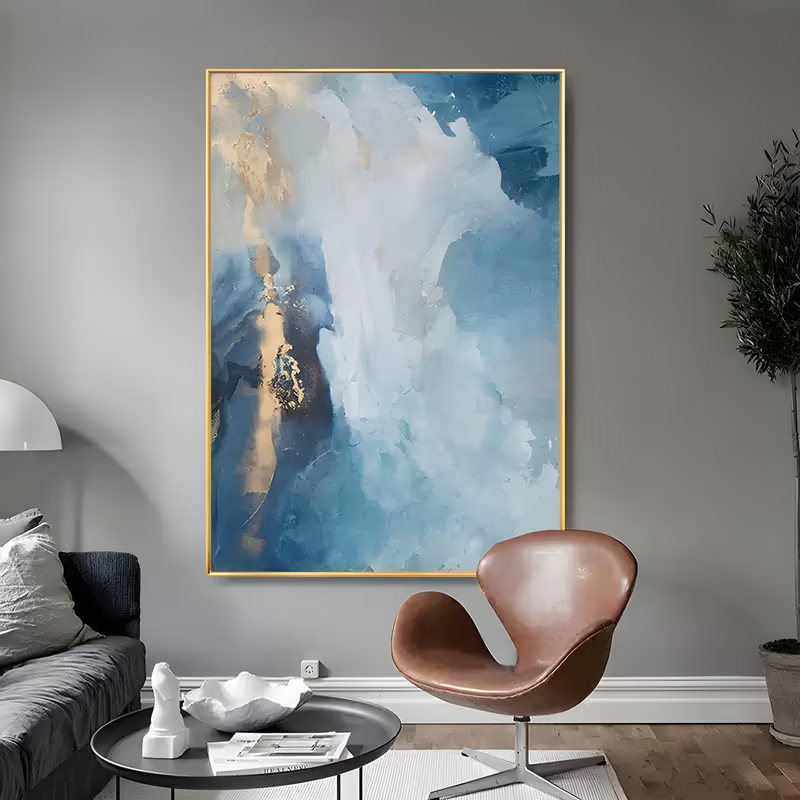
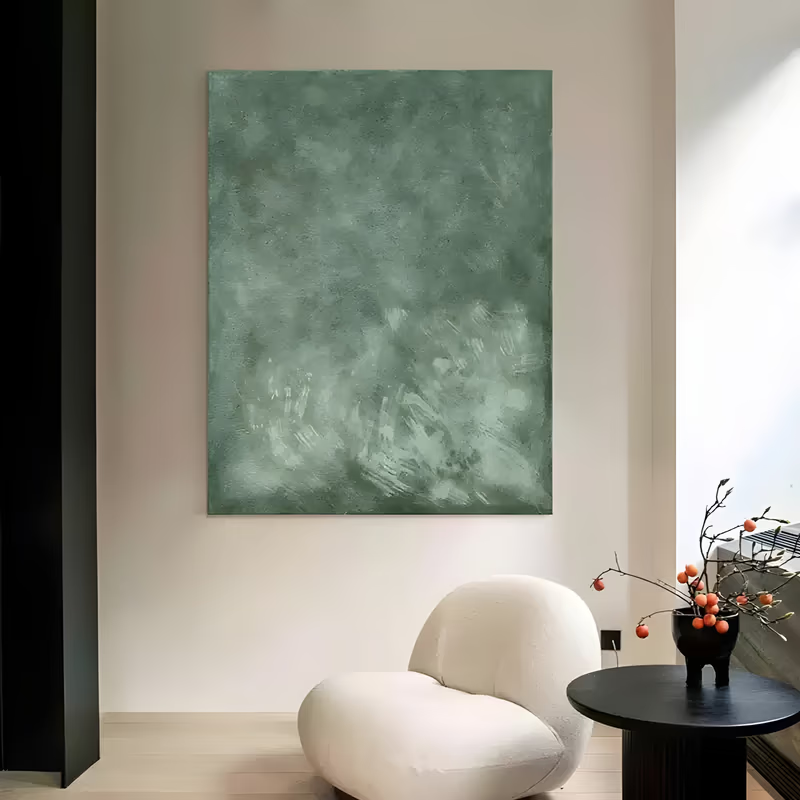
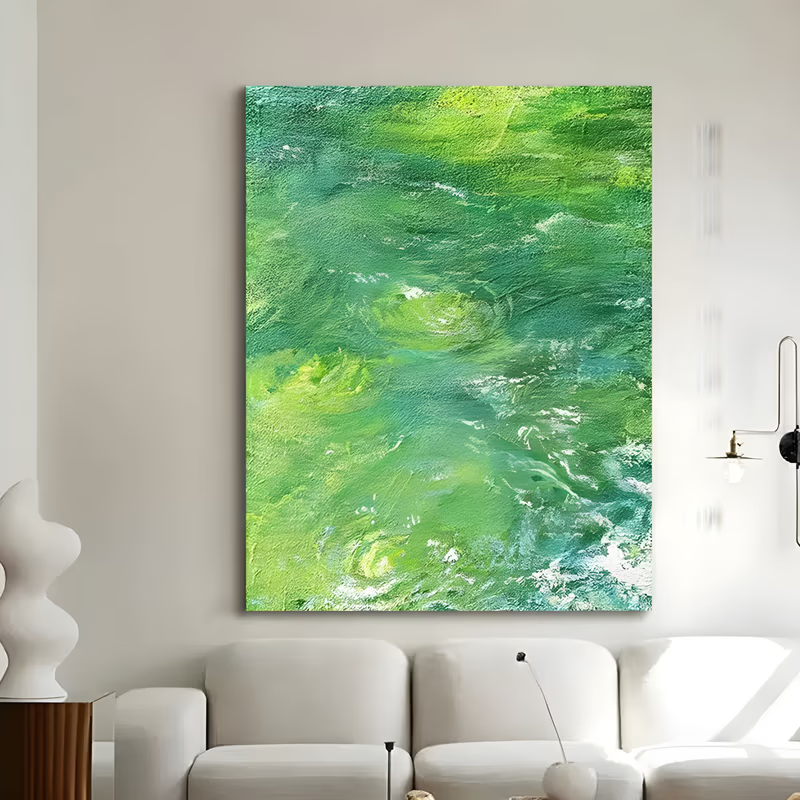
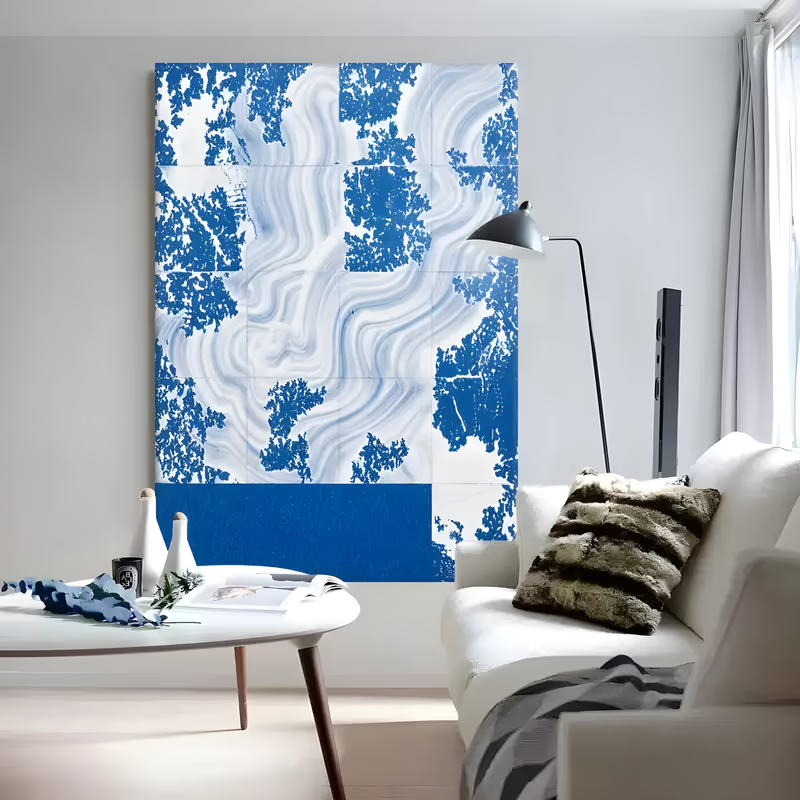
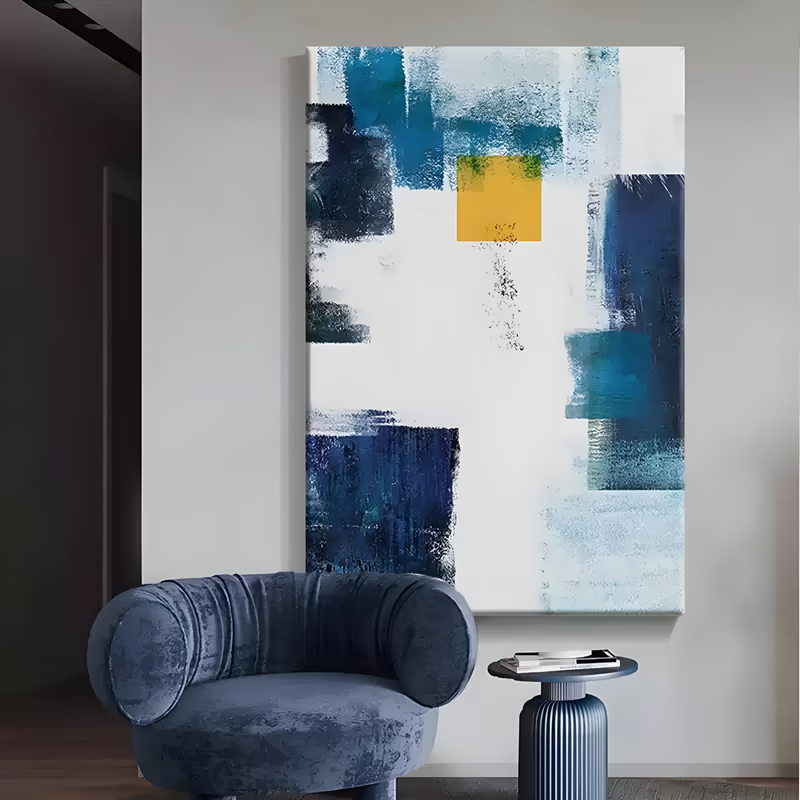
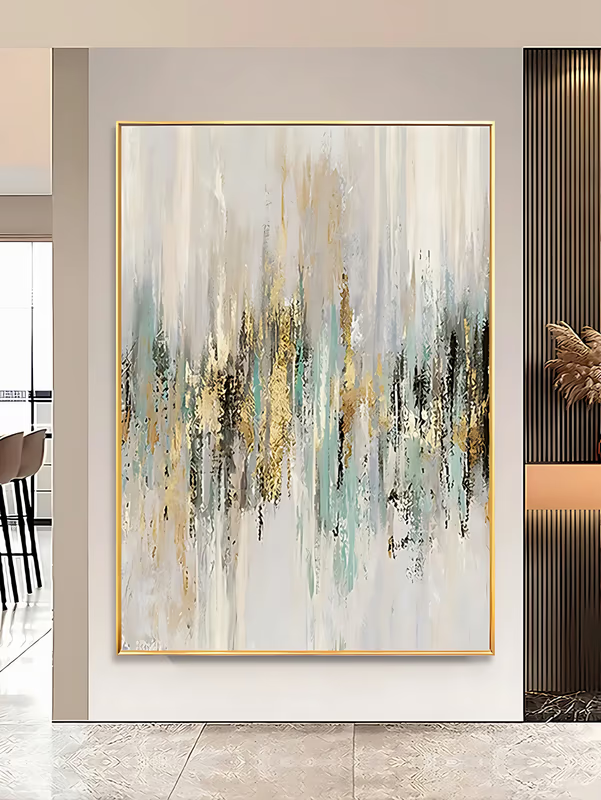
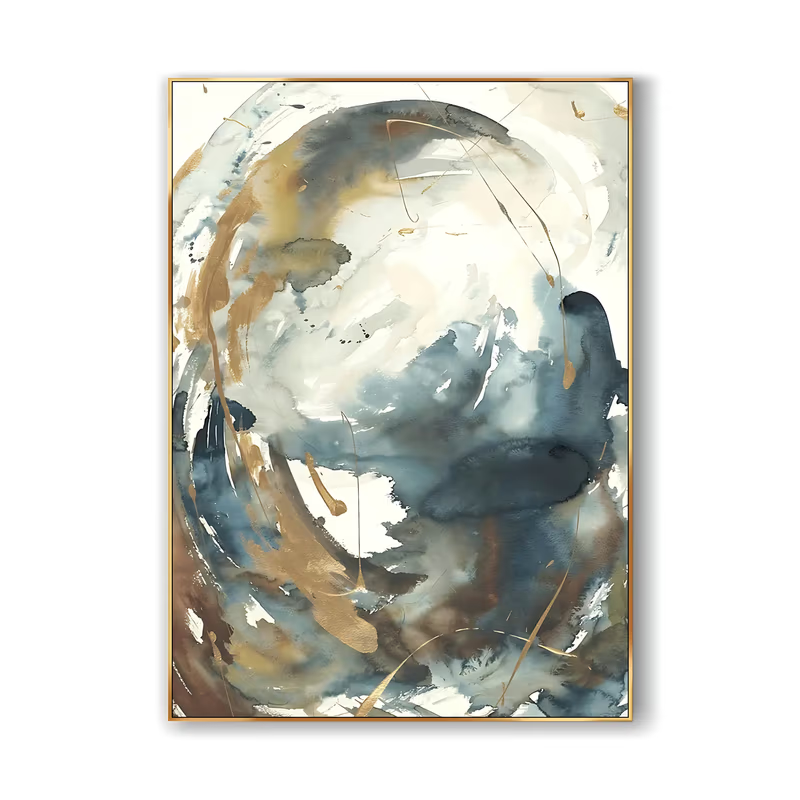
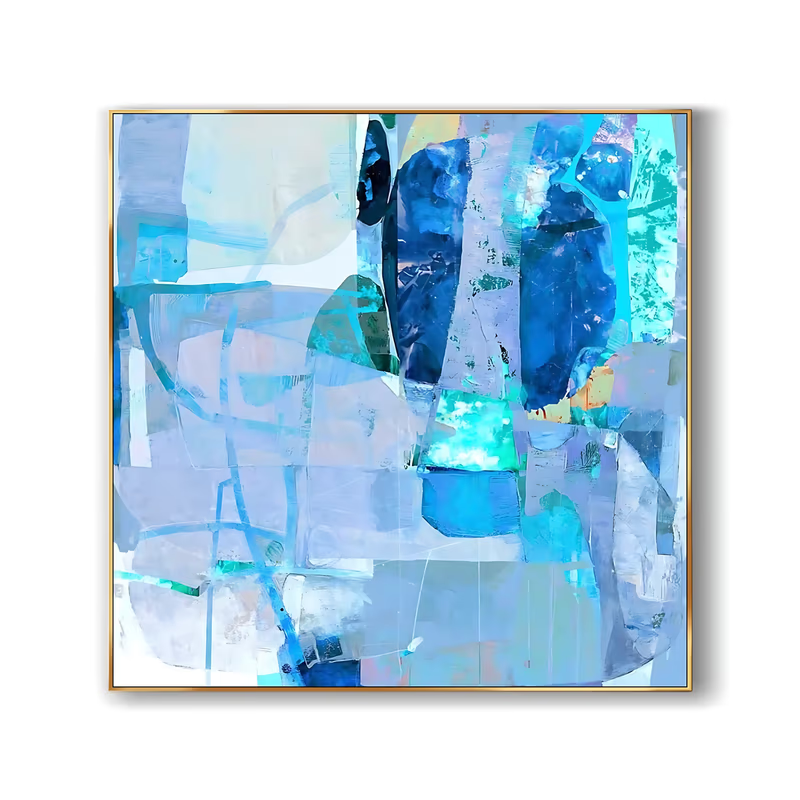
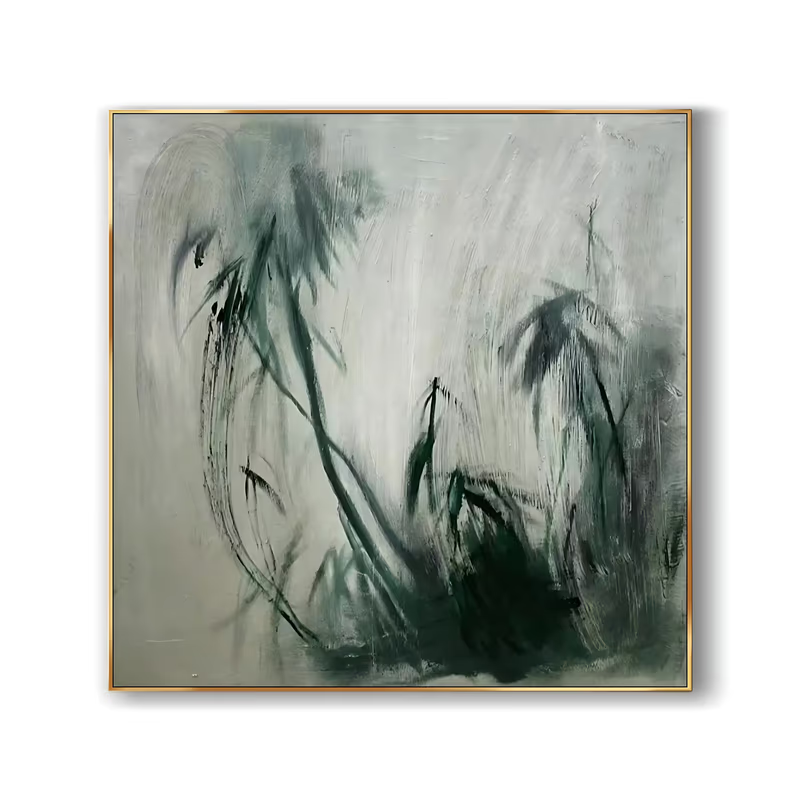
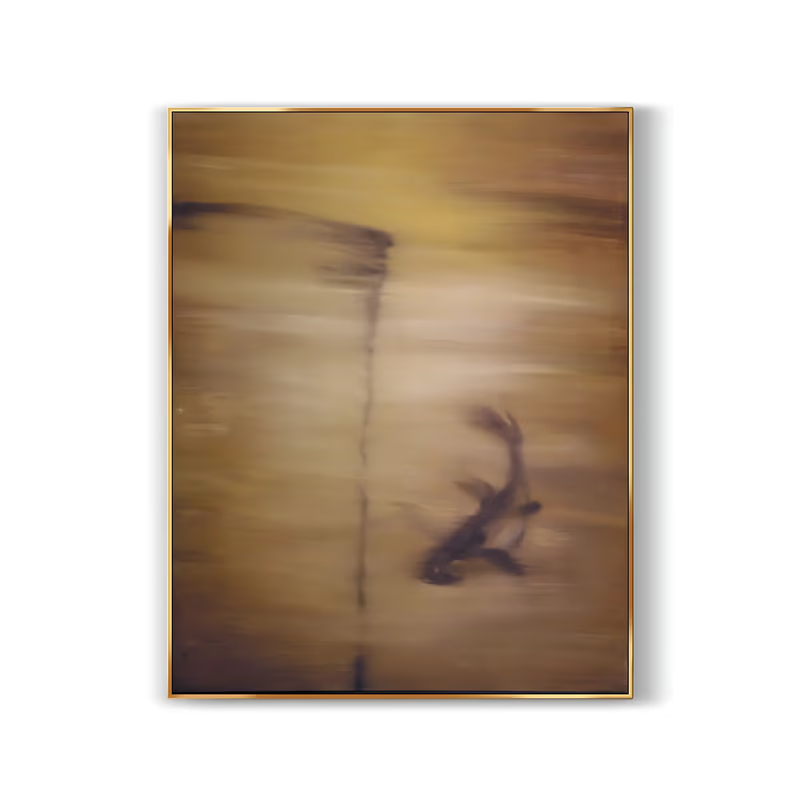
A room for sleeping should not feel agitated. Mid-tones with gentle contrast look restful in daylight and still pleasant under bedside lamps. Blues and greens suit resort and spa hotels; creams and warm neutrals suit classic and city hotels; a little blush, rose or gold can make a suite feel special without becoming loud. Peaceful and calming art, cosy and warm or romantic pieces for suites. Colour guides for blue, green and white wall art go further.
Keep the strongest colour for public spaces. A hotel can carry bold work in the lobby and bar while the rooms stay quiet, and the shift in tone itself tells guests they have arrived somewhere private.
How do you roll out art for a full guest room programme?
Approve the art in one mock-up room, fix sizes and colourways for each room type, then order the programme; every canvas is painted in about 10 days, approved from progress photos, and shipped by express in 5–7 days.
Start with a sample: one painting hung in a finished room, seen under the real headboard, lamps and curtains. Adjust the palette there if needed; it can be matched to a fabric, a paint code or the room's scheme before painting begins. Then list each room type with its sizes and colourways, and the order follows that schedule. Every work is hand-painted in acrylic on canvas as standard, oil paint on request. For each piece you receive photographs or video at each stage, the next stage begins only after your approval, and a final photograph is approved before dispatch.
Painting takes about 10 days per piece and express transit 5–7 days by DHL, FedEx or UPS. A full programme can also go by air or sea freight on the route iHomeArt suggests, and the transit time then depends on that route. Plan the order back from the handover or opening date, leaving time for your approvals. Paintings ship rolled, stretched and ready to hang, or framed in gold, silver, black, white or wood. A single piece can be ordered, volume pricing starts at 10 pieces, and every enquiry is quoted within one business day. See hotel guest-room programmes, art for boutique and independent hotels and serviced apartments and aparthotels, or request a quote.