
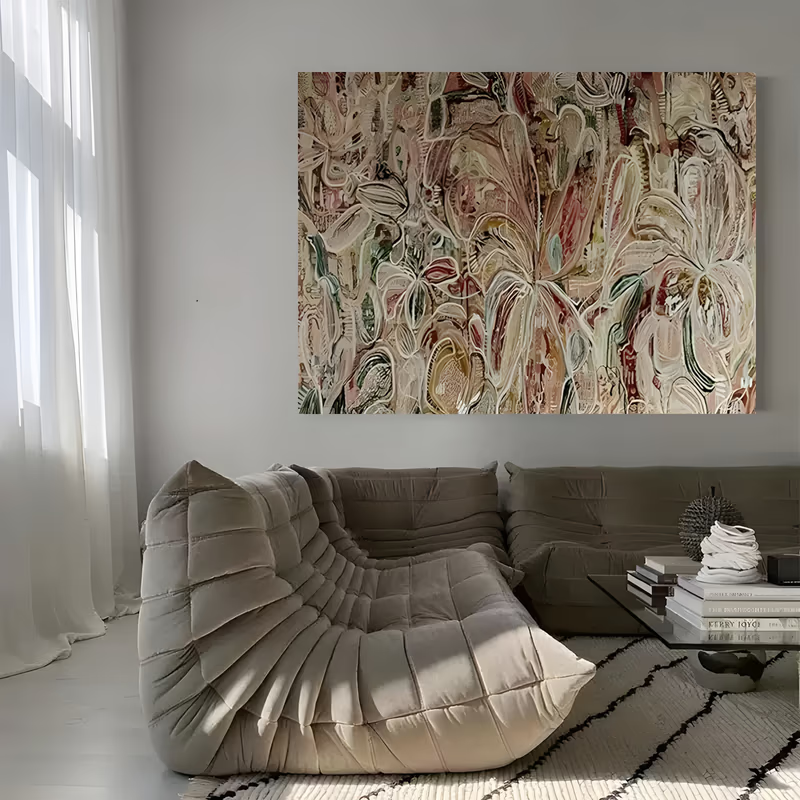
Calming art guide · Updated
How to choose calming wall art that quietens a room
Key takeaways
- Calm comes from restraint: few colours, close tonal values, soft edges and a slow, repeated rhythm matter more than the subject itself.
- Cool and muted reads calmest: mist blue, sage, sea glass, pale grey and sand settle a room; keep saturated red, orange and acid yellow out of the main canvas.
- One larger piece beats many small ones: a single canvas about two-thirds the width of the bed or sofa is calmer than a crowded gallery wall.
- Light it softly: diffuse, even light keeps a calming painting quiet; hard grazing light turns texture into drama.
What makes wall art calming?
A painting reads as calming when it asks very little of the eye: a small palette, low contrast, soft transitions and a composition with no sudden jumps.
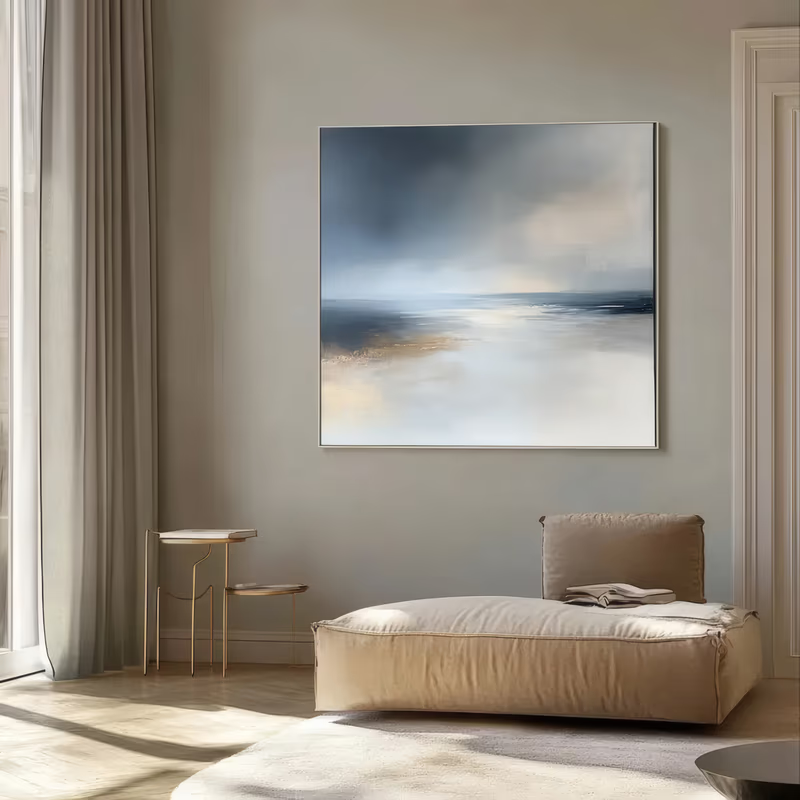
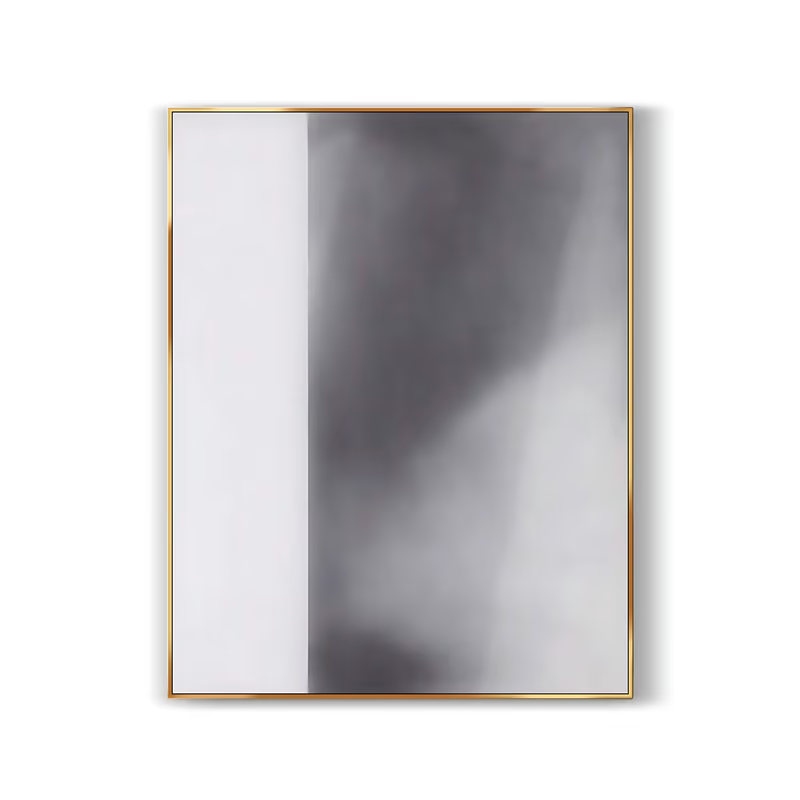
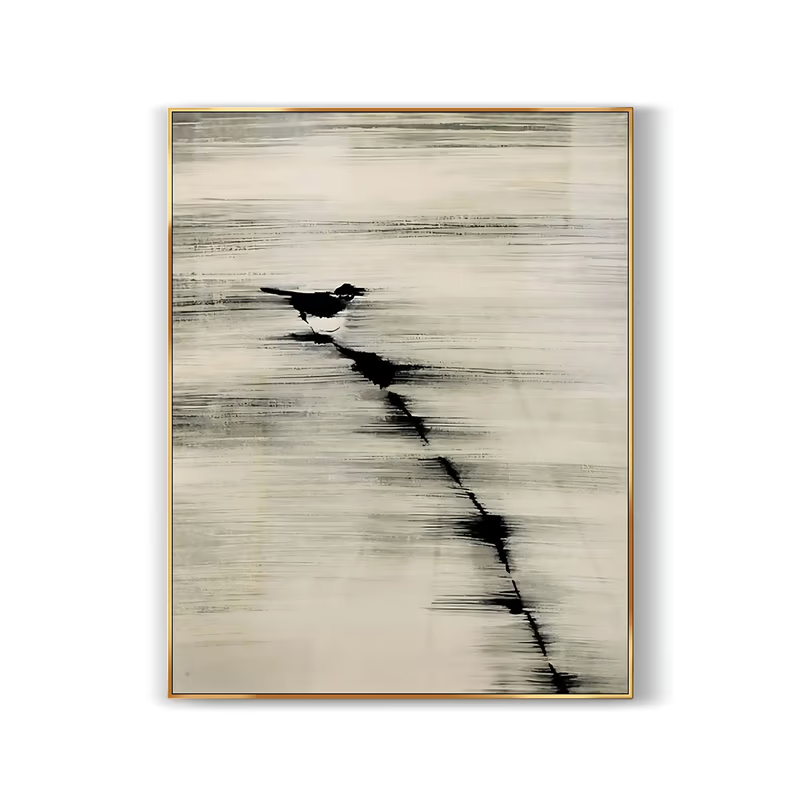
Every picture competes for attention. Strong contrast between light and dark, saturated colour, hard edges and busy detail all pull the eye from point to point, and a room full of that pull feels restless. Calming wall art does the opposite. Its values sit close together, so nothing leaps forward. Its colours are muted or cool, so they recede rather than advance. Edges blur into mist, water or a soft plaster ridge, and shapes repeat at a slow pace, like ripples, waves or rows of leaves, so the eye can follow them without effort.
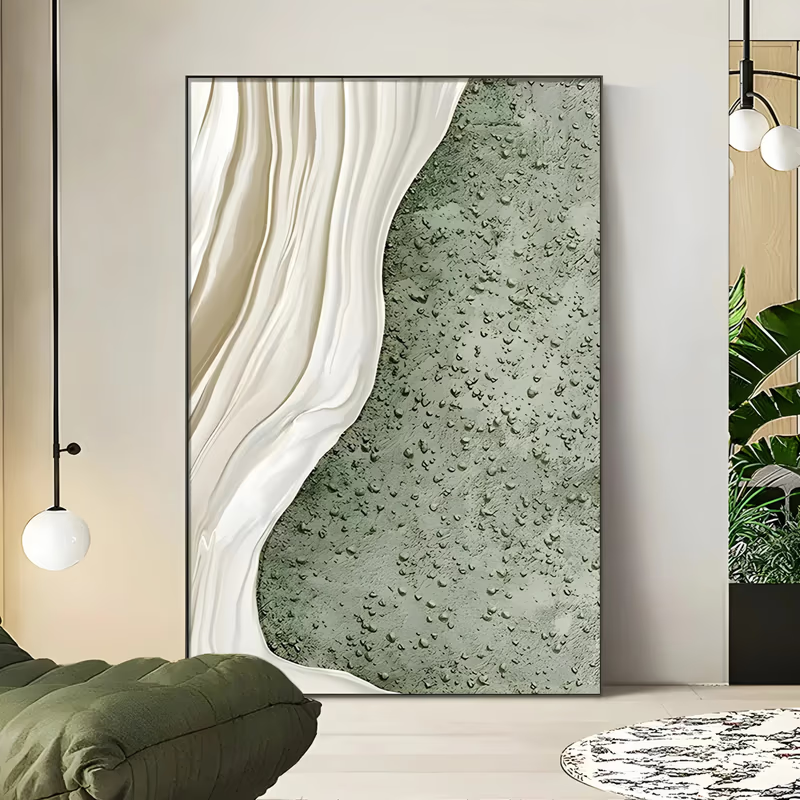
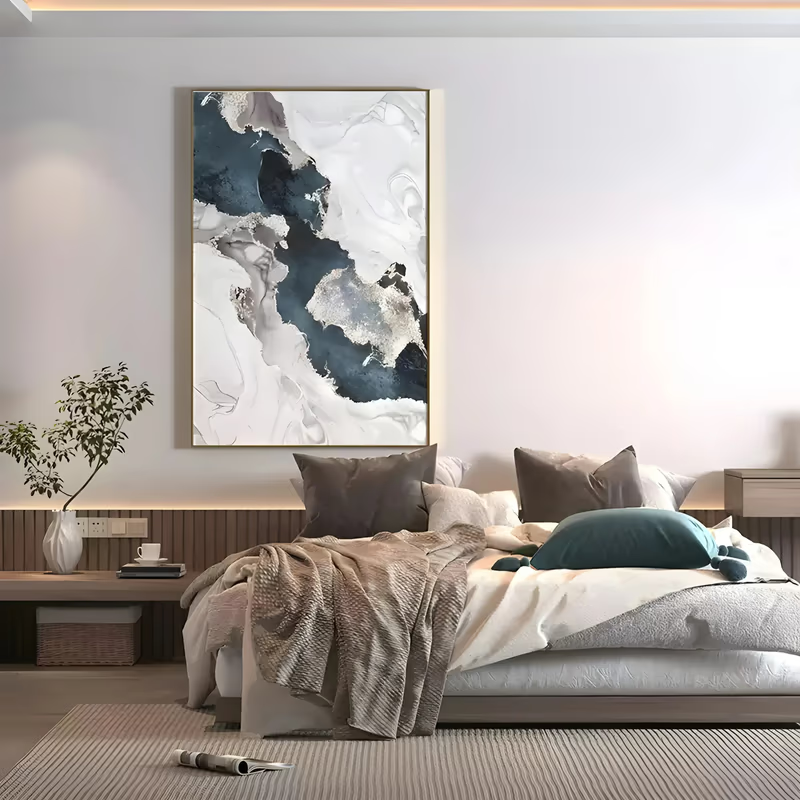
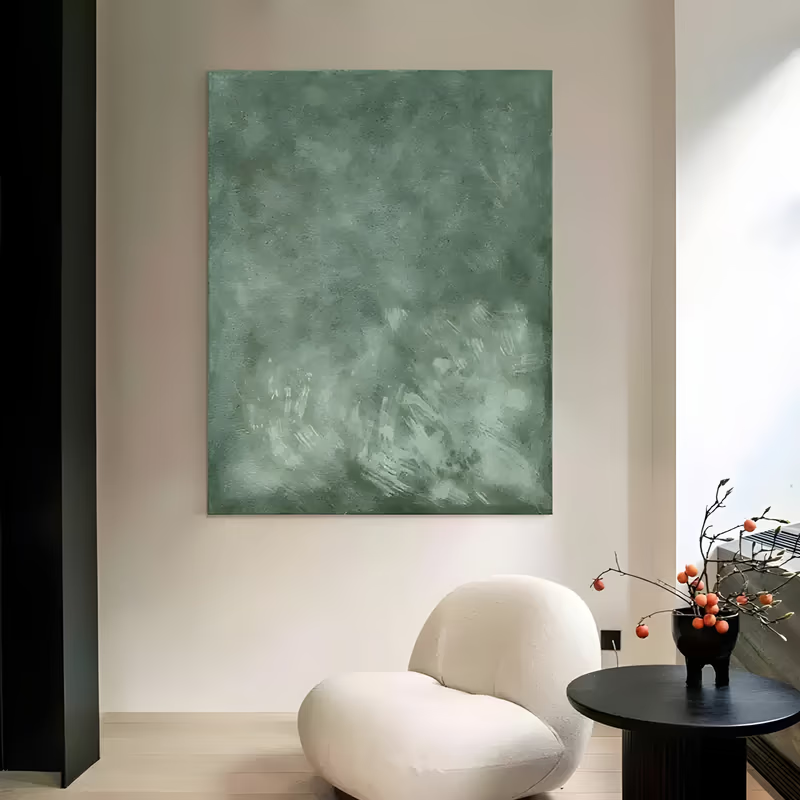
Subject helps too. Water, sky, leaves and open country are familiar and unthreatening, and they rarely need interpreting. But a stormy sea in deep navy and white is not calming, while a plain sage plaster surface can be. Judge the painting by how still it looks from across the room, not by its subject alone.
Calming, peaceful or cozy: which kind of calm wall art does your room need?
Choose calming art to lower stimulation, peaceful art to give the eye stillness and distance, cozy art to make a room feel warm and enclosed, and romantic art for softness and beauty.
These moods overlap, and many paintings carry two of them, but they solve different problems. The table sets them side by side.
| Mood | What it does to a room | Typical palette | Typical subjects | Where it is used most |
|---|---|---|---|---|
| Calming | Turns the visual volume down; nothing competes | Cool and muted: mist blue, sage, sea glass, grey, sand | Soft water, haze, leaves, tone-on-tone texture | Bedrooms, bathrooms, spa treatment rooms, clinics |
| Peaceful | Gives the eye a long, still view and empty space | Any, often wide and airy | Horizons, still lakes, minimal forms, a single subject | Meditation rooms, reading corners, suites, lounges |
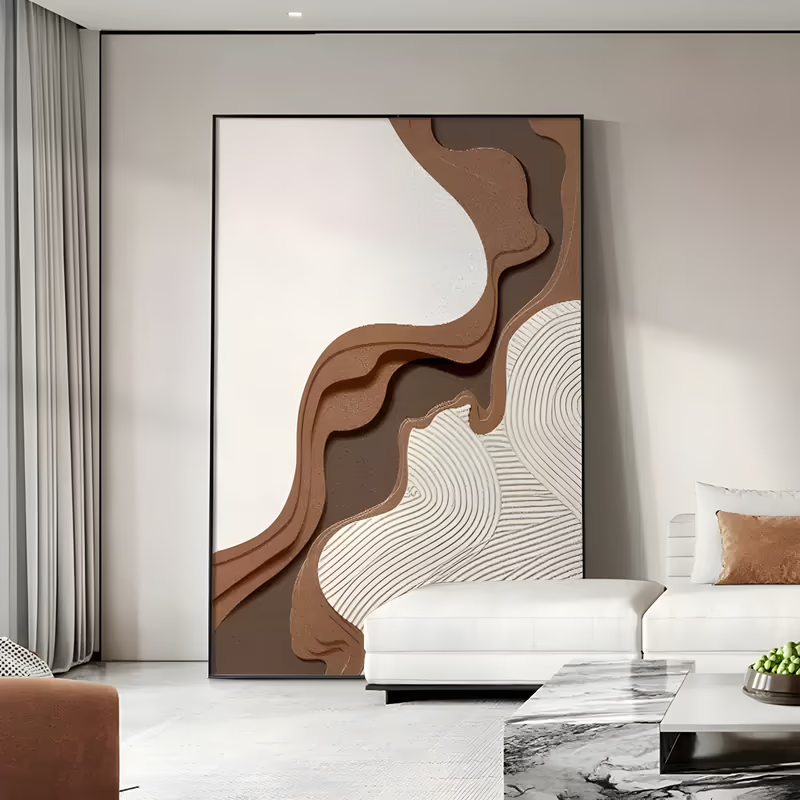
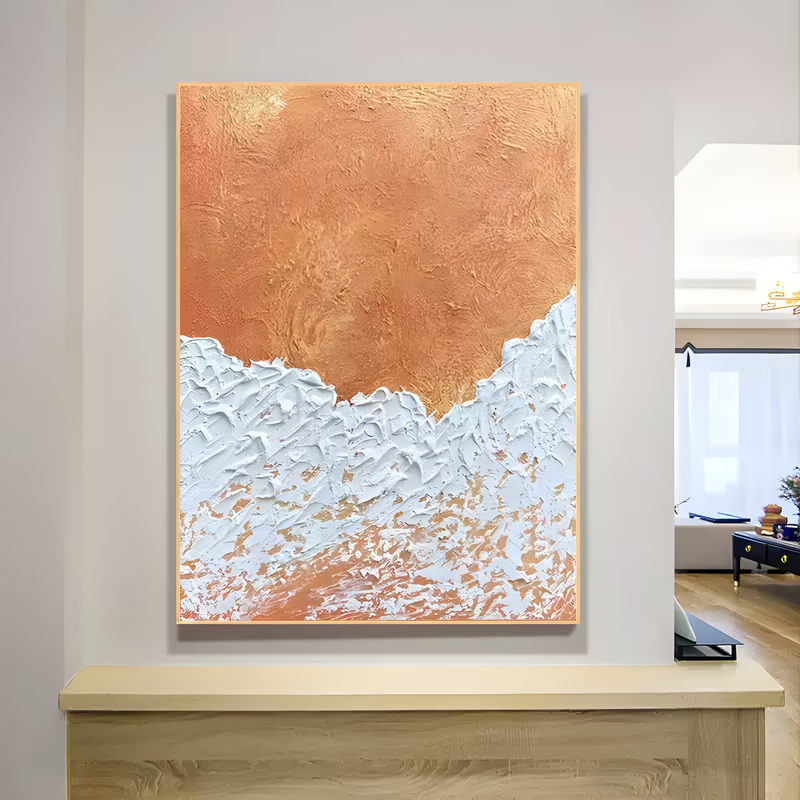
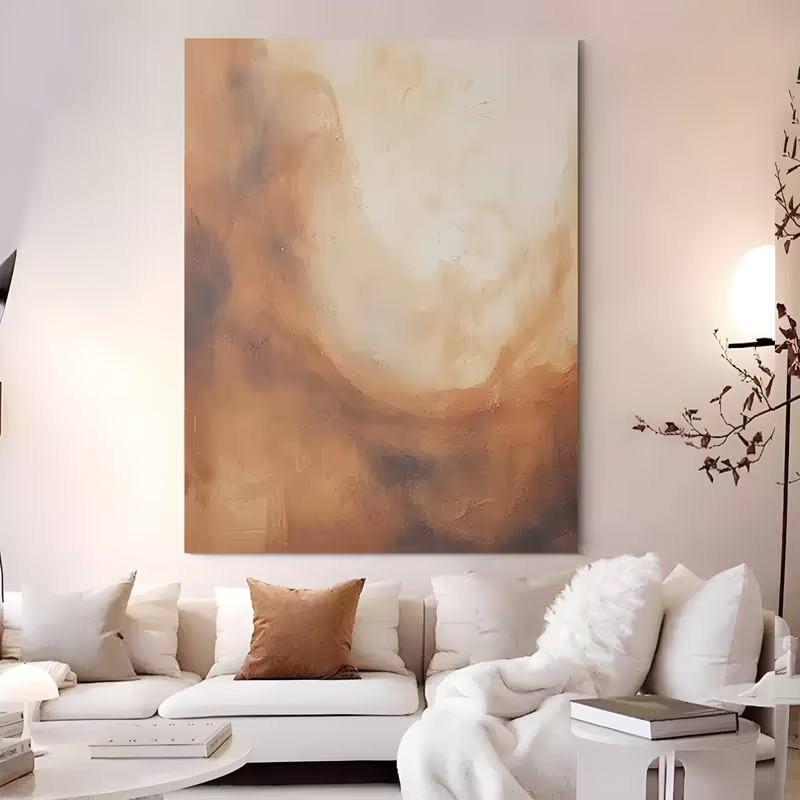
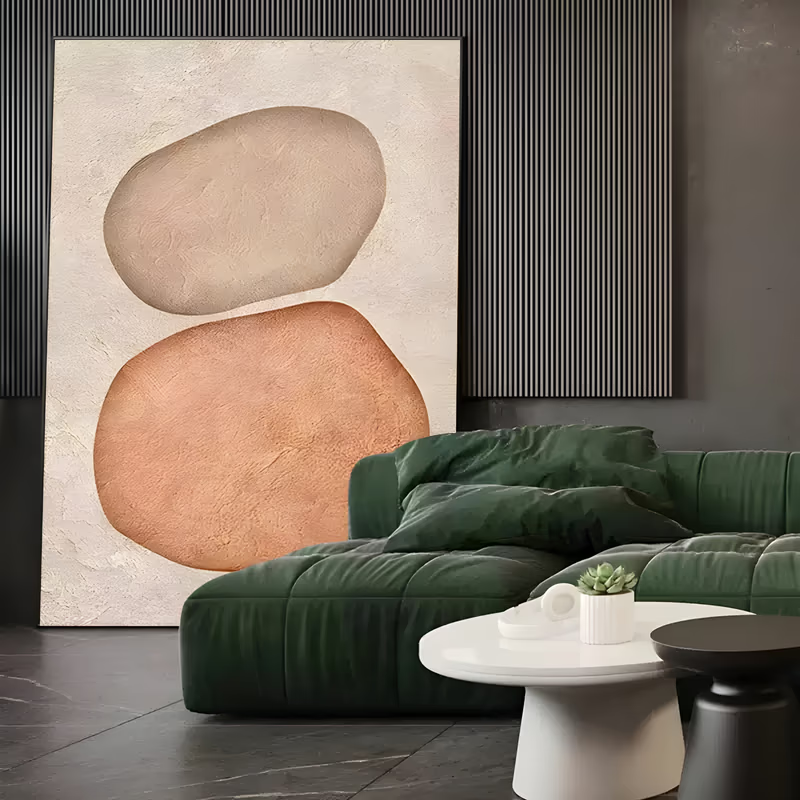
| Cozy and warm | Pulls the room in around you; feels lived in | Amber, ochre, terracotta, olive, walnut | Autumn scenes, still lifes, earthy texture | Dens, dining rooms, bars, hotel lounges |
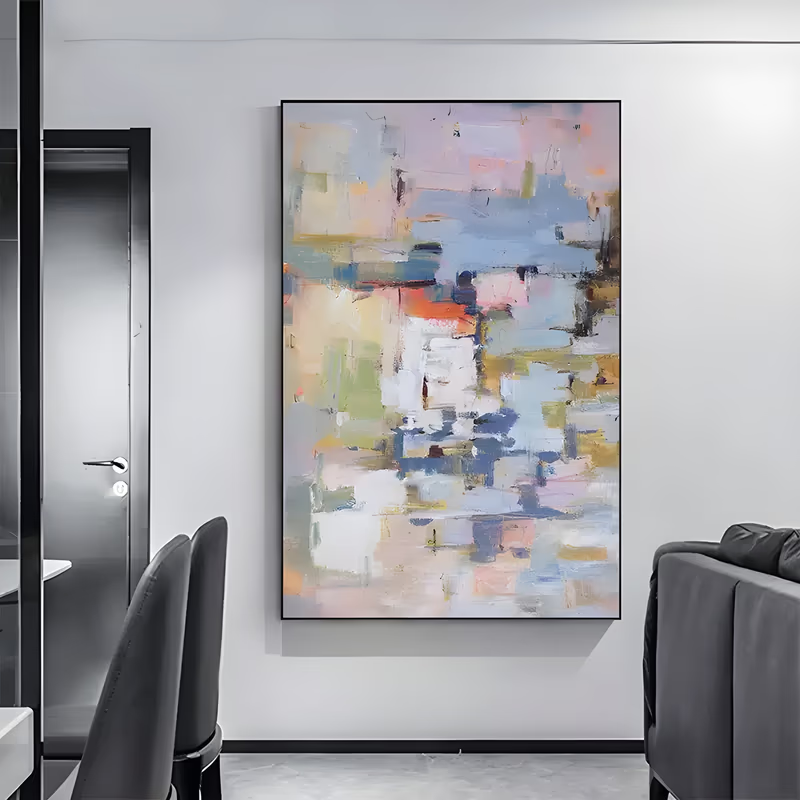
| Romantic | Softens and flatters; adds tenderness | Blush, rose, lavender, peach, gold | Florals, dusk skies, pairs and figures | Main bedrooms, bridal suites, restaurants |
If a room is used to recover, sleep or wait, calming is the safest starting point. Many works on this page also carry a second mood; use the filter to find calming art that is also peaceful or calming art with a warmer palette.
Which colours make wall art calming?
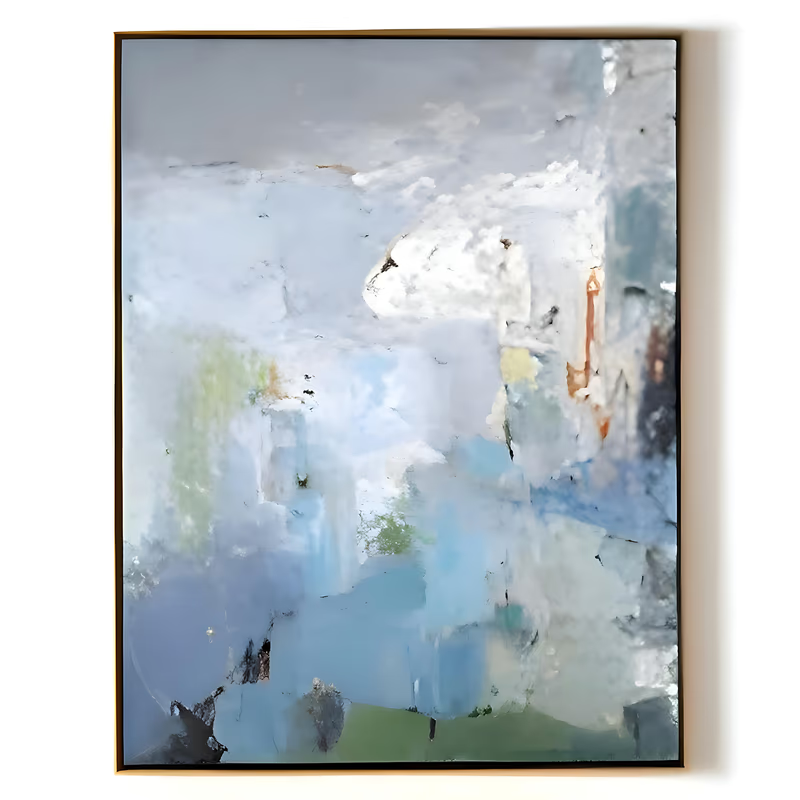
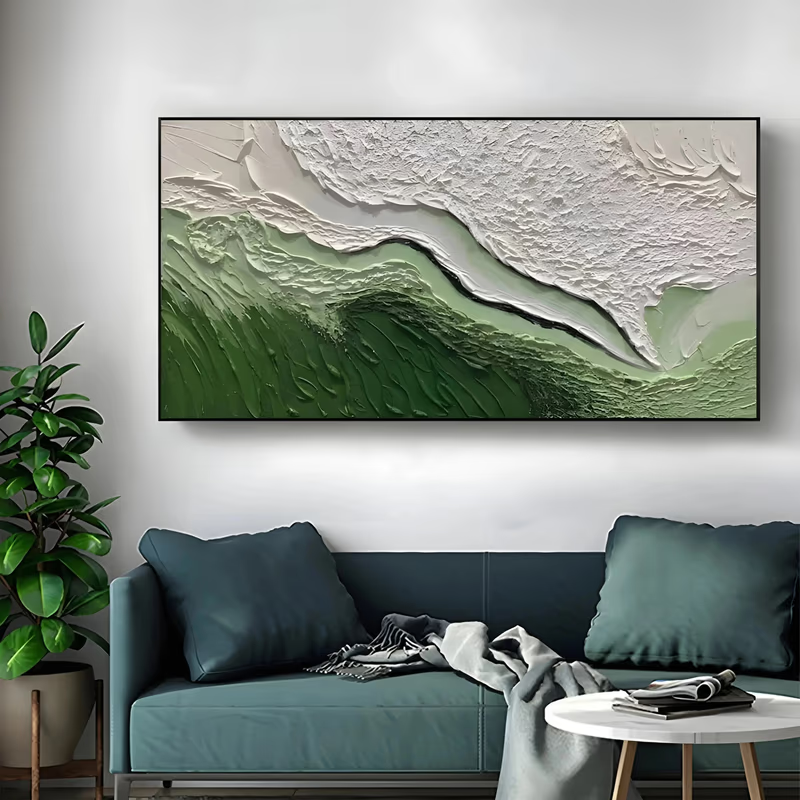
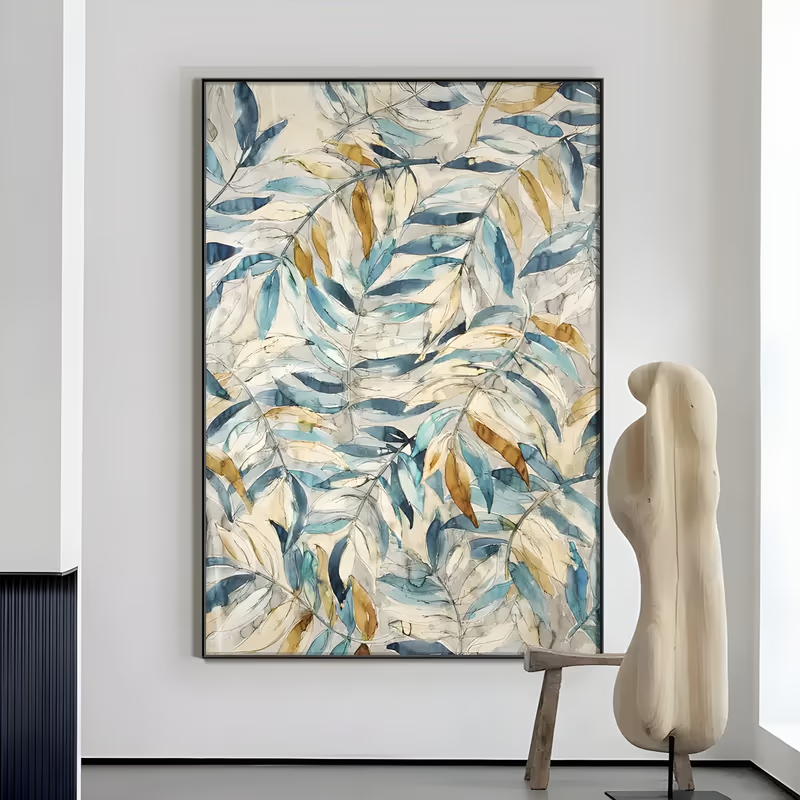
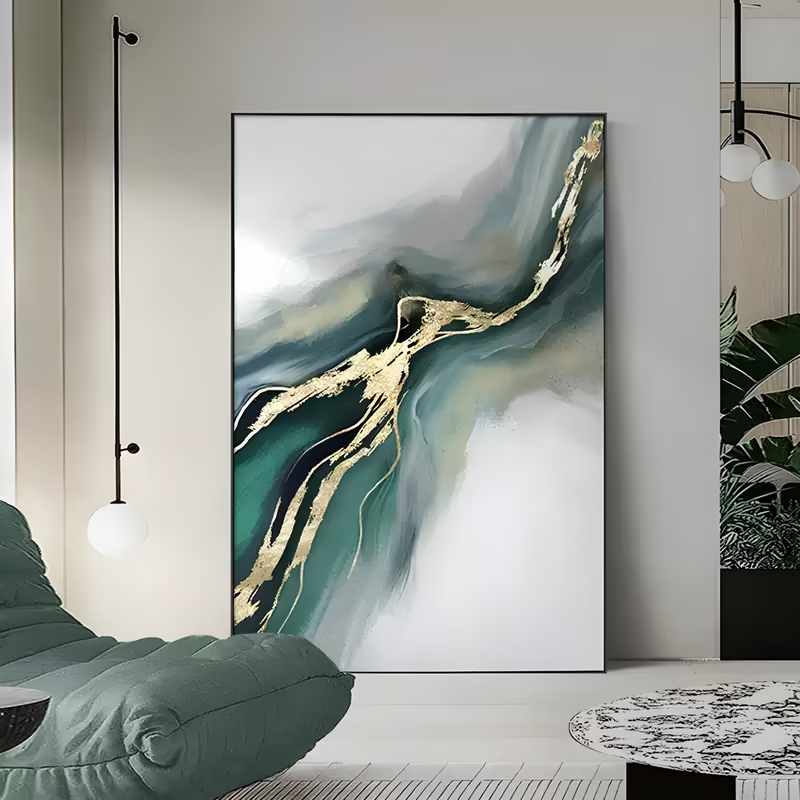
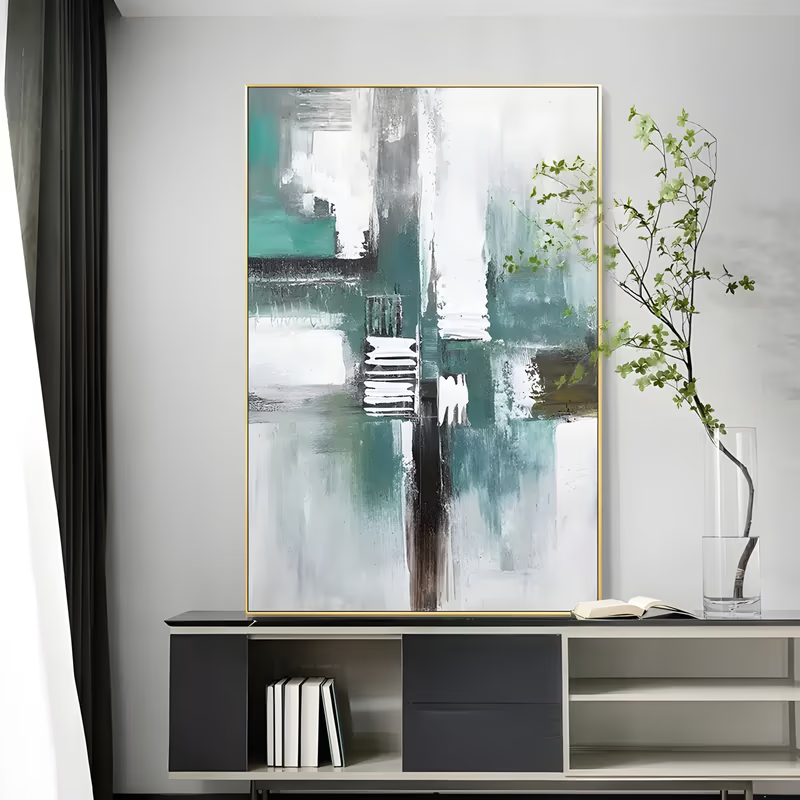
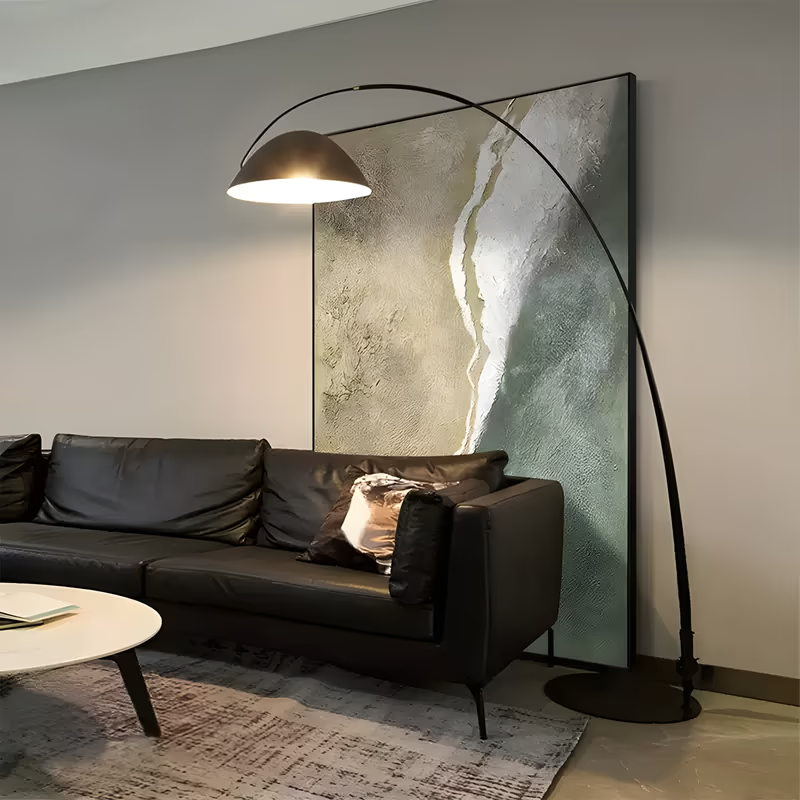
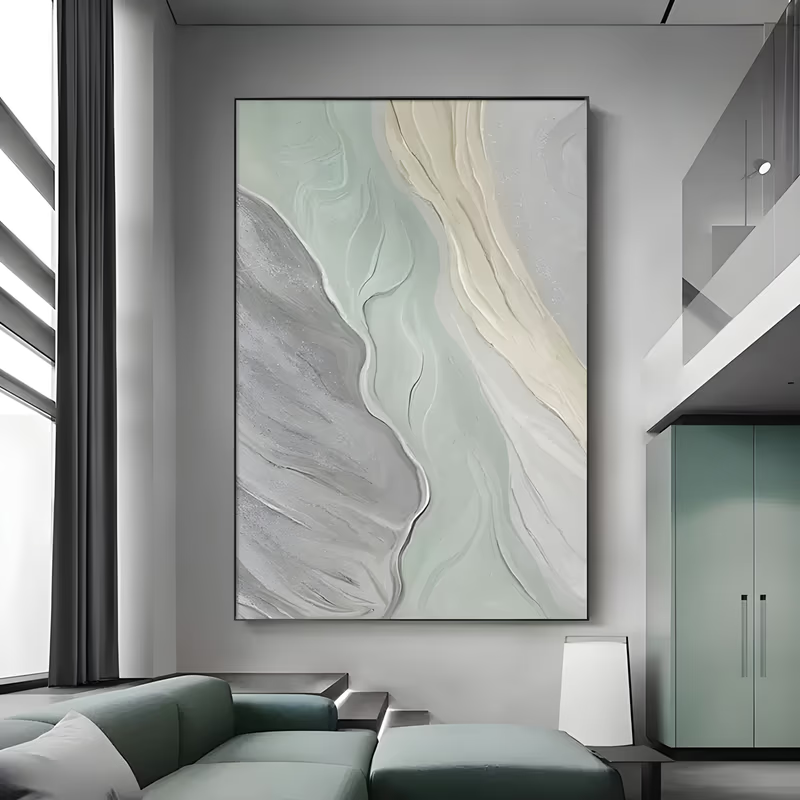
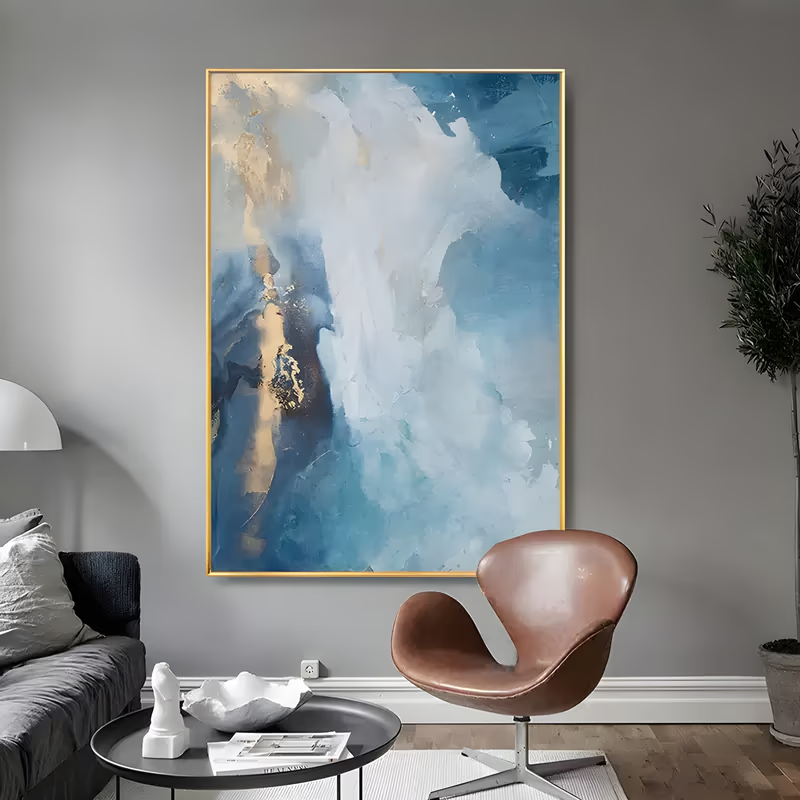
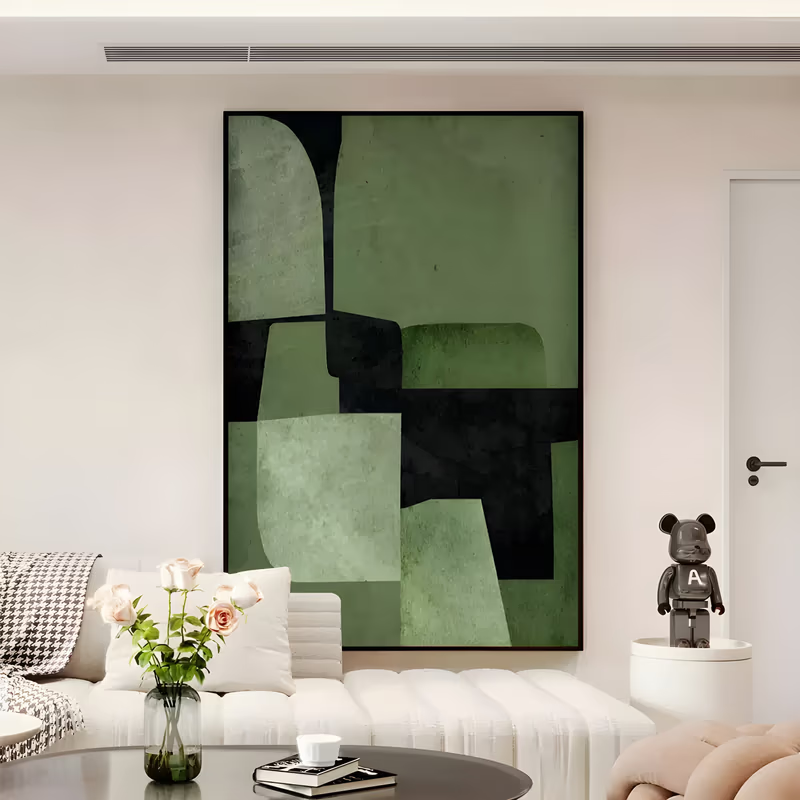
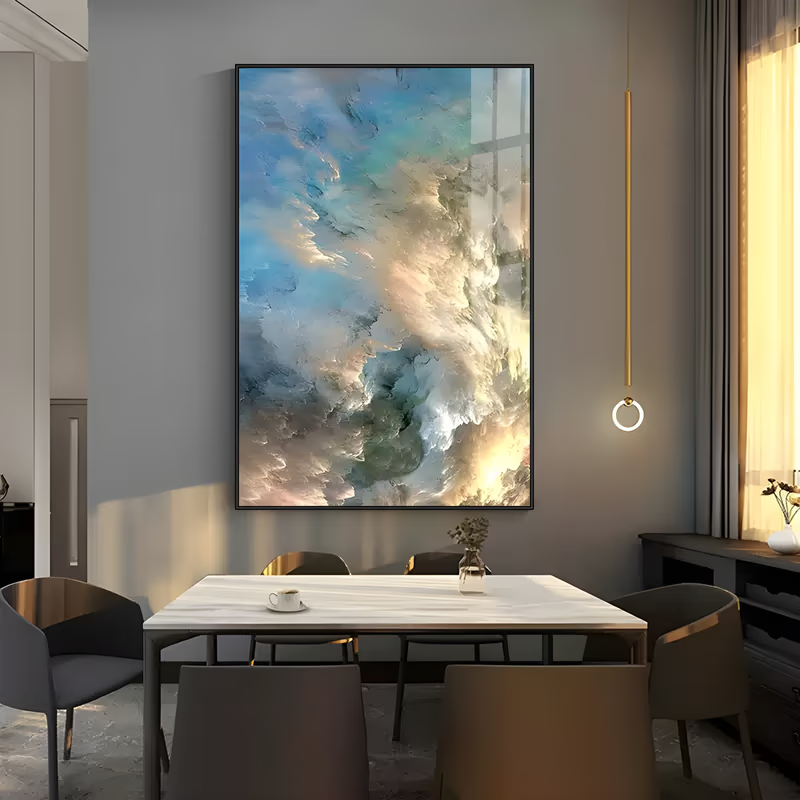
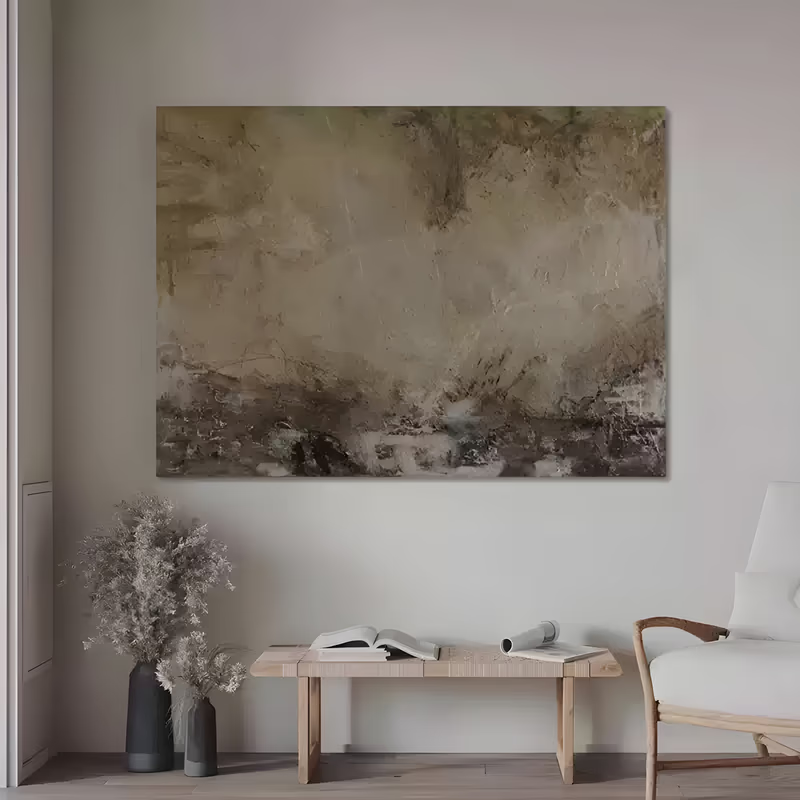
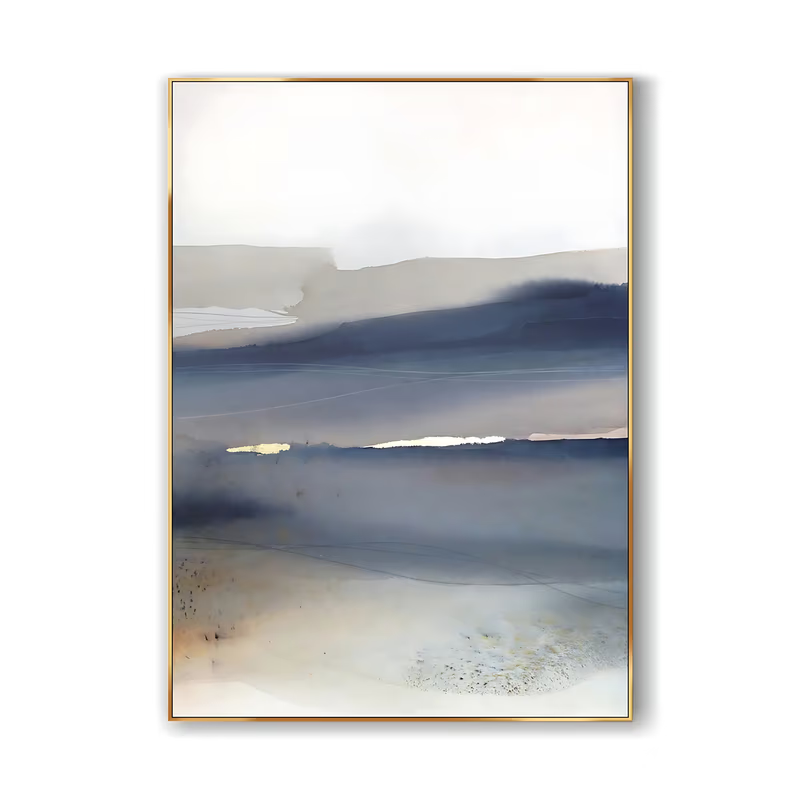
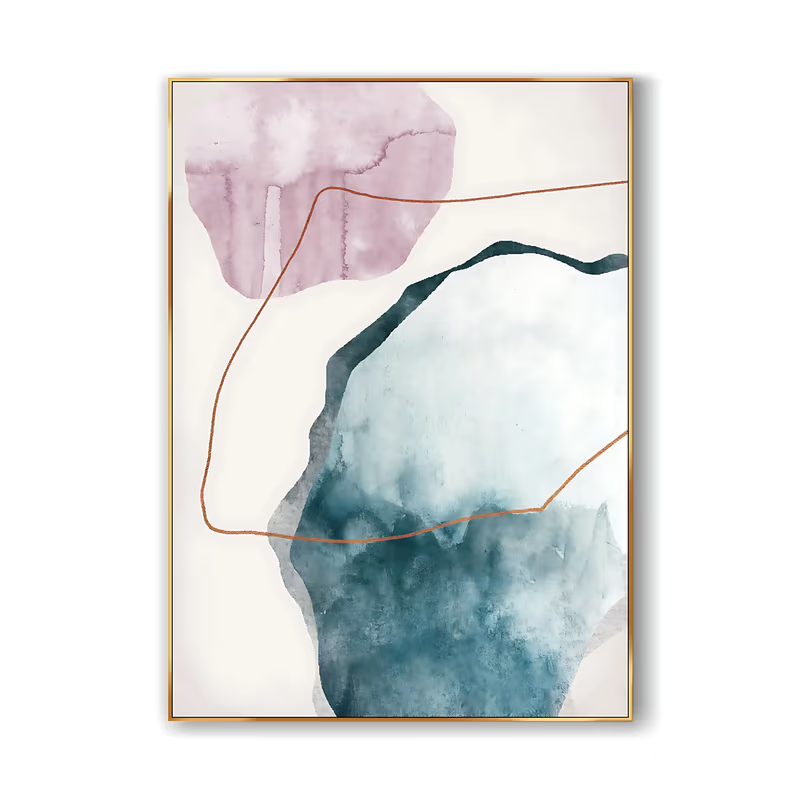
Muted cool colours and soft neutrals are the most calming: mist blue, sage, sea glass, pale grey, sand and warm white, used in close shades of each other.
| Palette | How it behaves on the wall | Watch out for |
|---|---|---|
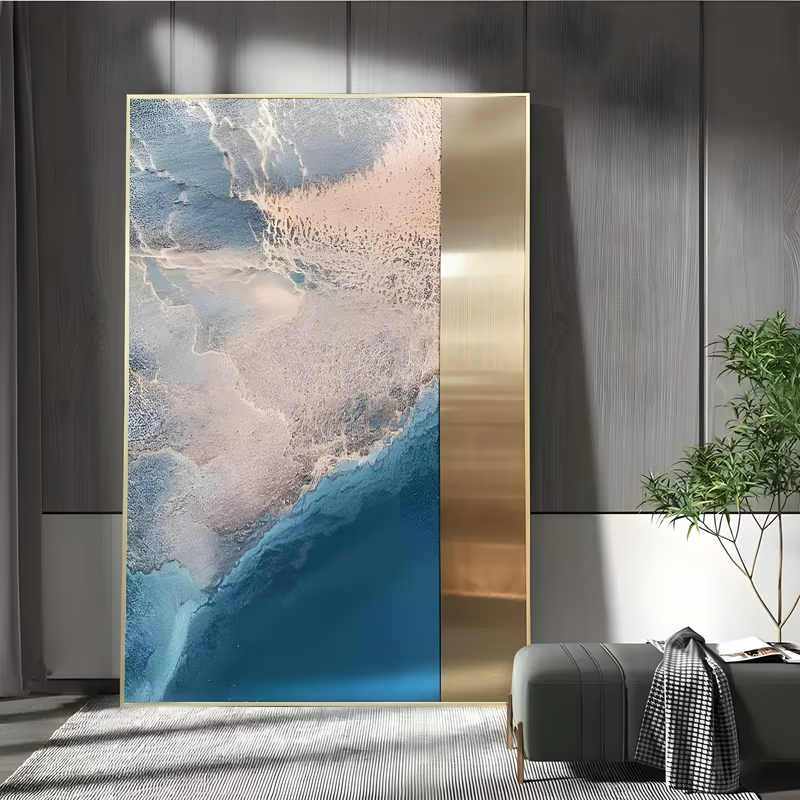
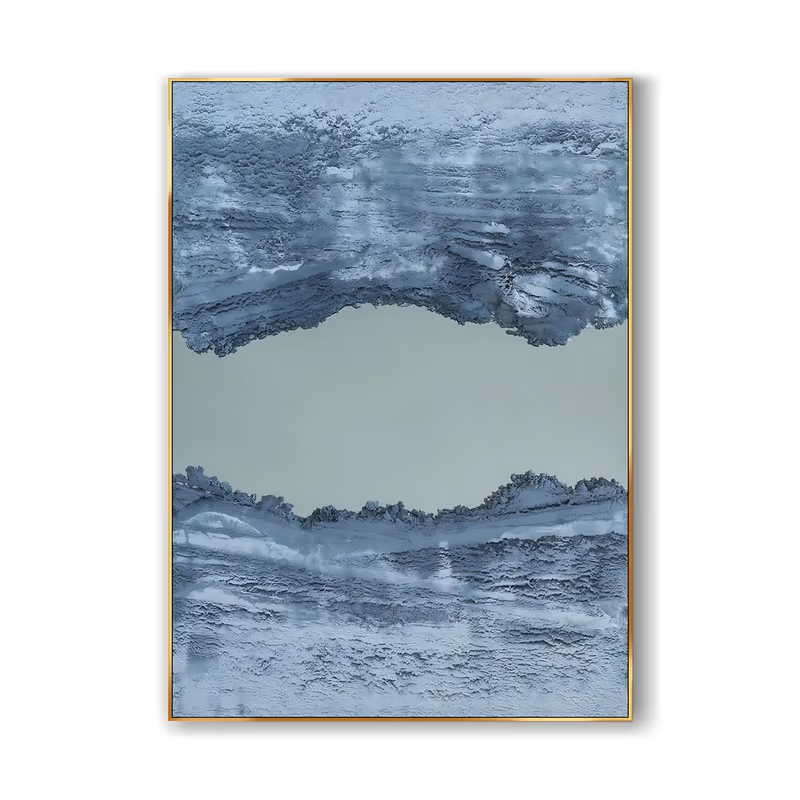
| Mist blue and blue-grey | Recedes and opens the wall; the classic sleeping-room colour | Can turn cold in north light; add a warm white or sand in the painting |
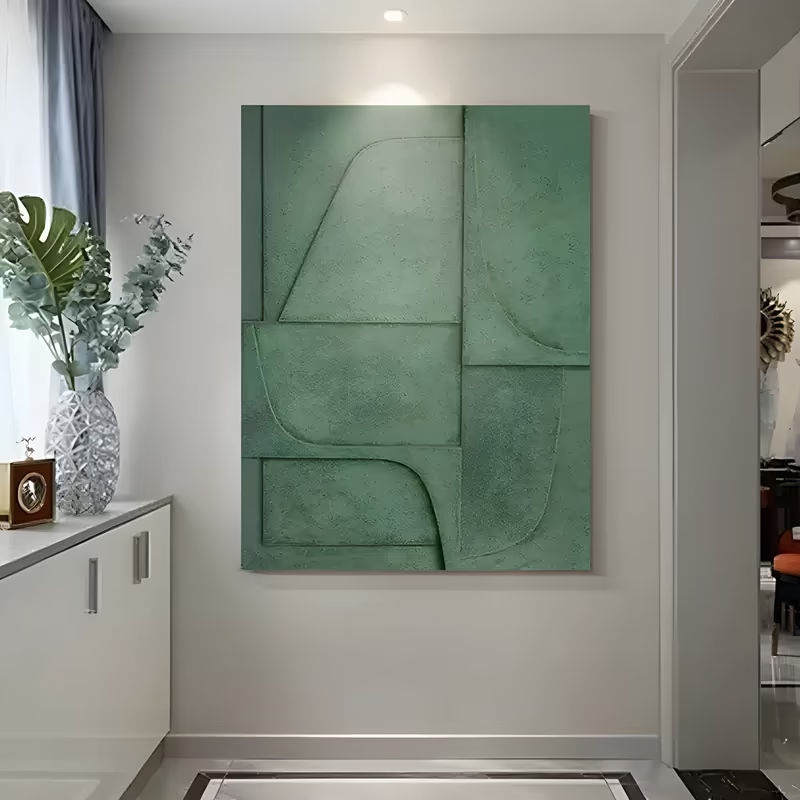
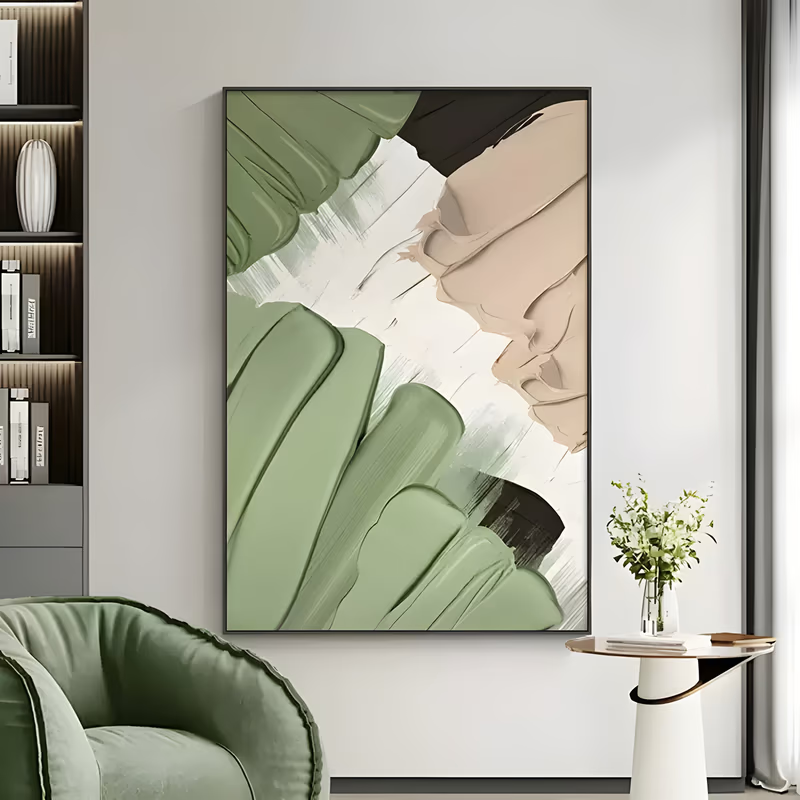
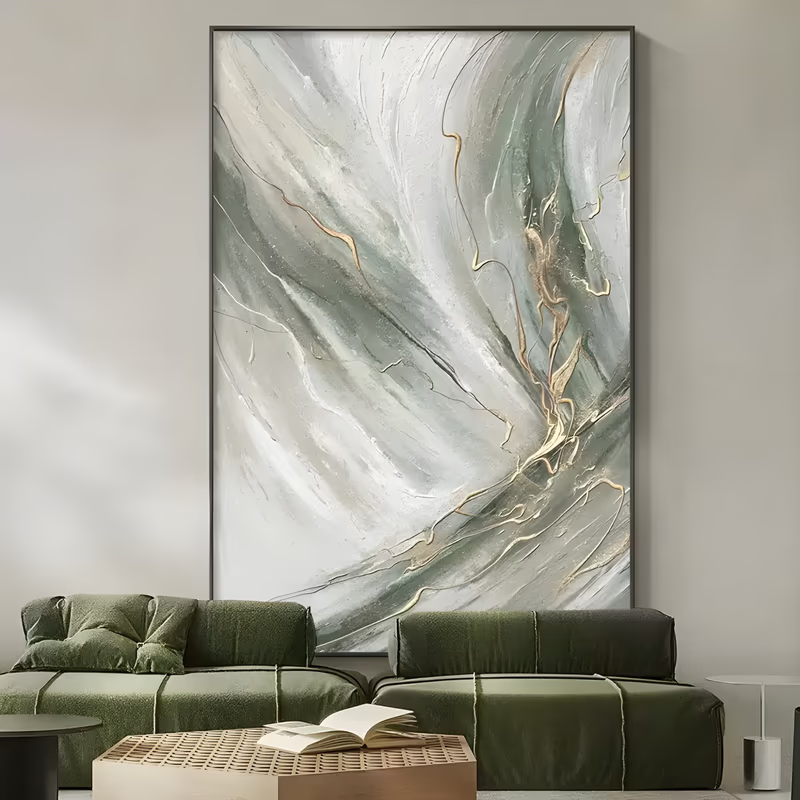
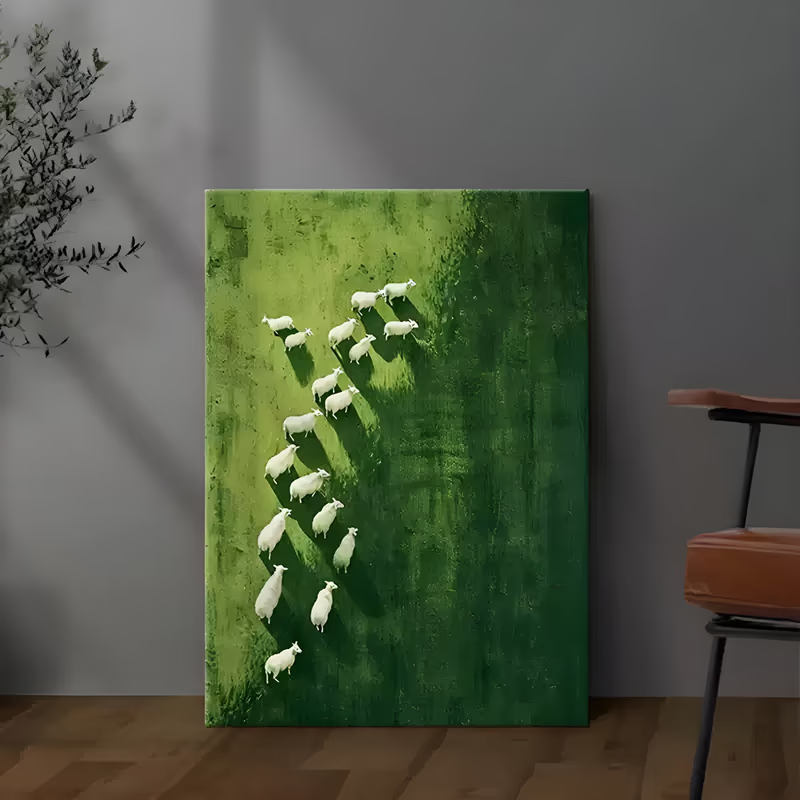
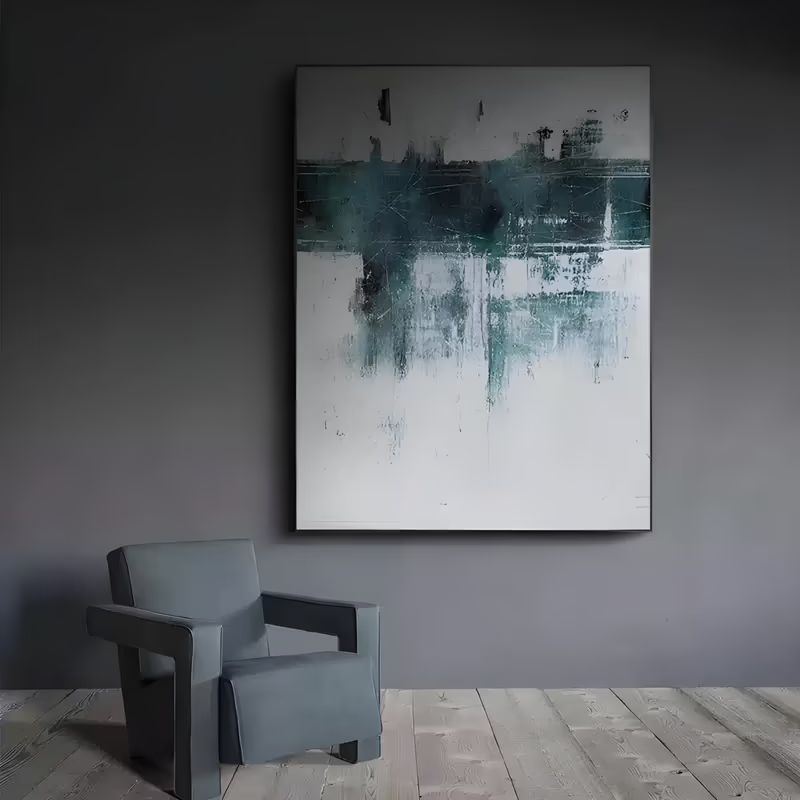
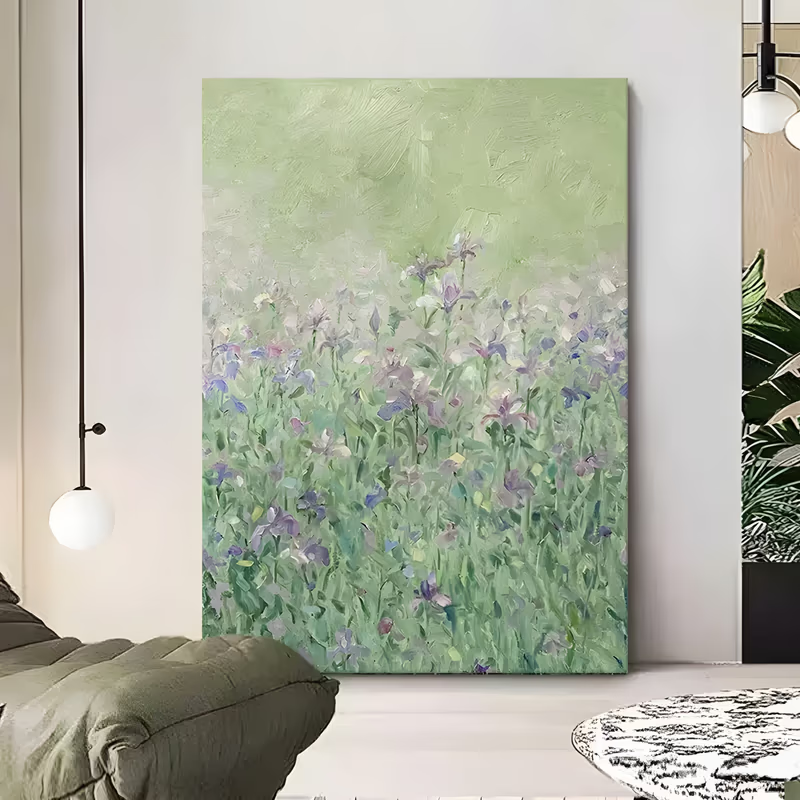
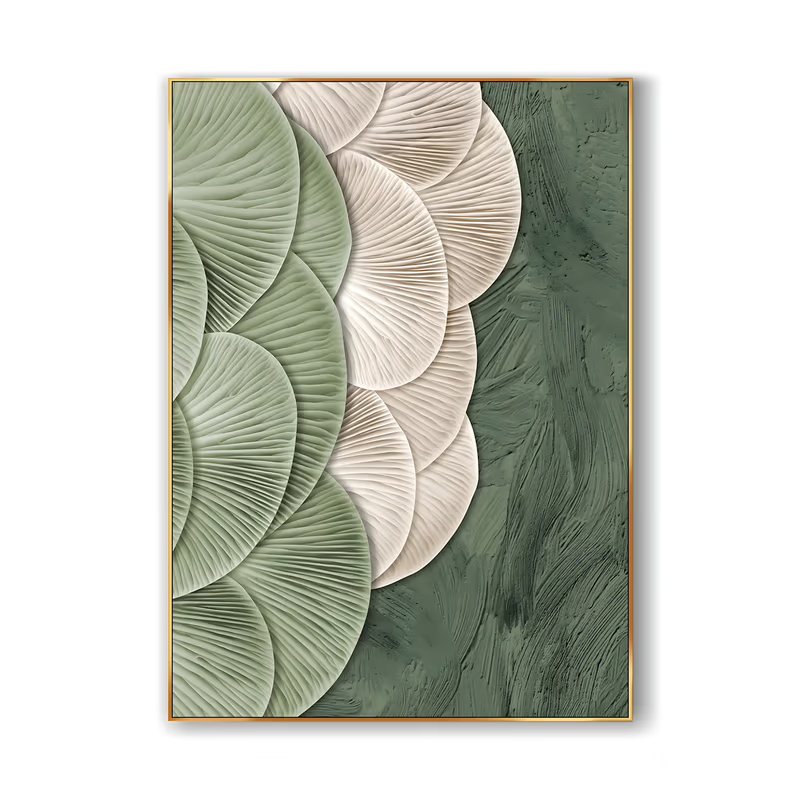
| Sage and eucalyptus green | Soft, natural, easy beside timber and linen | Olive-heavy greens read warmer and more earthy |
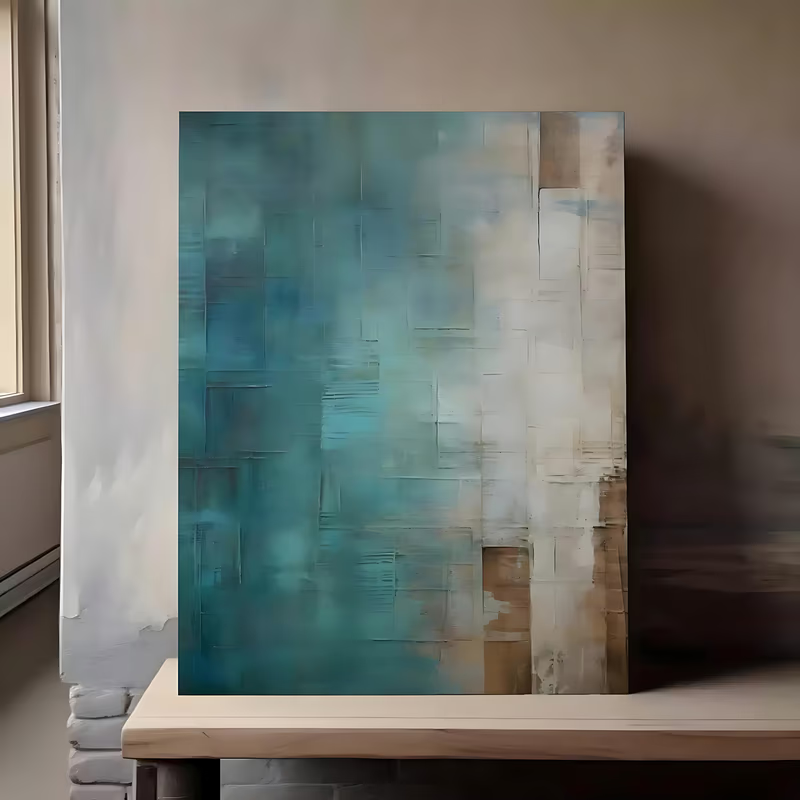
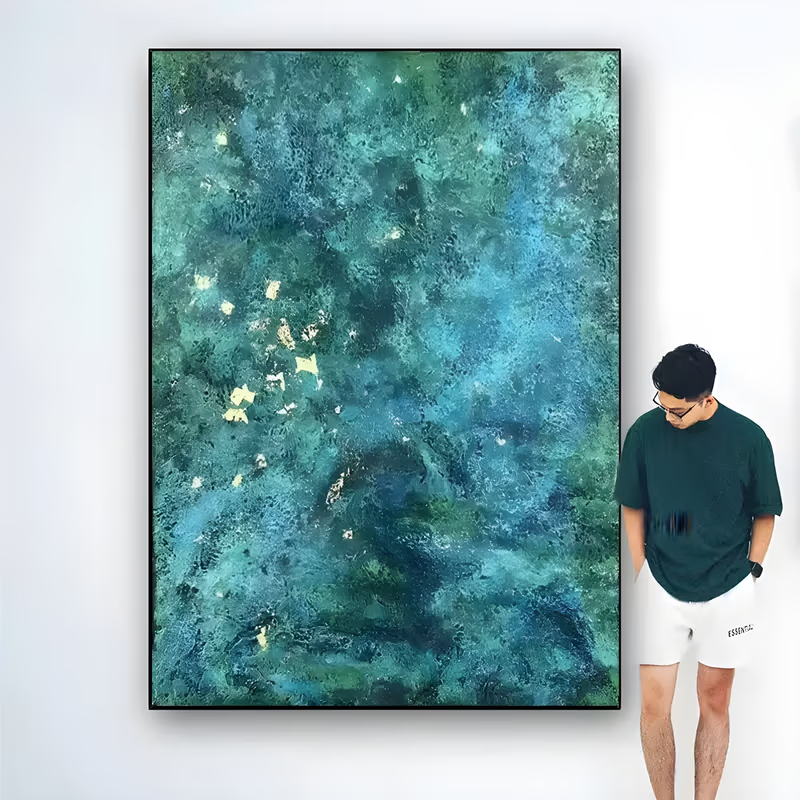
| Sea glass and pale aqua | Fresh and watery; suits bathrooms and spas | Strong turquoise is lively, not calm |
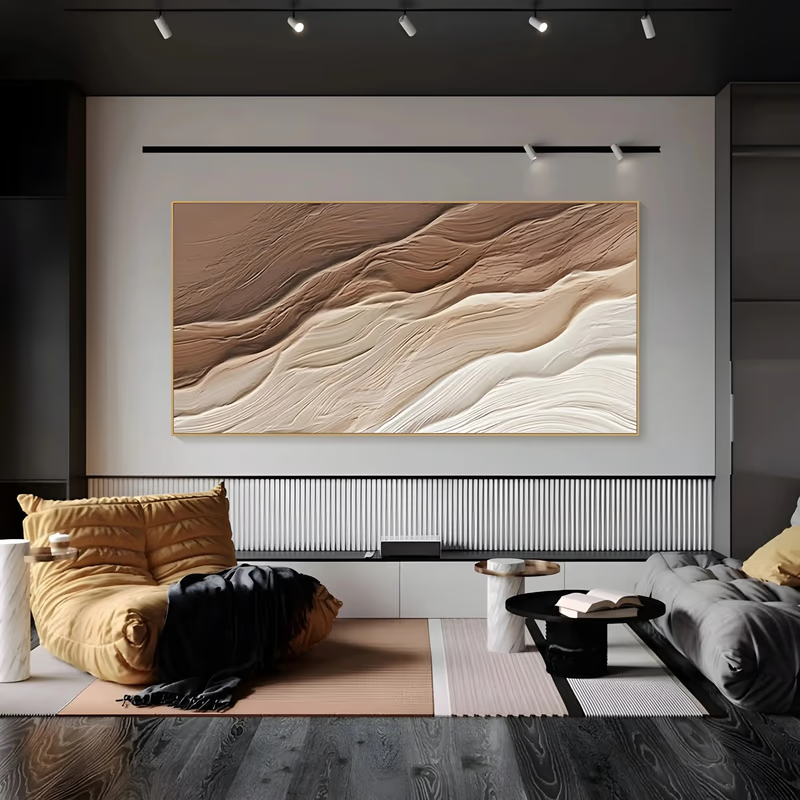
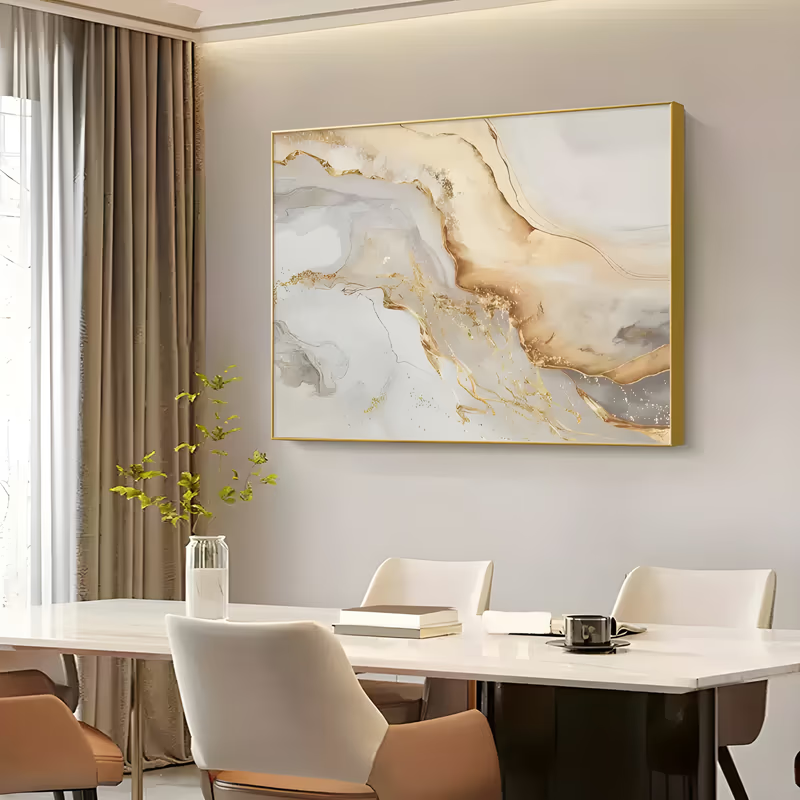
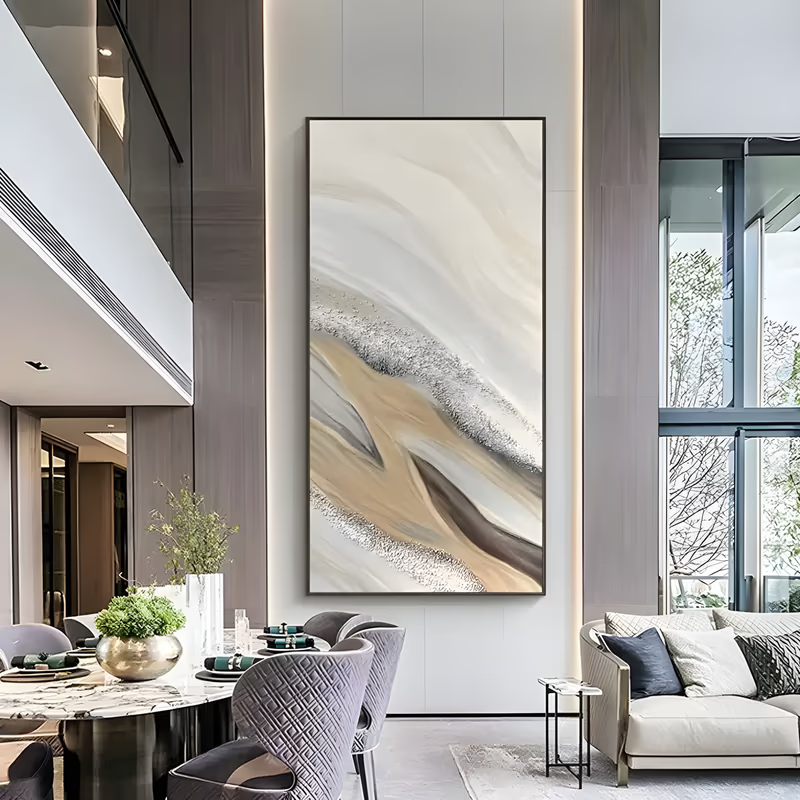
| Sand, oat and warm white | Quiet and warm at once; lets texture do the work | On a white wall, needs relief or a darker accent to show |
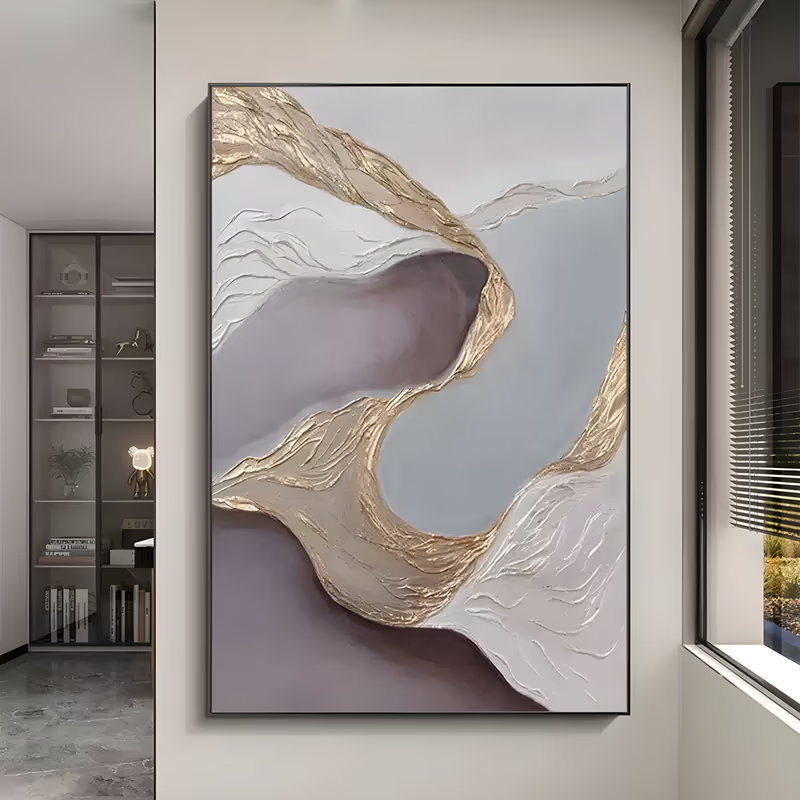
| Pale grey with a hint of lilac | Soft and modern; flatters both cool and warm rooms | Flat cold grey can feel institutional |
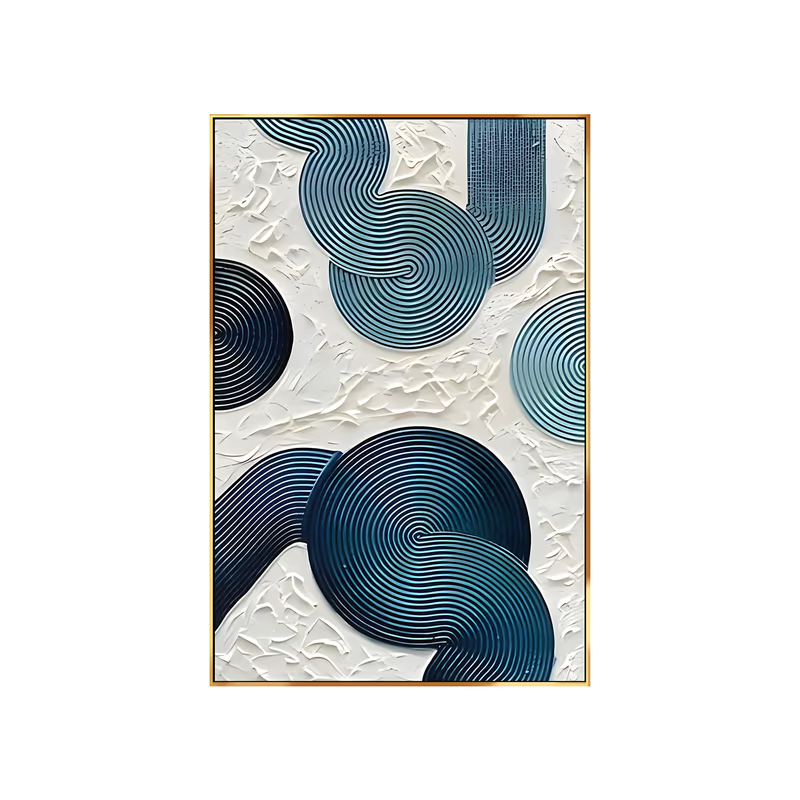
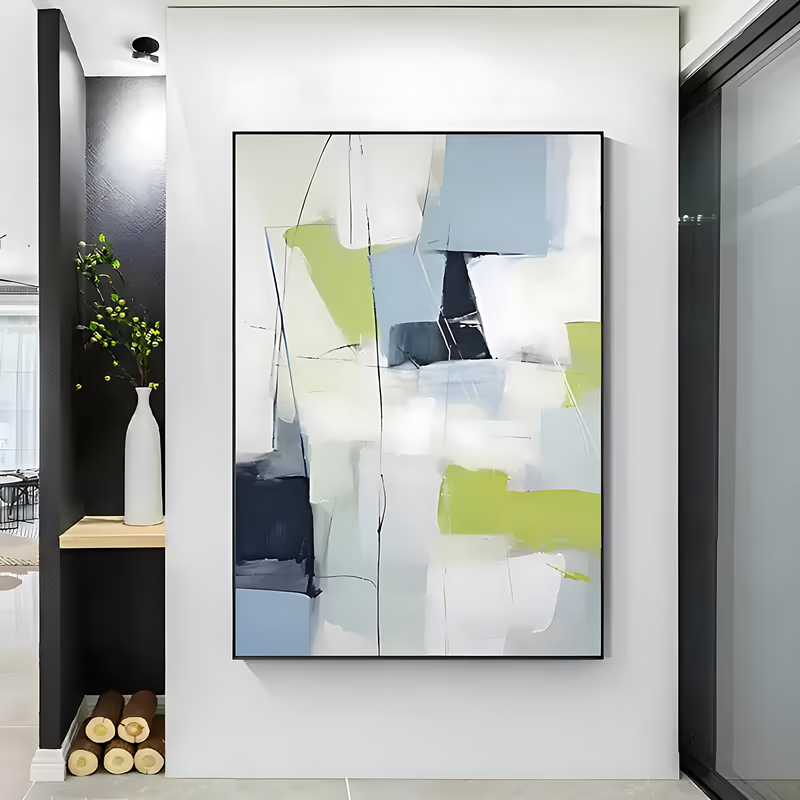
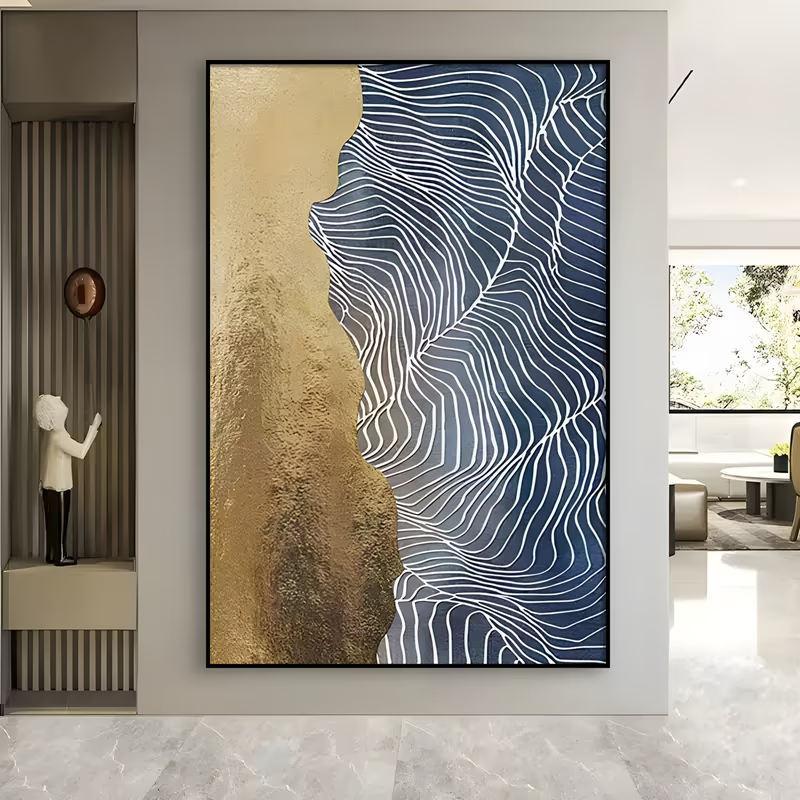
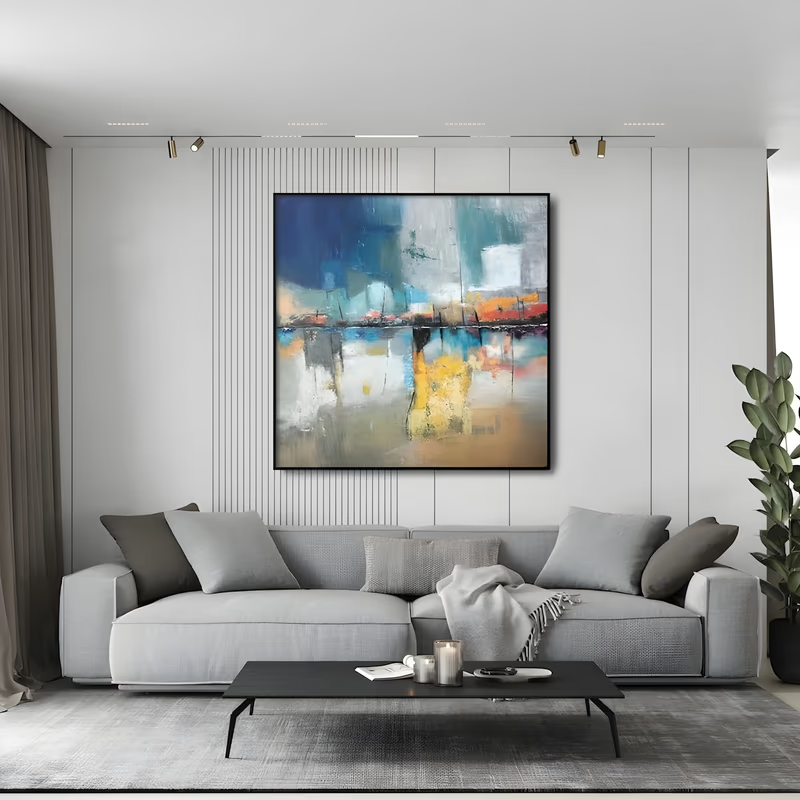
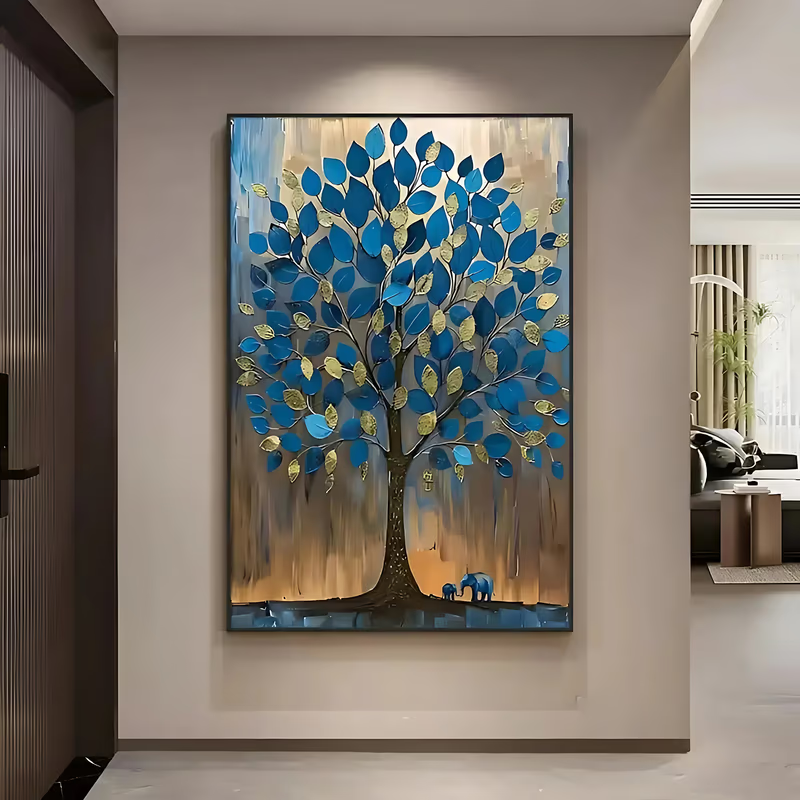
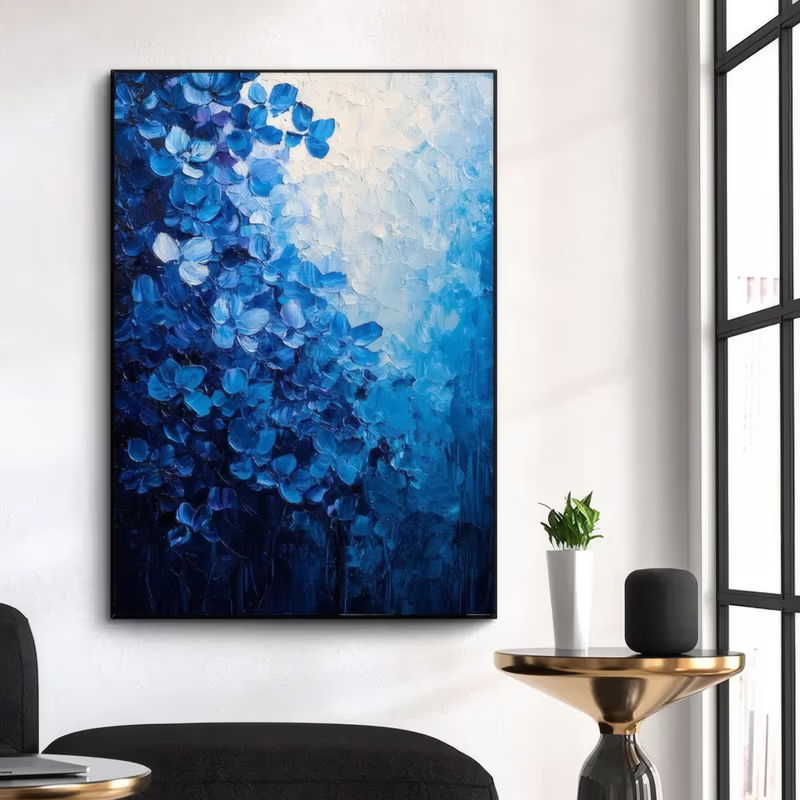
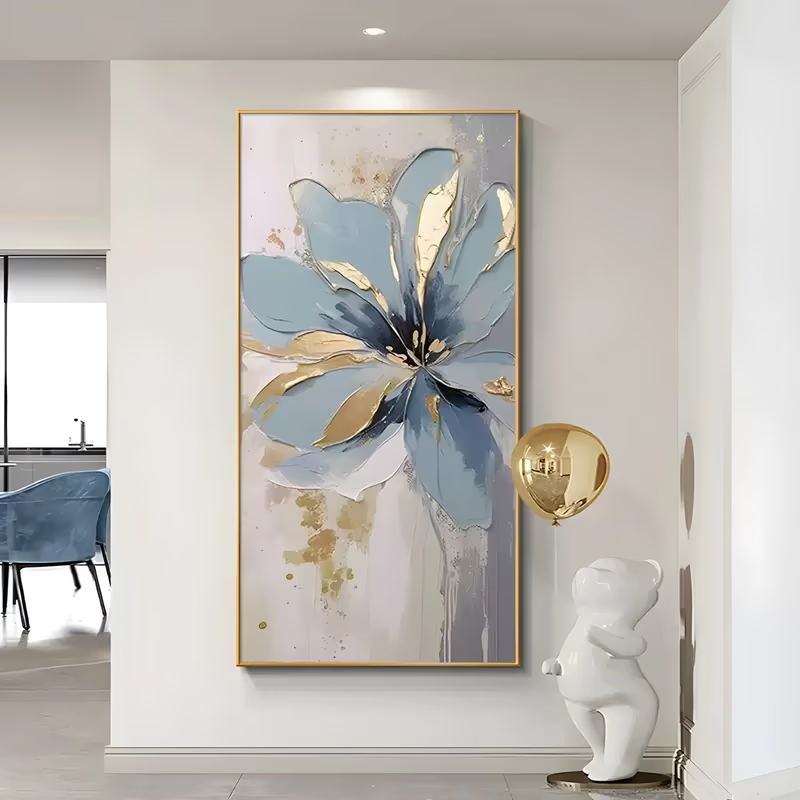
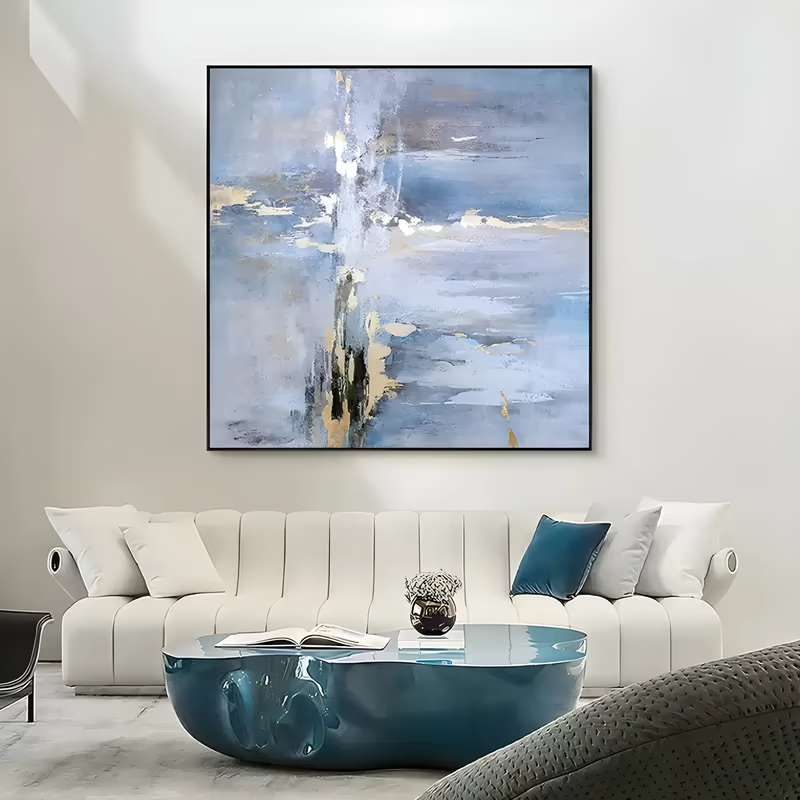
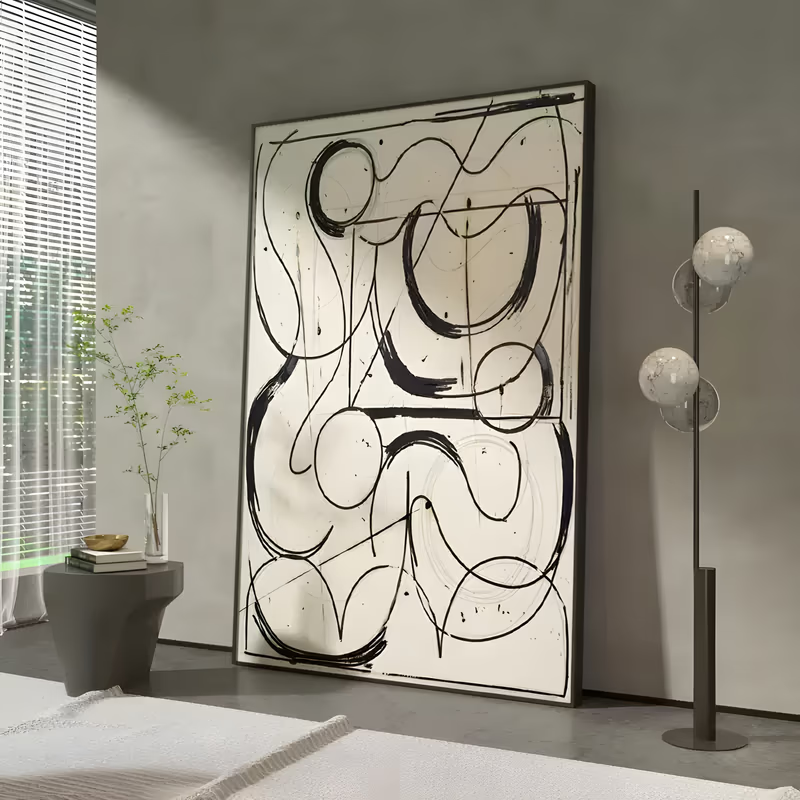
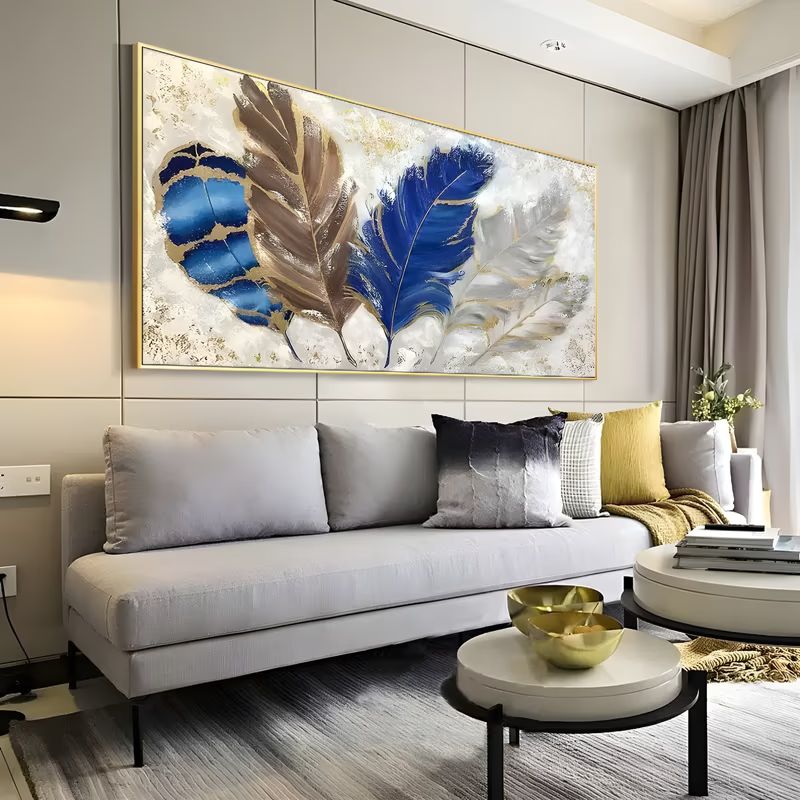
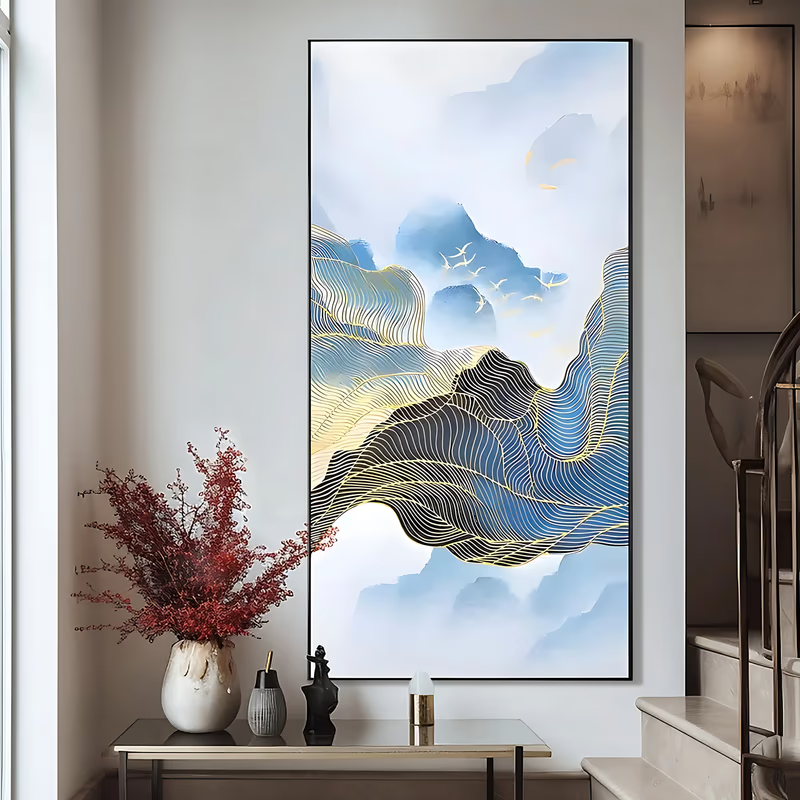
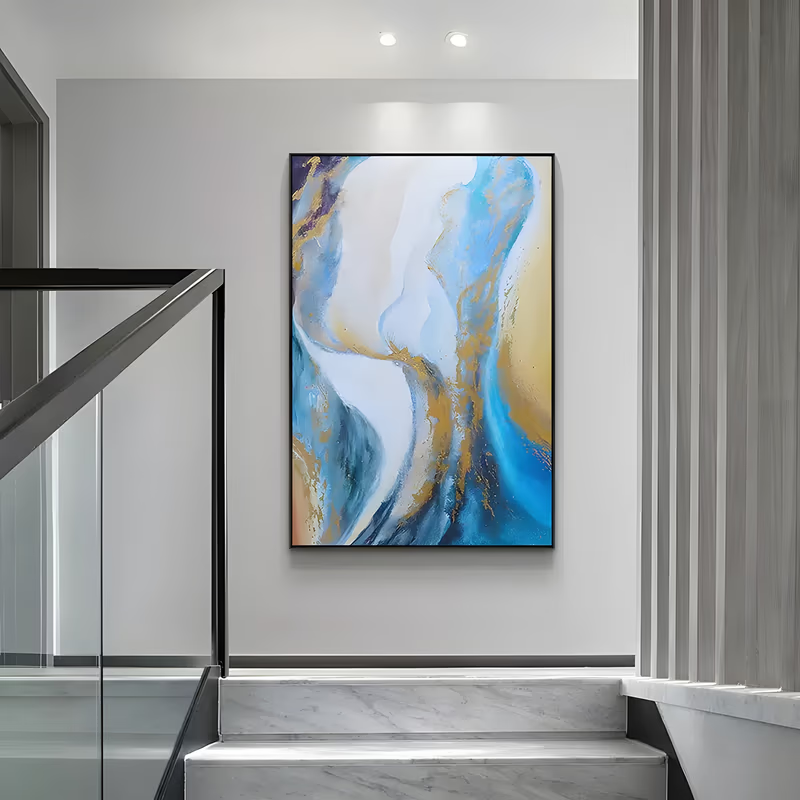
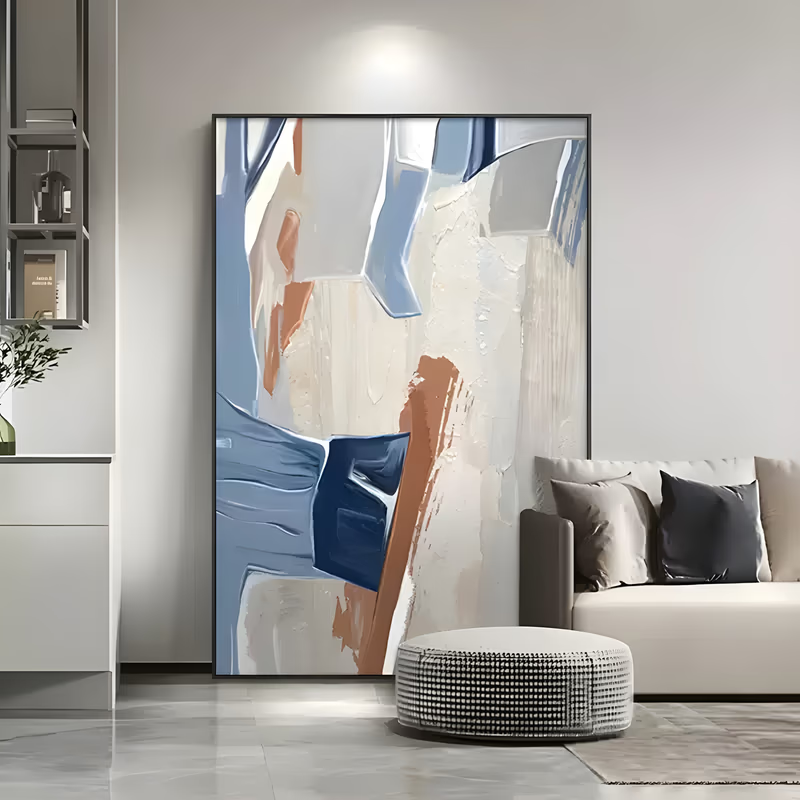
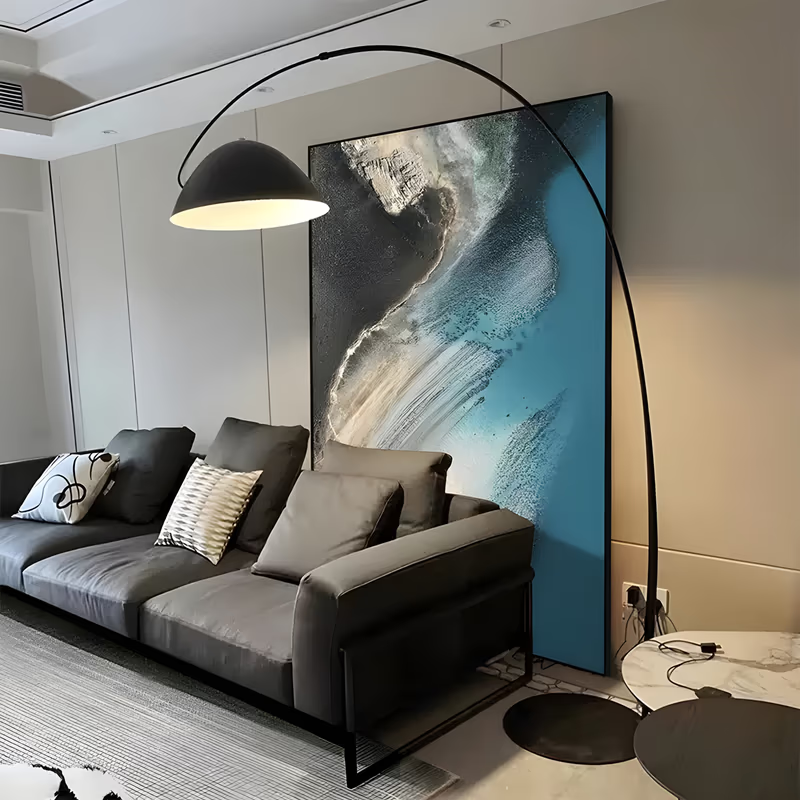
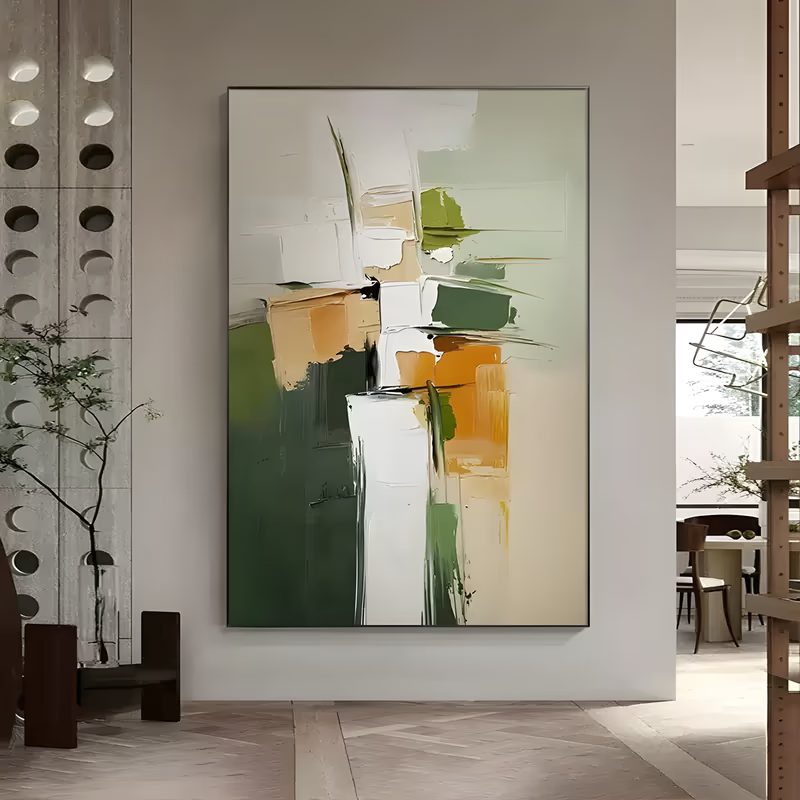
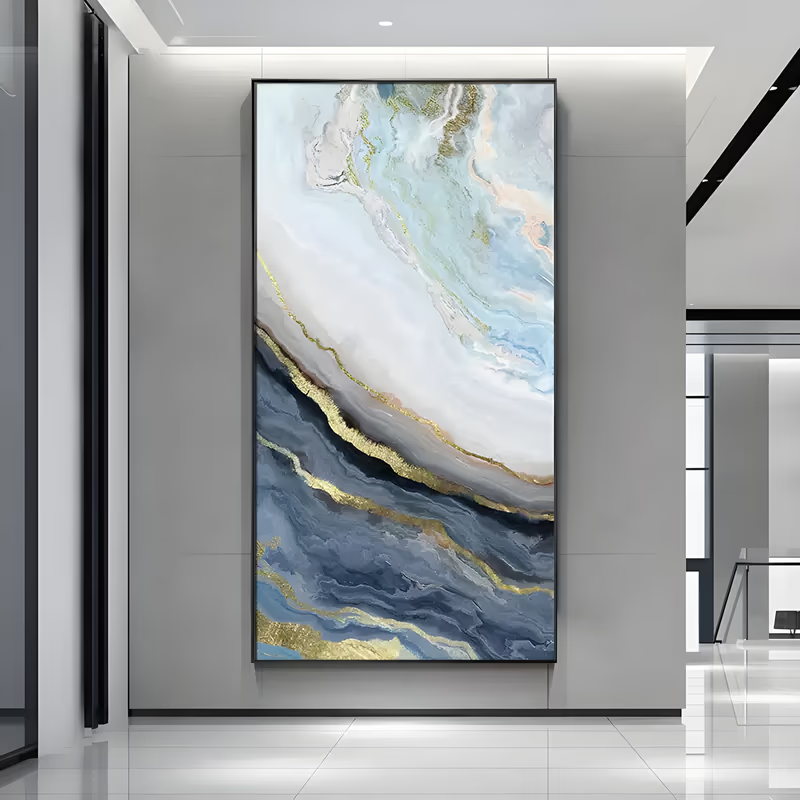
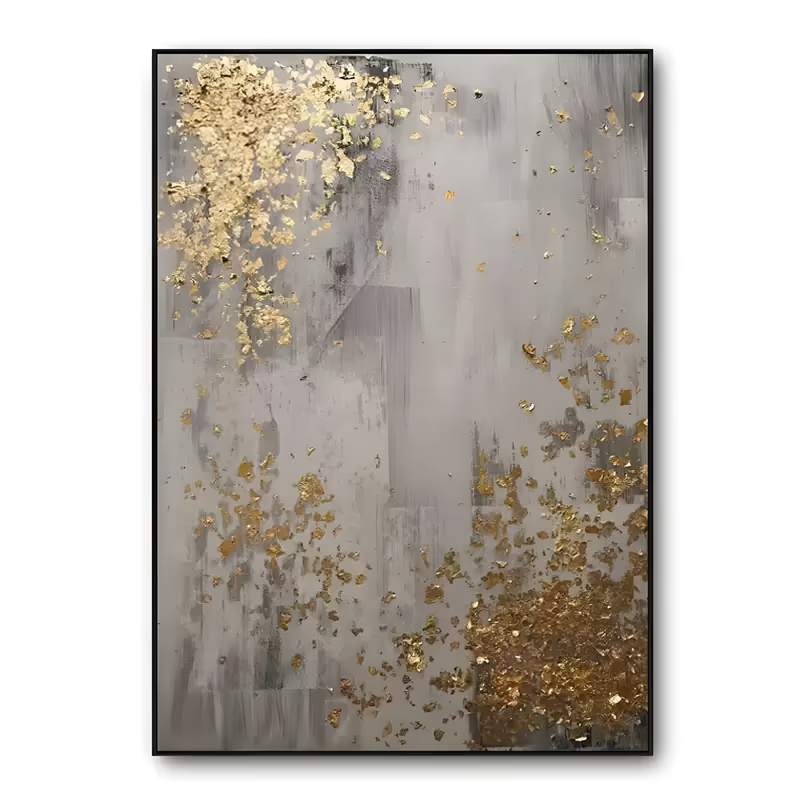
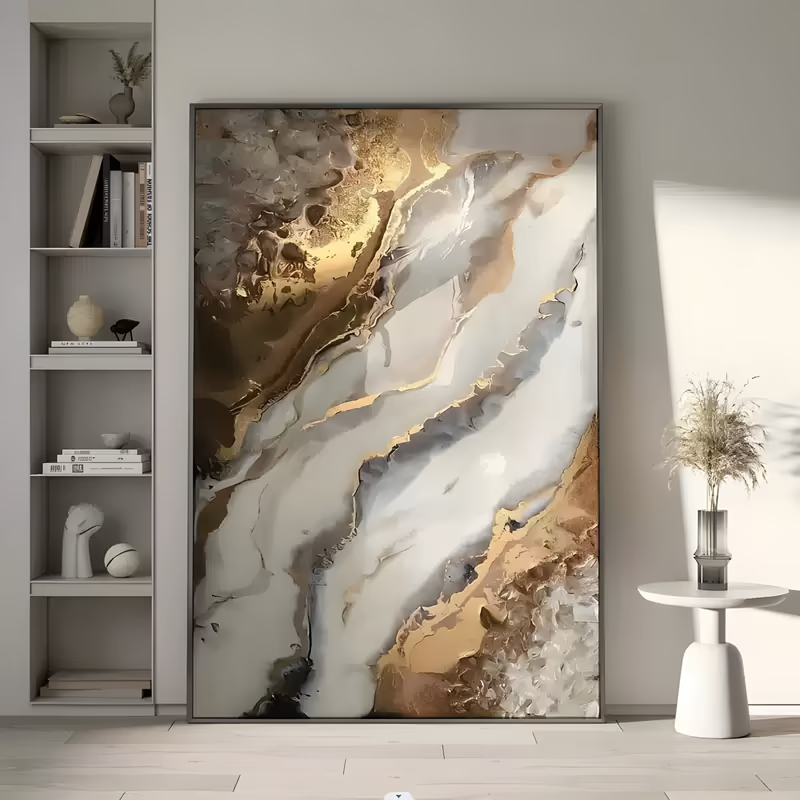
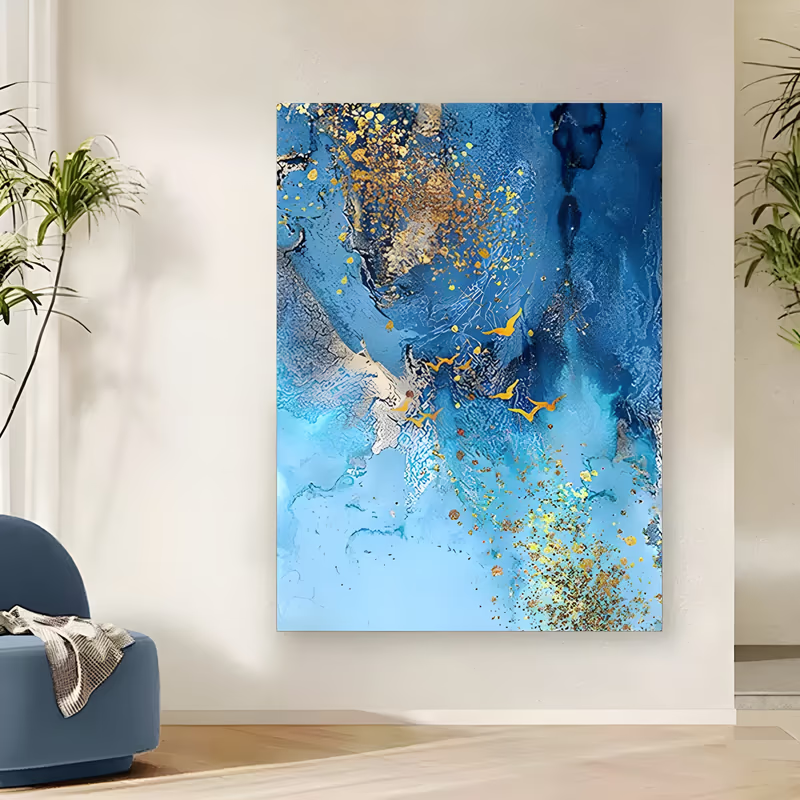
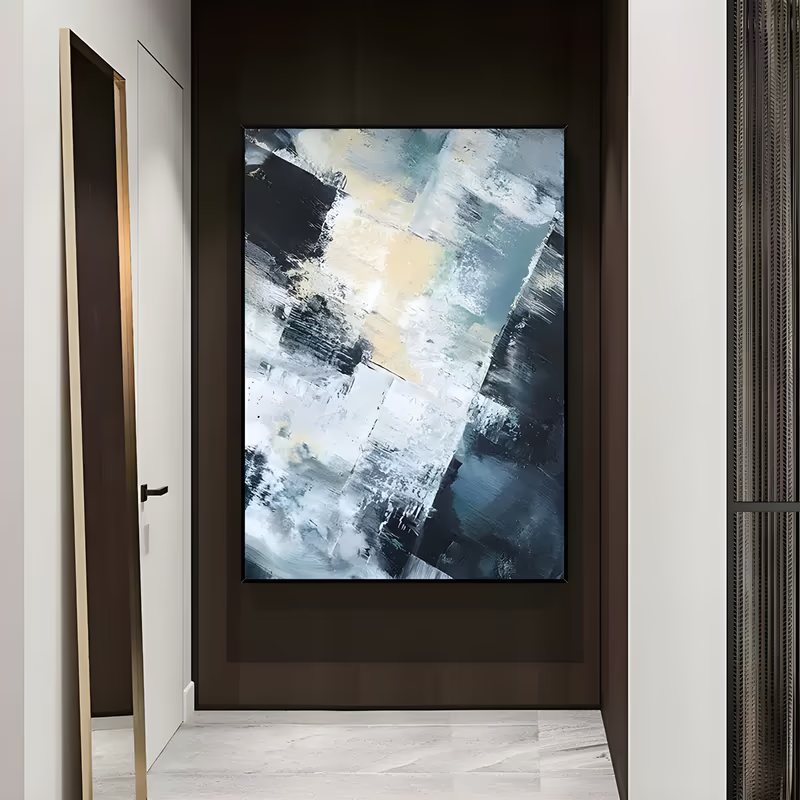
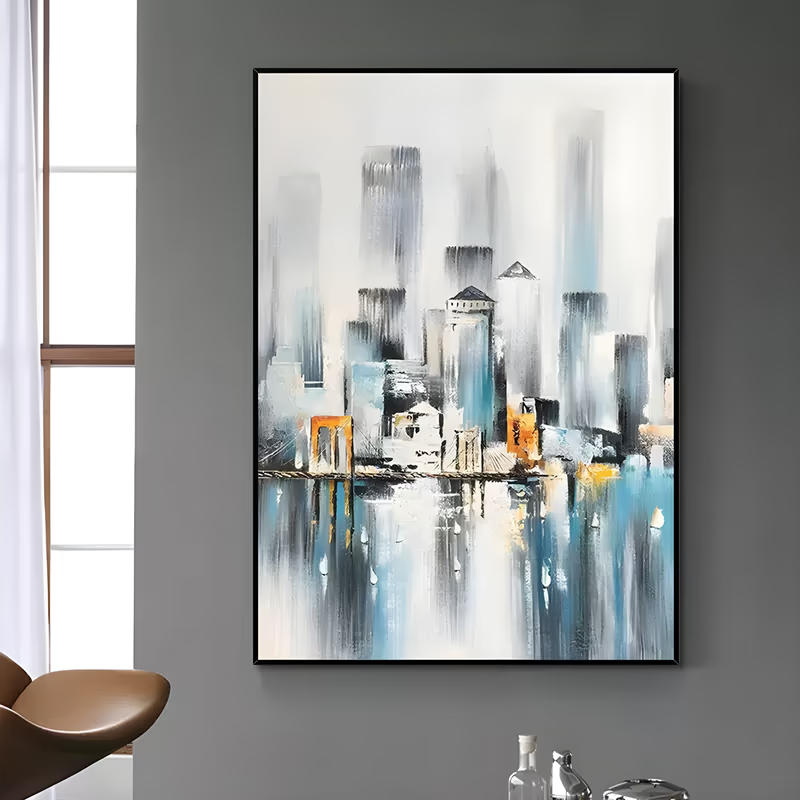
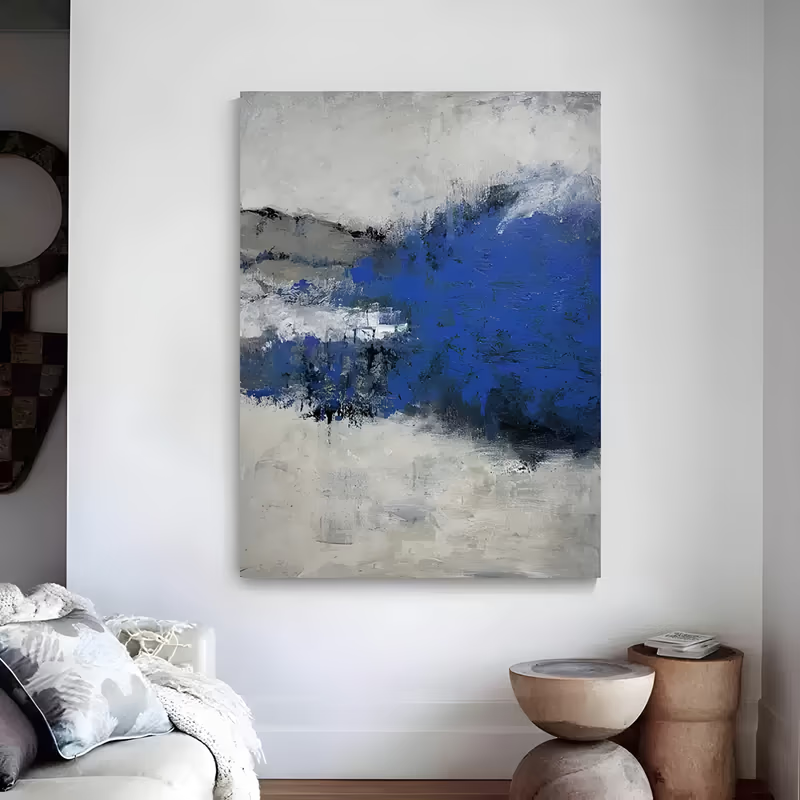
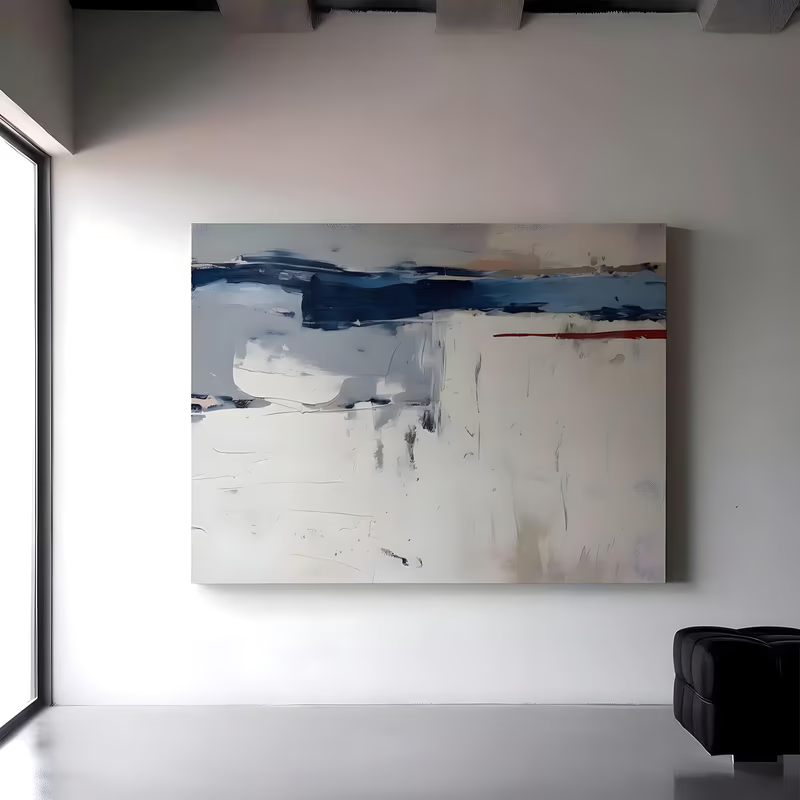
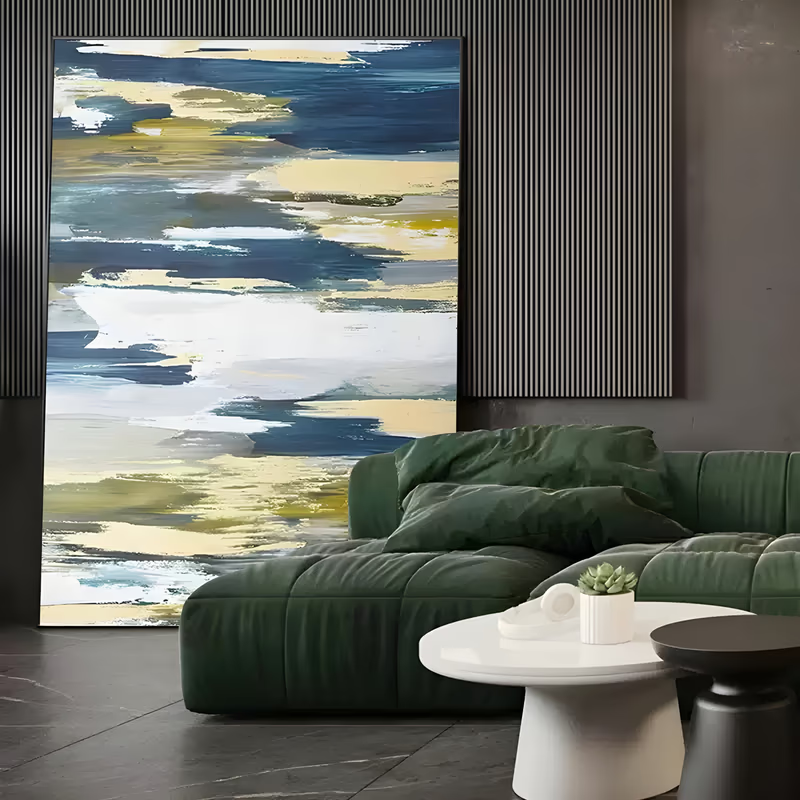
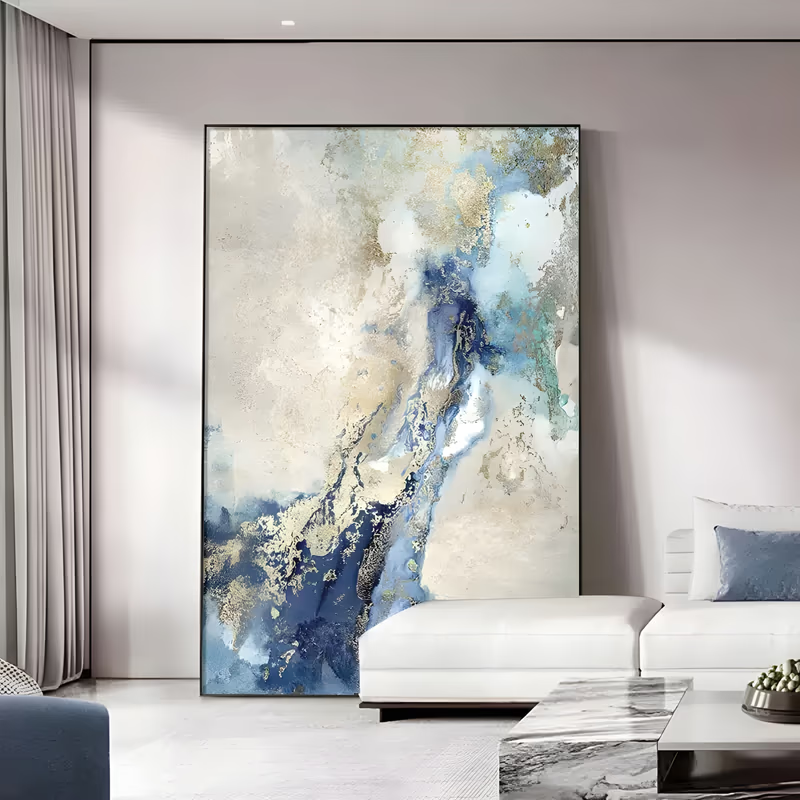
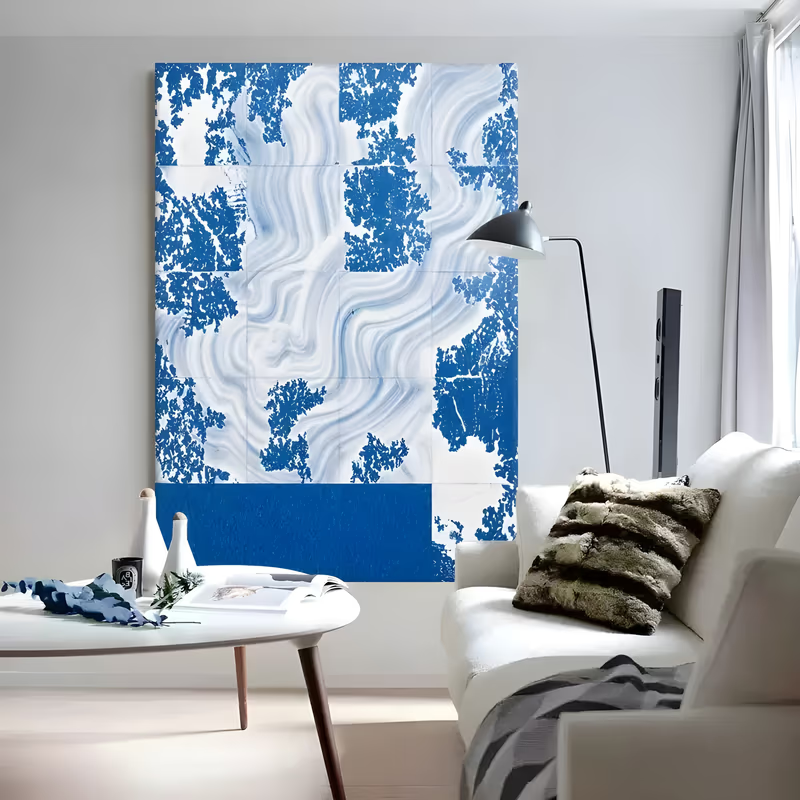
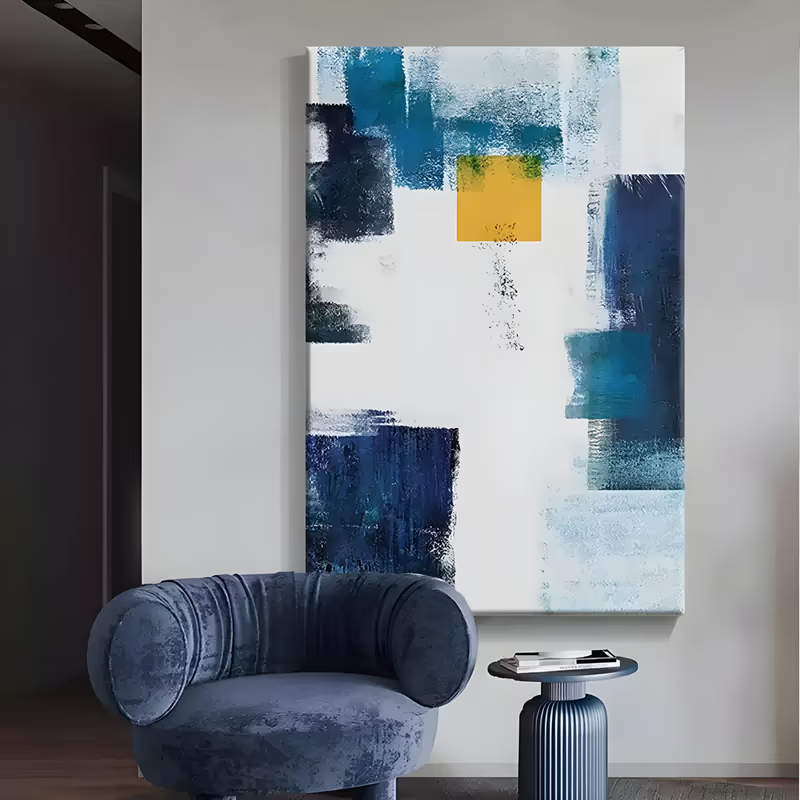
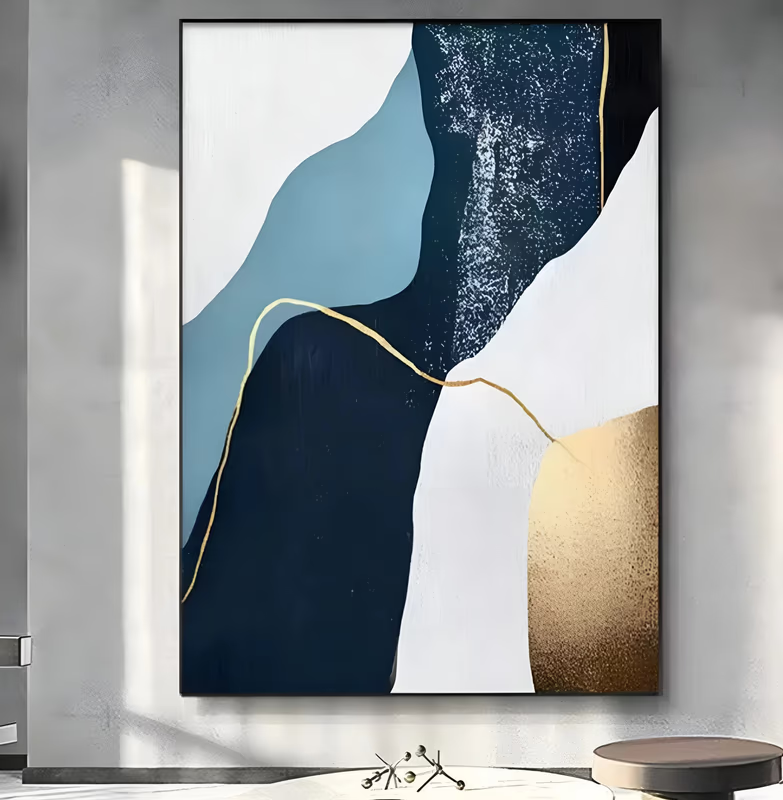
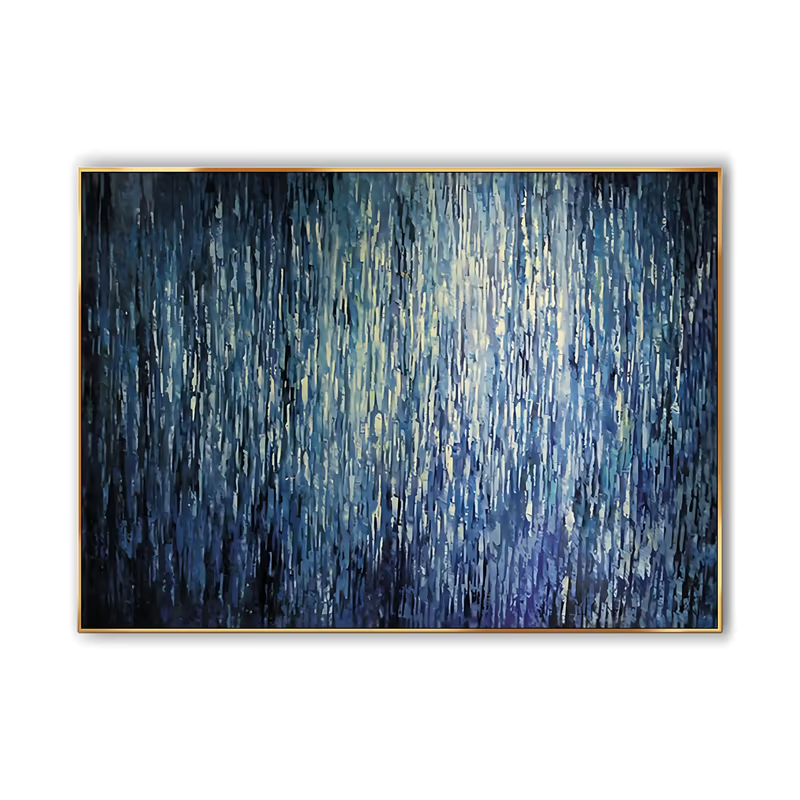
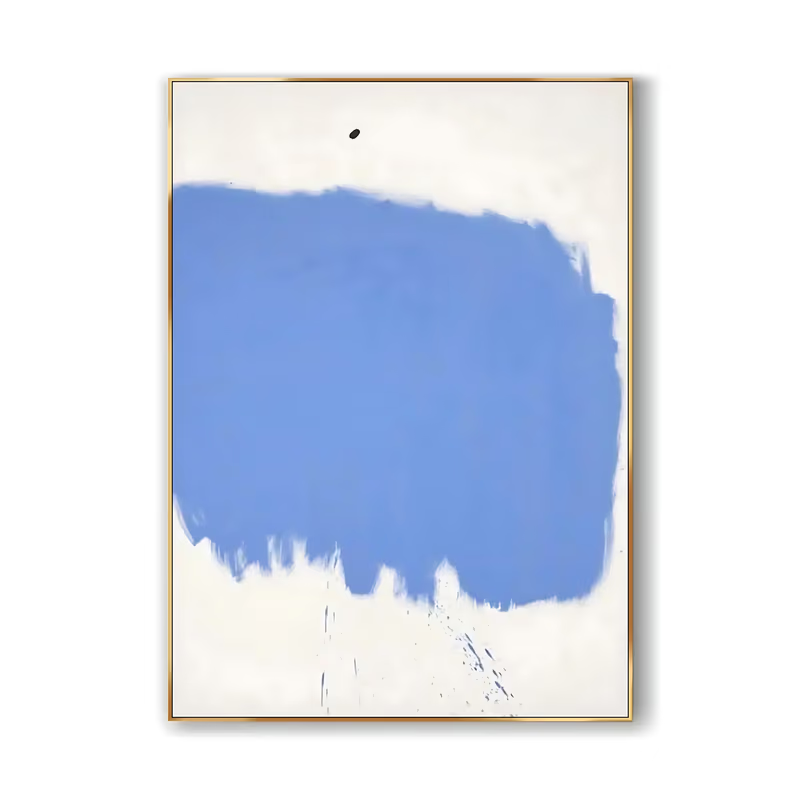
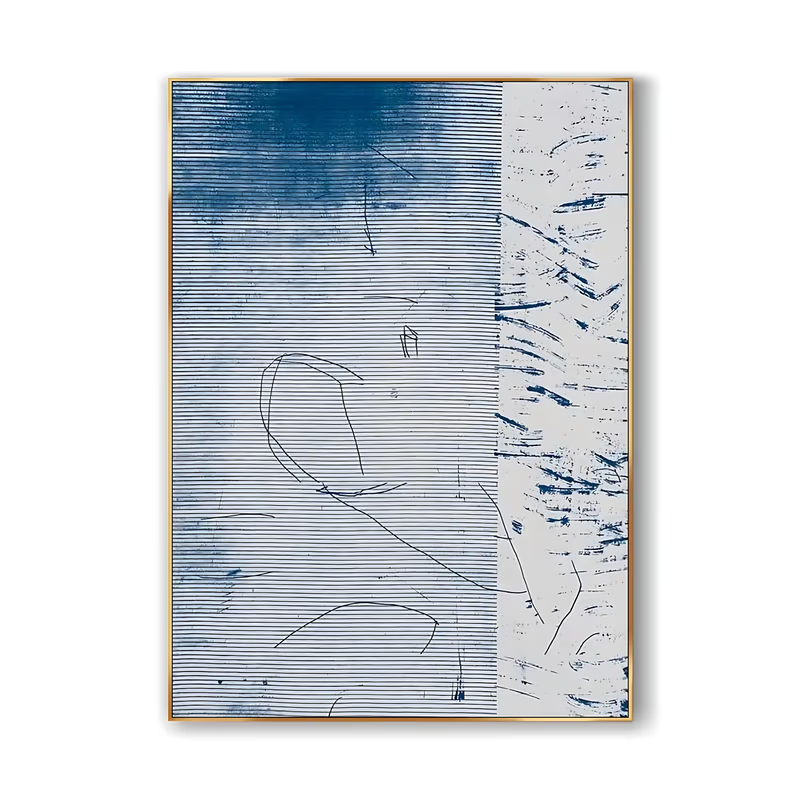
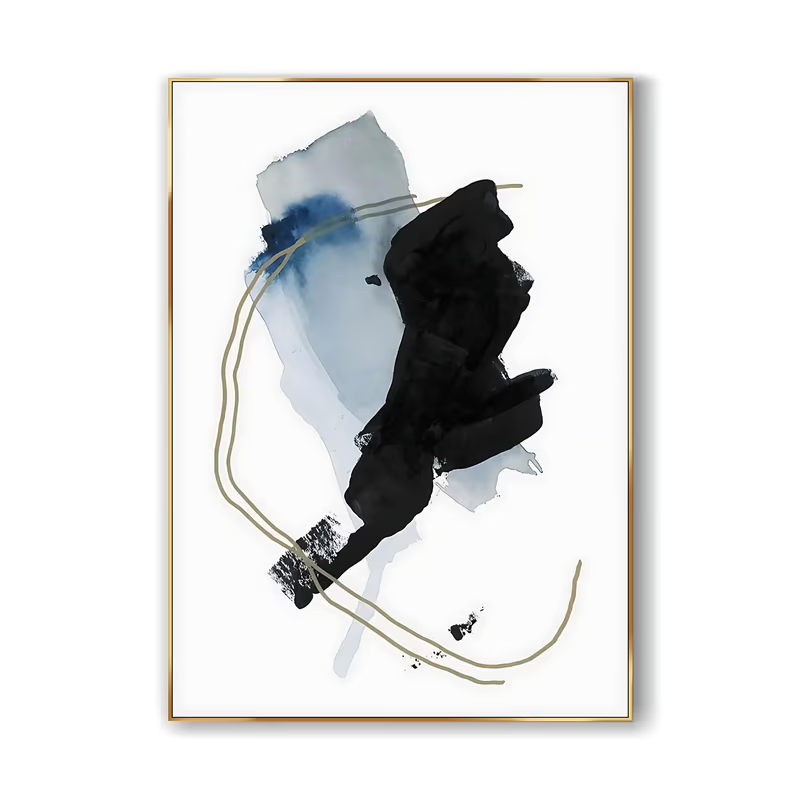
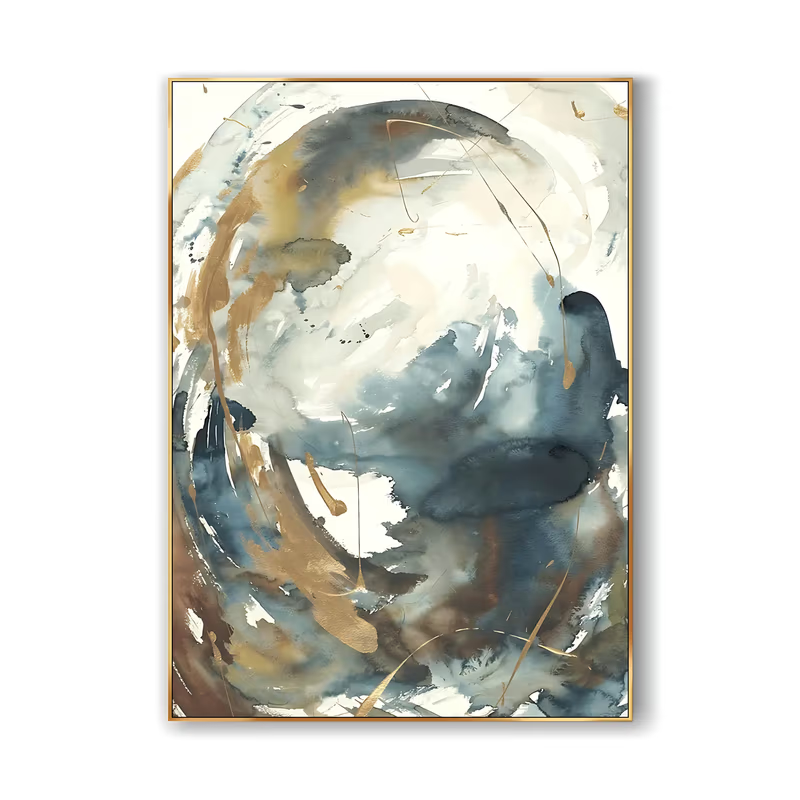
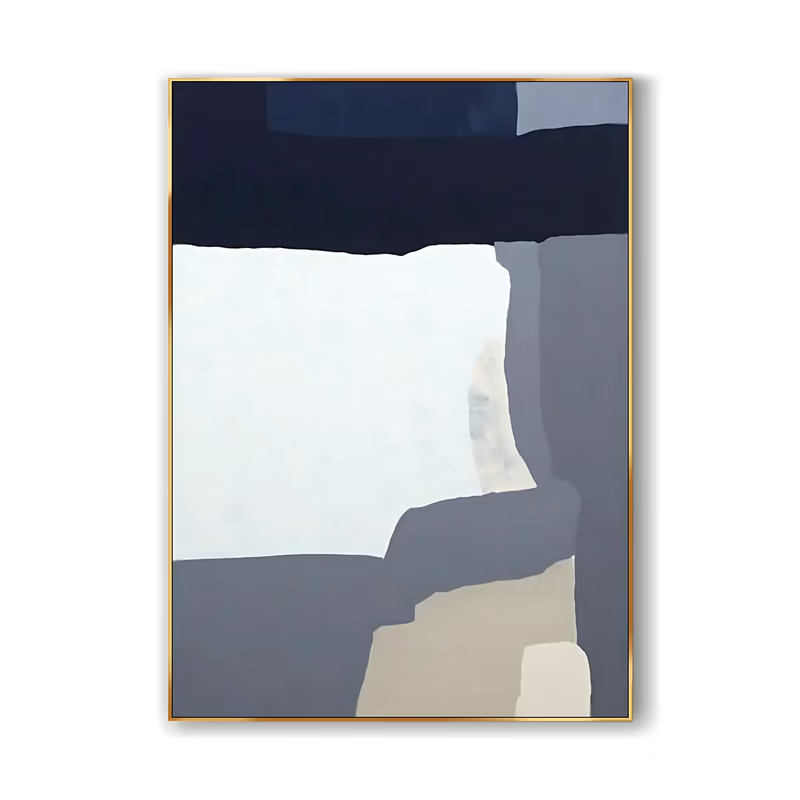
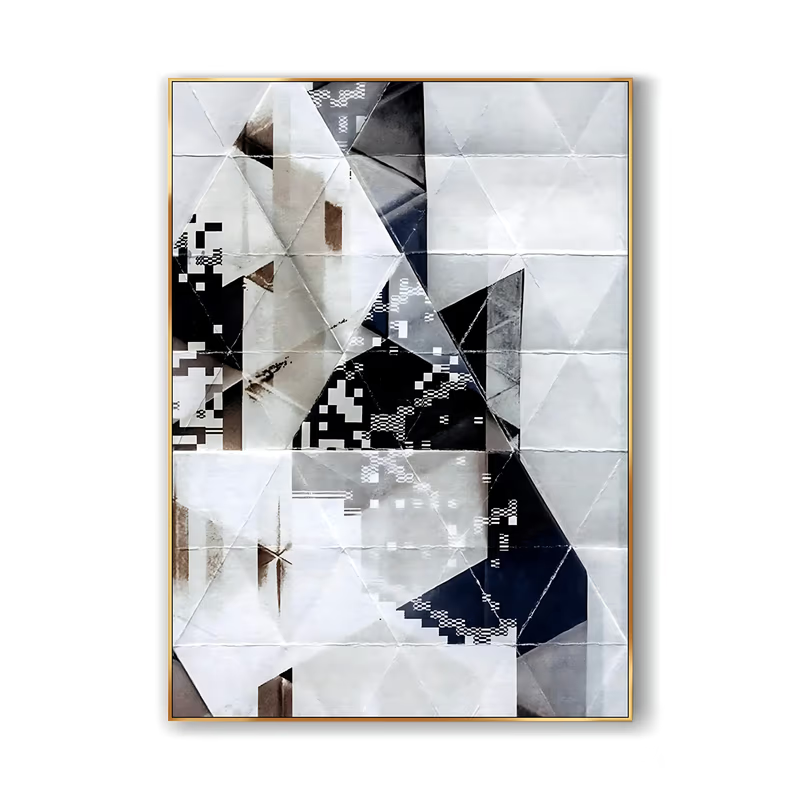
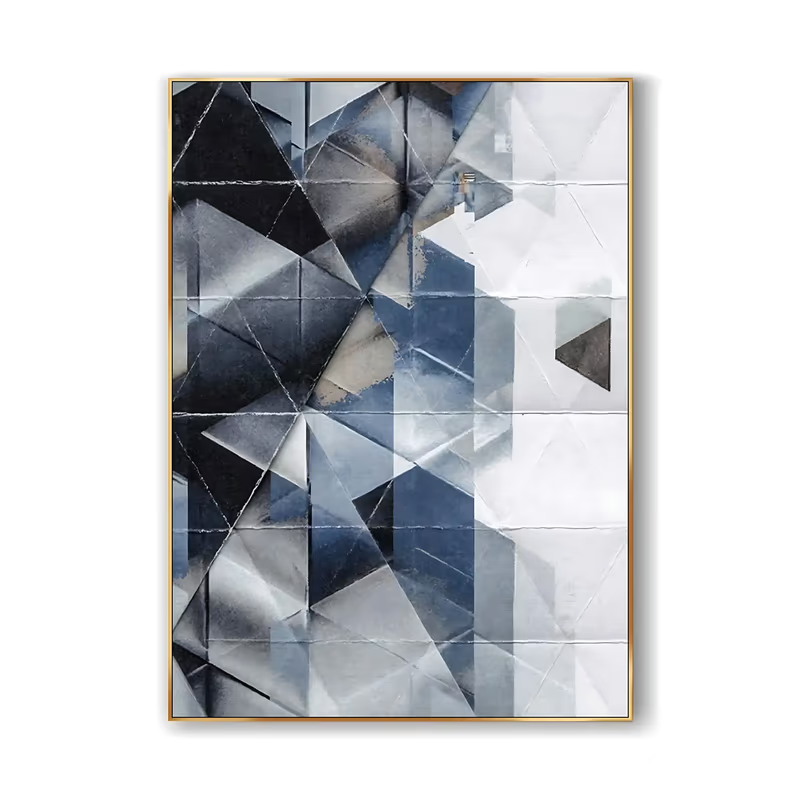
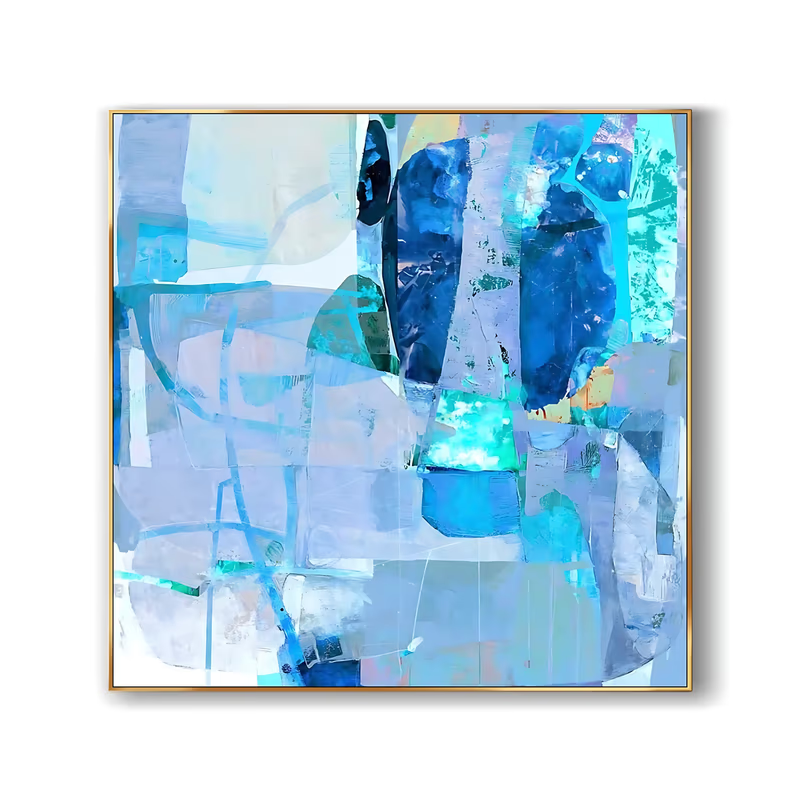
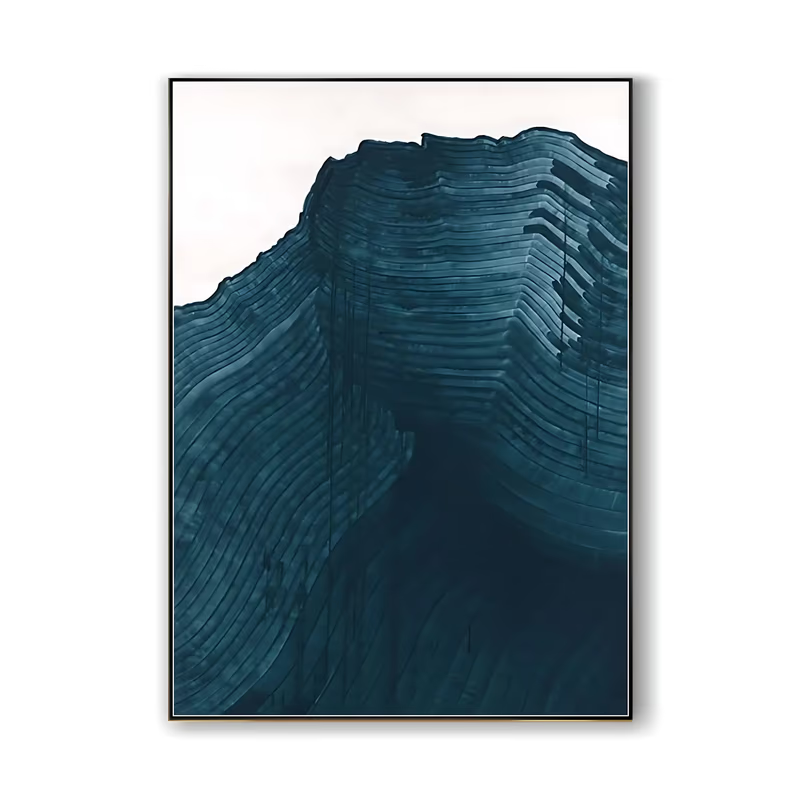
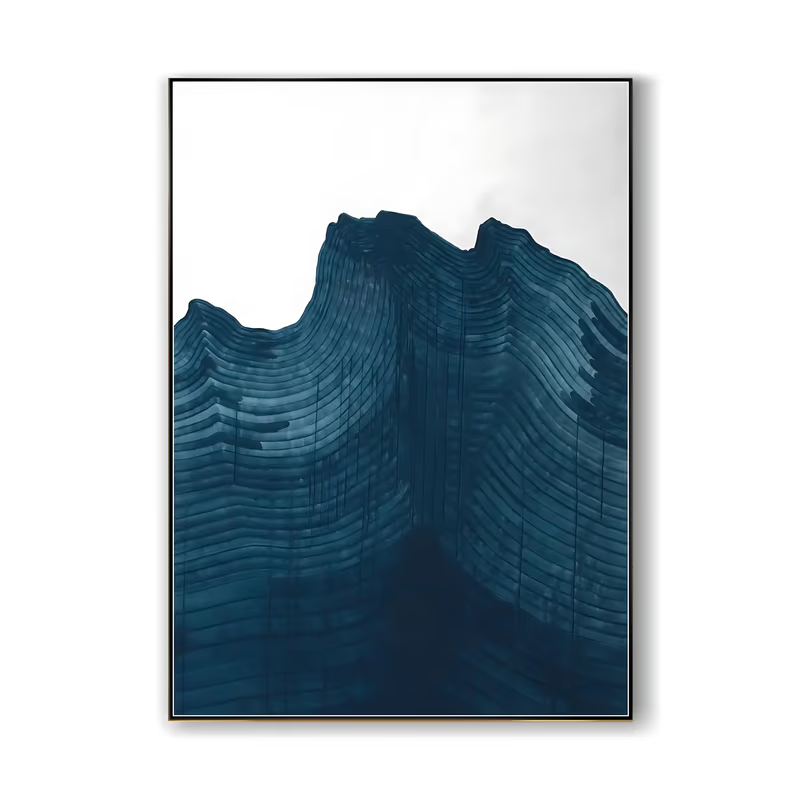
Blue is not automatically calming. Navy against white, or cobalt at full strength, has too much contrast to settle a room, and is better on the blue wall art page for statement walls. What matters is saturation and value: a calming painting usually stays within a narrow band of light-to-mid tones. A small accent of soft gold, blush or ochre is welcome, because it keeps a cool palette from feeling chilly. Filter this page by blue, teal and green or by white, cream and beige.
What kinds of calming paintings are there?
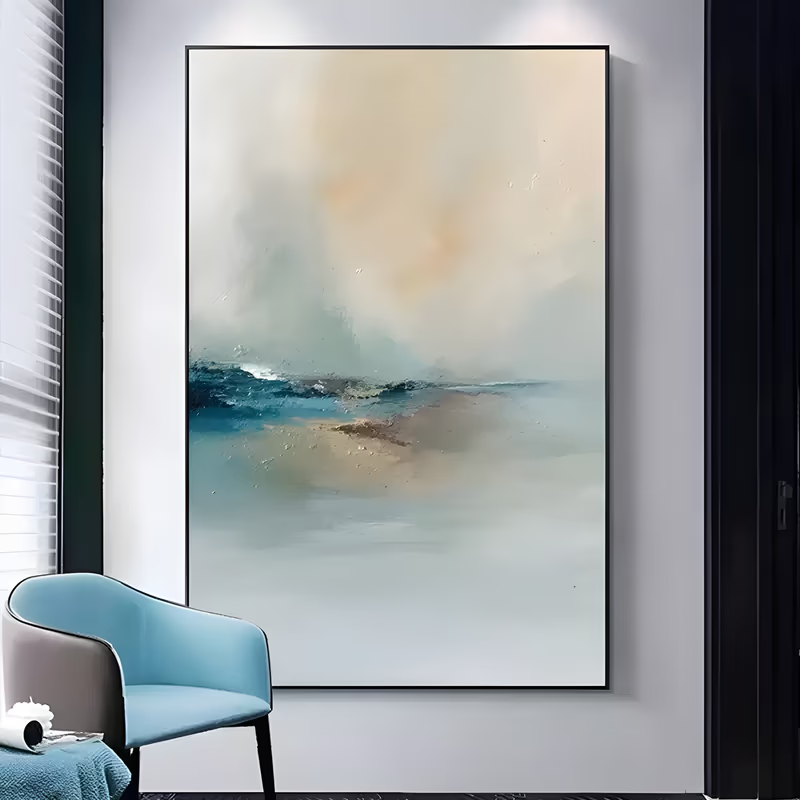
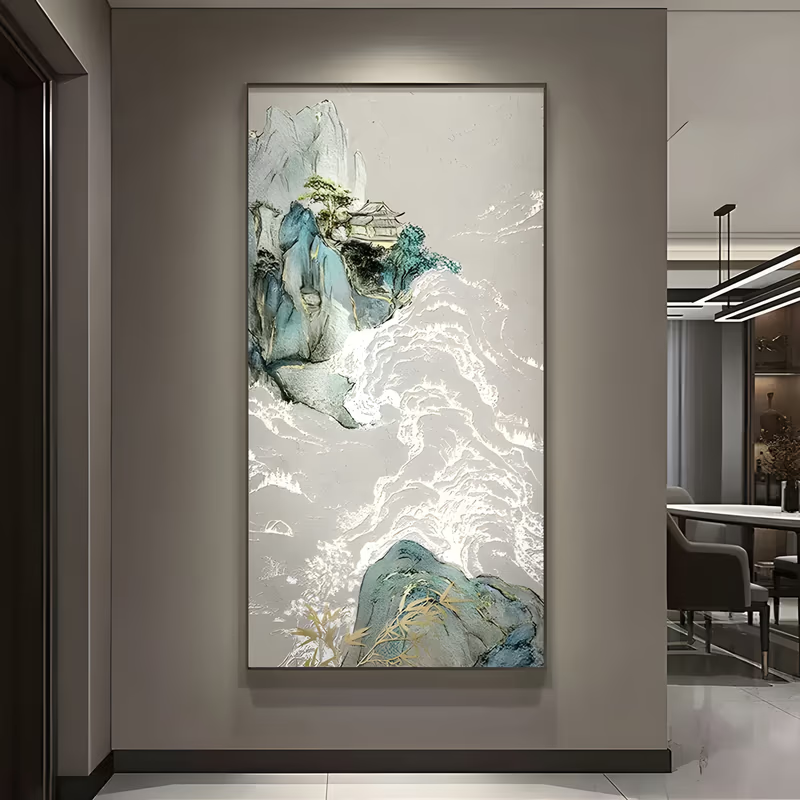
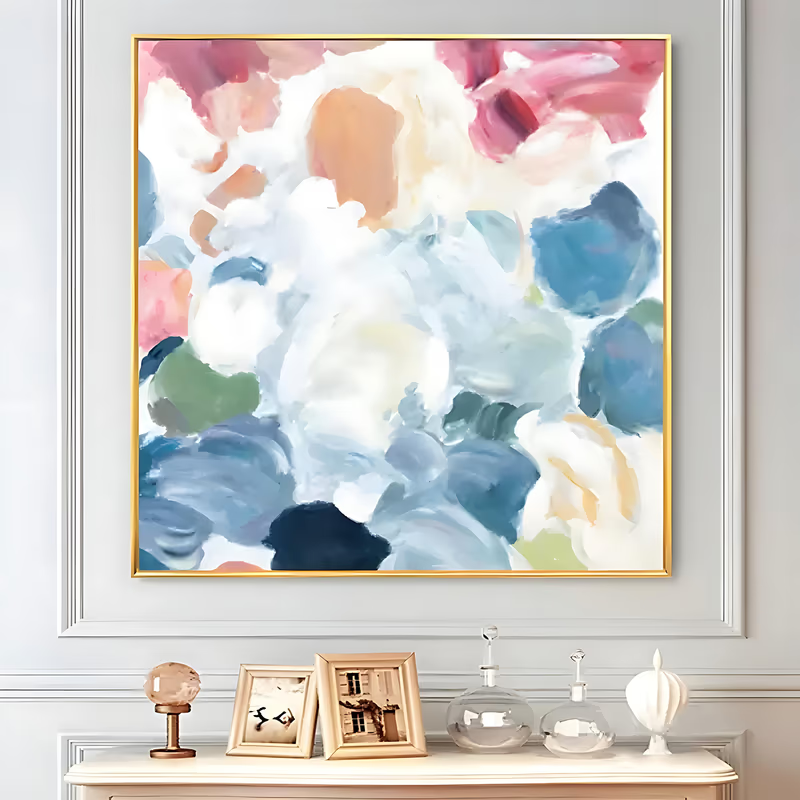
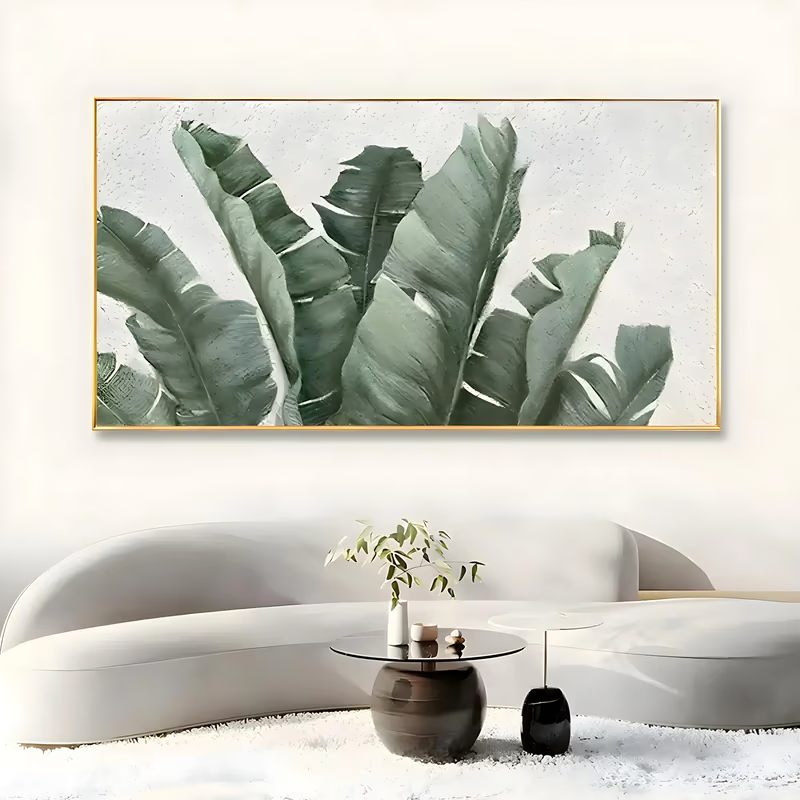
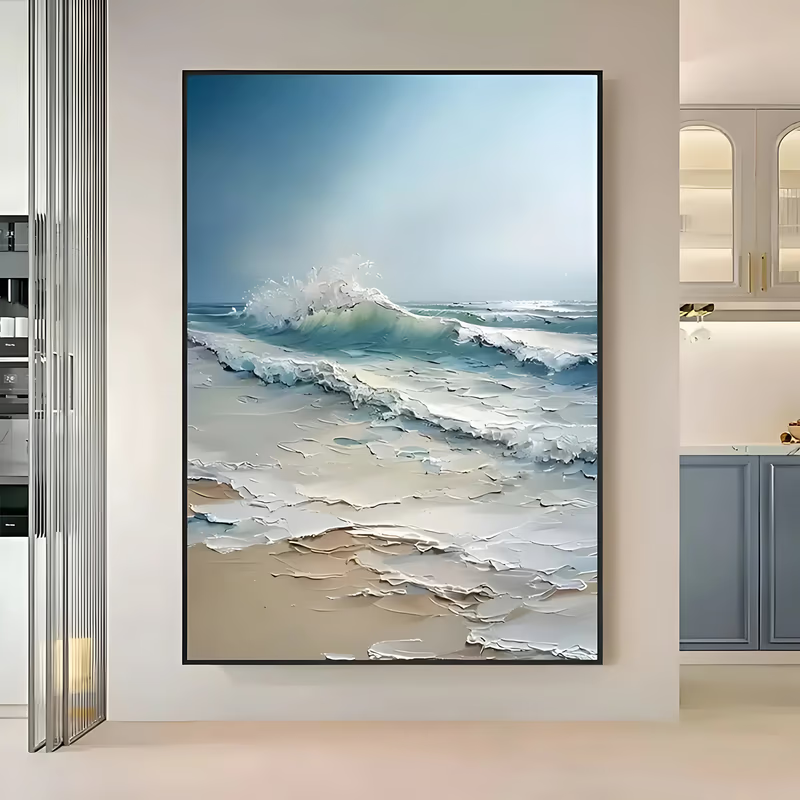
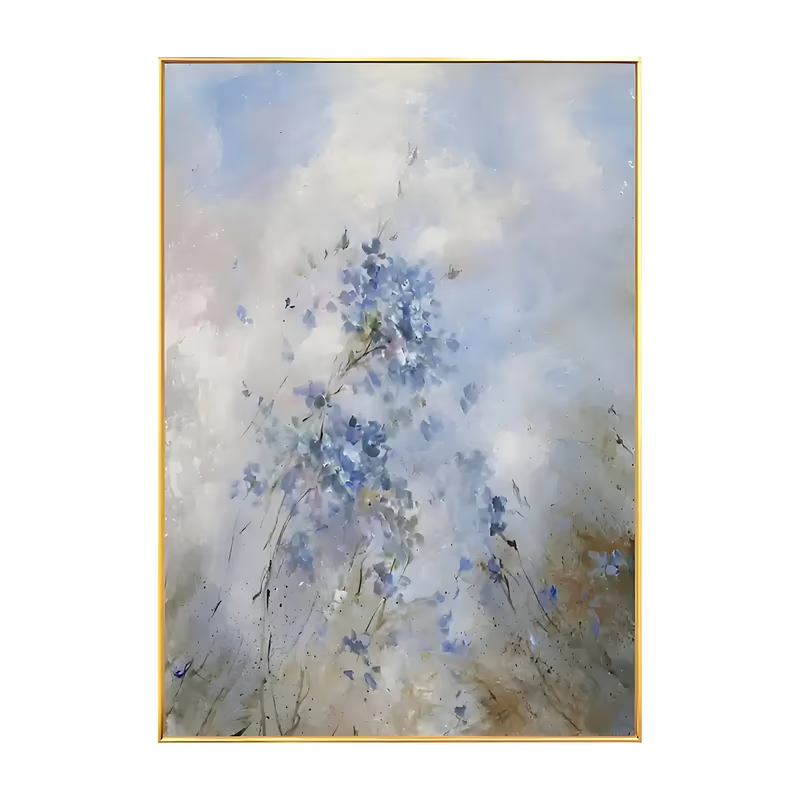
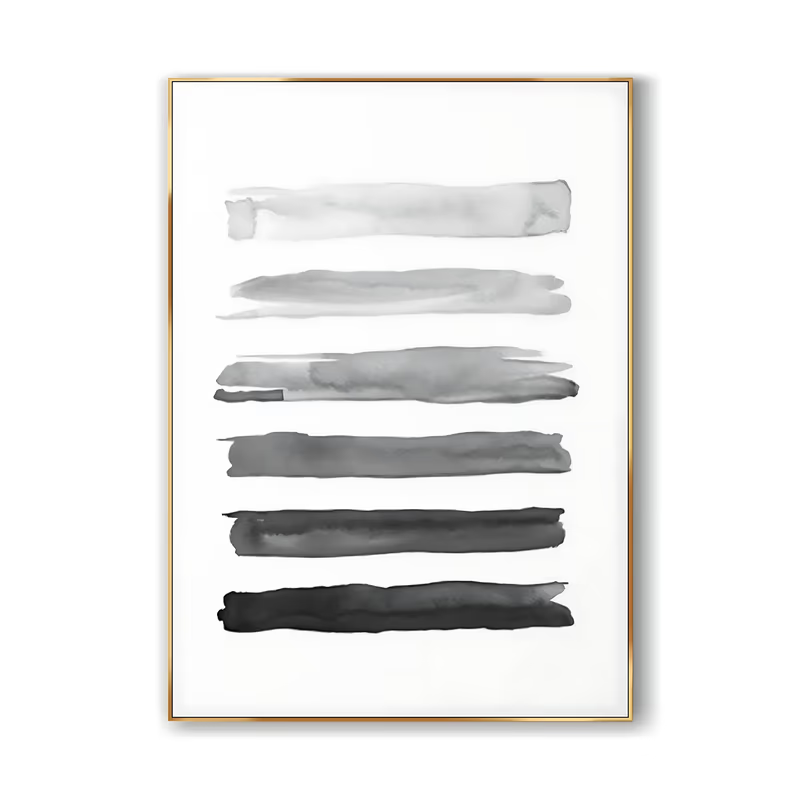
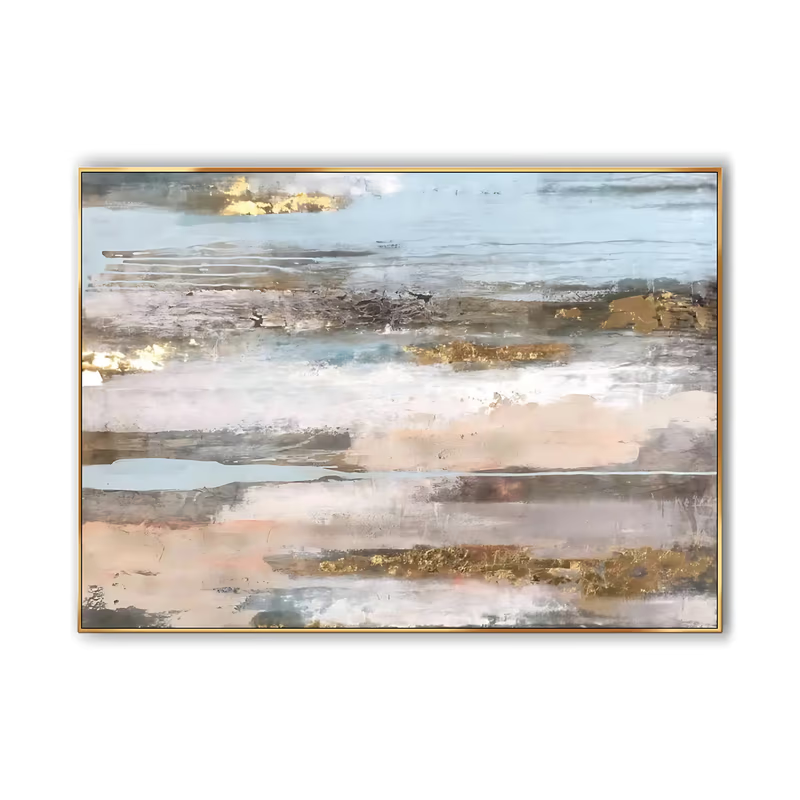
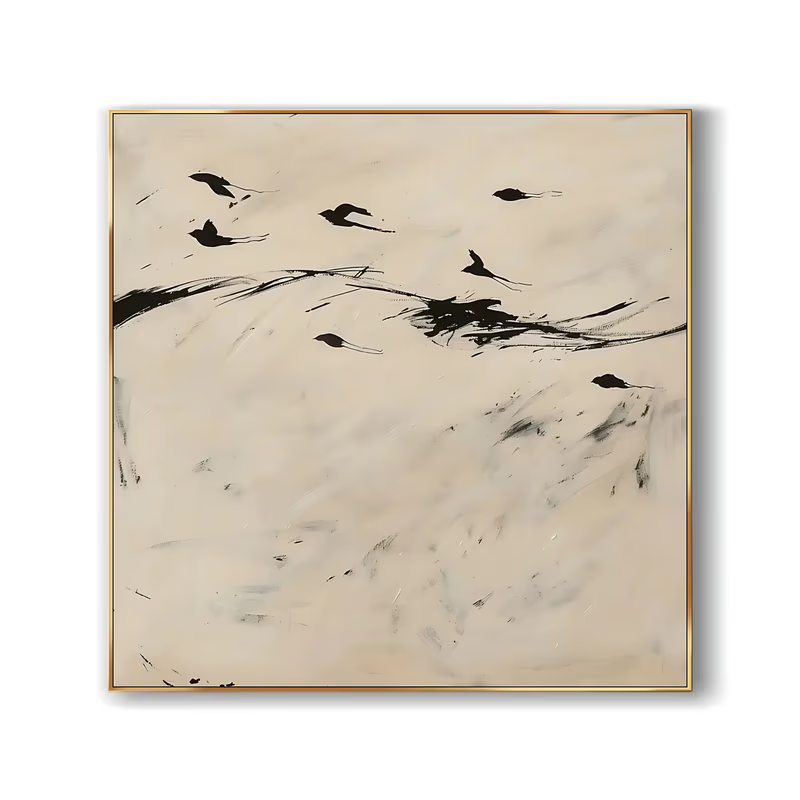
Calming paintings here fall into four groups: soft water and shorelines, hazy landscapes, quiet botanicals, and tone-on-tone texture. Choose the subject the room's users will find easiest to rest their eyes on.
Soft water and shorelines
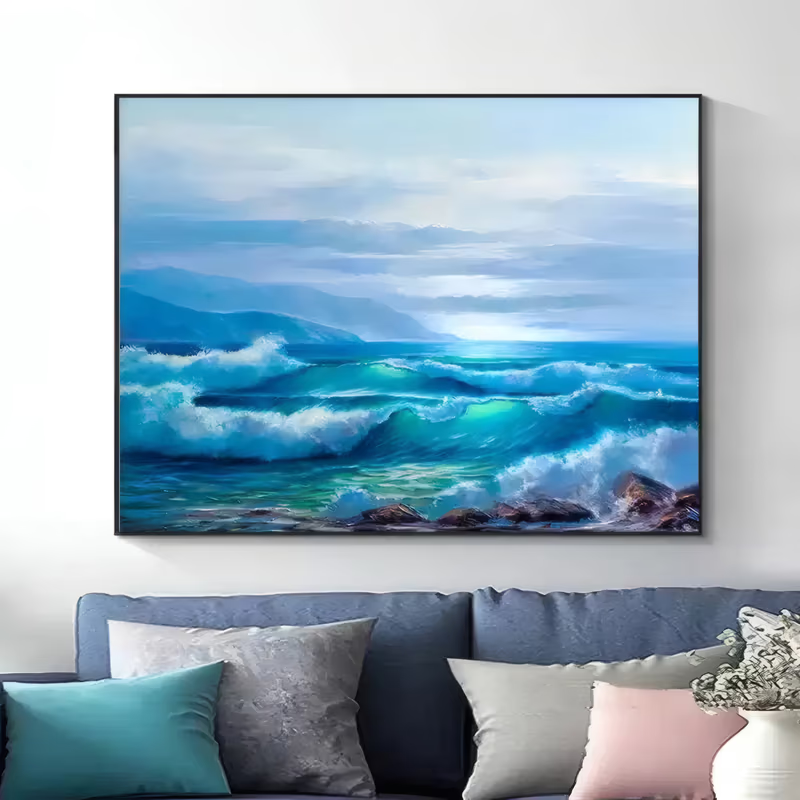
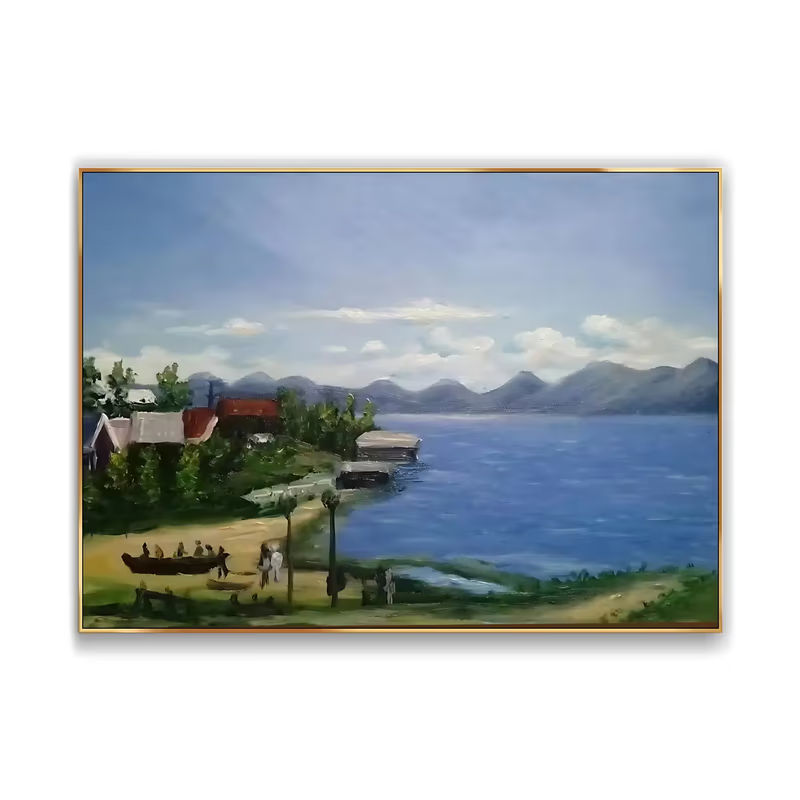
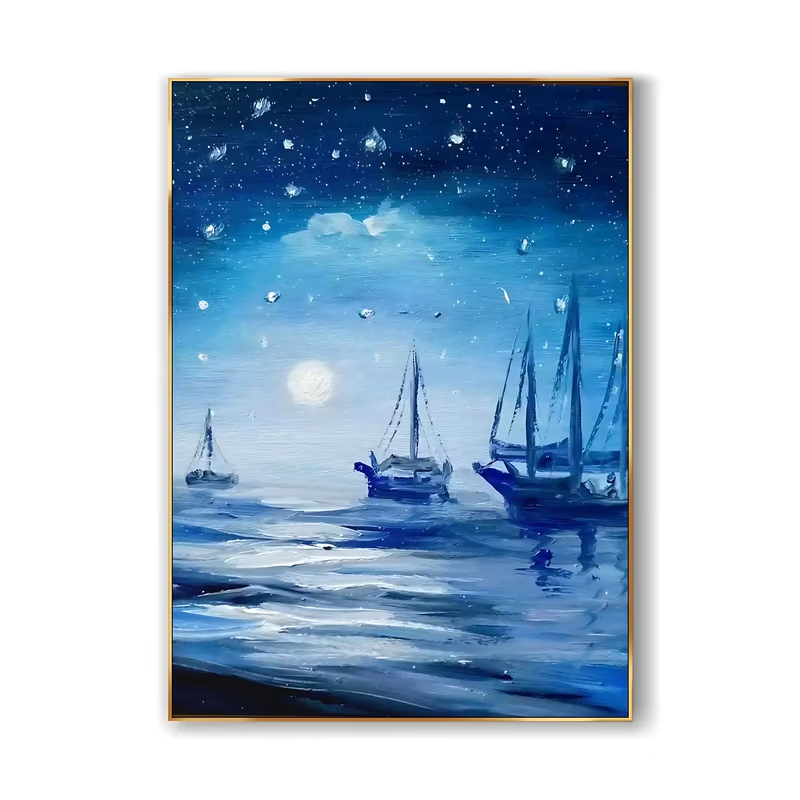
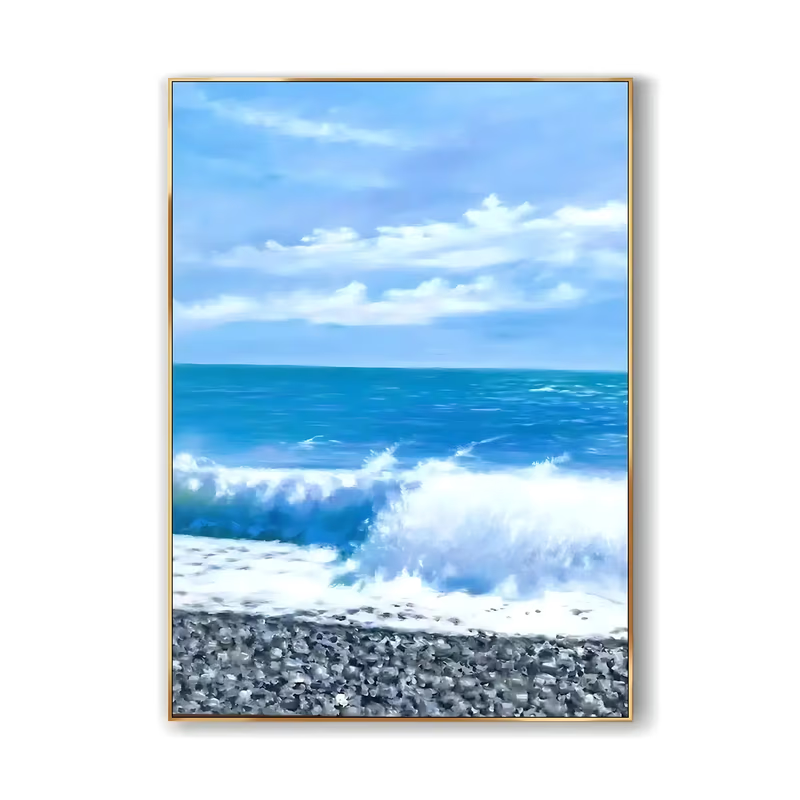
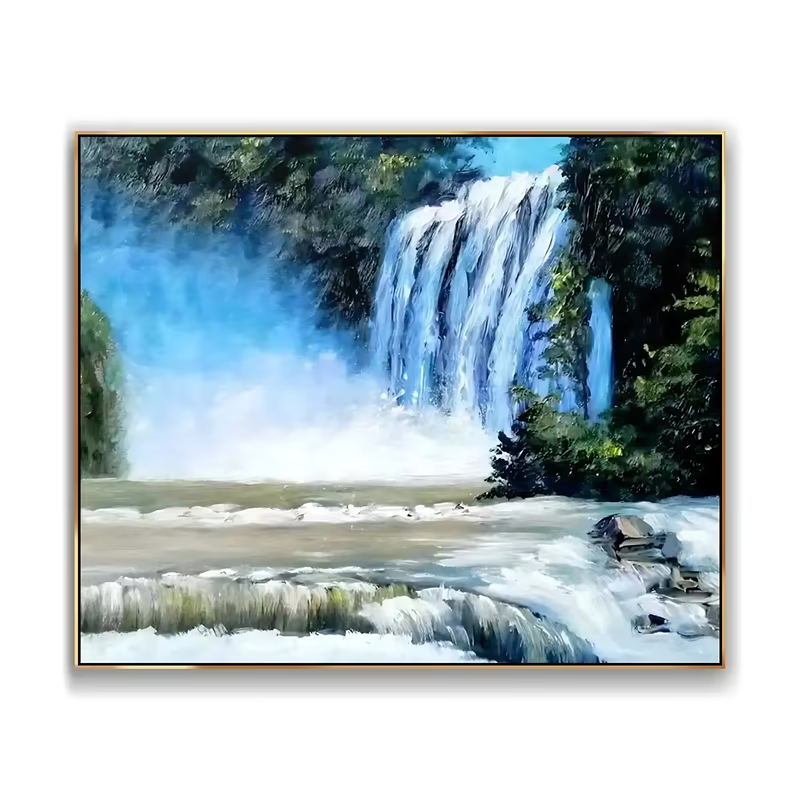
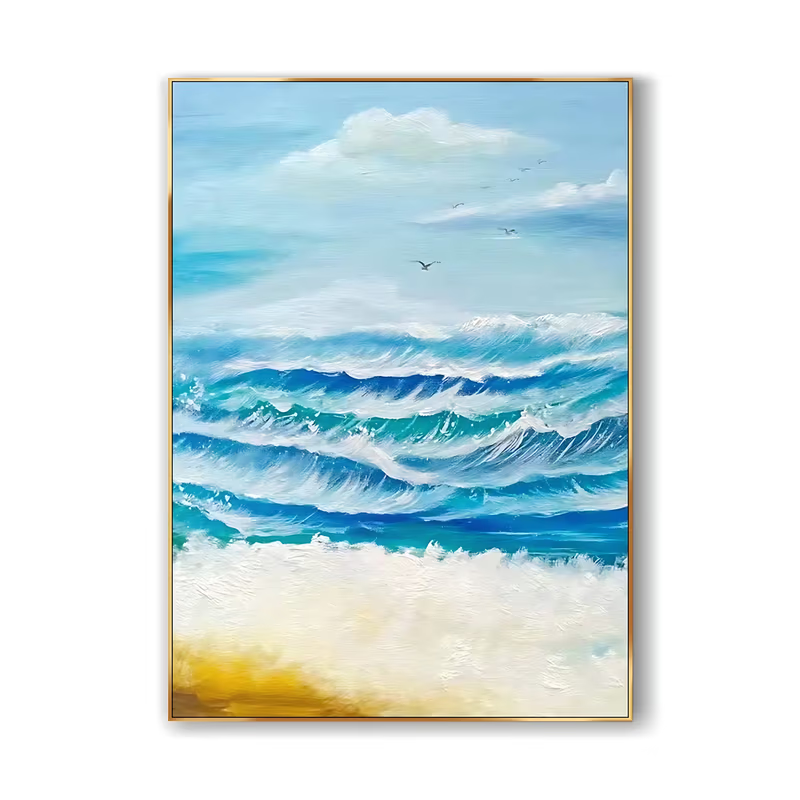
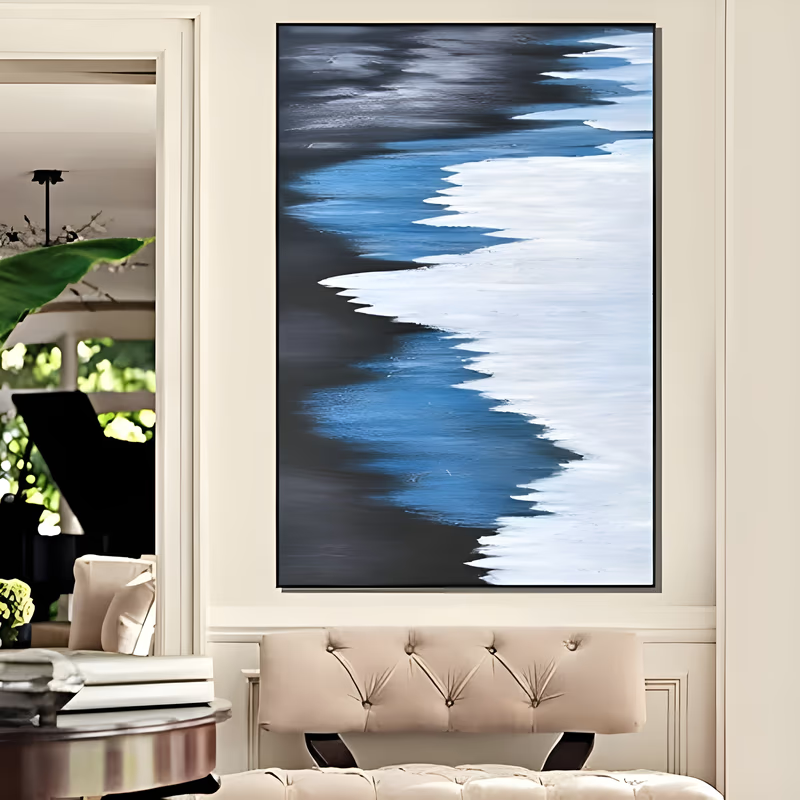
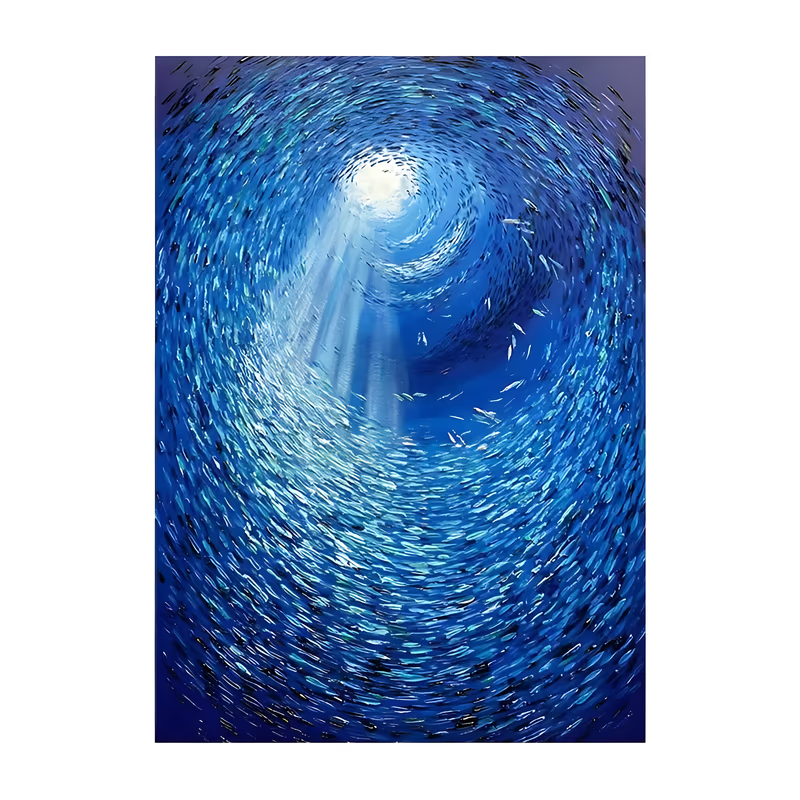
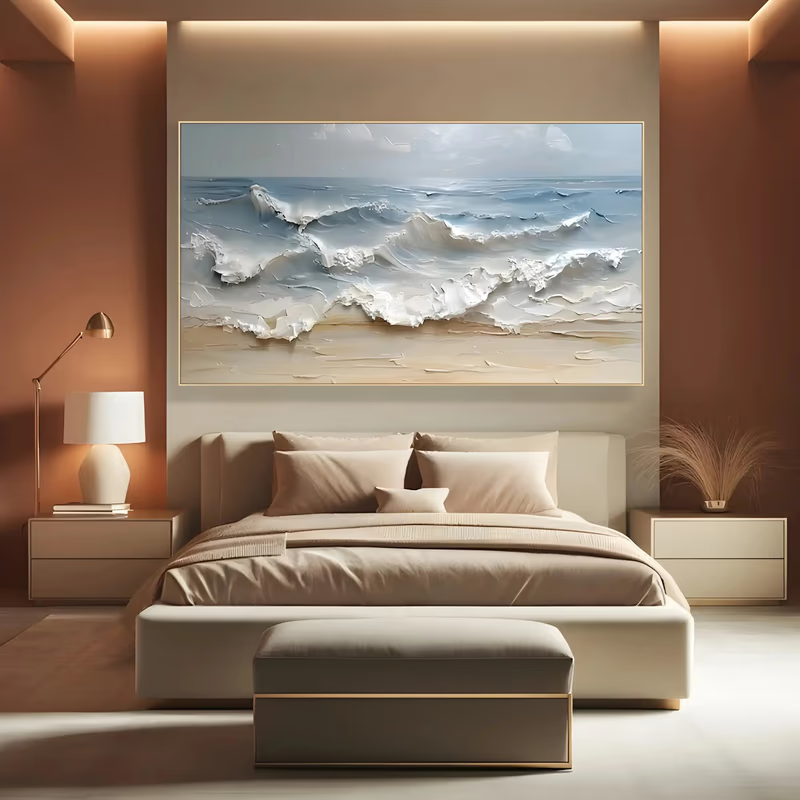
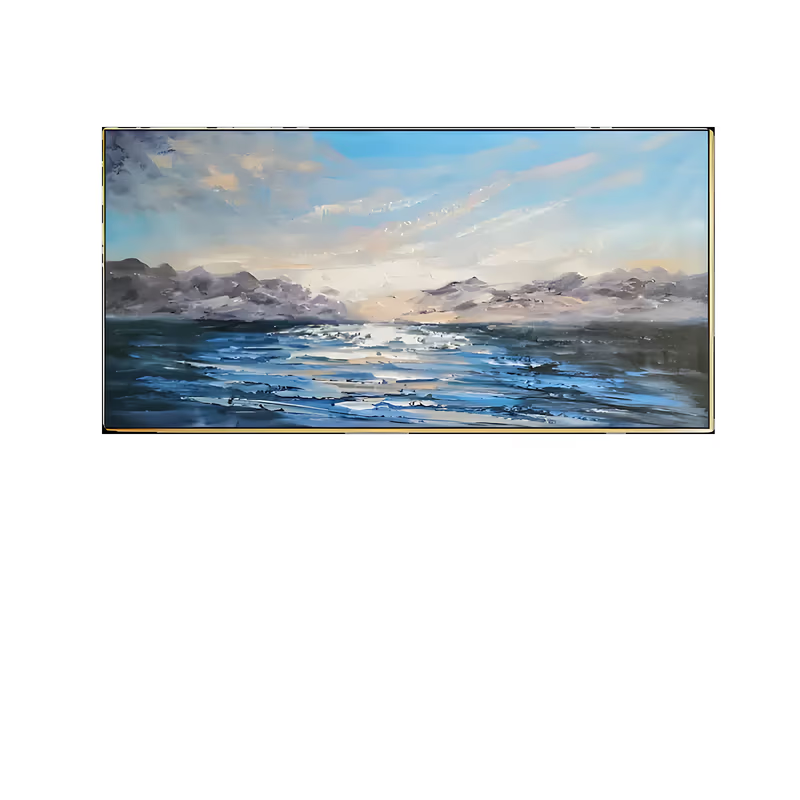
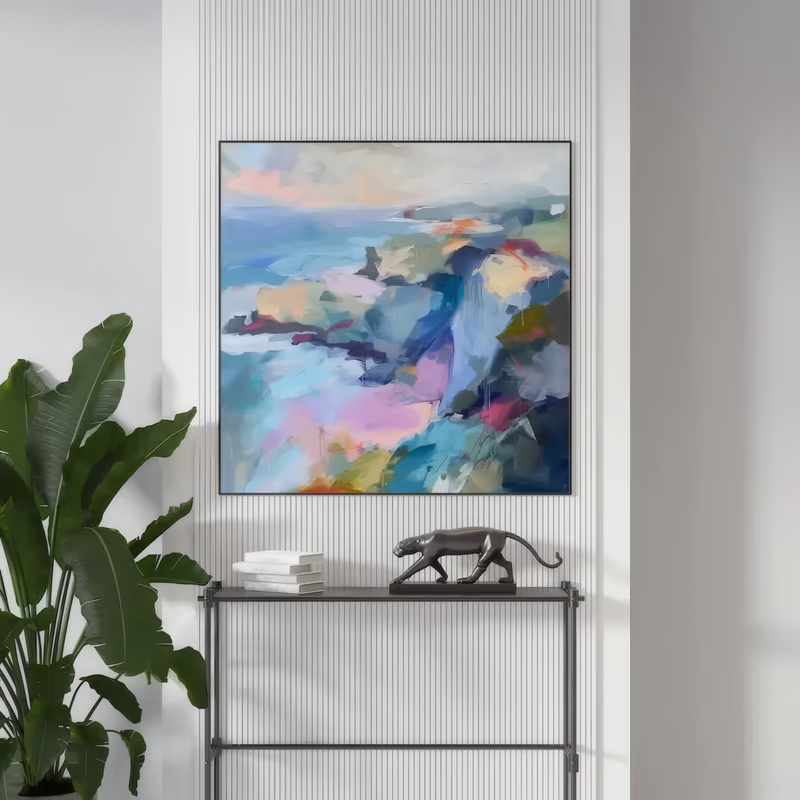
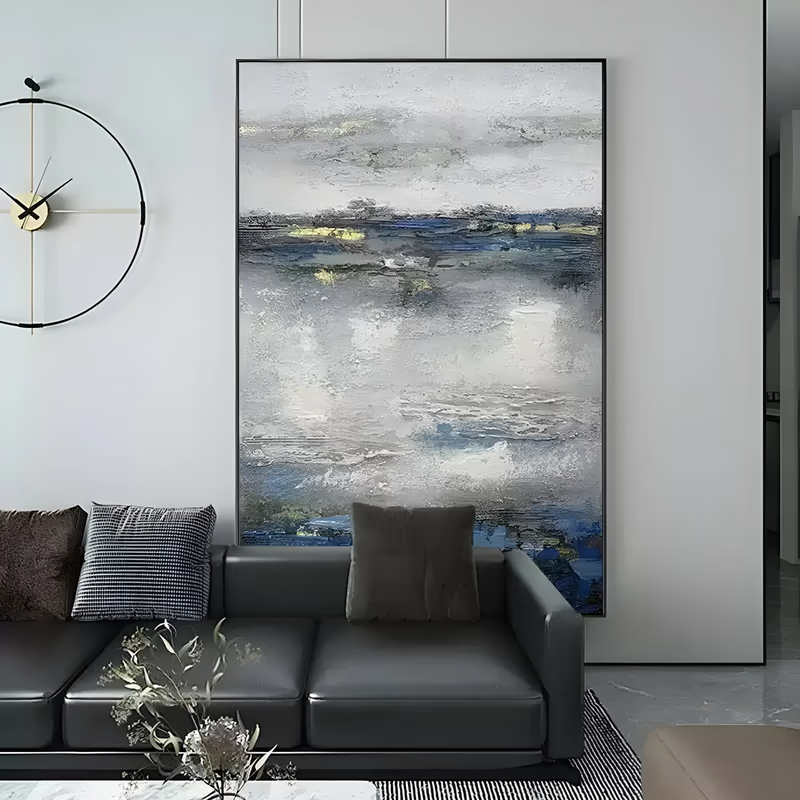
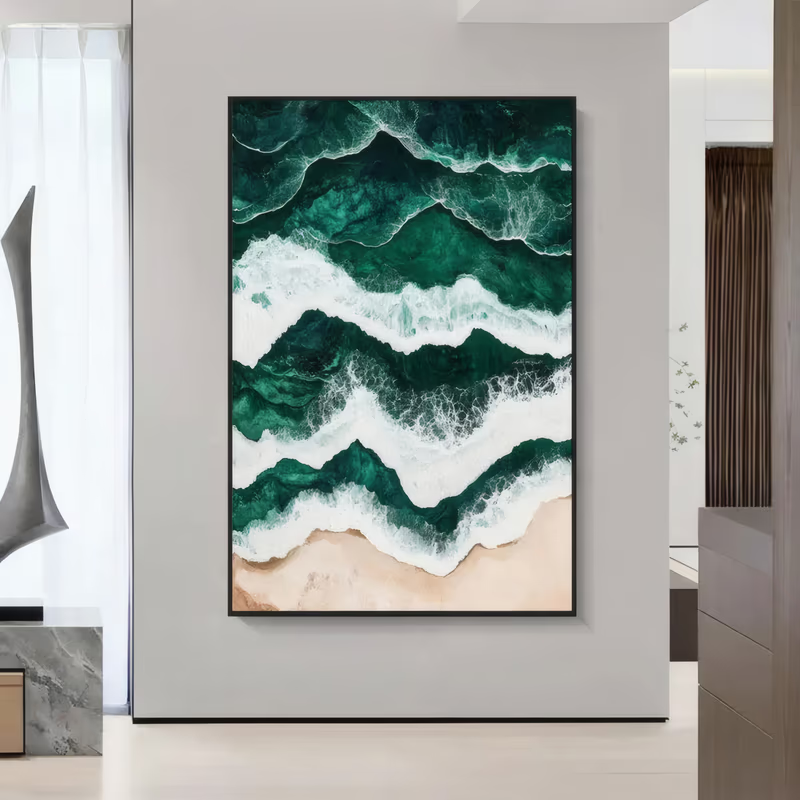
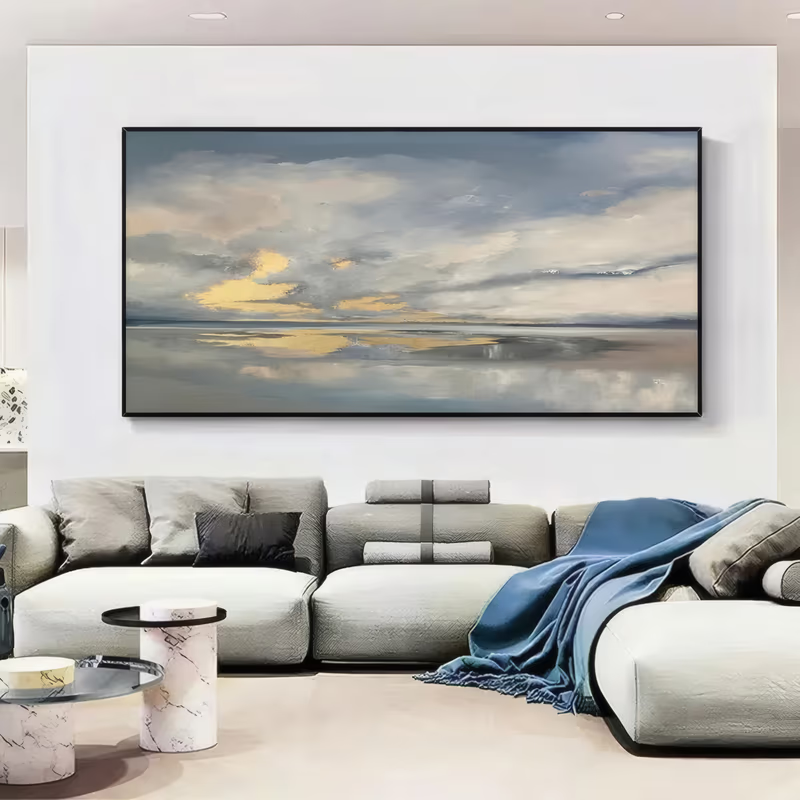
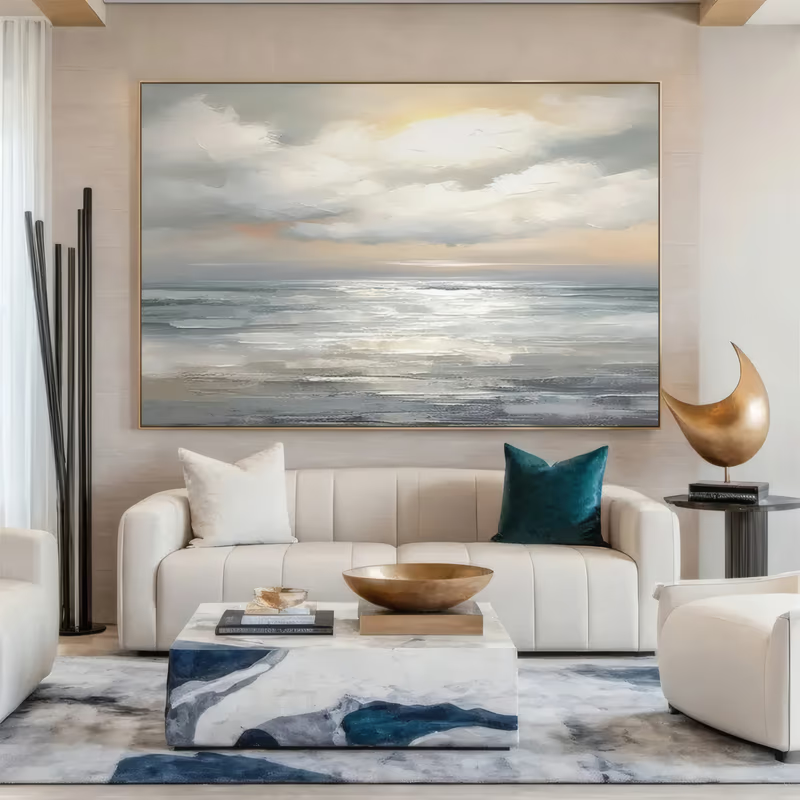
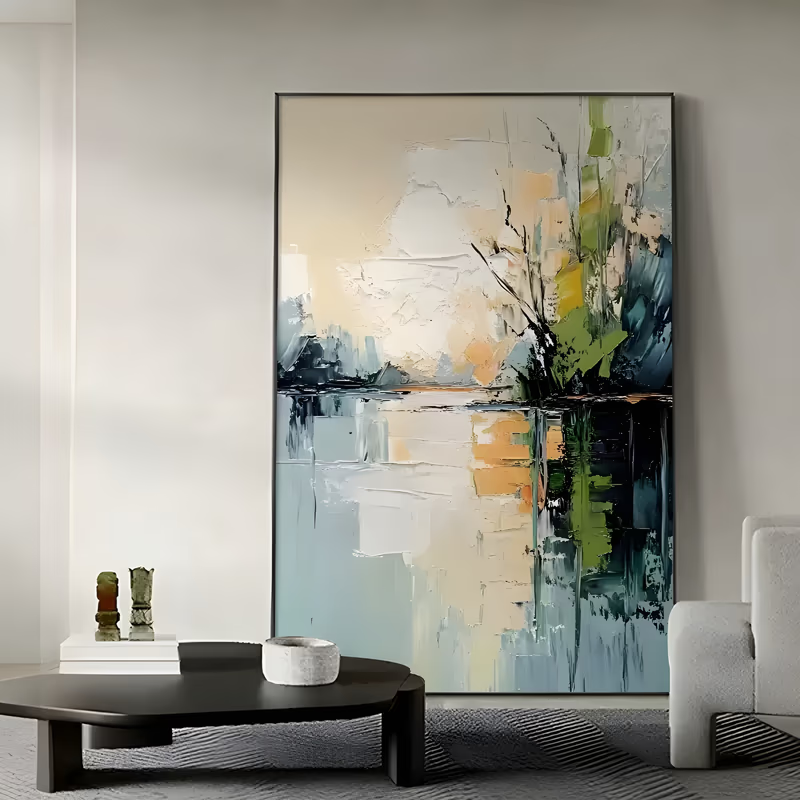
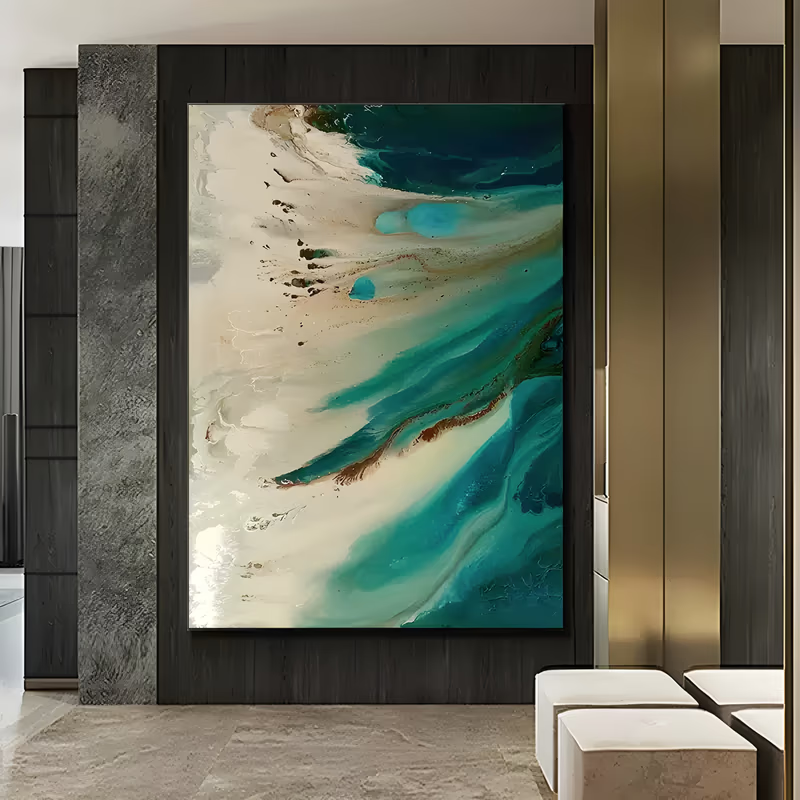
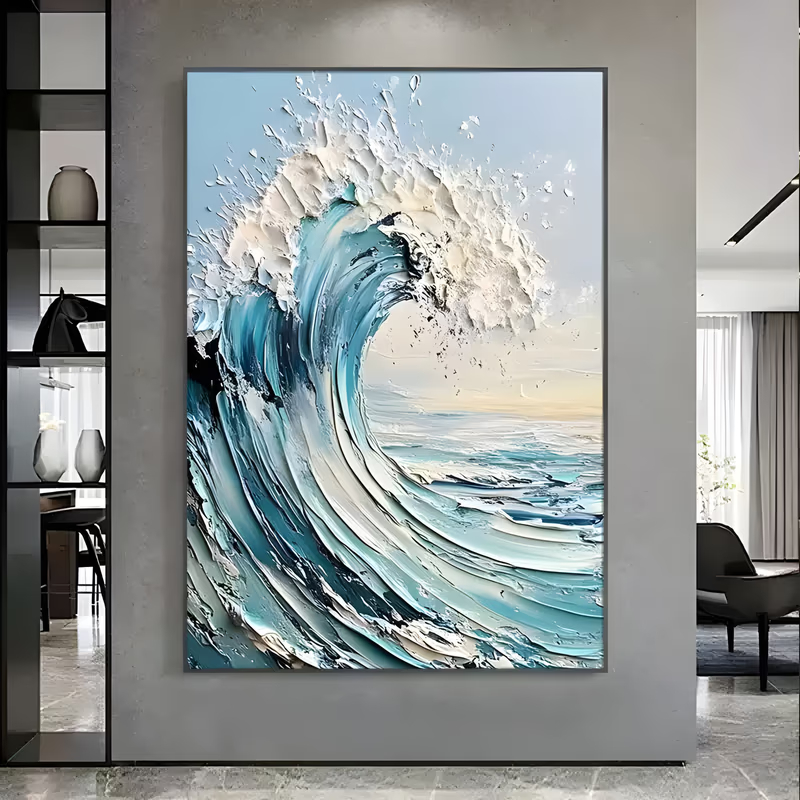
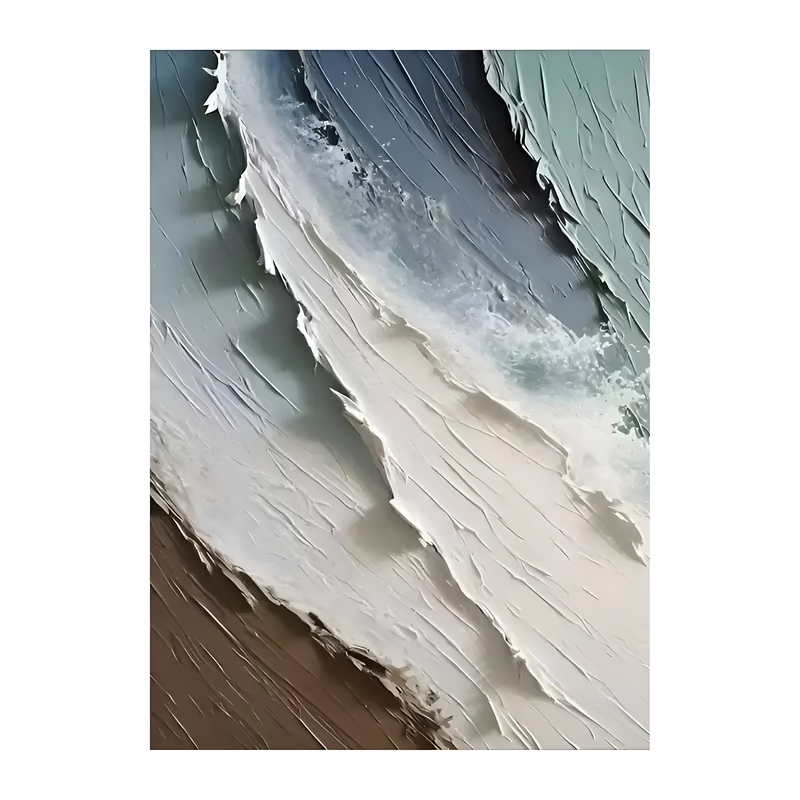
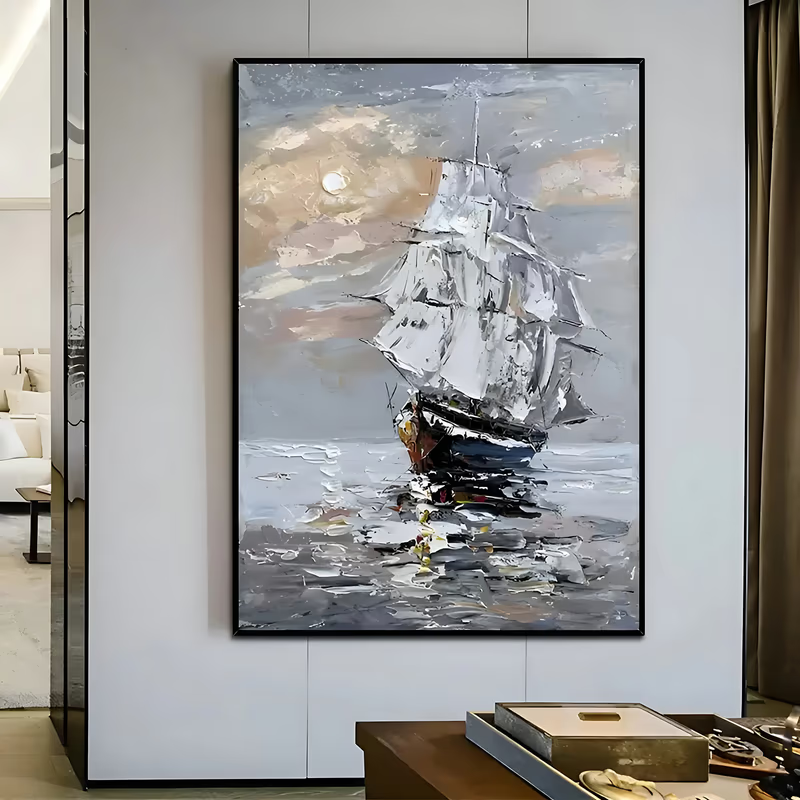
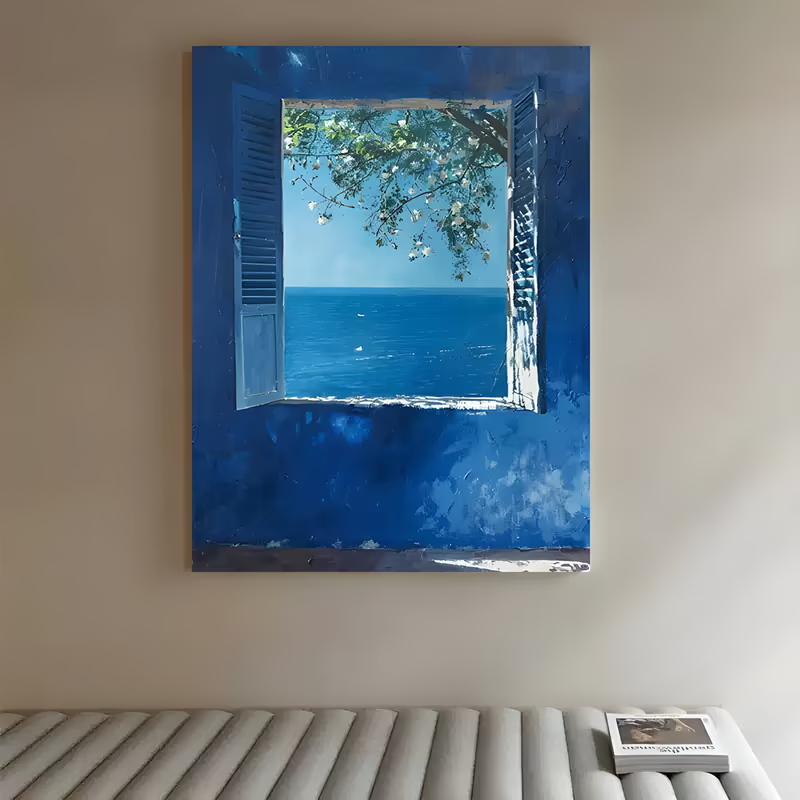
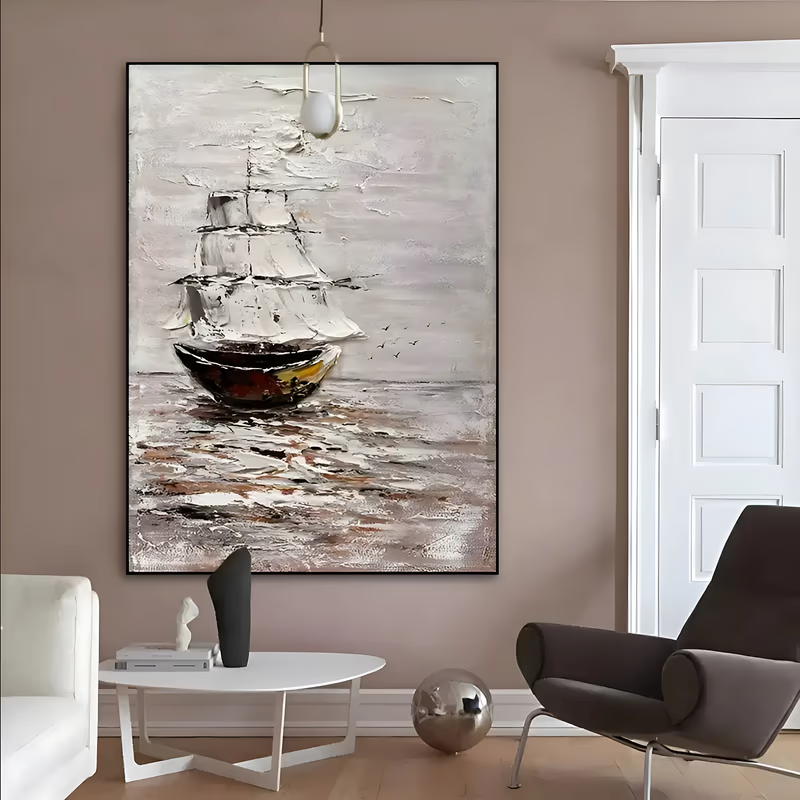
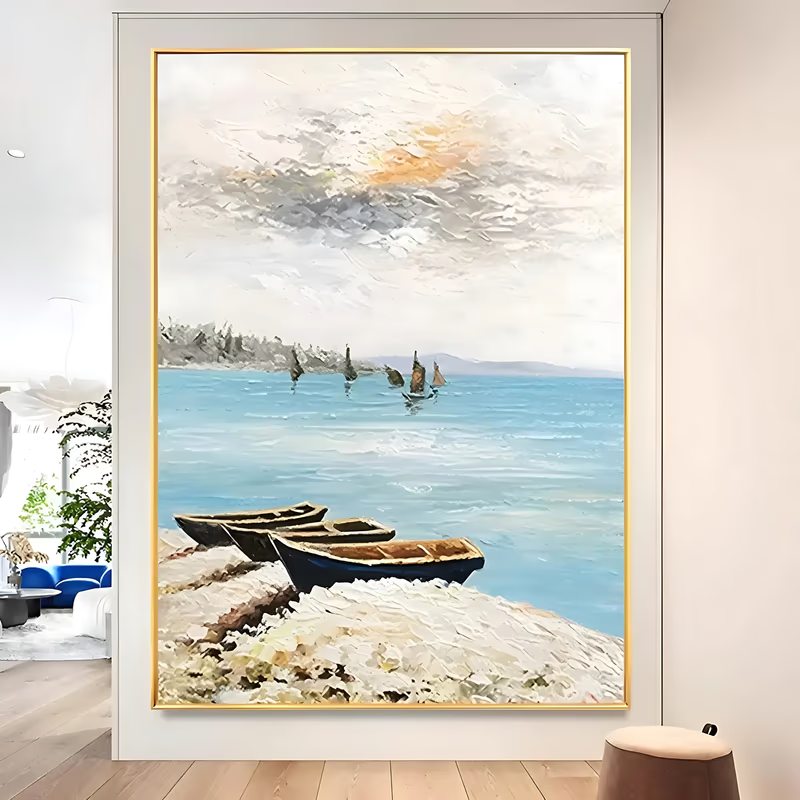
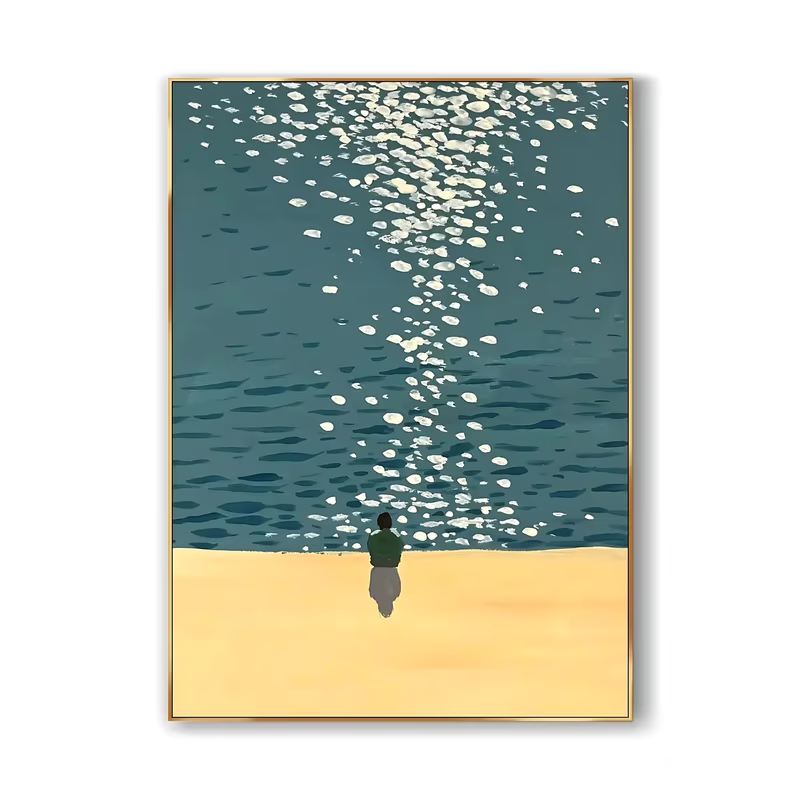
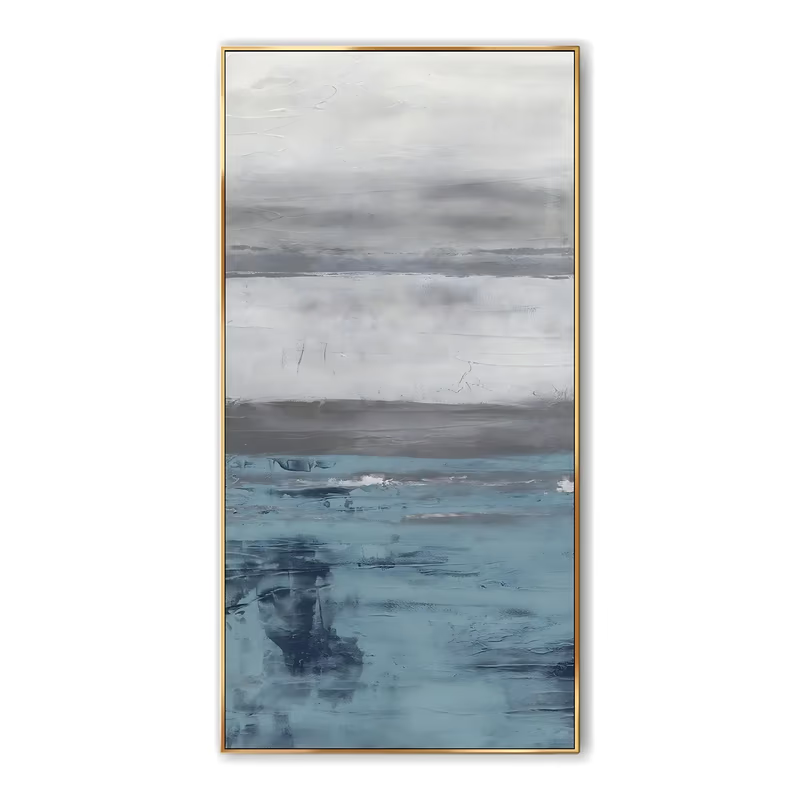
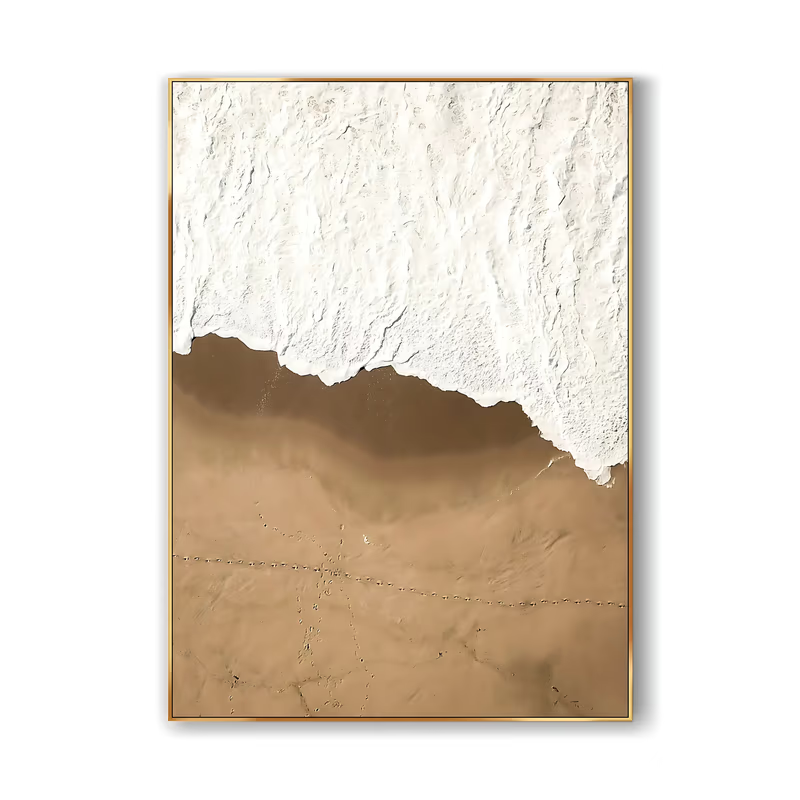
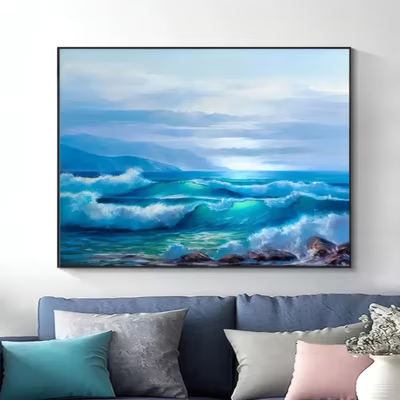
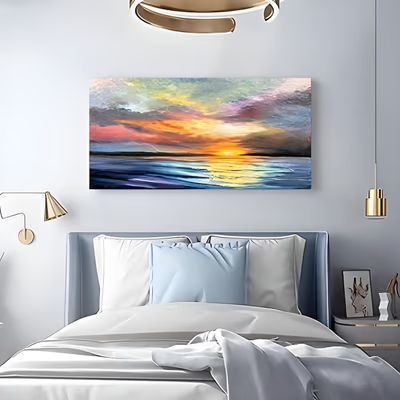
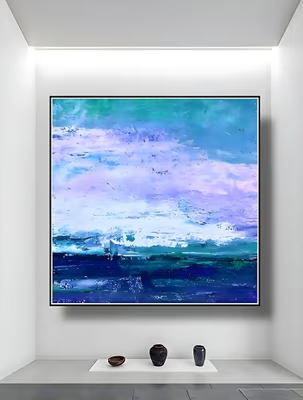
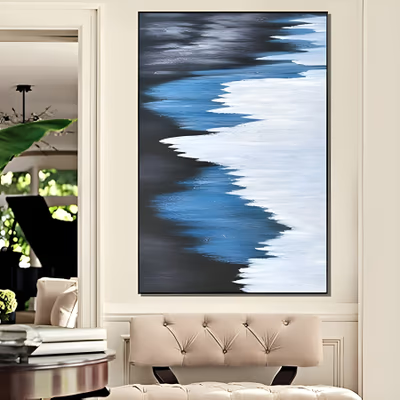
Moonlit sailboats on a still bay, pastel sea horizons, waves rolling slowly onto pebbles, a lake village under blue hills. Water is the most familiar calm subject. For bedrooms and treatment rooms, pick a flat sea or a slow swell; save the single curling wave for a bathroom or spa corridor, where a little movement is welcome.
Hazy hills, snow and quiet valleys
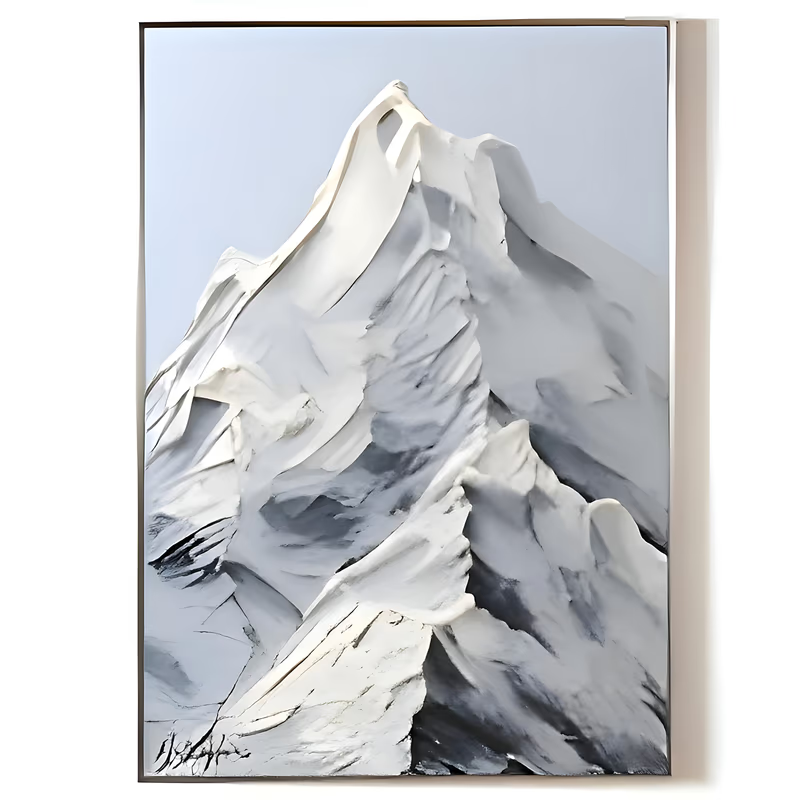
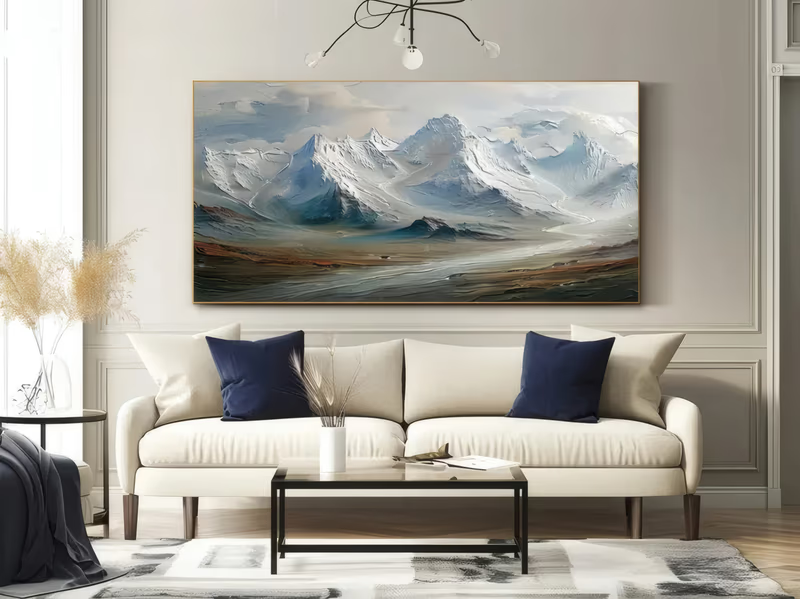
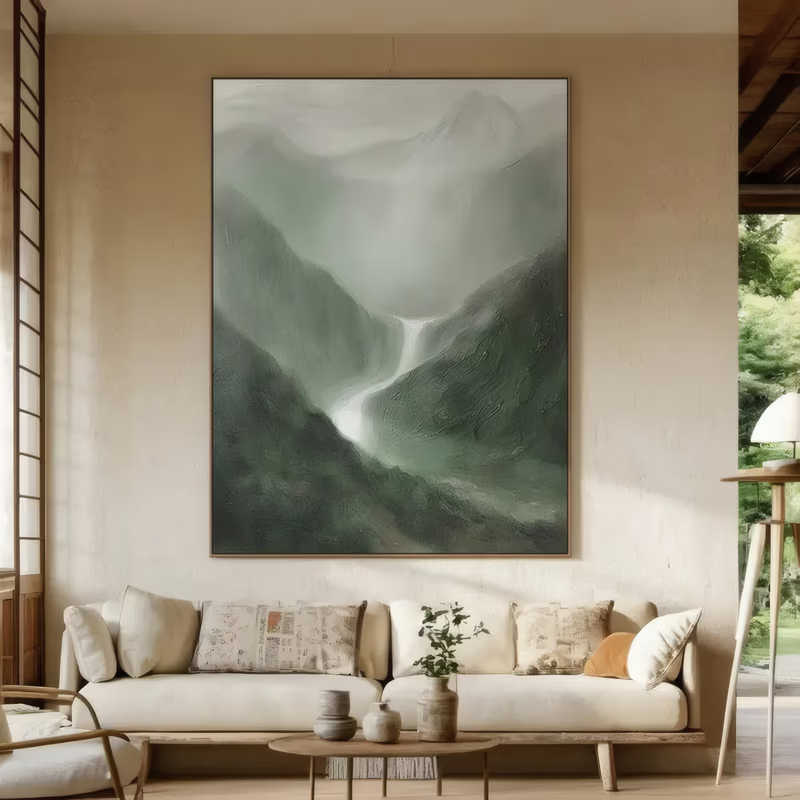
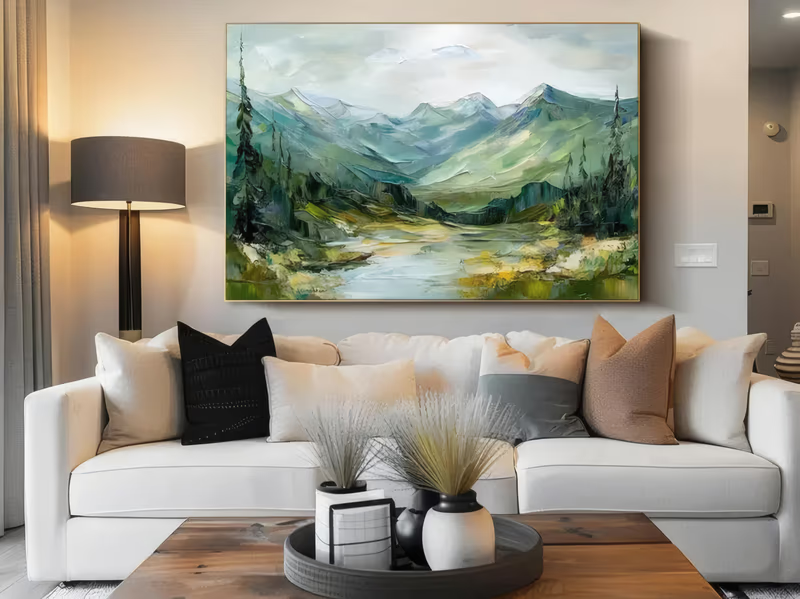
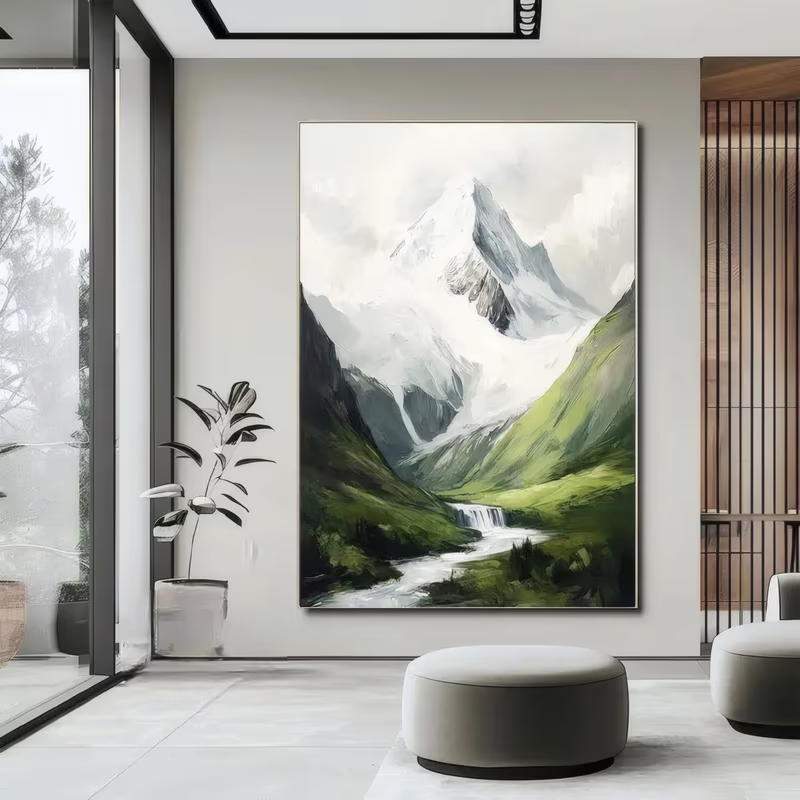
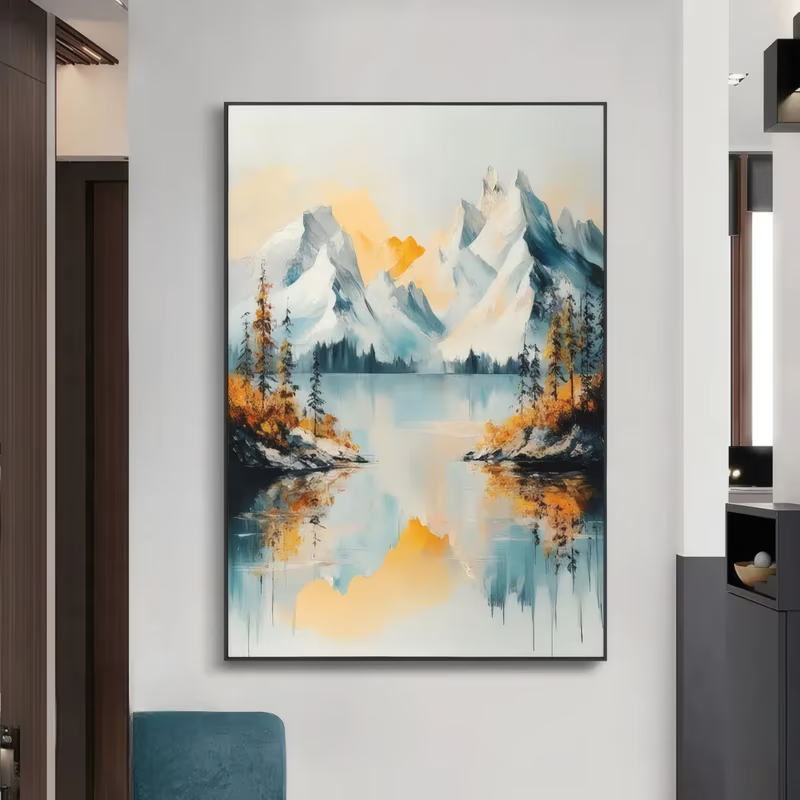
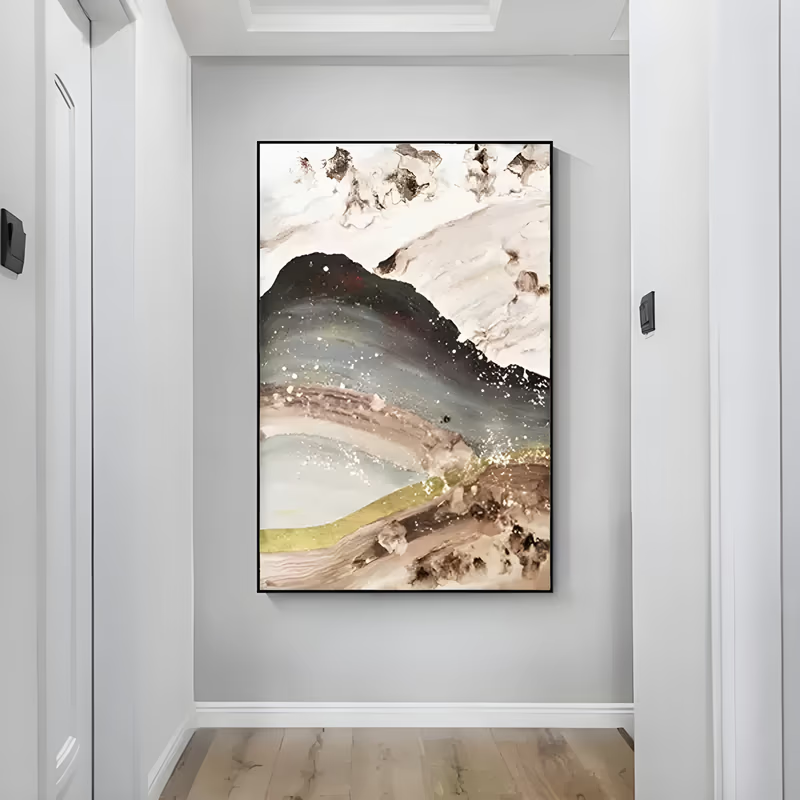
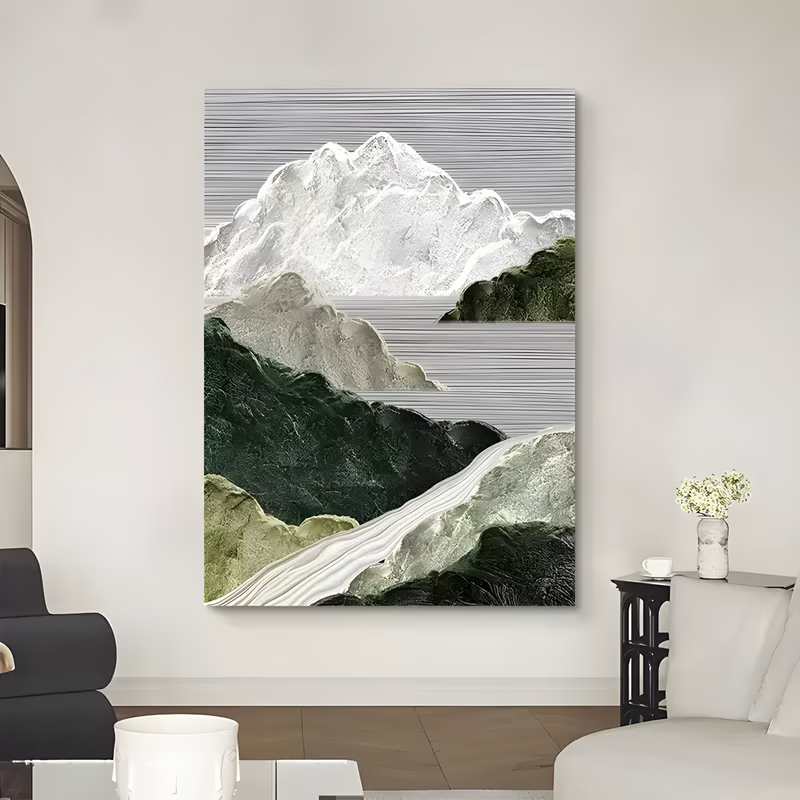
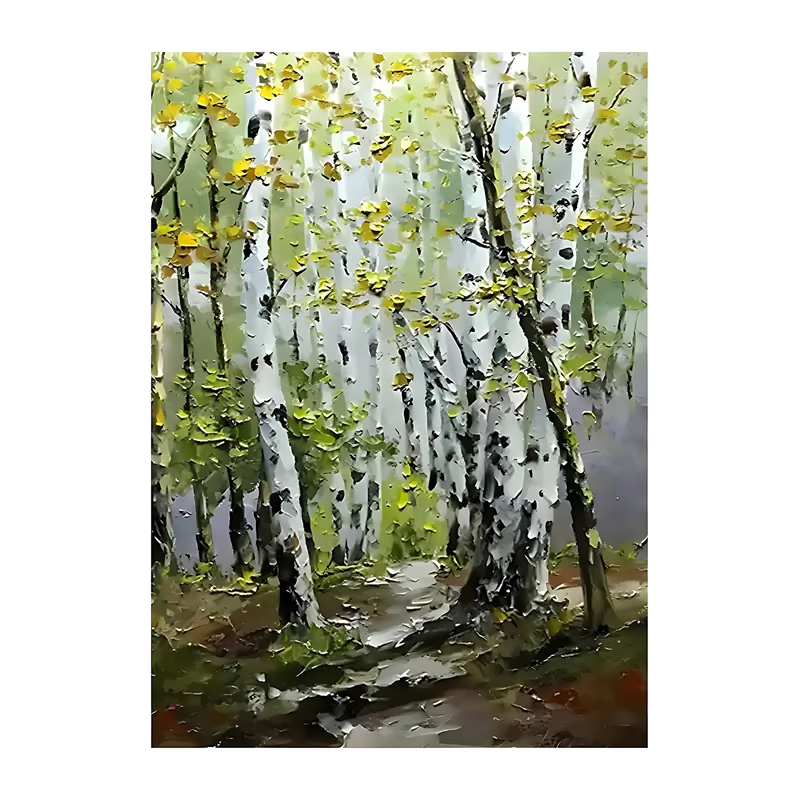
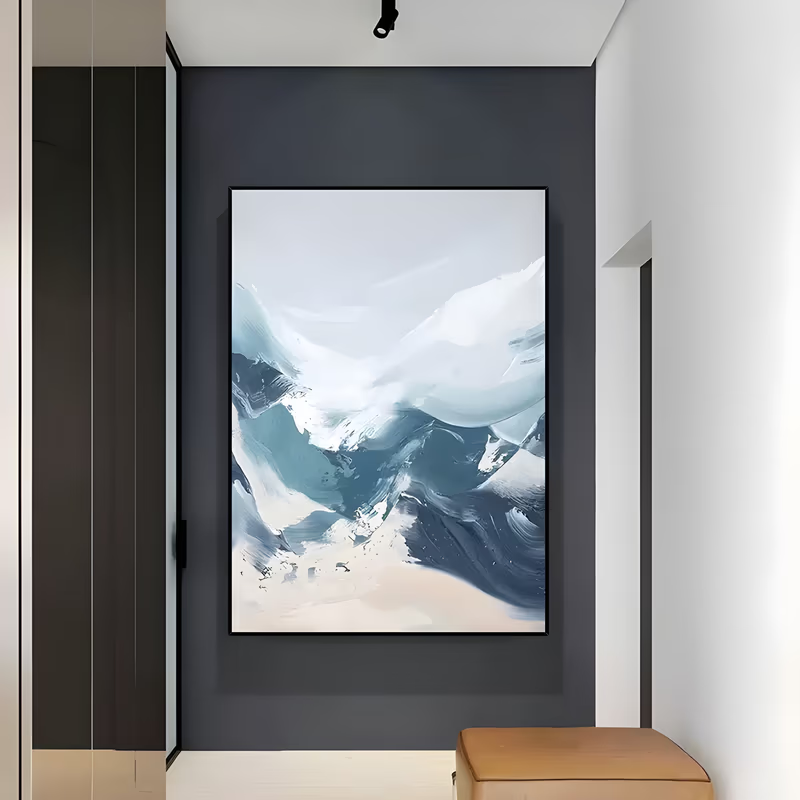
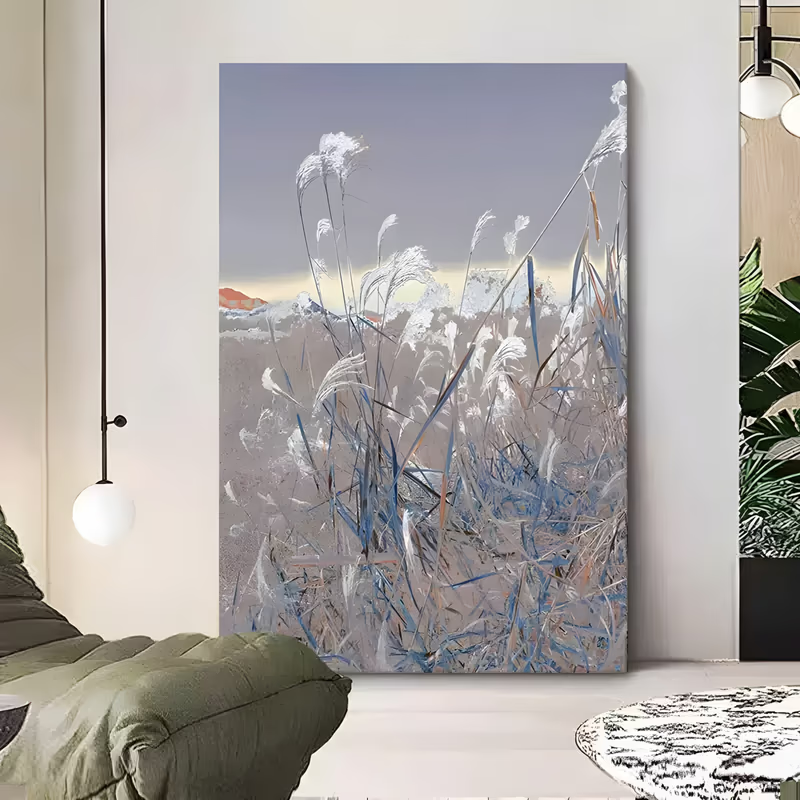
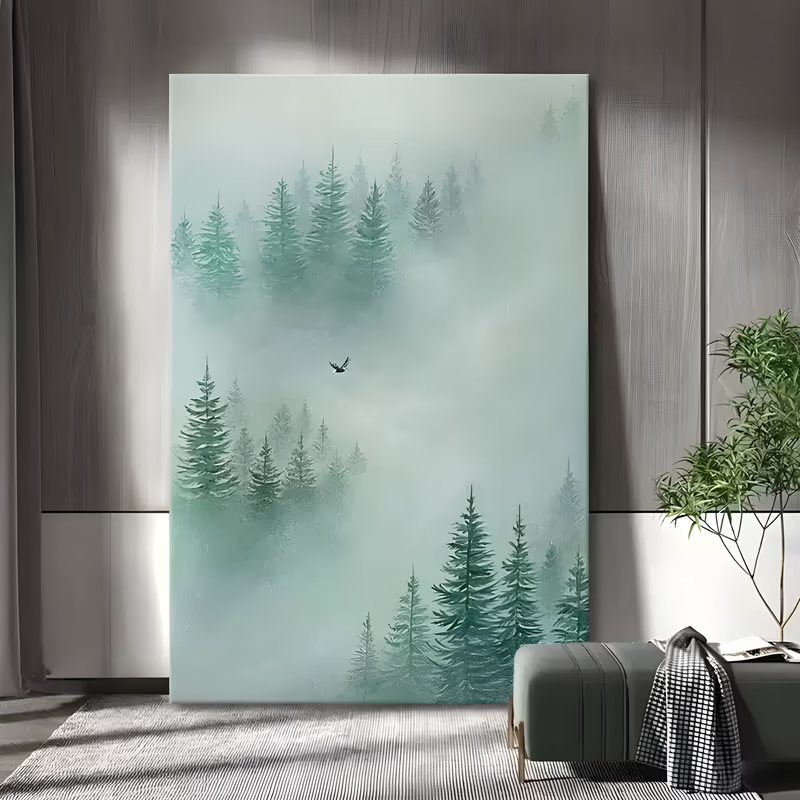
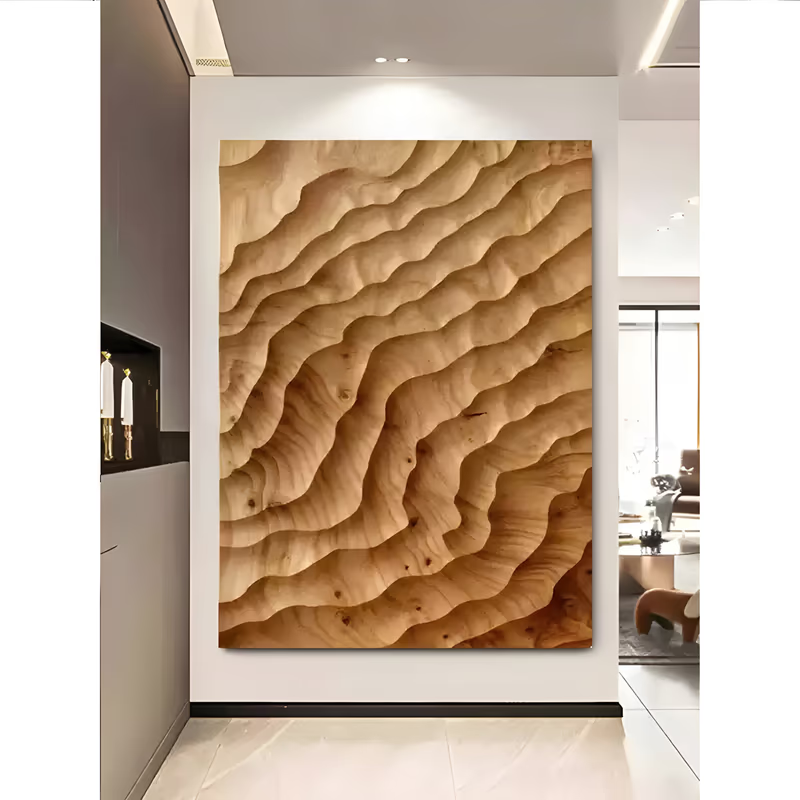
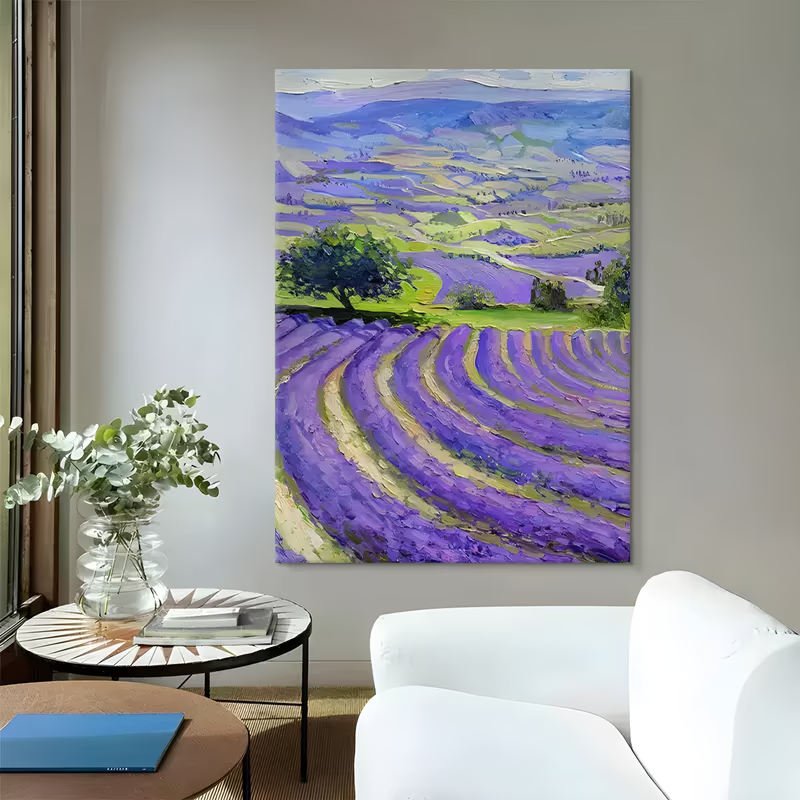
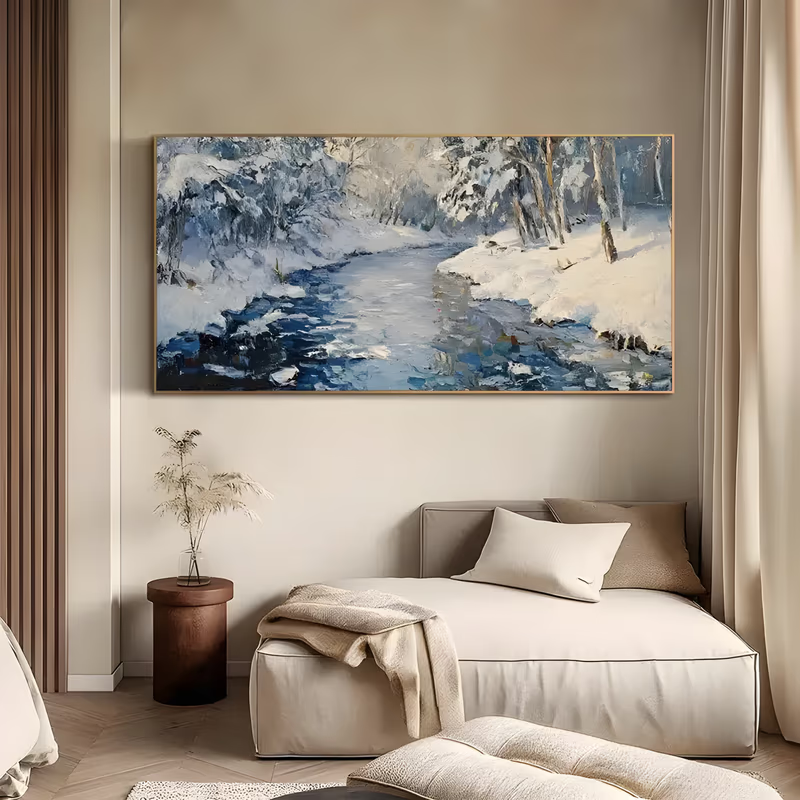
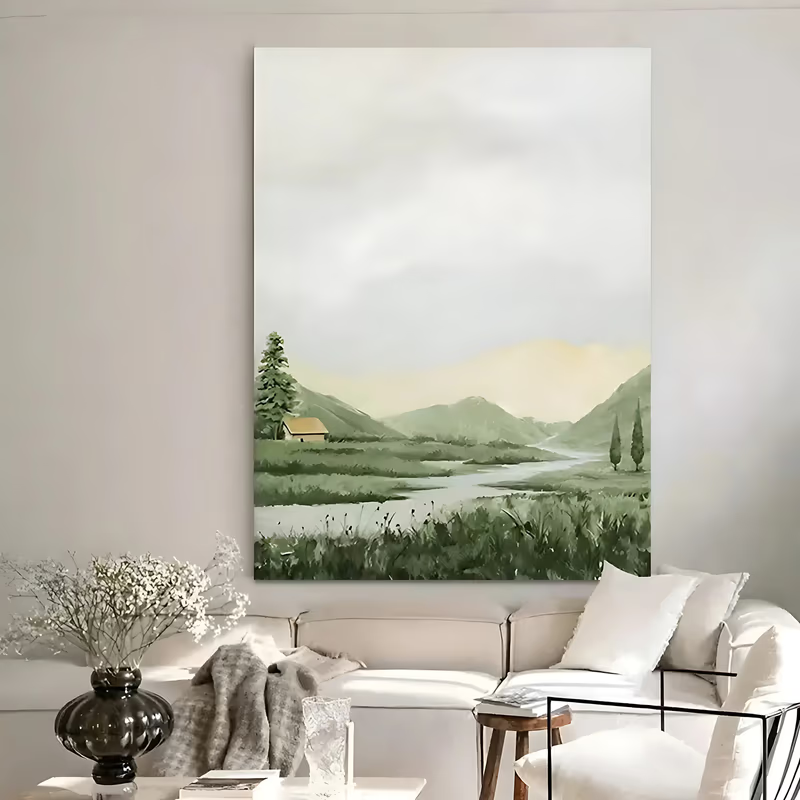
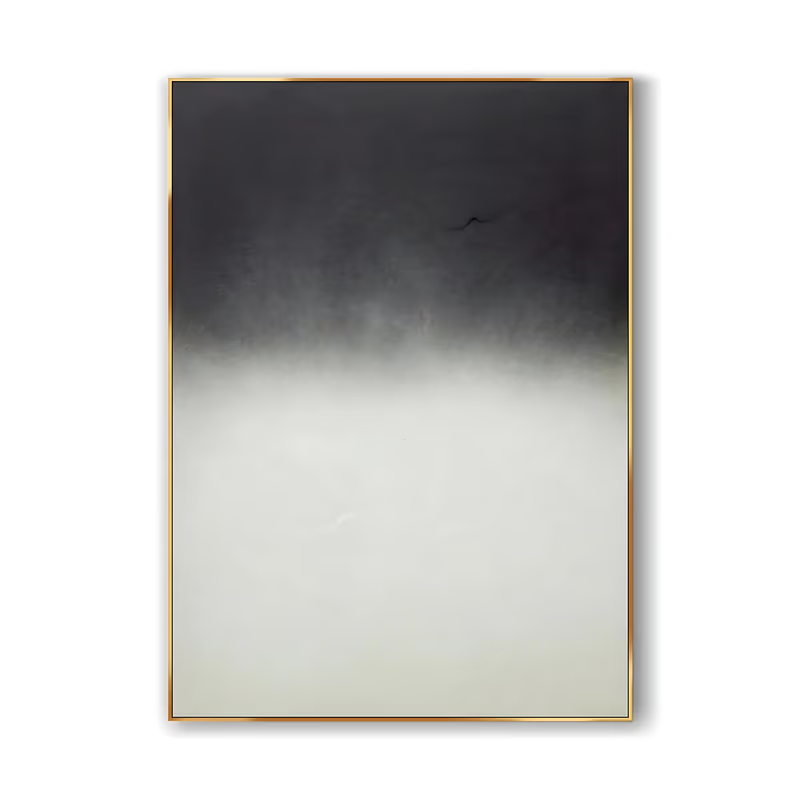
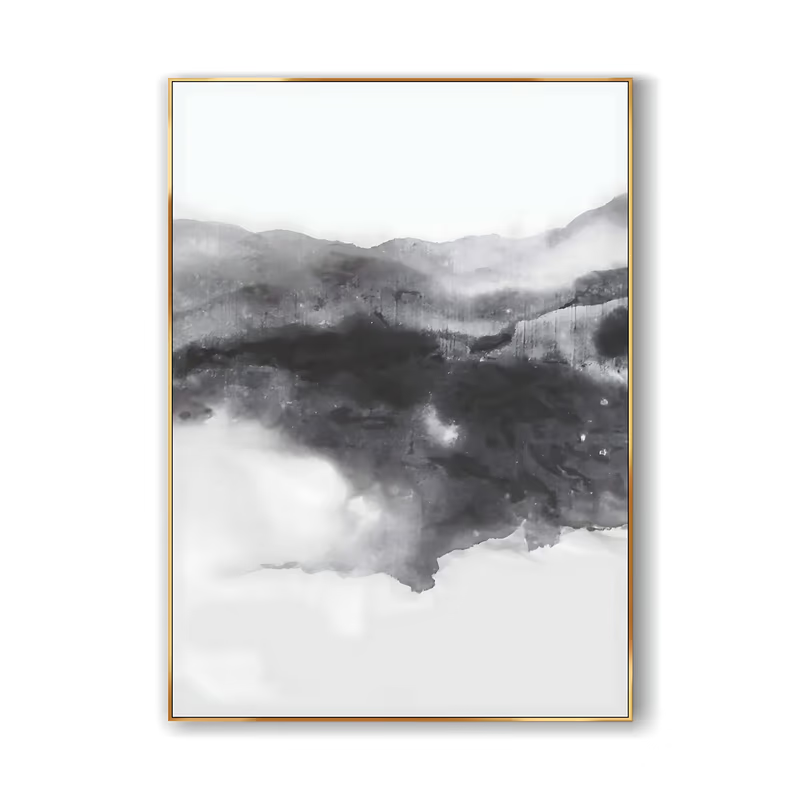
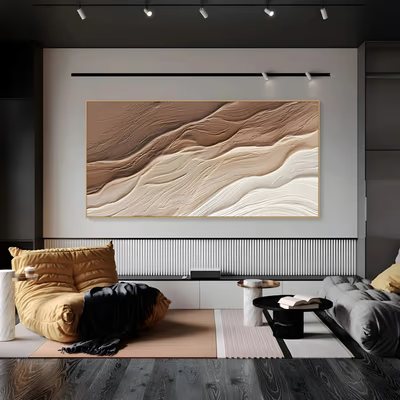
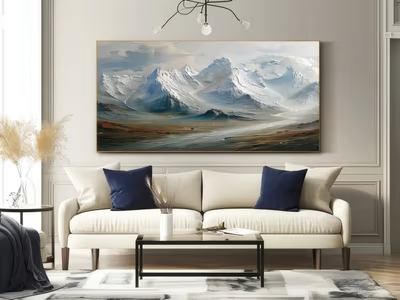
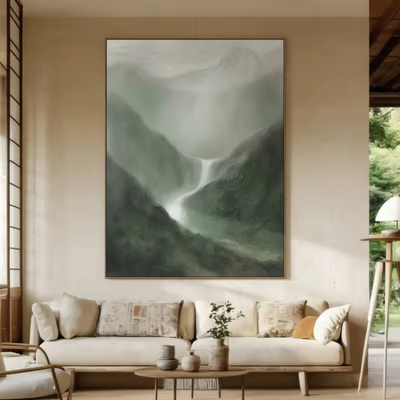
Misty mountain ridges, a snow peak against pale sky, a river winding through a valley, dunes sculpted in sand-coloured plaster. Distance and haze push the scene back from the wall, so the painting feels like air rather than an object. These suit guest rooms, meeting rooms and any windowless wall.
Leaf, lotus and pale blossom
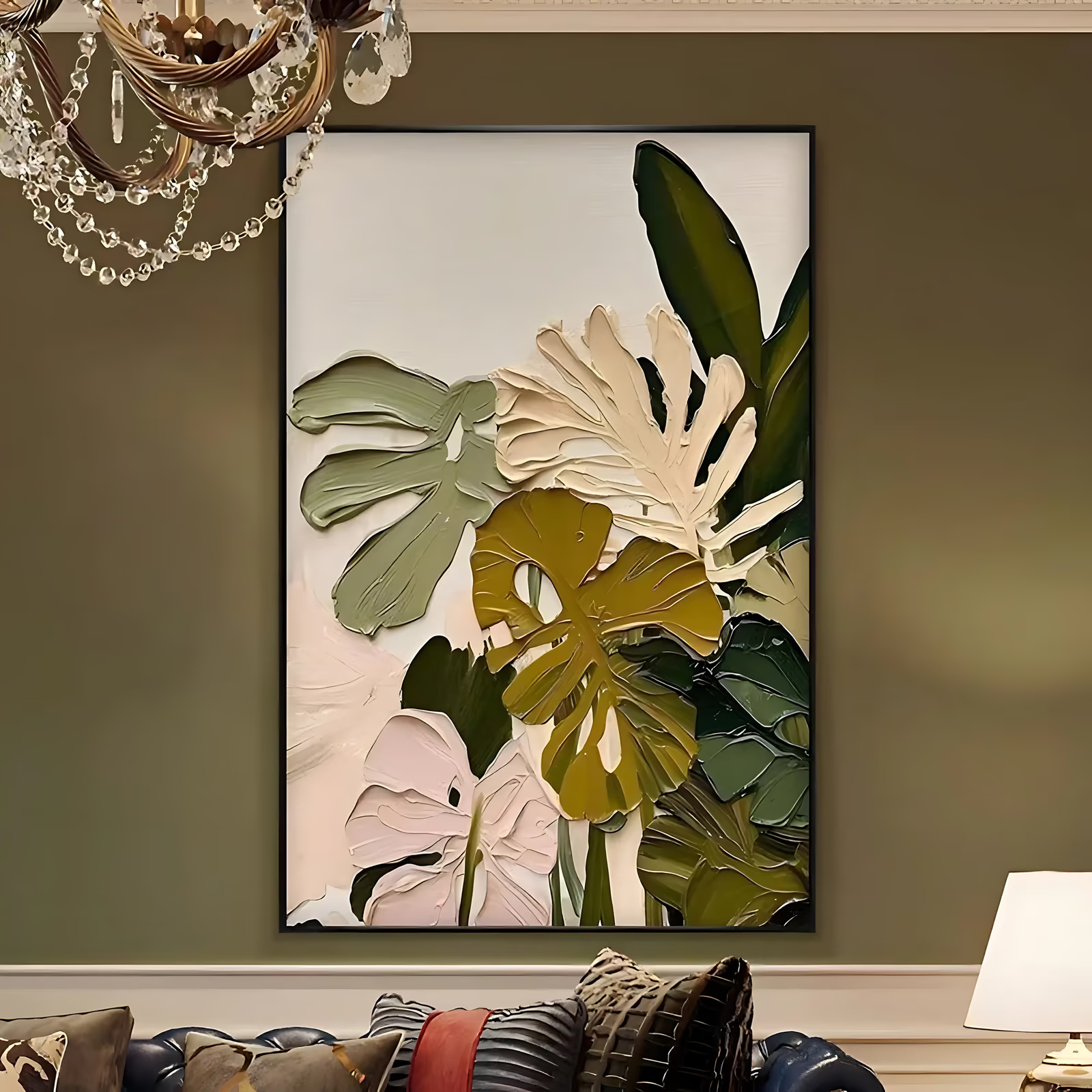
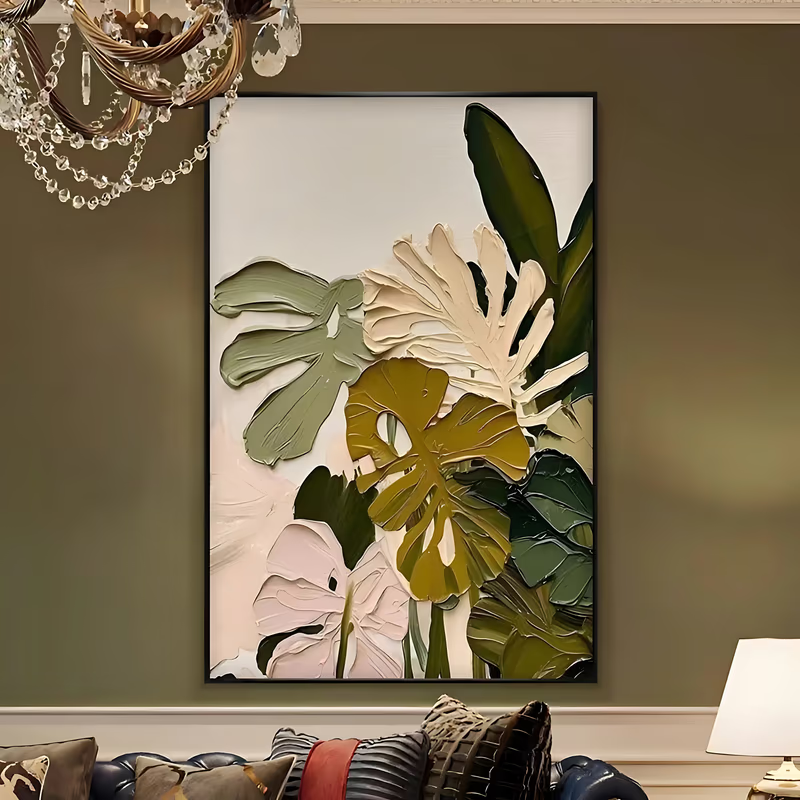
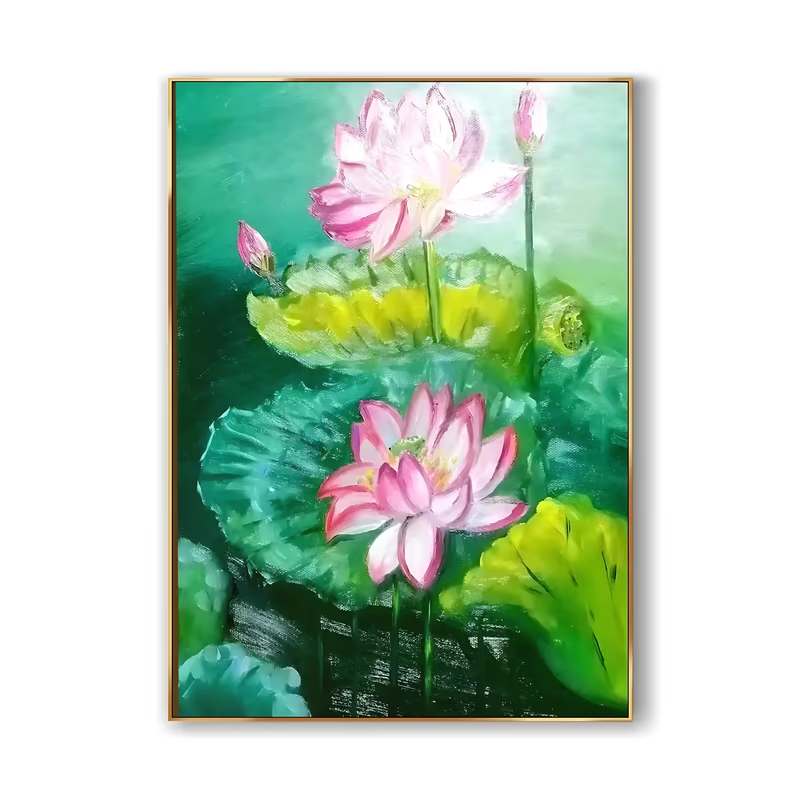
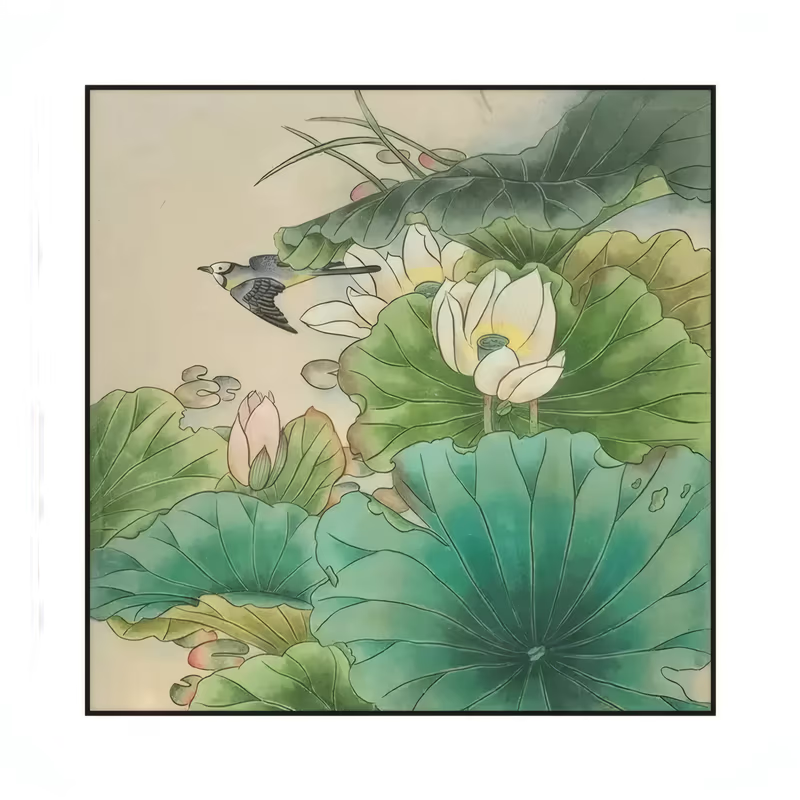
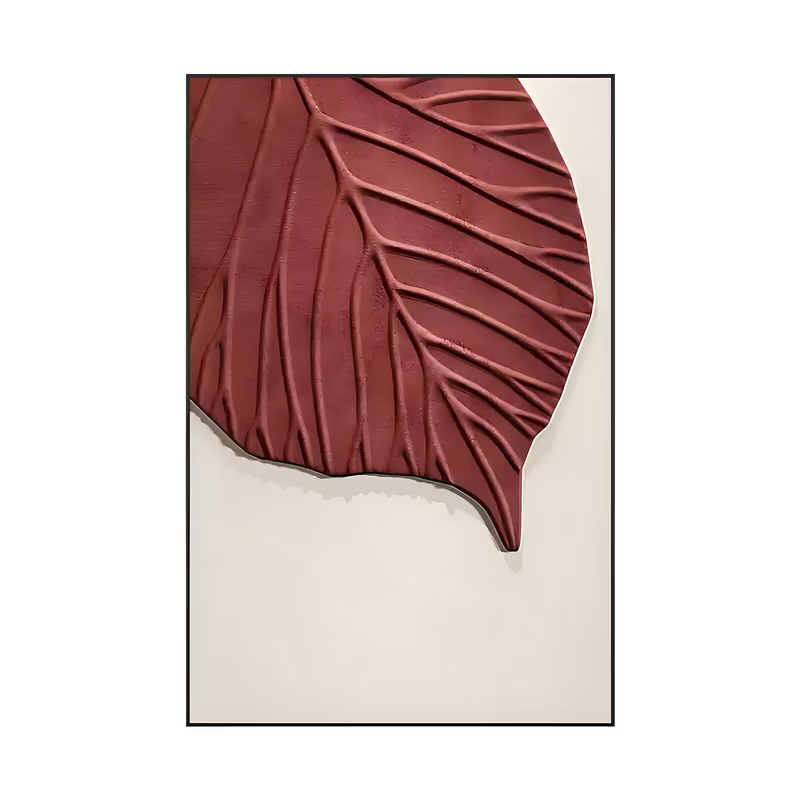
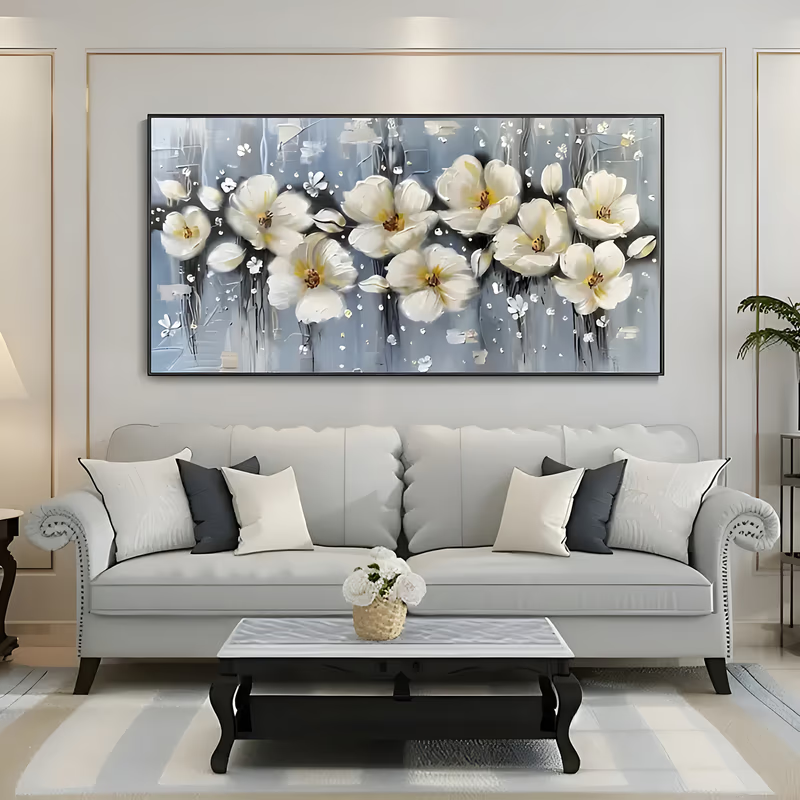
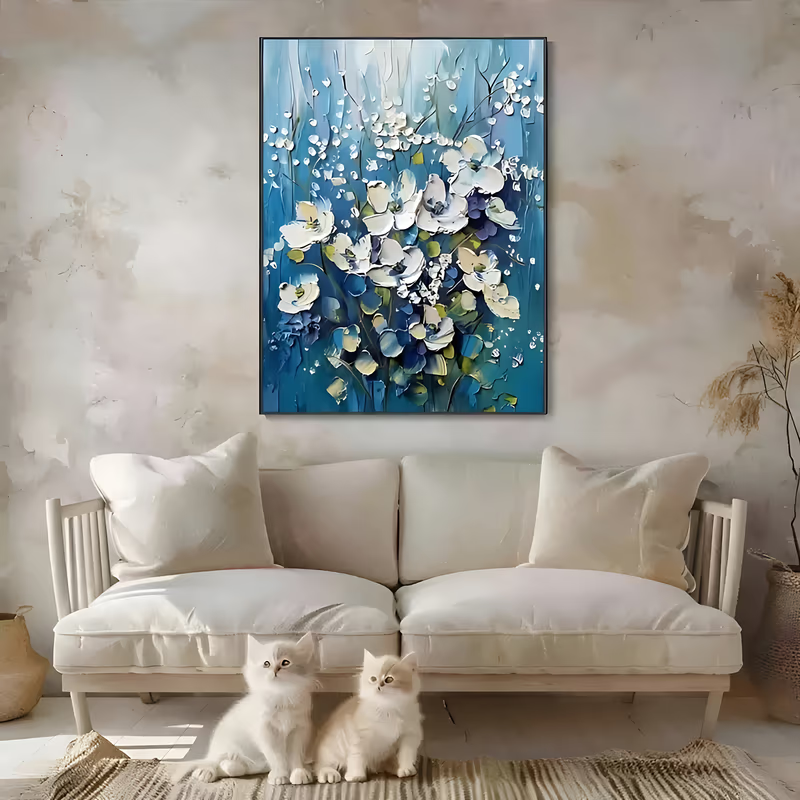
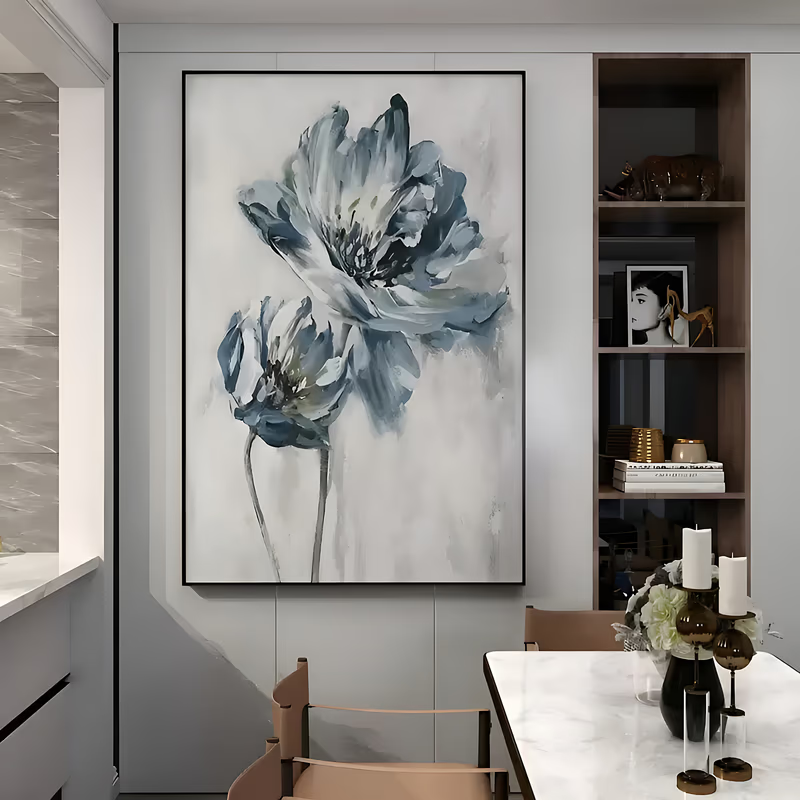
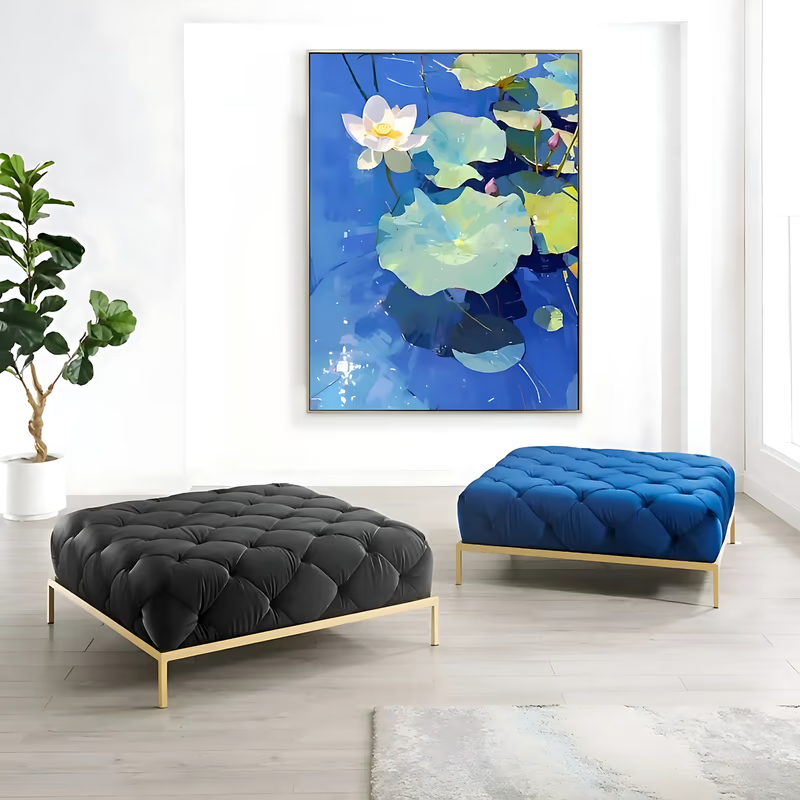
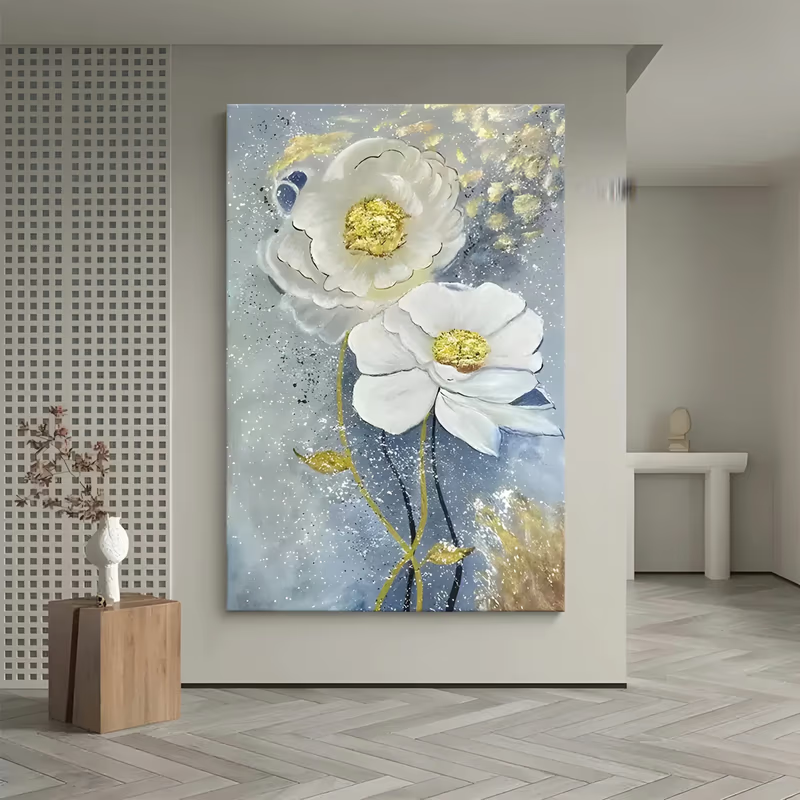
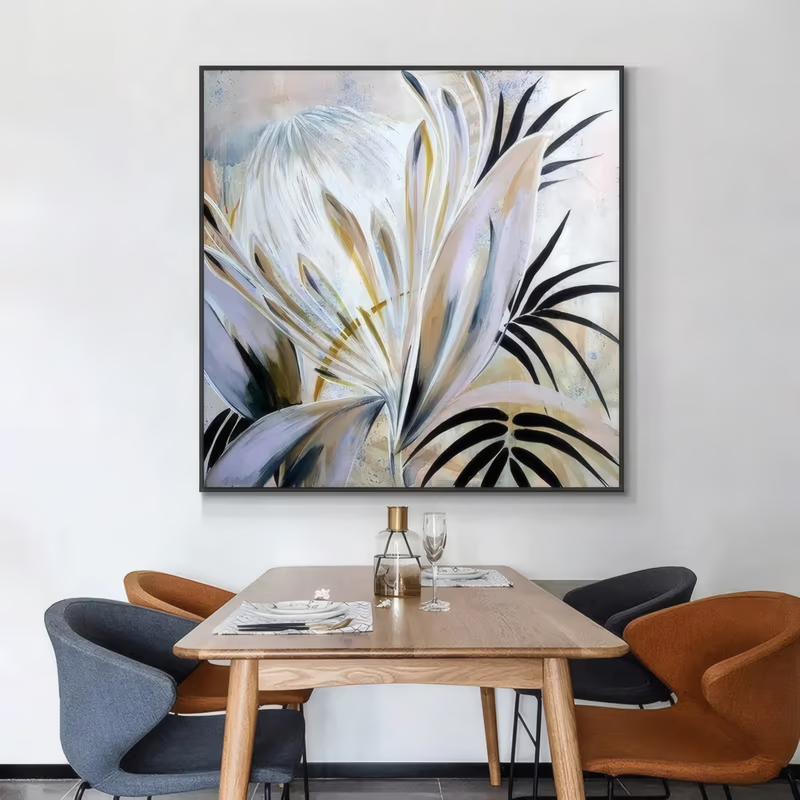
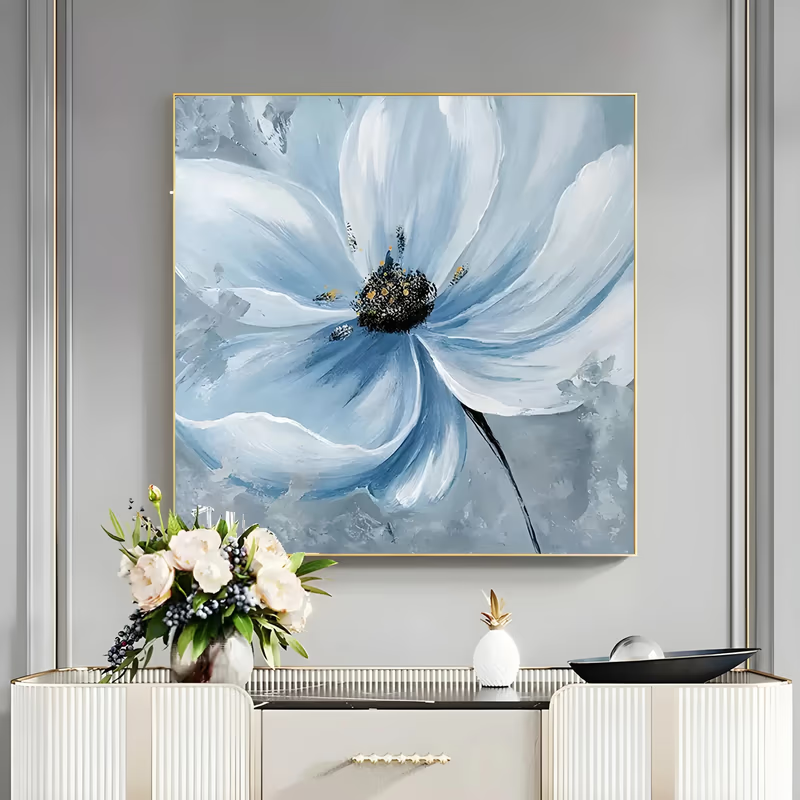
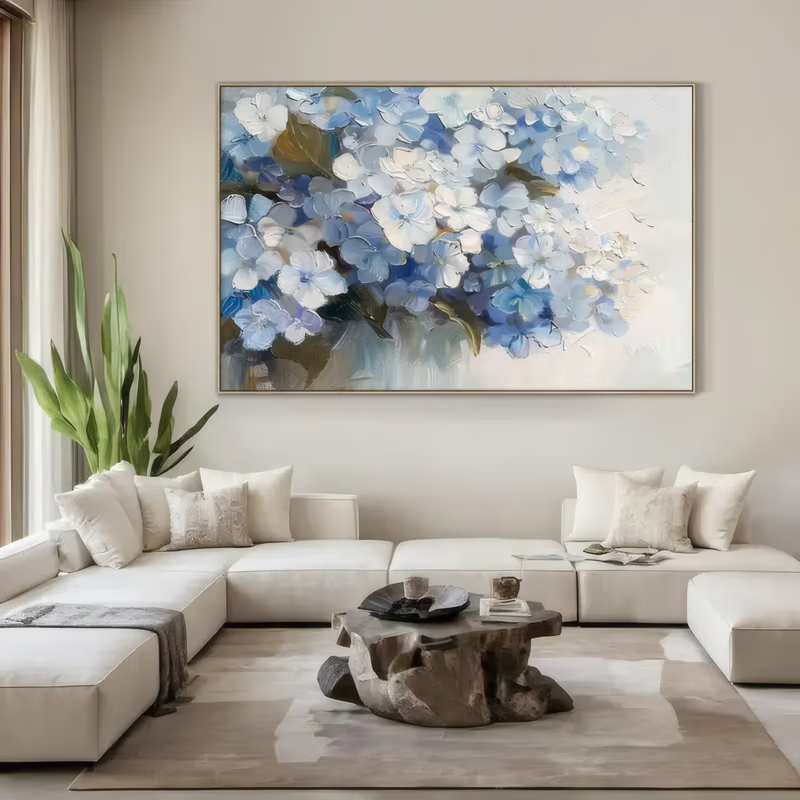
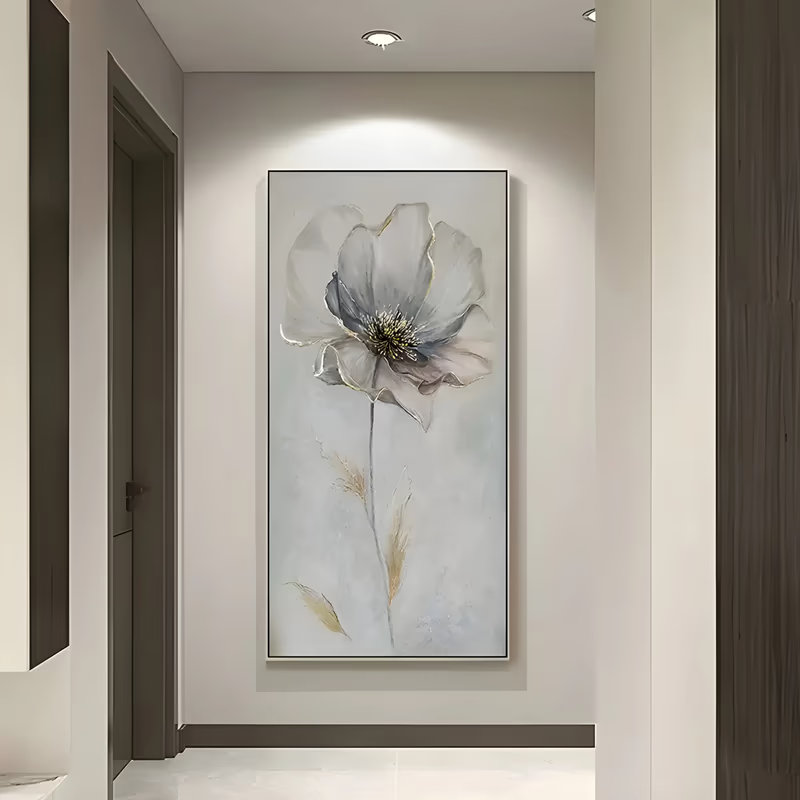
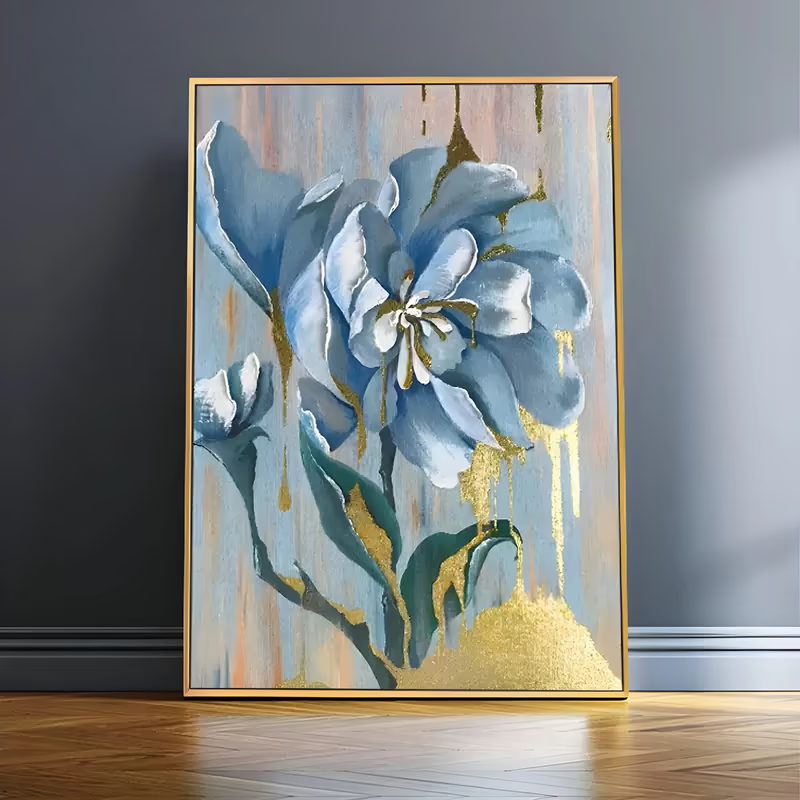
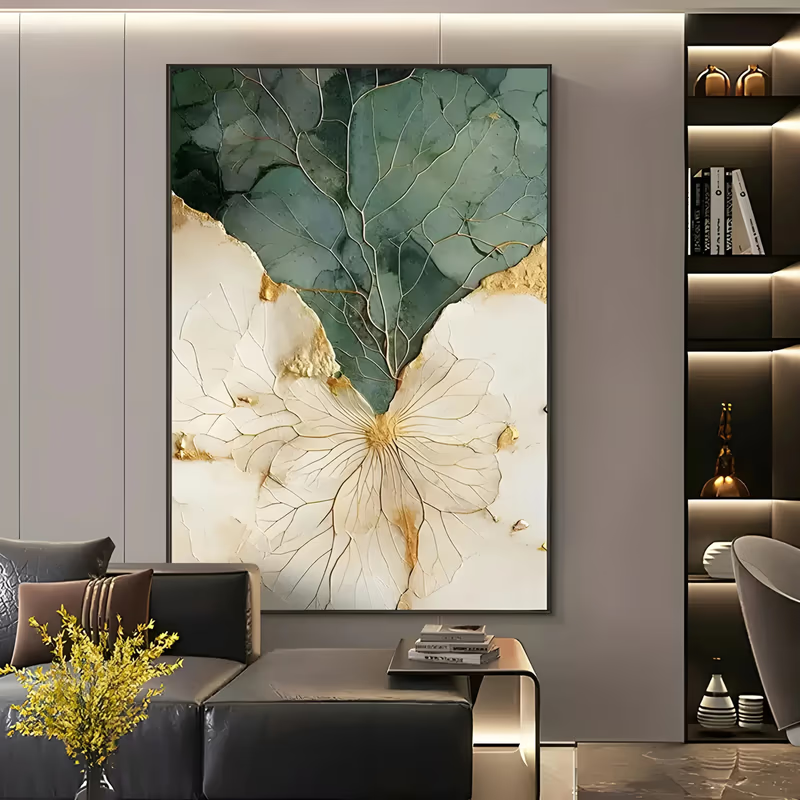
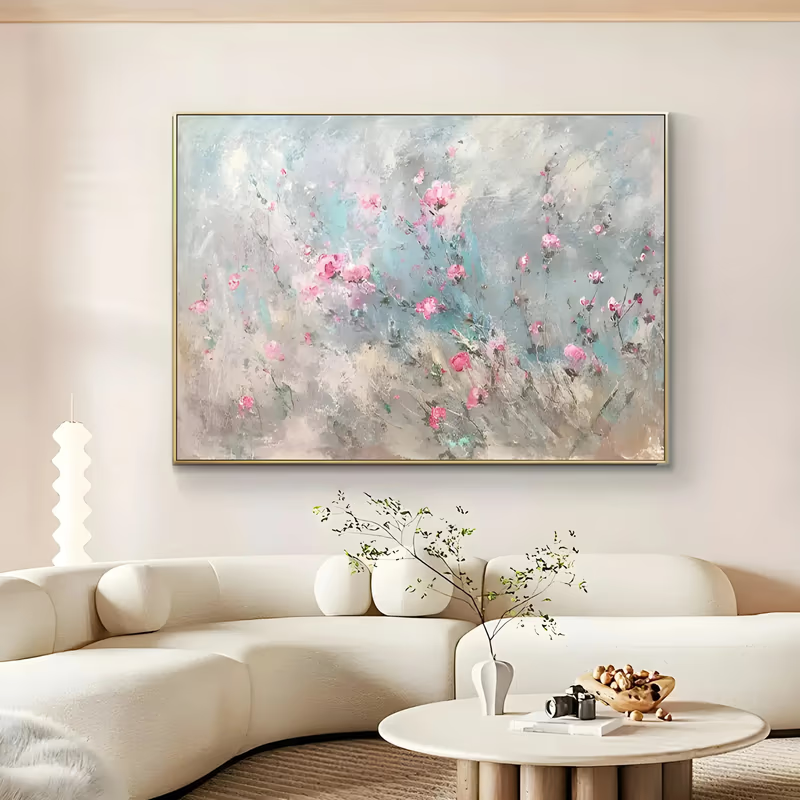
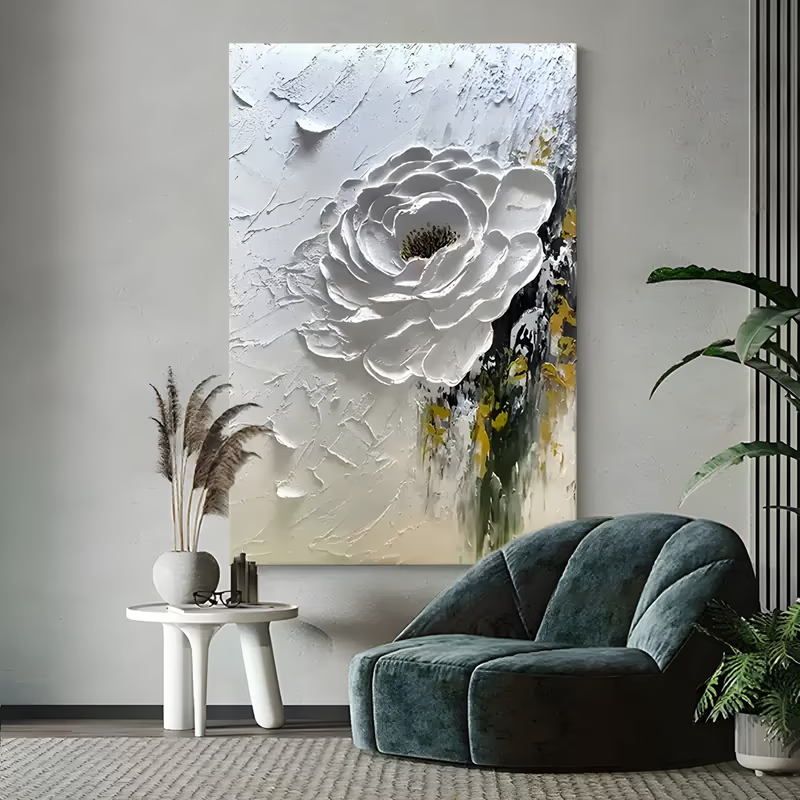
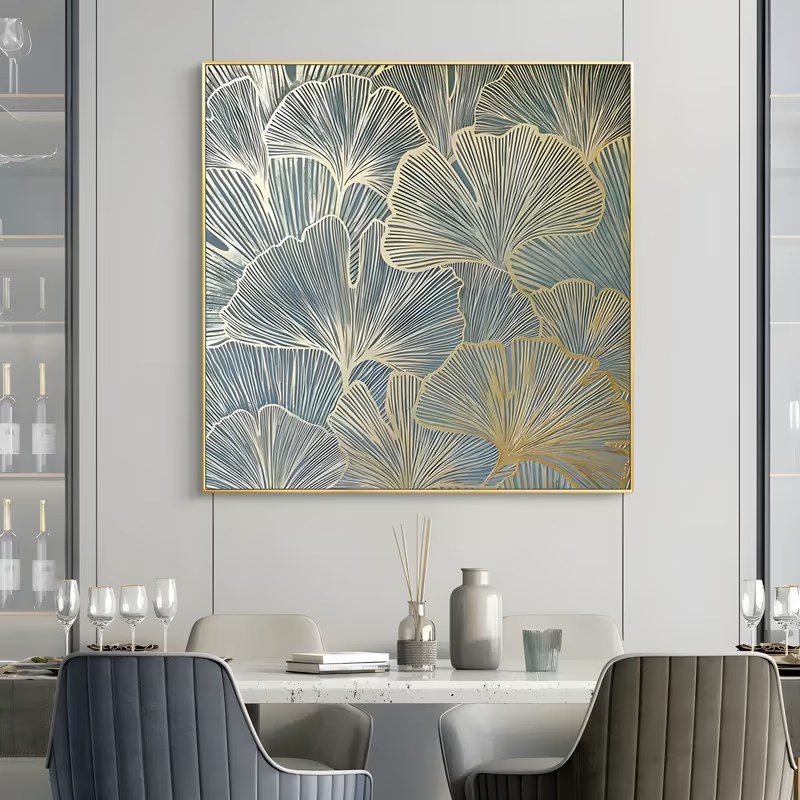
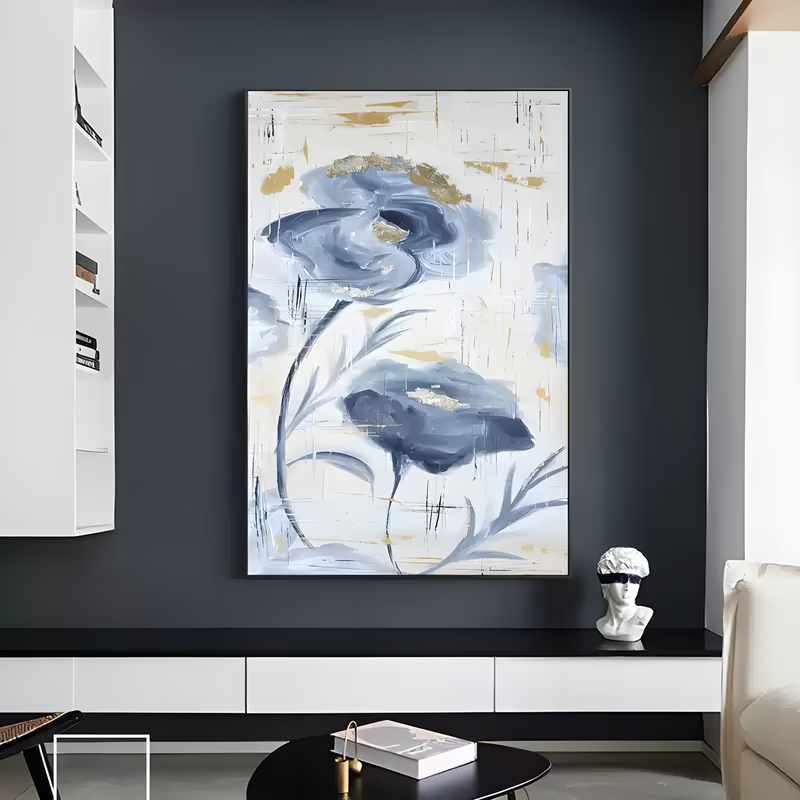
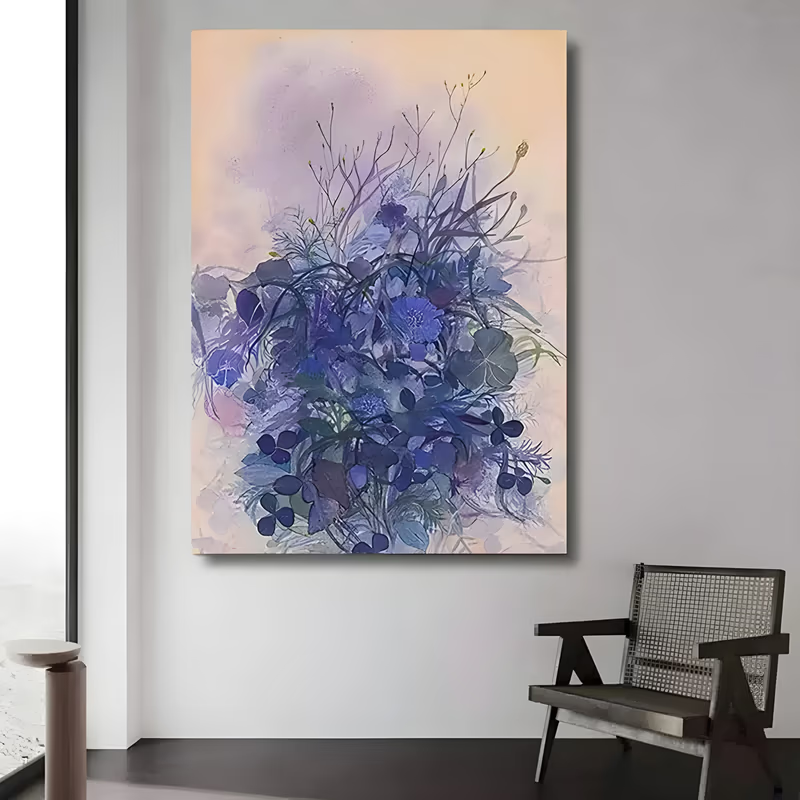
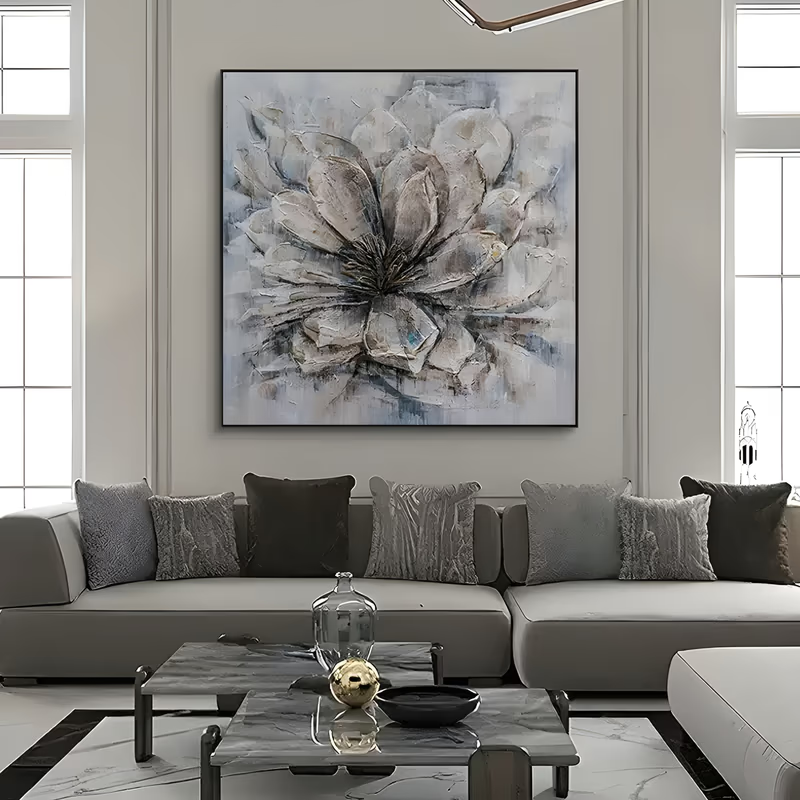
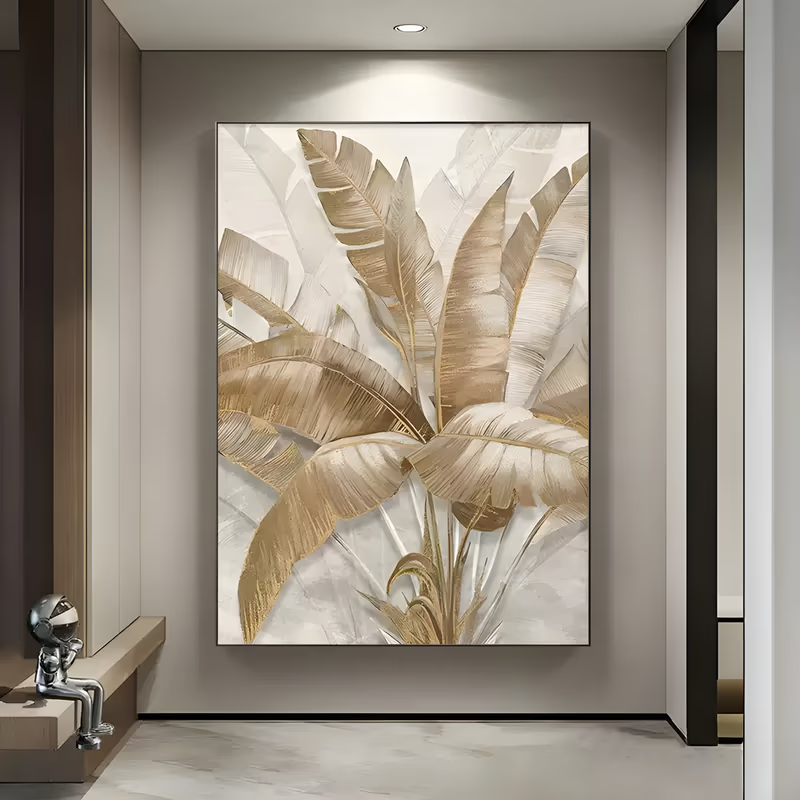
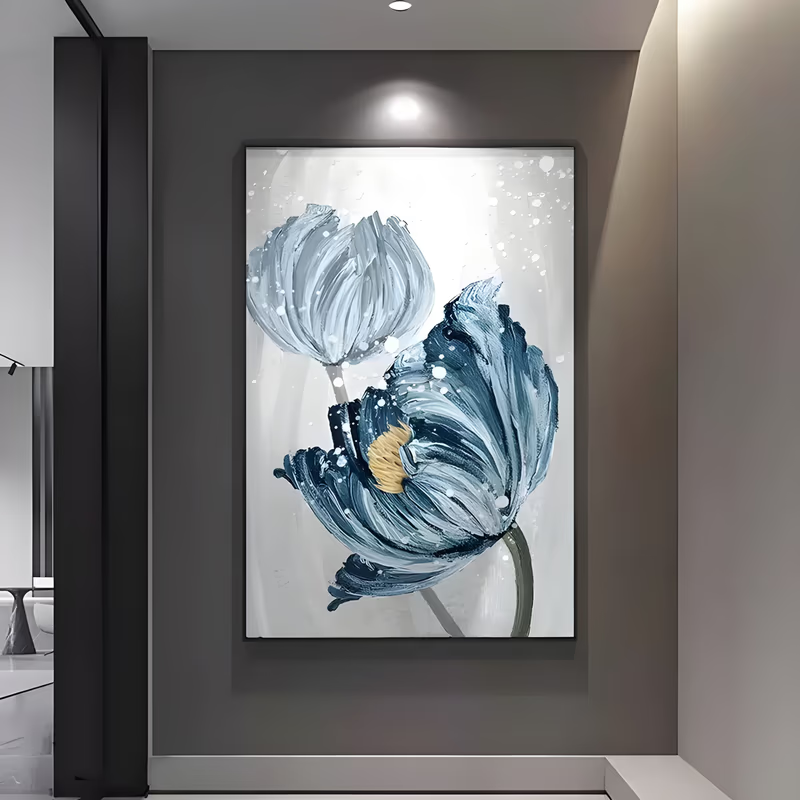
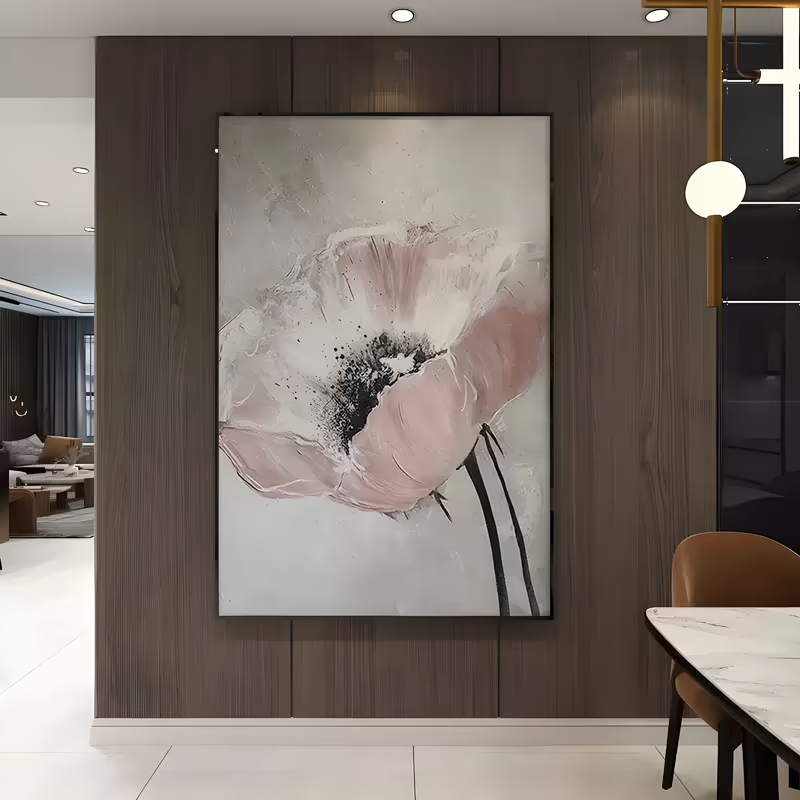
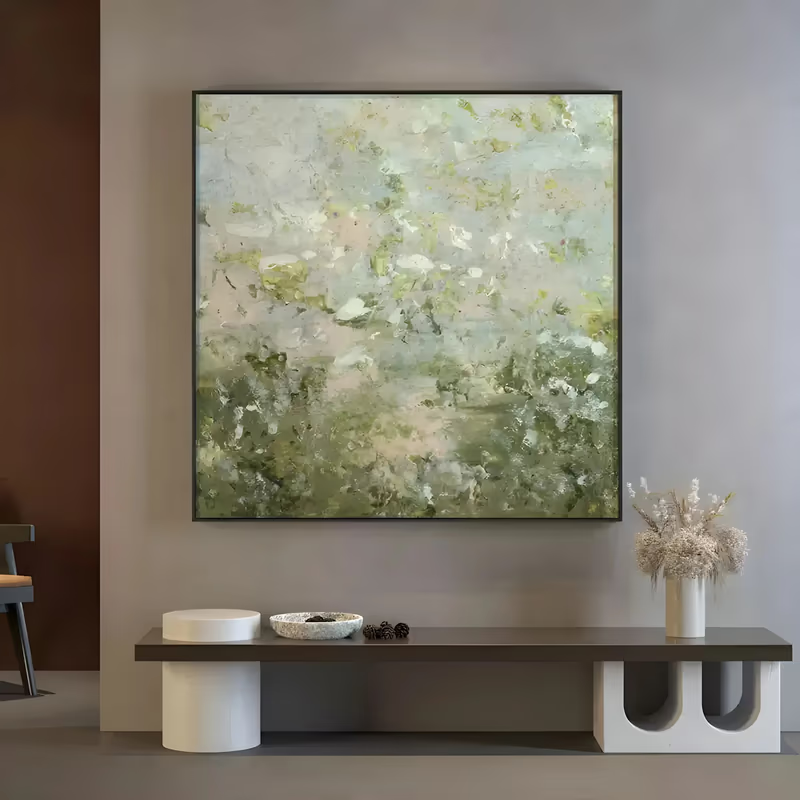
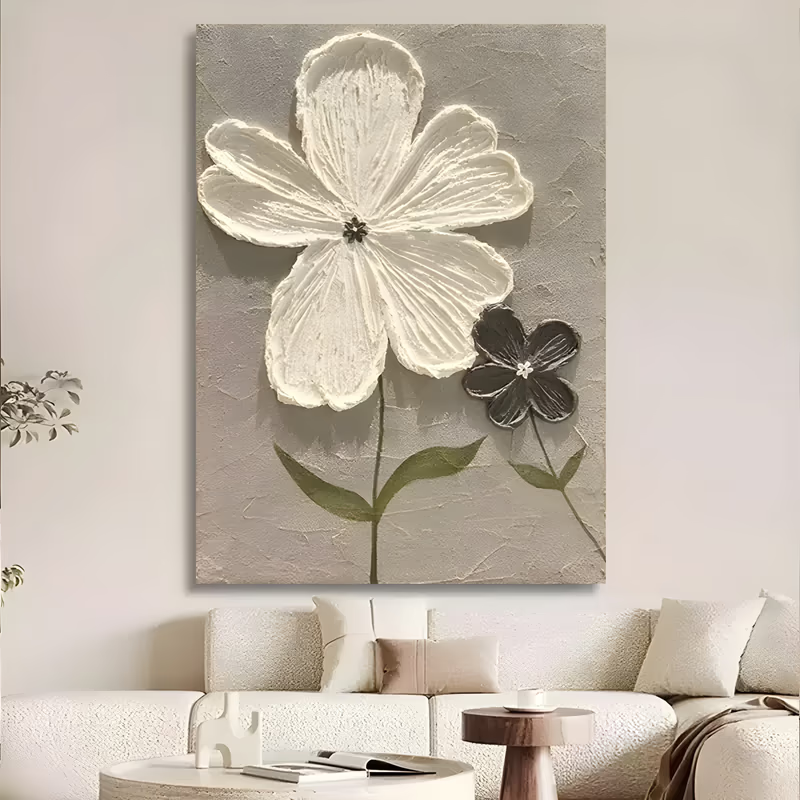
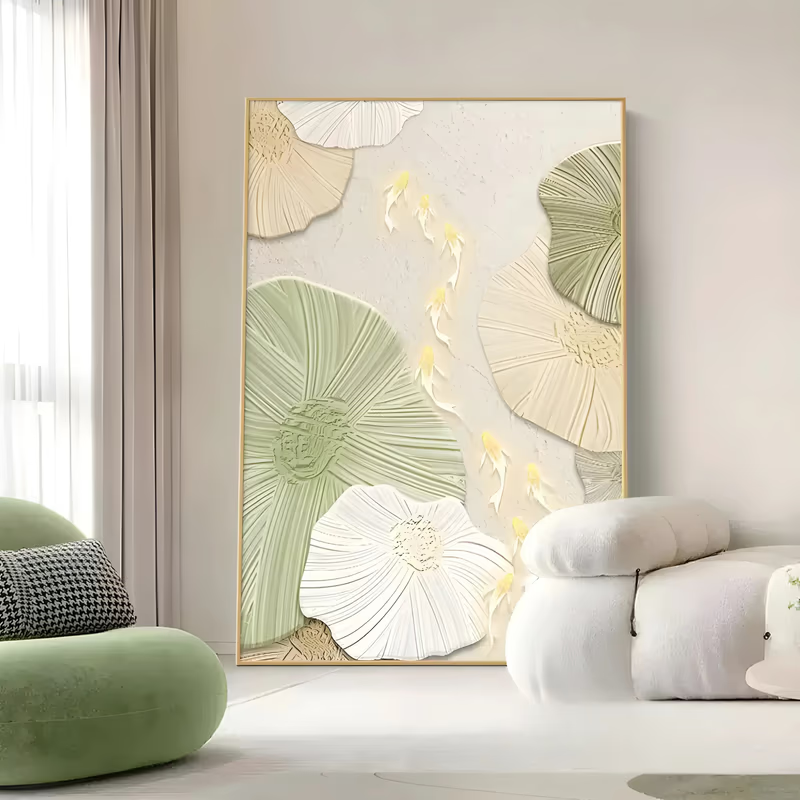
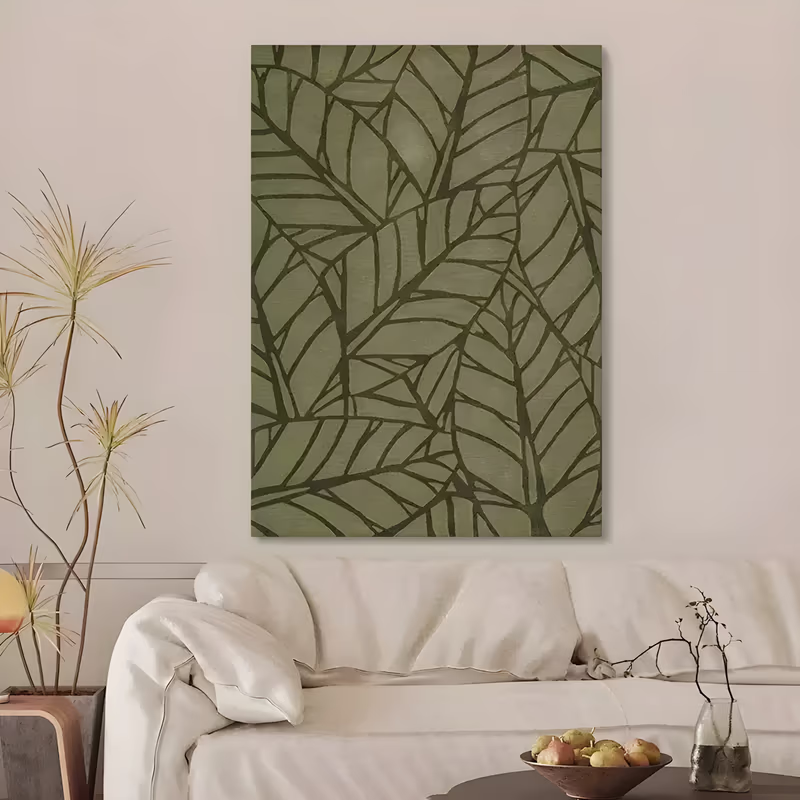
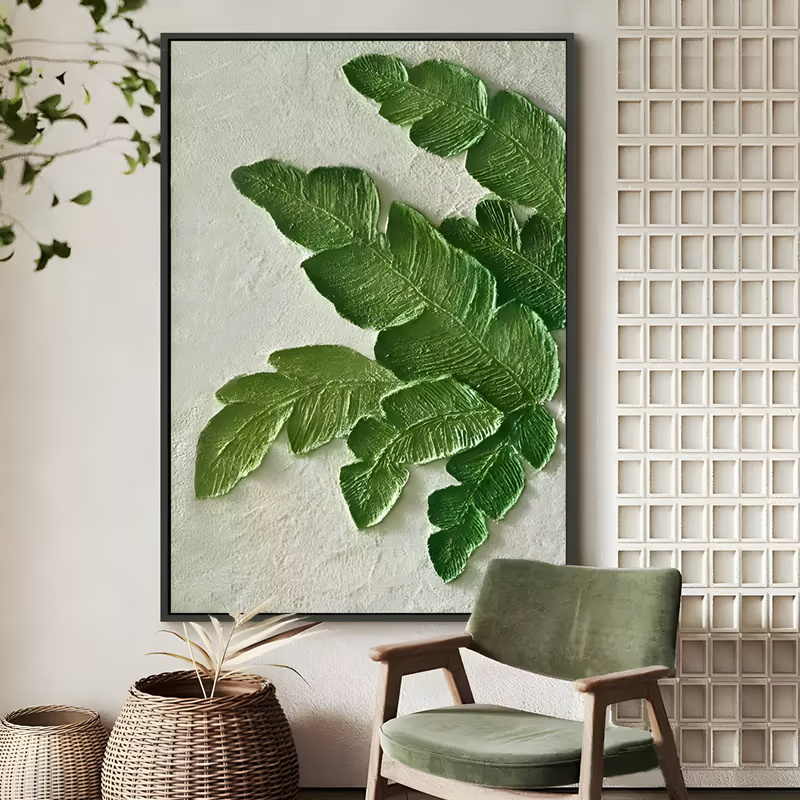
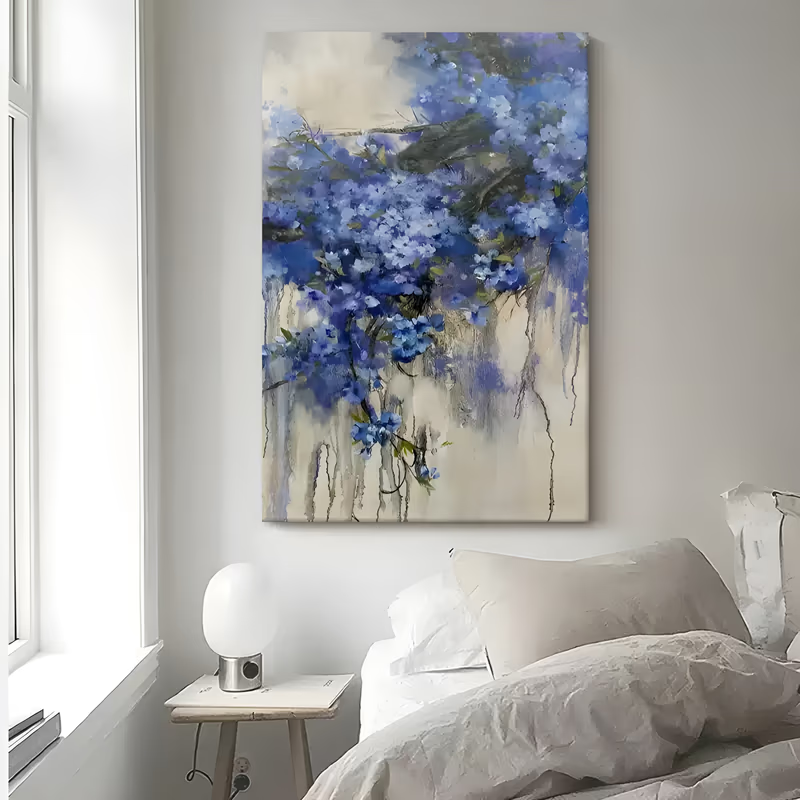
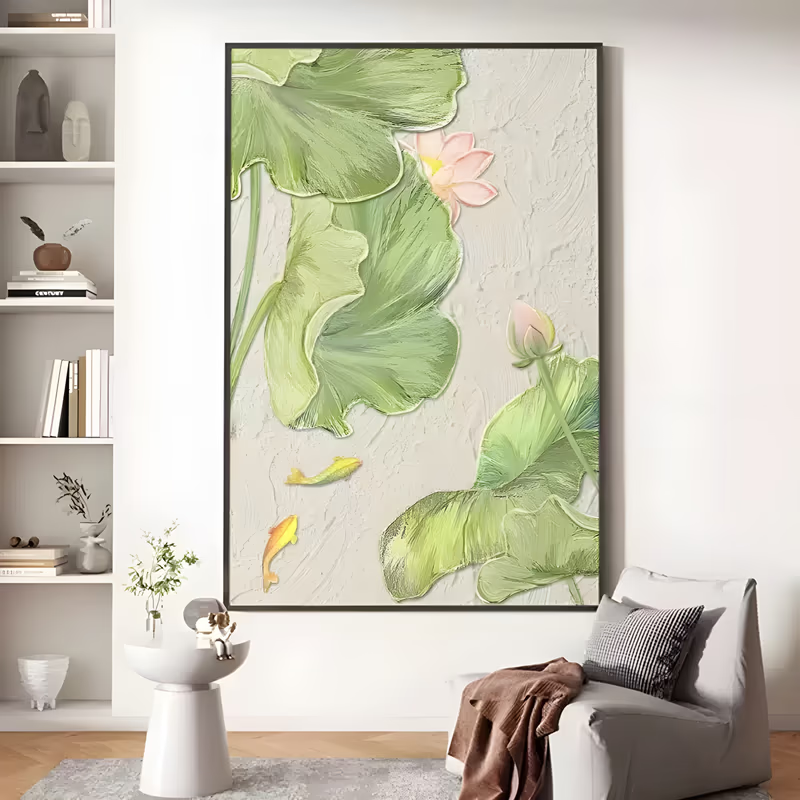
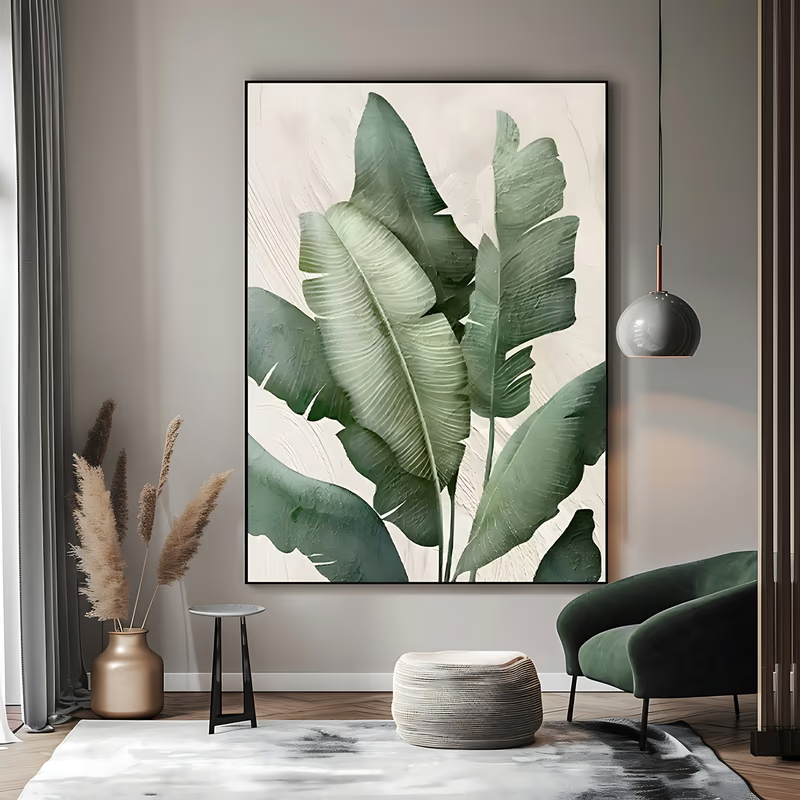
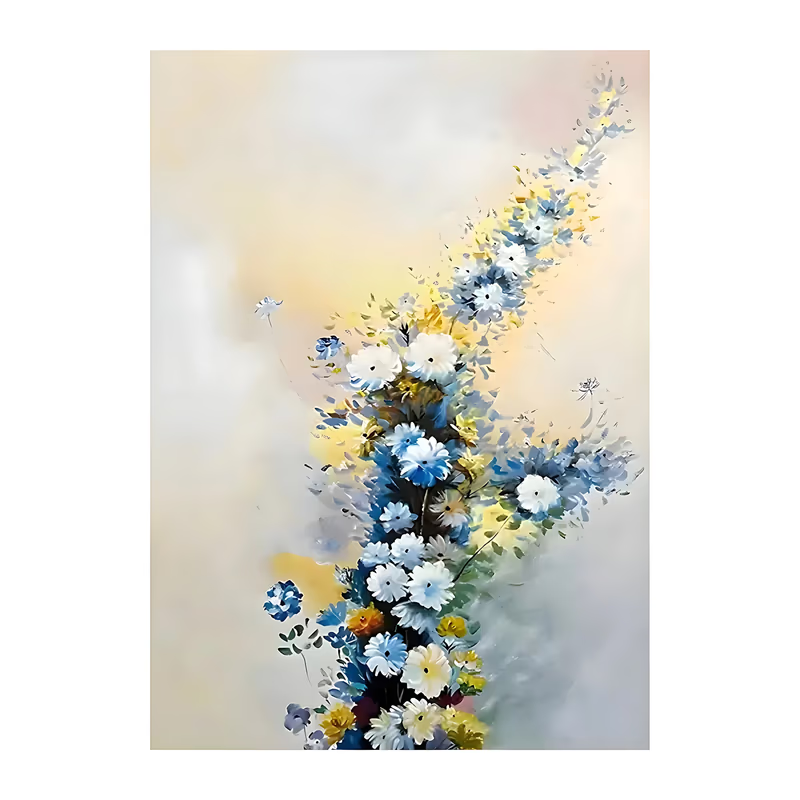
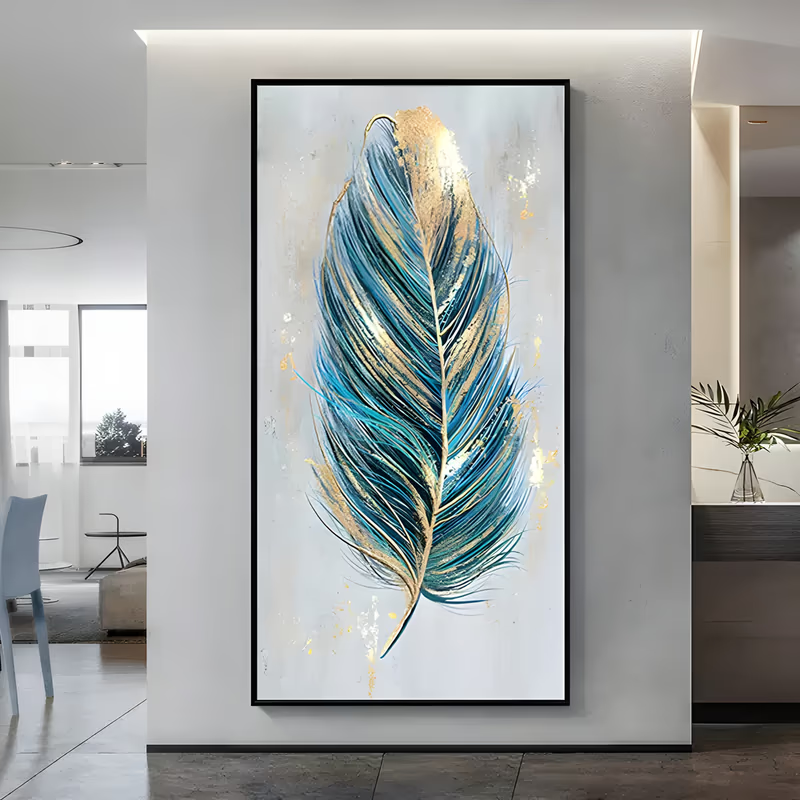
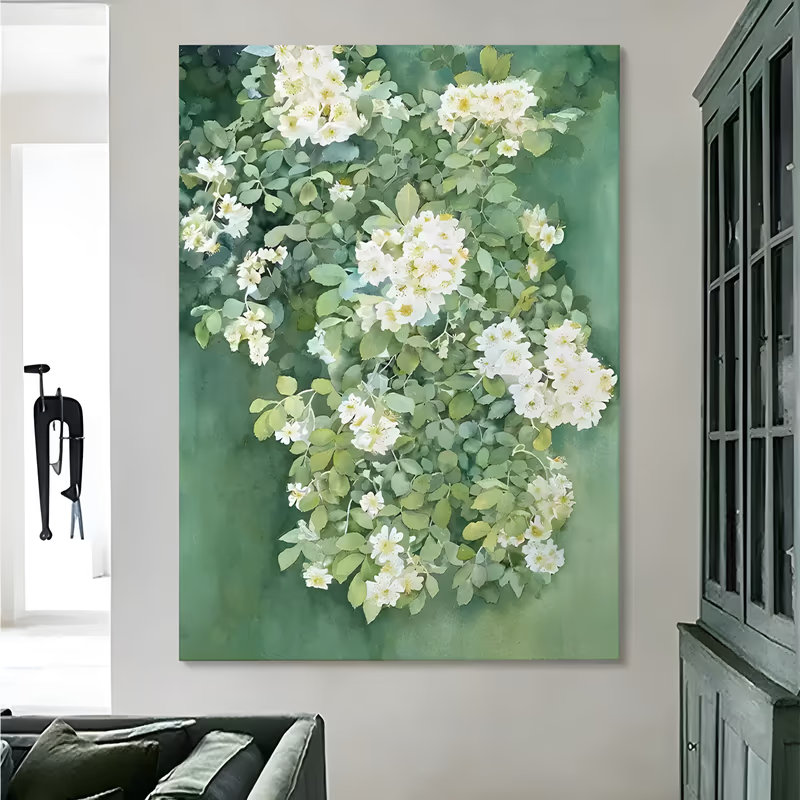
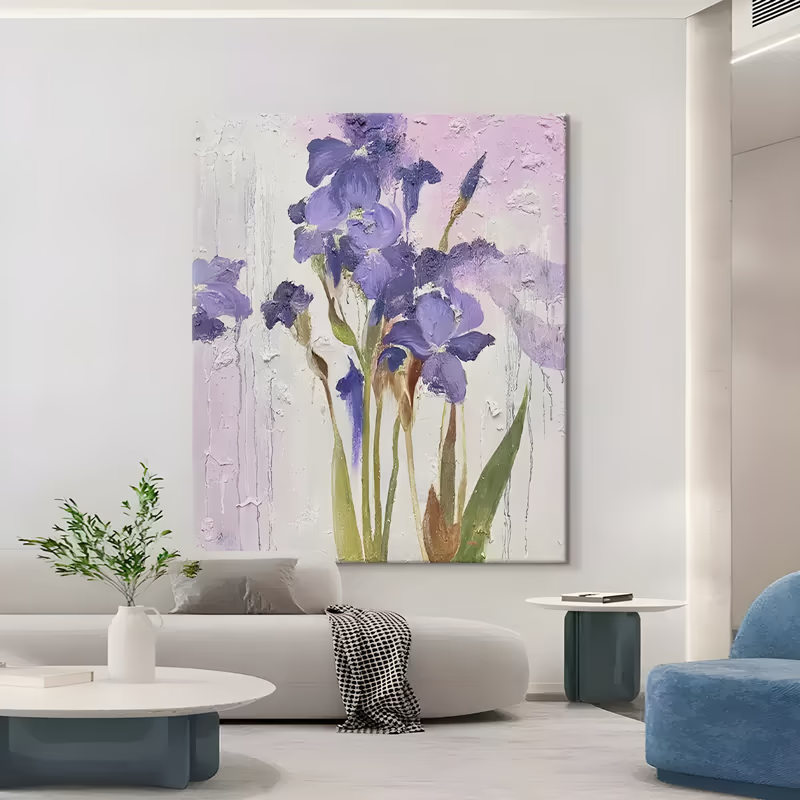
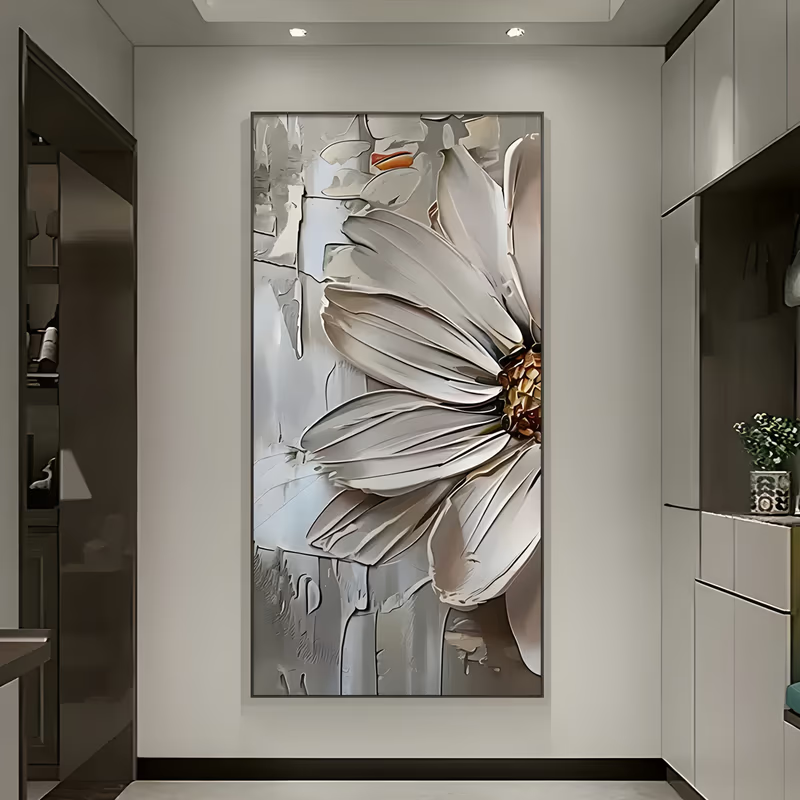
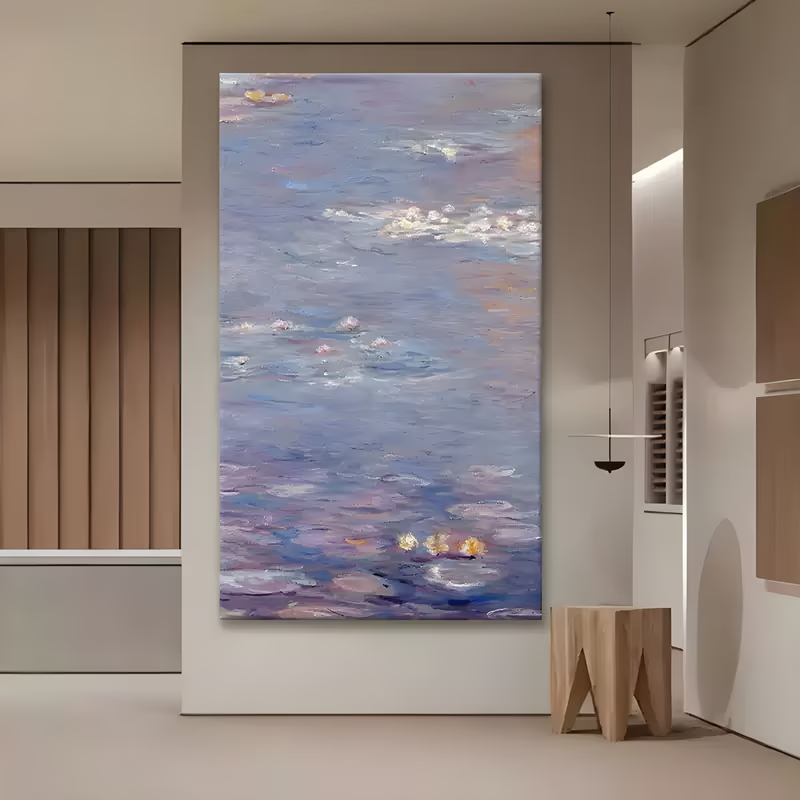
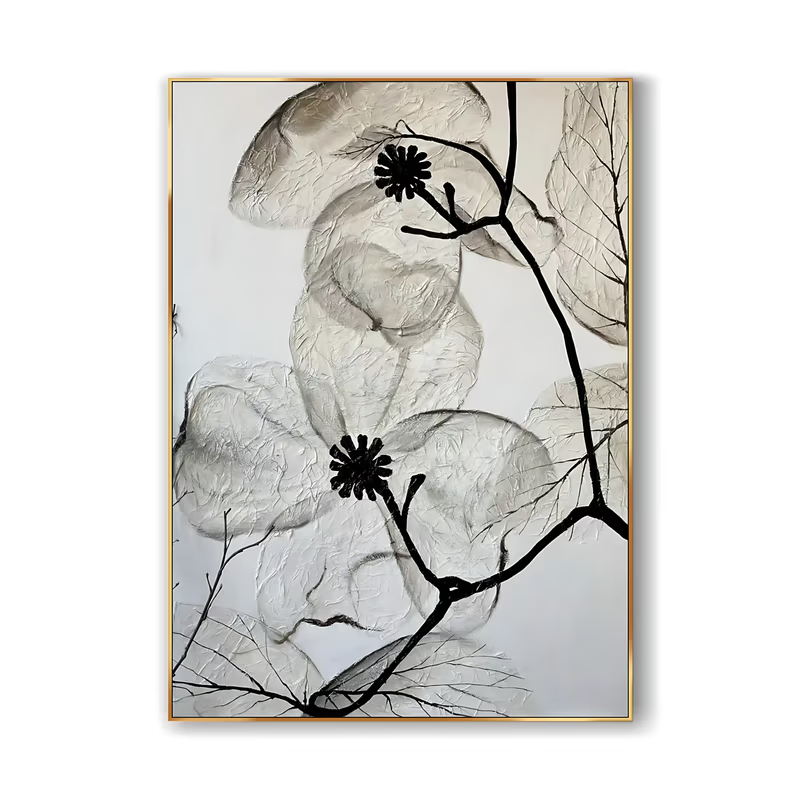
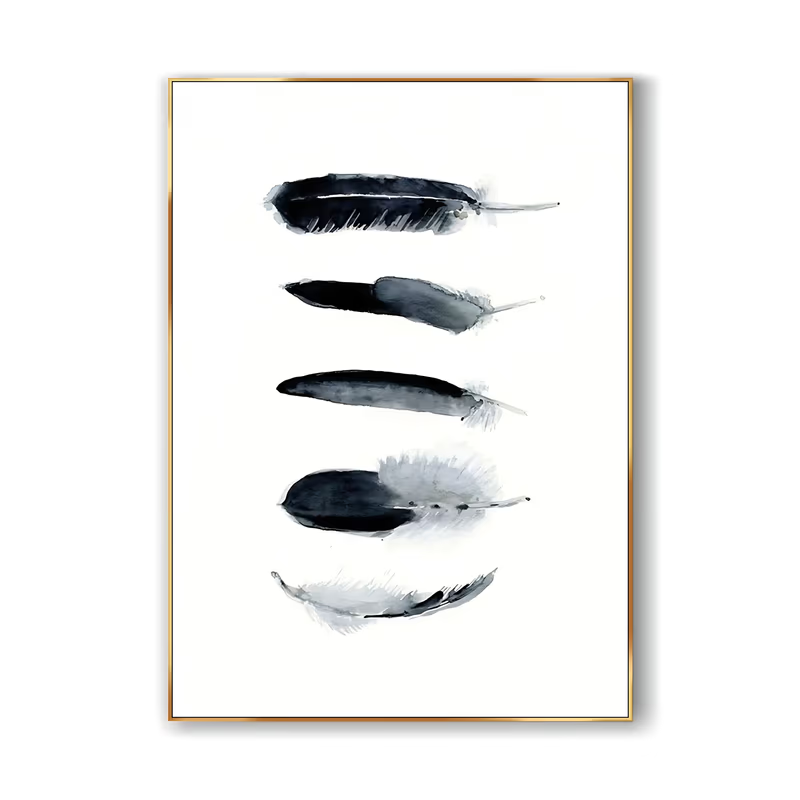
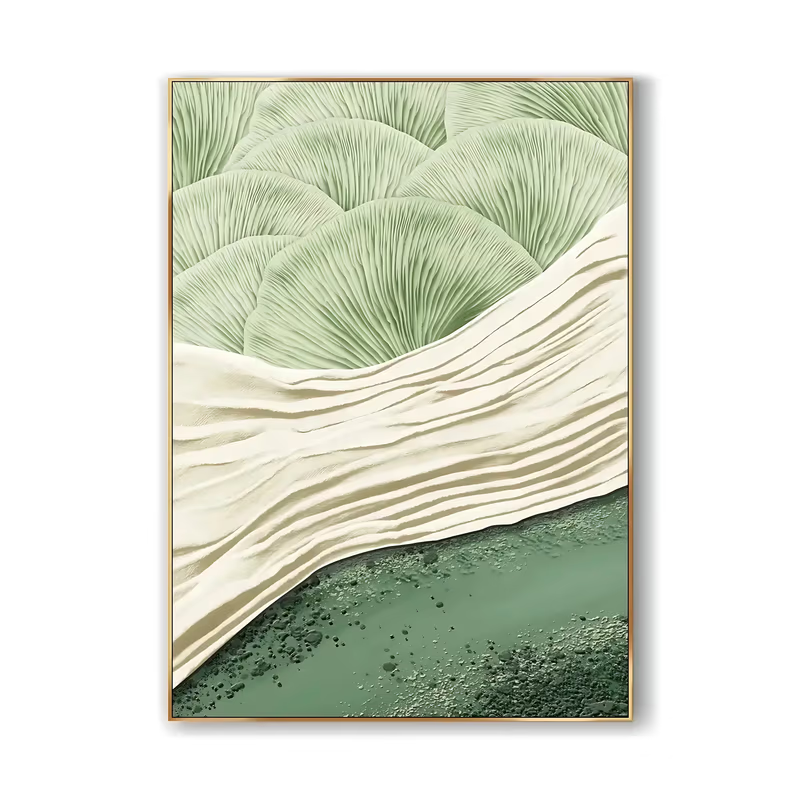
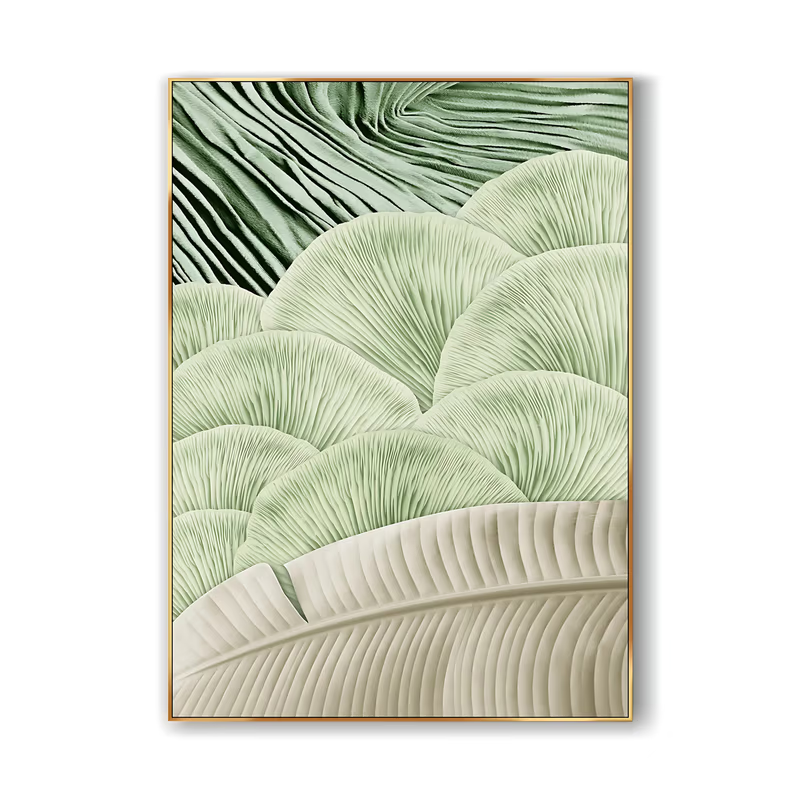
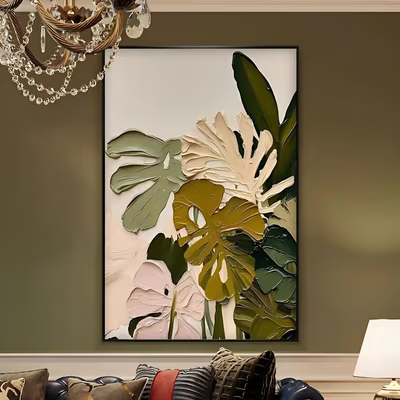
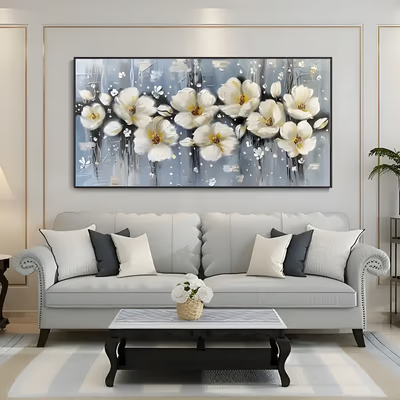
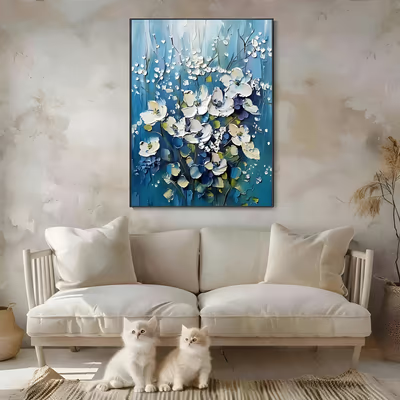
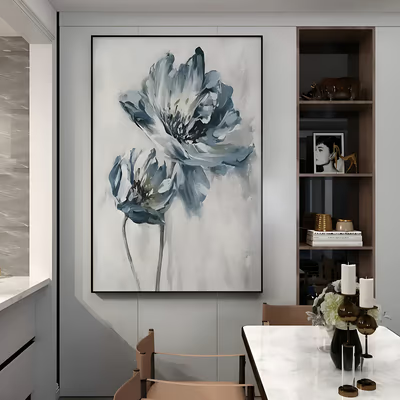
Sage monstera leaves, white lotus on a pond, a single bloom on grey plaster, pale blossom along a blue-grey ground. Botanicals bring life into a room without noise, as long as the palette stays soft. They sit naturally in bathrooms, bedrooms and spa reception.
Tone-on-tone texture and minimal abstracts
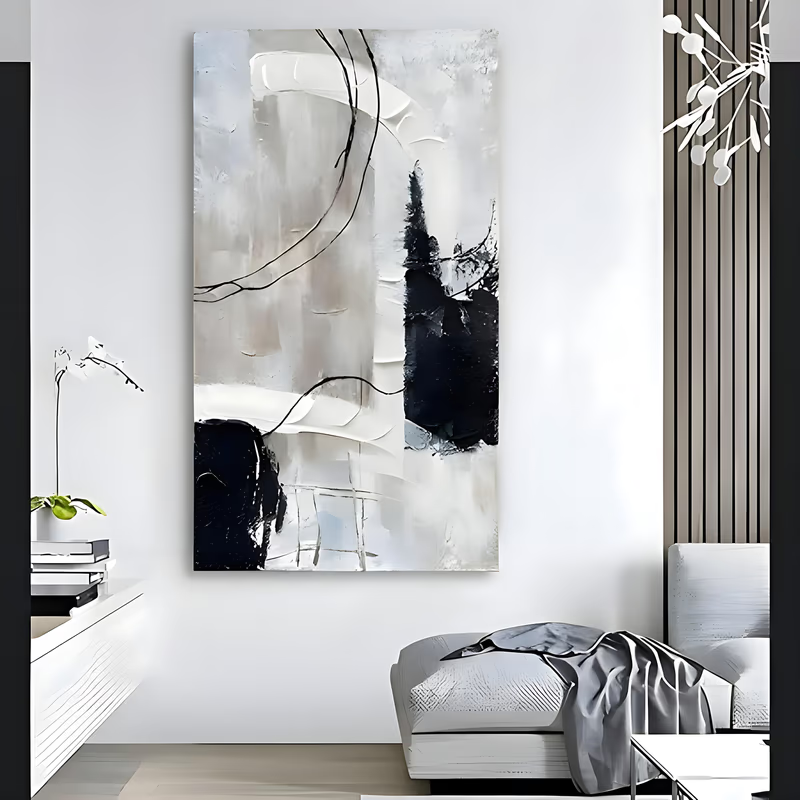
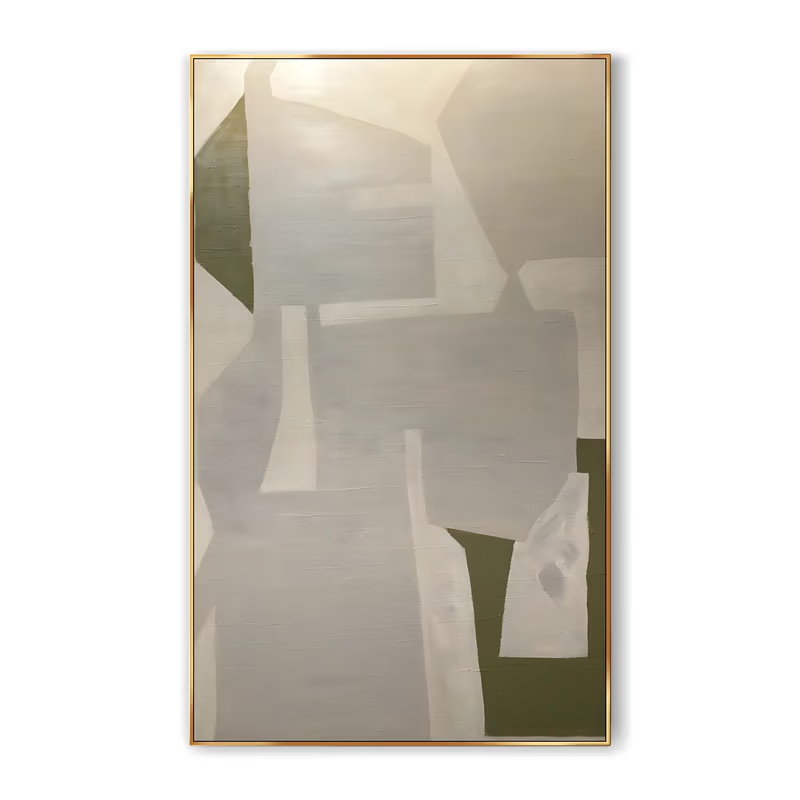
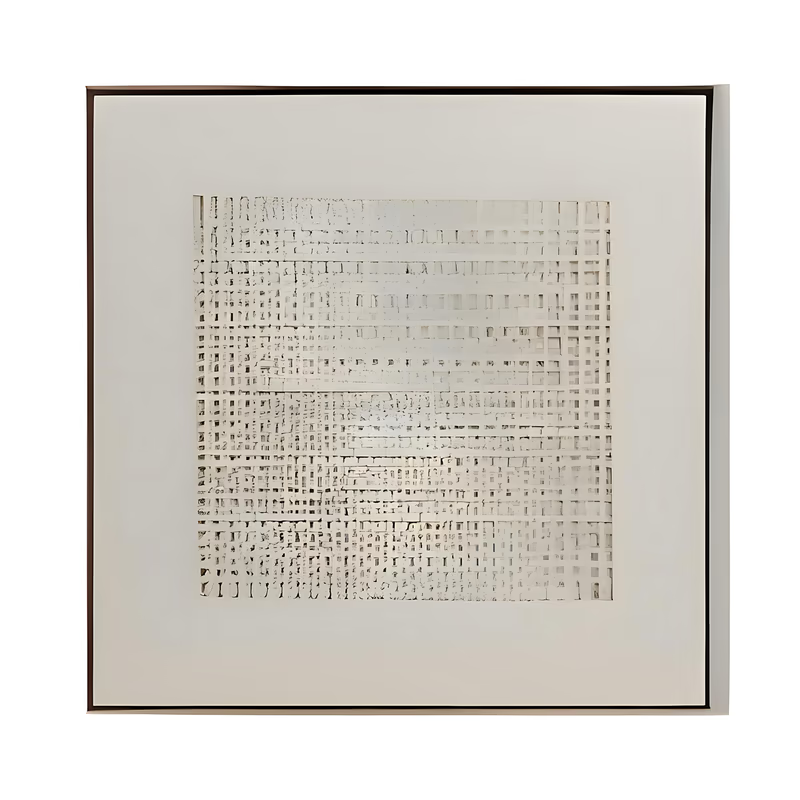
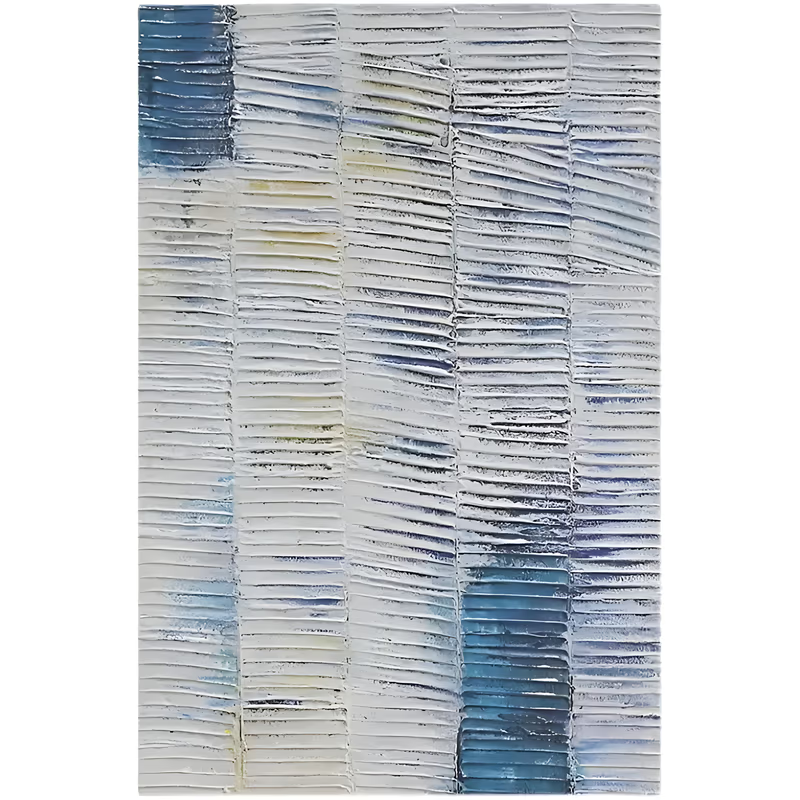
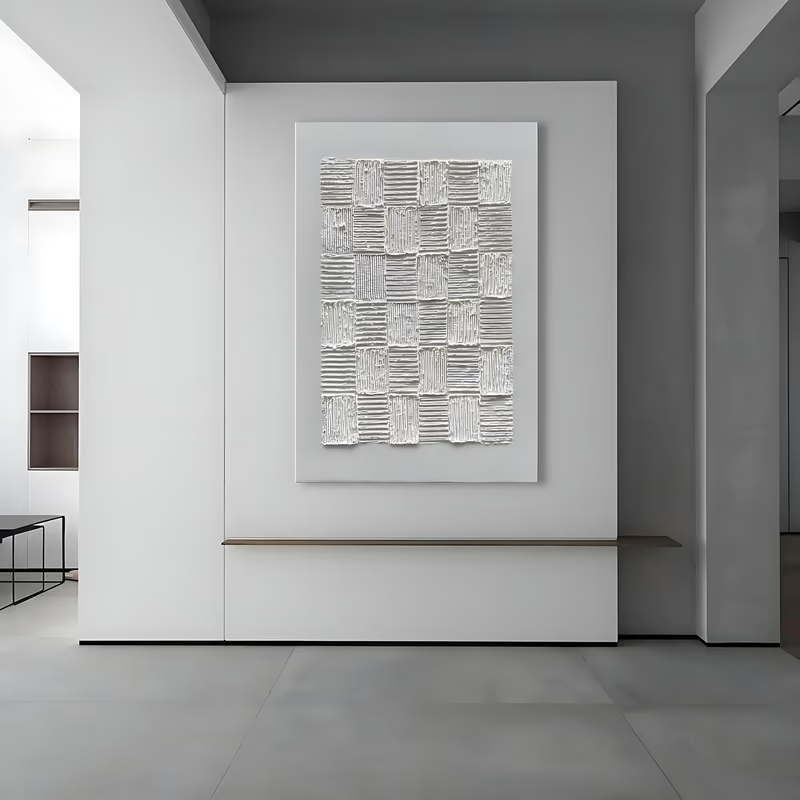
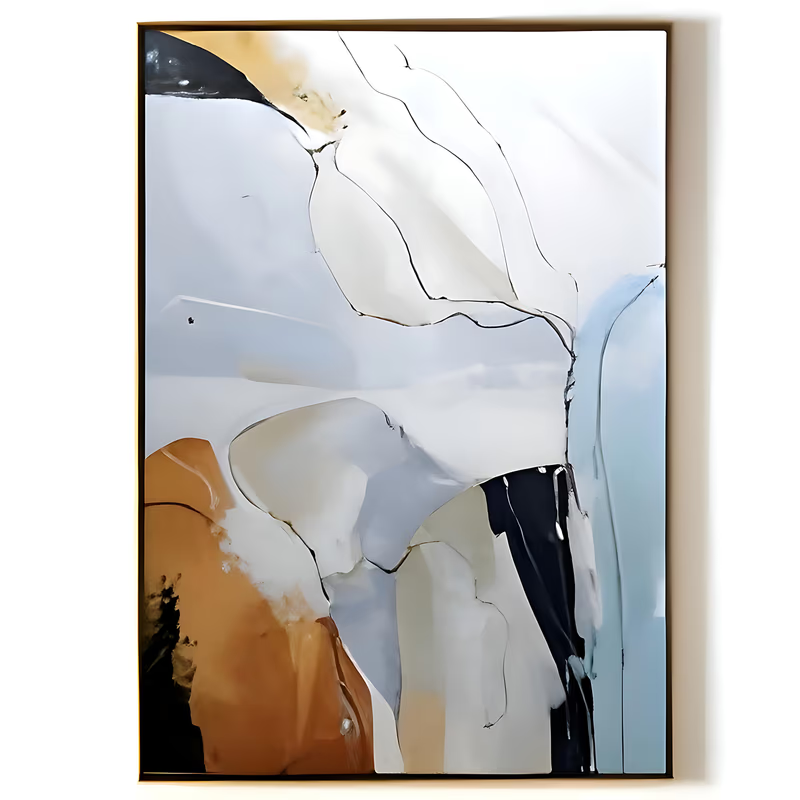
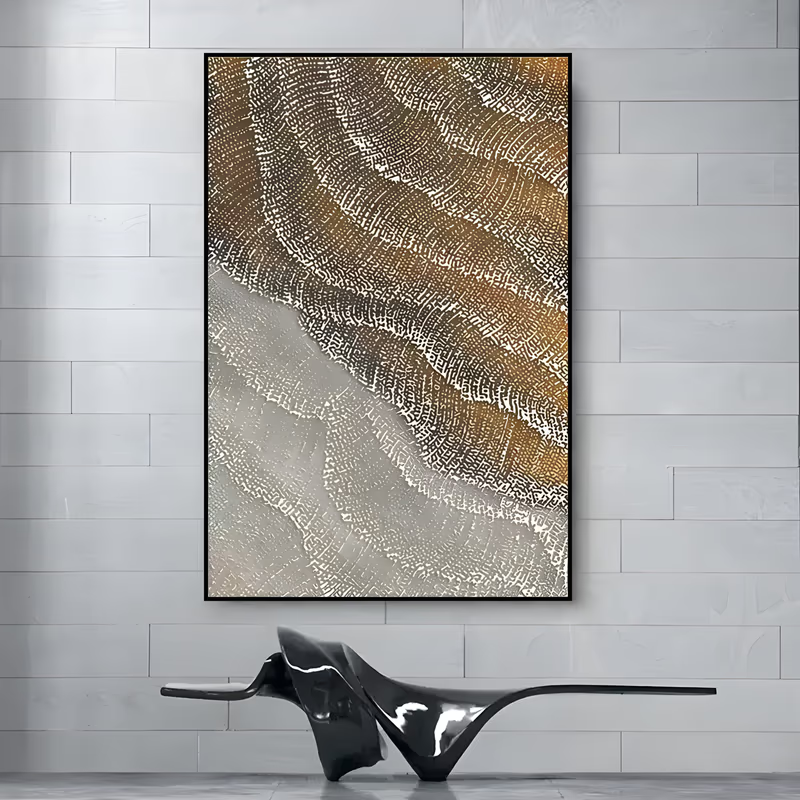
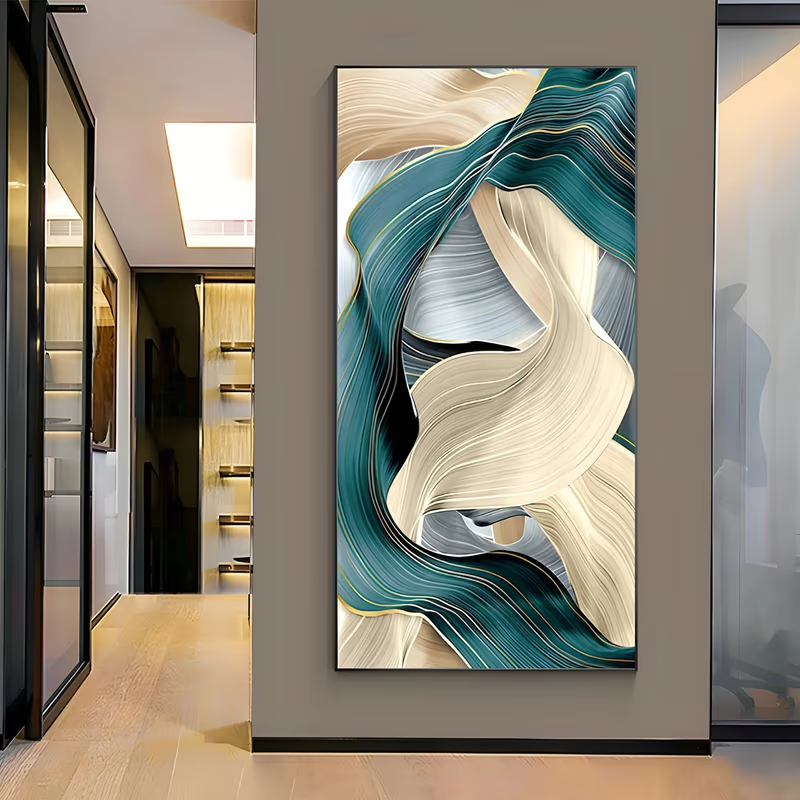
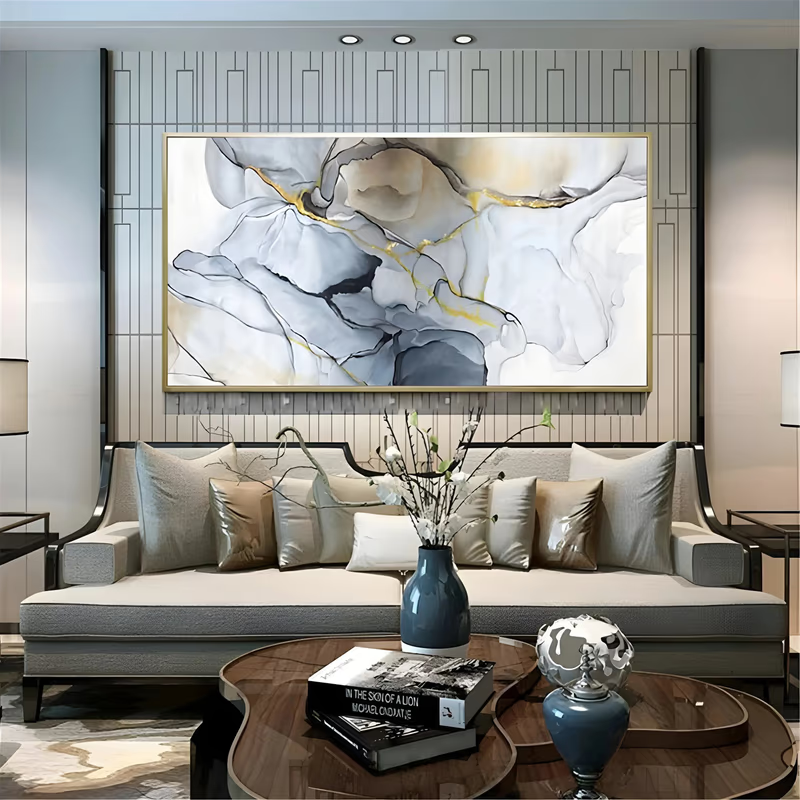
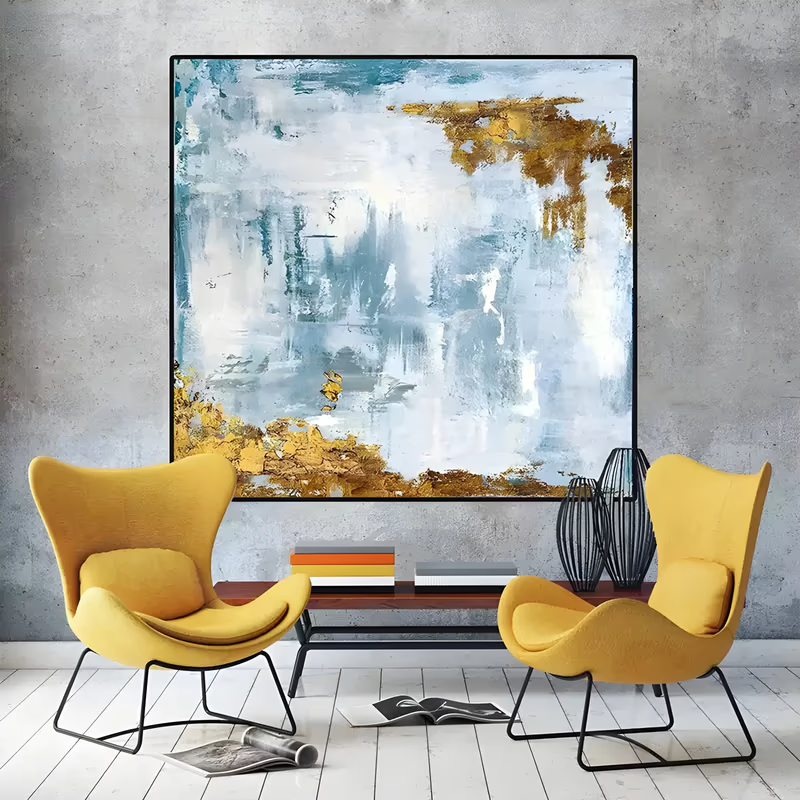
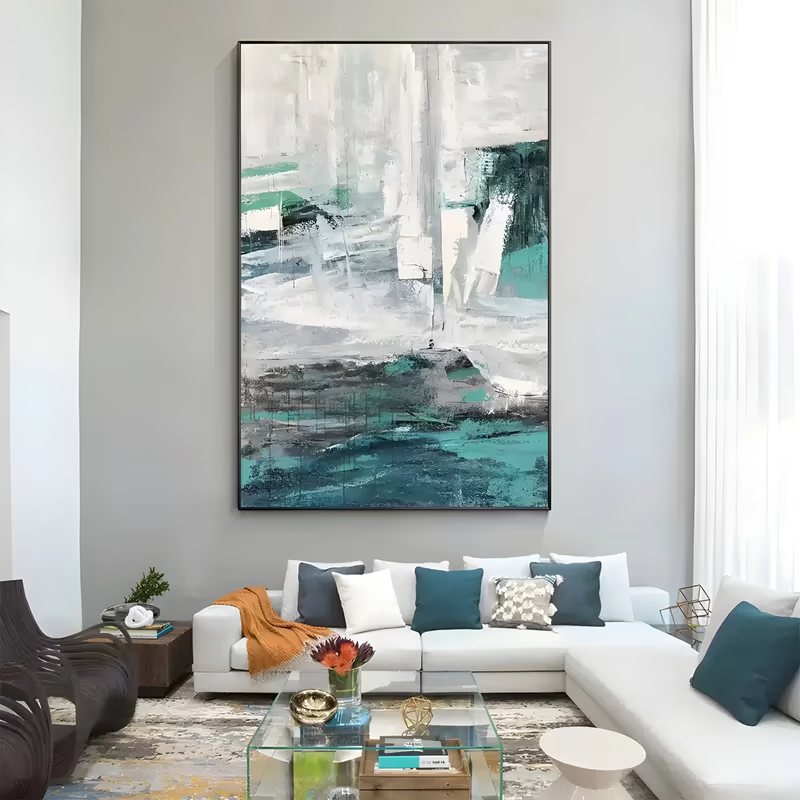
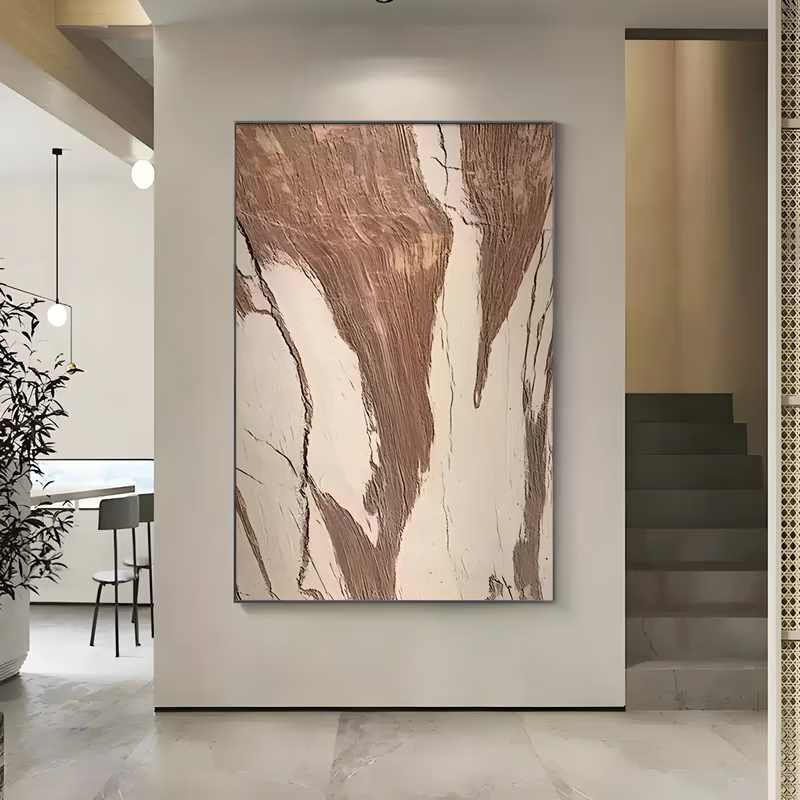
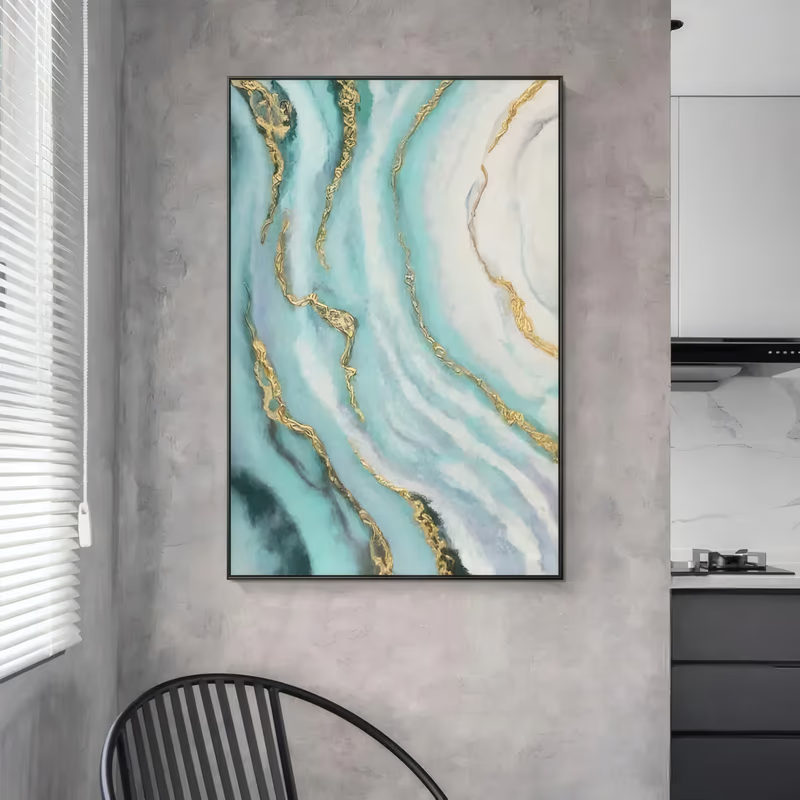
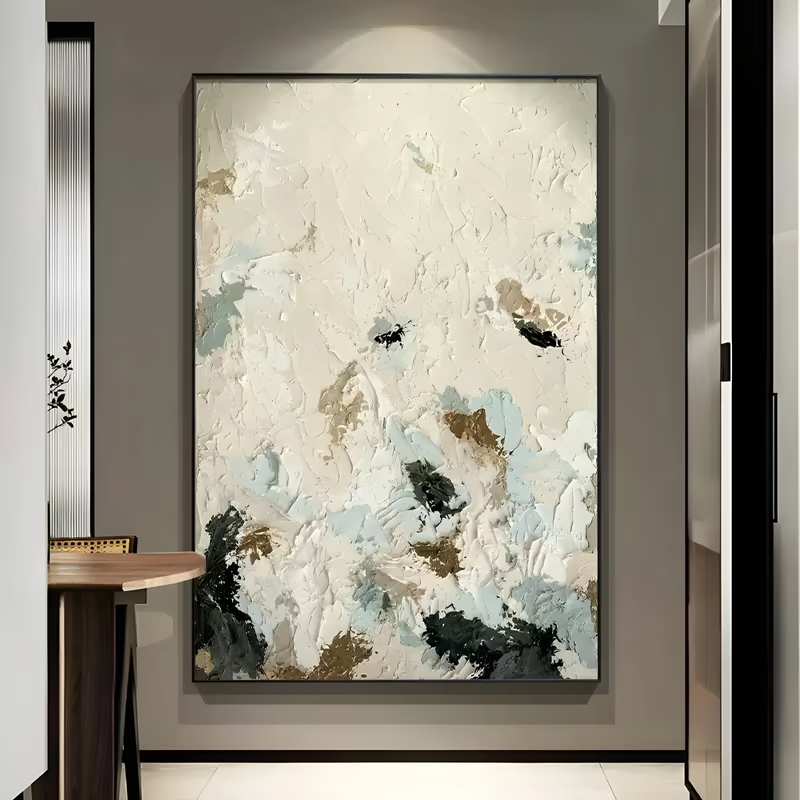
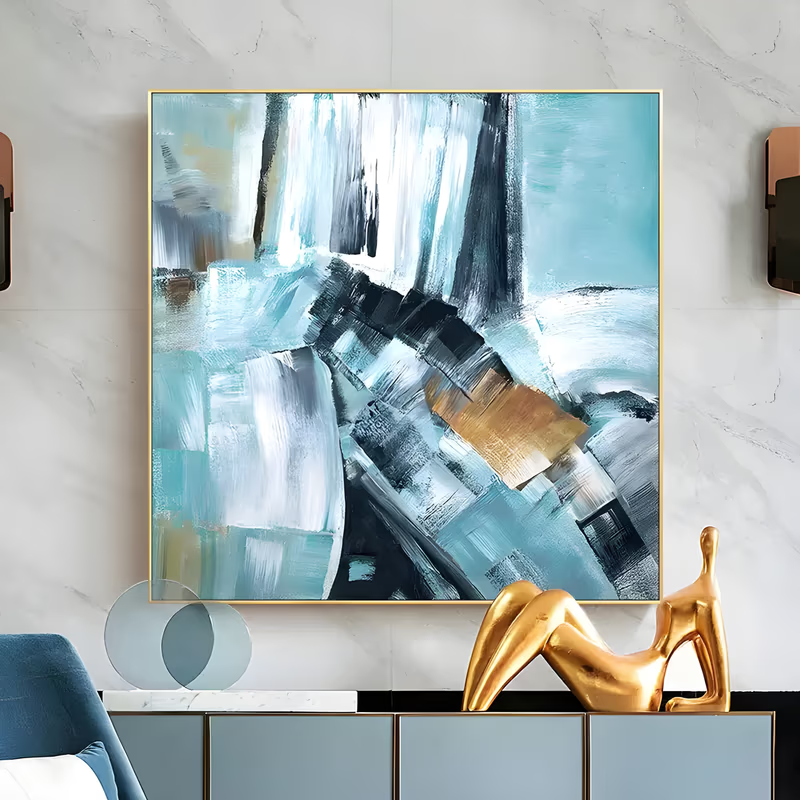
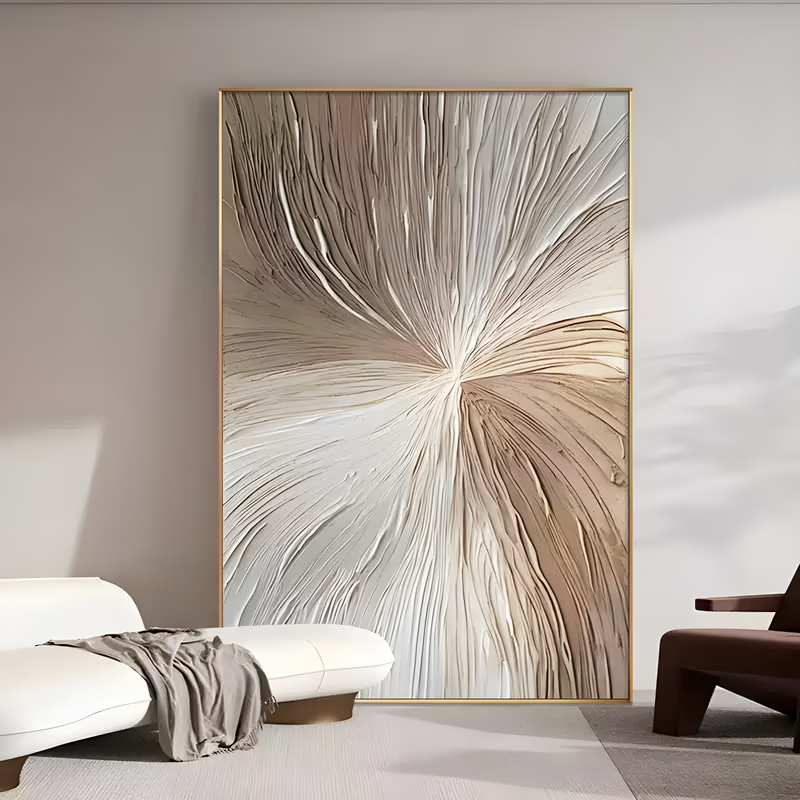
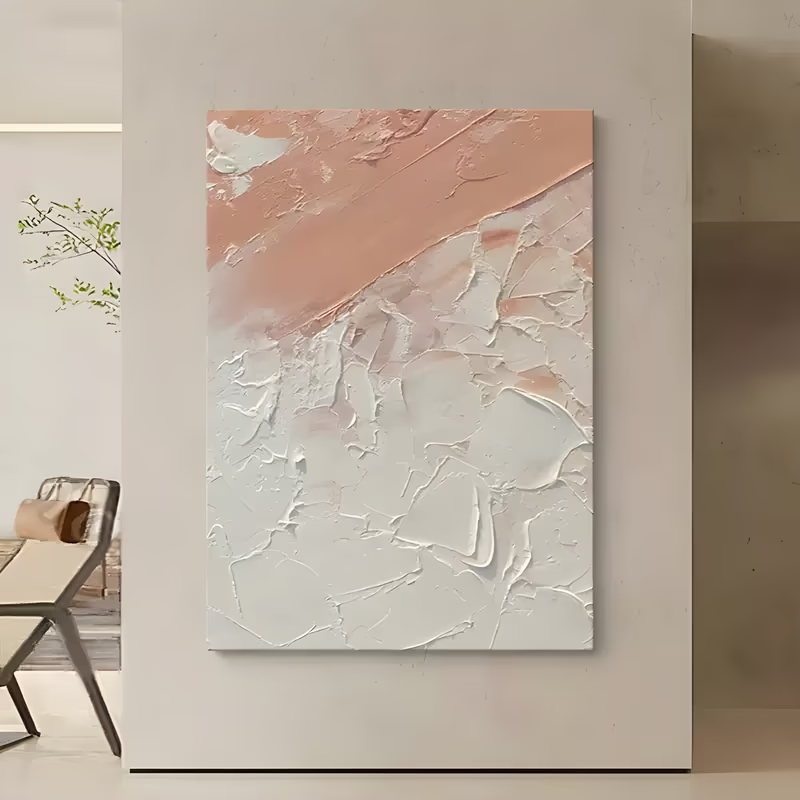
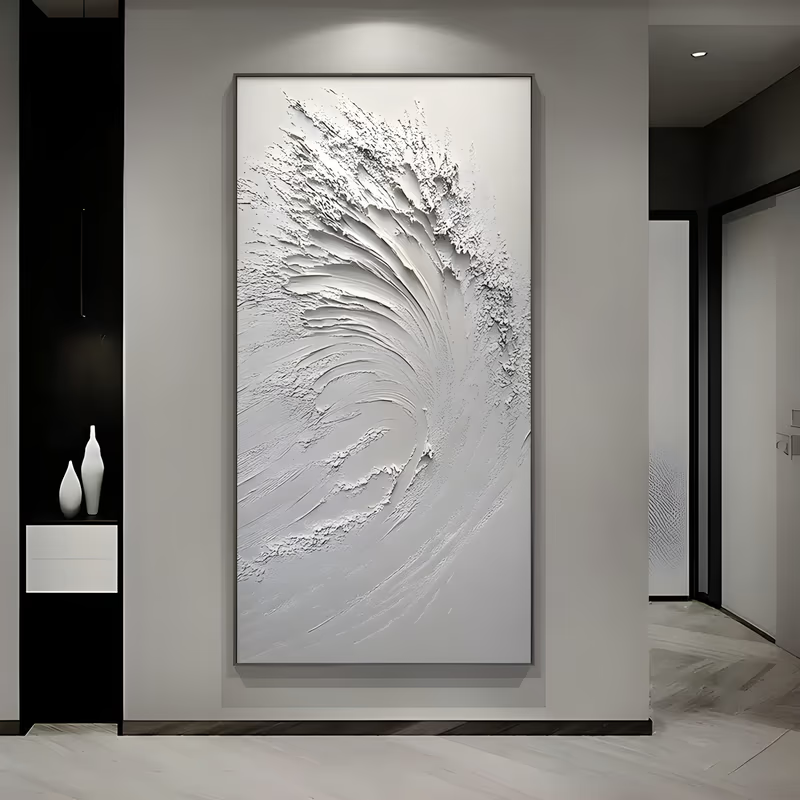
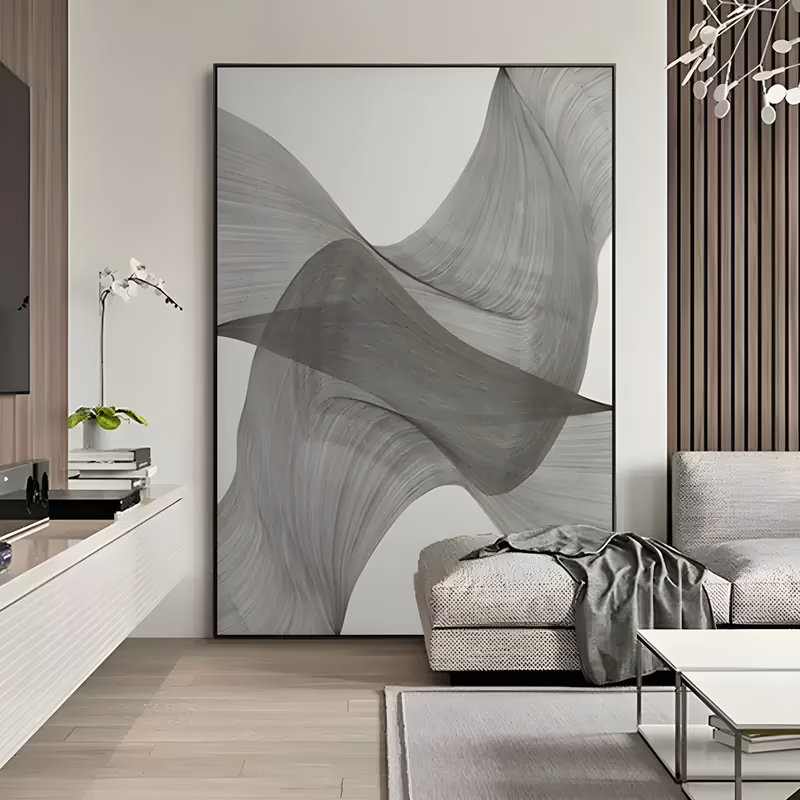
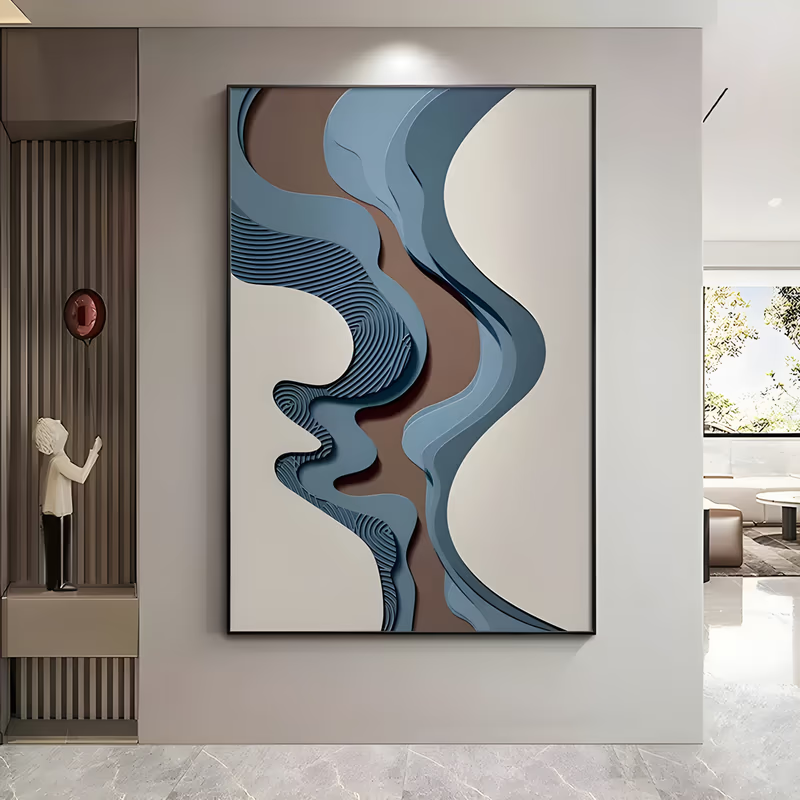
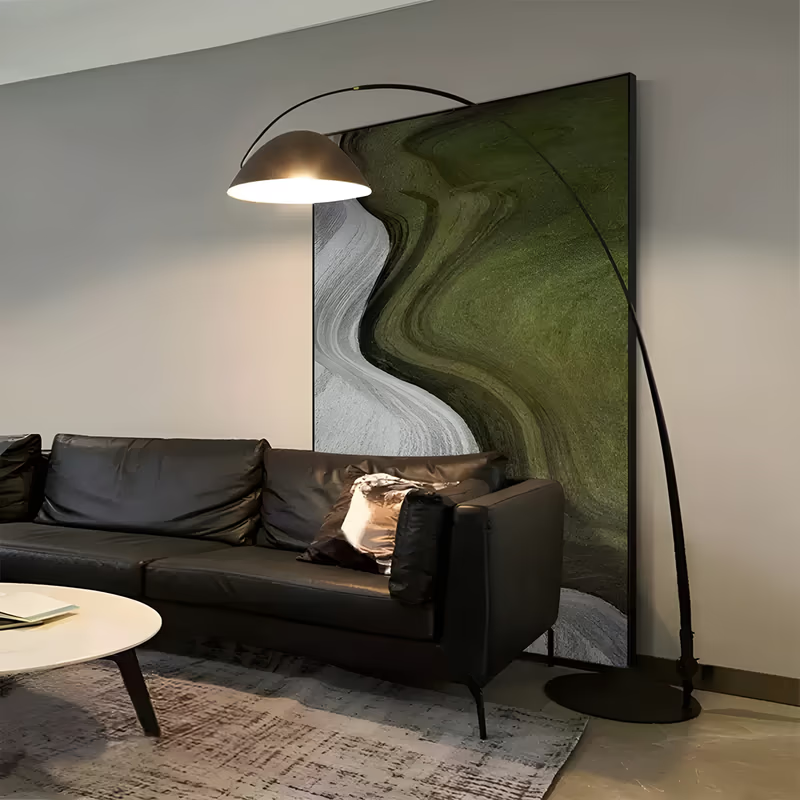
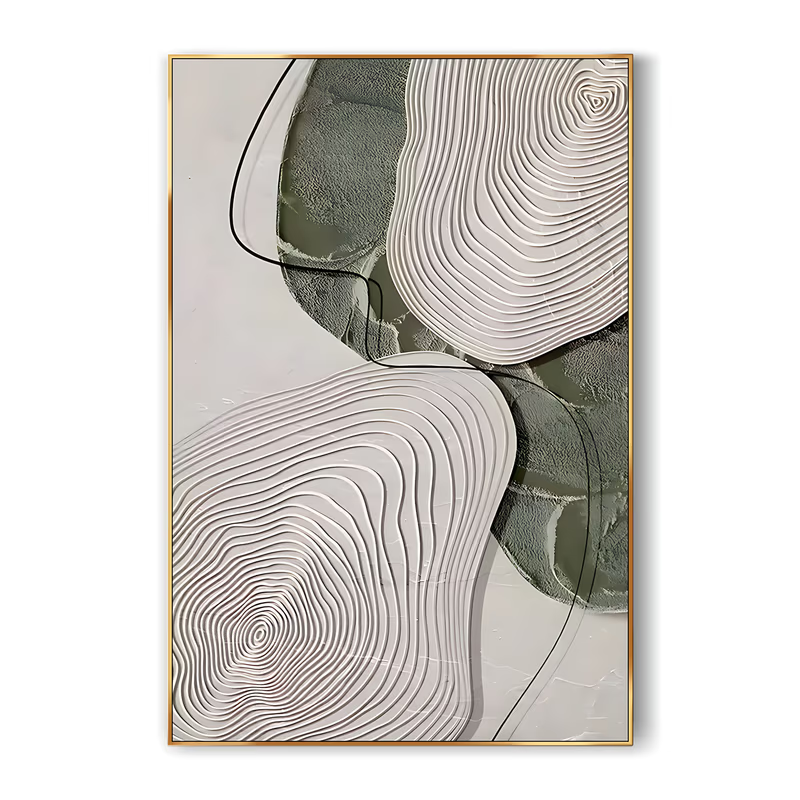
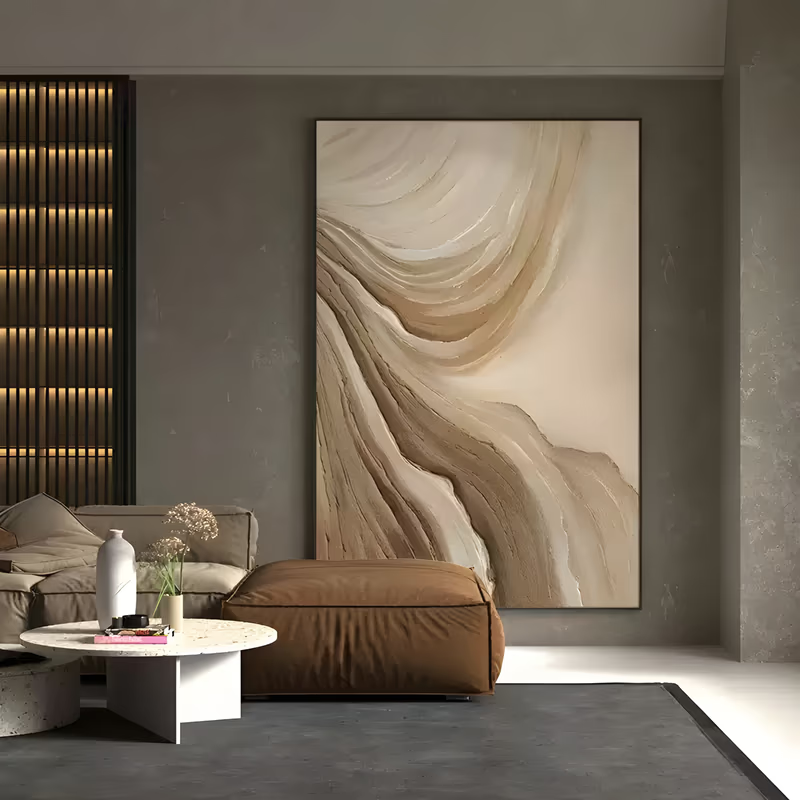
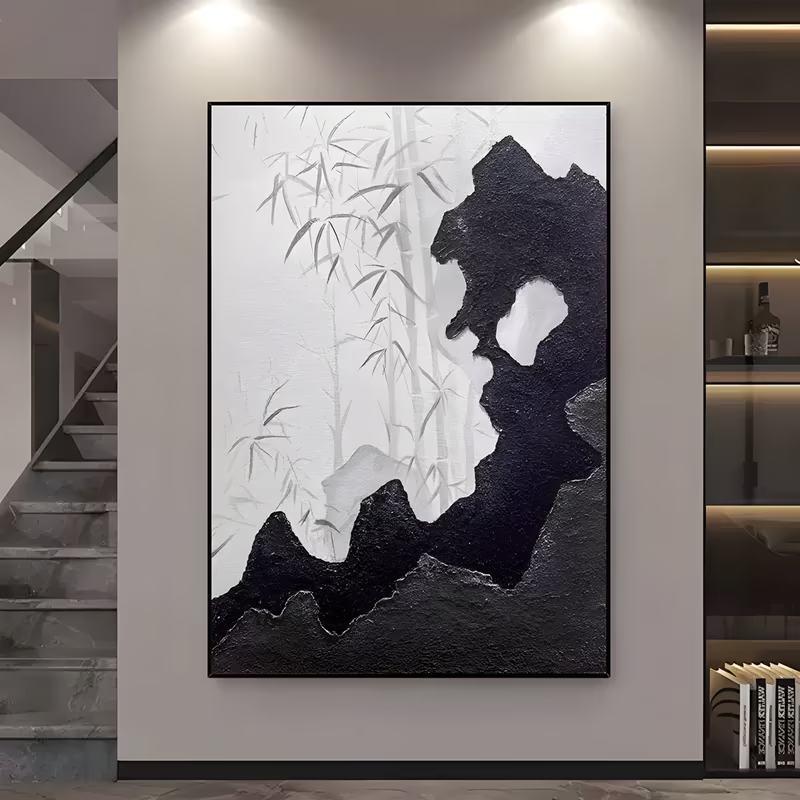
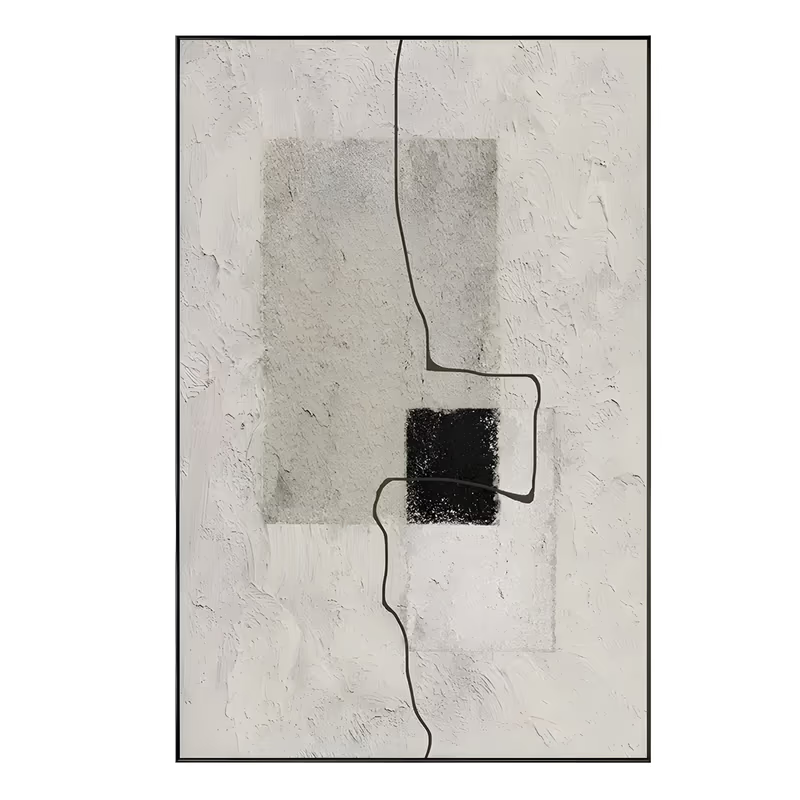
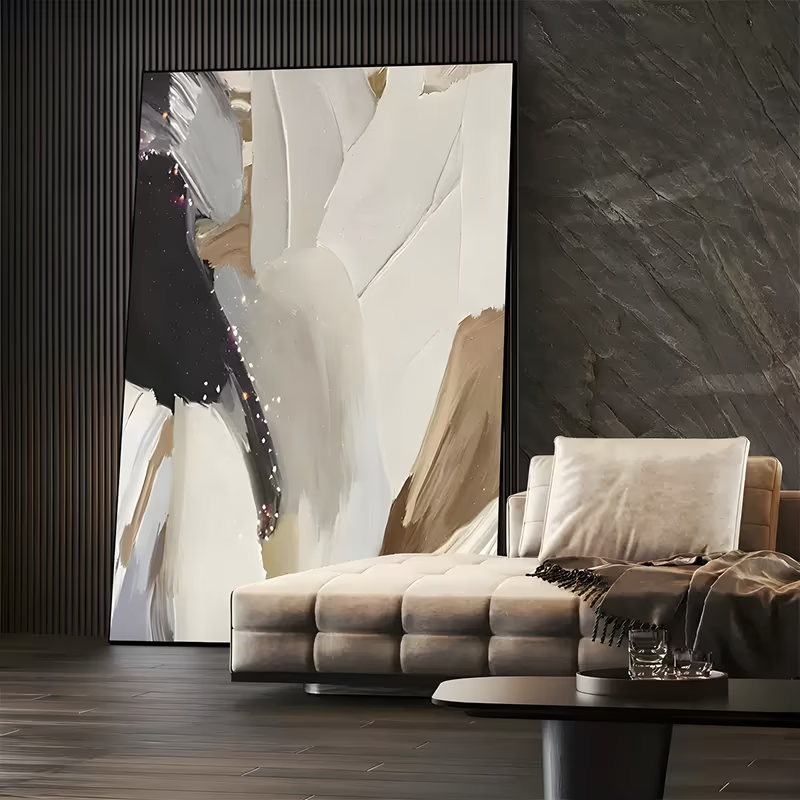
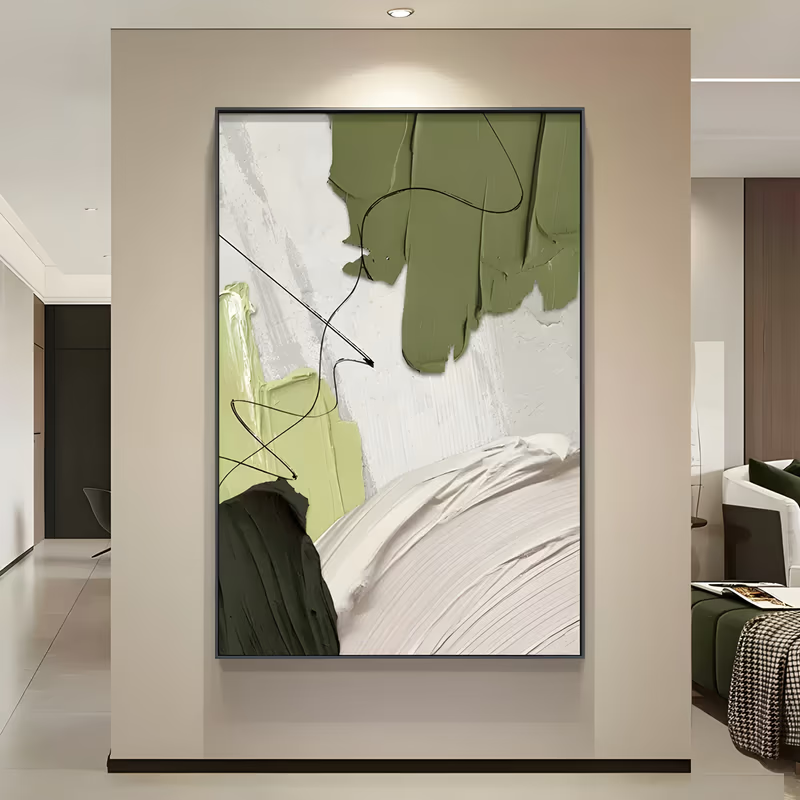
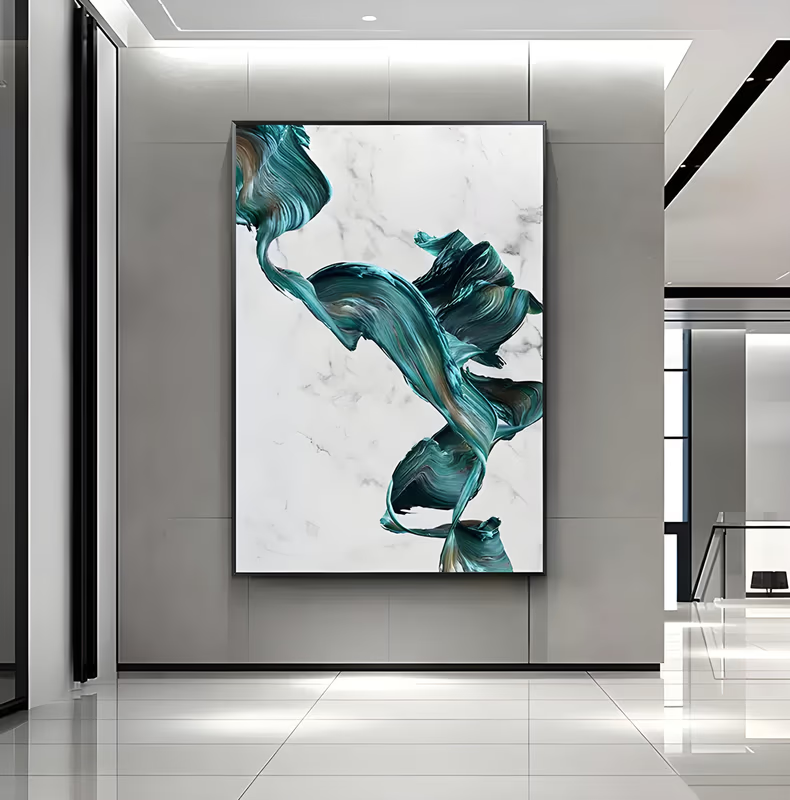
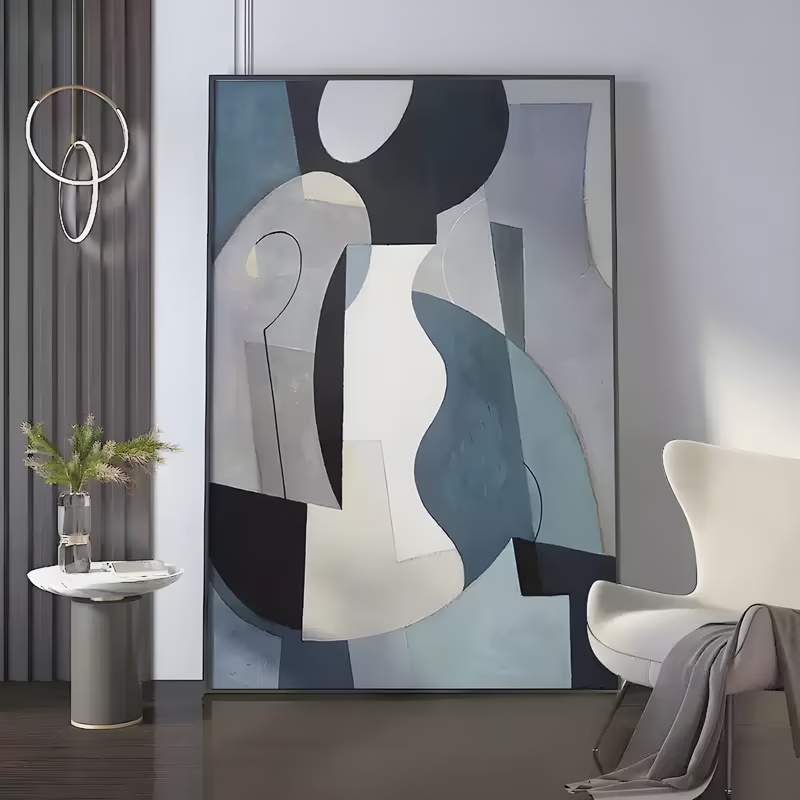
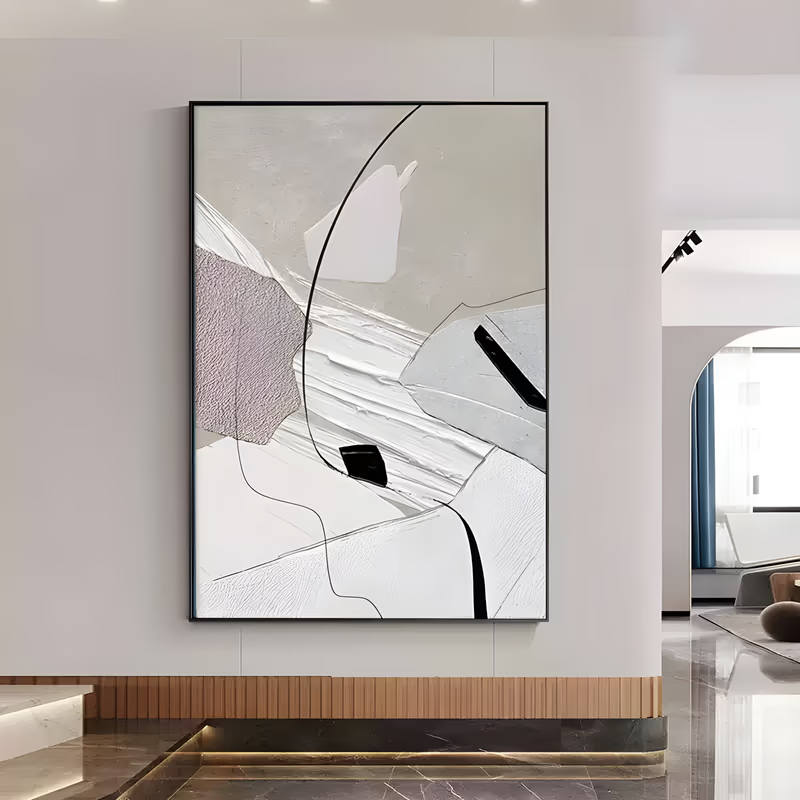
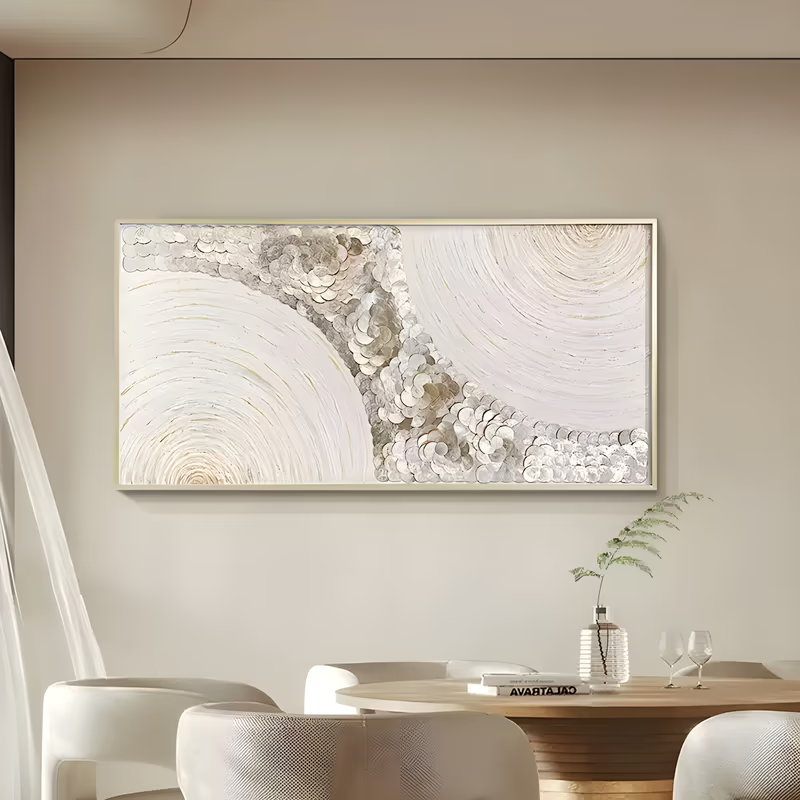
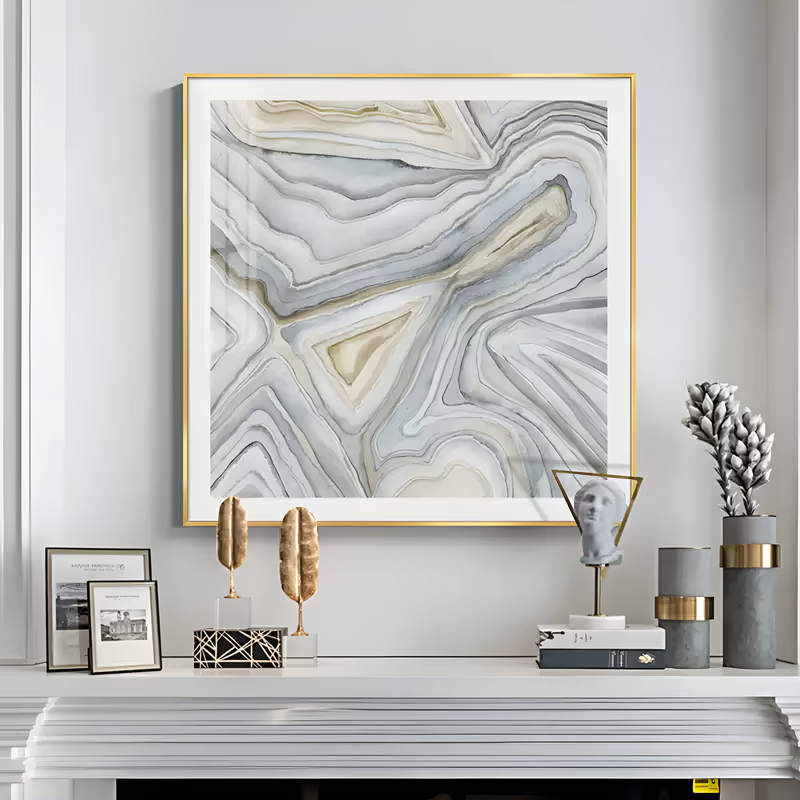
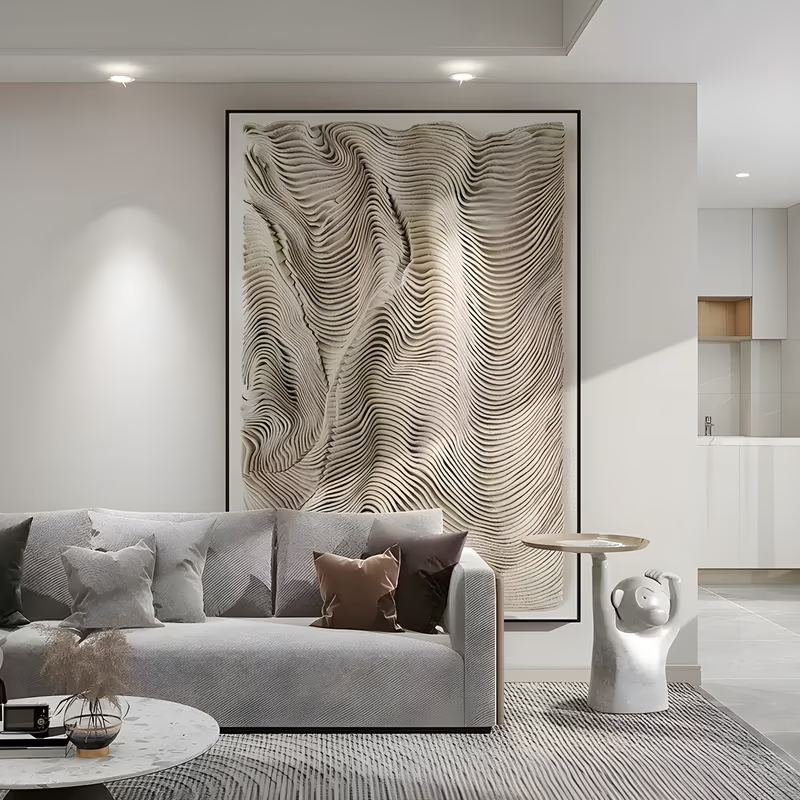
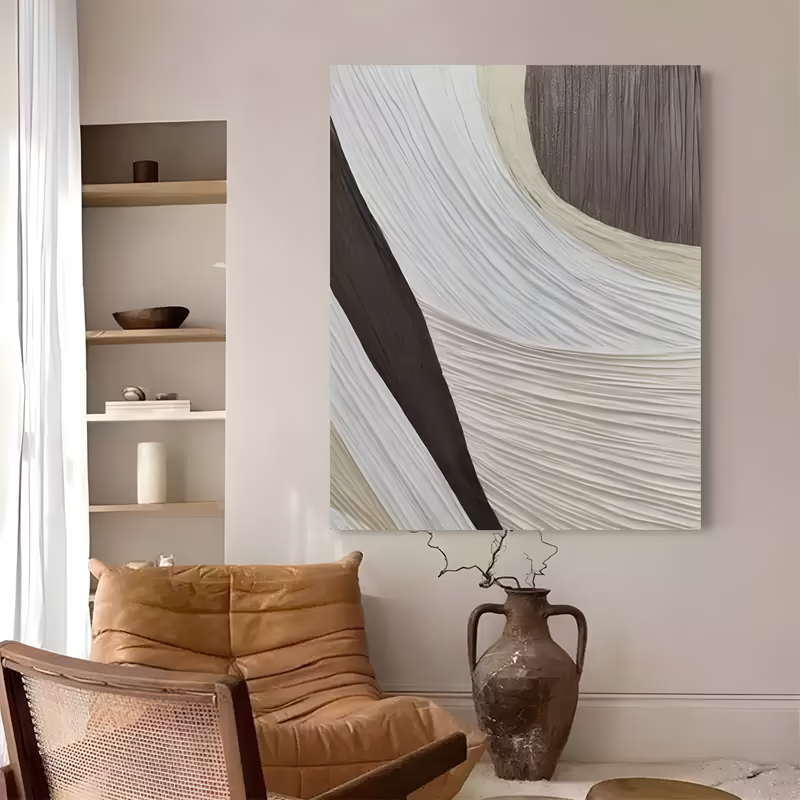
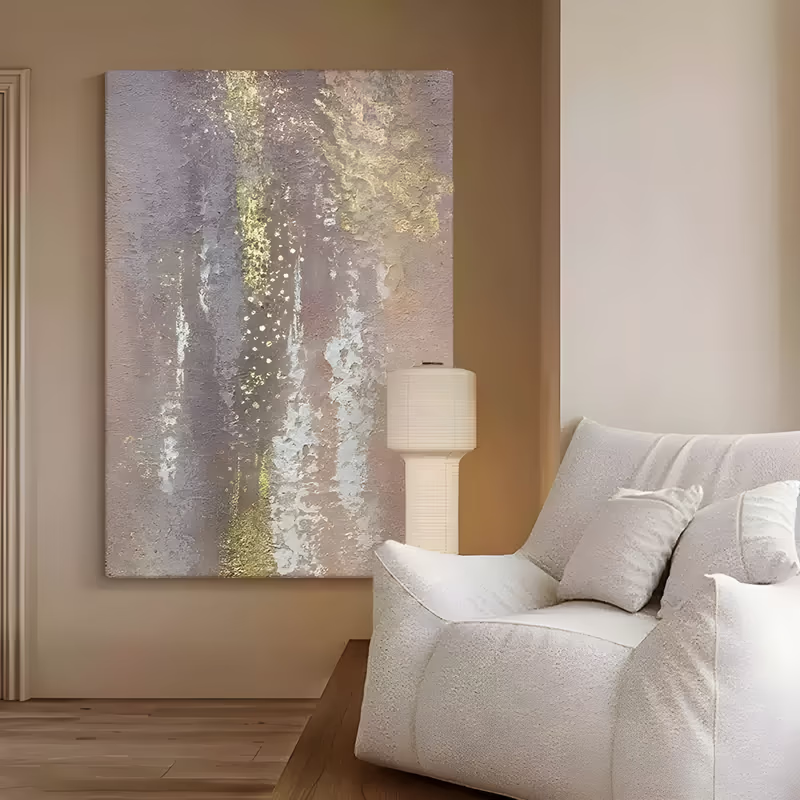
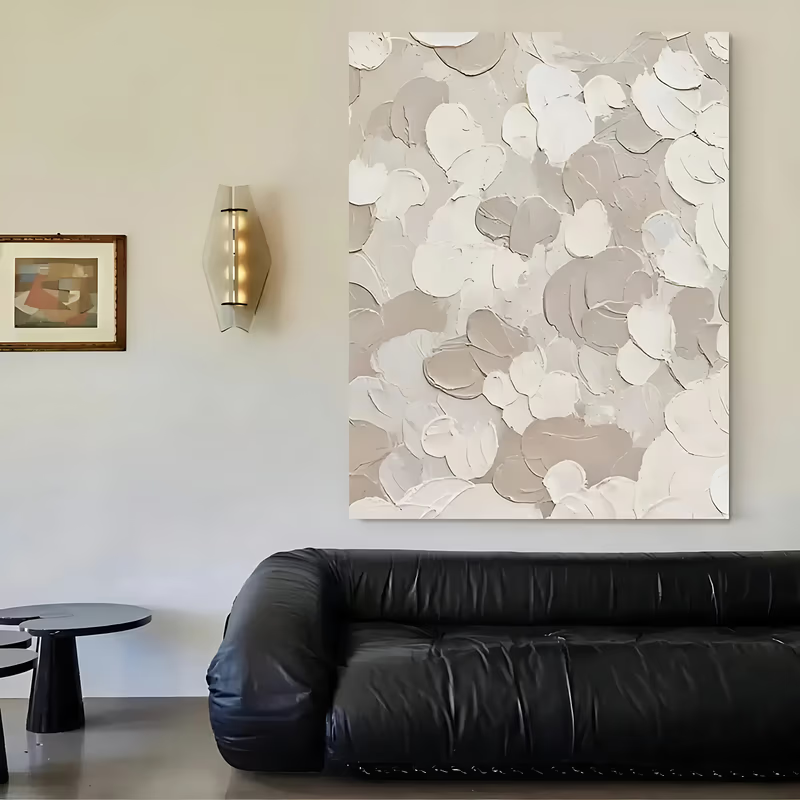
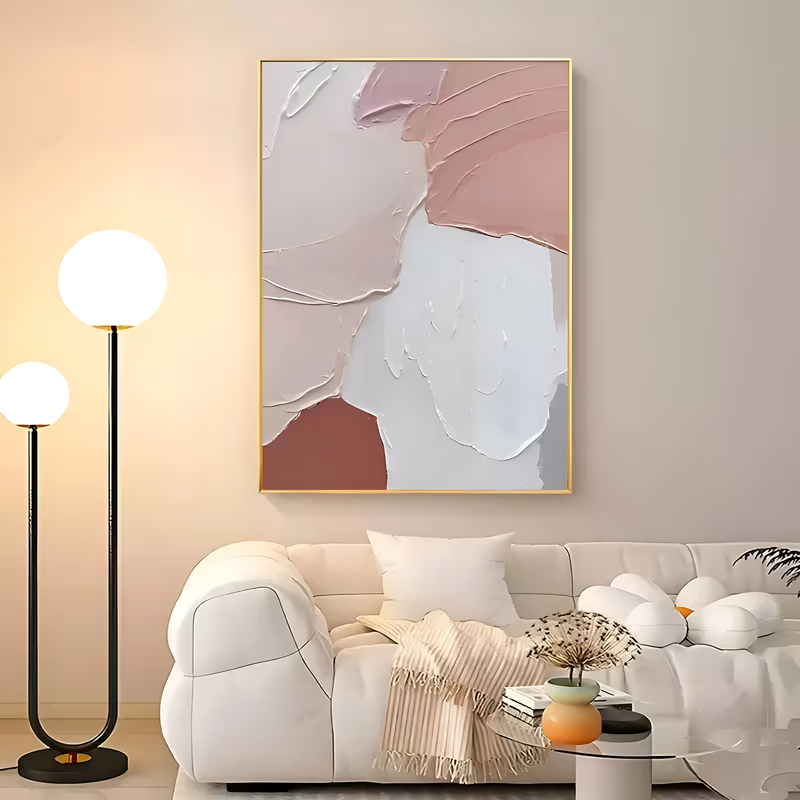
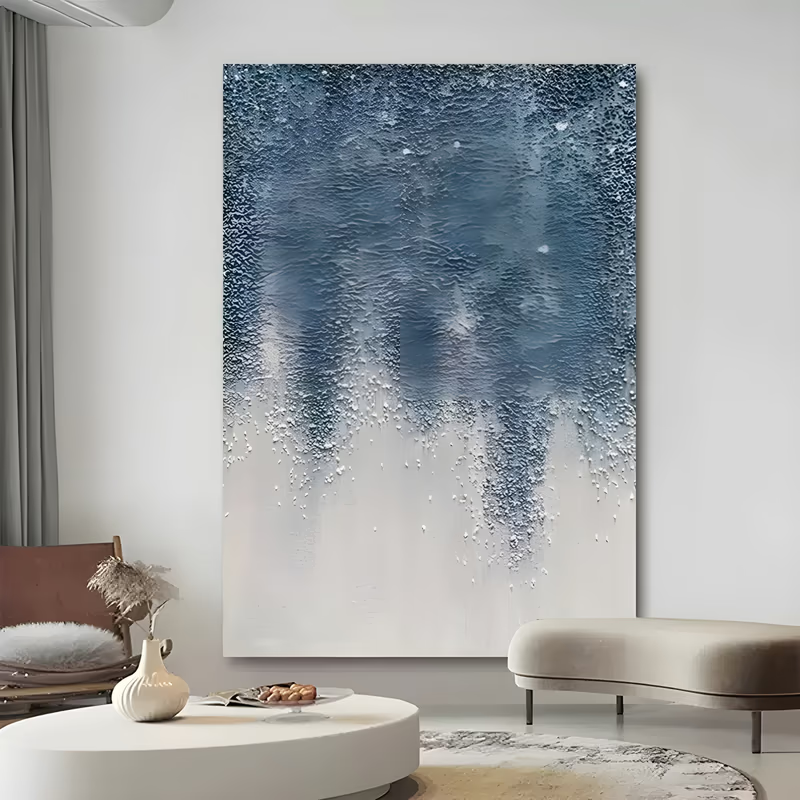
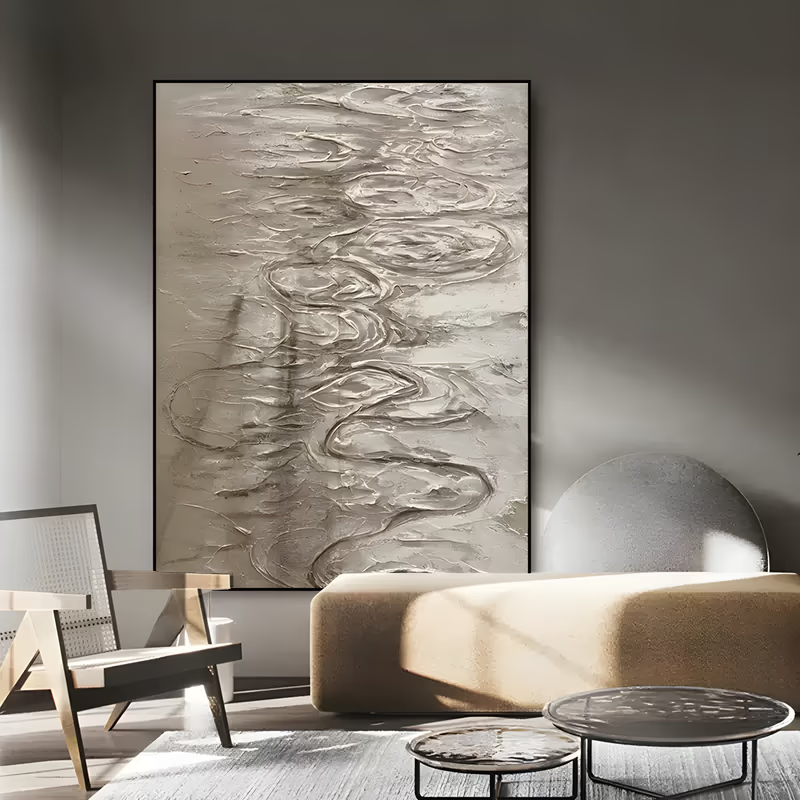
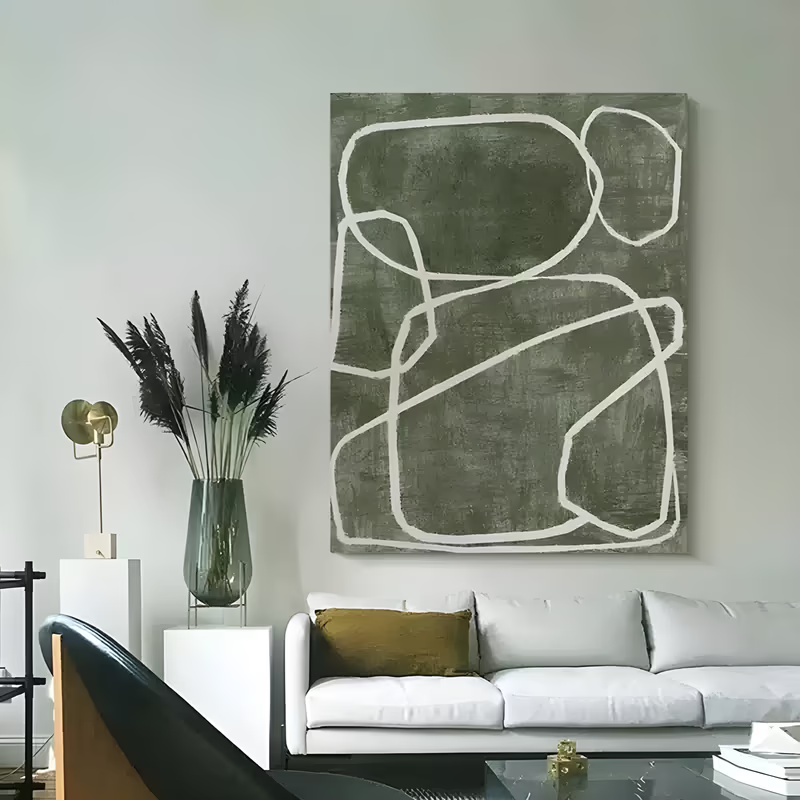
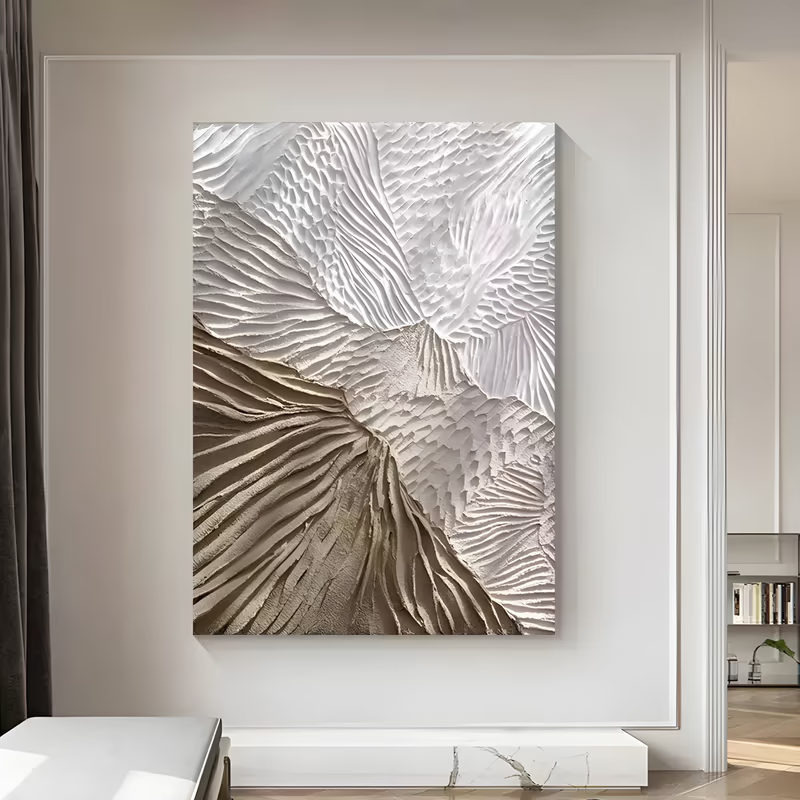
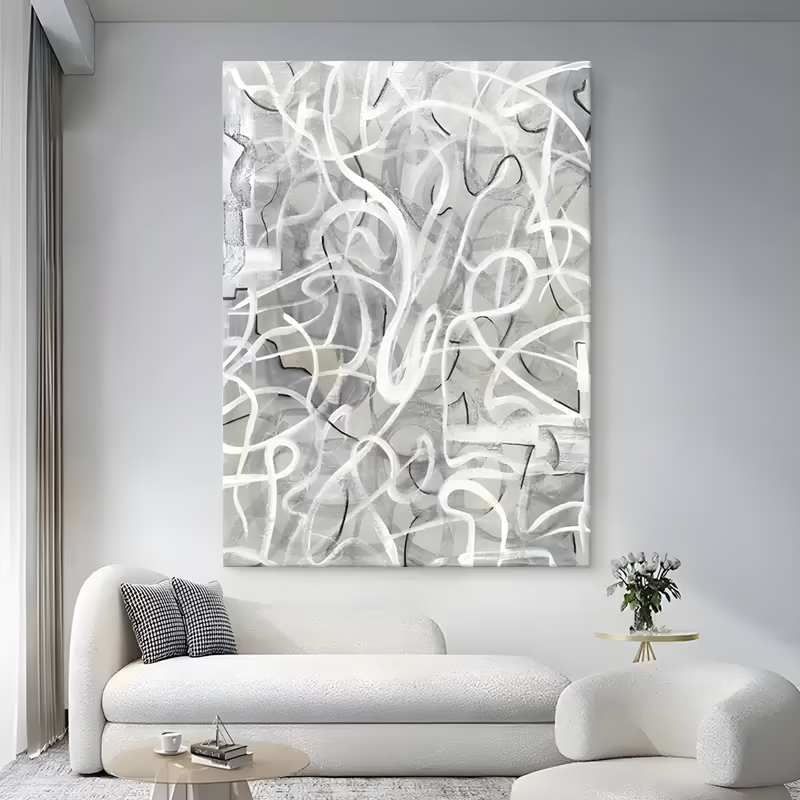
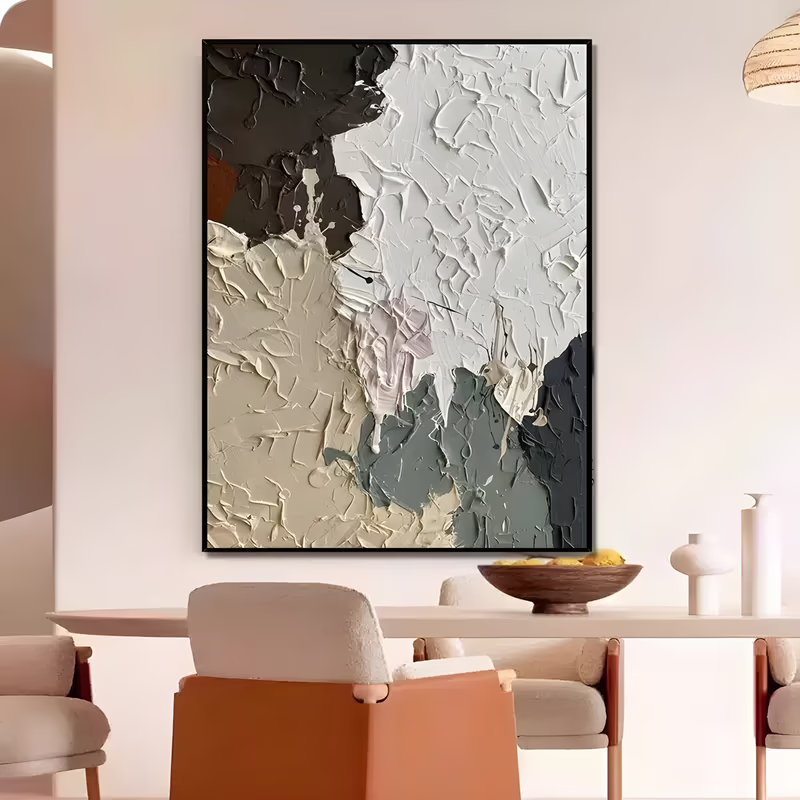
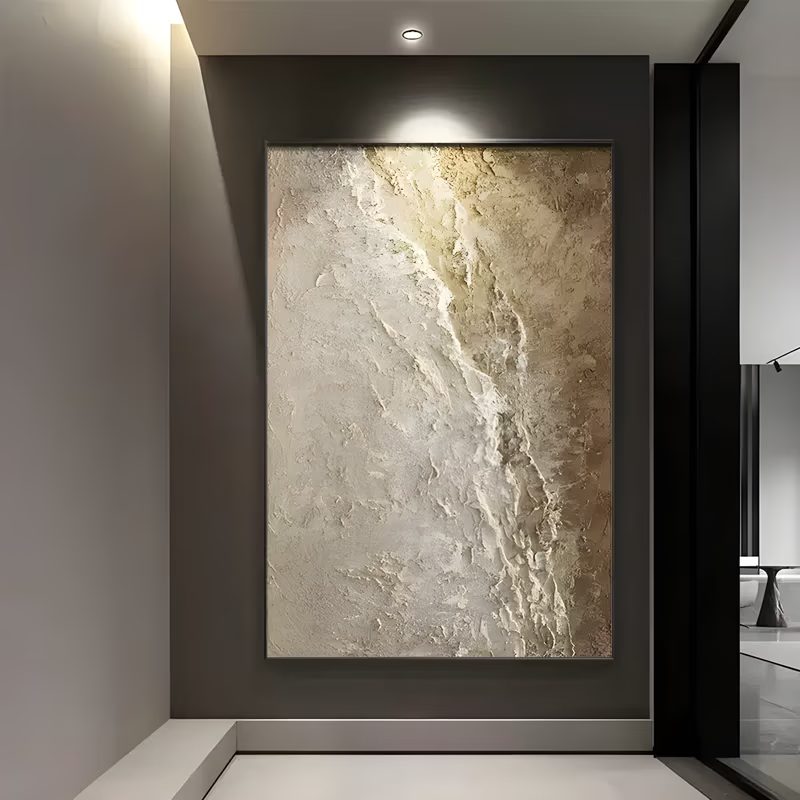
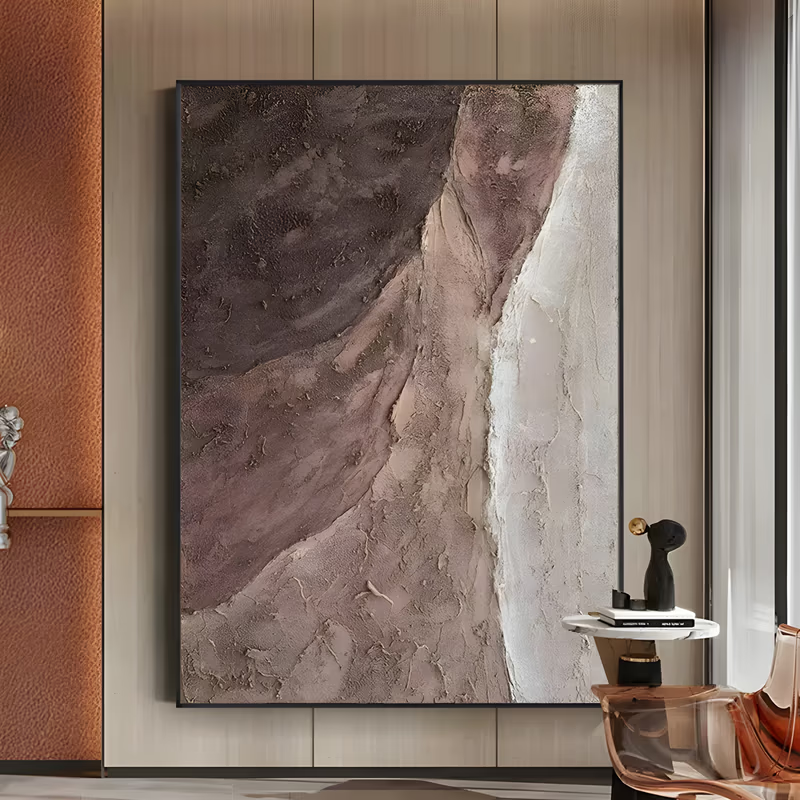
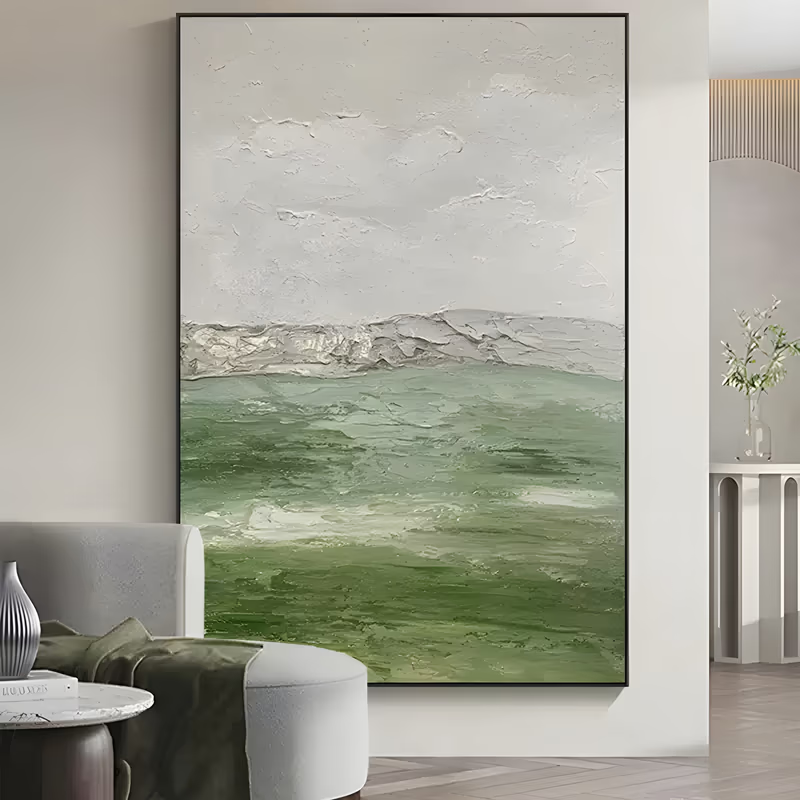
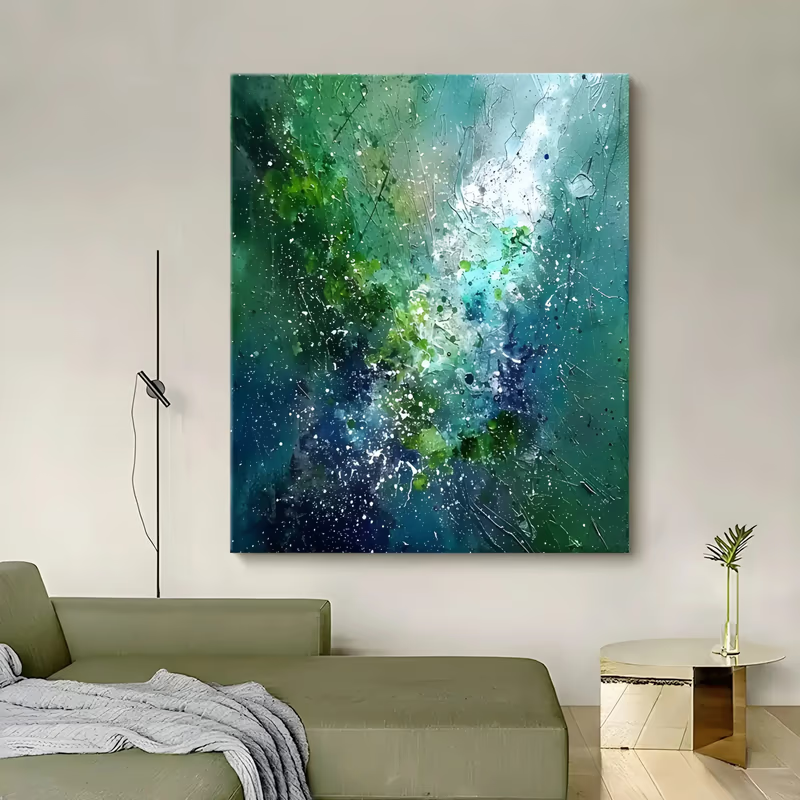
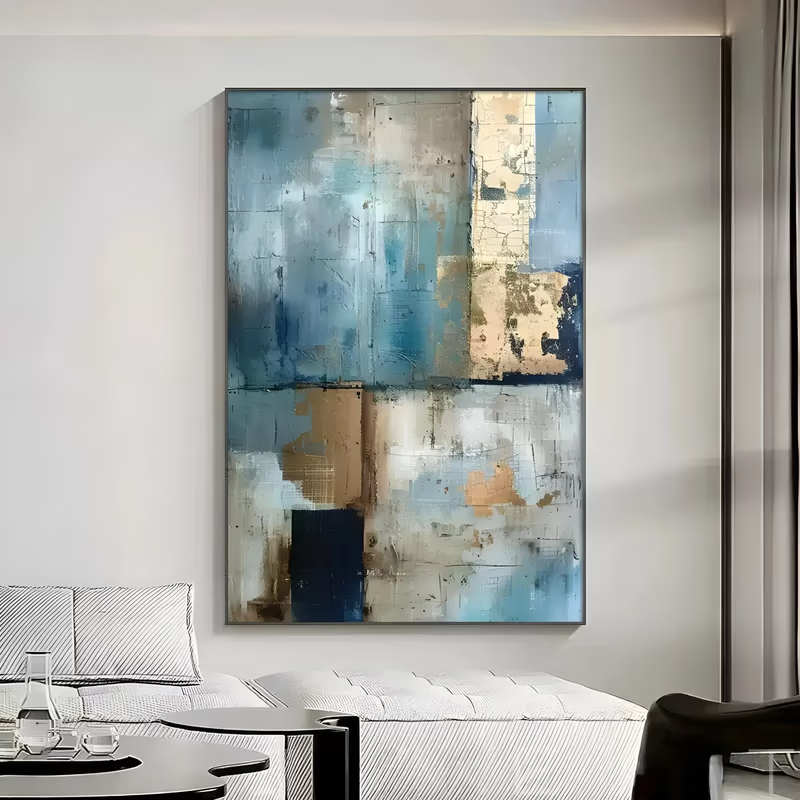
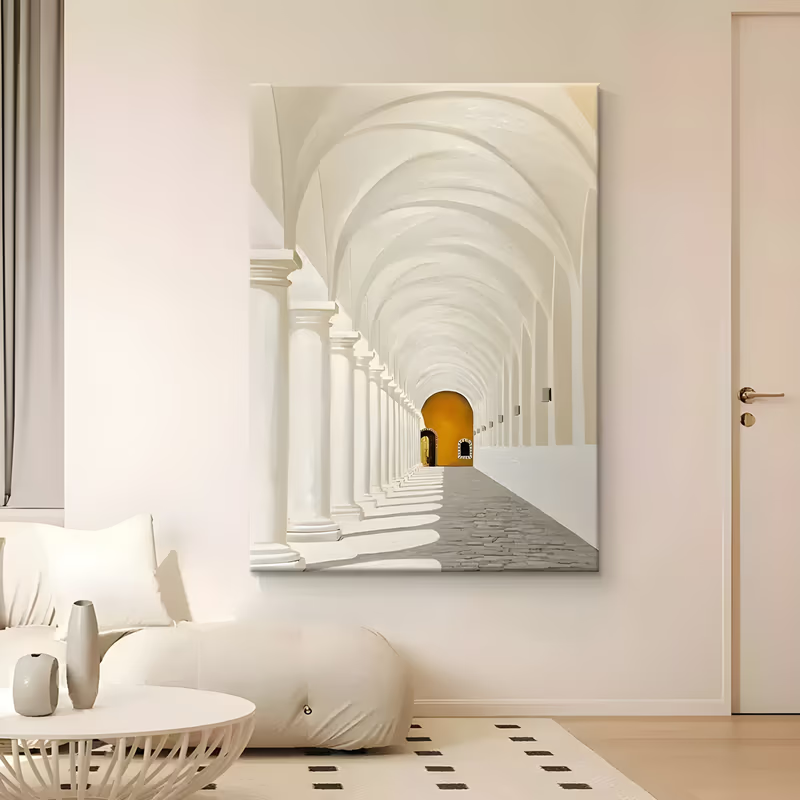
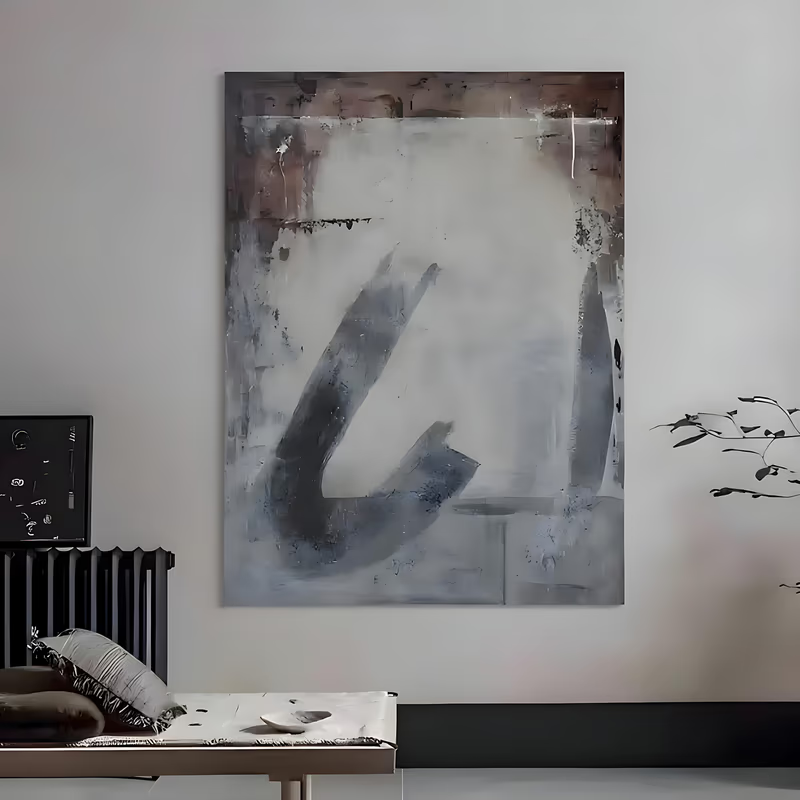
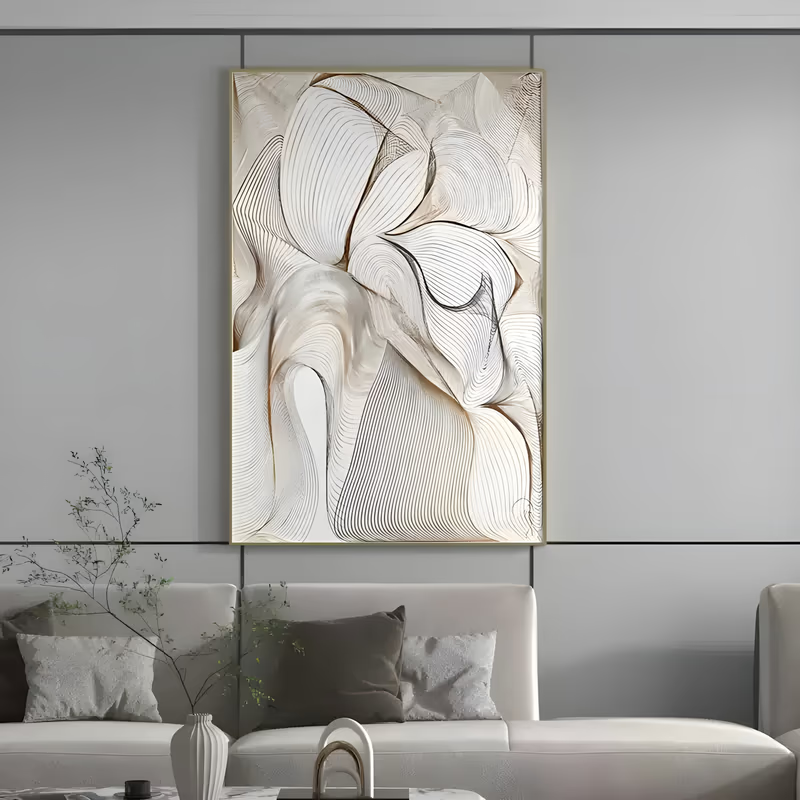
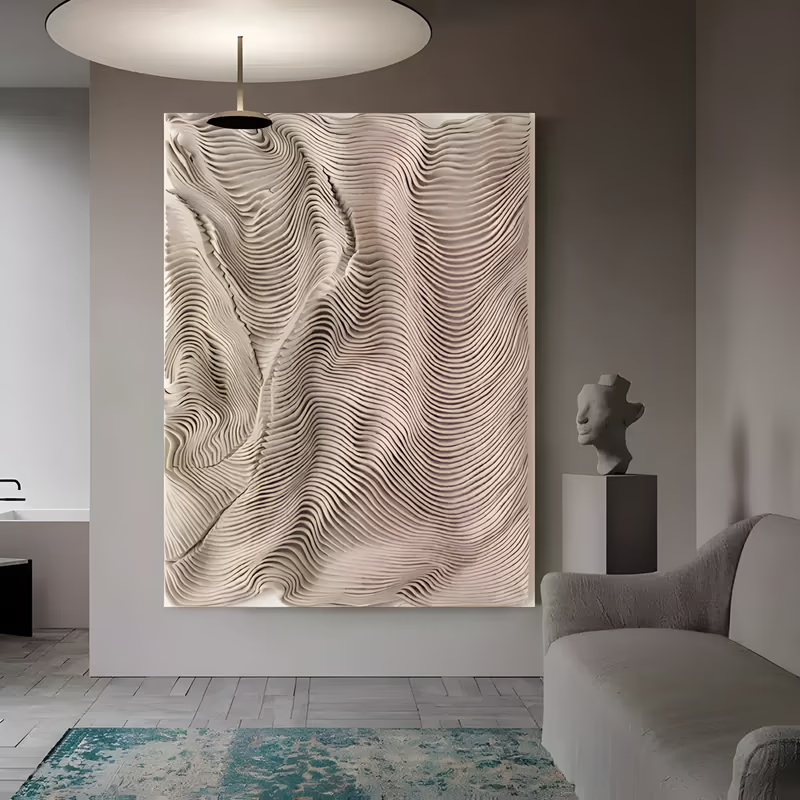
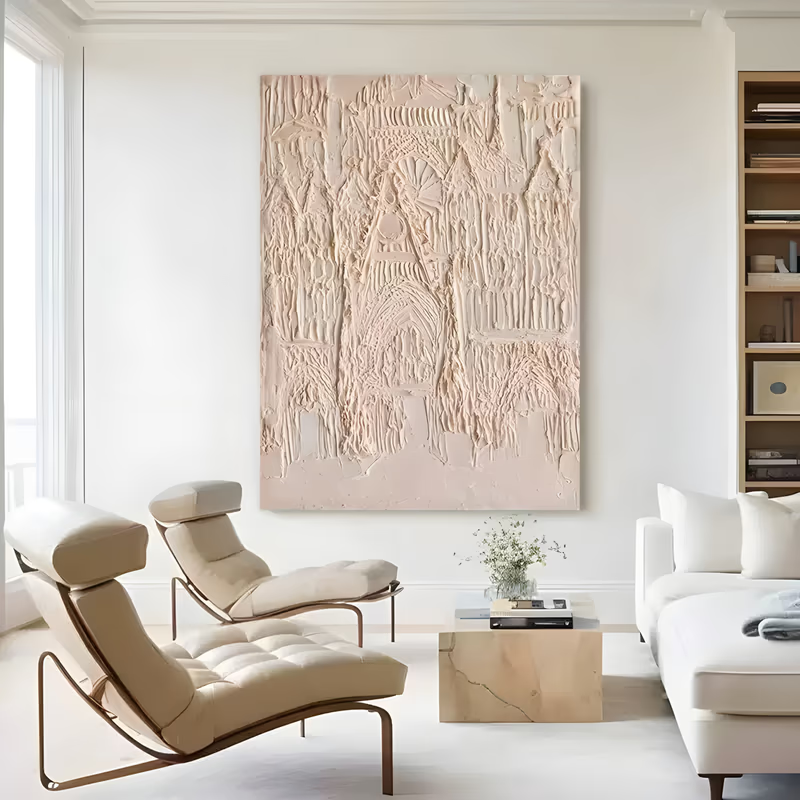
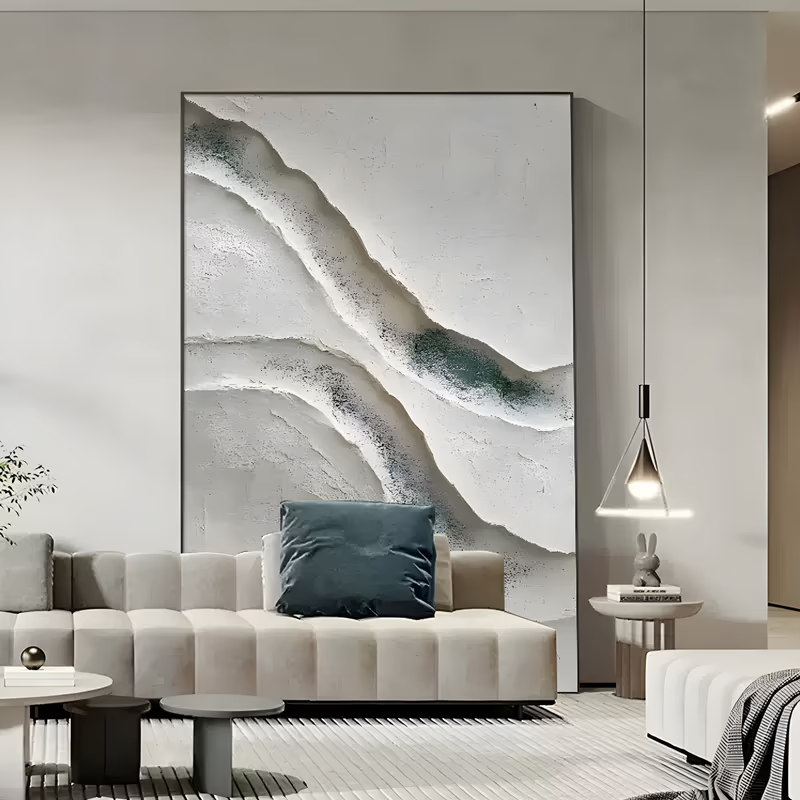
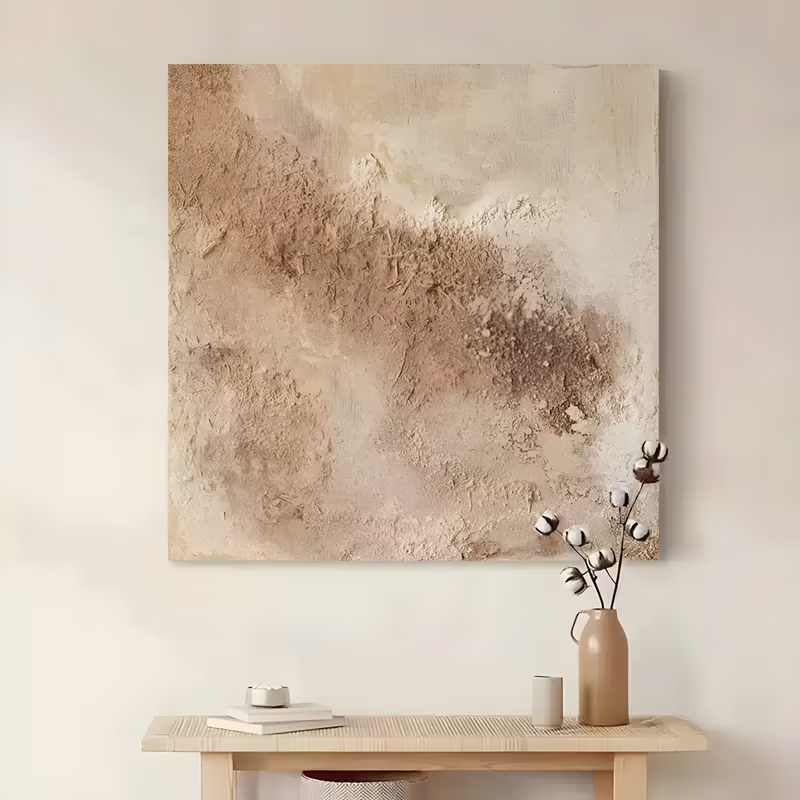
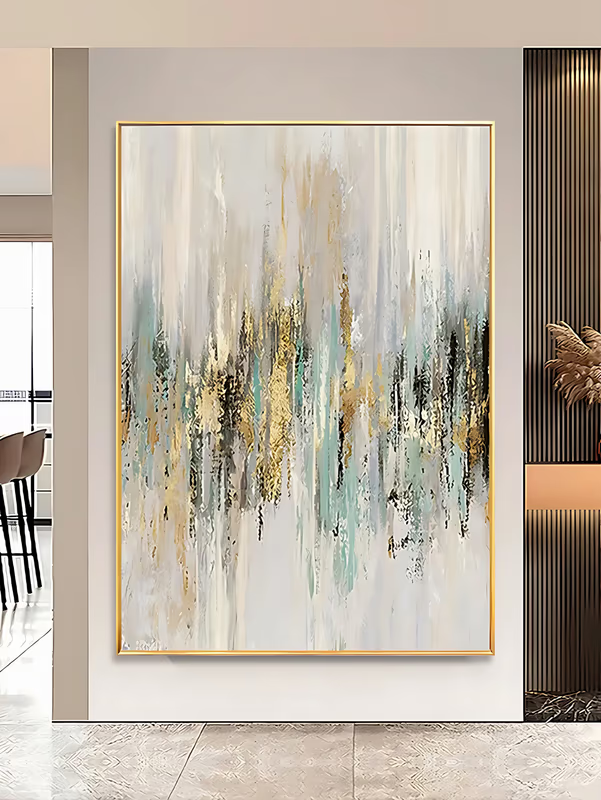
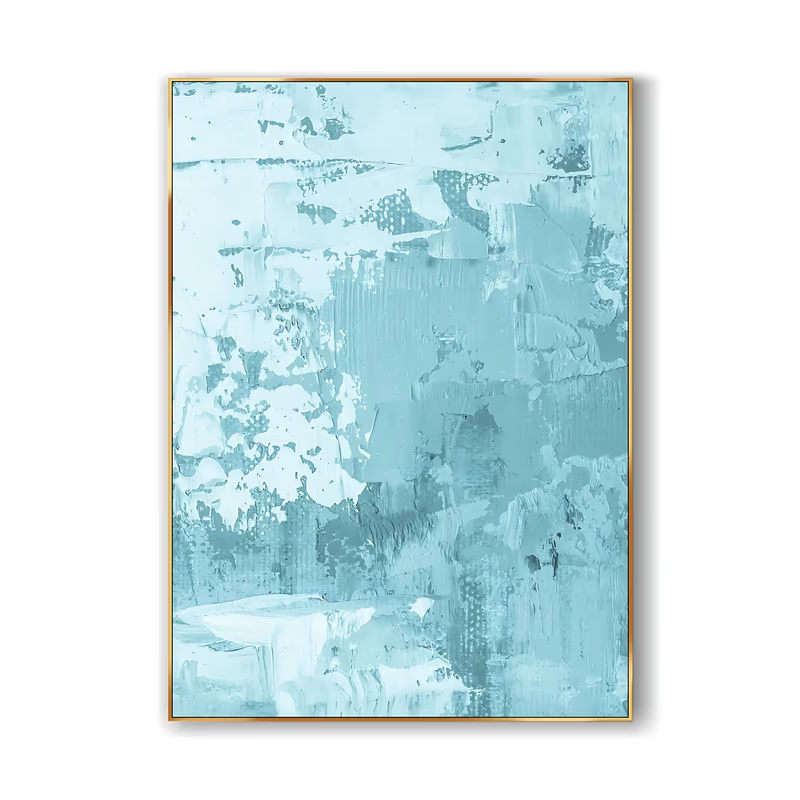
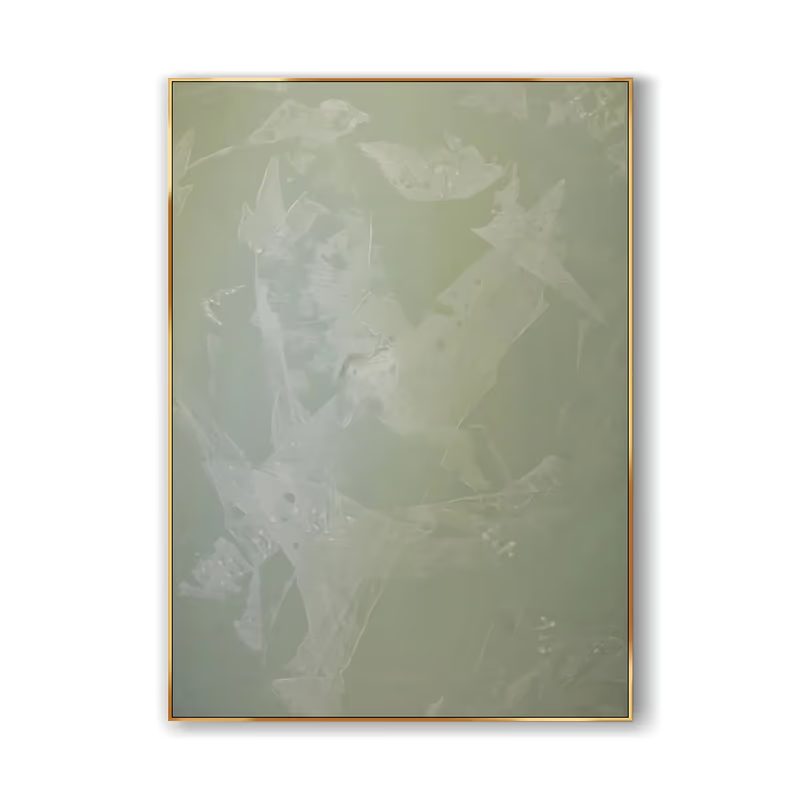
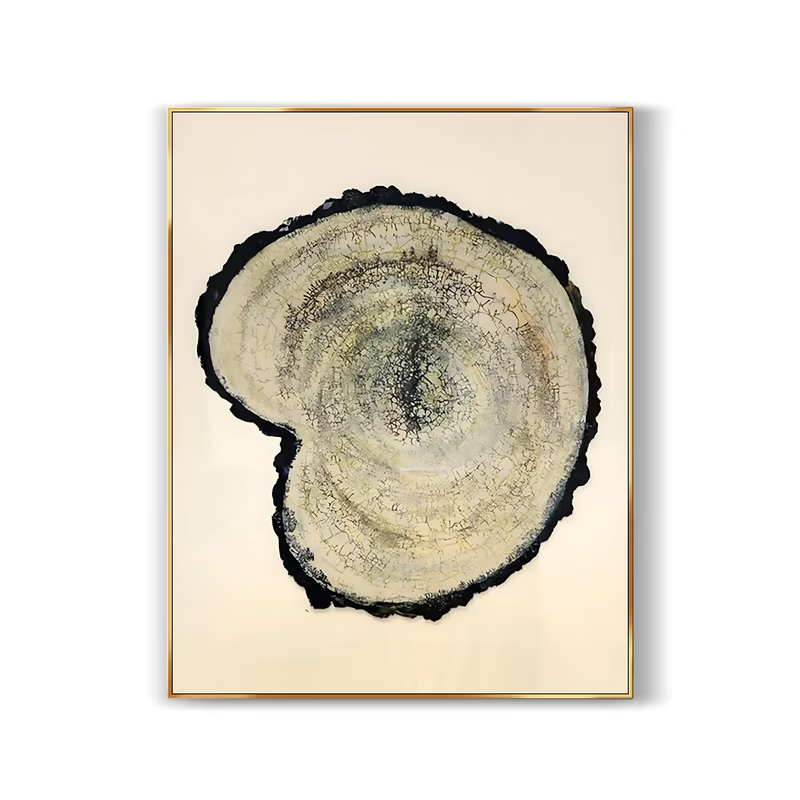
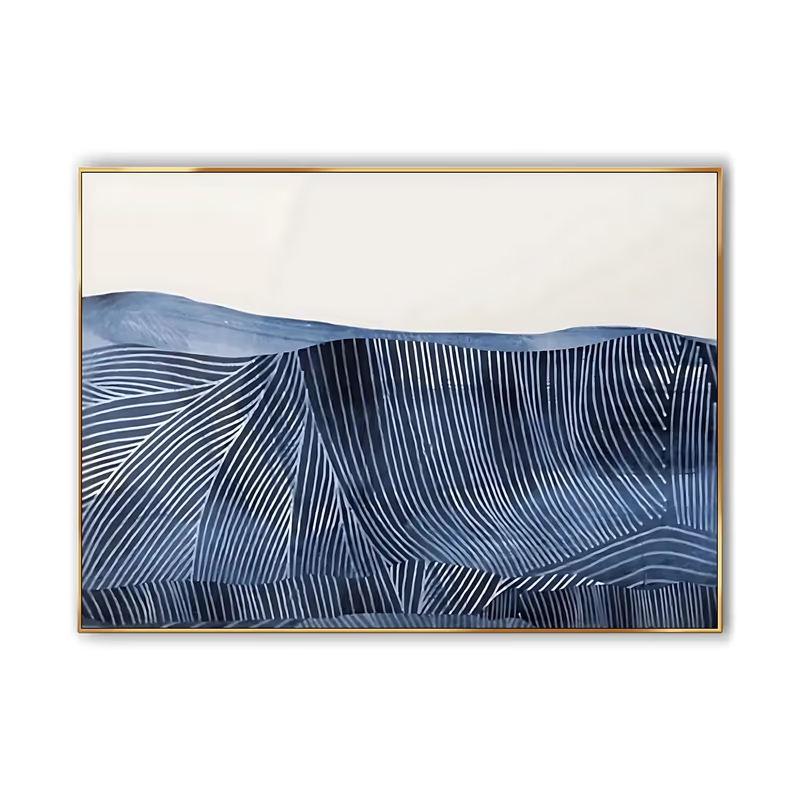
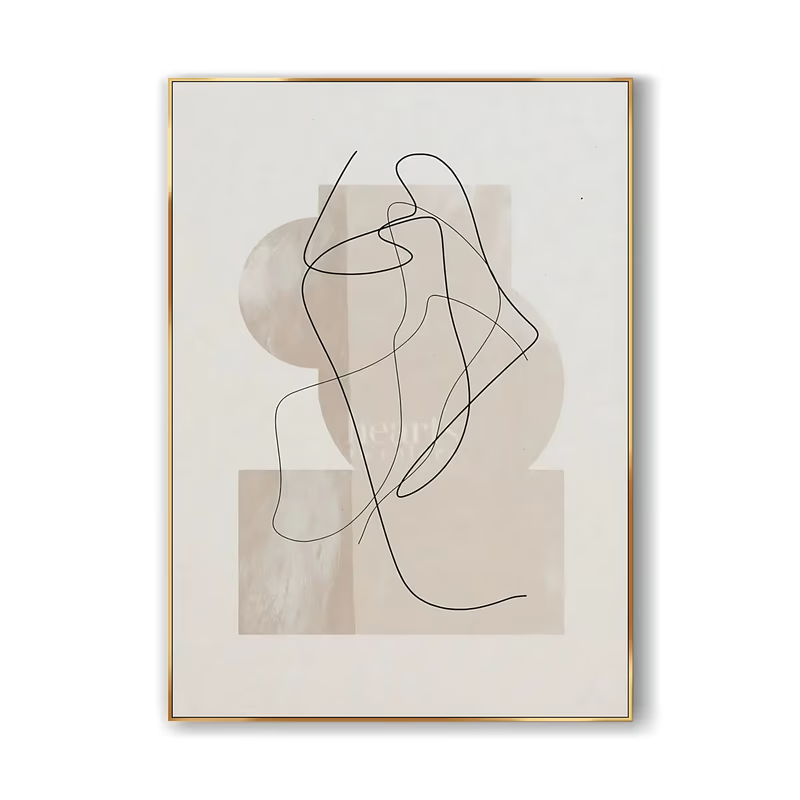
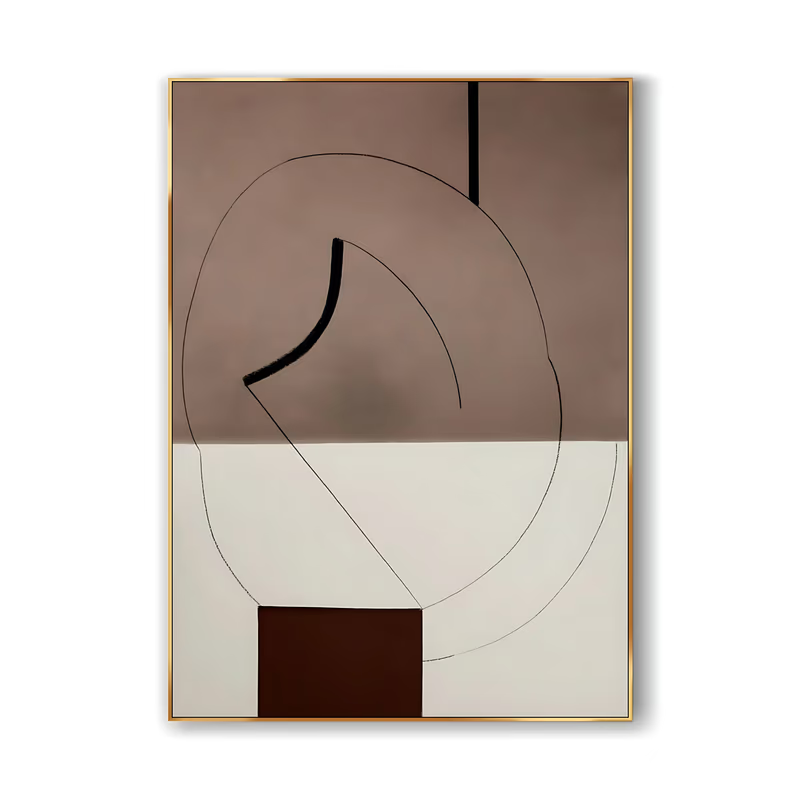
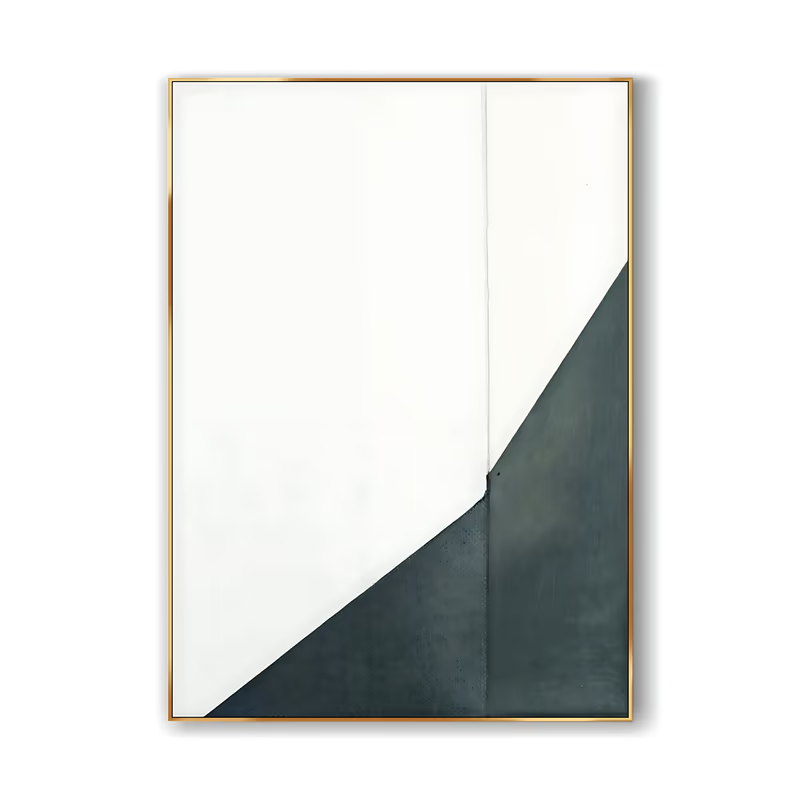
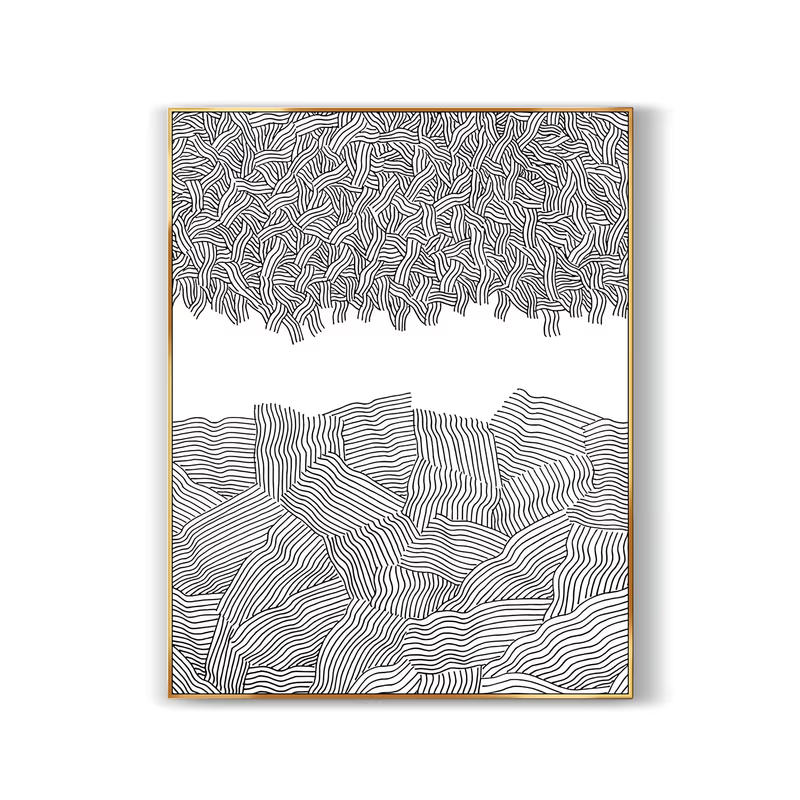
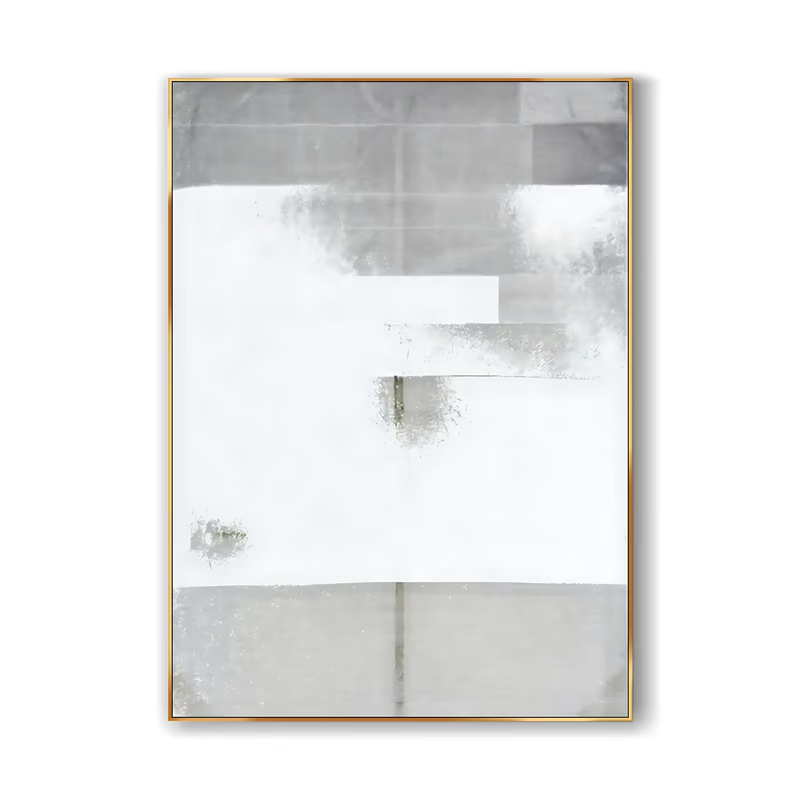
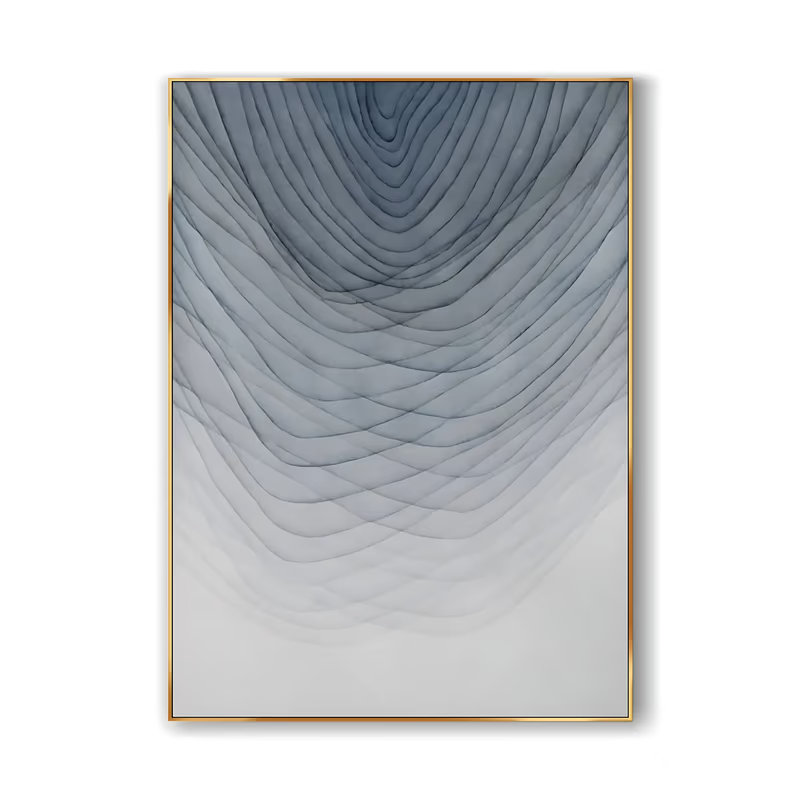
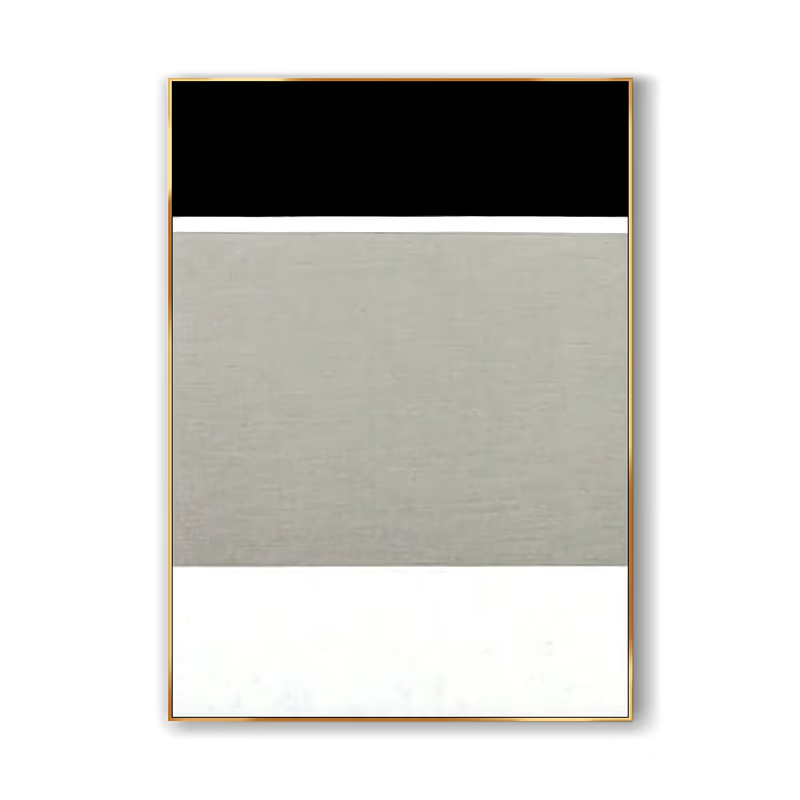
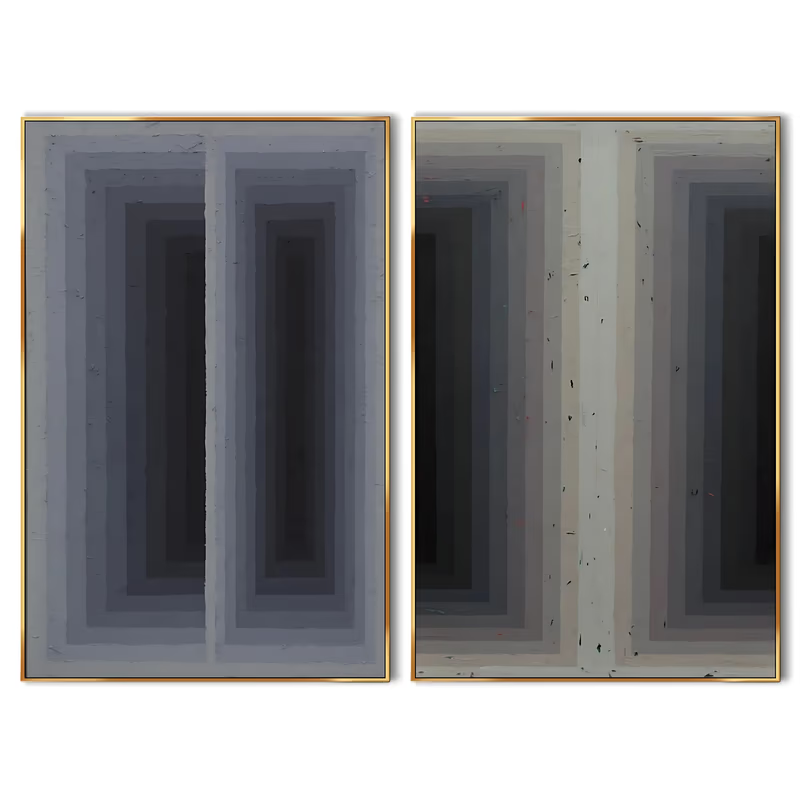
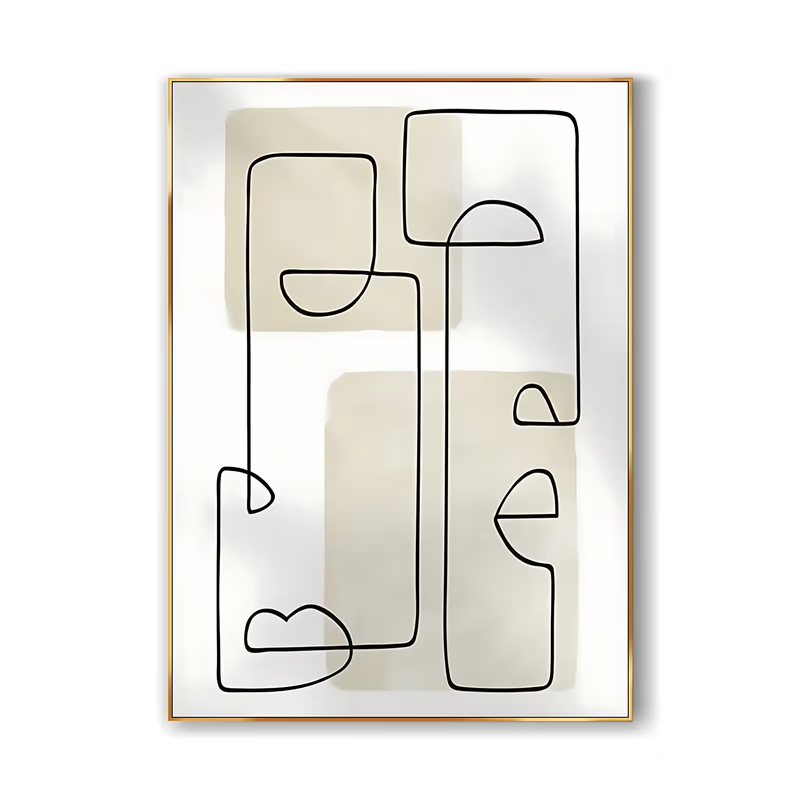
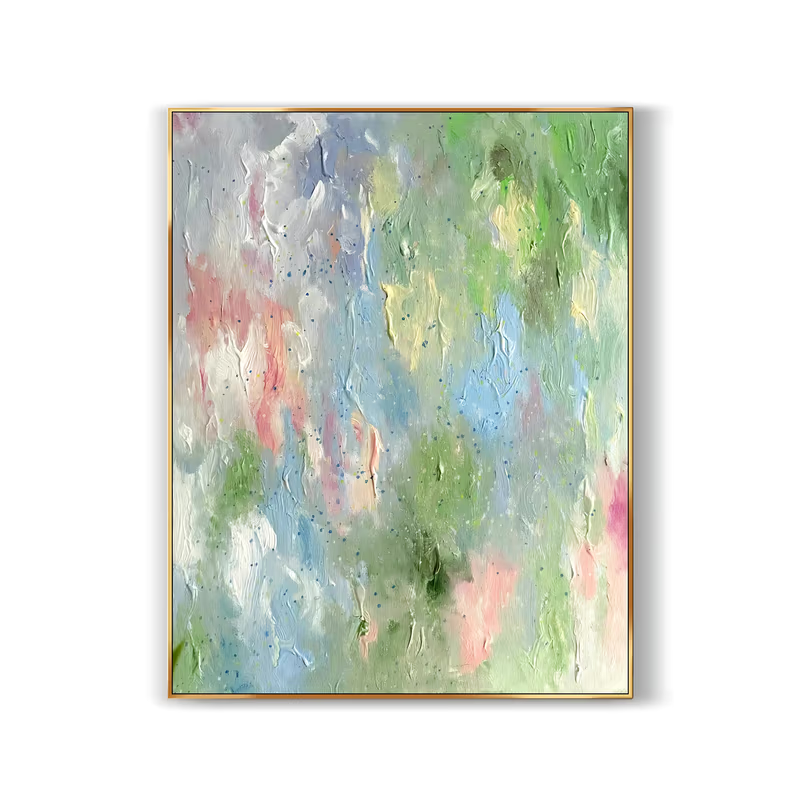
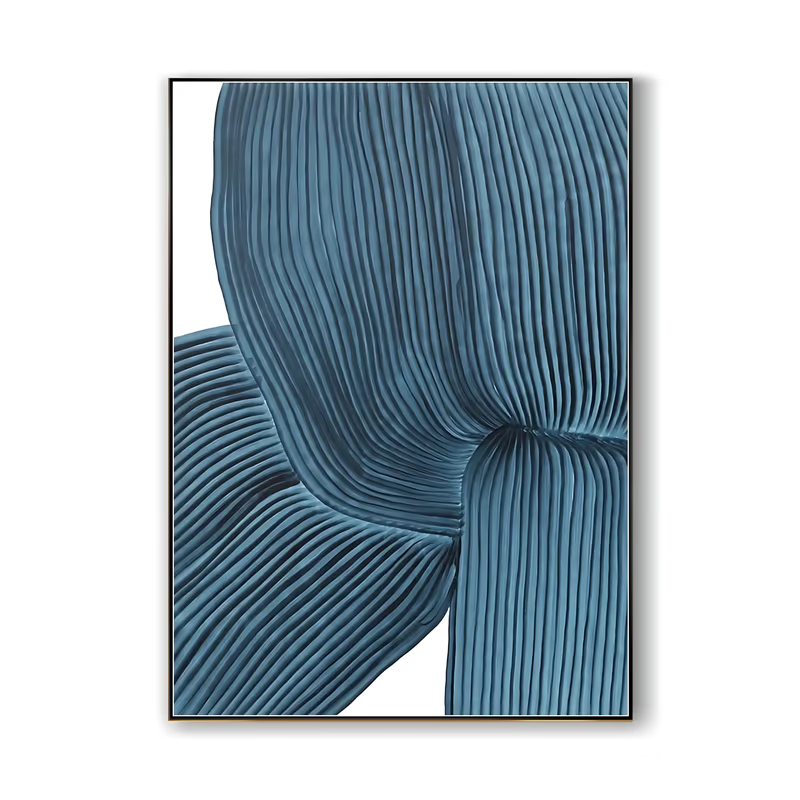
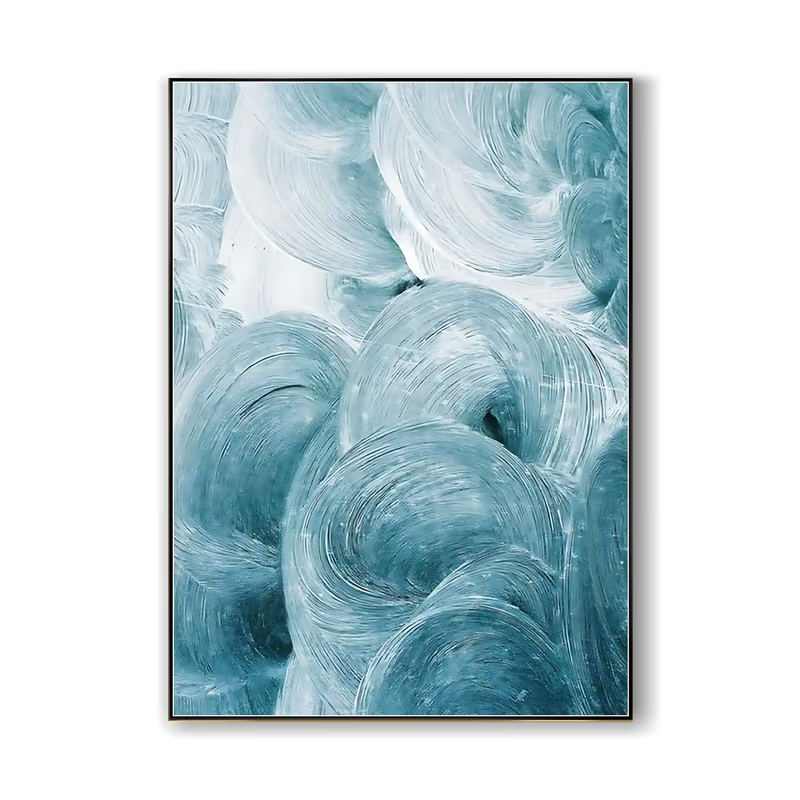
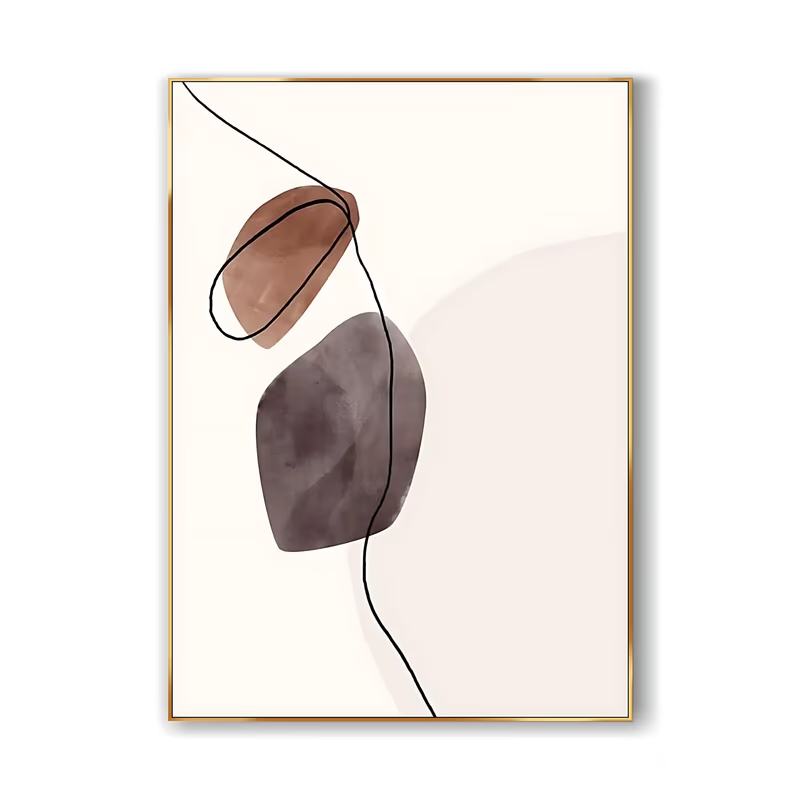
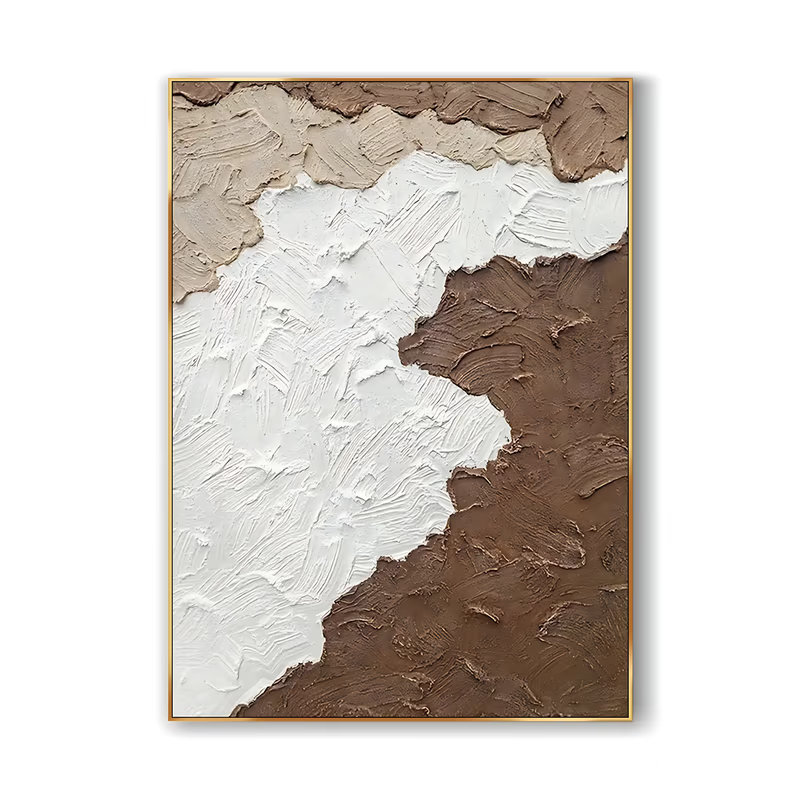
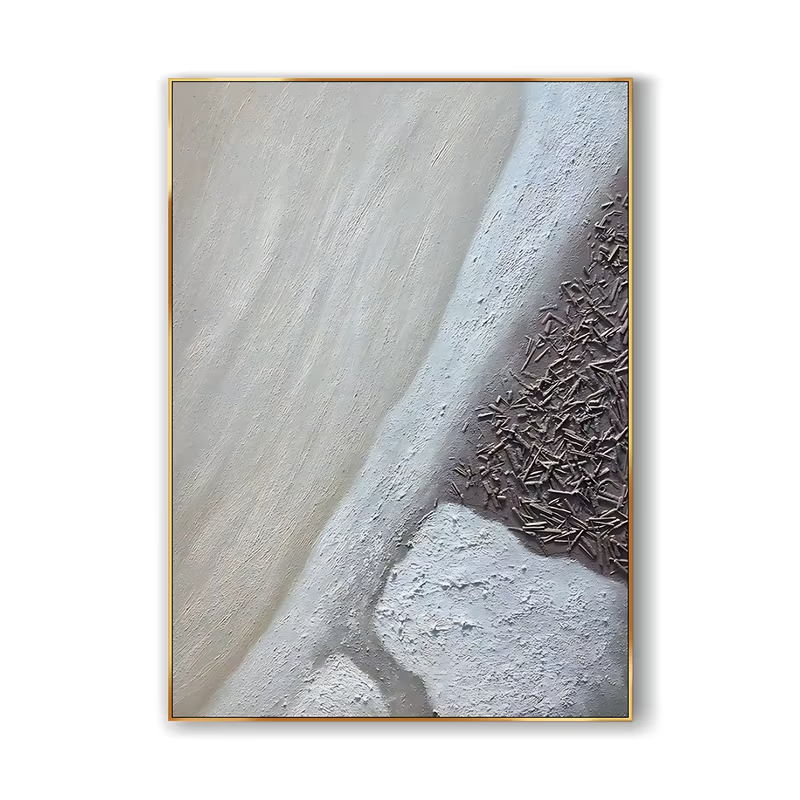
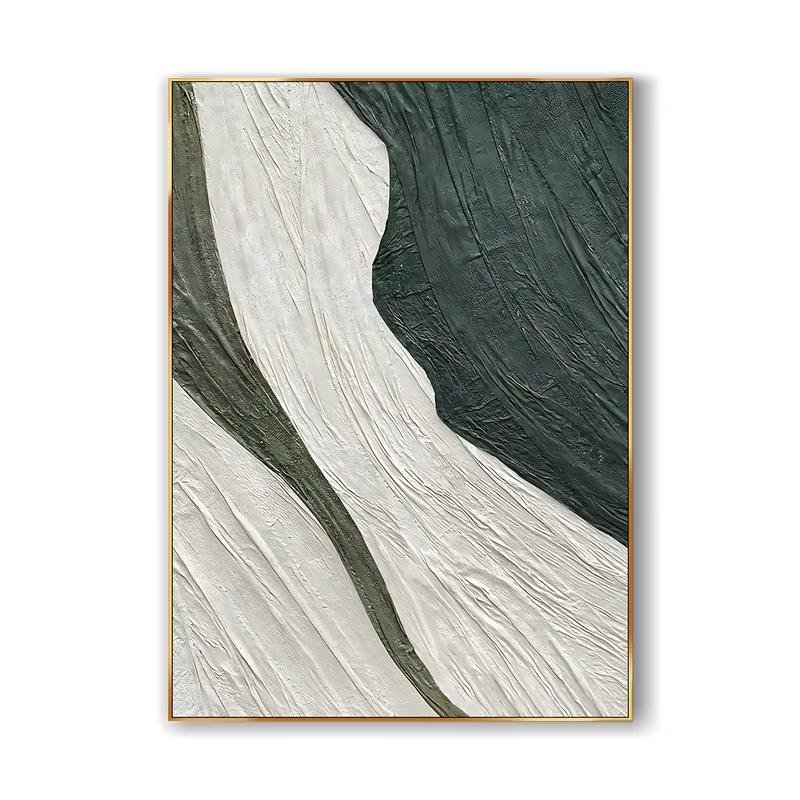
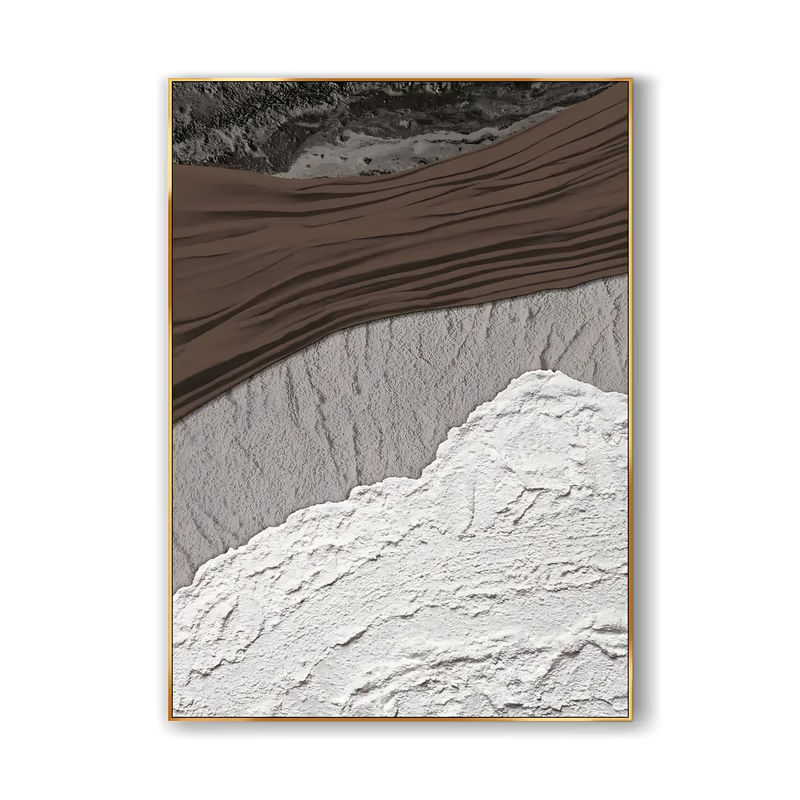
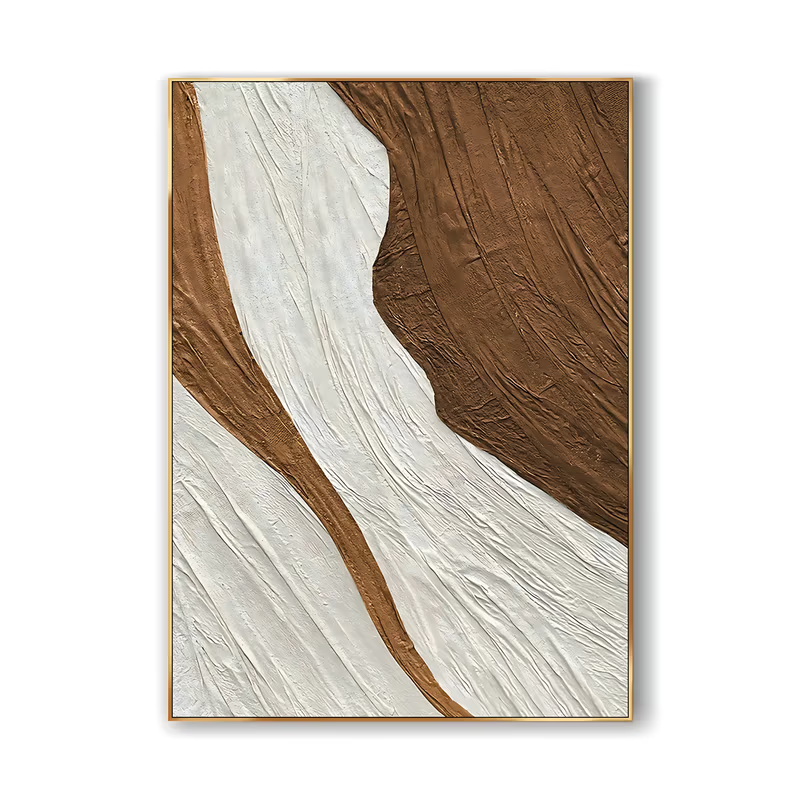
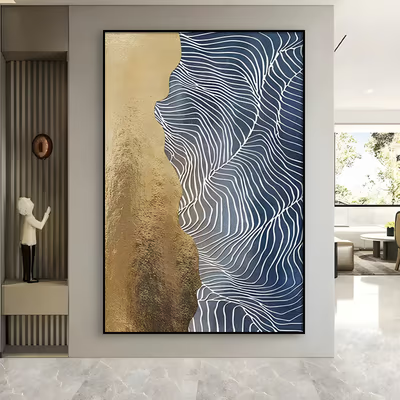
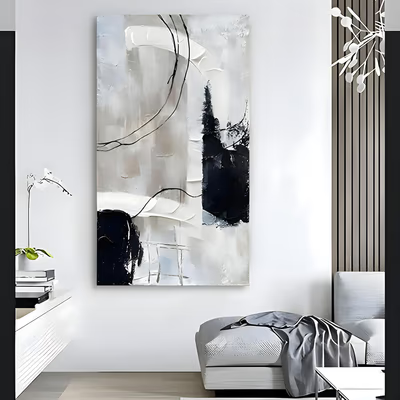
Combed white plaster, pale aqua trowel marks, sage knife sweeps, cream relief grids and soft concentric rings. With no subject to read, the eye simply rests on the surface, which is why these are favoured in minimal bedrooms, spas and quiet rooms. See also textured wall art and minimalist wall art.
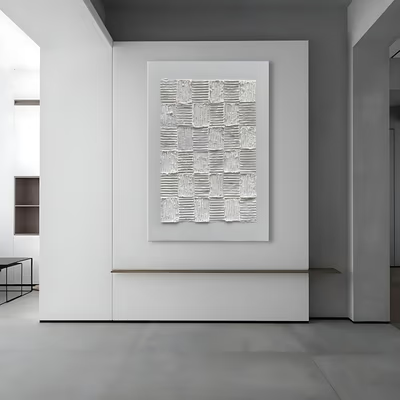
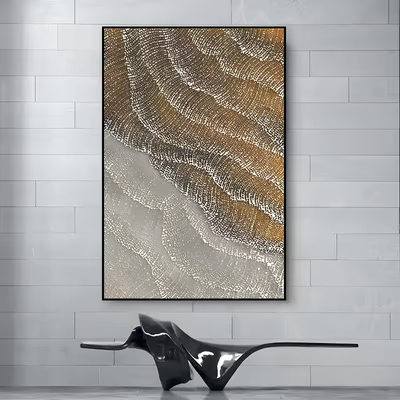
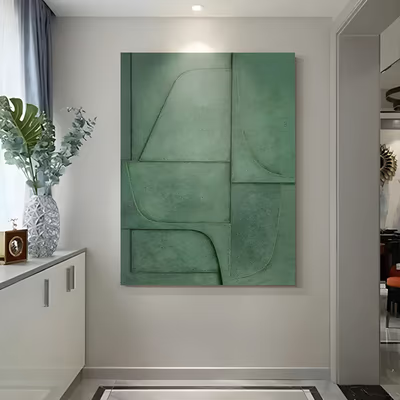
Where does calming wall art help most, at home and in business?
Calming wall art earns its place wherever people come to rest, recover or wait: bedrooms, bathrooms, spa rooms, hotel guest rooms, clinics and quiet rooms at work.
Bedrooms and bathrooms
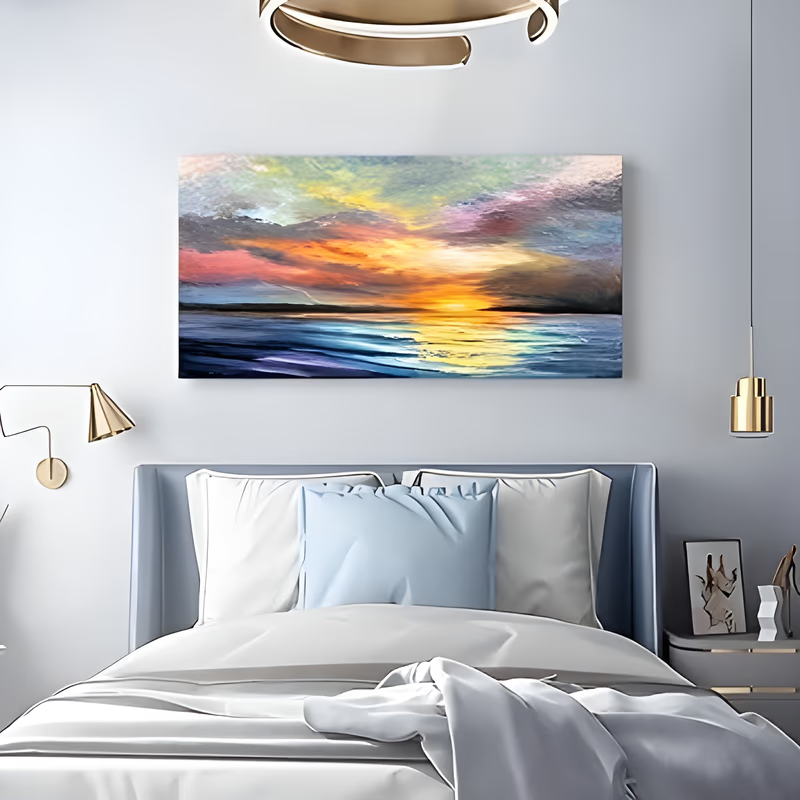
The wall facing the bed and the wall above it are the two views of the day's first and last minutes, so keep both soft. In bathrooms, watery blues, sea glass and pale botanicals extend the feel of stone and tile. Calming art for bedrooms and bathrooms.
Spas and treatment rooms
Guests often look at the wall while lying down, so a low-contrast canvas matters more here than anywhere. See the spa wall art guide and art for spas and wellness centres.
Hotel guest rooms and corridors
A calm palette repeated through a floor gives guests a sense of quiet from the lift onwards, and it suits almost any brand scheme. Calming art for hotel rooms and corridors, and how guest-room programmes are supplied.
Clinics, care homes and waiting areas
People waiting are often anxious, so recognisable nature in soft colour is kinder than an ambiguous abstract. See healthcare and senior living.
Meeting rooms and quiet rooms
In a busy office, one calm wall gives people somewhere to rest their eyes between screens. Calming art for workplaces.
How do light and the room's palette change calming wall art?
Soft, even light keeps a calming painting quiet, and a painting one or two shades away from the wall colour stays visible without shouting.
Light direction changes how cool colours read. In a north-facing room, daylight is bluish, and a mist-blue painting can look grey and cold; a version with more sand, warm white or a hint of gold balances it. In a south-facing room or under warm 2700K bulbs, the same blues soften and look gentler, while very warm palettes can start to feel heavy. Tell us which way the room faces and what bulbs it uses, and the palette can be nudged before painting.
Texture needs care. A raised plaster surface lit from the side throws strong shadows, which looks dramatic in a lobby but busy in a bedroom. For calm, light textured work from the front or from above with a wide beam, and avoid glossy surfaces opposite a window.
Finally, avoid exact matches. A sage painting on a sage wall disappears, and a pale blue canvas on bright white can look washed out. Aim for a painting slightly deeper than the wall, or slightly lighter if the wall is dark, and repeat one of its colours in a cushion or towel.
What size should calming wall art be, and how many pieces should you hang?
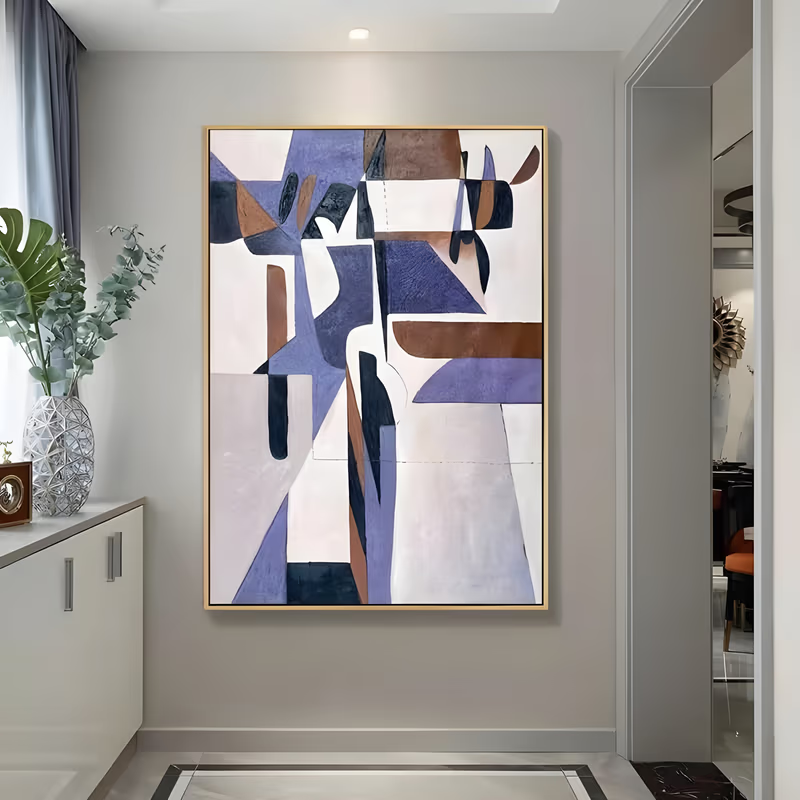
Hang one generous canvas rather than several small ones: about two-thirds the width of the bed, sofa or bath below it, with its centre roughly 145–152 cm (57–60 in) from the floor.
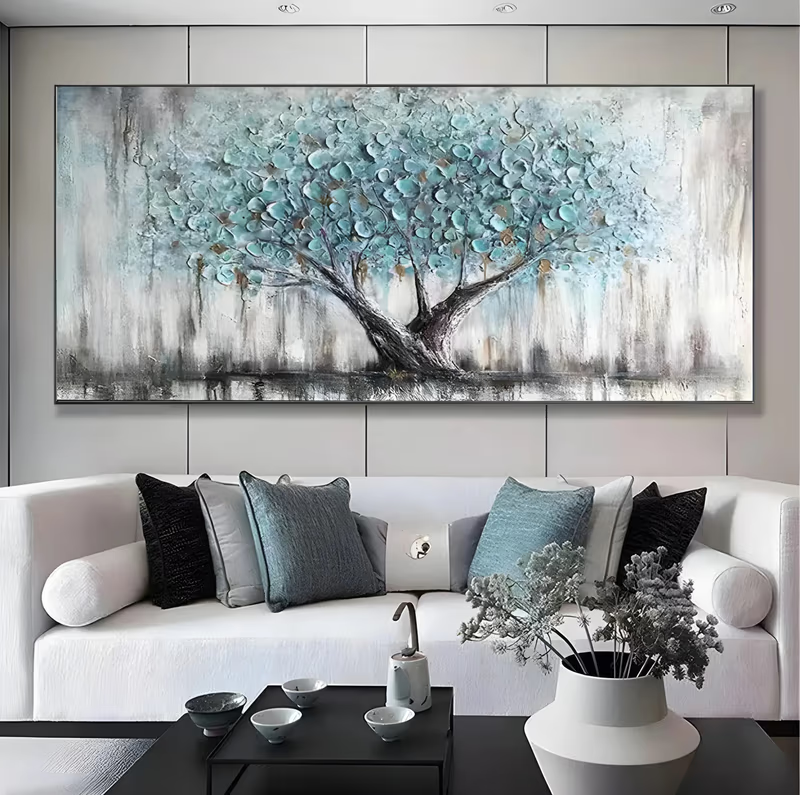
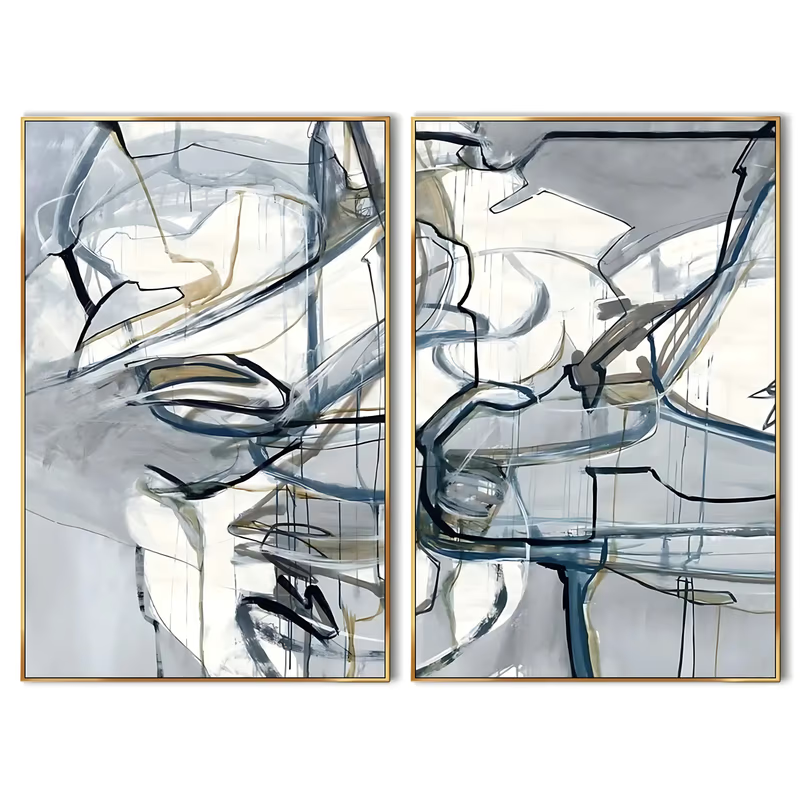
Every extra frame adds edges, gaps and alignment for the eye to process, so a gallery wall is rarely calming. If the wall is wide, a matched pair or a long panoramic canvas keeps the effect quiet. Over a bed, leave 20–25 cm (8–10 in) between the headboard and the bottom of the canvas. On a bare wall, aim for the painting to fill about 60–70% of the width you see when standing back.
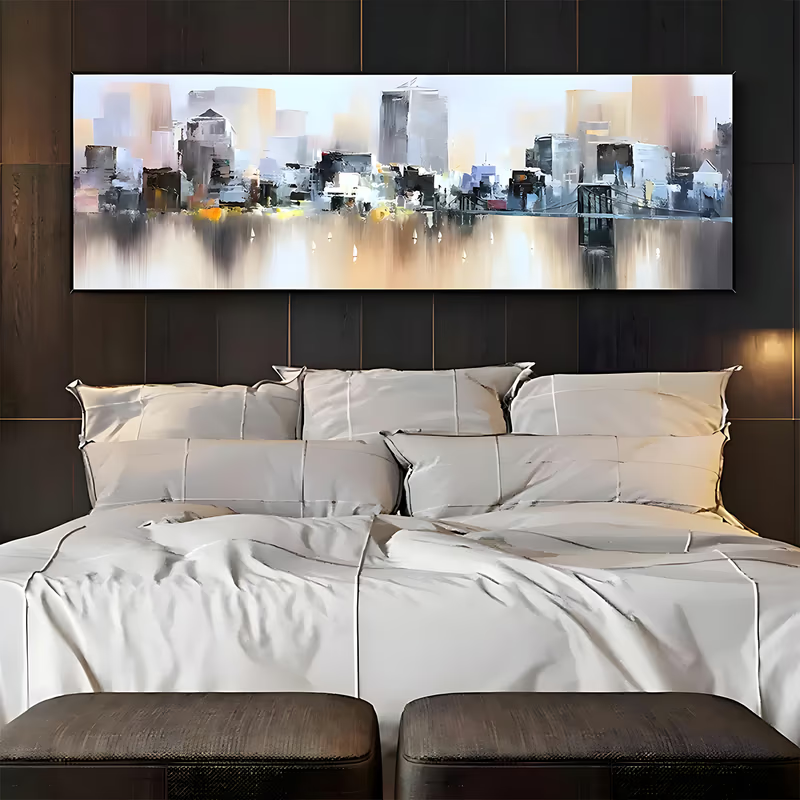
Format matters too. A panoramic or horizontal canvas echoes the lying-down line of a bed or the horizon of a sea, which is restful; a vertical piece suits a narrow wall beside a door or a bathroom. Where people lie back, as in a treatment room, hang a little lower so the painting stays in view without craning. Because each piece is made to order, measure the wall and ask for the exact size.
How is calming art matched to your room and approved before it ships?
Send photographs of the room in its usual light, with the paint colour or fabric you want to sit beside, and the palette is softened or adjusted before painting begins.
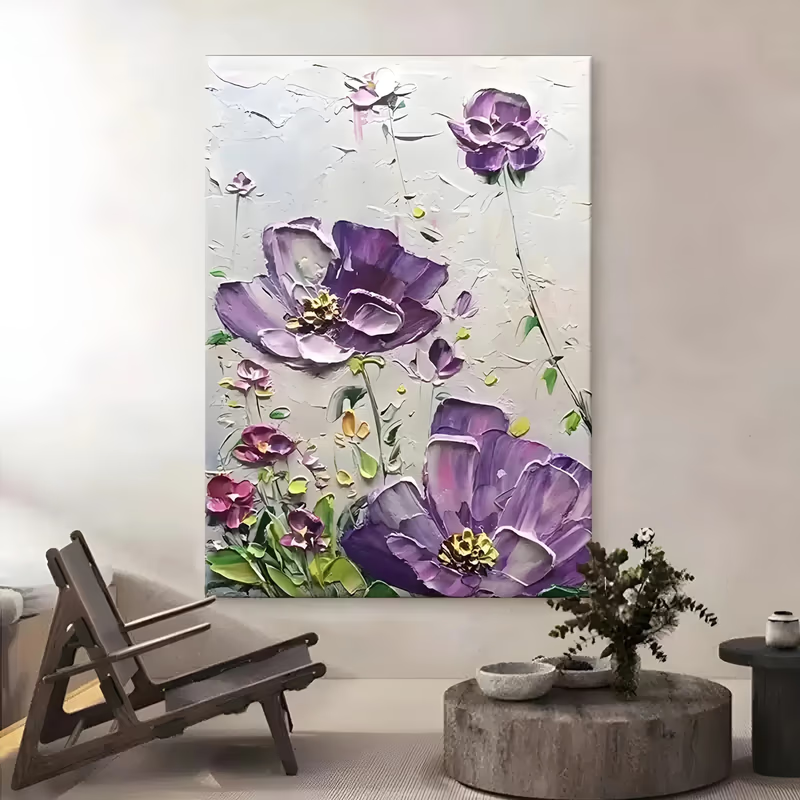
Every calming painting is hand-painted to order in acrylic on canvas (oil paint on request), so it can be made cooler, warmer, lighter or lower in contrast than the catalogue photograph. A painting from another mood can also be repainted in a calmer palette: a vivid floral in sage and white, for instance. Any size is possible, and the composition is redrawn to the new proportions rather than stretched.
You receive progress photos or video at each stage, and the next stage starts only after you approve. A final photograph is approved before dispatch. The finished canvas ships rolled, stretched ready to hang, or framed; for a calm look, a thin natural wood or white frame, or none at all, is usually best, though gold, silver and black are also available. Deep 3D plaster pieces ship stretched or framed, and are rolled only if you agree to a thinner texture for transport.
About 10 days to paint, then 5–7 days in transit by DHL, FedEx or UPS express; the shipping cost is confirmed before your canvas ships. Request a quote or read about custom sizes and colourways.