Textured art guide · Updated
How to choose textured and 3D plaster wall art
Key takeaways
- The relief is real: these pieces are built up by hand in plaster-like paste and thick acrylic, so the shadows move as the light moves; they are not printed photographs of texture.
- Side light makes it: a window or lamp to one side, or a spot angled low, brings out every ridge; flat front light hides it.
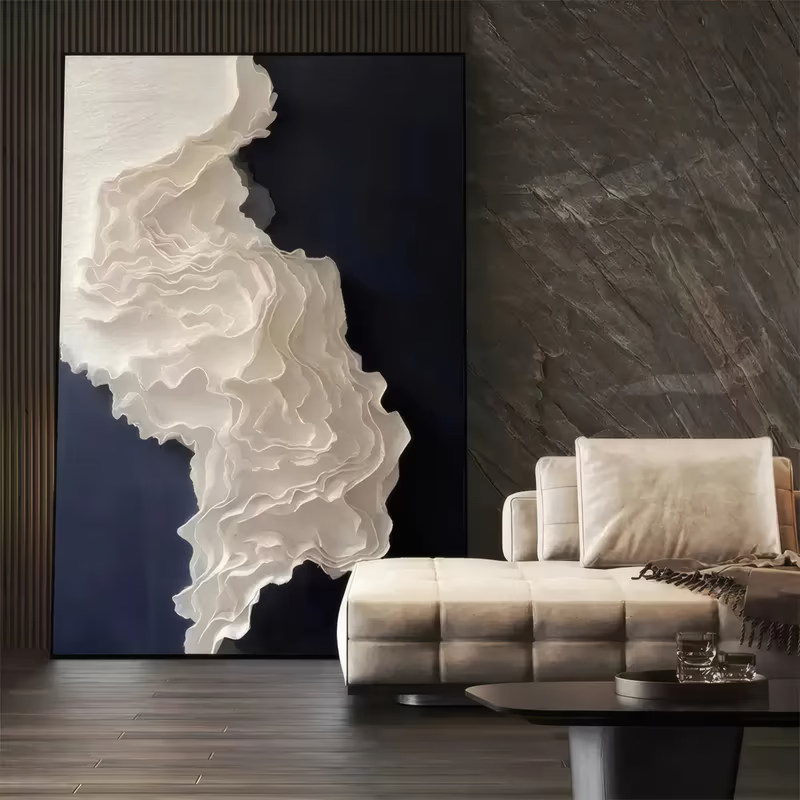
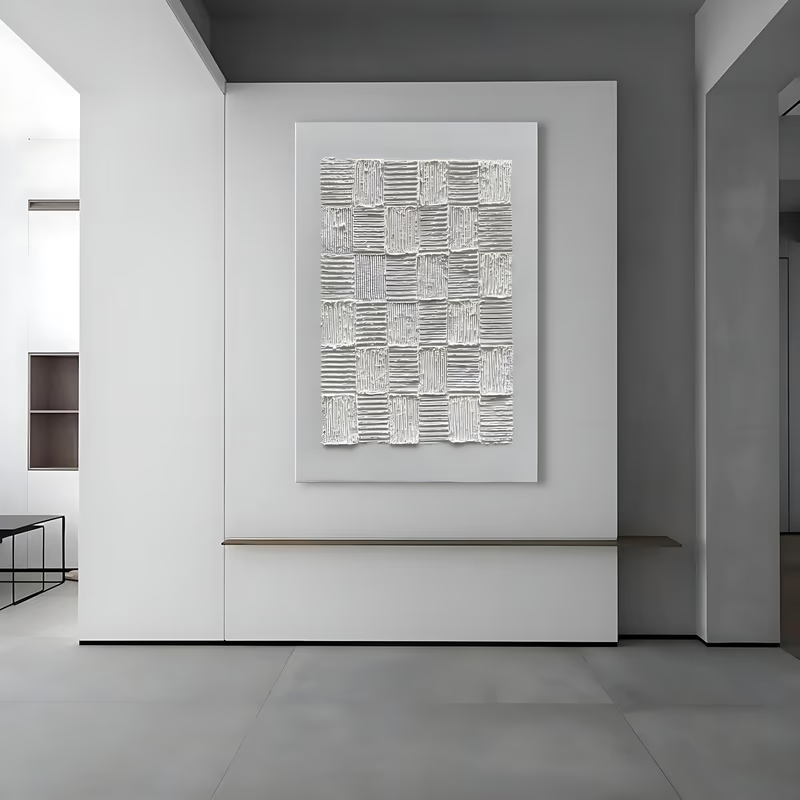
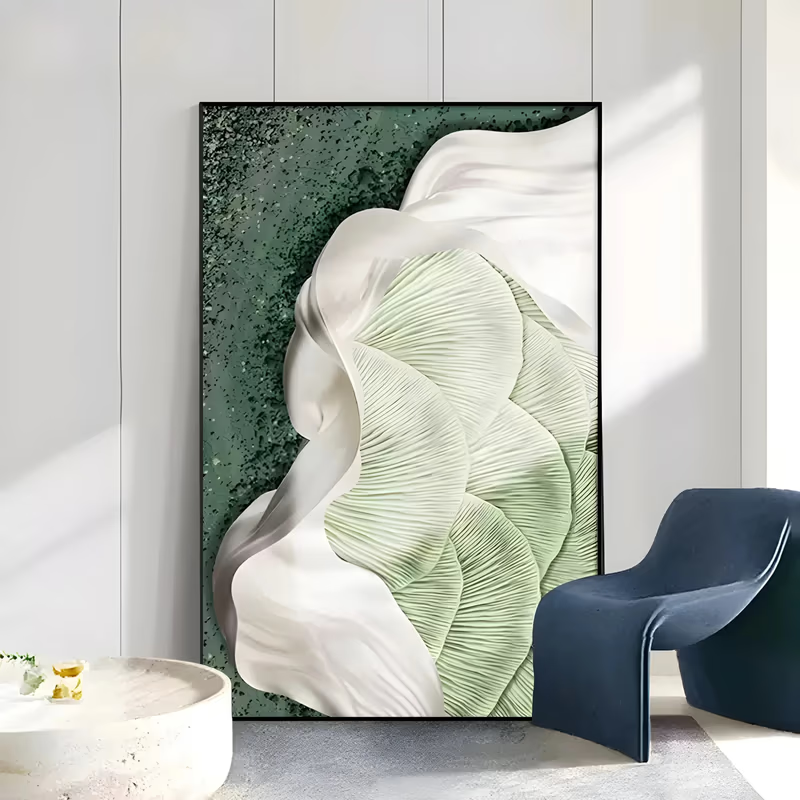
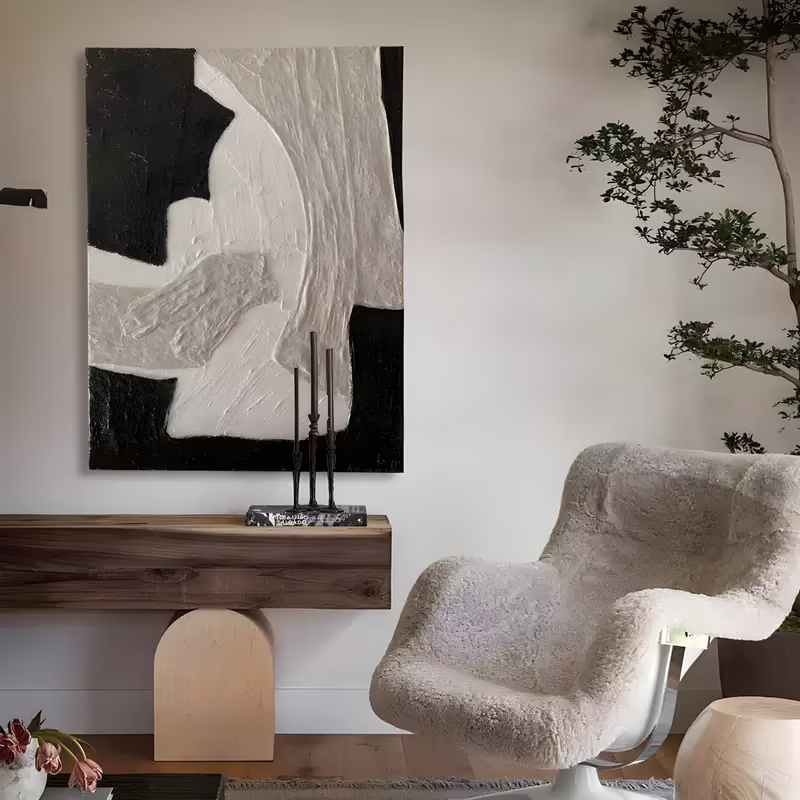
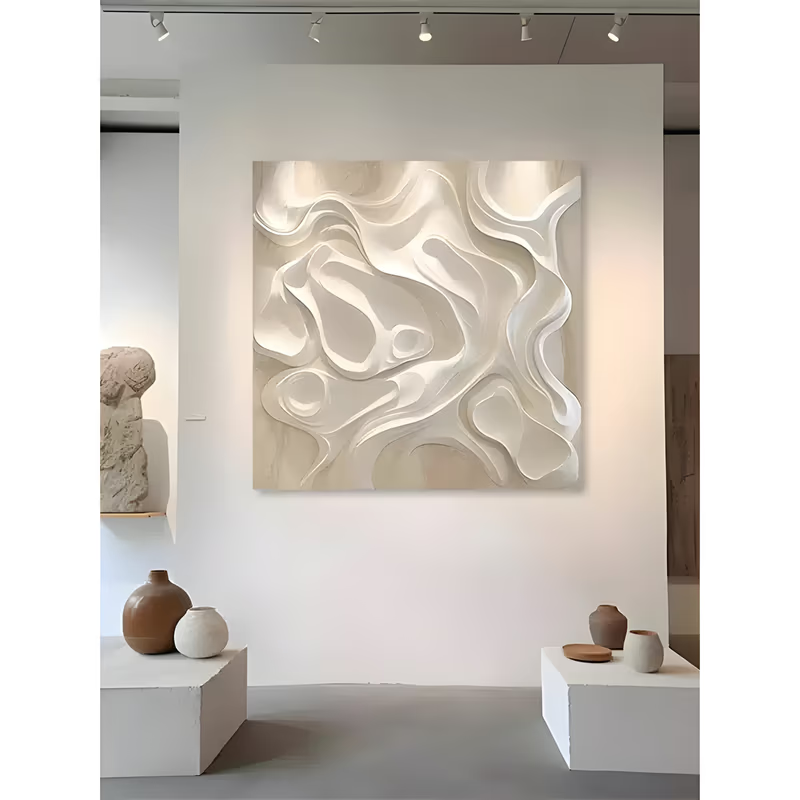
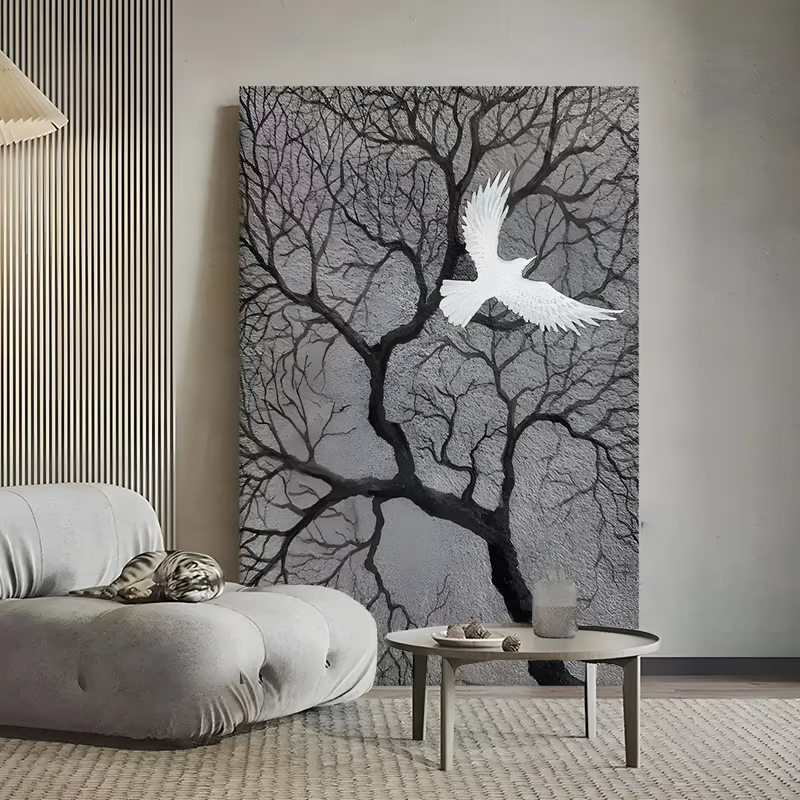
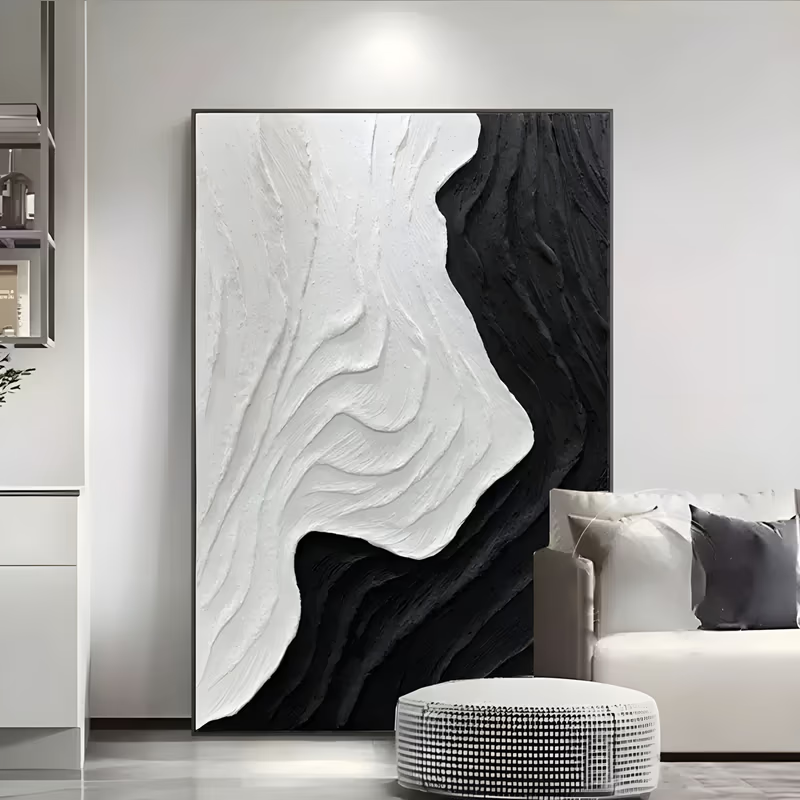
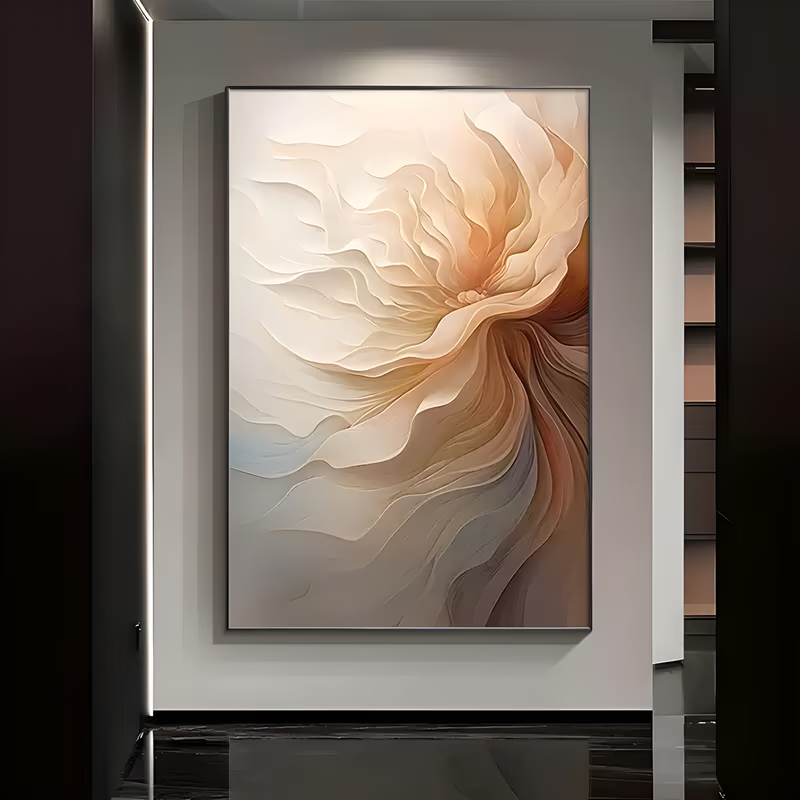
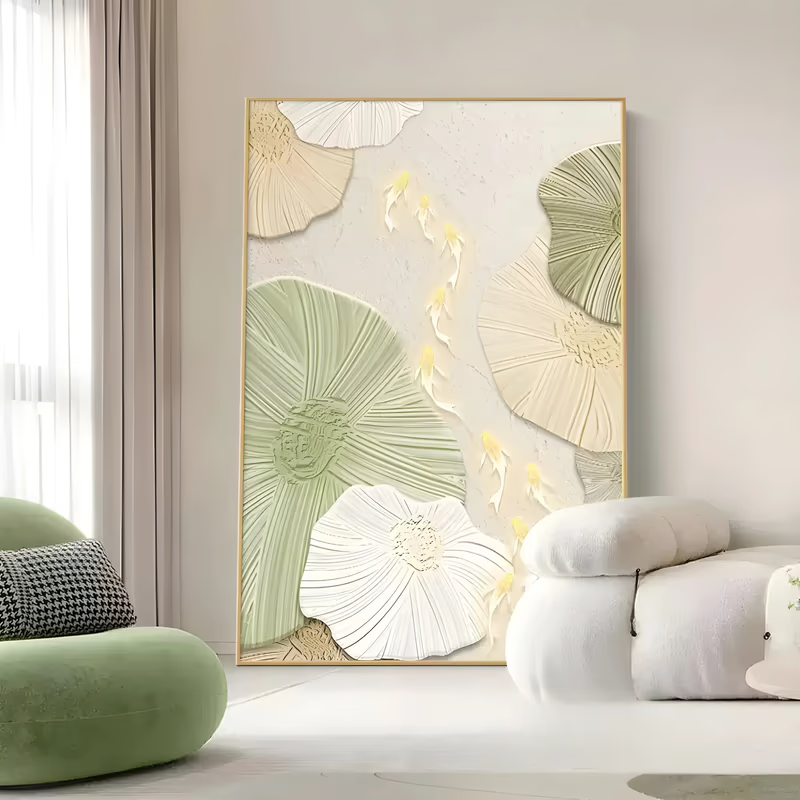
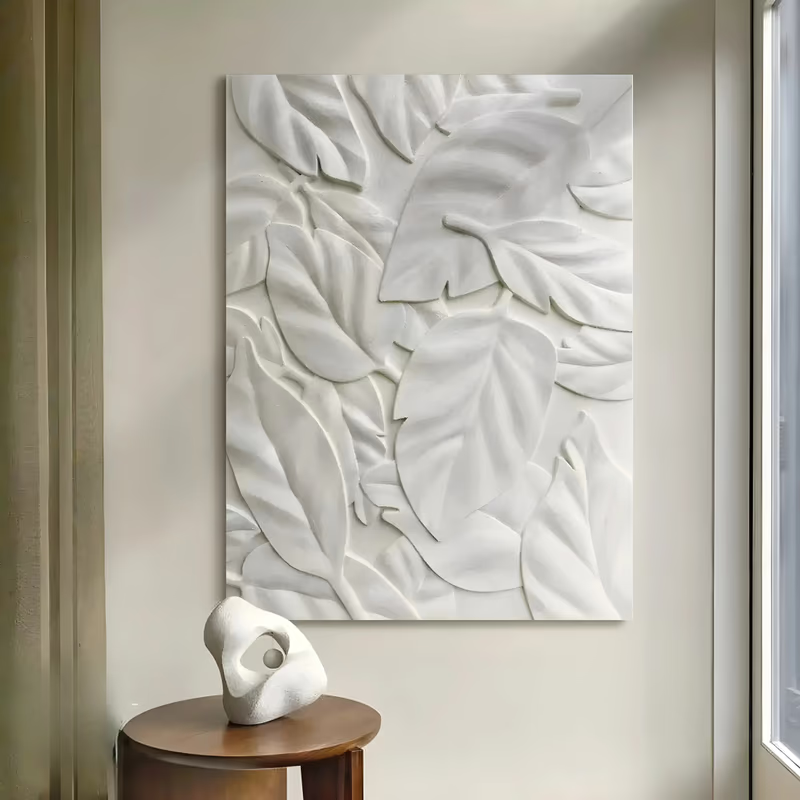
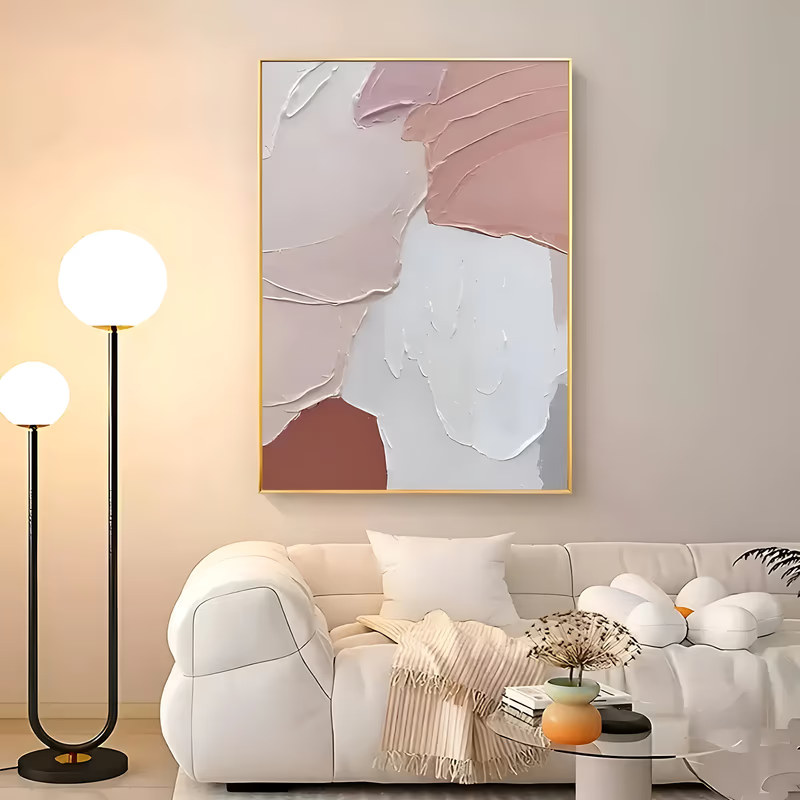
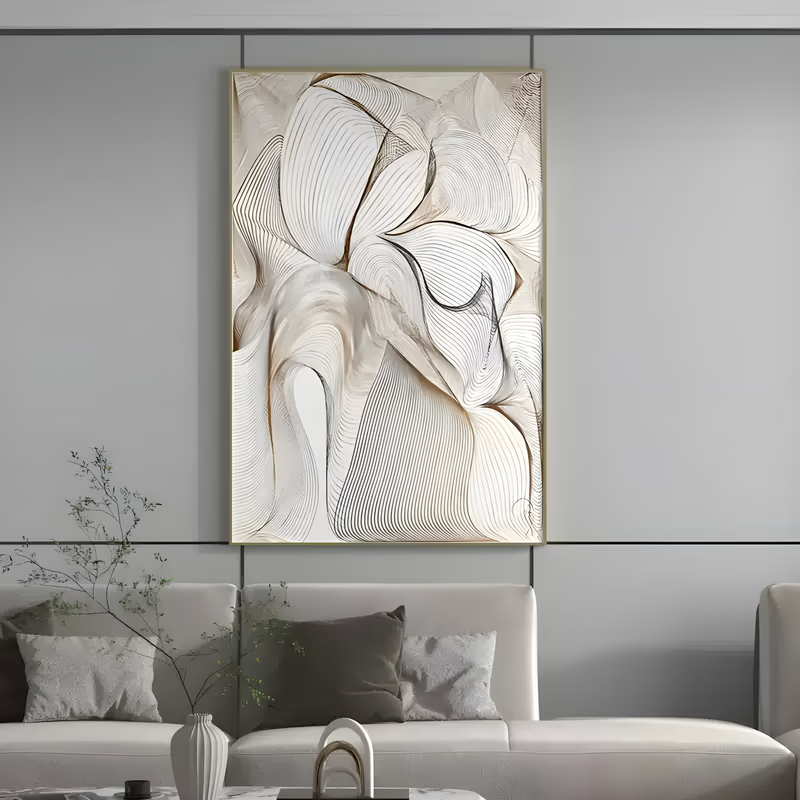
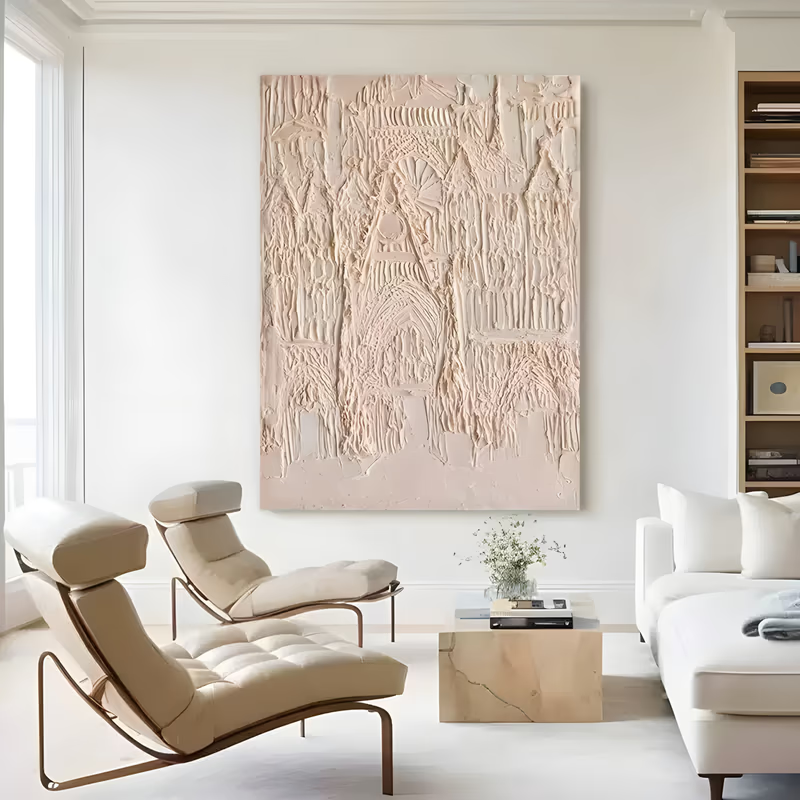
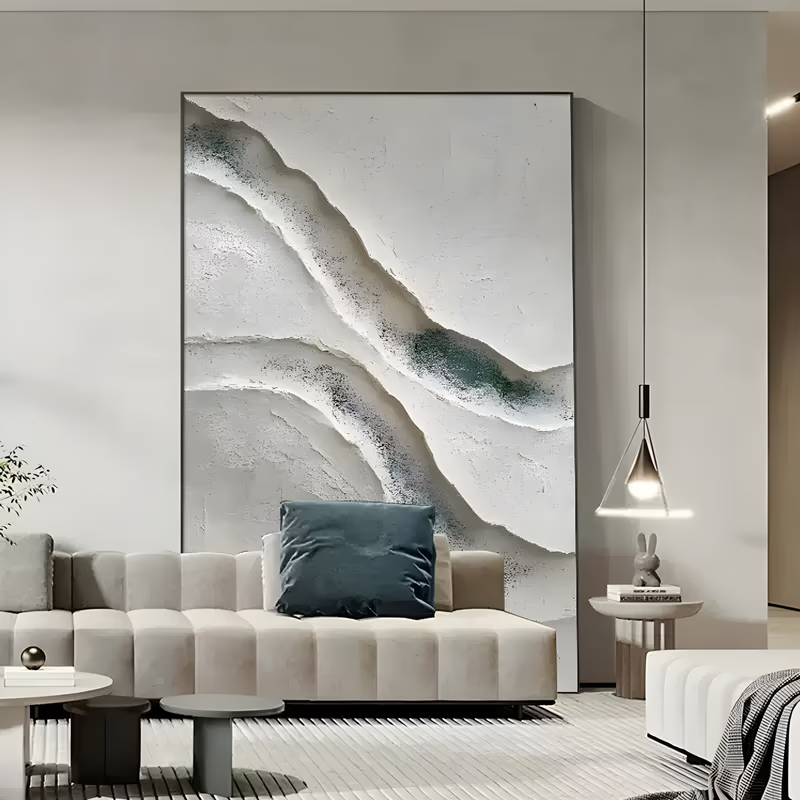
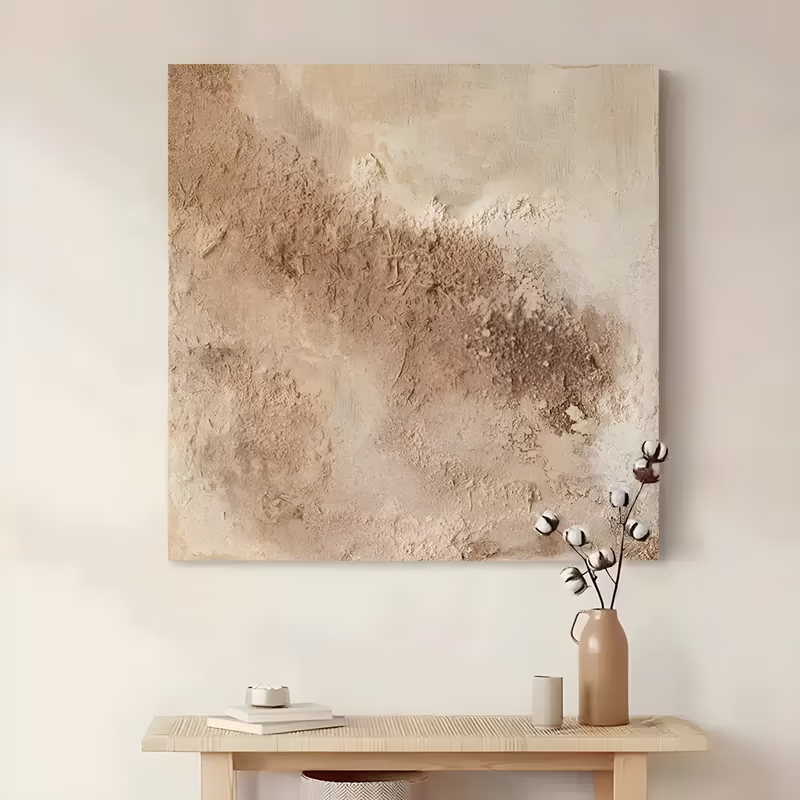
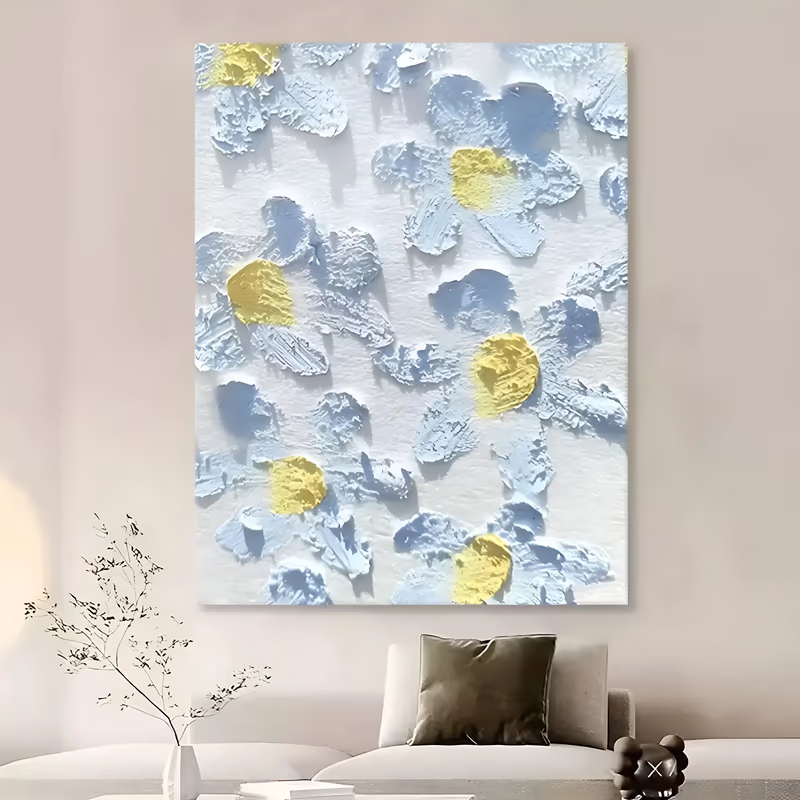
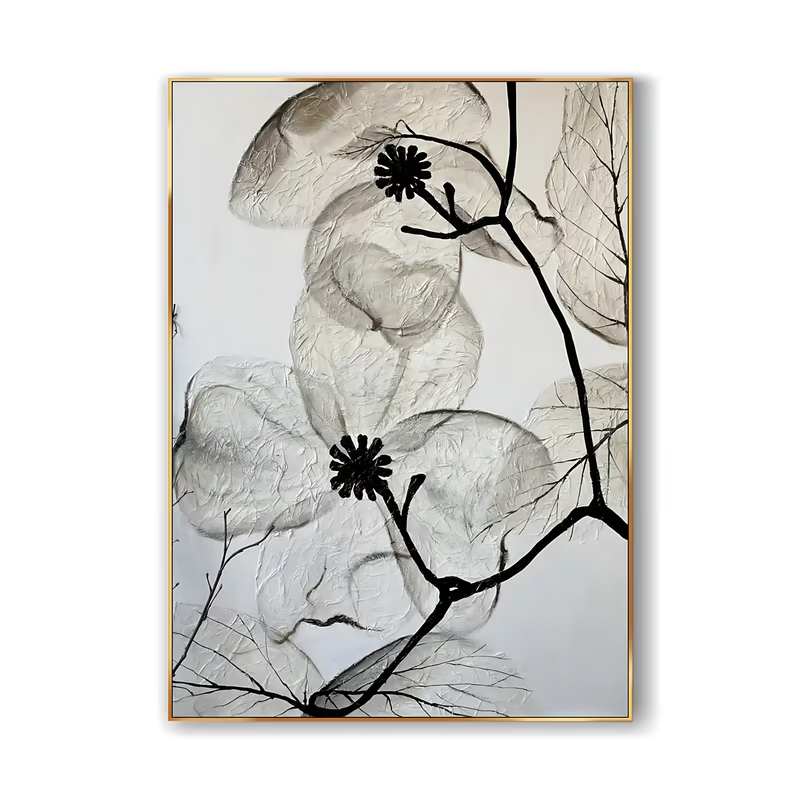
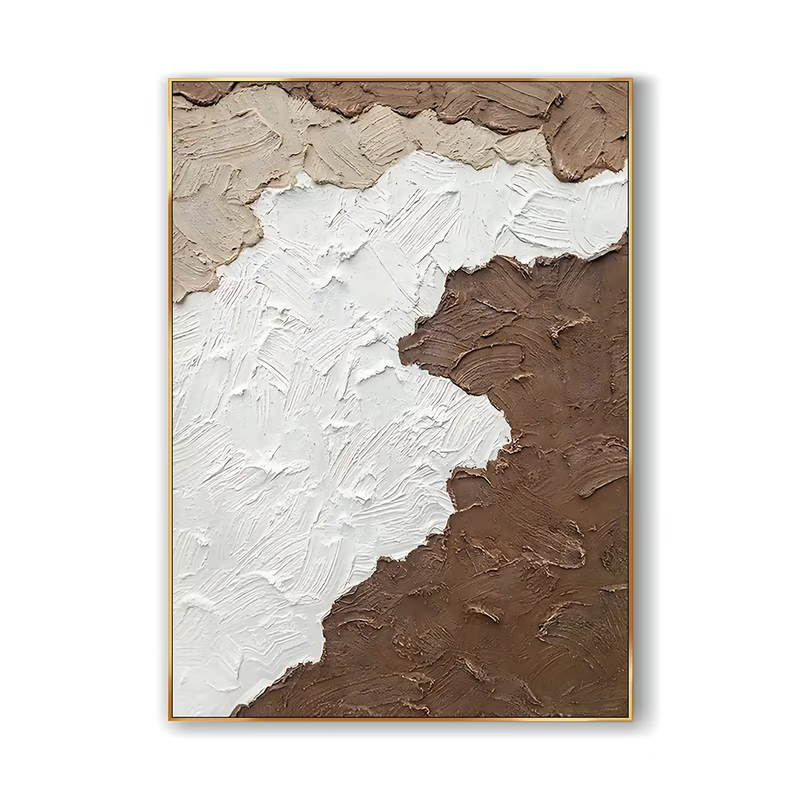
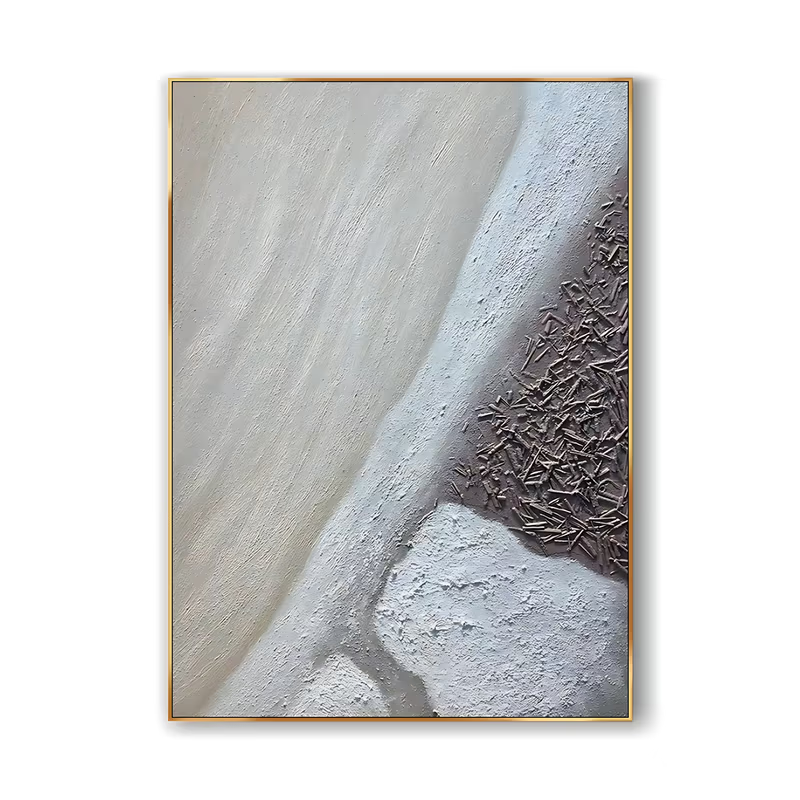
- Tone-on-tone is the classic: white, cream and stone relief suits Japandi, Scandinavian and organic modern rooms because the shadows supply the contrast.
- Dust it dry: a soft brush keeps a textured canvas clean; water, sprays and kitchen grease are its enemies.
What is textured wall art, and how is 3D plaster art made?
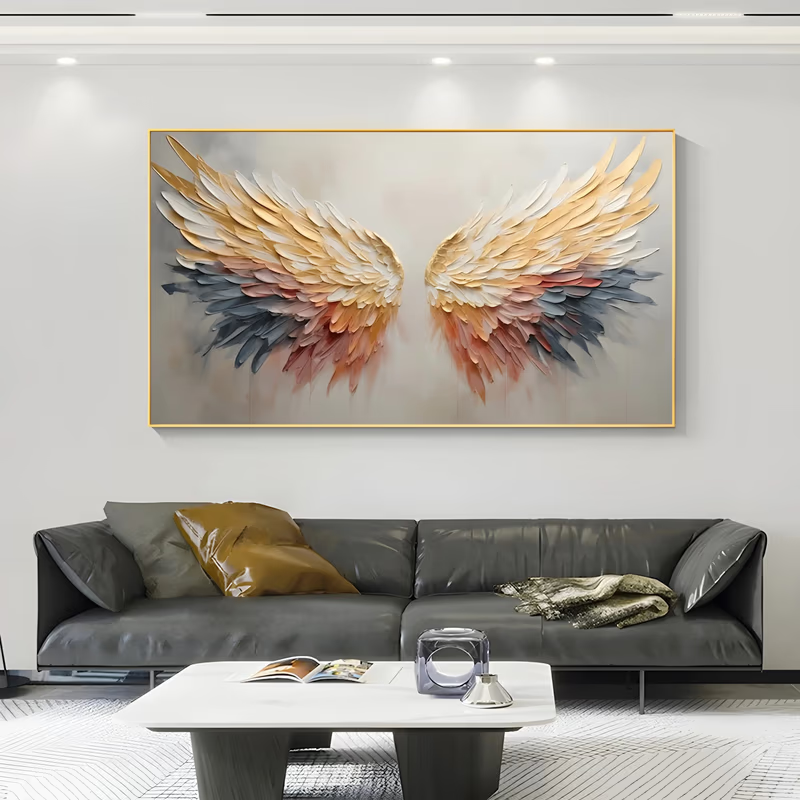
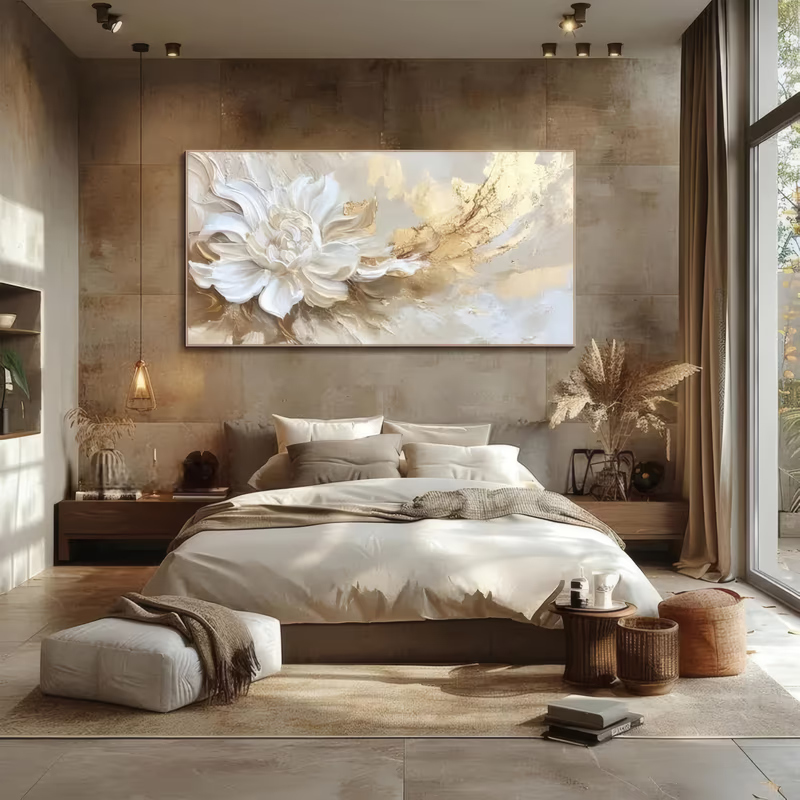
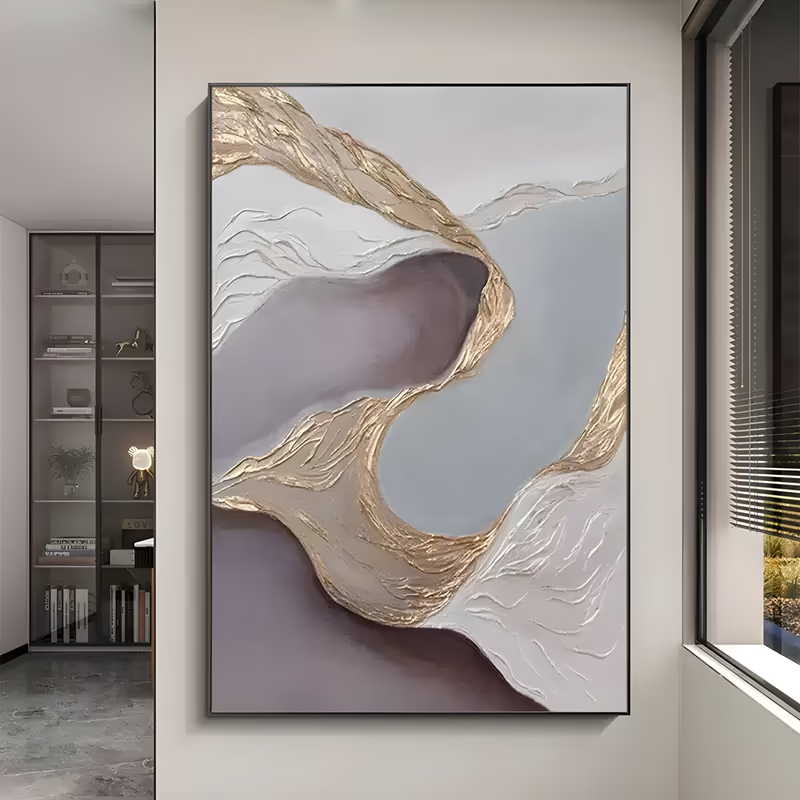
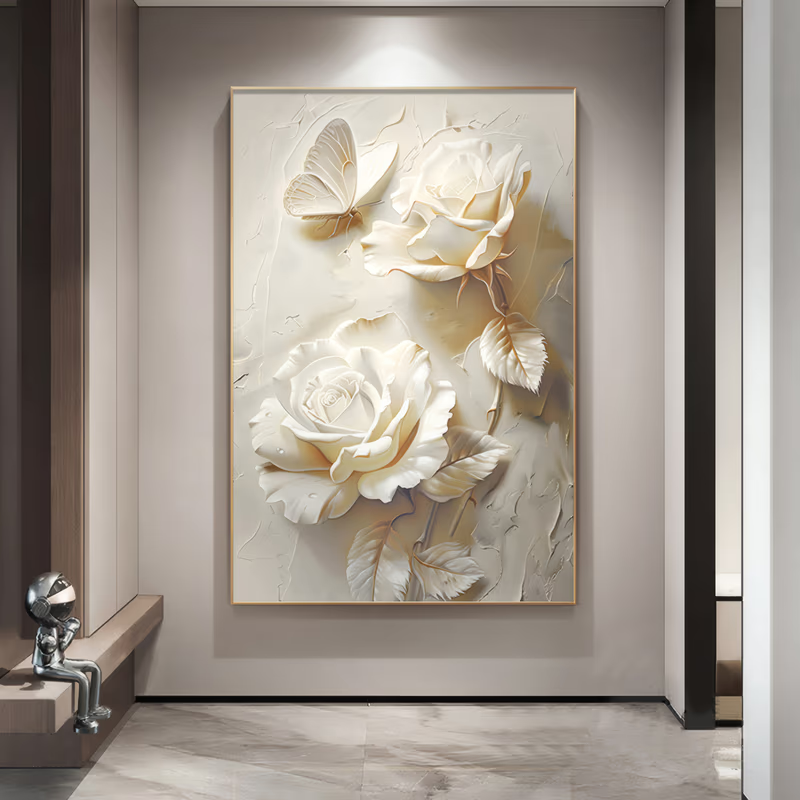
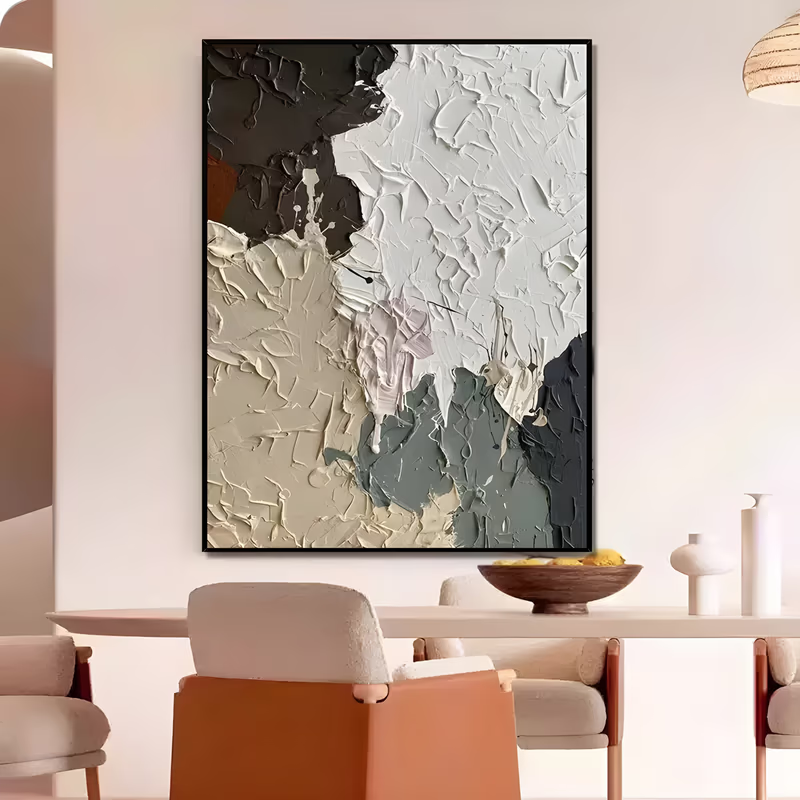
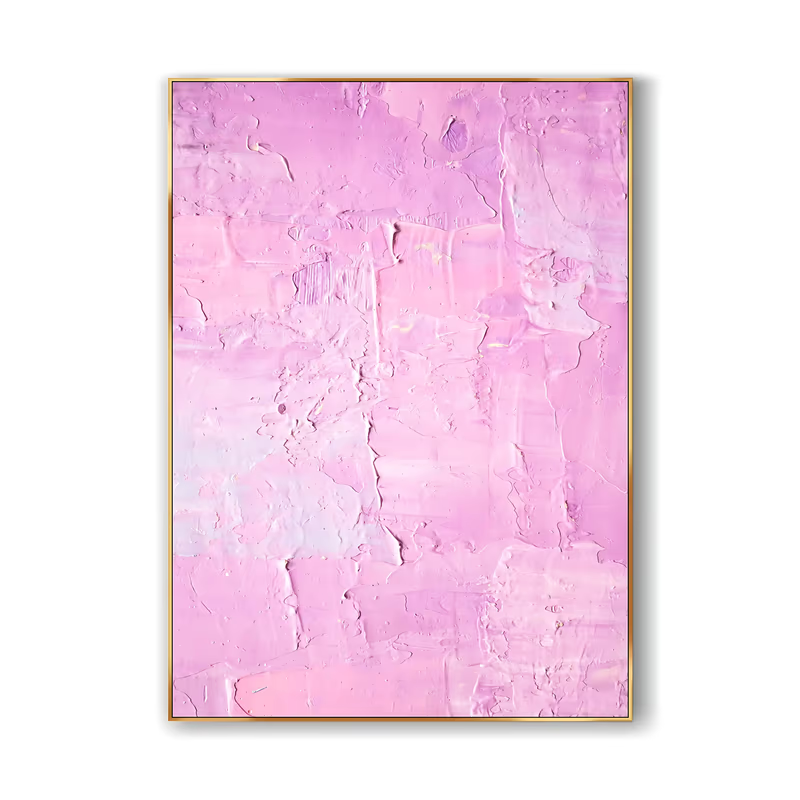
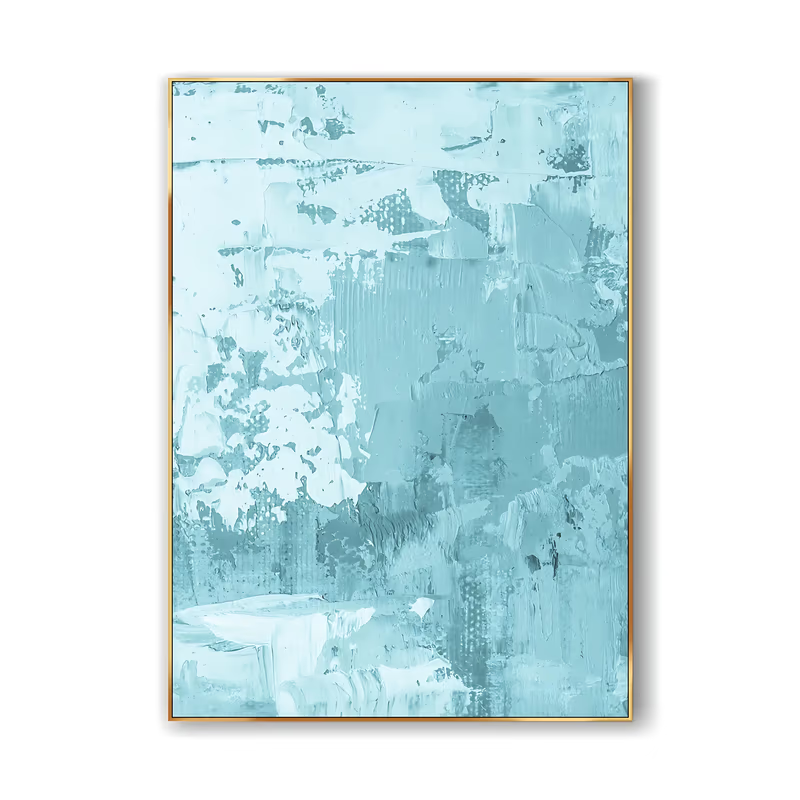
Textured wall art is painting with physical relief: a paste or very thick paint is built up on the canvas and shaped by hand, so parts of the picture stand up from the surface and cast their own shadows.
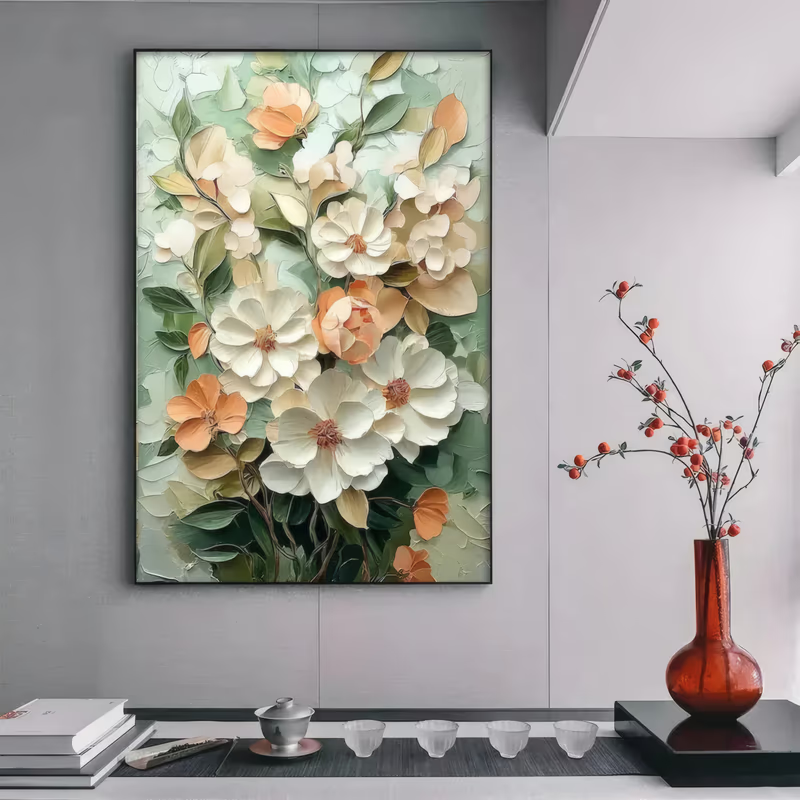
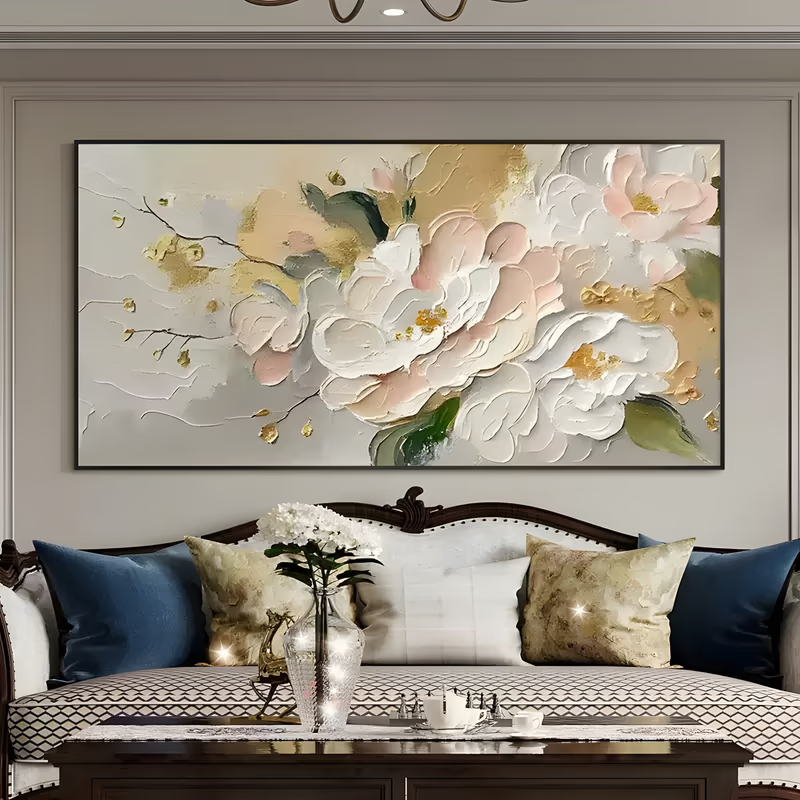
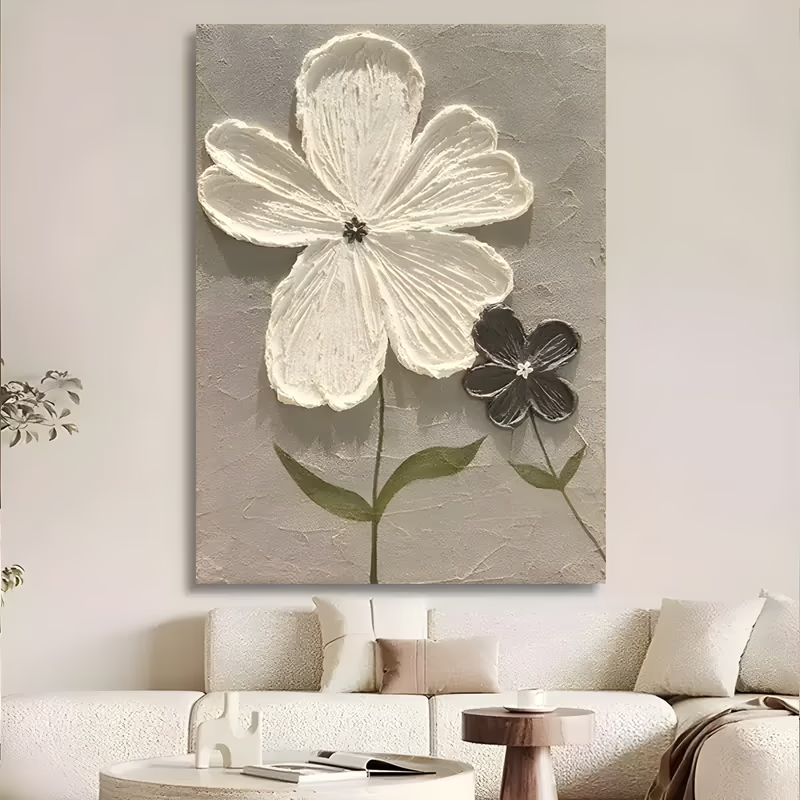
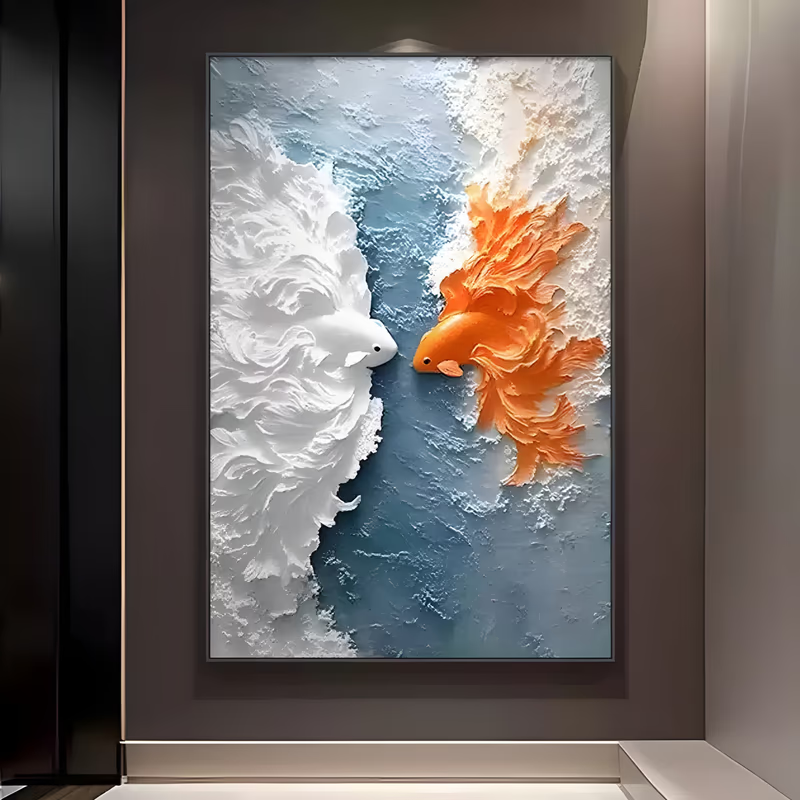
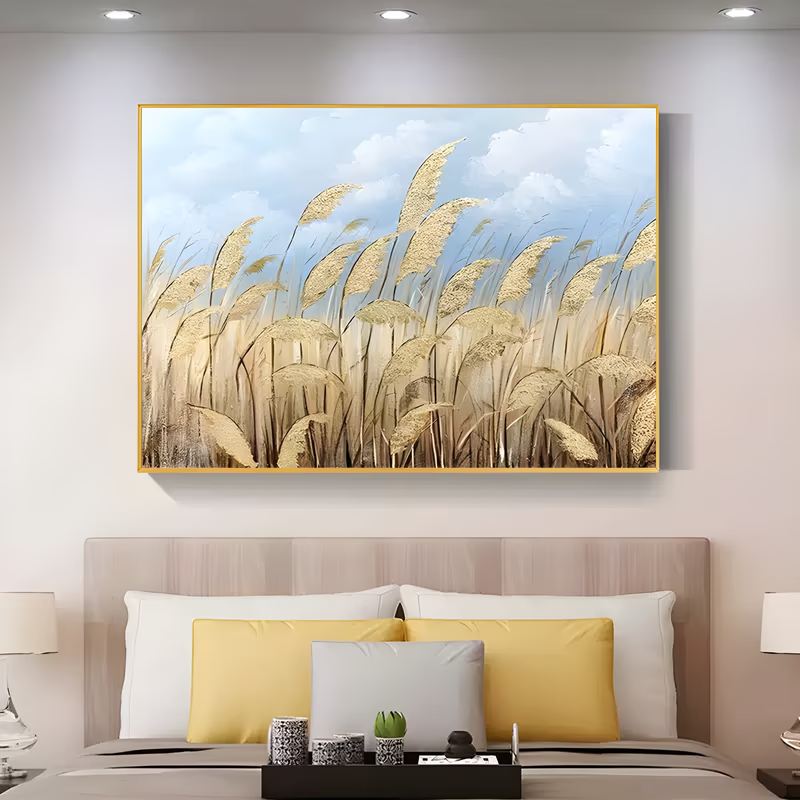
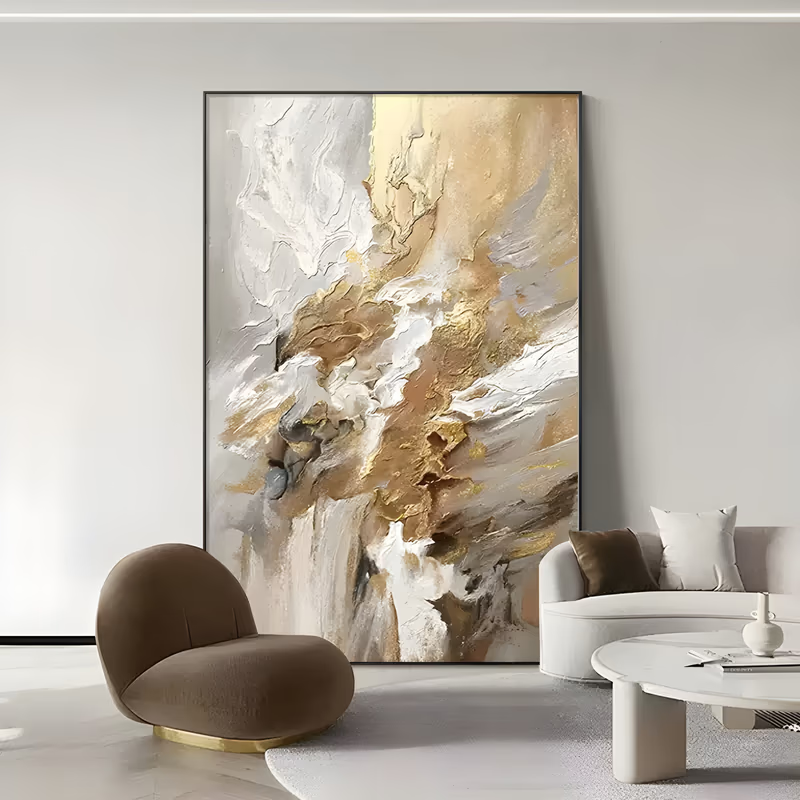
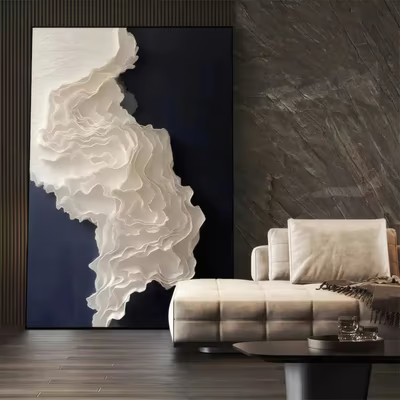
A 3D plaster piece starts as a drawing on canvas. The raised areas (a rose's petals, the crest of a wave, a band of combed arches) are laid on in a plaster-like paste with knives, trowels, combs and spatulas, often in several layers so the deepest parts can rise well clear of the ground. Each layer is left to dry and harden before the next. Only then is colour added: washes that settle into the hollows, dry-brushed highlights on the peaks, sometimes gold leaf along a ridge.
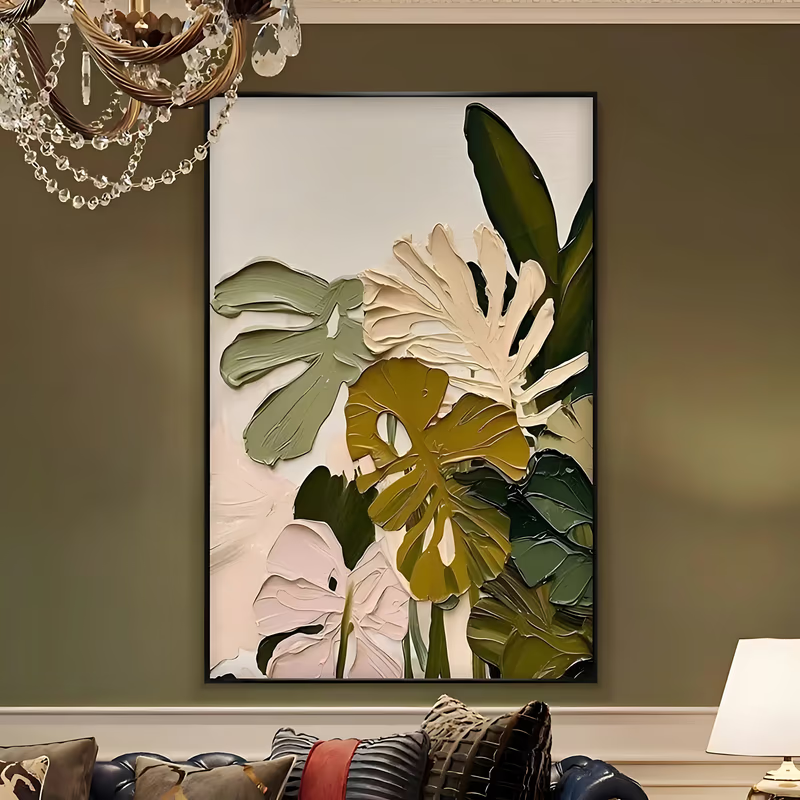
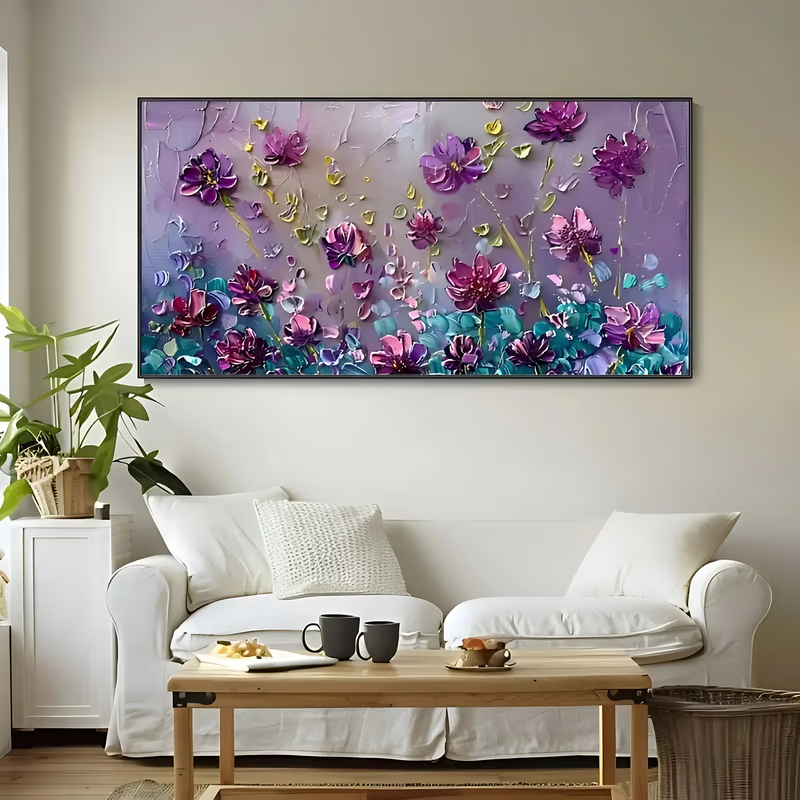
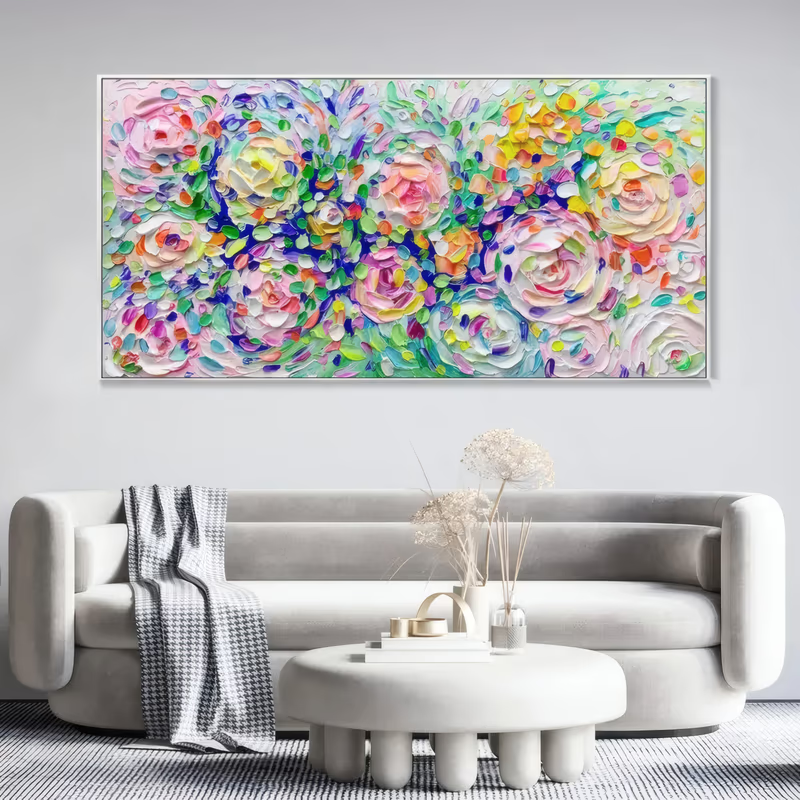
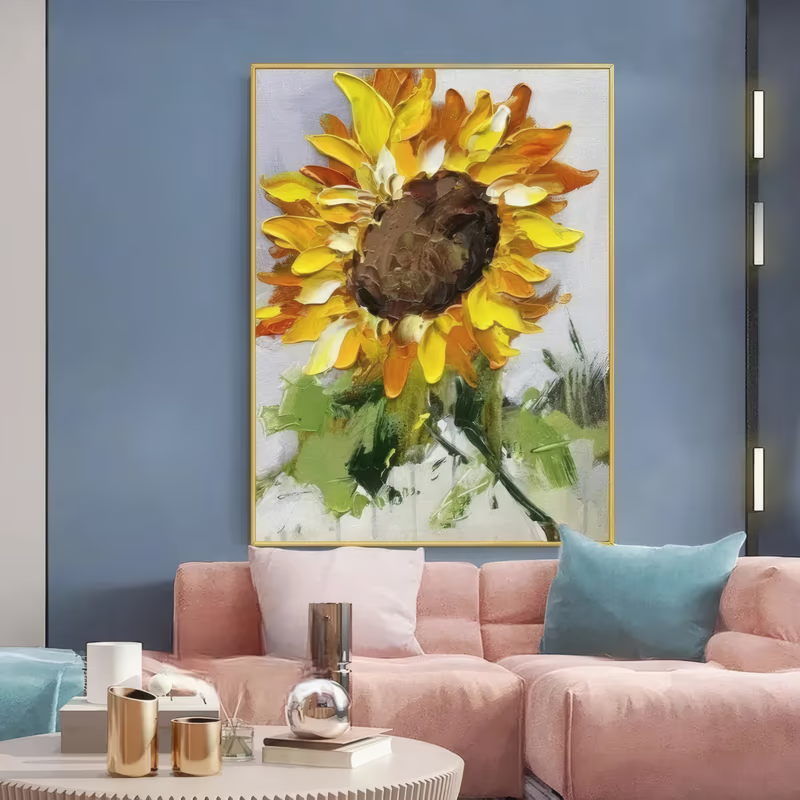
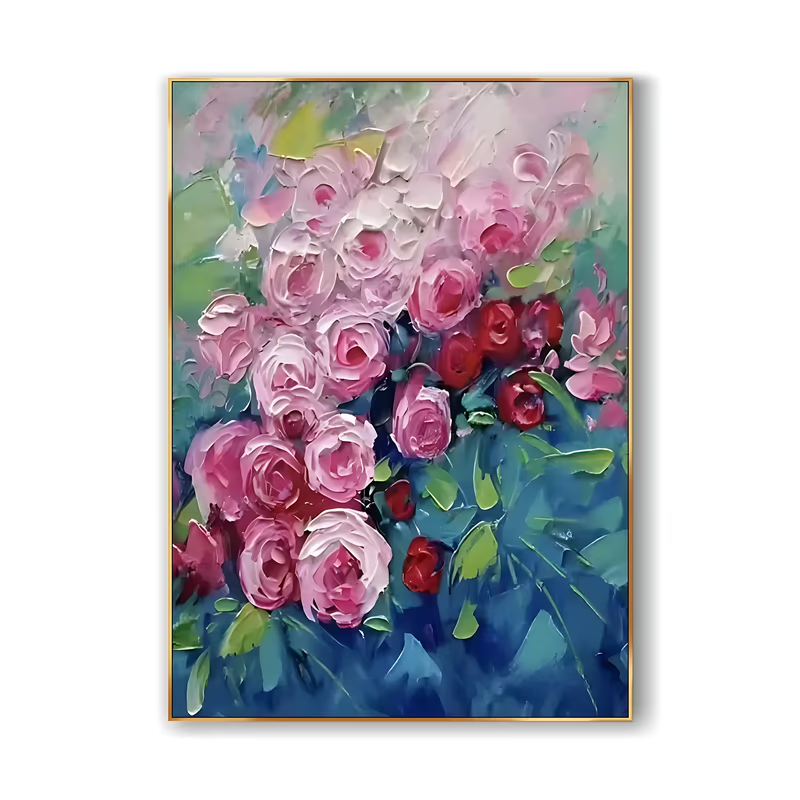
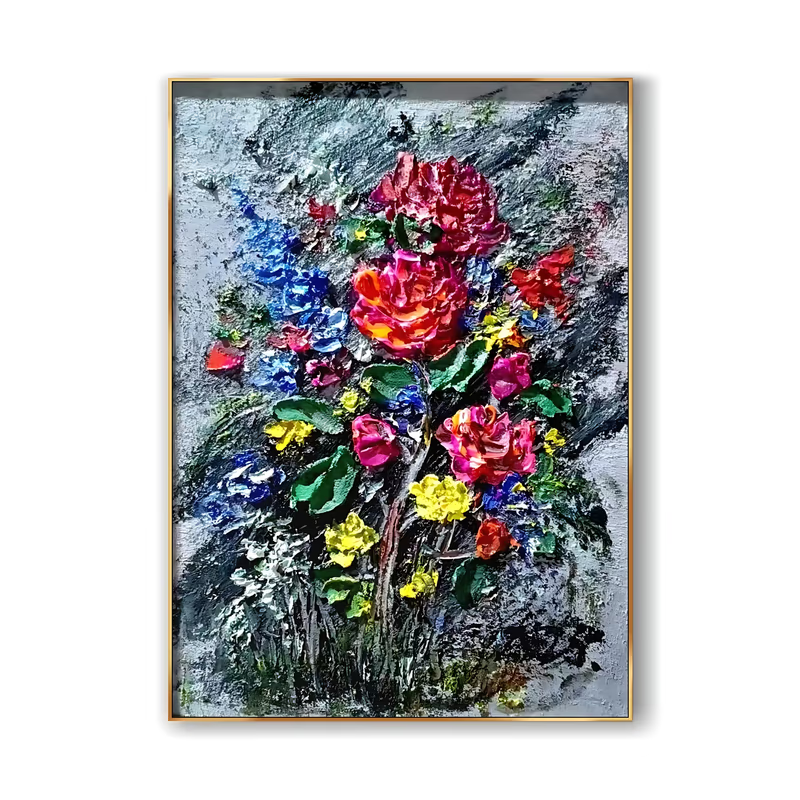
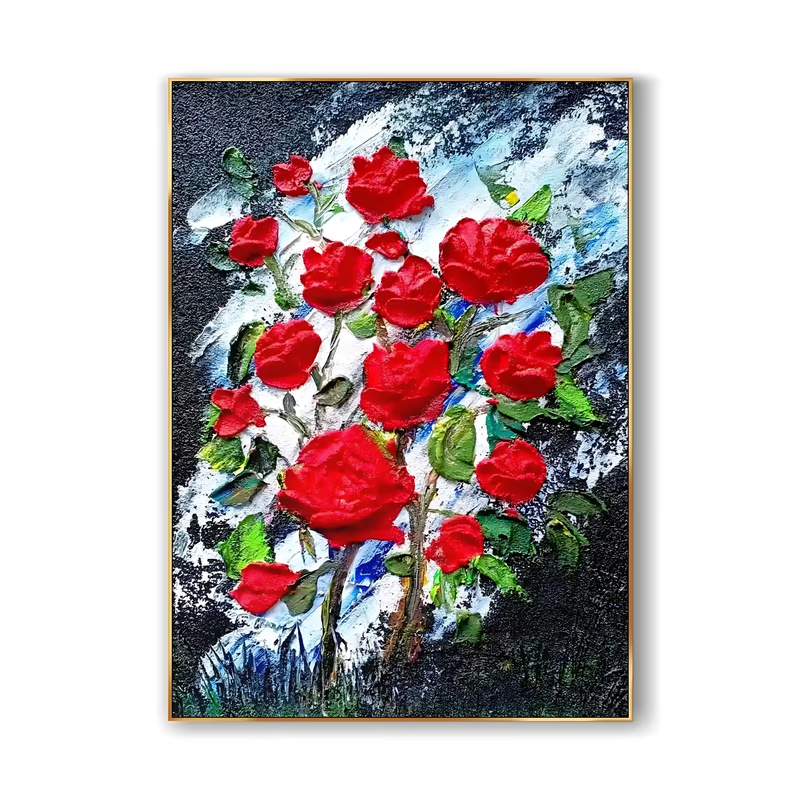
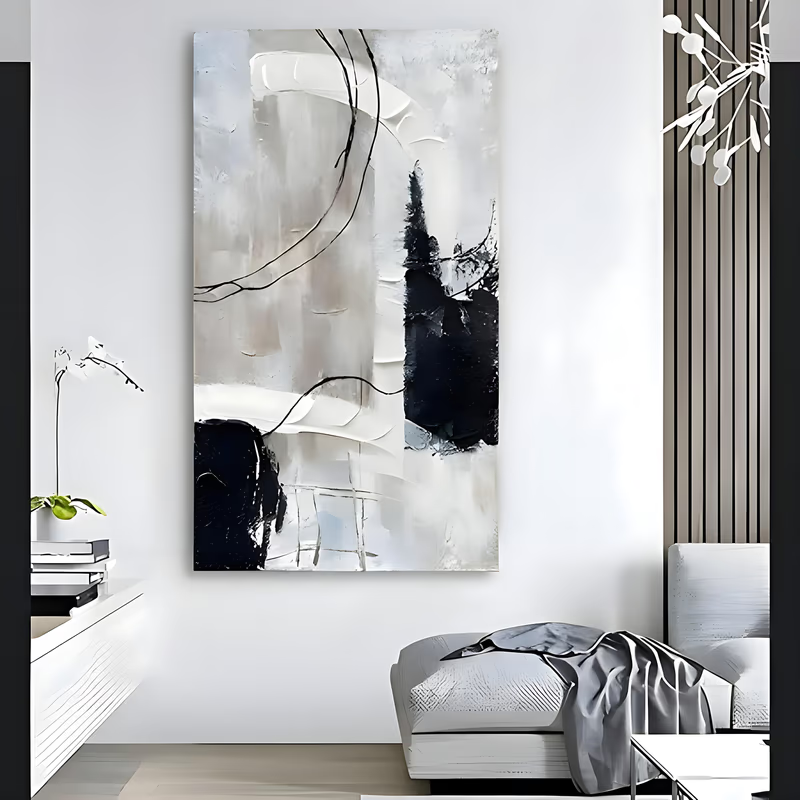
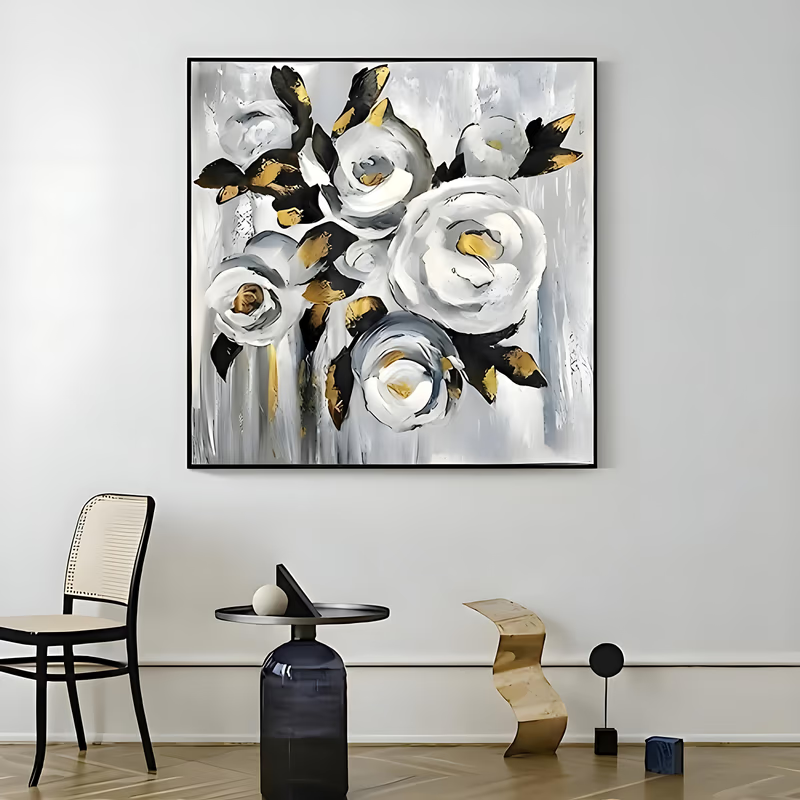
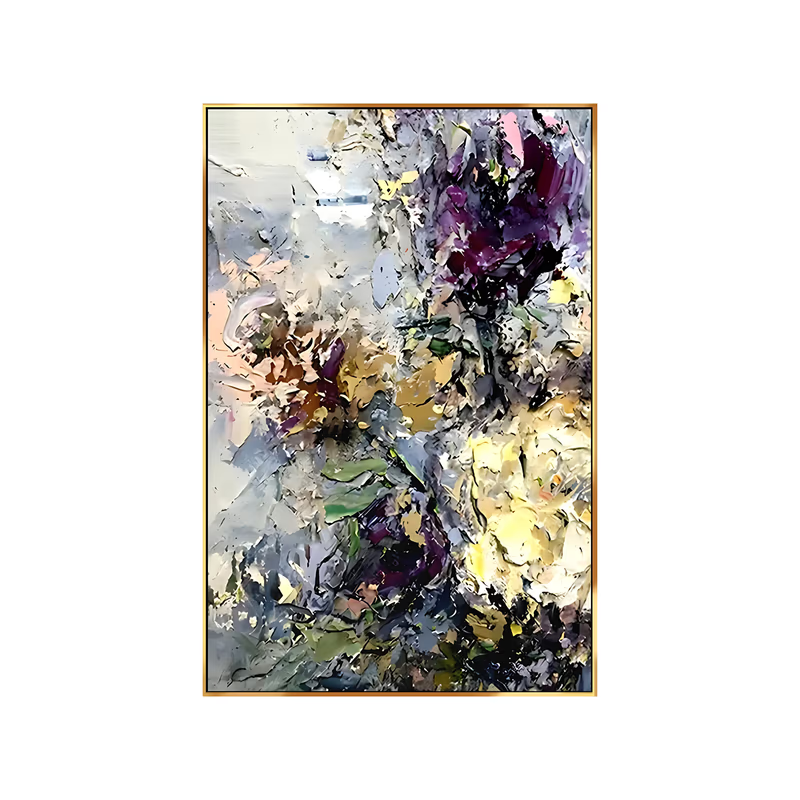
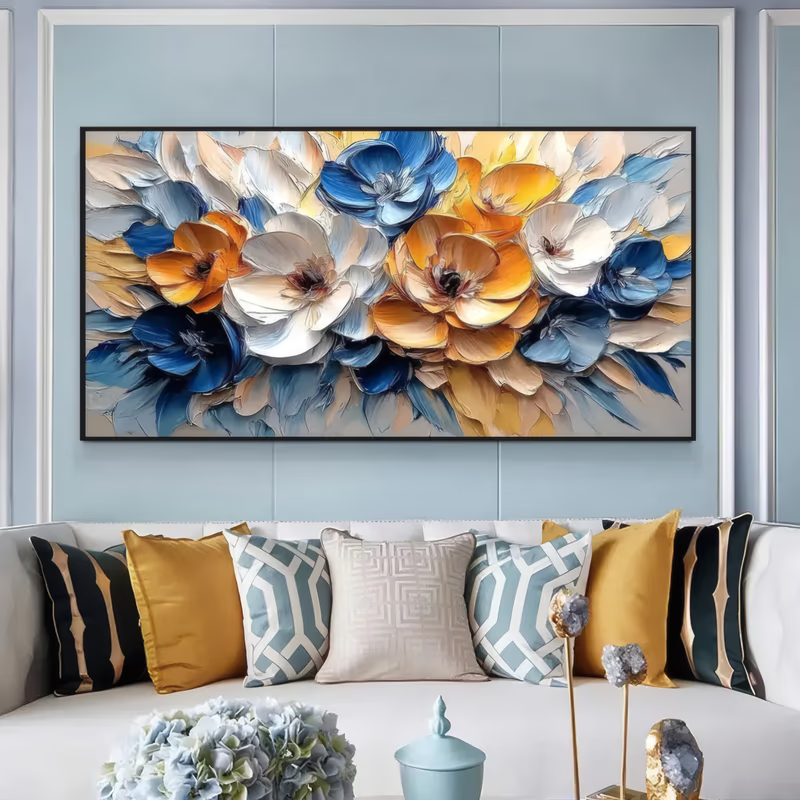
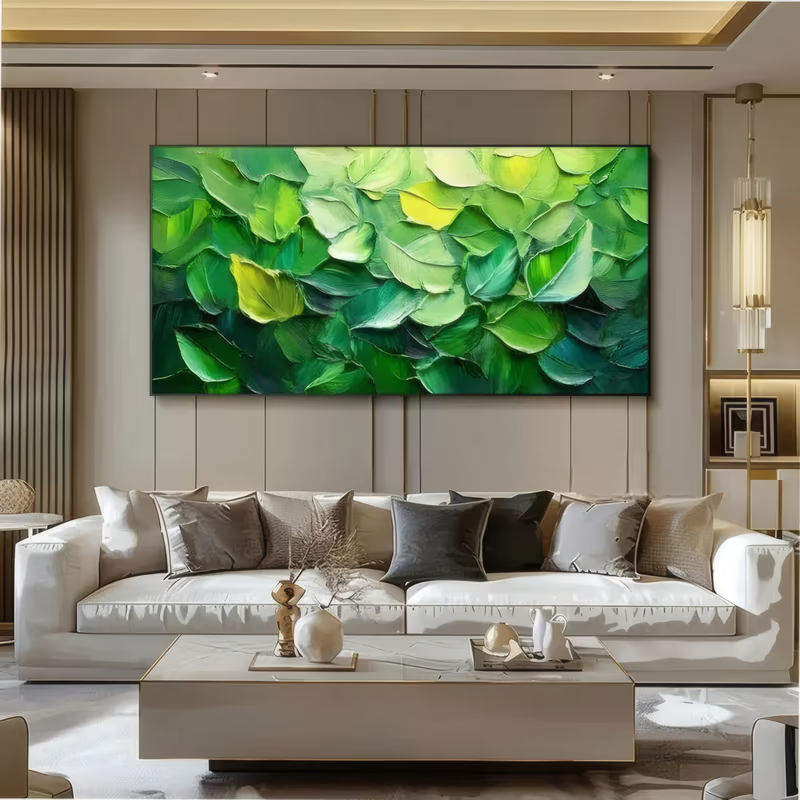
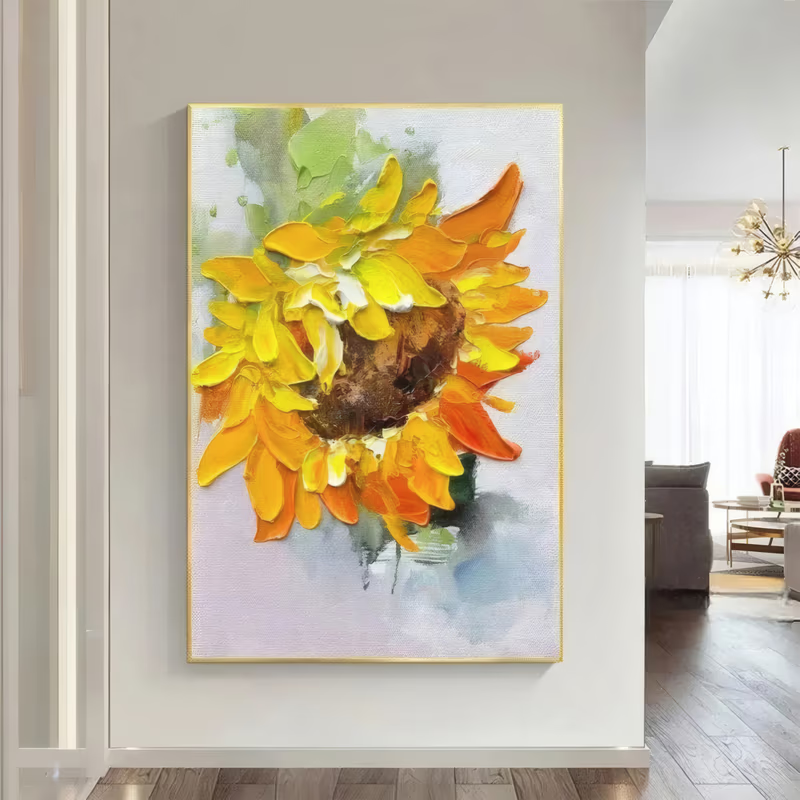
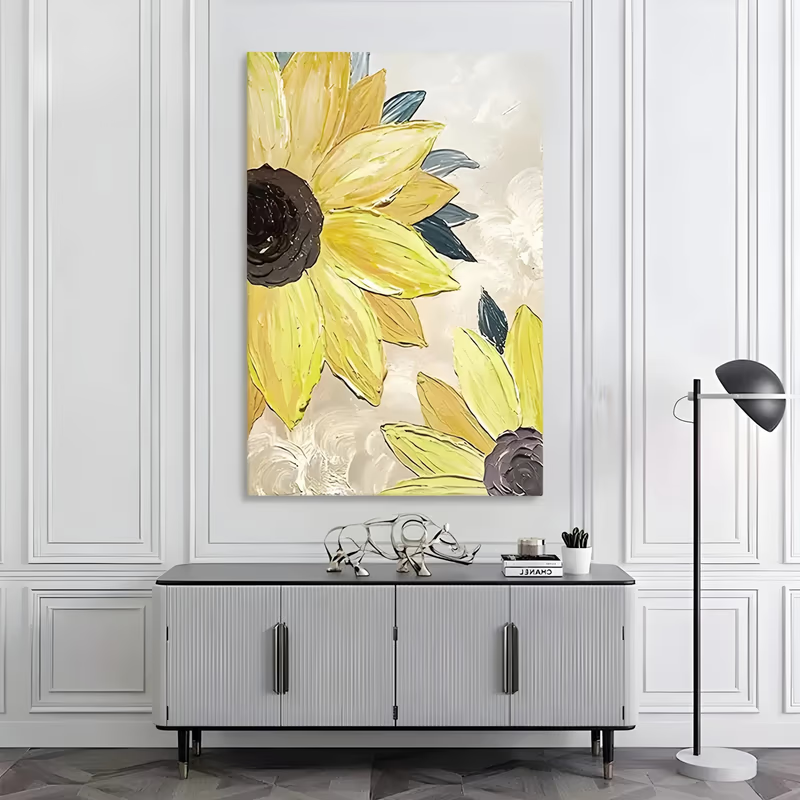
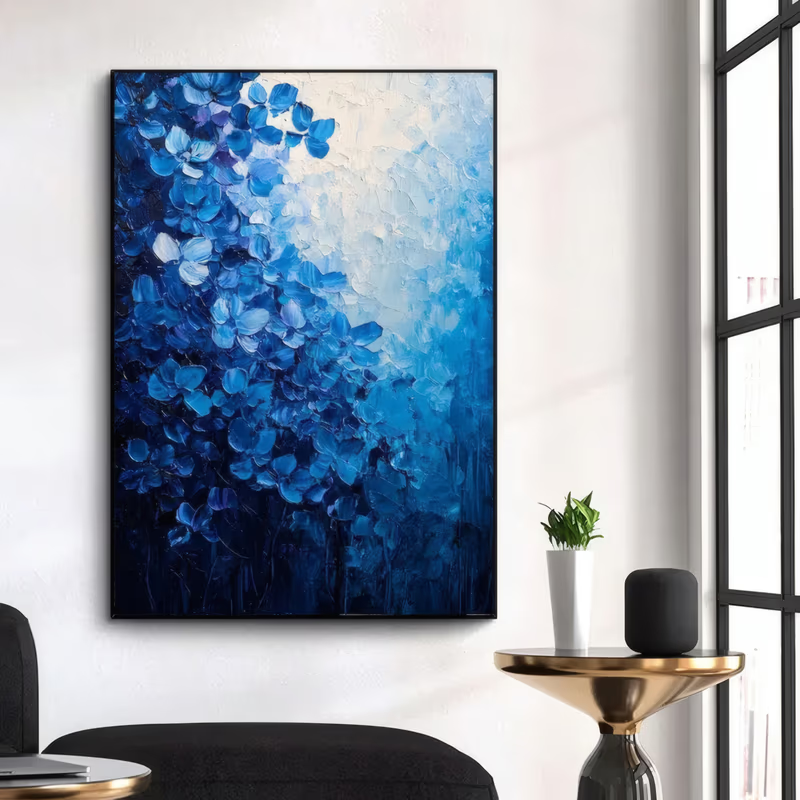
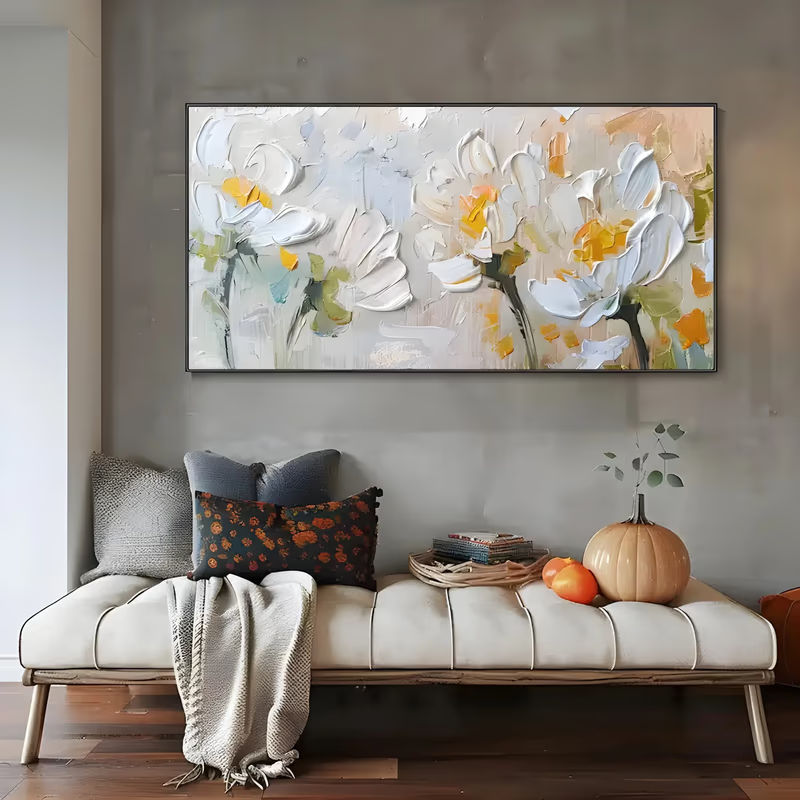
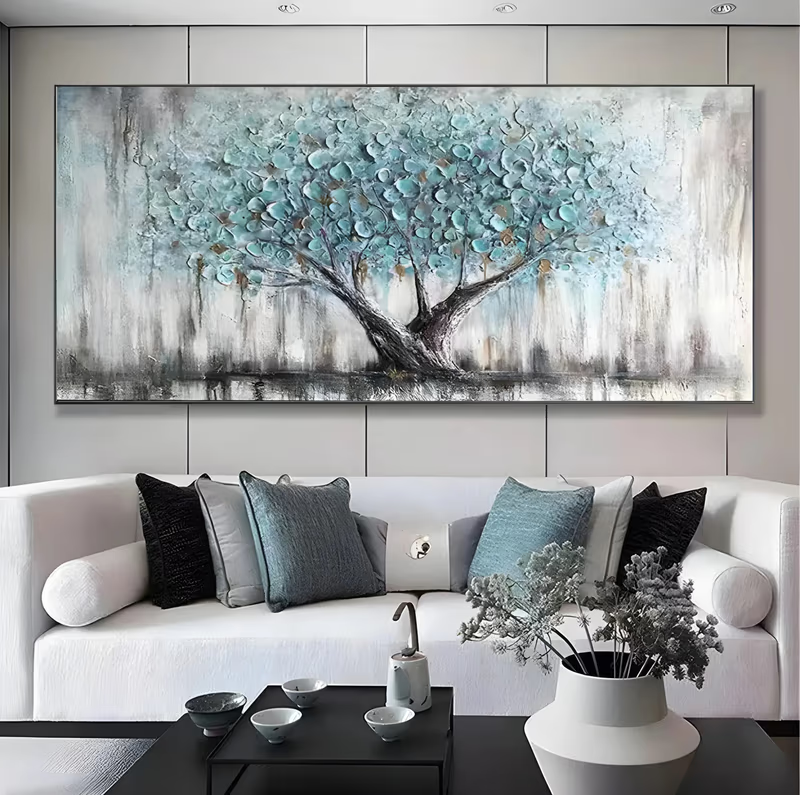
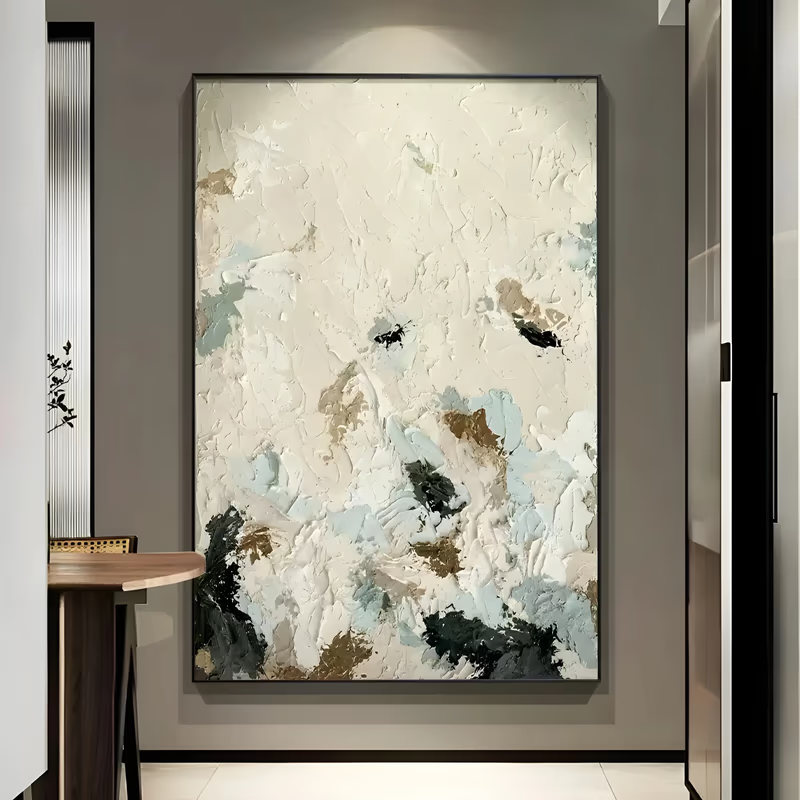
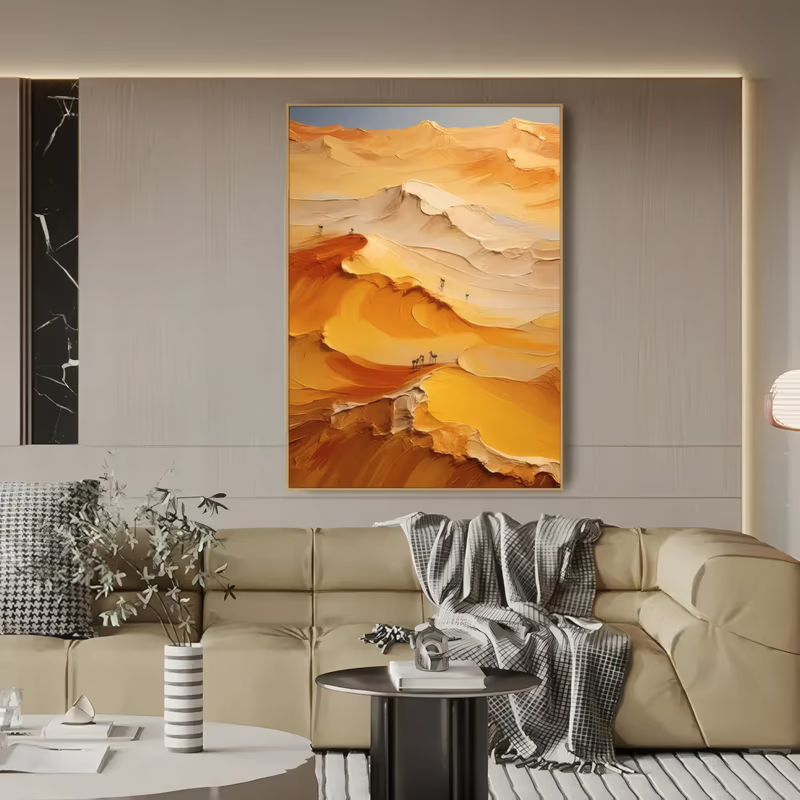
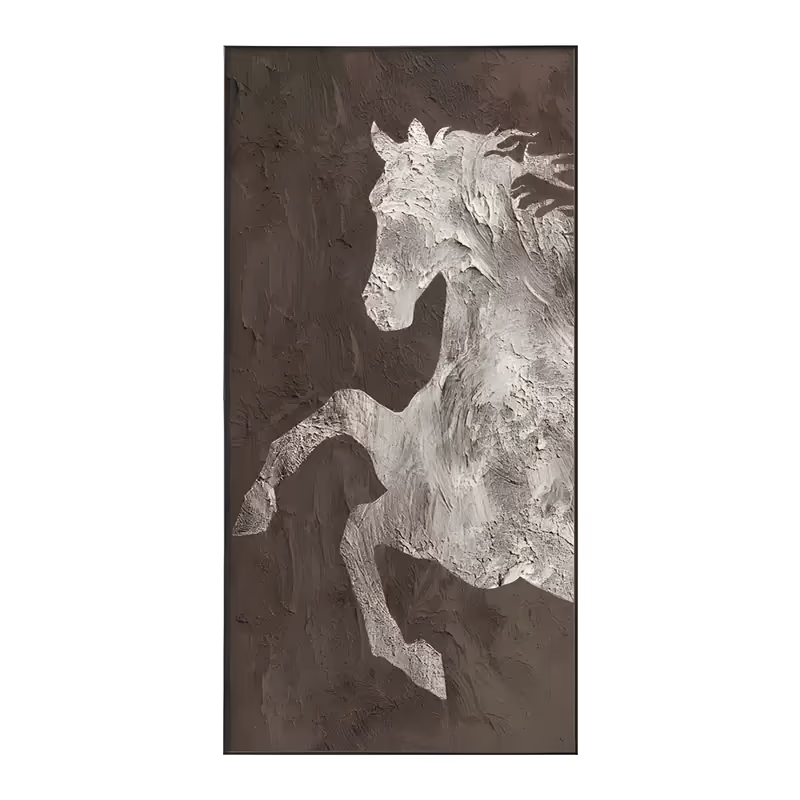
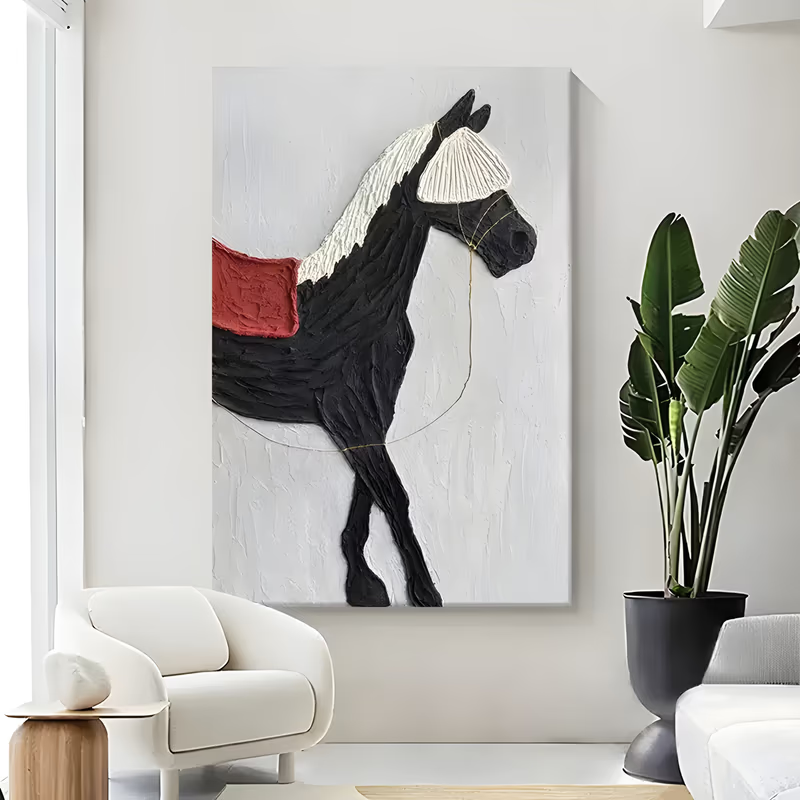
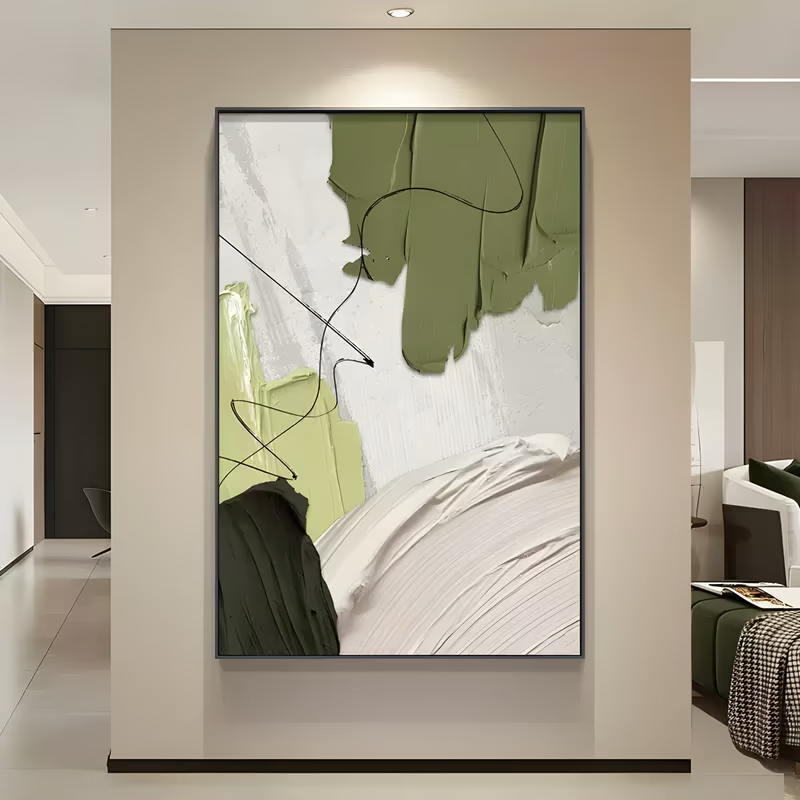
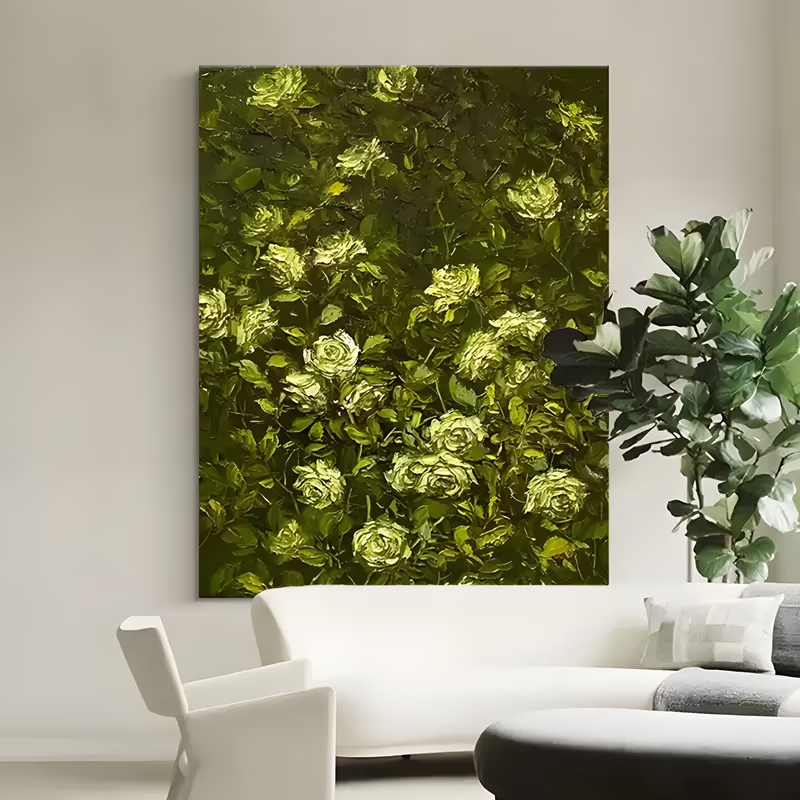
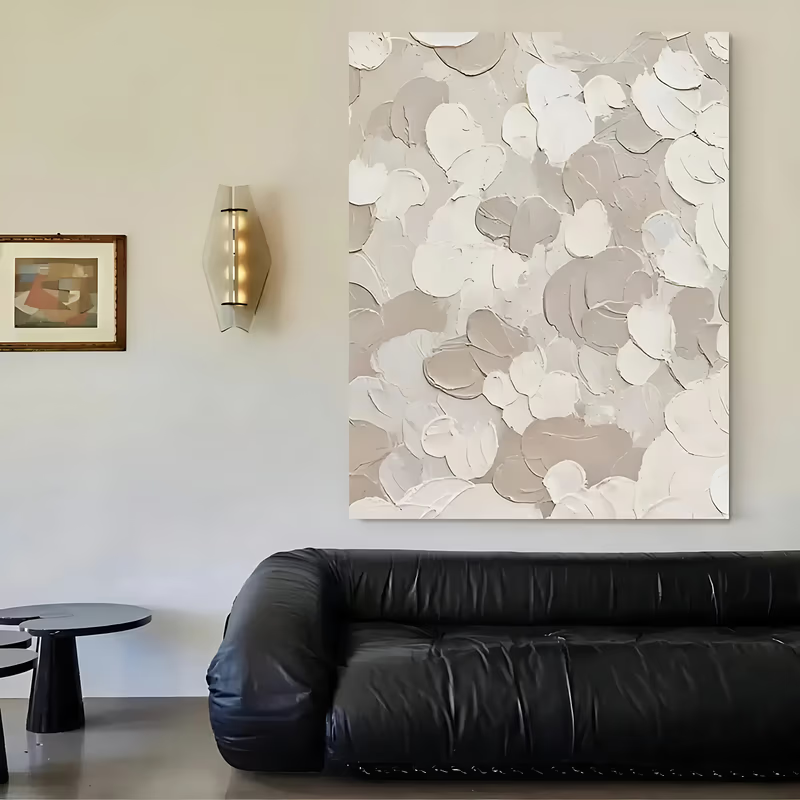
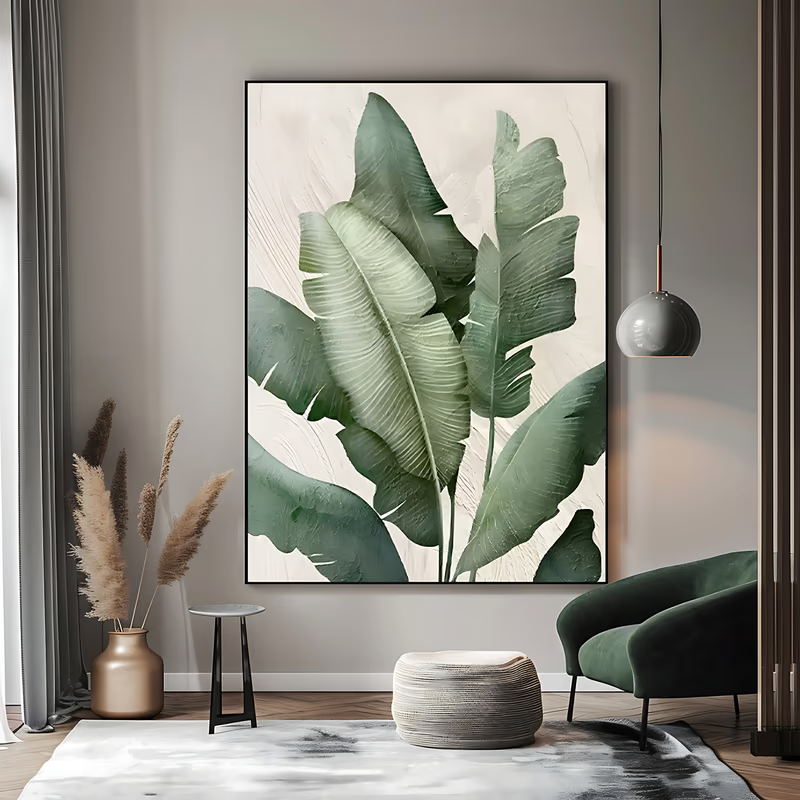
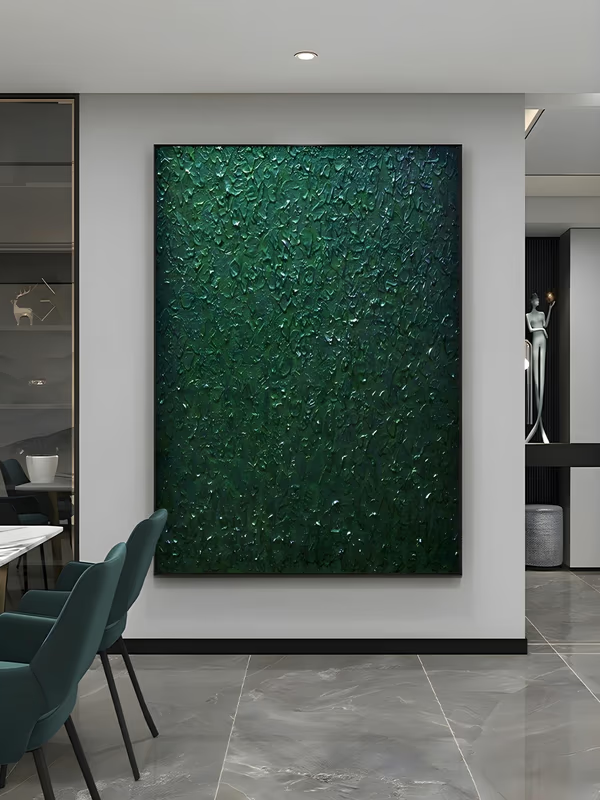
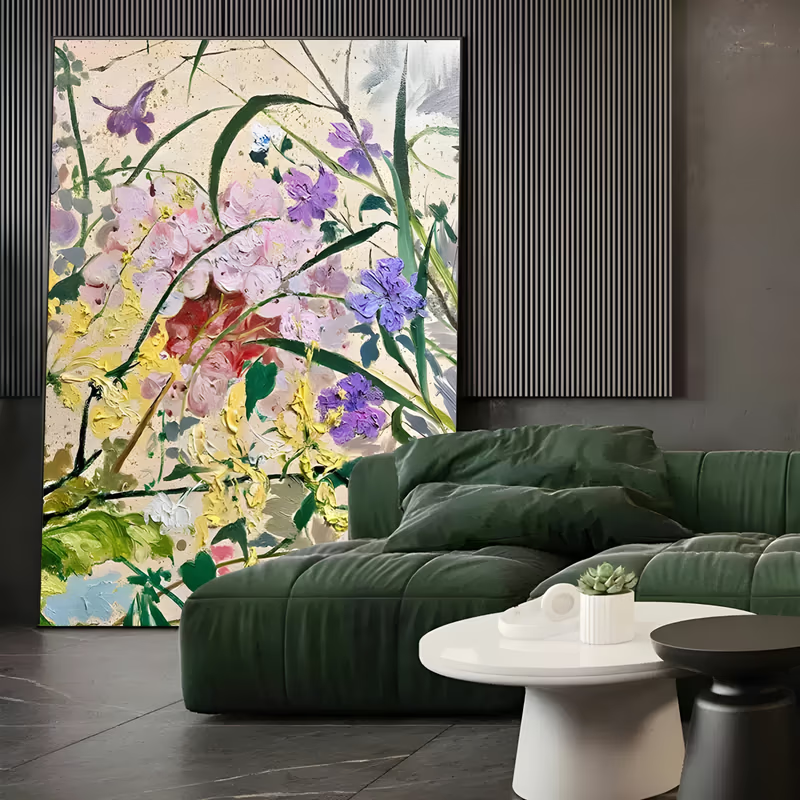
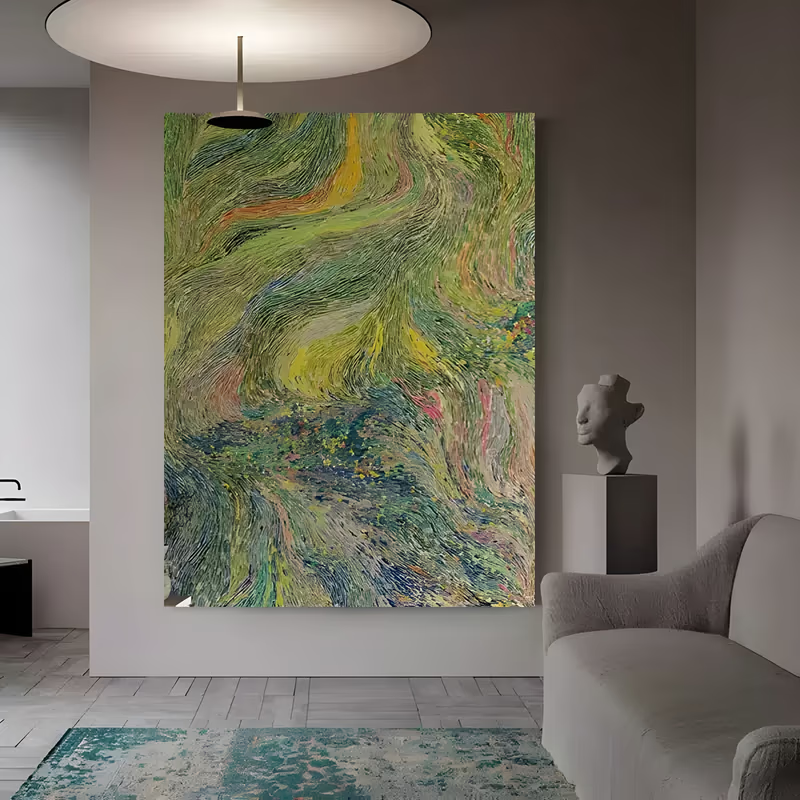
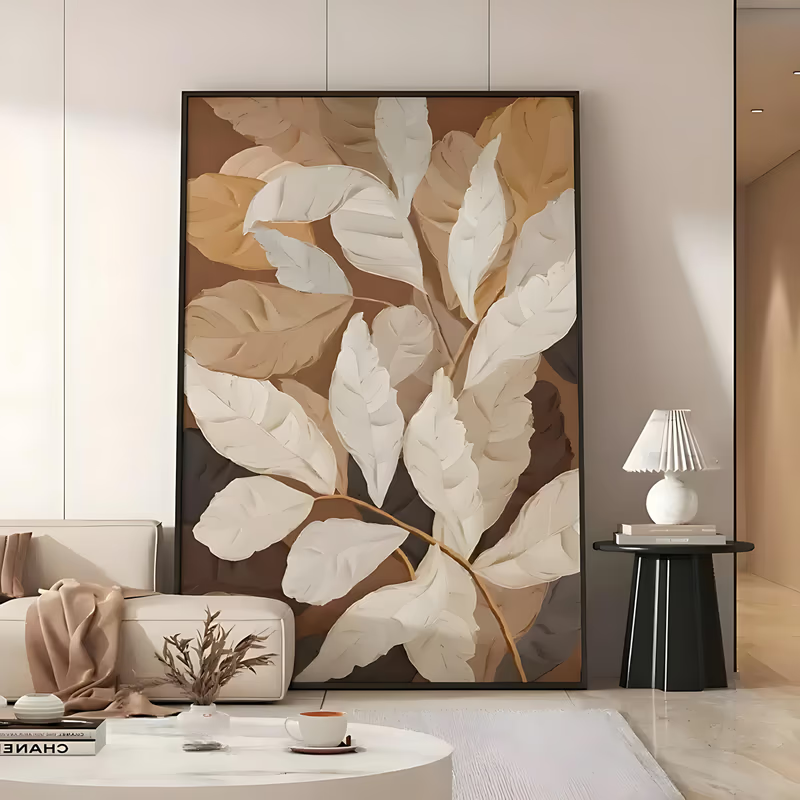
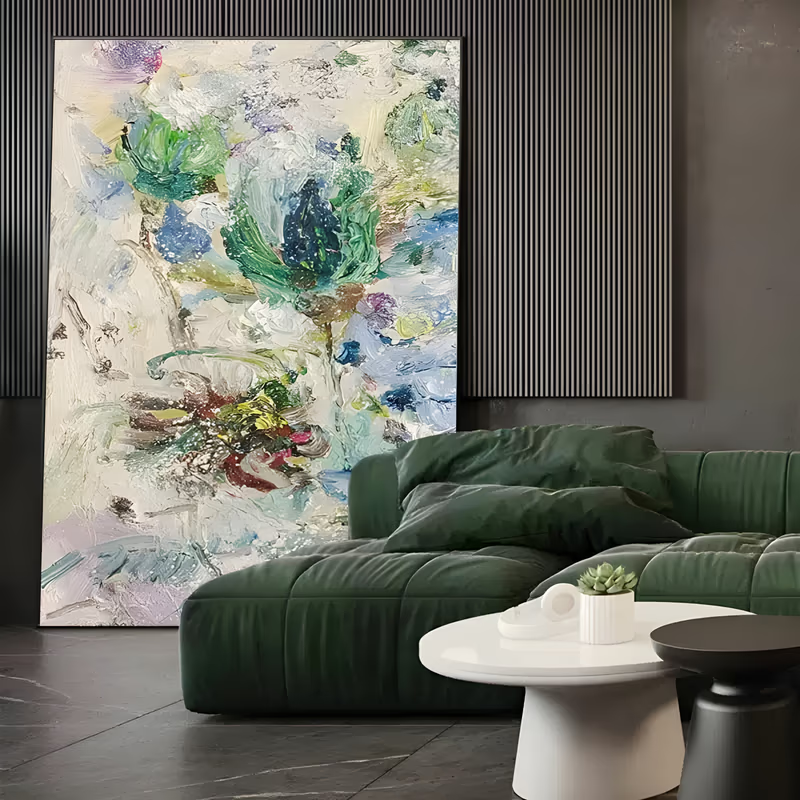
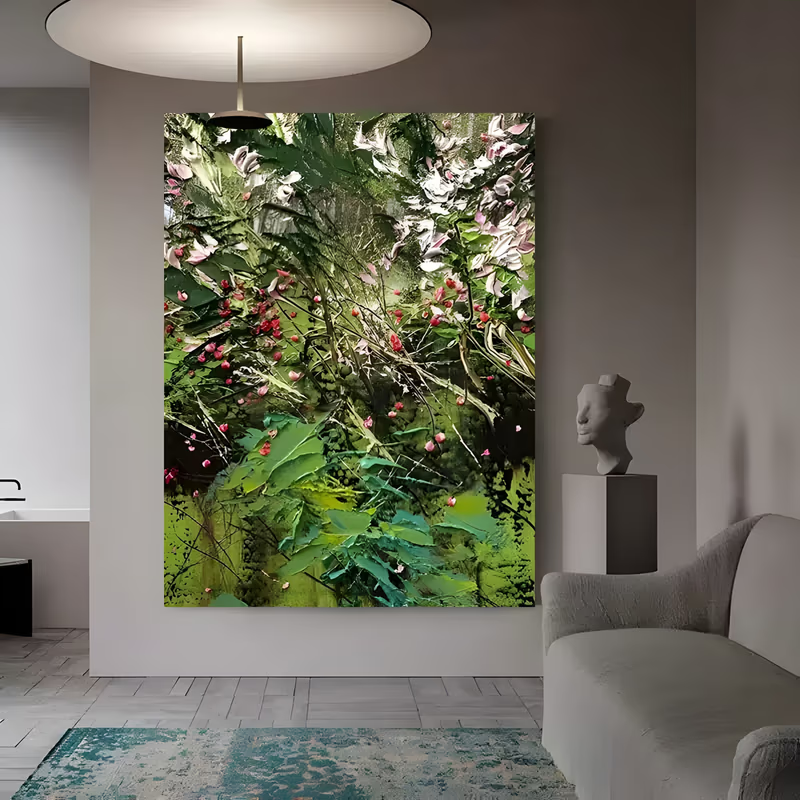
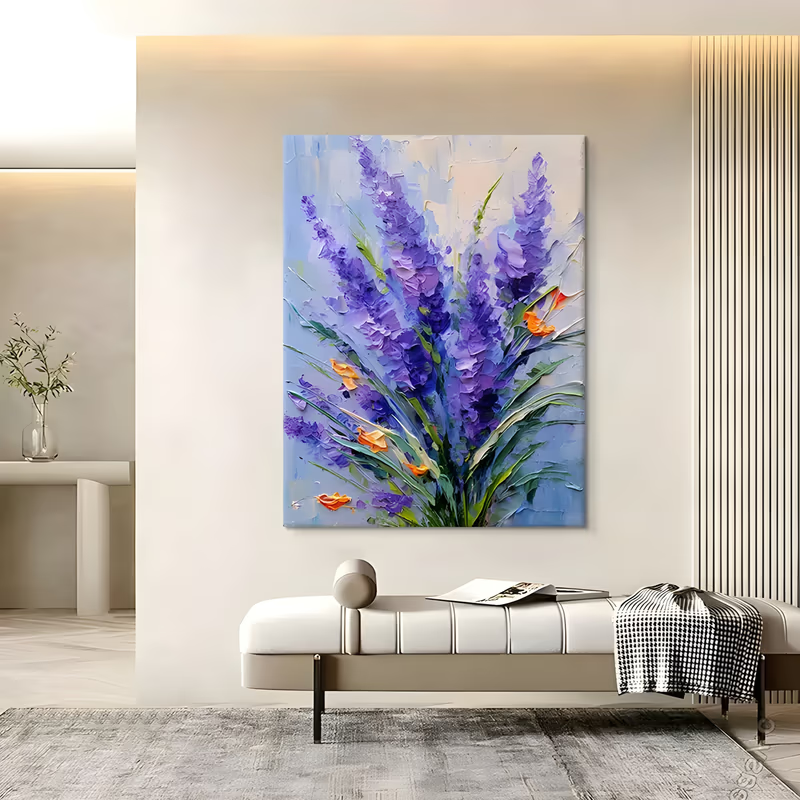
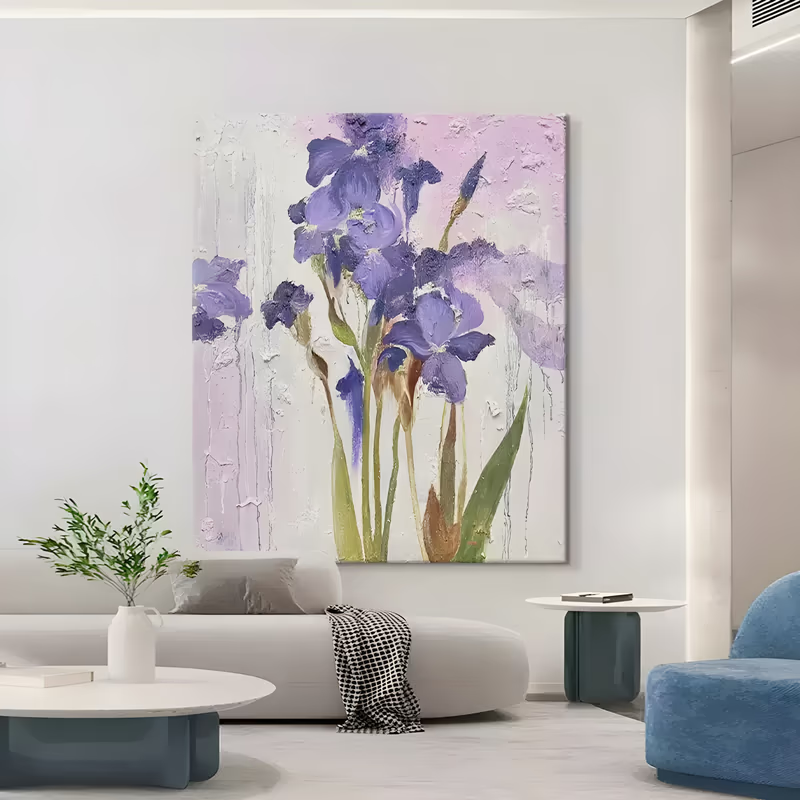
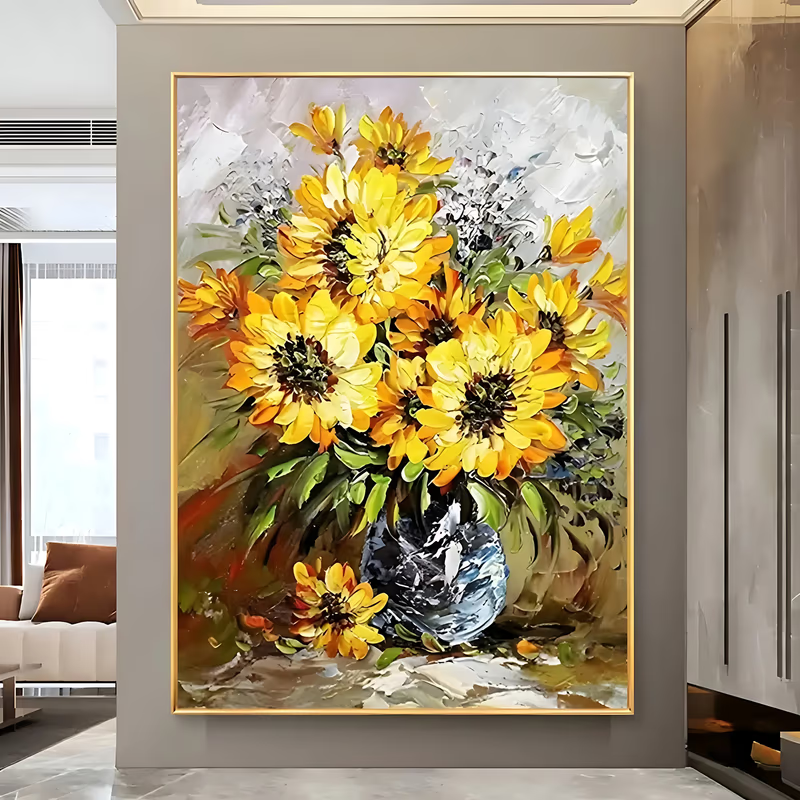
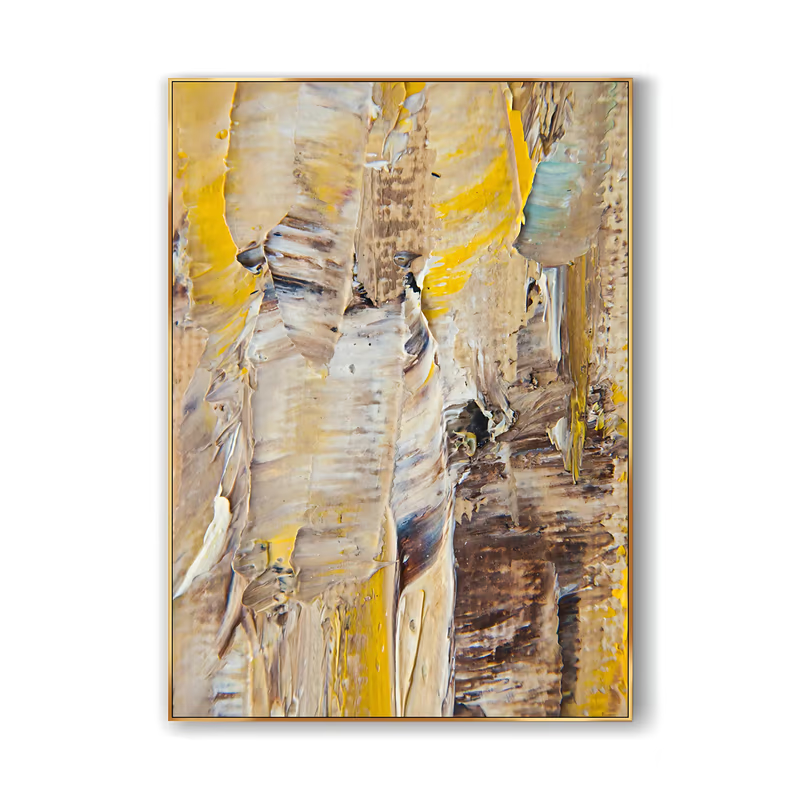
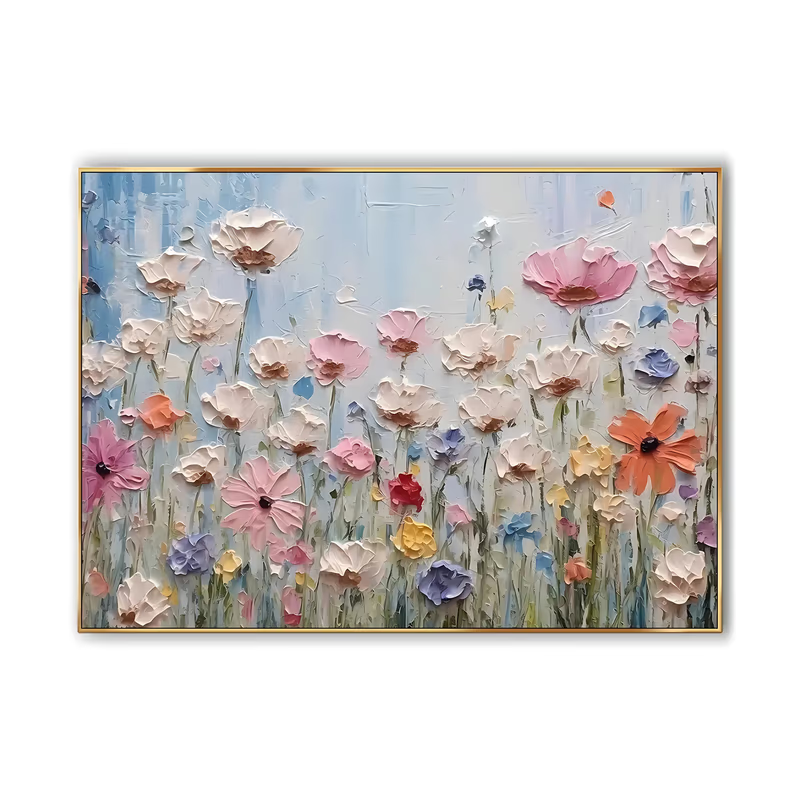
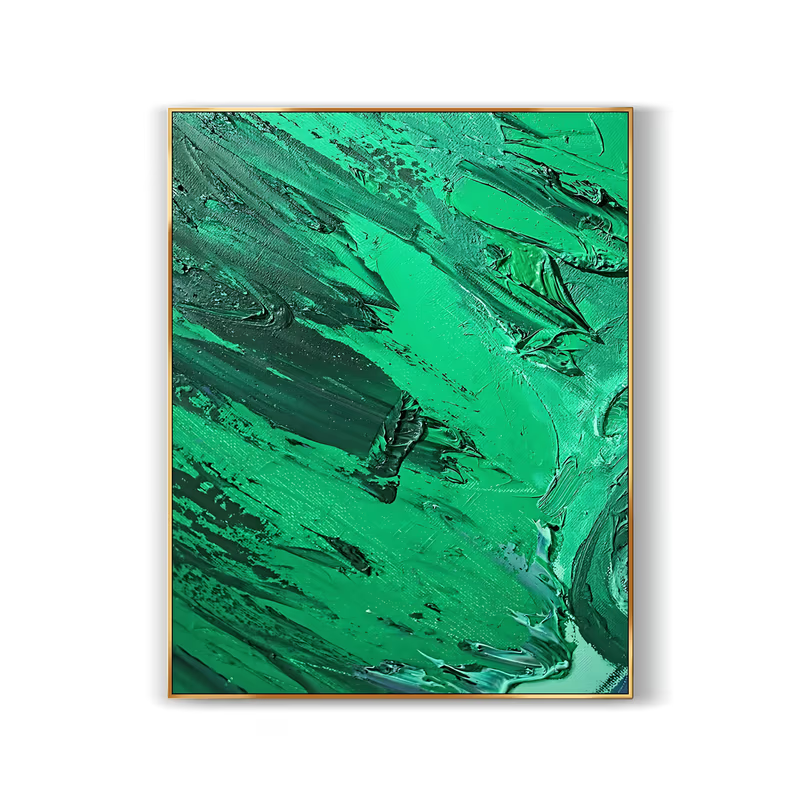
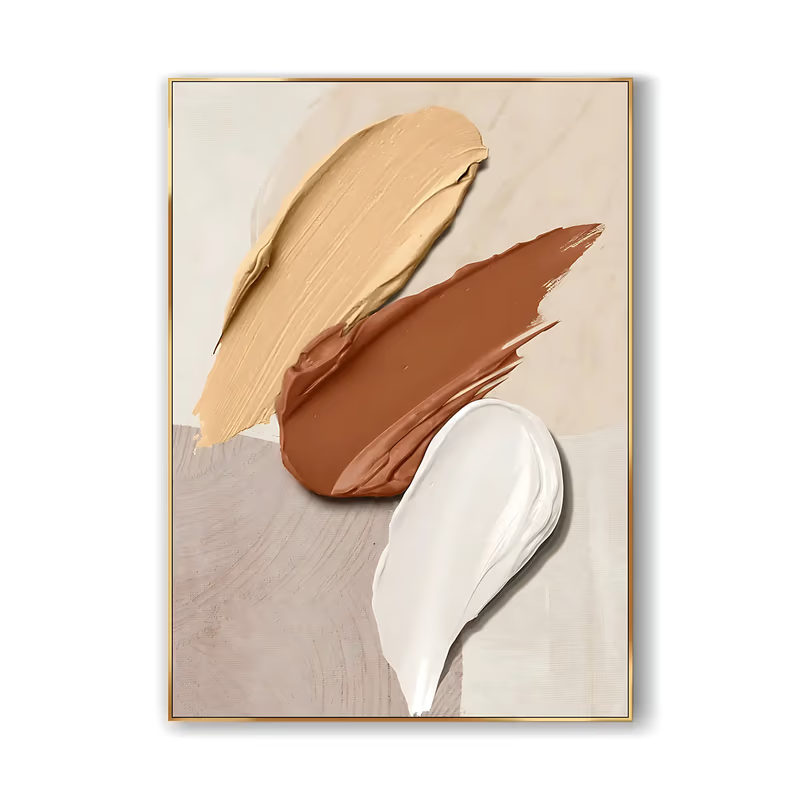
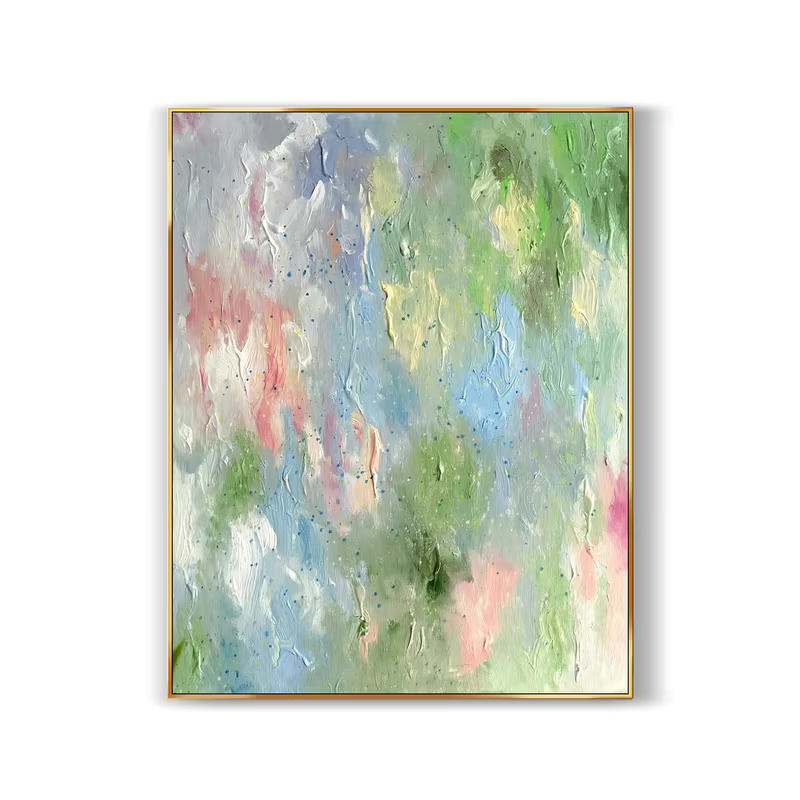
Palette-knife impasto is the other route to texture: acrylic paint thick enough to hold the shape of the blade, used for knifed leaves, sunflower heads and stacked strokes. Both kinds are on this page. Paintings whose interest lies in colour and gesture rather than depth are under abstract canvas wall art.
What is the difference between plaster relief, impasto and palette-knife texture?
Plaster relief is sculpted form built from paste; impasto is paint applied so thickly it keeps its brush or knife marks; palette-knife texture is impasto laid in flat, sharp-edged strokes.
| Technique | What you see on the wall | Depth | Where it works best |
|---|---|---|---|
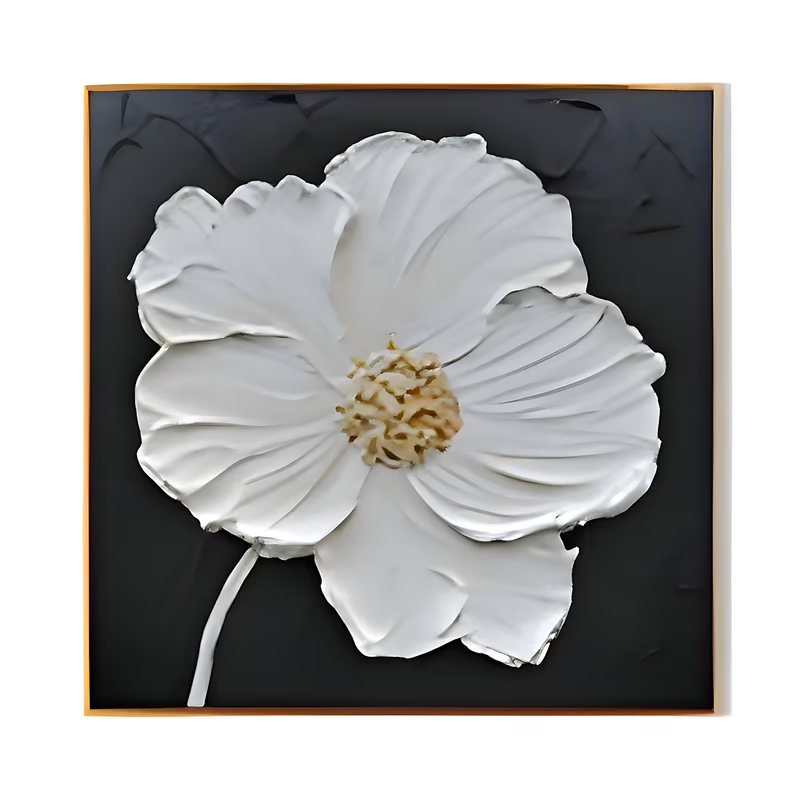
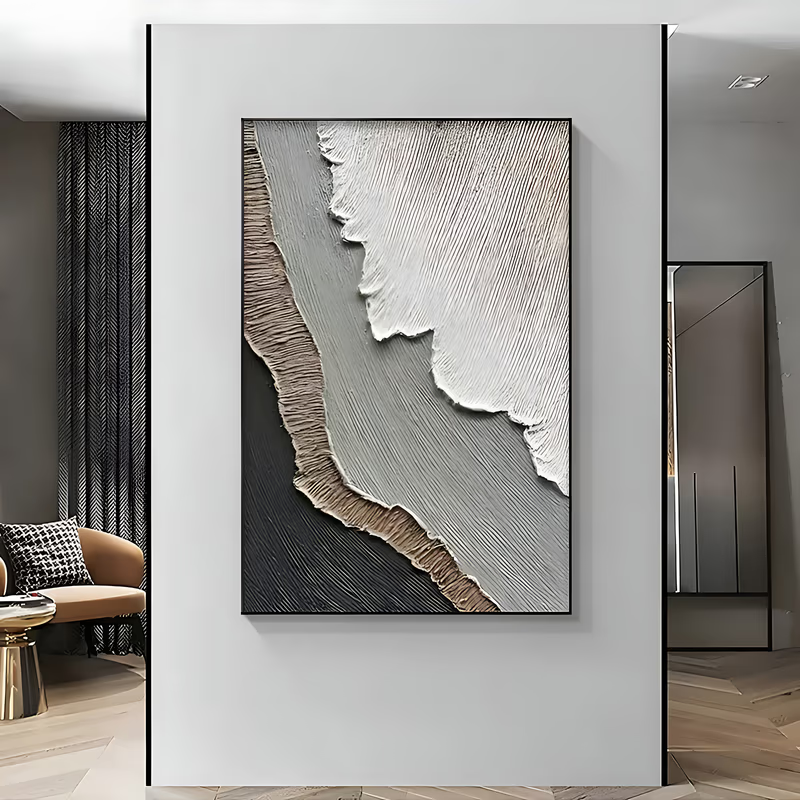
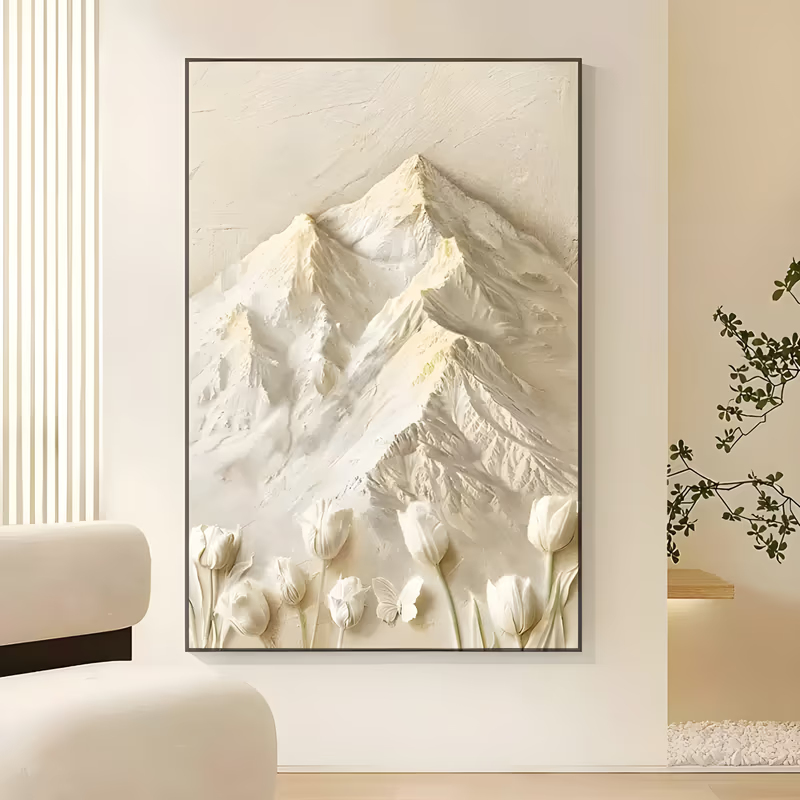
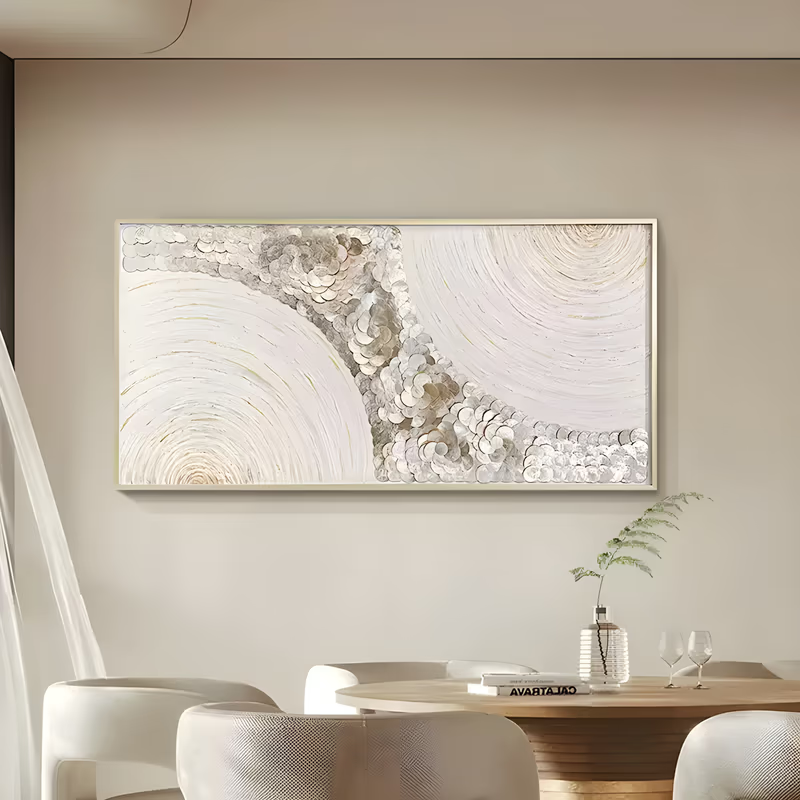
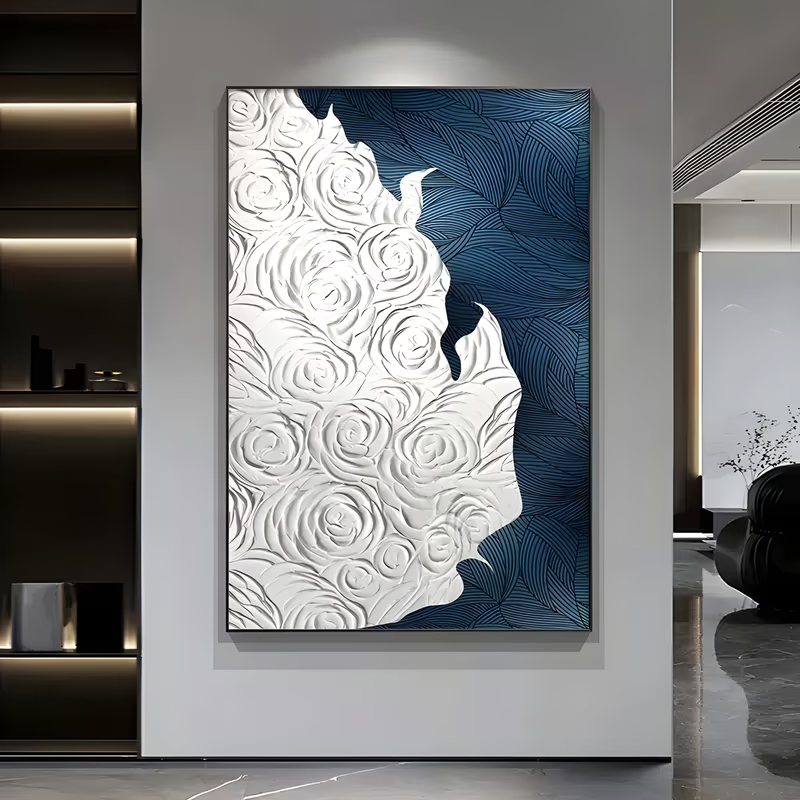
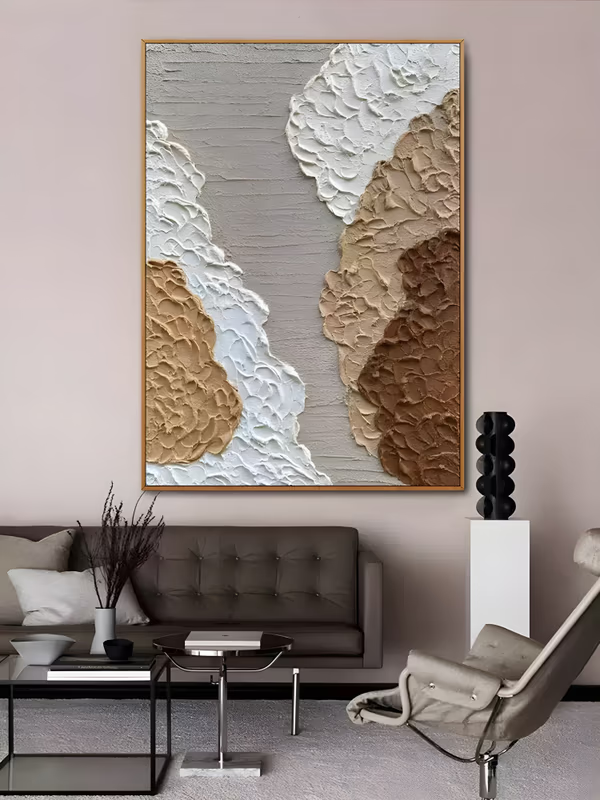
| Sculpted plaster relief | Shaped petals, leaves, waves and arches that read almost as carving; often tone-on-tone white or cream | Deepest; strong shadows | Feature walls, bedheads, spas, lobbies with side light |
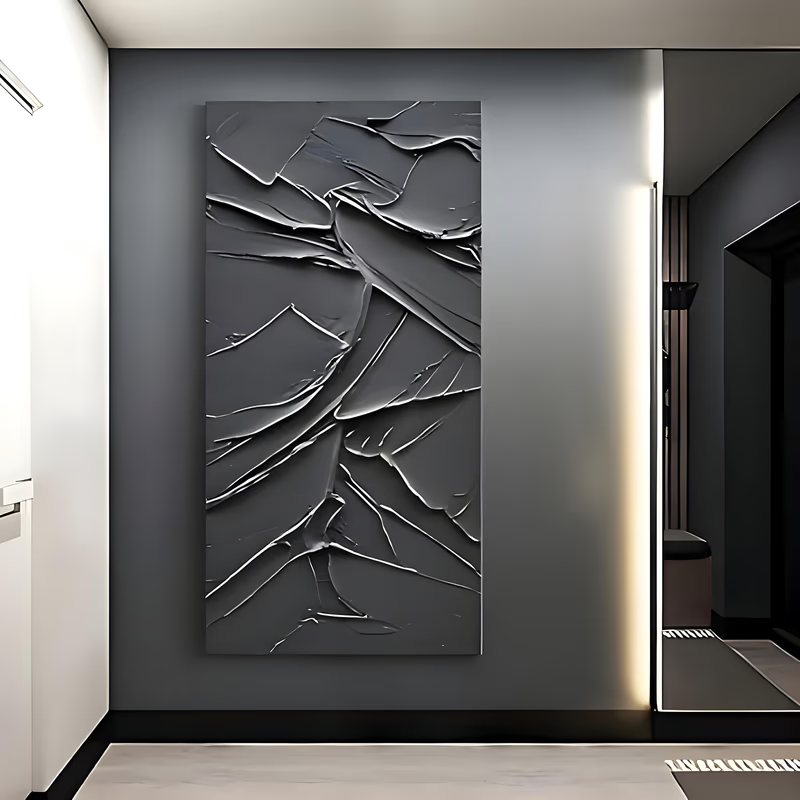
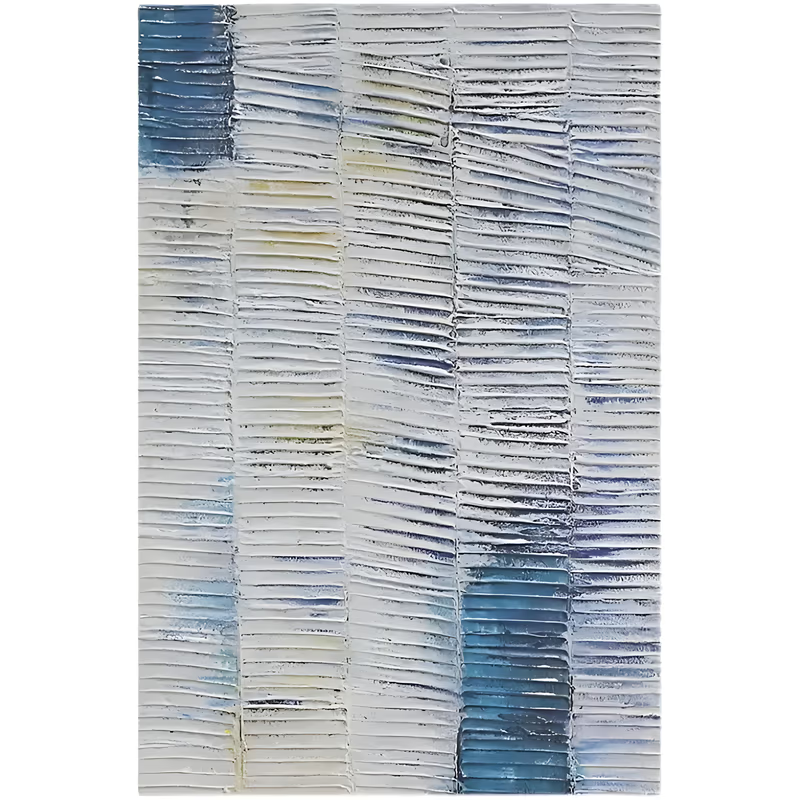
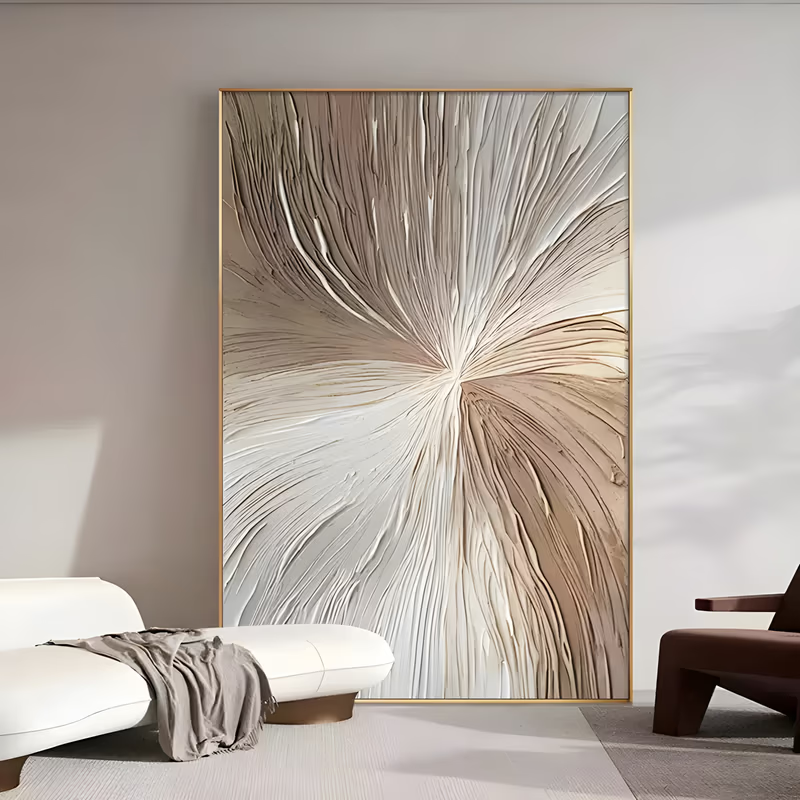
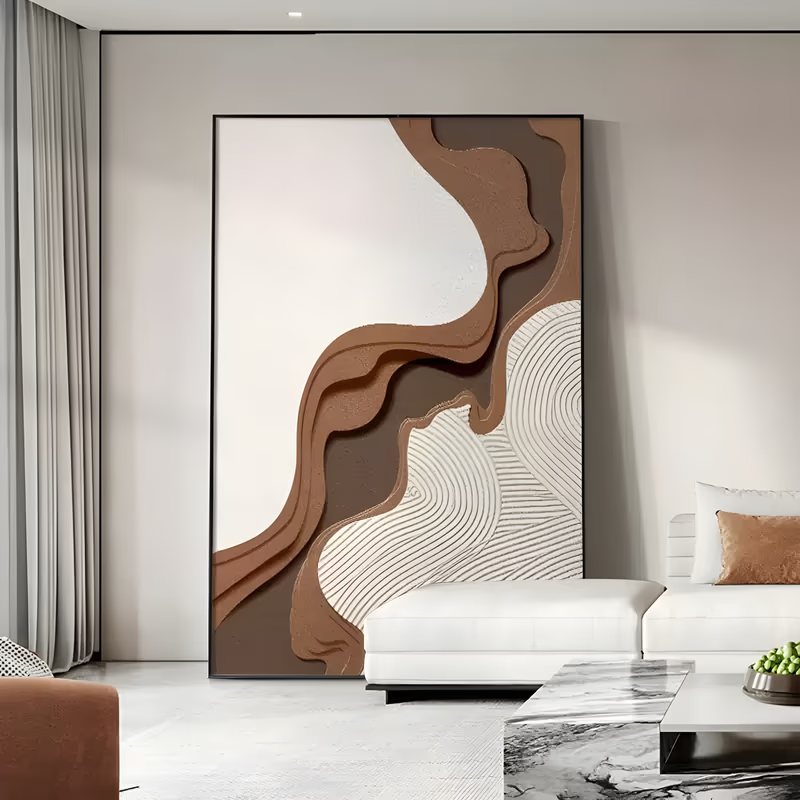
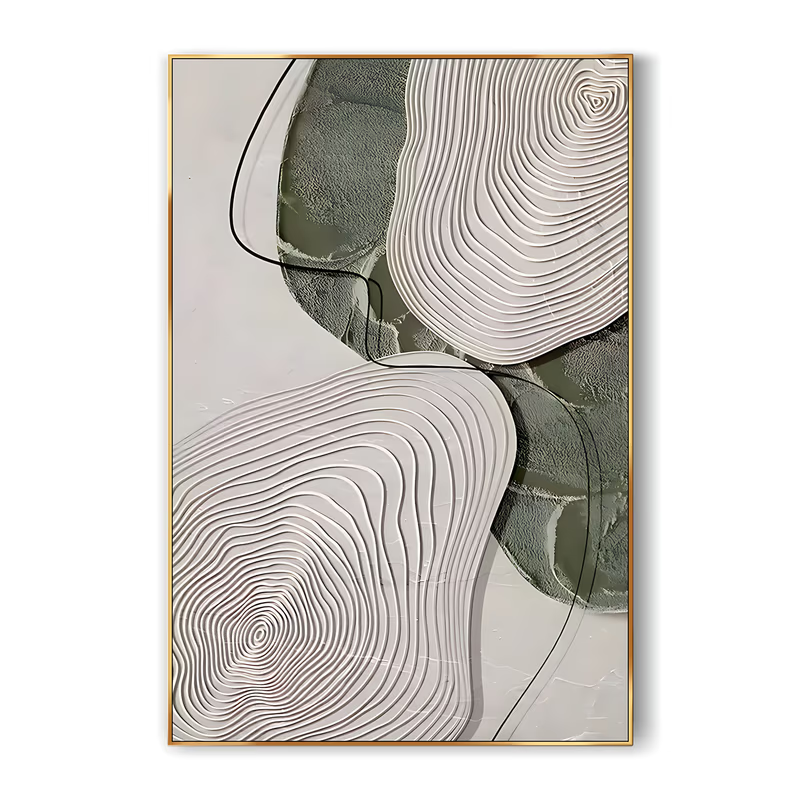
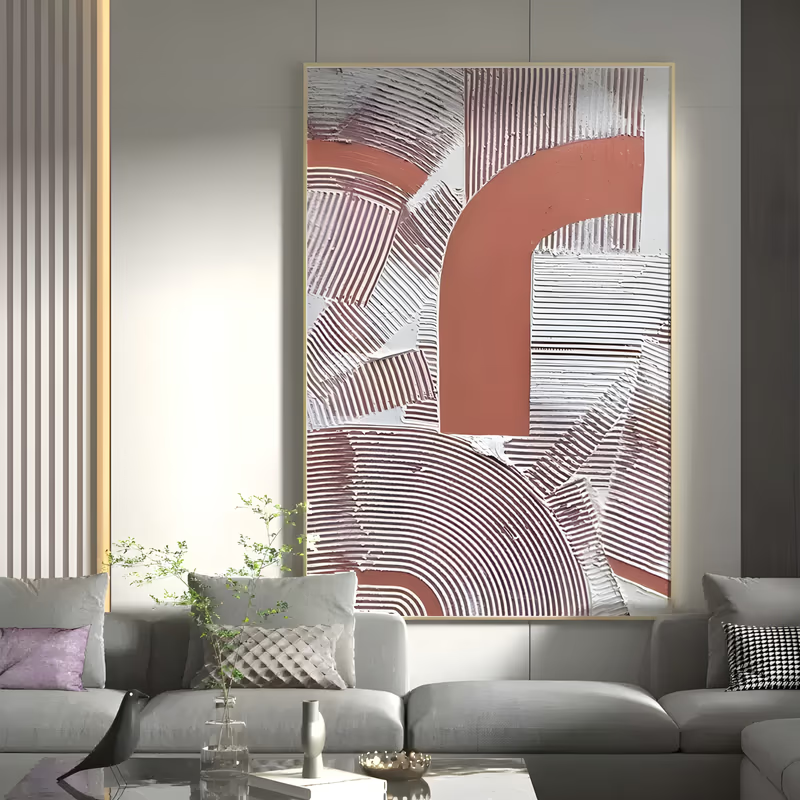
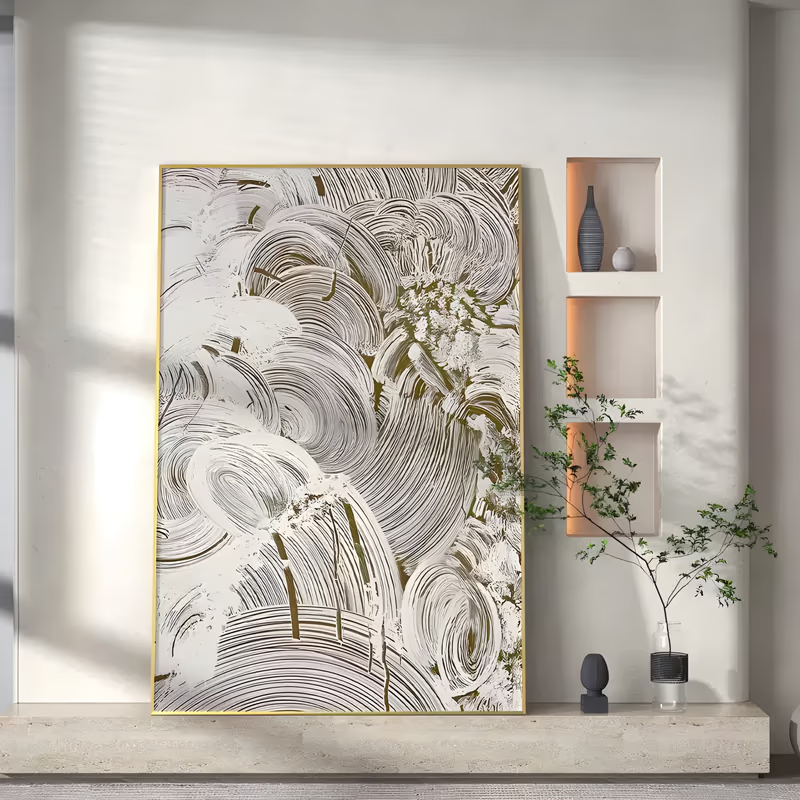
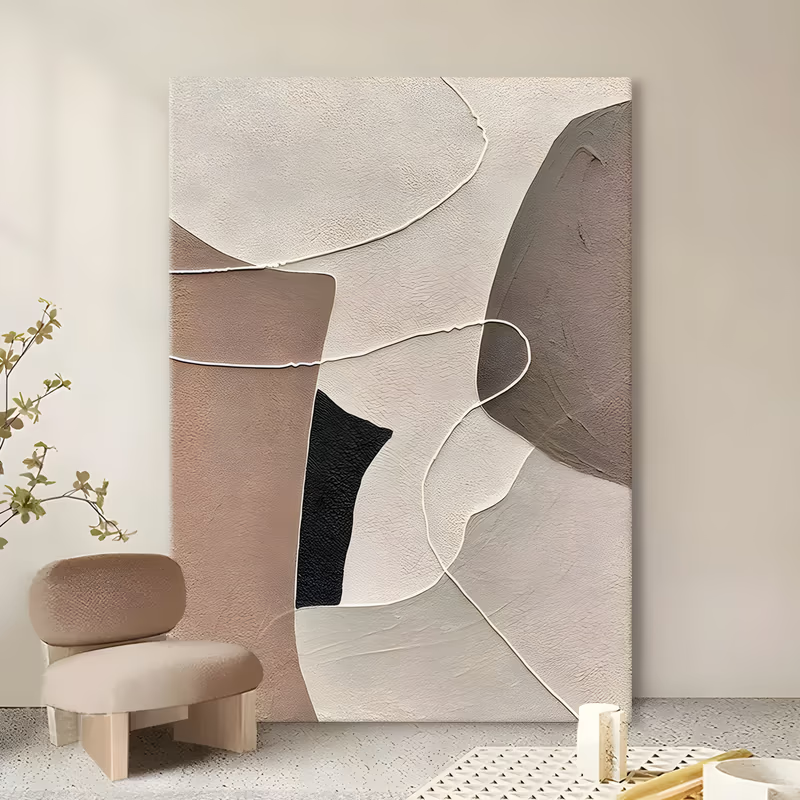
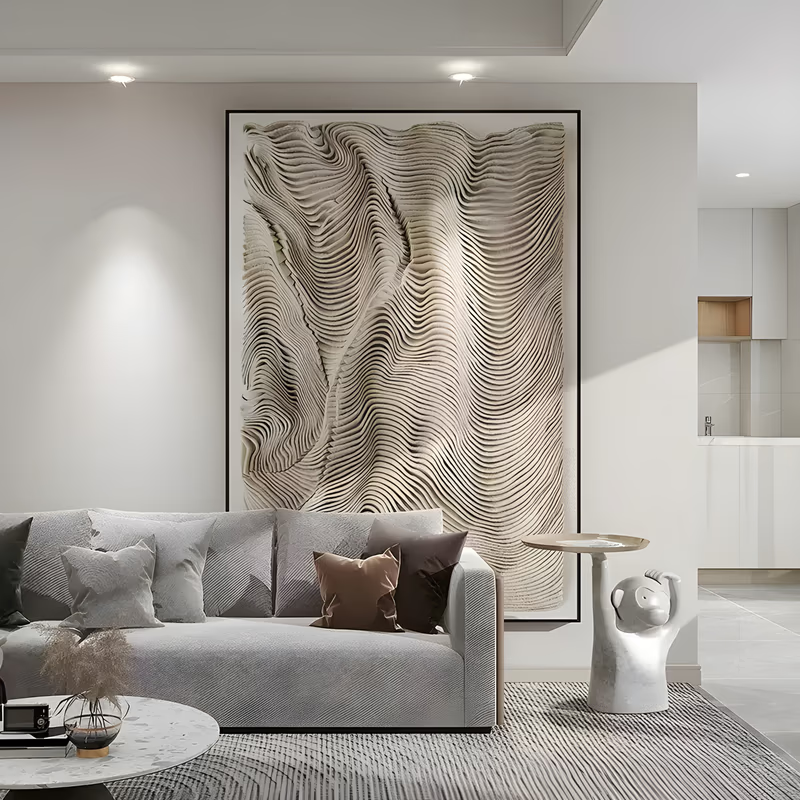
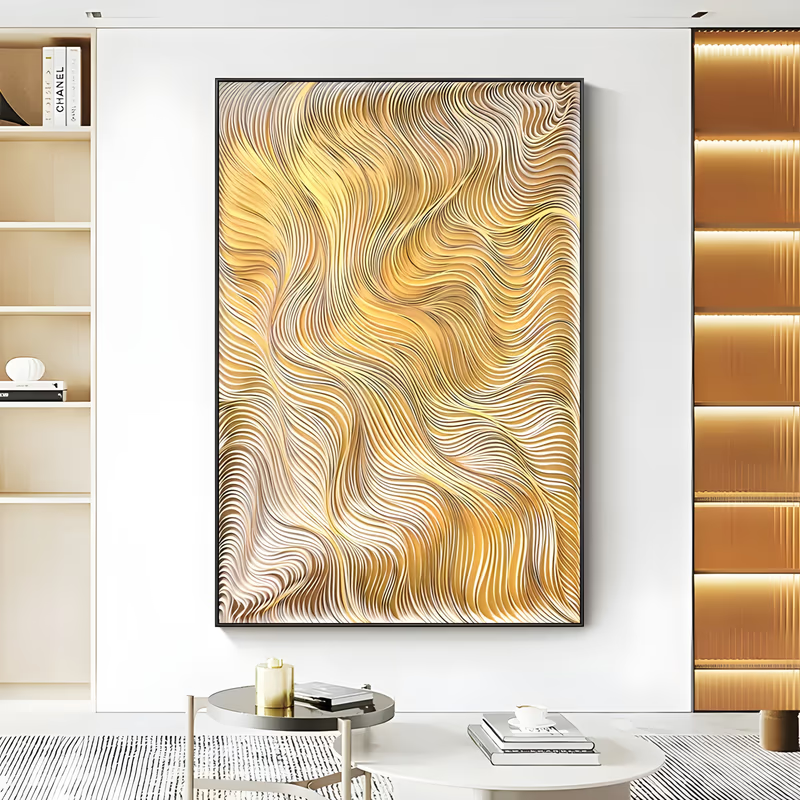
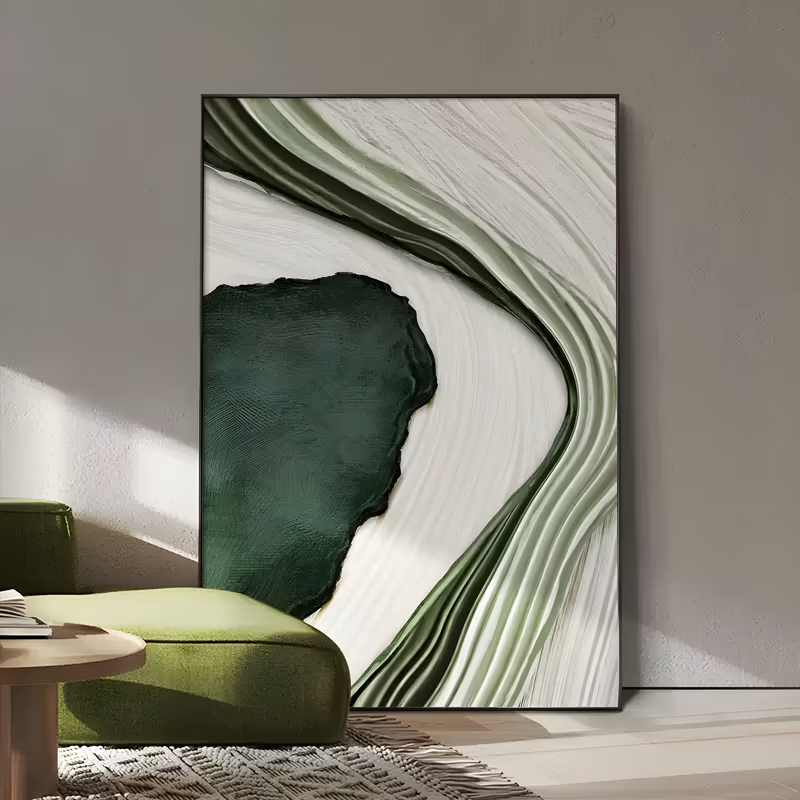
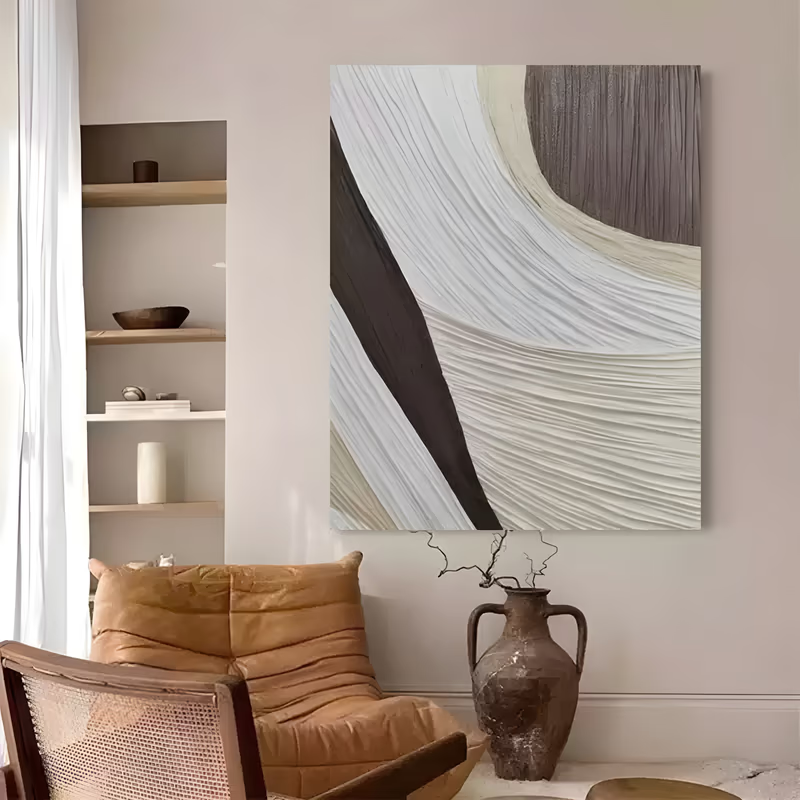
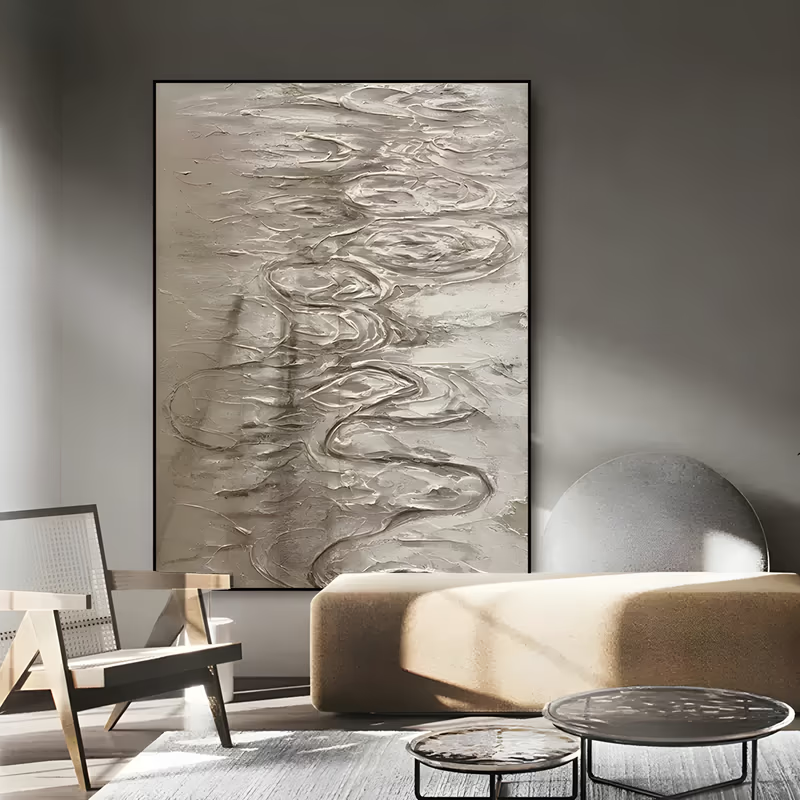
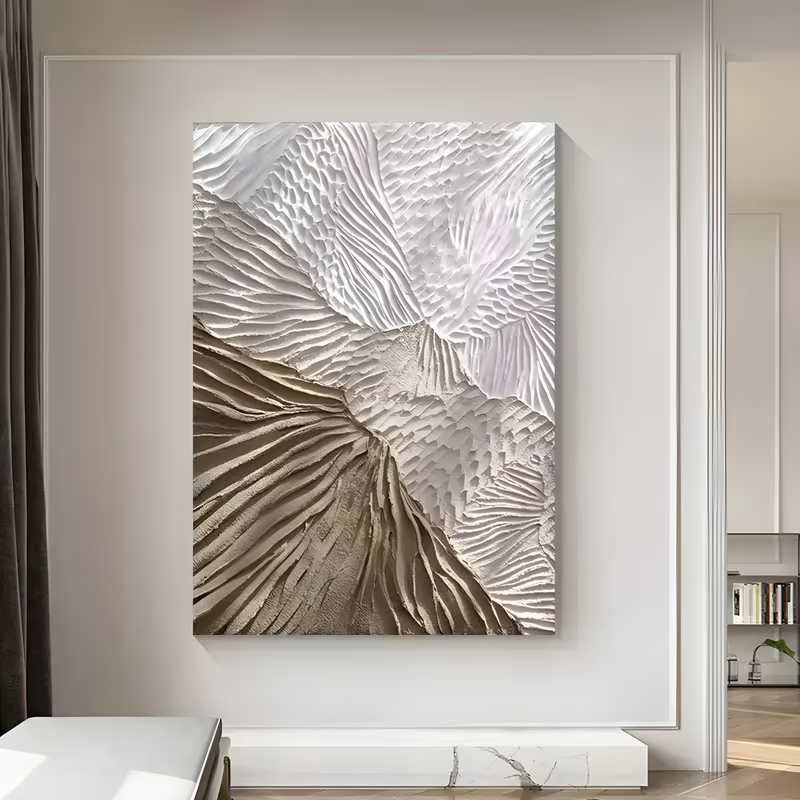
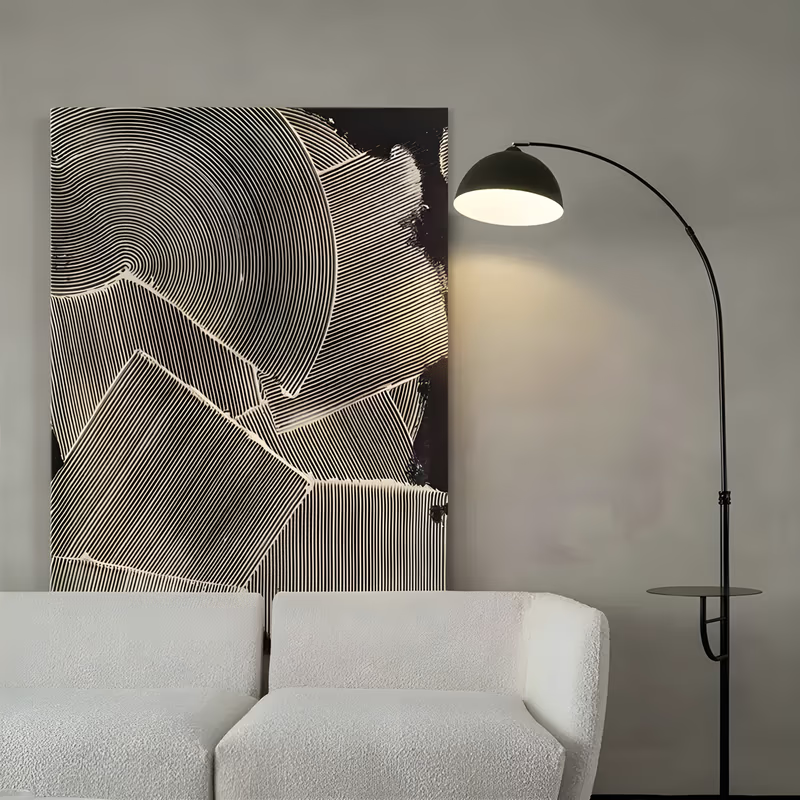
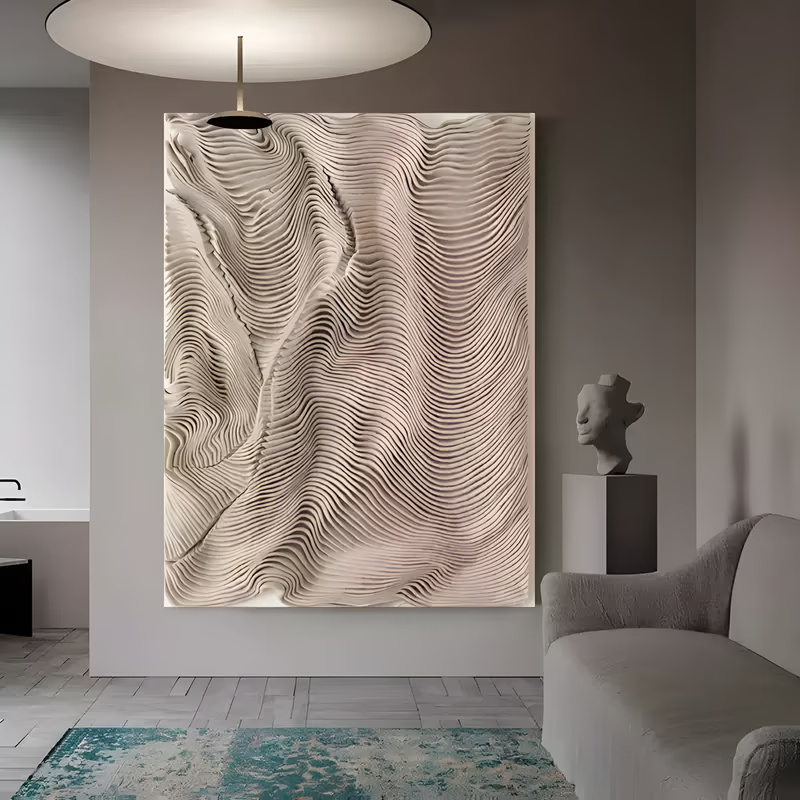
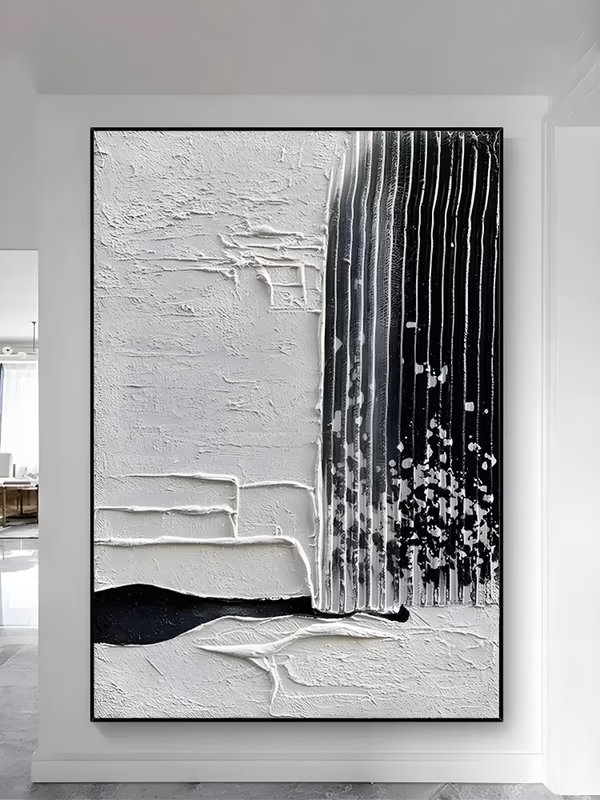
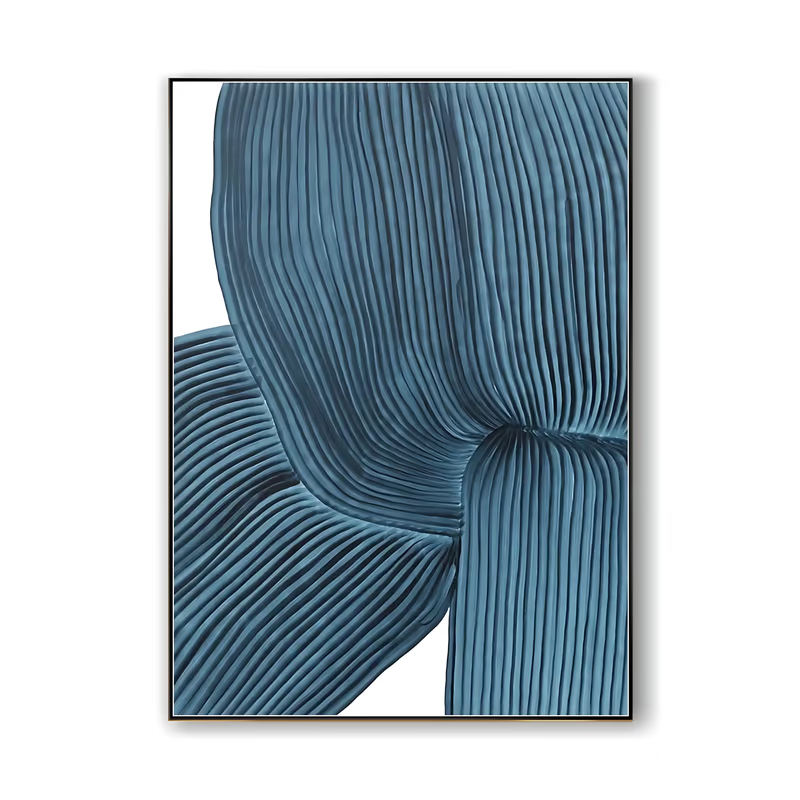
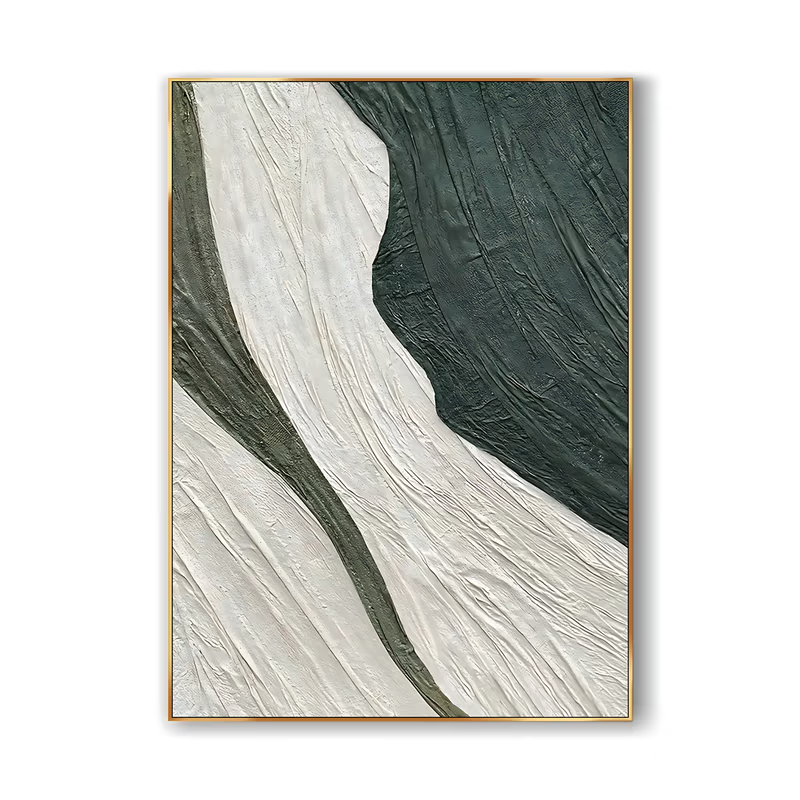
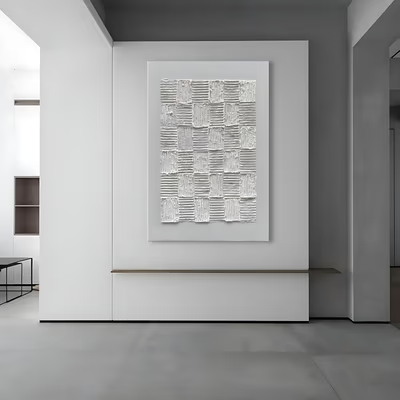
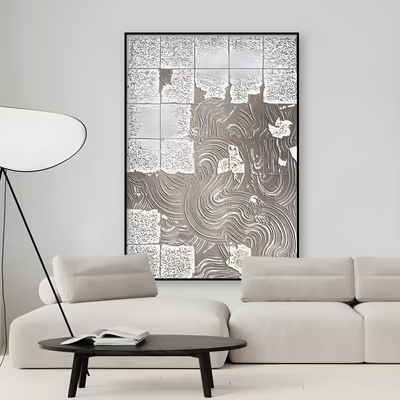
| Troweled and combed plaster | Flat fields dragged with a trowel or comb into ribs, arcs and ridges | Shallow to medium; fine lines of shadow | Offices, meeting rooms, modern living rooms |
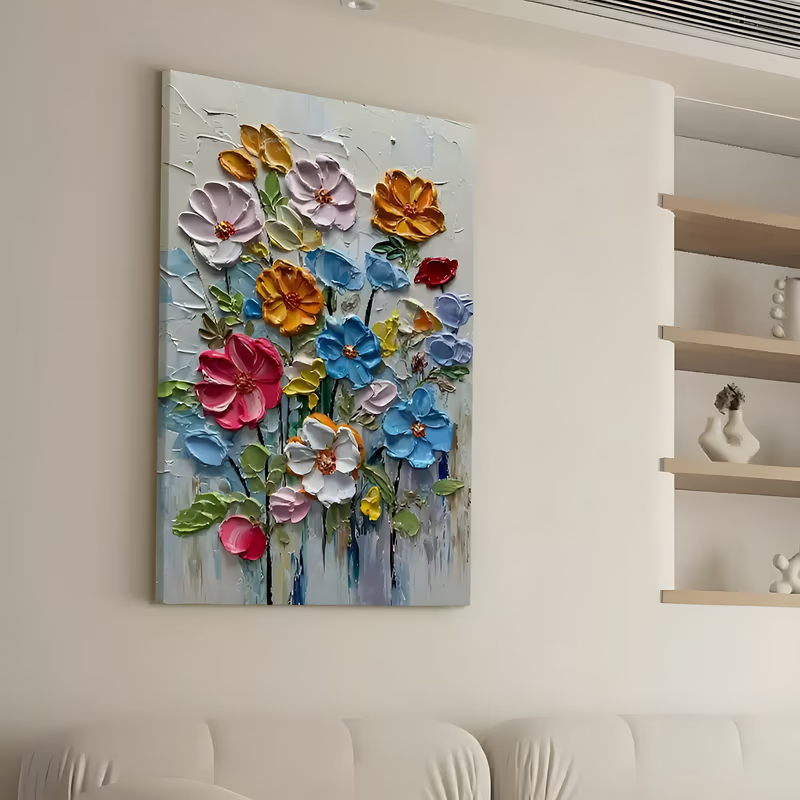
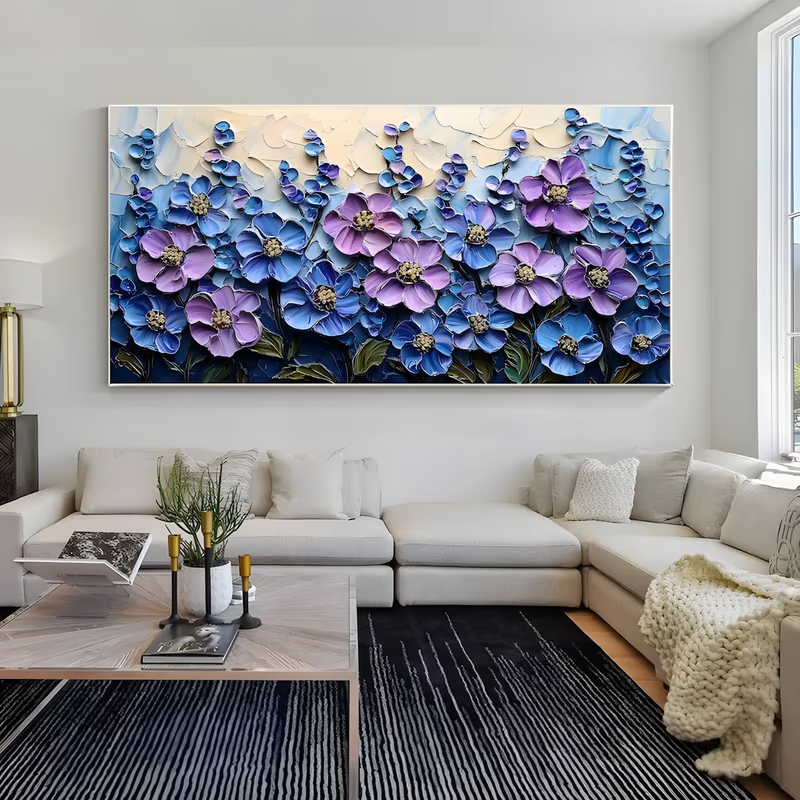
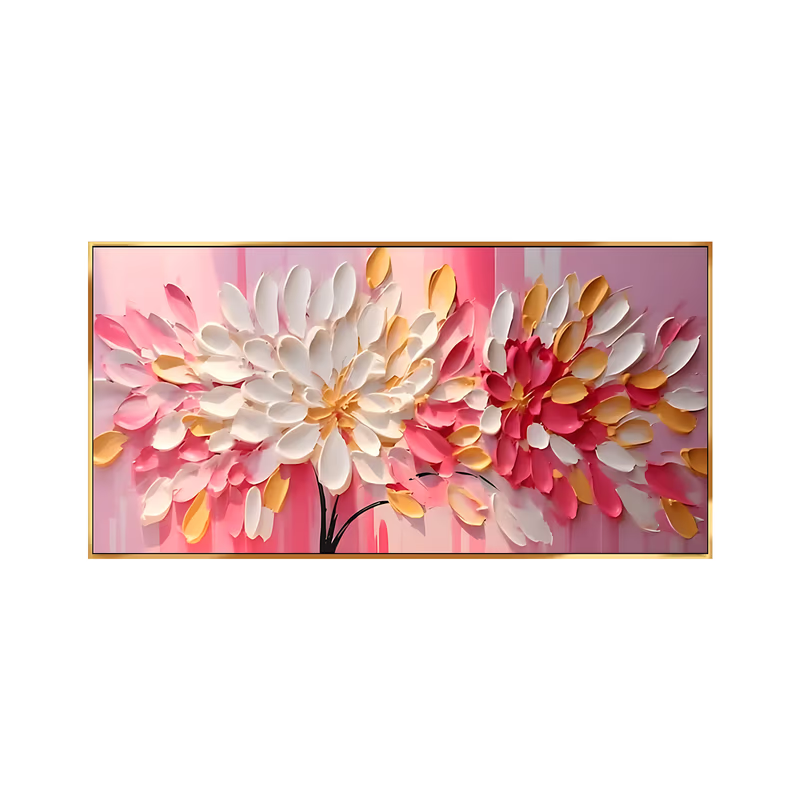
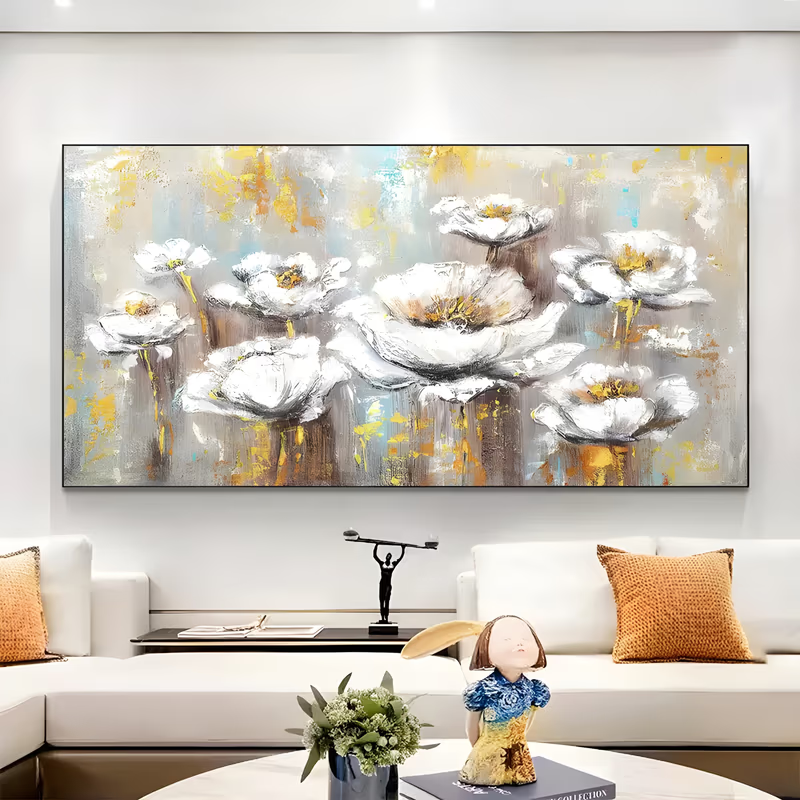
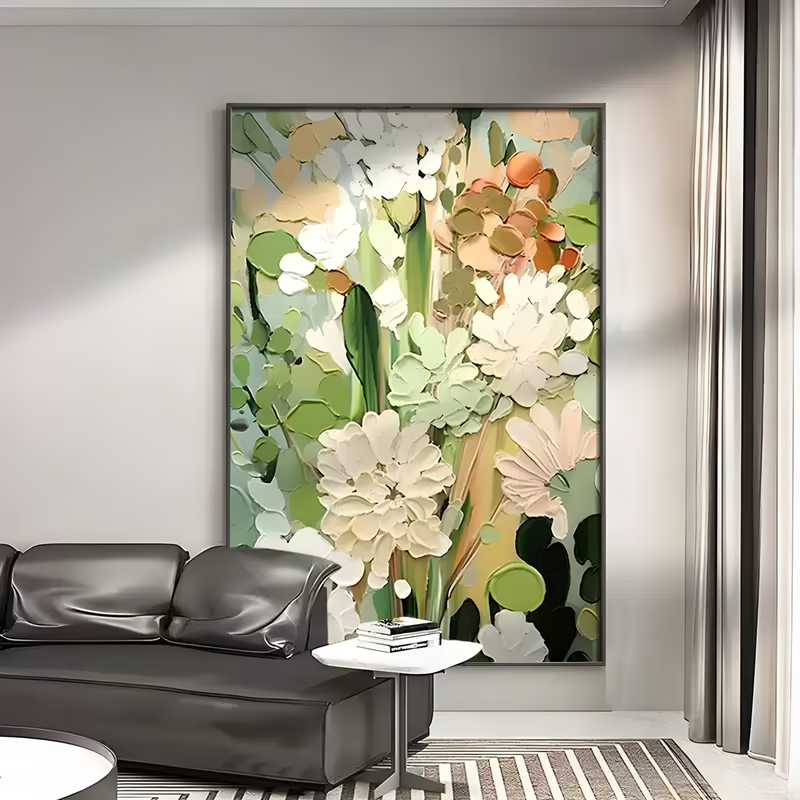
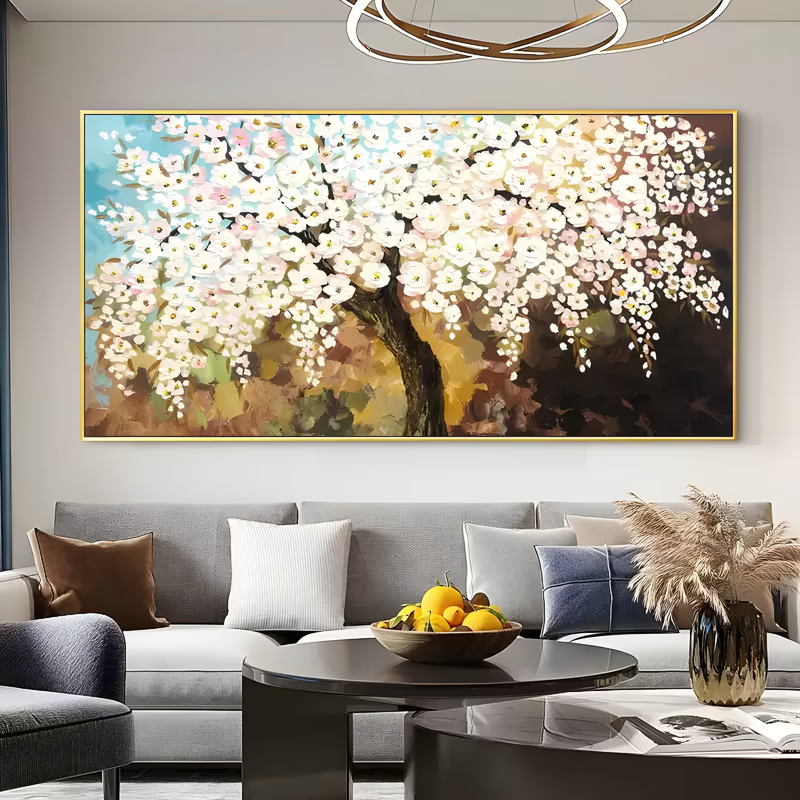
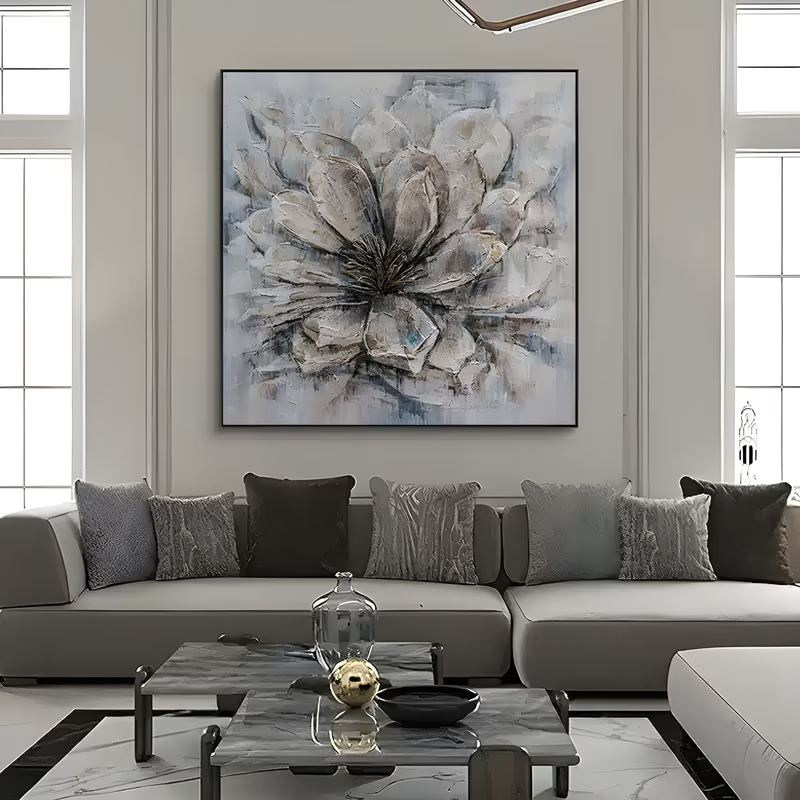
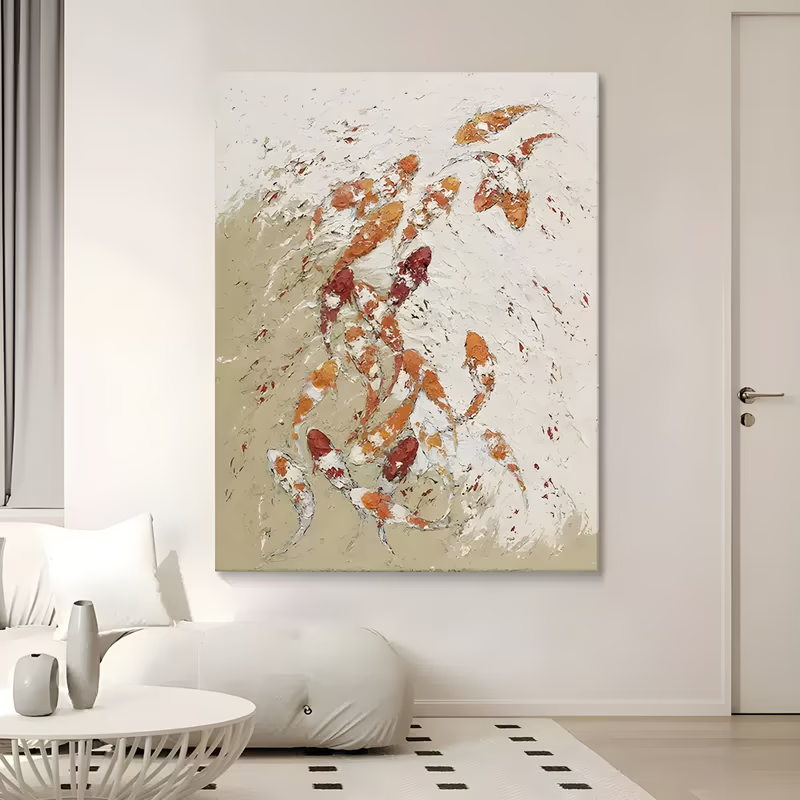
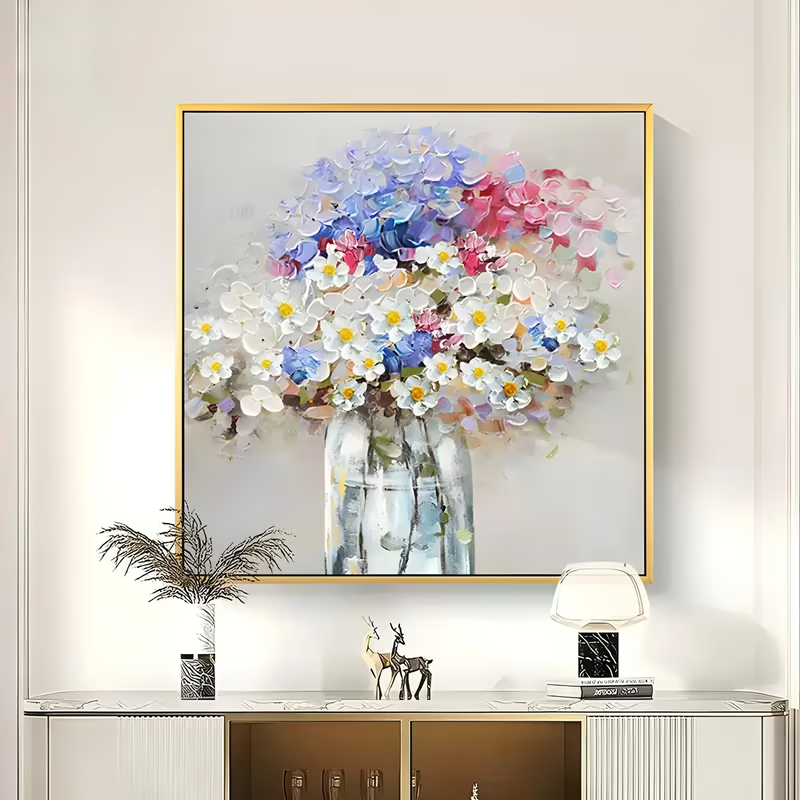
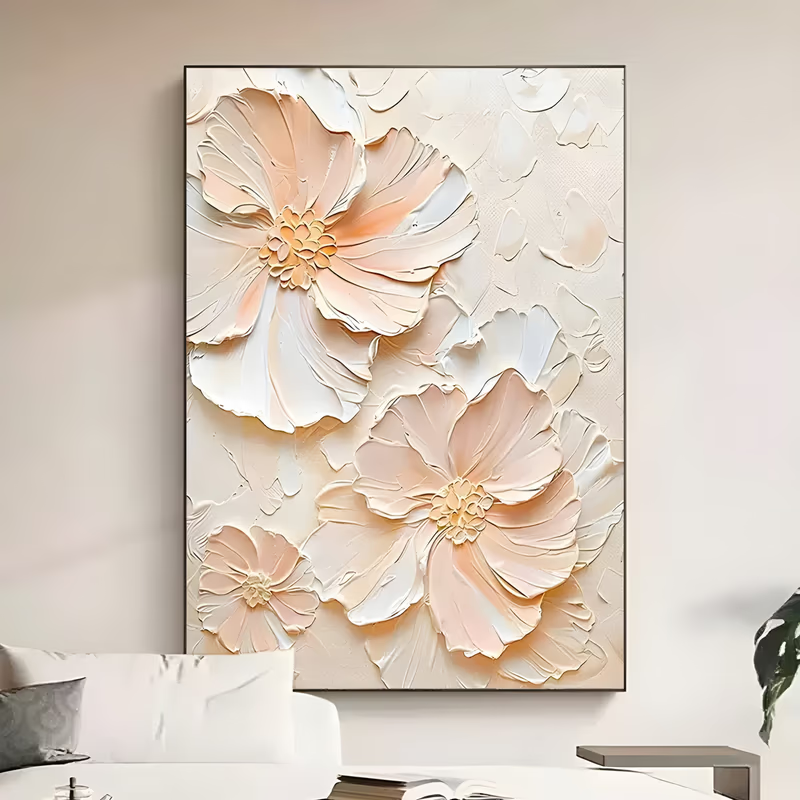
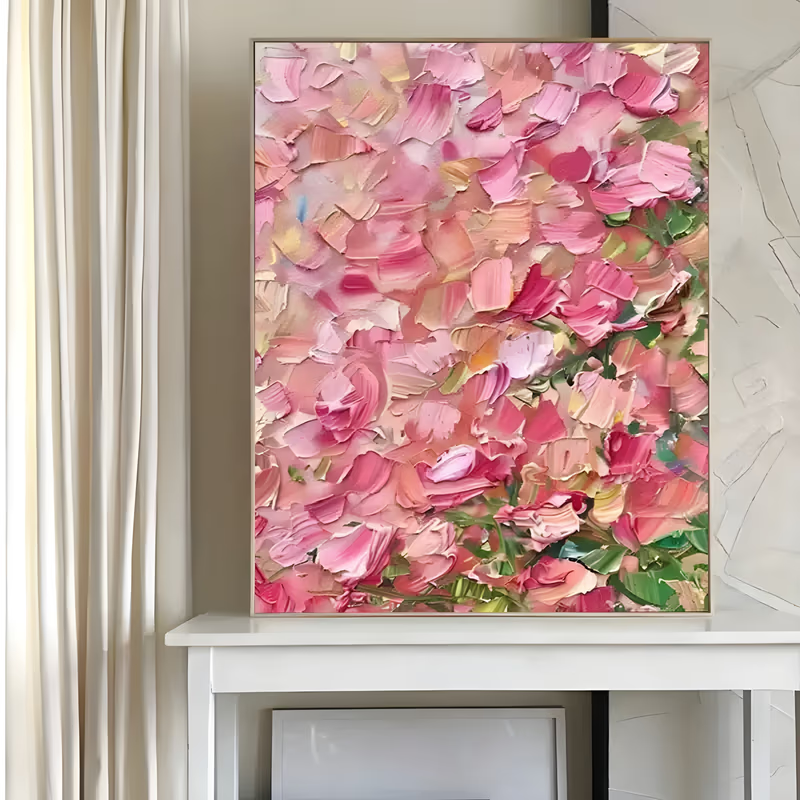
| Heavy impasto | Paint piled into rounded peaks, swirls and dabs that keep the brush marks | Medium | Floral pieces for bedrooms and dining rooms |
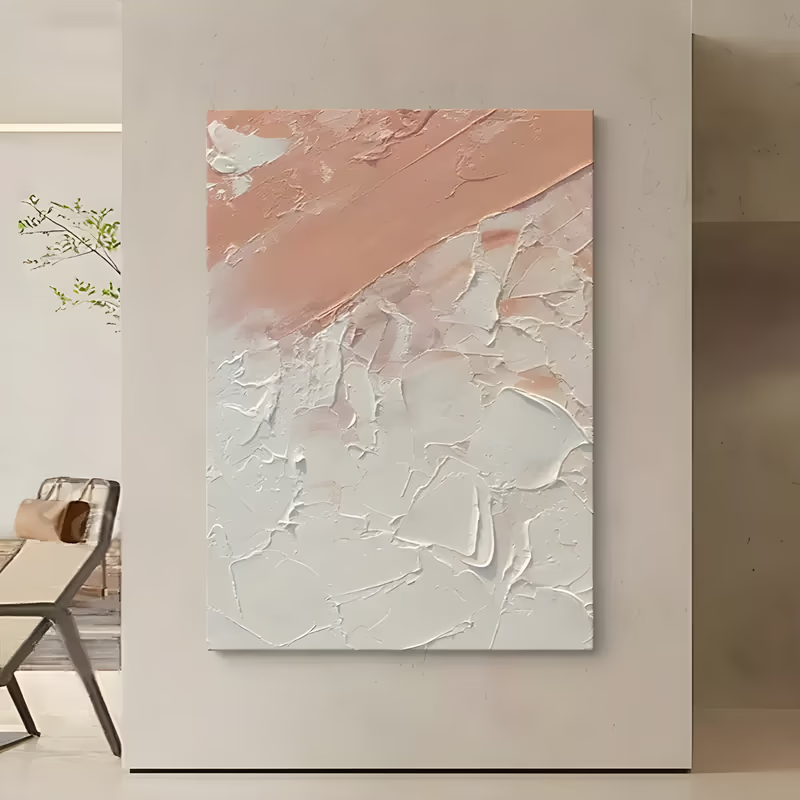
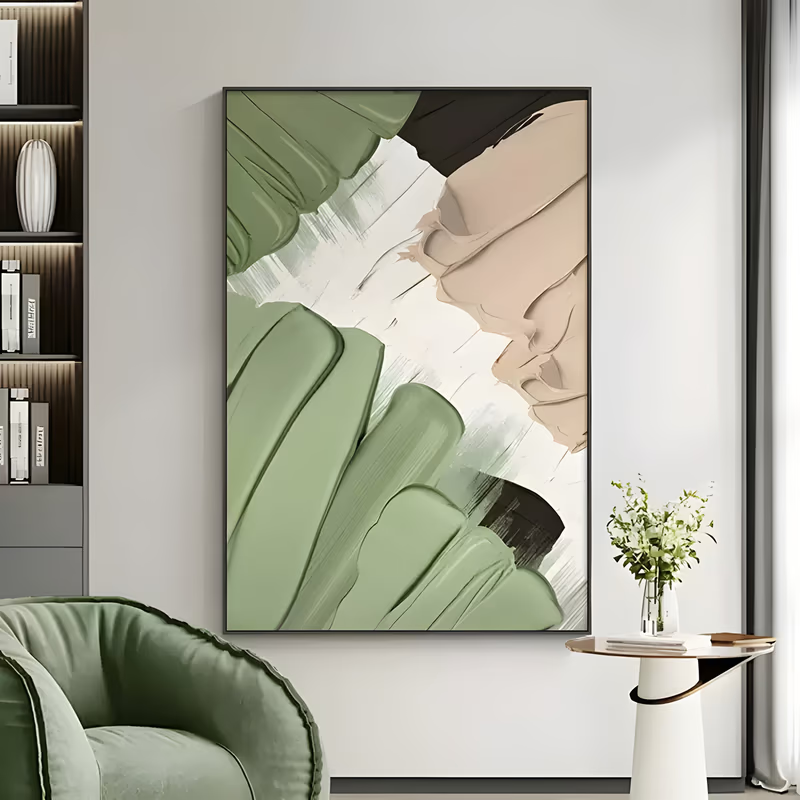
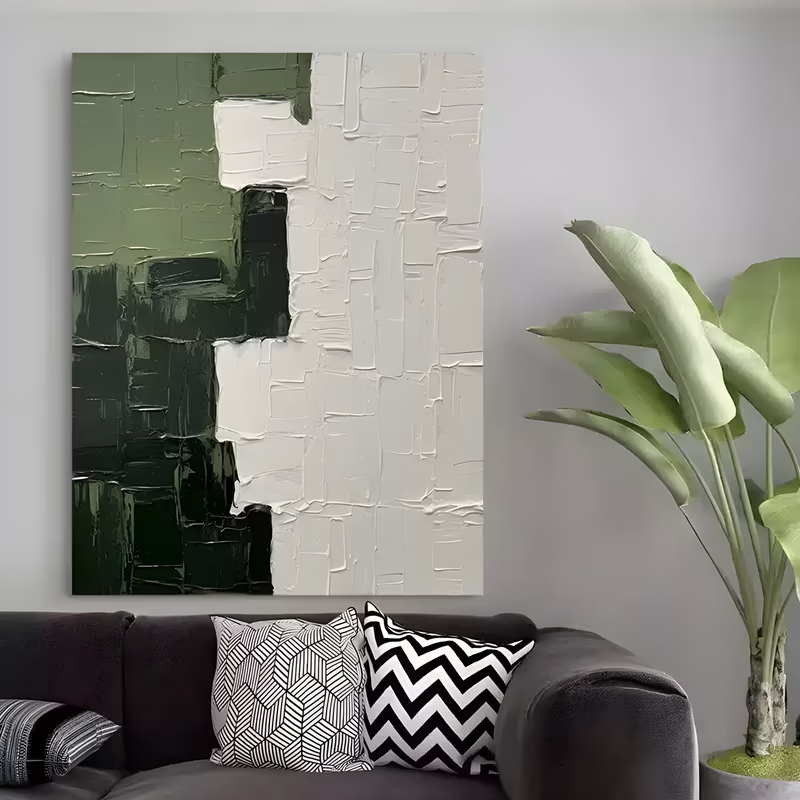
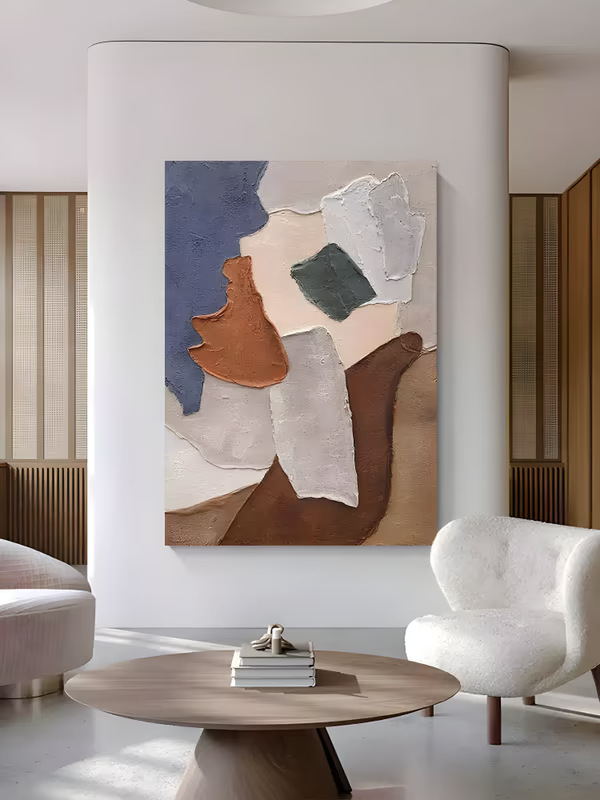
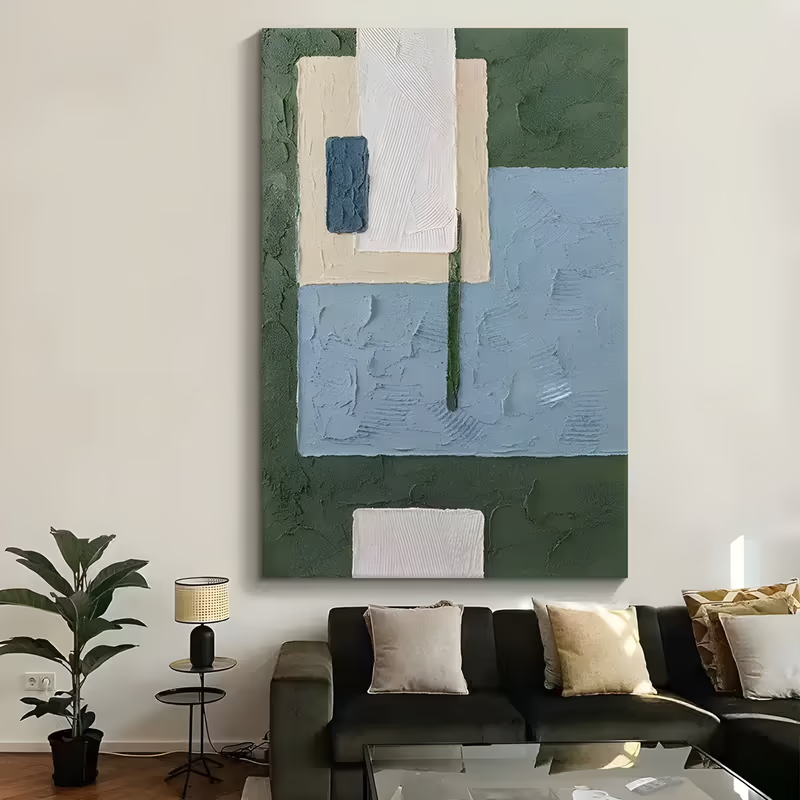
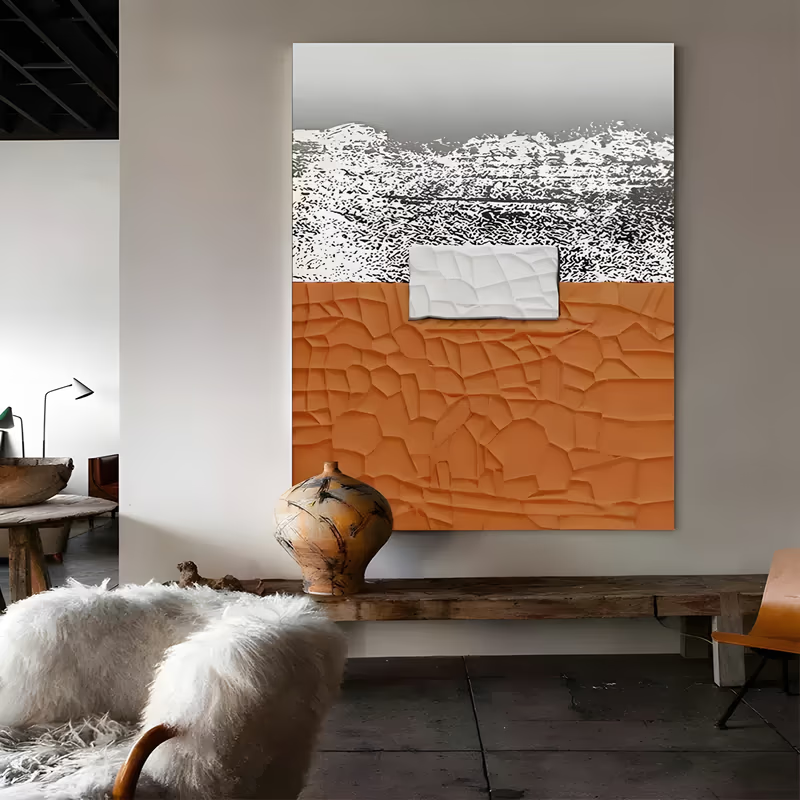
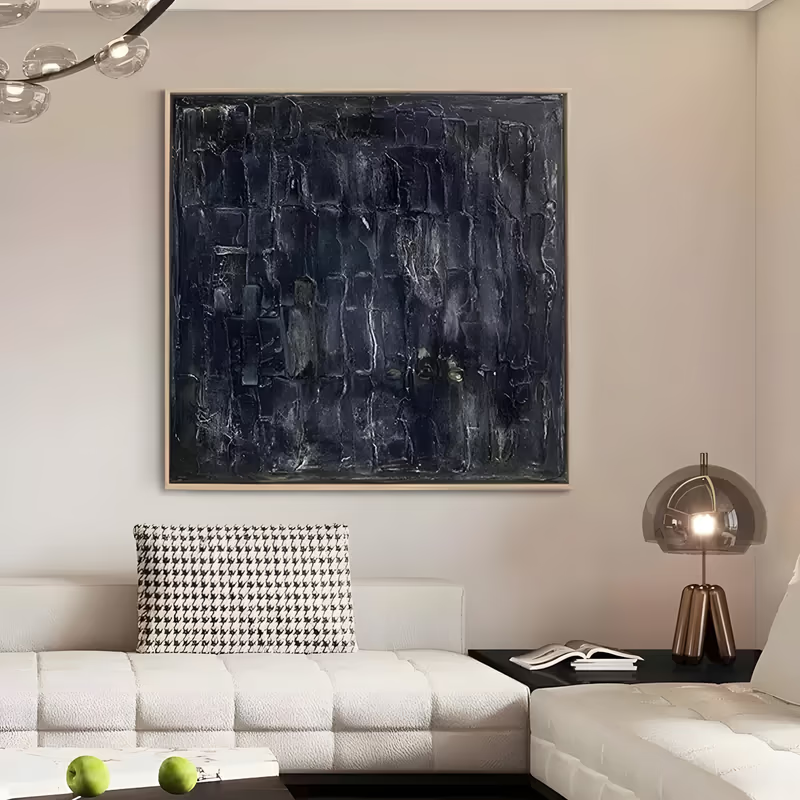
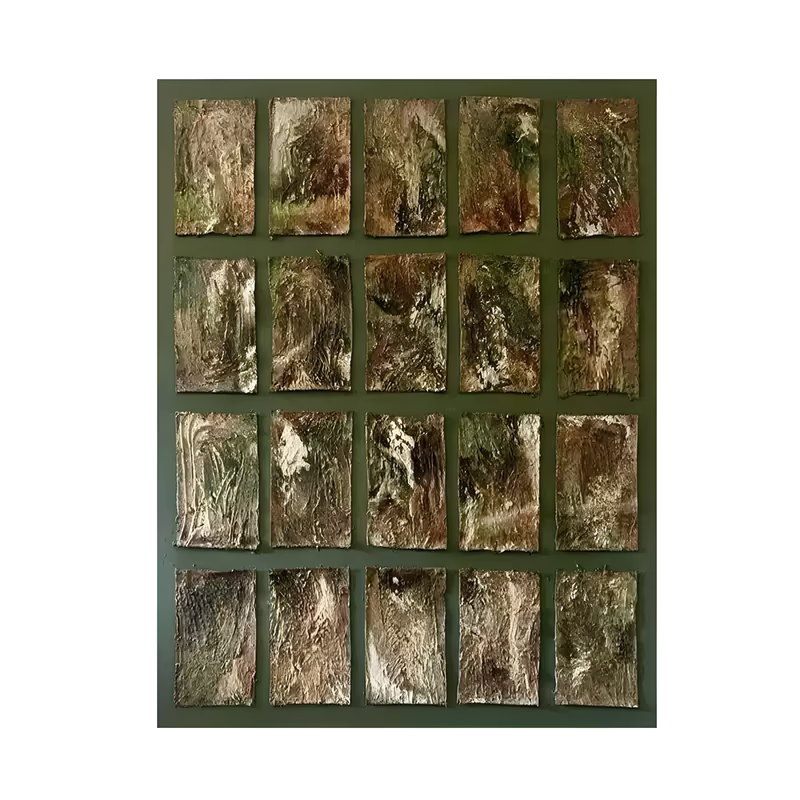
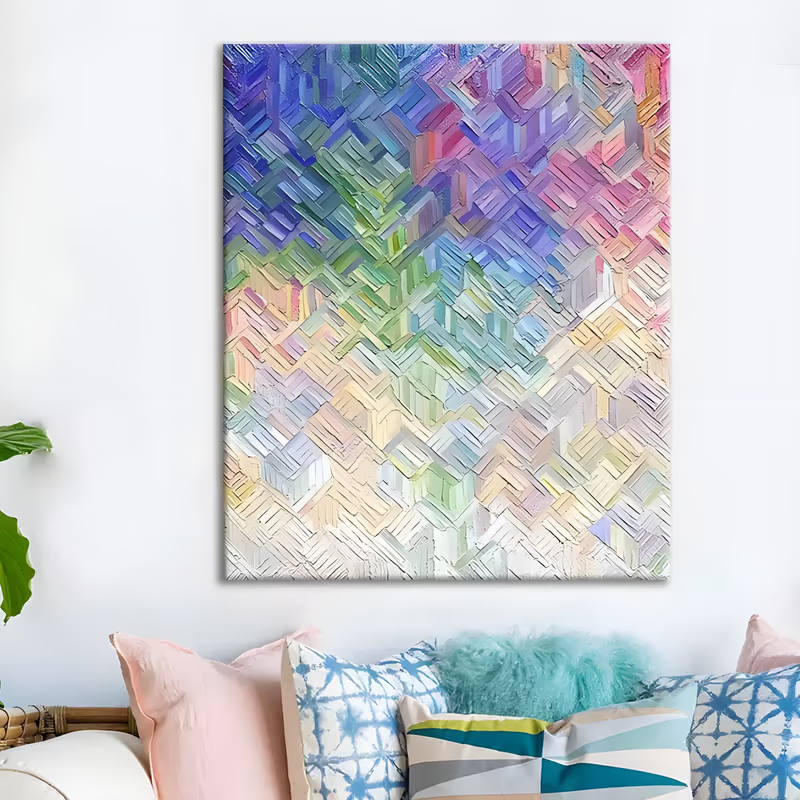
| Palette-knife strokes | Crisp, flat slabs of colour with sharp edges, like stacked tiles | Shallow to medium; catches light on its edges | Restaurants, bars, living rooms |
Many pieces combine them: a plaster flower on a combed ground, or knifed leaves edged in gold. If you want texture that whispers rather than sculpture, look at the troweled and combed pieces.
What kinds of textured wall art are there?
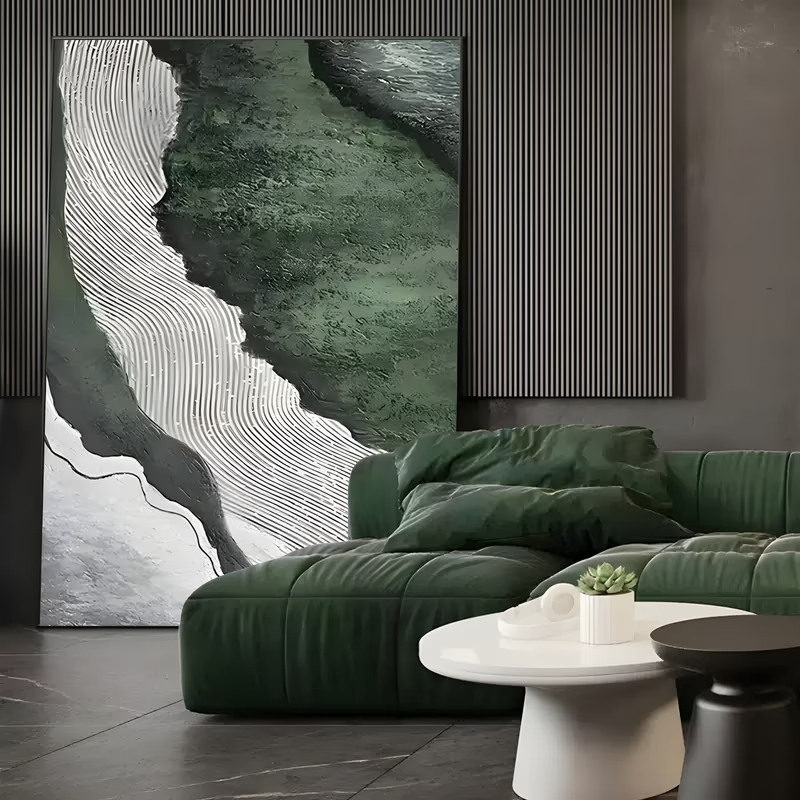
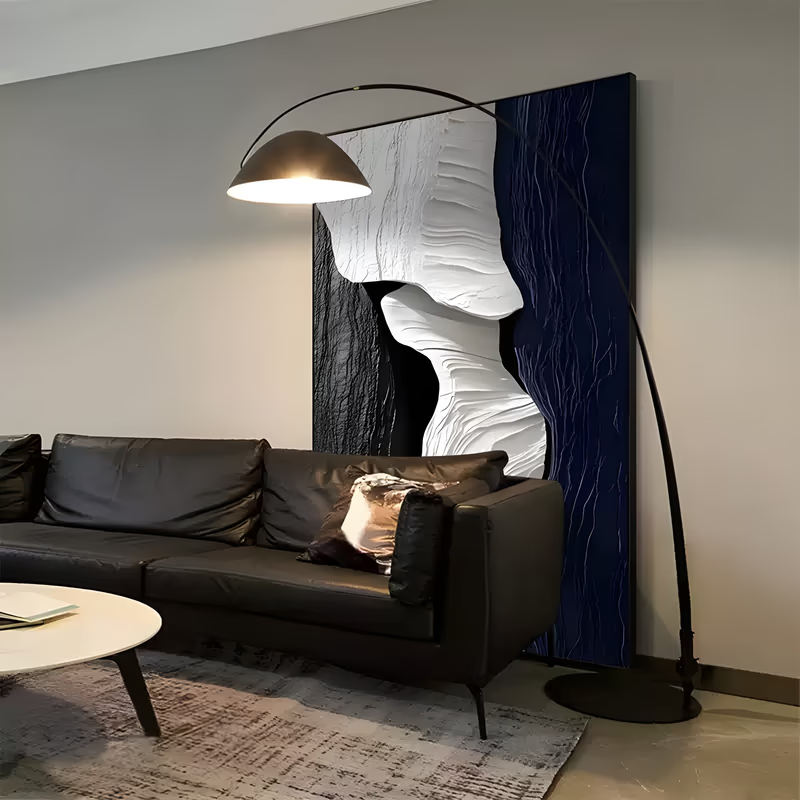
The textured pieces here fall into four groups: sculpted flowers and leaves, plaster geometry, relief seascapes, and textured landscapes and ridges.
Sculpted flowers and leaves
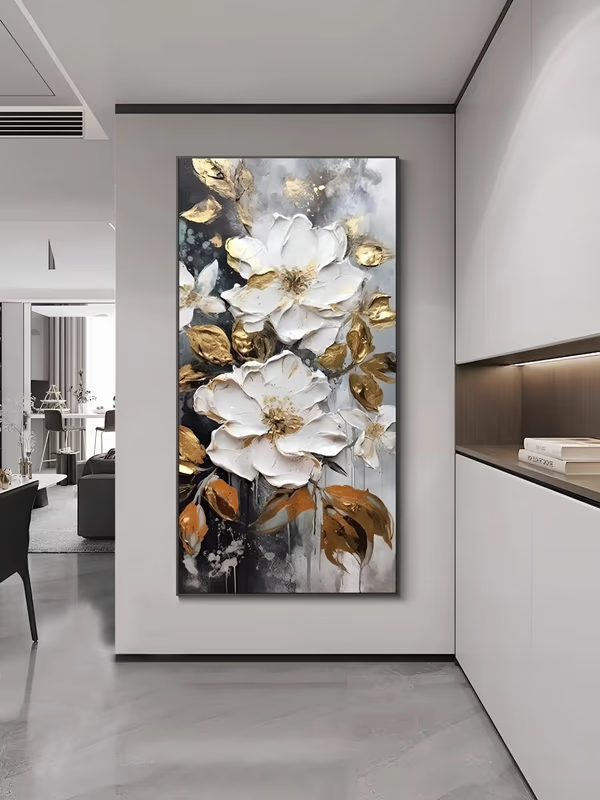
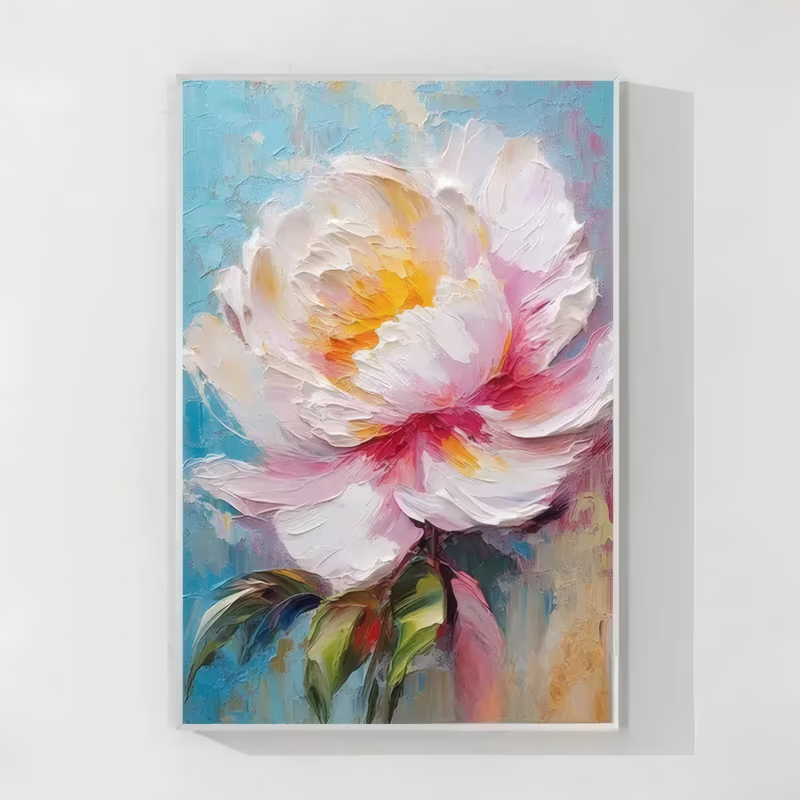
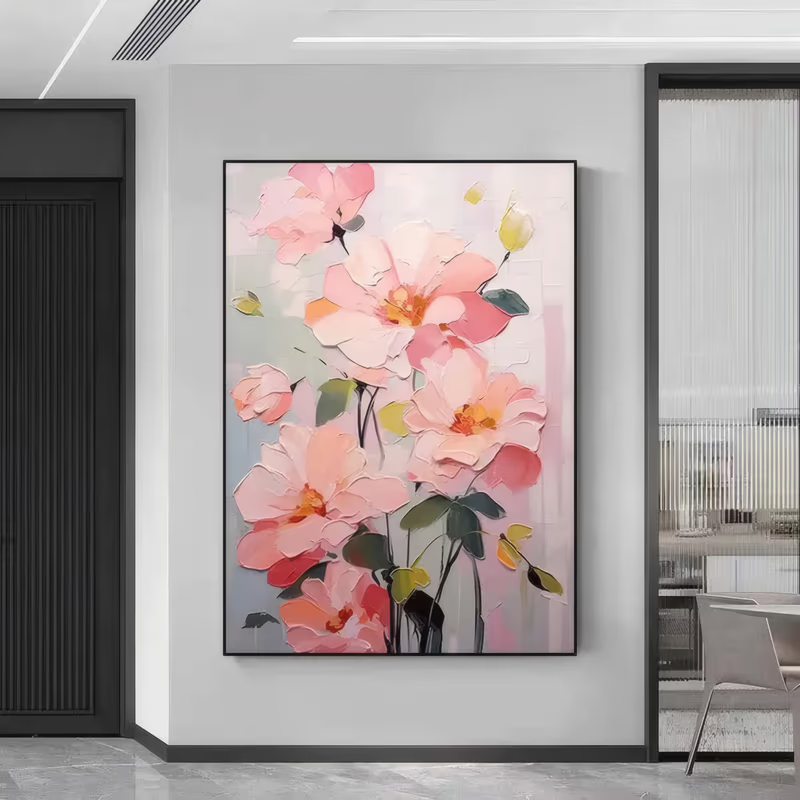
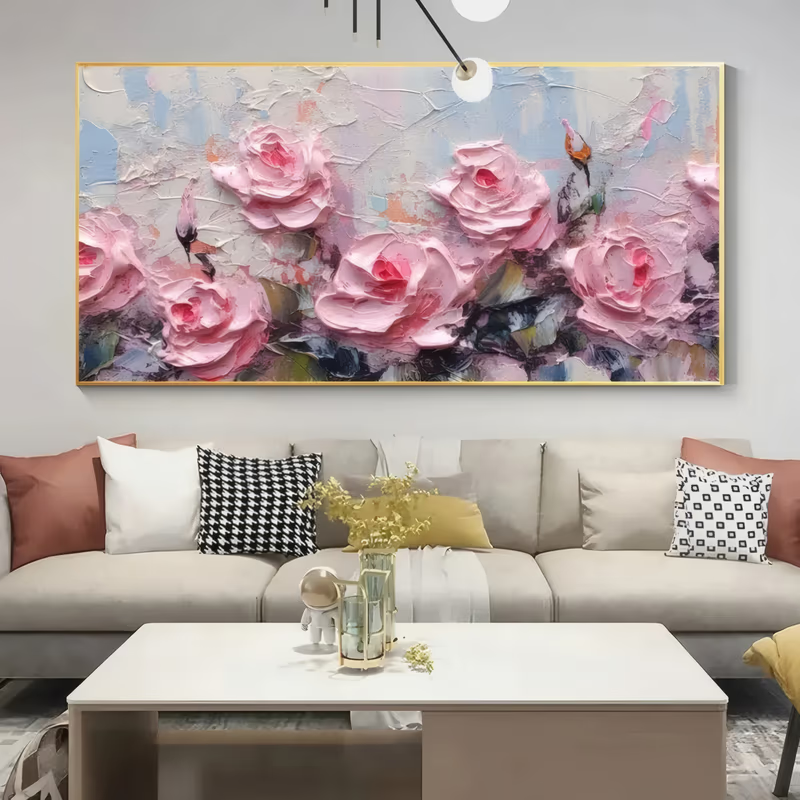
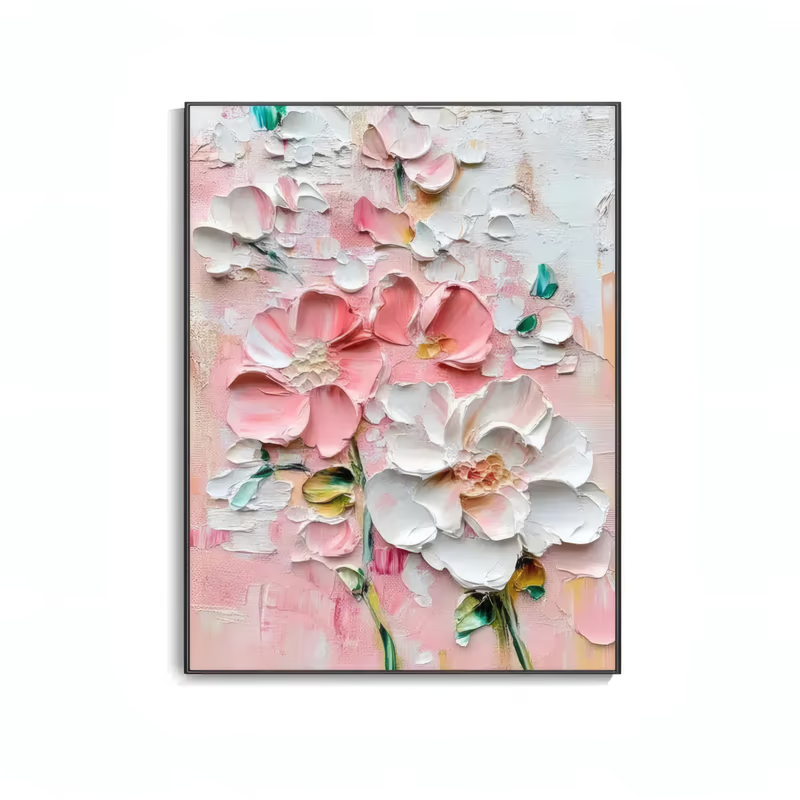
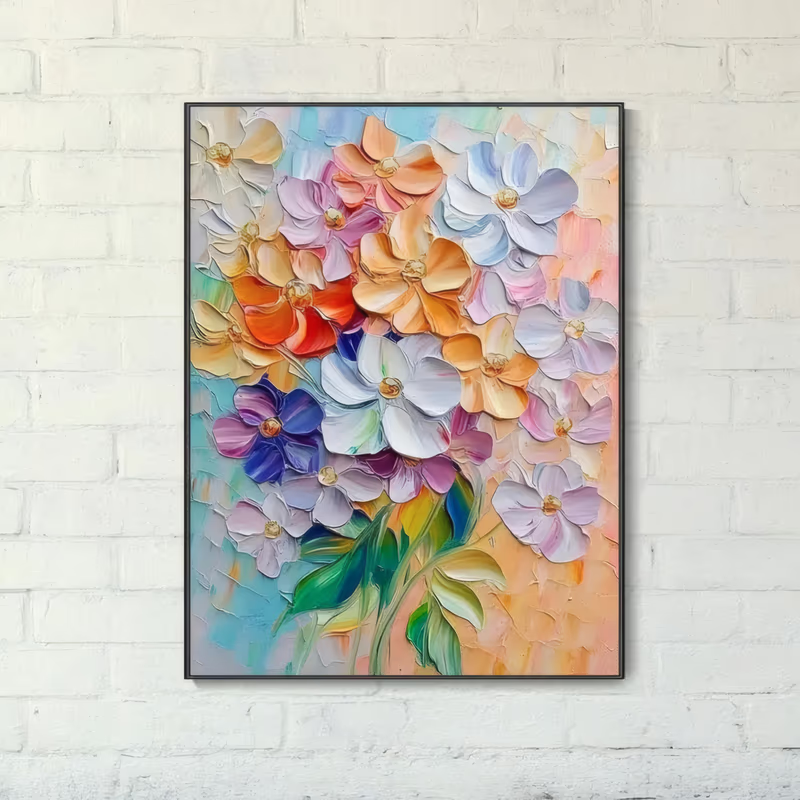
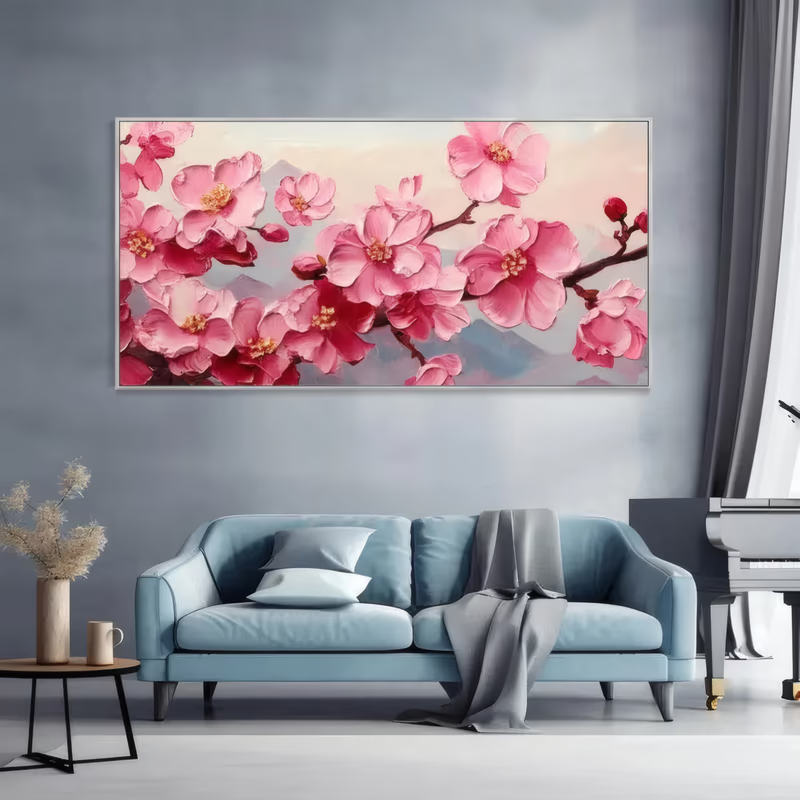
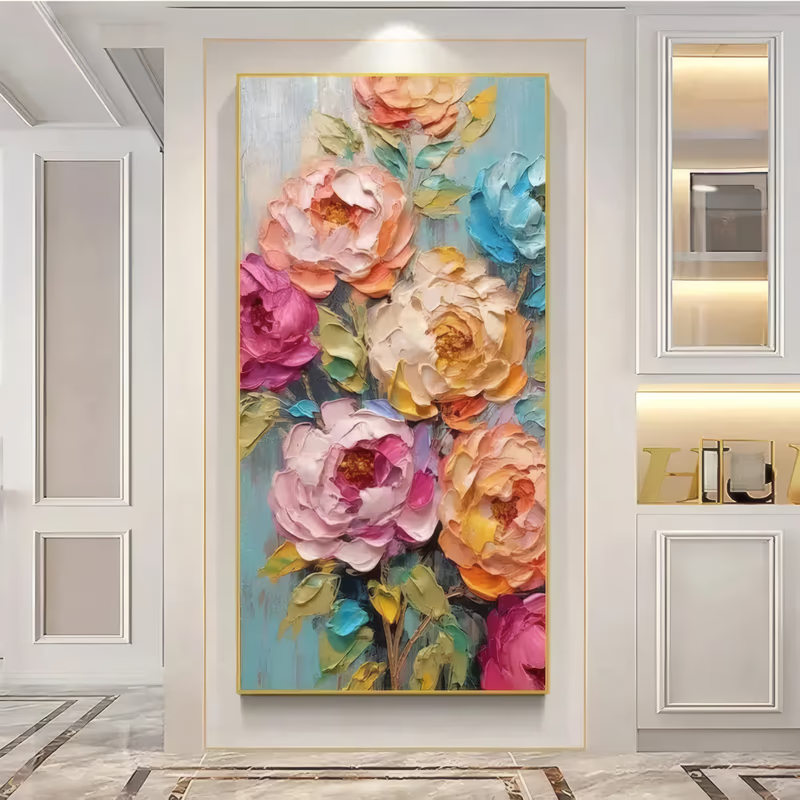
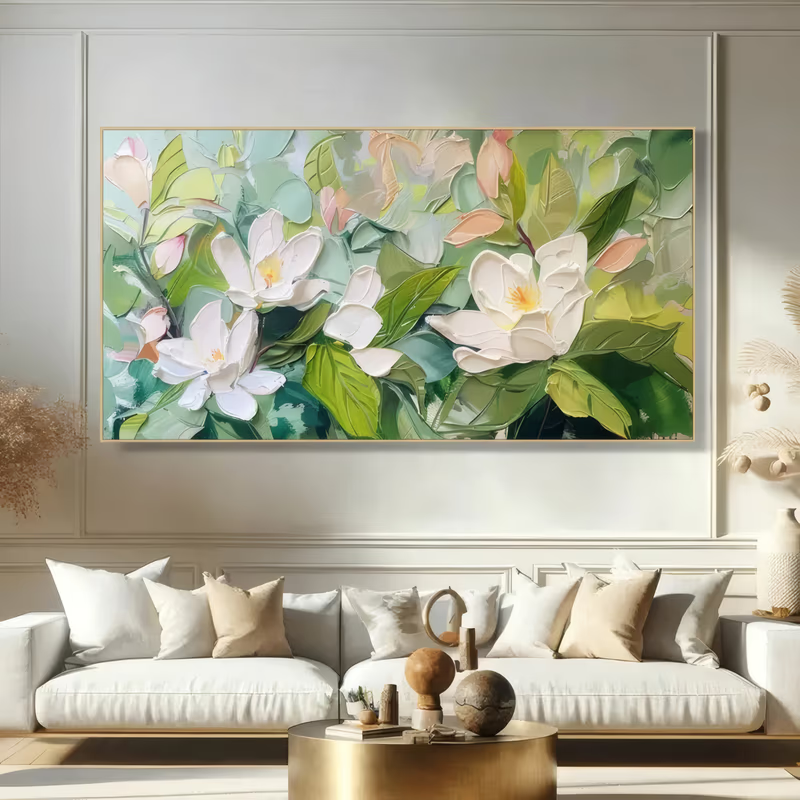
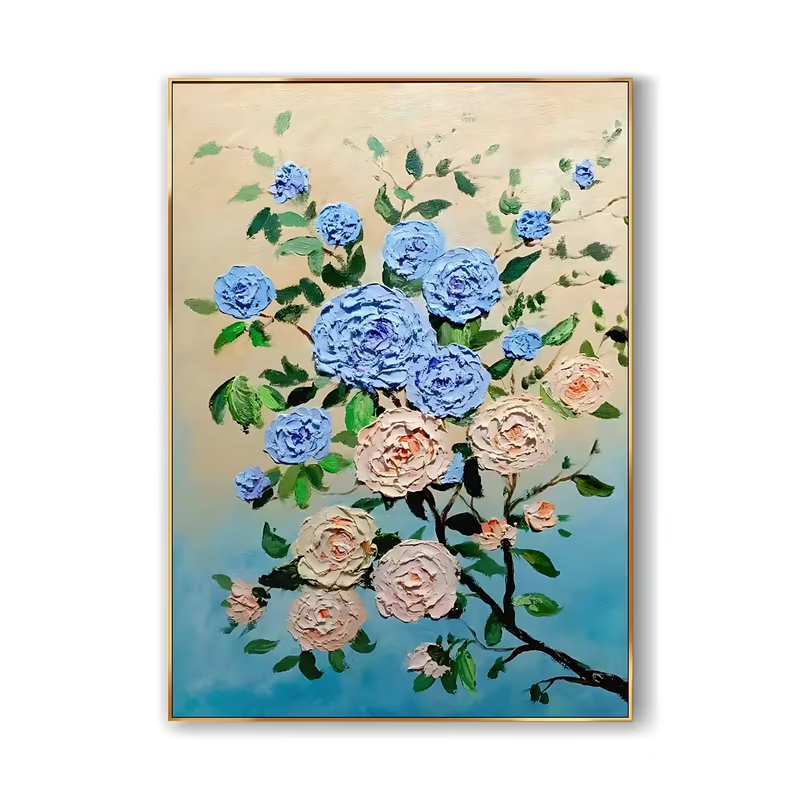
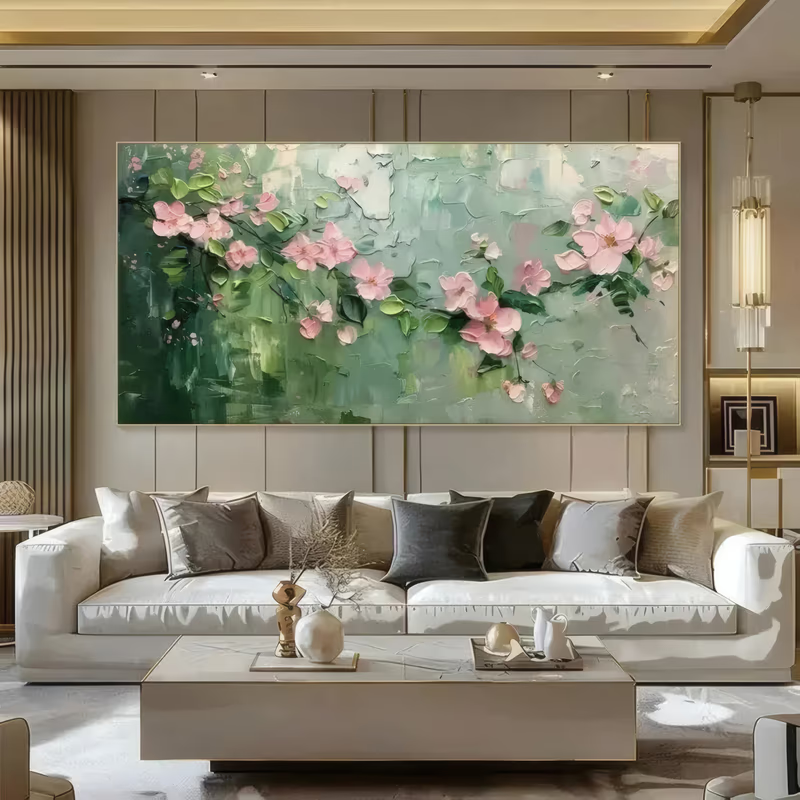
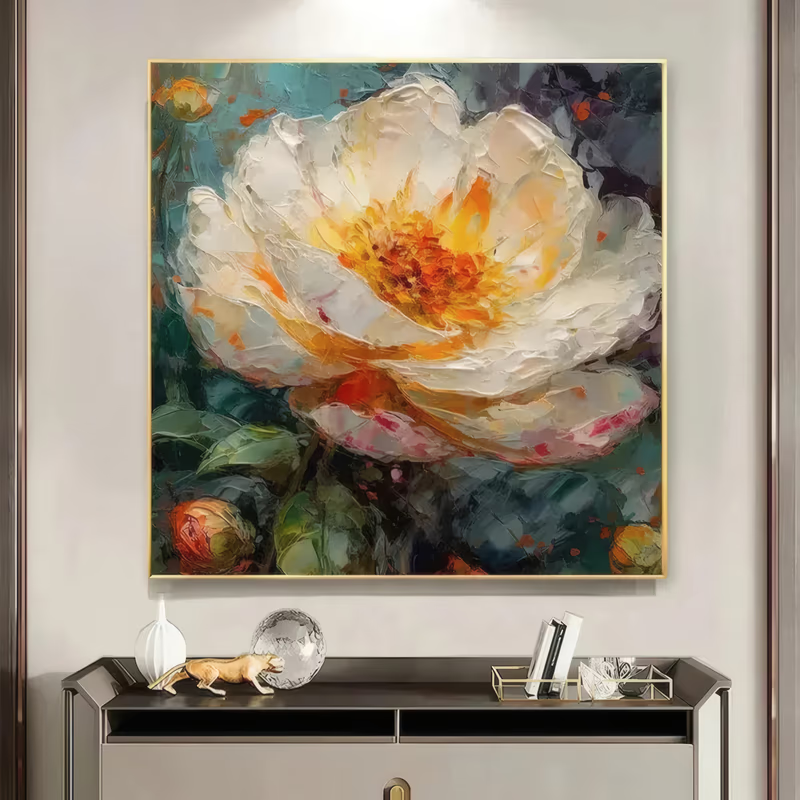
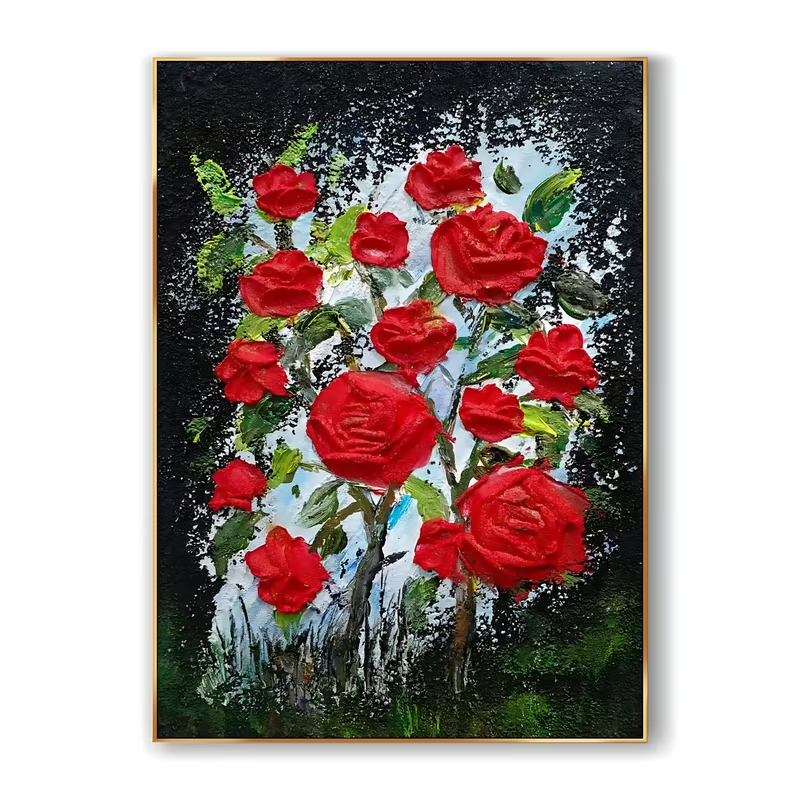
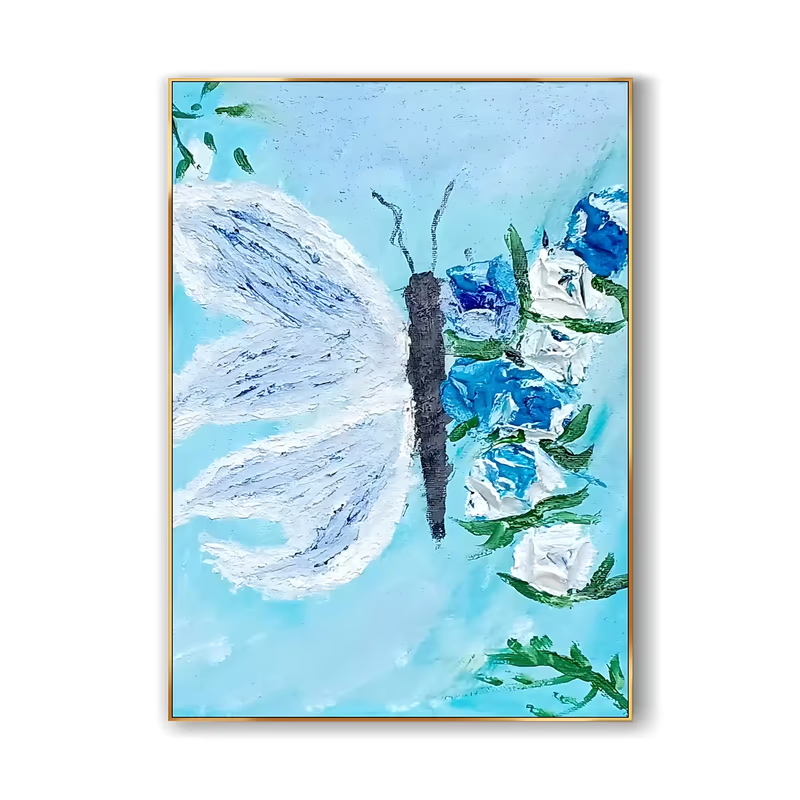
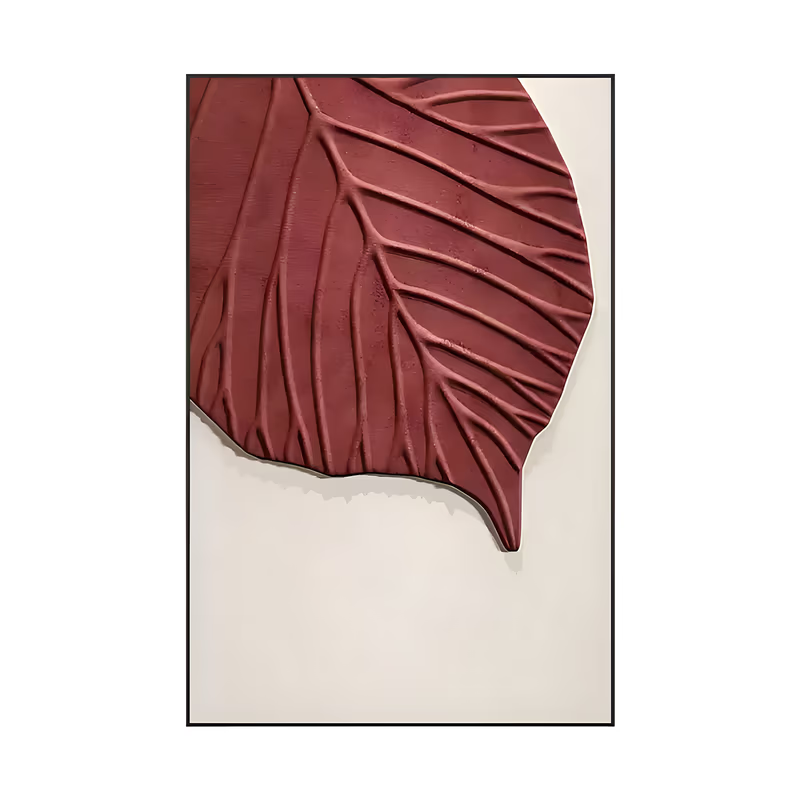
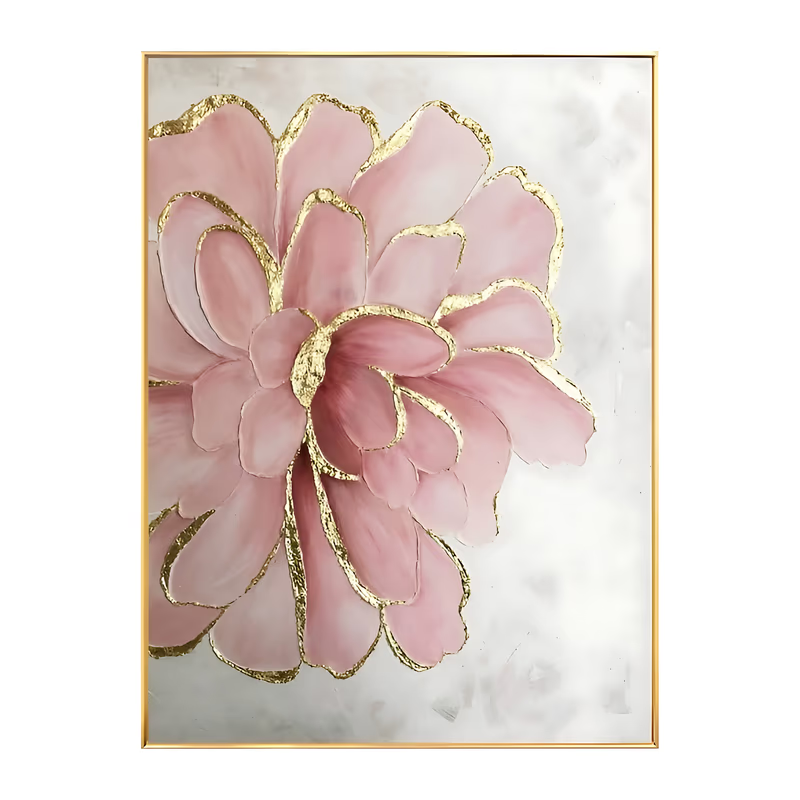
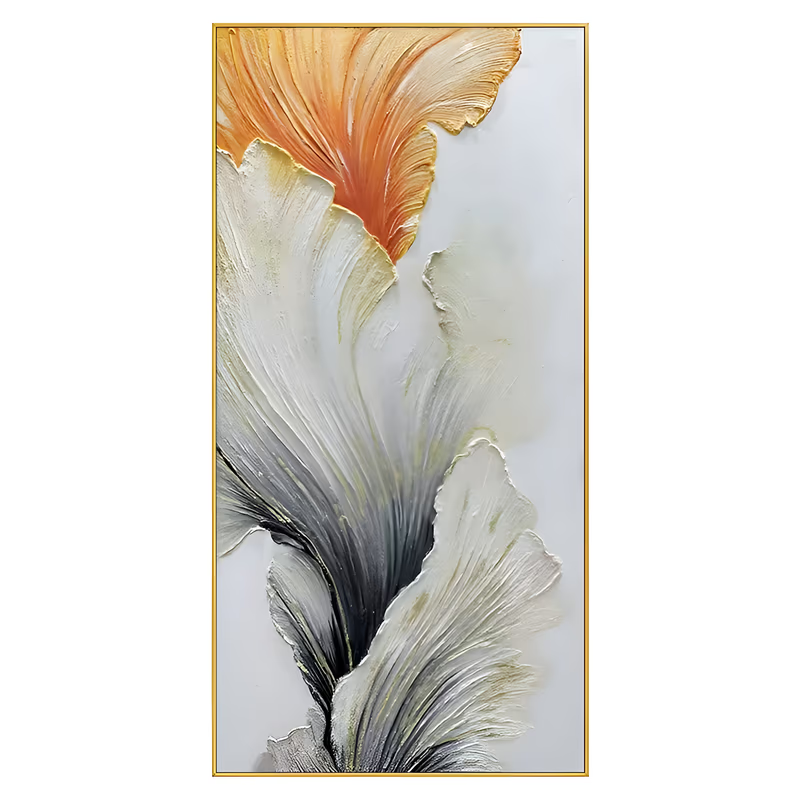
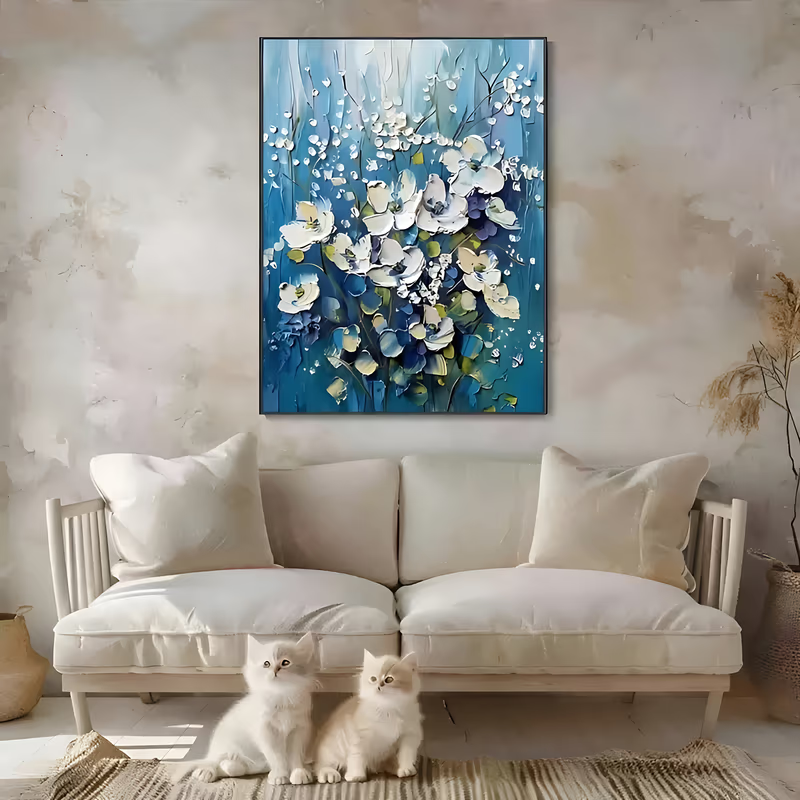
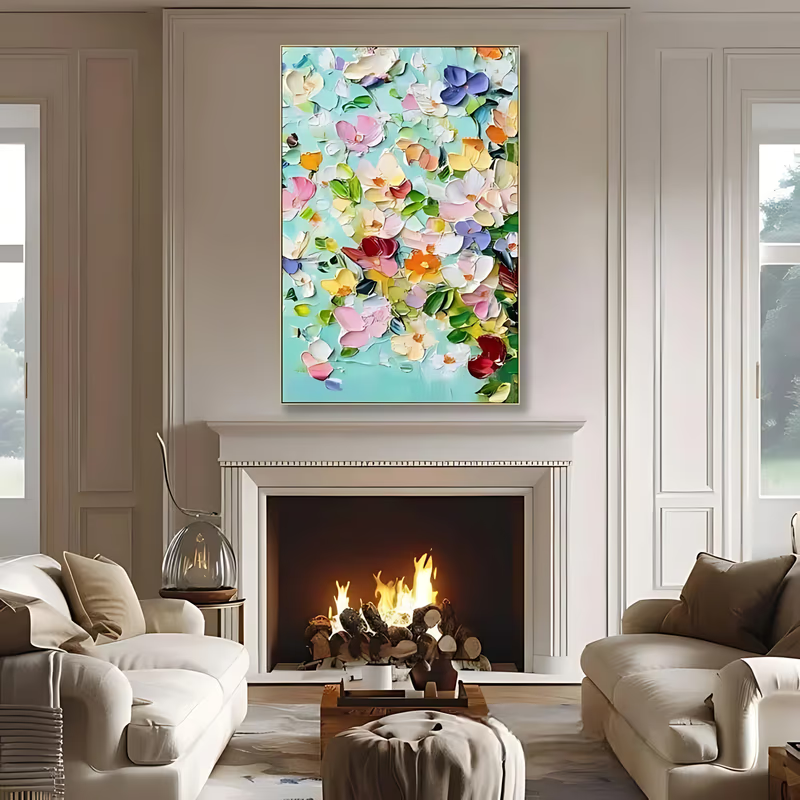
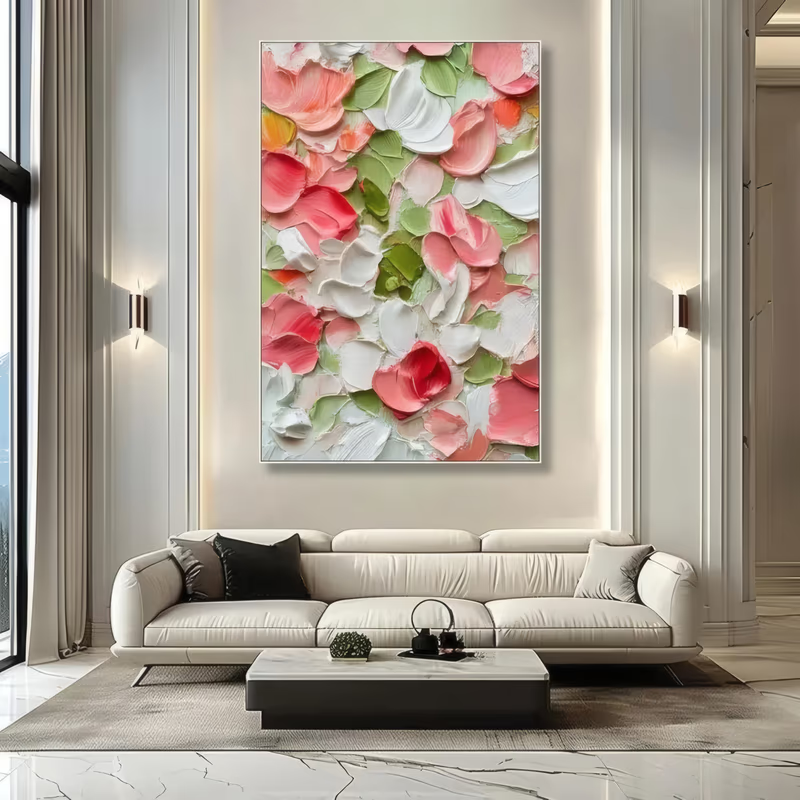
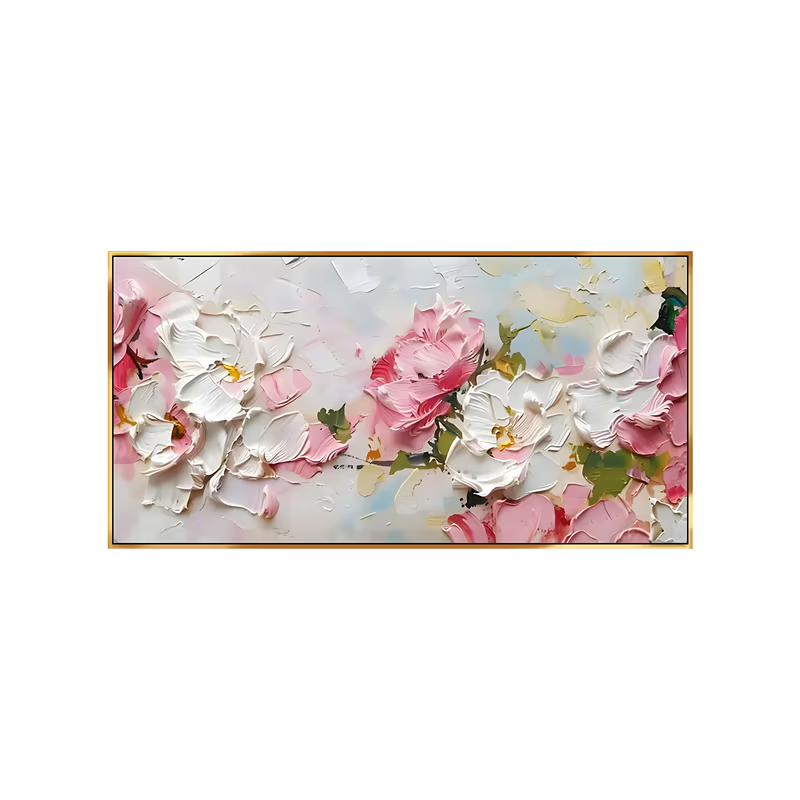
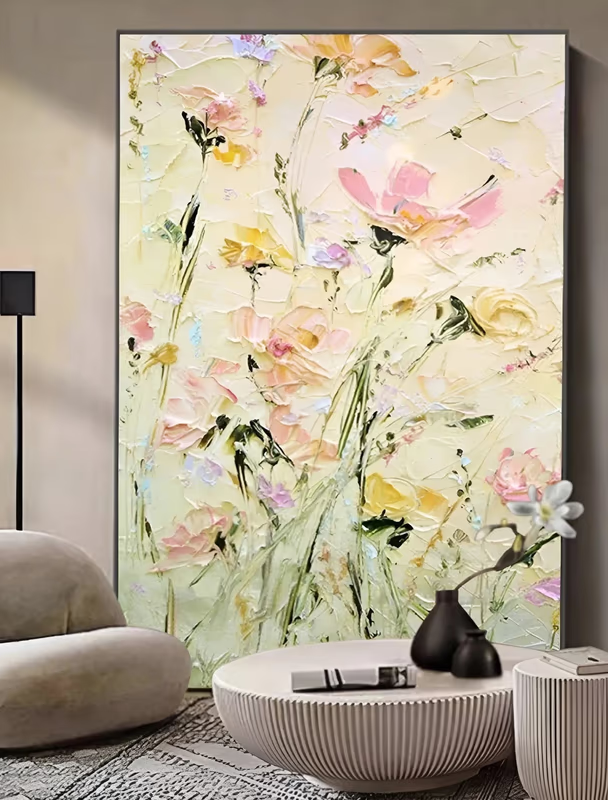
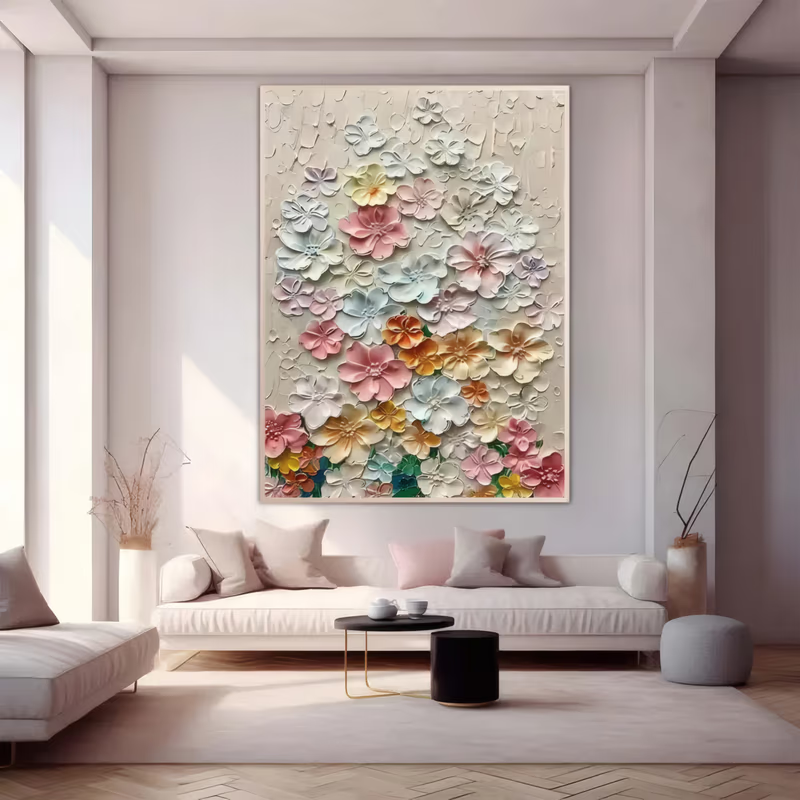
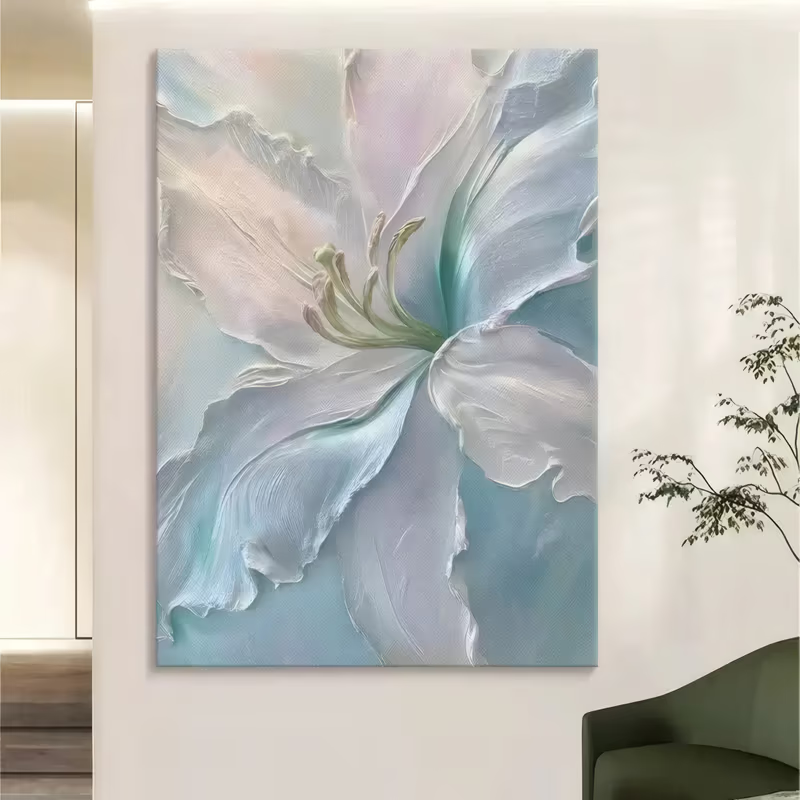
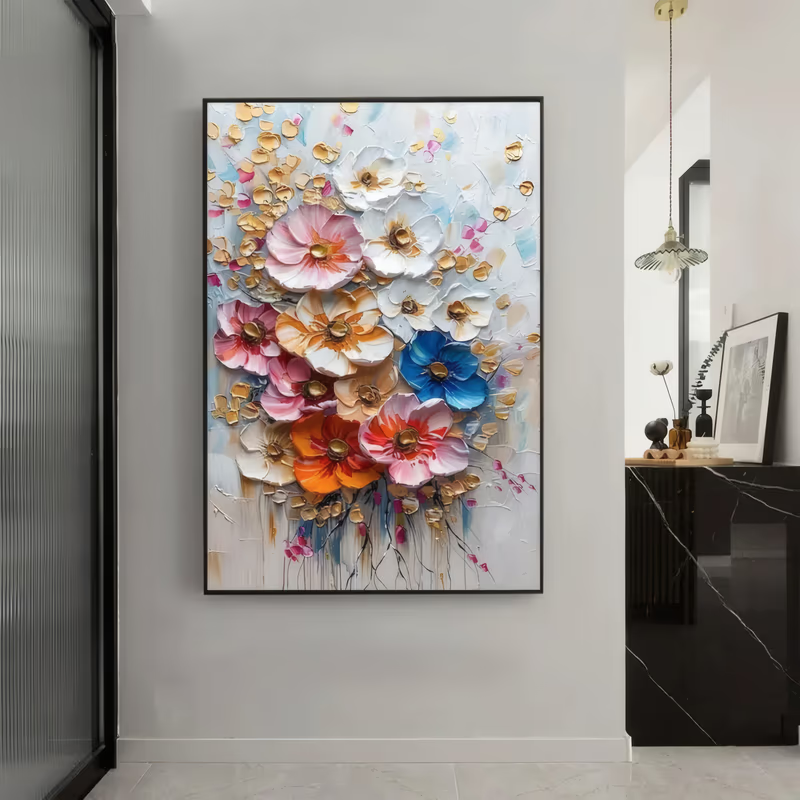
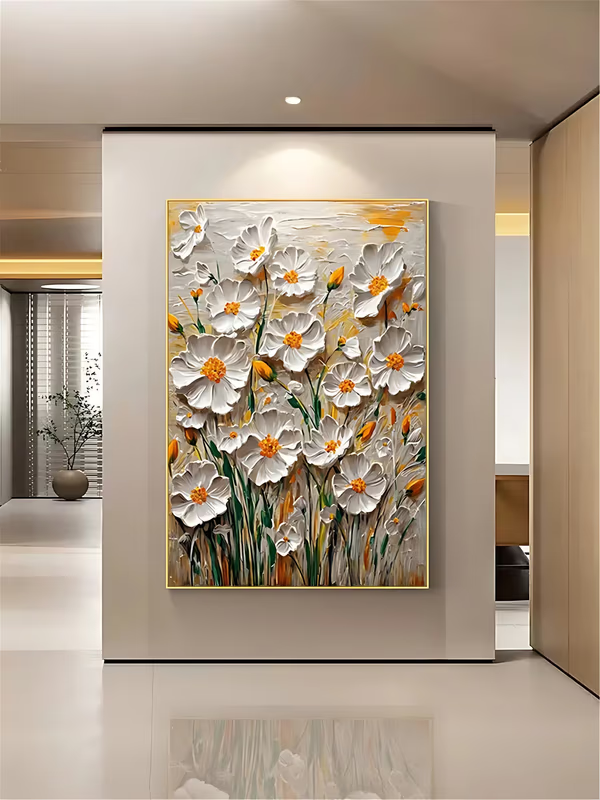
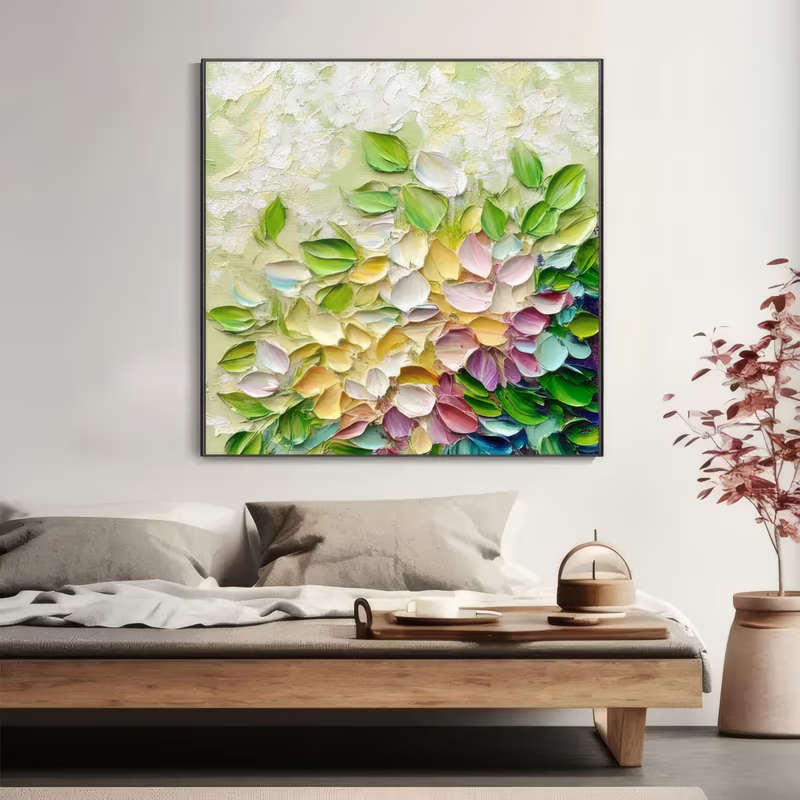
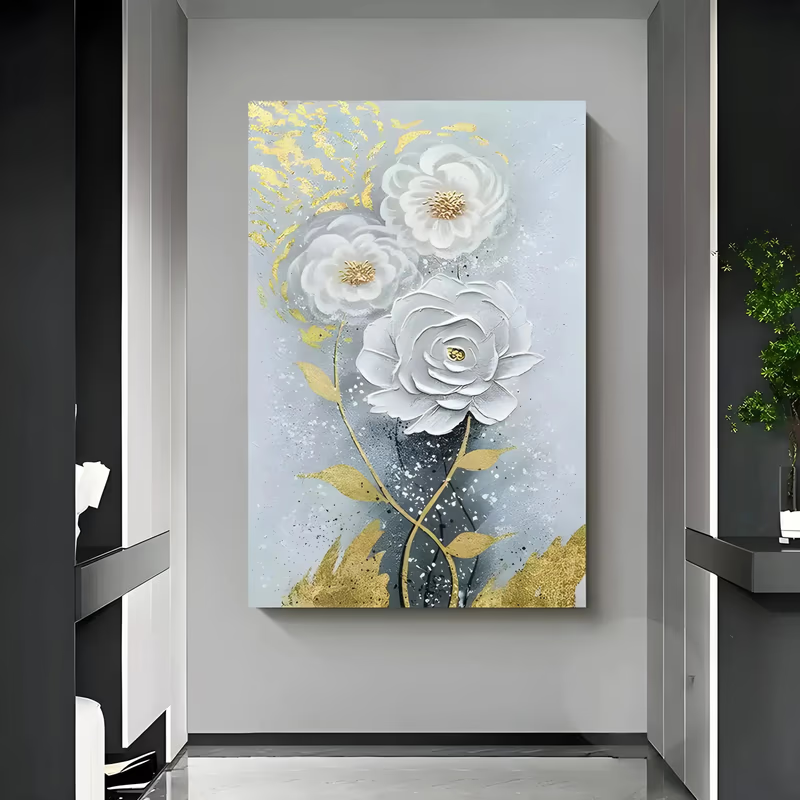
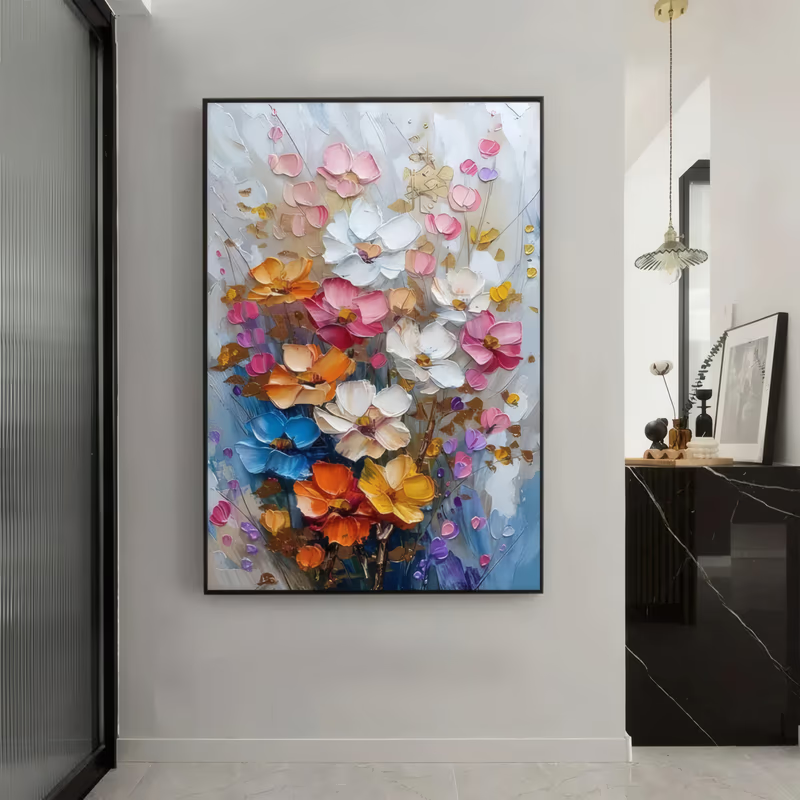
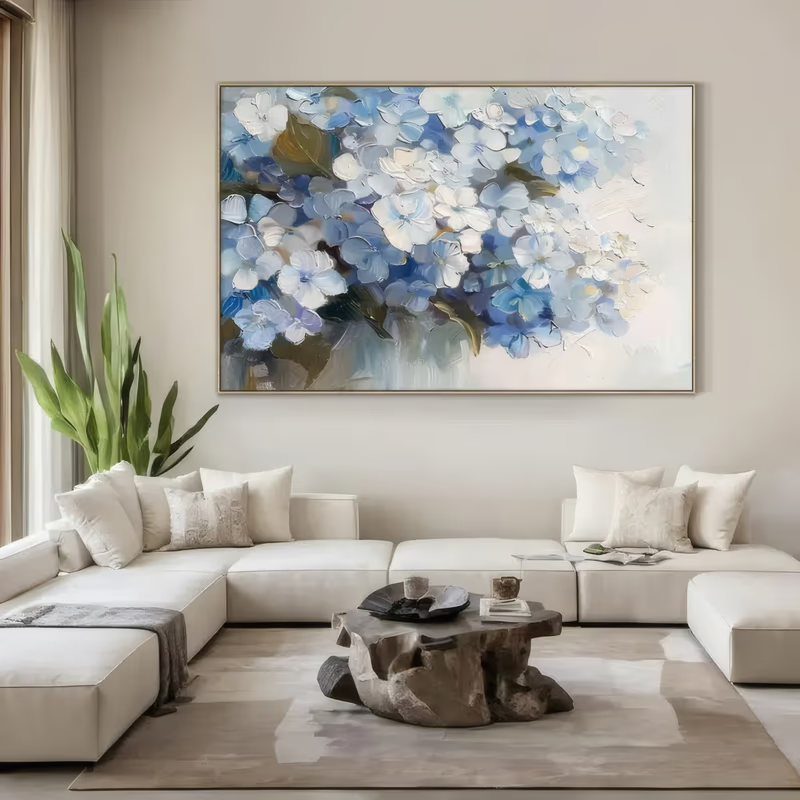
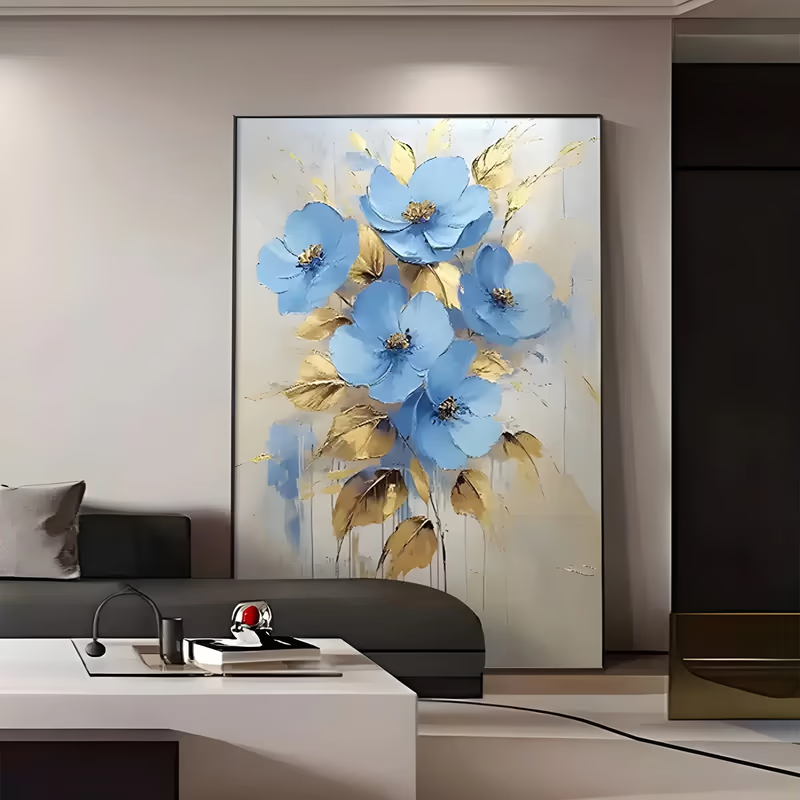
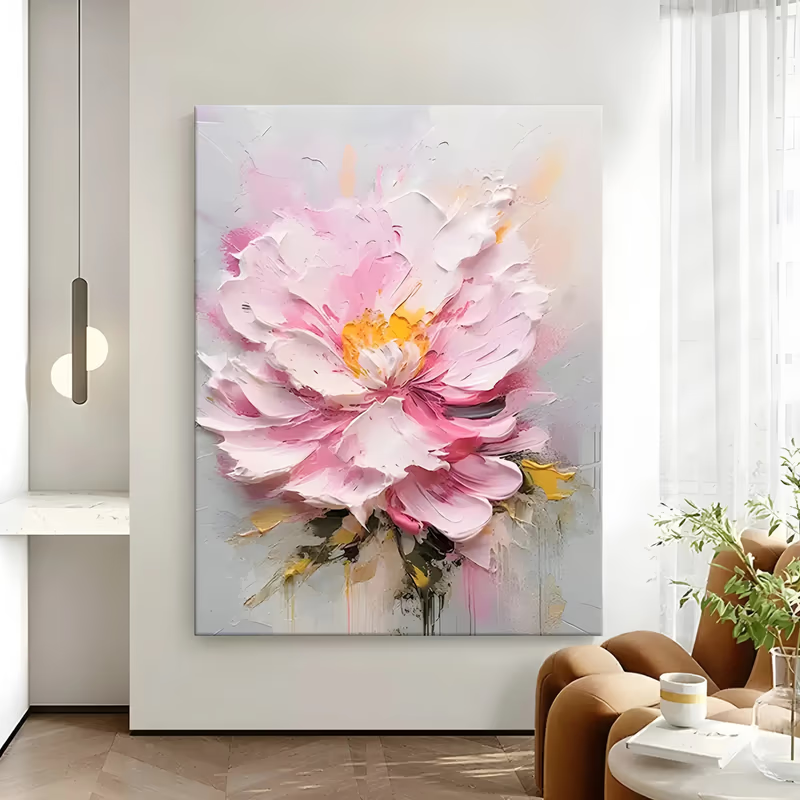
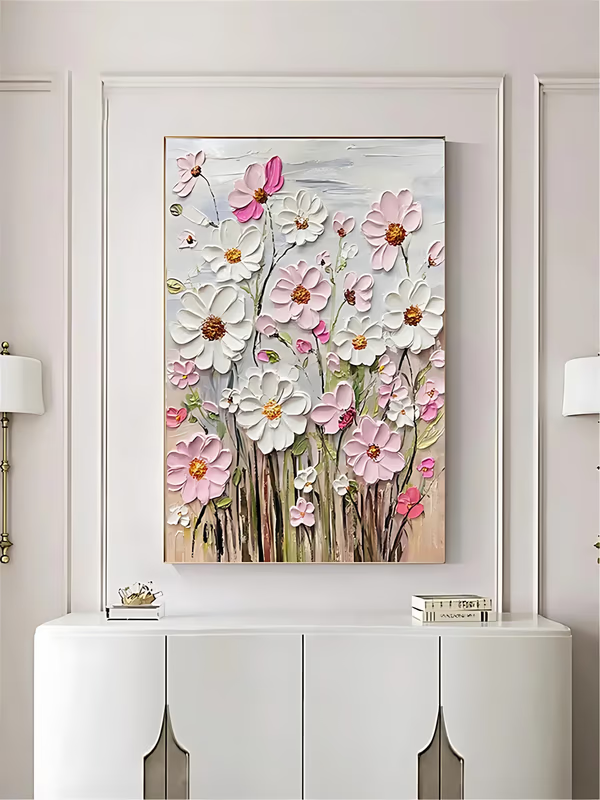
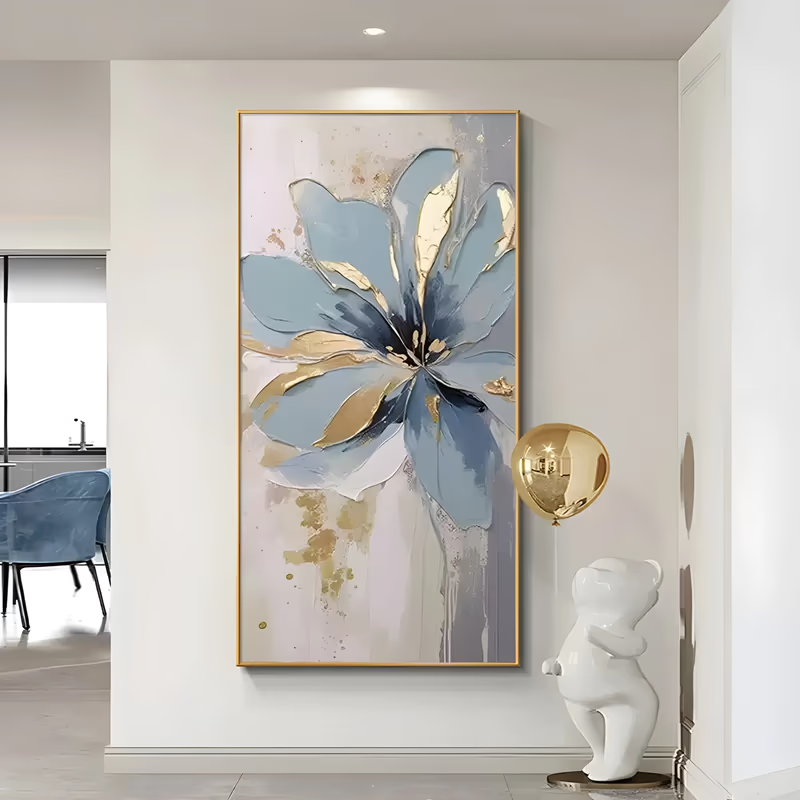
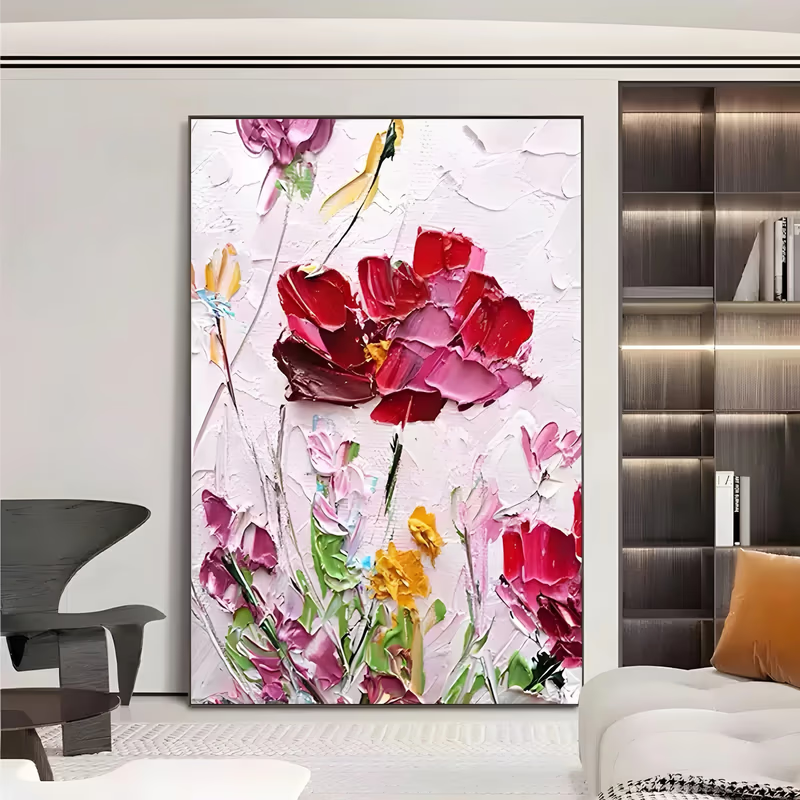
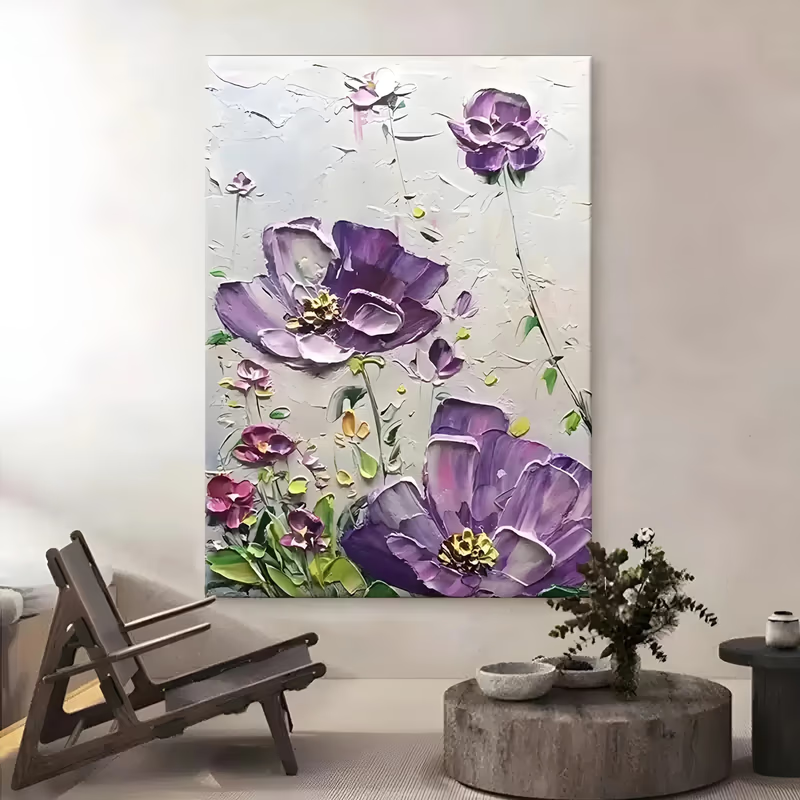
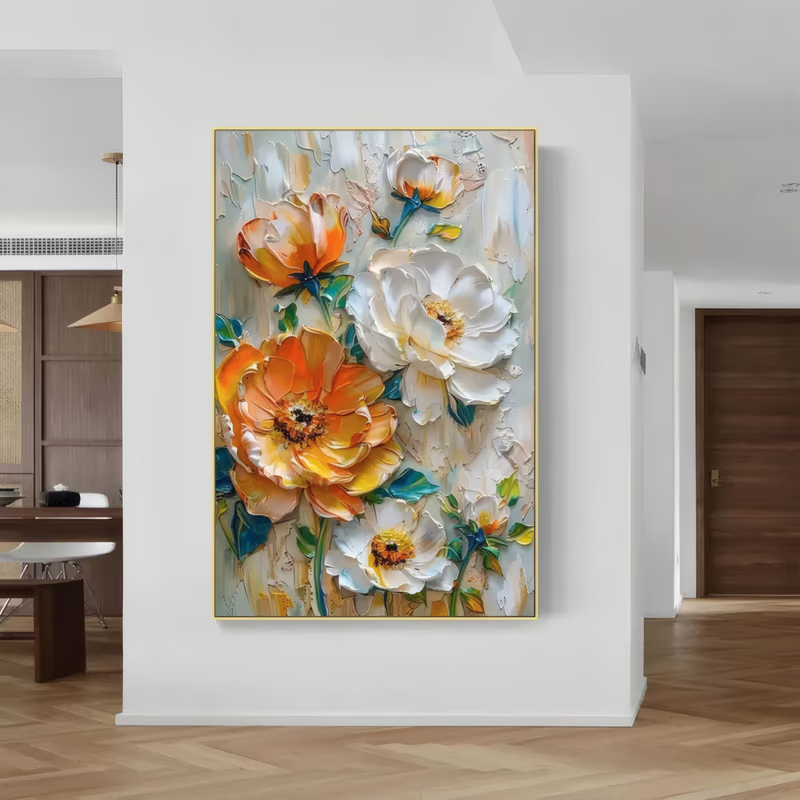
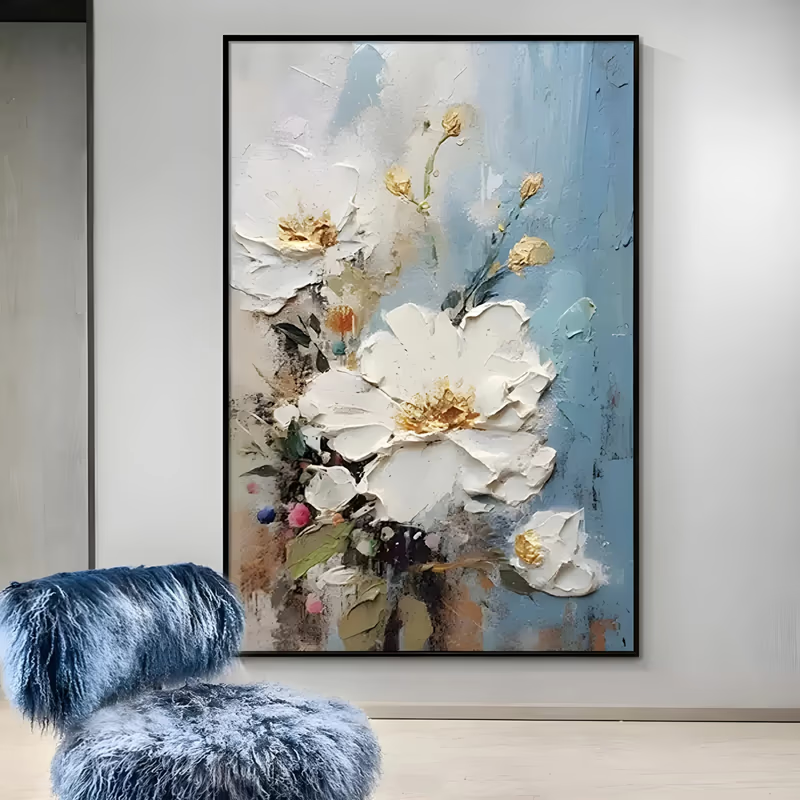
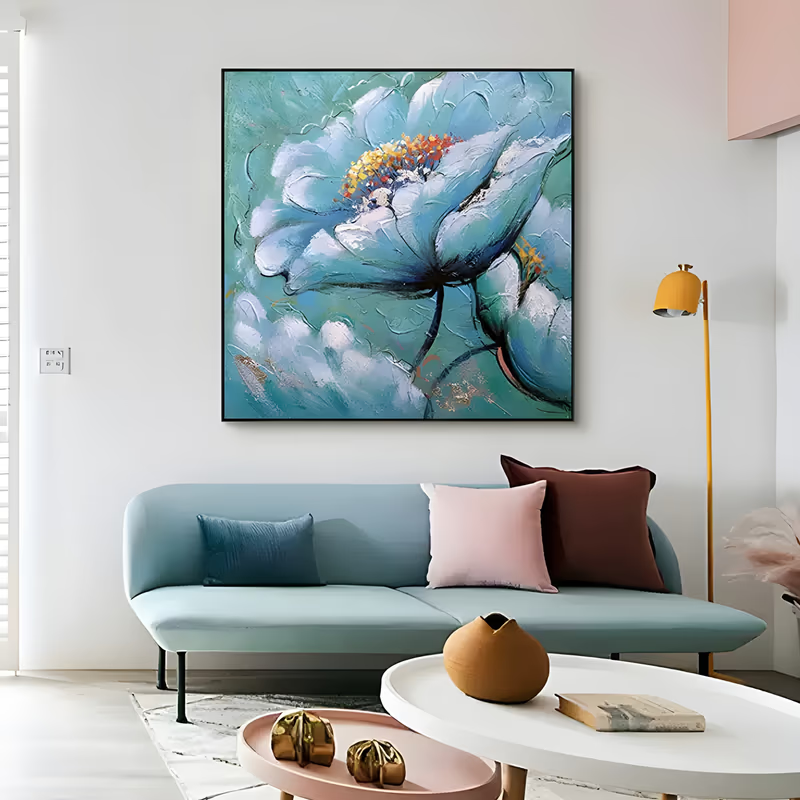
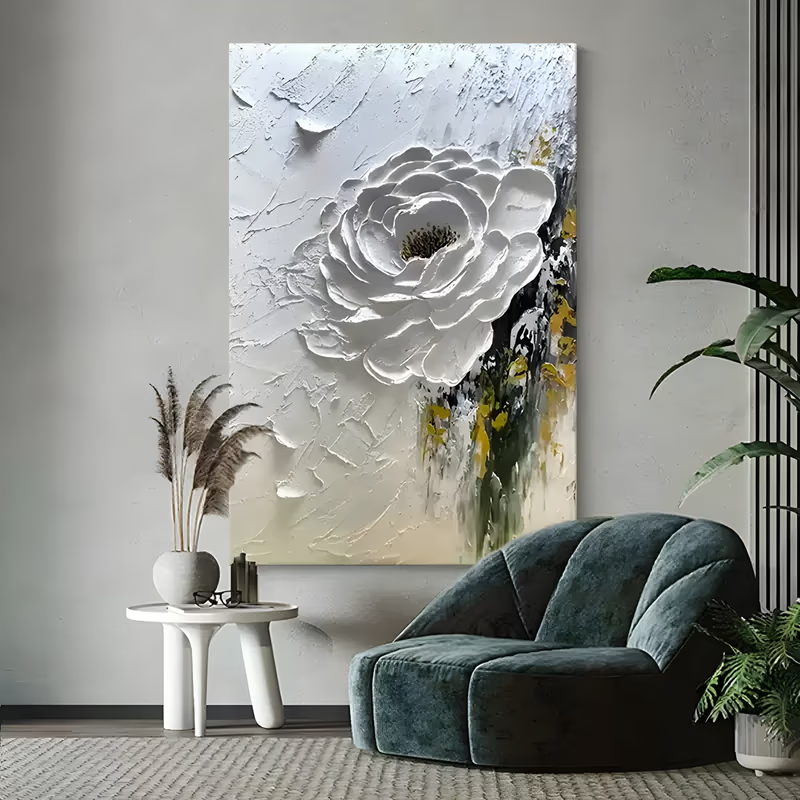
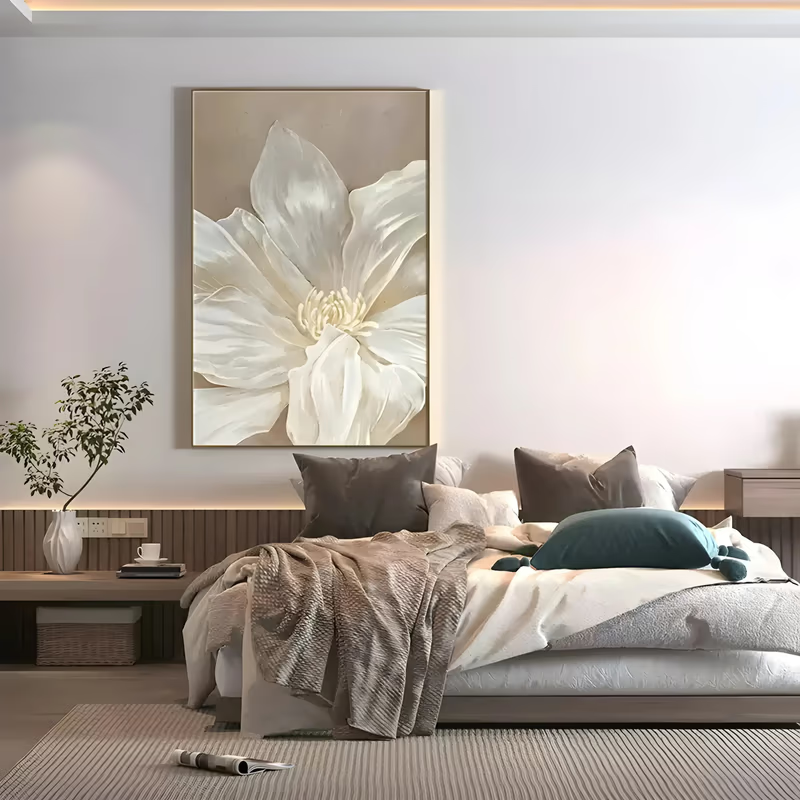
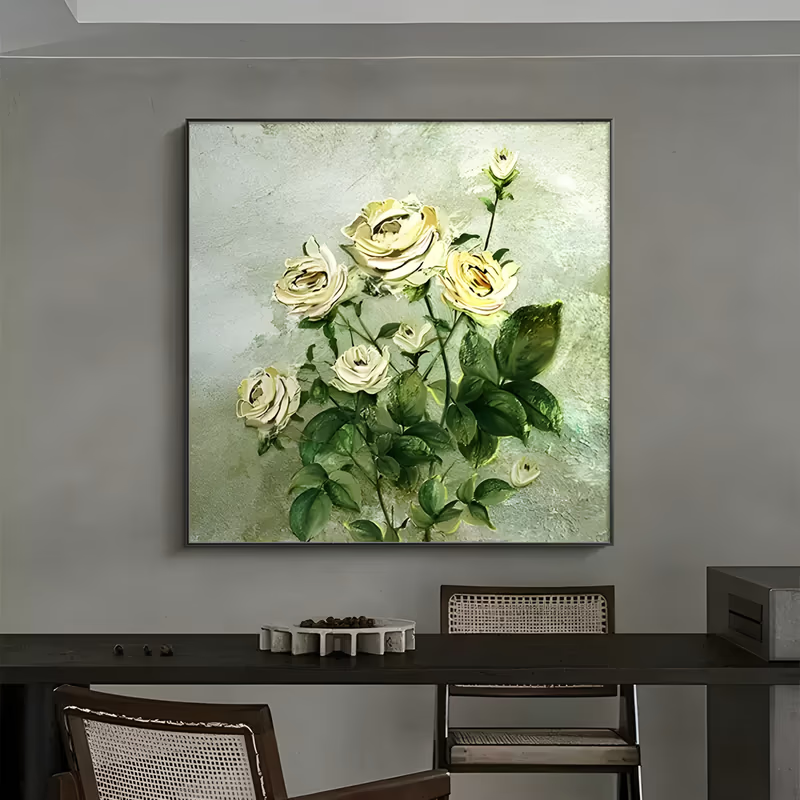
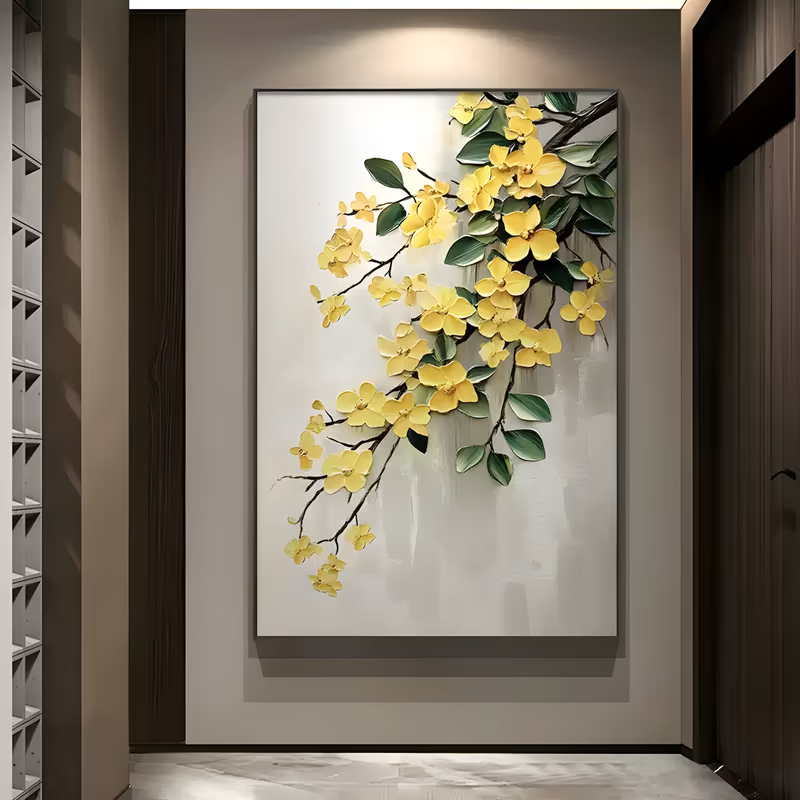
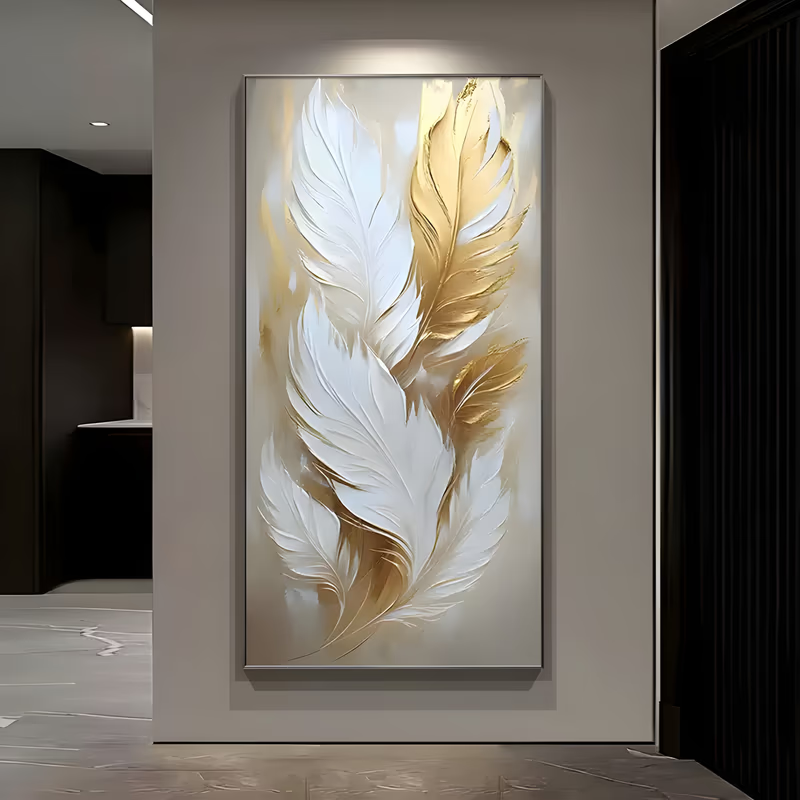
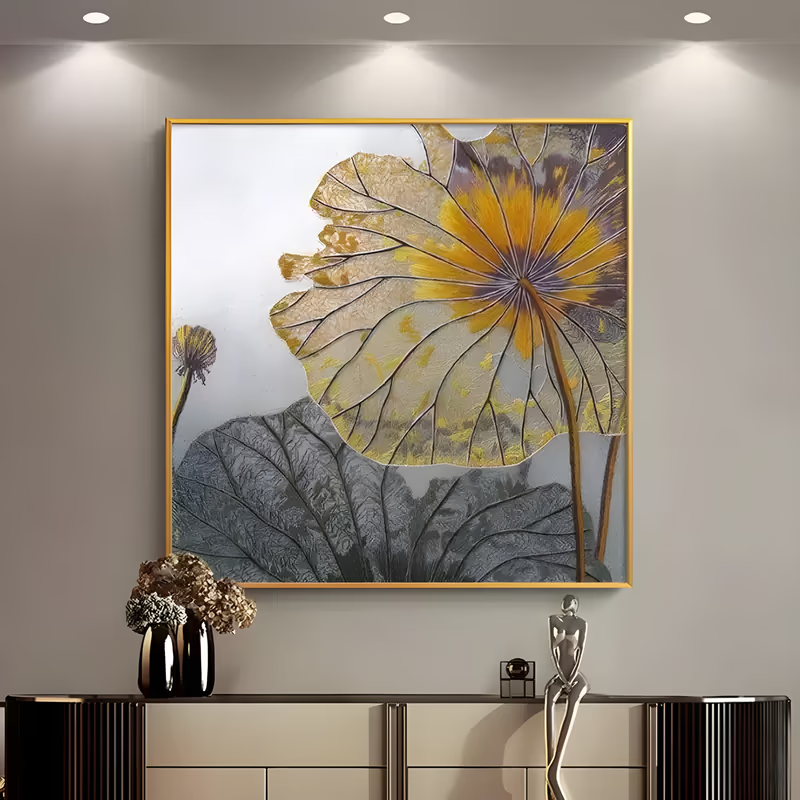
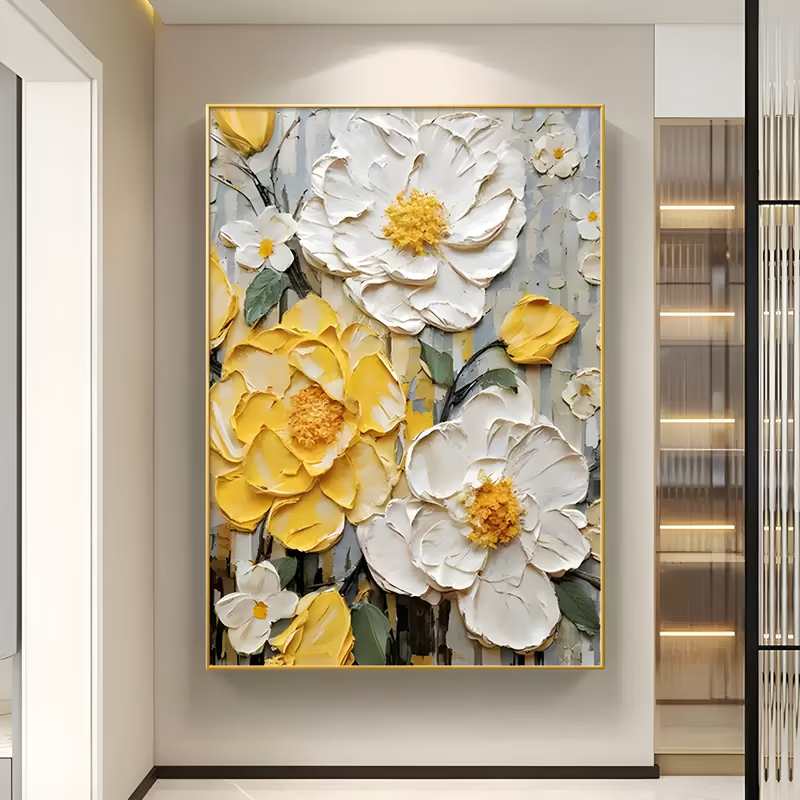
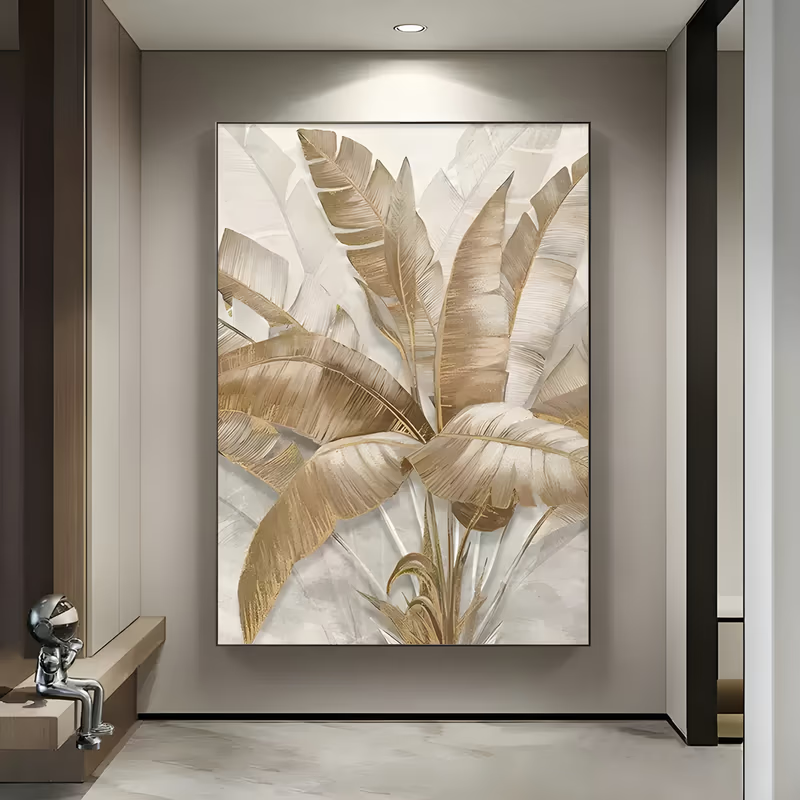
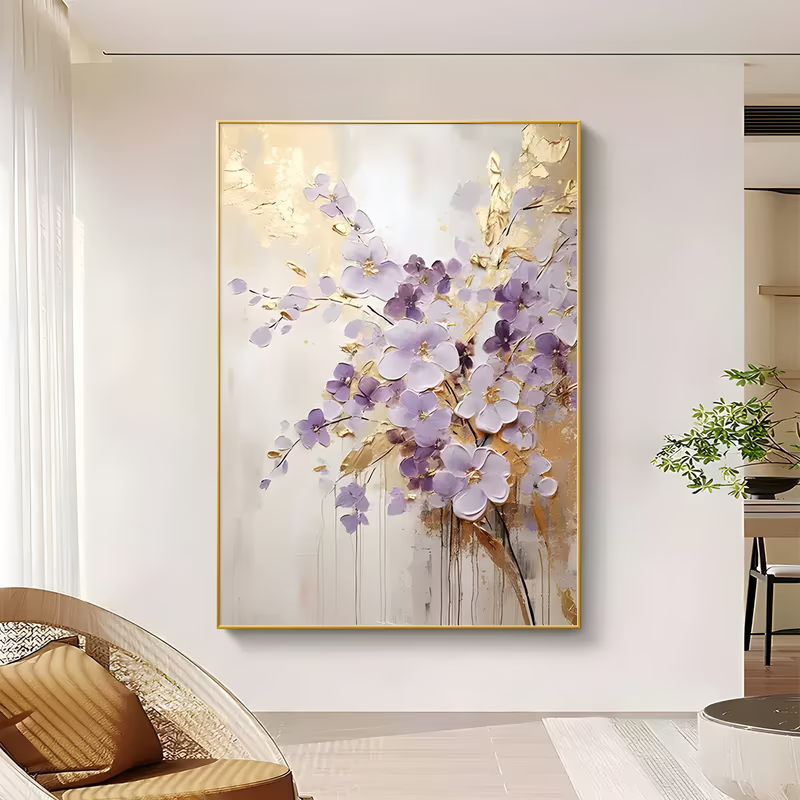
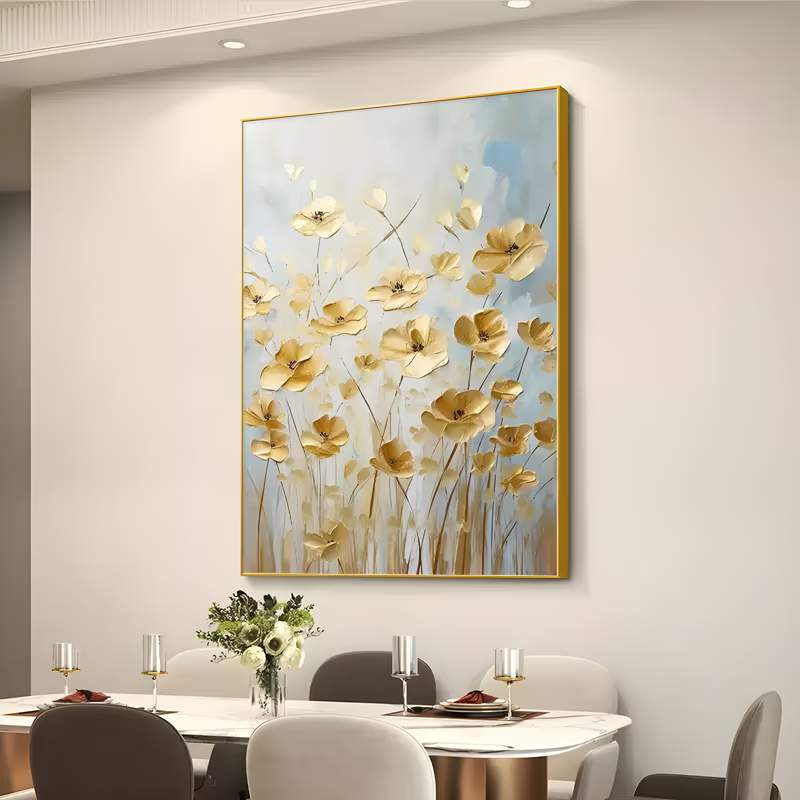
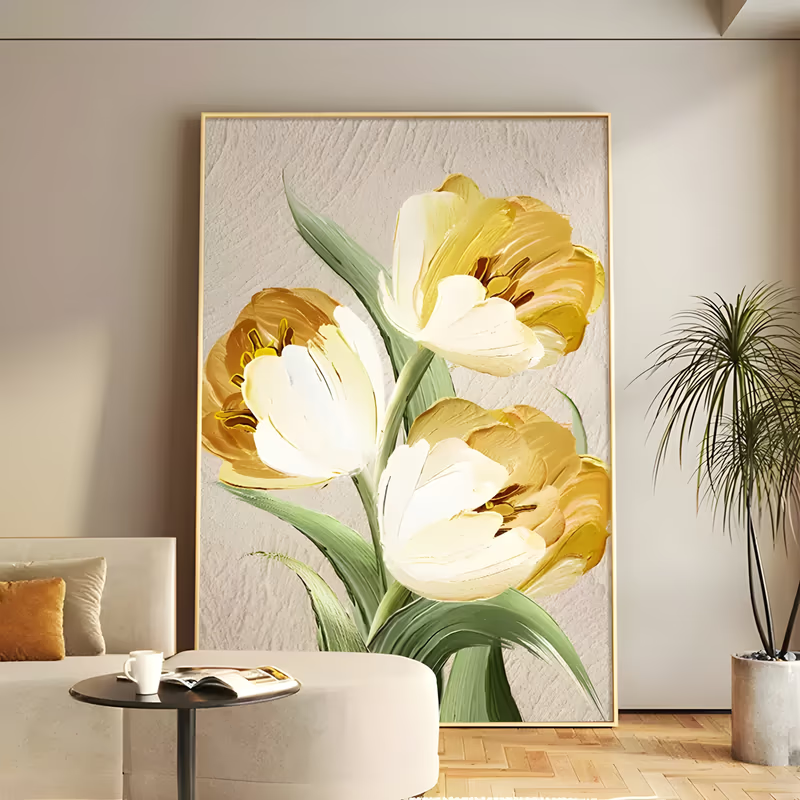
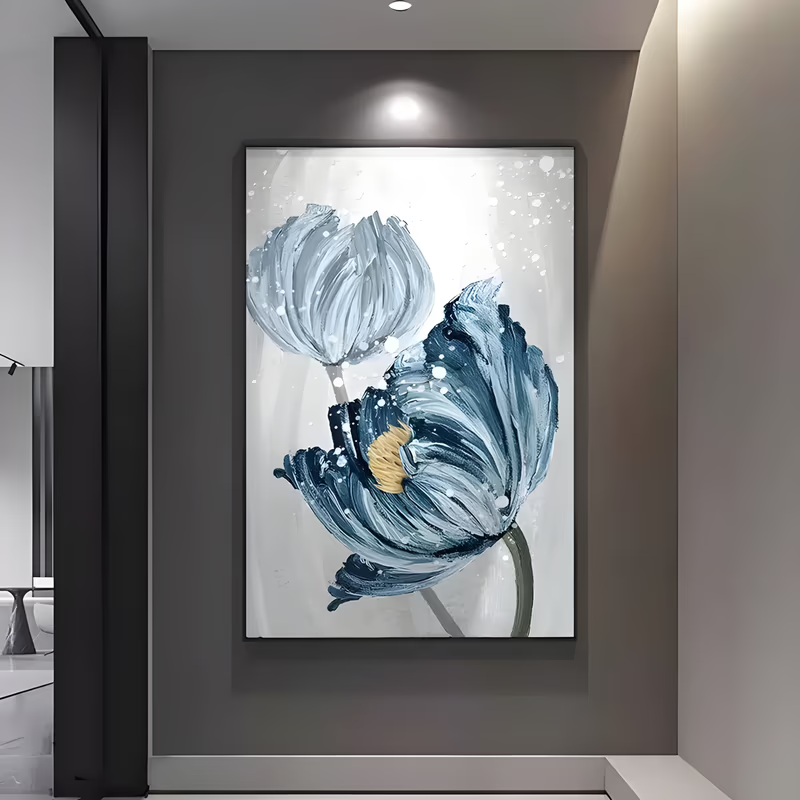
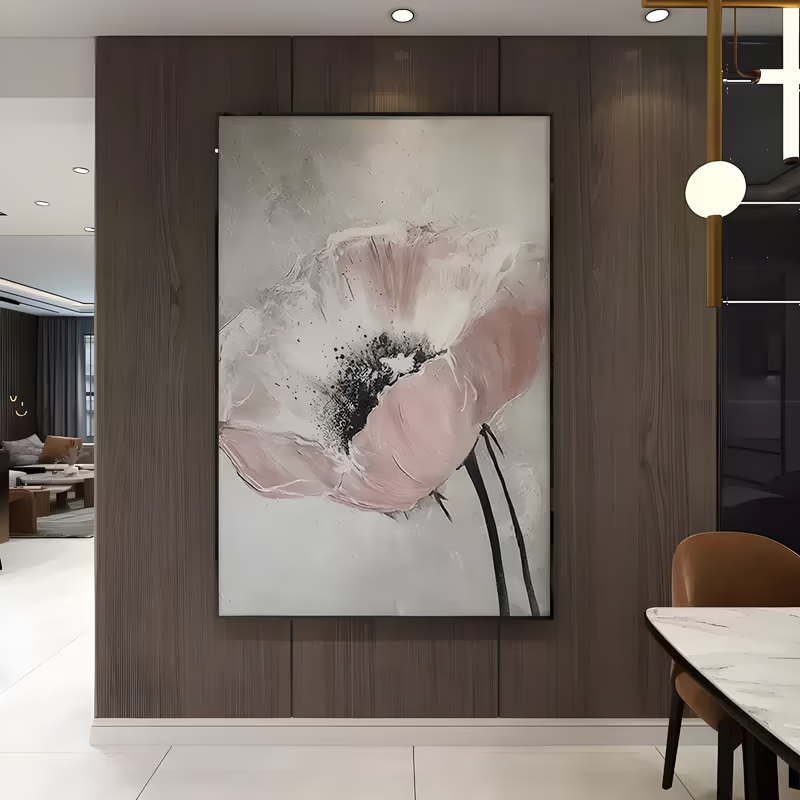
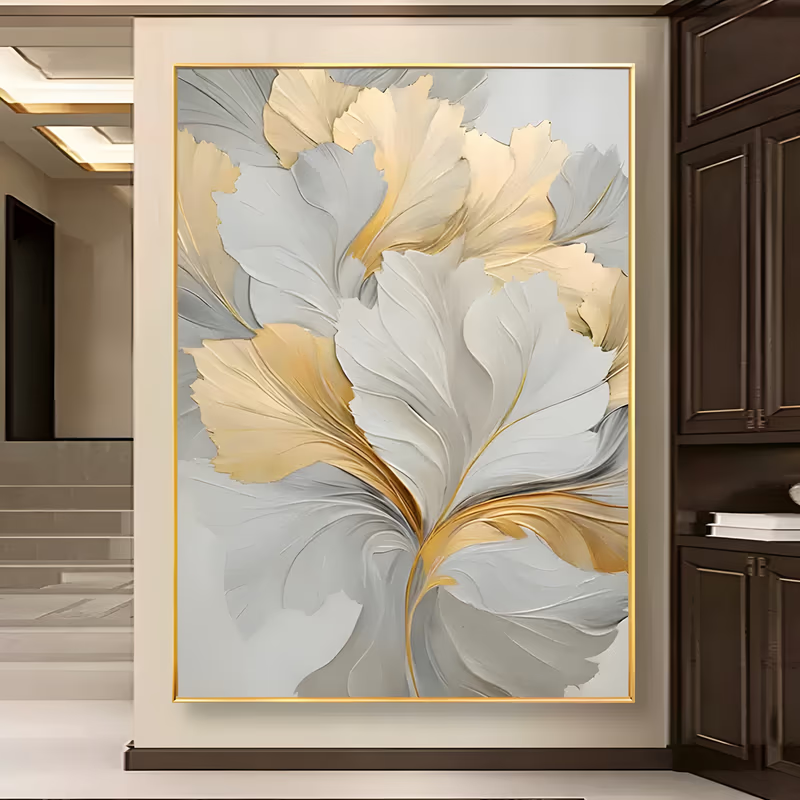
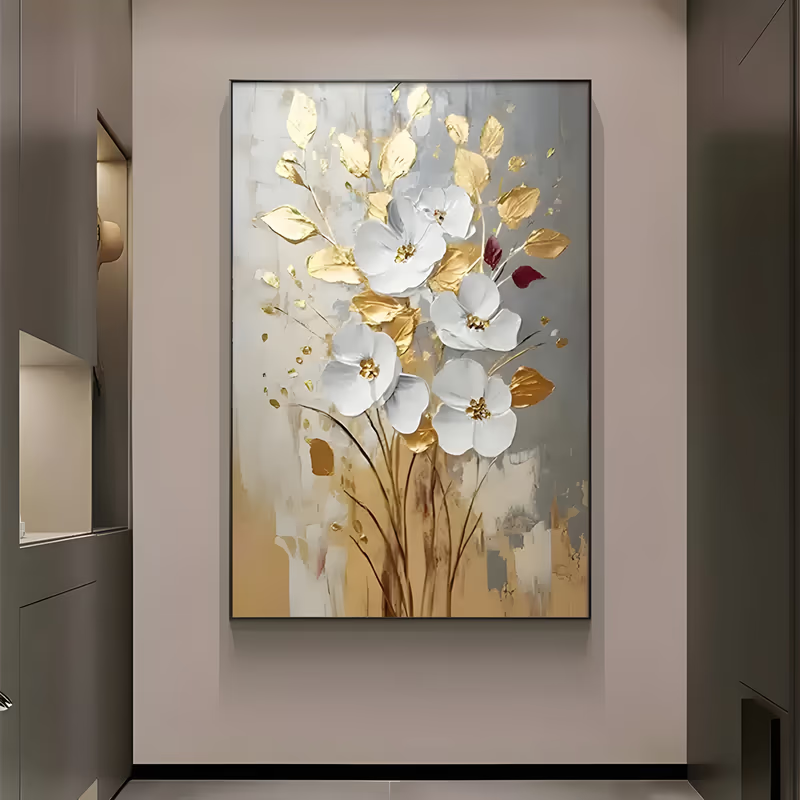
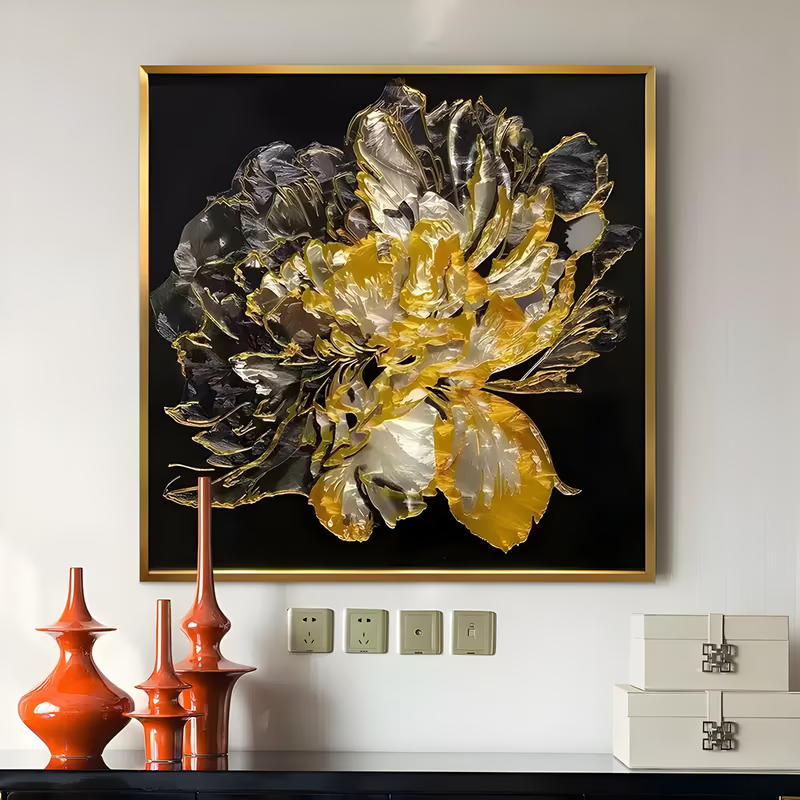
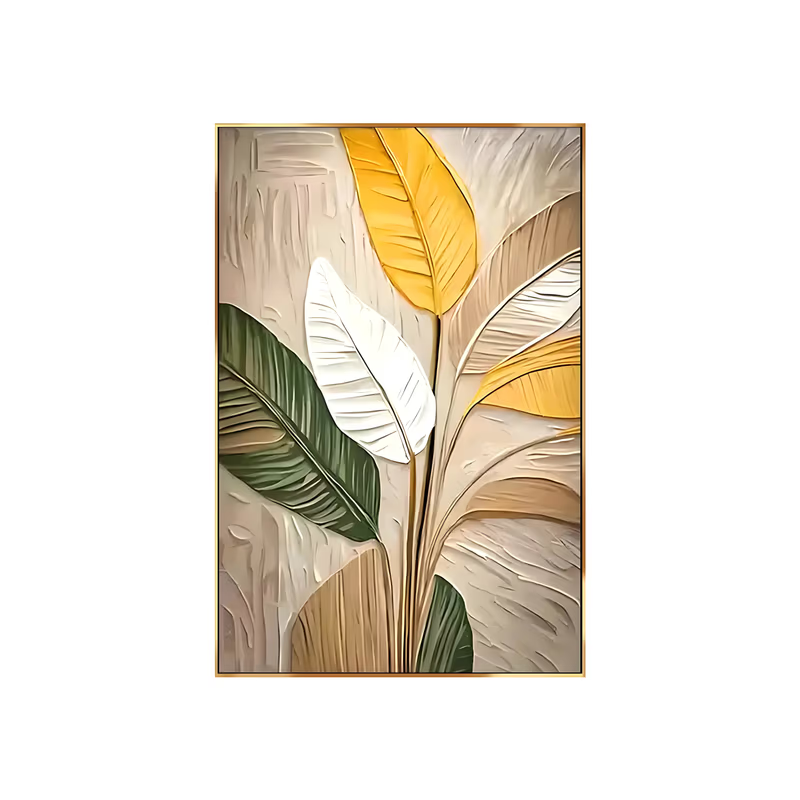
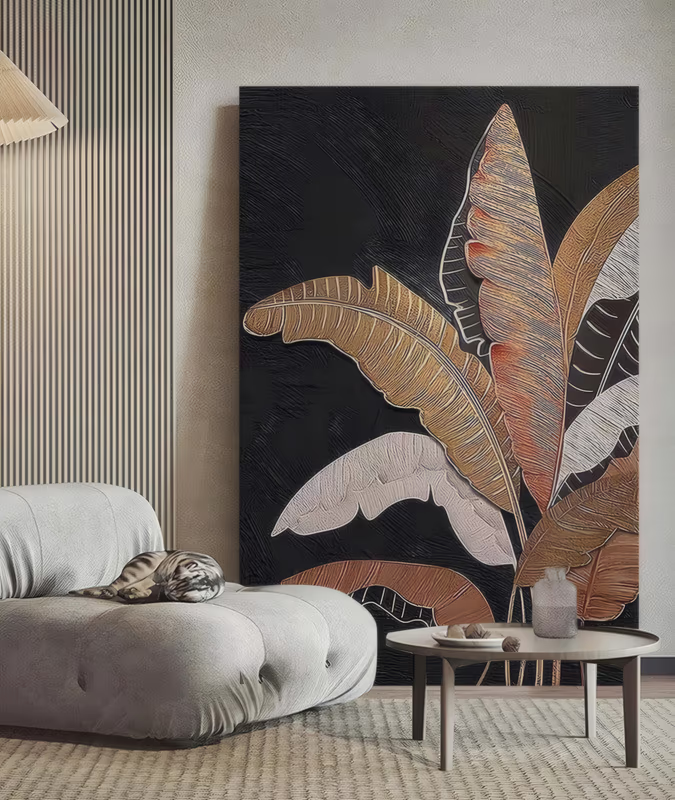
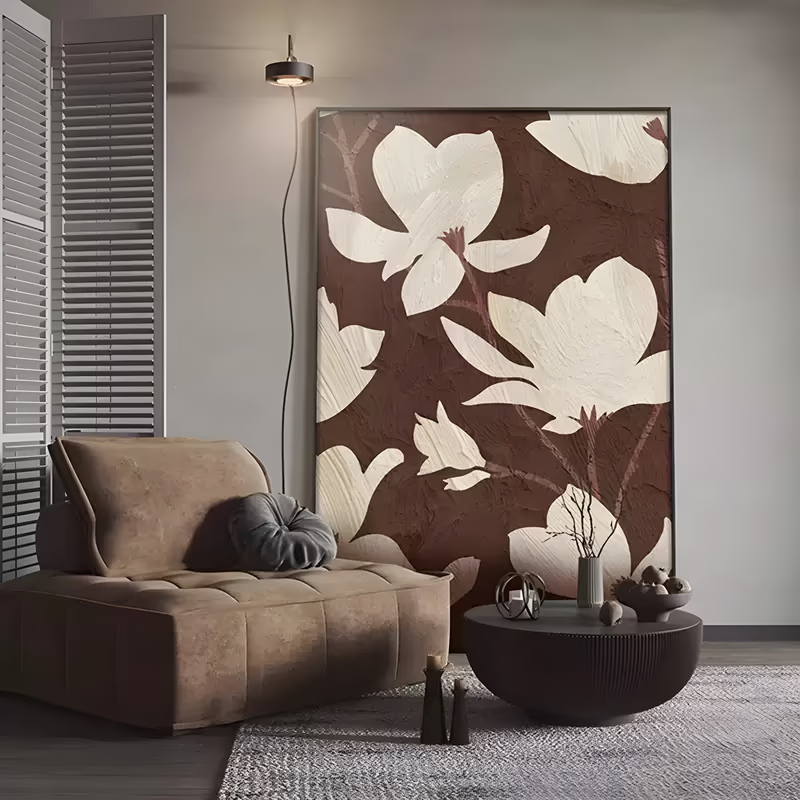
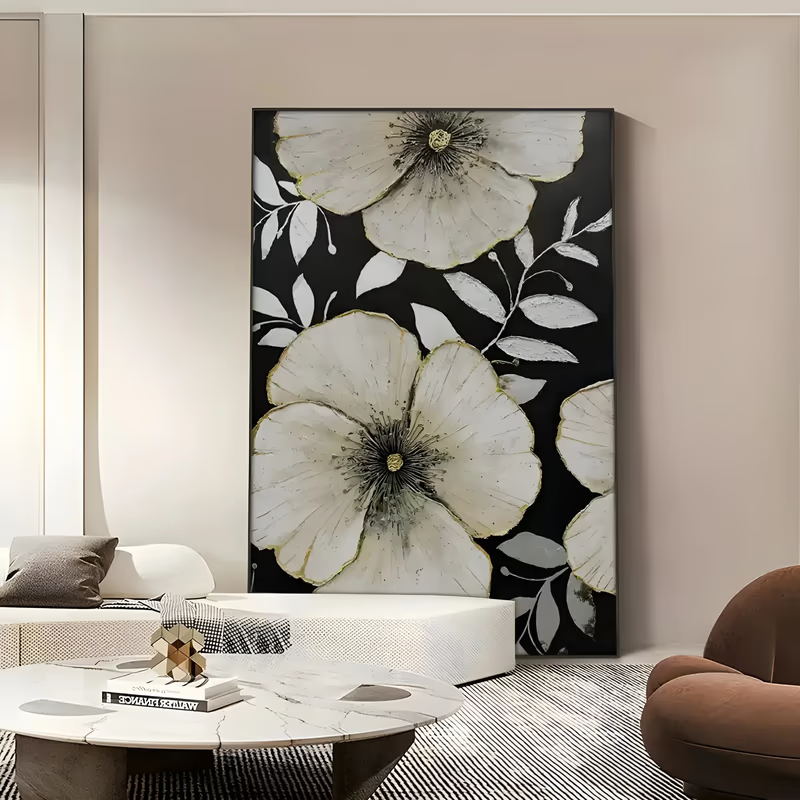
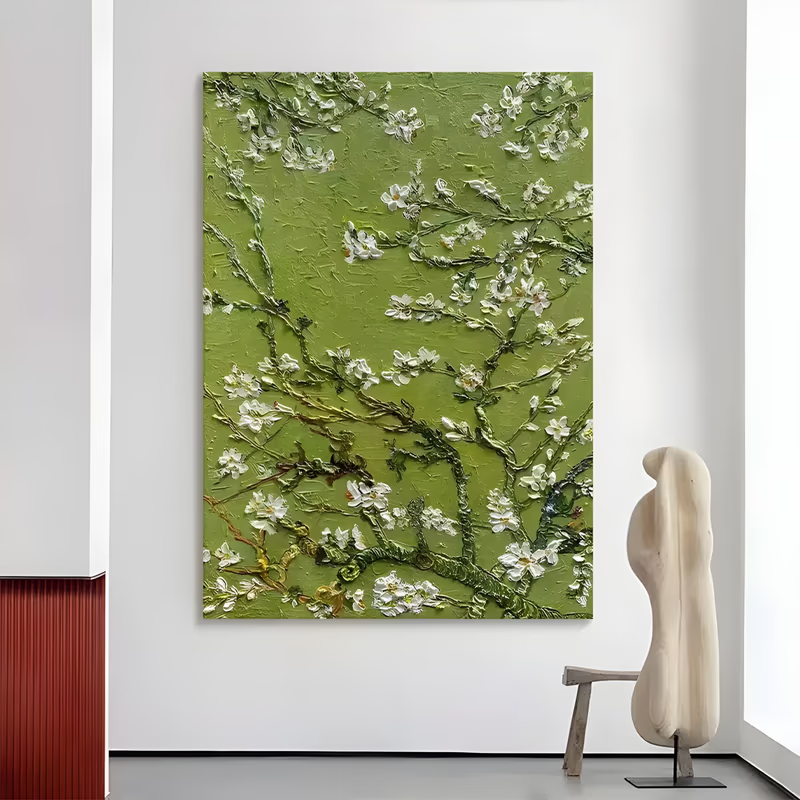
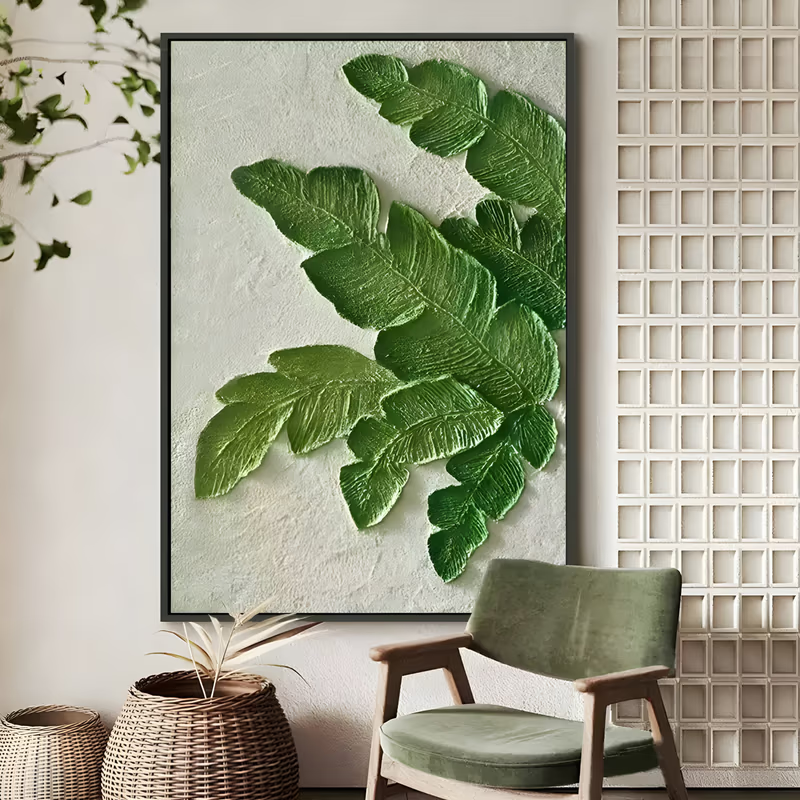
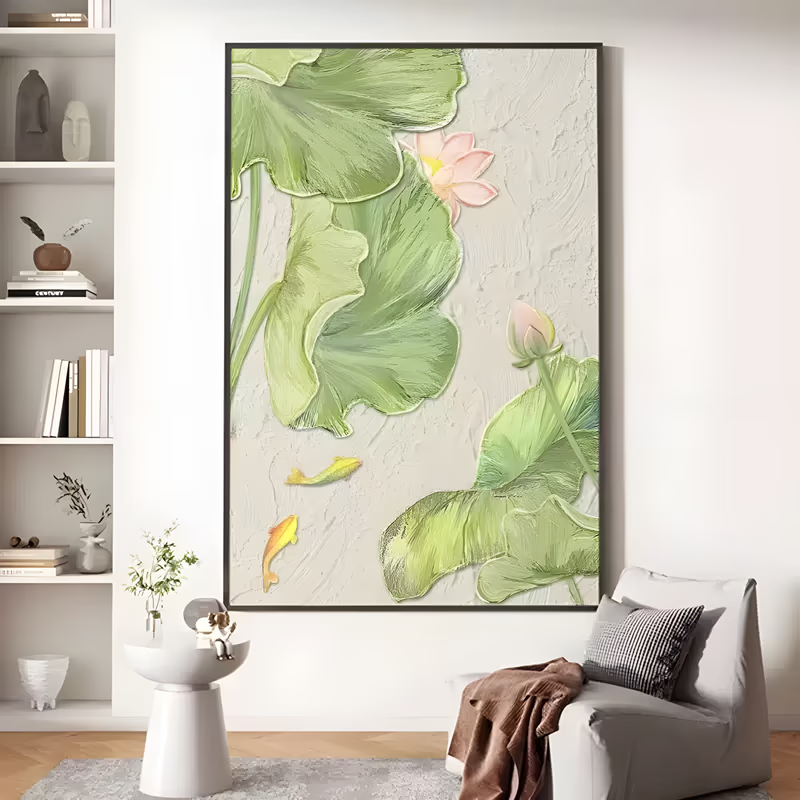
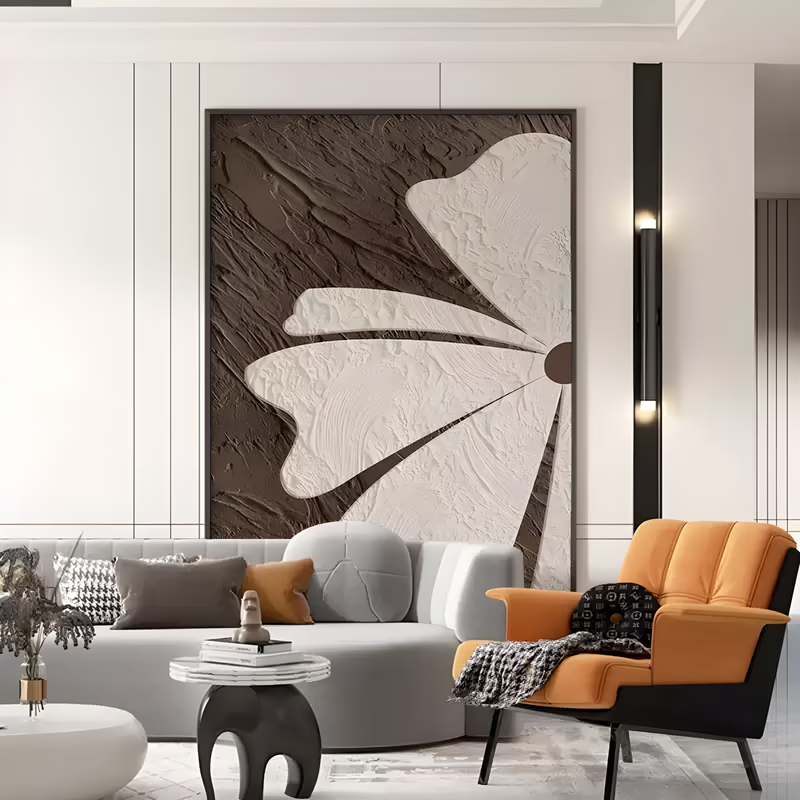
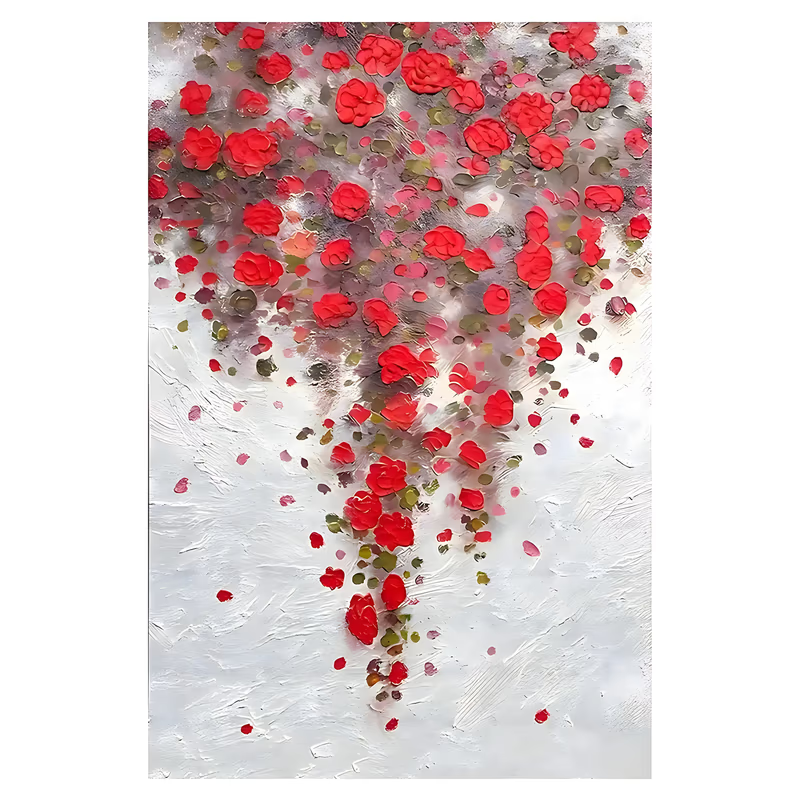
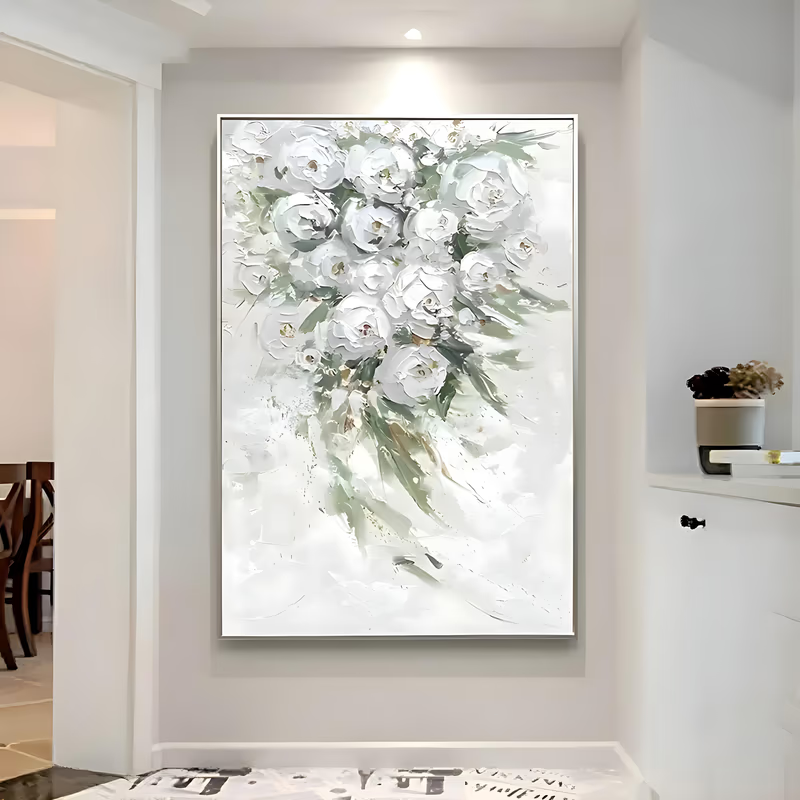
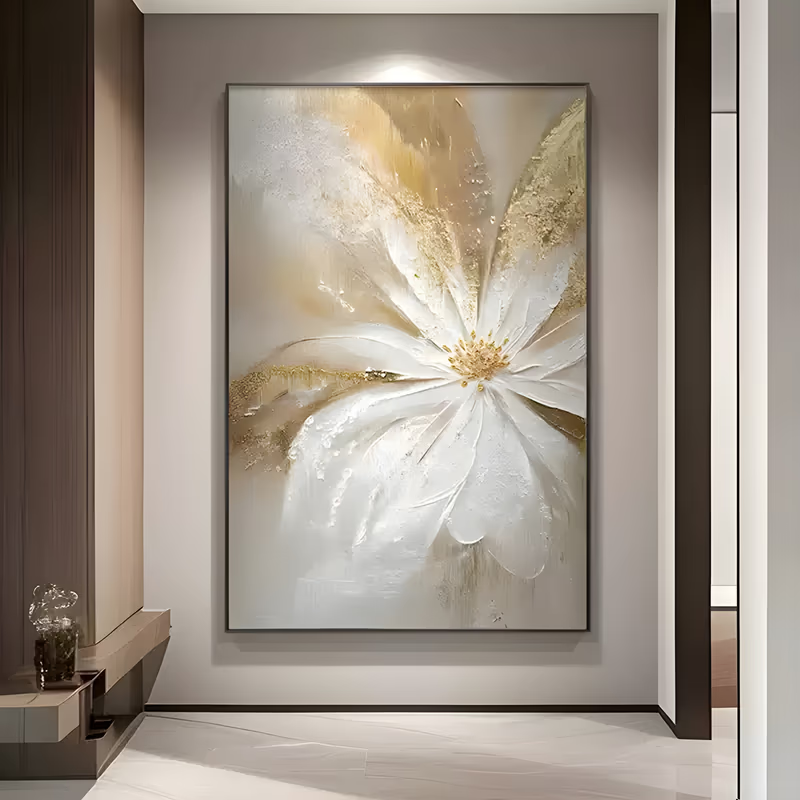
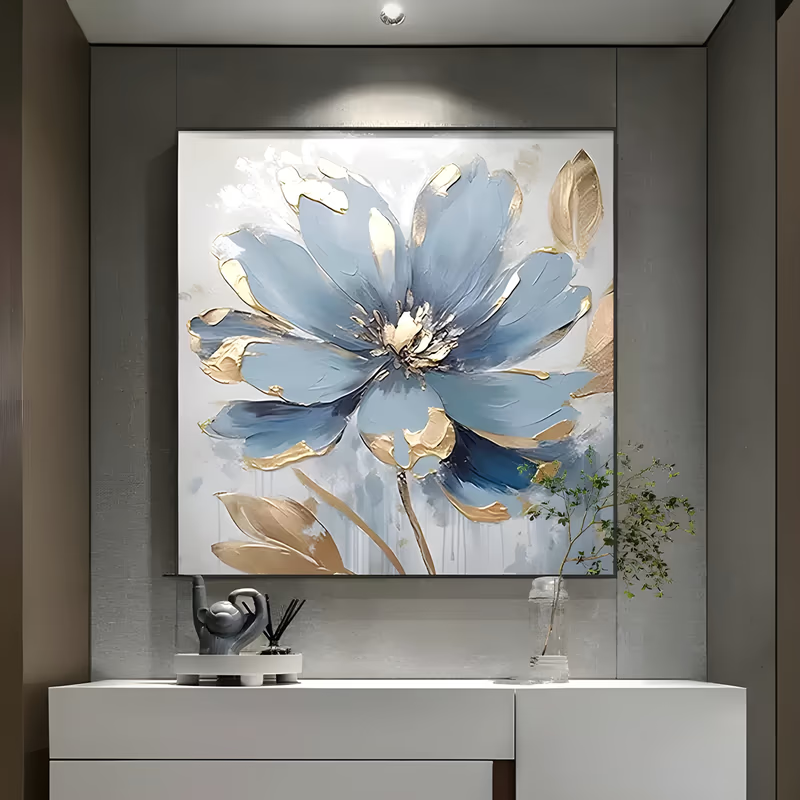
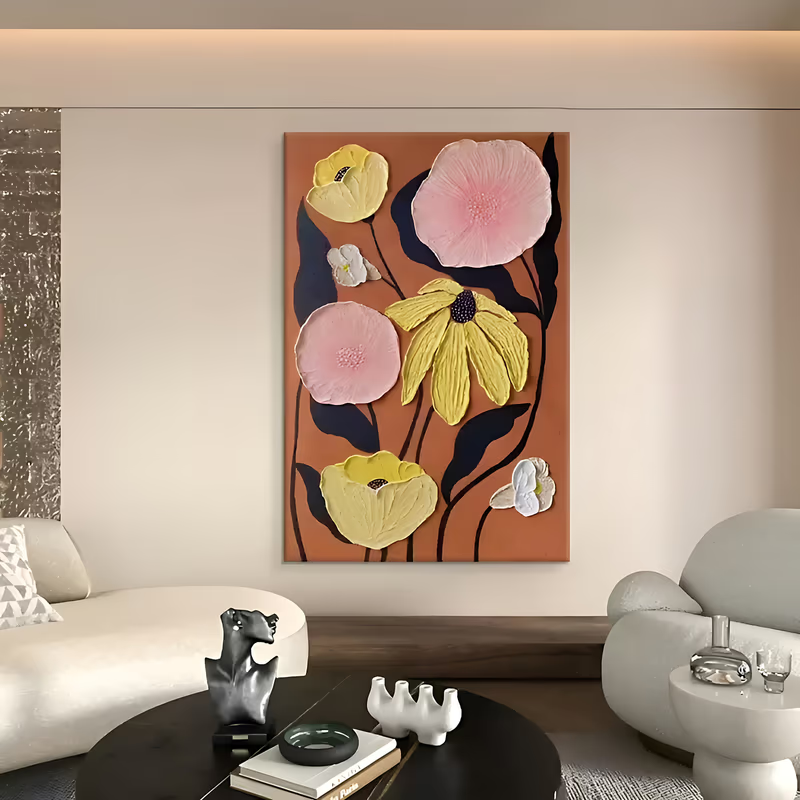
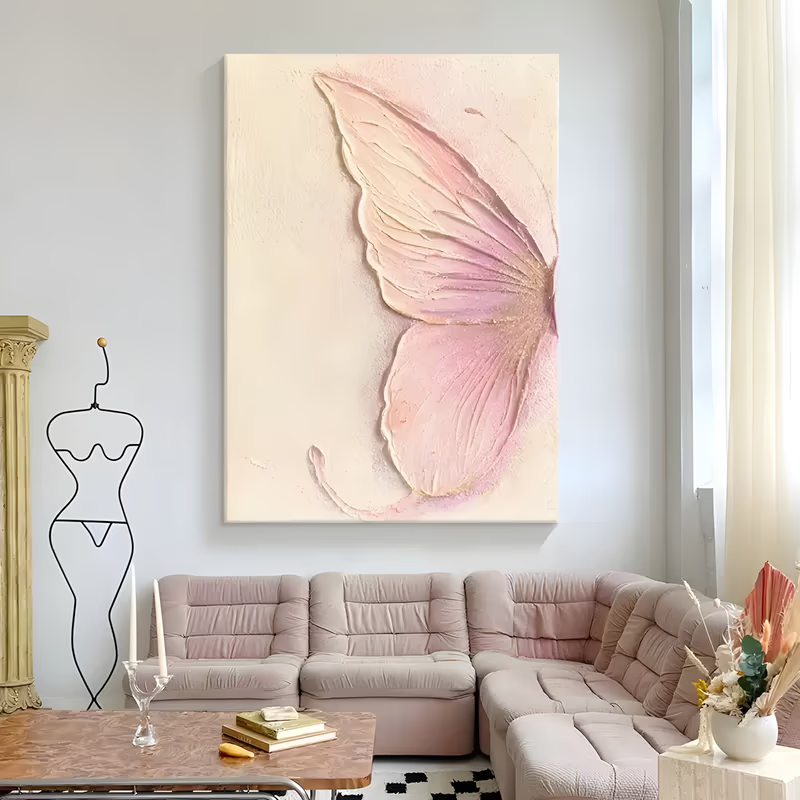
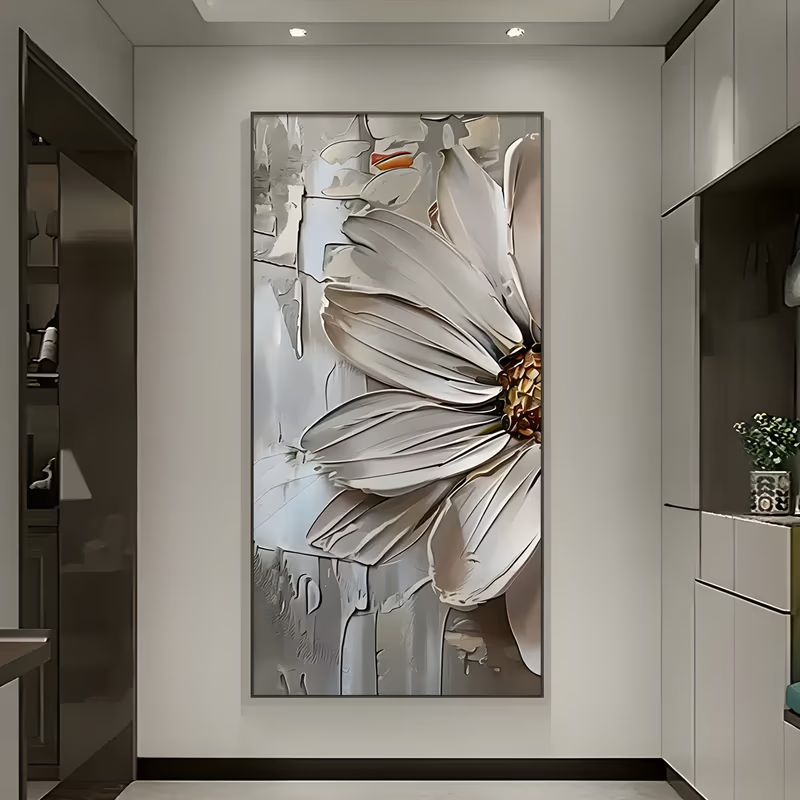
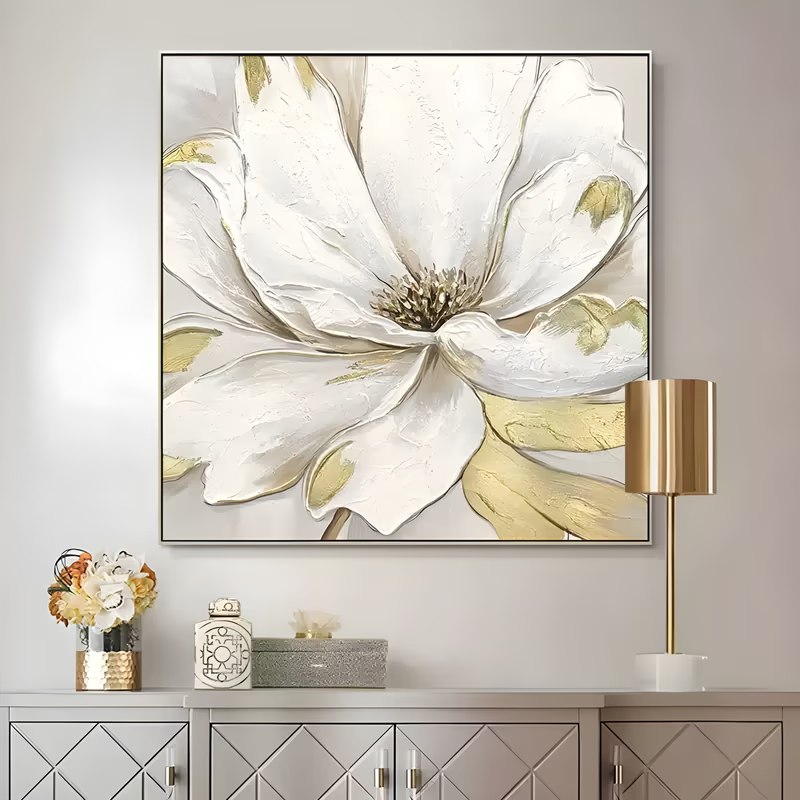
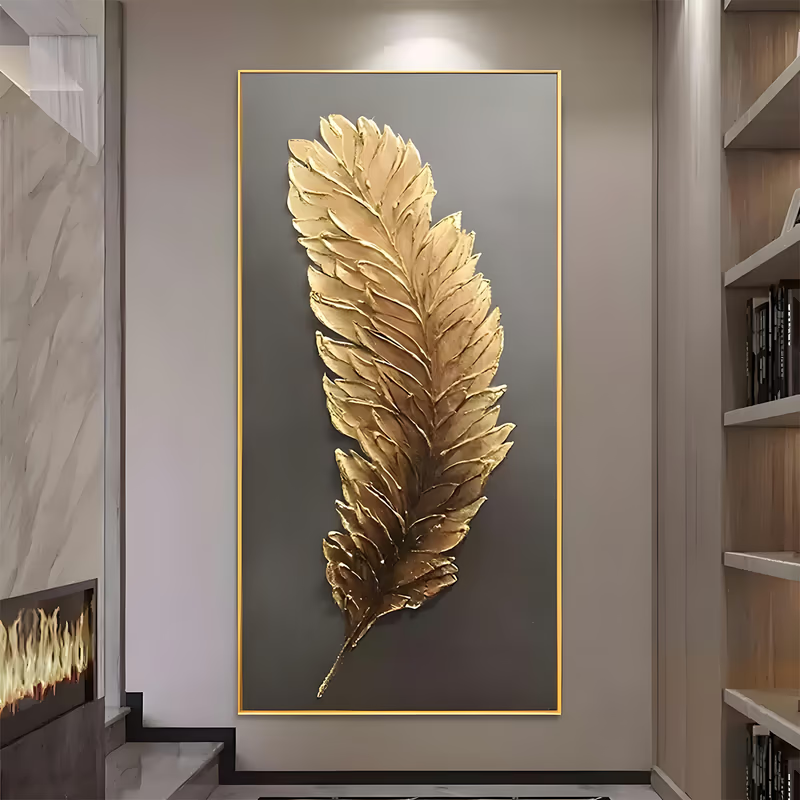
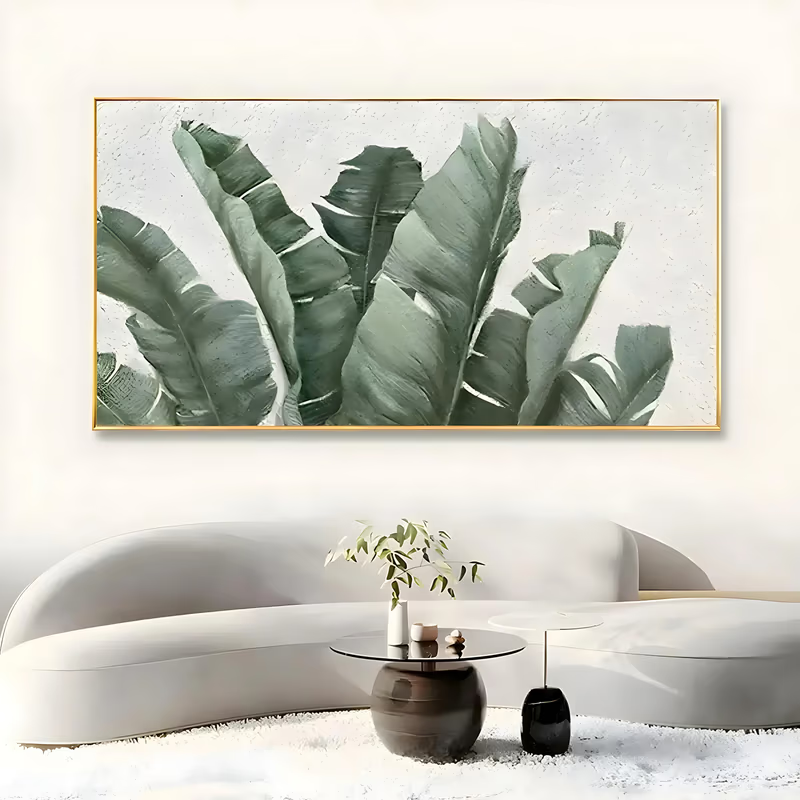
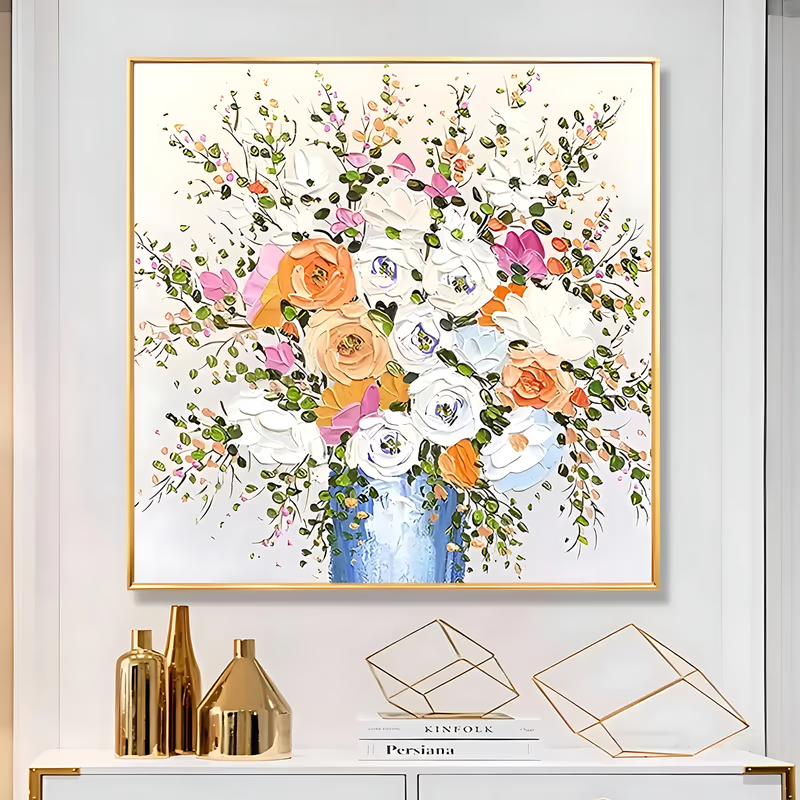
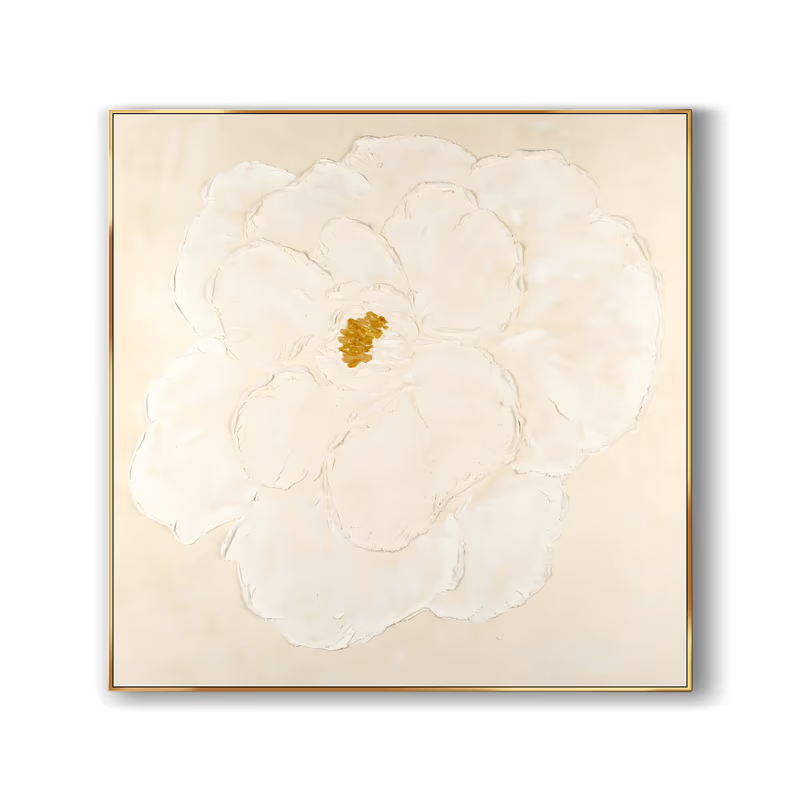
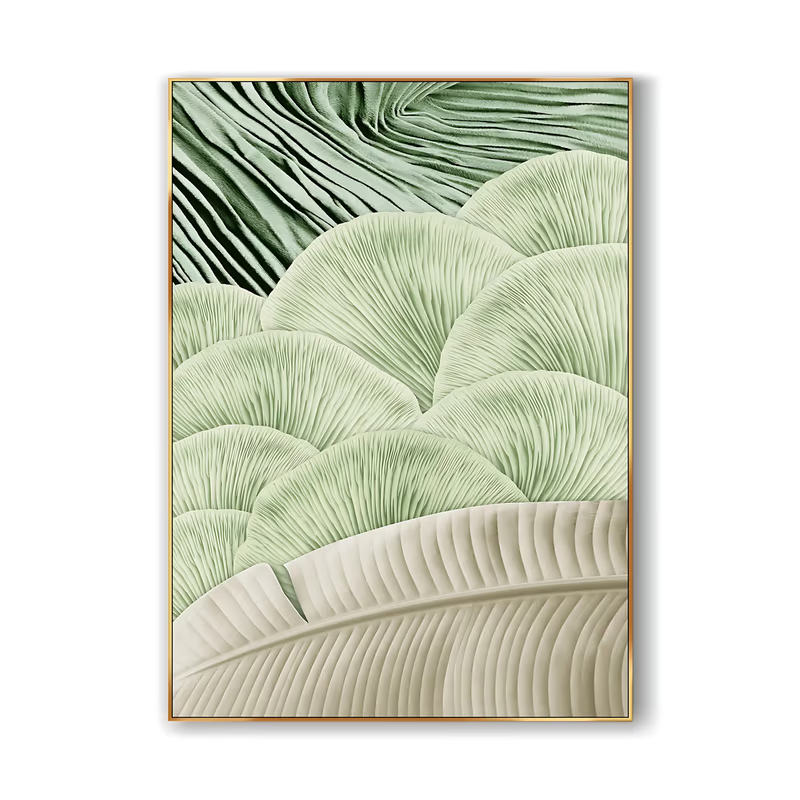
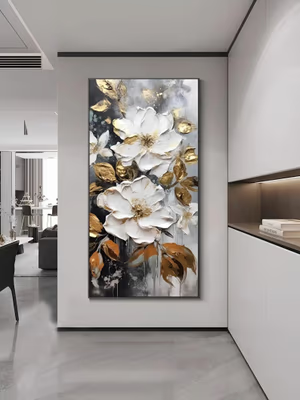
Roses, peonies, cherry blossom, banana leaves and single oversized blooms modelled in plaster so each petal casts a shadow, sometimes white on white, sometimes coloured and touched with gold. Soft and romantic over a bed or in a spa treatment room.
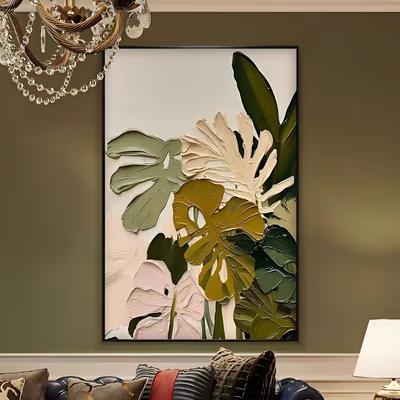
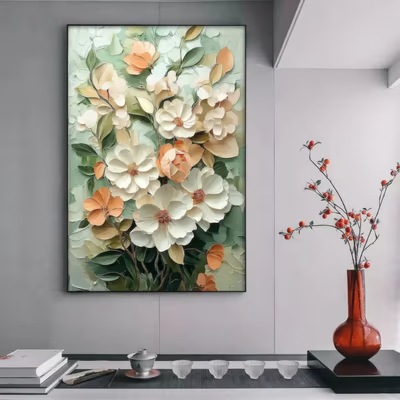
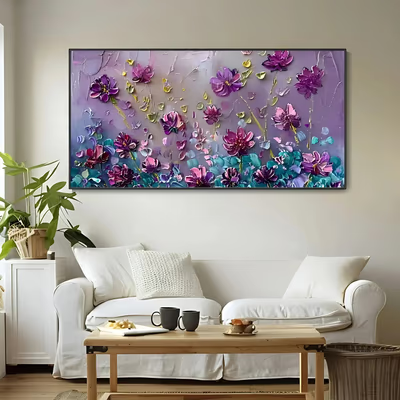
Plaster arches, bands and combed geometry
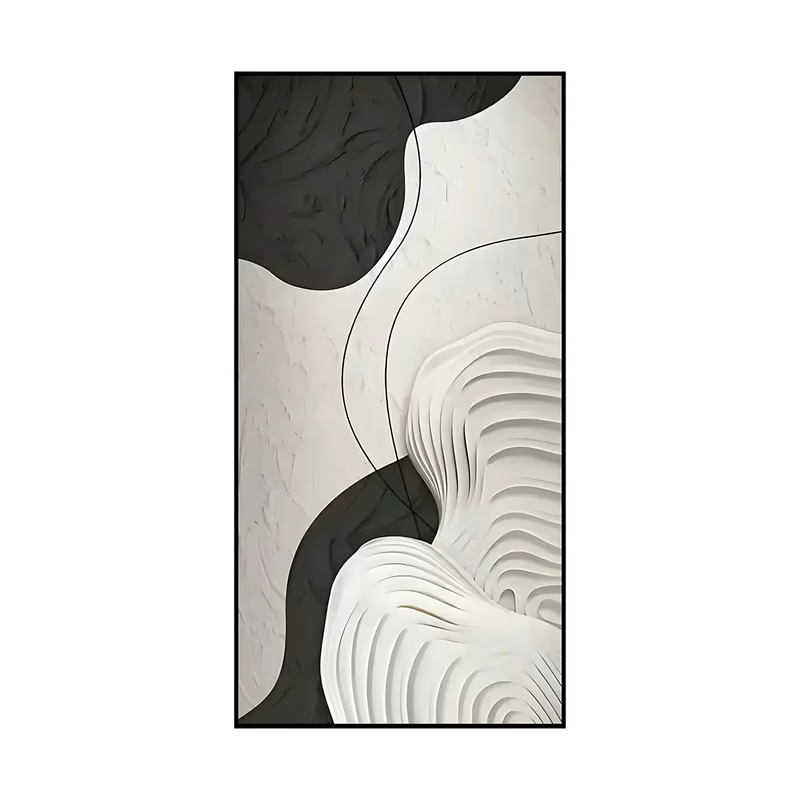
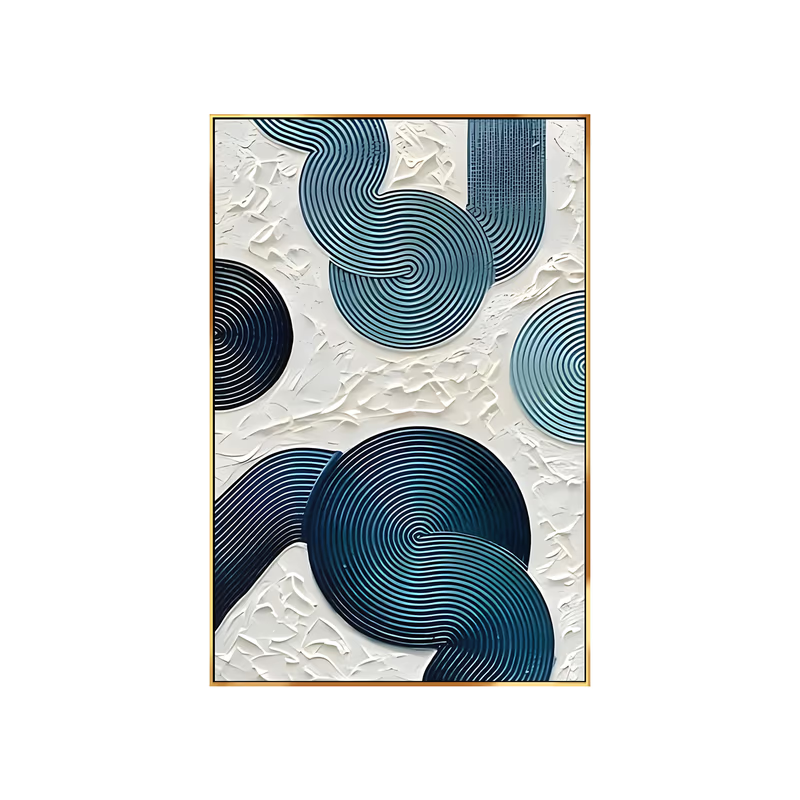
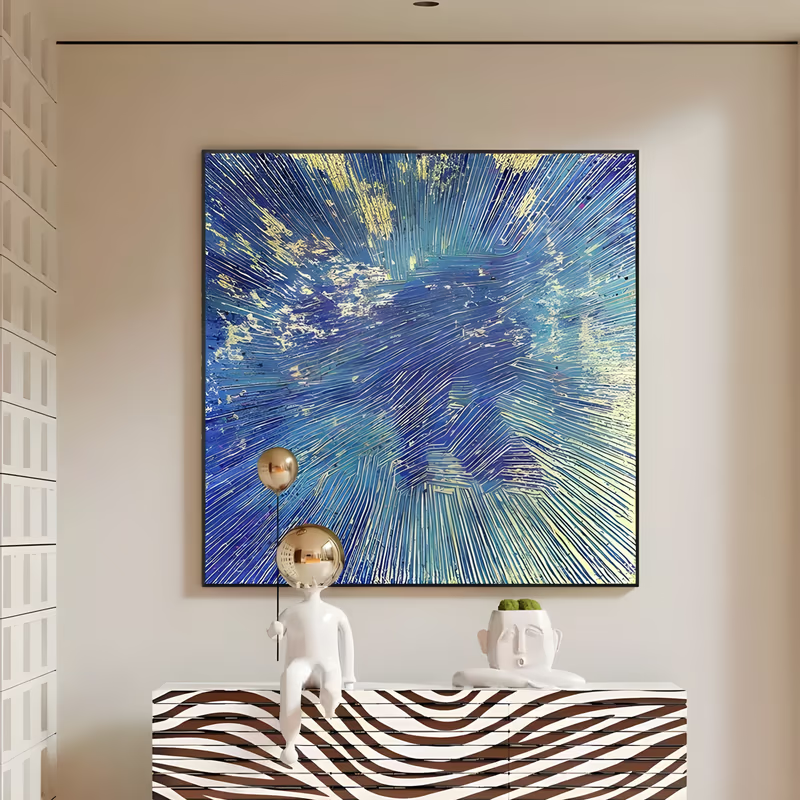
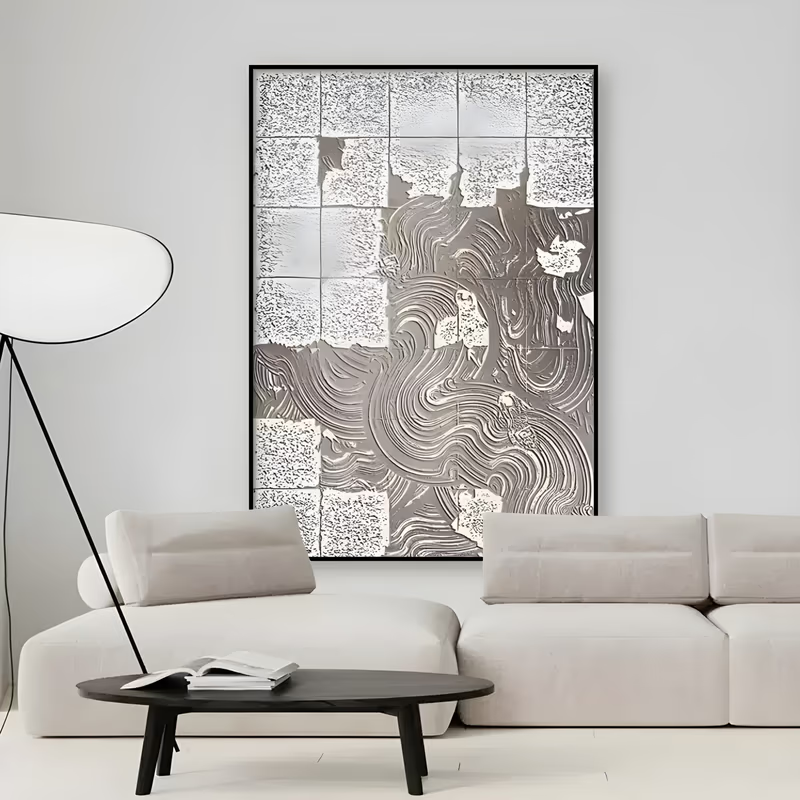
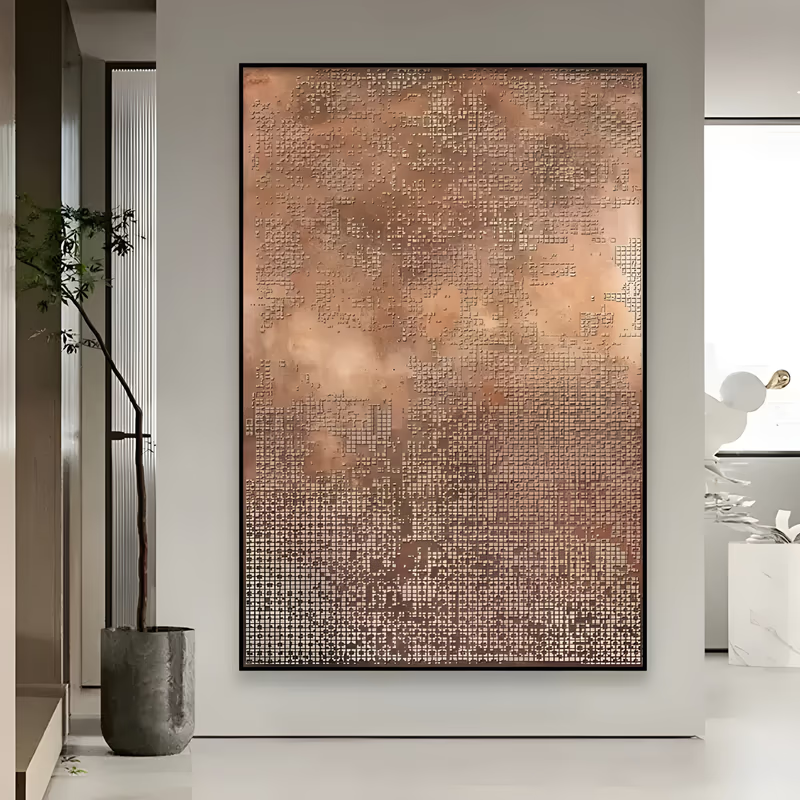
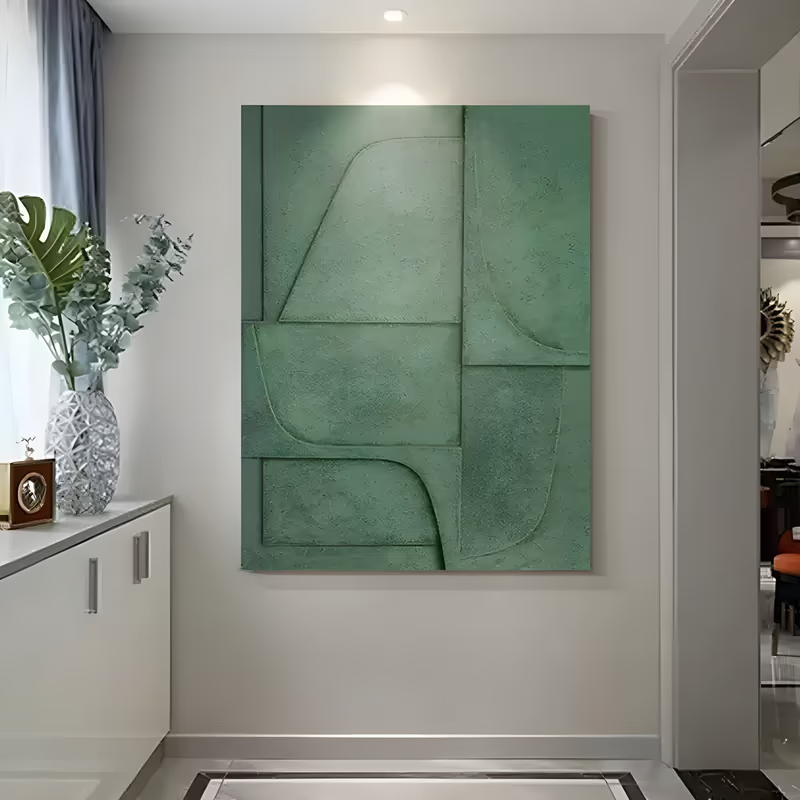
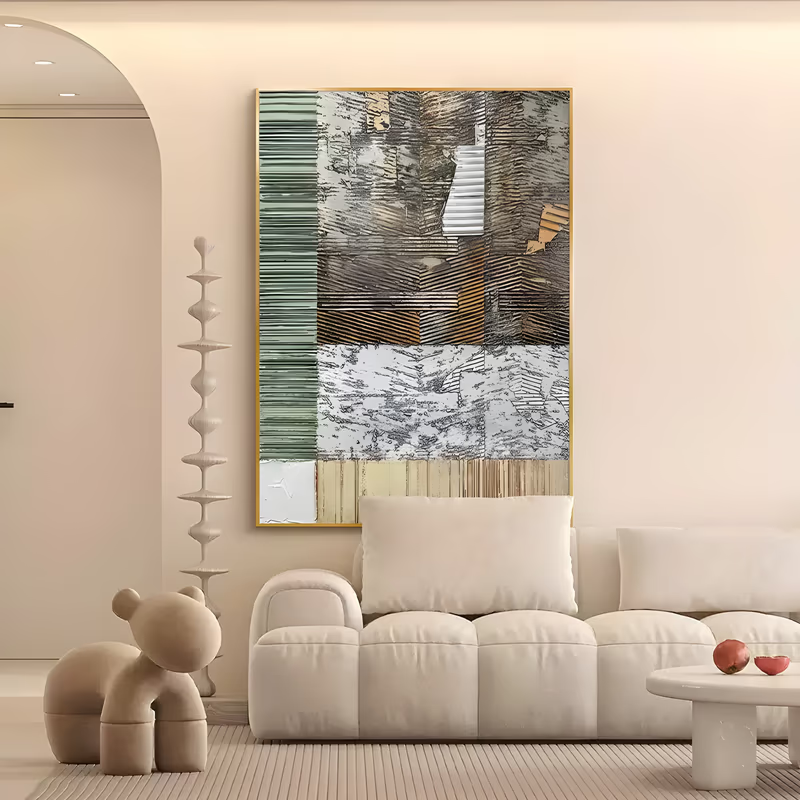
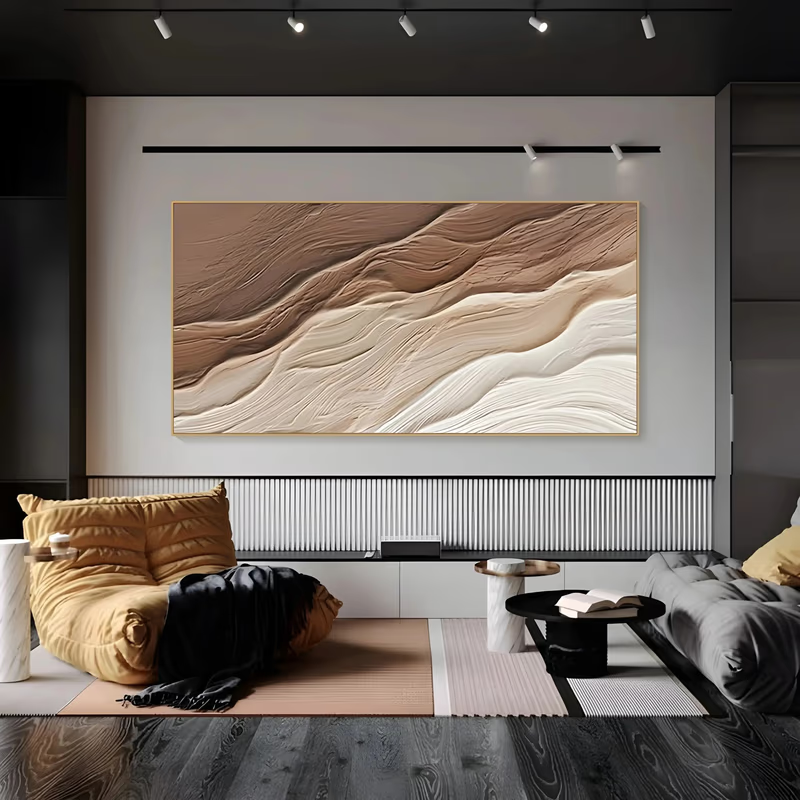
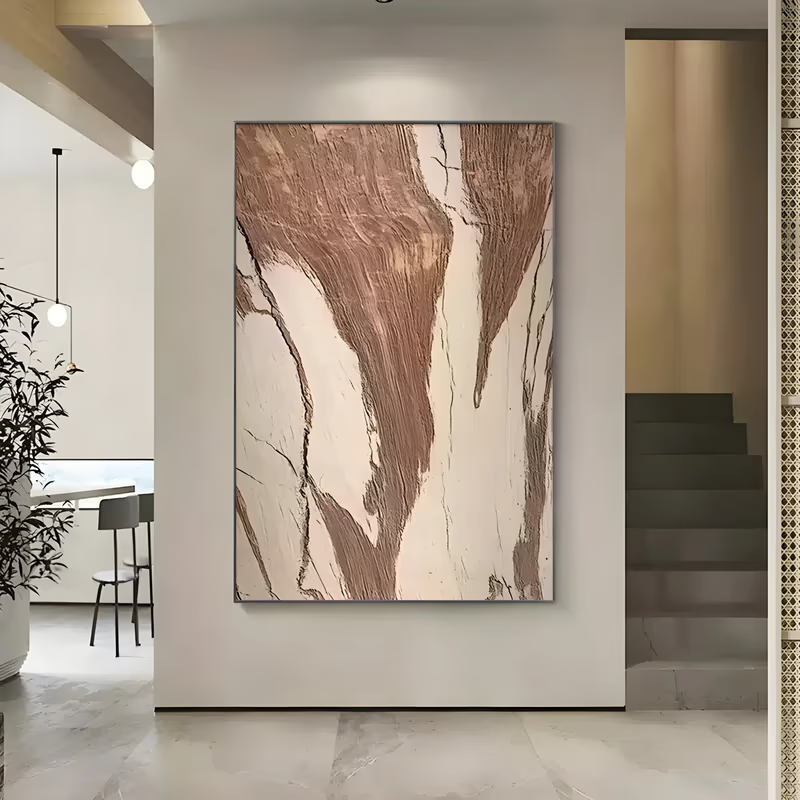
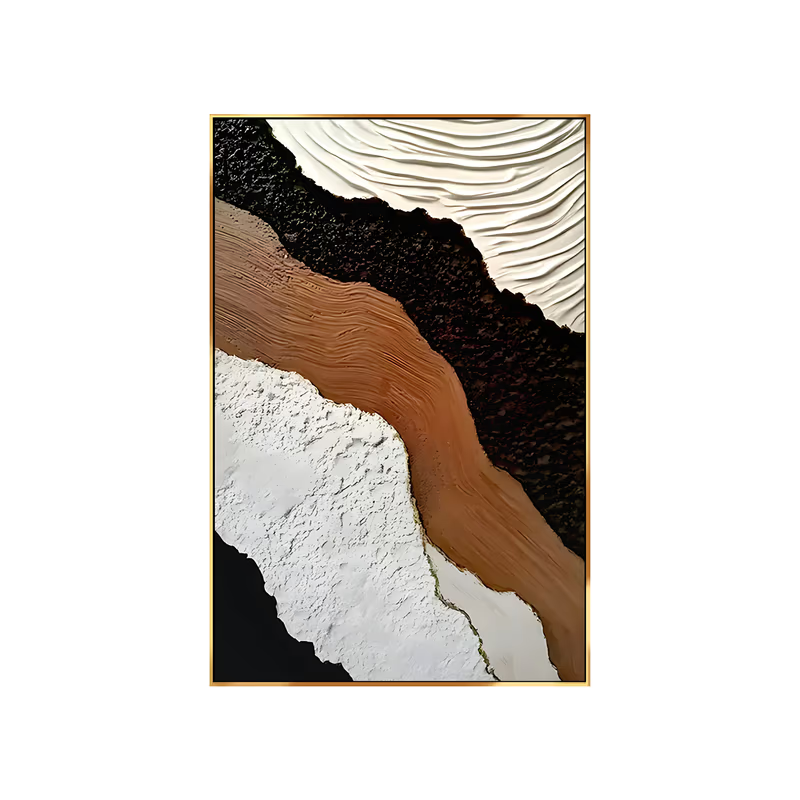
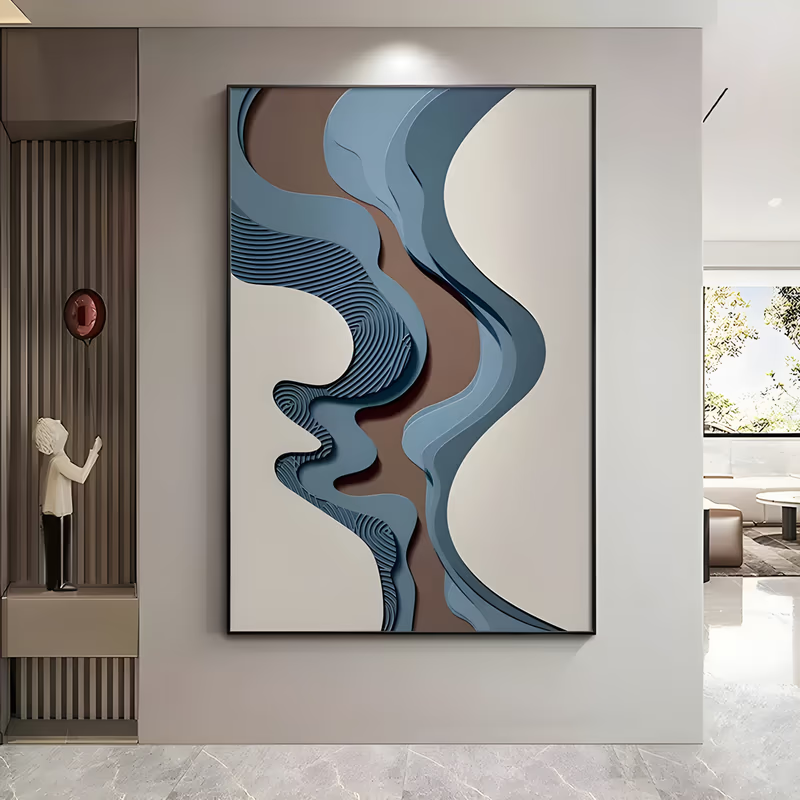
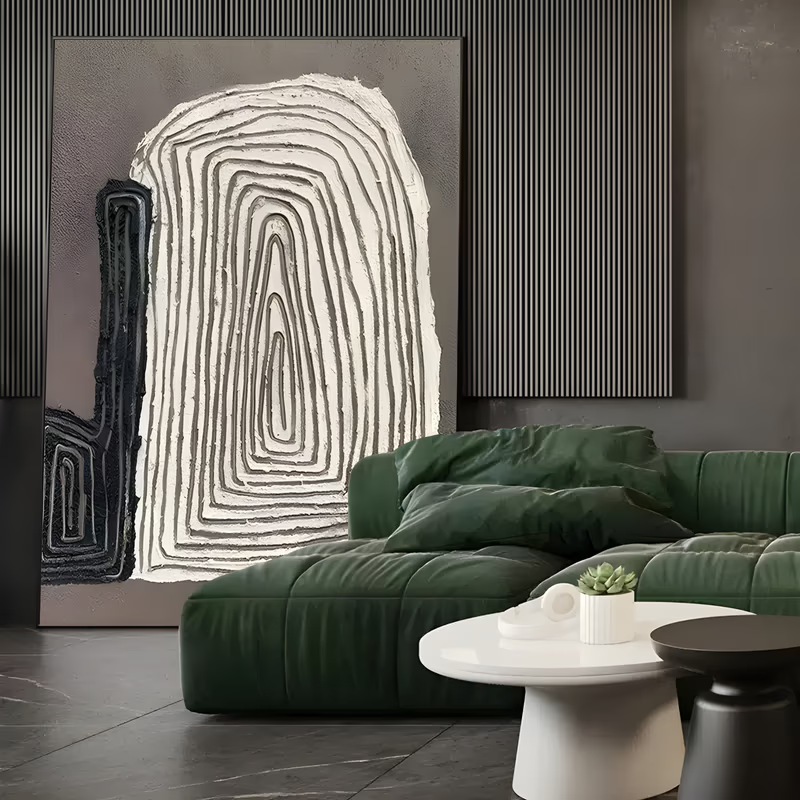
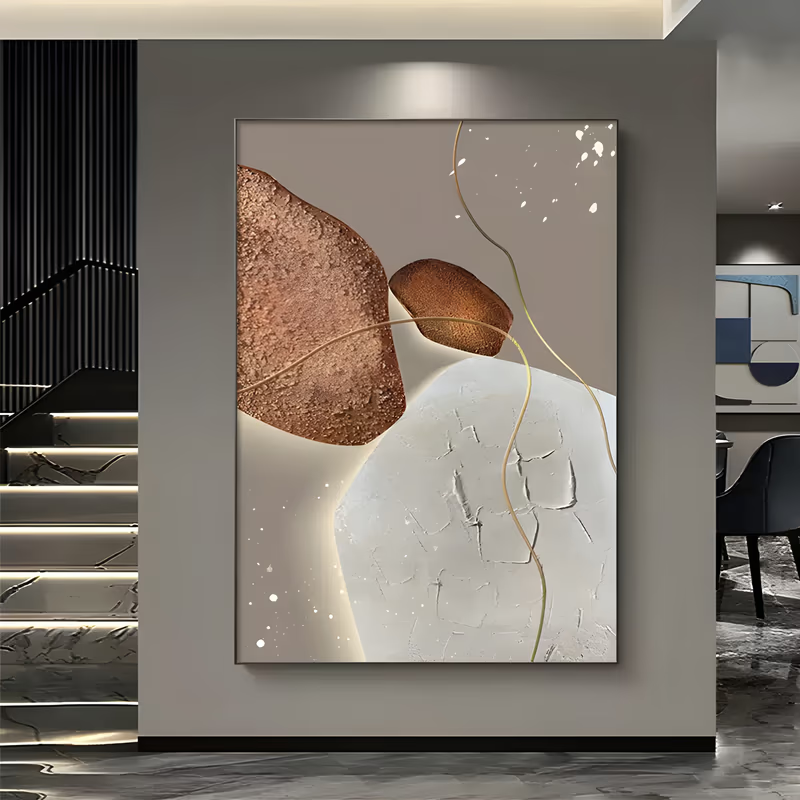
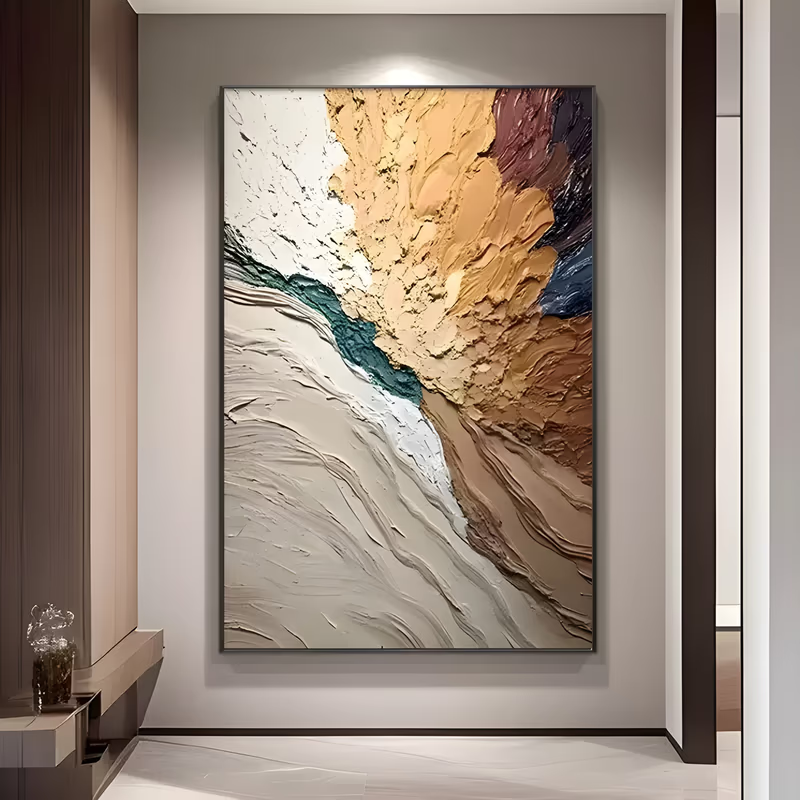
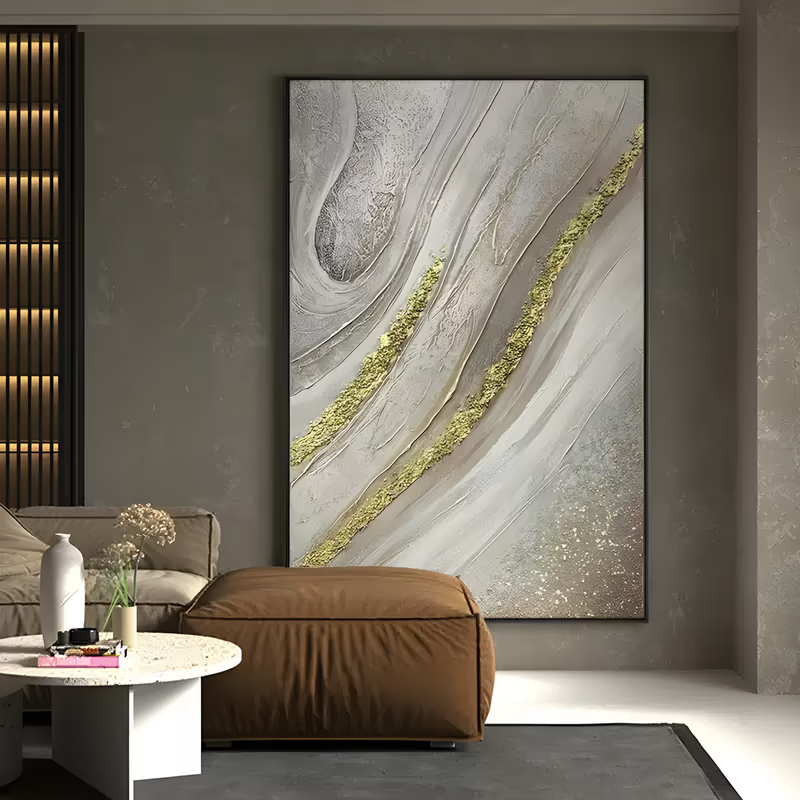
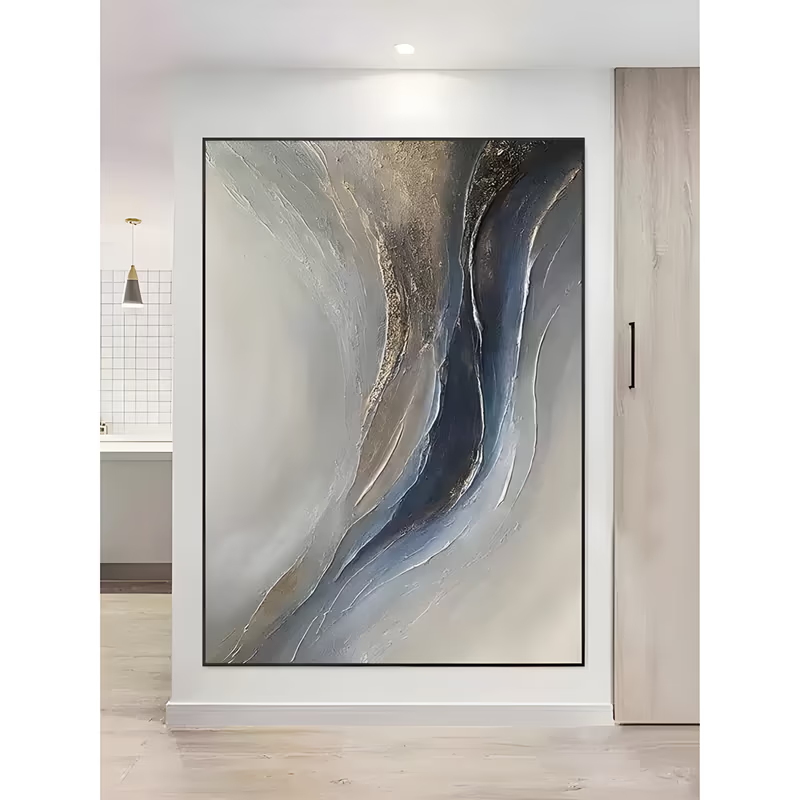
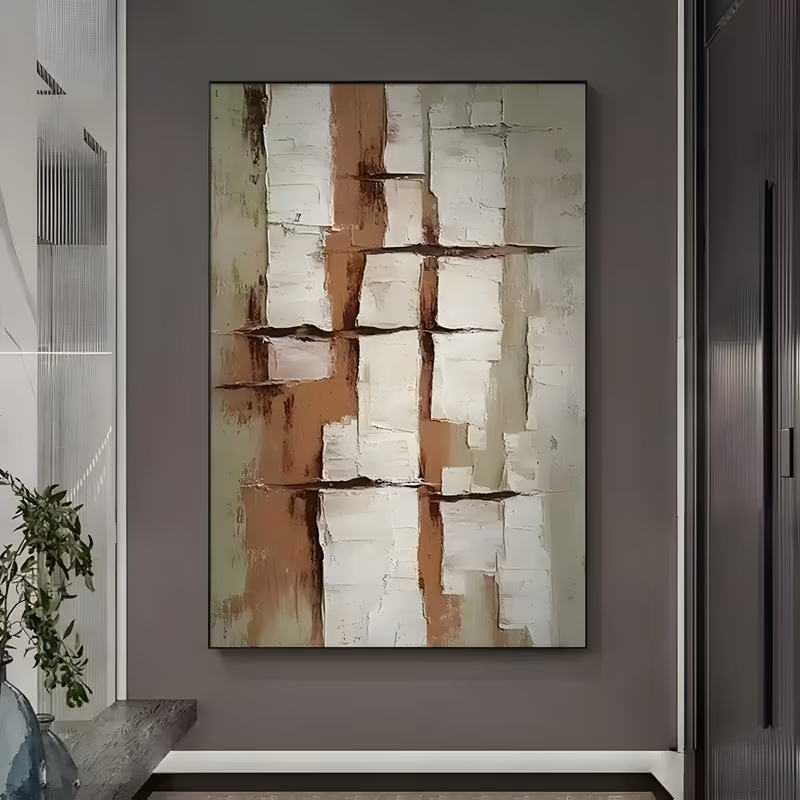
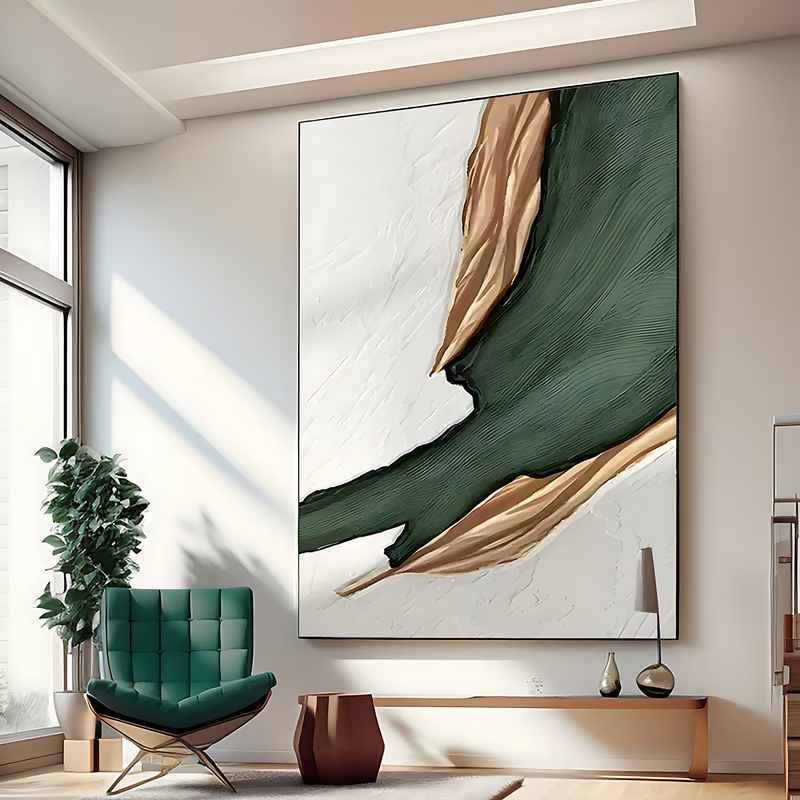
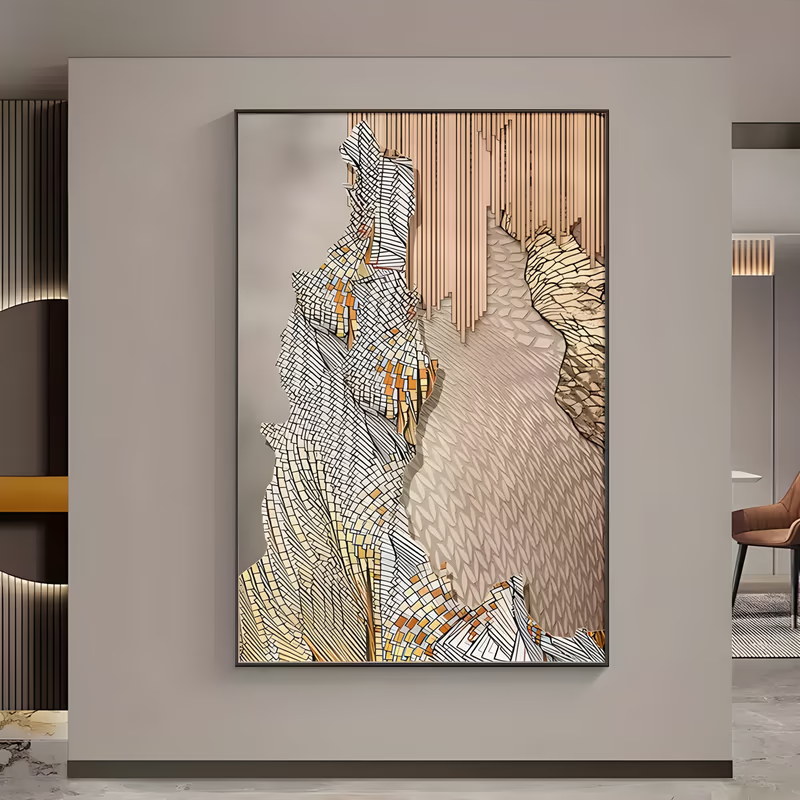
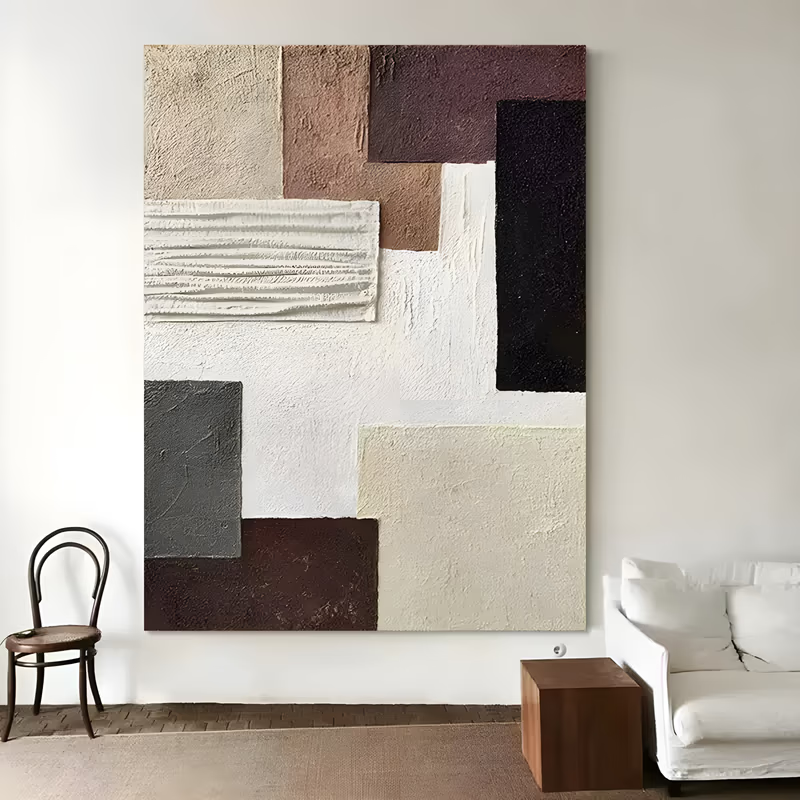
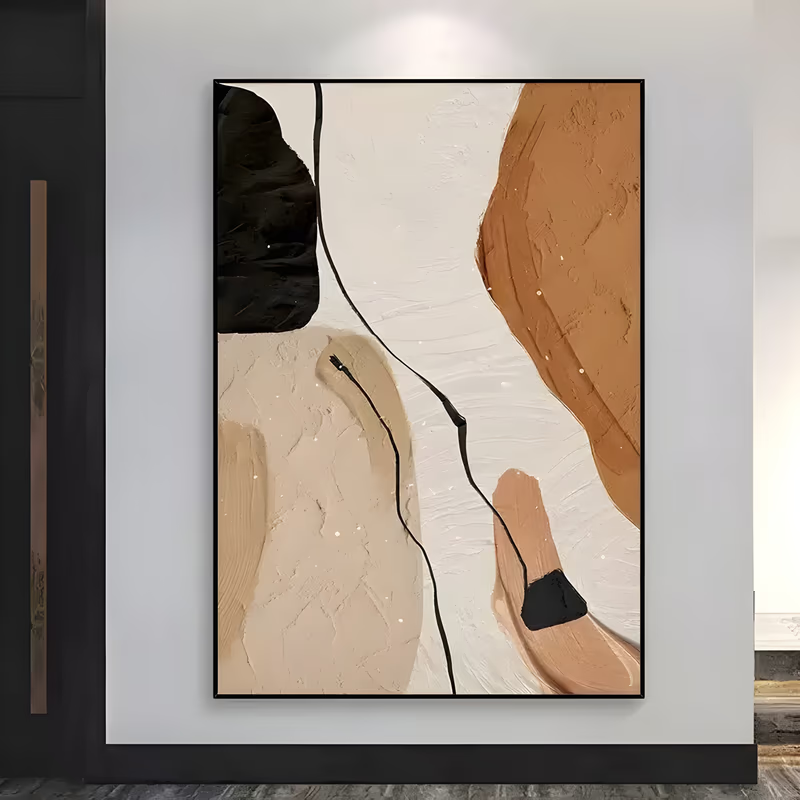
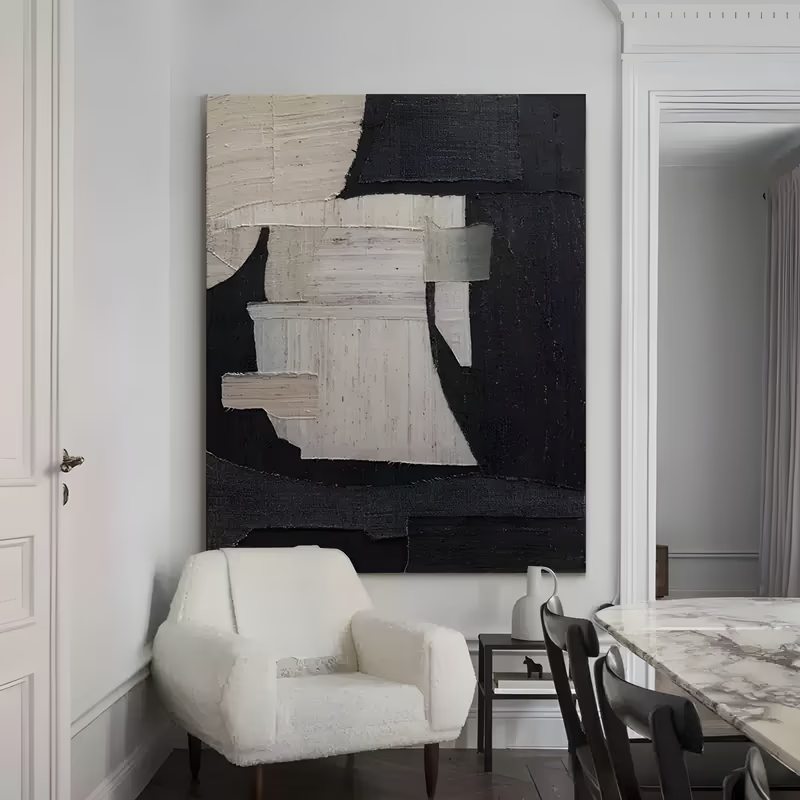
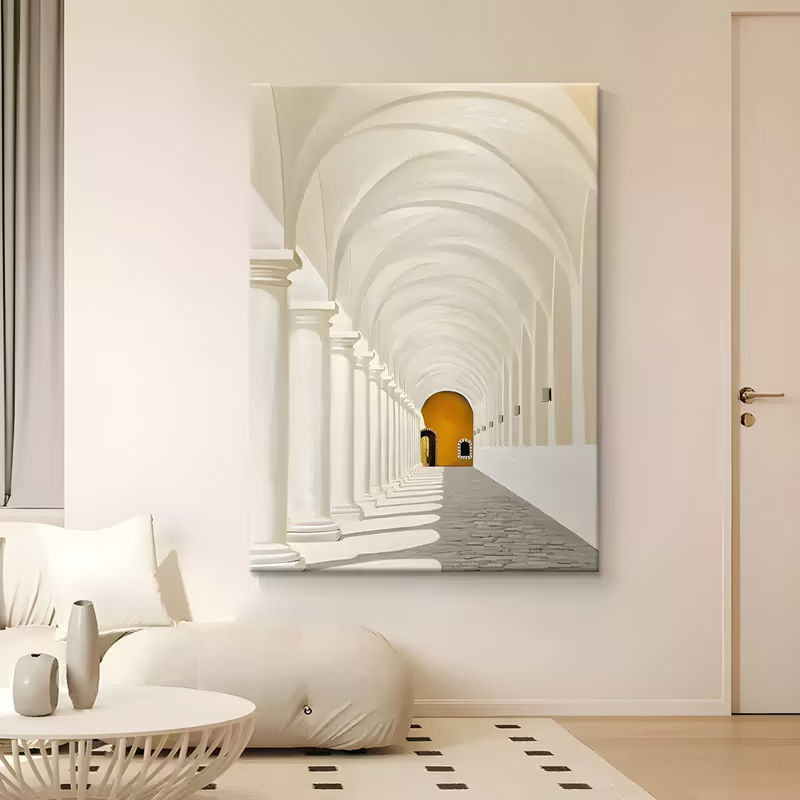
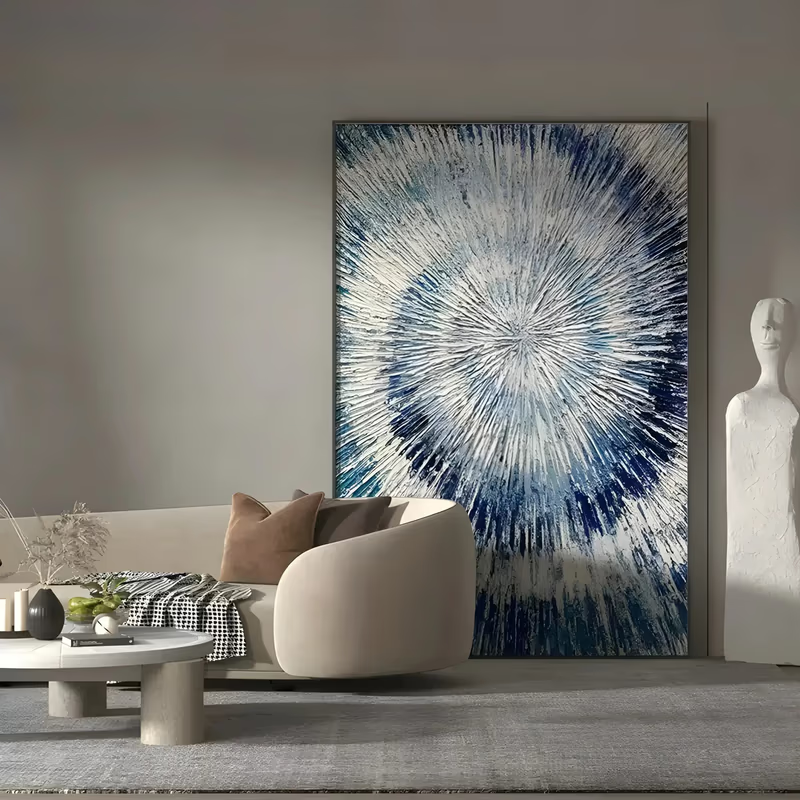
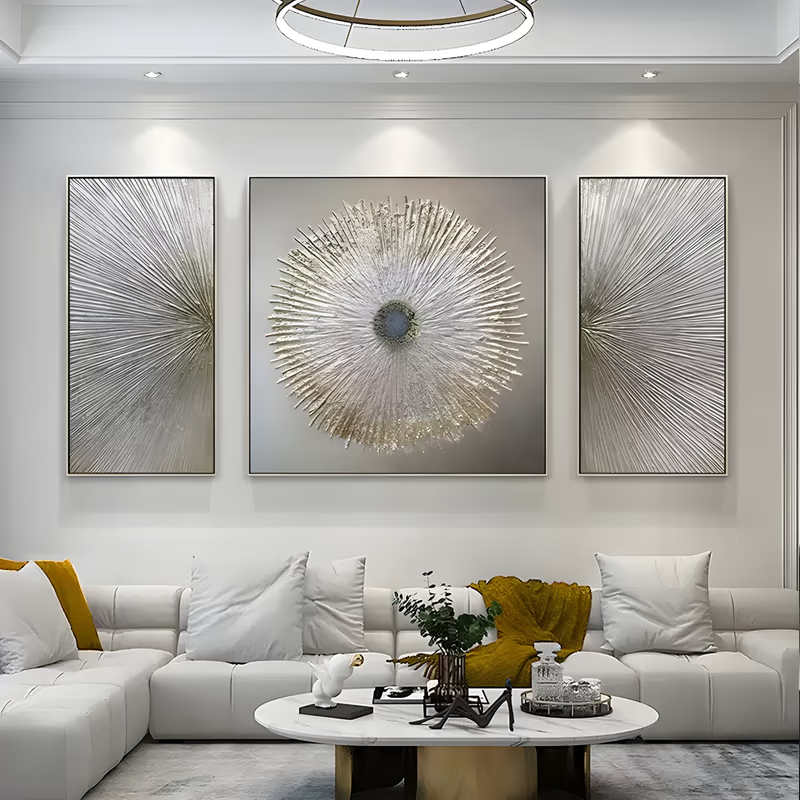
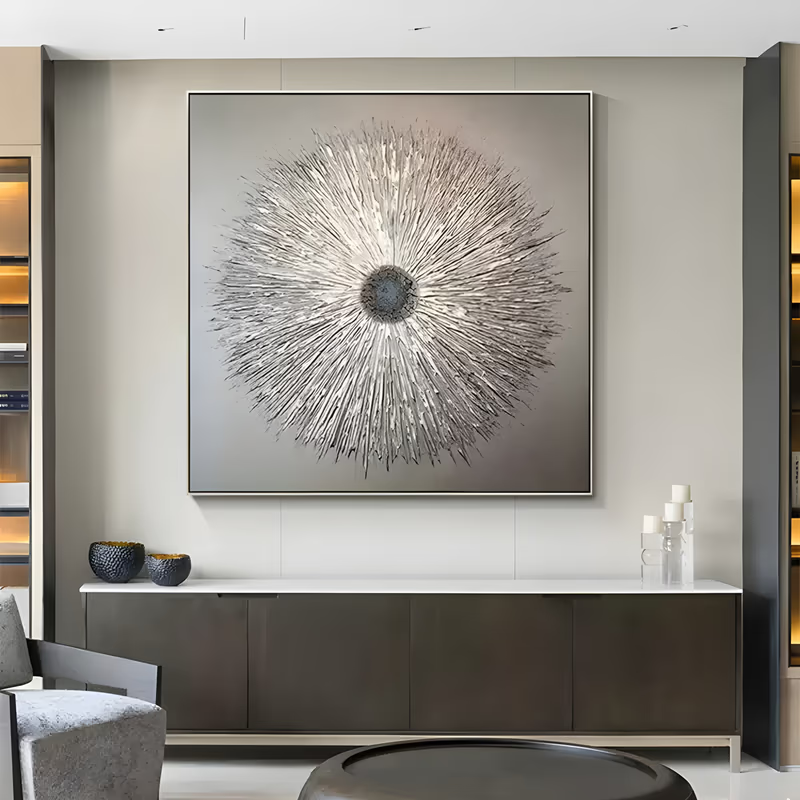
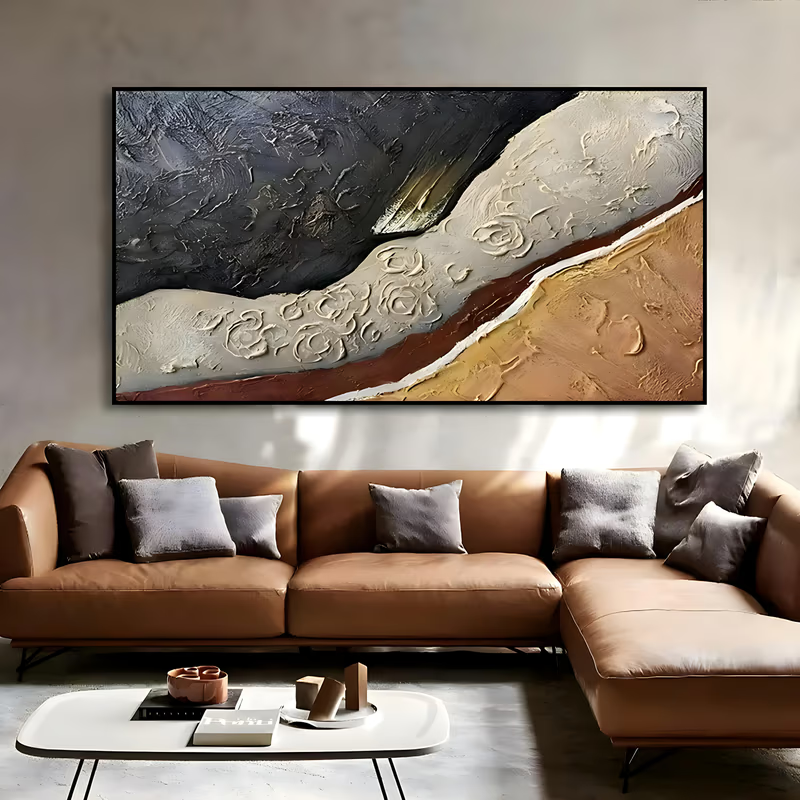
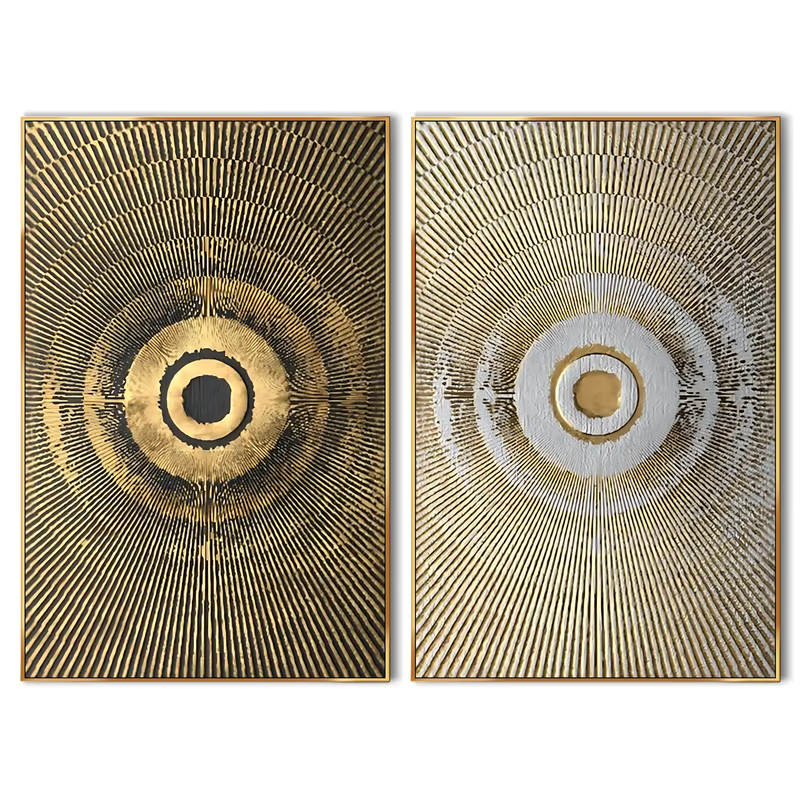
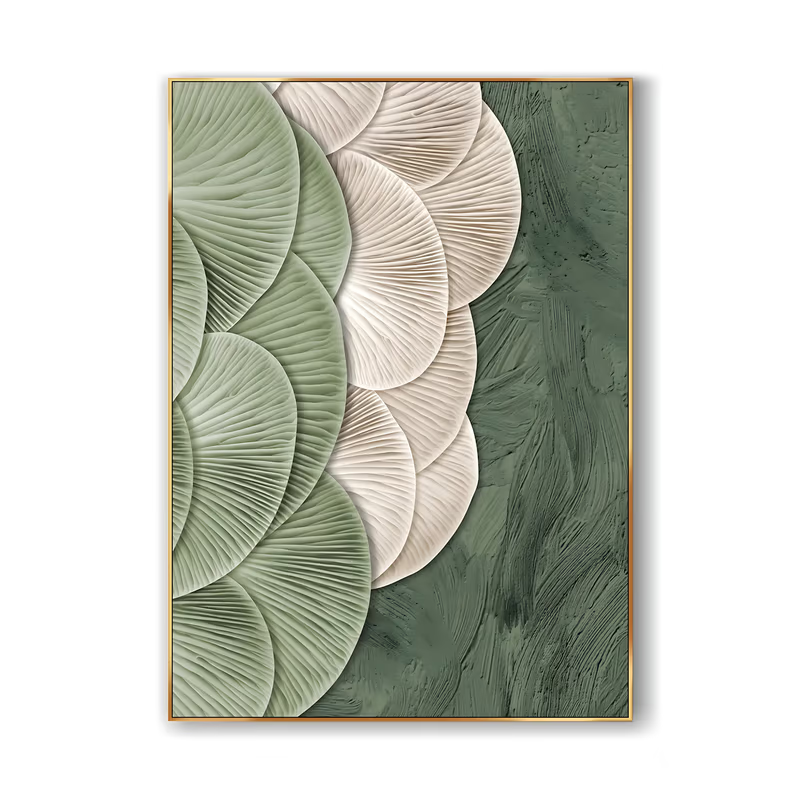
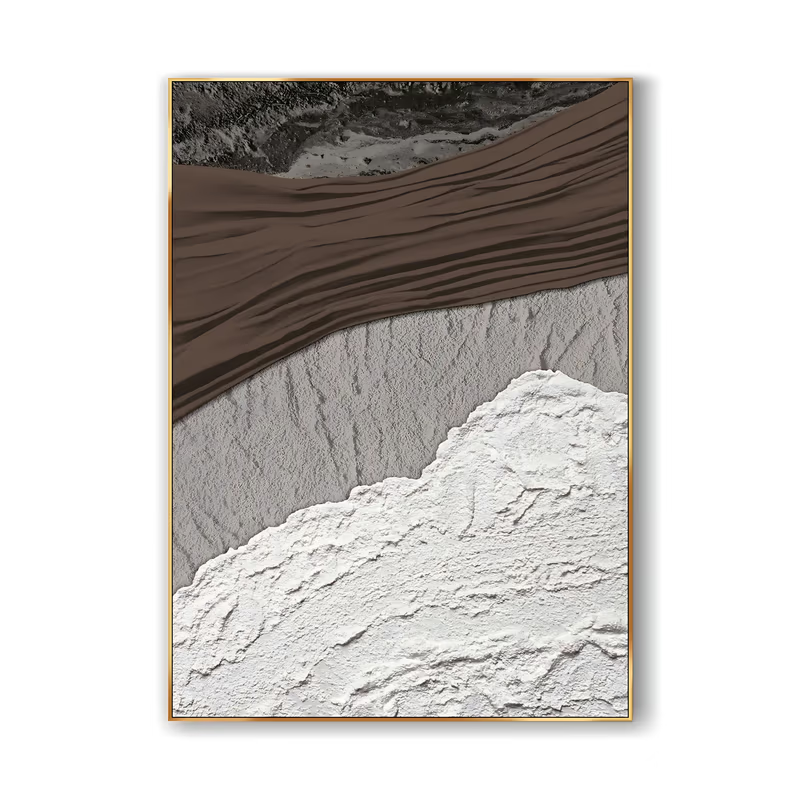
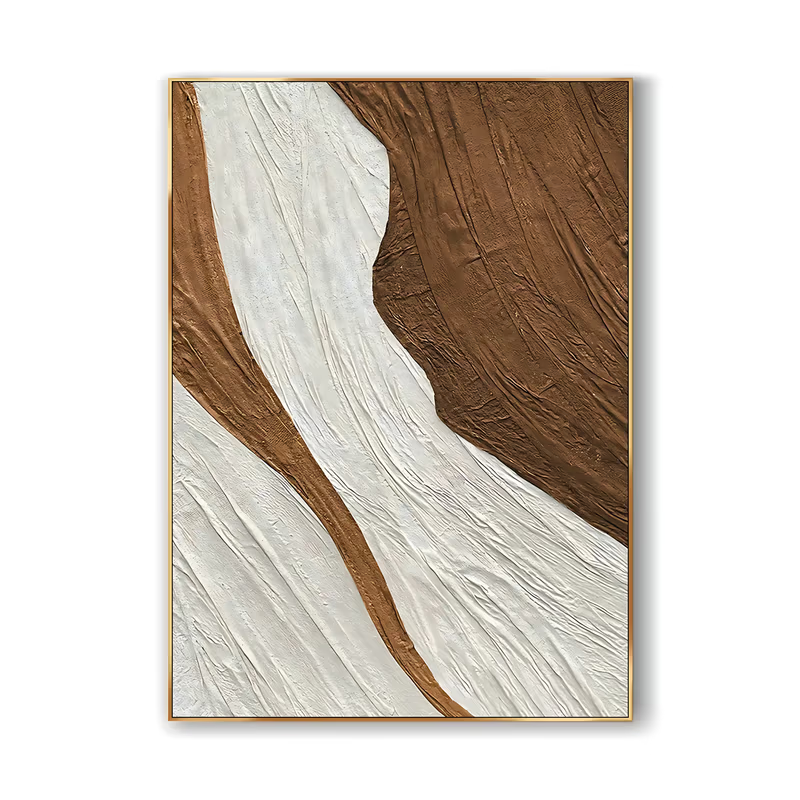
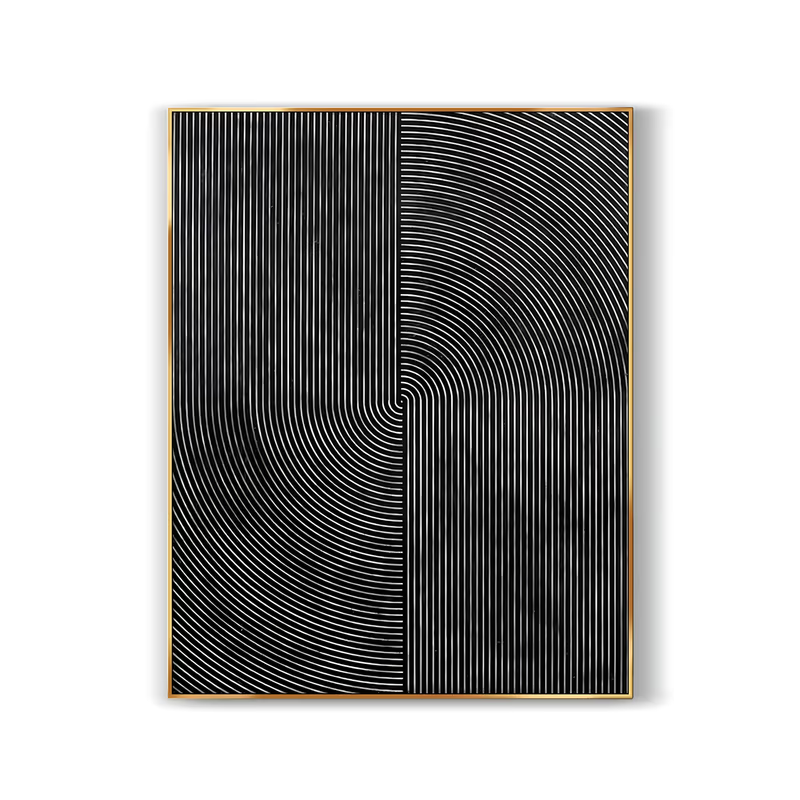
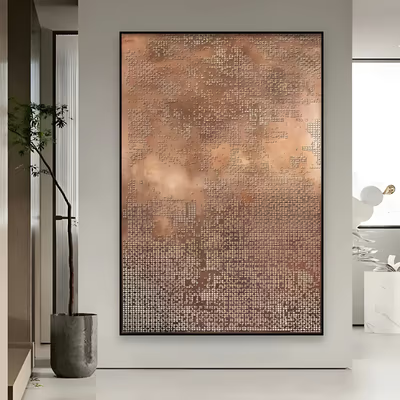
Concentric arches rising from the lower edge, stacked plaster blocks, combed quadrants and sweeping bands of rust and cream. Calm, architectural and easy to repeat across a building, they suit offices, meeting rooms and modern living rooms.
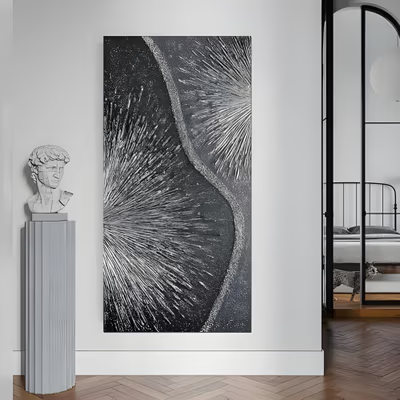
Relief seascapes and waves
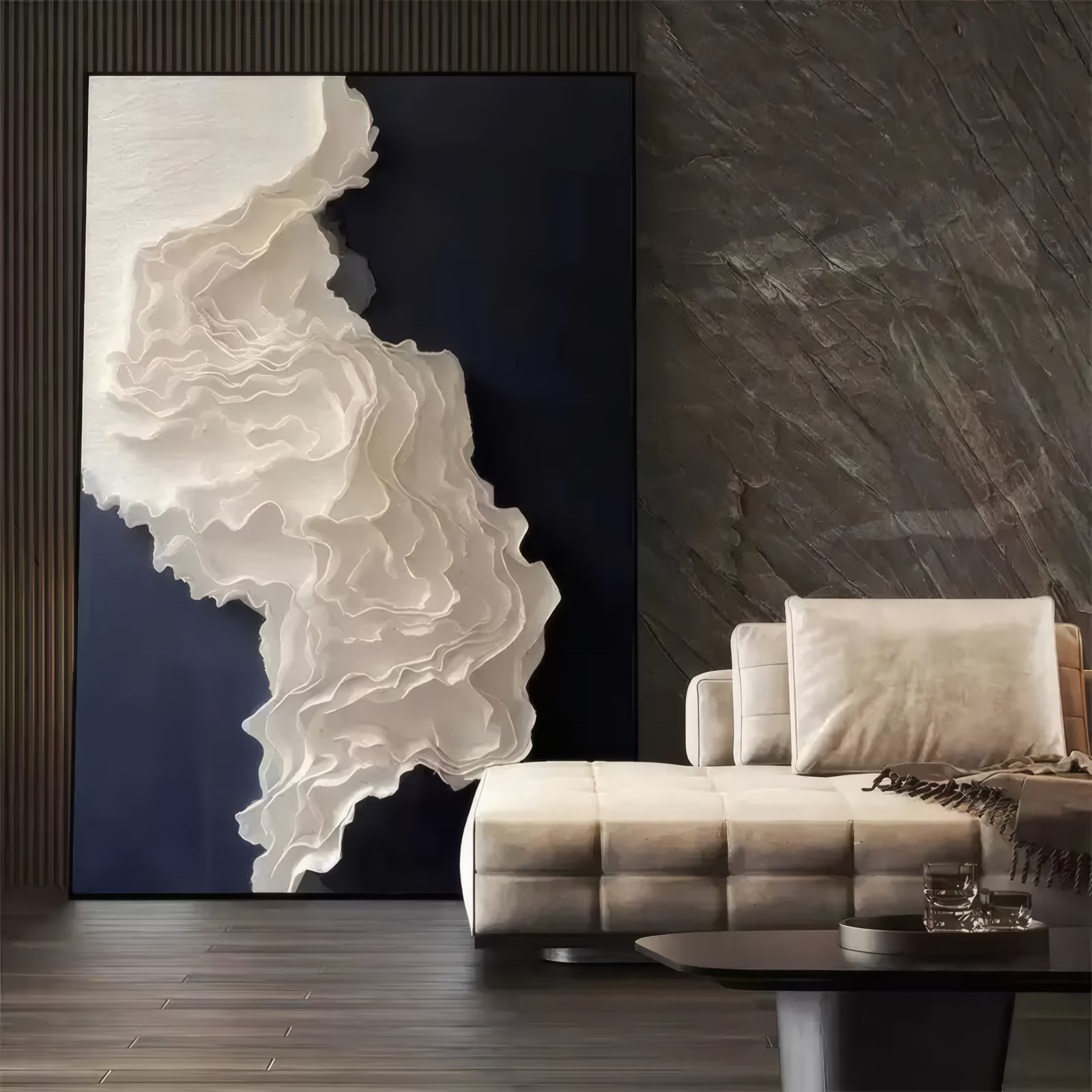
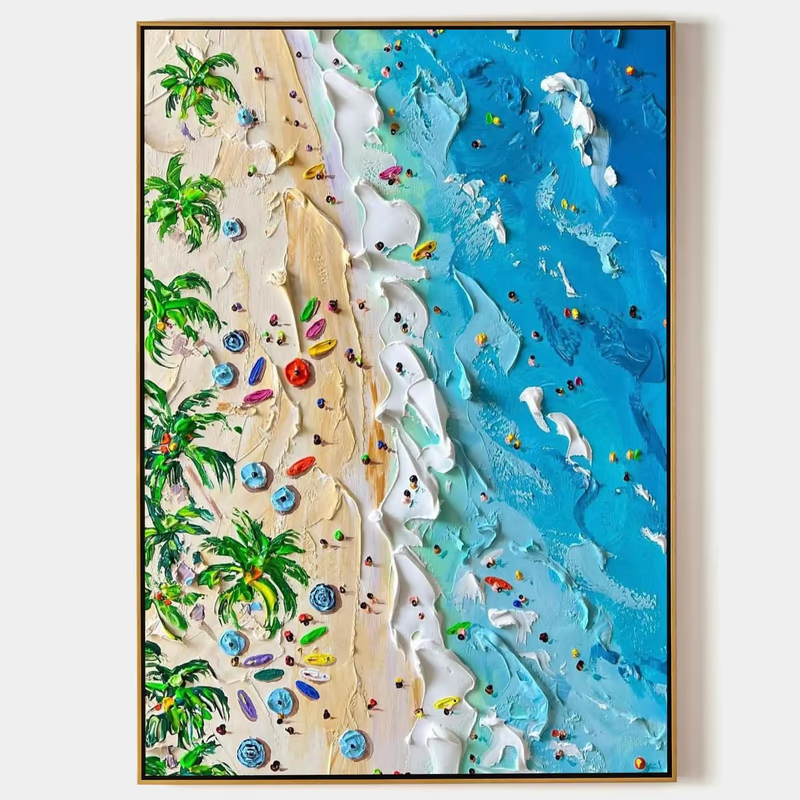
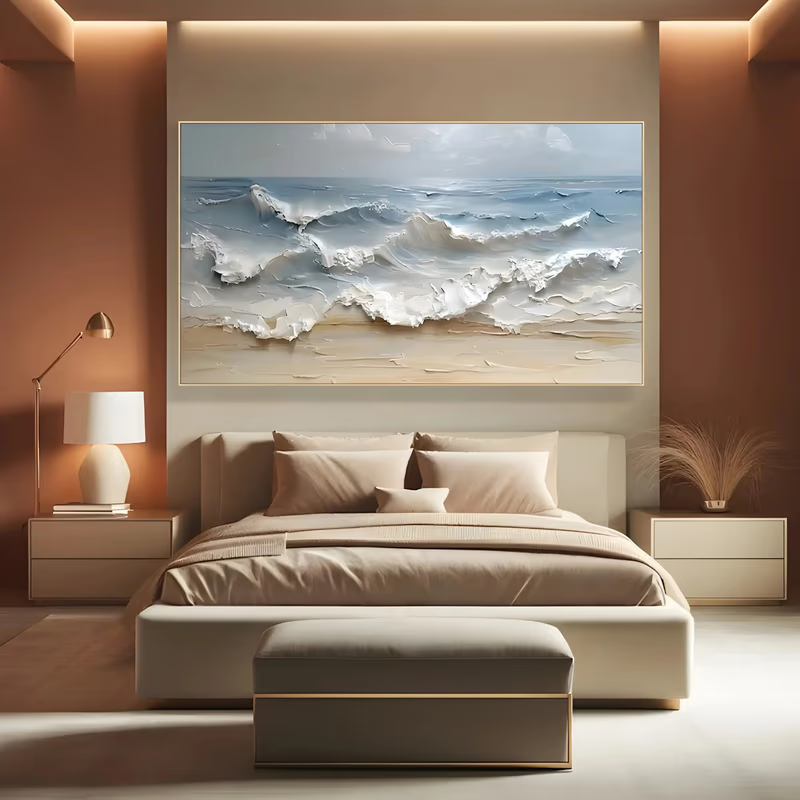
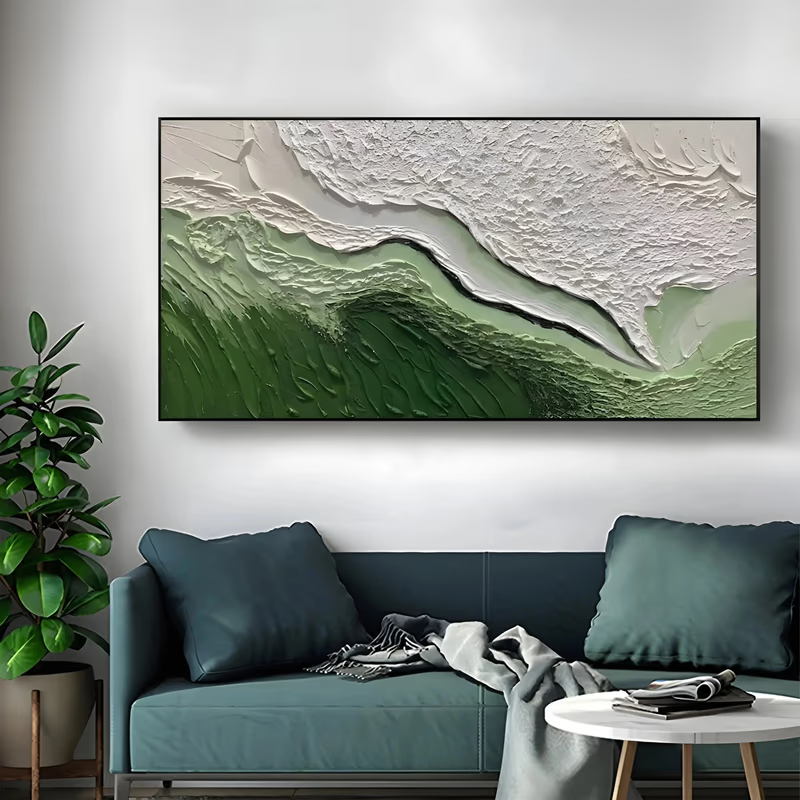
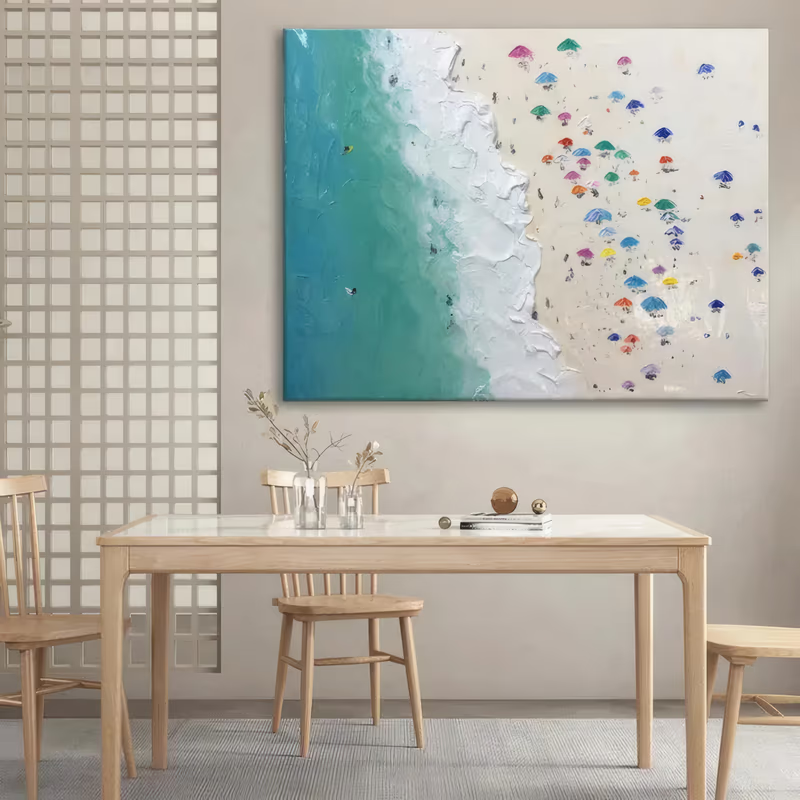
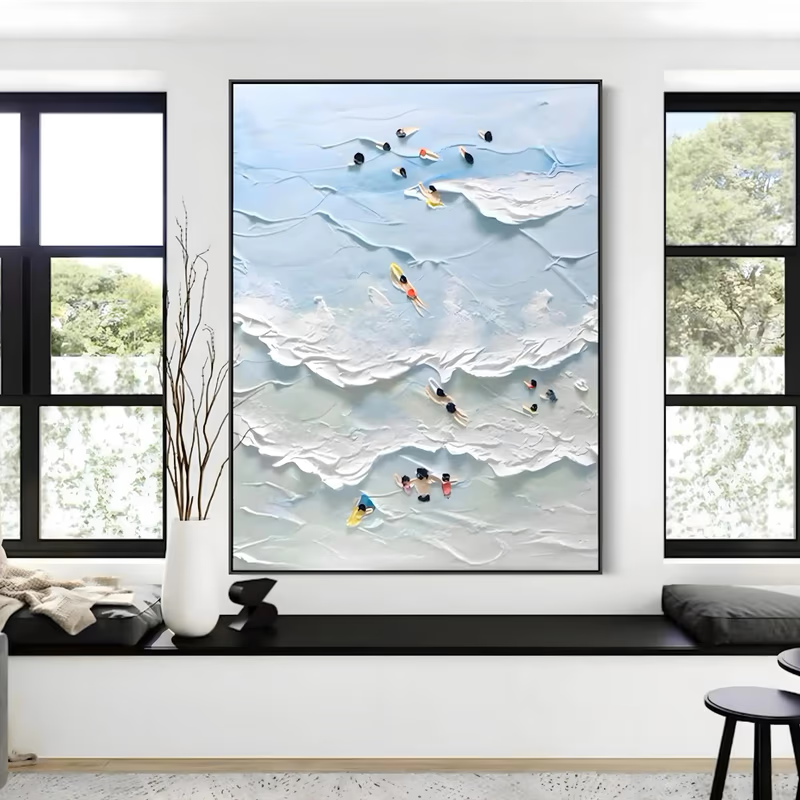
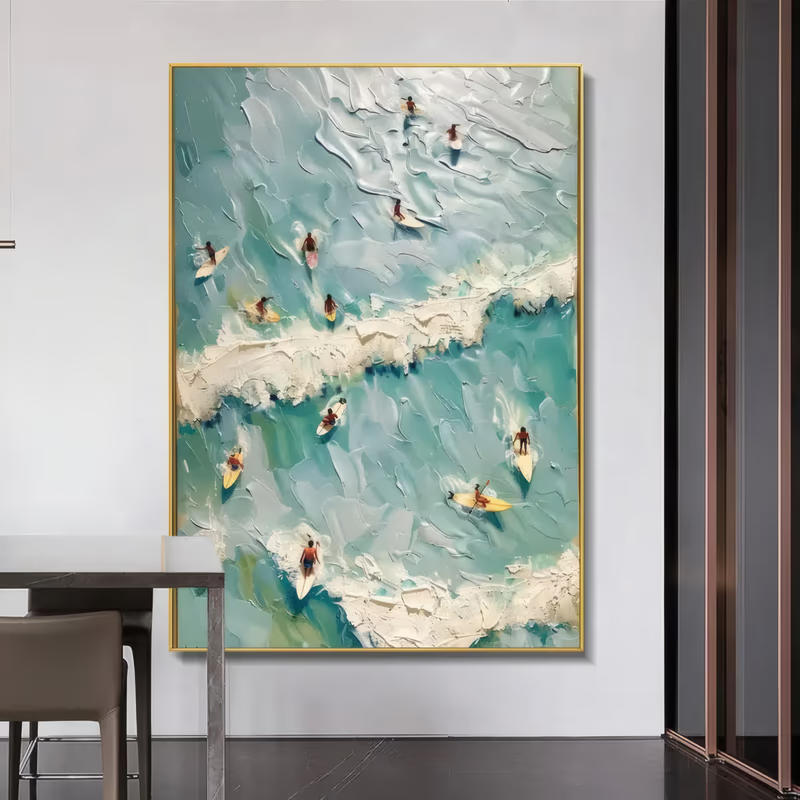
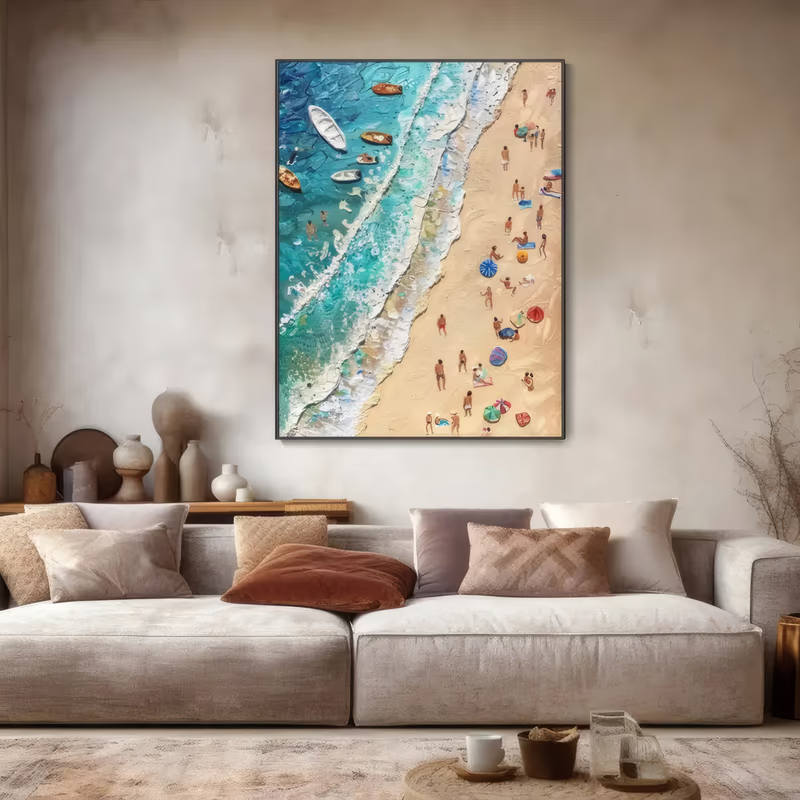
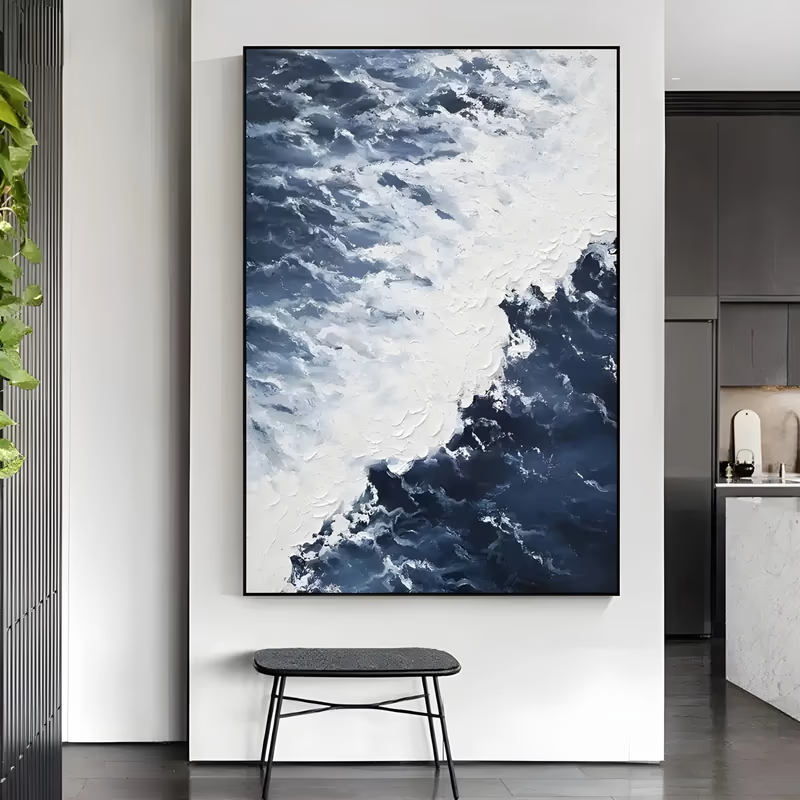
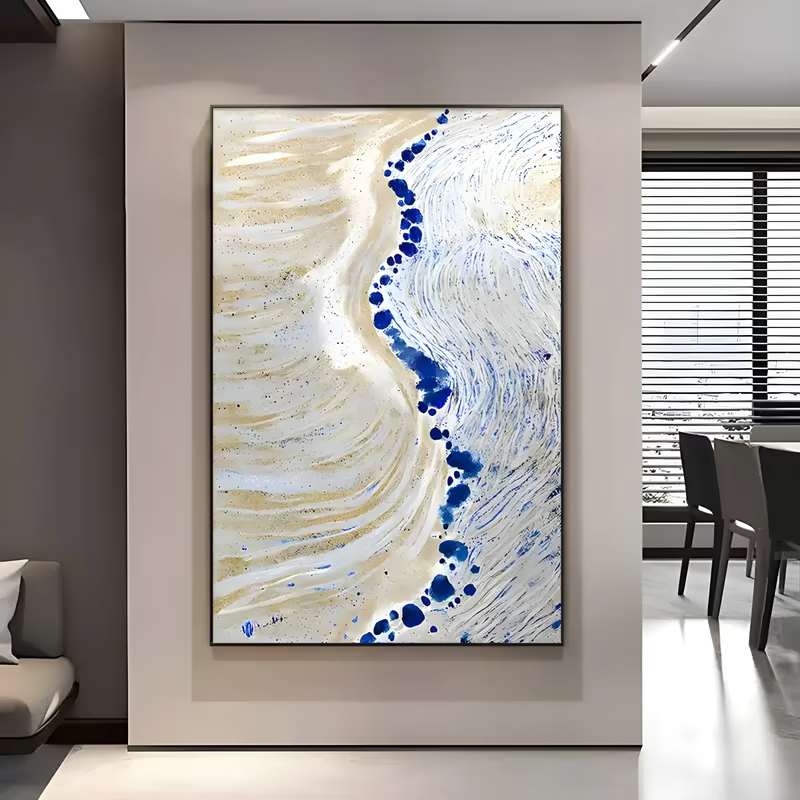
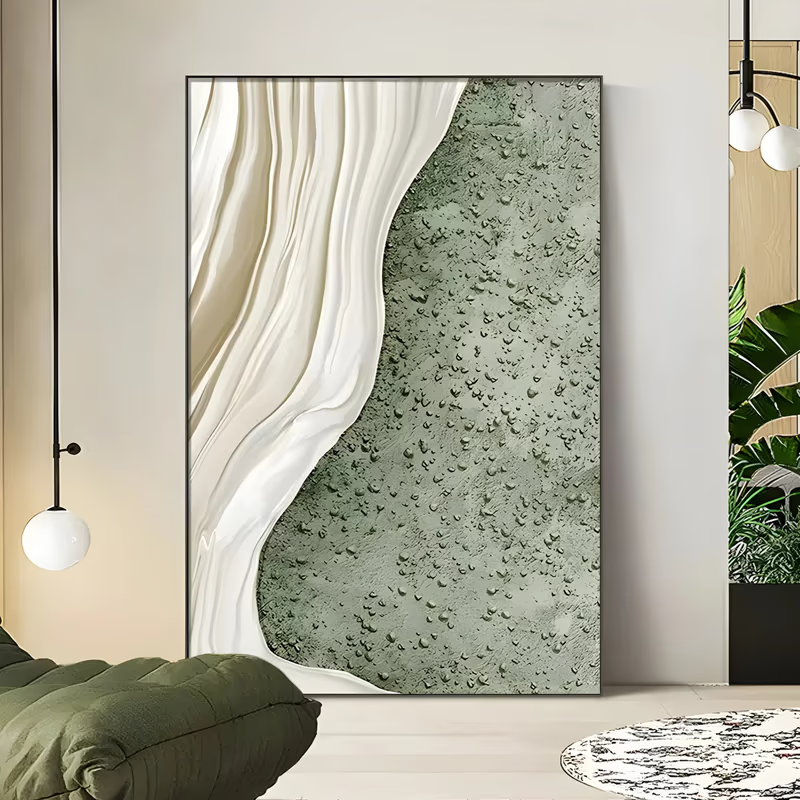
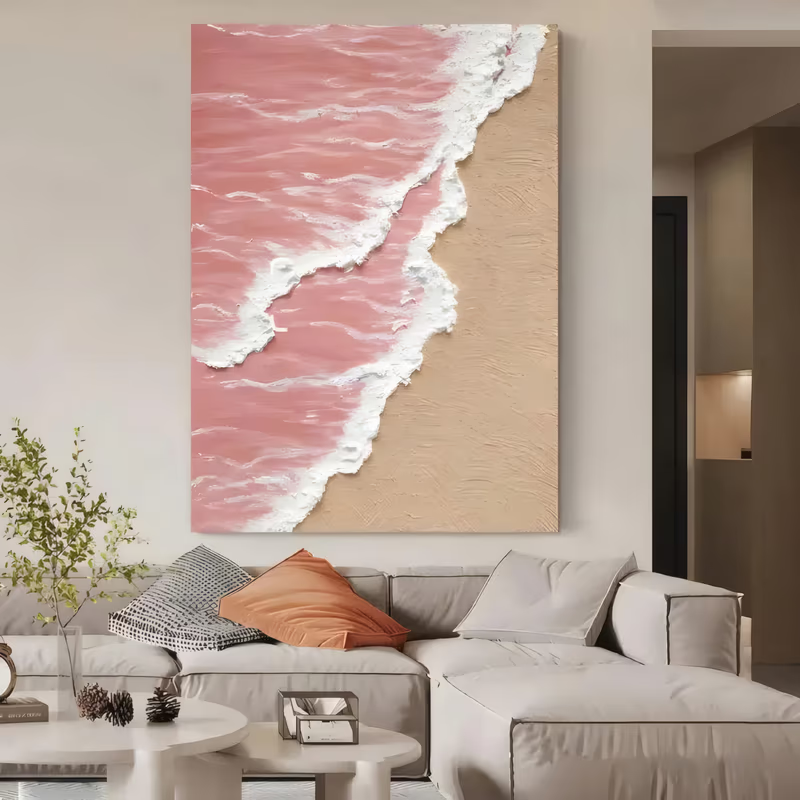
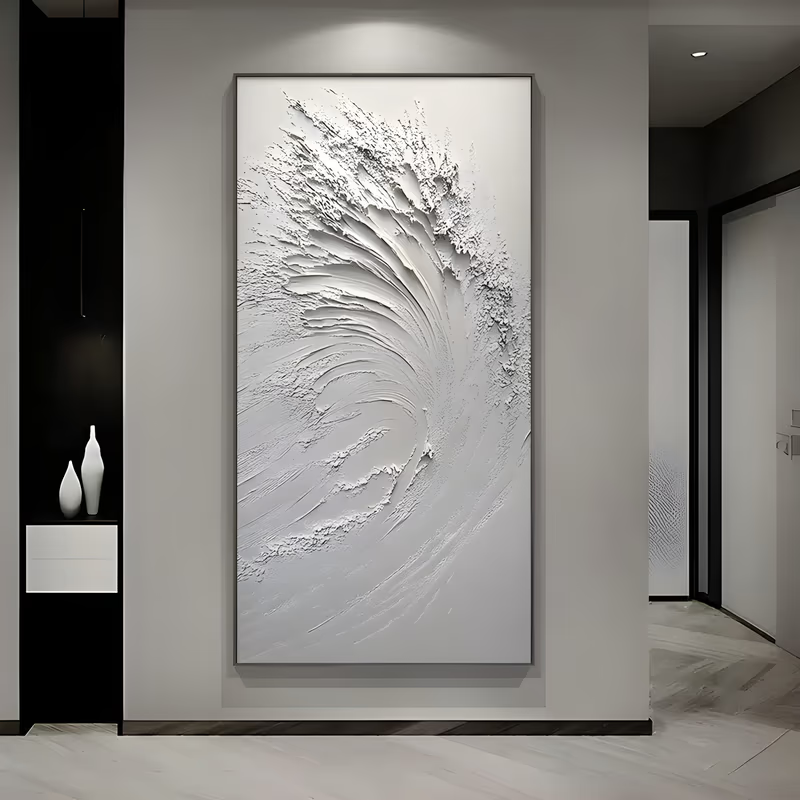
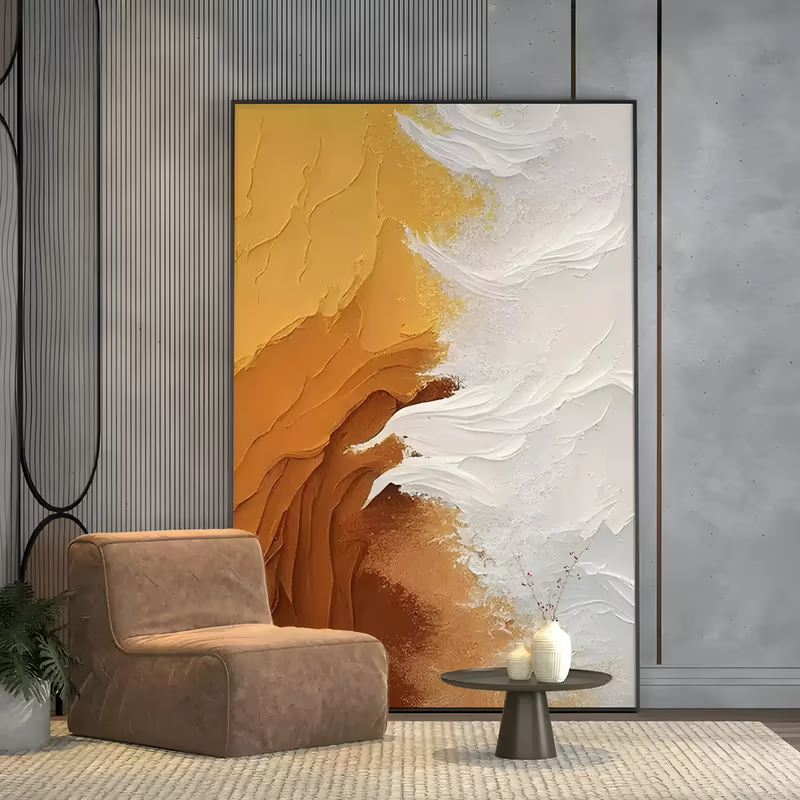
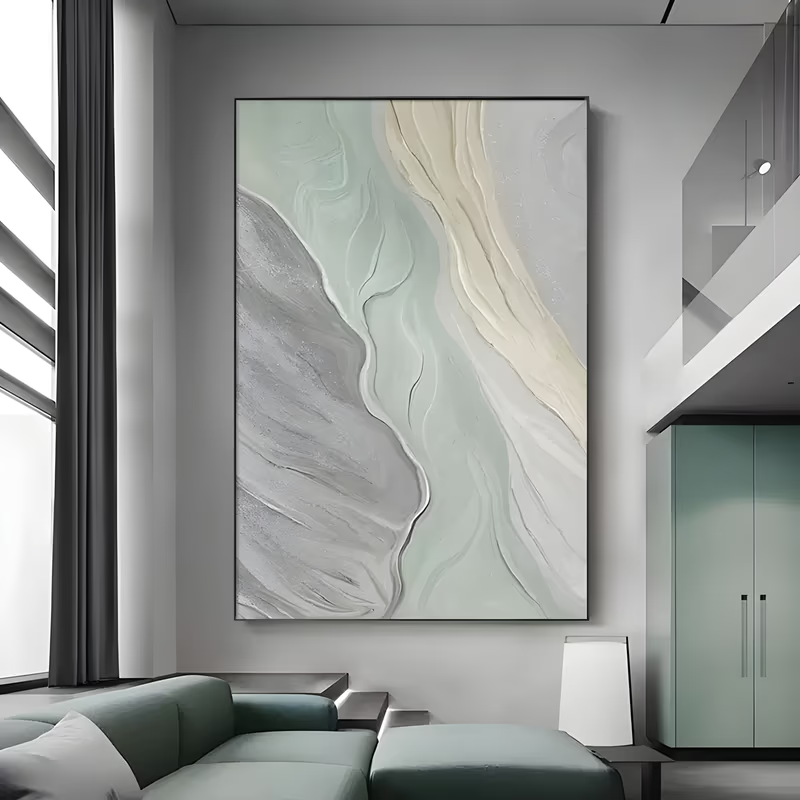
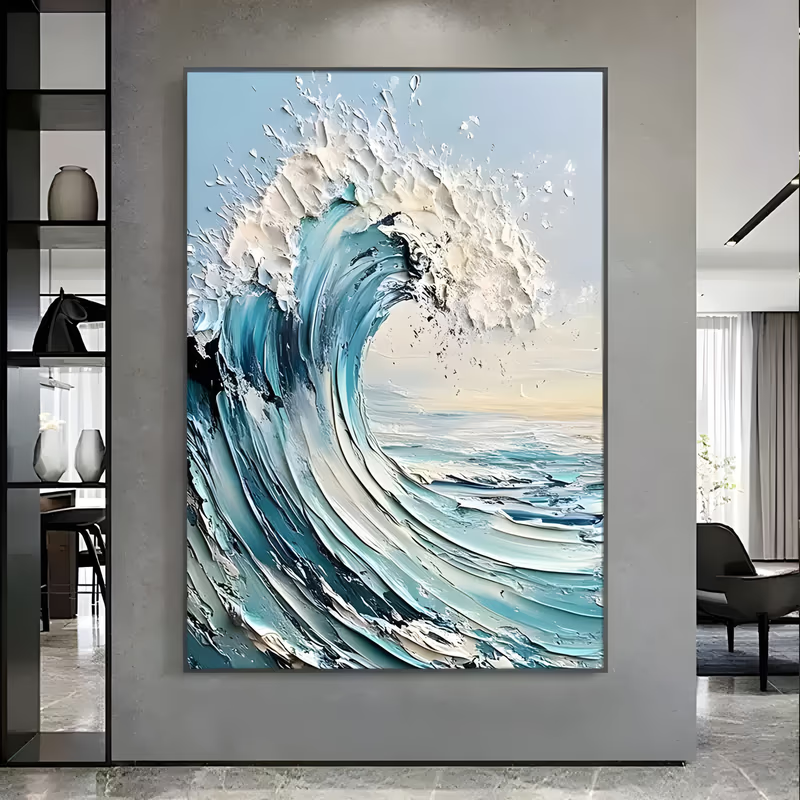
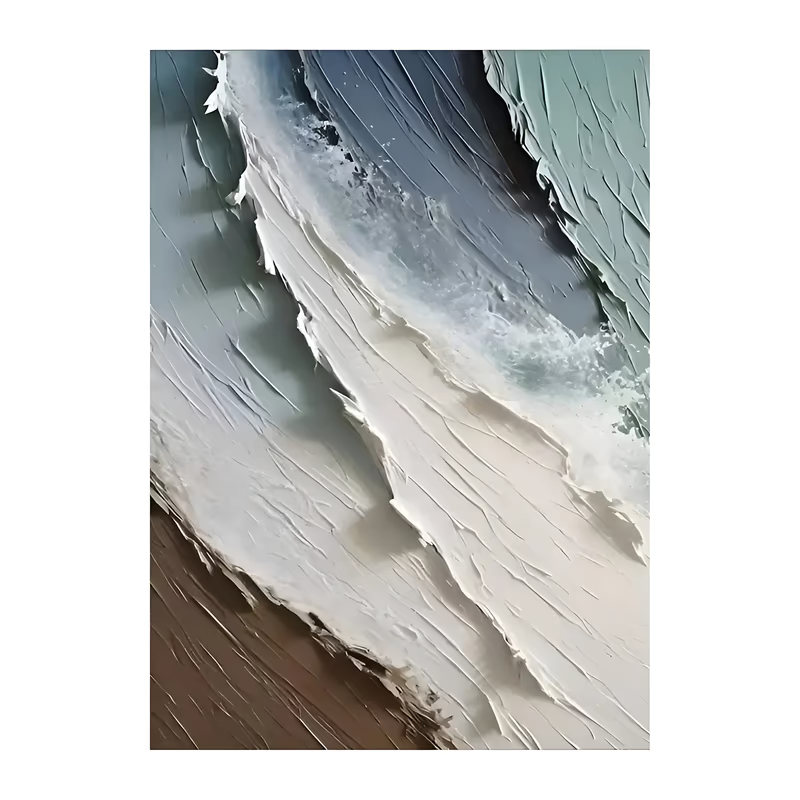
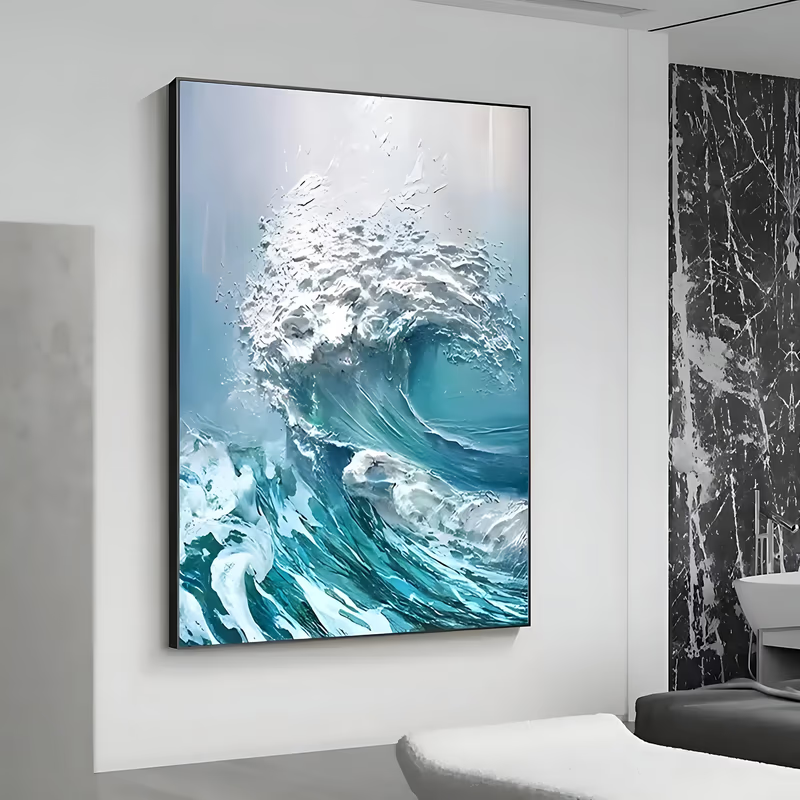
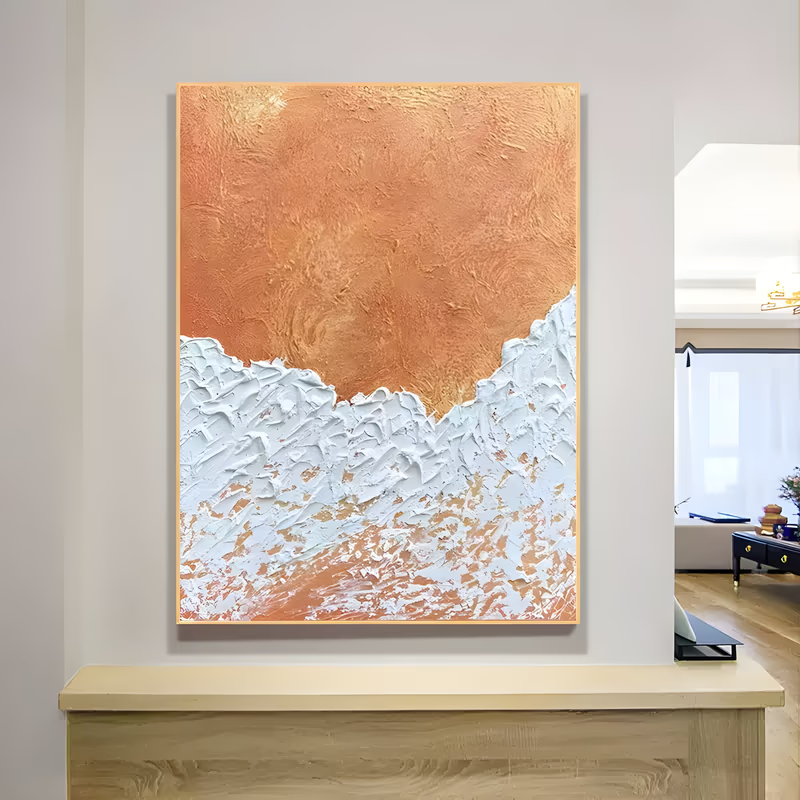
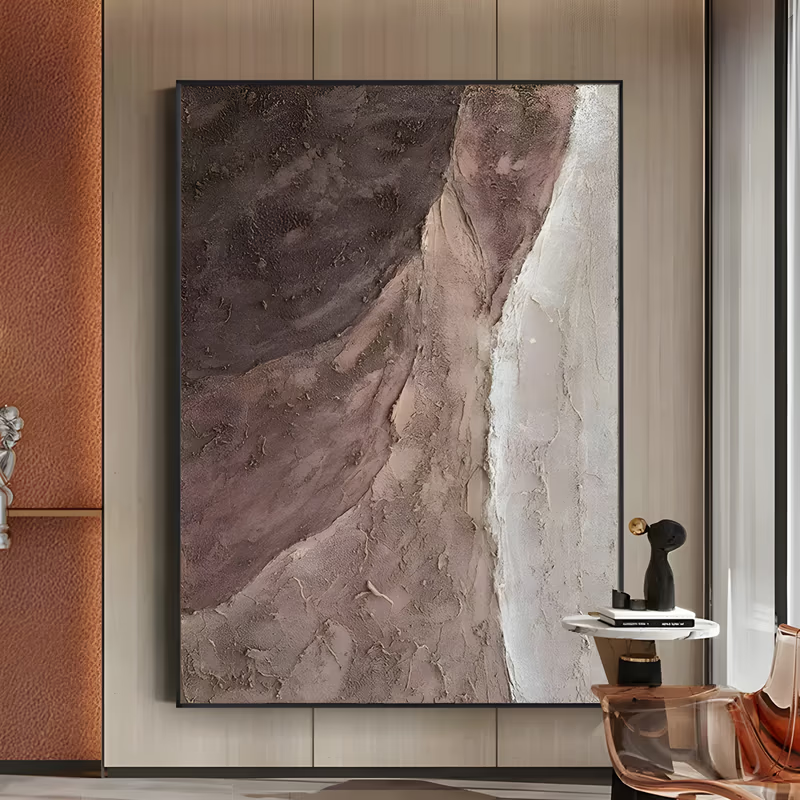
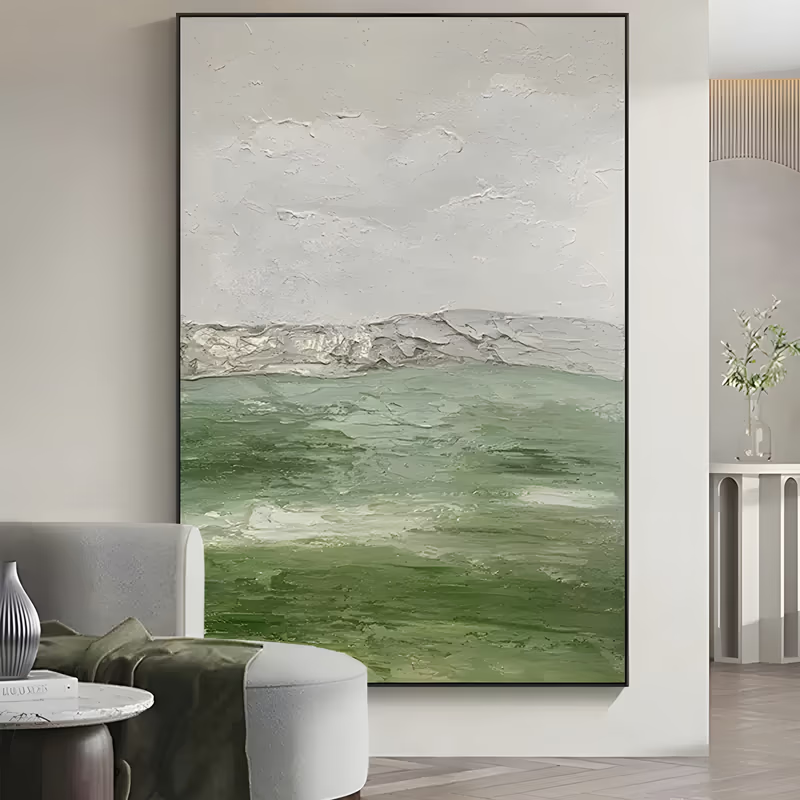
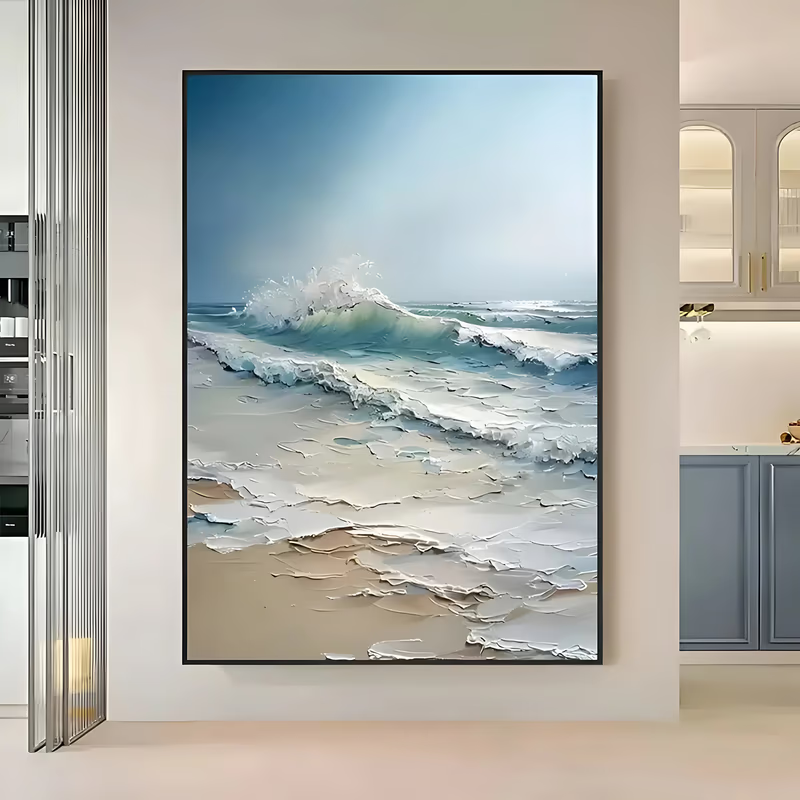
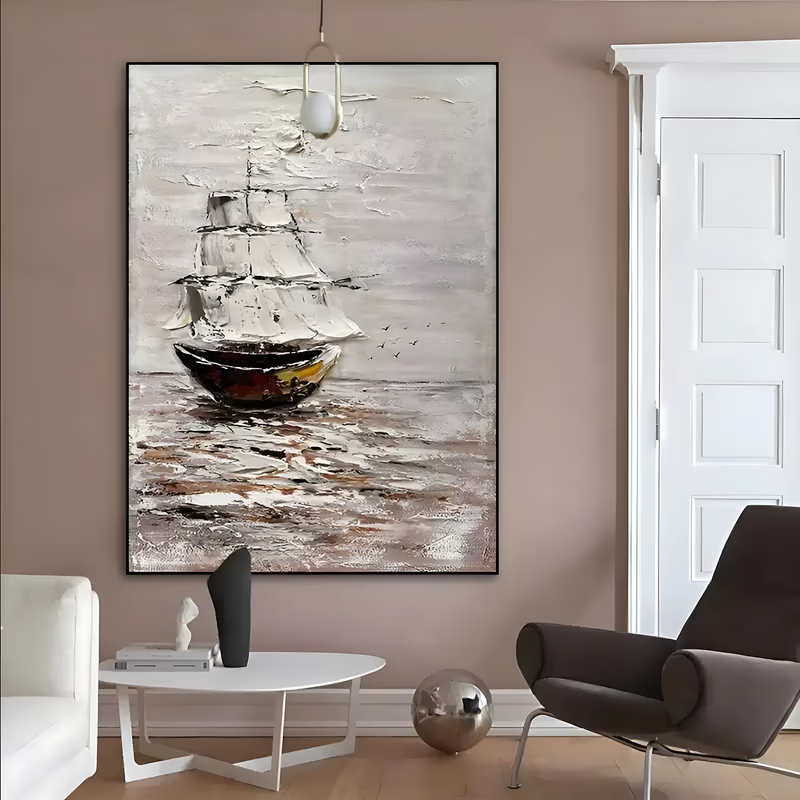
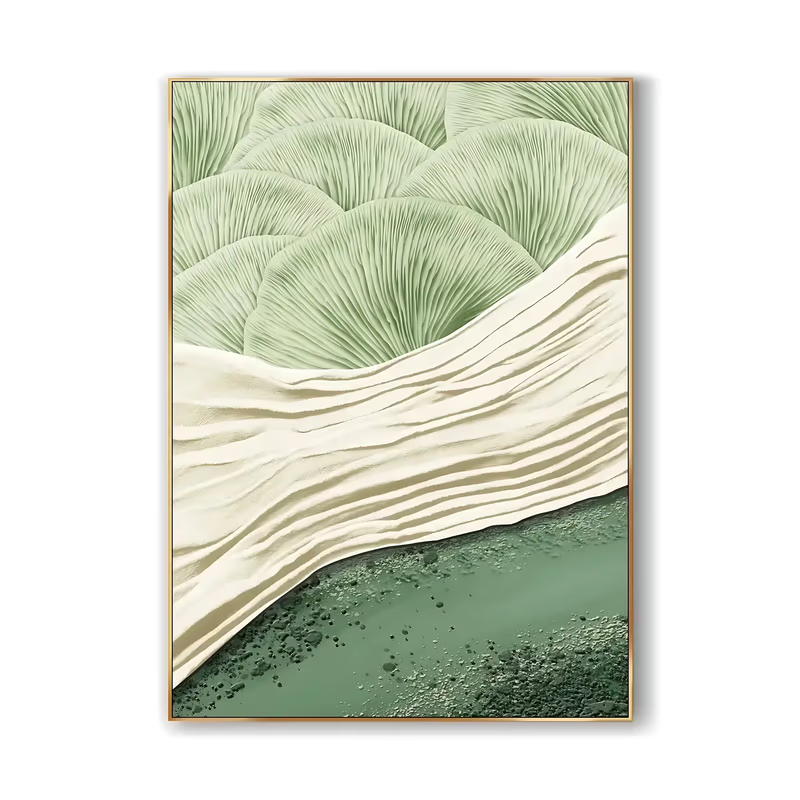
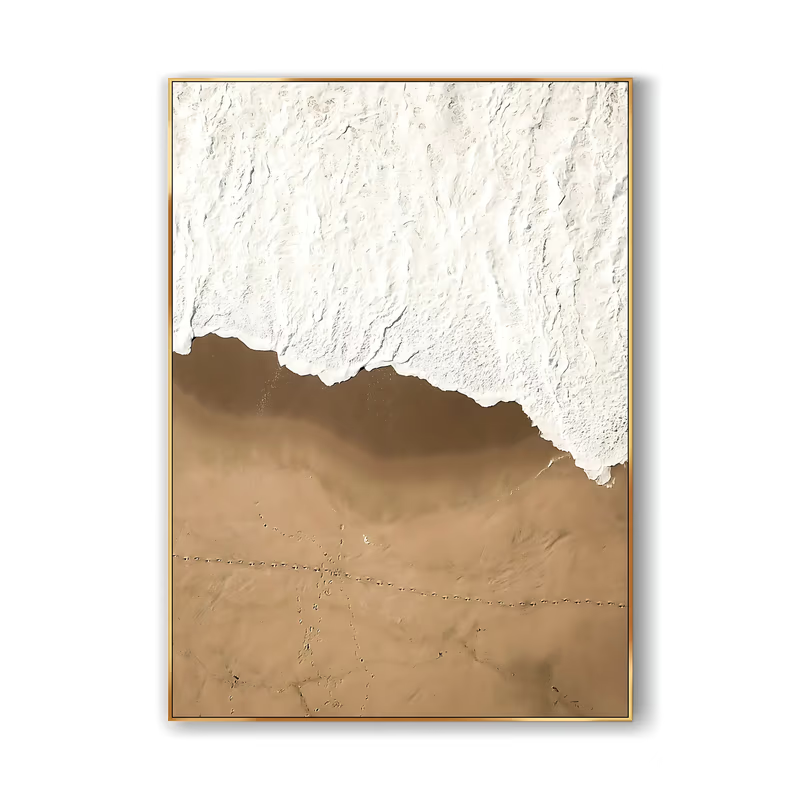
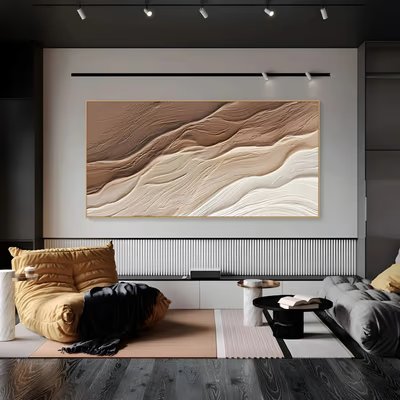
White plaster foam breaking over sand, a sage wave curling down one side, a pink tide meeting a beach. The raised foam catches light like the real thing, which makes these favourites for bathrooms, spas and coastal bedrooms.
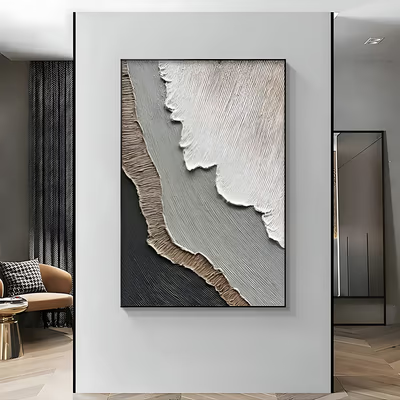
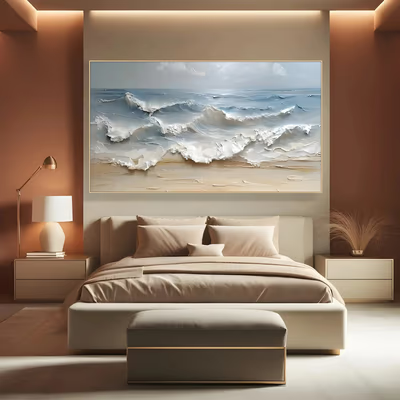
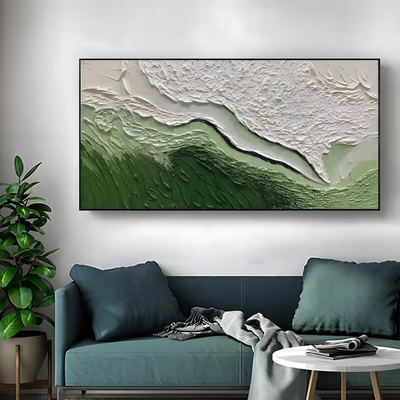
Textured landscapes and ridges
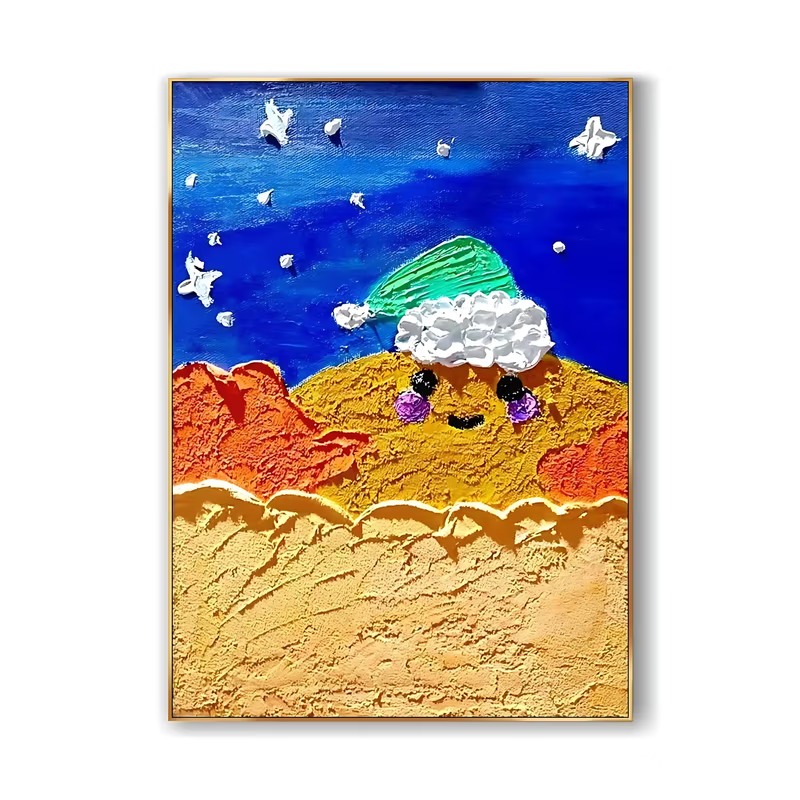
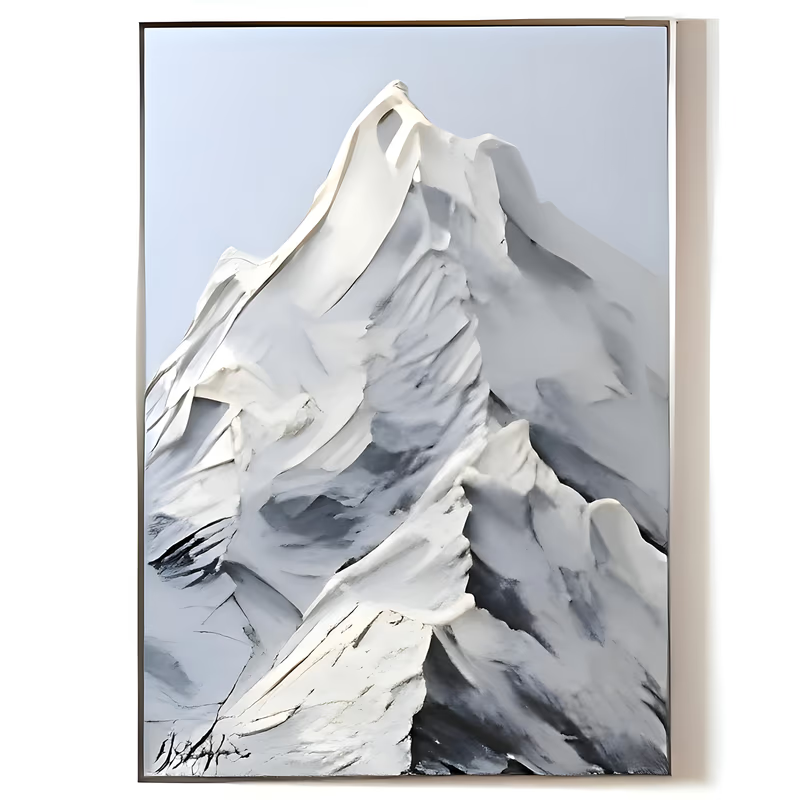
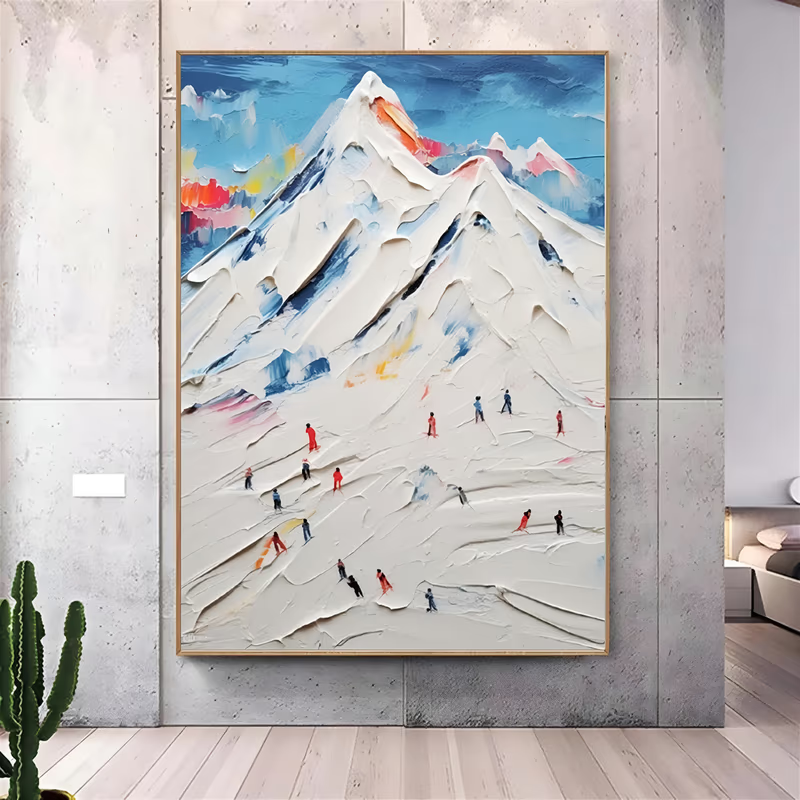
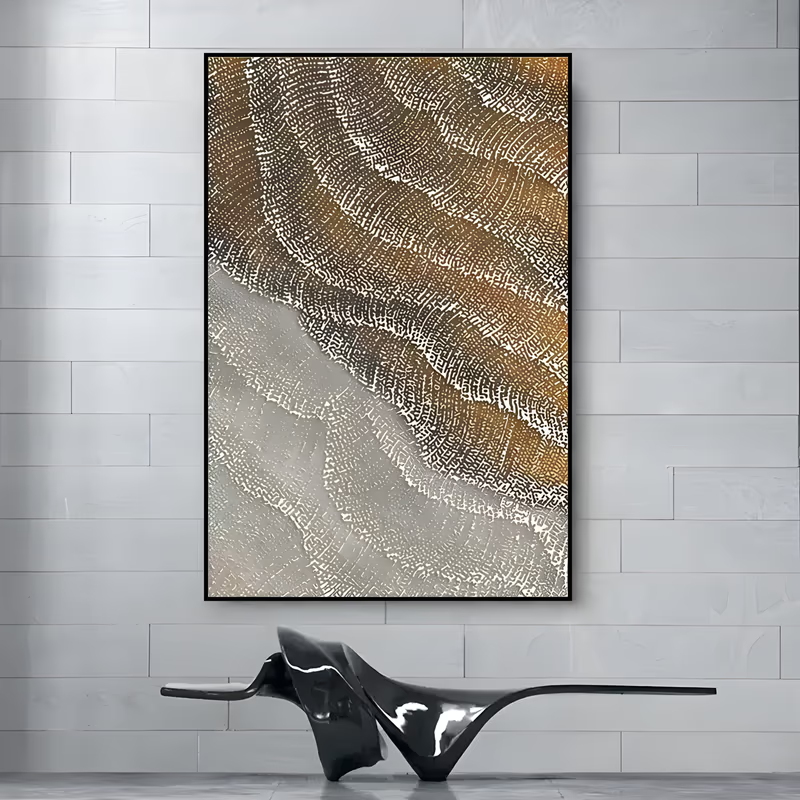
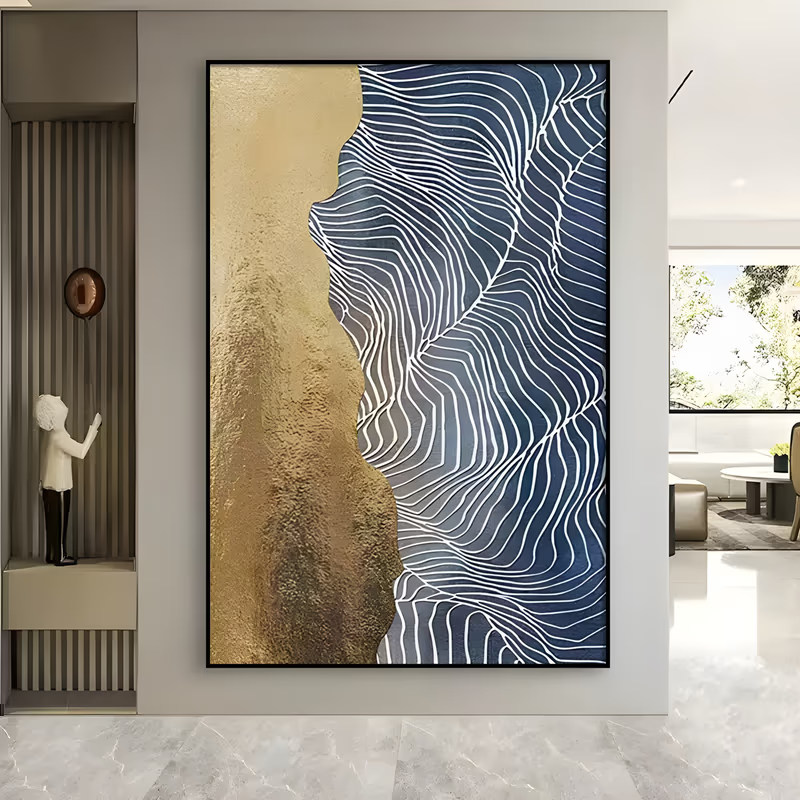
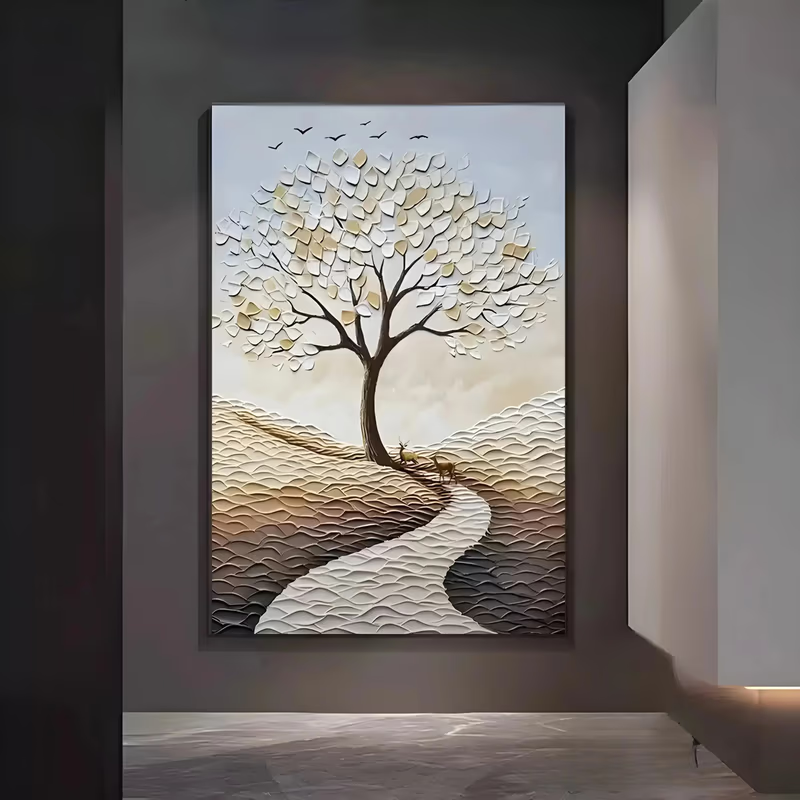
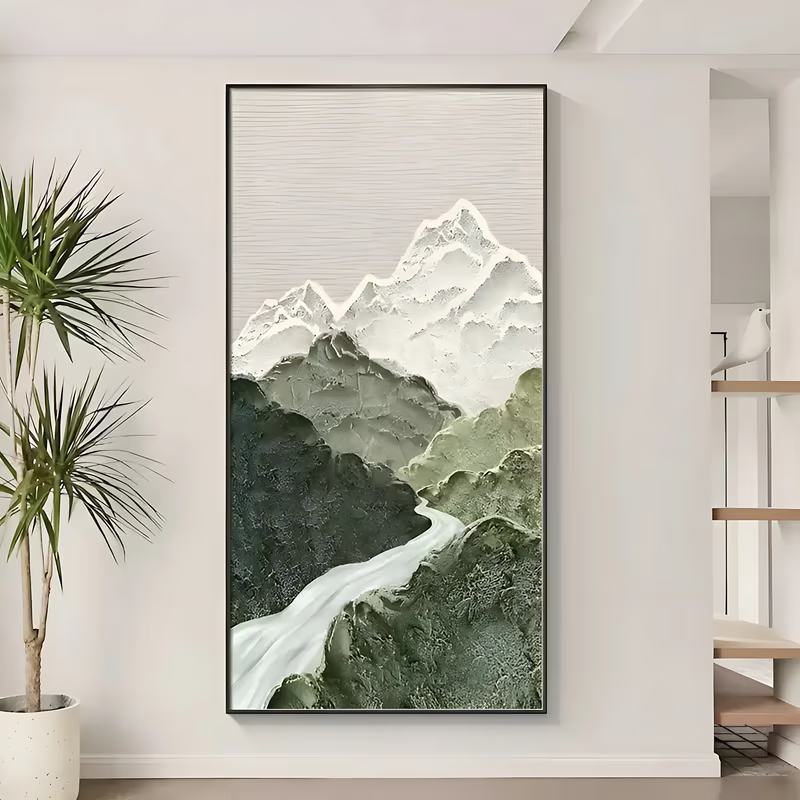
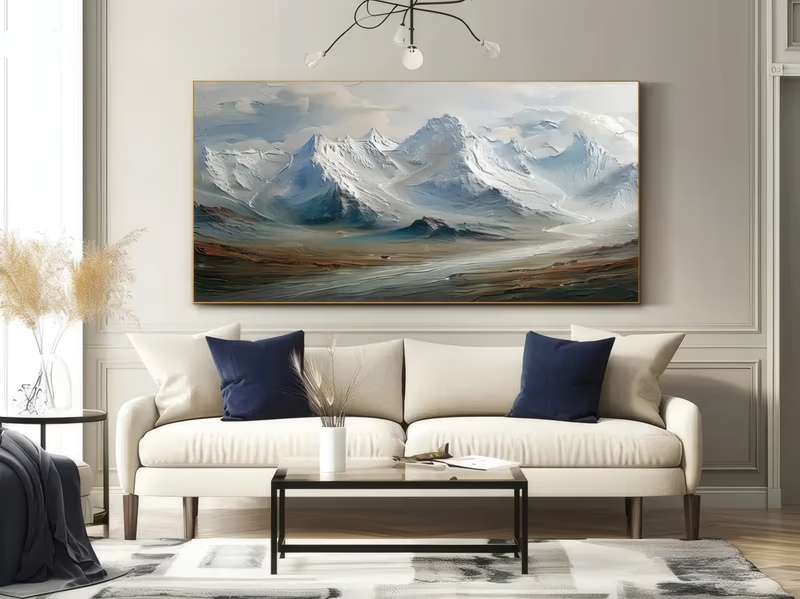
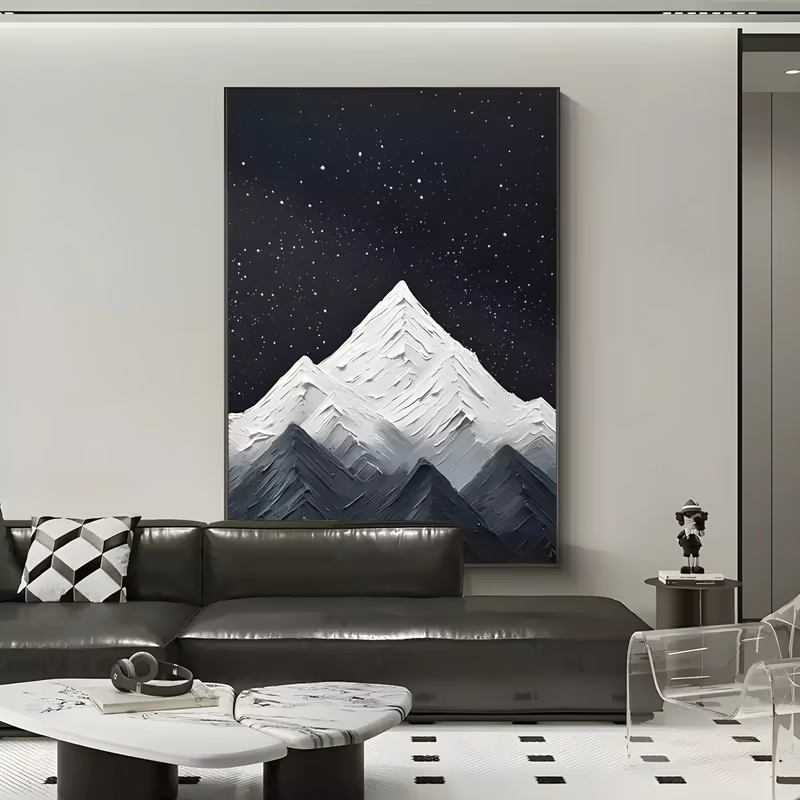
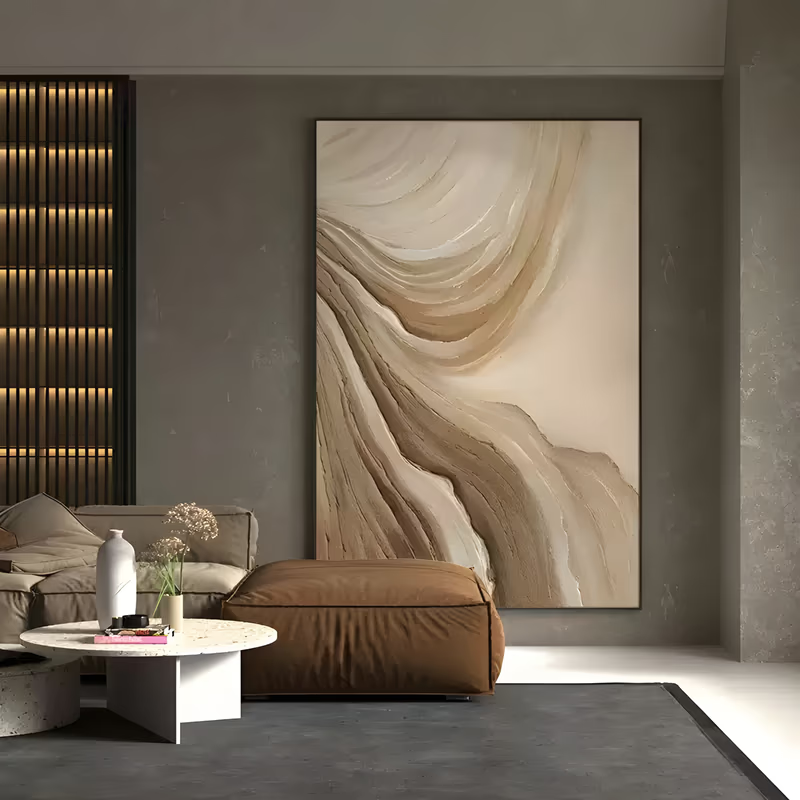
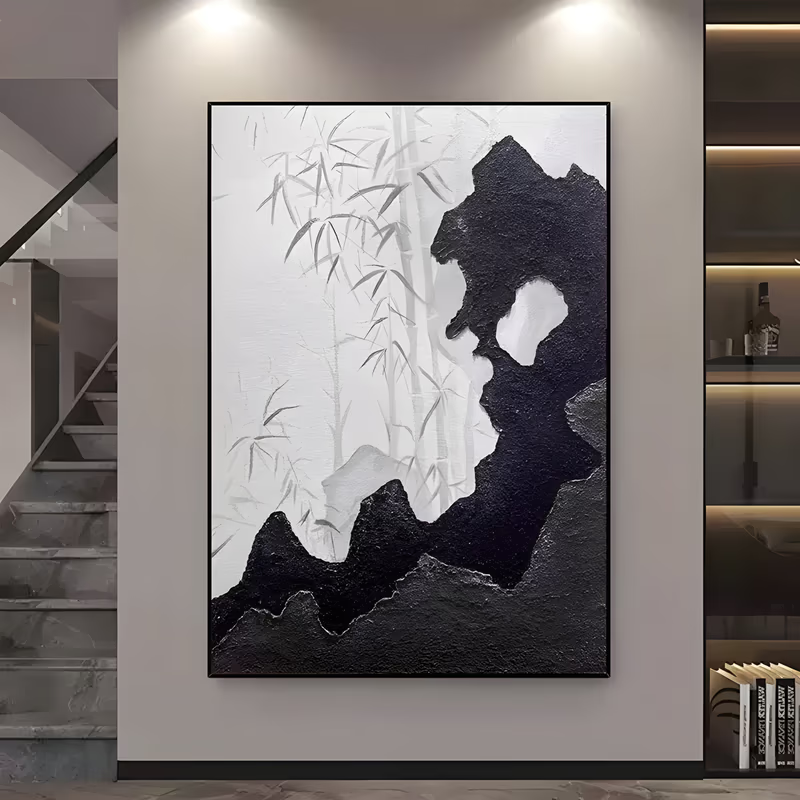
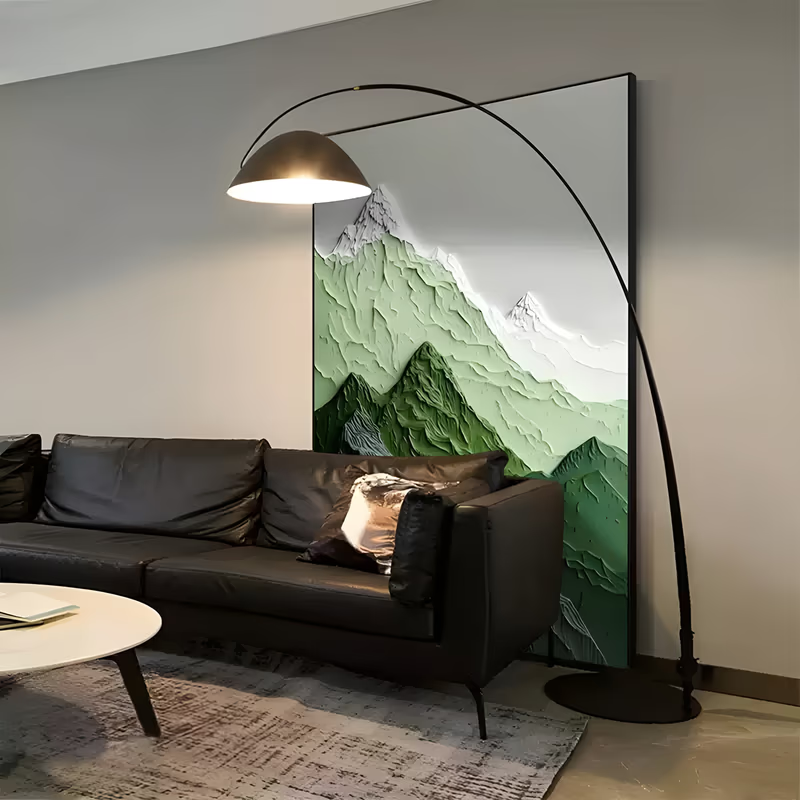
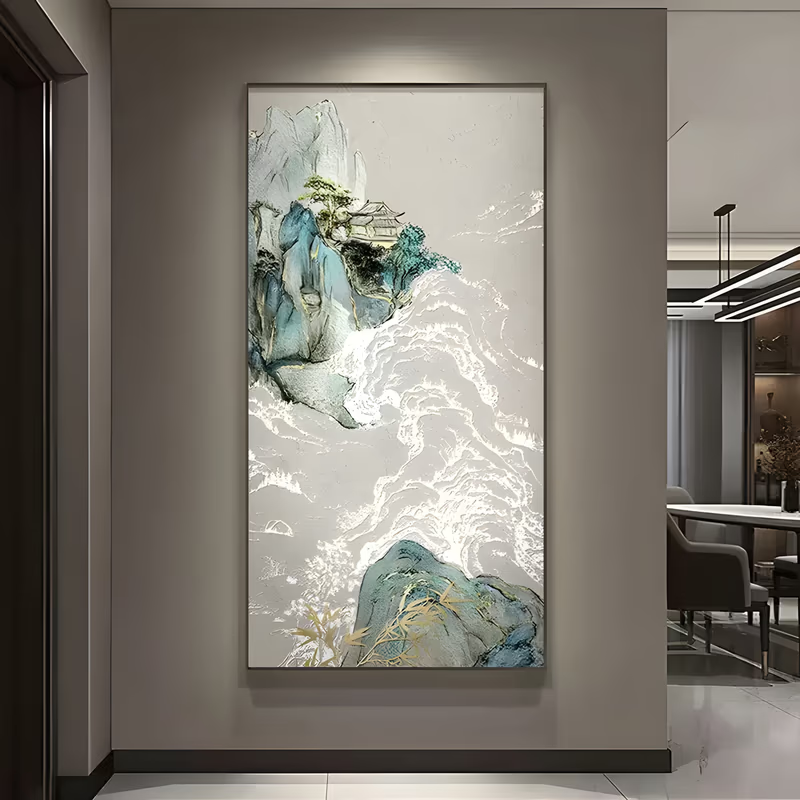
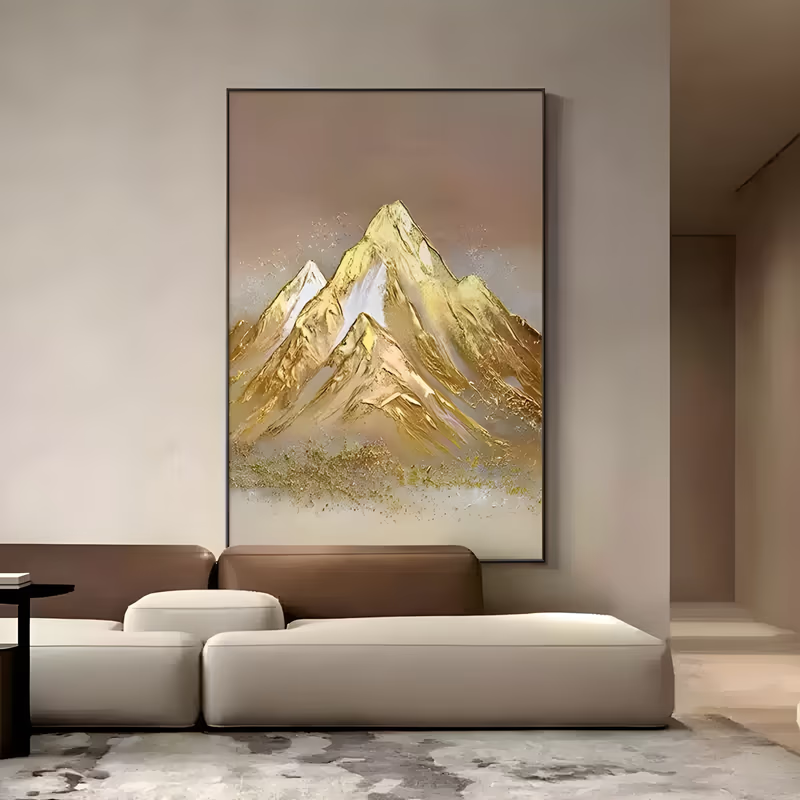
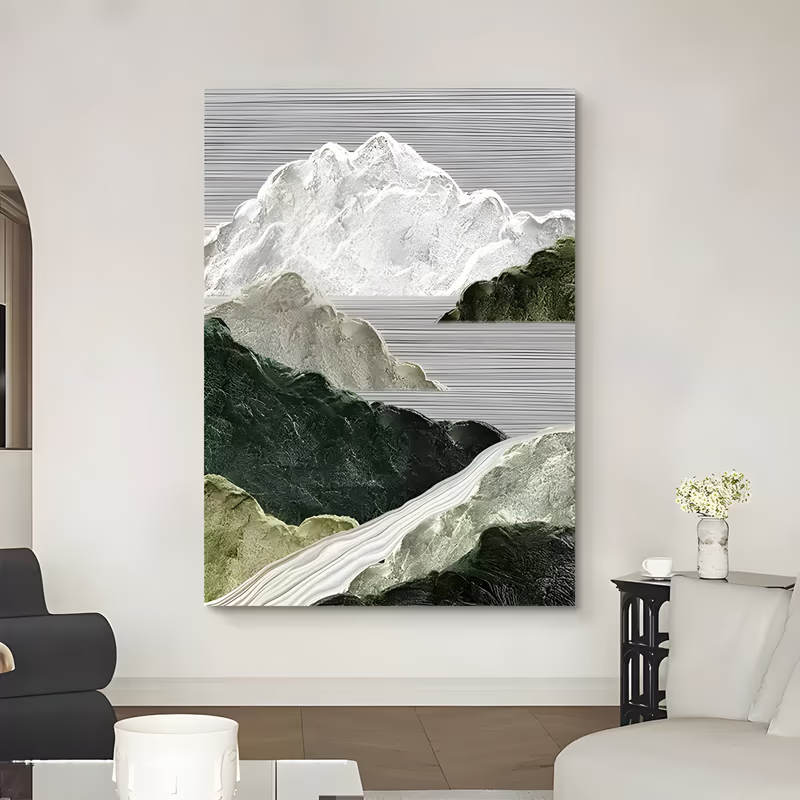
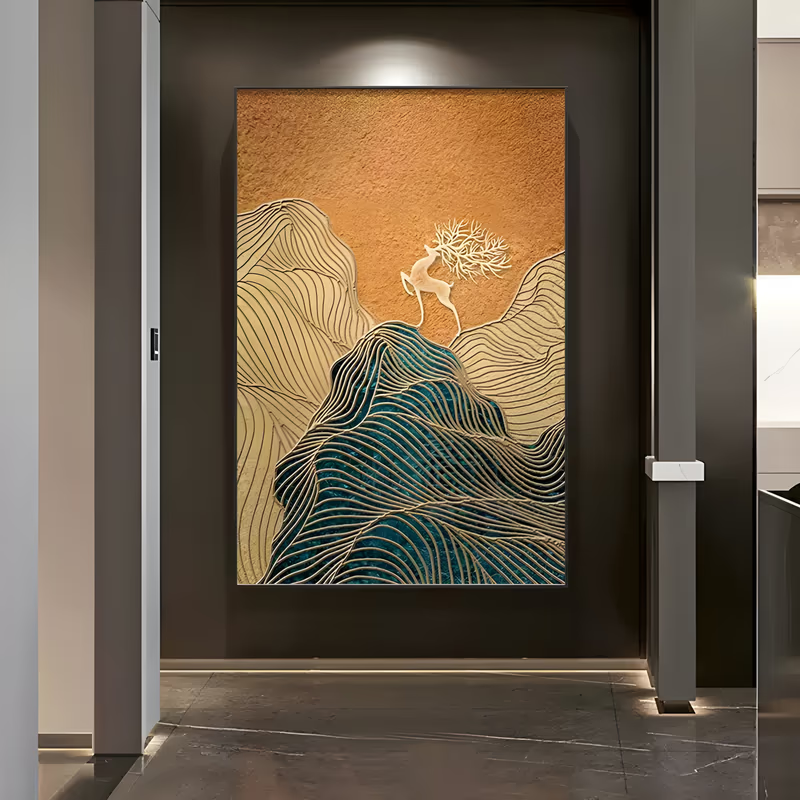
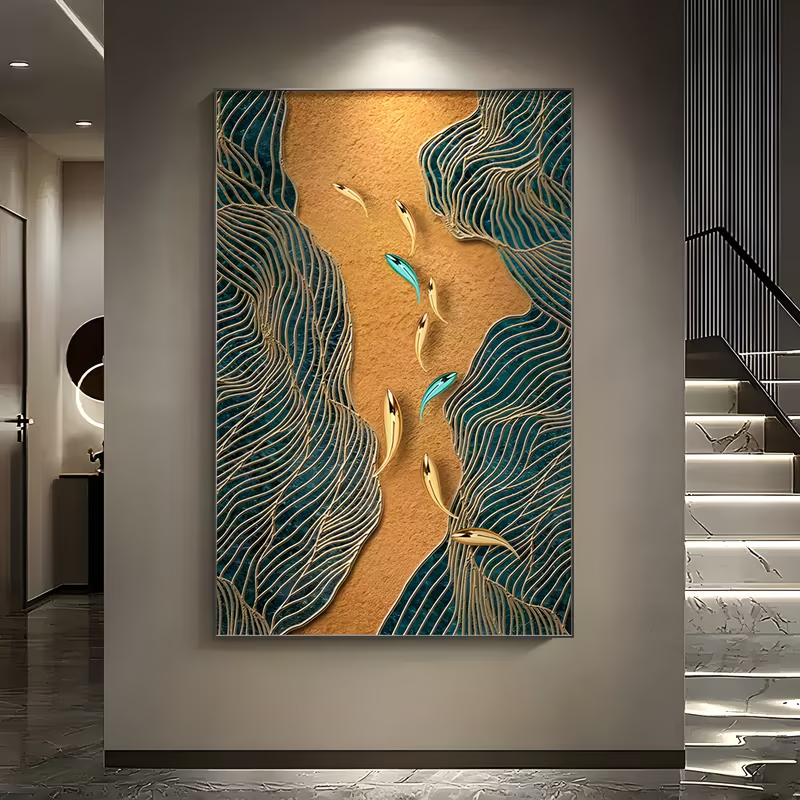
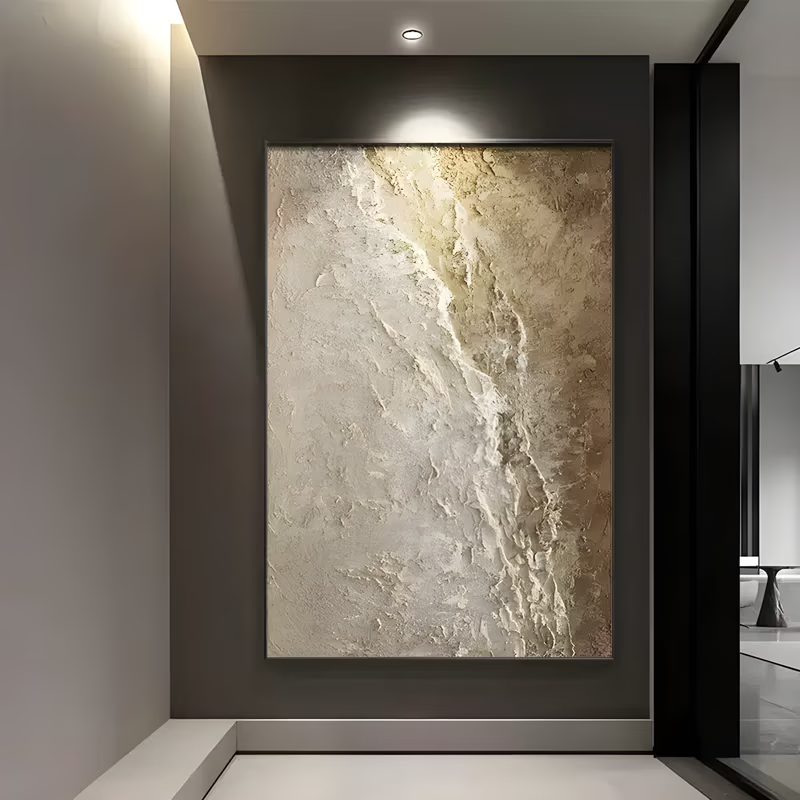
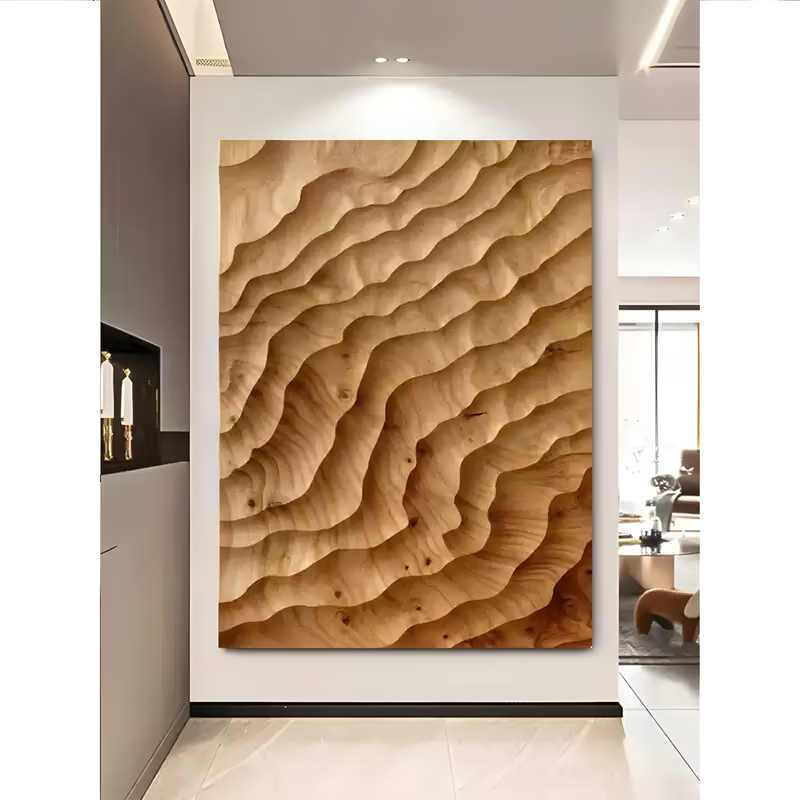
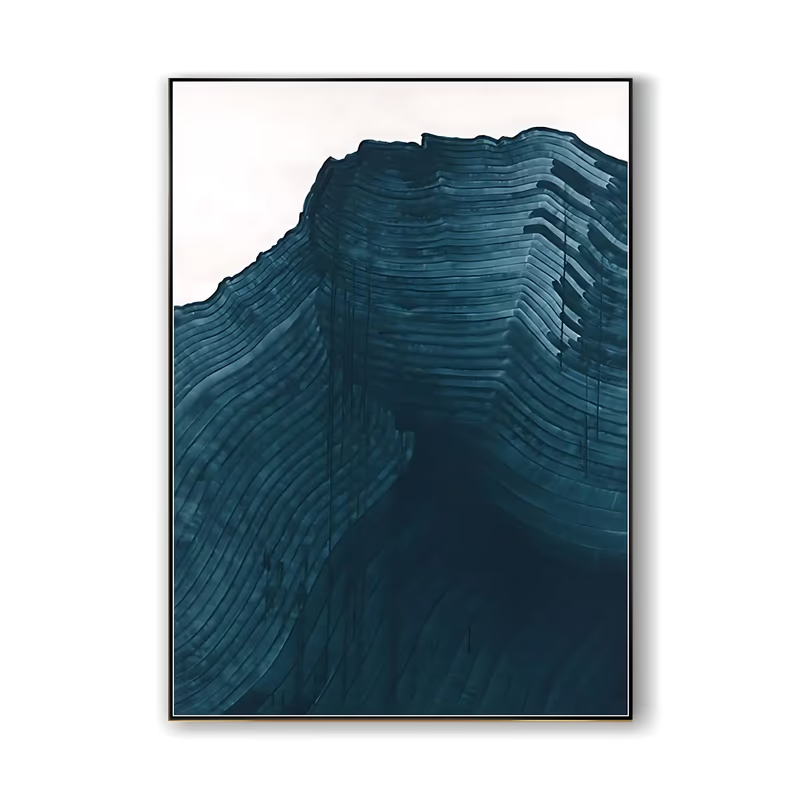
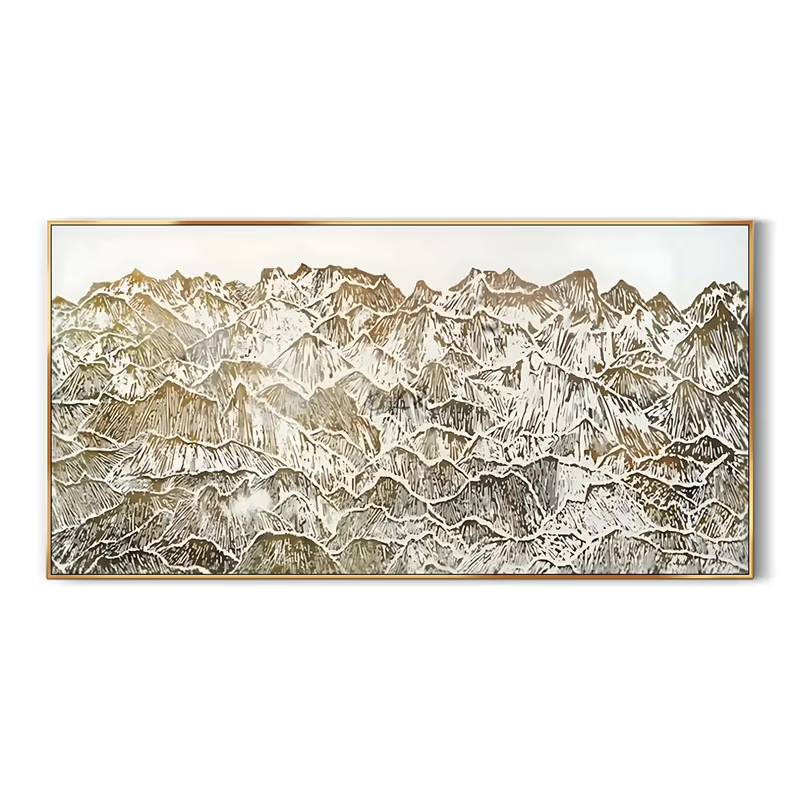
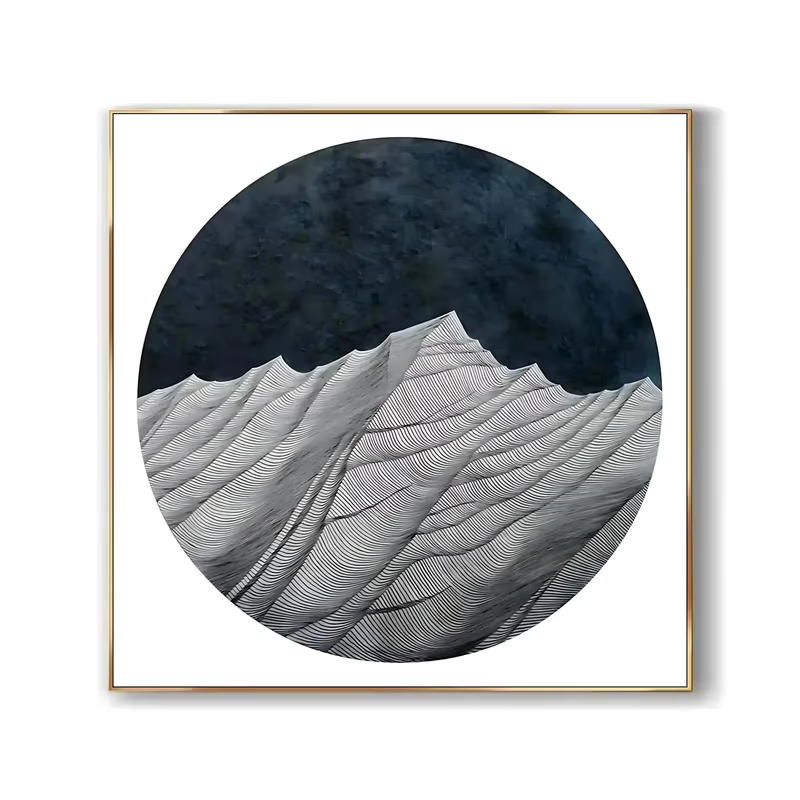
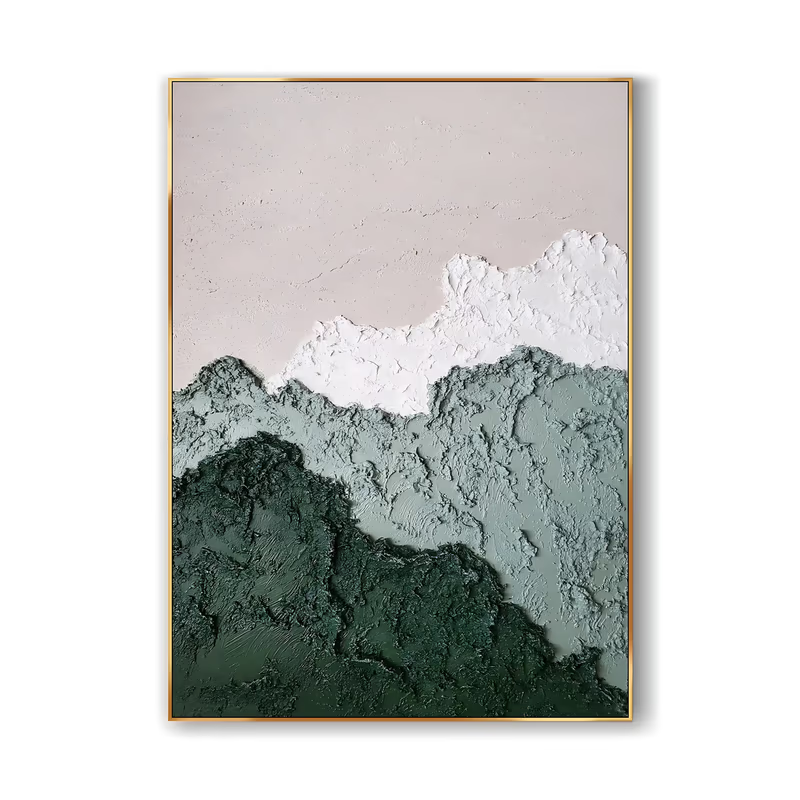
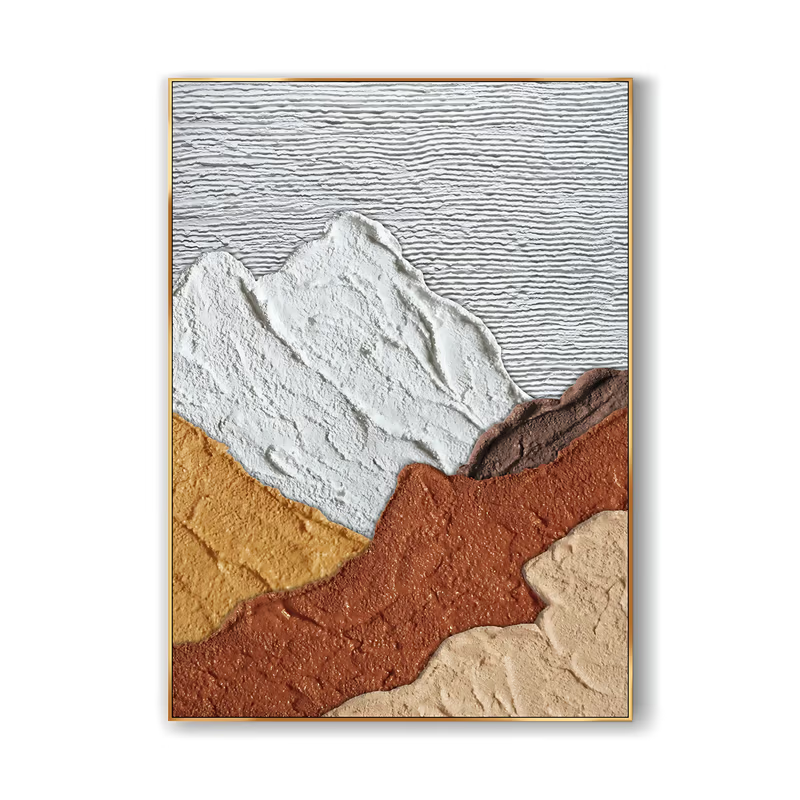
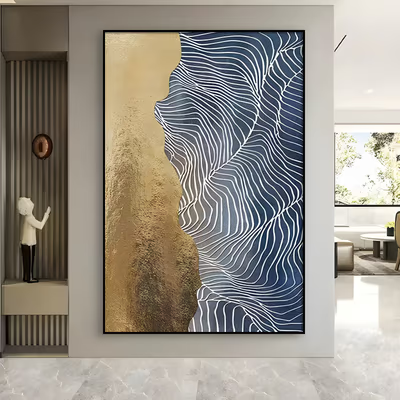
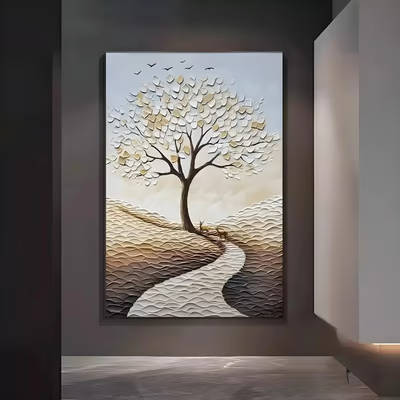
Snow peaks piled up in thick white plaster, raised gold contour lines, craggy sand-coloured ridges and the odd playful hillside dotted with tiny skiers. Grounding and easy to read from a distance, they hold a wall in a lobby, a lounge or a long corridor.
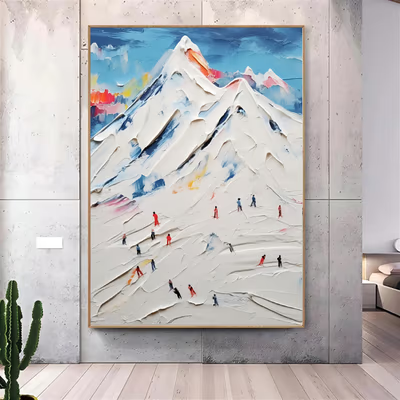
Which interiors suit textured wall art?
Textured wall art suits interiors built on natural materials and quiet colour, such as Japandi, Scandinavian, organic modern, wabi-sabi and coastal, and it adds warmth to any room that has too many smooth surfaces.
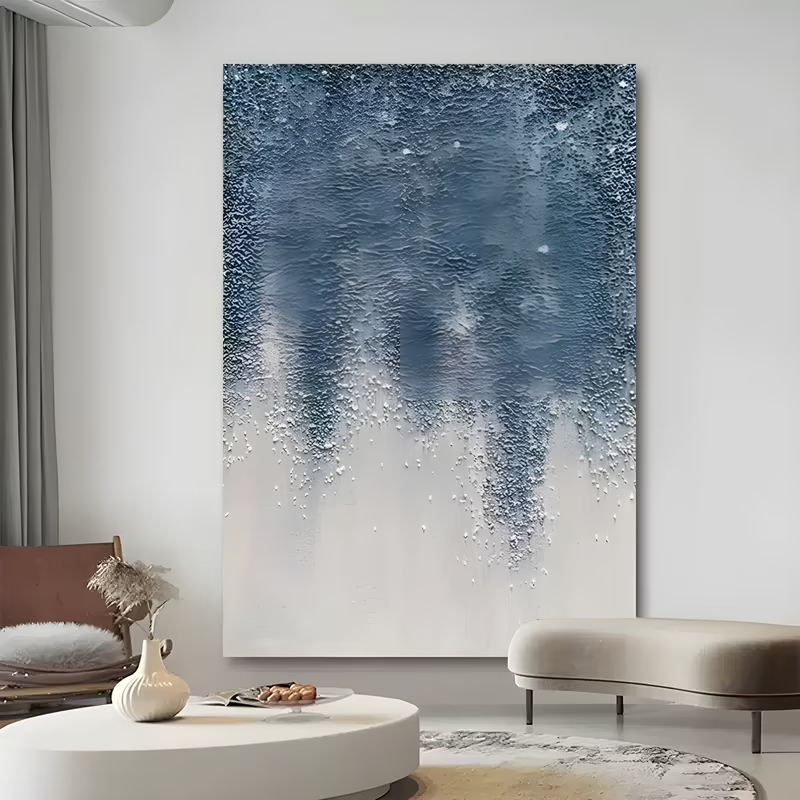
A room of painted plaster walls, linen, oak and stone is made for relief: the canvas continues the materials rather than competing with them. In these rooms, choose white, cream and beige textured art and let shadow do the work. For a softer version of the same idea, see the wabi-sabi pieces, which favour weathered surfaces and imperfect edges.
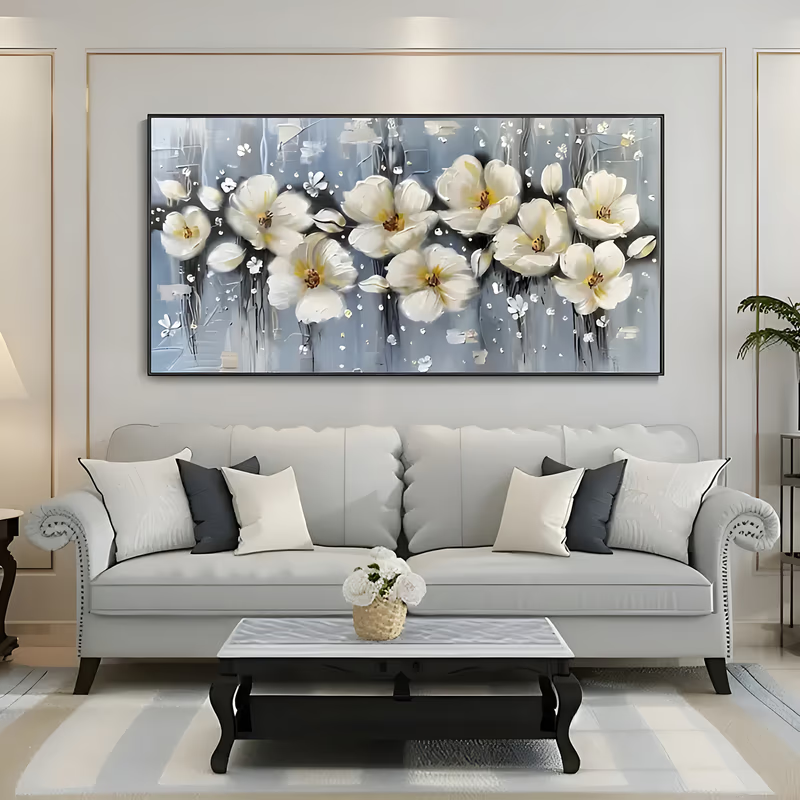
Texture also rescues rooms that feel hard. Glass, lacquer, polished stone and large screens make offices, apartments and hotel lobbies echo visually; a sculpted canvas breaks up those reflections. In darker or more glamorous schemes, coloured relief works: gold and black with raised white flowers in a lounge, sage green waves in a spa, terracotta and brown bands in a Mediterranean dining room.
How should you light textured wall art?
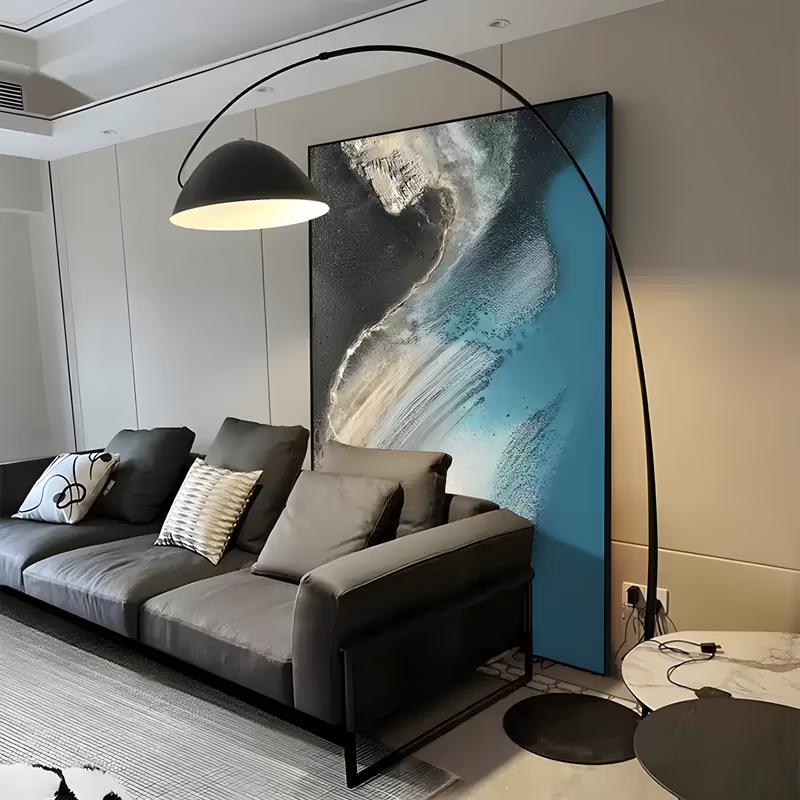
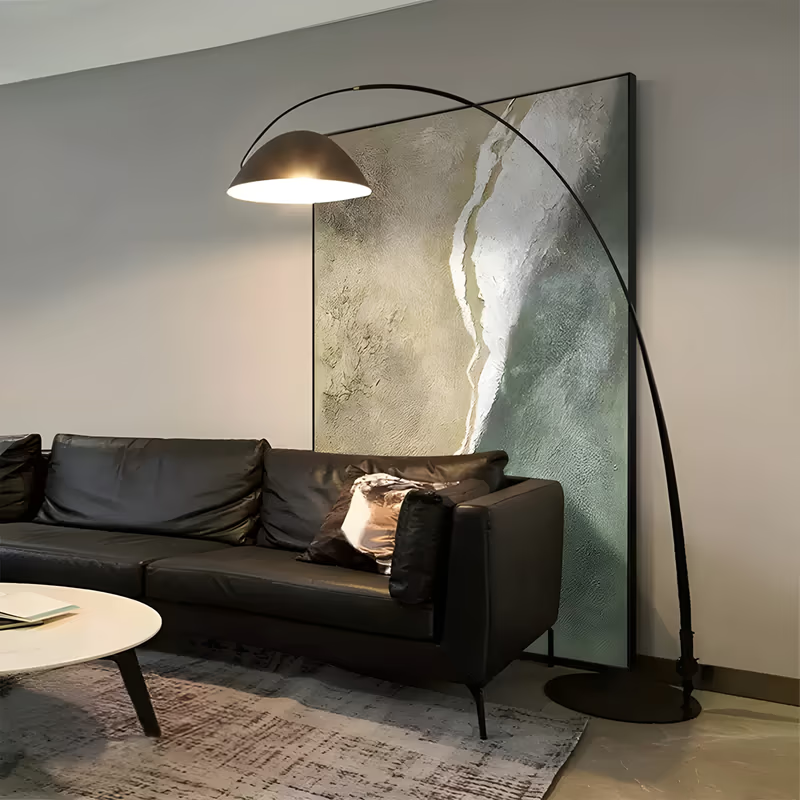
Light textured wall art from the side or from steeply above, so the beam rakes across the relief and every ridge throws a shadow.
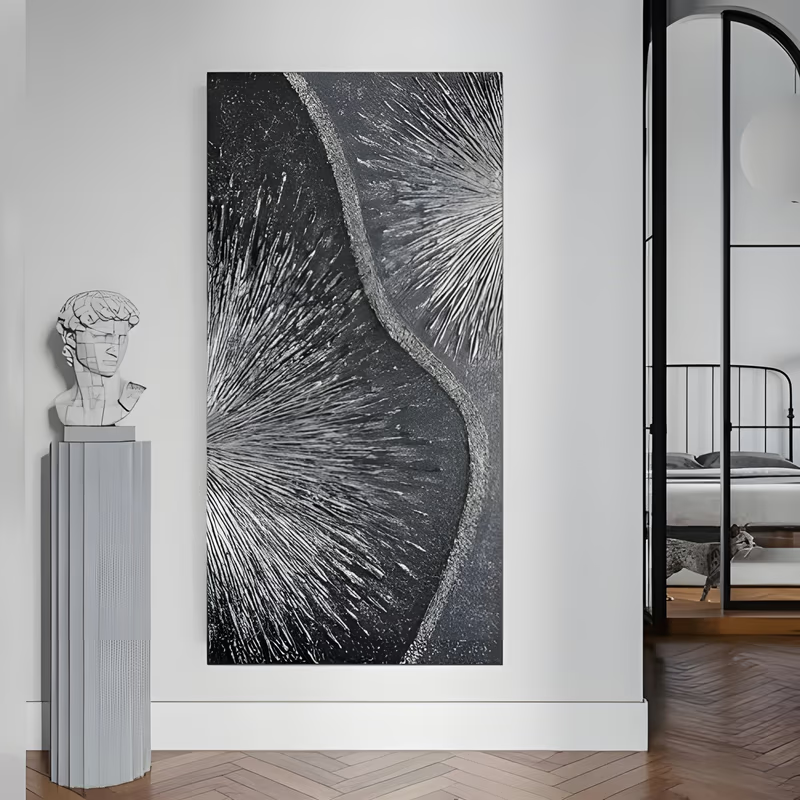
The same plaster flower looks flat under a ceiling light aimed straight at it and deeply carved when the light skims across from one side. The best position is often beside a window, on the wall at right angles to it, where daylight crosses the surface and the shadows shift through the day. Indoors, a ceiling spot or wall washer set close to the wall and angled down does the same job. A picture light mounted on top of the frame works well on shallow texture.
Tone-on-tone white pieces need this most, because their only contrast is shadow. Coloured and gold-leaf pieces are more forgiving and still read well under even, general light. Avoid placing deep relief where a strong downlight sits right above it and to the front, which fills in the hollows and flattens the work.
What size of textured art works, and how do you hang it?
Choose a textured piece large enough for the relief to read across the room, usually two-thirds of the furniture width or more, and hang it on two hooks because plaster adds weight.
Relief is most dramatic at scale: a single sculpted bloom on a tall vertical canvas beside a bed, a panoramic band of plaster waves over a bath or a bench, a square pair in a hallway. Unlike a flat painting, a textured canvas also rewards a close look, so it suits places where people pass near it: entrance halls, corridors, the wall beside a lift. Hang at a height where the centre is close to eye level, around 145–155 cm (57–61 in), so hands and shoulders do not brush the relief in narrow spaces.
A plaster piece weighs more than a plain canvas of the same size. Use two hooks or a cleat fixed into the wall, not a single nail, so the canvas stays level and the relief does not shift.
How do you care for textured and plaster wall art?
Dust a textured canvas gently with a soft, dry brush from top to bottom, and keep it away from water, cleaning sprays, steam and cooking grease.
Dust settles on the top edges of each ridge. A wide, soft paintbrush or a make-up brush lifts it out of the hollows without scratching the paint; a hairdryer on a cool setting from a safe distance helps with deep crevices. Never wipe a plaster surface with a wet cloth or a household cleaner, which can soften the paint and leave tide marks.
Place relief away from the hob, the bar back and the shower. In a bathroom, choose a well-ventilated wall away from direct splashes, or ask for a framed piece. Strong direct sun for hours a day can fade pigments over the years, so a side-lit wall is better for the painting as well as for the shadows.
How is a made-to-order textured painting approved?
You approve the sculpted relief before any colour goes on, then the colour, then the finished piece, all from progress photos or video taken in angled light so the depth is visible.
The relief stage is the one to study: the size and position of each flower or arch, how high the plaster stands and how much plain ground is left around it. Changes are easy at that point and hard later. Once you approve it, colour is applied to your scheme, matched to a paint code, fabric or stone sample if you send one; a white piece can just as easily be finished in sage, blush or charcoal. Work moves on only after each stage is agreed, and a final photograph is approved before dispatch.
Textured and plaster pieces ship stretched and ready to hang, or framed in gold, silver, black, white or wood. They are not rolled, because rolling would crack raised relief; rolling is only possible if you agree to have the texture made thin enough for transport. When you ask for a quote, mention the delivery format you prefer so it can be checked against the depth of the relief. For hotel and spa projects, see spas and wellness centres and guest-room programmes.