



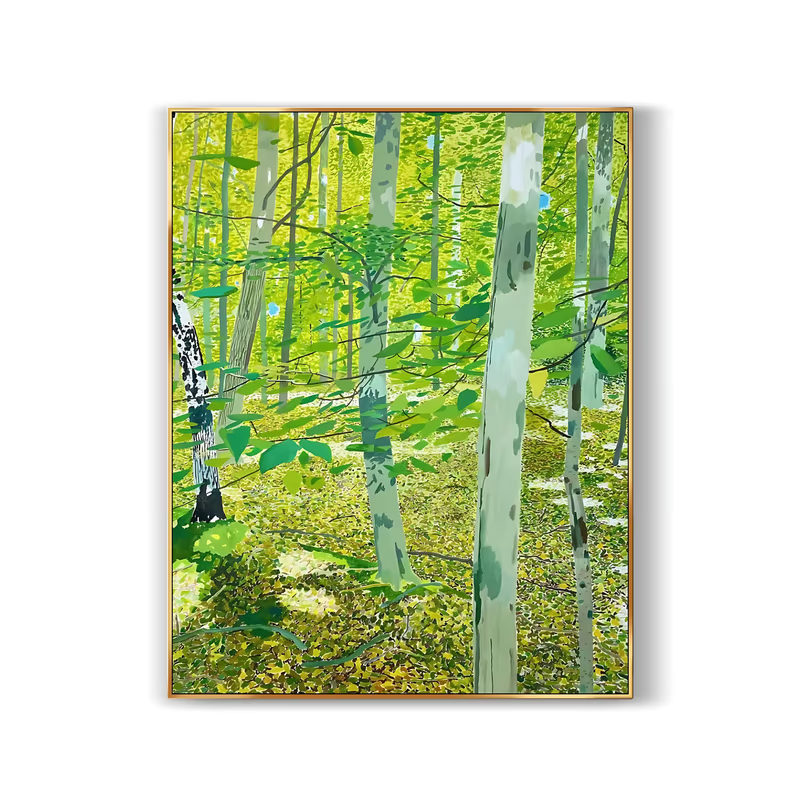
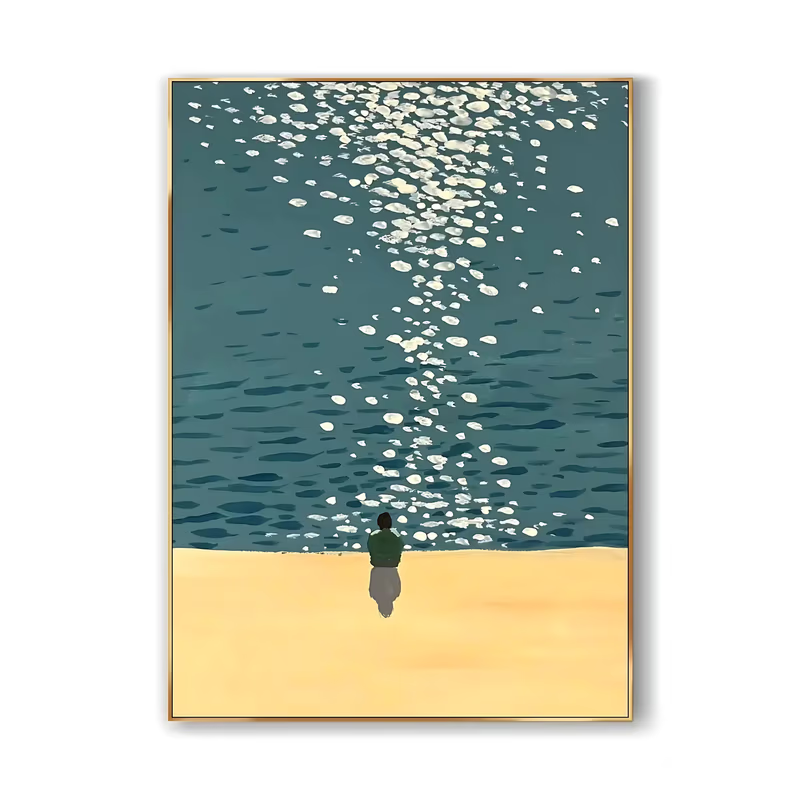
Impressionist art guide · Updated
How to choose impressionist wall art
Key takeaways
- Light is the subject: an impressionist painting is about how sun, haze or lamplight falls on a scene, painted in short strokes of unblended colour.
- Hang it where people can step back: the looser the brushwork, the more distance the picture needs before it resolves, so the loosest pieces belong on long walls and in lobbies.
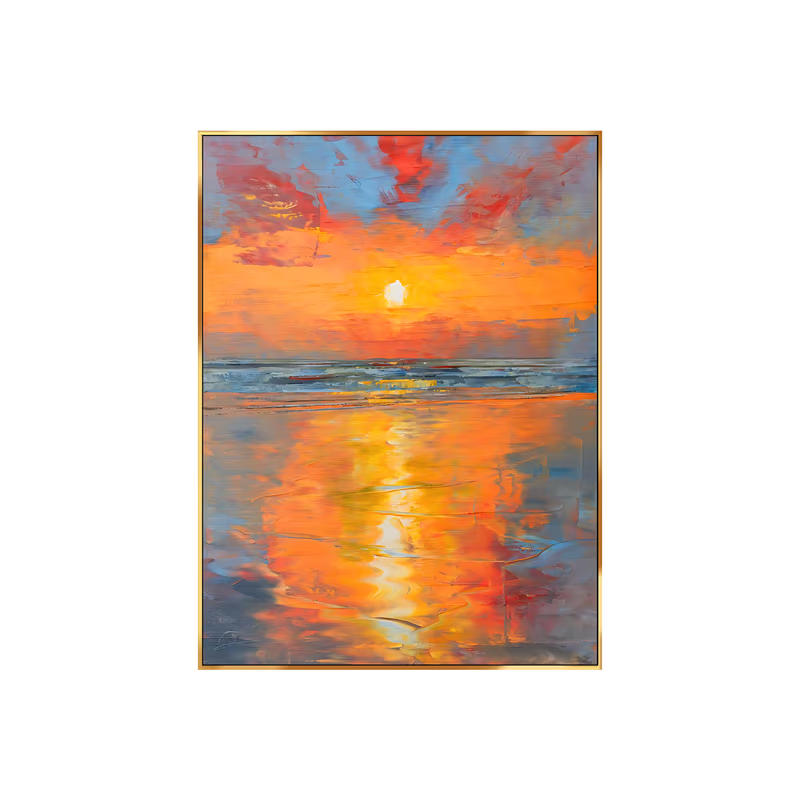
- Match the hour to the room: pale morning and midday scenes keep bedrooms and bathrooms fresh; sunsets and lamplit streets warm a dining room or bar.
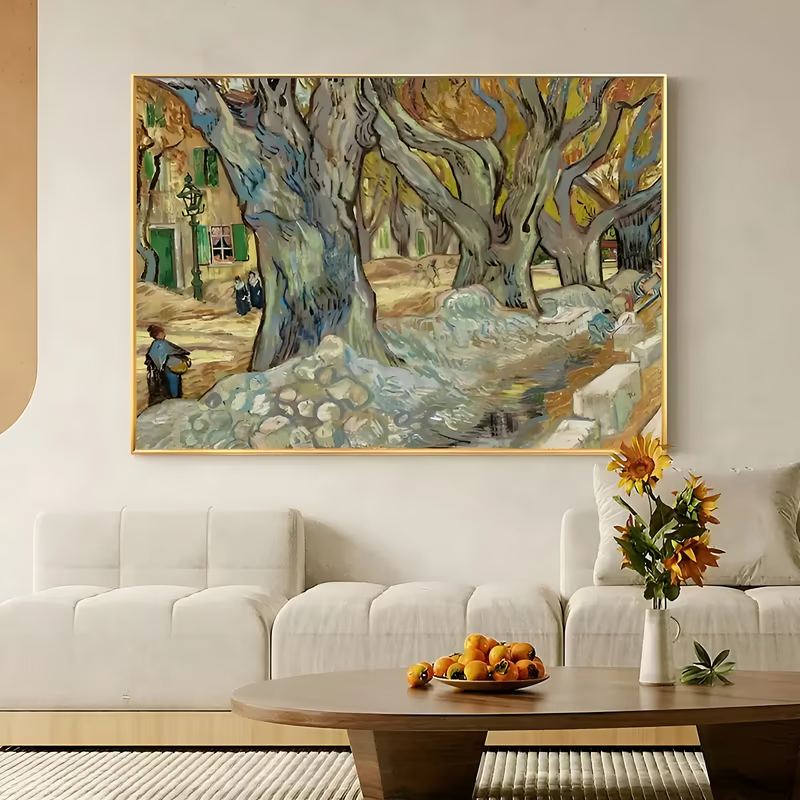
- Frame it warm: gold or natural wood suits impressionist canvases in classic rooms; a stretched, frameless edge keeps them modern.
What makes a painting impressionist?
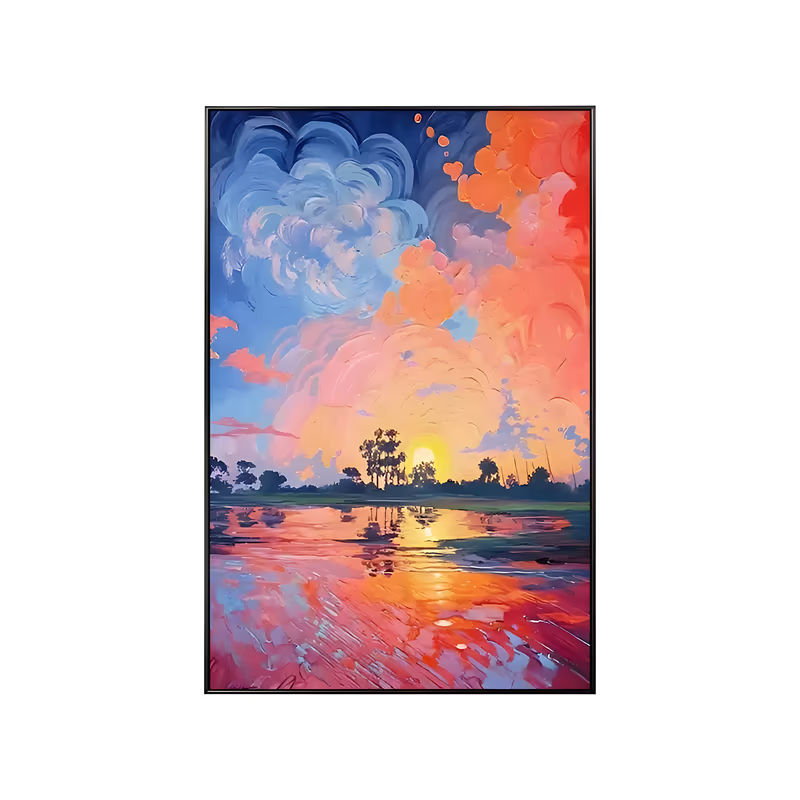
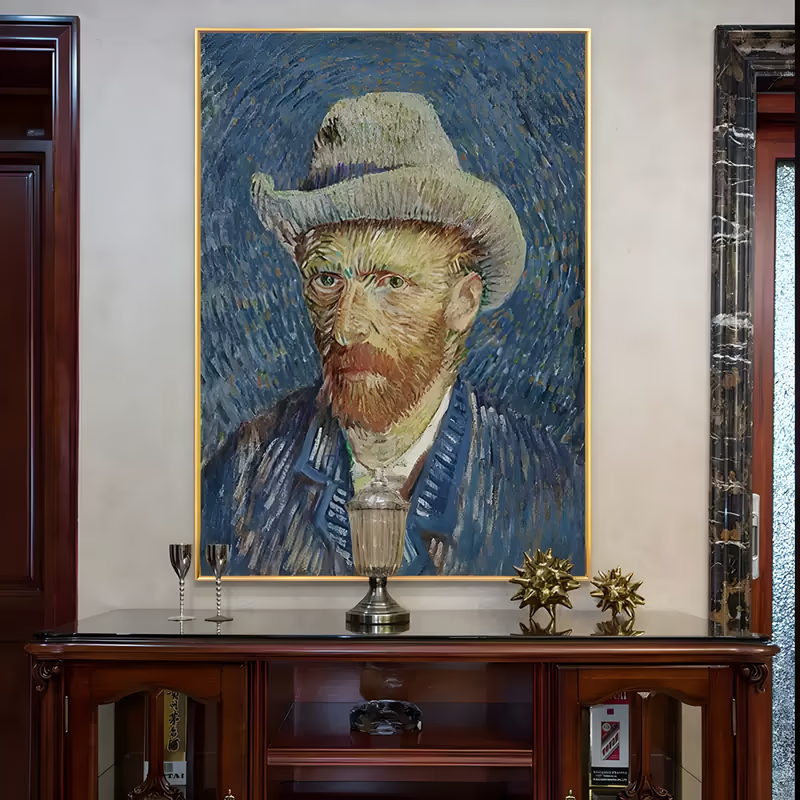
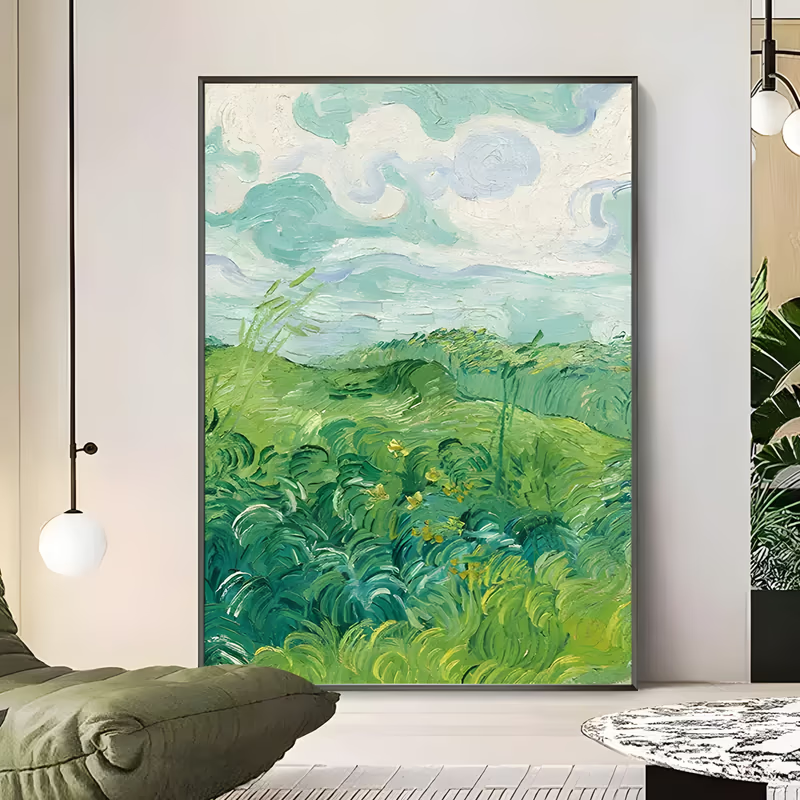
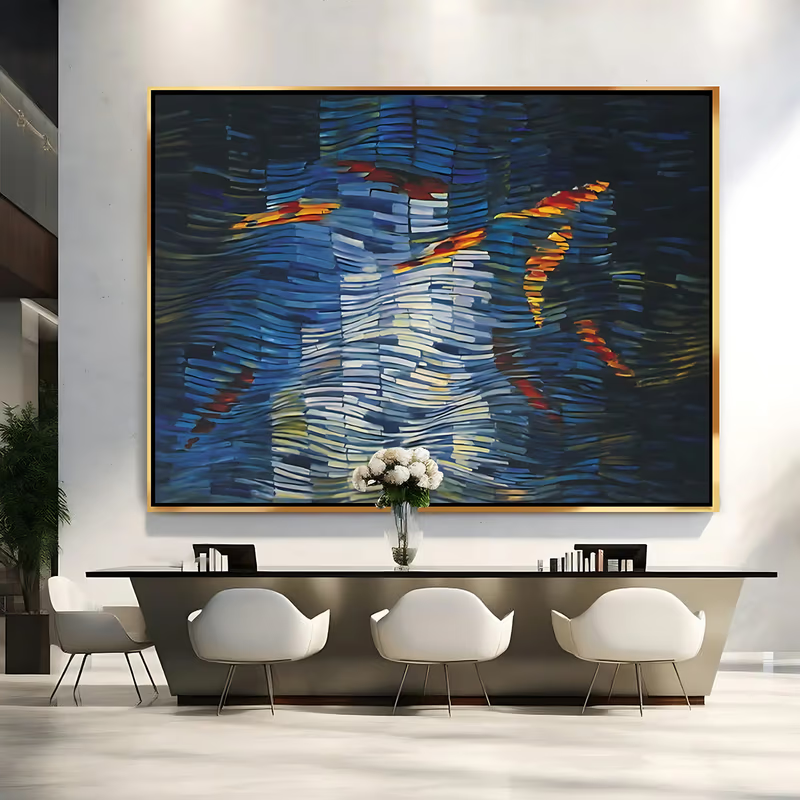
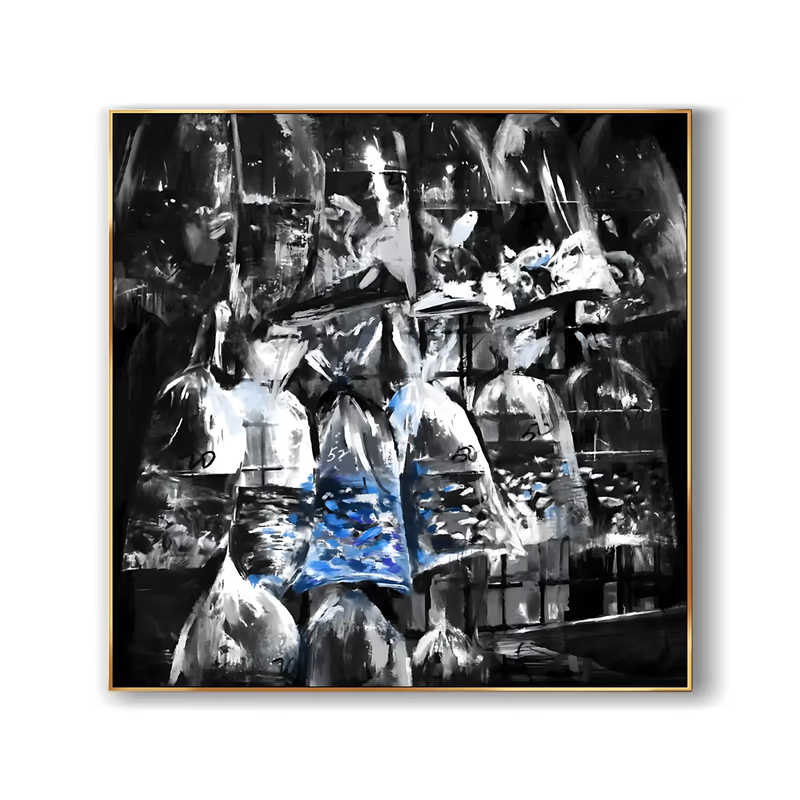
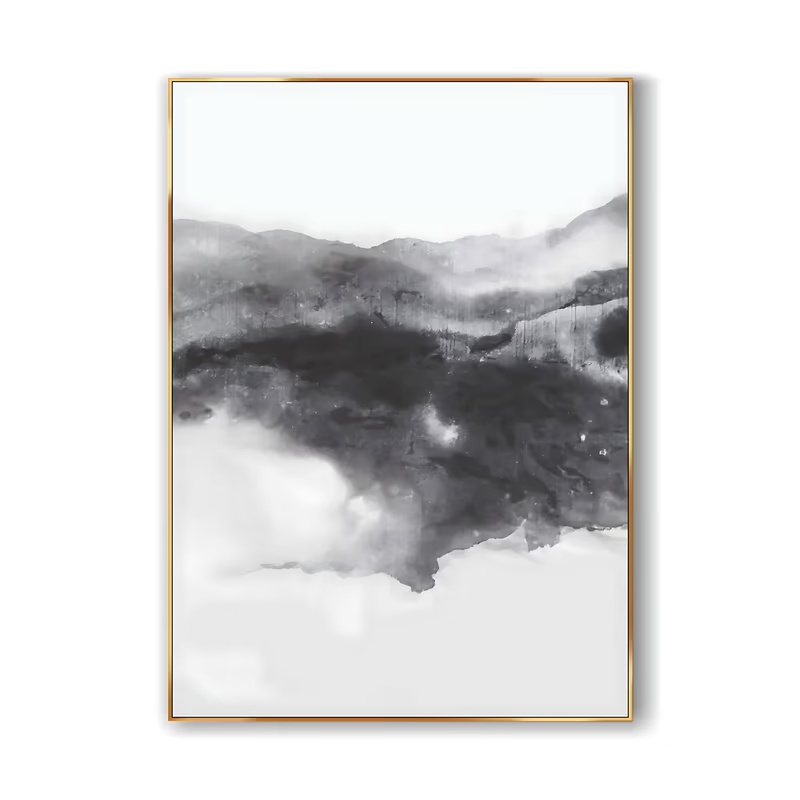
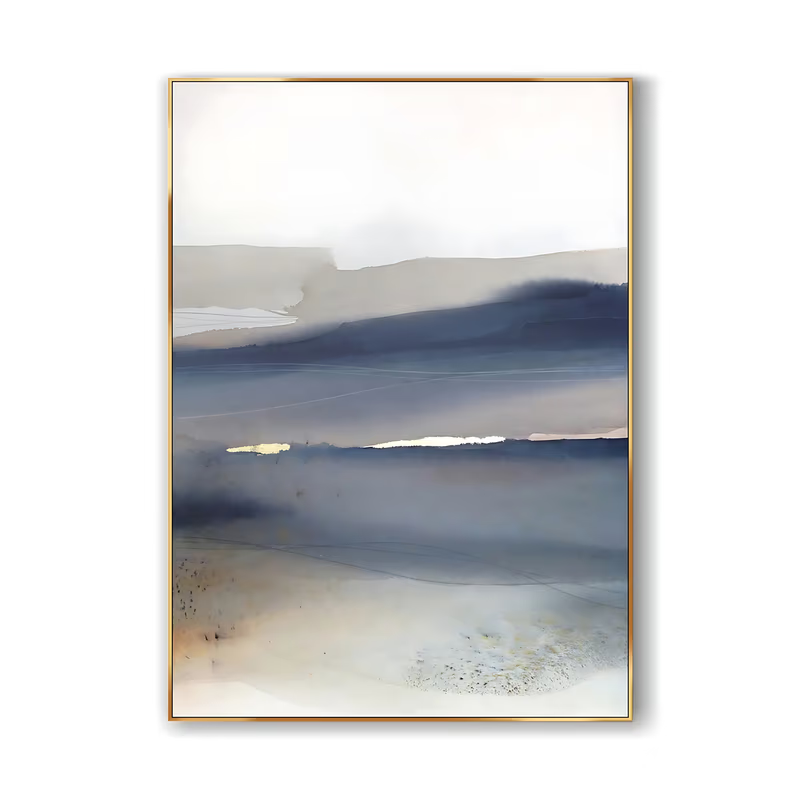
A painting is impressionist when it shows a real scene through the light falling on it, using short, visible strokes of colour laid side by side instead of smooth blending and hard outlines.
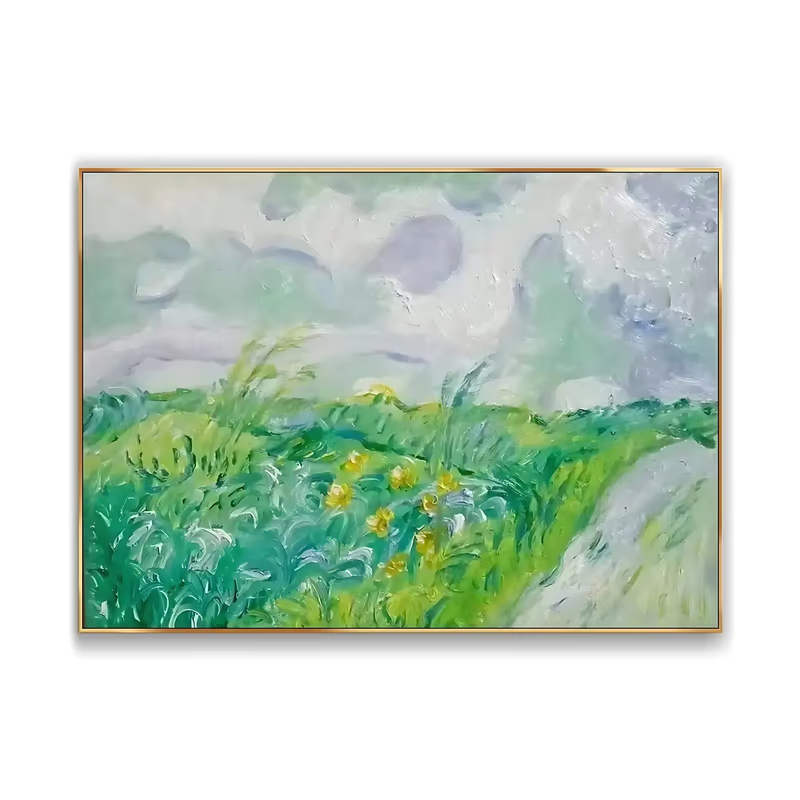
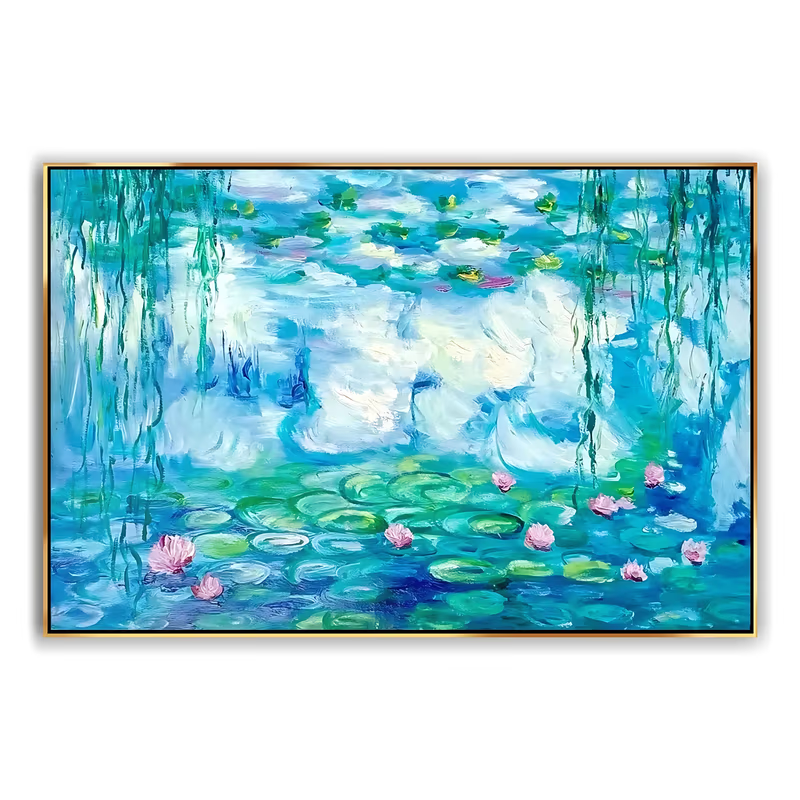
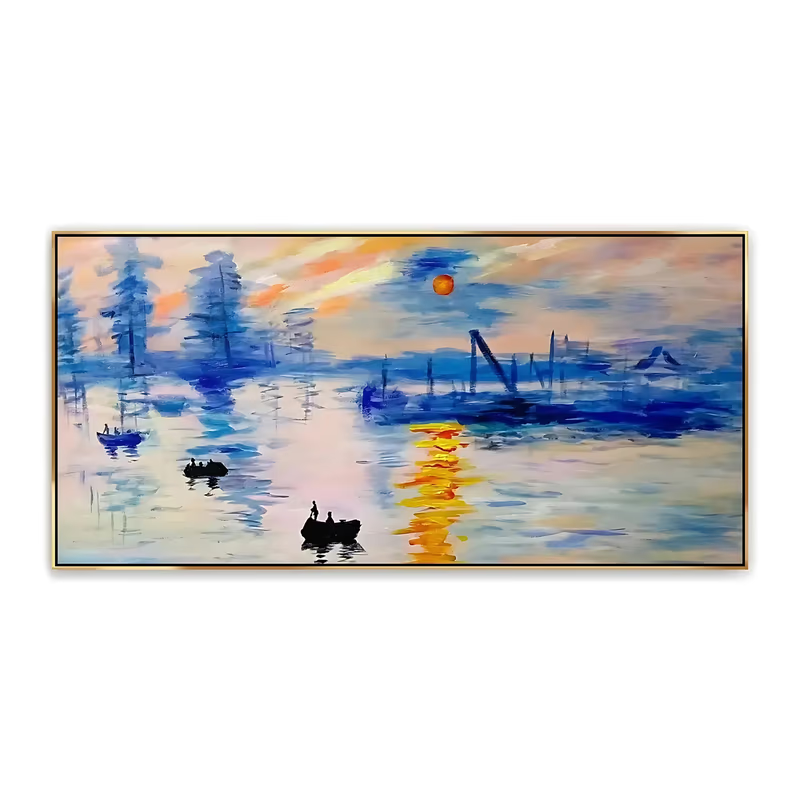
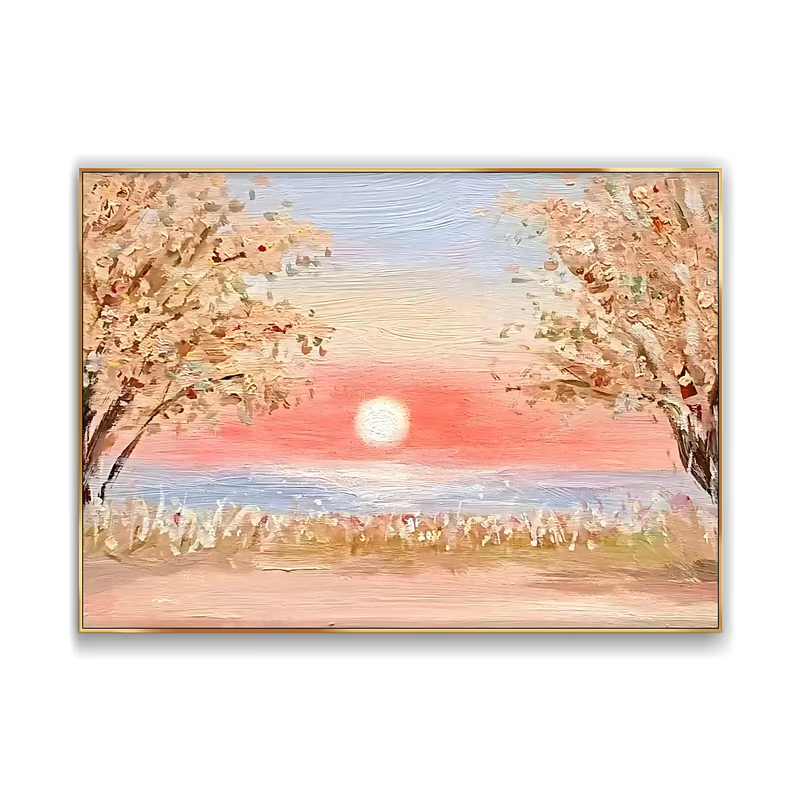
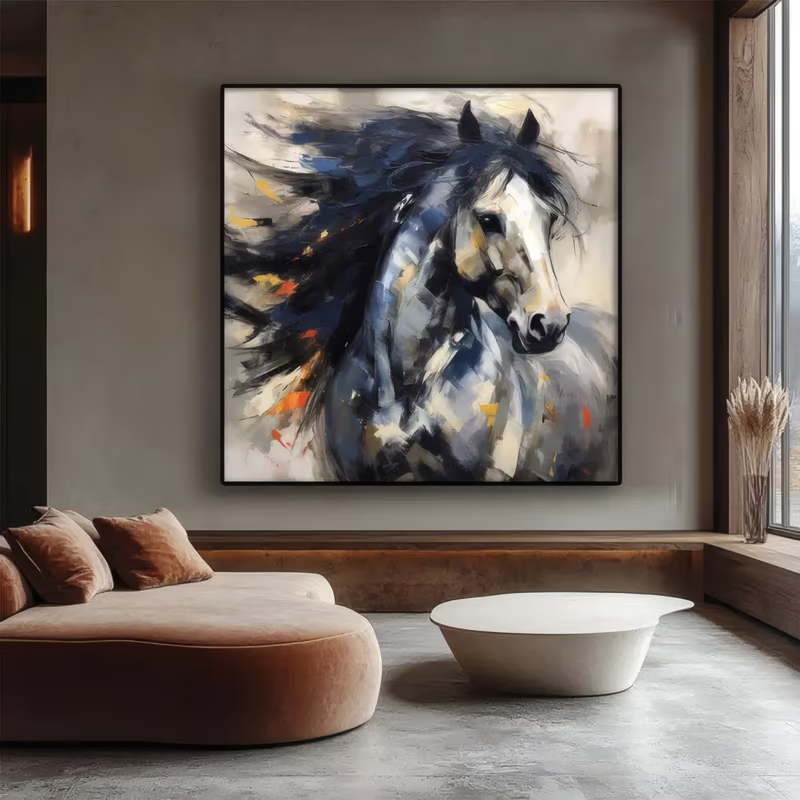
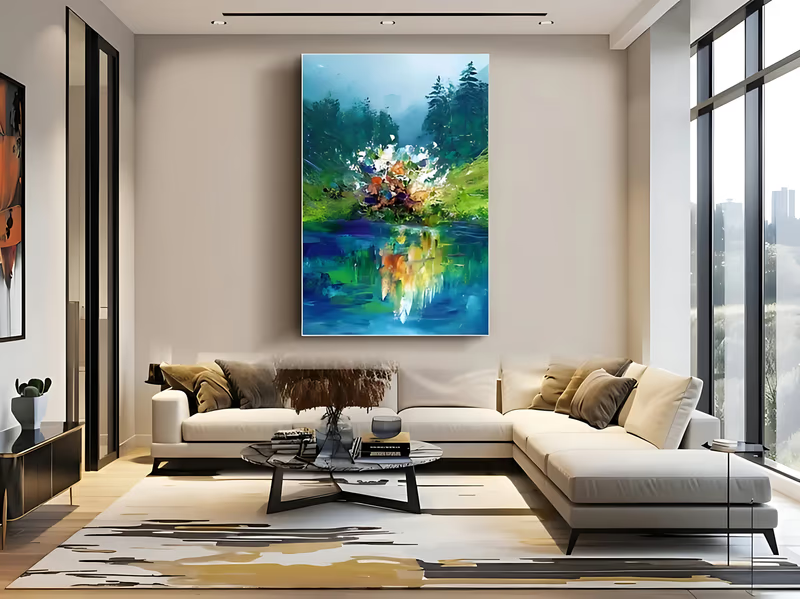
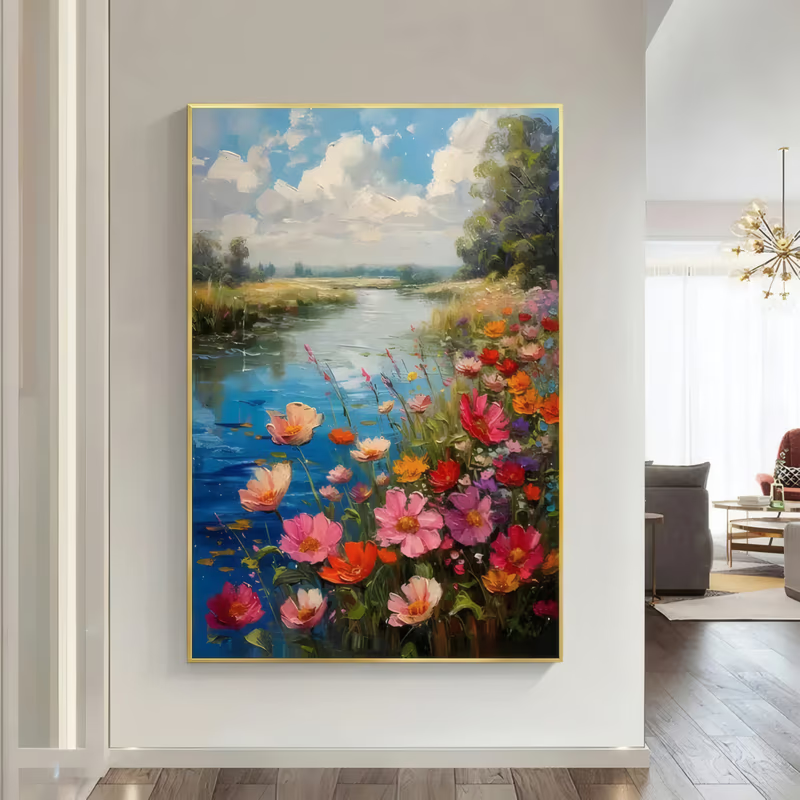
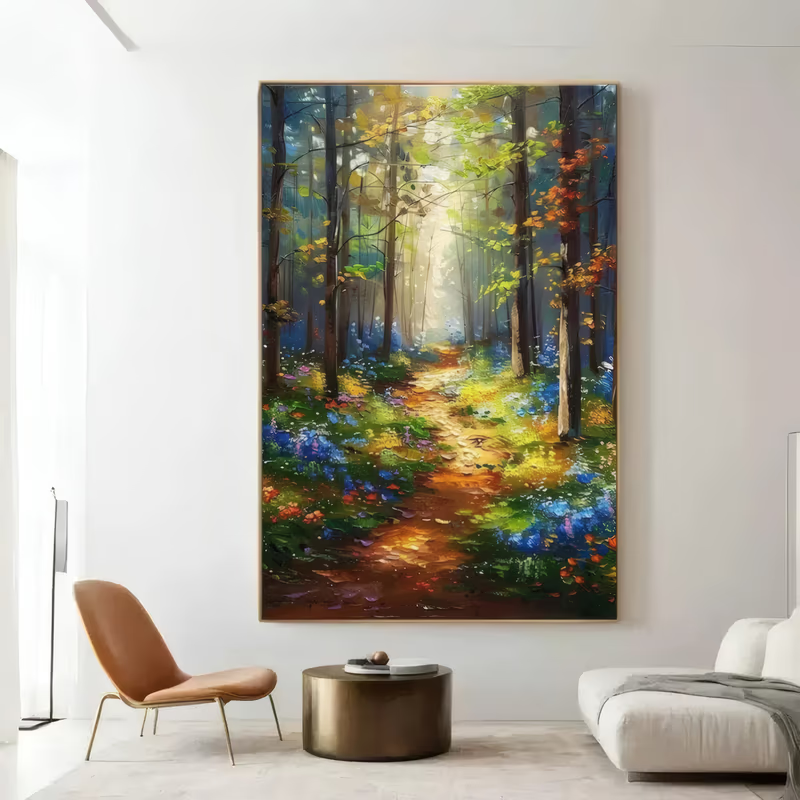
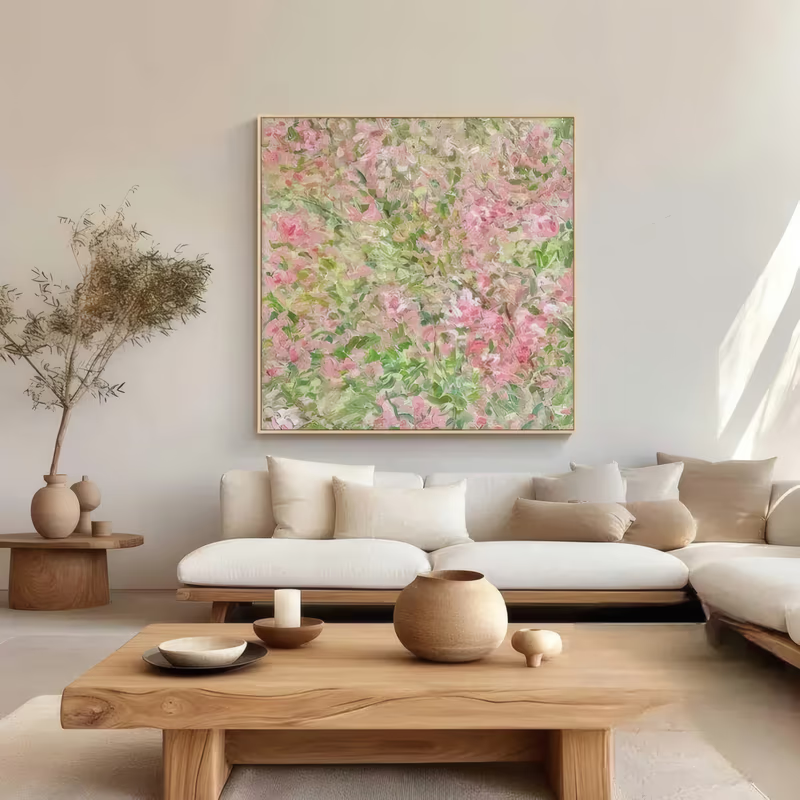
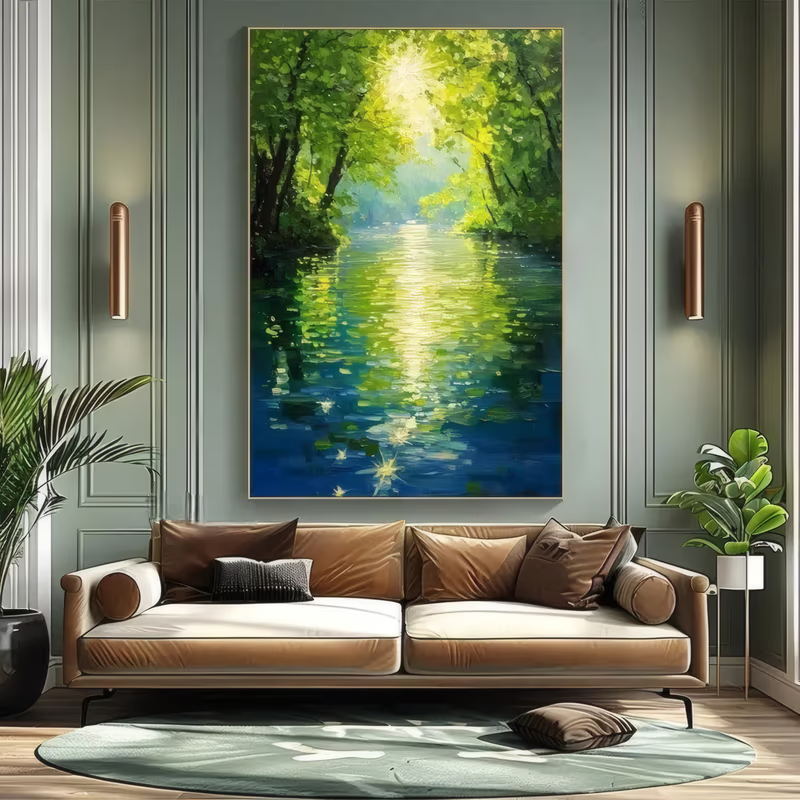
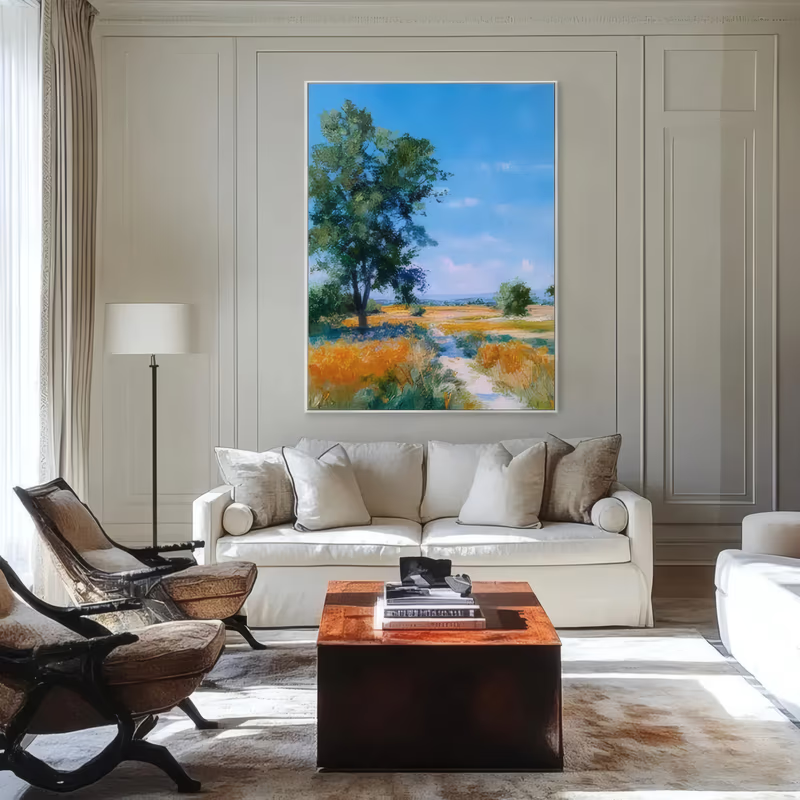
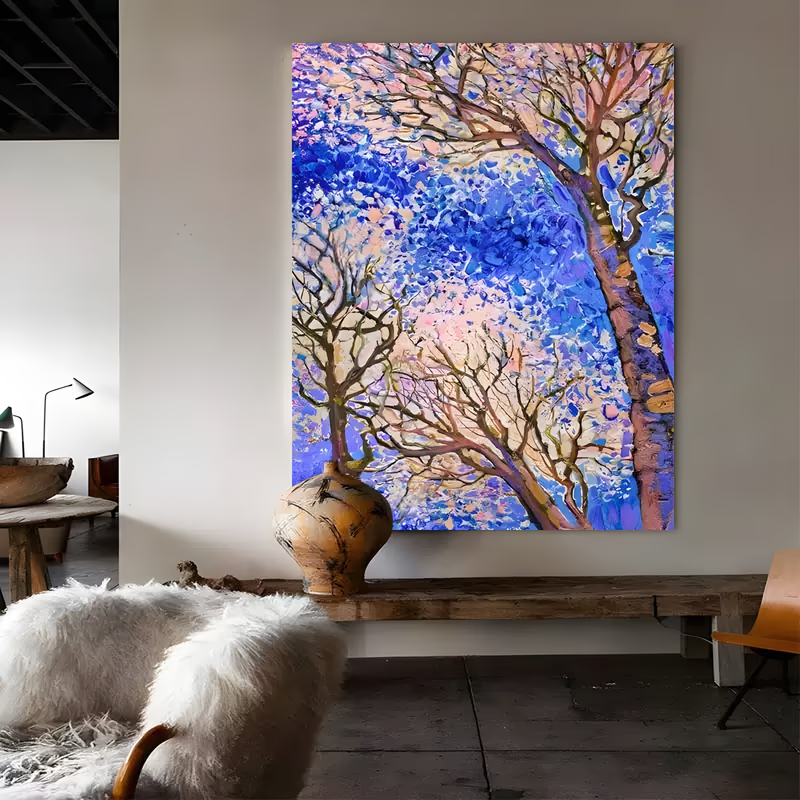
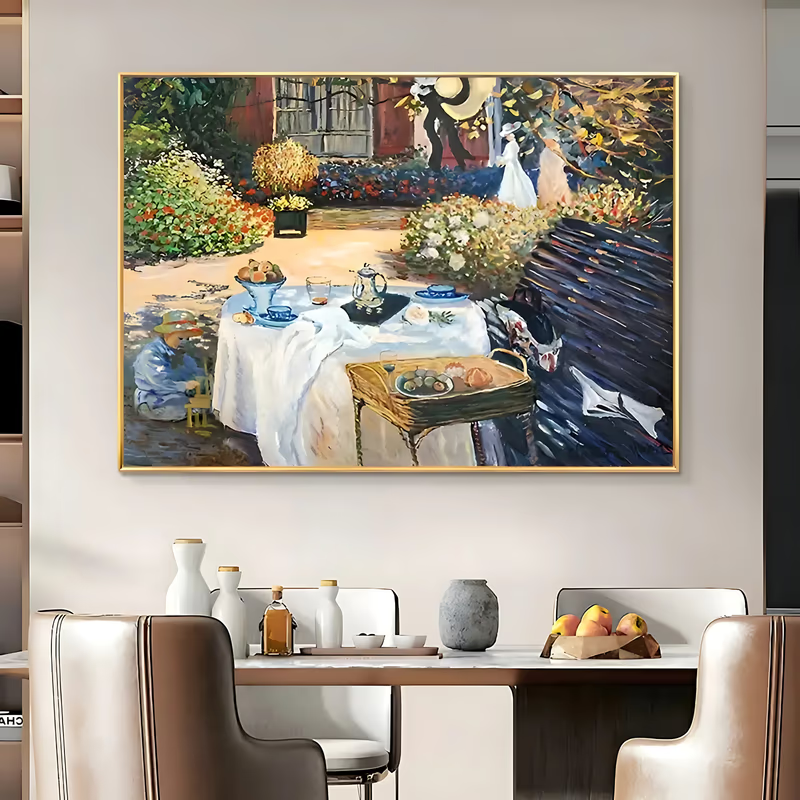
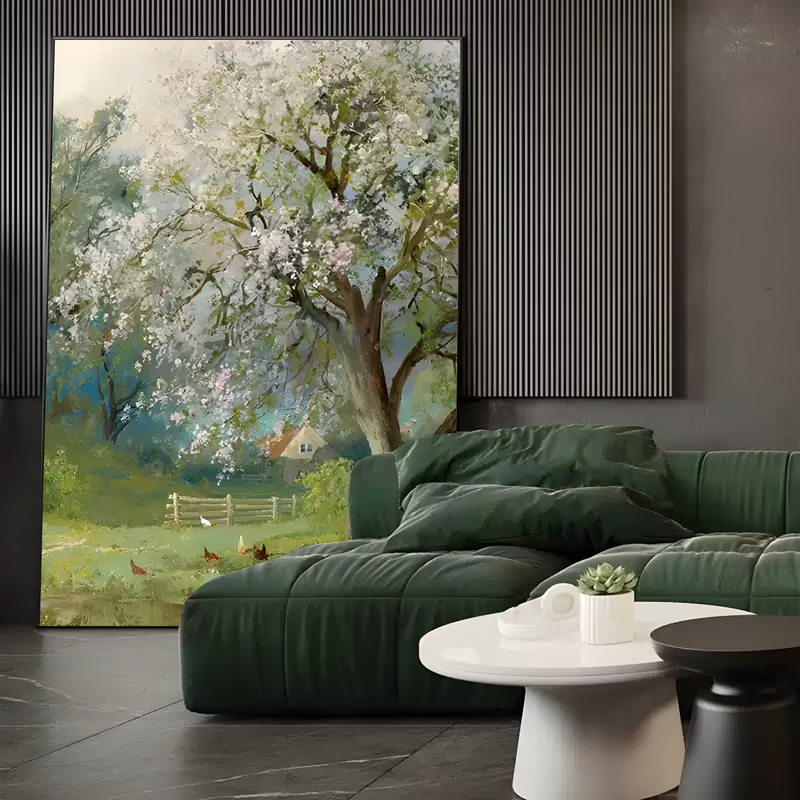
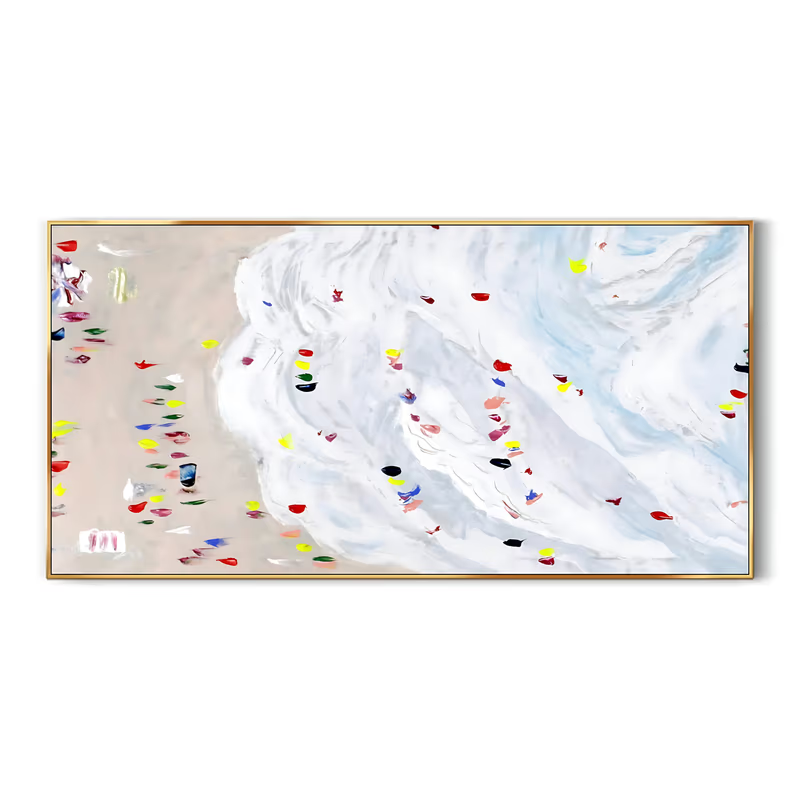
Look closely at an impressionist canvas and it breaks into dabs and dashes: a stroke of orange beside a stroke of blue, a flick of white on the crest of a wave. Step back and those marks join up into a sunlit field or a harbour at dusk. Shadows are coloured (violet, blue, green) rather than brown or black, and edges are soft, so the picture feels like a glance rather than a record.
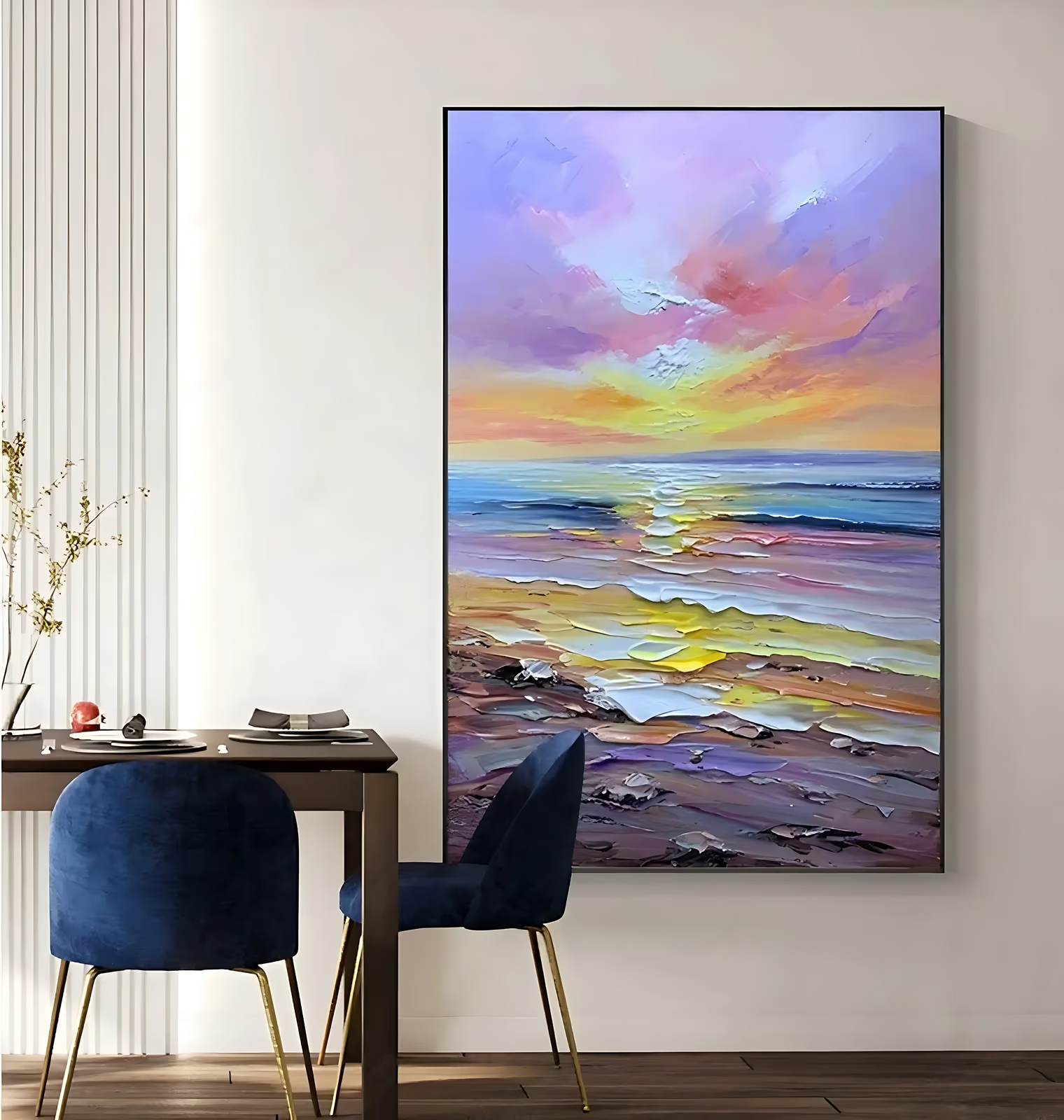
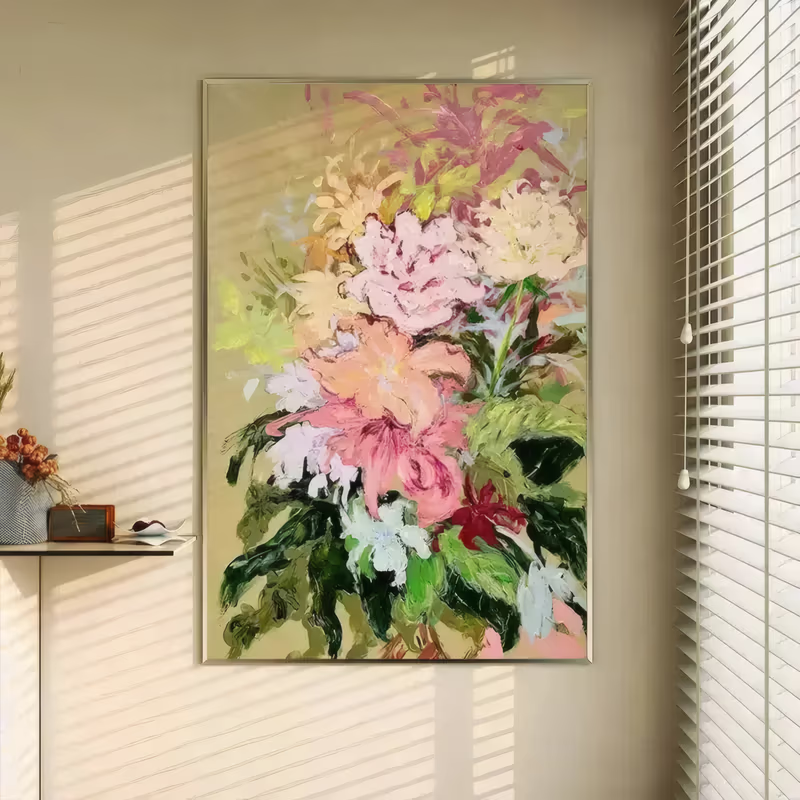
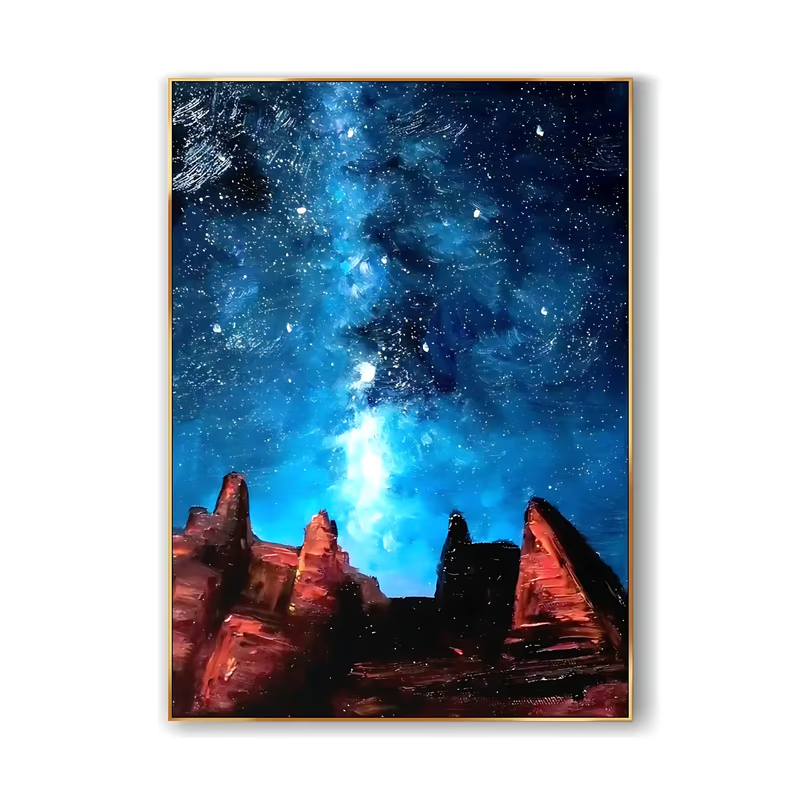
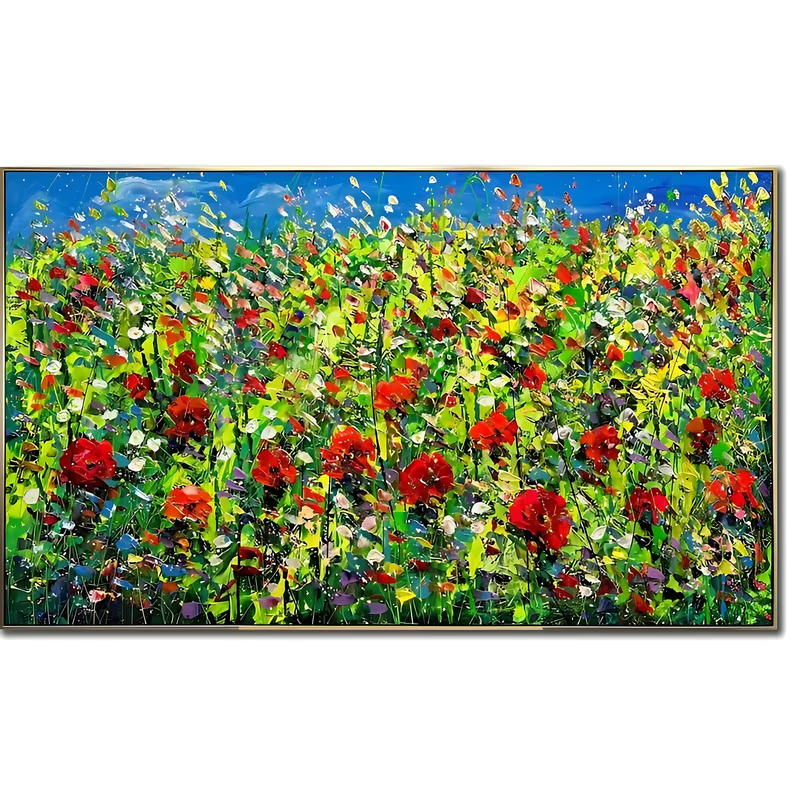
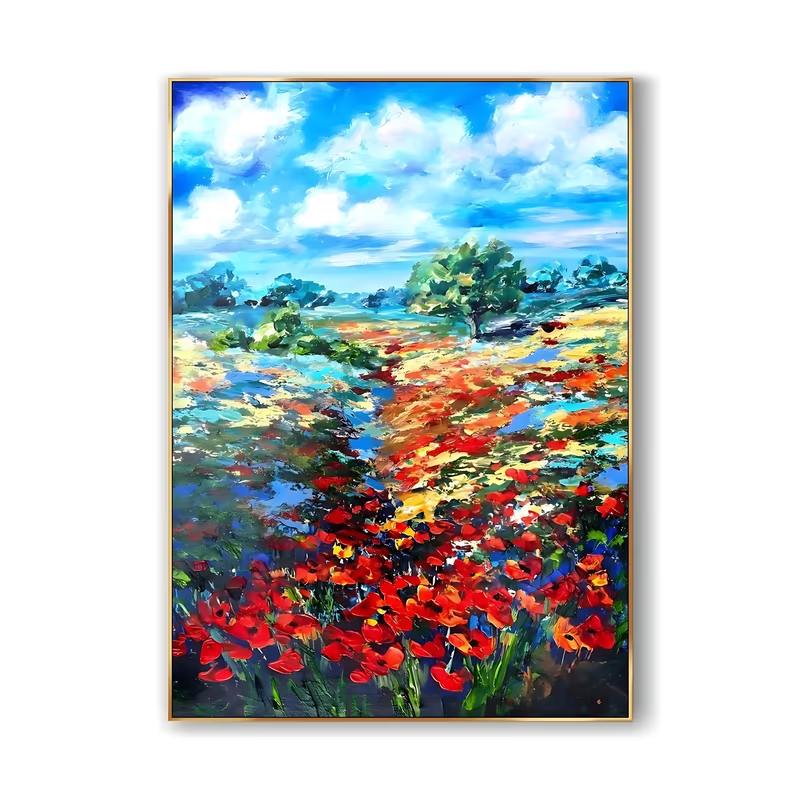
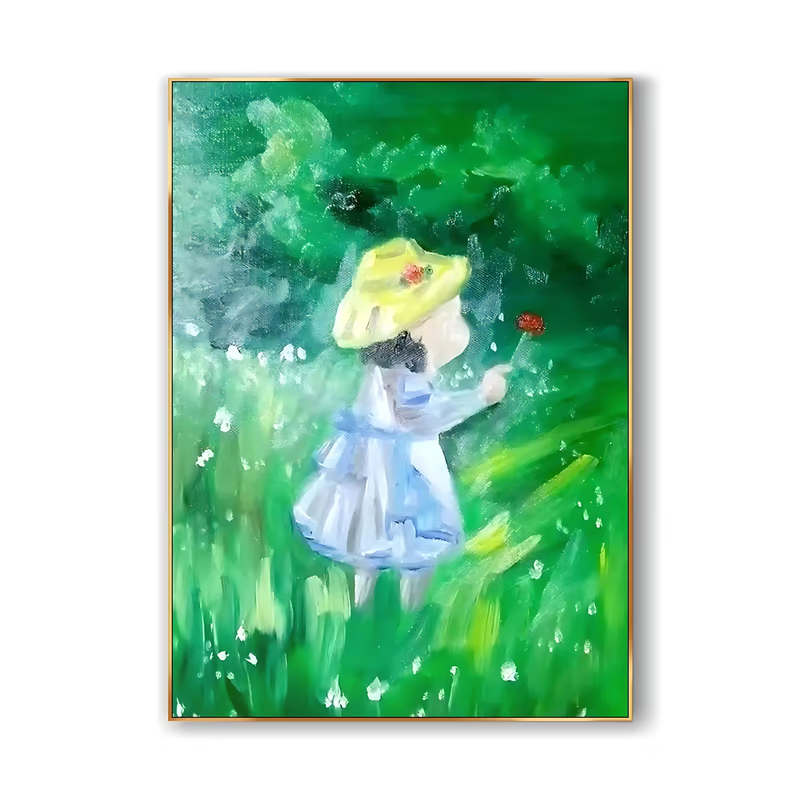
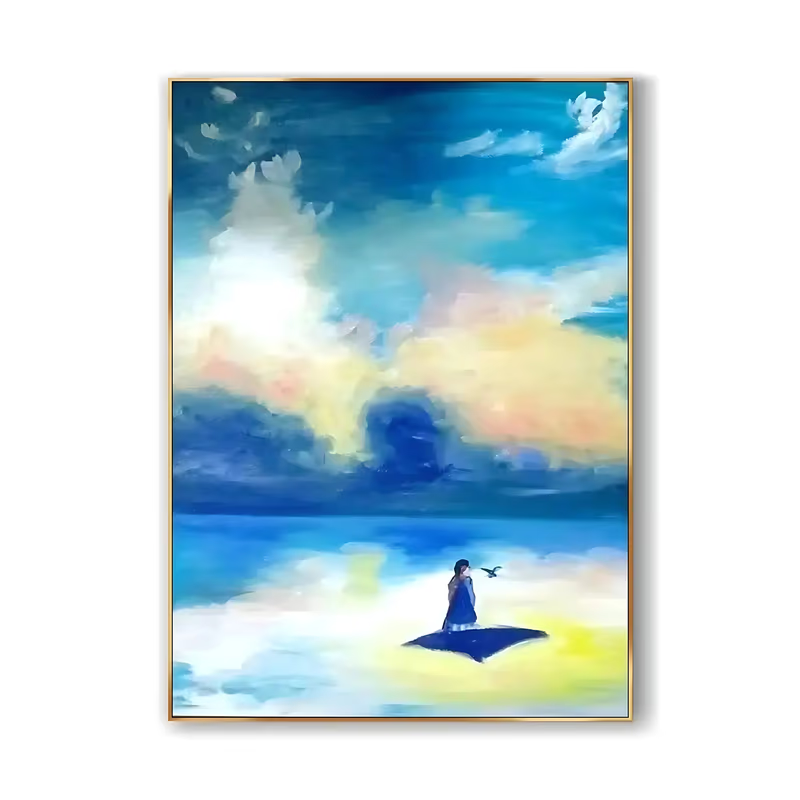
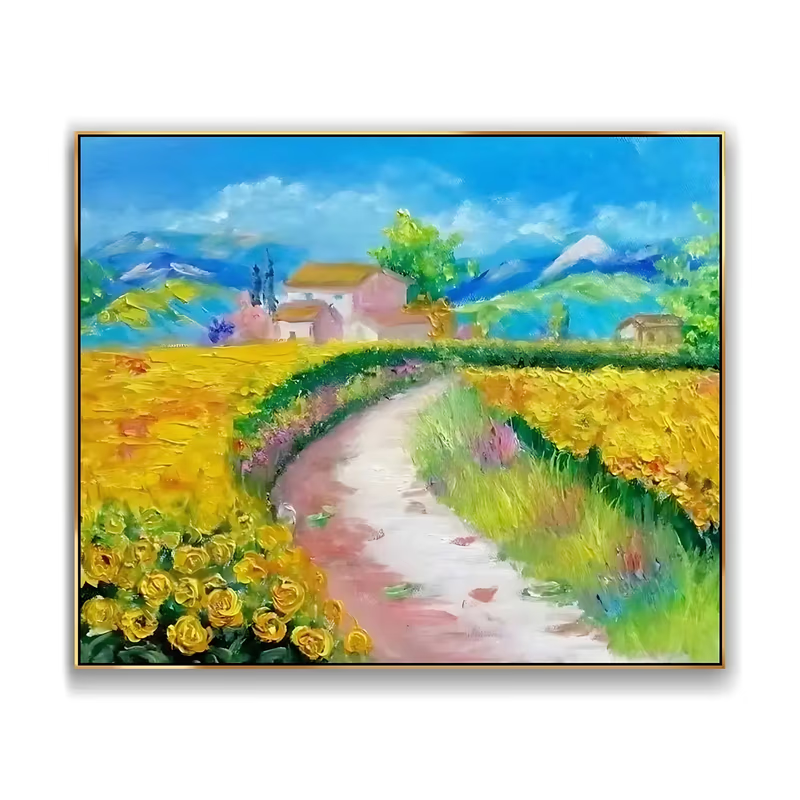
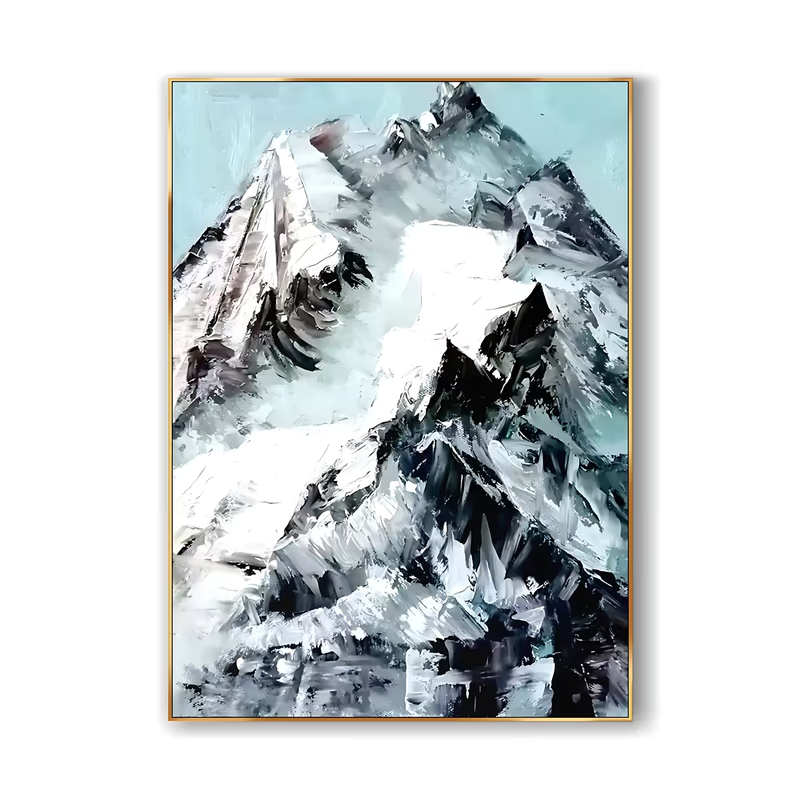
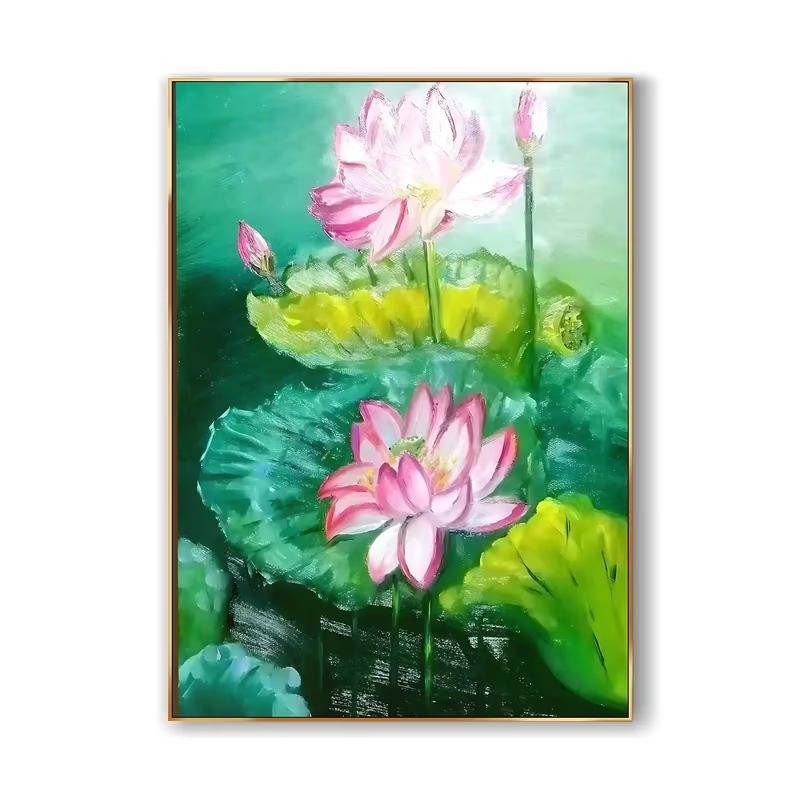
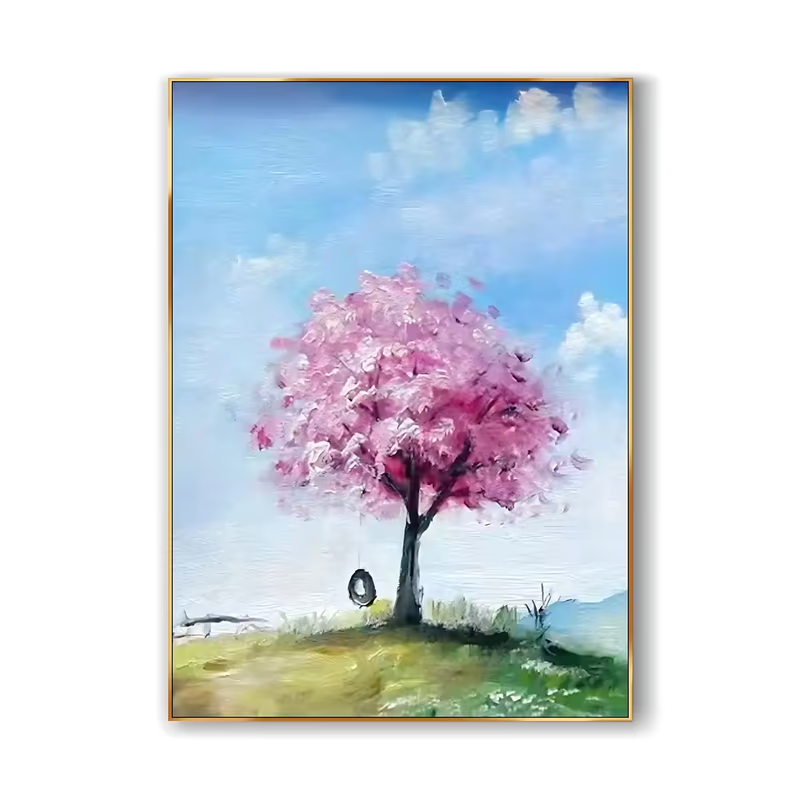
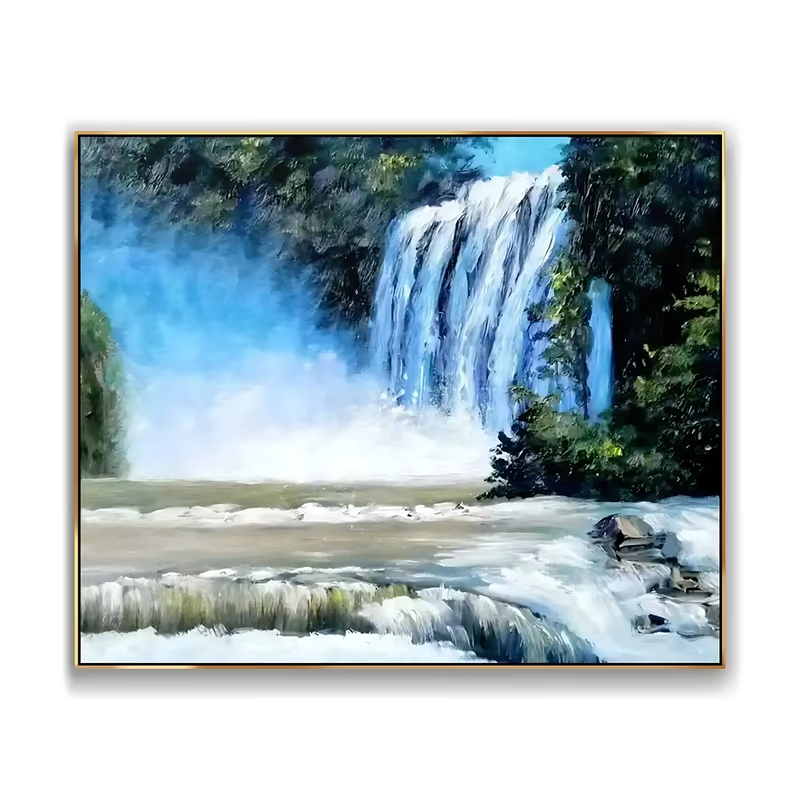
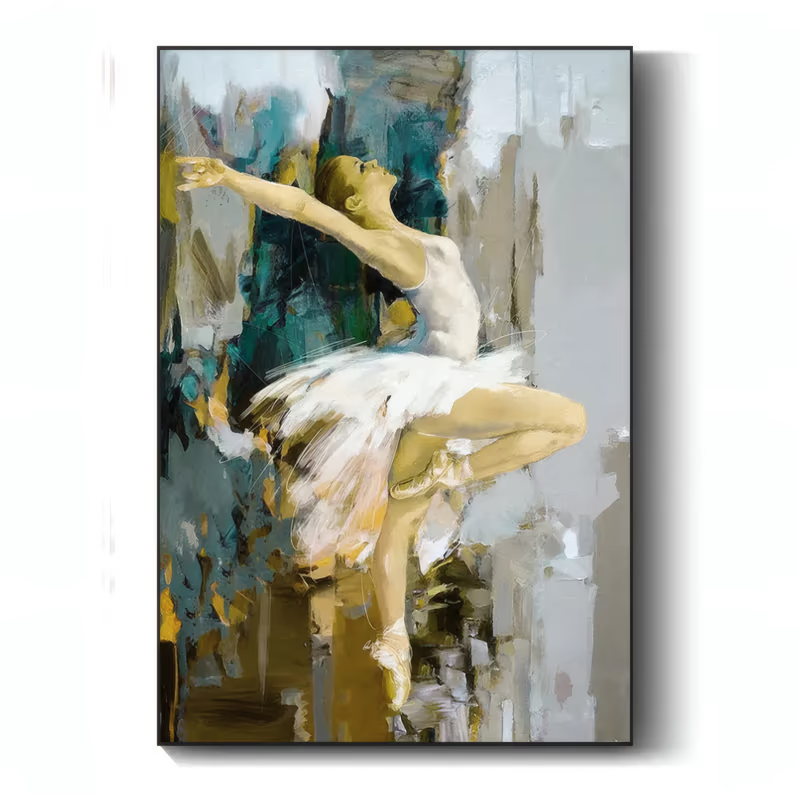
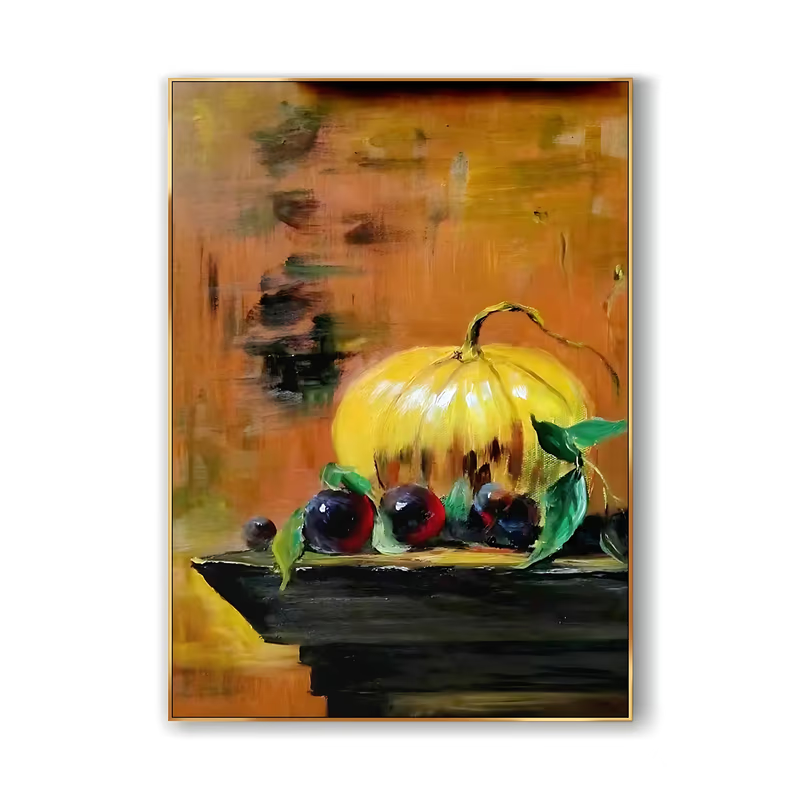
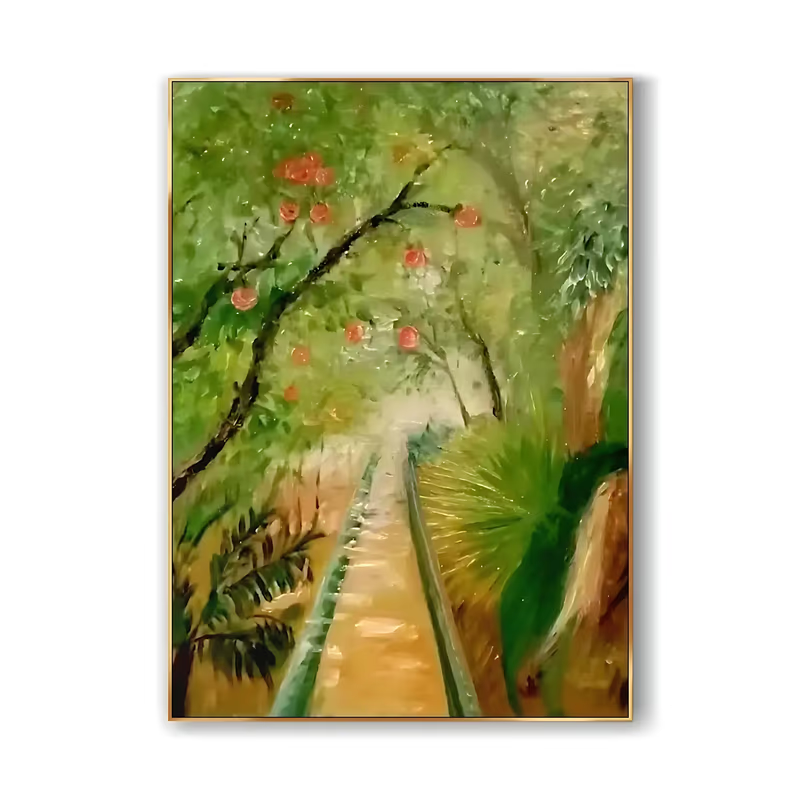
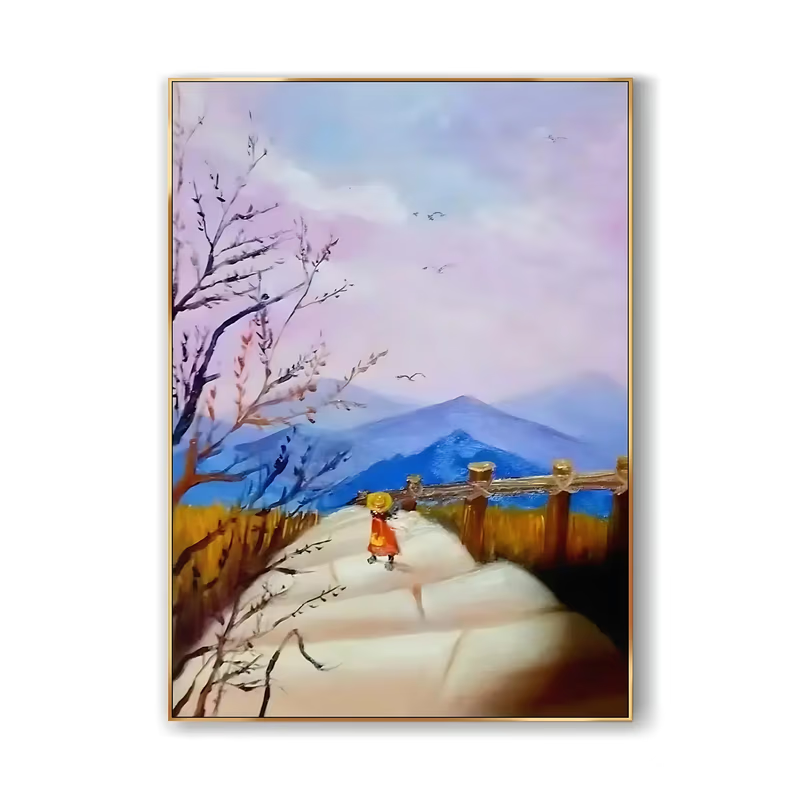
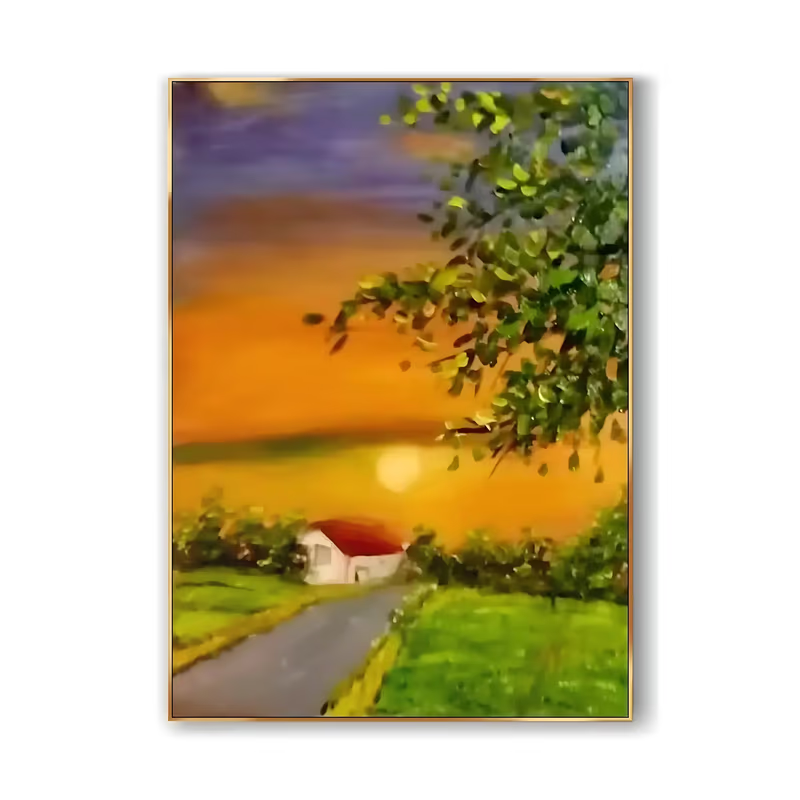
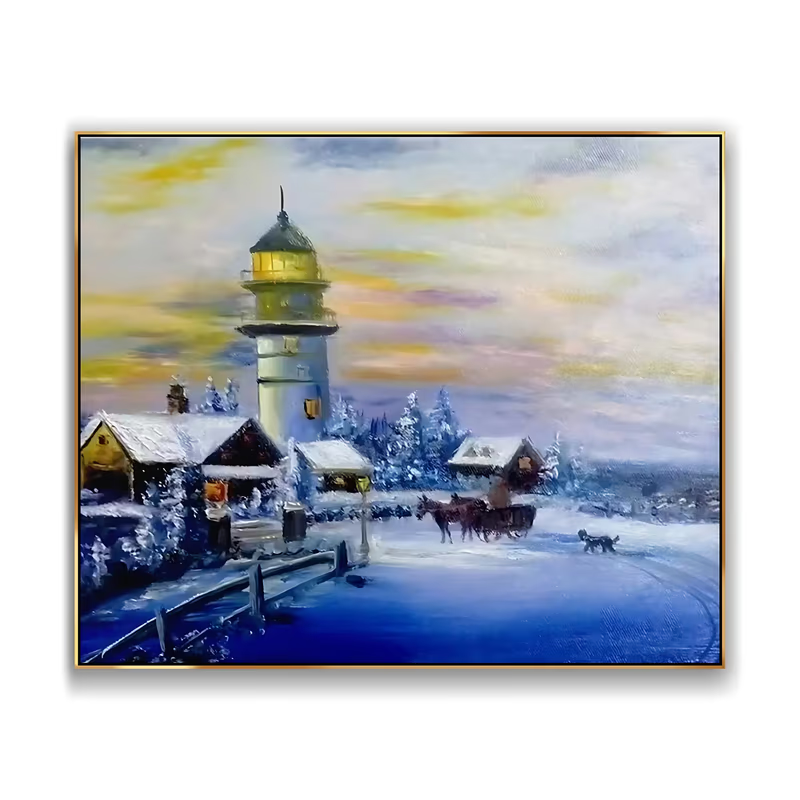
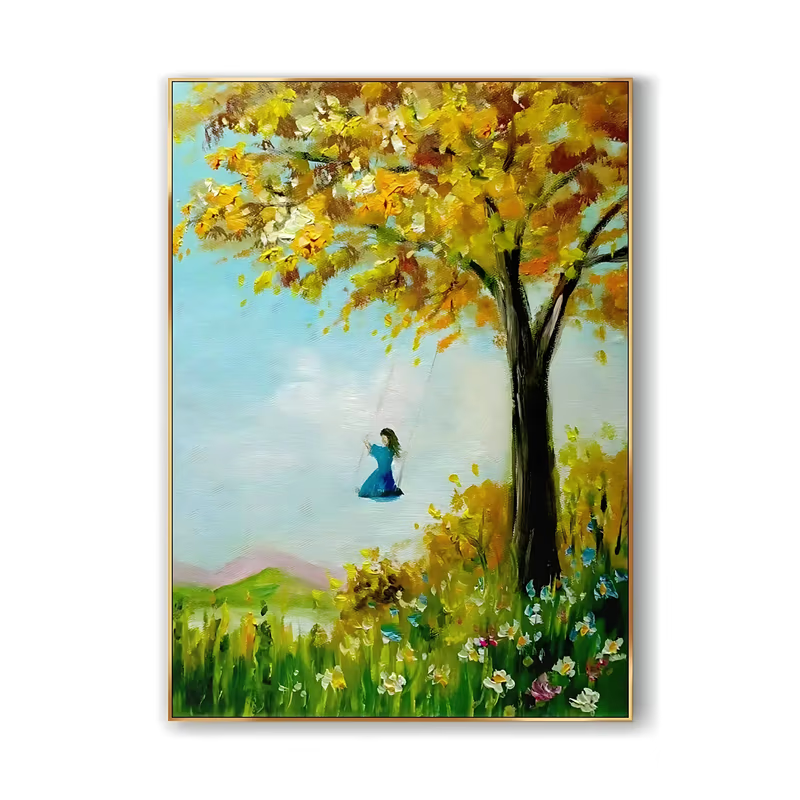
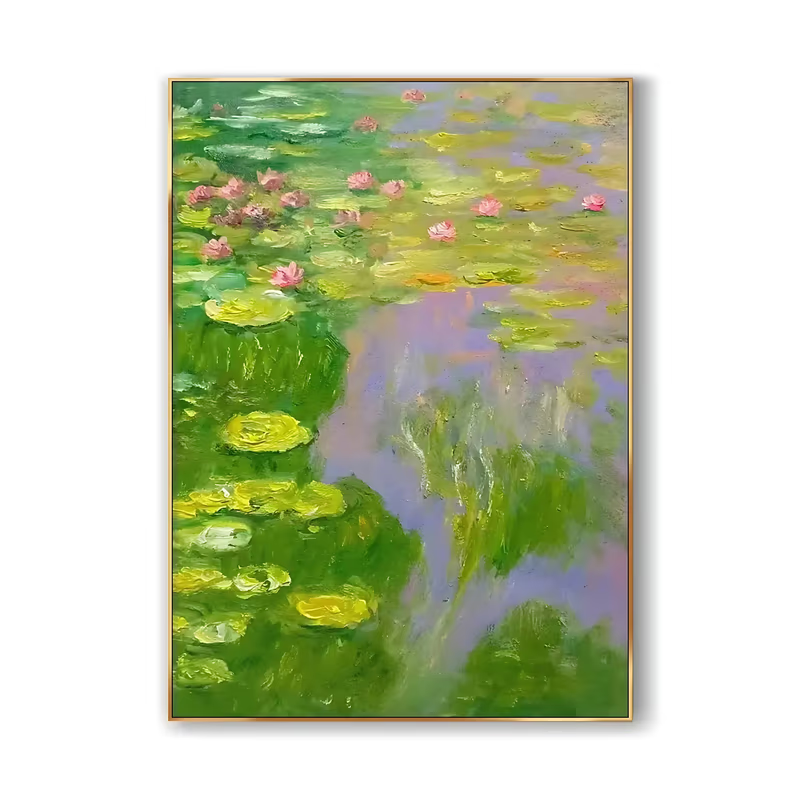
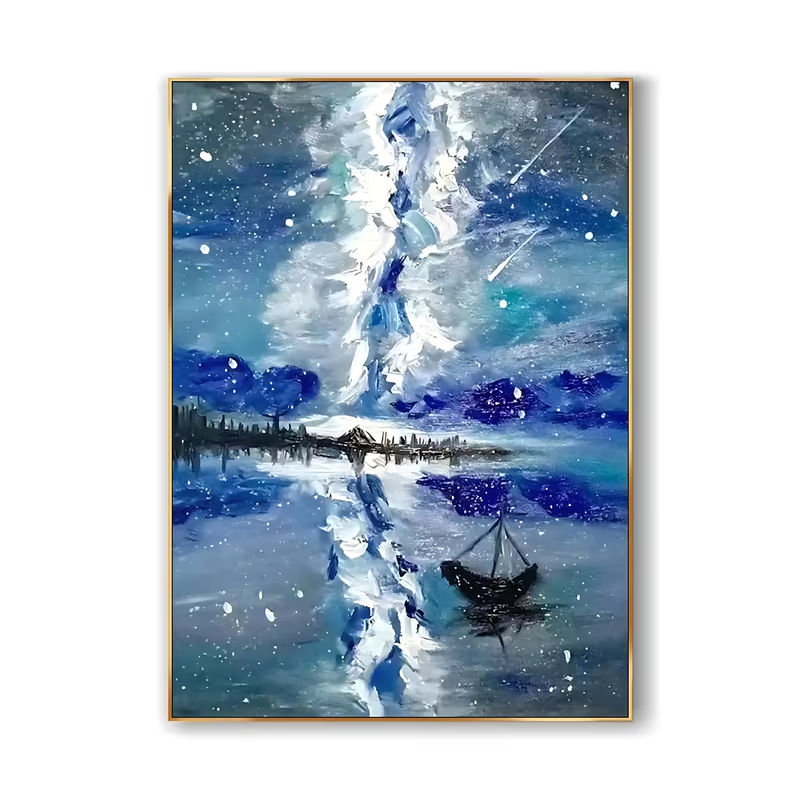
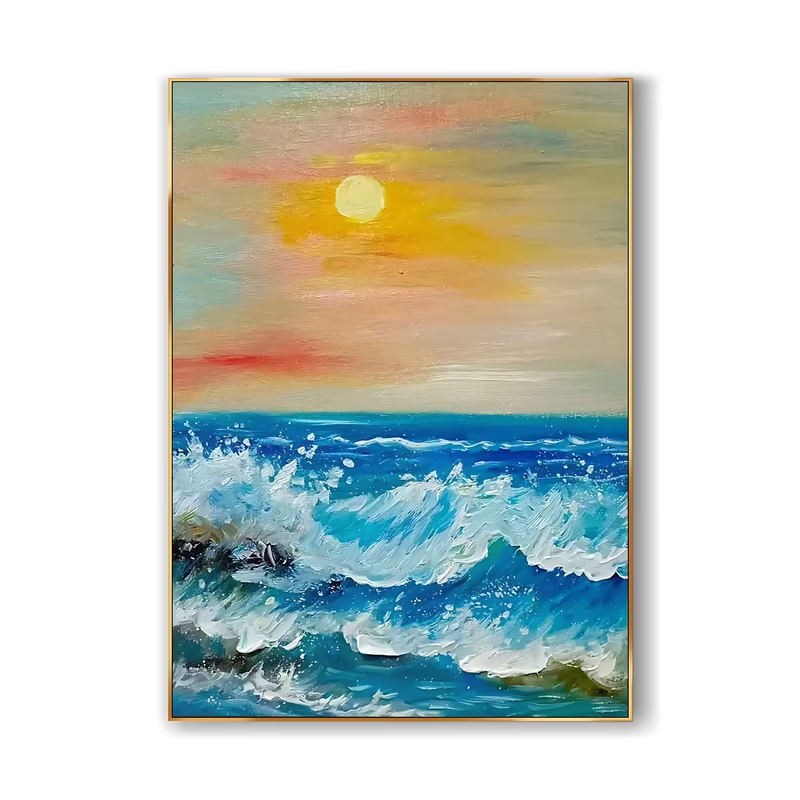
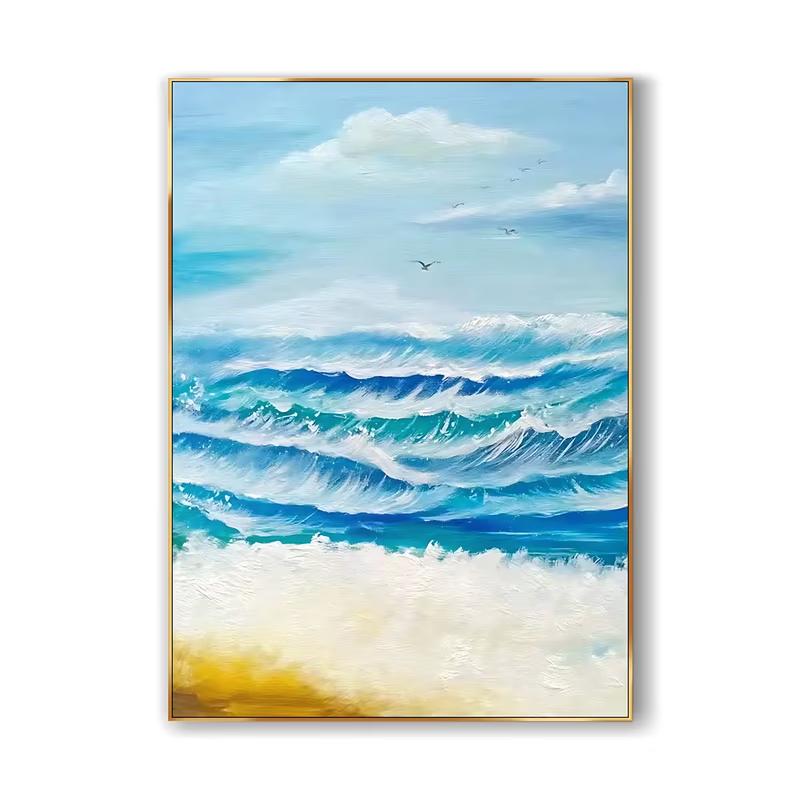
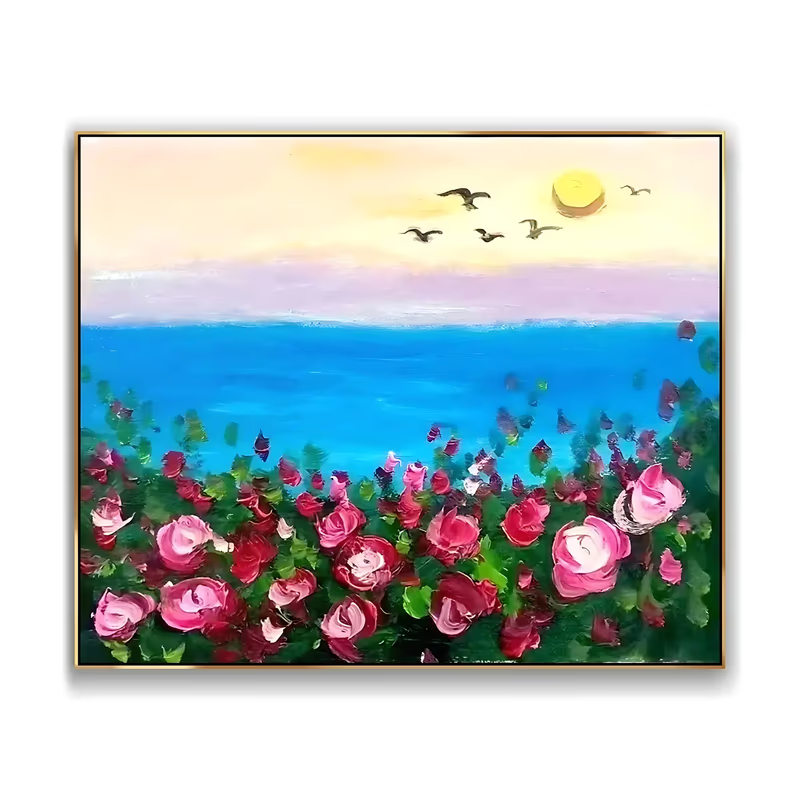
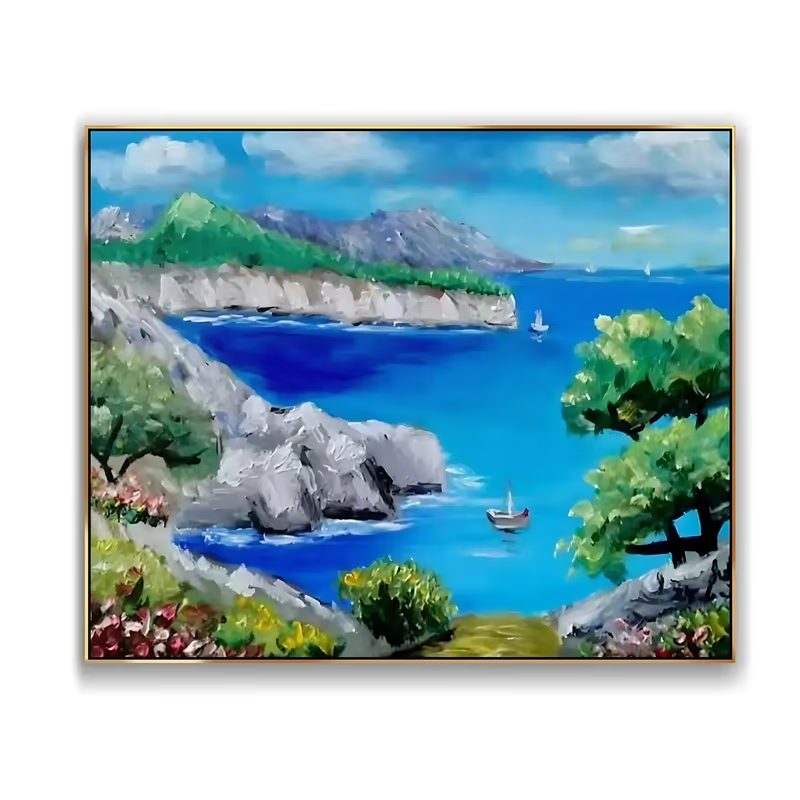
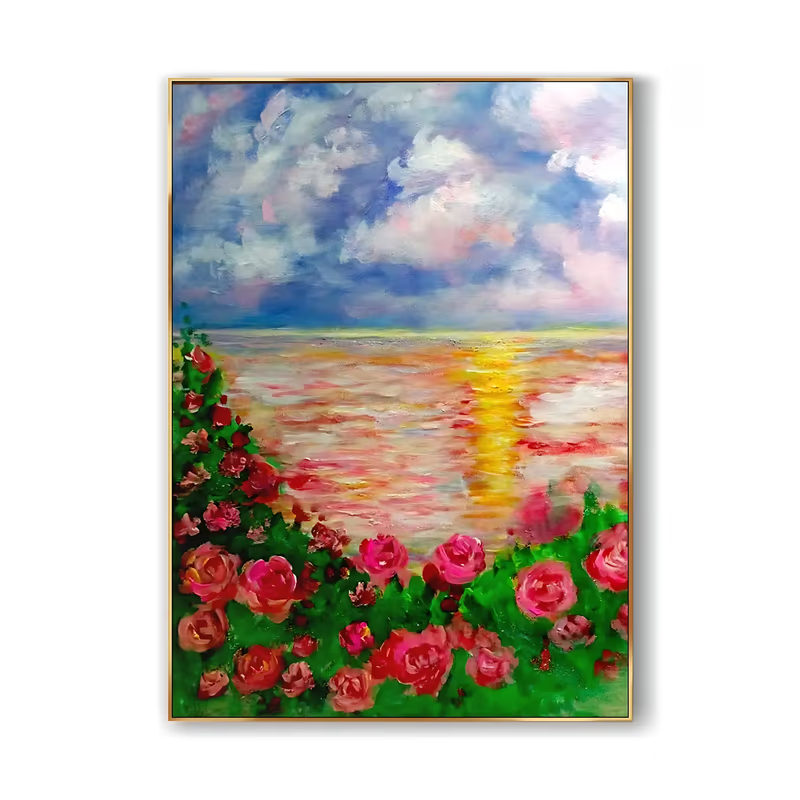
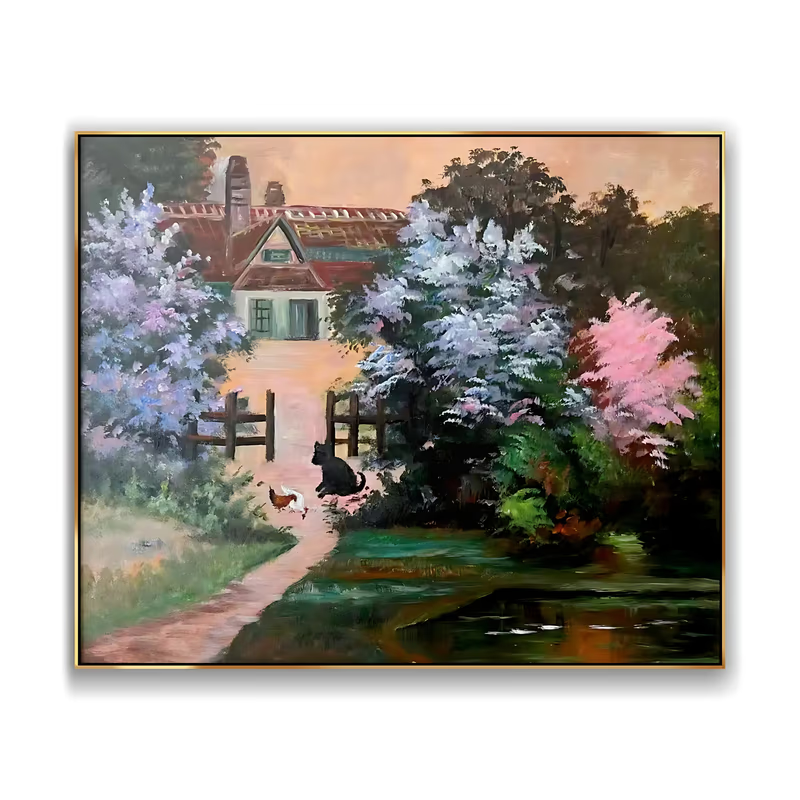
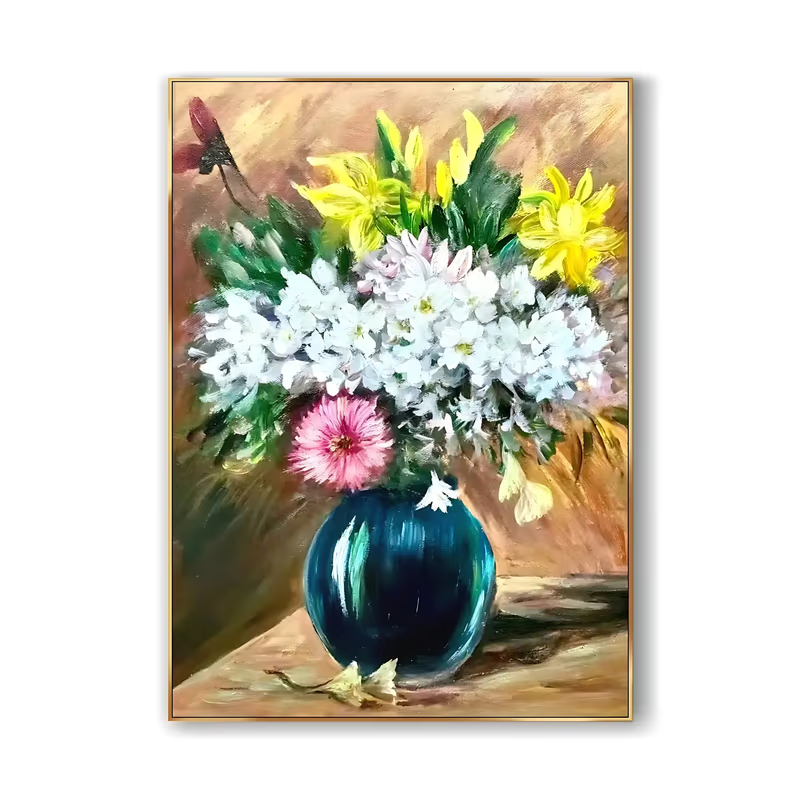
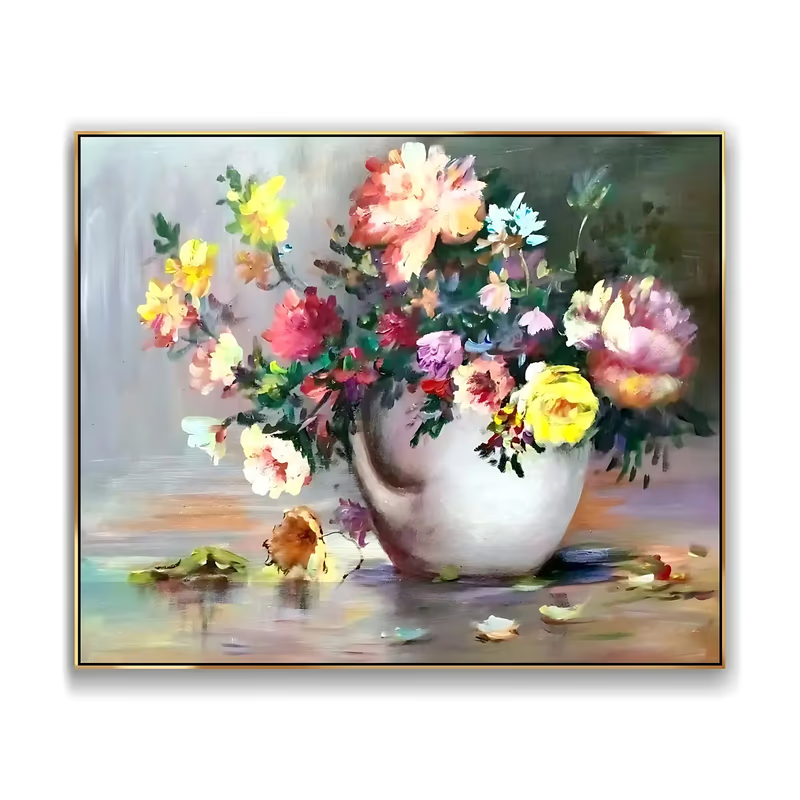
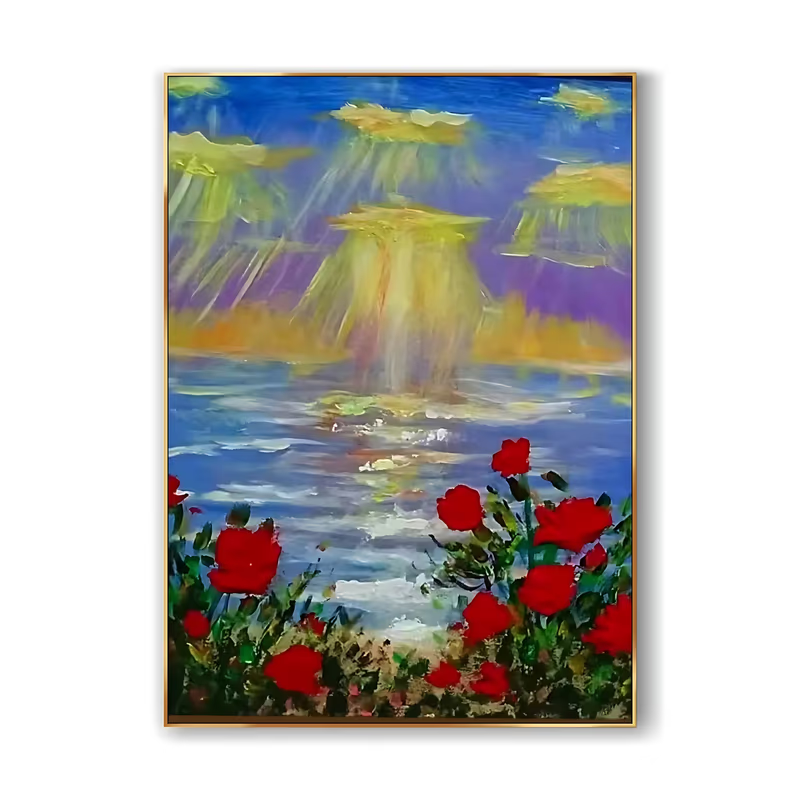
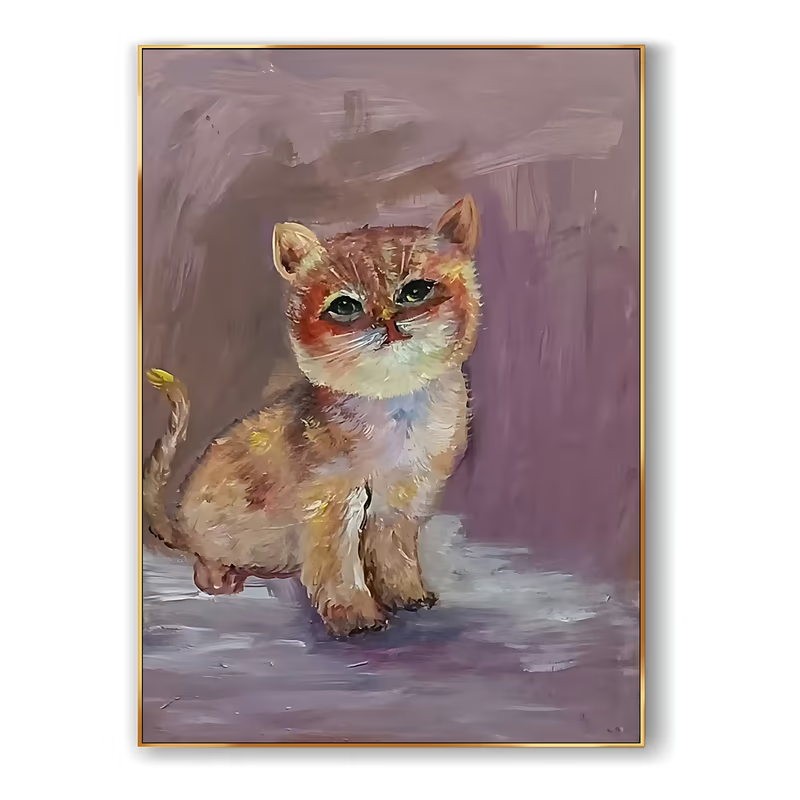
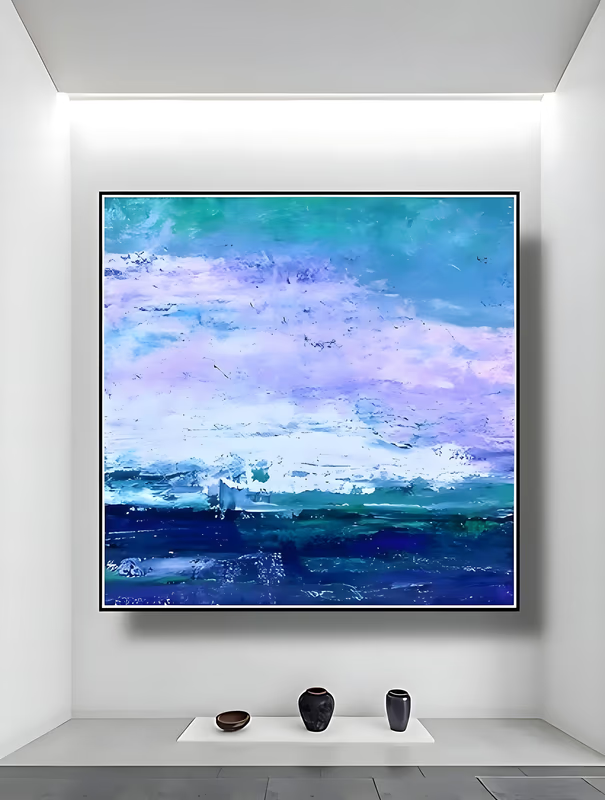
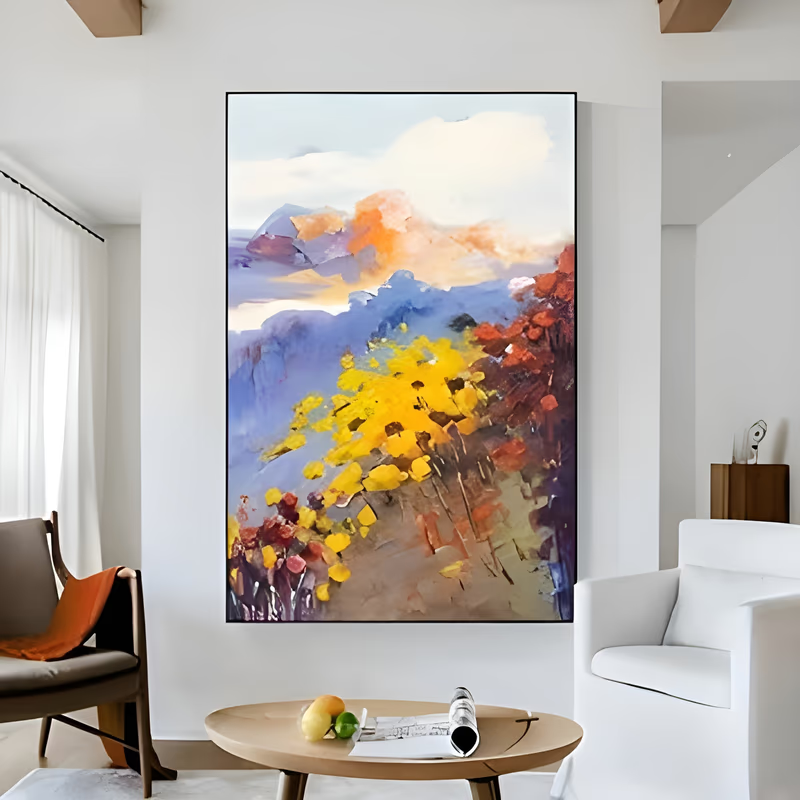
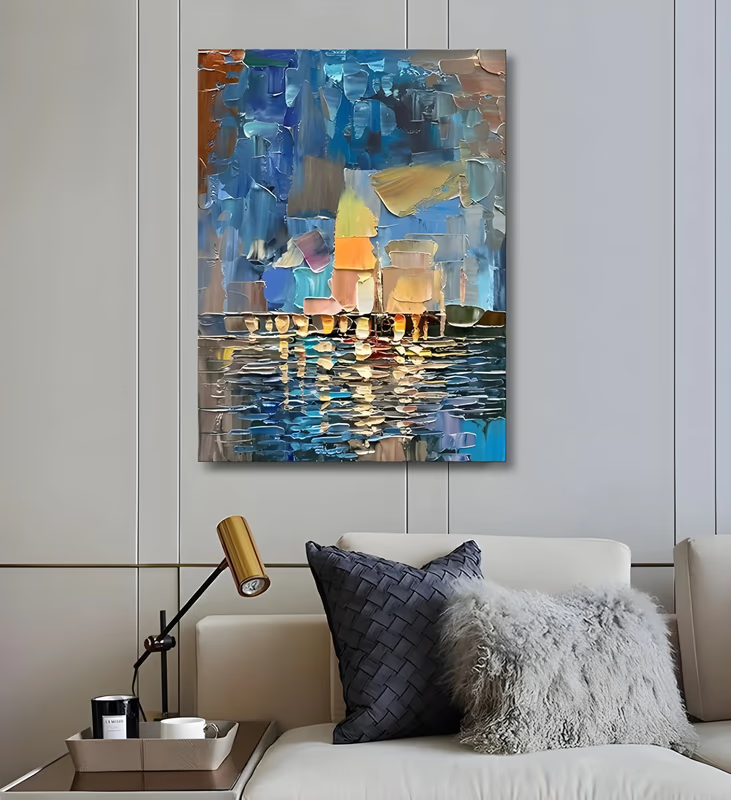
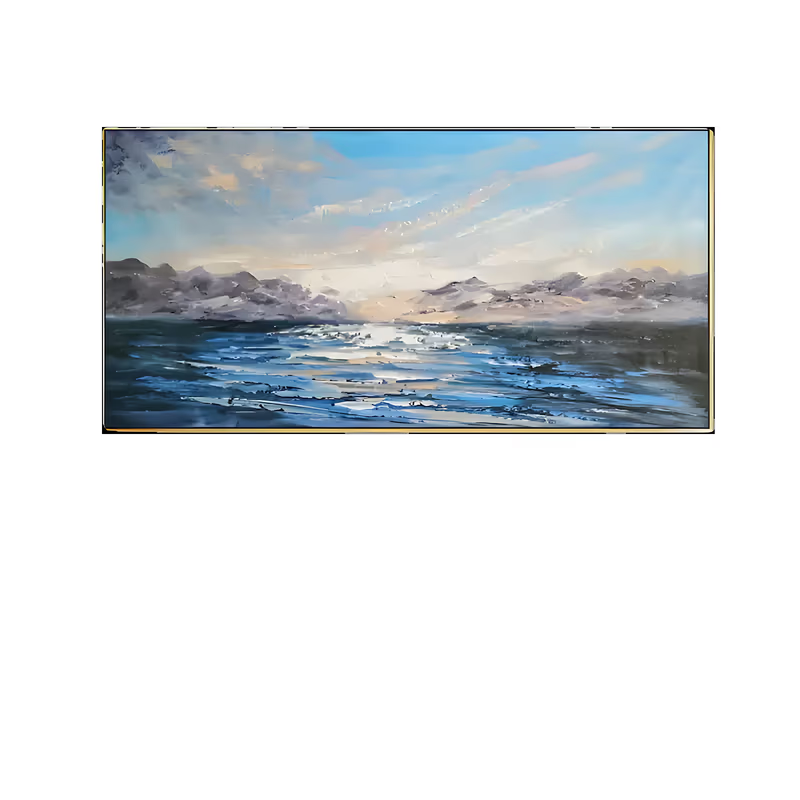
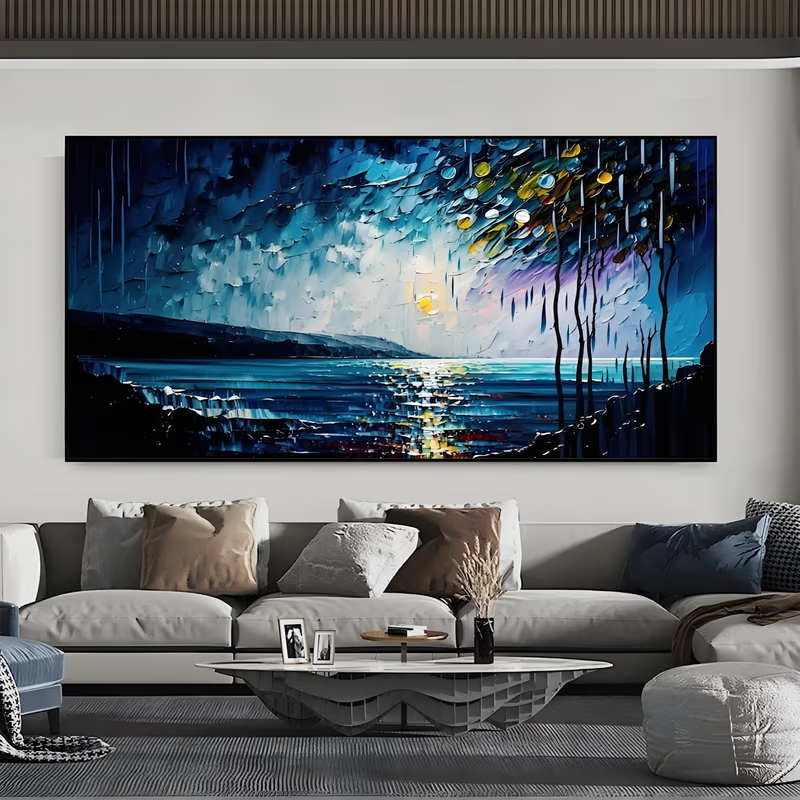
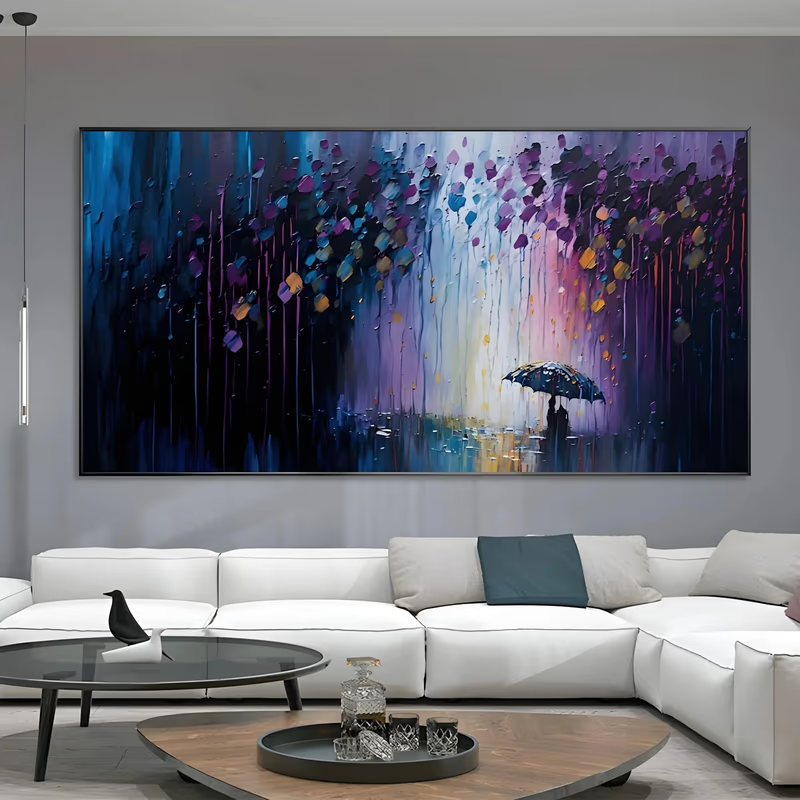
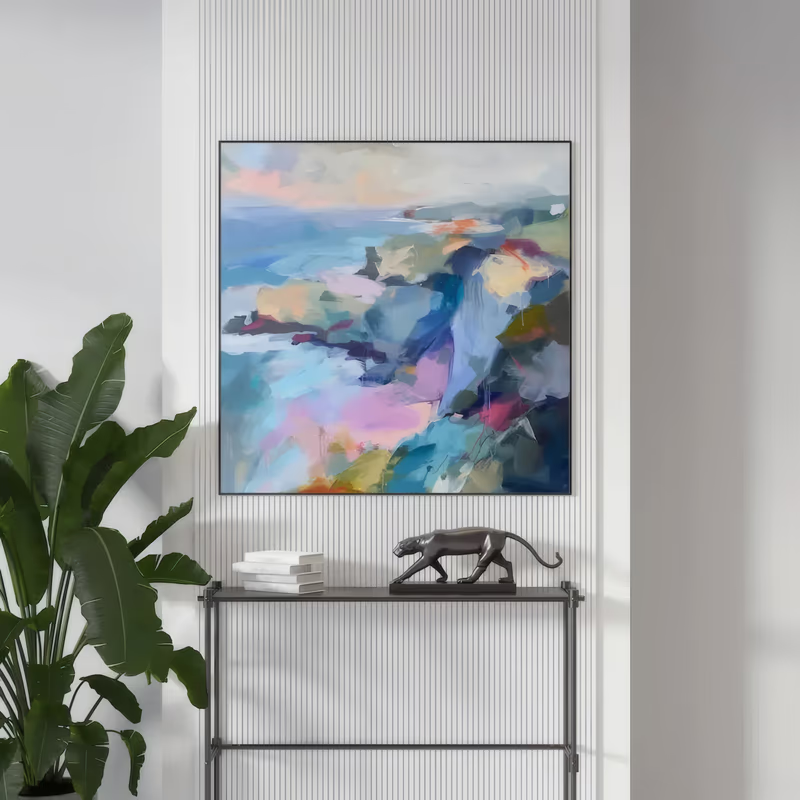
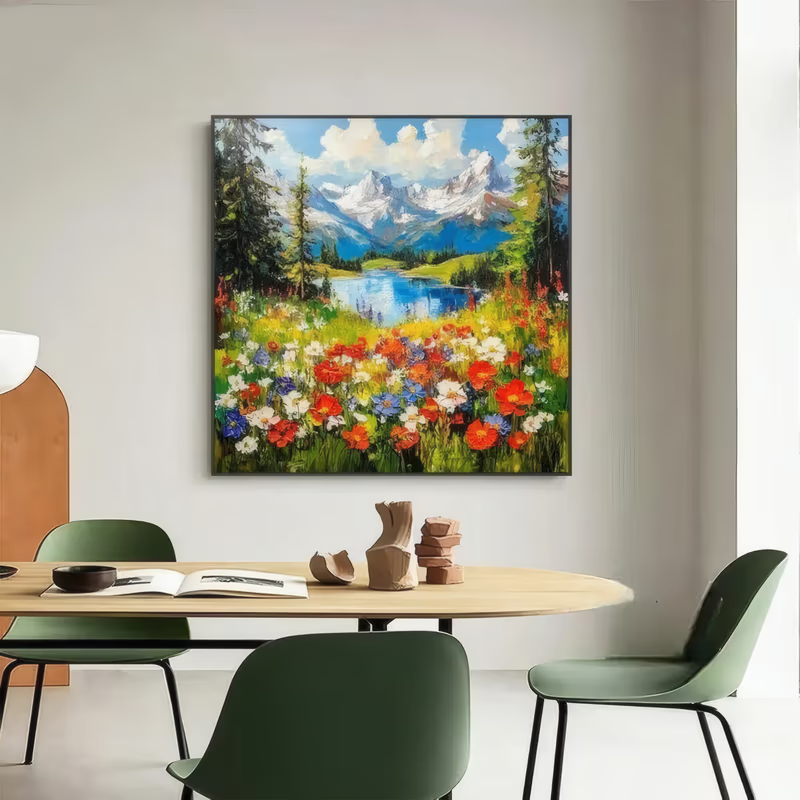
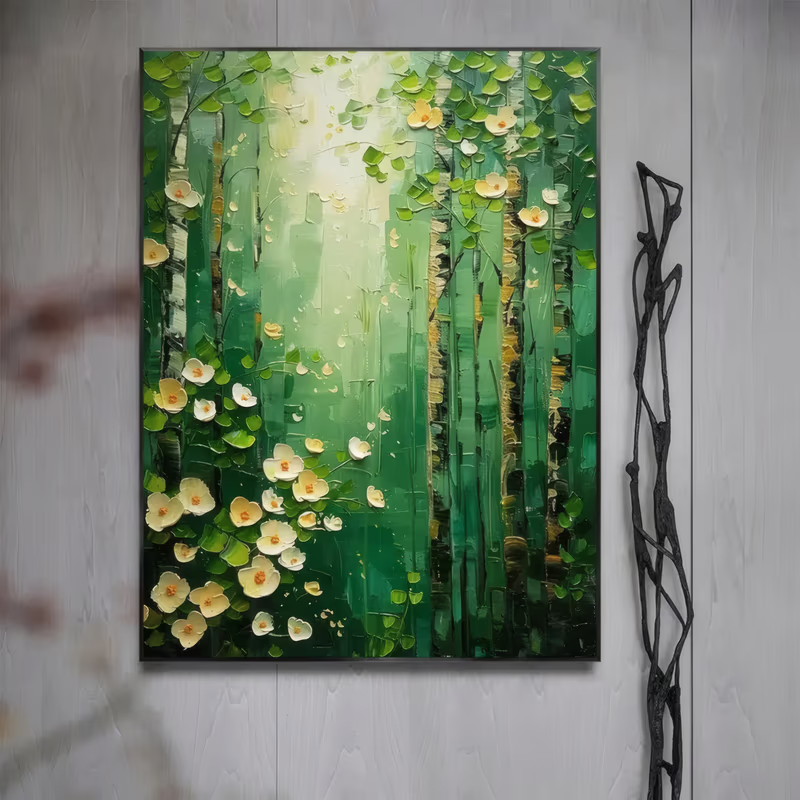
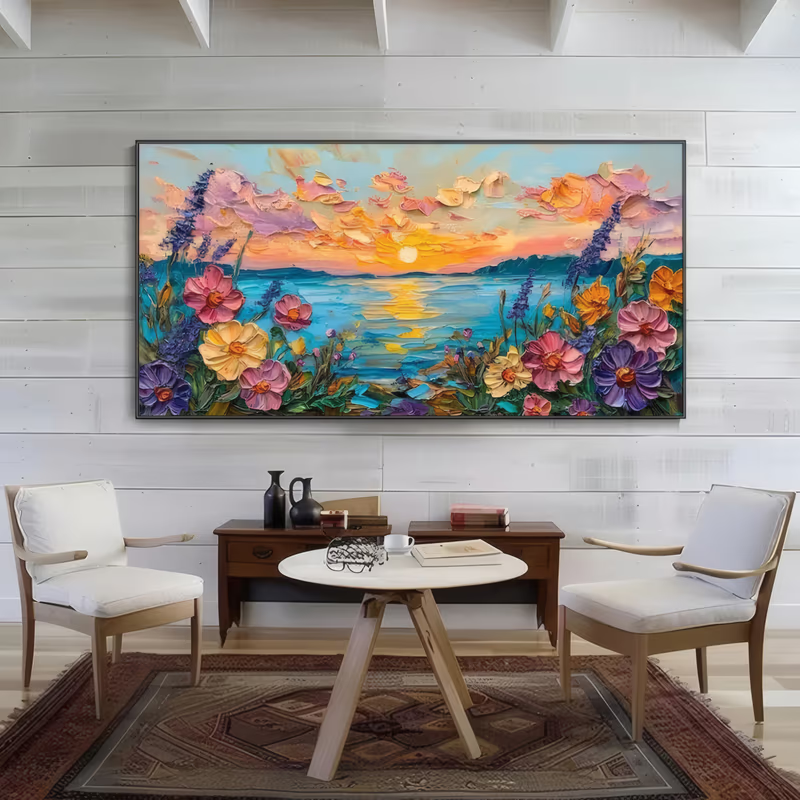
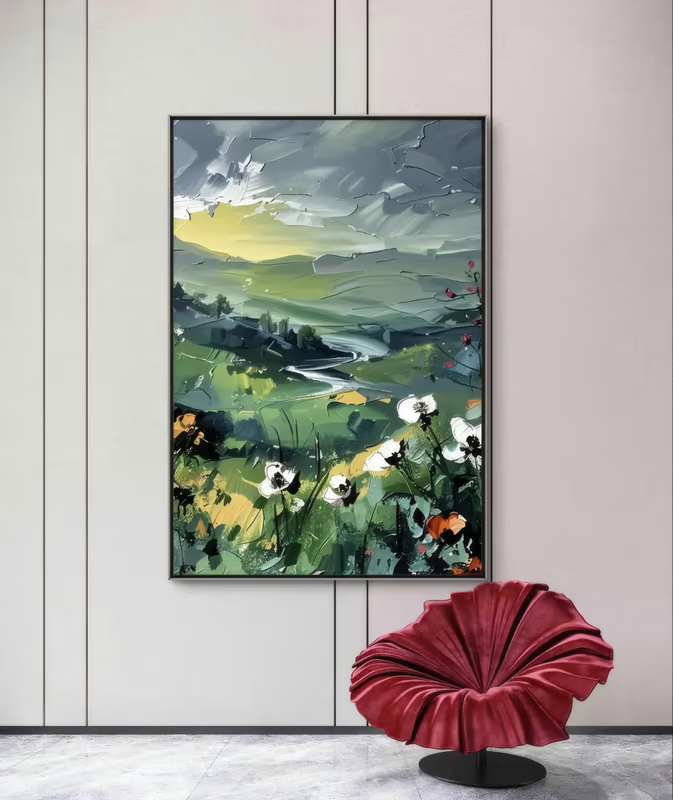
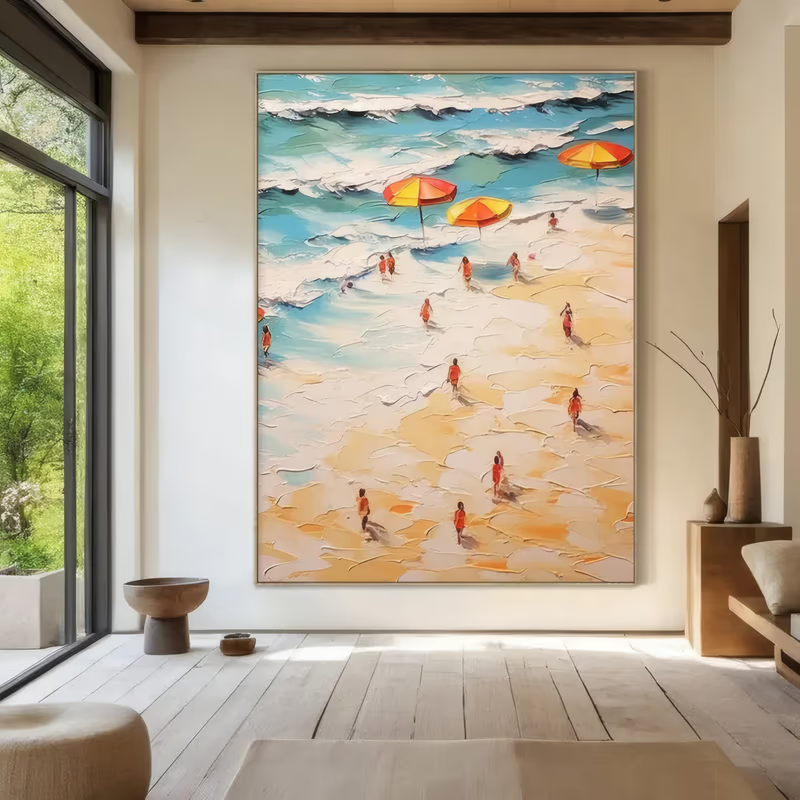
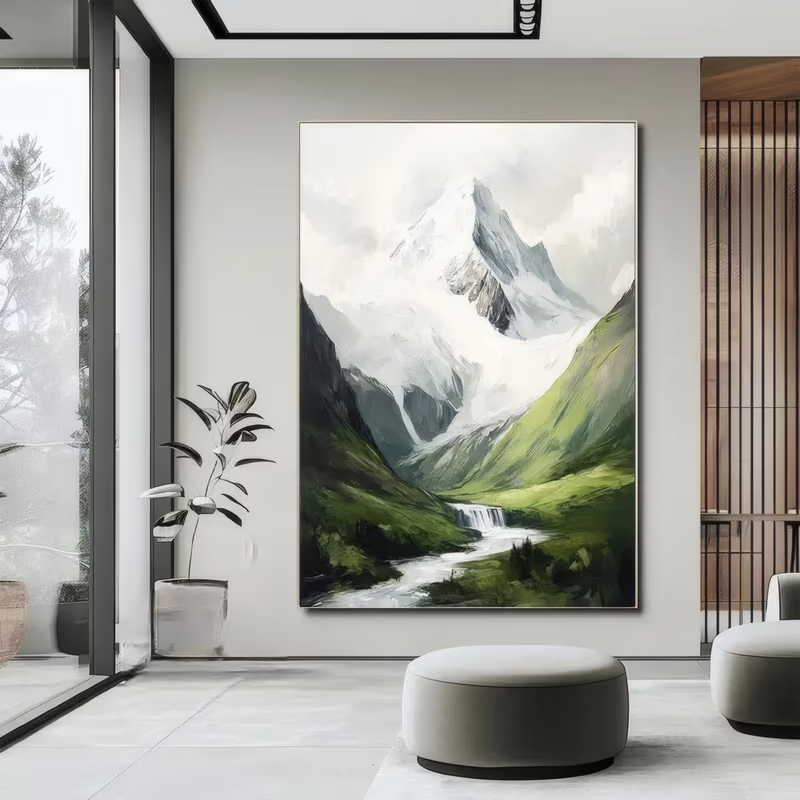
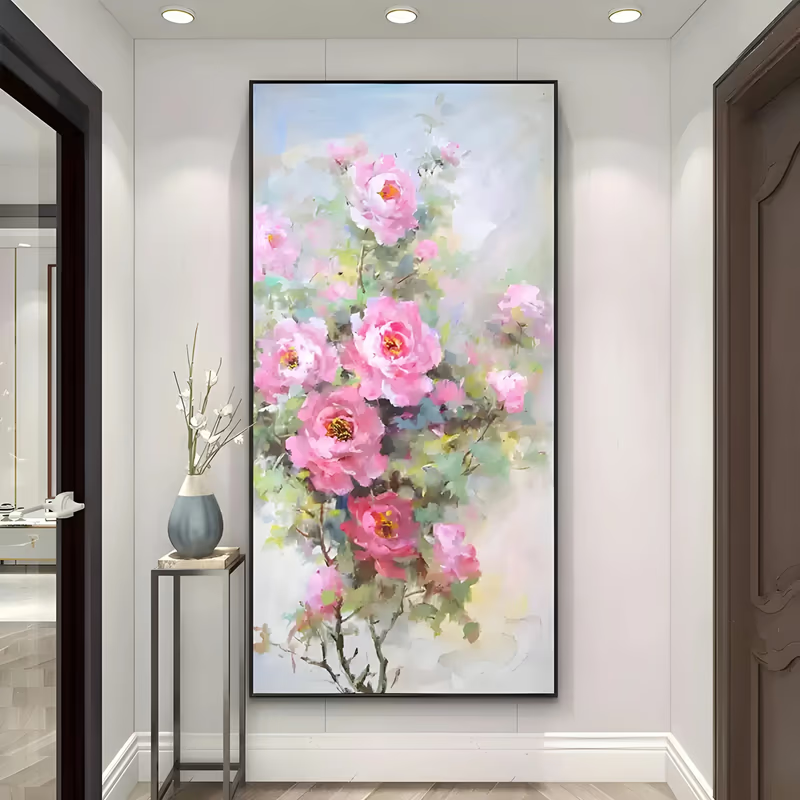
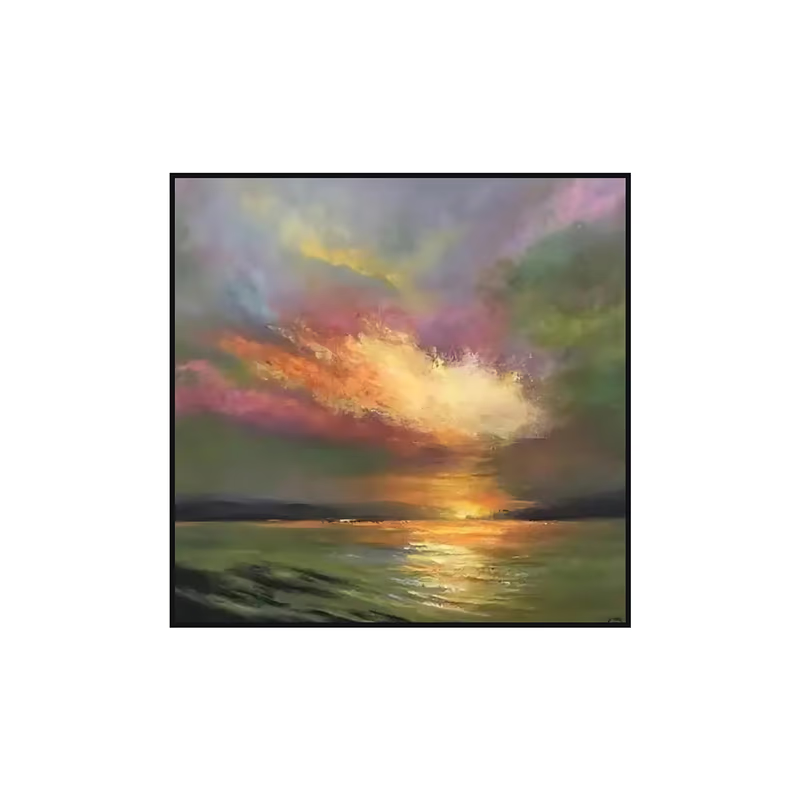
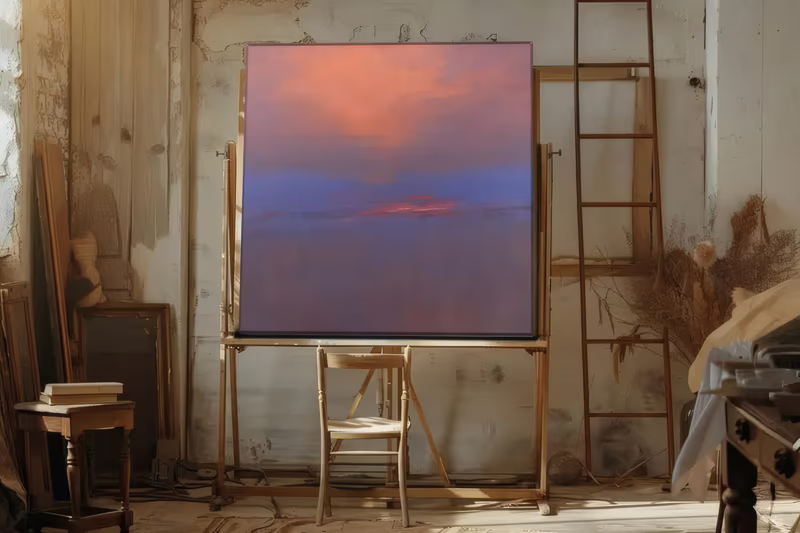
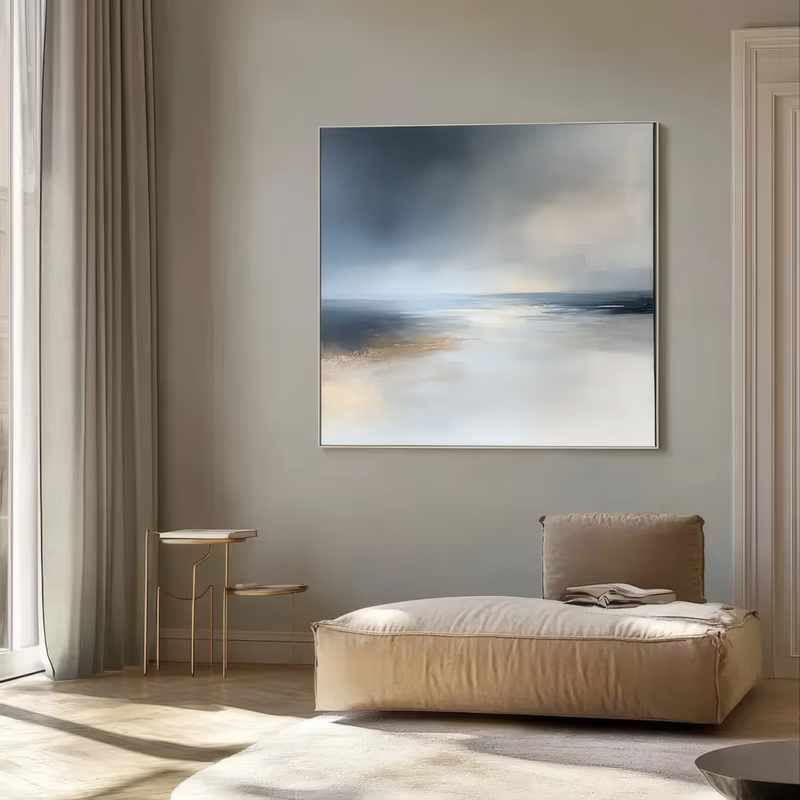
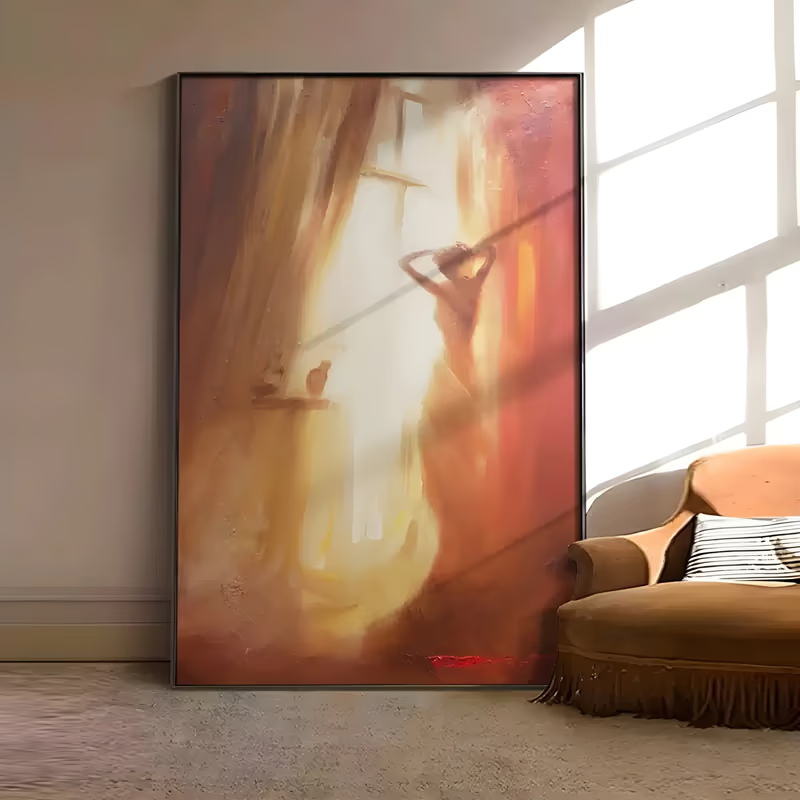
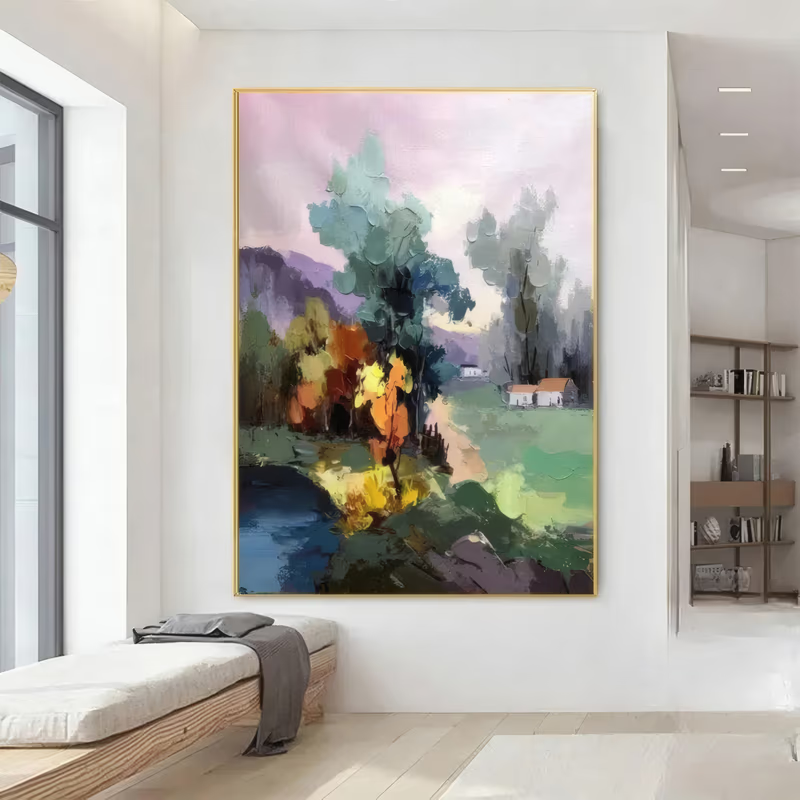
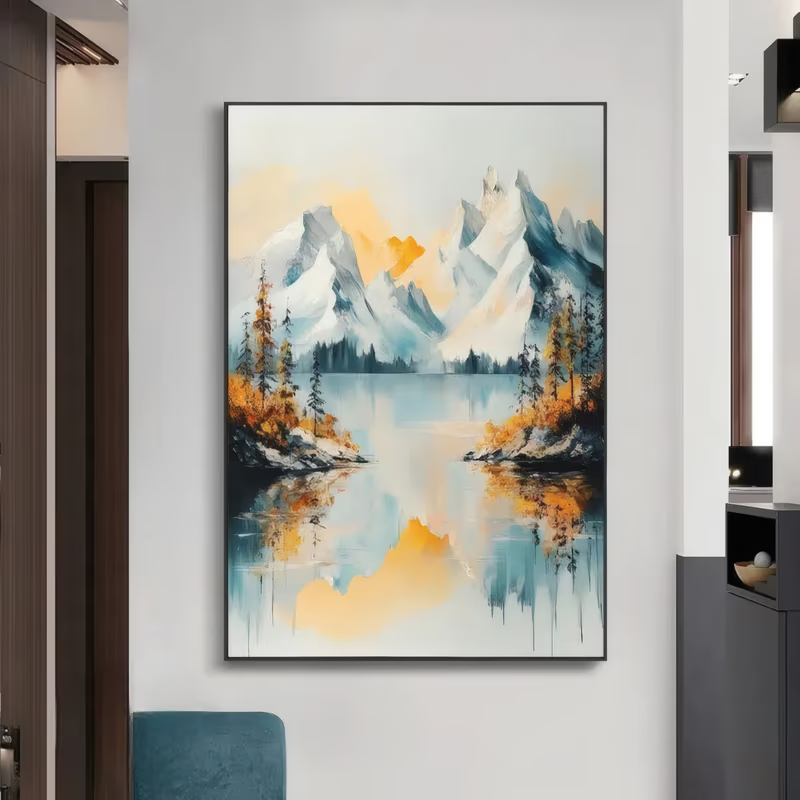
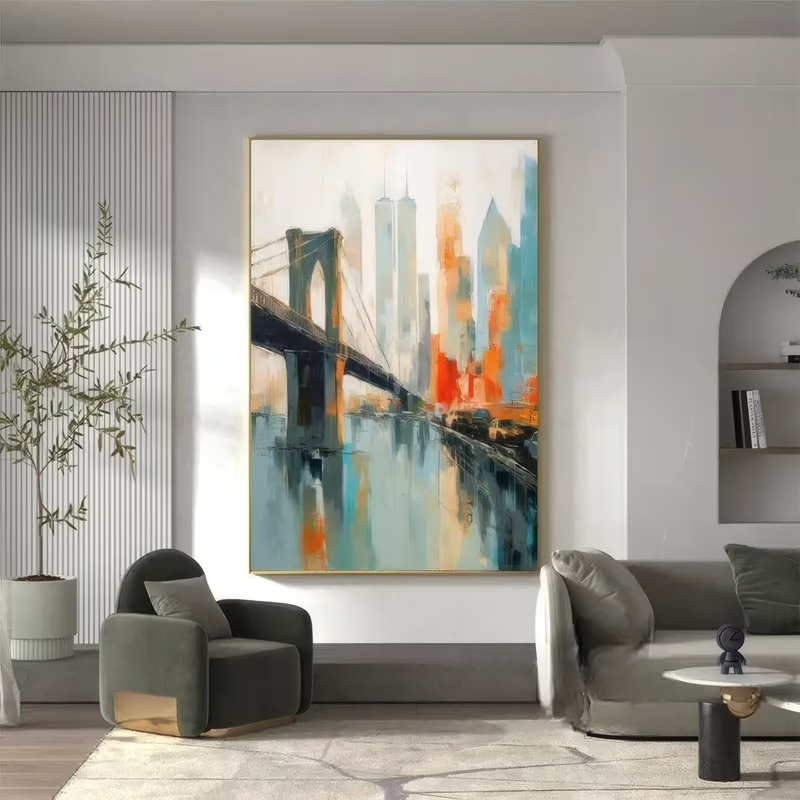
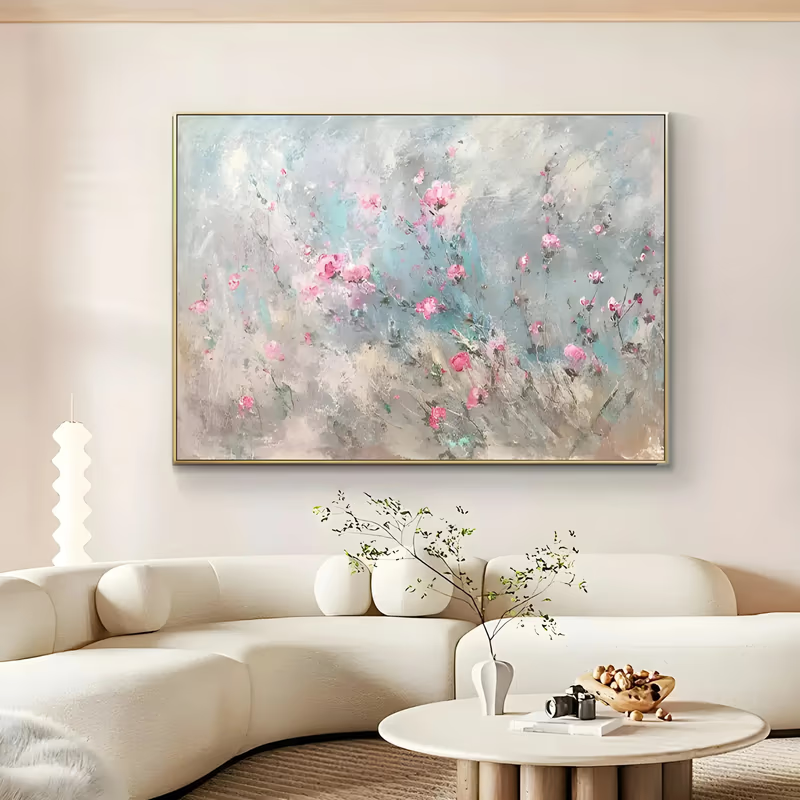
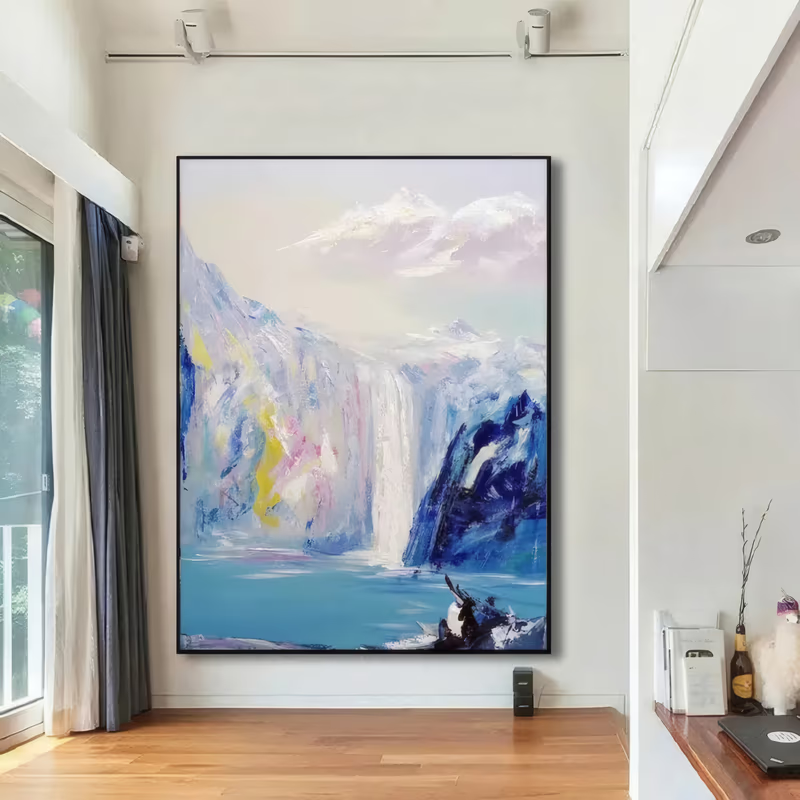
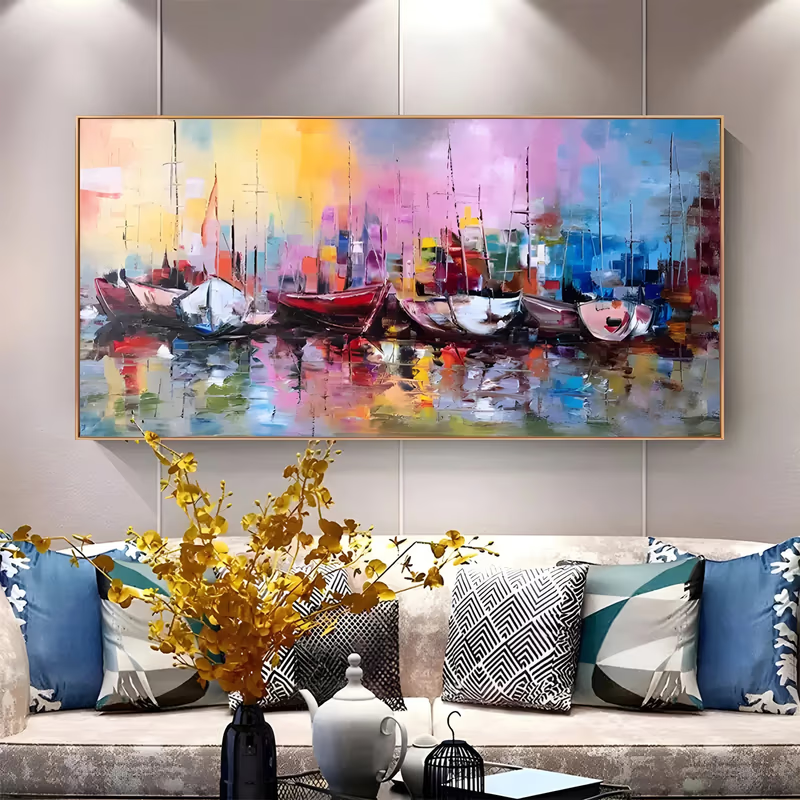
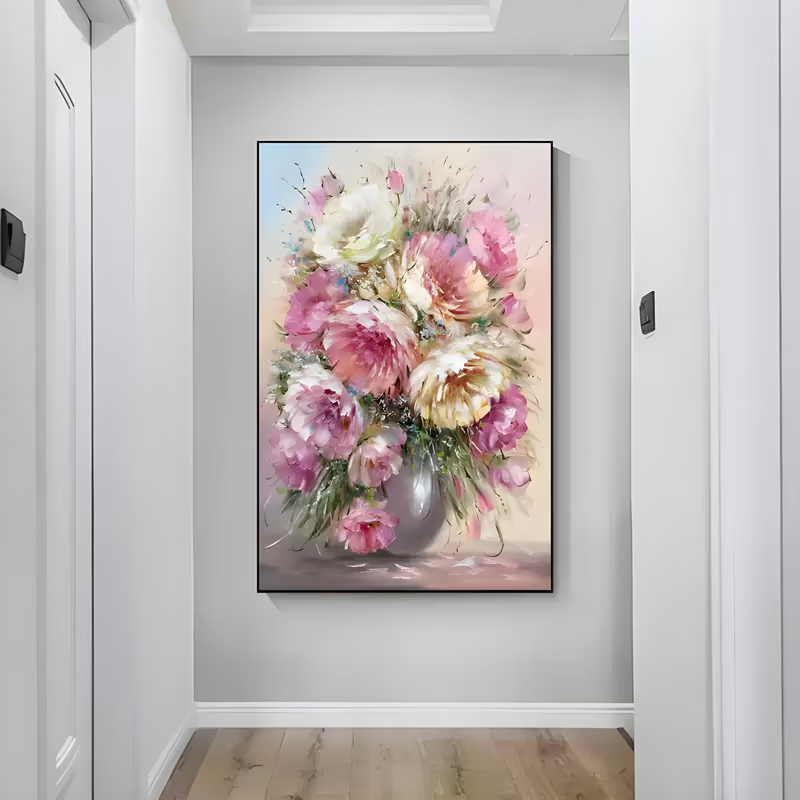
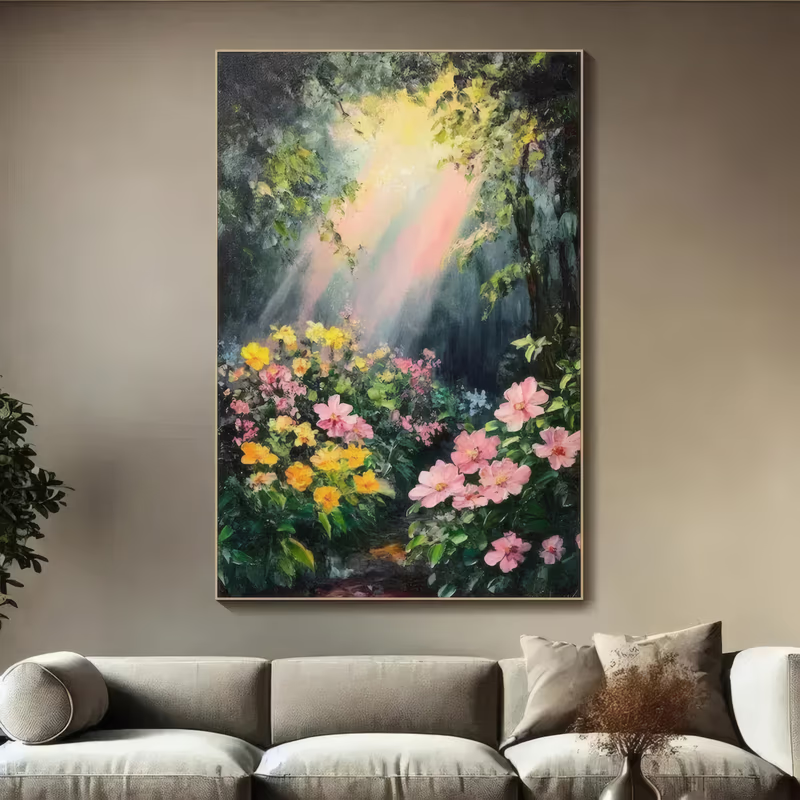
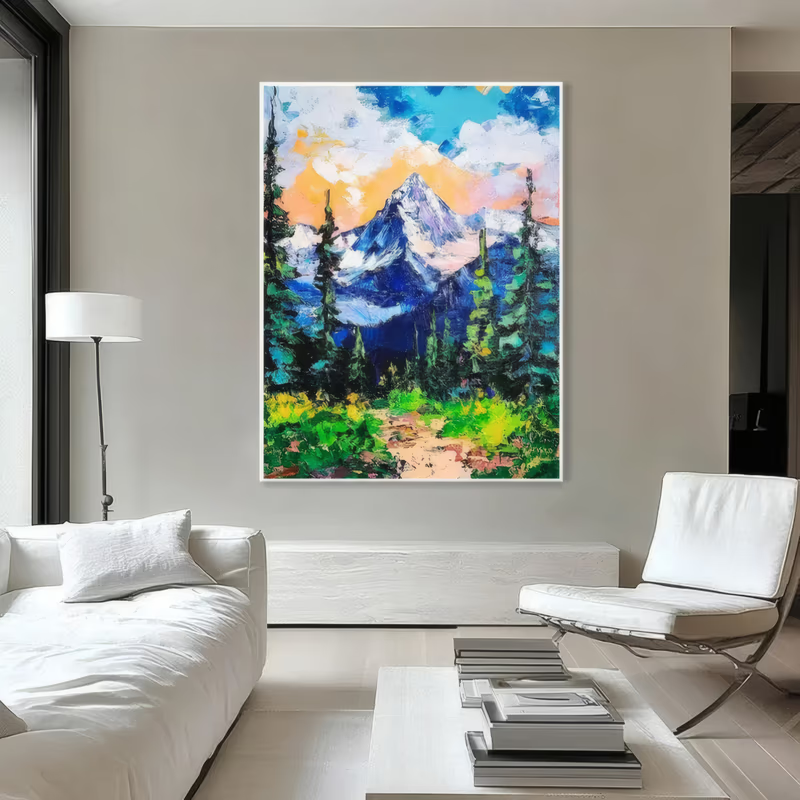
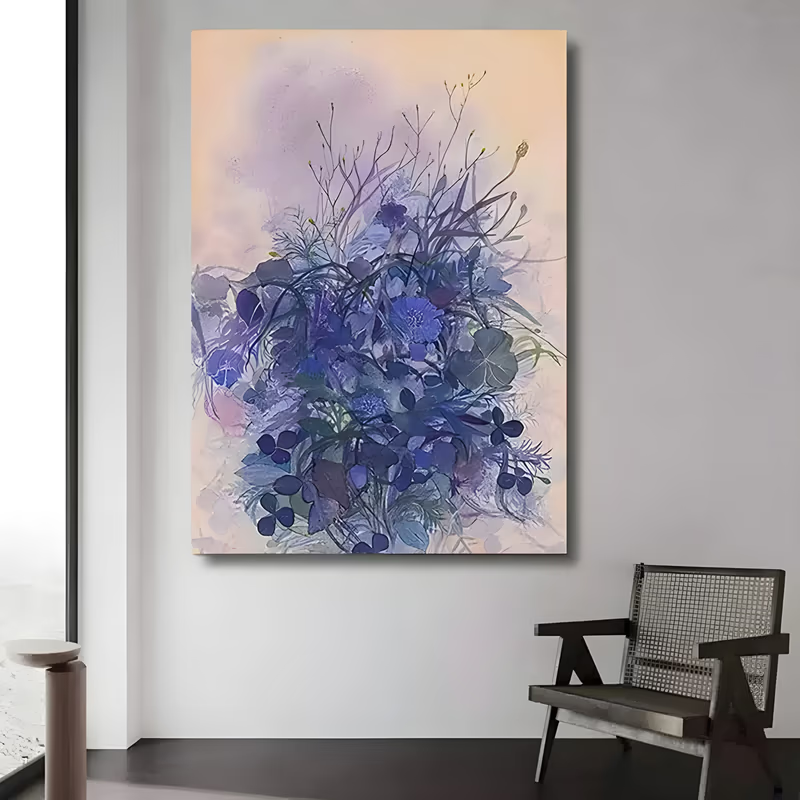
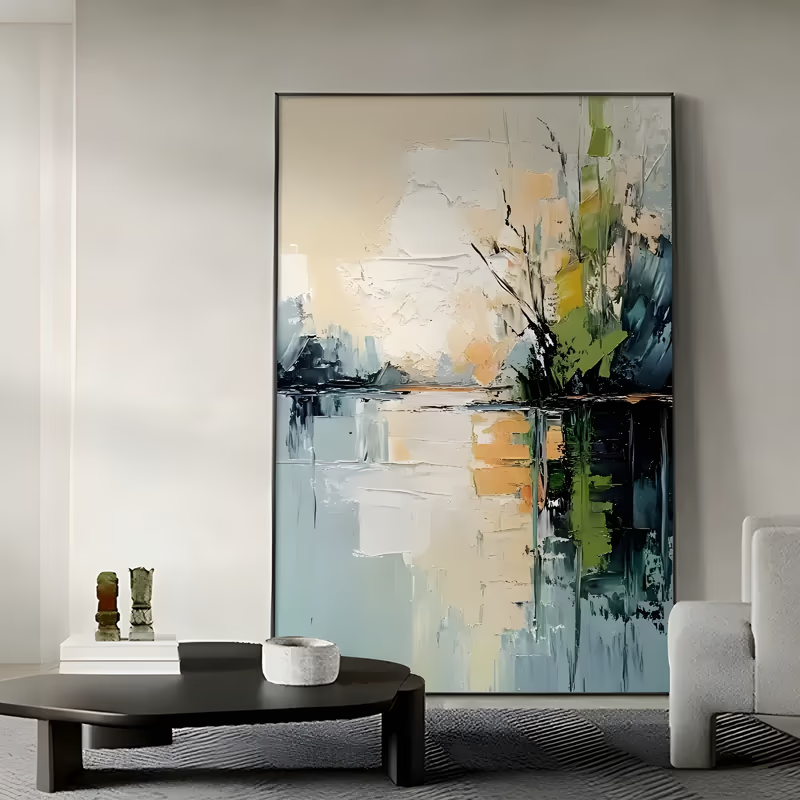
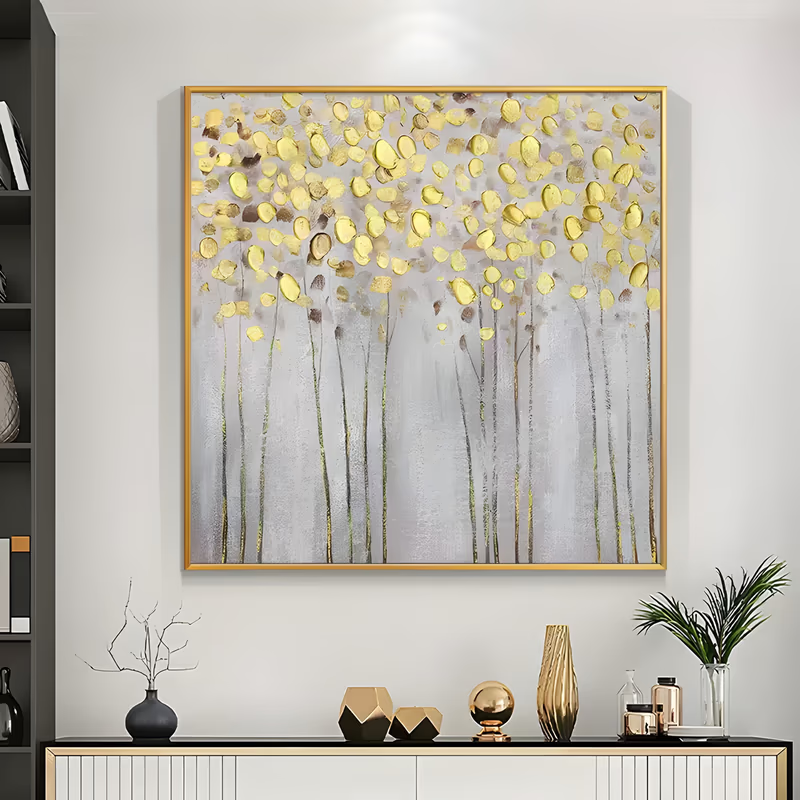
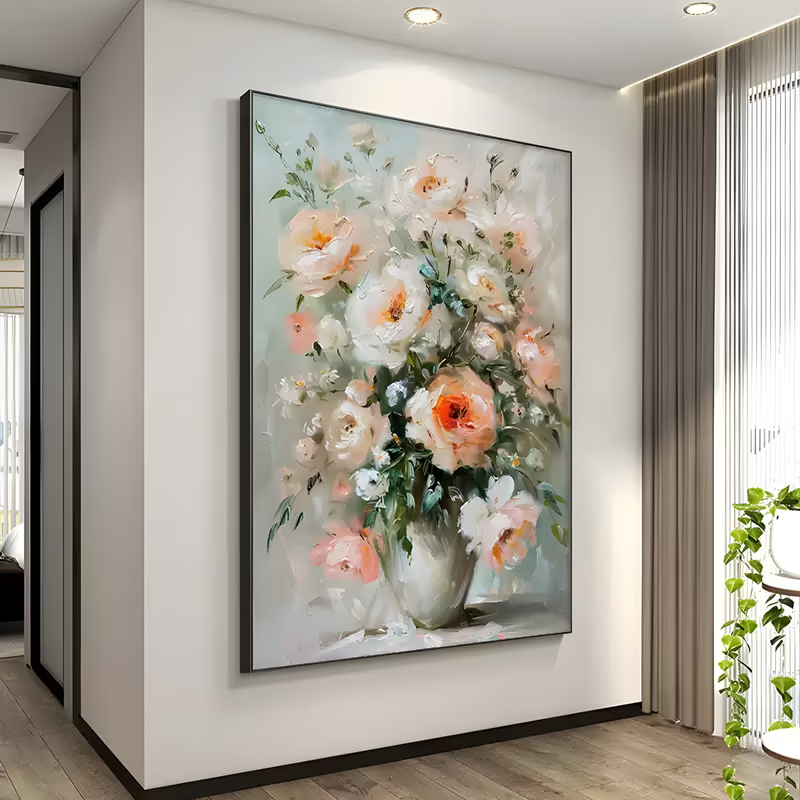
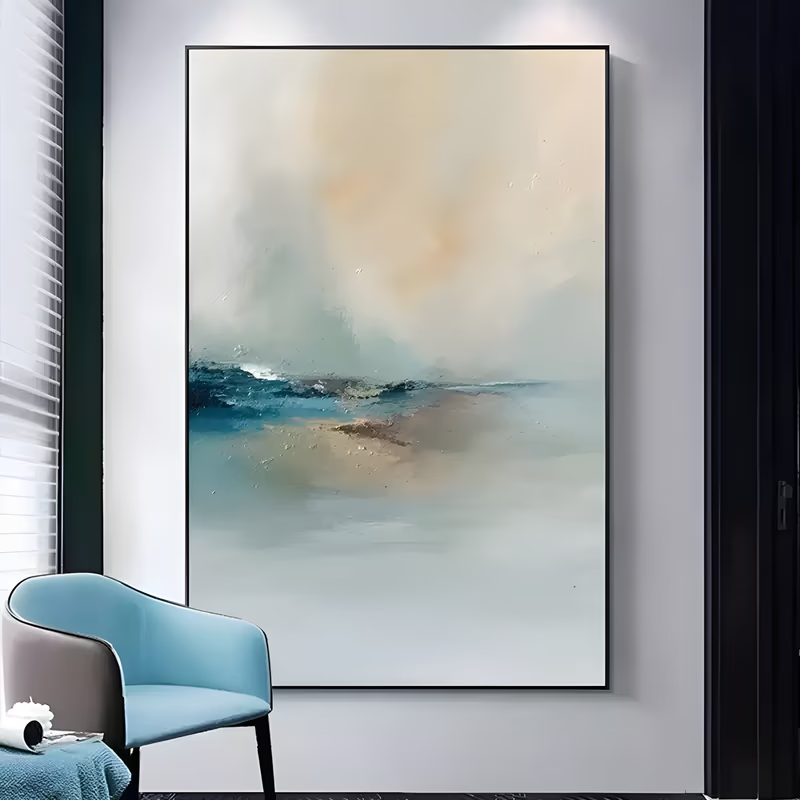
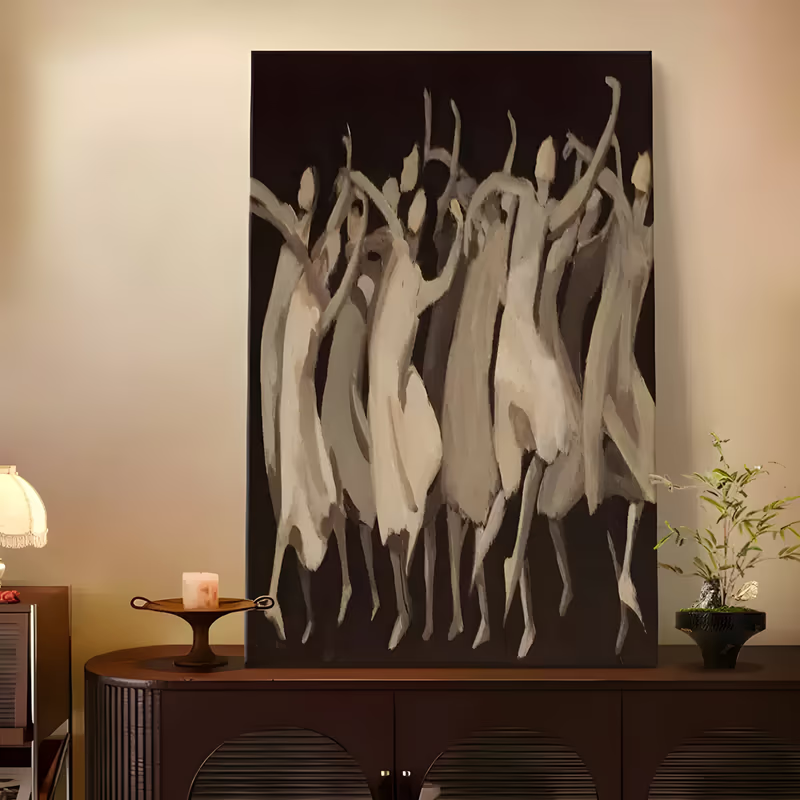
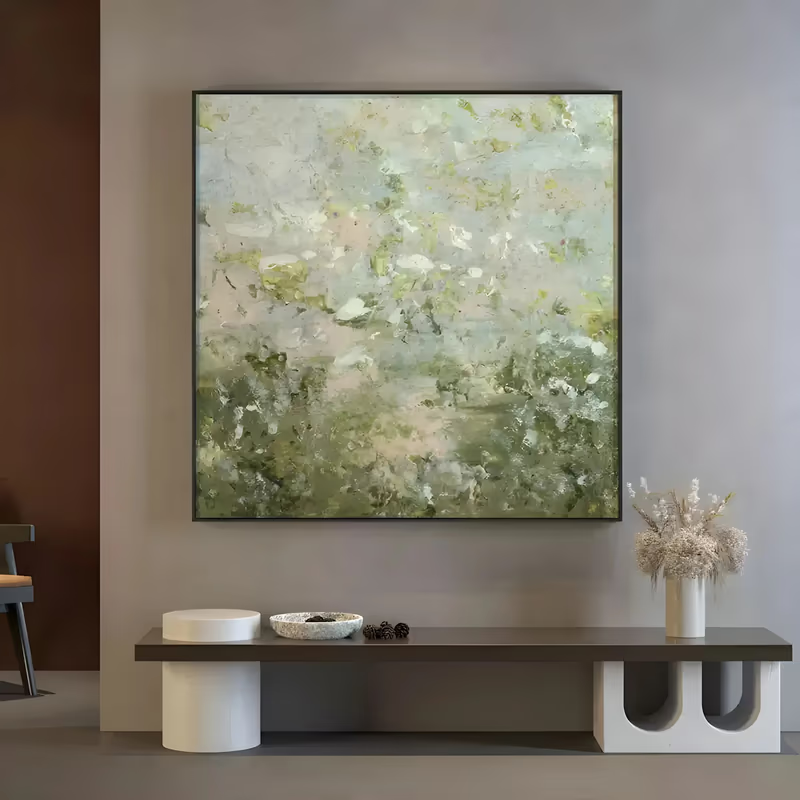
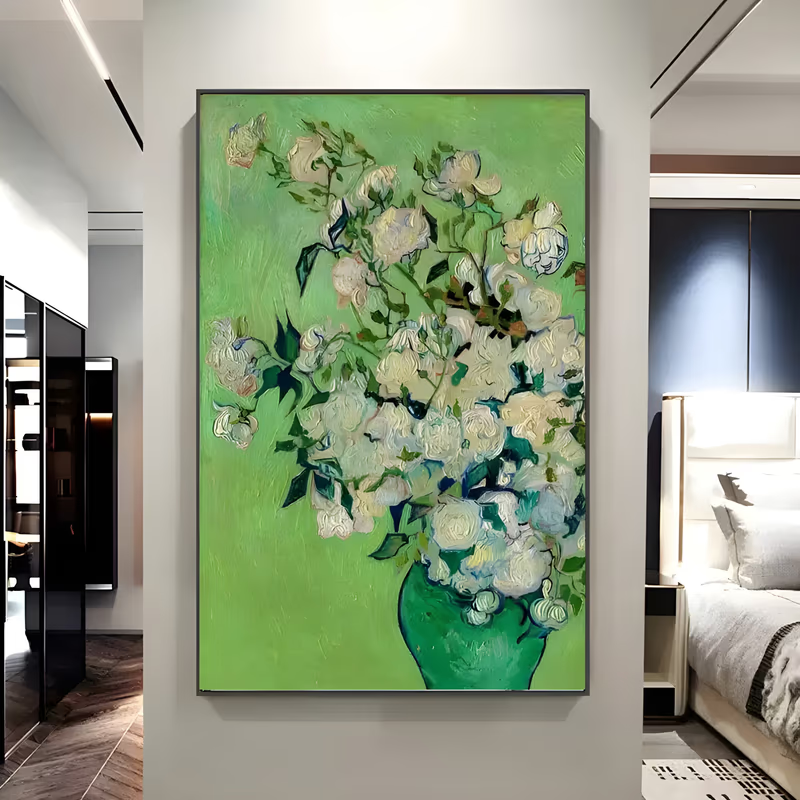
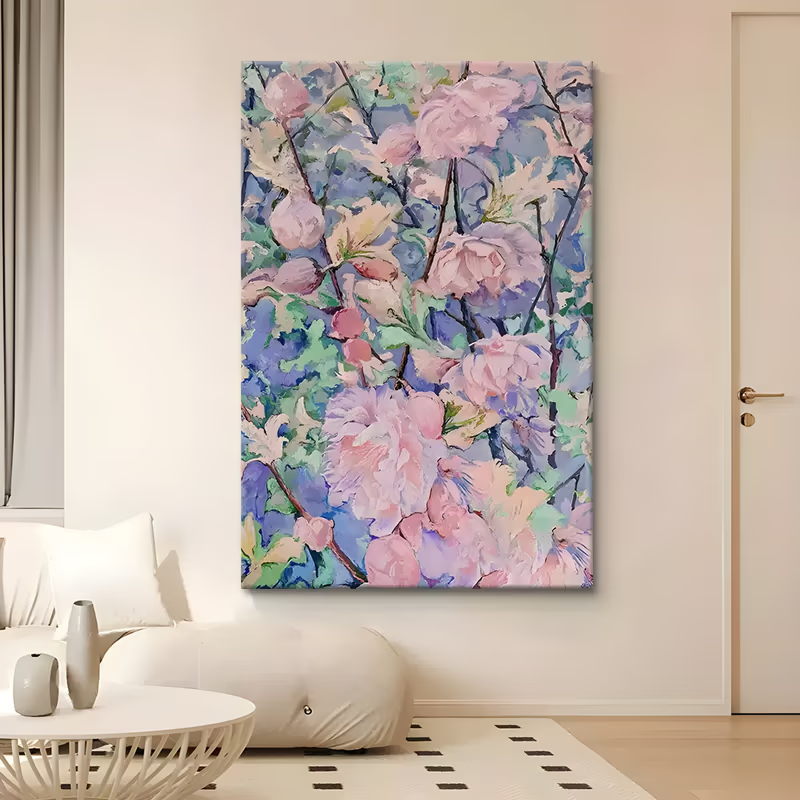
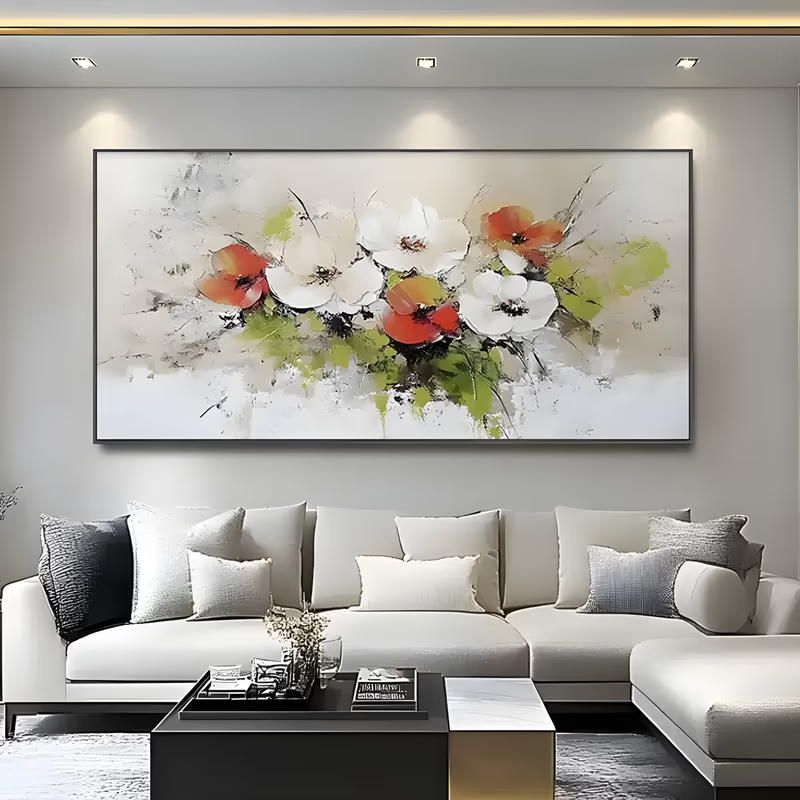
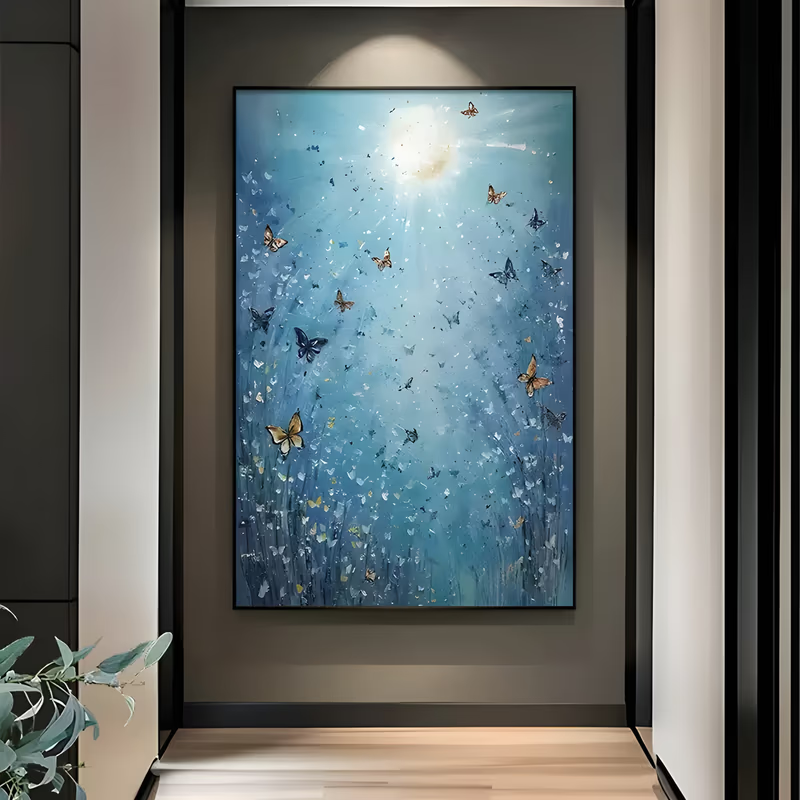
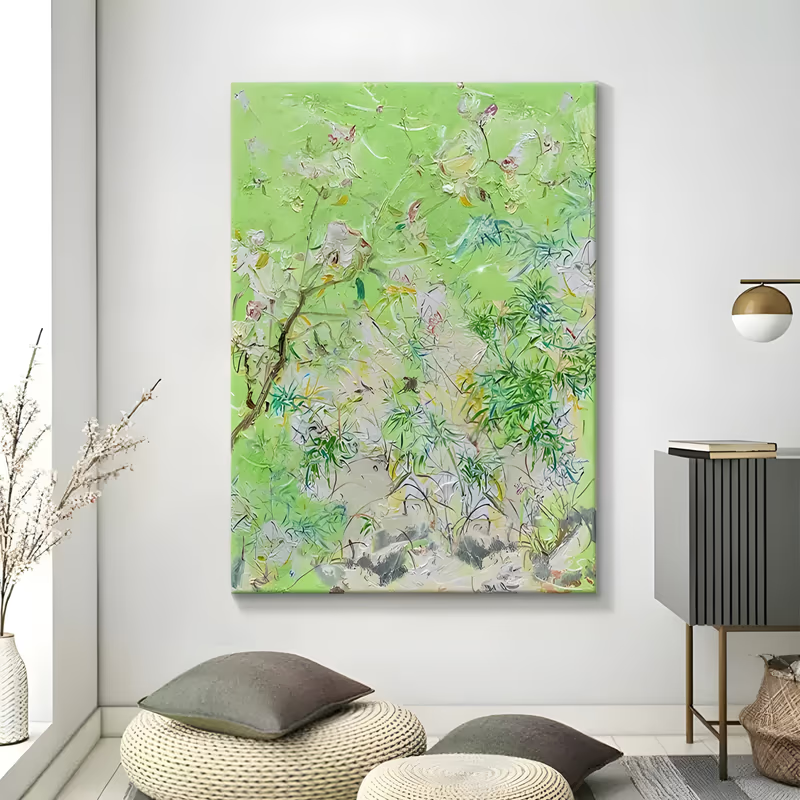
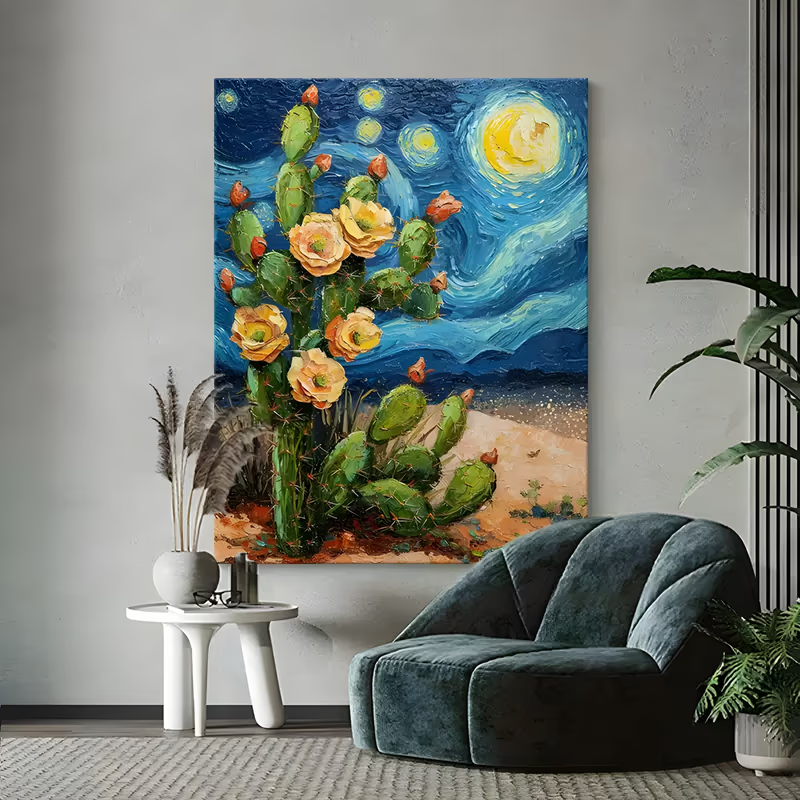
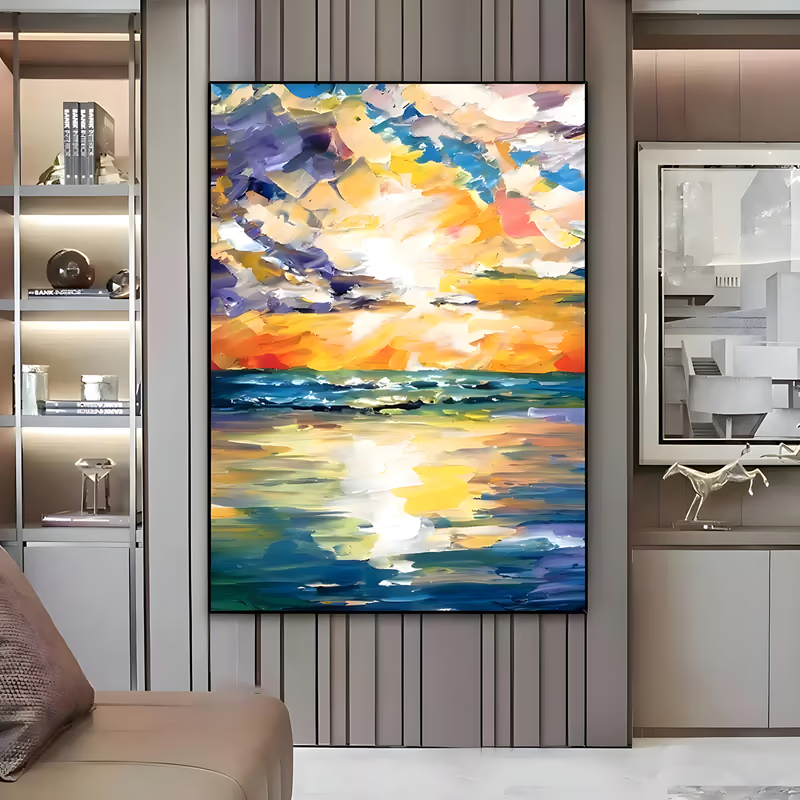
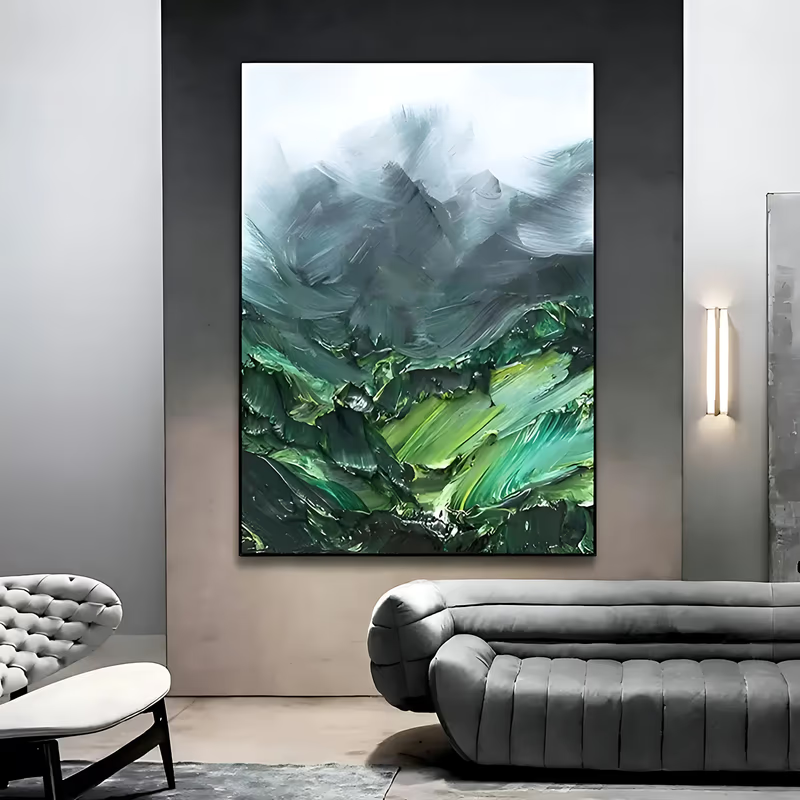
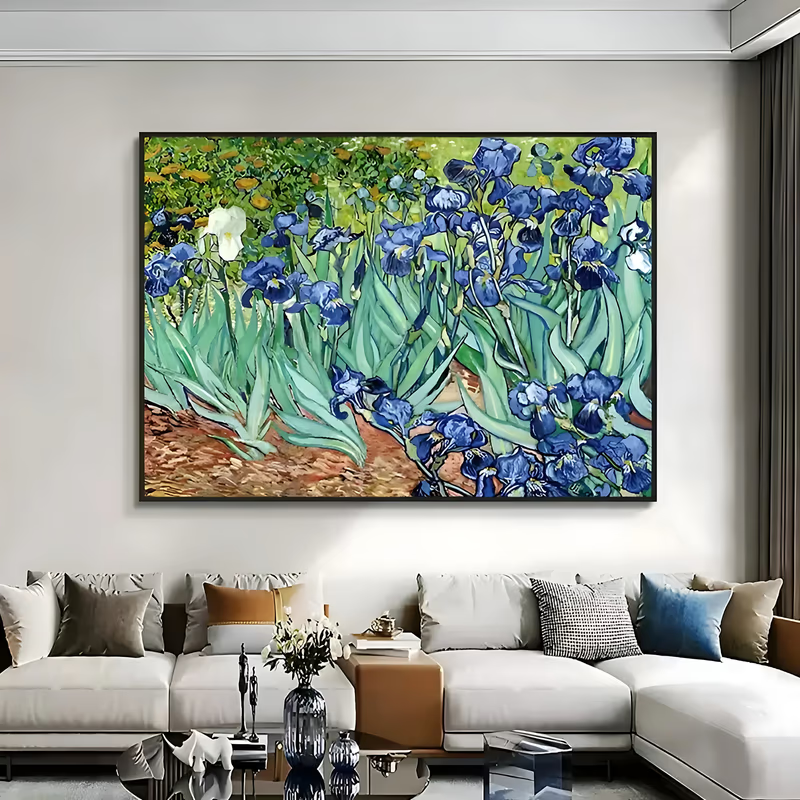
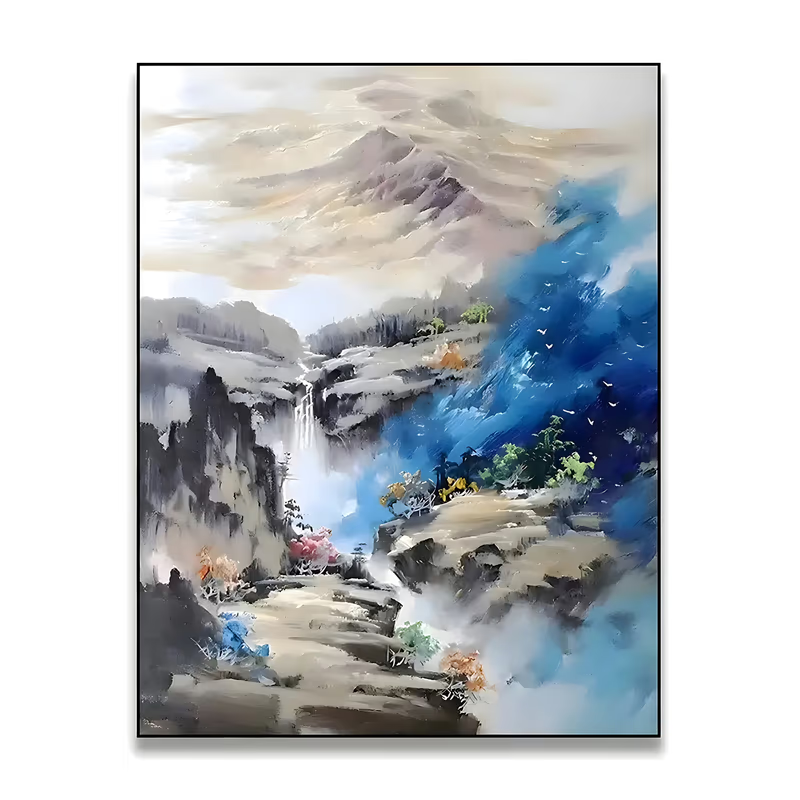
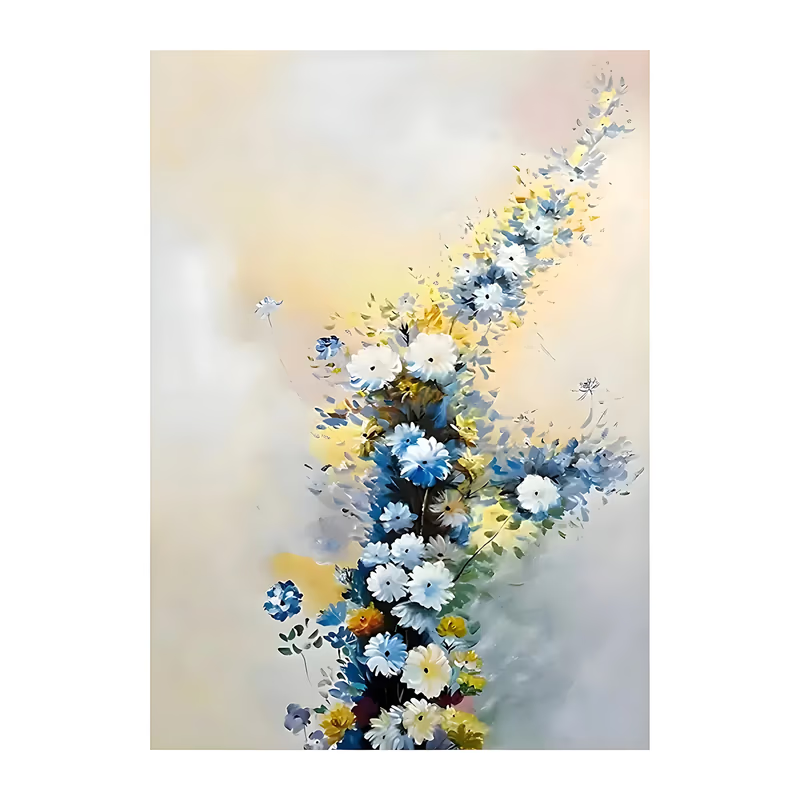
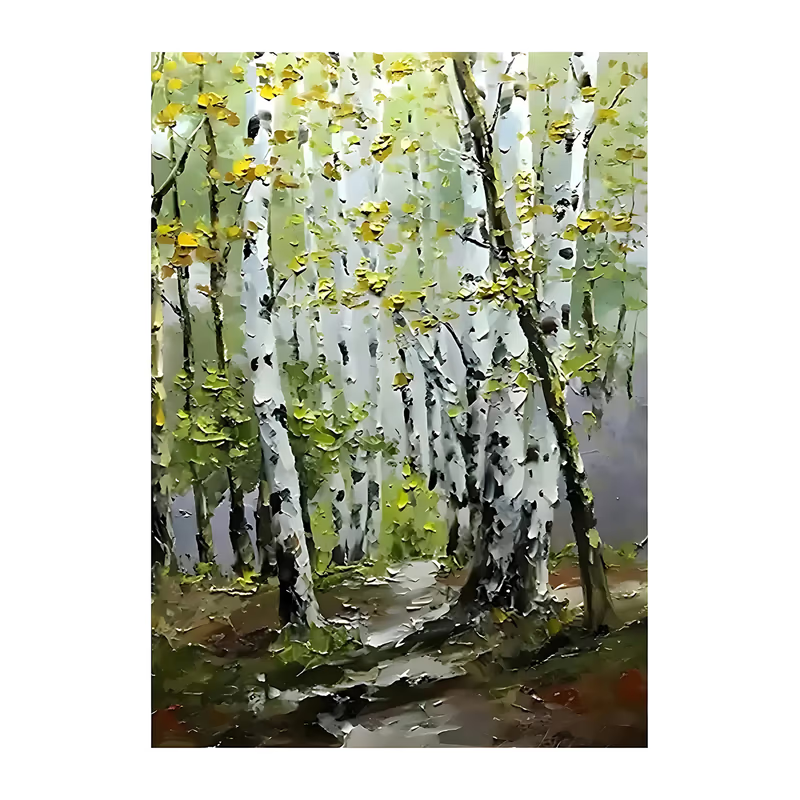
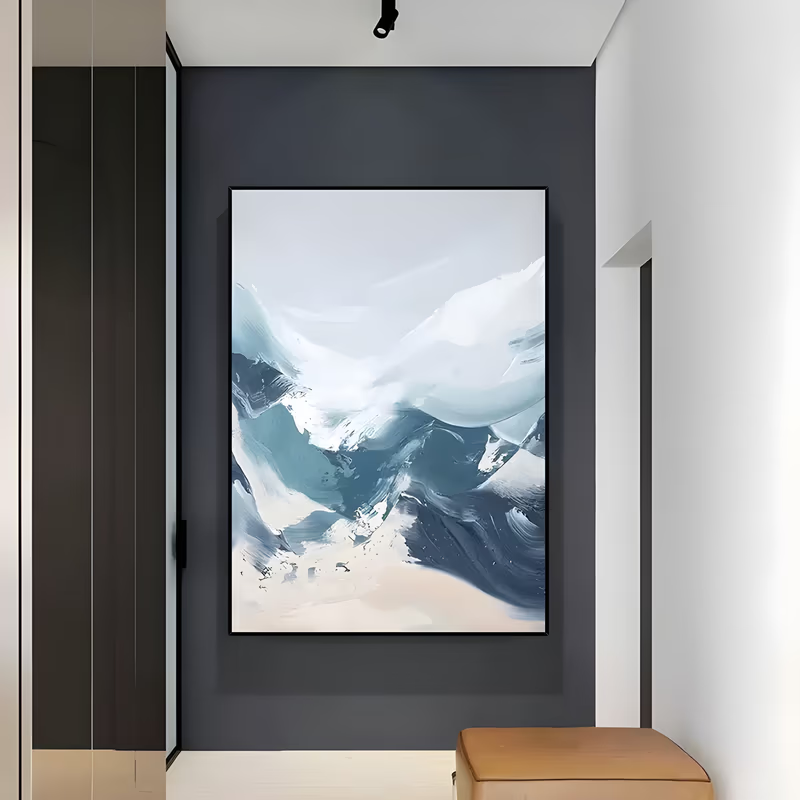
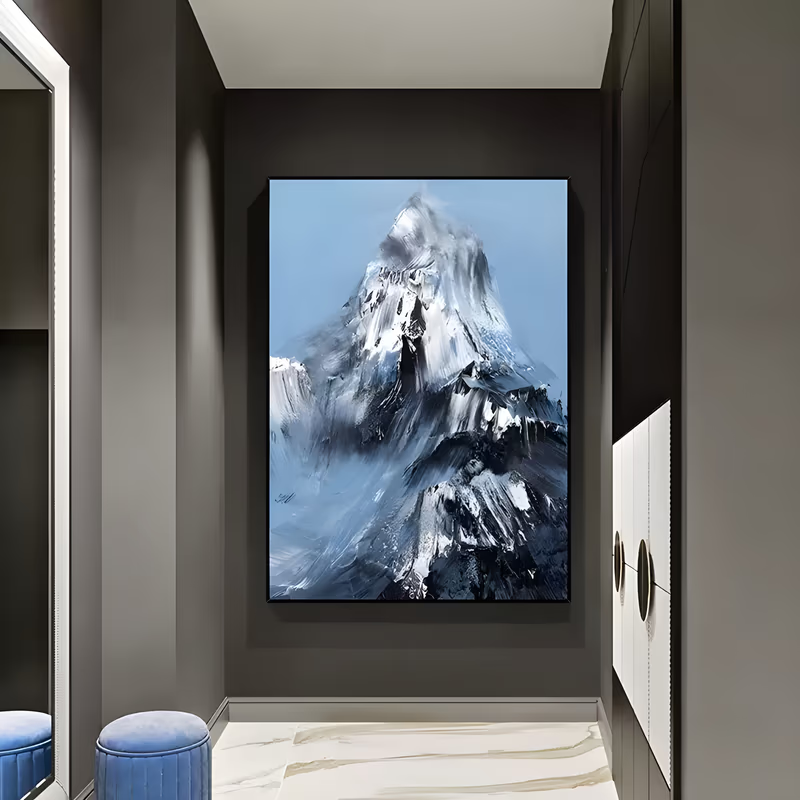
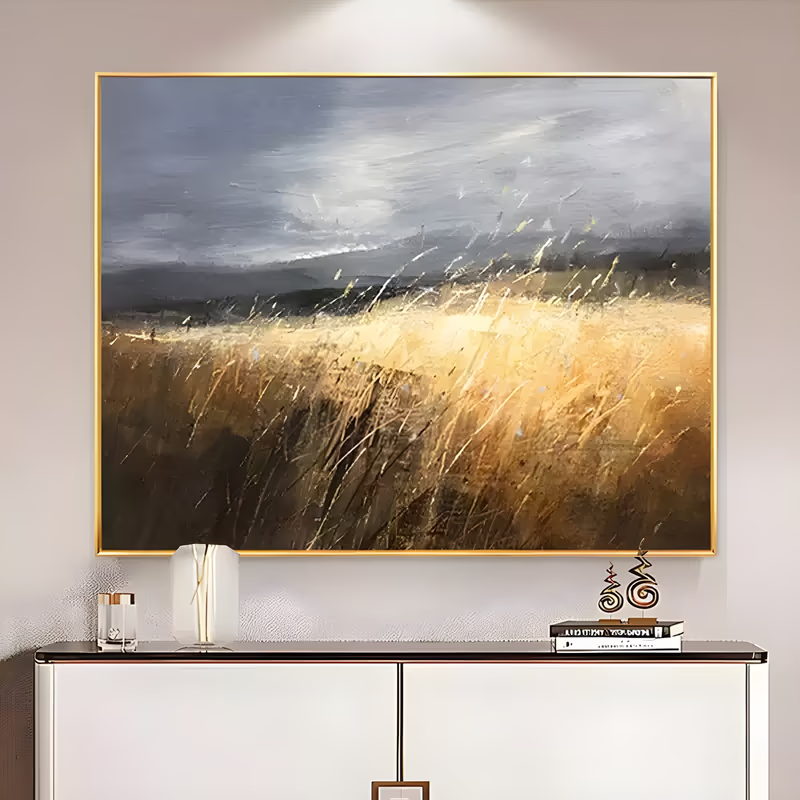
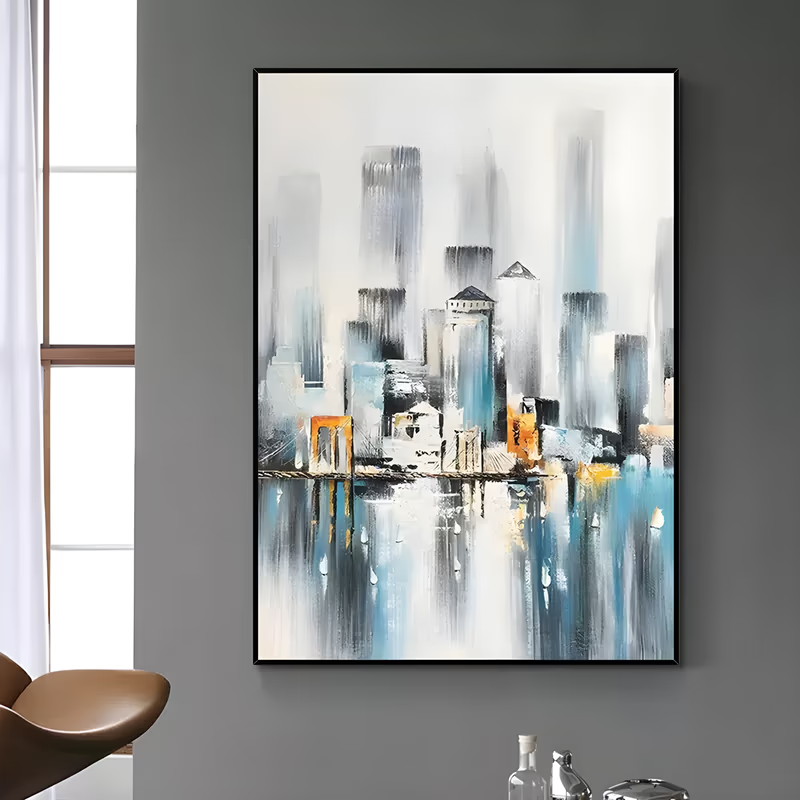
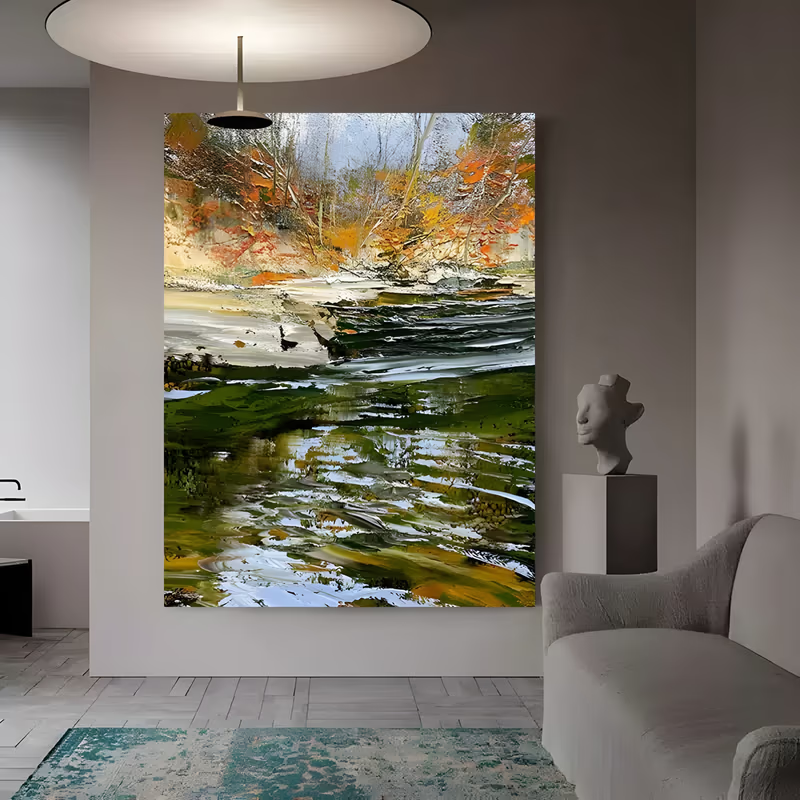
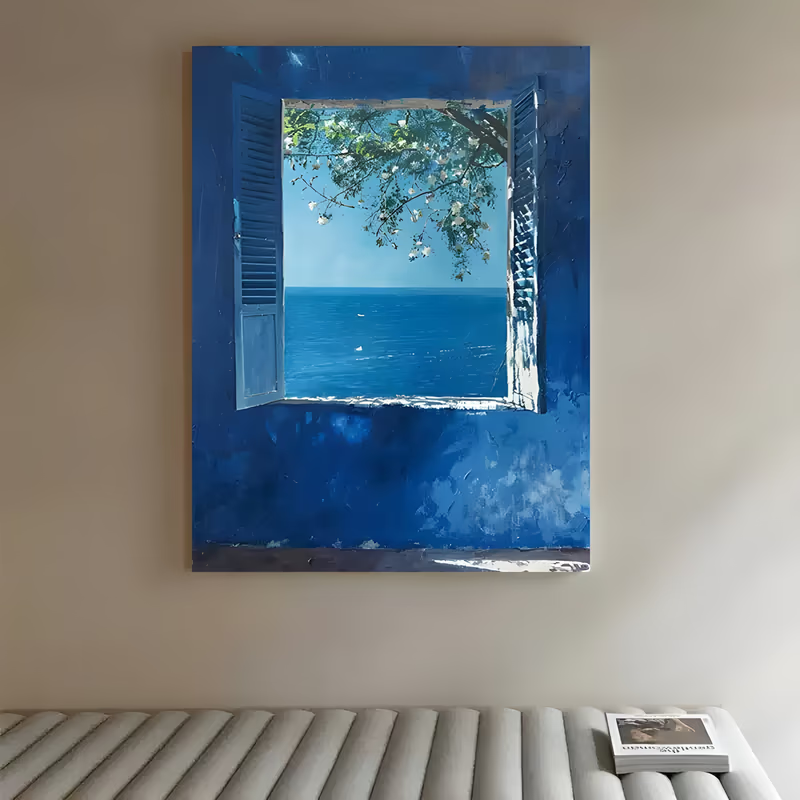
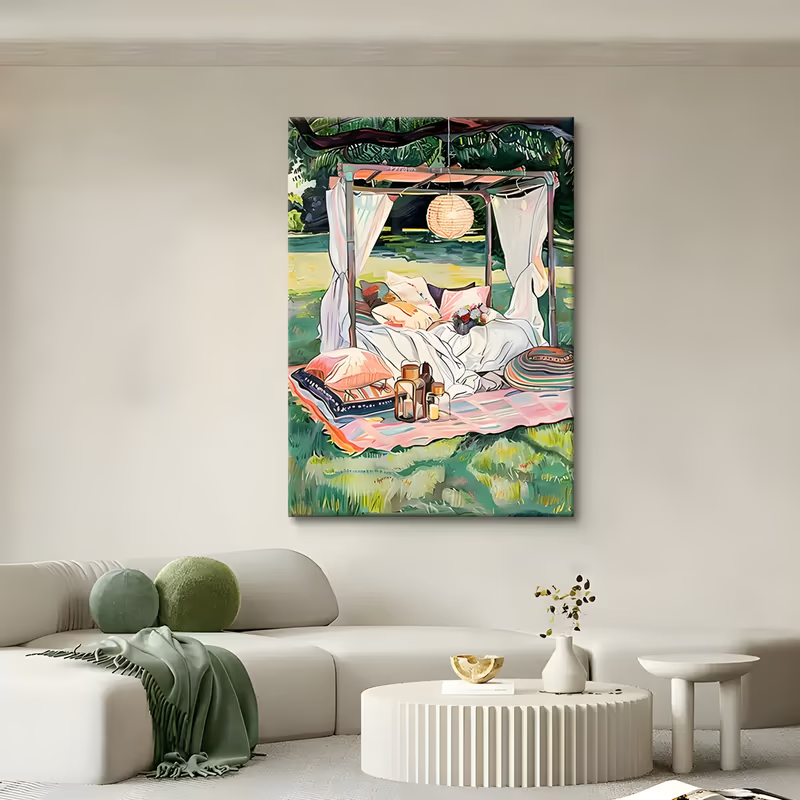
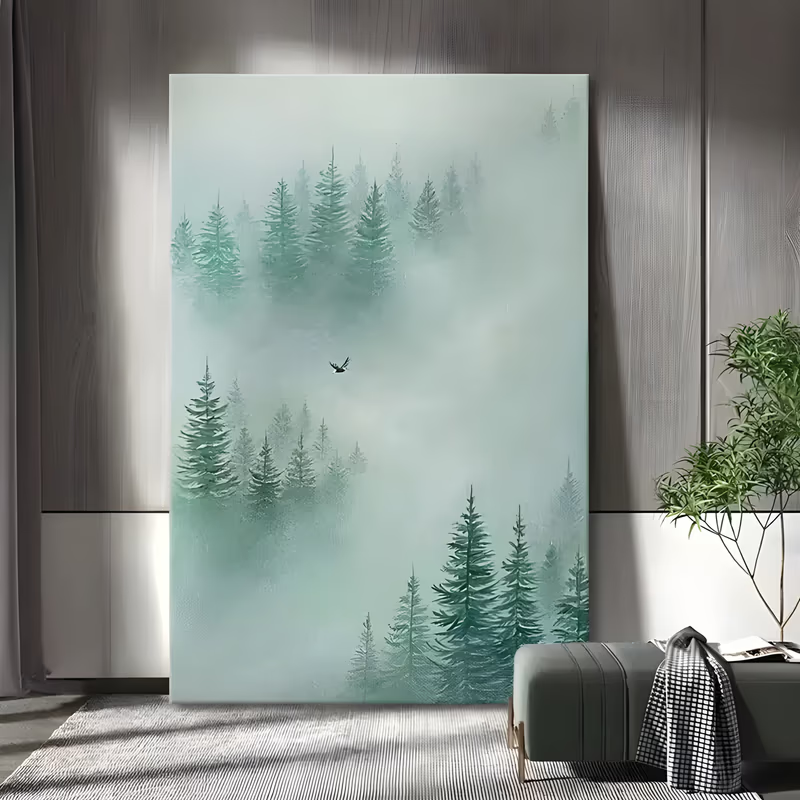
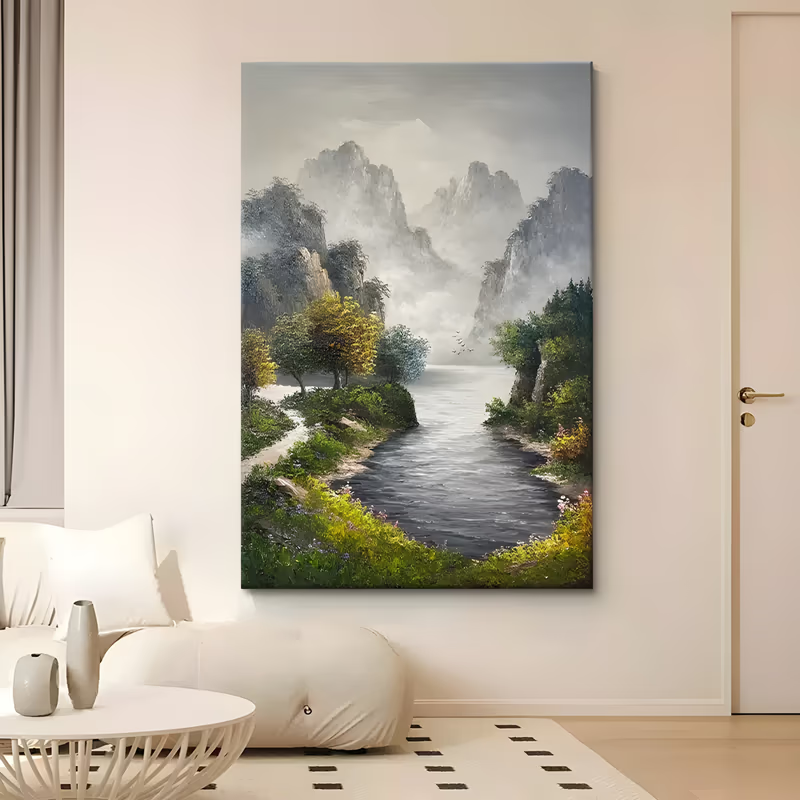
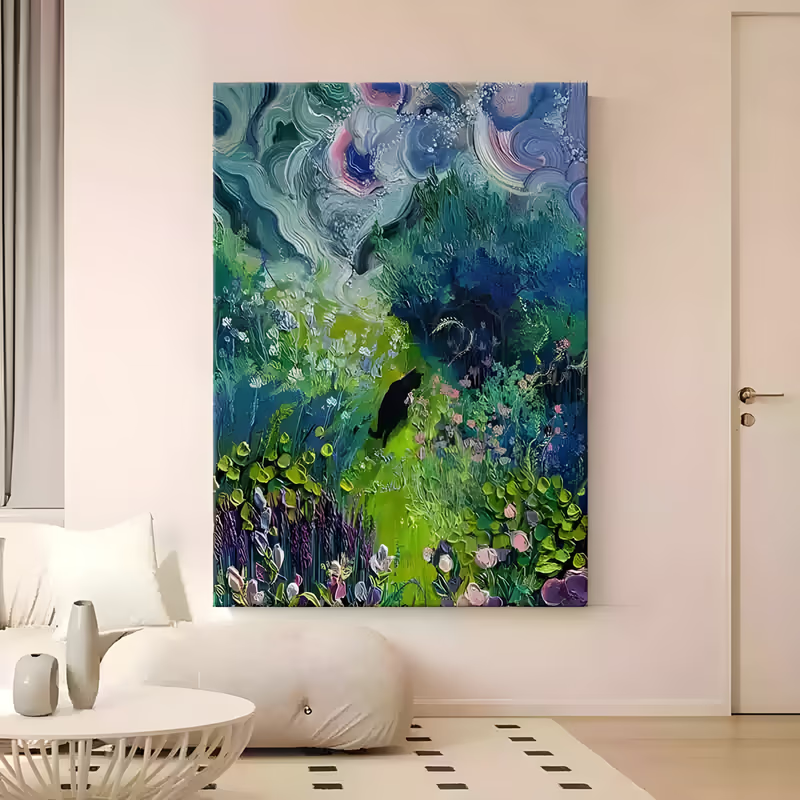
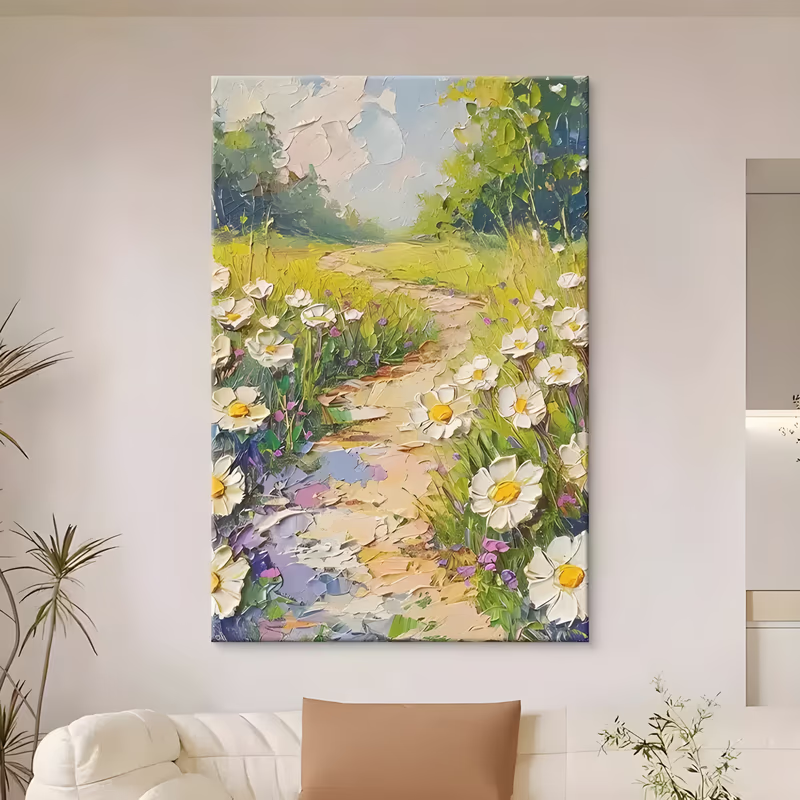
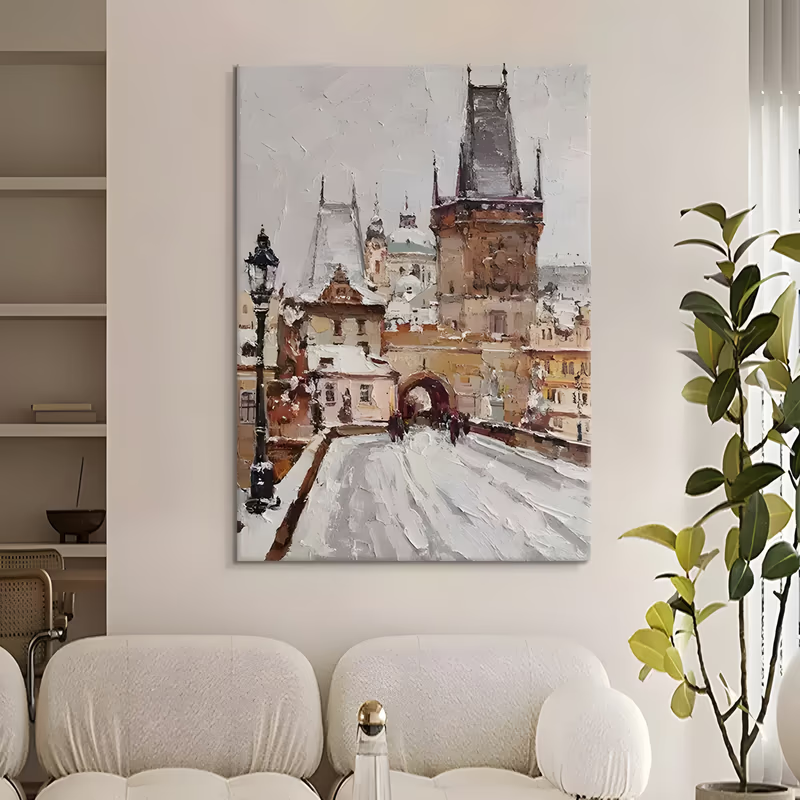
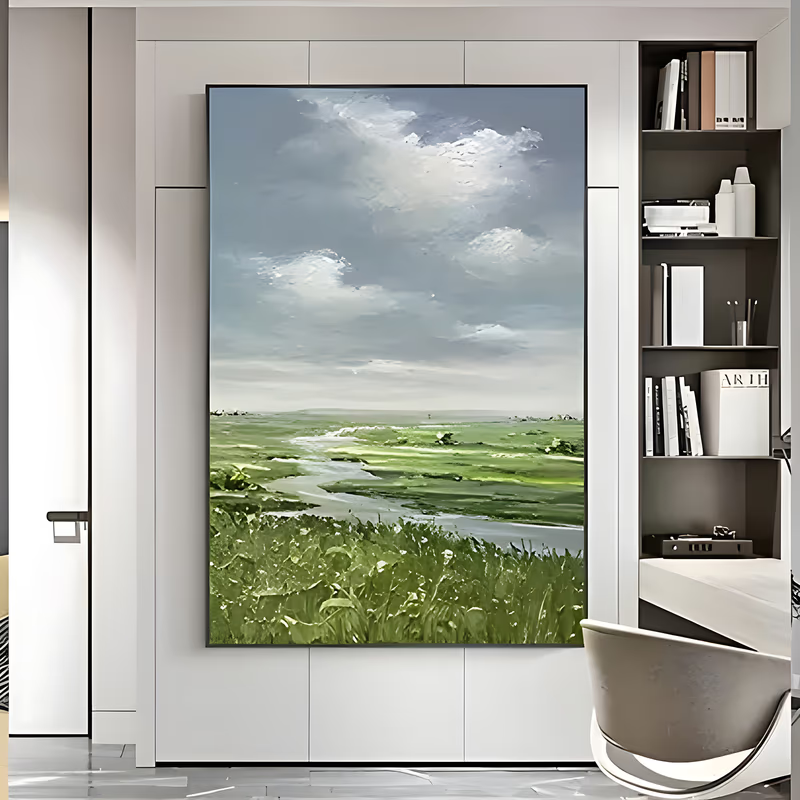
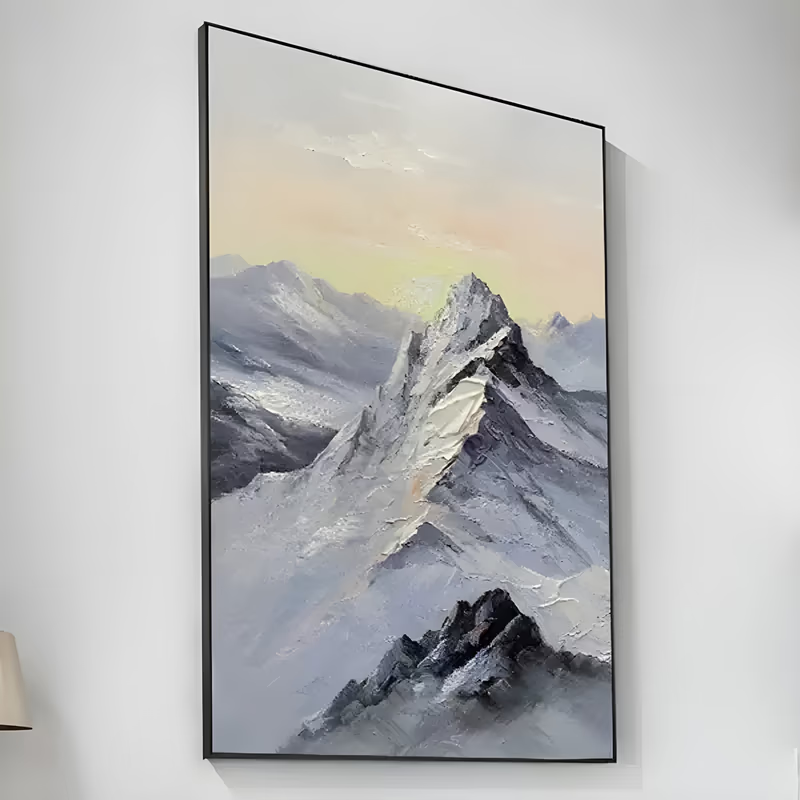
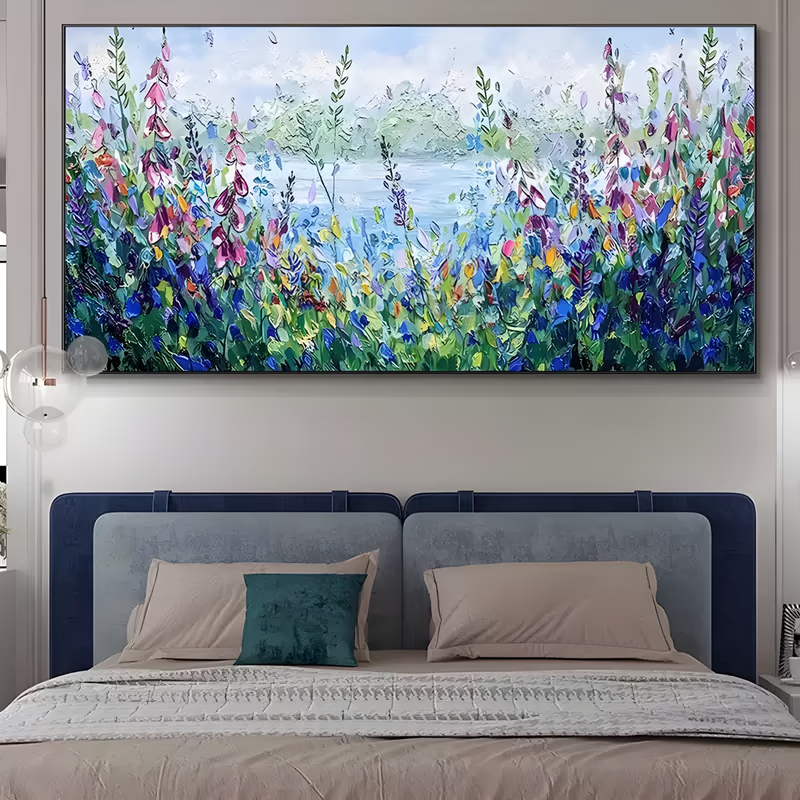
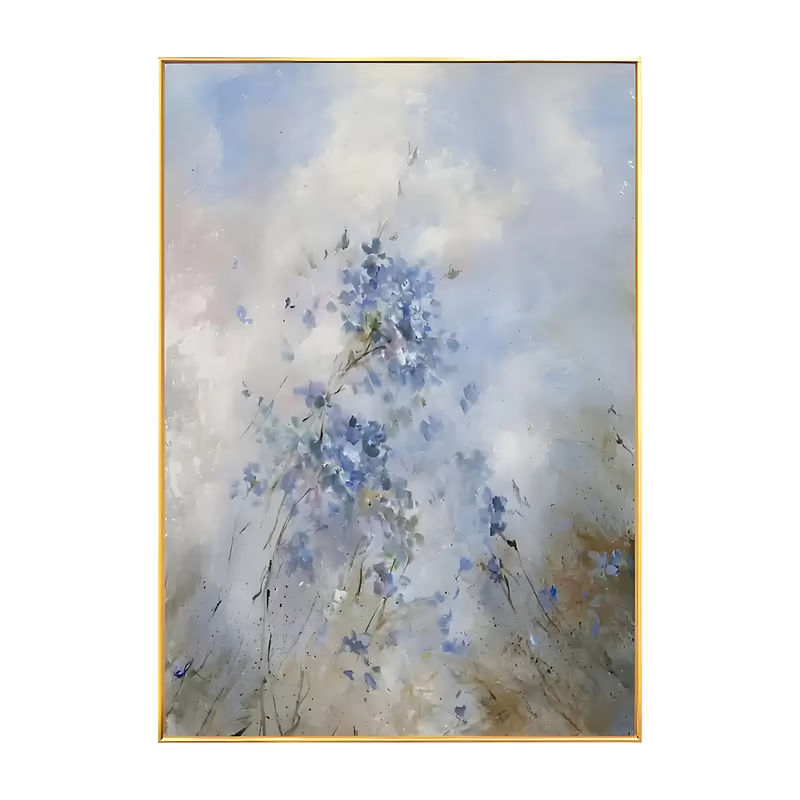
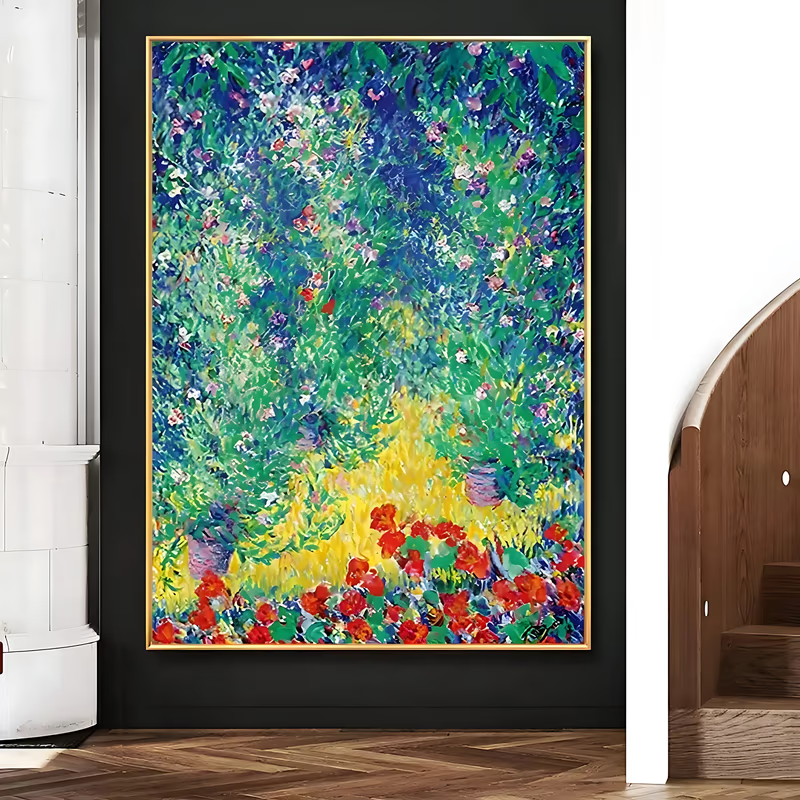
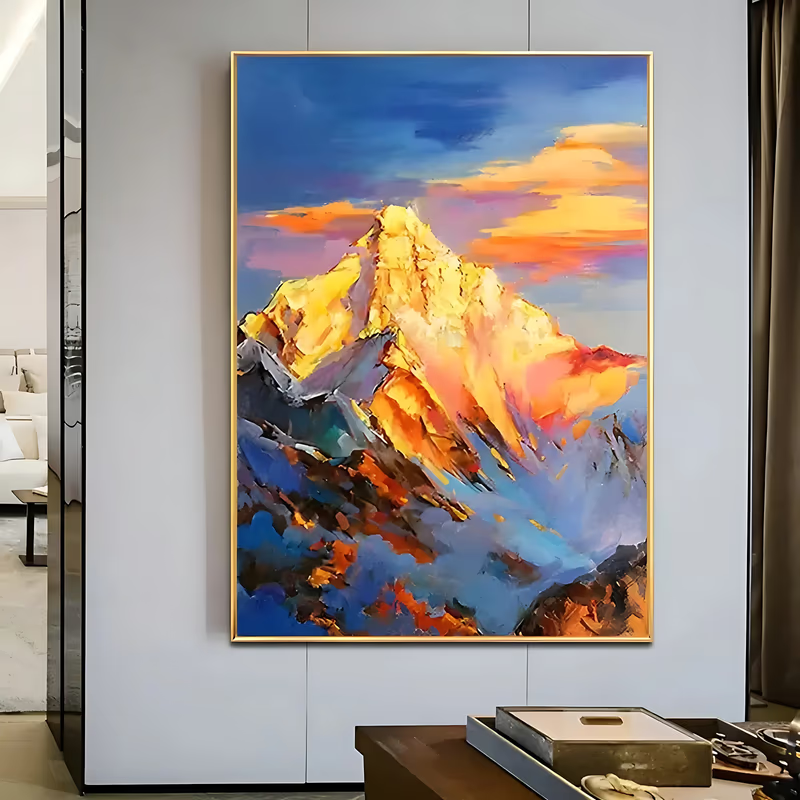
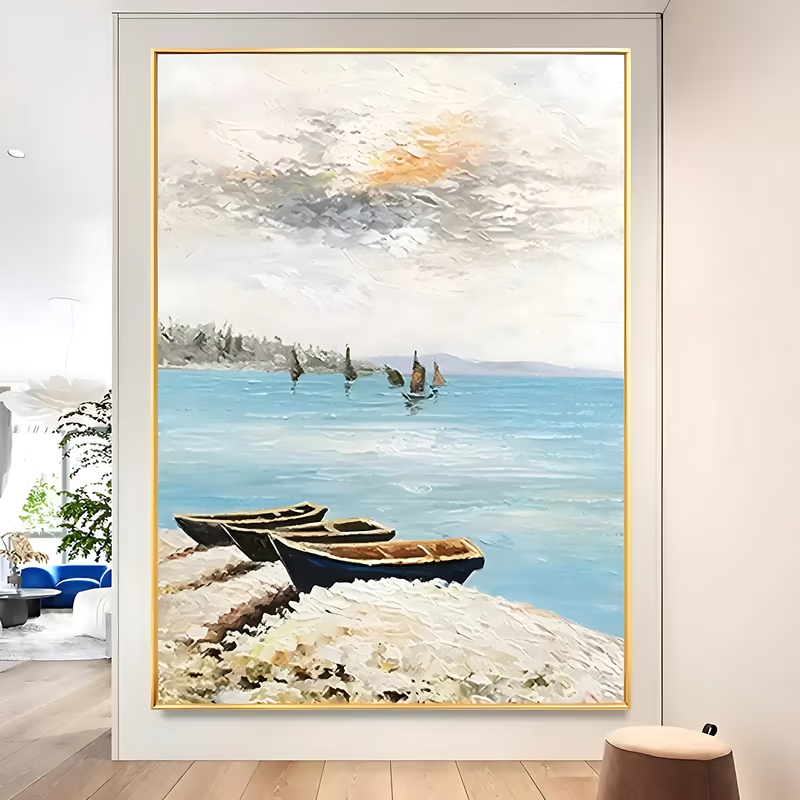
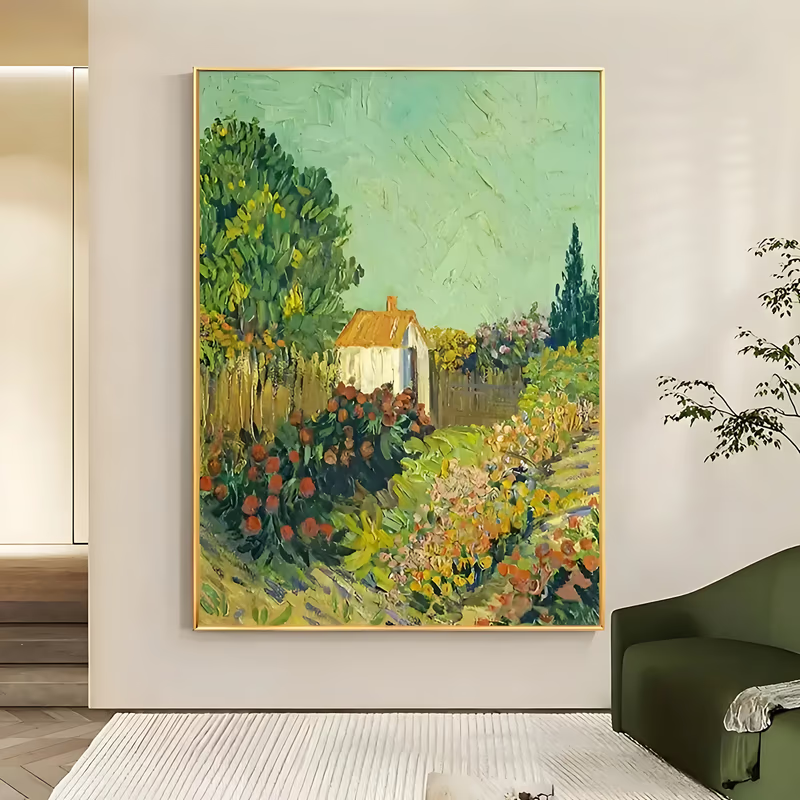
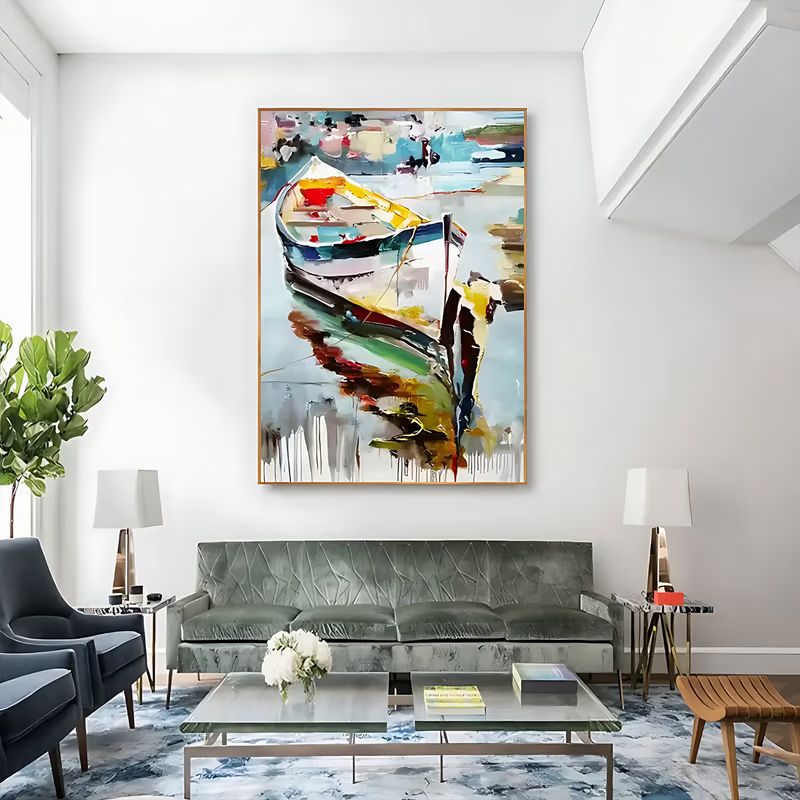
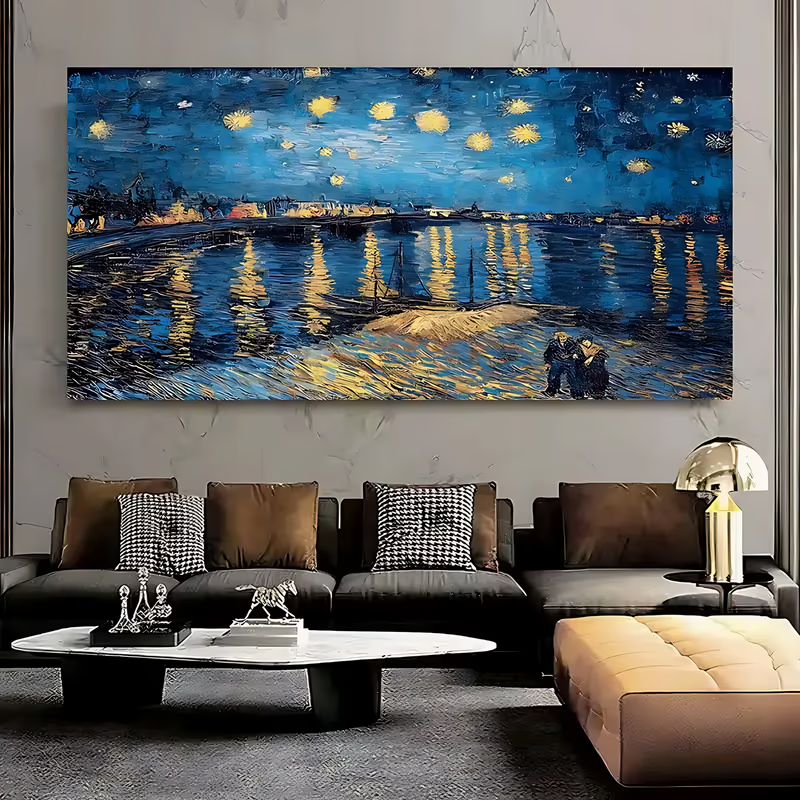
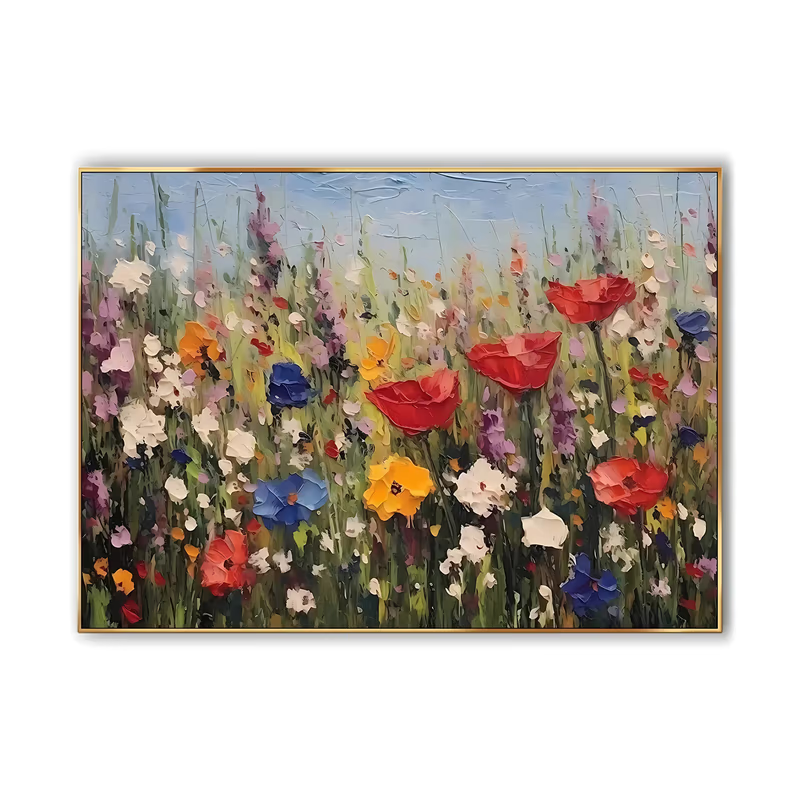
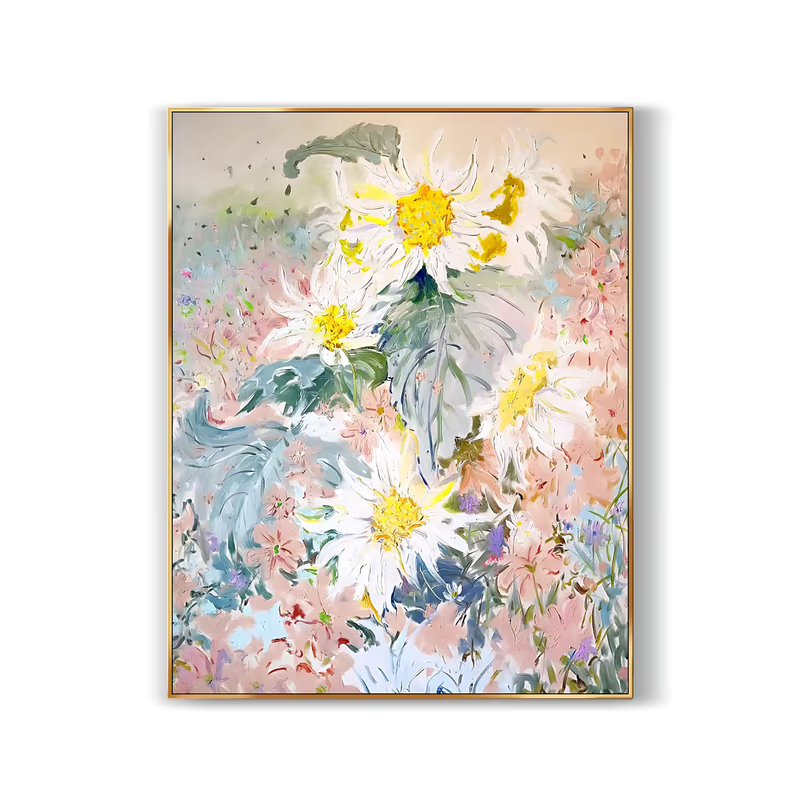
The paintings on this page follow that approach in acrylic. Some are brushed thinly and quickly; others lay the flowers, foam or foliage on with a palette knife so the strokes stand up from the canvas and catch the light. If you want relief to be the main event, see textured wall art; if you want colour and mark without a scene, see abstract canvas wall art.
Which interior styles suit impressionist wall art?
Impressionist wall art suits any room that wants warmth and a sense of place: it is at home in modern classic, coastal, French country and Mediterranean interiors, and softens a plain contemporary one.
| Interior style | Impressionist subject that fits | Palette to look for |
|---|---|---|
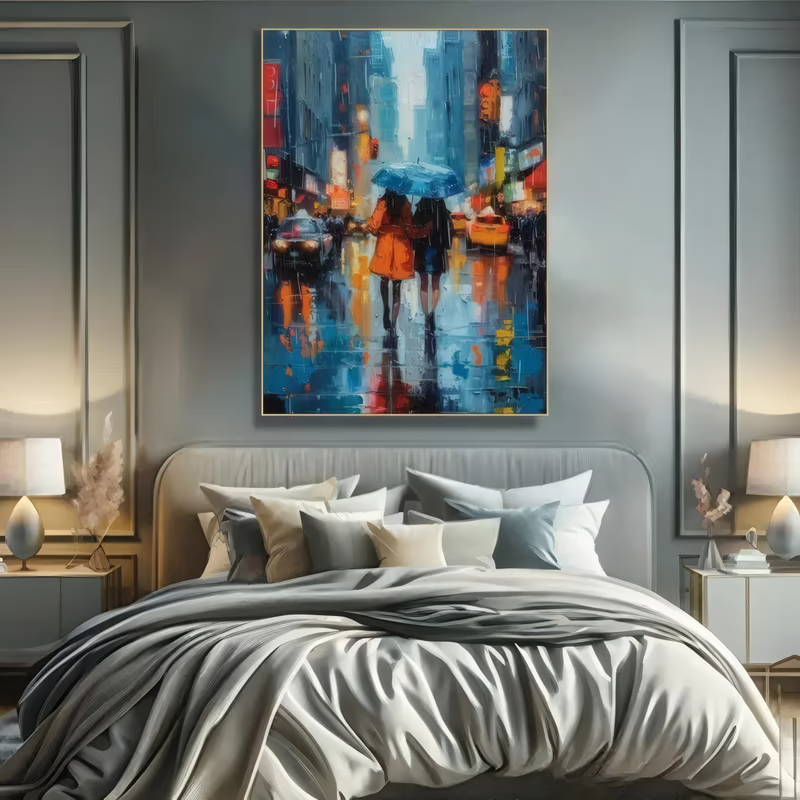
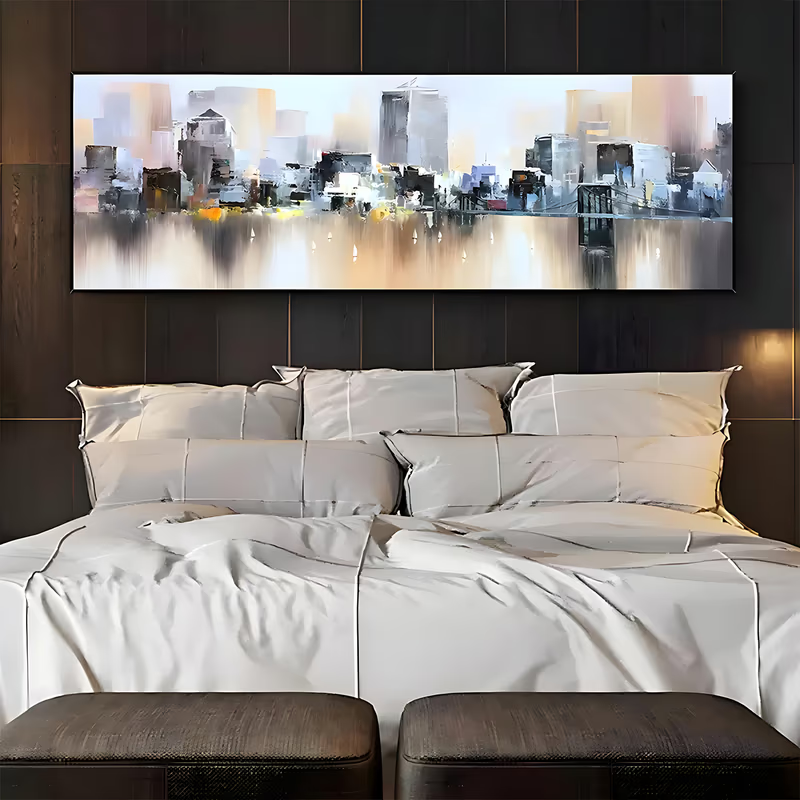
| Modern classic and Parisian | Rainy boulevards, cafe terraces, figures with umbrellas | Grey, cream and amber, with a red accent |
| Coastal and resort | Calm horizons, sailboats, waves and dunes | Blue, sand and white; teal for warmer climates |
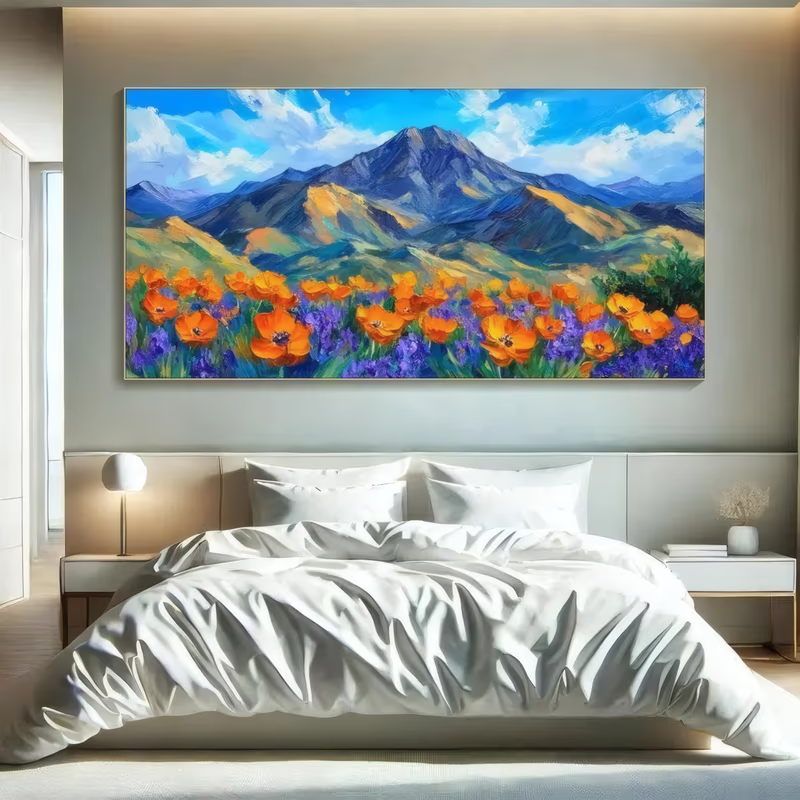
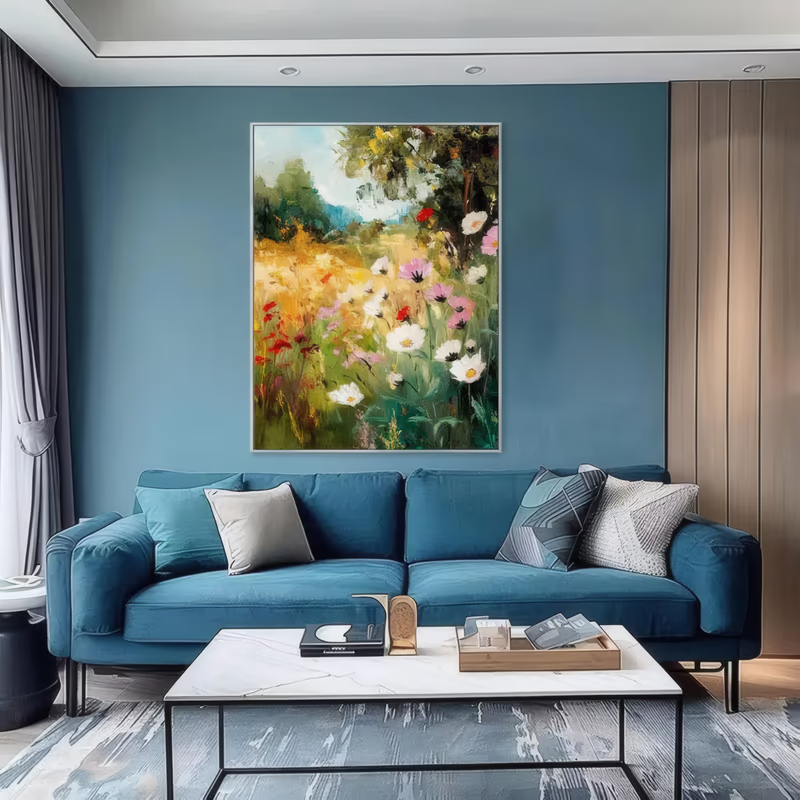
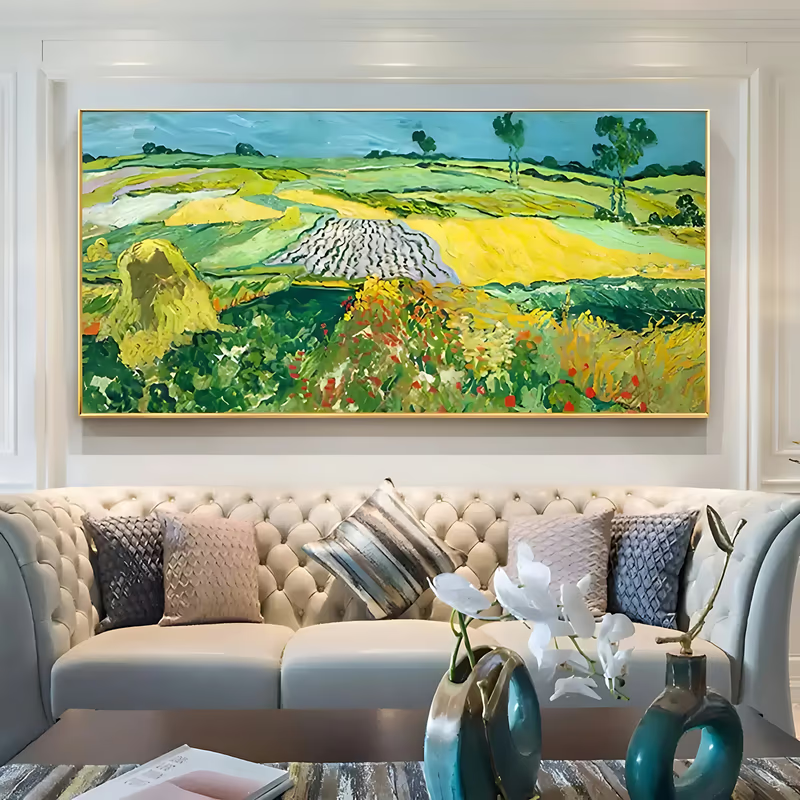
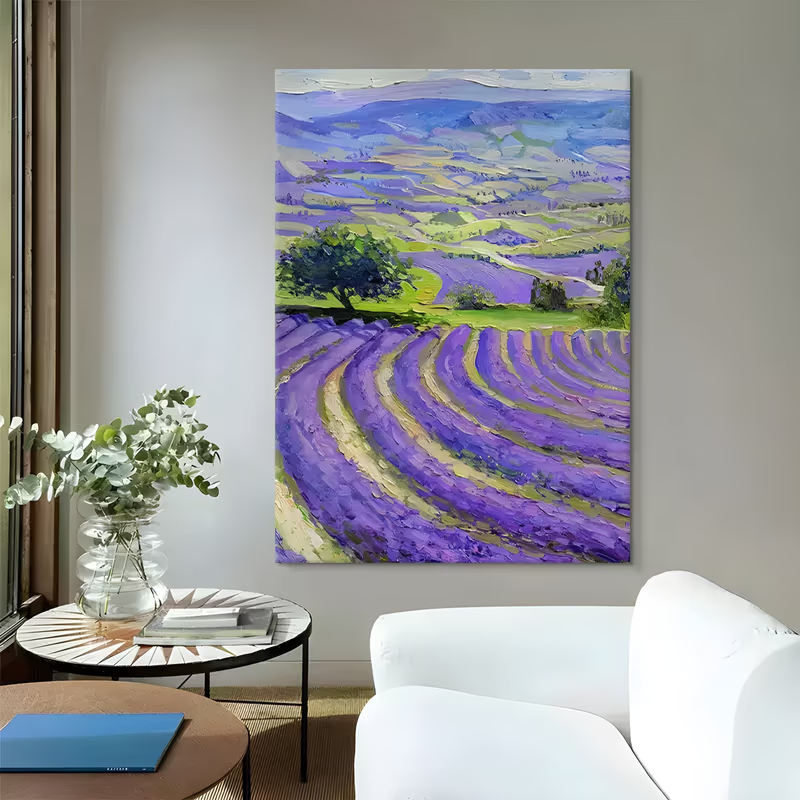
| French country and farmhouse | Poppy, lavender and sunflower fields, garden paths | Green, yellow and soft pink |
| Mediterranean | Harbours with terracotta roofs, olive groves, bougainvillea | Cobalt, ochre and white |
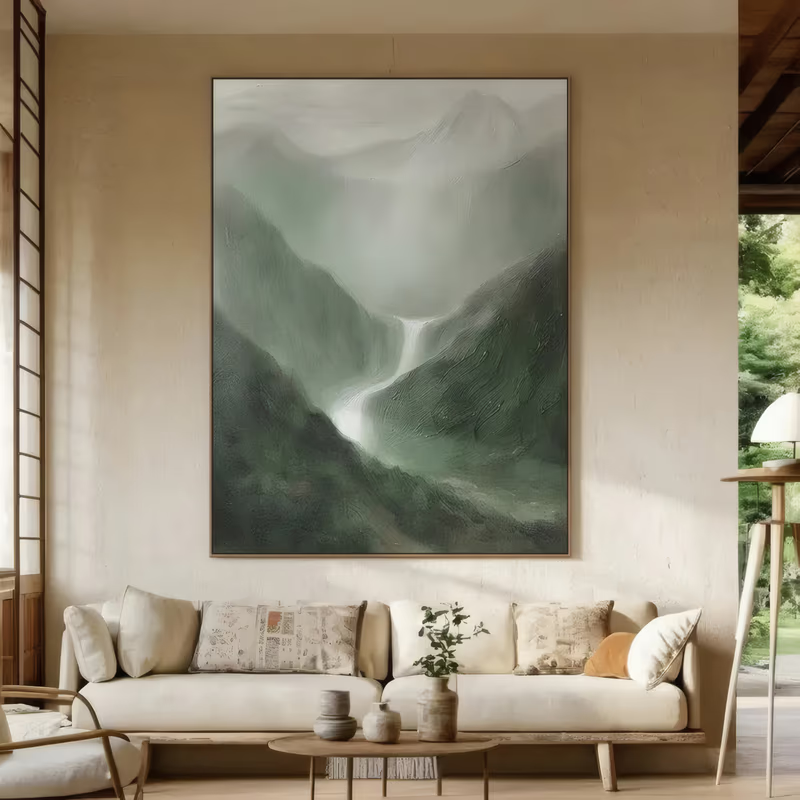
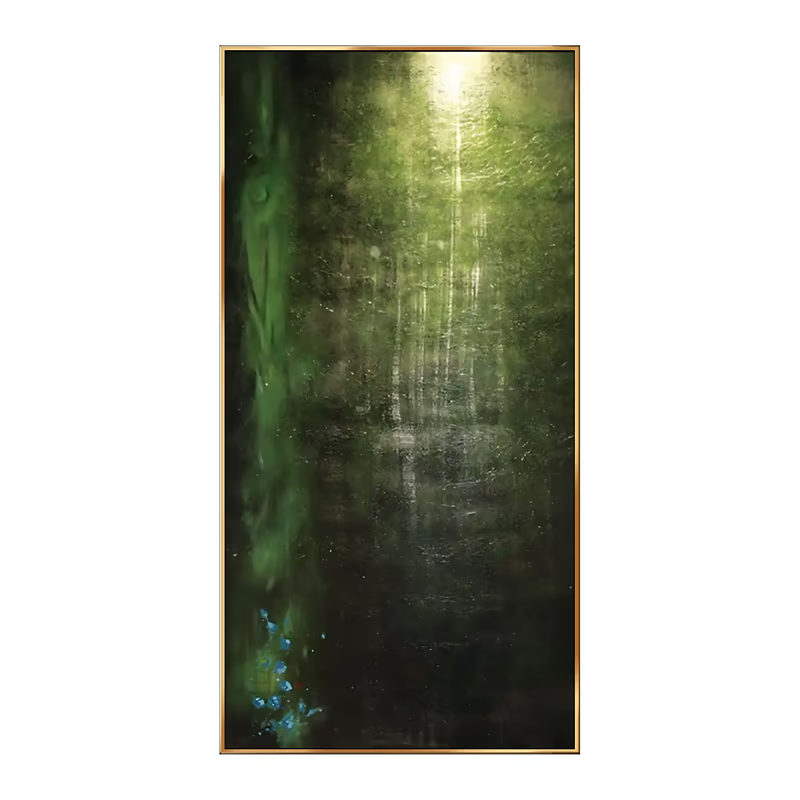
| Contemporary and Scandinavian | Misty forests, pale seas, a single tree in fog | Sage, grey-blue and chalk white |
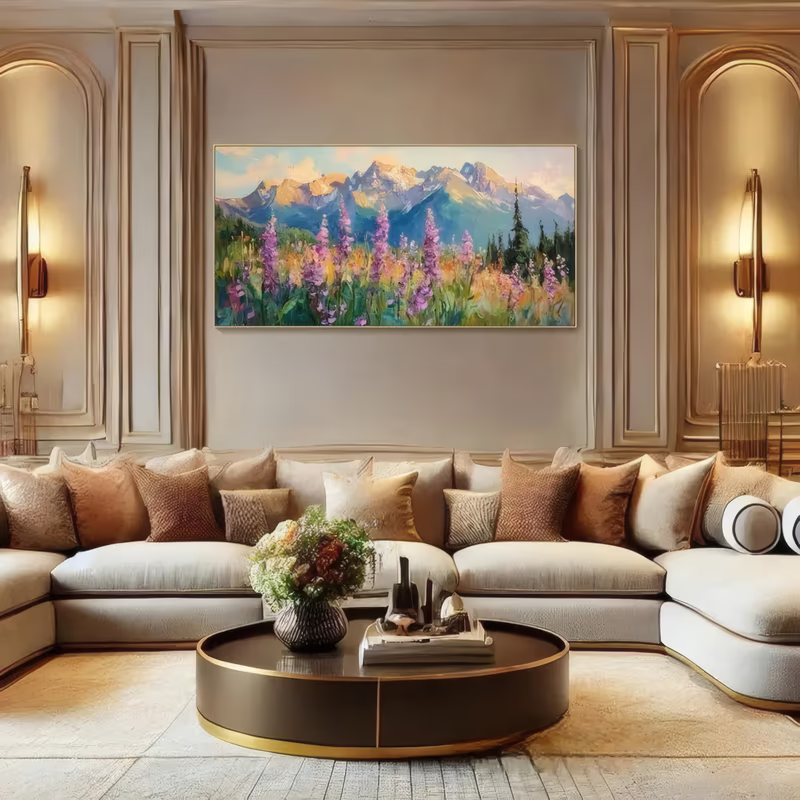
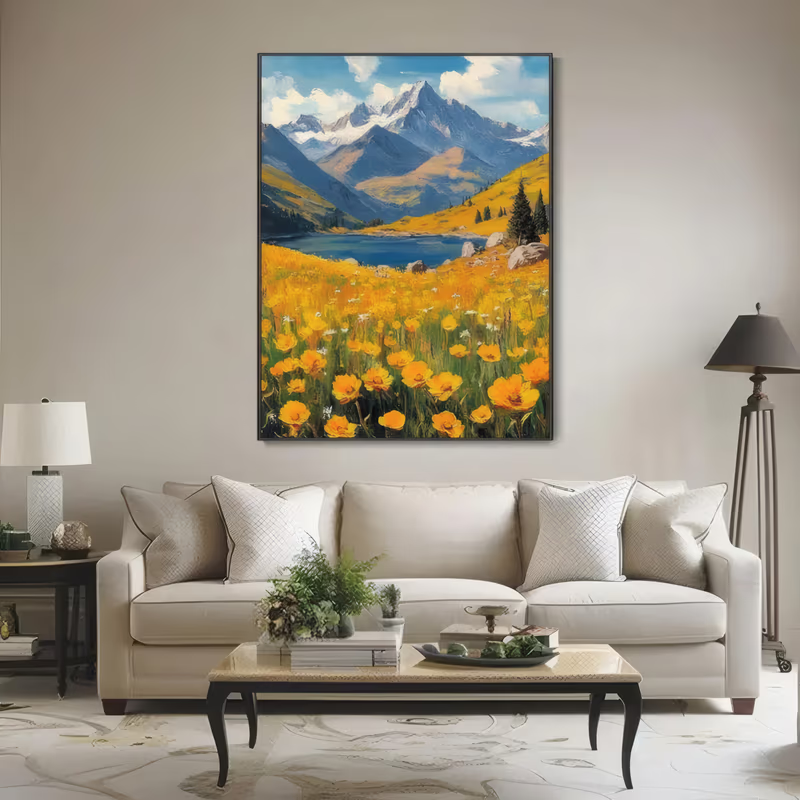
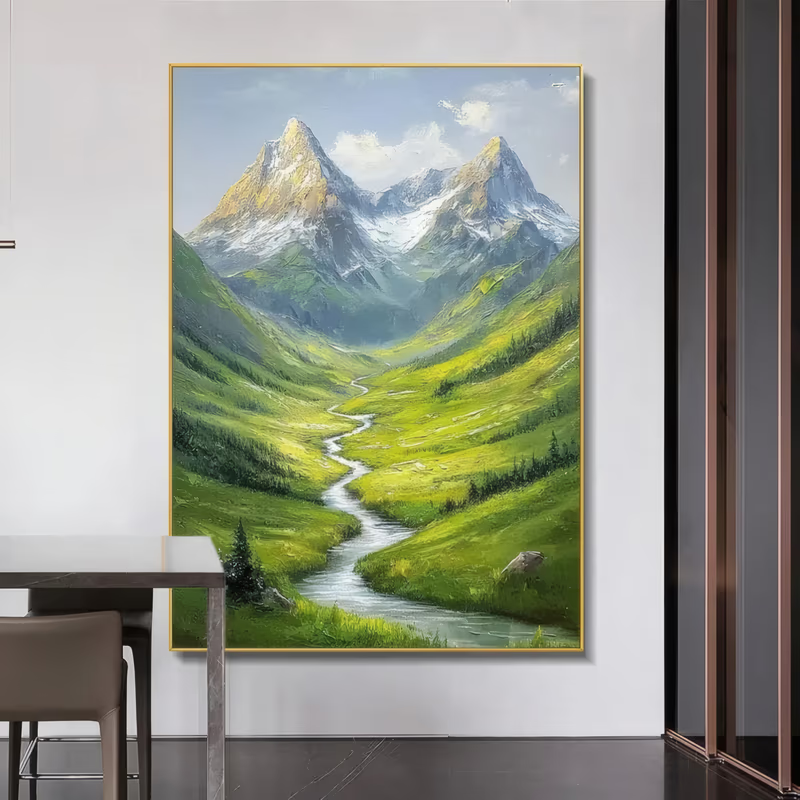
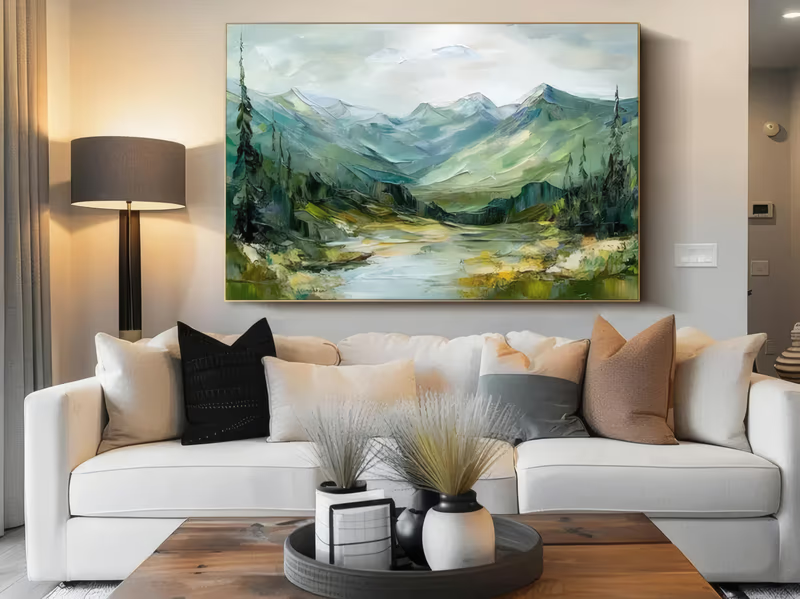
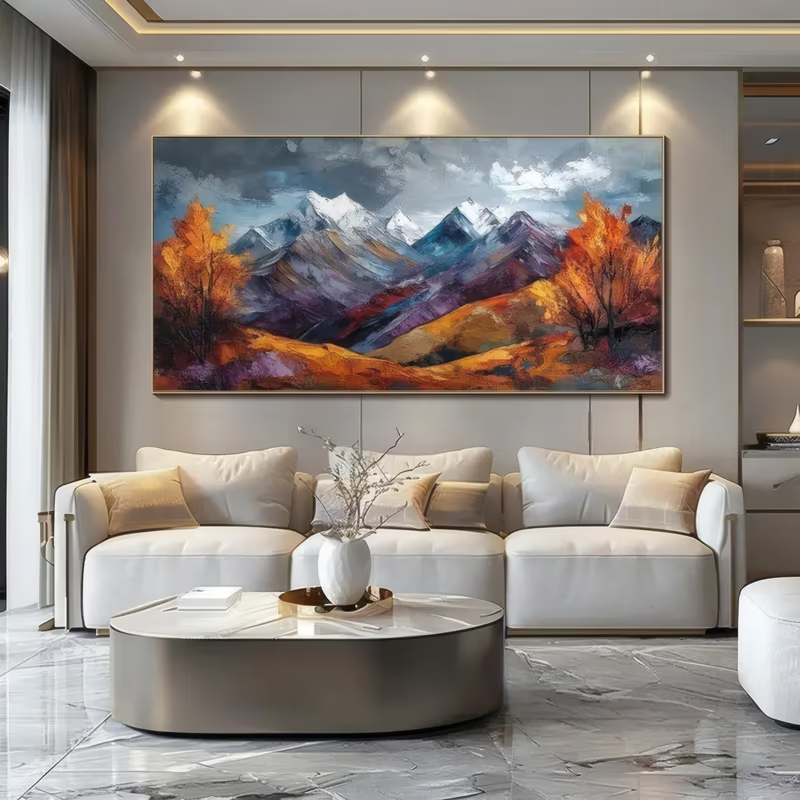
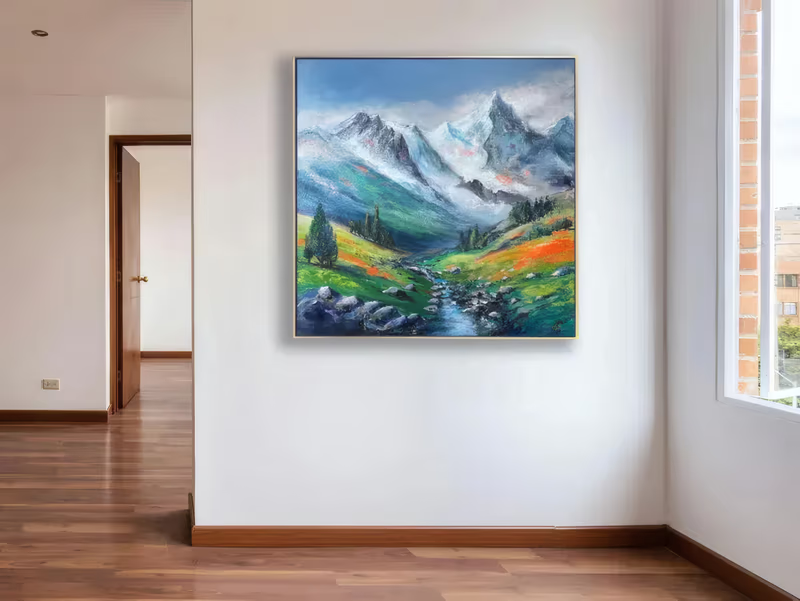
| Traditional and heritage hotel | Mountain valleys and sweeping panoramic landscapes | Deep green, gold and dusk violet |
The style is forgiving because it is figurative without being fussy. A living room full of mid-century furniture can take a loose seascape as easily as a room of antiques can, because the brushwork reads as modern while the subject reads as familiar.
What kinds of impressionist paintings can you choose from?
Impressionist wall art here falls into four families: landscapes, seascapes, flowers and gardens, and city scenes with figures. Each brings a different kind of light into the room.
Impressionist landscapes
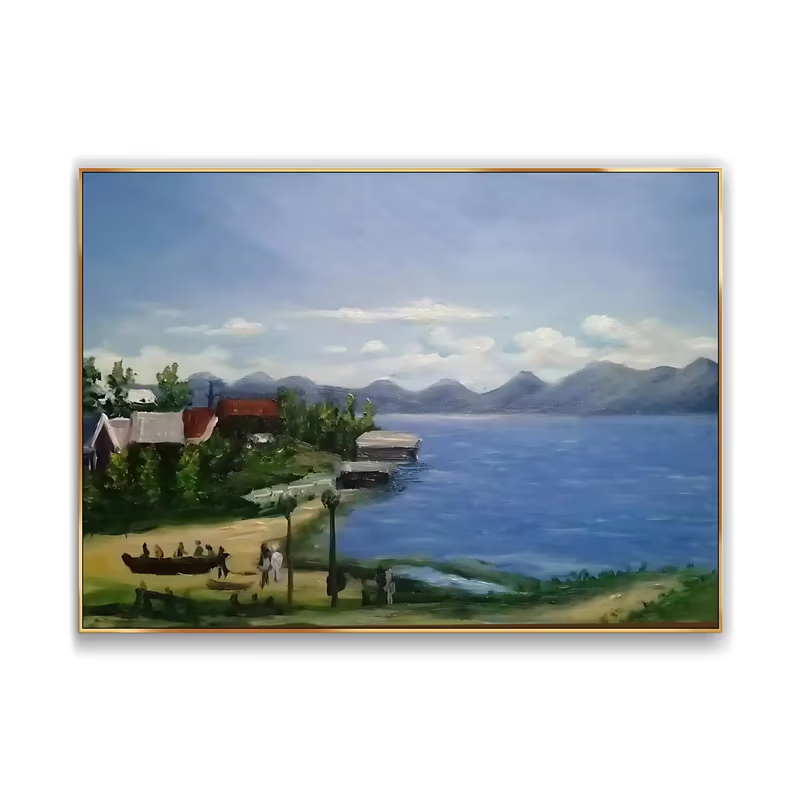
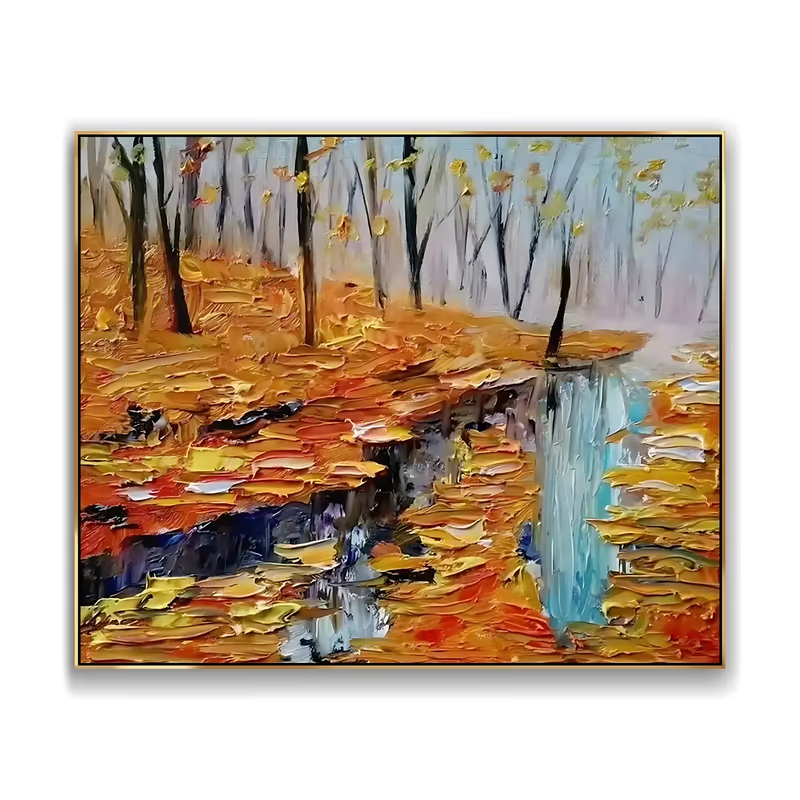
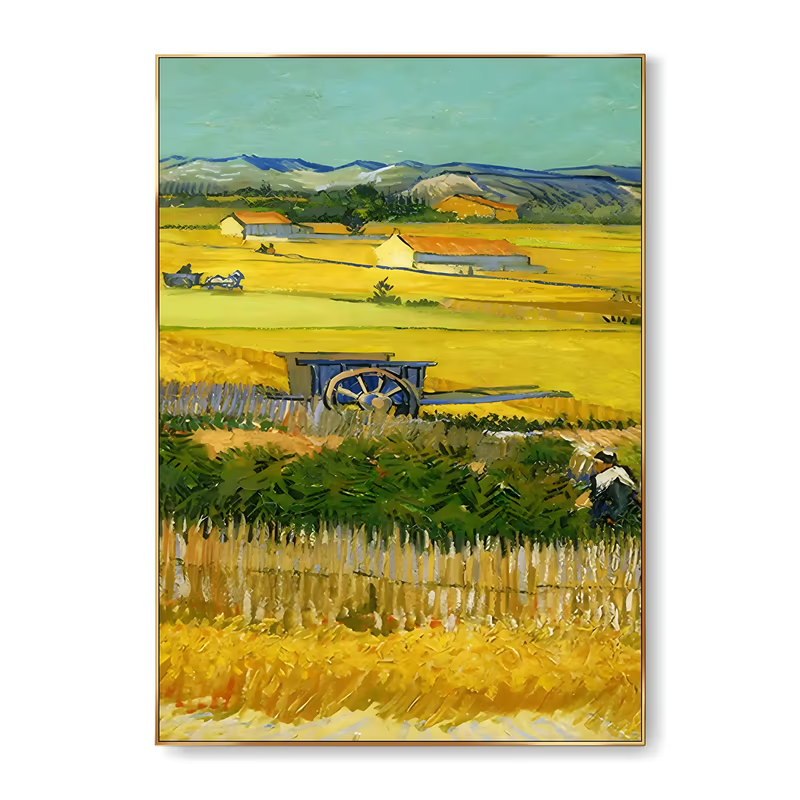
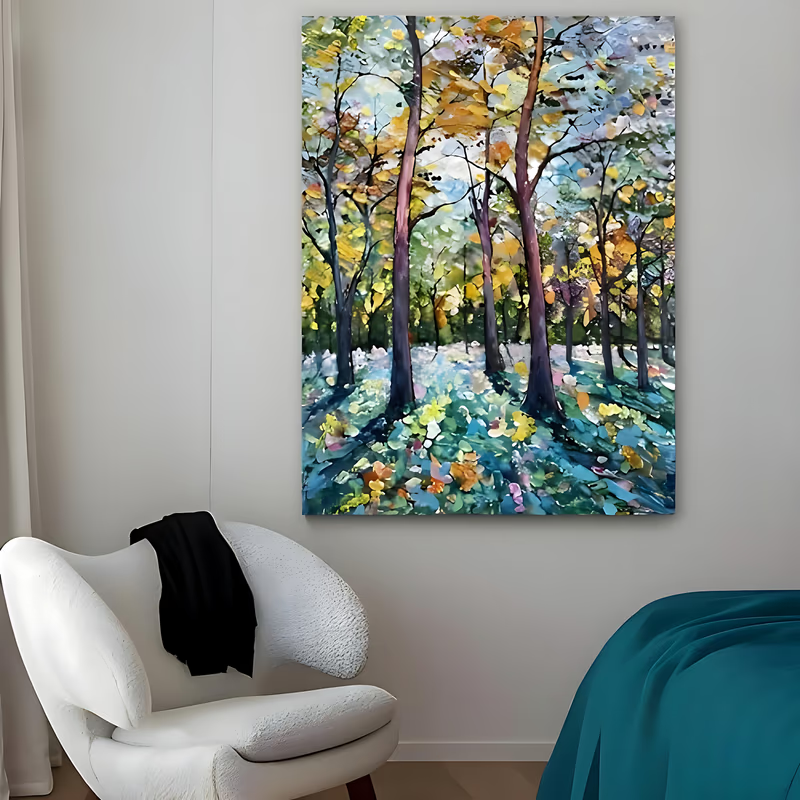
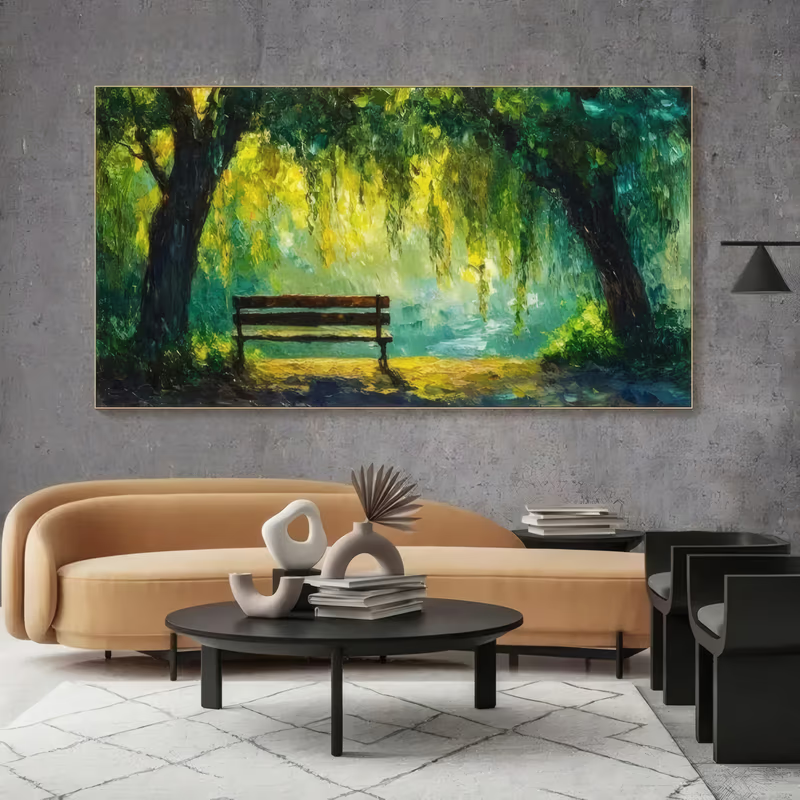
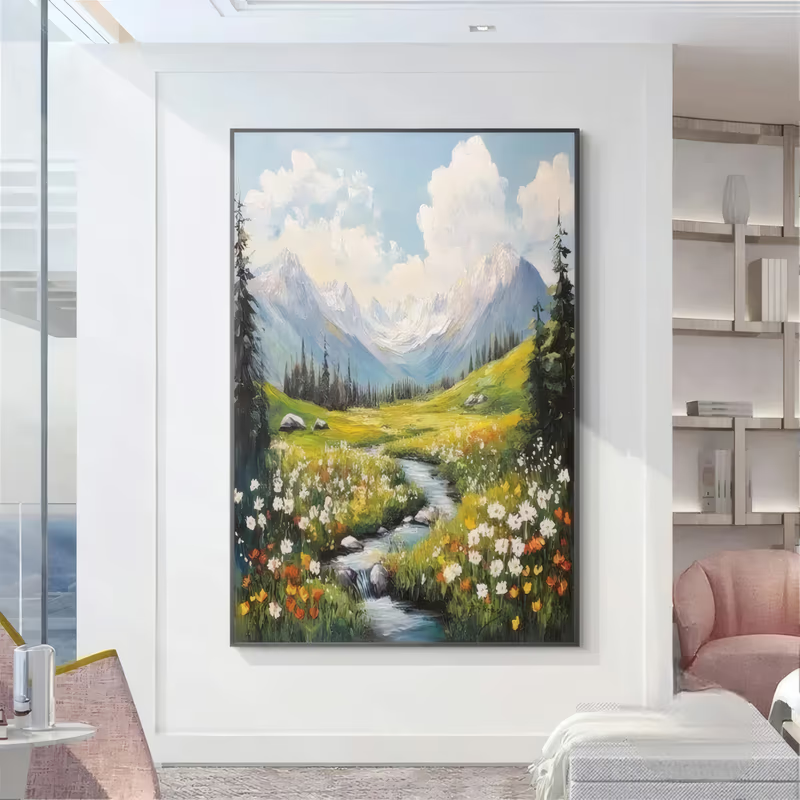
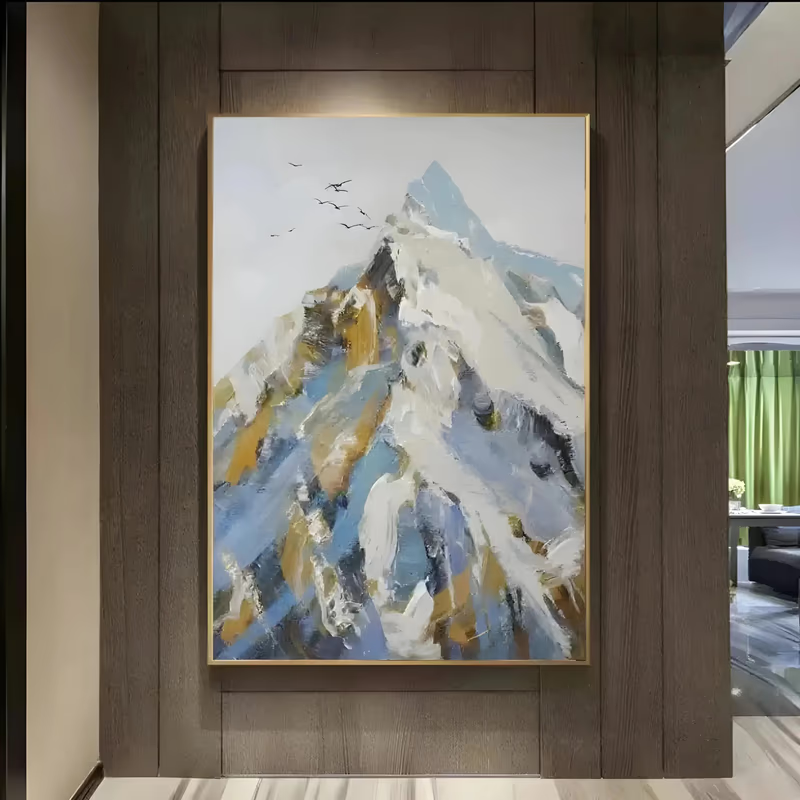
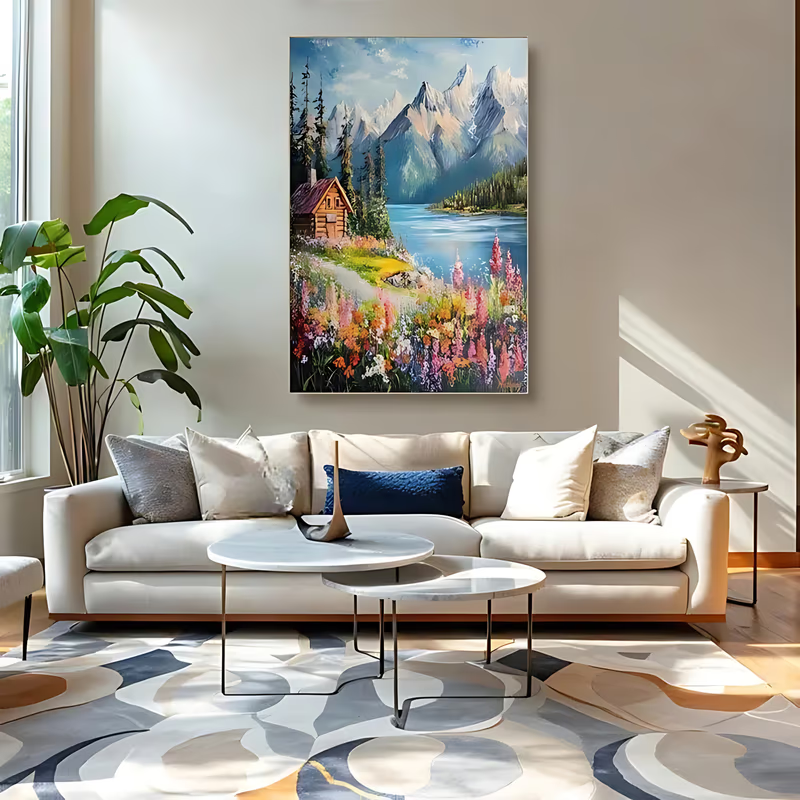
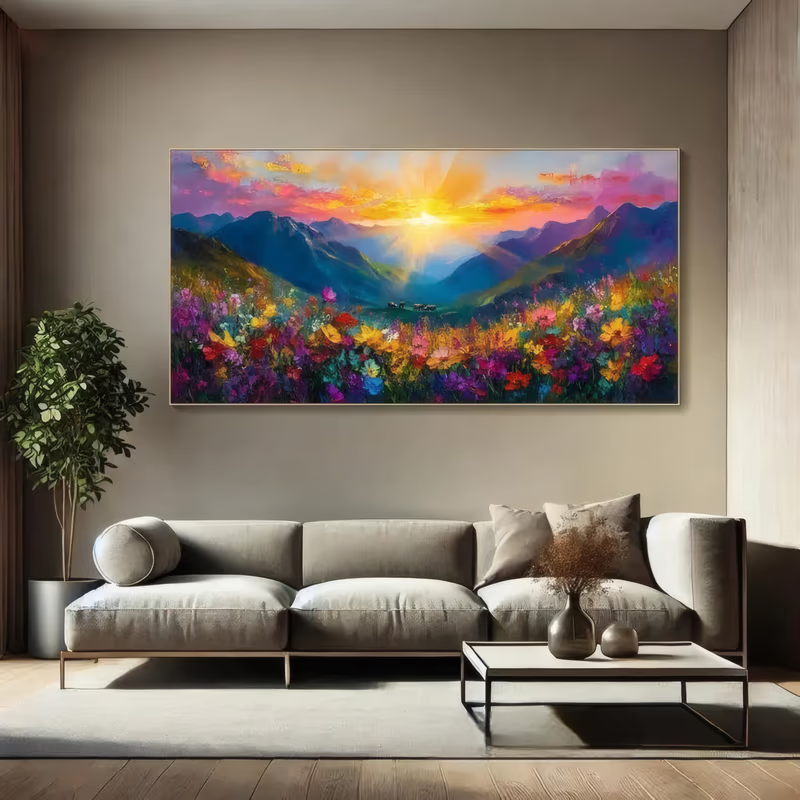
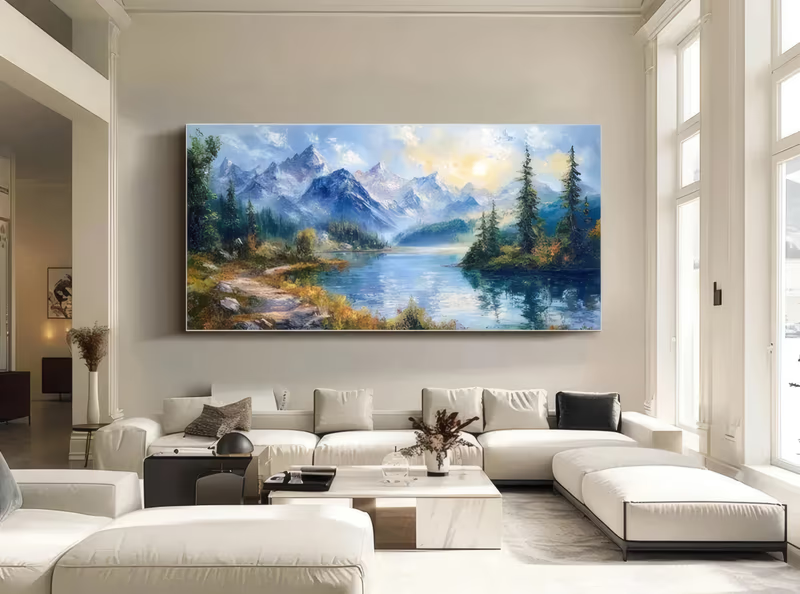
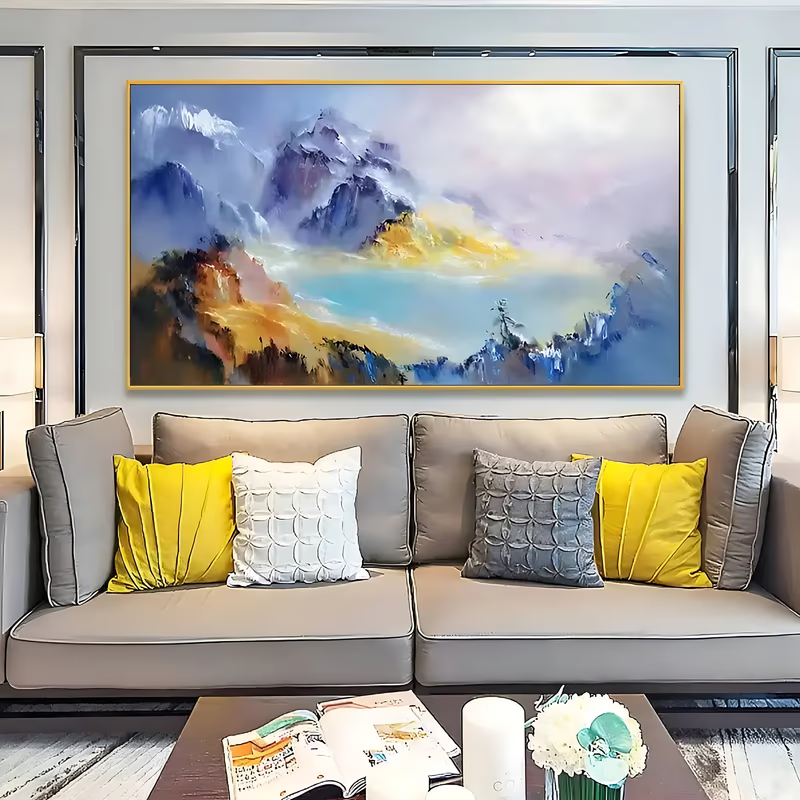
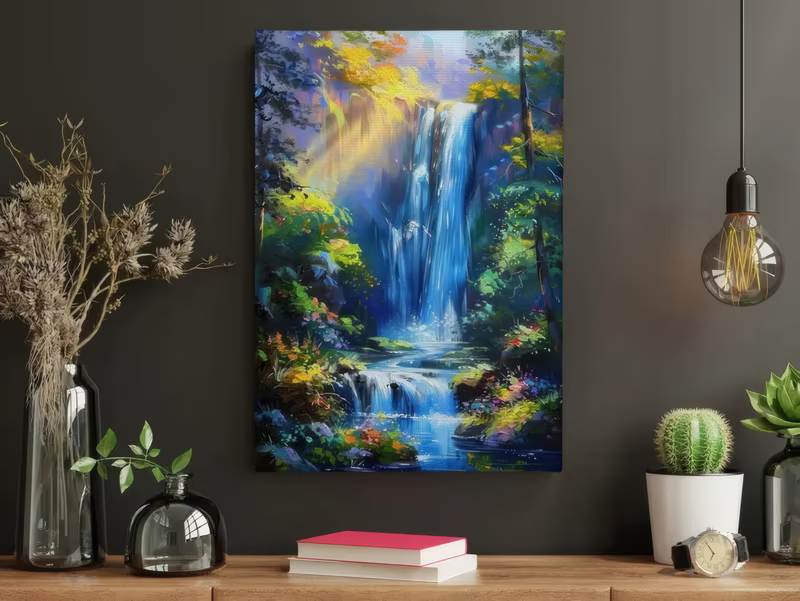
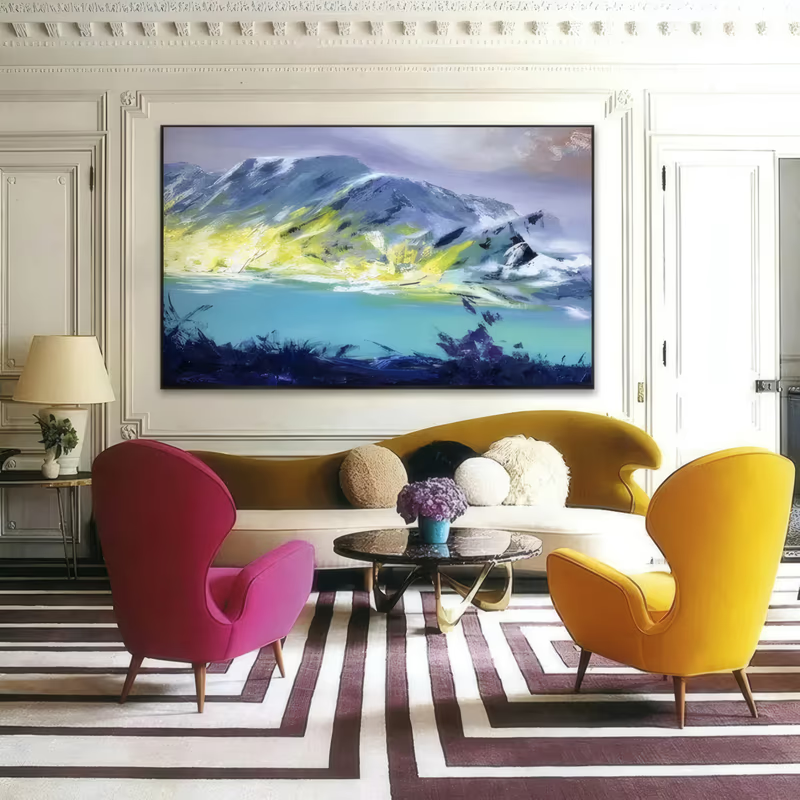
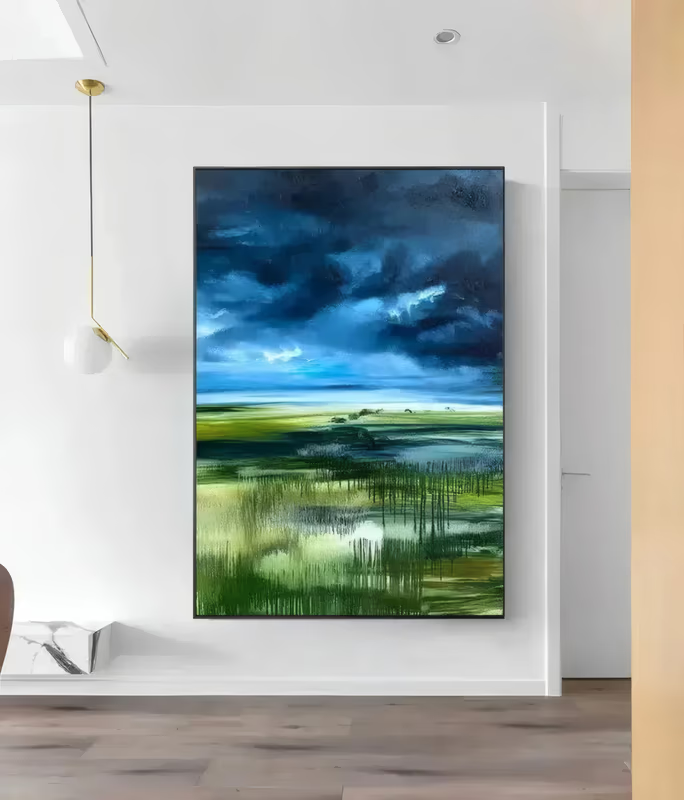
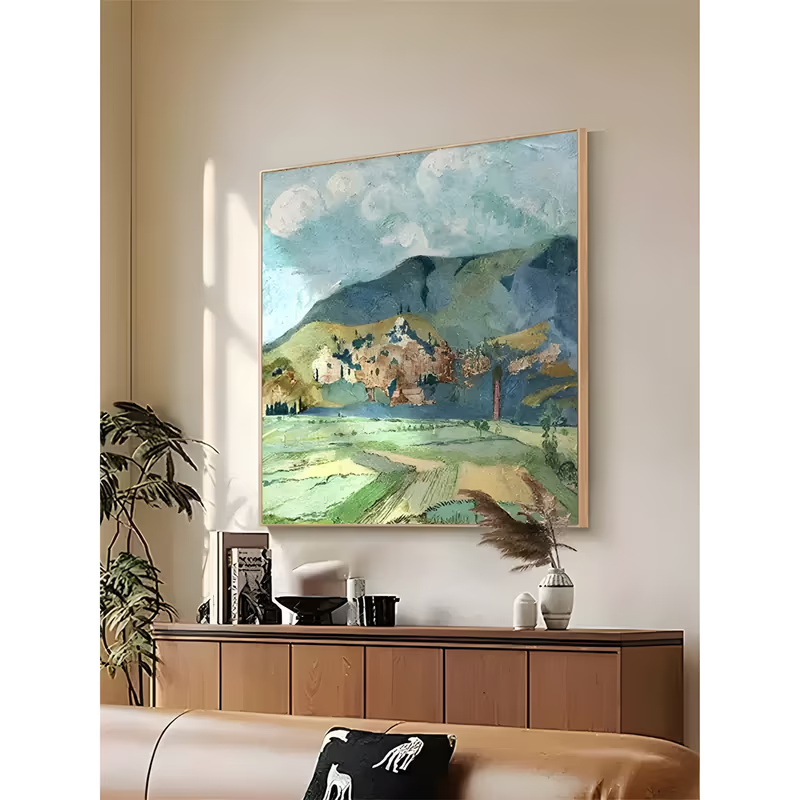
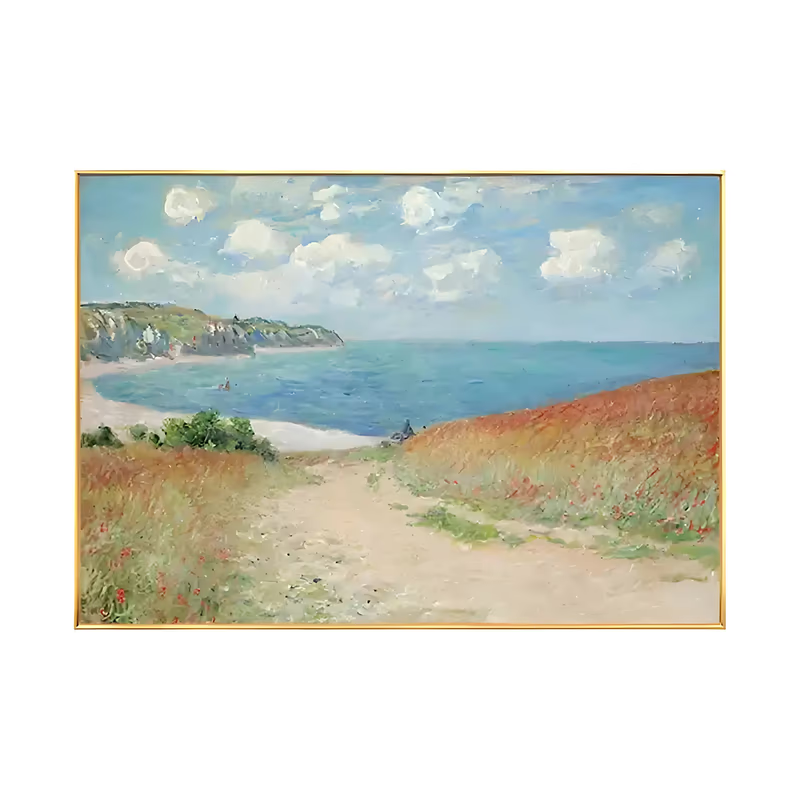
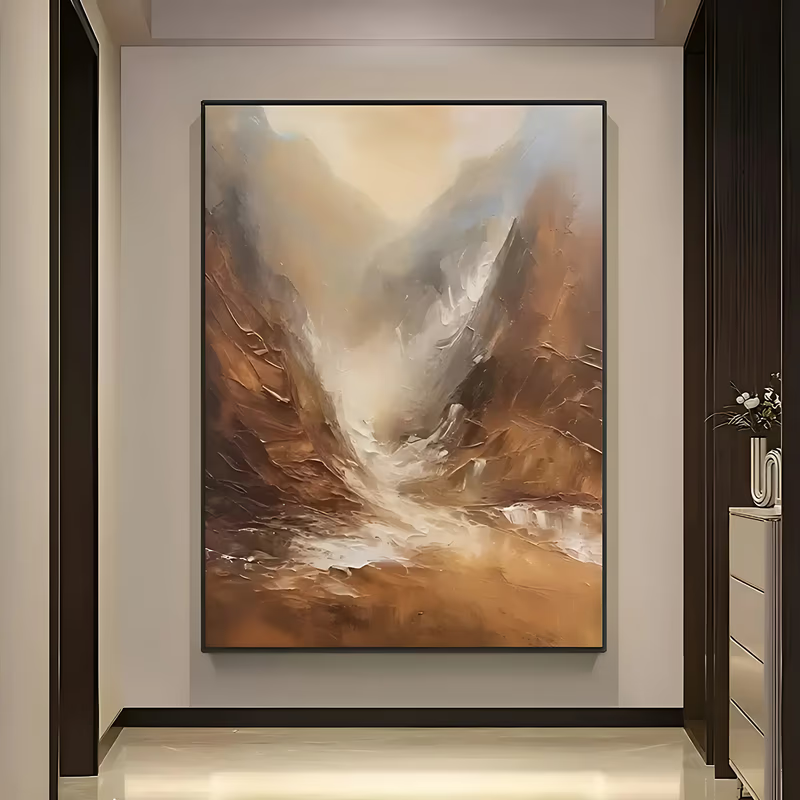
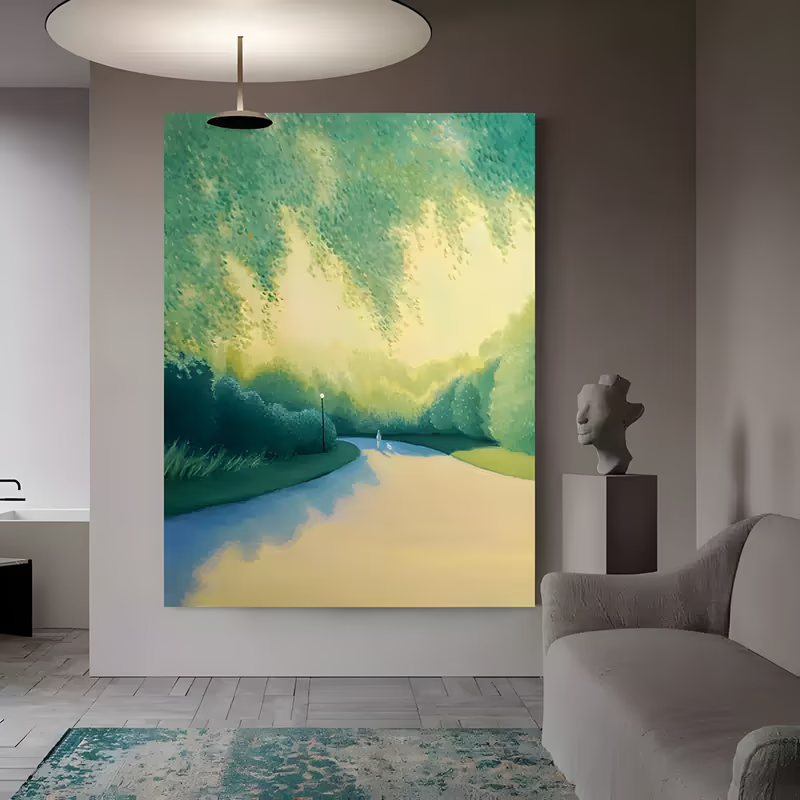
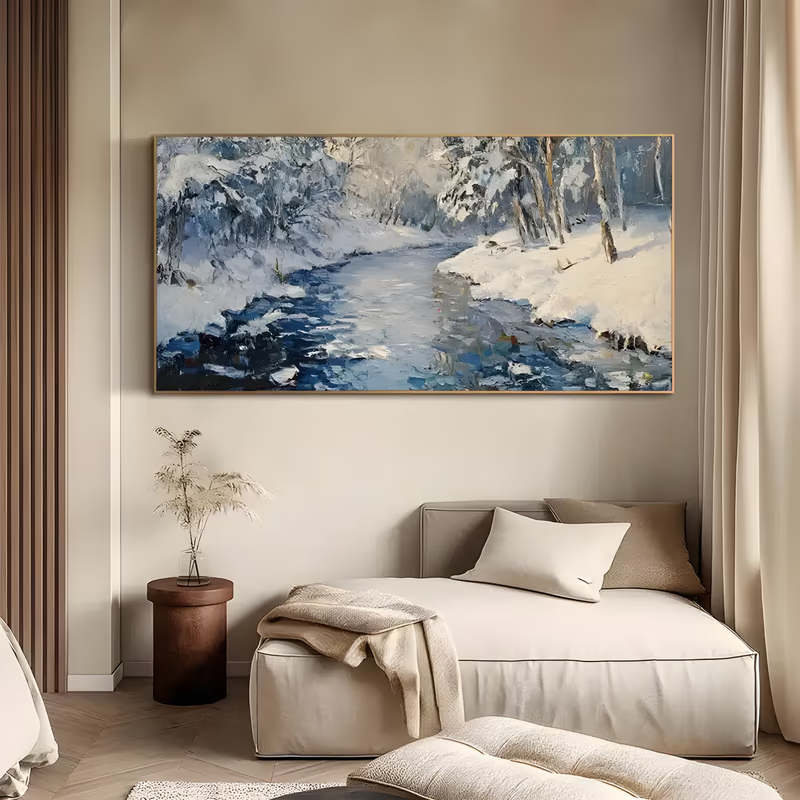
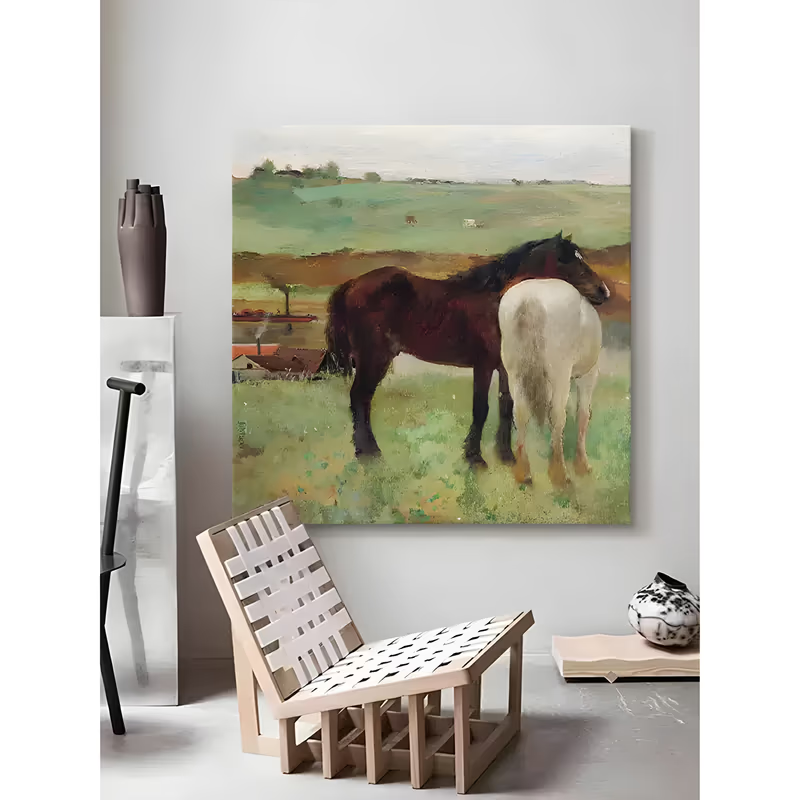
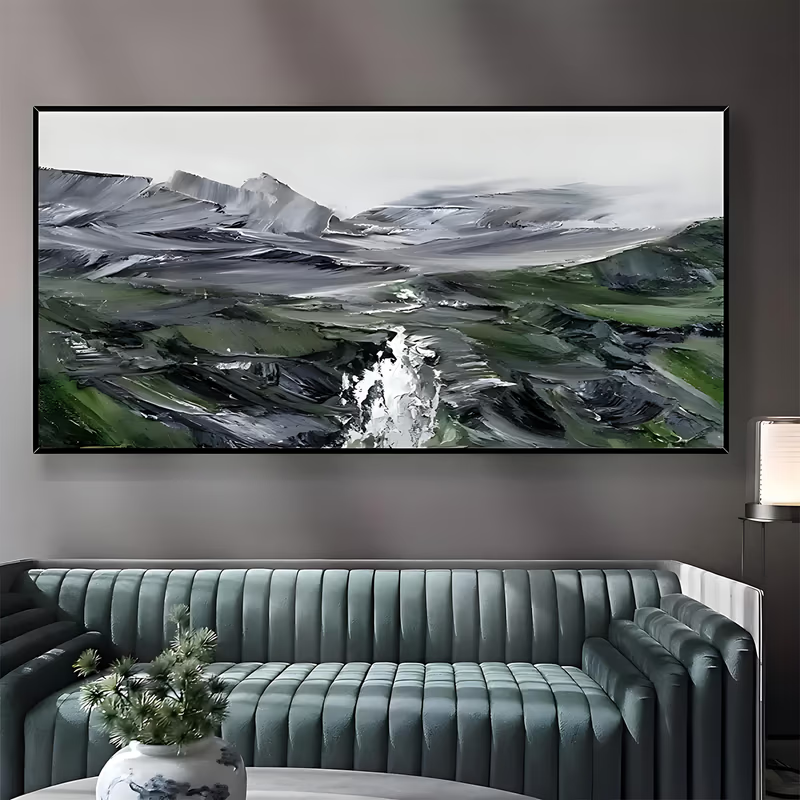
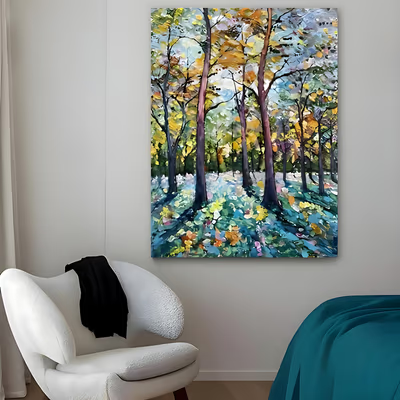
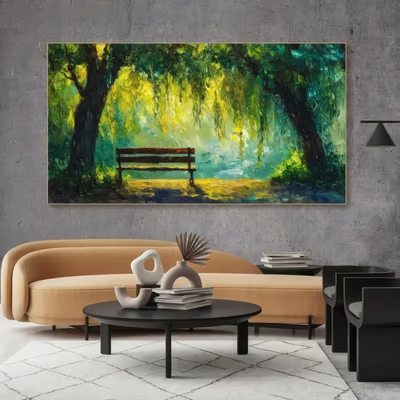
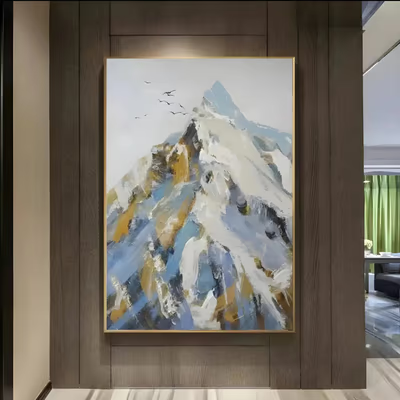
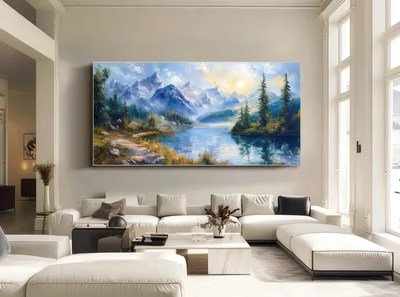
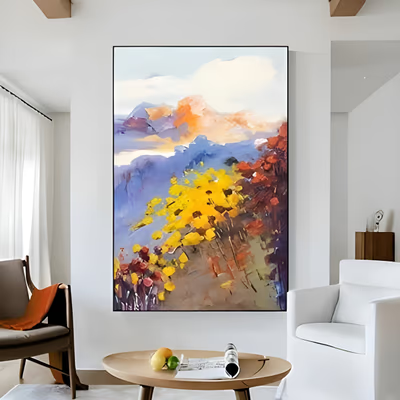
Mountain valleys under passing storms, autumn woods with a shaft of sun, snowy paths and wide river plains. These are the most versatile: they open a wall like a window and work in a living room, a meeting room or a guest corridor.
Impressionist seascapes and harbours
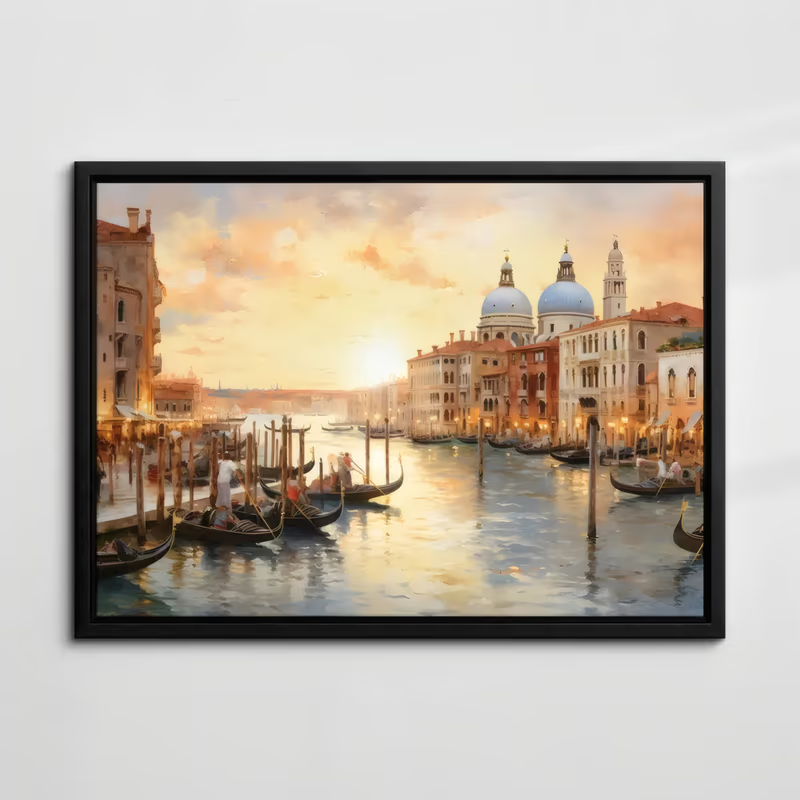
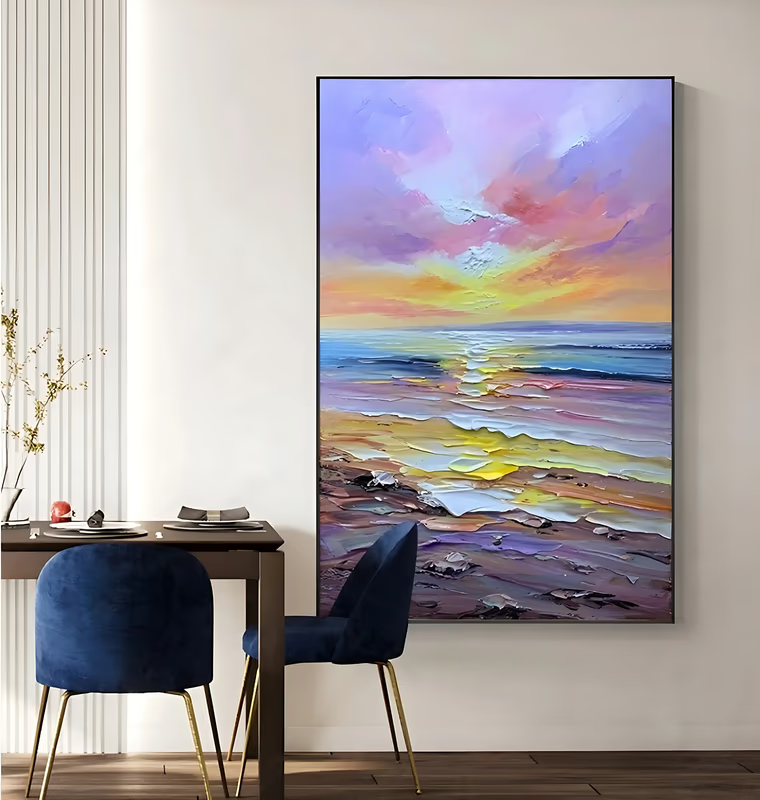
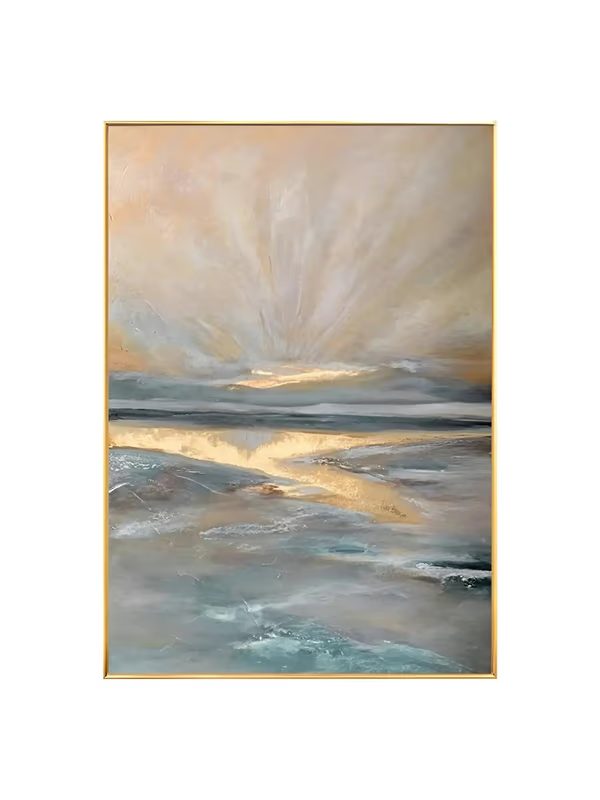
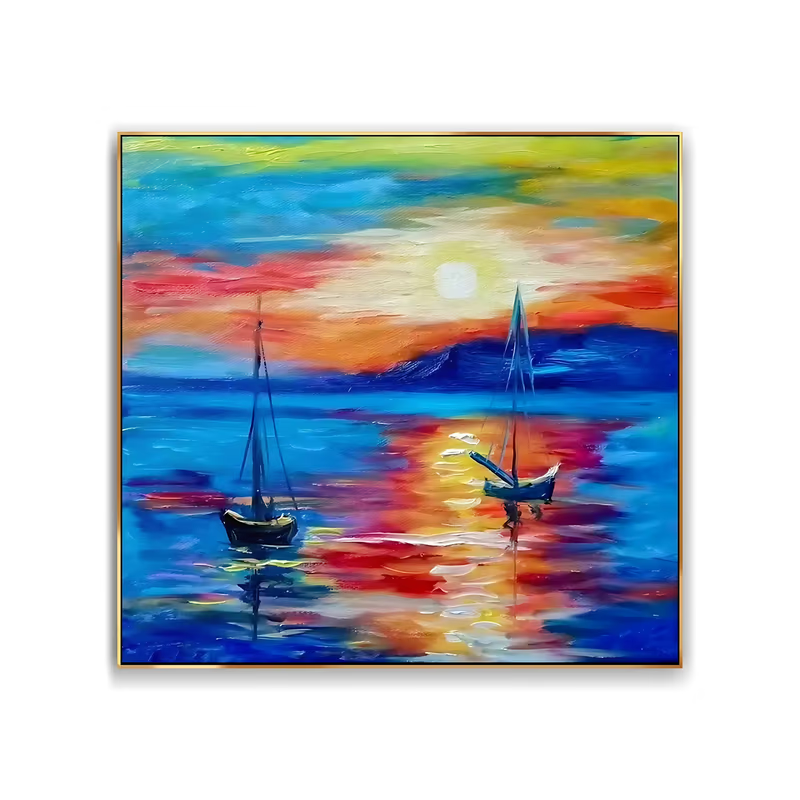
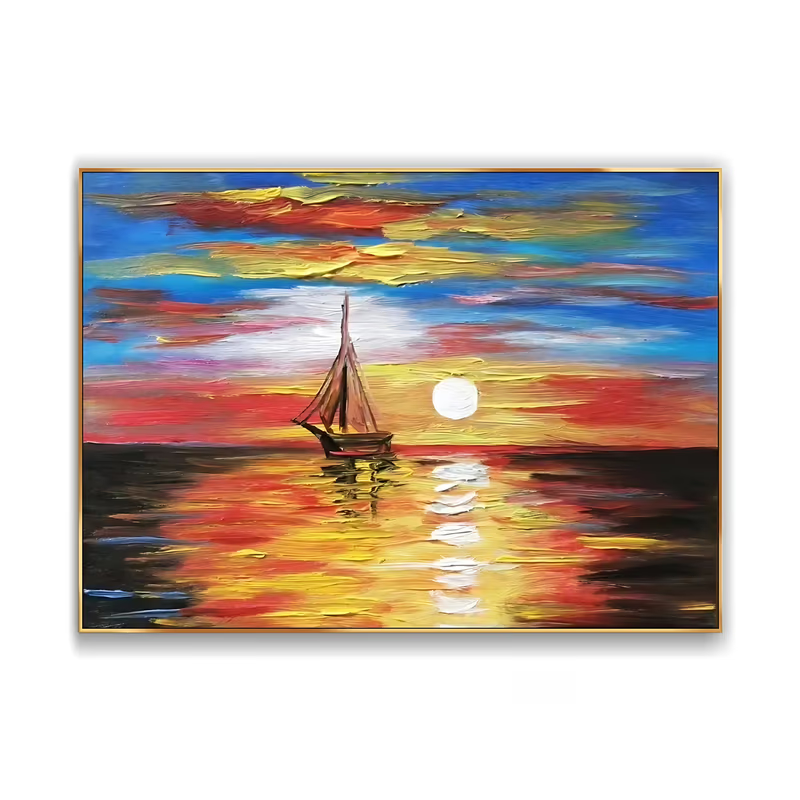
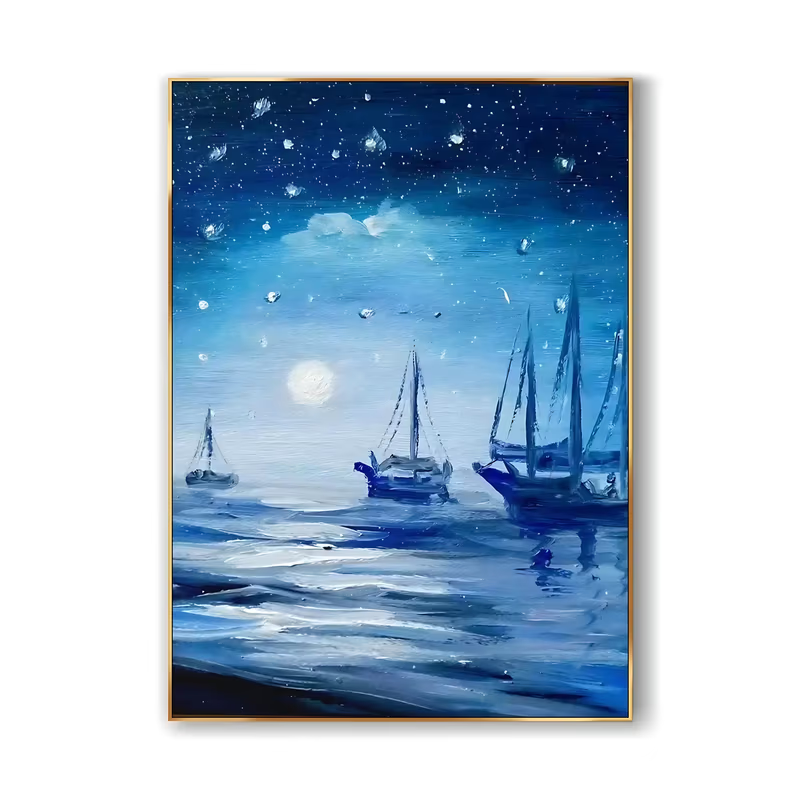
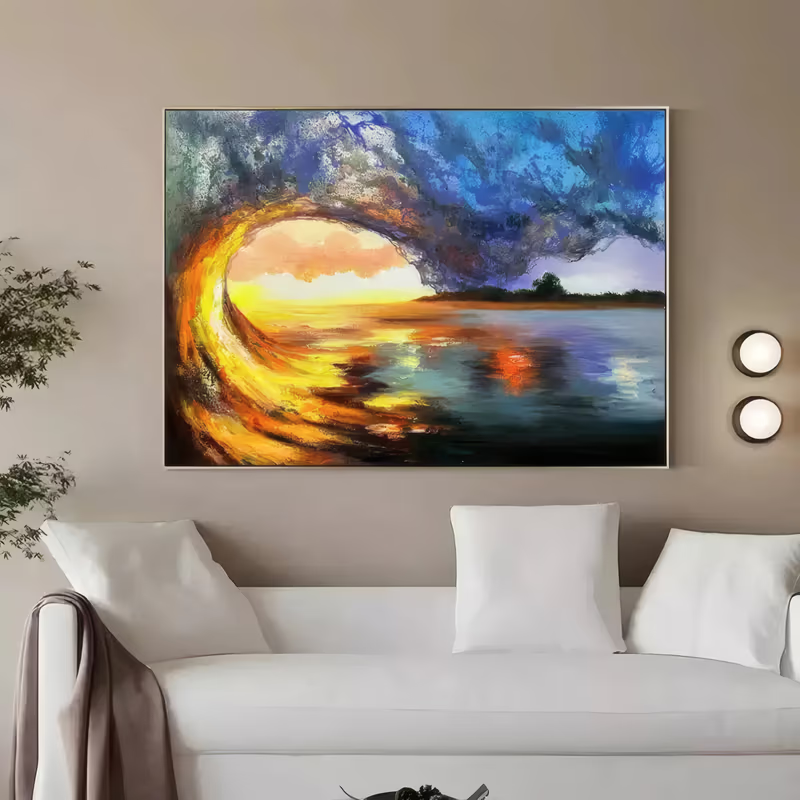
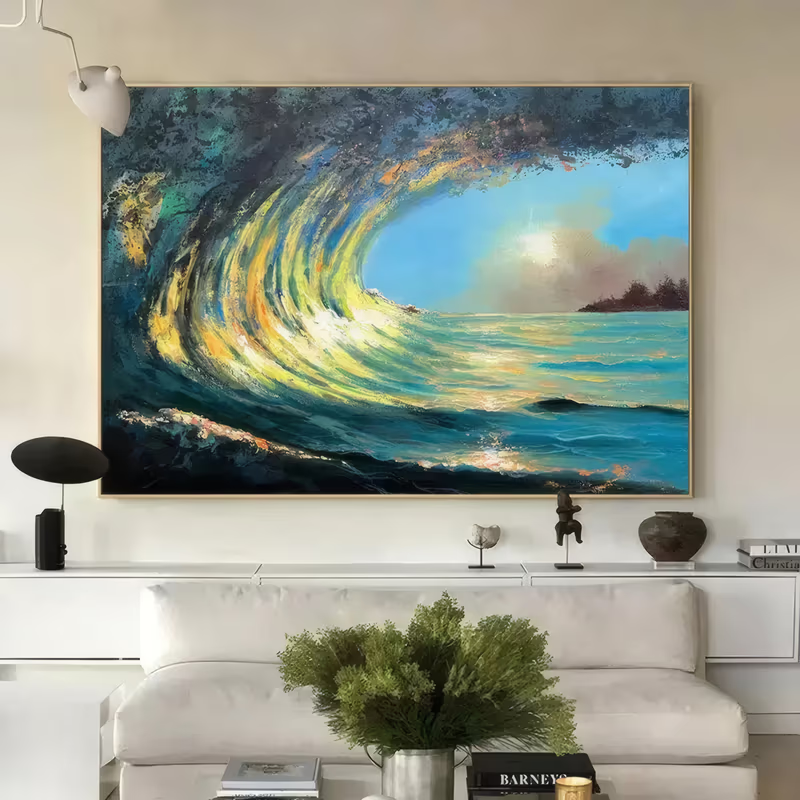
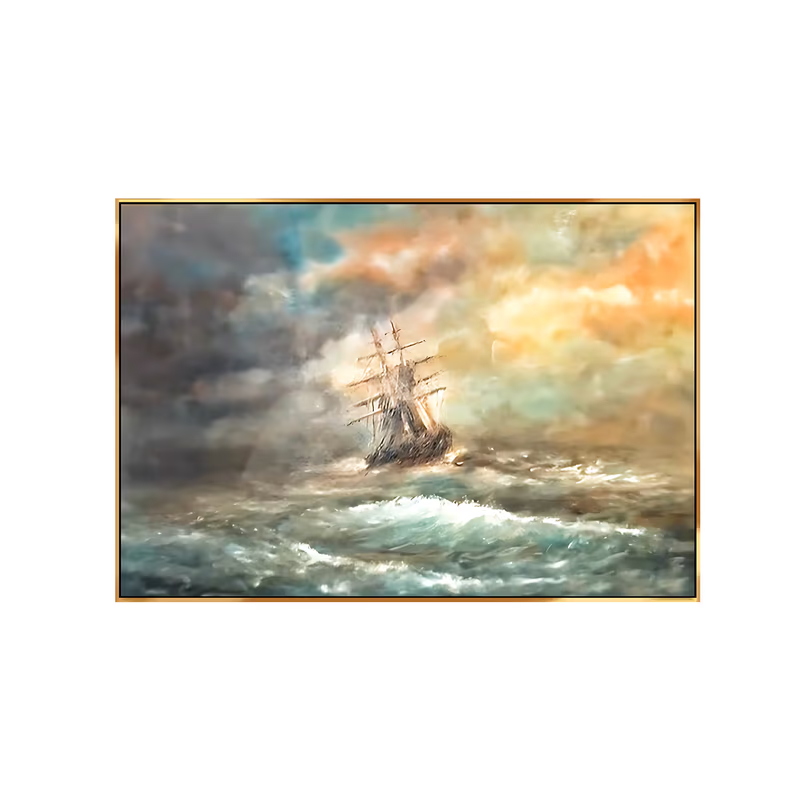
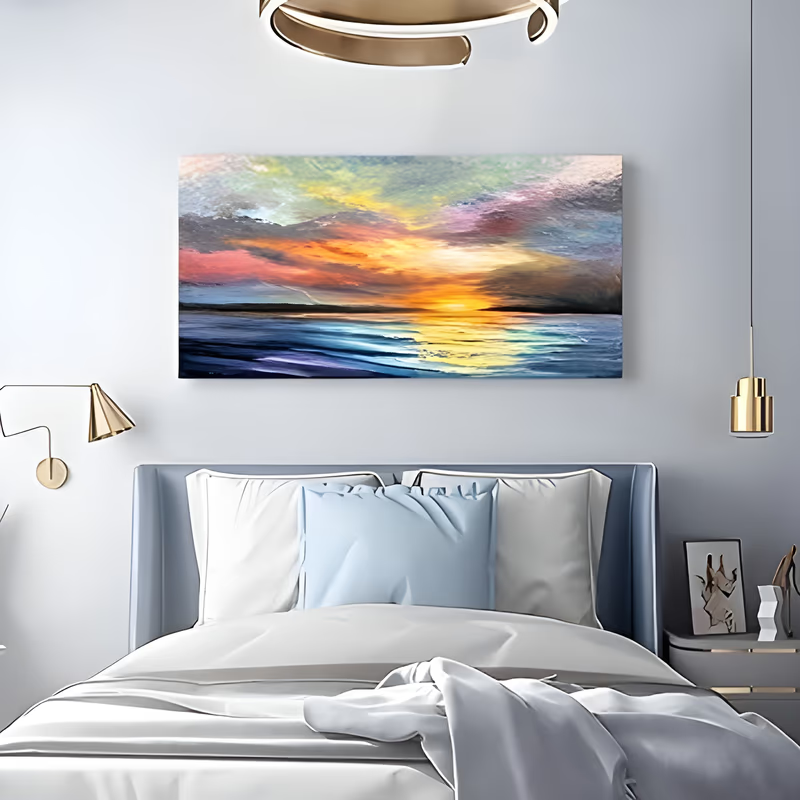
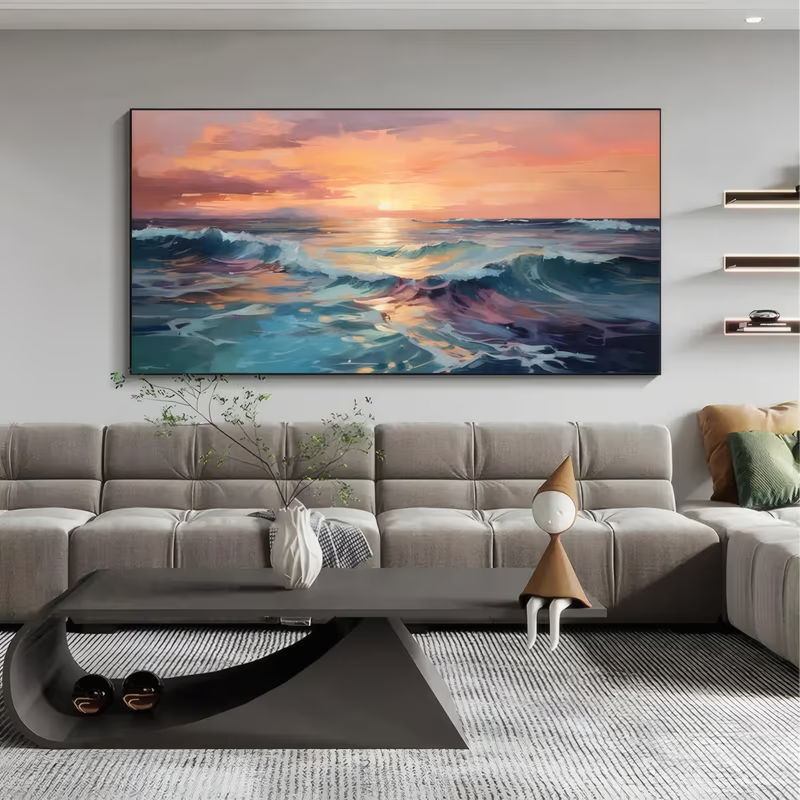
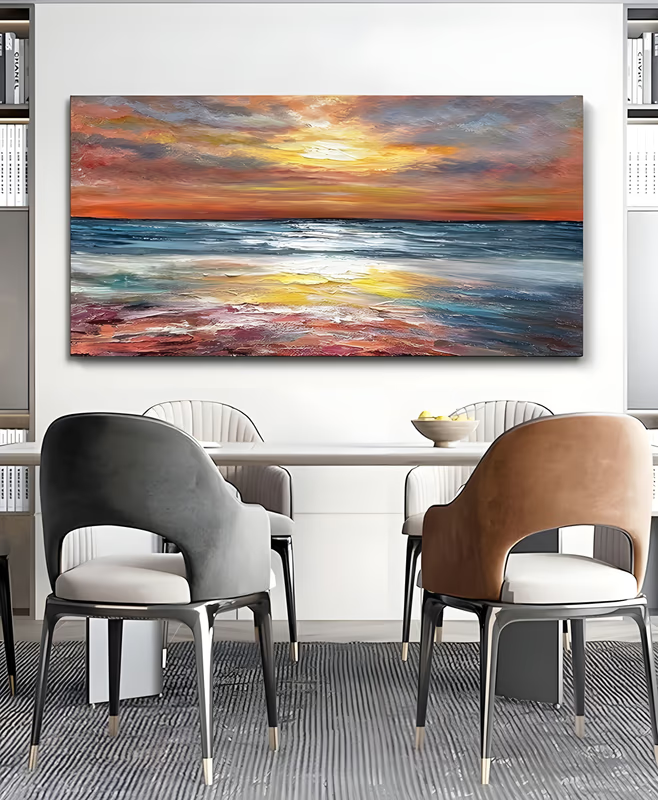
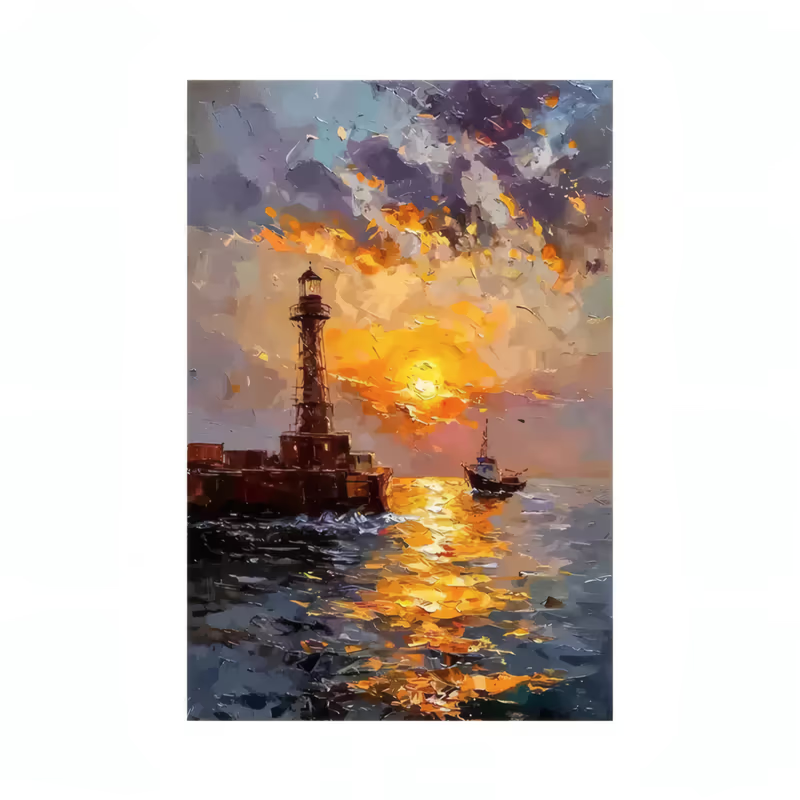
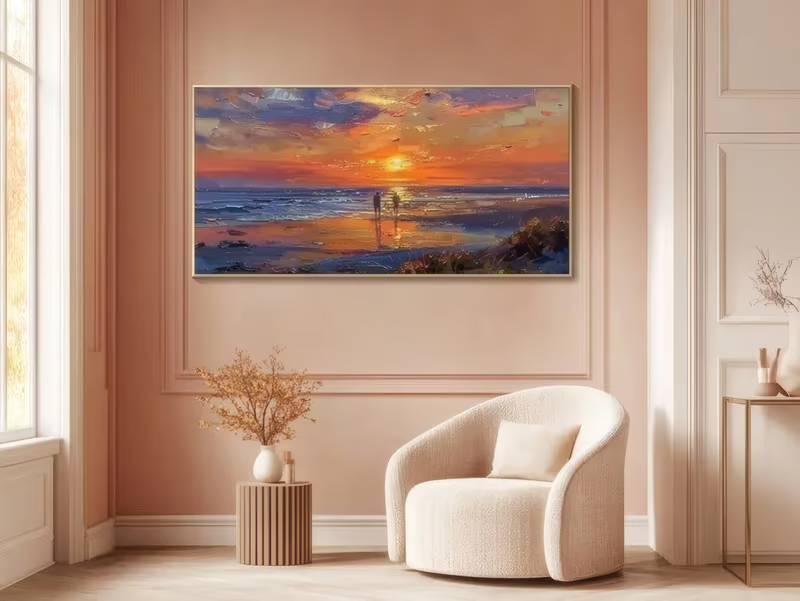
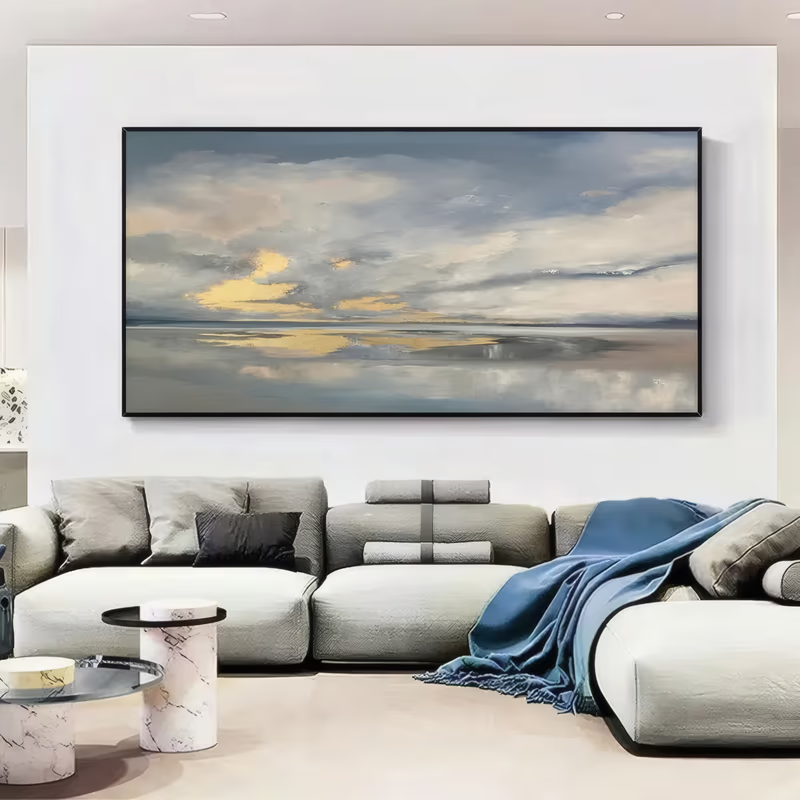
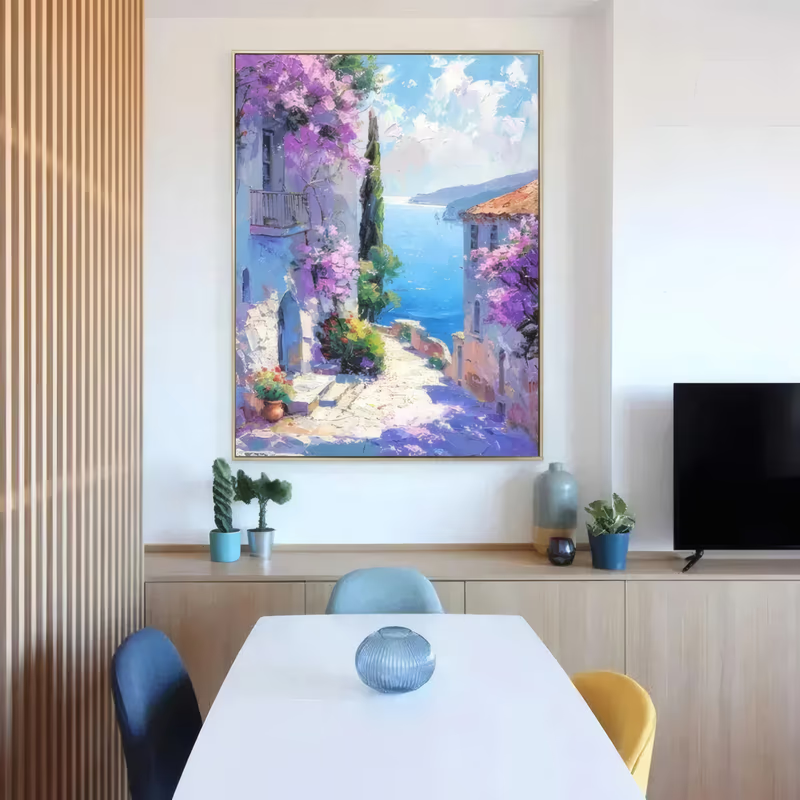
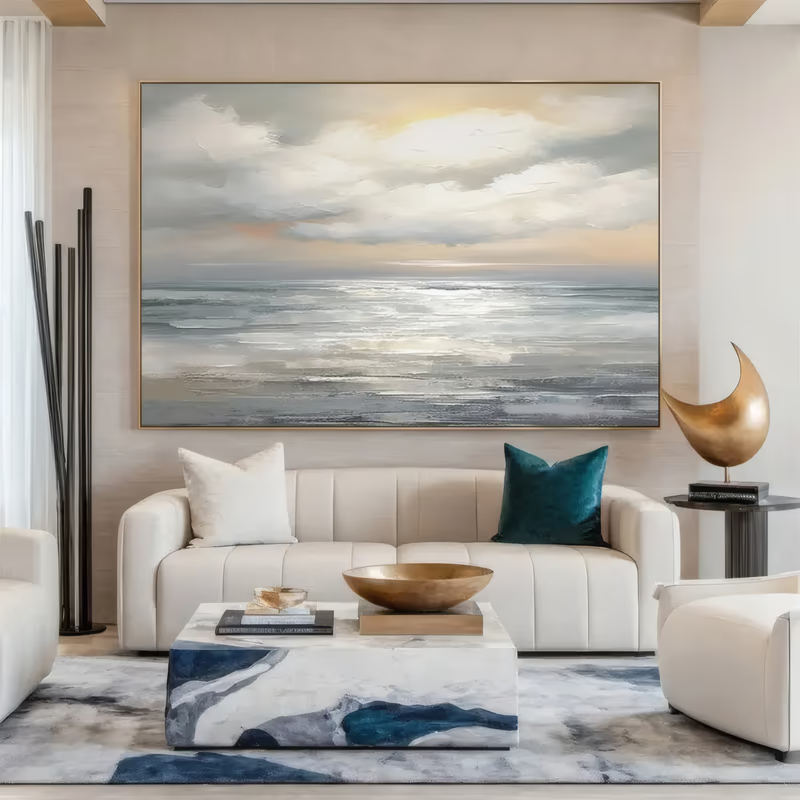
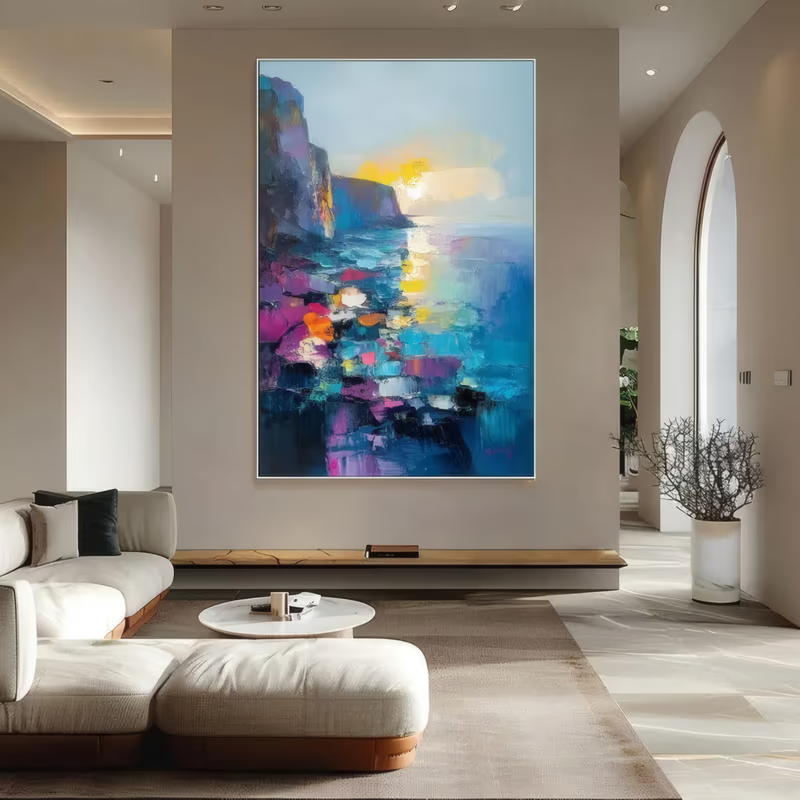
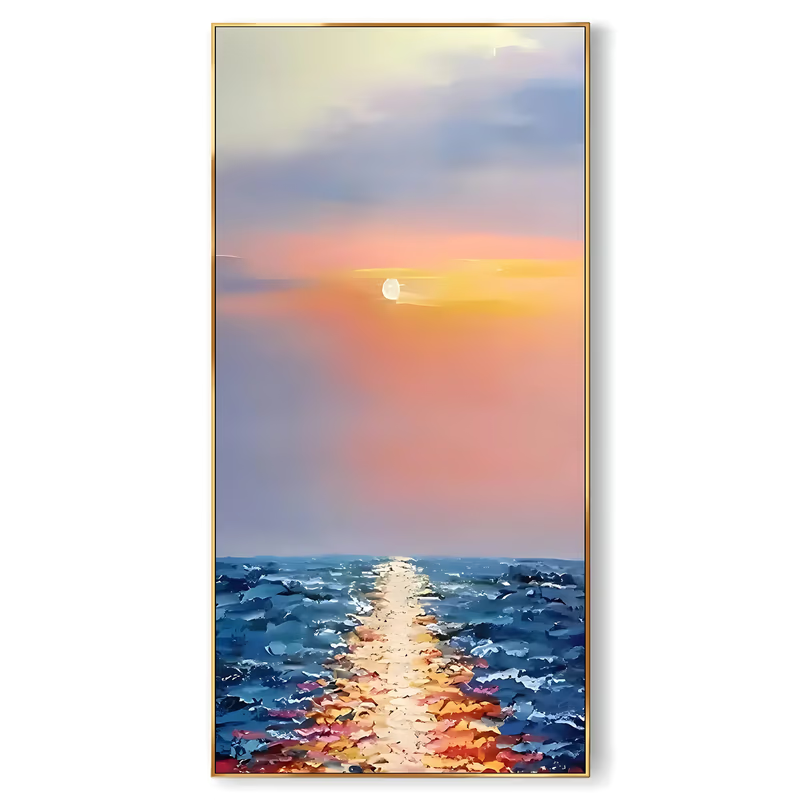
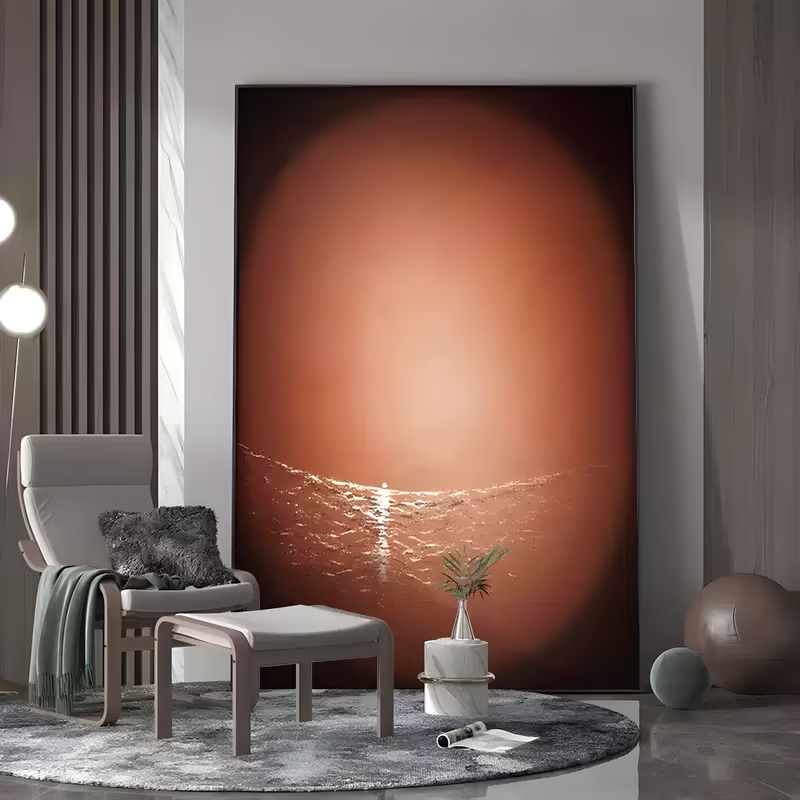
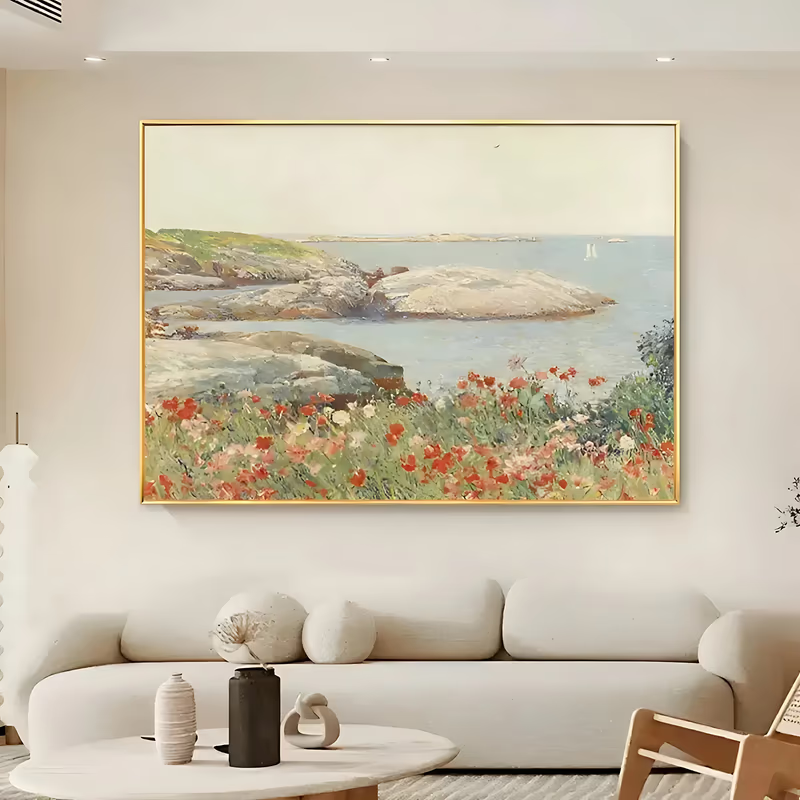
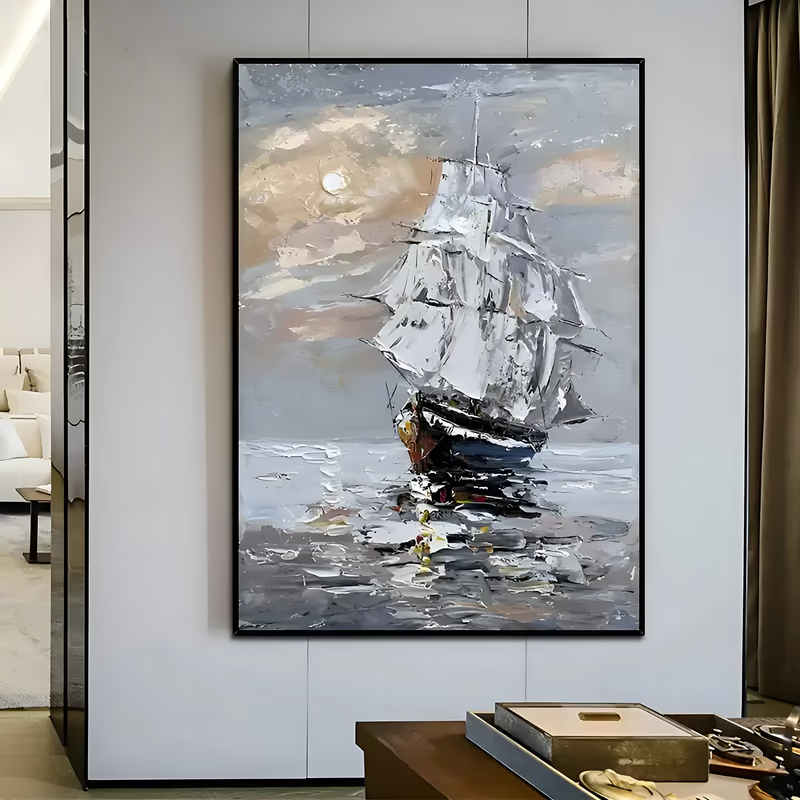
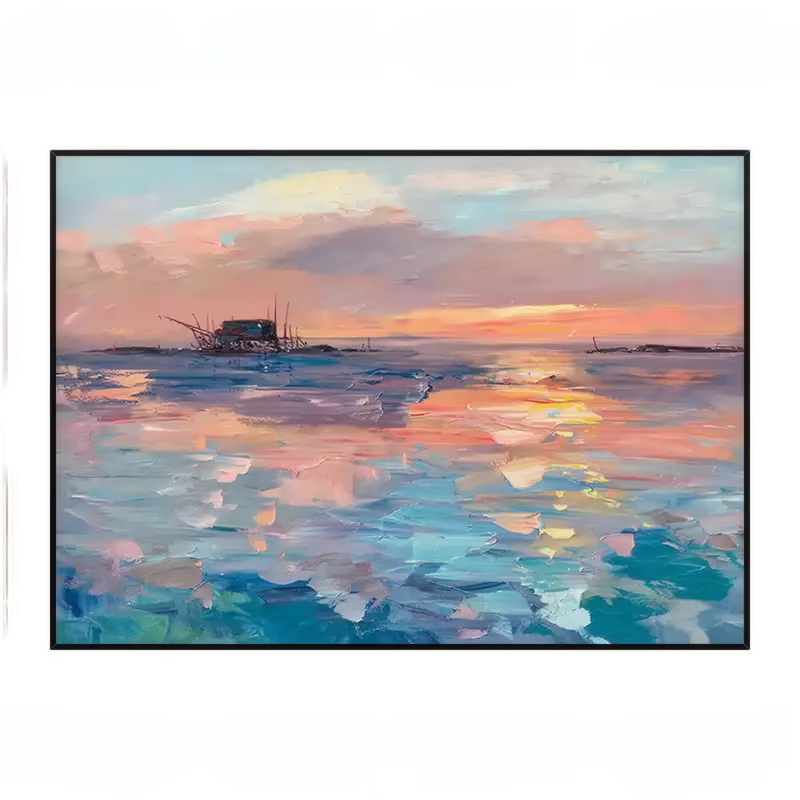
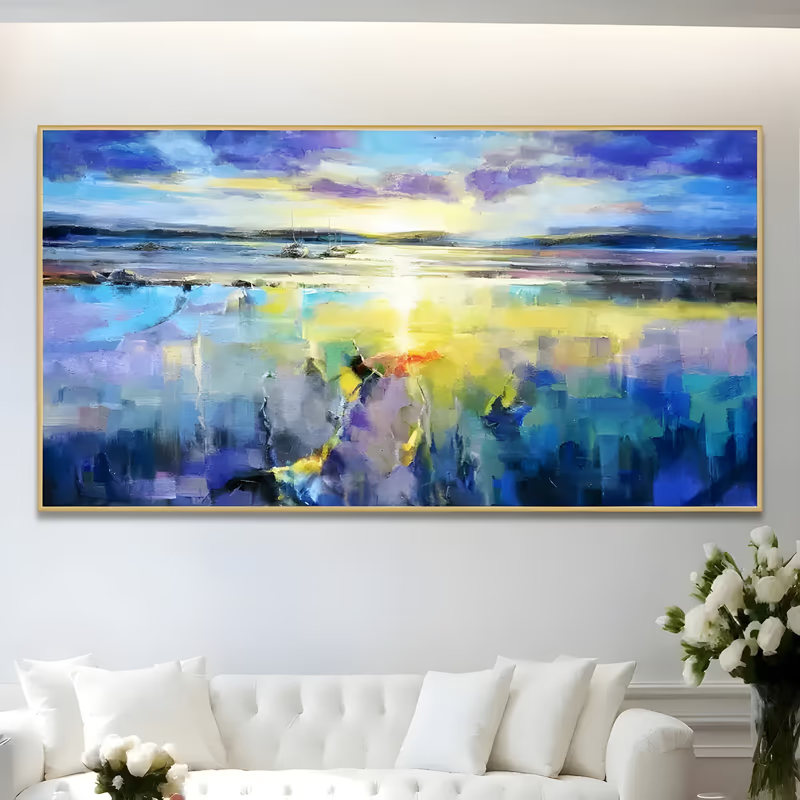
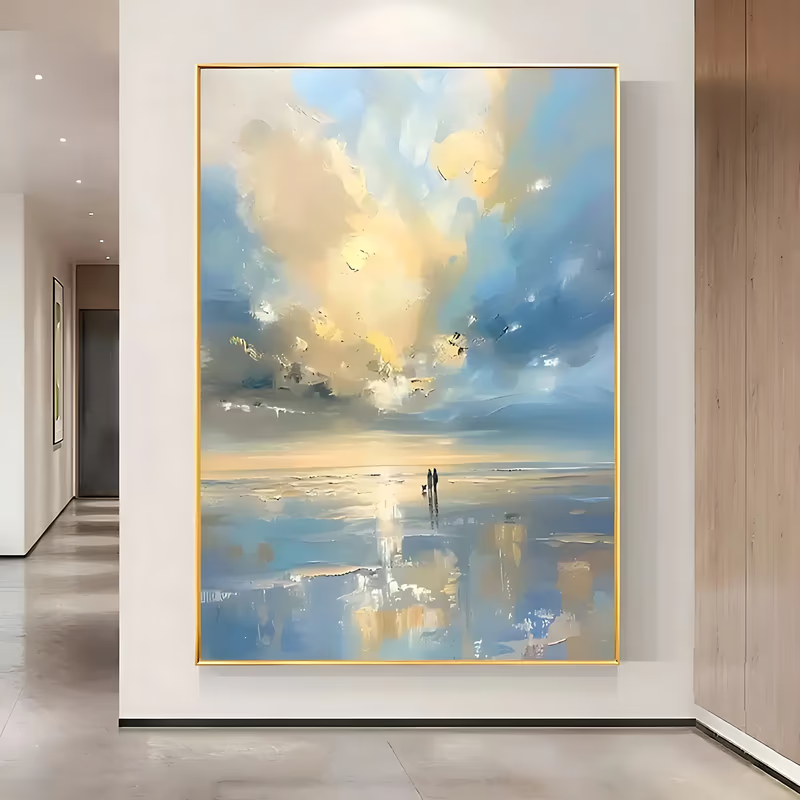
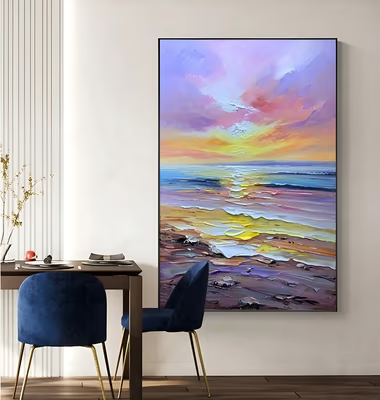
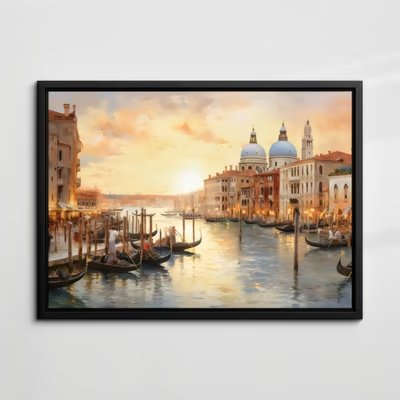
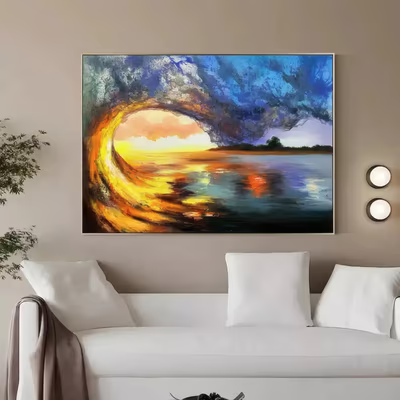
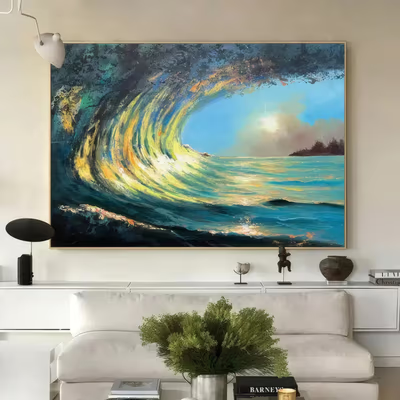
Barrel waves lit gold from inside, moonlit sailboats, estuaries at sunset and sleepy Mediterranean harbours. Blue water and sky make them easy in bedrooms, bathrooms and spa corridors; the sunset versions warm a restaurant.
Impressionist flowers, gardens and meadows
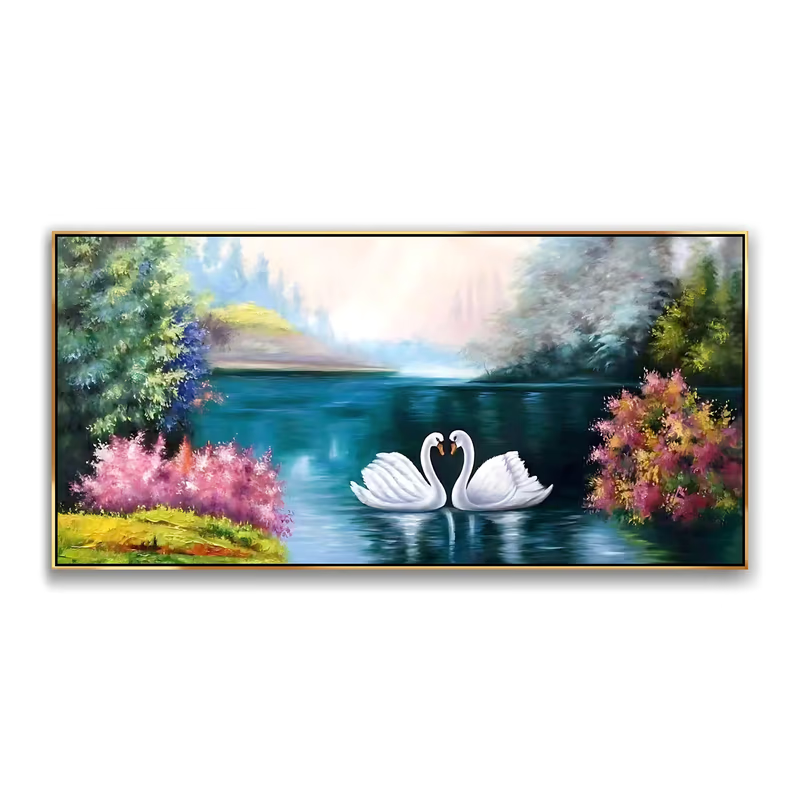
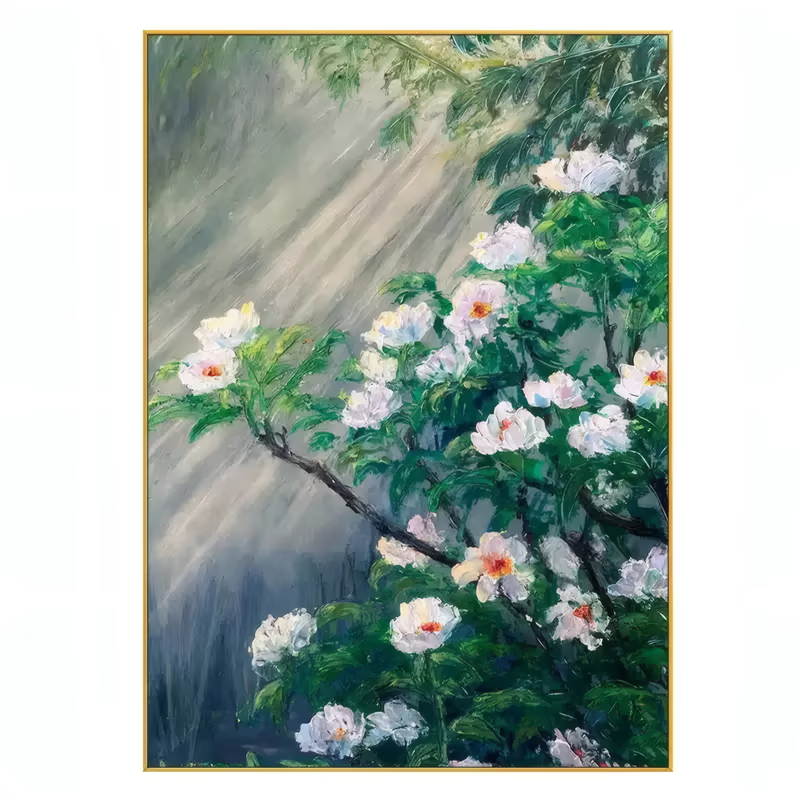
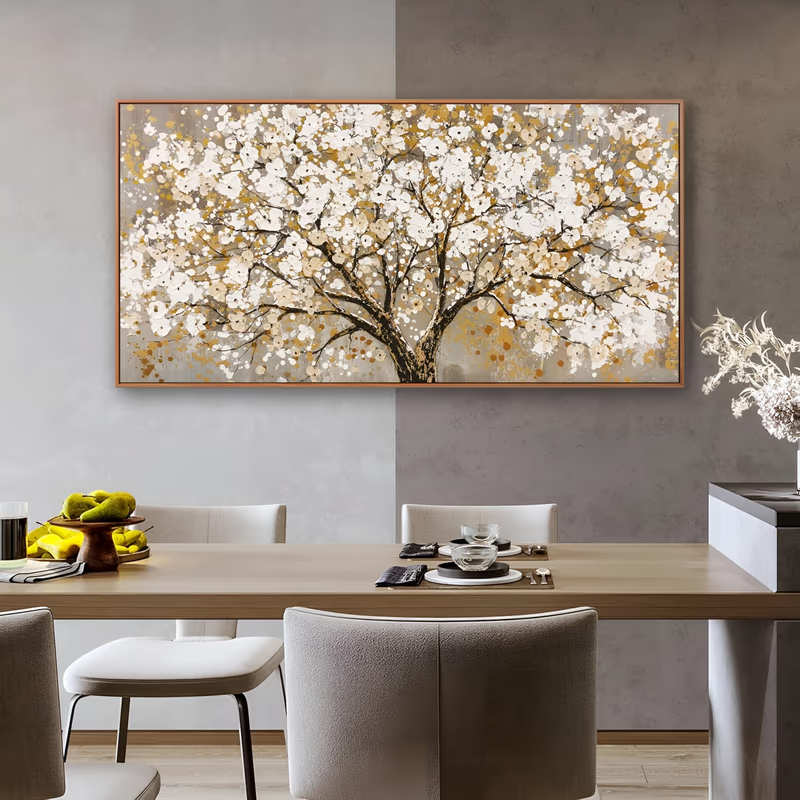
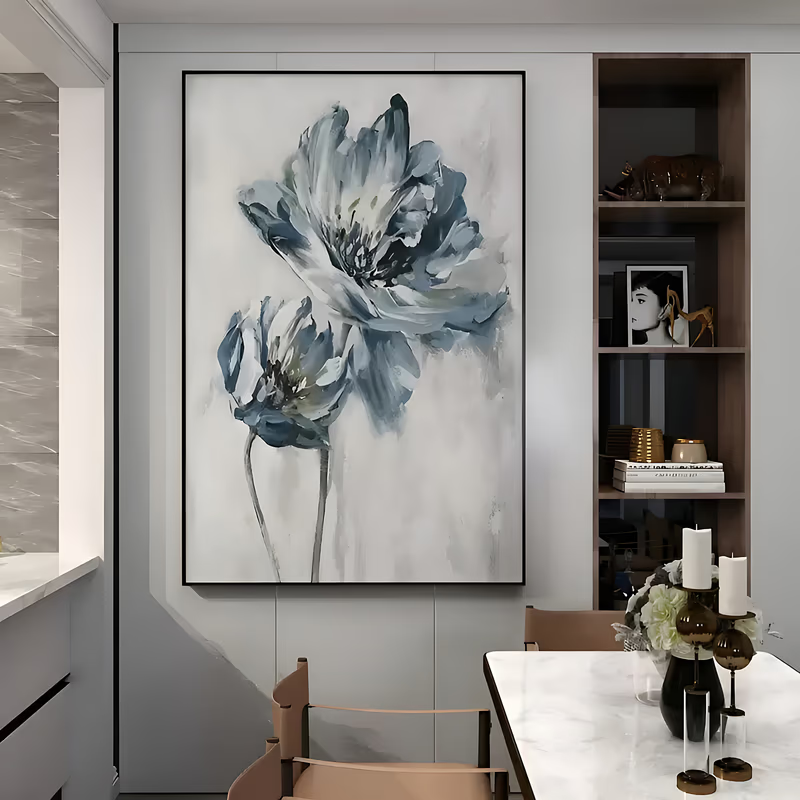
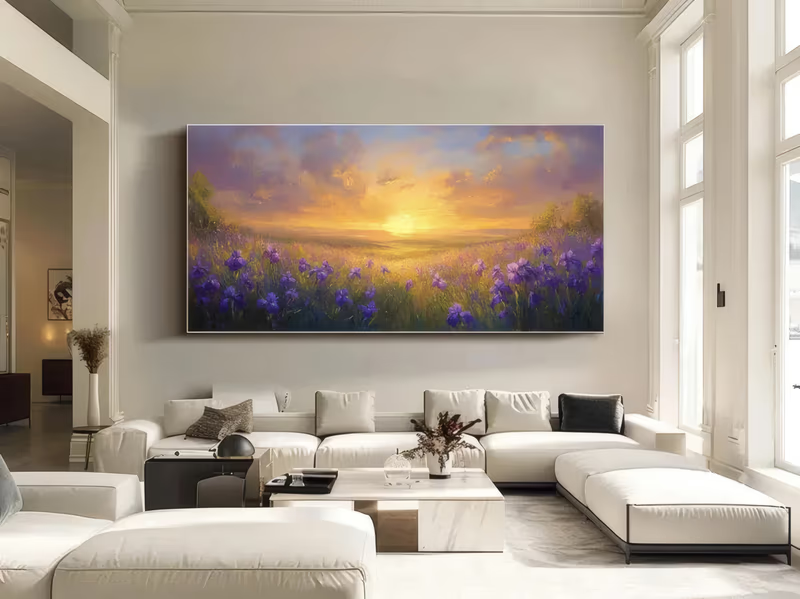
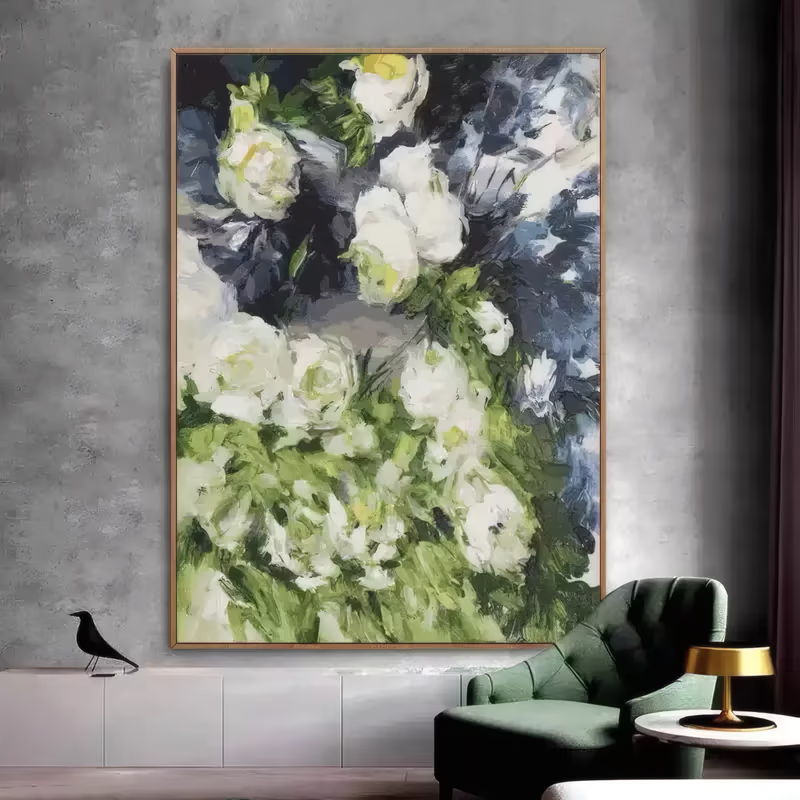
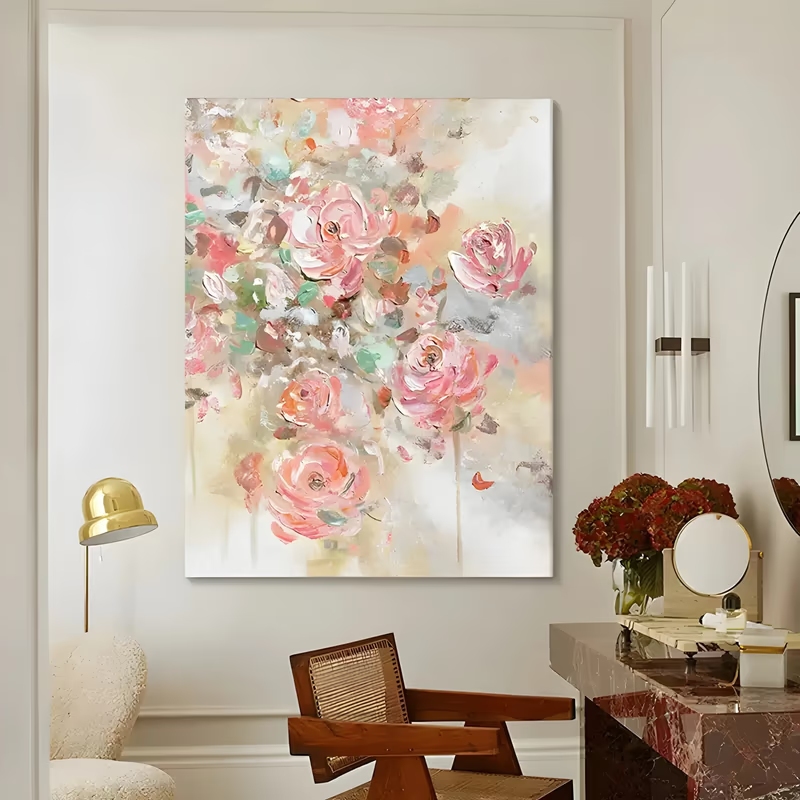
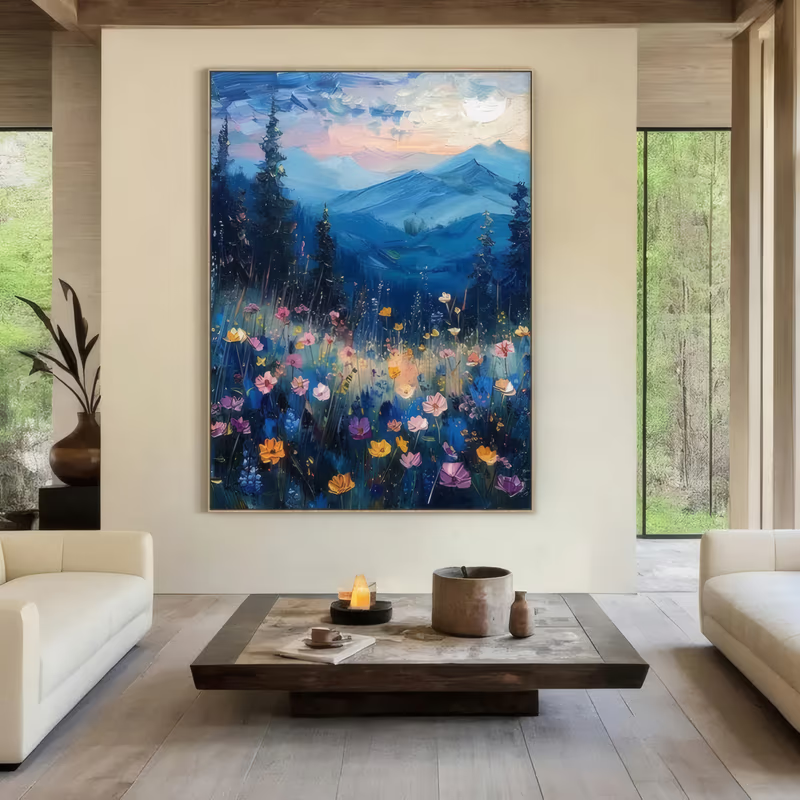
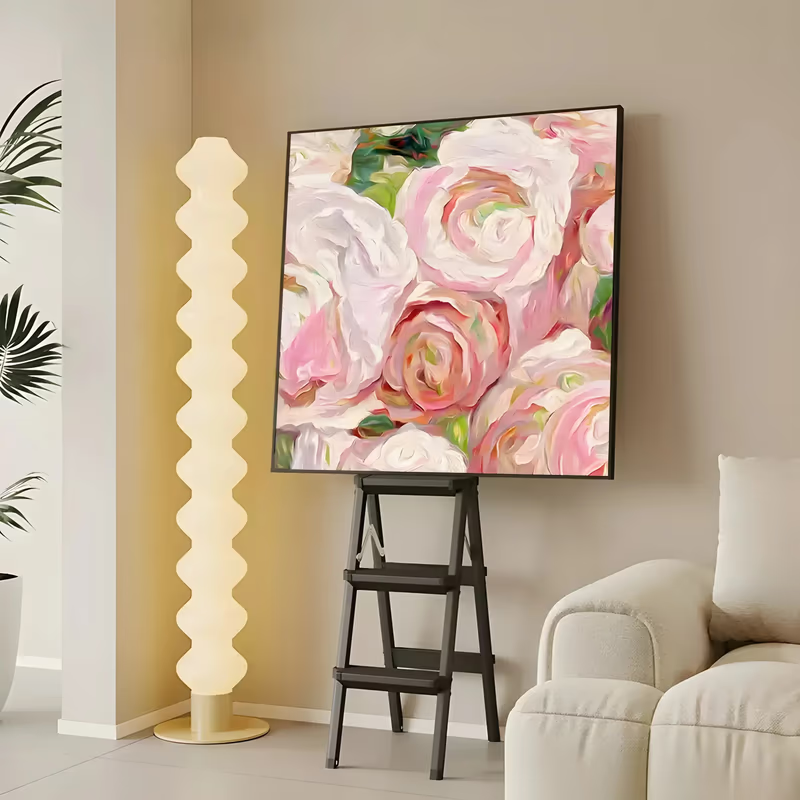
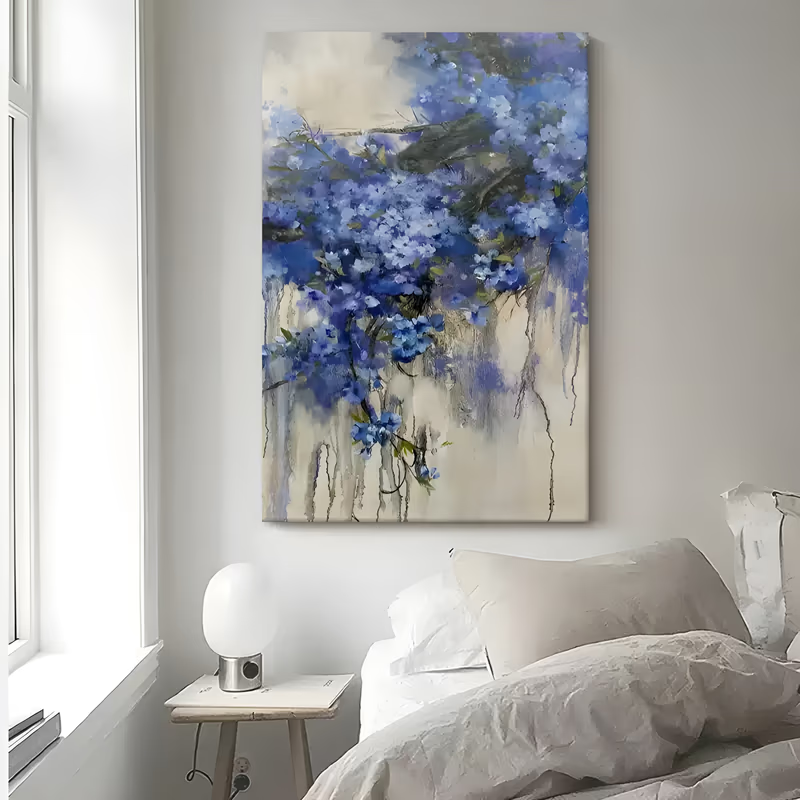
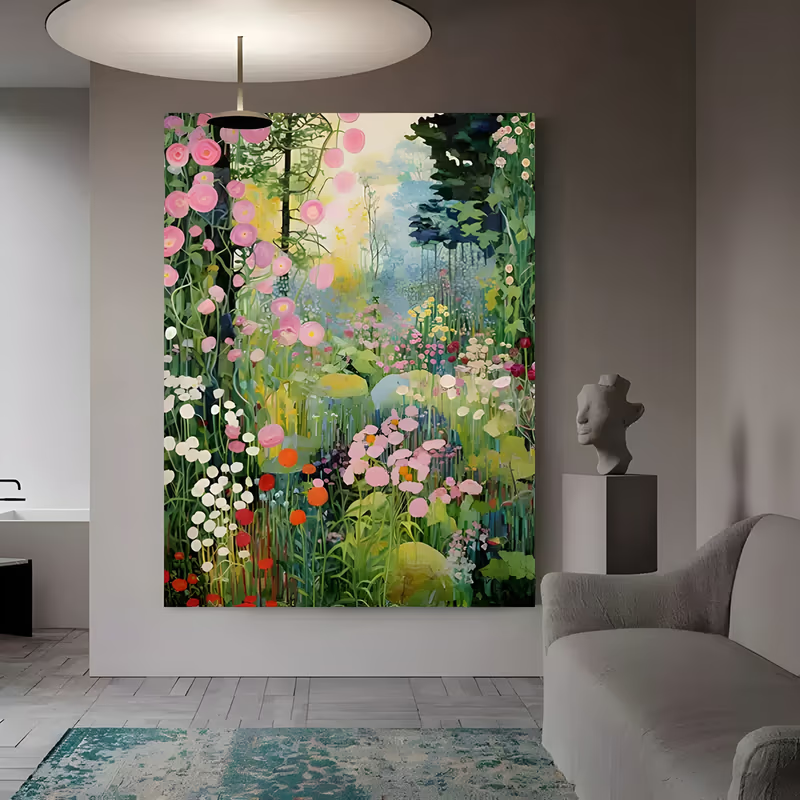
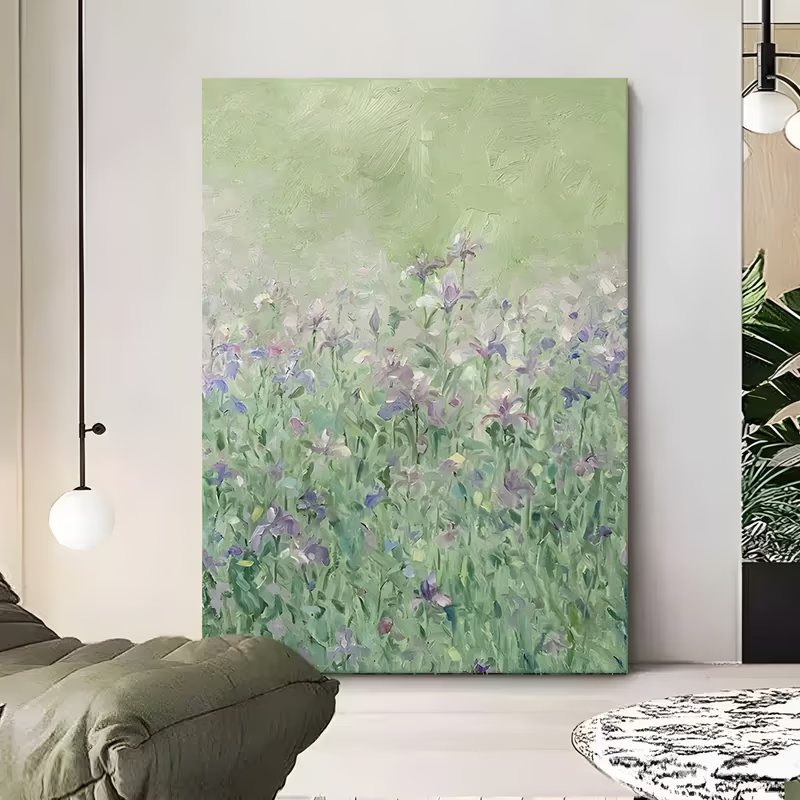
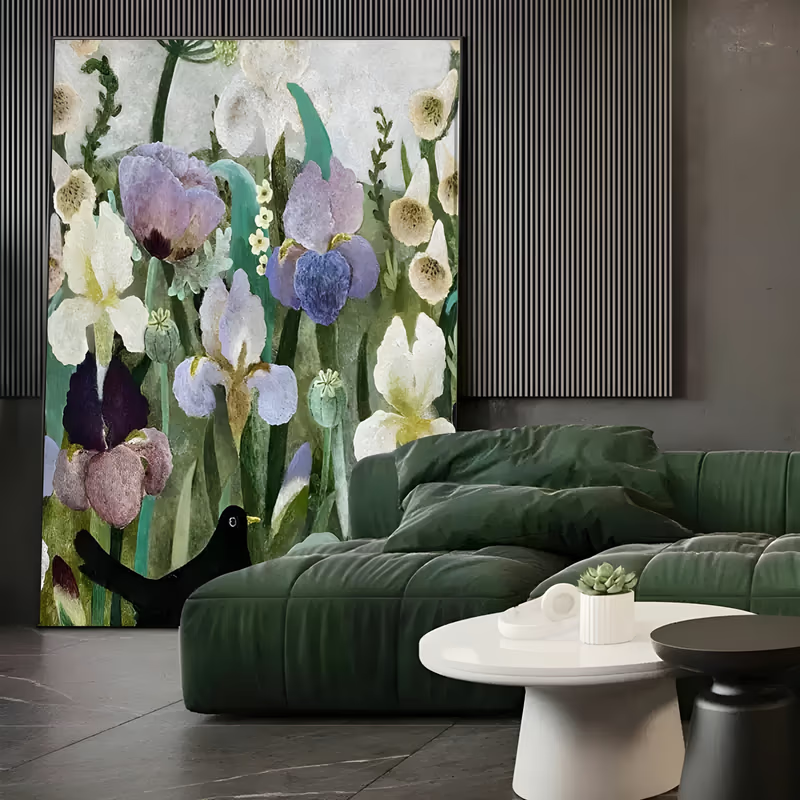
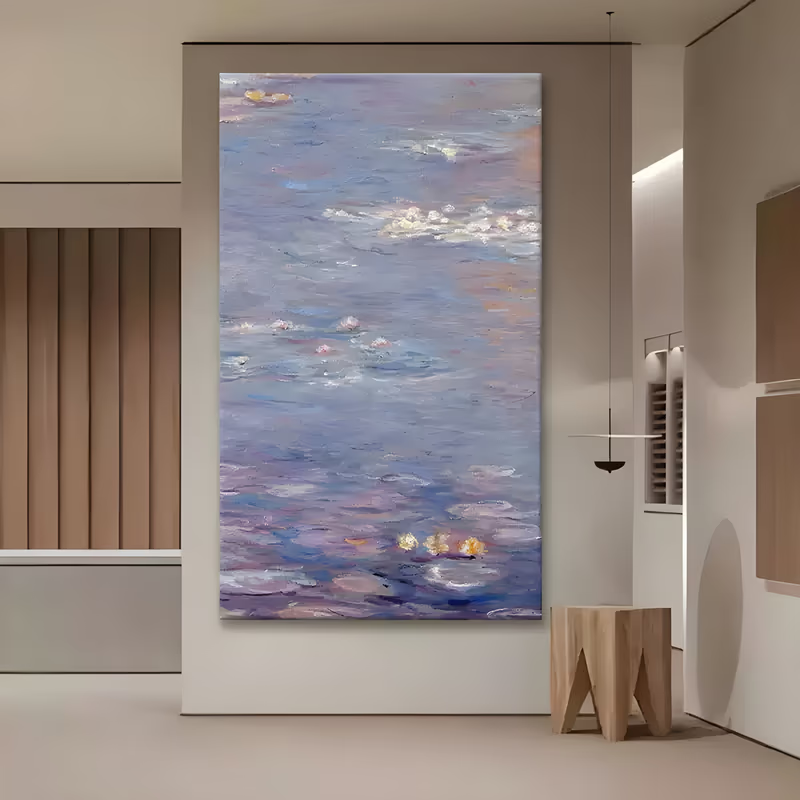
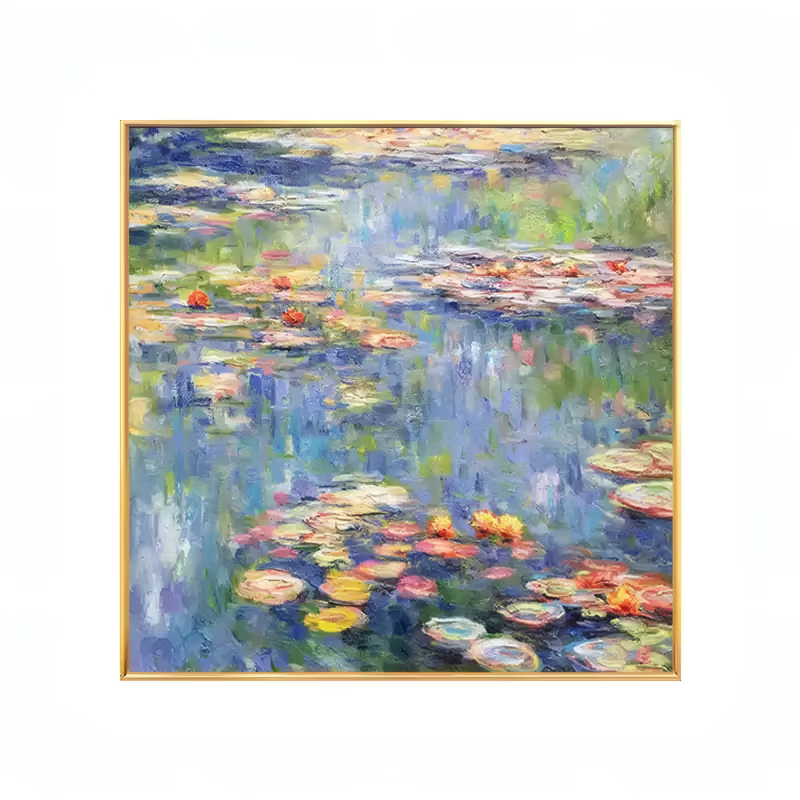
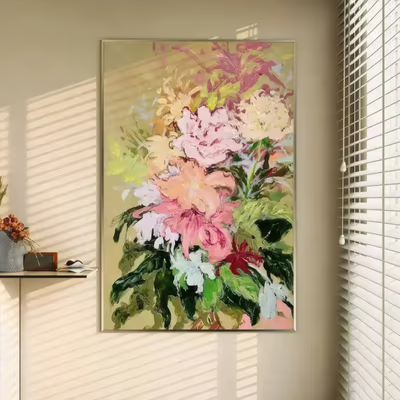
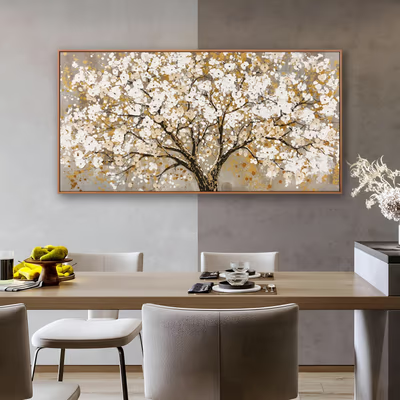
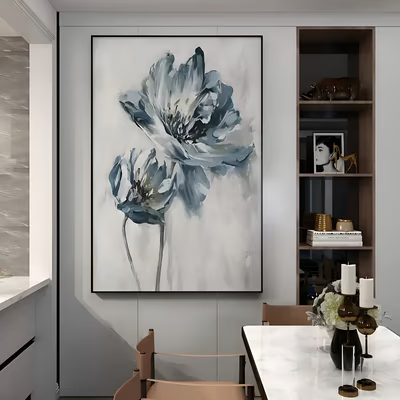
Tulip and lupine fields running to the horizon, dense gardens, rose bouquets and wildflowers, often with the petals knifed on thickly. Romantic and bright, they suit dining rooms, bedrooms and breakfast rooms.
Impressionist city scenes and figures
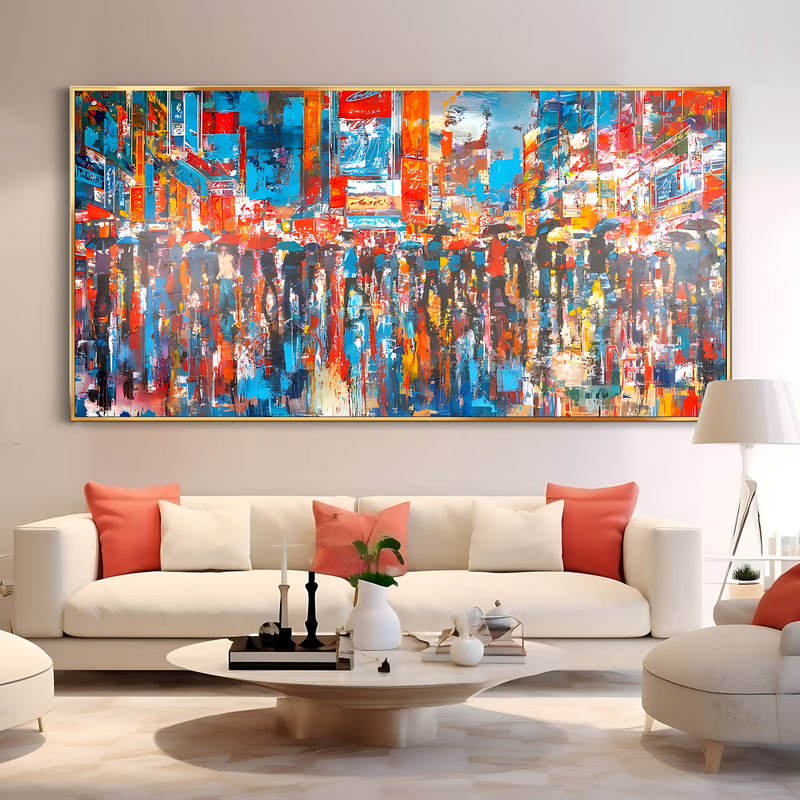
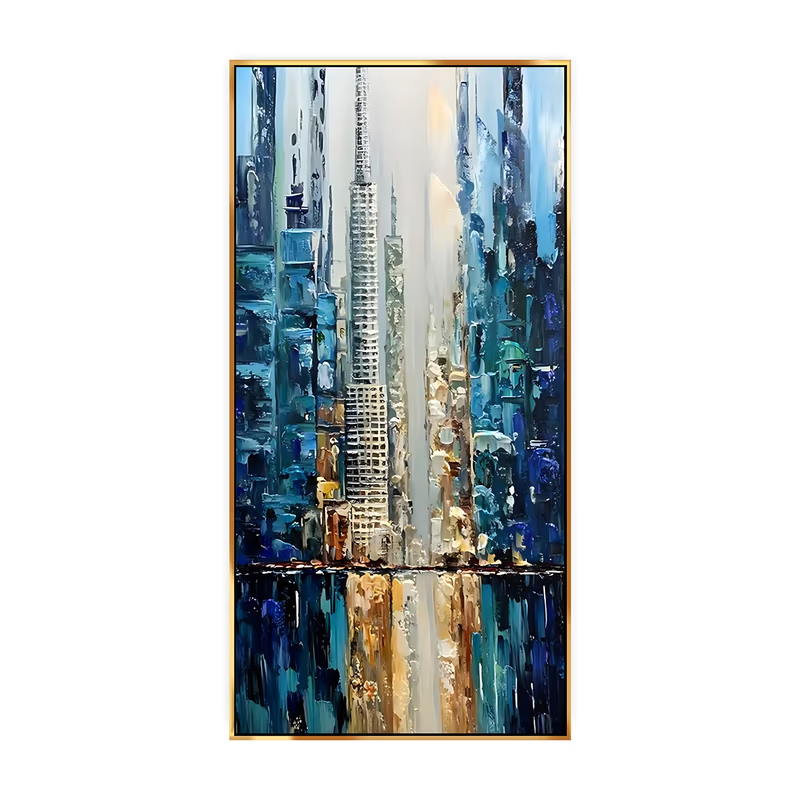
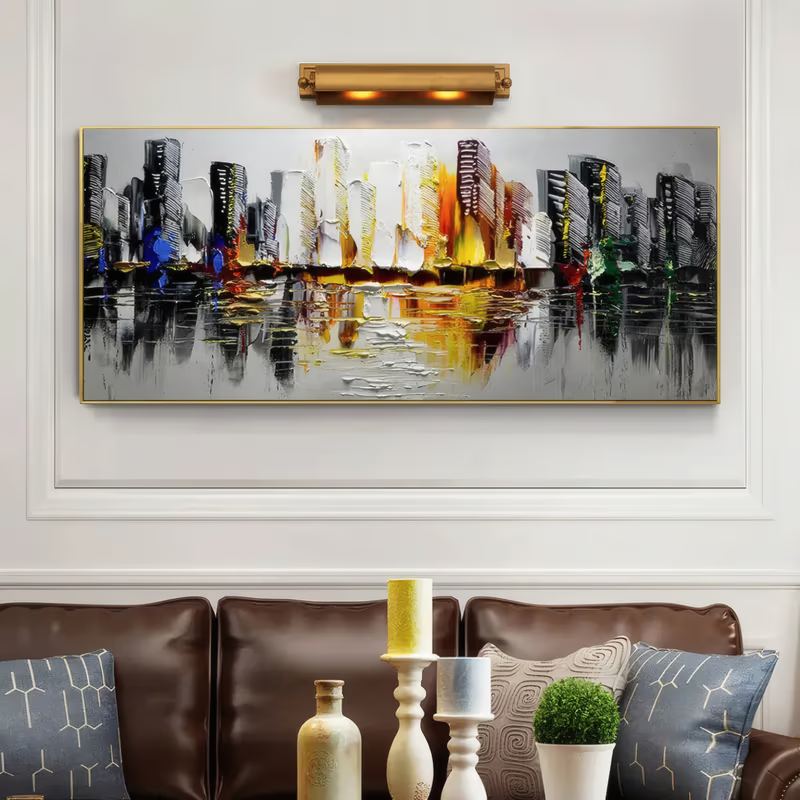
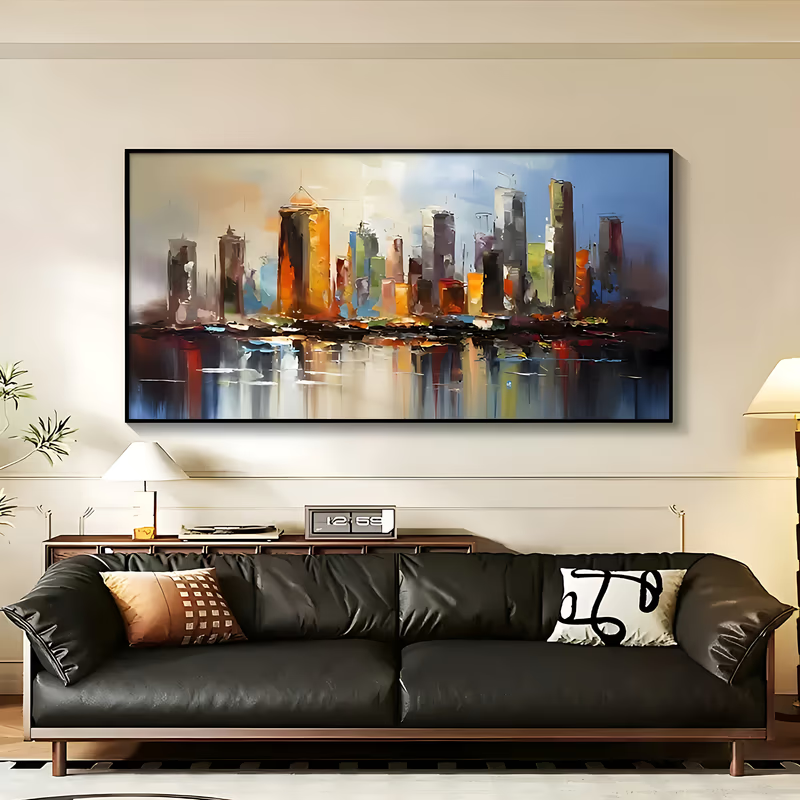
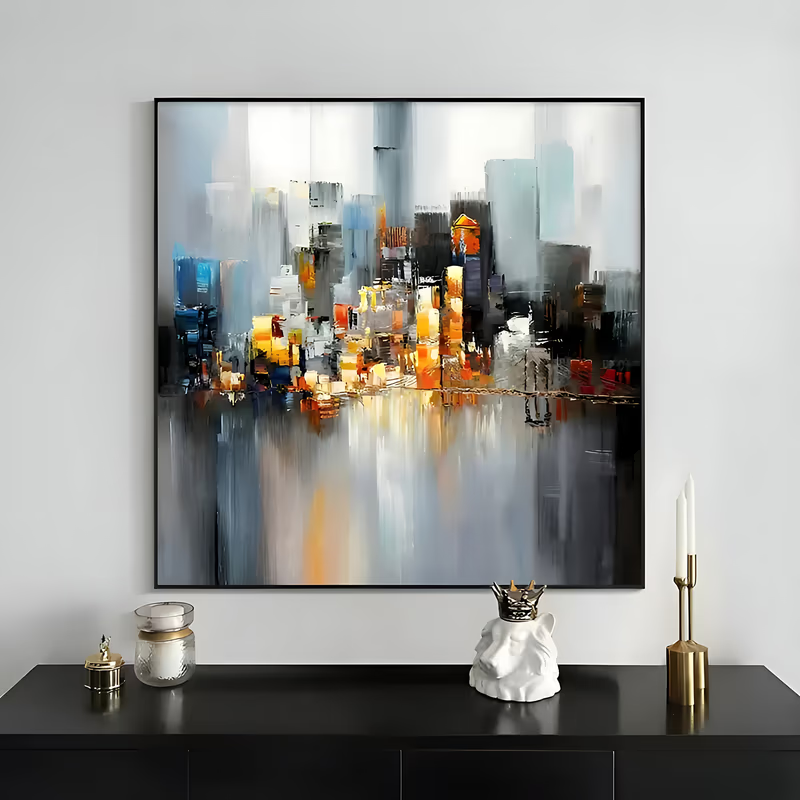
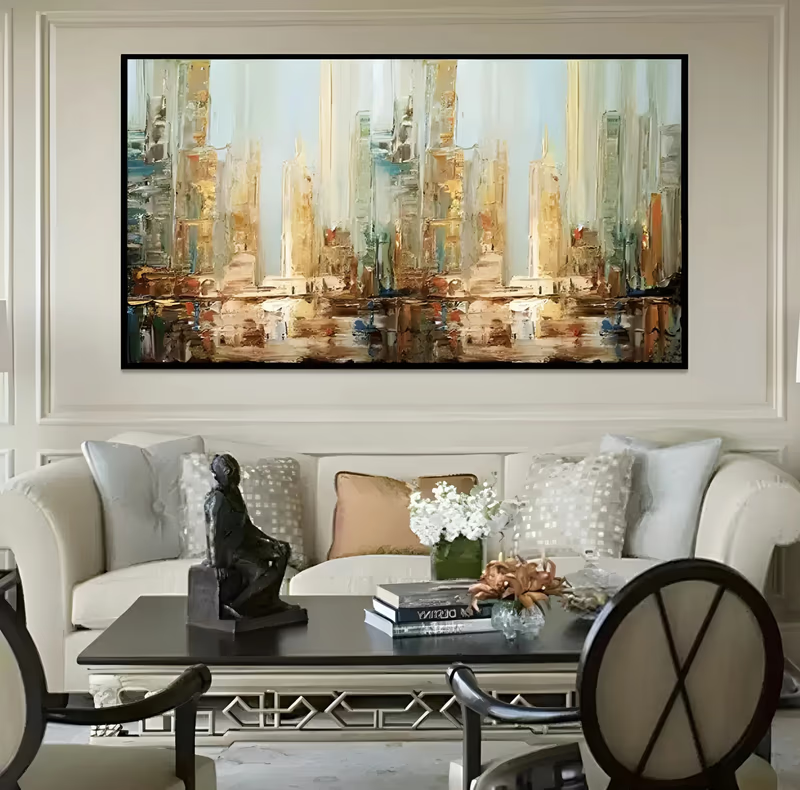
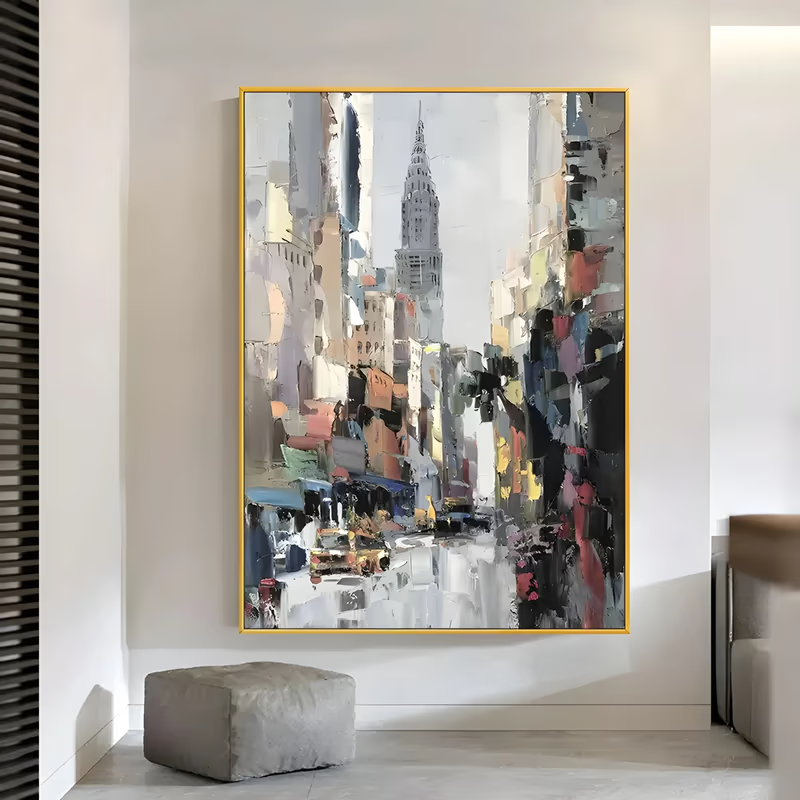
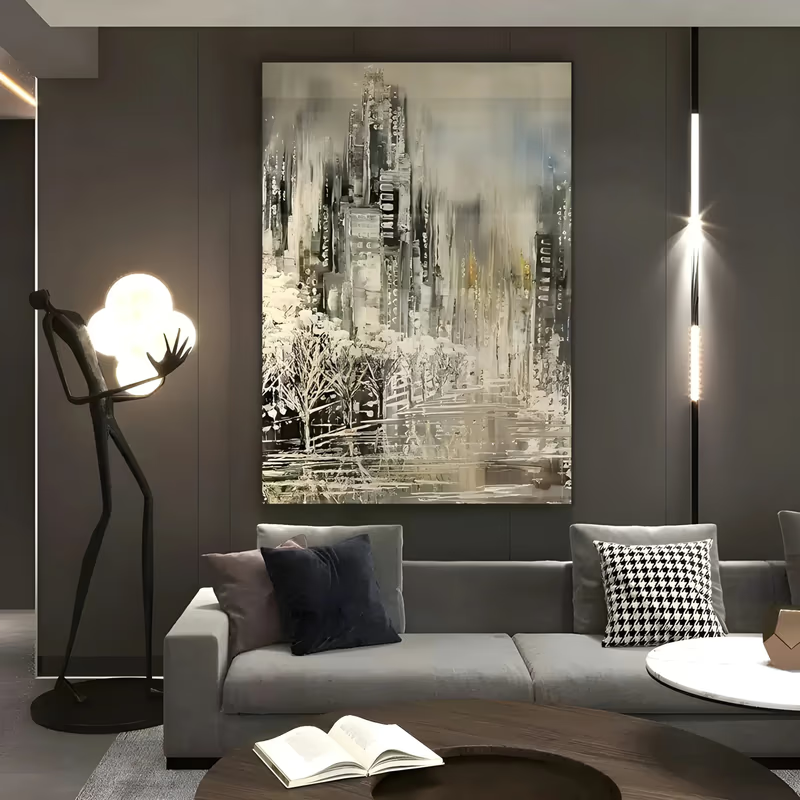
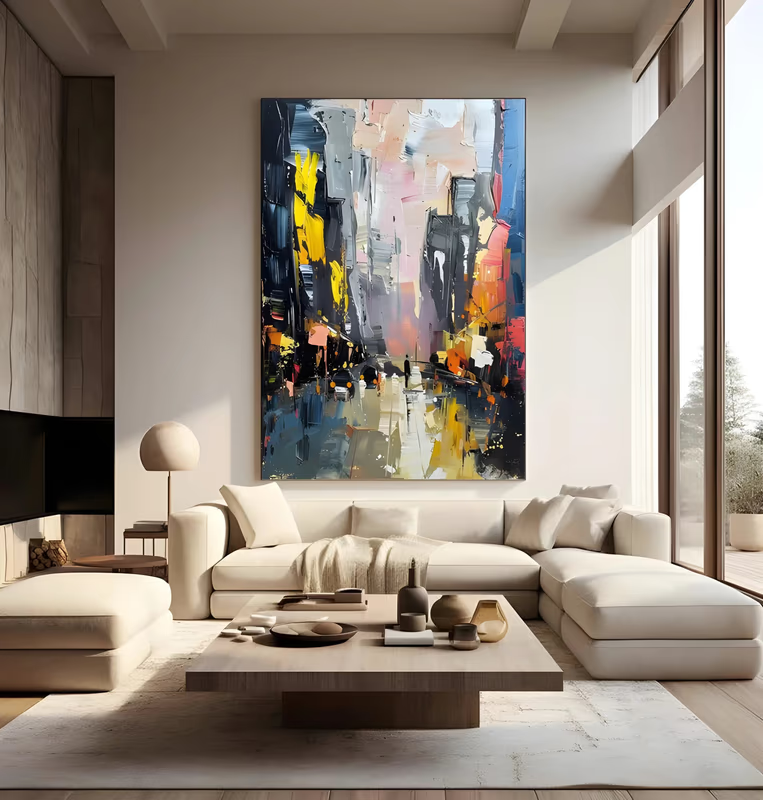
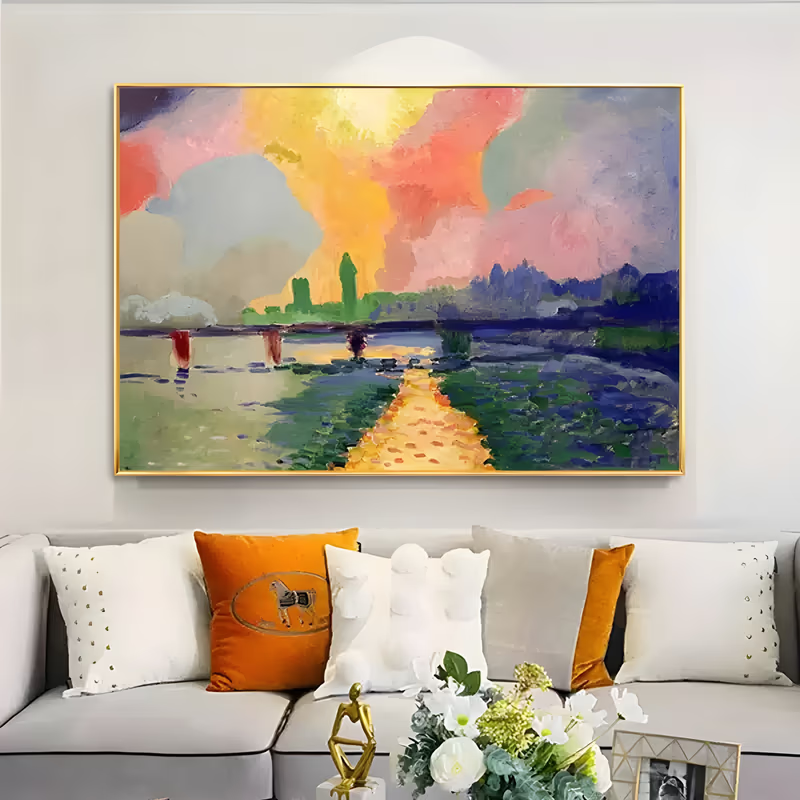
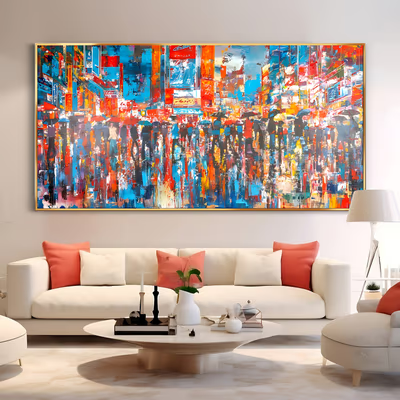
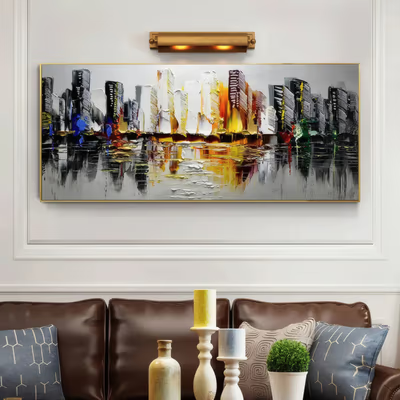
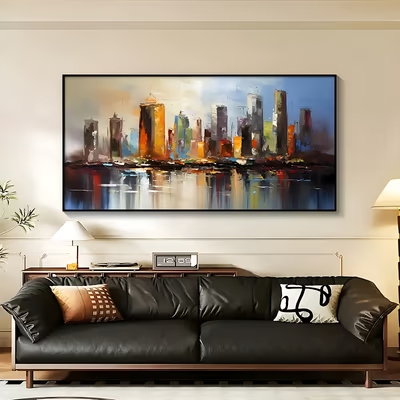
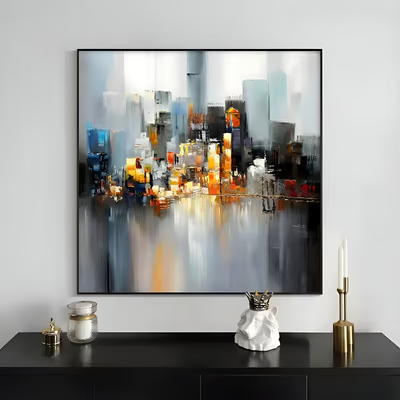
Wet streets reflecting shop windows, skylines lit orange at dusk, dancers in the rain and walkers on a promenade. These bring life and a little nostalgia to bars, restaurants, hallways and hotel lounges.
How far away should you view impressionist wall art?
Far enough for the strokes to merge: as a rule of thumb, at least one and a half times the canvas's diagonal, and more for the loosest brushwork.
This is the trait that should drive where an impressionist painting hangs. Seen from a metre away, a broadly painted sky is a patchwork of colour; from four metres it becomes weather. Choose the looseness of the brushwork to suit how close people will stand.
| Where it hangs | Typical viewing distance | Brushwork that works |
|---|---|---|
| Corridor, hallway, beside a bed | 1–2 m (3–6 ft) | Finer strokes and more detail; flowers and figures reward a close look |
| Living room, bedroom wall facing the bed, dining room | 2–4 m (6–13 ft) | Medium looseness: seascapes, gardens, street scenes |
| Lobby, restaurant, double-height wall | 5 m (16 ft) and more | Broad, loose strokes and big shapes; panoramic landscapes and skies |
A long corridor is the one place where both work at once: the painting reads as a scene as guests approach, then shows its brushwork as they pass. That is why impressionist series are a common choice for hotel corridor programmes.
How should impressionist wall art be lit?
Light an impressionist painting evenly and warmly, from a picture light or ceiling spot aimed at about 30 degrees, and keep it out of direct sun.
Because the subject is light itself, the lighting in the room either completes the painting or flattens it. Warm white bulbs (around 2700–3000 K) bring out golds, oranges and dusk pinks; a cool bulb pushes everything toward grey. A spot aimed at roughly 30 degrees from vertical avoids glare on the strokes, and where the paint is knifed on thickly, a slightly lower angle makes each ridge cast a small shadow.
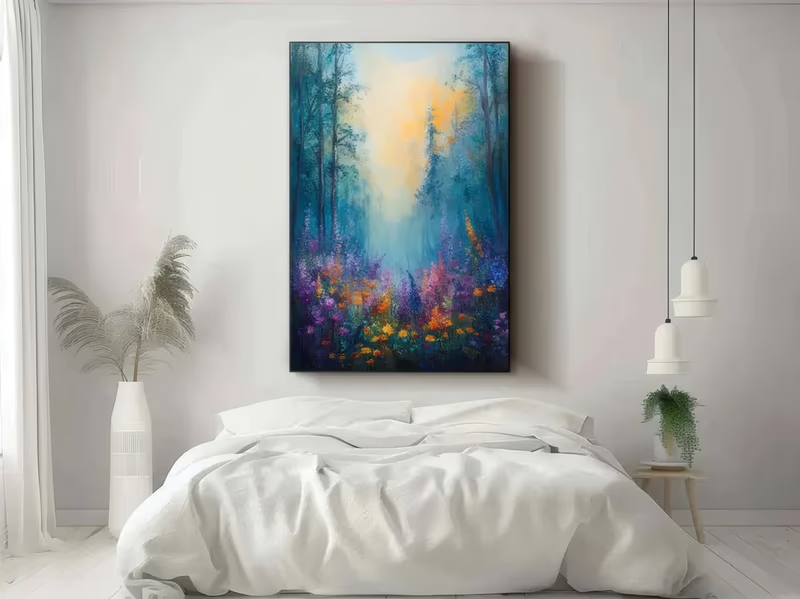
Choose the hour of the painting for the hour of the room. Morning seas, pale meadows and misty woods stay fresh in daylight rooms such as kitchens, bathrooms and offices. Sunsets, harbours at dusk and lamplit streets glow in rooms used after dark: dining rooms, bars and lounges. Browse by feel with peaceful, cosy and warm or dramatic impressionist pieces.
What size and format of impressionist painting do you need?
Pick the format from the shape of the wall, then size the canvas to roughly two-thirds of the width of whatever stands beneath it.
A panoramic impressionist landscape suits a headboard wall, a banquette or a long console, and it is the format in which a horizon feels most like a view. A horizontal canvas fills the space over a three-seat sofa. Vertical pieces suit narrow walls, stairwells and the panels between hotel room doors, and a pair of verticals can flank a fireplace or a doorway. Square works sit well over a small chest or in a powder room.
Leave a gap of about 20 cm (8 in) between a sofa or headboard and the lower edge of the frame, and put the middle of the picture near standing eye level, about 150 cm (59 in) up. On a wall with nothing beneath it, let the painting take up between half and three-quarters of the width. Because each piece is painted to order, the scene is recomposed for your exact proportions, so a field of tulips can be drawn wider rather than stretched.
Should impressionist paintings hang alone or as a set?
One large impressionist canvas makes the strongest focal point; a set works when the pieces share a palette and a light, such as one coast at four times of day.
Impressionist painters returned to the same haystack or cathedral in different light, and that idea makes a natural set for a home or a hotel: the same harbour at dawn and at dusk over twin beds, or four seasons of one valley along a corridor. Keep the horizon at the same height across every canvas so the eye travels smoothly from one to the next, and keep the gaps between them equal, about 5–8 cm (2–3 in) for a pair.
For a hotel or apartment project, a catalogue scene can be repainted in related colourways for different floors or room types, so each guest room has its own picture while the building reads as one collection. See guest-room art programmes and boutique hotels.
How is a made-to-order impressionist painting approved?
You approve it in stages from progress photos or video: the composition and light first, then the colour, then the finished brushwork, and painting moves on only after each approval.
On an impressionist piece the first stage blocks in the big shapes of light and shadow: where the sun sits, how bright the sky is against the land. That is the moment to ask for a lower horizon or a warmer evening. The palette can be shifted to a scheme, a paint code or a fabric, so a blue seascape can be painted in teal and sand, or a pink meadow in lavender. Before dispatch you approve a final photograph of the finished canvas.
Each painting is acrylic on canvas as standard, with oil paint on request. It ships rolled, stretched and ready to hang, or framed in gold, silver, black, white or wood; gold and warm wood suit most impressionist scenes. Start with a quote request, or describe your own scene on the custom painting page.