Asian and folk art guide · Updated
How to choose Asian and folk art paintings with care
Key takeaways
- Motifs carry meaning: in East Asian tradition koi stand for perseverance, cranes for long life, lotus for purity and bamboo for resilience, so choose a subject you are happy to explain.
- Pick the handling to match the room: fine classical detail suits formal rooms, ink and plaster relief suit Japandi and minimal ones, bright folk colour suits eclectic ones.
- One tradition per wall: a single strong piece, or a set from one tradition, looks considered; mixing motifs from many cultures on one wall looks like a souvenir shop.
- Adapt colour, not meaning: palettes can change to suit a scheme, but keep the motif itself faithful so the painting stays respectful.
What counts as Asian and folk art here, and what does it bring to a room?
These are paintings built on traditional motifs and decorative ways of seeing, mostly East Asian birds, fish, flowers and mountains, alongside folk and naive animals, villages and pattern; they bring a room warmth, story and a sense of place.
Most wall art is chosen for colour and mood. Cultural and folk art adds a third layer: a subject with roots. A pair of cranes, a koi pond or a lotus has been painted for centuries with particular hopes attached to it, and a folk tiger or a pair of mirrored birds carries the cheerful directness of craft traditions made for homes rather than galleries. That history is what gives these paintings their presence, and it is also why they deserve a little thought before they are hung.
The works here are contemporary paintings inspired by those traditions, not antiques or reproductions of particular historic pieces. They are painted to order, so the colour and size can follow your room while the motif keeps its character.
What do the motifs in Asian art paintings traditionally mean?
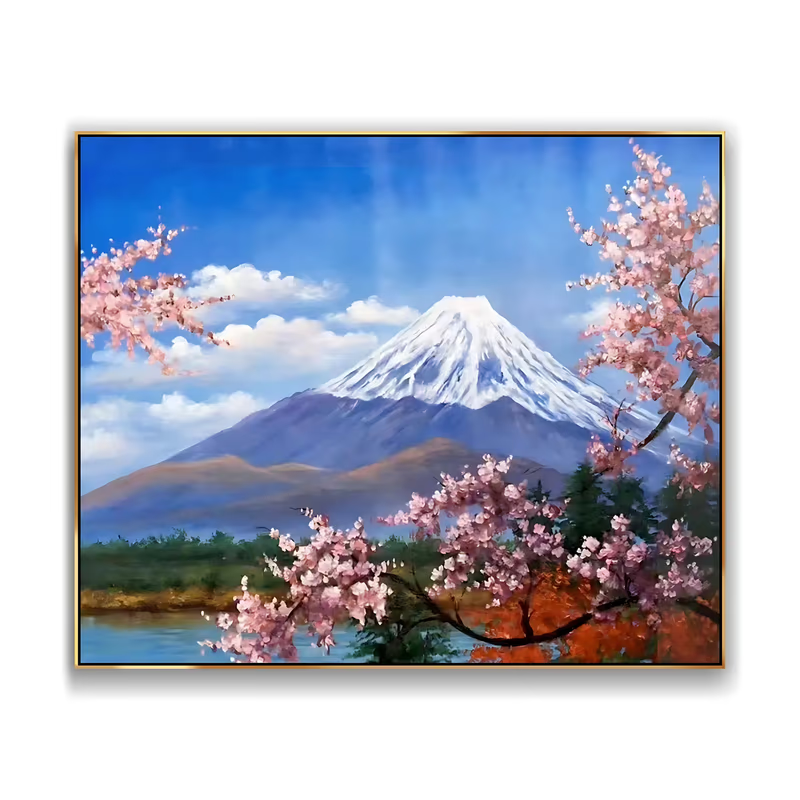
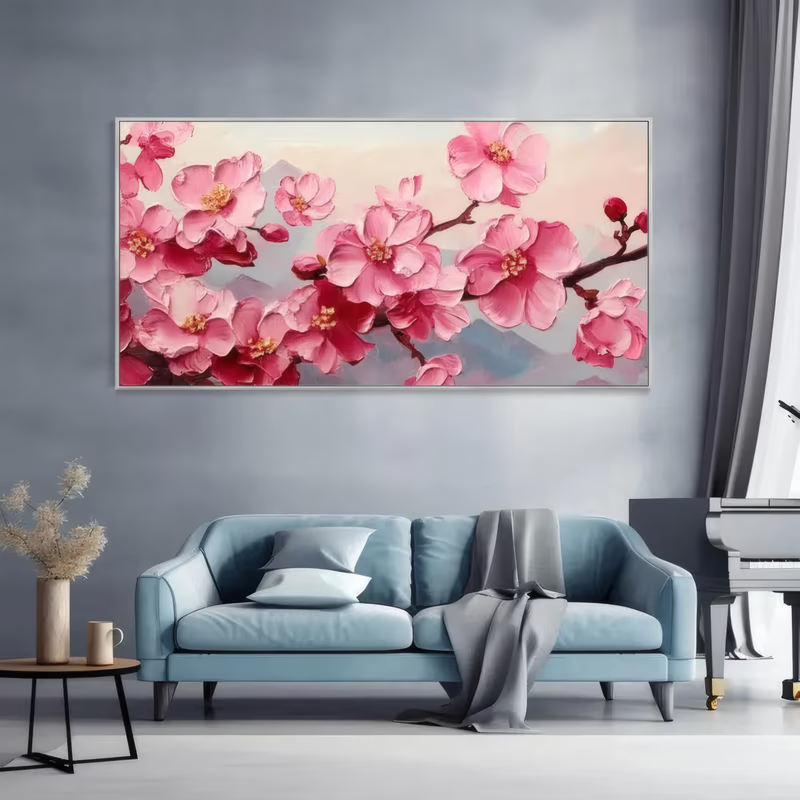
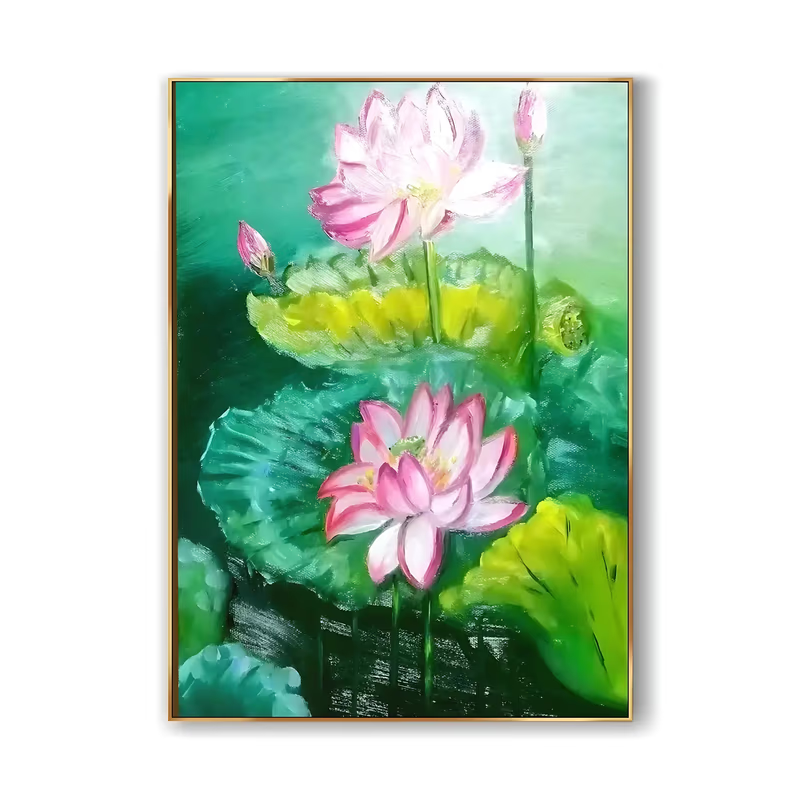
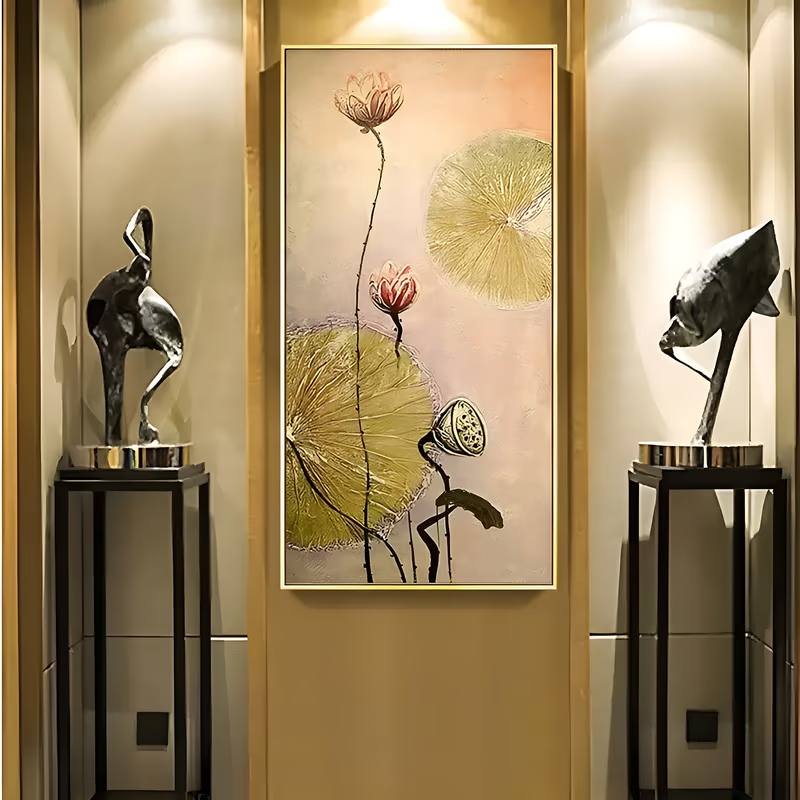
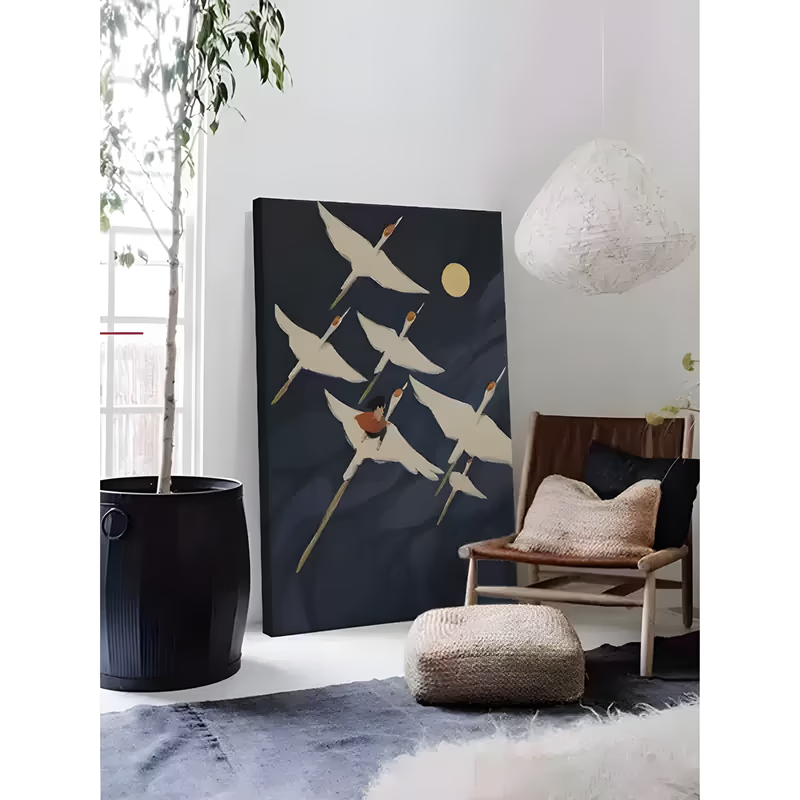
Each motif has a traditional association: koi for perseverance and abundance, cranes for long life, lotus for purity, bamboo for resilience, peonies for prosperity and plum or cherry blossom for renewal.
| Motif | Traditional association | Where it suits |
|---|---|---|
| Koi, often with lotus | Perseverance and abundance; swimming upstream against the current | Entrances, studies, restaurants, offices |
| Cranes, with bamboo or clouds | Long life and fidelity, since cranes pair for life | Living rooms, bedrooms, lobbies |
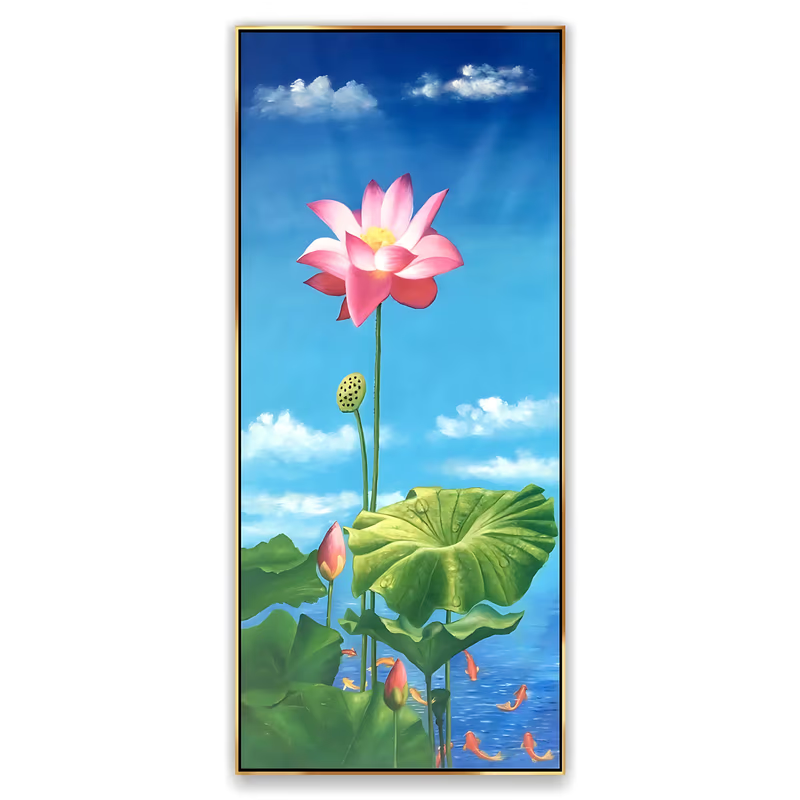
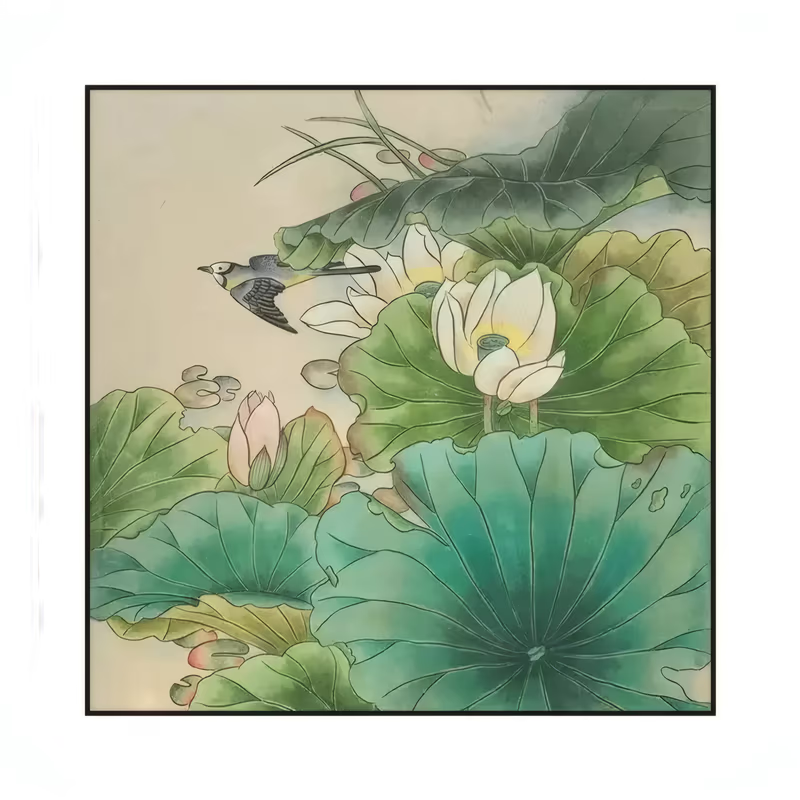
| Lotus | Purity, rising clean from muddy water | Spas, bathrooms, bedrooms, meditation rooms |
| Bamboo | Resilience and integrity; it bends but does not break | Offices, corridors, Japandi living rooms |
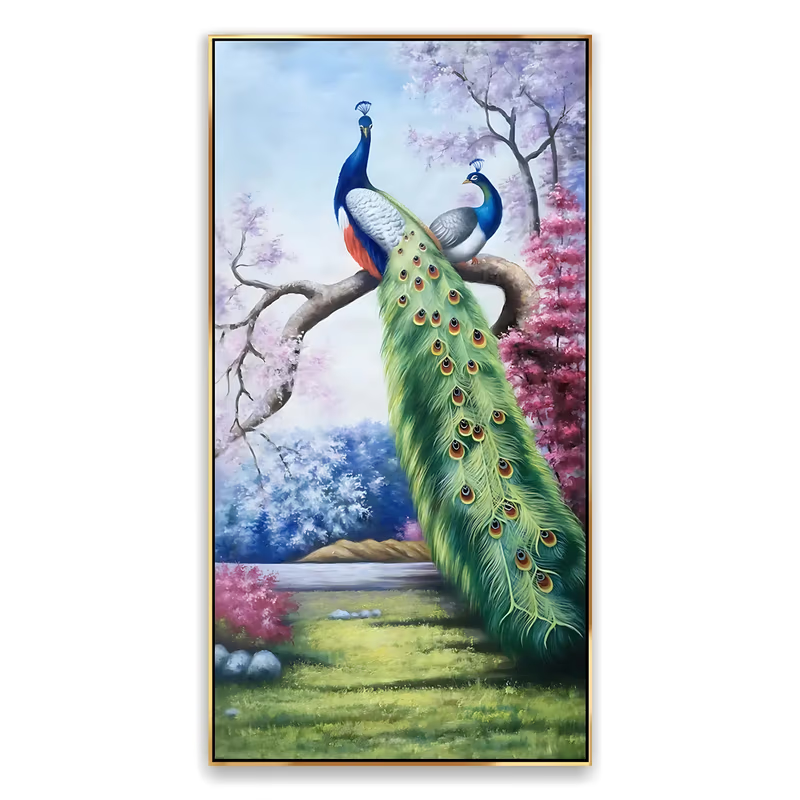
| Peonies and peacocks | Prosperity, beauty and dignity | Dining rooms, salons, formal lobbies |
| Plum and cherry blossom | Renewal, spring and the passing moment | Bedrooms, tea rooms, guest suites |
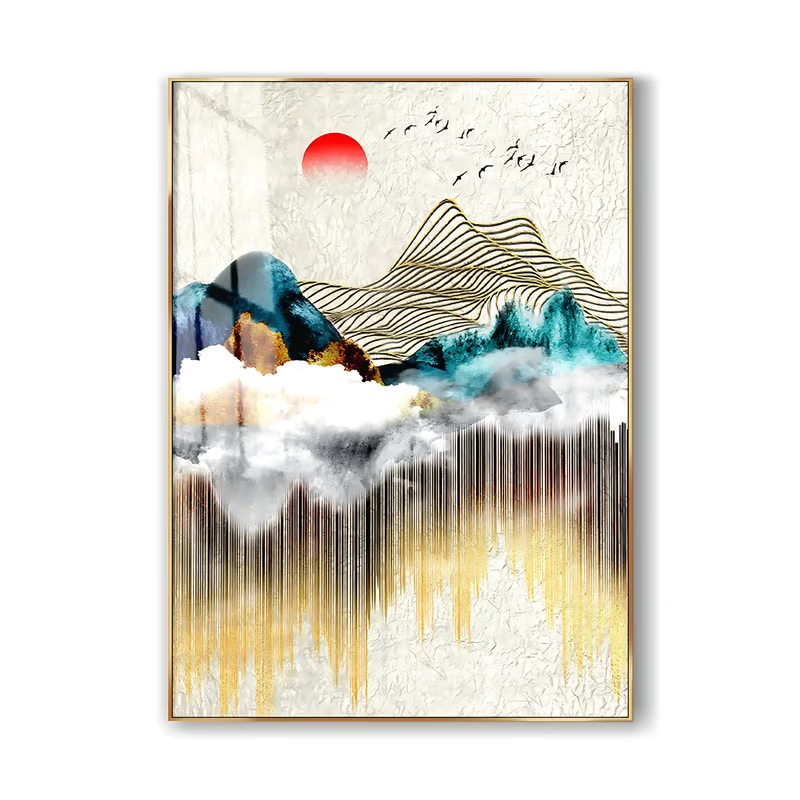
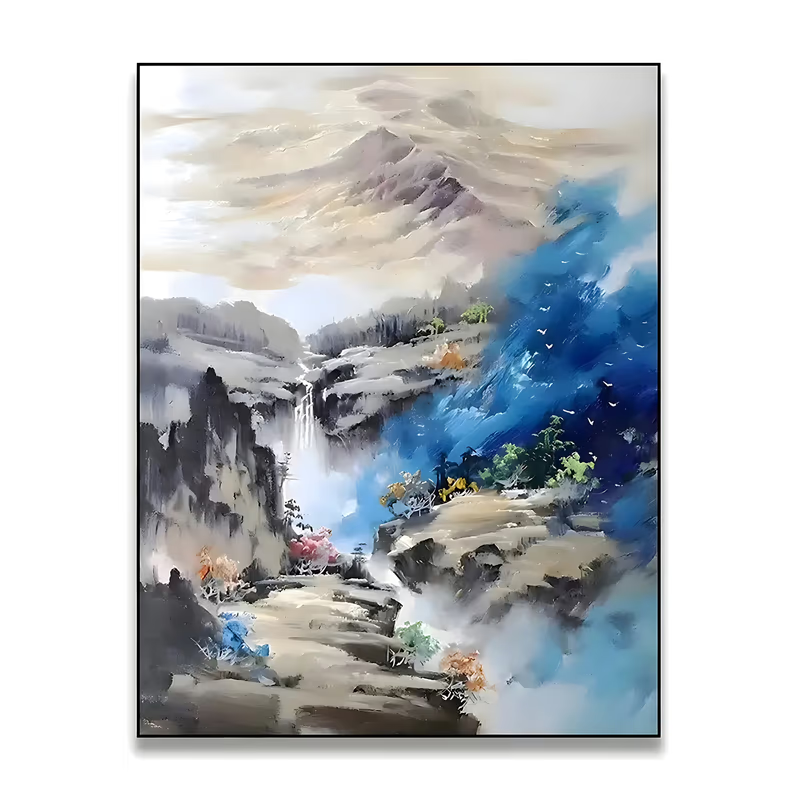
| Mountains and waterfalls in ink | Stillness and perspective | Boardrooms, reading rooms, spa relaxation areas |
Associations differ between China, Japan and Korea, and from one family to the next, so treat them as tradition rather than rule. They are still a useful guide when a painting is a gift, or when a restaurant or hotel wants its art to say something to guests who know these symbols.
What kinds of Asian and folk paintings can you choose from?
Four kinds: finely detailed classical motifs, ink, gold and relief work, bright folk colour, and figures and pattern from wider traditions.
Fine classical detail: koi, cranes, peacocks and blossom
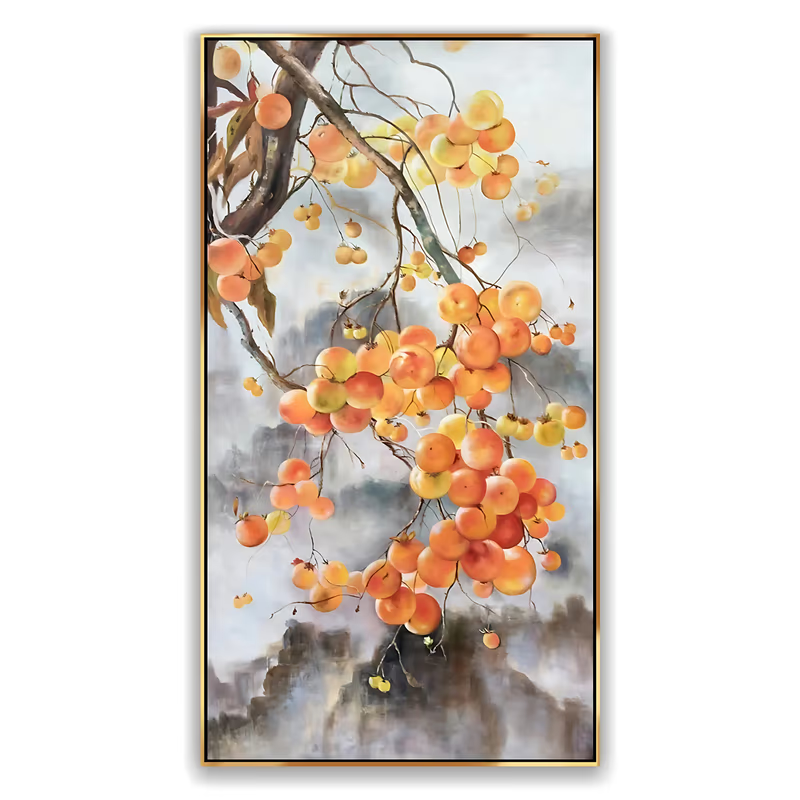
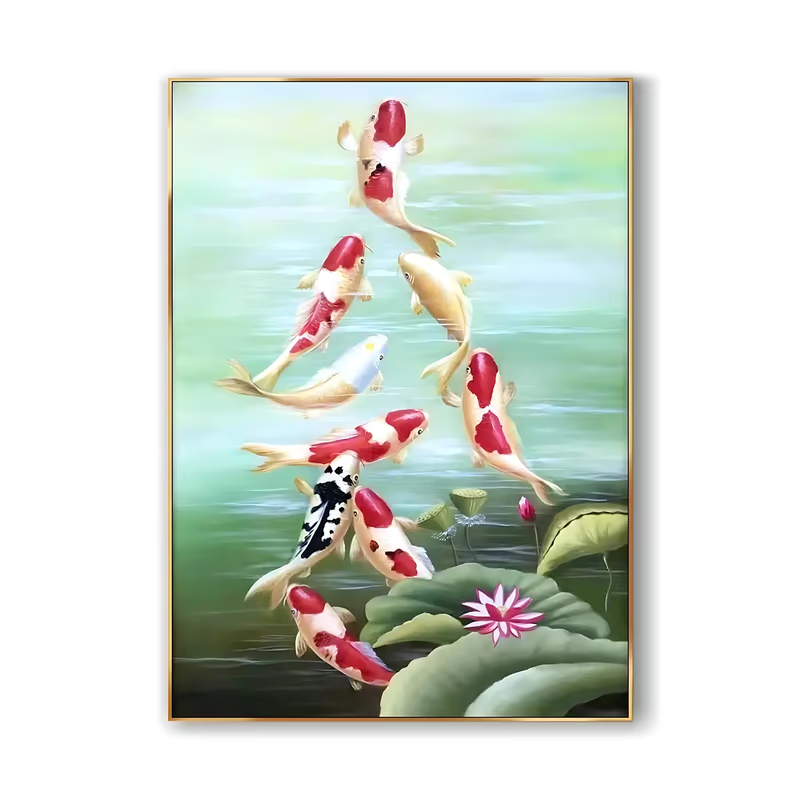
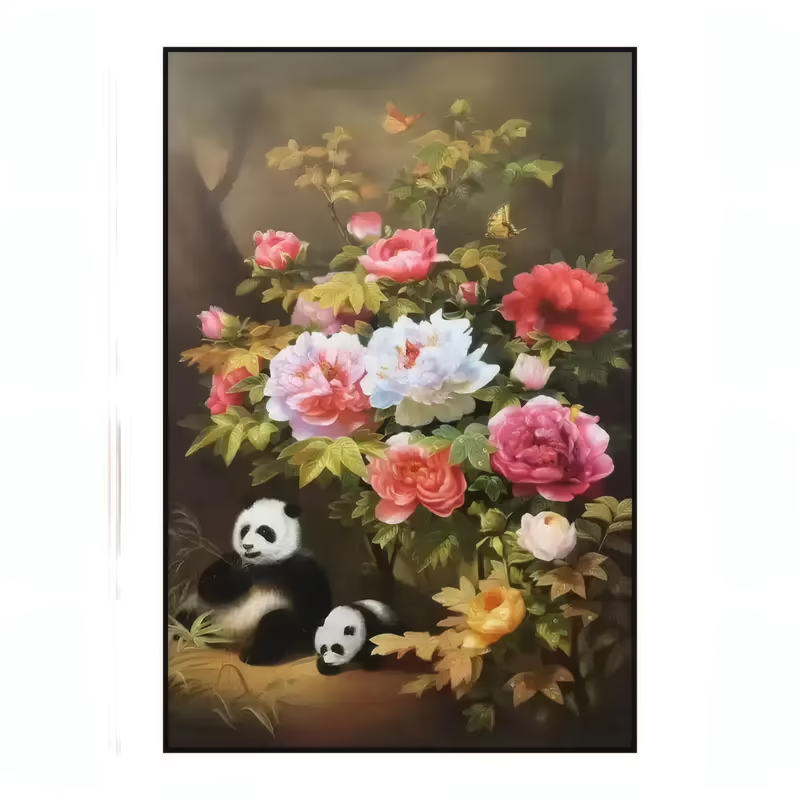
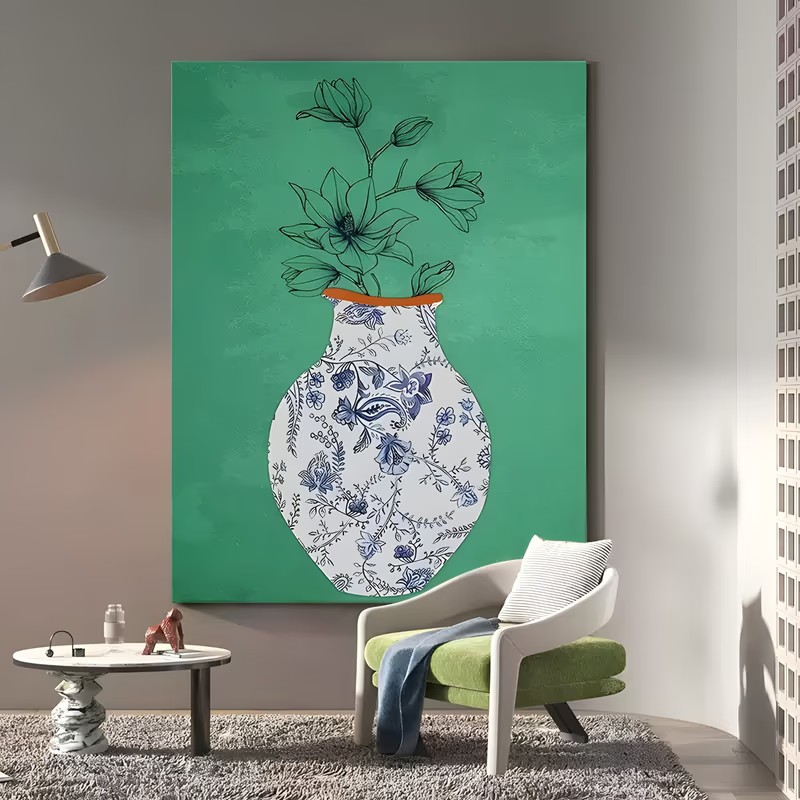
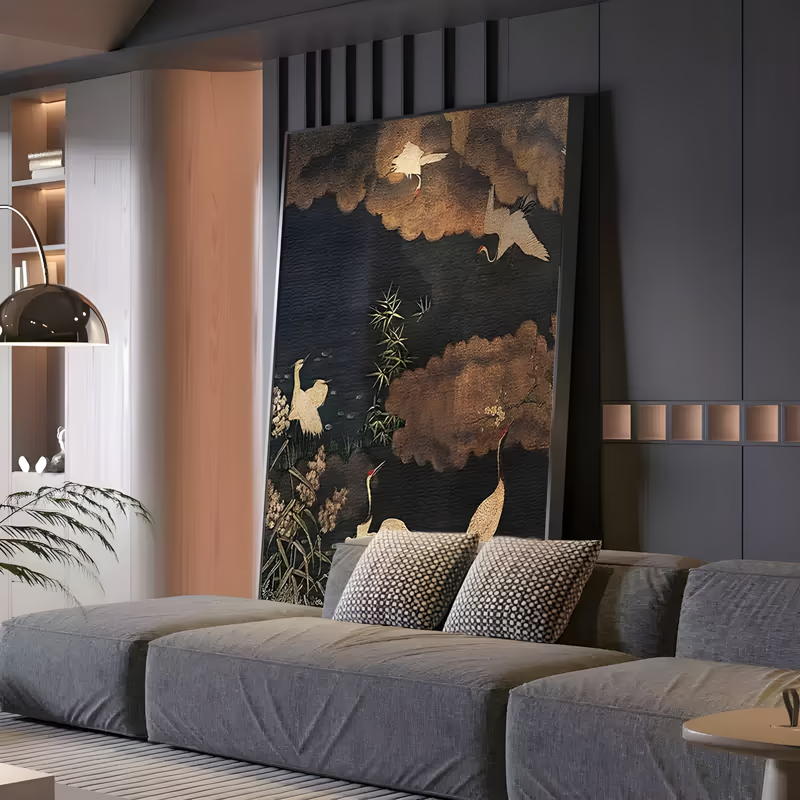
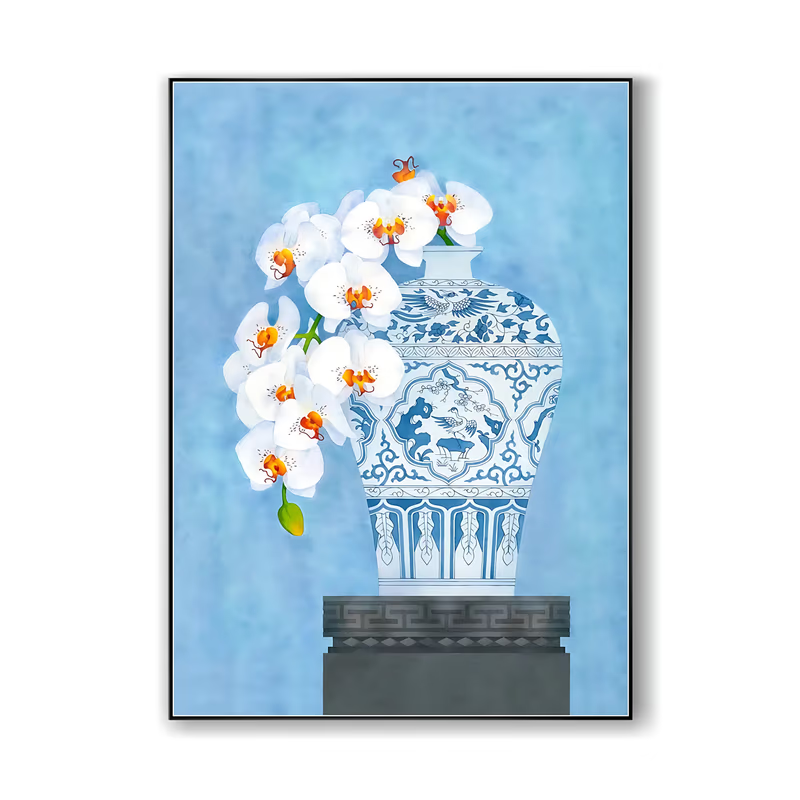
Realistically painted koi beneath pink lotus, two peacocks above blossom, pandas under peonies, white cranes in gold clouds and bamboo, orchids in a blue and white ginger jar. The most formal pieces here, suited to dining rooms, lobbies and traditional interiors. The same care for detail is in hyperrealism.
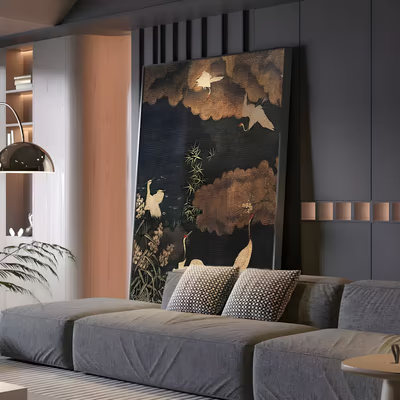
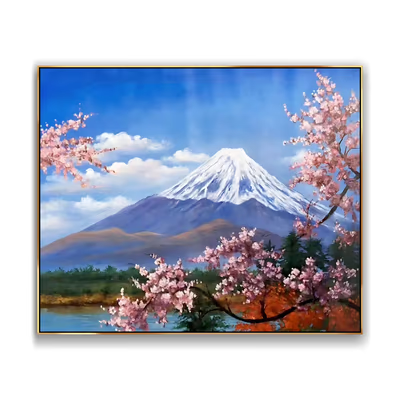
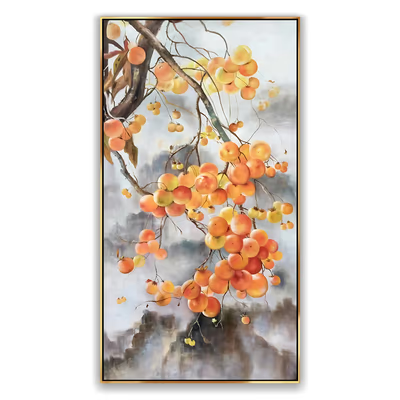
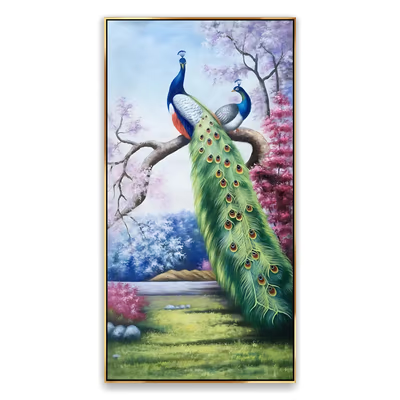
Ink, gold line and plaster relief
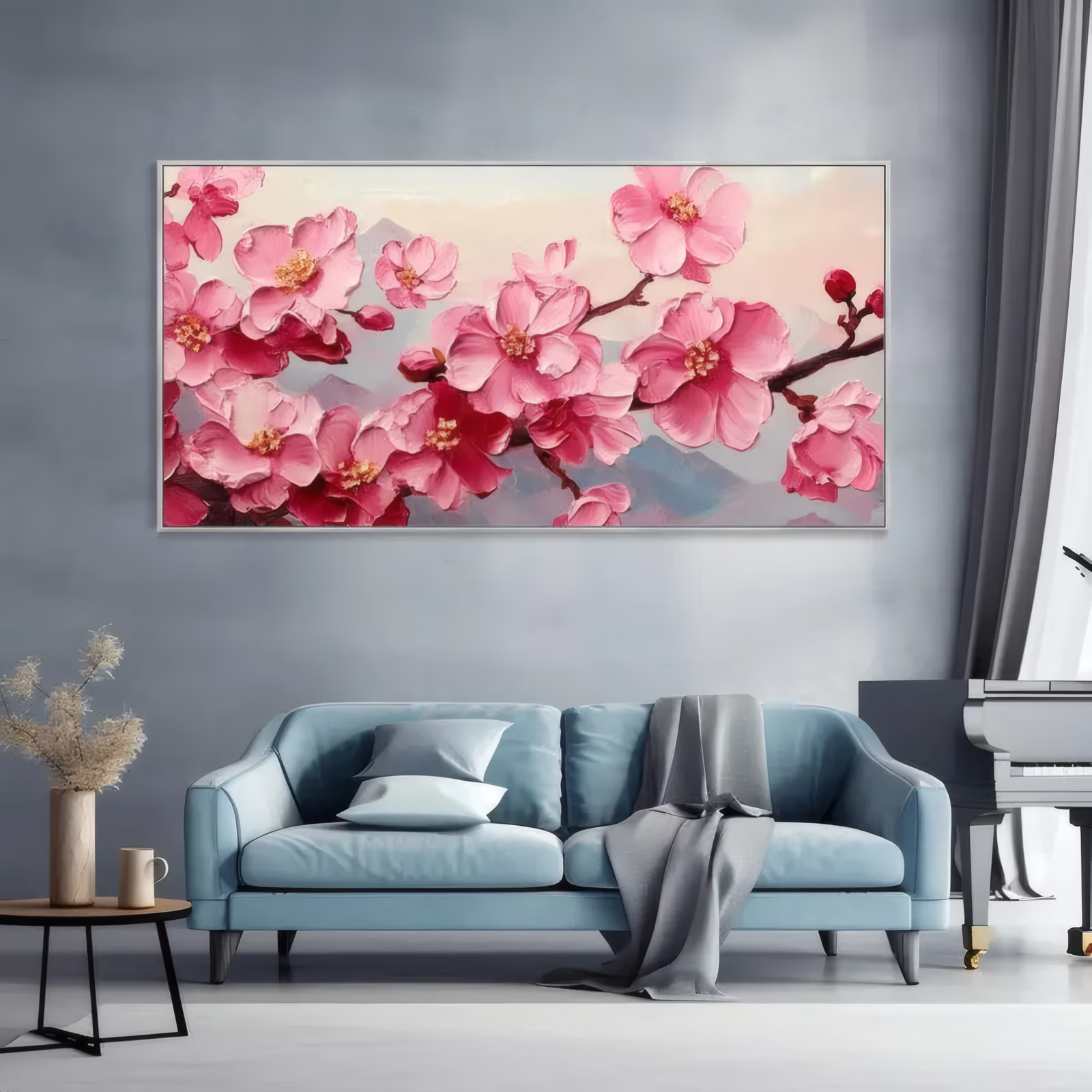
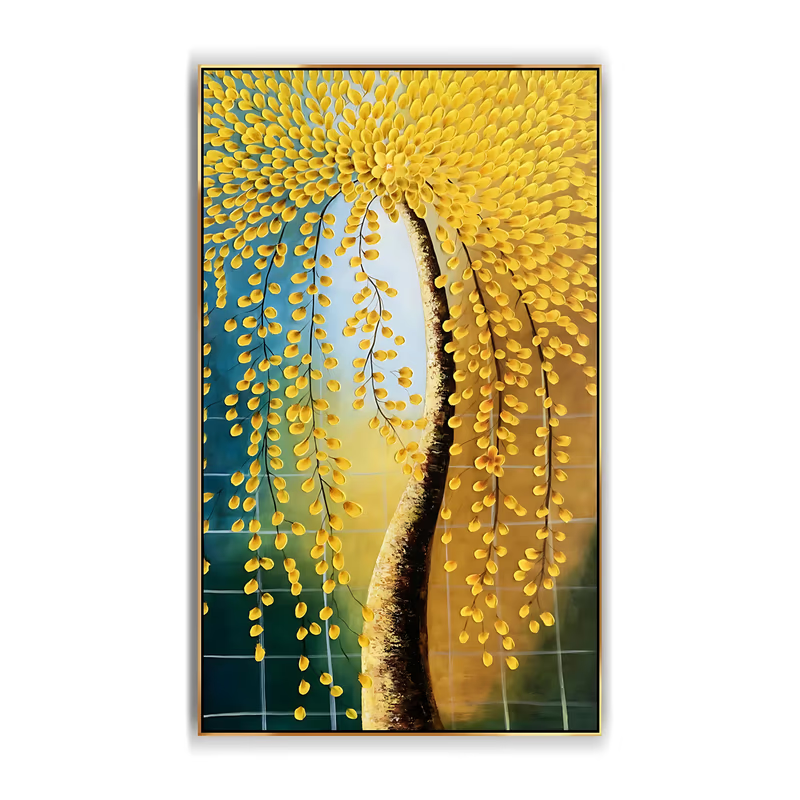
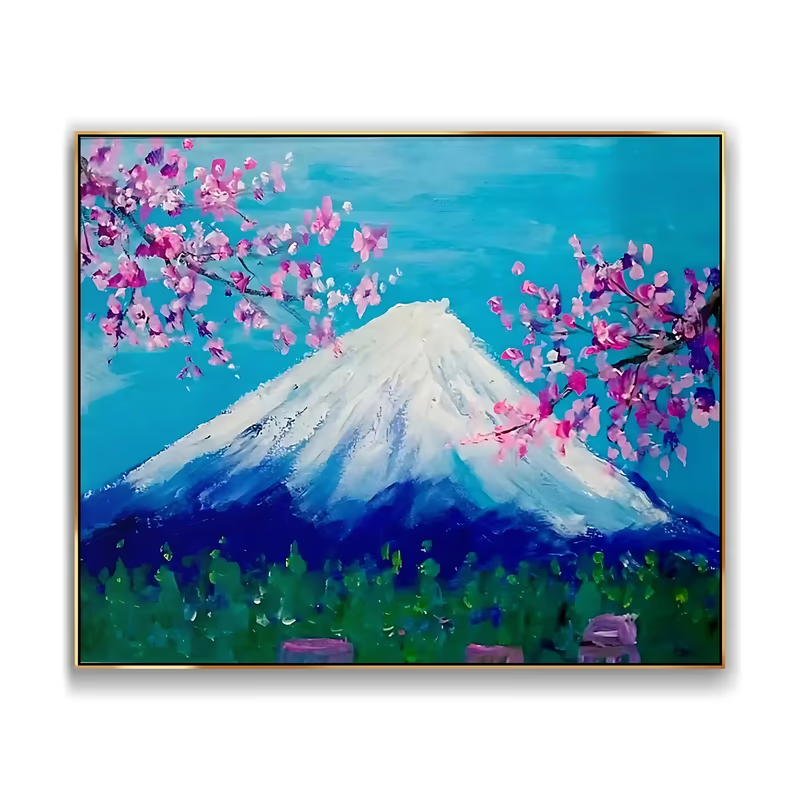
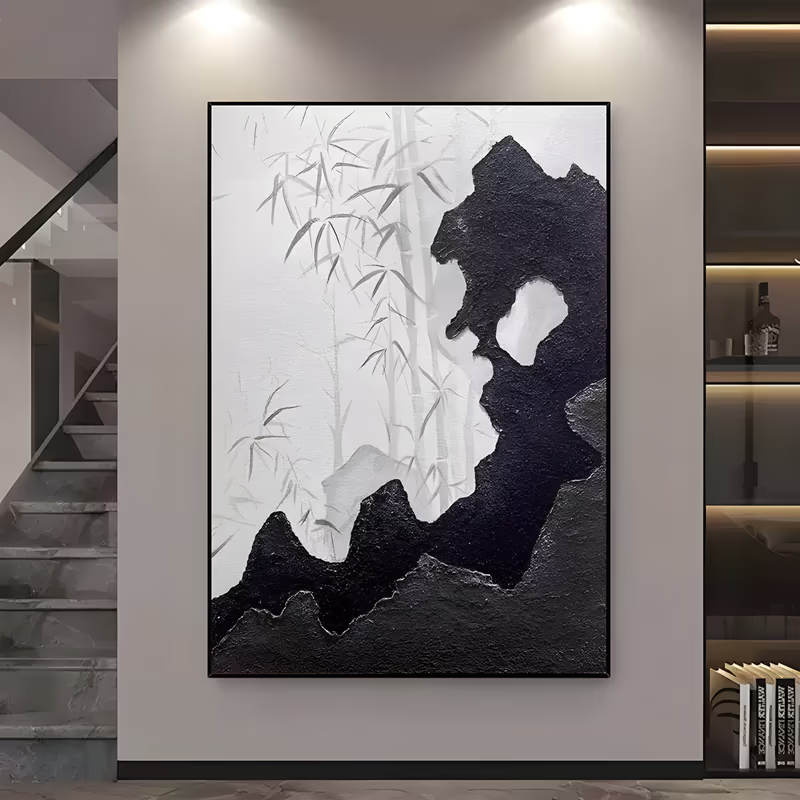
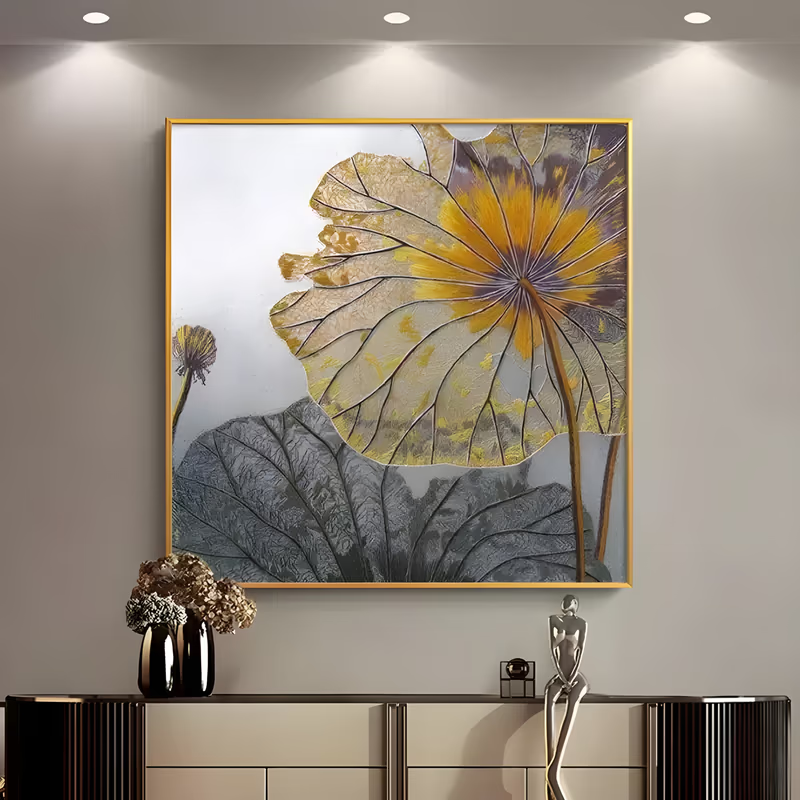
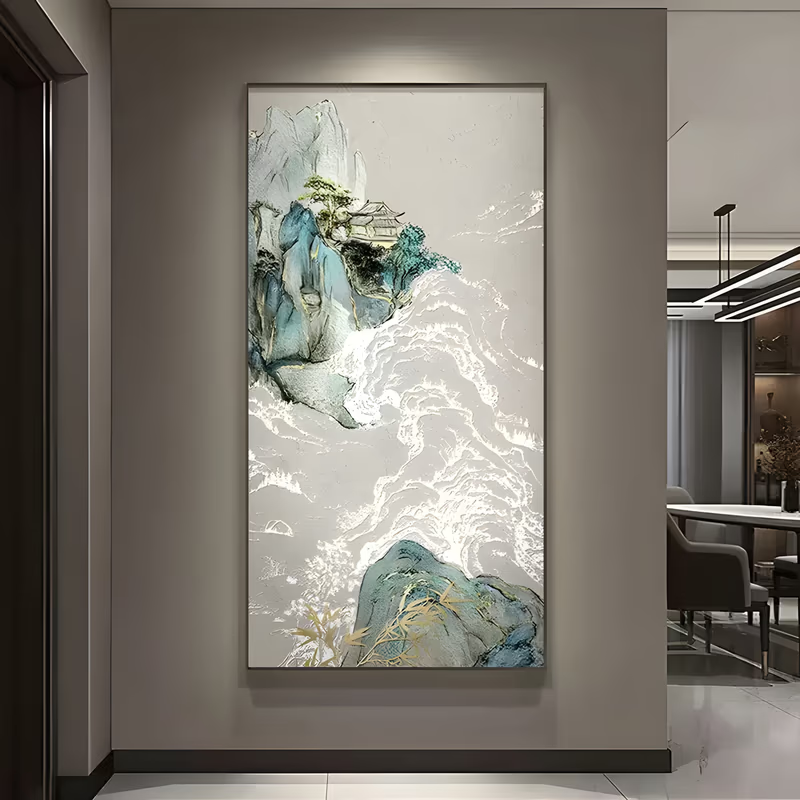
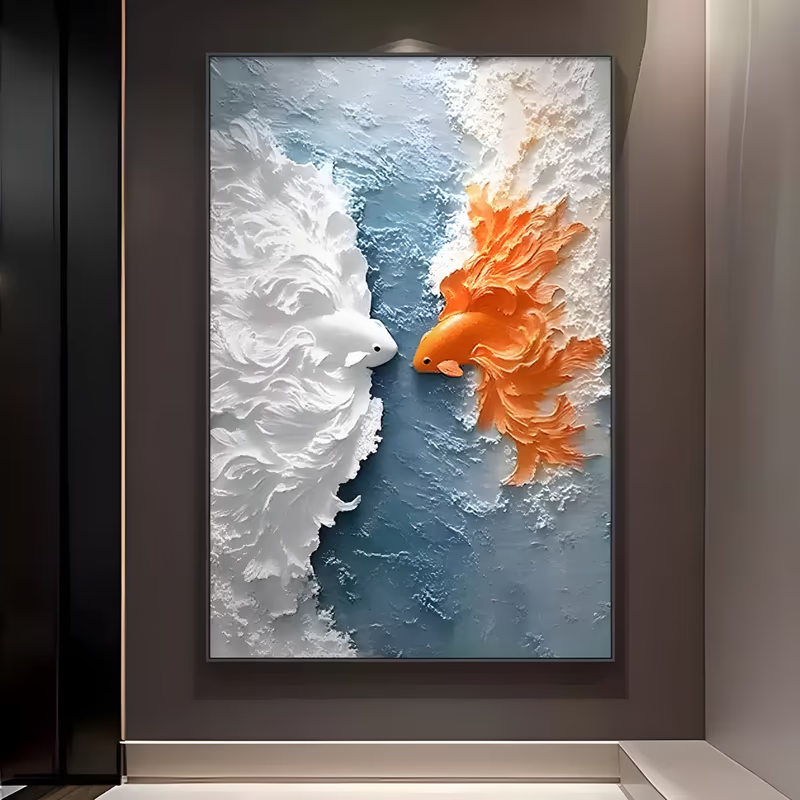
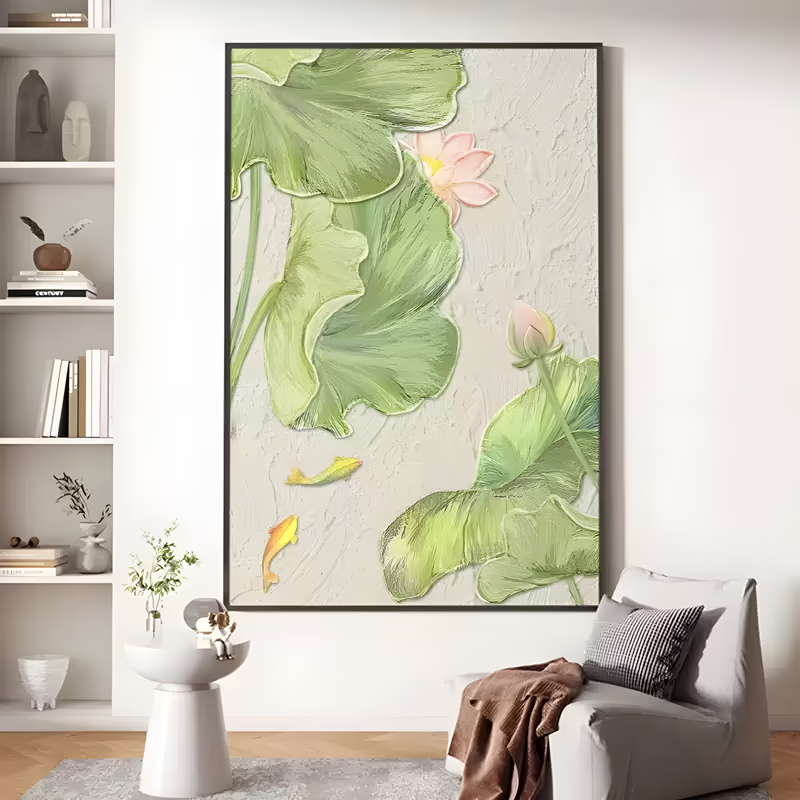
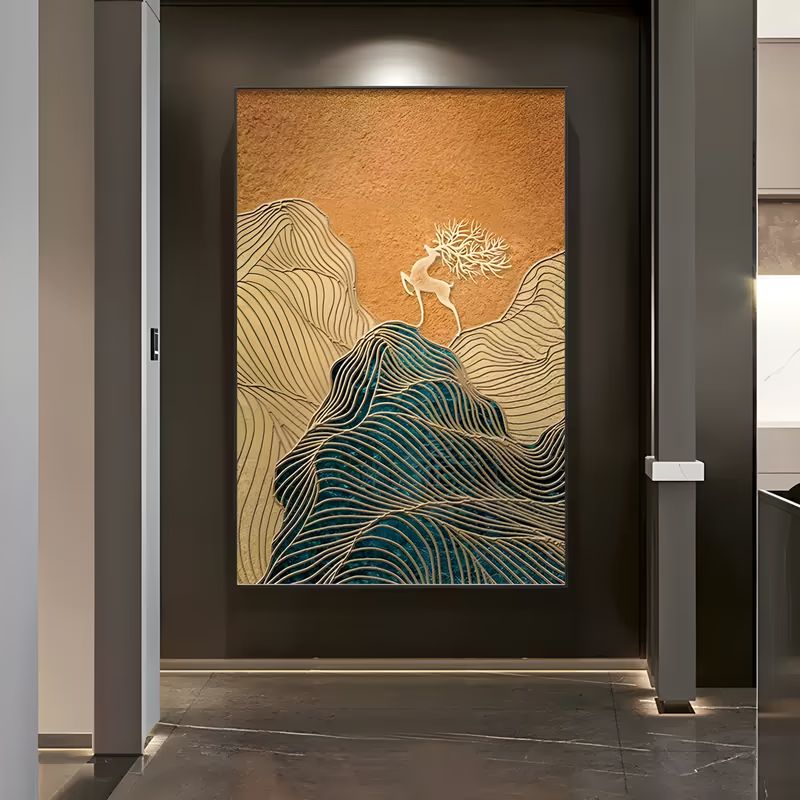
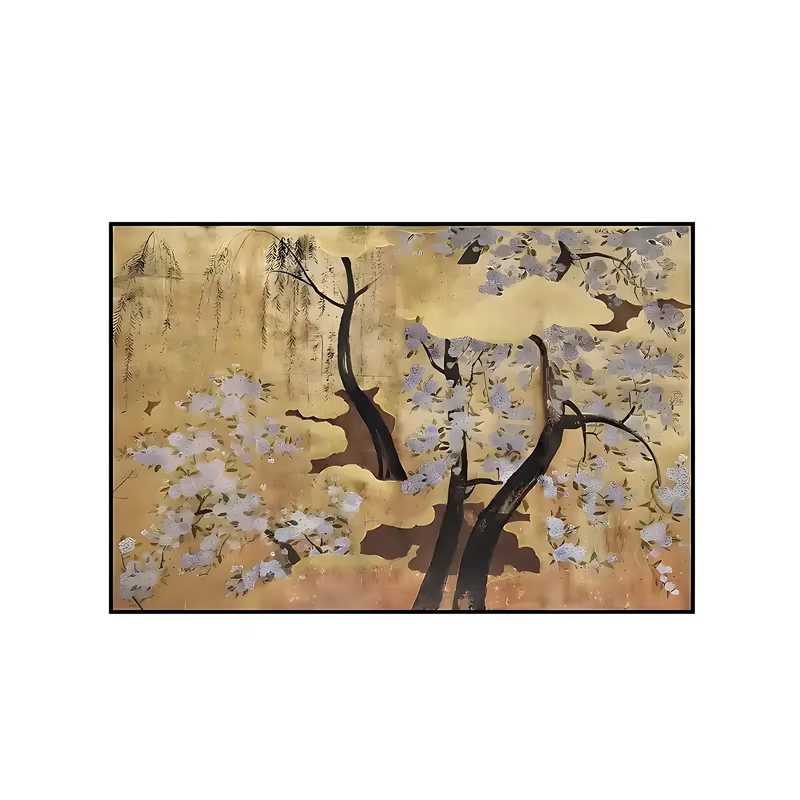
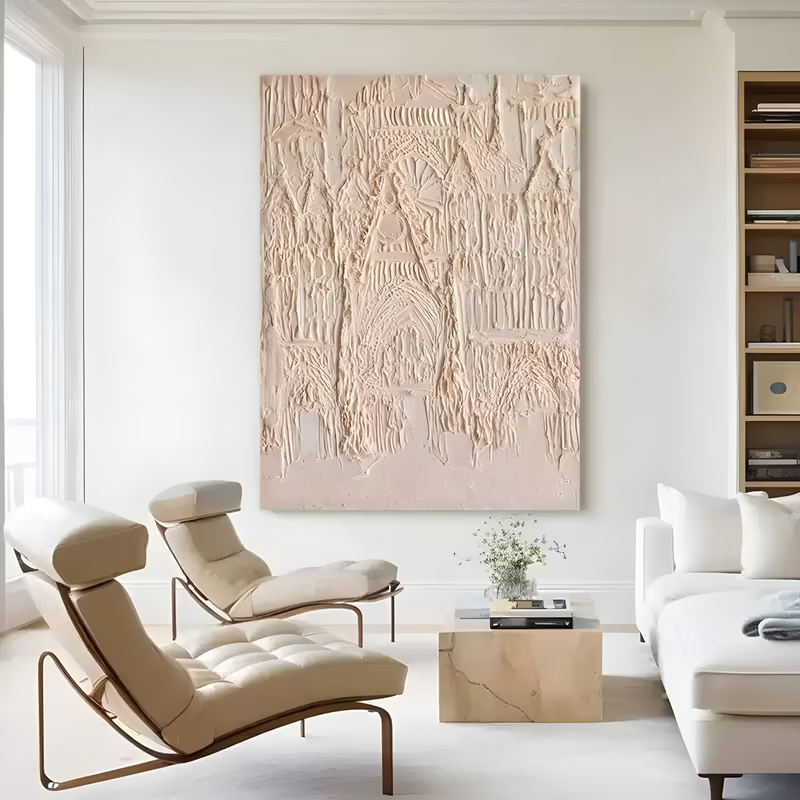
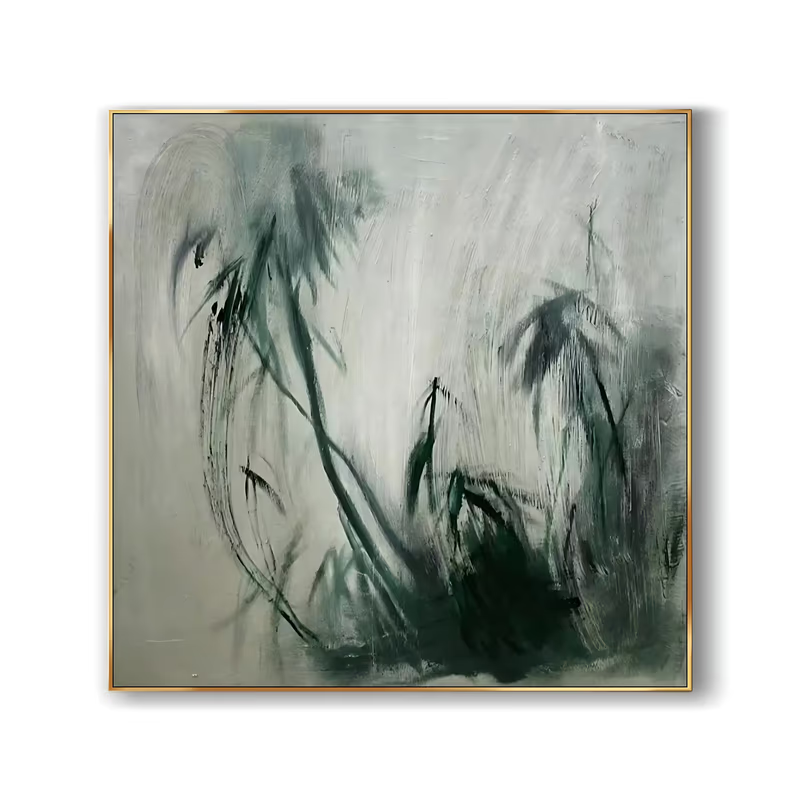
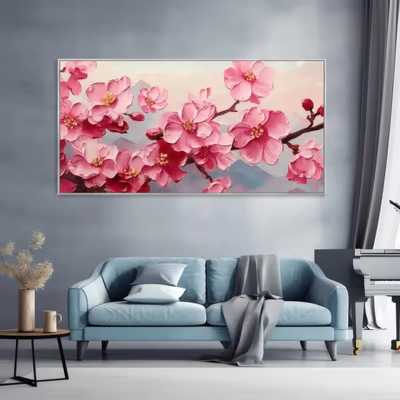
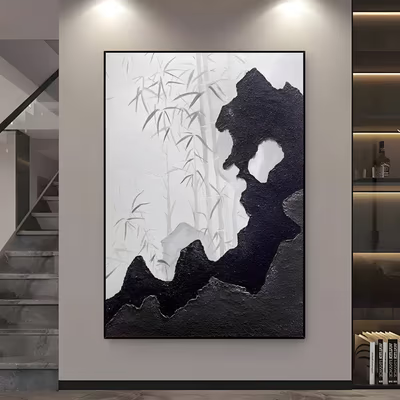
Ink-style bamboo on white, a teal pavilion above carved cloud waves, golden lotus leaves, koi with sculpted fins, cherry blossom and willow in gold leaf. Restrained and tactile, the natural choice for Japandi, spa and minimal interiors.
Folk colour: animals, flowers and villages
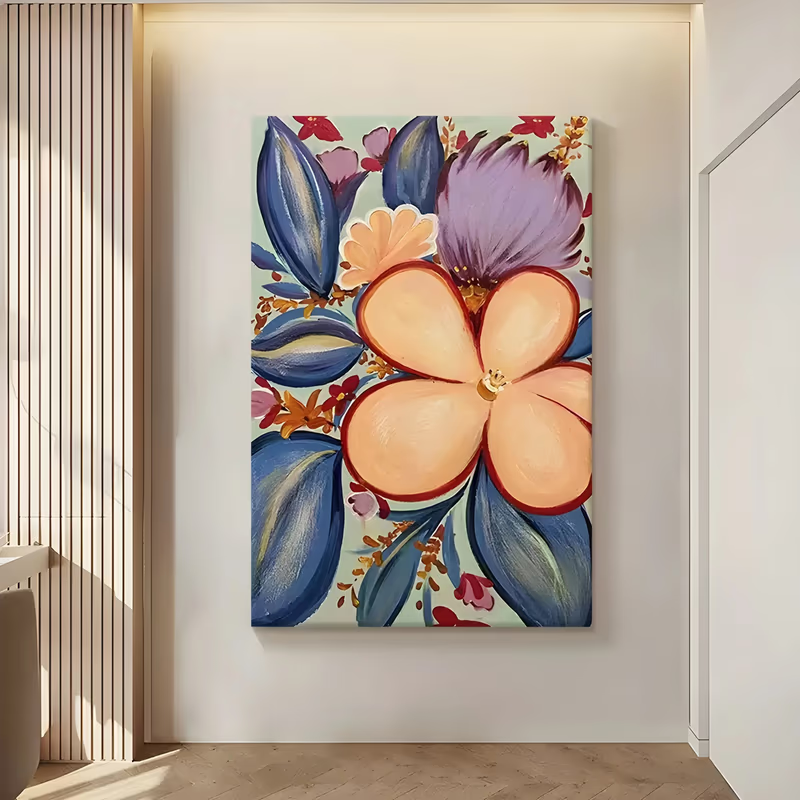
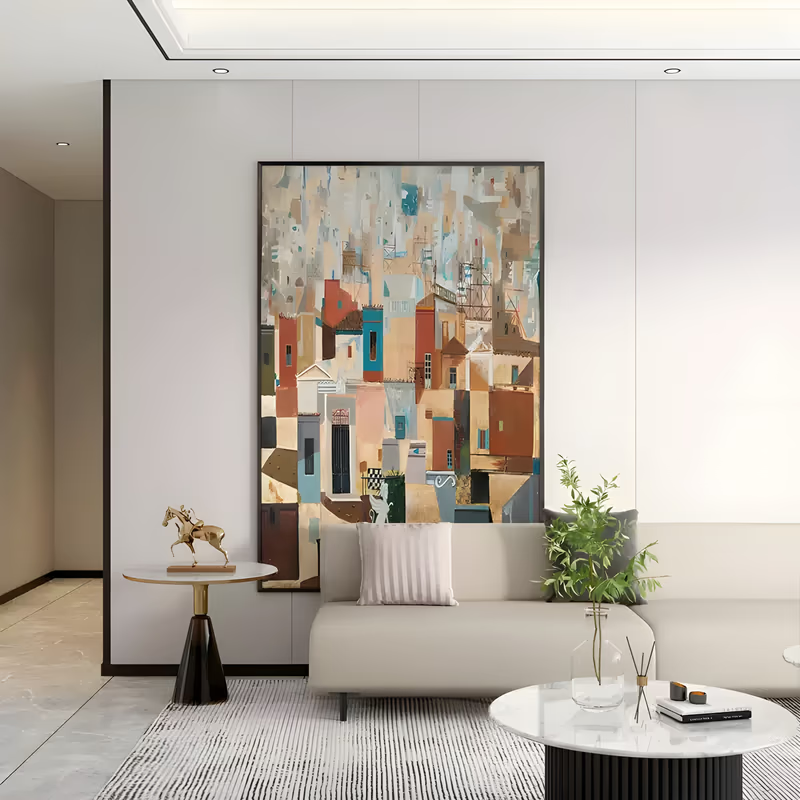
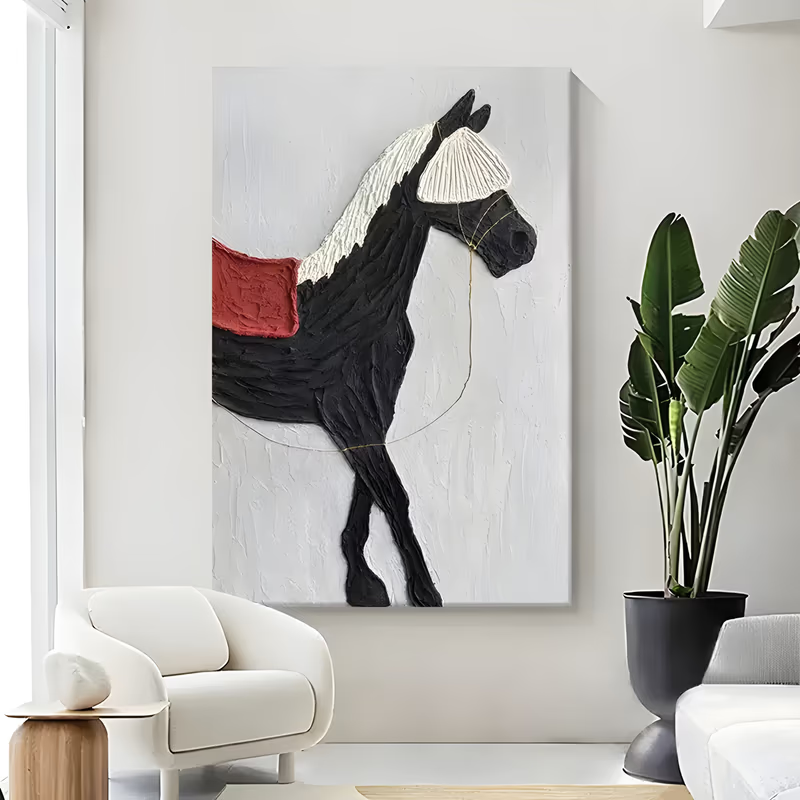
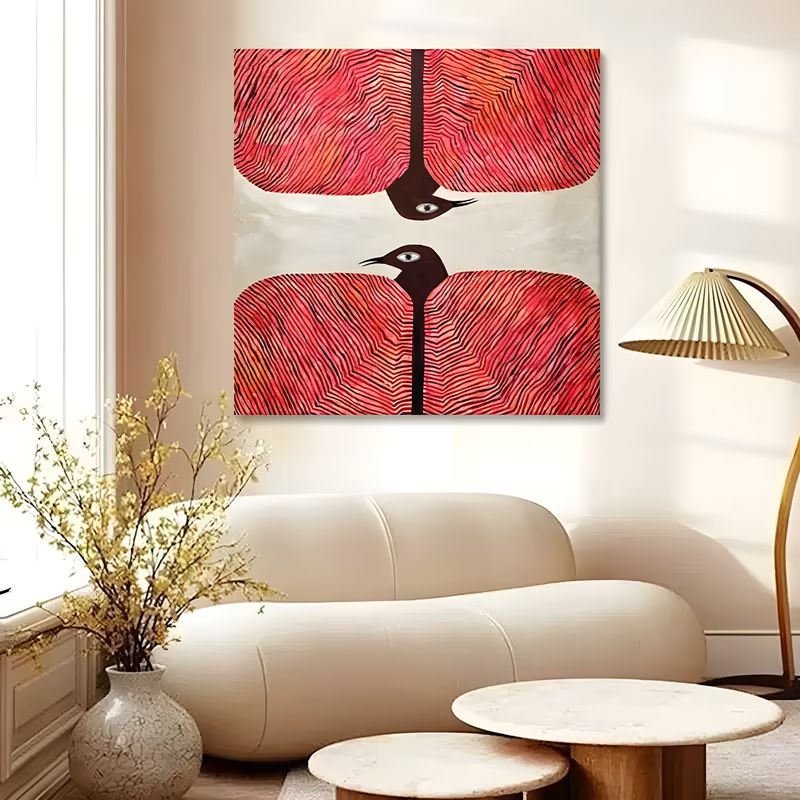
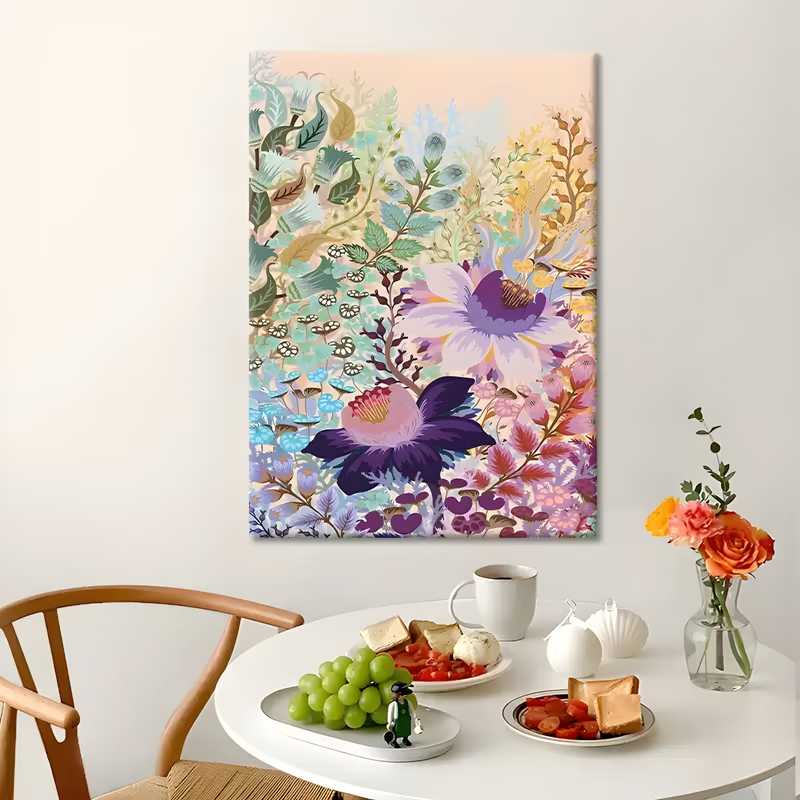
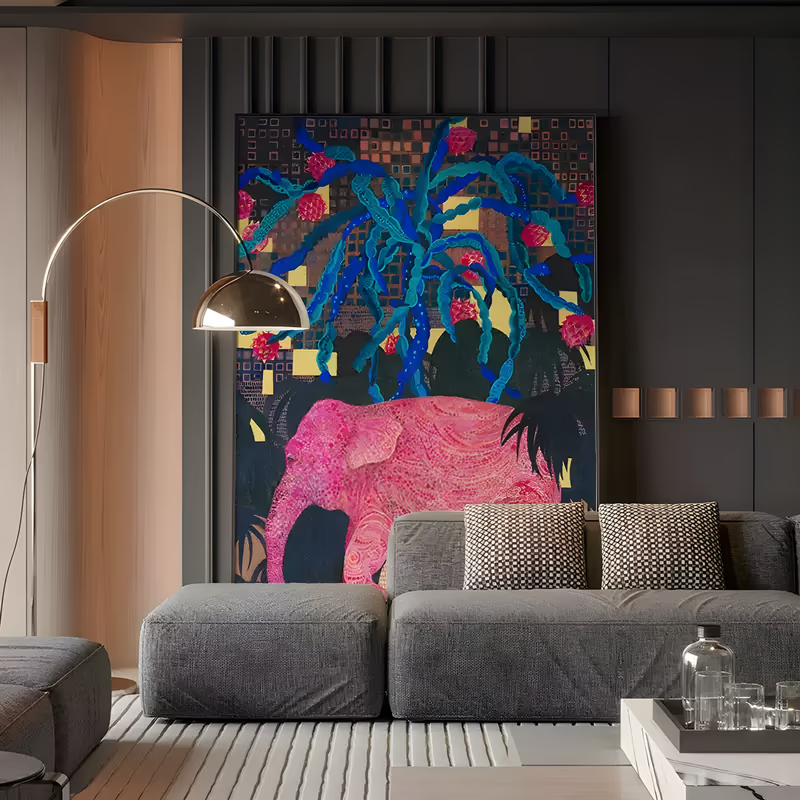
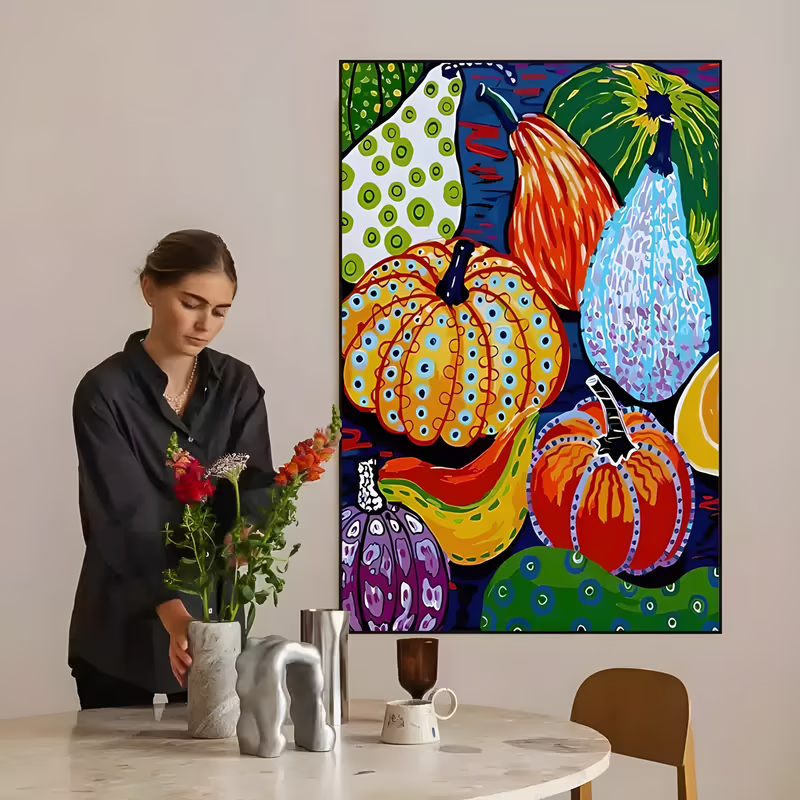
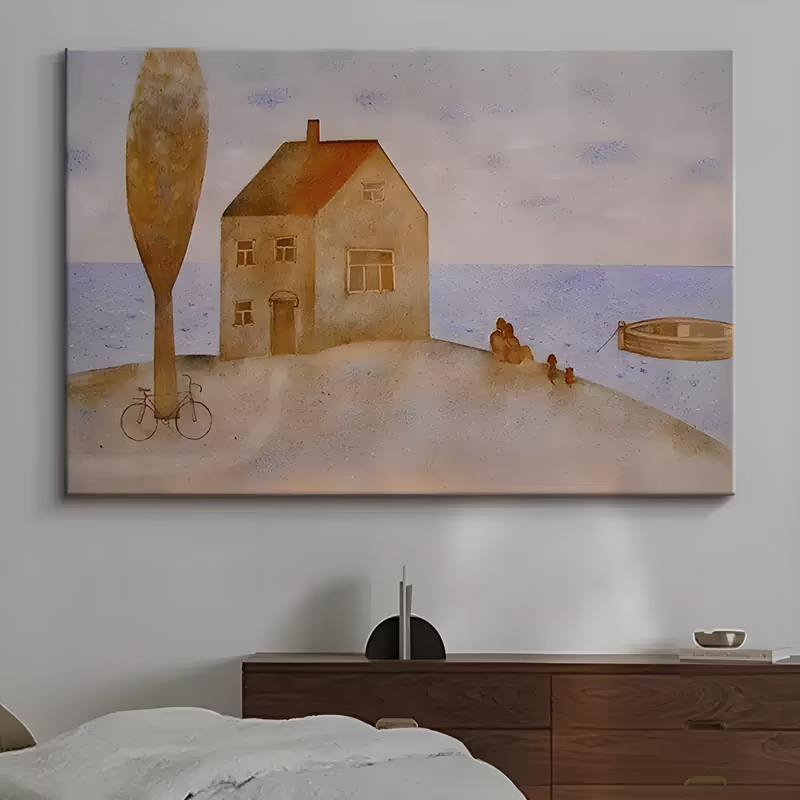
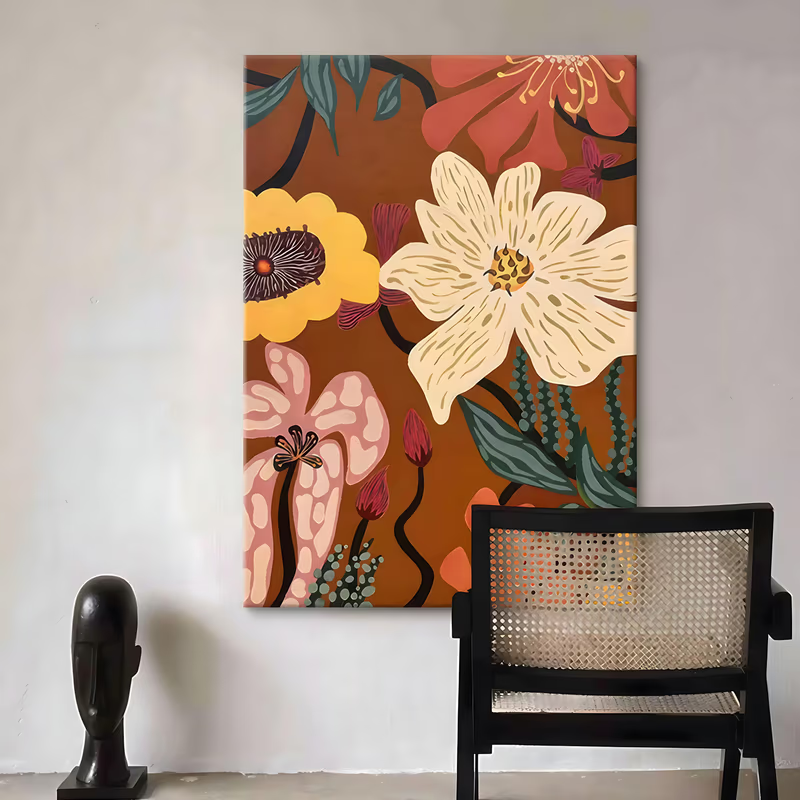
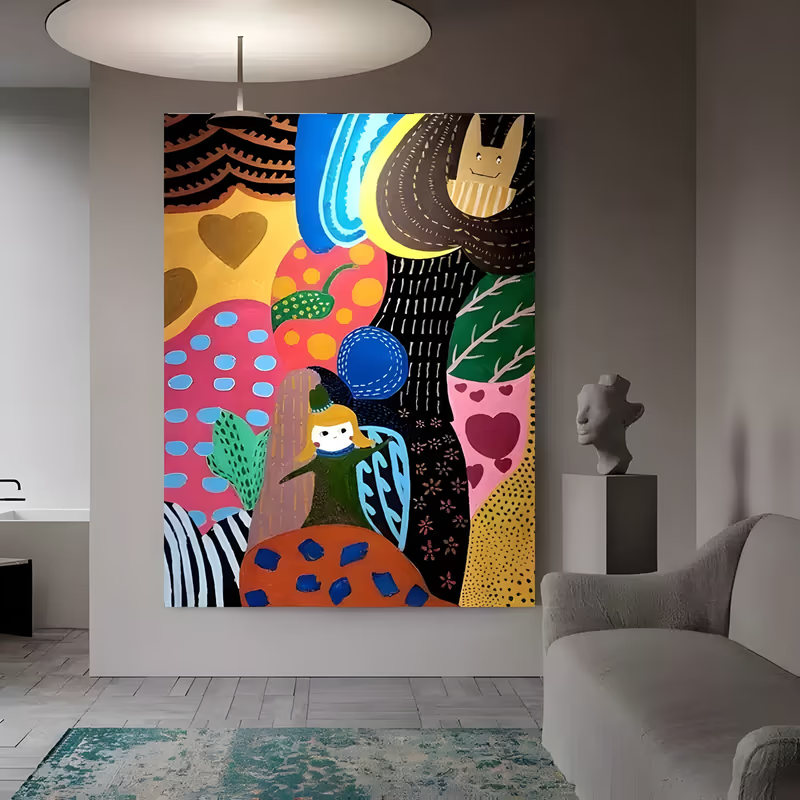
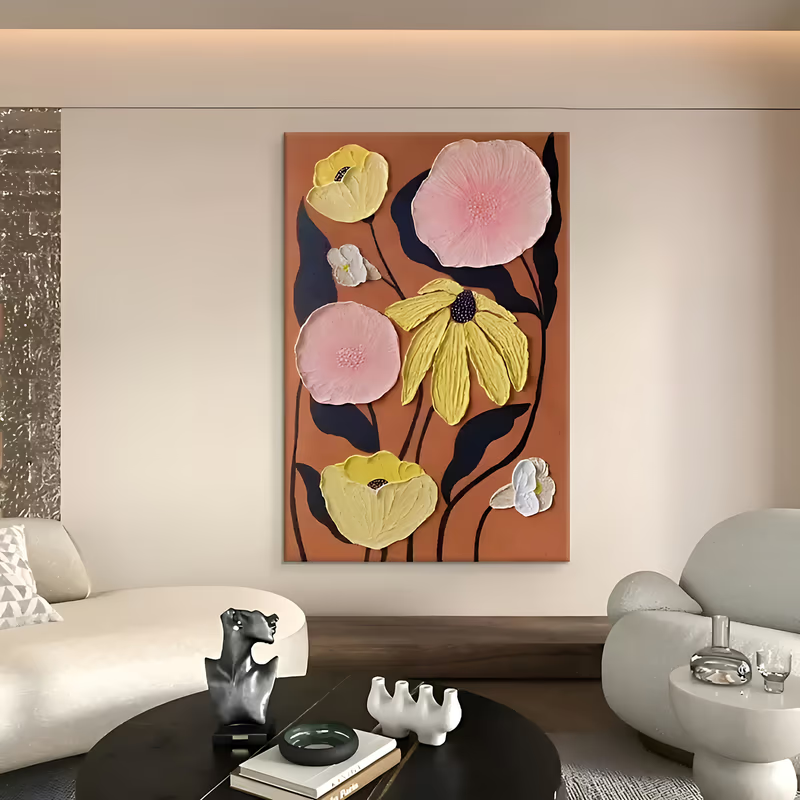
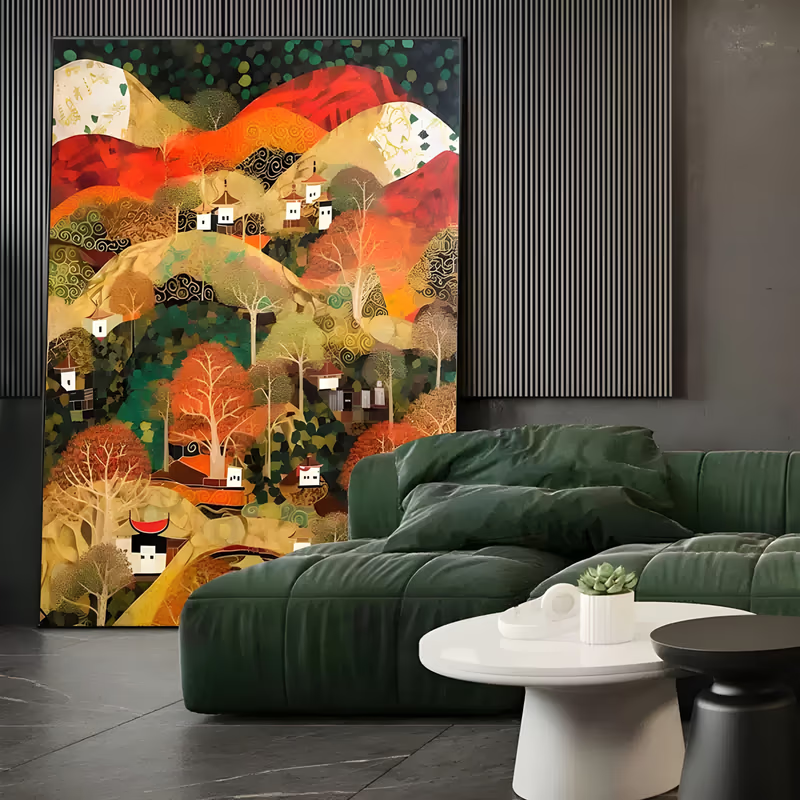
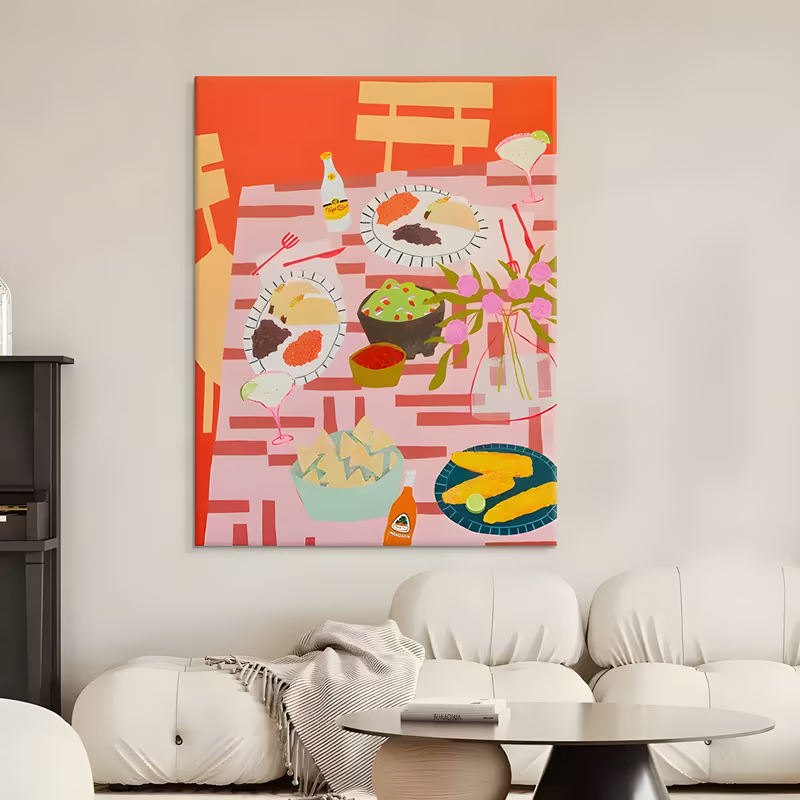
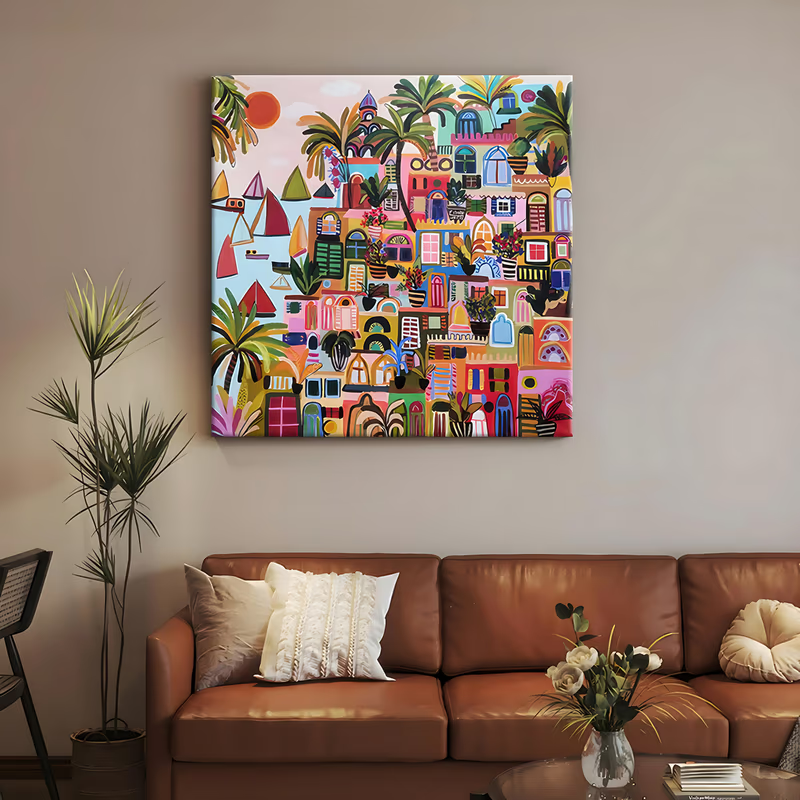
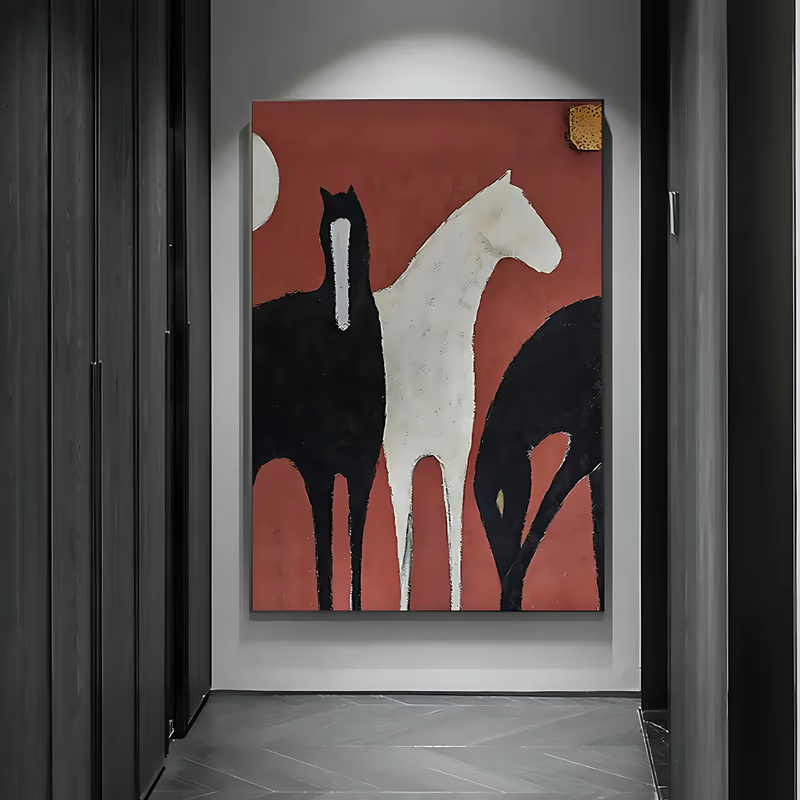
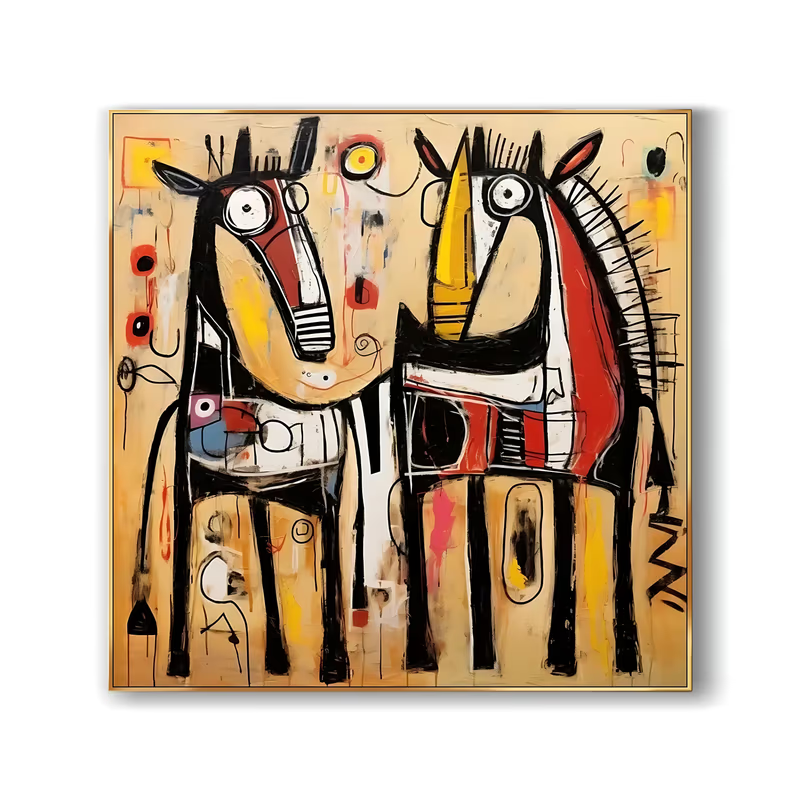
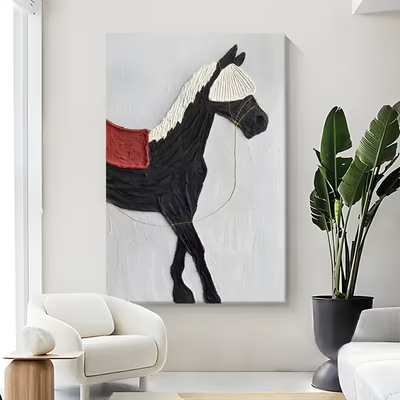
An ochre folk tiger on blush pink, mirrored birds with red fan wings, retro folk flowers on rust, polka-dot pumpkins, a patterned red and gold hillside village, stylised horses. Flat, cheerful and full of pattern, for eclectic homes, family rooms and casual restaurants.
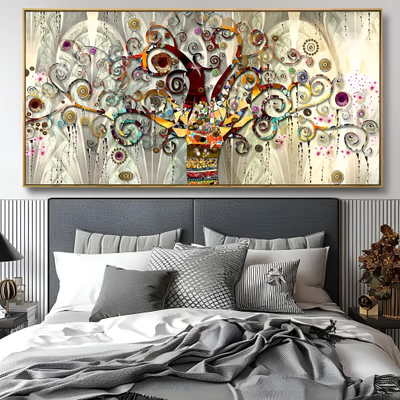
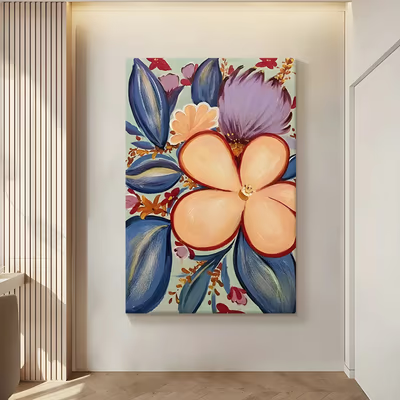
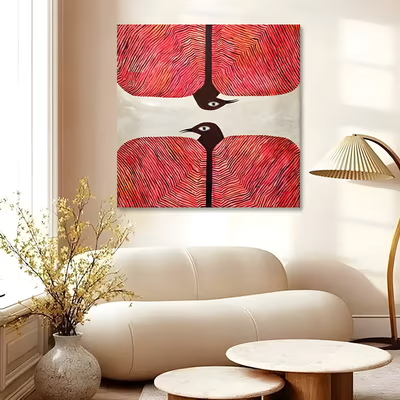
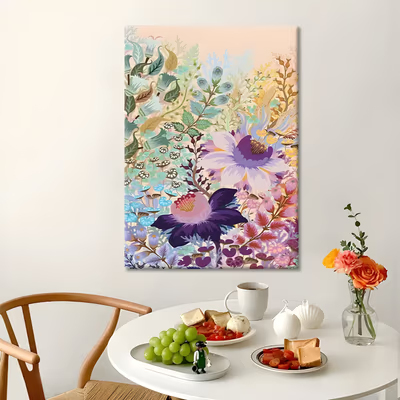
Figures, faces and pattern from wider traditions
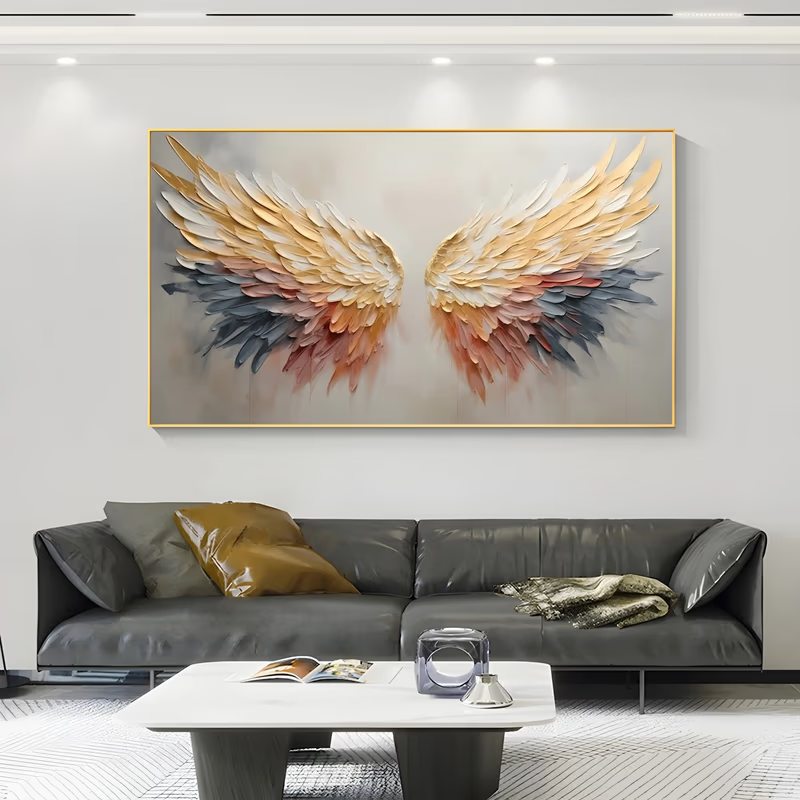
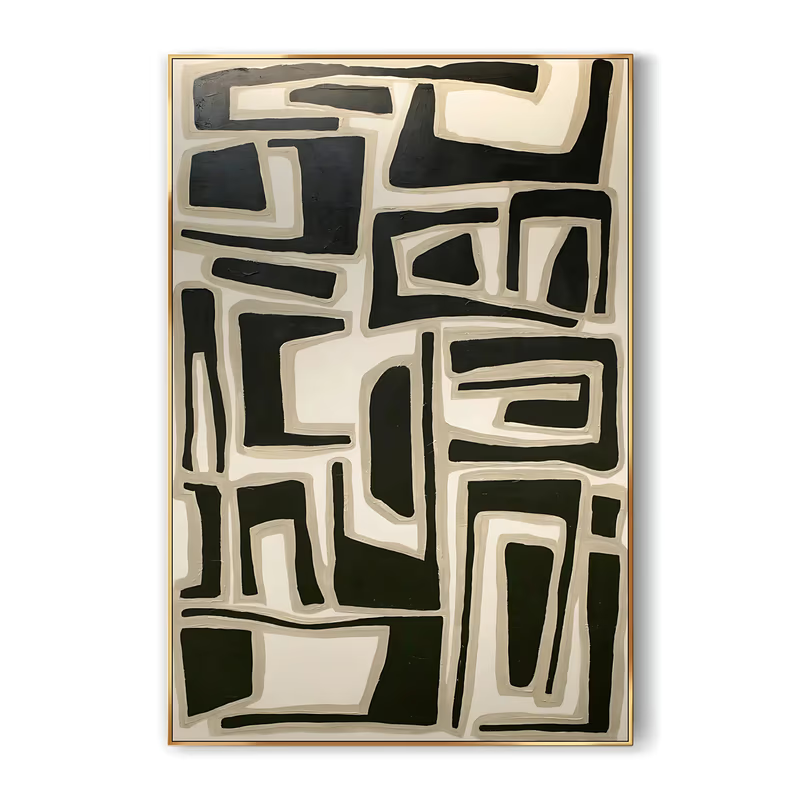
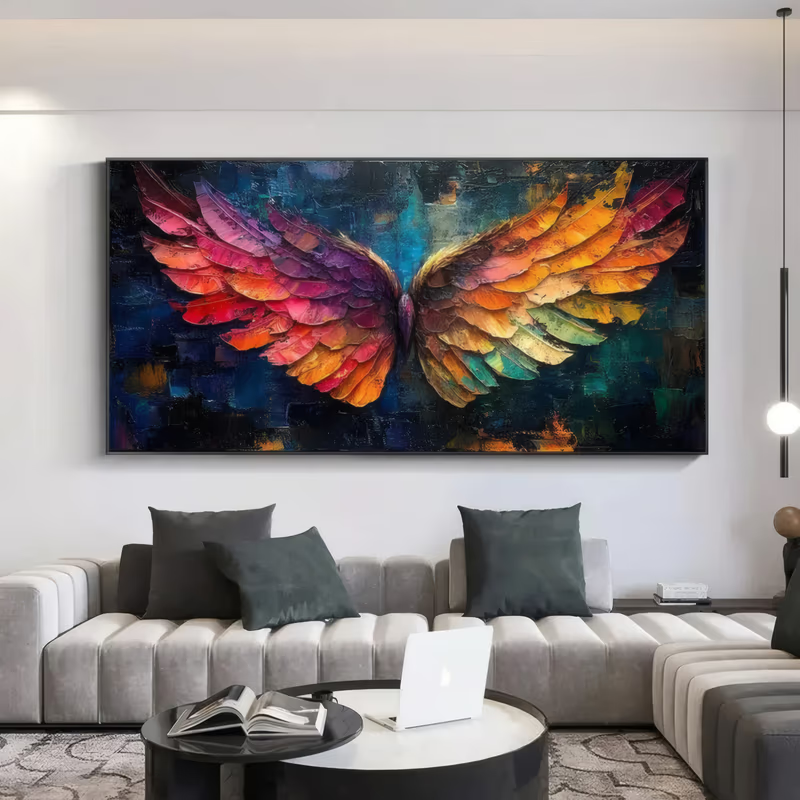
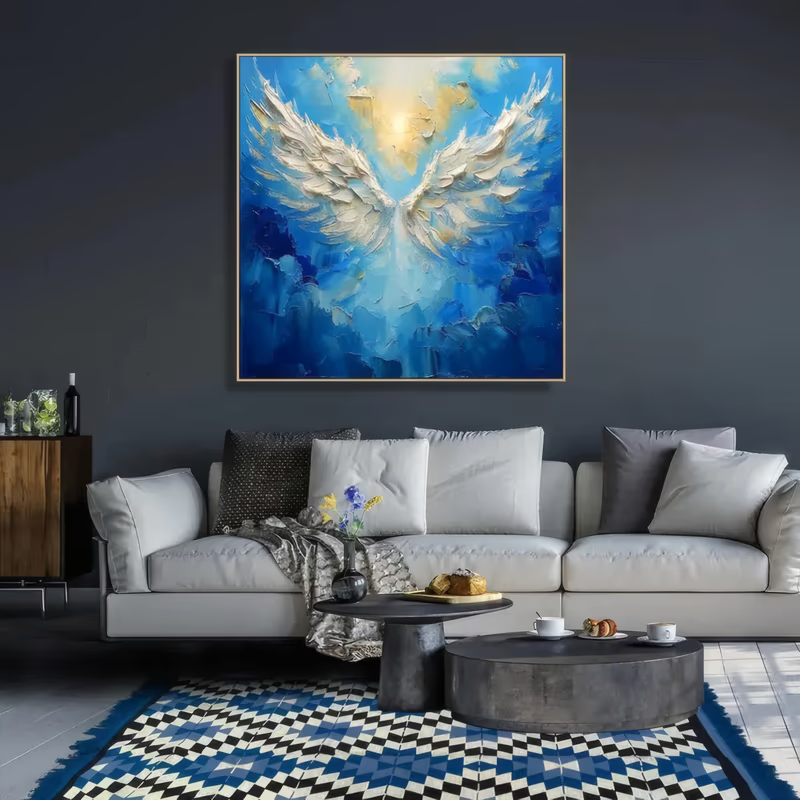
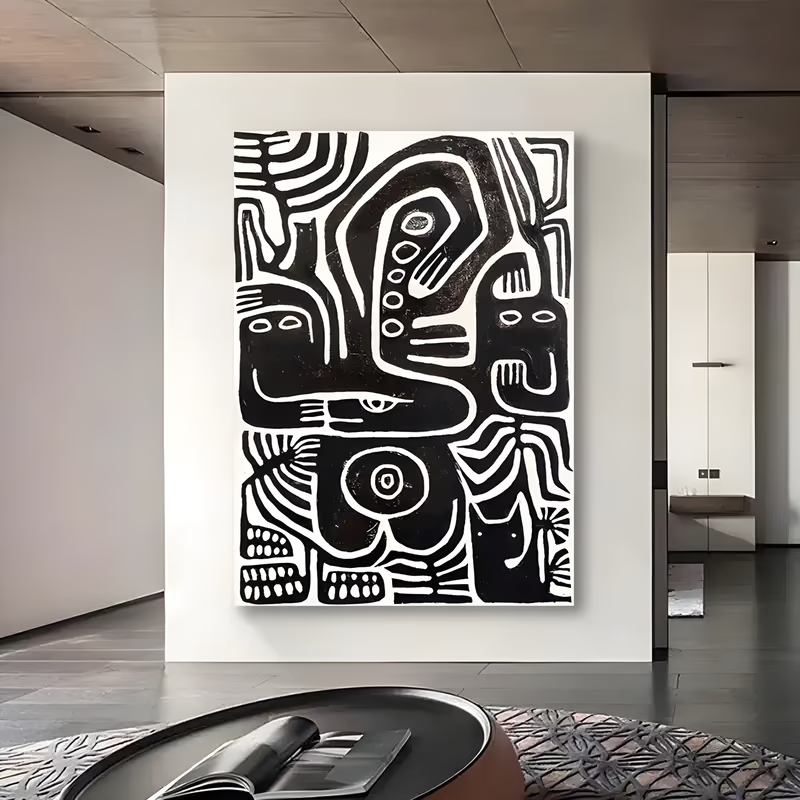
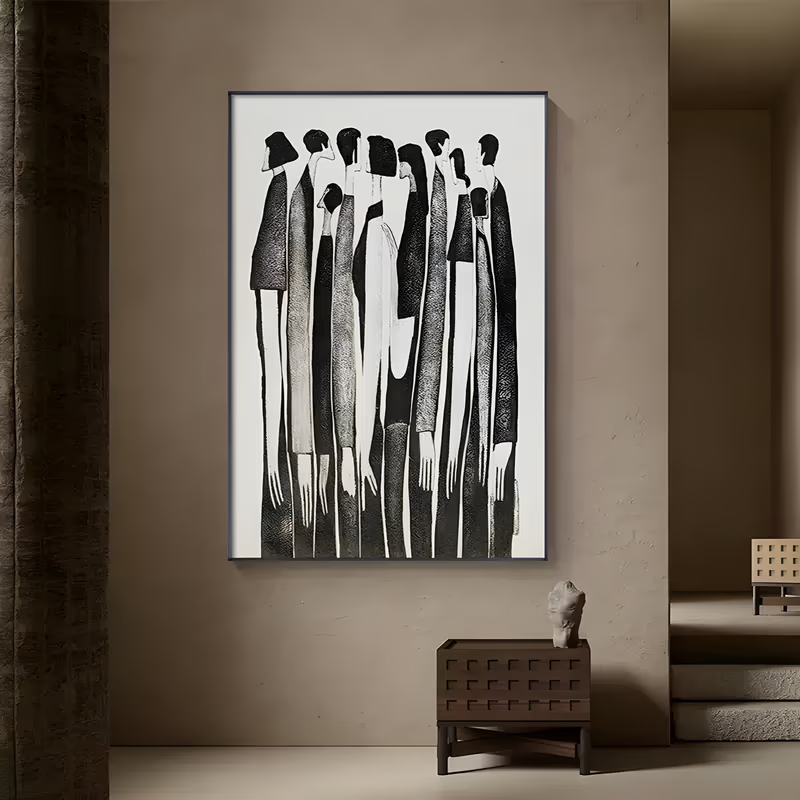
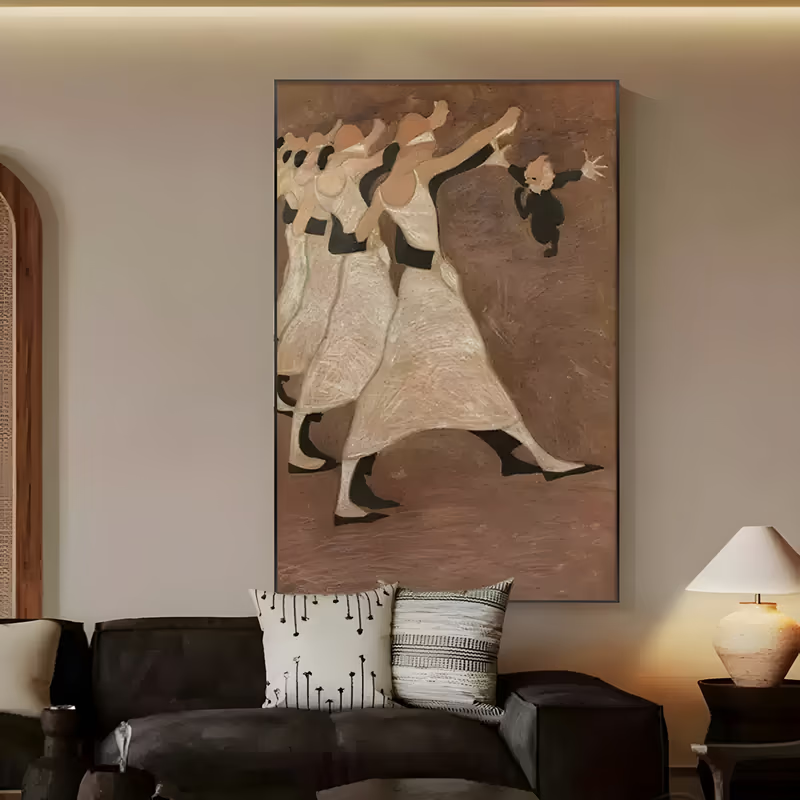
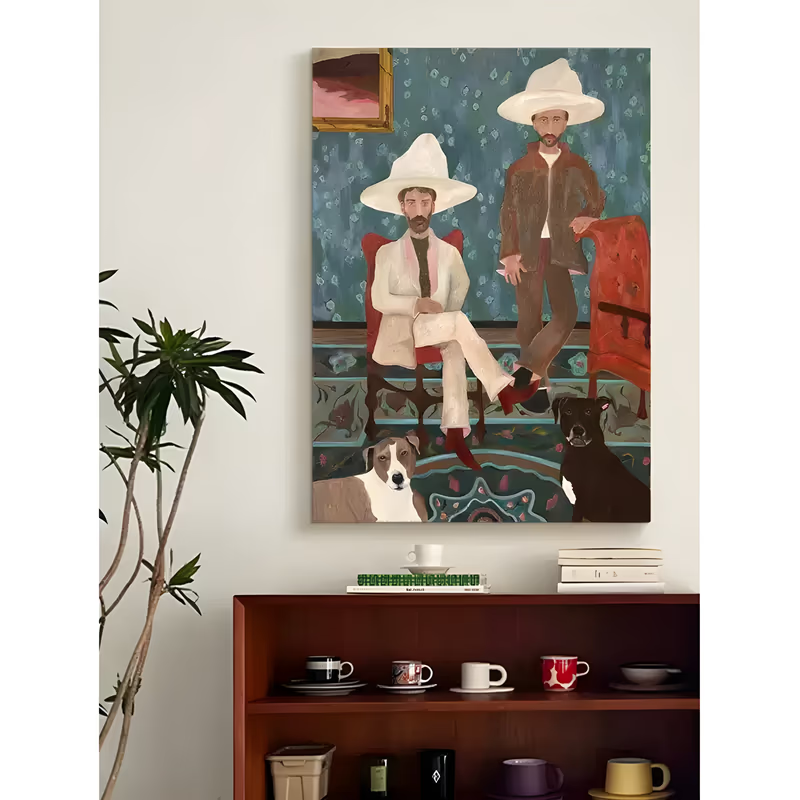
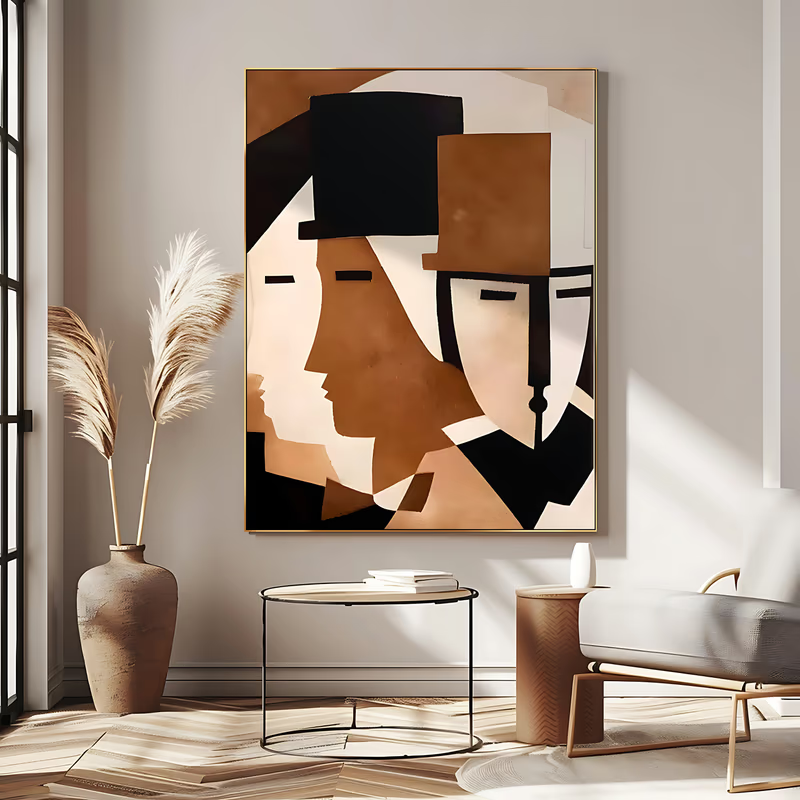
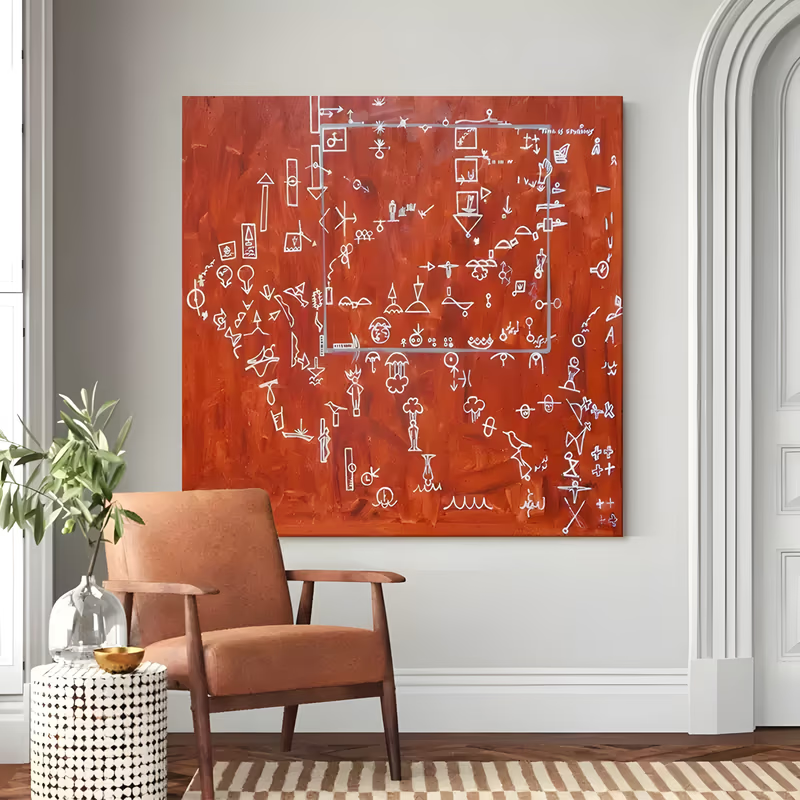
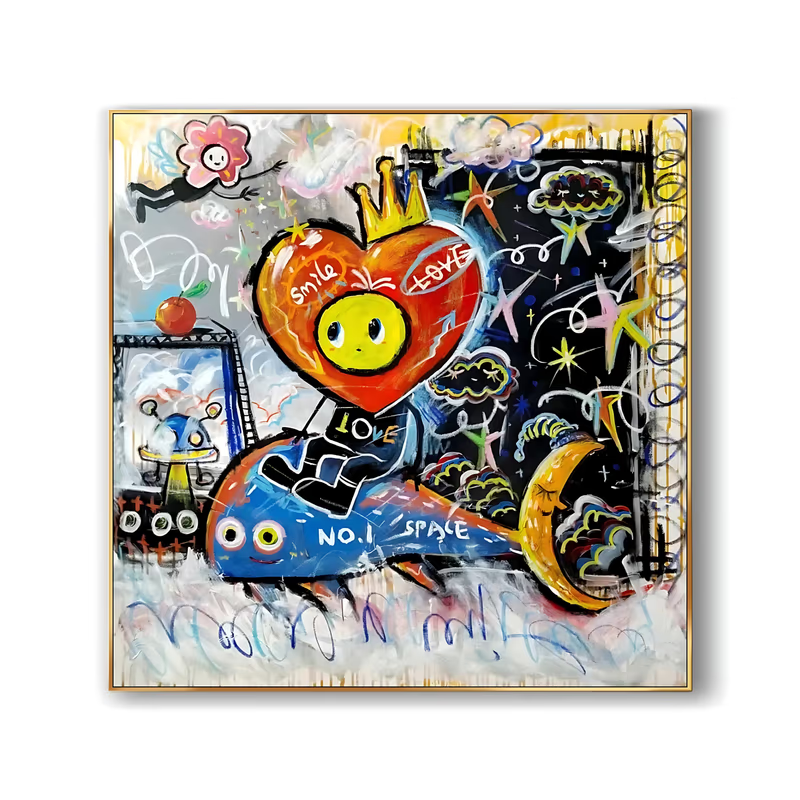
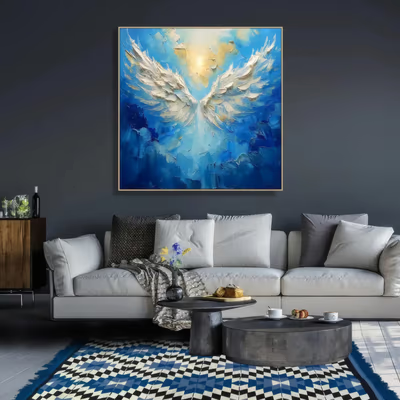
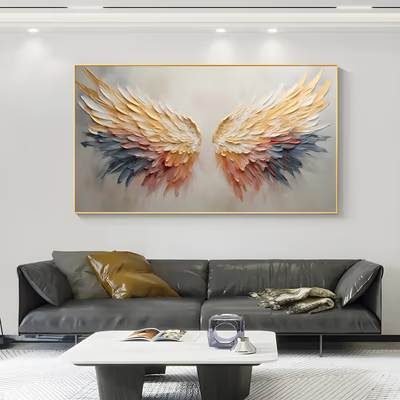
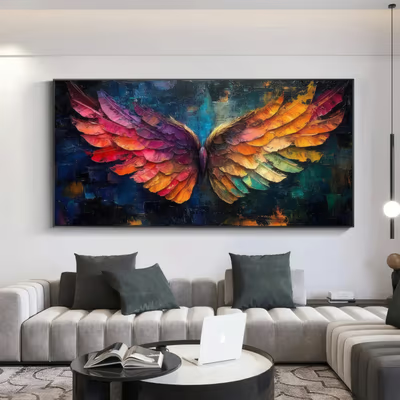
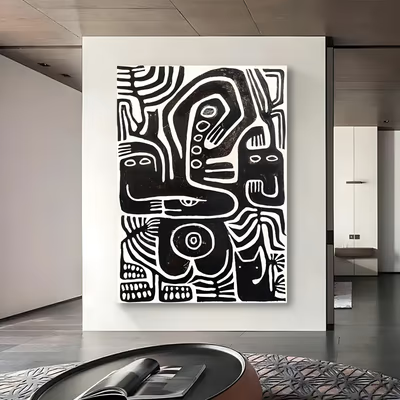
Three women carrying baskets at sunset, elongated figures in black and white, cubist musicians, a mask-and-symbol composition, angel wings in feathered texture. These lean towards modern art built on older visual languages, and suit living rooms, galleries and lounges.
How do you use Asian art in a modern interior without a themed look?
Let one well-chosen painting do the work: give it space, keep the surrounding decor quiet and modern, and connect it to the room through one or two colours rather than through matching ornaments.
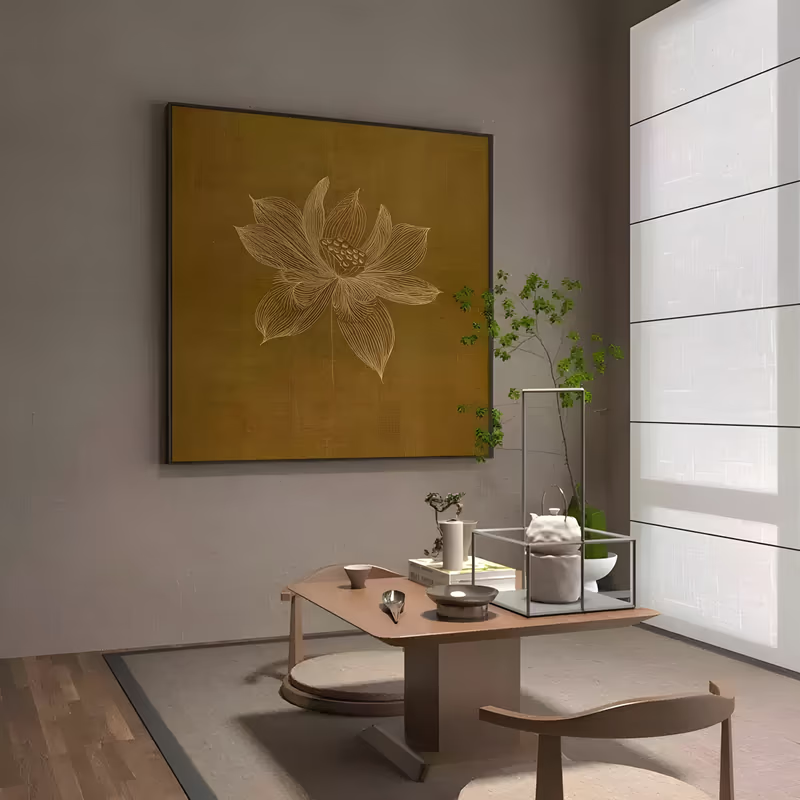
A room starts to feel themed when the painting is surrounded by props that repeat it: lanterns, fans, statues and red lacquer all at once. Leave those out. A single ink bamboo or lotus painting over a low oak sideboard, with linen, stone and a plant, reads as calm and considered. This is the meeting point of Japandi and Asian art, and it relies on restraint and empty space.
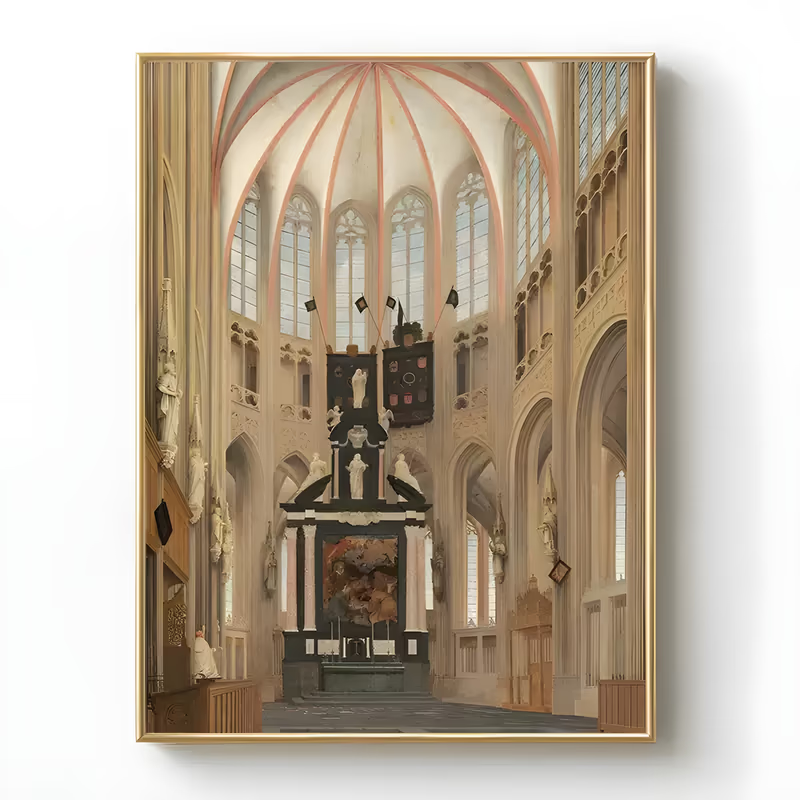
Match the handling to the interior. Ink, relief and minimal pieces sit best with pale wood, plaster walls and natural fabric. Detailed classical paintings suit darker woods, deep green or navy walls and brass. Gold-ground cranes and blossom carry glamour into a black or charcoal room; a thin black, gold or natural wood frame suits all three.
What is folk art, and which rooms suit folk-style paintings?
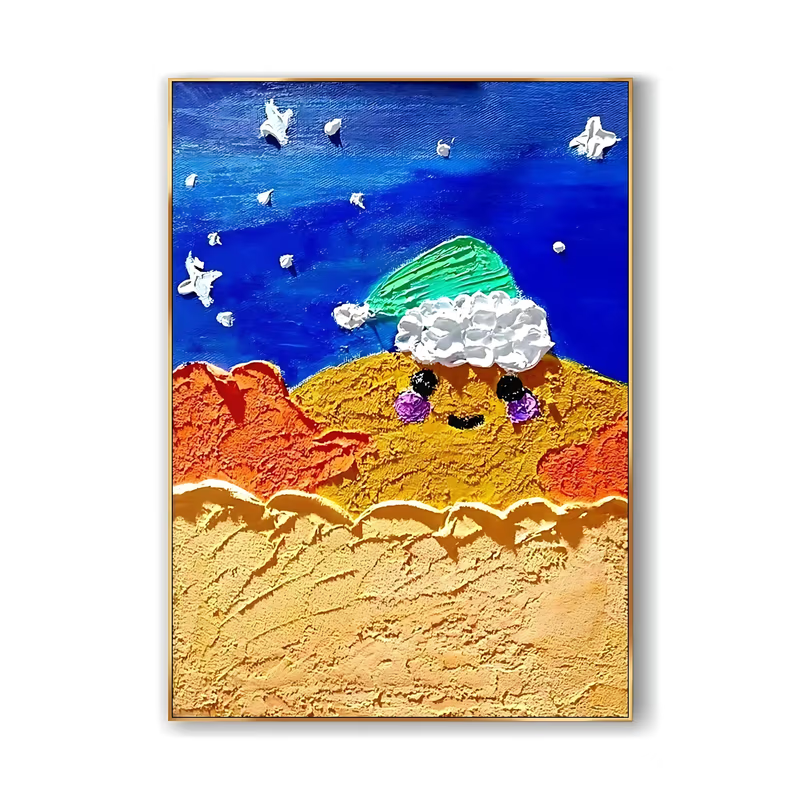
Folk art is decorative painting rooted in everyday craft, with flat colour, bold outlines, pattern and simplified animals, flowers and villages; it suits kitchens, family rooms, children's rooms, casual restaurants and eclectic homes.
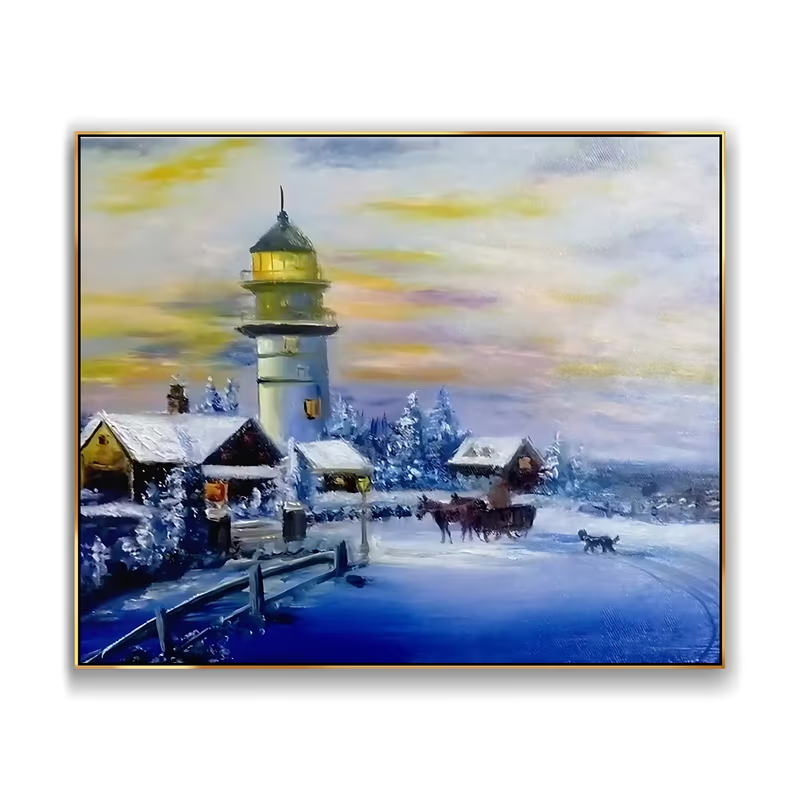
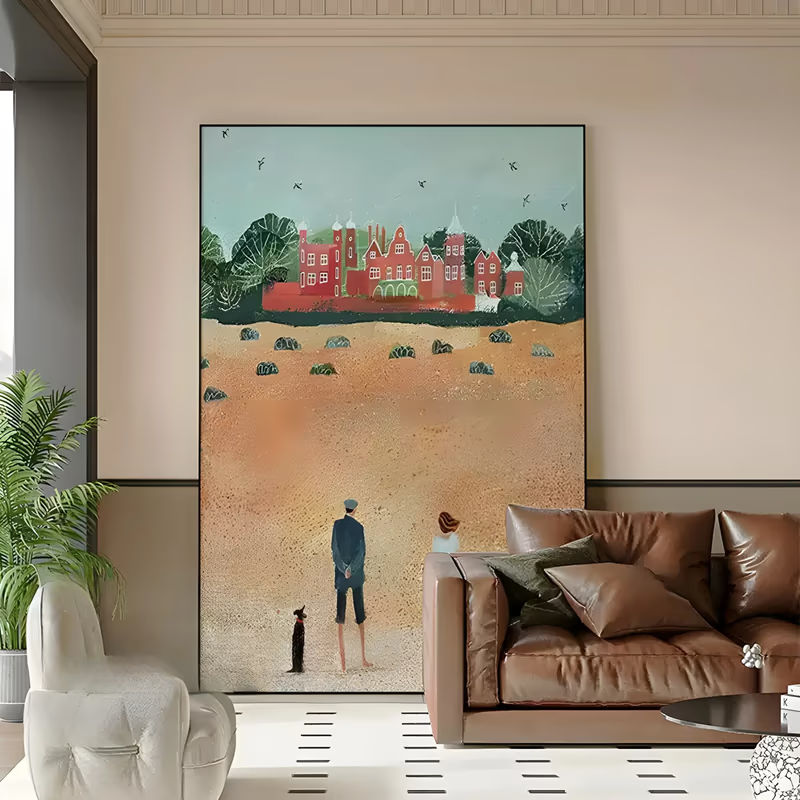
Folk and naive painting values feeling and pattern over correct perspective. A cottage by the sea may be drawn as a child would see it, a tiger becomes a set of stripes and a grin, and flowers turn into repeating rosettes. That directness is why folk art makes a room friendly. It pairs well with farmhouse and cottage interiors, with painted furniture and mixed textiles, and with modern rooms that need a note of humour.
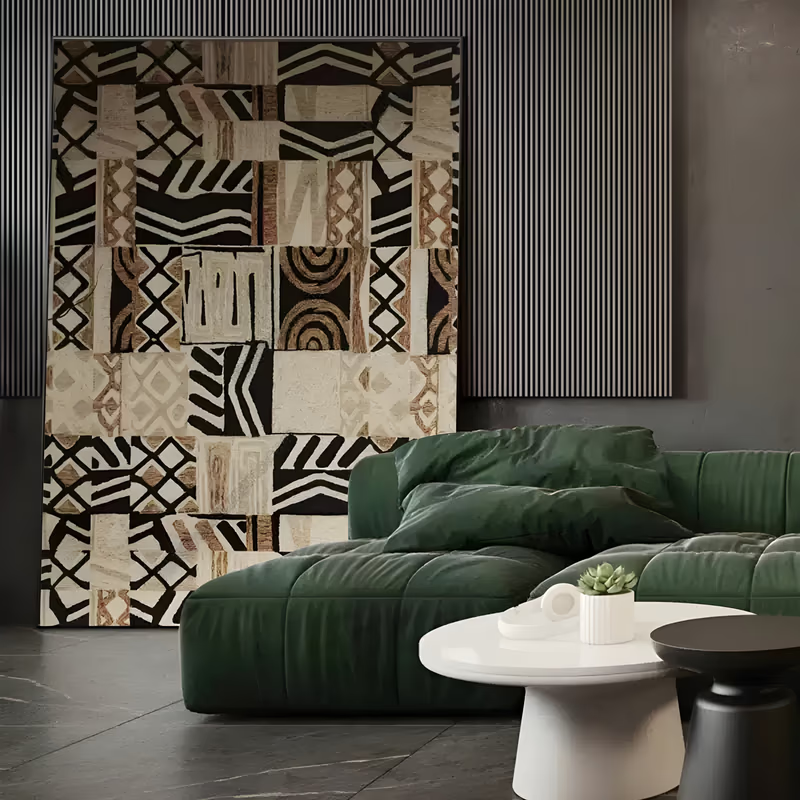
Patterns also travel well. Mudcloth-inspired patchwork in black, cream and tan, a pattern from the bògòlanfini cloth of Mali, suits boho and earthy schemes; maze shapes and mirrored birds work as near-geometric accents. Browse folk and Asian art for dining or for living rooms and entrances.
Where should Asian and folk art paintings hang in homes, spas and restaurants?
Hang calm motifs such as lotus, bamboo and ink mountains where people rest, and lively ones such as koi, peacocks and folk animals where people gather, sizing each piece to about two-thirds of the furniture or wall below.
Spas, bathrooms and bedrooms
Lotus ponds, ink mountains and blossom branches support quiet. Asian art for spas and bedrooms; projects are on the spas and wellness page.
Restaurants and dining rooms
Koi, peacocks and peonies hold a large wall behind banquettes, and folk pieces suit casual dining. A restaurant serving a particular cuisine should choose motifs from that same tradition. Asian and folk art for restaurants.
Lobbies and entrances
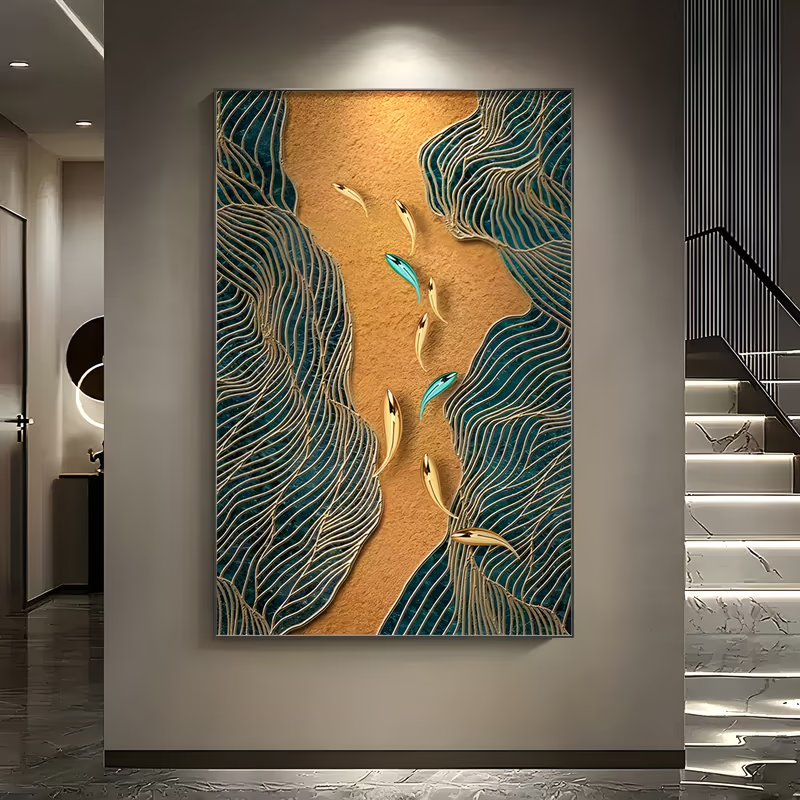
A tall koi or crane painting makes a strong welcome. In feng shui tradition, koi placed near an entrance should swim into the space, not out of the door, and nine koi is a traditional number for abundance. Lobby pieces.
For size, hang the centre about 145–152 cm (57–60 in) from the floor, with 15–25 cm (6–10 in) above furniture. Tall motifs such as bamboo, waterfalls and koi rising through a pond suit a vertical canvas; a branch of blossom or a row of cranes suits a panoramic one, close to the long hanging scroll and the folding screen.
How is a cultural or folk painting adapted and approved before it ships?
The palette and size are adjusted to your scheme, the motif itself is kept faithful, and you approve photos at each stage of painting before the next begins.
Changing colour is usually straightforward: lotus repainted in white rather than pink, koi set in a deep navy pond instead of blue, a folk tiger moved from blush to sage. Send a paint code, a fabric or a photo of the room and the new palette is agreed before painting. Changing what a motif means is a different matter, so ask if you are unsure whether a colour or a number carries a meaning you did not intend. As the painting progresses you see photos or video; work continues only after you approve, and the finished canvas is photographed for approval before dispatch. Painting takes about 10 days and transit 5–7 days by DHL, FedEx or UPS, with the shipping cost confirmed before the painting leaves. The canvas travels rolled, stretched ready to hang, or framed in gold, silver, black, white or wood. Send a quote request with the reference code.